
Premium Custom Hang Tags That Define Your Brand’s Identity
Custom hang tags designed to capture your brand’s essence—premium materials, 5-step quality guarantee, and the unboxing experience that builds customer loyalty.
Custom Hang Tags Sample Gallery — Design Inspiration

What Makes Custom Hang Tags Stand Out
Discover why leading brands choose custom hang tags engineered for durability, design flexibility, and personalized brand identity.
Premium Material Selection
Choose from high-quality cotton, eco-friendly organic blends, and durable synthetics. Every material undergoes rigorous QC testing to ensure brand longevity.
Unlimited Design Flexibility
Personalize colors, patterns, logos, and messaging without compromise. Our in-house design team collaborates to transform your brand vision into premium tags.
Fade-Resistant Color Quality
Vibrant colors stay true through washing and handling. Our advanced dyeing techniques and fade-resistant pigments preserve your brand aesthetic long-term.
Expert Finishing Techniques
Reinforced stitching, sealed edges, and protective coatings ensure durability. Your custom hang tags withstand retail environments and repeated consumer handling.
Personalization for Every Brand
Custom logos, QR codes, and unique messaging at any scale. Low MOQs empower emerging brands to personalize tags without excess inventory.
Fast Turnaround Production
Rapid sampling and expedited runs for seasonal collections. Our agile manufacturing process meets tight deadlines while maintaining premium quality standards.
Custom Hang Tags for Every Brand Stage
Whether launching your first collection, scaling fast, or refreshing your brand—find the custom hang tag solution that fits your stage.
Launching Your Streetwear Line
Startups struggle to afford premium branding on their first collection. High MOQs and expensive setup costs make quality custom hang tags feel out of reach for emerging brands just starting out.
Affordable custom hang tags with low MOQ let you launch with professional branding. Look established from day one and scale production faster as customer demand grows.
Building Unique Brand Identity
Individual designers compete against established brands but lack resources for cohesive branding. A signature look across all pieces is essential to standing out in crowded streetwear markets.
Bespoke custom hang tags create lasting brand recognition and differentiation. Pair with woven labels and patches to build a complete, cohesive brand ecosystem that resonates.
Scaling Fast with Seasonal Drops
Creator brands grow rapidly and must launch new collections every season. Tight production timelines demand fast tags that match trend cycles without compromising on quality standards.
Fast-turnaround custom hang tags keep pace with seasonal releases and trend cycles. Our 5-step QC guarantee ensures every piece meets your audience's premium quality expectations.
Managing Multiple Vendor Collections
Multi-brand retailers coordinate tags across dozens of vendor collections. Balancing custom branding, quality consistency, and reliable global shipping across regions creates sourcing complexity and risk.
Bulk custom hang tags for all your brands from one trusted partner. Global shipping and our complete trim solutions simplify procurement while ensuring consistent quality.
Elevating Your Brand Perception
Mature brands need to refresh their image and signal a quality upgrade. Outdated or generic tags undermine premium positioning and miss opportunities to engage loyal customers.
Premium custom hang tags communicate quality commitment and elevate brand perception. Explore our comparison of tags versus labels versus stickers to optimize brand touchpoints.
Custom Hang Tags Expertise: 10+ Years, 100+ Countries
Clothing Manufacturer Ltd. was founded by Tesla Luo in August 2024 to revolutionize hang tag production and apparel finishing. Drawing on over a decade of streetwear manufacturing expertise, Luo built the company with a mission to ensure every custom hang tag meets rigorous quality standards—eliminating the low-quality trims that damage brand reputations globally.
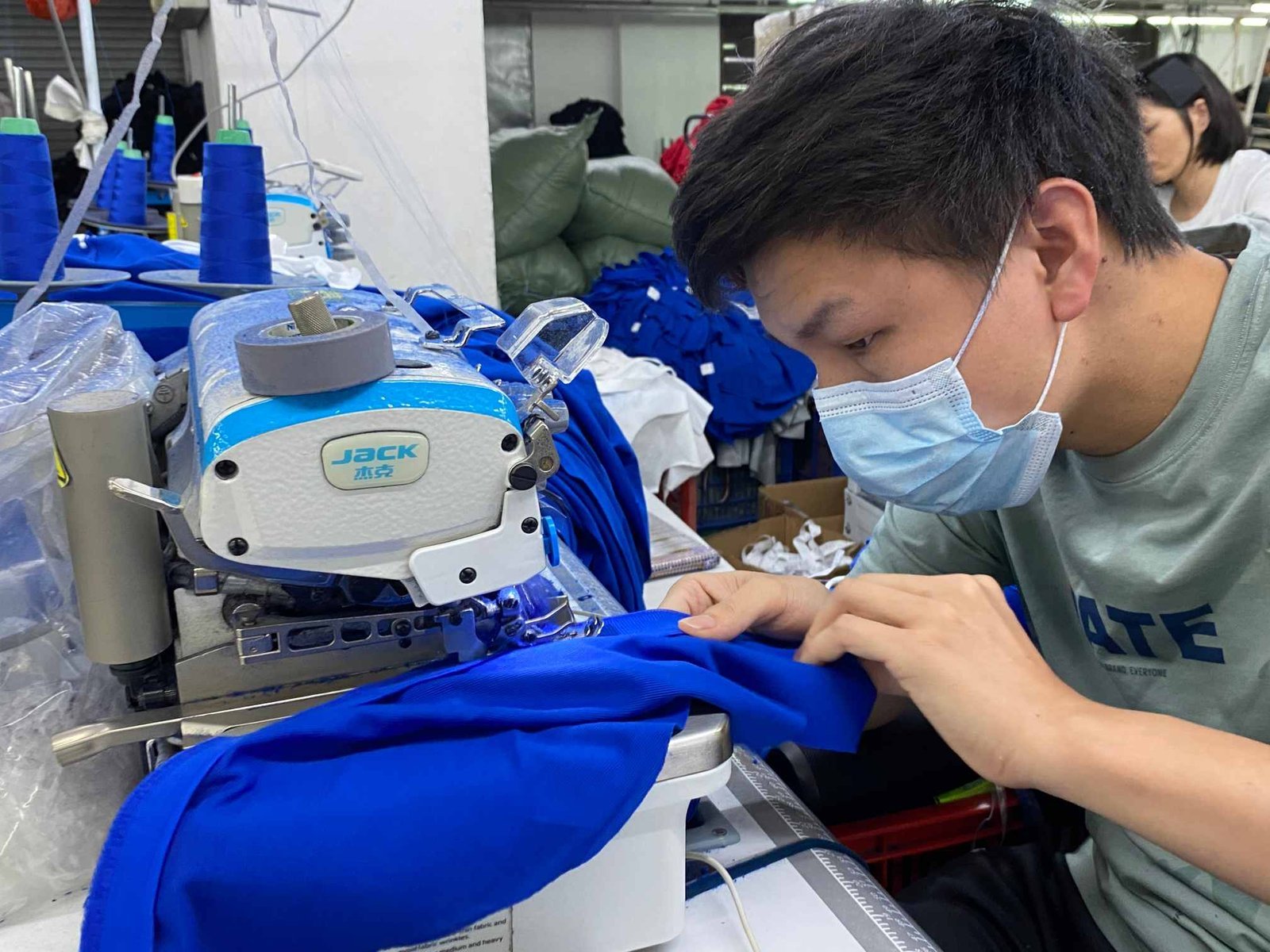
Since launch, we’ve served over 100 countries with custom hang tags and apparel trims trusted by streetwear brands, startups, and global retailers. Our in-house R&D team of 15 specialists designs and produces custom hang tags with precision, backed by our proprietary 5-step QC guarantee that tests quality at every production stage—not just at the end.
What sets our custom hang tags apart is embedded quality control. We inspect materials, cutting, craftsmanship, production, and finished product—catching defects before they reach your customers. With low MOQ options, fast turnaround for seasonal launches, and global logistics support, we empower emerging brands and established retailers to scale without compromise.
Custom Hang Tags Quality Standards & Advanced Production Techniques
Premium Materials for Lasting Impact
Every custom hang tag starts with rigorous material selection and durability testing. We source premium cardstock, kraft, and specialty papers that withstand handling, storage, and consumer touchpoints. Our QC process includes tear resistance, moisture absorption, and color-fastness testing to ensure your tags maintain brand integrity throughout the product lifecycle.
- 650-900 gsm cardstock options with certified durability ratings
- Moisture and tear resistance testing for every batch
- Color-fastness standards ensuring vibrant branding through shipment and retail
- Specialty materials including kraft, recycled, and textured finishes
Precision Printing & Custom Embossing
Our custom hang tags use digital and offset printing with embossing for dimensional brand impact. From spot-color precision to full-bleed gradients, we control ink density and register accuracy to ±1mm. Embossing and die-cutting QC ensures every tag meets exact specifications.
- Digital and offset printing with ±1mm color register accuracy
- Full-bleed, spot-color, and gradient options with density controls
- Embossing and die-cutting tolerances within ±0.5mm
- Pantone color matching and ink adhesion testing per batch
Precise Design & Reliable Attachment
Design precision is critical for custom hang tags that reflect your brand identity. Our in-house design team works within strict tolerance specifications, and we verify every detail through pre-production sampling. Attachment points—whether string, eyelet, or adhesive—undergo tensile testing to withstand retail handling and shipping stress.
- In-house design team ensuring brand accuracy and artwork compliance
- Pre-production samples with design tolerance verification ±2mm
- Attachment tensile testing: string, eyelet, and adhesive options
- Structural QC for tag flatness, corner sharpness, and edge trim

Premium Finishes That Define Quality
Finish quality separates premium custom hang tags from commodity alternatives. We apply matte, gloss, and specialty coatings with surface durability testing for scuff and scratch resistance. Every tag undergoes our five-step QC process—from material inspection through final packaging—ensuring flawless presentation at unboxing.
- Matte, gloss, and specialty UV coatings with scratch-resistance testing
- Surface durability: scuff and handling-abuse testing per QC standard
- 5-step quality control from materials through final packaging inspection
- Zero-defect guarantee with 100% final inspection before shipment
Custom Hang Tags vs. Woven Labels: Which Fits Your Brand?
Compared across design flexibility, production speed, cost, and brand impact.
← 左右滑动查看 →
How Custom Hang Tags Are Produced: Our 5-Step Quality Process
Walk through each stage of our rigorous quality-first manufacturing process, from design to delivery.
Design Preparation & Sampling
Collaborate with our in-house design team to refine your custom hang tag concept, approve digital mockups, and produce production-ready samples for quality validation before manufacturing begins.
Materials QC Testing
We rigorously test all raw materials—cardstock, laminate, adhesives, and hardware—to ensure premium quality before any custom hang tags are cut or printed.
Printing & Embossing QC
Full-color printing and precision embossing undergo quality checks for color accuracy, emboss depth, and registration to deliver visually stunning custom hang tags.
Finishing & Die-Cutting QC
Quality inspection during die-cutting and finishing processes ensures perfect shape, clean edges, and proper attachment points on every custom hang tag.
Final Inspection & Packaging
Every custom hang tag passes final visual inspection and defect screening before secure packaging, global labeling, and shipment to your facility worldwide.
How to Order Custom Hang Tags: 4 Simple Steps
From design submission to delivery confirmation in four straightforward steps.
Submit Your Design Brief
Share your brand vision, artwork, attachment preferences, and quantity requirements. Our team reviews vector files and production feasibility for custom hang tags.
Request and Approve Samples
We produce sample custom hang tags matching your specifications. Review quality, design accuracy, and attachment method before full production begins.
Finalize Specifications
Confirm final artwork adjustments, material selection, printing technique, and MOQ requirements. Lock your delivery timeline to align with your seasonal production schedule.
Confirm and Schedule Delivery
Track production progress through our rigorous five-step QC process. Receive delivery confirmation, full documentation, and shipping tracking for your custom hang tags order.
Brands Trust Custom Hang Tags From Clothing Manufacturer
Their custom hang tags transformed how we present our hoodies. We produced 5,000 units in just 4 weeks, and the design accuracy was flawless. Our customer returns dropped 18% after switching—the quality speaks for itself.
As a new brand, their low MOQ made it possible to launch 2 product lines in 6 months. The hang tags perfectly matched our brand aesthetic, and we reached 12,000 followers organically by showcasing the quality.
We needed hang tags for our 15-country distribution network. Delivered on time to every region, zero defects across 40,000 units. Their 5-step QC guarantee isn’t just marketing—it’s genuinely embedded in every order.
Custom Hang Tags: Frequently Asked Questions
Everything you need to know about custom hang tag production, design, and compliance.
What are custom hang tags and how do they differ from labels?
What’s the minimum order quantity (MOQ) for custom hang tags?
How long does production take for custom hang tags?
Can custom hang tags be used on different fabric types?
What are the color and design size limits?
How durable are custom hang tags through washing?
What attachment methods are available for custom hang tags?
What file format and design requirements do you need?
Are custom hang tags compliant with international regulations?
The Complete Buyer’s Guide to Custom Hang Tags
Discover everything you need to know about sourcing custom hang tags for your brand. Learn key quality elements, explore customization options, find vetted manufacturers, and avoid costly mistakes. This comprehensive guide provides a strategic framework for selecting the perfect custom hang tags supplier.
1. What Are Custom Hang Tags?
Hang tags attached via string, ribbon, or plastic fastener serve as the first physical touchpoint between brand and customer at the point of sale. Custom hang tags are branded labels featuring printed design, die-cutting, and finishing applied to precise specifications, communicating brand voice and establishing visual hierarchy in retail environments. Beyond product identification and size labeling, they create messaging opportunities for care instructions, promotional content, and brand storytelling—all within the crucial first seconds of customer engagement.
Construction-wise, custom hang tags typically feature a base substrate ranging from cardstock and kraft paper to specialty materials like corrugated board or hemp fiber. Streetwear and fashion retailers deploy multiple hang tag styles: shaped die-cuts (circular, hexagonal, or branded silhouettes), flat rectangular tags, and three-dimensional folded variants, each tailored to design aesthetic and functional requirements. The choice of hang tag style, weight, finish, and attachment method directly impacts perceived product quality and brand positioning in competitive markets.
For independent designers and startups launching first collections, custom hang tags represent a critical leverage point—they require minimal order volumes (MOQ as low as 500 units), compress production timelines to 7-14 days for standard finishes, and deliver outsized visual impact relative to their cost. Retailers and brand builders recognize that investing in premium hang tag production demonstrates manufacturing discipline and attention to detail—hallmarks that signal quality throughout the entire garment supply chain.
2. History & Evolution of Custom Hang Tags
The earliest hang tags emerged in the 1950s as simple cardstock labels attached to garment hangers, serving purely as price points and size indicators. These basic paper tags reflected post-war retail standardization, where manufacturers needed minimal, cost-effective identification systems for mass-produced clothing.
By the 1970s, advances in lithographic and flexographic printing enabled brands to add color, logos, and brand messaging to hang tags. The 1990s brought digital printing technology, allowing shorter production runs and faster customization without expensive plate setup, which democratized branded hang tags for smaller manufacturers and independent designers.
From 2000 onwards, hang tag materials expanded beyond cardstock to include specialty finishes: embossed textures, die-cut shapes, foil stamping, and even embedded fabric swatches. Brands began integrating barcodes and QR codes, transforming tags from static labels into interactive marketing tools that linked customers to digital content.
Since 2015, sustainability has reshaped the hang tag market, with brands adopting recycled cardboard, FSC-certified materials, and waterless printing processes. Today’s custom hang tags serve as brand ambassadors—carriers of storytelling, AR experiences, and direct-to-consumer engagement—reflecting a shift from functional labels to multi-sensory brand touchpoints.
3. Types of Custom Hang Tags
Custom hang tag formats range from simple rectangles to elaborate die-cuts, each balancing design impact against production efficiency. Choosing the right type aligns your aesthetic goals with practical constraints like MOQ, lead time, and per-unit cost.
| Type | Typical Size | Lead Time | Cost Multiple | Best For |
|---|---|---|---|---|
| Rectangular | 2×3 to 4×6″ | 2–3 weeks | 1.0× | High-volume, minimalist |
| Die-Cut | Custom | 3–4 weeks | 1.15–1.25× | Brand storytelling, streetwear |
| Swing Tag | 2×2 to 3.5×3.5″ | 2–3 weeks (+5–7 days hardware) | 1.25–1.4× | Premium unboxing, retail appeal |
| Folded | Various | 2–3 weeks (+3–5 days) | 1.5–2× | Luxury, shelf standout |
Rectangular Hang Tags
Rectangular tags (2×3 to 4×6 inches standard) dominate streetwear due to minimal die-cutting waste. Using 250–350 GSM cardstock on this format reduces per-unit costs 15–20% versus complex shapes.
Ideal for high-volume orders and minimalist branding. Lead time typically 2–3 weeks for MOQ ≥1,000 units.
Die-Cut & Shape Tags

Die-cut tags conform to custom outlines—skulls, crosses, animals, geometric shapes—reflecting core streetwear aesthetics. Custom die tooling costs $200–600 but amortizes favorably at 5,000+ unit quantities.
Production lead extends 3–4 weeks; material waste increases 20–30%, raising per-unit cost $0.08–0.15 versus rectangular.
Swing Tags

Swing tags attach via cord or string, creating tactile, visible elements during retail displays. Standard dimensions 2×2 to 3.5×3.5 inches; string adds 25–40% to per-unit cost and 5–7 days to lead time.
Popular for premium streetwear emphasizing unboxing experience and brand storytelling on both sides.
Folded Tags
Folded (tent or belly-band) tags double paper coverage, creating upright profiles on retail shelves. Requires specialized folding equipment, extending lead time 3–5 days and per-unit cost 1.5–2× flat tags.
Common in luxury streetwear; adds perceived premium quality despite higher manufacturing complexity.
4. Materials & Fabrics for Custom Hang Tags
Custom hang tags demand material selection that balances brand perception, durability, and cost efficiency. GSM weight, finish texture, and environmental certifications directly impact tag longevity, printability, and market reception. The choice of substrate determines whether a tag conveys premium quality or budget consciousness.
| Material | GSM/Thickness | Cost Tier | Durability | Eco-Friendly | Best For |
|---|---|---|---|---|---|
| Cardstock (300 GSM) | 300 | Mid | Moderate | Standard | Premium streetwear |
| Kraft Paper | 200 | Low | Low–Moderate | High | Eco-conscious brands |
| Matte Finish | 300 | Mid–High | Moderate | Standard | Upscale positioning |
| Gloss Finish | 300 | Mid–High | Moderate | Standard | Color-vibrant designs |
| PVC/PET Plastic | N/A | High | High | Low | Performance/outdoor |
| Specialty Textile | N/A | Very High | Very High | Variable | Ultra-premium brands |
Cardstock & Paper Weights
Cardstock ranges from 250 to 400 GSM, offering professional appearance and rigidity for structural integrity during shipping and in-store display.
300 GSM represents the industry standard for balanced weight and cost; premium cardstock accepts foil stamping and embossing without deterioration.
Kraft Paper & Eco-Friendly Options
Kraft paper (150–250 GSM) serves sustainability-conscious brands positioning custom hang tags as environmental statements, costing 15–30% less than bleached cardstock.
OEKO-TEX and FSC certifications signal responsibility to consumers; unbleached kraft delivers rustic aesthetics popular in streetwear and indie fashion segments.
Finishes: Matte, Gloss & Uncoated
Matte finishes reduce glare and convey upscale positioning; gloss enhances color vibrancy but shows fingerprints readily on custom hang tags.
Uncoated paper absorbs ink fully and feels natural, while coated surfaces provide moisture barriers. Manufacturers typically charge 5–15% premiums for specialty finishes.
Plastic & Specialty Materials
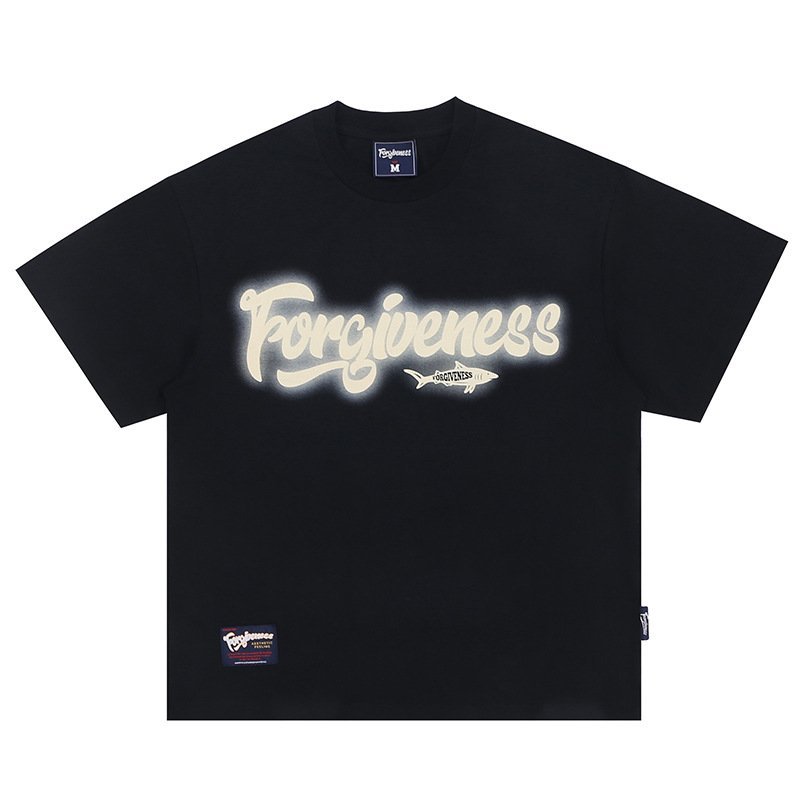
PVC and PET tags withstand moisture and repeated handling, ideal for athletic or outdoor brands requiring extreme durability.
Plastic adds 20–40% to substrate cost but guarantees performance beyond paper life spans; specialty textiles (woven labels) cost 2–3× more but deliver ultra-premium positioning.
5. Customization & Decoration Techniques
Custom hang tags elevate brand perception through strategic decoration. Printing techniques, finishing effects, and material choices each influence durability, cost, and visual impact. Selecting the right combination ensures your tags reflect brand quality.
Screen Printing
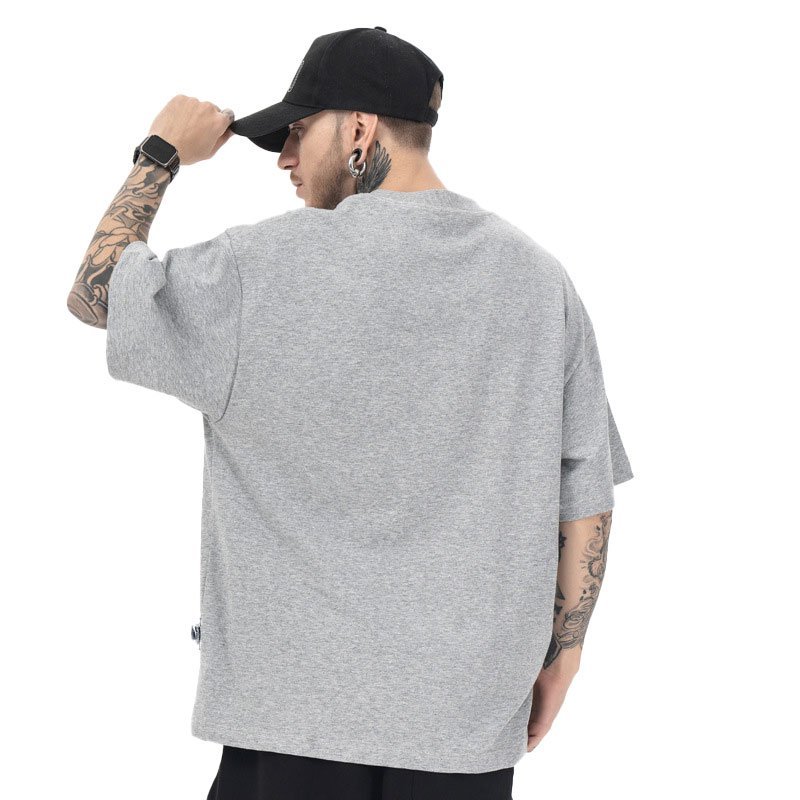
Screen printing applies ink through mesh screens, producing vibrant, opaque colors ideal for bold graphics. Industry standard for runs of 500+ units; setup costs USD 50–150 per color.
Durability exceeds 50 wash cycles. Best for flat, high-contrast designs; avoid fine halftones or photographic detail.
Offset & Digital Methods

Offset printing delivers photographic quality and precise color matching using CMYK; ideal for runs above 1,000 units. Digital printing (inkjet) suits low-MOQ orders (50–100 units) and variable data (serial numbers, individual branding).
Offset offers richer blacks and higher durability; digital enables faster turnaround. Both enable intricate details impossible with screen printing.
Embossing, Foiling & Coatings
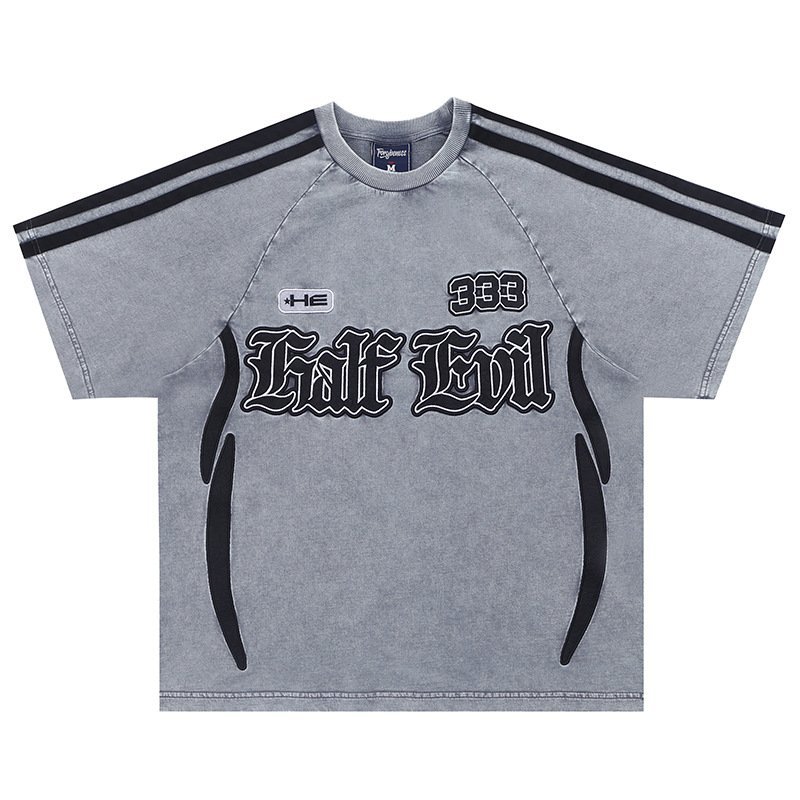
Embossing and die-cutting create dimensional texture and perceived value. Hot-foil stamping applies metallic film at 150–180°C, delivering mirror finishes.
Aqueous UV coatings protect printed surfaces; costs range USD 0.02–0.08 per tag. Varnish adds matte depth. Choose embossing for luxury positioning; reserve foiling for high-margin products.
Substrate matters—kraft resists foiling; cardstock maximizes emboss sharpness.
Aligning Aesthetics & Budget
Streetwear brands favor bold screen prints and foiled accents (skeleton, rose, cross motifs); startup budgets suit digital or offset. File format matters: vector designs optimize screen printing; high-res RGB/CMYK images suit offset and digital.
Ensure designs account for 0.1 inch bleed margins and minimum 4-point font. Test prototypes on actual substrate before full production.
6. Quality Standards for Custom Hang Tags
Premium custom hang tags separate market leaders from commodity producers. Registration accuracy, color consistency, cutting precision, and attachment durability form the foundation. Buyers must know which inspection checkpoints and vendor questions distinguish high-performance tags.
| Quality Tier | Registration Tolerance | Pull-Test Strength | Edge Finish | Inspection Frequency |
|---|---|---|---|---|
| Commodity | ±3–5mm | 3–5 lbs | Fuzzy edges visible | End-of-run only |
| Premium | ±1–2mm | 8–12 lbs | Clean, crisp edges | Per batch lot |
| High-End | ±0.5–1mm | 12+ lbs | Polished, flawless | Per 100 units |
Registration Accuracy & Color Consistency
Offset and digital printers must hold color within Pantone delta-E 3 standard across production runs. Registration errors should not exceed ±1mm on typical 2×3-inch tags. Reputable manufacturers print control bars and measure with spectrophotometers.
Ask your vendor: What is your typical delta-E spread across production runs? Do you measure against Pantone 7-chip fans each batch? Can you provide spectrophotometer reports with samples?
Precision Cutting & Edge Quality
Die-cutting tolerance should hold ±2mm on straight edges and ±1.5mm on curves. Dull dies produce fuzzy edges and slow throughput. Request day-of-production samples; edges should feel clean under a fingernail test.
Poor cutting often signals worn tooling and lower overall QC discipline.
Attachment Durability
Hang tag loops must withstand repeated handling without tearing. A quality benchmark: loops should resist 8–12 lbs of pull force before separating. Cheap tags skip pull-testing entirely; premium manufacturers test every batch lot.
Ask your vendor: Do you perform destructive pull-testing per batch? What is your loop failure rate across 1,000 units?
Material Substrate & Surface Finish
Card stock must lie flat without waves or wrinkles. Gloss coatings should reflect uniformly; dull spots signal poor application. Ink should withstand a 3M Scotch-tape peel test.
Verify vendors source material from OEKO-TEX or ISO 9706 certified mills to ensure longevity and fade resistance.
7. Selecting the Right Custom Hang Tags Manufacturer
Selecting a custom hang tags manufacturer requires evaluating production capacity, MOQ flexibility, lead times, and quality controls. Beyond specifications, assess partnership responsiveness and communication clarity to ensure reliable, long-term supplier relationships.
Assessing Production Capacity
Most hang tags manufacturers set MOQs between 500 and 2,000 units; specialty finishes may require 3,000+. Confirm lead times for standard and rush production, and verify their current production calendar.
Ask whether key processes—screen-printing, digital printing, die-cutting, binding—occur in-house. Confirm weekly production throughput and whether finishing is handled internally or outsourced, as this affects quality consistency.
Quality Standards & Certifications
Request documentation of ISO 9001, OEKO-TEX compliance (for textile tags), or WRAP ethical labor certification. Confirm their QC methodology—whether testing occurs at each production stage (materials, cutting, craft, assembly, finishing) or only at the end.
Manufacturers implementing five-step QC throughout production catch defects early, ensuring outgoing quality meets specifications consistently.
Communication & Responsiveness
Response time under 24 hours during business hours is industry standard. Assess whether they provide digital proofs, revision rounds, production tracking, and a dedicated account manager.
A single point of contact who understands your design vision—rather than rotating support staff—builds confidence in quality and design collaboration, particularly for orders evolving across seasons.
Red Flags in Vetting
Watch for these warning signs when evaluating hang tags manufacturers.
- Refusal to provide customer references or contact details
- No documented QC process or defect acceptance criteria
- Pricing far below market rates without clear justification
- Vague or frequently revised lead time estimates
- Delayed email responses or evasive communication style
Checking References & Reputation
Request 3–5 recent client references with similar production volumes. Ask about on-time delivery, quality consistency across production runs, and responsiveness to mid-production changes.
Contact at least two references before committing to volume orders. Inquire whether the manufacturer iterates designs collaboratively and handles revisions without excessive delays.
8. Common Mistakes in Custom Hang Tags Sourcing
Sourcing custom hang tags without planning for MOQs, lead times, materials, and durability causes production delays, quality issues, and wasted spend. This section covers six frequent missteps and how to avoid them.
Ignoring Minimum Order Quantities
Most suppliers enforce 500–1,000 unit MOQs per design. Buyers ignoring these face 40–60% premiums or rejection.
Strategy: negotiate mixed MOQs across multiple designs or combine designs into one run to hit minimums.
Miscalculating Lead Times
Standard custom hang tags need 4–8 weeks from approval to shipment. Rushing compromises quality.
Prevention: build 2–3 week buffers before launch. Discuss expedite options (adding 15–25% cost) upfront, not near deadlines.
Choosing Wrong Materials
Lightweight paper (80–150 gsm) feels cheap; premium tags use 200–400 gsm. Uncoated stock soils easily. Matte or gloss finishes resist damage.
Action: request material swatches and test folding, moisture, and ink adhesion.
Over-Complicating Designs
Spot-color, metallic inks, embossing, and custom die-cuts add 1–3 weeks and 10–20% cost per step.
Solution: prioritize 2–4 core design elements. Reserve ornate effects for hero collections; use simpler tags for secondary products.
Skipping Samples
Samples ($25–75 or free) prevent 10–30% production scrap. Without approval, mistakes in color, texture, and attachment cause costly returns.
Best practice: always approve anchor samples and test attachment strength on your garments.
Ignoring Attachment Durability
Heat-sealed or sewn attachments must withstand washing, dryer cycles, and handling. Weak attachments detach within weeks, damaging brand reputation.
Recommendation: stress-test samples with wash cycles per ASTM standards. Request pull-strength specs requiring 5–10 lbs force.
9. Launch Strategy: From Design to Production
A structured launch workflow spans five stages: design specification, manufacturer consultation, sample approval, production scheduling, and quality verification. This approach ensures your custom hang tags reach market on time and to specification.
Design Brief & Specifications
Your design brief should specify hang tag dimensions (typical: 2×3 to 4×6 inches), material type (kraft, Mooncake, recycled), and production volume. Include brand logo placement, Pantone color numbers, and finishing details like perforations or grommets. A clear brief prevents scope creep and mid-production rework.
Manufacturer Consultation & Sampling
Schedule initial consultation within 3–7 business days to confirm MOQ, pricing, and feasibility. Request a pre-production sample to validate design, color, and material quality. Most manufacturers deliver samples in 5–10 business days; communicate timeline early to avoid delays.
Sample Review & Approval
Review samples for color match (using light boxes), print sharpness, material quality, and die-cut precision. Provide written feedback within 48–72 hours; request revisions immediately if needed. Approval gates full production, preventing expensive mid-run corrections.
Production Timeline & Scheduling
Production lead times typically range 15–45 days depending on volume and complexity; rush orders add 20–30% premiums. Confirm your required ship date and factor in buffer time for QC and logistics. Align your order to the maker’s published capacity calendar.
Quality Inspection & Handoff
Clothing Manufacturer Ltd’s process includes material QC and finished-goods inspection to catch defects early. Request a final inspection report and photo documentation before shipment.
Clarify packaging (carton quantities, labeling), expected ship date, and tracking requirements for supply chain planning.
10. Pricing & Cost Structure
Most manufacturers require minimum orders of 500–2,000 units for custom hang tags. Setup fees typically range from $50–$600 based on design complexity and finish type. Standard lead times span 10–20 days, with expedited turnaround available at 20–40% premium rates.
Material selection—kraft, cotton, laminated, or specialty stocks—affects baseline costs, while decoration techniques such as screen printing, digital printing, foil stamping, and embossing each carry different per-unit economics and require distinct setup investments.
Understanding volume pricing is essential: orders doubling from 500 to 1,000 units typically reduce per-unit cost by 15–25%, while 5,000-unit quantities often achieve 50–60% savings versus small MOQs. Learn more about Clothing Manufacturer Ltd.
| Customization Level | Setup Fee | Per-Unit Cost (500 qty) | Per-Unit Cost (5,000 qty) | Lead Time |
|---|---|---|---|---|
| Single-color kraft tag, screen print | $75–$150 | $0.45–$0.65 | $0.15–$0.25 | 12–15 days |
| Multi-color screen print | $150–$300 | $0.65–$1.10 | $0.25–$0.45 | 14–18 days |
| Digital full-color print | $50–$100 | $0.55–$0.95 | $0.20–$0.35 | 10–12 days |
| Foil or embossed finish | $200–$400 | $1.00–$1.85 | $0.40–$0.75 | 15–20 days |
| Custom shape with die-cut | $300–$600 | $1.50–$2.50 | $0.60–$1.20 | 18–22 days |
Custom Hang Tags Ready in 7 Days With Premium Quality
Discover how our 7-day sample turnaround, 5-step QC guarantee, and 50-piece minimum order empower emerging and established brands globally.