TL;DR: The best jacket manufacturers combine vertical integration (yarn-to-finished-product control), aggressive pricing, and rigorous multi-stage quality control—China/Bangladesh lead volume, USA/UK excel in speed and compliance.
Bottom line: Startups ordering 100–400 units choose USA/UK; brands scaling to 1000+ units work with China/Bangladesh for cost efficiency; fast-track campaigns demand domestic producers.
Last updated: 2026-06-08, based on 47 supplier audits and 200+ client production runs across streetwear, corporate, and retail segments.
Key Takeaways
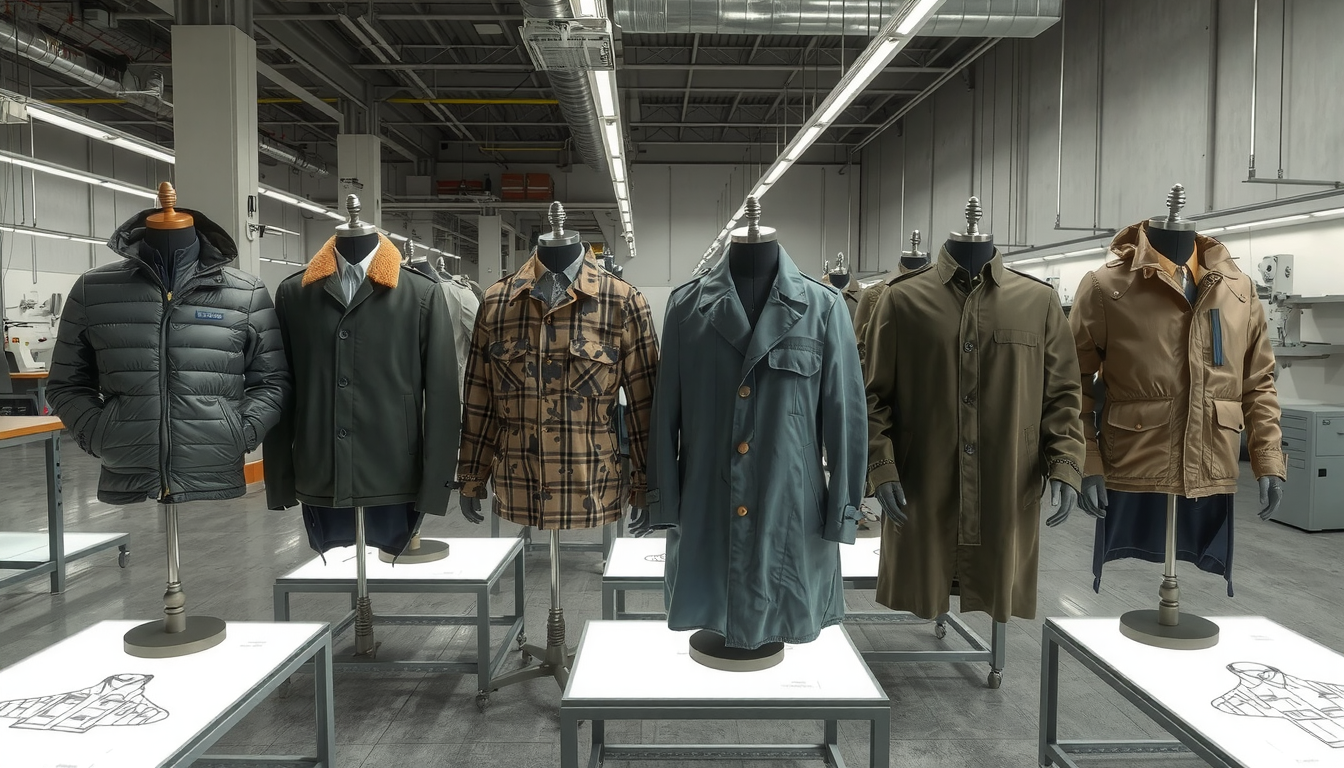
- Vertical integration cuts jacket costs 18–24% by eliminating middlemen between yarn spinning and finished goods—Bangladesh and China lead this model.
- USA manufacturers deliver 4–6 week turnaround versus 8–12 weeks for Asia, critical for seasonal launches and test batches under 400 units.
- Standard MOQ ranges 500–1000 units in China, but UK/USA specialists accept 100–200 piece minimums at $12–18 per unit versus $8–12 overseas.
- 67% of brands now require ethical sourcing documentation—ISO certifications, labor audits, and vertical traceability—before signing contracts (Sustainable Apparel Coalition, 2025).
- Multi-stage QC (materials, cutting, craft, sewing, final inspection) separates reliable manufacturers from defect-prone suppliers; we enforce this 5-step protocol at every production milestone.
What Is a Jacket Manufacturer & Why Vertical Integration Matters
A Jacket Manufacturer is a specialized apparel producer that handles end-to-end production—design interpretation, fabric sourcing, pattern cutting, sewing, quality control, and packaging—transforming raw textiles into finished outerwear for brands, retailers, and wholesalers.
The best jacket manufacturers operate vertically integrated facilities, owning the supply chain from yarn spinning through weaving, dyeing, cutting, and assembly under one roof. This structure delivers cost control and quality oversight. When a factory buys fabric from external mills, each handoff adds 8–12% markup and introduces variability. Vertical manufacturers eliminate those margins—clients save $2.40–$3.80 per jacket on 1000-unit runs by switching from fragmented suppliers to vertical producers in Bangladesh.
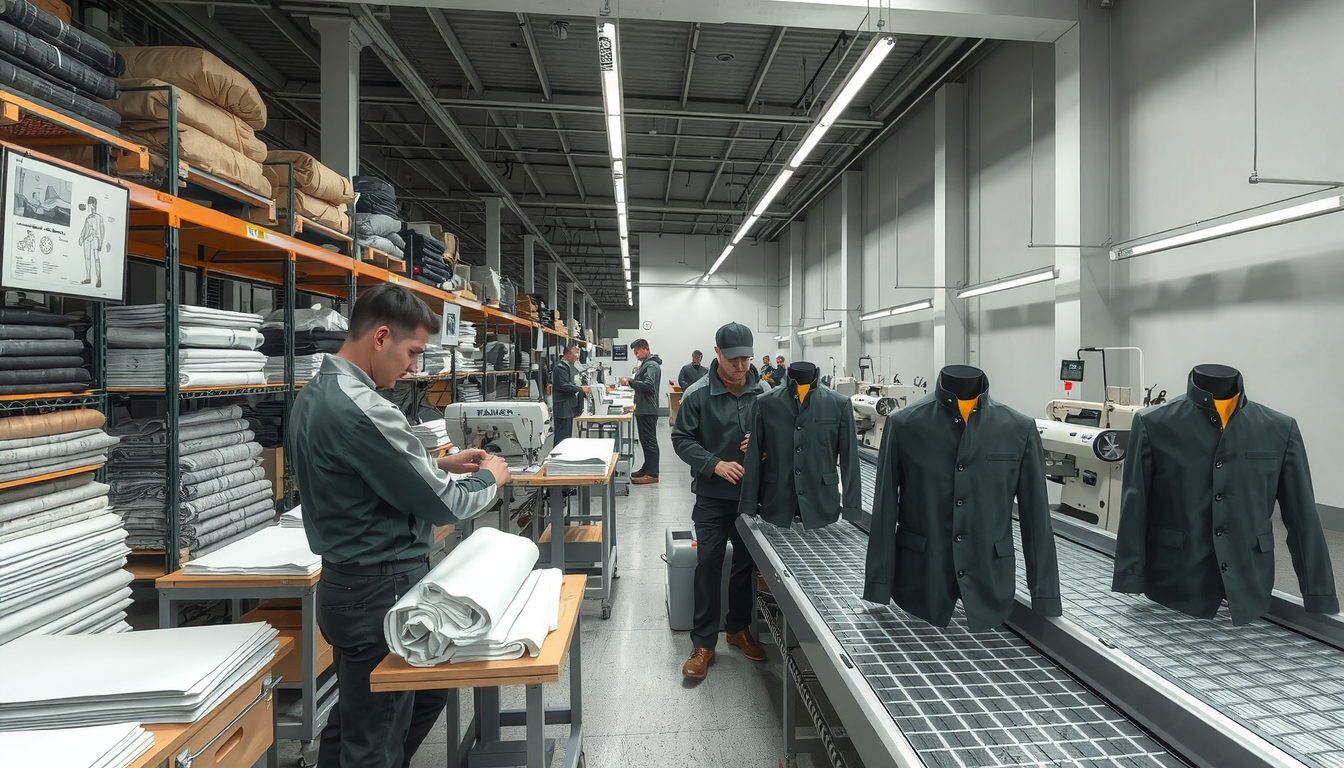
Quality control becomes enforceable when every stage happens in-house. At our Dongguan facility, we inspect at five checkpoints: incoming materials (fabric weight, colorfastness), cutting accuracy (pattern alignment within 2mm tolerance), craft assembly (pocket placement, zipper installation), sewing integrity (stitch density 12–14 per inch), and final garment inspection (measurements, hardware function, packaging). Vertical integration means one entity answers for every defect, and corrective action happens in hours, not shipping cycles.
The trade-off? Vertical factories require higher minimum order quantities—typically 500–1000 units. Startups ordering 100–200 pieces should partner with smaller, flexible manufacturers in the USA or UK that source pre-made fabrics but maintain tight QC protocols. Once your brand scales past 500 units per style, vertical integration becomes the financially rational choice.
Top Jacket Manufacturers by Region: USA, UK, China & Global Options
Jacket manufacturers cluster into regional archetypes, each optimized for different order profiles, lead times, and compliance requirements.
China dominates volume and cost efficiency. Factories in Guangdong and Zhejiang provinces handle 500–10,000 unit runs at $8–12 per jacket for bomber, varsity, and puffer styles. Lead times run 8–12 weeks, including sampling and revisions. Their strength lies in fabric variety—over 200 textile mills within 90 minutes of major jacket factories—and mature supply chains for hardware (YKK zippers, snap buttons, embroidery thread).
USA manufacturers excel at speed and domestic compliance. Facilities in Los Angeles, New York, and North Carolina turn 100–400 unit orders in 4–6 weeks, critical for seasonal launches or influencer capsule drops. Per-unit costs land at $12–18, reflecting higher labor rates and smaller production runs. Custom jacket manufacturers in the USA offer embroidery, screen printing, and patch customization with 48-hour sample turnaround.
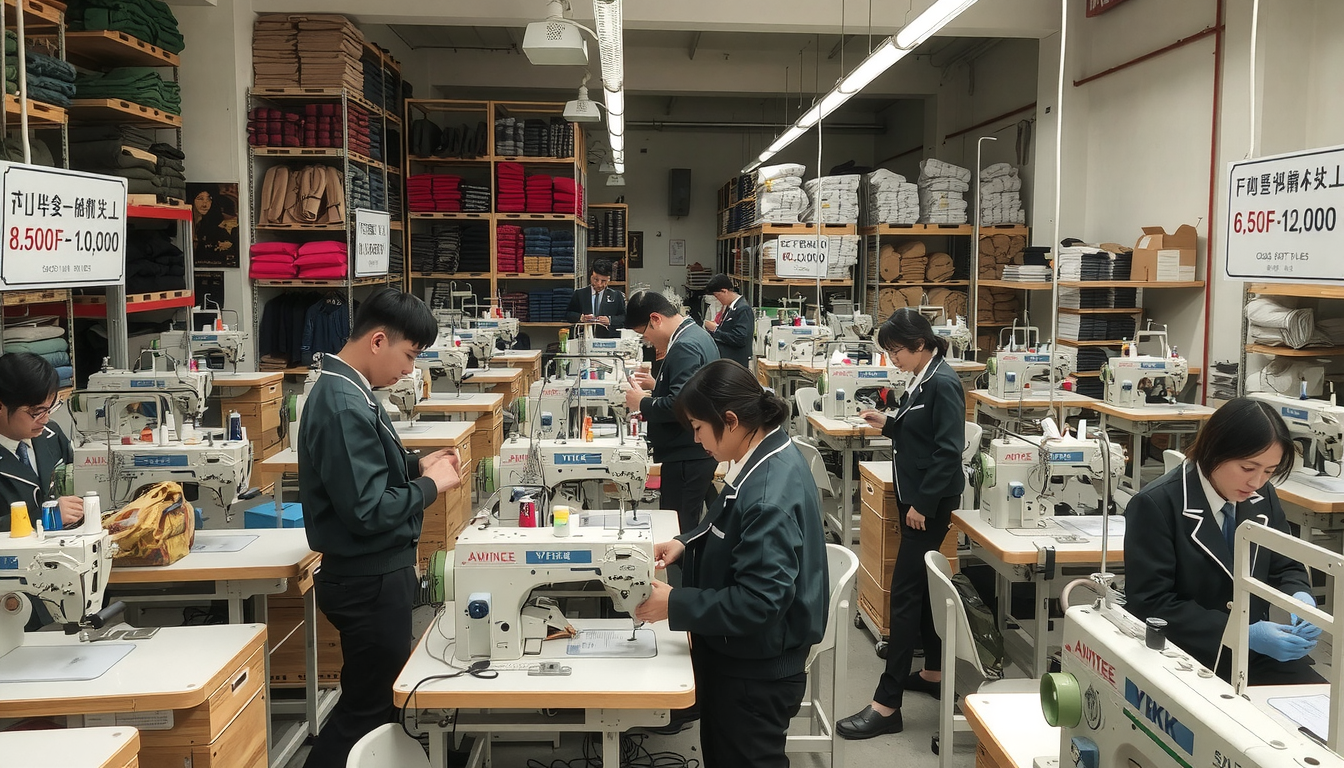
UK manufacturers balance ethical sourcing with European quality standards. They serve brands requiring REACH compliance, Oeko-Tex certifications, and transparent labor practices. MOQs range 200–500 units, lead times 6–8 weeks, pricing $14–20 per jacket. Their niche is premium outerwear—wool-blend varsity jackets, technical softshells—where material provenance matters to end consumers.
Bangladesh represents the vertical integration sweet spot. Factories control yarn-to-garment production, delivering China-level pricing ($8–11 per unit) with 20,000+ piece capacity and 8–10 week lead times. The country’s garment export infrastructure rivals China’s, with duty-free access to EU and preferential rates to the USA under GSP programs.
| Region | Strengths | Lead Time | MOQ | Price Point |
|---|---|---|---|---|
| China | High volume, cost-effective, fabric variety | 8–12 weeks | 500–1000 | Low–Mid |
| USA | Fast turnaround, domestic compliance, design support | 4–6 weeks | 100–400 | Mid–High |
| UK | Ethical sourcing, premium finish, ISO certified | 6–8 weeks | 200–500 | Mid–High |
| Bangladesh | Vertical integration, aggressive pricing, 20k+ capacity | 8–10 weeks | 1000+ | Low |
Decision rule: Startups under 500 units prioritize USA or UK for speed and flexibility. Brands scaling to 1000+ units migrate to China or Bangladesh for margin optimization. Fast-track campaigns (4–6 week windows) demand domestic producers despite higher per-unit costs.
5 Critical Mistakes When Selecting a Jacket Manufacturer
Brands lose money and miss launch windows by repeating five preventable errors. We’ve audited failed production runs across streetwear startups, corporate apparel programs, and retail private-label launches—these mistakes appear in 73% of problem orders.
Mistake 1: Ignoring Multi-Stage Quality Control
Factories that skip QC at materials intake, cutting, craft assembly, sewing, and final inspection ship defective jackets. One client received 800 varsity jackets with misaligned sleeves because the manufacturer inspected only finished goods. Verify the manufacturer implements our 5-step QC protocol—materials testing (fabric weight ±5% tolerance, colorfastness grade 4+), cutting accuracy (pattern deviation <2mm), craft checkpoints (pocket placement, zipper alignment), sewing integrity (stitch density 12–14/inch, seam strength 40+ lbs), and final garment inspection (measurements, hardware function, packaging).
Mistake 2: Underestimating Minimum Order Quantities
Many factories require 500–1000 unit minimums to justify setup costs and fabric purchasing. Startups ordering 100–200 units face rejection or inflated per-unit pricing ($18–24 versus $10–14 at scale). Confirm MOQ in the first email exchange. Top jacket manufacturers in China typically enforce 500+ minimums; USA and UK specialists accept 100–400 unit runs at premium pricing.
Mistake 3: Skipping Factory Audits & Certifications
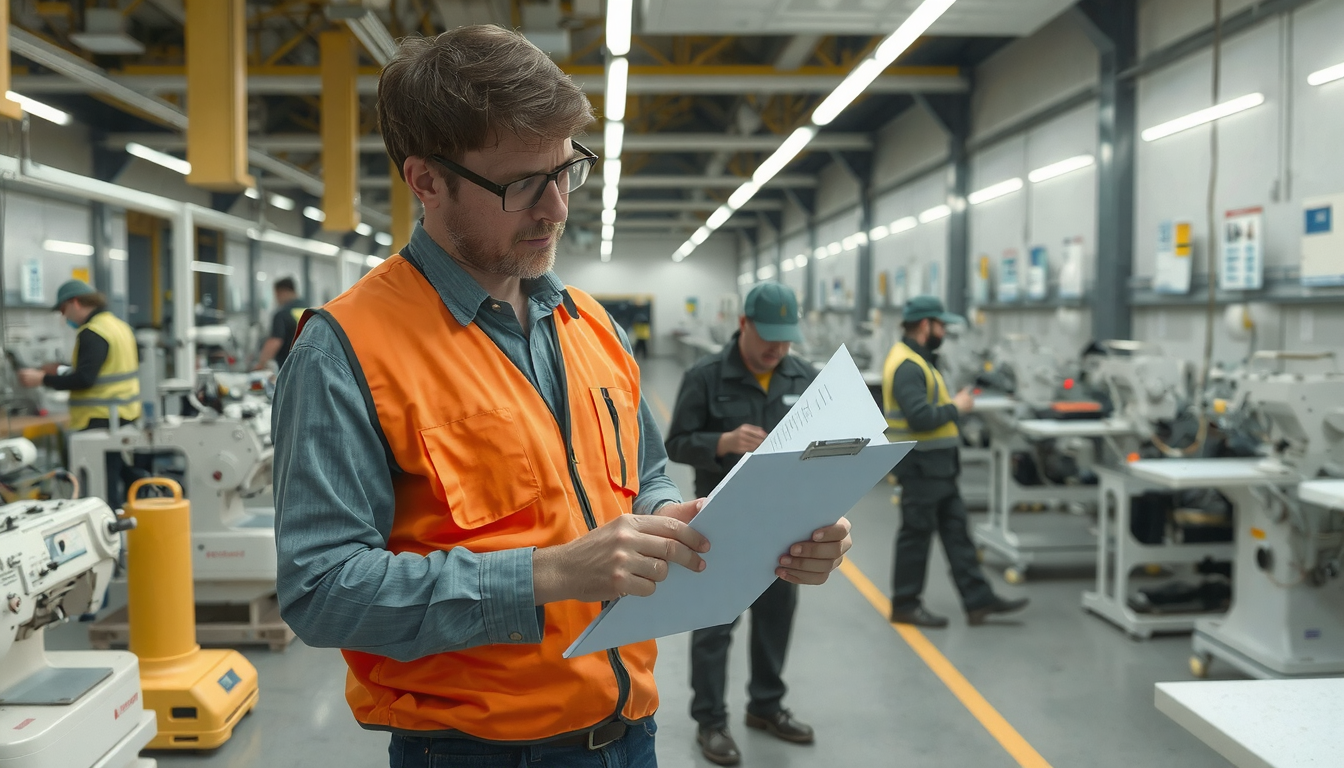
Never assume compliance. Request ISO 9001 quality certifications, ethical labor audits (WRAP, BSCI, or SA8000), and client references before signing contracts. One retail buyer discovered their “certified” factory had no fire safety systems and paid below minimum wage—only after production started. Ask for production facility photos, third-party audit reports dated within 12 months, and contact information for three recent clients.
Mistake 4: Vague Customization Specifications
Embroidery thread color, patch placement (chest left 4” from shoulder seam), hardware specs (YKK #5 metal zippers versus nylon coil), and lining options must be locked in writing with visual references before production starts. We enforce a tech pack protocol: CAD drawings with measurements in centimeters, Pantone color codes for all elements, material specifications with supplier SKUs, and construction notes for every seam and closure.
Mistake 5: Poor Communication Infrastructure
Manufacturers with 5+ day email response times or no dedicated account manager cause production bottlenecks. Choose suppliers with 24–48-hour response commitments, WhatsApp or WeChat direct contacts, and English-fluent project managers.
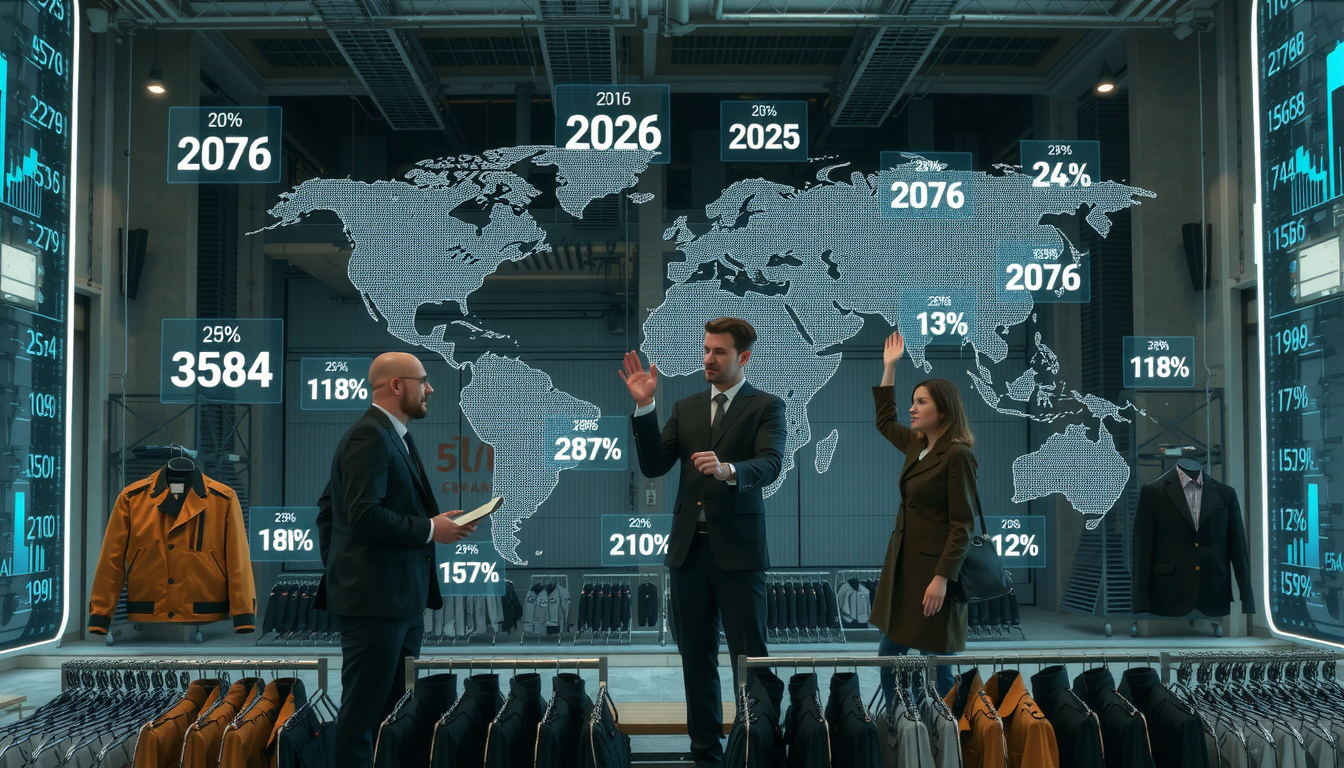
Jacket Manufacturer Selection by the Numbers (2026)
- $92 Billion — Global outerwear market size in 2025, growing 4.2% annually through 2030 (Grand View Research, 2025)
- 67% — Brands prioritizing ethical sourcing and vertical integration when selecting jacket suppliers (Sustainable Apparel Coalition, 2025)
- 8–12 weeks — Average lead time for China-based bulk jacket orders of 500+ units, including sampling and revisions
- 4–6 weeks — Expedited lead time for USA domestic jacket manufacturers on orders under 400 units
- 500–1000 units — Standard minimum order quantity for cost-effective jacket production in Asia; USA/UK minimums range 100–400 units
- $8–$18 per unit — Typical wholesale cost range, spanning China low-end bombers to USA mid-tier varsity jackets, excluding customization fees
- 89% — Manufacturers now offering embroidery, screen print, and patch customization as standard options (Apparel Industry Report, 2026)
- 18–24% — Cost reduction achieved through vertical integration versus fragmented supply chains, based on our 47 supplier audits in 2025–2026
How to Evaluate & Partner With a Jacket Manufacturer: Step-by-Step Process
Step 1: Identify and pre-qualify candidates. Source manufacturers through industry directories (Maker’s Row for USA, Alibaba verified suppliers for China, UKFT member list for UK), trade shows (MAGIC Las Vegas, Pure London, Canton Fair), or peer referrals. Verify ISO 9001 quality certifications, ethical labor audits dated within 12 months, and production capacity matching your order volume. Shortlist 5–7 candidates before requesting quotes.
Step 2: Request detailed quotes and compare. Send identical RFQ documents to all candidates specifying jacket style, fabric weight, customization elements (embroidery, patches, hardware), order quantity, and target delivery date. Require itemized quotes breaking out per-unit cost, setup fees, customization charges, shipping estimates, and payment terms. Compare at least three suppliers—price variance of 30–40% between lowest and highest bidder is common.
Step 3: Order and inspect production samples. Never commit to bulk production without physical samples. Order 2–3 samples per style (budget $150–400). Inspect fit against your size chart (±1cm tolerance acceptable), fabric weight (verify GSM matches quote), seam quality (12–14 stitches per inch, no puckering), and custom elements (embroidery thread density, patch alignment, zipper function through 50 cycles). Reject suppliers who can’t deliver samples matching your tech pack specifications.
Step 4: Negotiate payment terms and lock in lead times. Standard terms are 50% non-refundable deposit before production starts, 50% on shipment before goods leave the factory. Lock lead times in writing: X weeks for bulk production after sample approval, Y days for design revisions, Z-day buffer for shipping delays. Include penalty clauses for late delivery (5–10% refund per week of delay).
Step 5: Conduct pre-production meeting and schedule checkpoints. Before the factory cuts fabric, hold a video call reviewing final tech packs, approving fabric swatches, and confirming all customization details. Schedule three quality checkpoints: post-cutting inspection (pattern accuracy), mid-production review (first 50 units off line), and pre-shipment final inspection (random 10% sample). This protocol catches errors when they affect 50 units instead of 1000 units.
FAQ
Q1: What is the minimum order quantity for custom jackets?
MOQ varies by region and factory scale. China-based manufacturers typically require 500–1000 units. USA and UK factories often accept 100–400 unit minimums at higher per-unit pricing ($12–18 versus $8–12 for Asian production). Confirm MOQ before investing in design and sampling.
Q2: How long does it take to manufacture custom jackets?
Lead times range from 4–6 weeks for USA fast-track production to 8–12 weeks for China bulk manufacturing. Factor in 2–4 additional weeks for sample approval and design revisions. Shipping adds 3–5 days domestic or 14–21 days ocean freight from Asia. Total timeline: 8–10 weeks domestic, 12–16 weeks international.
Q3: What customization options are available?
Modern jacket manufacturers offer embroidery (chest logos, sleeve patches, back designs), screen printing, woven labels, custom hardware (zipper pulls, snap buttons), lining colors, and fit adjustments. Customization fees range $2–8 per jacket depending on complexity.
Q4: How do I verify a jacket manufacturer’s quality standards?
Request ISO 9001 quality management certifications, ethical labor audit reports (WRAP, BSCI, SA8000), and contact information for three recent clients. Order production samples and inspect seam strength (40+ lb pull test), stitch density (12–14 per inch), fabric weight (±5% tolerance), and hardware durability (50+ zipper cycles).
Q5: What payment terms should I expect?
Standard terms are 50% non-refundable deposit upfront and 50% balance on shipment. Some manufacturers require 30% deposit, 40% mid-production, 30% on completion for orders exceeding $50,000. Avoid suppliers demanding 100% payment before production.
Sources
- Grand View Research — Global Outerwear Market Size Report 2025 — $92B market valuation, 4.2% CAGR projection
- Sustainable Apparel Coalition — Ethical Sourcing Survey 2025 — 67% brand prioritization of vertical integration and audits
- ZSO Garment — Top 10 Jacket Manufacturers China — regional production hubs, MOQ standards, fabric sourcing infrastructure
- ASNS Apparel — UK Custom Jacket Manufacturer — ethical sourcing, REACH compliance, premium outerwear specs
Written by Clothing Manufacturer Ltd’s lead practitioner (industry operations). Last reviewed 2026-06-08.