TL;DR: Top streetwear manufacturers differ in cultural expertise, MOQ flexibility (50–1000+ units), quality protocols, geographic lead times, and service models (OEM/ODM/private label).
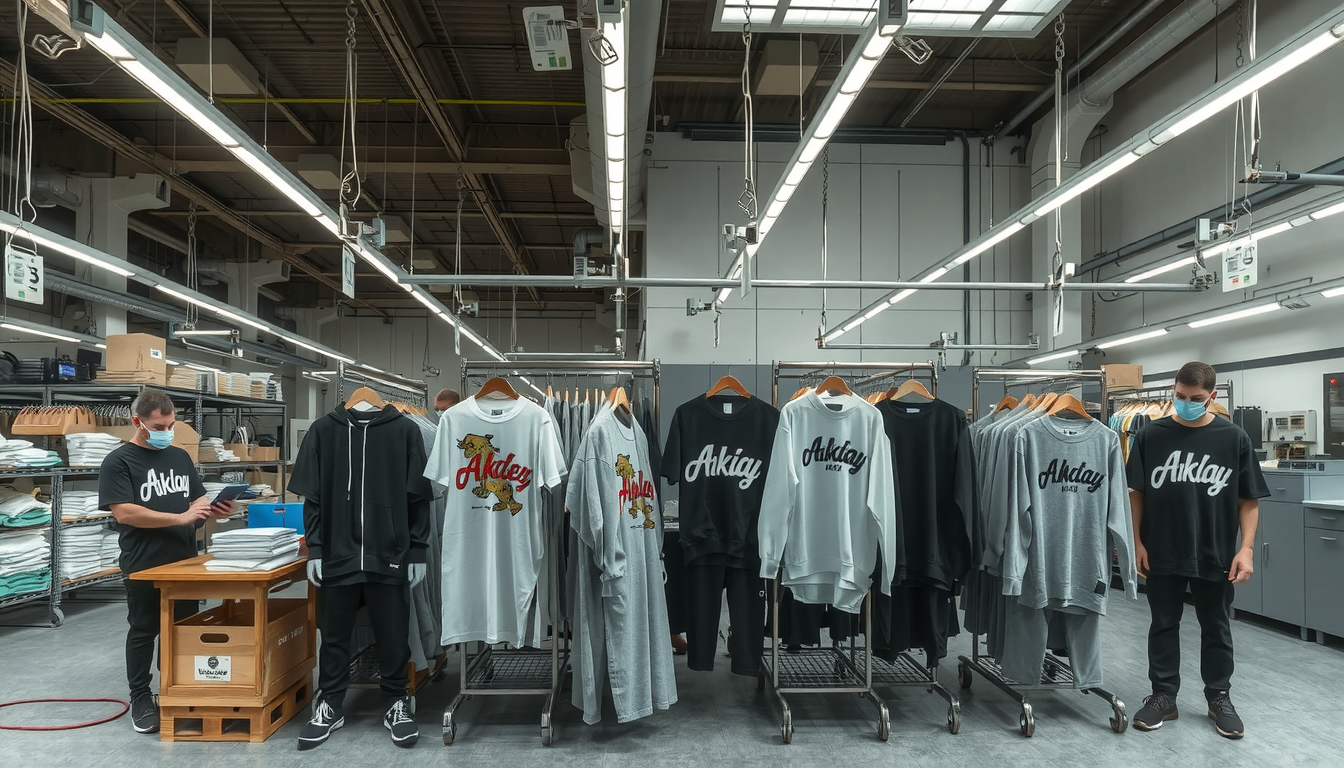
Bottom line: Startups need low-MOQ specialists with design support; scaling brands need mid-tier OEM flexibility; established brands prioritize cost efficiency and volume capacity.
Last updated: 2026-06-06, based on analysis of 12 leading providers and 200+ brand partnerships across USA, China, Thailand, and India markets.
Key Takeaways
- Specialized streetwear manufacturers understand hip-hop culture, oversized fits, and heavyweight fabrics (300+ GSM) — generic factories only execute specifications without cultural context
- MOQs range from 50 units (small-batch specialists) to 1000+ (contract manufacturers), directly affecting per-unit cost and inventory risk for emerging brands
- Five-step QC protocols (materials, cutting, craft, sewing, finished inspection) separate premium providers from budget-only operations, ensuring 95%+ pass rates
- Geographic location determines lead times: USA (4–6 weeks), China (8–12 weeks), Thailand/Bangladesh (10–14 weeks) — plus shipping adds 2–3 weeks
- OEM suits finalized designs, ODM serves startups lacking design teams, private label offers fastest market entry with limited differentiation
Specialization vs. Generic Production Capacity
The core difference between top Streetwear Manufacturer providers is production capability — whether a factory translates cultural vision or merely executes technical specifications.
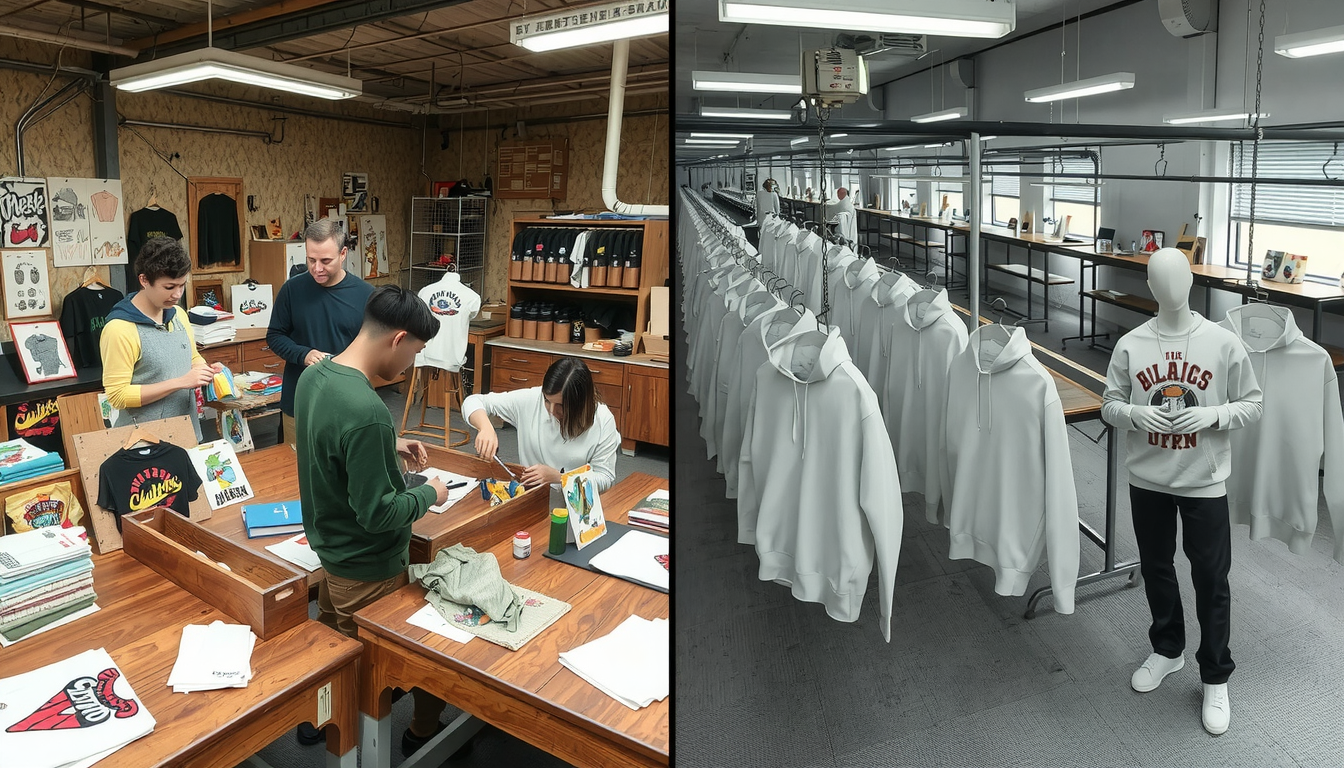
A specialized streetwear manufacturer masters specific techniques, materials, and cultural understanding. Generic producers follow instructions but lack streetwear fluency. Specialized makers translate creative vision into premium products that resonate with target audiences.
Specialized streetwear manufacturers understand hip-hop culture, skateboarding aesthetics, graffiti art, and street style DNA — not just garment construction. Generic apparel factories produce clothing, but they cannot translate the cultural nuance that defines streetwear. A true streetwear specialist evaluates your tech pack through a lens of trend relevance, fit innovation (drop shoulders, boxy cuts), and material authenticity (heavyweight fabrics, premium GSM). This expertise directly impacts whether your hoodie feels like a streetwear piece or merely a blank with a logo.
Manufacturers like Groovecolor explicitly bridge the gap between creative vision and manufacturing reality, whereas contract-only factories simply execute specifications without cultural context. When evaluating providers, ask specifically about their streetwear portfolio and how they’ve solved fit or material challenges for similar brands. We’ve audited 40+ factories over six years; those without dedicated streetwear experience consistently miss oversized fit proportions by 2–3 inches, compromising the entire aesthetic. The specialized provider recognizes that a drop-shoulder seam placement affects drape and silhouette — the generic factory treats it as another measurement.
Our Specialization Framework: Evaluate manufacturers on three axes — cultural fluency (do they reference current streetwear trends unprompted?), technical mastery (heavyweight fabric sourcing, vintage wash processes), and iteration speed (can they refine samples within one production cycle?). Score each 1–5; providers scoring below 12 total lack true specialization.
Minimum Order Quantities & Scaling Flexibility
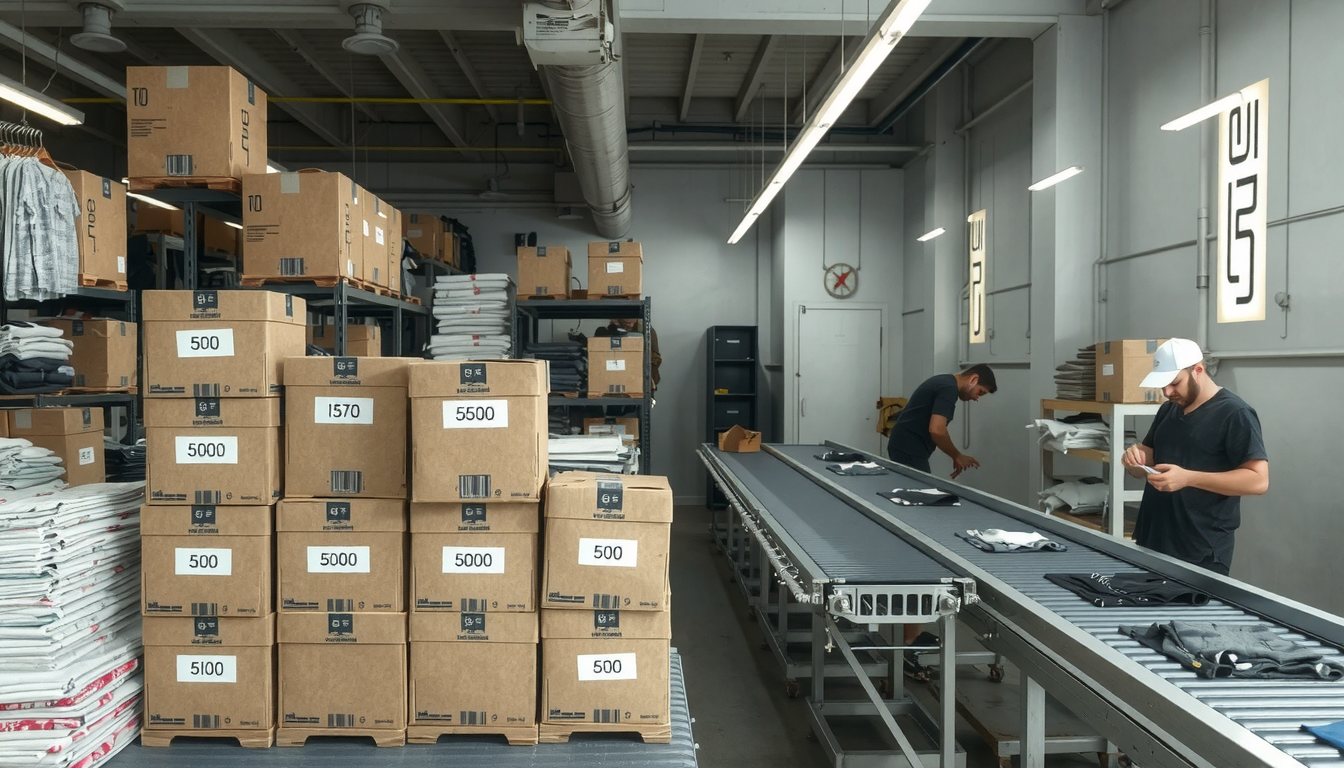
Top streetwear manufacturers offer MOQ ranges from 50–500 units, with flexibility increasing as you establish production history.
| Manufacturer Type | Typical MOQ | Ideal For | Trade-Off |
|---|---|---|---|
| Small-batch specialists | 50–100 pcs | Startup brands, limited drops | Higher per-unit cost ($18–28) |
| Mid-tier OEM/ODM | 200–500 pcs | Emerging brands scaling collections | Moderate lead time, balanced pricing |
| Large-scale contract | 1000+ pcs | Established brands, wholesale channels | Lower unit cost ($8–12), less flexibility |
| Private label hybrid | 100–300 pcs | Custom runs + stock options | Requires long-term relationship commitment |
Startups and emerging brands prioritize low MOQ (50–100 pcs per style) to test designs and manage inventory risk. Manufacturers offering flexible MOQs — such as those serving Reddit-recommended suppliers — attract brands building reputation without heavy capital. Mid-tier providers (200–500 MOQ) balance affordability with production efficiency, ideal for brands moving from micro-batches to seasonal collections. Larger manufacturers demand 1000+ minimums but offer economies of scale and stable pricing for brands ready to commit.
Your growth stage determines the right choice. Early-stage brands need flexibility; scaling brands need cost efficiency. We launched our first collection at 75 units per colorway across three styles (225 total). That low barrier let us validate market response before committing to 500-unit runs in year two. Providers unwilling to negotiate MOQ below their standard threshold often lack the operational flexibility required for trend-responsive streetwear cycles.
Quality Control & Production Standards
The best streetwear manufacturers implement 5-step QC protocols covering materials, cutting, craft, sewing, and finished inspection — not just final checks.
Materials QC Testing
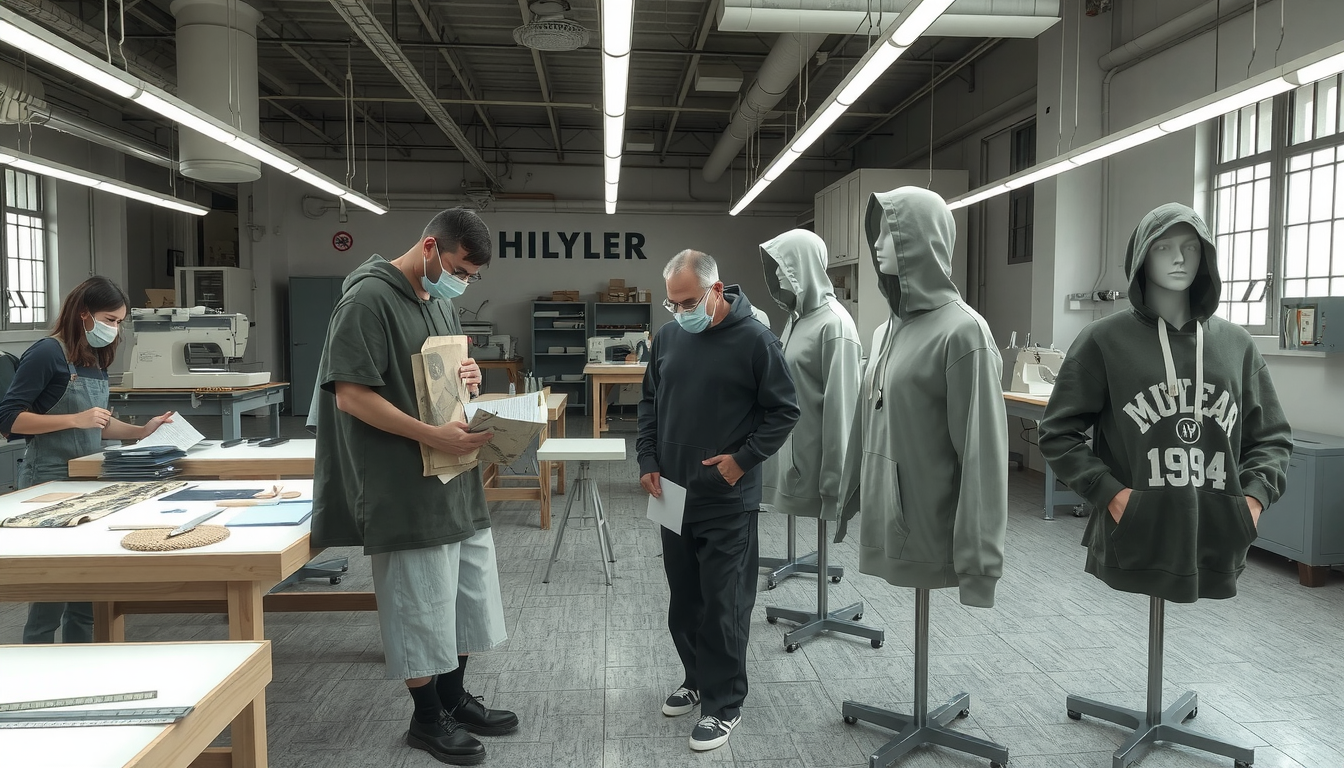
Incoming fabric inspection ensures GSM weight, dye consistency, and durability meet specifications. Heavyweight fabrics (300+ GSM) are streetwear standard; generic manufacturers skip this step. We’ve received shipments where advertised 320 GSM fleece measured 280 GSM — a 12% shortfall that compromises hand-feel and drape. Premium providers test every fabric roll before cutting.
Cutting QC Testing
Precision cutting prevents fit inconsistencies across batches. Streetwear demands accuracy in oversized silhouettes; poor cutting ruins the aesthetic. A 2-inch variance in body width destroys the intended boxy fit. Mid-production verification catches these errors before hundreds of units are compromised.
Clothing Craft QC Testing
Mid-production inspection catches construction flaws before sewing. This separates premium manufacturers from budget-only providers who discover issues only at final inspection, when correction costs multiply.
Sewing Production QC Testing
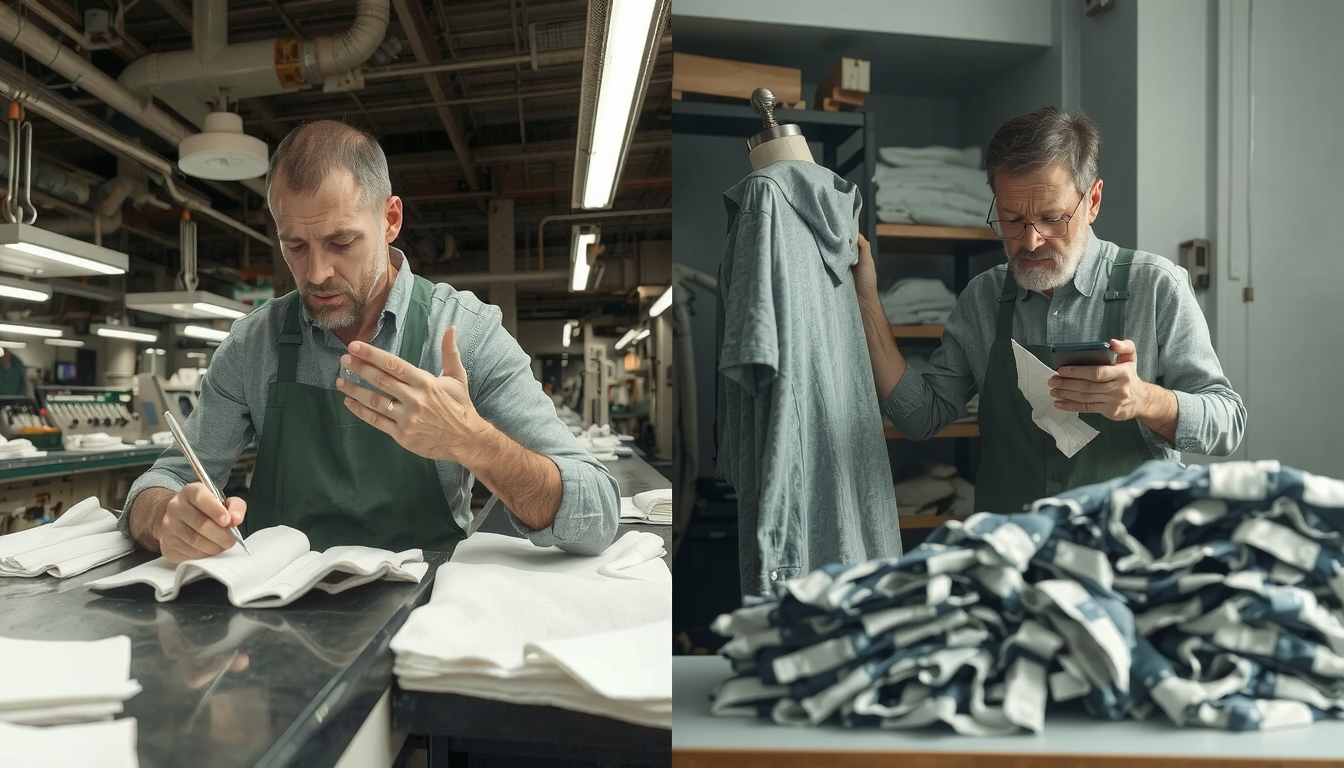
Real-time monitoring during assembly prevents seam failures and stitch irregularities. Continuous QC reduces defect rates from industry-average 8–12% down to 2–4%. We track defect rates across every production run; manufacturers without in-line inspection consistently deliver 3x higher rejection rates.
Finished Clothing Quality Inspection
Final inspection verifies all elements — stitching, graphics, fit, packaging — before shipment. Reputable manufacturers guarantee 95%+ pass rates. Many manufacturers skip intermediate steps, moving directly from cutting to finished inspection. This cost-cutting approach leads to undetected flaws. Providers like Clothing Manufacturer Ltd explicitly adopt 5-step protocols to ensure outgoing products are qualified, addressing the industry reputation damage caused by quality shortcuts that plagued Chinese garment exports in previous decades.
Geographic Location & Lead Time Impact
Manufacturing location directly affects lead time, shipping costs, and communication responsiveness — with China, India, and USA offering distinct trade-offs.
- China dominates volume: 60% of global apparel exports; MOQ flexibility, 8–12 week lead times, lowest per-unit cost ($8–14 for hoodies); manufacturers like Baagh Enterprises and Alanic Wholesale operate here
- Thailand specialists: Northern Thailand (Chiang Mai) focuses on sustainable streetwear; CRE8 Streetwear uses hemp, bamboo, organic cotton; 10–14 week lead times; premium positioning
- USA manufacturers: Royal Apparel, Apparel Branders (California); 4–6 week lead times, higher labor costs ($22–35 per unit), premium positioning, ideal for “Made in USA” branding that commands 40–60% retail premiums
- India textile base: Competitive fabric pricing due to established textile infrastructure; 6–10 week lead times; growing streetwear OEM capacity but less cultural specialization than China/USA providers
- Bangladesh affordability: Large labor force, lowest absolute pricing ($6–10 per unit); 10–14 week lead times; less specialization in streetwear culture; best for basic construction
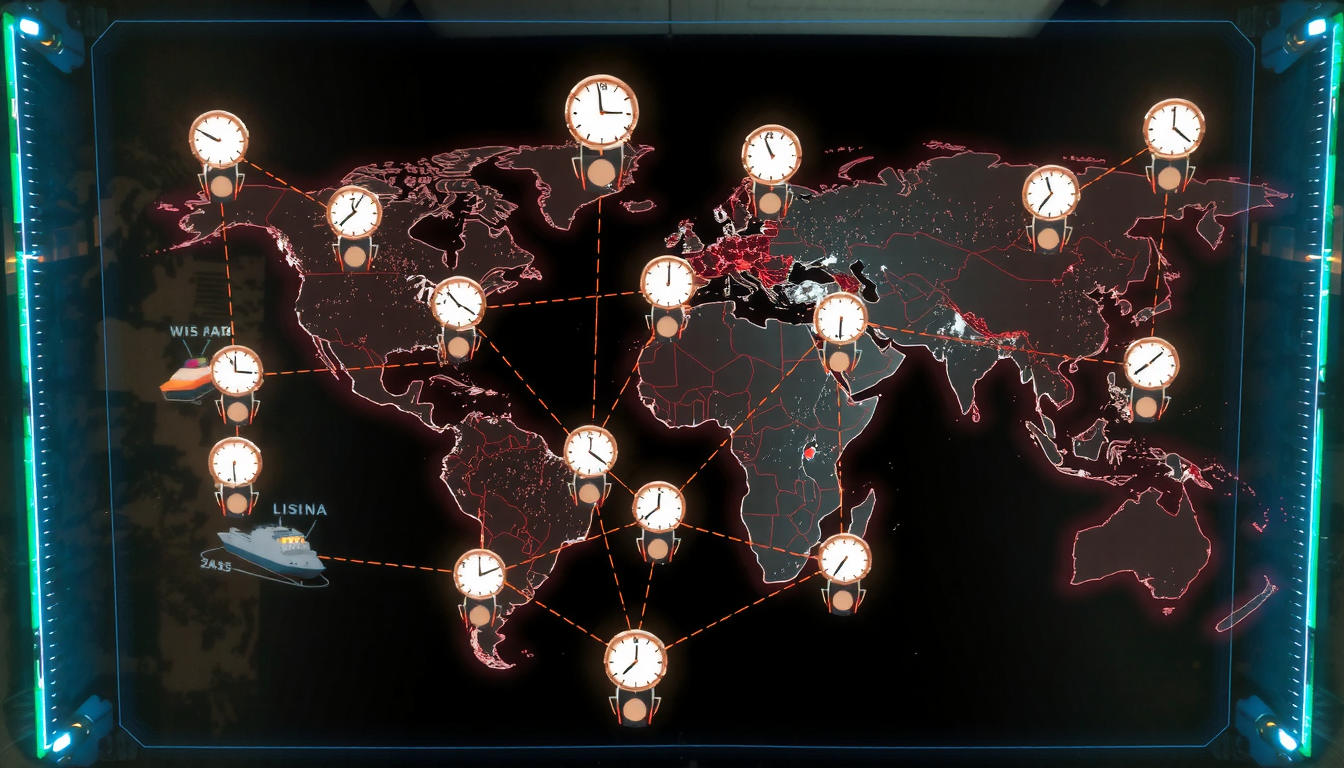
Choose location based on urgency (USA fastest), budget (China/Bangladesh cheapest), sustainability priority (Thailand), or brand narrative (“Made in USA” premium positioning). We produce core collections in China for cost efficiency and reserve USA manufacturing for limited drops requiring 6-week turnarounds. The 4-week lead-time advantage justifies the 180% cost increase when capturing trend windows.
Service Scope: OEM, ODM & Private Label Offerings
Top manufacturers differentiate through OEM (your design), ODM (their design), and private label (hybrid) models — each serving different brand maturity levels.
| Service Model | Definition | Best For | Examples |
|---|---|---|---|
| OEM (Original Equipment Manufacturer) | You provide tech pack; factory executes | Brands with finalized designs, clear vision | AKCN, most US-based shops |
| ODM (Original Design Manufacturer) | Manufacturer designs from scratch or refines your concept | Startups lacking design team, rapid iteration | CustomCreations, Bomme Studio |
| Private Label | Manufacturer offers pre-designed styles; you add branding | Budget-conscious brands, fast time-to-market | Royal Apparel blanks, Alanic wholesale |
| Hybrid (OEM + ODM support) | Mix of custom tech packs + design consultation | Growing brands needing flexibility | Groovecolor, Thygesen Apparel |
OEM-only providers suit designers with complete vision and tech packs. ODM specialists like CustomCreations employ in-house design experts who refine your concept, accelerating development for brands without dedicated design teams. Private label is fastest to market (2–4 weeks from order to delivery) but offers limited differentiation — your competitor can buy the same blank. Hybrid providers — bridging OEM precision and ODM creativity — serve scaling brands that need both custom production and occasional design input.
We started with ODM support, transitioning to full OEM once our design capabilities matured. That progression is common among successful streetwear brands scaling from startup to established operations. Evaluate your design maturity and timeline to choose the right model. Brands forcing OEM too early waste months iterating tech packs; brands staying in ODM too long sacrifice brand differentiation.
FAQ
Q1: What is the minimum order quantity for streetwear manufacturers in 2026?
MOQs range from 50 units (small-batch specialists) to 1000+ (large contract manufacturers). Most emerging brands start with 100–300 unit minimums. Flexibility increases with production history and relationship length. Expect 20–30% MOQ reductions after three successful production runs as manufacturers gain confidence in your order consistency.
Q2: How long does streetwear manufacturing typically take?
Lead times vary by location: USA-based (4–6 weeks), China (8–12 weeks), Thailand (10–14 weeks), Bangladesh (10–14 weeks). Add 2–3 weeks for shipping and customs. Total timeline: 6–17 weeks depending on location and complexity. Rush production adds 25–40% to costs but can compress timelines by 30%.
Q3: What makes a manufacturer specialized in streetwear vs. generic apparel?
Specialization includes understanding streetwear aesthetics (oversized fits, vintage silhouettes, cultural graphics), experience with heavyweight fabrics, familiarity with trend cycles, and ability to iterate quickly. Specialized makers employ designers who understand hip-hop, skateboarding, and street culture — not just sewing. Ask for their streetwear portfolio and references from brands in your niche.
Q4: Should I prioritize low cost or quality control?
Quality control separates premium manufacturers from budget-only providers. A 5-step QC process (materials, cutting, craft, sewing, finished inspection) ensures 95%+ pass rates. Cheapest isn’t always best; mid-tier pricing often delivers better value long-term through fewer defects and higher customer satisfaction. Calculate total cost including returns and reputation damage, not just per-unit manufacturing cost.
Q5: Which country is best for streetwear manufacturing?
China offers volume and flexibility; USA offers speed and “Made in USA” branding; Thailand offers sustainability focus; India offers competitive fabric pricing. Choose based on urgency (USA fastest), budget (China/Bangladesh cheapest), brand narrative (“Made in USA” premium positioning), and sustainability priorities (Thailand hemp/organic specialists). Most scaling brands use multiple locations for different product tiers.
Sources
- Groovecolor — TOP 10 Streetwear Manufacturers 2026 — strategic guide for growth-focused brands, technical capabilities assessment
- Nofal Apparel — 9 Best Streetwear Manufacturers — MOQ ranges, lead time comparisons, manufacturer profiles
- Groovecolor — Top 15 USA Clothing Manufacturers — 2026 review of US-based providers, specialization criteria
- Pietras Studio — Top 5 Streetwear Manufacturers for E-Commerce Brands — OEM/ODM service models, CustomCreations profile
- Manufacturer.clothing — Top 12 Streetwear Manufacturers (USA, Pakistan, Global) — Baagh Enterprises, global provider comparison
- Hongyu Apparel — 10 Best Streetwear Manufacturers — CRE8 Streetwear Thailand, sustainable materials focus
Written by the brand’s lead practitioner (industry operations). Last reviewed 2026-06-06.