
Premium Tracksuit Manufacturer for Trend-Driven Brands
Partner with a tracksuit manufacturer backed by a 5-step QC guarantee, low MOQ, fast sampling, and 10+ years of streetwear production expertise — serving brands in 100+ countries.
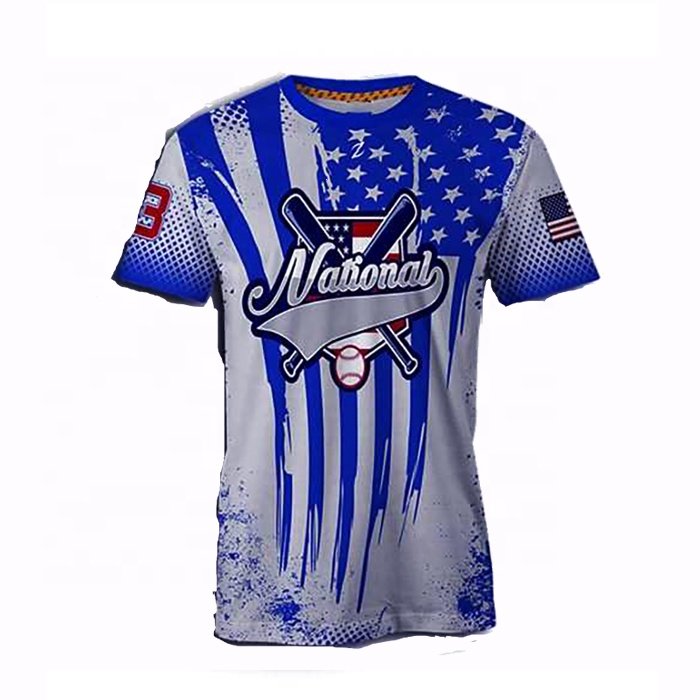
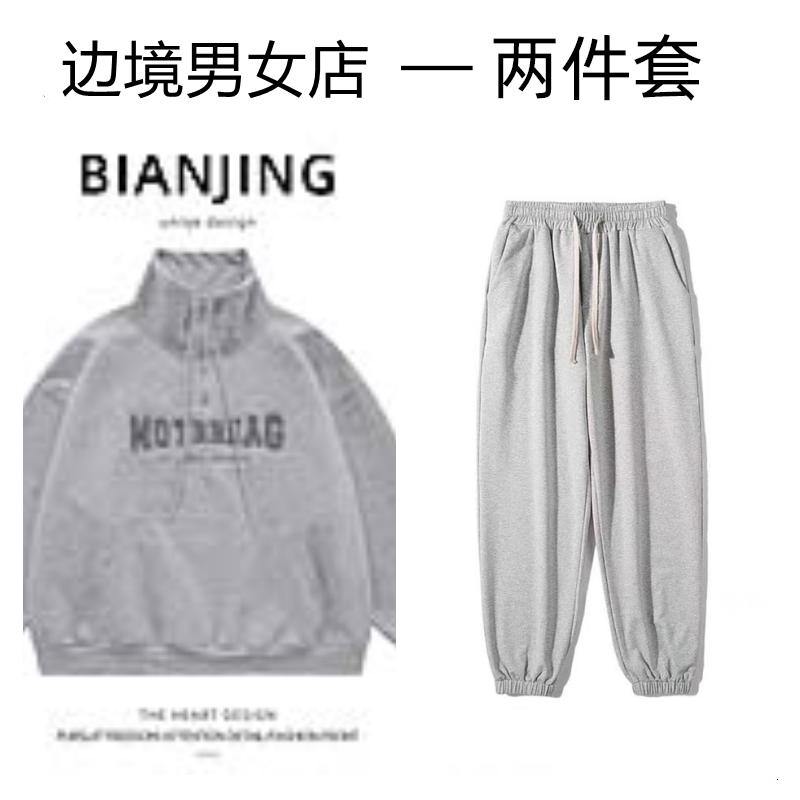
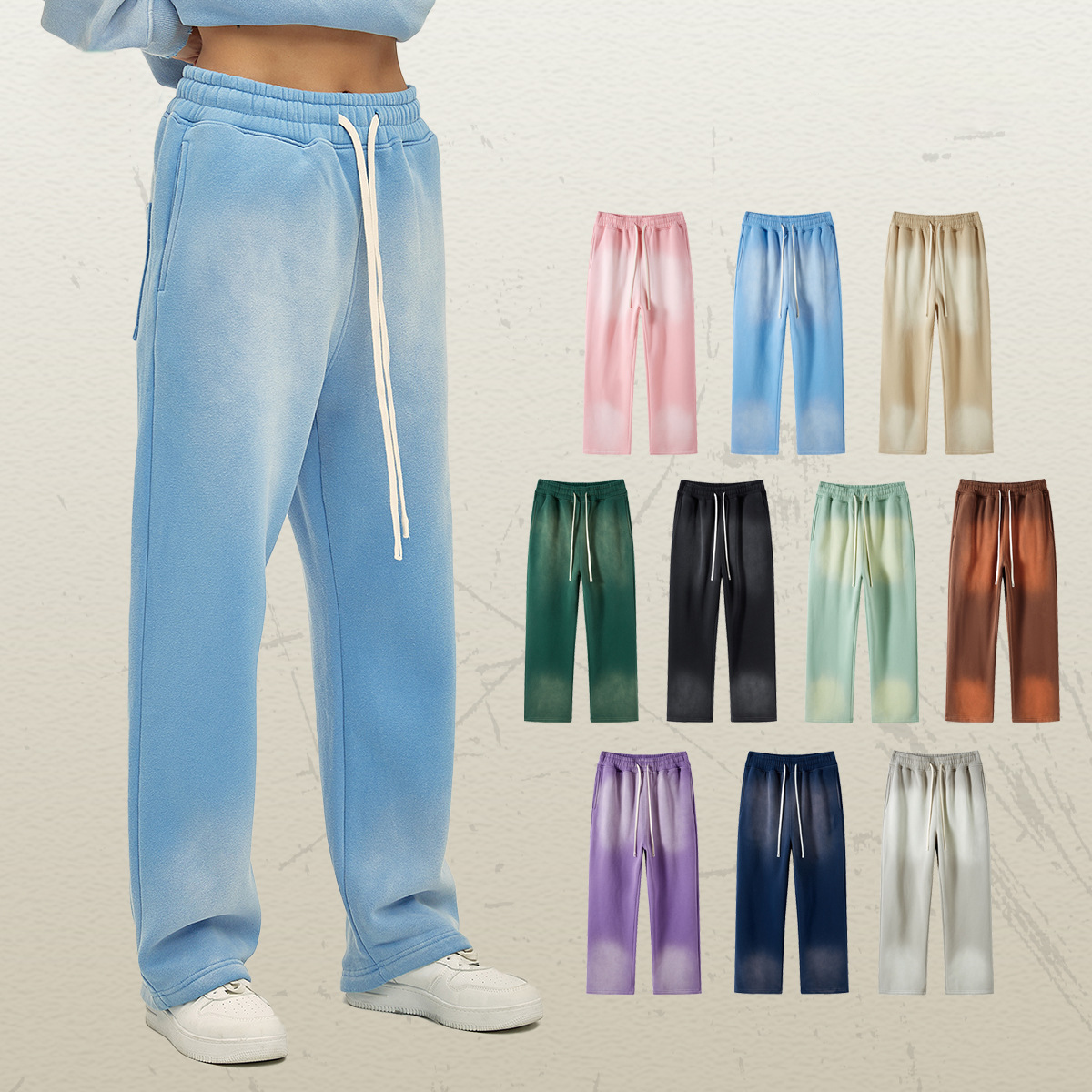
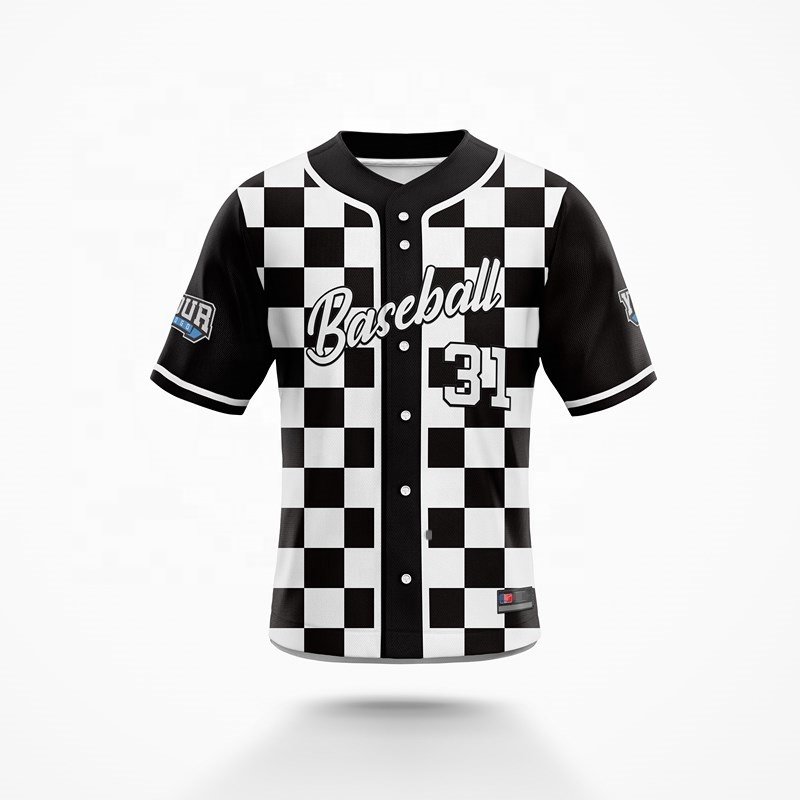
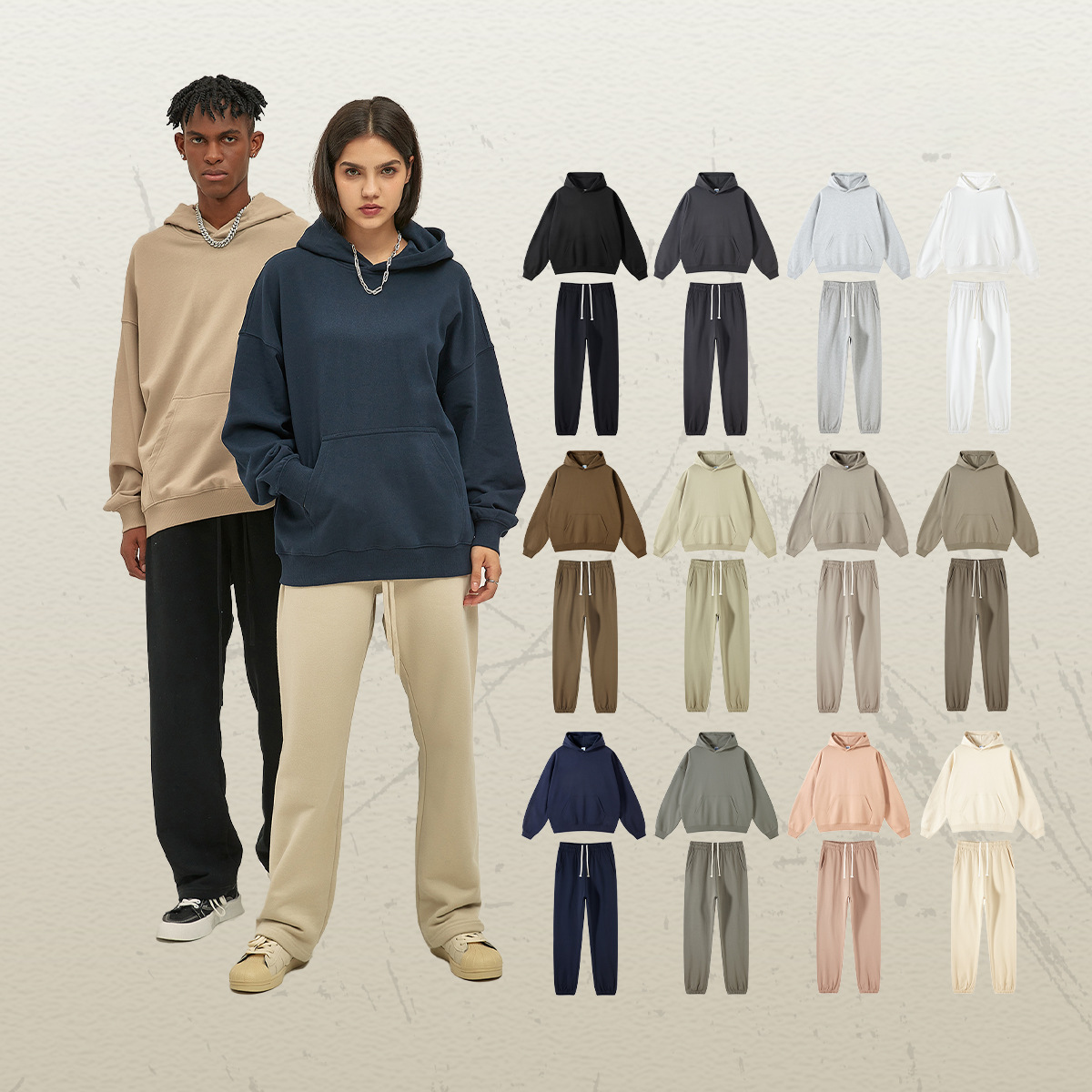
Tracksuit Collection Gallery
Why Choose Us as Your Tracksuit Manufacturer
From low MOQ orders to 100+ country shipping, every advantage is built to help your brand grow without compromise.
5-Step QC Guarantee
Our proprietary quality checks cover materials, cutting, crafting, sewing, and finished goods — zero defects reach your customers.
Low MOQ for Emerging Brands
Start small and scale confidently. Our low minimum order quantities let startups and independent designers launch without overcommitting.
Fast Samples & Turnaround
In-house sampling accelerates approvals so your seasonal collections hit the market on time, every time.
Serving 100+ Countries
Reliable global shipping and logistics support means your branded tracksuits reach customers from New York to Nairobi seamlessly.
In-House Design & Sampling
Our 15-member R&D team and 10 patents power original streetwear designs and rapid prototypes tailored to your brand vision.
Built for Influencer Lines
Proven experience scaling creator and influencer brands from first drop to hundreds of thousands of followers worldwide.
Tracksuit Solutions for Every Brand Stage
From low-MOQ startup launches to high-volume retail replenishment, every category is produced under a 5-step QC guarantee with in-house sampling support.
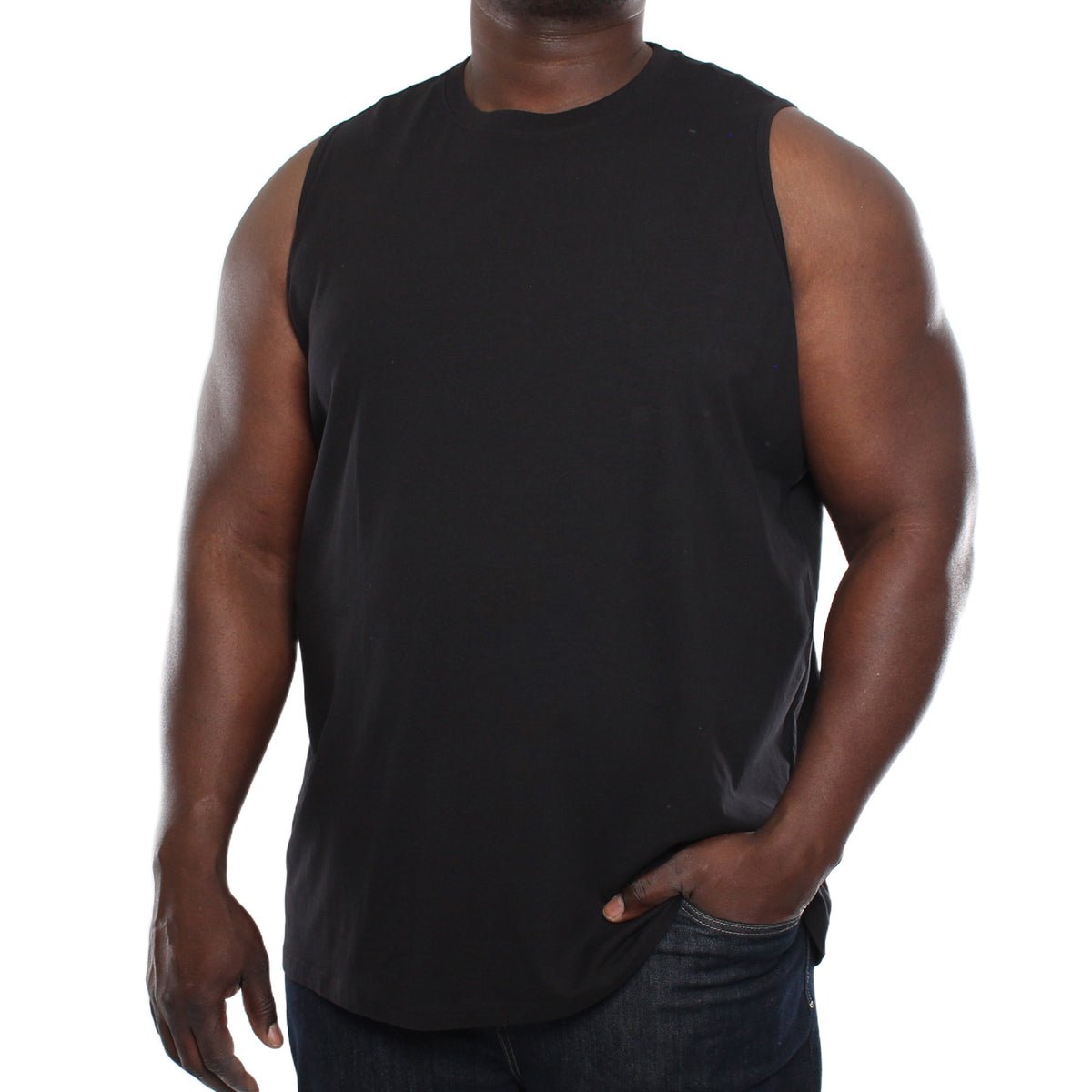
Sweatsuit Manufacturer
Custom sweatsuit production covering fabric sourcing, cutting, sewing, and finishing — all under a 5-step QC process. Low MOQs support first-run brand launches, while scalable capacity handles bulk reorders. Suitable for influencer drops, private-label programs, and seasonal streetwear collections requiring consistent quality across every unit.
Get a Quote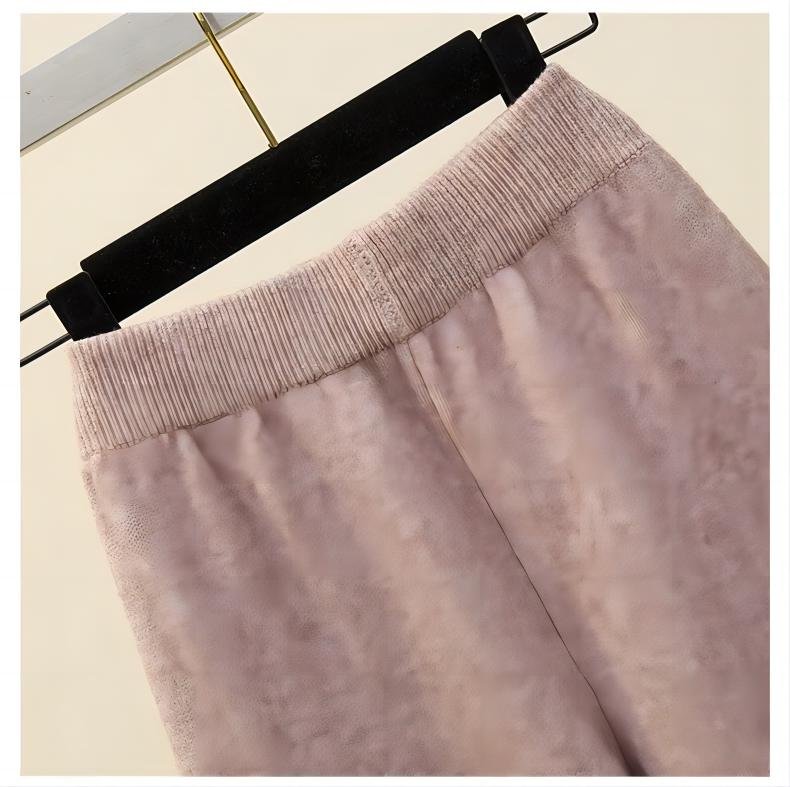
2 Piece Set Manufacturer
Coordinated top-and-bottom sets built for precise color matching, proportional sizing, and fabric uniformity across both pieces. From jogger-and-hoodie combos to track jacket pairings, in-house sampling confirms fit and finish before bulk production begins. Low MOQ options available for emerging brands launching their debut collections.
Get a Quote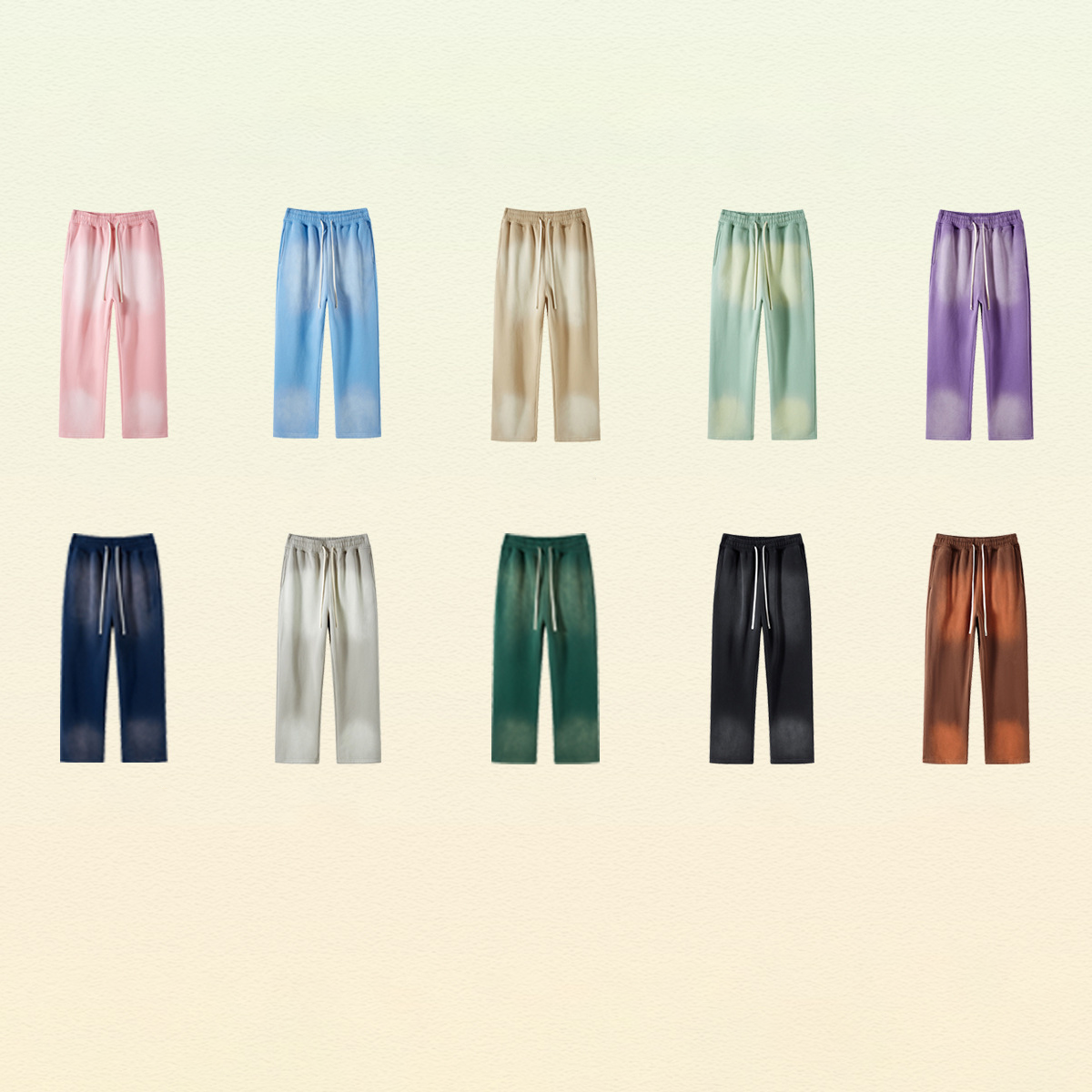
Short Set Manufacturer
Short sets produced with matched waistband tension, controlled inseam tolerances, and colorfast fabric finishing throughout. Designed for warm-weather drops and resort-influenced streetwear collections. Fast turnaround options help independent designers and growing online brands meet tight seasonal delivery windows without sacrificing per-unit quality.
Get a Quote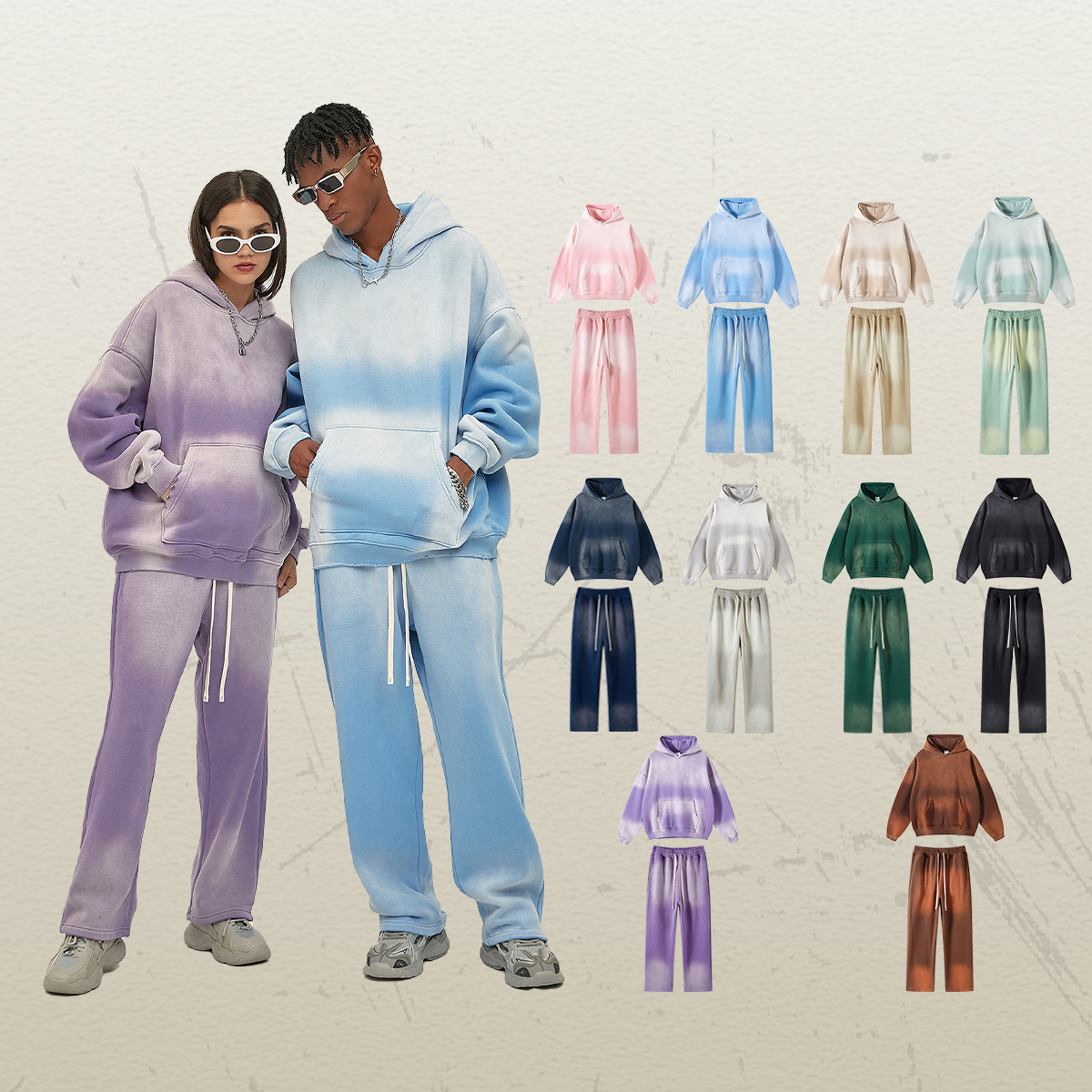
Nylon Tracksuit Manufacturer
Lightweight, moisture-resistant nylon tracksuits constructed with reinforced seam bonding and accurate pattern grading for active and athleisure markets. Materials QC testing confirms fabric performance before cutting begins. Ideal for performance-oriented streetwear lines requiring consistent hand-feel, finish uniformity, and reliable production timelines at scale.
Get a Quote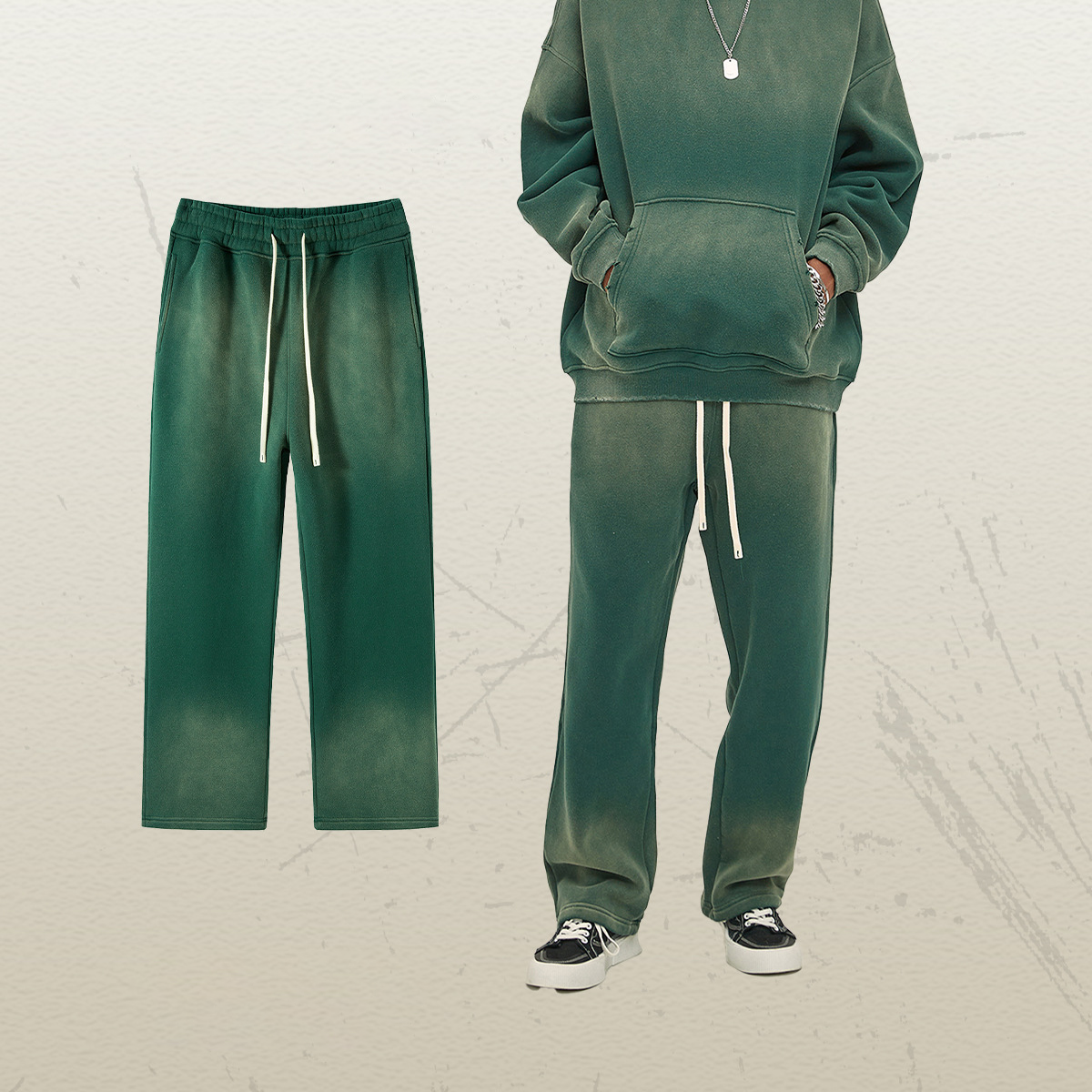
Velour Tracksuit Manufacturer
Premium velour tracksuits manufactured with pile-direction consistency and precise cutting to prevent shading variation between units. QC checkpoints at both the cutting and sewing stages catch nap irregularities early in the production cycle. Suited to luxury streetwear labels and influencer brands targeting elevated casual aesthetics.
Get a Quote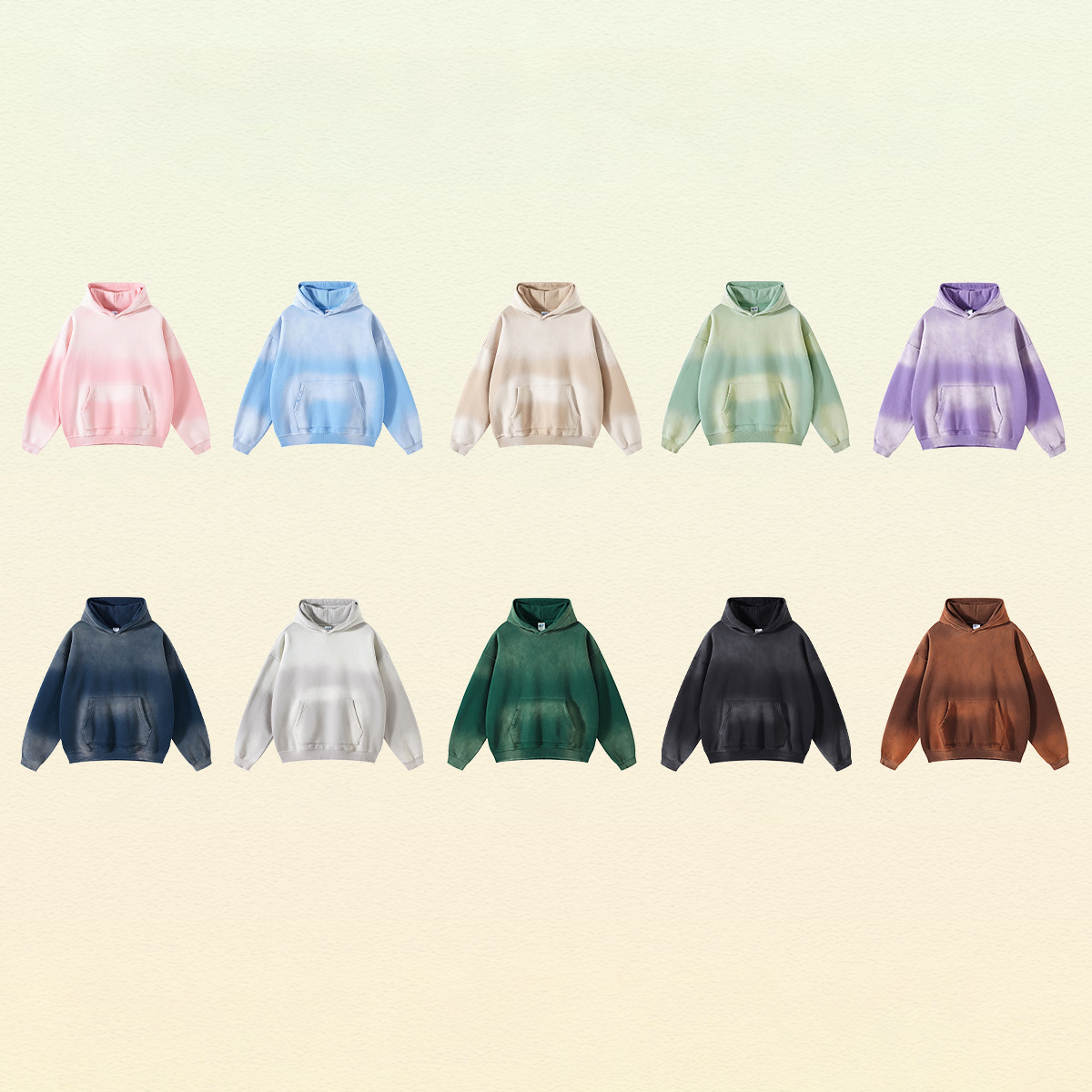
Fleece Tracksuit Manufacturer
Heavyweight and midweight fleece tracksuits produced with controlled shrinkage standards, uniform pile density, and reinforced rib cuffing at cuffs and hems. Five-stage QC testing covers materials through finished inspection to meet quality benchmarks for private-label retail programs and high-volume seasonal drops across global markets.
Get a Quote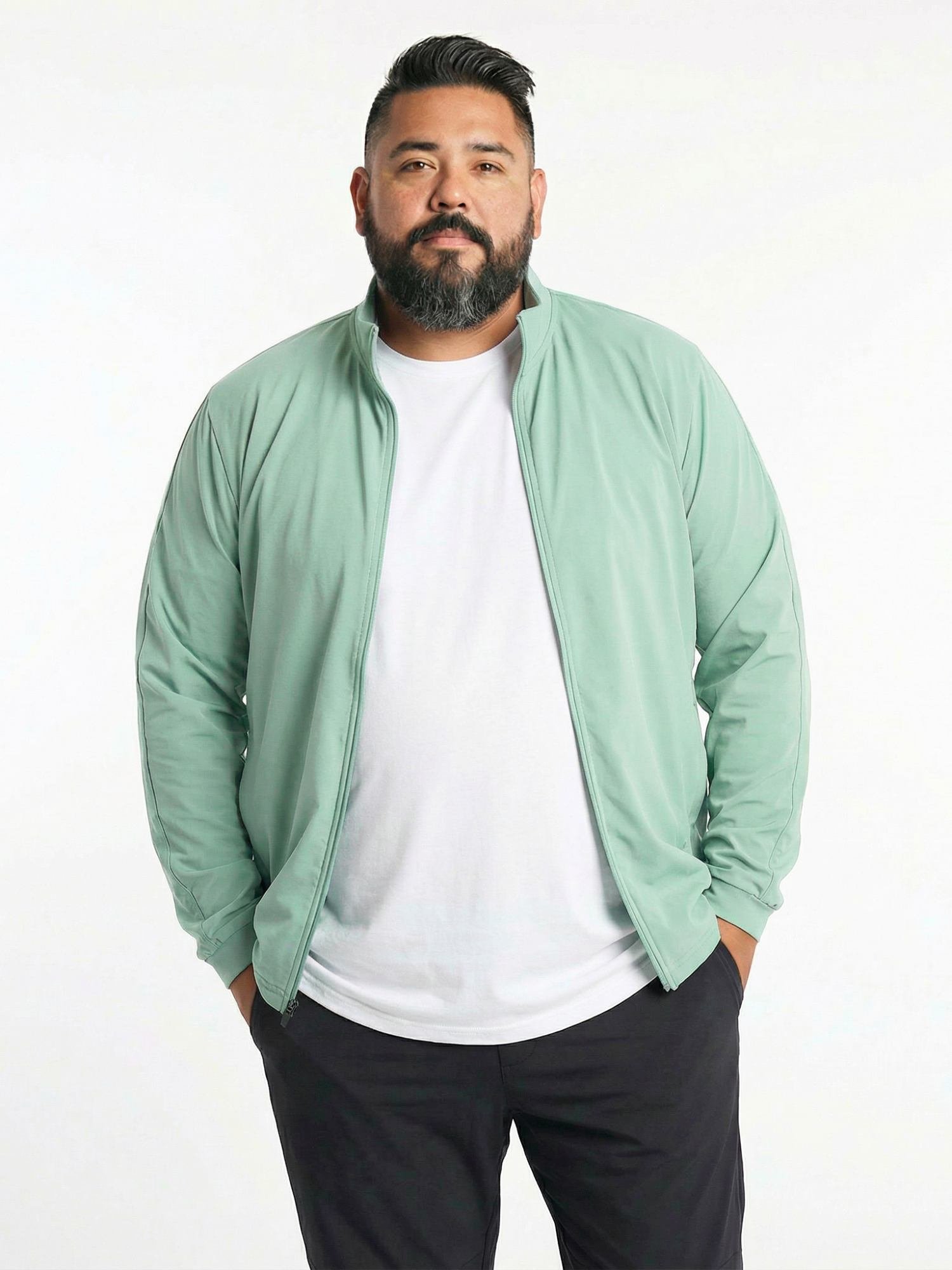
Mens Tracksuit Manufacturer
Men’s tracksuits produced across extended size ranges with graded pattern accuracy and consistent seam alignment from sample to bulk. From oversized streetwear silhouettes to fitted athletic cuts, in-house sampling confirms proportional fit before production scales. Experienced with influencer-brand limited drops and established retailer replenishment programs.
Get a Quote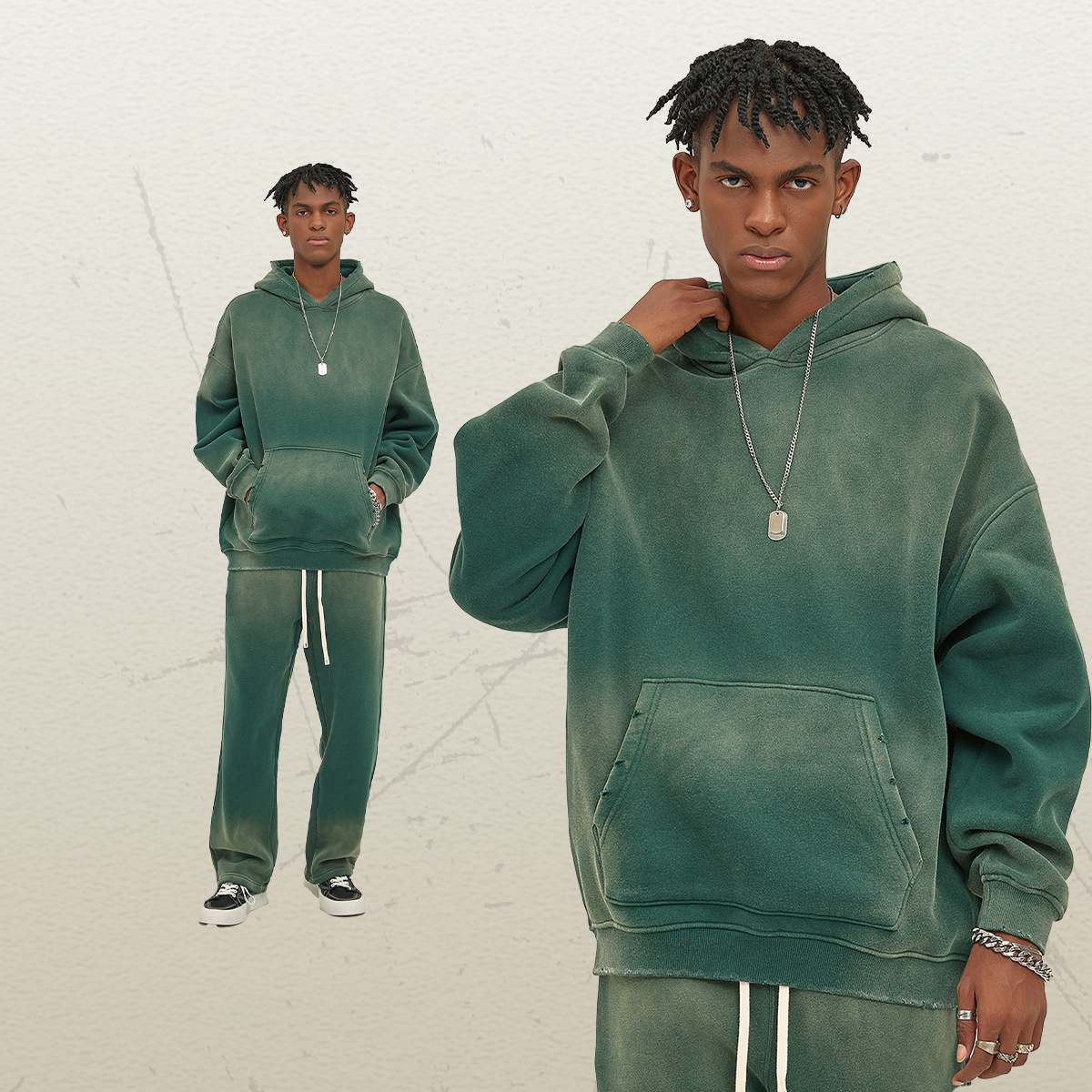
Womens Tracksuit Manufacturer
Women’s tracksuits developed with size-graded patterns, inclusive fit specifications, and fabric weights suited to layering or standalone wear. The in-house design and sampling team supports custom development from initial sketch through pre-production sample approval, serving independent designers and established apparel brands at any stage of growth.
Get a Quote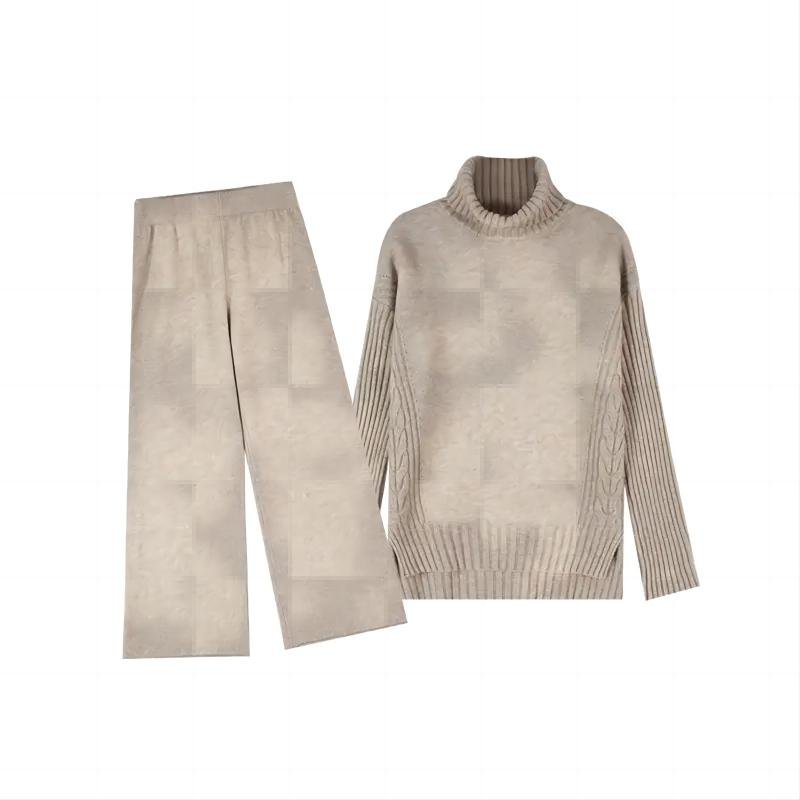
Wholesale Tracksuits
Bulk tracksuit orders fulfilled with consistent per-unit quality maintained across every SKU, colorway, and size run — not just the first production batch. The 5-step QC process runs at full production scale, and global shipping and logistics support is available to serve domestic retailers and international distributors alike.
Get a QuoteFabrics Sourced by a Premium Tracksuit Manufacturer
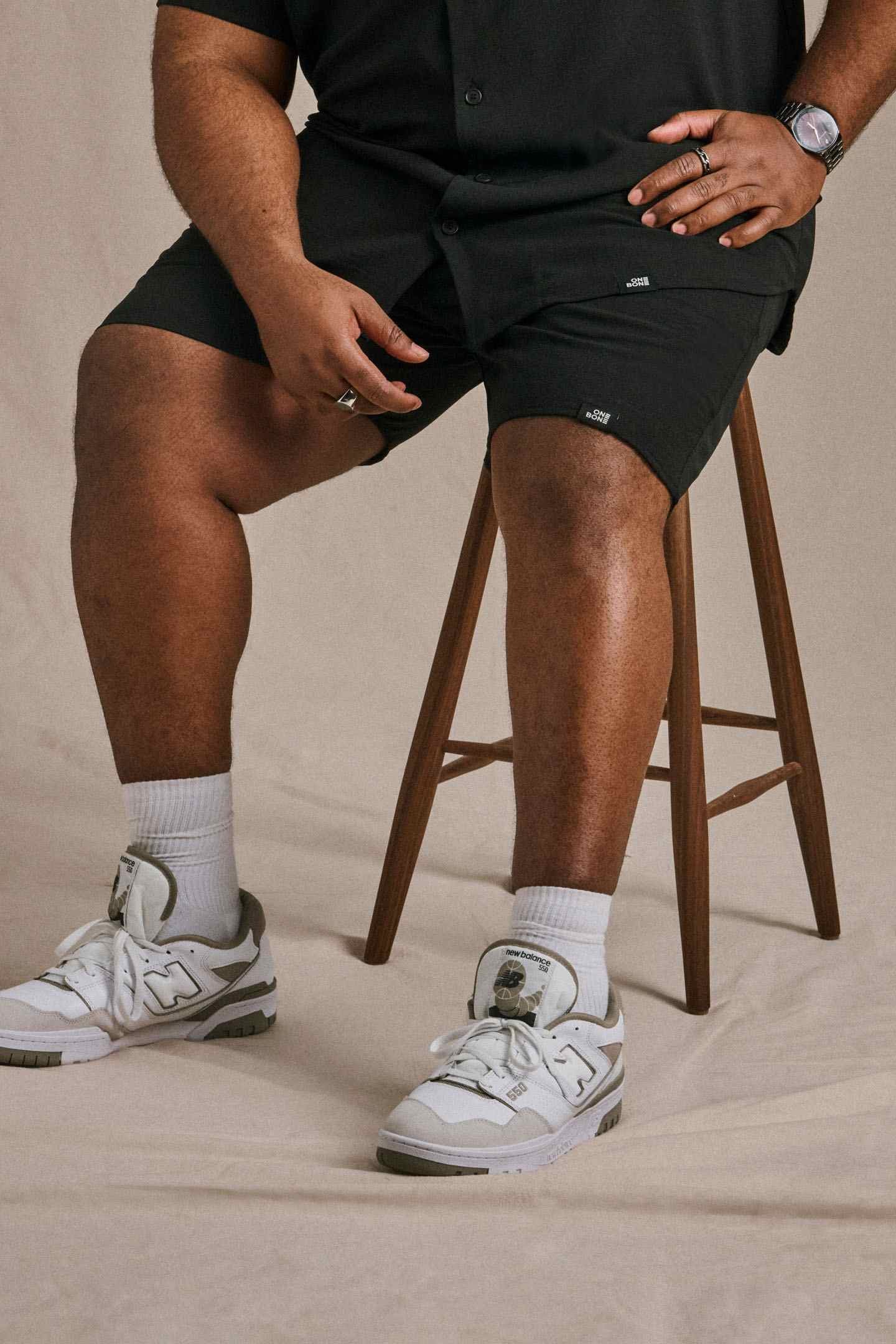
Polyester Tricot
Smooth, lightweight tricot with 4-way stretch and a subtle performance sheen. Ideal for slim-fit track jackets and jogger pants; moisture-wicking at 100–160 gsm ensures color vibrancy wash after wash.
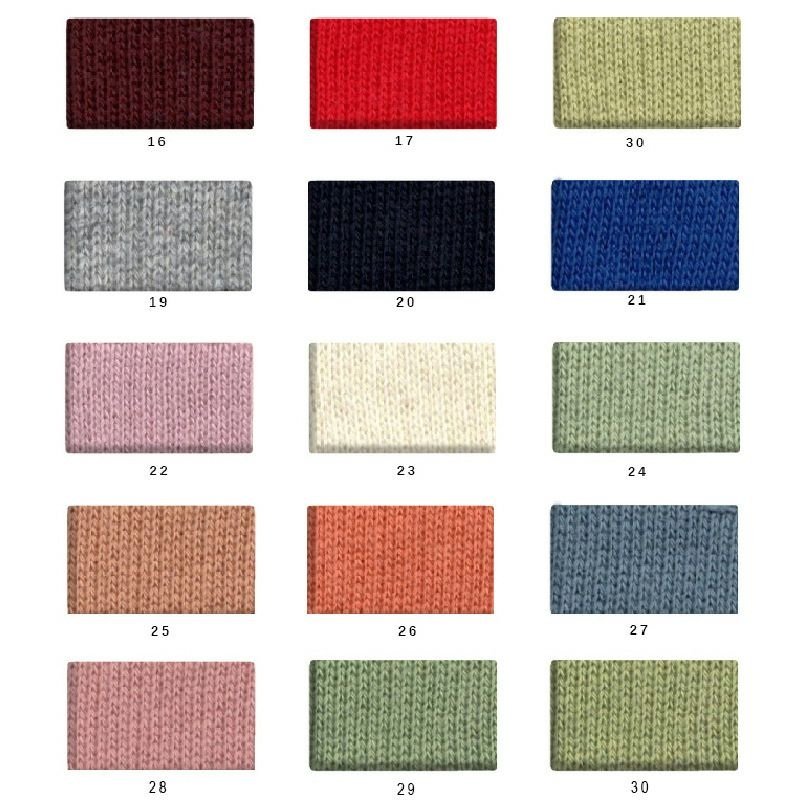
French Terry
Soft looped-back cotton-blend knit with a smooth face and cushioned interior. Perfect for relaxed streetwear tracksuits; medium-weight at 280–320 gsm balances breathability with all-day comfort and a premium hand-feel.
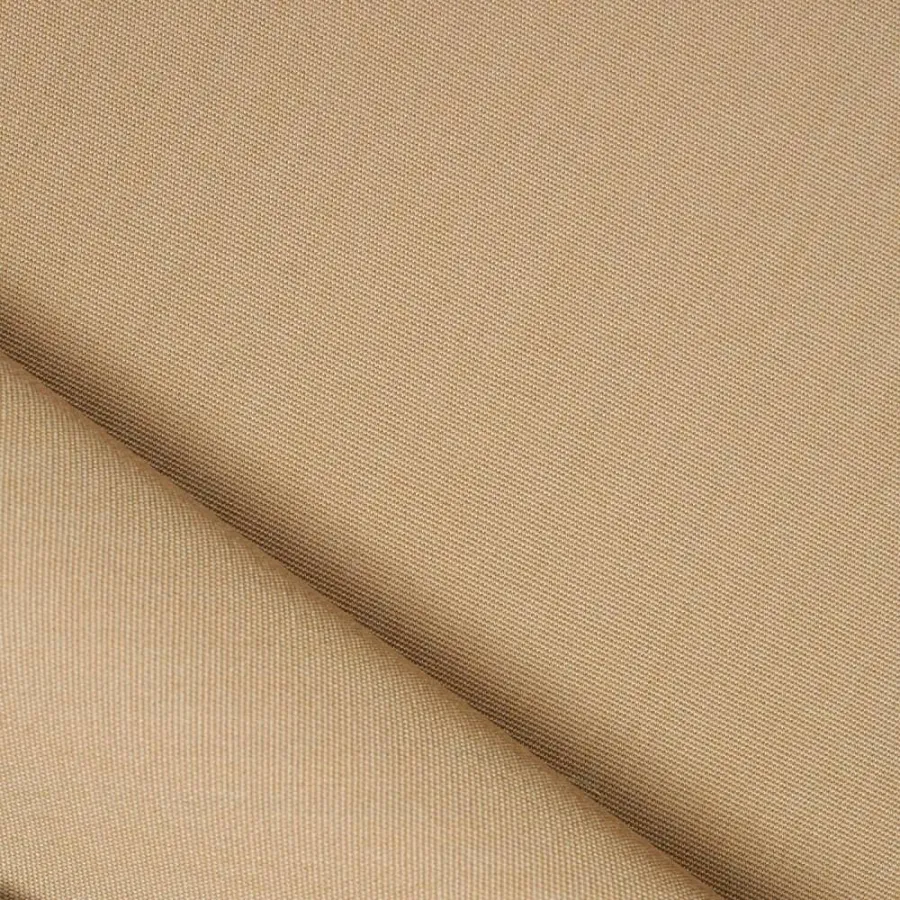
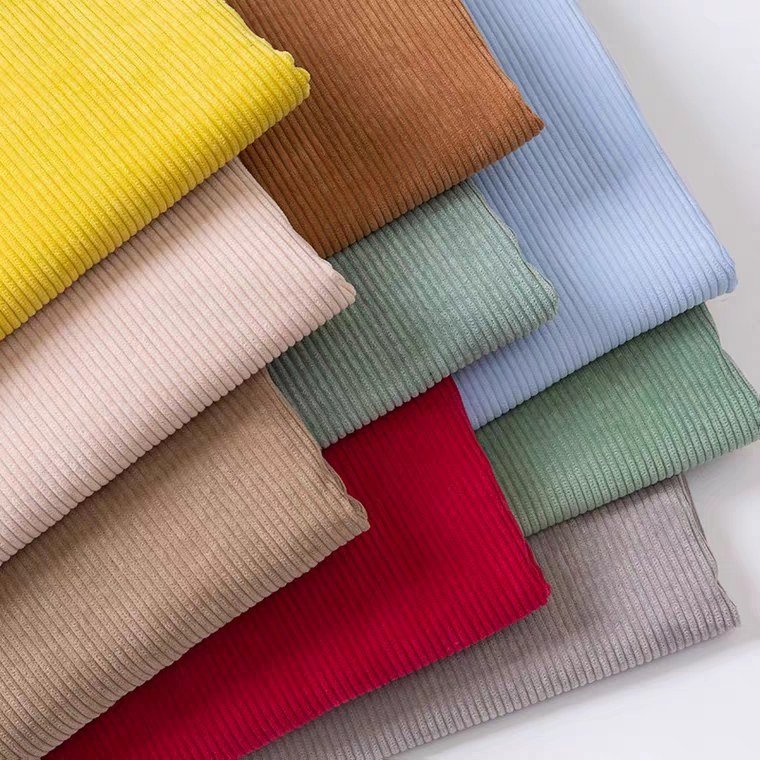
Cotton Jersey
Single-knit cotton with a soft, breathable feel and natural drape. Ideal for casual everyday tracksuits and training sets; 180–220 gsm construction delivers lightweight comfort without compromising structural durability.
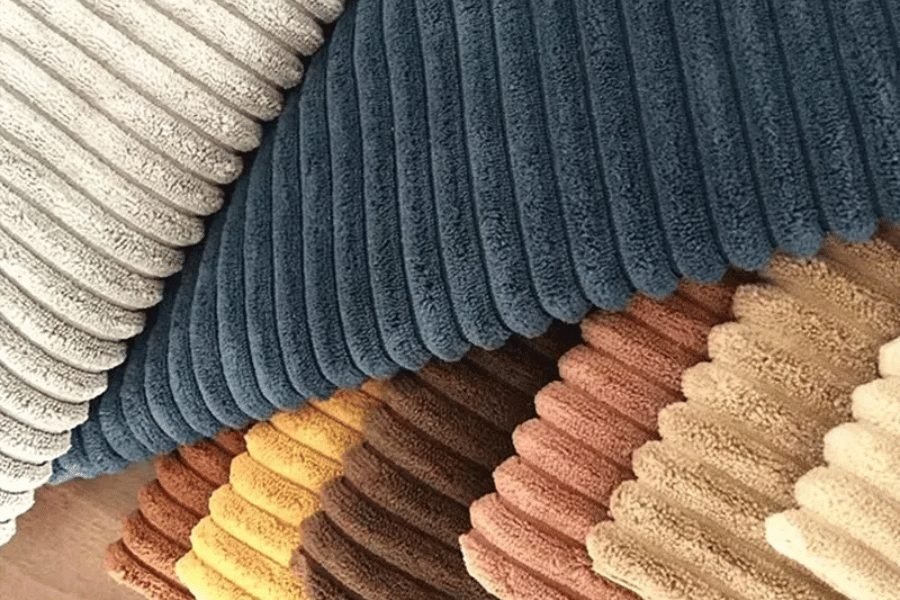
Recycled Polyester
Eco-conscious fabric made from post-consumer PET bottles, delivering the same moisture-wicking performance as virgin polyester. Suits sustainable streetwear collections at 150–200 gsm, with GRS certification available on request.
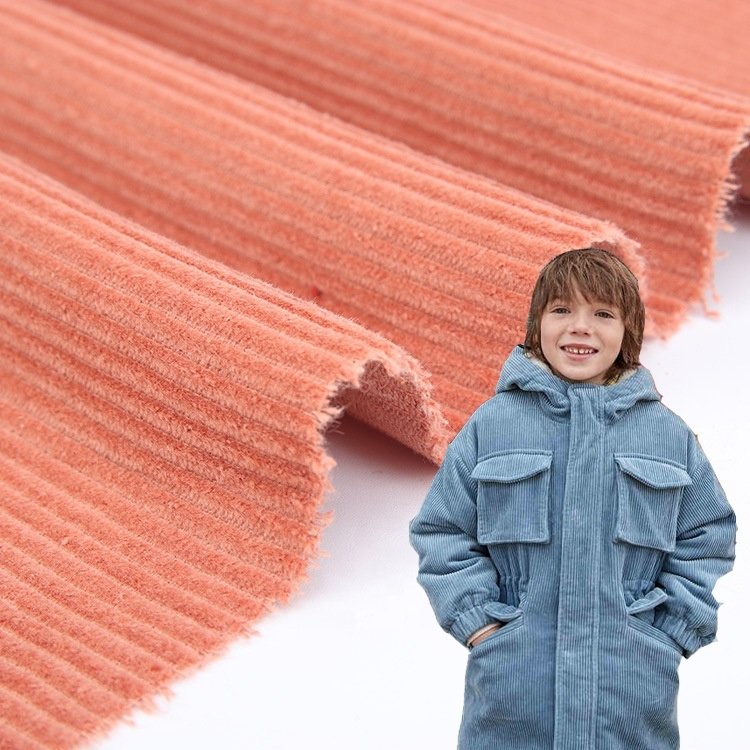
Performance Interlock
Tightly knit double-jersey with a smooth surface, excellent shape retention, and 2-way stretch. Built for athletic tracksuit pants and fitted jackets; 220–260 gsm with moisture-wicking and quick-dry properties.
Advanced Customization Techniques from Your Tracksuit Manufacturer
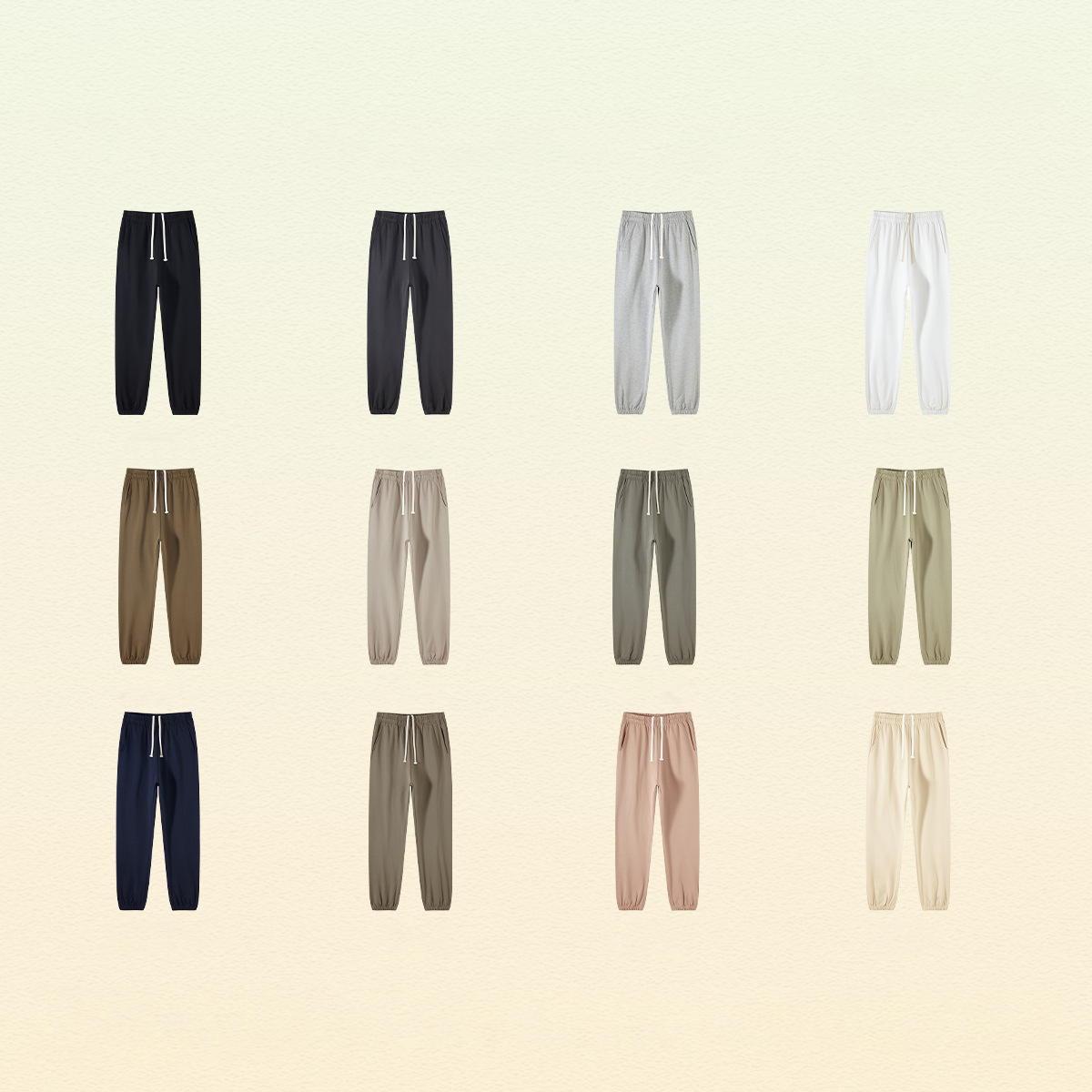
Screen Printing
High-opacity inks are pushed through precision mesh screens onto tracksuit panels, producing bold, opaque graphics with outstanding wash durability. Ideal for large-batch streetwear drops requiring consistent, vibrant color across every unit.
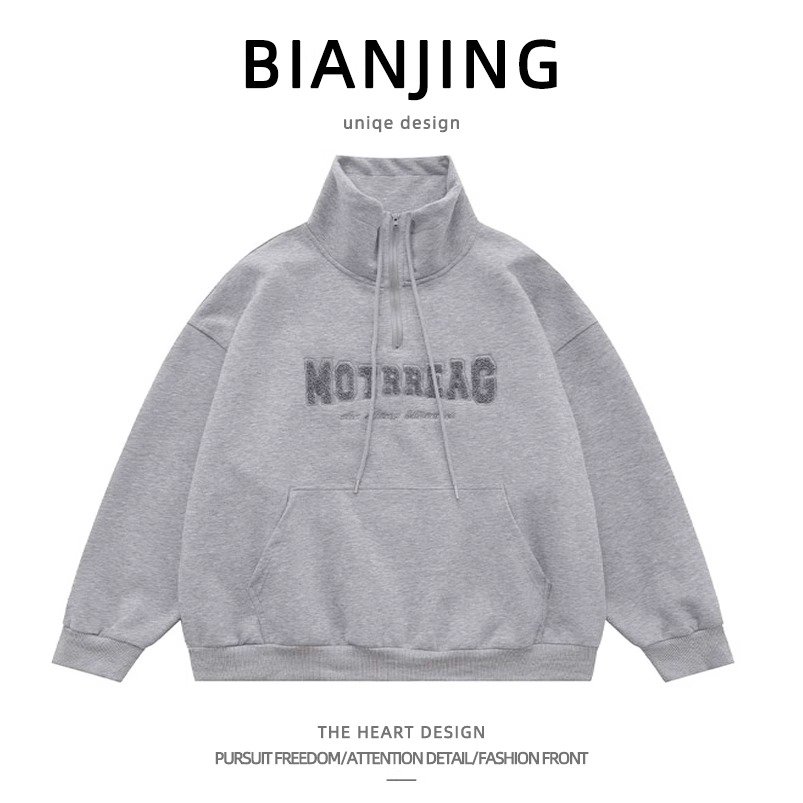
Custom Embroidery
Digitized thread stitching renders logos, wordmarks, and motifs with dimensional texture and a premium hand feel. Built to outlast the garment itself, it elevates streetwear tracksuits from everyday basics to true brand statements.
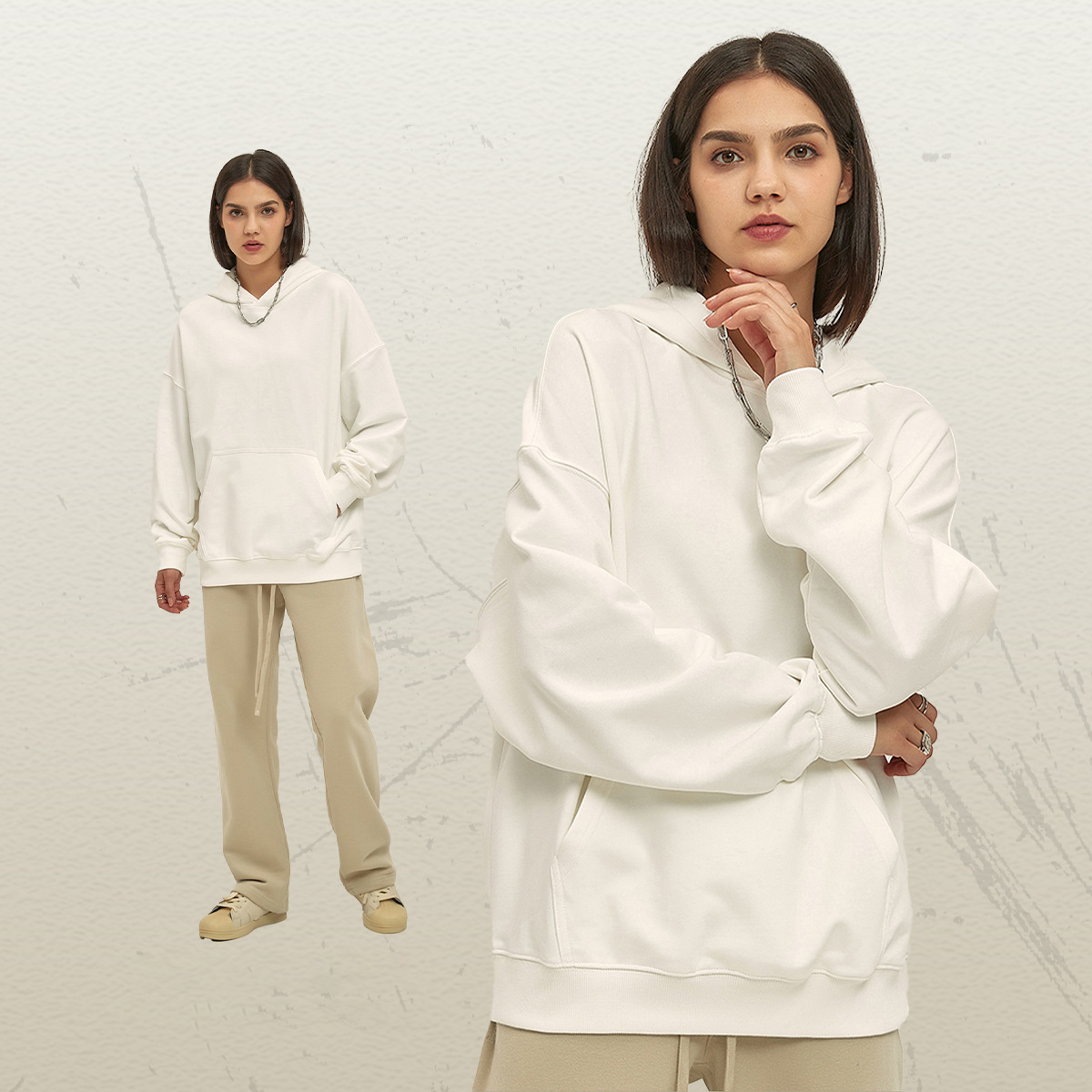
Sublimation Printing
Heat-activated dye permeates polyester fibers at a molecular level, delivering all-over, fade-proof designs with limitless color depth. The definitive technique for gradient colorways and full-panel streetwear artwork on complete tracksuit sets.
Direct-to-Garment
Inkjet technology deposits photographic-quality graphics directly onto fabric with zero screen setup required. Perfect for low-MOQ seasonal releases and influencer-driven collections that demand sharp, intricate artwork on every tracksuit piece.
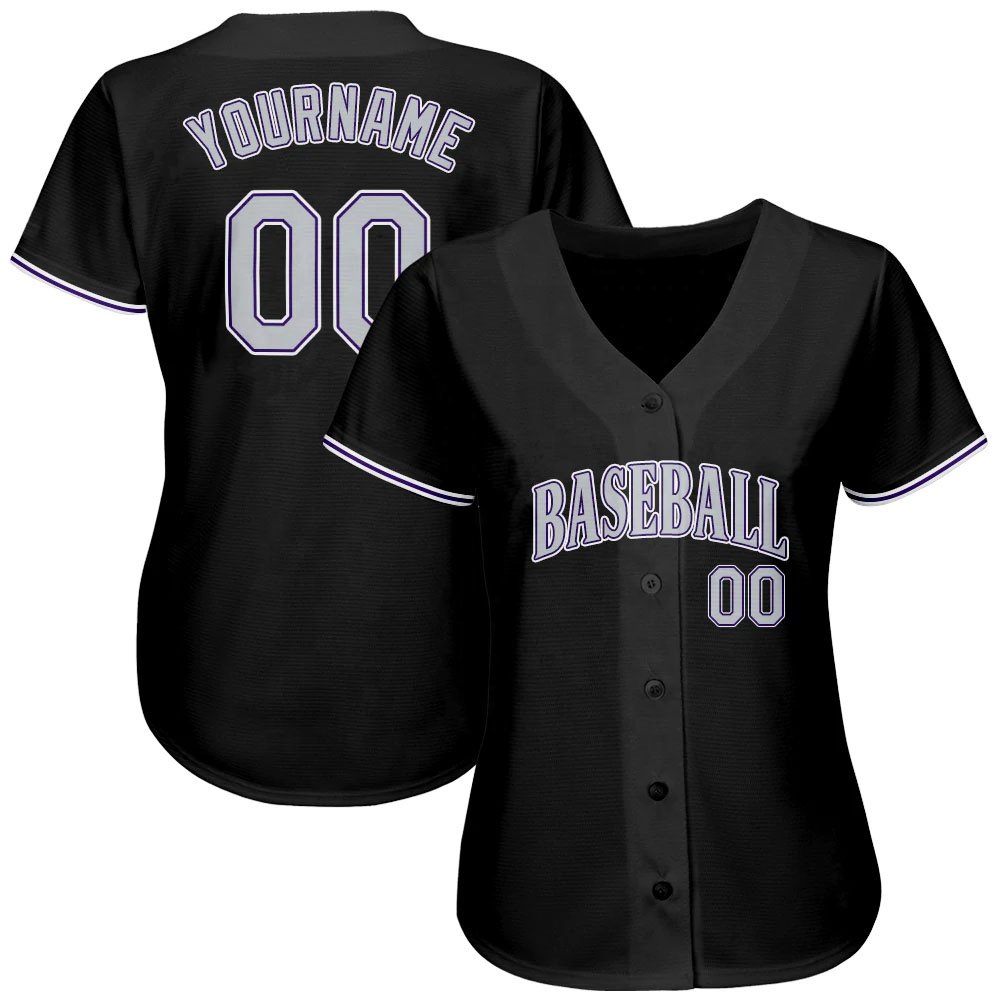
Heat Transfer
Pre-printed films are bonded under calibrated heat and pressure, enabling metallic finishes, complex multicolor artwork, and crisp edge definition. An efficient solution for standout branded graphics and limited-edition details on custom tracksuits.
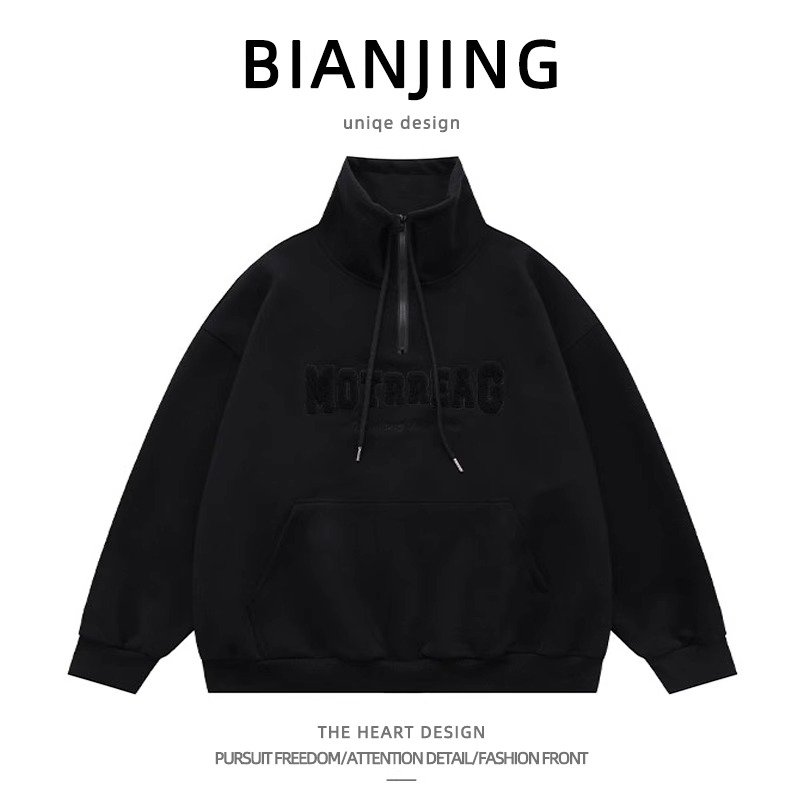
Patch Application
Woven, embroidered, or PU leather patches are precision-sewn or heat-bonded onto garments, adding tactile brand identity elements. A signature streetwear finish for chest badges, sleeve insignias, and premium label placards.
Tracksuit Manufacturer Hardware & Finishing Options
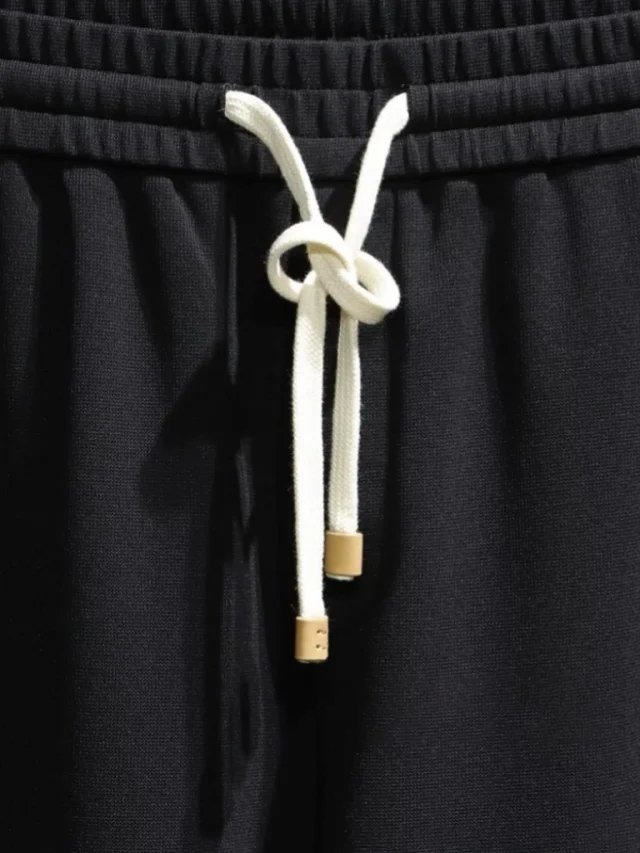
Custom Drawcords
Drawcords with branded tipping in silicone, metal, or plastic finishes add instant identity to hoodie and jogger waistbands. Match cord color and tip finish to your palette for a cohesive streetwear look.
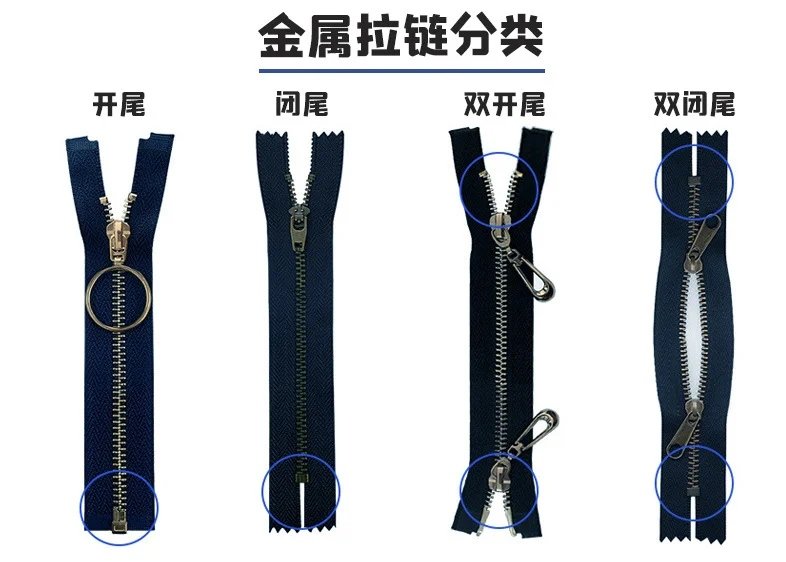
YKK Zippers
Premium YKK zippers in coil, chunky, or invisible styles deliver smooth operation and lasting durability on tracksuit jackets and side seams — the zipper standard most serious streetwear brands specify by name.
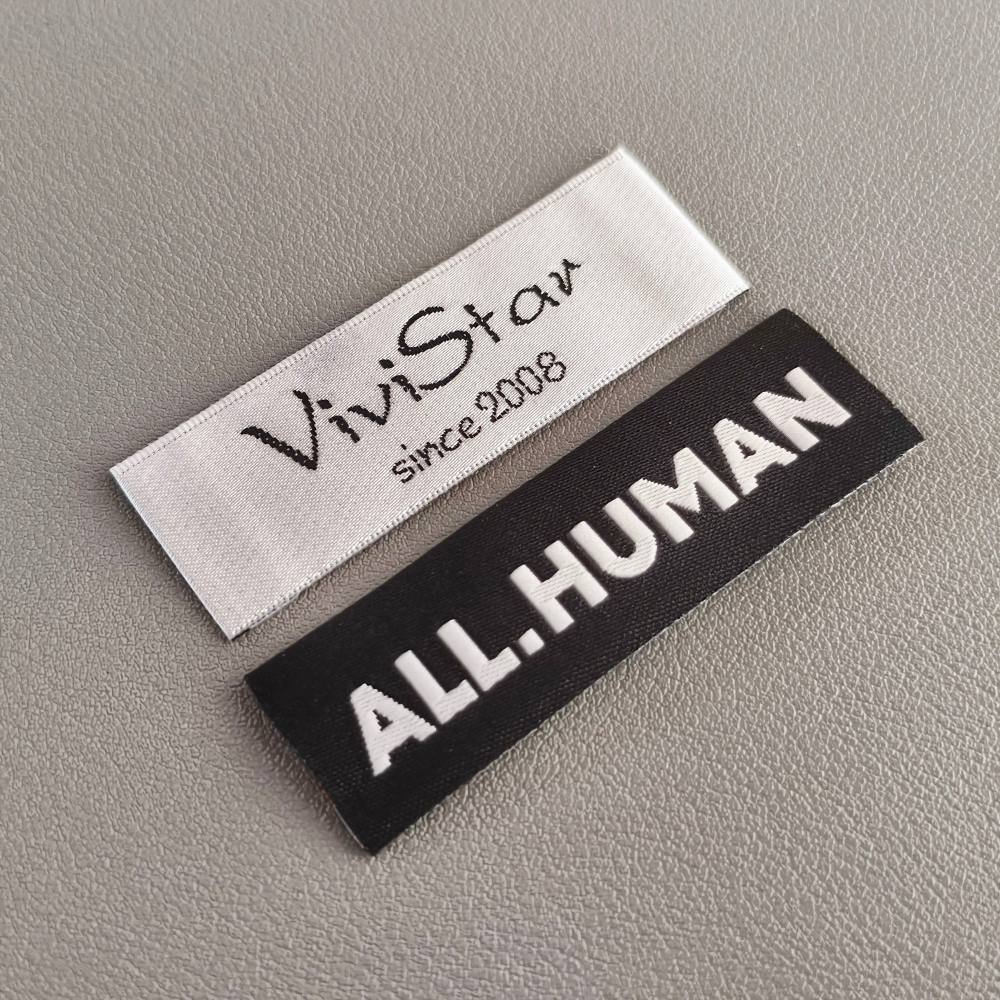
Woven Labels
Custom woven labels at the neckline or hem communicate brand heritage with crisp, wash-proof thread detail — ideal for building lasting brand recognition across every piece in your tracksuit range.
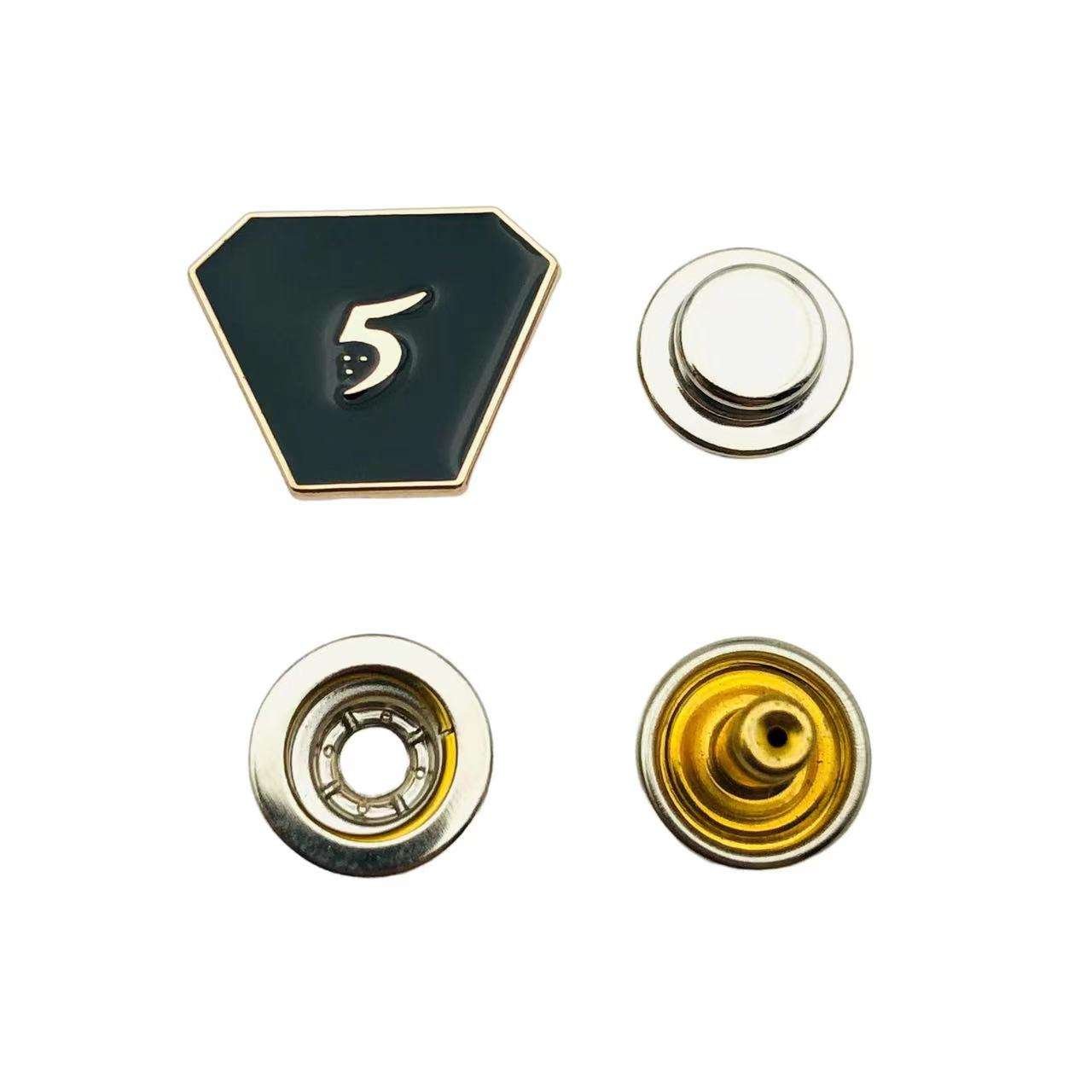
Metal Snap Buttons
Heavy-duty metal snap buttons add a tactile, premium closure option to track pants and jacket plackets, giving your pieces a distinctive finish that stands out in a competitive streetwear market.
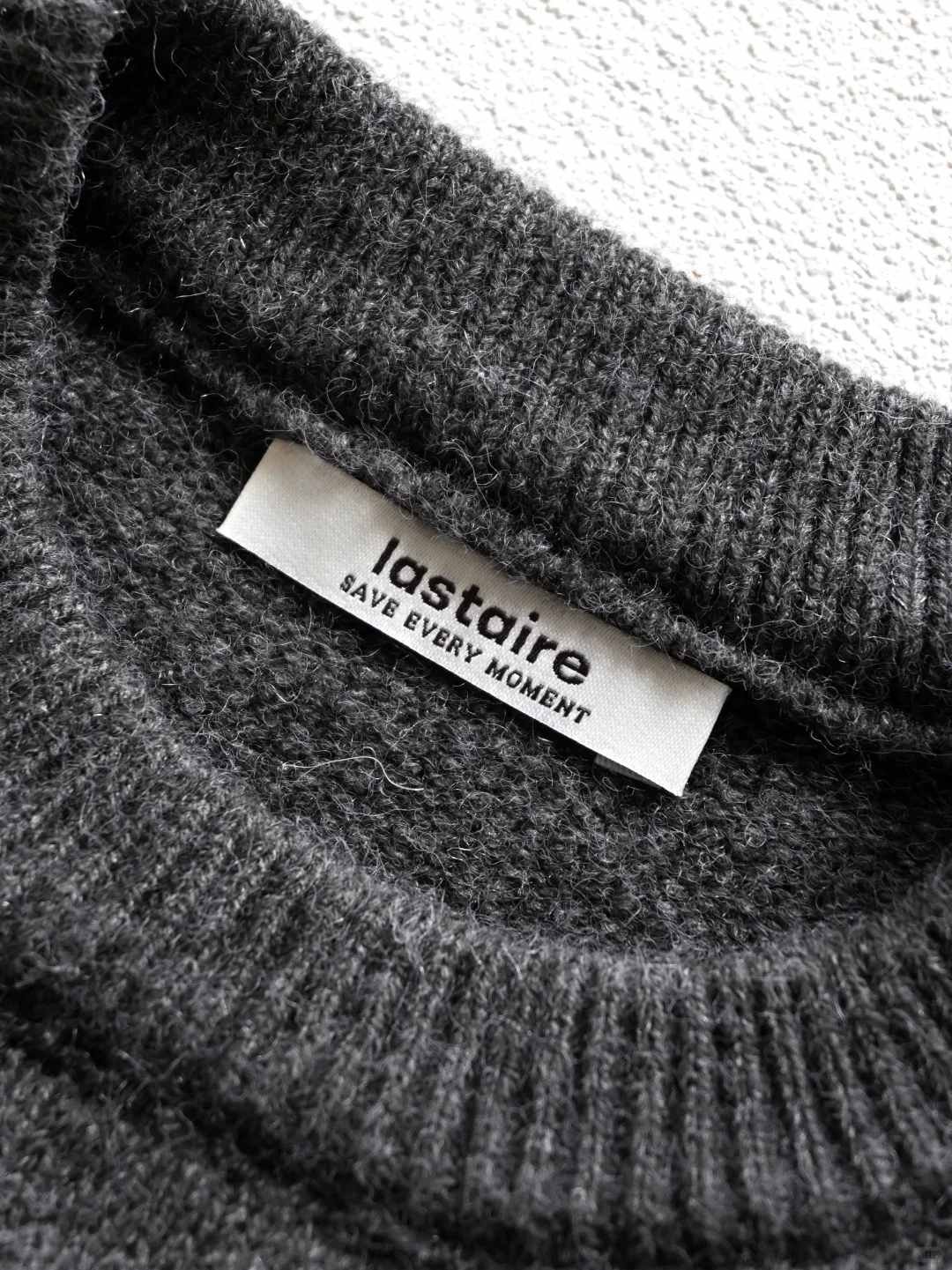
Custom Hangtags
Designed and printed to your exact spec, hangtags reinforce brand story and pricing at point of sale — a high-impact, low-cost touch that elevates perceived value on every tracksuit unit shipped.
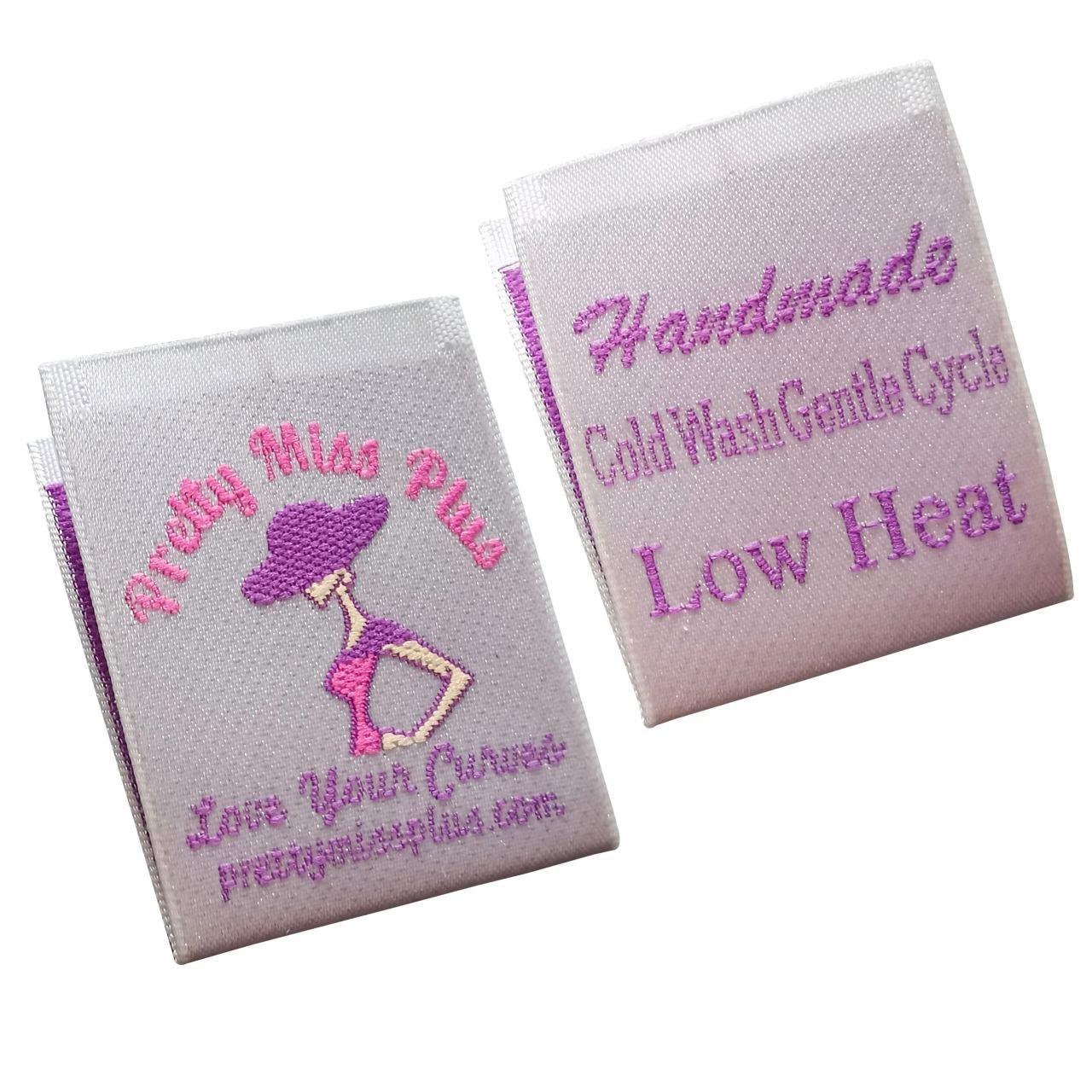
Embroidered Patches
Custom embroidered patches woven to your artwork add three-dimensional brand presence to sleeves, chests, and back yokes — a signature detailing choice for streetwear and influencer collections seeking standout product identity.
The Tracksuit Manufacturer Built on Real Expertise
Clothing Manufacturer Ltd. was founded in 2024 by Tesla Luo — a second-generation garment professional who grew up rotating through every station on the factory floor, from cutting and sewing to quality control and shipping. With over 10 years in apparel production and 6 years focused specifically on streetwear, Tesla launched this company with one clear mission: to prove that a Chinese tracksuit manufacturer can deliver premium quality without compromise.
Today, we serve brands in more than 100 countries, partnering with streetwear labels, fashion startups, independent designers, global retailers, and influencer-driven brands. Our in-house R&D team of 15 specialists and 10 proprietary production patents give us the design depth and technical edge to bring bold, trend-led collections to life — with low MOQs that make us accessible to emerging brands and the production capacity to scale alongside established ones.
What truly sets us apart is the 5-step quality control methodology introduced in 2025 — covering materials, cutting, clothing craft, sewing, and finished-garment inspection. Unlike factories that skip in-process checks entirely, we embed quality assurance at every production stage. The result is consistent, defect-free output that protects your brand reputation and earns the trust your customers expect.
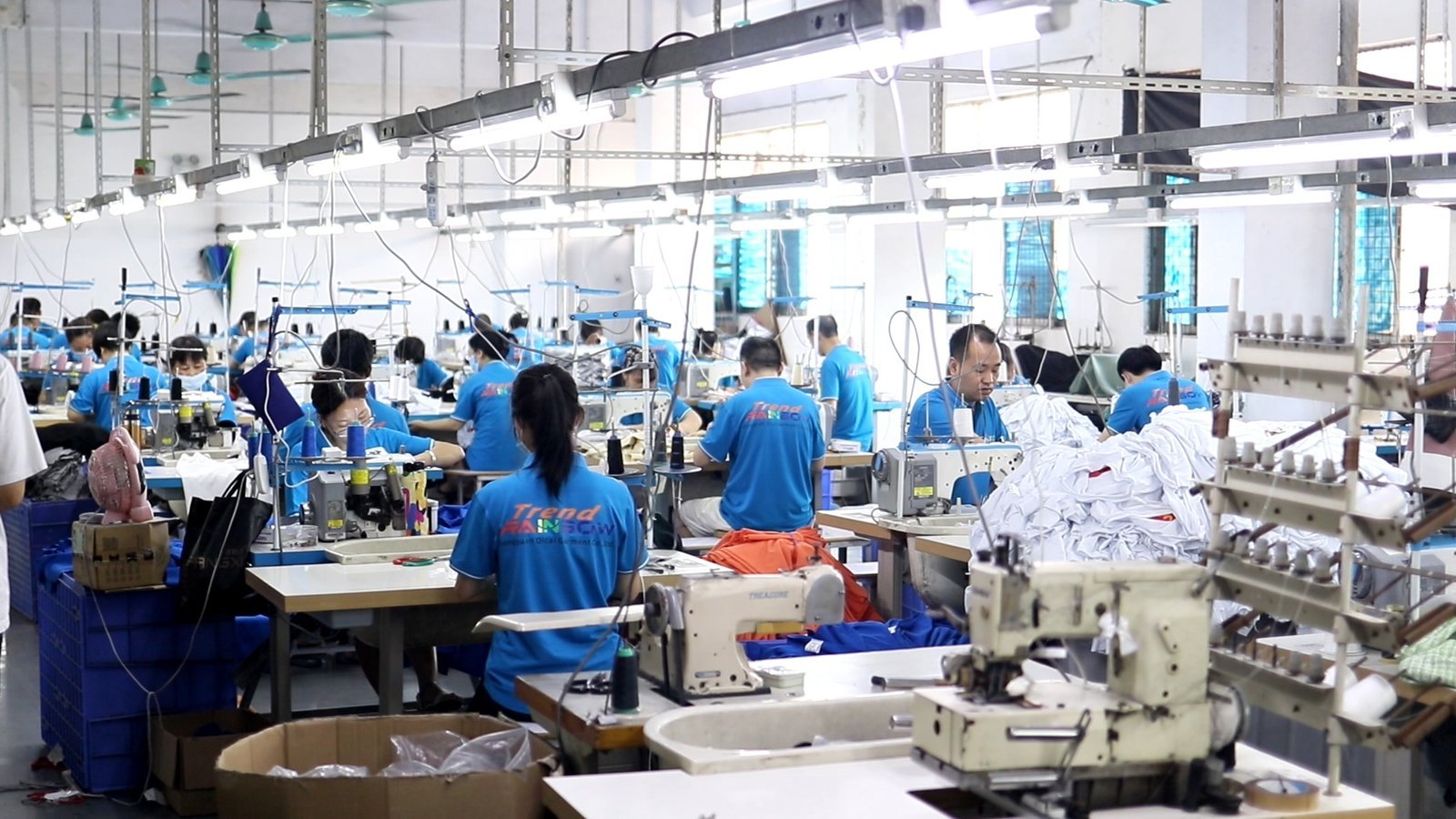
Tracksuit Manufacturer Capabilities Built for Bold Brands
Streetwear Design Fluency That Actually Sells
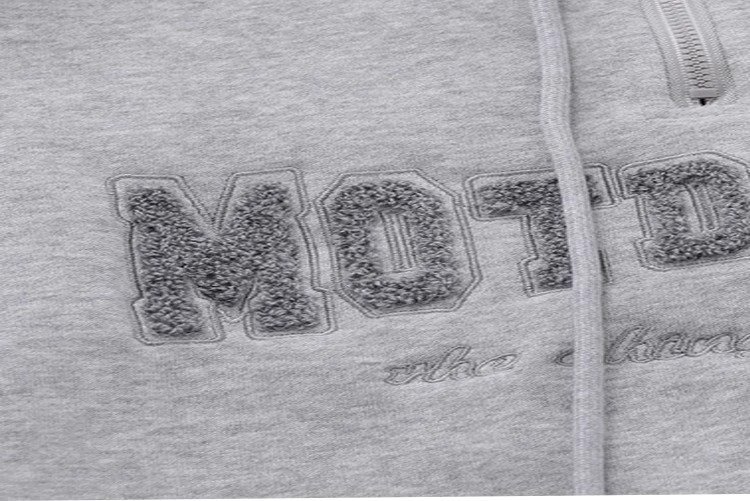
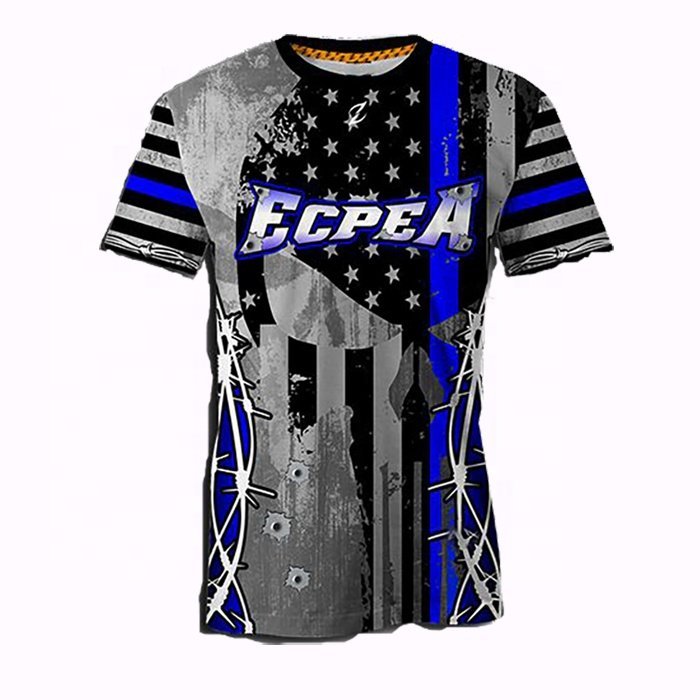
Our 15-member R&D team lives and breathes streetwear culture — from skeleton and graffiti motifs to animal prints and hip-hop-inspired colorways. We translate your creative vision into tracksuit designs that resonate with trend-conscious consumers and drive repeat purchases.
- Deep expertise in streetwear motifs: skeleton, rose, war, cross, and goblin elements drawn from hip-hop, skate, and street art
- Custom colorway development and graphic placement tailored to your brand identity
- In-house trend research updated continuously to keep your collections ahead of the cycle
- 10 registered patents covering proprietary design and production innovations
Rapid In-House Sampling, On Your Timeline
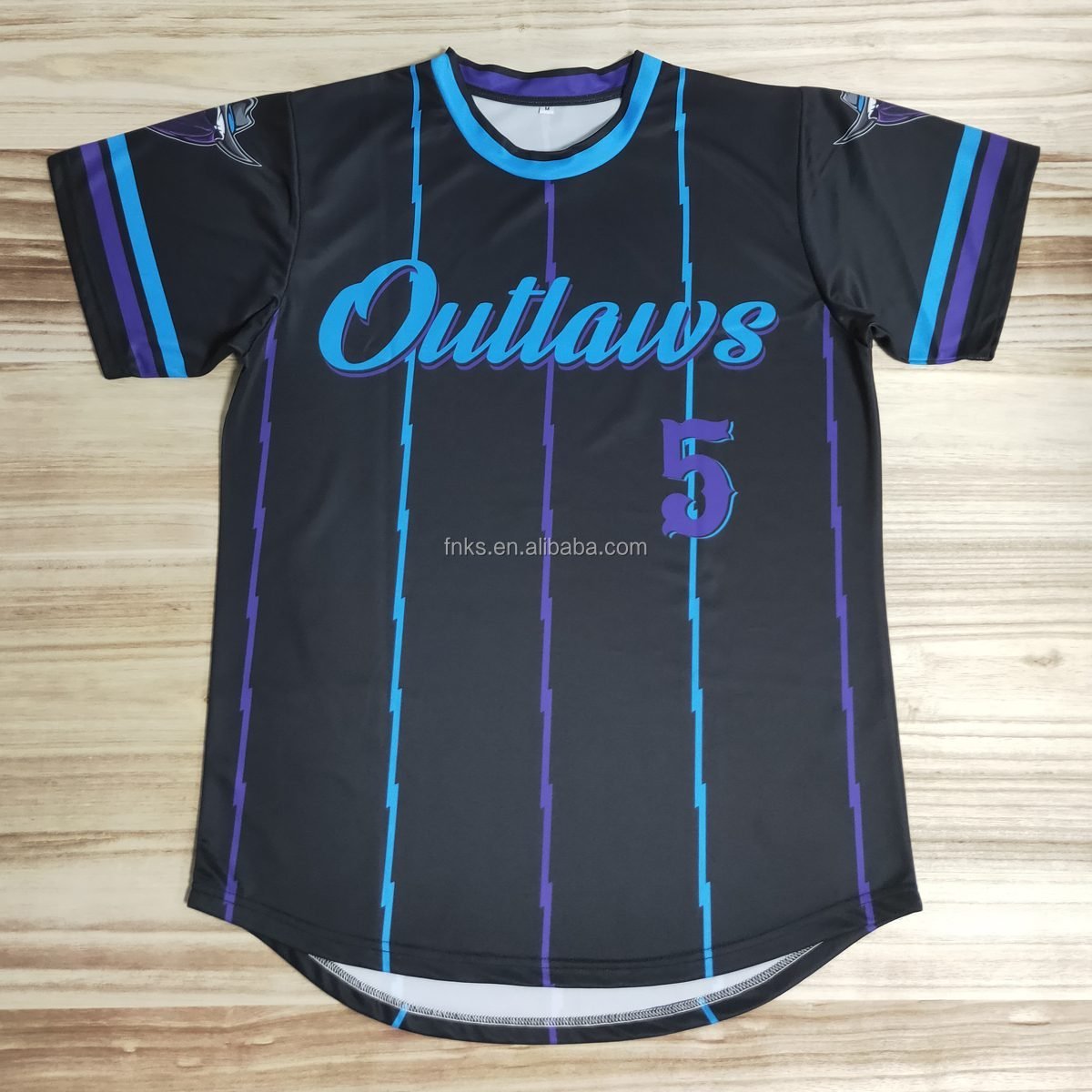
Our dedicated sampling team moves from your brief to a physical tracksuit prototype at a pace built for seasonal drops and influencer launch windows. Low MOQ options let emerging brands and independent designers sample boldly without absorbing heavy upfront risk.
- In-house pattern makers, cutters, and sample sewers operating under one roof for zero handoff delays
- Low MOQ thresholds designed to accommodate startups and independent labels at every stage
- Fast-turnaround sample cycles timed to align with seasonal collection deadlines
- Iterative revision rounds with transparent communication and milestone sign-off at every step
Our 5-Step QC Catches Every Defect Early
Introduced in February 2025, our proprietary five-step quality control process inspects materials, cutting, craft, sewing, and finished goods in sequence — catching defects mid-production, not after the fact, so every tracksuit leaving our facility meets your exact specification.
- Materials QC: fabric weight, color fastness, and shrinkage tested before a single cut is made
- Cutting and craft QC: pattern accuracy, seam allowances, and construction details verified mid-process
- Sewing production QC: stitch density, seam strength, and alignment checked inline on the floor
- Final finished-goods inspection covering measurements, hardware, packaging, and labeling before shipment
Global Logistics Support, 100-Plus Countries Served
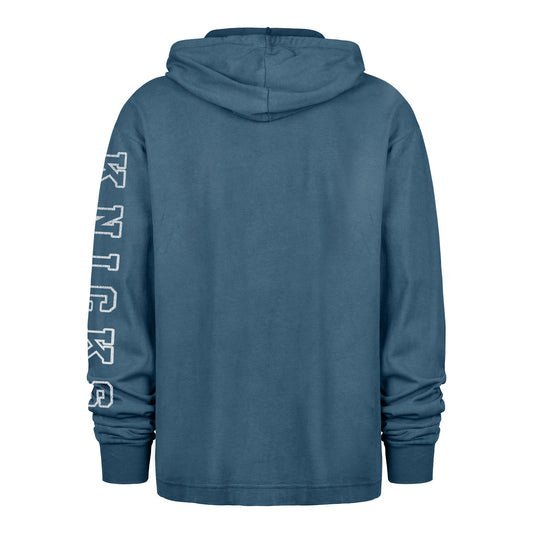
Operating from Humen Town, Dongguan — one of China’s most established garment manufacturing hubs — we coordinate end-to-end freight, customs declaration, and international logistics for tracksuit brands shipping to customers across more than 100 countries and regions worldwide.
- In-house customs declaration and inspection procedures to prevent clearance delays at origin
- Partnerships with reliable air and sea freight carriers calibrated to your budget and timeline
- Proactive shipment tracking and order status communication throughout the full transit window
- Proven delivery track record built over years of serving brands from the Americas to Southeast Asia
How We Differ from Typical Tracksuit Manufacturers
Not all tracksuit suppliers are built the same. See exactly where Clothing Manufacturer Ltd raises the bar — and where traditional factories fall short.
← 左右滑动查看 →
Our 5-Step Quality Control Process
Unlike a typical tracksuit manufacturer that inspects only at the end, we embed mandatory QC gates at every production stage — catching defects early, eliminating waste, and guaranteeing every garment ships right.
Materials QC Testing
Every fabric roll, zipper, and trim is inspected before cutting begins, eliminating defective inputs and ensuring each tracksuit is built on premium-grade materials.
Cutting QC Testing
Pattern accuracy, fabric grain alignment, and cut measurements are verified at the cutting stage to eliminate sizing errors before a single seam is sewn.
Clothing Craft QC Testing
Embroidery placement, screen-print registration, and specialty detailing are audited mid-production to catch design flaws before they multiply across your entire batch.
Sewing Production QC Testing
Stitch density, seam strength, and construction consistency are monitored throughout the sewing line, stopping defects at the source piece by piece.
Final Garment Inspection
Finished garments undergo a comprehensive audit covering measurements, aesthetics, labeling, and packaging integrity before every order ships to clients worldwide.
How to Order from Your Tracksuit Manufacturer
From your first design concept to worldwide delivery — here is how Clothing Manufacturer Ltd. moves your tracksuit line from idea to market, fast.
Submit Your Brief or Tech Pack
Share design files, mood boards, or a simple concept. Our team reviews every detail and returns a tailored production quote within 24 hours.
Confirm Design and Get Quoted
Our in-house R&D and design team refines your concepts, selects premium fabrics, and locks in pricing with low MOQ options for emerging brands.
Review and Approve Your Sample
We produce a physical pre-production sample for your approval. No bulk order begins until you confirm every fit, color, and finish is exactly right.
Launch Bulk Production with Full QC
Your tracksuits enter our 5-step quality control process — covering materials, cutting, craftsmanship, sewing, and final inspection — so every piece meets your standard.
Ship Your Order Worldwide
We coordinate customs documentation, logistics, and global shipping so your finished tracksuit collection arrives on time, anywhere your brand ships.
Certified Tracksuit Manufacturer — Standards You Can Trust
What Growing Brands Say About Their Tracksuit Manufacturer
We launched our first tracksuit drop through Clothing Manufacturer Ltd. and sold out in 72 hours. Their low MOQ let us test the market without big upfront risk, and we grew from zero to over 120,000 Instagram followers in under a year. Quality never wavered.
From first email to approved samples took just 12 days — faster than any domestic supplier we’d tried. Their 5-step QC process meant zero defects across our 300-piece debut order, and we have cut our sampling cycles in half since switching to Clothing Manufacturer Ltd.
We have placed six reorders over 18 months and the stitch quality, colorways, and sizing are perfectly consistent every time. Stocking 40-plus SKUs means reliability is everything — Clothing Manufacturer Ltd. is the only tracksuit manufacturer we trust for that.
Tracksuit Manufacturer FAQs: Every Procurement Question, Answered
Clear answers on MOQ, sampling, lead times, IP protection, payment terms, packaging, and shipping so you can move forward with confidence.
What is the minimum order quantity for a tracksuit manufacturer?
How long does sampling take when working with a tracksuit manufacturer?
How do I know a tracksuit manufacturer will protect my original designs?
What payment terms do you offer for bulk tracksuit orders?
Do you offer custom packaging for tracksuit orders?
What shipping and insurance options cover my international tracksuit order?
What happens if my tracksuits arrive with quality defects?
Can a tracksuit manufacturer handle fast turnaround for seasonal drops?
Is Clothing Manufacturer Ltd. experienced with influencer and creator brand tracksuits?
The Complete Buyer’s Guide to Choosing a Tracksuit Manufacturer
Everything streetwear brands, fashion startups, and global retailers need to evaluate a tracksuit manufacturer — from fabric selection and construction quality to MOQ thresholds, customization options, and the sourcing mistakes that sink new collections before they launch.
1. What Is a Tracksuit Manufacturer?
Three distinct vendor types populate the apparel supply chain: cut-and-sew manufacturers, private-label suppliers, and full-package vendors. A tracksuit manufacturer operating as a full-package vendor takes responsibility for pattern development, fabric sourcing, cutting, sewing, finishing, and quality control — delivering finished units ready for retail tags.
Cut-and-sew factories require buyers to supply their own fabric rolls and pre-developed patterns, shifting sourcing risk entirely onto the brand. Private-label suppliers offer pre-designed stock styles in fixed colorways, typically at minimum order quantities (MOQs) of 500 units or more, with no custom development. Full-package tracksuit manufacturers absorb both roles: they engineer the spec pack and procure ring-spun cotton fleece, French terry, or performance tricot on the brand’s behalf.
Generalist garment factories split floor time across dozens of categories — shirts, denim, outerwear — so tracksuit-specific skills like flatlock seaming, ribbed cuff calibration, and zip-guard tape placement are rarely embedded in their standard operating procedures. A specialist tracksuit manufacturer maintains dedicated sewing lines, trained operators, and pre-vetted trim suppliers such as YKK zippers, ensuring consistent output without re-training costs on every order.
When you contract a tracksuit manufacturer, you are purchasing manufacturing infrastructure, not just labor: pattern libraries, QC checkpoints embedded at cutting, sewing, and finishing stages, and supplier relationships that translate into consistent fabric weights — typically 280–380 GSM for heavyweight fleece — and color accuracy against Pantone references. That bundled expertise is why brands from independent designers to global retailers route tracksuit production through specialists rather than general CMT (cut-make-trim) houses.
2. A Brief History of the Tracksuit and Its Manufacturers
By the mid-1960s, European sportswear brands were producing the first purpose-built tracksuits from nylon and polyester blends in mills across West Germany, France, and the UK. These early designs served Olympic athletes and football clubs, establishing the two-piece silhouette that remains the category blueprint today.
In 1986, Run-D.M.C. made Adidas tracksuits a cultural symbol, turning athletic performance wear into a streetwear statement and triggering mass demand that European mills could not profitably scale. Over the following decade, production migrated to South Korean and Taiwanese contractors, then accelerated into mainland China’s Pearl River Delta — the same manufacturing corridor that hosts most serious tracksuit manufacturer operations today.
By the early 2000s, Guangdong Province had developed deep institutional knowledge in French terry, tricot, and bonded fabrics specific to tracksuit construction. Factory clusters in Humen Town, Dongguan, built vertical supply chains — fabric mills, YKK zipper distributors, and flat-lock sewing specialists — all within a 50-kilometer radius, a structural advantage no reshored facility can easily replicate.
Heritage and manufacturing lineage matter because a supplier’s production history reveals whether its quality reflexes were built on performance-grade standards or fast-fashion shortcuts. A factory with documented roots in athletic or streetwear output — rather than one recently pivoting into tracksuits from unrelated categories — is far more likely to understand critical construction details: crotch-gusset durability, cuff-rib tension, and seam allowances rated for repeated 60°C wash cycles.
3. Types of Tracksuits Every Tracksuit Manufacturer Should Offer
Not every tracksuit manufacturer confidently executes all silhouettes — and your brand’s target customer dictates which categories matter most. Six core styles define today’s global tracksuit market, from classic athletic sets to trend-driven co-ords.
Classic Zip-Up and Jogger Sets
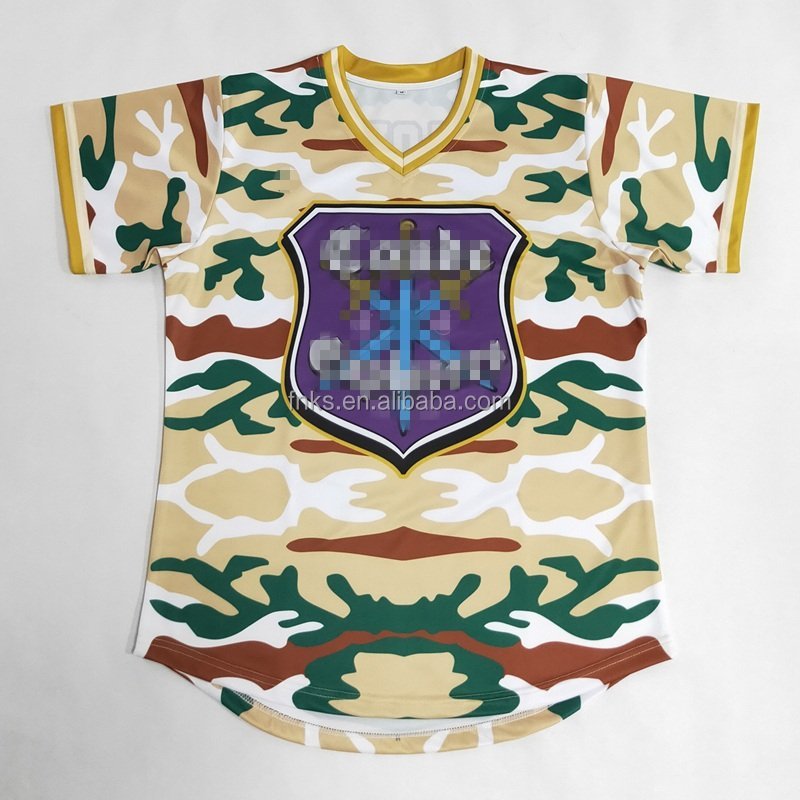
The most universally produced style pairs a full-zip jacket with elasticated jogger pants, typically in 280–320 GSM French terry or fleece. Target audience spans men’s and women’s basics buyers, making it the highest-volume SKU in most factories.
Slim-Fit Performance Tracksuits
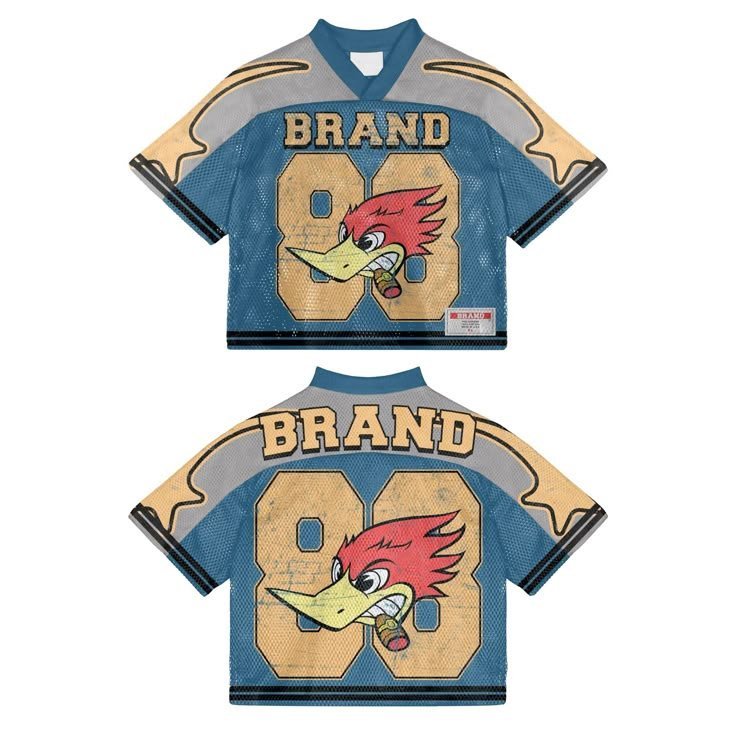
Performance-cut tracksuits use 4-way stretch fabrics — typically 88% polyester/12% spandex at 180–220 GSM — built for athletic movement. Gym brands, running labels, and sports retailers prioritize flatlock seaming and moisture-wicking finishes here.
Oversized Streetwear Tracksuits
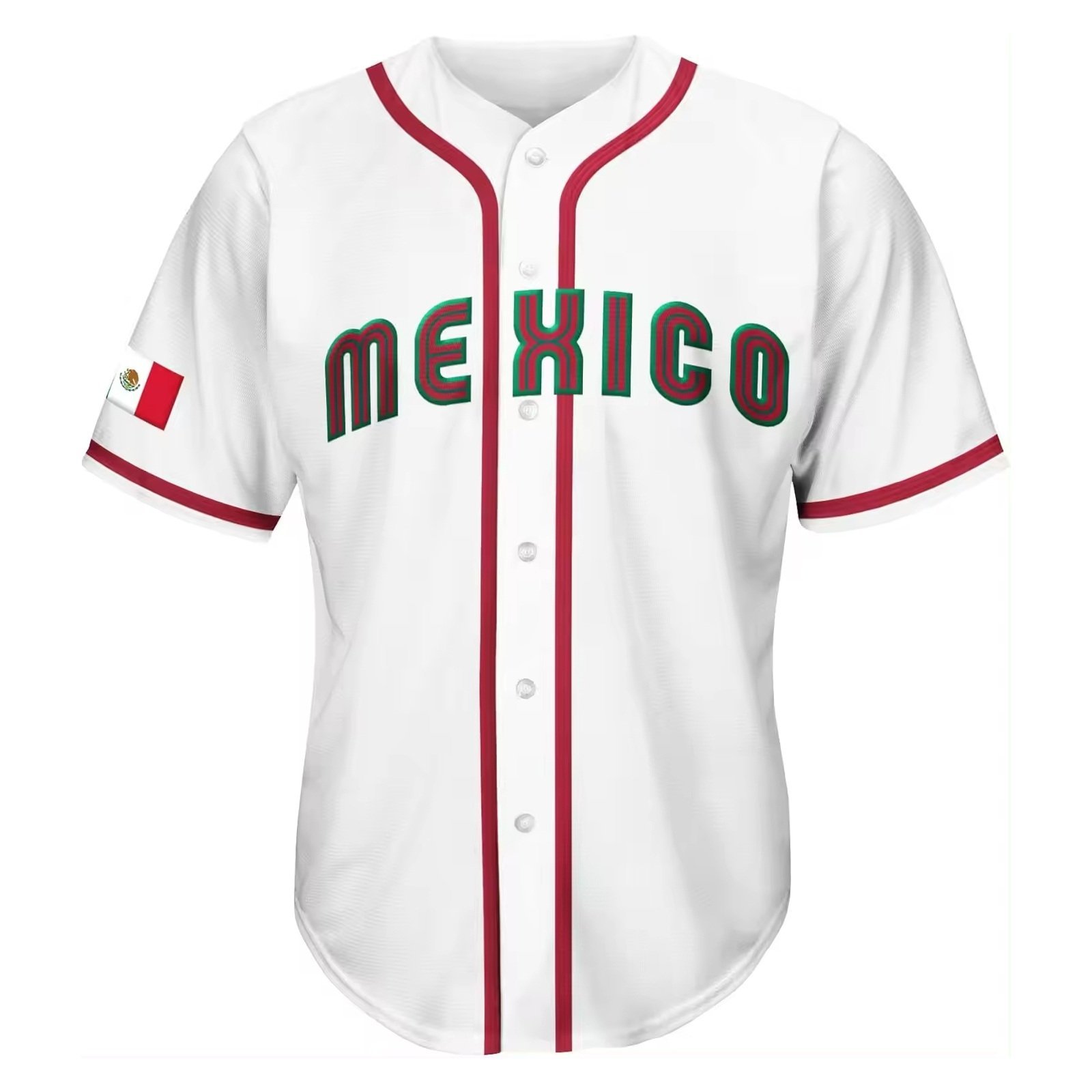
Oversized silhouettes — dropped shoulders, boxy jackets, wide-leg joggers — are the core product of any serious streetwear tracksuit manufacturer. Fabric weights run 320–400 GSM in heavyweight fleece or French terry; design elements draw from hip-hop and skate culture.
Velour and Premium Leisure Sets
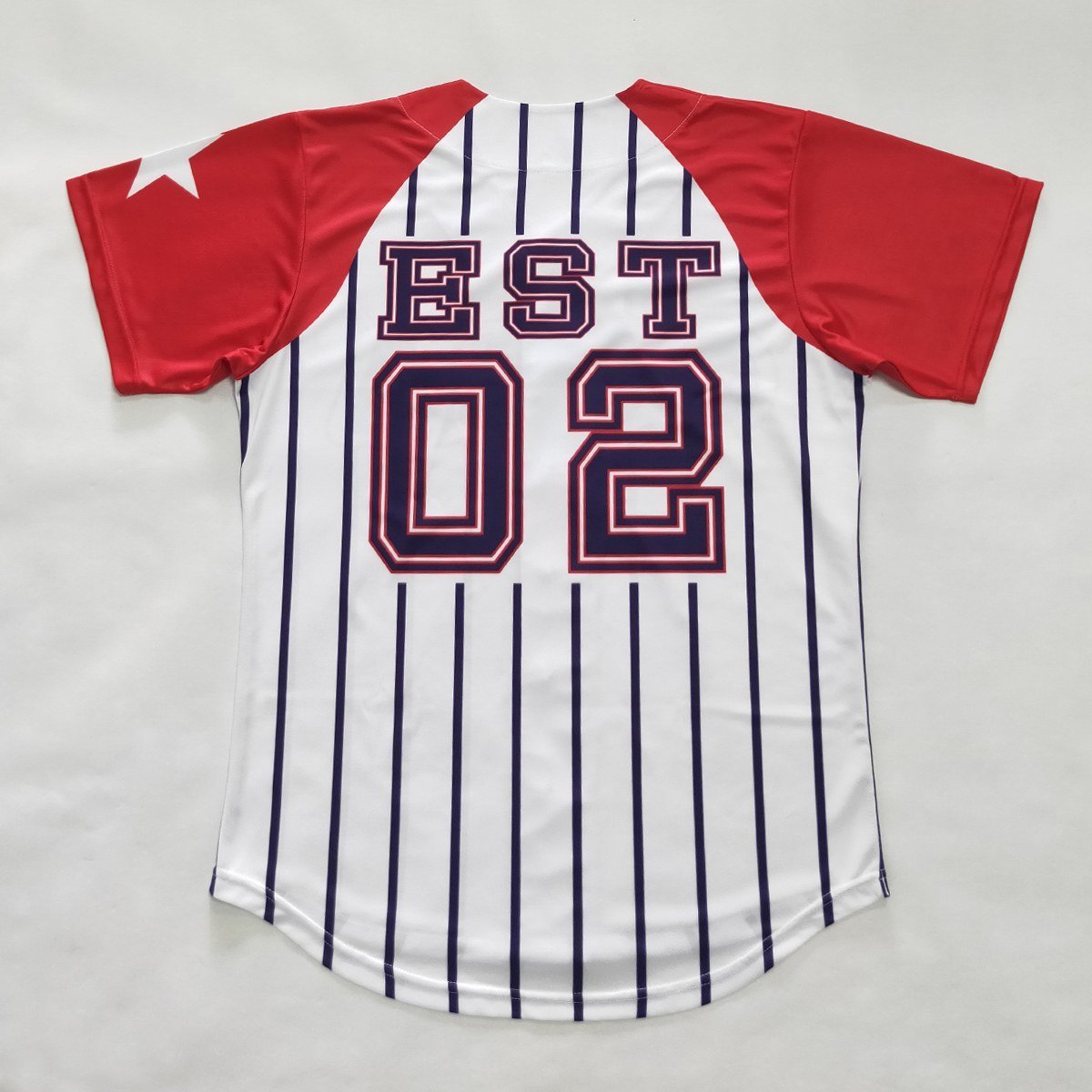
Velour tracksuits — 80% cotton/20% polyester pile at 280–350 GSM — anchor the premium leisure category, commanding retail markups of 3–5×. Influencer-backed labels frequently position velour sets as a hero product for luxury-adjacent consumers.
Technical Windproof Shell Tracksuits
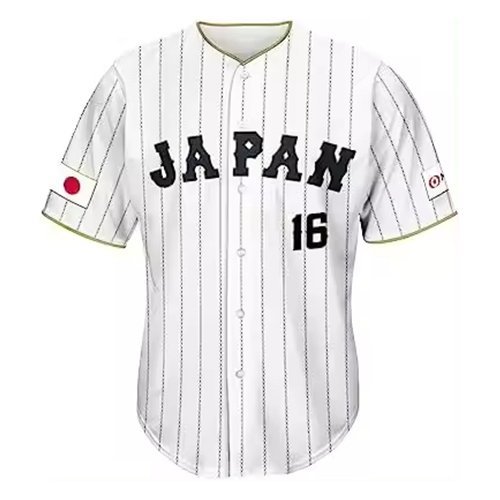
Shell tracksuits use bonded or laminated nylon/polyester wovens with DWR coatings, rated for wind resistance and light precipitation. Outdoor, motorsport, and tactical streetwear brands drive demand; YKK water-resistant zippers and taped seams are standard spec on credible factory samples.
Matching Co-Ord Fashion Sets
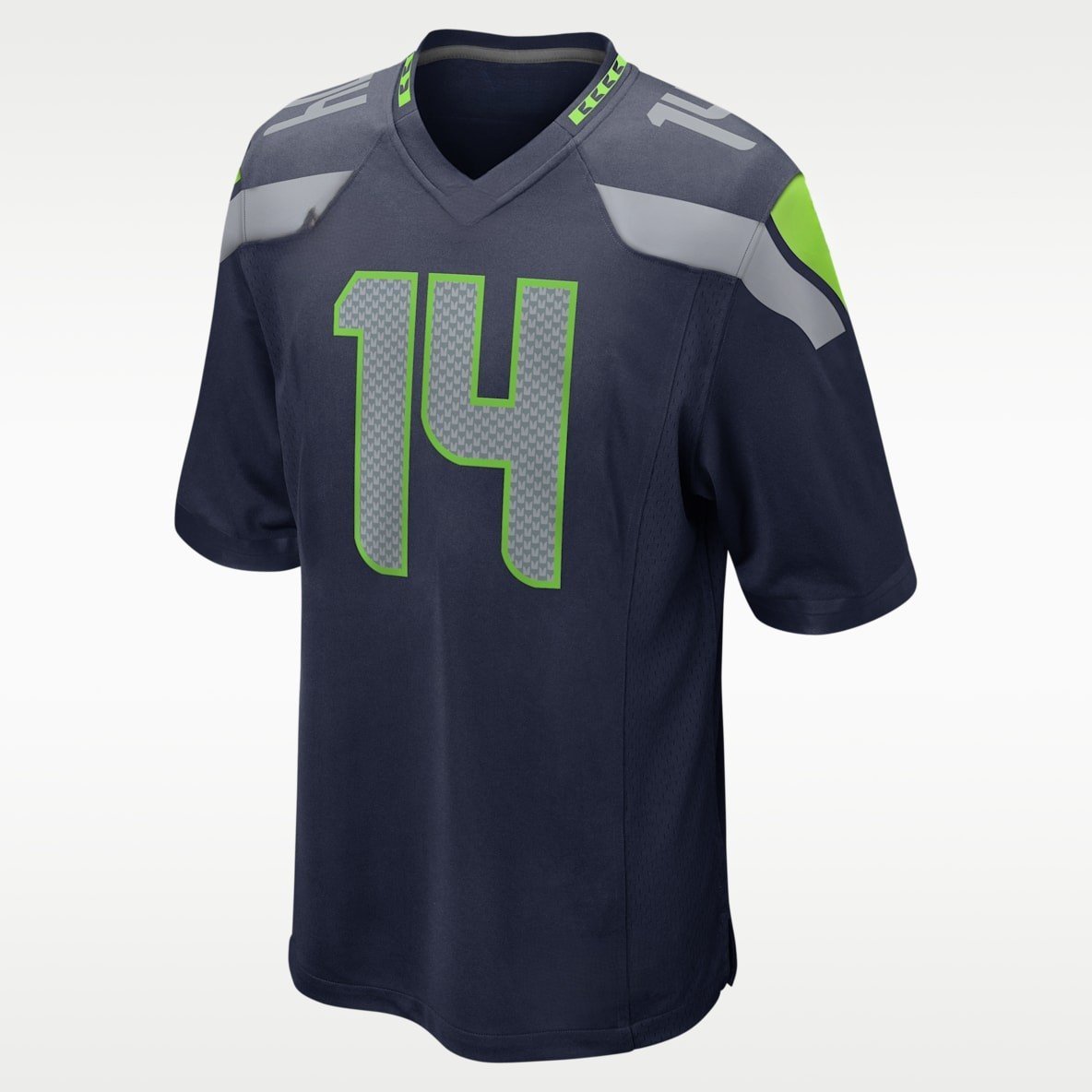
Co-ord sets — matching jacket, trousers, and often a co-ordinated top — have grown into a standalone category driven by social-media content cycles. Fashion startups and creator brands favor these for high visual impact per SKU; fabrics range from satin to ribbed knit.
4. Materials and Fabrics: What Your Tracksuit Manufacturer Should Stock
Fabric choice determines performance, hand-feel, and wash durability. When briefing a tracksuit manufacturer, specify fabric category, GSM weight, and fiber content upfront — these three variables drive cost, lead time, and fit.
| Fabric | GSM Range | Best Use | Price Tier |
|---|---|---|---|
| French Terry | 280–320 | Casual everyday sets | Mid |
| Brushed Fleece | 280–380 | Cold-weather sets | Mid |
| Unbrushed Fleece | 220–280 | Transitional sets | Value |
| Tricot (Polyester) | 100–150 | Sport / retro sets | Value–Mid |
| Nylon Shell | 80–120 | Windproof athletic | Mid–Premium |
| Velour | 220–300 | Premium streetwear | Premium |
| Recycled Polyester (rPET) | 80–150 | Sustainable lines | Mid–Premium |
| Organic Cotton Fleece | 280–340 | Premium eco sets | Premium |
French Terry and Fleece: The Core Basics
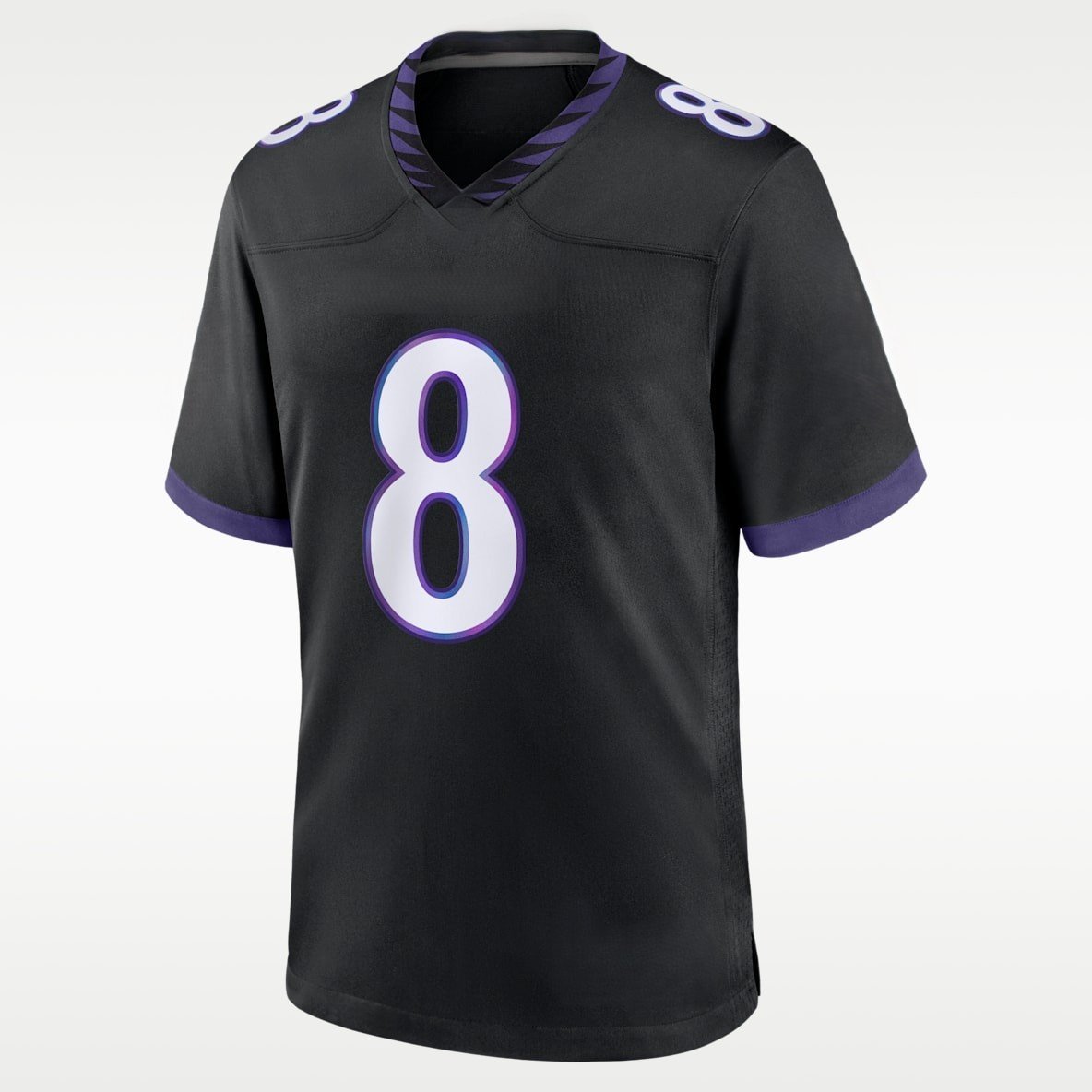
French terry (280–320 GSM) features a smooth face and looped back, offering moderate warmth without bulk — ideal for year-round casual sets. Brushed fleece (280–380 GSM) adds a napped interior for cold-weather warmth; unbrushed fleece runs lighter at 220–280 GSM for transitional wear.
Shell Fabrics: Tricot, Nylon, and Polyester
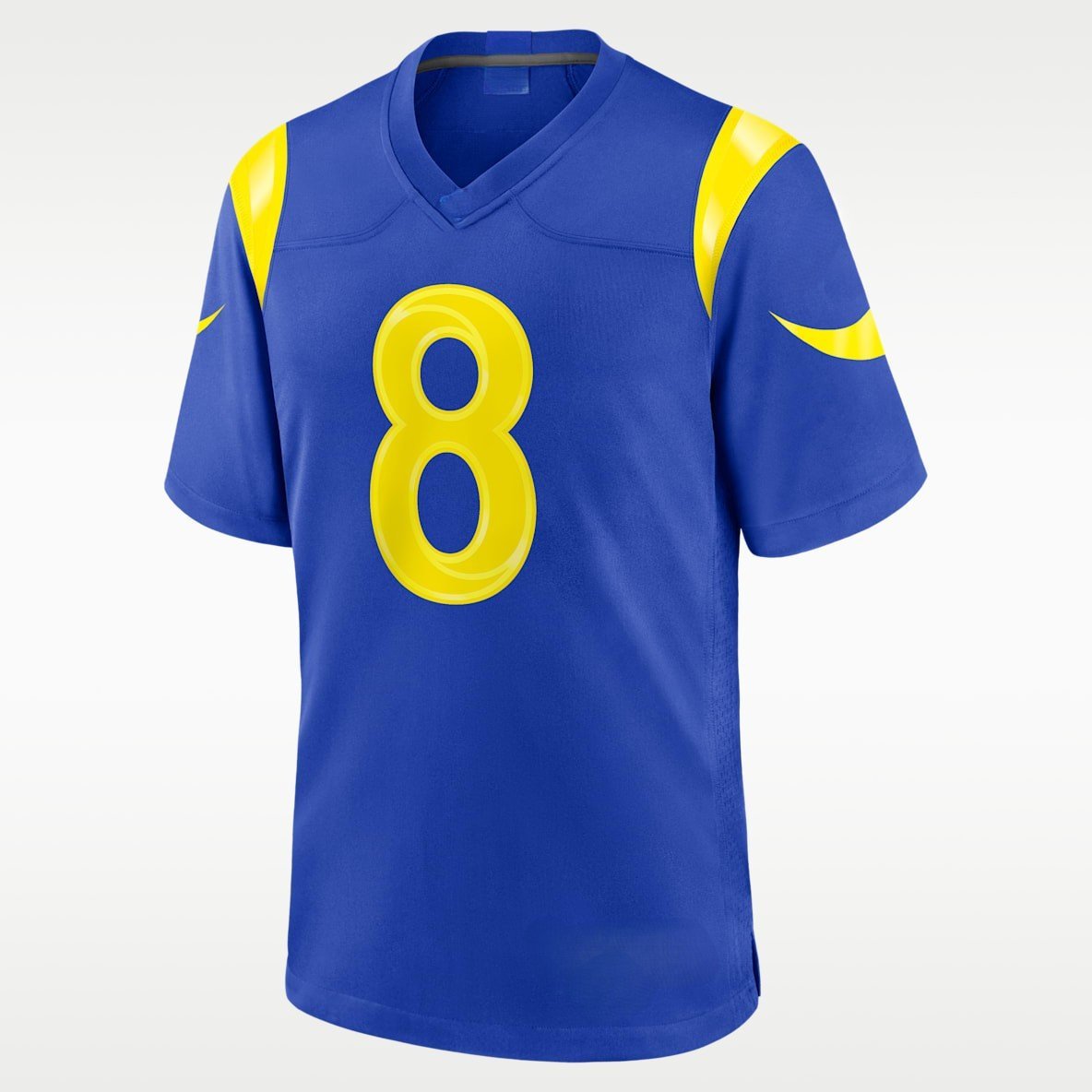
Nylon and polyester shell fabrics (80–120 GSM) deliver water resistance and a slick hand-feel for athletic and windproof builds. Tricot (100–150 GSM) is a warp-knit polyester with a silky face, favored in vintage-inspired and sport tracksuits requiring four-way stretch.
Velour: Premium Pile for Streetwear Appeal
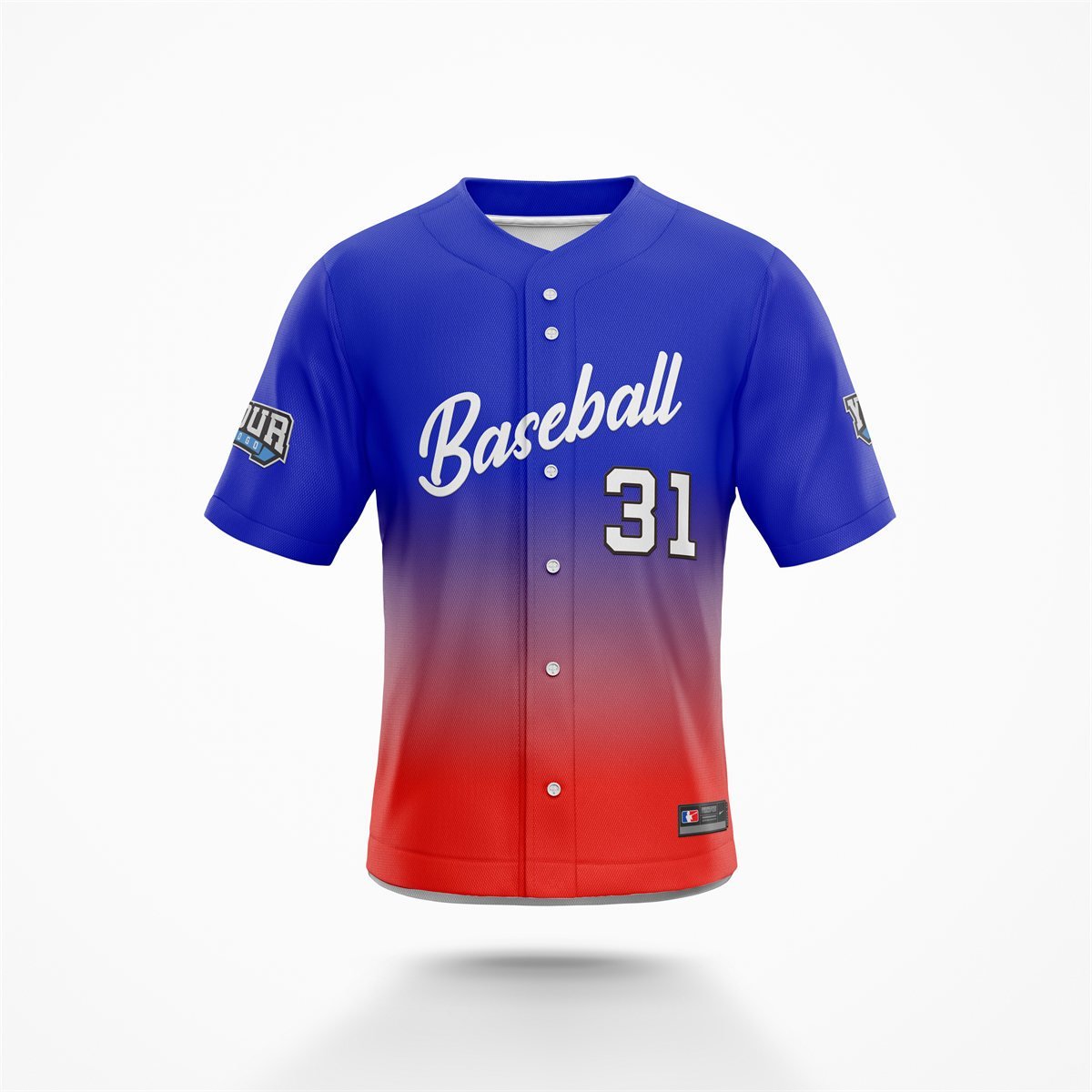
Velour (220–300 GSM) uses a cut-pile surface to achieve a plush texture strongly associated with premium streetwear aesthetics. It requires careful cutting QC to prevent pile crush — a step any rigorous tracksuit manufacturer should flag during pre-production checks.
Sustainable Options: rPET and Organic Cotton
Recycled polyester (rPET), certified under the Global Recycled Standard (GRS), runs 10–20% above virgin polyester in cost but satisfies major retailer sustainability mandates. GOTS-certified organic cotton fleece (280–340 GSM) is the premium-tier pick for eco-conscious brand positioning.
5. Customization and Decoration Options a Tracksuit Manufacturer Provides
A capable tracksuit manufacturer unlocks far more than a standard cut. Each customization method — from silhouette grading to private-label hang tags — carries a distinct MOQ floor and cost tier that smart brands should map before sampling.
| Technique | MOQ Floor | Cost Level | Best For |
|---|---|---|---|
| Cut & Silhouette | 50–100 pcs | Low | Fit differentiation |
| Colorblocking / Garment Dye | 100–200 pcs | Low–Med | Seasonal palettes |
| Embroidery | 50 pcs | Med | Logo branding |
| Screen Printing | 50–100 pcs | Low–Med | Bold flat graphics |
| Heat Transfer | 1 pc | Med–High | Samples & short runs |
| Sublimation | 50 pcs | Med | All-over artwork |
| Custom Hardware | 500–1,000 pcs | Med | Brand identity details |
| Private-Label Labeling | 100 pcs | Low | Full brand experience |
Cut, Silhouette, and Dye Methods
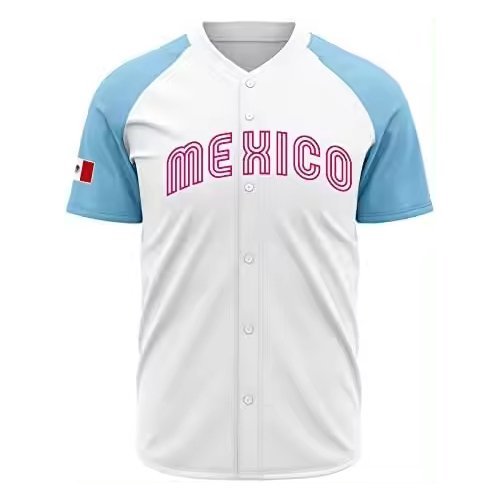
Silhouette adjustments — dropped shoulders, tapered legs, extended hems — are governed by the factory’s base MOQ, typically 50–100 pieces per colorway, with no tooling surcharge.
Colorblocking panels require separate cut tickets, pushing per-style minimums to 100–200 pieces. Garment dye adds a post-production step but keeps design flexibility high for trend-driven seasonal drops.
Print and Embroidery Decoration
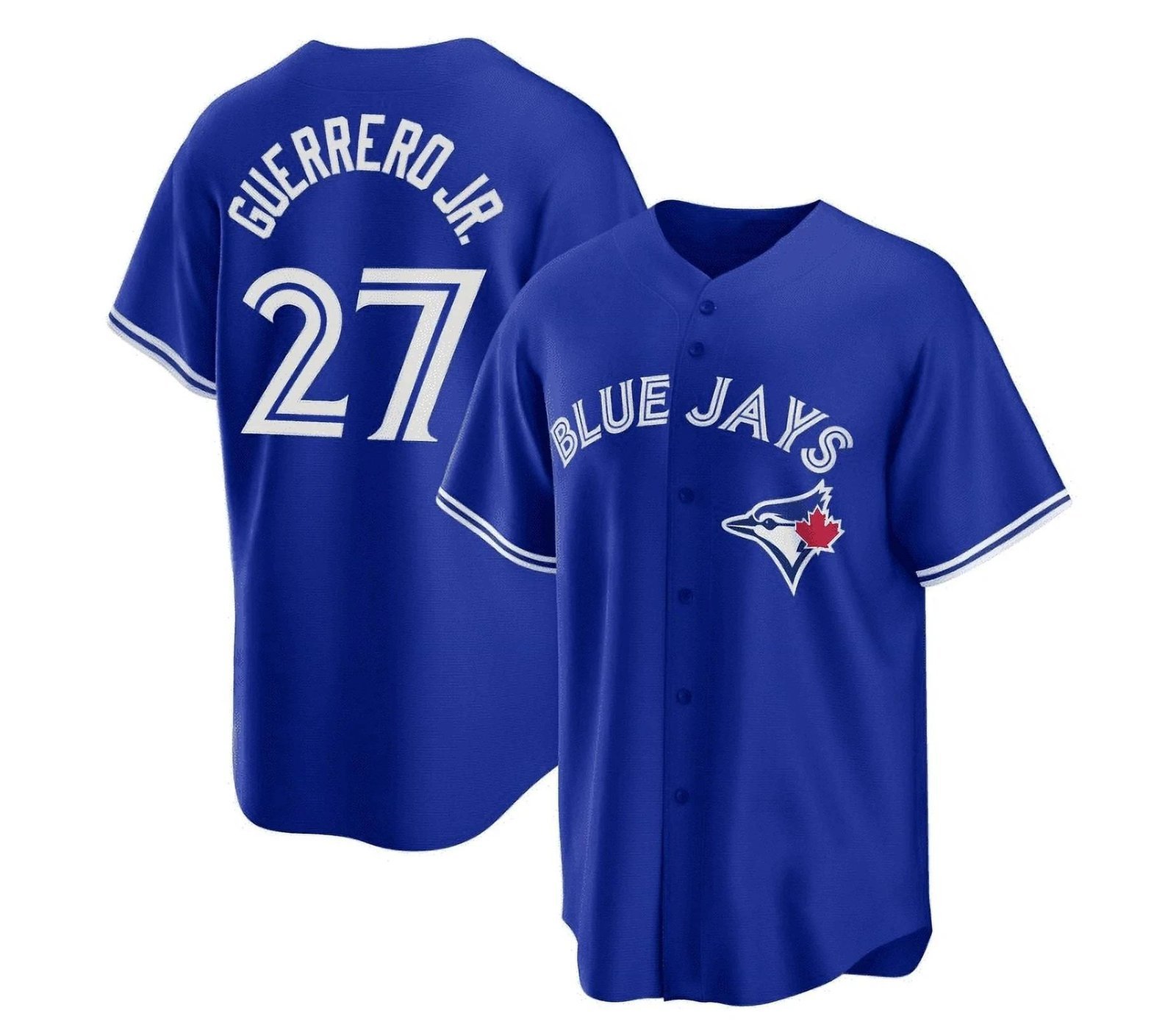
Embroidery suits chest logos under 10 cm wide, starting at 50 pieces with a one-time digitizing fee of $20–$50. Screen printing delivers bold flat graphics from 50–100 pieces; heat transfer drops that floor to single-piece runs at a higher unit cost.
Sublimation enables all-over Pantone-matched graphics with no per-color surcharge from 50 pieces — the preferred method for streetwear with full-bleed artwork.
Hardware and Private-Label Branding
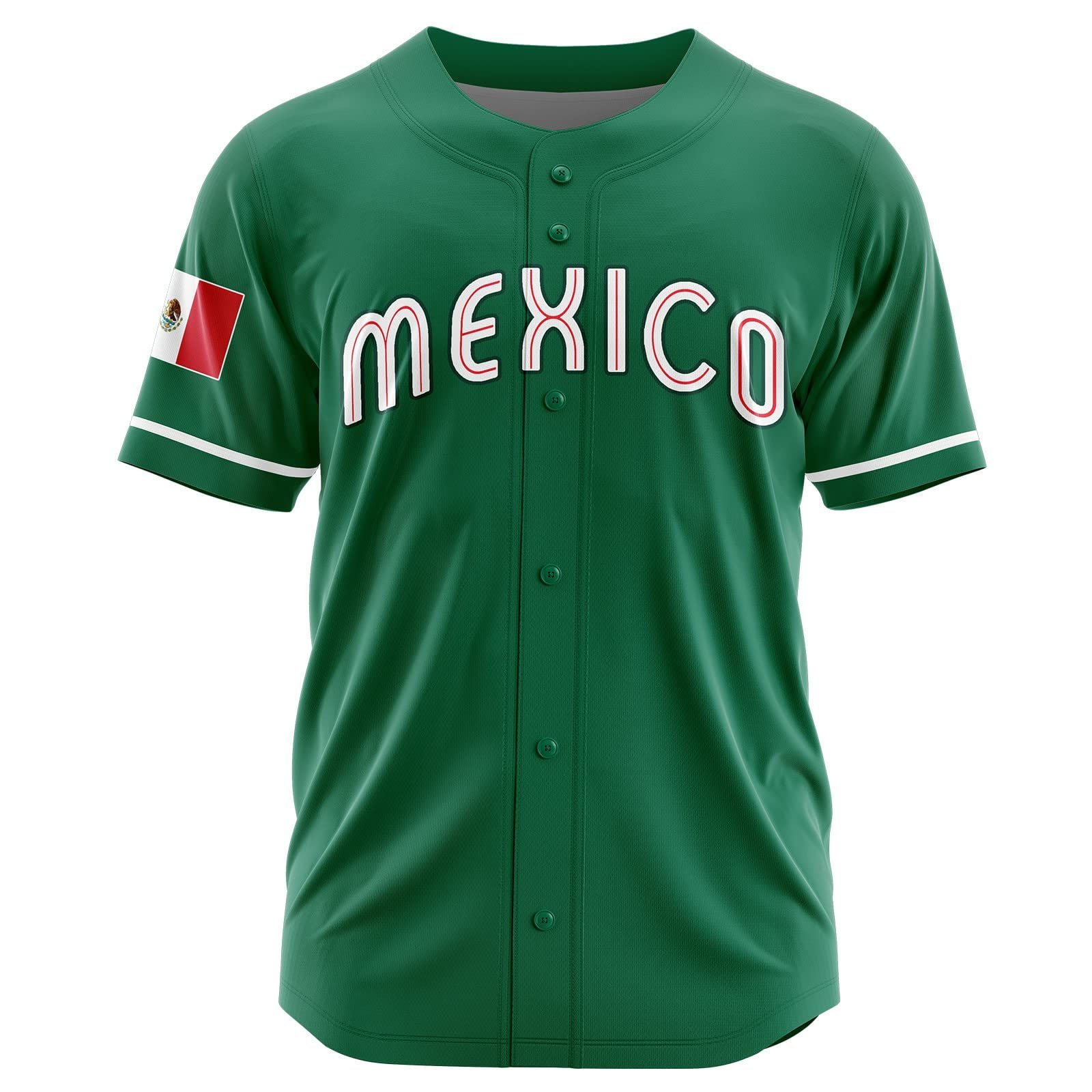
Custom YKK zippers, branded drawcord toggles, and metal aglets typically require 500–1,000-piece hardware orders placed independently of garment MOQs.
Private-label packages — woven neck labels, heat-transfer inside labels, and printed hang tags — add $0.30–$1.50 per unit and are achievable from 100 pieces at most tracksuit manufacturers.
6. Key Construction Quality Markers to Inspect
A physical sample is the only reliable way to know if your tracksuit manufacturer is cutting corners on construction. Inspect these five markers before approving bulk production — they separate durable garments from returns-prone ones.
Stitch Type and SPI Standards
Lockstitch seams should run at 11–13 SPI (stitches per inch); fewer stitches signal cost-cutting that weakens seam integrity under stress. On stretch panels, a 4-thread overlock at 9–11 SPI prevents popped seams during repeated wear and washing.
Seam Finishing: Flatlock, Overlock, Coverstitch
Flatlock stitching joins two fabric edges flat — the premium choice for athletic tracksuits, lying smooth against skin with clean topstitching visible on both sides. Coverstitch finishing suits cotton fleece hem and cuff panels; basic overlocking alone is acceptable only on interior, low-stress seams.
Zipper and Hardware Quality
YKK zippers are the industry benchmark: consistent teeth spacing, smooth pull resistance, and cycle durability rated in the thousands. Reject any sample with off-brand sliders showing uneven teeth gaps or a pull that skips — both signal early field failure.
Panel Alignment at Color-Block Seams
At color-block seams, panel misalignment beyond 3mm is a reject-grade defect in premium streetwear. Under direct light, stripes, prints, or contrast panels must match within 1–2mm at every seam junction — misalignment exposes rushed cutting-room work.
Waistband, Pockets, and Drawcord
A quality elastic waistband should recover fully after being stretched to double its length 10 consecutive times; poor-grade elastic loses tension after a few washes.
Pocket bag fabric must be at least 80 GSM woven lining — lighter material tears at stress points. Drawcords should be knotted or bar-tacked at the tunnel entry to prevent pullout.
7. How to Choose the Right Tracksuit Manufacturer for Your Brand
Selecting the right tracksuit manufacturer separates brands that scale from those that bleed cash on rework and missed launch windows. Use this seven-point framework to shortlist suppliers before placing any bulk commitment.
Define MOQ and Your Budget Ceiling
Startups should target manufacturers offering MOQs of 50–100 units per colorway; established retailers typically unlock 300+ unit pricing tiers. Fix a hard budget ceiling before outreach and build in a 10–15% buffer for duties and inbound freight.
Audit Certifications Before Signing
Request documentary proof of BSCI social-compliance audits, OEKO-TEX Standard 100 chemical-safety certification, or GOTS organic-fiber verification. A manufacturer unable to supply these documents has no independent verification backing its quality claims.
Request Samples and Check Offset Terms
Order a pre-production sample before committing to bulk — inspect GSM weight, flatlock stitch tension, and Pantone color accuracy in person. Ask whether the sampling fee (typically $50–$150 per style) offsets against your first bulk order.
Score Communication Speed and Lead Times
Benchmark initial response time: under 12 hours suggests a dedicated account manager; over 48 hours predicts friction during production. Verify that quoted lead times — typically 25–45 days for bulk — align realistically with your launch calendar.
Ask for Brand References
Request two or three brand references at a scale similar to yours — a startup reference tells you little about retailer-level consistency. Contact them directly and ask about on-time delivery rates, defect rates, and how disputes were resolved.
8. Common Mistakes Brands Make When Sourcing a Tracksuit Manufacturer
Even experienced buyers lose weeks and margin to avoidable sourcing errors. Before committing production to any tracksuit manufacturer, know the seven mistakes that drain budgets, delay launches, and compromise quality.
Skipping Samples and Submitting Vague Tech Packs
Ordering bulk without a sealed sample locks in every defect at scale. Submitting no tech pack forces factories to guess on Pantone color codes, GSM, and seam types like flatlock vs. overlock — every ambiguity becomes a costly rework or reshipment.
Unit Price Blindness and MOQ Creep Across Colorways
A $6 unit price becomes $9 once import duties, freight, and compliance testing are factored in. MOQ creep compounds this: a factory quoting 100 units per style often requires 100 per colorway, tripling inventory risk before a single sale is made.
Unconfirmed Fabric Specs and Missed Lead Time Buffers
Always obtain fabric composition in writing — polyester ratios, cotton weight in GSM, and OEKO-TEX certification status. Peak factory seasons from October through January CNY prep routinely add 3–4 weeks to standard lead times; brands that ignore this consistently miss launch windows.
Assuming One Manufacturer Excels at Every Style
A tracksuit manufacturer optimized for French terry joggers may produce woven shell track jackets poorly. Verify sample capability per style category before committing. Specialists consistently outperform generalists on stitch quality, pattern fit, and finish consistency across production runs.
9. Steps to Launch Your Brand with a Tracksuit Manufacturer
Eight sequential steps separate a brand concept from delivered inventory. Every stage gates the next — skip the tech pack and your tracksuit manufacturer cannot quote accurately; skip mid-production QC and defects reach your warehouse.
Define Positioning and Build Your Tech Pack
Nail your target silhouette (slim, relaxed, oversized), fabric weight (280–320 GSM French terry or 200–260 GSM tricot), and key design motifs before approaching any tracksuit manufacturer.
A complete tech pack includes flat sketches, Pantone color codes, a BOM, graded size spec sheets, and construction notes — without it, quotes can vary by 30–50%.
Quote Three to Five Manufacturers and Sample Early
Send your tech pack to 3–5 manufacturers simultaneously; compare price, MOQ (typically 50–300 units per colorway), and stated lead time before committing to any one partner.
Order at least 2 pre-production samples per colorway, run a fit session on body forms or live models, and document every revision with annotated photos sent back to the factory.
Approve the Golden Sample and Lock Your PO
Once the golden sample is approved, issue a written purchase order specifying exact fabric lot, trims (YKK zippers, rib-knit cuffs), colorways, quantities, and delivery incoterms.
Arrange either an inline mid-production QC check at 30–40% completion or a pre-shipment AQL inspection — both catch defects before they multiply across the full bulk run.
Clear Customs and Finalize Retail Packaging
Confirm HS codes for knitted tracksuit sets (commonly HS 6112 or 6211) with your freight forwarder at least 3 weeks before ship date under agreed incoterms (FOB, CIF, or DDP).
Spec retail-ready packaging — fiber-content hangtags, destination-country care labels, polybags, and shipper carton marks — in the original PO so your tracksuit manufacturer builds them into production from the start.
10. Tracksuit Manufacturer Pricing: MOQs, Tiers, and Lead Times
At 50 units, expect per-piece costs of $28–$45 for a standard French terry tracksuit set; crossing the 300-unit threshold typically drops that to $16–$26, and orders above 1,000 units can reach $9–$15 per set with a reputable tracksuit manufacturer. Sample fees run $100–$300 per style and are often credited toward bulk production once you confirm the order.
Fabric choice is the single largest cost lever: a 320 GSM ring-spun cotton fleece adds roughly 15–20% over open-end cotton, while four-way stretch performance fabric can push unit costs another $3–$6 higher. Each additional colorway beyond two typically adds a $50–$100 Pantone-matched dye setup charge, and complex decoration — embroidery over 10,000 stitches or all-over sublimation — can add $2–$5 per unit.
Air freight from Dongguan to the US East Coast runs roughly $5–$8 per kg; sea freight drops to $0.50–$1.20 per kg but adds 3–5 weeks in transit. Budget separately for woven label sourcing ($0.10–$0.30 per label at 500-piece minimums), third-party QC inspections ($200–$350 per visit), and import duties, which for tracksuit sets entering the US typically fall in the 12–28% range under HTS codes.
| Quantity Tier | Approx. Unit Price | Sampling Fee | Lead Time (weeks) |
|---|---|---|---|
| 50 units | $28–$45 | $150–$300 | 3–4 |
| 100 units | $22–$35 | $100–$200 | 3–4 |
| 300 units | $16–$26 | $80–$150 | 4–5 |
| 500 units | $13–$20 | $50–$100 | 4–6 |
| 1,000+ units | $9–$15 | Waived / negotiable | 5–7 |
Launch Your Brand With a Tracksuit Manufacturer That Delivers
Get a free quote in 24 hours — no long-term commitment, low MOQ, and our 5-step QC guarantee on every order.