
Premium Short Set Manufacturer for Streetwear Brands & Startups
Partner with a short set manufacturer that delivers low MOQs, rapid turnaround, and a rigorous 5-step QC guarantee to bring your vision to life.
Short Set Collections & Samples
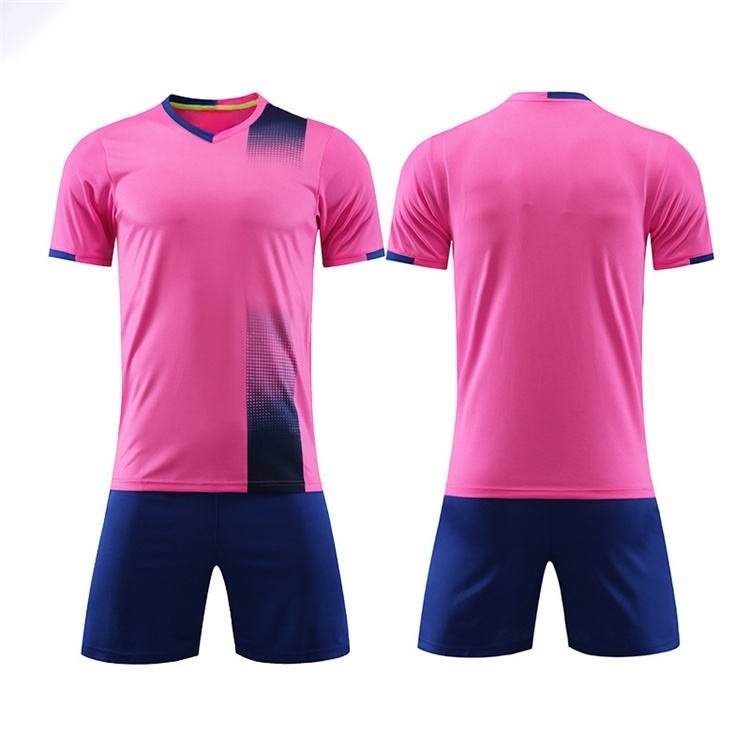
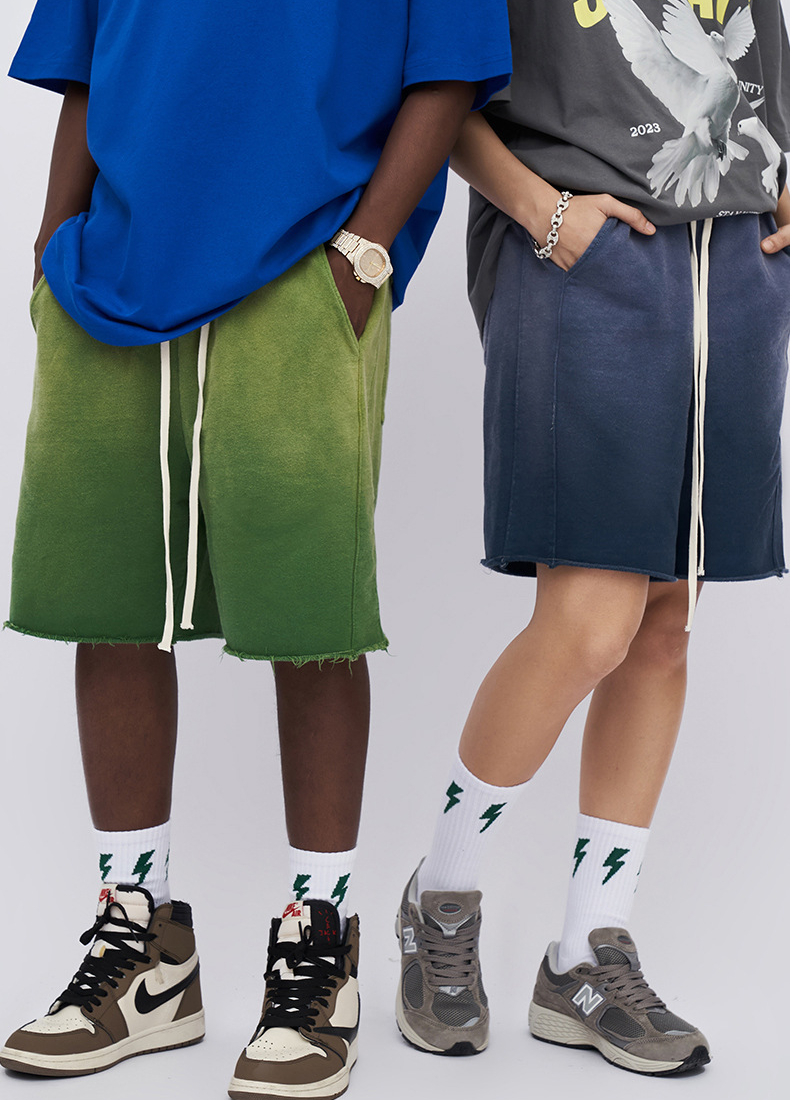
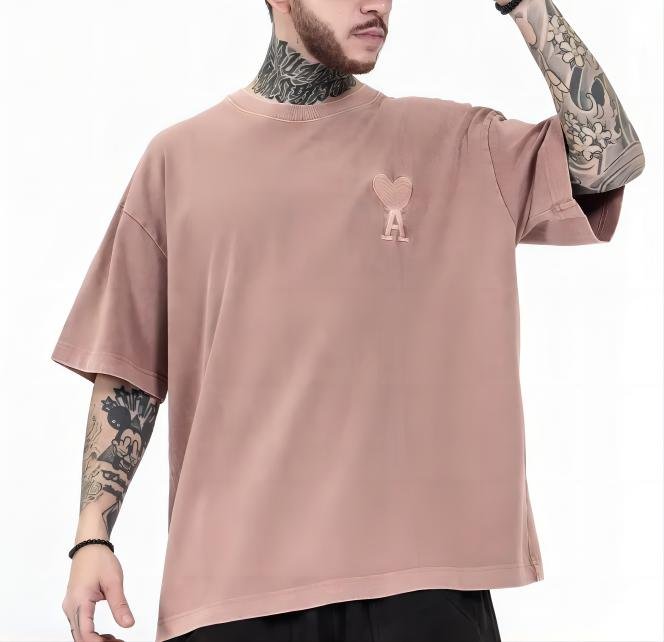
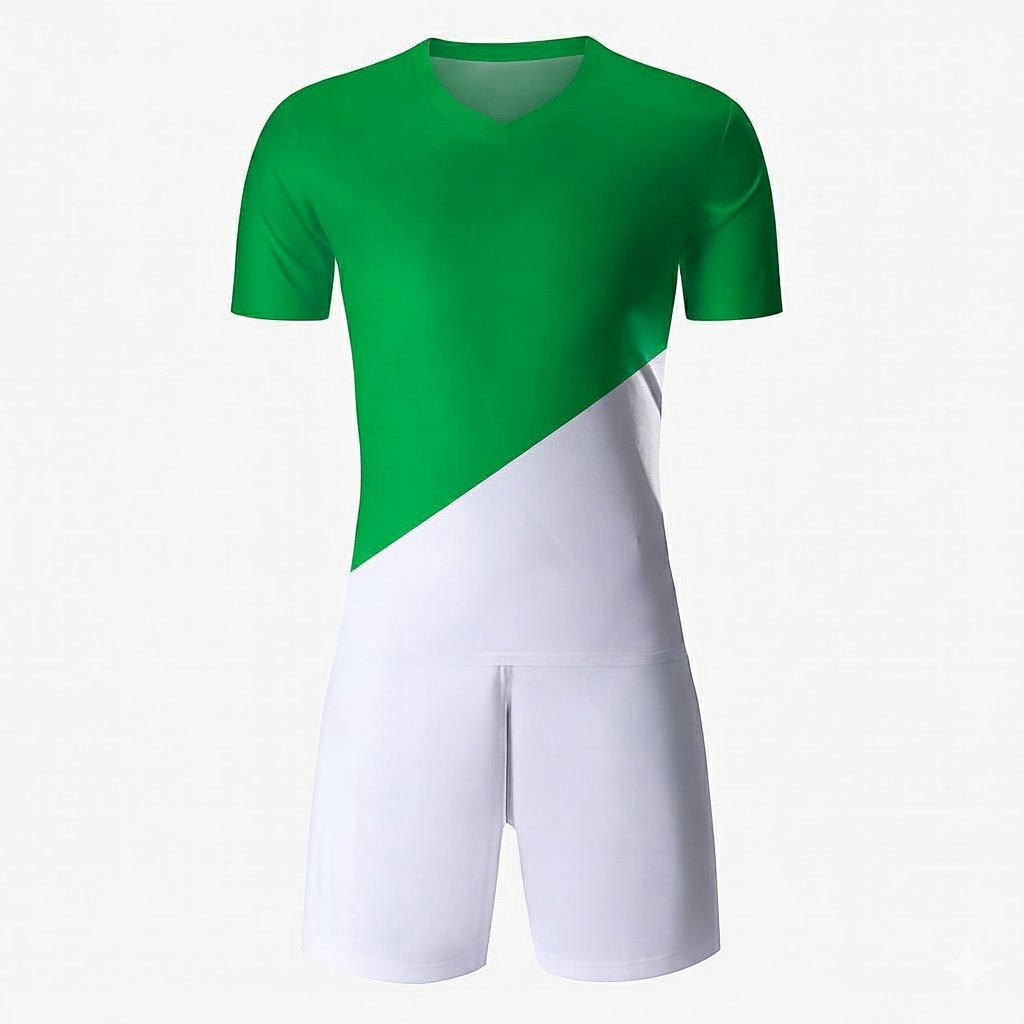
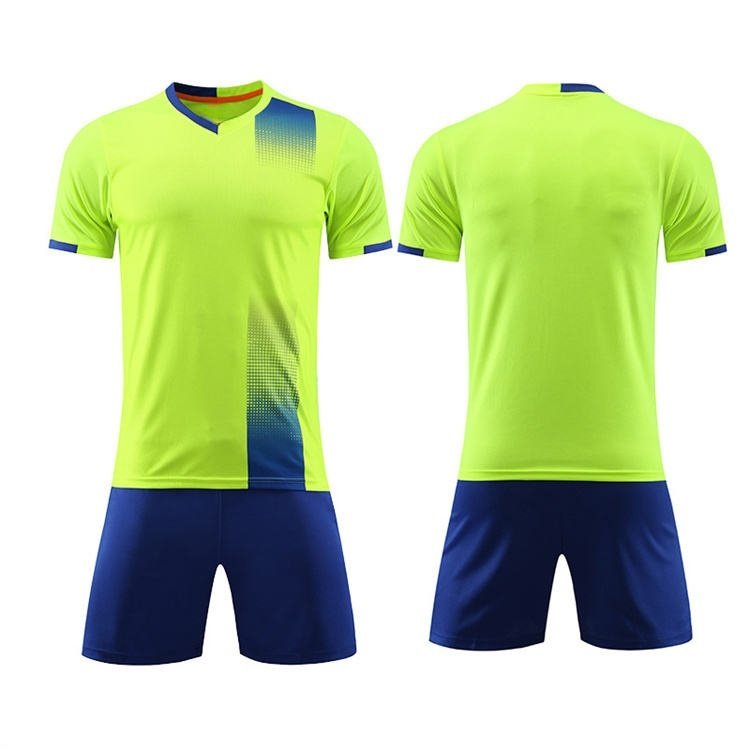
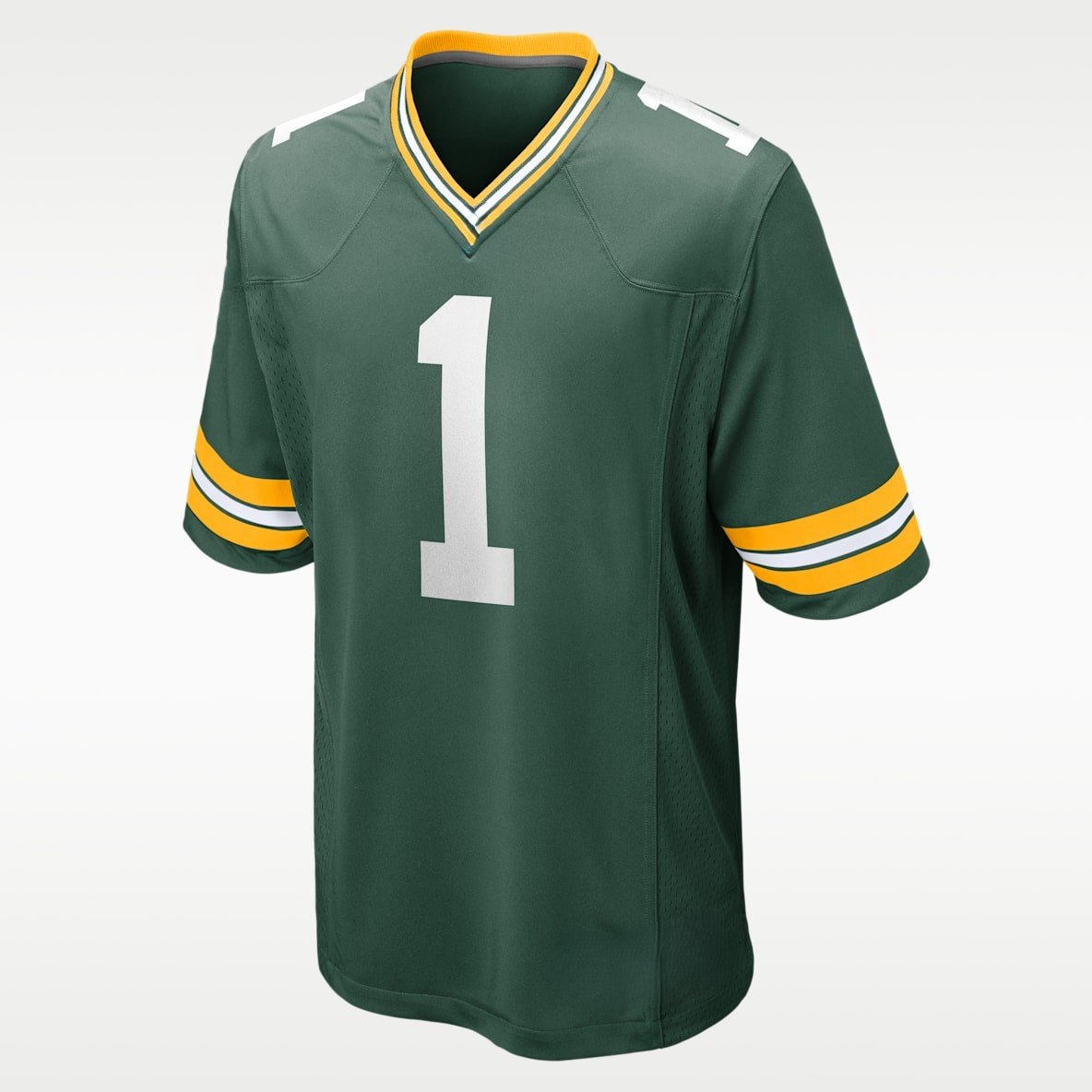
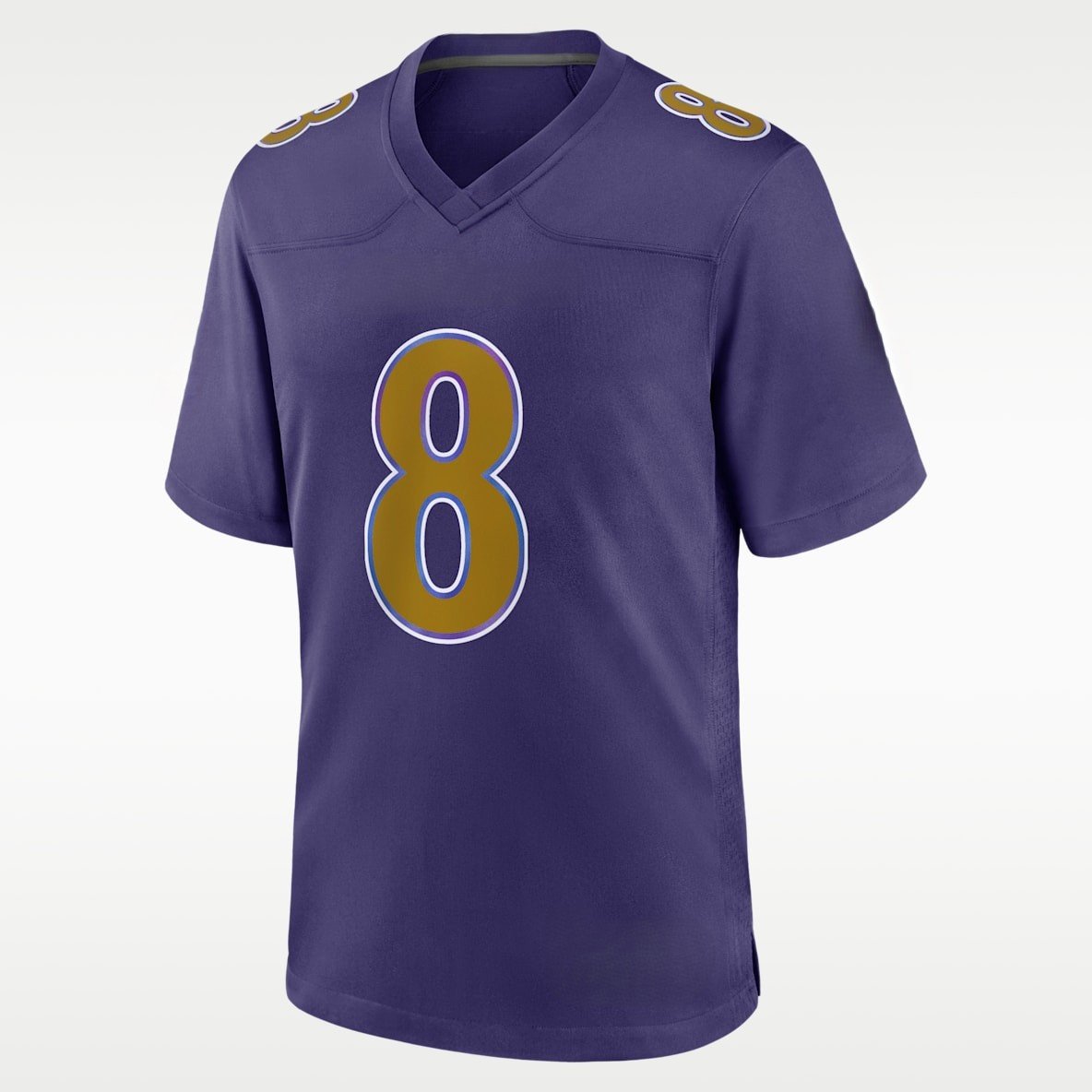
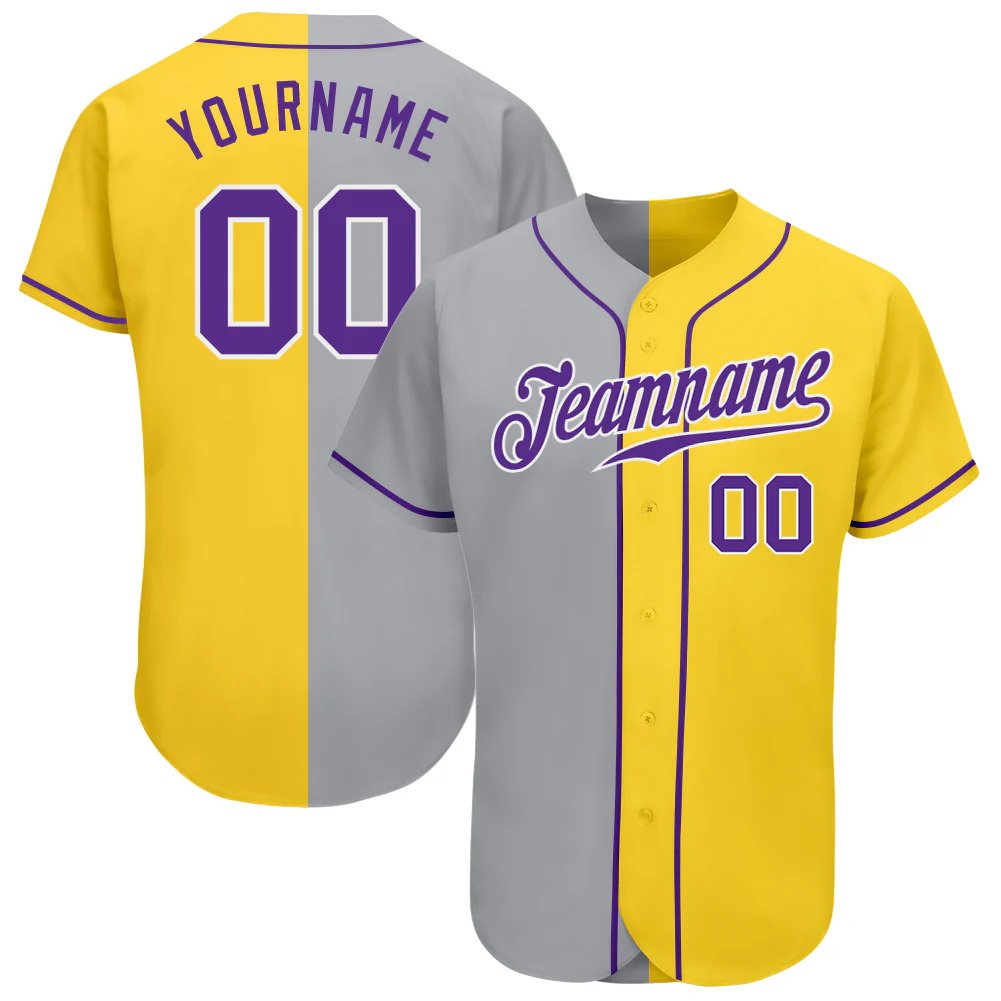
Why Choose Our Short Set Manufacturer
5-Step Quality Control Guarantee
Every short set passes materials, cutting, craft, sewing, and finished product QC testing before shipment to ensure zero defects.
Low MOQ for Startups
Launch your short set line without massive inventory risk. We support emerging brands with flexible minimum order quantities.
In-House Design & Sampling
Our 15-member R&D team brings your short set concepts to life with fast prototyping and streetwear-focused design expertise.
Fast Turnaround for Collections
Meet seasonal deadlines with our streamlined production workflows, ensuring your short sets hit the market on time every season.
Streetwear & Influencer Expertise
Over 6 years specializing in trend-driven short sets with skeleton, rose, graffiti, and bold graphics that resonate with youth culture.
Global Shipping & Logistics
Serving brands in over 100 countries with reliable customs, declaration, and delivery support to get your short sets anywhere.
Short Set Manufacturer Solutions for Every Style
From oversized streetwear to athletic-inspired designs, our production expertise covers the full spectrum of short set categories with flexible customization and low MOQs for emerging brands.
Oversized Streetwear Short Sets
Streetwear brands need bold, trend-driven short sets with unique graphics, skeleton motifs, and oversized fits that capture youth culture—but most manufacturers lack streetwear design fluency and produce generic basics instead.
Our in-house team delivers authentic streetwear short sets with custom prints, embroidery, and oversized silhouettes. Leveraging 6+ years of streetwear expertise, we produce sets that resonate with influencer audiences and drive social engagement.
Women’s Lounge Short Sets
Fashion startups launching women's loungewear lines struggle to find manufacturers who can produce soft, flattering short sets with refined details like ribbed trims, tie-dye effects, and matching crop tops at accessible minimums.
We manufacture premium women's lounge short sets with low MOQs starting from small batches. Our 5-step QC ensures consistent fit, color accuracy, and fabric hand-feel across every piece, perfect for DTC and boutique brands.
Athletic-Inspired Performance Sets
Active and athleisure brands require short sets with moisture-wicking fabrics, four-way stretch, and ergonomic paneling—technical features many traditional garment factories cannot execute reliably or test properly during production.
Our R&D team and advanced production techniques deliver performance short sets with functional fabrics and precise construction. Materials QC and sewing QC testing guarantee durability, stretch recovery, and moisture management in every finished set.
Men’s Essentials & Basics
Retailers and independent designers need versatile men's short sets in neutral colorways and classic cuts that maintain quality at scale, but inconsistent stitching and fabric pilling from low-quality manufacturers damage brand reputation.
We produce men's essential short sets with premium craftsmanship and zero-compromise quality standards. Our finished clothing quality inspection catches defects before shipping, ensuring every set meets retail-ready standards for global apparel retailers.
Premium Fabrics Every Short Set Manufacturer Should Master
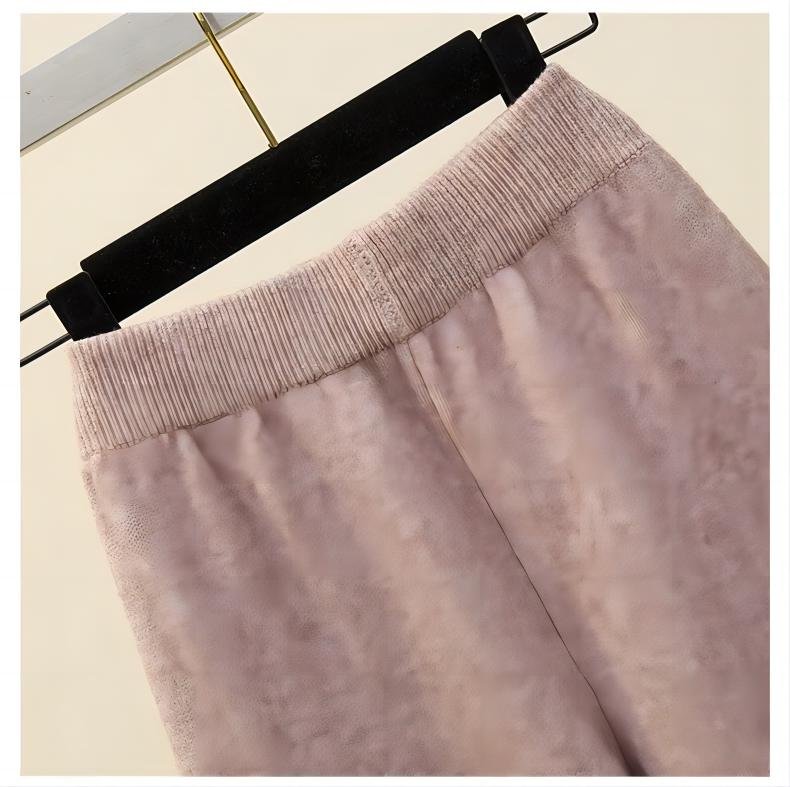
Cotton French Terry
Soft looped interior with smooth face, ideal for relaxed-fit short sets. Medium weight (280-320 GSM) offers excellent breathability and moisture absorption. Perfect for loungewear and casual streetwear collections with superior drape and comfort.
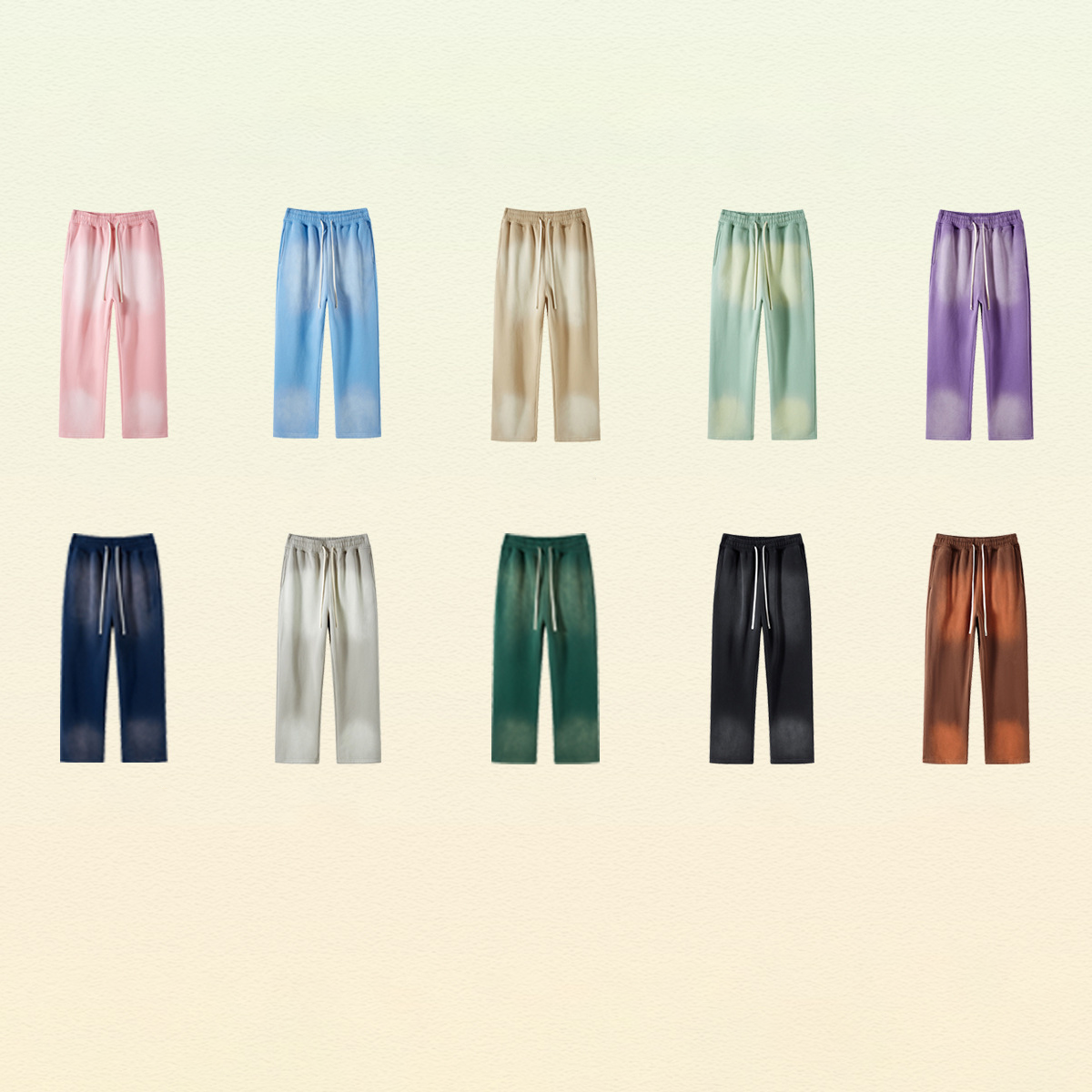
Heavyweight Fleece
Plush brushed interior provides warmth without bulk, making it ideal for premium short sets. Weighing 350-400 GSM, this fabric delivers a luxe hand-feel and holds vibrant prints. Excellent for fall/winter streetwear lines and influencer drops.
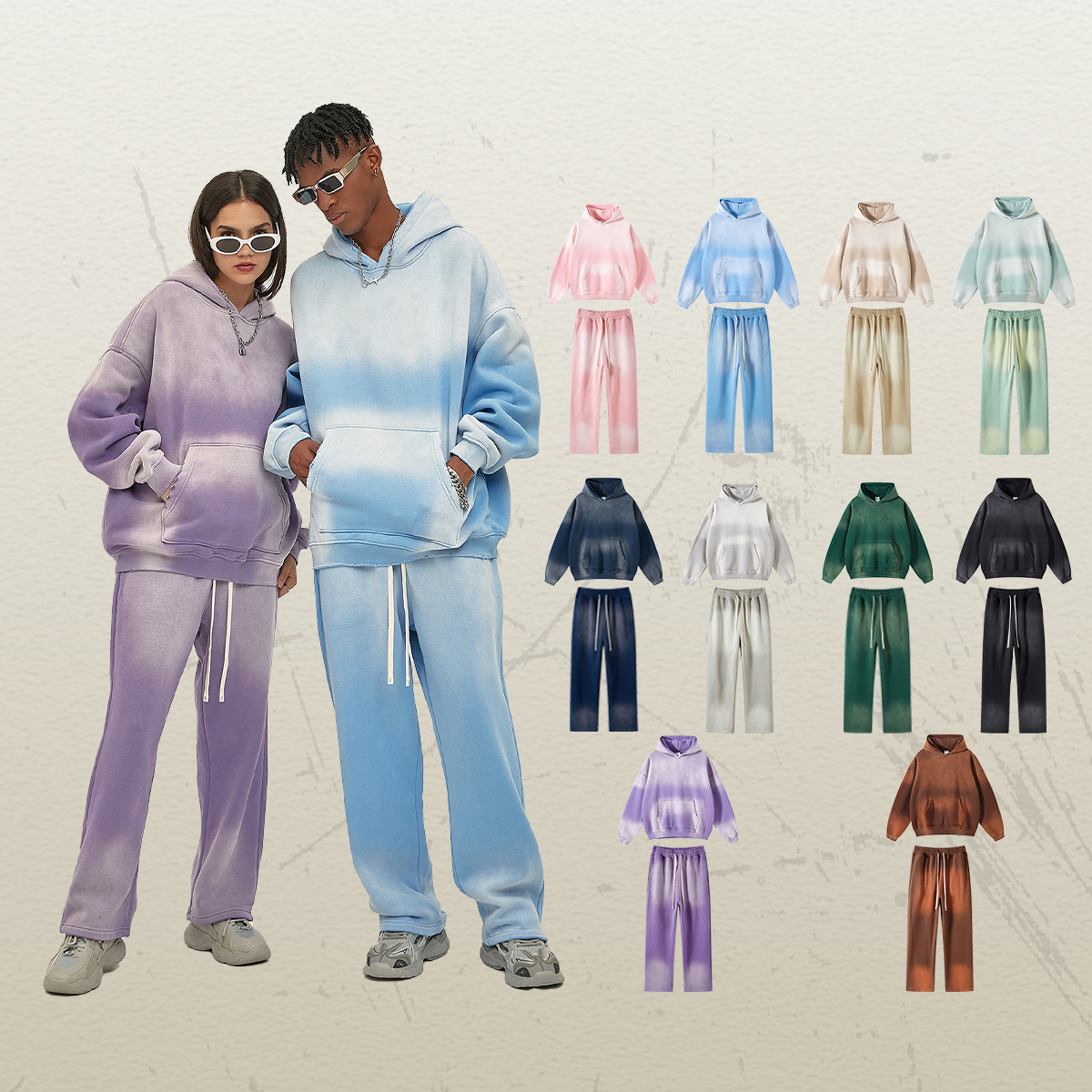
Performance Polyester Blend
Quick-dry technical knit with four-way stretch, engineered for active short sets and athleisure. Lightweight (200-240 GSM) with moisture-wicking properties and shape retention. Ideal for fitness-inspired streetwear and high-movement designs.
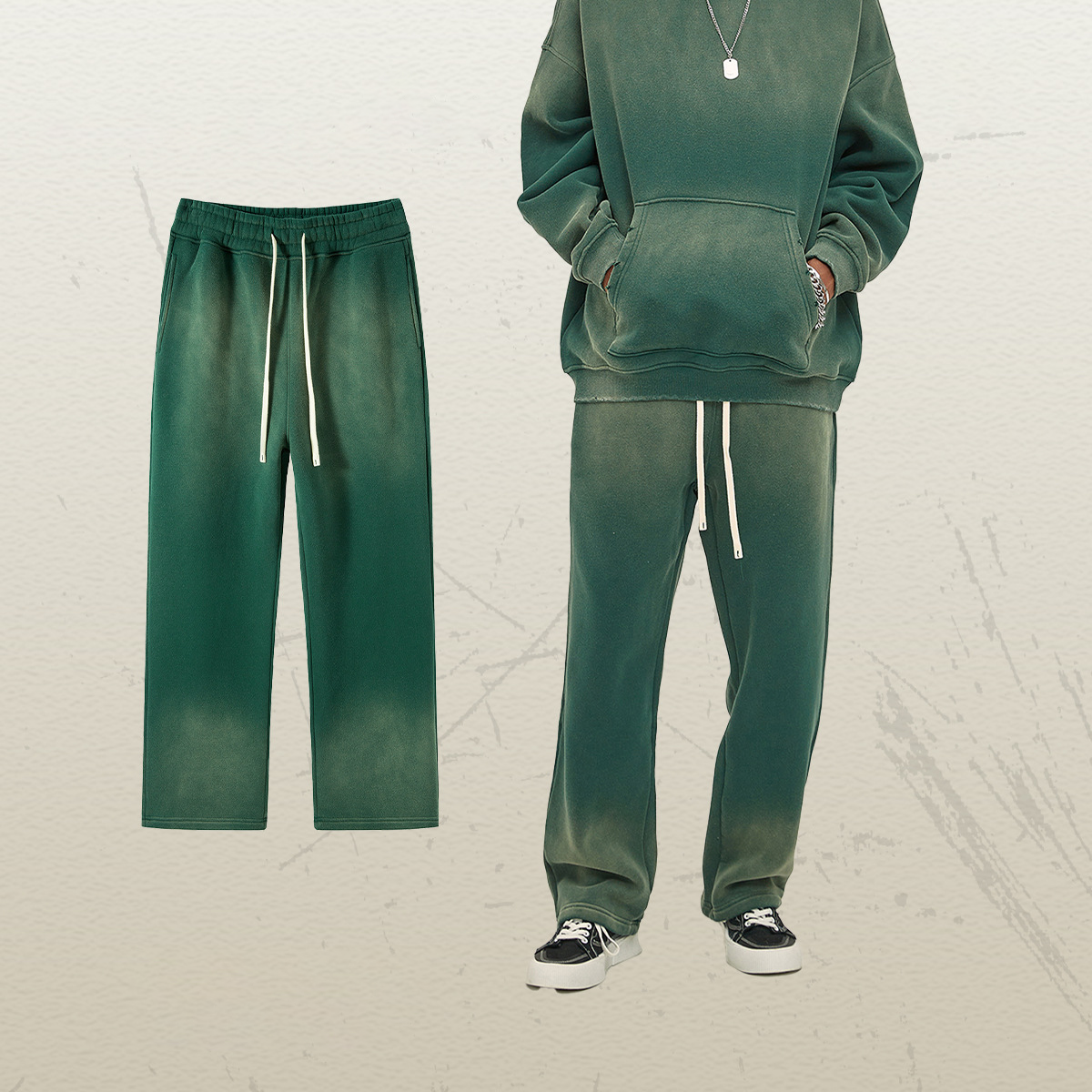
Cotton Jersey Blend
Classic soft-hand fabric combining cotton comfort with polyester durability. Medium-light weight (180-220 GSM) offers natural stretch and excellent printability. The go-to choice for everyday short sets, loungewear, and versatile streetwear staples.
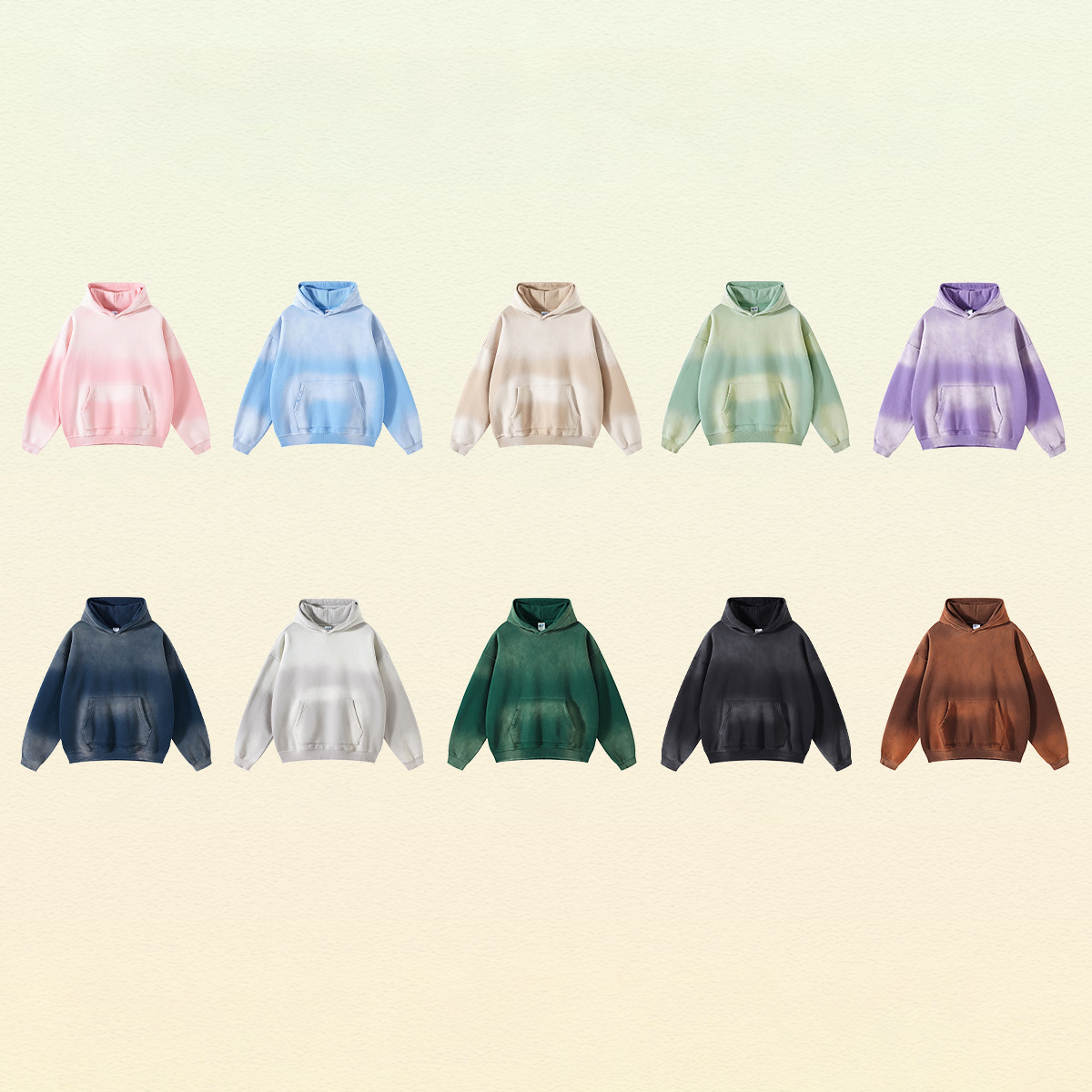
Brushed Tricot
Silky smooth polyester knit with subtle sheen, favored for track-style short sets and retro sportswear. Lightweight (160-200 GSM) with anti-pilling finish and vibrant color retention. Delivers authentic streetwear aesthetics with durability for repeated wear.
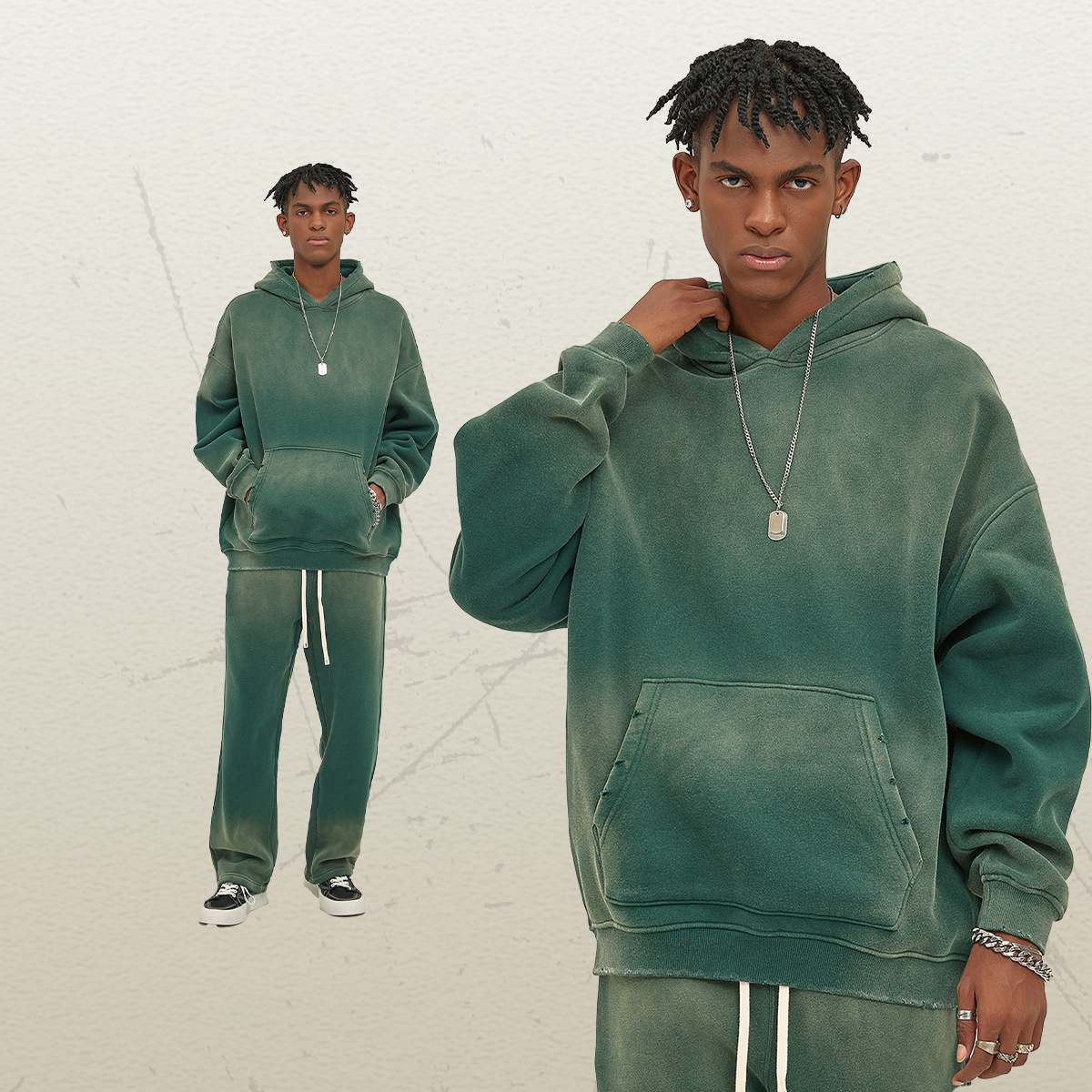
Heavyweight Cotton Twill
Structured woven fabric with diagonal ribbing, perfect for utility-inspired short sets. Weighing 280-340 GSM, it offers durability and crisp silhouette retention. Ideal for workwear-influenced streetwear and premium designer collections requiring substance and longevity.
Advanced Production Techniques From Your Short Set Manufacturer
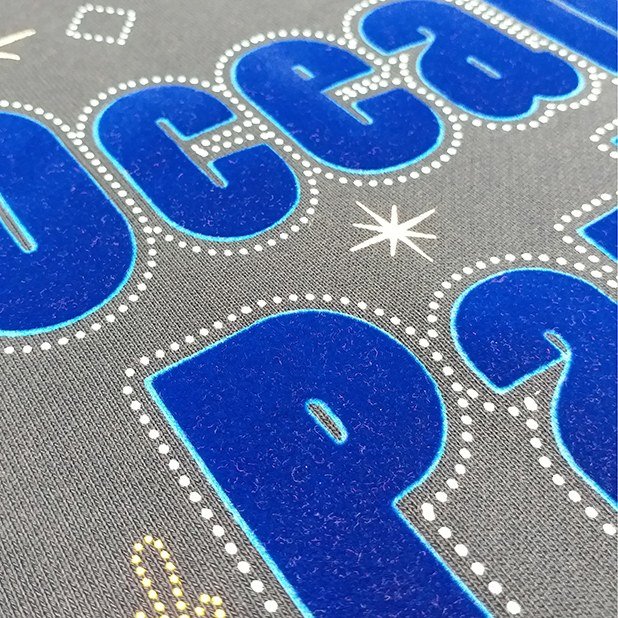
Screen Printing
Bold, vibrant graphics applied through precision mesh screens. Ideal for streetwear logos, oversized prints, and color-blocked designs on short sets. Exceptional wash durability and color saturation for high-impact branding.
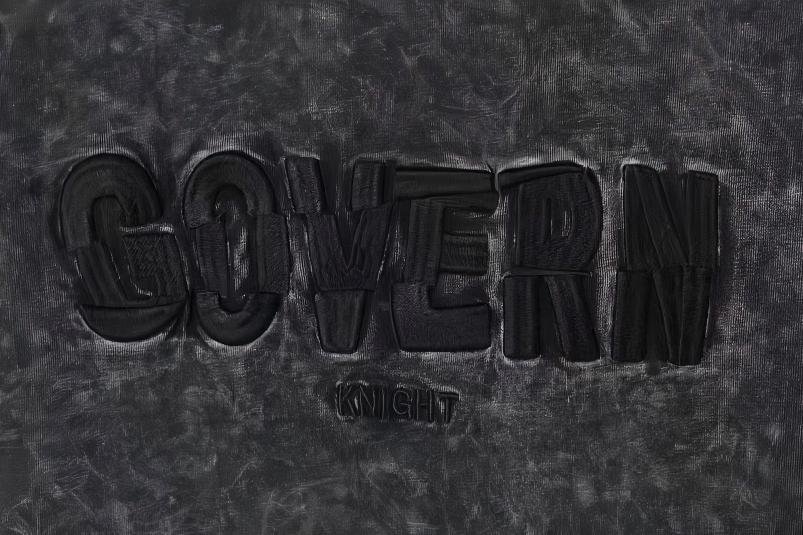
Embroidery & Patches
Premium thread work and custom patch application for elevated texture and dimension. Perfect for brand logos, monograms, and intricate streetwear motifs. Adds luxury feel and long-lasting detail to short set collections.
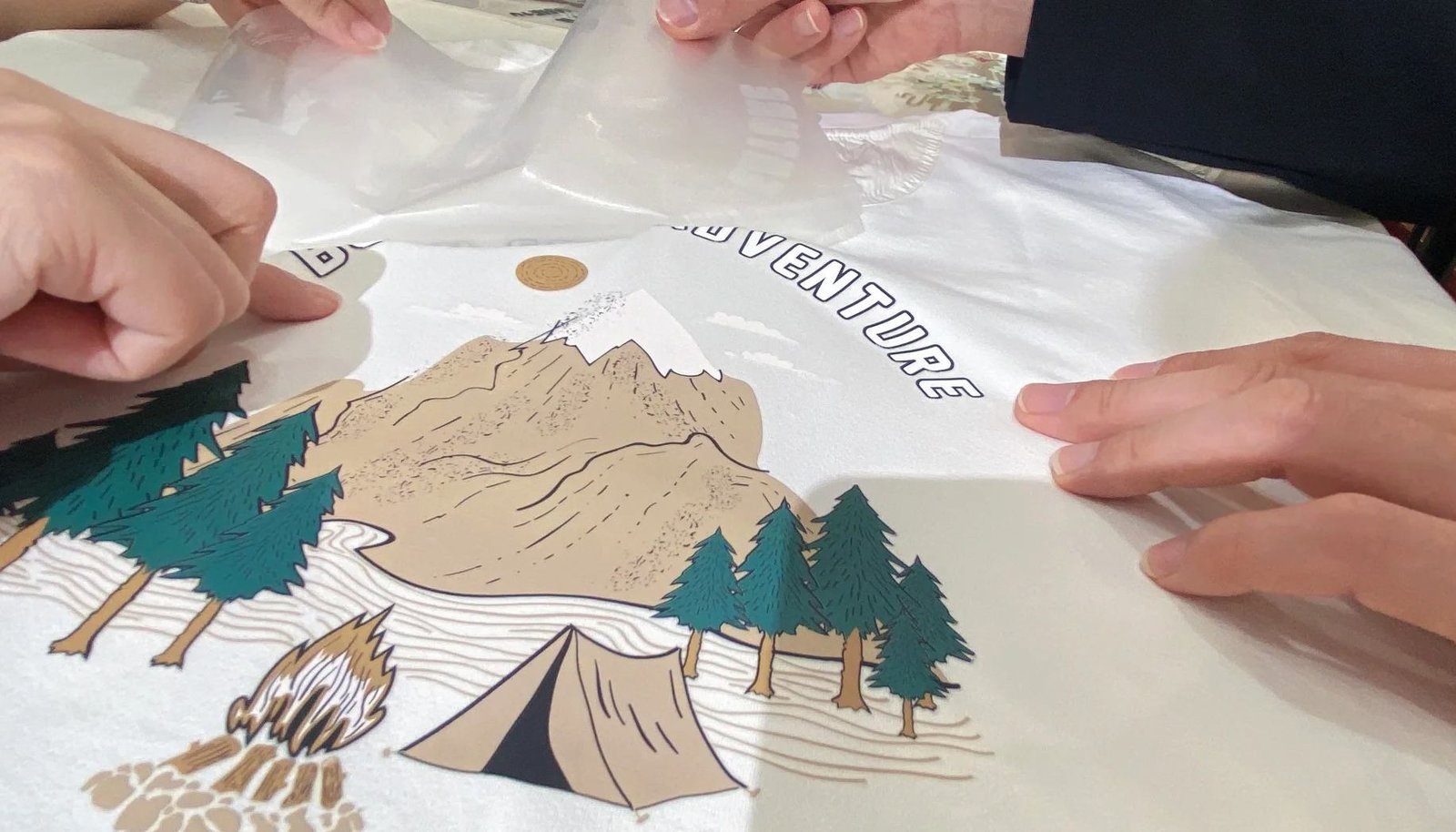
Sublimation Printing
Full-color, all-over pattern integration directly into fabric fibers. Creates seamless, photo-realistic designs across entire short set garments. No hand feel, unlimited color options, and fade-resistant performance for bold statements.
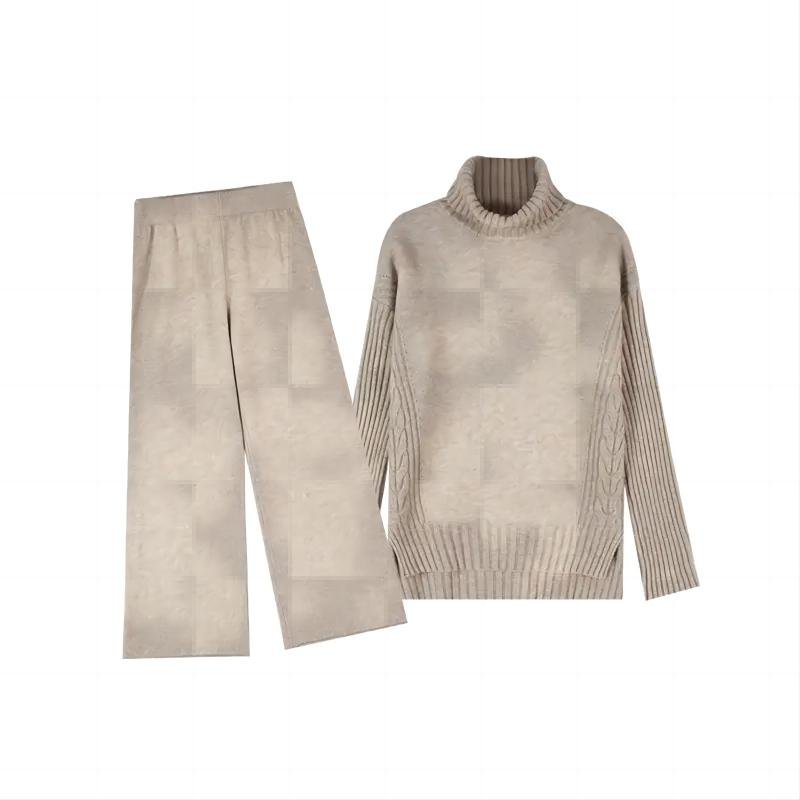
Custom Dyeing
Bespoke color matching and garment dyeing for exclusive seasonal palettes. Achieve unique washes, vintage effects, or brand-signature hues. Our 5-step QC ensures consistent color accuracy across every short set batch.
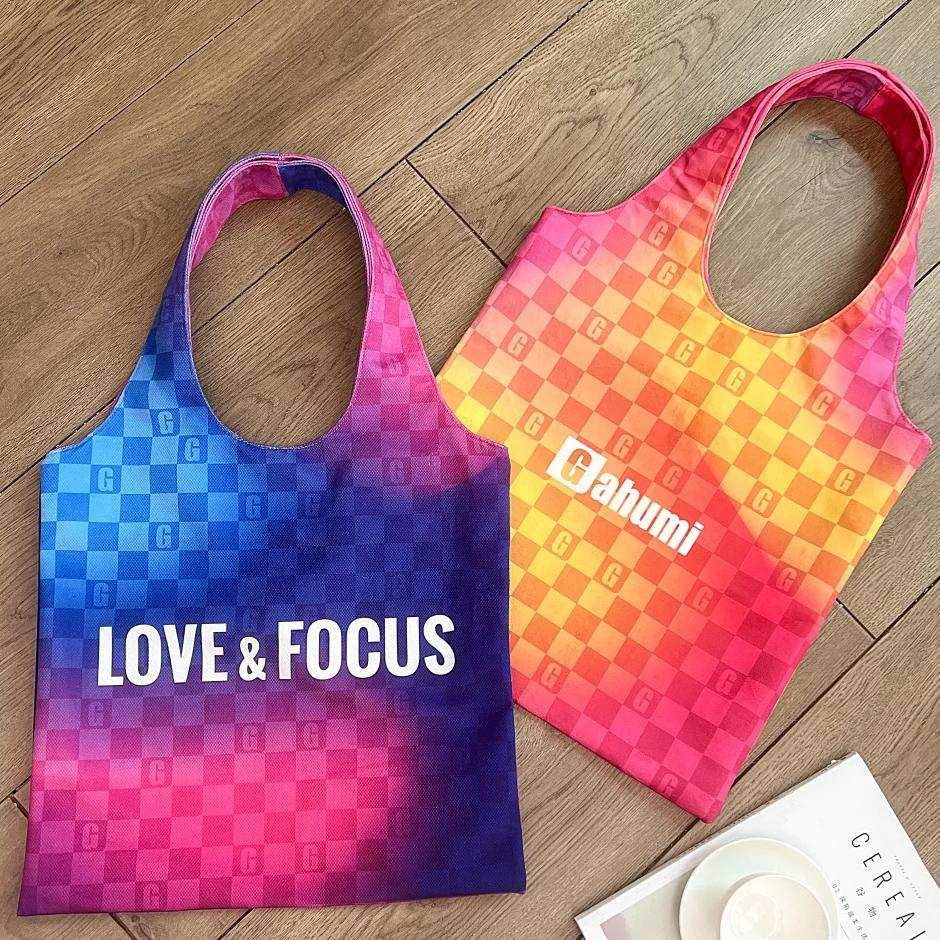
Heat Transfer
High-definition vinyl and transfer application for intricate details and metallic finishes. Ideal for small-run customization, influencer collaborations, and limited-edition short set drops. Quick turnaround with crisp, professional results.
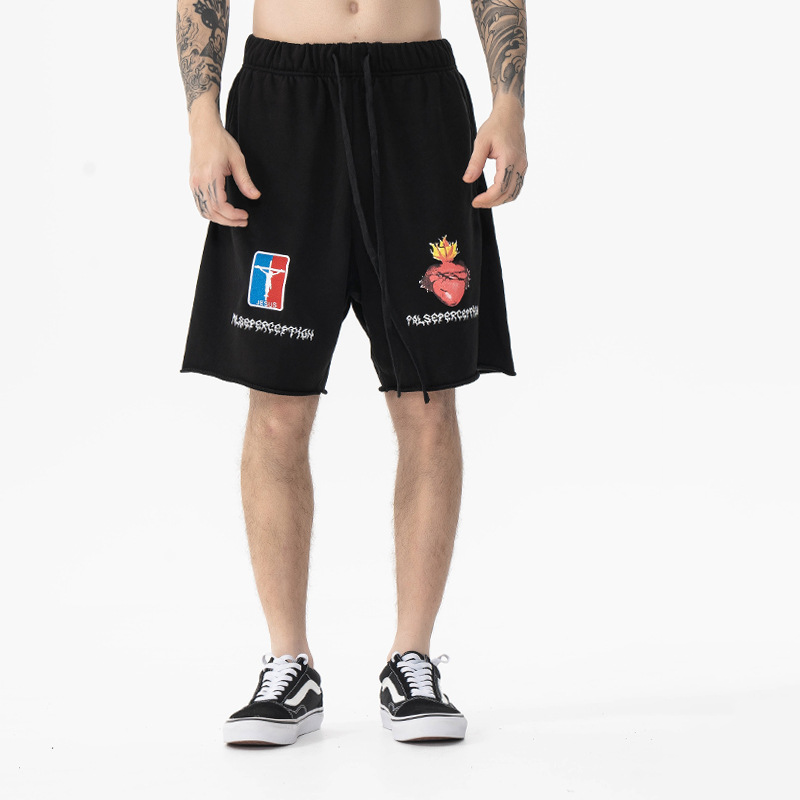
Distressing & Finishing
Specialized techniques including stone wash, enzyme wash, and manual distressing for authentic streetwear aesthetic. Creates worn-in textures, vintage vibes, and trend-forward appeal that resonates with youth culture and bold self-expression.
Premium Finishing & Trims for Short Sets
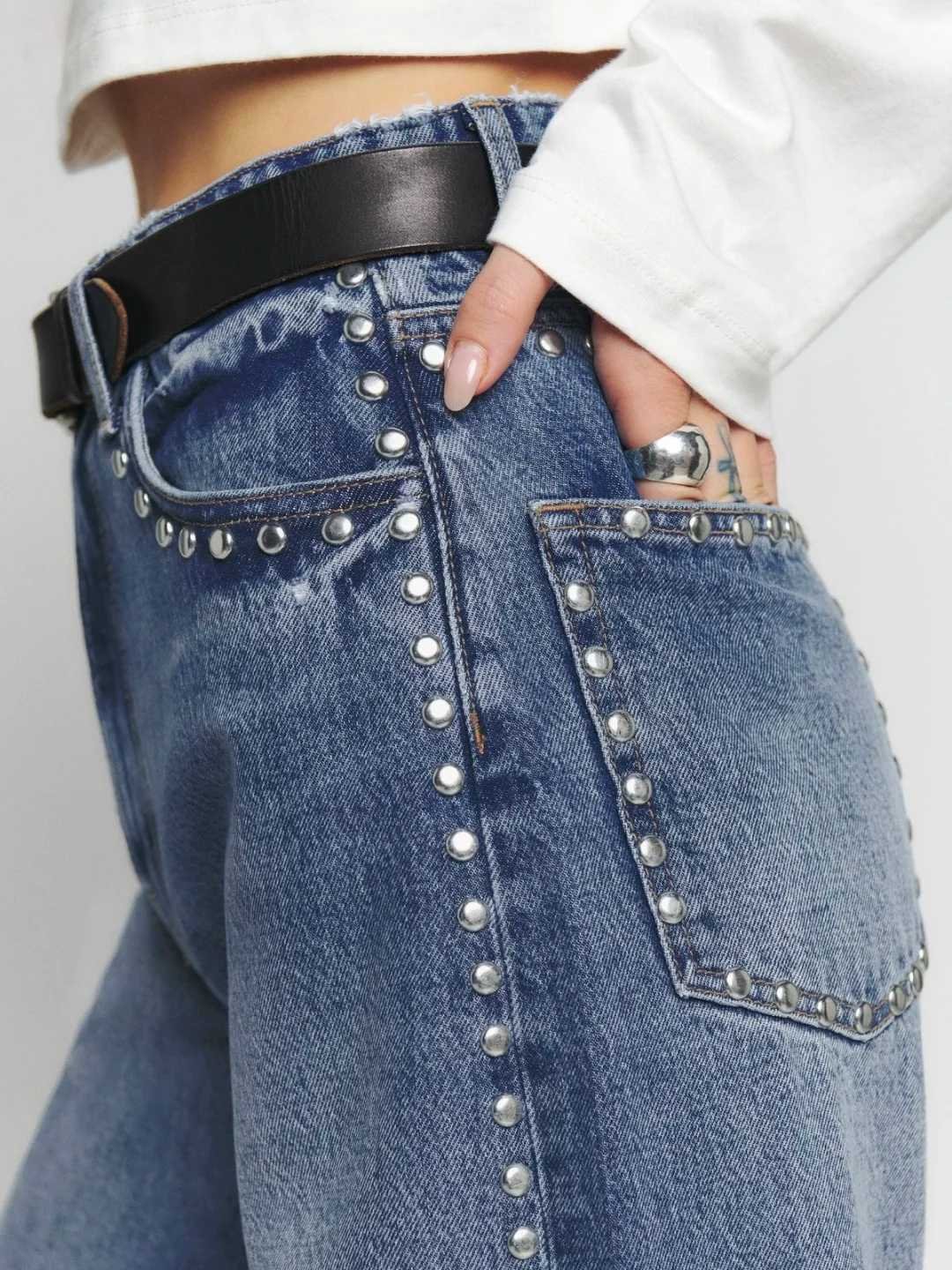
Custom Drawcords
Premium tipped or flat drawcords for waistbands and hoodies. Available in custom colors, metal or plastic aglets, and reflective finishes to reinforce your brand identity and add functional detail to coordinating short sets.
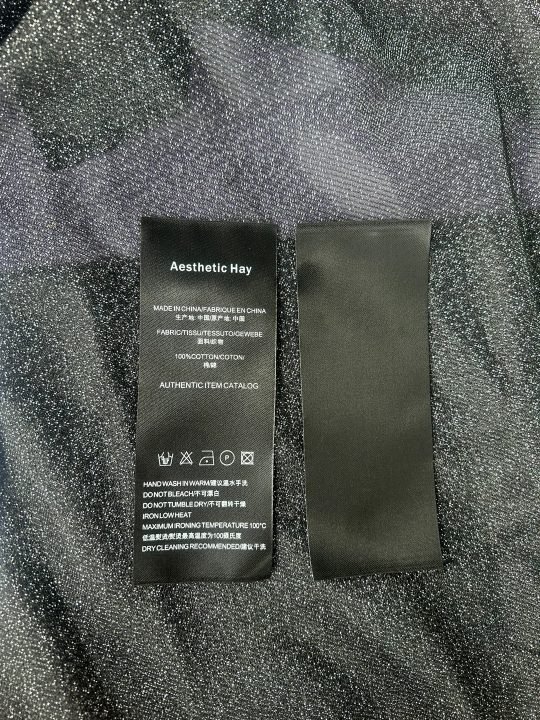
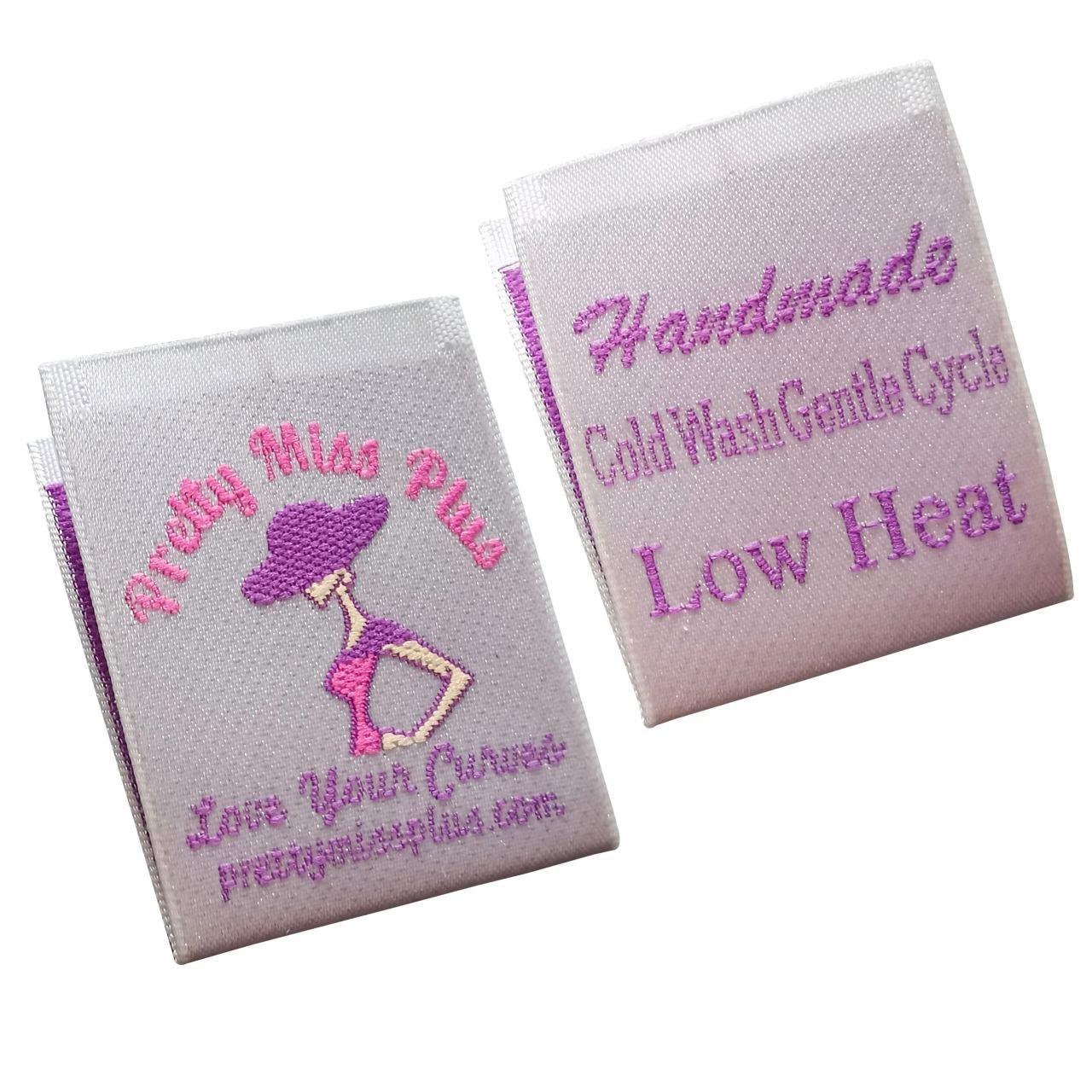
Woven Labels
High-density woven brand labels for waistbands, side seams, and interior placement. Durable, wash-resistant, and fully customizable with your logo, care instructions, and size information to ensure professional short set presentation.
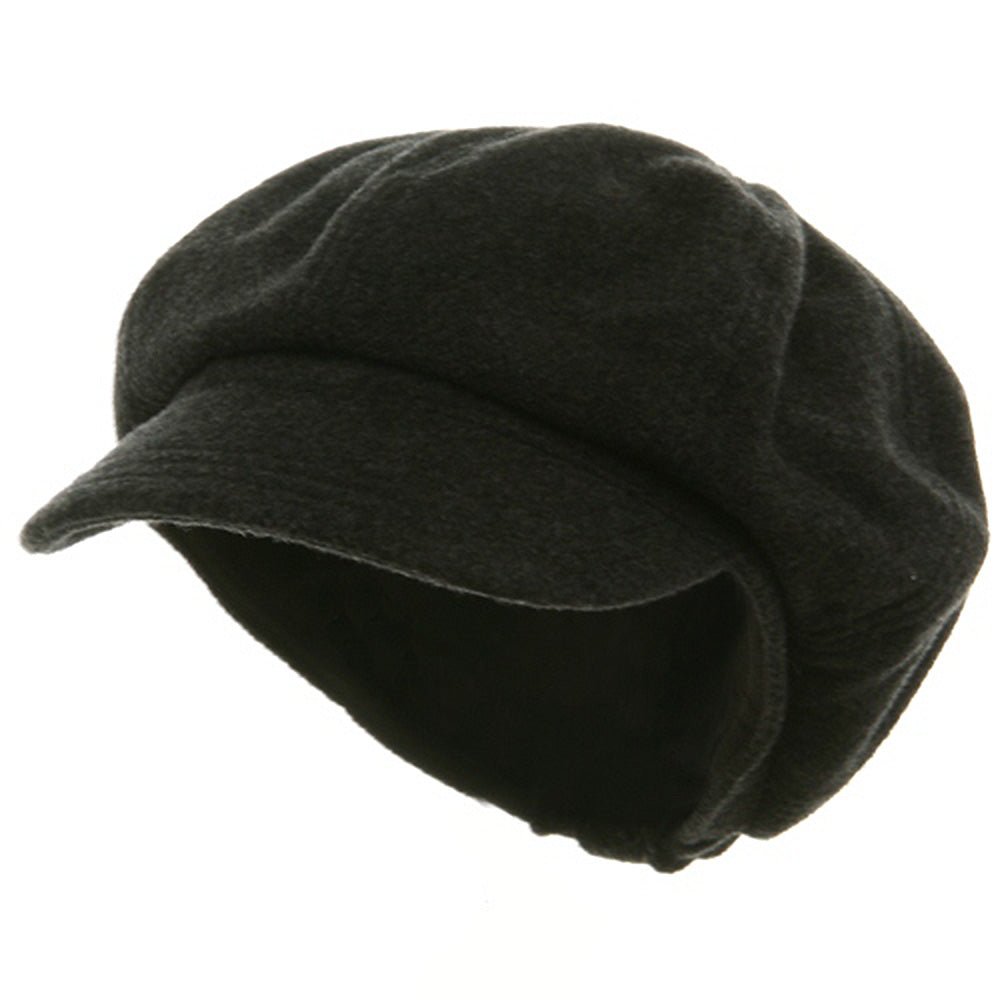
Custom Hangtags
Branded hangtags in premium cardstock, foil-stamped, embossed, or die-cut designs. Essential for retail-ready short sets, communicating your brand story, size details, and care instructions at point of sale.
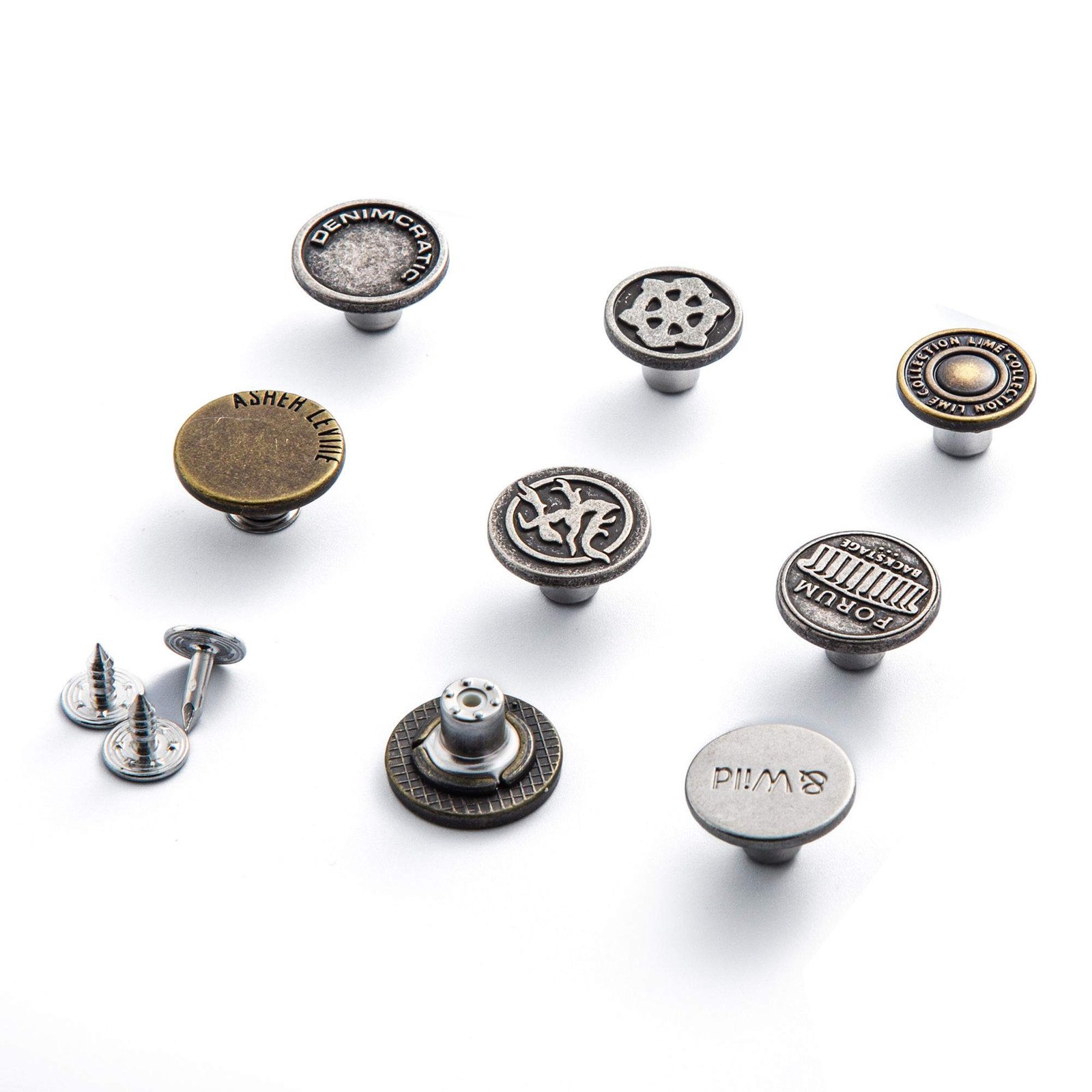
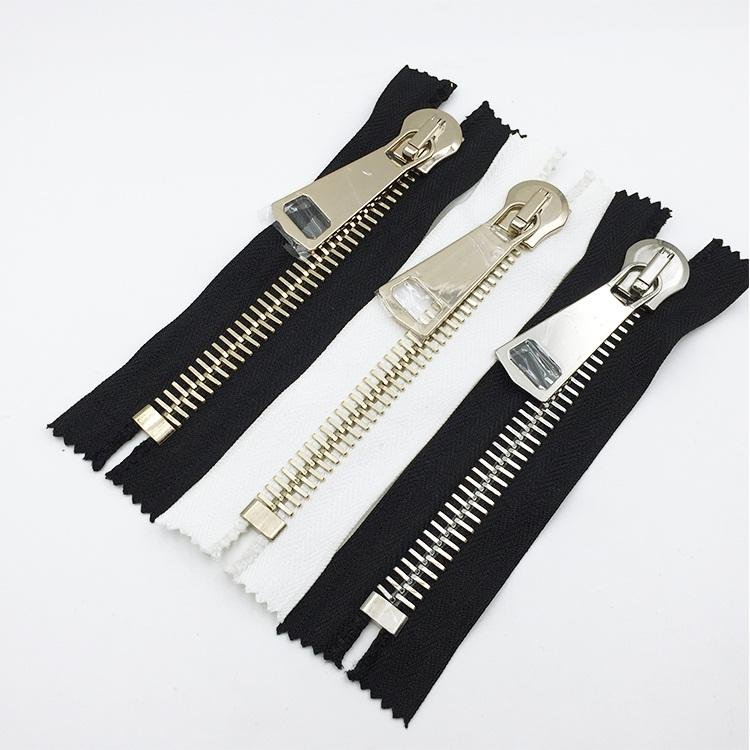
Metal Eyelets
Reinforced metal eyelets for drawstring openings in short waistbands. Available in gunmetal, brass, silver, or custom finishes, adding durability and a premium streetwear aesthetic to every piece.
Embroidered Patches
Custom embroidered or woven patches for shorts, hoodies, and tees. Heat-applied or sewn-on options let you showcase logos, graphics, and streetwear motifs with dimensional texture and lasting color fastness.
Poly Bags & Packaging
Custom-printed poly bags, tissue wraps, and branded packaging solutions for short sets. Protect garments during shipping while delivering a premium unboxing experience that strengthens brand loyalty and influencer appeal.
Your Trusted Short Set Manufacturer
Founded in 2024 by Tesla Luo, Clothing Manufacturer Ltd. was built on a decade of hands-on apparel production experience and a family legacy spanning every role in garment manufacturing. Growing up in China’s garment hub, Tesla witnessed the industry’s quality shortcuts firsthand and launched our company to restore trust in Chinese manufacturing through uncompromising standards and transparent processes.
We specialize in streetwear-driven short sets for brands at every stage, from fashion startups launching their first collection to established retailers scaling seasonal lines. Our 15-member R&D team, 10 production patents, and rigorous 5-step quality control process ensure every short set meets global standards before it ships to over 100 countries worldwide.
As a dedicated short set manufacturer, we combine low minimum order quantities with fast turnaround times, in-house design and sampling capabilities, and deep cultural fluency in streetwear trends. Our mission is simple: eliminate low-quality clothing products and empower your brand with premium craftsmanship, reliable logistics, and a partner who understands both the technical and creative demands of modern streetwear production.
Short Set Manufacturer With 5-Step Quality Control
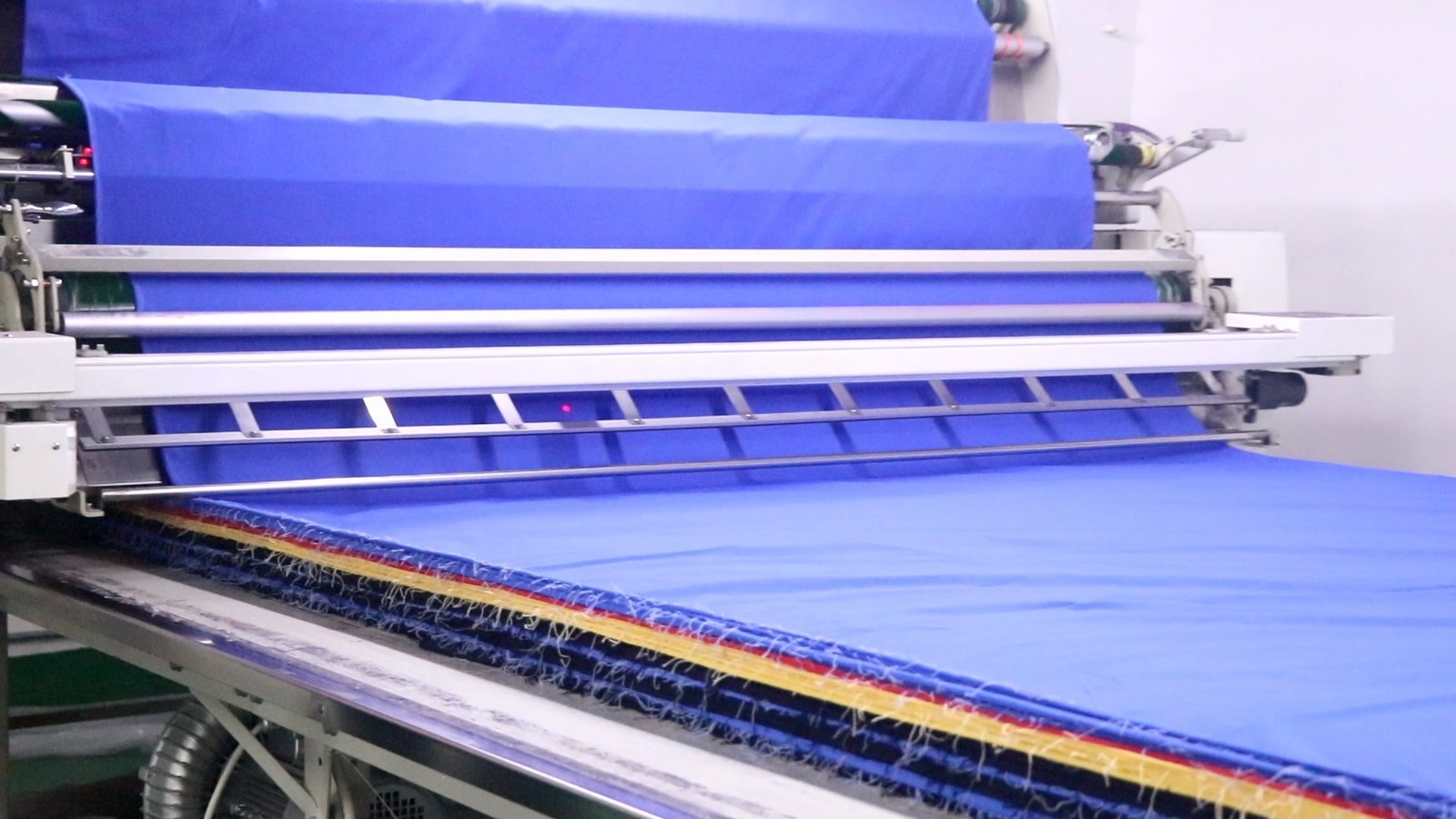
Materials QC Before Every Cut
Our short set manufacturer process begins with rigorous fabric inspection. Every roll is tested for weight, colorfastness, shrinkage, and surface defects before entering production. This first checkpoint eliminates material flaws that competitors miss, ensuring your streetwear short sets start with premium-grade textiles that meet spec.
- Fabric weight and density verification against your specifications
- Colorfastness testing to prevent fading and bleeding after wash
- Surface inspection for weave irregularities, stains, or inconsistencies
- Shrinkage pre-testing to guarantee accurate sizing in finished garments
Cutting QC for Pattern Precision
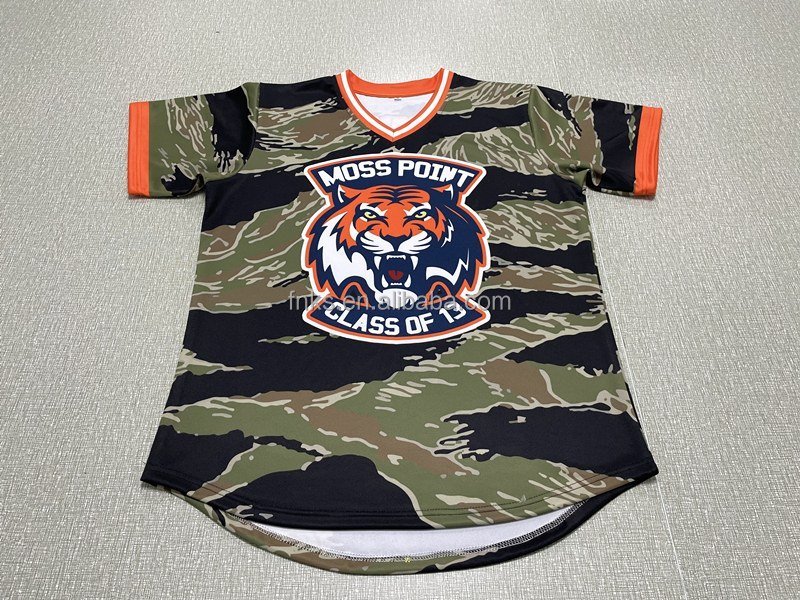
After materials pass inspection, our cutting QC testing validates every pattern piece. We measure dimensions, check grain alignment, and verify marker efficiency to prevent size variance and fabric waste. This stage catches errors before sewing begins, protecting your short set collection from costly production mistakes.
- Digital and manual measurement of cut pieces against approved patterns
- Grain line verification to ensure drape and fit consistency
- Notch and alignment mark accuracy checks for seamless assembly
- Batch sampling to confirm cutting machine calibration throughout runs
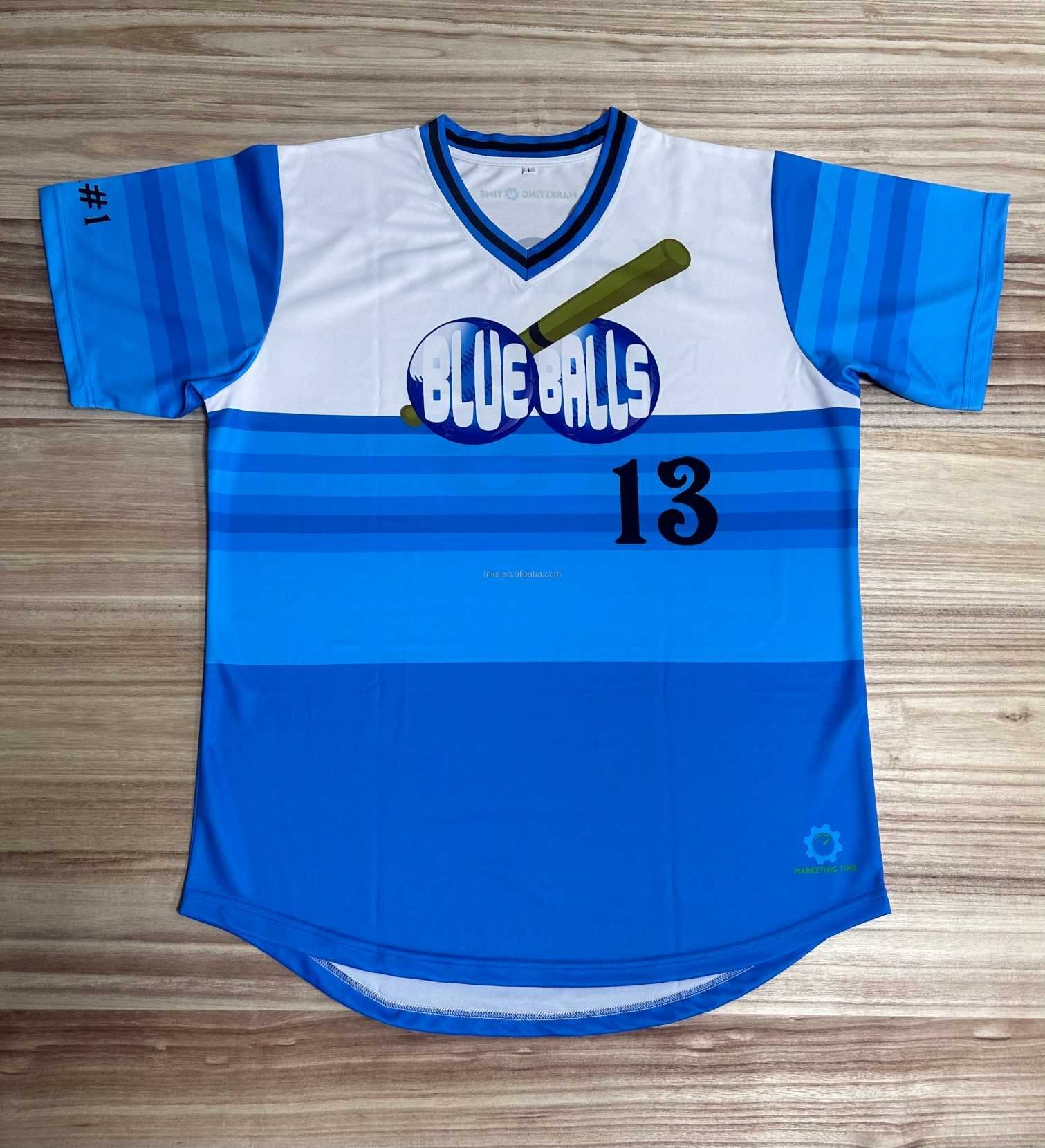
Craft & Sewing QC During Production
Unlike factories that skip mid-production checks, our short set manufacturer implements craft QC and sewing QC at every assembly stage. Operators inspect stitch quality, seam strength, and construction details in real time. Our 15-member R&D team has developed checkpoints that catch defects immediately, not after hundreds of units are sewn.
- Stitch-per-inch counts and tension checks on every seam type
- Reinforcement verification at stress points like waistbands and inseams
- Print and embroidery placement accuracy during application
- In-line operator self-checks plus roving QC audits every 50 pieces
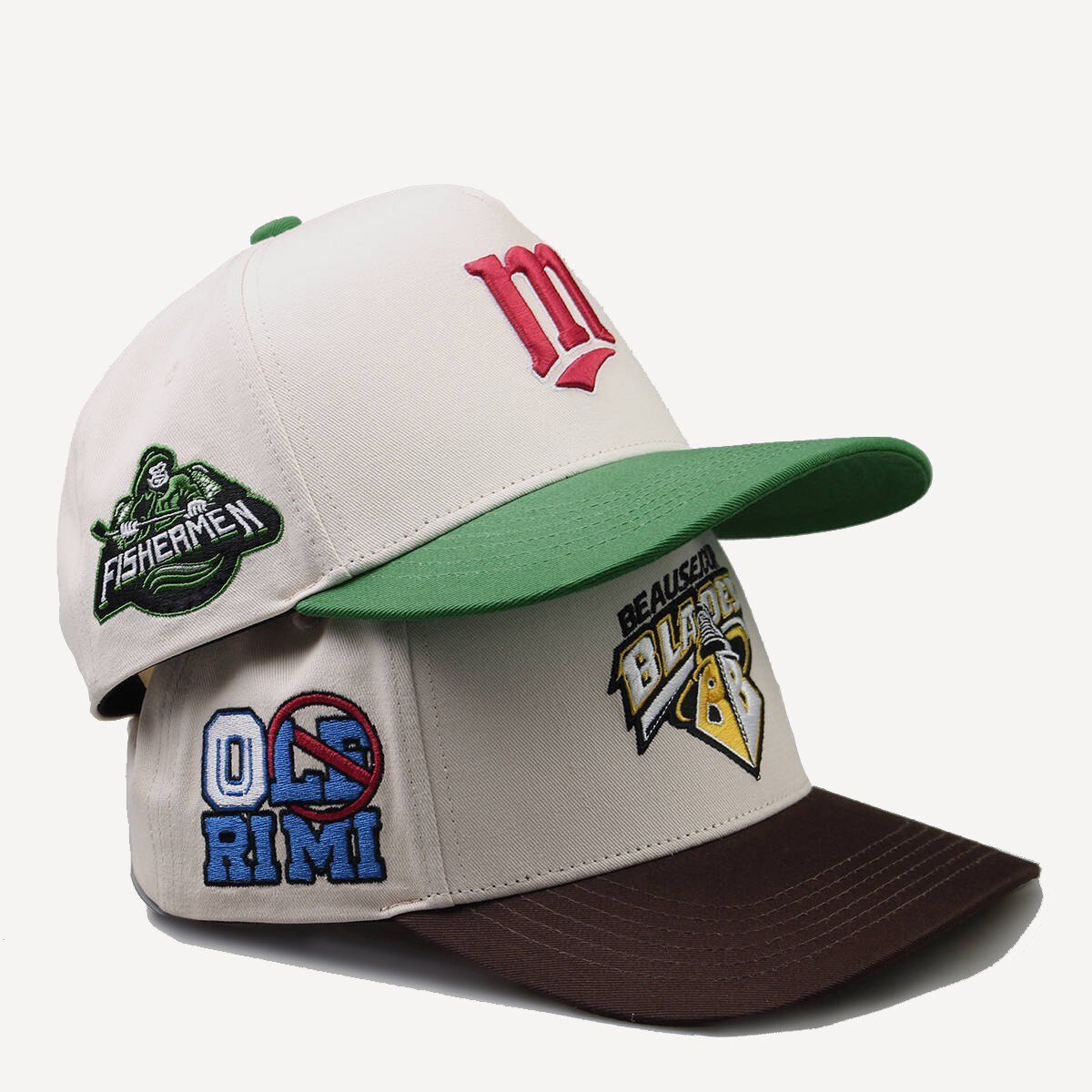
Finished Inspection Before Every Shipment
The final QC checkpoint subjects completed short sets to comprehensive inspection covering measurements, appearance, functionality, and packaging. Every garment is tried, measured, and scrutinized under standardized lighting. Only pieces that pass all criteria earn our quality seal, ensuring your brand receives production-ready inventory, not rejects.
- Full measurement audit of chest, length, waist, and inseam against tech packs
- Visual inspection for thread ends, stains, holes, and finishing flaws
- Functional testing of drawstrings, zippers, buttons, and elastic performance
- Packaging verification to confirm correct labeling, folding, and carton counts
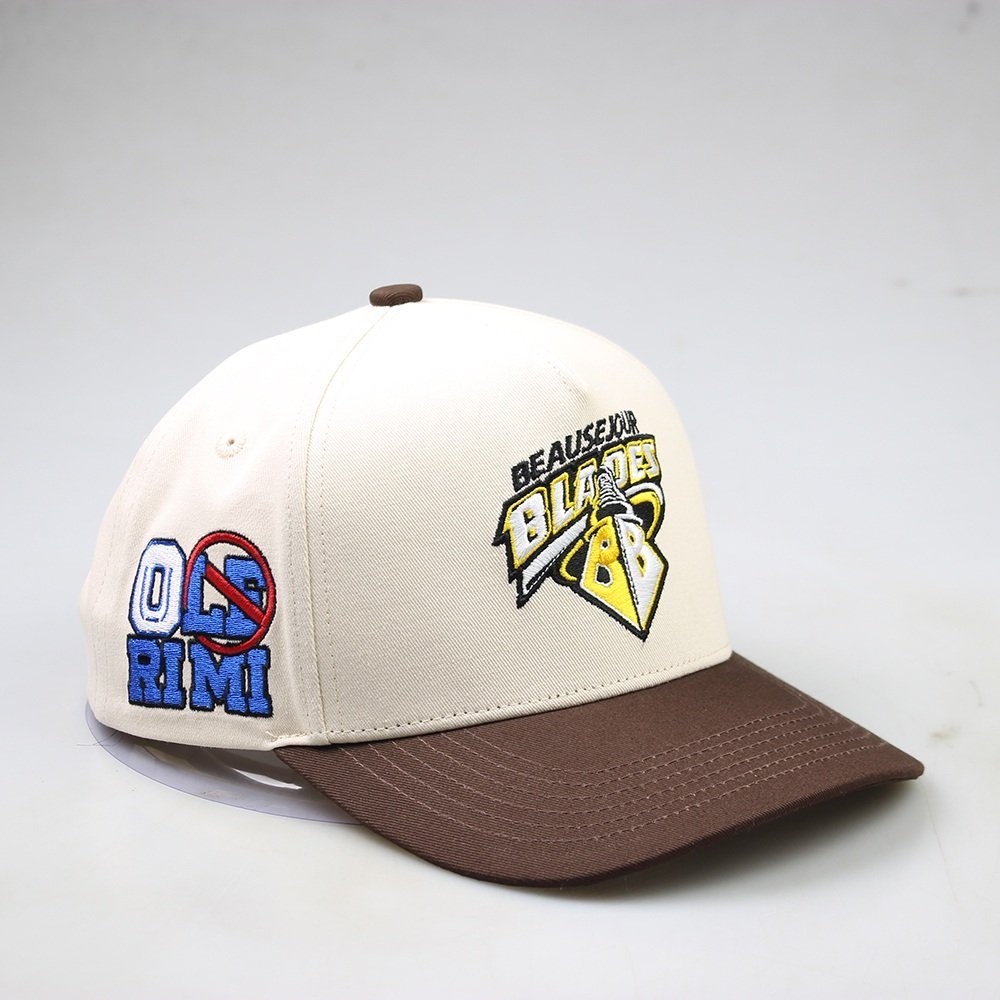
How We Outperform Typical Short Set Manufacturers
When you choose Clothing Manufacturer Ltd as your short set manufacturer, you gain a quality-first partner with transparent processes, flexible minimums, and proven streetwear expertise—not a generic supplier cutting corners to chase volume.
← 左右滑动查看 →
Short Set Manufacturer Production Workflow
From tech pack to final shipment, our proven 6-phase process ensures every short set meets our zero-compromise quality standards at every checkpoint.
Tech Pack Review
Our design team analyzes your specifications, fabric choices, and construction details to confirm feasibility and recommend optimizations for streetwear durability.
Sampling & Approval
We produce prototype short sets with your chosen fabrics and trims, refining fit and finish until you approve the final sample.
Cutting & Materials QC
Approved fabrics undergo our first quality checkpoint, then precision cutting begins with pattern accuracy verified before sewing starts.
Sewing & In-Line QC
Skilled sewers construct each short set while our 5-step quality control inspects craftsmanship, stitching integrity, and dimensional accuracy during production.
Finished Garment Inspection
Completed short sets pass through final QC testing for fit, fabric defects, trim placement, and overall appearance before approval for packing.
Packing & Global Shipping
Quality-approved short sets are professionally packed per your requirements, then shipped worldwide with full logistics tracking and customs documentation support.
How to Partner With a Short Set Manufacturer
From concept to delivery, our streamlined process makes launching your short set line simple and stress-free. Whether you’re a startup or an established brand, we guide you through every step.
Submit Your Tech Pack
Share your design specifications, fabric preferences, and quantity requirements. No tech pack yet? Our 15-member design team can help you develop one from sketches or samples.
Receive Quote and Sample
Within 48 hours, we’ll provide transparent pricing and timeline estimates. Approve the quote, and we’ll produce your first sample with our 5-step QC process applied.
Approve Production Samples
Review fit, fabric, stitching, and finishing details. Request revisions until every element meets your brand standards. We accommodate low MOQs for emerging brands testing the market.
Place Your Bulk Order
Confirm quantities and production schedule. Our team begins manufacturing with quality checks at materials, cutting, craft, sewing, and final inspection stages to guarantee consistency across every piece.
Receive Ongoing Support
Track production milestones in real time. We handle global shipping logistics and remain available for reorders, seasonal updates, and new collection development as your brand grows.
Certified Short Set Manufacturer You Can Trust
What Streetwear Brands Say About Our Short Set Manufacturer Services
We launched our first short set collection with zero followers and hit 52K in eight months. The quality was flawless—only 2 defects out of 800 units. Their 5-step QC process actually works.
Switched to Clothing Manufacturer Ltd after three bad experiences with other suppliers. Defect rate dropped from 18% to under 1%. Their short sets sell out every drop—customers love the fit and fabric.
Low MOQ let us test four colorways without huge risk. All 250 units arrived on time for our summer launch. The embroidery details on the short sets were perfect—no loose threads or misalignment.
Frequently Asked Questions About Our Short Set Manufacturer Services
What is the minimum order quantity (MOQ) for a short set manufacturer?
How long does it take to receive samples from your short set manufacturer?
Do you charge for short set samples, and is the cost refundable?
Can your short set manufacturer customize designs with my brand’s graphics and logos?
What payment terms does your short set manufacturer offer?
How does your 5-step QC process protect short set quality?
What shipping options are available for international short set orders?
How do you protect my designs and intellectual property?
What is the typical lead time for bulk short set production?
The Complete Buyer’s Guide to Choosing the Right Short Set Manufacturer
Navigate the sourcing landscape with confidence. This guide delivers a proven decision framework, essential supplier evaluation criteria, and the most common pitfalls to avoid when partnering with a short set manufacturer for your brand.
1. What Is a Short Set Manufacturer?
A short set manufacturer specializes in producing coordinated two-piece garments that pair a matching top with shorts, typically for loungewear, athleisure, sleepwear, or streetwear categories. Unlike standalone separates, short sets require pattern grading that maintains visual harmony across sizes, matched fabric dye lots to ensure color consistency between pieces, and coordinated trim inventory so zippers, drawstrings, and labels align perfectly. This product category accounts for approximately 18–22% of the global loungewear market, with demand accelerating among independent brands and influencer-led labels seeking signature capsule collections.
Specialized short set manufacturers maintain dedicated workflows that general cut-and-sew shops often lack. They synchronize cutting schedules to pair tops and bottoms from the same fabric roll, preventing shade variation that becomes obvious when garments are worn together. They also manage dual-SKU inventory systems, ensuring that if a customer orders 500 sets, the factory produces exactly 500 tops and 500 bottoms with matching lot numbers, not 500 mixed units that arrive unmatched.
Brands choose dedicated short set manufacturers because coordinated sets demand tighter tolerances than single garments. A 2 mm misalignment in a waistband elastic or a half-shade difference in screen-print ink destroys the ‘set’ aesthetic that drives customer purchase intent. Factories experienced in short sets implement batch dyeing, simultaneous cutting, and paired QC inspection to maintain the visual and tactile unity that differentiates a premium coordinated set from two randomly matched pieces.
2. Evolution of Short Sets in Fashion Manufacturing
Short sets first appeared in resort-wear catalogs during the 1950s and 1960s as coordinated loungewear for vacationers, manufactured in simple cotton or rayon blends on basic lockstitch machines. Early production runs were small, typically 500–2,000 units per style, and quality control consisted of a single end-of-line inspection before packaging.
The 1990s streetwear explosion introduced matching track shorts and tops in nylon, polyester mesh, and French terry, requiring manufacturers to invest in coverstitch machines for athletic hems and flatlock seams for reduced chafing. Brands like FUBU and Karl Kani drove demand for coordinated sets with screen-printed logos and embroidered patches, pushing factories to integrate decoration capabilities in-house rather than outsourcing to specialty vendors.
Y2K revival trends beginning around 2018 reignited interest in velour, satin, and rib-knit short sets, while the athleisure boom from 2020 onward demanded moisture-wicking polyester blends (typically 180–220 GSM) and four-way stretch fabrics with spandex content between 5% and 15%. Modern short set manufacturers now operate multi-stage QC protocols—material inspection, cutting verification, in-process sewing checks, and final garment testing—to meet fast-fashion cycles where lead times compress from 90 days in the 2000s to 30–45 days today.
Social media platforms accelerated the trend cycle further after 2022, with influencer-driven micro-brands ordering short sets in MOQs as low as 50–100 pieces per colorway. This shift forced manufacturers to adopt flexible production lines, digital printing for small runs, and real-time communication tools to serve independent designers alongside global retailers.
3. Types of Short Set Manufacturers
Short set manufacturers specialize across distinct product categories and service models, each suited to different brand requirements and order volumes. Understanding these segments helps buyers match their collection vision to the right production partner.
Athleisure and Activewear Short Set Producers
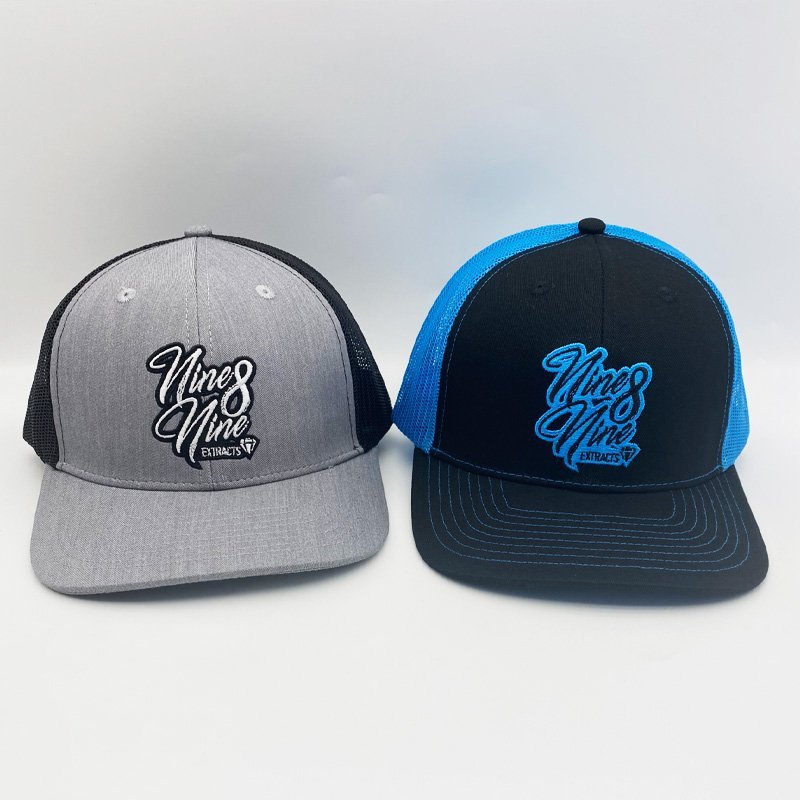
Athleisure short set manufacturers focus on performance fabrics such as moisture-wicking polyester blends, four-way stretch nylon, and spandex composites typically ranging from 180 to 280 GSM. These factories handle flatlock seams, elastic waistbands, and mesh paneling common in gym-to-street designs.
MOQs typically start at 300 to 500 units per colorway. Ideal for fitness brands, yoga studios launching apparel lines, and influencer-driven activewear labels seeking technical construction and breathable materials.
Loungewear and Sleepwear Set Specialists
Loungewear producers work with soft-hand fabrics including French terry, modal blends, and brushed fleece in the 200 to 260 GSM range. They emphasize comfort-focused details like covered elastic, tagless labels, and relaxed silhouettes.
Typical MOQs range from 200 to 400 pieces per style. Best suited for lifestyle brands, direct-to-consumer sleepwear startups, and retailers targeting home-comfort segments with cozy, everyday sets.
Streetwear and Fashion Short Set Makers
Streetwear short set manufacturers like Clothing Manufacturer Ltd. specialize in trend-driven designs incorporating graphic prints, oversized fits, and bold color palettes. These producers understand skeleton motifs, graffiti-inspired patterns, and the cultural elements rooted in hip-hop and skate aesthetics.
MOQs often begin at 100 to 300 units per design, accommodating independent designers and creator brands. Ideal for fashion startups, influencer labels, and trendy brands requiring rapid turnaround on seasonal drops and limited-edition collections.
Full-Package Versus CMT Service Models
Full-package manufacturers handle fabric sourcing, pattern development, sampling, production, and QC testing under one roof, streamlining the process for brands without in-house technical teams. CMT (cut-make-trim) providers require clients to supply all materials and approved patterns, offering lower per-unit costs but demanding more buyer expertise.
Full-package MOQs typically start at 200 to 500 pieces; CMT minimums can drop to 100 units. Full-package suits startups and designers needing end-to-end support, while CMT fits established brands with dedicated sourcing and technical design staff.
4. Materials and Fabrics for Short Sets
Fabric selection determines comfort, durability, and production cost for every short set order. A short set manufacturer typically stocks four to six core fabric families, each optimized for distinct customer segments and seasonal collections. Matching fabric weight and fiber content to your brand positioning ensures consistent quality and repeat purchases.
| Fabric Type | Weight (GSM) | Best Use Case | Care Requirements |
|---|---|---|---|
| Cotton Jersey | 160–220 | Everyday streetwear, casual short sets | Machine wash warm, tumble dry low |
| French Terry | 240–280 | Athleisure, loungewear with structure | Machine wash cold, tumble dry low |
| Polyester Blend | 180–240 | High-volume retail, activewear | Machine wash warm, tumble dry medium |
| Modal / Bamboo | 160–200 | Premium loungewear, eco-conscious lines | Machine wash cold, hang dry |
| Linen Blend | 180–220 | Resort wear, summer capsules | Hand wash or gentle cycle, air dry |
Cotton Jersey and French Terry
Cotton jersey in 160–220 GSM delivers soft hand-feel and breathability for everyday streetwear short sets. Ring-spun cotton offers superior strength and surface smoothness compared to open-end yarns, reducing pilling after repeated washes.
French terry, typically 240–280 GSM, adds looped interior texture for moisture absorption without the bulk of fleece. This fabric suits athleisure and loungewear lines where customers expect structured drape and moderate stretch recovery.
Polyester Blends and Performance Knits
Polyester-cotton blends (65/35 or 50/50) in 180–240 GSM reduce shrinkage and improve color retention for high-volume retail programs. Performance knits with moisture-wicking finishes serve activewear brands targeting gym and outdoor wear.
Mesh-panel polyester at 140–180 GSM enhances ventilation in athletic short sets. These synthetics typically cost 15–25 percent less per kilogram than ring-spun cotton, lowering per-unit production expense for price-sensitive channels.
Modal, Bamboo, Linen, and Rayon for Premium Lines
Modal and bamboo rayon in 160–200 GSM offer silky drape and natural antibacterial properties for loungewear and sleepwear collections. These cellulosic fibers command 20–40 percent price premiums but appeal to eco-conscious consumers.
Linen blends (55/45 linen-cotton) at 180–220 GSM and rayon challis at 120–160 GSM suit resort and summer capsules. Both require gentle wash cycles and air-drying, limiting suitability for fast-fashion segments expecting machine-dry convenience.
5. Customization and Decoration Options
A short set manufacturer’s decoration capabilities determine how effectively you can differentiate your brand in a crowded streetwear market. Understanding setup costs, durability, and minimum-order thresholds for each technique helps you balance creative vision with production economics.
| Technique | Setup Cost | Durability (Washes) | Typical MOQ |
|---|---|---|---|
| Screen Printing | $15–50/screen | 50+ | 50–100 pcs |
| Embroidery | $10–30 digitizing | 100+ | 50–100 pcs |
| Heat Transfer / DTF | $0 setup | 30–50 | 10–25 pcs |
| Dye Sublimation | $0 setup | Permanent | Fabric yardage |
| Custom Labels | $50–150 tooling | 50+ | 100–500 pcs |
| Garment Wash / Dye | $100–300 setup | Permanent | 100–500 pcs |
Screen Printing and Embroidery
Screen printing remains the industry standard for bold graphics and large color blocks, with setup costs of $15–50 per screen and typical minimums of 50–100 pieces per design. Water-based and discharge inks deliver the soft hand feel streetwear customers expect, while plastisol offers vibrant opacity on dark fabrics.
Embroidery adds premium texture for logos and small details, running $0.50–3.00 per 1,000 stitches with digitizing fees of $10–30 per design. Most short set manufacturers cap embroidery at 15,000 stitches per placement to preserve fabric integrity on lightweight knits.
Heat Transfer and Sublimation
Heat transfer vinyl and DTF (direct-to-film) printing enable full-color, photographic designs with no screen setup, ideal for test runs of 10–25 units. Per-piece costs range from $2–8 depending on print size, though durability lags behind screen printing after 30–50 wash cycles.
Dye sublimation works exclusively on polyester fabrics, producing permanent, fade-resistant all-over prints with no minimum beyond fabric yardage. Streetwear brands leverage sublimation for bold pattern shorts paired with solid tops in coordinated short sets.
Custom Labels, Tags, and Garment Finishing
Woven labels cost $0.08–0.30 per piece with 200–500 unit minimums, while printed satin and heat-transfer labels start at 100 pieces. Hang tags with custom die-cut shapes, foil stamping, or embossing run $0.15–1.00 each, with setup fees of $50–150.
Garment wash options—enzyme wash, stone wash, acid wash, or vintage distressing—add $1–4 per set and require minimums of 100–300 units. Reactive or pigment dyeing for custom colorways typically demands 500+ piece runs to justify dye-lot setup and quality control testing.
6. Key Quality and Construction Elements
Premium short sets differ from budget alternatives at five construction checkpoints that predict bulk-order consistency. Clothing Manufacturer Ltd. applies quality testing at each stage to ensure every size and colorway meets the same standard, eliminating the defects that arise when factories skip mid-production inspection.
Pattern Grading and Fit Consistency Across Sizes
Pattern grading translates a base size into the full size run, and poor grading creates fit problems in larger or smaller sizes even when the sample fits perfectly. Check that proportions—sleeve length, inseam, rise—scale correctly rather than simply enlarging every measurement by the same increment.
Request samples in your smallest and largest sizes to verify that silhouette and ease remain consistent. A reputable short set manufacturer uses digital grading software and validates each size on fit models before cutting production yardage.
- Compare shoulder-to-hem ratio across XS and XXL samples
- Verify that waistband height and pocket placement scale proportionally
- Test sleeve and leg openings for consistent ease at every size
Seam Types and Stitch Density
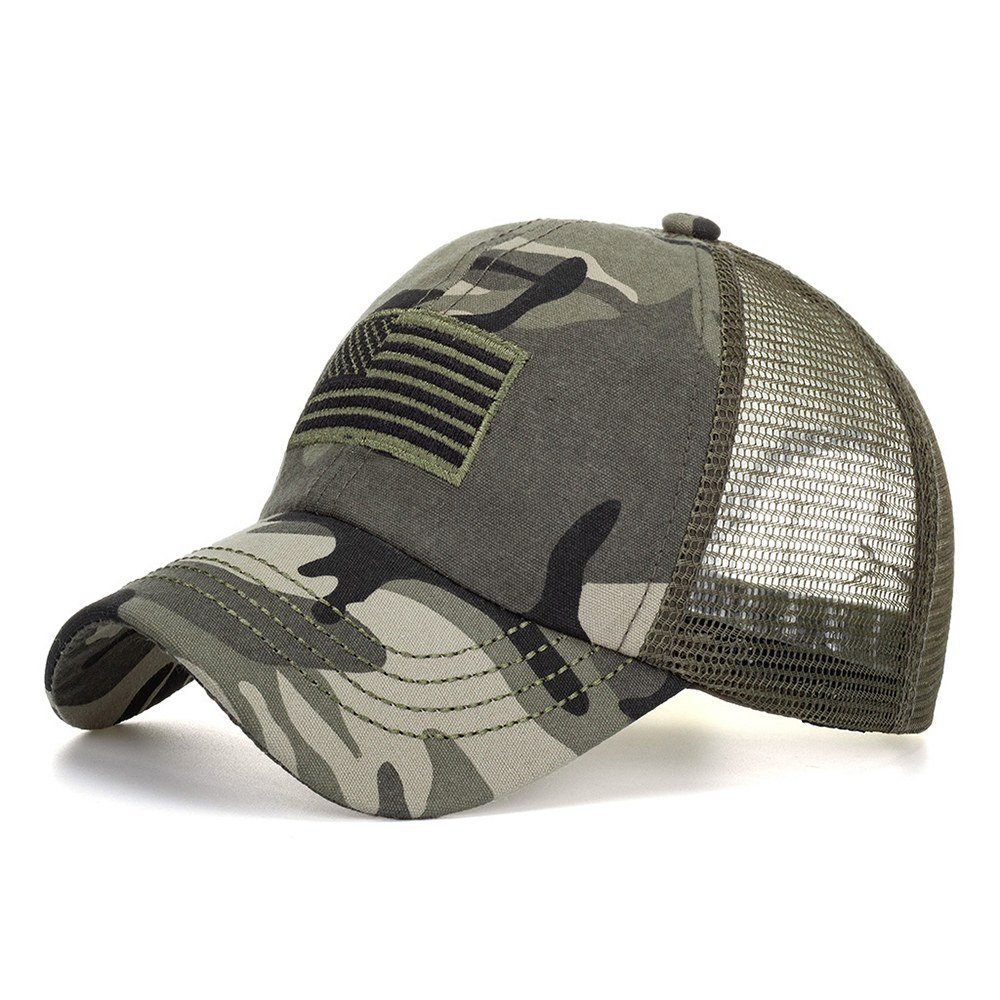
Seam construction determines durability and stretch recovery in knit short sets. Flatlock seams lie flat and reduce bulk in athleisure styles, while overlock (serged) seams suit woven fabrics. Stitch density—measured in stitches per inch (SPI)—should range from 12 to 14 SPI for knits and 10 to 12 SPI for wovens to balance strength and fabric give.
Inspect sample seams under tension: stitches should not gap or pucker. Clothing Manufacturer Ltd. tests seam strength during the sewing production QC step to catch thread tension errors before garments reach finishing.
- Stretch seams gently to check for gapping or thread breakage
- Count stitches per inch along side seams and hems
- Verify that seam type matches fabric weight and stretch
Elastic Waistband Quality and Durability
Waistband elastic should recover fully after stretching to twice its resting width and maintain tension after 50 wear-and-wash cycles. Budget factories use low-grade elastic that loses memory within weeks, causing sagging shorts. Specify covered elastic (fabric-wrapped) or exposed branded elastic with a minimum 60 percent polyester content for long-term performance.
Test elastic by stretching a sample waistband repeatedly and checking for permanent deformation. A quality short set manufacturer sources elastic from certified suppliers and inspects each roll during materials QC testing to reject substandard batches before cutting.
- Stretch waistband to double width and release; it should return to original length within two seconds
- Check stitch attachment points for secure bar tacks or double-needle topstitching
- Verify elastic width matches design spec (typically 25 mm to 40 mm for shorts)
Color Matching Between Top and Bottom
Dye-lot variation between the top and shorts pieces signals poor inventory control or mixed fabric sources. Premium short set manufacturers cut both garments from the same dye lot and batch-test swatches under daylight (D65) and store lighting (TL84) to confirm match.
Place sample top and shorts side by side in natural light and examine cuffs, hems, and body panels. Any visible shade difference indicates the factory did not reserve matched yardage. Clothing Manufacturer Ltd. performs color-matching checks during cutting QC testing and again at finished-goods inspection to prevent mismatched sets from shipping.
- Compare fabric swatches under multiple light sources before approving production
- Require factory to cut tops and bottoms from the same dye-lot roll
- Inspect five random sets from bulk production for color consistency
Finishing Details: Hems and Topstitching
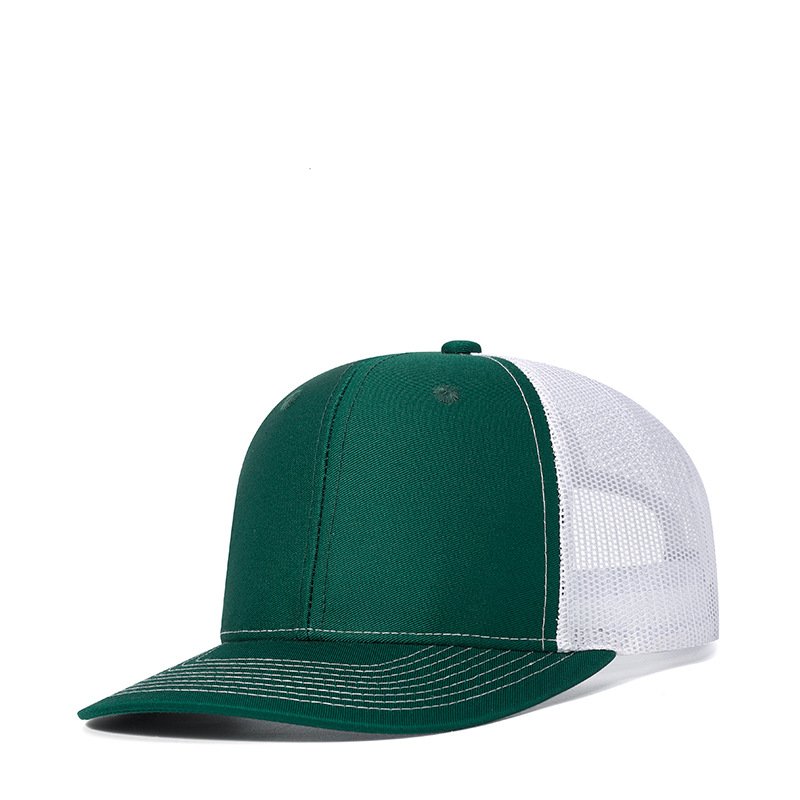
Hem width, topstitch spacing, and thread color reveal whether a factory follows tech packs precisely. Standard hem allowances range from 1.5 cm for lightweight knits to 2.5 cm for wovens; topstitching should sit 3 mm to 5 mm from the edge with no skipped stitches or thread nests.
Turn samples inside out and measure hem depth at multiple points. Uneven hems indicate rushed sewing or lack of guides. Clothing Manufacturer Ltd. includes hem and topstitch accuracy in the clothing craft QC testing phase, using digital calipers to verify measurements against approved samples.
- Measure hem depth at side seam, center front, and center back
- Check topstitch lines for parallel alignment and consistent spacing
- Inspect thread color match and tension (no loose loops or puckering)
7. How to Choose the Right Short Set Manufacturer
Selecting a short set manufacturer requires evaluating multiple operational and quality signals before committing to production. A systematic checklist helps brands avoid costly delays, quality failures, and communication breakdowns that plague first-time sourcing relationships.
Assess Production Capacity and Lead Times
Ask for current monthly output in units and typical queue length during peak season. Factories producing 20,000–50,000 units monthly can handle mid-tier brand orders without bottlenecks, while smaller operations under 10,000 units may struggle with scalability.
Request lead-time breakdowns: sampling (7–14 days), bulk production (21–35 days), and shipping (15–30 days by sea). Red flags include vague timelines, refusal to commit dates in writing, or claims of ‘rush production’ without premium pricing.
Verify Fabric Sourcing and Supply Chain Transparency
Manufacturers with direct mill relationships offer better fabric consistency and traceability than brokers. Ask whether fabrics are pre-inspected for GSM variance, colorfastness (Grade 4 minimum), and shrinkage rates below 3 percent.
Clothing Manufacturer Ltd. implements materials QC testing as the first stage of its five-step quality control methodology, ensuring every fabric batch meets specifications before cutting begins. Request supplier lists and test reports; evasive answers signal weak supply-chain control.
Review Portfolio and Category Experience
Examine recent short set samples for construction details: flatlock seams, elastic waistband tension, and pattern alignment at side seams. Factories experienced in streetwear understand oversized fits, dropped shoulders, and bold graphic placements that define the category.
Ask for client references in your niche—loungewear, activewear, or streetwear—and verify whether the factory has produced similar fabric weights and decoration techniques. A manufacturer serving 200-plus clients across 100 countries demonstrates adaptability and proven international logistics capability.
Evaluate Communication and Sample Turnaround
Response time within 24 hours and fluency in your language (English, Spanish, French) indicate professional account management. Request a paid sample with your custom artwork; turnaround under 10 days and photo documentation at each stage reflect efficient workflows.
Red flags include delayed replies, refusal to provide progress photos, or samples that ignore your tech pack specifications. Transparent communication during sampling predicts reliability during bulk production.
Confirm Certifications and Negotiate Terms
WRAP, OEKO-TEX Standard 100, and GOTS certifications verify ethical labor and chemical safety. While not mandatory for all brands, these credentials reduce compliance risk for retailers in the EU and North America.
Negotiate MOQs (typical range 200–500 pieces per design), payment terms (30 percent deposit, 70 percent before shipment), and defect thresholds (industry standard 2–4 percent AQL). Factories offering flexible MOQs under 300 units support emerging brands and test launches without excess inventory.
8. Common Mistakes When Sourcing a Short Set Manufacturer
Experienced buyers consistently report that avoidable sourcing errors cost them time, money, and brand reputation. Most pitfalls stem from skipping validation steps or prioritizing short-term savings over long-term consistency. Understanding these common mistakes helps new brands and designers avoid costly setbacks.
Choosing Price Over Quality and Consistency
Many startups select the lowest-quote short set manufacturer without evaluating quality control systems or production consistency. A factory offering 15–20% below market rate often skips critical QC steps, leading to high defect rates and customer returns that erase initial savings.
Clothing Manufacturer Ltd. implements five-step QC testing at materials, cutting, craft, sewing, and finished-goods stages, ensuring every batch meets specifications. Request detailed QC documentation and sample batches from multiple production runs before committing to large orders.
Ignoring Fabric Shrinkage and Color-Fastness Testing
Skipping pre-production fabric testing for shrinkage and color-fastness causes sizing inconsistencies and dye bleeding after customer washes. Cotton-blend short sets can shrink 3–5% without proper preshrinking or fabric stabilization.
Insist on AATCC or ISO wash-test reports for shrinkage (AATCC 135) and color-fastness (AATCC 61). Reputable manufacturers conduct these tests during materials QC and provide certificates before bulk production begins.
Underestimating Lead Times and Production Slots
Brands frequently assume manufacturers hold open capacity year-round, only to discover 8–12 week lead times during peak seasons (February–April, August–October). Missing launch windows or pre-order deadlines damages credibility and cash flow.
Book production slots 10–14 weeks ahead for seasonal collections. Confirm slot reservations in writing and establish milestone dates for sampling, approval, and bulk cutting to avoid last-minute delays.
Skipping Sample Approval Stages
Rushing from tech pack to bulk production without fit samples and pre-production samples leads to costly remakes. Size grading errors, incorrect topstitching, or mismatched trims appear only when the first shipment arrives.
Approve fit samples on live models in all size runs, then green-light a pre-production sample using actual bulk fabrics and trims. Document every approved detail with photos and measurements before authorizing cutting.
9. Steps to Launch Your Short Set Collection
Launching a short set collection requires a structured roadmap from concept to finished inventory. Each milestone—design, sampling, production, and fulfillment—builds on rigorous planning and quality checkpoints to ensure your line reaches market on time and on brand.
Develop Design Concept and Tech Packs
Start with sketches, colorways, and fabric swatches that define your short set aesthetic. Translate these into detailed tech packs specifying measurements, stitching, trims, and print placements.
Tech packs serve as the blueprint your short set manufacturer uses to quote costs and build samples. Include front and back views, seam allowances, and Pantone color codes to eliminate ambiguity.
Request and Evaluate Samples
Submit tech packs to your manufacturer and request initial samples, typically delivered within 7–14 days. Inspect fit, fabric hand-feel, print registration, and construction quality against your specifications.
Provide detailed feedback on any adjustments—hem length, waistband width, or color matching—so the factory can refine the sample before moving to pre-production.
Finalize Fabrics, Trims, and Pre-Production Approval
Lock in fabric weights (180–220 GSM for most short sets), trim suppliers (YKK zippers, custom woven labels), and decoration methods. Approve a pre-production sample that reflects all final changes.
This sample becomes the golden standard for bulk production. Any deviation during manufacturing is measured against this approved unit, ensuring consistency across your order.
Place Production Order and Manage QC
Issue a purchase order with confirmed quantities, delivery dates, and payment terms. A five-step QC process—materials, cutting, craft, sewing, and finished inspection—catches defects at every stage.
Request in-process photos and third-party inspection reports before shipment. This proactive oversight reduces the risk of receiving off-spec inventory and delays your go-to-market timeline.
10. Pricing and Cost Breakdown
Short set pricing follows quantity-tier structures, with unit costs dropping as volume increases. At 100 units, expect $12–$18 per set depending on fabric weight (180–320 GSM French terry or fleece), decoration method (screen print, embroidery, or DTG), and packaging (polybag versus branded boxes). At 500 units, per-set costs typically fall to $9–$14, while 1,000-unit orders range $7–$11 and 2,500-unit runs drop to $6–$9 per set.
Fabric choice drives the largest cost variance: basic ring-spun cotton French terry starts around $3.50 per yard, while premium organic cotton or heavyweight fleece can reach $7–$9 per yard. Decoration adds $1.50–$4 per piece depending on complexity—single-location screen printing costs less than multi-color embroidery or all-over sublimation. Custom hang tags, woven labels, and rigid packaging boxes add $0.30–$1.20 per set.
Clothing Manufacturer Ltd. applies its five-step QC process—materials QC, cutting QC, craft QC, sewing QC, and finished-garment inspection—across all tiers without surcharges, ensuring consistent quality from 100-piece startup runs to 2,500-unit reorders. Payment terms typically require a 30–50% deposit before production and balance before shipment. Lead times range from 18–25 days for stock fabrics and simple prints to 35–45 days for custom-dyed materials, complex embroidery, or specialty trims like YKK zippers and metal aglets.
| Quantity Tier | Price per Set (USD) | Lead Time (Days) | Payment Terms |
|---|---|---|---|
| 100 units | $12–$18 | 18–25 | 30% deposit, 70% before shipment |
| 500 units | $9–$14 | 20–28 | 30% deposit, 70% before shipment |
| 1,000 units | $7–$11 | 22–30 | 30% deposit, 70% before shipment |
| 2,500 units | $6–$9 | 25–35 | 30% deposit, 70% before shipment |
Ready to Launch Your Short Set Line?
Partner with a trusted short set manufacturer. Low MOQs, 5-step QC, fast turnaround, and premium streetwear craftsmanship for your brand.