
Premium Mens Tracksuit Manufacturer — 50-Piece MOQ
Launch your streetwear tracksuit line with a trusted mens tracksuit manufacturer offering low minimums, 5-step quality control, and fast turnaround for emerging brands.
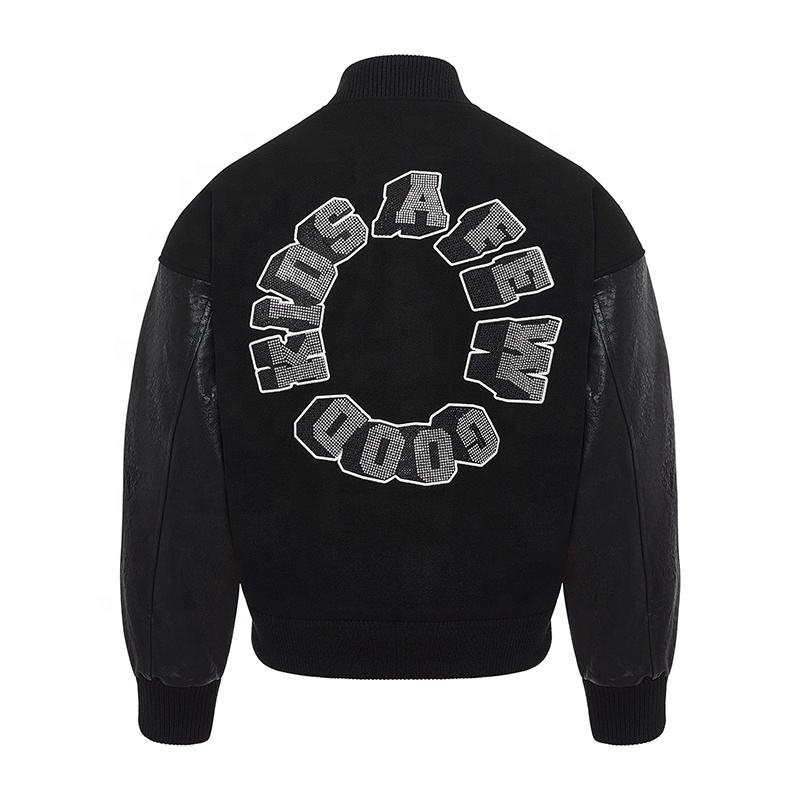
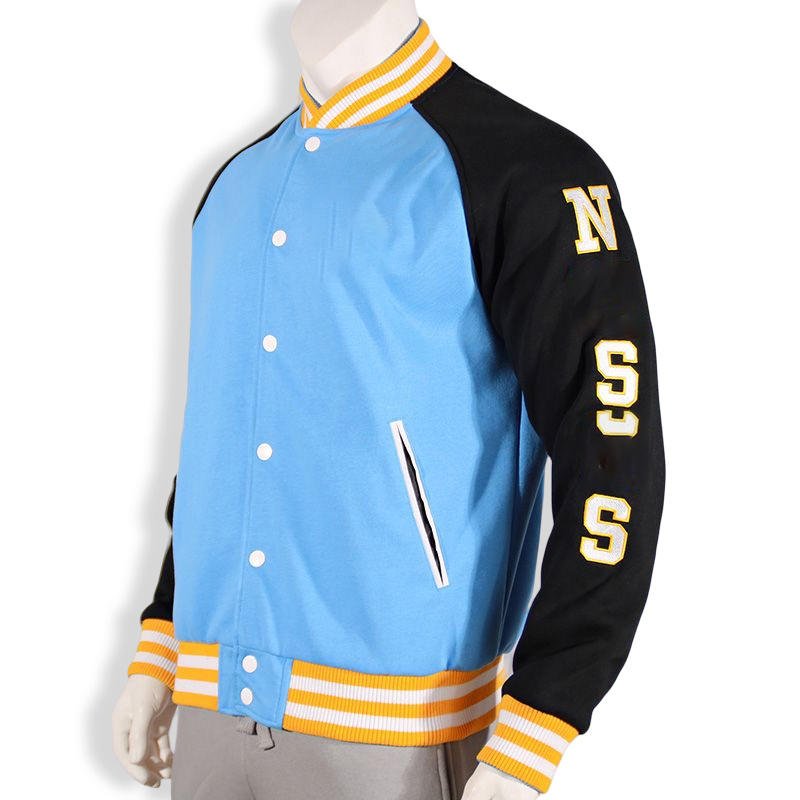
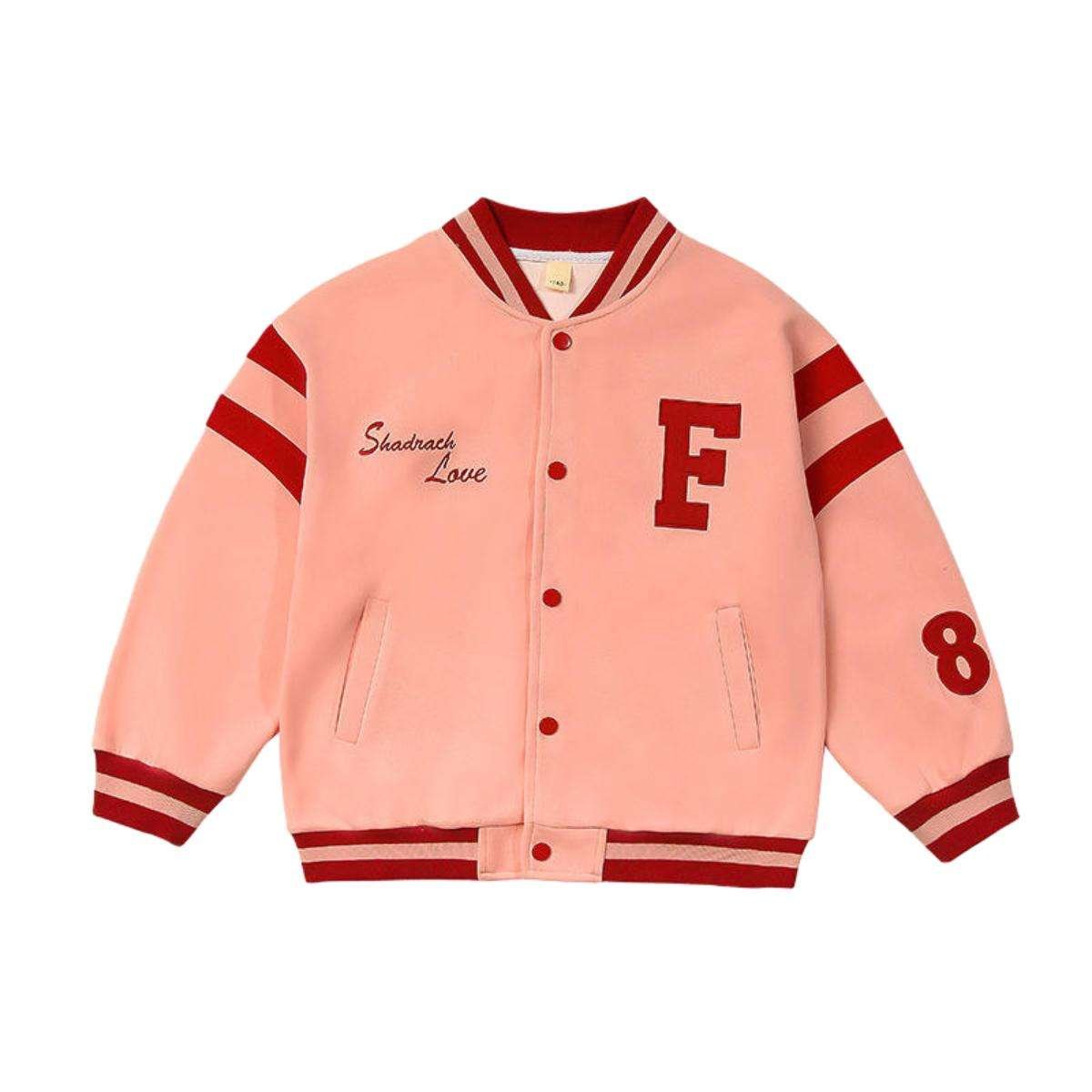
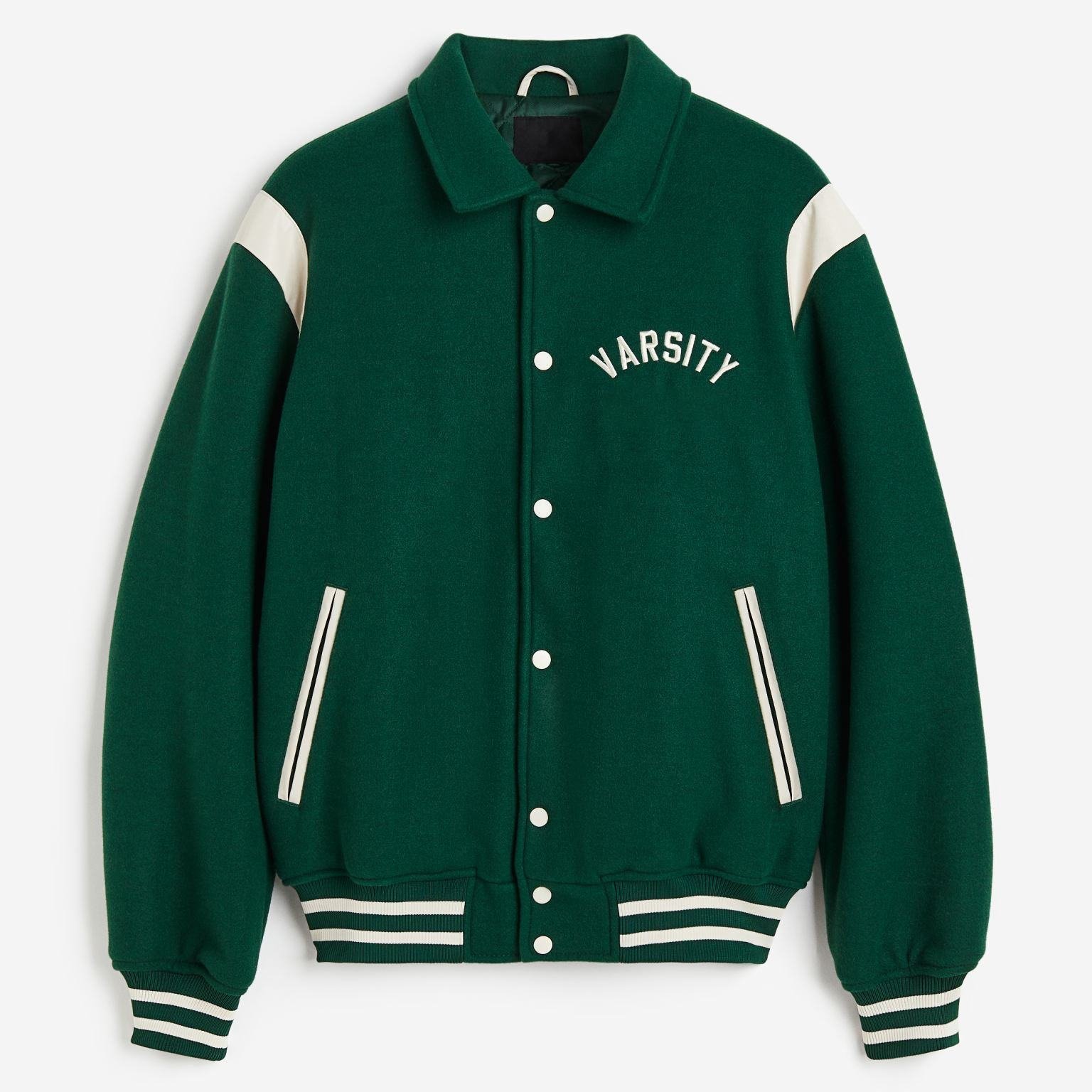
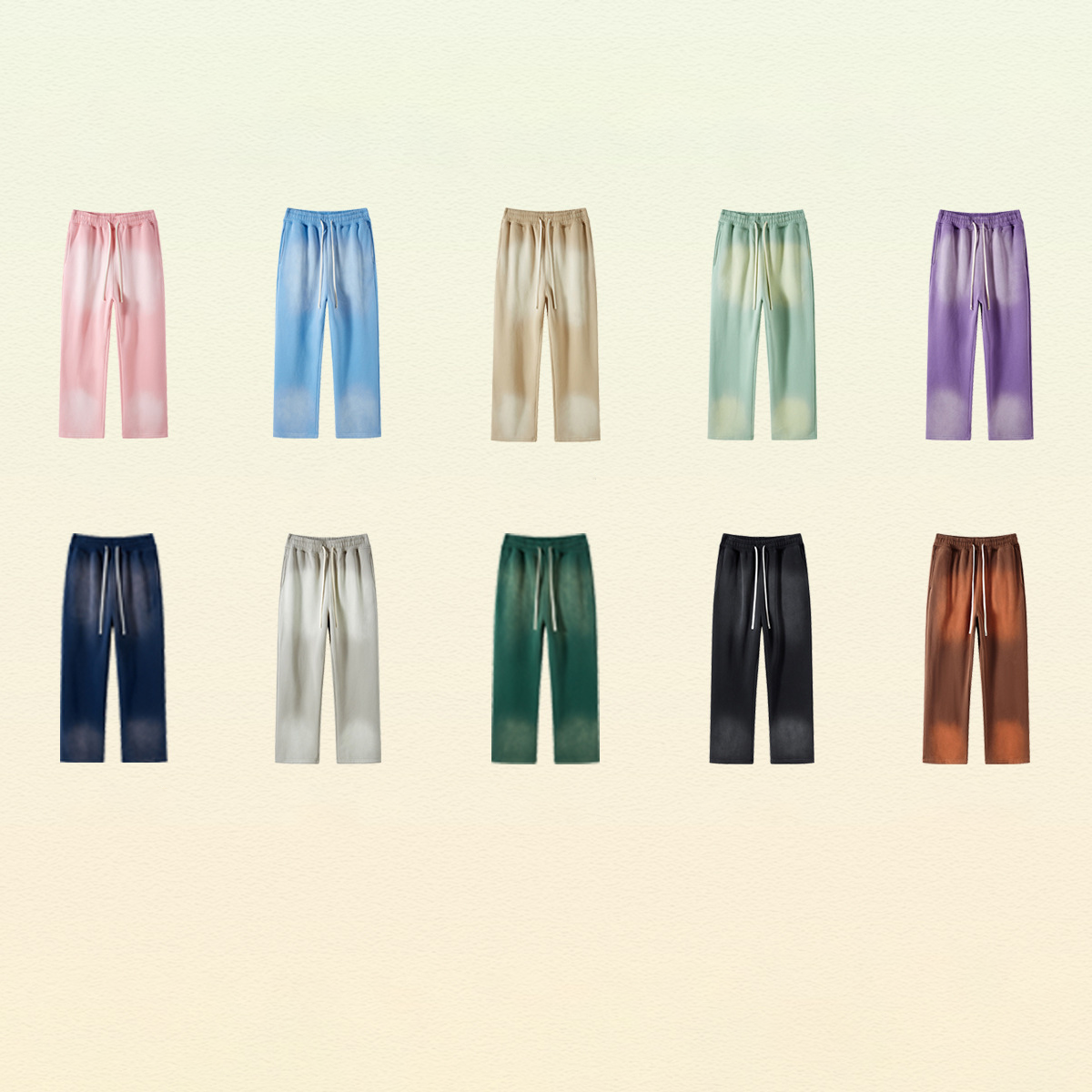
Tracksuit Collection Showcase
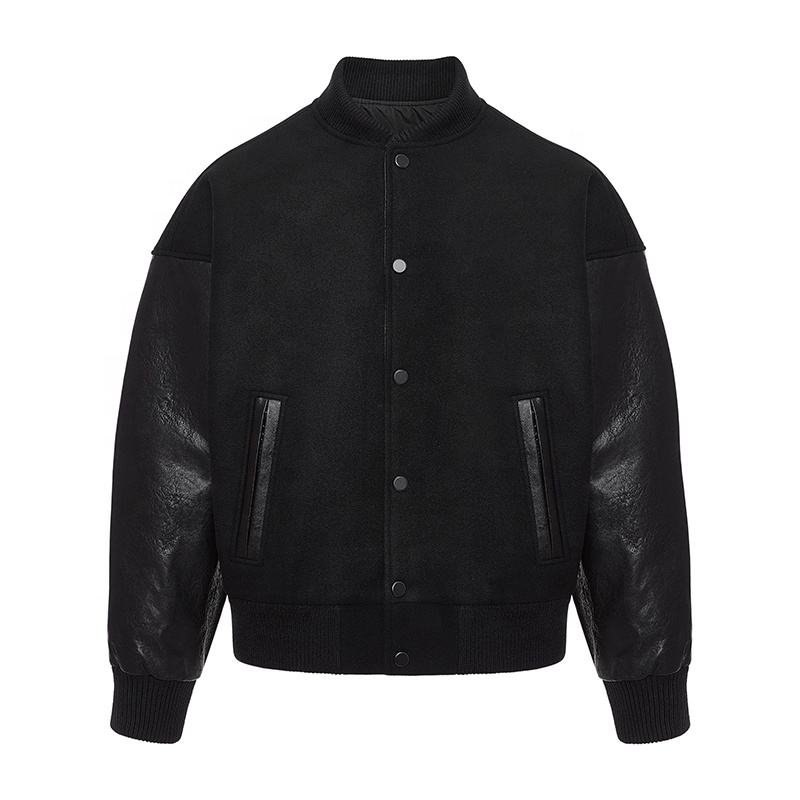
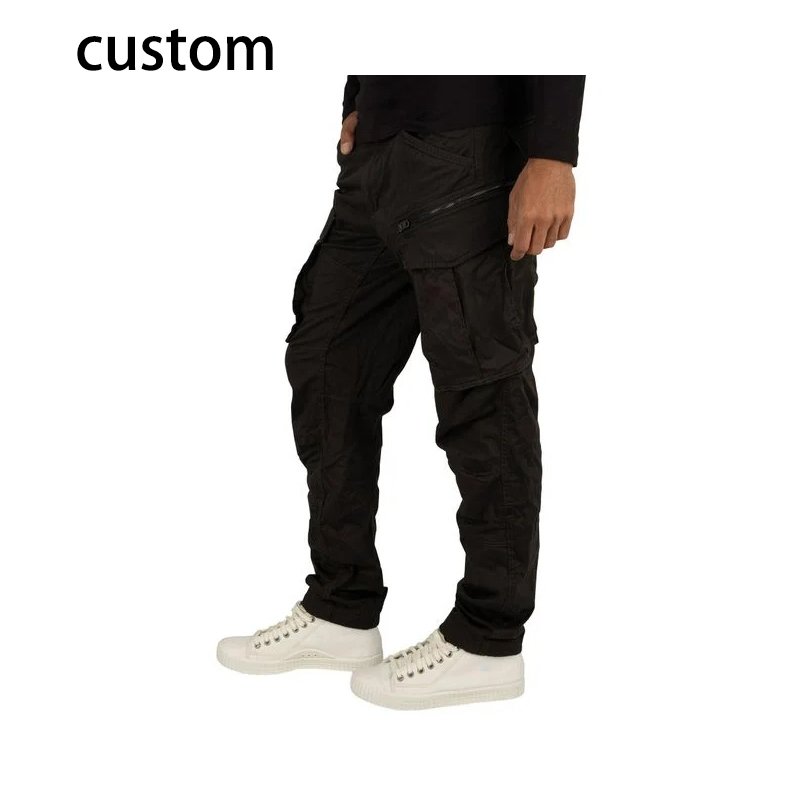
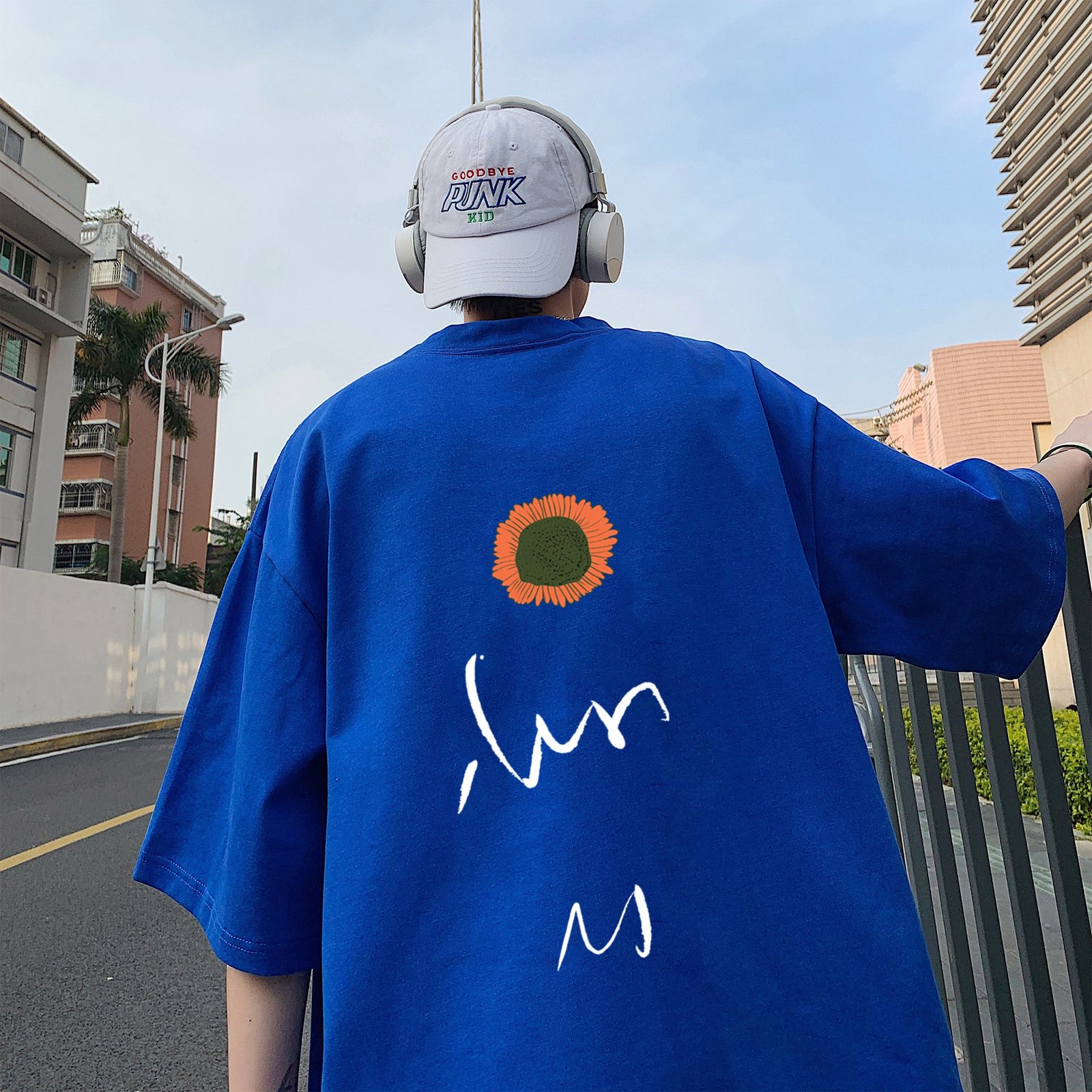
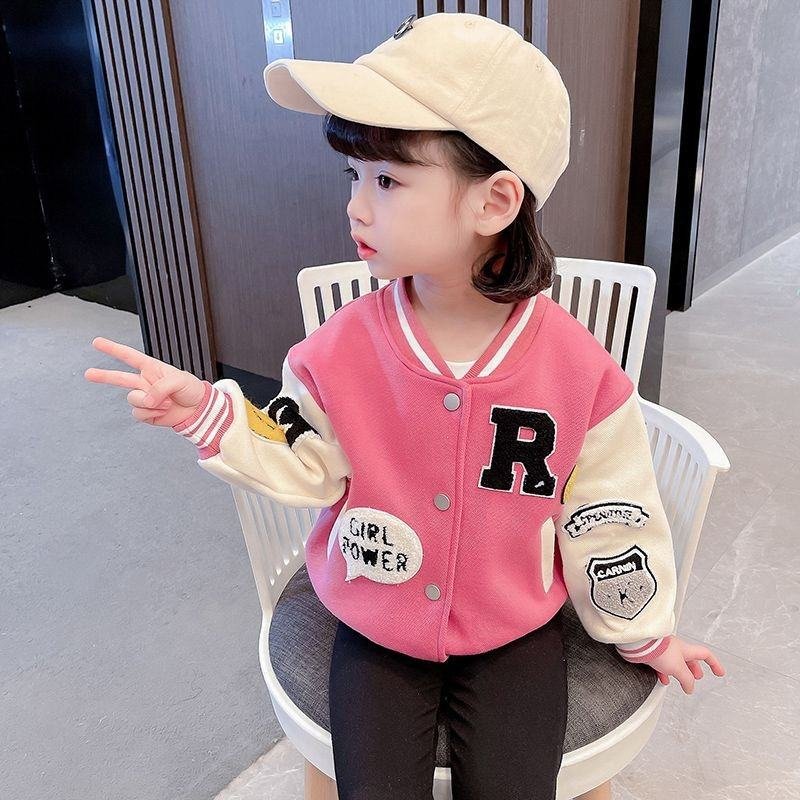
Why Choose Our Mens Tracksuit Manufacturer
Backed by 10+ years of production experience and a zero-compromise approach to quality, we deliver streetwear-ready tracksuits that elevate your brand.
5-Step QC Guarantee
Every tracksuit passes materials, cutting, craft, sewing, and finished garment inspections—defects caught early, quality delivered always.
In-House Design Team
15-member R&D team creates trend-driven tracksuit designs and tech packs, translating your vision into production-ready samples fast.
7-Day Fast Sampling
Rapid prototyping and sampling turnaround keeps your seasonal collections on schedule and ahead of streetwear trends.
50-Piece Low MOQ
Launch your tracksuit line without huge inventory risk—perfect for startups, influencer brands, and independent designers testing the market.
Global Shipping & Logistics
Seamless customs, transparent tracking, and reliable delivery to over 100 countries—your tracksuits arrive on time, every time.
Streetwear Trend Expertise
Deep knowledge of hip-hop culture, bold graphics, and street aesthetics ensures your tracksuits resonate with today’s trend-conscious consumers.
Mens Tracksuit Manufacturer: Categories We Specialize In
From oversized streetwear cuts to performance tech-fabrics, our mens tracksuit manufacturing expertise spans every style your brand needs to capture your target audience.
Oversized Tracksuits for Streetwear Brands
Streetwear brands struggle to find manufacturers who understand the nuanced proportions and relaxed fits that resonate with Gen-Z and millennial audiences, resulting in samples that miss the mark on trend-forward silhouettes.
Our in-house design team delivers oversized tracksuit styles with authentic streetwear proportions—dropped shoulders, extended lengths, and relaxed tapers—that align perfectly with current street culture and drive engagement for influencer-backed lines.
Tech-Fabric Performance Tracksuits
Emerging athleisure brands need lightweight, moisture-wicking tracksuits but face high MOQs and limited fabric options from traditional manufacturers, blocking their ability to test performance-driven collections in the market.
We produce tech-fabric tracksuits with moisture management and four-way stretch starting at just 50 pieces, enabling fashion startups to launch performance collections quickly while maintaining premium quality through our 5-step QC process.
Premium Fleece Tracksuit Sets
Independent designers seeking luxury-weight fleece tracksuits often encounter inconsistent fabric quality and poor construction that damages their brand reputation, especially when stitching fails or pilling occurs after minimal wear.
Our premium fleece tracksuit manufacturing uses 320-400 GSM fabrics with reinforced flatlock seams and anti-pilling treatments, delivering the heavyweight comfort and durability that premium streetwear customers expect and will pay for.
Vintage-Inspired Retro Tracksuit Lines
Trendy brands launching nostalgia-driven collections need manufacturers who can authentically recreate vintage tracksuit aesthetics—contrast piping, retro colorways, and classic silhouettes—without sacrificing modern fit and quality standards.
We specialize in vintage-inspired tracksuit production with period-accurate design details and modern construction techniques, helping brands tap into the thriving retro sportswear trend while ensuring contemporary comfort and longevity.
Lightweight Summer Tracksuit Collections
Global apparel retailers expanding seasonal offerings struggle to source breathable, lightweight tracksuits suitable for warm climates, often settling for heavy fabrics that limit year-round sales potential and regional market penetration.
Our lightweight tracksuit manufacturing uses breathable cotton blends and mesh-panel construction for superior ventilation, enabling retailers to offer comfortable warm-weather options that expand their customer base and drive off-season revenue.
Premium Fabrics Every Mens Tracksuit Manufacturer Should Offer
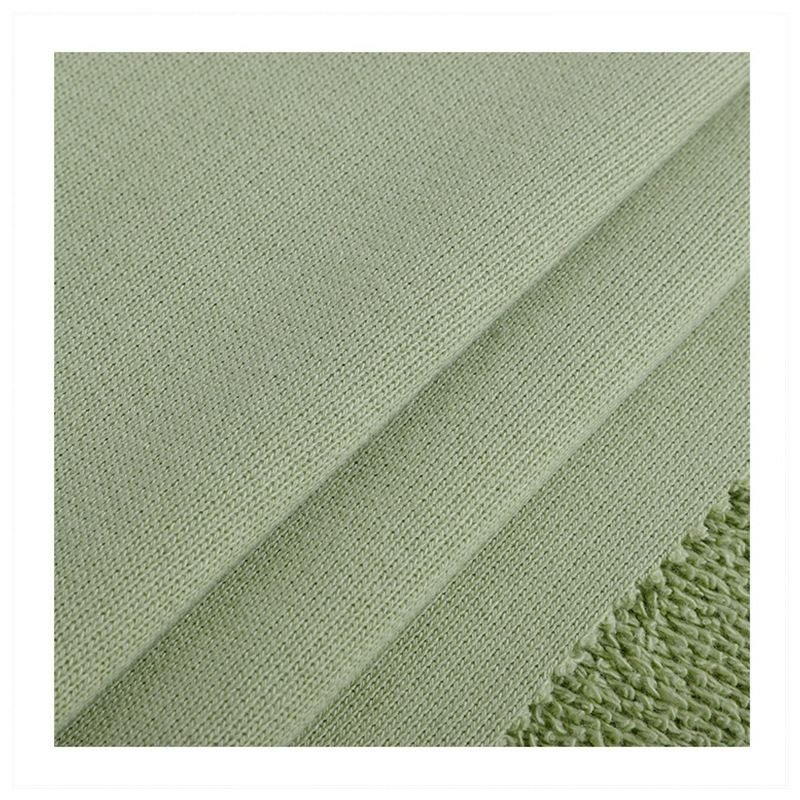
Cotton French Terry
Soft looped interior with smooth face, perfect for year-round tracksuits. Medium weight (280-320 GSM) offers excellent breathability and natural comfort, making it ideal for casual streetwear collections that prioritize all-day wearability and a premium hand-feel.
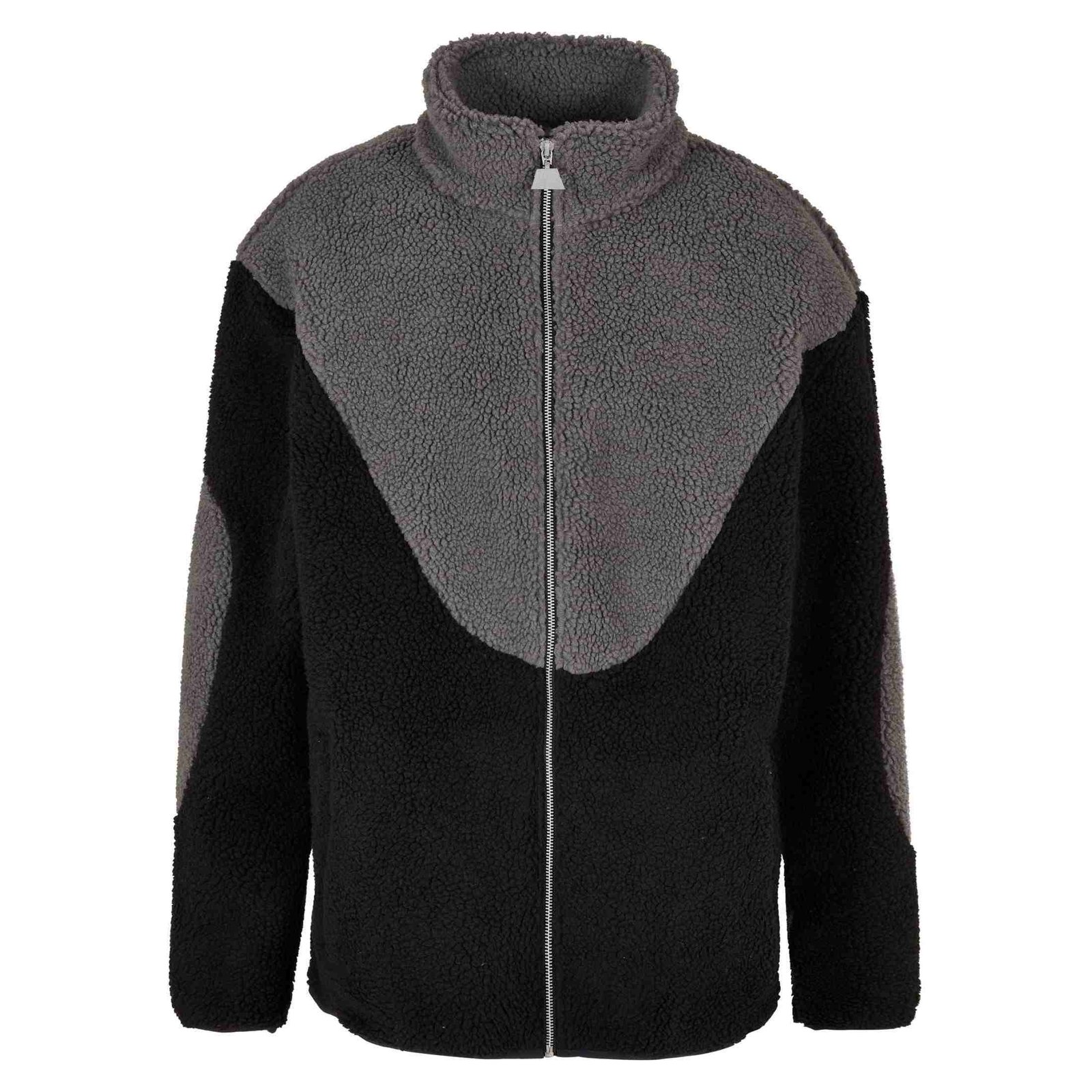
Heavyweight Polar Fleece
Dense, plush insulation for cold-weather tracksuit sets. Heavyweight construction (340-400 GSM) traps warmth without bulk, delivering cozy comfort and a luxury aesthetic. Popular for winter drops and premium loungewear lines targeting style-conscious consumers.
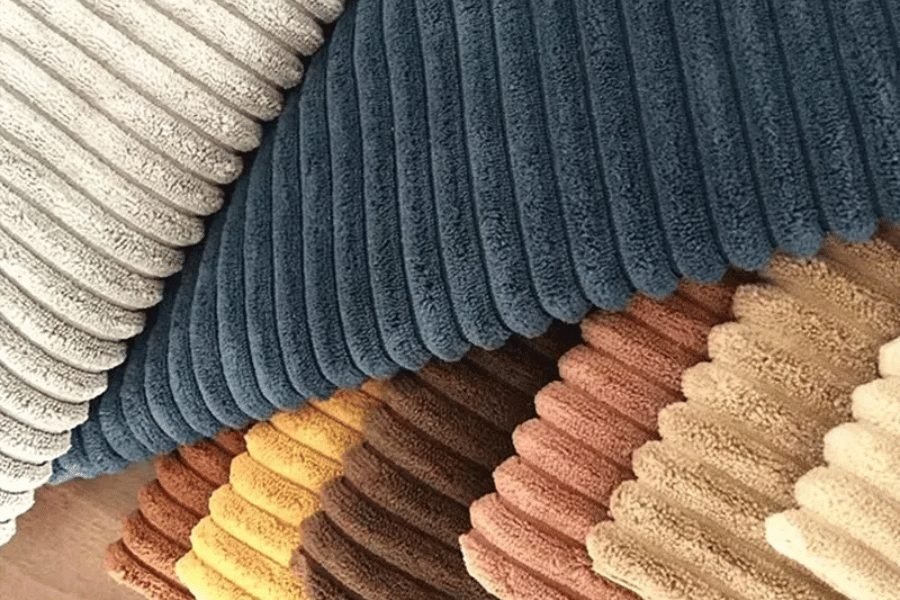
Poly-Cotton Blend
Balanced 65/35 polyester-cotton blend combines durability with breathability. Resists shrinkage and fading while maintaining a soft natural feel. Versatile mid-weight fabric (260-300 GSM) suits both athletic-inspired and lifestyle tracksuit designs for everyday wear.
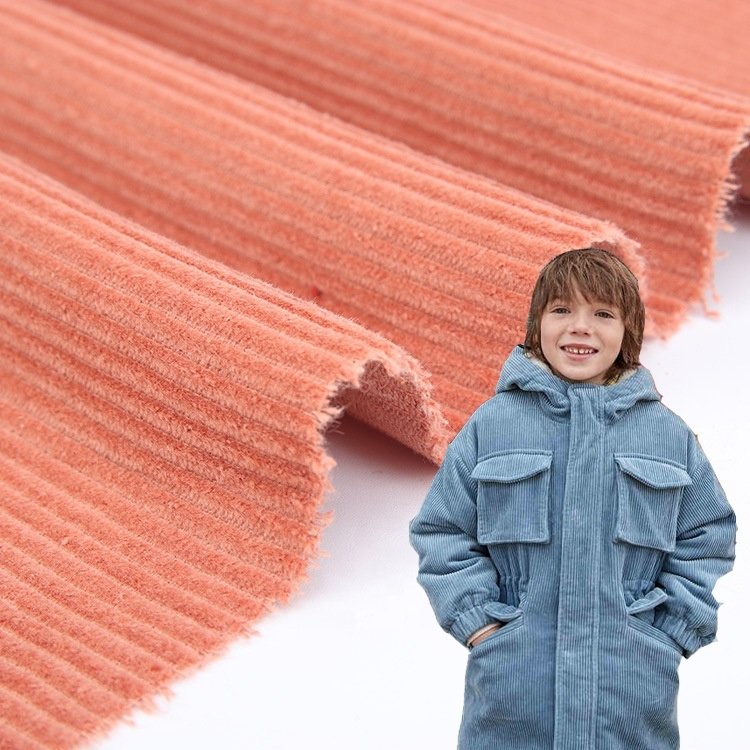
Tech Performance Tricot
Moisture-wicking polyester knit engineered for active lifestyles. Lightweight (200-240 GSM) with four-way stretch ensures freedom of movement and rapid dry times. Perfect for sport-luxe tracksuit collections blending streetwear aesthetics with functional athletic performance.
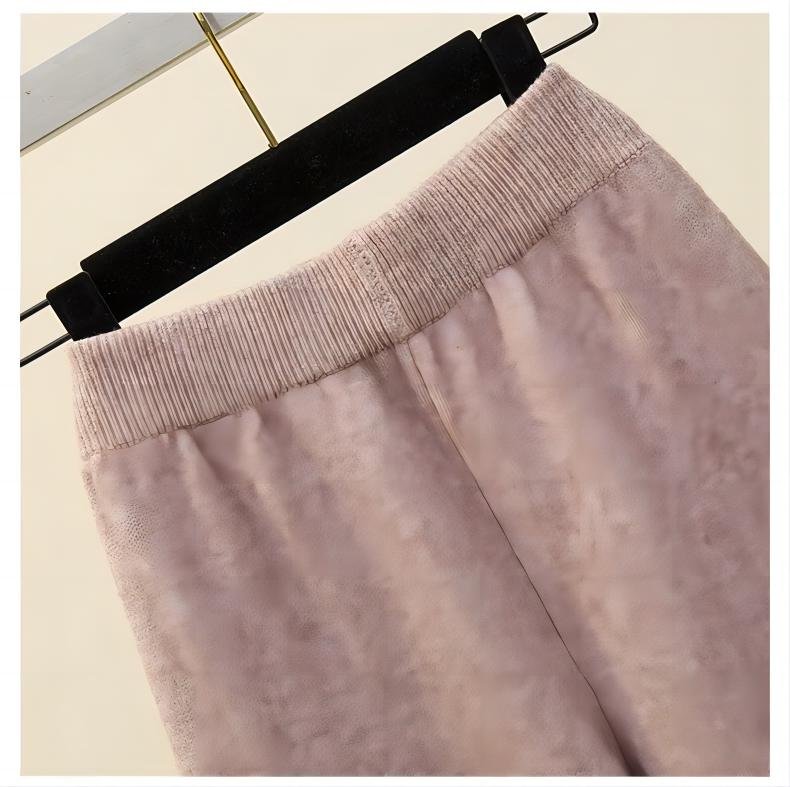
Vintage Brushed Cotton
Soft-touch brushed interior creates retro comfort and lived-in appeal. Medium-heavy weight (300-340 GSM) with slightly faded finish delivers authentic vintage streetwear character. Ideal for heritage-inspired tracksuit lines and nostalgia-driven brand storytelling.
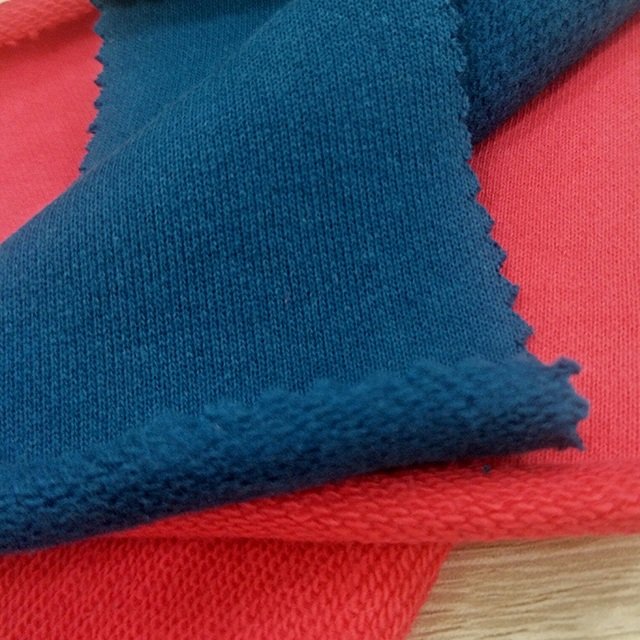
Premium Cotton Terry
Luxurious heavyweight terry with dense loop pile on both sides. Superior absorbency and plush texture (360-420 GSM) position tracksuits as elevated essentials. Favored by influencer brands and high-end streetwear labels seeking standout quality and tactile differentiation.
Advanced Production Techniques From Your Mens Tracksuit Manufacturer
Flatlock Seaming
Precision stitching that creates smooth, flat seams for maximum comfort and flexibility. Ideal for athletic tracksuits, this technique eliminates bulk and prevents chafing while enhancing durability during movement.
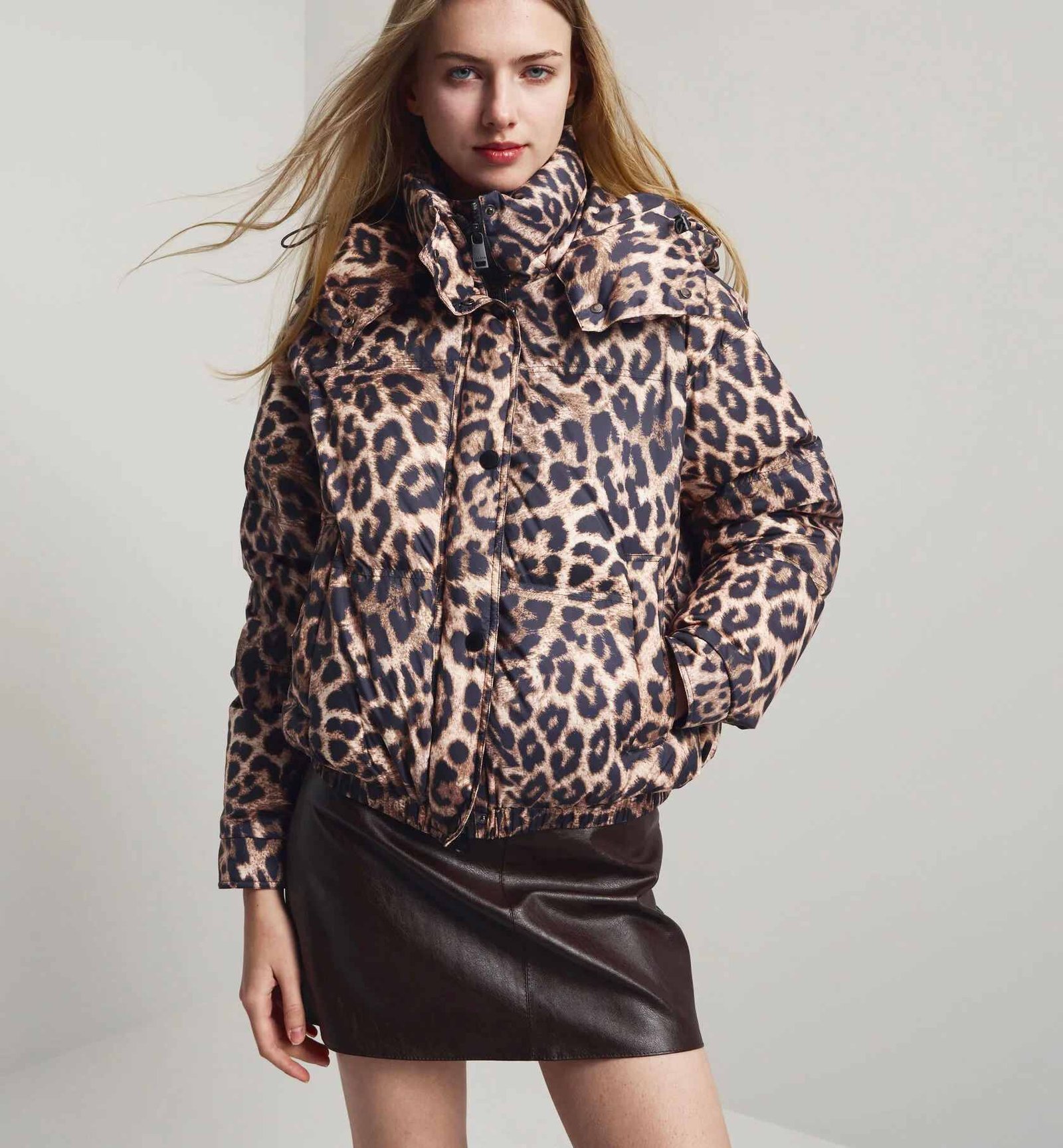
Sublimation Printing
Full-color, all-over printing that infuses dye directly into fabric fibers for vibrant, fade-resistant graphics. Perfect for bold streetwear patterns, gradients, and complex designs that demand attention and longevity.
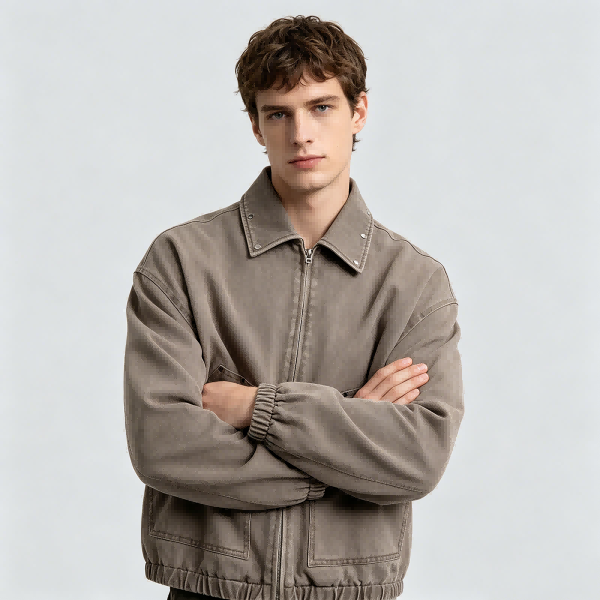
Custom Embroidery
High-definition thread work that adds premium texture and dimension to logos, monograms, and design elements. Delivers a luxury finish with exceptional wash durability for elevated tracksuit branding.
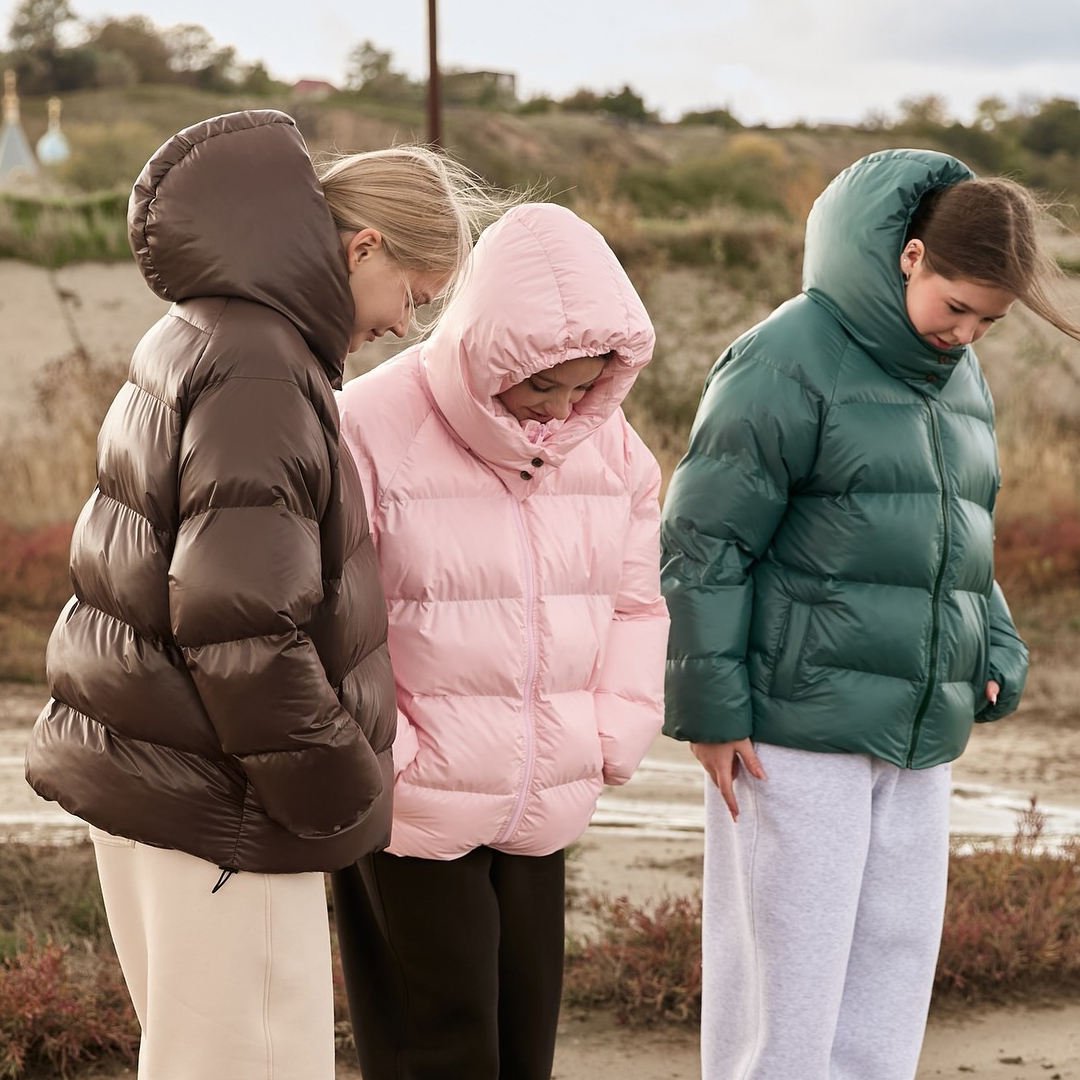
Screen Printing
Bold, opaque ink application for crisp logos, text, and graphic elements. Offers excellent color saturation and cost-effectiveness for medium to large production runs with outstanding wash resistance.
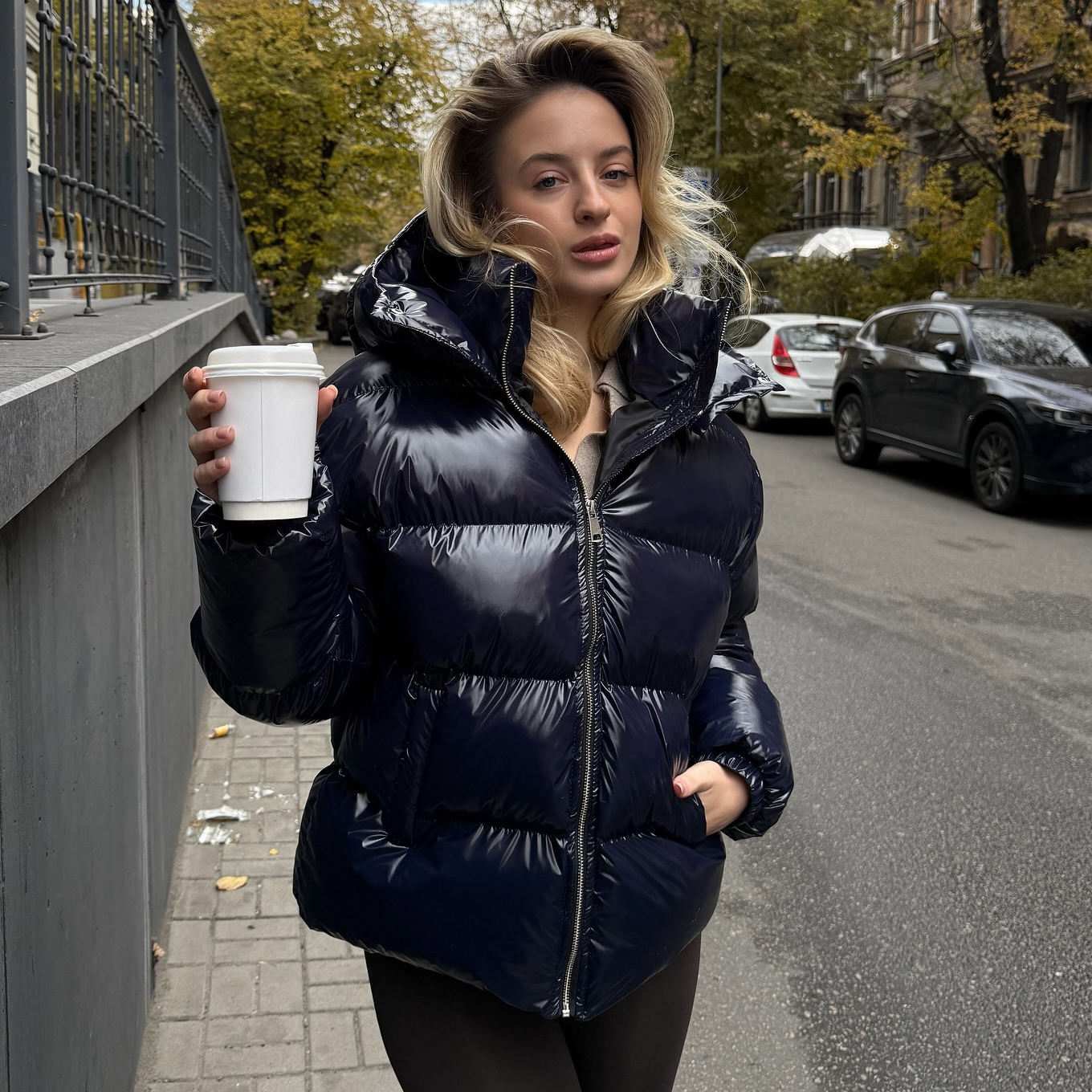
Custom Dyeing
Bespoke color matching and fabric dyeing to achieve unique, on-trend colorways that align perfectly with your brand palette. Ensures color consistency across all tracksuit components for cohesive collections.
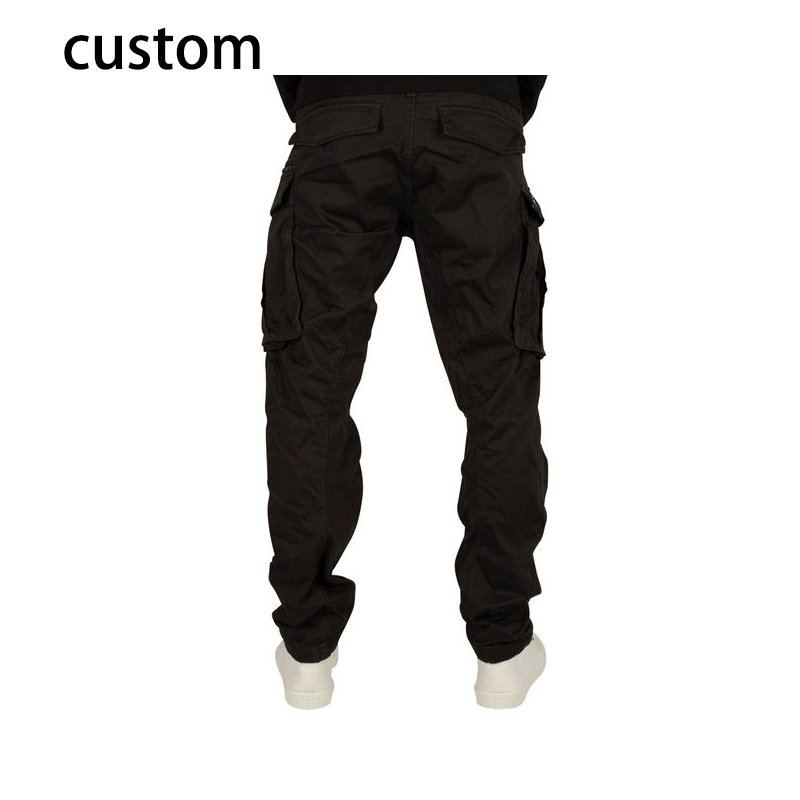
Jacquard Weaving
Intricate, woven-in patterns and textures that create depth and visual interest without additional printing. Produces premium, durable designs integral to the fabric structure for sophisticated streetwear aesthetics.
Mens Tracksuit Manufacturer Customization & Finishing Options
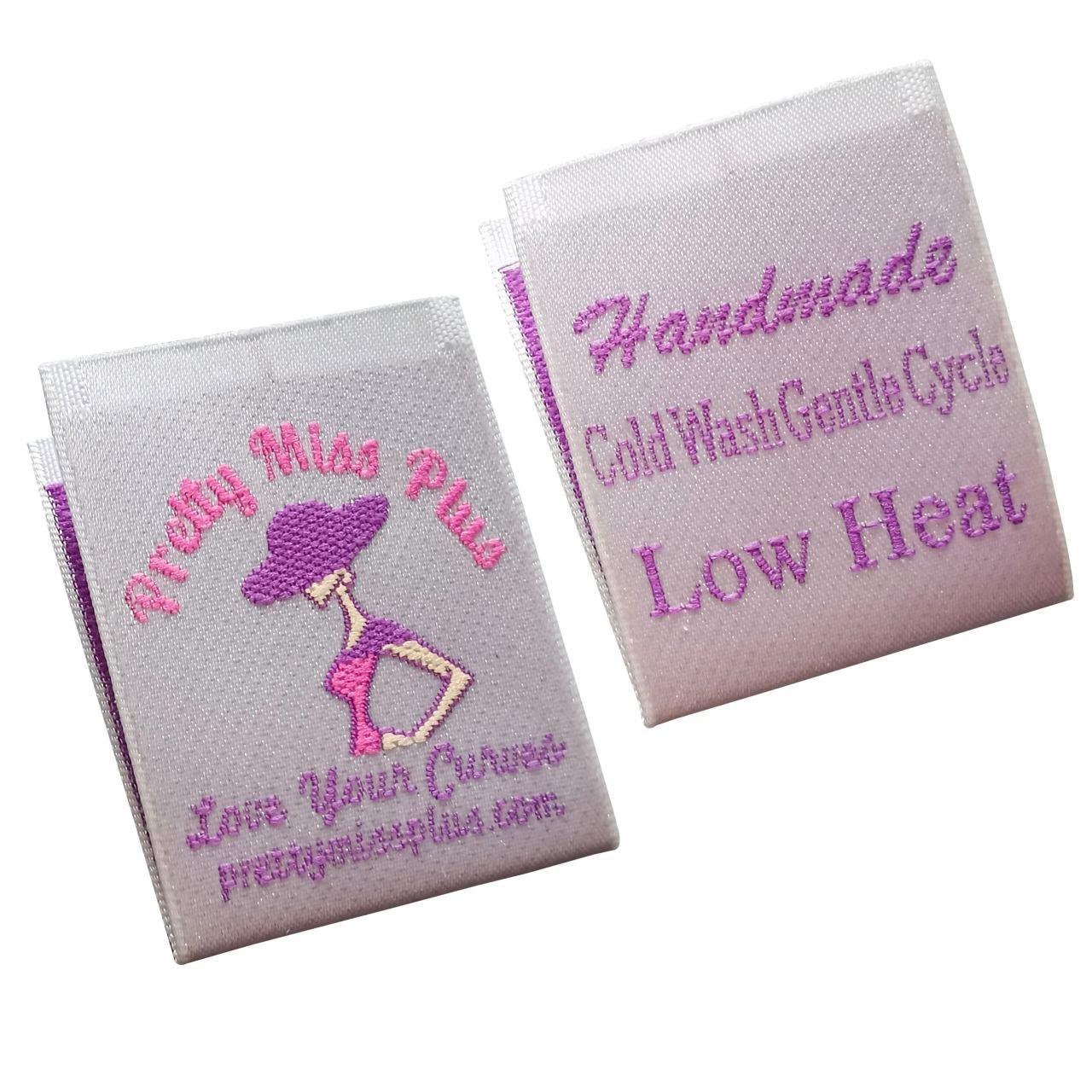
Woven Labels
High-definition woven brand labels for necklines, waistbands, and side seams. Durable, wash-resistant, and available in damask, taffeta, or satin weaves to showcase your logo with premium detail on every mens tracksuit.
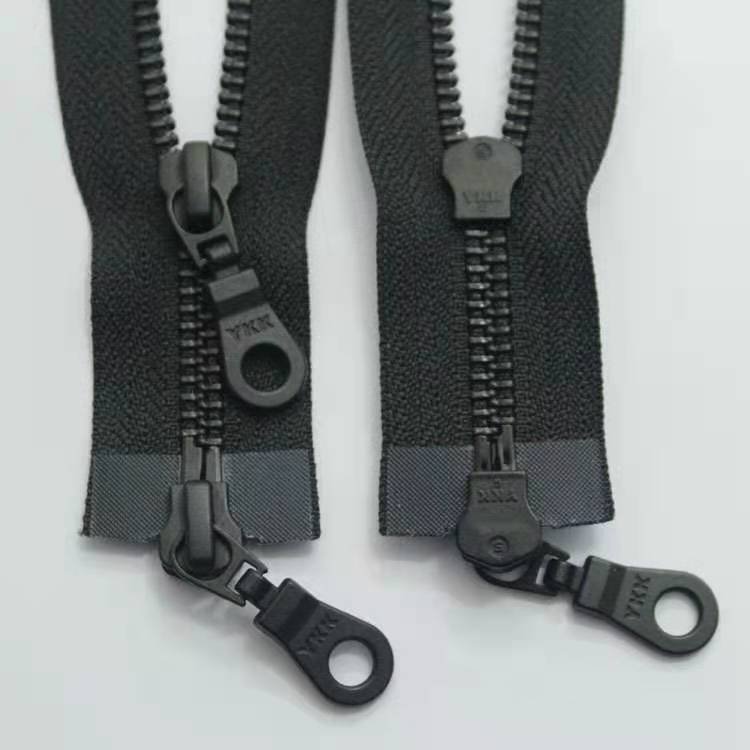
YKK Metal Zippers
Premium YKK zippers in gunmetal, gold, or silver finishes for jacket fronts and pocket closures. Smooth operation, exceptional durability, and the trusted YKK mark that signals quality craftsmanship to discerning streetwear customers.
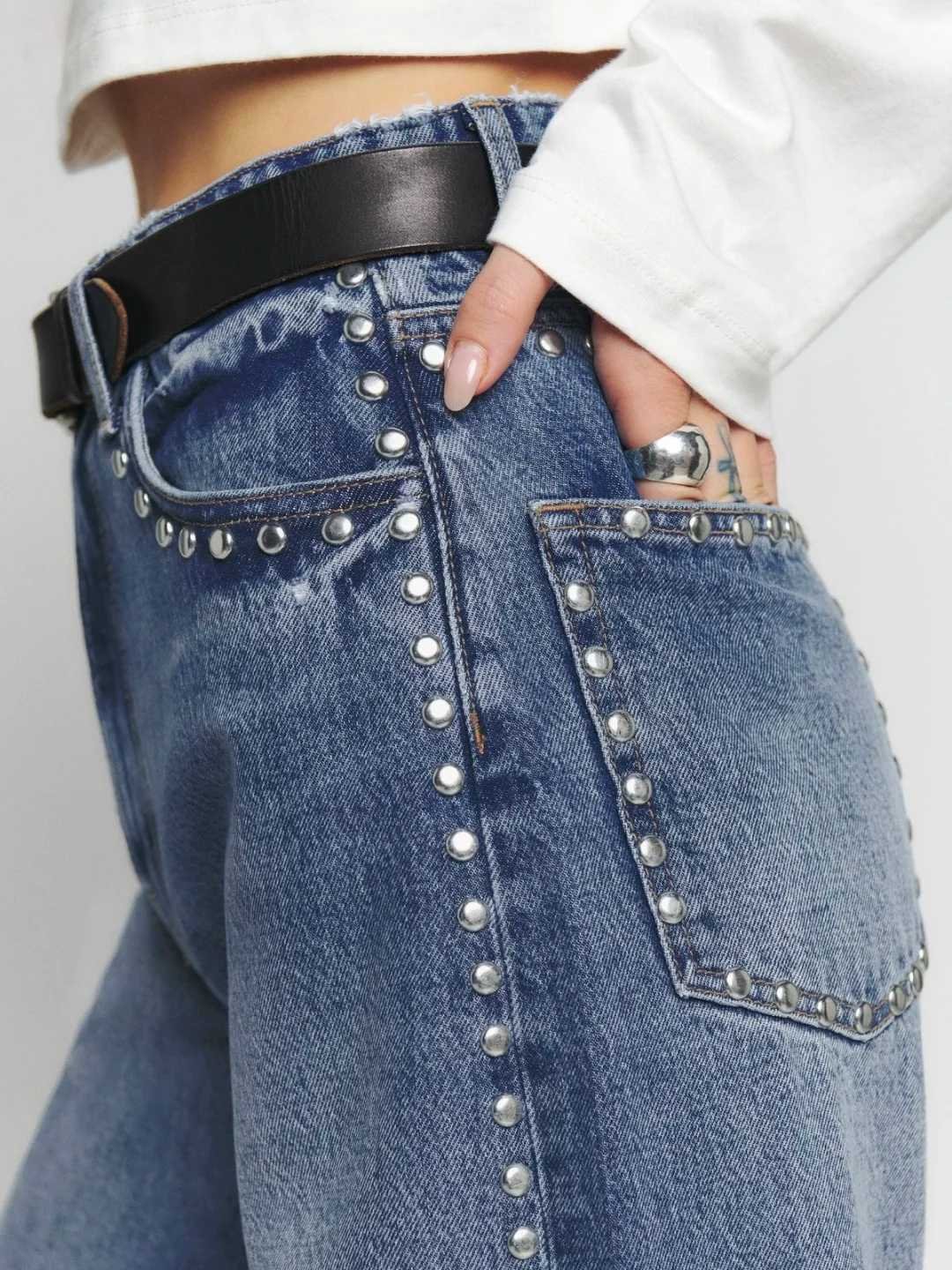
Custom Drawcords
Branded drawcords and tipping for hoodies and tracksuit pants in flat, round, or rope styles. Choose custom colors, metal or plastic aglets, and optional logo printing to reinforce brand identity at every touchpoint.
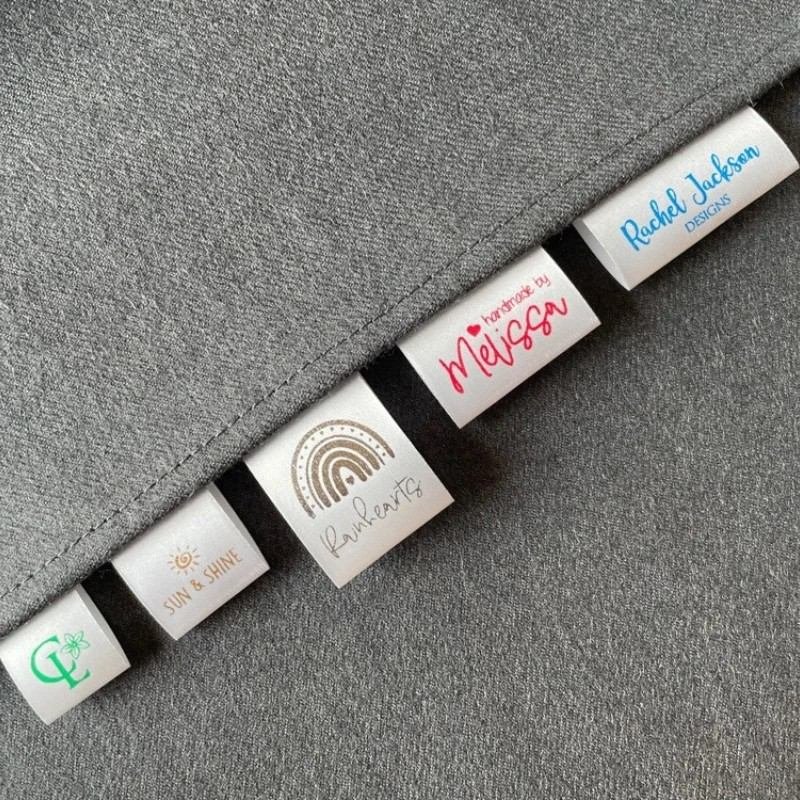
Embroidered Patches
Custom embroidered patches with up to 12 thread colors for chest logos, sleeve badges, and back graphics. Heat-sealed or stitched application available, perfect for streetwear brands seeking dimensional, tactile branding on tracksuits.
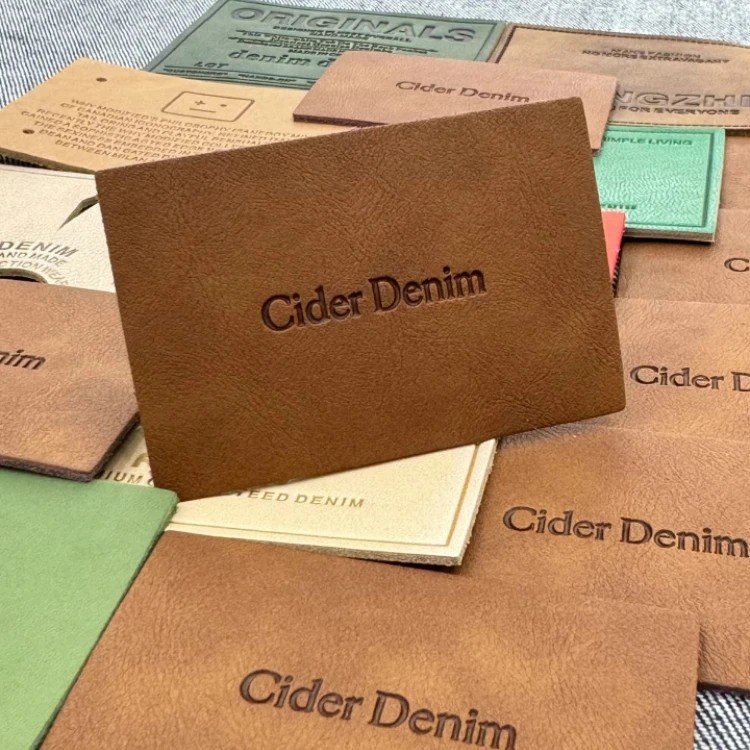
Hang Tags
Die-cut hang tags in custom shapes, sizes, and finishes including matte, gloss, foil stamping, and embossing. Communicate your brand story, care instructions, and authenticity with professionally designed tags that enhance unboxing experience.
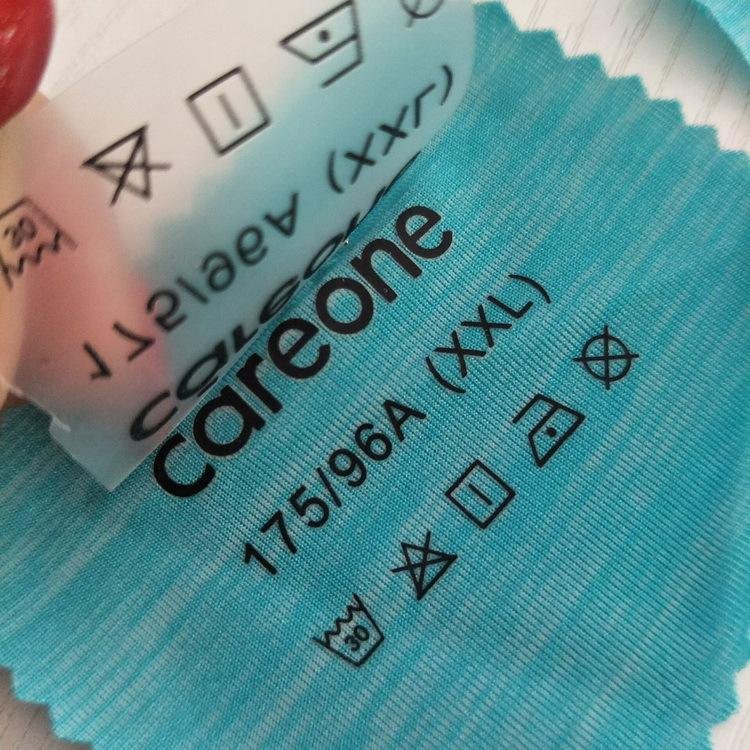
Heat Transfer Logos
High-opacity heat transfer prints for large graphics, chest logos, and sleeve branding. Ideal for intricate multi-color designs and photographic images that require sharp detail without the bulk of embroidery on lightweight tracksuit fabrics.
Your Trusted Mens Tracksuit Manufacturer
Founded in 2024 by Tesla Luo, Clothing Manufacturer Ltd. brings over 10 years of production expertise and 6 years of specialized streetwear experience to every mens tracksuit we create. Our mission is to restore the reputation of Chinese manufacturing through rigorous quality standards, serving fashion startups, streetwear brands, and influencer lines across 100+ countries with uncompromising craftsmanship.
Unlike manufacturers who skip quality checks until the final stage, we implement a proprietary 5-step QC process at every production phase—from materials inspection through finished garment testing. Backed by a 15-member R&D team and 10 patents, we combine trend-driven design fluency with technical precision to deliver tracksuits that meet the exacting standards of today’s streetwear market.
Whether you’re launching your first collection or scaling an established line, we offer low 50-piece MOQs, fast turnaround for seasonal drops, and complete global logistics support. Our deep roots in Humen Town’s garment district and partnership with Dongguan TuoZhen Clothing Co., Ltd. give you both specialized streetwear expertise and proven manufacturing capacity.
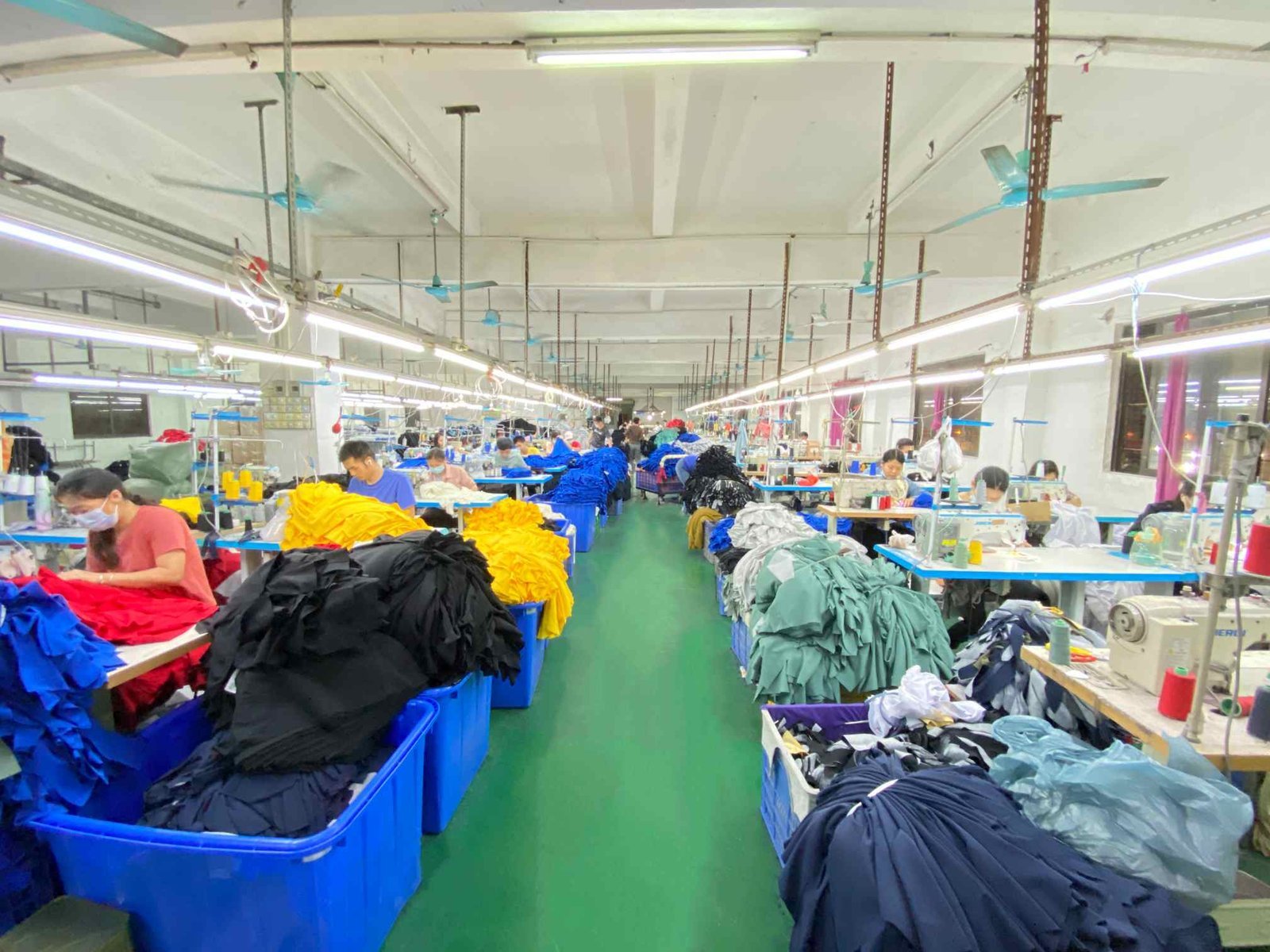
Our 5-Step Quality Control Guarantee for Every Mens Tracksuit
Materials QC Testing Before Production
Before a single cut is made, our QC team inspects every fabric roll, zipper, drawstring, and trim for your mens tracksuit order. We verify weight, stretch recovery, colorfastness, and dimensional stability against your approved standards, rejecting any materials that fall short.
- Fabric weight and composition verified to spec
- Stretch and recovery tested on fleece, French terry, and technical blends
- Color consistency checked across dye lots to prevent mismatched panels
- Trims and hardware inspected for durability and finish quality
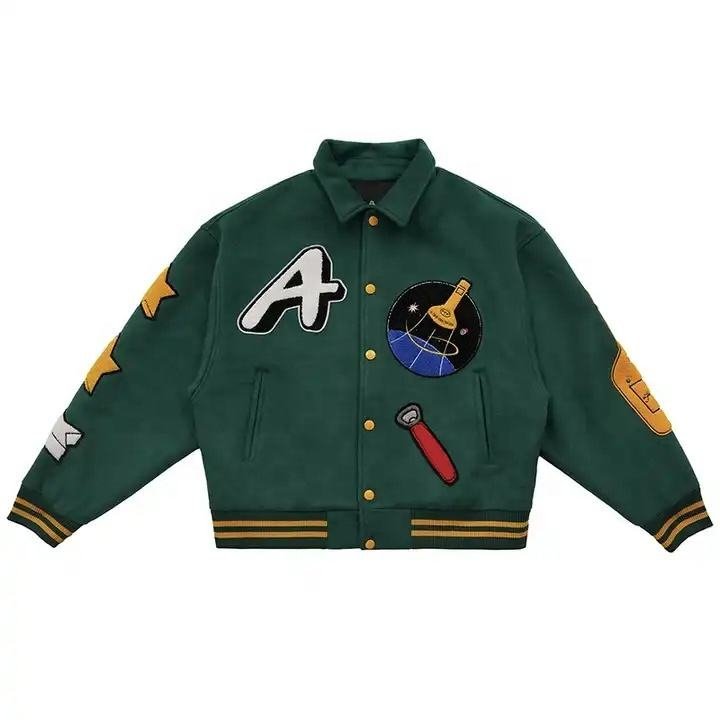
Cutting QC Testing for Precision
After pattern grading and marker making, our cutting QC stage ensures every tracksuit panel is cut accurately. We measure tolerances on sleeves, inseams, and body panels to confirm alignment, preventing fit issues before sewing begins—a step most mens tracksuit manufacturers skip entirely.
- Panel dimensions verified against tech pack specifications
- Grain line and stretch direction confirmed on each piece
- Notch and alignment marks checked for accurate assembly
- Fabric flaws flagged and re-cut to eliminate defects in finished garments
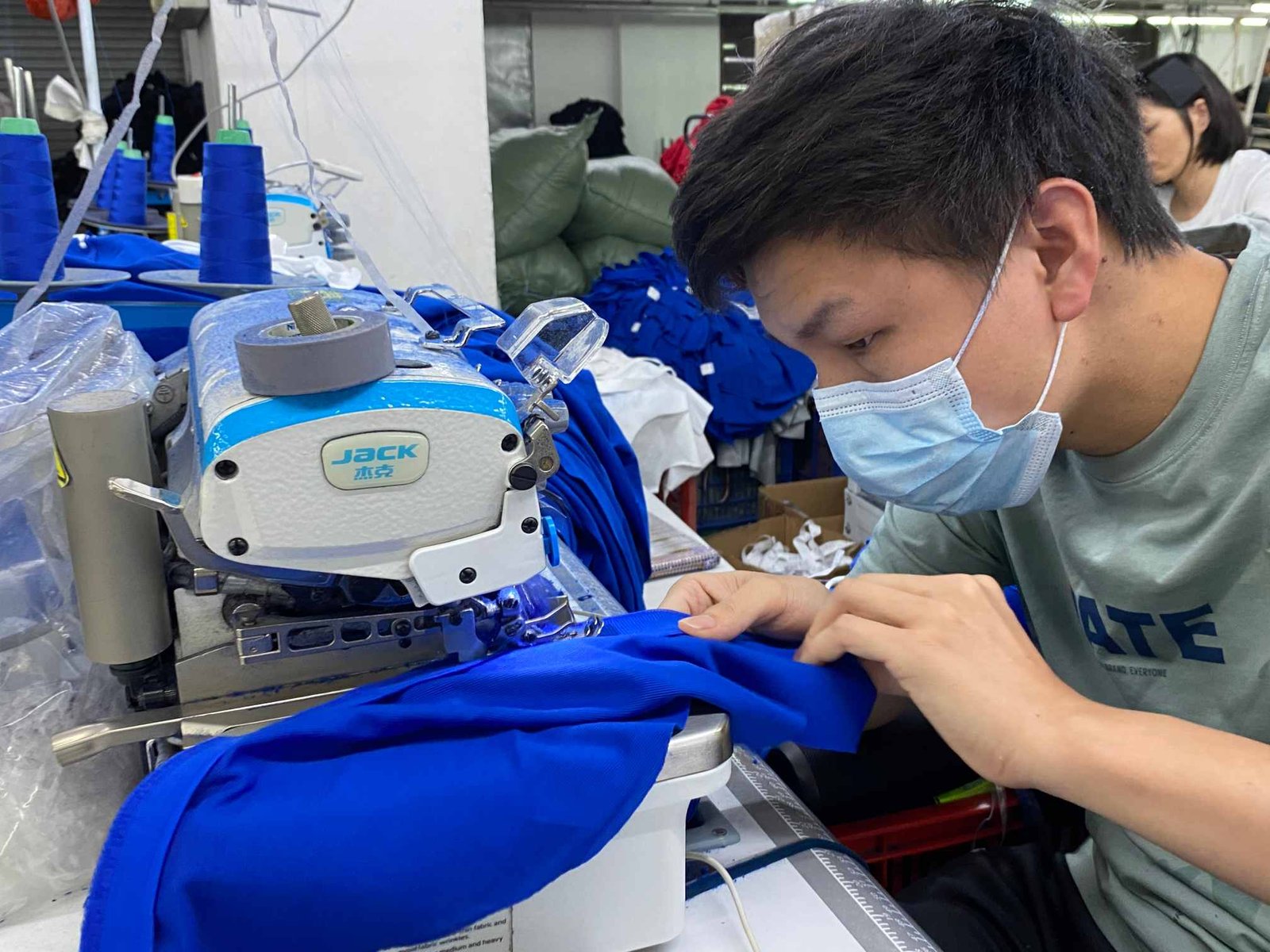
Craft & Sewing QC During Production
As your tracksuits move through production, our QC inspectors monitor stitch quality, seam strength, and construction details at every workstation. We catch and correct issues like skipped stitches, puckering, or misaligned ribbing in real time, ensuring consistency across every piece in your order.
- Stitch density and tension checked on flatlock, overlock, and coverstitch seams
- Zipper installation and pocket placement verified for symmetry
- Ribbing attachment inspected for even stretch and secure seams
- In-line corrections made immediately to maintain production flow and quality
Finished Garment Quality Inspection
Every completed mens tracksuit undergoes a comprehensive final inspection before packing. Our QC team examines fit, finish, labeling, and packaging to your brand standards, guaranteeing that only premium, defect-free tracksuits leave our facility—delivering the reputation your brand deserves.
- Full garment measurements taken and compared to approved samples
- Surface inspection for loose threads, stains, or fabric flaws
- Label placement, care instructions, and branding verified
- Packaging and folding checked to ensure retail-ready presentation
Mens Tracksuit Manufacturer vs. Typical Suppliers
We combine streetwear expertise, rigorous quality control, and flexible production—features that generic OEM suppliers simply can’t match. Here’s how we compare.
← 左右滑动查看 →
From Tech Pack to Bulk: Our Mens Tracksuit Manufacturer Production Timeline
Every tracksuit order follows our structured, five-phase journey — from your initial design specs to quality-verified shipment. No guesswork, no surprises, just clear milestones backed by our 5-step QC guarantee.
Tech Pack Submission
Submit your tracksuit design specifications, fabric preferences, and branding requirements. Our team reviews and confirms all details within 24 hours.
Sampling & Approval
Our in-house design team creates your tracksuit sample with precise stitching and fit. You review, request revisions, and approve before bulk production.
Bulk Production Setup
Materials QC and cutting QC testing ensure every fabric roll and pattern piece meets standards before sewing begins on your tracksuit order.
Quality Control Checkpoints
Clothing craft QC and sewing production QC testing catch defects mid-process, guaranteeing every tracksuit meets our zero-compromise quality standards throughout manufacturing.
Final Inspection & Shipping
Finished clothing quality QC inspection verifies fit, stitching, and branding. Your tracksuits are professionally packed and shipped with full logistics support worldwide.
How to Partner With a Mens Tracksuit Manufacturer in 3 Simple Steps
From design submission to bulk production, our streamlined workflow makes it easy for streetwear brands and startups to launch premium tracksuit collections with confidence.
Submit Your Design or Tech Pack
Share your tracksuit concept, technical specifications, or mood board. Our 15-member R&D team reviews every detail and provides fabric recommendations and production feasibility feedback within 24 hours.
Receive Quote and Sample Approval
Get transparent pricing with no hidden fees and approve your pre-production sample. Our low 50-piece MOQ and fast sampling turnaround help emerging brands test the market affordably.
Approve Quality and Scale Production
Once you approve the sample, we begin bulk manufacturing with our 5-step quality control process at every stage, ensuring your mens tracksuits meet streetwear standards before shipping globally.
Certified Mens Tracksuit Manufacturer — Quality You Can Audit
Trusted Mens Tracksuit Manufacturer for Streetwear Brands & Influencer Lines
We scaled from 500 to 4,200 units per month in just 7 months. Their 5-step QC process meant zero returns on our tracksuit drops, which was a game-changer for our brand reputation.
Consistent quality across 14 seasonal tracksuit collections. The low 50-piece MOQ let us test colorways without huge risk, and their turnaround on custom samples was only 6 days every time.
Their team understands streetwear culture deeply. We launched three tracksuit capsules that sold out in under 48 hours each. The fabric quality and finishing details exceeded our influencer partners’ expectations.
Mens Tracksuit Manufacturer — Frequently Asked Questions
What is the minimum order quantity (MOQ) for your mens tracksuit manufacturer services?
How long does it take to produce a custom mens tracksuit order?
Do you charge for samples when working with a mens tracksuit manufacturer?
What payment terms does your mens tracksuit manufacturer offer?
How do you protect my designs and intellectual property?
What customization options are available for mens tracksuits?
Which countries do you ship to as a mens tracksuit manufacturer?
Can you match specific Pantone colors and branded fabrics?
What makes your quality control different from other manufacturers?
The Complete Buyer’s Guide to Choosing the Right Mens Tracksuit Manufacturer
Navigate the sourcing landscape with confidence. This guide delivers a proven decision framework, essential supplier criteria, quality benchmarks, and the most common mistakes to avoid when partnering with a mens tracksuit manufacturer for your brand.
1. What Is a Mens Tracksuit Manufacturer?
A mens tracksuit manufacturer is a specialized garment factory that designs, cuts, sews, finishes, and packages two-piece athletic sets at production scale, typically handling orders from 50 to 50,000 units per style. Unlike general apparel suppliers, tracksuit manufacturers maintain dedicated equipment for knit fabrics (French terry, fleece, poly-blends ranging 180–320 GSM), rib-knit cuffs and waistbands, and flatlock or coverstitch seaming that prevents chafing during movement. Specialized factories also stock coordinated zippers, drawcords, and elastic systems required to deliver matching jacket-and-pant sets with consistent color and fit across every size run.
Manufacturers operate under three primary service models: OEM (Original Equipment Manufacturing), where the brand supplies all designs and specifications and the factory executes production; ODM (Original Design Manufacturing), where the factory offers pre-developed tracksuit styles that brands can customize with logos and colorways; and full-service manufacturing, which combines in-house design teams, tech-pack development, fabric sourcing, sampling, bulk production, and quality inspection under one roof. Clothing Manufacturer Ltd., for example, employs a 15-member R&D team and a proprietary five-step QC process introduced in February 2025, covering materials testing, cutting verification, craft inspection, sewing checks, and finished-garment review.
Brands partner with tracksuit-focused factories rather than generalists because coordinated two-piece sets demand precise shade matching between jacket and pants, consistent rib-knit elasticity across sizes, and expertise in activewear construction techniques that differ fundamentally from woven shirting or denim. A specialized mens tracksuit manufacturer delivers pattern grading for athletic fits, knowledge of performance fabric behavior, and streamlined workflows that reduce lead times from 45–60 days to 25–35 days for repeat orders.
2. Evolution of Mens Tracksuit Manufacturing
Tracksuits emerged in the 1960s as functional sportswear, initially manufactured in Europe using cotton-polyester blends that offered durability and ease of care. The introduction of 100% polyester fabrics in the early 1970s revolutionized production, enabling mens tracksuit manufacturer operations to scale rapidly while reducing costs and improving moisture management. By the mid-1970s, major sportswear brands had shifted significant production to Asian hubs—particularly South Korea, Taiwan, and later China—where labor costs and technical expertise in knitting and dyeing allowed for competitive pricing and faster turnaround.
The 1980s brought hip-hop culture into the mainstream, transforming tracksuits from athletic wear into street fashion. Manufacturers responded by expanding color palettes beyond basic navy and gray, introducing vibrant prints, contrast piping, and embroidered logos that appealed to urban youth. This era saw the rise of tricot and French terry fabrics, which balanced comfort with the structured silhouette that streetwear demanded.
In the 2000s, technical fabric innovation accelerated with moisture-wicking polyester blends, four-way stretch materials, and anti-microbial treatments becoming standard. The athleisure boom of the 2010s pushed mens tracksuit manufacturer facilities to adopt digital printing, laser cutting, and automated quality control systems to meet higher volume and customization demands. Today’s manufacturers increasingly integrate recycled polyester, organic cotton, and biodegradable elastane in response to sustainability mandates, while advanced knitting technologies enable seamless construction and reduced waste in cutting rooms.
3. Types of Mens Tracksuit Manufacturers
Not every mens tracksuit manufacturer operates the same way. Production models range from full-service design houses to assembly-only CMT shops, each serving distinct buyer needs and order scales.
Full-Package Manufacturers
Full-package providers handle fabric sourcing, pattern development, sampling, production, and QC under one roof. MOQs typically start at 300–500 pieces per style, with 45–60 day lead times.
Startups and independent designers benefit most, eliminating the need to coordinate multiple vendors. Clothing Manufacturer Ltd. offers full-package service with a 50-piece MOQ, combining design support and five-step quality control for emerging brands.
Cut-Make-Trim (CMT) Factories
CMT facilities sew and finish garments from client-supplied fabrics and trims. MOQs often reach 1,000+ pieces, with 30–40 day production windows once materials arrive.
Established brands with in-house design teams and existing fabric relationships use CMT to control material costs and maintain proprietary supply chains.
Private Label Specialists
Private label manufacturers produce pre-designed tracksuit styles that retailers rebrand. MOQs range from 100–300 pieces per colorway, shipping in 25–35 days.
Global retailers and influencer brands seeking fast market entry without design overhead favor this model for speed and lower upfront investment.
Sustainable and Eco-Focused Factories
Eco-certified manufacturers use organic cotton, recycled polyester, and low-impact dyes, holding GOTS or OEKO-TEX certifications. MOQs typically start at 500 pieces, with 50–70 day cycles.
Brands targeting environmentally conscious consumers prioritize these partners despite higher per-unit costs and longer timelines.
4. Materials and Fabrics Used by Mens Tracksuit Manufacturers
Fabric selection determines performance, durability, and manufacturing cost for every mens tracksuit manufacturer. Understanding GSM ranges, fiber composition, and finish characteristics enables brands to align material choice with target market positioning and price points.
| Fabric Type | GSM Range | Breathability | Durability | Cost Tier | Best Use Case |
|---|---|---|---|---|---|
| Cotton Fleece | 280–400 | Moderate | Good | Mid | Casual streetwear |
| French Terry | 220–300 | High | Moderate | Mid | Everyday comfort |
| 100% Polyester | 200–280 | High | Excellent | Low–Mid | Athletic performance |
| Poly-Cotton Blend | 240–320 | Moderate | Good | Mid | Versatile casual/sport |
| Technical Knit | 180–260 | Very High | Excellent | High | Premium athletic |
| Organic/Recycled | 250–350 | Moderate–High | Good | High | Sustainable premium |
Cotton Fleece and French Terry
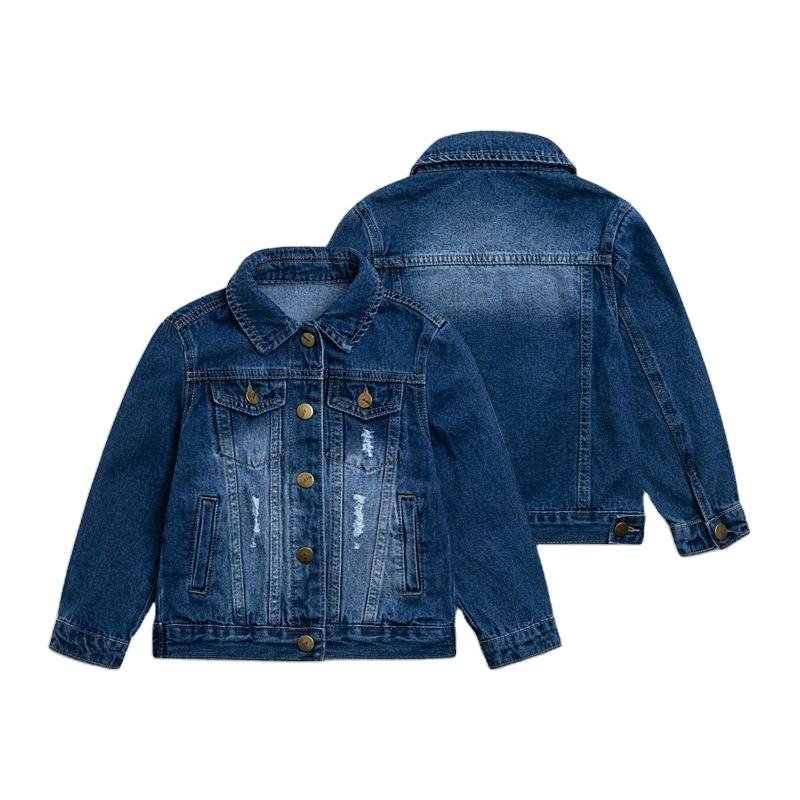
Cotton fleece ranges from 280 to 400 GSM and delivers soft hand feel with moderate stretch, making it ideal for casual streetwear tracksuits. French terry, at 220 to 300 GSM, features looped interior texture that wicks moisture while maintaining breathability.
Both fabrics require pre-shrinking and careful tension control during sewing to prevent puckering. Ring-spun cotton variants add durability but increase raw material cost by 15 to 25 percent compared to open-end yarns.
Polyester and Poly-Cotton Blends
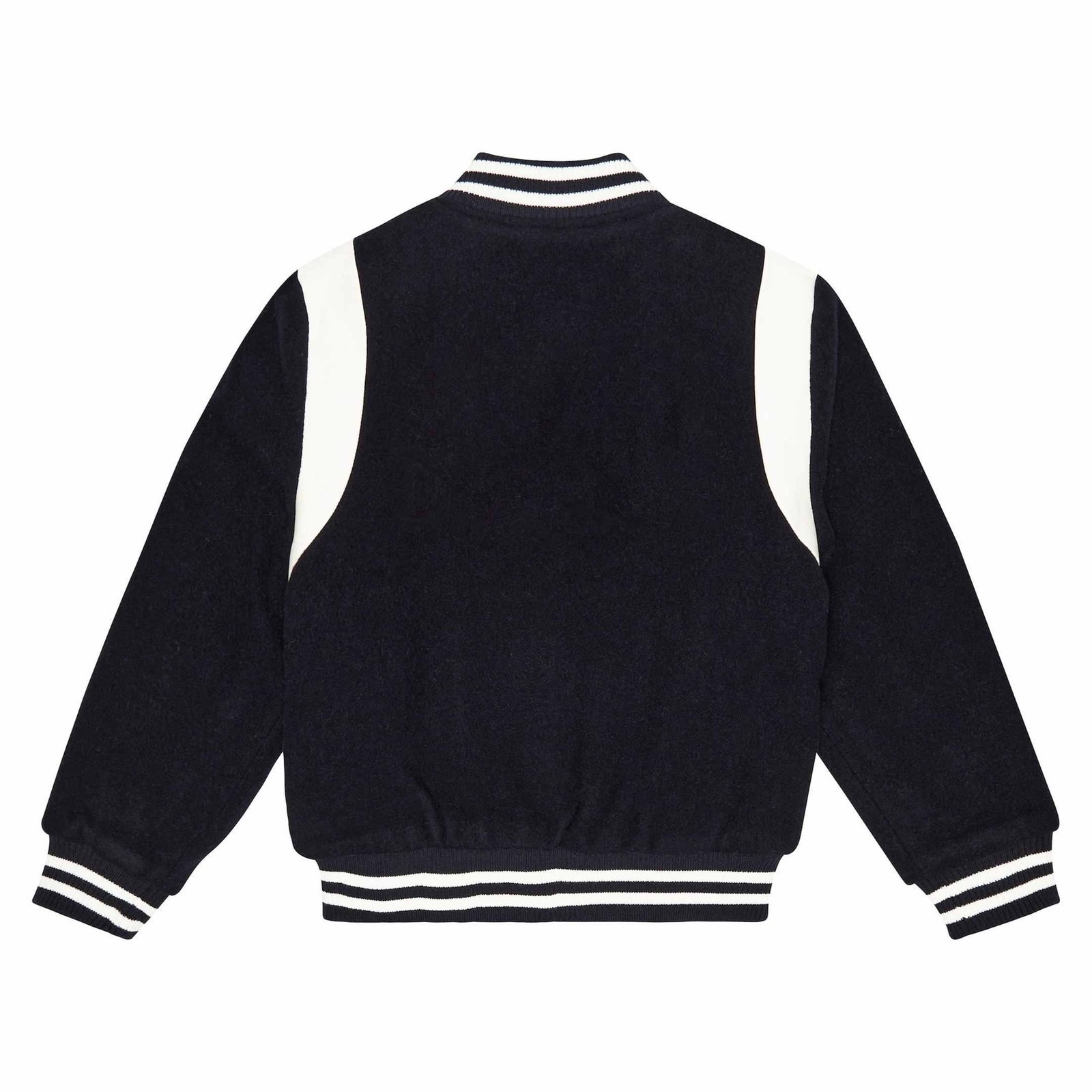
100 percent polyester knits dominate athletic tracksuit production due to superior moisture management and colorfastness. Common blends include 65/35 and 80/20 poly-cotton ratios, balancing performance with natural fiber comfort.
Polyester tracksuits typically use 200 to 280 GSM interlock or piqué knits. Blended fabrics complicate dyeing and finishing processes, requiring separate temperature profiles and longer production lead times than single-fiber constructions.
Technical and Sustainable Fabrics
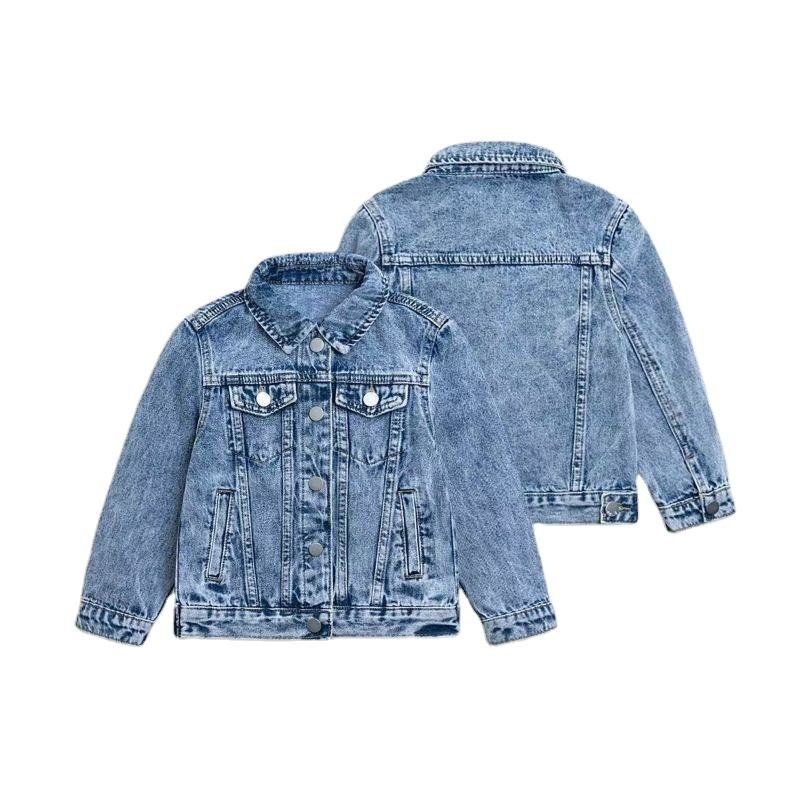
Moisture-wicking technical knits incorporate polyester microfiber or nylon blends with four-way stretch, serving premium athletic markets. Organic cotton and recycled polyester options meet sustainability certifications like GOTS and GRS but command 20 to 40 percent higher minimums.
A mens tracksuit manufacturer must adjust cutting and sewing parameters for technical fabrics, as synthetic blends require ballpoint needles and lower iron temperatures to prevent melting or shine marks during finishing.
5. Customization and Decoration Options
A mens tracksuit manufacturer typically offers six primary decoration methods to apply your brand identity: screen printing, embroidery, heat transfer, sublimation printing, appliqué, and woven labels. Each technique carries distinct cost structures, durability profiles, and aesthetic outcomes that influence minimum order quantities and production timelines.
| Technique | Cost per Unit | Durability (Washes) | Setup Fee | Turnaround |
|---|---|---|---|---|
| Screen Printing | $0.50–2.00 | 50+ | $15–50/color | 5–7 days |
| Embroidery | $1.50–5.00 | 100+ | $20–75 | 7–10 days |
| Heat Transfer | $1.00–3.00 | 20–40 | $0 | 2–3 days |
| Sublimation | $3.00–8.00 | Permanent | $0 | 5–7 days |
| Appliqué | $2.00–6.00 | 100+ | $0 | 7–10 days |
| Woven Labels | $0.05–0.50 | 100+ | $50–150 | 10–14 days |
Screen Printing and Embroidery
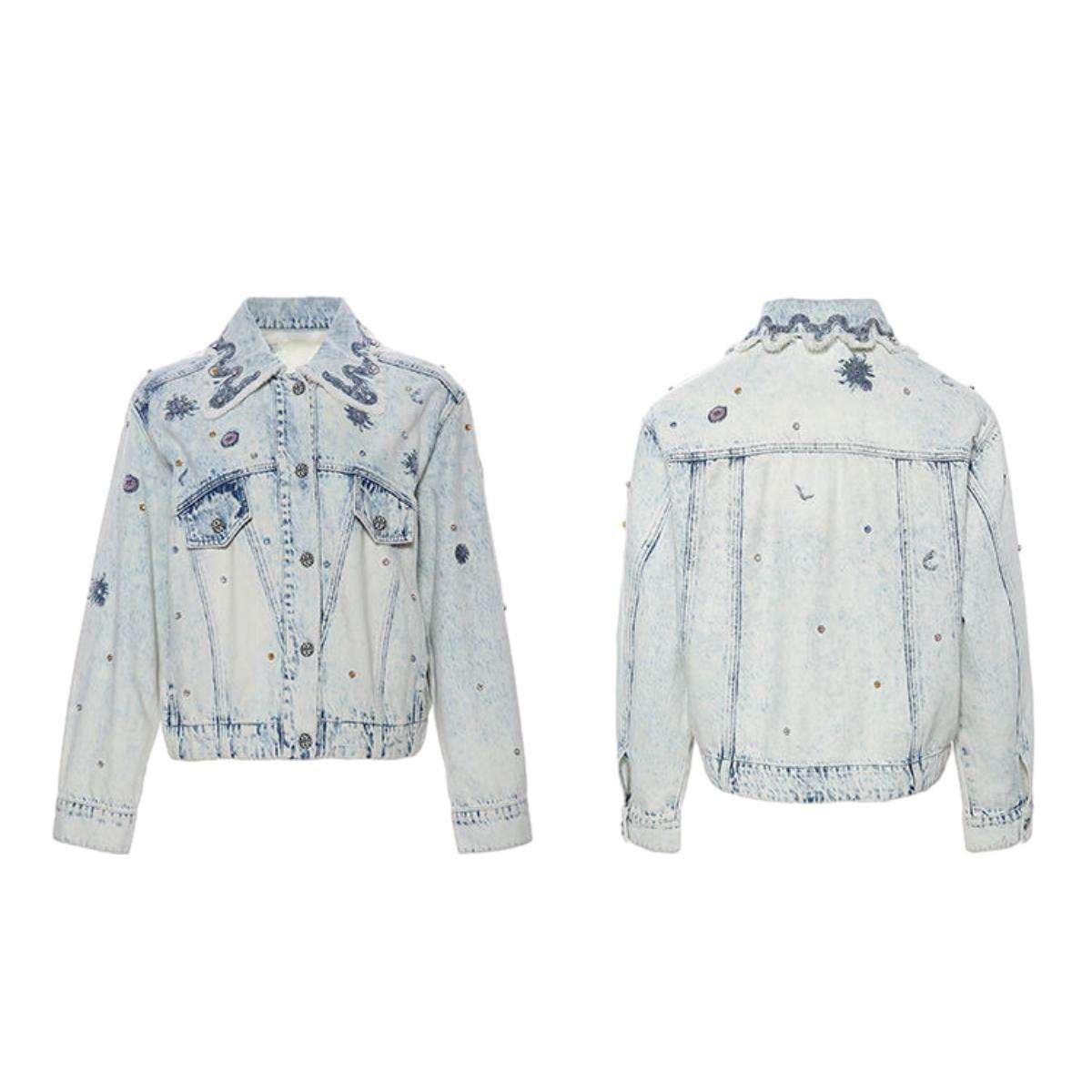
Screen printing requires setup fees of $15–50 per color but drops to $0.50–2.00 per print at volume, making it cost-effective above 100 units. Durability reaches 50+ washes when plastisol or water-based inks cure properly, though cracking occurs on high-stretch zones.
Embroidery costs $1.50–5.00 per location depending on stitch count (typically 5,000–15,000 stitches for a chest logo), with digitizing fees of $20–75 per design. Thread-based logos withstand 100+ wash cycles and convey premium positioning, ideal for streetwear brands emphasizing craftsmanship.
Heat Transfer and Sublimation Printing
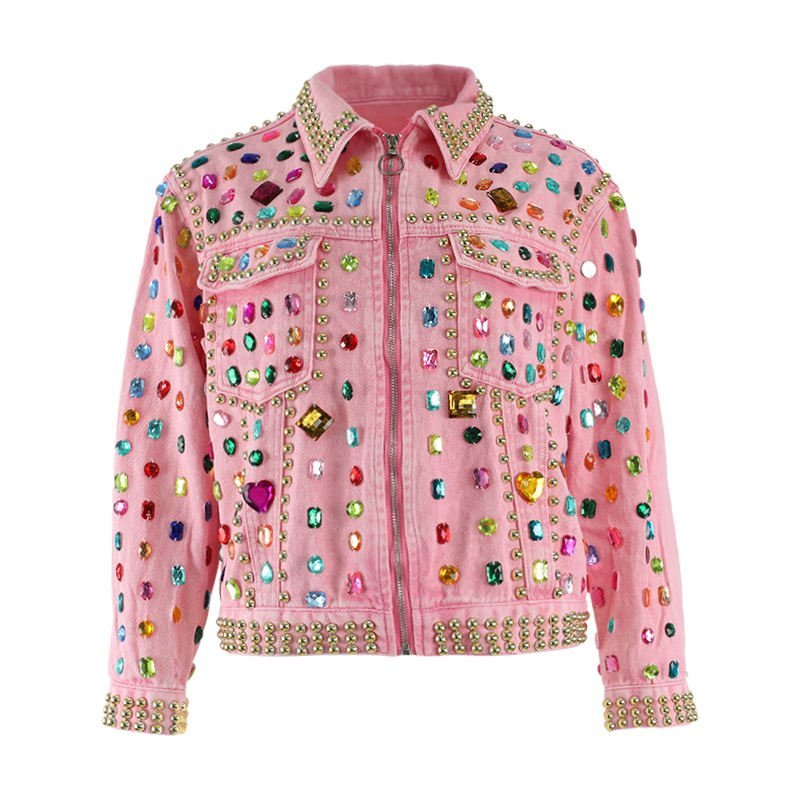
Heat transfer (vinyl or digital) eliminates setup costs, running $1.00–3.00 per graphic, and suits short runs below 50 pieces. Durability spans 20–40 washes before peeling begins, limiting this method to sampling or limited drops.
Sublimation printing infuses dye directly into polyester fibers, achieving photorealistic gradients and all-over patterns with zero hand feel. Cost ranges $3.00–8.00 per garment; the process requires 100% polyester fabrics and white or light base colors, restricting material choice but delivering permanent, fade-resistant graphics.
Appliqué and Woven Labels
Appliqué—sewn fabric patches—costs $2.00–6.00 per piece and adds dimensional texture favored in collegiate and varsity aesthetics. Durability matches the garment lifespan when edge-stitched or zigzag-finished, though complex shapes increase labor time.
Woven labels (damask or satin) run $0.10–0.50 each at 500+ quantity, dropping to $0.05 above 5,000 units. High-definition weaving reproduces fine text and logos in neck tags, hem labels, or exterior branding, reinforcing authenticity and traceability for independent designers and influencer brands.
6. Key Quality and Construction Elements
Quality inspection at every production stage separates reliable mens tracksuit manufacturer partners from those who ship defects. A five-step QC methodology—covering materials, cutting, craft, sewing, and finished goods—ensures that critical construction elements meet spec before garments leave the facility.
Stitching Techniques and Seam Strength
Flatlock stitching creates flat, flexible seams ideal for athletic movement and prevents chafing along side panels and inseams. Overlock (serger) stitches finish raw edges to stop fraying, while chain stitch is used for waistbands and hems due to its stretch recovery.
Seam strength testing involves pull tests at 15–20 pounds of force; quality manufacturers inspect seam integrity during sewing QC rather than waiting until final inspection. Weak seams typically fail at stress points—crotch, armholes, and shoulder joins—so these areas require double-needle reinforcement.
- Flatlock: flat seam, minimal bulk, ideal for side panels and inseams
- Overlock: edge finishing, prevents fraying on raw fabric edges
- Chain stitch: elastic waistbands and hems, allows stretch without breaking
- Seam pull test: 15–20 lb force at stress points during sewing QC
Hardware: Zippers, Drawcords, and Eyelets
YKK zippers remain the industry benchmark for smooth operation and durability through 1,000+ cycles, while generic alternatives often fail within 200 cycles. Jacket zippers should be #5 coil or larger; pant fly zippers typically use #3 or #4.
Drawcord tips (aglets) must be heat-sealed or metal-capped to prevent fraying. Eyelet grommets require rust-resistant finishes—nickel-free alloys or powder-coated metal—to survive repeated washing without staining fabric.
- YKK zippers: 1,000+ cycle durability vs. 200 for generic brands
- Jacket zippers: #5 coil or tooth; pant zippers: #3–#4
- Aglets: heat-sealed plastic or metal-capped to prevent cord fray
- Eyelets: rust-resistant, nickel-free alloys for wash durability
Fabric Integrity and Colorfast Dyeing
Fabric weight consistency within ±5% across rolls ensures uniform drape and feel; variances beyond this threshold create visible texture differences in finished garments. Mills should provide GSM certificates for each dye lot.
Colorfast testing uses ISO 105 standards: grade 4 or higher for wash fastness and grade 3–4 for rub fastness. Reactive dyes bond chemically with cotton and polyester blends, offering superior colorfastness compared to direct dyes, which fade within 10–15 washes.
- Weight tolerance: ±5% GSM across fabric rolls for uniform drape
- Wash fastness: ISO 105 grade 4+ to prevent color bleeding
- Rub fastness: grade 3–4 to avoid color transfer on seating or bags
- Reactive dyes: chemical bond, superior to direct dyes (fade in 10–15 washes)
Fit Grading and Pattern Accuracy
Grading accuracy determines whether size S through XXL maintain proportional fit; each size increment should add 1–1.5 inches to chest and waist measurements. Pattern digitization reduces human error, but cutting QC must verify that fabric pieces match tech-pack specs within ±2 mm.
Sample fittings on live models or dress forms catch grading errors before bulk production. Manufacturers using craft QC testing identify misaligned patterns during the cutting stage, preventing costly rework after sewing begins.
- Size grading: 1–1.5 inch increments per size for chest and waist
- Cutting tolerance: ±2 mm from tech-pack pattern specifications
- Sample fittings: live models or dress forms validate grading before bulk
- Craft QC: catches pattern misalignment during cutting, before sewing
7. How to Choose the Right Mens Tracksuit Manufacturer
Selecting a mens tracksuit manufacturer requires a structured evaluation process that balances production capability, quality standards, and operational transparency. The following framework helps brands identify partners who can scale with their growth while maintaining consistent output.
Assess Production Capacity and MOQ Alignment
Verify that the manufacturer’s minimum order quantity matches your current sales volume and inventory budget. Startups typically need 50–200 pieces per style, while established brands may require 500–2,000 units.
Ask for lead times at different order volumes and confirm whether the factory can handle reorders within 15–25 days. Red flags include vague capacity answers or pressure to commit to MOQs far beyond your forecast.
- Request production schedules showing current workload and available slots
- Confirm whether partial shipments are possible for large orders
- Ask how the factory manages peak-season demand surges
Verify Certifications and Compliance Standards
Request copies of BSCI, WRAP, or Oeko-Tex Standard 100 certificates to confirm ethical labor practices and fabric safety. Certifications should be current (renewed within 12–24 months) and issued to the factory’s legal entity name.
Clothing Manufacturer Ltd. implements a five-step QC methodology covering materials testing, cutting checks, craft inspection, sewing audits, and finished-product review, ensuring defects are caught at every production stage rather than only at final inspection.
- Verify certificate authenticity through issuing body databases
- Ask whether subcontractors hold the same certifications
- Request documentation of quality control checkpoints
Review Portfolio and Past Client References
Examine sample tracksuits for construction quality, fabric hand-feel, and finishing details like flatlock seams and reinforced cuffs. Request references from brands in your market segment—streetwear startups, athletic labels, or influencer lines.
Ask how many clients the factory currently serves and whether any have scaled from small initial orders to recurring production. Red flags include reluctance to share references or portfolios limited to a single product category.
Evaluate Communication and Sampling Process
Test responsiveness by requesting a detailed quotation with fabric specs, decoration options, and per-unit pricing. Professional manufacturers reply within 24–48 hours with itemized breakdowns and clarifying questions.
Request a pre-production sample to verify color accuracy, fit, and construction before committing to bulk orders. Factories that skip sampling or charge excessive fees (above 50–100 USD per sample) often lack confidence in their output quality.
8. Common Mistakes When Sourcing a Mens Tracksuit Manufacturer
Sourcing a mens tracksuit manufacturer requires careful due diligence at every stage. Even experienced brands make costly errors that delay launches, inflate returns, and damage customer trust.
Ignoring Fabric Pre-Shrinkage Testing
Many brands approve samples without verifying pre-shrinkage treatment, only to discover bulk orders shrink 5–8 percent after the first wash. Cotton-polyester blends and French terry require controlled heat-setting or sanforization to stabilize dimensions.
Request wash-test reports before bulk production. A reputable mens tracksuit manufacturer will provide AATCC or ISO shrinkage data showing post-wash variance under 3 percent, ensuring consistent fit across all customer washes.
Skipping Physical Samples Before Bulk Orders
Digital mockups and fabric swatches cannot reveal construction flaws, zipper durability, or true color matching under natural light. Brands that proceed to 500-piece orders based on photos alone face rejection rates above 15 percent.
Always order 2–3 pre-production samples with your exact fabric, trims, and decoration. Test them through multiple wash cycles and compare Pantone codes in daylight to catch discrepancies early.
Underestimating Lead Time Buffers
Tight launch schedules leave no margin for fabric delays, QC failures, or shipping disruptions. A standard 45-day production window can extend to 60–75 days during peak seasons or if re-work is needed.
Build a 20–30 percent time buffer into your calendar. Confirm fabric availability and cutting schedules in writing before finalizing your purchase order with the mens tracksuit manufacturer.
Choosing Price Over Quality and Reliability
The lowest quote often signals skipped QC steps, inferior fabric grades, or inconsistent sizing. Brands chasing rock-bottom prices report defect rates exceeding 10 percent and face costly chargebacks from retailers.
Evaluate total cost of ownership: a $2 price difference per unit is trivial compared to return logistics, lost sales, and brand reputation damage. Prioritize manufacturers with documented five-step QC protocols and transparent communication.
Failing to Negotiate Clear IP and Exclusivity Terms
Without written agreements, factories may reproduce your designs for competitors or sell surplus inventory through gray-market channels. This dilutes brand equity and creates unauthorized price competition.
Include non-disclosure and exclusivity clauses in your contract. Specify that all design files, patterns, and samples remain your property and prohibit the manufacturer from producing similar styles for other clients in your market segment.
9. Steps to Launch Your Brand with a Mens Tracksuit Manufacturer
Launching a tracksuit line requires a structured approach that balances creative vision with manufacturing realities. First-time buyers who follow a disciplined roadmap reduce sampling costs by 30–40% and compress time-to-market from six months to 90–120 days.
Define Your Brand Positioning and Target Market
Identify your customer demographic, price tier, and design aesthetic before contacting any mens tracksuit manufacturer. A streetwear startup targeting 18–25-year-old urban consumers will specify different fabrics, fits, and decoration than a premium athleisure brand serving 30–45-year-old professionals.
Document your brand’s unique value proposition, competitive set, and retail or direct-to-consumer channel strategy. This clarity ensures your manufacturer can recommend appropriate fabric weights (260–320 GSM for streetwear, 200–260 GSM for performance), construction methods, and minimum order quantities that align with your launch budget and inventory velocity.
Create Tech Packs and Design Specifications
Develop detailed technical packages that include flat sketches, measurement charts (graded across S–XXL), fabric swatches, Pantone color references, and stitch-type callouts. Complete tech packs prevent costly revisions and ensure your mens tracksuit manufacturer understands every design detail.
Include trim specifications (zipper type, drawcord diameter, rib-knit gauge), label placement, and hangtag requirements. Manufacturers with in-house pattern teams can refine your specs, but clarity at this stage reduces sample iteration from three rounds to one or two.
Request and Approve Samples
Order pre-production samples in two colorways to verify fabric hand-feel, fit accuracy, and construction quality. Budget 15–21 days for sample production and 7–10 days for international shipping when working with a China-based mens tracksuit manufacturer.
Conduct fit tests on multiple body types and wash samples three times to check shrinkage, color fastness, and seam integrity. Approve samples only after confirming all measurements fall within ±1 cm tolerance and decoration (screen prints, embroidery) matches your artwork files.
Negotiate Terms and Place Pilot Order
Start with a pilot production run of 50–200 units per style to validate market demand before committing to larger inventory. Negotiate payment terms (typically 30–50% deposit, balance before shipment), lead times (45–60 days for cut-and-sew tracksuits), and quality acceptance criteria.
Confirm the manufacturer’s five-step QC process covers materials inspection, cutting accuracy, in-line sewing checks, and final garment audit. Request photographic progress updates at cutting, mid-production, and final inspection milestones to maintain visibility throughout the production cycle.
Plan Inventory and Go-to-Market Strategy
Calculate your launch inventory based on sales velocity projections, reorder lead time, and working capital constraints. A typical direct-to-consumer streetwear brand allocates 40% of units to core colorways, 30% to seasonal trends, and 30% to experimental designs.
Schedule your production timeline to land inventory 4–6 weeks before peak selling season, accounting for production lead time, ocean freight (25–35 days), customs clearance (3–7 days), and warehouse receiving. Coordinate with your mens tracksuit manufacturer to establish reorder minimums and turnaround times for replenishment production once initial styles prove successful.
10. Pricing and Cost Breakdown
Most mens tracksuit manufacturer pricing follows a tiered structure where unit costs decrease as order volume increases, with 50-piece minimums typically priced 40–60% higher per unit than 1,000-piece runs. Fabric choice drives the largest cost variation: economy polyester fleece starts around $8–12 per set at 50 units, mid-range cotton-poly blends range $12–18, and premium tech fabrics with moisture-wicking or anti-microbial treatments reach $18–28 per set at the same volume.
Decoration methods add predictable increments to base pricing. Plain tracksuits with no customization carry no setup fees, while single-color screen printing adds $1.50–3.00 per location after a $50–150 setup charge per color. Embroidery typically costs $3–6 per location depending on stitch count, with digitizing fees of $30–80 for new logos. Complex all-over sublimation prints can add $4–8 per garment but eliminate per-color setup costs.
Lead times compress as quantities rise and decoration complexity decreases. A 50-piece order in economy polyester with one-color print averages 18–25 days from approval to shipment, while 1,000-piece runs in the same spec often complete in 22–30 days due to production efficiencies. Sampling fees range from $30–80 per prototype and are frequently waived or credited when production orders exceed 200 units, a standard industry practice among established mens tracksuit manufacturer partners.
| Quantity Tier | Economy Polyester | Cotton-Poly Blend | Premium Tech Fabric | Lead Time (days) |
|---|---|---|---|---|
| 50 units | $10–12/set | $14–18/set | $22–28/set | 18–25 |
| 200 units | $8–10/set | $11–14/set | $17–22/set | 20–28 |
| 500 units | $7–9/set | $9–12/set | $14–18/set | 22–30 |
| 1,000+ units | $6–8/set | $8–10/set | $12–16/set | 22–32 |
| Sampling fee | $30–50/sample | $40–60/sample | $50–80/sample | 5–7 |
| 1-color print add-on | +$1.50–2.50/location (setup $50–100) | +$2–3/location (setup $75–150) | +$2.50–3.50/location (setup $100–150) | — |
| Embroidery add-on | +$3–5/location (digitizing $30–50) | +$4–6/location (digitizing $50–80) | +$5–7/location (digitizing $60–100) | — |
Ready to Launch Your Tracksuit Line? Start Sampling Today
Partner with a trusted mens tracksuit manufacturer. 50-piece MOQ, 7-day sampling turnaround, and dedicated account management—no hidden fees.