
Premium Velour Tracksuit Manufacturer — 50-Piece MOQ, 5-Step QC
Partner with a velour tracksuit manufacturer that delivers trend-driven designs, rigorous quality control at every production stage, and flexible minimums for emerging streetwear brands.
Velour Tracksuit Collections
Why Brands Choose Our Velour Tracksuit Manufacturer
From emerging streetwear labels to established retailers, brands trust our premium velour tracksuit production backed by rigorous quality control and flexible minimums.
5-Step Quality Control Guarantee
Every velour tracksuit passes materials, cutting, craft, sewing, and finished garment QC testing—quality embedded at every production stage, not just final inspection.
50-Piece Minimum Order Quantity
Launch your velour tracksuit line without massive inventory risk. Our low MOQ empowers startups and independent designers to test collections affordably.
Fast Sampling & Turnaround
In-house design team delivers velour tracksuit samples quickly, ensuring you hit seasonal drops and trend windows with confidence and speed.
Streetwear Design Expertise
Six years specializing in streetwear aesthetics—from skeleton prints to bold color blocking—means your velour tracksuits resonate with today’s trend-driven consumers.
Global Shipping & Logistics
Seamless customs, inspection, and delivery to over 100 countries. We handle international logistics so you focus on building your brand.
In-House Design & Sampling
Our 15-member R&D team collaborates on custom velour tracksuit designs, patterns, and prototypes—bringing your vision to life with precision.
Velour Tracksuit Manufacturer Categories & Customization Options
From classic fits to oversized streetwear cuts, our velour tracksuit production adapts to your brand’s vision. Explore the most popular categories and custom capabilities that help emerging and established labels create distinctive collections.
Women’s Velour Tracksuit Collections
Female-focused brands struggle to find manufacturers who understand fitted silhouettes, tailored proportions, and the balance between comfort and style that women's velour tracksuits demand for activewear and loungewear markets.
Our pattern team specializes in women's cuts with precise bust, waist, and hip shaping. Brands receive samples with adjustable inseams, tapered legs, and cropped jacket options that resonate with female customers seeking premium velour comfort.
Men’s Velour Tracksuit Production
Men's streetwear labels need velour tracksuits with relaxed, athletic fits and durable construction that withstand active wear, but many manufacturers prioritize women's styles, leaving men's lines as afterthoughts with poor sizing consistency.
We engineer men's velour tracksuits with reinforced stitching, broader shoulder blocks, and longer torso lengths. Our 5-step QC ensures every piece maintains consistent sizing across your full range, from S to 3XL.
Oversized & Streetwear-Cut Velour Sets
Influencer brands and trendy labels want oversized, drop-shoulder velour tracksuits that capture streetwear aesthetics, but traditional manufacturers lack experience with exaggerated proportions, resulting in unflattering, boxy samples that miss the mark entirely.
Leveraging 6 years of streetwear specialization, we craft oversized velour tracksuits with intentional volume, elongated sleeves, and balanced silhouettes. Your brand gets trend-driven pieces that photograph beautifully and sell fast to style-conscious audiences.
Custom Color & Embellishment Options
Startups and independent designers envision velour tracksuits in unique colorways, custom embroidery, appliqué details, or branded zippers, but face high minimums and inflexible processes from factories focused only on standard, mass-market production runs.
Our 15-member R&D team supports full customization at just 50-piece MOQ per style. Choose from custom-dyed velour, contrast piping, embroidered logos, metallic trims, and specialty hardware to differentiate your tracksuit line in crowded markets.
Seasonal & Limited-Edition Drops
Fashion retailers and creator brands launching seasonal velour tracksuit capsules need fast turnaround and flexible order quantities, but most manufacturers impose rigid lead times and high minimums that kill agility and lock up working capital unnecessarily.
We deliver velour tracksuit production in 25–35 days with low 50-piece minimums, enabling your brand to test colorways, respond to trends, and execute limited drops without overstock risk. Perfect for influencer collaborations and seasonal launches.
Premium Fabrics for Velour Tracksuit Manufacturing
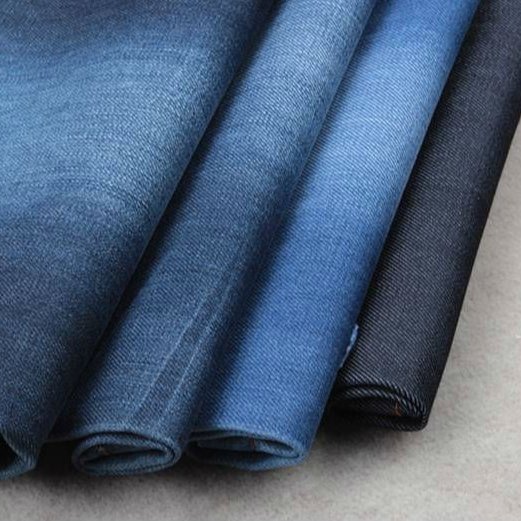
Cotton-Poly Velour
Soft, breathable blend combining cotton comfort with polyester durability. Ideal for everyday velour tracksuits, hoodies, and joggers. Mid-weight construction (280–320 GSM) offers excellent shape retention and resists pilling through repeated wear and washing.
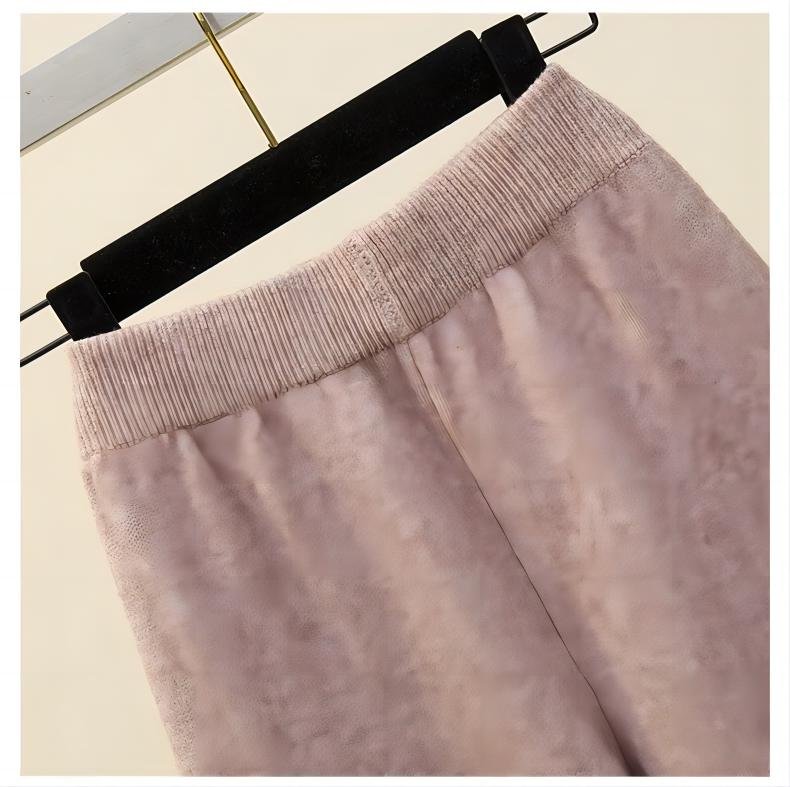
Nylon-Blend Velour
High-performance velour with added nylon for enhanced stretch and recovery. Perfect for athletic-inspired tracksuits and activewear lines. Lightweight yet durable (240–280 GSM), with superior moisture-wicking properties and a sleek, contemporary sheen that elevates streetwear aesthetics.
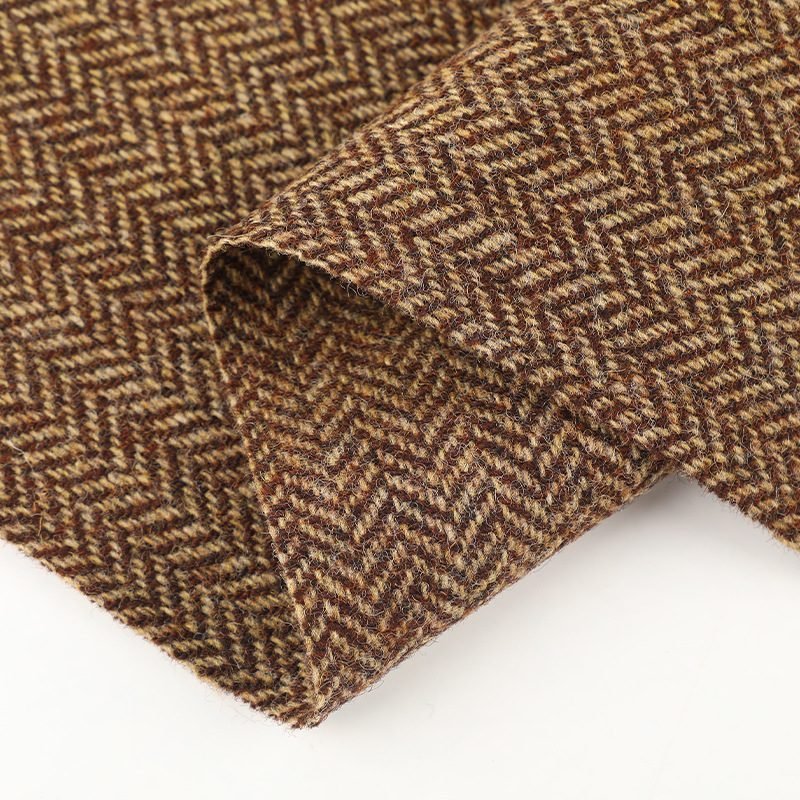
Performance Velour
Technical fabric engineered for movement and comfort. Blends polyester with elastane for four-way stretch, making it ideal for performance tracksuits and athleisure collections. Quick-drying, wrinkle-resistant, and maintains plush texture even after intensive use and frequent laundering.
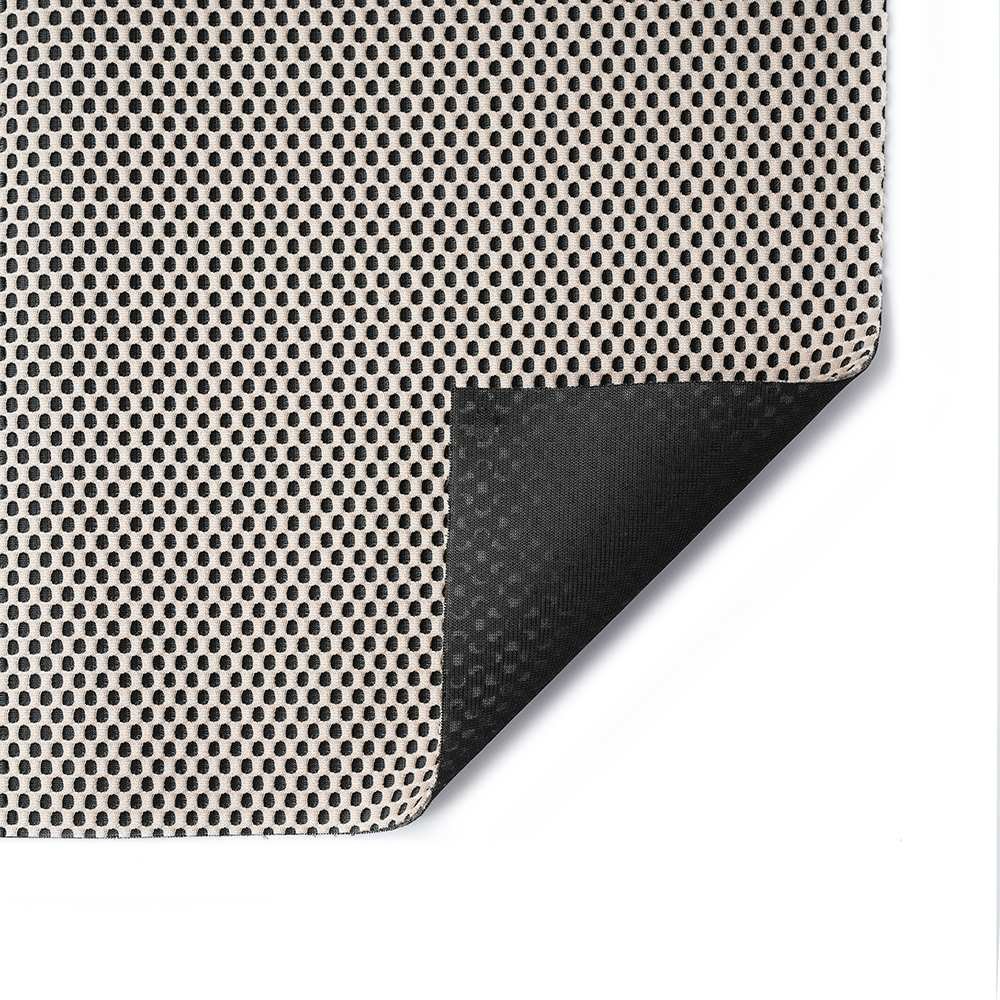
Heavyweight Cotton Velour
Luxurious, dense velour with rich pile and premium drape. Best suited for high-end tracksuit collections and cold-weather loungewear. Substantial weight (340–380 GSM) delivers exceptional warmth and a sumptuous hand-feel that communicates quality and elevates brand positioning.
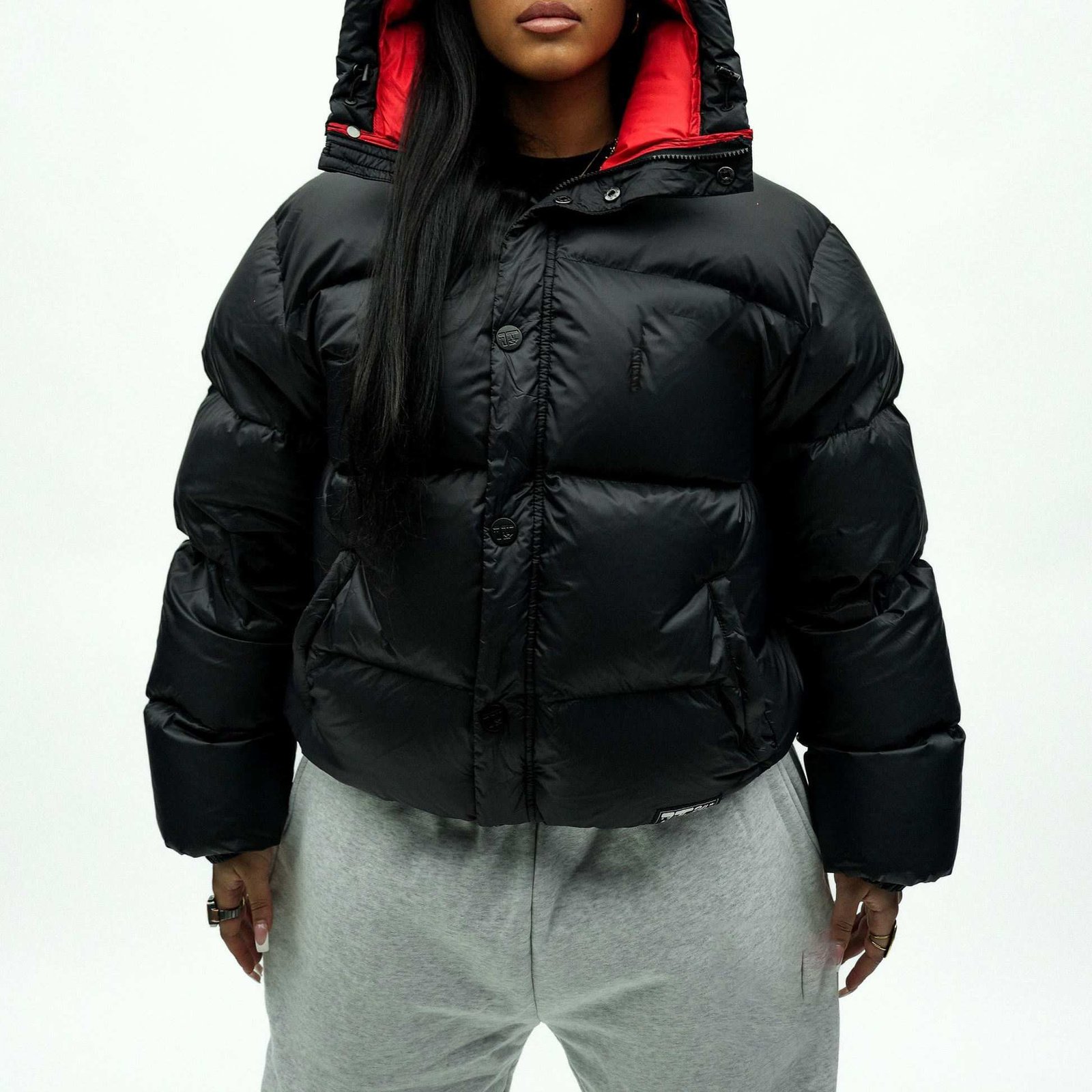
Eco-Friendly Velour
Sustainable velour blend crafted from recycled polyester and organic cotton fibers. Appeals to environmentally conscious brands and consumers seeking responsible fashion. Maintains the signature soft touch and vibrant color payoff of traditional velour while reducing environmental impact.
Velour Tracksuit Manufacturer Production Techniques & Finishing Processes
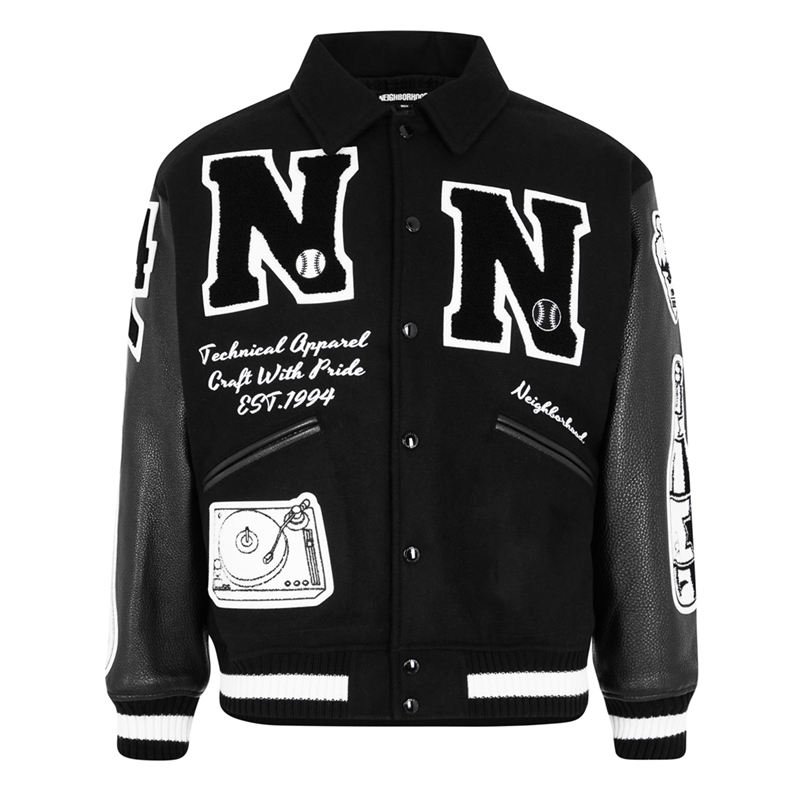
Custom Embroidery
High-density thread embroidery for logos, monograms, and decorative elements on velour fabric. Creates raised, luxurious branding with exceptional durability through repeated washing. Perfect for premium tracksuit personalization and brand identity.
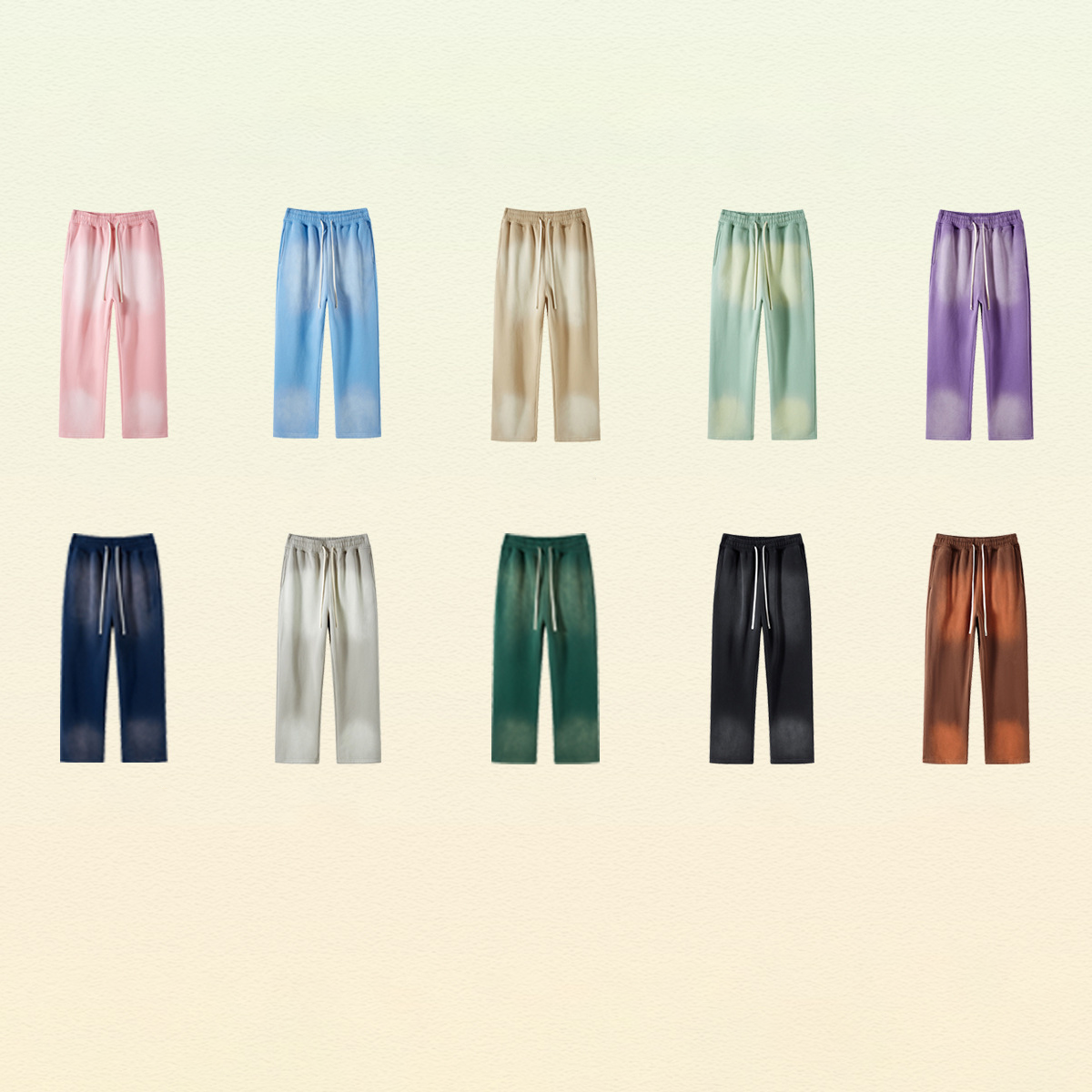
Screen Printing
Multi-color screen printing for bold graphics, slogans, and artwork on velour surfaces. Delivers vibrant, long-lasting prints that maintain color intensity and resist cracking. Ideal for streetwear-inspired designs and limited-edition tracksuit collections.
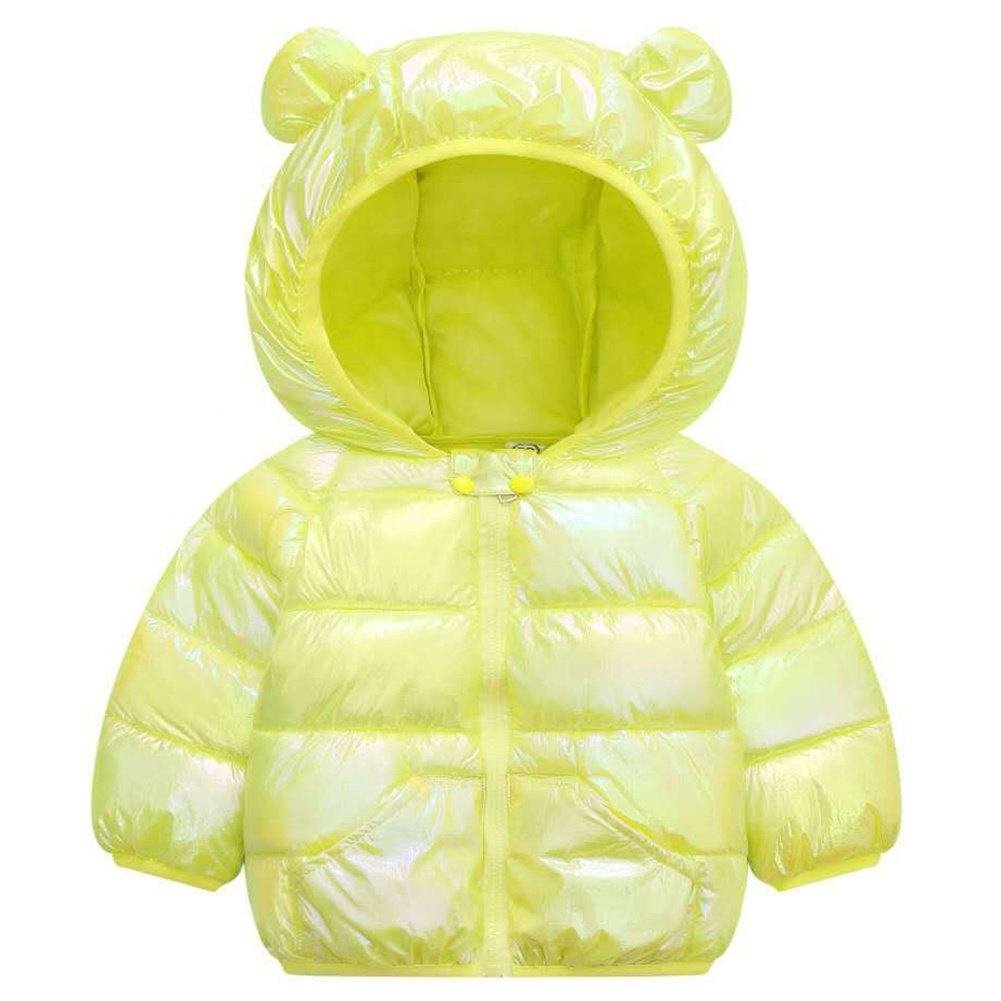
Heat Transfer Application
Precision heat-applied vinyl, foil, and reflective transfers for logos and design accents. Produces clean, professional branding with metallic, matte, or gloss finishes. Excellent for small runs and intricate multi-layer designs on velour.
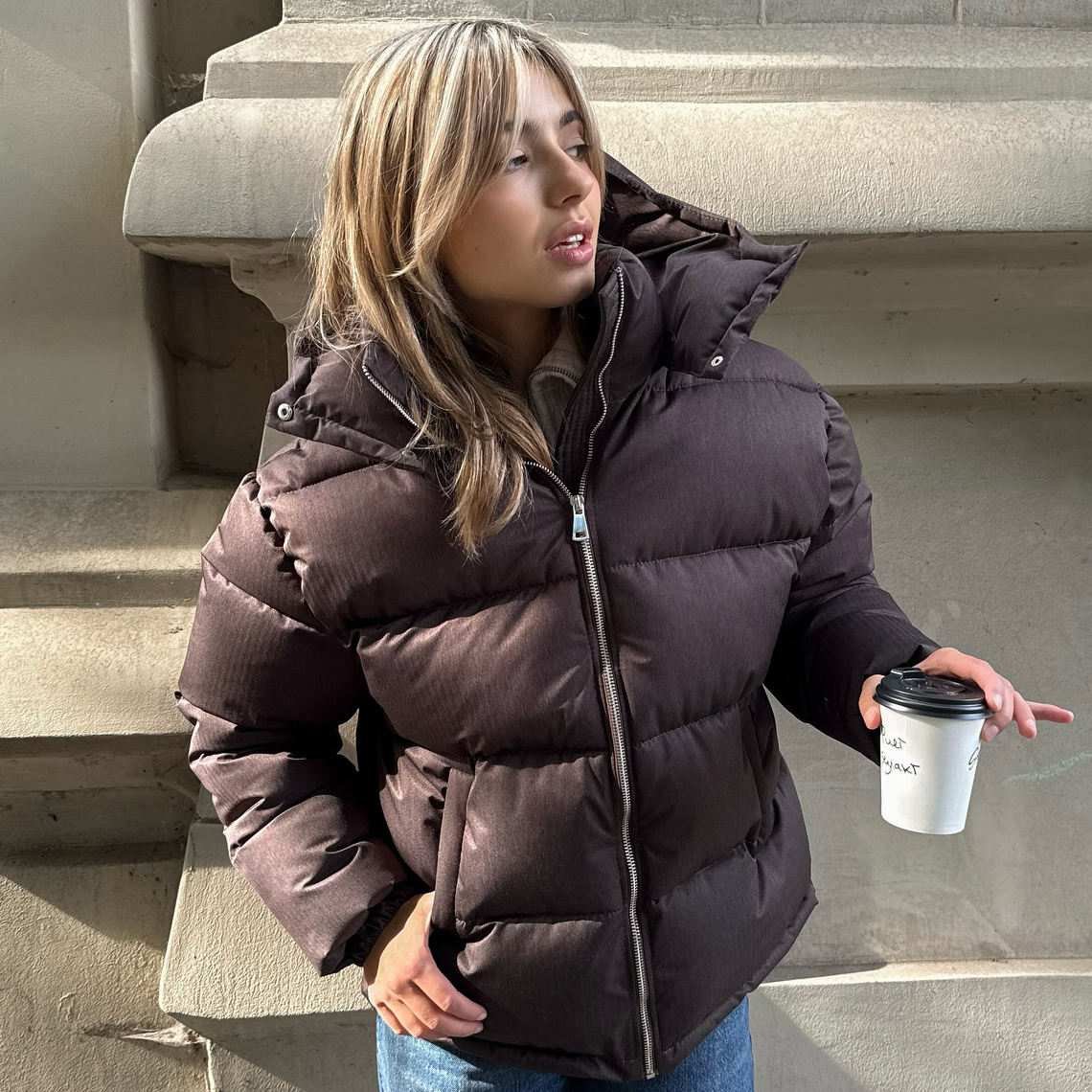
Custom Fabric Dyeing
Proprietary dyeing processes for unique colorways, ombré effects, and seasonal trend colors in velour fabric. Ensures consistent, fade-resistant hues across entire production batches. Enables exclusive color palettes that differentiate your tracksuit line from competitors.
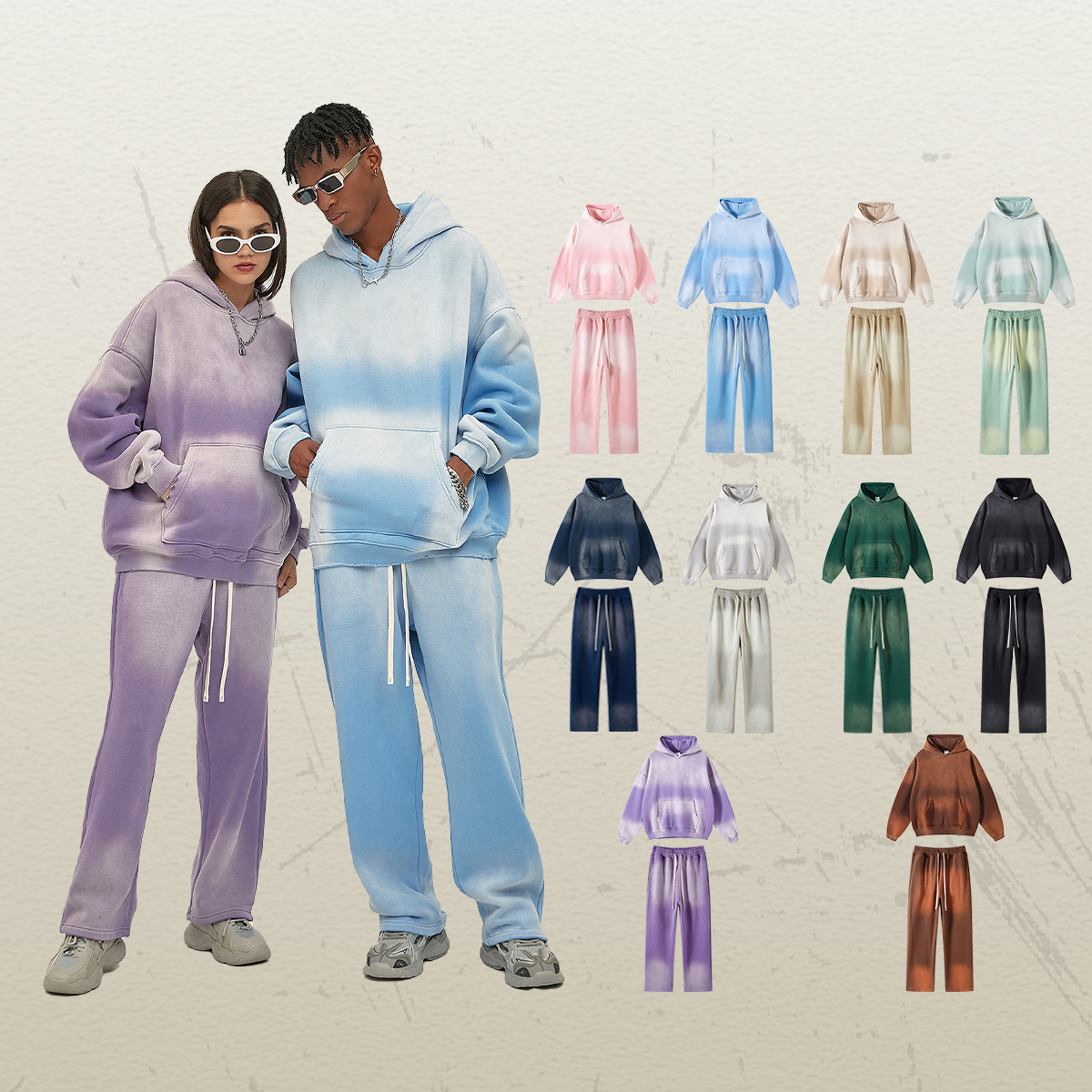
Sublimation Printing
Dye-sublimation technology for all-over patterns, gradients, and photographic-quality graphics on polyester velour blends. Produces permanent, breathable prints that won’t peel or crack. Perfect for bold, trend-forward tracksuit designs and influencer collaborations.
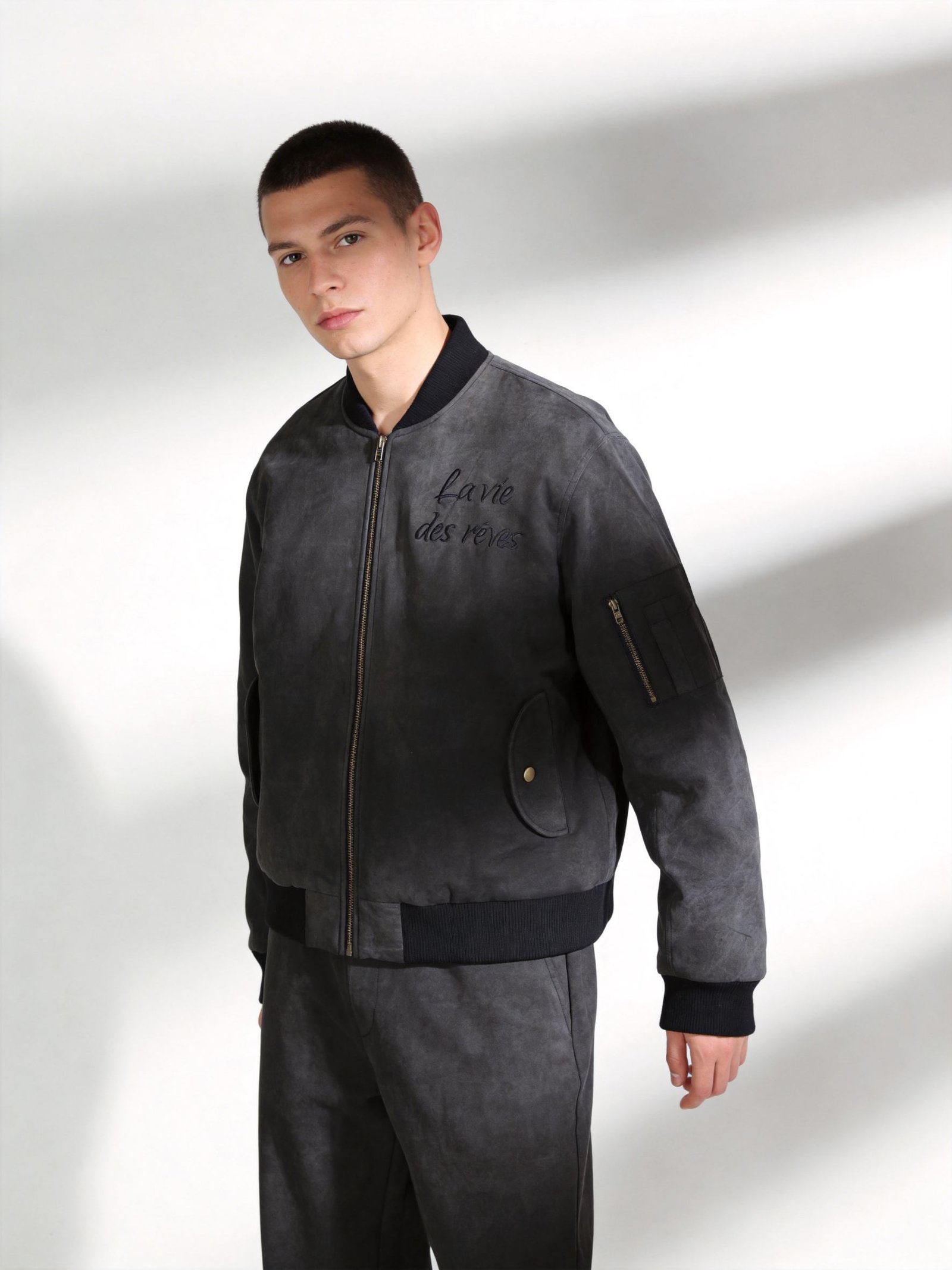
Patch & Appliqué Work
Woven labels, chenille patches, and fabric appliqués sewn or heat-sealed onto velour tracksuits. Adds dimensional texture and premium streetwear aesthetics. Offers versatile branding opportunities with collegiate, varsity, and heritage-inspired design elements.
Hardware & Accessories for Velour Tracksuits
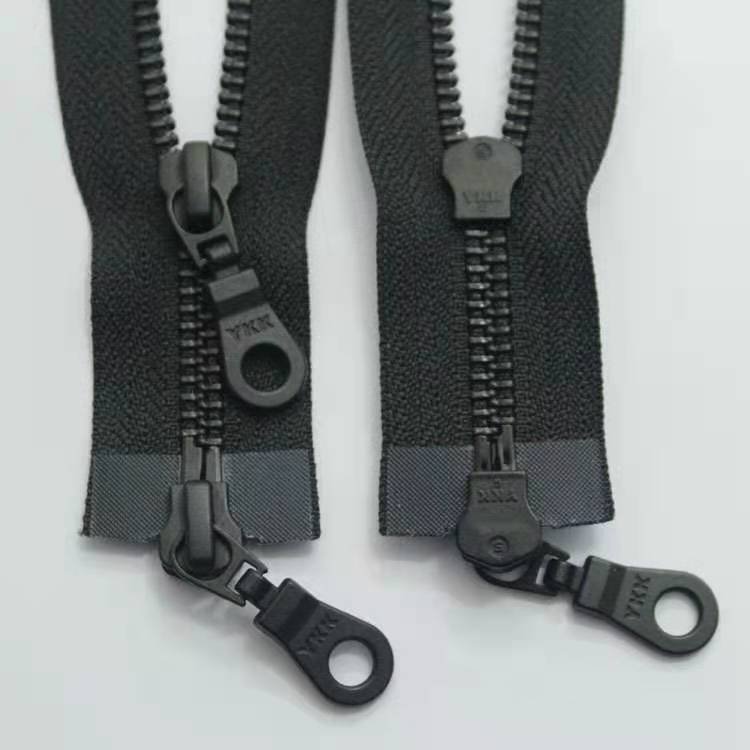
YKK Zippers
Industry-leading YKK zippers for velour tracksuit jackets and pockets. Smooth operation, durable construction, and available in custom colors and finishes to complement your velour fabric and brand aesthetic.
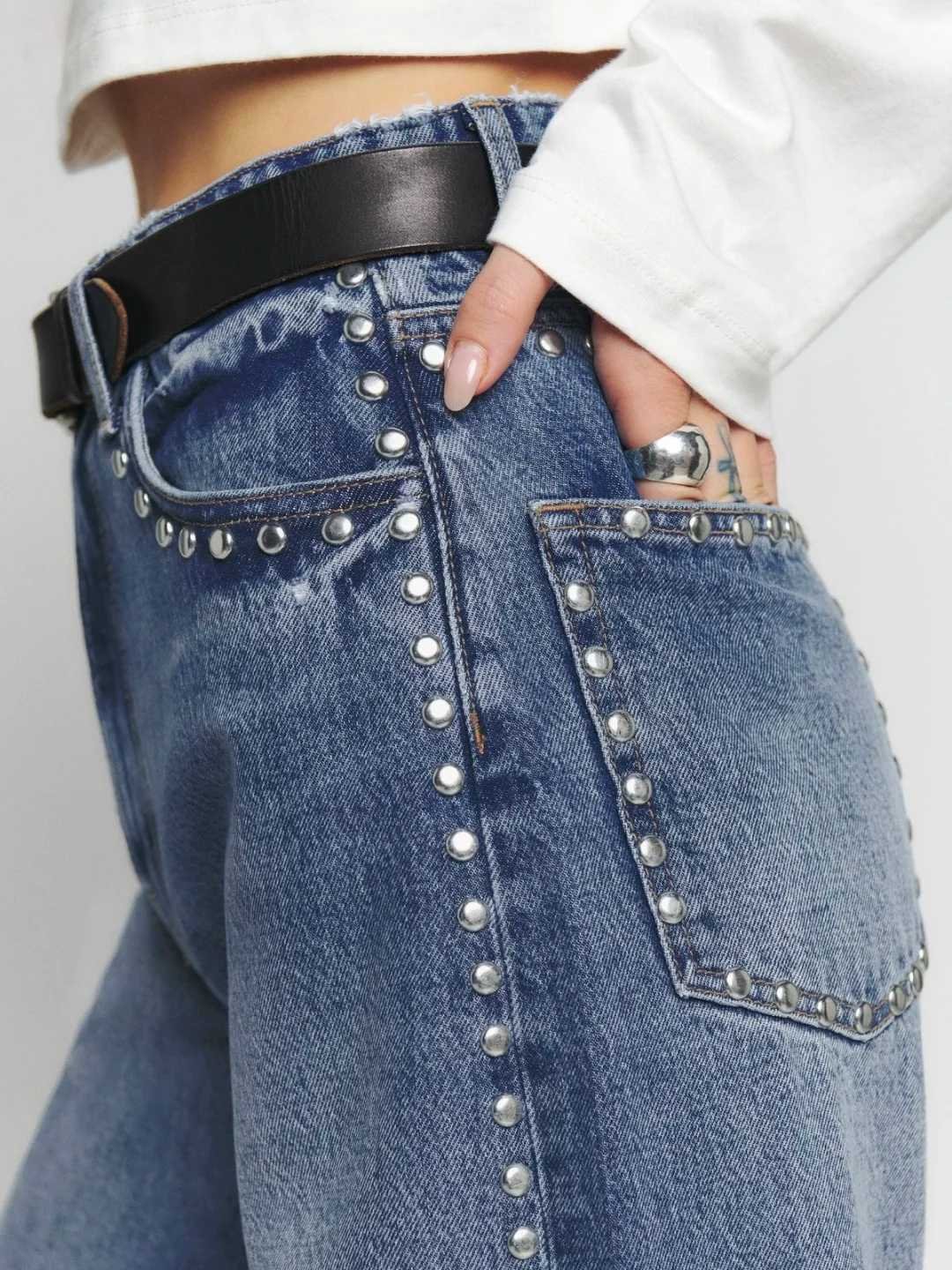
Drawcords & Aglets
Custom drawcords for hoodies and tracksuit waistbands with branded metal or plastic aglets. Choose from round, flat, or rope styles in colors that coordinate with your velour tracksuit colorways.
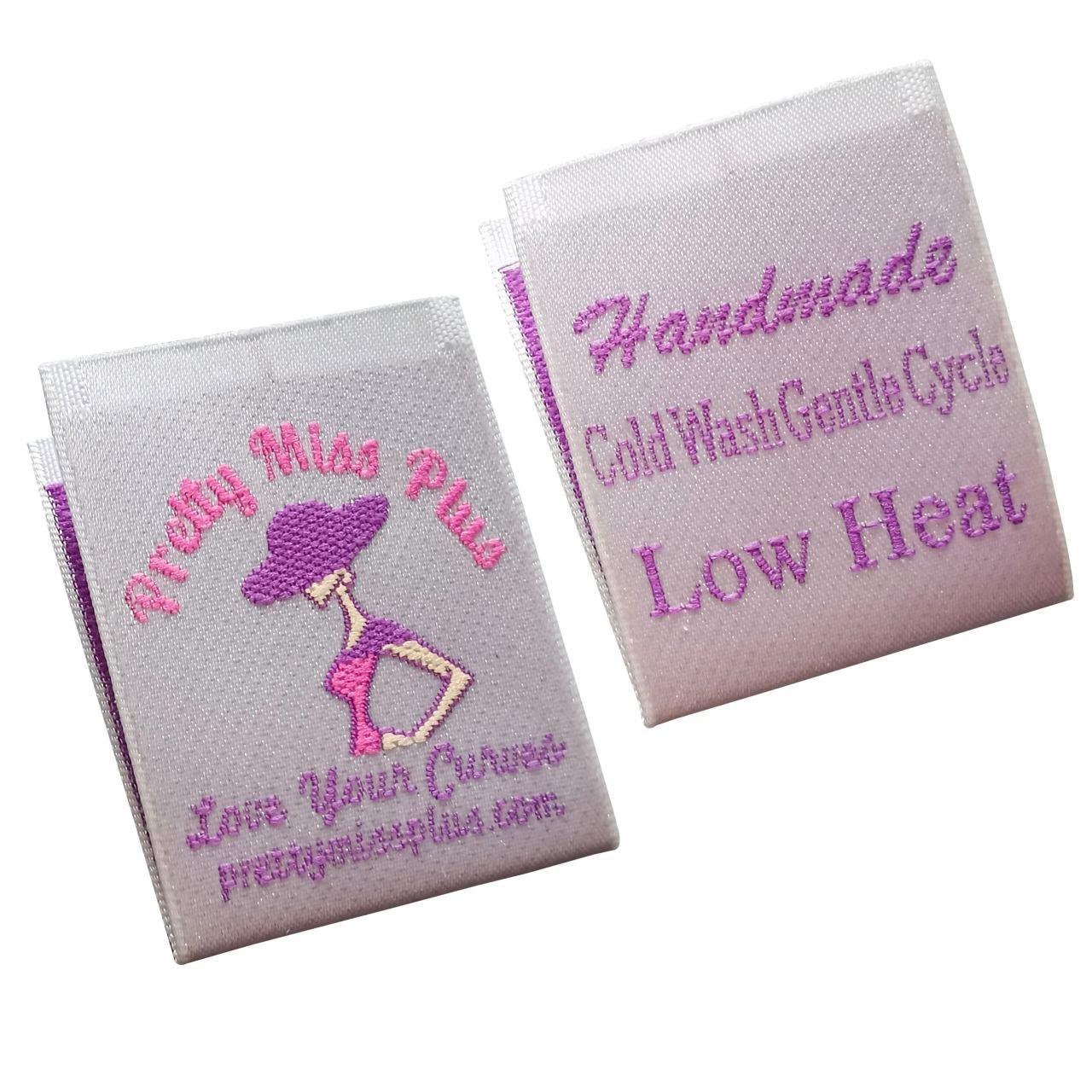
Woven Labels
High-definition woven labels with your logo, care instructions, and brand story. Sewn into necklines, side seams, or pockets to add authenticity and professionalism to every velour tracksuit piece.
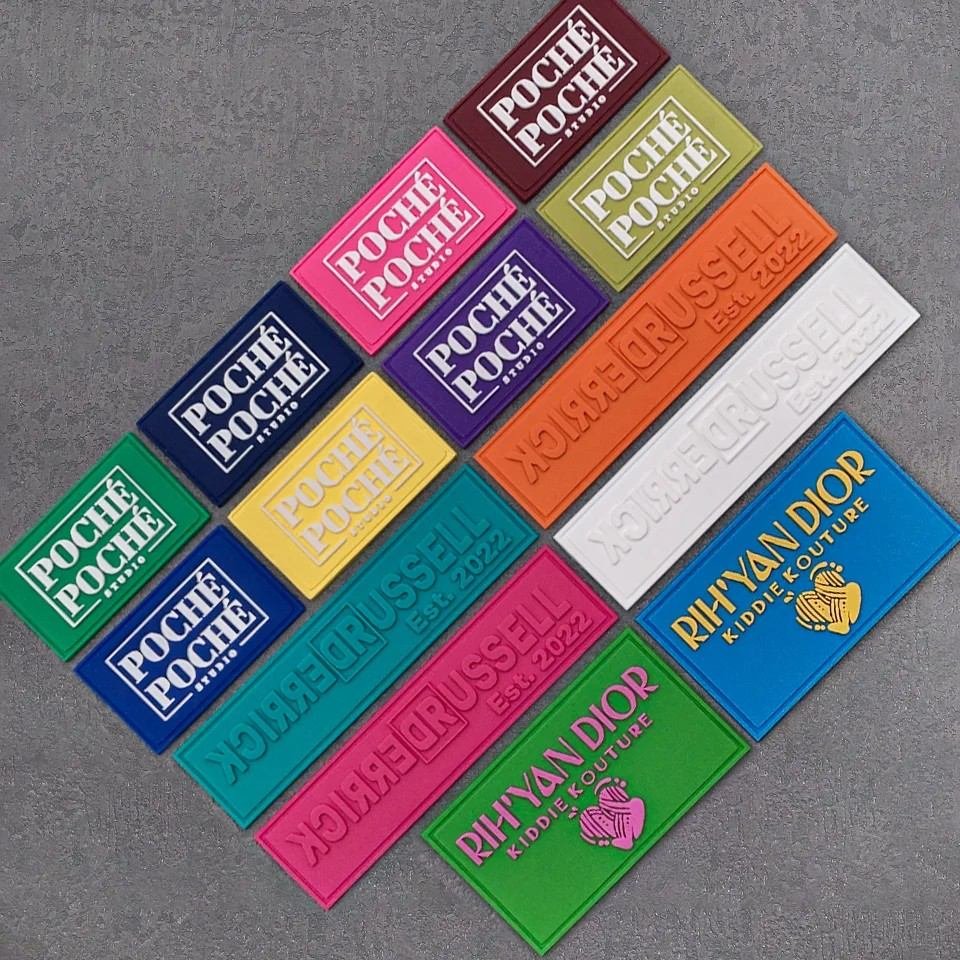
Custom Hangtags
Branded hangtags in custom shapes, materials, and finishes. Communicate your brand values, sizing, and product details while creating a premium unboxing experience for your velour tracksuit customers.
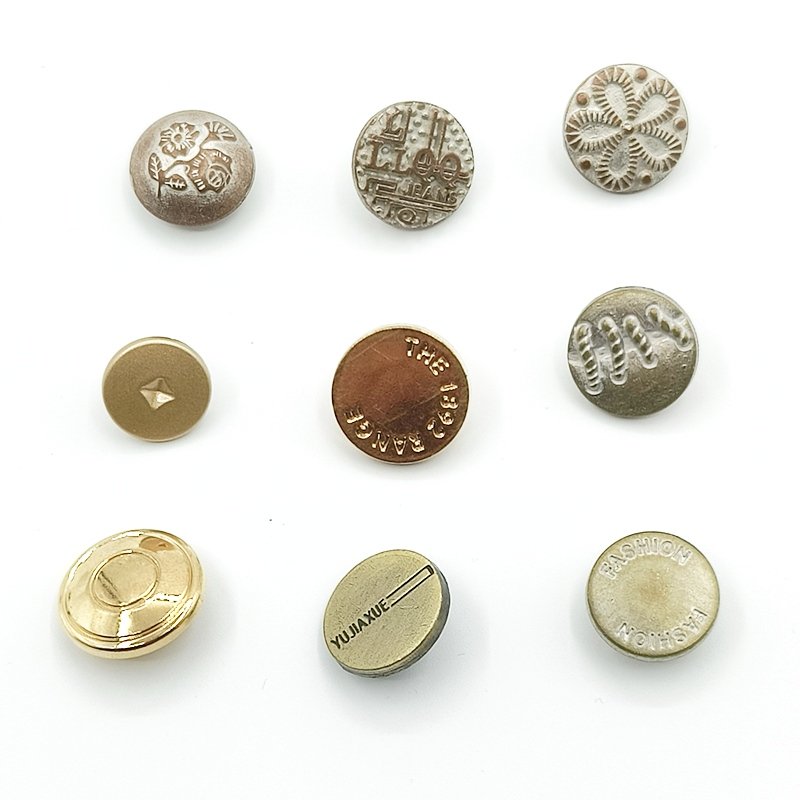
Snap Buttons
Durable snap buttons and press studs for tracksuit closures and design details. Available in metal, resin, or custom-engraved finishes that add functional style to velour hoodies and joggers.
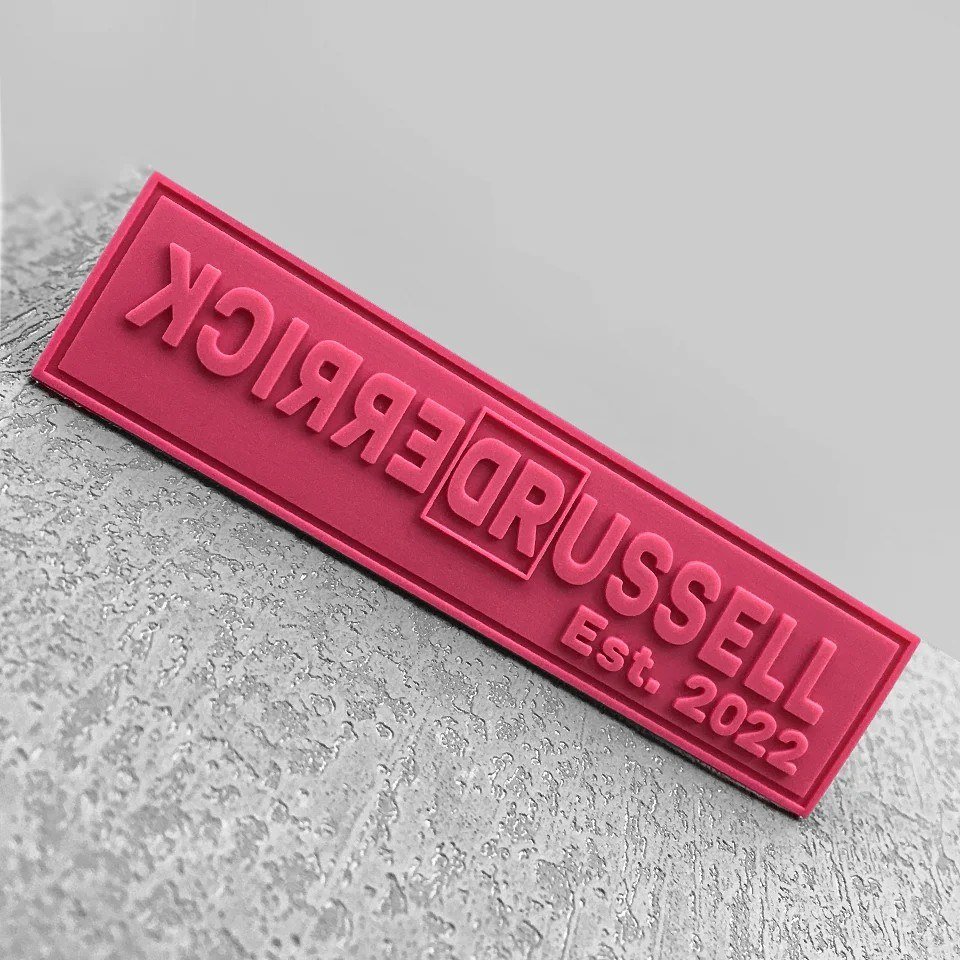
Embroidered Patches
Custom embroidered or woven patches for branding, logos, or streetwear graphics. Applied to sleeves, chest, or back panels to create signature design elements on your velour tracksuit collections.
Velour Tracksuit Manufacturer With a Quality-First Mission
Founded in 2024 by Tesla Luo, Clothing Manufacturer Ltd. was born from a decade of firsthand experience witnessing quality shortcuts in Chinese garment production. Growing up in a garment family and rotating through every factory role from cutting to QC, Luo built expertise across 10+ years in apparel and 6 years specializing in streetwear. His mission: restore trust in Chinese manufacturing by embedding rigorous quality control at every production stage.
We serve streetwear brands, fashion startups, independent designers, and global retailers who demand premium velour tracksuit manufacturing without compromise. Our proprietary 5-step QC guarantee—from materials testing to finished garment inspection—ensures every piece meets exacting standards. With a 15-member R&D team, 10 patents, and low 50-piece MOQs, we empower emerging and established brands across 100+ countries to launch trend-driven collections with confidence.
Backed by the infrastructure of Dongguan TuoZhen Clothing Co., Ltd. and rooted in Humen Town’s garment manufacturing hub, we combine agile streetwear specialization with scalable production capacity. From fabric selection to global logistics, we partner with you to deliver velour tracksuits that reflect your brand’s vision and our zero-compromise craftsmanship.
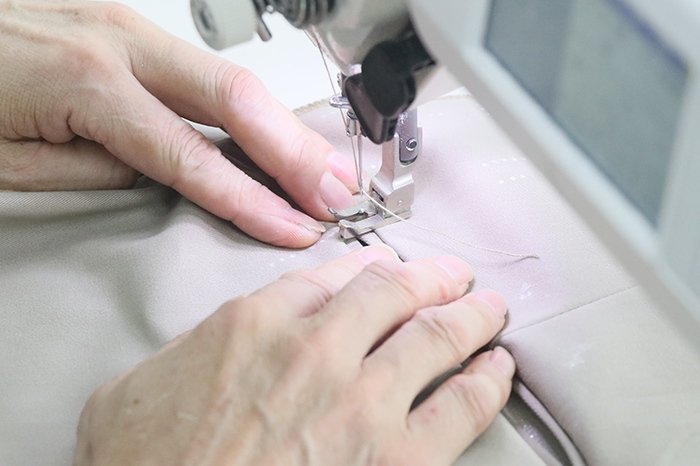
Our 5-Step Quality Control Process — Built Into Every Velour Tracksuit
Materials QC Testing Before Production
Every velour fabric roll undergoes rigorous inspection before cutting begins. We verify weight, pile consistency, stretch recovery, and colorfastness to ensure your tracksuits start with premium materials that meet your brand standards.
- Fabric weight verification against approved samples
- Pile density and softness testing for luxury hand-feel
- Color matching and fastness testing to prevent fading
- Stretch and recovery testing for fit retention
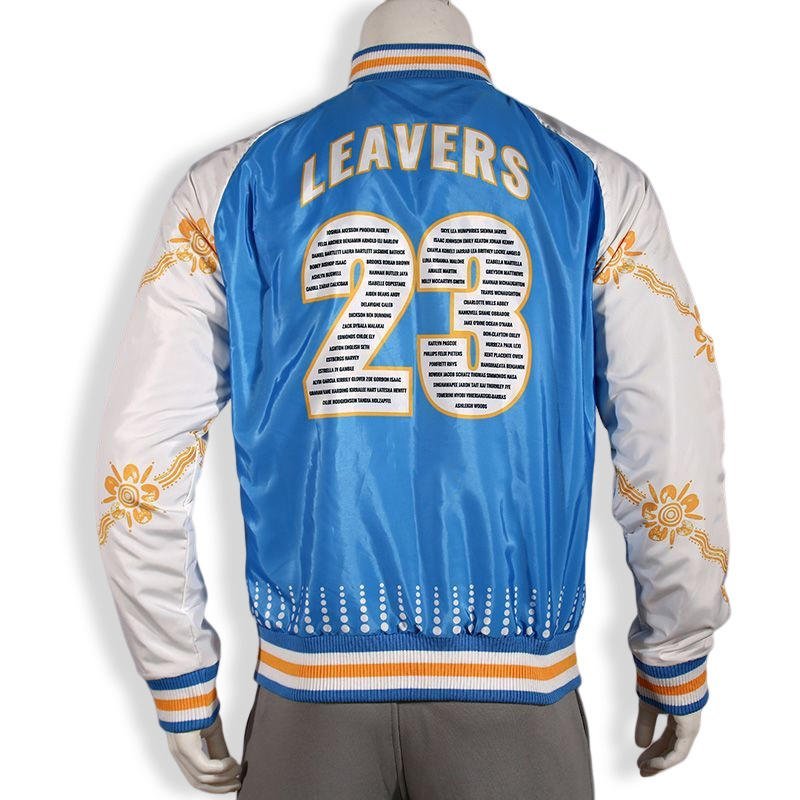
Cutting QC Testing for Precision
After pattern development, our cutting QC validates every piece for accuracy and consistency. This step prevents sizing errors and fabric waste, ensuring each velour tracksuit component matches your technical specifications exactly.
- Pattern piece measurement verification against tech packs
- Grain line and nap direction inspection for uniform appearance
- Notch and marking accuracy checks for seamless assembly
- Piece count validation to eliminate missing components
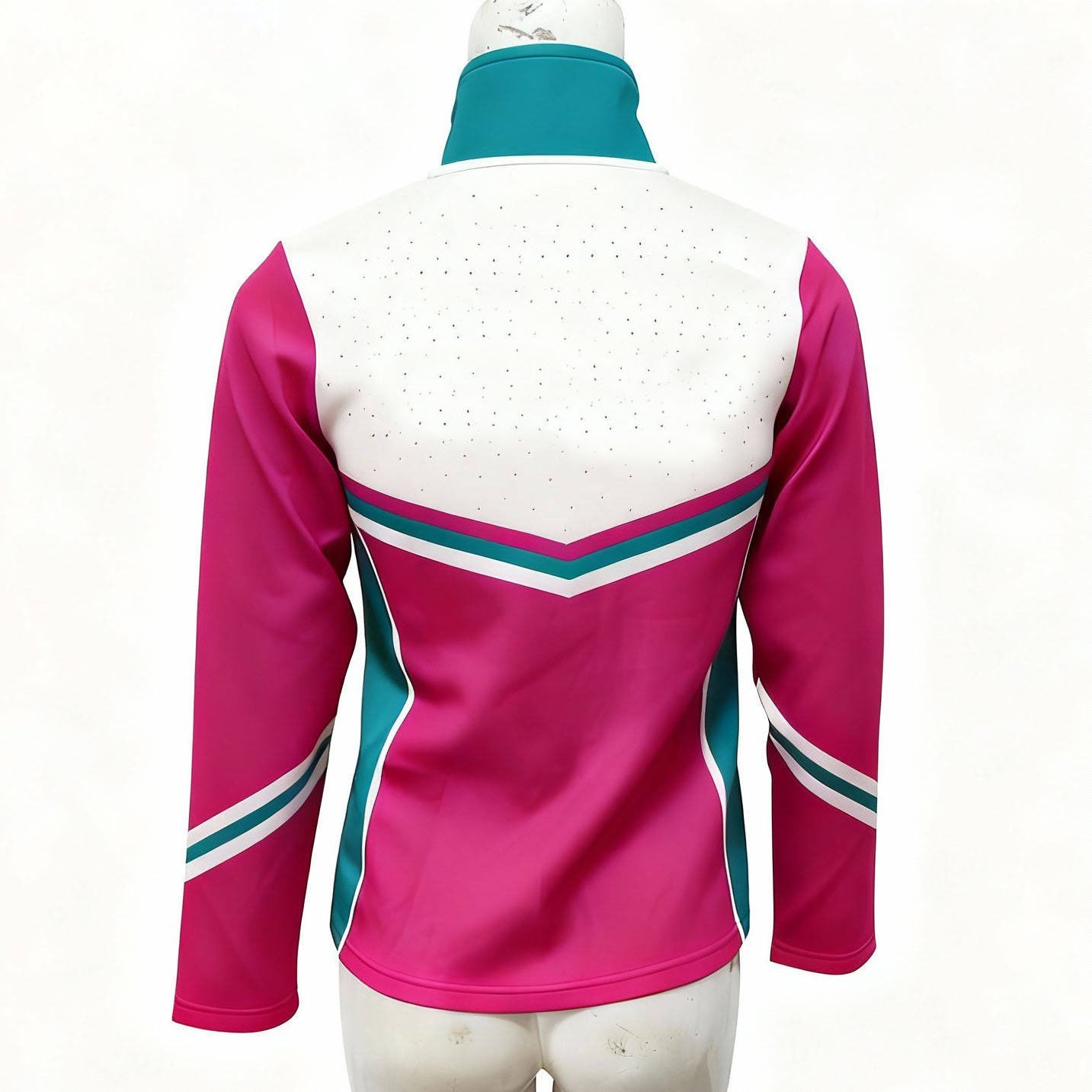
Craft QC During Sewing Production
Unlike competitors who skip mid-production checks, we inspect construction quality at critical assembly stages. Our velour tracksuit manufacturer team catches stitching flaws, seam inconsistencies, and alignment issues before they reach final assembly.
- Seam strength and stitch density testing on sample pieces
- Zipper installation and functionality verification
- Pocket placement and reinforcement inspection
- Real-time correction of sewing defects before batch completion
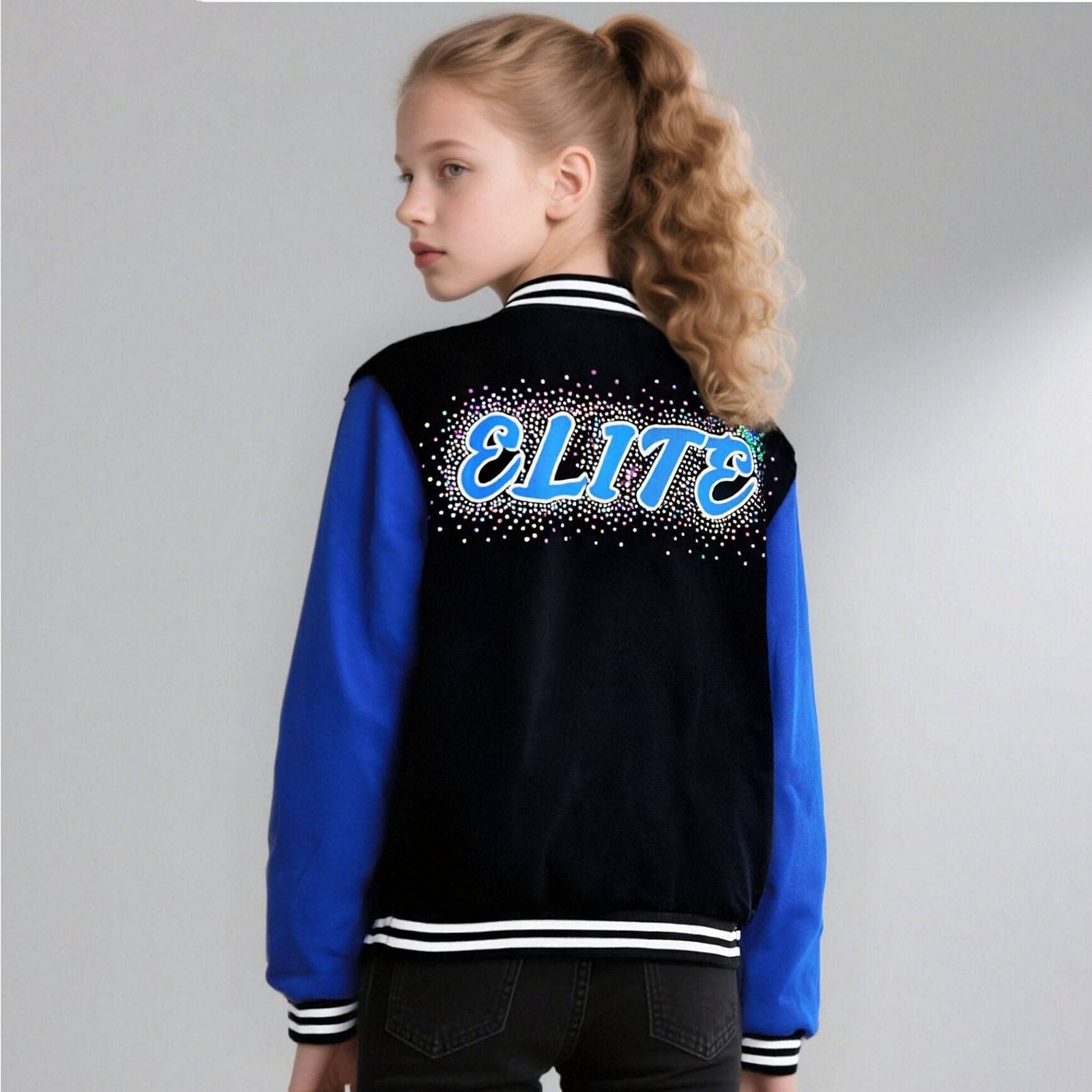
Finished Garment Quality Inspection
Every completed velour tracksuit undergoes comprehensive final inspection covering measurements, construction, finishing, and presentation. Only garments that pass all checkpoints are approved for packing and shipment to your brand.
- Full measurement audit against approved size specifications
- Thread trimming, pressing, and finishing quality review
- Label placement, care instructions, and branding verification
- Final visual inspection for fabric flaws or construction defects
Velour Tracksuit Manufacturer Comparison: Quality-First vs. Standard Suppliers
Not all manufacturers are built the same. See how our 5-step QC process, in-house design team, and decade of streetwear expertise deliver superior velour tracksuits compared to typical low-cost factories.
← 左右滑动查看 →
From Order to Delivery — Your Velour Tracksuit Manufacturer Production Timeline
Our transparent 6-phase process ensures every velour tracksuit meets our 5-step QC standards, from initial sampling to final delivery. Clear checkpoints keep your launch on schedule.
Sampling & Approval
Our design team creates custom velour tracksuit samples with your branding, fabrics, and trims. Revisions included until you approve production specs.
Materials Sourcing & Cutting
We procure premium velour fabrics and complete materials QC testing, then precision-cut patterns using approved tech packs and grading.
Sewing & In-Line QC
Skilled operators assemble tracksuits while our QC team performs cutting and craft inspections at every stage to catch defects early.
Finishing & Quality Inspection
Each velour tracksuit undergoes finishing processes—embroidery, screen printing, or embellishments—followed by sewing production QC testing before final review.
Final QC & Packing
Finished clothing quality inspection verifies fit, stitching, color, and details. Approved units are pressed, folded, and packed to your specifications.
Shipping & Logistics
We coordinate global shipping with full customs documentation and tracking, ensuring your velour tracksuits arrive on time for your launch.
How to Partner With a Velour Tracksuit Manufacturer in 3 Simple Steps
From concept to finished garments, our transparent process ensures you stay informed at every gate, with rapid turnaround and quality built in from day one.
Submit Your Design or Tech Pack
Share your velour tracksuit concept, sketches, or complete tech pack with fabric preferences and details. Our team reviews requirements and confirms feasibility within 24 hours.
Receive Samples and Detailed Quote
We produce physical samples using your specifications and deliver a transparent quote covering materials, labor, and shipping. Revisions are welcomed until you approve the final prototype.
Approve and Launch Bulk Production
Once you confirm the sample and terms, we initiate our 5-step QC process and begin bulk manufacturing. Track progress milestones and receive updates until delivery.
Certified Velour Tracksuit Manufacturer — Quality You Can Trust
Velour Tracksuit Manufacturer Success Stories — Brands We’ve Grown
We launched our velour tracksuit line with just 100 pieces and scaled to 50,000 Instagram followers in 18 months. The 5-step QC process meant zero returns and our customers kept coming back for more drops.
As an influencer brand, quality is everything. Our custom velour tracksuits sold out in 72 hours—over 800 units. The low MOQ let us test designs risk-free before scaling up production.
We needed premium velour tracksuits fast for our fall collection. Delivered 500 pieces in 28 days with flawless stitching and zero defects. Our retail partners immediately reordered for spring.
Velour Tracksuit Manufacturing — Frequently Asked Questions
What is the minimum order quantity for a velour tracksuit manufacturer?
How long does it take to receive samples from your velour tracksuit manufacturer?
Does your velour tracksuit manufacturer offer custom embroidery and printing?
What payment terms does your velour tracksuit manufacturer accept?
How do you protect my designs and intellectual property?
What shipping options are available for international orders?
Can you match specific velour fabric weights and finishes?
What quality control measures are in place during production?
Do you support small brands and influencer lines with velour tracksuits?
The Complete Buyer’s Guide to Choosing the Right Velour Tracksuit Manufacturer
Navigate the velour tracksuit sourcing landscape with confidence. This guide delivers a proven decision framework, essential supplier criteria, quality benchmarks, and the most common mistakes to avoid when partnering with a velour tracksuit manufacturer.
1. What Is a Velour Tracksuit Manufacturer?
A velour tracksuit manufacturer is a specialized apparel production facility that sources, cuts, sews, and finishes two-piece athletic leisure sets made from velour fabric — a warp-knit textile with a dense, short pile surface that mimics velvet. These manufacturers occupy a critical node in the fashion supply chain, translating design concepts and technical specifications into finished garments ready for branding, packaging, and retail distribution. Unlike generic cut-and-sew shops that handle any fabric type, a dedicated velour tracksuit manufacturer maintains expertise in pile-fabric handling, nap direction control, and stretch-seam construction to prevent distortion and pilling during production.
Full-service manufacturers manage the entire workflow from fabric procurement and pattern grading through embroidery, screen printing, quality inspection, and logistics. Cut-and-sew shops, by contrast, execute only the assembly phase, requiring clients to supply pre-cut fabric panels and trims. Private-label suppliers offer ready-made designs with minimal customization — typically logo placement and colorway selection — enabling faster turnarounds but less brand differentiation.
Velour demands specialized knowledge because the fabric’s pile structure creates directional shading, requires low-tension sewing to avoid stretching, and needs careful pressing at controlled temperatures to preserve the plush hand feel. Manufacturers experienced in velour use walking-foot or differential-feed machines, perform nap-direction alignment during cutting, and apply steam finishing rather than direct heat. Clothing Manufacturer Ltd., founded in 2024 by Tesla Luo with over 10 years of production experience, implements a five-step quality control methodology introduced in February 2025 — covering materials QC, cutting QC, craft QC, sewing QC, and finished-garment inspection — to ensure every velour tracksuit meets rigorous standards before shipment.
2. The Evolution of Velour Tracksuits in Fashion
In 1995, velour tracksuits emerged as casual sportswear staples in European and American markets, valued for their soft cotton-blend pile and relaxed fit. Early adopters included hip-hop artists and athletes who appreciated the fabric’s stretch recovery and breathable warmth, positioning velour as a bridge between performance wear and everyday comfort.
Between 2001 and 2006, Juicy Couture’s zip-front hoodie and low-rise pant sets became a cultural phenomenon, worn by celebrities including Paris Hilton and Jennifer Lopez and featured in over 200 paparazzi publications. The brand’s signature rhinestone logo placements, pastel colorways, and terry-loop velour construction defined early-2000s athleisure, with retail prices reaching 150–250 USD per set. This era established velour as a status fabric, not merely a functional textile.
By 2018, streetwear labels and independent designers began reinterpreting velour tracksuits with oversized silhouettes, bold graphic embroidery, and heritage color-blocking inspired by 1990s sportswear archives. Today’s velour tracksuit manufacturer offerings incorporate 250–300 GSM cotton-polyester velour blends, YKK zippers, and Pantone-matched custom dyeing to meet the demands of influencer brands and fashion startups. The fabric’s tactile luxury, dye saturation, and nostalgic appeal make it a recurring choice for limited drops and seasonal capsules in the athleisure and loungewear segments.
Cross-element streetwear motifs — roses, skeletons, mystery symbols — now appear as screen-printed or embroidered details on velour bases, merging 2000s glamour with contemporary street culture aesthetics that resonate with Gen Z consumers seeking unique, personality-driven apparel.
3. Types of Velour Tracksuit Manufacturers
Velour tracksuit manufacturers operate under distinct business models, each serving different production needs and order volumes. Understanding these categories helps brands match their stage of growth and operational capabilities to the right manufacturing partner.
Full-Package Manufacturers
Full-package manufacturers handle every stage from fabric sourcing and pattern development through cutting, sewing, finishing, and final packaging. MOQs typically start at 200–500 pieces per style, with lead times of 45–60 days.
This model suits fashion startups and independent designers who lack in-house technical teams or fabric relationships. The manufacturer assumes responsibility for material procurement, quality control, and logistics coordination, simplifying the client’s workload but commanding higher per-unit costs due to comprehensive service scope.
CMT (Cut-Make-Trim) Manufacturers
CMT factories perform cutting, sewing, and finishing only; clients supply all fabrics, trims, and approved patterns. MOQs often drop to 100–300 pieces, with 25–35 day turnarounds once materials arrive.
Mid-size brands with established supply chains and technical designers benefit most from CMT arrangements. This structure offers lower production costs and tighter design control but requires the brand to manage fabric quality, color matching, and inventory risk independently.
Private-Label Manufacturers
Private-label producers maintain catalogs of ready-made velour tracksuit designs that clients rebrand with custom labels, hang tags, and packaging. MOQs range from 50–200 pieces per colorway, with 15–25 day lead times.
Influencer brands and creator-driven labels launching quickly favor private-label partnerships. Speed to market and minimal upfront investment are key advantages, though design differentiation remains limited compared to fully custom development.
Overseas vs. Domestic Production
Overseas velour tracksuit manufacturers—concentrated in China’s Guangdong Province and Vietnam—offer 30–50% cost savings and access to specialized streetwear expertise. Domestic U.S. or European factories provide 7–14 day lead times and simplified communication but require 300+ piece minimums.
Global apparel retailers balancing cost efficiency with scalability typically source overseas, while brands prioritizing rapid restocks or ‘Made in USA’ positioning choose domestic partners despite higher unit prices.
4. Materials and Fabric Options for Velour Tracksuits
Velour fabric selection determines the final tracksuit’s drape, comfort, and market positioning. A velour tracksuit manufacturer typically stocks four core fabric categories, each engineered for distinct performance and aesthetic requirements. Understanding GSM weight, pile construction, and fiber composition ensures your product meets target customer expectations.
| Fabric Type | Composition | GSM Range | Stretch % | Drape | Best Application |
|---|---|---|---|---|---|
| Cotton Velour | 100% cotton | 280–350 | 3–5% | Luxurious, heavy | Premium loungewear |
| Polyester Velour | 100% polyester | 200–280 | 8–12% | Smooth, crisp | Activewear tracksuits |
| Cotton-Poly Blend | 60/40–80/20 | 250–300 | 5–10% | Balanced | Mid-tier streetwear |
| Stretch Velour | Cotton/poly + 3–5% spandex | 240–300 | 15–25% | Fitted, resilient | Performance joggers |
Cotton Velour
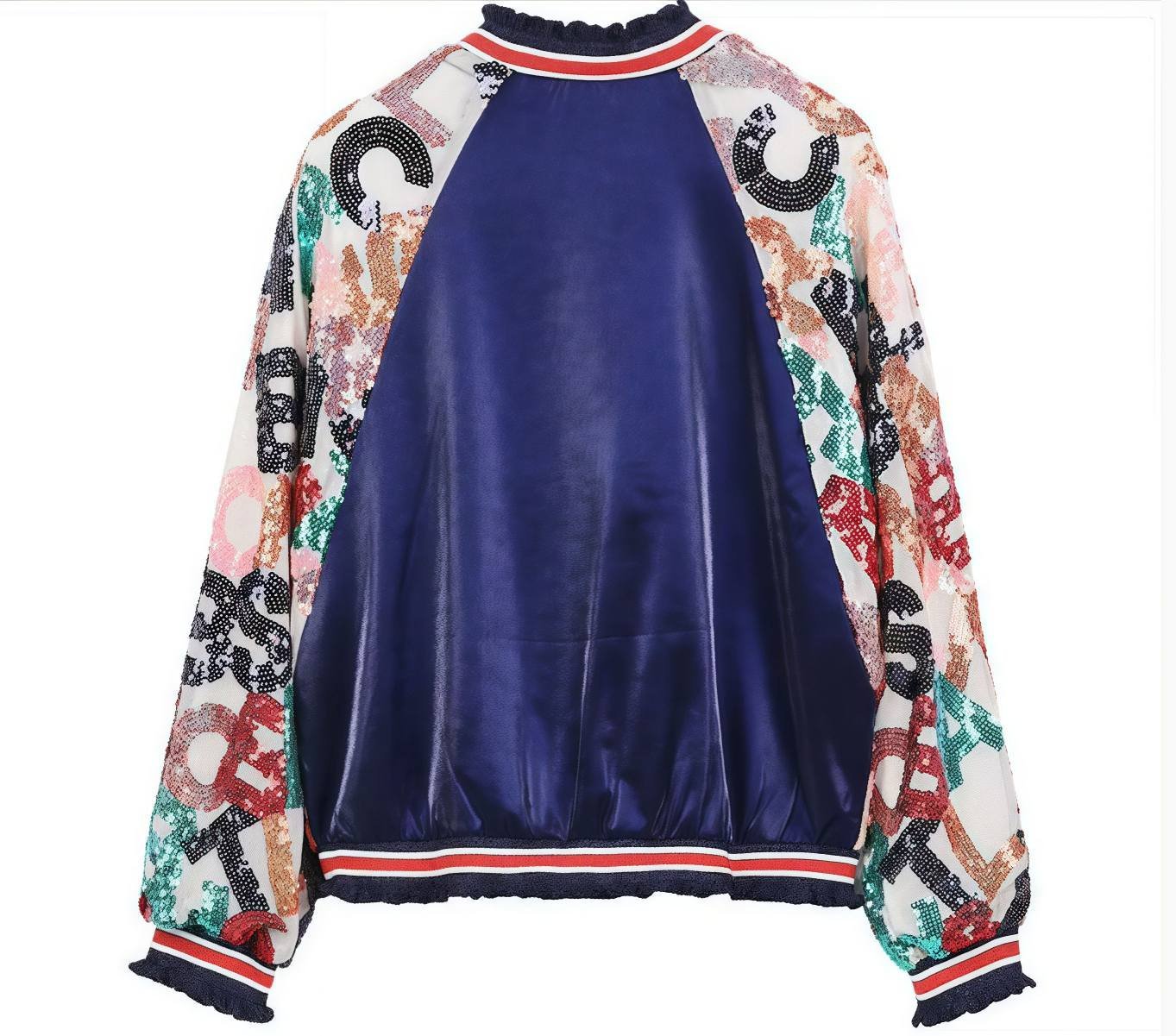
100% cotton velour delivers the softest hand feel and natural breathability, with GSM weights ranging from 280–350. The dense pile structure creates a luxurious drape ideal for premium loungewear collections.
Cotton velour absorbs moisture efficiently and holds vibrant dye colors, making it the preferred choice for high-end streetwear brands targeting consumers who prioritize comfort over athletic performance. Typical stretch is 3–5% without added elastane.
Polyester Velour
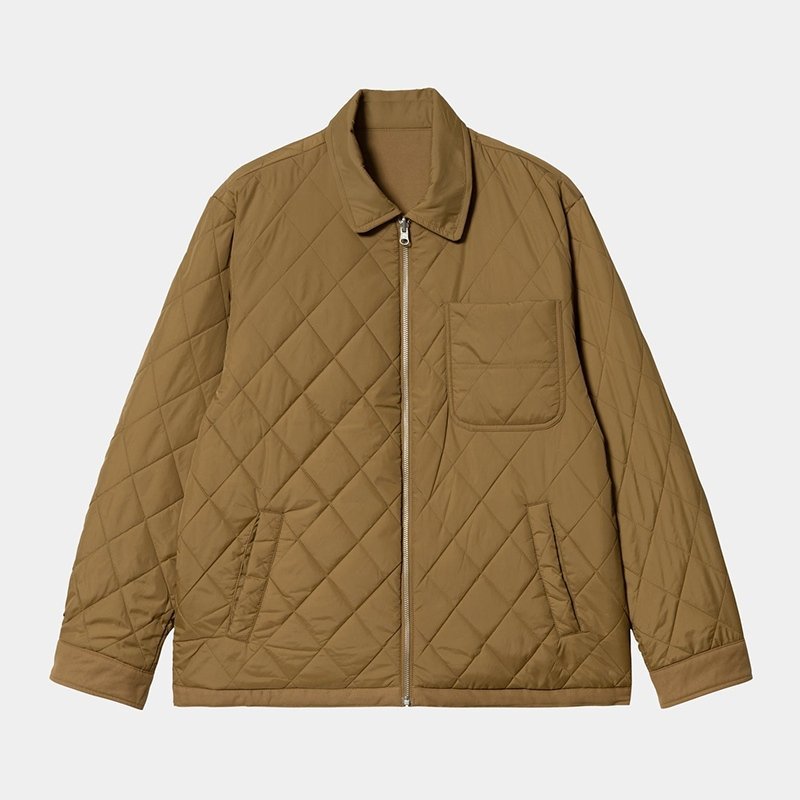
Polyester velour offers superior durability and color retention at 200–280 GSM, with a smoother, more uniform pile than cotton. It resists pilling and maintains shape through repeated washing cycles.
This fabric type suits activewear-inspired tracksuits where quick-dry properties and wrinkle resistance matter more than natural fiber content. Polyester velour typically includes 8–12% mechanical stretch and costs 20–30% less than cotton equivalents.
Cotton-Poly Blends and Stretch Velour
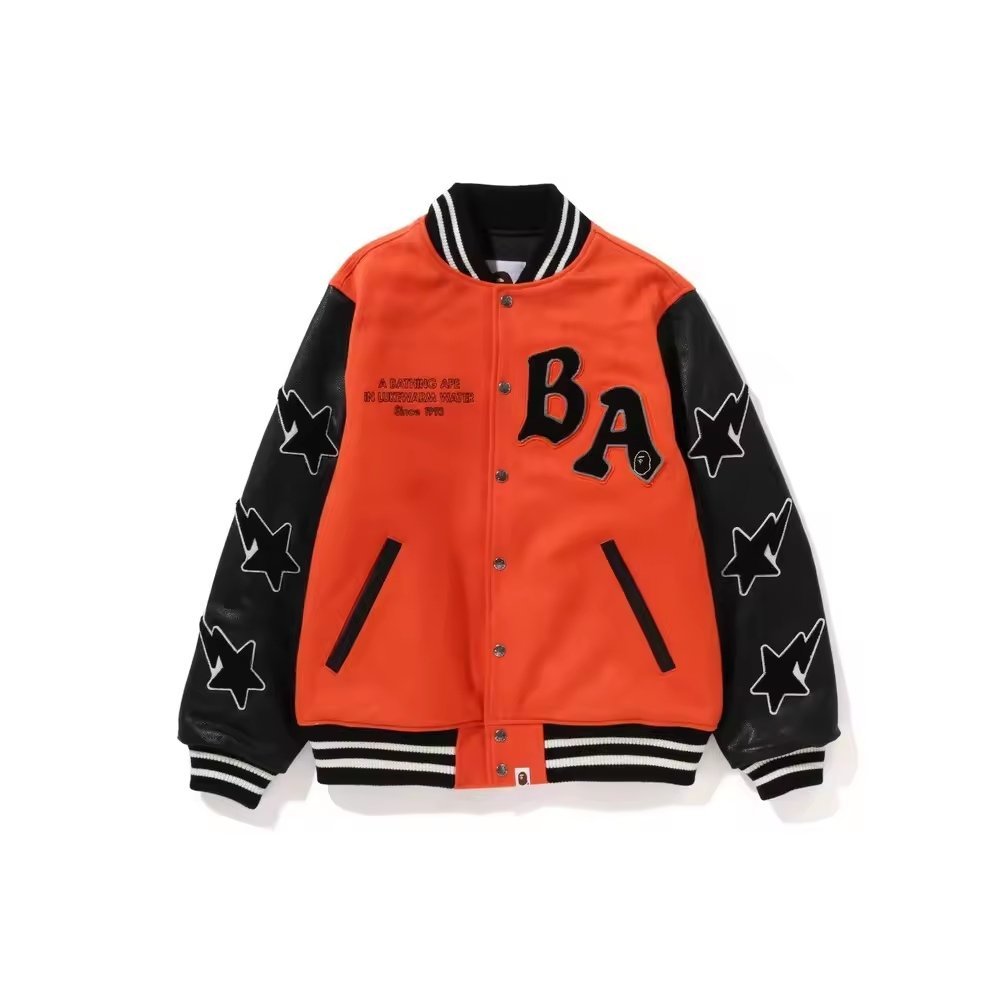
Blended velour (60/40 or 80/20 cotton-polyester) balances softness with durability at 250–300 GSM. Adding 3–5% spandex creates stretch velour with 15–25% elasticity, essential for fitted joggers and active silhouettes.
Stretch velour maintains pile integrity during movement and recovers its shape after wear, making it the workhorse fabric for brands requiring both comfort and performance. This category dominates mid-tier tracksuit production due to its versatility and cost efficiency.
5. Customization and Decoration Techniques
Velour’s plush pile demands decoration techniques that anchor securely without crushing fibers or creating puckering. A velour tracksuit manufacturer must balance aesthetic impact with durability, since many methods that excel on flat knits fail on high-pile fabrics.
| Technique | Cost Tier | Durability (Wash Cycles) | Typical MOQ |
|---|---|---|---|
| Embroidery | $2.50–$8/pc | 50+ cycles | 50 pieces |
| Screen Print | $1.20–$3/pc | 20–30 cycles | 100 pieces |
| Heat Transfer | $1.50–$4/pc | 15–20 cycles | 25 pieces |
| Appliqué | $3–$7/pc | 40+ cycles | 50 pieces |
| Rhinestones | $0.08–$0.15/stone | 10–15 cycles | 100 pieces |
Embroidery on Velour Pile
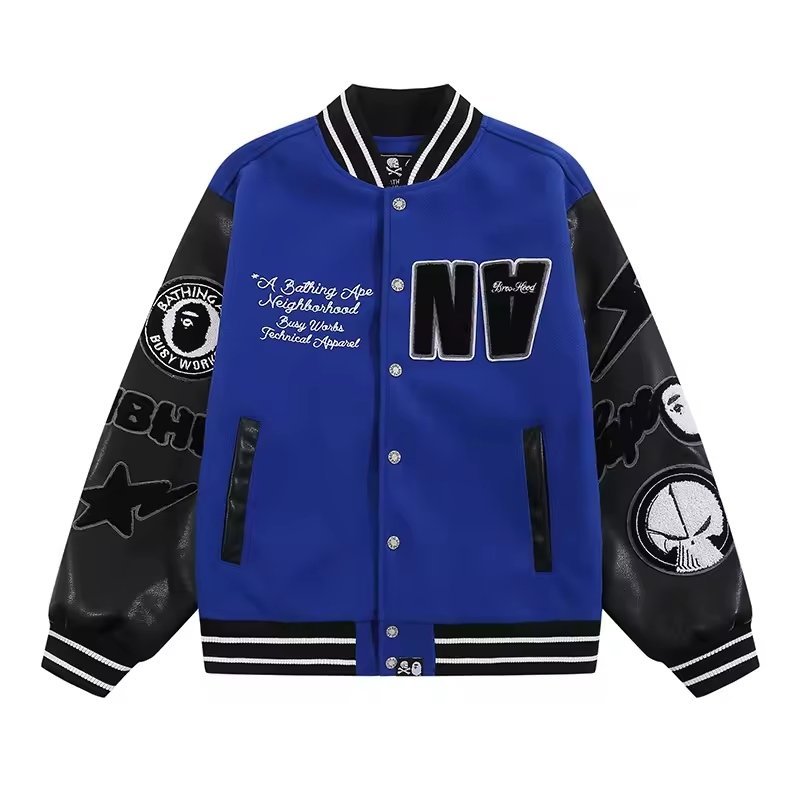
Embroidery offers the highest durability on velour, with proper stabilization preventing pile distortion. Setup fees range $30–$80 per design; per-piece costs start at $2.50 for simple logos (≤5,000 stitches) and climb to $8+ for complex artwork. Design size is typically limited to 4×4 inches on chest placements to avoid excessive weight.
Dense velour requires water-soluble or tear-away backing and reduced stitch density (60–70% of standard) to prevent fabric bunching. Pantone thread matching is standard, with most manufacturers stocking 200+ colors.
Screen Printing and Heat Transfer
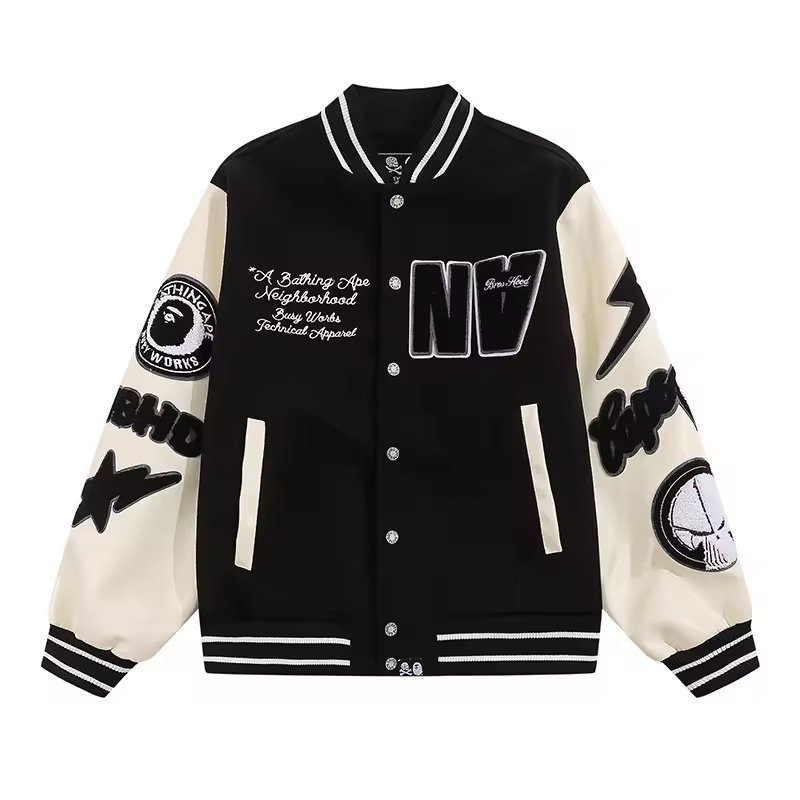
Screen printing works only on velour panels with minimal pile or flattened areas; setup fees run $25–$50 per color, with $1.20–$3 per piece for 1–3 colors. Heat transfer (vinyl or sublimation) costs $1.50–$4 per piece with no setup fee but shows lower wash durability—peeling often begins after 15–20 cycles on velour.
Both methods struggle with pile interference; plastisol inks sit atop fibers rather than penetrating, leading to cracking. Water-based inks offer better hand-feel but require curing temperatures that can scorch velour blends.
Appliqué, Rhinestones, and Custom Trims
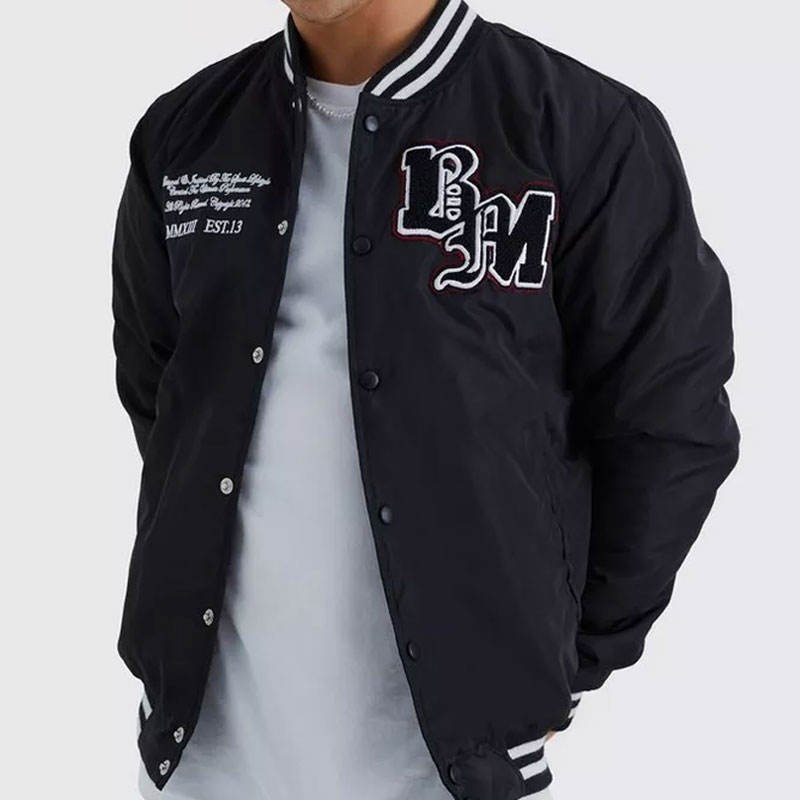
Appliqué patches (fabric or chenille) are zigzag-stitched onto velour at $3–$7 per piece, adding dimensional texture popular in streetwear. Rhinestone application costs $0.08–$0.15 per stone with $40–$60 template fees; adhesive-backed stones risk fallout on velour unless heat-set with backing.
Custom YKK zippers, woven labels, and silicone hang tags add $0.40–$2 per unit depending on order volume. Pantone color matching for trims and labels typically requires 500-piece minimums per colorway.
6. Key Quality Indicators in Velour Tracksuit Construction
Quality construction separates premium velour tracksuits from low-grade imitations. A reliable velour tracksuit manufacturer implements checkpoints at every production stage—from seam integrity to pile consistency—to ensure garments meet commercial standards and withstand repeated wear.
Seam Strength and Stitch Types
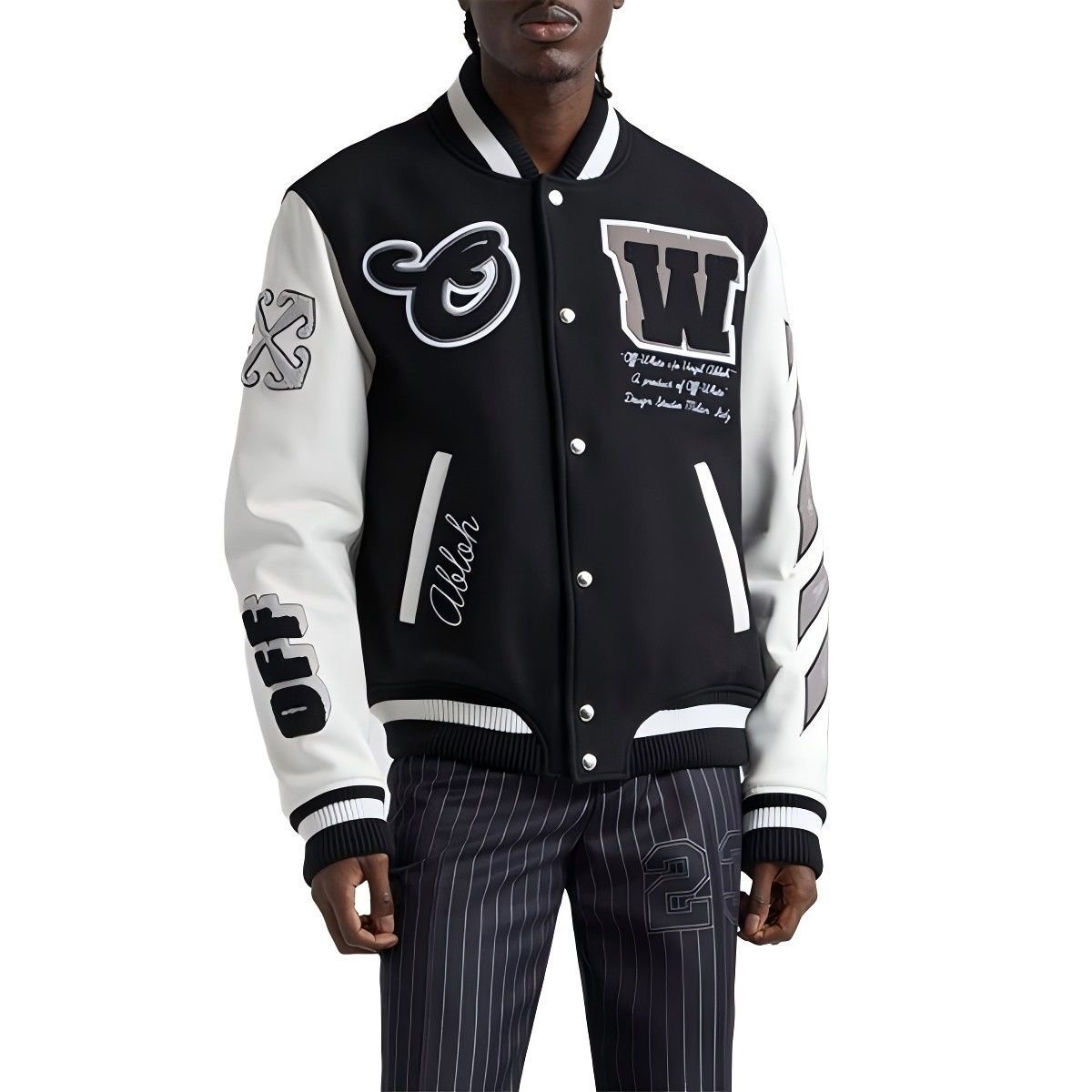
Flatlock seams lie flat against the skin and prevent chafing, making them ideal for velour tracksuit side seams and inseams. Overlock (serged) seams are faster but create bulk that shows through lightweight velour. A quality velour tracksuit manufacturer uses four-thread overlock for structural seams and flatlock for comfort zones.
Clothing Manufacturer Ltd. tests seam strength during the sewing production QC phase of its five-step process, checking stitch density (12–14 stitches per inch) and thread tension to prevent puckering or breakage after washing.
Zipper and Hardware Quality
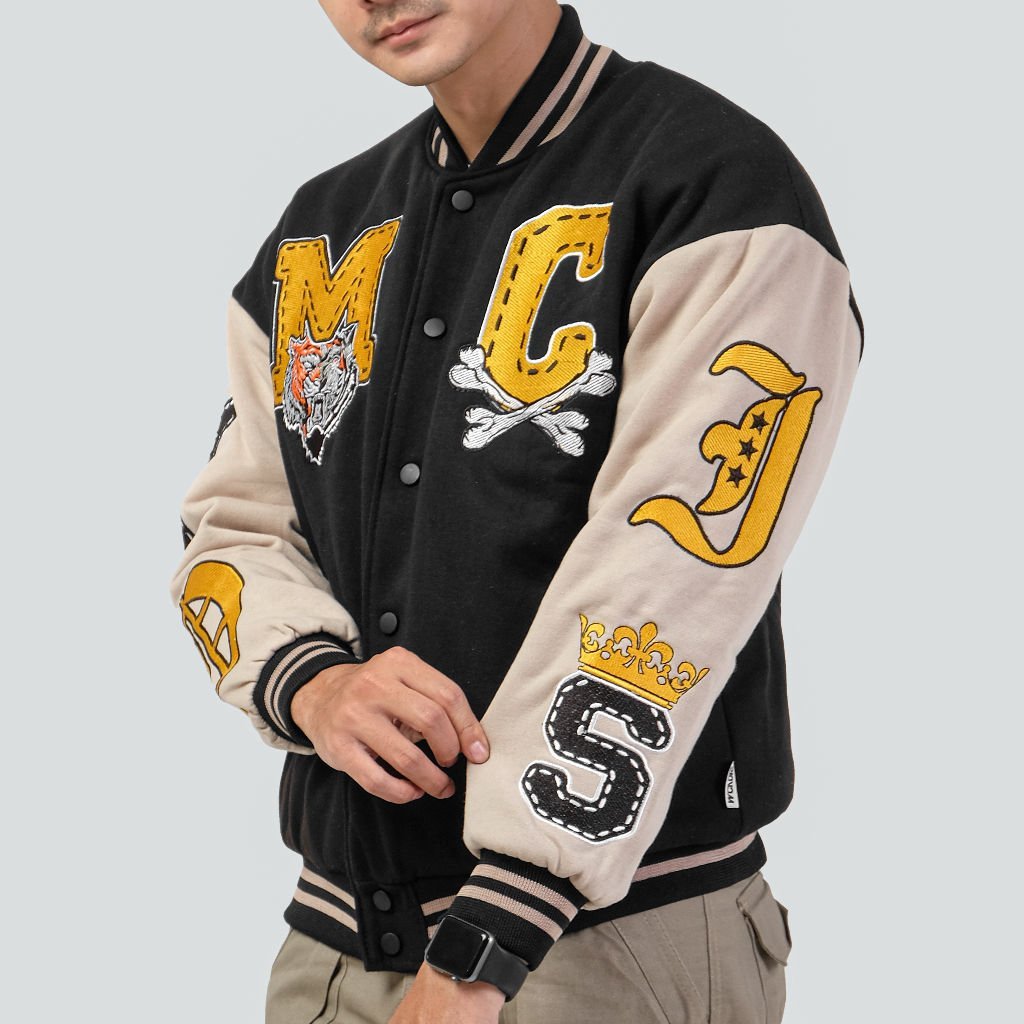
YKK zippers resist snagging and offer smooth operation over thousands of cycles, while generic zippers often fail within 20–30 washes. A velour tracksuit manufacturer should specify zipper brand, slider type (auto-lock vs. non-lock), and tape material (polyester vs. nylon).
Inspect samples by running the slider 50 times; any resistance or tooth separation indicates substandard hardware that will frustrate end customers.
Elastic Waistband and Cuff Ribbing Durability
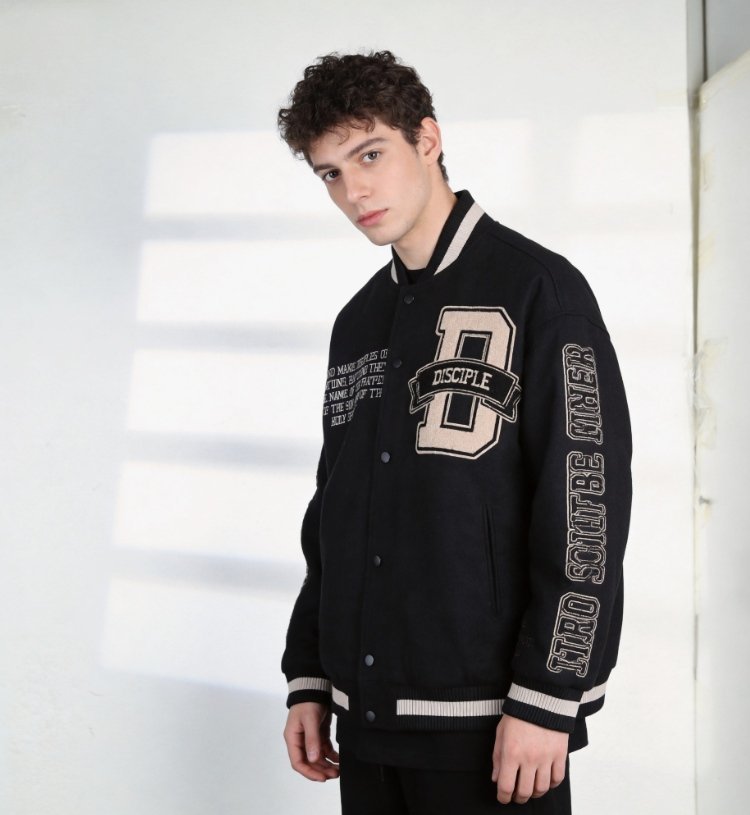
Elastic waistbands should use covered elastic (fabric-wrapped) rather than exposed bands to prevent direct skin contact and maintain shape after laundering. Ribbed cuffs require 2×2 or 1×1 rib knit with at least 5% spandex to recover after stretching.
During materials QC testing, verify elastic recovery rate (minimum 90% after 100 stretch cycles) and ribbing weight (typically 220–260 GSM) to ensure cuffs and waistbands retain elasticity through the product lifecycle.
Pile Consistency and Pilling Resistance
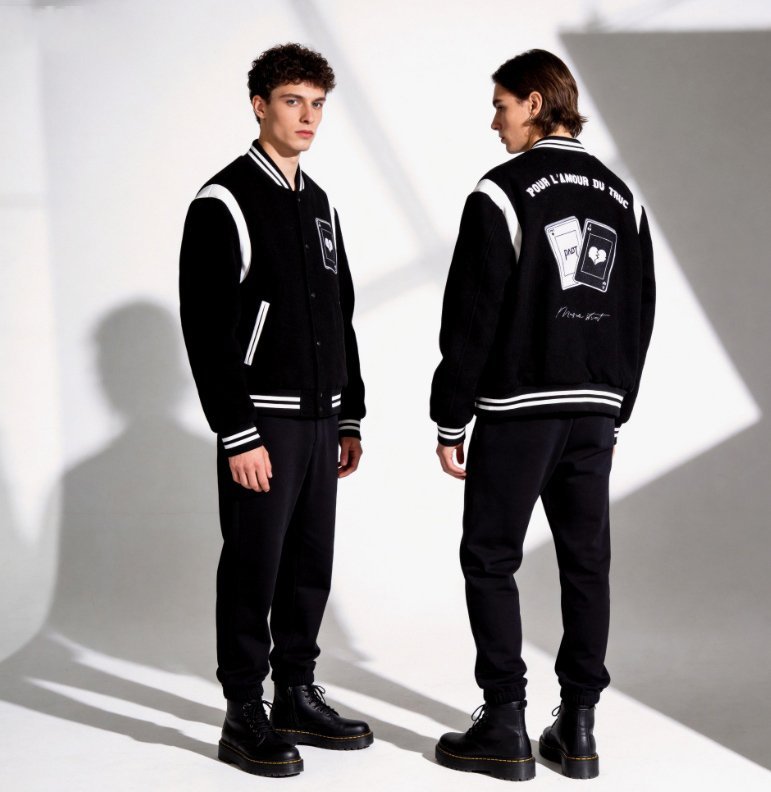
Velour pile height should measure 2–3 mm uniformly across all panels; uneven nap indicates low-quality fabric or poor cutting. A velour tracksuit manufacturer inspecting samples should brush fabric against the grain and check for fiber shedding or matting.
Pilling resistance is tested via Martindale abrasion (minimum 20,000 cycles for commercial velour). Clothing Manufacturer Ltd. conducts finished clothing quality QC inspection to identify pile defects before garments leave the facility, ensuring consistent hand-feel across every size.
Fit Consistency Across Size Runs
Grading errors cause fit complaints and high return rates. A professional velour tracksuit manufacturer maintains tolerance of ±0.5 cm on critical measurements (chest, waist, inseam) across XS to 3XL.
Request a full size-run sample set and measure key points against the tech pack. Clothing Manufacturer Ltd. applies clothing craft QC testing to verify pattern grading before bulk cutting, preventing costly size discrepancies that damage brand reputation.
7. How to Choose the Right Velour Tracksuit Manufacturer
Selecting a velour tracksuit manufacturer requires systematic evaluation across certifications, production capabilities, and communication standards. A structured vetting process protects your brand from quality failures, hidden costs, and unreliable partners before you commit to production.
Verify Certifications and Compliance
Request copies of WRAP, BSCI, or Oeko-Tex certifications to confirm ethical labor practices and fabric safety standards. Legitimate velour tracksuit manufacturers maintain current certificates with visible expiration dates and audit reports.
Red flag: suppliers who promise certifications ‘upon request’ or provide blurry scans often lack genuine compliance infrastructure.
Review Portfolio and Client References
Examine finished velour samples and request contact details for at least two active clients in your market segment. Clothing Manufacturer Ltd. serves customers across 100+ countries, offering verifiable case studies from streetwear startups to established retailers.
Ask specific questions about on-time delivery rates, defect percentages, and responsiveness during production issues to gauge real-world performance.
Assess Communication Responsiveness
Test response time and clarity during initial inquiries; professional manufacturers reply within 24 hours with detailed answers to technical questions. Poor English, vague replies, or delays exceeding 48 hours signal weak project management and future miscommunication risks.
Clear communication on MOQs, lead times, and payment terms from the first exchange indicates established processes and customer-focused operations.
Compare Sampling Costs and Turnaround
Expect sampling fees of $50–150 per velour tracksuit prototype, with 7–14 day turnaround for initial samples. Manufacturers who refuse pre-production samples or quote unrealistic 3-day timelines often cut corners in pattern development and quality checks.
Negotiate sample refunds upon bulk order confirmation to reduce upfront investment while ensuring the supplier commits to quality standards.
8. Common Mistakes When Sourcing a Velour Tracksuit Manufacturer
Sourcing a velour tracksuit manufacturer involves navigating technical specifications, quality expectations, and production timelines that many brands overlook until problems arise. Understanding common pitfalls before placing orders saves time, capital, and brand reputation.
Skipping Sample Orders Before Bulk Production
Many startups proceed directly to bulk orders to save time and cost, only to discover fabric weight, fit, or finishing issues after receiving 500 units. A single sample round costing $150–$300 reveals construction flaws, color mismatches, and sizing discrepancies before committing to full production.
Always request pre-production samples with your exact fabric, trims, and decoration. Compare the sample against your tech pack specifications for seam allowances, velour pile direction, and zipper function before approving bulk manufacturing.
Ignoring Fabric Shrinkage Testing
Velour fabrics typically shrink 3–7 percent after the first wash, yet many brands fail to request pre-shrunk material or shrinkage test reports. Garments that fit perfectly off the production line become unwearable after one laundry cycle, triggering returns and negative reviews.
Specify pre-shrunk velour or request wash testing per AATCC 135 standards. Manufacturers with materials QC testing protocols verify shrinkage rates before cutting, ensuring finished dimensions remain stable through multiple wash cycles.
Underestimating Lead Times and Production Cycles
Brands often expect 2–3 week turnarounds for velour tracksuits, but fabric sourcing, dyeing, cutting, sewing, and QC testing typically require 25–45 days for orders under 500 units. Rushing production forces manufacturers to skip quality checks or use substandard materials in stock.
Build 6–8 weeks into your launch calendar from deposit to delivery. Confirm each production milestone — fabric arrival, cutting completion, sewing start, QC inspection, packing — and request photo updates at cutting and sewing stages.
Choosing Price Over Quality Standards
The lowest quote often signals shortcuts: single-needle construction instead of flatlock seams, 200 GSM velour instead of 280 GSM, or zero mid-production QC. A $2 per unit saving on a 300-piece order costs far more when 15 percent of garments arrive with defects.
Evaluate manufacturers on their QC process, not unit price alone. A five-step quality control methodology that tests materials, cutting, craft, sewing, and finished goods ensures consistent output and reduces defect rates below 2 percent.
Neglecting IP Protection and Design Security
Sharing proprietary graphics, patterns, or branding without non-disclosure agreements allows manufacturers to reproduce your designs for competitors. Independent designers and influencer brands are especially vulnerable when factories lack formal IP policies.
Request signed NDAs before sending tech packs or artwork files. Verify that the manufacturer maintains confidential client records and does not display your samples in public showrooms without written permission.
Failing to Clarify QC Standards and Defect Tolerances
Without documented quality benchmarks, ‘acceptable’ defects become subjective disputes. A manufacturer may consider loose threads or 2 mm stitch irregularities normal, while your brand requires flawless finishing for premium positioning.
Define AQL (Acceptable Quality Limit) levels in your purchase order: AQL 1.5 for critical defects, 2.5 for major, 4.0 for minor. Request third-party inspection reports or detailed QC photos before final shipment, and specify rework or rejection criteria in writing.
9. Pricing and Cost Breakdown for Velour Tracksuits
Velour fabric costs typically range from $4.50 to $9.00 per meter depending on weight (240–320 GSM) and fiber composition, with cotton-poly blends at the lower end and premium cotton-rich or organic-certified velour at the upper tier. A standard tracksuit consumes 1.8–2.2 meters of fabric, placing raw material cost between $8.10 and $19.80 per unit before labor and decoration.
Labor and construction add $6.00 to $12.00 per tracksuit depending on seam complexity, finishing techniques (flatlock vs overlock), and quality control intensity. Clothing Manufacturer Ltd.’s five-step QC methodology—covering materials, cutting, craft, sewing, and finished-garment inspection—adds approximately $1.50 per unit compared to factories that skip mid-production testing, but eliminates costly rework and customer returns.
Decoration setup fees vary by technique: screen printing starts at $35 per color with $0.80–$1.50 per placement; embroidery setup runs $50–$80 with $2.50–$4.00 per thousand stitches; heat-transfer vinyl incurs minimal setup but $1.20–$2.00 per graphic. Sampling charges range from $50 to $120 per style, refundable on orders exceeding 200 units at most velour tracksuit manufacturers.
Shipping costs depend on incoterms and volume: FOB Shenzhen air freight averages $8–$12 per kilogram (3–5 days), while sea freight drops to $1.50–$2.50 per unit for container loads (25–30 days). Customization level and fabric grade shift final landed cost by 30–60 percent between basic poly-velour tracksuits and premium cotton-velour sets with multi-color embroidery.
| Quantity Tier | Unit Price (USD) | Setup Cost | Lead Time |
|---|---|---|---|
| 50 units | $28–$42 | $150–$300 | 18–22 days |
| 100 units | $24–$36 | $150–$300 | 20–25 days |
| 500 units | $19–$28 | $100–$200 | 25–30 days |
| 1,000+ units | $16–$24 | $50–$100 | 30–35 days |
10. Steps to Launch Your Velour Tracksuit Brand
Launching a velour tracksuit line requires careful coordination across design, sampling, production, and logistics. First-time orders typically require 8–12 weeks from concept to delivery, with experienced brands often compressing timelines to 6–8 weeks on repeat orders.
Concept Development and Mood Boards
Define your collection theme, target customer, and design aesthetic before contacting any velour tracksuit manufacturer. Create a mood board with color palettes, silhouette sketches, trim details, and reference images that communicate your vision.
Include fabric weight preferences (240–320 GSM velour), decoration techniques (embroidery, screen print, appliqué), and any streetwear elements such as contrast piping or logo placement. This clarity accelerates manufacturer communication and reduces revision cycles during sampling.
Tech Pack and Specification Sheets
Prepare detailed tech packs with flat sketches, graded measurements, fabric swatches, Pantone color codes, and construction notes. Specify stitch types (flatlock seams, coverstitching), zipper brands (YKK preferred), and any quality benchmarks.
Manufacturers with in-house R&D teams—such as Clothing Manufacturer Ltd.’s 15-member team—can assist with tech pack refinement, but initial clarity reduces back-and-forth and speeds sample approval.
Manufacturer RFQ and Vetting
Request quotes from 3–5 velour tracksuit manufacturers, comparing MOQ (50–300 pieces typical), unit pricing, sampling fees, and lead times. Verify QC processes; five-step inspection protocols catch defects at materials, cutting, craft, sewing, and finished-goods stages.
Check factory certifications (WRAP, BSCI, OEKO-TEX), patent holdings, and client references. Startups benefit from manufacturers offering low MOQs and transparent communication throughout the production cycle.
Sample Approval and Revisions
Expect 2–3 sample rounds before final approval. First samples validate fit, fabric hand-feel, and construction; second samples confirm color accuracy and decoration quality. Budget 2–3 weeks per round including shipping.
Test samples for shrinkage, pilling resistance, and colorfast properties. Document all approved specifications in writing before authorizing bulk production to prevent costly mid-run changes.
Bulk Order and QC Inspection
Place your bulk order with a 30–50% deposit; balance due before shipment is standard. Production runs 3–5 weeks for velour tracksuits depending on order size and decoration complexity.
Request in-process QC photos at cutting, sewing, and finishing stages. Conduct pre-shipment inspection (PSI) or hire third-party auditors to verify carton counts, sizing accuracy, and packaging standards before final payment.
Logistics and First Delivery
Coordinate shipping method (air for samples and rush orders, sea freight for bulk) and customs clearance. Sea freight from China to North America averages 3–4 weeks; air freight 5–7 days.
Plan inventory receipt, quality checks, and fulfillment setup before your launch date. Maintain open communication with your velour tracksuit manufacturer to address any post-delivery issues and establish reorder timelines for future collections.
Ready to Launch Your Velour Tracksuit Line?
Partner with a trusted velour tracksuit manufacturer. Fast quotes, expert support, and zero-compromise quality on every order.