
Premium Fleece Tracksuit Manufacturer for Streetwear Brands
Partner with a fleece tracksuit manufacturer that delivers low MOQs, fast sampling, and a rigorous 5-step QC guarantee trusted by global streetwear labels and fashion startups.
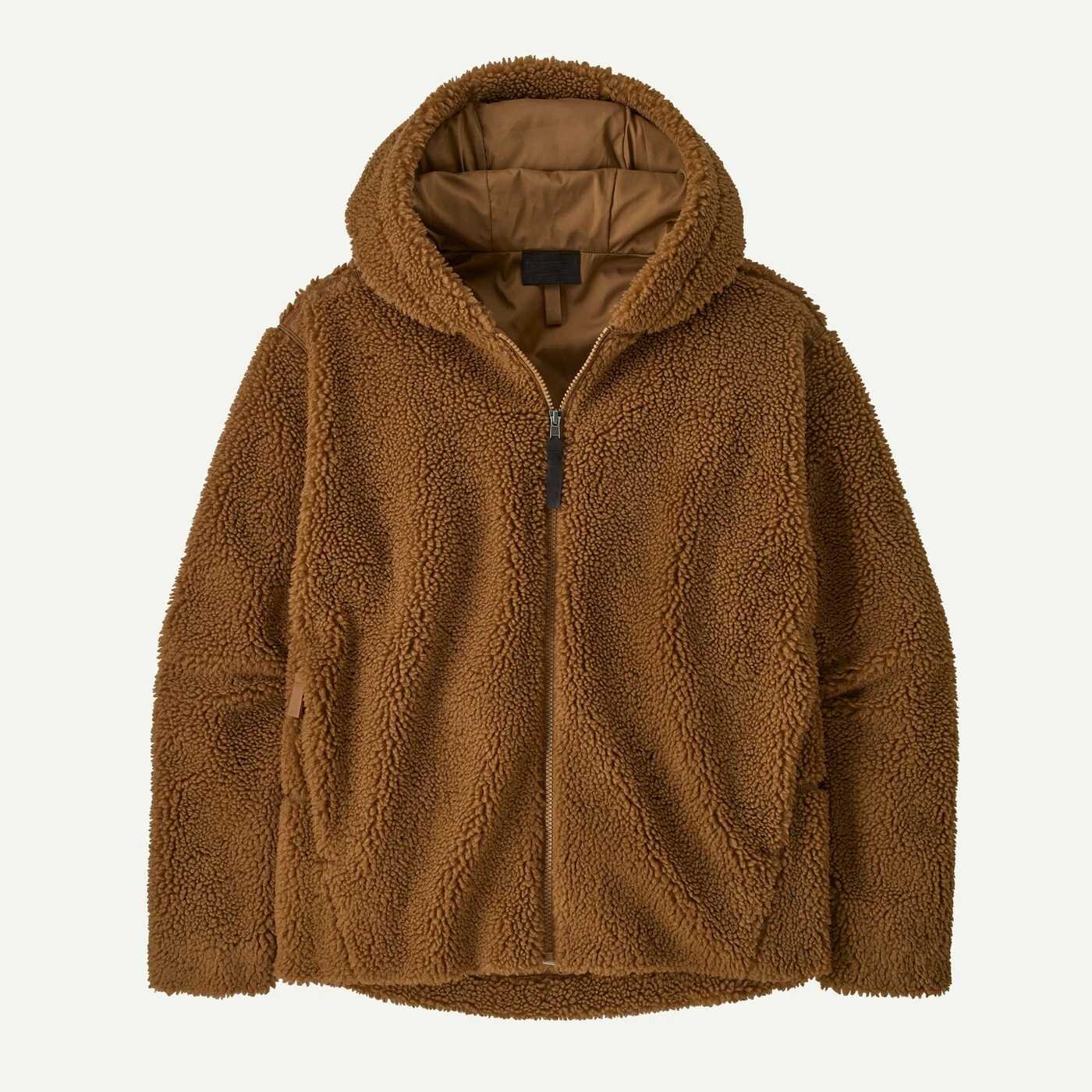
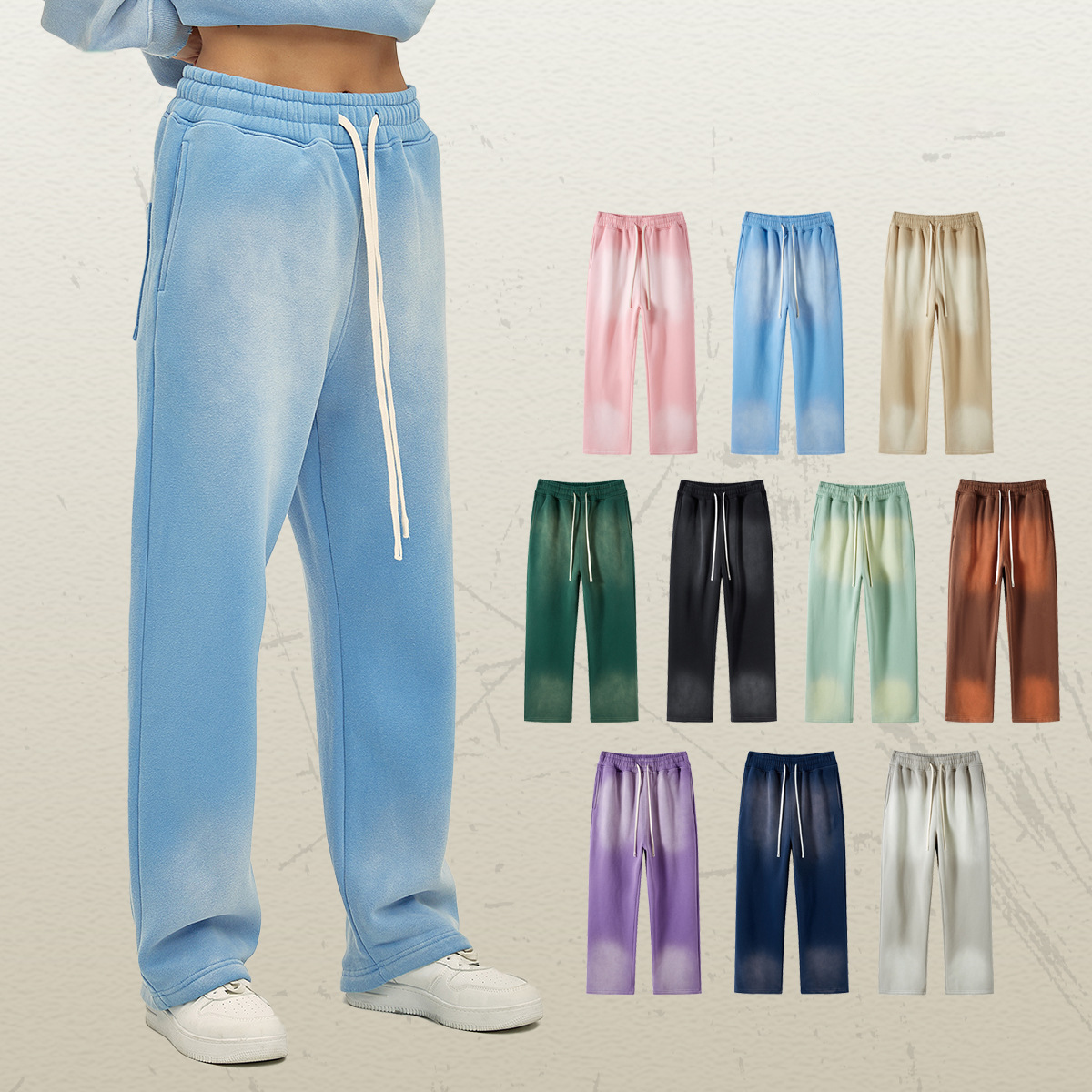
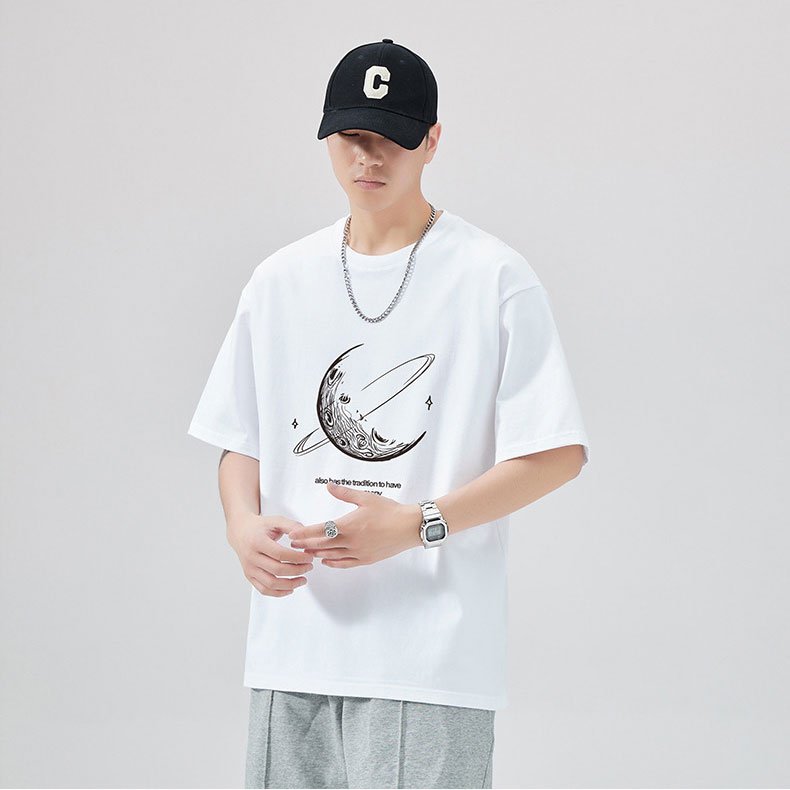
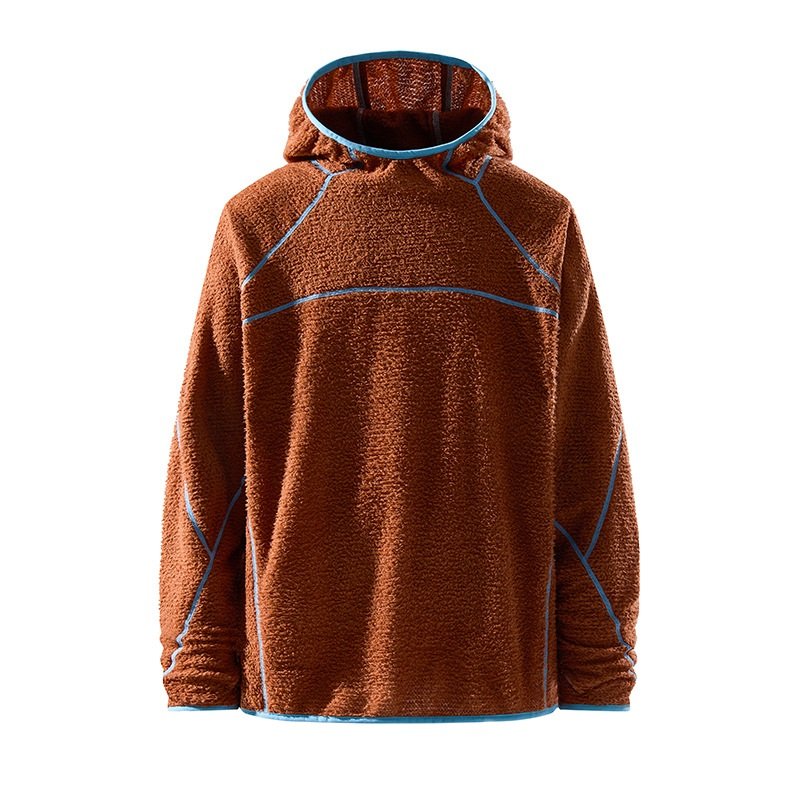
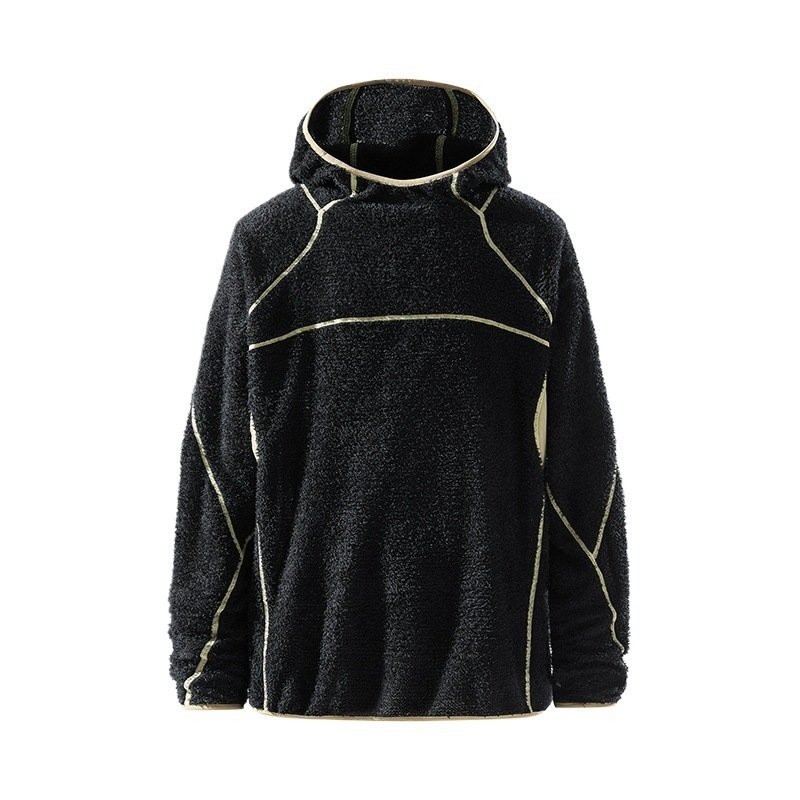
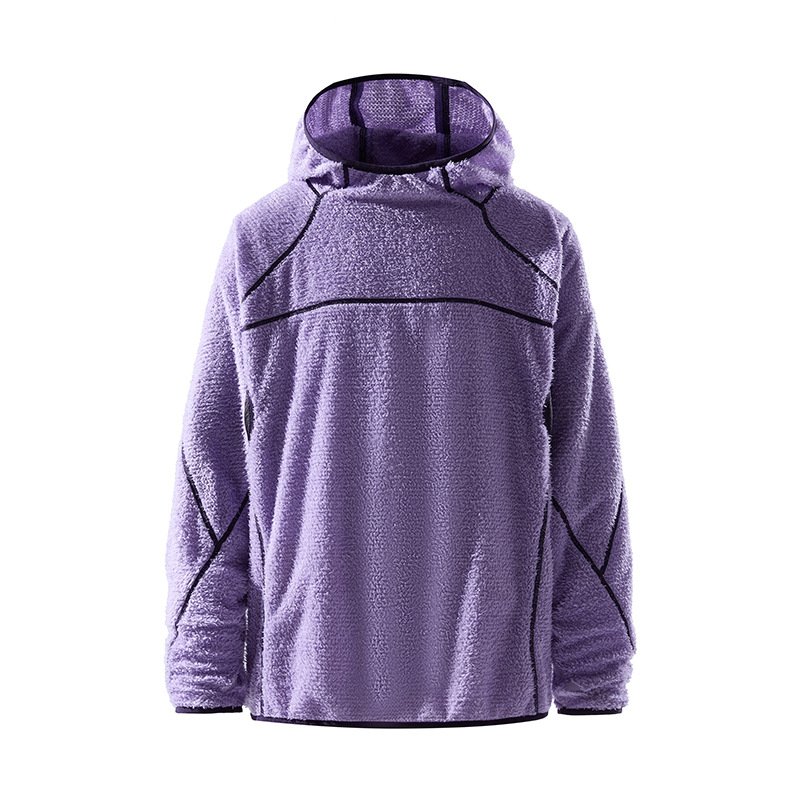
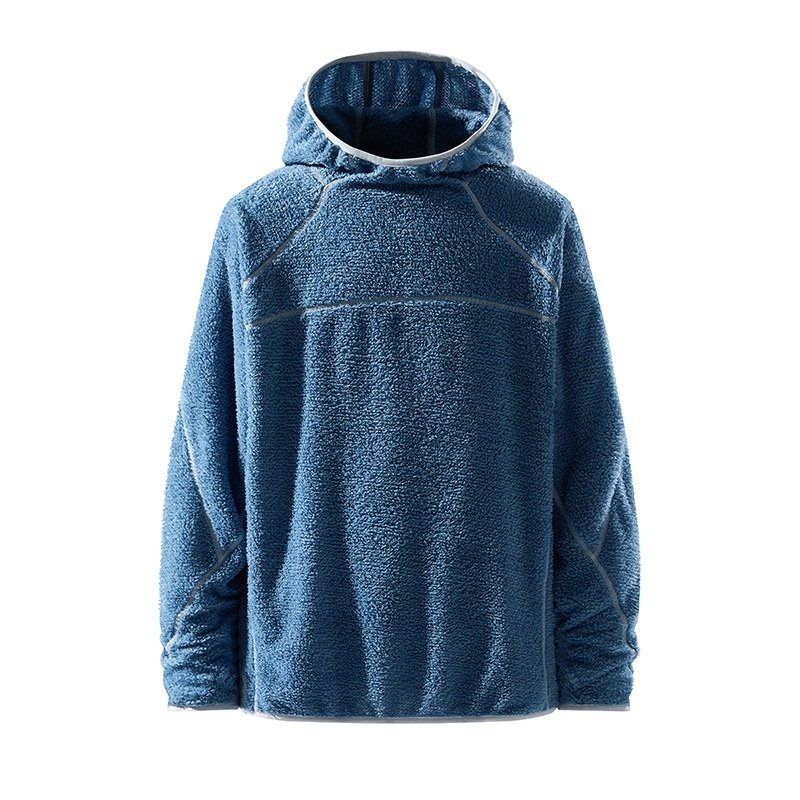
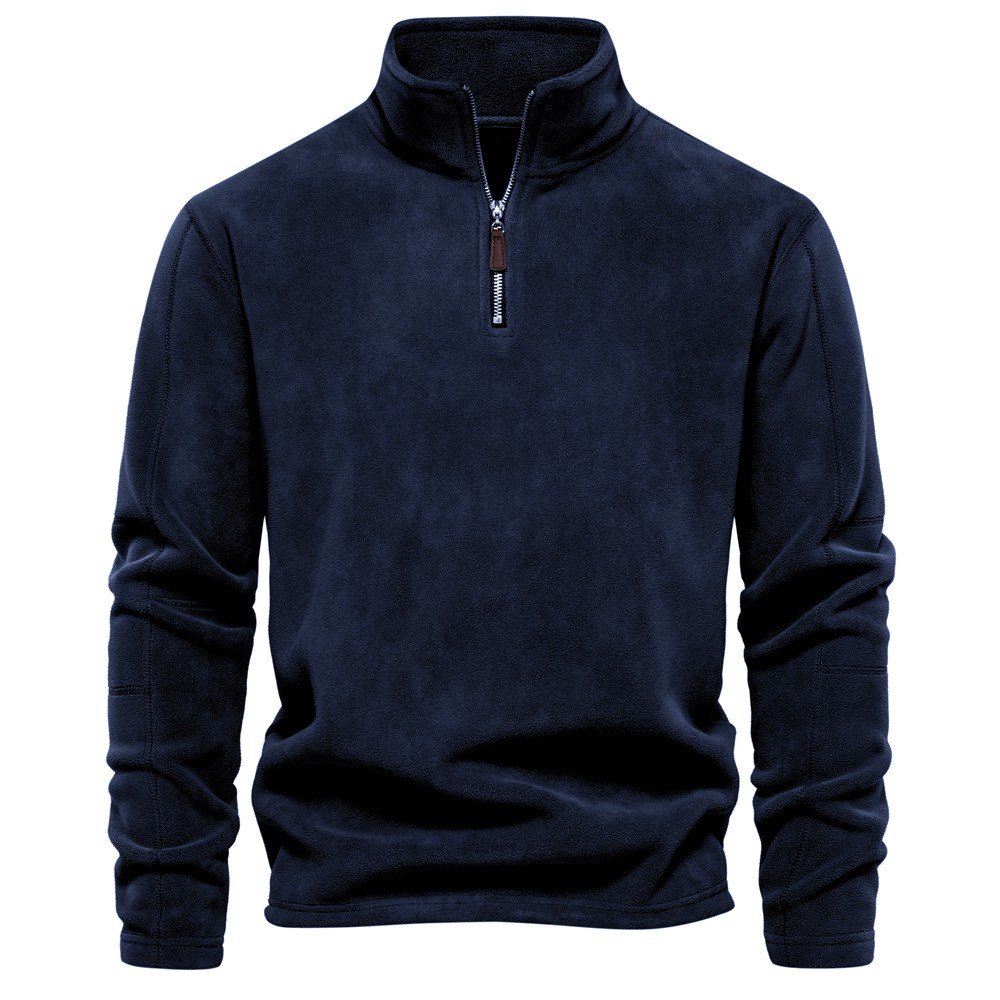
Fleece Tracksuit Collections — Premium Designs & Custom Options
Why Choose Our Fleece Tracksuit Manufacturer
We eliminate low-quality production with rigorous quality control at every stage, fast turnaround times, and streetwear expertise that helps your brand stand out in competitive markets.
5-Step QC Guarantee
Quality testing at materials, cutting, craft, sewing, and finished stages—not just final inspection like competitors who skip critical checks.
In-House Design Team
15-member R&D team with 6 years streetwear expertise creates trend-driven fleece tracksuit designs that resonate with your audience.
Low MOQ for Startups
Launch your fleece tracksuit line without massive inventory risk. We support emerging brands and independent designers at every growth stage.
Fast Seasonal Turnaround
Meet tight deadlines for seasonal drops and influencer launches with streamlined production workflows and efficient quality control processes.
Global Shipping & Logistics
Seamless customs, declaration, and shipping support to over 100 countries. We handle international logistics so you can focus on sales.
Streetwear Culture Expertise
Deep knowledge of trend-driven aesthetics, bold graphics, and youth culture ensures your fleece tracksuits authentically connect with streetwear audiences.
Fleece Tracksuit Manufacturer Categories & Custom Options
From oversized streetwear sets to fitted athleisure lines, we manufacture fleece tracksuits tailored to your brand’s aesthetic and audience. Explore which style fits your collection.
Oversized Hoodies + Joggers
Streetwear brands need bold, oversized fleece tracksuit sets with dropped shoulders, roomy fits, and statement graphics that resonate with Gen Z and millennial audiences seeking comfort and style.
We produce heavyweight oversized fleece tracksuits with custom embroidery, screen prints, and puff graphics. Low MOQ options let emerging brands test designs before scaling production runs.
Fitted Athletic Tracksuit Sets
Athleisure and performance brands require sleek, fitted fleece tracksuits with tapered joggers and streamlined hoodies that balance comfort with a refined, body-conscious silhouette for active lifestyles.
Our fitted tracksuit manufacturing delivers precision pattern cutting, stretch fleece blends, and ergonomic paneling. Fast turnaround ensures you capture seasonal trends and launch collections on schedule.
Heavyweight Winter Fleece Sets
Retailers targeting cold-climate markets need durable, heavyweight fleece tracksuits with superior insulation, reinforced stitching, and premium finishes that withstand frequent wear and harsh weather conditions.
We source 400+ GSM heavyweight fleece and apply our 5-step QC process at every production stage, guaranteeing tracksuits that maintain warmth, shape, and color integrity through repeated use.
Lightweight Lounge & Activewear
Independent designers and influencer brands seek soft, breathable lightweight fleece tracksuits for loungewear and light activity, balancing comfort with modern aesthetics for lifestyle-focused customers.
Our in-house design team collaborates on custom lightweight fleece blends, minimalist branding, and refined details. Global shipping support ensures your lounge sets reach customers worldwide efficiently.
Custom Branded Tracksuit Lines
Fashion startups and creator brands want fully customized fleece tracksuits with unique colorways, proprietary prints, and signature details that differentiate their brand in saturated streetwear and athleisure markets.
From fabric selection to finishing, we manufacture bespoke fleece tracksuits with unlimited customization. Our R&D team and low MOQ options empower startups to launch distinctive collections without compromise.
Premium Fleece & Fabric Materials for Every Tracksuit
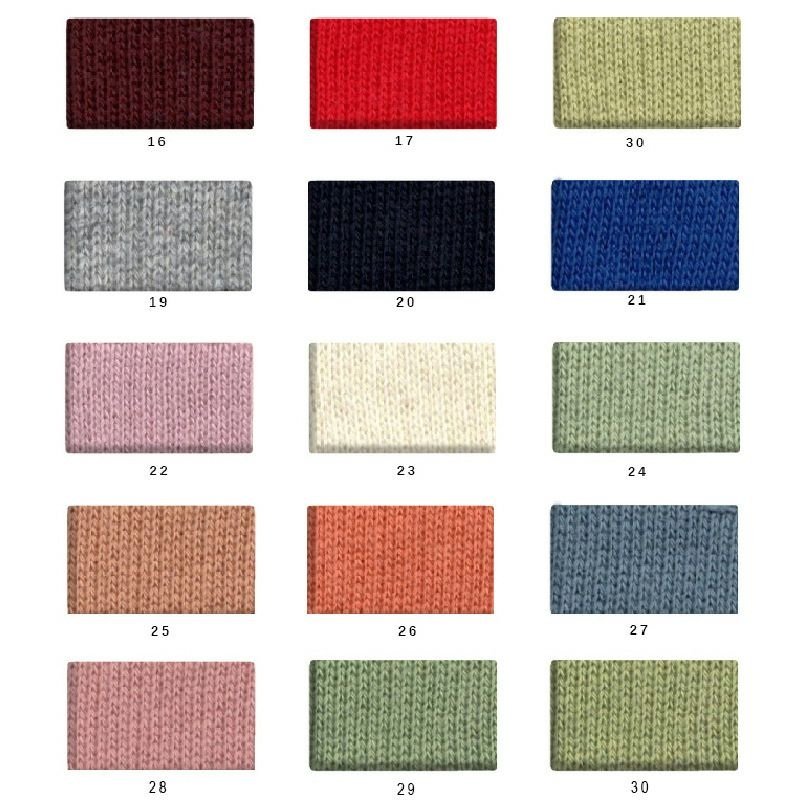
French Terry
Soft looped interior with smooth exterior face, ideal for lightweight tracksuits and athleisure wear. Medium weight (220-280 GSM) offers excellent breathability and moisture absorption for all-season comfort.

Brushed Fleece
Ultra-soft brushed inner surface creates plush warmth without bulk, perfect for premium streetwear tracksuits. Heavyweight construction (300-350 GSM) provides superior insulation and a luxury hand-feel that elevates any collection.
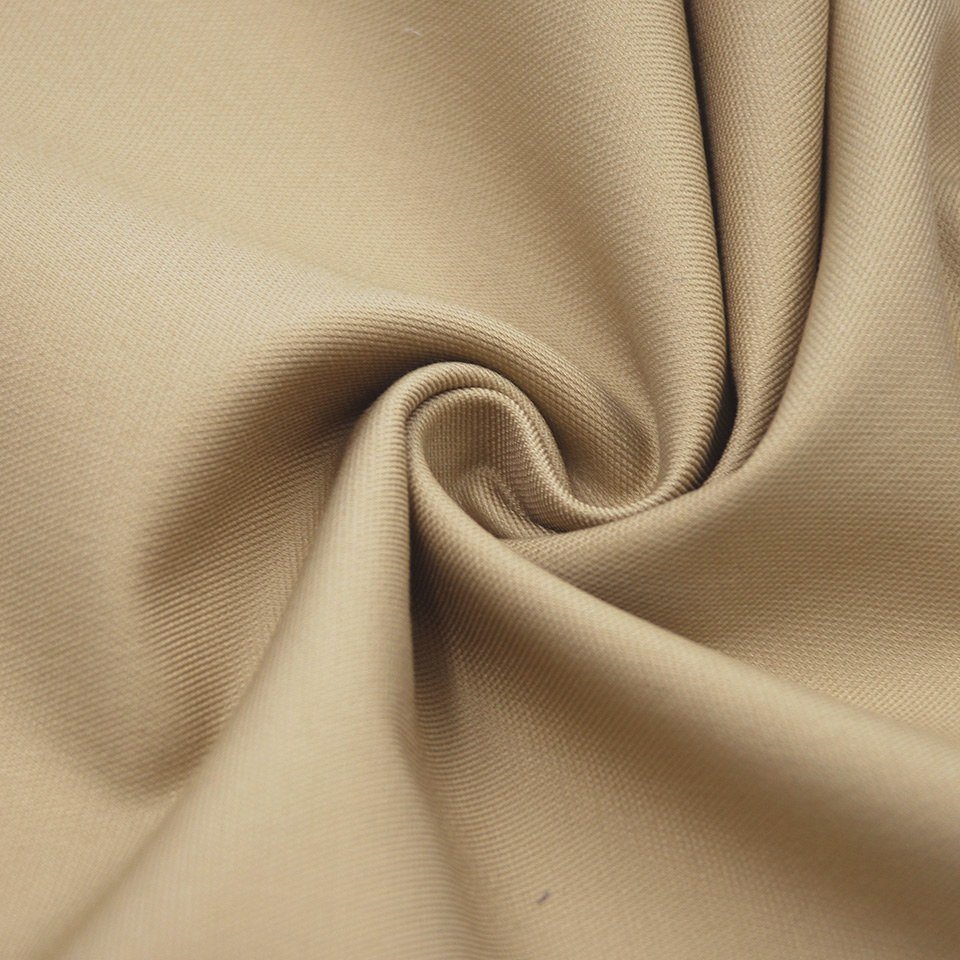
Cotton Poly Blend
Durable 80/20 cotton-polyester blend combines natural comfort with shape retention and reduced shrinkage. Mid-to-heavyweight (260-320 GSM) delivers excellent printability and color vibrancy for bold streetwear graphics.

Heavyweight Knit Fleece
Dense, structured fleece knit engineered for maximum durability and premium drape in high-end tracksuit designs. Extra-heavyweight (350-400 GSM) construction resists pilling and maintains shape through repeated wear and washing.
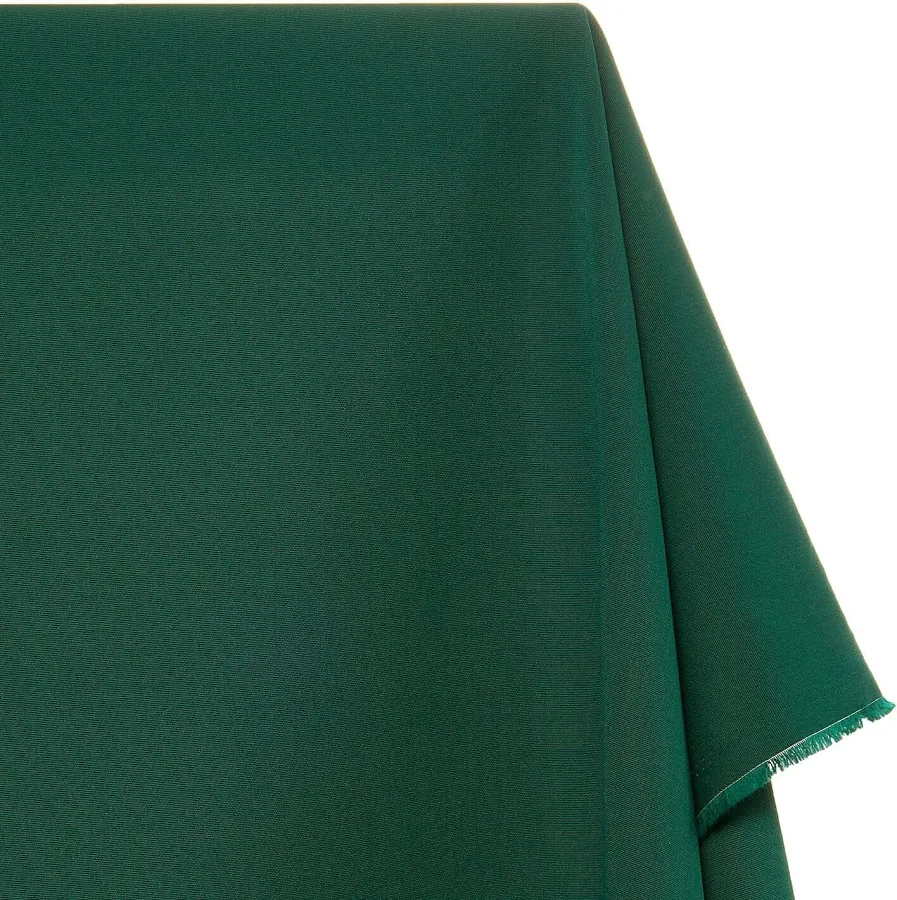
Moisture-Wicking Fleece
Performance fleece with integrated moisture-management technology, ideal for active lifestyle and sport-inspired tracksuit lines. Quick-dry polyester blend (240-300 GSM) pulls sweat away from skin while maintaining soft comfort.
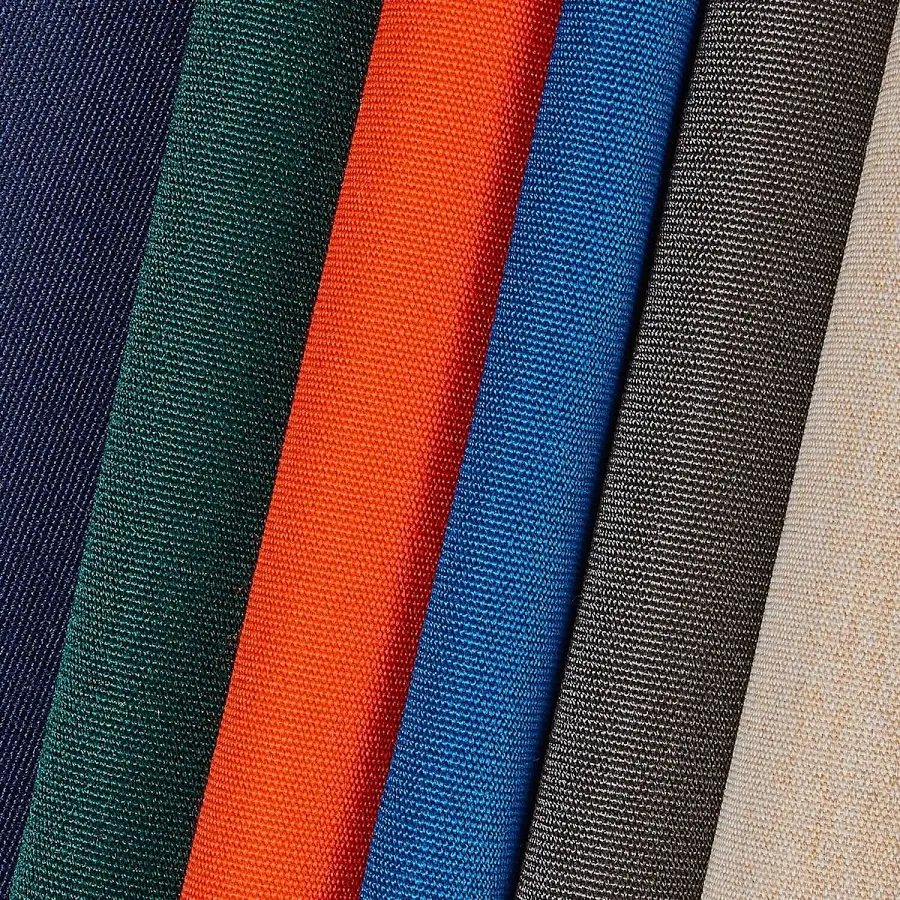
Organic Cotton Fleece
Sustainably sourced 100% organic cotton fleece for eco-conscious brands seeking premium, chemical-free materials. Medium-heavyweight (280-320 GSM) offers natural breathability, hypoallergenic properties, and authentic texture that resonates with mindful consumers.
Fleece Tracksuit Manufacturer Production Processes & Finishing Techniques
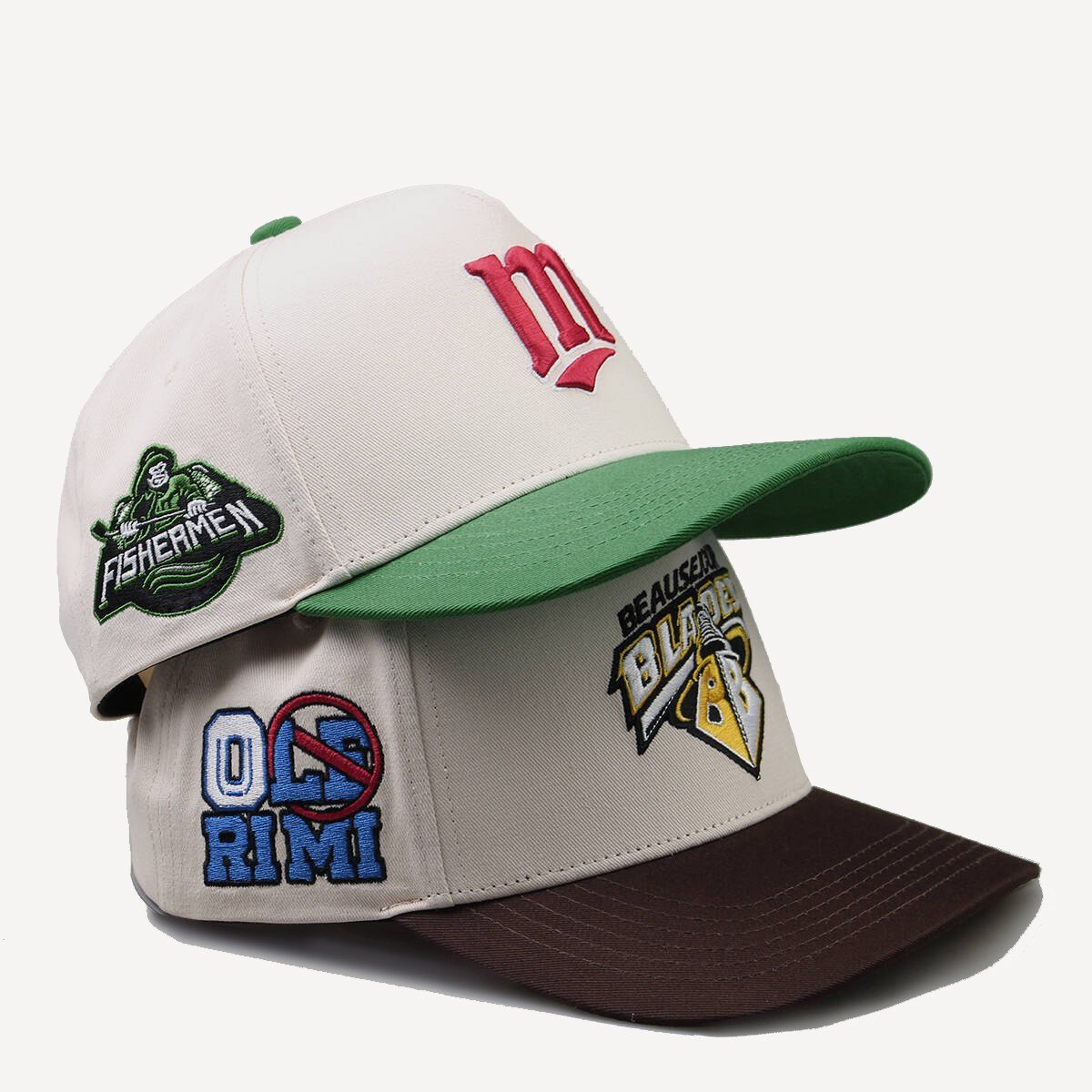
Precision Cutting
Computer-aided cutting ensures every fleece panel matches your pattern specifications exactly. Our cutting QC testing verifies fabric alignment, grain direction, and pattern accuracy before sewing begins, eliminating fit inconsistencies across production runs.
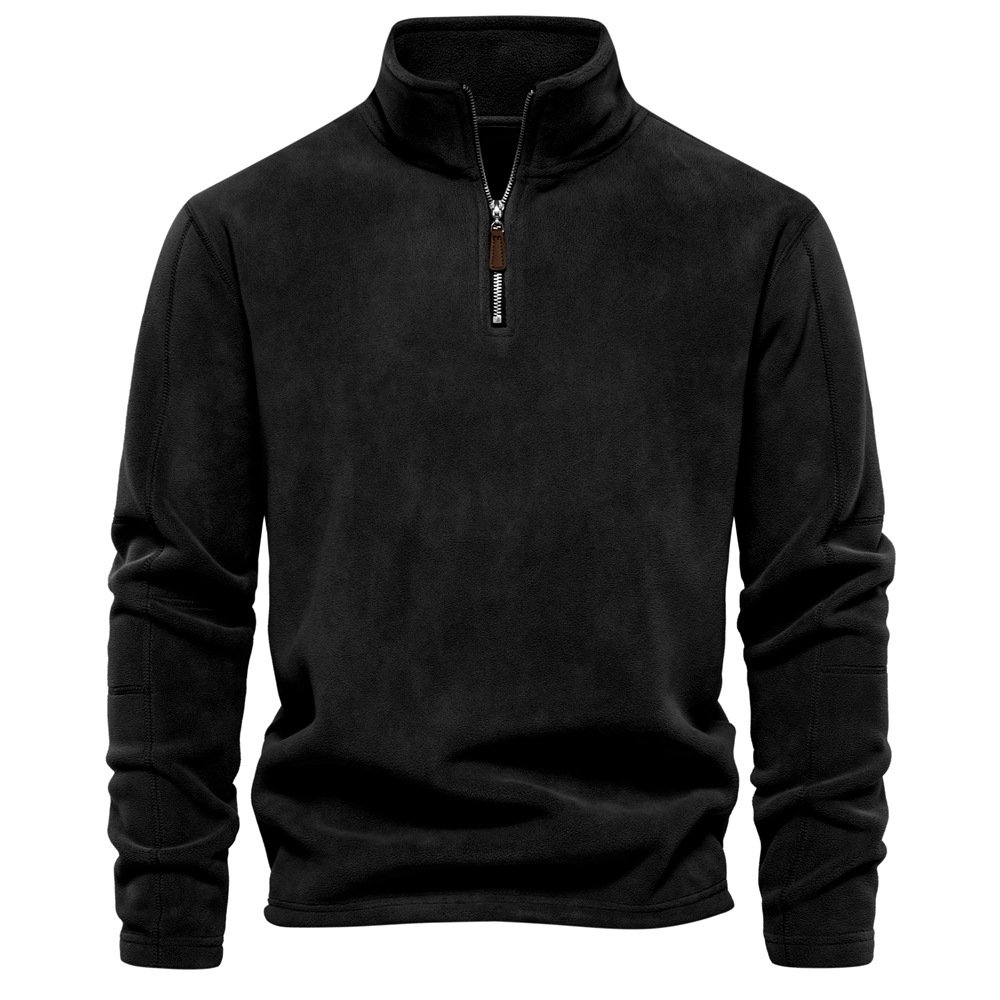
Expert Sewing
Specialized flatlock and overlock stitching techniques create strong, flexible seams that withstand repeated wear and washing. Our sewing production QC testing inspects stitch density, tension, and reinforcement at stress points throughout assembly.
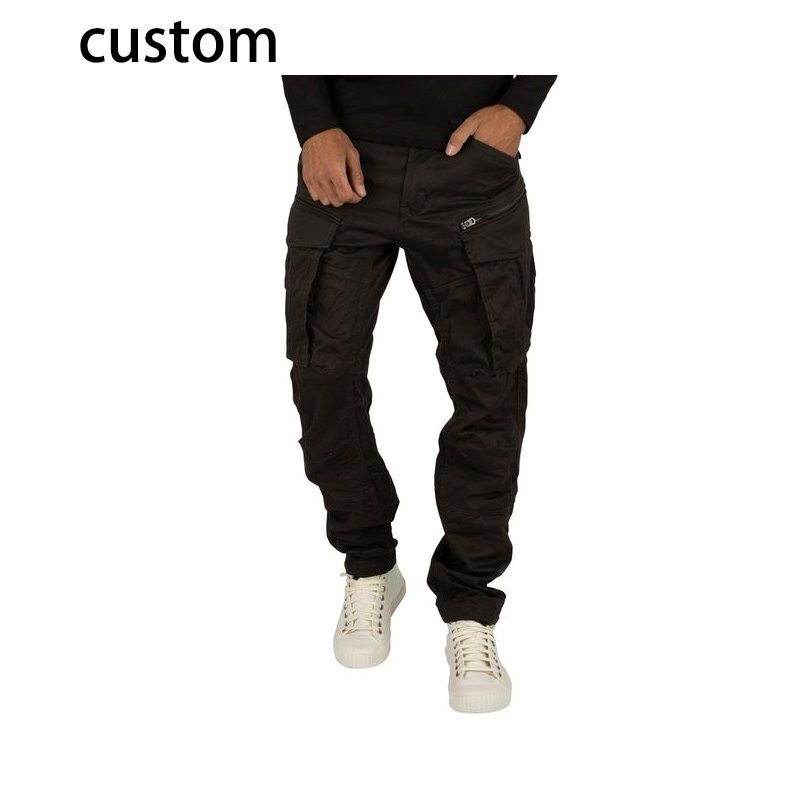
Custom Embroidery
High-density embroidery adds dimensional logos, text, and designs to fleece tracksuits with superior durability. Perfect for premium branding on hoodies and joggers, our embroidery resists fading and maintains crisp detail through hundreds of washes.
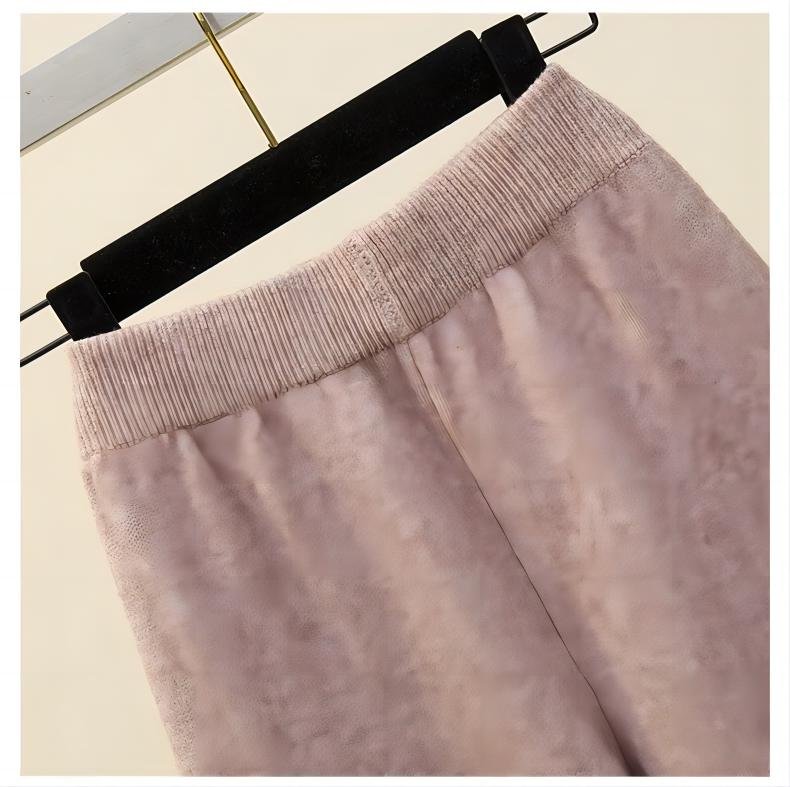
Screen Printing
Multi-color screen printing delivers vibrant, opaque graphics on fleece fabrics with excellent wash fastness. Ideal for bold streetwear designs, large back prints, and repeating patterns, this process creates a smooth, integrated finish on your tracksuits.
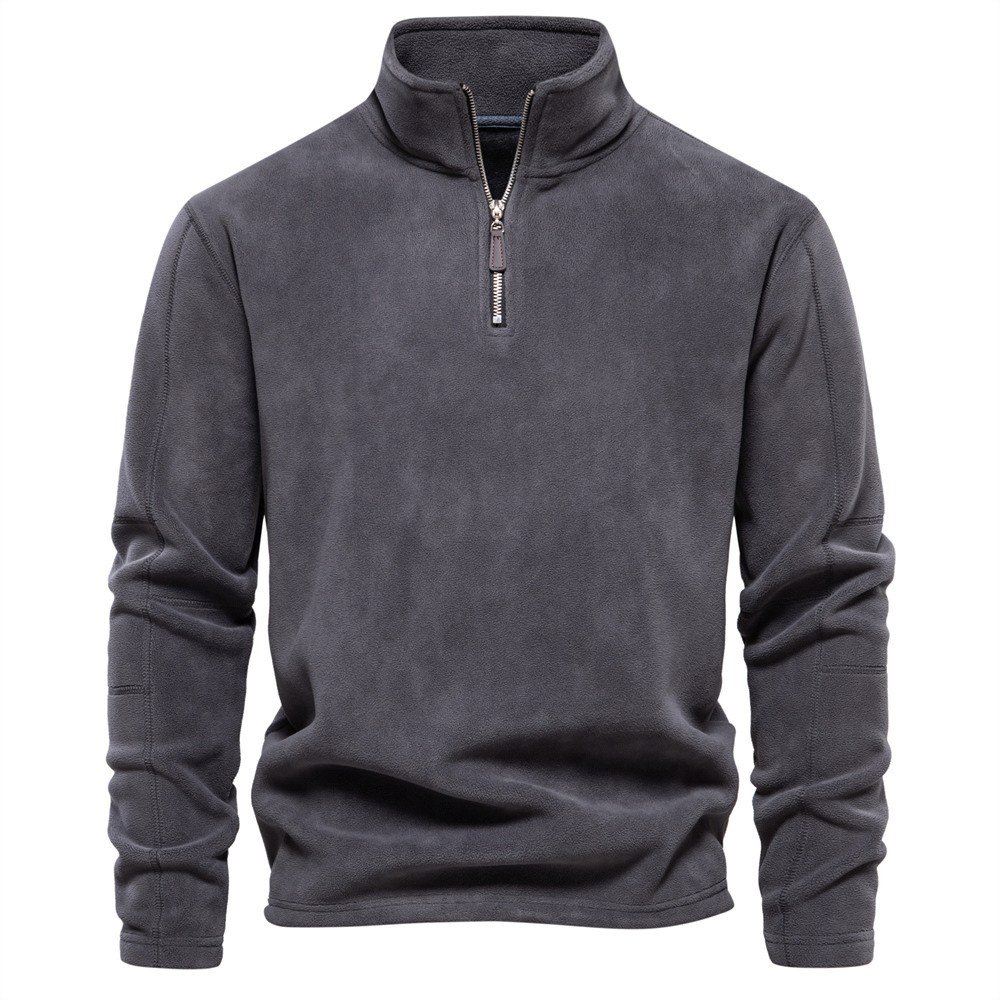
Heat Transfer
Precision heat transfer application bonds custom graphics, reflective elements, and intricate designs onto fleece without adding bulk. This versatile technique supports complex artwork, gradient effects, and specialty finishes that elevate your tracksuit aesthetic.
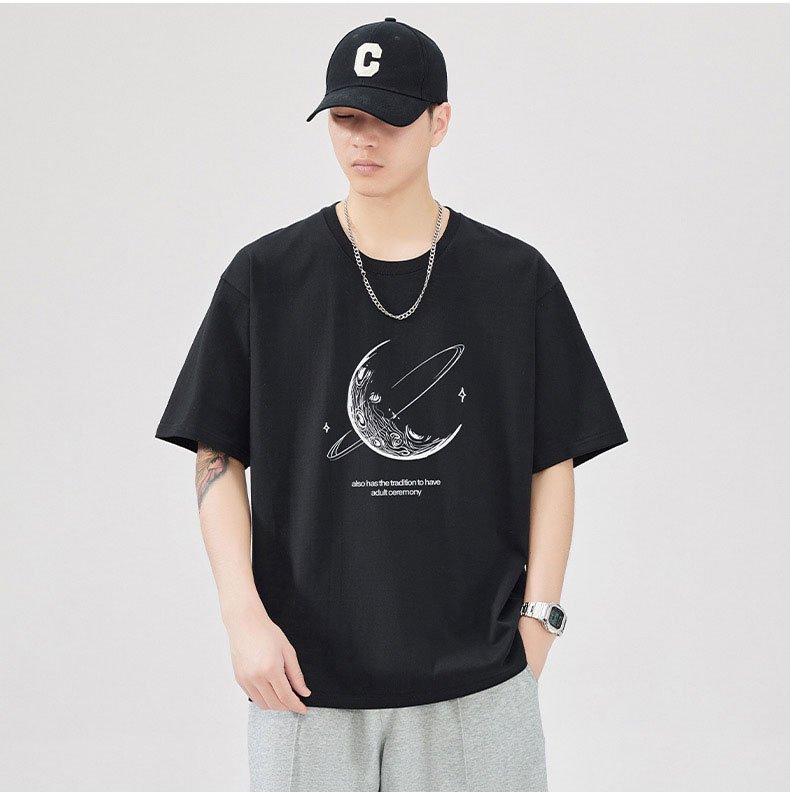
Final QC Inspection
Our finished clothing quality QC inspection examines every tracksuit for construction flaws, decoration accuracy, sizing consistency, and fabric defects. Only tracksuits that pass all five quality control checkpoints are approved for packaging and shipment to your brand.
Customization & Accessories for Your Fleece Tracksuit Manufacturer Order
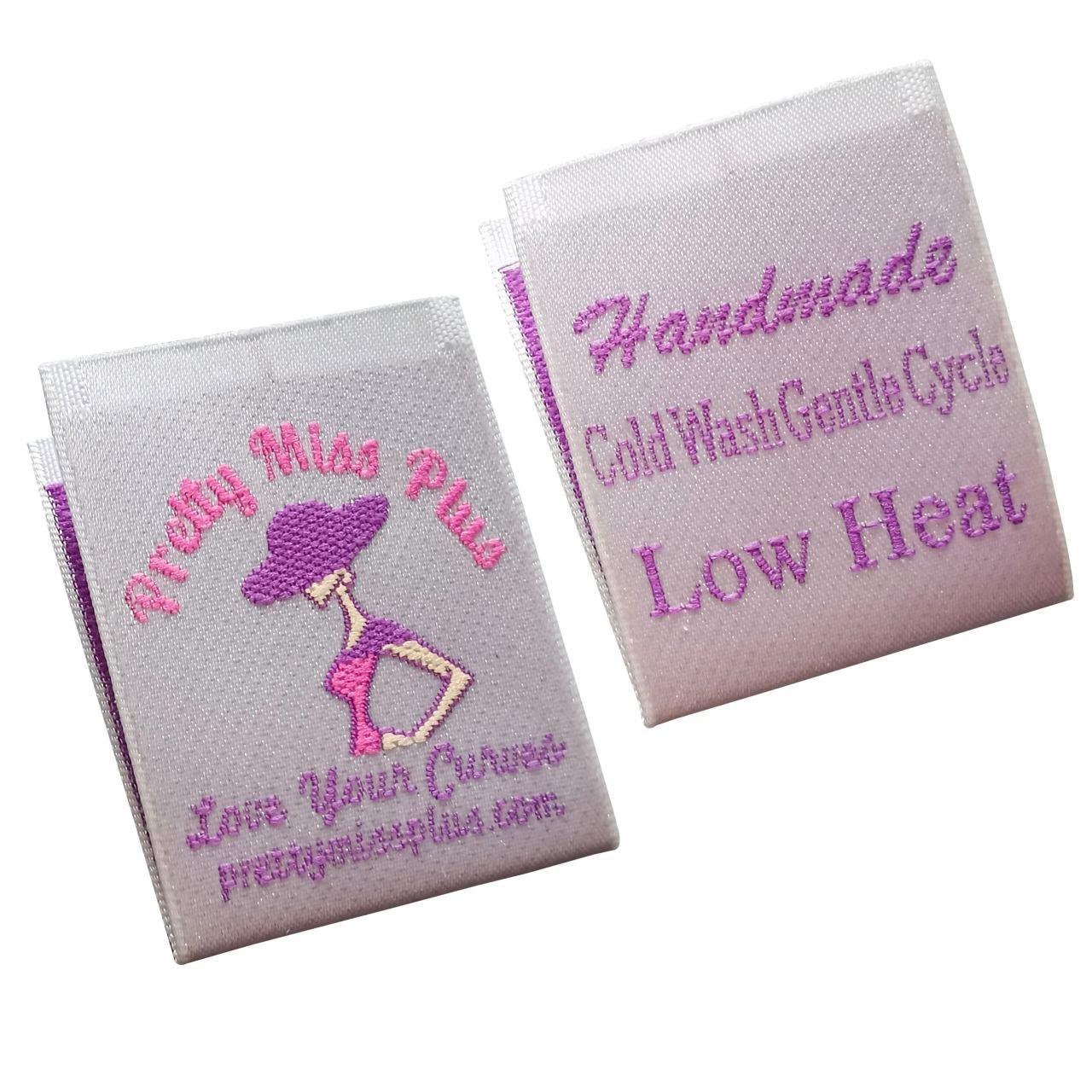
Woven Labels
High-definition woven brand labels sewn into necklines, waistbands, or side seams. Essential for brand recognition and professional finishing on every fleece tracksuit piece. Available in damask, taffeta, and satin weaves with unlimited color options.
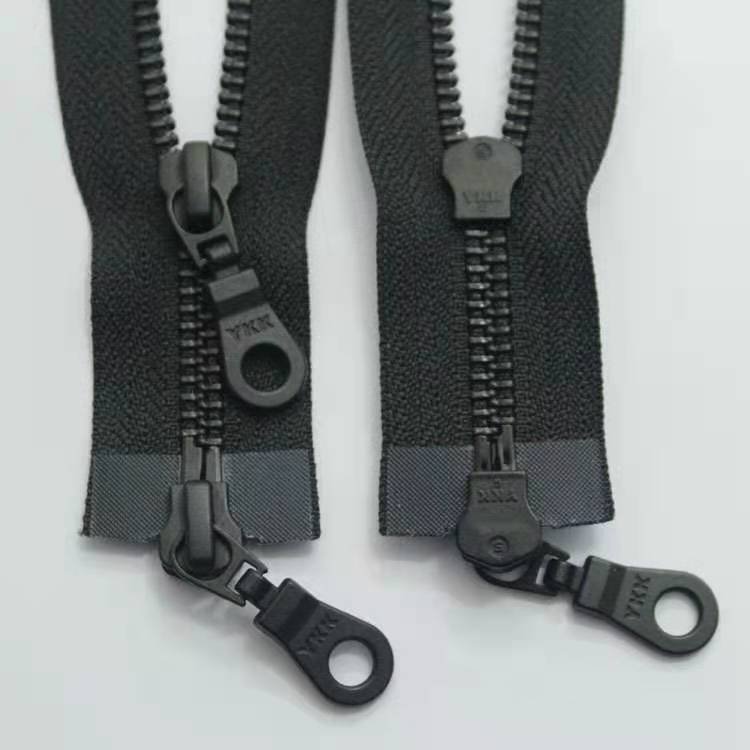
Metal Zippers
YKK and premium metal zippers for jacket fronts, pockets, and ankle closures. Durable, smooth-glide hardware that adds luxury feel and long-lasting functionality to fleece tracksuit jackets and joggers. Custom pullers available.
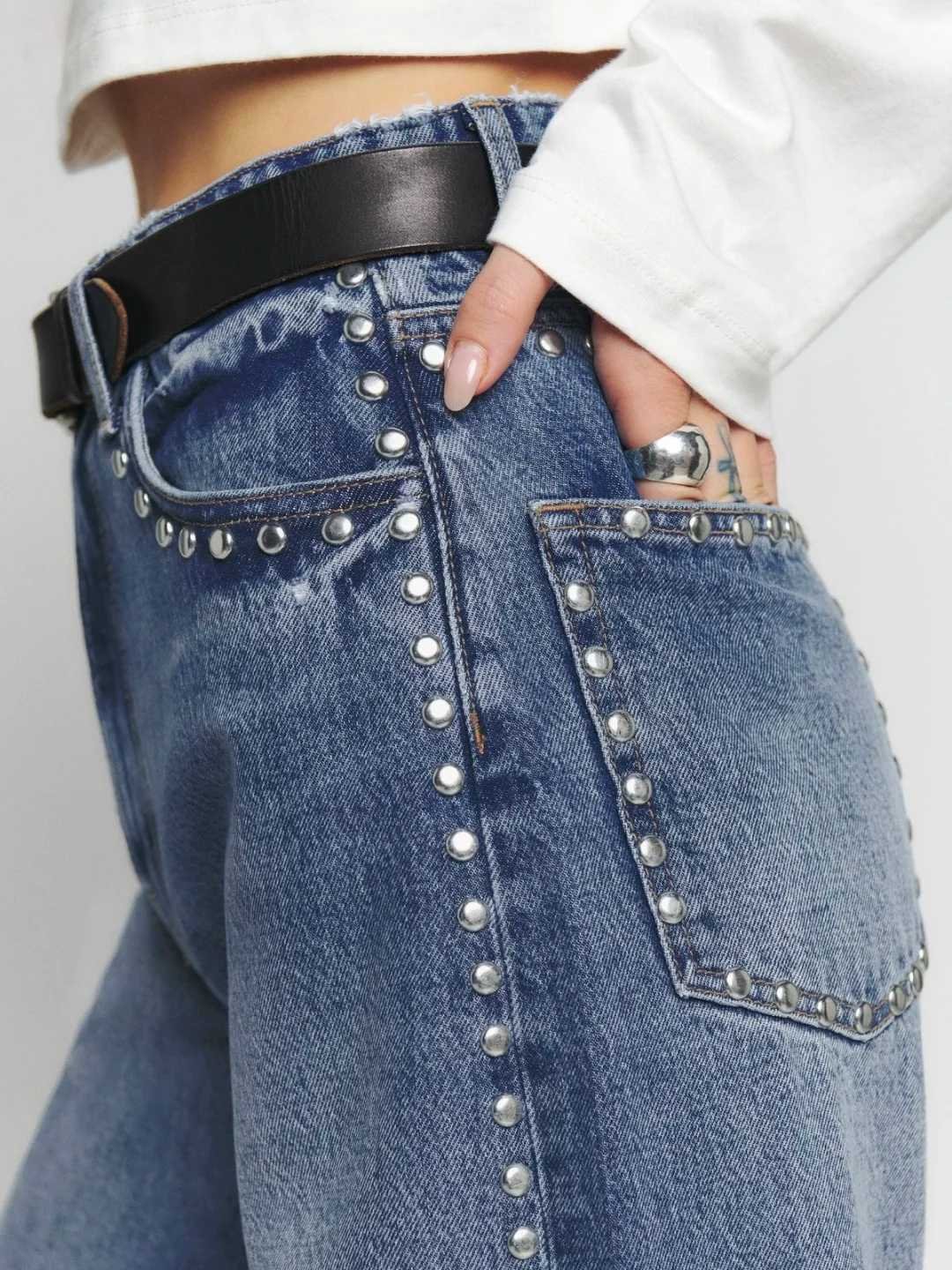
Drawcords & Tipping
Custom-color drawcords with branded metal or plastic aglets for hoods and waistbands. Round, flat, or rope styles available. Reinforces brand colors and adds functional adjustability to fleece tracksuit hoodies and pants.
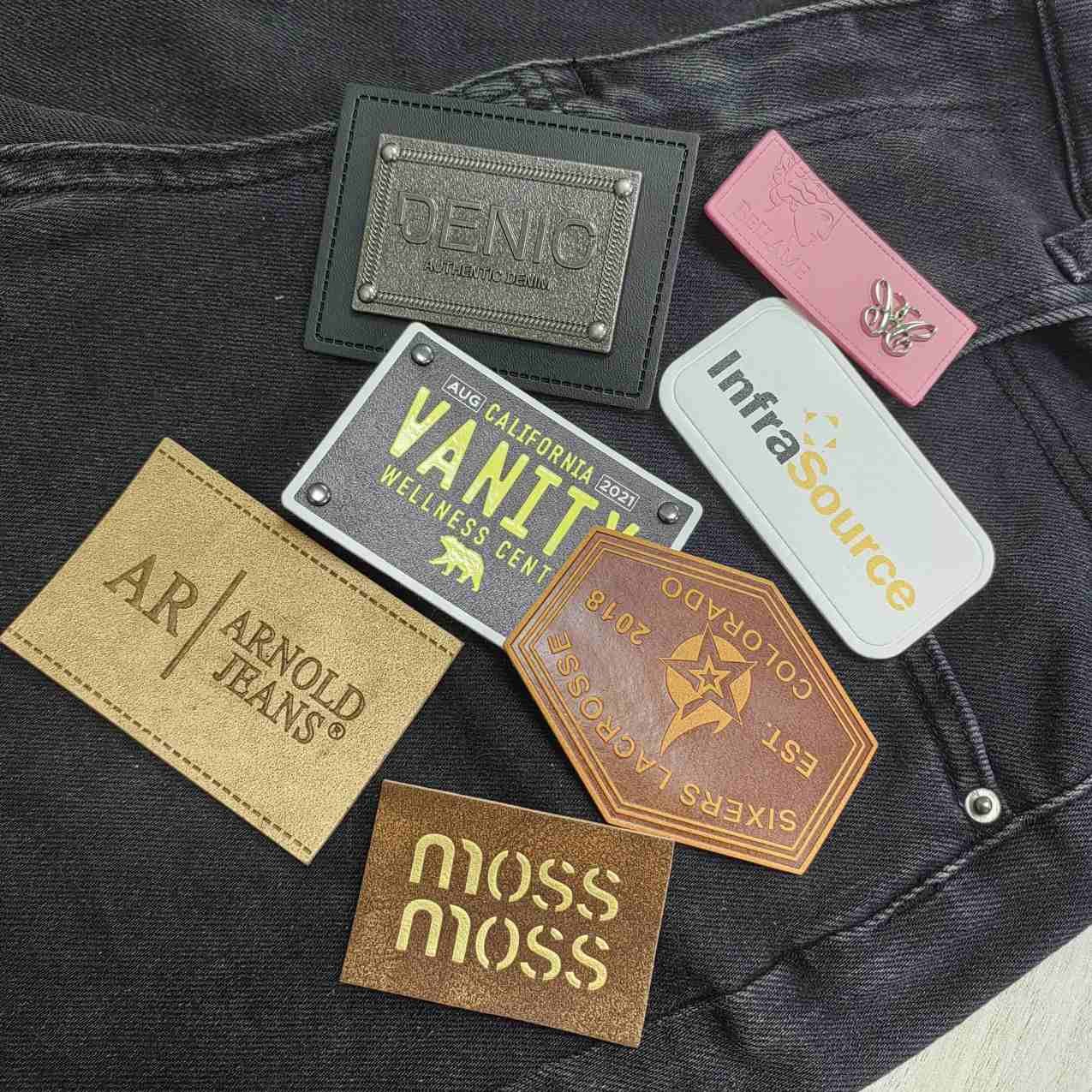
Embroidered Patches
Chenille, flat-embroidery, or 3D puff patches applied to sleeves, chest, or back panels. Perfect for adding streetwear graphics, logos, or limited-edition branding to fleece tracksuits. Up to 15-color embroidery supported.
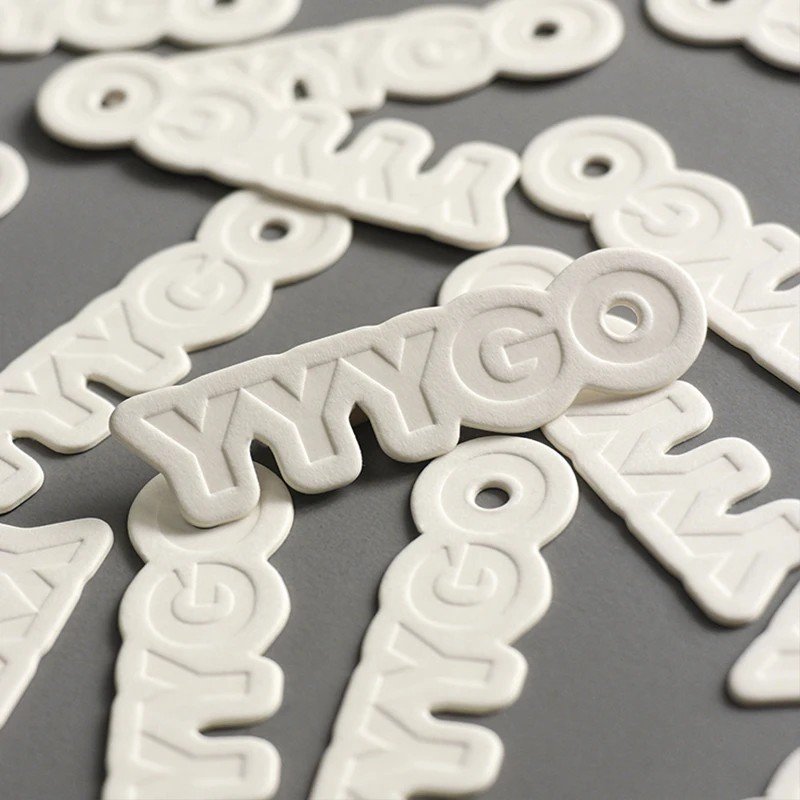
Custom Hang Tags
Die-cut, foil-stamped, or multi-panel hang tags attached with plastic fasteners or string. Communicate your brand story, care instructions, and premium positioning at point of sale for fleece tracksuit collections.
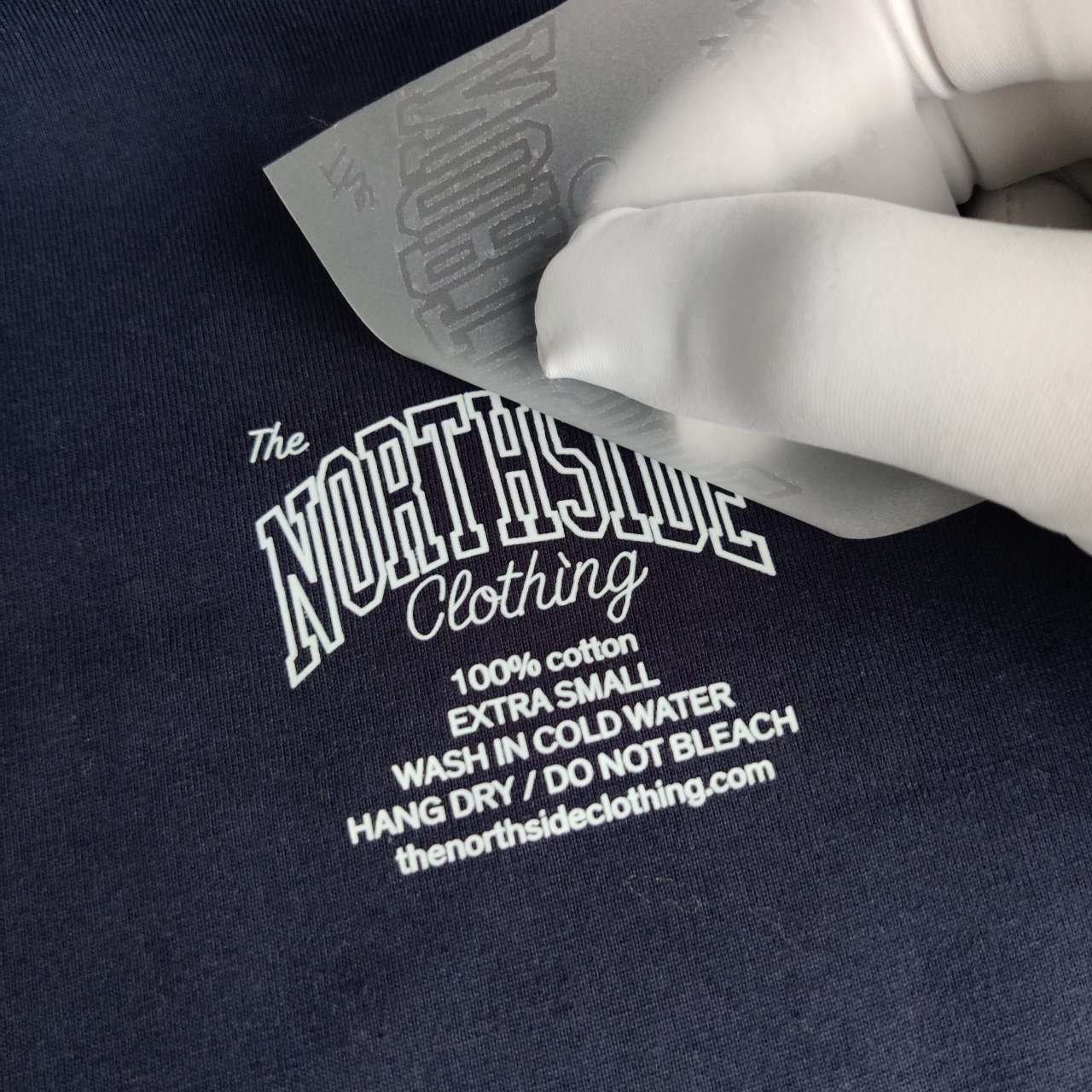
Silicone Heat Transfers
Raised silicone logos and graphics heat-pressed onto fleece surfaces for a modern, tactile finish. Ideal for chest logos, sleeve branding, or decorative elements that withstand repeated washing without cracking or peeling.
Your Trusted Fleece Tracksuit Manufacturer
Founded in 2024 by Tesla Luo, Clothing Manufacturer Ltd. was built on a mission to eliminate low-quality apparel through rigorous quality control. With over 10 years of production experience and 6 years specializing in streetwear, Tesla witnessed too many manufacturers skip critical QC steps. He established our company to restore trust in Chinese garment production, serving brands in 100+ countries with uncompromising standards.
As a dedicated fleece tracksuit manufacturer, we combine deep streetwear expertise with our proprietary 5-step quality control process that tests materials, cutting, craftsmanship, sewing, and finished garments. Our 15-member R&D team and 10 patents support trend-driven designs, low MOQs for startups, and fast turnaround for seasonal collections. We partner with fashion entrepreneurs, influencer brands, and global retailers who demand premium fleece tracksuits without compromise.
Backed by our parent company Dongguan TuoZhen Clothing Co., Ltd., we offer the agility of a streetwear specialist with the production capacity of an established manufacturer. Every tracksuit we produce reflects our founder’s hands-on experience across cutting, sewing, QC, and finishing—ensuring your brand receives apparel that meets the highest standards from fabric selection to final packaging.
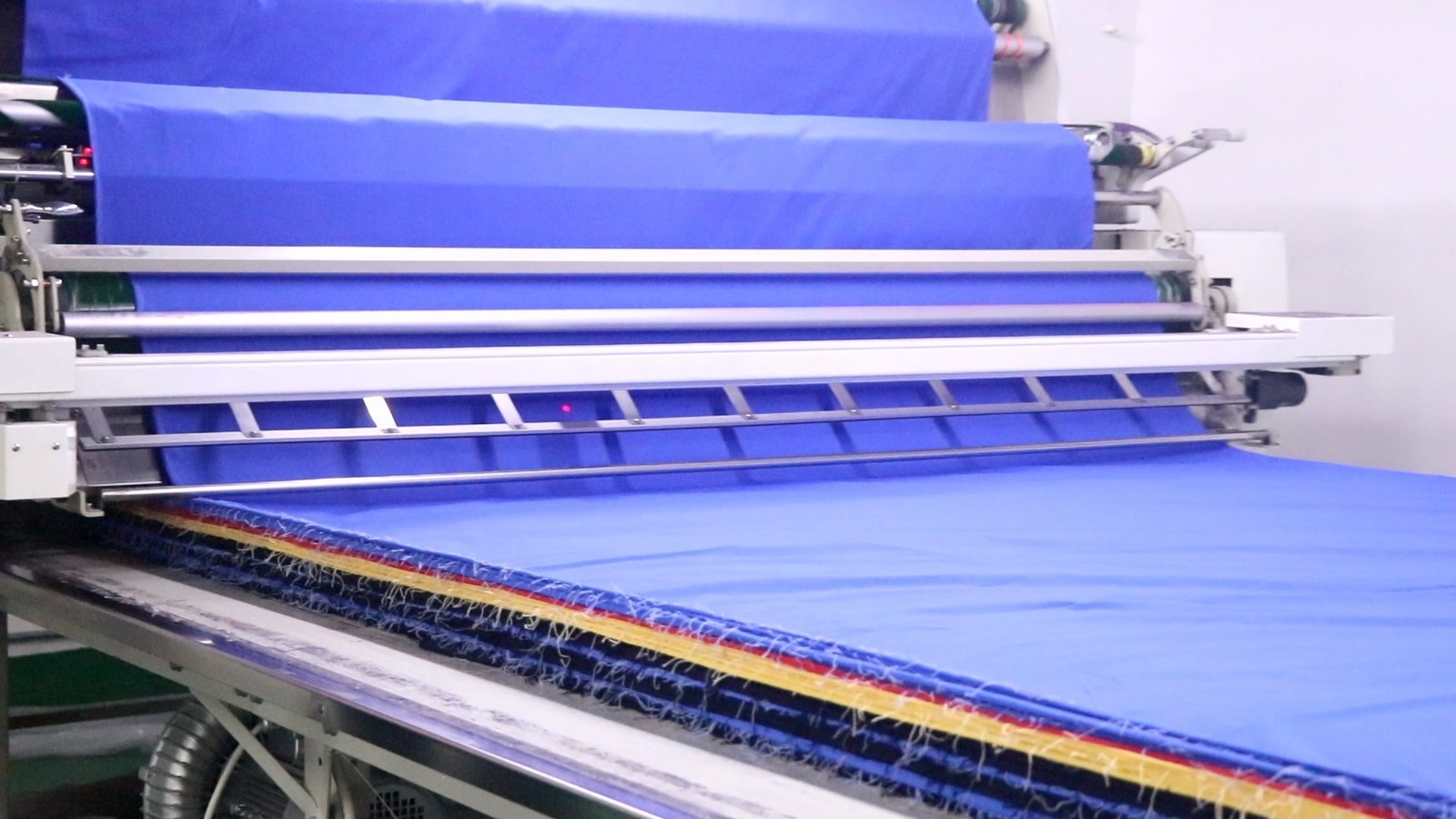
5-Step Quality Control for Every Fleece Tracksuit Manufacturer Order
Materials & Cutting QC Testing
Before production begins, we inspect every fleece fabric roll for weight consistency, color accuracy, and structural integrity. Our cutting QC ensures precise pattern placement and zero material waste, catching defects that competitors miss until final inspection.
- Fabric weight and GSM verification against specifications
- Color fastness and shrinkage pre-testing on all fleece materials
- Pattern alignment checks to eliminate sizing inconsistencies
- Cutting accuracy audits before any sewing begins
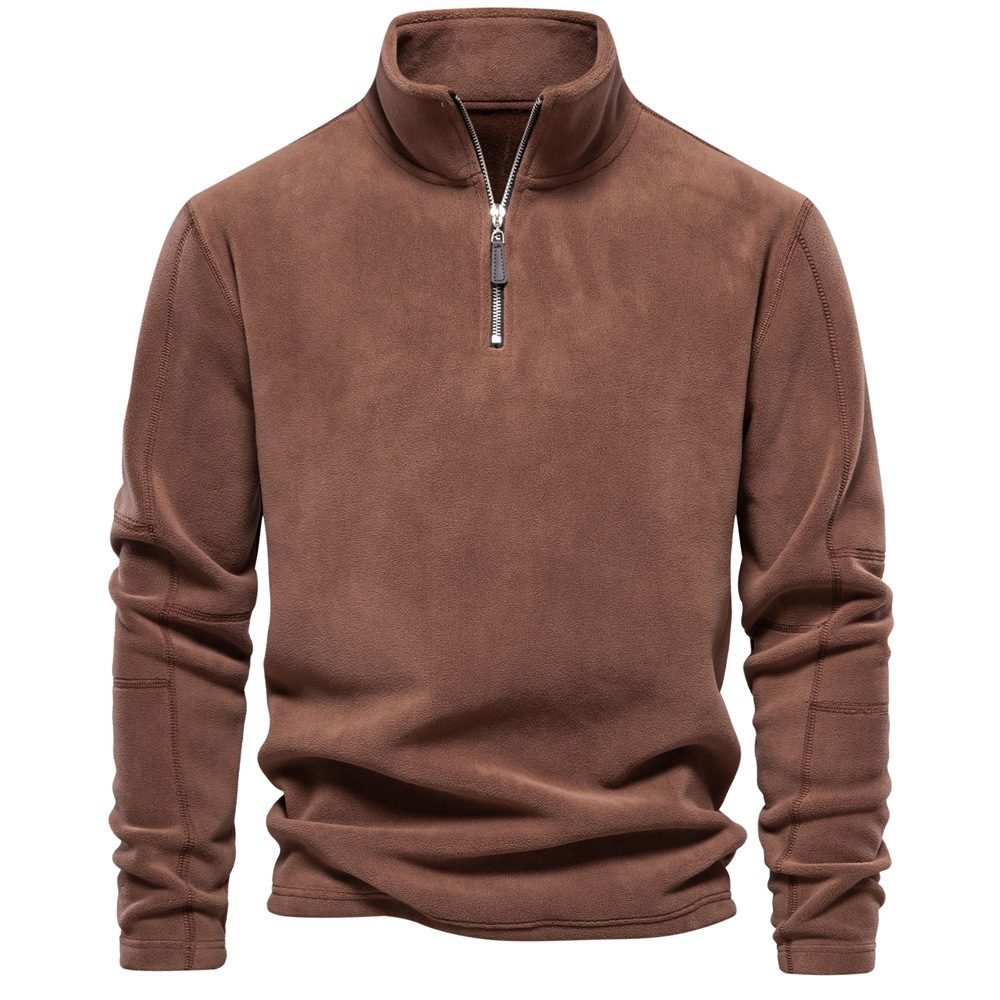
Craft & Sewing Production QC
Mid-production quality checks catch construction flaws in real time. Our craft QC validates seam strength, zipper placement, and ribbing attachment on sample pieces before full runs, while sewing QC inspects every tenth garment during active production.
- Seam tensile strength testing on fleece panel joins
- Stitch density verification for durability and stretch recovery
- Real-time correction of sewing defects during production runs
- Pocket placement and drawstring functionality checks
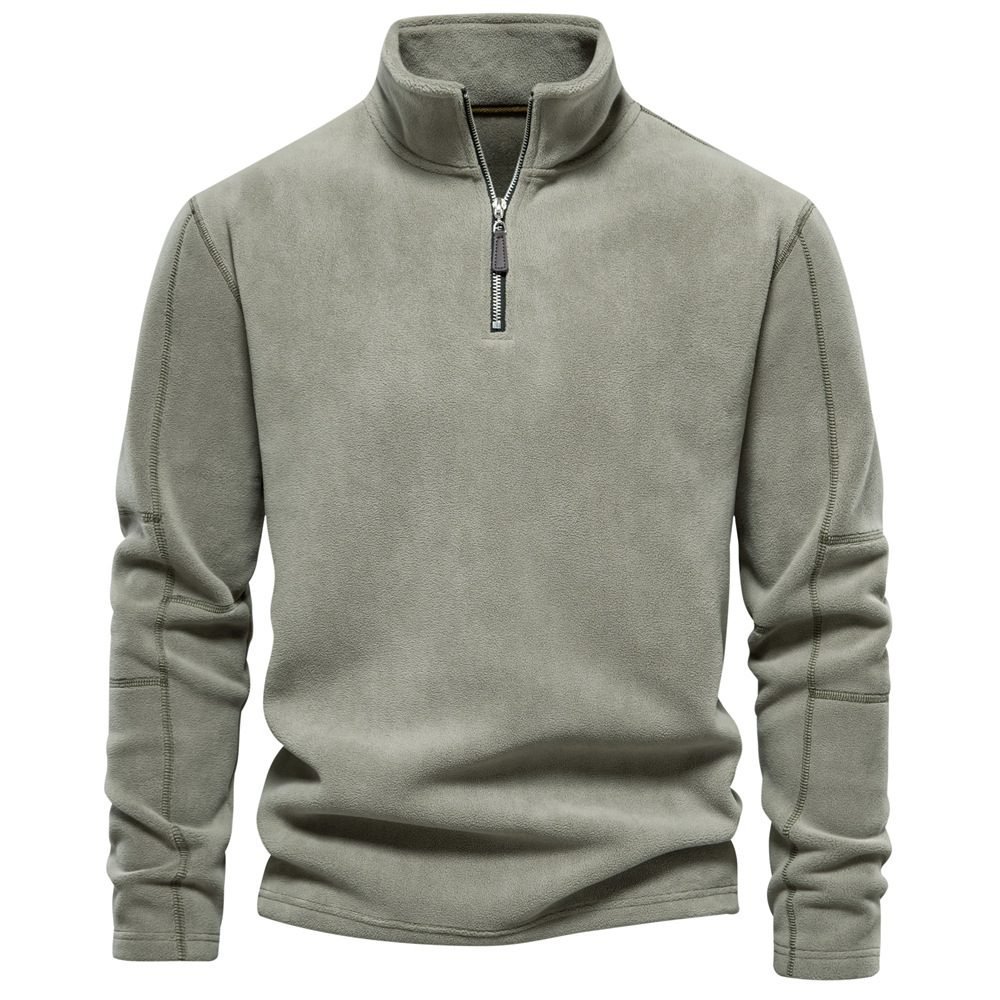
Finished Garment Quality Inspection
Every completed fleece tracksuit undergoes comprehensive final inspection covering measurements, finishing details, and packaging standards. This stage eliminates the loose threads, skipped stitches, and misaligned prints that damage brand reputation when products reach customers.
- Full garment measurement validation against tech packs
- Print and embroidery alignment and adhesion testing
- Final press and presentation quality review
- Individual poly-bag inspection before carton packing
Clothing Manufacturer Ltd vs. Typical Fleece Tracksuit Suppliers
When you choose a fleece tracksuit manufacturer, quality control and streetwear expertise make all the difference. Here’s how we compare to generic suppliers who cut corners on testing and trend knowledge.
← 左右滑动查看 →
From Fabric to Finished Fleece Tracksuit — Our Production Timeline
Every fleece tracksuit manufacturer claims quality, but few embed rigorous checks at every production stage. Our 5-step QC process ensures your tracksuits meet streetwear standards from sourcing through final shipping.
Fabric Sourcing & Inspection
We select premium fleece materials—French terry, brushed fleece, or tech blends—and conduct materials QC testing to verify weight, stretch, and colorfastness before production begins.
Pattern Development & Cutting
Our team creates custom patterns for your tracksuit design, then performs cutting QC testing to ensure precise dimensions, minimal waste, and accurate panel alignment for every piece.
Sewing & Craft Quality Control
Skilled technicians assemble each tracksuit with reinforced seams and professional finishing. Clothing craft QC testing and sewing production QC testing catch defects during assembly, not after.
Finishing & Final Inspection
Tracksuits undergo ironing, embellishment application, and finished clothing quality QC inspection. Every garment is checked for stitching integrity, print accuracy, and overall appearance before approval.
Packaging & Global Shipping
Approved tracksuits are folded, tagged, and packed to your brand specifications. We coordinate global logistics and customs documentation, delivering your order on schedule to any destination worldwide.
How to Partner With Your Fleece Tracksuit Manufacturer in 3 Steps
From initial design submission to final delivery, our streamlined process ensures your fleece tracksuit line launches on time with zero quality compromises.
Submit Your Design or Tech Pack
Share your fleece tracksuit concept, sketches, or complete tech pack. Our R&D team reviews specifications and provides material recommendations within 24 hours.
Approve Quote and Receive Samples
Review transparent pricing with low MOQ options. We produce high-quality samples using your exact fabrics and finishes for approval before bulk production begins.
Launch Production and Receive Delivery
Our 5-step QC process monitors every stage from cutting to finished garments. Global shipping ensures your fleece tracksuits arrive on schedule, ready to sell.
Certified Fleece Tracksuit Manufacturer — Quality You Can Trust
Customer Success Stories — Brands Scaling With Our Fleece Tracksuit Manufacturer
We launched our first fleece tracksuit collection with a 50-piece MOQ and grew from 0 to 47,000 Instagram followers in 8 months. The quality and fit consistency kept our customers coming back every drop.
After switching to Clothing Manufacturer Ltd, our defect rate dropped from 18% to under 1%. Their 5-step QC process caught issues before production that our previous supplier always missed. Game changer for our brand reputation.
We needed 200 custom fleece tracksuits for our influencer collaboration in 4 weeks. They delivered on time with zero compromises on embroidery detail or fabric weight. Our creator’s audience loved the quality.
Fleece Tracksuit Manufacturer — Common Questions Answered
What is the minimum order quantity (MOQ) for a fleece tracksuit manufacturer?
How long does it take to produce custom fleece tracksuits?
Do you charge for samples when working with a fleece tracksuit manufacturer?
Can your fleece tracksuit manufacturer customize designs with my brand logo and colors?
What payment terms does your fleece tracksuit manufacturer offer?
How do you protect my designs and intellectual property?
What shipping and logistics support do you provide?
What quality control measures does a reliable fleece tracksuit manufacturer use?
Can you produce fleece tracksuits for influencer and streetwear brands?
The Complete Buyer’s Guide to Choosing the Right Fleece Tracksuit Manufacturer
Navigate the sourcing landscape with confidence. This guide delivers a proven decision framework, essential supplier evaluation criteria, material specifications, customization options, and the critical mistakes to avoid when partnering with a fleece tracksuit manufacturer.
1. What Is a Fleece Tracksuit Manufacturer?
A fleece tracksuit manufacturer is a specialized apparel contractor that manages the entire production cycle for fleece-based coordinating sets, from fabric procurement and pattern development through cut-and-sew operations, finishing processes, and final packaging. Full-package manufacturers handle design consultation, fabric sourcing, grading, cutting, sewing, quality control, and logistics, delivering finished goods ready for retail. CMT (cut-make-trim) factories require clients to supply all materials and tech packs, performing only the labor-intensive assembly and trim application. Trading companies act as intermediaries, connecting brands with third-party factories but rarely owning production facilities or controlling quality checkpoints directly.
Specialized fleece tracksuit manufacturers maintain dedicated expertise in fleece fabric handling—including French terry, brushed fleece, and polar fleece ranging from 200 to 400 GSM—which requires specific sewing equipment, needle types, and seam construction to prevent pilling, distortion, and seam puckering. General apparel contractors often lack the technical knowledge to manage fleece’s stretch recovery, preshrinking protocols, and the coordinated fit tolerances required when producing matching jacket-and-pant sets. A professional fleece tracksuit manufacturer should provide fabric recommendations with shrinkage data, offer pattern adjustments for activewear ease and articulation, execute flatlock or coverstitch seaming for durability, and implement stage-gate quality inspections at materials receipt, cutting, mid-production, and final audit—mirroring the five-step QC methodology that separates rigorous producers from those who inspect only finished garments.
2. Evolution of Fleece Tracksuits in Apparel Manufacturing
In 1979, Malden Mills introduced Polartec fleece as a lightweight, moisture-wicking alternative to wool for outdoor athletes, launching fleece fabric into commercial apparel production. Originally engineered for mountaineering and cold-weather sports, fleece’s warmth-to-weight ratio and quick-dry properties made it a performance staple, but it remained largely functional until the 1990s when sportswear brands began pairing fleece hoodies with matching joggers for casual athletic wear.
The athleisure boom of the 2010s transformed fleece tracksuits from gym gear into everyday fashion, driven by celebrity endorsements from hip-hop artists, athletes, and influencers who wore coordinated sets in music videos and street style photography. Brands responded by demanding custom fleece tracksuit production in bold colorways, oversized silhouettes, and heavyweight brushed finishes (280–350 GSM) that signaled premium quality, pushing manufacturers to invest in dye sublimation, screen printing, and embroidery capabilities for personalized branding.
Manufacturing techniques evolved rapidly to meet these new demands. Mills developed lighter-weight French terry and loopback fleece blends (200–260 GSM) for year-round wear, introduced recycled polyester and organic cotton fiber options to satisfy sustainability requirements, and adopted reactive dyeing processes to achieve the vibrant Pantone-matched hues streetwear customers expect. By the early 2020s, any fleece tracksuit manufacturer offering ODM or OEM services needed in-line quality control, short lead times (30–45 days), and low MOQs (50–200 pieces per colorway) to serve the explosion of independent streetwear labels and influencer brands launching custom collections.
3. Types of Fleece Tracksuit Manufacturer Services
Fleece tracksuit manufacturer service models vary by scope, MOQ, and design involvement. Understanding each type helps you match production partners to your brand stage, budget, and creative control needs.
Full-Package Manufacturers
Full-package providers handle fabric sourcing, pattern development, cutting, sewing, decoration, and packaging under one roof. MOQs typically start at 300–500 pieces per style, with 45–60 day lead times from approved sample to shipment.
Ideal for fashion startups and independent designers who lack technical staff or fabric contacts. Full-package partners absorb design iteration risk and offer end-to-end accountability, though unit costs run 15–25 percent higher than CMT models.
Private-Label & White-Label Services
Private-label manufacturers offer pre-designed tracksuit silhouettes that accept your branding, hangtags, and packaging. MOQs drop to 100–200 pieces per colorway, with 20–30 day turnarounds since patterns and samples already exist.
Best for influencer brands and creator labels testing market demand without upfront design investment. Design flexibility is limited to color, logo placement, and trim details; silhouette changes require moving to custom cut-and-sew.
Cut-Make-Trim (CMT) Contractors
CMT factories execute sewing and assembly only; you supply fabric, trims, and finished tech packs. MOQs range from 200–300 units, with 30–40 day production cycles after materials arrive.
Suited to established brands with in-house design teams and fabric relationships. CMT offers the lowest per-unit labor cost but requires you to manage fabric quality, shrinkage testing, and supply-chain coordination.
Sampling & Tech-Pack Studios
Sampling specialists develop prototypes, grade patterns, and create production-ready tech packs without running bulk orders. Sample costs range from 80–150 USD per prototype, with 10–15 day turnarounds.
Valuable for designers finalizing fit and construction before committing to a production partner. Many studios collaborate with CMT or full-package factories, streamlining the handoff from sample approval to bulk manufacturing.
4. Fleece Materials and Fabric Options
Selecting the right fleece fabric determines your tracksuit’s warmth, drape, and market positioning. A fleece tracksuit manufacturer typically stocks five core fabric families, each with distinct GSM ranges and performance characteristics. Matching fabric weight to your target climate and price tier ensures your collection meets customer expectations.
| Fabric Type | GSM Range | Key Properties | Best For |
|---|---|---|---|
| Polar Fleece | 180–320 | High warmth, plush hand, moisture-wicking | Winter streetwear, cold-climate tracksuits |
| French Terry | 200–280 | Smooth face, looped back, breathable | Athleisure, year-round casual wear |
| Brushed Fleece | 240–300 | Soft nap, enhanced warmth, cozy feel | Premium comfort, loungewear collections |
| Anti-Pill Fleece | 220–300 | Pilling resistance, long-lasting appearance | High-durability streetwear, repeat wear |
| Recycled Fleece | 200–300 | Eco-friendly, GRS-certified, virgin performance | Sustainable brands, eco-conscious lines |
Polar Fleece
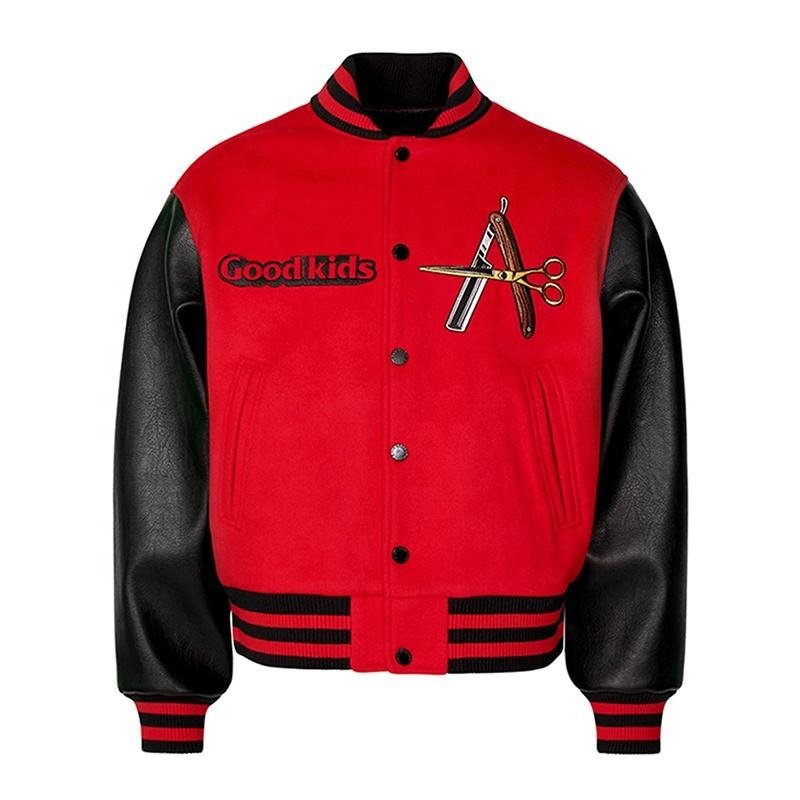
Polar fleece runs 180–320 GSM and delivers the highest warmth-to-weight ratio of any synthetic insulation. The knit structure traps air pockets between polyester fibers, creating loft without bulk.
Mid-weight polar fleece (220–280 GSM) dominates winter streetwear tracksuits, offering plush hand feel and excellent moisture wicking. Heavier weights (300+ GSM) suit outerwear-style hoodies for cold climates, while 180–200 GSM works for layering pieces in transitional seasons.
French Terry Fleece
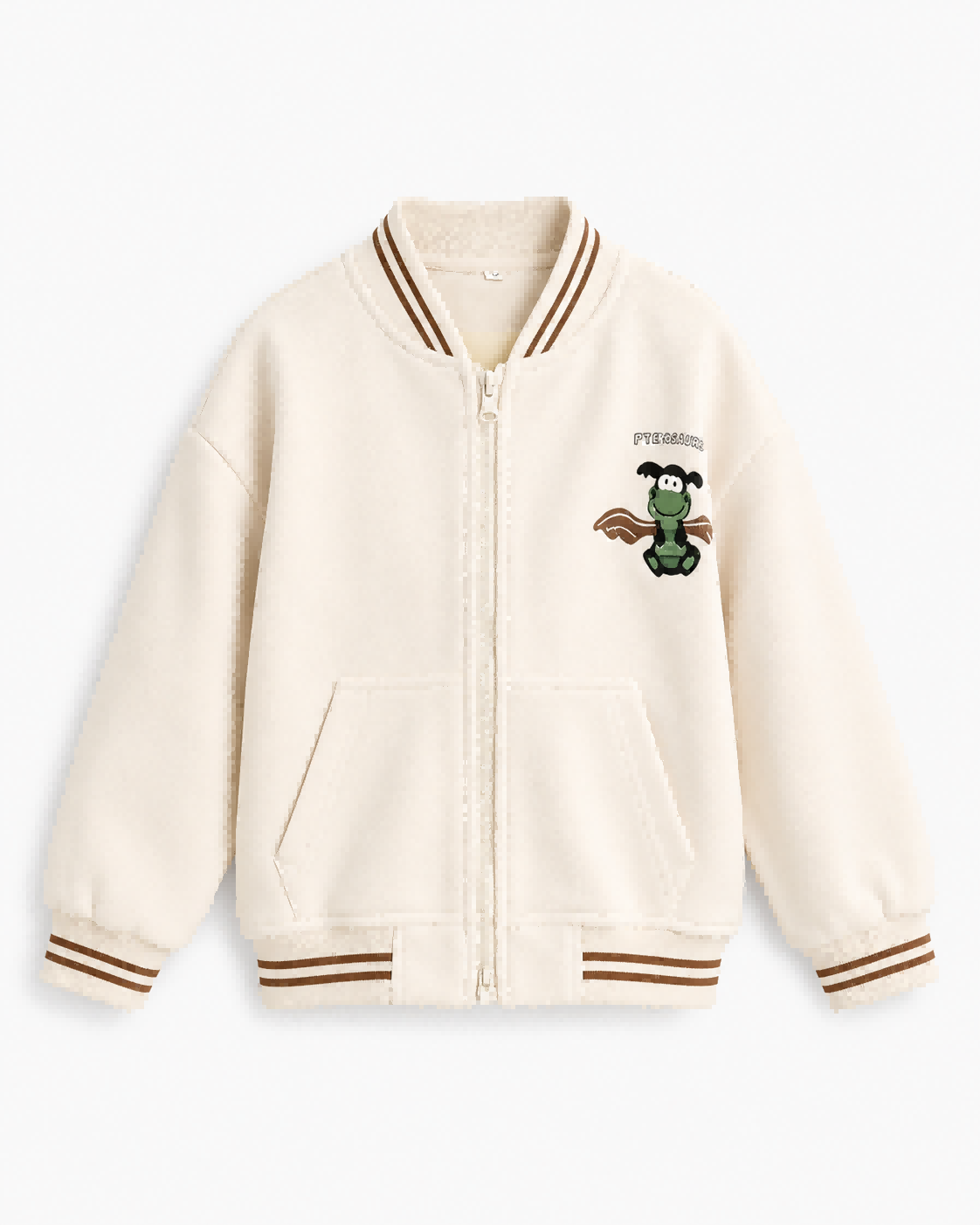
French terry features a smooth face and looped back, typically 200–280 GSM. The flat exterior accepts screen printing and embroidery cleanly, while the interior loops provide moderate warmth and breathability.
This fabric anchors athleisure and casual streetwear tracksuits worn year-round in temperate zones. Brands targeting spring/summer collections or active lifestyles favor French terry for its lighter drape and moisture management compared to brushed polar fleece.
Brushed and Anti-Pill Fleece
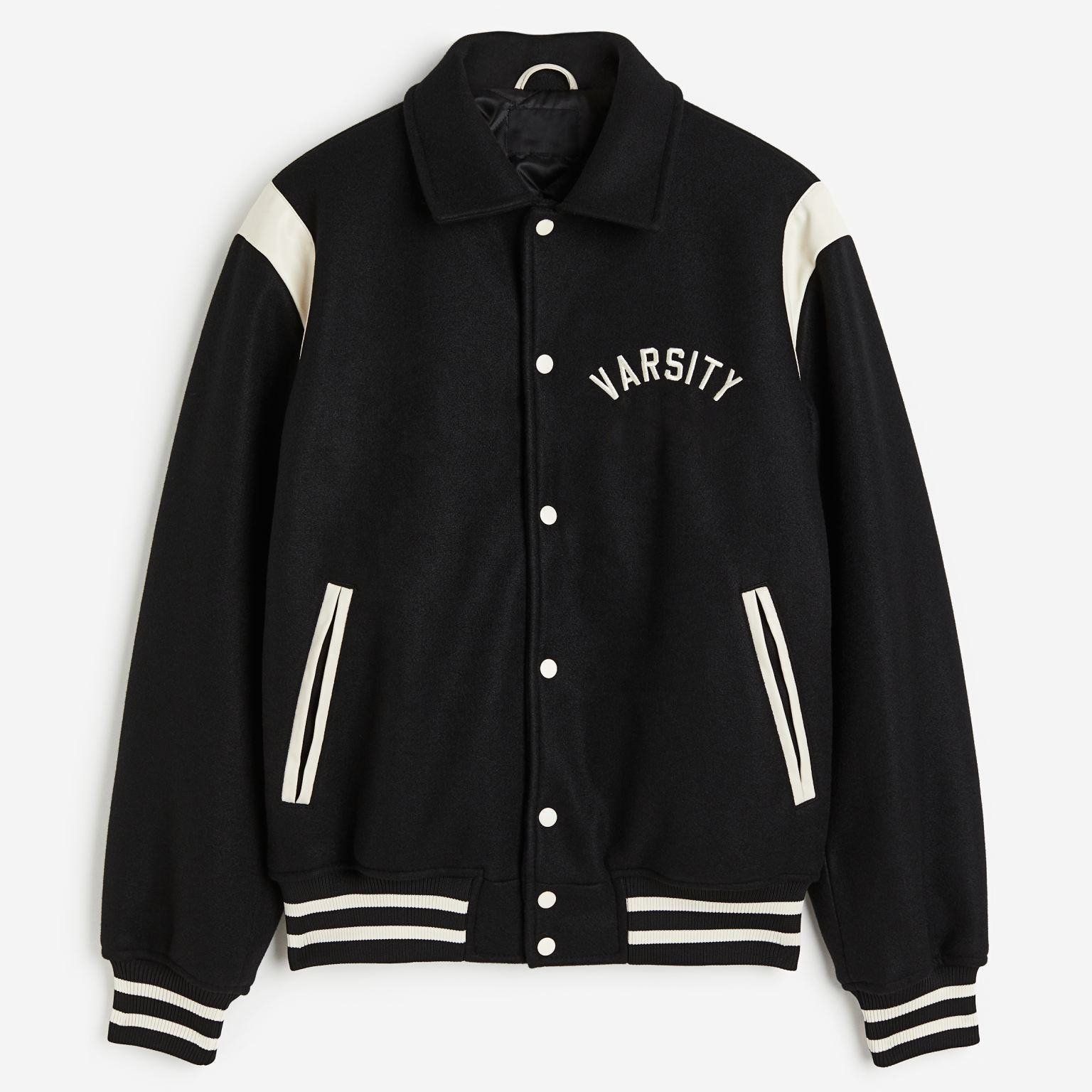
Brushed fleece (240–300 GSM) undergoes mechanical raising on one or both sides, creating a soft nap that enhances warmth. Anti-pill treatments—chemical or fiber-engineering—prevent surface pilling after repeated wash cycles.
Anti-pill fleece maintains appearance longer, critical for premium streetwear brands promising durability. Expect 10–15 percent cost premiums over standard polar fleece, justified by extended garment life and customer satisfaction.
Sustainable and Recycled Fleece
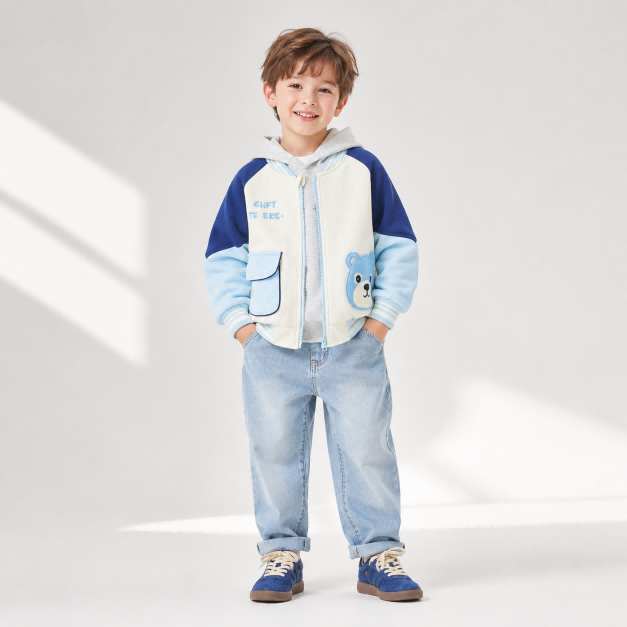
Recycled polyester fleece, sourced from post-consumer PET bottles, matches virgin polar fleece performance at 200–300 GSM. Certifications like GRS (Global Recycled Standard) verify recycled content, appealing to eco-conscious consumers.
Sustainable fleece commands 8–12 percent price premiums but differentiates brands in crowded markets. Many influencer and creator brands now specify minimum 50 percent recycled content to align with audience values and reduce environmental footprint.
5. Customization and Decoration Techniques
Selecting the right decoration method determines both your unit economics and how your brand appears on fleece tracksuits. A fleece tracksuit manufacturer typically offers six core techniques, each with distinct cost structures, durability profiles, and minimum order requirements that directly affect startup budgets and repeat-order flexibility.
| Technique | Setup Cost | Per-Unit Cost | Durability (Washes) | Best Use |
|---|---|---|---|---|
| Screen Printing | $15–$50/color | $0.50–$2.00 | 50+ | Multi-color runs >100 pcs |
| Heat Transfer | $0 | $2–$5 | 20–50 | Small batches, samples |
| Embroidery | $20–$100 | $3–$8 | Garment lifetime | Premium logos, caps |
| Appliqué | $20–$100 | $2–$5 | Garment lifetime | Oversized patches |
| Sublimation | $50–$150 | $4–$10 | Garment lifetime | Photo-real, polyester |
| Woven Labels | $0 (in qty) | $0.10–$0.40 | 100+ | Neck/hem branding |
Screen Printing & Heat Transfer
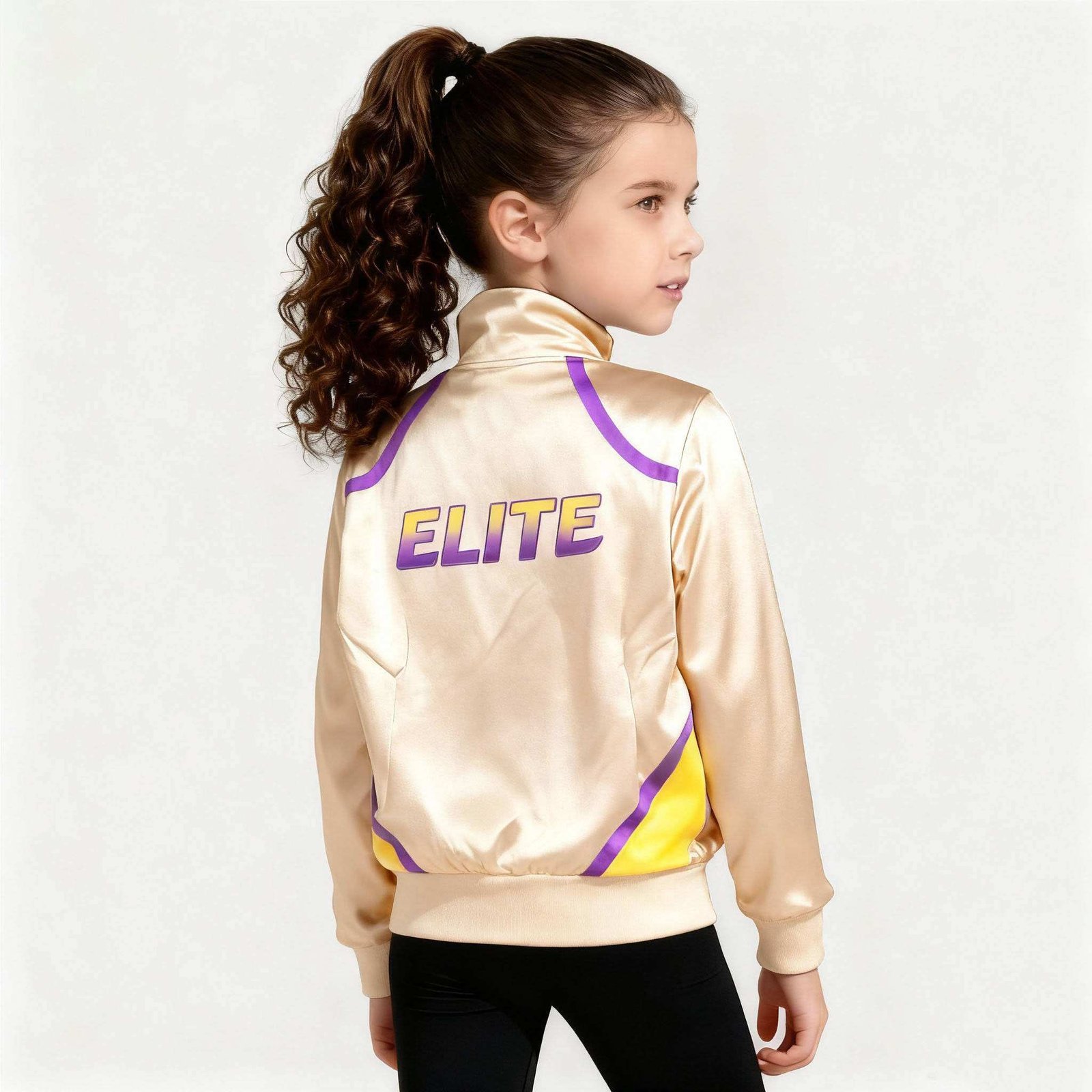
Screen printing requires a one-time setup fee of $15–$50 per color but drops per-unit cost to $0.50–$2.00 for multi-color designs, making it ideal for runs above 100 pieces. Prints survive 50+ wash cycles when plastisol or water-based inks cure properly.
Heat transfer eliminates setup costs and works from single-unit orders, with per-piece costs of $2–$5 depending on transfer size. Durability ranges from 20–40 washes for standard vinyl to 50+ for premium polyurethane films, suitable for small batches and test launches.
Embroidery & Appliqué
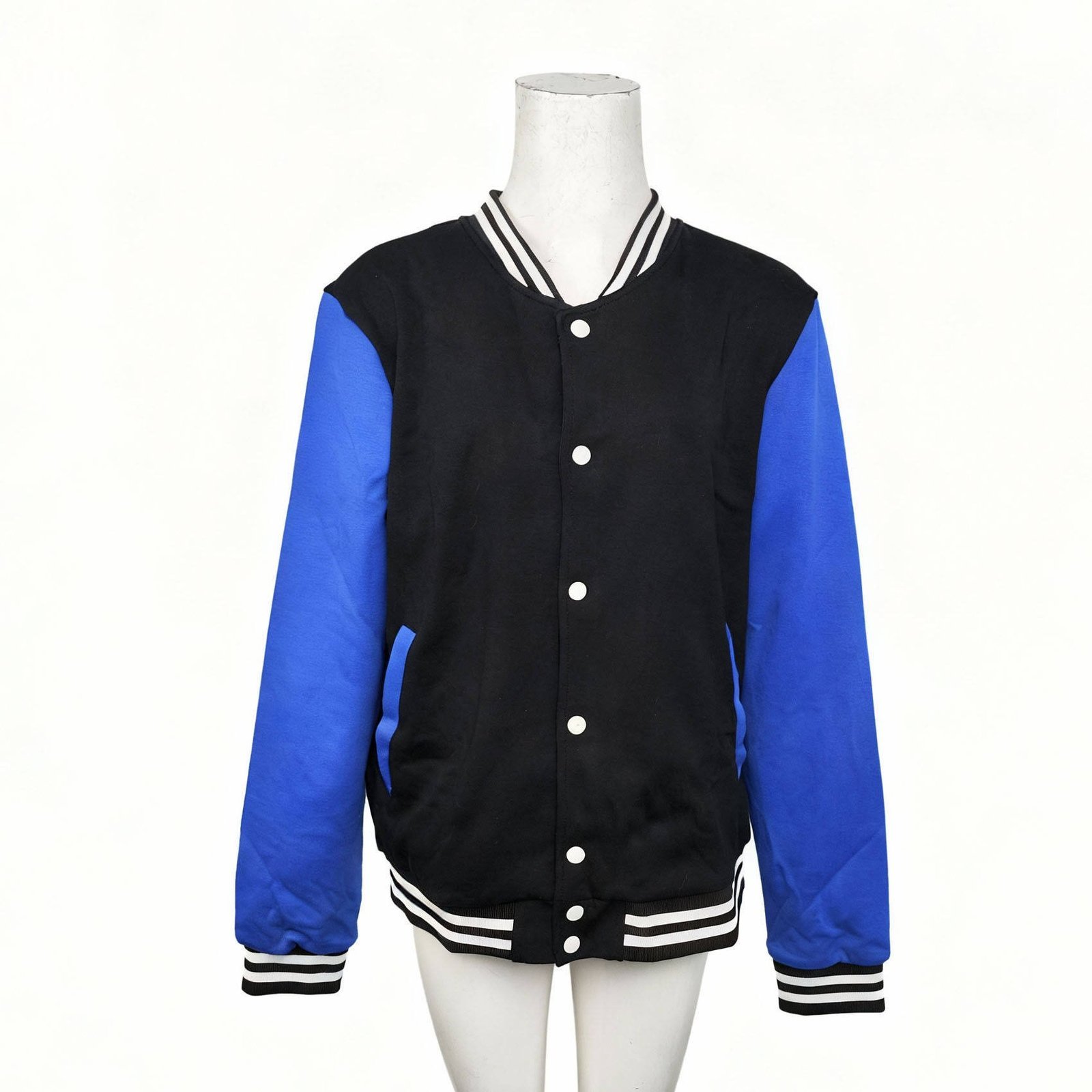
Embroidery digitization costs $20–$100 per design but delivers the highest perceived value and outlasts the garment itself when thread count stays below 10,000 stitches. Per-unit cost runs $3–$8 for chest logos, rising with stitch density.
Appliqué combines fabric layers with embroidery borders, reducing stitch time by 30–50% and lowering cost to $2–$5 per piece. This technique suits oversized logos and bold streetwear graphics that demand texture and dimension.
Sublimation & All-Over Print
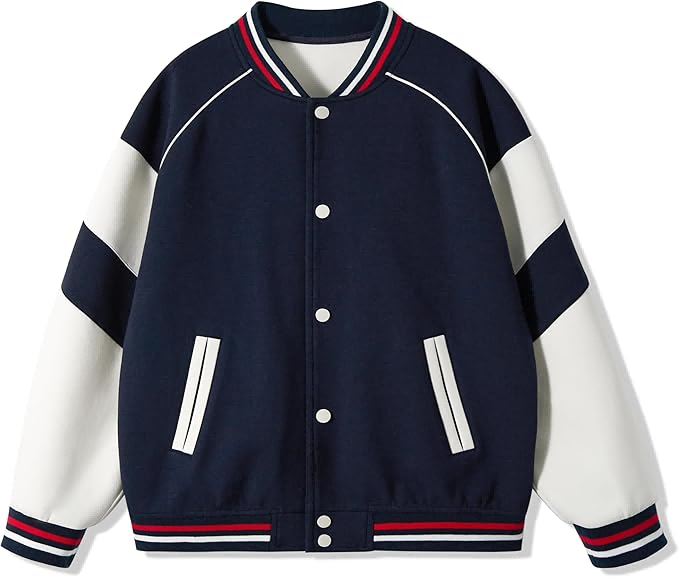
Dye sublimation bonds ink into polyester fleece at the molecular level, producing photographic detail and unlimited colors with zero hand-feel. Setup costs $50–$150 for transfer paper and per-unit pricing of $4–$10, restricted to light-colored polyester blends above 65% synthetic content.
All-over print requires full-panel sublimation before cutting, adding 15–20% to base garment cost but enabling edge-to-edge graphics unattainable with other methods. Minimum orders typically start at 50 pieces due to fabric preparation overhead.
Labels & Hang Tags
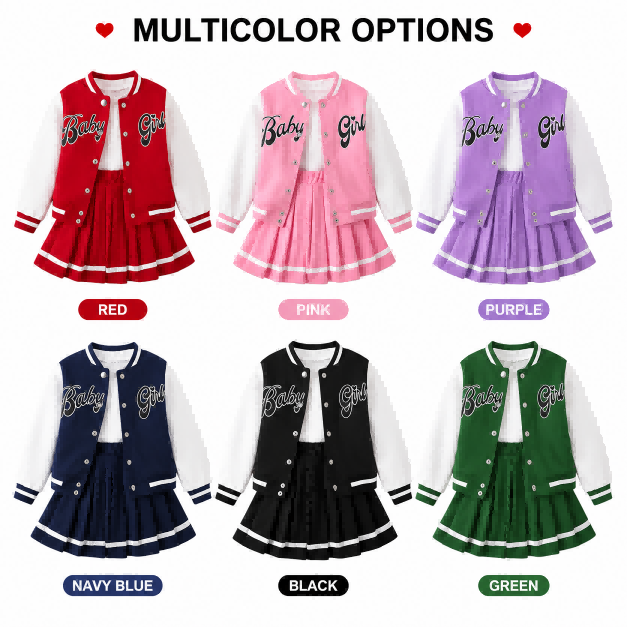
Woven damask labels cost $0.10–$0.40 each in quantities above 500, offering 100+ wash durability and premium brand presence at neck and hem. Printed satin labels drop to $0.05–$0.15 but fade after 30–50 cycles.
Hang tags range from $0.08 for single-color cardstock to $0.50 for multi-layer designs with foil stamping, reinforcing brand story at point of sale. Combining heat-transfer care labels ($0.03–$0.08) with woven branding balances compliance and cost.
6. Key Quality Control Elements in Fleece Tracksuit Manufacturing
Quality control separates premium fleece tracksuits from defective inventory that damages brand reputation. A rigorous fleece tracksuit manufacturer implements checkpoints at every production stage, not just final inspection, to catch defects early and maintain consistency across thousands of units.
Fabric Inspection & Testing
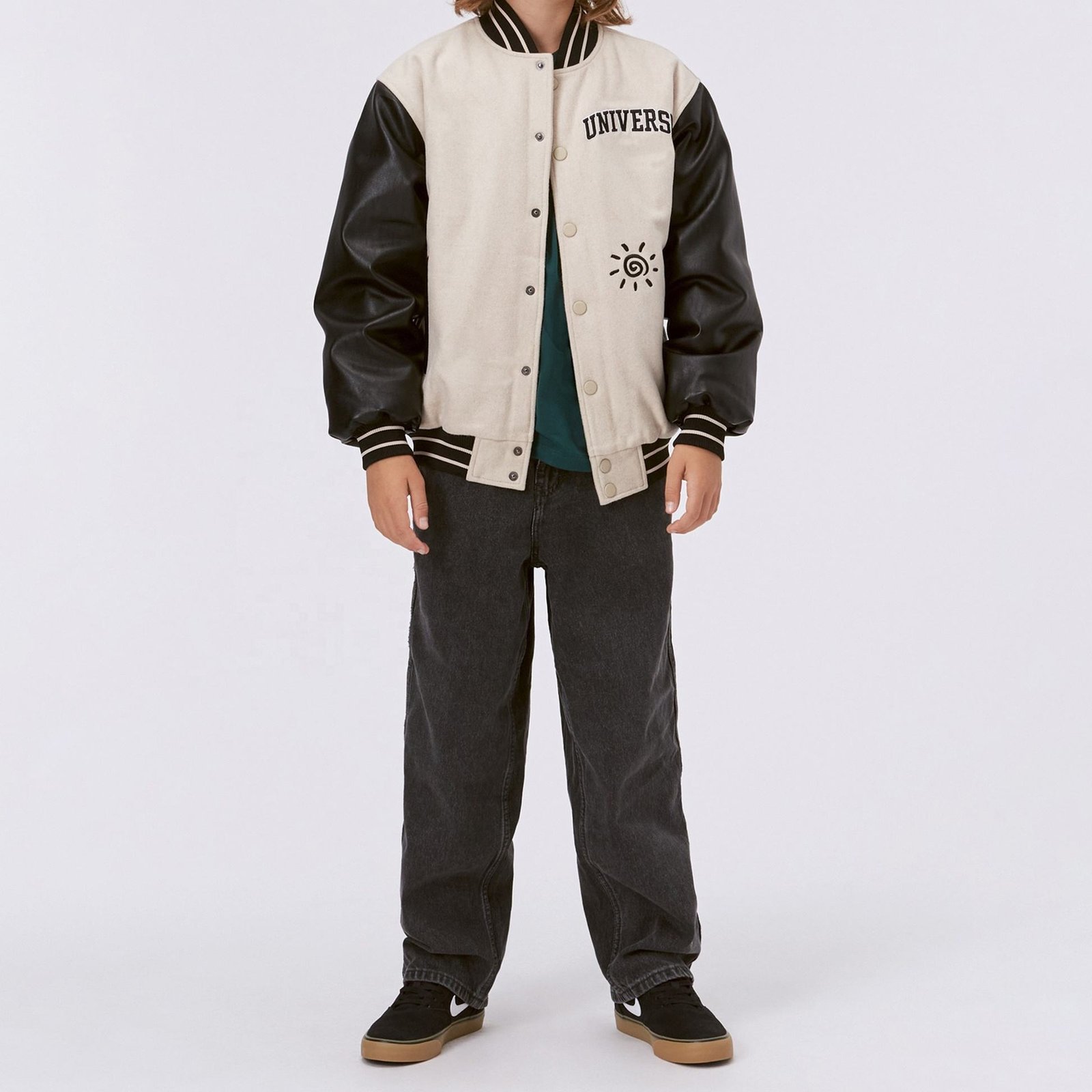
Fabric QC begins before cutting, testing pilling resistance (grade 3–4 minimum on Martindale abrasion), colorfastness to washing (ISO 105-C06, grade 4 or higher), and weight consistency within ±5% of specified GSM. Reputable suppliers verify shrinkage rates below 3% after three wash cycles and confirm OEKO-TEX or equivalent certifications for chemical safety.
Fleece rolls are inspected under light for dye streaks, slubs, and thickness variations; any roll with defects exceeding 1 point per 100 yards is rejected. This materials QC testing stage prevents defective fabric from entering production, saving time and reducing waste downstream.
Construction & Stitching Standards
Stitching integrity determines garment lifespan. Flatlock seams (used in athletic tracksuits) lie flat against skin and resist fraying; overlock seams (common in casual fleece) require 12–15 stitches per inch for durability. QC teams check seam strength via pull tests (minimum 30 lbs breaking force) and inspect thread tension to prevent puckering.
Cutting QC confirms pattern pieces match tech packs within ±2 mm tolerance, ensuring sizing consistency. In-line sewing QC catches misaligned panels, skipped stitches, and uneven hems before garments reach finishing, reducing rework rates below 2%.
- Flatlock seams: 3-thread or 4-thread construction, tested for stretch recovery
- Overlock edges: clean finish, no loose threads or raw fabric exposure
- Topstitching: uniform stitch length, no skipped stitches or tension breaks
Trim & Hardware Quality
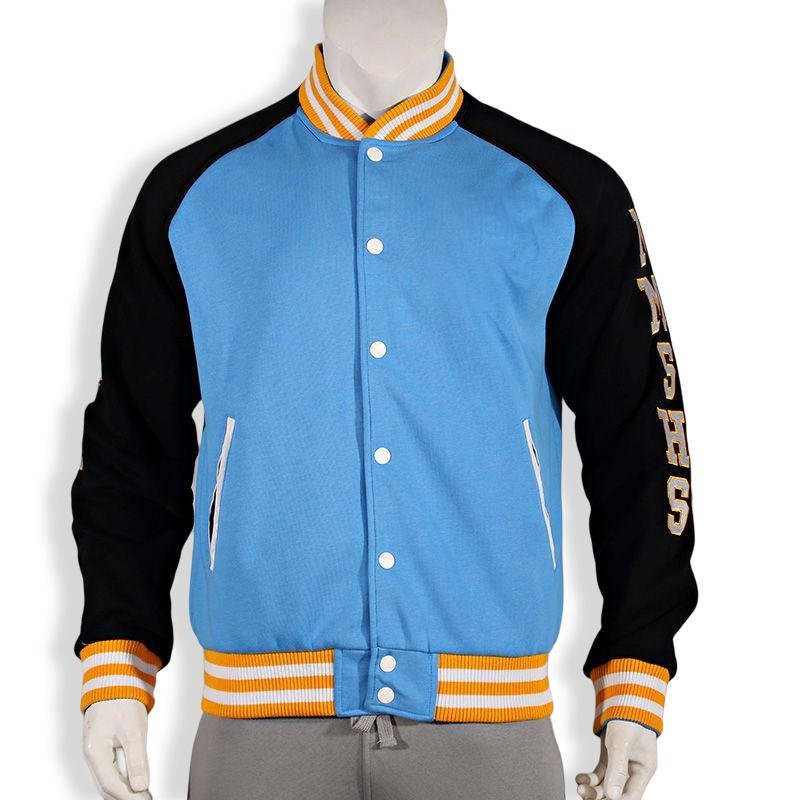
Zippers, drawcords, and elastic waistbands endure the highest stress. YKK or equivalent zippers are tested for 500+ cycles without tooth separation or slider failure; drawcord tips must withstand pull forces above 20 lbs without detaching. Elastic retention is verified at 80% stretch over 100 cycles, maintaining snap-back within 5% of original length.
Ribbed cuffs and waistbands are inspected for uniform knit tension and dye lot matching. Hardware QC includes nickel-release tests for metal components and colorfastness checks on printed or dyed trims to prevent bleeding onto fabric.
Pre-Production & In-Line QC
Pre-production samples validate fit, fabric hand-feel, and construction before bulk orders. A 5-step QC process—materials testing, cutting verification, craft inspection during assembly, sewing line checks, and finished garment audits—embeds quality at every stage rather than relying solely on end-of-line sorting.
Final wash tests simulate customer use: garments undergo three industrial wash-dry cycles, then are measured for shrinkage, inspected for seam integrity, and checked for color bleeding. Only batches passing all criteria (typically 98%+ AQL 2.5) are approved for packing and shipment, ensuring consistent quality across every order.
- Pre-production samples: confirm fit grade, colorways, and trim placement
- In-line checkpoints: catch defects at cutting, sewing, and finishing stages
- Final audit: AQL 2.5 standard, random sampling of 10–15% per batch
7. How to Choose the Right Fleece Tracksuit Manufacturer
Selecting a fleece tracksuit manufacturer requires systematic evaluation across five critical dimensions. A structured framework helps brands distinguish reliable partners from vendors who lack quality controls or transparent processes.
Certifications & Compliance
Request proof of BSCI, WRAP, or OEKO-TEX Standard 100 certifications to verify ethical labor practices and chemical safety. Factories without third-party audits often skip quality testing stages, leading to inconsistent output.
Clothing Manufacturer Ltd. implements a five-step QC methodology at materials, cutting, craft, sewing, and finished-goods stages, ensuring defects are caught early rather than after full production runs.
Portfolio & References
Review case studies and client testimonials from brands in your segment—streetwear startups require different expertise than mass retailers. Ask for contact details of at least three current clients to verify on-time delivery and communication quality.
Manufacturers serving 100+ countries typically demonstrate scalable processes and export compliance knowledge essential for cross-border shipments.
Sampling & Prototyping
Request fabric swatches in your target GSM range (280–400 for fleece) and fit samples in multiple sizes before committing to bulk orders. Sampling turnaround under 10 days signals efficient R&D workflows.
Evaluate stitching consistency, zipper durability, and colorfast performance through wash testing on prototypes.
MOQ & Pricing Negotiation
Compare minimum order quantities across 3–5 vendors; typical fleece tracksuit MOQs range from 100 to 500 units per style per color. Negotiate payment terms (30% deposit, 70% before shipment is standard) and clarify whether sampling fees apply toward bulk orders.
Transparent pricing breakdowns by fabric, labor, and decoration prevent hidden costs at production milestones.
Communication & Logistics
Test responsiveness by requesting detailed answers within 24 hours on fabric sourcing, lead times, and shipping methods. Schedule a virtual or in-person factory tour to verify machinery, workspace organization, and quality inspection stations.
Manufacturers with dedicated account managers and multilingual support reduce miscommunication risks during complex customizations.
8. Common Mistakes When Sourcing a Fleece Tracksuit Manufacturer
Sourcing a fleece tracksuit manufacturer requires careful attention to details that many brands overlook in their rush to launch. Even experienced buyers make costly errors that delay timelines, damage reputation, and erode profit margins.
Prioritizing Price Over Quality
Choosing the lowest-cost fleece tracksuit manufacturer often leads to fabric pilling, loose stitching, and inconsistent sizing within 2–3 washes. Brands that save $2 per unit on production frequently spend $8 per unit managing returns and refunds.
The fix: request fabric GSM specifications (280–320 GSM for premium fleece), stitch-per-inch counts (12–14 SPI for durability), and a five-step QC process that includes materials testing, cutting checks, craft inspection, sewing audits, and final garment review before shipment.
Skipping Pre-Production Samples
Launching production without pre-production samples results in color mismatches, incorrect sizing, and decoration placement errors that require full batch rework. A 500-unit order with wrong Pantone shades costs $3,000–$5,000 to remake and delays market entry by 4–6 weeks.
The fix: order fit samples, color-matched samples, and decoration samples before approving bulk production. Verify all tech pack details—seam placement, label positioning, drawcord length—on physical samples.
Ignoring Fabric Specifications
Failing to specify fabric weight, blend ratio, and brushing type leads to garments that feel thin, lack warmth, or shrink unpredictably. A 220 GSM fleece marketed as premium will generate negative reviews and high return rates.
The fix: define exact fabric specs in your tech pack—280+ GSM for hoodies, 65/35 cotton-polyester blends for softness and shape retention, and brushed interior finish for warmth.
Underestimating Lead Times and Logistics
Brands often assume 14-day production timelines without accounting for fabric sourcing, sampling, customs clearance, and shipping. A typical fleece tracksuit order requires 7–10 days for sampling, 20–30 days for production, and 15–25 days for international freight.
The fix: add 10–15 days buffer to quoted lead times and clarify packaging, labeling, and hang-tag requirements upfront to avoid last-minute rework.
9. Steps to Launch Your Fleece Tracksuit Brand
Launching a fleece tracksuit brand requires a structured workflow from concept to first shipment. Most startups complete the cycle in 90–150 days, depending on design complexity, sampling rounds, and production lead times.
Brand Positioning & Design Brief
Define your target demographic, price tier, and aesthetic direction before contacting any fleece tracksuit manufacturer. Streetwear brands typically align with youth culture, hip-hop, or athleisure, while independent designers may pursue minimalist or avant-garde positioning.
Create a design brief that specifies fabric weight (280–400 GSM), colorways, silhouette (slim, oversized, tapered), and key details like pocket placement or cuff style. A clear brief accelerates quoting and reduces revision cycles.
Tech Packs & Specifications
Tech packs translate creative vision into manufacturing instructions. Include front and back sketches, measurement charts (chest, length, sleeve, inseam), fabric swatches, Pantone color codes, and trim callouts (drawcords, zippers, labels).
Manufacturers use tech packs to calculate material consumption and labor hours. Incomplete specs delay sampling by 1–2 weeks and increase the risk of fit or color errors.
Sampling & Iteration
Order pre-production samples to verify fabric hand-feel, fit, and construction quality. Most factories charge 50–150 USD per sample and require 7–14 days for completion.
Plan for at least one revision round. Clothing Manufacturer Ltd.’s five-step QC testing ensures samples match final production standards, reducing post-order surprises.
Production & Quality Assurance
Confirm MOQ, payment terms (typically 30–50 percent deposit), and lead time (30–45 days for 500–1,000 units). Request in-line QC reports at cutting, sewing, and finishing stages.
Embedded quality checks catch defects early, preserving fabric yield and preventing costly rework or chargebacks from retailers.
Logistics & Go-to-Market
Coordinate shipping method (air for speed, sea for volume), customs clearance, and warehousing. Air freight from Guangdong to North America averages 5–7 days; ocean freight takes 18–25 days.
Launch pre-orders or social campaigns 2–4 weeks before inventory arrival to generate cash flow and validate demand before committing to reorders.
10. Pricing and Cost Structures
Fleece tracksuit pricing varies by fabric weight (240–400 GSM), customization complexity, and order volume. A basic 280 GSM cotton-polyester blend tracksuit with screen-printed logos typically costs $12–$18 per unit at 500 pieces, while premium 320 GSM French terry with embroidered patches and custom woven labels runs $18–$28 per unit. Fabric selection accounts for 40–50% of unit cost, with ring-spun cotton fleece commanding 15–25% premiums over open-end blends.
MOQ tiers directly impact per-unit economics. At 100 pieces, setup costs (screen preparation, pattern grading, sample development) spread across fewer units push prices 30–40% higher than 1,000-piece runs. Most fleece tracksuit manufacturers require 200–300 piece MOQs to justify production setup, though Clothing Manufacturer Ltd. accommodates 100-piece orders for startups testing market fit.
Decoration methods add $1.50–$6.00 per garment depending on technique: single-location screen printing averages $1.50–$2.50, while all-over sublimation or multi-position embroidery (10,000+ stitches) adds $4.00–$6.00. Budget $150–$300 for initial sampling (2–3 proto units), $200–$500 for screen or embroidery setup per design, and $50–$150 per revision round.
Shipping terms materially affect landed cost. FOB Shenzhen pricing excludes international freight and customs ($3–$7 per unit to North America), while DDP (Delivered Duty Paid) includes all costs to your warehouse but typically adds 18–25% to the FOB price. Lead times compress at higher volumes: 100 pieces require 18–25 days, while 2,000+ pieces need 28–35 days for cutting, sewing, five-step QC testing, and finishing.
| Order Quantity | Unit Price Range (USD) | Lead Time (days) | Notes |
|---|---|---|---|
| 100 pcs | $18–$28 | 18–25 | Higher setup cost per unit; ideal for sampling |
| 500 pcs | $12–$22 | 22–28 | Balanced economics; most common startup tier |
| 1,000 pcs | $10–$18 | 25–30 | Setup costs amortized; volume discounts apply |
| 2,000+ pcs | $8–$15 | 28–35 | Lowest per-unit cost; requires larger capital outlay |
Partner With a Trusted Fleece Tracksuit Manufacturer Today
Get a free quote, request samples, or speak with our specialist team. Launch your collection with 5-step QC and low MOQ support.