
Premium Sweatsuit Manufacturer for Streetwear Brands & Startups
Your dedicated sweatsuit manufacturer with 5-step QC guarantee, low MOQ for emerging brands, and fast sampling. Built for streetwear quality without compromise.
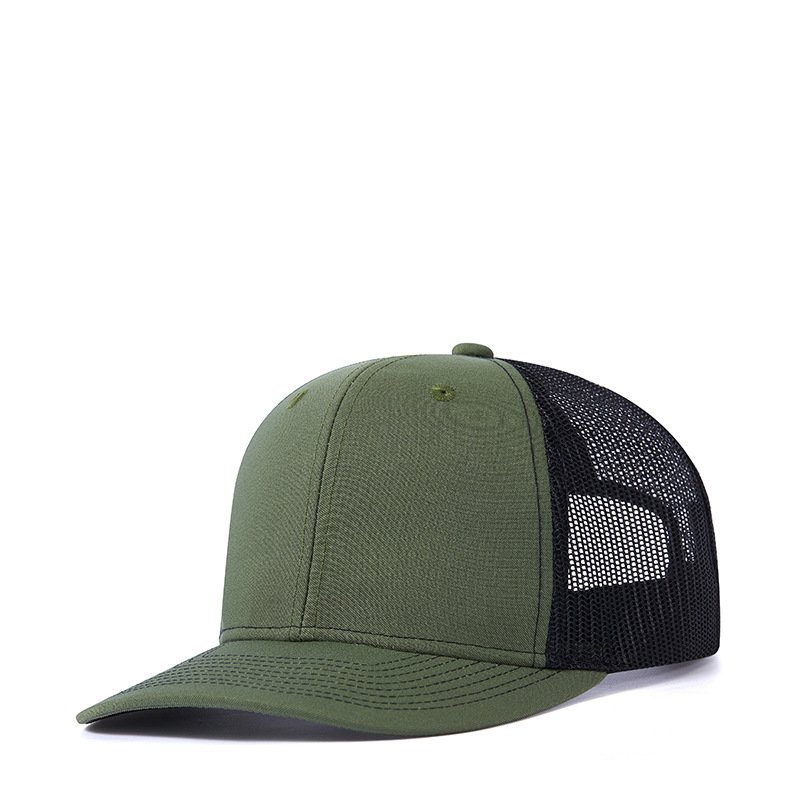
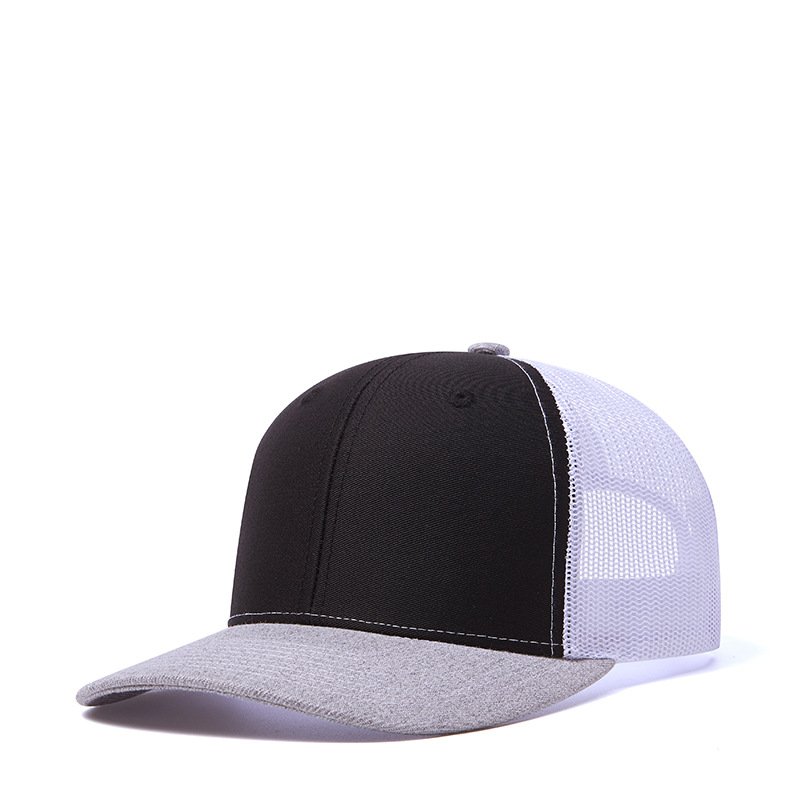
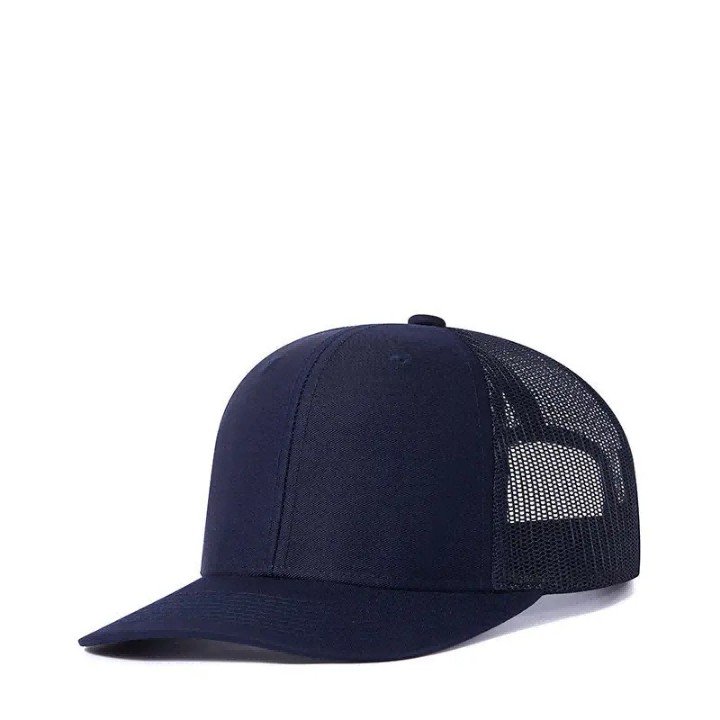
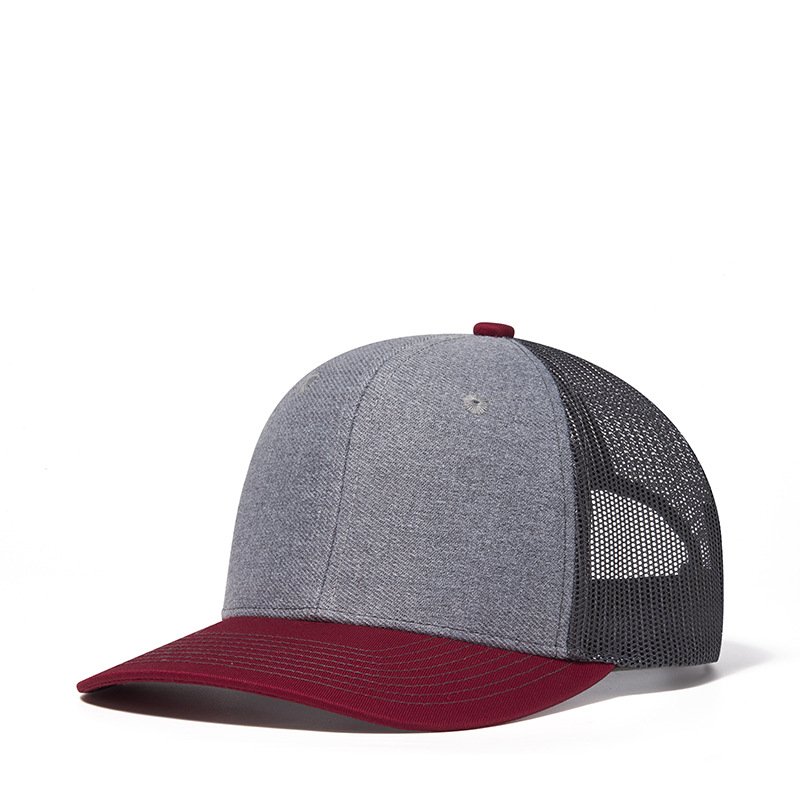
Sweatsuit Collections & Design Samples
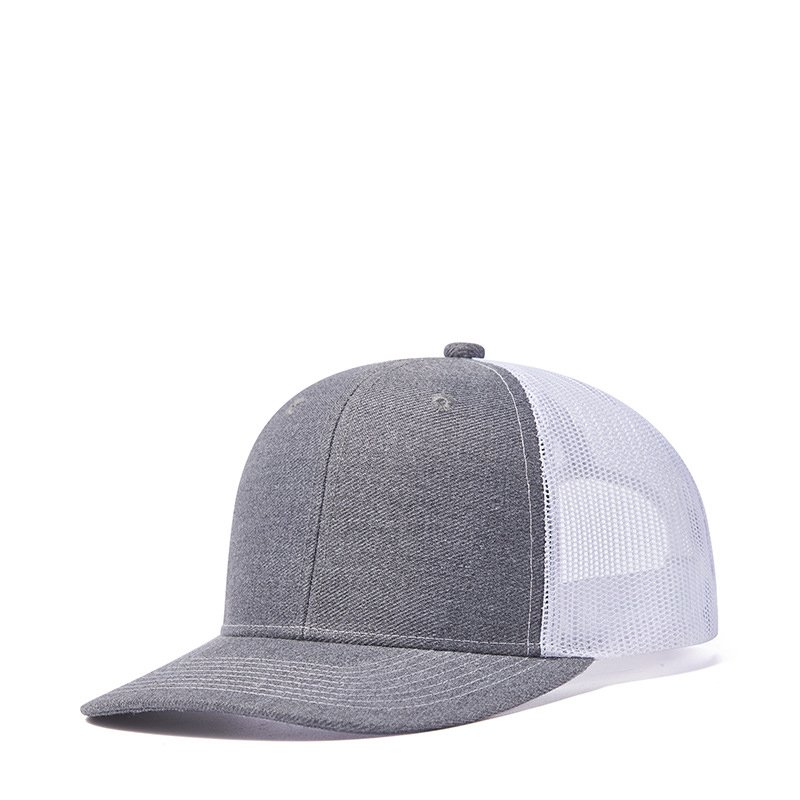
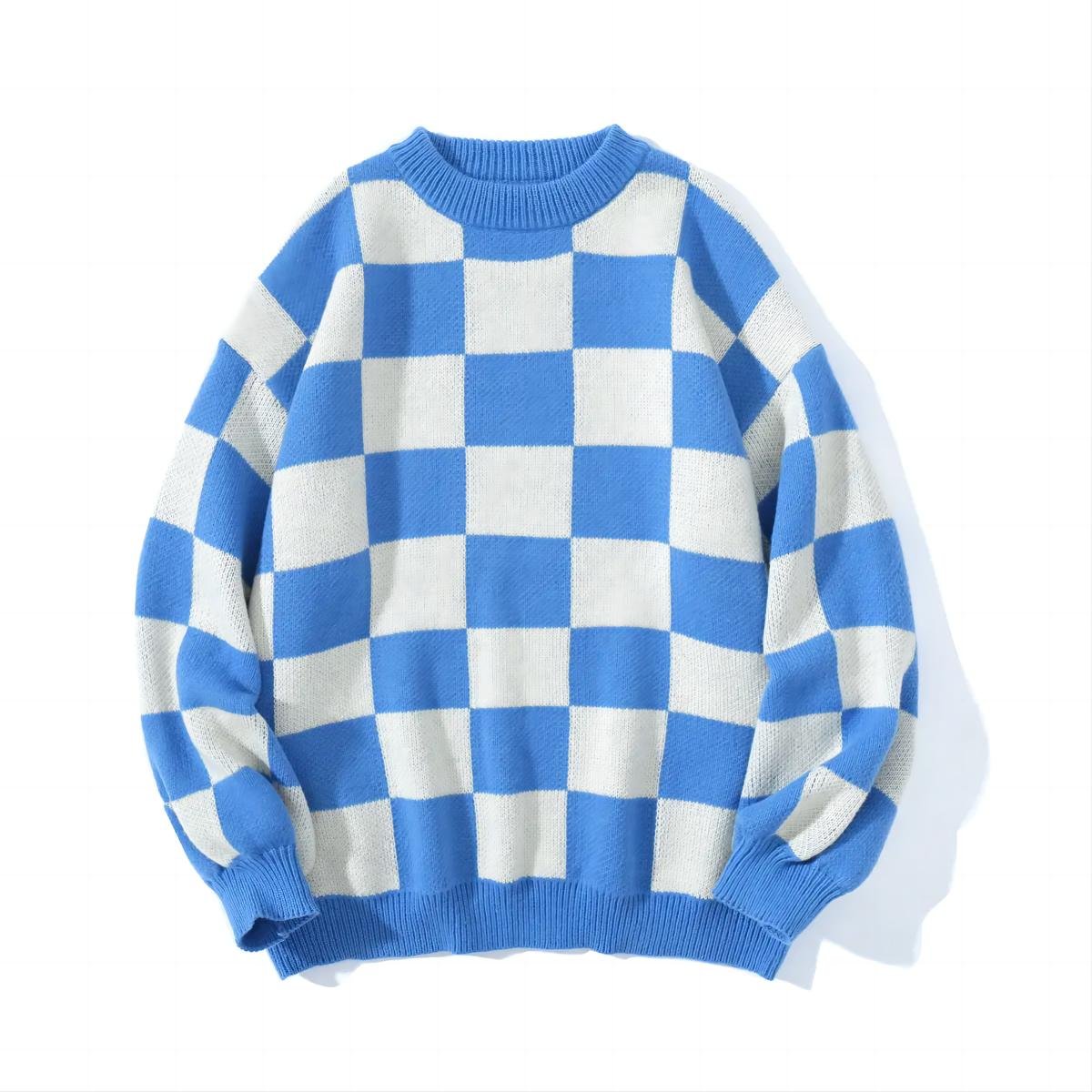
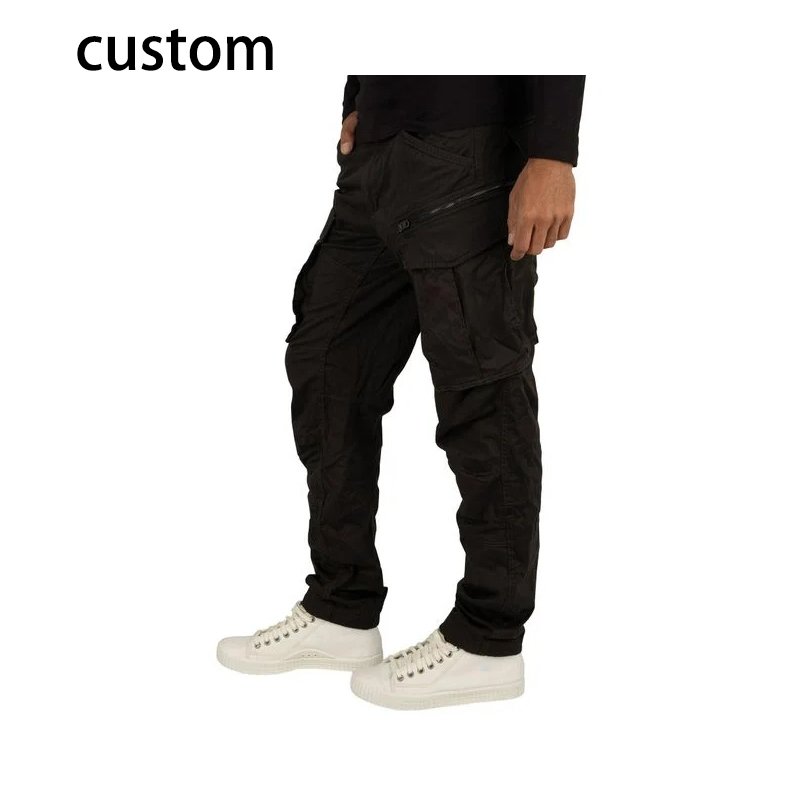
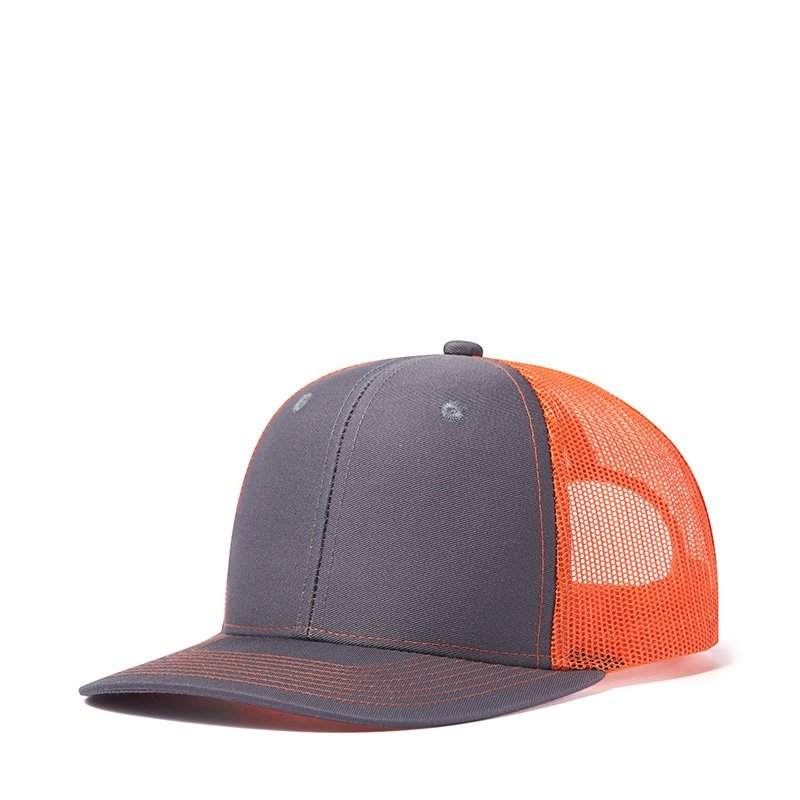
Why Choose Our Sweatsuit Manufacturer
We eliminate the pain points of sweatsuit production with rigorous quality control, flexible minimums, and streetwear-first expertise that helps your brand stand out.
5-Step QC Guarantee
Every sweatsuit passes materials, cutting, craft, sewing, and finished product inspections—eliminating defects before they reach your customers.
Low MOQ from 50 Pieces
Launch your sweatsuit line without massive inventory risk. Perfect for startups, influencers, and independent designers testing new collections.
7-Day Sample Turnaround
Get production-ready sweatsuit samples in just one week so you can validate designs and launch seasonal drops faster.
In-House Design Team
Our 15-member R&D team brings streetwear expertise and 10 patented processes to refine your sweatsuit concepts into market-ready products.
Streetwear Culture Expertise
Six years specializing in streetwear means we understand the bold graphics, oversized fits, and trend-driven details your audience demands.
Global Shipping Support
Seamless logistics to over 100 countries with customs, inspection, and delivery coordination—so your sweatsuit orders arrive on time.
Sweatsuit Manufacturer Categories & Customization Options
From oversized streetwear sets to performance jogger collections, we manufacture every sweatsuit style with full design flexibility and our 5-step QC guarantee. Choose the category that fits your brand vision.
Oversized Hoodie & Sweatpants Sets
Streetwear brands need bold, oversized sweatsuit silhouettes with custom graphics, embroidery, and unique washes that capture trend-driven aesthetics without compromising fabric weight or construction quality.
We produce oversized sweatsuit sets with heavyweight fleece, custom screen prints, puff embroidery, acid washes, and distressed finishes. Full pattern grading and low MOQ let emerging brands test designs confidently.
Fitted Athletic Jogger Sets
Active lifestyle brands require tailored, performance-ready sweatsuit sets with stretch panels, moisture-wicking fabrics, and ergonomic cuts that move with the body while maintaining a sleek, modern fit.
Our fitted jogger sets combine technical fabrics with precision cutting and sewing. Customizable waistbands, zippered pockets, and reflective trims deliver performance and style for athletic streetwear collections.
Heavyweight Fleece Sweatsuit Collections
Premium brands demand ultra-thick, luxury fleece sweatsuit sets with superior warmth and durability, but struggle to find manufacturers who can handle heavy fabrics without skipping quality checks or rushing production.
We specialize in 400+ GSM heavyweight fleece with reinforced stitching and our 5-step QC process at every stage. Custom dye colors, chenille patches, and premium trims elevate your heavyweight sweatsuit line.
Lightweight Performance Sweatsuit Sets
Fashion startups and influencer brands launching seasonal or travel-friendly collections need lightweight, breathable sweatsuit sets that pack easily but still deliver on-trend style and consistent quality across production runs.
Our lightweight sweatsuit manufacturing uses breathable cotton blends and technical knits with fast turnaround times. Low MOQ and in-house sampling let you launch seasonal drops quickly with reliable quality every order.
Premium Fabrics from Your Trusted Sweatsuit Manufacturer
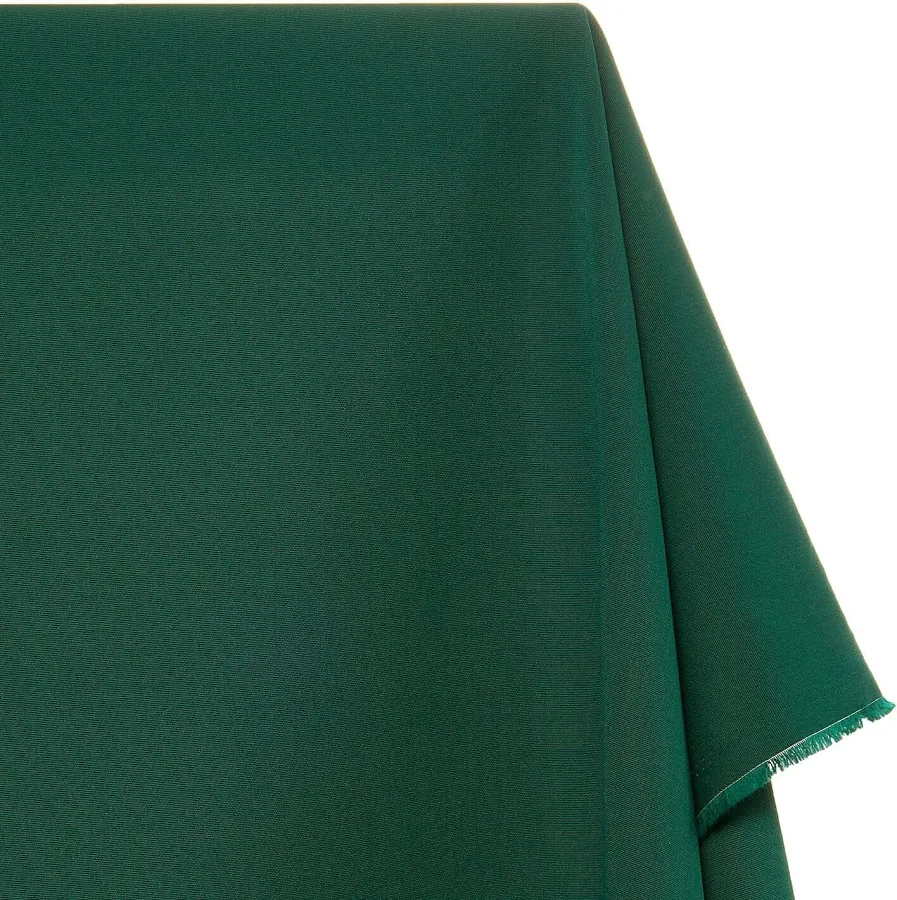
Heavyweight Fleece
Premium 320–400 GSM brushed interior fleece delivers exceptional warmth and a plush hand-feel. Ideal for oversized hoodies and joggers that define modern streetwear silhouettes. Excellent shape retention and minimal pilling after repeated wear.
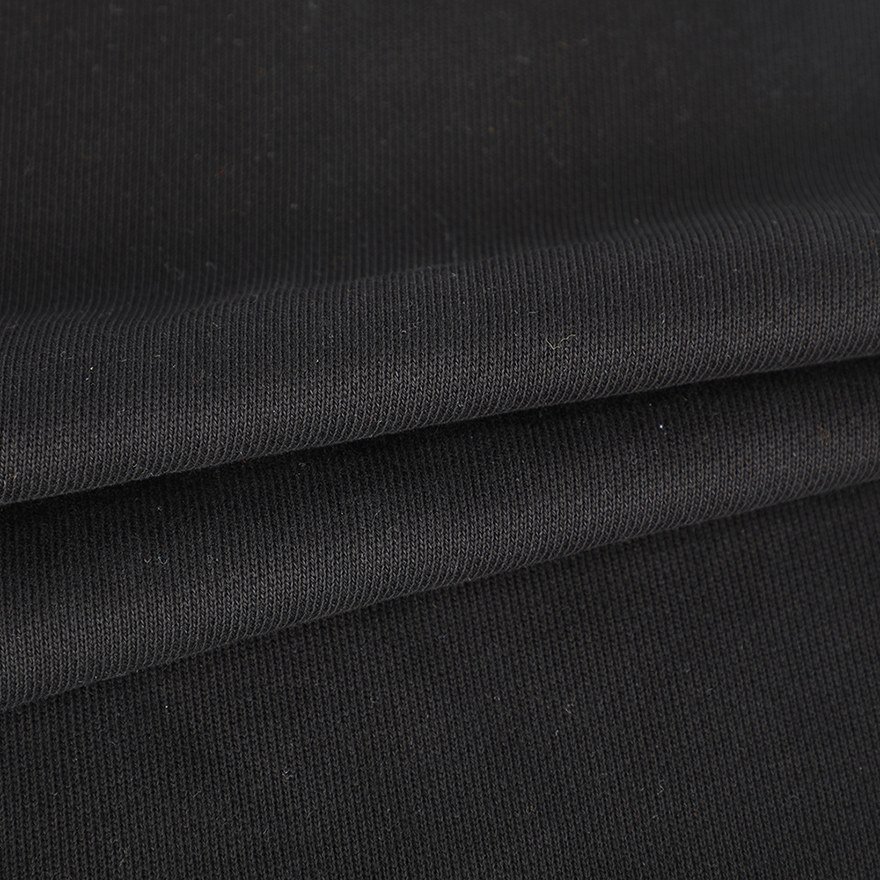
French Terry Cotton
Mid-weight 240–280 GSM looped-back terry offers breathable comfort with a smooth outer face and soft interior loops. Perfect for year-round sweatsuits, athleisure lines, and layering pieces. Natural stretch ensures ease of movement without sagging.
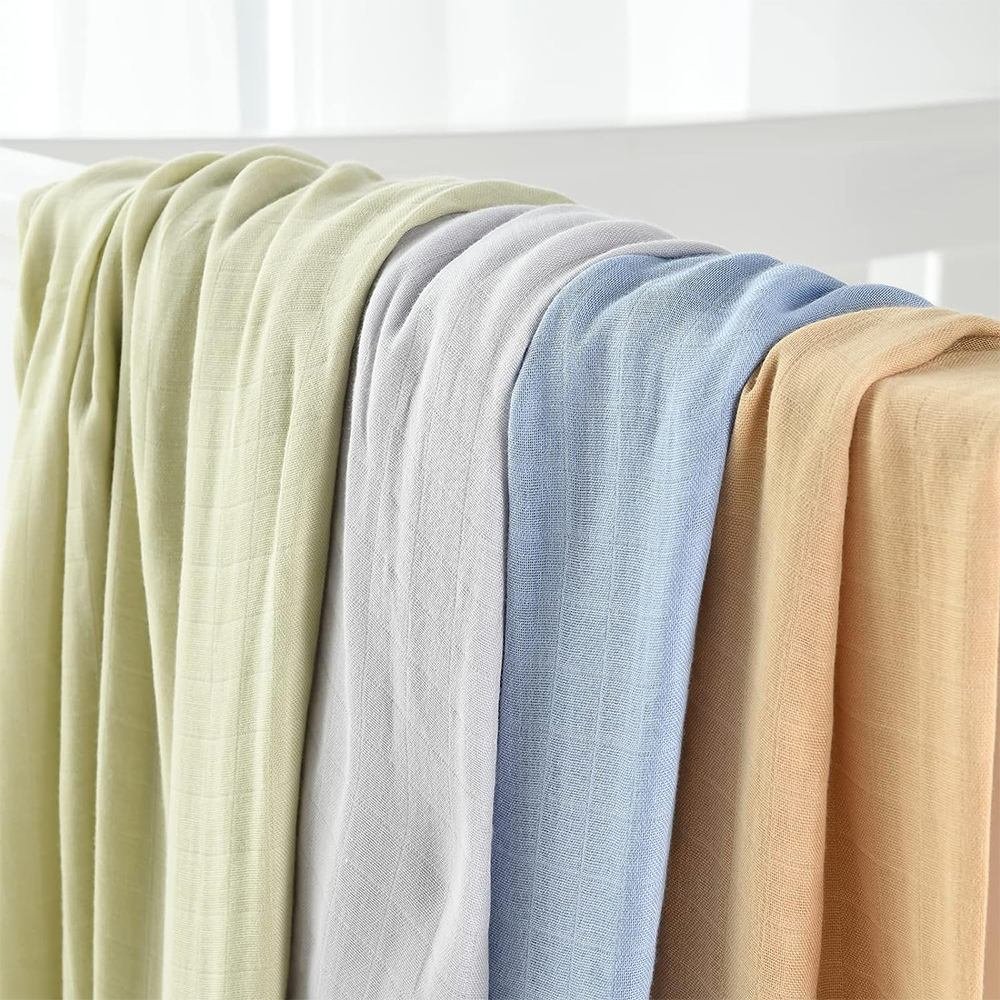
Organic Cotton Blend
Sustainable 260–300 GSM cotton-polyester blend combines eco-conscious sourcing with durability and color vibrancy. Appeals to conscious consumers and premium streetwear brands. Soft drape with reduced shrinkage and enhanced wash-fastness.
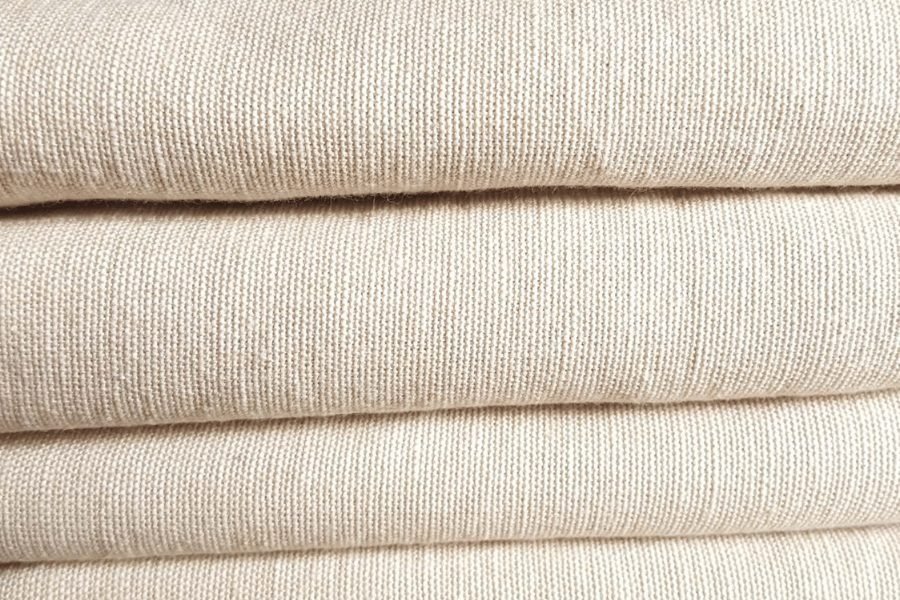
Performance Polyester
Technical 200–250 GSM moisture-wicking polyester engineered for active and athleisure sweatsuit lines. Quick-dry properties and superior color retention make it ideal for performance-driven collections. Lightweight yet durable with excellent stretch recovery.
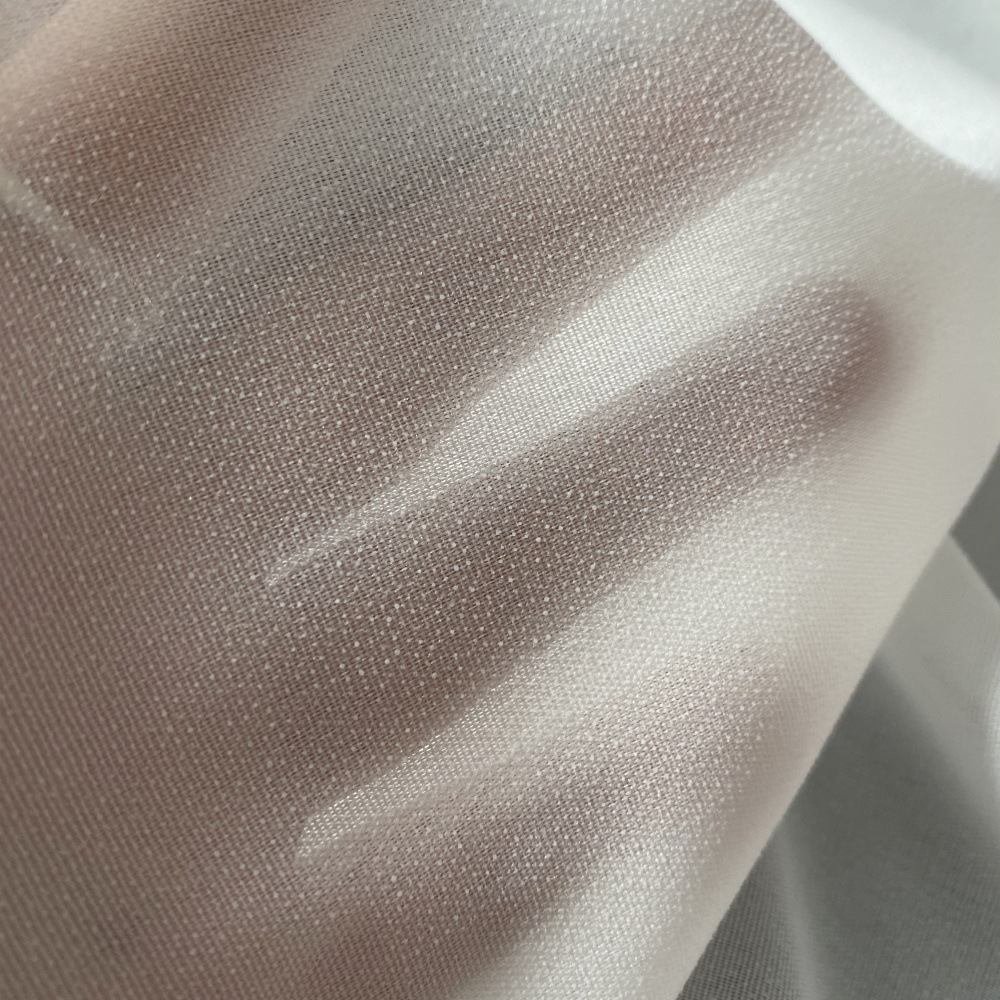
Brushed Knit
Luxurious 280–320 GSM double-brushed knit fabric provides ultra-soft touch on both sides for premium comfort. Popular for high-end loungewear and influencer collaborations. Exceptional warmth-to-weight ratio with a refined, matte finish.
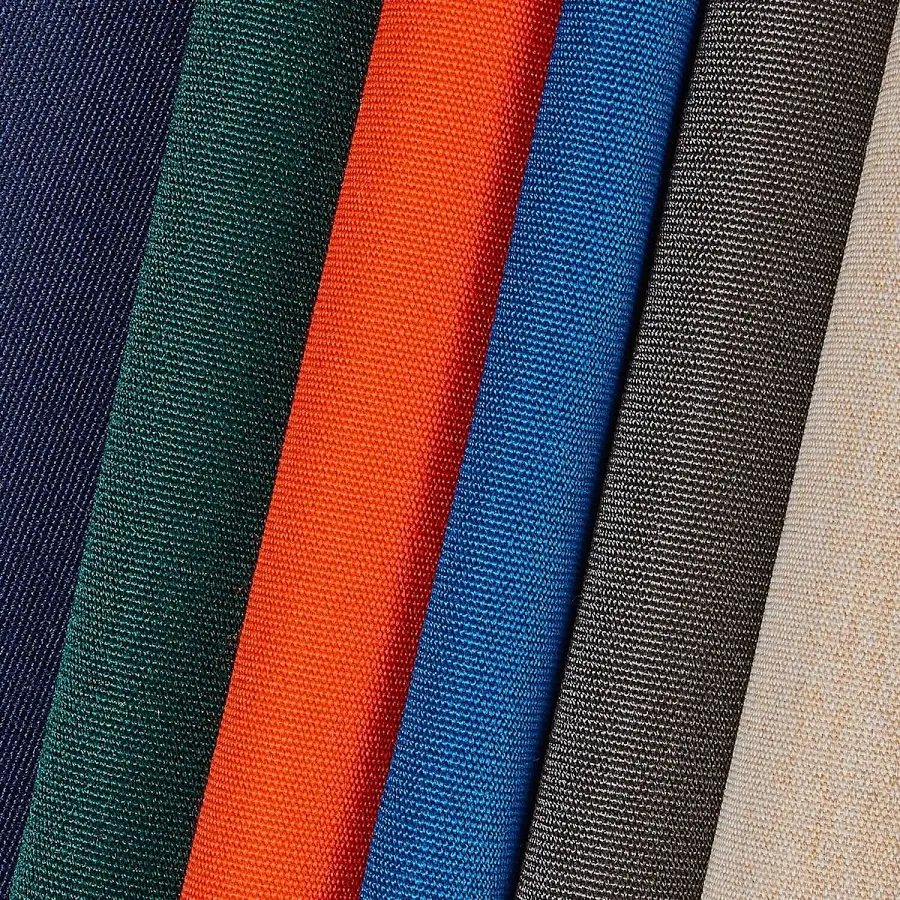
Polar Fleece
Insulating 260–340 GSM anti-pill polar fleece engineered for maximum warmth in cold-weather sweatsuit collections. Lightweight bulk with superior thermal retention. Ideal for outdoor streetwear and winter capsule drops.
Advanced Sweatsuit Manufacturer Production Processes
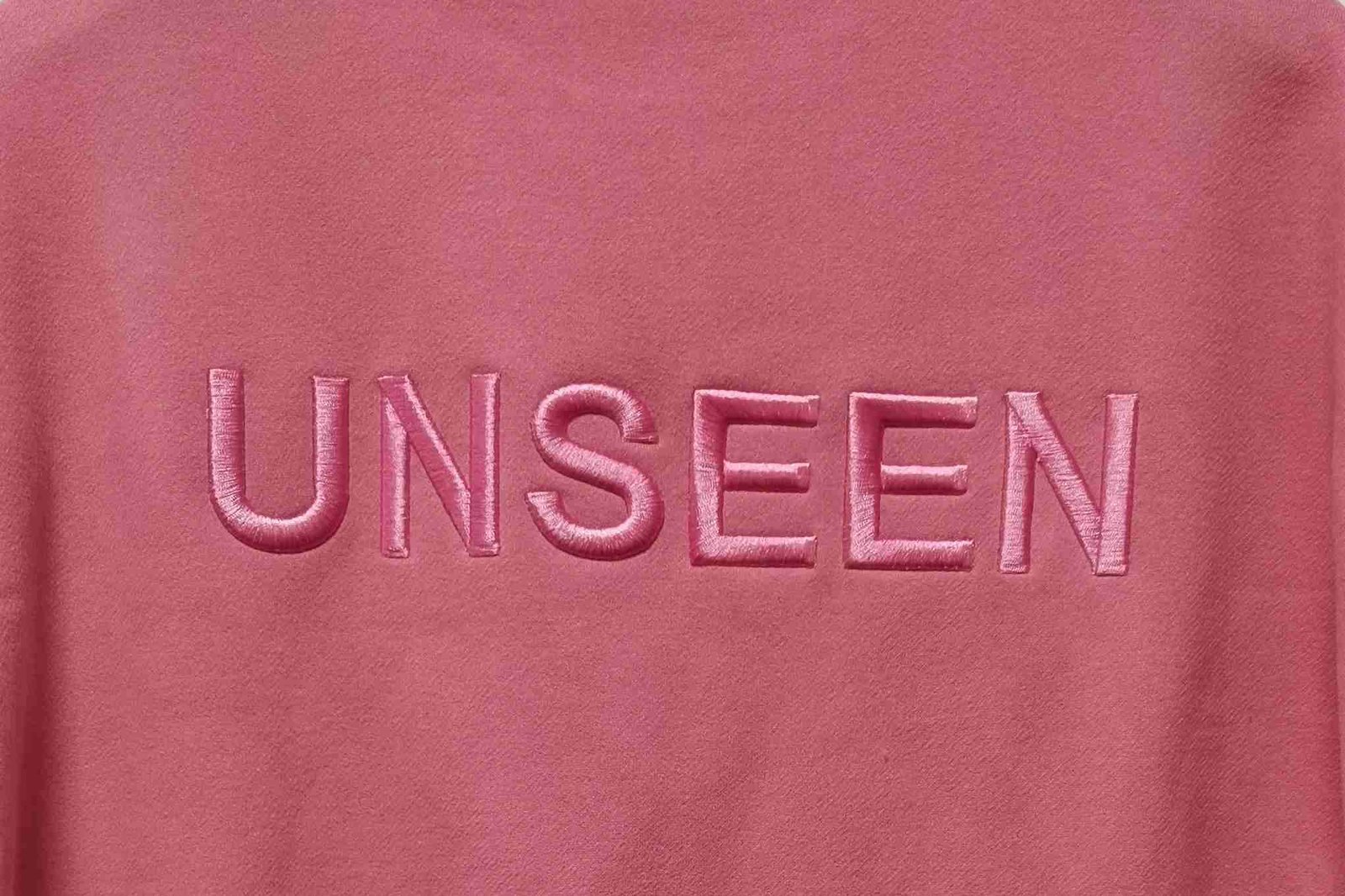
Custom Embroidery
Premium thread embroidery for logos, text, and intricate designs on sweatshirts and joggers. Creates a raised, textured finish with exceptional durability and a luxury feel that withstands countless washes without fading or fraying.
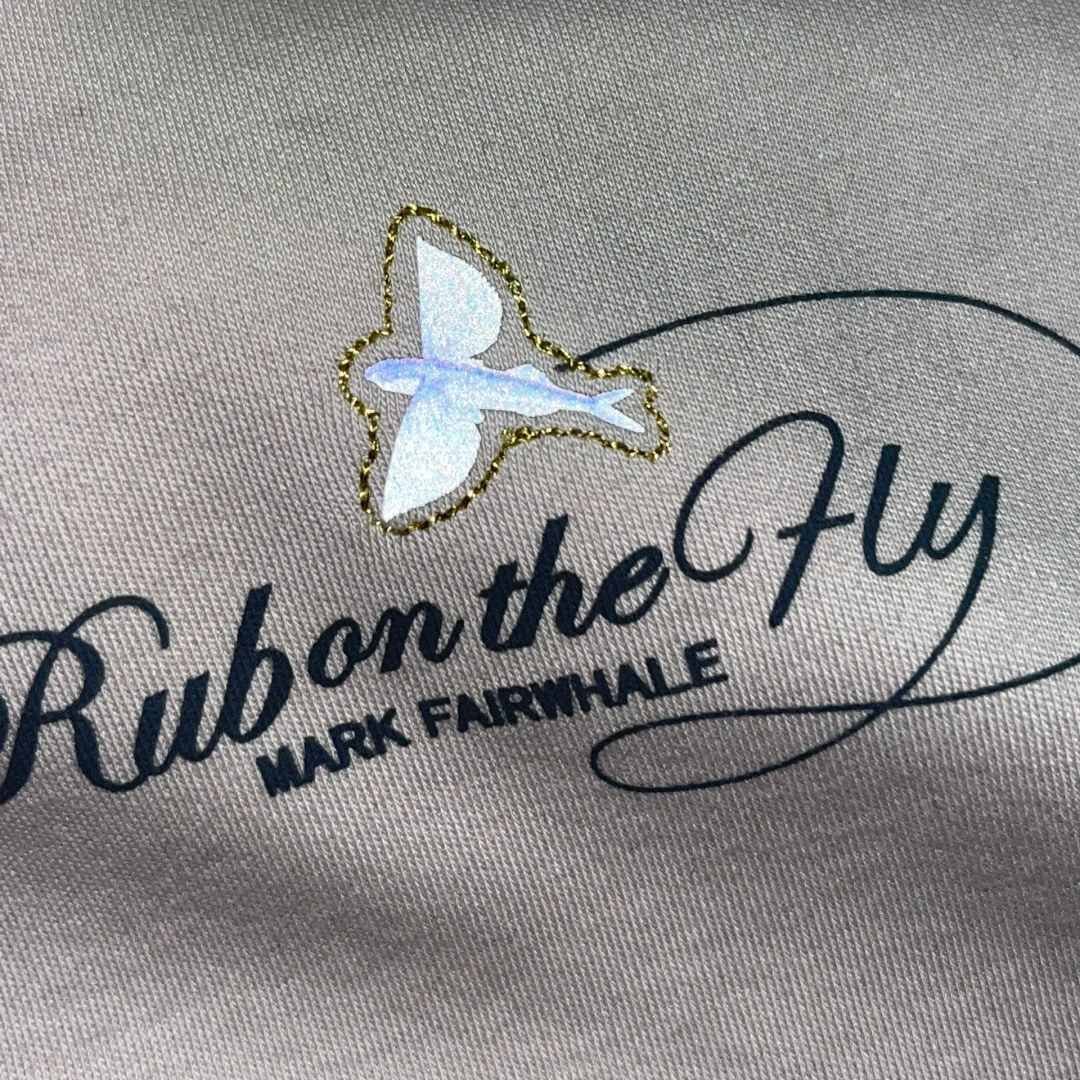
Screen Printing
High-opacity ink application ideal for bold graphics, oversized prints, and vibrant colorways on sweatsuit fleece. Delivers sharp edges, vivid saturation, and long-lasting color retention even on heavyweight cotton and poly-blend fabrics.
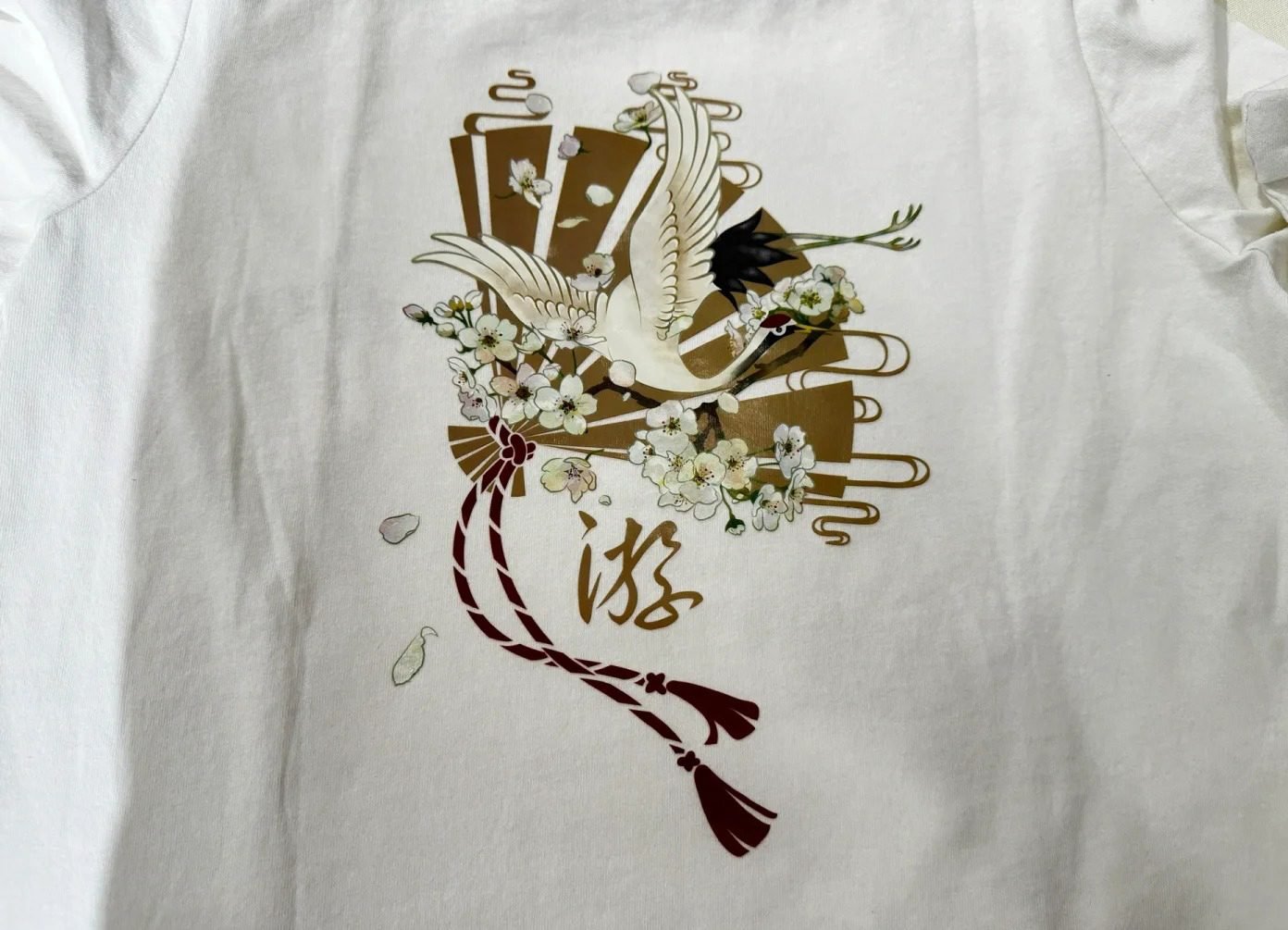
Sublimation Printing
Dye-sublimation process that infuses ink directly into polyester fibers for all-over prints and photographic-quality graphics. Produces seamless, fade-resistant designs with no hand feel, perfect for statement sweatsuit pieces and limited-edition drops.
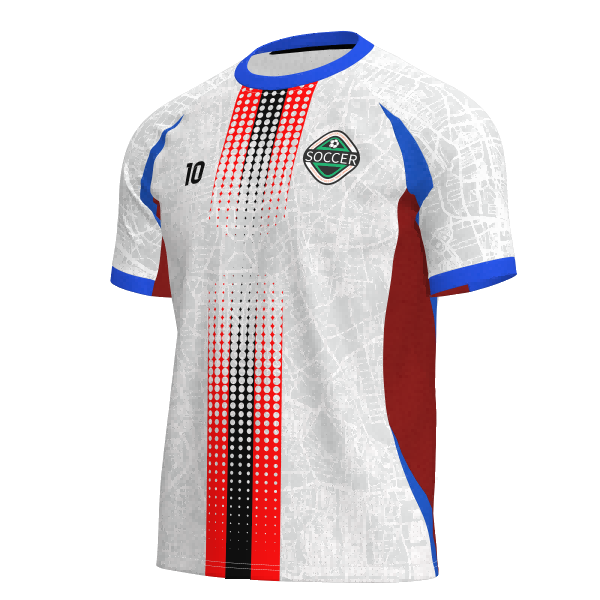
Custom Dyeing
Precision garment and fabric dyeing for unique colorways, ombré effects, and seasonal palettes. Our controlled dye processes ensure consistent color matching across production runs, enabling cohesive sweatsuit sets and signature brand hues.
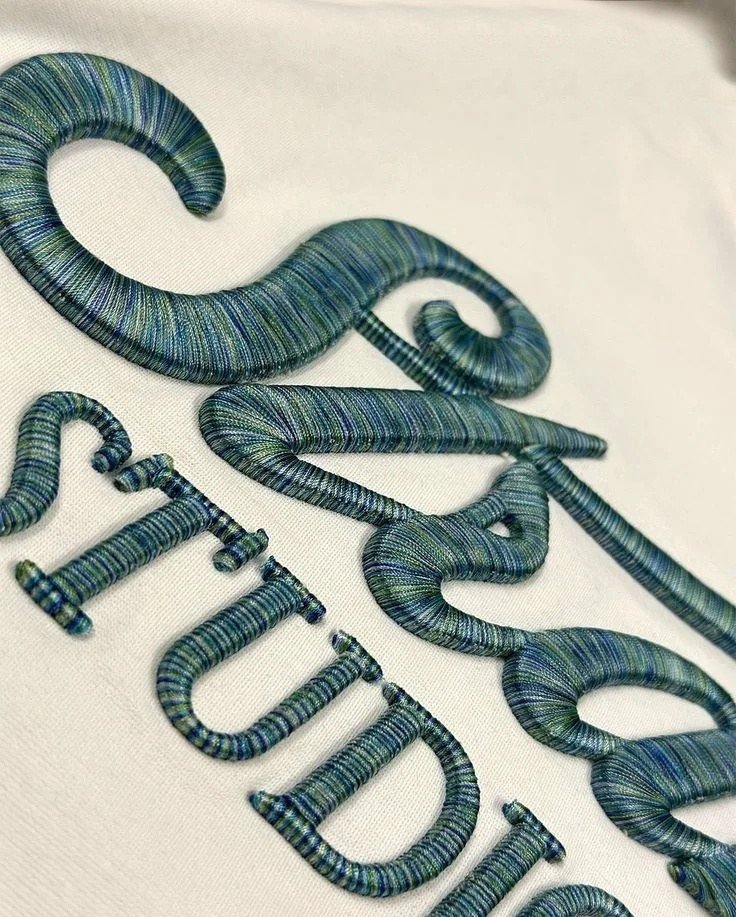
Appliqué & Patches
Layered fabric application and custom patch attachment for dimensional logos, chenille lettering, and textured design elements. Adds tactile depth and premium streetwear detailing that elevates sweatsuit aesthetics and reinforces brand identity.
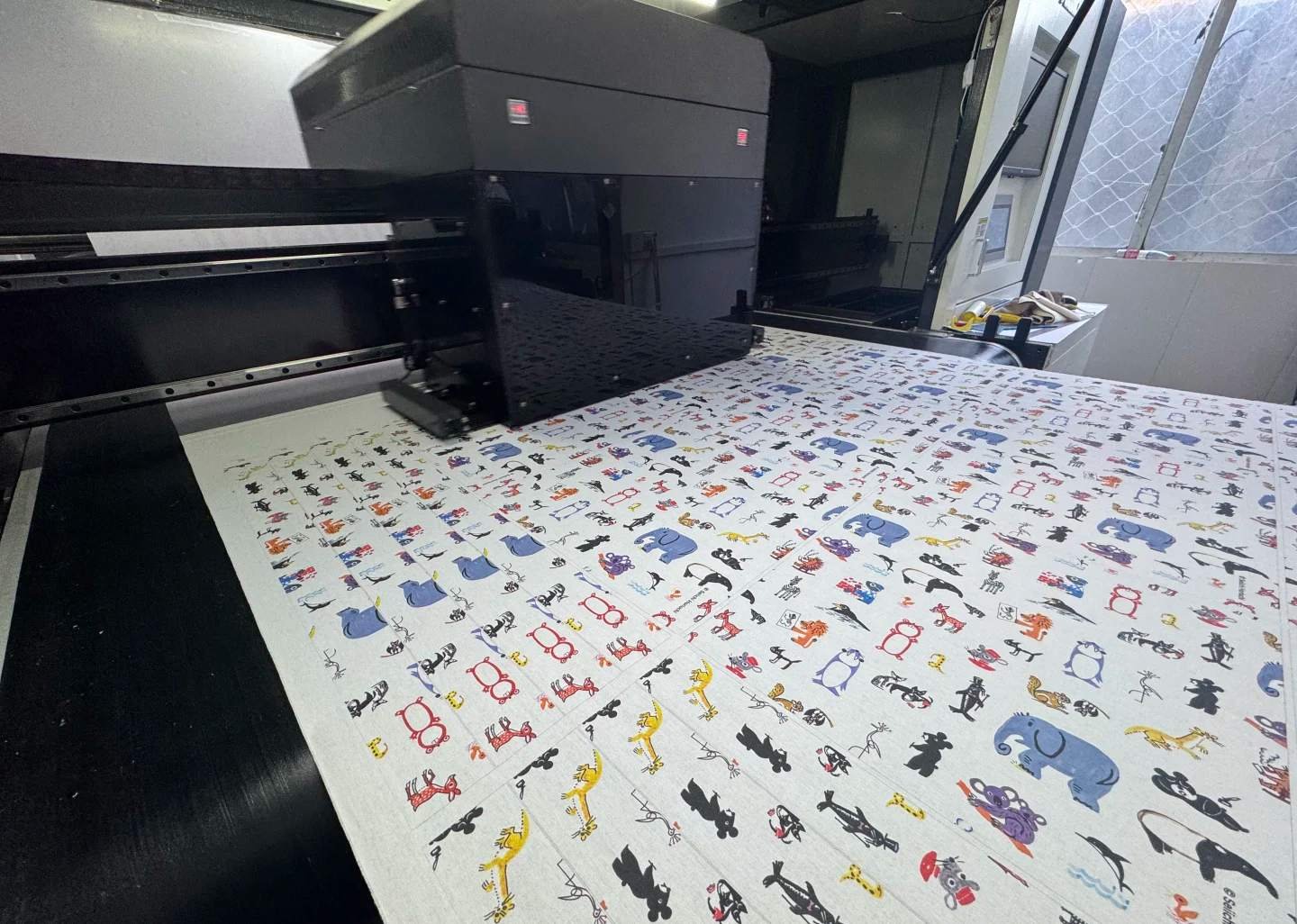
Heat Transfer
Thermal application of vinyl, foil, and specialty films for metallic accents, reflective details, and gradient effects. Ideal for small-run customization and influencer collaborations, delivering crisp, professional finishes with quick turnaround times.
Sweatsuit Manufacturer Customization & Premium Trims
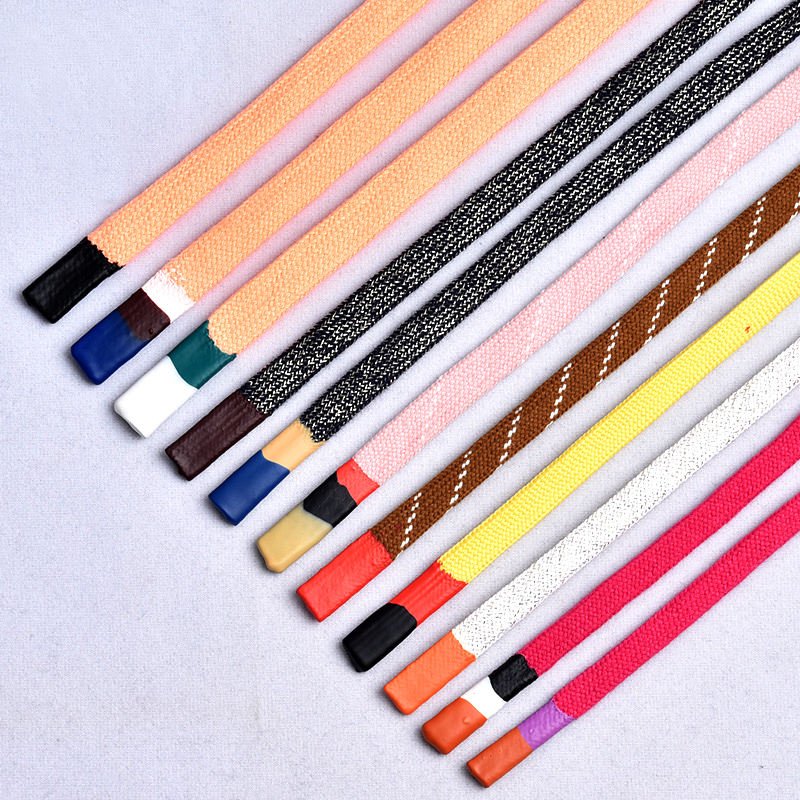
Custom Drawcords
Flat, round, or tipped drawcords in any color to match your brand palette. Essential for hoodies and sweatpants, our drawcords feature reinforced aglets and secure stitching for durability and premium feel.
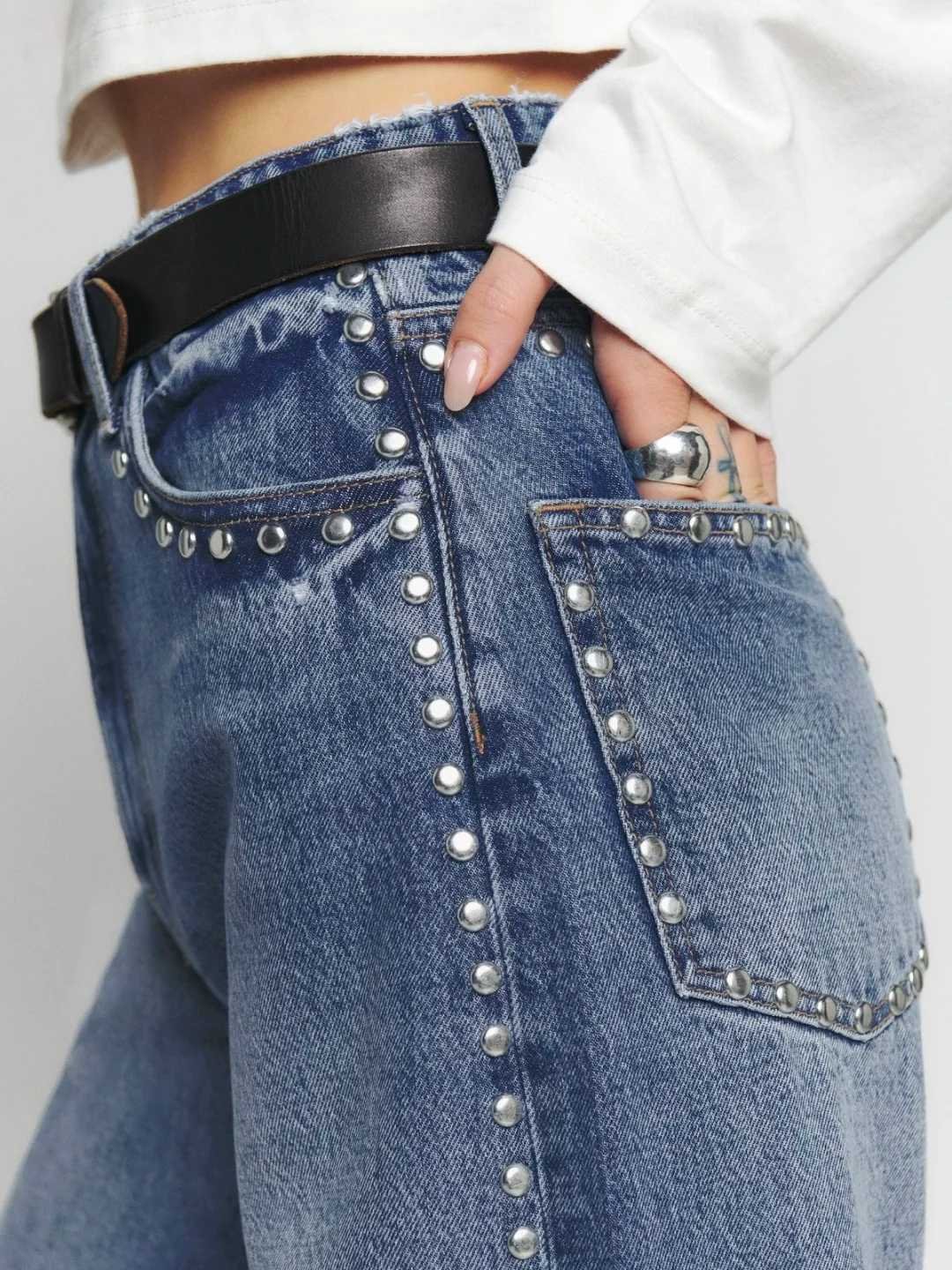
Kangaroo Pockets
Reinforced front pouch pockets with custom depth and opening width. We offer standard, oversized, and zippered kangaroo pocket options with clean topstitching and durable lining for everyday streetwear use.
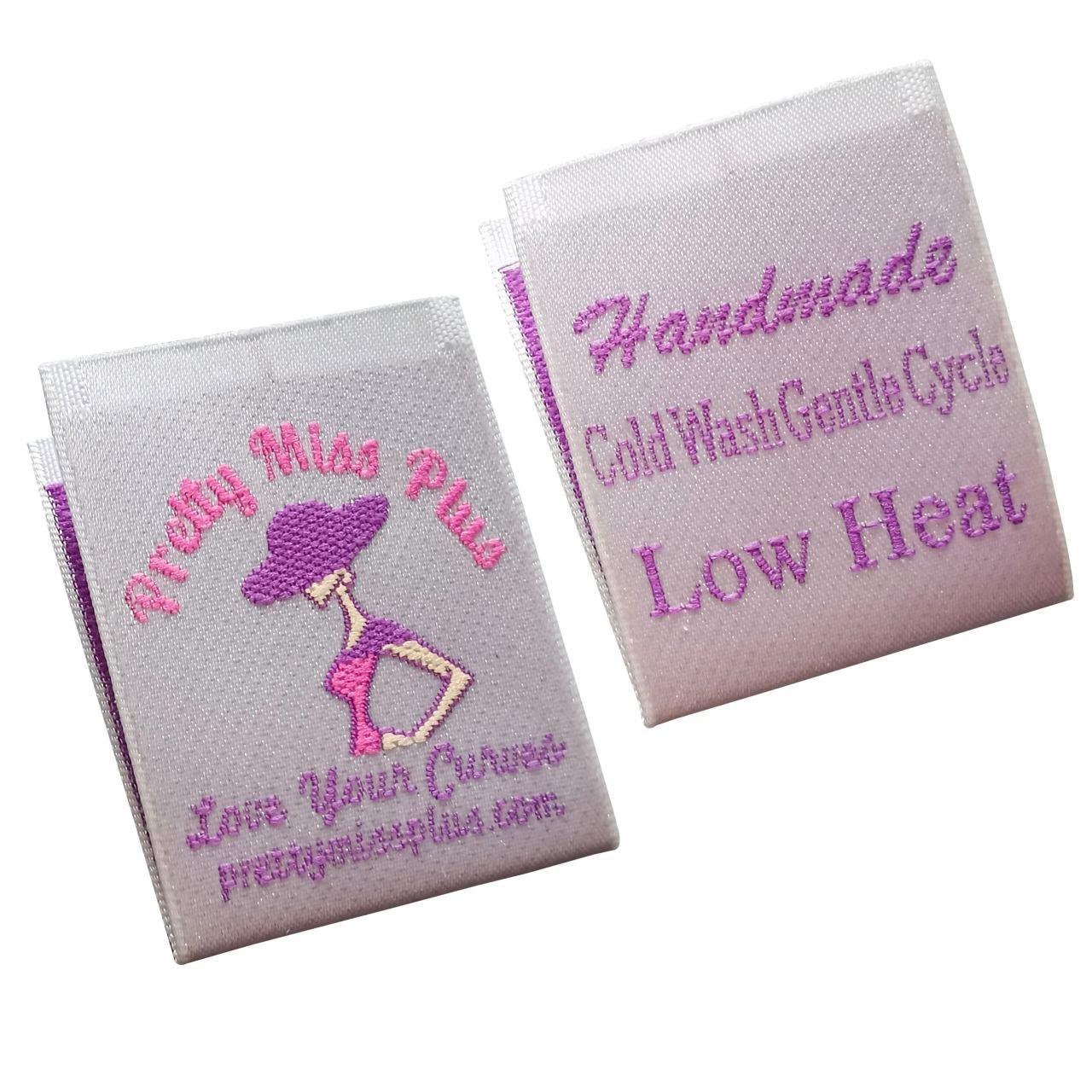
Woven Labels
High-definition woven brand labels in damask, taffeta, or satin finish. Positioned at neck, waistband, or pocket locations, these labels communicate your brand identity with professional craftsmanship and colorfastness.
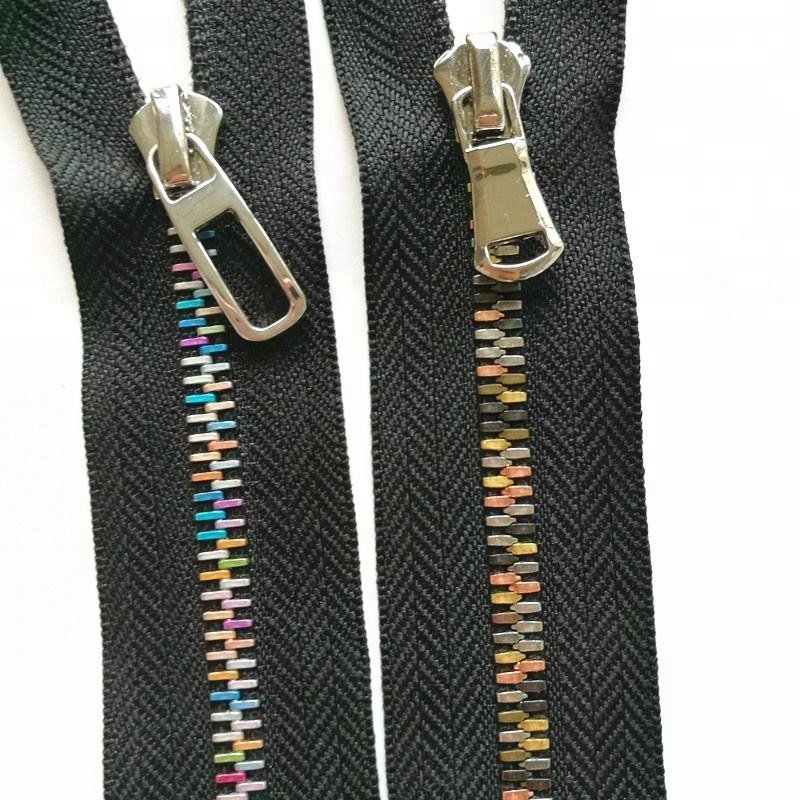
YKK Zippers
Genuine YKK metal or nylon zippers for hoodies and zip-up sweatsuits. Available in antique brass, gunmetal, or custom colors with smooth pull action and long-lasting durability for high-frequency use.
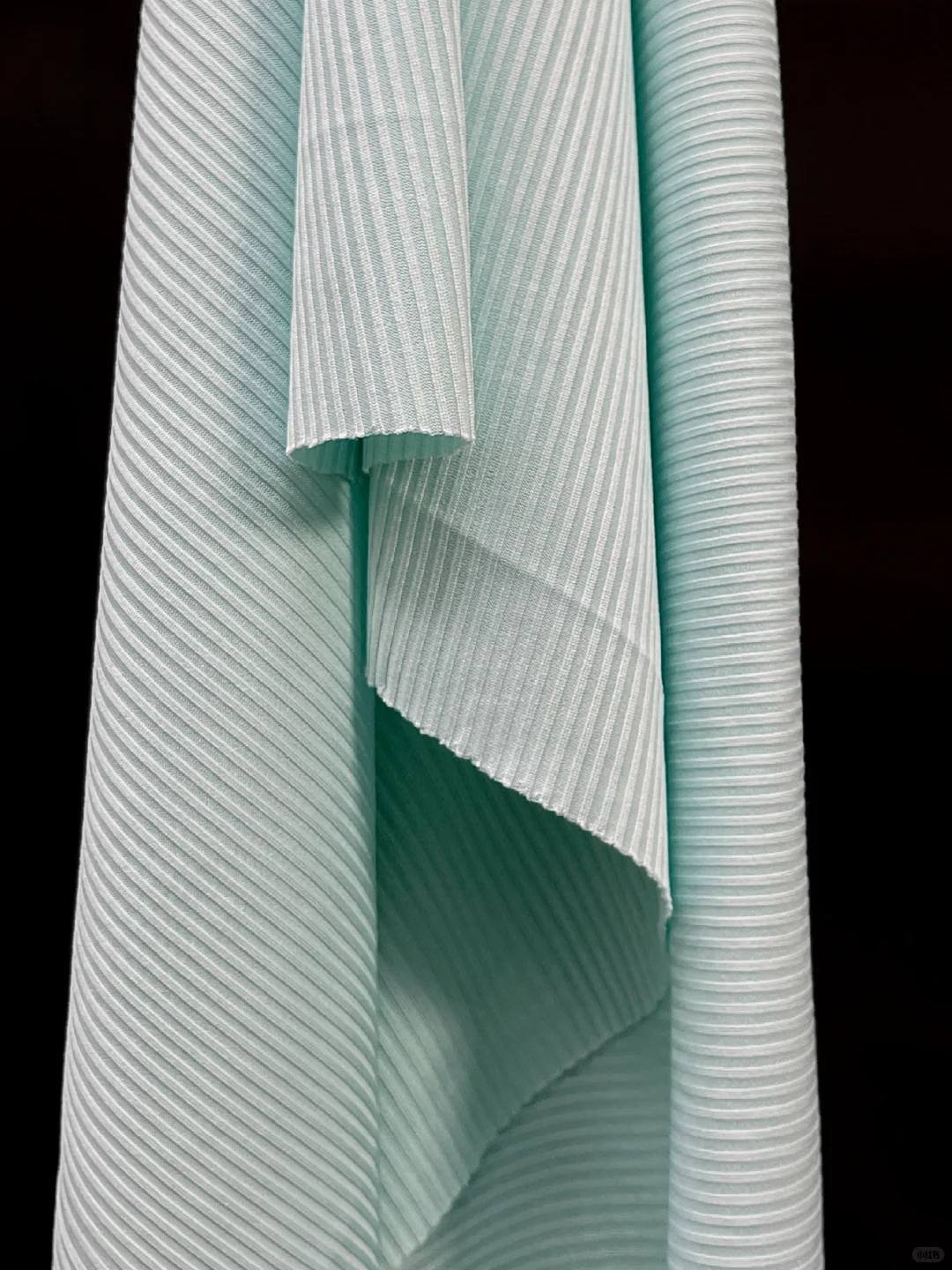
Ribbed Cuffs
Premium 1×1 or 2×2 ribbed knit cuffs and waistbands in cotton-spandex blends. Engineered for shape retention and comfort, our ribbing resists sagging and maintains elasticity through repeated washing and wear.
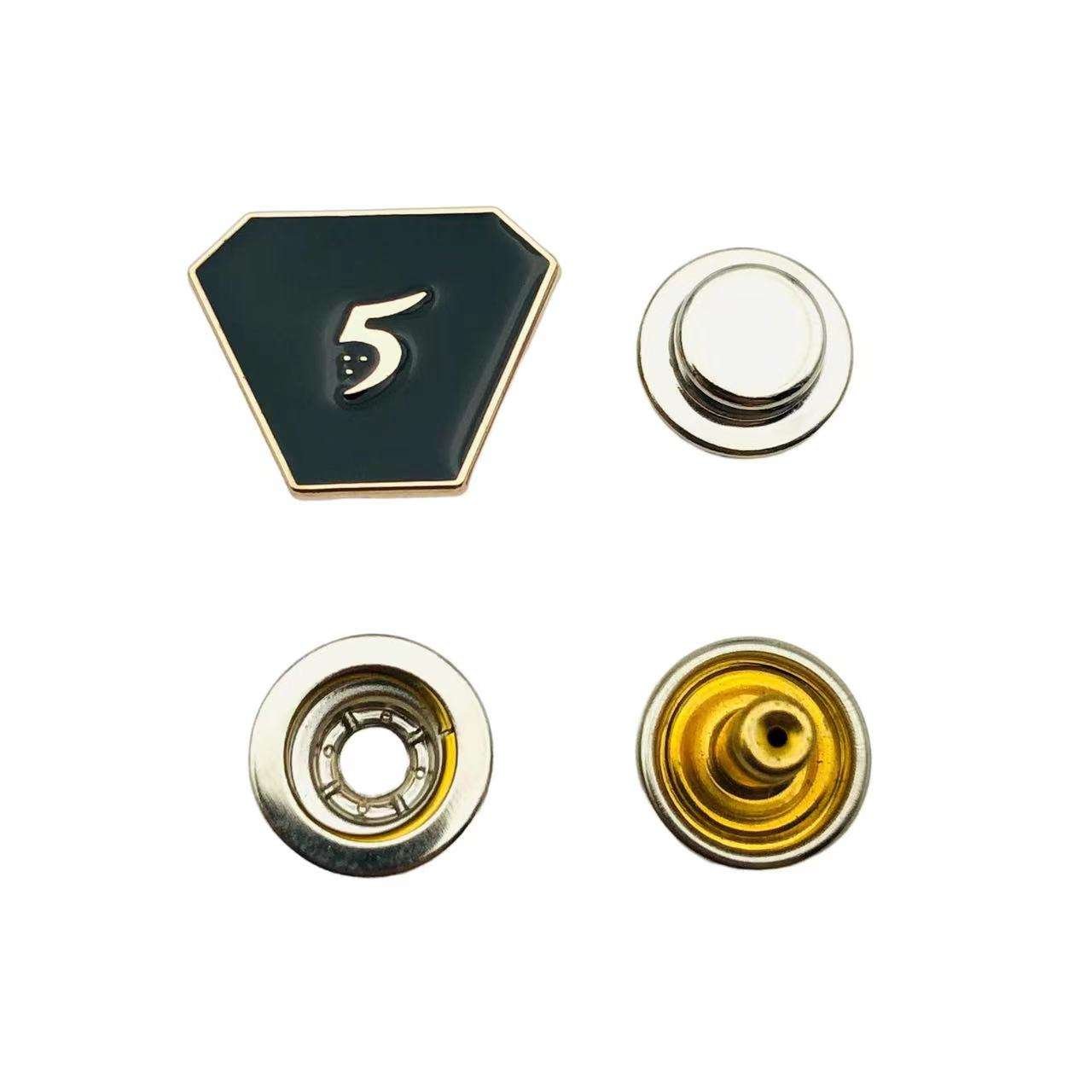
Custom Snap Buttons
Metal or resin snap closures with custom engraving or logo embossing. Ideal for adjustable cuffs, pocket flaps, and side panels, our snaps deliver functional utility with branded detailing.
Your Trusted Sweatsuit Manufacturer
Founded in 2024 by Tesla Luo, Clothing Manufacturer Ltd. was born from a mission to eliminate low-quality apparel through rigorous quality control. With over 10 years of production experience and 6 years specializing in streetwear, Tesla witnessed too many manufacturers skip critical QC steps. He built this company to restore trust in Chinese garment manufacturing and deliver premium sweatsuit production that global brands can rely on.
Though a startup, we leverage the infrastructure of our parent company, Dongguan TuoZhen Clothing Co., Ltd., combining agility with enterprise-grade capacity. Our 15-member R&D team and proprietary 5-step quality control process ensure every sweatsuit meets exacting standards. We’ve served customers across more than 100 countries, empowering streetwear brands, fashion startups, independent designers, and retailers to launch collections with confidence.
From low MOQ orders for emerging labels to fast turnaround seasonal production for established brands, we’re your partner at every growth stage. Our deep expertise in streetwear culture, trend-driven design, and garment construction means your sweatsuit line benefits from both technical precision and authentic style. We don’t just manufacture—we collaborate to bring your vision to life with zero compromise on quality.
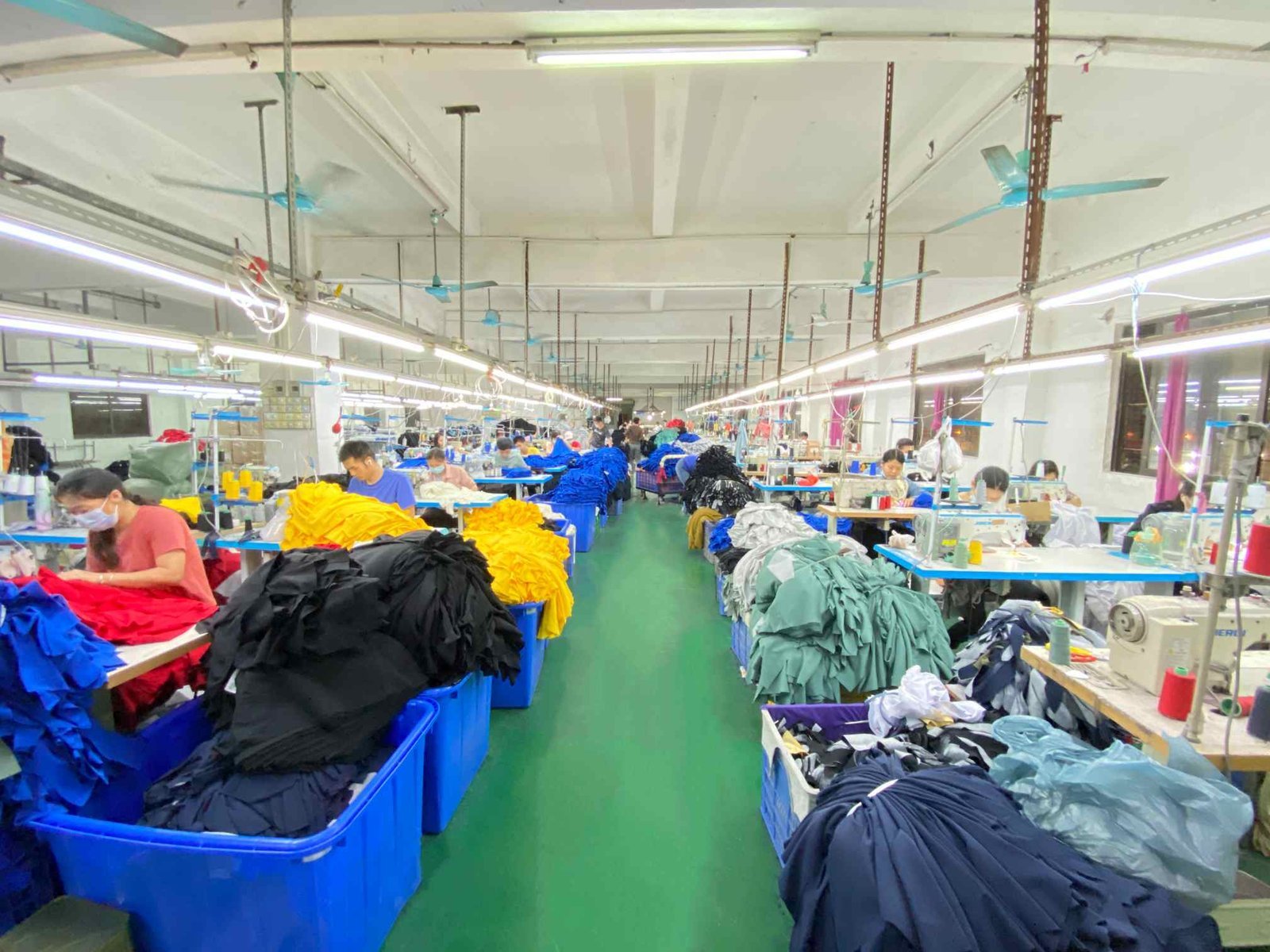
Our 5-Step Quality Control Guarantee for Every Sweatsuit
Materials QC Testing Before Production
Every fabric roll, trim, and component is inspected before cutting begins. We verify weight, stretch recovery, color fastness, and shrinkage to ensure your sweatsuit materials meet specifications and perform consistently across production runs.
- Fabric weight and density verification against approved samples
- Color fastness testing to prevent bleeding and fading
- Stretch and recovery testing for hoodies, joggers, and sweatpants
- Shrinkage pre-testing to guarantee accurate sizing after wash
Cutting QC Testing for Precision
After pattern cutting, we measure and compare each piece against technical specifications. This critical checkpoint catches sizing errors, pattern misalignment, and fabric defects before sewing starts, eliminating costly rework downstream.
- Dimensional accuracy checks on all cut panels
- Pattern alignment verification for stripes and prints
- Fabric flaw identification and marking before assembly
- Piece count validation to prevent shortages during sewing
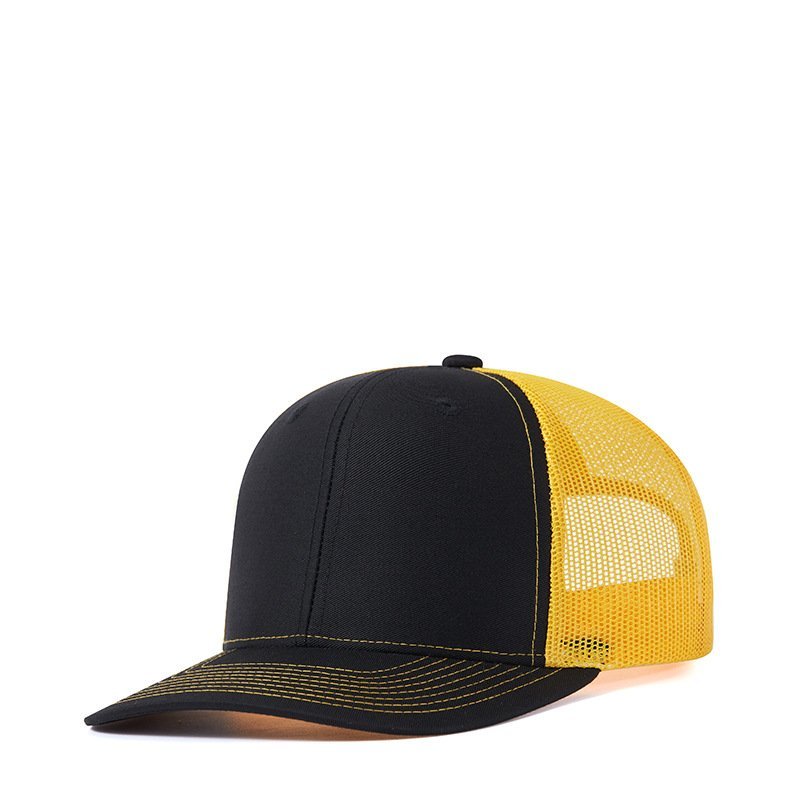
Clothing Craft QC During Assembly
As sweatsuit components move through assembly, our QC team monitors stitching techniques, seam allowances, and construction methods. This embedded inspection ensures craftsmanship standards are maintained at every workstation throughout the production floor.
- Stitch density and tension monitoring for durability
- Seam allowance consistency checks on all joins
- Ribbing and cuff attachment quality verification
- Zipper, drawcord, and hardware installation inspection
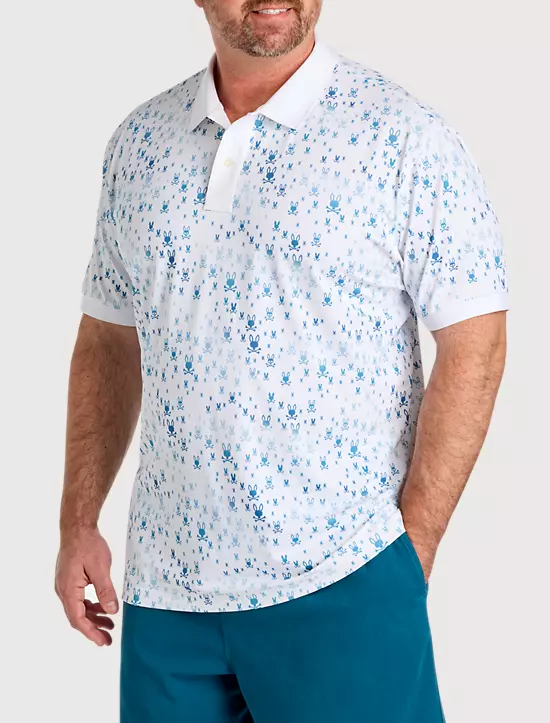
Finished Sweatsuit Quality Inspection
Every completed sweatsuit undergoes final inspection before packaging. We check measurements, examine all seams and trims, test functionality, and verify branding placement. Only garments that pass all criteria are approved for shipment to your brand.
- Full garment measurement against size spec sheets
- Visual inspection of all seams, hems, and finishing details
- Functional testing of zippers, pockets, and drawstrings
- Label placement, print quality, and branding verification
Sweatsuit Manufacturer vs. Typical Suppliers
We built our sweatsuit production on rigorous quality control, in-house design expertise, and founder-led streetwear knowledge—not generic outsourcing. Here’s how Clothing Manufacturer Ltd. compares to conventional suppliers.
← 左右滑动查看 →
Our Sweatsuit Manufacturer Production Timeline
Every sweatsuit order moves through six distinct production phases with quality checkpoints at each stage, ensuring your brand receives premium garments on schedule.
Design & Sampling
Our in-house team creates tech packs and physical samples, refining fit, fabric, and details until your sweatsuit design is production-ready.
Material Sourcing & QC
We source premium sweatsuit fabrics and trims, conducting materials QC testing to verify weight, colorfastness, and durability before production begins.
Cutting & Marking
Patterns are laid and fabric cut with precision equipment, followed by cutting QC testing to ensure accurate dimensions and minimal waste.
Sewing & Production QC
Skilled operators assemble each sweatsuit with clothing craft QC testing and sewing production QC testing at every workstation to catch defects early.
Finishing & Packing
Sweatsuits are pressed, branded labels applied, and garments folded to your specifications, maintaining our zero-compromise quality standards throughout finishing.
Final Inspection & Shipping
Finished clothing quality QC inspection verifies every piece meets our standards, then your order is packed and shipped with full logistics support.
How to Partner With Our Sweatsuit Manufacturer
From initial design to final shipment, our streamlined process ensures quality at every checkpoint. Here’s how we bring your sweatsuit collection to life.
Submit Your Design or Tech Pack
Share your sweatsuit concept, sketches, or technical specifications with our team. We’ll review your requirements and discuss fabric options, trims, and customization details.
Receive Quote and Sample Options
Within 24-48 hours, you’ll get a detailed quote with pricing, MOQ, and timeline. Approve sample development to move forward with your sweatsuit production.
Approve Samples and Place Order
Review your physical samples for fit, fabric, and finishing. Once approved, confirm your bulk order and we’ll schedule production with a clear delivery timeline.
Production With QC Checkpoints
Your sweatsuits move through our 5-step quality control process—materials testing, cutting inspection, craft review, sewing checks, and finished garment validation—ensuring zero defects.
Final Inspection and Global Shipment
After comprehensive quality inspection and secure packaging, your sweatsuit order ships with full logistics support and tracking to your destination anywhere worldwide.
Certified Sweatsuit Manufacturer With Global Quality Standards
Sweatsuit Manufacturer Success Stories from Our Partners
We launched our first sweatsuit collection with Clothing Manufacturer and grew from 0 to 52,000 followers in just 6 months. Their low MOQ let us test designs without huge risk, and the quality kept customers coming back.
After switching to Clothing Manufacturer Ltd., our defect rate dropped from 8% to under 1%. Their 5-step QC process catches issues before they reach our warehouse. Game-changer for our brand reputation and return costs.
Tesla’s team delivered 1,200 custom sweatsuits in 3 weeks for our holiday drop—half the time our previous manufacturer quoted. The fabric quality and print detail exceeded expectations. Our influencer clients were thrilled.
Sweatsuit Manufacturer FAQ
What is the minimum order quantity (MOQ) for a sweatsuit manufacturer?
How long does production take with your sweatsuit manufacturer?
Do you charge for sweatsuit samples before production?
What payment terms does your sweatsuit manufacturer offer?
How do you protect my sweatsuit designs and intellectual property?
What customization options are available for sweatsuits?
Can you manufacture oversized or cropped sweatsuit styles?
Do you handle international shipping and customs for sweatsuit orders?
What quality control measures does your sweatsuit manufacturer use?
The Complete Buyer’s Guide to Choosing the Right Sweatsuit Manufacturer
Navigate the sweatsuit manufacturing landscape with confidence. This guide delivers a proven decision framework, essential supplier criteria, quality benchmarks, and the most common mistakes to avoid when sourcing your next collection.
1. What Is a Sweatsuit Manufacturer?
A sweatsuit manufacturer is a specialized apparel production partner that designs, sources materials for, and produces coordinated sweatshirt-and-sweatpants sets for brands, retailers, designers, and influencers. Unlike general garment factories, a dedicated sweatsuit manufacturer understands the technical demands of activewear and loungewear construction — ribbed cuffs, drawstring waistbands, kangaroo pockets, and fabric weights typically ranging from 280 to 400 GSM for French terry and fleece. These manufacturers operate across three main service models: full-package suppliers handle everything from fabric procurement and pattern development through sampling, bulk production, and final QC; cut-and-sew shops work from client-supplied materials and patterns; and private-label providers offer pre-designed catalog styles with logo customization.
Full-service sweatsuit manufacturers typically provide pattern-making or tech-pack interpretation, fabric sourcing from vetted mills, sample development (often 7–14 days for first prototypes), bulk production with MOQs ranging from 50 to 500 pieces per colorway, and multi-stage quality control. A five-step QC process — covering materials inspection, cutting accuracy, craft standards, in-line sewing checks, and finished garment review — ensures consistent sizing, seam strength, and color matching across production runs.
Choosing a manufacturer with sweatsuit expertise matters because fit tolerances differ from woven garments: stretch recovery, ribbing tension, and pattern grading directly affect comfort and brand reputation. Factories experienced in fleece and terry fabrics understand preshrinking requirements, needle selection to prevent pilling, and flatlock or coverstitch techniques that withstand repeated washing, delivering the construction quality streetwear and athleisure customers expect.
2. The Evolution of Sweatsuit Manufacturing
In the 1920s and 1930s, sweatsuits emerged as functional athletic wear designed to help athletes ‘sweat out’ excess weight before competition, typically constructed from heavy cotton fleece. By the 1950s, manufacturers began adopting French terry and looped-back fleece fabrics that offered better moisture management and comfort, transforming sweatsuits from purely utilitarian garments into everyday training apparel for gyms and sports teams.
The 1980s hip-hop movement elevated sweatsuits from the track to the street, but the real inflection point arrived in the 2010s with the athleisure boom. Consumers began demanding sweatsuits that delivered both performance features and fashion-forward design, pushing sweatsuit manufacturer operations to integrate technical fabrics, tailored silhouettes, and trend-driven colorways. This shift required factories to adopt faster sampling cycles, expand fabric libraries beyond basic fleece, and collaborate closely with designers on fit and finishing details.
Today’s sweatsuit manufacturing landscape reflects the rise of independent brands and influencer-driven labels. Where traditional factories enforced minimum order quantities of 1,000–3,000 pieces per style, modern sweatsuit manufacturer partners now offer MOQs as low as 50–100 units to serve startups and test-market drops. On-demand production models, digital printing, and modular quality control systems enable brands to launch collections without warehousing risk, while rigorous QC testing at every stage—from fabric inspection through final garment checks—ensures that comfort-driven consumers receive consistent quality whether ordering 50 or 5,000 pieces.
3. Types of Sweatsuit Manufacturers
Sweatsuit manufacturers fall into distinct categories, each serving different business models, budgets, and order volumes. Understanding these types helps you match your brand’s stage and needs to the right production partner.
Full-Package Manufacturers
Full-package providers handle design development, fabric sourcing, pattern making, sampling, production, and finishing under one roof. They manage the entire supply chain, from raw materials to packaged garments ready to ship.
Ideal for startups and designers without technical teams, full-package sweatsuit manufacturers typically require MOQs of 300–500 pieces per style and deliver in 45–60 days. Unit costs run 15–25% higher than CMT but eliminate the complexity of coordinating multiple vendors.
CMT (Cut-Make-Trim) Factories
CMT facilities perform cutting, sewing, and finishing only; you supply all fabrics, trims, and tech packs. This model offers the lowest per-unit cost but requires you to manage fabric mills, zipper suppliers, and logistics separately.
MOQs often start at 500–1,000 pieces per colorway, with lead times of 30–45 days after materials arrive. CMT suits established brands with in-house sourcing teams and negotiated fabric contracts.
Private-Label and Low-MOQ Specialists
Private-label suppliers maintain libraries of stock sweatsuit designs that you rebrand with your logo and custom colors. Low-MOQ specialists, including Clothing Manufacturer Ltd., accept orders as small as 50–100 pieces, enabling emerging brands and influencer lines to test markets without heavy inventory risk.
Lead times compress to 20–35 days, and unit costs sit 10–20% above high-volume CMT but remain accessible for smaller budgets. These partners often provide design consultation and faster sampling cycles.
4. Materials and Fabrics for Sweatsuit Manufacturing
Material selection determines durability, comfort, and end-use performance in sweatsuit manufacturing. A sweatsuit manufacturer must balance GSM weight, fiber composition, and finishing technique to meet brand positioning and customer expectations.
| Fabric Type | GSM Range | Composition | Best Use | Price Tier |
|---|---|---|---|---|
| French Terry | 200–280 | 80–100% cotton or cotton-poly | Loungewear, casual streetwear | Mid |
| Brushed Fleece | 280–400 | 50–100% polyester or cotton-poly | Cold-weather loungewear | Mid–High |
| Unbrushed Fleece | 250–320 | 60–100% polyester or blends | Activewear, athletic streetwear | Mid |
| Organic Cotton | 220–300 | 100% organic cotton (GOTS) | Premium loungewear, eco brands | High |
| Recycled Polyester | 240–340 | 50–100% rPET (GRS certified) | Sustainable activewear | High |
| Performance Blend | 260–320 | Cotton-poly-spandex (2–5%) | Activewear, athletic fit | Mid–High |
French Terry
French terry features looped pile on the inner face and a smooth outer surface, typically ranging 200–280 GSM. The fabric offers moderate stretch, breathability, and a soft hand feel ideal for year-round wear.
Cotton-rich French terry shrinks 3–5% in the first wash; pre-shrunk versions reduce this to under 2%. Brands favor French terry for lightweight hoodies and joggers targeting casual streetwear and loungewear markets.
Fleece (Brushed and Unbrushed)
Fleece ranges 250–400 GSM, with brushed fleece delivering plush warmth and unbrushed fleece providing a smoother, athletic finish. Polyester-dominant blends resist pilling and maintain shape through repeated laundering.
Brushed fleece suits cold-weather loungewear; unbrushed fleece works for activewear that requires moisture management. Both types offer excellent durability when constructed with ring-spun yarns and tight knit structures.
Cotton-Poly Blends and Performance Fabrics
Blends of 60–80% cotton with 20–40% polyester balance natural comfort and synthetic durability, typically at 240–320 GSM. Polyester reduces shrinkage to 2–3% and accelerates drying time.
Organic cotton and recycled polyester options meet sustainability certifications (GOTS, GRS) while maintaining comparable GSM and performance. Performance blends incorporating spandex (2–5%) add four-way stretch for activewear-focused sweatsuits.
5. Customization and Decoration Options with Your Sweatsuit Manufacturer
A sweatsuit manufacturer offers multiple decoration and branding techniques to differentiate your product in competitive markets. Understanding the cost, durability, and minimum order requirements of each method ensures you select the right combination for your brand positioning and budget.
| Method | Setup Cost | Durability (Washes) | Typical MOQ |
|---|---|---|---|
| Screen Printing | $15–$50/color | 50+ | 100 pcs |
| Embroidery | $25–$75 | 100+ | 200 pcs |
| Heat Transfer | $10–$30 | 20–30 | 50 pcs |
| Sublimation | $20–$40 | Permanent | 50 pcs |
| Appliqué | $30–$60 | 80+ | 100 pcs |
Screen Printing and Embroidery
Screen printing remains the most cost-effective decoration method for orders above 100 pieces, with setup costs between $15–$50 per color and excellent wash durability of 50+ cycles. Embroidery delivers premium tactile appeal and superior longevity, typically requiring 200-piece minimums and costing $0.50–$3.00 per 1,000 stitches.
Both techniques suit bold logos and graphic elements common in streetwear. Screen printing excels for large chest prints and back graphics, while embroidery elevates small left-chest logos, sleeve badges, and hood details.
Heat Transfer, Sublimation, and Appliqué
Heat transfer vinyl and sublimation offer low-MOQ flexibility, often starting at 50 pieces with minimal setup fees. Sublimation works exclusively on polyester blends, enabling full-color photographic prints but limited to light fabrics. Appliqué adds dimensional texture through layered fabric patches, popular for varsity-style chenille letters and brand badges.
Durability varies: sublimation is permanent but fabric-restricted, heat transfer lasts 20–30 washes, and appliqué withstands heavy use when properly stitched.
Labels, Trims, and Packaging Customization
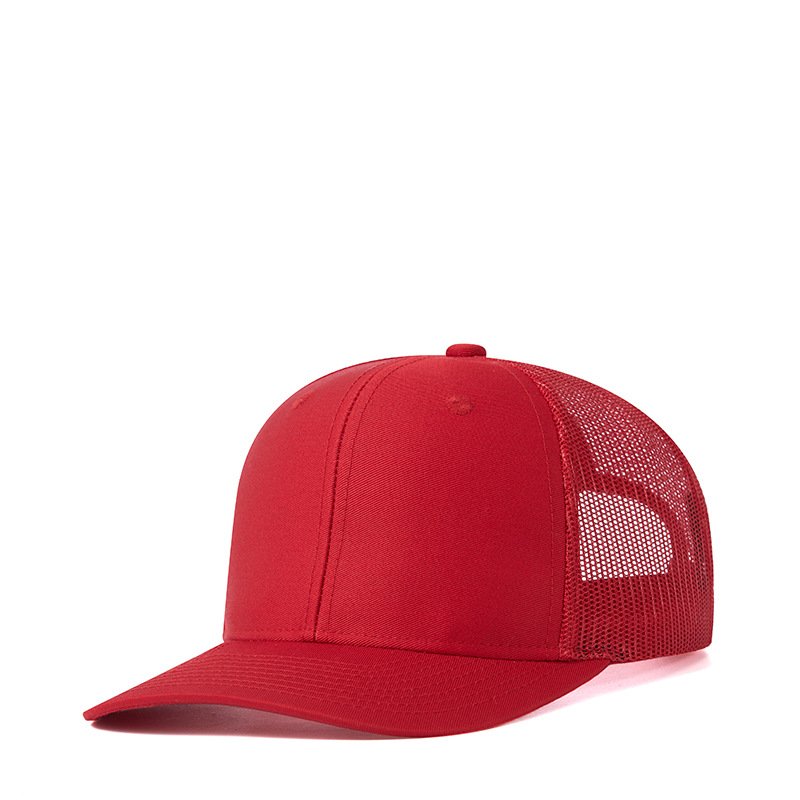
Woven labels, hang tags, and custom trims complete brand identity. Woven neck labels start at 500-piece minimums ($0.10–$0.30 each), while printed care labels require lower quantities. YKK and SBS zippers, custom drawcord colors, and ribbed cuff variations add functional differentiation.
Packaging options range from polybags ($0.05 each) to custom printed boxes ($0.50–$2.00), with branded tissue, stickers, and thank-you cards reinforcing unboxing experience for direct-to-consumer brands.
6. Key Quality Control Elements in Sweatsuit Manufacturing
Effective quality control in sweatsuit manufacturing separates professional production from assembly-line output that damages brand reputation. The five-step QC methodology introduced by Clothing Manufacturer Ltd. on February 12, 2025, embeds inspection at every stage rather than relying solely on final checks, catching defects before they multiply downstream.
Critical Quality Checkpoints Buyers Must Verify
Fabric weight consistency ensures every sweatsuit in a batch meets the specified GSM (280–400 for mid-weight fleece, 400+ for premium heavyweight). Variations exceeding ±5% signal poor supplier control or fabric substitution.
Stitching integrity depends on construction method: flatlock seams (common in athletic sweatsuits) lie flat against skin but require specialized machines, while overlock seams are faster but bulkier. Seam strength testing pulls stitched fabric at 50–100 lbs force; failures indicate incorrect thread tension or low-quality thread.
Colorfastness testing (AATCC or ISO standards) and shrinkage testing (typically 3–5% for pre-shrunk cotton blends) prevent customer complaints after first wash. Fit grading accuracy across sizes (S–3XL) and trim durability (zippers, drawcords, ribbing) round out the checkpoint list.
- Fabric weight tolerance: ±5% maximum deviation from specified GSM
- Seam strength: minimum 50 lbs pull force for flatlock, 70 lbs for overlock
- Colorfastness: grade 4 or higher (ISO 105 scale) for wash and rub
- Shrinkage: ≤5% in length and width after three wash cycles
The Five-Step QC Process Explained
Materials QC testing inspects incoming fabric rolls for weight, color match, and defects before cutting begins. Cutting QC testing verifies pattern accuracy and marker efficiency to prevent size inconsistencies.
Clothing craft QC testing reviews sample garments for construction method adherence. Sewing production QC testing (inline inspection) catches stitching errors, skipped operations, and misaligned panels during assembly. Finished clothing quality QC inspection uses AQL 2.5 random sampling to clear or reject entire batches, followed by wash testing and packaging checks to ensure labels, hangtags, and poly-bag specifications match buyer requirements.
- Pre-production approval: fabric swatch, strike-off print, and fit sample sign-off
- Inline inspection: real-time checks every 50–100 units during sewing
- Final random inspection: AQL 2.5 standard (2.5% defect tolerance)
- Wash testing: three cycles at 40°C to verify shrinkage and colorfastness
- Packaging check: correct labels, folding, poly-bag thickness, carton marks
Red Flags Signaling Poor Quality Control
Manufacturers who skip inline inspection and test only finished goods allow defects to compound across hundreds of units, a practice Clothing Manufacturer Ltd. was founded to eliminate. Refusal to provide QC reports, wash-test photos, or AQL inspection results indicates opacity that hides substandard output.
Other warning signs include inconsistent fabric hand-feel between samples and bulk production, missing or generic care labels, and resistance to third-party inspection. Factories that rush from sewing to packing without intermediate checks prioritize speed over reputation, risking chargebacks and returns that cost far more than proper QC investment.
7. How to Choose the Right Sweatsuit Manufacturer
Choosing the right sweatsuit manufacturer requires systematic evaluation across production capability, compliance, and service. A structured checklist helps you score and compare suppliers objectively before committing to production runs.
Assessing Production Capacity and Lead Times
Request detailed capacity data: monthly output volume, active production lines, and current order backlog. Factories running 10–15 production lines can typically handle 50,000–100,000 units per month, while smaller operations manage 5,000–20,000 units.
Lead times vary by order complexity and season: standard sweatsuit orders require 25–35 days from approval to shipment, while custom embroidery or all-over prints may extend timelines to 40–50 days. Confirm whether quoted lead times include sampling, bulk production, and quality inspection phases.
Verifying Certifications and Compliance
Check for WRAP (Worldwide Responsible Accredited Production), BSCI (Business Social Compliance Initiative), GOTS (Global Organic Textile Standard), and OEKO-TEX Standard 100 certifications. These credentials confirm ethical labor practices, safe chemical use, and environmental responsibility.
Request certificate copies with valid expiration dates and audit reports. Factories serving U.S. and EU markets typically maintain at least two active certifications; absence of any compliance documentation signals risk.
Evaluating Sample Quality and Turnaround
Order paid samples to assess fabric hand-feel, stitching consistency, and finishing accuracy. Standard sample turnaround is 5–10 business days; manufacturers offering 3–5 day service demonstrate agile R&D teams.
Inspect seam allowances (should be 1–1.5 cm), stitch density (12–14 stitches per inch for fleece), and colorfast results after wash testing. Poor sample quality rarely improves in bulk production.
Negotiating MOQs and Payment Terms
Minimum order quantities range from 50–100 pieces per design for startups to 500–1,000 pieces for established brands. Clarify whether MOQs apply per colorway or per style.
Standard payment terms are 30% deposit and 70% before shipment; some manufacturers accept 50/50 splits for repeat clients. Request written payment schedules and confirm accepted methods (T/T, PayPal, L/C).
Supplier Comparison Checklist
Score each candidate on a 1–5 scale across six criteria: production capacity match, valid certifications, sample quality, MOQ flexibility, payment terms, and communication responsiveness. Total scores above 24 indicate strong partners; below 18 suggests significant gaps.
Review client portfolios for brands in your niche and request two to three references. Contact former clients directly to verify on-time delivery rates and post-sale support quality.
8. Common Mistakes When Sourcing a Sweatsuit Manufacturer
Sourcing a sweatsuit manufacturer involves navigating technical, commercial, and quality decisions that can make or break your brand. Many startups and independent designers fall into preventable traps that lead to costly rework, delayed launches, or damaged reputations.
Choosing Solely on Price
Selecting a sweatsuit manufacturer based only on the lowest quote often results in skipped quality control, inferior fabrics, and inconsistent sizing. Factories that undercut competitors typically omit critical steps such as pre-production testing, in-line QC, and final inspections.
Avoid this by requesting detailed cost breakdowns that itemize fabric, labor, and QC. A transparent manufacturer will explain how their five-step quality process—covering materials, cutting, craft, sewing, and finished inspection—justifies pricing and protects your brand from defect-related chargebacks.
Ignoring Fabric Pre-Shrinking and Tolerances
Many brands skip pre-shrink testing and fail to specify garment measurement tolerances, leading to sweatsuits that shrink 5–8% after the first wash or vary by ±2 cm between pieces. This inconsistency triggers returns and negative reviews.
Request pre-shrunk fabric samples and define acceptable tolerances (typically ±1 cm for body measurements, ±0.5 cm for sleeve and inseam). Ensure your sweatsuit manufacturer conducts wash tests on every fabric lot before bulk cutting begins.
Skipping Fit Samples and Underestimating Lead Times
Proceeding to bulk production without fit samples risks discovering proportion or drape issues only after thousands of units are sewn. Similarly, underestimating lead times—fabric sourcing (7–14 days), sampling (5–7 days), and bulk production (20–30 days)—causes missed launch windows.
Always order fit samples in your target size range and build a 60–75 day total timeline from order confirmation to shipment. Communicate your launch date upfront so the factory can schedule capacity and flag potential delays early.
9. Steps to Launch Your Sweatsuit Brand with a Manufacturer
Launching a sweatsuit brand requires coordinating design, production, quality, and logistics across seven distinct phases. Most startups allocate 90–120 days from concept to first shipment, though timelines compress or extend based on sample revisions and order size.
Concept and Design Development
Define your target aesthetic—streetwear, athleisure, or luxury—and sketch initial designs with fabric preferences (French terry, fleece, or tech blends). Budget $500–2,000 for design tools, mood boards, and initial fabric swatches.
Allocate 10–14 days for this phase. Independent designers often refine 3–5 silhouettes before moving to tech packs, ensuring each design aligns with brand identity and production feasibility.
Requesting and Approving Tech Packs
A tech pack includes flat sketches, measurements (graded by size), fabric specifications (GSM, composition), trim details (zippers, drawcords), and colorways. Your sweatsuit manufacturer uses this document to quote accurately and begin sampling.
Expect 5–7 days for tech-pack creation and manufacturer review. Revisions add 2–3 days per cycle. Clear specs reduce sample errors and prevent costly production delays.
Ordering and Evaluating Samples
Order one sample per design to verify fit, fabric hand-feel, stitching quality, and color accuracy. Sample costs range $50–150 per piece; shipping adds $30–80 via express courier (5–7 days).
Evaluate seam strength, zipper function, drawcord lockstitch, and wash stability. Request revisions immediately; each revision cycle adds 7–10 days. Approve samples only when every detail meets your quality standard.
Placing the Production Order
Confirm MOQ (typically 100–300 pieces per colorway), payment terms (30–50% deposit), and lead time (25–35 days for cut-and-sew). Provide a purchase order listing SKUs, quantities, ship dates, and packaging requirements.
Secure fabric and trims before production starts. Delays in zipper or custom-label supply can push timelines by 10–15 days.
Managing Production Timelines and QC
Track milestones: fabric inspection (day 1–3), cutting (day 4–6), sewing (day 7–20), and final QC (day 21–25). Manufacturers applying five-step QC—materials, cutting, craft, sewing, and finished-garment checks—catch defects early.
Request in-process photos at cutting and mid-sewing stages. Final inspection should cover stitch-per-inch counts, colorway matching, and packaging integrity before shipment.
Logistics and Import Compliance
Choose air freight (5–7 days, $4–8/kg) for small orders or sea freight (25–35 days, $1–2/kg) for bulk. Confirm Harmonized System codes (6110 for sweatsuits) and duty rates (typically 16–27% for apparel into the US).
Arrange customs brokerage and ensure compliance with fiber-content labeling (FTC in the US, CE in EU). Budget 10–15% of product cost for landed duties and freight.
Launch and Inventory Management
Plan a 30–60 day pre-launch window for photography, e-commerce setup, and influencer seeding. Stock 60–70% of inventory in core sizes (M, L) and 15–20% each in S and XL.
Monitor sell-through weekly. Reorder lead times remain 25–35 days, so trigger replenishment when stock drops to 30% to avoid stockouts during peak demand.
10. Sweatsuit Manufacturing Pricing and Cost Breakdown
Unit prices for sweatsuit manufacturing vary widely based on fabric GSM (typically 280–400 for fleece), decoration method, and order volume. A 320 GSM French terry set with screen-printed graphics costs significantly less per unit than a 380 GSM heavyweight fleece hoodie with embroidered patches and custom woven labels. MOQ tiers directly impact pricing: manufacturers often offer 30–40% lower per-unit costs at 500 pieces compared to 100-piece runs, reflecting economies of scale in cutting, dyeing, and setup.
Beyond the quoted unit price, budget for sampling fees (typically $50–150 per prototype sweatsuit), which many sweatsuit manufacturer partners credit back after production order confirmation. Decoration setup costs range from $25–75 per screen for print, $200–500 for embroidery digitizing, and $150–300 for custom woven or printed labels. Shipping, duties, and revisions add 15–25% to landed cost for international orders; DDP (Delivered Duty Paid) terms simplify budgeting but require clear communication with your manufacturer.
Hidden costs often emerge in revision rounds and color adjustments. Each sample iteration may incur $30–80 in labor and materials, and Pantone color matching for dyed fabric can add $0.50–1.20 per unit depending on dye lot minimums. Request itemized quotes that separate fabric, trims, labor, decoration, and QC testing to compare manufacturers accurately and avoid surprises at final invoice.
| Quantity Tier | Price per Unit (USD) | Setup/Decoration Cost | Typical Lead Time |
|---|---|---|---|
| 50 units | $22–35 | $150–300 | 18–25 days |
| 100 units | $18–28 | $150–300 | 20–28 days |
| 500 units | $14–22 | $100–250 | 25–35 days |
| 1,000+ units | $11–18 | $75–200 | 30–40 days |
Ready to Launch Your Sweatsuit Line with a Trusted Manufacturer?
Get your free design consultation and sweatsuit sample in 7 days. Zero obligation, direct founder access, and 5-step QC guarantee on every order.