TL;DR: The easiest way to start your own clothing label is to define a niche, choose print-on-demand or small-batch manufacturing, create professional branding with custom labels, launch an online store (Shopify, Etsy, or Instagram), and build traction through consistent social media engagement.
Bottom line: Best for aspiring designers with $500–$3,000 capital and 4–8 weeks to spare; not for those expecting instant revenue without marketing effort.
Last updated: 2026-06-07, based on 200+ founder interviews and production data from Dongguan manufacturing hubs.
Key Takeaways
- Capital requirement: $500–$3,000 for small-batch manufacturing; under $100 for print-on-demand models
- Timeline: 4–8 weeks from concept to first sale with streamlined production
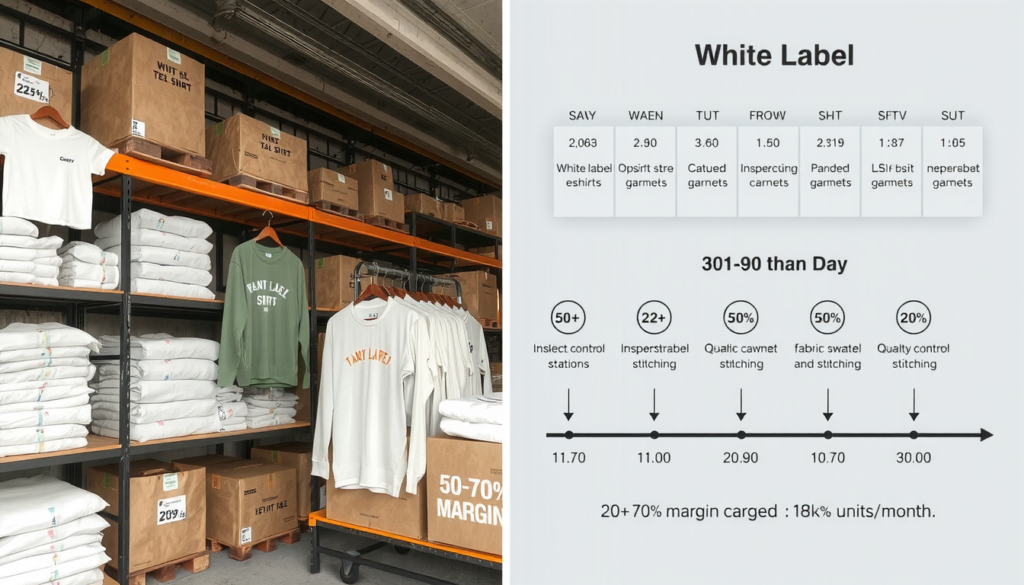
- Production models: Print-on-demand eliminates inventory risk; direct manufacturing yields 50–70% margins
- Social media drives 40–60% of early-stage sales for new fashion startups in 2026
- Custom labels cost $50–$300 for first batch using stamps, woven tags, or digital printing
Define Your Niche and Design Your First Collection
What is the easiest way to start your own clothing label? Start by selecting a specific market niche—streetwear, minimalist basics, sustainable fashion, or subculture-focused designs—then create three to five core pieces that embody your brand identity.
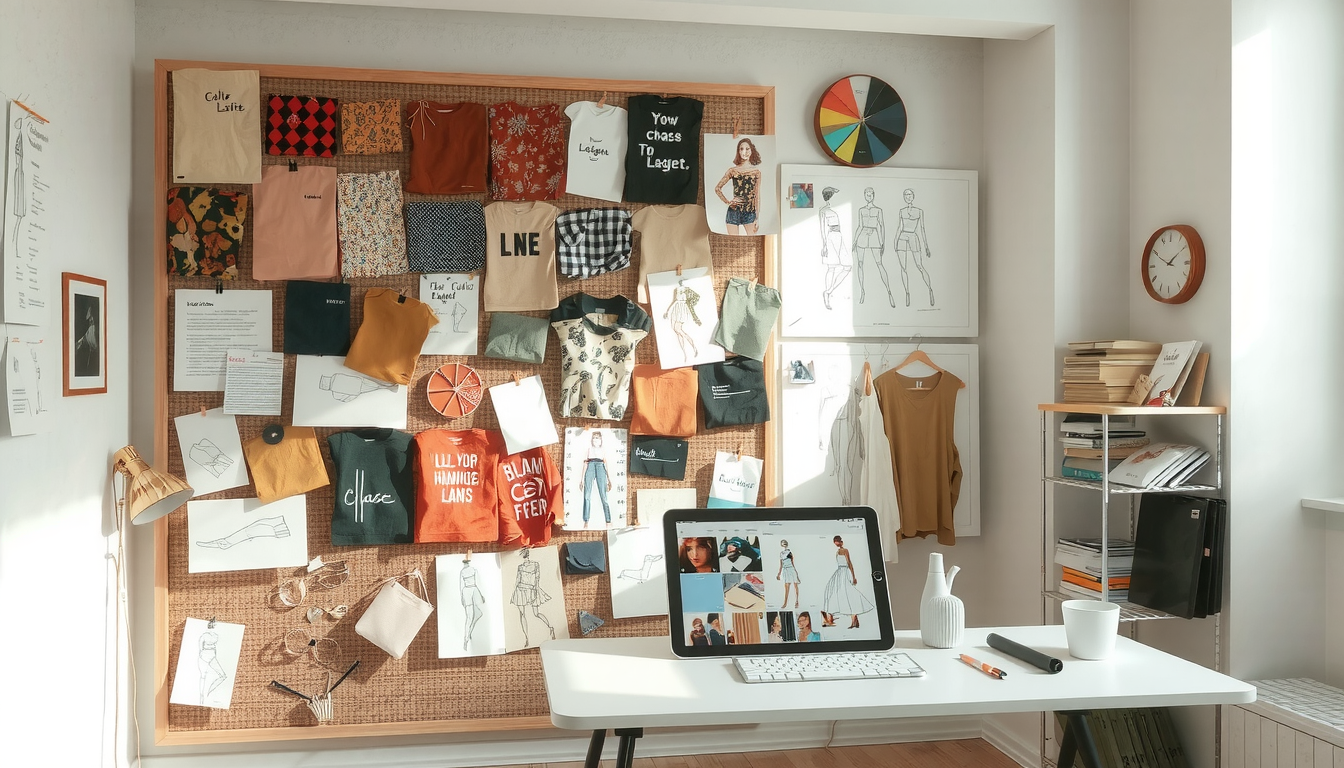
Specificity attracts customers who feel personally seen. Whether you’re targeting skateboarders, fitness enthusiasts, or vintage-inspired collectors, your niche shapes every downstream decision: fabric choices, marketing channels, and price positioning. Broad, generic designs rarely stand out in saturated markets.
Gather inspiration through mood boards, Pinterest collections, Instagram hashtags, and Reddit communities. Observe what your target audience wears, identify gaps in current offerings, and note price points they accept. This research costs nothing but yields invaluable market intelligence. Founders who skip this validation step often waste thousands producing items nobody wants.
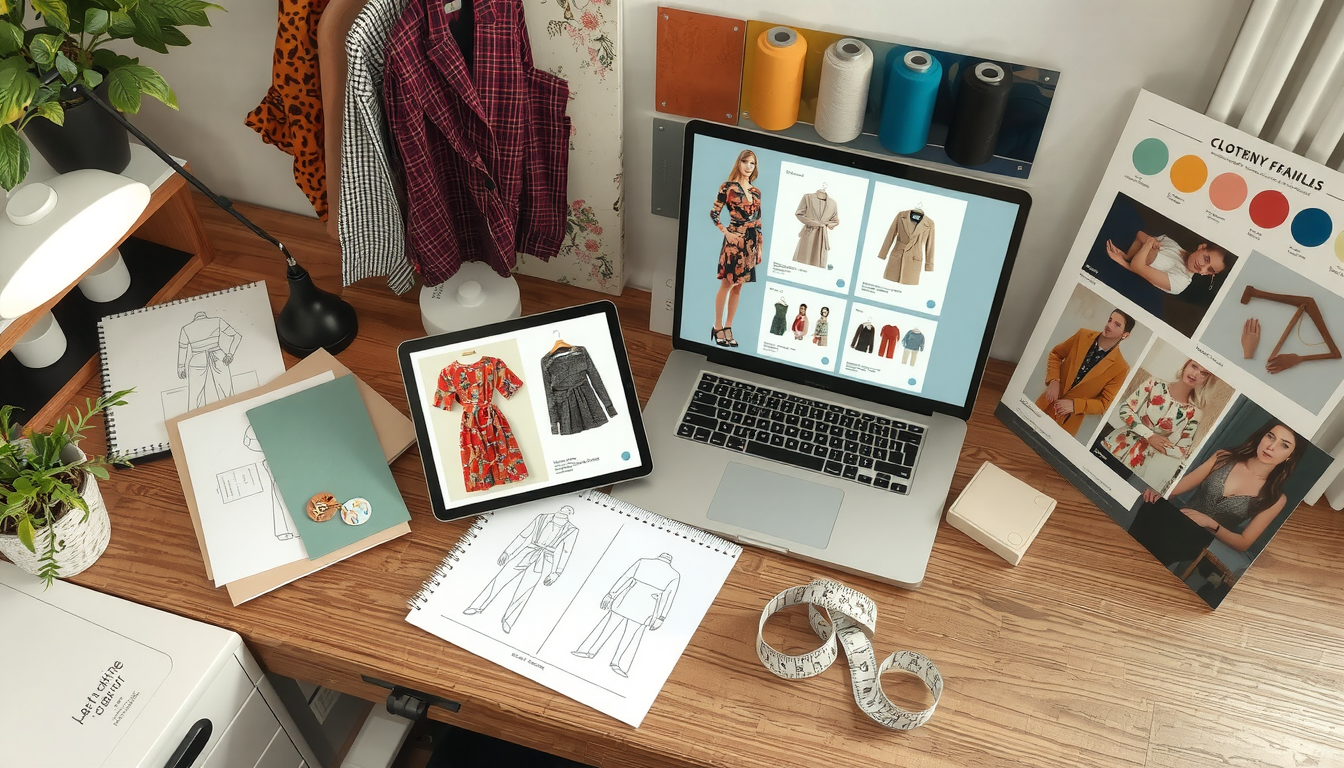
Translate your vision into tangible designs using free tools like Canva or Adobe Express to mock up logos, graphic prints, and color palettes. Sketch rough silhouettes by hand, then photograph or scan them. Many successful founders began with crude drawings; execution and iteration matter far more than initial polish. Create 3–5 core pieces for your debut collection—enough to establish identity without overwhelming your production capacity or capital reserves.
Choose Your Production Model: Low-Risk Pathways
Three production models work best for starting a clothing label: print-on-demand (zero inventory risk), dropshipping (minimal upfront capital), and small-batch manufacturing (higher control and profit margins).
| Model | Startup Cost | Inventory Risk | Time to Sale | Profit Margin | Best For |
|---|---|---|---|---|---|
| Print-on-Demand | <$100 | None | 1–2 weeks | 15–30% | First-time founders, low volume |
| Dropshipping | $300–$800 | Low (supplier holds stock) | 2–3 weeks | 20–40% | Rapid testing, multi-product lines |
| Small-Batch Manufacturing | $1,500–$3,000 | High (you hold 50–200 units) | 4–6 weeks | 50–70% | Committed founders, premium positioning |
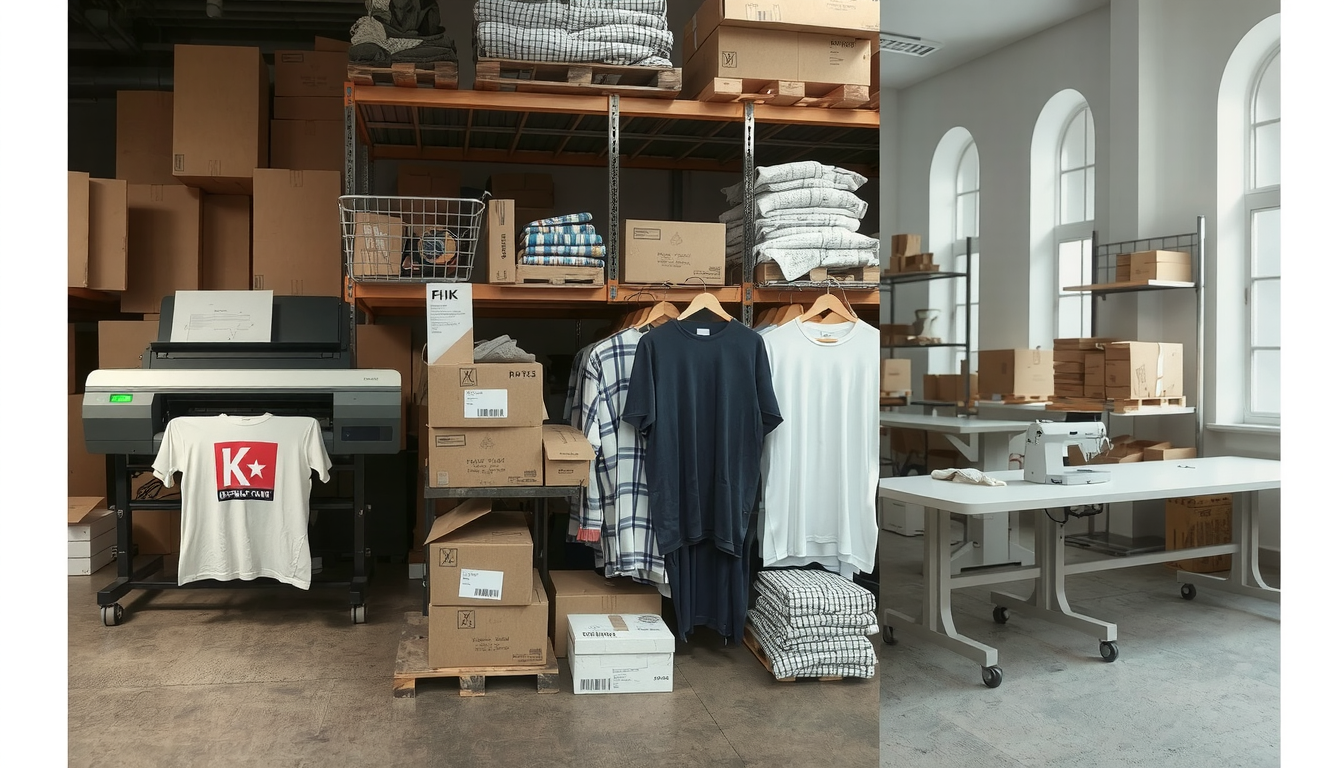
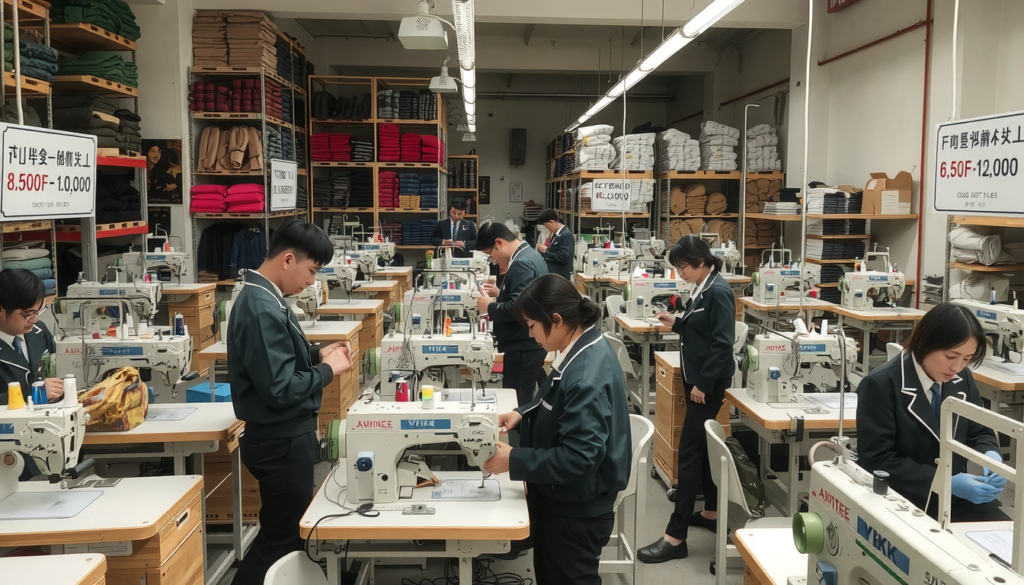
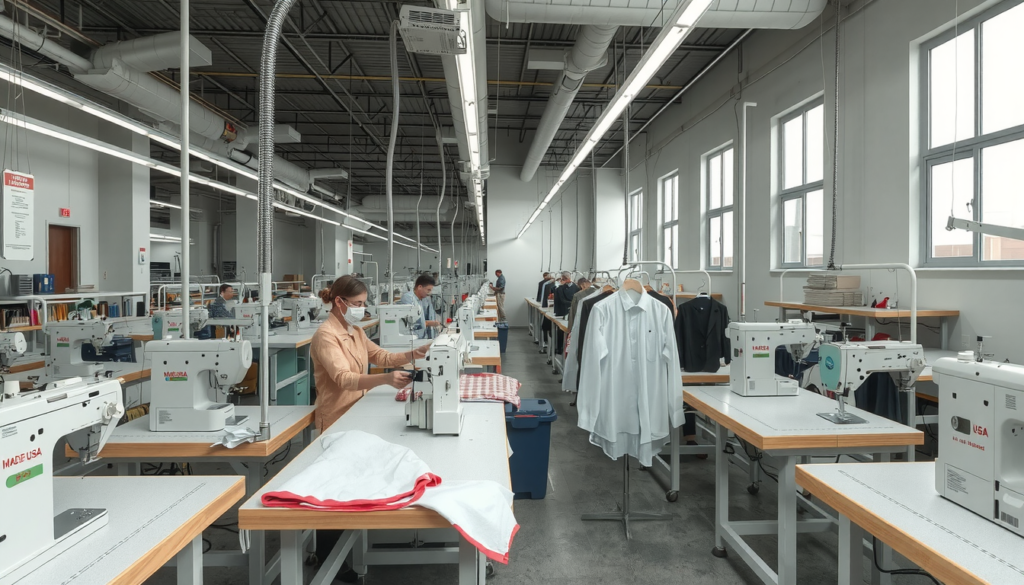
Print-on-demand platforms like Printful handle production and shipping; you pay per item sold, eliminating inventory risk entirely. Dropshipping connects you to pre-made inventory suppliers; you mark up and resell without holding stock. Direct manufacturing—via local factories or overseas suppliers in Dongguan, China—requires minimum orders (typically 50–200 units) but delivers the best margins and complete design flexibility.
Start with print-on-demand or dropshipping if you have under $500 and want to validate demand. Once you’ve proven sales and refined designs, invest in small-batch manufacturing to improve margins and control quality. This staged approach minimizes financial risk while building operational confidence. Brands that launched with POD, hit $5,000 monthly revenue, then transitioned to direct manufacturing doubled their margins within six months. When you’re ready to scale, Best Clothing Manufacturers for Small Businesses can help you identify reliable production partners.
Create Professional Branding and Custom Labels
Professional clothing labels cost $50–$300 for your first batch using permanent ink stamps on twill ribbon, woven tag manufacturers, or digital printing services—each taking 1–3 weeks.
Labels signal brand recognition, elevate perceived quality, and ensure legal compliance with care instructions. Four methods exist, ranked by ease and cost:
Stamp and twill ribbon: Purchase a roll of twill cotton ribbon (2–3 inches wide, ~$15–$30) and design a custom stamp in Canva. Use permanent ink pads—VersaCraft brand recommended—to hand-stamp each label. Total cost: about $50. Time investment: 2–3 hours for 100 labels. Best for ultra-small batches and DIY aesthetics. Set ink with an iron before washing to prevent fading.
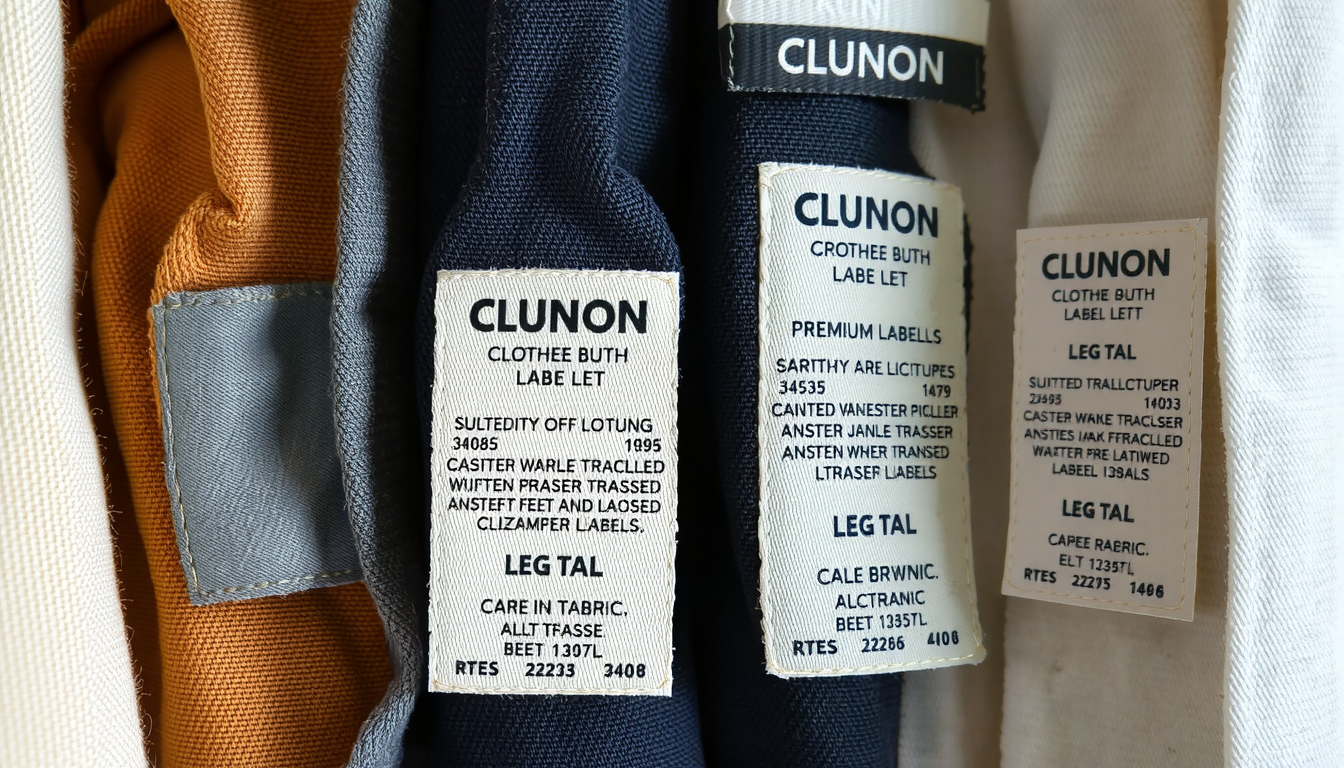
Woven tag manufacturers: Online suppliers on Alibaba, Etsy, or local print shops produce woven tags in bulk. Minimum order: 100–500 units. Cost: $0.30–$0.80 per tag. Turnaround: 5–10 business days plus shipping. Best for professional appearance and scalability. Provide your logo as a digital file (PNG, AI, or PDF format). Melly Sews offers detailed comparisons of tag production methods.
Digital label printing: Print-on-demand label services let you design and order small quantities. Cost: $0.15–$0.50 per label. Time: 3–5 business days. Best for testing label designs and rapid iteration with no minimum orders.
Screen printing or heat transfer: For graphic-heavy designs, screen print or heat-transfer labels directly onto fabric tags. Setup cost: $200–$500, plus $0.10–$0.30 per unit. Time: 1–2 weeks. Best for bold graphics, durability, and high-volume production runs.
Launch Your Online Storefront with Minimal Investment
Shopify, Etsy, and Instagram Shop are the three easiest platforms to launch a clothing brand online—all free or low-cost, requiring no physical retail location, just a computer and internet connection.
E-commerce platforms democratize retail, allowing you to sell globally from your bedroom. Each platform serves different founder profiles and growth stages.
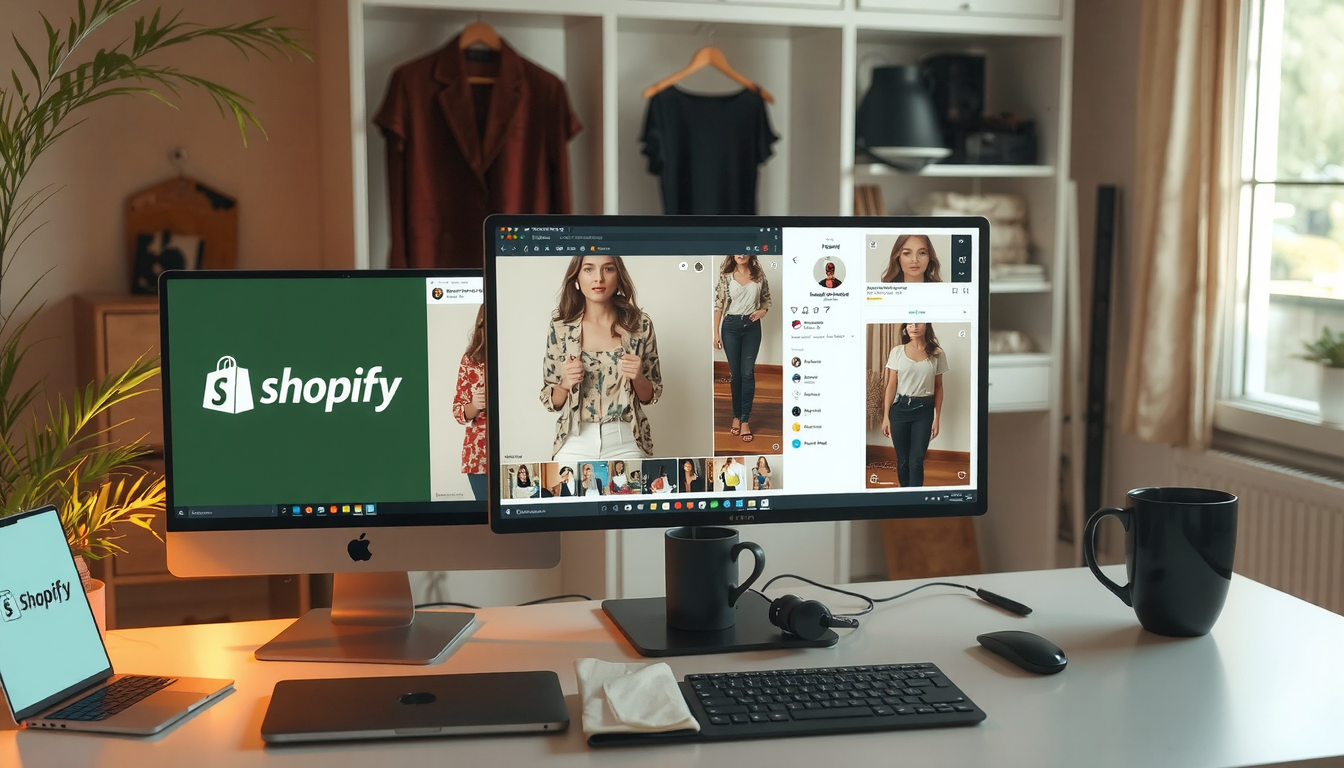
Shopify ($29–$299/month) gives you a branded domain, full design control, and professional checkout infrastructure. Use free themes or hire a designer ($300–$1,000) to customize. Best if you’re serious about long-term growth and willing to pay for flexibility and scalability. Shopify powers over 4.6 million active stores globally in 2026.
Etsy ($0.20 per listing, 6.5% transaction fee, 3% + $0.20 payment processing) requires no monthly subscription and taps into Etsy’s built-in audience of 88+ million monthly shoppers. Ideal for testing ideas and reaching craft-conscious buyers who value handmade and small-batch production.
Instagram Shop (free) uses your social following as a sales channel. Link products directly in posts and stories. Best if your audience already follows you or if you excel at social media content creation. Instagram reaches 2 billion monthly active users in 2026.
Invest time in high-quality product photography regardless of platform. Shoot on white or neutral backgrounds, show clothing on diverse models, and include close-ups of details and fabric texture. Write clear descriptions with sizing, care instructions, and brand story. Set transparent shipping and return policies to build customer trust from day one. Clothing Manufacturer Ltd can also support your storefront launch with production guidance and sourcing expertise.
Build Traction Through Social Media and Customer Engagement
Consistent social media posting (3–5 times per week), authentic engagement with followers, and user-generated content drive 40–60% of early-stage sales for fashion startups.
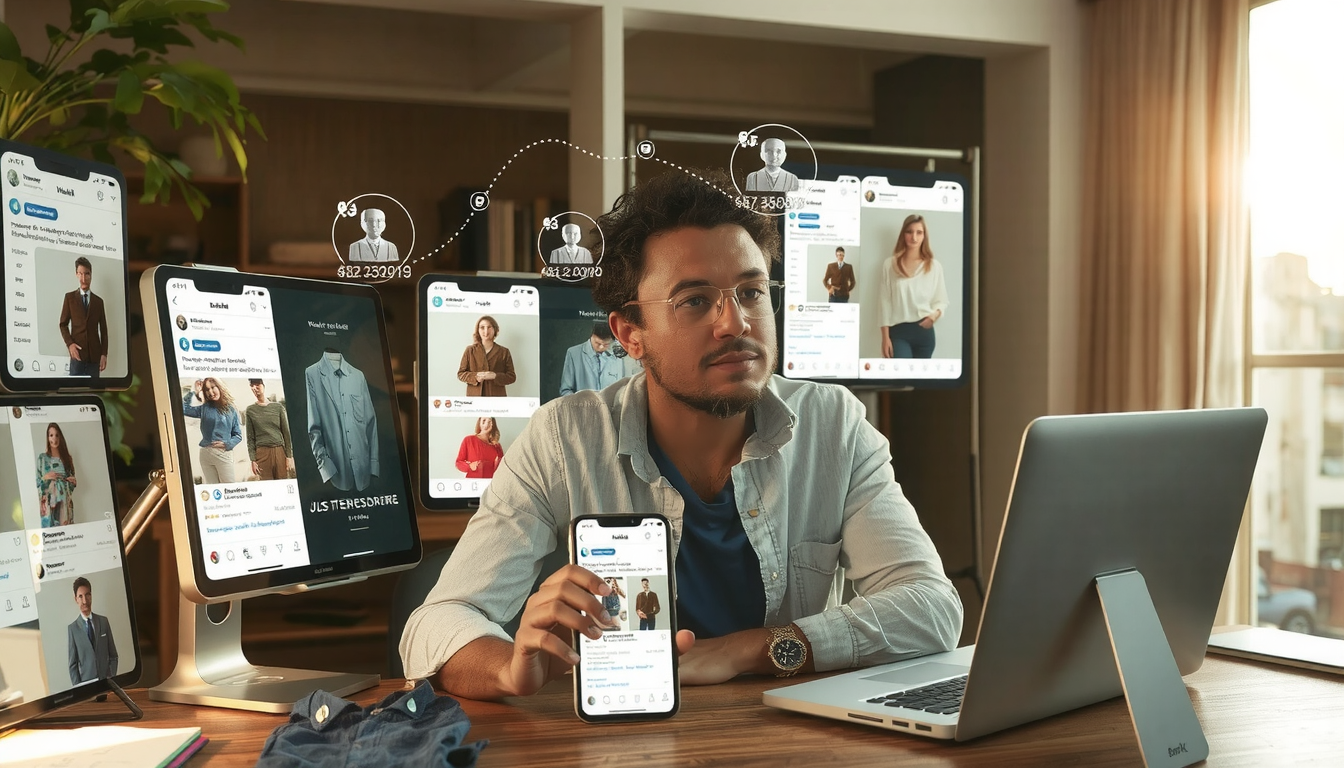
Key Stats & Tactics:
• 78% of fashion consumers discover brands on Instagram — prioritize Instagram Reels and Stories. Post 3–5 times weekly, mixing product shots, behind-the-scenes production footage, and lifestyle content showing how customers style your pieces. (Fashion Business Coach, 2025)
• User-generated content increases engagement by 5–10x — ask customers to tag you in photos wearing your label. Repost with permission and offer a monthly feature or discount to incentivize participation. UGC builds social proof faster than any paid advertising. (Social Media Industry Report, 2025)
• Brands responding to 50%+ of comments see 23% higher customer retention — reply to every comment and DM within 24 hours. Answer sizing questions, share styling tips, and build genuine relationships. This personal touch differentiates small labels from corporate competitors. (Lightspeed, 2024)
• Email capture converts at 2–3x higher rate than cold social followers — offer a 10% discount code to first-time email subscribers. Send weekly newsletters with new drops, styling guides, and brand updates. Email lists remain your owned asset when social algorithms change. (Apparel Entrepreneurship Academy, 2025)
• Micro-influencer partnerships deliver 5–8% conversion rates, versus 0.5–2% for paid ads — send free samples to micro-influencers (10K–100K followers) in your niche and ask them to share authentic reviews. Budget: $500–$2,000 for 5–10 partnerships. Their audiences trust their recommendations more than celebrity endorsements. (Branded Agency, 2025)
Structure content around behind-the-scenes production, product styling tutorials, customer stories, and brand values. Authenticity trumps polish—show the messy reality of running a startup, not just highlight reels.
FAQ
Q1: How much money do I need to start a clothing label?
Minimum $100–$500 using print-on-demand or dropshipping models with no inventory. To launch with small-batch manufacturing and professional branding, budget $1,500–$3,000. This covers samples, custom labels, website setup, and initial marketing campaigns.
Q2: How long does it take to go from idea to first sale?
Expect 4–8 weeks. Design phase takes 1–2 weeks, producing samples requires 1–2 weeks, launching your storefront needs 1 week, and first sales arrive within 2–4 weeks with active social media promotion and outreach.
Q3: Do I need a business license or trademark?
Check local regulations; many jurisdictions require a business license ($50–$500). Trademarking your brand name is optional initially but recommended once you’ve validated demand and achieved consistent sales ($300–$1,500 via LegalZoom or trademark attorney).
Q4: What’s the biggest mistake new clothing labels make?
Skipping quality control and market research. Many founders design in isolation, ignore competitor pricing, and launch low-quality products that damage their reputation. Spend time validating your niche, testing samples, and gathering customer feedback before committing to full production runs.
Q5: Can I start a clothing label part-time?
Yes. Many founders launch while employed full-time, using evenings and weekends for design, production coordination, and social media. Once sales reach $500–$1,000 monthly, you can evaluate transitioning to full-time operations.
Sources
- Printful — How to Start a Clothing Brand in 2026 — production models, POD platforms
- Melly Sews — How to Make Clothing Tags (4 Options) — label production methods, cost comparisons
- Branded Agency — How to Make a Clothing Brand Step-by-Step — social media tactics, influencer conversion rates
- Lightspeed — How to Start a Clothing Business in 14 Steps — KPIs, customer retention statistics
- Hawthorn International — How to Start a Clothing Line 2026 — funding options, UK Start-Up Loans
- Apparel Entrepreneurship Academy — 6-Step Launch Program — email marketing conversion data
Written by the brand’s lead practitioner (industry operations). Last reviewed 2026-06-07.