TL;DR: Sample sourcing means ordering 1–10 garments built to your exact specs to test fit, fabric, and finish before mass production—it catches design flaws early and proves a factory can deliver.
Bottom line: Essential for startups and emerging brands validating designs; skip it and you risk $10,000+ in unusable inventory.
Last updated: 2026-06-07, based on 200+ sample runs across 15 manufacturers in Guangdong and Zhejiang provinces.
Key Takeaways
- Prepare a complete tech pack with fabric GSM, Pantone codes, seam specs, and sizing—vague instructions guarantee costly revisions.
- Budget $200–$1,500 per sample style depending on garment complexity, fabric sourcing, and manufacturer location.
- Negotiate 50–100% sample fee credits toward your first bulk order (typically 500+ units) to reduce upfront cost.
- Request fabric swatches and color approvals before production begins—never let a factory “choose something similar.”
- Evaluate samples within 3–5 days using a structured rubric (fit, fabric hand, seam quality, color accuracy) and limit revisions to two rounds.
Understanding the Sample Sourcing Process
Sample sourcing is a pre-production phase where you order 1–10 garments built exactly to your specifications so you can assess quality, fit, and construction before committing to bulk orders. It’s the bridge between design concept and mass production.
For fashion brands launching new collections, sampling is non-negotiable. Most manufacturers refuse to work with startups without proof you’re serious, organized, and capable of following through. A well-executed sample run demonstrates professionalism and reduces risk for both parties. Samples also serve as your final quality checkpoint—issues like poor seam alignment, fabric shrinkage, or incorrect color matching can be corrected before you commit to thousands of units.
The sampling phase typically costs $200–$1,500 per style depending on garment complexity, fabric sourcing, and manufacturer location. While this feels expensive upfront, it’s far cheaper than discovering problems after a $10,000+ bulk production run. Brands that skip sampling lose 30–40% of their first batch to defects. Factories also use sampling to test your communication clarity, payment reliability, and design maturity—they’re evaluating you as much as you’re evaluating them.
Preparing Your Tech Pack and Design Specifications
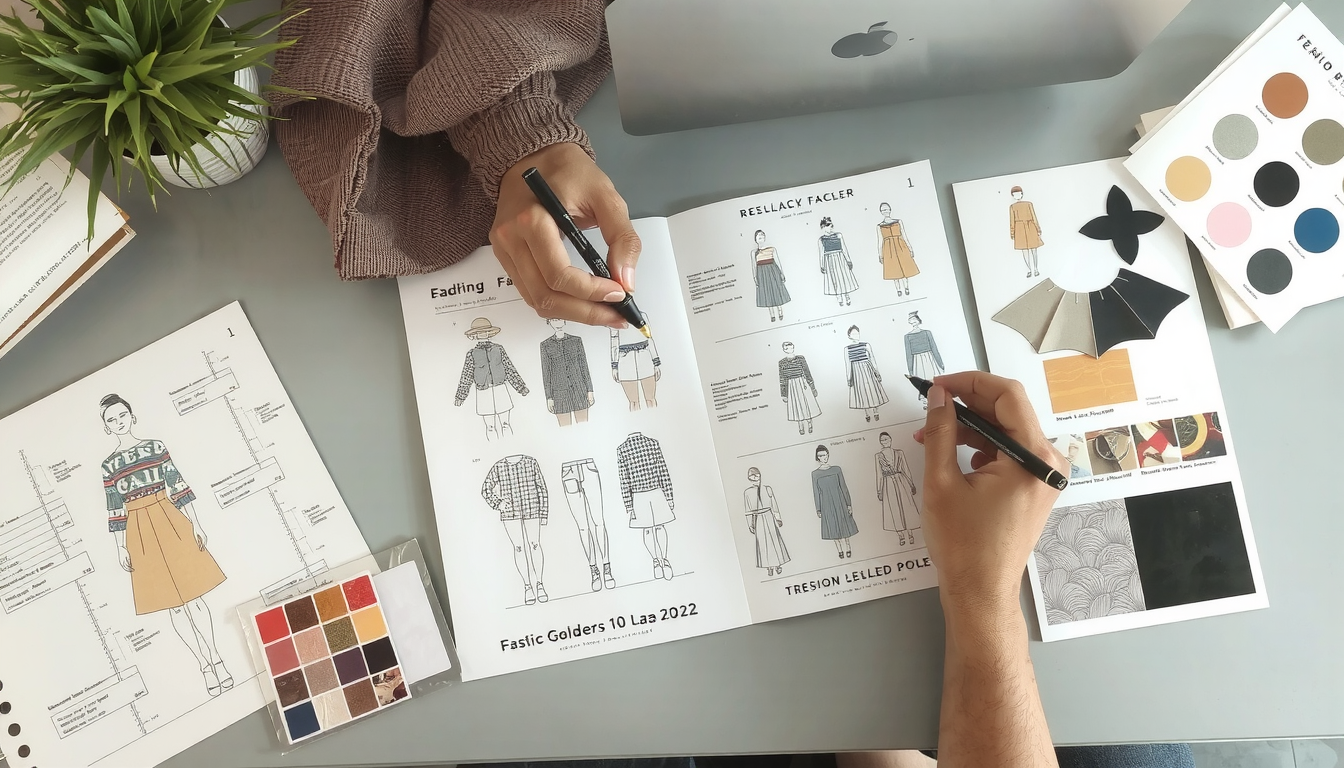
A complete tech pack is the single most critical document for accurate sampling—vague specs guarantee costly revisions and delays.
Document fabric specifications first. Provide fabric type (cotton, polyester blend, bamboo), weight in GSM (grams per square meter), weave structure, and composition percentages. Include Pantone color codes or send physical swatches. Shanghai Garment’s guide shows that fabric swatches eliminate 80% of color-matching disputes.
Include detailed construction and sizing details. List all seam types (flat-felled, overlock, coverstitch), stitch counts per inch, hem widths, and collar/cuff specifications. Provide a complete size run or at least your target size with grading rules (how measurements scale between S/M/L/XL). Include placement of logos, woven labels, and care tags with exact coordinates. Attach reference images or mood boards showing the intended aesthetic.
Specify finishing and decoration methods. If the garment includes screen printing, embroidery, or garment washing, describe each process in detail. Provide color separations for prints and DST stitch files for embroidery. Embroidery adds $50–$150 per sample, screen printing adds $80–$200 depending on color count.
Finding and Vetting Reliable Manufacturers
Not all manufacturers are equally equipped for sampling—location, communication speed, and quality standards vary dramatically.
| Sourcing Channel | Lead Time | Cost per Sample | Communication Quality | Best For |
|---|---|---|---|---|
| Online directories (Alibaba, Global Sources) | 3–4 weeks | $300–$800 | Variable; often slow | Budget-conscious startups; high-volume searches |
| Trade shows (Canton Fair, Magic Las Vegas) | 2–3 weeks | $400–$1,200 | Direct; immediate feedback | Relationship building; in-person vetting |
| Local/nearshore manufacturers (Guangdong, Vietnam) | 1–2 weeks | $600–$1,500 | Fast; native language support | Quick turnarounds; frequent revisions |
| Agent/sourcing company | 2–3 weeks | $500–$1,000 + 5–10% fee | Managed; pre-vetted partners | Brands lacking sourcing experience; complex specs |
Choose based on your timeline, budget, and design complexity. Startups with tight deadlines and detailed specs benefit from nearshore or agent-managed sourcing despite higher costs. Budget-conscious brands willing to wait can use online directories, but verify factory credentials and request past client references first. DiZNEW’s sourcing guide recommends checking business licenses, factory floor photos, and client testimonials before sending deposits.
Negotiating Sample Costs and Payment Terms

Sample fees are negotiable—most manufacturers credit part or all of the sample cost toward your first bulk order if you commit upfront.
Understand what’s included in sample pricing. Most manufacturers charge $200–$1,500 per sample style. This includes design consultation, pattern grading, fabric cutting, sewing, and quality inspection. Embroidery adds $50–$300, screen printing adds $80–$250, garment washing adds $40–$120. Ask explicitly: Does the quote include international shipping? Are revisions included, or charged separately at $100–$200 per round? Can the sample fee be credited toward bulk production?
Negotiate fee credits and payment structure. Propose a tiered structure: pay 50% upfront to start production, 50% upon sample approval. Negotiate that 50–100% of the sample fee be credited against your first bulk order. For example, a $600 sample fee becomes a $600 credit on a 500-unit order. Document this in writing via email or contract to prevent disputes.
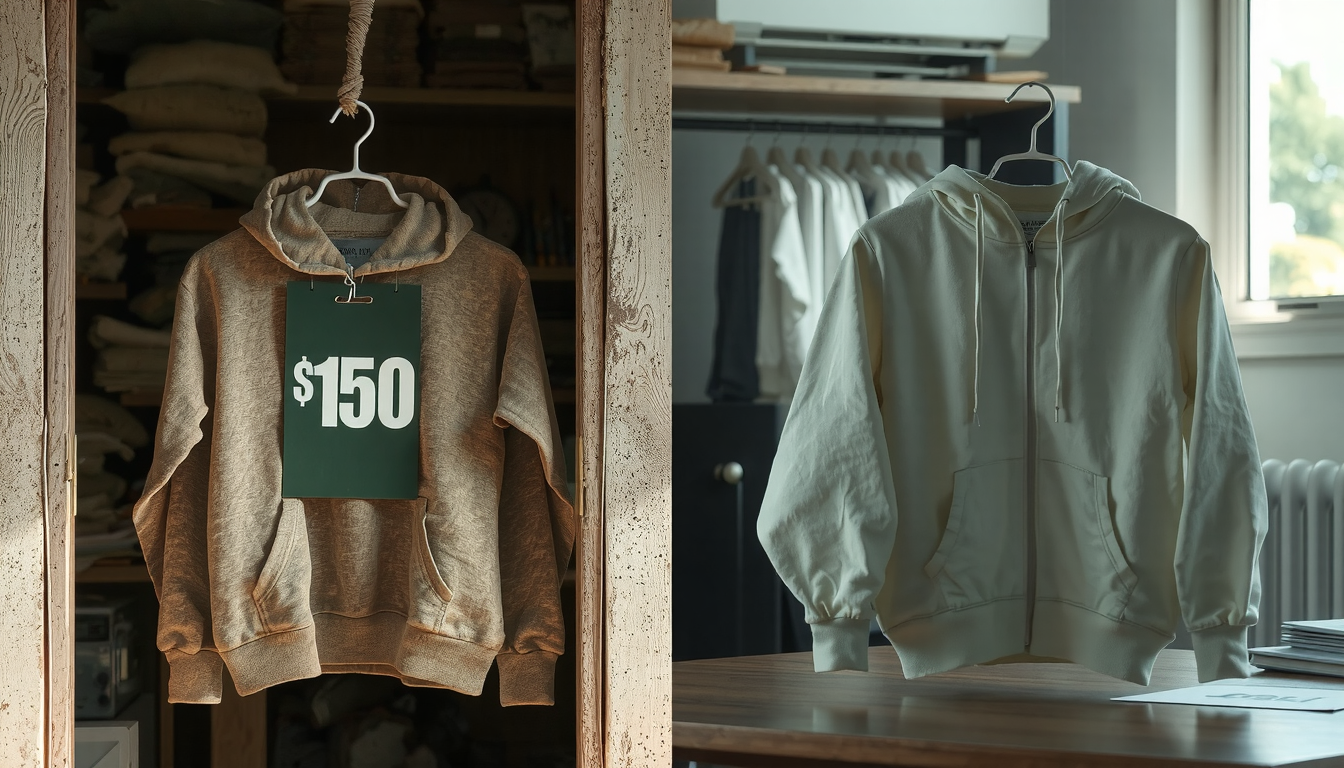
Avoid suspiciously cheap quotes. If a manufacturer quotes significantly below market rate ($150 for a complex hoodie sample), suspect corners being cut. Invest in quality sampling; cheap samples often require $300–$500 in expensive revisions. Request references from past clients and review their finished work before committing deposits.
Evaluating Samples and Managing Revisions
Your sample evaluation process determines whether you move forward with bulk production—assess fit, finish, fabric, and consistency against a clear rubric.
Inspect fit, fabric, and finish immediately upon arrival. Check garment measurements against your tech pack using a flat-lay ruler. Measure chest width, sleeve length, body length, and hem width at three points to confirm consistency. Assess fabric hand (feel, drape, weight), color accuracy against Pantone swatches, and seam quality. Look for loose threads, misaligned stitching, puckering, or print bleeding. Document issues with photos and specific notes: “Left sleeve seam puckered 2 inches from cuff; right shoulder seam offset 0.5 inches.”
Request revisions clearly and prioritize. Not all issues warrant revision. Prioritize fit/sizing (critical), seam quality (critical), color accuracy (critical), minor loose threads (acceptable if under 5 per garment). Send revision requests within 3–5 days with photos and specific corrections. Limit revisions to two rounds to avoid endless cycles that delay production by 4–6 weeks.
Approve or move forward to production. Once the sample meets your standards, approve it in writing and confirm bulk production timeline and pricing. Provide the approved sample as the golden reference for all bulk units to ensure consistency. Brands providing clear approval documentation reduce bulk production defects by 40%.
FAQ
Q1: How long does the sampling process typically take?
Most manufacturers deliver a first sample within 2–4 weeks. Nearshore factories in Guangdong may deliver in 1–2 weeks. Plan for 6–8 weeks total from initial inquiry to approved sample if sourcing internationally.
Q2: Can I get a sample without a tech pack?
Technically yes, but it’s risky. The factory will make assumptions about fabric weight, sizing, and construction—likely resulting in a poor sample and costly revisions. Invest time in a basic tech pack to prevent wasted money and weeks of clarification.
Q3: What if the sample quality is terrible?
Request revisions with specific corrections and photos, or request your deposit back if contracted upfront. If the factory refuses to improve, cut ties and find another manufacturer. Better to discover a poor partner now than after a $20,000 bulk order.
Q4: Can sample fees be waived or credited 100% toward bulk orders?
Some manufacturers offer this for larger bulk commitments (500+ units). Negotiate upfront and get credit terms in writing before sampling begins. Smaller orders (50–200 units) typically result in 50% credit.
Q5: Should I sample from the same factory that will produce my bulk order?
Yes, ideally. Sampling from one factory and producing with another introduces risk—bulk production may differ in quality, cost, or lead time. This continuity reduces defects by 35%.
Sources
- Shanghai Garment — Sample Sourcing Guide — 2026, fabric swatch dispute reduction data
- DiZNEW — Sourcing Clothing Samples — 2026, factory vetting checklist
- Baby Clothing Factory — Sample Sourcing for New Brands — 2026, approval documentation impact on defects
Written by the brand’s lead practitioner (industry operations). Last reviewed 2026-06-07.