This hoodie GSM selection guide starts with a simple rule: fabric mass is not a complete description of warmth, quality or structure. Two fabrics with the same grams per square metre can feel and perform differently because yarn, knit construction, finishing, brushing, compactness and fiber blend distribute that mass in different ways. A brand should select GSM only after defining silhouette, season, hand, decoration and care expectations.
Use this framework with the CLMTD heavyweight hoodie capability. Request production-representative fabric, approve it after the intended finish, then validate the choice in a complete garment rather than buying from one number on a hanger card.
What GSM measures
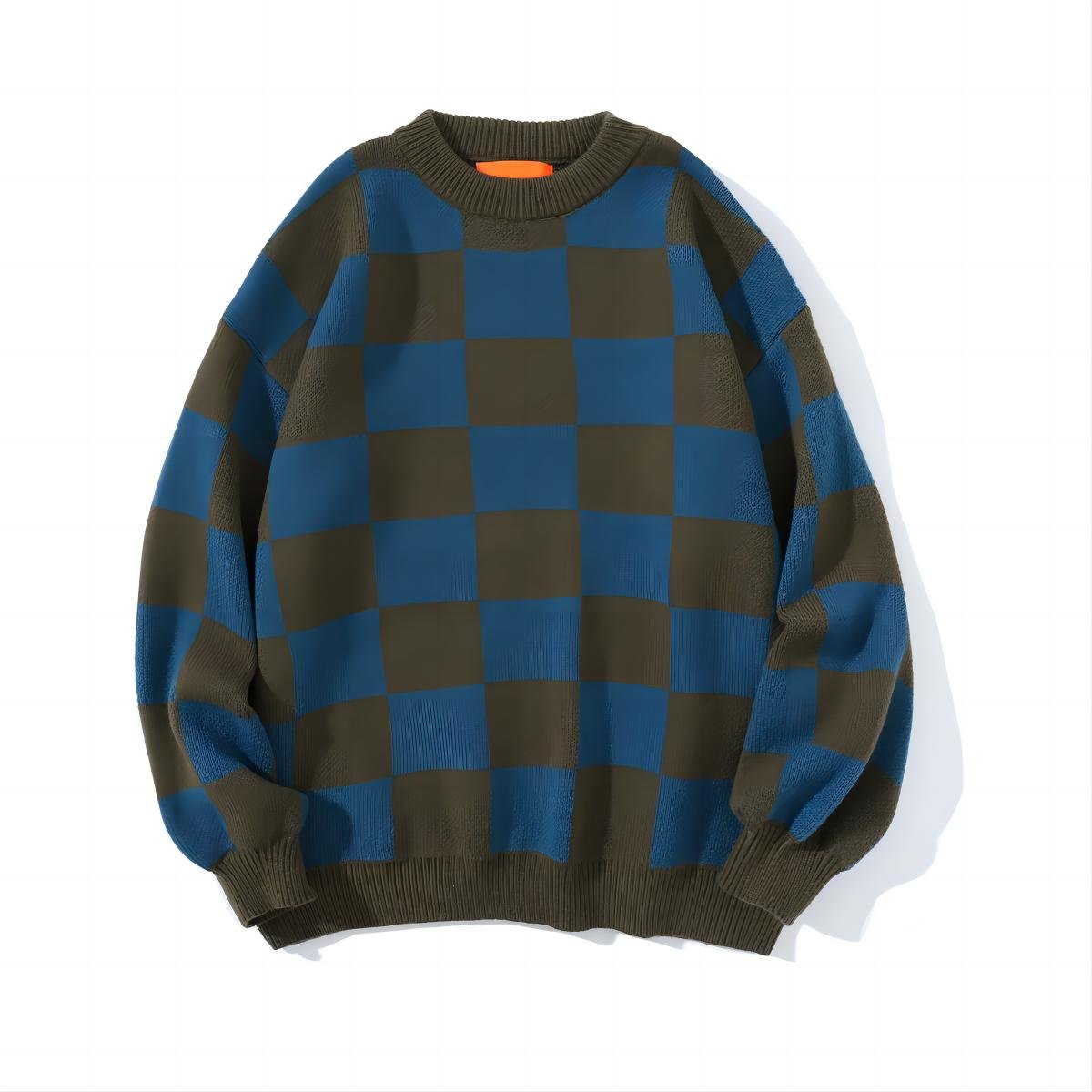
GSM expresses fabric mass over a unit area. It helps teams compare fabric weight when specimens are prepared and measured consistently. It does not directly state thickness, insulation, air permeability, stretch, recovery, durability or fiber quality.
A lofty brushed fleece can feel thicker than a compact fabric of similar mass. A dense loopback can feel firm and structured, while another knit at the same GSM drapes more fluidly. Finishing can remove or add moisture and processing agents, changing measured mass and hand.
Record the method, specimen condition, lot and test date. Do not treat a supplier’s nominal GSM as the only acceptance evidence.
Define the hoodie before choosing weight
Write the intended product statement first: cropped or long, fitted or oversized, pullover or zip, lined or unlined, brushed fleece or loopback, warm outer layer or trans-seasonal piece. Add target market, climate, retail position and care route.
An oversized hoodie may need enough body to hold shoulder drop and hood shape, but excessive mass can make the garment heavy and slow to dry. A fitted hoodie may need stretch and recovery more than sheer weight. A zip hoodie needs front stability around zipper tape.
Use reference garments to discuss silhouette, then translate the decision into measurable fabric and pattern requirements.
Compare fleece and loopback construction
Brushed fleece has a raised inner surface created by mechanical finishing. It can provide loft and a soft warm impression, but brushing level affects shedding, pilling, thickness and dimensional behavior. Loopback or French terry keeps visible loops inside and can feel less insulating and more breathable.
Neither construction is automatically better. Record knit structure, yarn arrangement, brushing or sueding route and finished face. Assess the back surface after laundering because loose fiber and hand can change.
If a brand switches from loopback to brushed fleece at the same nominal GSM, repeat pattern, decoration and care approval rather than assuming equivalence.
Fiber blend changes the experience
Cotton-rich fabric often provides a natural hand and moisture absorption. Polyester can contribute strength, dimensional stability, faster drying and a different surface response. Elastane may add stretch but needs heat and recovery validation. Recycled fibers require the same identity and performance controls as virgin alternatives.
Composition percentages do not explain yarn placement. A face yarn and backing yarn can use different fibers, affecting print compatibility, pilling and skin feel. Ask for a construction description and verify the declared composition through appropriate evidence.
For U.S. products, the FTC’s Textile Fiber Products Identification Act rules provide labeling context. Confirm requirements for every destination market.
Density and thickness are separate controls
Measure thickness or compare compression when structure matters. A compact fabric can have high mass without much loft; a brushed fabric can appear thick while compressing easily. Hood, cuff and pocket behavior depend on this distinction.
Fold the fabric into planned seam stacks. Check whether a domestic or production machine can feed them cleanly and whether topstitching remains flat. Examine cut-edge curl, needle penetration and seam recovery.
Approve garment weight as well as fabric GSM. Two patterns using the same fabric can create very different wearing mass.
Match GSM to season without universal labels
Avoid fixed claims such as one GSM always being summer or winter. Climate, layering, wind, humidity, body activity and fabric construction all influence comfort. Instead, compare candidates within the intended product and market.
Conduct wear review in realistic conditions when seasonality is commercially important. Evaluate perceived warmth, breathability, drying, bulk under outerwear and comfort indoors. Record the product’s role rather than promising universal thermal performance.
For global orders, consider whether one material can serve all regions or whether separate seasonal versions need distinct style codes.
Protect an oversized silhouette
Weight affects drape. A dense fabric can make an oversized body hang vertically and stabilize a dropped shoulder. A softer fabric can collapse, stretch at the neck or make sleeves appear longer. Pattern measurements alone cannot guarantee the same silhouette across fabrics.
Review shoulder line, sleeve pitch, hood, body length and hem after the garment hangs and is worn. Check whether pockets pull the front and whether the hood drags the neckline backward.
If the fabric changes, refit the sample. Do not simply preserve the old pattern because the GSM number is similar.
Design the hood for the fabric
A double-layer hood multiplies fabric mass and seam bulk. Heavy fleece can create a substantial hood that needs neckline reinforcement; a light fabric may need shape support or a different pattern. Check hood opening, overlap, drawcord channel and center seam.
Wear the hood up and down. Confirm that it does not pull the front neck, cover vision or collapse awkwardly. Assess drying after care, especially with double layers.
If lining is used, test differential shrinkage and color transfer between shell and lining.
Pair body fabric with rib
Rib should support cuff, waistband and sometimes side panels without creating waves or losing recovery. Record rib composition, structure, mass, relaxed width, extension and recovery. Matching color does not prove matching behavior.
Heavy body fabric may require a robust rib, but excessive rib tension can gather the hem or make cuffs uncomfortable. Light rib can stretch under garment weight. Sew test seams and evaluate after care.
Grade rib dimensions deliberately across sizes rather than applying one percentage without fit checks.
Consider decoration before approval
Screen printing, embroidery, appliqué and heat transfers interact with fabric surface and mass. Brushed or textured faces can reduce print sharpness. Dense embroidery can pucker a flexible fabric. Heat can flatten fleece or trigger dye migration in some blends.
Run production-representative decoration on each risk color. Inspect coverage, hand, adhesion, registration, reverse comfort and fabric distortion. Test after the intended laundering route.
Large front prints can restrict drape even when the base fabric is soft. Approve the decorated garment, not only an undecorated fabric swatch.
Measure dimensional change
Mark and measure fabric in length and width, apply the defined wash and drying procedure, condition it and remeasure. Report directional change rather than one unlabeled shrinkage value. Then validate the result on a complete hoodie.
The AATCC TM135 listing covers dimensional changes of fabrics after home laundering. The ISO 6330 overview describes standardized domestic washing and drying procedures. Use qualified testing where formal evidence is required.
Pattern allowance should be based on actual material and garment results. Do not copy a generic cotton shrinkage percentage.
Assess pilling, shedding and surface change
Brushing can create initial loose fiber. Evaluate shedding during cutting, sewing, wear and laundering. Inspect pilling and fuzzing on high-contact areas such as side body, sleeve and pocket.
Choose a relevant test method and acceptance criteria for the product. Visual comparison needs a controlled standard and named lighting. A test number without specimen identity and method does not support the approved lot.
Check face and back separately. A fabric can retain an attractive face while its inner fleece sheds or mats.
Check color and dye behavior
Compare lab dip or color standard on the actual construction. Surface texture changes perceived shade. Assess rubbing, washing, perspiration or other colorfastness risks appropriate to the garment.
Dark and saturated colors may behave differently through heat and garment wash. Contrast rib, drawcord, print and labels should be checked for staining or mismatch. Keep a retained cutting from the approved production lot.
Do not assume the same dye recipe creates an identical result when fiber blend or finishing changes.
Test sewing and production handling
Run a small production trial. Check spreading, relaxation, cutting accuracy, edge curl, needle cuts, skipped stitches, seam feeding, differential stretch, pressing and bulky intersections. Record needle, thread, seam and machine settings.
Heavy fabrics increase handling and drying demands. Light stretchy fabrics can shift during cutting. The factory should assess planned equipment and line pace before quoting bulk confidence.
Use first-off garments to verify measurements and seam appearance after the full finishing route.
Compare candidates with a scorecard
| Decision area | Candidate evidence |
|---|---|
| Identity | Supplier article, composition, structure and lot |
| Mass | Tested GSM and conditioning method |
| Structure | Thickness, density, face and back |
| Silhouette | On-body drape, hood and shoulder behavior |
| Construction | Seam stack, rib and machine trial |
| Decoration | Production strike-off after care |
| Stability | Fabric and garment directional change |
| Surface | Pilling, shedding and appearance |
| Care | Complete-garment supported route |
Frequently asked questions
Is higher GSM always better quality?
No. It means greater mass per area under the measured condition. Quality depends on material identity, construction, consistency, fit, durability, finishing and suitability for the product.
What GSM should a heavyweight hoodie use?
There is no universal threshold. Define the desired structure and wearing role, compare production fabrics and approve the complete garment. Suppliers may also use different category labels.
Can two fabrics with the same GSM use the same pattern?
Not safely without validation. Stretch, recovery, thickness, drape and shrinkage can differ. Sew and fit a representative sample.
Should GSM be measured before or after washing?
Record the state clearly. Development may need both initial and cared results because relaxation and dimensional change alter mass per area and garment behavior.
Final selection rule
Approve hoodie fabric as an identified construction with tested mass, hand, stability, surface and care performance in the intended garment. GSM is a useful comparison value, but the sealed fabric and approved hoodie must show how that mass becomes silhouette, comfort and durability.