TL;DR: Finding quality manufacturers requires systematic evaluation of production capabilities, quality control systems, certifications, communication standards, and sample testing before committing to partnerships.

Bottom line: For brands launching products or scaling production, this framework applies whether you’re sourcing locally or overseas; skip it if you’re buying finished goods without customization.
Last updated: 2026-06-06, based on 10+ years of apparel manufacturing experience and 1,000+ client partnerships across streetwear, retail, and designer categories.
Key Takeaways
- Request production samples from 3–5 manufacturers before full commitment to verify consistency across batches
- Prioritize manufacturers holding ISO 9001 certification—it signals documented quality management systems
- Cross-reference manufacturer claims via BBB ratings, ThomasNet directories, and customer references
- Assess production capacity alignment with your volume requirements; 95%+ capacity limits flexibility
- Conduct factory audits (virtual or in-person) to evaluate equipment, cleanliness, and process transparency
- Compare at least 3–5 qualified manufacturers before final selection to reveal market pricing and capability variation
Assessing Production Capabilities and Infrastructure
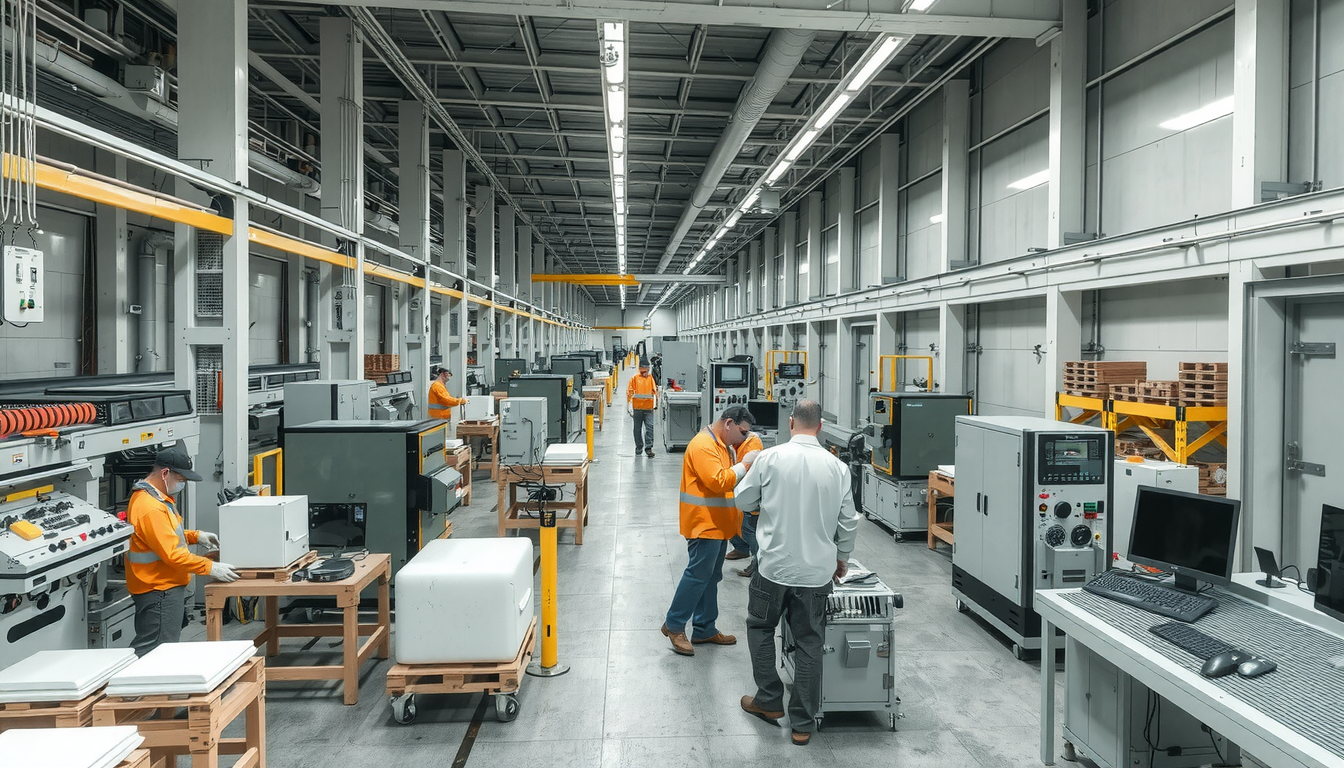
Start by examining production line layout, equipment age, automation levels, and maintenance protocols. Modern manufacturers invest in preventive maintenance tracking systems and can articulate their processes clearly. Request details on current production volume, minimum order quantities, and scaling flexibility—manufacturers operating above 95% capacity struggle with rush orders or quality rework.
During facility visits (virtual or in-person), observe workspace organization. Clean environments with proper lighting and ventilation correlate with quality-focused operations. Document production flow, material storage practices, and waste management. Manufacturers who cannot explain their processes or resist facility tours lack transparency.
A factory running at 95% capacity cannot accommodate order surges or quality corrections. Conversely, severely underutilized facilities may indicate business instability. Request production timelines and lead times in writing. Compare stated capacity against current client load—manufacturers should operate at 60–85% capacity for optimal flexibility.
Red flags include outdated machinery, vague process descriptions, poor facility conditions, and reluctance to discuss equipment maintenance.
Quality Control Systems and Certifications
Quality manufacturers implement multi-stage QC protocols—materials inspection, cutting verification, craft testing, production monitoring, and finished-product inspection—to eliminate defects before shipment.
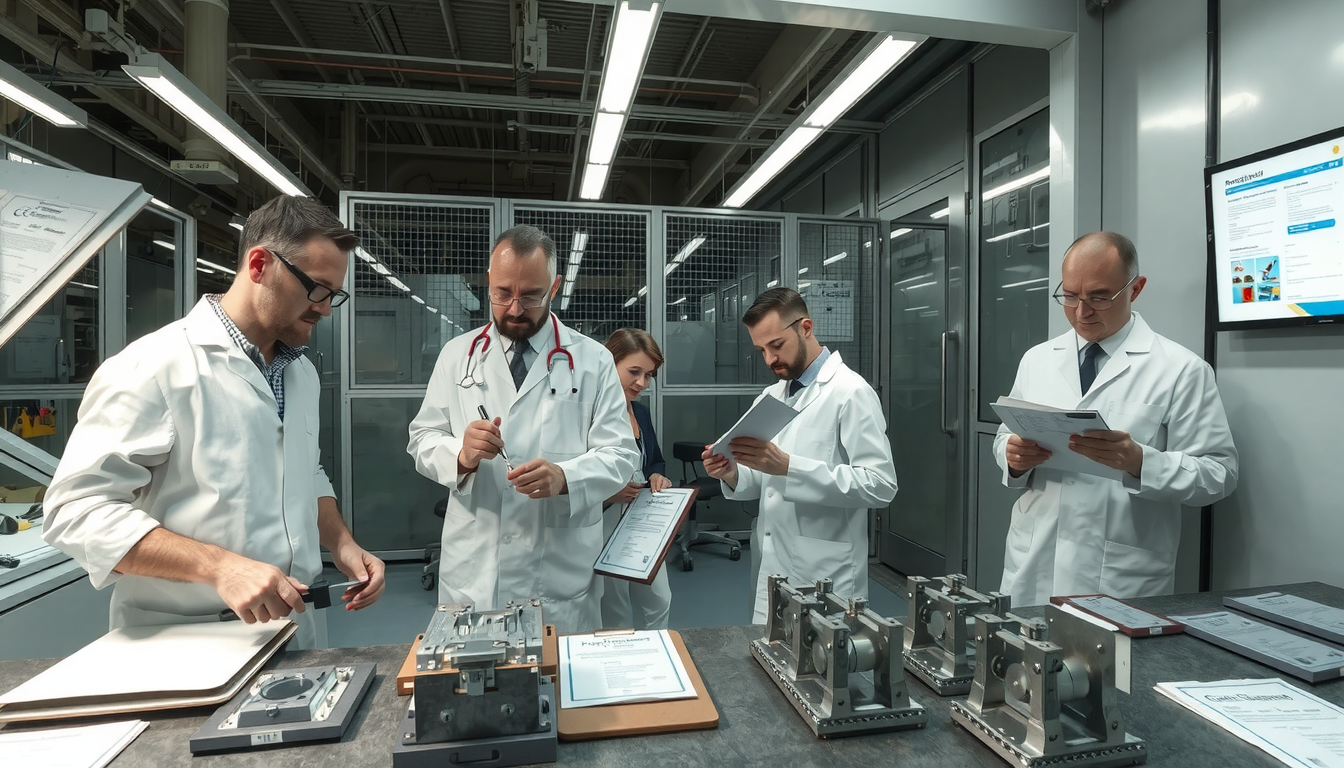
Evaluate manufacturers using a five-stage quality framework: raw material verification, pre-production accuracy checks, in-process monitoring, final product inspection, and documentation protocols. Manufacturers with ISO 9001 certification maintain documented quality management systems; those without formal QC often skip critical checkpoints.
Quality begins with incoming materials. Ask how manufacturers verify raw materials—do they test fabric durability, chemical composition, or component specifications? Reputable manufacturers maintain approved supplier lists and conduct periodic audits.
Pre-production QC catches design flaws before labor investment. Quality-focused manufacturers perform cutting and component accuracy checks, produce pre-production samples, and verify dimensions against specifications.
In-process monitoring detects defects during assembly rather than after completion. Inquire about inspection frequency and who performs checks. Dedicated QC staff indicate serious quality commitment; relying solely on line workers suggests cost-cutting. According to Find My Factory’s 10-point checklist, manufacturers with formal QC protocols reduce defect rates by 40–60% compared to those without structured systems.
Final product inspection examines every unit: stitching quality, color accuracy, packaging condition, and functional testing. Request defect rates and ask how they define acceptable quality level (AQL). Industry standard AQL 2.5 means 2.5% defects are acceptable; stricter standards demand AQL 1.0 or lower.
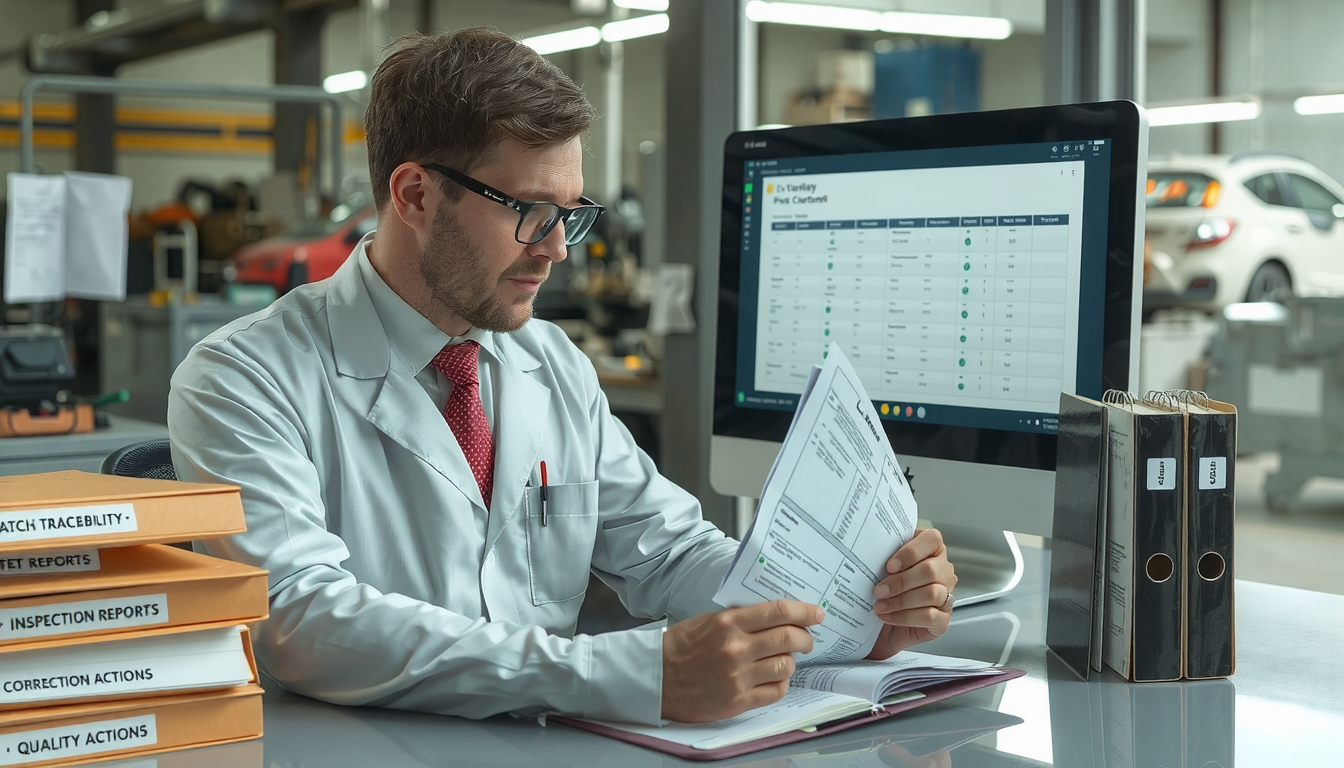
Quality manufacturers maintain production records, batch traceability, and corrective action logs. Request sample inspection reports from recent orders. Manufacturers resisting documentation requests likely lack formal systems.
Manufacturer Credentials and Third-Party Verification
Cross-reference manufacturer claims against independent databases—BBB ratings, industry certifications, trade directories, and customer reviews—to validate credibility before committing resources.
| Verification Source | What It Reveals | How to Use It |
|---|---|---|
| Better Business Bureau (BBB) | Accreditation status, complaint history, customer reviews, rating (A–F scale) | Search manufacturer name; review complaint patterns and resolution history; A or B ratings indicate reliability |
| ThomasNet / MFG.com | Industry specialization, location, verified company info, customer reviews | Filter by product category and geography; compare verified vs. unverified listings; prioritize verified entries |
| ISO Certifications | Quality management (9001), environmental (14001), industry-specific standards | Request certificate copies; verify issuing body legitimacy; check expiration dates; contact certifying body to confirm status |
| Customer References | Real-world experience, communication quality, on-time delivery, problem resolution | Request 3–5 references; ask specific questions about defect rates, responsiveness, and how they handle issues |
Prioritize manufacturers with BBB accreditation (A or B rating), active ISO 9001 certification, and 3+ verifiable customer references in your industry. Cross-check all claims across multiple sources. According to The Studio’s manufacturing partner guide, manufacturers who maintain current certifications and positive third-party ratings demonstrate 70% fewer quality disputes than those without verified credentials.
When checking references, ask specific questions: What was the defect rate on your last three orders? How do they handle quality issues? What’s their typical response time for urgent questions?
Communication, Responsiveness, and Support Capabilities

Quality manufacturers demonstrate technical expertise, rapid response times, language support, and proactive problem-solving—not just order fulfillment.
During initial contact, note response time. Manufacturers responding within 24 hours typically maintain organized operations; delayed responses suggest disorganization or low customer priority. Assess language proficiency—can they clearly explain technical specifications, quality standards, and timelines?
Request technical discussions with engineering or quality teams, not just sales representatives. Quality manufacturers assign dedicated account managers and provide direct contact to production leads. This ensures questions reach decision-makers quickly. M&M Milling’s contract manufacturing guide notes that manufacturers who assign dedicated technical contacts resolve production issues 3x faster than those routing all communication through sales.
Evaluate logistics capabilities. Do they offer supply chain visibility through tracking systems and shipment updates? Can they manage customs documentation and international shipping? Post-delivery support matters—ask how they handle defect claims, returns, and warranty issues. Manufacturers willing to stand behind their work through guarantees demonstrate confidence in quality.
Sample Testing and Pilot Order Validation
Always request production samples before committing to large orders; use samples to establish quality benchmarks, identify defects, and verify specification compliance.

Step 1: Define specifications in writing. Document exact requirements before requesting samples: dimensions, color specifications (Pantone or RGB values), material composition, stitching patterns, weight tolerances, and packaging format. Provide reference images, competitor samples, or technical drawings.
Step 2: Request multiple samples. Ask for 3–5 samples from different production batches or time periods. This reveals consistency. If samples vary significantly in color, stitching quality, or fit, the manufacturer lacks process control.
Step 3: Conduct detailed inspection. Compare samples against written specifications using checklists. Measure dimensions with calipers. Assess stitching quality (even tension, no loose threads). Check color accuracy under multiple lighting conditions. Examine seams for puckering or misalignment.
Step 4: Perform durability testing. Test functional aspects: wash/wear cycles for apparel, stress testing for hardware, drop tests for packaging. Quality samples withstand reasonable use without degradation.
Step 5: Establish control samples. Retain approved samples as “controls”—reference standards for future production runs. When full orders arrive, compare against controls to verify consistency.
Step 6: Place pilot order. If samples meet standards, place a small pilot order (5–10% of planned volume). Monitor this order closely: delivery timeline, packaging condition, consistency with samples, and defect rates. Pilot orders catch 80% of potential issues before they become expensive problems.
FAQ
Q1: What is the most important factor when choosing a manufacturer?
Quality control systems rank first. A manufacturer with documented QC processes—multi-stage inspections, certifications, and documented protocols—consistently delivers compliant products. Manufacturers lacking formal QC often skip critical checkpoints, leading to defect rates exceeding 5–10%.
Q2: How do I verify a manufacturer’s certifications?
Request ISO certificate copies and verify the issuing body’s legitimacy. Contact the certification body directly to confirm current status and expiration dates. Check the certificate number against the issuing body’s database; this takes 10 minutes and prevents costly mistakes.
Q3: What should I ask for in a factory audit?
Request facility tours, production line observation, quality documentation review, staff interviews, and equipment maintenance records. Ask about their last audit findings, corrective actions taken, and current compliance status. Document cleanliness, organization, equipment condition, and whether workers follow documented procedures.
Q4: How many manufacturers should I evaluate before selecting one?
Compare at least 3–5 qualified candidates. This reveals market variation in pricing, capabilities, and service quality. Request quotes, samples, and references from each candidate to make informed comparisons.
Q5: What are red flags that indicate a low-quality manufacturer?
Unwillingness to provide samples, vague explanations of processes, lack of certifications, poor communication, no quality documentation, unrealistic pricing (20%+ below market average), negative BBB ratings, and resistance to facility tours all signal risk.
Q6: How long does the manufacturer selection process typically take?
Plan 4–8 weeks for thorough evaluation: research (1–2 weeks), initial outreach and quote gathering (1 week), sample requests and testing (2–3 weeks), reference checks and audits (1 week), and final negotiation (1 week). In 2026, most successful partnerships took 6–7 weeks from first contact to signed agreement.
Sources
- Better Business Bureau (BBB) — Business accreditation and rating system for North American manufacturers
- ThomasNet — Industrial manufacturer directory and supplier database with verified listings
- MFG.com — Manufacturing supplier search and verification platform
- Shopify — How to Find a Manufacturer for Your Product in 8 Steps — 2026 sourcing guide
- Find My Factory — 10-Point Checklist for Selecting Manufacturing Partners — Comprehensive supplier audit framework
Written by Cothing Manufacturer Ltd’s lead practitioner (industry operations). Last reviewed 2026-06-06.