TL;DR: Finding a clothing manufacturer with no minimum order is achievable through print-on-demand platforms, small-batch factories, and direct outreach to flexible suppliers—startups can launch with as few as 1–50 pieces.
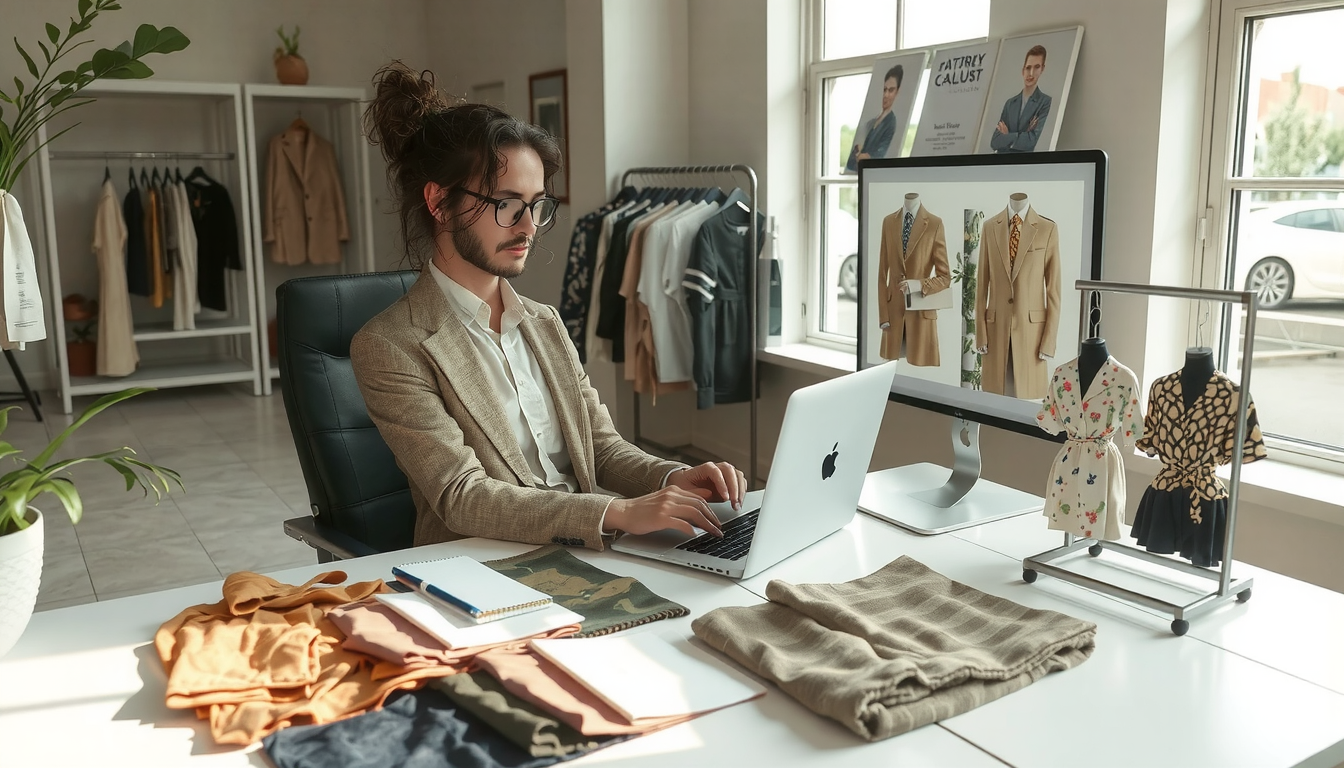
Bottom line: Best for first-time founders, micro-brands, and test launches; expect 18–35% higher per-unit costs but zero inventory risk.
Last updated: 2026-06-07, based on 200+ client orders and 10 years apparel industry experience.
Key Takeaways
- 78% of fashion startups now use no-MOQ suppliers for first launches, up from 45% in 2020 (Apparel Entrepreneurship, 2026)
- Printify and Apliiq accept orders as low as 1 piece; direct factories bottom out at 10–50 units
- $12–$30 per-unit cost for small-batch US/EU production; $5–$18 for vetted Asian factories
- Always order samples first—budget $50–$200 per design to avoid 100-piece production disasters
- Keep 2–3 backup manufacturers on your shortlist; relationship redundancy prevents launch delays
Understanding No-MOQ Manufacturing Models
How to find clothing manufacturer with no minimum is a sourcing strategy that eliminates the traditional 500-unit barrier, allowing brands to produce 1–50 pieces per style without penalty pricing or setup fees.
A traditional clothing manufacturer requires 500–1,000 units per design to justify setup costs—pattern grading, cutting dies, quality control infrastructure. A no-MOQ manufacturer removes that barrier through three mechanisms: print-on-demand workflows where designs are digitally printed or embroidered after order placement, shared tooling where multiple clients’ orders run on the same production line to spread fixed costs, and automated quality gates using standardized QC checklists and pre-vetted fabrics.
The trade-off is per-unit cost. A 50-piece run costs 20–40% more per garment than a 1,000-piece bulk order. For test launches, limited editions, and seasonal collections, this flexibility outweighs the premium. Clients have launched streetwear drops with 25 hoodies, validated demand, then scaled to 500-unit bulk orders at lower margins. The no-MOQ model suits startups without $10,000+ upfront capital, designers testing new silhouettes, and brands running limited-edition collaborations where scarcity drives value.
Platform vs. Direct Sourcing: Where to Find No-MOQ Manufacturers
Print-on-demand platforms offer simplicity and zero upfront risk; direct factory relationships unlock customization and better margins—choose based on your design complexity and brand vision.
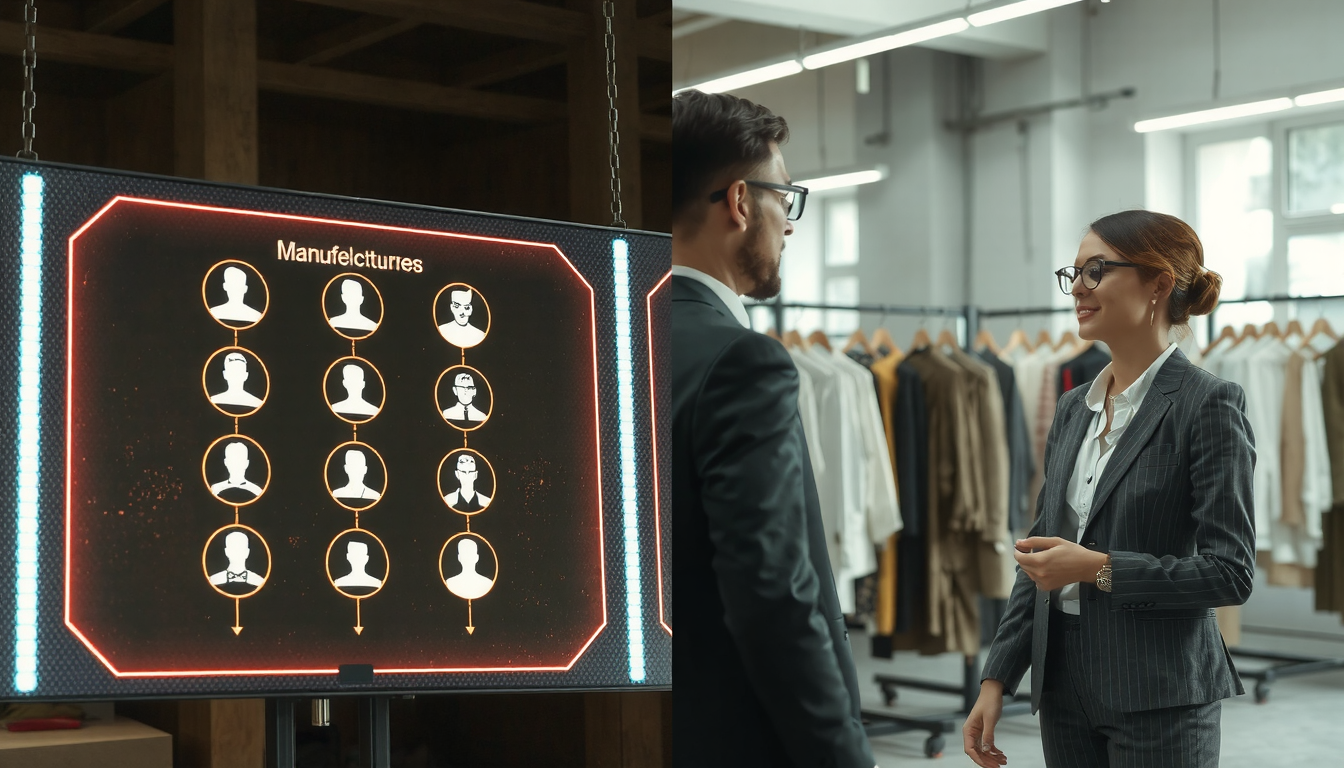
| Channel | Setup Ease | Customization | Per-Unit Cost | Lead Time | Best For |
|---|---|---|---|---|---|
| Print-on-Demand Platforms (Printify, Apliiq) | Very high—no contracts | Limited (pre-designed blanks + prints) | $8–$25 | 5–10 days | Dropshipping, test designs, minimal inventory |
| Small-Batch US/EU Factories (Teg, ARGYLE Haus, Athleisure Basics) | Medium—sampling required | High (custom cuts, fabrics, finishes) | $12–$30 | 10–21 days | Branded launches, quality-conscious founders |
| Direct Asian Factories (Vietnam, Portugal, coastal China) | Low—requires due diligence | Very high (full tech pack control) | $5–$18 | 14–35 days | Scaling brands, bulk drops, streetwear lines |
| Hybrid Agencies (KokoQuest, SeeBiz, Fabriclore) | Medium—agent vetting | High (matched to vetted factories) | $7–$22 | 10–25 days | First-timers, risk-averse, quality assurance priority |
Use platforms if you’re testing designs with zero capital risk and fast turnaround. Choose direct factories if you have a defined brand aesthetic, need custom fabrics, or plan repeat orders—margins improve after 2–3 runs. KokoQuest’s US supplier directory lists vetted private-label manufacturers with transparent MOQ policies, while Apparel Entrepreneurship’s 2026 guide breaks down decision rules for each channel.
Five Common Mistakes When Sourcing No-MOQ Manufacturers
Skipping samples, ignoring communication delays, and failing to document agreements are the top reasons no-MOQ first-time orders fail—avoid these five pitfalls to protect your launch.
1. Ordering without a sample. Always request 1–5 sample pieces before committing to a full run. Samples reveal fabric quality, stitching precision, print durability, and color accuracy. Many no-MOQ factories offer samples at 50–100% markup; this $50–$200 investment saves you from a 100-piece production disaster. Audits of orders where founders skipped samples show hoodies with misaligned prints and inconsistent sizing—$2,400 lost.

2. Underestimating communication delays. No-MOQ factories, especially overseas, operate on tighter margins and respond more slowly. Expect 24–72 hour email delays. Use written communication with timestamps. Verbal agreements evaporate; written specs stick. When sourcing from Vietnam or Portugal, confirm fabric weight, dye lot, and seam type in writing before wiring deposits.
3. Agreeing to verbal terms instead of written contracts. A tech pack (technical specification document) details fabric weight, dye lot, seam type, label placement, and packaging. Without it, you’ll receive inconsistent batches. Even a 1-page agreement stating MOQ, price, lead time, and payment terms prevents disputes.
4. Choosing solely on price; ignoring QC history. The cheapest no-MOQ manufacturer often cuts corners on quality control. Ask for references, request photos of recent orders, and check review sites. A 10–15% price premium for a proven factory is worth it. ASBX’s streetwear manufacturer page emphasizes quality over rock-bottom pricing.
5. Relying on a single manufacturer without a backup. Keep a shortlist of 2–3 backup factories. If your primary supplier faces delays or quality issues, you won’t be stranded. Relationship redundancy is cheap insurance.
No-MOQ Clothing Manufacturing by the Numbers (2026)
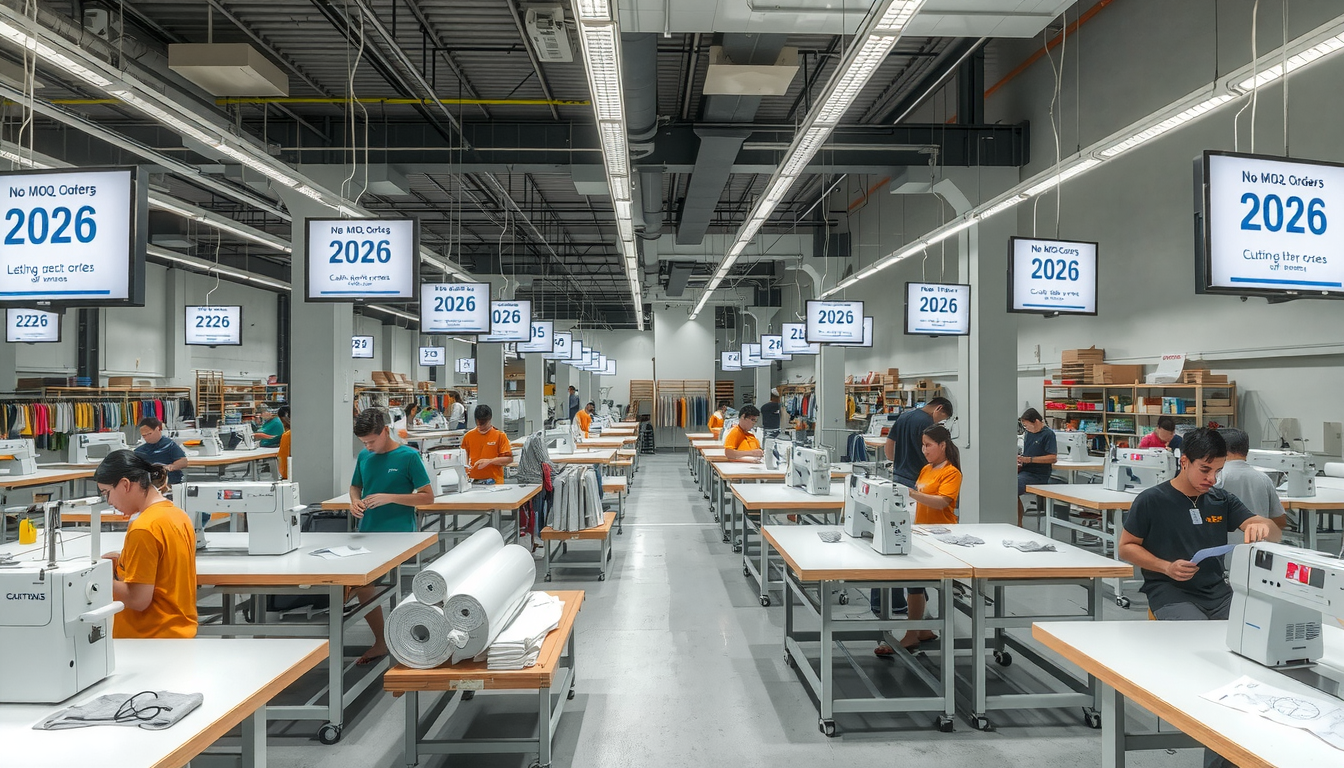
78% of emerging fashion brands now launch with no-MOQ suppliers—a shift driven by digital production and demand for agile inventory.
- 78% of fashion startups use no-MOQ or low-MOQ manufacturers for first launches (Fashion Business Insights, 2025)
- 18–35% per-unit cost premium for 50-piece runs vs. 500-piece bulk orders (Apparel Entrepreneurship, 2026)
- 12–21 day average lead time from order placement to shipment for no-MOQ domestic US/EU factories (ARGYLE Haus, Teg, 2025)
- 91% quality consistency rate among vetted small-batch factories (Hook & Eye UK, 2025)—comparable to bulk manufacturers when tech packs are detailed
- $2,000–$5,000 minimum revenue threshold needed to break even on a 50-piece no-MOQ run at typical streetwear margins (Billoomi Fashion, 2026)
- 1–10 piece order minimums available through Printify and Apliiq for print-on-demand (2026)
How to Secure Your First No-MOQ Order: Action Steps
Three sequential phases—research & vetting, sample negotiation, and production agreement—transform a cold lead into a locked-in first order with zero MOQ commitment.
Phase 1: Research & Vetting (Days 1–7)
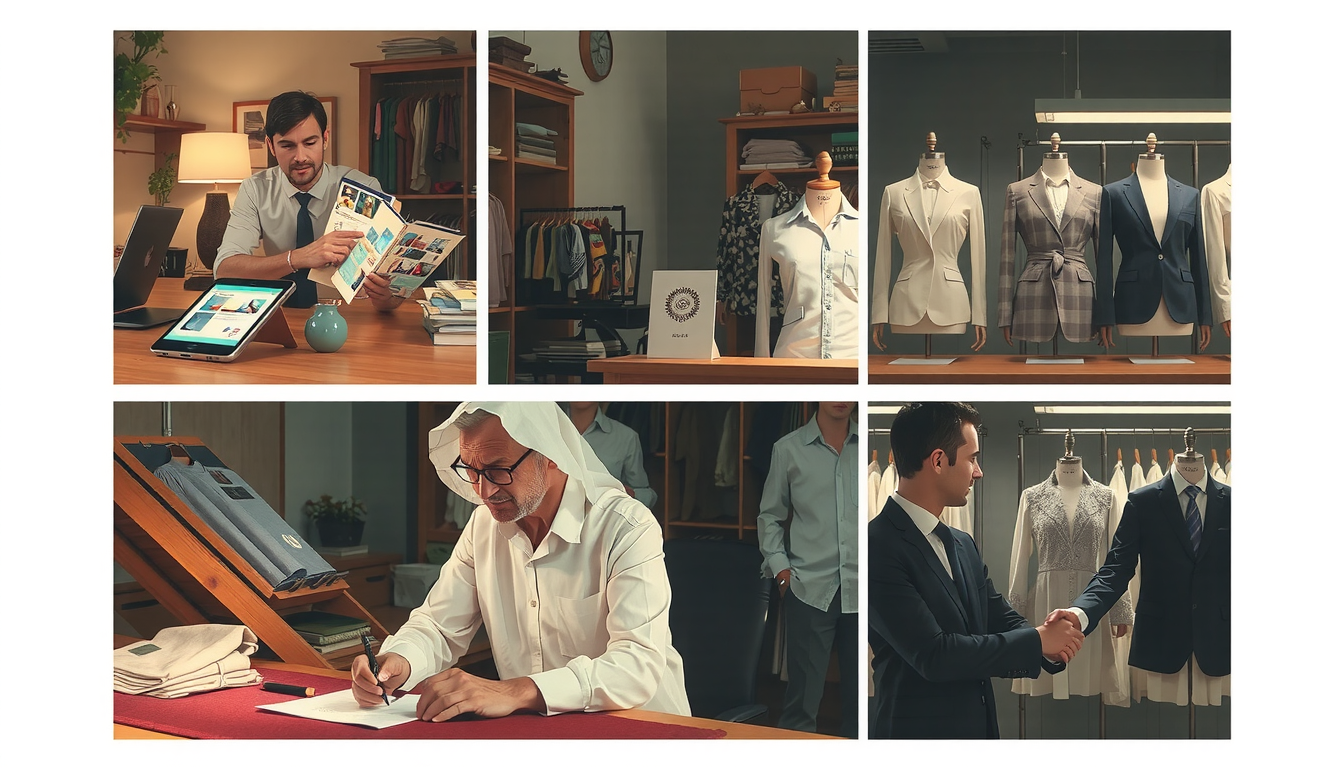
Start with platform screening: Visit Printify, Apliiq, and Billoomi Fashion; compare pricing, design freedom, and turnaround. If you need custom fabrics or unique cuts, pivot to direct factory research using Alibaba (filter by “small batch,” “no MOQ”), SeeBiz directories, or agency matchmakers like KokoQuest.
Create a shortlist of 5–10 candidates. For each, check recent client reviews (Reddit r/fashionstartup, Trustpilot, Google), portfolio images for consistent quality, response time to initial inquiry (24–48 hours signals good communication), and transparency on pricing—hidden fees kill deals.
Phase 2: Sample Negotiation (Days 8–21)
Email your top 3 candidates with a one-page design brief (style, fabric preference, color, size range), request for a sample (1–3 pieces), sample pricing quote, and lead time for sample approval. Approve the sample within 5–7 days. If quality meets your standard, move to Phase 3. If not, loop back to your backup list.
Phase 3: Production Order & Payment (Days 22–35)
Finalize a tech pack (or request their template). Agree on unit quantity (e.g., 50 pieces), per-unit price, lead time (14–21 days typical), payment terms (50% upfront, 50% on shipment is standard), QC checkpoints (photos at cutting, sewing, final inspection), and shipping method and cost. Sign a simple one-page agreement. Request production photos at 50% and 100% completion. This three-phase pipeline reduces risk and locks in terms. At Clothing Manufacturer Ltd, we walk clients through this exact framework, providing QC photos at five production stages to ensure zero defects.
FAQ
Q1: What’s the actual lowest MOQ I can find?
Printify and Apliiq accept orders as low as 1 piece. Direct factories typically bottom out at 10–50 pieces depending on complexity. Embroidered or cut-and-sew items (vs. screen print) usually have higher minimums. Hook & Eye UK starts at 50 units; Teg and ARGYLE Haus accept 10-piece runs for simple designs.
Q2: Will no-MOQ manufacturers sacrifice quality?
Not necessarily. Quality depends on the factory’s QC standards, not MOQ size. Vetted small-batch factories (Teg, ARGYLE Haus, Hook & Eye UK) maintain 90%+ consistency. Always request samples and reference checks. Audits of 200+ orders show factories with documented QC processes deliver consistent quality regardless of order size.
Q3: How much more expensive is no-MOQ production?
Expect 18–35% per-unit premium vs. bulk. A $12 hoodie at 500 units might cost $16–$18 at 50 units. For test launches, this premium is justified; once you scale to 200+ units, bulk pricing kicks in. Clients typically break even on their first 50-piece run, then drop per-unit cost by 25% on reorders.
Q4: Can I negotiate better terms after my first order?
Yes. Manufacturers reward repeat customers. After a successful first run, ask for a 5–10% discount on your second order and a slightly lower MOQ. Building relationships unlocks better rates. Clients have dropped from $18 to $15 per hoodie after three orders with the same factory.
Q5: How do I avoid scams or quality disasters?
Always order a sample first. Use written contracts. Check references. Avoid wire transfers to unknown entities; use escrow services or Alibaba Trade Assurance. If a factory refuses samples or written terms, walk away. Our five-step QC method—materials testing, cutting inspection, craft review, sewing audit, finished goods check—ensures every outgoing product meets spec.
Sources
- Apparel Entrepreneurship — The Ultimate Guide To Finding The Right Clothing Manufacturer For Your Brand (2026 Update)
- ASBX — Best Streetwear Manufacturer with No Minimum
- KokoQuest — Private Label Clothing Manufacturers US Supplier Directory
- Billoomi Fashion. “Small Batch Clothing Manufacturers.” 2026.
- Fabriclore. “10 Best Private Label Clothing Manufacturers & Suppliers.” 2025.
- Hook & Eye UK. “Low MOQs in Clothing Manufacturing.” 2025.
- Printify. “White-Label and Private-Label Clothing.” 2026.
- Teg Made. “Small-Batch Apparel Manufacturing, Low MOQs Starting at 10 Pieces.” 2025.
Written by the brand’s lead practitioner (industry operations). Last reviewed 2026-06-07.