
Denim Jacket Manufacturer for Streetwear Brands — 5-Step QC Guarantee
Partner with a trusted denim jacket manufacturer delivering premium craftsmanship, low MOQ, fast samples, and a zero-compromise quality guarantee to streetwear brands worldwide.
Featured Denim Jacket Collections
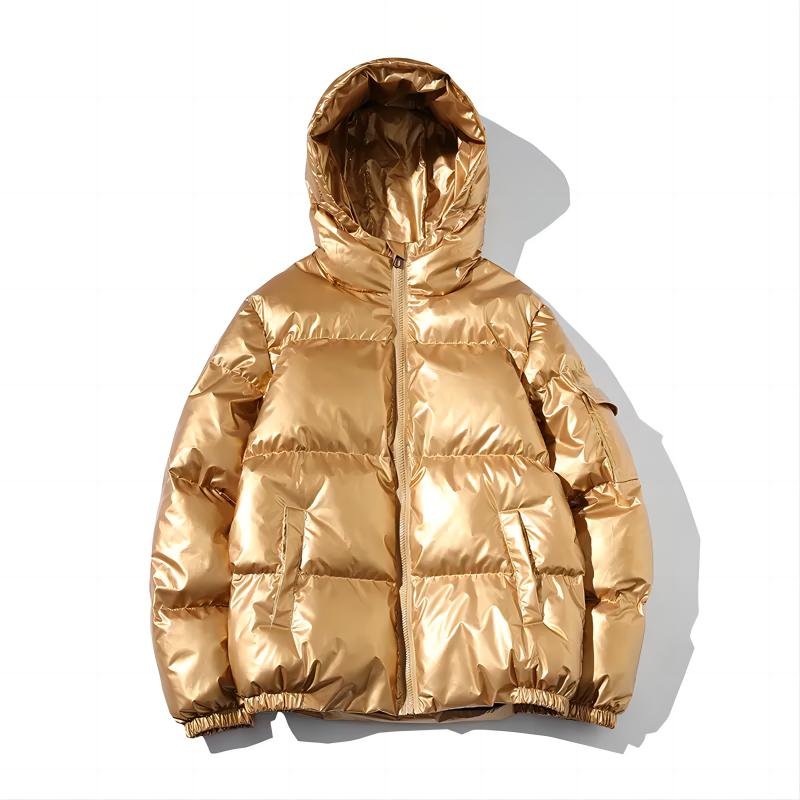
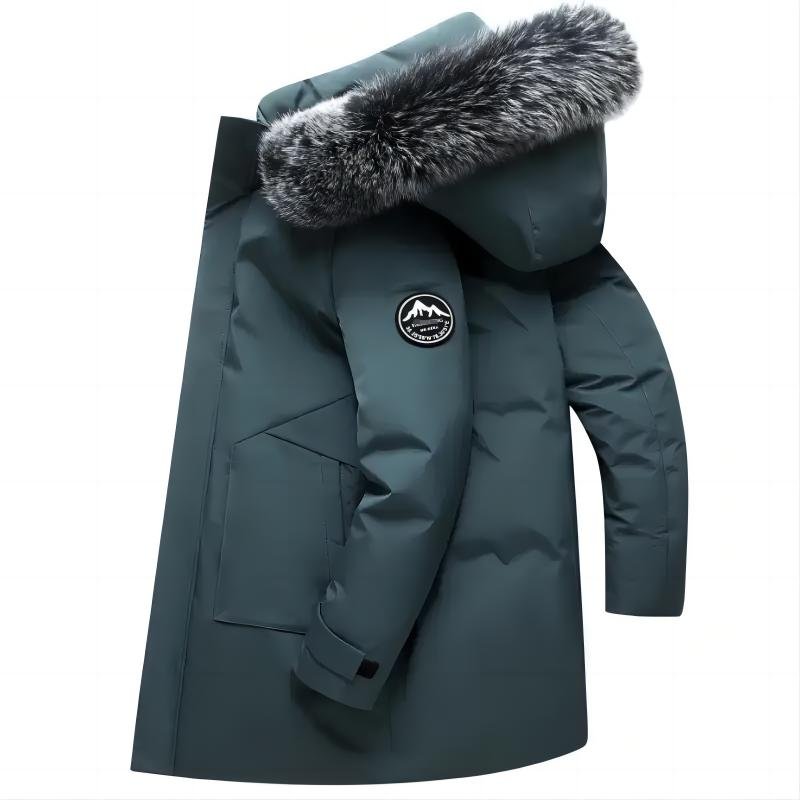
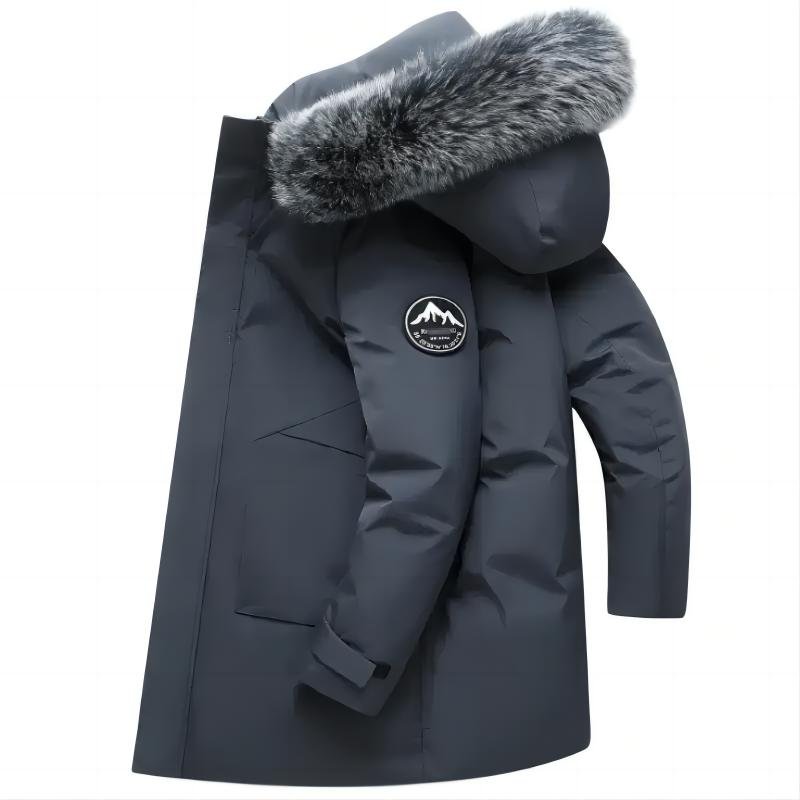
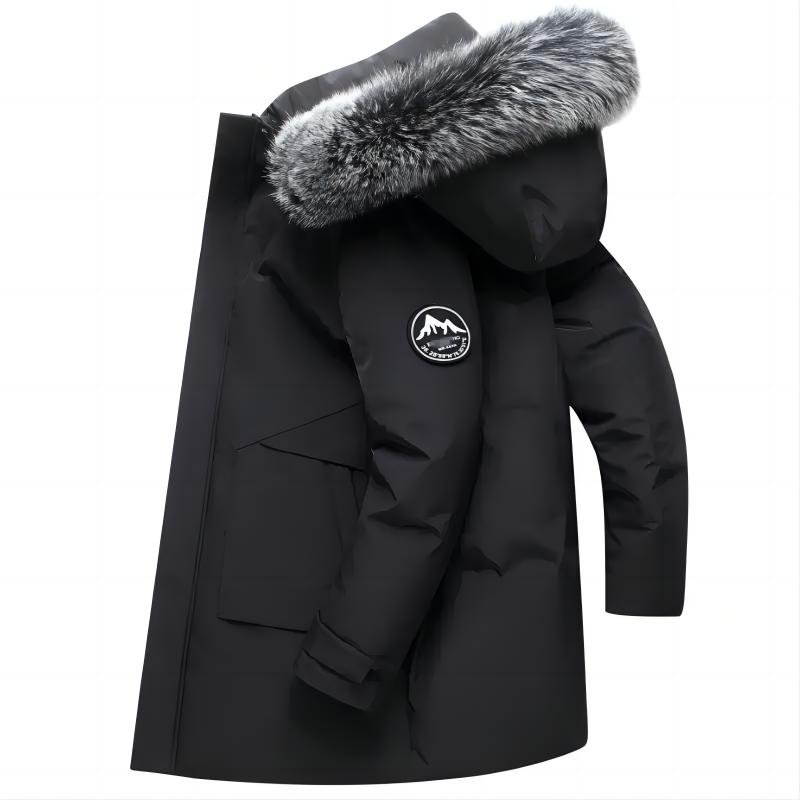
Why Brands Choose Our Denim Jacket Manufacturer
From low MOQs to a zero-compromise 5-step QC guarantee, here is everything a growing streetwear brand needs under one roof.
5-Step Quality Control Guarantee
Every denim jacket clears five rigorous QC checkpoints — materials, cutting, craft, sewing, and finished goods — before shipment.
Low MOQ for Emerging Brands
Launch your first denim line without overcommitting inventory. Our low minimums make premium manufacturing accessible for startups and indie designers.
Fast Turnaround Every Season
Tight seasonal windows demand speed. We deliver rapid sampling and streamlined production timelines so your collections hit the market on time.
In-House Design & Sampling Team
Our 15-member R&D team builds original patterns, tech packs, and pre-production samples perfectly matched to your streetwear brand vision.
Global Shipping & Logistics Support
We manage customs documentation and international freight end to end, delivering finished denim jackets reliably to clients in 100-plus countries.
Deep Streetwear & Influencer Expertise
From skeleton graphics to graffiti prints, we have helped influencer brands scale from zero to hundreds of thousands of global followers.
Every Denim Jacket Style, Built to Spec
From oversized streetwear silhouettes to sherpa-lined and fully custom builds, we manufacture the complete denim jacket range with zero-compromise quality at every production stage.
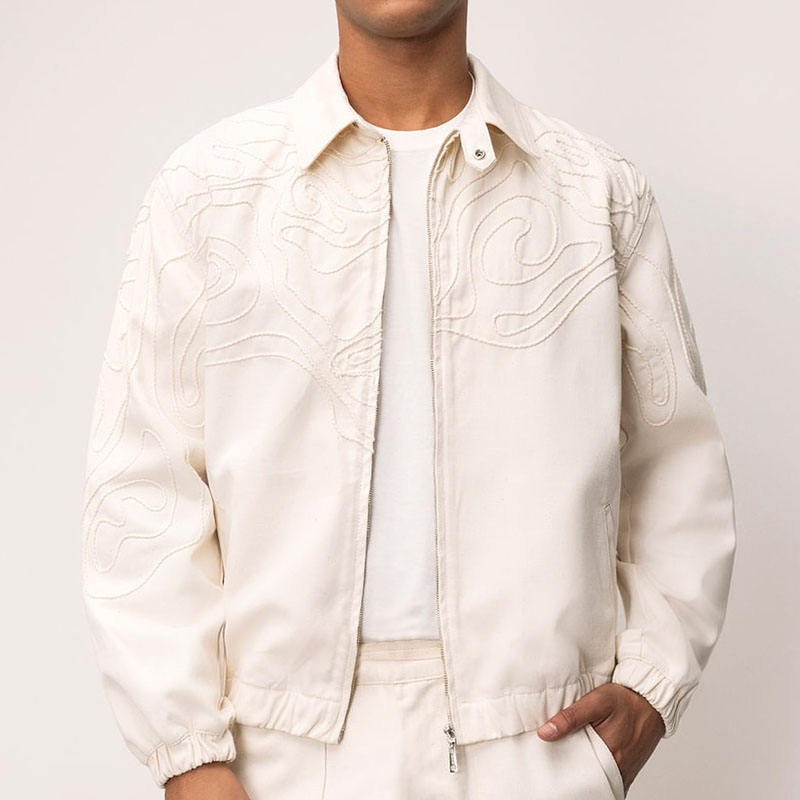
Oversized Denim Jacket Manufacturer
Oversized silhouettes require precise pattern grading to maintain intended proportions across every size. We produce mid-weight and heavyweight denim constructions with dropped shoulders, extended hems, and reinforced seams — specs calibrated for streetwear and influencer lines where fit accuracy at scale directly affects brand credibility.
Get a Quote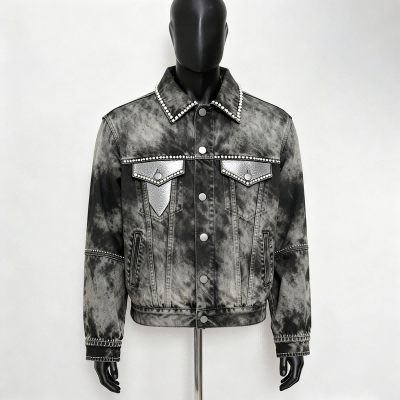
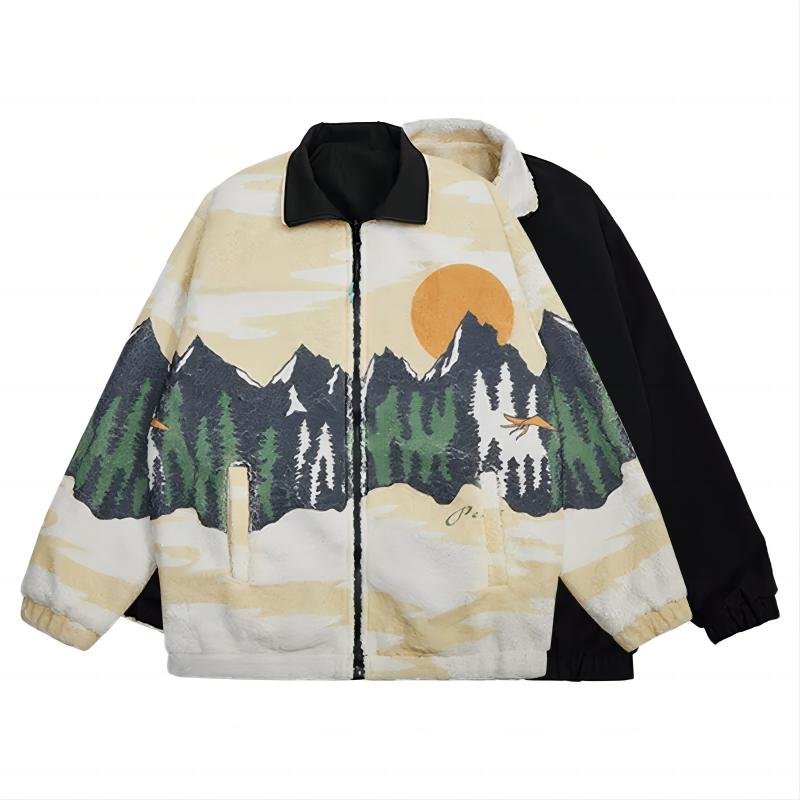
Sherpa Lined Denim Jacket Manufacturer
Sherpa-lined construction combines structured denim shells with bonded or sewn-in fleece linings built for cold-weather collections. We manage dual-fabric sourcing, panel alignment, and collar finishing in-house, with dedicated QC checks at the lining integration stage to prevent bunching, shrinkage mismatch, or surface irregularities in finished units.
Get a Quote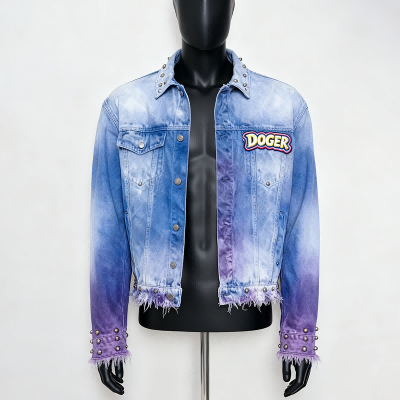
Washed Denim Jacket Manufacturer
Stone wash, acid wash, enzyme wash, and vintage rinse each require controlled processing to achieve consistent color depth and hand-feel across bulk runs. Our five-step QC protocol includes pre-wash fabric testing and post-wash inspection to prevent uneven tone, excessive fading, or fabric distortion between production units.
Get a Quote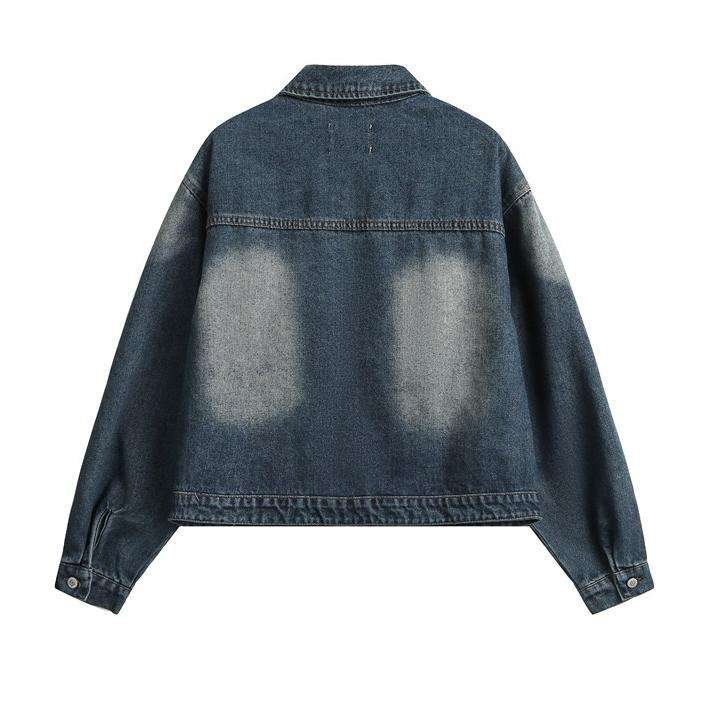
Cropped Denim Jacket Manufacturer
Cropped silhouettes demand tight hem and length tolerances to hit consistent measurements across full size runs. We produce boxy, fitted, and banded-hem crop constructions in both rigid and stretch denim, with dedicated sewing QC checkpoints targeting hem evenness, side-seam alignment, and cuff finishing for fashion-forward women’s and unisex collections.
Get a Quote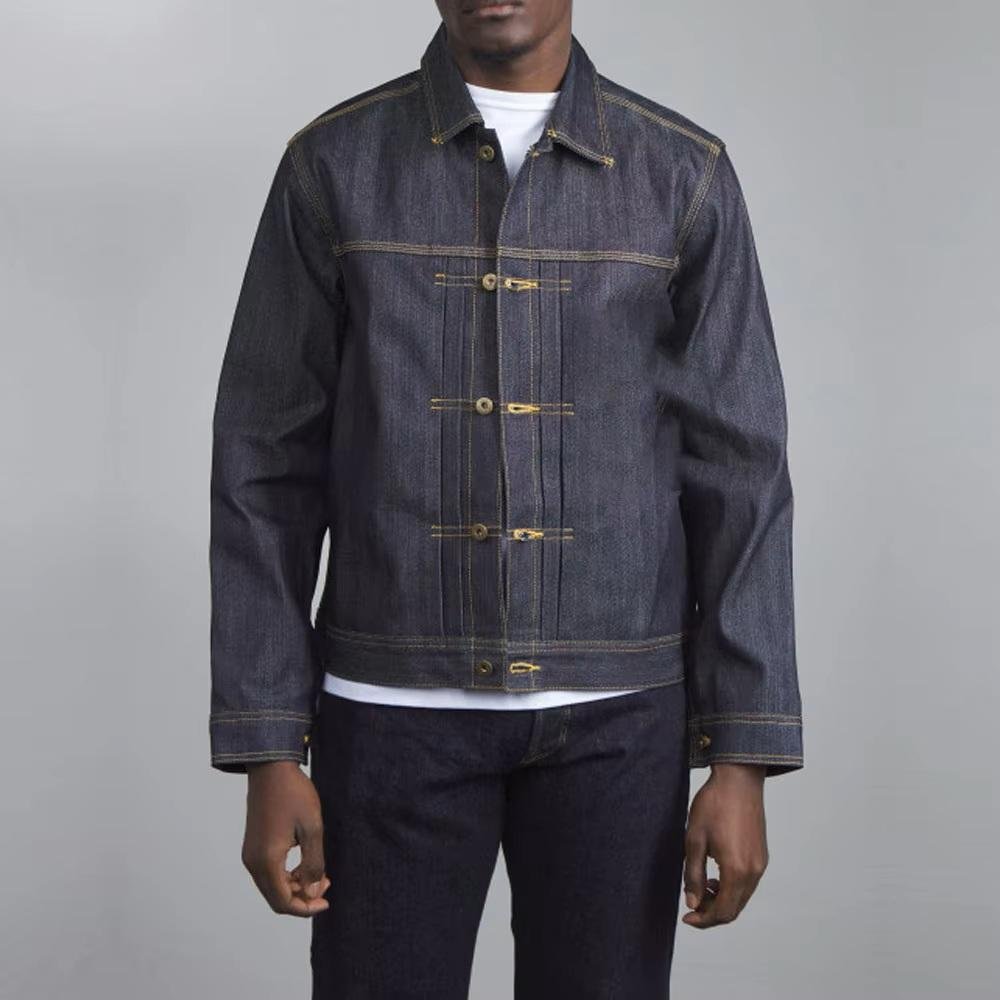
Distressed Denim Jacket Manufacturer
Distressing techniques — hand sanding, laser etching, mechanical abrasion, and chemical treatment — are applied at specified panel locations to deliver a controlled, repeatable aesthetic across production runs. We verify distress placement and intensity at the craftsmanship QC stage to ensure every unit matches the approved sample without structural compromise.
Get a Quote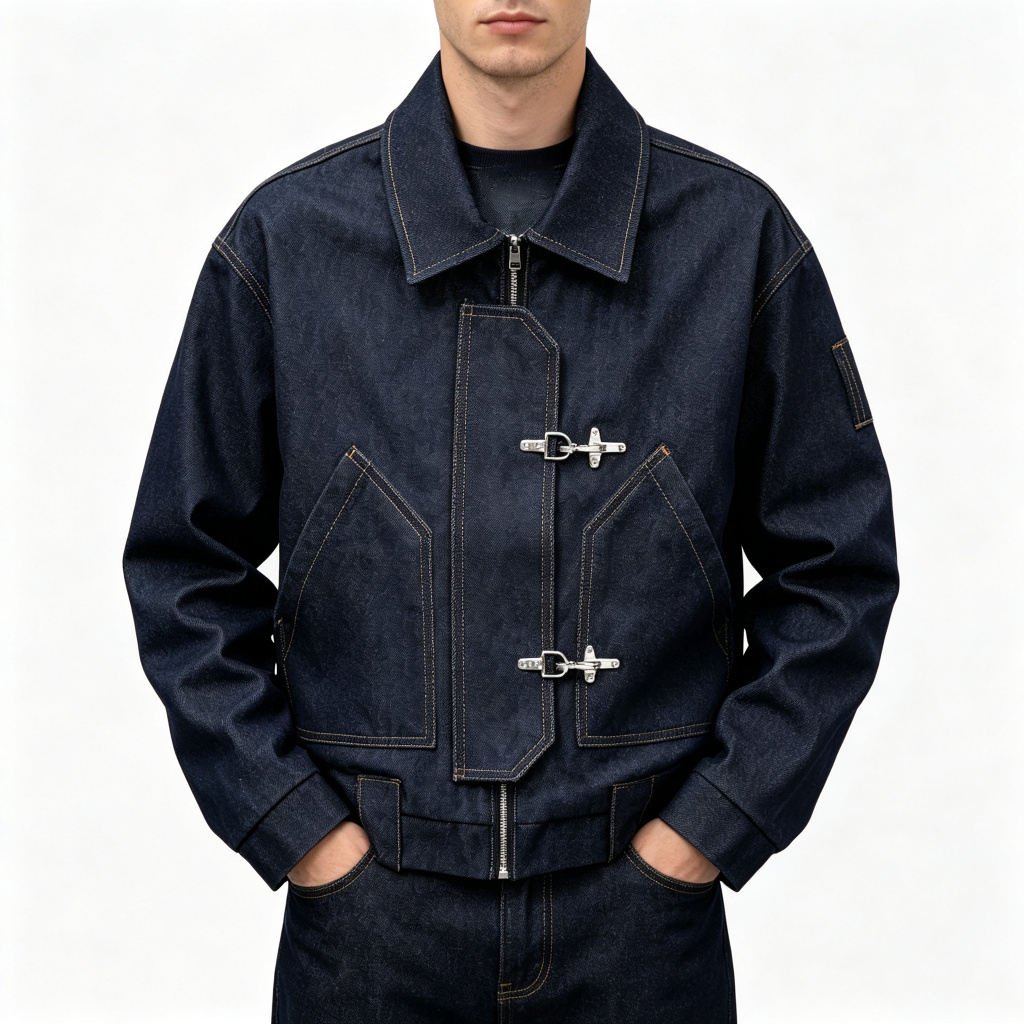
Custom Denim Jackets
Custom builds accommodate brand-specific requirements: proprietary washes, embroidery placement, patchwork, screen prints, heat transfers, custom labels, and hardware selection. Our in-house design and sampling team handles tech pack development and prototype sampling from scratch, with low MOQ options making custom denim production accessible for independent designers and emerging streetwear labels.
Get a Quote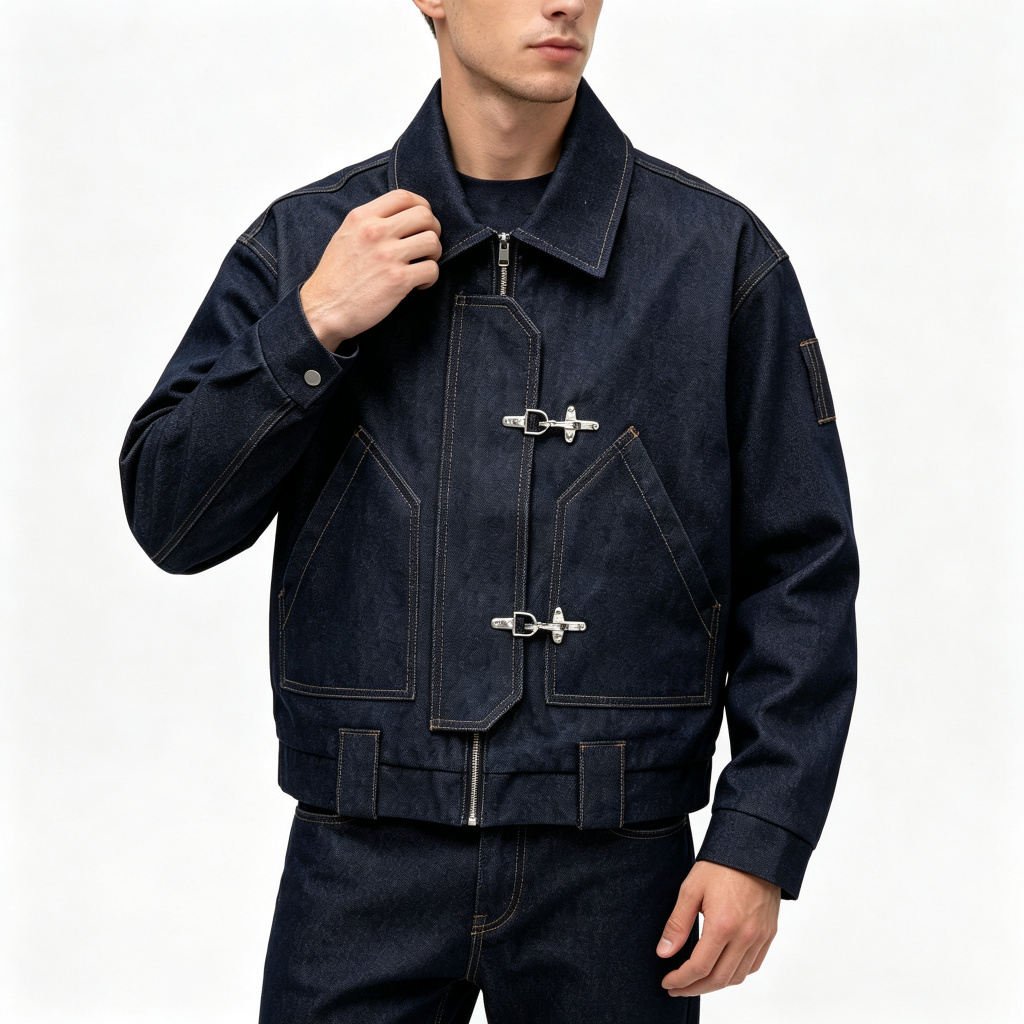
Wholesale Denim Jackets
Wholesale programs support global retailers and distributor networks requiring consistent quality across large-volume runs. We offer scalable production from low MOQ starter orders through high-volume seasonal replenishment, with standardized size grading, multi-colorway coordination, and global logistics and customs support to streamline fulfillment from factory floor to retail shelf.
Get a Quote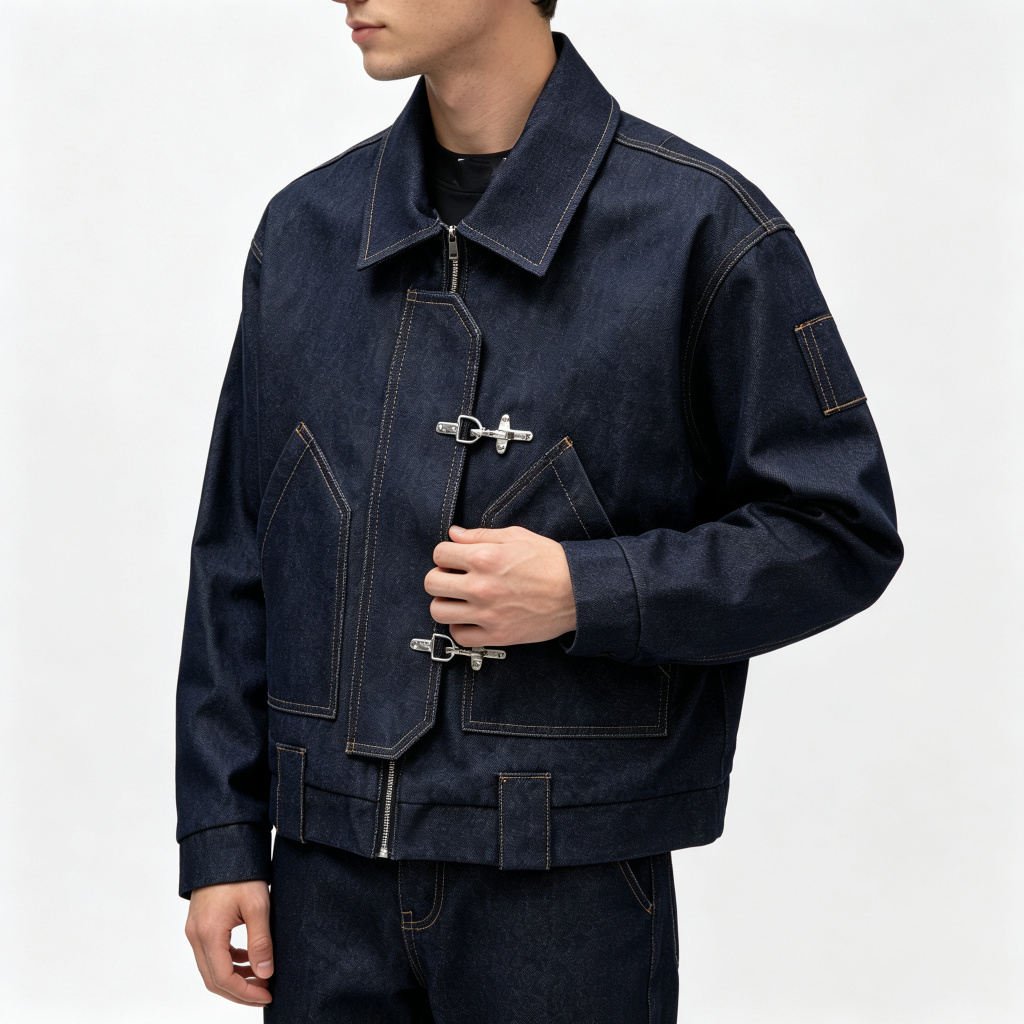
Mens Denim Jacket Manufacturer
Men’s denim jackets are produced across fit profiles — regular, relaxed, slim, and oversized — in fabric weights from 10 oz to 14 oz. Reinforced stress points, structured collars, and functional chest and side pockets are standard, with options for custom hardware, interior taping, branded inner labels, and care tag placement.
Get a Quote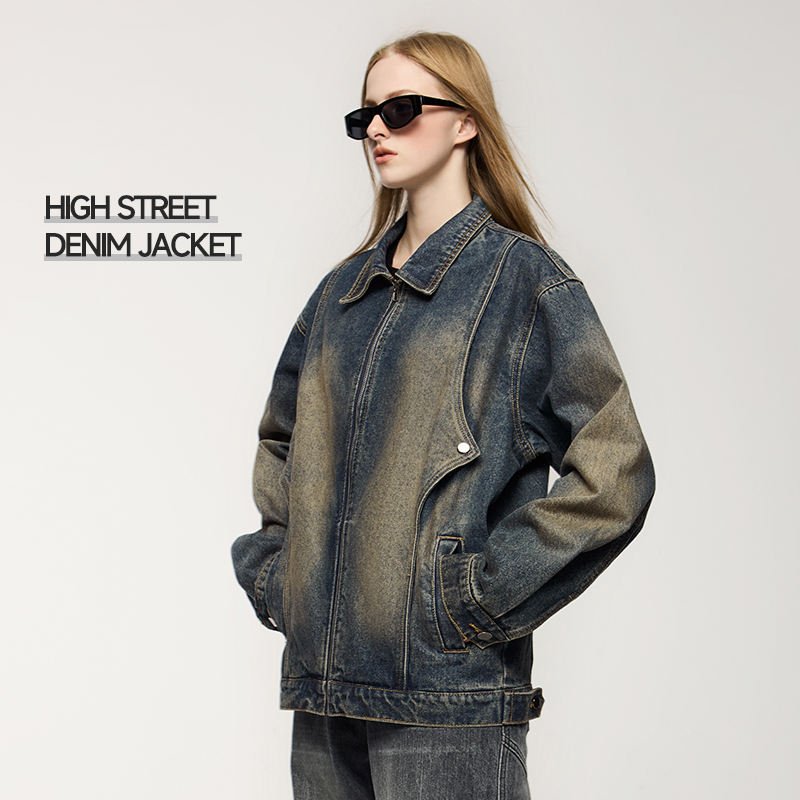
Womens Denim Jacket Manufacturer
Women’s styles span cropped, oversized, fitted, and longline silhouettes in rigid, stretch, and coated denim constructions. We produce across juniors, missy, and plus-size grading with close attention to princess seaming, dart placement, and sleeve shaping — construction details that determine fit accuracy and drive sell-through performance for fashion brands and buyers.
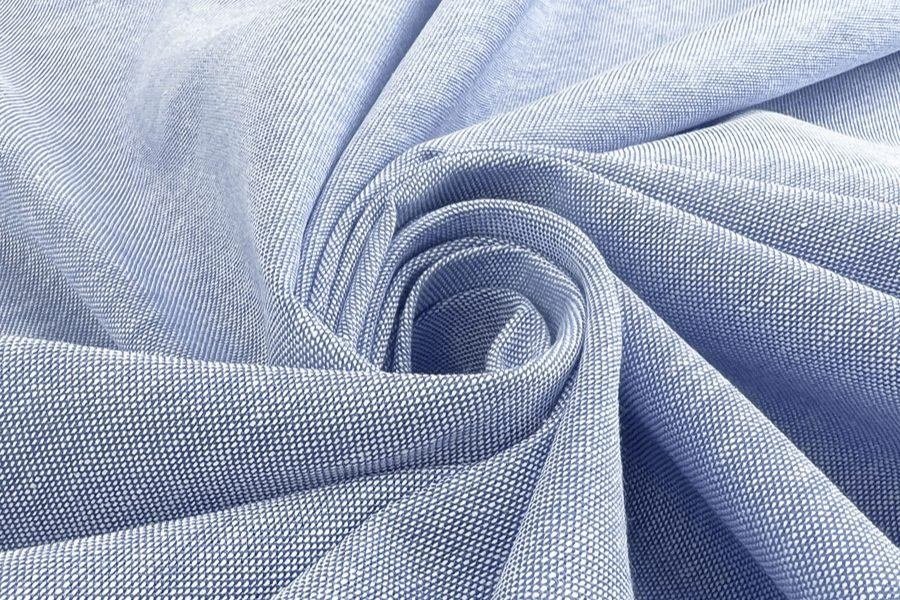
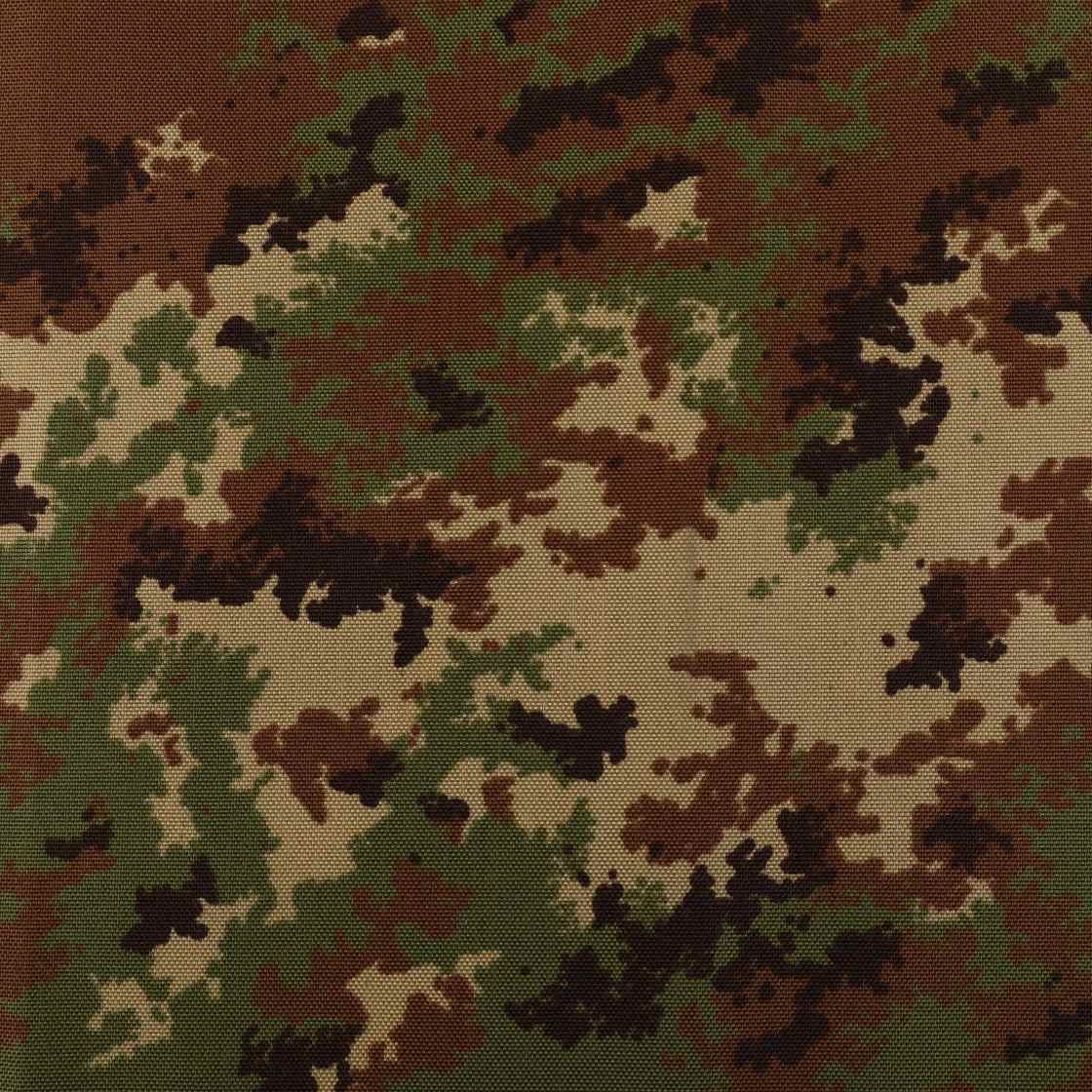
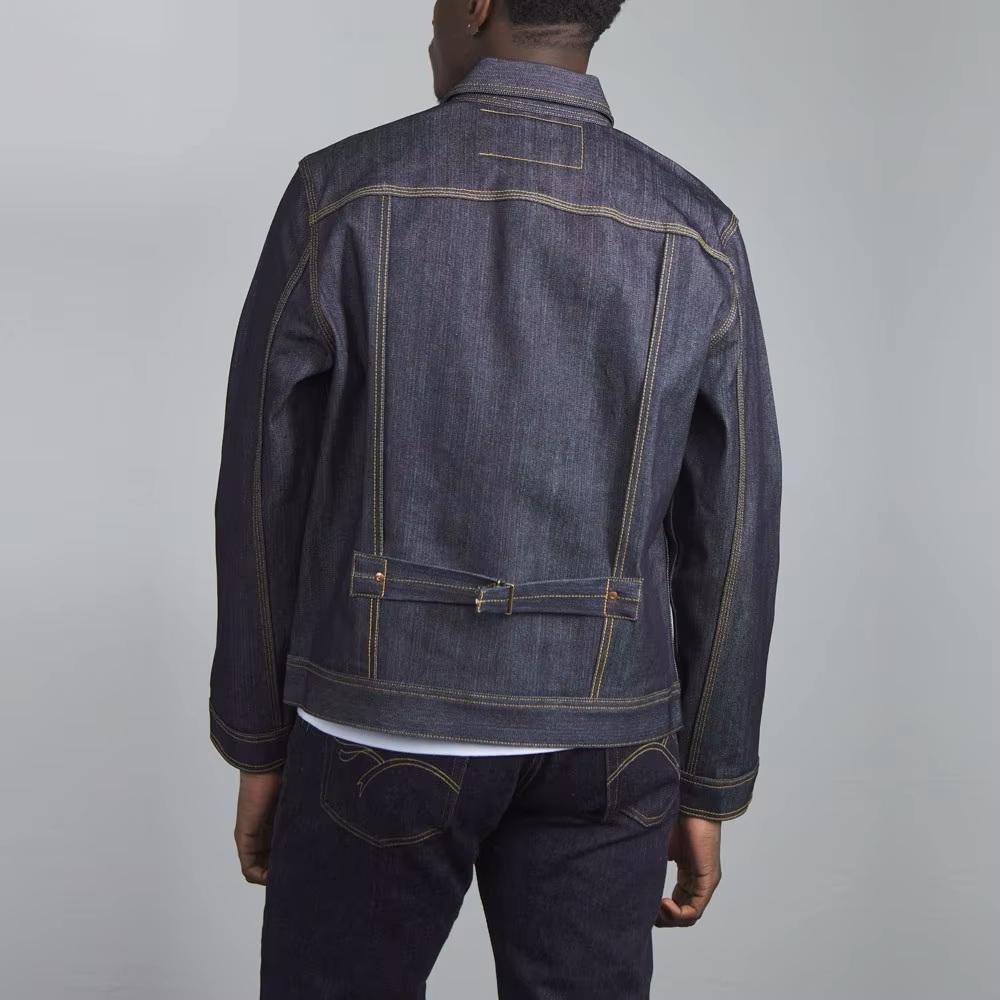
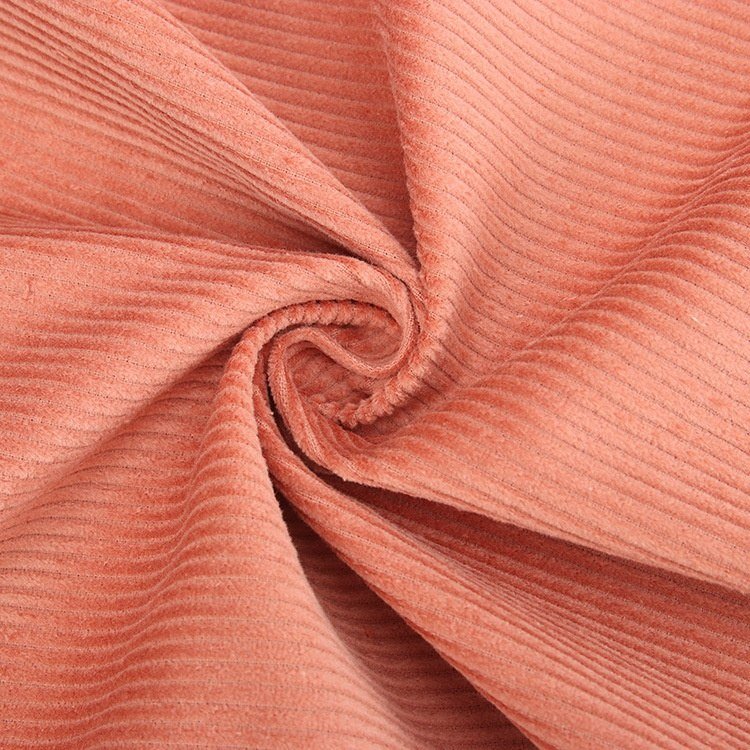
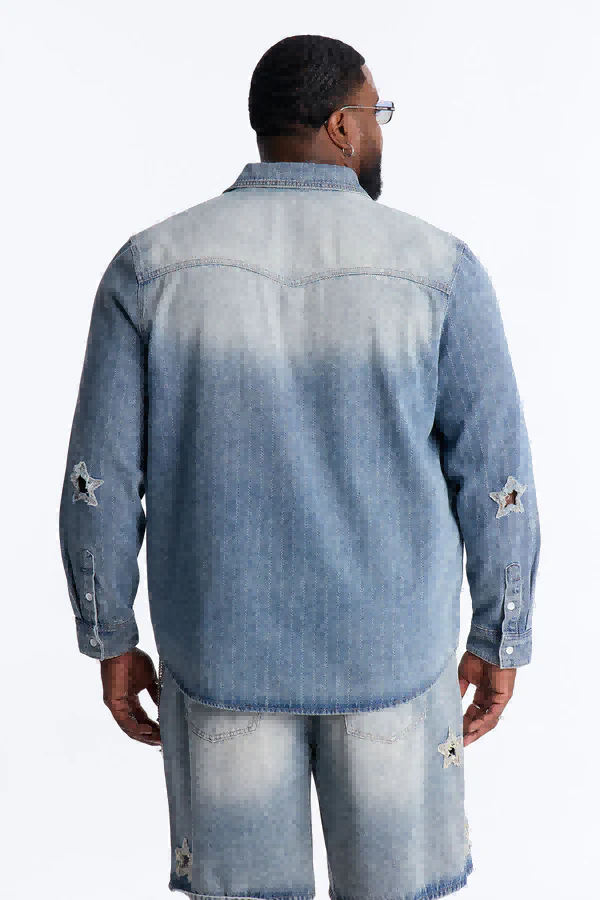
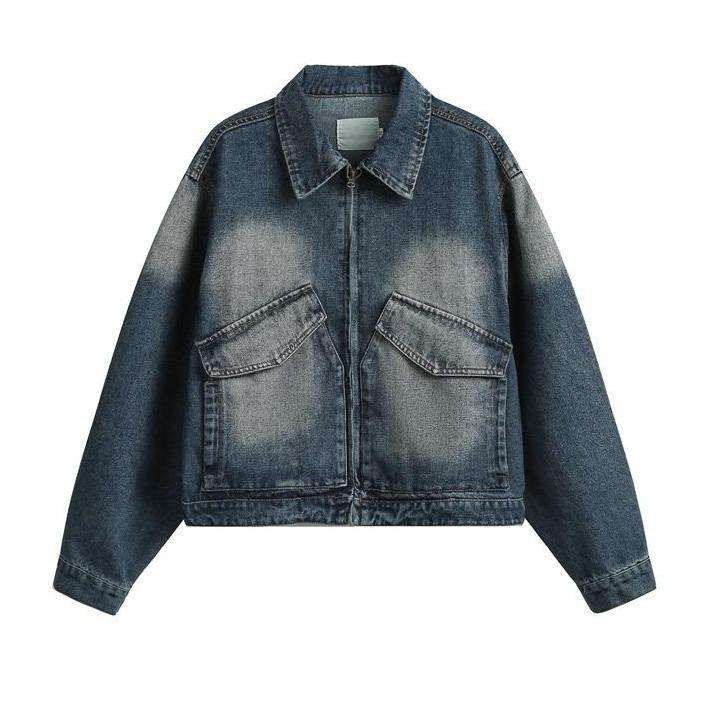
Get a QuotePremium Denim Fabrics From a Trusted Denim Jacket Manufacturer
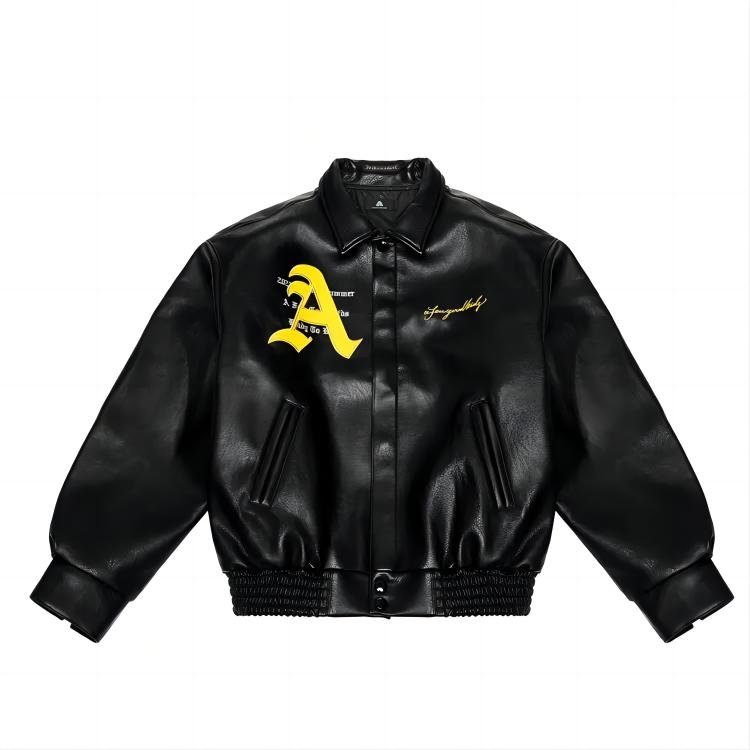
Craft Techniques From Your Denim Jacket Manufacturer
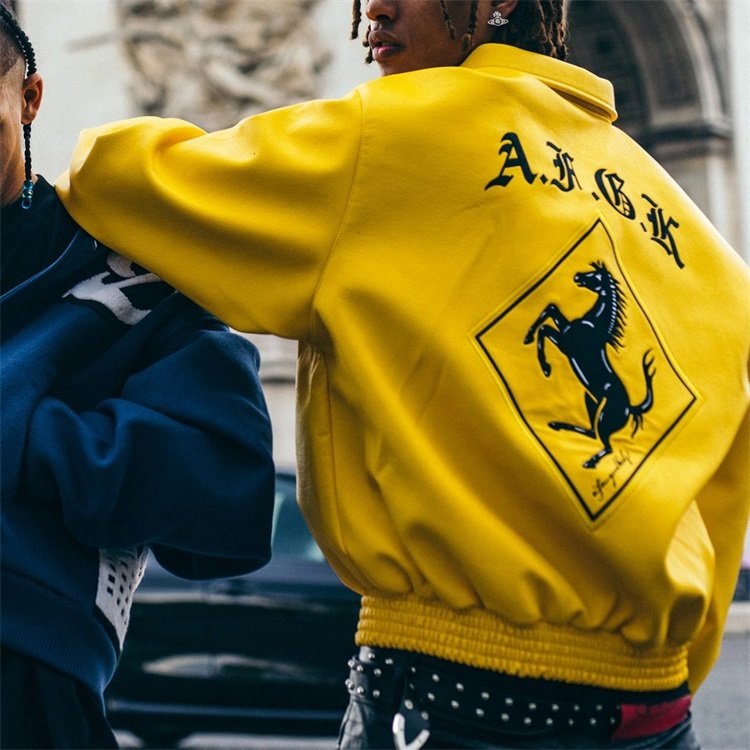
Distress and Destroy
Hand-sanding, laser distressing, and controlled ripping create authentic wear patterns and raw edges, producing the battle-worn character that defines premium streetwear denim jackets worldwide.
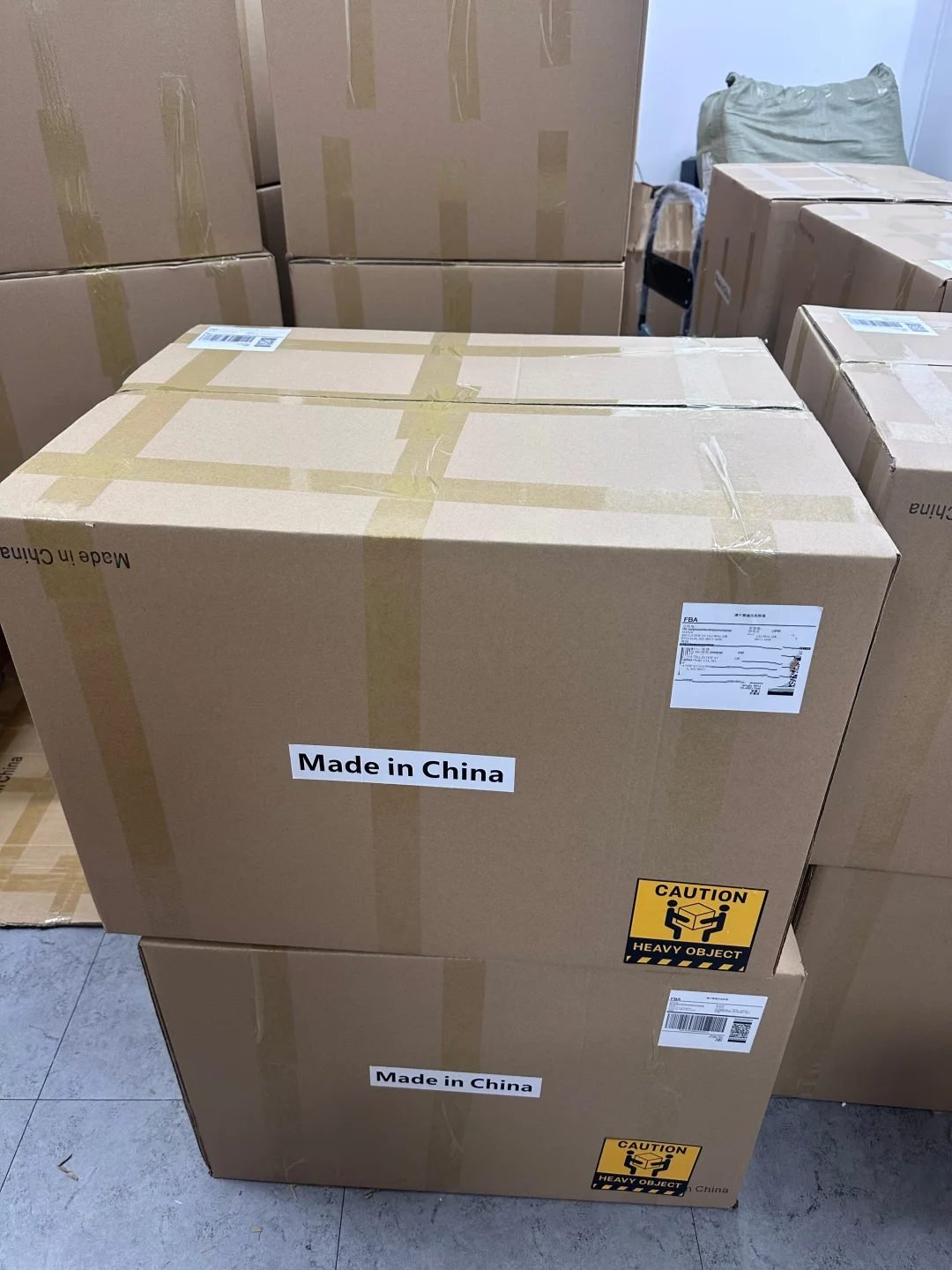
Embroidery Application
Multi-thread machines render intricate logos, motifs, and branded artwork in durable stitching that elevates your label’s identity and retains vivid, sharp detail through hundreds of washes.
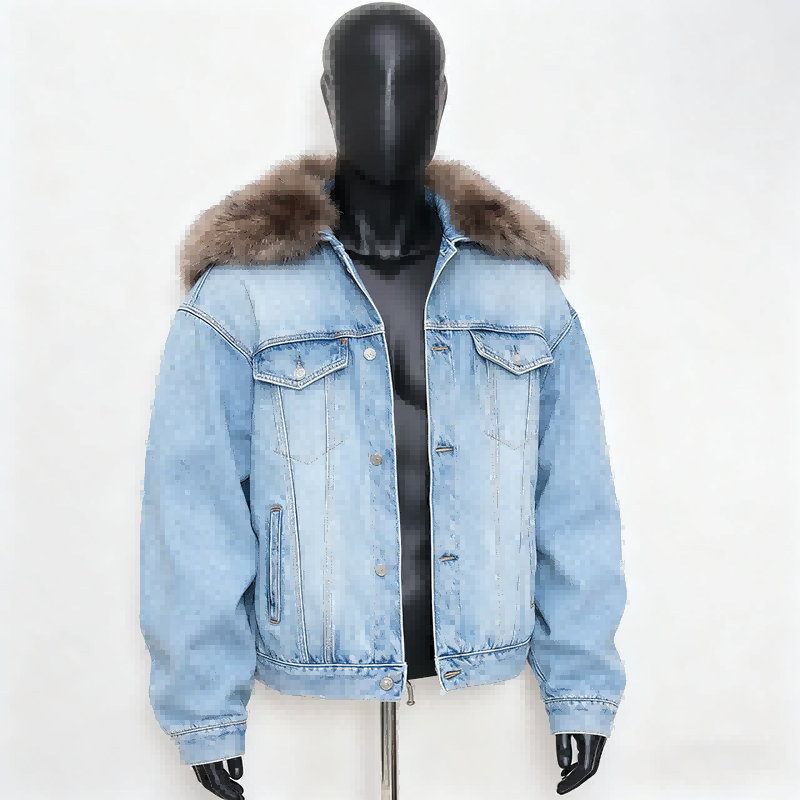
Screen Printing
Plastisol and water-based inks are pushed through precision screens to place bold graphics, oversized art, or fine-line detail directly onto denim panels for vibrant, lasting color.
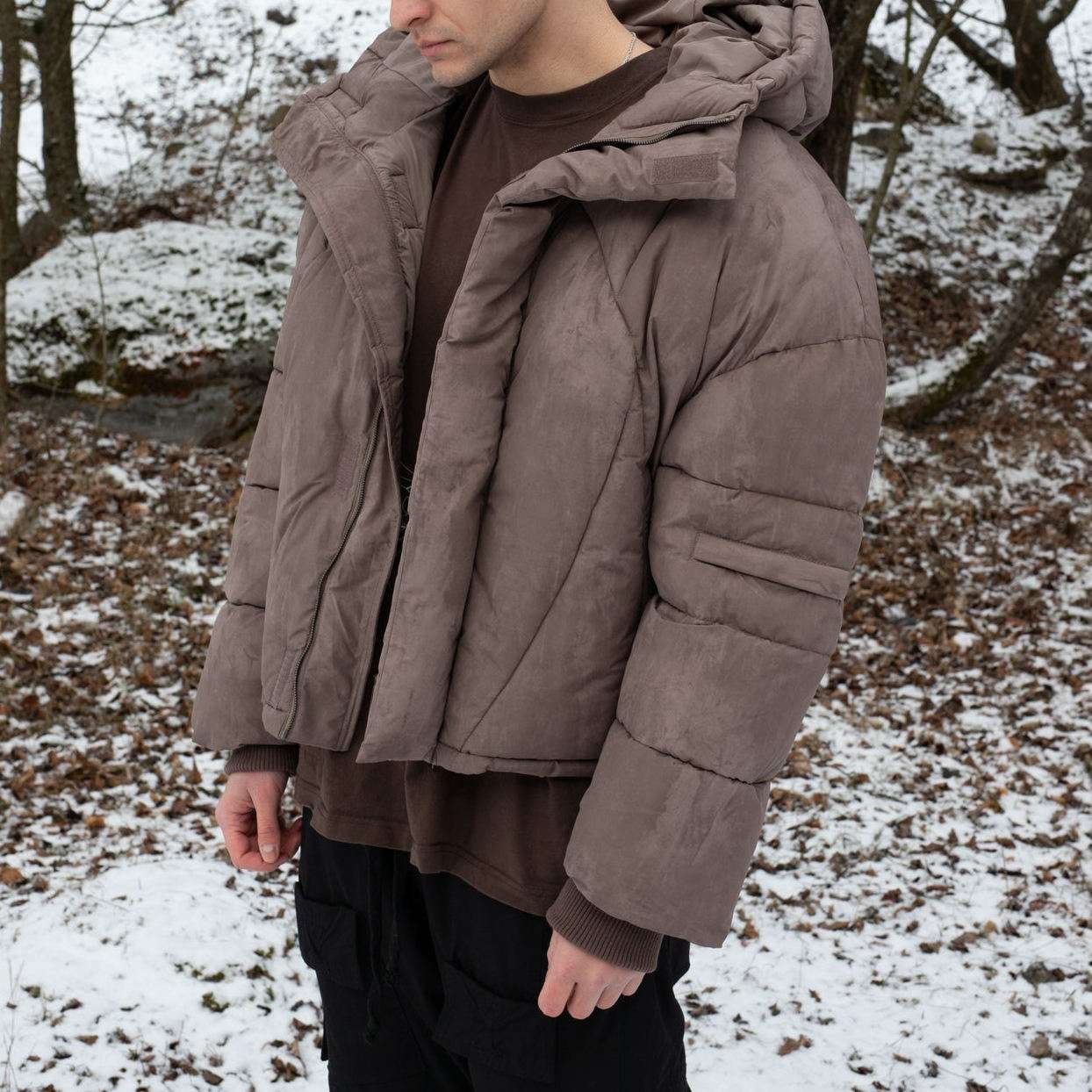
Sublimation Printing
High-heat dye sublimation infuses full-spectrum, photo-quality graphics directly into fabric fibers, delivering seamless all-over prints with absolutely zero cracking, peeling, or color fade over time.
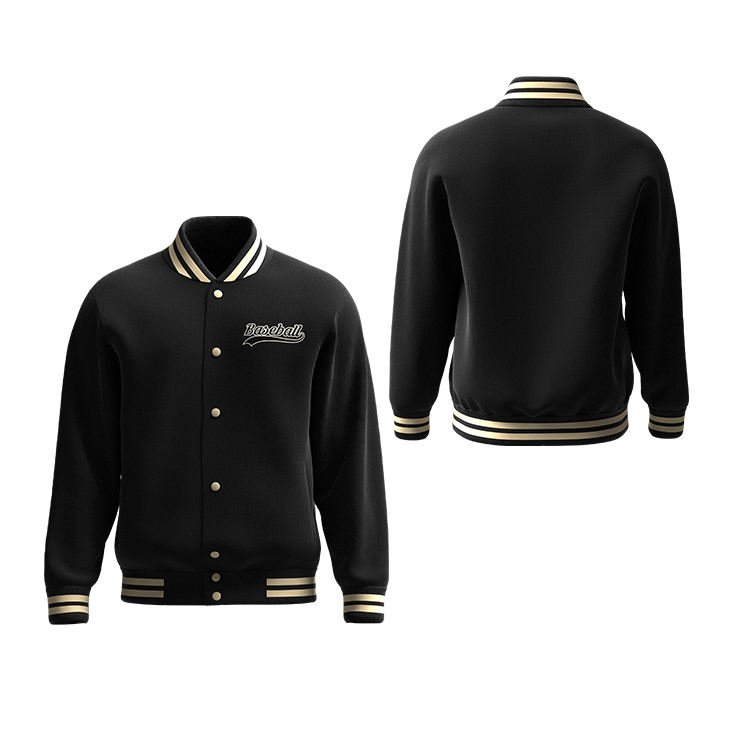
Patch and Heat Transfer
Woven, embroidered, and PVC patches are heat-pressed or sewn onto jackets for modular branding; heat transfers add flexible, high-definition graphic elements without added bulk or stiffness.
Custom Hardware & Embellishments for Every Denim Jacket
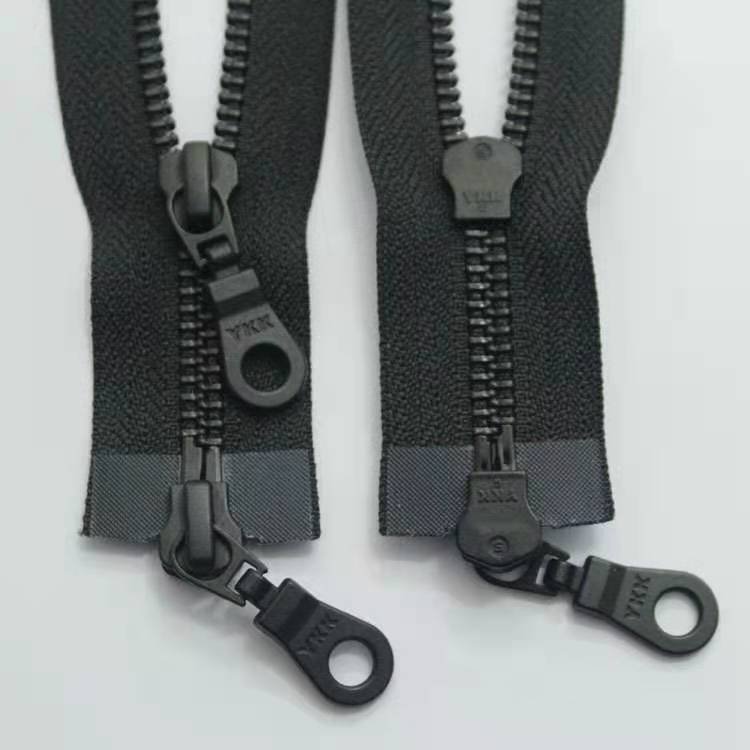
YKK Metal Zippers
Premium YKK zippers in brass, antique silver, or custom-finish options, sized for chest pockets, sleeve vents, and side entries. Guaranteed smooth operation and lasting brand recognition at every opening across your denim jacket line.
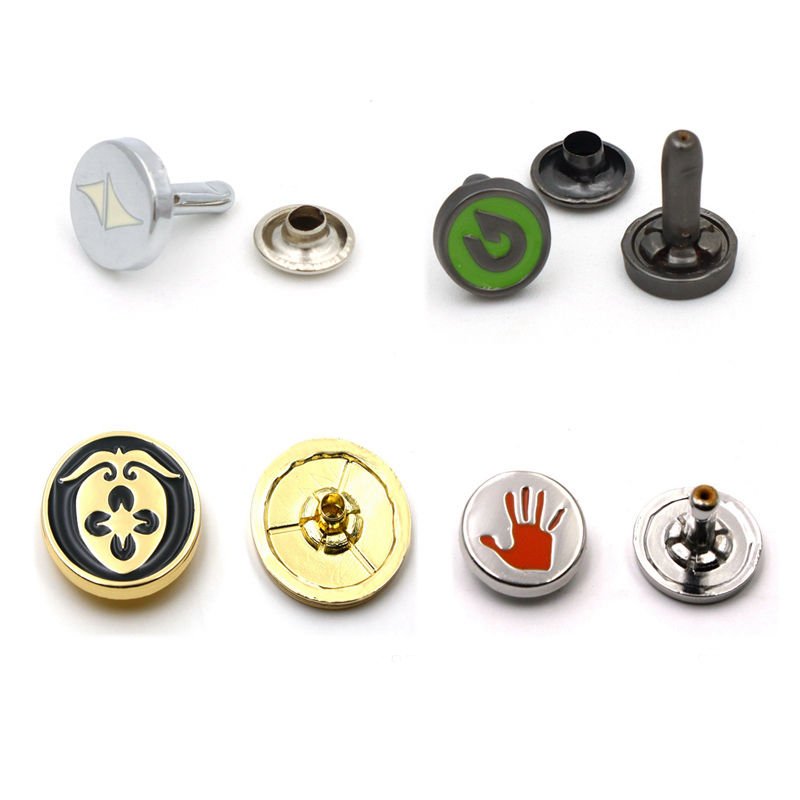
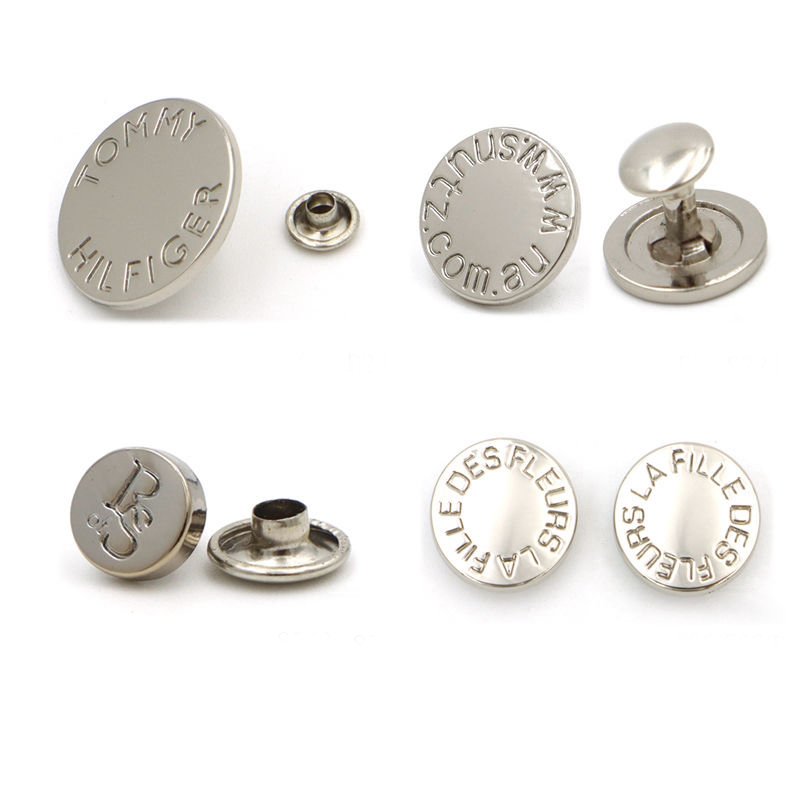
Custom Shank Buttons
Branded metal shank buttons engraved with your logo or custom motif, available in brushed gold, antique brass, or gunmetal. The signature hardware detail that signals craftsmanship and brand identity down the entire front placket.
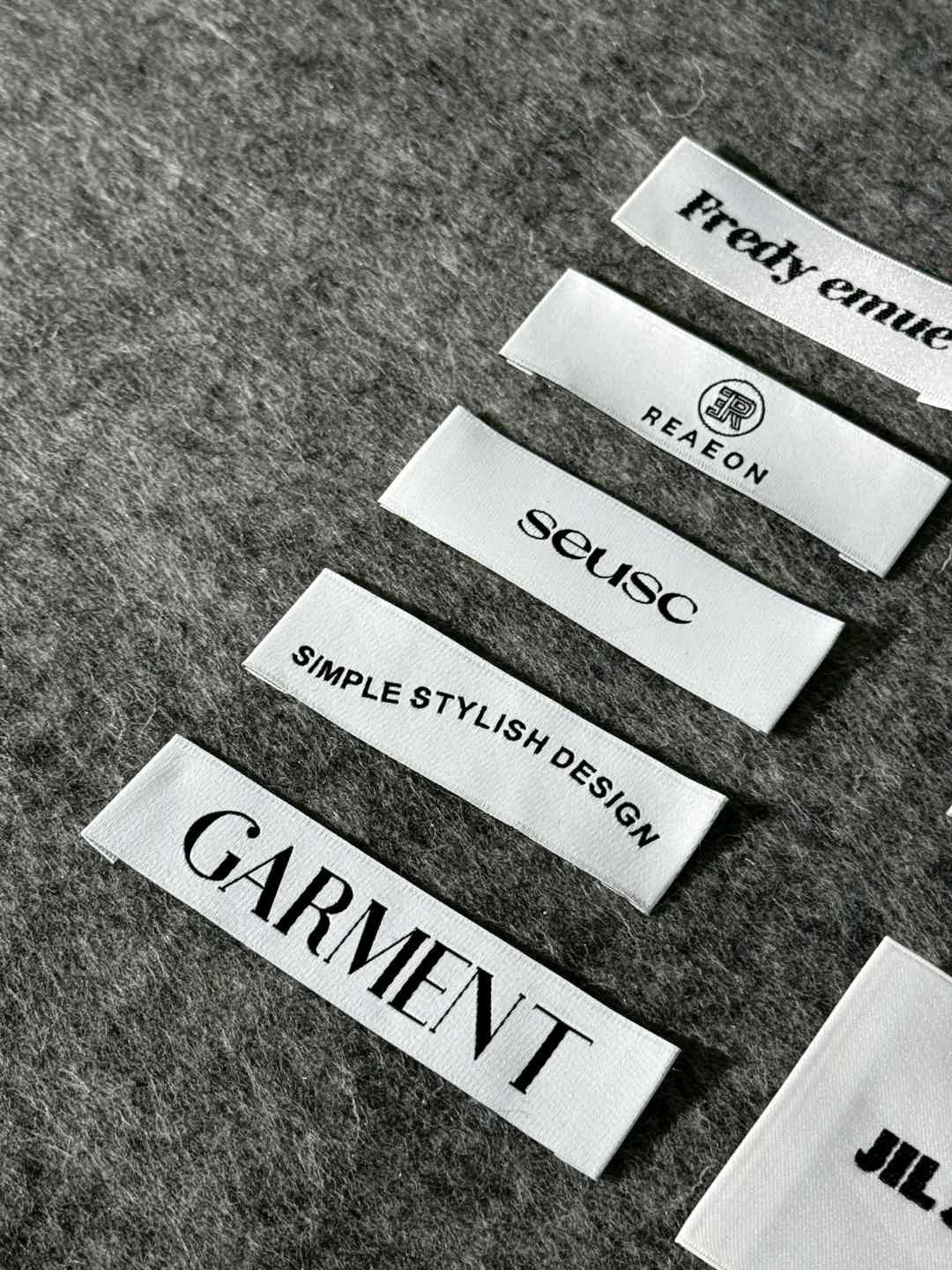
Woven Brand Labels
High-thread-count woven labels displaying your brand name, logo, and care instructions. Stitched at the collar, interior yoke seam, or hem for a retail-ready, professional finish that reinforces brand identity on every piece.
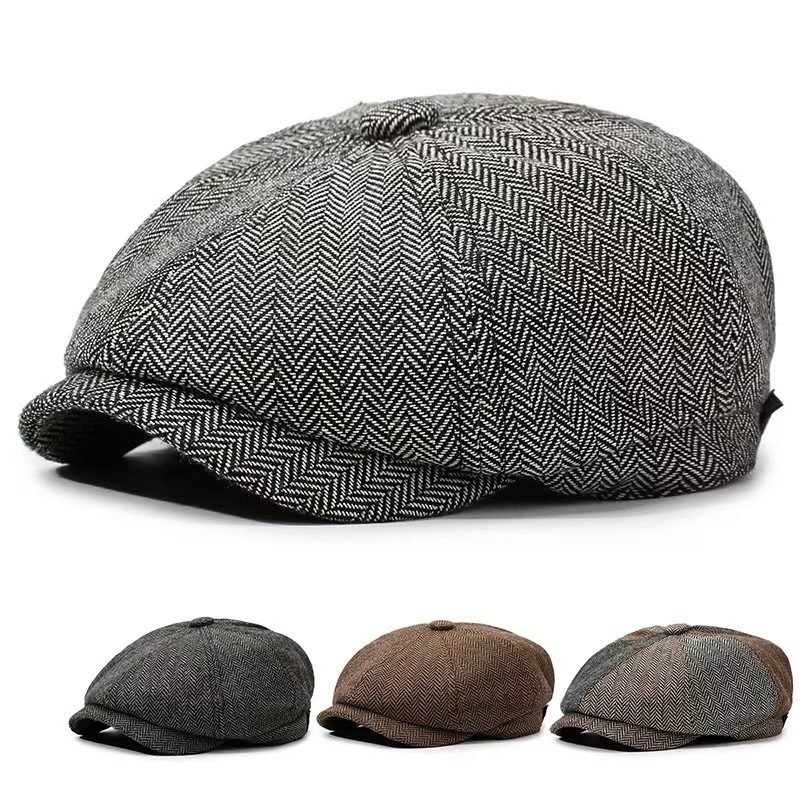
Embroidered Patches
Fully custom embroidered or woven patches in any shape, size, and colorway. Applied to the chest, sleeve, or back yoke, they add streetwear-ready character and bold visual storytelling to every denim jacket we produce.
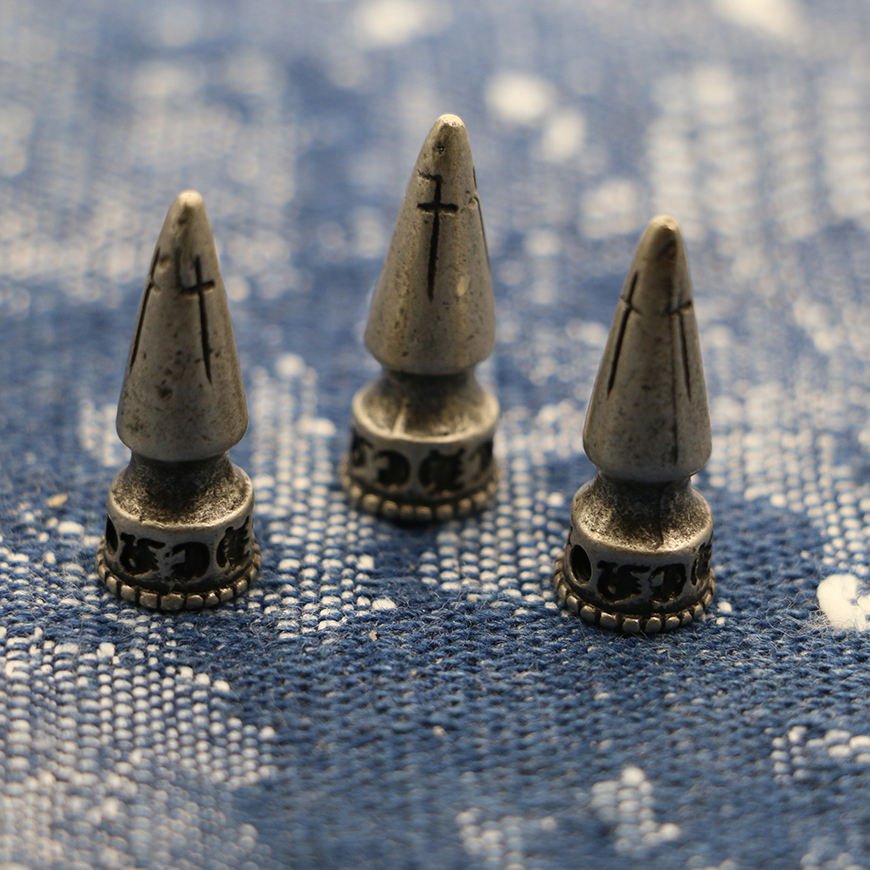
Rivet & Stud Hardware
Heavy-duty copper or custom-finish rivets at high-stress points, plus decorative studs for pocket corners and seams. Essential denim jacket reinforcements that blend structural durability with the distinctive hardware personality your brand demands.
Custom Hangtags
Branded hangtags in card, kraft, or recycled stock printed with your logo, sizing, and brand story. Attached via metal pin or twill cord, they complete the retail-ready presentation for every jacket shipped from our facility.
The Denim Jacket Manufacturer Built on Quality
Clothing Manufacturer Ltd. was founded in 2024 by Tesla Luo, whose roots in the garment industry run deep — literally from childhood summers spent on factory floors in Dongguan, rotating through every production role from sewing and cutting to QC and shipping. With 10+ years of industry experience and 6 years focused on streetwear, Luo built this company on a single conviction: Chinese manufacturers can and must do better. His mission is to eliminate low-quality production by embedding rigorous quality checks at every stage, not just the end.
As a trusted denim jacket manufacturer serving clients across more than 100 countries, we combine the agility of a streetwear specialist with the production depth of our parent company, Dongguan TuoZhen Clothing Co., Ltd. Our 15-member R&D team, 10 registered patents, and proprietary 5-step QC process mean every jacket that leaves our facility has been inspected at materials, cutting, crafting, sewing, and finishing stages — so defects never reach your customers.
We partner with streetwear brands, fashion startups, independent designers, influencer labels, and global retailers at every stage of growth. Whether you are launching your first collection with a low MOQ or scaling to meet mass retail demand, our in-house design and sampling team, fast seasonal turnaround, and end-to-end logistics support make us the production partner built for the way modern brands work.
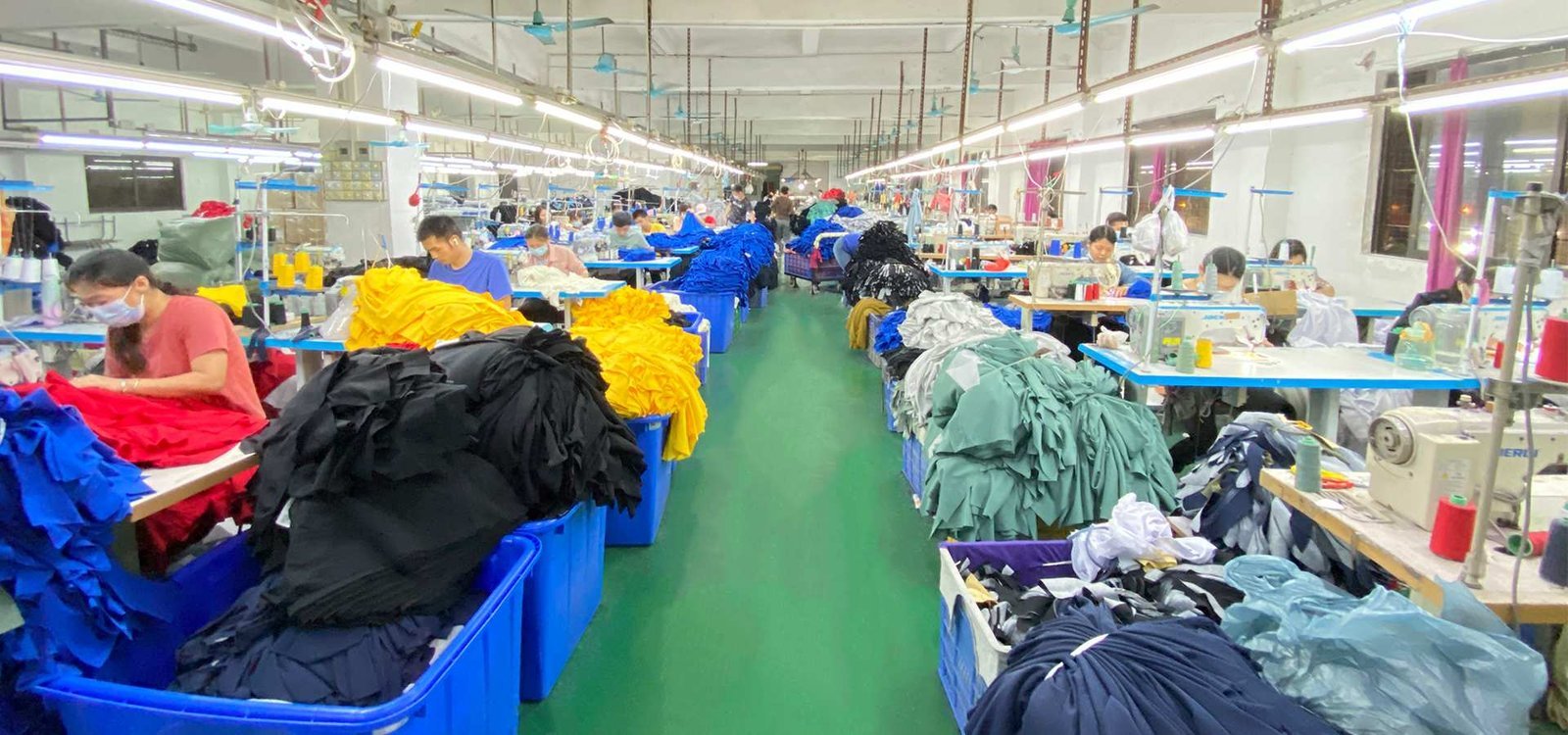
5-Step QC Guarantee: Our Denim Jacket Manufacturer Standard
Quality Starts Before the First Cut
Every denim jacket manufacturer order begins with a rigorous two-stage materials and cutting QC. We test raw denim for weight, colorfastness, and shrinkage before a single panel is cut, catching defects at the source — not at packaging.
- Raw denim and fabric batches inspected before production begins
- Weight, shrinkage, and colorfastness testing on every material lot
- Precision cutting QC ensures consistent panel dimensions across all units
- Early defect detection eliminates costly rework and delays downstream
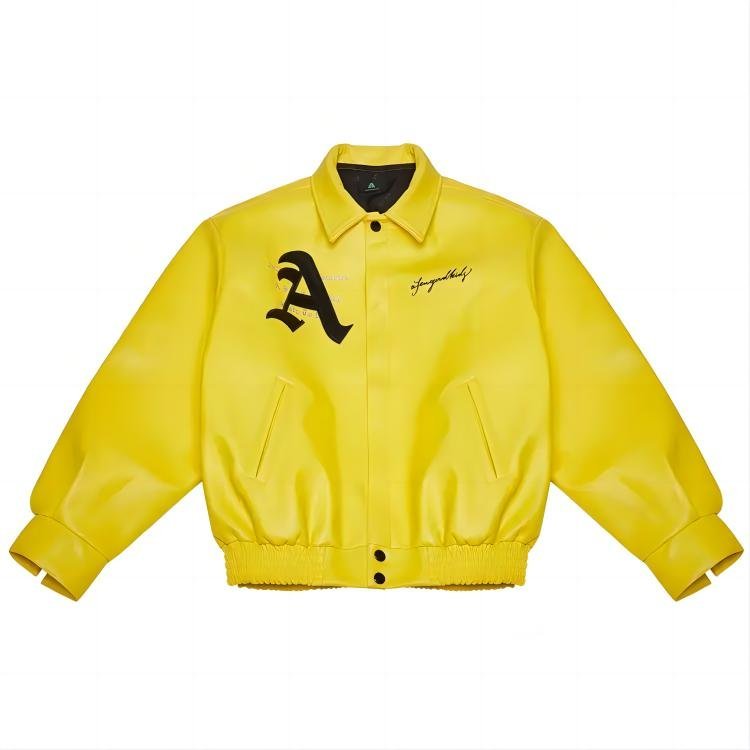
Mid-Production Checks That Competitors Skip
Most factories rely on end-of-line inspection alone. Our clothing craft and sewing production QC stages monitor every batch in real time, resolving stitch density, seam integrity, and construction issues before they compound across hundreds of units.
- Clothing craft QC validates construction techniques and hardware attachment at each stage
- In-line sewing inspection catches stitch and seam issues before they multiply
- Dedicated QC personnel assigned to every active production batch
- Issues resolved on the line, not discovered at the packing table
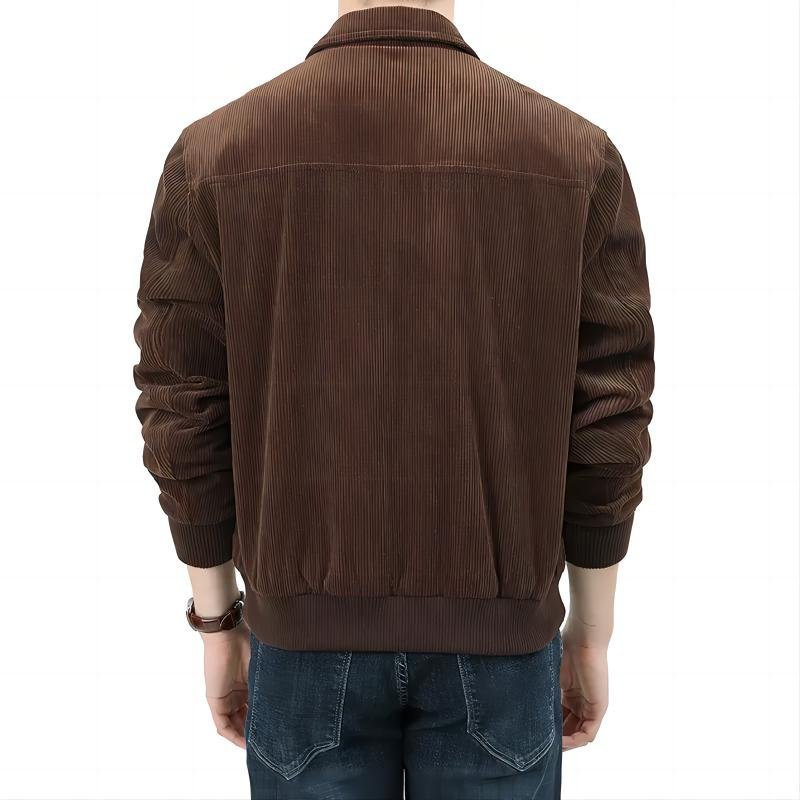
Final Inspection: Zero Defects Leave Our Floor
Before any box is sealed, every finished jacket passes a comprehensive inspection covering measurements, print registration, hardware function, and overall aesthetic consistency. Clients receive full photographic QC reports so there are no surprises when the shipment arrives.
- 100% finished-garment inspection before packing and shipment
- Measurement accuracy, print registration, and hardware function all verified
- Photographic QC reports shared with every client for total transparency
- Every order leaves our facility meeting the agreed quality specification
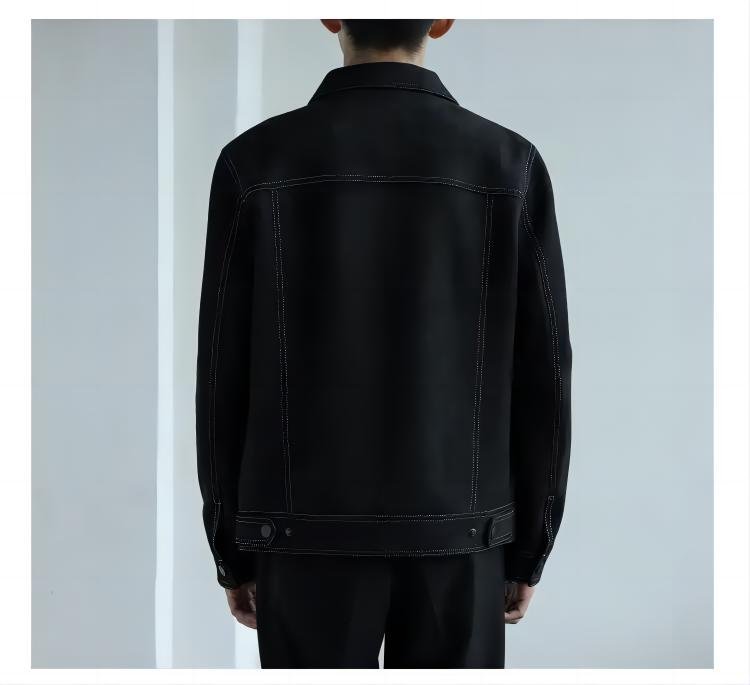
15-Person R&D Team, 10 Registered Patents
Behind our QC framework is a 15-member in-house R&D and design team backed by 10 registered patents. From advanced fabric technologies to proprietary garment construction methods, our innovations give your brand a measurable edge over factories that skip internal quality checks.
- 15-member in-house R&D team dedicated to streetwear design and fabric innovation
- 10 proprietary patents covering production processes and garment construction technologies
- Ongoing trend research across hip-hop, skateboarding, and street art aesthetics
- In-house sampling and pattern development for faster, tighter-margin turnarounds
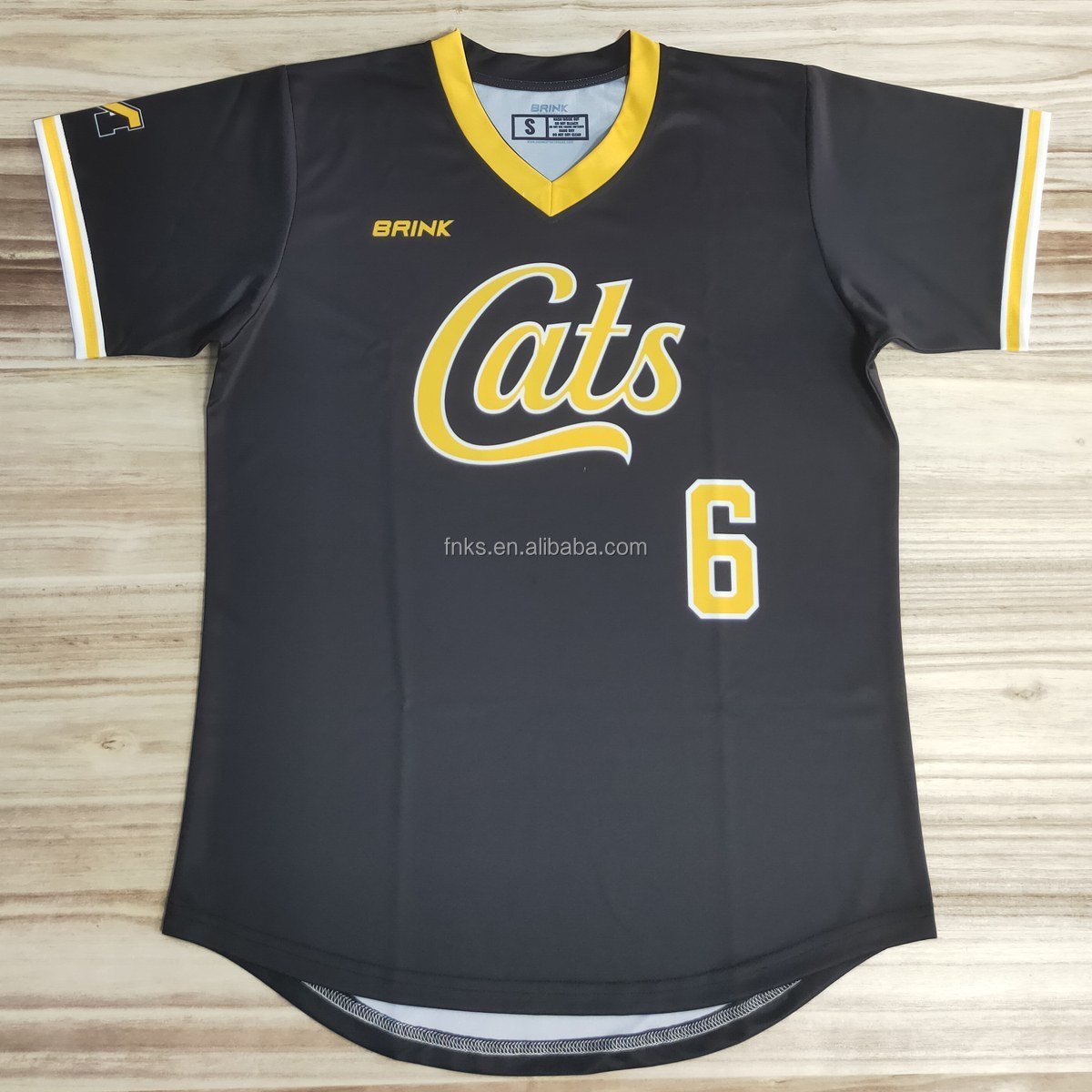
Why Choose Us as Your Denim Jacket Manufacturer
Most suppliers skip quality checks and hope for the best. We built a 5-step QC guarantee so every jacket that leaves our factory earns your brand’s reputation — not damages it.
← 左右滑动查看 →
Inside a Denim Jacket Manufacturer’s End-to-End Production Process
From your first design brief to warehouse delivery, every stage is QC-verified so defects never reach your customers.
Tech Pack & Sample Development
Submit your design brief and our in-house team creates detailed tech packs, then delivers denim jacket prototypes fast for your approval before bulk production begins.
Fabric Sourcing & Materials QC
We source premium denim fabrics and run Step 1 of our 5-step QC test, verifying weight, colorfastness, and shrinkage before a single panel is cut.
Precision Cutting & Pattern QC
Patterns and markers pass a dedicated cutting QC inspection, catching sizing errors early so every denim jacket matches your approved specifications to the millimeter.
Sewing & Production QC
Skilled sewers assemble each jacket while in-line inspectors monitor stitching, seam strength, and garment craft at Steps 3 and 4 of our five-step QC process.
Finished Goods Final Inspection
Every completed jacket passes our Step 5 audit — appearance, measurements, hardware, and labels all verified before goods are cleared for global shipment.
Packing, Logistics & Global Delivery
Approved orders are professionally packed to your spec and dispatched via trusted logistics partners with full tracking, from our Dongguan facility to your warehouse worldwide.
How to Partner with Your Denim Jacket Manufacturer
From your first brief to bulk delivery, our straightforward five-step process removes every guessing game and gets your collection to market faster.
Submit Your Design Brief
Share your tech pack, sketches, or concept. Our in-house design team converts your vision into a production-ready spec with zero guesswork.
Approve Your Custom Design
Review mockups and material selections curated for your brand. We refine every detail until your denim jacket design is signed off and sample-ready.
Receive Your Physical Sample
We produce a precision sample to your approved spec so you can verify fabric quality, fit, and craftsmanship before committing to any bulk order.
Review, Refine, Sign Off
Share feedback and we revise quickly. Most clients confirm approval within one or two rounds, keeping your seasonal launch timeline firmly on track.
Launch Full Bulk Production
We scale into bulk production with our 5-step QC guarantee active at every stage, ensuring every jacket ships on time and defect-free.
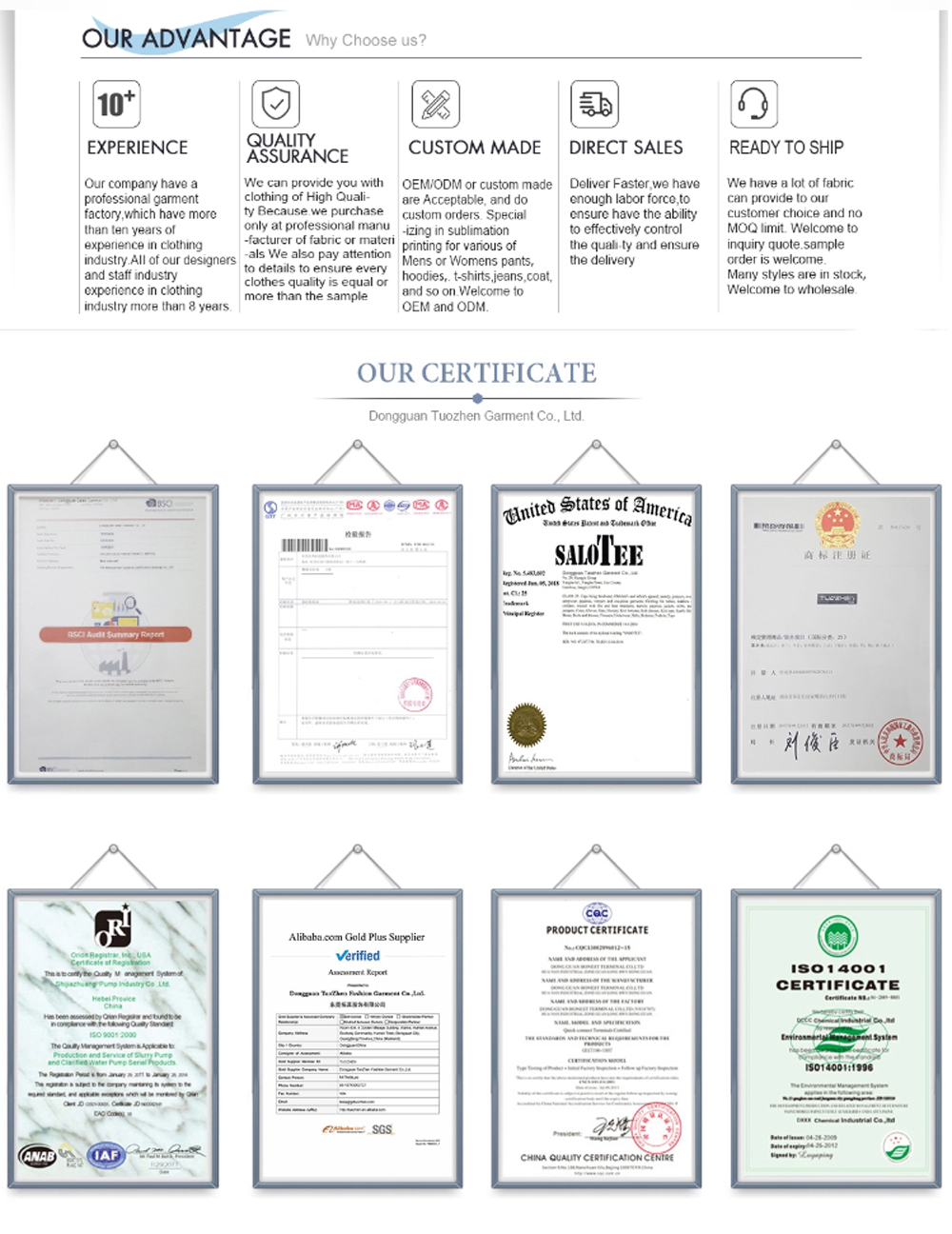
Certified Denim Jacket Manufacturer: Standards That Build Buyer Confidence
What Our Global Clients Say About Their Denim Jacket Manufacturer
We launched our debut drop of 150 custom denim jackets and sold out in 11 days with zero returns. Their 5-step QC caught a stitching defect mid-production that our previous supplier would have shipped. We’ve since scaled to 800-unit orders per season.
As a startup, low MOQ was everything. Clothing Manufacturer Ltd let us start with just 50 denim jackets, delivered samples in 8 days, and had our launch collection ready in under 6 weeks. We’re now at 4,200 orders and just crossed 75K followers.
We tested four suppliers before choosing this denim jacket manufacturer. They were the only one running quality checks at every production stage, not just at the end. Our defect rate dropped from 6% to under 0.5% across a 3,000-unit wholesale order.
Frequently Asked Questions About Our Denim Jacket Manufacturing
Straight answers to the questions brands ask before placing their first order.
What is the minimum order quantity for a denim jacket manufacturer like you?
How long does sampling take, and is there a sampling fee?
How do I know a denim jacket manufacturer in China will protect my designs and intellectual property?
What customization options does your denim jacket manufacturer offer?
What payment terms do you offer for new clients?
How fast is your production turnaround for seasonal collections?
Do you provide global shipping and logistics support?
What makes your 5-step QC process different from other denim jacket manufacturers?
Can you manufacture denim jackets for influencer and creator brands with small but fast-moving orders?
The Complete Buyer’s Guide to Finding the Right Denim Jacket Manufacturer
A practical decision framework covering supplier criteria, fabric grades, customization options, quality benchmarks, and the most costly sourcing mistakes — so streetwear brands, startups, and global retailers can partner with the ideal denim jacket manufacturer with confidence.
1. What Is a Denim Jacket Manufacturer?
Four distinct supplier types compete for a brand’s denim jacket order — fabric mill, trading company, print-on-demand platform, and cut-and-sew manufacturer — and only the last one controls every production variable inside a single facility. A denim jacket manufacturer takes a garment from raw denim intake through finished, labeled product, whereas a trading company resells factory output at a 15–30% markup without owning any production floor.
Full production scope inside a true manufacturer covers at minimum six stages: pattern making and grading, fabric spreading and cutting, assembly sewing, wet processing (stone wash, enzyme wash, or sandblast), dry finishing (hand sanding, whiskering, tacking), and labeling with woven tags, hang tags, and branded packaging. Skipping any stage — or subcontracting it to an unvetted vendor — is where brand consistency and sizing accuracy break down.
Working directly with a denim jacket manufacturer instead of a middleman typically compresses lead times by 20–40% and eliminates the trading-company margin that inflates per-unit cost without adding quality oversight. Direct factory access also allows buyers to embed QC checkpoints at cutting, sewing, and washing rather than inspecting only finished cartons.
For startups and independent designers, MOQ tiers at a specialized manufacturer commonly start at 30–100 pieces per colorway, far below the 300–500-unit minimums many trading companies impose. Retail buyers sourcing private-label programs benefit from consistent fit-grading and locked-in approved trims — YKK zippers, OEKO-TEX certified denim — documented in a tech pack the factory owns and repeats at scale.
2. A Brief History and Evolution of Denim Jacket Manufacturing
In 1873, Levi Strauss and Jacob Davis received U.S. Patent No. 139,121 for riveted denim work wear, establishing the construction logic that still governs denim jacket manufacturing today. The canonical Type I jacket arrived in 1905, cut from 9–14 oz ring-spun indigo denim milled primarily in North Carolina and Tennessee. American mills set the global benchmark for denim weight, weave structure, and wash-shrinkage tolerances that buyers still reference.
By the 1950s, the jacket had crossed from railroad and mining worksites into rockabilly and motorcycle subculture, driving demand for lighter-weight 10–12 oz constructions with cleaner silhouettes. Japanese manufacturers began reverse-engineering U.S. vintage pieces in the 1980s, mastering selvedge shuttle-loom denim and hand-finished rivets — a heritage that still justifies a 20–40% price premium on Japan-origin denim today.
Through the 1990s, rising U.S. and Japanese labor costs pushed volume production into South and Southeast Asia. China’s Pearl River Delta — including Humen Town in Dongguan — consolidated into a dominant hub, with China accounting for roughly 40–50% of global denim garment exports by the 2010s; Bangladesh and Vietnam captured much of the remaining mid-tier volume.
Today’s leading denim jacket manufacturer integrates GOTS-certified organic cotton, ozone-wash finishing that cuts water consumption by up to 70%, and laser distressing that eliminates the potassium permanganate spraying once standard in high-abrasion looks. Buyers evaluating suppliers in Guangdong benefit from four-plus decades of accumulated infrastructure: specialized denim fabric markets, skilled pattern-makers, and finishing lines built specifically for indigo garments — a manufacturing depth that newer hubs have not yet matched.
3. Types of Denim Jackets a Manufacturer Can Produce
A capable denim jacket manufacturer should offer at least six core silhouettes. Matching your collection to proven style categories — and to a factory’s actual equipment — reduces sampling rounds and protects MOQ efficiency.
Classic Trucker / Type III
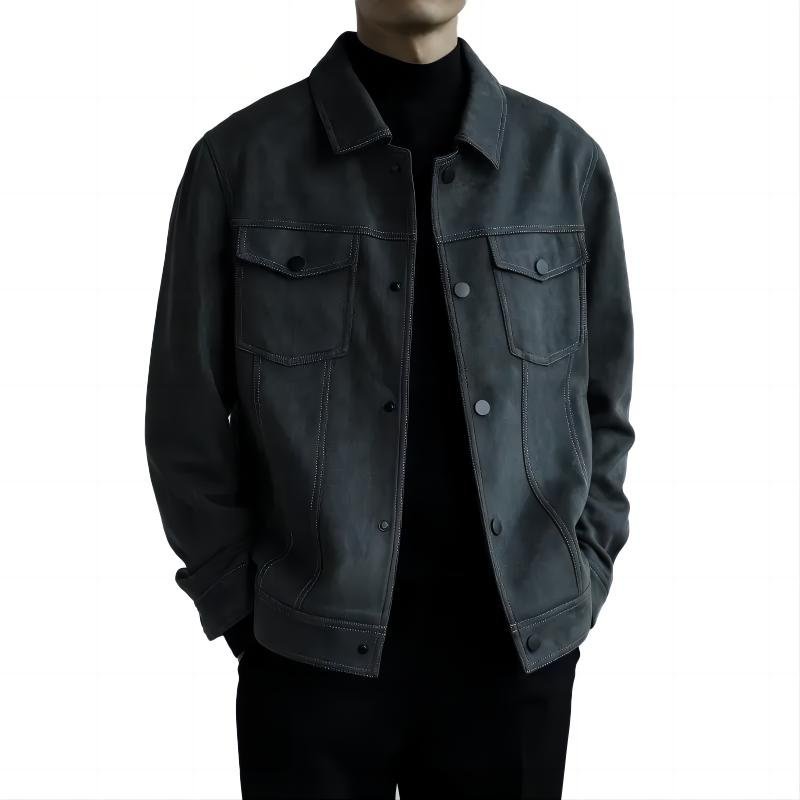
The Type III trucker, standardized since the 1960s, remains the bestselling silhouette for global retailers. Expect MOQs of 100–300 pieces per colorway, with 5-needle flatlock seaming and YKK snap fasteners as baseline production requirements.
Oversized Streetwear Cuts
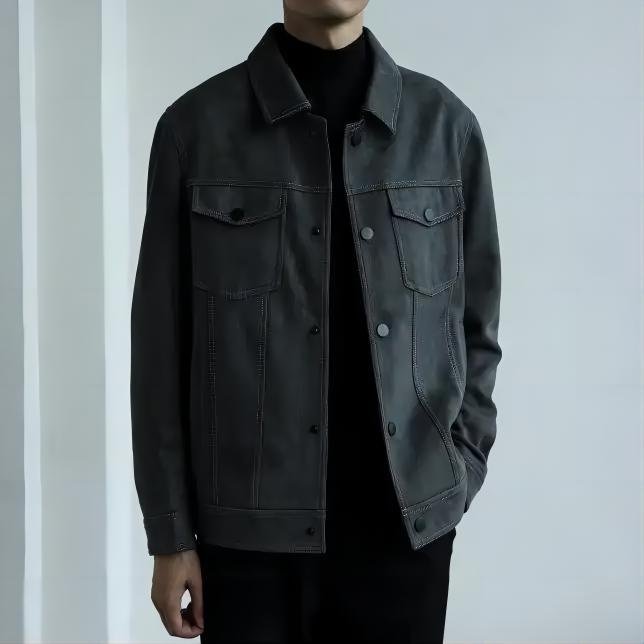
Drop-shoulder, extended-hem oversized jackets dominate influencer and creator brand catalogs. MOQs often start at 50–100 pieces when paired with custom graphics; factories need wide-platen embroidery frames or oversized print beds to execute the silhouette cleanly.
Cropped and Boxy Fits
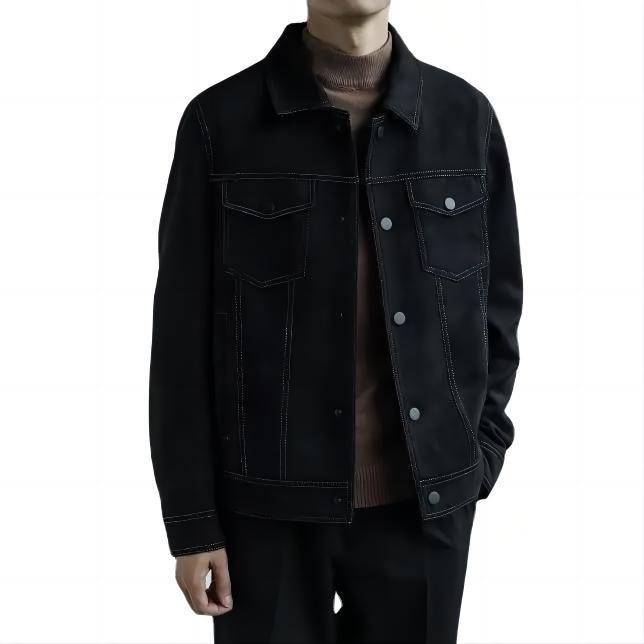
Cropped boxy cuts — typically 18–22 inches in body length — attract independent designers and fashion startups testing limited drops. Pattern regrading from a standard block is required; MOQs of 50–200 pieces are common at capable manufacturers.
Sherpa-Lined Denim Jackets
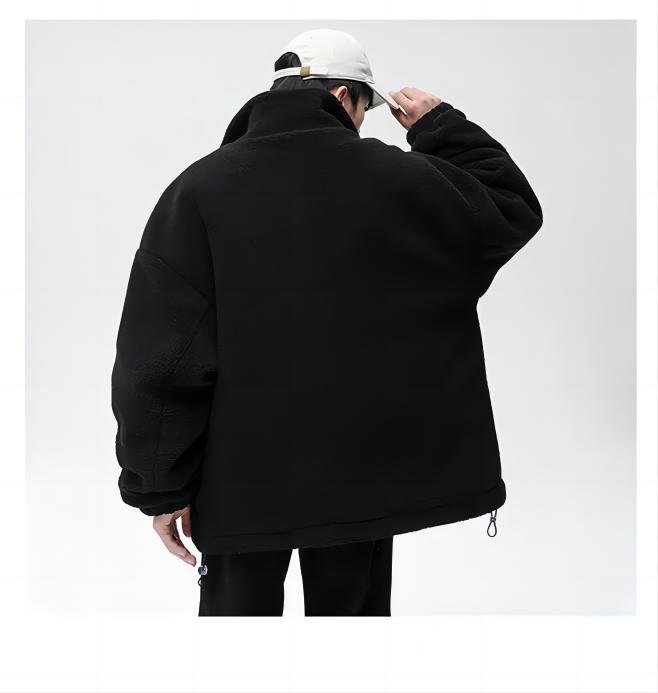
Sherpa-lined styles require bonded or sewn-in fleece lining, adding 2–4 extra production steps over a standard jacket. Retailers sourcing fall/winter SKUs should budget MOQs of 200+ pieces and confirm the factory runs dual-layer construction in-house.
Reversible Denim Jackets
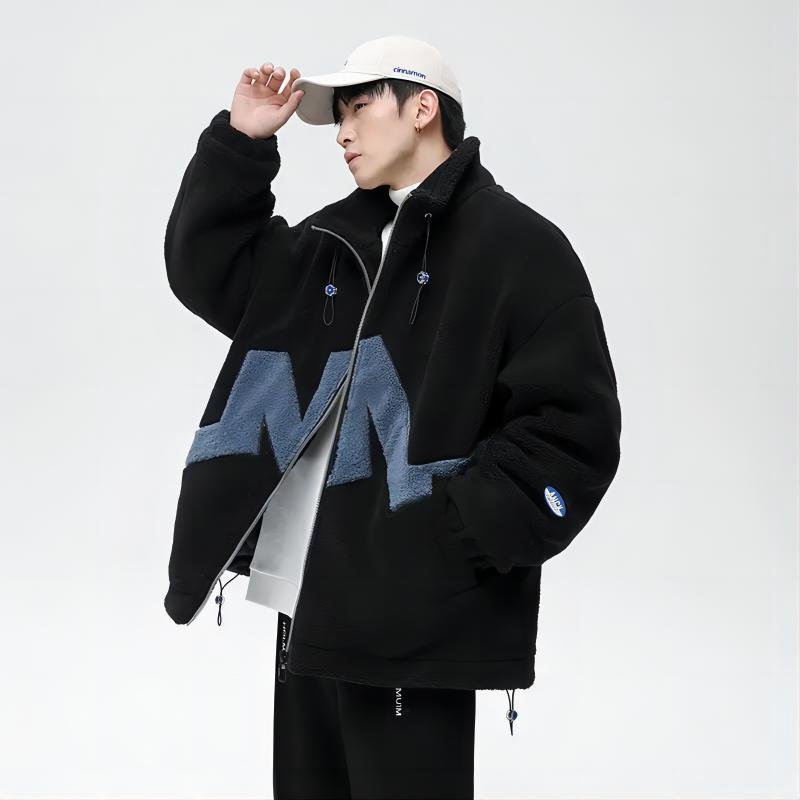
Reversible construction demands clean-finish seaming on both shell and lining, doubling sewing labor per unit. Premium influencer brands favor this style; MOQs typically run 200–300 pieces, and not all factories carry the required clean-finish jigs.
Raw-Denim and Sustainable Styles
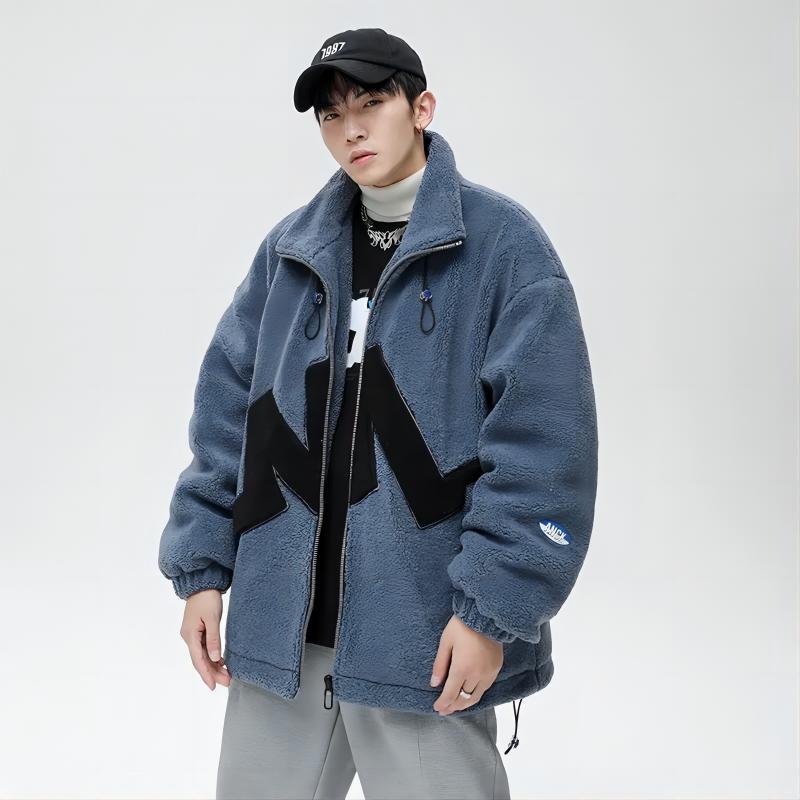
Selvedge and raw-denim jackets use 12–14 oz ring-spun fabric and require OEKO-TEX certified sourcing from verified mills. Eco-focused retailers should confirm GOTS or WRAP compliance; MOQs of 300+ pieces are standard given the narrower fabric width of selvedge looms.
4. Denim Fabrics and Materials Every Manufacturer Should Offer
Fabric choice determines how a denim jacket washes, drapes, and ages — and sets your retail price floor. A serious denim jacket manufacturer should stock multiple weight classes, weave constructions, and GOTS-verified sustainable options.
| Fabric Type | GSM Range | Best Use Case | Cost Premium |
|---|---|---|---|
| 3×1 Twill, 10 oz | 280 GSM | Summer or lightweight jacket | Baseline |
| 3×1 Twill, 13 oz | 360 GSM | Year-round structured jacket | +5–10% |
| Selvedge Denim | 360–390 GSM | Premium collector editions | +30–50% |
| Stretch Denim, 98/2 blend | 300–340 GSM | Slim-fit and athletic cuts | +10–15% |
| Organic Cotton, GOTS-Certified | 300–380 GSM | Eco-conscious retail brands | +15–25% |
| Tencel/Cotton Blend | 260–320 GSM | Drape-forward soft-hand styles | +20–30% |
Weight Ranges and Weave Construction
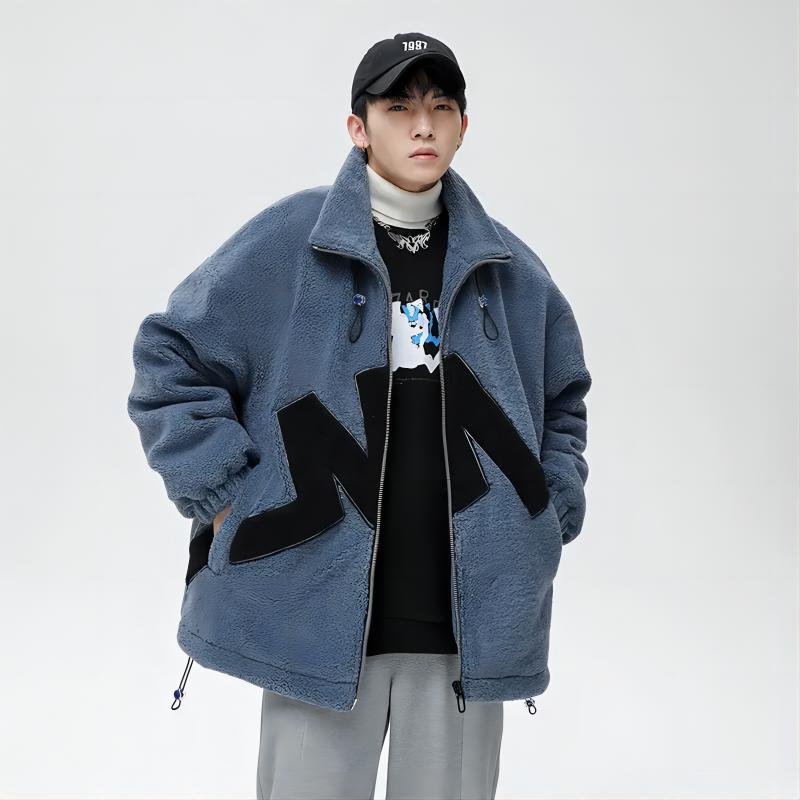
Denim runs from 10 oz (280 GSM) for lightweight summer silhouettes to 14 oz (390 GSM) for cold-weather, structured jackets. The standard 3×1 right-hand twill — three warp threads over one weft — creates denim’s diagonal rib and its characteristic wash fade.
Selvedge denim, woven on narrow shuttle looms at 30–32 inches wide, costs 30–50% more than open-width fabric but delivers tighter construction and commands premium retail positioning.
Stretch Denim and Elastane Blends
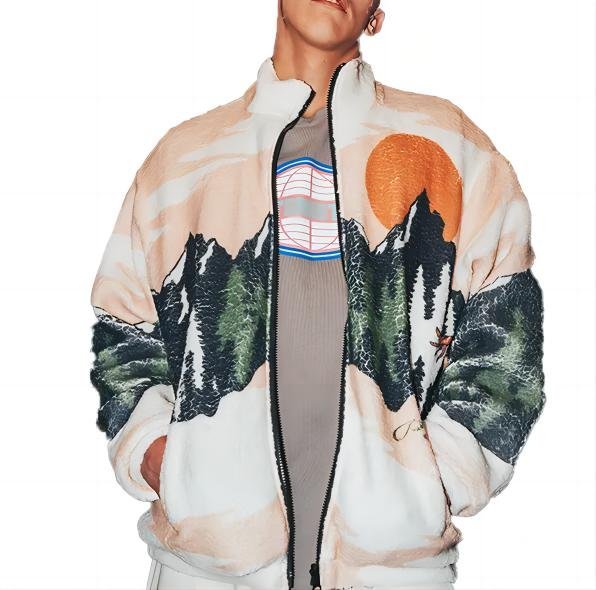
Stretch denim blends 98% cotton with 1–2% elastane (Lycra), yielding 15–25% four-way stretch and improved fit recovery. Wash compatibility is the key risk — stretch panels can pucker badly if enzyme or stone-wash chemistry isn’t calibrated for the blend.
Elastane content above 3% risks shrinkage distortion after repeated wash cycles; require documented blend-stability testing before approving bulk cut.
Sustainable Fabrics and Sourcing Traceability
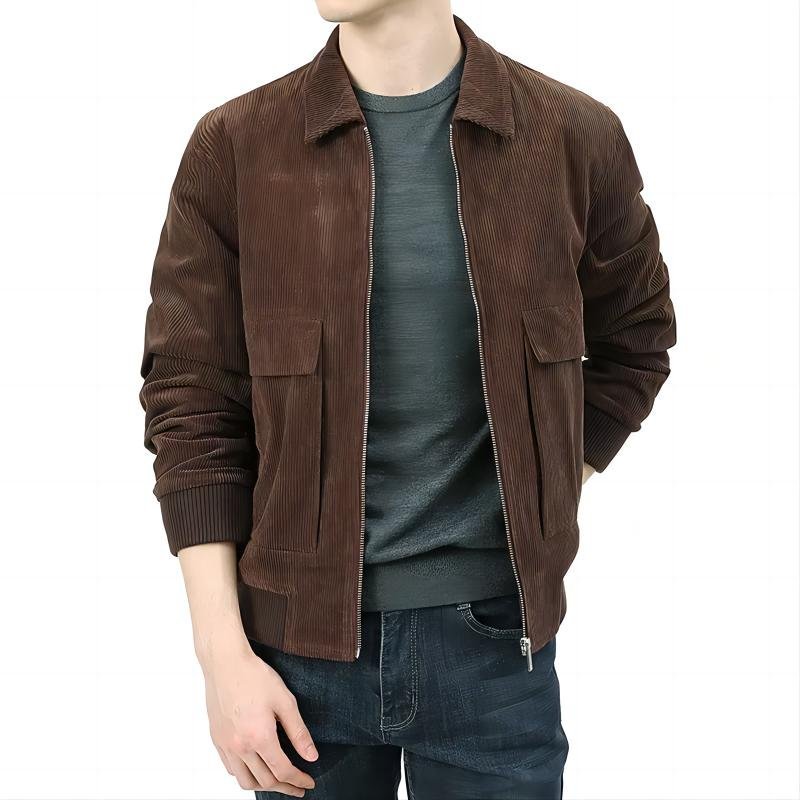
GOTS-certified organic cotton denim carries a 15–25% fabric cost premium but qualifies brands for eco-retail channels and measurable consumer trust. Recycled denim blends — typically 30–50% post-consumer fiber — reduce water use versus virgin cotton and support OEKO-TEX Standard 100 certification.
Tencel (lyocell) blends add a silky hand-feel but require adjusted cutting templates due to bias stretch. For traceability, request mill certificates and chain-of-custody documentation at the yarn level.
5. Customization and Decoration Options from a Denim Jacket Manufacturer
Decoration choices define brand identity as much as silhouette. A capable denim jacket manufacturer supports eight distinct techniques — each with its own setup cost, wash durability, and MOQ threshold worth understanding before committing to a sample.
| Technique | Setup Cost | Wash Durability | Typical MOQ |
|---|---|---|---|
| Laser Engraving | $50–$150/file | 60+ cycles | 30 pcs |
| Hand Distressing | $0 | 50+ cycles | 1 pc |
| Chest Embroidery | $30–$80 | 50+ cycles | 50 pcs |
| Back-Yoke Embroidery | $50–$100 | 50+ cycles | 100 pcs |
| Screen-Print | $20–$60/color | 40–50 cycles | 50 pcs |
| Heat-Transfer (DTF) | $0 | 25–35 cycles | 1 pc |
| Patchwork | $0–$50 cutting | 60+ cycles | 100 pcs |
| Custom Hardware | $200–$500/mold | Permanent | 300 pcs |
| Inside Label/Hangtag | $0–$50 | N/A | 50 pcs |
Applied Surface Techniques: Laser and Distressing
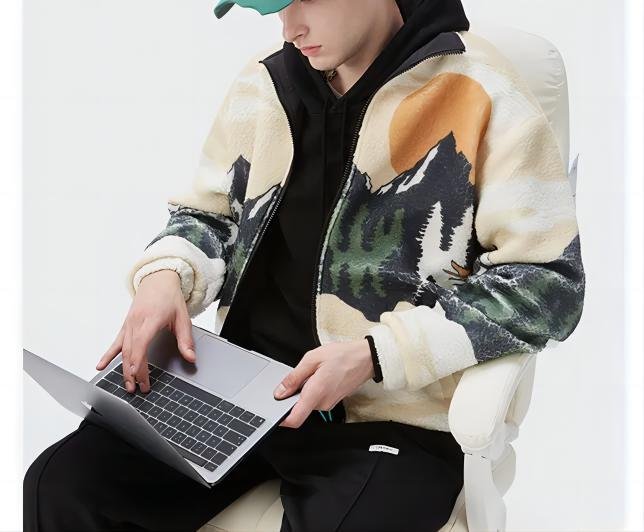
Laser engraving uses a CO2 beam to etch fade patterns and graphics; artwork setup runs $50–$150 per file with MOQ starting at 30 pieces. Hand-sanding and stone-washing require zero tooling and no minimum run, adding roughly 0.5–1 labor-hour per jacket — ideal for heritage and vintage-inspired labels seeking authentic wear.
Embroidery, Screen-Print, and Heat-Transfer
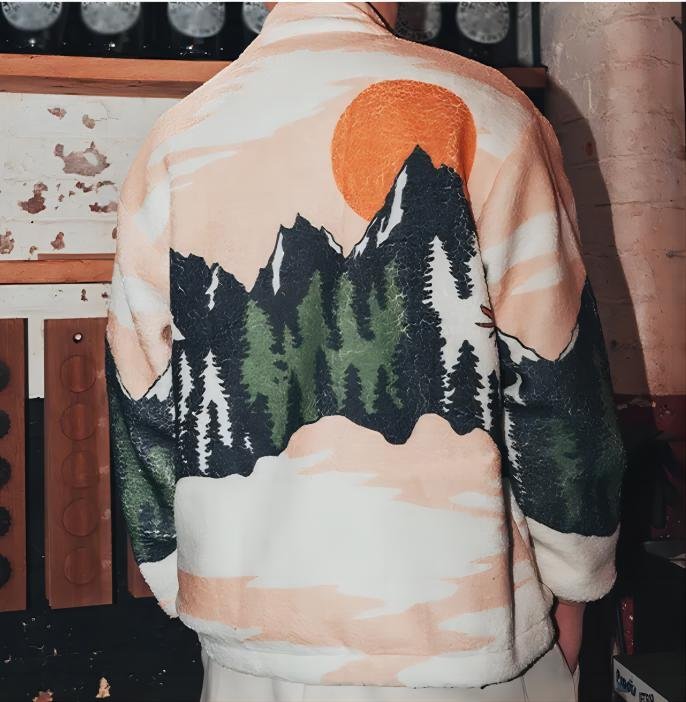
Chest-patch embroidery (5,000–15,000 stitches) carries a $30–$80 digitizing fee and leads all techniques in wash durability at 50+ industrial cycles. Screen-print costs $20–$60 per color at a 50-piece MOQ; DTF heat-transfer eliminates setup fees and runs from 1 piece, but rates only 25–35 washes on rigid denim.
Hardware, Labels, and Hangtag Customization
Custom YKK zippers, engraved rivets, and shank buttons each require injection molds at $200–$500 per design, making them cost-efficient only at 300+ units. Woven Pantone-matched inside labels and printed hangtags carry 50–100-piece MOQs with minimal tooling cost, putting full brand identity within reach of early-stage labels.
6. Key Construction and Quality Elements to Inspect
Construction details reveal a reliable denim jacket manufacturer faster than any catalog claim. Knowing which specs to verify before samples ship prevents costly rework and retail size failures.
Stitch Density and Seam Type
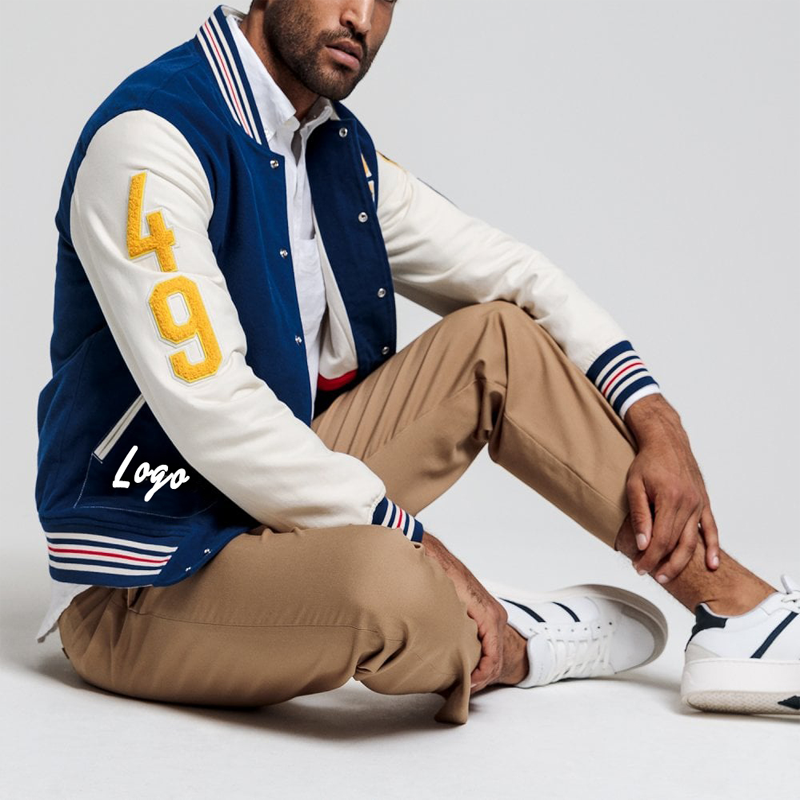
Denim requires 8–10 SPI for seam integrity; anything under 7 signals cost-cutting that shortens garment life.
Flat-felled seams, enclosing the raw edge beneath two fabric layers, are the structural benchmark for body panels. Overlocked seams are acceptable only on low-stress interior sections where pull force is minimal.
Bar-Tack, Chain, and Lock Stitch
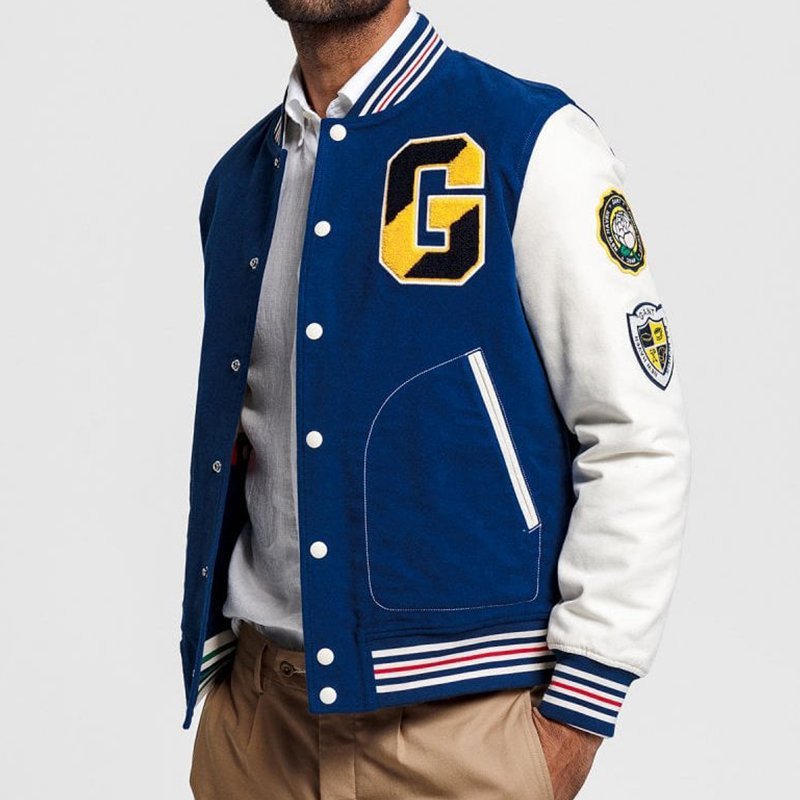
Bar-tacks at pocket corners, belt-loop roots, and zipper bases concentrate thread density at the highest-stress coordinates. A sound production run places at least 8 bar-tacks per jacket.
Chain stitch suits outseams where stretch recovery matters; lock stitch prevents unraveling on topstitching lines where seam failure under tension must be fully eliminated.
Buttonhole Finish and Lining Attachment
Keyhole buttonholes must show clean bartack ends and zero fraying after 20 standardized wash cycles — always request a washed prototype, not a pre-wash sample.
When lining is included, specify blind stitch or fell stitch attachment; a basic overlock causes bunching and seam distortion under repeated heat and wear.
Wash Shrinkage, Tech Pack, and Pre-Shipment QC
Tech packs must state SPI per seam zone, seam type by panel, bar-tack coordinates, wash protocol, and a ≤3% shrinkage tolerance per AATCC Test Method 135 — missing any field lets manufacturers substitute silently.
Pre-shipment inspection should cover an AQL 2.5 sample pull: measure finished garment dimensions against spec, hand-flex all stress points, and verify rivet torque on every unit reviewed.
7. How to Choose the Right Denim Jacket Manufacturer for Your Brand
Vetting a denim jacket manufacturer before committing to production separates growing brands from those that stall. Four pillars — certifications, sampling speed, MOQ fit, and IP protection — form a reliable selection framework for any brand stage.
Certifications to Require
ISO 9001 signals documented process control; BSCI covers ethical labor audits. OEKO-TEX Standard 100 certifies fabric free of 100+ harmful substances, while GOTS applies to certified organic denim. Verify certificates on the issuing body’s database directly, not from manufacturer-supplied PDFs alone.
Sampling Process and Turnaround
First proto samples typically take 7–15 days; sealed pre-production samples follow within 5–7 days after approval. Reputable factories credit sample fees against bulk orders above a set MOQ — usually 100–300 units minimum.
MOQ by Brand Stage
Startups reduce capital risk by targeting 50–100 piece MOQs per colorway. Retailers placing 500+ units unlock custom hardware — YKK zippers, branded rivets — and tighter per-unit cost.
| Brand Stage | MOQ Range | Key Leverage |
|---|---|---|
| Startup | 50–100 pcs | Low MOQ, fast sample |
| Growing brand | 200–500 pcs | Custom trims, flexible colorways |
| Global retailer | 500–2,000+ pcs | Price breaks, audit access |
Sourcing Channels Compared
Canton Fair and Première Vision expose you to vetted manufacturers face-to-face. Alibaba and Global Sources accelerate shortlisting but require independent factory audits before any deposit.
- Trade shows: direct sampling, immediate negotiation leverage
- B2B platforms: wide reach; verify factory independently before deposit
- Referral networks: fastest trust path; ask peer brands directly
Red Flags and IP Protection
Require signed NDAs and IP clauses before sharing tech packs or cut files. Walk away from any factory that refuses audit access, gives vague lead-time ranges, or lacks a written sample-fee policy.
8. Common Mistakes Buyers Make When Sourcing a Denim Jacket Manufacturer
Even experienced buyers repeat the same costly errors when sourcing a denim jacket manufacturer. Most mistakes fall into five categories — all preventable with one targeted action taken before a purchase order is signed.
Skipping Samples to Cut Upfront Cost
Sample fees typically run $80–$200 per style — a fraction of the $3,000–$15,000 loss from a rejected bulk order. Request both a fit sample and a pre-production sample before confirming any purchase order, regardless of budget pressure.
Ignoring Wash Shrinkage and Dye-Lot Consistency
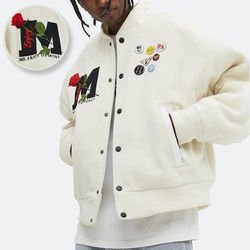
Denim shrinks 3–8% in warp direction after the first wash when shrinkage specs are absent from the tech pack. Lock dye lots before bulk cutting — unlocked lots produce visible shade variation across a single style run.
Vague Tech Packs That Force Re-Sampling
Re-sampling adds 2–4 weeks to lead time and doubles the original sample cost.
A complete tech pack must include Pantone color codes, fabric GSM, stitch-per-inch count, and hardware specs such as YKK zipper model numbers. Audit your spec sheet against a checklist before submission.
Choosing a Manufacturer Without Wash Facilities
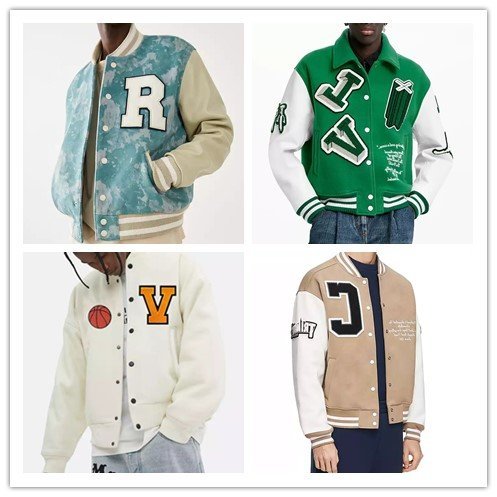
Stone-wash, enzyme-wash, and acid-wash finishes require dedicated on-site or audited contract wash facilities. Outsourcing to an unvetted third party introduces uncontrolled lead time and quality variance. Request a wash-facility audit or OEKO-TEX compliance documentation before signing.
Selecting on Price Alone and Missing Deadlines
A unit price 15% lower means nothing if the order misses a seasonal ship window by three weeks. Request factory production calendars upfront and confirm holiday shutdowns — Chinese New Year typically halts output for 2–4 weeks.
9. Steps to Launch Your Private-Label Line with a Denim Jacket Manufacturer
Launching a private-label denim jacket line moves through seven distinct checkpoints — from initial concept to doorstep delivery. Skipping any stage compounds errors; compressing timelines without a capable denim jacket manufacturer adds cost and rework.
Concept, Mood Board, and Tech Pack
Start with a mood board referencing Pantone color codes, silhouette references, and detail sketches — wash, hardware finish, and graphic placement included. A complete tech pack reduces back-and-forth and cuts sample revision rounds from 3 to 1–2, saving 1–2 weeks per cycle.
Clothing Manufacturer Ltd. reviews tech packs within 48 hours, flagging constructability issues before cutting begins.
Sampling and Revision Rounds
First samples arrive in 2–3 weeks. Evaluate fit, stitching density (8–10 SPI for denim), YKK zipper action, wash outcome, and label placement before signing off.
Plan for at least one revision round — a second sample takes 10–14 days. Brands that provide annotated photo feedback rather than verbal descriptions cut revision cycles significantly.
Bulk Approval and Production Monitoring
Once the approved sample is signed, bulk production runs 45–75 days depending on order volume and fabric availability. Request weekly photo milestones at cutting, sewing, and post-wash stages — do not wait for finished goods to flag problems.
Clothing Manufacturer Ltd.’s five-step QC methodology checks materials, cutting, craft, sewing, and finished garments, catching defects before they multiply across thousands of units.
Shipping, Customs, and Final Delivery
For FOB Guangdong, sea freight to Los Angeles runs 14–18 days; air freight cuts this to 5–7 days at 4–6× the cost. Confirm HTS codes, OEKO-TEX documentation, and carton marks before goods leave the factory.
Budget 2–4 weeks for customs clearance and last-mile delivery. First-time importers should use a licensed customs broker to avoid holds at port.
10. Pricing and Cost Breakdown from a Denim Jacket Manufacturer
Sampling fees from a qualified denim jacket manufacturer typically run $80–$180 per prototype, with turnaround of 7–15 days; that cost is usually credited back once you hit a production MOQ of 100+ units.
Fabric choice moves the cost curve meaningfully: standard ring-spun denim (10–14 oz) sits at the base price below, selvedge denim adds $4–$8 per unit, and GOTS-certified organic denim adds $3–$6 per unit. Decoration complexity compounds quickly — multi-color embroidery, acid or enzyme washing effects, and custom YKK hardware each layer additional per-unit cost onto the base figure.
- Screen-print or heat-transfer graphics: +$1–$3 per unit depending on color count.
- OEKO-TEX Standard 100 fabric certification: +$1–$2 per unit sourcing premium.
- Fully custom woven labels and hang tags: $0.30–$0.80 per unit at 300+ MOQ.
| Quantity Tier | Est. Unit Cost (USD) | Lead Time | Embroidery Add-On | Washing Effect Add-On | Custom Hardware Add-On |
|---|---|---|---|---|---|
| 50 units | $28–$42 | 20–25 days | +$4–$7/pc | +$3–$5/pc | +$2–$4/pc |
| 100 units | $22–$34 | 18–22 days | +$3–$6/pc | +$3–$5/pc | +$2–$4/pc |
| 300 units | $17–$26 | 16–20 days | +$2–$4/pc | +$2–$4/pc | +$1–$3/pc |
| 500 units | $14–$21 | 14–18 days | +$2–$3/pc | +$2–$3/pc | +$1–$2/pc |
| 1,000+ units | $10–$16 | 12–16 days | +$1–$2/pc | +$1–$2/pc | +$0.50–$1/pc |
Your Trusted Denim Jacket Manufacturer — Start Today
Submit your tech pack and receive a custom quote backed by 5-step QC, low MOQ, and fast global delivery.