
Premium Custom Denim Jackets — 50-Piece MOQ, 5-Step QC
Launch your streetwear line with custom denim jackets backed by rigorous quality control at every production stage. Low minimums, fast turnaround, global shipping.
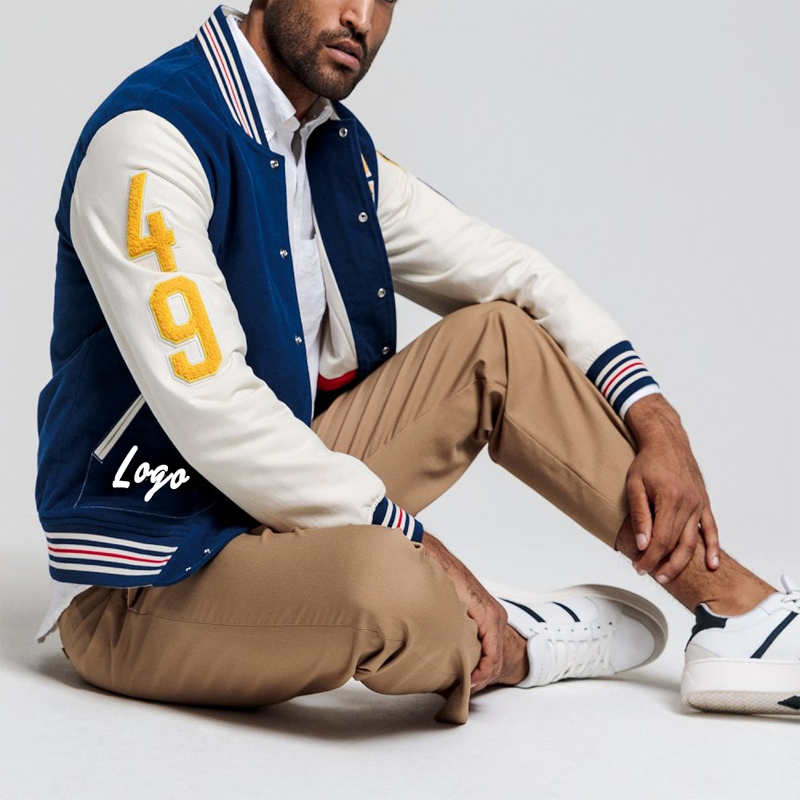
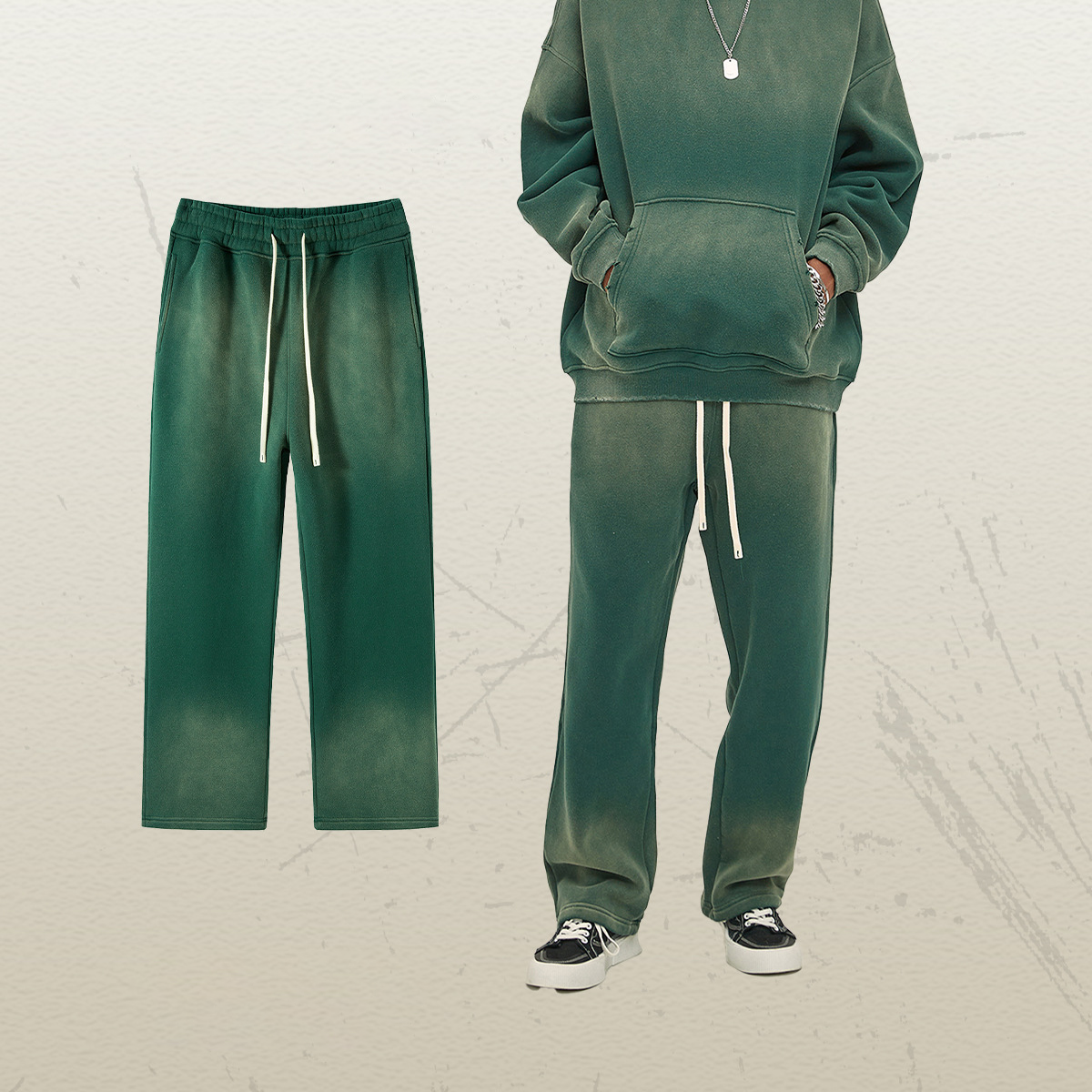
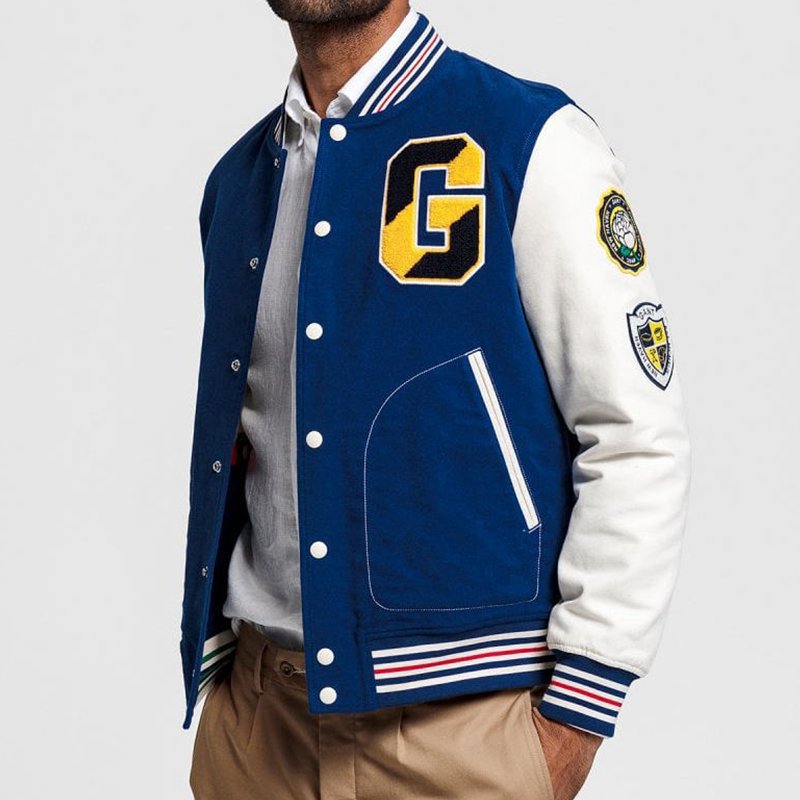
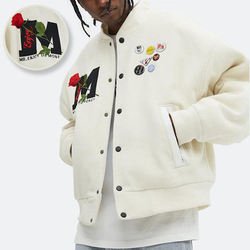
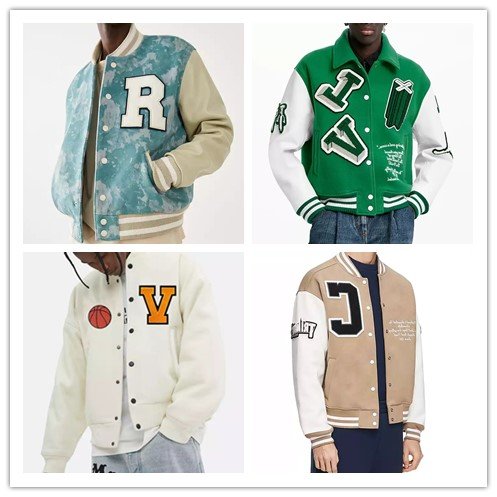
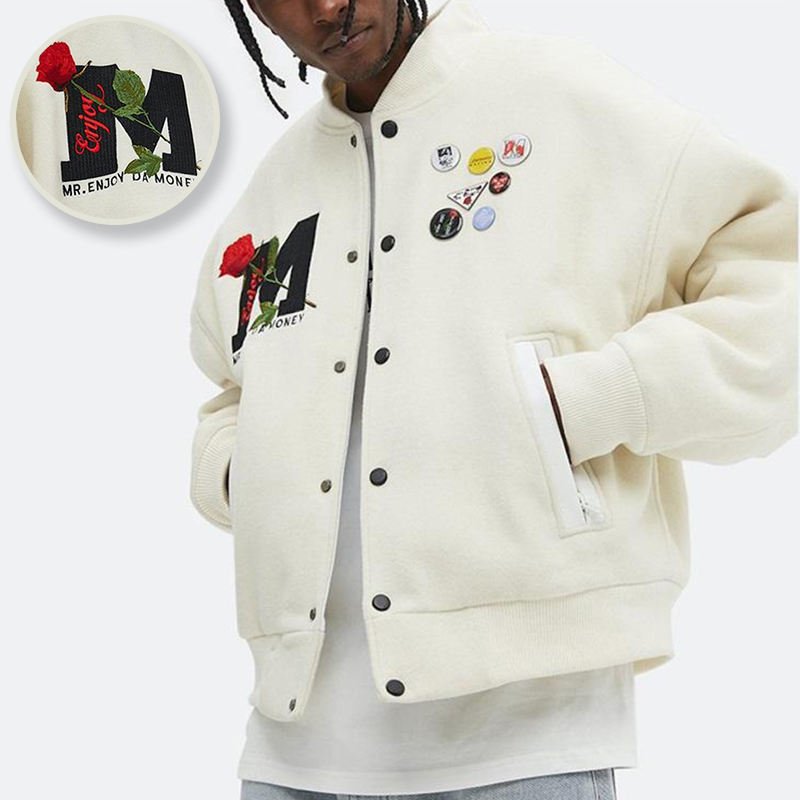
Custom Denim Jacket Designs in Action
Why Brands Choose Our Custom Denim Jackets
5-Step QC Guarantee
Every custom denim jacket passes materials, cutting, craft, sewing, and finished-product quality checks before shipment.
50-Piece Minimum Order
Launch your denim line without warehouse-filling commitments. Perfect for fashion startups and test collections.
Fast Sampling & Production
Our in-house design team delivers samples quickly and turns seasonal collections around to meet your market deadlines.
Streetwear Design Expertise
Ten years of streetwear production experience and cultural fluency in trend-driven denim styles and custom washes.
In-House Design Team
Fifteen R&D specialists and ten patents support your vision from concept sketches to tech packs and samples.
Global Shipping & Logistics
Proven logistics support to over 100 countries, with customs documentation and reliable delivery for every order.
Custom Denim Jacket Styles for Every Streetwear Vision
From oversized truckers to fitted silhouettes, our custom denim jackets deliver the exact aesthetic your brand demands—backed by our 5-step QC guarantee and 50-piece MOQ.
Oversized Trucker Jackets
Streetwear brands struggle to find manufacturers who can deliver authentic oversized fits with dropped shoulders and extended sleeves without sacrificing structure or durability in heavyweight denim.
We engineer custom oversized trucker jackets with reinforced stitching, precise pattern grading, and premium 12–14 oz denim that holds its shape through every wash and wear cycle.
Vintage Wash Denim Jackets
Achieving consistent vintage washes across production runs is notoriously difficult—brands often receive batches with color variations that damage their visual identity and customer trust.
Our controlled stone-washing and enzyme treatments deliver uniform vintage aesthetics across every piece, with color-matching QC at the cutting stage to ensure batch consistency for your brand.
Embroidered Custom Denim Jackets
Complex embroidery on denim requires specialized equipment and expertise—many factories deliver puckered fabric, broken threads, or misaligned designs that ruin the premium look brands need.
Our in-house embroidery team executes intricate logos, back patches, and sleeve designs with precision stabilization techniques, inspected at our sewing production QC stage for flawless placement and finish.
Printed Graphic Denim Jackets
Screen printing and DTG on denim often crack, fade, or wash out after minimal wear, leaving influencer brands with customer complaints and damaged reputations from low-quality custom denim jackets.
We use high-adhesion inks and heat-cure processes designed specifically for denim textures, with finished clothing quality inspection ensuring every graphic withstands 50+ industrial wash cycles without degradation.
Fitted & Cropped Styles
Emerging designers need modern fitted and cropped denim silhouettes but lack the production minimums or sampling support to test new styles before committing to large inventory investments.
Our 50-piece MOQ and dedicated design team help fashion startups prototype fitted, cropped, and tailored custom denim jackets with fast sampling turnaround, bringing trend-driven concepts to market quickly.
Premium Denim Fabrics for Custom Denim Jackets
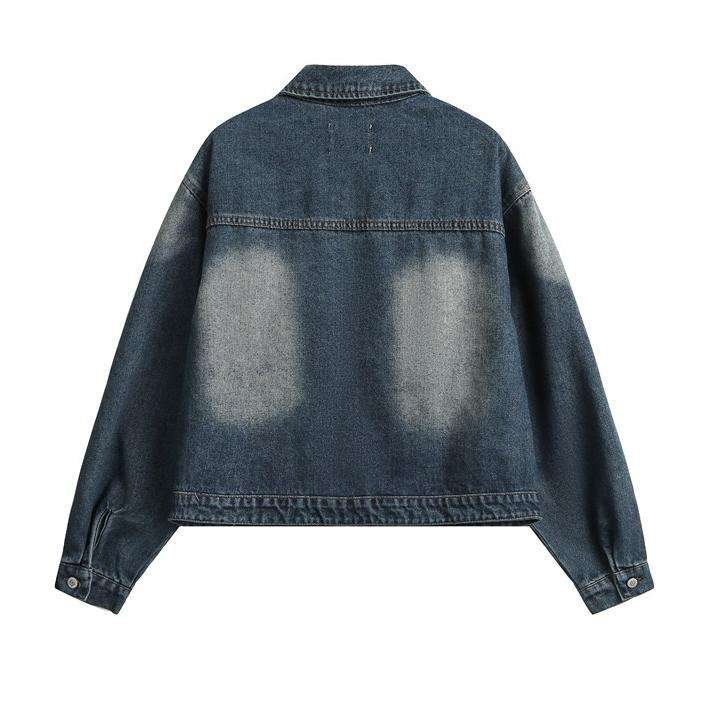
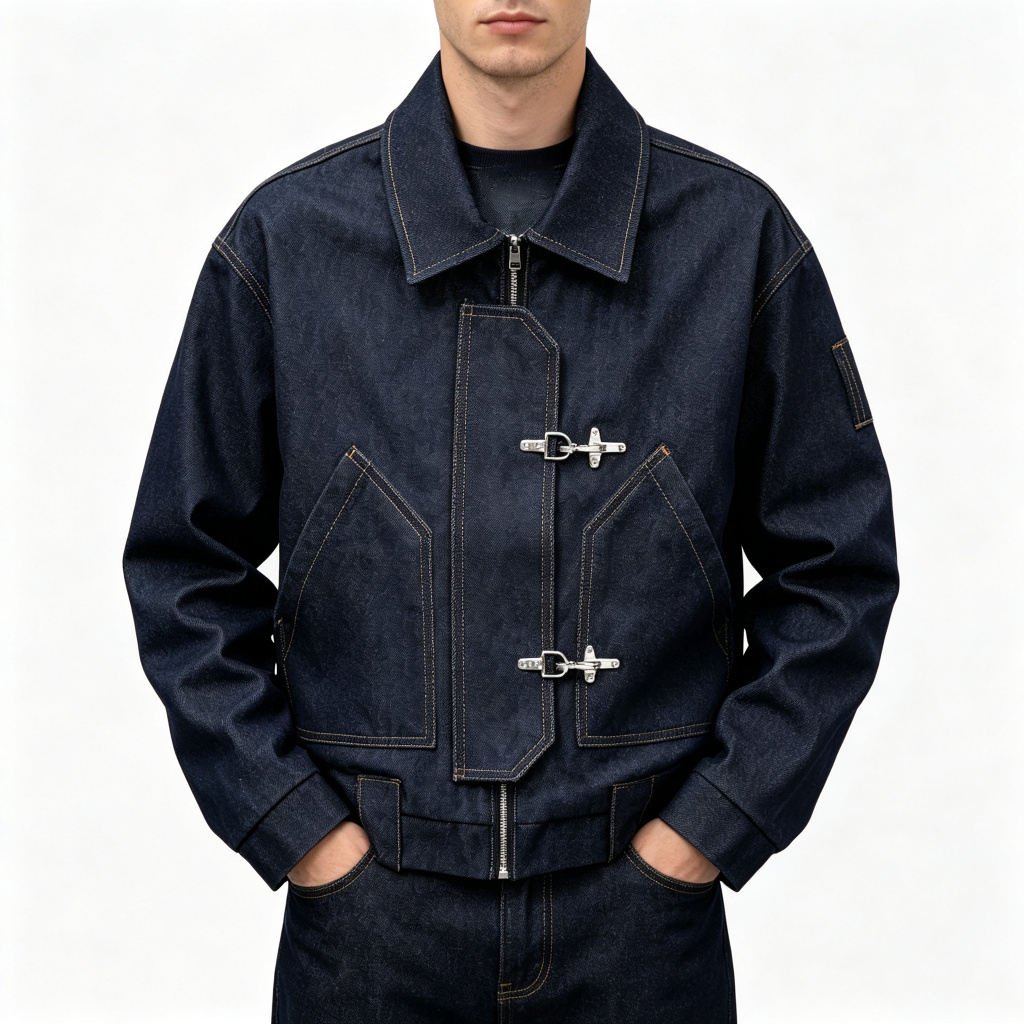
14 oz Sanforized Denim
Pre-shrunk heavyweight denim engineered for dimensional stability and minimal shrinkage after washing. Delivers a robust, premium feel for structured trucker and oversized silhouettes. Exceptional durability for high-wear streetwear collections.
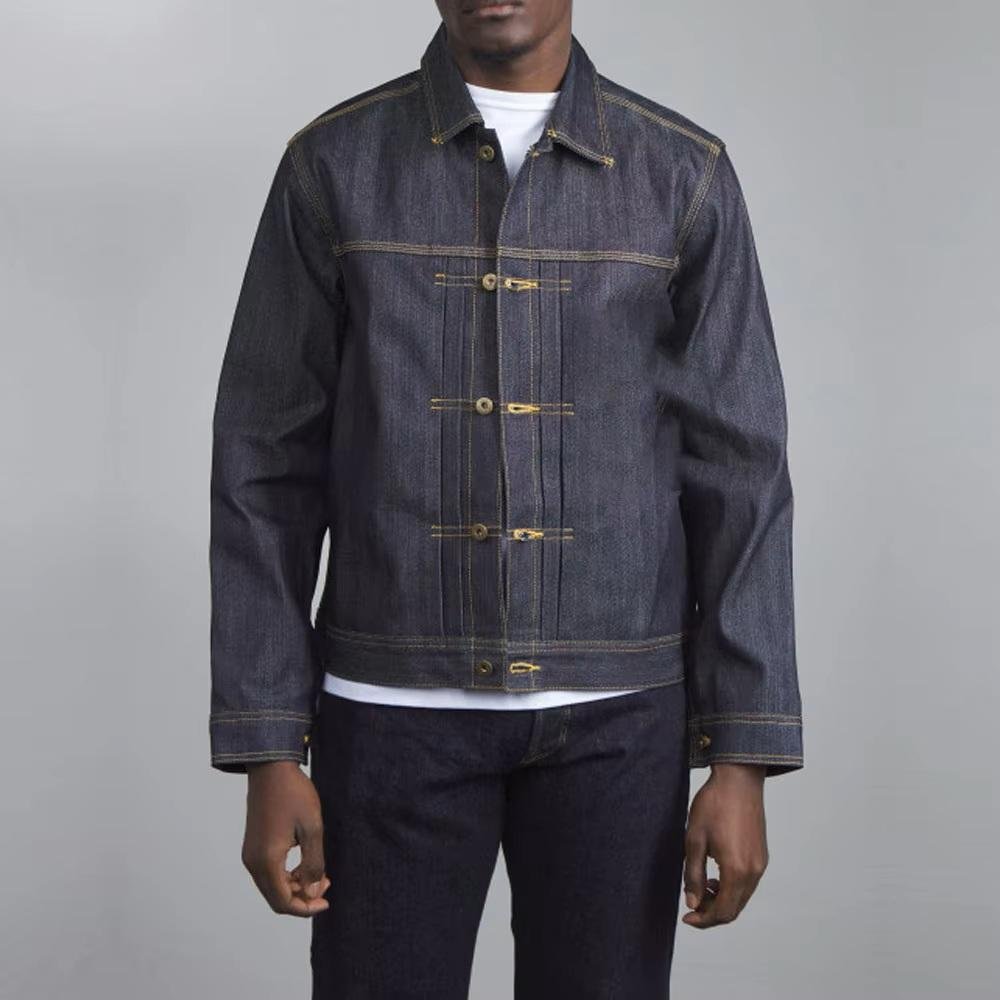
Stretch Denim Blend
Cotton-spandex blend offering 2-4% stretch for enhanced mobility and comfort without sacrificing denim’s classic appearance. Ideal for fitted or athletic-cut jackets targeting active lifestyles. Retains shape through repeated wear and washing cycles.
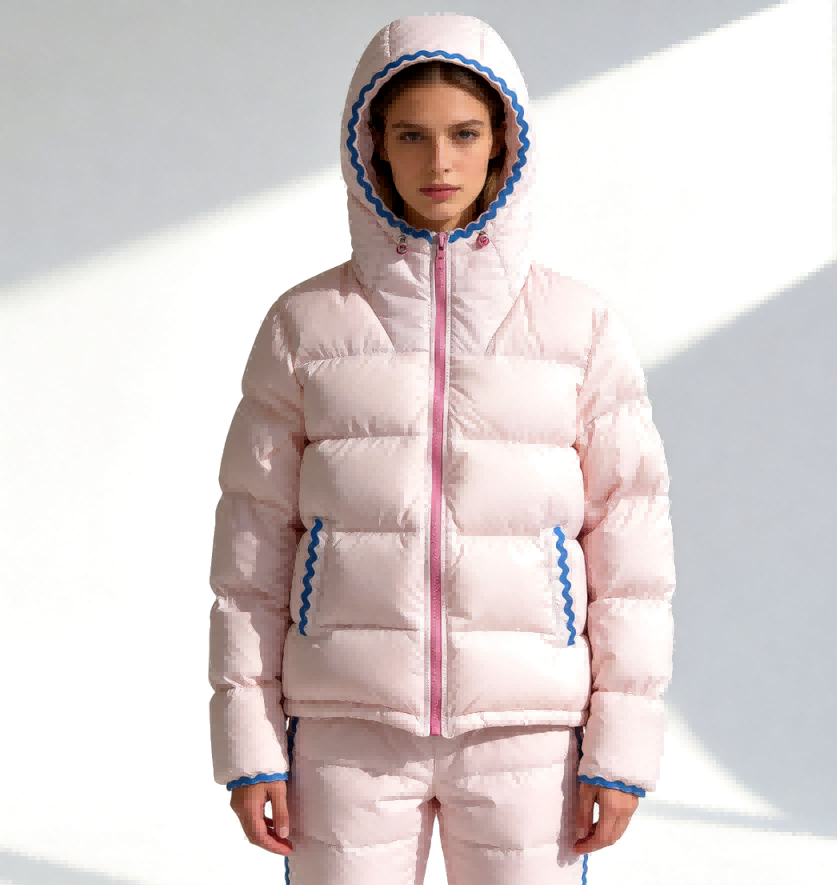
Recycled Denim
Sustainable fabric crafted from post-consumer denim waste and recycled cotton fibers, reducing environmental impact by up to 60%. Maintains authentic denim texture and durability while appealing to eco-conscious brands and consumers seeking responsible fashion.
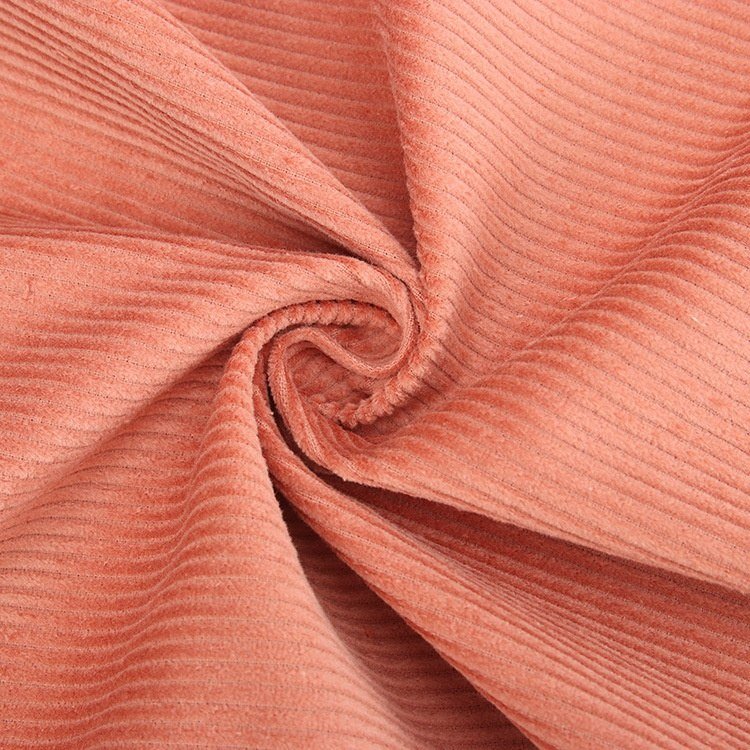
Colored Denim
Garment-dyed or yarn-dyed denim available in trend-forward hues from black and grey to pastels and bold saturates. Offers the same weight and durability as traditional indigo with expanded design versatility for seasonal and capsule collections.
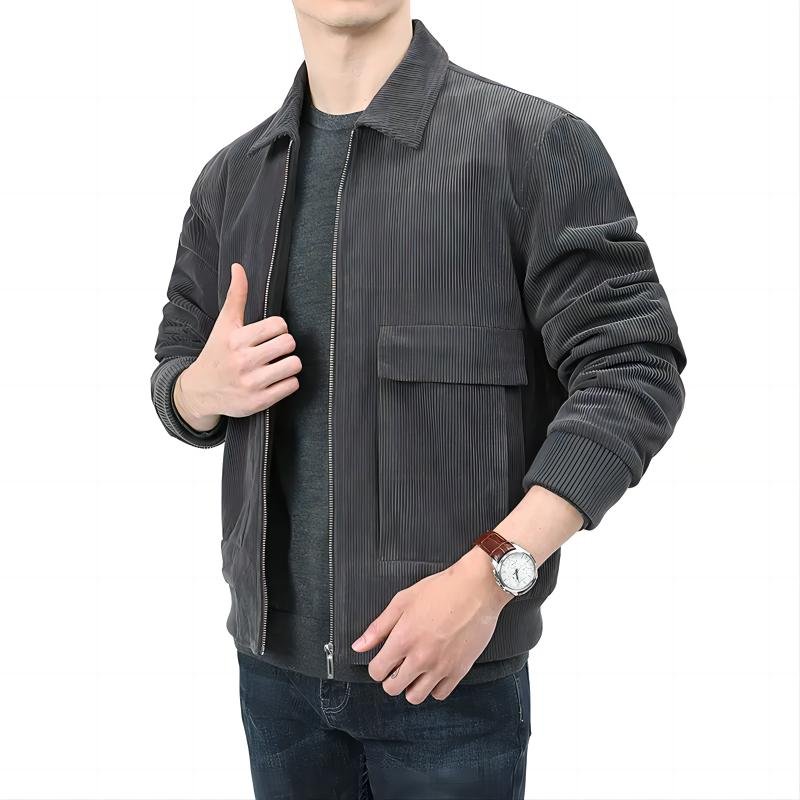
Japanese Selvedge Denim
Premium shuttle-loom denim featuring a self-finished edge and tighter weave for superior longevity and fade character. Heavier hand-feel and distinctive red-line selvedge detail elevate luxury streetwear and limited-edition jacket releases.
Custom Denim Jacket Production Techniques
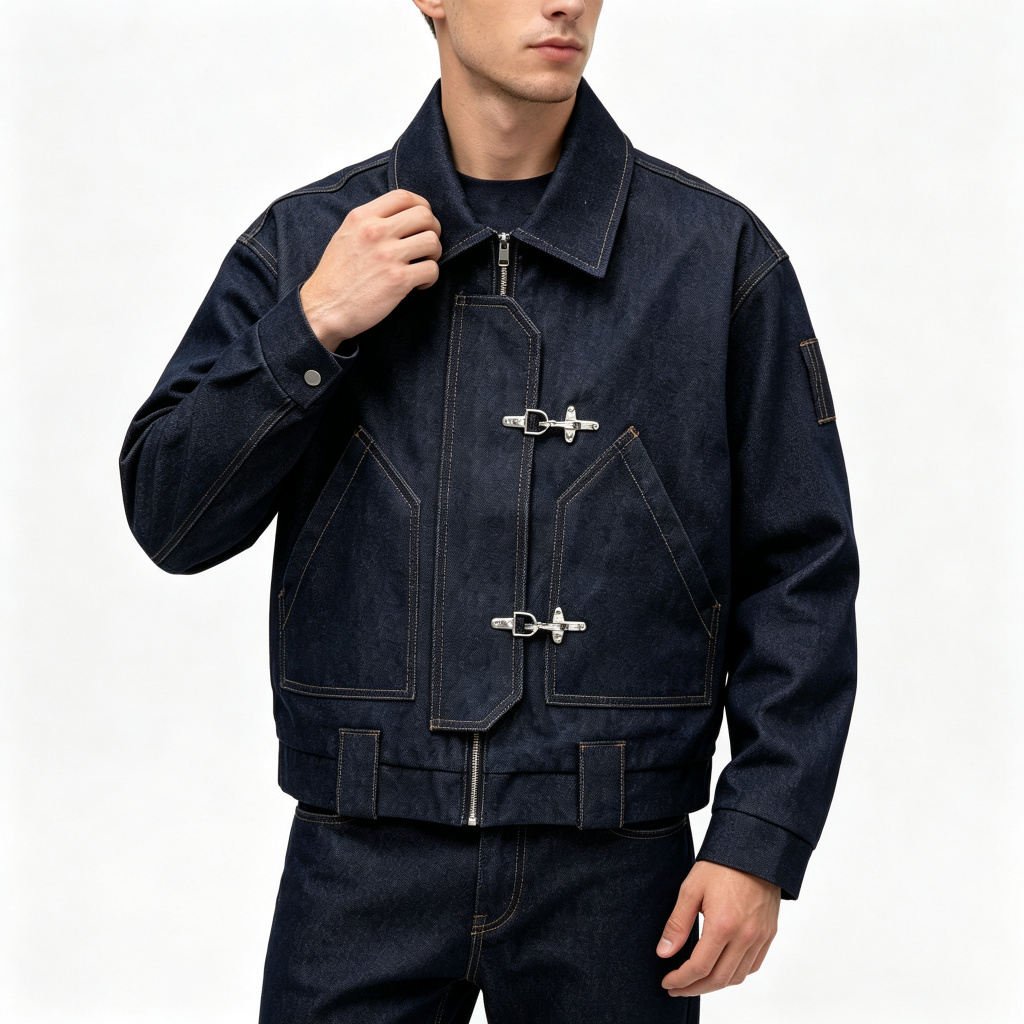
Embroidery
High-density thread work that adds dimensional logos, graphics, and text to your custom denim jackets. Durable, premium finish that withstands repeated washing while maintaining vibrant color and sharp detail.
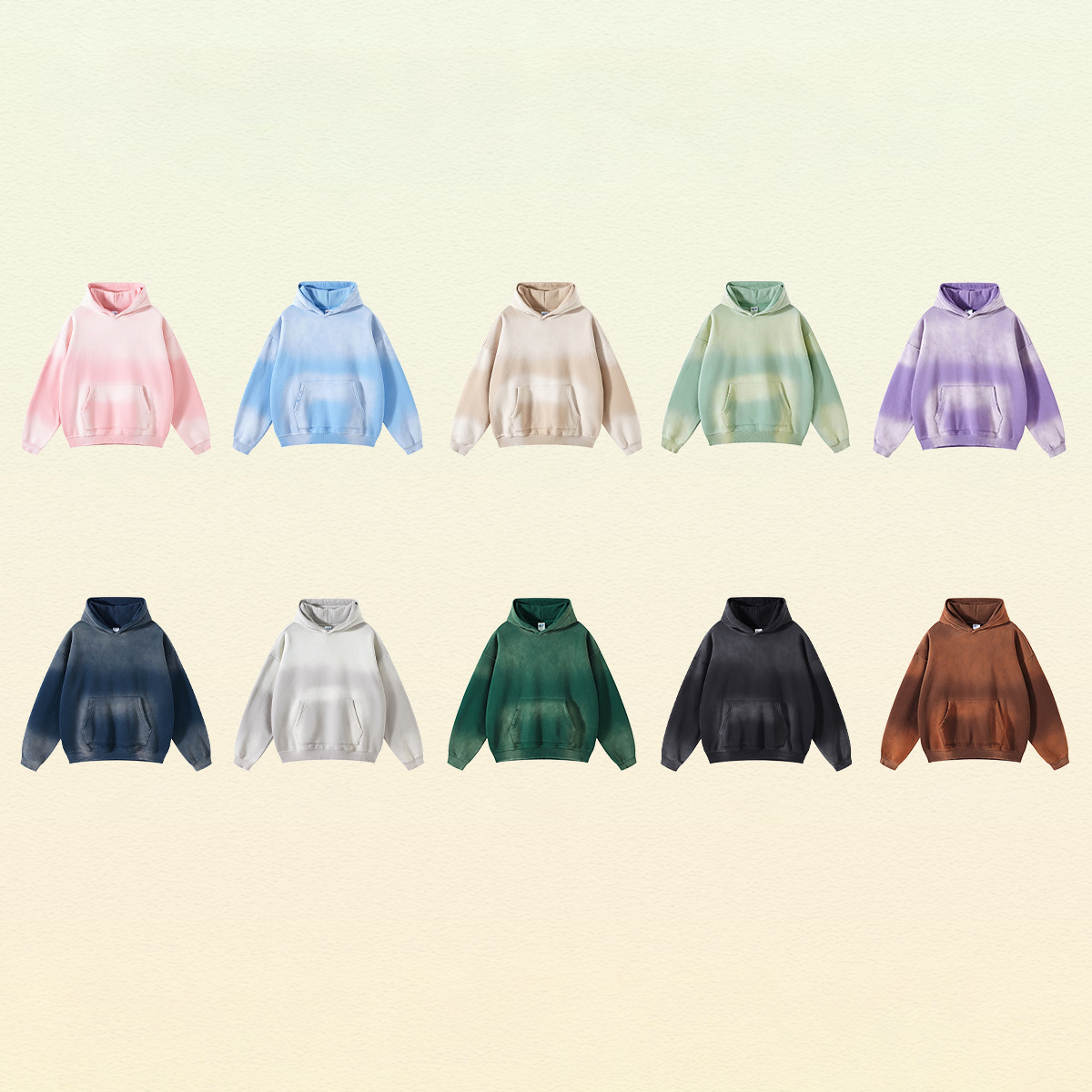
Screen Printing
Vibrant, opaque ink application perfect for bold streetwear graphics and large-scale designs. Delivers excellent color saturation and durability on denim surfaces, ideal for statement pieces and limited drops.
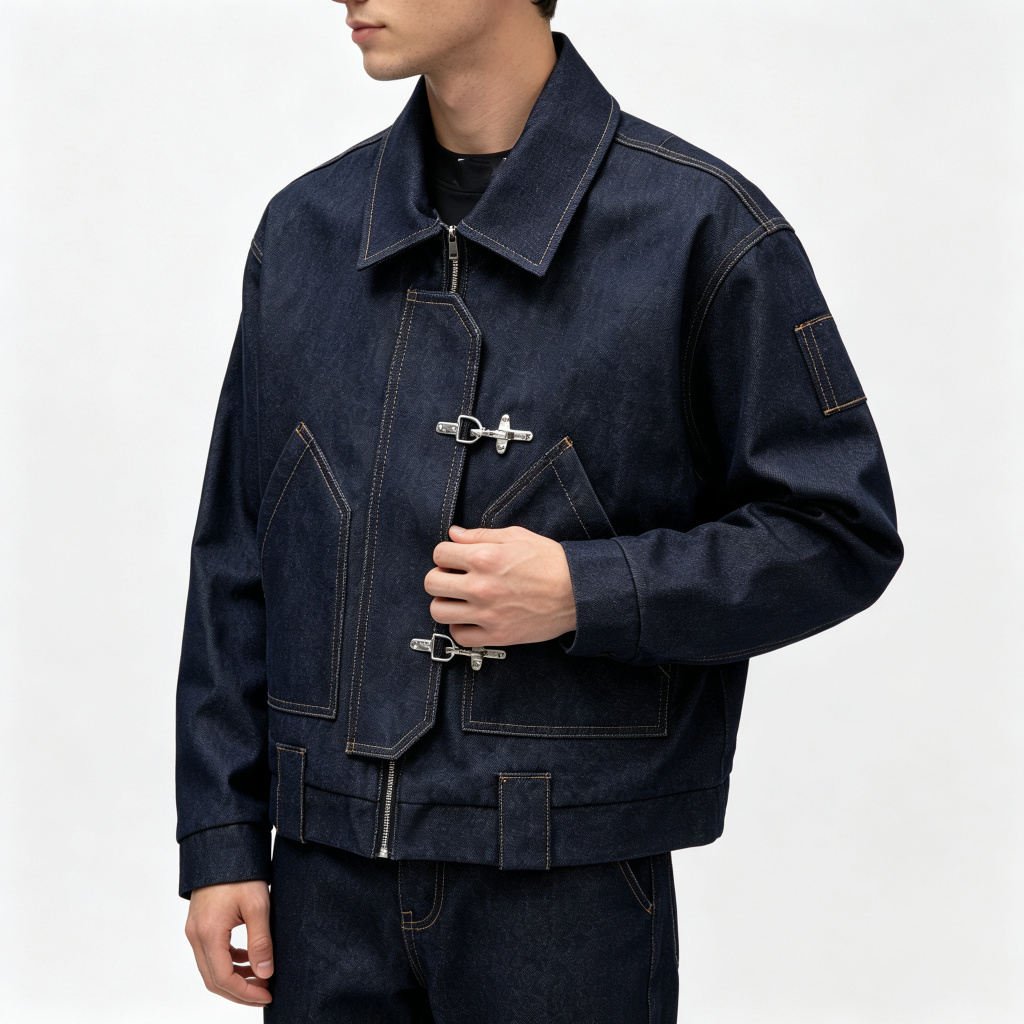
Direct-to-Garment (DTG)
Digital printing technology that renders intricate, full-color artwork with photographic detail. Perfect for complex designs, gradients, and small-batch custom denim jackets requiring rapid turnaround without screen setup.
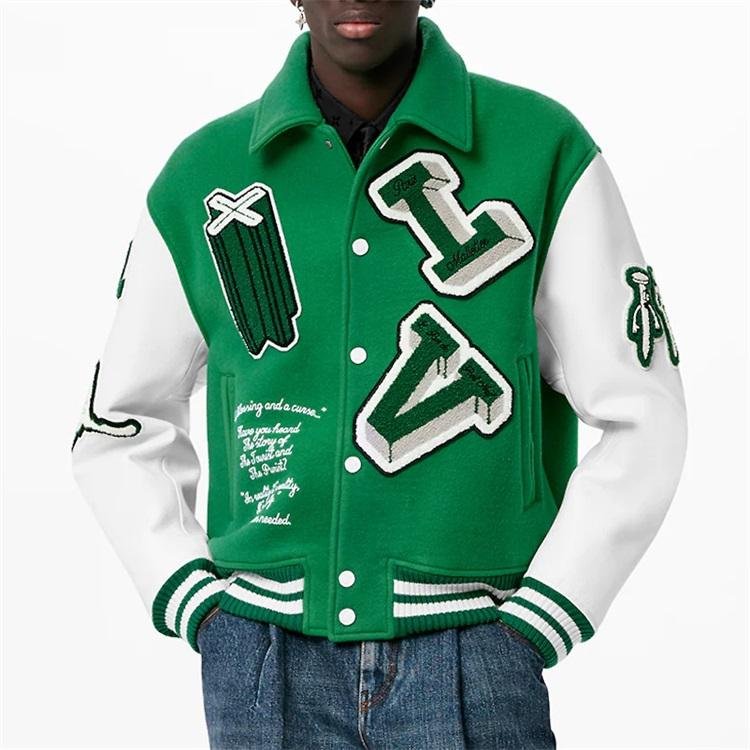
Distressing & Acid Wash
Authentic vintage treatments including strategic rips, fraying, sanding, and chemical washes. Creates the worn-in, street-ready aesthetic that defines modern streetwear denim with controlled, repeatable results.
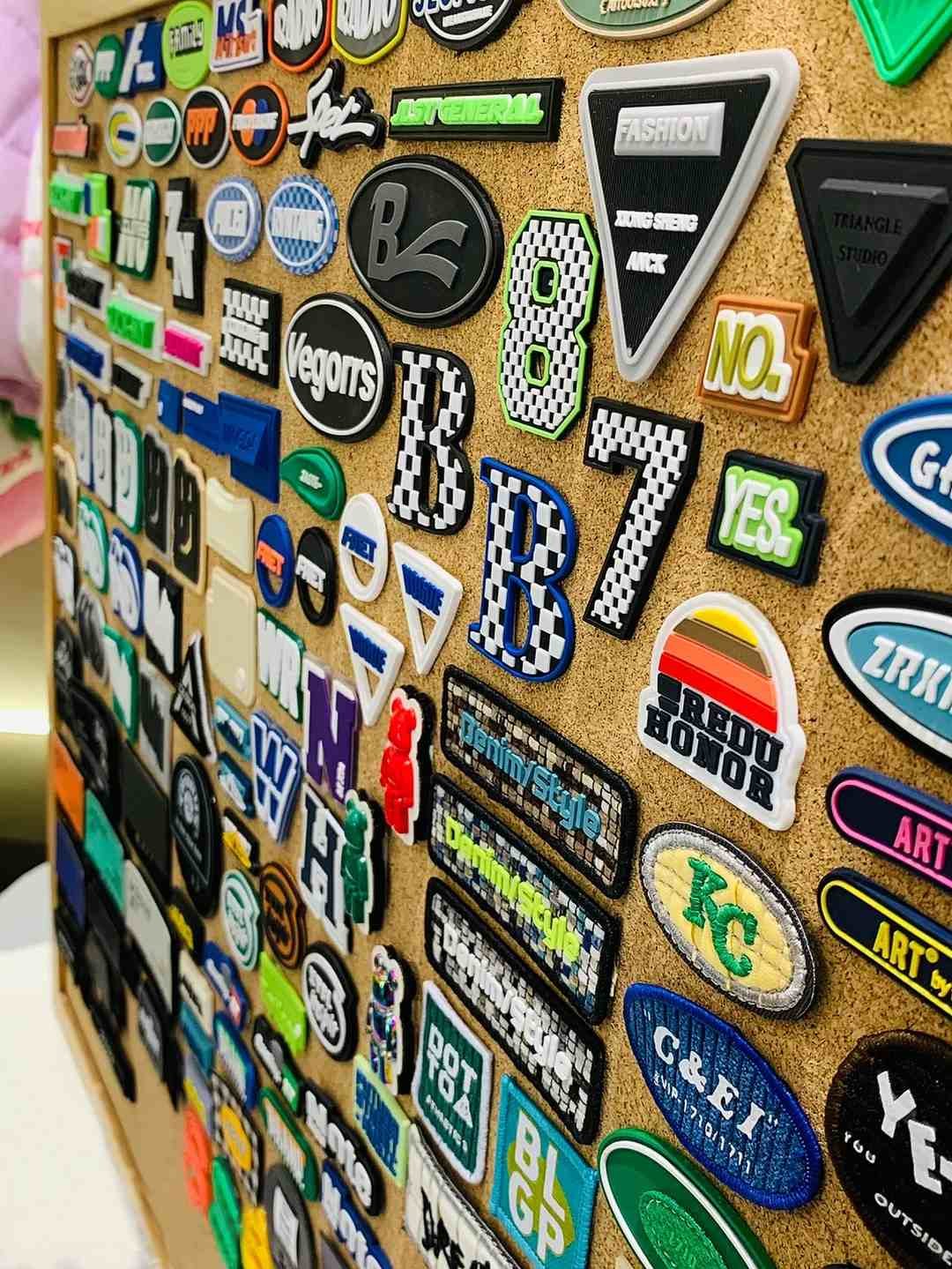
Woven Labels & Patches
Custom-woven brand labels, neck tags, and decorative patches that elevate perceived value. Soft-hand feel with exceptional wash durability, seamlessly integrated during production for a polished, professional finish.
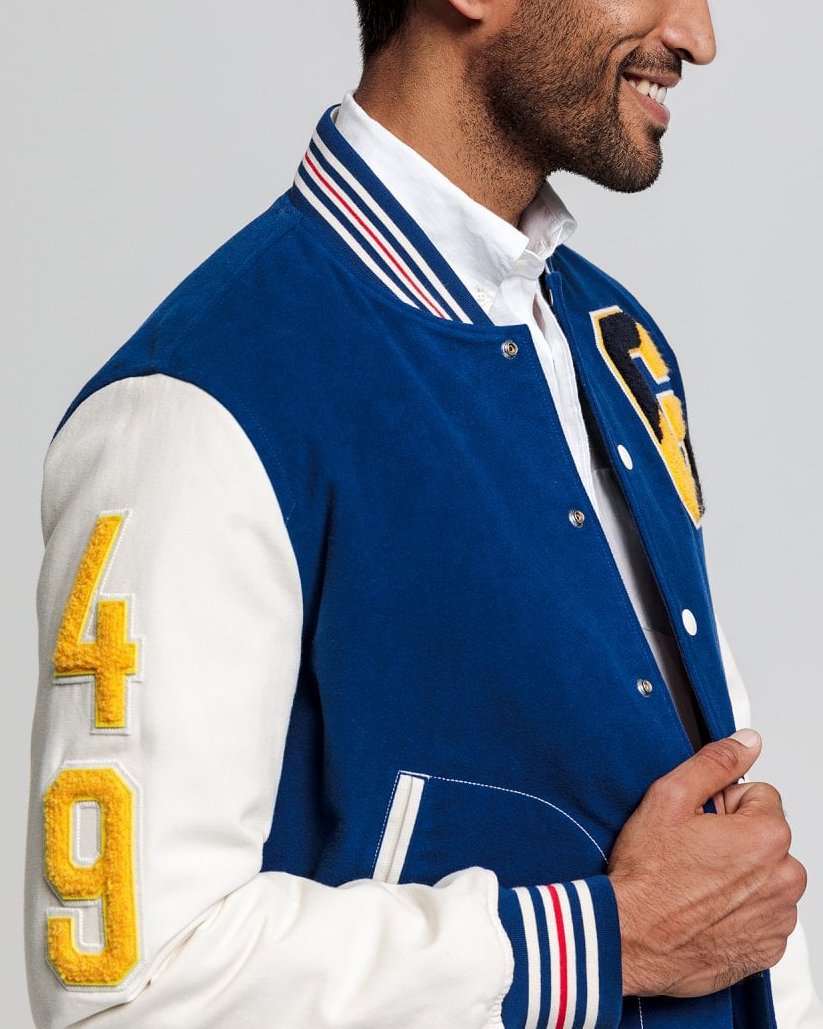
Heat Transfer Application
Precision heat-sealed graphics, reflective elements, and specialty films for bold visual impact. Ideal for metallic finishes, neon accents, and technical streetwear details that demand exact placement and clean edges.
Hardware & Finishing Accessories for Custom Denim Jackets
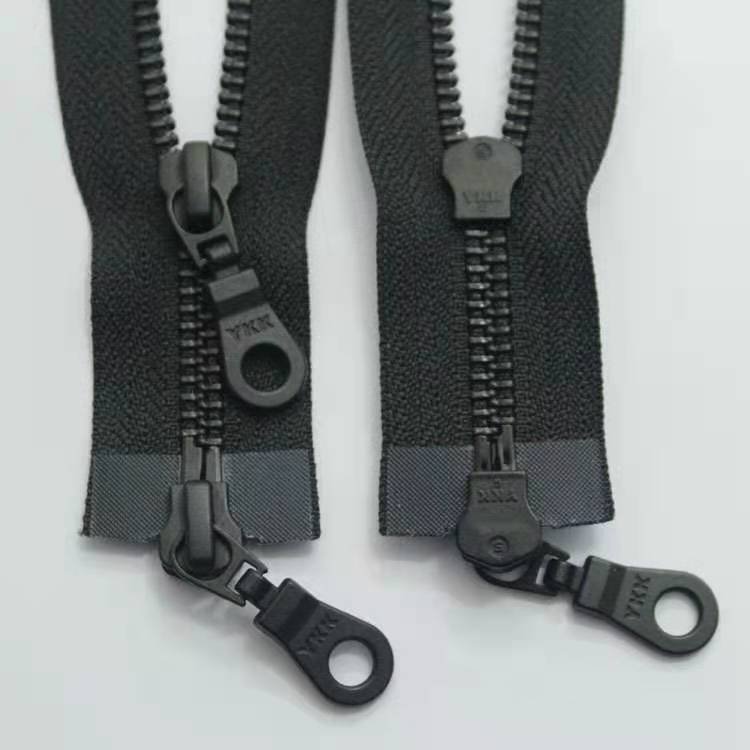
YKK Zippers
Industry-leading zippers engineered for smooth operation and long-lasting durability. Ideal for front closures and pocket details on custom denim jackets, available in antique brass, gunmetal, and custom finishes to match your brand aesthetic.
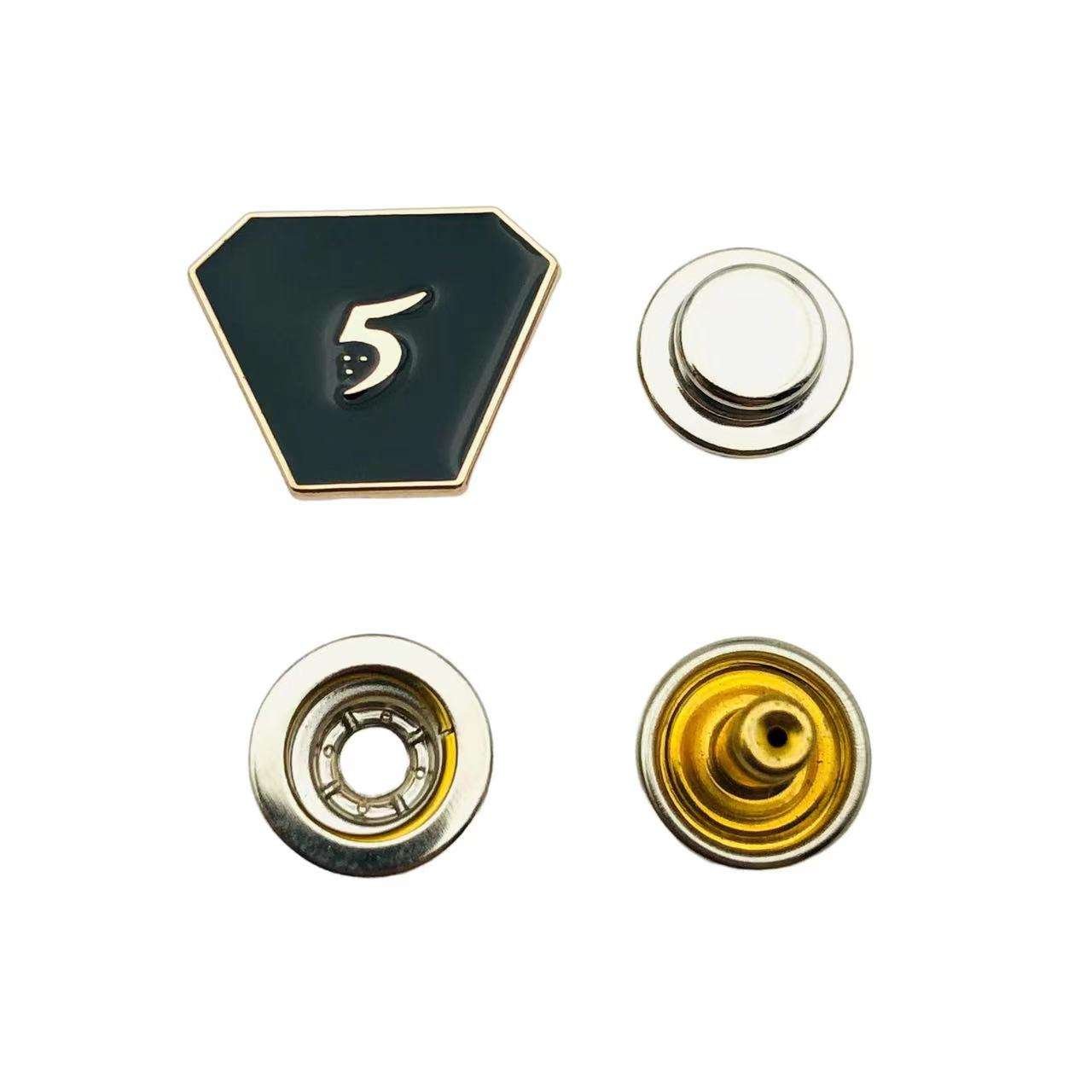
Metal Snap Buttons
Heavy-duty snap closures in brushed nickel, oxidized copper, and matte black finishes. Perfect for cuffs, front plackets, and pocket flaps, these snaps deliver the authentic workwear feel that defines classic denim jacket design.
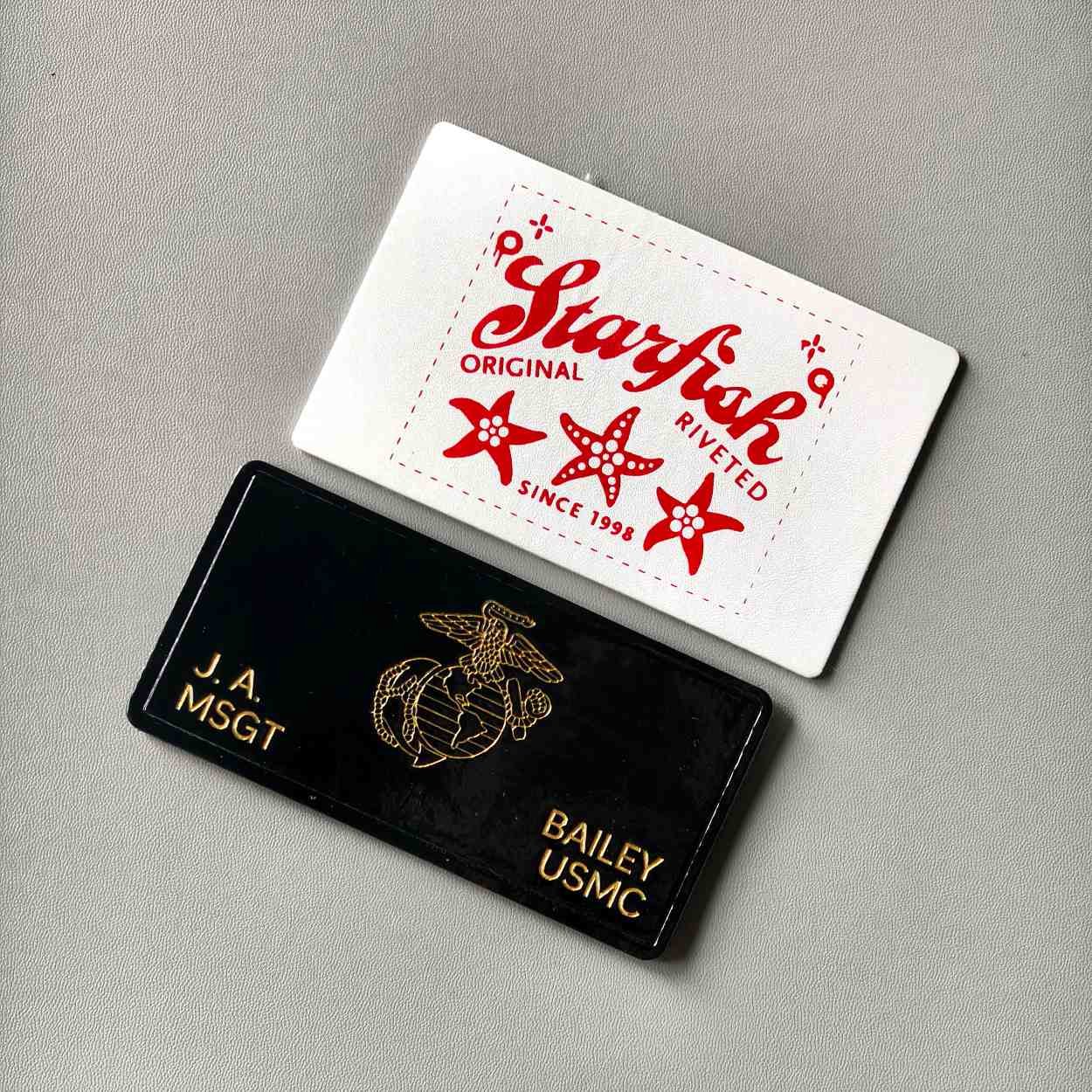
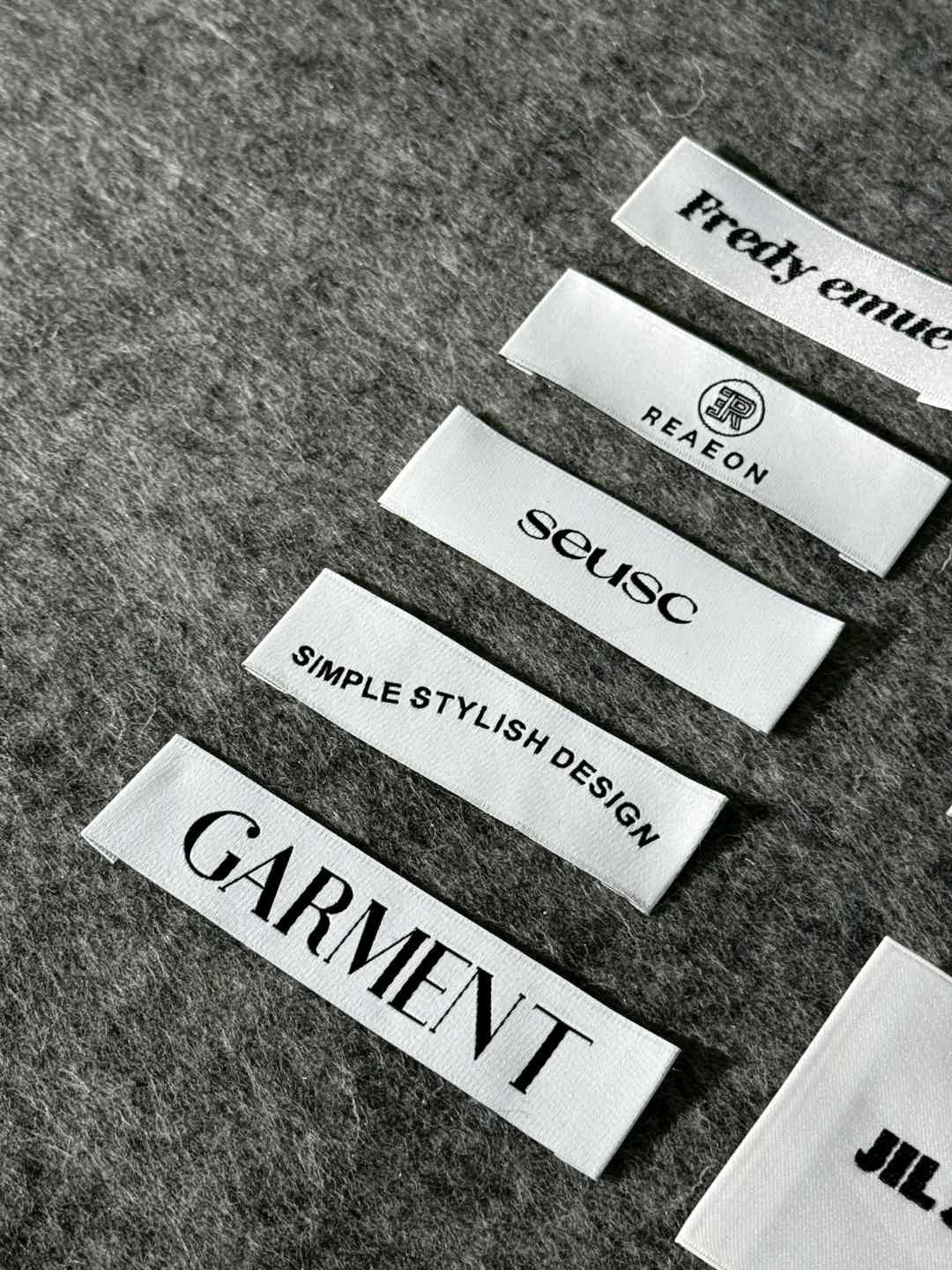
Custom Woven Labels
High-density woven brand labels with your logo, care instructions, or signature tagline. Sewn into neck seams, side seams, or exterior pockets to reinforce brand identity and elevate perceived value on every custom denim jacket.
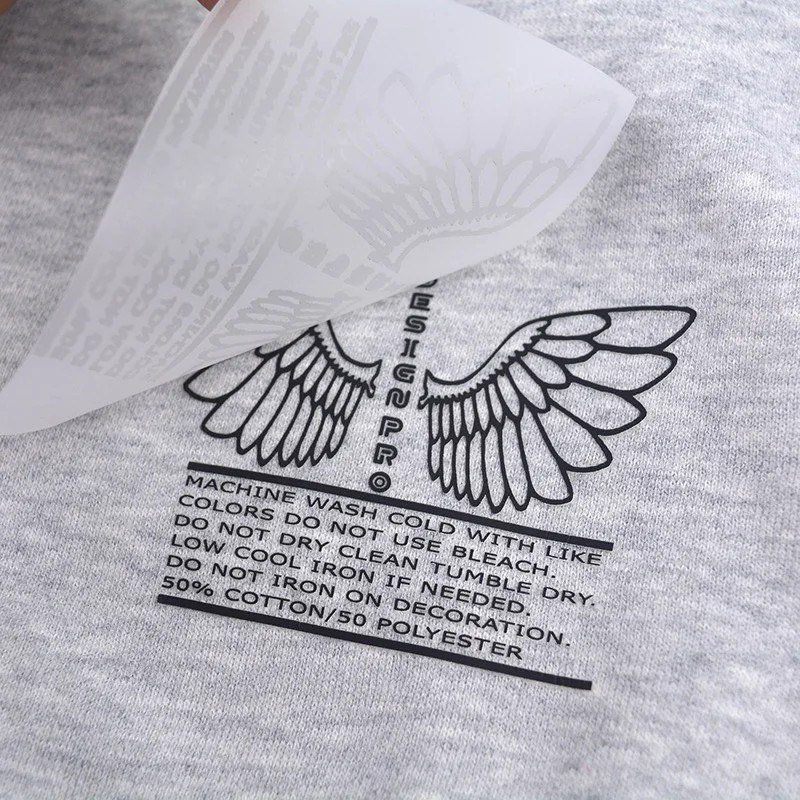
Embroidered Patches
Fully customizable embroidered or woven patches featuring your artwork, logo, or streetwear graphics. Applied via heat-seal backing or direct stitching to chest, sleeves, or back panels for bold, tactile branding that stands out.
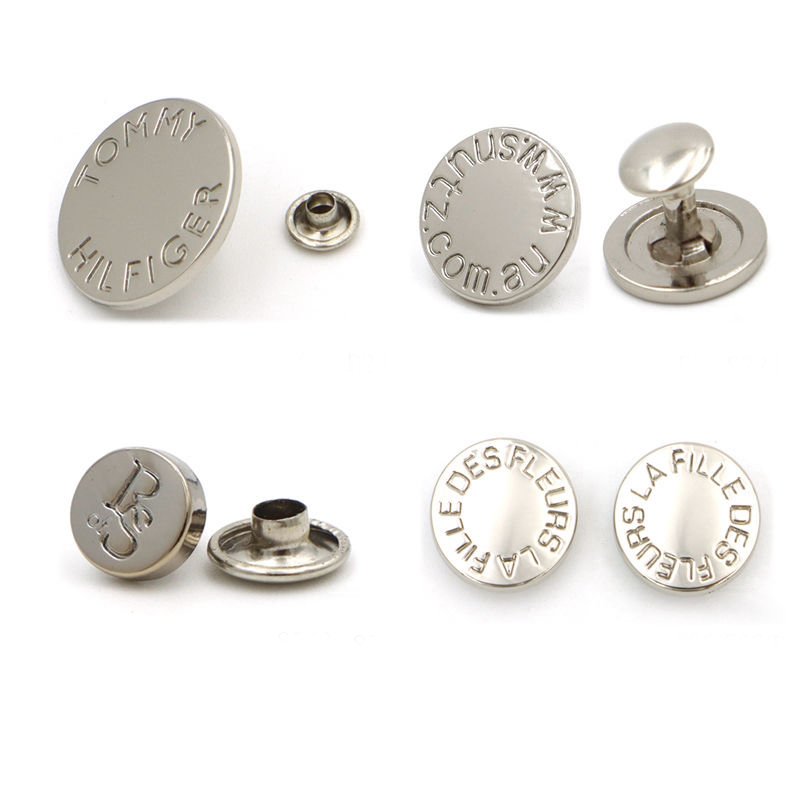
Metal Rivets
Double-cap copper or steel rivets that reinforce high-stress points like pocket corners and seams. These functional details add authentic workwear heritage and rugged durability to your custom denim jacket designs.
Custom Hangtags
Professionally printed hangtags on premium card stock with foil stamping, embossing, or matte lamination. The first touchpoint for retail buyers and consumers, hangtags communicate your brand story and product quality instantly.
About Clothing Manufacturer Ltd.
Founded in 2024 by Tesla Luo, Clothing Manufacturer Ltd. was built on a mission to eliminate low-quality clothing from the global market. With over 10 years of apparel production experience and 6 years specializing in streetwear, Tesla grew up immersed in garment manufacturing through his parents’ senior factory roles, gaining hands-on expertise across every production stage from cutting to quality control.
We serve streetwear brands, fashion startups, independent designers, and global retailers across 100+ countries, producing premium custom denim jackets and trend-driven apparel with rigorous quality standards. Our proprietary 5-step QC process ensures every garment meets exacting specifications, addressing the industry-wide problem of manufacturers who skip critical quality checks and damage the reputation of responsible producers.
Backed by our parent company Dongguan TuoZhen Clothing Co., Ltd., we combine the agility of a focused streetwear specialist with the production capacity of an established operation. Our 15-member R&D team and 10 patents support low-MOQ orders for emerging brands and fast turnaround for seasonal collections, delivering the best streetwear fabrics, technology, and quality to partners worldwide.
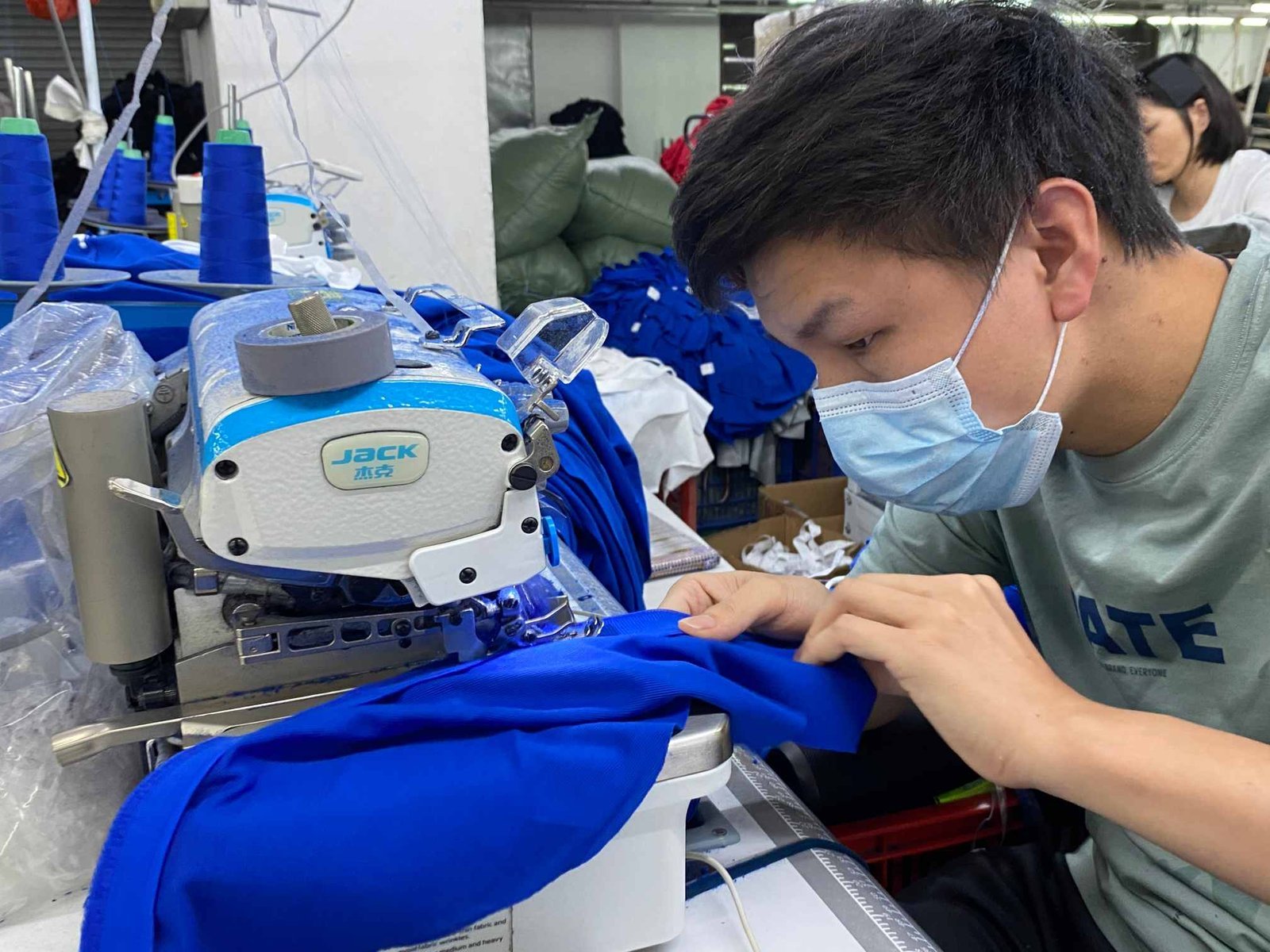
5-Step QC Process for Custom Denim Jackets
Materials QC Testing Before Production
Every denim roll, thread spool, and trim component undergoes rigorous inspection before cutting begins. We verify fabric weight, colorfastness, shrinkage rates, and hardware durability to ensure your custom denim jackets start with premium-grade materials that meet your brand standards.
- Lab testing for denim weight consistency, tensile strength, and wash stability
- Hardware stress tests on zippers, snaps, buttons, and rivets
- Thread and trim color-matching verification against approved samples
- Supplier certification review and material traceability documentation
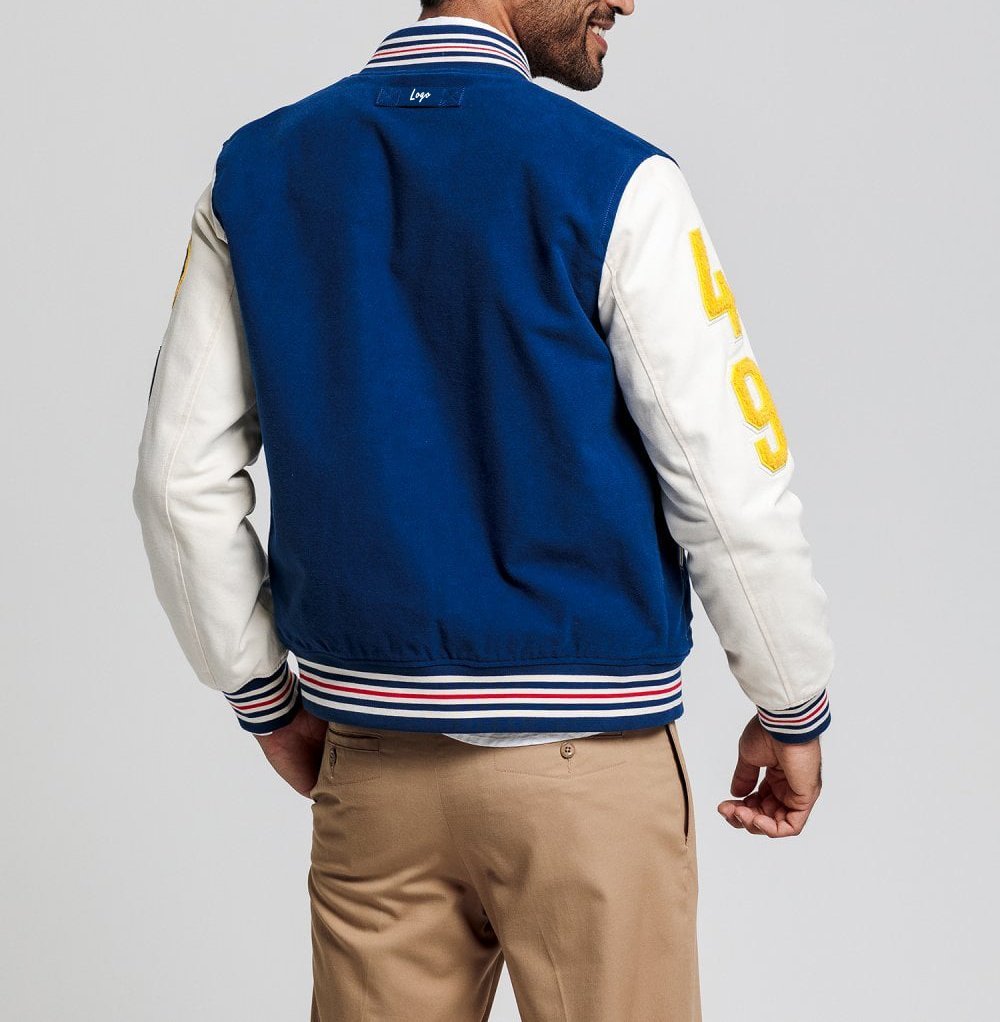
Cutting QC for Pattern Accuracy
After materials pass inspection, our cutting team verifies every pattern piece against your tech pack specifications. Precision cutting ensures consistent sizing across your entire production run, eliminating the fit inconsistencies that damage brand reputation and drive up return rates.
- Digital pattern verification against approved grading and measurements
- Fabric grain alignment checks to prevent twisting and distortion
- Piece-count audits to confirm all components are cut before assembly
- Marker efficiency review to minimize waste while maintaining quality
Craft QC During Assembly Stages
As your custom denim jackets move through assembly, our QC team inspects construction techniques at critical junctures. We catch stitching errors, alignment issues, and finishing flaws in real time, preventing defects from compounding through subsequent production stages.
- Seam strength and stitch density checks at collar, shoulder, and armhole joins
- Pocket placement and topstitching alignment verification
- Hardware attachment inspections for secure, centered installation
- Interlining and reinforcement checks on high-stress areas
Finished Goods Quality Inspection
Every completed denim jacket undergoes a comprehensive final inspection before packing. Our QC specialists evaluate overall construction, finishing details, and brand presentation to guarantee that only garments meeting your standards reach your customers, protecting your reputation in competitive streetwear markets.
- Full garment measurement verification against size spec sheets
- Visual inspection for stains, loose threads, and finish defects
- Functional testing of all zippers, buttons, and adjustable features
- Packaging review to ensure proper folding, tagging, and brand presentation
How Our Custom Denim Jackets Stand Apart From Standard Manufacturers
We’ve built our reputation on rigorous quality control, transparent communication, and genuine support for emerging brands. Here’s how we compare to typical suppliers who cut corners on custom denim jacket production.
← 左右滑动查看 →
From Concept to Shipment: Our Custom Denim Jackets Production Timeline
We break down every phase of your custom denim jacket order so you know exactly what to expect, when to expect it, and how our 5-step QC process protects quality at each stage.
Tech Pack Review
Our design team reviews your specifications, confirms fabric selections, hardware choices, and custom details to ensure production-ready accuracy before sampling begins.
Sampling & Approval
We produce physical samples of your custom denim jacket, incorporating your branding and design elements, then ship for your review and revision feedback.
Bulk Production Launch
Once samples are approved, we begin cutting and sewing your order, applying materials QC, cutting QC, and craft QC testing throughout every production stage.
Sewing & In-Line QC
Each jacket moves through our assembly lines with real-time sewing production QC testing, catching defects early so only flawless garments advance to finishing.
Final Quality Inspection
Finished jackets undergo comprehensive finished clothing quality QC inspection, verifying stitching, hardware, fit, and branding before packing approval is granted.
Packing & Global Shipping
We pack your custom denim jackets to your specifications, coordinate freight logistics, and provide tracking so your order arrives on schedule, anywhere worldwide.
How to Partner With Us for Custom Denim Jackets
From your first design concept to final delivery, our streamlined five-step process ensures quality, transparency, and on-time production for brands of every size.
Submit Your Tech Pack
Share your design specifications, fabric preferences, and quantity requirements. Our team reviews every detail and answers questions within 24 hours.
Receive Quote and Samples
We provide transparent pricing and produce physical samples so you can evaluate fit, fabric quality, and construction before committing to bulk production.
Approve Bulk Production
Once you confirm samples and pricing, we schedule your production run with clear timelines and milestone updates throughout the manufacturing cycle.
Pass Five-Step Quality Checks
Every custom denim jacket undergoes our proprietary quality control process at materials, cutting, craft, sewing, and final inspection stages to guarantee standards.
Receive Your Shipment
We coordinate global logistics, handle customs documentation, and deliver your finished jackets on schedule with full tracking and support throughout transit.
Certifications & Quality Standards for Custom Denim Jackets
Custom Denim Jackets That Deliver Real Results
We launched our first custom denim jacket collection with just 100 pieces and grew from 12K to 68K Instagram followers in 5 months. The 5-step QC process meant zero complaints—every jacket was flawless.
As a new brand, the 50-piece MOQ for custom denim jackets was perfect. We sold out our first drop in 72 hours and reordered immediately. Quality exceeded our expectations at every step.
Our influencer clients demand premium custom denim jackets on tight deadlines. Clothing Manufacturer delivered 300 pieces in 3 weeks with perfect embroidery and hardware—now our go-to production partner.
Frequently Asked Questions About Custom Denim Jackets
What is the minimum order quantity for custom denim jackets?
How long does it take to receive samples of custom denim jackets?
Do you charge for samples and design revisions on custom denim jackets?
What payment terms do you offer for custom denim jacket orders?
How do you ensure quality control for custom denim jackets?
Can you handle global shipping and customs for custom denim jackets?
How do you protect my designs and intellectual property for custom denim jackets?
What is the typical lead time for bulk production of custom denim jackets?
Can you work with my own denim fabric suppliers for custom denim jackets?
The Complete Buyer’s Guide to Custom Denim Jackets for Your Brand
Navigate fabric weights, customization techniques, and manufacturer selection with confidence. This guide delivers a proven decision framework, supplier quality criteria, and the most common mistakes emerging brands make when sourcing custom denim jackets.
1. What Are Custom Denim Jackets?
Custom denim jackets are privately branded or personalized outerwear manufactured to buyer specifications rather than purchased as finished inventory. Unlike off-the-shelf wholesale blanks, which arrive with fixed sizing, hardware, and generic labels, custom production allows brands to specify fabric weight, wash treatment, fit silhouette, button or zipper hardware, interior lining, branded labels, and applied decoration before the first unit is cut. White-label denim jackets occupy a middle ground: manufacturers produce pre-designed styles in neutral colorways, then add the buyer’s woven label or hangtag, but fabric, construction, and hardware remain standardized across all clients.
Fully custom denim jacket production encompasses every material and construction decision. Buyers select denim fabric weight (typically 10–14 oz per square yard for outerwear), weave type (right-hand twill, left-hand twill, or broken twill), and wash finish (raw indigo, stone-washed, acid-washed, or enzyme-treated). Fit specifications include body length, shoulder width, sleeve length, and armhole depth, all adjusted to the brand’s size-run standards. Hardware choices range from YKK zippers and branded snap buttons to custom metal rivets and logo-engraved shank buttons. Branding options include woven main labels, printed care labels, embroidered chest logos, screen-printed back graphics, and interior pocket patches.
Brands choose custom denim jackets over wholesale blanks to differentiate product aesthetics, control quality standards, and protect margin. A wholesale blank typically carries a 2–3× retail markup ceiling, while a custom piece designed with unique washes, hardware, and branding can command 4–6× factory cost, especially when backed by rigorous quality control processes that verify materials, cutting accuracy, sewing precision, and finished garment specifications before shipment.
2. Evolution and History of Denim Jackets
Levi Strauss & Co. introduced the first denim jacket in 1905 as the Type I, a boxy workwear piece with a single chest pocket and a cinch-back design for miners and laborers. The Type II followed in 1953 with two chest pockets, and the iconic Type III debuted in 1967, featuring the pointed chest-pocket flaps and slimmer fit that define the modern trucker silhouette. These three iterations established the construction vocabulary—reinforced stitching, metal rivets, button closures—that manufacturers still reference when producing custom denim jackets today.
Between 1960 and 1975, the denim jacket migrated from blue-collar uniforms to counterculture symbols as rock musicians, bikers, and anti-establishment movements adopted the garment for hand-painted slogans, band patches, and embroidered insignia. This shift transformed denim from purely functional fabric into a canvas for personal and group identity, laying the groundwork for today’s customization economy. Streetwear brands in the 1990s and 2000s reinterpreted the Type III with oversized fits, distressed washes, and screen-printed graphics, proving the silhouette could absorb trend cycles without losing its recognizable structure.
In 2025, custom denim jackets remain a cornerstone of streetwear collections because the Type III template offers large, flat surfaces on the back and chest—ideal real estate for embroidery, puff prints, appliqué patches, and laser etching. The jacket’s heritage credibility and universal sizing appeal allow startups and independent designers to layer their branding onto a shape consumers already understand, reducing the learning curve for new labels while delivering the bold self-expression that streetwear audiences expect.
3. Types of Custom Denim Jackets
Custom denim jackets come in five core silhouettes, each serving distinct brand positioning and customer demographics. Selecting the right style determines your product’s fit, price point, and cultural resonance before any customization begins.
Trucker / Type III
The trucker jacket features a cropped waist, pointed chest pockets, and a boxy fit that ends at the hip. Originally designed for ranchers in 1967, it remains the most popular silhouette for streetwear brands targeting 18–35-year-old consumers.
This style pairs naturally with graphic embroidery, screen-printed back panels, and distressed washes. Brands like Supreme and Off-White have built entire collections around the trucker’s clean lines and cultural cachet.
Oversized Boyfriend

Oversized boyfriend jackets run 2–4 inches longer in the body and sleeves than standard fits, creating a relaxed, borrowed-from-him aesthetic. This silhouette appeals to female-focused fashion startups and unisex streetwear labels seeking a laid-back vibe.
The extra fabric accommodates bold patchwork, oversized embroidery, and layered looks. Expect 10–15 percent higher fabric costs due to increased yardage per unit.
Cropped
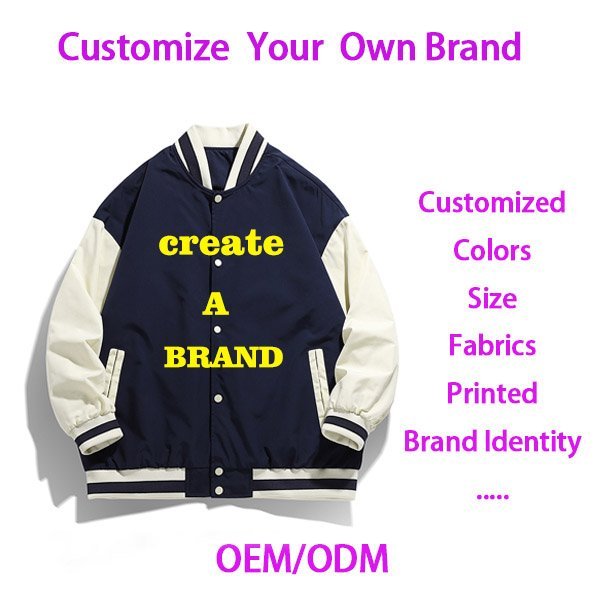
Cropped denim jackets end 2–4 inches above the natural waist, emphasizing high-waisted bottoms and creating a modern, fashion-forward silhouette. This style dominates influencer and creator brands targeting Gen Z and millennial women.
Shorter body length reduces fabric waste and lowers per-unit costs by 8–12 percent. Pair cropped styles with vintage washes and minimalist hardware for maximum appeal.
Sherpa-Lined
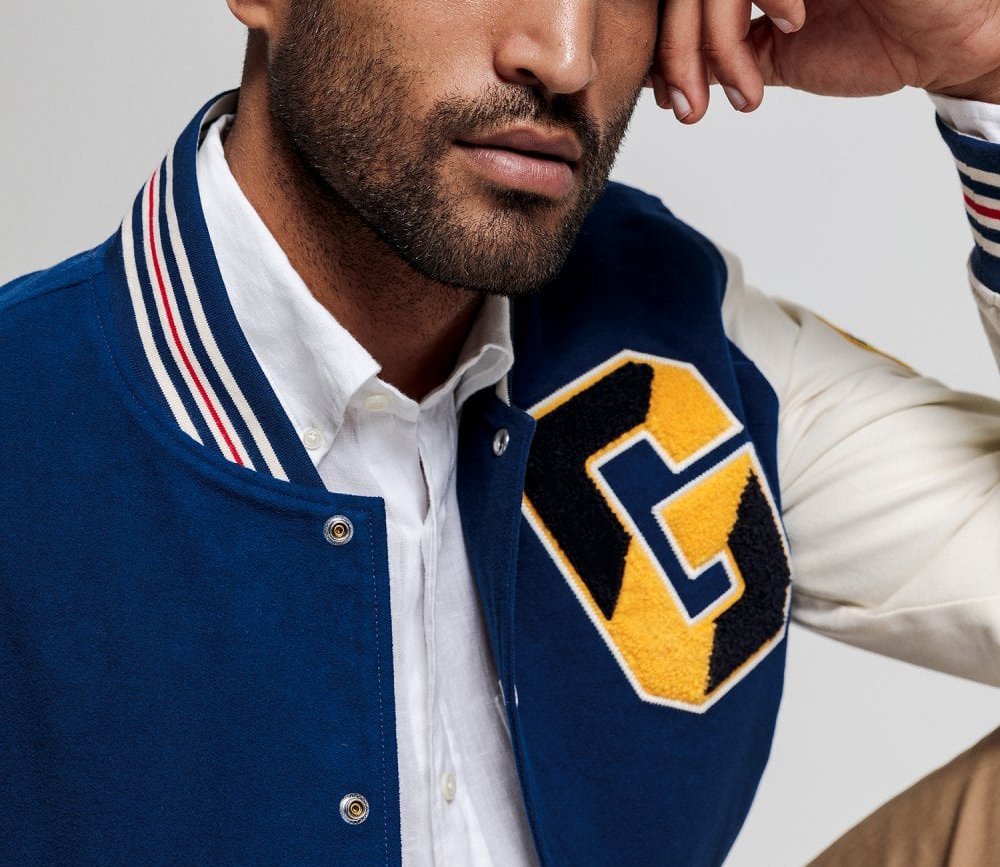
Sherpa-lined jackets add a polyester fleece lining to traditional denim shells, providing warmth for fall and winter collections. This style suits workwear-inspired brands and outdoor lifestyle labels seeking functional, layerable outerwear.
Lining adds 150–200 grams per jacket and increases production time by 20–30 percent. Sherpa styles command 30–40 percent higher retail prices, justifying the added manufacturing complexity.
Western Yoke
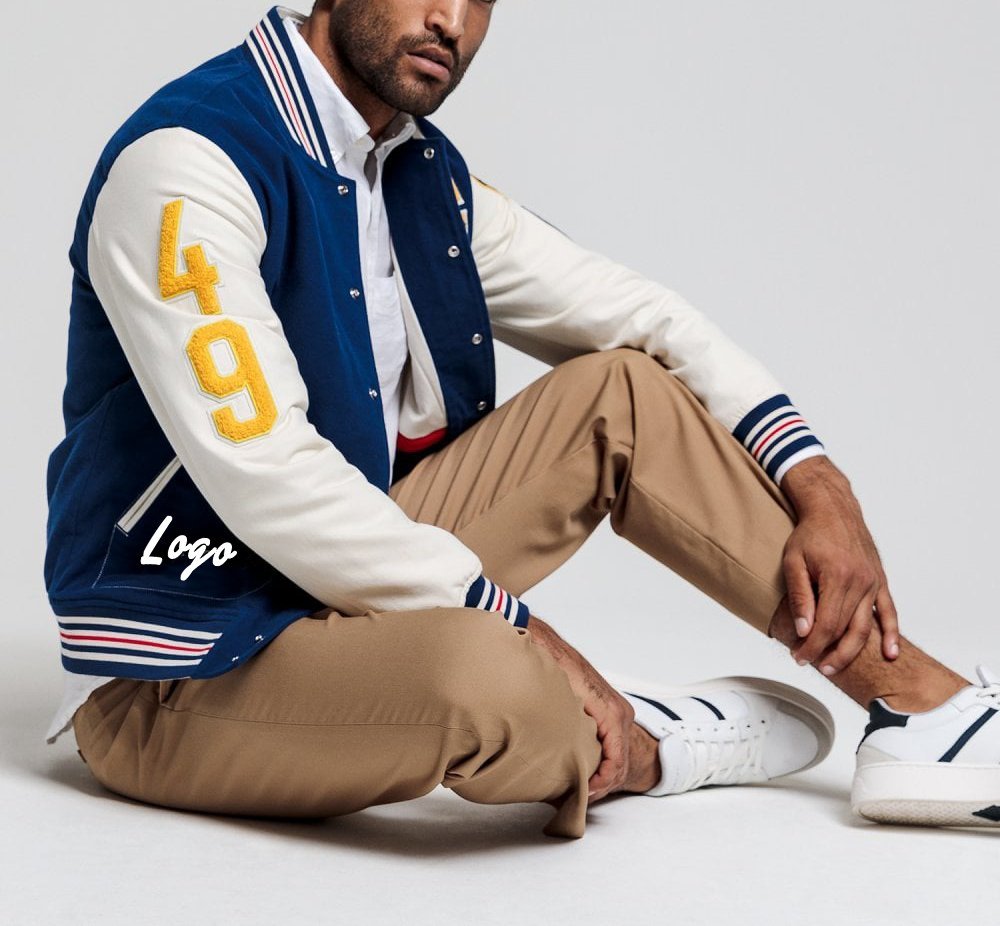
Western yoke jackets feature pointed shoulder seams, snap closures, and decorative stitching inspired by 1950s rodeo wear. This silhouette appeals to Americana and heritage-focused brands targeting workwear and vintage enthusiasts.
The yoke’s angled seams require precise pattern cutting and skilled sewing, adding 10–15 minutes per unit in labor. Western styles pair best with contrast stitching, metal snaps, and raw denim fabrics.
4. Denim Fabrics and Weights for Custom Denim Jackets
Denim fabric choice determines durability, drape, and seasonal wearability in custom denim jackets. Weight typically ranges from 8 oz for lightweight fashion pieces to 14 oz for heavyweight workwear-inspired designs, while weave structure and fiber blend affect stretch, recovery, and cost.
| Fabric Type | Weight (oz) | Characteristics | Best Use Case |
|---|---|---|---|
| 100% Cotton Twill | 10–12 | Authentic texture, natural aging, moderate shrinkage | Heritage brands, classic trucker jackets |
| Cotton-Poly Blend | 9–11 | Wrinkle-resistant, low shrinkage, cost-effective | Fast-fashion retailers, high-volume lines |
| Cotton-Spandex Stretch | 8–10 | Comfort stretch, fitted drape, requires stabilization | Athleisure crossover, women’s fitted styles |
| Selvedge Denim | 12–14 | Premium texture, shuttle-loom finish, rigid structure | Limited editions, premium streetwear positioning |
Fabric Weight Ranges and Seasonal Application
Lightweight denim (8–10 oz) offers soft drape and breathability, ideal for spring layering and fashion-forward streetwear brands targeting year-round wear. Mid-weight denim (10–12 oz) balances structure and comfort, serving as the industry standard for classic trucker jackets and versatile layering pieces.
Heavyweight denim (12–14 oz) delivers rigid structure and exceptional durability, appealing to workwear-inspired brands and customers seeking investment pieces. Heavier fabrics require more skilled sewing operators and reinforce seams, increasing production time by 15–20 percent compared to lightweight options.
Weave Types and Construction Methods
Right-hand twill (3×1 weave) is the most common denim construction, producing the diagonal texture and durability expected in classic jackets. Broken twill eliminates the diagonal line and reduces fabric twist, improving garment stability and wash consistency.
Selvedge denim, woven on shuttle looms with self-finished edges, commands premium positioning but requires specialized cutting to showcase the signature colored edge. Production minimums for selvedge often start at 500 meters per colorway versus 300 meters for standard denim.
Fiber Blends and Stretch Properties
100% cotton denim delivers authentic texture and ages naturally through wear, appealing to heritage-focused brands and customers valuing traditional craftsmanship. Cotton-polyester blends (typically 80/20 or 70/30) reduce shrinkage and improve wrinkle resistance, lowering garment care requirements for retail-focused lines.
Cotton-spandex blends (97/3 or 95/5) add stretch and recovery, enhancing comfort for active customers and fitted silhouettes. Stretch denim requires careful pattern grading and stabilization at stress points to prevent distortion during the five-step QC process.
5. Customization and Decoration Options for Custom Denim Jackets
Custom denim jackets gain brand identity through decoration techniques that range from embroidery and screen printing to hardware upgrades and chemical treatments. Each method carries distinct setup costs, per-unit pricing, durability profiles, and aesthetic associations that influence both budget and brand positioning.
| Technique | Setup Cost | Per-Unit Cost | Wash Durability |
|---|---|---|---|
| Embroidery | $50–150 | $3–12 | 50+ washes |
| Screen Printing | $25–75/color | $1.50–5 | 30+ washes |
| Patches | $0 | $0.80–3 | 40+ washes |
| Distressing | $0 | $2–8 | Permanent |
| Acid Wash | $0 | $3–10 | Permanent |
| Laser Etching | $0–50 | $4–15 | Permanent |
| Studs/Rivets | $0 | $5–20 | 100+ washes |
| Custom Hardware | $200–800 | $1–6 | 500+ cycles |
Embroidery and Screen Printing
Embroidery delivers premium texture and wash durability, with setup costs of $50–150 per design and per-unit costs of $3–12 depending on stitch count. Screen printing offers vibrant graphics at lower per-unit costs ($1.50–5) but requires setup fees of $25–75 per color and suits runs above 50 pieces.
Embroidery withstands 50+ industrial washes without significant fading, making it ideal for heritage and workwear-inspired streetwear. Screen printing durability varies by ink type; plastisol lasts 30+ washes, while water-based inks fade faster but deliver softer hand feel favored by contemporary brands.
Patches, Distressing, and Acid Wash
Woven or embroidered patches add modular branding at $0.80–3 per patch, with no setup fees and flexible placement. Distressing techniques—hand sanding, stone washing, or enzyme treatment—cost $2–8 per jacket and create vintage or grunge aesthetics popular in streetwear.
Acid wash and bleach treatments produce high-contrast marbling for $3–10 per unit, though chemical processes require skilled operators to avoid fabric weakening. These methods align with bold, rebellious brand narratives and require sample approval to ensure consistent results across production batches.
Laser Etching, Studs, and Custom Hardware
Laser etching burns precise graphics into denim without added materials, costing $4–15 per jacket with minimal setup. Stud and rivet embellishments range from $0.10–0.50 per piece, with labor adding $5–20 per jacket depending on density.
Custom metal hardware—branded buttons, zippers, and snaps—elevates perceived value at $1–6 per jacket, with tooling fees of $200–800 for proprietary molds. YKK custom-pull zippers and engraved snap buttons reinforce premium positioning and withstand repeated use better than generic alternatives.
6. Key Quality Indicators in Custom Denim Jacket Construction
Professional denim jacket construction relies on measurable checkpoints that reveal factory discipline and technical capability. Each indicator—from stitch density to hardware grade—serves as a diagnostic tool during sampling and pre-shipment inspection, helping buyers distinguish rigorous manufacturers from those skipping critical quality steps.
Stitch Density and Bar Tacks
Industry-standard denim jackets require 10–12 stitches per inch (SPI) on main seams and 12–14 SPI on topstitching for durability and visual consistency. Lower SPI counts indicate rushed production or inadequate machine calibration.
Bar tacks—short, dense zigzag stitches—must appear at every stress point: pocket corners, sleeve plackets, and button-tab ends. Each bar tack should measure 8–10 mm with at least 20 passes to prevent tearing under normal wear.
Hardware Grade and Attachment
Button and snap quality directly reflects sourcing standards. YKK or equivalent-grade metal snaps resist corrosion and maintain closure force beyond 5,000 cycles, while generic zinc-alloy alternatives fail within months.
Shank buttons should attach with reinforced thread (minimum 40-weight polyester) and backing buttons on heavyweight denim (12 oz and above). Rivets at pocket stress points must be double-cap copper or brass, not painted steel that chips after washing.
Topstitching Alignment and Collar Stand
Parallel topstitching with ±1 mm deviation signals skilled operators and proper presser-foot tension. Wavy or crossing lines indicate poor training or machine wear.
Collar stands require interlining (fusible or sewn-in) to maintain shape through repeated washing. A well-constructed stand measures 35–40 mm height with clean topstitching 3–5 mm from the edge, and the collar should lie flat when unbuttoned without curling or puckering.
7. How to Choose a Custom Denim Jacket Manufacturer
Selecting the right partner for custom denim jackets requires evaluating production capabilities, quality systems, and commercial terms. A transparent manufacturer will provide clear answers on MOQ thresholds, sampling timelines, fabric sourcing, decoration methods, certifications, and payment structures before you commit to an order.
MOQ Flexibility and Sampling Turnaround
Most overseas denim jacket manufacturers set MOQs between 50 and 300 pieces per style, with lower thresholds available for startups willing to accept slightly higher per-unit costs. Clothing Manufacturer Ltd. offers a 50-piece MOQ to support emerging brands and independent designers testing new designs.
Sampling turnaround typically ranges from 7 to 14 days for standard constructions and 14 to 21 days for complex embellishments or custom washes. Confirm whether the factory charges sampling fees, whether those fees are refundable upon order placement, and how many revision rounds are included.
Fabric Sourcing Transparency and Decoration Capabilities
Ask whether the manufacturer sources denim from mills directly or through brokers, and request fabric specifications including weight (oz/yd²), fiber content, and shrinkage rates. In-house decoration capabilities—embroidery, screen printing, laser engraving, distressing—reduce lead times and quality handoff risks compared to outsourced services.
Clothing Manufacturer Ltd. maintains a 15-member R&D team and holds 10 patents covering production innovations, enabling integrated decoration and custom washes without third-party delays.
Compliance Certifications and Quality Control
Reputable manufacturers hold certifications such as WRAP (social compliance), BSCI (ethical auditing), and Oeko-Tex Standard 100 (chemical safety). These credentials confirm adherence to labor standards and textile safety regulations required by North American and European retailers.
Clothing Manufacturer Ltd. implements a proprietary five-step QC methodology—materials QC, cutting QC, craft QC, sewing QC, and finished-goods inspection—ensuring defects are identified and corrected at every production stage rather than only at final inspection.
Communication, Payment Terms, and Tech-Pack Handoff
Evaluate responsiveness during the RFQ phase: replies within 24 hours, detailed quotations, and willingness to clarify technical questions signal reliable communication. Standard payment terms are 30% deposit upon order confirmation and 70% balance before shipment, with some factories offering net-30 terms for repeat clients.
Submit a complete tech pack including technical sketches, measurements (graded by size), fabric specs, hardware callouts (YKK zippers, custom buttons), decoration placements with Pantone codes, and wash instructions. Clear documentation reduces sampling revisions and prevents costly production errors.
8. Common Mistakes When Ordering Custom Denim Jackets
Even experienced brands stumble when ordering custom denim jackets for the first time. Recognizing these pitfalls early saves time, budget, and brand reputation.
Underestimating Shrinkage and Wash Testing
Denim shrinks 3–5% in length and 2–3% in width after the first wash, yet many brands skip pre-production wash tests. This oversight results in jackets that fit perfectly off the line but become unwearable after one laundry cycle.
Request sanforized or pre-washed fabrics, and always order strike-off samples that undergo three full wash cycles before approving bulk production. Clothing Manufacturer Ltd.’s materials QC testing verifies fabric stability before cutting begins, catching shrinkage issues at the earliest stage.
Choosing Fabric Weight Mismatched to Climate
A 14 oz heavyweight denim jacket performs well in New York winters but becomes unsellable in Miami or Southeast Asia. Brands often select fabric based on aesthetic alone, ignoring their target market’s climate.
Match weight to region: 10–12 oz for warm climates, 12–14 oz for temperate zones, 14+ oz for cold-weather markets. Review your sales data by geography before finalizing fabric specs.
Over-Complicating Decoration on First Runs
Combining embroidery, screen print, patches, and distressing on a debut collection multiplies cost and extends lead times by 10–15 days. Complex decoration also increases defect rates during initial production.
Limit your first order to one or two decoration techniques. Test simpler designs, validate market demand, then scale complexity in subsequent runs once manufacturing workflows are proven.
Ignoring Lead-Time Buffers and Size-Grading Consistency
Brands frequently plan for quoted lead times without accounting for shipping delays, customs clearance, or pre-production sampling revisions. A 30-day production window often becomes 45–50 days door-to-door.
Add 15–20 days to manufacturer estimates for international orders. Simultaneously, ensure your tech pack specifies consistent grade rules across all sizes; a 2 cm increment between S and M must match the M-to-L jump, or fit complaints will spike across your size run.
9. Steps to Launch Your Custom Denim Jacket Line
Launching a custom denim jacket line requires a structured workflow from concept to delivery. Following a clear sequence with milestone approvals at each stage prevents costly revisions and ensures your final product matches your vision.
Concept, Mood Board, and Tech-Pack Creation
Begin by assembling a mood board that captures your brand aesthetic, target customer, and key design details—silhouettes, washes, hardware, and embellishments. Translate this vision into a technical specification document (tech pack) that includes flat sketches, measurements, stitch types, and trim callouts.
A complete tech pack eliminates ambiguity during sampling and production. Include fabric weight (typically 10–14 oz denim), Pantone color codes for thread and labels, and reference images for washes or distressing. Lock this document before moving to fabric selection to avoid scope creep.
Fabric, Trim Selection, and First Sample
Source denim swatches in your target weight and wash, then select trims: buttons, rivets, zippers (YKK recommended), and labels. Submit these choices alongside your tech pack to request a first prototype sample.
Expect 10–15 days for initial sampling. Review fit, construction quality, and wash consistency. Approve or request revisions in writing; each revision cycle adds 7–10 days. Clothing Manufacturer Ltd.’s five-step QC process checks materials, cutting, craft, sewing, and finished garments to catch defects early.
Costing, Production Order, and Logistics
Once the sample is approved, finalize unit cost, MOQ (often 50–100 pieces per colorway), and payment terms. Typical bulk production spans 25–35 days after deposit, followed by 20–40 days for sea freight or 5–7 days for air.
Schedule milestone inspections: pre-production approval, in-line QC at 30 percent completion, and final inspection before shipment. This timeline—design lock to warehouse delivery—ranges 60–90 days for sea freight, 45–60 days for air, ensuring you plan launches and inventory well in advance.
10. Pricing and Cost Breakdown for Custom Denim Jackets
Custom denim jacket pricing varies by fabric weight, hardware quality, and decoration complexity. At 50-unit minimum orders, base unit costs typically range from $18 to $35 for mid-weight denim (10–12 oz) with standard metal buttons and basic washes, while premium selvedge denim or heavy 14 oz fabric with YKK zippers and specialty washes pushes costs to $32–$55 per piece. Volume discounts become significant at 250 units and above, where per-unit costs drop 15–25 percent compared to starter runs.
Decoration add-ons represent the second-largest cost driver after fabric. Direct embroidery runs $2.50–$6 per placement depending on stitch count, while woven or embroidered patches add $1.80–$4 each. Specialty wash treatments—enzyme stone wash, acid wash, or hand-sanding—add $3–$8 per jacket, and screen-printed back graphics cost $2–$5 per color per location with setup fees of $40–$80 per screen.
Lead times compress as order size grows and production scheduling becomes more efficient. A 50-piece run with custom embroidery typically requires 4–5 weeks from approved samples to shipment, while 500-unit orders with established specifications complete in 3–4 weeks. Rush surcharges of 20–30 percent apply for timelines under three weeks.
Brands should budget retail markups of 2.5× to 4× landed cost to cover marketing, fulfillment, and margin. A $28 landed jacket retails between $70 and $112, positioning custom denim jackets as accessible premium streetwear with healthy unit economics for independent labels and influencer brands.
| Quantity Tier | Base Unit Cost (USD) | Lead Time (Weeks) | Notes |
|---|---|---|---|
| 50–99 units | $28–$38 | 4–5 | Includes 10–12 oz denim, standard hardware, basic wash |
| 100–249 units | $24–$34 | 4–5 | 5–10% volume discount applied |
| 250–499 units | $20–$30 | 3–4 | 15–20% discount; efficient scheduling |
| 500–999 units | $18–$26 | 3–4 | 20–25% discount; priority production slots |
| 1,000+ units | $16–$24 | 3–4 | Maximum scale pricing; dedicated production line |
| Embroidery add-on | +$2.50–$6 | — | Per placement; depends on stitch count |
| Specialty wash | +$3–$8 | — | Enzyme stone, acid, hand-sanding treatments |
| Custom patches | +$1.80–$4 | — | Woven or embroidered; per patch |
Ready to Launch Your Custom Denim Jacket Line?
Partner with us for premium craftsmanship, 50-piece MOQ, and 5-step QC on every order. Let’s bring your vision to life.