
Premium Distressed Denim Jacket Manufacturer for Streetwear Brands
Partner with a distressed denim jacket manufacturer that delivers low MOQ, fast sampling, and our exclusive 5-step quality control guarantee for emerging and global brands.
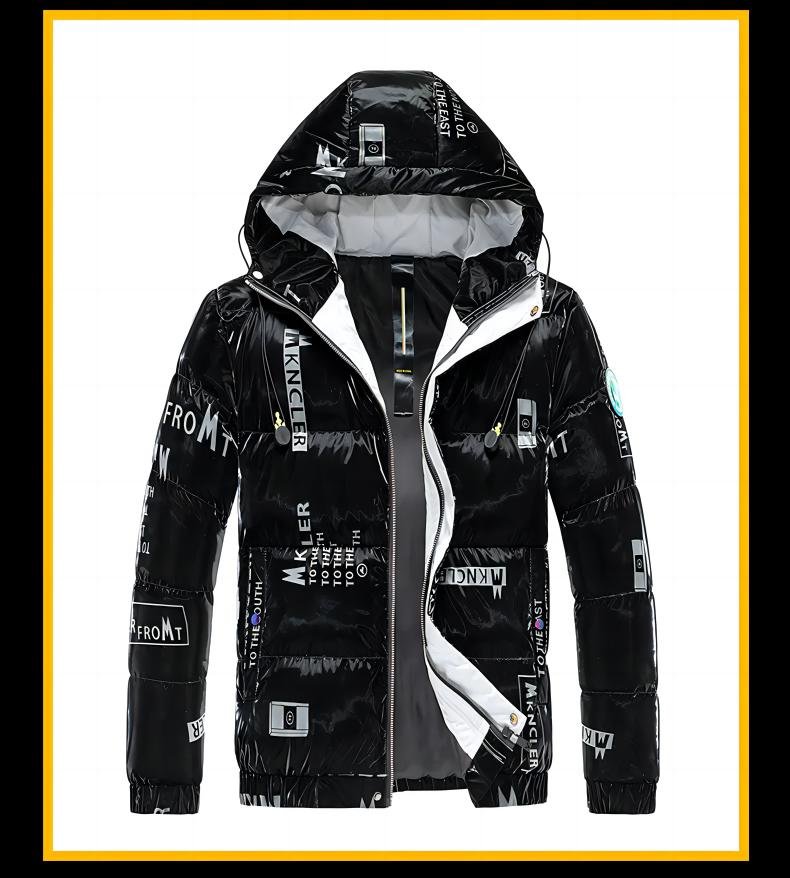
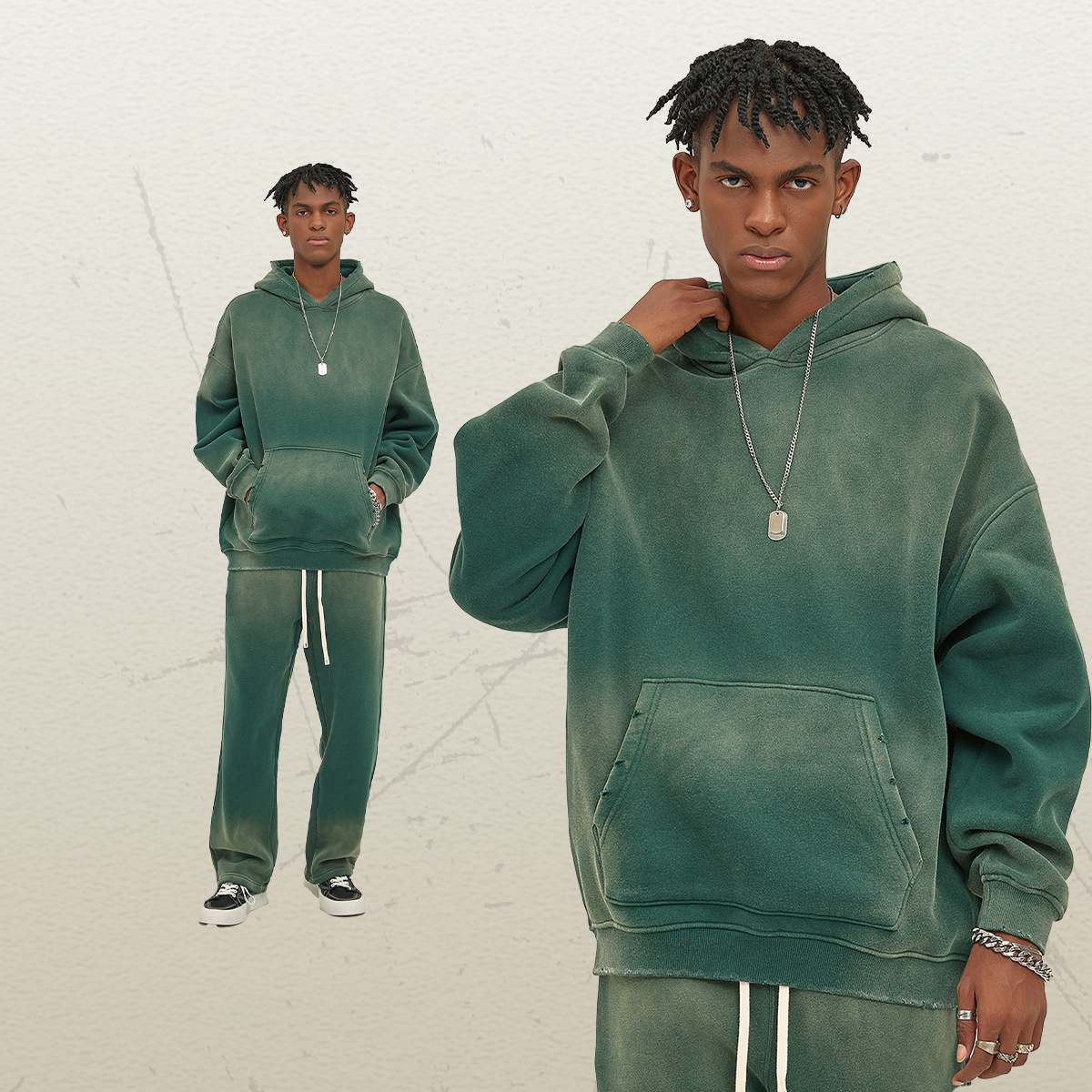
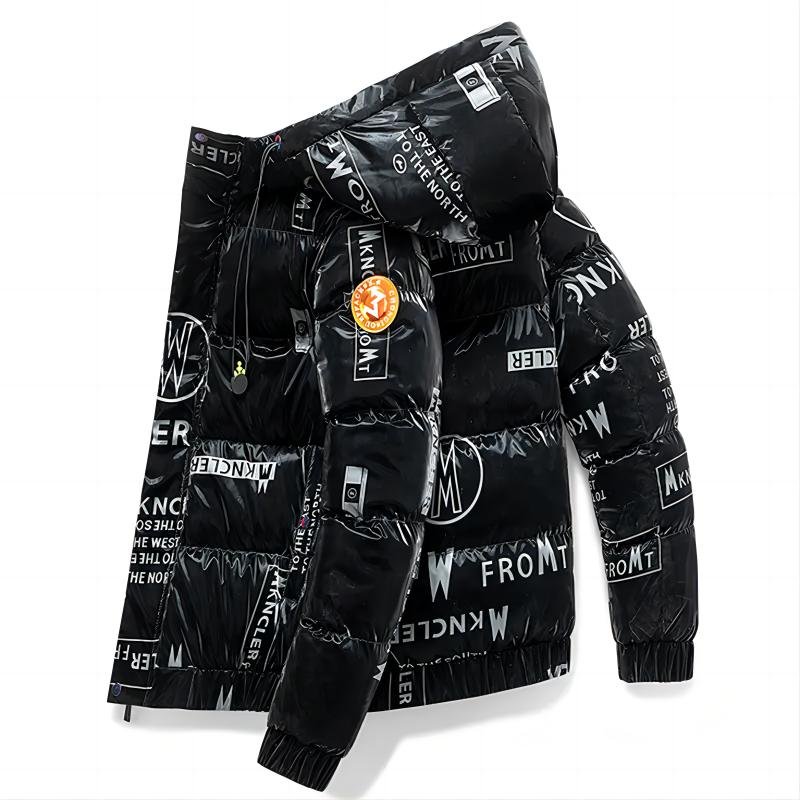
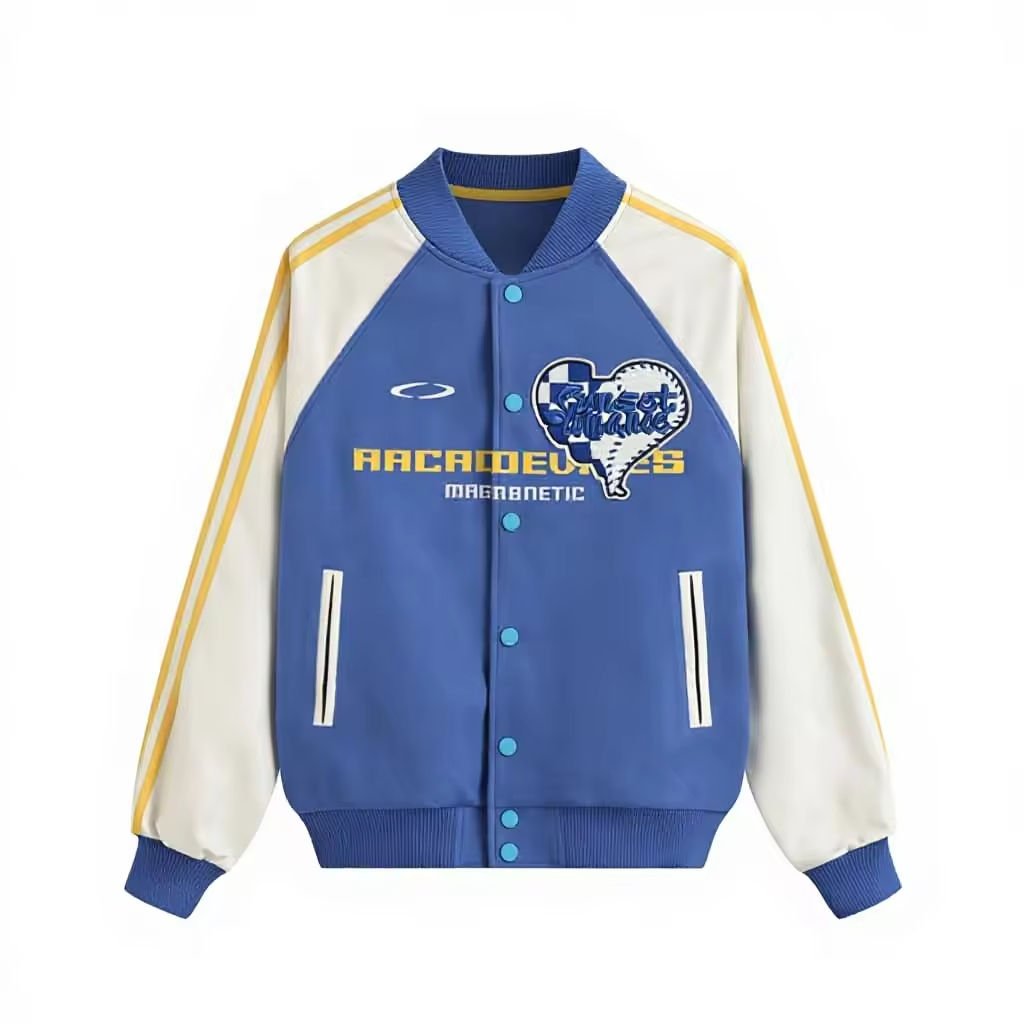
Distressed Denim Jacket Styles & Samples
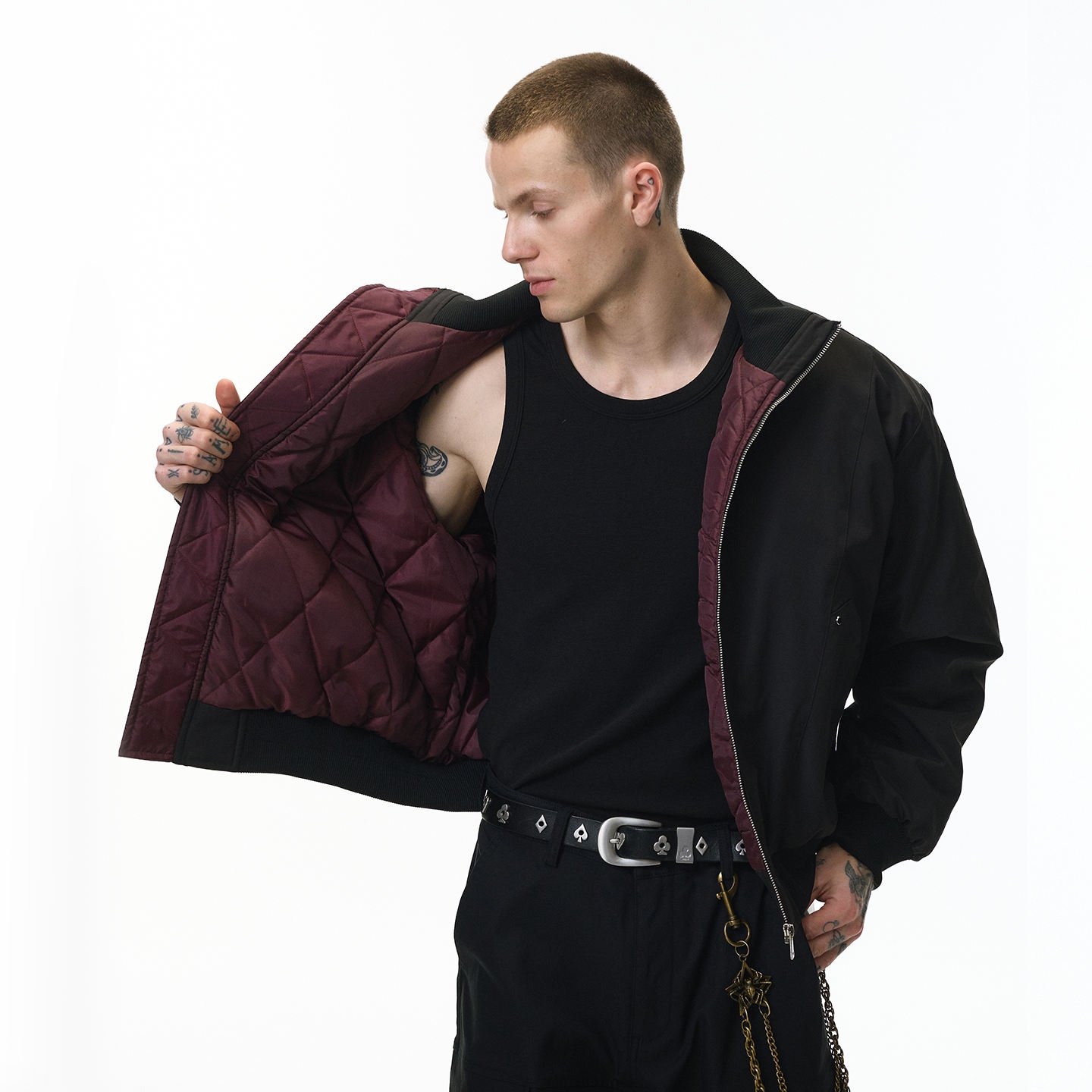
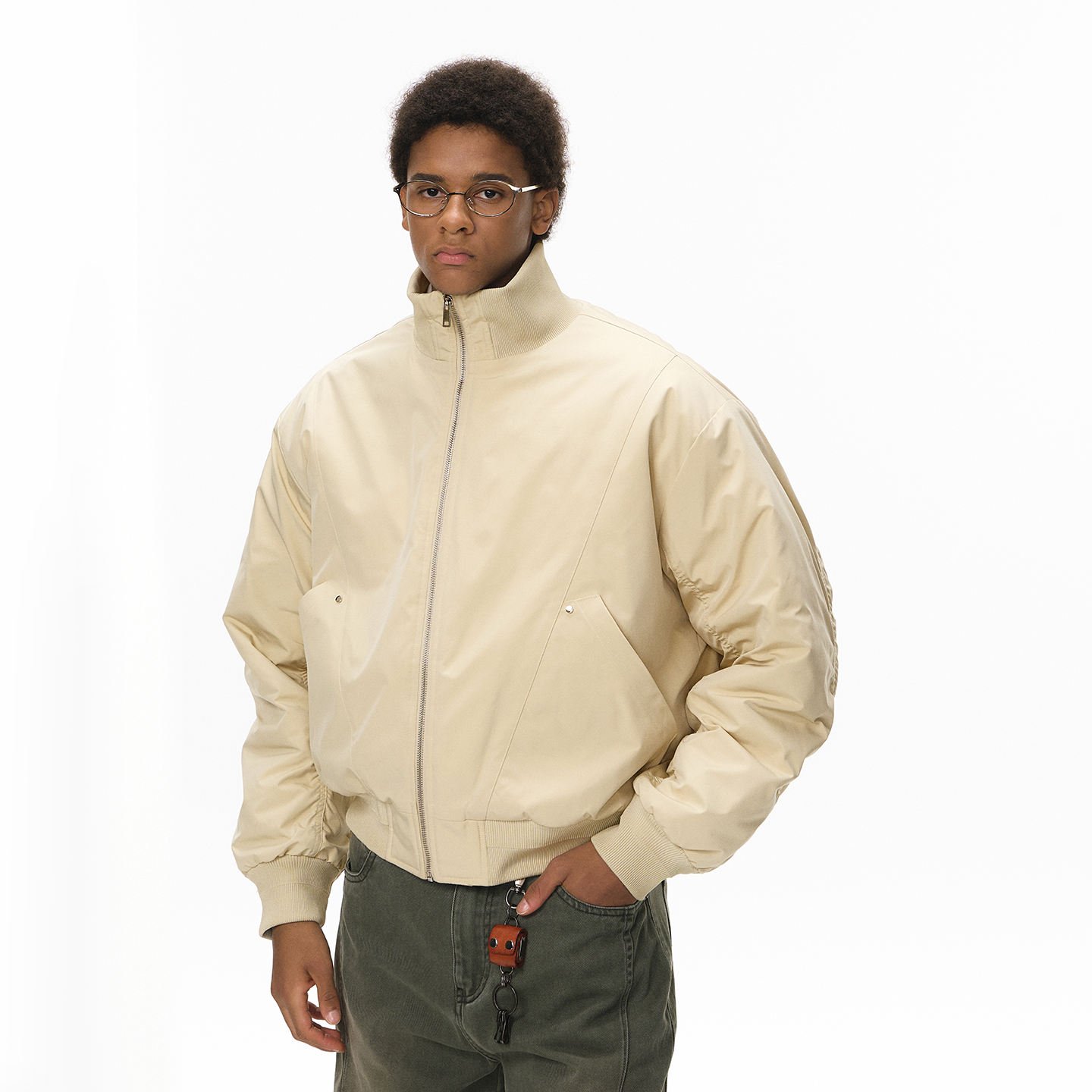
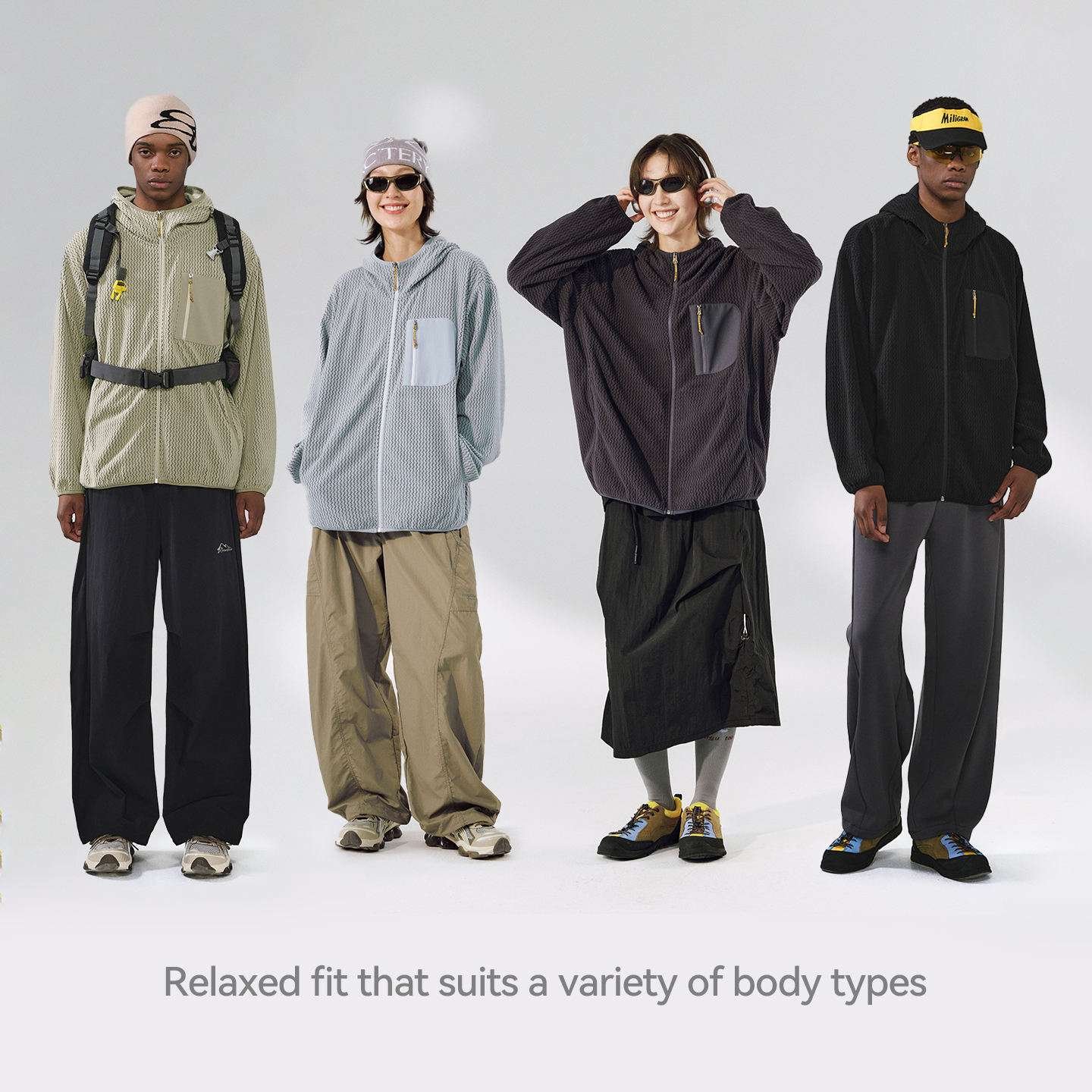
Why Choose Our Distressed Denim Jacket Manufacturer
5-Step QC Guarantee
Every distressed denim jacket undergoes rigorous quality testing at materials, cutting, craft, sewing, and finished inspection stages.
In-House Design Team
15-member R&D team with 6+ years streetwear expertise creates custom distressing patterns and trend-driven denim jacket designs.
Low MOQ from 50 Pieces
Launch your distressed denim line without massive inventory risk. Perfect for fashion startups and independent designer brands.
7-Day Sample Turnaround
Rapid prototyping and sampling for seasonal collections. Review your distressed denim jacket design before committing to production.
Global Shipping & Logistics
Seamless export to 100+ countries with full customs, declaration, and freight support for retailers and influencer brands worldwide.
Streetwear Distressing Expertise
Master authentic rips, fades, abrasions, and vintage washes that resonate with youth culture and bold self-expression aesthetics.
Distressed Denim Jacket Manufacturer Categories & Customization
From oversized streetwear staples to vintage-inspired pieces, we manufacture every distressed denim jacket style with precision craftsmanship and our 5-step QC guarantee.
Oversized Distressed Denim Jackets
Streetwear brands need oversized silhouettes with authentic distressing that maintains structural integrity through heavy wear, but many manufacturers compromise durability for aesthetic appeal.
We engineer oversized distressed denim jackets with reinforced seams and controlled ripping techniques, delivering bold streetwear aesthetics that withstand rigorous quality testing at every production stage.
Cropped Ripped Denim Styles
Fashion startups struggle to find manufacturers who can execute cropped lengths and strategic rips with consistent placement and clean finishing across small-batch production runs.
Our in-house design team creates precise rip patterns and cropped cuts with low MOQ flexibility, ensuring every piece matches your approved sample through our cutting and sewing QC protocols.
Vintage-Wash Distressed Jackets
Independent designers need authentic vintage aesthetics with faded washes and worn textures, but inconsistent wash processes result in color variations that damage brand reputation.
We apply specialized vintage-wash techniques with materials and finished clothing QC testing, guaranteeing uniform color fade and distressing across your entire production batch for cohesive collections.
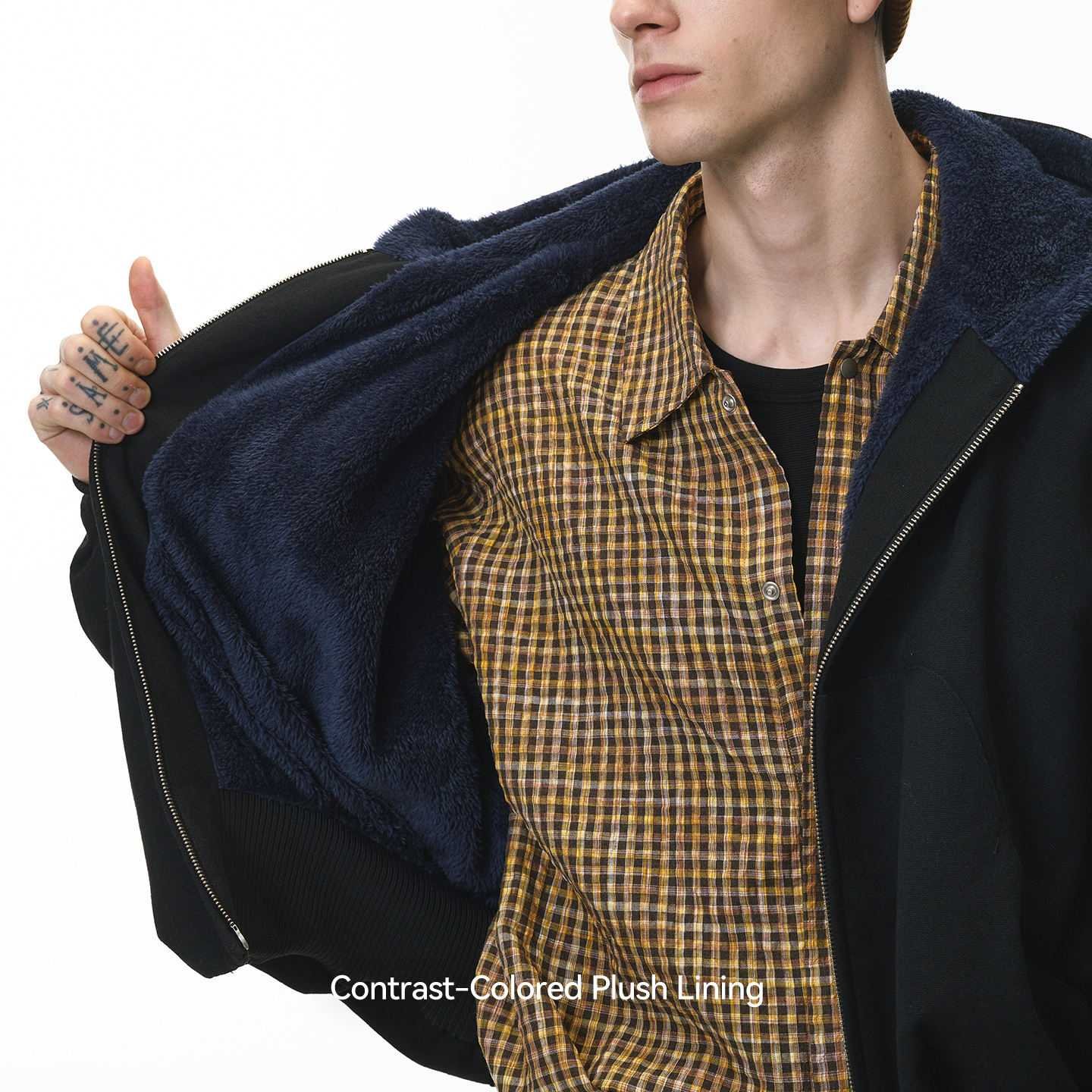
Sherpa-Lined Distressed Denim
Retailers launching seasonal collections require distressed denim jackets with warm sherpa lining, facing tight deadlines and uncertainty about fabric pairing and construction complexity.
Our experienced team sources premium sherpa materials and executes complex multi-layer construction with fast turnaround times, backed by clothing craft QC testing for flawless lining attachment.
Acid-Wash & Custom Treatments
Influencer brands want unique acid-wash effects and custom distressing treatments that stand out in crowded markets, but lack technical expertise to specify production requirements.
We collaborate on custom acid-wash formulas and distressing techniques, translating your creative vision into production-ready specifications with sampling support and rigorous quality inspection throughout manufacturing.
Premium Denim Fabrics Every Distressed Denim Jacket Manufacturer Should Master
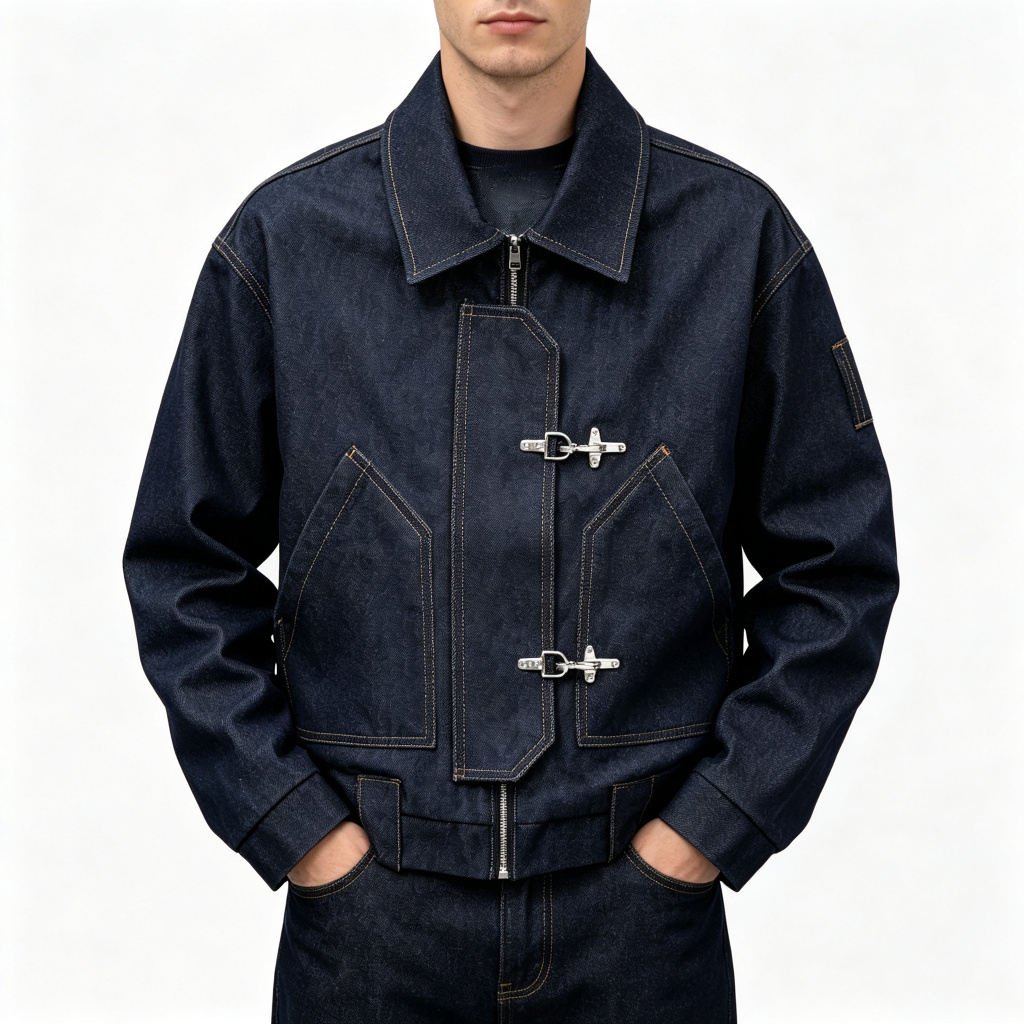
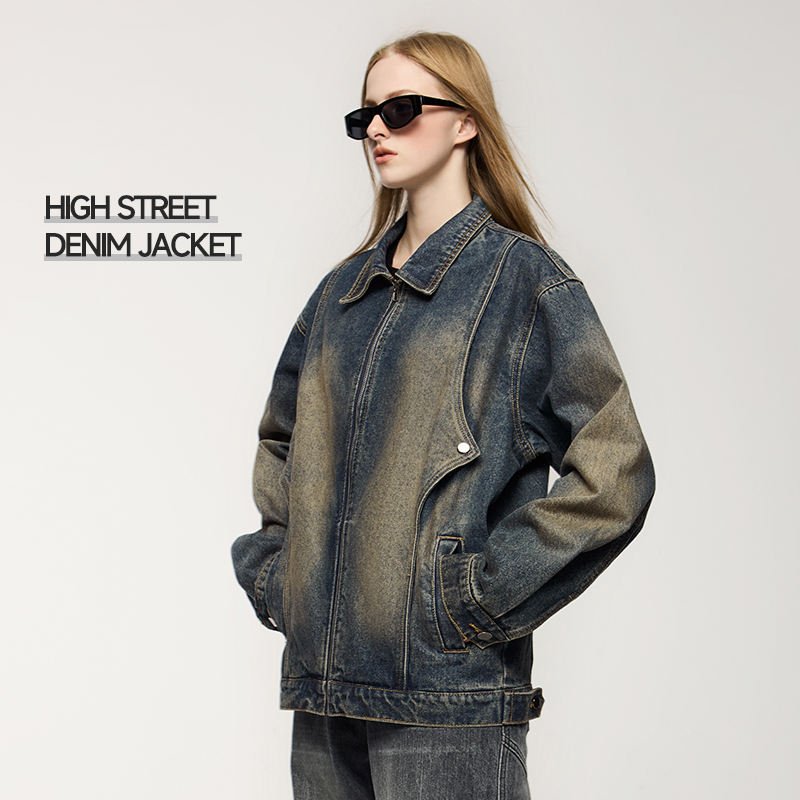
12oz Slub Denim
Mid-weight denim featuring irregular yarn texture for natural depth and visual interest. Perfect for distressed jackets with artisan appeal and comfortable all-season wear. Textured hand-feel with moderate drape and breathability.
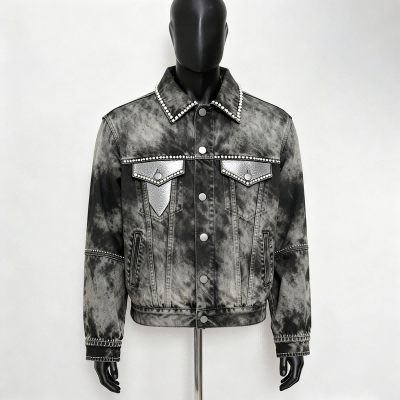
10oz Lightweight Denim
Soft, breathable denim ideal for layering pieces and spring/summer collections. Excellent for oversized fits and heavily distressed styles that require flexibility. Weight: 10 ounces, enhanced comfort with natural movement.
Organic Cotton Blend
Sustainably sourced organic cotton denim blended for eco-conscious brands. Delivers authentic denim aesthetics with reduced environmental impact and soft, skin-friendly touch. GOTS-certified fibers available for transparent supply chains.
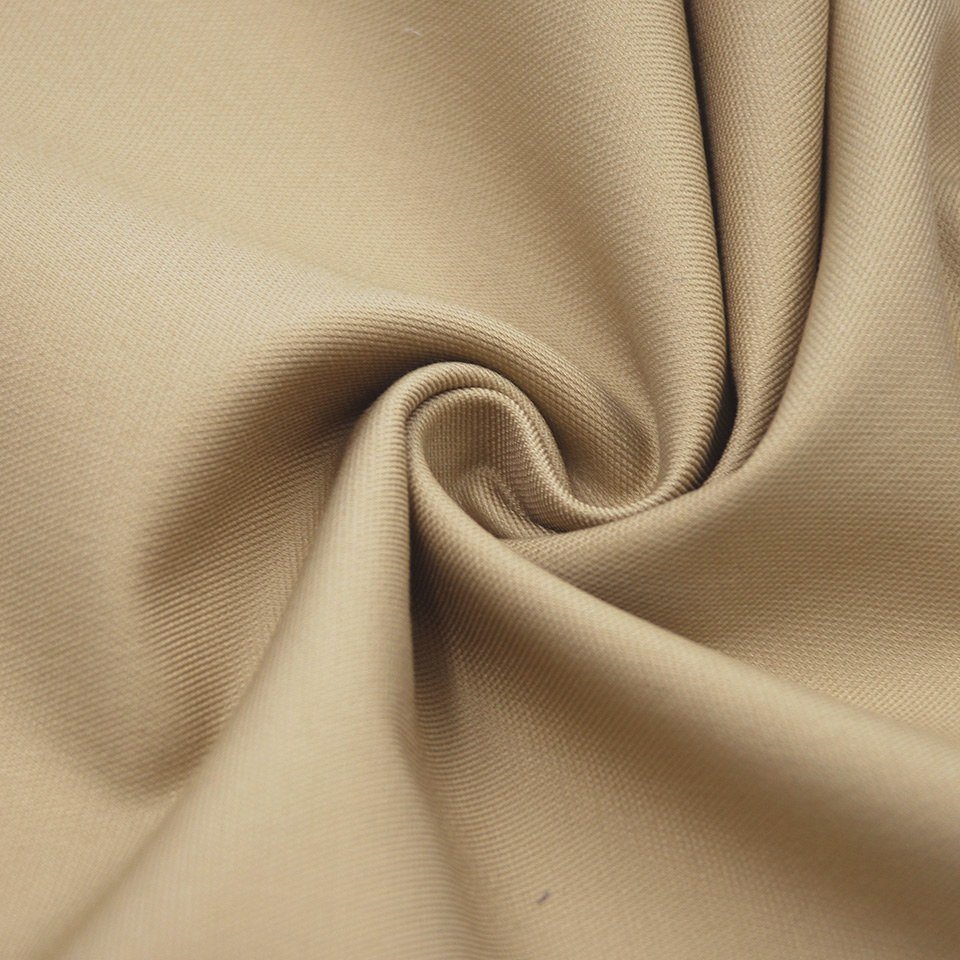
Recycled Denim
Post-consumer recycled fibers engineered into durable denim fabric for circular fashion initiatives. Retains classic denim strength while reducing waste, perfect for brands prioritizing sustainability. Contains 20-40% recycled content with comparable performance.
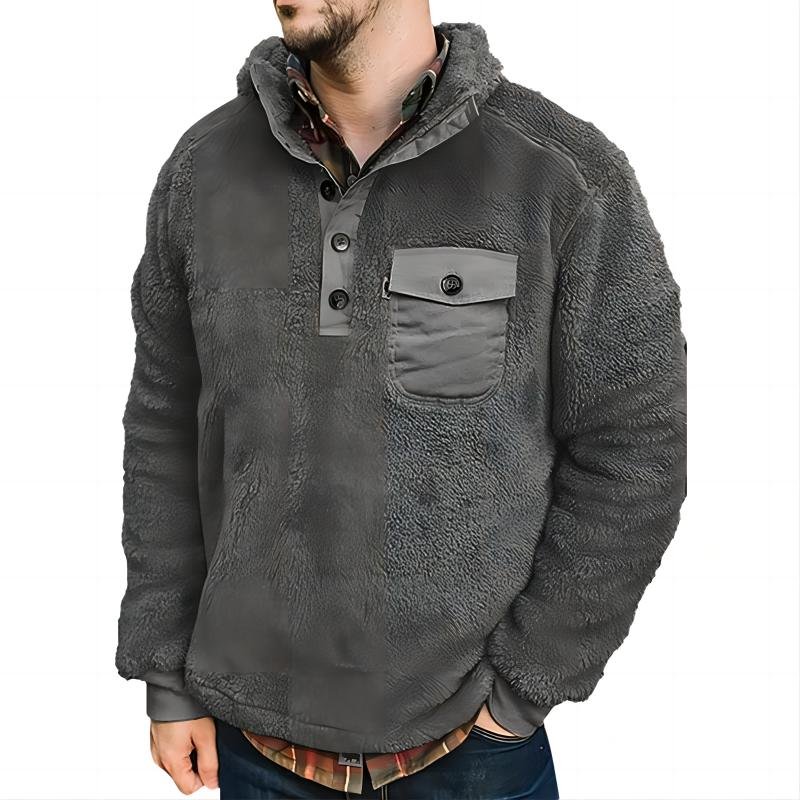
Stretch Denim Blend
Cotton-elastane blend offering 2-5% stretch for modern, fitted silhouettes without sacrificing durability. Ideal for contemporary streetwear jackets requiring mobility and shape retention. Recovers well after distressing and washing treatments.
Distressed Denim Jacket Manufacturer Finishing Techniques
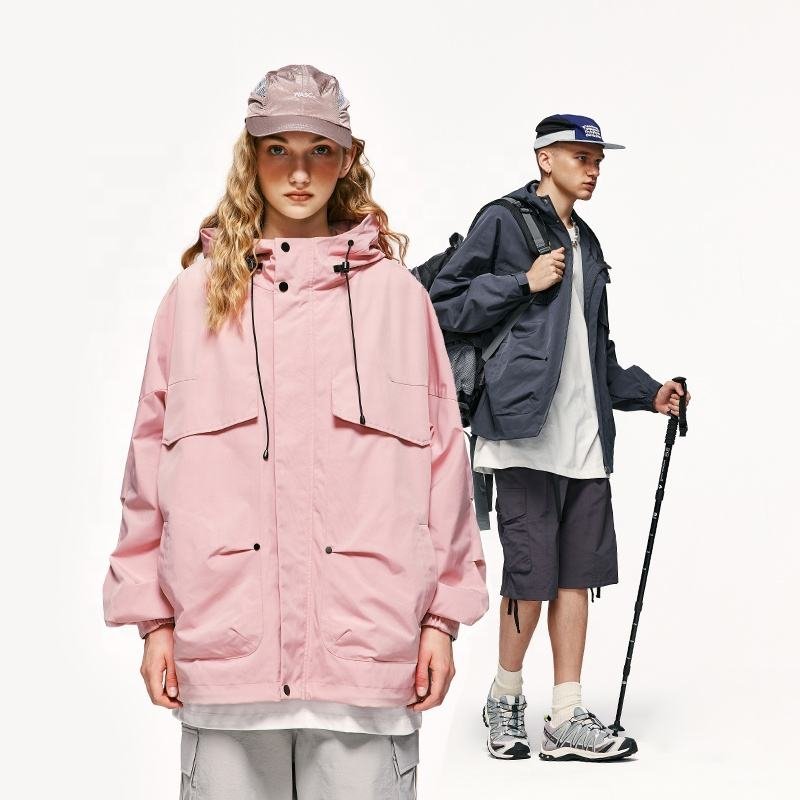
Laser Distressing
Precision laser technology creates controlled fades, whiskers, and worn patterns with perfect repeatability. Ideal for complex designs and high-volume orders requiring exact consistency across all garments.
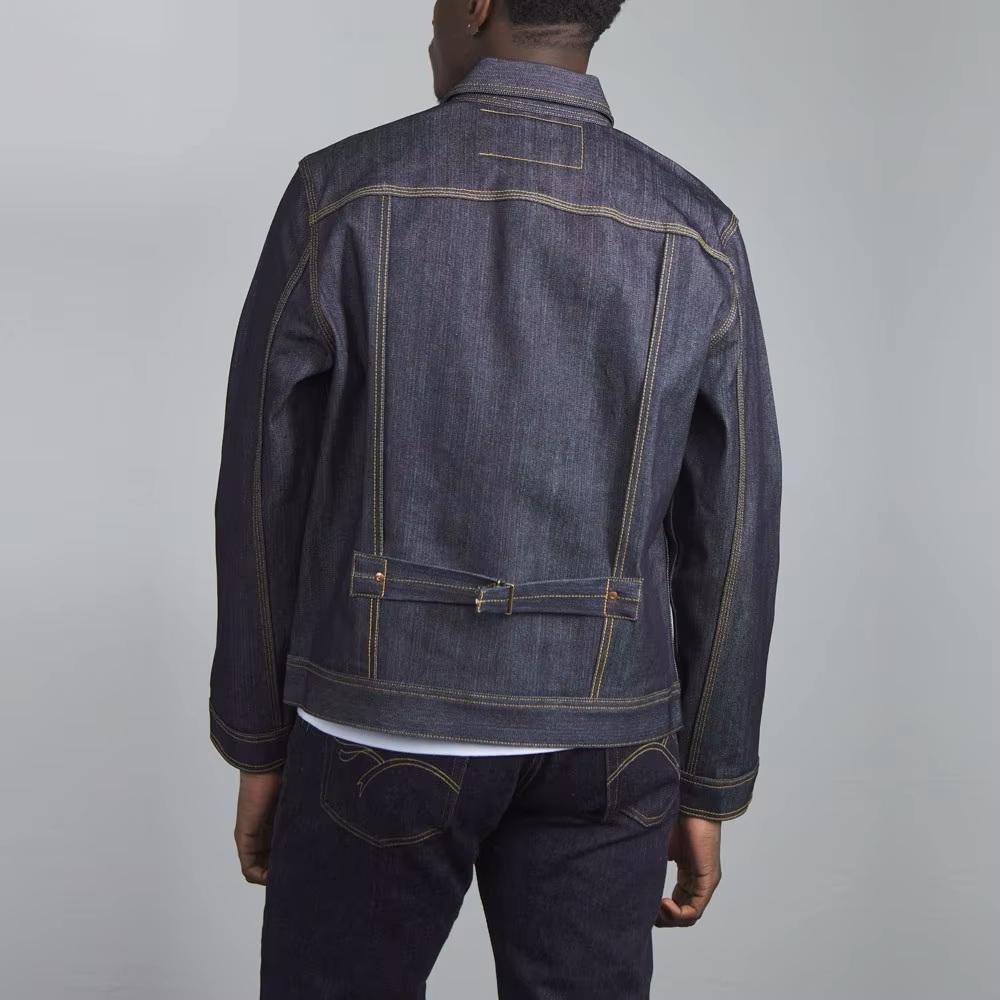
Hand-Ripped Details
Artisan craftspeople manually create authentic tears, frays, and distressed edges for one-of-a-kind character. Each piece carries unique texture while maintaining structural integrity through reinforced stitching.
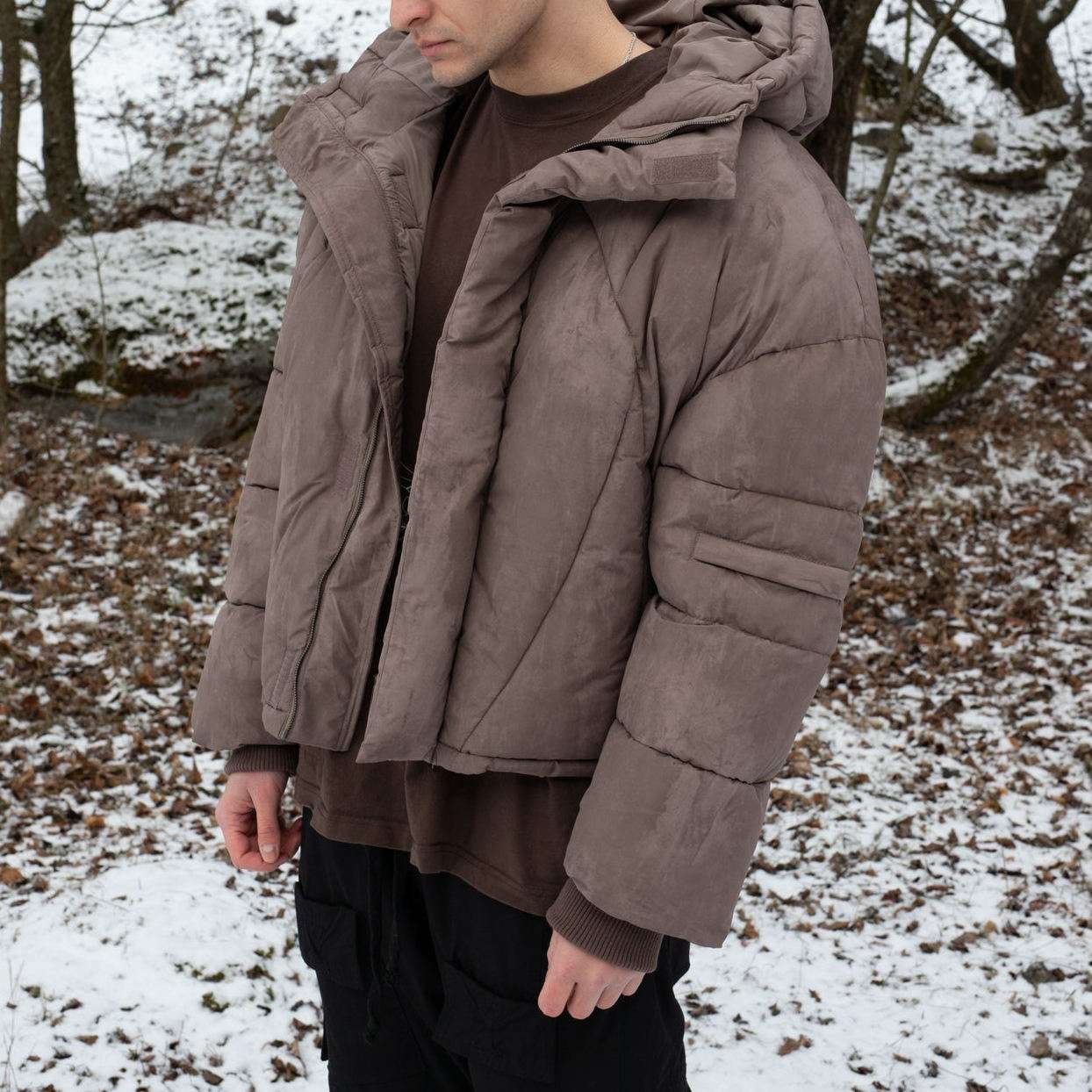
Acid Wash
Chemical treatment produces vintage marble effects and irregular color variations that define classic streetwear. Our controlled process ensures colorfastness and fabric durability through rigorous quality testing.
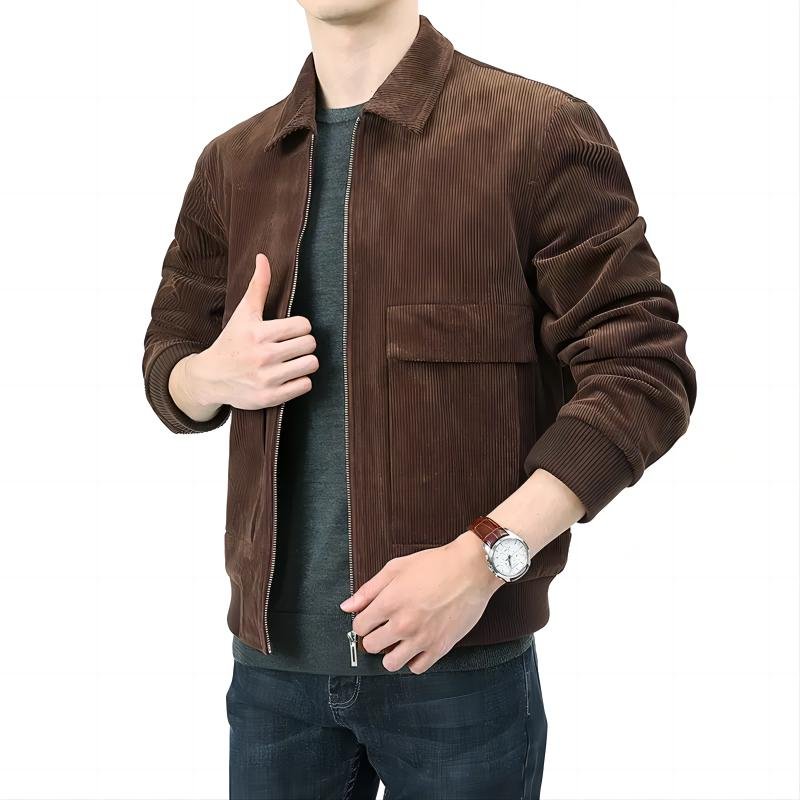
Bleach Spray
Targeted bleach application creates custom fade patterns, splatter effects, and gradient washes. Perfect for bold, artistic designs that demand attention and align with influencer-driven streetwear trends.
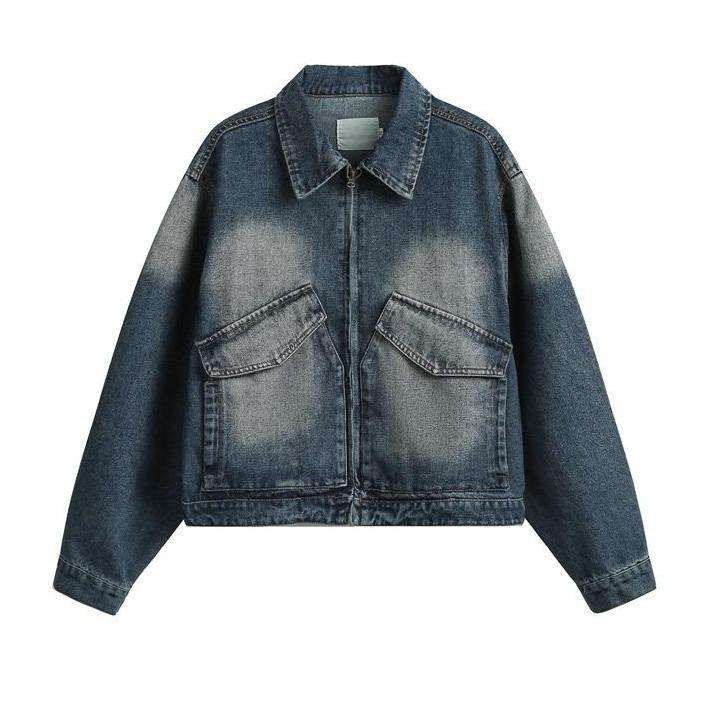
Contrast Stitching
Heavy-duty thread in contrasting colors highlights seams, pockets, and panels for enhanced visual depth. Reinforces construction while adding signature detail that elevates premium denim jacket designs.
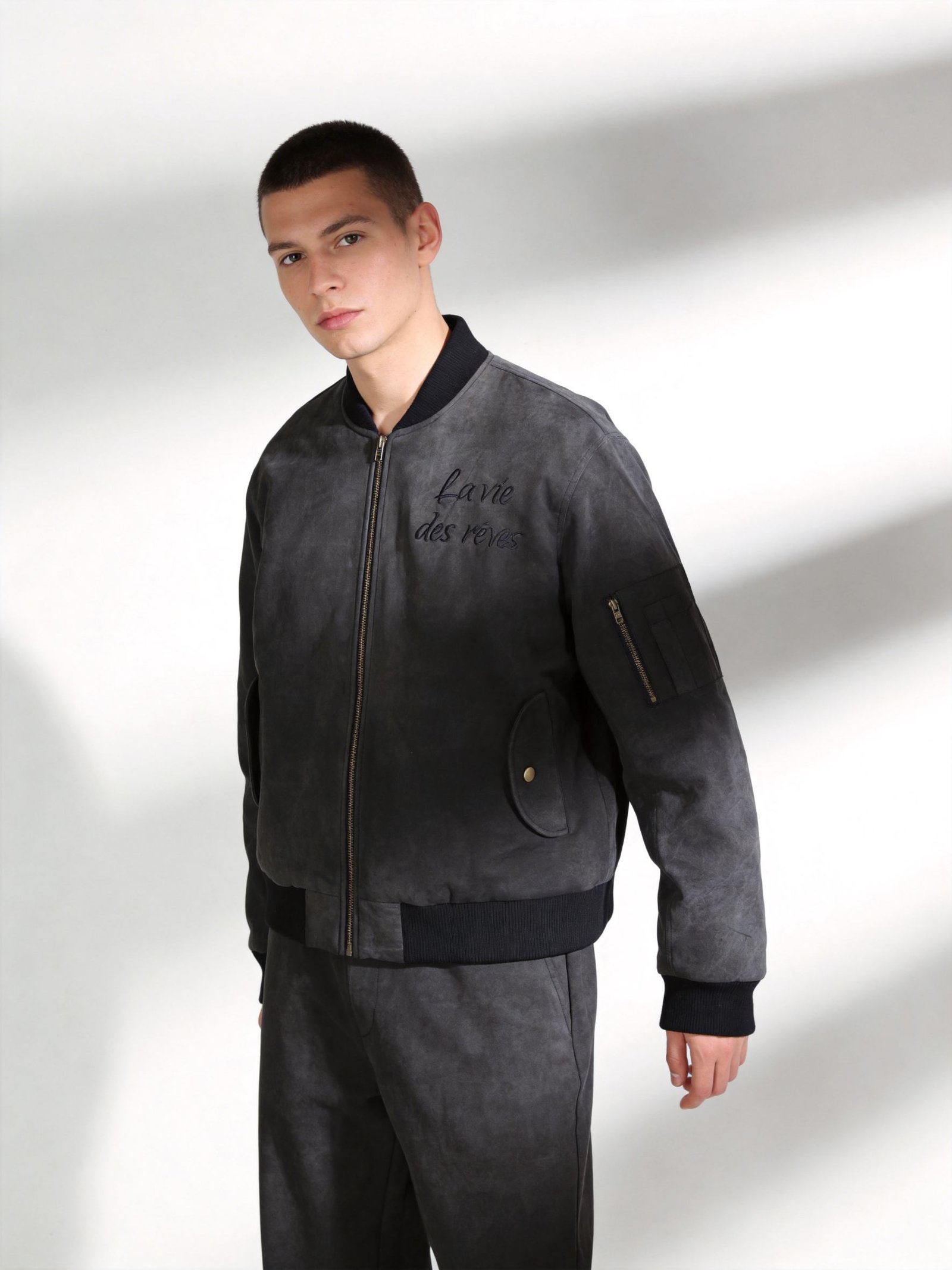
Patch Application
Embroidered patches, woven labels, and custom appliqués are heat-sealed or stitched for brand storytelling. Durable attachment methods withstand washing and wear while maintaining professional appearance.
Hardware & Accessories for Distressed Denim Jackets
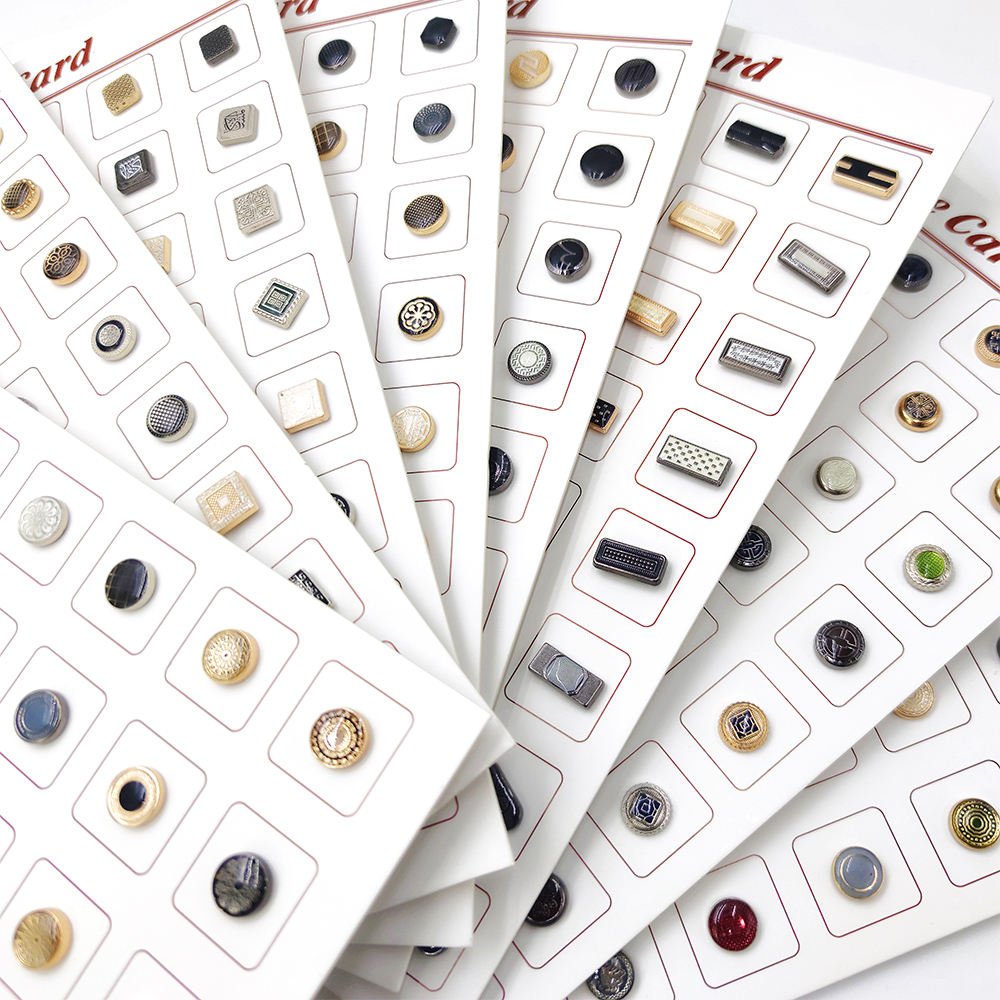
Metal Snap Buttons
Heavy-duty snap closures in antique brass, gunmetal, or silver finishes. Ideal for front plackets and cuff closures on distressed denim jackets, offering durability and authentic workwear styling that complements vintage-washed finishes.
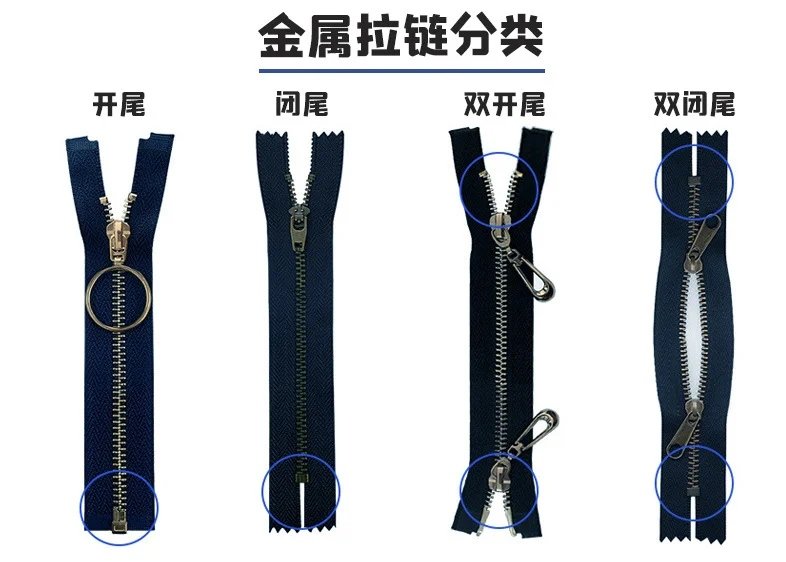
YKK Zippers
Premium YKK metal or coil zippers in custom lengths and finishes. Perfect for chest pockets, side seams, and sleeve details. Tested through our 5-step QC process to ensure smooth operation and long-lasting performance on every jacket.
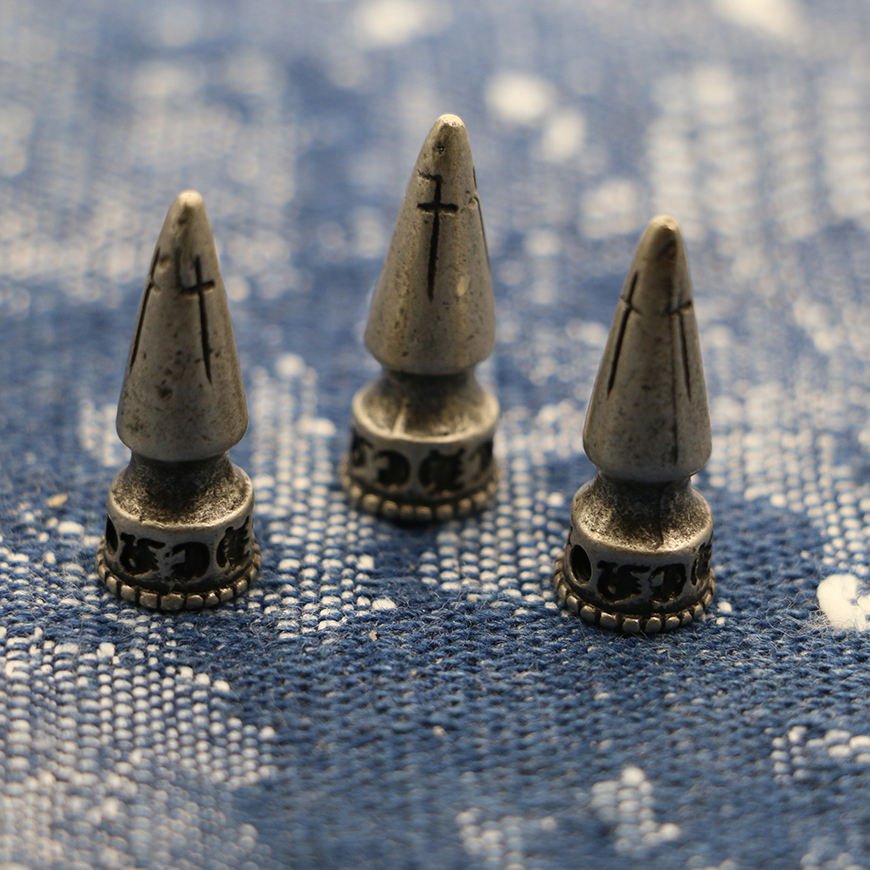
Copper Rivets
Authentic copper or brass rivets for reinforcing pocket corners, stress points, and decorative detailing. Add genuine denim heritage to your distressed jackets while strengthening high-wear areas for superior durability and streetwear credibility.
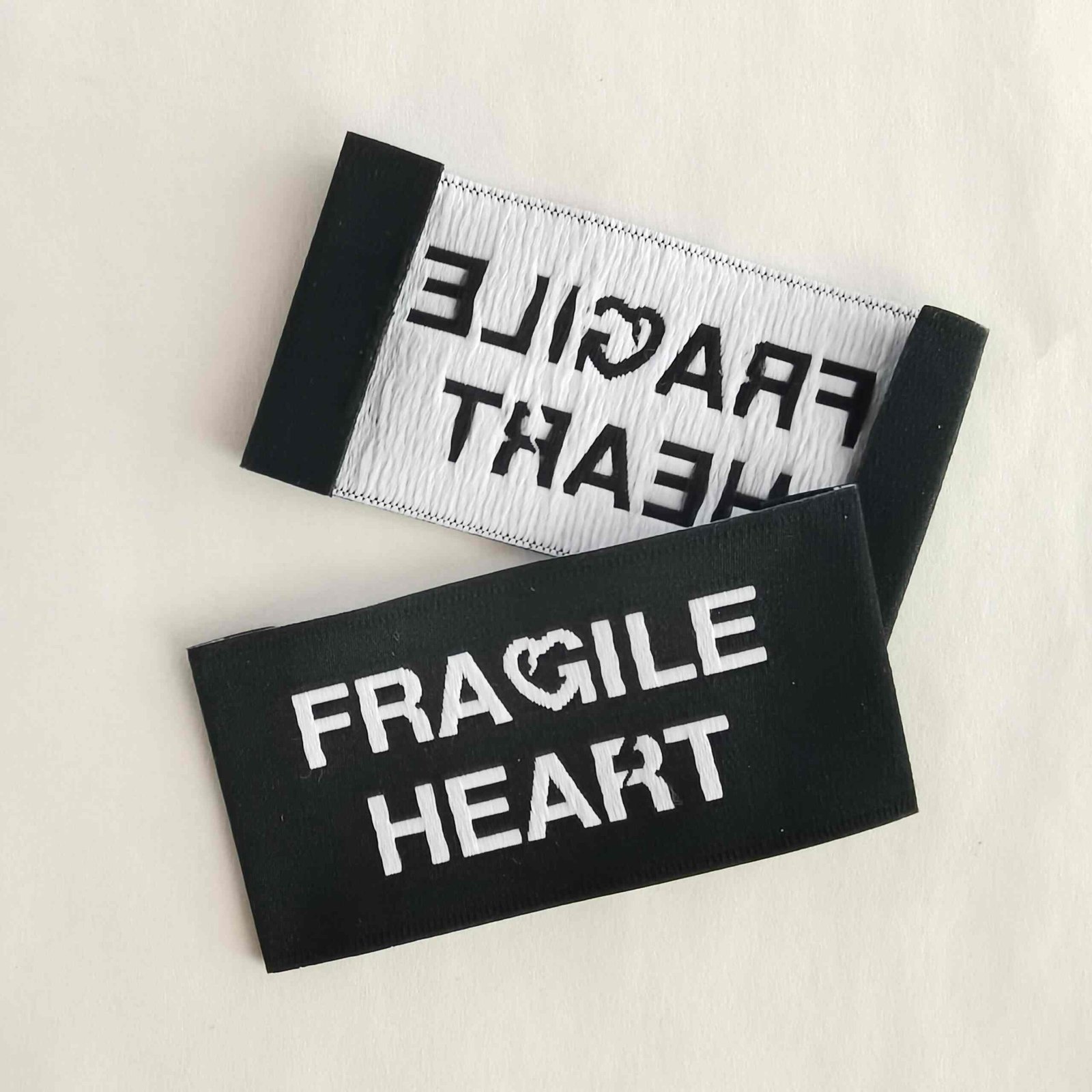
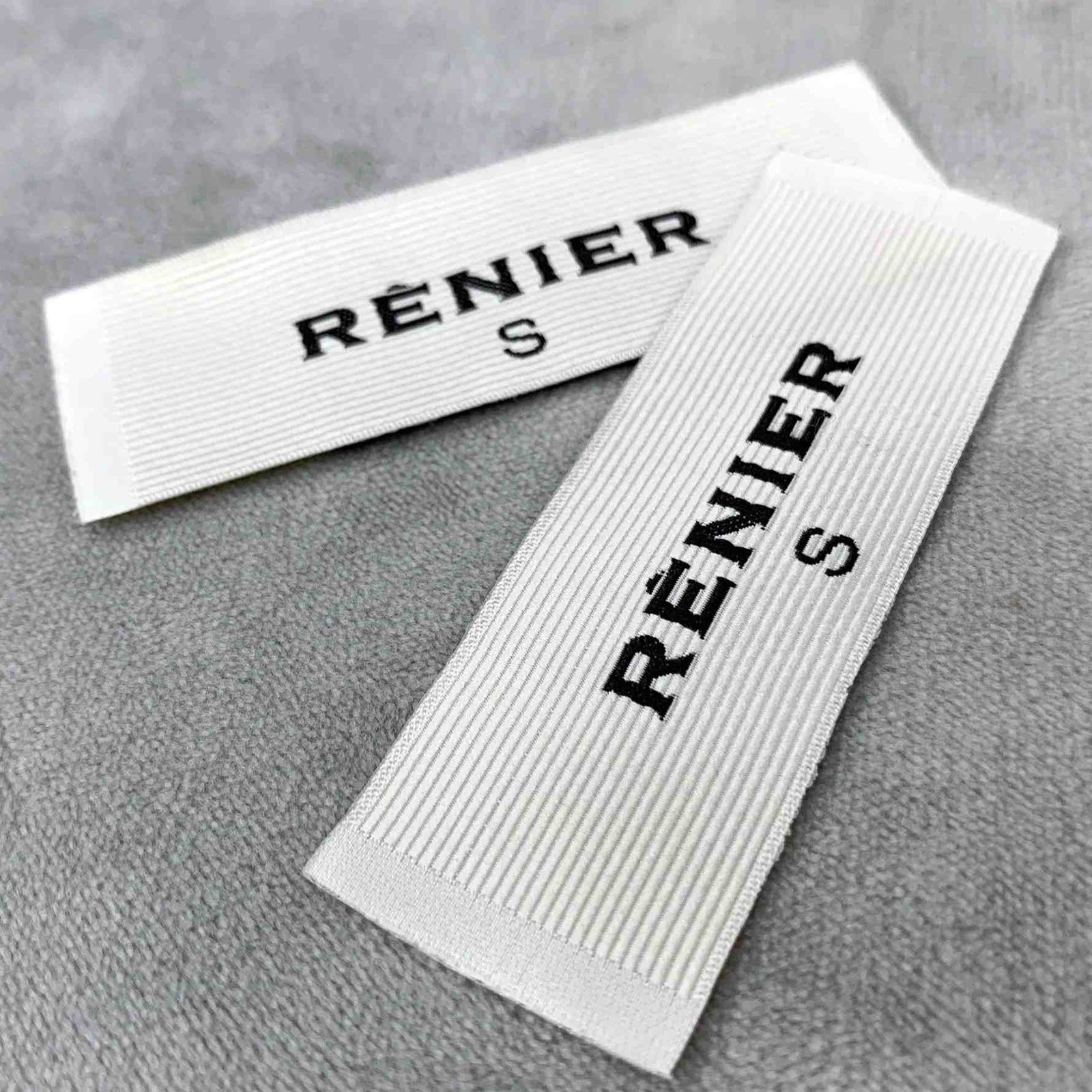
Woven Labels
Custom woven brand labels in damask, taffeta, or satin finishes. Sewn into necklines, pockets, or side seams to showcase your logo. We source high-definition weaving for sharp text and graphics that elevate your brand identity.
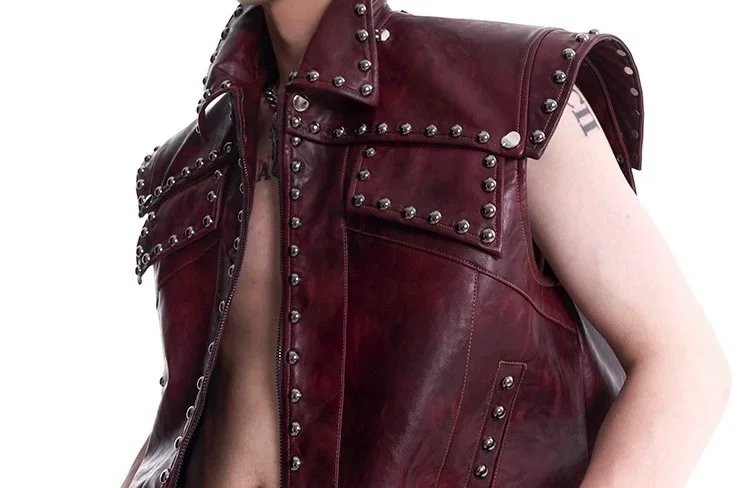
Leather Patches
Genuine or vegan leather patches with debossed, embossed, or printed branding. Applied to back waistbands, chest areas, or sleeves for premium tactile appeal. Available in natural tan, black, or custom dyed colors to match your collection.
Drawcords & Tipping
Round or flat drawcords with metal or plastic aglets for adjustable hems and hoods. Choose from cotton, polyester, or reflective materials in colors that coordinate with your distressed denim palette, adding functional streetwear details.
About Clothing Manufacturer Ltd.
Founded in 2024 by Tesla Luo, Clothing Manufacturer Ltd. was built on a mission to restore trust in Chinese garment manufacturing. With over 10 years of production experience and 6 years specializing in streetwear, Luo witnessed too many factories skip critical quality checks. He established our company to prove that rigorous testing and craftsmanship can coexist at scale.
As a trusted distressed denim jacket manufacturer, we serve streetwear brands, fashion startups, and global retailers across 100+ countries. Our 15-member R&D team and proprietary 5-step quality control process ensure every jacket meets exacting standards from fabric selection through final inspection. We combine low MOQs for emerging labels with the production capacity to scale alongside your brand.
Backed by the infrastructure of Dongguan TuoZhen Clothing Co., Ltd. and protected by 10 patents, we deliver premium distressed denim with fast turnaround times and transparent communication. Whether you are launching your first collection or expanding an established line, we partner with you to bring trend-driven, quality-first apparel to your customers worldwide.
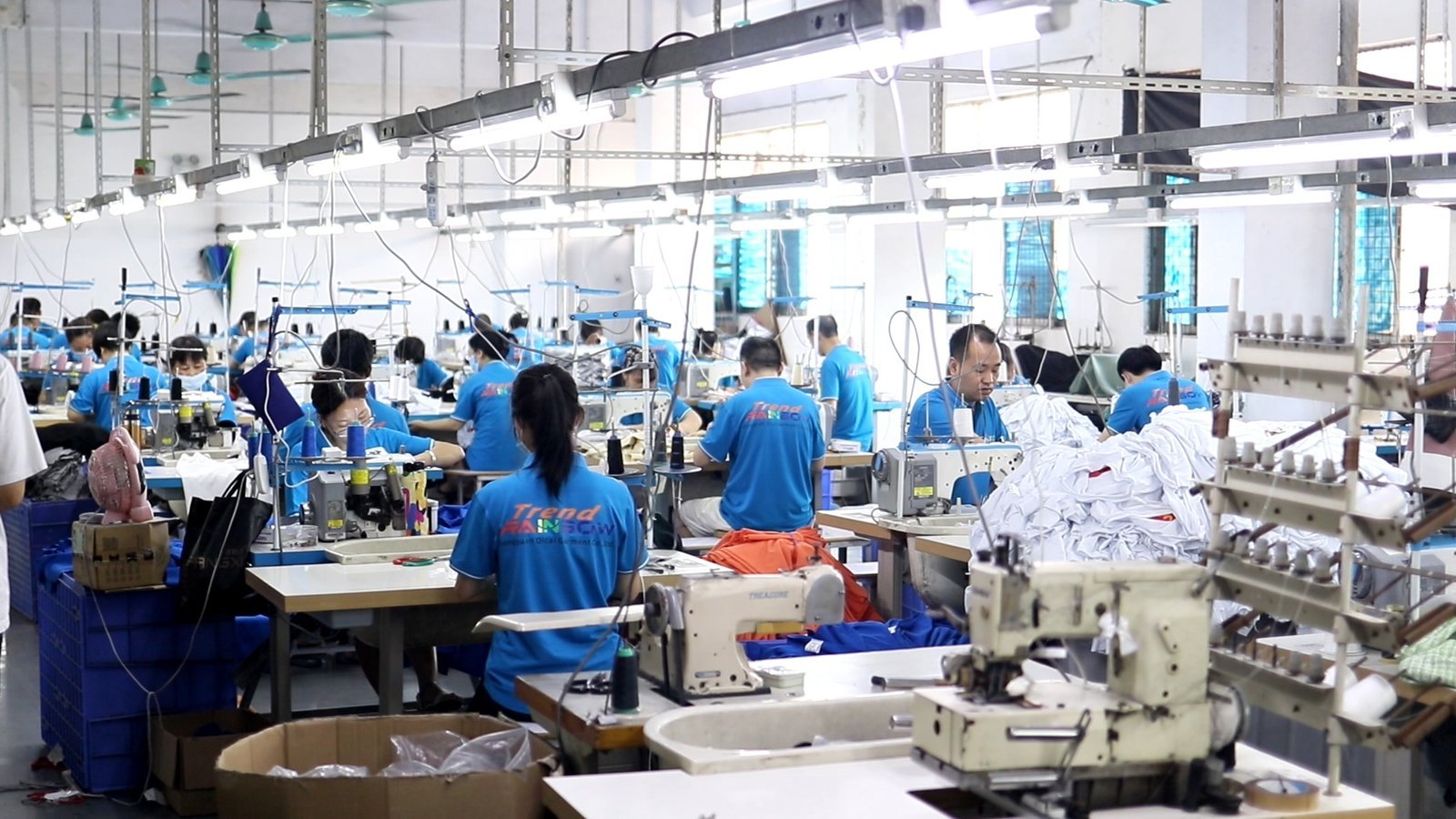
Our 5-Step Quality Control Guarantee for Every Distressed Denim Jacket
Materials QC Testing Before Production
Every denim roll is inspected for weight consistency, colorfastness, and structural integrity before cutting begins. This upstream checkpoint eliminates fabric defects that would compromise distressing effects and ensures your jackets start with premium-grade materials that meet streetwear durability standards.
- Denim weight and density verification against specifications
- Colorfastness testing to prevent uneven fading during distressing
- Fabric tension and stretch recovery checks for fit consistency
- Surface inspection for weave flaws, slubs, or dye inconsistencies
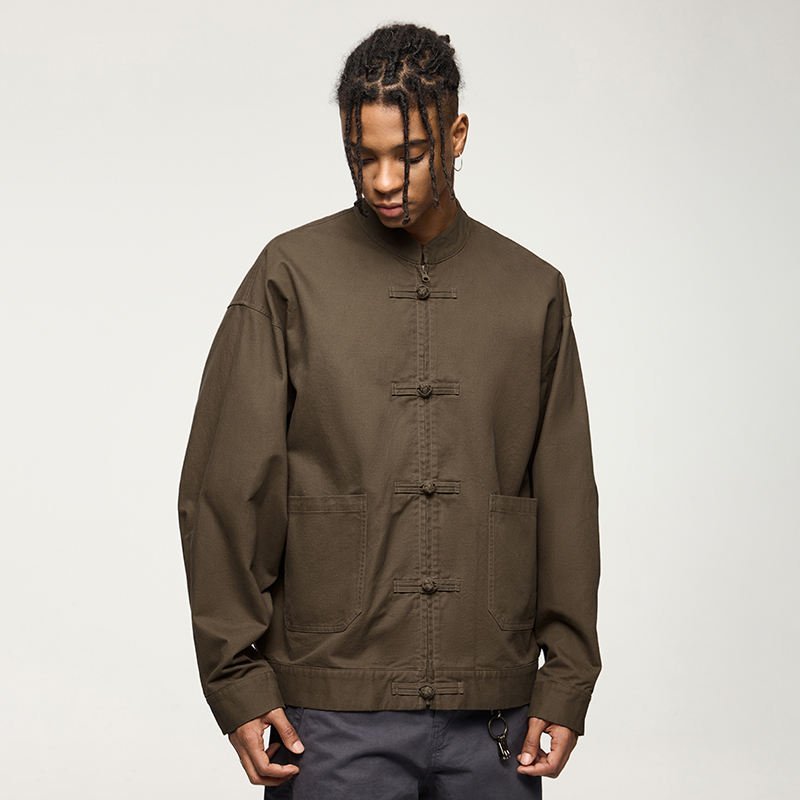
Cutting QC Testing for Pattern Precision
After materials pass inspection, our cutting team verifies every pattern piece for dimensional accuracy and grain alignment. Precise cutting is critical for distressed denim jackets because misaligned pieces create asymmetrical wear patterns and compromise the intentional distressing placement you designed.
- Pattern piece measurements checked against approved tech packs
- Grain line alignment verified to ensure uniform distressing effects
- Notch and marking accuracy confirmed for assembly consistency
- Piece count validation to prevent shortages during sewing
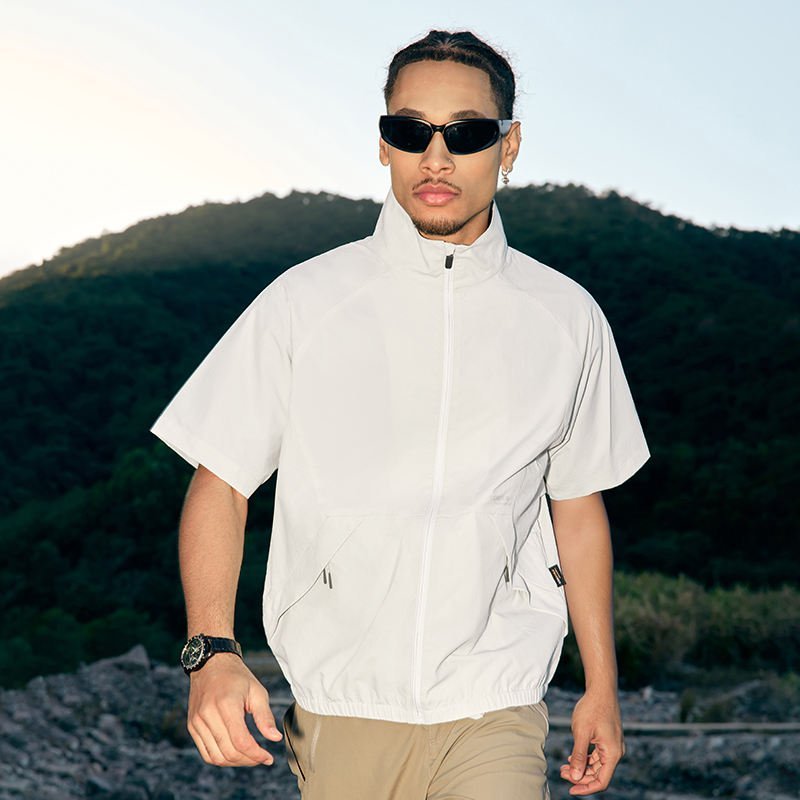
Craft QC Testing During Distressing Application
Our specialized craft inspection monitors every distressing technique—sanding, whiskering, ripping, and washing—as it’s applied. This real-time quality check ensures that each jacket achieves the exact vintage aesthetic you specified without over-processing or damaging the denim structure beyond design intent.
- Distressing depth and placement verified against approved samples
- Abrasion consistency checked across all jacket panels
- Wash effects monitored for color uniformity and fade patterns
- Hand-finishing details inspected for authentic streetwear appeal
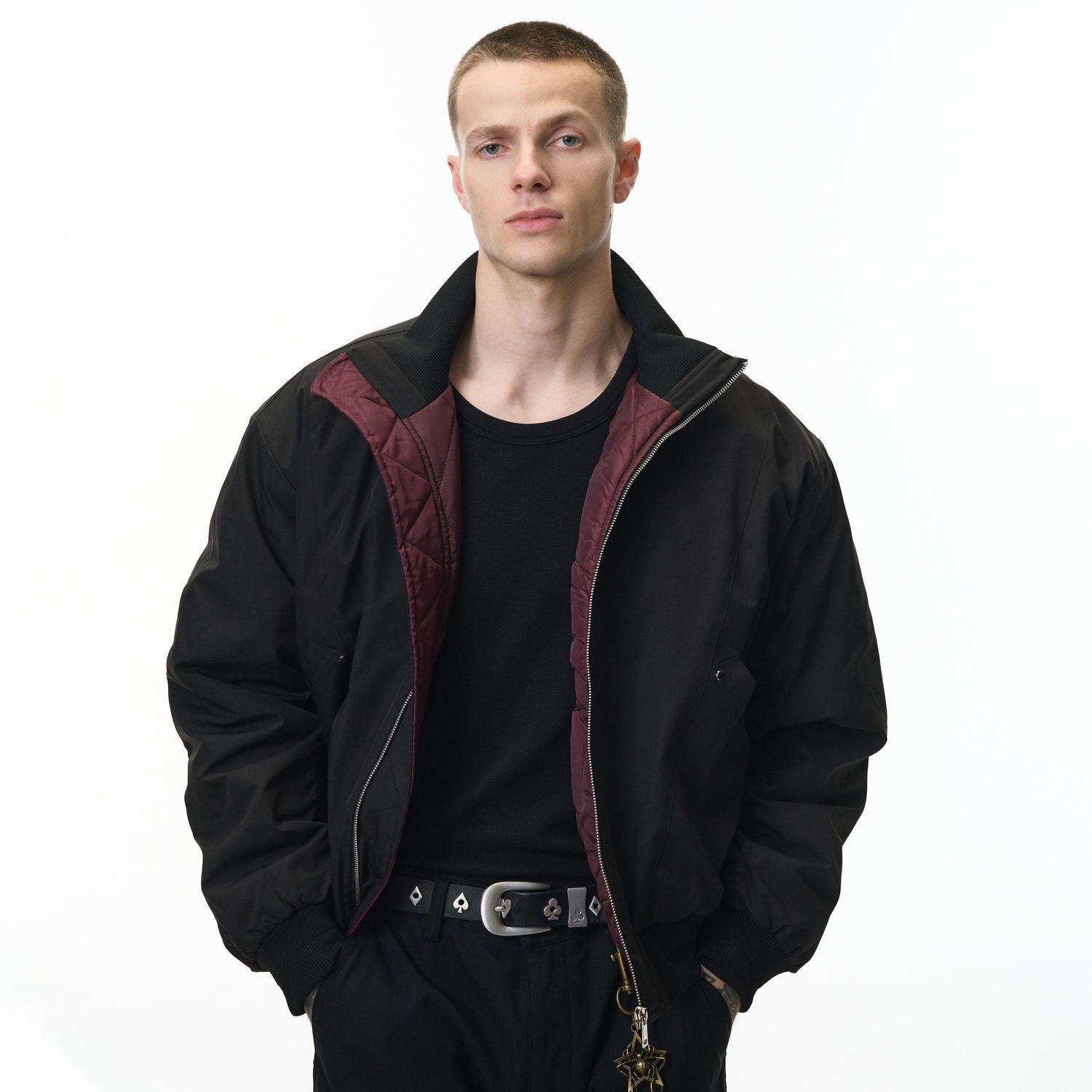
Sewing Production and Finished Garment Inspection
Every seam, topstitch, and hardware attachment is examined during assembly, followed by a comprehensive final inspection of the completed jacket. This dual-layer sewing QC catches construction flaws before finishing and verifies that every distressed denim jacket leaving our facility meets your brand standards.
- Seam strength and stitch density tested on stress points
- Hardware placement and security verified on buttons, zippers, rivets
- Symmetry and fit checked against graded size specifications
- Final garment audit for loose threads, staining, or packaging defects
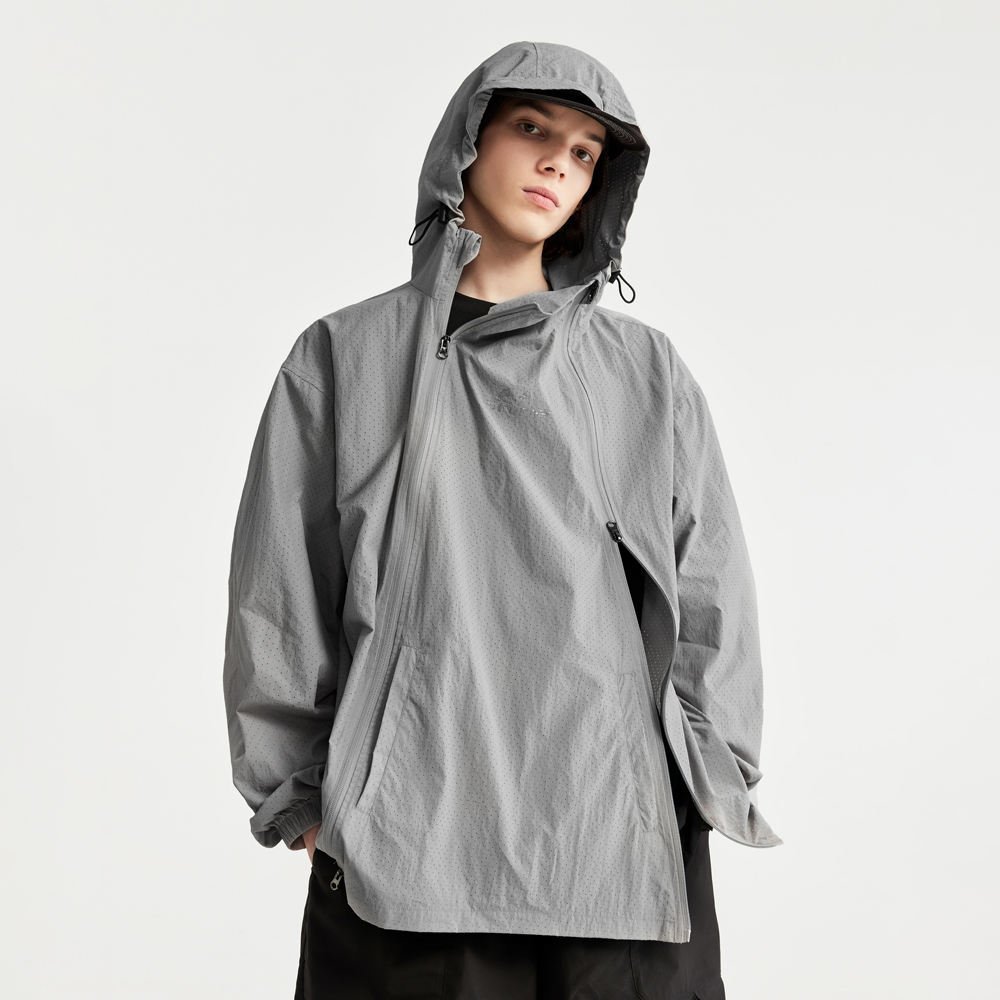
Why Choose Our Distressed Denim Jacket Manufacturer Over Standard Suppliers
We combine rigorous quality control, flexible minimums, and streetwear expertise that typical denim suppliers simply don’t offer. See the difference for yourself.
← 左右滑动查看 →
Distressed Denim Jacket Manufacturer Production Workflow
Our transparent six-phase process ensures every distressed denim jacket meets streetwear quality standards through rigorous testing at each production stage.
Fabric Sourcing & Testing
We source premium denim fabrics and conduct materials QC testing to verify weight, durability, and distressing compatibility before production begins.
Pattern Development & Sampling
Our 15-member R&D team creates custom patterns and produces initial samples, refining fit and design details to match your brand vision.
Cutting & Distressing Application
Precision cutting QC testing ensures accuracy, followed by expert distressing techniques including rips, fading, and abrasions for authentic streetwear aesthetics.
Sewing & In-Line QC
Master craftspeople assemble each jacket with clothing craft QC testing and sewing production QC testing to catch defects during construction, not after.
Finishing & Quality Inspection
Hardware attachment, final distressing touches, and finished clothing quality QC inspection guarantee every jacket meets our zero-compromise standards before packaging.
Packaging & Global Shipping
Professional packaging protects your distressed denim jackets during transit, with full logistics support ensuring on-time delivery to customers in over 100 countries.
How to Partner With Your Distressed Denim Jacket Manufacturer
From concept to delivery, our streamlined five-step process ensures your distressed denim jackets meet every quality standard and timeline expectation.
Submit Your Tech Pack
Share your design specifications, fabric preferences, distressing techniques, and quantity requirements. Our team reviews every detail to ensure production feasibility and alignment.
Receive Quote & Sample
We provide transparent pricing and produce a pre-production sample for approval. Review fit, distressing quality, hardware, and finishing before committing to bulk orders.
Begin Bulk Production
Once samples are approved, production begins with materials QC, cutting QC, and craft QC testing integrated at every stage to maintain consistency and quality.
Complete QC & Packing
Every finished jacket undergoes sewing production QC and final quality inspection under our five-step guarantee. Approved garments are carefully packed to your specifications.
Ship & Deliver Globally
We coordinate international logistics, customs documentation, and tracking. Your distressed denim jackets arrive on time, ready for your brand launch or retail distribution.
Certifications & Industry Standards for Your Distressed Denim Jacket Manufacturer
Distressed Denim Jacket Manufacturer Success Stories from Our Partners
We launched our first distressed denim collection with just 50 pieces. The 5-step QC caught every detail, and we grew from 8K to 62K Instagram followers in 7 months thanks to consistent quality that kept customers coming back.
Their distressing techniques are unmatched. We ordered 200 jackets for our influencer drop and sold out in 48 hours. The low MOQ let us test designs before scaling, and now we’re on our fifth reorder with zero quality issues.
As an independent designer, I needed a manufacturer who understood vintage washes and custom hardware. They delivered 80 jackets in 4 weeks with perfect distressing on every piece. My boutique clients increased orders by 340% this season.
Distressed Denim Jacket Manufacturer — Frequently Asked Questions
What is the minimum order quantity (MOQ) with your distressed denim jacket manufacturer?
How long does production take for a distressed denim jacket order?
Do you charge for samples when working with a distressed denim jacket manufacturer?
What payment terms does your distressed denim jacket manufacturer offer?
How do you protect my designs when I work with a distressed denim jacket manufacturer?
What shipping and logistics options are available from your distressed denim jacket manufacturer?
Can I customize distressing techniques and washes with your distressed denim jacket manufacturer?
What quality guarantees does your distressed denim jacket manufacturer provide?
Do you support small brands and influencer lines as a distressed denim jacket manufacturer?
The Complete Buyer’s Guide to Choosing a Distressed Denim Jacket Manufacturer
Navigate the sourcing landscape with confidence. This guide delivers a proven decision framework, essential supplier criteria, quality benchmarks, customization options, and the critical mistakes to avoid when partnering with a distressed denim jacket manufacturer.
1. What Is a Distressed Denim Jacket Manufacturer?
A distressed denim jacket manufacturer specializes in producing jackets with intentional wear patterns—sanding, ripping, stone-washing, and enzyme treatments—that standard denim producers typically lack the equipment and expertise to execute at scale. Unlike general garment factories that sew basic denim pieces, these specialists maintain dedicated finishing departments with industrial washing machines, laser distressing units, hand-sanding stations, and chemical treatment baths to replicate authentic vintage aesthetics. Clothing Manufacturer Ltd., for example, integrates distressing workflows into its five-step quality control process, inspecting fabric integrity before and after treatments to prevent over-weakening or inconsistent fading.
Brands partner with distressed denim jacket manufacturers because achieving controlled, repeatable distress effects requires process knowledge that general contractors cannot provide. Stone-washing with pumice or enzymes demands precise time and temperature parameters; laser etching needs calibrated wattage to avoid fabric burn-through; manual ripping and whiskering require trained artisans who understand denim grain and stress points. A specialist tracks wash cycles, chemical ratios, and hand-finishing hours to ensure every jacket in a 500-unit order matches the approved sample.
Buyers should expect capabilities beyond basic cut-and-sew: sample distressing with multiple aging levels, fabric pre-shrinking to stabilize post-wash dimensions, reinforcement stitching at intentional rips, and QC protocols that test colorfastness and tensile strength after finishing. Manufacturers serving streetwear and independent designers typically offer MOQs starting at 100–300 pieces per style, lower than mass-market denim mills, and provide digital mock-ups or physical samples showing gradations from light fade to heavy destruction before production begins.
2. Evolution of Distressed Denim in Fashion Manufacturing
Distressed denim originated in the 1950s as authentic workwear damage, but gained cultural traction in the 1970s when punk subcultures deliberately ripped and safety-pinned jeans as anti-establishment statements. By the 1980s, manufacturers began replicating these effects manually using sandpaper, razors, and pumice stones to meet growing retail demand. Grunge’s explosion in the early 1990s transformed distressed denim from niche counterculture into mainstream fashion, forcing factories to scale hand-distressing operations and develop repeatable techniques.
The 2000s introduced laser engraving and ozone washing technologies, allowing distressed denim jacket manufacturers to automate fade patterns, whiskers, and holes with precision that manual methods could not match. Laser systems reduced water consumption by up to 90% compared to traditional stone-washing, while ozone chambers achieved vintage bleach effects in minutes rather than hours. These innovations enabled manufacturers to produce consistent distressed finishes across thousands of units, meeting the volume requirements of global retailers and fast-fashion brands.
Contemporary streetwear’s rise since 2015 has driven demand for hyper-customized distressing — oversized rips, paint splatters, patchwork, and asymmetric fading — that blend industrial efficiency with artisanal detailing. Modern distressed denim jacket manufacturers now operate hybrid workflows, combining laser precision for base patterns with hand-finishing for unique character. This evolution reflects a market where consumers expect both scalable production and individualized aesthetics, reshaping how factories invest in equipment, train workers, and structure quality control across automated and manual distressing stages.
3. Types of Distressed Denim Jacket Manufacturers
Distressed denim jacket manufacturers fall into distinct categories, each serving different production scales, customization needs, and brand development stages. Understanding these archetypes helps brands match their MOQ capacity, timeline, and design ambitions with the right manufacturing partner.
Full-Service Design-to-Delivery Partners
Full-service distressed denim jacket manufacturers handle every stage from pattern development and fabric sourcing through distressing, sewing, and final packaging. MOQs typically range from 200 to 500 units per style, with lead times of 45 to 60 days.
These partners suit fashion startups and independent designers who lack in-house technical teams. Customization flexibility is high, covering wash formulas, distressing placements, hardware selection, and labeling. Clothing Manufacturer Ltd. operates in this category, applying its five-step QC process across materials, cutting, craft, sewing, and finished garment inspection.
- MOQ: 200–500 units per style
- Lead time: 45–60 days
- Ideal for: Startups, independent designers, influencer brands
Wash-House Specialists
Wash-house specialists focus exclusively on denim finishing—laser distressing, stone washing, enzyme treatments, and hand-sanding. They require clients to supply cut-and-sewn garments, then apply custom distressing and washing. MOQs often start at 100 units, with turnaround times of 10 to 15 days.
Brands with existing production partners but seeking unique distressing effects choose wash-house specialists. Customization is deep in finishing techniques but limited to post-construction processes.
- MOQ: 100+ units
- Lead time: 10–15 days (finishing only)
- Ideal for: Brands with sewing partners needing specialized distressing
Large-Scale ODM/OEM Factories
Large-scale ODM (original design manufacturer) and OEM (original equipment manufacturer) denim factories serve global retailers and established brands with high-volume orders. MOQs begin at 1,000 to 3,000 units per style, with lead times of 60 to 90 days.
These factories offer lower per-unit costs and proven compliance with international standards such as WRAP and BSCI. Customization flexibility is moderate; design changes require significant volume commitments. They suit retailers with predictable seasonal demand and multi-location distribution.
- MOQ: 1,000–3,000 units per style
- Lead time: 60–90 days
- Ideal for: Established retailers, global apparel chains
Small-Batch Artisan Studios
Artisan studios specialize in hand-distressed, limited-edition denim jackets with MOQs as low as 20 to 50 units. Lead times range from 15 to 30 days, depending on manual finishing complexity.
These studios appeal to luxury streetwear labels and creator brands prioritizing unique, one-of-a-kind distressing. Customization is nearly unlimited, including bespoke rips, paint splatters, and hand-stitched repairs. Per-unit costs are significantly higher, reflecting labor-intensive craftsmanship.
- MOQ: 20–50 units
- Lead time: 15–30 days
- Ideal for: Luxury streetwear, limited drops, influencer capsules
4. Materials and Fabric Options for Distressed Denim Jackets
Fabric selection determines both the visual impact of distressing and the long-term durability of denim jackets. Weight, fiber blend, and weave structure each influence how abrasion, chemical washes, and mechanical distressing techniques perform on the finished garment.
| Fabric Type | Weight (oz) | Stretch | Best Distressing Technique | Cost Tier |
|---|---|---|---|---|
| 100% Cotton Twill | 10–12 | None | Sandblasting, enzyme wash, rips | Mid |
| Cotton-Poly Blend | 9–11 | None | Stone wash, whiskering | Low |
| Cotton-Elastane Stretch | 9–11 | 1–3% | Hand sanding, chemical fade | Mid-High |
| Slub Denim | 10–13 | None | Laser etching, abrasion | High |
| Organic Cotton | 10–12 | None | All methods (GOTS-compliant) | High |
| Recycled Blend | 9–11 | Optional | Stone wash, laser | Mid |
Denim Weight and Hand Feel
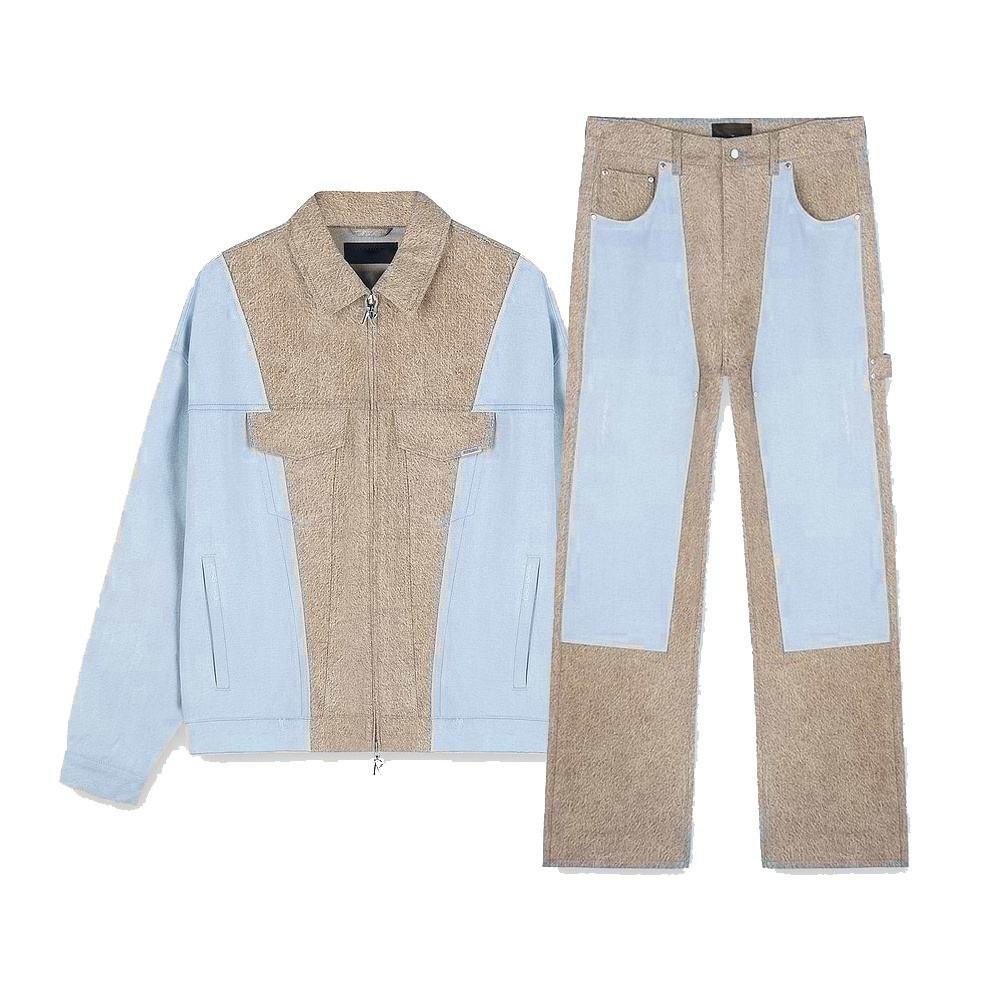
Denim jackets typically range from 8 oz to 14 oz per square yard. Lightweight 8–10 oz fabrics offer softer drape and faster distressing but may show wear more quickly under heavy abrasion. Mid-weight 10–12 oz denim balances durability with ease of distressing, making it the most popular choice for streetwear brands.
Heavyweight 12–14 oz denim delivers maximum durability and structure but requires more aggressive distressing equipment and longer processing times. Clothing Manufacturer Ltd. tests fabric hand and tear strength during the materials QC phase of its five-step quality control process to ensure consistency across production runs.
Fiber Blends and Stretch Properties
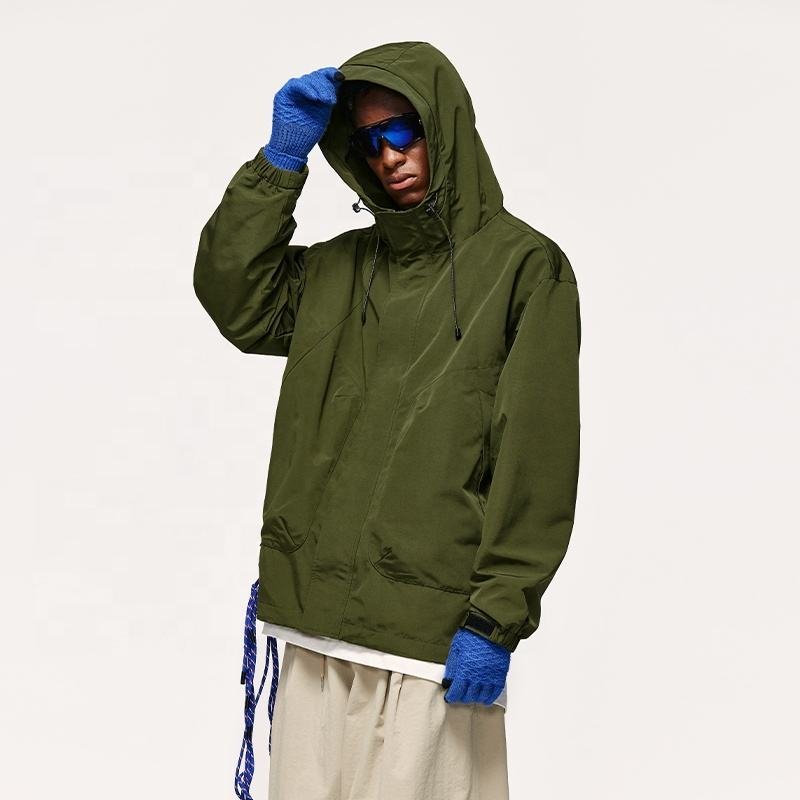
100% cotton denim provides authentic vintage texture and accepts distressing uniformly, ideal for rips, fraying, and sandblasting. Cotton-polyester blends (typically 80/20 or 70/30) increase abrasion resistance and reduce shrinkage but may show uneven fading in enzyme washes.
Cotton-elastane stretch denim (1–3% spandex) adds comfort and mobility, popular with influencer brands targeting active lifestyles. Stretch fibers can complicate laser distressing because synthetic content may melt under high heat, requiring adjusted parameters during the clothing craft QC testing stage.
Weave Structures and Distressing Response
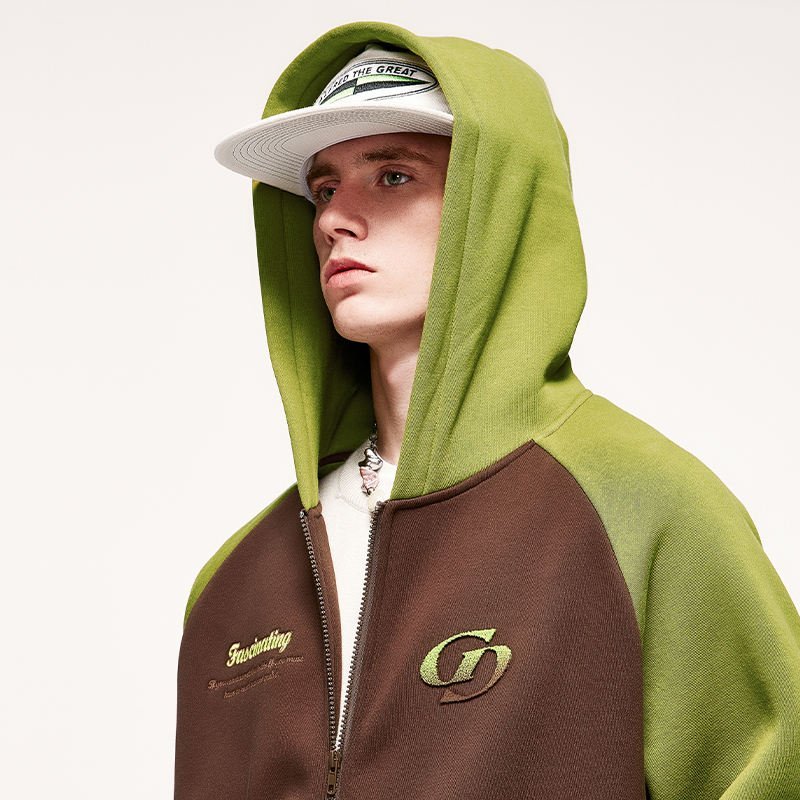
Standard twill weave (3/1 right-hand) creates the classic diagonal grain and accepts all distressing methods. Broken twill eliminates the diagonal line and reduces fabric torque, yielding cleaner laser etching and more controlled fraying.
Slub denim incorporates irregular yarn thickness for organic texture that enhances vintage aesthetics. The thicker slub sections resist abrasion differently than smooth areas, producing unique distress patterns that appeal to independent designers seeking one-of-a-kind finishes.
Sustainable Fabric Options
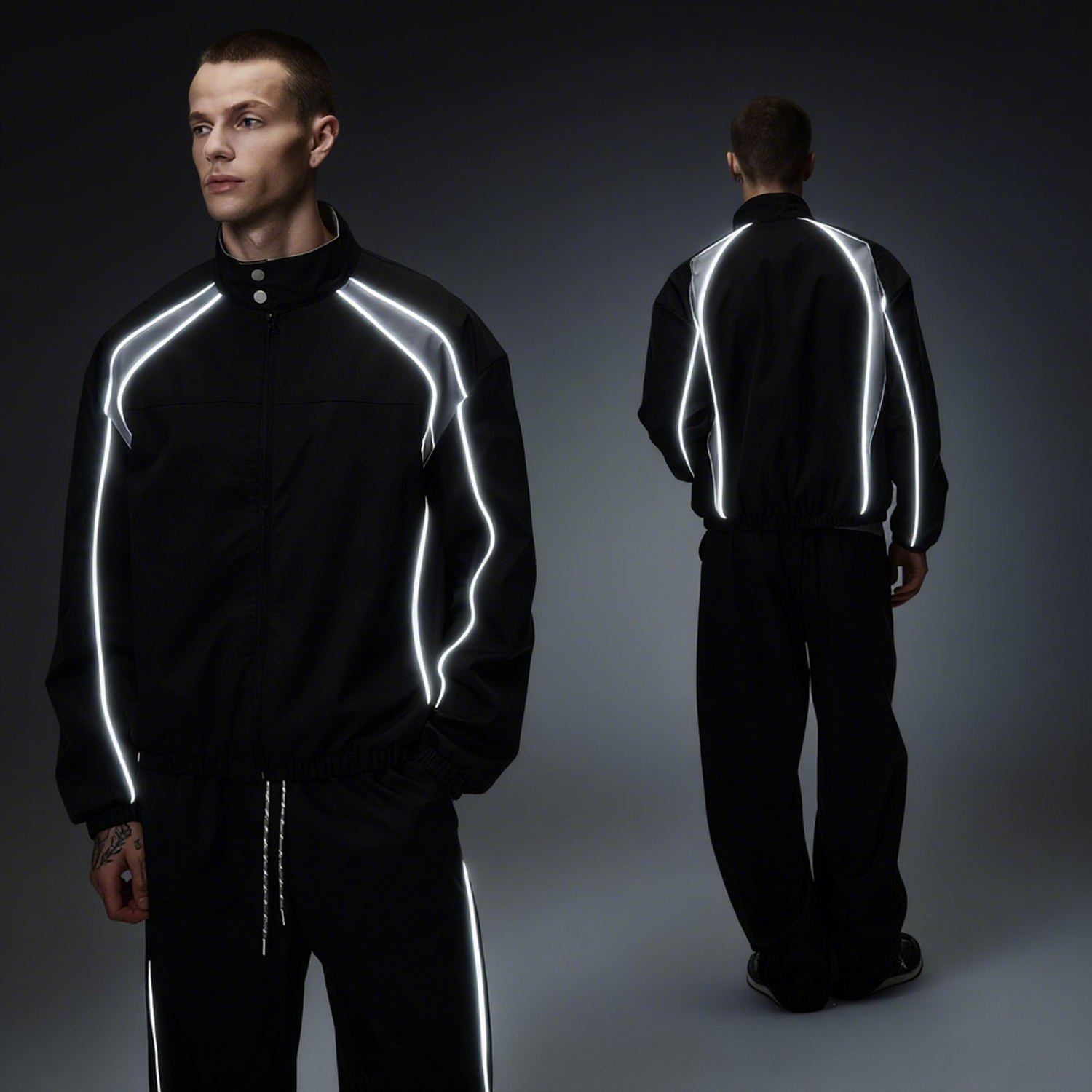
Organic cotton denim eliminates pesticide residues and meets GOTS certification standards, increasingly requested by fashion startups and global retailers. Recycled cotton-polyester blends divert textile waste from landfills while maintaining durability comparable to virgin fibers.
Better Cotton Initiative (BCI) certified denim ensures responsible water and pesticide management without premium pricing of fully organic options. Clothing Manufacturer Ltd. sources sustainable fabrics through its parent company Dongguan TuoZhen Clothing Co., Ltd., which maintains supplier relationships across Guangdong Province’s textile mills.
5. Distressing and Customization Techniques
A distressed denim jacket manufacturer employs multiple finishing techniques to achieve authentic worn-in aesthetics, each with distinct cost, timeline, and environmental profiles. Beyond surface distressing, hardware upgrades and graphic customization complete a brand’s vision.
| Technique | Cost Impact | Lead Time | Eco-Friendliness |
|---|---|---|---|
| Manual sanding | $1–3/unit | +1 day | Low water, high labor |
| Stone-washing | $2–4/unit | +2–3 days | High water/energy |
| Enzyme wash | $3–5/unit | +3–4 days | Moderate water |
| Laser etching | $4–7/unit | +0.5 day | Zero water/chemicals |
| Ozone fading | $3–6/unit | +1 day | Zero water |
| Embroidery | $0.80–2.50/1k stitches | +2 days | Minimal impact |
| Screen printing | $1.20–3/color | +7–10 days | Ink/curing energy |
Core Distressing Methods
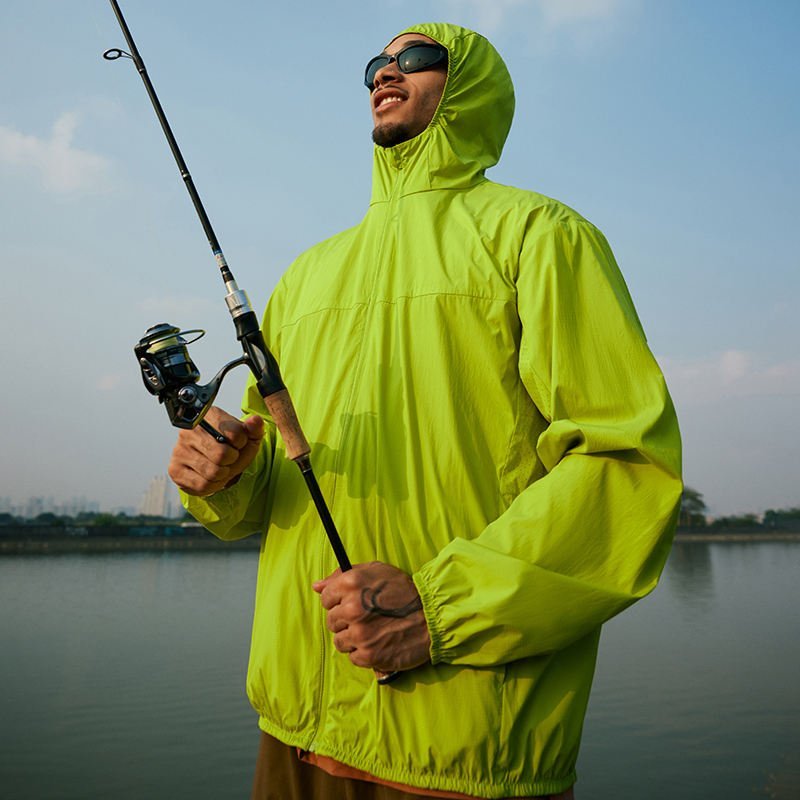
Manual sanding creates localized abrasion patterns with low setup cost but high labor hours, ideal for small batches under 100 units. Stone-washing tumbles garments with pumice stones for 30–90 minutes, yielding overall fading at moderate water and energy expense. Enzyme wash uses cellulase enzymes to soften fibers and lighten indigo with 40% less water than stone-washing, reducing environmental impact while adding 1–2 days to lead time.
Laser etching employs CO₂ lasers to burn precise whisker and fade patterns without water or chemicals, offering the fastest turnaround (minutes per jacket) and highest initial equipment investment. Ozone fading oxidizes indigo in a gas chamber within 20 minutes, eliminating water use entirely but requiring specialized ventilation. Ripping, whiskering, and paint splatter are manual finishing steps applied post-wash, adding 0.5–1 day and $2–5 per unit depending on complexity.
Hardware and Trim Customization
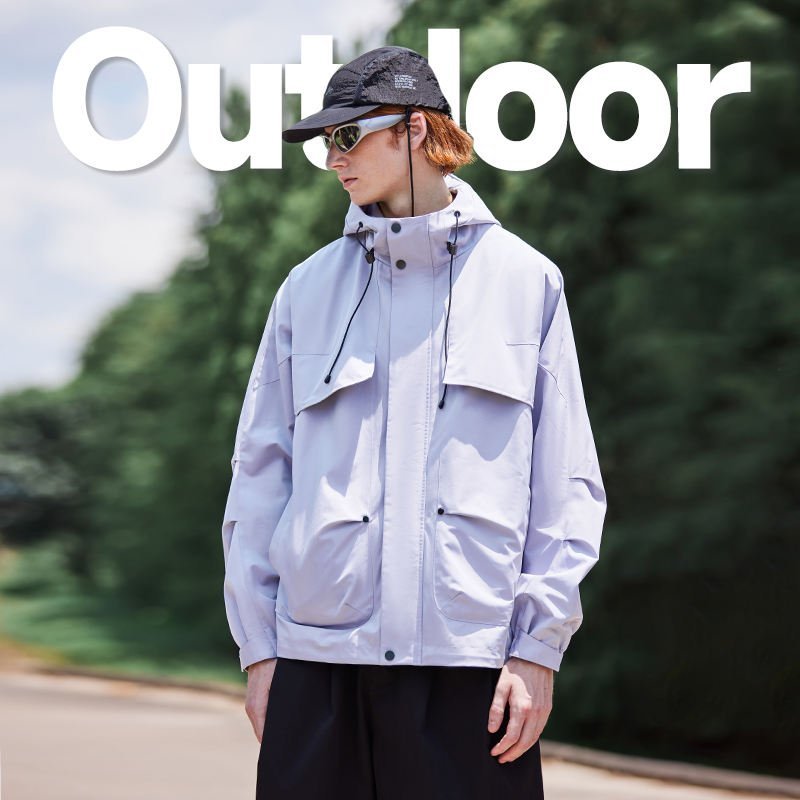
YKK metal zippers, custom-engraved buttons, and antique-finish rivets differentiate premium jackets from mass-market offerings. Swapping standard plastic buttons for branded metal hardware adds $1.50–3.00 per jacket and extends lead time by 5–7 days for custom molds. Zipper upgrades (YKK Excella, Riri, or Lampo) range from $3–8 per unit, with 10–14 day procurement for non-stock colors.
Graphic Customization Techniques
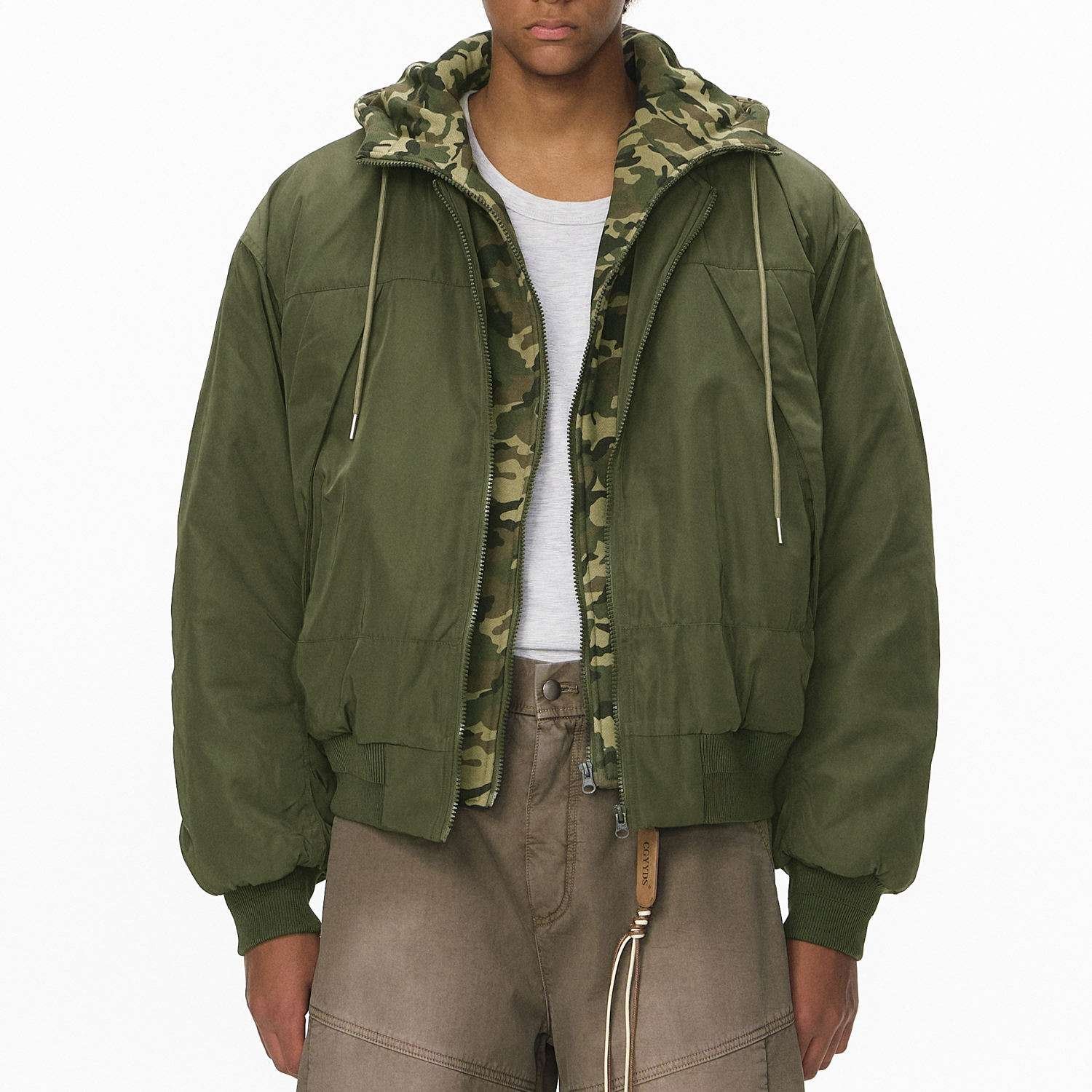
Embroidery delivers durable, high-perceived-value branding at $0.80–2.50 per 1,000 stitches, with digitizing fees of $15–40 for new artwork. Woven and printed patches cost $0.50–2.00 each depending on size and attachment method (sewn or heat-sealed). Screen printing handles large back graphics and sleeve prints at $1.20–3.00 per color per location, requiring 7–10 days for screen preparation and curing on heavyweight denim.
6. Key Quality and Construction Elements
Quality control in distressed denim production requires checkpoints at every stage, not just final inspection. A distressed denim jacket manufacturer must verify stitching, hardware, fabric stability, and fit grading before distressing techniques are applied, because rips and fades can expose construction flaws that would remain hidden in standard garments.
Stitching Integrity and Seam Construction
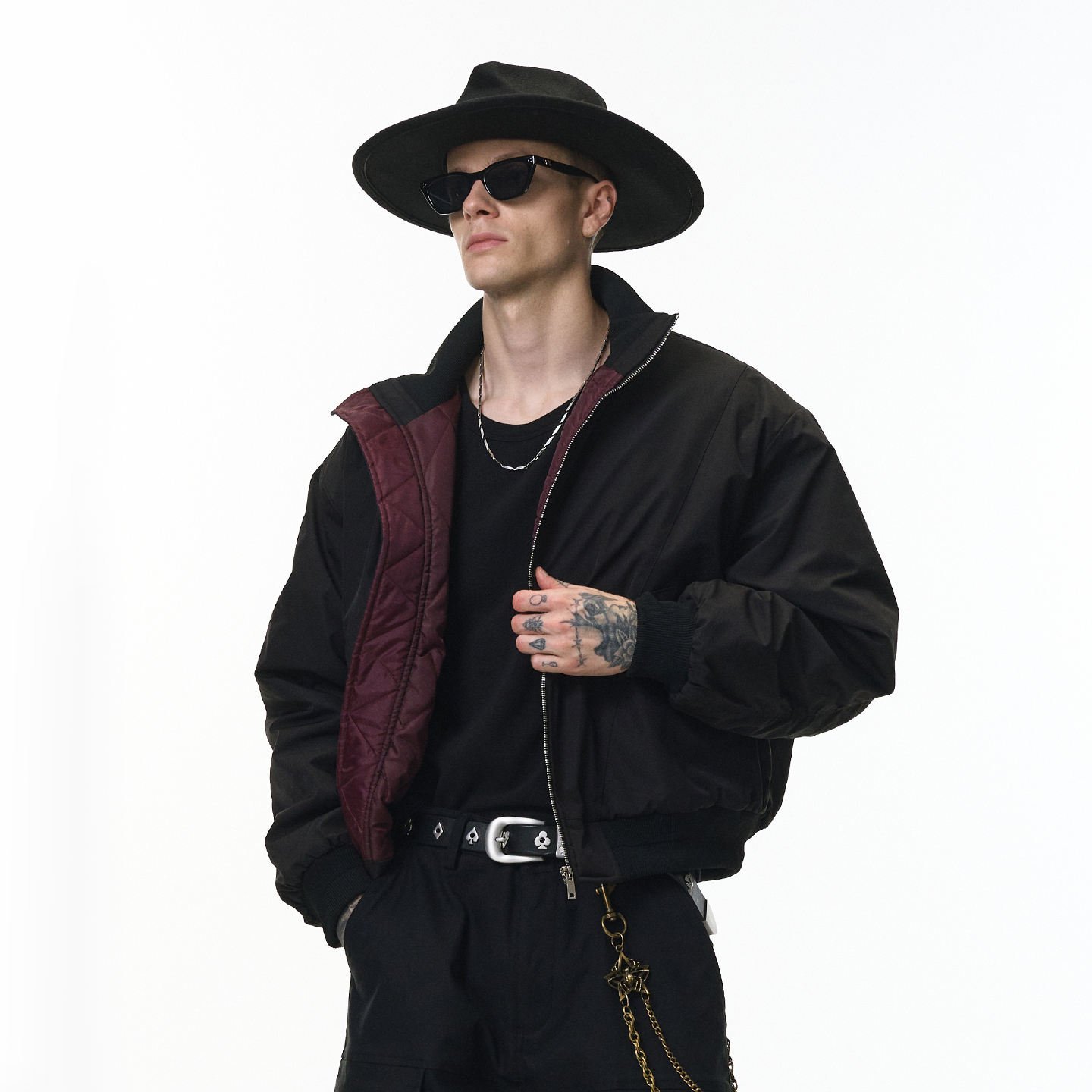
Double-needle seams at stress points — shoulders, armholes, side seams — prevent unraveling when distressing removes surrounding fibers. Bar tacks reinforce pocket corners, zipper ends, and button plackets; most manufacturers specify 18–22 stitches per bar tack for denim weights above 12 oz.
Distressing exposes thread to abrasion, so thread choice matters. Core-spun polyester-wrapped cotton thread combines the appearance of cotton with polyester’s tensile strength, maintaining seam integrity through wash cycles and mechanical distressing processes.
Hardware Durability Standards
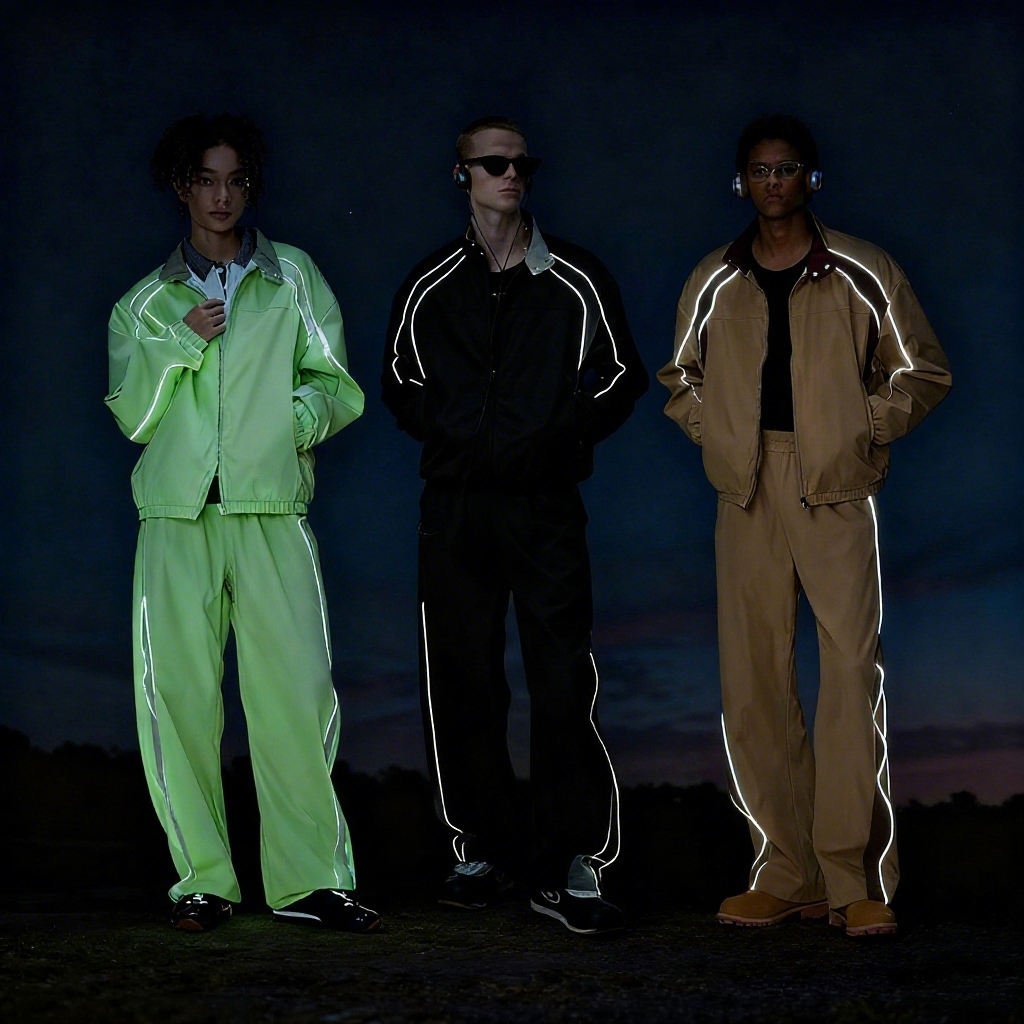
YKK zippers dominate quality-focused production because their nickel-free antique brass and gunmetal finishes resist corrosion through repeated washing. Generic zippers often fail pull-strength tests above 15 kgf, while YKK #5 metal zippers withstand 25+ kgf.
Snap strength is tested by pull-force gauges; industry minimum is 40 N for decorative snaps, 60 N for functional closures. Rivet caps should be double-capped (front and back) and tested for 80 N pull resistance to survive distressing abrasion.
Fabric Consistency and Colorfast Testing
Denim shrinkage must be controlled before distressing; sanforized denim shrinks ≤3 percent, while raw denim can shrink 8–10 percent, distorting pre-planned rip placements. A distressed denim jacket manufacturer should pre-wash fabric or specify sanforized stock.
Colorfast testing uses AATCC Method 61 (wash) and Method 8 (crocking). Indigo dye naturally fades, but uncontrolled bleeding stains hardware and contrast stitching. Reputable manufacturers run five-wash cycles and measure color transfer on white cotton; Grade 4 or higher indicates acceptable fastness.
Fit Grading Accuracy Across Size Runs
Grading errors multiply when distressing is applied; a rip placed 12 cm below the shoulder seam in size M must shift proportionally in XS and XXL to maintain the same visual balance. Manufacturers using digital pattern grading achieve ±2 mm tolerance per grade rule.
Sample every third size (XS, M, XL) before bulk production. Check that armhole depth, sleeve length, and hem width scale correctly, because distressing cannot be repositioned once lasered or sanded onto the garment.
Red Flags in Distressed Construction
Skip any distressed denim jacket manufacturer that applies distressing before final QC, because rips and fades hide defects like skipped stitches, puckered seams, or misaligned pockets. Clothing Manufacturer Ltd.’s five-step QC includes sewing production testing before finishing, ensuring structural integrity is verified prior to distressing.
Refuse samples with frayed seam allowances inside rips, zippers that catch on distressed edges, or snaps placed within 3 cm of a planned tear — all signs that distressing was added without engineering review.
7. How to Choose the Right Distressed Denim Jacket Manufacturer
Selecting a distressed denim jacket manufacturer requires evaluating production capabilities, quality systems, and business terms before signing a contract. A structured vetting process reduces risk and ensures alignment on MOQ, lead times, certifications, and sample quality.
Verify MOQ and Production Capacity
Confirm the factory’s minimum order quantity matches your brand’s scale—startups typically need 50–200 pieces per style, while established retailers order 500+ units. Ask whether the manufacturer can handle your projected growth and peak-season volumes.
Request production capacity details: daily output, number of production lines, and concurrent order limits. Factories with 15+ R&D staff and multi-line facilities can scale with your brand and absorb seasonal demand spikes.
Check Certifications and Quality Systems
Verify third-party certifications including WRAP, BSCI, GOTS, and Oeko-Tex Standard 100, which confirm ethical labor practices and fabric safety. Request certificate copies with valid expiration dates.
Ask how quality control is implemented during production. Manufacturers using five-step QC—materials, cutting, craft, sewing, and finished-goods inspection—catch defects early and deliver consistent results, unlike factories that inspect only after packing.
Request Samples and Evaluate Communication
Order pre-production samples to assess distressing quality, wash consistency, hardware durability, and stitching precision. Compare sample turnaround time; 7–10 days is standard for custom distressed denim jackets.
Evaluate responsiveness: does the team answer technical questions within 24 hours, provide fabric GSM specs, and offer alternative solutions? Clear, proactive communication signals a reliable long-term partner.
Confirm Lead Times and Payment Terms
Clarify bulk production lead times—typically 25–35 days for distressed denim jackets after sample approval. Ask about deposit structure (30% upfront is common) and payment methods accepted.
Check references from brands in similar markets. Request case studies or client testimonials covering order accuracy, on-time delivery, and post-shipment support to validate the manufacturer’s track record.
8. Common Mistakes When Sourcing a Distressed Denim Jacket Manufacturer
Sourcing a distressed denim jacket manufacturer requires careful attention to technical and contractual details that many brands overlook. Common mistakes in fabric testing, timeline planning, sampling, and documentation can derail production schedules, inflate costs, and compromise quality. Understanding these pitfalls before placing your first order saves both time and money.
Ignoring Fabric Shrinkage After Distressing
Distressing treatments—stone washing, enzyme washes, sandblasting—alter denim fiber structure and cause shrinkage rates of 3–7% beyond standard pre-shrunk denim. Many brands finalize patterns before accounting for post-wash dimensional changes, resulting in finished jackets that run small or have misaligned seams.
Request wash-test swatches from your distressed denim jacket manufacturer before approving patterns. Measure length, width, and diagonal shrinkage after the exact wash formula you intend to use. Adjust pattern grading to compensate, adding 5–8% to critical measurements for heavy distressing processes.
Underestimating Lead Times for Custom Washes
Custom enzyme formulations, multi-stage stone washes, and hand-sanding require 7–14 days beyond standard garment production. Brands that assume standard 30-day lead times for distressed denim jackets face delayed launches and missed retail windows.
Confirm wash-house capacity and turnaround during initial negotiations. For seasonal collections, add 10–15 days to quoted lead times and request a detailed production timeline that separates sewing, washing, drying, and finishing stages.
Skipping Pre-Production Samples
Ordering bulk production without a pre-production sample locks you into wash intensity, distressing placement, and hardware choices that may not match your design intent. Sample fees of 150–300 USD per jacket are minimal compared to rejecting a 500-unit order.
Always request a pre-production sample using your final fabric, wash formula, and trims. Conduct fit tests, wash durability tests (minimum three home laundry cycles), and photo documentation before approving mass production.
Choosing Solely on Price
The lowest quote often reflects shortcuts: skipped quality checks, cheaper hardware, or single-pass distressing instead of multi-stage treatments. A 15 USD jacket with 30% defect rates costs more than a 22 USD jacket with rigorous five-step QC.
Evaluate total cost of quality, including rework, returns, and brand reputation damage. Request QC process documentation and defect-rate guarantees in writing before committing to a distressed denim jacket manufacturer.
9. Steps to Launch Your Brand with a Distressed Denim Jacket Manufacturer
Launching a distressed denim jacket collection requires a structured workflow from concept to warehouse. Following these six steps ensures you hit timeline milestones, control costs, and maintain quality standards throughout production.
Concept and Mood Board Development
Start by defining your target customer, price point, and design aesthetic. Compile reference images of distressing styles, washes, hardware, and fit silhouettes into a digital mood board. Share this with your distressed denim jacket manufacturer to align on creative direction and technical feasibility before moving to detailed specifications.
Fabric and Wash Selection
Choose denim weight (10–14 oz typical for jackets), fiber blend (100% cotton or cotton-stretch), and distressing technique (sanding, enzyme wash, stone wash, laser). Request fabric swatches and wash samples to evaluate hand-feel, color fastness, and distress intensity. Budget 1–2 weeks for swatch approval and lock fabric suppliers early to secure lead times.
Tech Pack Creation and Sample Cycles
Provide a tech pack with measurements, construction details, stitch specs, and distressing placement maps. The manufacturer produces a first sample within 2–3 weeks. Plan for 2–3 revision cycles to refine fit, wash consistency, and hardware placement. Clothing Manufacturer Ltd.’s five-step QC process checks materials, cutting, craft, sewing, and finished garments at every sample iteration.
Bulk Order and Quality Checkpoints
Confirm MOQ (typically 100–500 units per colorway), unit cost, and production lead time (6–10 weeks). Schedule inline QC inspections at 30%, 50%, and 80% completion, plus a final AQL inspection before shipment. Clear payment terms (30% deposit, 70% on completion) protect both parties and ensure accountability.
Shipping, Logistics, and Go-to-Market
Select sea freight (30–45 days, lower cost) or air (5–7 days, higher cost) based on launch deadlines. Coordinate customs clearance, import duties, and warehouse receiving. Align inventory arrival with marketing campaigns, pre-orders, or retail distribution schedules to maximize sell-through and cash flow.
10. Pricing and Cost Breakdown
Fabric costs for distressed denim jackets typically range from $3.50 to $8.00 per yard depending on weight (10–14 oz), fiber composition, and whether you select ring-spun or open-end denim. A standard men’s jacket consumes 1.8–2.2 yards, so raw material alone accounts for $6.30–17.60 per unit before distressing labor.
Distressing technique fees vary widely: manual sanding and whiskering add $2–4 per jacket, enzyme or stone washing adds $1.50–3.00, laser etching adds $3–6, and hand-applied rips or patches add $4–8 depending on complexity. Hardware — YKK zippers, metal buttons, rivets — contributes $1.50–4.00 per jacket, while custom labels, hang tags, and packaging add another $0.80–2.50.
Sampling fees at most distressed denim jacket manufacturers run $80–150 per prototype, often credited back after a production order exceeds 200 units. Shipping from Dongguan to North America or Europe averages $4–9 per jacket by sea (30–40 days) or $12–22 by air (5–7 days), with DDP terms adding customs clearance and duty into the landed cost.
Customization complexity directly impacts unit price: a basic wash with light sanding may cost $28–35 at 100 units, while a heavily distressed jacket with laser graphics, hand-sewn patches, and custom hardware can reach $55–75 at the same volume. Clothing Manufacturer Ltd.’s five-step QC process is included in all tier pricing, ensuring every jacket passes materials, cutting, craft, sewing, and finished-goods inspection before shipment.
| Quantity Tier | Price per Unit (USD) | Setup Cost | Lead Time |
|---|---|---|---|
| 50 units | $45–65 | $300–500 | 25–30 days |
| 100 units | $38–55 | $300–500 | 25–30 days |
| 500 units | $28–42 | $200–400 | 30–35 days |
| 1,000+ units | $22–35 | $150–300 | 35–45 days |
Start Your Distressed Denim Jacket Order Today
Low MOQ, fast turnaround, and 5-step QC guarantee. Partner with a trusted distressed denim jacket manufacturer for your next collection.