
Sherpa Lined Denim Jacket Manufacturer for Streetwear Brands
Partner with a trusted sherpa lined denim jacket manufacturer offering low MOQ, fast sampling, and our exclusive 5-step QC guarantee for zero-compromise quality.
Sherpa Lined Denim Jacket Gallery
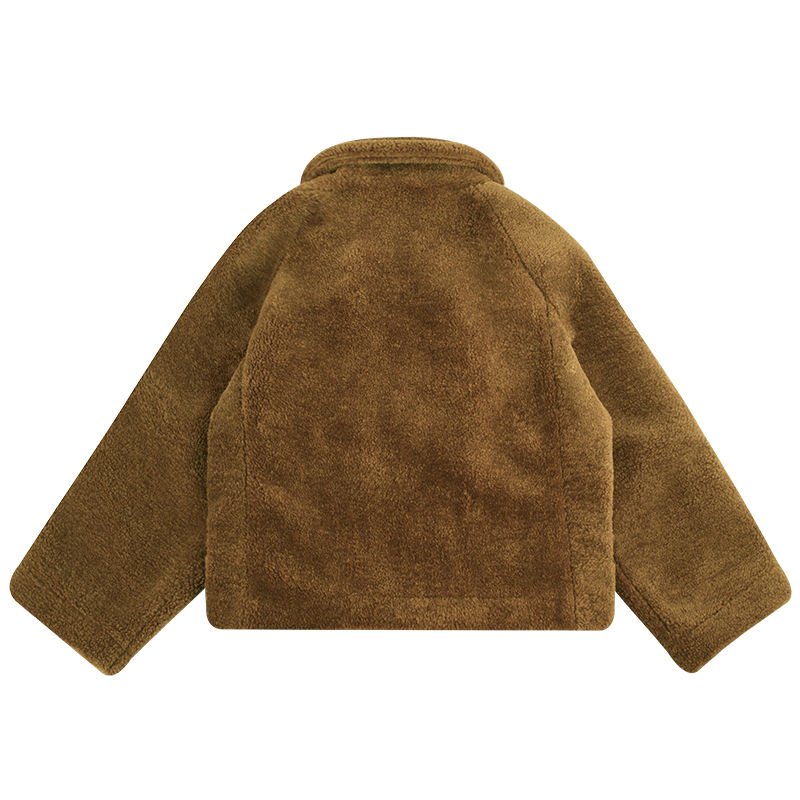
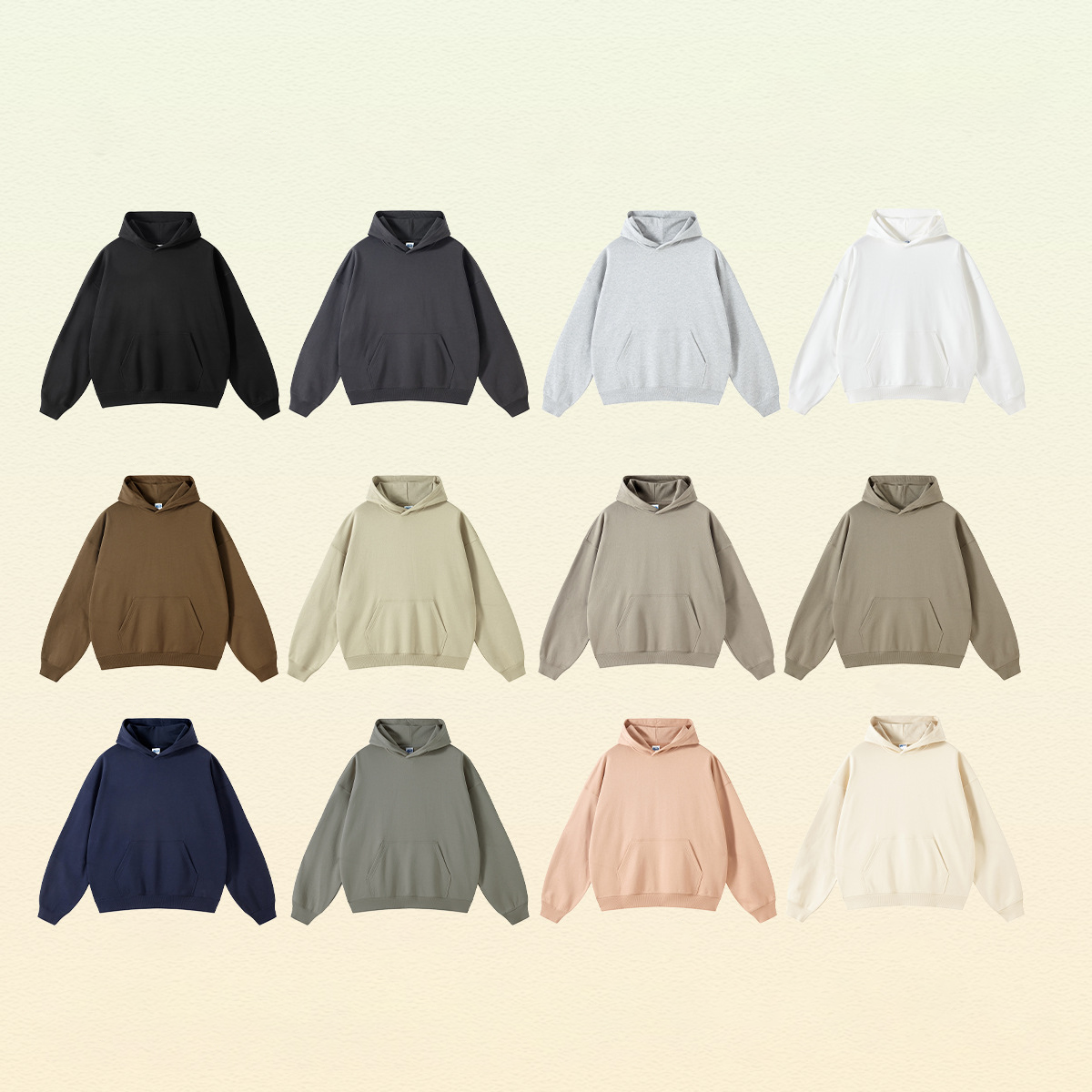
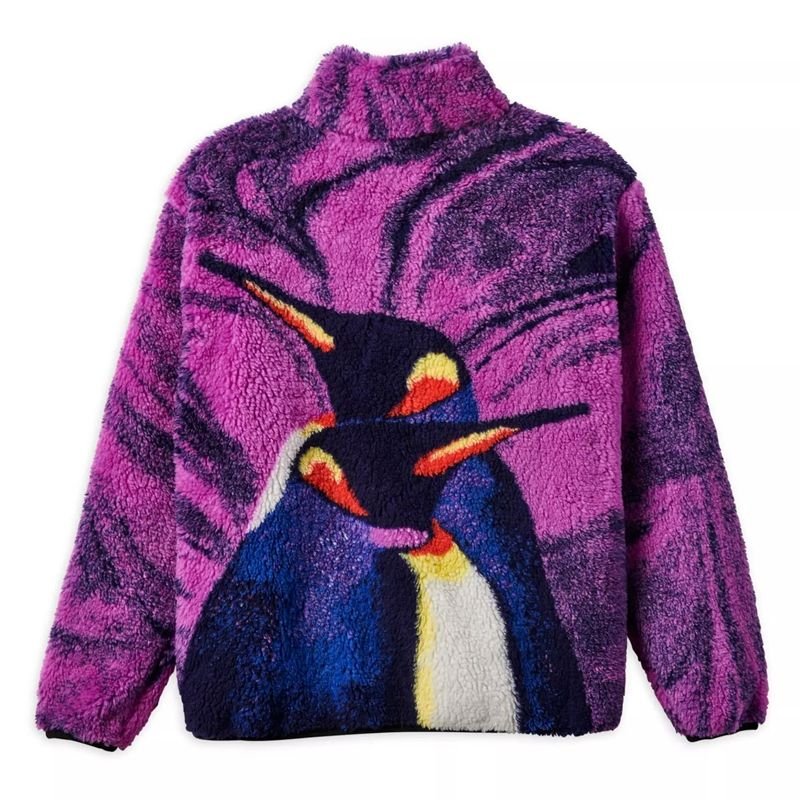
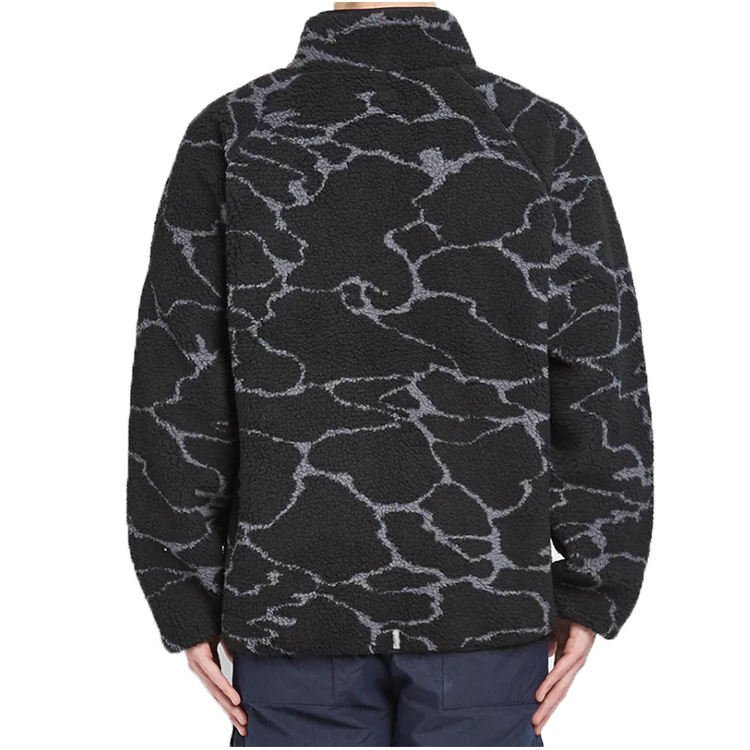
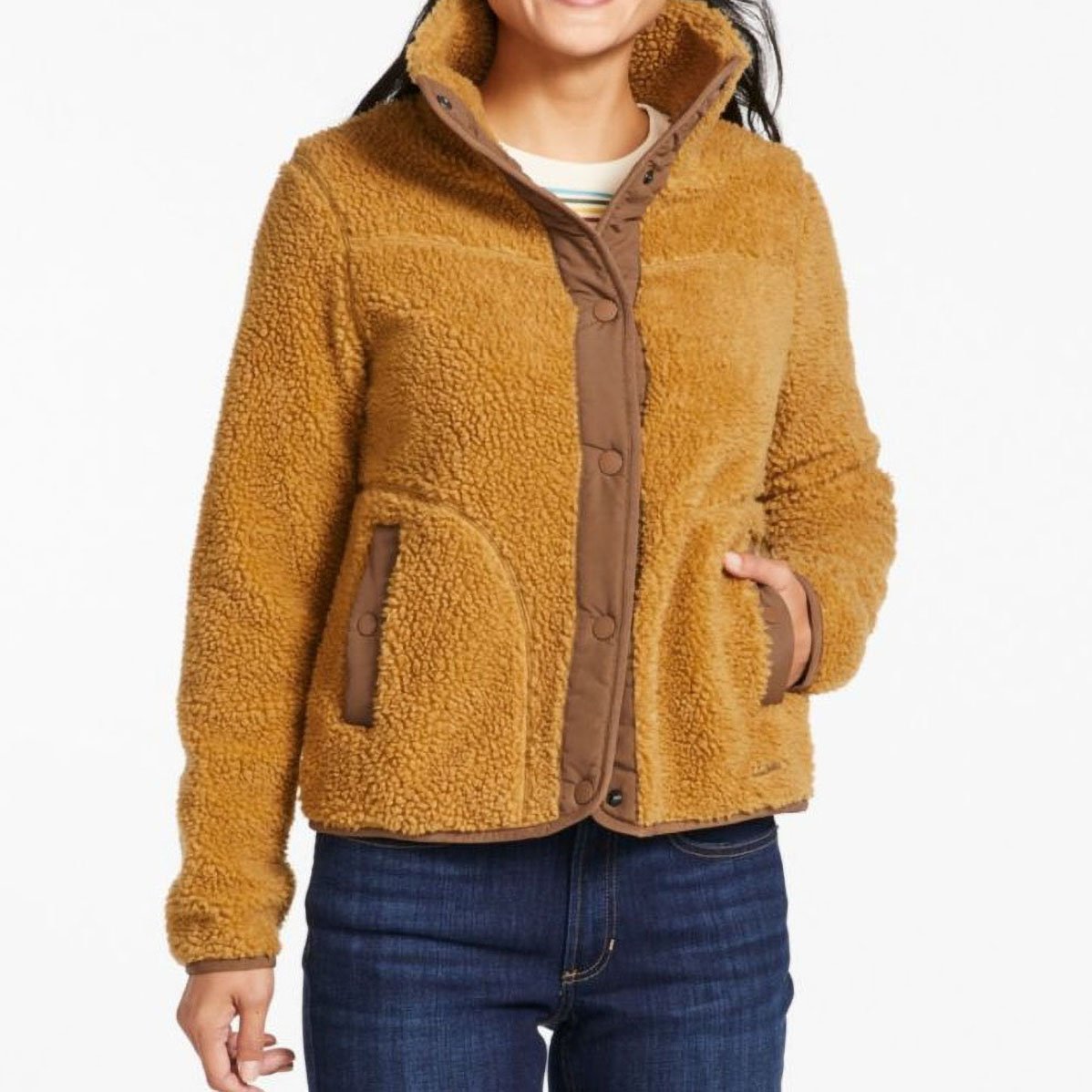
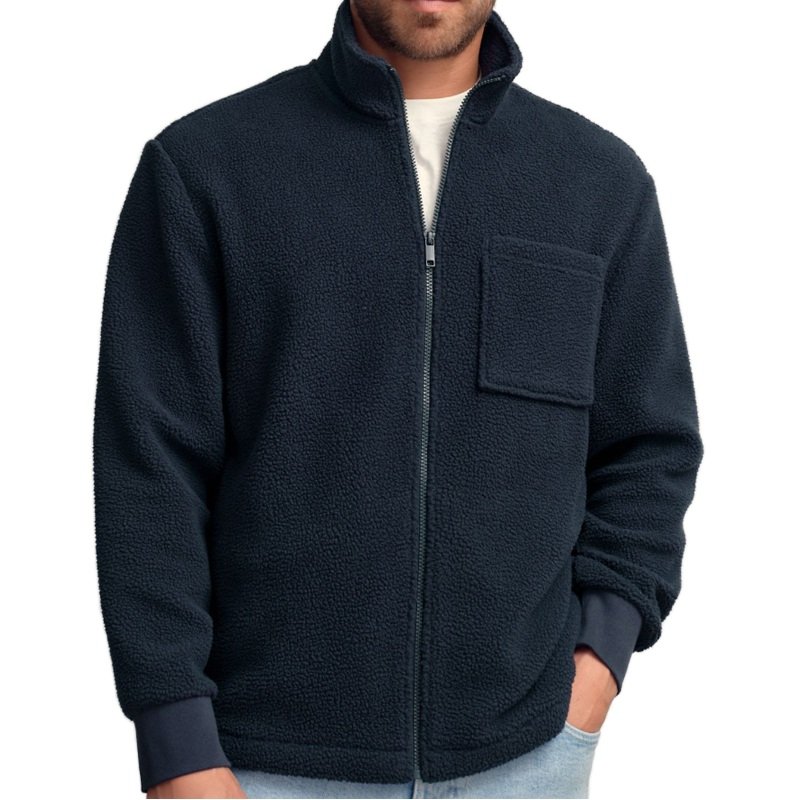
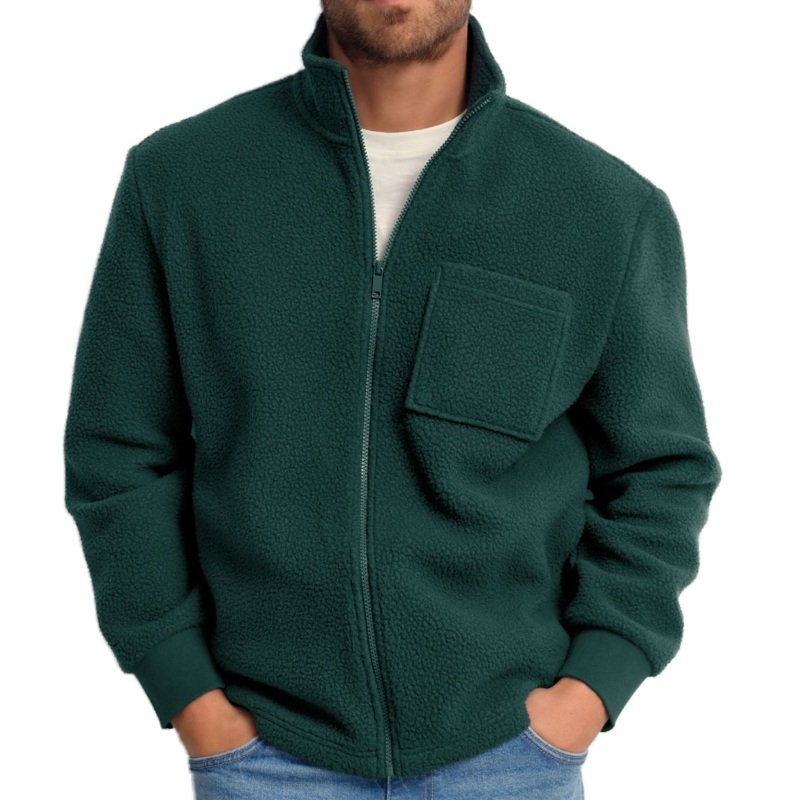
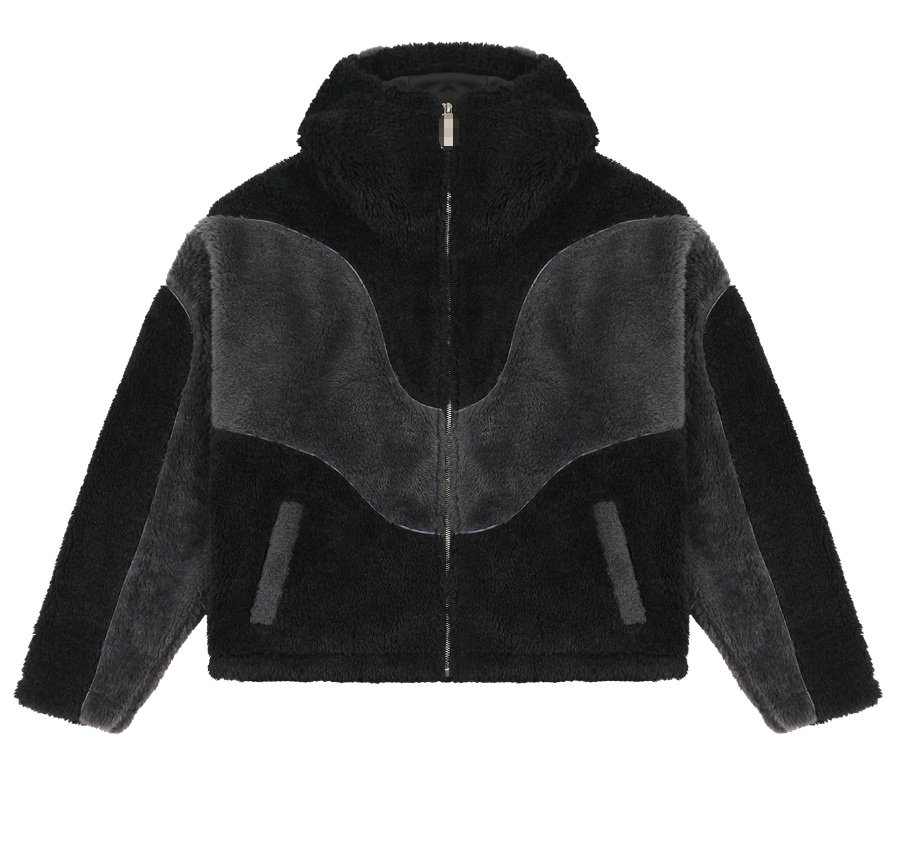
Why Brands Choose Our Sherpa Lined Denim Jacket Manufacturer
5-Step QC Guarantee
Every sherpa lined denim jacket undergoes materials, cutting, craft, sewing, and finished product quality checks before shipment—zero shortcuts, zero defects.
Low MOQ 50 Pieces
Launch your streetwear line without massive inventory risk. We support fashion startups and independent designers with accessible minimum order quantities.
7-Day Sampling Turnaround
Our in-house design and sampling team delivers sherpa denim jacket prototypes in one week, keeping your seasonal collections on schedule.
Streetwear Design Expertise
Six years specializing in trend-driven streetwear aesthetics—skeleton graphics, bold patterns, oversized fits, and cultural authenticity your audience demands.
Global Shipping Support
Reliable logistics to over 100 countries with customs documentation, tracking, and on-time delivery for retailers and influencer brands worldwide.
15-Member R&D Team
Dedicated designers and technicians collaborate with you on custom sherpa lining weights, denim washes, hardware, and unique branding details.
Sherpa Lined Denim Jacket Manufacturer Categories & Customization Options
From classic collar styles to fully lined oversized fits, our sherpa lined denim jacket manufacturer capabilities cover every trend and custom finish your brand needs.
Classic Sherpa Collar Jackets
Streetwear brands need timeless sherpa collar denim jackets that balance vintage appeal with modern fit, but many manufacturers lack the precision to execute clean collar attachment and consistent sherpa pile quality.
We produce classic sherpa collar denim jackets with flawless collar integration, premium sherpa lining at the neckline, and stone-wash or raw finishes that pass our 5-step QC, ready for your brand labels.
Full Sherpa Lining Styles
Fashion startups launching winter collections require fully lined sherpa denim jackets with maximum warmth and luxe hand-feel, but struggle to find manufacturers who can source quality sherpa and maintain even lining distribution throughout.
Our in-house team delivers full sherpa lined denim jackets with wall-to-wall premium fleece, reinforced seams, and custom washes including acid wash and distressed finishes, all verified at every production stage.
Oversized & Cropped Fit Variants
Influencer and creator brands demand on-trend oversized or cropped sherpa denim silhouettes with precise pattern grading and fit consistency across sizes, yet many suppliers lack the technical expertise to scale these complex cuts reliably.
We pattern, sample, and manufacture oversized and cropped sherpa lined denim jackets with exact fit specifications, low MOQ flexibility for test drops, and fast turnaround to capture seasonal trends before they peak.
Quilted Sleeve & Hybrid Designs
Global retailers seeking differentiated product lines need hybrid sherpa denim jackets featuring quilted sleeves, contrast panels, or mixed textures, but face high minimums and long lead times with traditional manufacturers who resist custom construction.
Our 15-member R&D team and 10 patents enable us to execute quilted sleeve sherpa denim jackets, contrast stitching, and unique hybrid constructions with transparent communication, manageable minimums, and rigorous quality checks throughout.
Custom Wash & Distressed Finishes
Independent designers want signature custom washes like stone wash, acid wash, or hand-distressed effects on sherpa lined denim jackets to stand out, but lack access to finishing partners who understand both aesthetic vision and durability requirements.
We offer complete custom wash and distressing services in-house, from subtle vintage fades to bold acid treatments, ensuring every sherpa lined denim jacket meets your brand's aesthetic while maintaining structural integrity and colorfastness.
Premium Fabrics from Your Sherpa Lined Denim Jacket Manufacturer
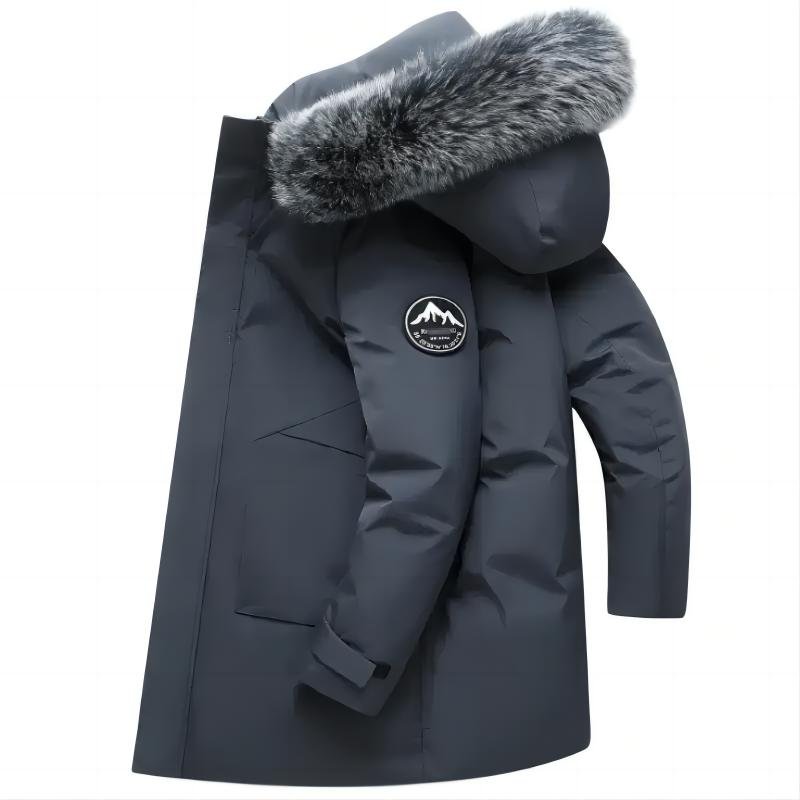
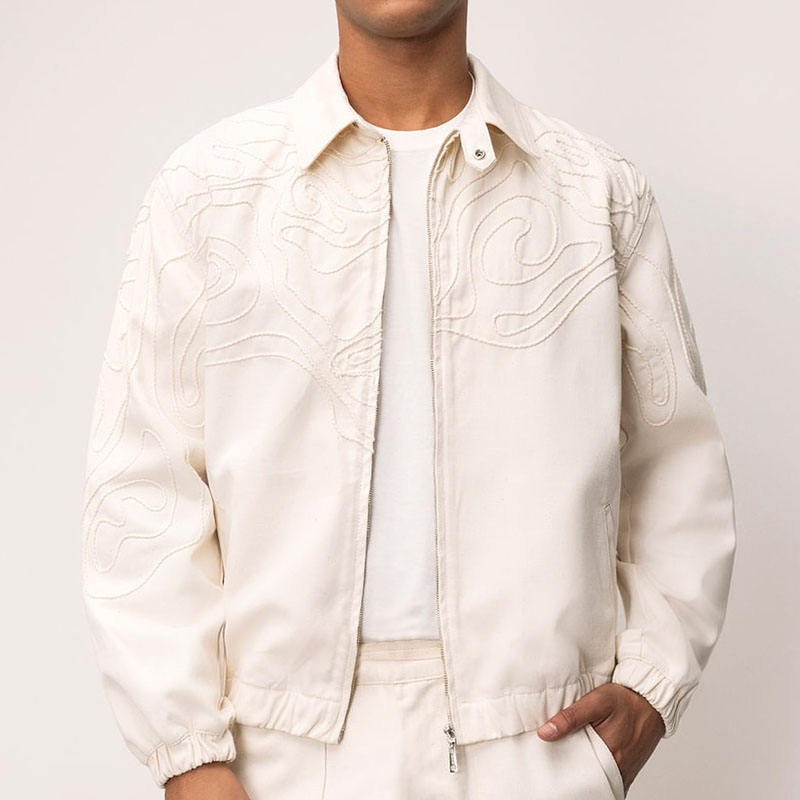
100% Polyester Sherpa
Ultra-soft, high-pile polyester sherpa lining that mimics natural wool texture. Delivers exceptional warmth-to-weight ratio and breathability. Resists matting and maintains plush feel after repeated washing, making it the go-to choice for premium sherpa lined denim jacket interiors.
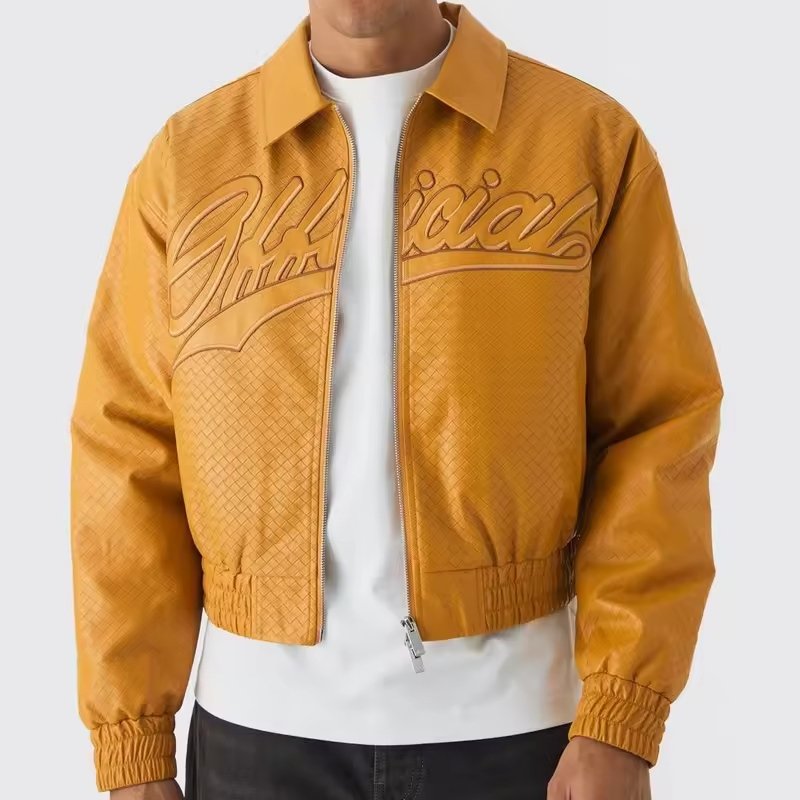
Faux Shearling Lining
Luxurious synthetic shearling with dense, curly pile and suede-like backing. Offers superior insulation and a premium aesthetic for high-end collections. Animal-friendly alternative that retains warmth and softness, ideal for brands prioritizing ethical sourcing and elevated design.
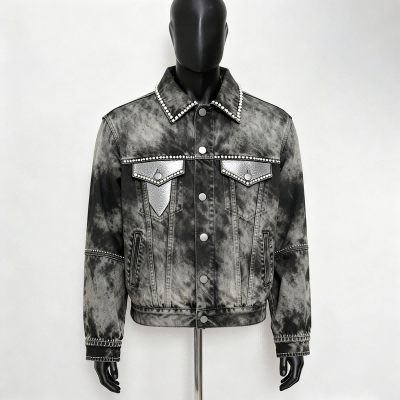
Stretch Denim Blend
Cotton-polyester-spandex blend denim with 2-4% elastane for enhanced mobility. Combines classic denim durability with modern comfort and recovery. Ideal for fitted or athletic-cut sherpa jackets where freedom of movement is essential without sacrificing the authentic denim look.
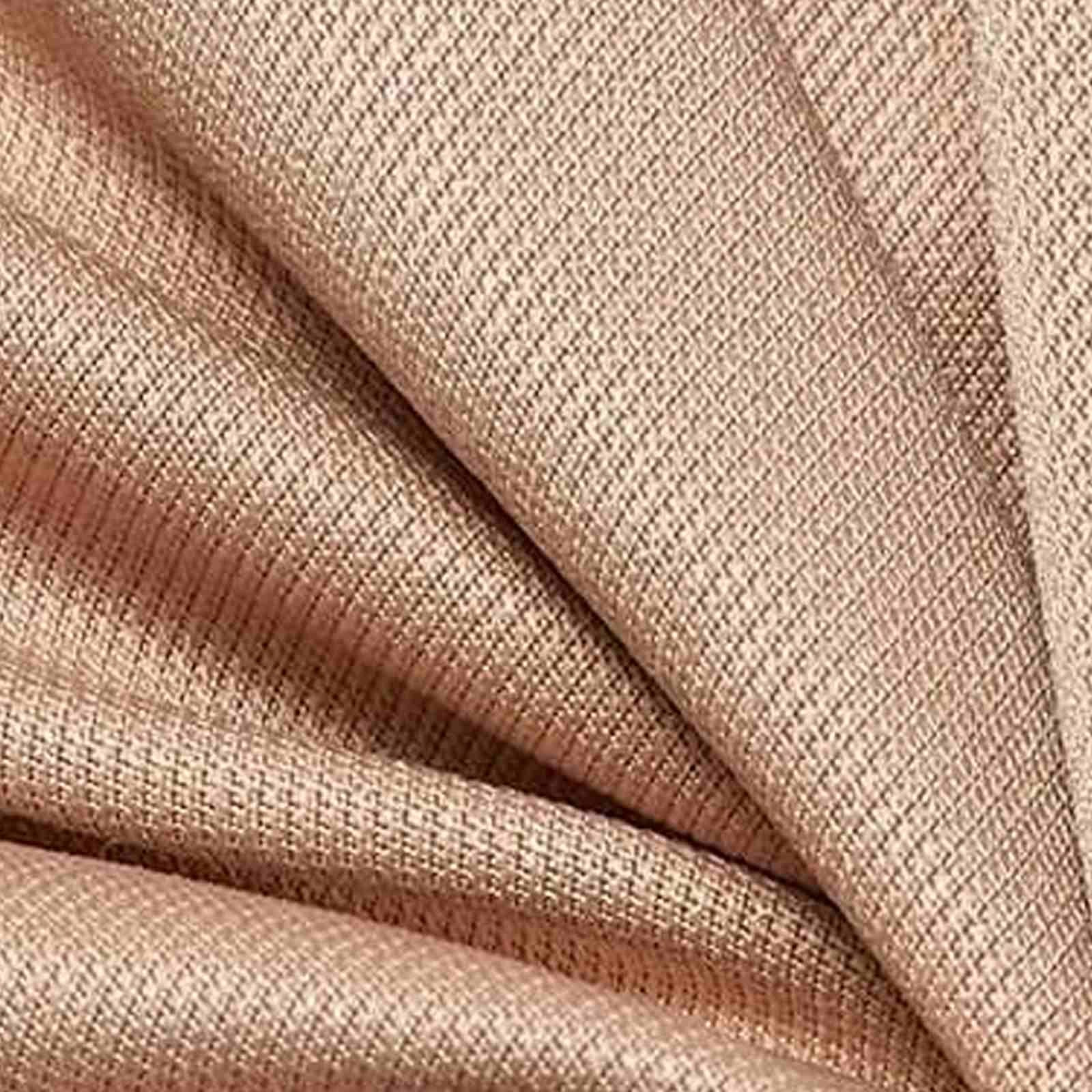
Organic Cotton Denim
Sustainably farmed organic cotton denim with GOTS-compliant certification potential. Soft hand-feel with natural breathability and reduced environmental impact. Perfect for eco-conscious brands seeking premium quality denim that aligns with sustainable fashion values and consumer demand.
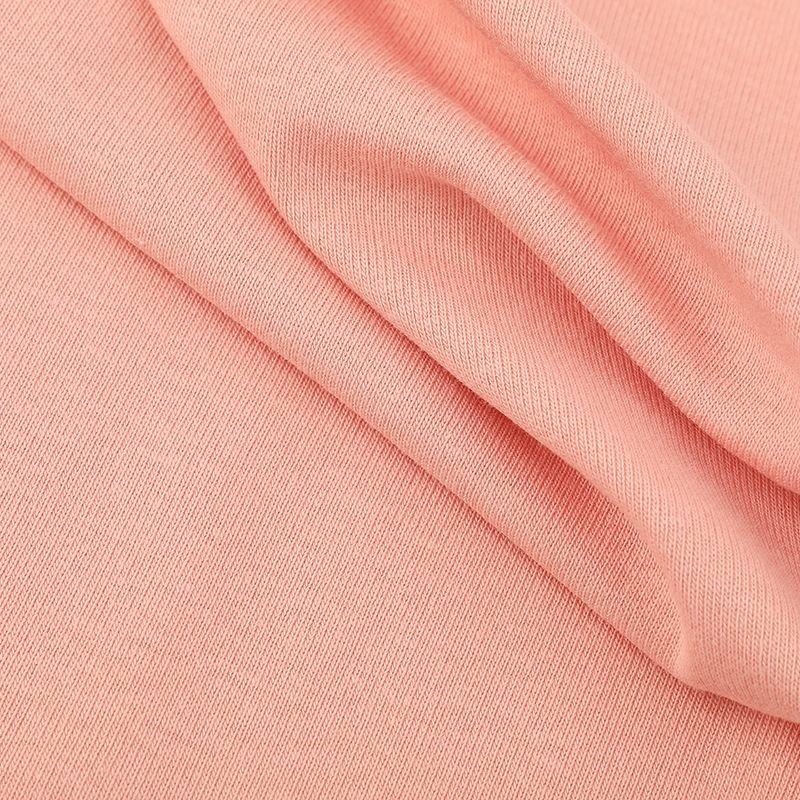
Recycled Polyester Sherpa
Eco-friendly sherpa lining made from post-consumer recycled plastic bottles. Maintains the same plush texture and thermal properties as virgin polyester sherpa while reducing waste. Ideal for brands building sustainable collections without compromising warmth or quality standards.
Advanced Sherpa Lined Denim Jacket Manufacturer Production Techniques
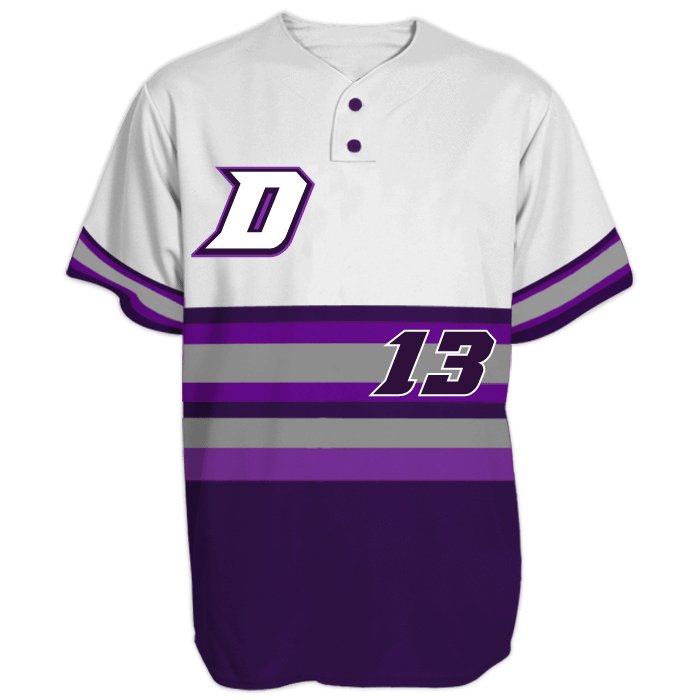
Pattern Grading
Precision multi-size pattern development ensures consistent fit across your entire size run. Our technical team creates graded patterns that maintain design integrity and streetwear silhouette from XS to 3XL, eliminating fit issues before production begins.
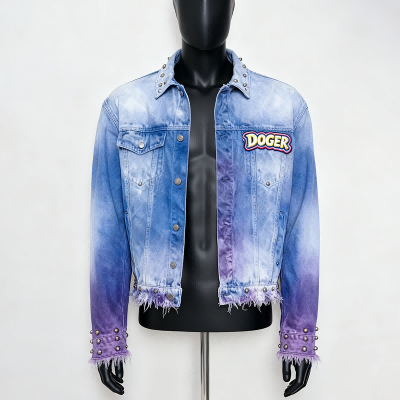
Precision Cutting
Advanced cutting technology handles both heavyweight denim and delicate sherpa lining simultaneously. Computer-guided fabric cutting minimizes waste, ensures pattern accuracy, and maintains grain alignment for superior drape and durability in every jacket panel.
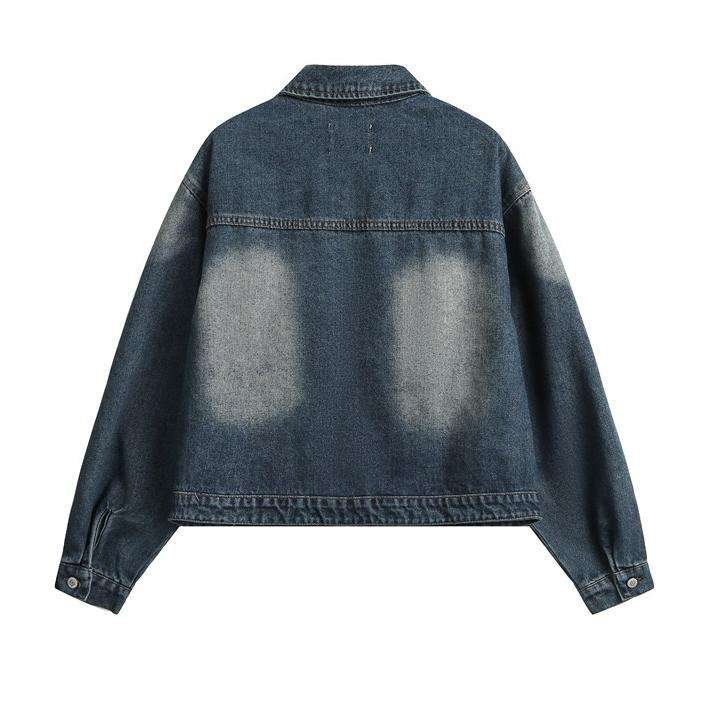
Sherpa Attachment
Expert bonding and stitching techniques secure sherpa lining to denim shell without puckering or separation. Our specialized sewing methods create invisible seams, prevent lining shift during wear, and deliver the plush warmth streetwear customers expect.
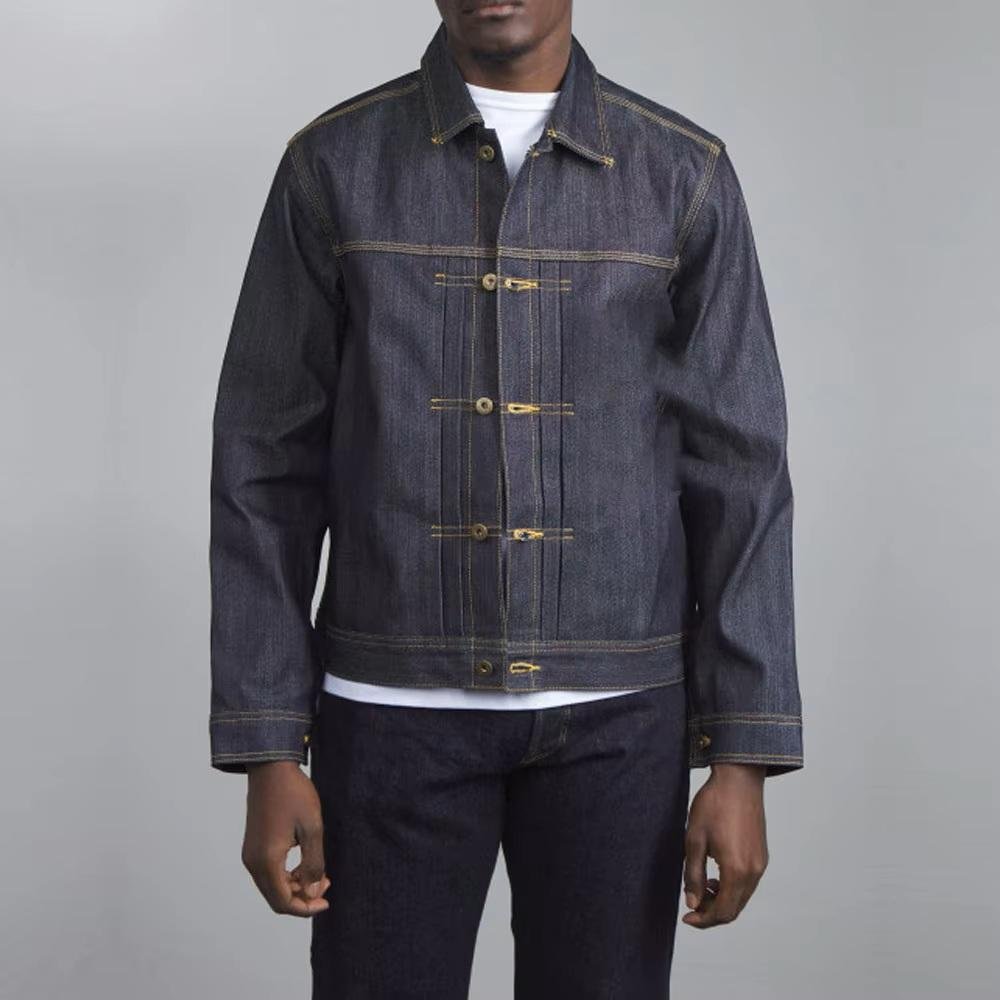
Collar Reinforcement
Multi-layer collar construction with interfacing and topstitching creates the iconic structured look. Reinforced collar stands maintain shape through repeated wear and washing, delivering the sharp, defined silhouette that defines quality denim outerwear.
Hardware Installation
Professional rivet setting, button attachment, and zipper installation using industrial-grade equipment. Each metal component is stress-tested and secured to withstand daily streetwear use, ensuring buttons stay attached and zippers glide smoothly season after season.
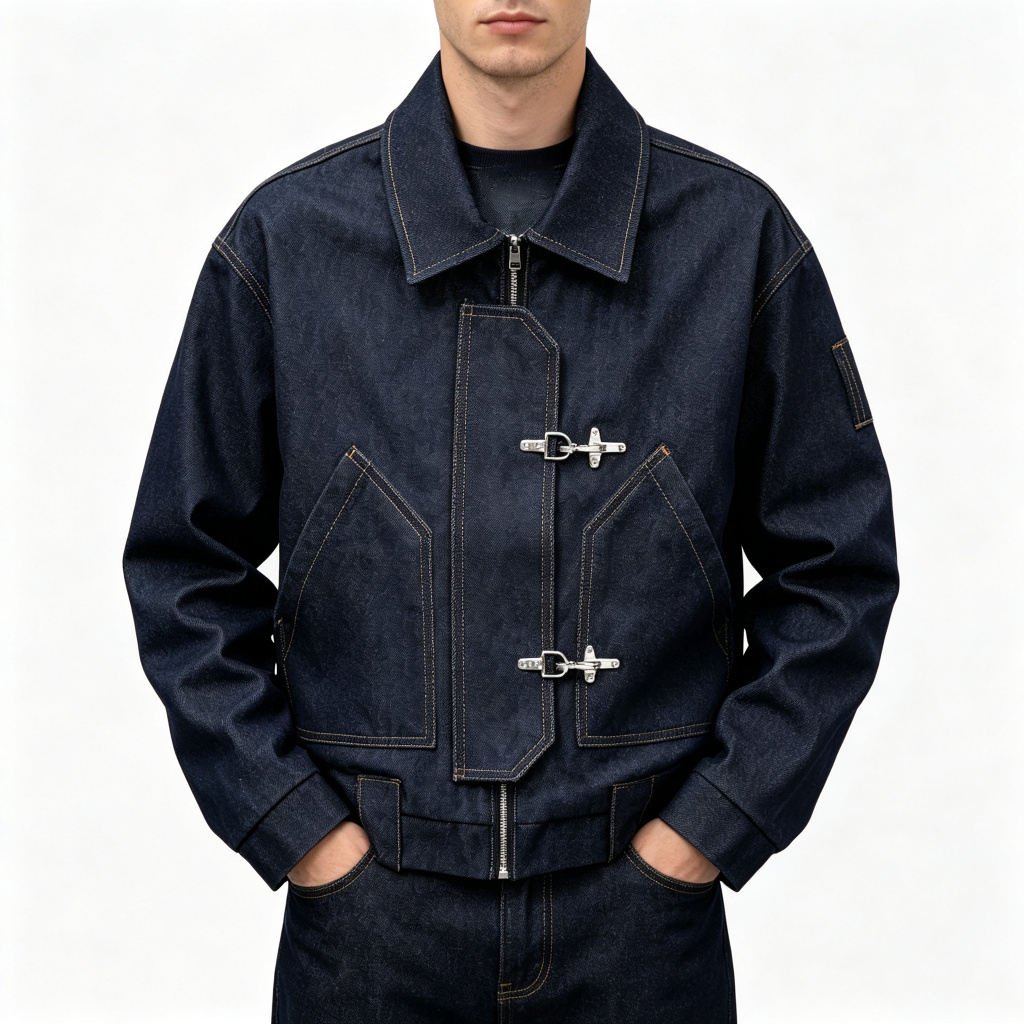
Quality Finishing
Final pressing, thread trimming, and inspection under our 5-step QC process. Every sherpa lined denim jacket receives meticulous finishing touches including steam pressing for professional presentation and comprehensive quality checks before packaging and shipment.
Customization & Finishing Accessories for Your Sherpa Lined Denim Jacket
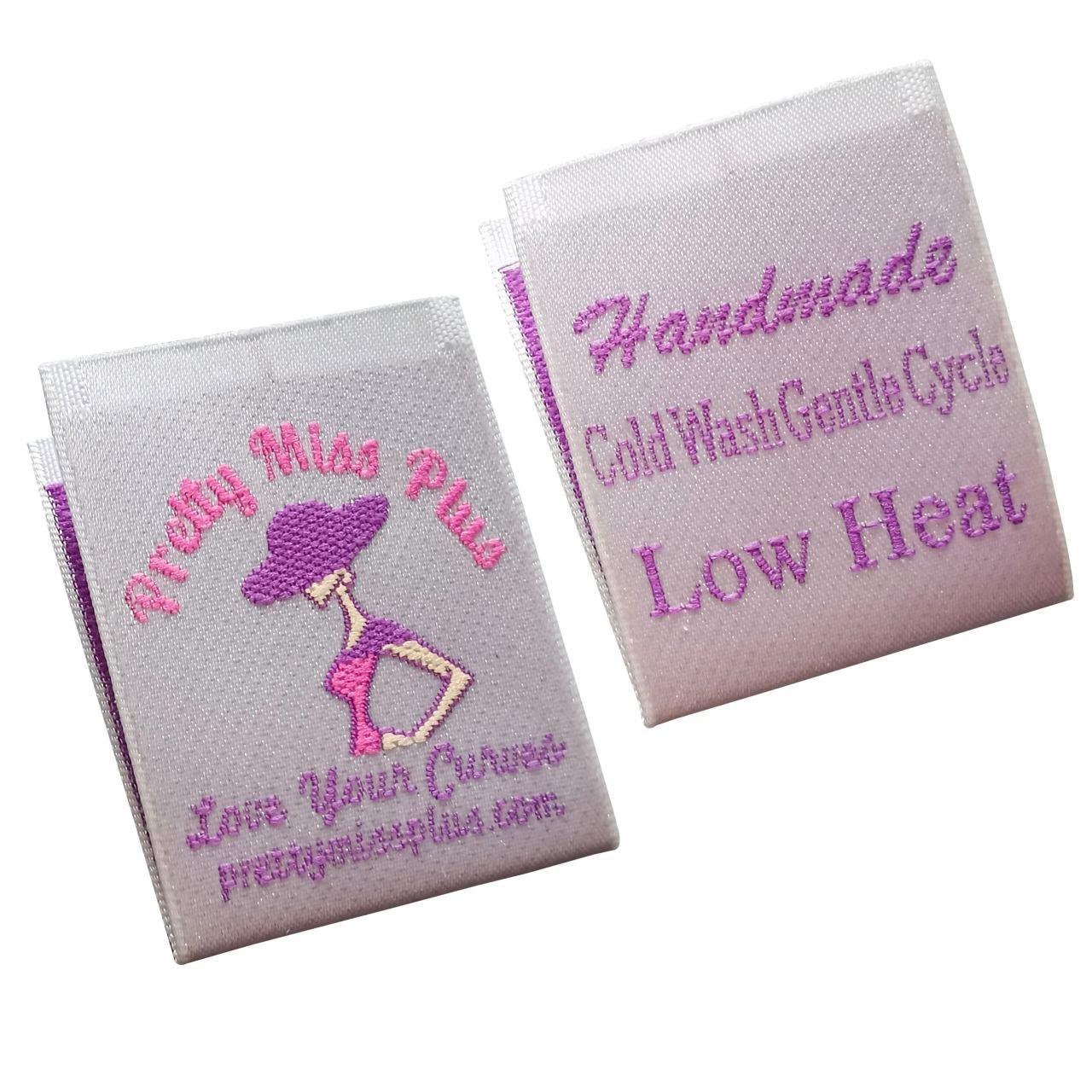
Custom Woven Labels
High-definition woven brand labels for neck, hem, or pocket placement. Essential for establishing brand identity on every sherpa lined denim jacket. Available in damask, taffeta, and satin weaves with unlimited color options.
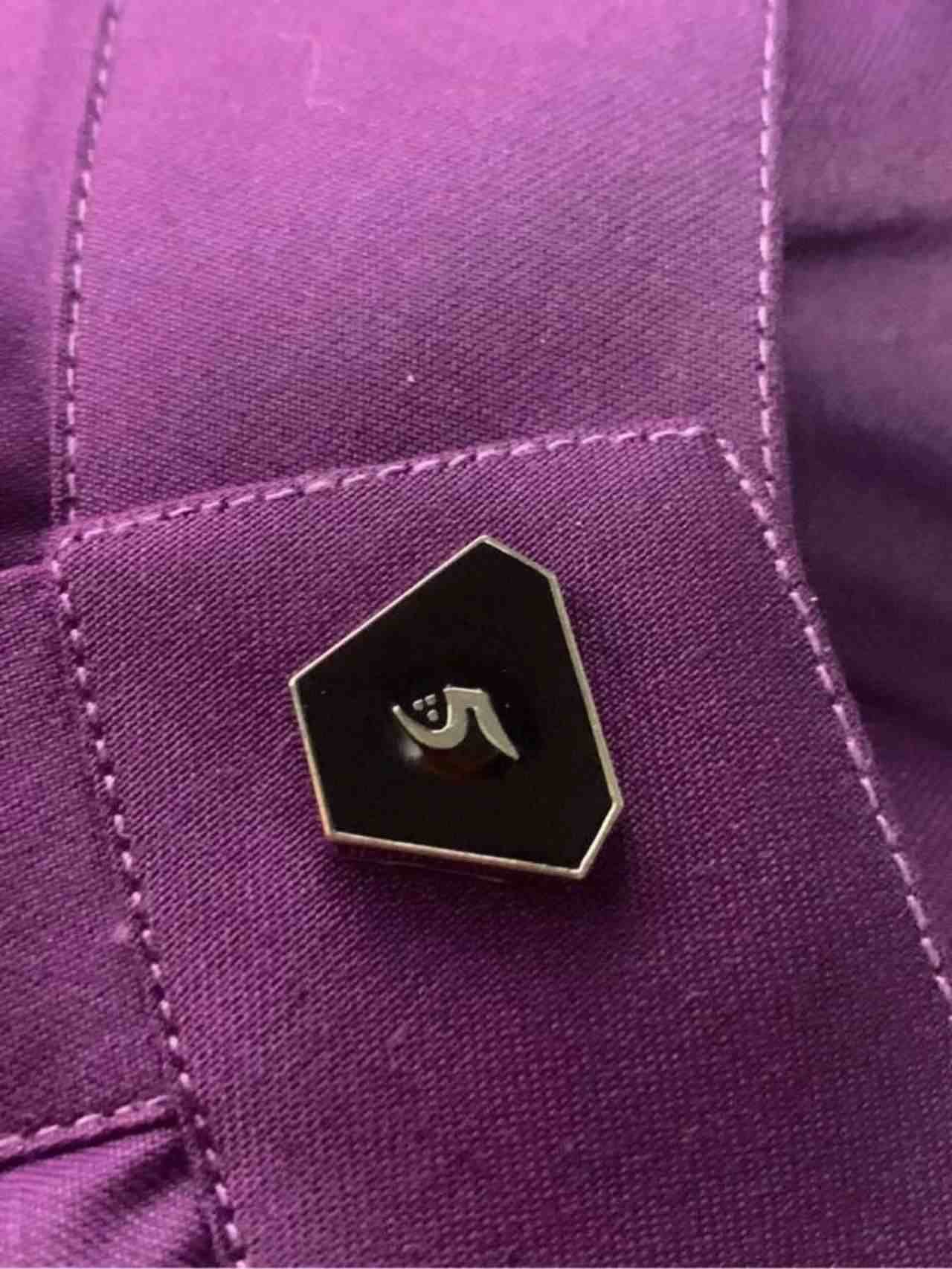
Metal Snap Buttons
Durable zinc-alloy or brass snap closures with custom engraving options. Perfect for front plackets and cuff closures on sherpa lined denim jackets. Available in antique brass, gunmetal, silver, and custom finishes.
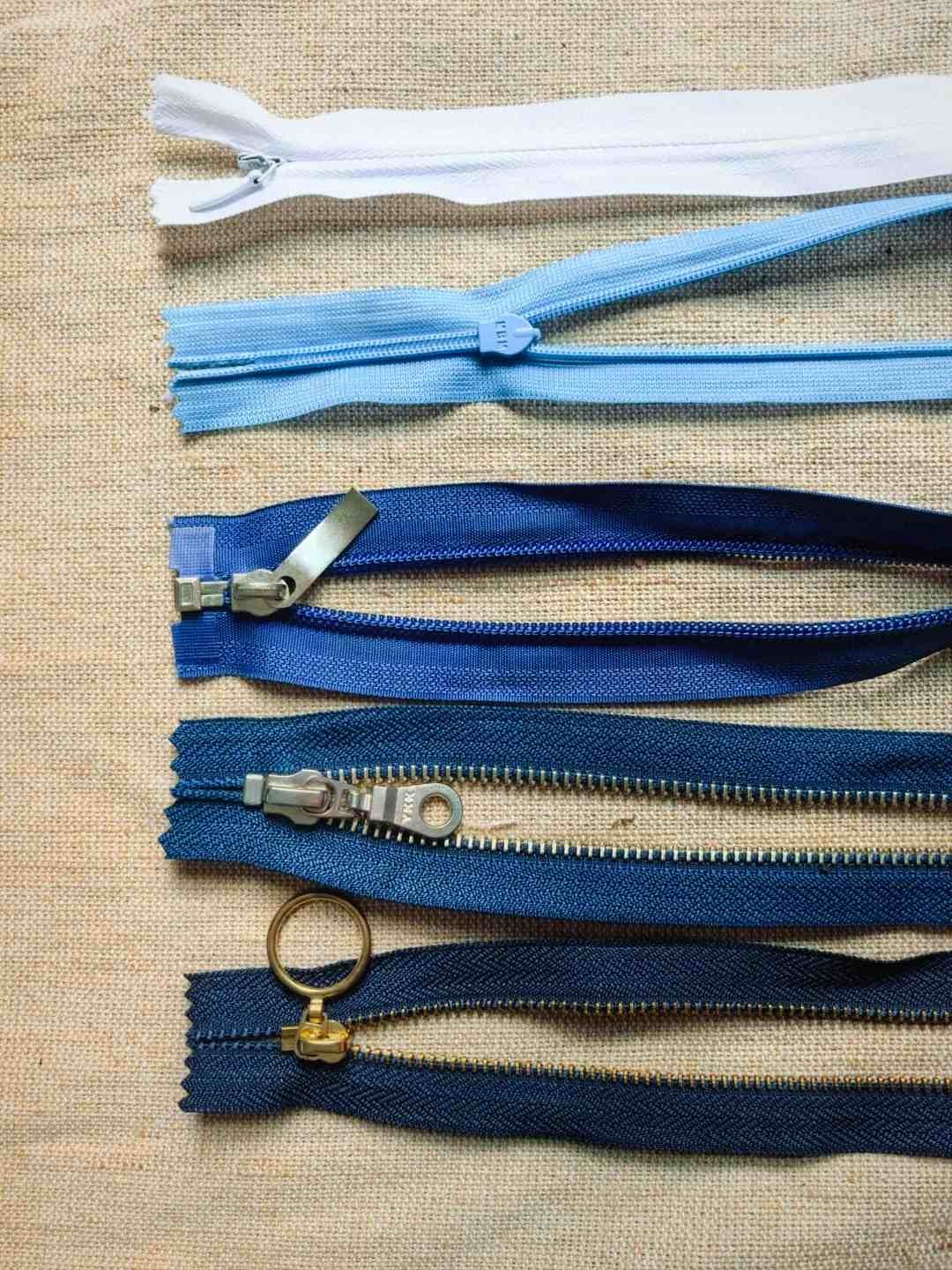
YKK Metal Zippers
Premium YKK metal zippers for chest pockets, side pockets, and interior compartments. Industry-leading durability and smooth operation that matches the quality standards of your sherpa lined denim jacket production.
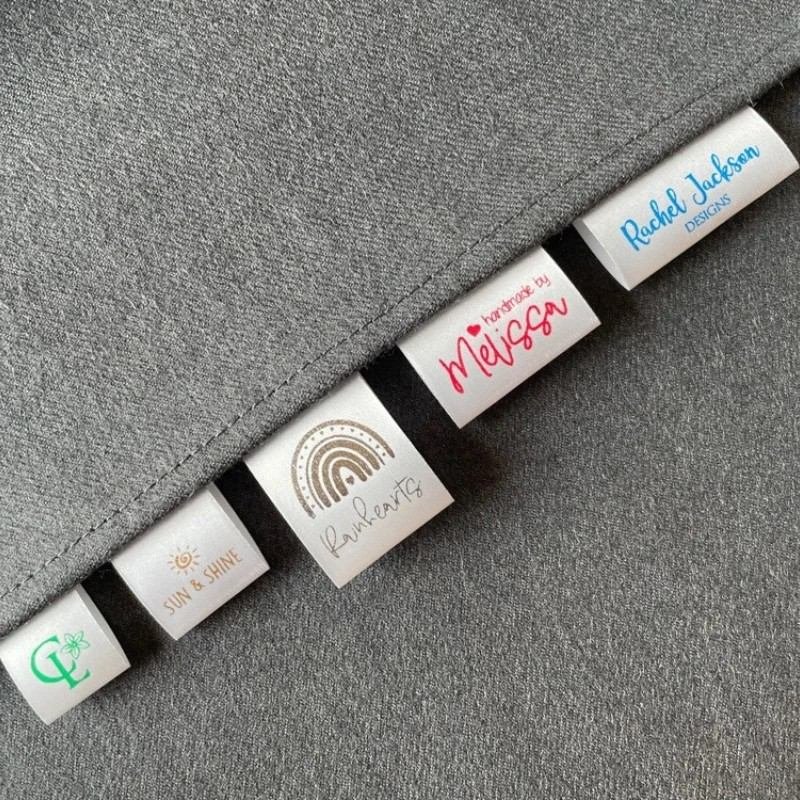
Embroidered Chest Patches
Custom embroidered patches with up to 12-color detail for chest, sleeve, or back placement. Ideal for logos, graphics, and streetwear iconography. Adds dimension and premium branding to your jacket designs.
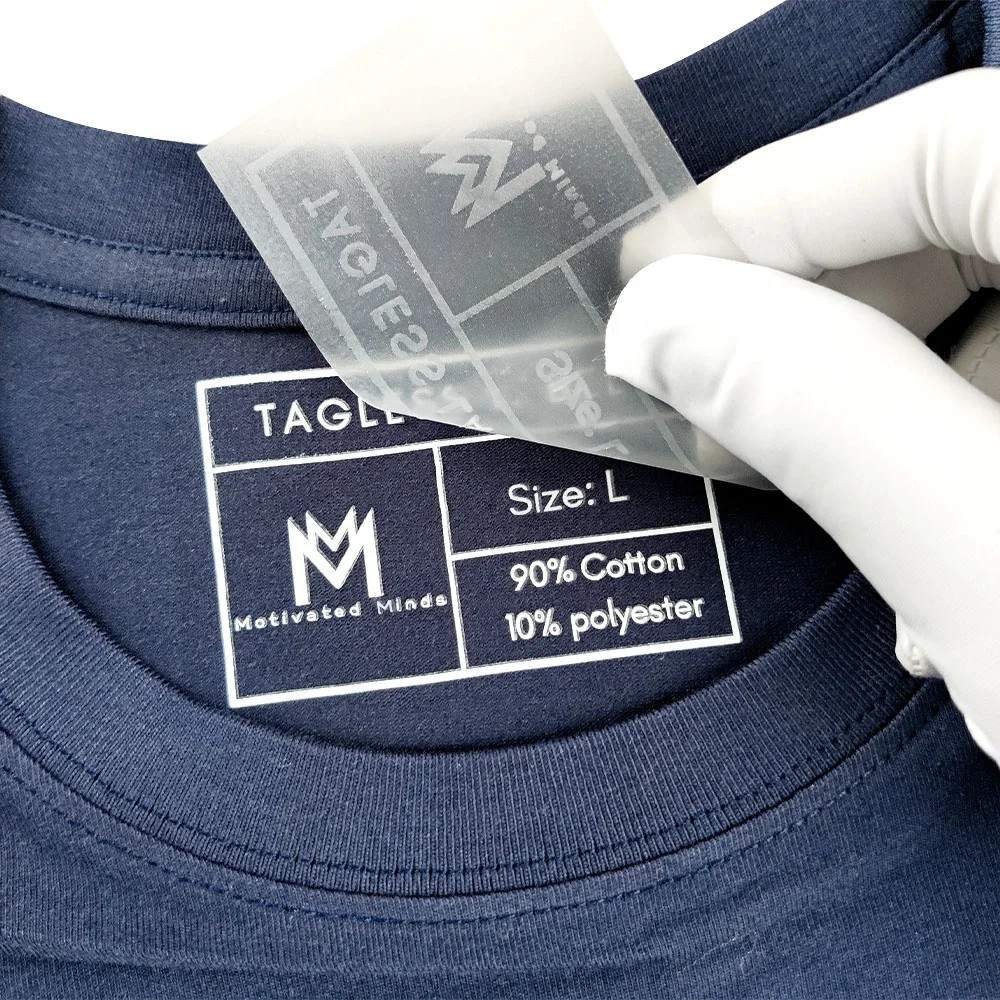
Screen-Printed Graphics
High-opacity screen printing for bold back graphics, sleeve designs, and interior prints. Perfect for streetwear artwork, slogans, and large-scale branding elements. Washfast inks ensure lasting vibrancy through repeated wear.
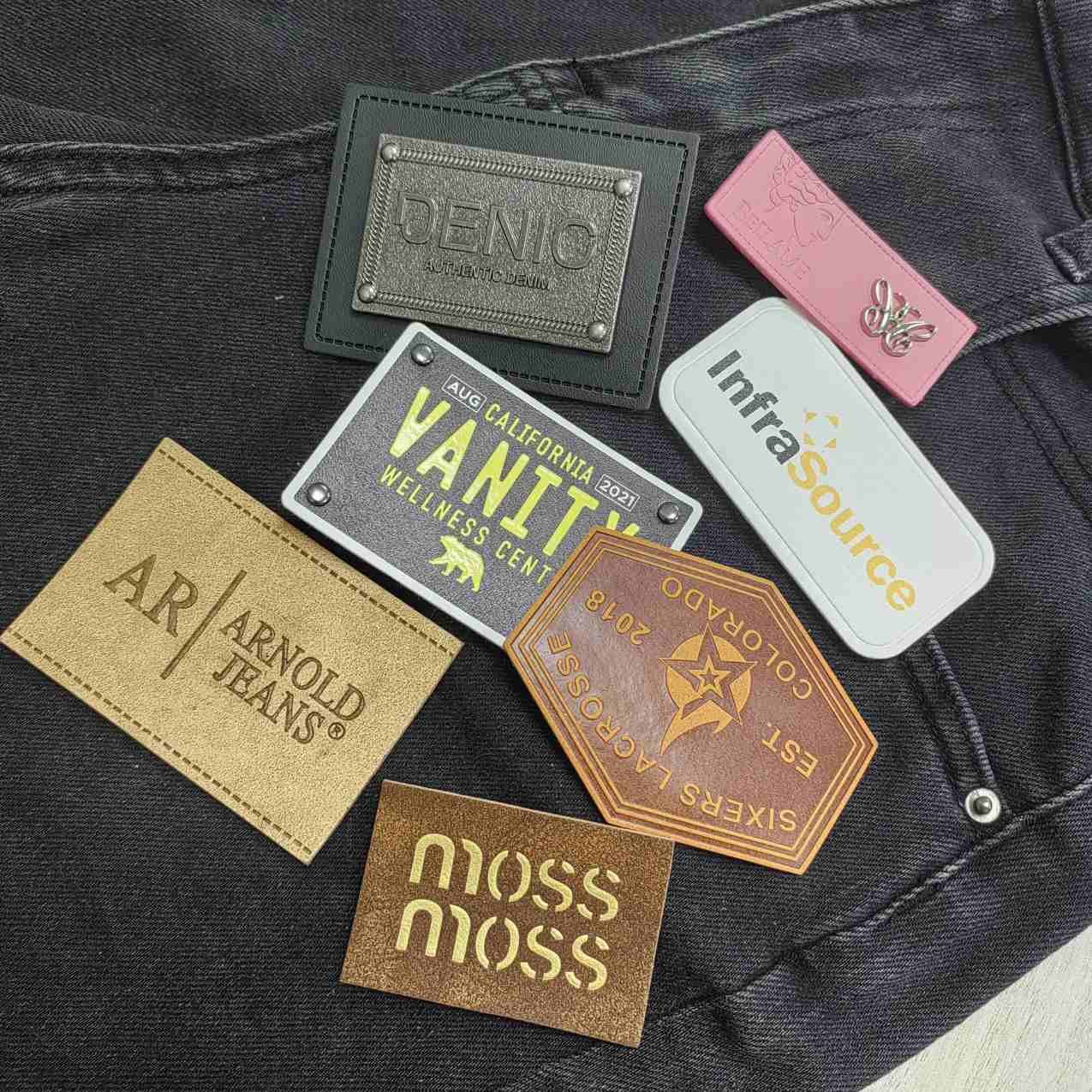
Custom Hangtags
Branded hangtags in custom shapes with foil stamping, embossing, or full-color printing. The first touchpoint for retail customers. Reinforces brand story and quality positioning at point of sale.
Sherpa Lined Denim Jacket Manufacturer
Founded in 2024 by Tesla Luo, Clothing Manufacturer Ltd. brings over 10 years of apparel production experience and 6 years of streetwear specialization to every sherpa lined denim jacket we manufacture. Growing up in a garment manufacturing family and working every factory role from cutting to quality control, Tesla witnessed how many Chinese manufacturers skip critical QC steps, damaging industry reputation and delivering substandard products to global brands.
Our mission is to restore trust in Chinese garment manufacturing through rigorous quality standards and transparent processes. We’ve served customers across more than 100 countries, partnering with streetwear startups, independent designers, influencer brands, and global retailers who demand premium craftsmanship. Backed by our parent company Dongguan TuoZhen Clothing Co., Ltd., we combine agile startup focus with established manufacturing infrastructure and a 15-member R&D team holding 10 production patents.
What sets us apart is our proprietary 5-step quality control process—testing materials, cutting, craftsmanship, sewing, and finished garments at every production stage, not just at the end. We offer low MOQs for emerging brands, fast turnaround for seasonal collections, and in-house design and sampling capabilities. Every sherpa lined denim jacket leaves our facility meeting the exacting standards that have helped our clients grow from zero to influential brands with tens of thousands of followers.
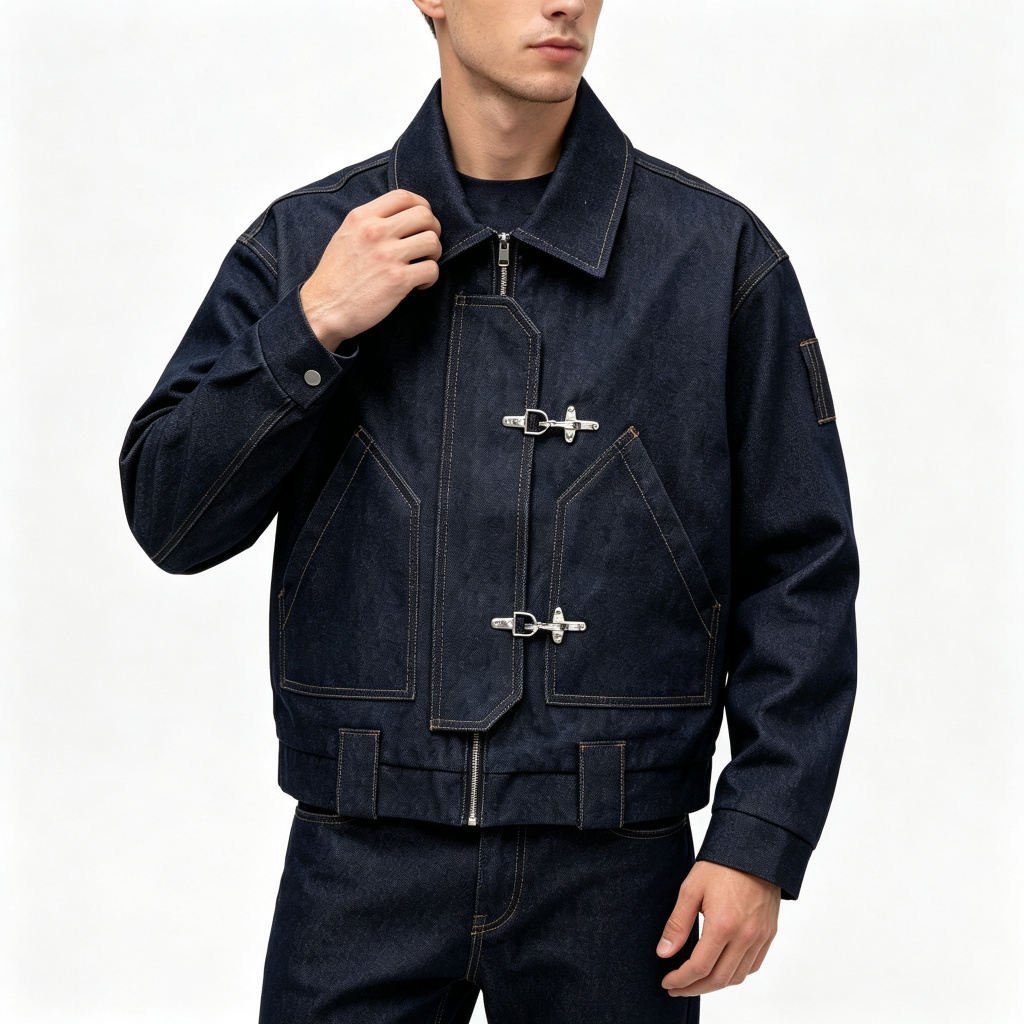
5-Step QC for Every Sherpa Lined Denim Jacket Manufacturer Order
Materials QC Testing Phase
Before cutting begins, our sherpa lined denim jacket manufacturer team inspects every fabric roll for weight consistency, color accuracy, and defects. We verify denim durability and sherpa pile density against your specifications to prevent downstream quality issues.
- Fabric weight and thickness verification for denim shell and sherpa lining
- Color fastness testing to ensure wash stability and prevent bleeding
- Surface inspection for weaving flaws, stains, or inconsistent pile density
- Material certification review for compliance with safety and sustainability standards
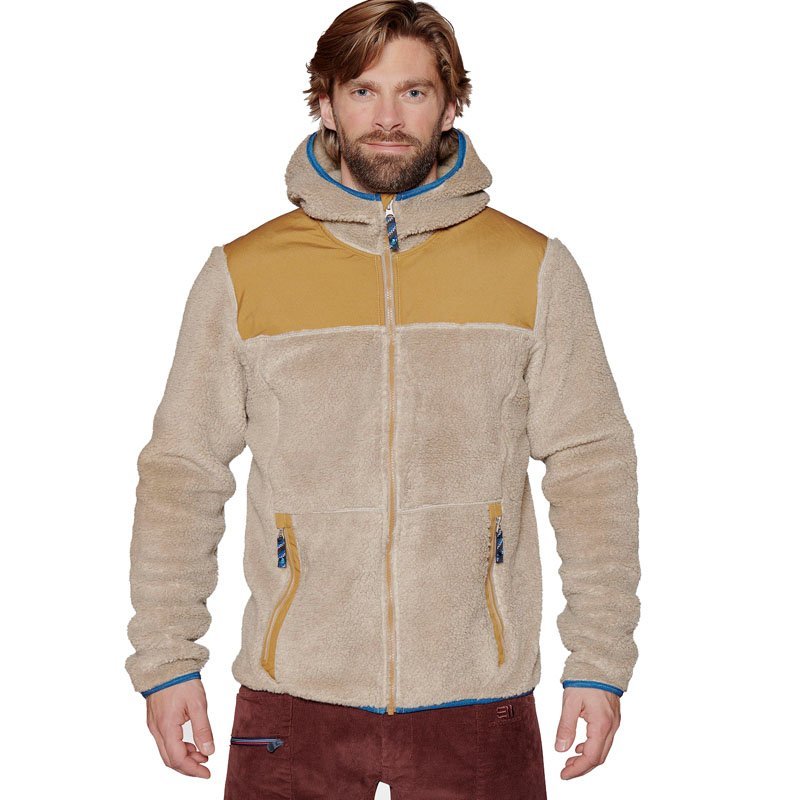
Cutting QC Testing Phase
Our pattern cutters verify every piece against approved tech packs and templates. Precision cutting QC ensures symmetrical panels, accurate grain alignment, and zero fabric waste from miscuts—critical for consistent sherpa lined denim jacket fit across your entire production run.
- Digital pattern verification before blade touches fabric
- Panel-by-panel measurement checks for sleeve, body, and collar pieces
- Grain line and pattern matching inspection for professional finish
- Batch sampling to catch and correct cutting deviations immediately
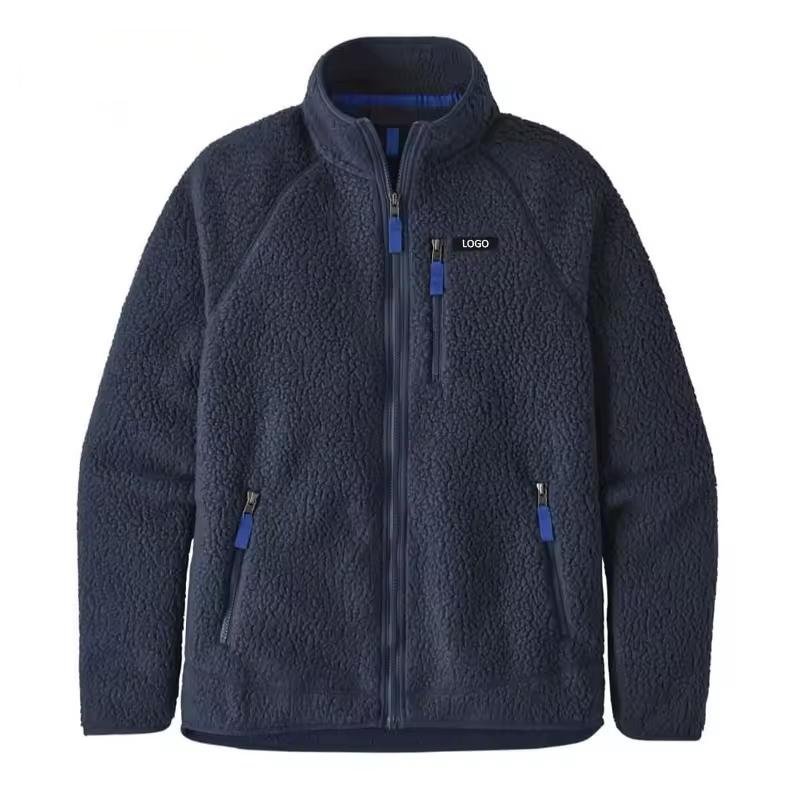
Craft & Sewing Production QC
During assembly, our QC team monitors stitch integrity, seam strength, and sherpa attachment techniques at every workstation. Real-time checks catch construction errors before they multiply, ensuring your jackets meet the rigorous standards streetwear customers demand.
- Stitch density and tension monitoring for durability under stress
- Sherpa lining attachment inspection to prevent separation or bunching
- Hardware placement verification for buttons, zippers, and rivets
- In-line corrections to maintain consistent craftsmanship across all units
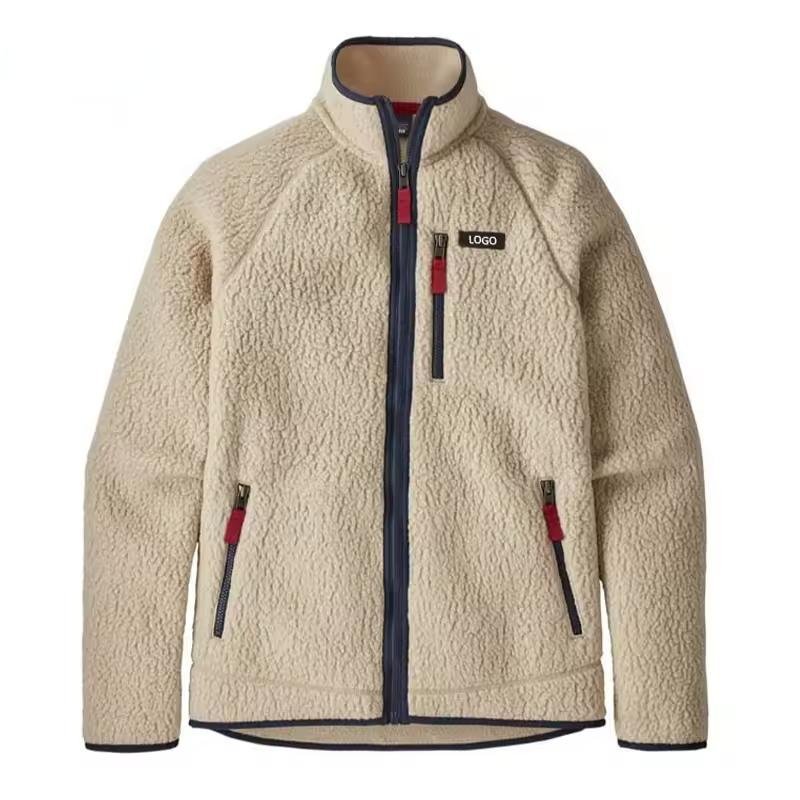
Finished Garment Quality Inspection
Every completed sherpa lined denim jacket undergoes final inspection covering fit, finishing, and presentation. We check measurements, test all functional elements, and verify packaging standards so your brand receives only retail-ready inventory that builds customer loyalty.
- Full garment measurement audit against approved size spec sheets
- Functional testing of zippers, buttons, and closures under repeated use
- Visual inspection for loose threads, staining, or finishing imperfections
- Packaging and labeling review to ensure brand-compliant presentation
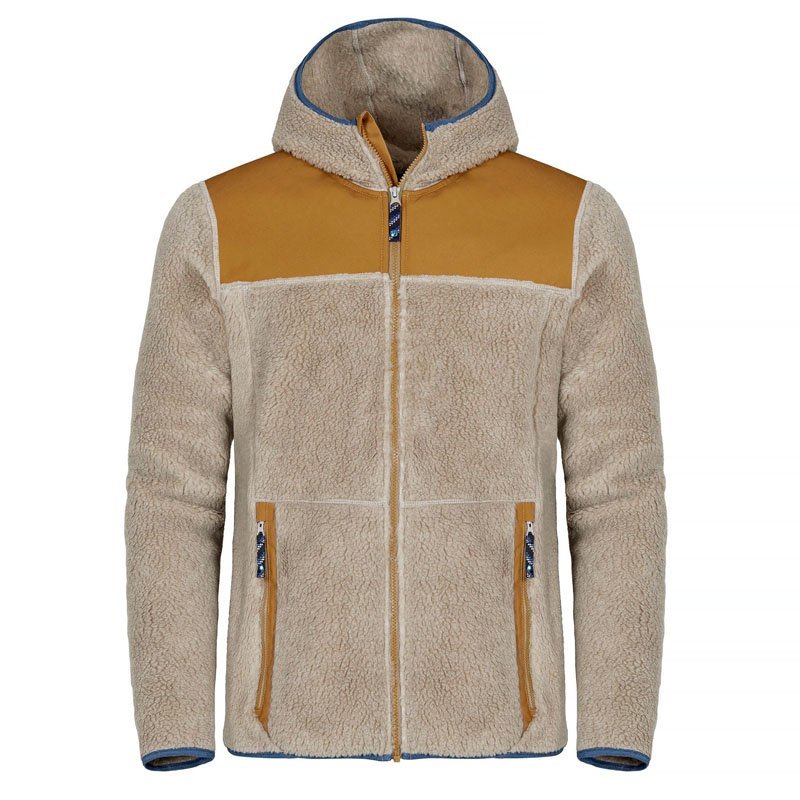
Sherpa Lined Denim Jacket Manufacturer vs. Standard Suppliers
See how Clothing Manufacturer Ltd‘s rigorous quality control, flexible minimums, and streetwear expertise compare to typical denim jacket suppliers.
← 左右滑动查看 →
Our Sherpa Lined Denim Jacket Manufacturer Production Timeline
From design approval to global shipping, every sherpa lined denim jacket passes through six quality-controlled production phases with transparent timelines and rigorous checkpoints.
Design Approval & Sampling
Our 15-member R&D team reviews your specifications, selects premium denim and sherpa fabrics, and produces tech packs and physical samples for your approval.
Fabric Sourcing & QC
We source certified denim shells and plush sherpa lining, conducting materials QC testing to verify weight, texture, shrinkage, and colorfastness before production begins.
Cutting & Pattern Testing
Precision cutting of denim and sherpa panels with cutting QC testing ensures accurate sizing, grain alignment, and zero fabric defects across all pattern pieces.
Sewing & In-Line QC
Skilled operators assemble jackets with reinforced stitching and sherpa attachment. Clothing craft QC and sewing production QC testing catch defects at every workstation.
Finishing & Final Inspection
Button attachment, zipper installation, pressing, and finished clothing quality QC inspection guarantee every sherpa lined denim jacket meets brand standards before packaging.
Packaging & Global Shipping
Custom poly-bag or hang-tag packaging, carton consolidation, and logistics coordination deliver your sherpa lined denim jackets to any global destination with full tracking.
How to Order Your Sherpa Lined Denim Jackets from Our Manufacturer
Our streamlined 5-step process makes it easy for streetwear brands, startups, and independent designers to bring their sherpa lined denim jacket designs to life with confidence and quality assurance at every stage.
Submit Your Tech Pack
Share your design specifications, fabric preferences, and customization details. Our team reviews your requirements and confirms technical feasibility for your sherpa lined denim jacket project.
Receive Sample and Quote
We produce a physical sample based on your specifications and provide a detailed quotation with pricing, MOQ options, and production timeline tailored to your brand.
Approve Production Details
Review and approve the sample, materials, and final specifications. Once confirmed, we schedule your bulk production and begin our rigorous quality control process.
Monitor Production and QC
Your sherpa lined denim jackets move through our 5-step quality control system—from materials testing through finished garment inspection—with regular progress updates throughout.
Receive Global Delivery
We handle packaging, customs documentation, and international logistics. Your finished jackets arrive ready for your brand launch or retail distribution anywhere worldwide.
Certified Sherpa Lined Denim Jacket Manufacturer You Can Trust
What Our Clients Say About Our Sherpa Lined Denim Jacket Manufacturer Services
We scaled from 500 to 5,000 sherpa lined denim jackets per season with zero quality compromises. The 5-step QC process caught issues early and saved us thousands in returns.
Launched three seasonal collections on time with their fast turnaround. Their in-house design team understood our streetwear aesthetic perfectly and delivered samples in just 7 days.
As an influencer brand starting out, their low MOQ and quality control made all the difference. We reduced our defect rate by 42% compared to our previous manufacturer.
Sherpa Lined Denim Jacket Manufacturer — Frequently Asked Questions
What is the minimum order quantity for a sherpa lined denim jacket manufacturer?
How long does production take with your sherpa lined denim jacket manufacturer?
Do you charge for samples when working with a sherpa lined denim jacket manufacturer?
What payment terms does your sherpa lined denim jacket manufacturer offer?
Can you ship sherpa lined denim jackets to North America and Europe?
How do you protect my designs when I work with your sherpa lined denim jacket manufacturer?
What if I need design revisions during the sampling phase?
Do you offer bulk pricing discounts for larger orders?
What makes your sherpa lined denim jacket manufacturer different from other suppliers?
The Complete Buyer’s Guide to Sherpa Lined Denim Jacket Manufacturer Selection
Navigate the sourcing landscape with confidence. This guide delivers a proven decision framework, critical supplier evaluation criteria, and the most common mistakes fashion brands make when choosing a sherpa lined denim jacket manufacturer—so you can launch faster and avoid costly errors.
1. What Is a Sherpa Lined Denim Jacket Manufacturer?
A sherpa lined denim jacket manufacturer specializes in producing outerwear that combines a denim shell with a plush sherpa fleece lining, typically bonded or stitched at key seams to create a warm, layered garment. This niche requires dual-fabric sourcing capabilities—procuring denim ranging from 10–14 oz per square yard and synthetic or wool-blend sherpa fleece at 200–350 GSM—plus expertise in managing the combined fabric weight to maintain structure without compromising comfort. Unlike general garment factories that handle single-layer construction, a dedicated sherpa lined denim jacket manufacturer must master bonding techniques (adhesive lamination or thermal bonding) and reinforced stitching methods that secure two distinct textiles without puckering, delamination, or excessive bulk at collar, cuffs, and hem.
Brands seek specialized manufacturers because sherpa-lined construction introduces quality control challenges absent in standard denim or fleece production. Each jacket requires inspection of the denim shell for consistent wash, color fastness, and tear strength, plus separate QC for sherpa pile density, shedding resistance, and lining adhesion integrity. Clothing Manufacturer Ltd. applies its proprietary five-step quality control methodology—materials QC, cutting QC, craft QC, sewing production QC, and finished garment inspection—to catch bonding failures, misaligned linings, and weight imbalances before shipment.
The specialization extends to pattern engineering: sherpa adds 5–8 mm of loft, requiring adjusted grading and seam allowances to preserve fit. Factories lacking this dual-fabric experience often deliver jackets with twisted side seams, exposed raw sherpa edges, or linings that shift during wear, explaining why streetwear brands and independent designers prioritize manufacturers with proven sherpa-denim expertise.
2. Evolution of Sherpa Lined Denim Jackets in Fashion
In 1962, Levi’s introduced the Type III Trucker jacket, which by the late 1960s began appearing with simple blanket linings for cold-weather wear. These early lined versions used quilted cotton or wool-blend batting, adding warmth without the bulk of separate outerwear. Factory workers and ranchers adopted the style as practical workwear, establishing denim’s reputation for durability in harsh conditions.
By the mid-1980s, outdoor brands recognized denim’s cultural cachet and began pairing rigid denim shells with synthetic pile linings, creating hybrid jackets that bridged work, casual, and trail use. This shift coincided with advances in polyester fleece technology—high-pile sherpa fleece emerged as a lighter, warmer alternative to natural wool, offering better moisture management and easier care. Manufacturing processes evolved to include specialized bonding techniques that laminated sherpa to denim without adding stiffness, a critical quality benchmark still used by any serious sherpa lined denim jacket manufacturer today.
The 2010s saw celebrity endorsements from hip-hop artists and streetwear influencers elevate the sherpa-lined trucker from functional layering piece to seasonal must-have. Brands began offering oversized fits, distressed washes, and contrast sherpa collars that appealed to younger demographics. Understanding this evolution helps buyers predict which design details—vintage-inspired stitching, heavyweight denim above 12 oz, plush sherpa pile depth of 15–20 mm—signal authenticity and quality, versus shortcuts that compromise both heritage and performance.
3. Types of Sherpa Lined Denim Jacket Manufacturers
Sherpa lined denim jacket manufacturers operate under distinct business models, each suited to different brand stages and production needs. Understanding these categories helps buyers match their volume, budget, and design capabilities to the right manufacturing partner.
Full-Package Manufacturers
Full-package providers handle design, fabric sourcing, pattern development, sampling, production, and quality control under one roof. Clothing Manufacturer Ltd. operates this model, offering brands end-to-end support from concept sketches to finished garments ready for shipping.
Typical MOQs range from 100 to 500 pieces per style, with lead times of 45 to 60 days. This model suits fashion startups and independent designers who lack in-house technical teams or fabric supply chains.
CMT (Cut-Make-Trim) Manufacturers
CMT factories provide labor only; buyers supply all materials, patterns, and trims. MOQs often start at 300 pieces, with lead times around 30 to 40 days once materials arrive.
This model fits established brands with dedicated sourcing teams and existing fabric relationships. It offers cost control but requires strong technical knowledge and logistics coordination.
OEM vs. ODM Providers
OEM (Original Equipment Manufacturer) producers manufacture to your exact specifications and designs. ODM (Original Design Manufacturer) suppliers offer pre-developed styles you can rebrand, with MOQs as low as 50 to 200 pieces and faster 20 to 35 day timelines.
ODM suits influencer brands and creator labels launching quickly with proven designs, while OEM serves retailers needing unique, brand-specific products.
Small-Batch Specialists vs. High-Volume Factories
Small-batch specialists accept orders from 50 to 300 pieces, ideal for test collections and emerging brands. High-volume factories require 1,000+ units per style, targeting global retailers and established labels.
Clothing Manufacturer Ltd. bridges both, offering flexible MOQs while maintaining the five-step QC process across all order sizes.
4. Materials and Fabrics for Sherpa Lined Denim Jackets
Material selection determines the cost, warmth, and brand positioning of every sherpa lined denim jacket. A sherpa lined denim jacket manufacturer must balance denim shell characteristics with lining performance to meet customer expectations and price points.
| Fabric Type | Weight/GSM | Warmth Rating | Price Tier | Best Use Case |
|---|---|---|---|---|
| 12 oz rigid denim + 280 GSM polyester sherpa | Denim: 12 oz; Sherpa: 280 GSM | Medium | Mid | Everyday streetwear, startup brands |
| 14 oz stretch denim + 350 GSM recycled sherpa | Denim: 14 oz; Sherpa: 350 GSM | High | Mid-Premium | Eco-conscious retailers, winter collections |
| 10 oz organic denim + 220 GSM faux wool sherpa | Denim: 10 oz; Sherpa: 220 GSM | Low-Medium | Premium | Lightweight layering, sustainable positioning |
| 13 oz denim + 380 GSM genuine wool sherpa | Denim: 13 oz; Sherpa: 380 GSM | Very High | Luxury | High-end brands, cold-climate markets |
Denim Shell Fabric Options
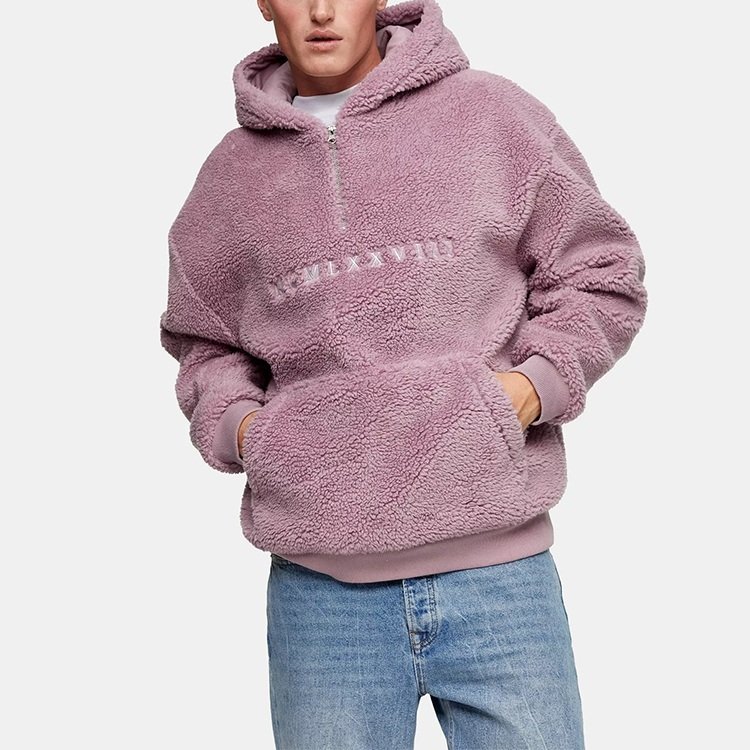
Denim weight ranges from 10 oz (lightweight) to 14 oz (heavyweight), with 12 oz being the most common choice for sherpa-lined jackets. Rigid 100% cotton denim offers authentic texture and durability, while stretch blends (typically 98% cotton, 2% elastane) improve comfort and fit retention.
Organic cotton denim commands a 15–25% price premium over conventional cotton but appeals to eco-conscious brands. Washes—raw indigo, stonewash, acid wash, vintage black—are applied before lining attachment and affect both aesthetics and production timelines by 3–5 days.
Sherpa Lining Materials and Performance
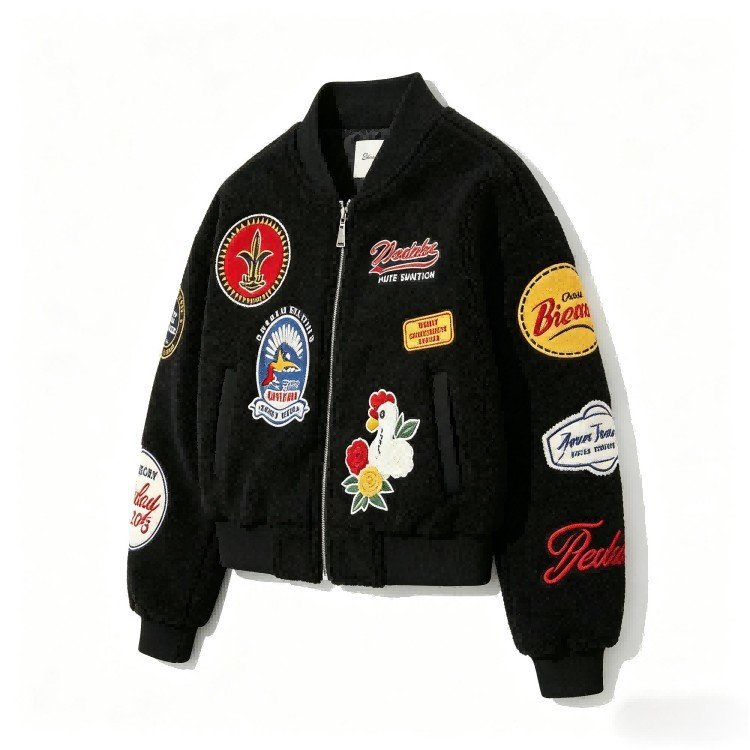
Polyester sherpa fleece dominates the market, with pile heights from 8 mm (thin, budget-friendly) to 15 mm (plush, premium warmth). Recycled polyester sherpa reduces environmental impact by approximately 30% in carbon footprint and attracts sustainability-focused retailers.
Faux wool blends (polyester-acrylic mixes) mimic natural wool texture at lower cost, while genuine wool sherpa adds luxury positioning but increases material costs by 40–60%. Pile density, measured in GSM (grams per square meter), typically ranges from 220 GSM (lightweight) to 380 GSM (heavyweight) and directly correlates with warmth and garment weight.
5. Customization and Decoration Options
Customization transforms a sherpa lined denim jacket from commodity outerwear into a branded statement piece that commands premium pricing and builds customer loyalty. A sherpa lined denim jacket manufacturer offering comprehensive decoration capabilities enables brands to differentiate in a saturated market through unique branding, personalized details, and signature finishes.
| Decoration Method | Setup Cost (USD) | Durability (Washes) | Aesthetic Impact |
|---|---|---|---|
| Embroidery | $50–150 | 100+ | Premium, tactile |
| Screen Printing | $40–100/color | 50+ | Bold, graphic |
| Heat Transfer | $20–60 | 20–30 | Flexible, limited-run |
| Leather Patch | $80–200 | Permanent | Heritage, luxury |
| Custom Hardware | $100–300 | Permanent | Functional detail |
Embroidery and Woven Labels
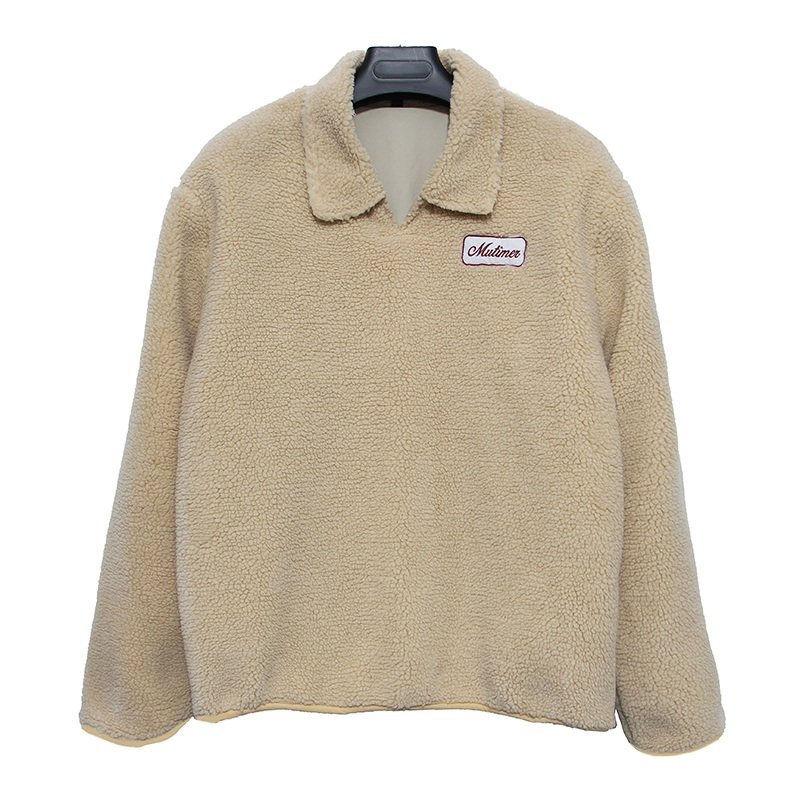
Embroidery delivers permanent, high-perceived-value branding with thread counts ranging from simple chain-stitch logos to complex multi-color chest or back designs. Typical setup costs run $50–150 per design, with per-unit charges of $2–8 depending on stitch count and placement.
Woven labels sewn into neck seams, chest pockets, or interior linings offer subtle brand identity at $0.15–0.50 per piece for orders above 500 units. Leather patches heat-embossed or debossed with logos provide premium tactile branding, especially effective on sherpa-lined styles targeting heritage or workwear aesthetics.
Screen Printing and Heat Transfers
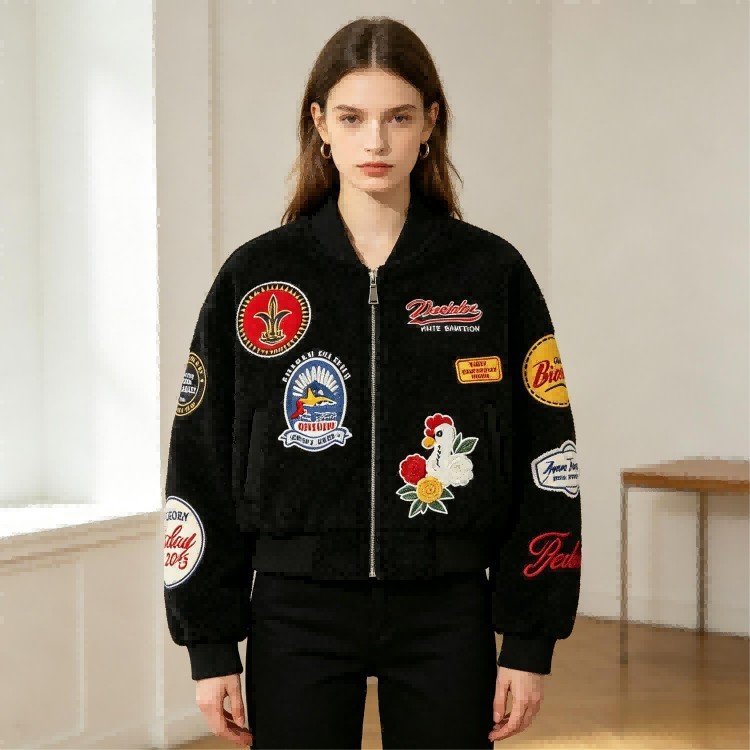
Screen printing applies ink layers directly onto denim, ideal for bold graphics, slogans, or large-scale artwork on jacket backs. Setup costs typically range $40–100 per color separation, with durability through 50+ washes when properly cured.
Heat transfers and vinyl appliqués offer lower minimums and faster turnaround for limited drops or influencer collaborations, though longevity averages 20–30 washes versus screen printing’s 50+. Puff prints and discharge inks create texture and vintage effects popular in streetwear collections.
Metal Hardware and Custom Washes
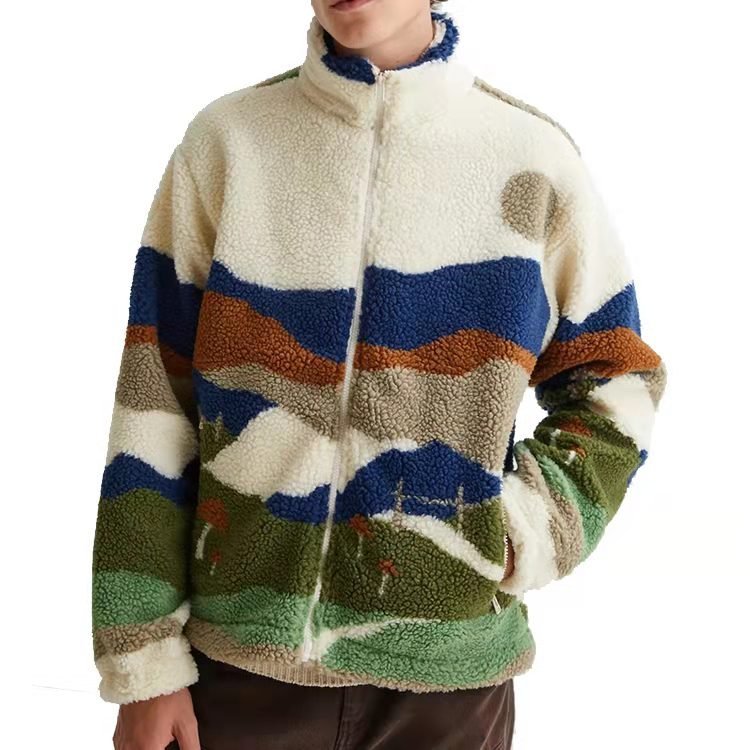
Custom buttons, rivets, and zipper pulls in antique brass, gunmetal, or branded engraving elevate perceived quality for $0.30–1.20 per jacket. YKK zippers with custom pullers reinforce durability messaging.
Wash treatments — stone wash, acid wash, enzyme rinse, distressing, or whiskering — create signature colorways and worn-in aesthetics. Sherpa lining color variations (natural cream, dyed charcoal, or heathered blends) paired with indigo, black, or vintage-blue denim multiply SKU options without new pattern development.
6. Key Quality Control Elements in Sherpa Lined Denim Jacket Manufacturing
Quality control for sherpa lined denim jackets requires checkpoints at every production stage, from raw materials to finished garment. A sherpa lined denim jacket manufacturer must test construction integrity, material performance, and fit consistency to prevent defects that damage brand reputation.
Construction and Seam Strength Testing
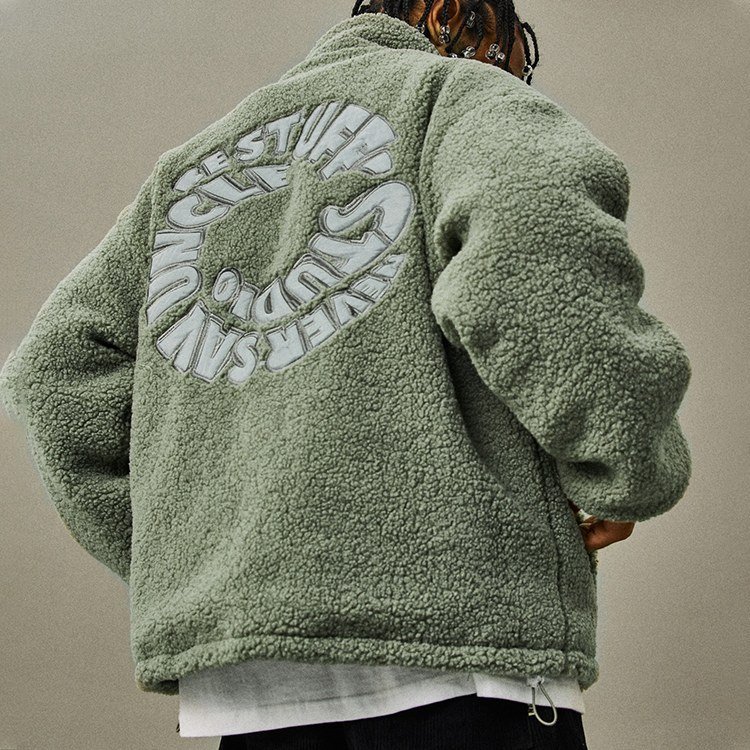
Seam strength testing focuses on high-stress areas where denim shell meets sherpa lining, particularly at shoulder seams, armholes, and side seams. Pull tests should meet or exceed 40 N (newtons) for woven denim seams and 25 N for lining attachment points.
The sherpa-denim junction requires inspection for puckering, skipped stitches, and thread tension. Buyers should specify stitch density (12–14 stitches per inch for topstitching, 10–12 for structural seams) and thread type (polyester core-spun for durability). Flatlock or overlock stitching at lining edges prevents fraying and improves comfort.
Materials Testing and Wash Fastness
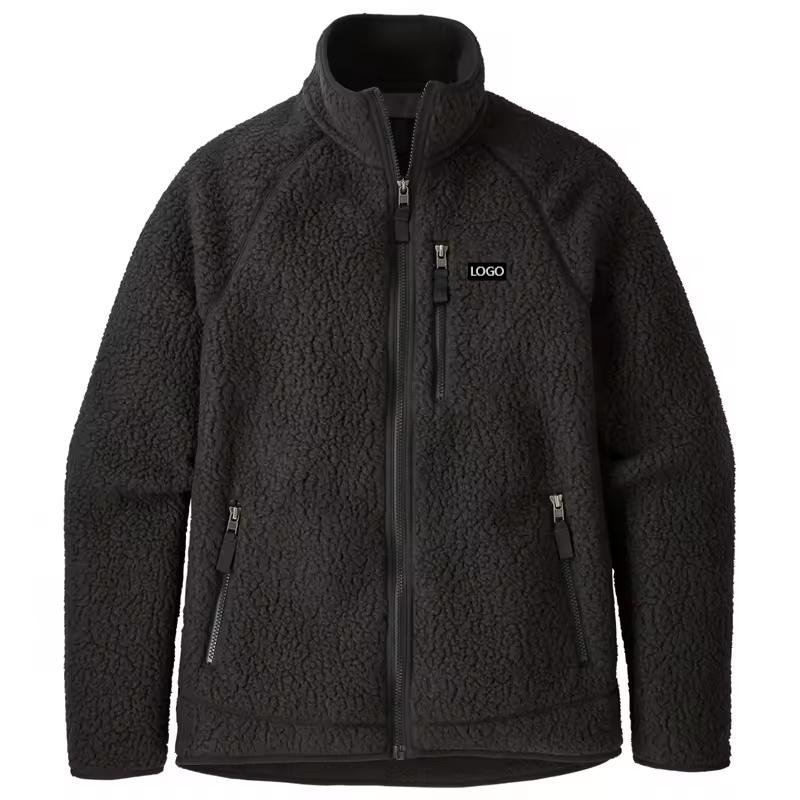
Fabric testing includes wash fastness (AATCC 61 standard, minimum grade 4), pilling resistance for sherpa (ASTM D3511, grade 3 or higher after 5,000 cycles), and colorfastness to light and perspiration. Denim should maintain color integrity through at least five industrial washes.
Sherpa pile retention and bonding strength require separate testing. Bonded linings must withstand 180°F heat and repeated flexing without delamination. Button and rivet pull-tests should exceed 50 lbs of force to prevent hardware failure during wear.
Fit Consistency and Grading Accuracy
Size grading accuracy ensures that XS through XXL maintain proportional measurements across chest, shoulder, sleeve length, and body length. Tolerances should not exceed ±0.5 inches for critical measurements and ±0.75 inches for secondary points.
Random sampling of 10% of each size run verifies pattern consistency. Buyers should provide detailed tech packs with measurement charts and specify whether fit is intended as slim, regular, or oversized to guide QC teams.
Pre-Shipment Inspection Standards
Final inspection covers thread trimming, label placement, button alignment, zipper function, and packaging integrity. AQL (Acceptable Quality Limit) 2.5 for critical defects and 4.0 for major defects are industry benchmarks for outerwear.
Packaging standards include poly-bagging with suffocation warnings, folding methods that prevent creasing, and carton labeling with SKU, size, color, and quantity. A sherpa lined denim jacket manufacturer using a five-step QC process catches defects early, reducing rework costs and ensuring consistent quality across production runs.
7. How to Choose the Right Sherpa Lined Denim Jacket Manufacturer
Vetting a sherpa lined denim jacket manufacturer requires a systematic evaluation framework covering certifications, production capacity, quality standards, and communication practices. A structured approach reduces the risk of delays, quality failures, and misaligned expectations.
Verify Certifications and Compliance Standards
Request documentation for WRAP, BSCI, ISO 9001, or OEKO-TEX certifications to confirm ethical labor practices and quality management systems. Manufacturers without third-party audits may lack accountability for working conditions or environmental standards.
Ask whether the factory conducts annual compliance audits and maintains transparent records. Red flags include reluctance to share certificates or expired credentials dating back more than two years.
Assess Sample Quality and Construction Details
Order pre-production samples to evaluate sherpa lining density (typically 180–220 GSM), denim weight (10–14 oz), and stitch integrity at stress points. Inspect seam allowances, button reinforcement, and lining attachment methods for durability.
Poor-quality samples with loose threads, uneven sherpa pile, or puckered seams indicate insufficient quality control. A reliable sherpa lined denim jacket manufacturer will address revision requests within one production cycle.
Confirm Production Capacity and Lead Times
Inquire about monthly output, current order backlog, and typical lead times for sherpa lined denim jackets (usually 30–45 days for 500–1,000 units). Factories operating above 90 percent capacity may struggle to meet deadlines or accommodate rush orders.
Request a production timeline breakdown covering fabric sourcing, cutting, sewing, QC testing, and packaging. Vague timelines or reluctance to provide milestone dates signal poor project management.
Evaluate Communication and Transparency
Test responsiveness by asking detailed technical questions about sherpa bonding methods, denim shrinkage rates, and customization workflows. Manufacturers who reply within 24 hours with specific answers demonstrate operational maturity.
Red flags include generic responses, delayed replies beyond 48 hours, or reluctance to share production photos. Transparent factories provide regular updates and welcome factory visits or video walkthroughs.
Check References and Past Client Work
Request case studies or references from brands in your market segment, particularly streetwear labels or independent designers. Contact at least two past clients to verify on-time delivery rates, defect percentages, and dispute resolution practices.
Manufacturers with fewer than 50 completed orders may lack experience scaling production or managing complex customization requests. Look for portfolios showing sherpa lined denim jackets with varied washes, embroidery, and hardware options.
8. Common Mistakes When Sourcing a Sherpa Lined Denim Jacket Manufacturer
Sourcing a sherpa lined denim jacket manufacturer involves more complexity than standard single-fabric garments, and brands frequently encounter avoidable pitfalls. Understanding these mistakes and their consequences helps streamline production and protect your investment.
Choosing Solely on Price Without Quality Verification
Many startups select the lowest-cost sherpa lined denim jacket manufacturer without validating quality standards or production processes. Factories that skip mid-production QC testing often deliver jackets with inconsistent sherpa pile density, poor denim-to-sherpa attachment, or mismatched color batches.
Clothing Manufacturer Ltd. implements five-step quality control—materials QC, cutting QC, craft QC, sewing QC, and finished garment inspection—to catch defects at every stage rather than only at final packing. Request factory QC documentation, sample approval protocols, and references from existing clients before committing to the lowest bid.
Underestimating Lead Times for Dual-Fabric Construction
Sherpa lined denim jackets require coordinated sourcing of denim (typically 10–14 oz) and sherpa fleece (200–300 GSM pile), plus specialized sewing for bonded layers. Brands often assume standard 30-day lead times, but dual-fabric items typically need 45–60 days from order confirmation to shipment.
Seasonal demand spikes for fall and winter further extend timelines. Place orders 90 days before your target delivery date to account for fabric procurement, sampling revisions, and peak-season factory loads.
Failing to Specify Sherpa Pile Standards in Tech Packs
Incomplete tech packs that omit sherpa pile height (typically 8–12 mm), base weight, and attachment method lead to production mismatches. Without clear specifications, manufacturers may substitute lower-cost sherpa with thin pile or weak bonding that separates after washing.
Your tech pack should define pile density (GSM), fiber content (polyester or blended), backing fabric type, and stitching technique (flatlock or overlock). Include Pantone references for sherpa color and denim wash codes to ensure consistency across production runs.
9. Steps to Launch Your Brand with a Sherpa Lined Denim Jacket Manufacturer
Launching a collection with a sherpa lined denim jacket manufacturer requires a structured workflow from concept to delivery. Each phase builds on the previous step, ensuring design intent, quality standards, and commercial viability align before production begins.
Concept and Design Development
Define your jacket’s target market, price point, and key design elements—denim weight (10–14 oz typical), sherpa lining type (polyester fleece or lamb-wool blend), fit silhouette, and colorways. Sketch or mood-board your vision, noting hardware (YKK zippers, metal buttons), pocket configurations, and any unique details like contrast stitching or embroidered patches.
Allocate 1–2 weeks for this phase. Independent designers often start with 2–3 colorways; fashion startups may plan 4–6 SKUs across sizes S–XXL.
Creating Detailed Tech Packs
Compile flat sketches, measurements (graded by size), fabric specifications (denim GSM, sherpa pile height), trim call-outs, and construction notes into a tech pack. Include Pantone references for thread and hardware finishes, stitch types (flatlock, chain stitch), and label placements.
A complete tech pack prevents costly revisions. Share it with your sherpa lined denim jacket manufacturer to confirm feasibility and receive a preliminary quote within 3–5 business days.
Requesting and Evaluating Samples
Order a pre-production sample to verify fit, fabric hand-feel, sherpa bonding quality, and finishing. Inspect seam allowances, zipper function, and lining attachment—common failure points in sherpa-lined garments.
Sample lead time ranges 10–15 days. Request revisions if sizing or construction deviates from your tech pack. Clothing Manufacturer Ltd.’s five-step QC process includes materials QC and cutting QC during sampling, catching errors early.
Negotiating Terms and MOQs
Discuss minimum order quantities (typically 100–300 pieces per style for custom sherpa jackets), unit pricing, payment terms (30–50% deposit, balance before shipment), and production timeline. Clarify who covers fabric waste, sample costs, and shipping.
Secure a written agreement detailing QC checkpoints, defect tolerances (industry standard ≤2%), and penalty clauses for late delivery.
Placing the First Production Order
Submit your purchase order with approved sample reference, size breakdown, and delivery deadline. Confirm fabric procurement lead time (denim and sherpa: 7–10 days) and bulk production window (25–35 days for 500 units).
Request progress updates at cutting, sewing, and final inspection stages to stay aligned with launch calendars.
Managing QC and Logistics
Implement on-site or third-party inspections during sewing production QC and finished clothing quality QC. Verify carton labeling, poly-bag packaging, and compliance documentation (OEKO-TEX, WRAP) before shipment.
Arrange freight (sea or air), customs clearance, and warehousing. Plan 4–6 weeks sea transit or 5–7 days air for global delivery, then allocate 1 week for receiving and inventory upload.
10. Pricing and Cost Breakdown
Sherpa lining typically adds 15–25% to the base cost of an unlined denim jacket, driven by the dual-layer construction, additional fabric weight, and specialized sewing techniques required to join denim shell to fleece interior. A standard unlined denim jacket may cost $12–18 per unit at 500-piece MOQ, while a sherpa lined denim jacket manufacturer will quote $14–22 for comparable volume, depending on denim weight (10–14 oz), sherpa pile density (200–320 GSM), and hardware grade.
Fabric grade is the largest variable: premium ring-spun denim and high-pile sherpa can increase unit cost by $3–5 compared to open-end denim and standard polyester fleece. Customization complexity—embroidery placement, screen printing, woven labels, metal badges, contrast stitching—adds $0.50–3.00 per unit and may require setup fees of $50–200 per design. Shipping method also shifts total landed cost significantly; sea freight averages $1.50–2.50 per jacket for bulk orders, while air express can add $8–12 per unit for urgent restocks.
Payment terms typically follow a 30% deposit upon order confirmation, 70% balance before shipment structure, though established clients may negotiate net-30 terms after demonstrating order consistency. Sampling costs range from $50–150 per prototype, often refundable against production orders exceeding 300 units. Lead times compress as order volume rises due to production-line efficiency and priority scheduling in the factory queue.
| Quantity Tier | Price per Unit (USD) | Setup/Sampling Cost | Lead Time | Payment Terms |
|---|---|---|---|---|
| 50–99 units | $18–26 | $100–150 sample fee | 25–35 days | 30% deposit, 70% before shipment |
| 100–299 units | $16–23 | $50–100 sample fee | 20–30 days | 30% deposit, 70% before shipment |
| 300–499 units | $14–20 | Sample fee waived | 18–25 days | 30% deposit, 70% before shipment |
| 500–999 units | $13–18 | Sample fee waived | 15–22 days | 30% deposit, 70% before shipment / net-30 negotiable |
| 1,000+ units | $12–16 | Sample fee waived | 12–20 days | Negotiable terms for repeat clients |
Ready to Launch Your Sherpa Lined Denim Jacket Line?
Partner with a trusted sherpa lined denim jacket manufacturer. Low MOQ, 5-step QC guarantee, and fast turnaround on every order.