
Premium Washed Denim Jacket Manufacturer for Streetwear Brands
Partner with a washed denim jacket manufacturer that delivers 5-step QC, low MOQ for startups, fast sampling, and expert craftsmanship for your collection.
Washed Denim Jacket Gallery
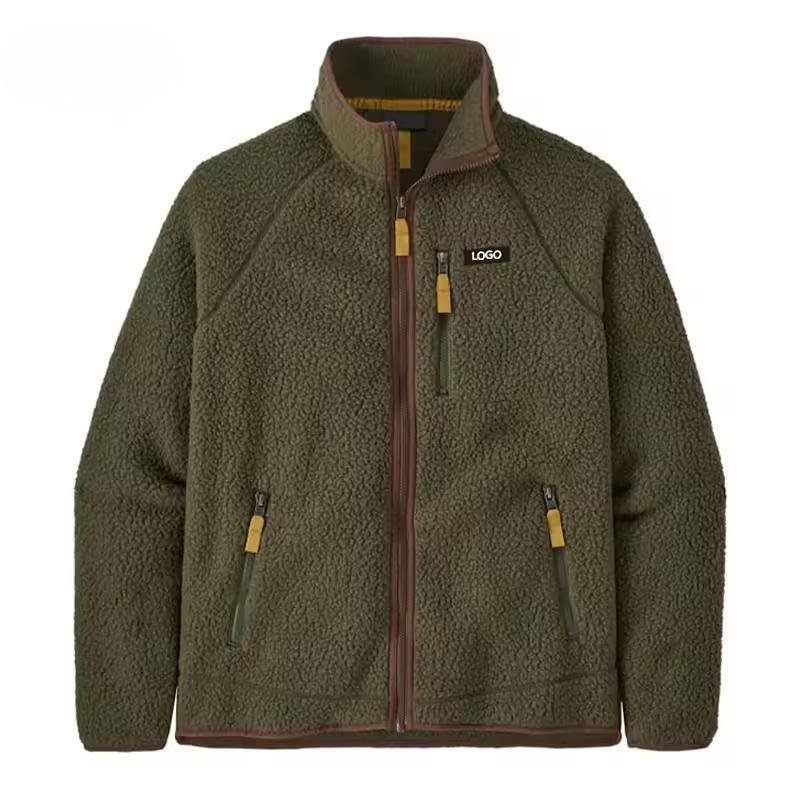
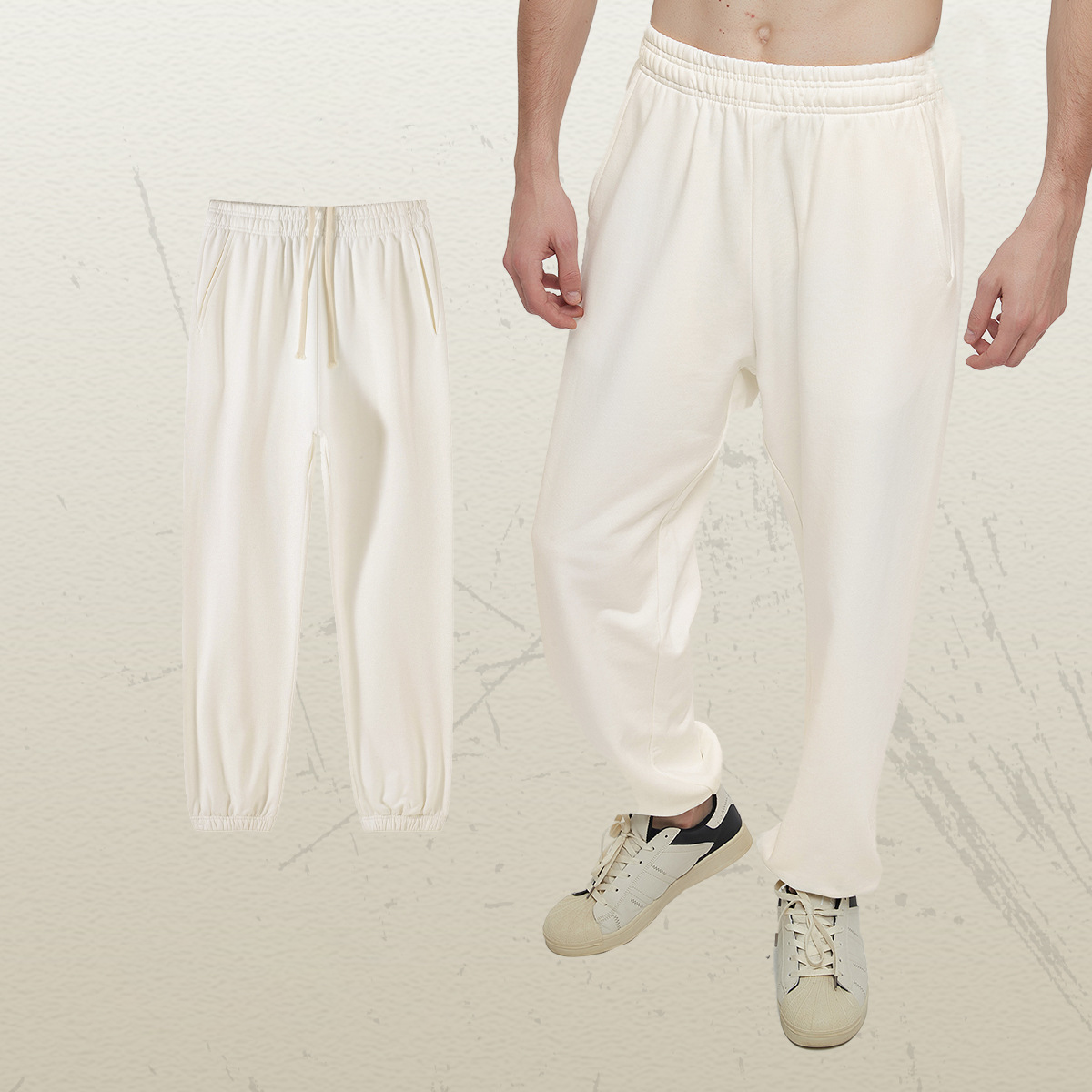
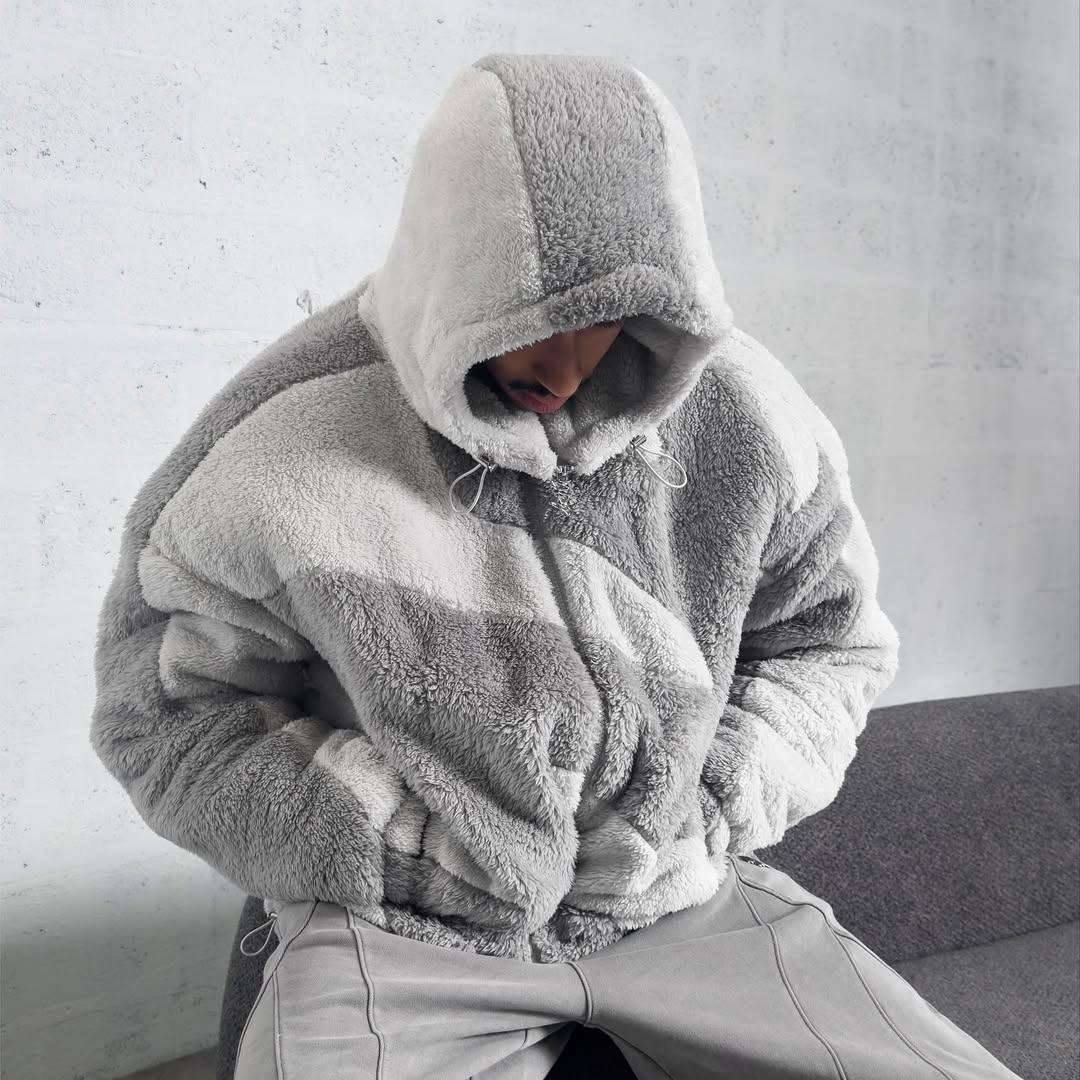
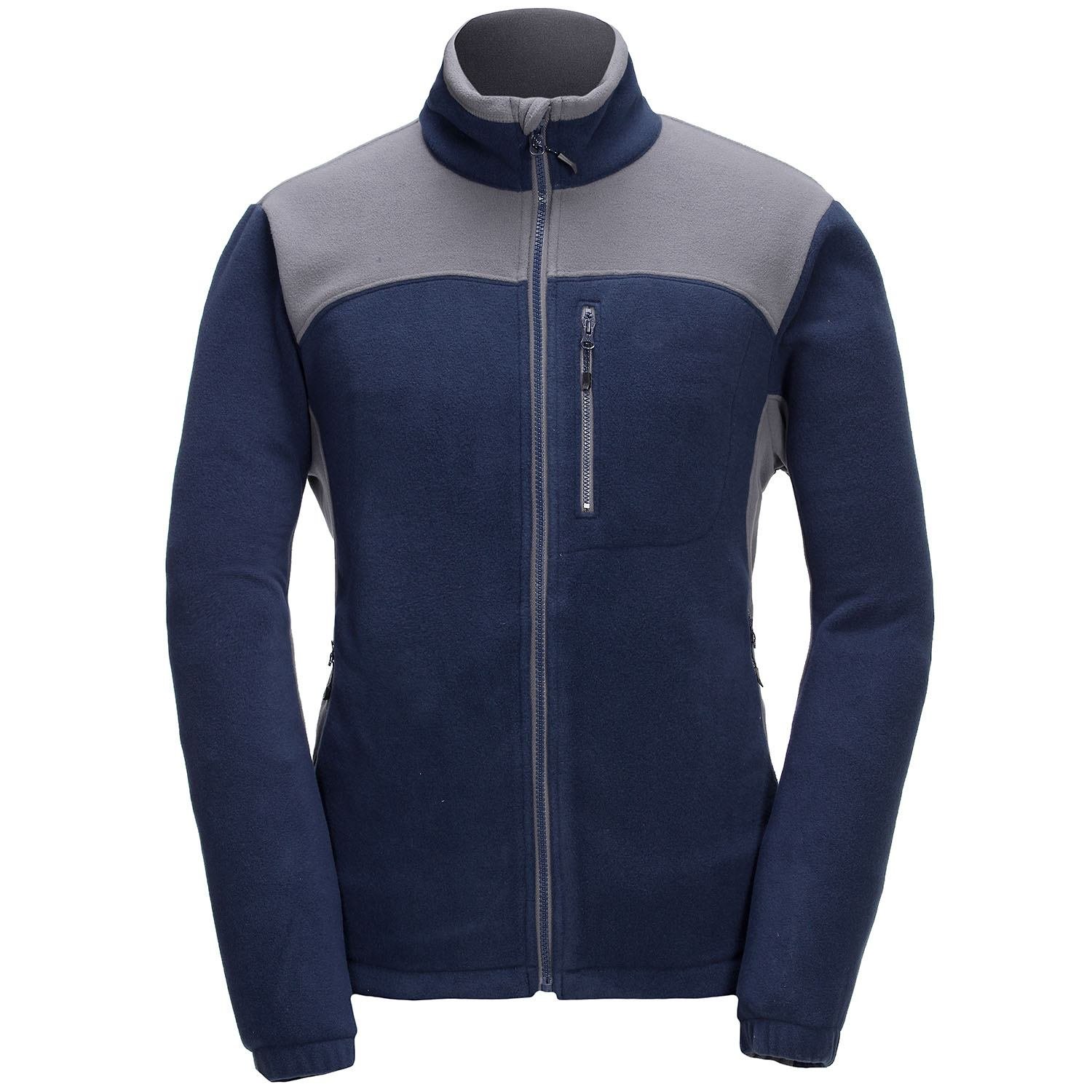
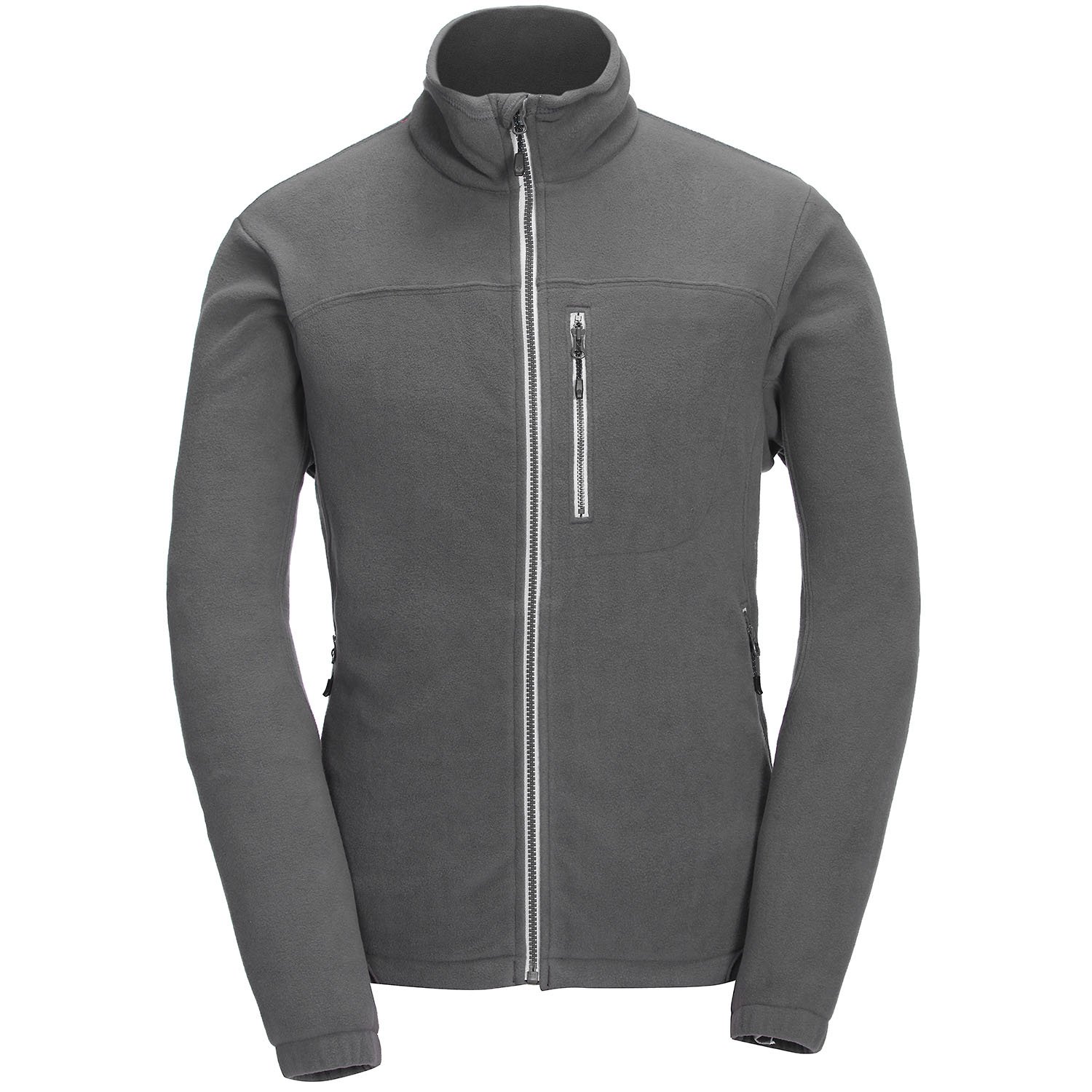
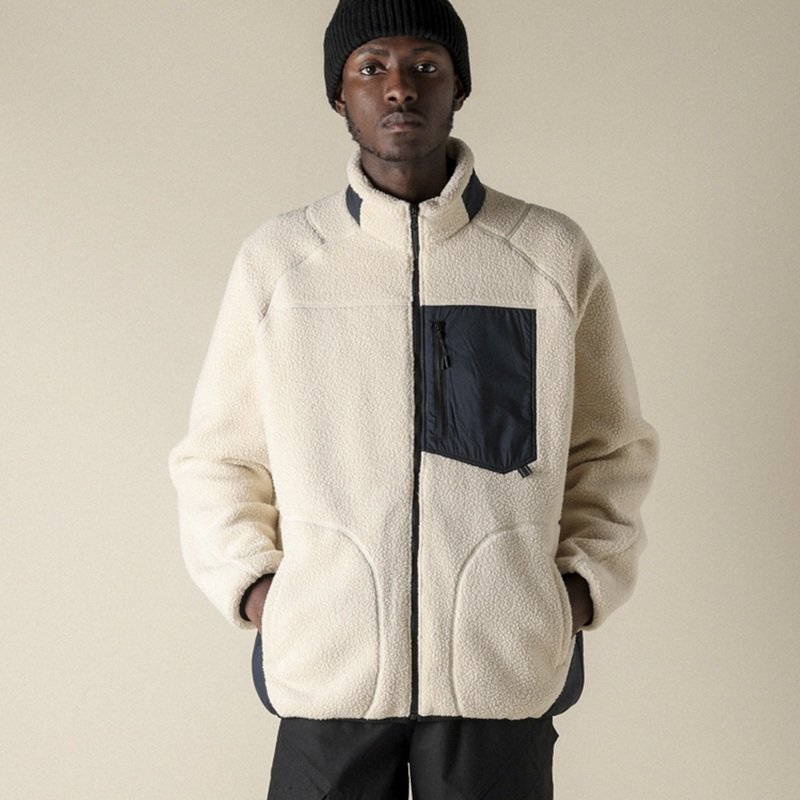
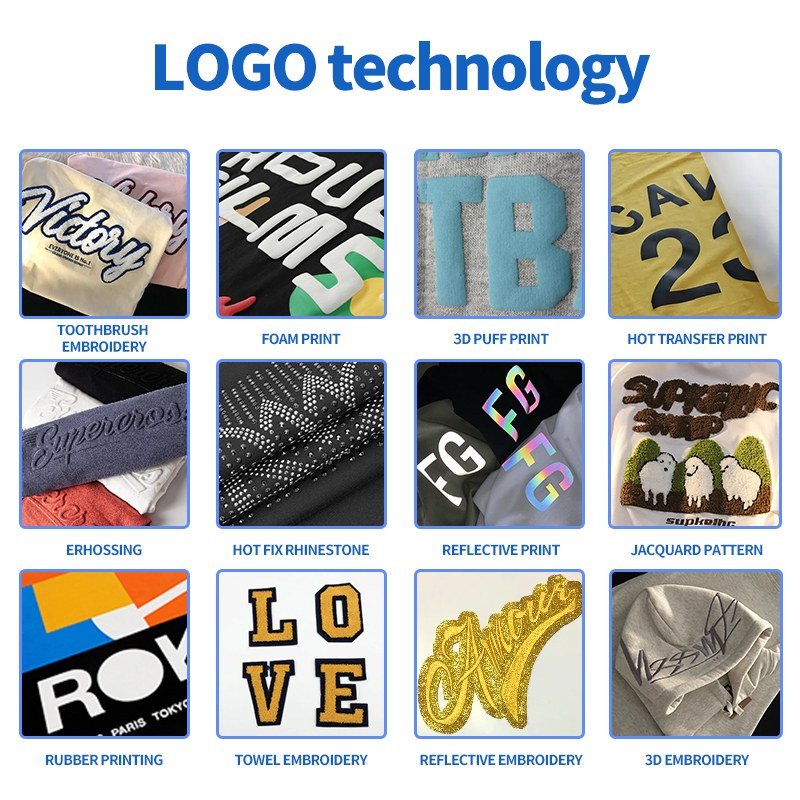
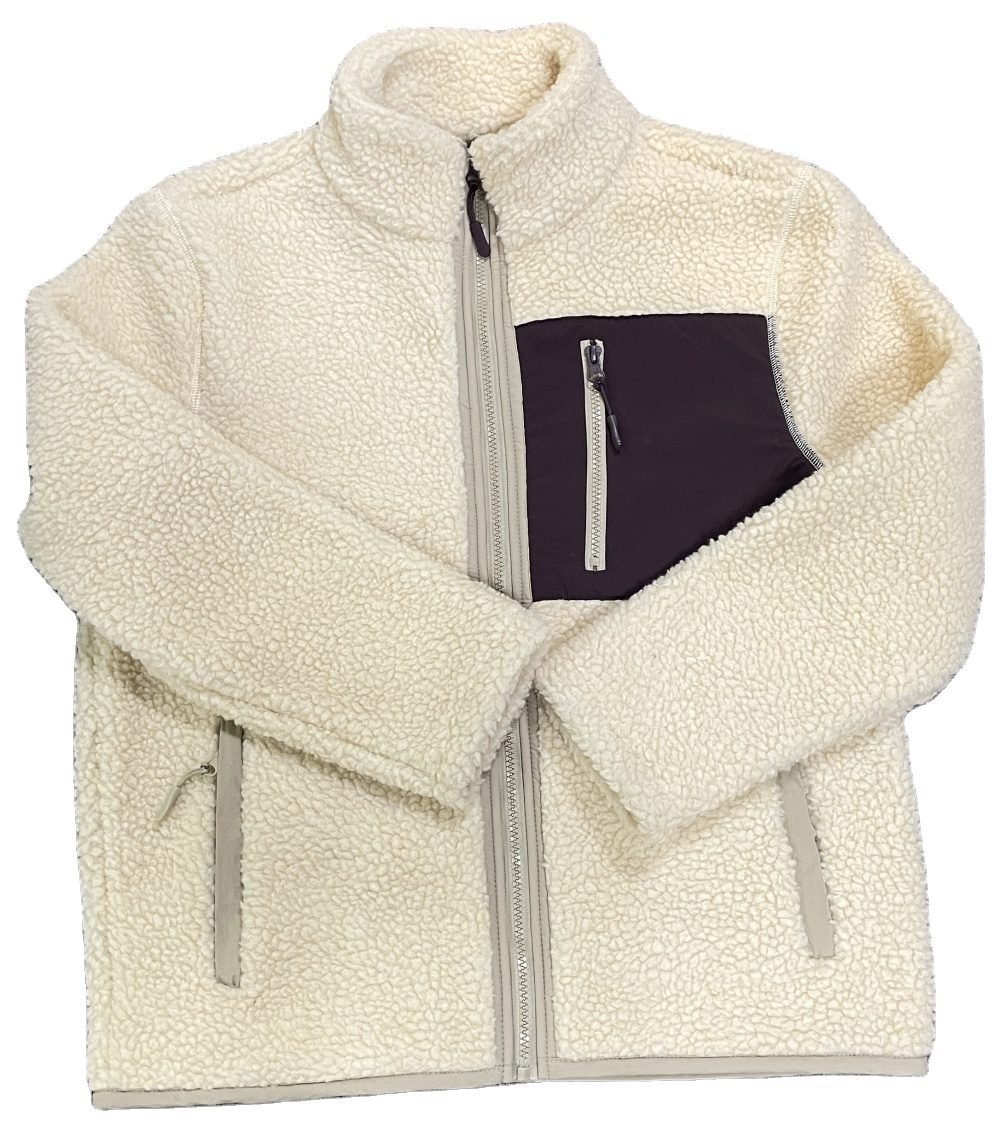
Why Choose Our Washed Denim Jacket Manufacturer
5-Step QC Guarantee
Every washed denim jacket undergoes rigorous quality testing at five production stages, ensuring zero defects reach your customers.
Low MOQ from 50 Pieces
Launch your denim line without huge inventory risk. Perfect for fashion startups and independent designers testing new collections.
Fast 7-Day Sampling
Get your washed denim jacket samples quickly so you can validate designs and launch seasonal collections on schedule.
In-House Design Team
Our 15-member R&D team brings streetwear expertise and trend-driven design insights to every custom denim jacket project.
Streetwear Expertise
Six years specializing in streetwear production means we understand bold washes, oversized fits, and the details influencer brands demand.
Global Shipping Support
Seamless logistics to over 100 countries with customs, inspection, and delivery coordination handled by our experienced trade team.
Washed Denim Jacket Manufacturer: Categories & Styles
From classic trucker cuts to oversized streetwear silhouettes, we produce every washed denim jacket style your brand needs with precision finishing and low MOQs for emerging labels.
Classic Trucker Jackets
Many streetwear brands struggle to source timeless trucker-style denim jackets with authentic vintage washes and consistent sizing across production runs, especially at accessible order quantities.
We deliver classic trucker cuts with stone-wash, acid-wash, and enzyme finishes. Our 5-step QC ensures every jacket matches your approved sample, with MOQs starting at 100 pieces per colorway.
Oversized Streetwear Fits
Influencer brands and designer startups need bold, drop-shoulder oversized denim jackets that capture current streetwear trends but often face pattern inconsistencies and poor drape from inexperienced manufacturers.
Our in-house design team patterns oversized silhouettes with precise drop-shoulder construction and relaxed proportions. Each jacket undergoes craft QC testing to guarantee the signature streetwear fit your audience expects.
Vintage Wash Specialties
Achieving authentic distressed, faded, and vintage-effect denim requires advanced washing techniques and finishing expertise that many factories lack, resulting in flat, unconvincing washes that miss the mark.
We specialize in vintage stone-wash, bleach treatments, hand-sanding, and distressing. Our finishing team replicates era-specific aesthetics with color fastness testing to ensure your vintage washes stay true through wear.
Custom Embroidery & Graphics
Brands want unique embroidered logos, back patches, and custom graphics on their denim jackets, but coordinating embroidery vendors separately adds lead time, cost, and quality-control headaches.
We handle all customization in-house—embroidery, screen printing, patches, and appliqués—integrated into our production line. Your custom washed denim jackets ship complete, with every detail inspected under our finished quality QC process.
Cropped & Fashion-Forward Cuts
Fashion startups and independent designers launching trend-driven cropped denim jackets face high minimums and rigid sizing from traditional manufacturers who resist non-standard lengths and experimental proportions.
Our R&D team of 15 supports experimental cuts—cropped lengths, asymmetric hems, and fashion-forward details—with flexible low MOQs. We prototype quickly and scale your unique designs without compromising our rigorous quality standards.
Premium Denim Fabrics Our Washed Denim Jacket Manufacturer Sources
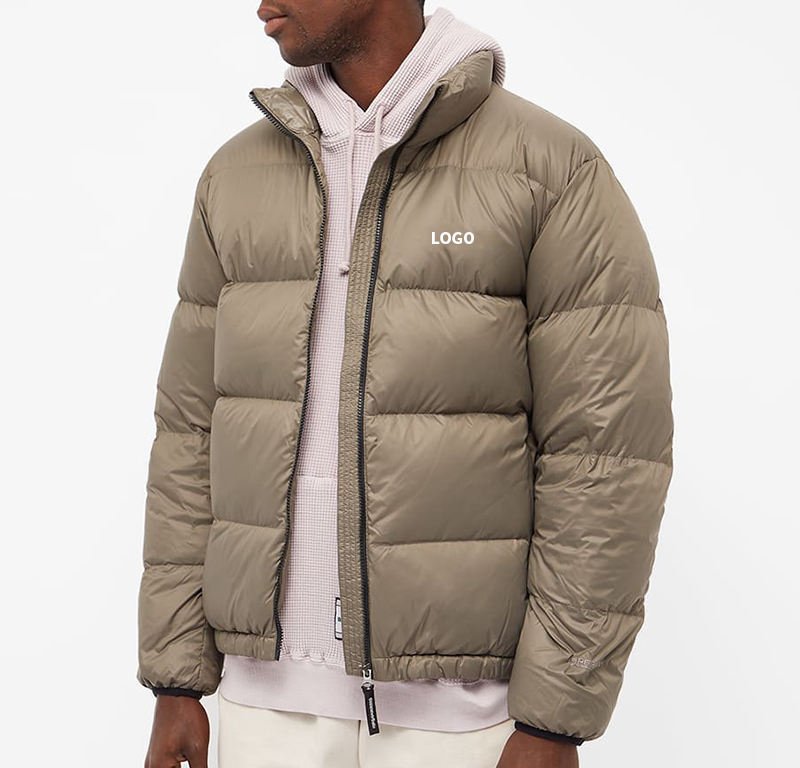
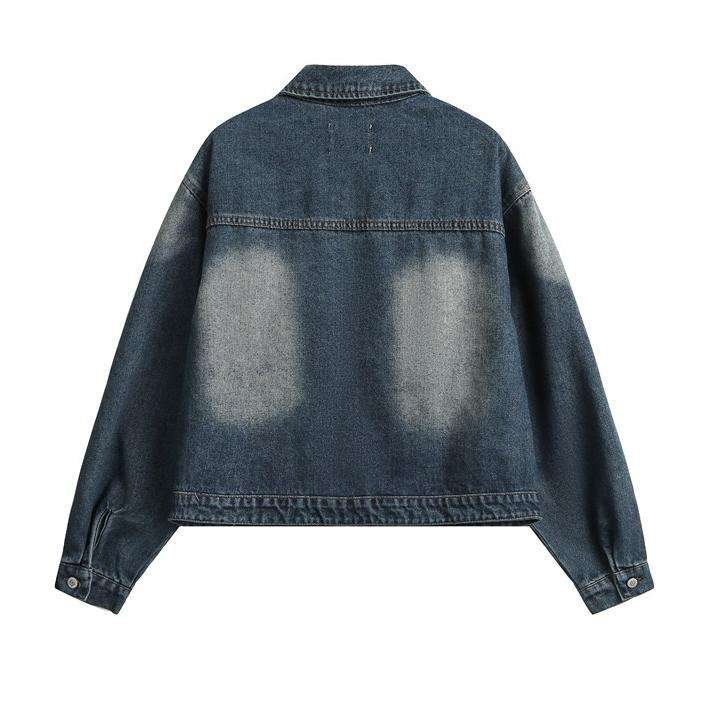
12 oz Raw Denim
Unwashed, rigid selvedge denim that offers maximum customization potential for distressed and vintage-wash treatments. Medium-weight construction provides structure without stiffness. Perfect for brands seeking authentic raw denim aesthetics with controlled fade patterns after specialized washing.
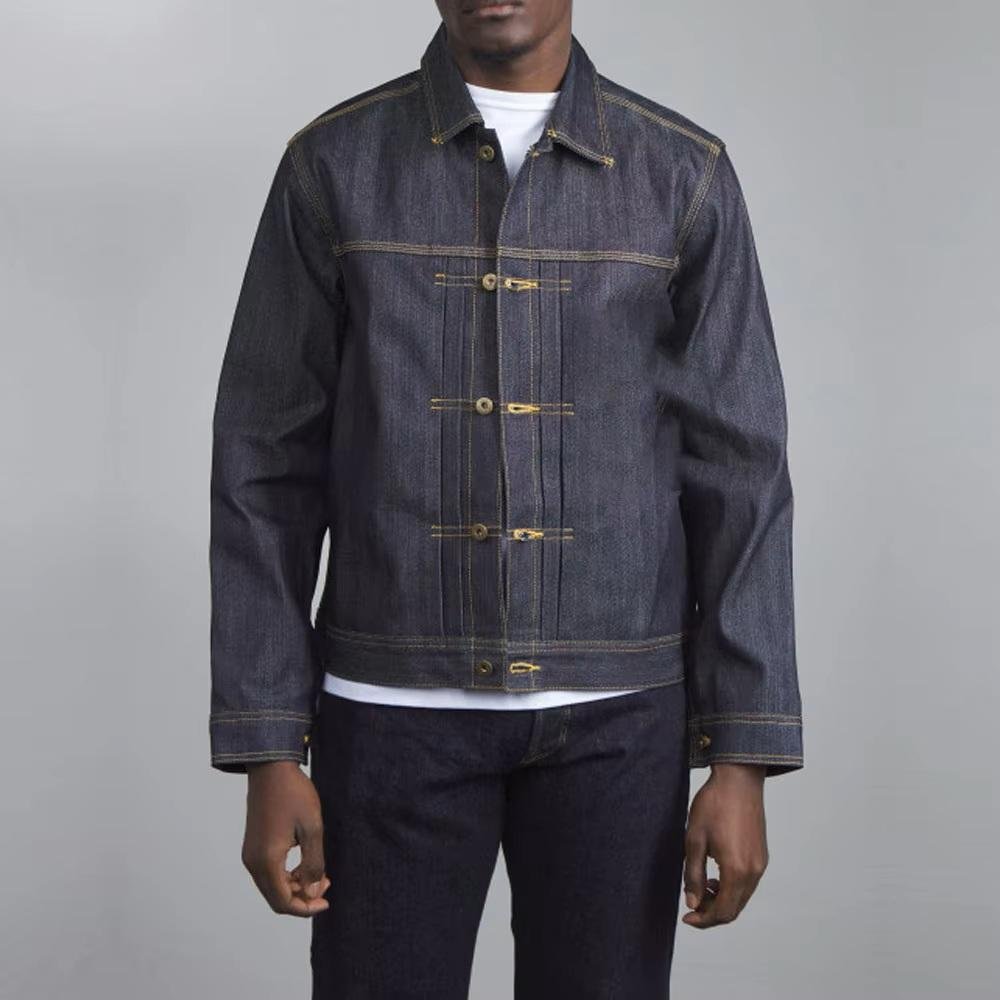
13 oz Heavyweight Denim
Premium heavyweight twill weave delivering exceptional durability and cold-weather performance. Dense construction resists abrasion while maintaining comfort during extended wear. Our most popular choice for oversized streetwear jackets and workwear-inspired designs requiring substantial hand-feel.
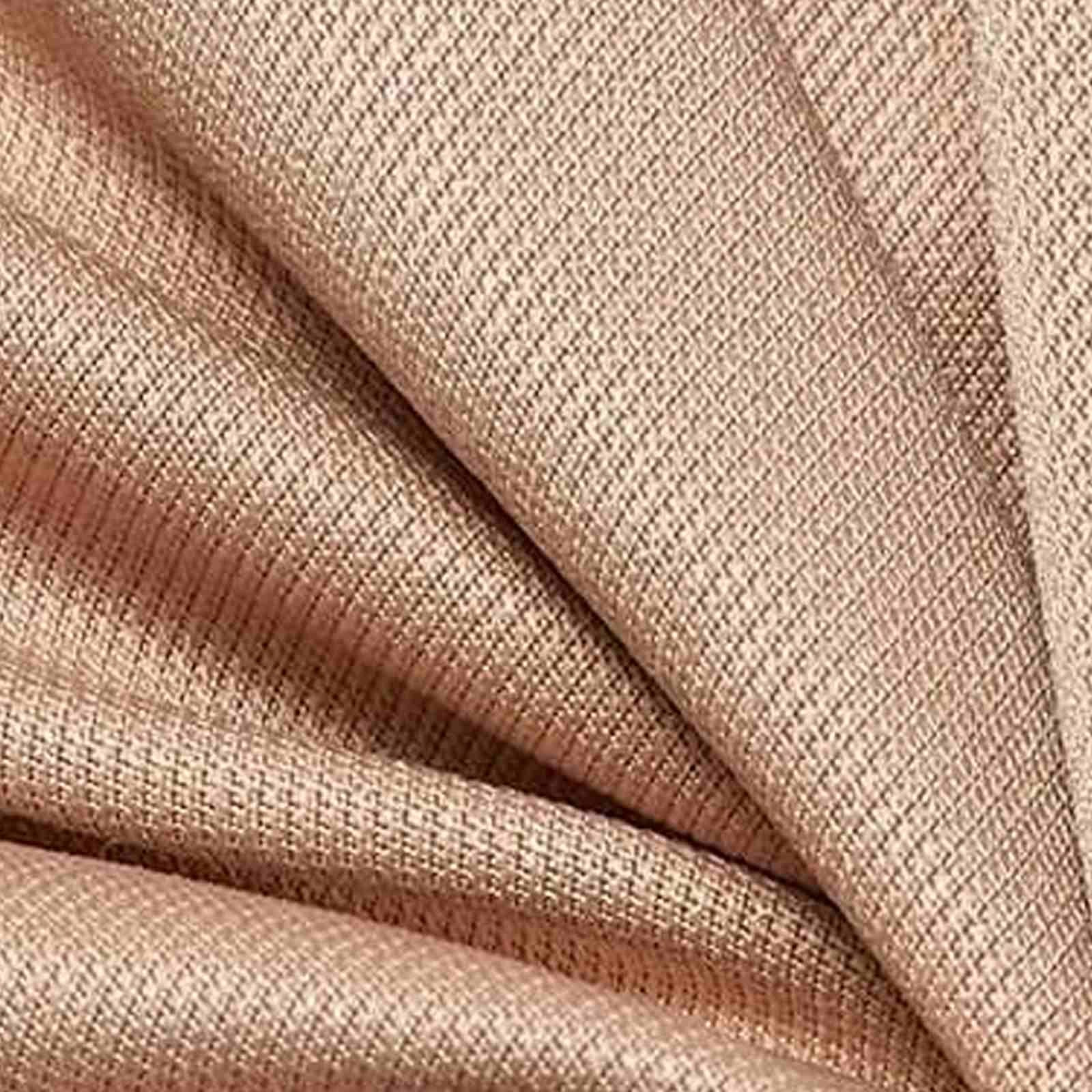
14 oz Japanese Selvedge
Premium selvedge denim woven on traditional shuttle looms with tightly twisted yarns for superior strength. Features clean selvedge edges and rich indigo saturation. Ideal for high-end collections demanding authentic heritage construction and exceptional aging properties through repeated washing.
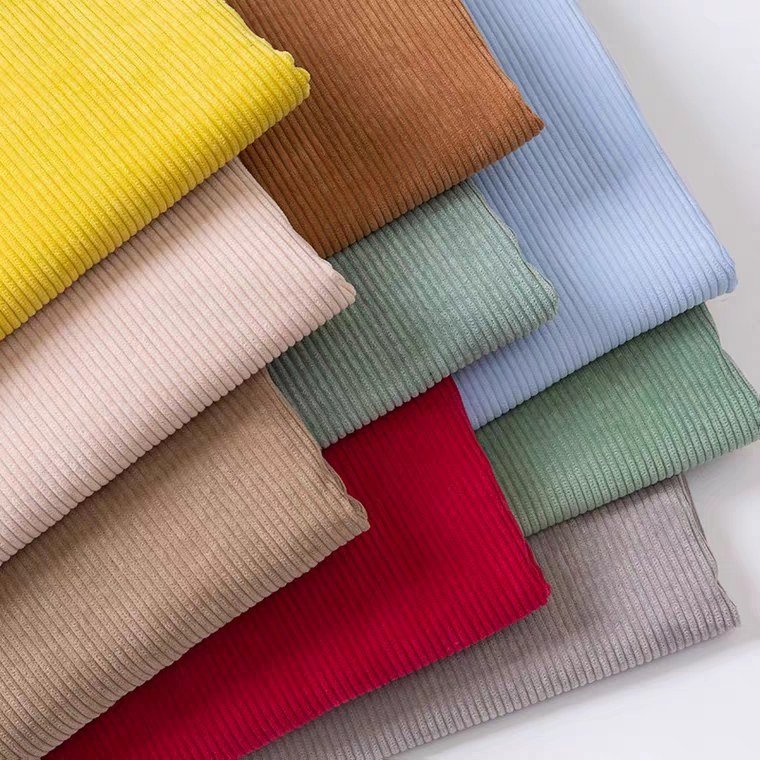
Vintage-Wash Cotton Blend
Pre-washed cotton-polyester blend engineered for soft hand-feel and dimensional stability. Two percent elastane adds recovery and comfort for modern fits. Reduces shrinkage concerns while delivering lived-in vintage aesthetics straight from production with consistent color retention.
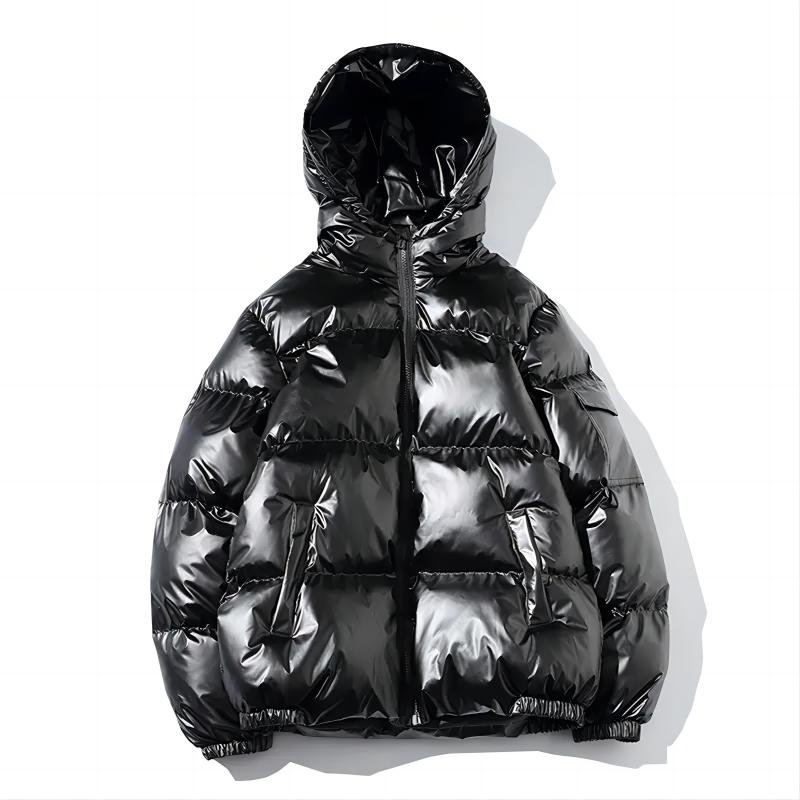
Black Overdyed Denim
Richly saturated black denim with sulfur or reactive dye for deep, fade-resistant color. Available in 11-13 oz weights with optional stretch content. Popular for contemporary streetwear jackets requiring bold monochrome looks with subtle vintage washing effects.
Advanced Washing & Finishing Techniques From Your Washed Denim Jacket Manufacturer
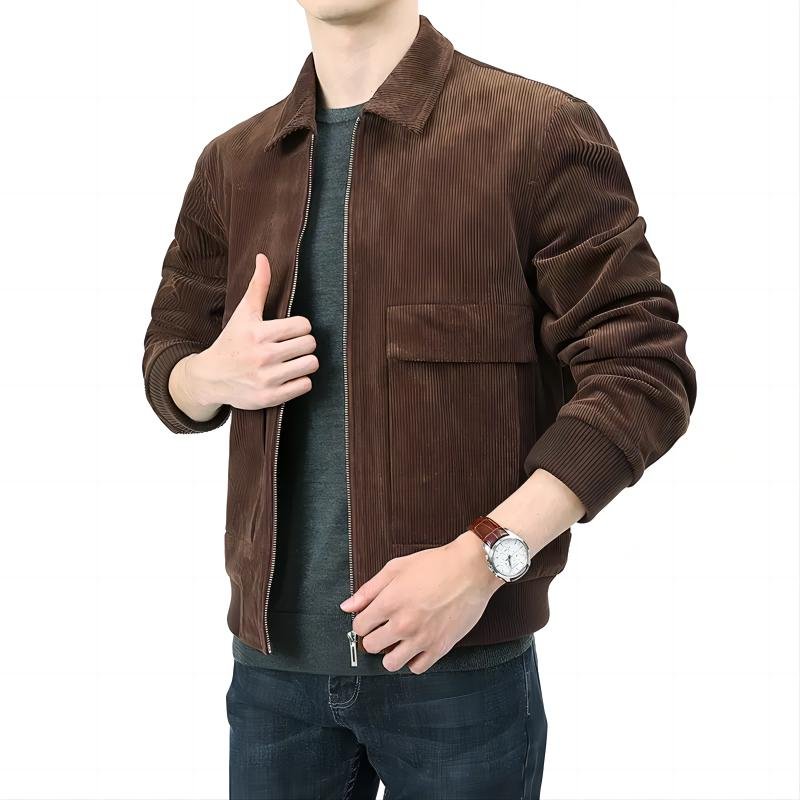
Stone Wash
Natural pumice stones tumble with denim to create soft, broken-in texture and subtle fading. Delivers that classic worn-in look with enhanced comfort and durability, perfect for vintage-inspired streetwear collections.
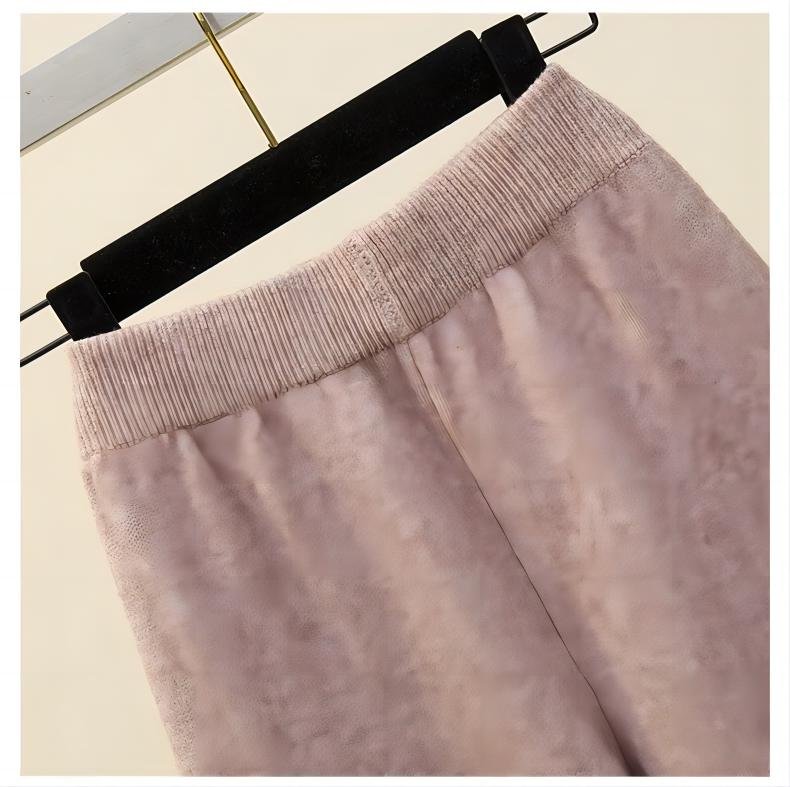
Acid Wash
Controlled chemical treatment creates dramatic marbled patterns and high-contrast fading unique to each garment. Ideal for bold, statement pieces that capture authentic 80s and 90s streetwear aesthetics with modern quality standards.
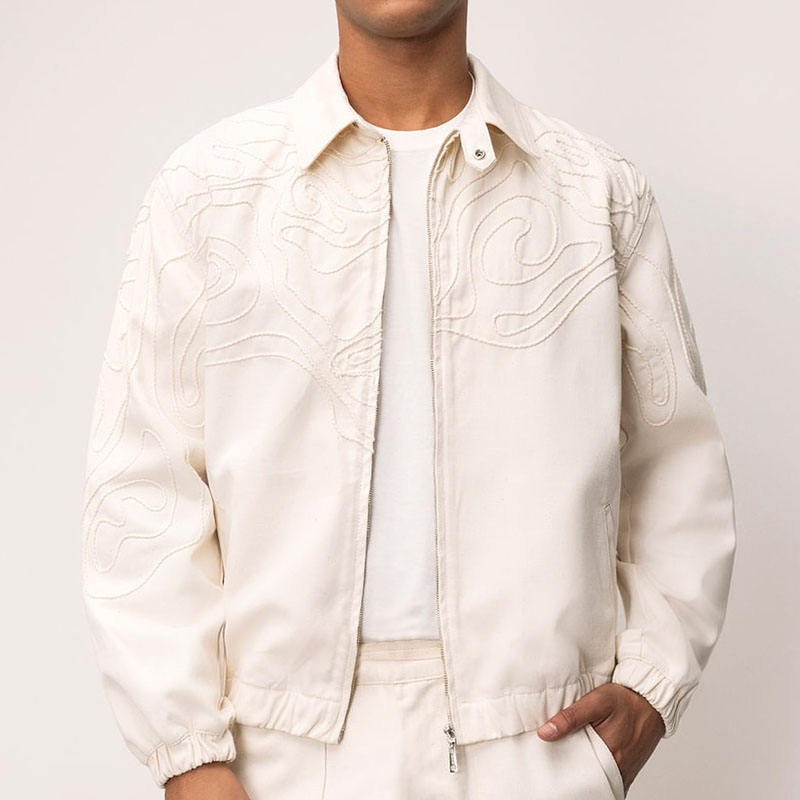
Enzyme Treatment
Bio-polishing enzymes gently remove surface fibers for ultra-soft hand feel and refined appearance without compromising fabric strength. Achieves premium softness while maintaining the structural integrity your customers expect from quality denim.
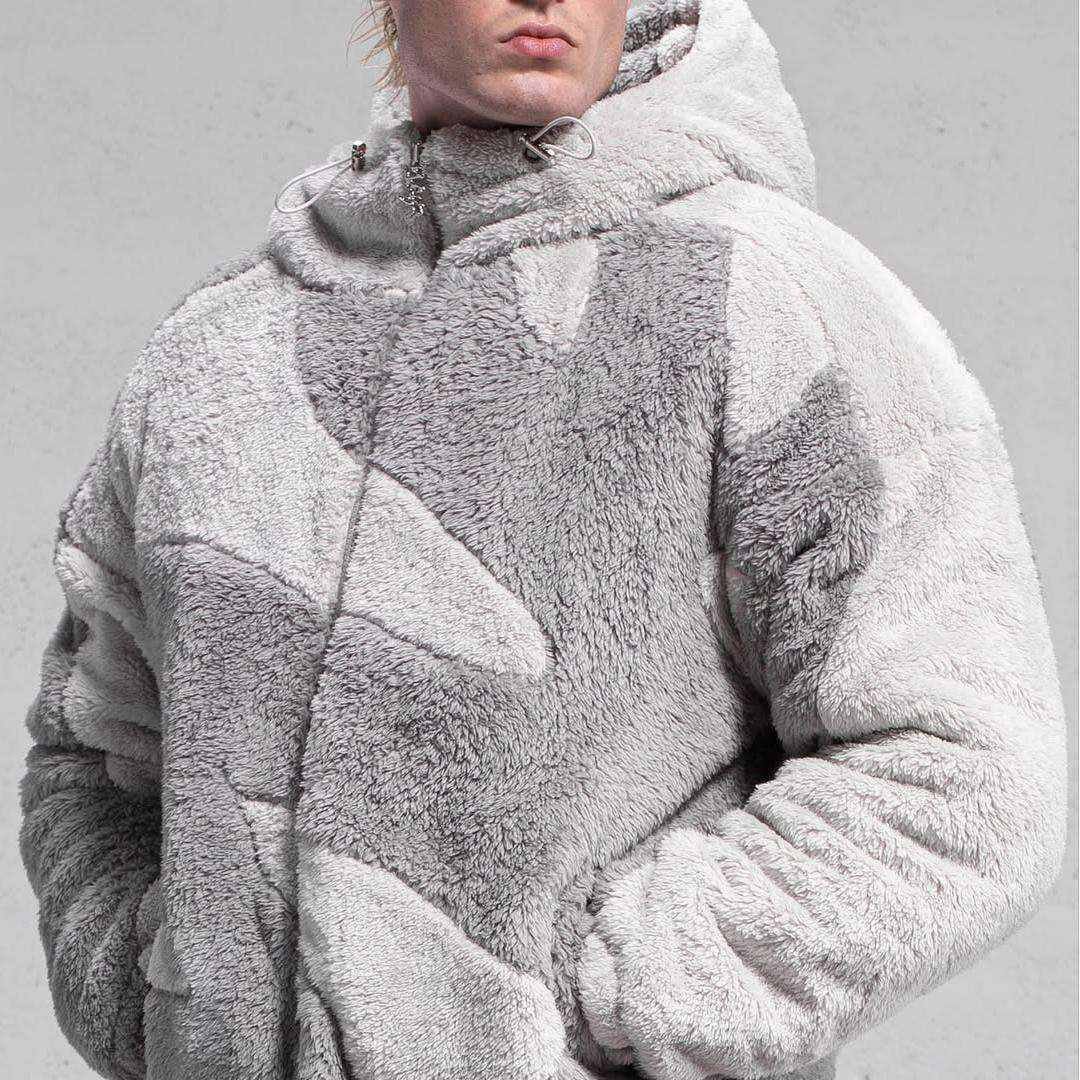
Vintage Distressing
Hand-guided abrasion, whisker placement, and strategic wear patterns replicate years of authentic use. Our artisans create controlled distress marks, fraying, and fading that tell a story while passing our rigorous quality inspections.
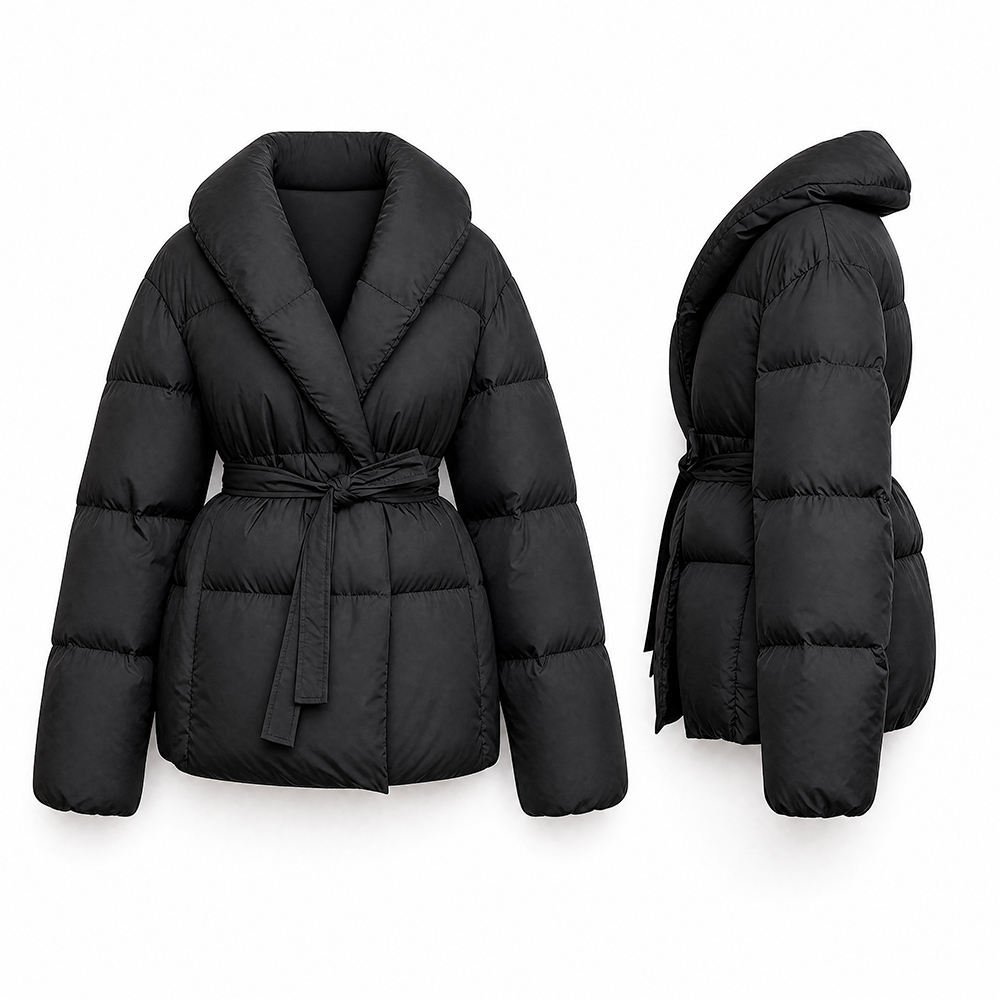
Custom Dyeing
Overdye and pigment treatments transform raw denim into your exact color specifications, from muted earth tones to vibrant statement hues. Achieve brand-specific colorways with excellent wash-fastness and consistent batch-to-batch matching.
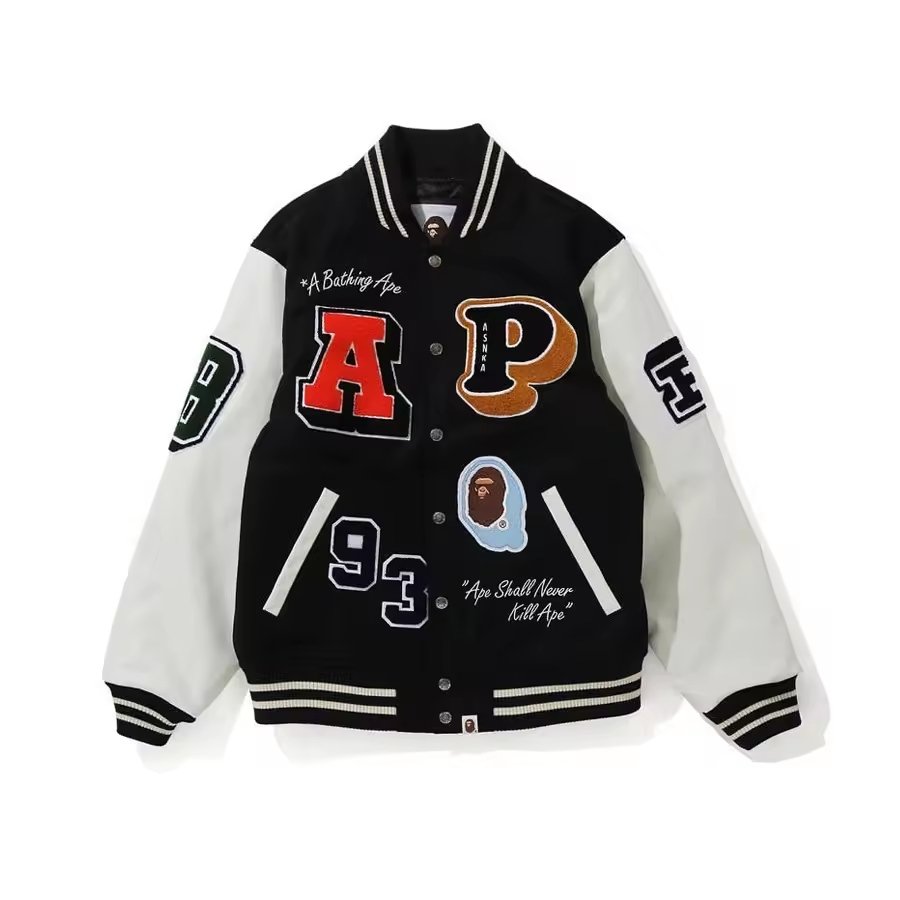
Hand-Finishing
Skilled craftspeople apply final touches including targeted sanding, whiskering, stacking fades, and custom wear details. Each jacket receives individual attention to ensure your design vision translates into wearable art that exceeds customer expectations.
Customization & Trims for Your Washed Denim Jacket Manufacturer Needs
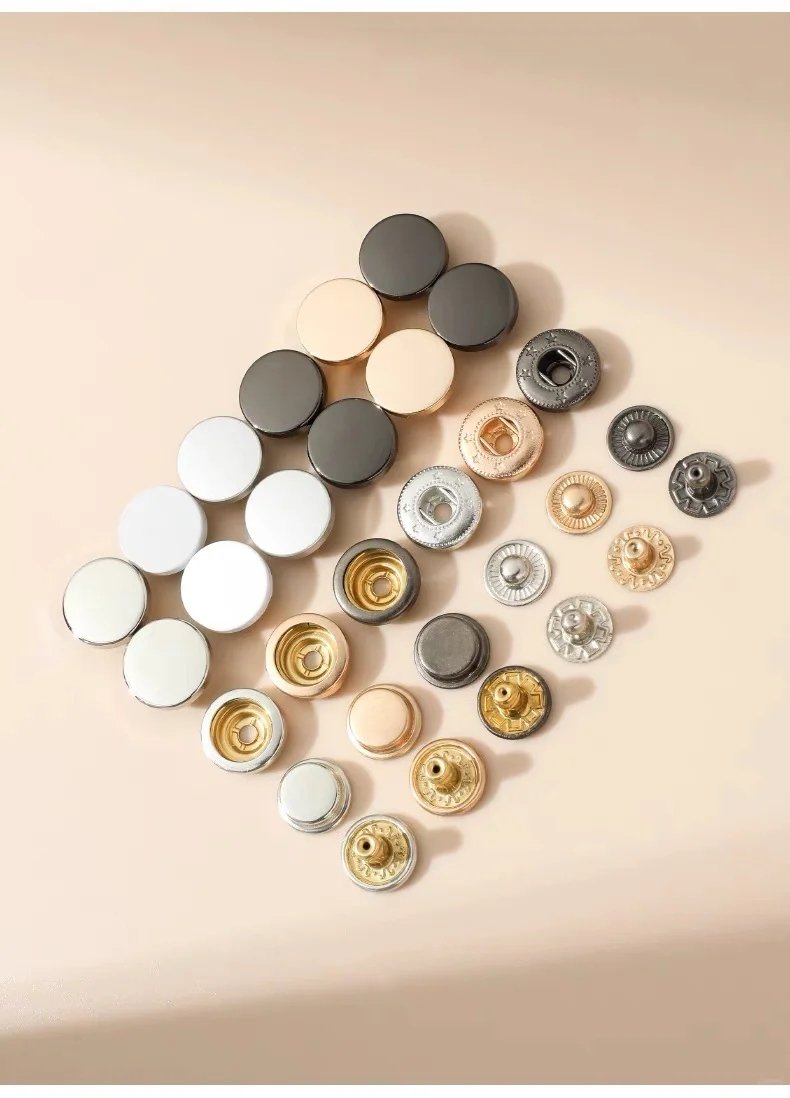
Metal Snap Buttons
Durable brass or gunmetal snap closures for front plackets and cuffs. We source premium-grade hardware that withstands repeated wear and washing, maintaining both function and aesthetic appeal throughout the jacket’s lifecycle.
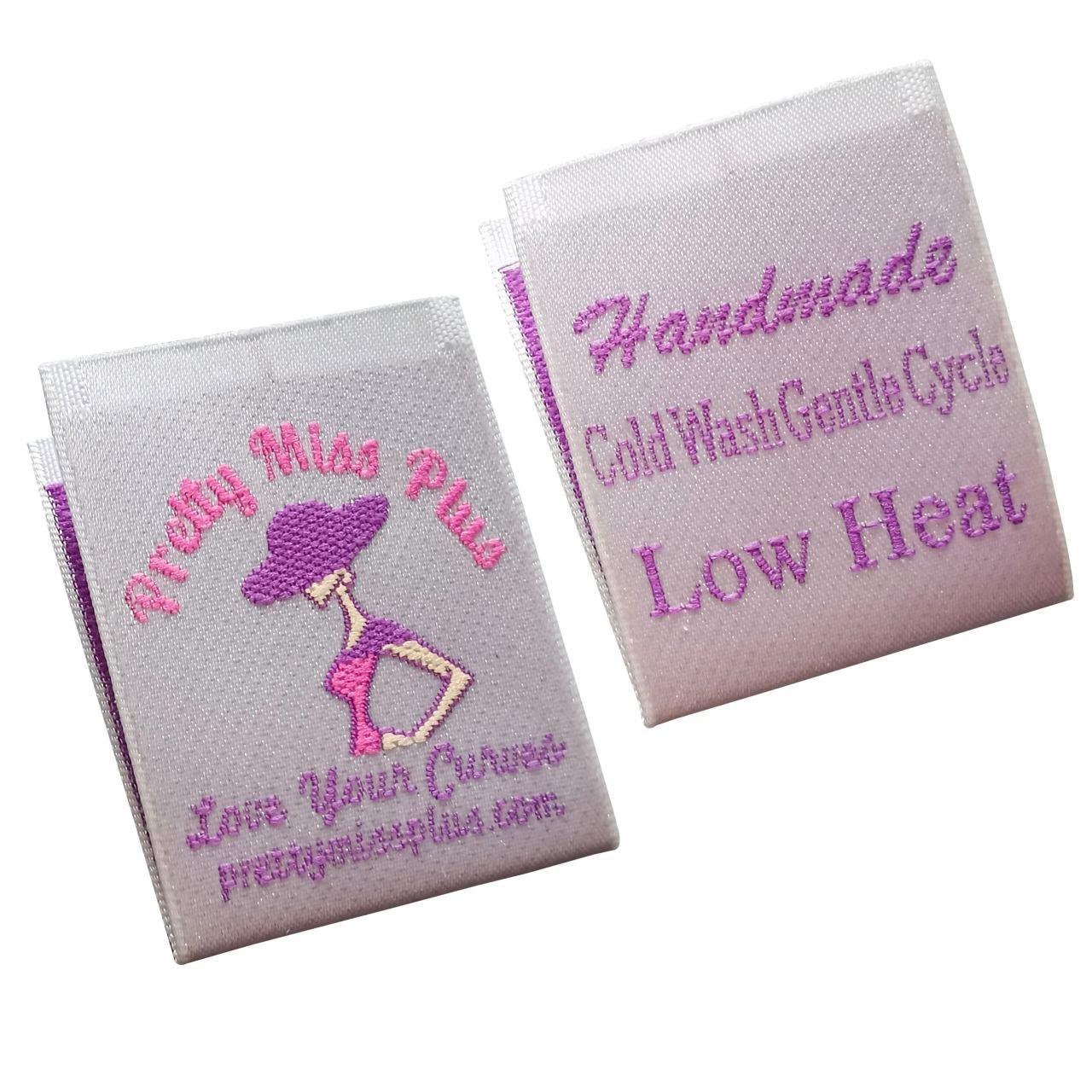
Custom Woven Labels
High-definition woven brand labels for neck, side seam, or pocket placement. Our in-house design team works with you to create labels that communicate your brand story and meet all care instruction requirements.
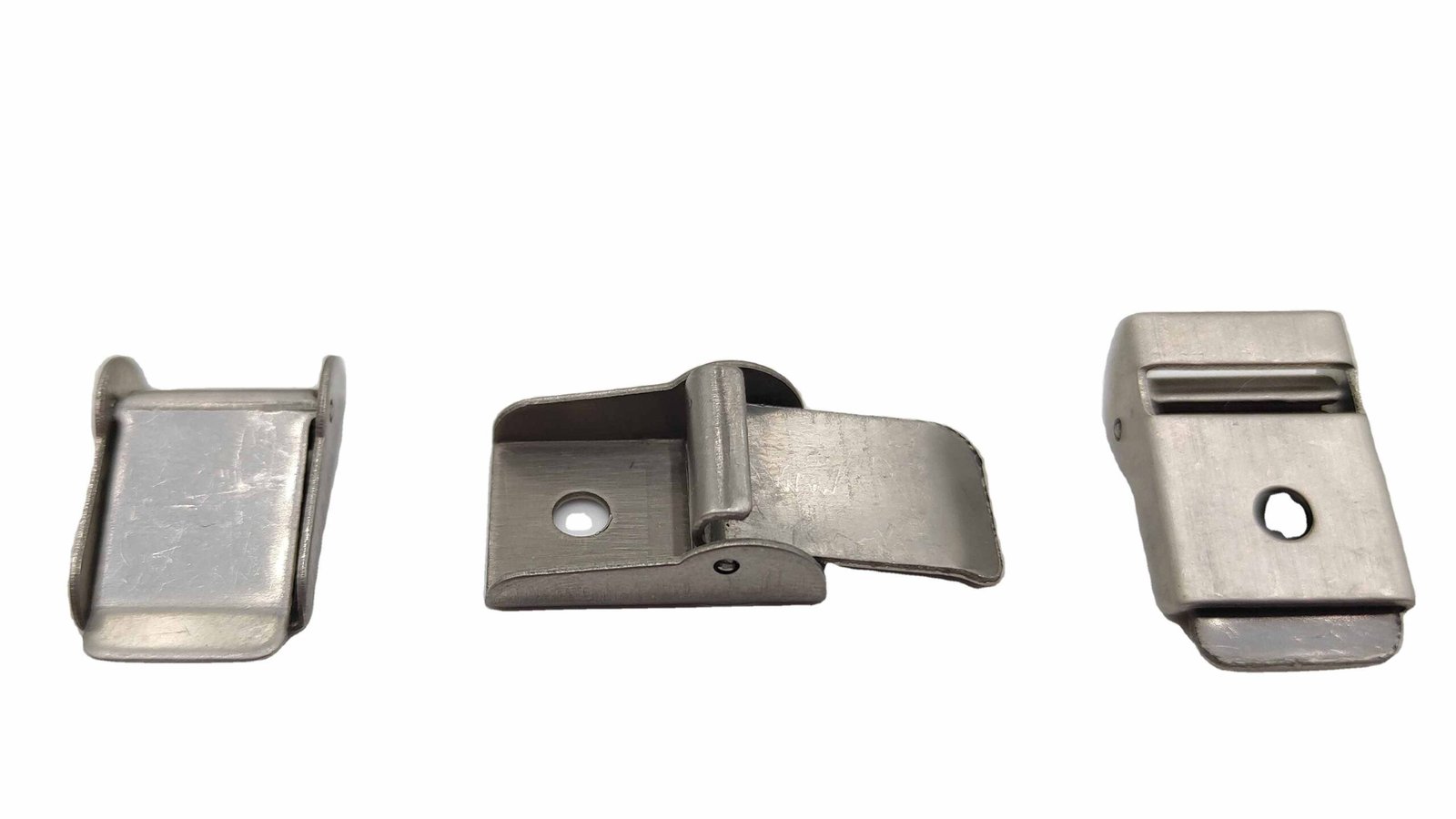
YKK Zipper Upgrades
Authentic YKK zippers in various finishes including antique brass, matte black, and silver. Perfect for front closures or pocket details, these premium zippers deliver smooth operation and long-term reliability for your denim jacket line.
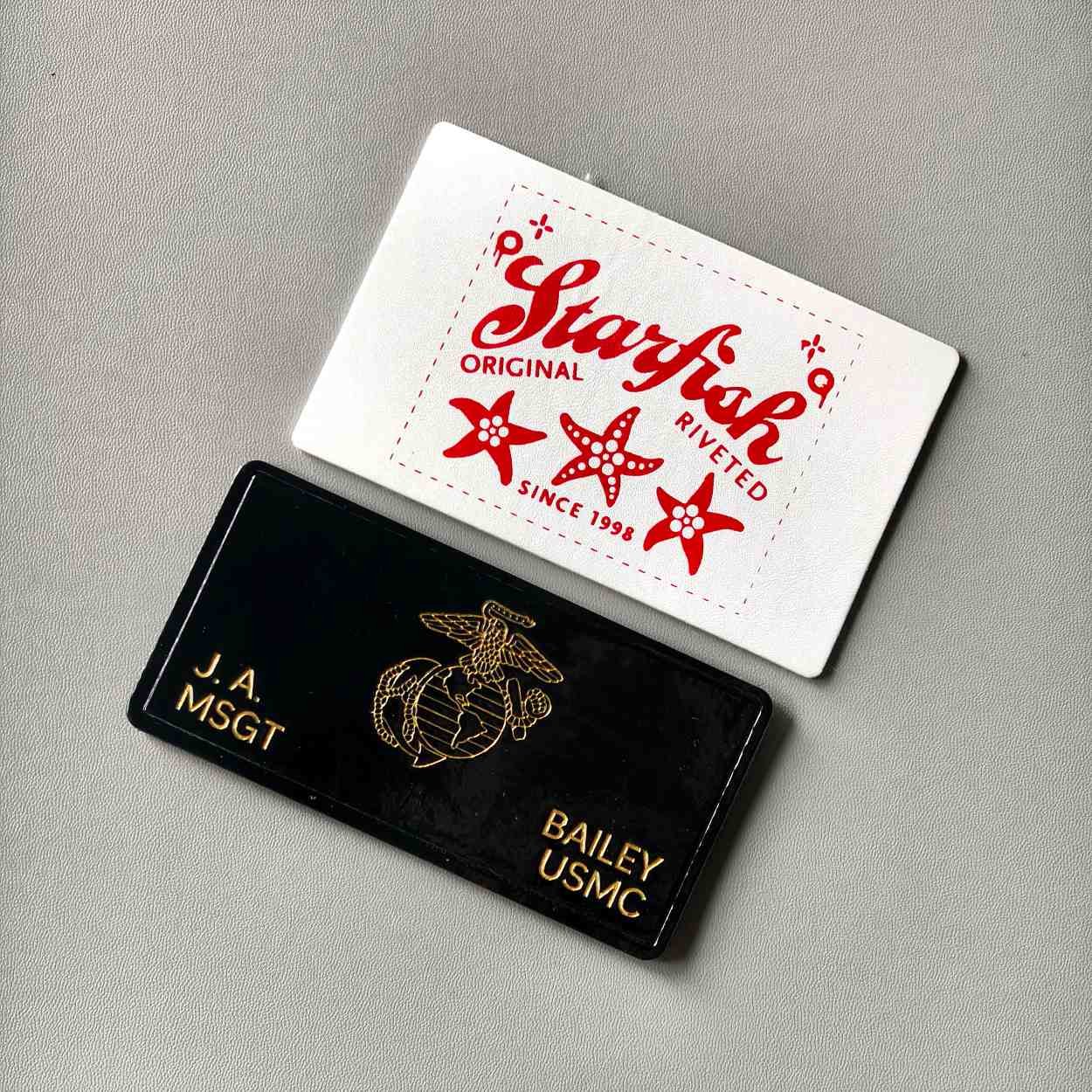
Embroidered Patches
Custom embroidery and chenille patches featuring your logo, graphics, or streetwear motifs. Applied to back panels, chest, or sleeves, these patches add dimension and brand recognition to every washed denim jacket we manufacture.
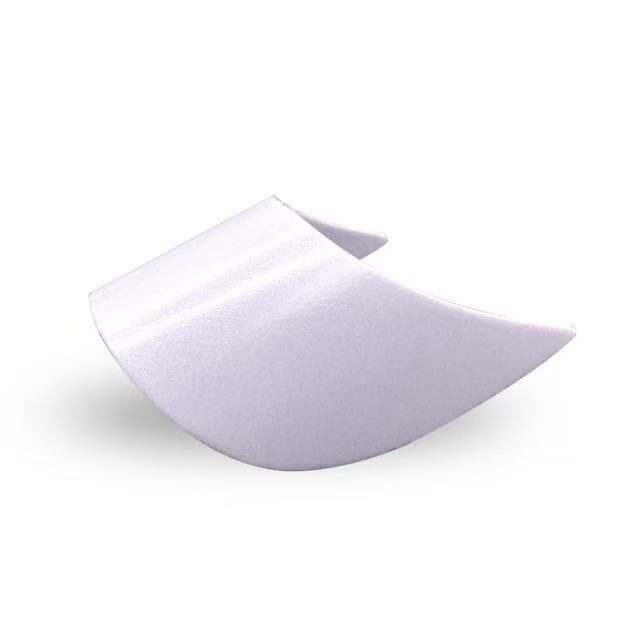
Screen Print Graphics
Water-based and plastisol screen printing for bold graphics, slogans, or artwork. Our five-step QC process ensures print adhesion and color accuracy survive industrial washing treatments without cracking or fading.
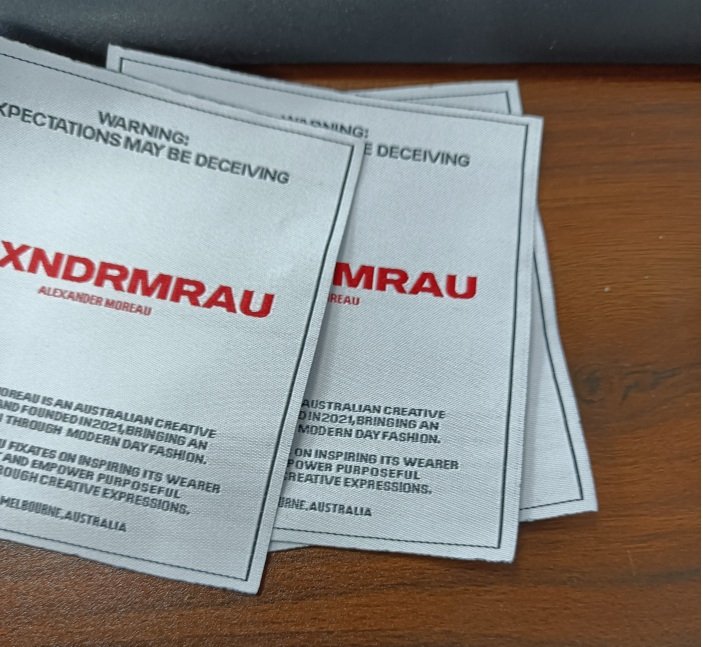
Custom Hangtags
Branded hangtags in custom shapes, materials, and finishes that showcase your label at retail. We coordinate hangtag design and production to align with your seasonal collection timeline and brand positioning.
Your Trusted Washed Denim Jacket Manufacturer
Founded in 2024 by Tesla Luo, Clothing Manufacturer Ltd was born from a mission to eliminate low-quality clothing and restore trust in Chinese garment manufacturing. With over 10 years of production experience and 6 years specializing in streetwear, we serve fashion startups, independent designers, and global retailers across more than 100 countries who demand premium craftsmanship and zero-compromise quality.
What sets us apart is our proprietary 5-step quality control process that tests materials, cutting, craft, sewing, and finished garments at every production stage. Unlike manufacturers who skip critical QC checkpoints, we catch defects early and ensure every washed denim jacket leaving our facility meets rigorous standards. Our 15-member R&D team and 10 production patents support low MOQ orders, fast turnaround, and complete customization for brands at every growth stage.
As a washed denim jacket manufacturer, we combine deep technical expertise in garment construction with cultural fluency in streetwear trends. Backed by our parent company Dongguan TuoZhen Clothing Co., Ltd., we offer the agility of a focused specialist and the production capacity of an established operation, empowering your brand with transparent communication, global logistics support, and quality you can trust.
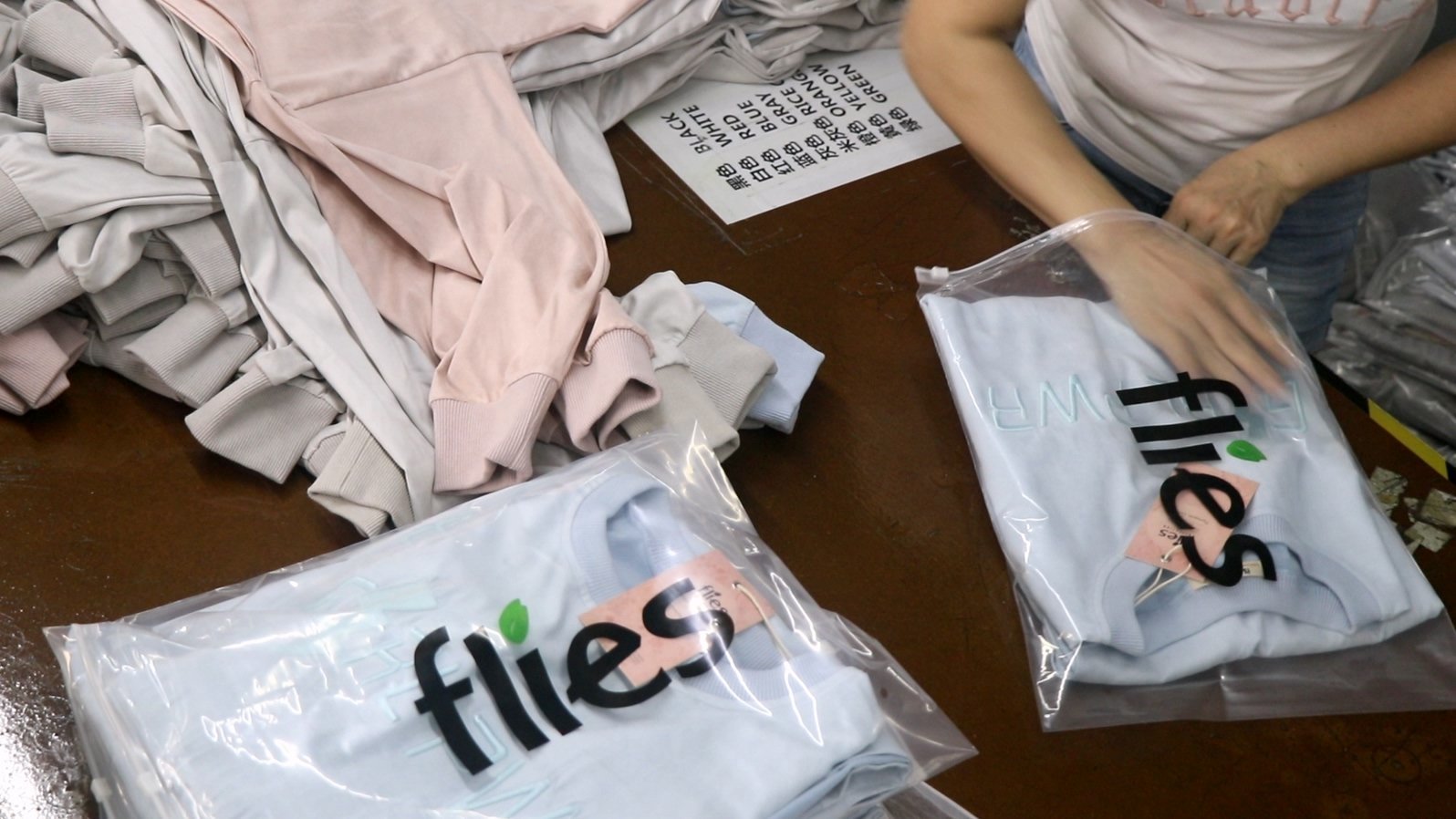
5-Step QC Every Washed Denim Jacket Manufacturer Should Follow
Materials QC Testing
Before cutting begins, our washed denim jacket manufacturer team inspects every fabric roll for weight consistency, colorfastness, shrinkage rate, and surface defects. This first checkpoint ensures only premium denim that meets your brand specifications enters production, eliminating costly rework and protecting your reputation from the start.
- Fabric weight and density verification against approved samples
- Colorfastness testing to prevent bleeding and fading issues
- Shrinkage rate measurement for accurate pattern grading
- Surface inspection for slubs, holes, and weave irregularities
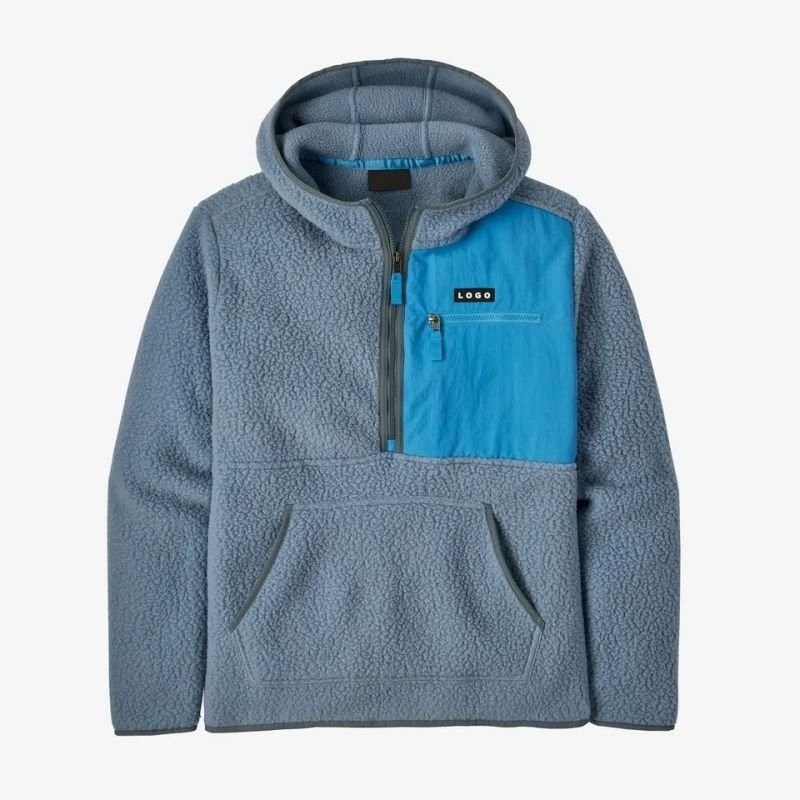
Cutting QC Testing
After pattern layout, our cutting team verifies grain alignment, pattern accuracy, and piece count before shears touch fabric. Each cut component is checked for dimensional accuracy and marked defects are isolated. This stage prevents fit issues and fabric waste that plague manufacturers who skip pre-cut validation.
- Grain line alignment check to ensure proper drape and fit
- Pattern piece count verification against cutting markers
- Dimensional tolerance inspection on all cut components
- Defect mapping and removal before pieces reach sewing floor
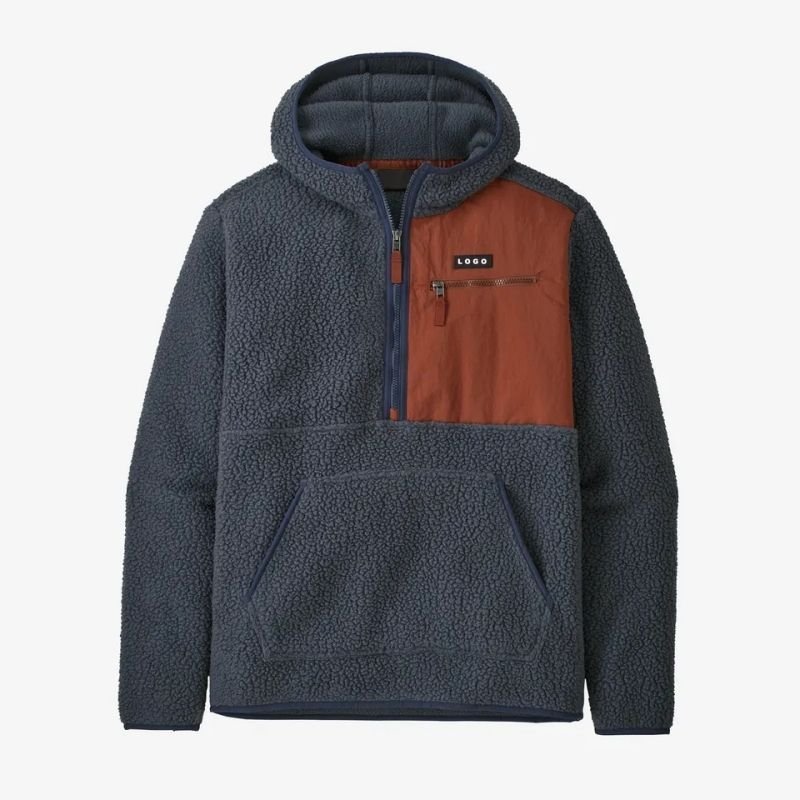
Clothing Craft QC Testing
As your washed denim jacket takes shape, our craft inspectors audit construction techniques at critical assembly points—pocket attachment, yoke seams, sleeve setting, and hardware placement. This mid-production checkpoint catches technique errors while correction is still efficient, ensuring every jacket meets streetwear durability standards.
- Stitch density and tension verification at stress points
- Seam allowance consistency check for clean finishing
- Hardware placement accuracy and secure attachment testing
- Construction sequence validation against approved tech packs
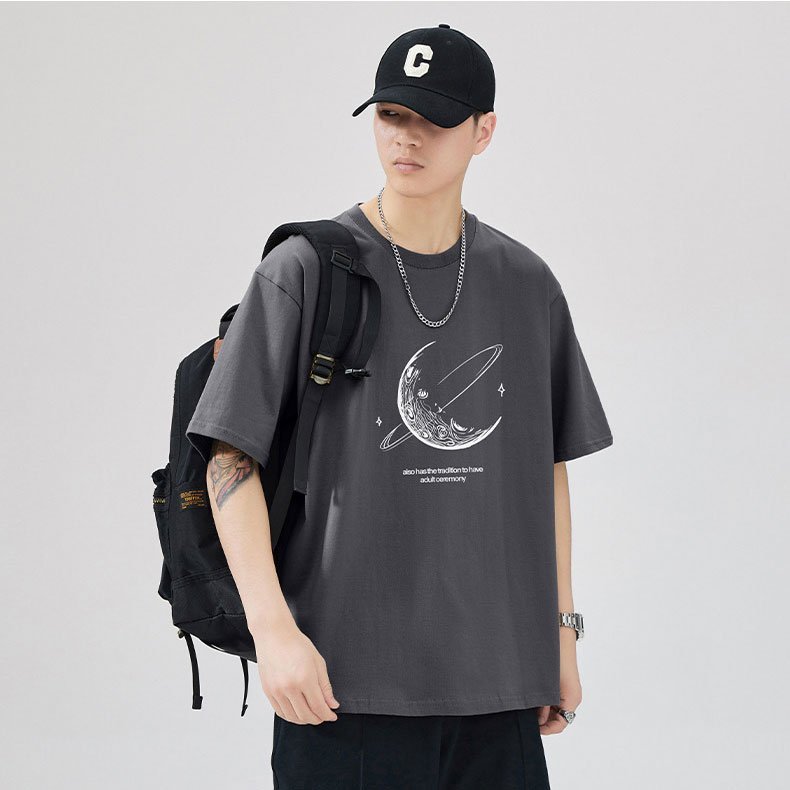
Sewing Production QC Testing
Throughout the sewing phase, roving inspectors conduct in-line checks on every tenth jacket, measuring topstitching straightness, buttonhole quality, zipper function, and seam strength. Real-time feedback loops allow immediate operator correction, maintaining consistent quality across your entire production run without end-of-line surprises.
- Topstitching alignment and stitch-per-inch measurement
- Buttonhole size, placement, and bar-tack strength testing
- Zipper smooth operation and tape alignment verification
- Seam strength pull-testing on high-stress construction areas
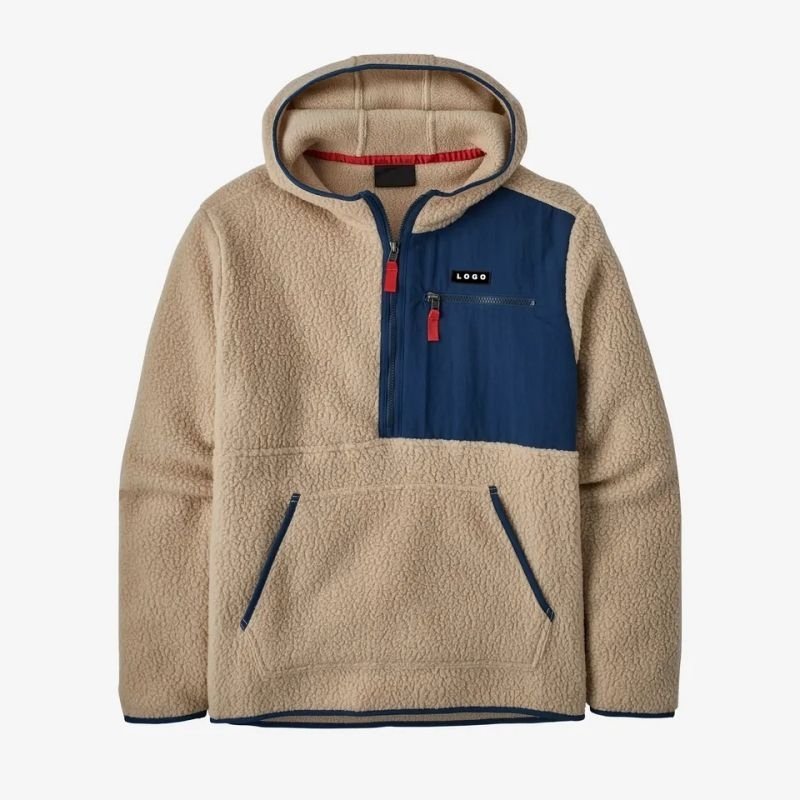
Finished Clothing Quality Inspection
Every completed washed denim jacket undergoes final inspection for fit, finishing, wash effect consistency, and packaging readiness. Our QC team uses AQL sampling standards and your brand checklist to verify measurements, label placement, trim quality, and overall appearance before any jacket earns shipment approval.
- Full measurement audit against approved size specs
- Wash effect consistency comparison to golden sample
- Label, tag, and care instruction placement verification
- Final appearance check for thread ends, stains, and pressing quality
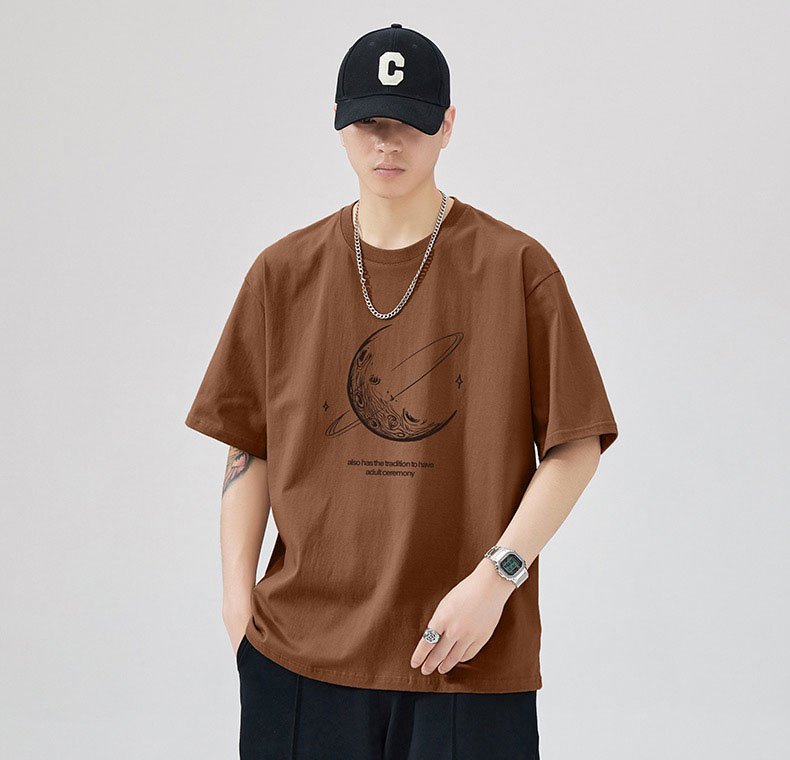
Washed Denim Jacket Manufacturer Comparison: Us vs. Typical Suppliers
See why streetwear brands, independent designers, and global retailers choose Clothing Manufacturer Ltd for premium washed denim jacket production with zero-compromise quality.
← 左右滑动查看 →
From Design to Delivery: Washed Denim Jacket Manufacturer Production Timeline
Six transparent phases from tech pack to finished product, with quality checkpoints at every stage to keep your collection launch on schedule.
Tech Pack Review
Our design team analyzes your specifications, denim weight preferences, washing effects, and hardware requirements to confirm feasibility and timeline expectations.
Sampling & Approval
We produce pre-production samples with your chosen wash treatments and trims. Revisions included until you approve fit, finish, and aesthetic details.
Fabric Sourcing & Cutting
Premium denim is inspected under our materials QC testing, then precision-cut using approved patterns. Cutting QC ensures accuracy before production begins.
Sewing & Assembly
Skilled operators construct each jacket with reinforced stitching and streetwear-grade craftsmanship. Sewing production QC testing catches defects during assembly, not after.
Washing & Finishing
Jackets undergo your specified wash process—stonewash, acid wash, or vintage treatment—then pass clothing craft QC and finished clothing quality inspection.
Final Inspection & Shipping
Every washed denim jacket receives a final quality audit, custom packaging, and coordinated global logistics to meet your collection launch date.
How to Partner With a Washed Denim Jacket Manufacturer
From concept to finished product, our streamlined process makes it easy for streetwear brands and designers to bring premium washed denim jackets to market with confidence.
Submit Your Design or Tech Pack
Share your washed denim jacket concept, sketches, or technical specifications. Our team reviews your requirements and recommends fabrics, washes, and customization options.
Receive Quote and Sample Development
We provide a detailed quote with transparent pricing and MOQ. Approve the quote, and our in-house team creates your first sample for fit and finish evaluation.
Approve Production Specifications
Review and confirm your sample, colorways, sizing, trims, and washing techniques. Once approved, we finalize your production schedule and material sourcing.
Begin Bulk Manufacturing with QC
Your order enters our 5-step quality control process covering materials, cutting, craftsmanship, sewing, and final inspection to ensure every jacket meets standards.
Receive Global Shipping and Delivery
Finished jackets are carefully packed and shipped worldwide with full logistics support. Track your order and receive it ready for your brand launch.
Certified Washed Denim Jacket Manufacturer You Can Trust
Trusted Washed Denim Jacket Manufacturer: Customer Success Stories
We scaled our washed denim jacket line from 500 to 5,000 units in just eight months thanks to their consistent quality and 5-step QC process. Zero defects on our last three shipments.
Launched three seasonal denim collections with them in 2024. Their washed finishes are exactly what our influencer audience expects—vintage authenticity with modern durability. MOQ flexibility saved our startup.
Switched manufacturers after quality issues elsewhere. Their materials QC and sewing inspections caught problems our previous supplier missed. Our return rate dropped from 8% to under 1% immediately.
Frequently Asked Questions
What is the minimum order quantity for a washed denim jacket manufacturer?
How long does it take to produce custom washed denim jackets?
What payment terms does your washed denim jacket manufacturer require?
Can I customize washing effects and finishes on my denim jackets?
How does a washed denim jacket manufacturer protect my designs and intellectual property?
What are the shipping costs and logistics for international orders?
What quality control does your washed denim jacket manufacturer provide?
Can you handle small test orders before I commit to larger production?
Do you provide fabric sourcing or do I need to supply materials?
The Complete Buyer’s Guide to Choosing a Washed Denim Jacket Manufacturer
Navigate the sourcing landscape with confidence. This guide delivers a proven decision framework, essential supplier criteria, quality benchmarks, customization options, and the critical mistakes to avoid when partnering with a washed denim jacket manufacturer.
1. What Is a Washed Denim Jacket Manufacturer?
A washed denim jacket manufacturer is a full-service apparel producer that handles every stage from fabric sourcing through washing treatments and final quality inspection, distinguishing itself from raw denim mills that only supply untreated fabric and garment decorators who apply finishes to pre-made jackets. These specialized manufacturers manage pattern development, cut-and-sew construction, and post-production washing processes including stone wash, acid wash, enzyme wash, and bleach treatments to achieve authentic vintage and distressed aesthetics. Clothing Manufacturer Ltd., for example, implements a five-step quality control methodology covering materials QC, cutting QC, clothing craft QC, sewing production QC, and finished garment inspection to ensure consistent results across every production run.
Streetwear brands and independent designers require washed denim expertise because washing treatments fundamentally alter fabric behavior, color fastness, and garment dimensions in ways that demand precise technical control. Stone washing with pumice reduces fabric weight by 8–15 percent and softens hand feel, while enzyme washes using cellulase achieve controlled fading without the abrasion damage of traditional methods. A manufacturer experienced in denim finishing understands shrinkage compensation during pattern grading, thread tension adjustments for washed seams, and hardware selection that withstands chemical and mechanical stress during wash cycles.
Full-service washed denim jacket manufacturers coordinate fabric mills producing 10–14 oz ring-spun or open-end denim, develop patterns that account for 3–5 percent post-wash shrinkage, execute cut-and-sew with reinforced stitching, apply washing formulas calibrated to brand specifications, and conduct final inspections before packaging.
2. Evolution of Washed Denim Jackets in Fashion
In 1981, Francois Girbaud and Marithé Bachellerie introduced industrial stone-washing to denim, tumbling garments with pumice stones to achieve the faded, worn-in look that defined 1980s casual fashion. This breakthrough allowed any washed denim jacket manufacturer to replicate years of natural wear in hours, transforming denim from rugged workwear into a mainstream wardrobe staple. By the mid-1980s, brands like Levi’s and Lee scaled stone-wash production to meet explosive demand, cementing the technique as an industry standard.
The 1990s saw grunge and hip-hop cultures elevate distressed denim into subcultural identity markers, pushing manufacturers to develop acid-wash, sandblasting, and hand-sanding techniques for increasingly aggressive vintage effects. Designer collaborations in the 2000s — including partnerships between denim mills and luxury houses — brought premium finishing methods such as resin coating, laser etching, and ozone fading into high-volume production, enabling washed denim jacket manufacturers to deliver runway-level detail at scale.
Since 2015, enzyme-wash and ozone technologies have reshaped the industry in response to sustainability mandates and worker-safety regulations. Enzyme treatments use biological catalysts to break down indigo dye without pumice abrasion, reducing water consumption by up to 70 percent and eliminating silicosis risk from sandblasting. Today’s washed denim jacket manufacturer balances heritage stone-wash aesthetics with eco-certified processes — OEKO-TEX and GOTS compliance — to serve streetwear brands and independent designers who demand both vintage character and transparent, responsible production.
3. Types of Washed Denim Jacket Manufacturers
Not all washed denim jacket manufacturers operate the same way. Understanding the five main service models helps you match your brand stage, order volume, and design capabilities to the right production partner.
Full-Package Manufacturers
Full-package suppliers handle every step from fabric sourcing and pattern development through washing, finishing, and packaging. Clothing Manufacturer Ltd. operates this model, offering design consultation, sample development, and five-step QC inspection alongside production.
Ideal for fashion startups and independent designers who lack in-house technical teams. Typical MOQs range from 100 to 500 pieces per style, though some specialists accept runs as low as 50 units for new clients.
CMT (Cut-Make-Trim) Factories
CMT facilities require clients to supply all fabrics, trims, and finished patterns. They handle cutting, sewing, and assembly only. MOQs often start at 300 pieces per colorway.
Best suited for global retailers and established brands with dedicated sourcing teams and existing fabric relationships. Lower per-unit labor costs offset the coordination overhead.
Boutique Ateliers for Small Batches
Specialty workshops focus on runs of 20 to 100 jackets, often hand-finishing details like distressing and custom hardware. Per-piece costs run 40–60% higher than volume factories.
Influencer brands and creator labels testing new designs before scaling benefit most. Turnaround averages 3–5 weeks versus 6–8 for larger orders.
Sustainable-Certified Producers
Factories holding GOTS, OEKO-TEX, or WRAP certifications use organic denim, low-impact dyes, and water-recycling wash systems. MOQs typically start at 200 pieces due to certified-material minimums.
Eco-conscious brands and retailers targeting sustainability-focused consumers justify the 15–25% price premium through transparent supply-chain storytelling.
ODM Suppliers with Ready-to-Brand Styles
ODM (Original Design Manufacturer) partners maintain catalogs of pre-developed washed denim jacket designs ready for logo application and minor customization. MOQs often begin at 100 pieces with 2–3 week lead times.
Trendy brands and startups launching quickly without design resources can select from stone-wash, acid-wash, and vintage-finish options, adding custom labels and hangtags.
4. Denim Fabrics and Washing Techniques
Fabric selection and washing technique determine the final aesthetic, durability, and price point of every washed denim jacket. A washed denim jacket manufacturer must balance weight, weave structure, fiber blend, and finishing method to meet brand specifications and market positioning.
| Fabric Weight | Wash Technique | Aesthetic Outcome | Durability |
|---|---|---|---|
| 8–10 oz Lightweight | Enzyme Wash | Soft, even fade, minimal texture | Moderate; suitable for layering |
| 10–12 oz Mid-Weight | Stone Wash | Classic blue fade, soft hand | High; versatile year-round wear |
| 12–14 oz Heavyweight | Acid Wash | High contrast, marbled streaks | Very high; rugged outerwear |
| Stretch Denim (2–5% elastane) | Sand Blast + Hand-Brush | Targeted distress, modern fit | Moderate; requires careful handling |
Denim Fabric Weights and Weaves
Denim weights range from 8 oz lightweight fabric for layering pieces to 14 oz heavyweight for durable outerwear. Mid-weight 10–12 oz denim offers the best balance of structure and comfort for year-round jackets.
Weave structures include standard twill (diagonal ribs, classic durability), broken twill (reduces leg twist, smoother surface), and slub denim (irregular yarns create texture and vintage character). Weave choice affects drape, hand feel, and how washing techniques reveal contrast.
Fiber Blends and Stretch Options
100% cotton denim delivers authentic texture and superior breathability but offers no stretch. Cotton-polyester blends (typically 80/20 or 70/30) reduce cost and improve wrinkle resistance. Stretch denim incorporates 2–5% elastane for mobility and modern fit, popular in women’s and slim-cut men’s jackets.
Fiber choice directly impacts washing outcomes: pure cotton accepts enzyme and stone washes more readily, while poly blends resist certain acid treatments and require adjusted processing times.
Washing Techniques and Aesthetic Outcomes
Stone wash tumbles jackets with pumice stones to create soft hand feel and faded indigo tones. Enzyme wash uses cellulase enzymes for controlled, even fading without fabric abrasion. Acid wash applies chlorine or potassium permanganate for high-contrast, streaked vintage effects.
Sand blasting targets specific areas with compressed air and fine sand for localized distressing, while hand-brushed methods use abrasive tools for artisan-level customization. Each technique requires different lead times and labor costs, with hand-brushed distressing adding 3–5 days and 15–30% to production expenses.
5. Customization and Branding Options for Washed Denim Jackets
A washed denim jacket manufacturer must integrate branding and decoration at precise stages to preserve artwork integrity through aggressive wash cycles. Placement timing determines whether embroidery, patches, or prints survive stone-washing, enzyme treatments, and finishing processes.
Decoration Techniques and Application Timing
Embroidery on chest pockets and back panels is typically applied post-wash to avoid thread distortion or color bleeding during enzyme or bleach cycles. Screen printing and heat-transfer labels require pre-wash application when a vintage, cracked aesthetic is desired, or post-wash for crisp graphics. Woven patches and laser etching are added after washing to maintain sharp detail, while metal hardware—YKK zippers, custom-engraved buttons, and rivets—is installed during final assembly to prevent oxidation or tarnish from chemical baths.
Custom linings, often printed with brand logos or contrast fabrics, are sewn before the wash cycle; the lining’s lower exposure to abrasion protects artwork integrity. A washed denim jacket manufacturer schedules each decoration method around the wash protocol, ensuring that heat-sensitive transfers avoid high-temperature drying and that embroidery threads are colorfast to chlorine or ozone treatments.
- Embroidery: chest, sleeves, back panels—applied post-wash for thread stability
- Screen printing & heat transfers: pre-wash for distressed look, post-wash for clean graphics
- Woven patches & laser etching: post-wash to preserve fine detail
- Metal hardware: YKK zippers, custom buttons, rivets—installed after chemical treatments
- Custom linings: sewn pre-wash, shielded from abrasion by outer shell
Design Flexibility in Silhouettes and Details
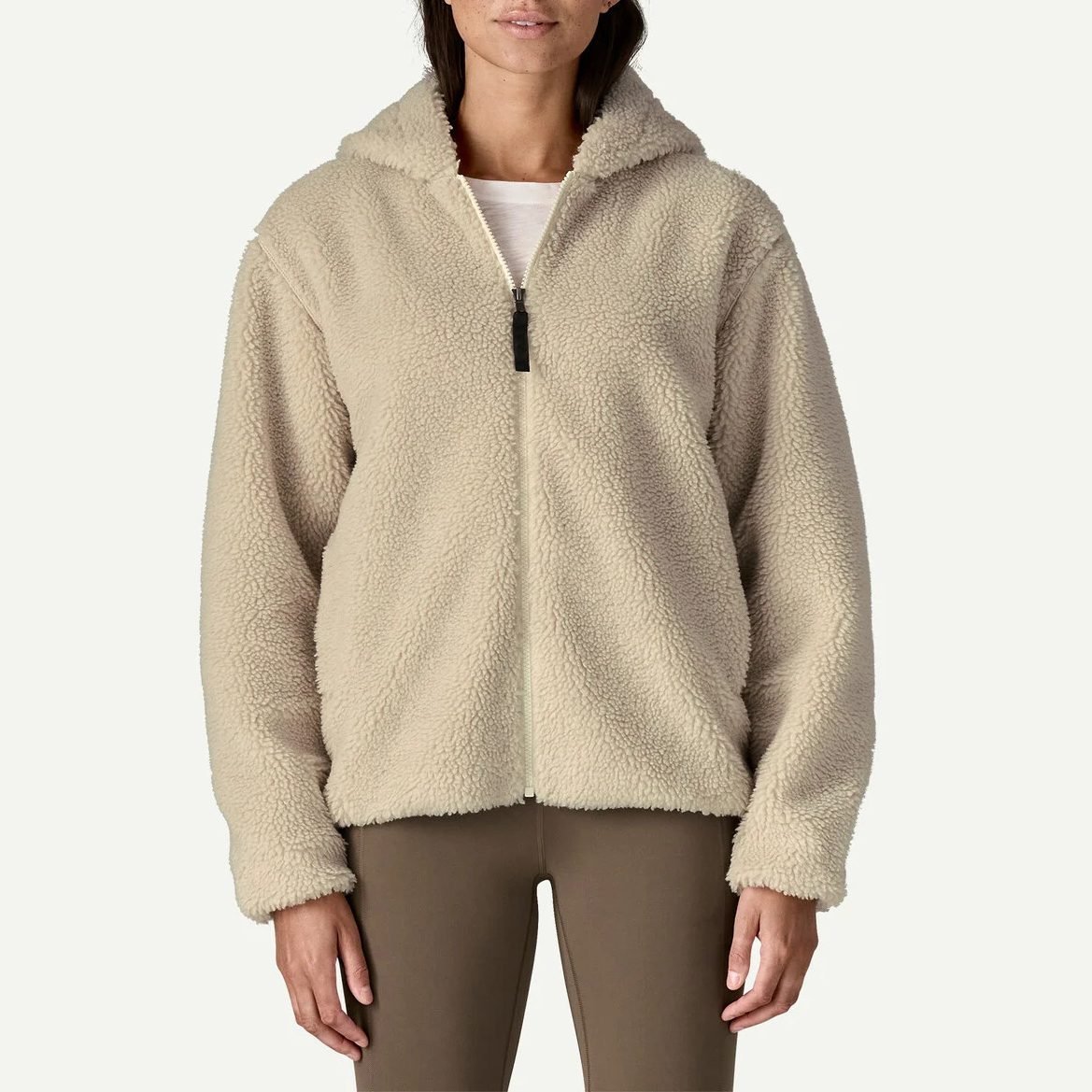
Collar styles range from classic point collars on trucker jackets to oversized shawl collars on streetwear iterations; each requires pattern adjustments to account for shrinkage during washing. Pocket configurations include chest flap pockets, hand-warmer side pockets, and interior welt pockets, all reinforced with bartack stitching to withstand stone-wash abrasion.
Fit silhouettes span oversized boyfriend cuts, cropped waist-length styles, and slim-fit trucker profiles. A washed denim jacket manufacturer grades patterns across size runs and pre-shrinks samples to confirm final measurements post-wash, ensuring that an oversized Medium retains its intended drop-shoulder width after enzyme treatment.
6. Key Quality Indicators in Washed Denim Jacket Production
Quality benchmarks separate premium washed denim jacket manufacturers from low-cost suppliers who skip critical checks. Verifying construction details and QC protocols before production prevents returns and protects brand reputation in competitive streetwear markets.
Critical Construction Benchmarks
Stress seams on washed denim jackets require 12–14 stitches per inch (SPI) to prevent blowouts after repeated wear and washing. Bar-tack reinforcement at pocket corners, button plackets, and armhole seams distributes tension across high-stress zones.
Colorfast dyeing must withstand post-wash testing; reputable manufacturers run Martindale rub tests and ISO 105 colorfastness checks to ensure indigo or sulfur dyes do not bleed onto lighter fabrics. Even wash fade distribution across yokes, sleeves, and hems signals controlled enzyme or stone-wash processing rather than random chemical application.
- Hardware: YKK or equivalent zippers with corrosion-resistant coatings; snap buttons tested to 50+ open-close cycles.
- Lining durability: 100% cotton or poly-cotton twill linings, minimum 200 GSM, reinforced at shoulder seams.
- Topstitching: Contrast or tonal thread, 3.5–4.0 mm stitch length, no skipped stitches or puckering.
Five-Step QC Process
Clothing Manufacturer Ltd. implements quality checks at every production stage rather than only at final inspection. Materials QC testing verifies fabric weight, shrinkage, and colorfastness before cutting. Cutting QC ensures pattern accuracy and grain alignment. Clothing craft QC audits construction techniques during assembly. Sewing production QC catches defects in-line. Finished clothing quality inspection applies AQL 2.5 sampling to confirm that garments meet brand standards before packing.
This methodology reduces defect rates from industry-average 5–8% to under 2%, cutting chargebacks and preserving retailer relationships. Brands receive detailed QC reports with photographic evidence at each checkpoint, enabling real-time corrections and transparent communication.
7. How to Choose the Right Washed Denim Jacket Manufacturer
Selecting a washed denim jacket manufacturer requires a structured evaluation framework that balances quality assurance, production flexibility, and transparent communication. Startups and independent designers should prioritize partners who demonstrate proven wash consistency, realistic MOQ ranges, and verifiable quality control processes.
Verify Certifications and Compliance Standards
Request documentation for OEKO-TEX Standard 100, GOTS (Global Organic Textile Standard), WRAP (Worldwide Responsible Accredited Production), or BSCI certifications. These credentials confirm that denim fabrics and wash chemicals meet safety, environmental, and labor standards recognized across North America and Europe.
Manufacturers who hold multiple certifications typically maintain stricter quality control protocols and traceability systems. Ask for certificate numbers and expiration dates to verify authenticity through issuing bodies’ online registries.
Assess Portfolio Samples for Wash Consistency
Examine at least three to five sample jackets from recent production runs, focusing on color uniformity across panels, consistent distressing patterns, and even fading gradients. Inconsistent wash results indicate inadequate quality testing between batches.
Request wash-test reports that document colorfastness (ISO 105 standards), shrinkage rates after three to five wash cycles, and tensile strength post-treatment. Manufacturers who cannot provide these reports often skip critical quality checkpoints during production.
Confirm MOQ Flexibility and Lead Times
Startups typically require MOQs between 50 and 500 units per style and colorway. Clarify whether quoted MOQs apply per design or per wash treatment, as some factories set separate minimums for each finishing technique.
Sampling lead times range from 7 to 14 days, while bulk production spans 25 to 45 days depending on order complexity and wash processes. Manufacturers who refuse to commit to written timelines or provide only vague estimates often face internal capacity issues that delay shipments.
Evaluate Communication and References
Responsive manufacturers reply to inquiries within 24 hours and provide detailed answers to technical questions about denim weight, wash formulas, and quality control stages. Request references from two to three brands in similar market segments and verify their experience with on-time delivery and wash consistency.
Factory visits or third-party audits (SGS, Bureau Veritas, Intertek) offer the most reliable assessment of production capabilities and quality systems. Red flags include vague pricing without itemized breakdowns, reluctance to share production timelines, and absence of documented QC processes at cutting, sewing, and finishing stages.
8. Common Mistakes When Sourcing a Washed Denim Jacket Manufacturer
Sourcing a washed denim jacket manufacturer requires careful due diligence to avoid costly errors that delay production, compromise quality, or expose intellectual property. Many brands fall into predictable traps that can be prevented with systematic checks and written agreements upfront.
Choosing Solely on Lowest Price
Selecting a washed denim jacket manufacturer based purely on the lowest quote often leads to inconsistent wash results, poor color fastness, and fabric distortion. Wash quality depends on enzyme formulations, stone ratios, and cycle times — variables that budget suppliers frequently cut to reduce costs.
Request lab-dip wash swatches for every colorway and finish before committing to production. Compare samples under daylight to verify consistency across batches, and specify acceptable color variation tolerances (typically ΔE ≤ 1.0 for premium lines) in your purchase agreement.
Skipping Sample Approval Stages
Proceeding directly to bulk production without approving pre-production samples risks receiving jackets that differ significantly in wash tone, fit, or construction details. Many manufacturers interpret design specs differently, especially for custom enzyme or stone washes.
Insist on a sealed pre-production sample that matches all specifications — fabric weight, wash shade, hardware, stitching — and retain it as the golden standard for final QC inspection before shipment.
Underestimating Lead Times for Custom Washes
Custom washes such as vintage acid, heavy stone, or hand-scraped finishes require 7–14 days of trial runs beyond standard production schedules. Brands that assume standard 30–45 day lead times for washed denim often miss launch windows.
Add 10–15 days to quoted timelines for any non-standard wash, and request a detailed production calendar that breaks out fabric sourcing, washing trials, sewing, and finishing separately.
Neglecting IP Protection and Compliance
Failing to sign non-disclosure agreements before sharing designs exposes proprietary wash formulas and graphics to potential copying. Additionally, many brands overlook REACH compliance for EU markets or California Prop 65 limits on formaldehyde and heavy metals in denim washes.
Execute NDAs before sending tech packs, and require third-party test reports (SGS, Intertek) confirming that wash chemicals meet your target market’s regulatory standards.
9. Steps to Launch Your Washed Denim Jacket Collection
Launching a washed denim jacket collection requires a structured workflow that spans 8–16 weeks from initial concept to warehouse delivery. Each stage involves specific collaboration touchpoints with your washed denim jacket manufacturer to ensure design intent, quality standards, and production timelines align.
Concept Development and Tech-Pack Creation
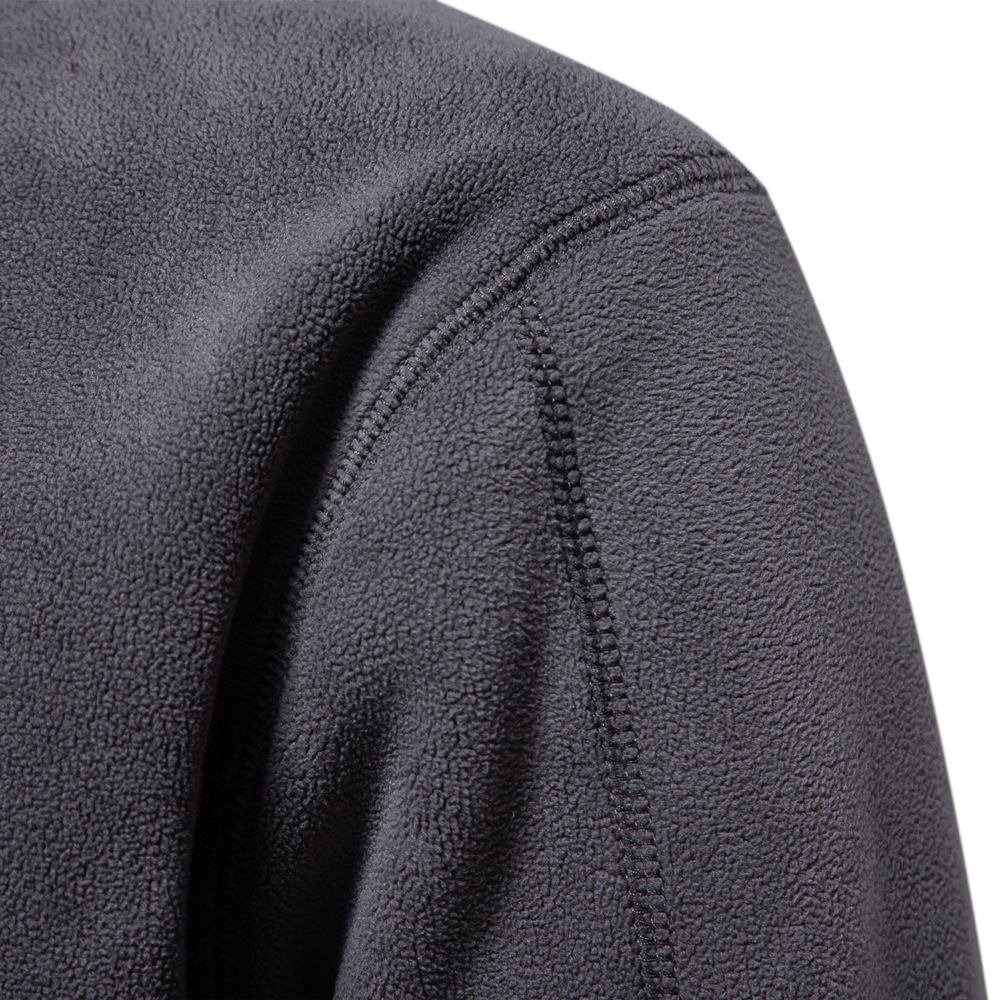
Begin with mood boards that define silhouette, wash effects, hardware, and branding placement. Translate visual concepts into a technical package specifying measurements (chest, shoulder, sleeve length), denim weight (10–14 oz), wash type (stone, enzyme, acid, or bleach), and hardware details (YKK zippers, rivet finish, button style).
Share the tech-pack with your manufacturer for a feasibility review. Experienced suppliers will flag cost drivers—such as complex wash gradients or custom metal trims—and propose alternatives that preserve design integrity while meeting your budget.
Sample Rounds: Proto, Fit, and Production-Intent
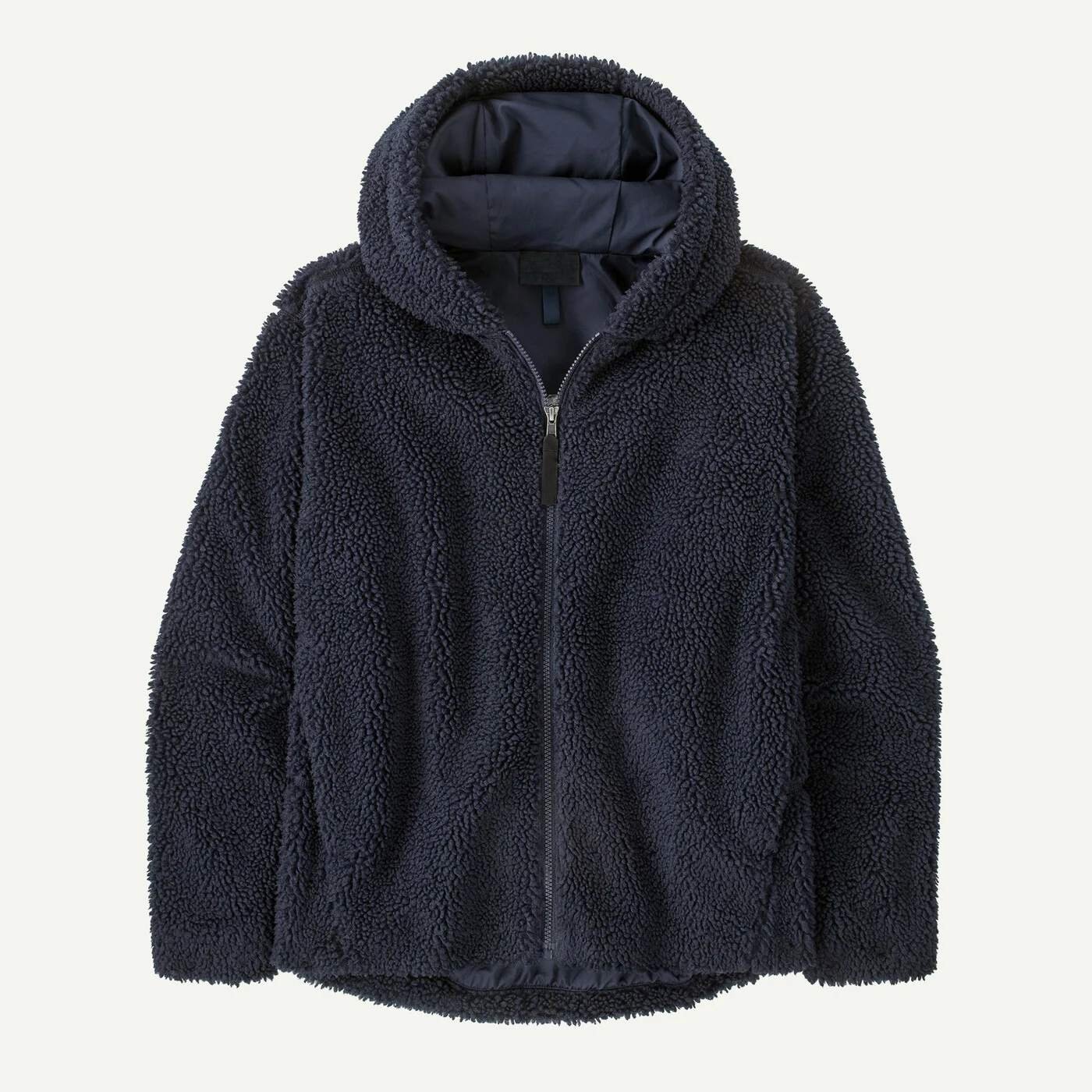
Request a prototype sample to validate construction and wash result; expect 10–14 days turnaround. Conduct fit sessions to confirm grading across sizes (S–XXL) and request adjustments to armhole depth, hem length, or collar stand.
Once fit is approved, order a production-intent sample using final fabrics and trims. This sample serves as the golden standard for bulk production and should pass your five-step QC methodology: materials, cutting, craft, sewing, and finished-garment inspection.
Bulk Order and In-Line Quality Checkpoints
Negotiate MOQ (typically 100–500 units per colorway), unit cost, payment terms (30% deposit, 70% before shipment), and delivery schedule. Confirm that your manufacturer conducts in-line QC at cutting, sewing, and washing stages—not only final inspection—to catch defects early.
Request photo updates at each checkpoint: fabric rolls, cut panels, assembled bodies pre-wash, and finished jackets post-wash. This transparency reduces costly rework and ensures adherence to your approved production-intent sample.
Final Inspection and Logistics
Schedule a final QC inspection before packing, verifying wash consistency, stitch integrity, hardware function, and label placement across the full order. Arrange shipping (air for speed, sea for cost) and confirm Incoterms (FOB, CIF, DDP) to clarify responsibility for customs and duties.
Allow 2–3 weeks for ocean freight to North America or Europe, plus clearance time. Coordinate with your manufacturer on carton labeling and packing lists to streamline warehouse receiving and inventory management.
10. Pricing and Cost Breakdown for Washed Denim Jackets
Washed denim jacket pricing from a washed denim jacket manufacturer varies by order volume, fabric specification, and wash complexity. A 50-unit order of mid-weight 12 oz denim with basic enzyme wash typically ranges $28–$35 per jacket, while 1,000-unit orders drop to $18–$22 per piece due to economies of scale in cutting and washing. Lead times span 25–35 days for smaller batches and 35–45 days for orders exceeding 500 units that require extended wash cycles and quality checks.
Wash technique directly impacts cost. Basic stone wash or enzyme wash adds $2–$4 per jacket, whereas multi-stage distressing with hand sanding, whisker effects, and bleach spots increases labor by $6–$10 per unit. Premium selvedge denim (14–16 oz) commands a $5–$8 fabric surcharge compared to standard ring-spun denim, and compliance testing for OEKO-TEX or REACH certification adds $300–$600 per production run.
Customization fees follow industry norms: embroidery setup costs $80–$150 per design with $1.50–$3.00 per 1,000-stitch placement, screen printing runs $40–$80 setup plus $0.80–$1.50 per print, and custom metal hardware (YKK zippers, branded buttons) adds $1.20–$2.50 per jacket. Brands should budget an additional 8–12% for packaging upgrades such as hang tags, poly bags, and branded boxes when calculating total landed cost.
| Quantity Tier | Price per Unit (USD) | Lead Time (Days) | Wash Add-On |
|---|---|---|---|
| 50–99 units | $28–$35 | 25–30 | Basic enzyme: +$2–$4 |
| 100–299 units | $24–$30 | 28–35 | Stone wash: +$3–$5 |
| 300–499 units | $21–$26 | 30–38 | Multi-stage distress: +$6–$10 |
| 500–999 units | $19–$24 | 35–42 | Hand-finished details: +$8–$12 |
| 1,000+ units | $18–$22 | 35–45 | Premium selvedge: +$5–$8 |
Ready to Launch Your Washed Denim Jacket Line?
Partner with a trusted washed denim jacket manufacturer backed by our 5-step QC guarantee and low MOQ for emerging brands.