
Premium Wholesale Denim Jackets — 50-Piece MOQ, 7-Day Samples
Launch your streetwear line with custom wholesale denim jackets backed by our 5-step QC guarantee, in-house design support, and fast turnaround for emerging brands worldwide.
Wholesale Denim Jacket Styles & Collections
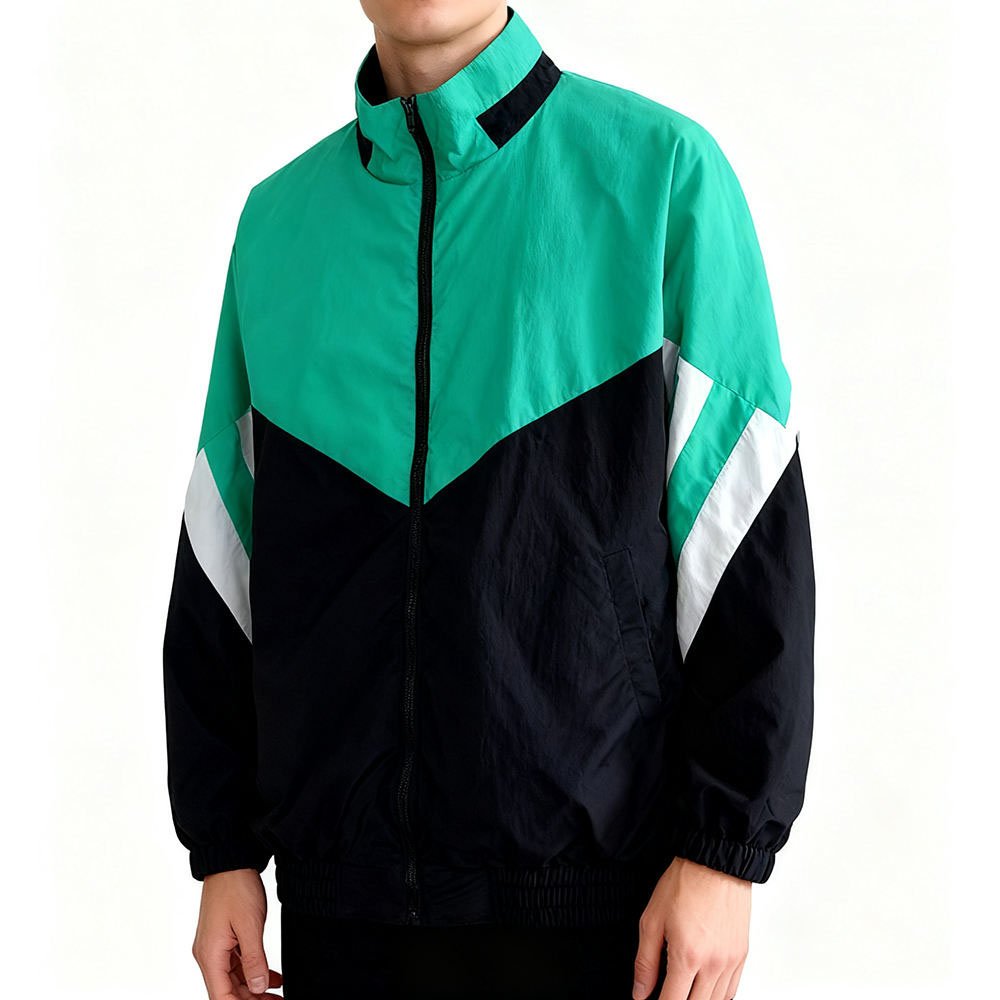
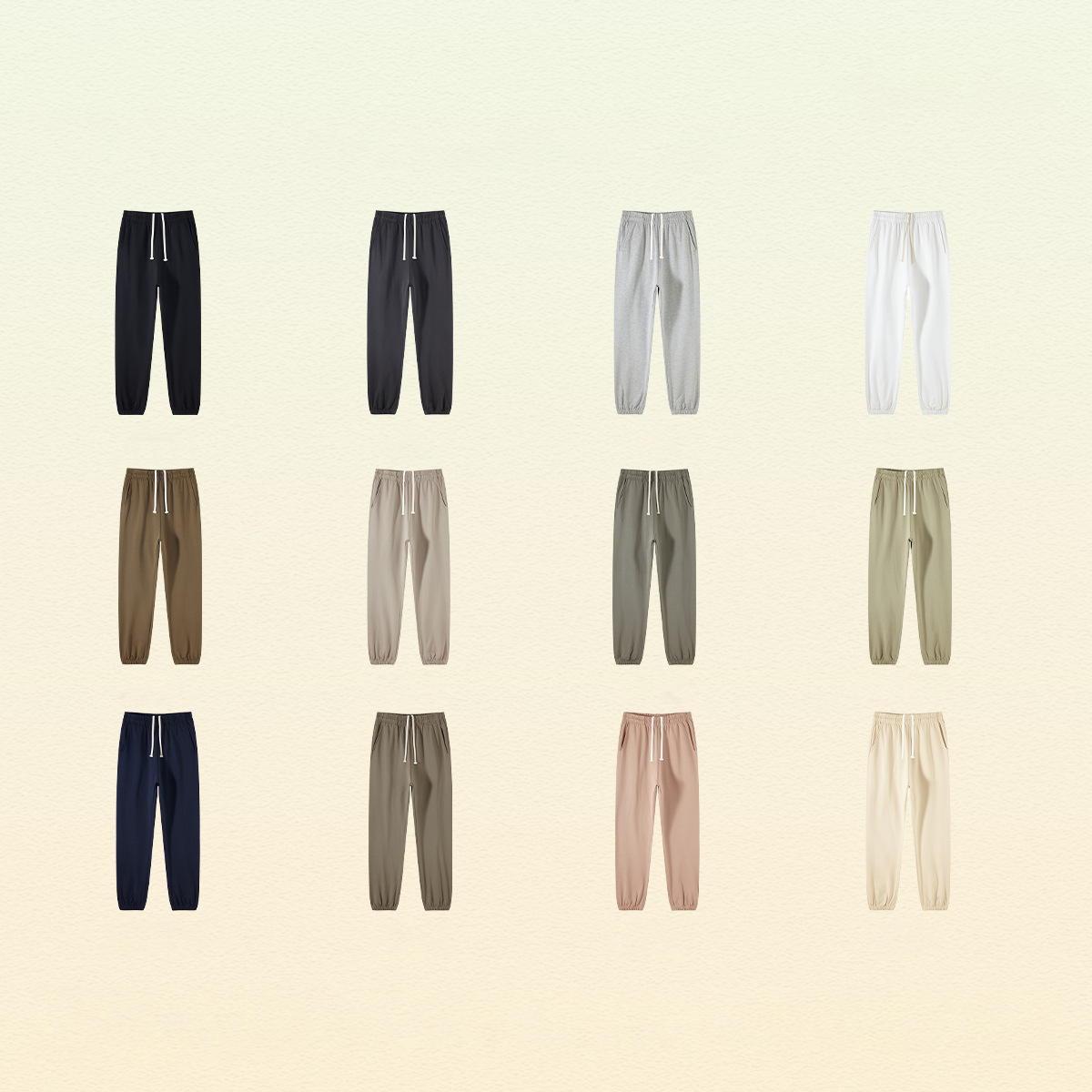
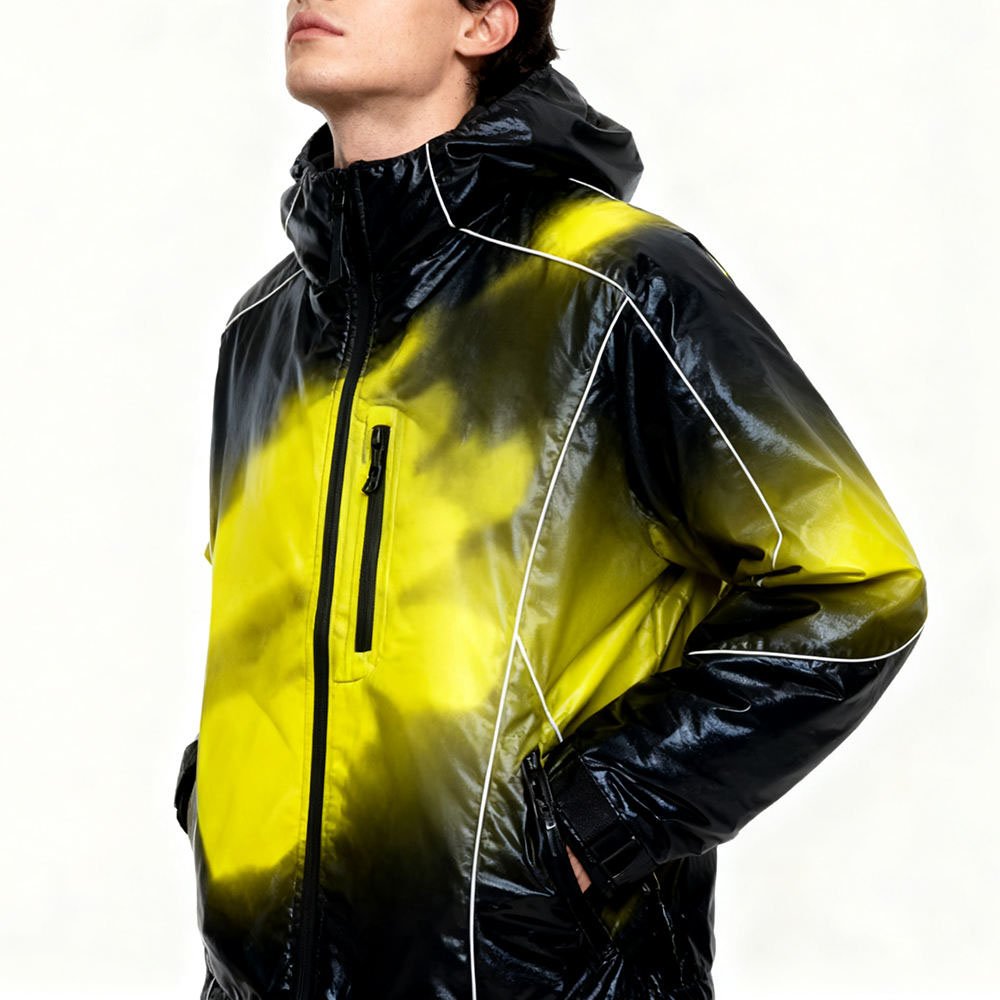
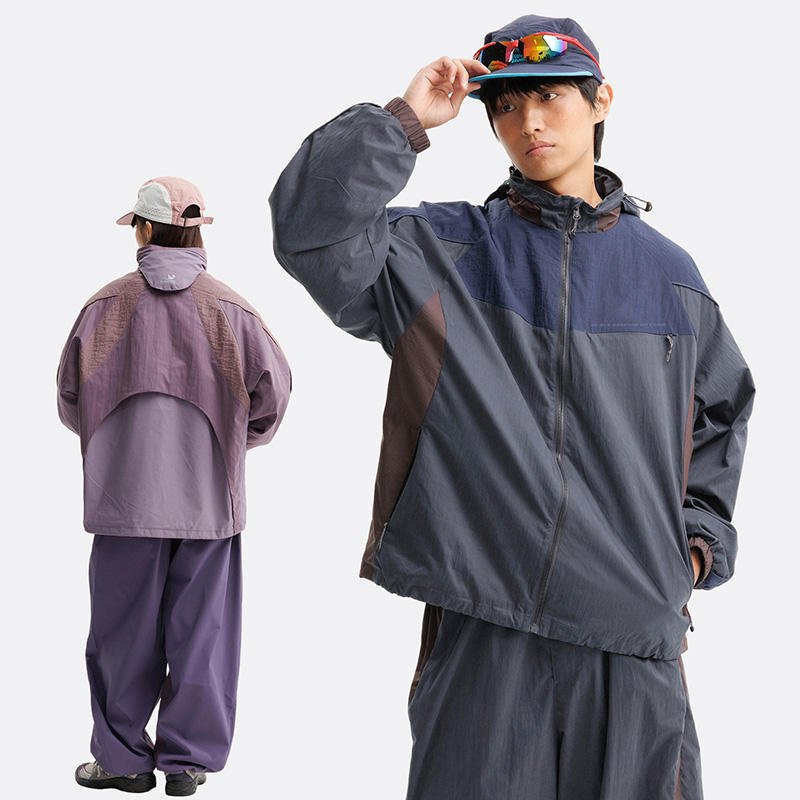
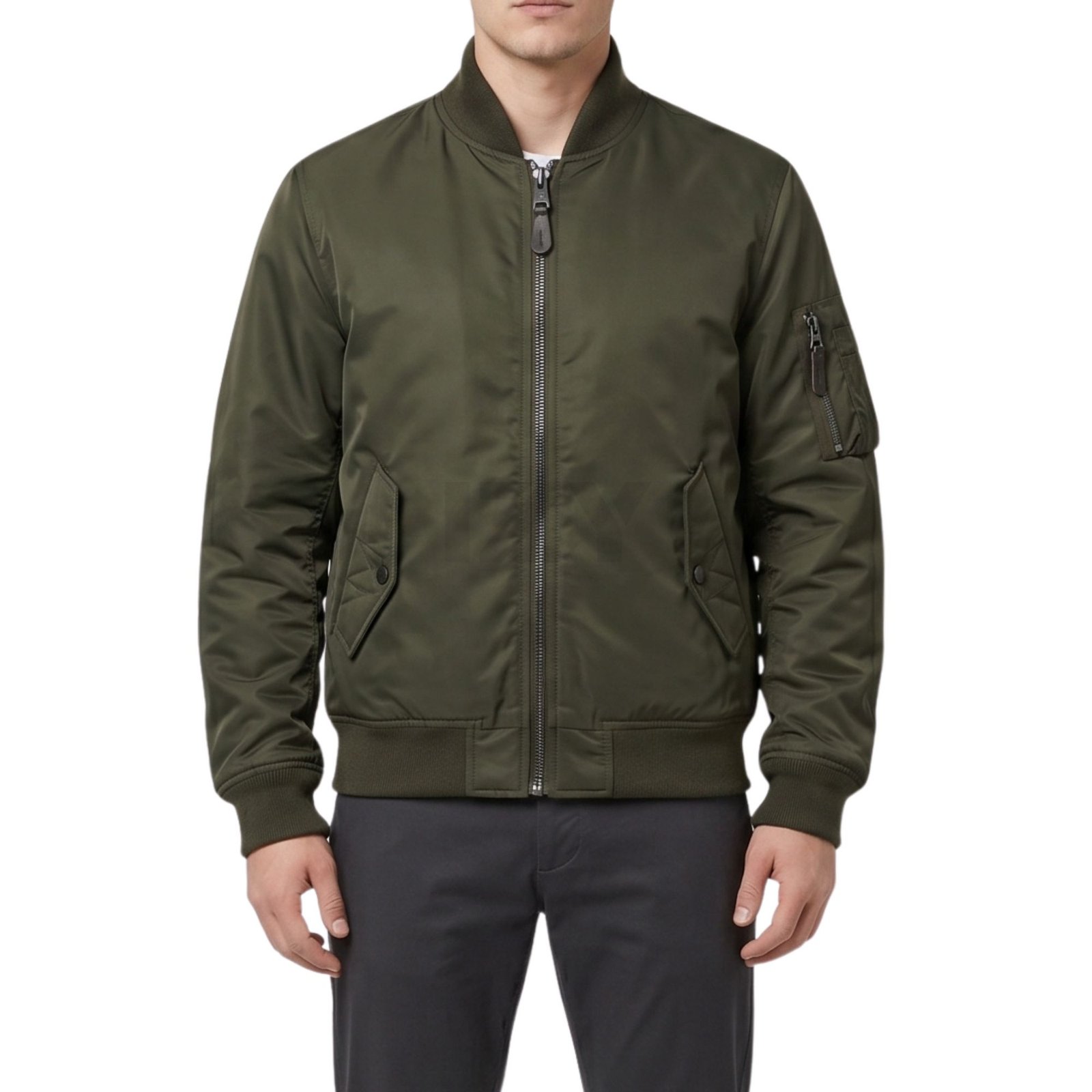
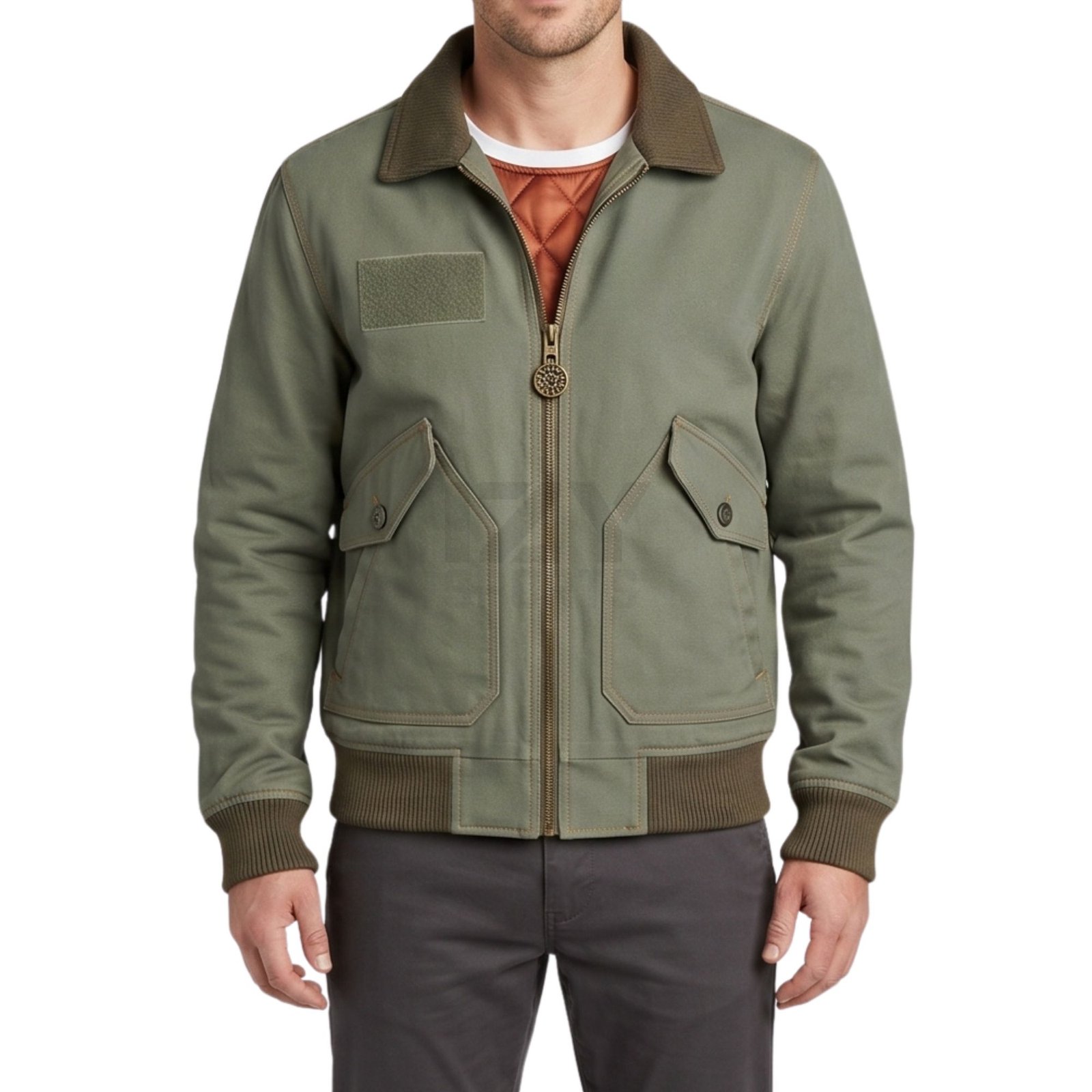
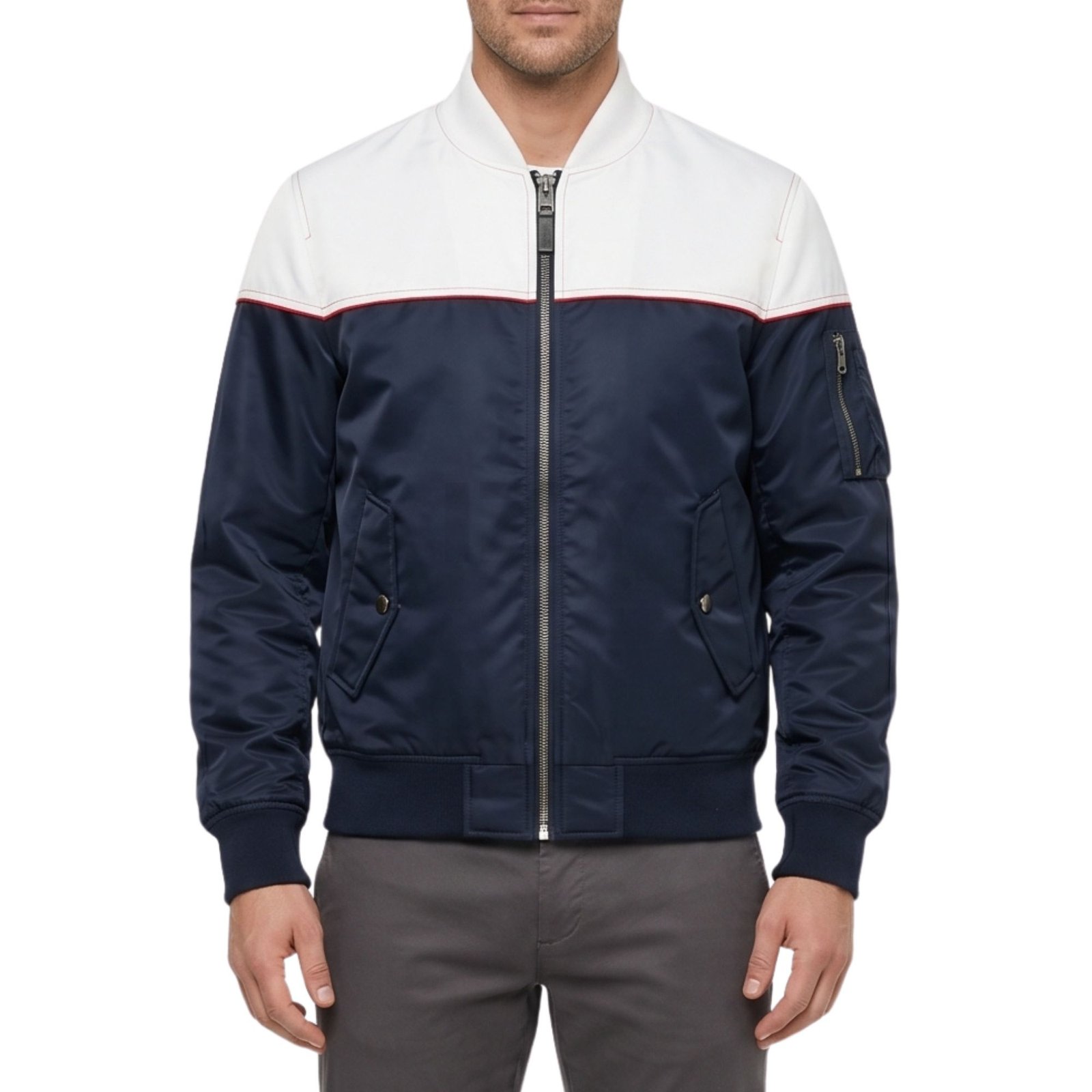
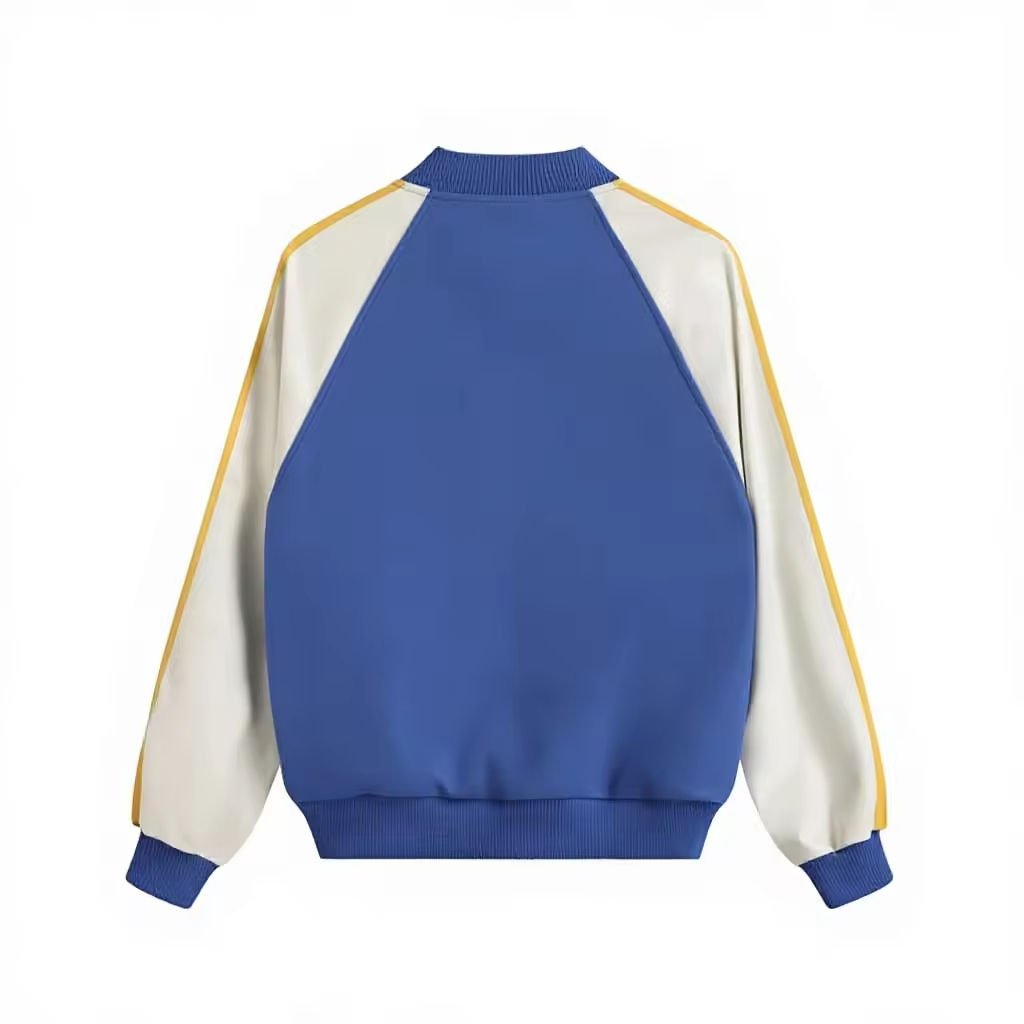
Why Wholesale Denim Jackets From Us Stand Out
Premium craftsmanship, streetwear expertise, and zero-compromise quality control for global brands and startups
5-Step Quality Control Guarantee
Every wholesale denim jacket undergoes rigorous QC at materials, cutting, craft, sewing, and final inspection stages before shipping.
In-House Streetwear Design Team
Our 15-member R&D team creates trend-driven denim designs with authentic streetwear elements and customization support.
Fast Turnaround for Collections
7-day sample production and optimized workflows ensure your wholesale denim jackets reach market ahead of seasonal trends.
50-Piece MOQ for Startups
Launch your brand with accessible wholesale denim jacket minimums designed for emerging labels and independent designers.
Global Shipping & Logistics
Reliable international shipping to over 100 countries with full customs support and transparent tracking for every order.
10+ Years Production Expertise
Decade-plus experience in streetwear manufacturing and 10 patents ensure technical excellence in every wholesale denim jacket.
Wholesale Denim Jackets for Every Brand Vision
From classic blue to statement embroidery, discover how each denim jacket style solves specific positioning challenges for streetwear brands, startups, and global retailers.
Classic Blue Denim Jackets
Emerging brands need timeless, versatile pieces that appeal to broad audiences without sacrificing quality or requiring massive upfront investment in inventory that may not move.
Our classic blue wholesale denim jackets offer universal appeal with 50-piece MOQ, letting startups test markets confidently while our 5-step QC ensures every jacket reflects premium craftsmanship that builds customer loyalty.
Oversized Fit Denim Jackets
Streetwear brands struggle to find manufacturers who understand contemporary silhouettes and can deliver trend-accurate oversized fits that maintain structure without looking sloppy or poorly constructed.
Leveraging 6 years of streetwear expertise, we engineer oversized denim jackets with precise pattern grading and reinforced construction, delivering the relaxed aesthetic your audience expects with durability that withstands daily wear.
Vintage Wash Denim Jackets
Independent designers want authentic vintage aesthetics but lack access to specialized wash techniques and quality denim that achieves worn-in character without compromising fabric integrity or color consistency across production runs.
Our advanced denim production techniques create genuine vintage washes with controlled fading and distressing. Each batch undergoes rigorous materials QC and finished garment inspection to guarantee consistent, authentic results at wholesale scale.
Embroidered Denim Jackets
Influencer and creator brands need statement pieces with custom embroidery that elevates their visual identity, but most manufacturers deliver inconsistent stitching quality or can't accommodate intricate, multi-color designs at accessible minimums.
Our in-house design team translates your artwork into flawless embroidery with clothing craft QC testing at every stage, ensuring thread tension, color accuracy, and placement perfection across every wholesale denim jacket in your order.
Printed Graphic Denim Jackets
Fashion startups launching bold collections face long lead times and quality gambles with suppliers who skip mid-production checks, resulting in print bleeds, misalignment, or graphics that crack after minimal wear.
We apply cutting QC testing and sewing production QC to every printed denim jacket, catching defects early. Fast turnaround for seasonal collections means your graphic pieces hit market on-trend, backed by our zero-compromise quality guarantee.
Premium Denim Fabrics for Wholesale Denim Jackets
14oz Sanforized Denim
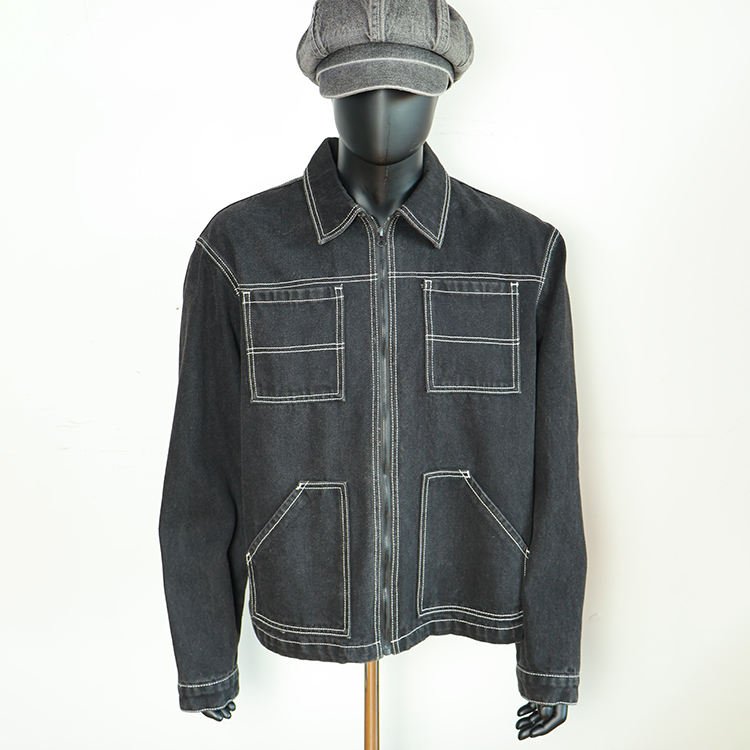
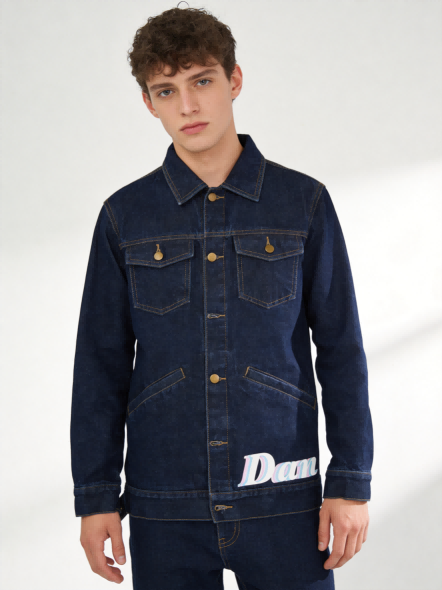
Pre-shrunk heavyweight denim engineered for dimensional stability and minimal shrinkage after washing. Perfect for classic trucker jackets and oversized fits requiring consistent sizing. Dense weave offers exceptional durability and wind resistance for outdoor-ready streetwear pieces.
Stretch Denim Blend
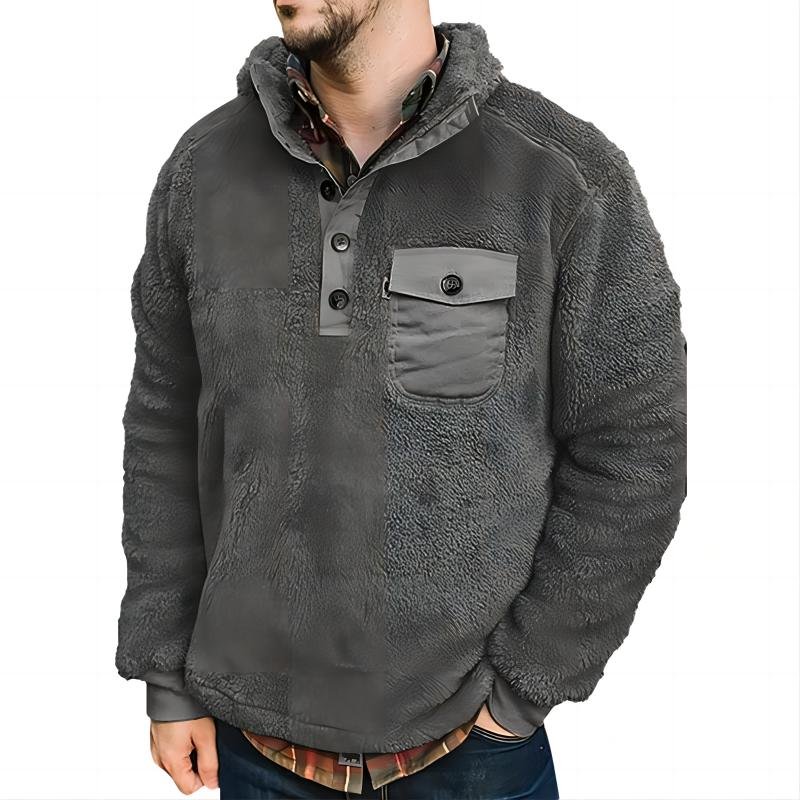
Cotton-elastane blend combining traditional denim aesthetics with modern comfort and mobility. Contains 2-4% spandex for enhanced flexibility without compromising structure. Ideal for fitted silhouettes and contemporary streetwear designs that demand both style and movement.
Recycled Denim
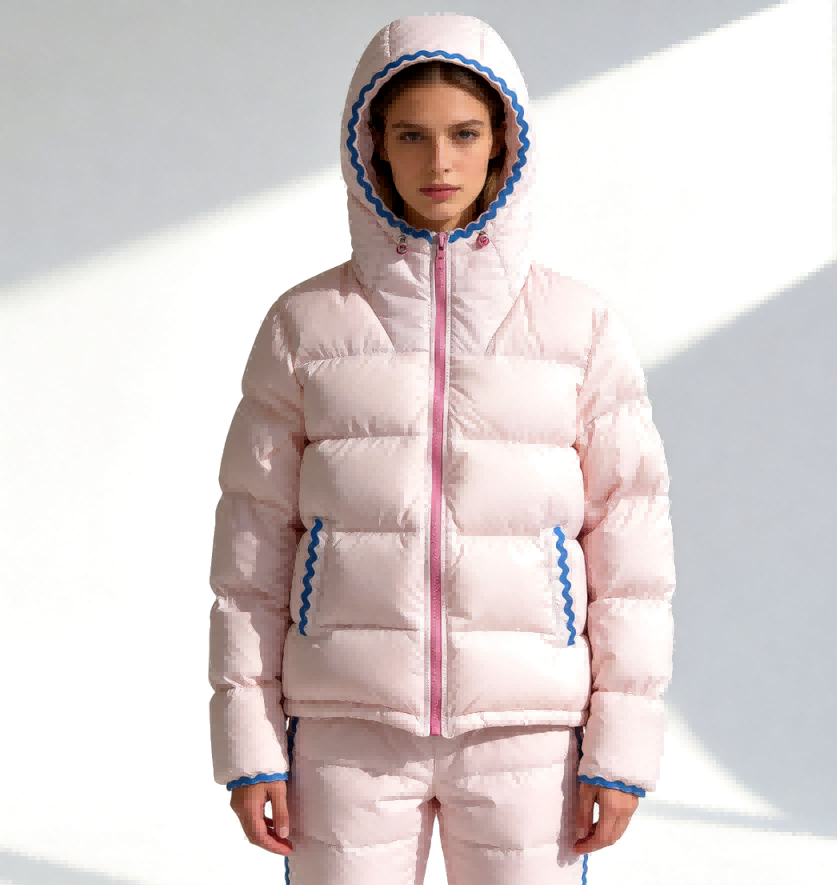
Eco-conscious fabric crafted from post-consumer denim waste and recycled cotton fibers. Reduces environmental impact by 60% compared to virgin denim while maintaining comparable strength and hand-feel. Perfect for sustainable fashion brands and environmentally aware streetwear collections.
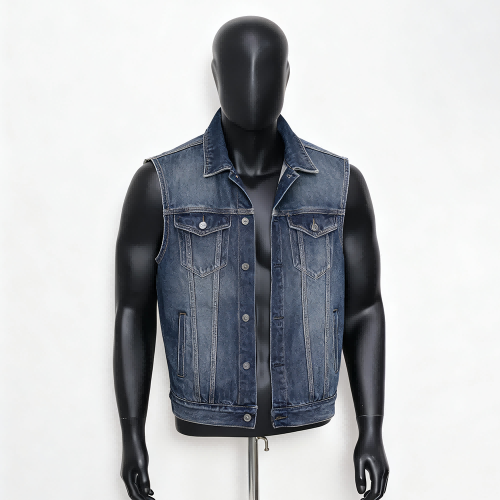
Black Sulfur Denim
Deep black denim dyed with sulfur for rich, fade-resistant color that maintains intensity through multiple washes. Heavier 13oz weight provides substantial feel and premium drape. Exceptionally popular for dark streetwear aesthetics and gothic-inspired jacket designs.
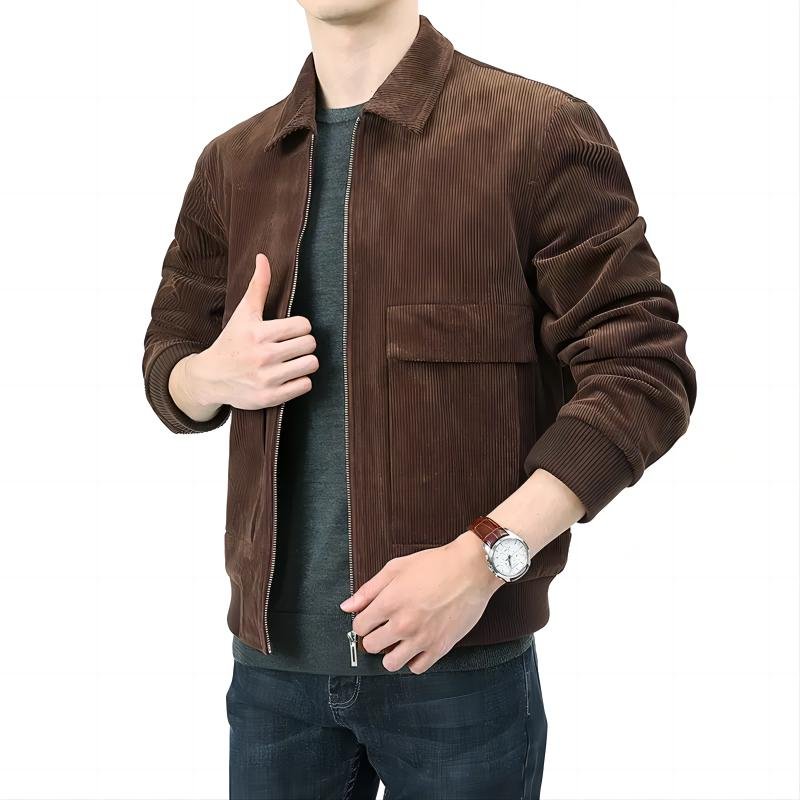
Japanese Selvage Denim
Premium shuttle-loom denim featuring authentic selvage edge and tight, uniform weave. Sourced from heritage Japanese mills known for superior craftsmanship and longevity. Commands higher price points and appeals to discerning streetwear customers seeking heirloom-quality pieces.
Advanced Production Techniques for Wholesale Denim Jackets
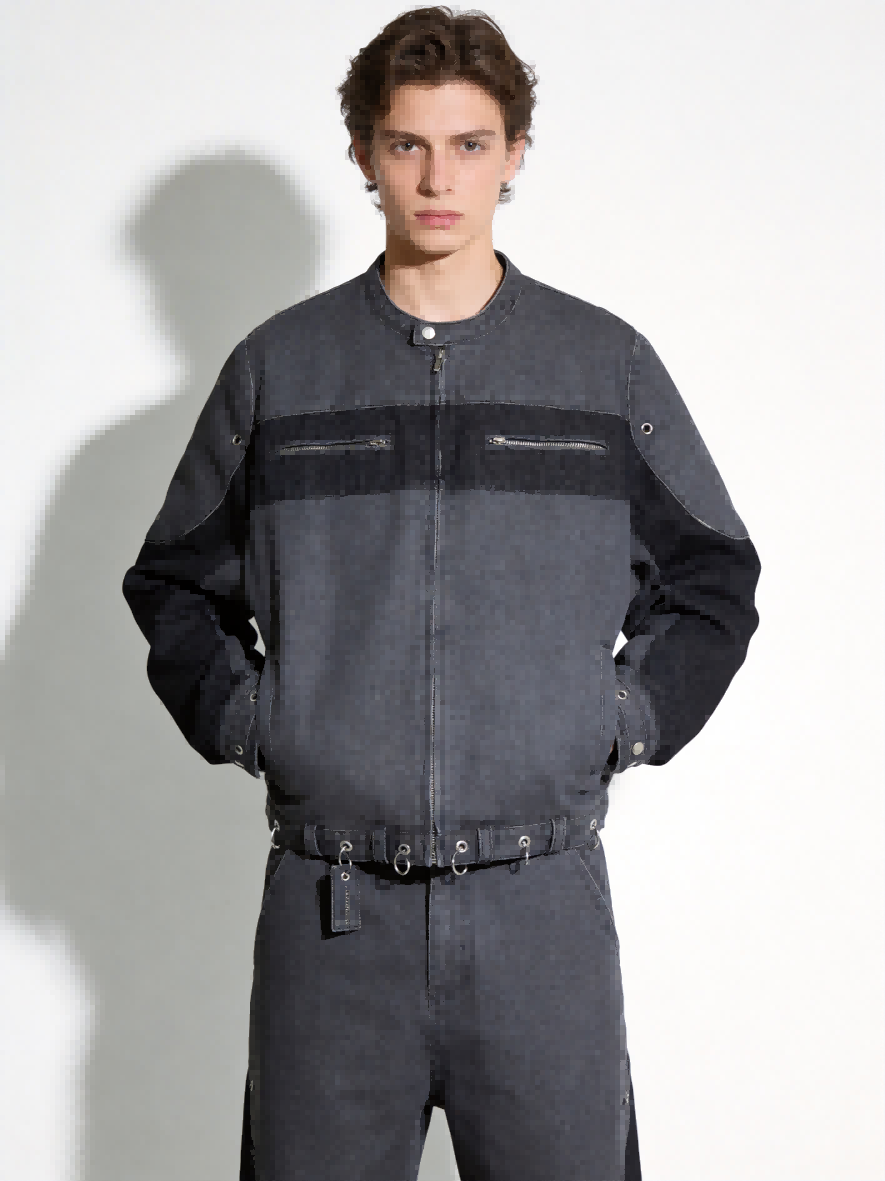
Stone Wash
Tumbled with volcanic stones to create a soft, lived-in texture and faded vintage appearance. Delivers authentic worn-in character with enhanced comfort and lasting durability for streetwear collections.
Acid Wash
Chemical treatment producing distinctive marbled, high-contrast patterns with unique color variations. Perfect for bold, retro-inspired denim jackets that capture attention and align with trend-forward streetwear aesthetics.
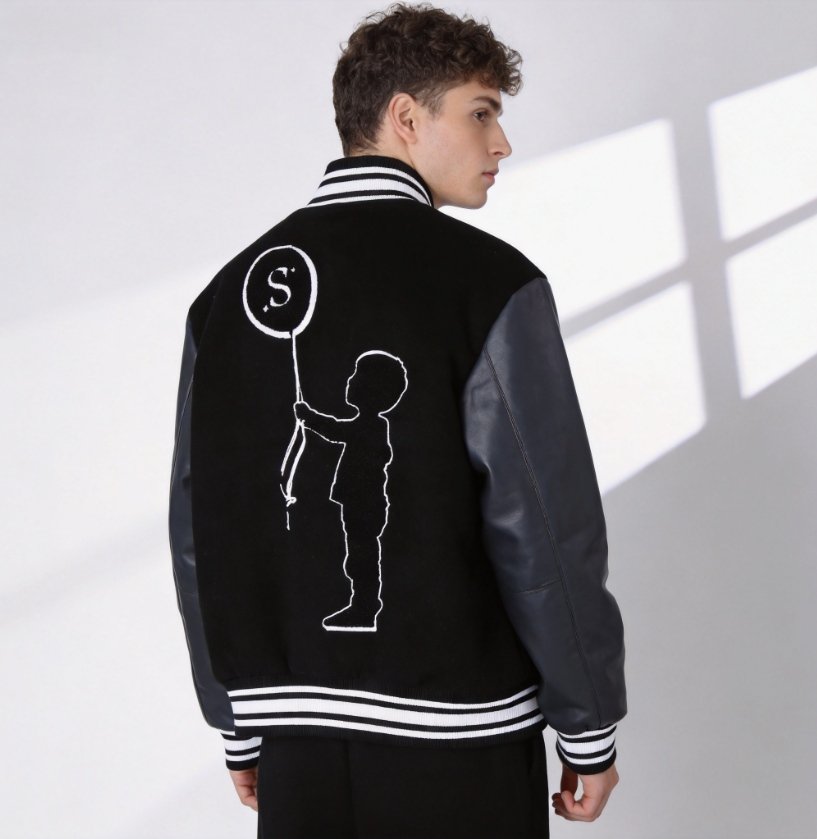
Custom Embroidery
Precision thread work for logos, graphics, and intricate designs on collars, backs, and sleeves. Adds premium texture and brand identity with exceptional wash resistance and professional finish.
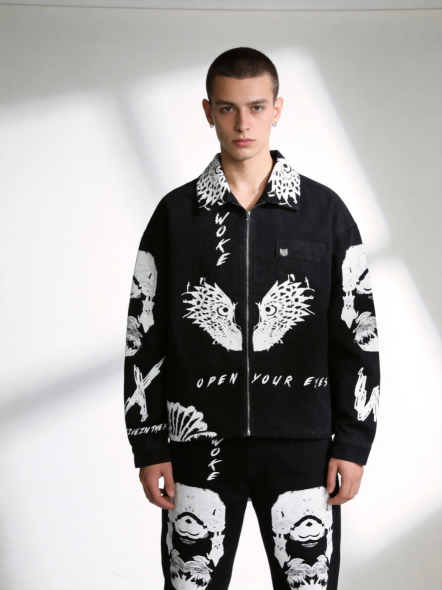
Screen Printing
High-opacity ink application for vibrant graphics, oversized prints, and bold branding on denim surfaces. Ideal for large-scale designs and statement pieces with excellent color saturation and durability.
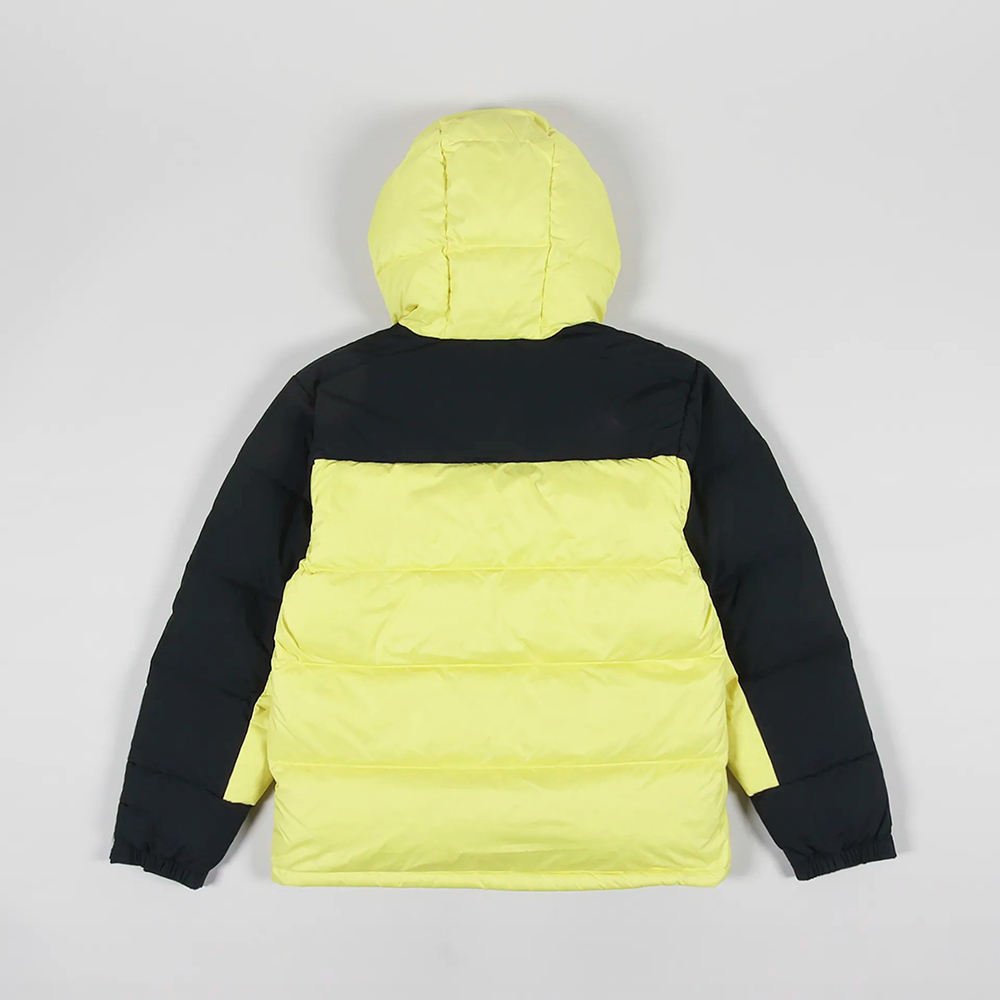
Custom Dyeing
Specialized pigment and reactive dye processes to achieve unique colorways beyond traditional indigo. Create signature hues for your brand with consistent batch-to-batch color matching and fade resistance.
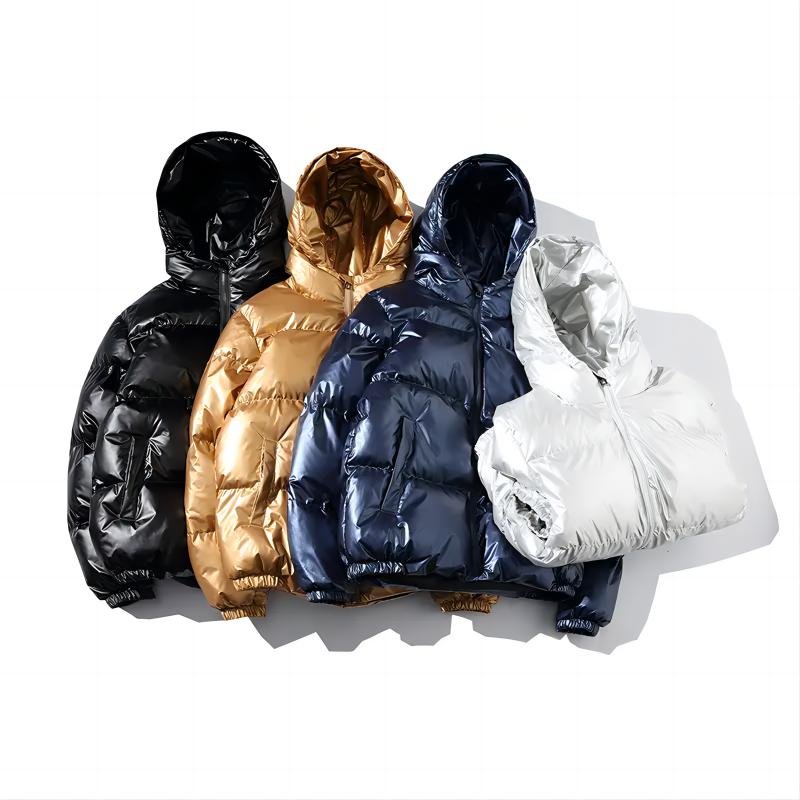
Distressing & Ripping
Hand-guided and machine-controlled abrasion, fraying, and strategic tears for authentic worn aesthetics. Delivers controlled edge detail and grunge appeal that resonates with streetwear and influencer audiences.
Premium Hardware & Accessories for Wholesale Denim Jackets
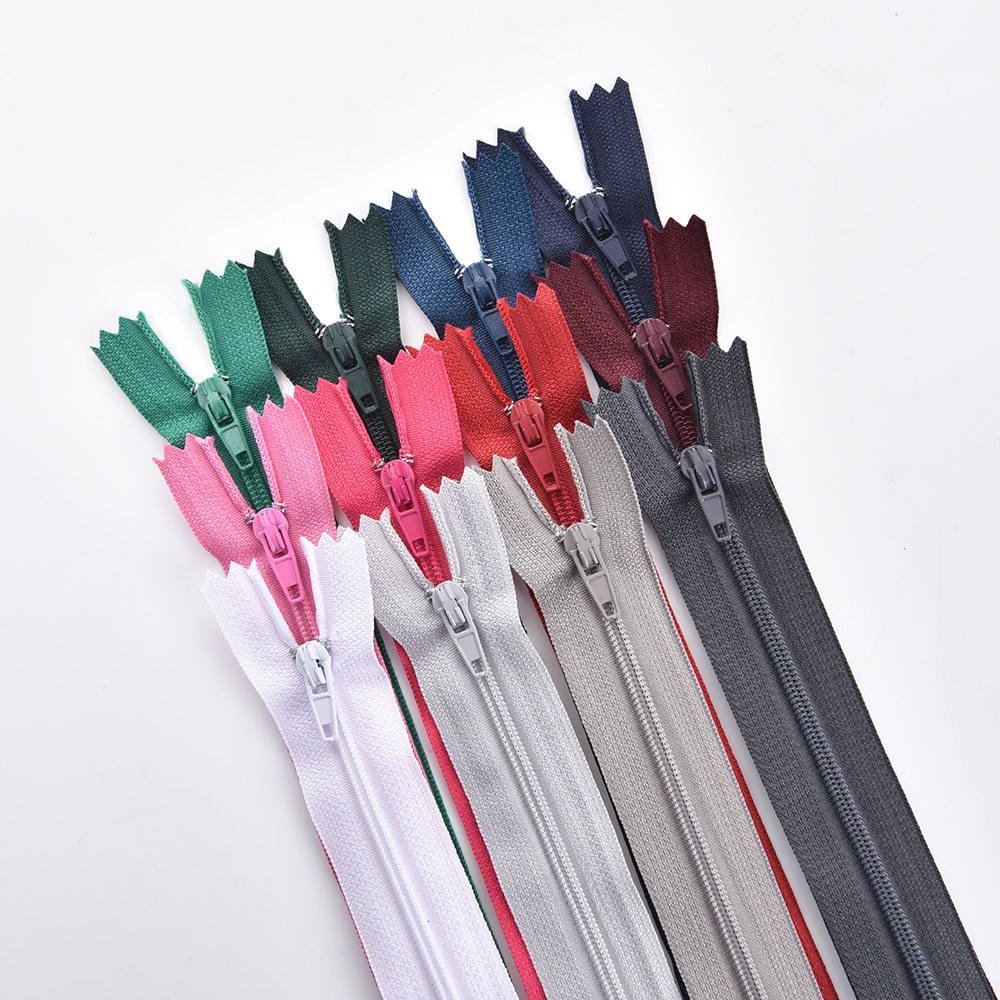
YKK Metal Zippers
Heavy-duty YKK zippers engineered for denim jackets, available in antique brass, gunmetal, and custom finishes. Perfect for front closures and pocket details, these zippers withstand thousands of cycles while maintaining smooth operation and streetwear aesthetics.
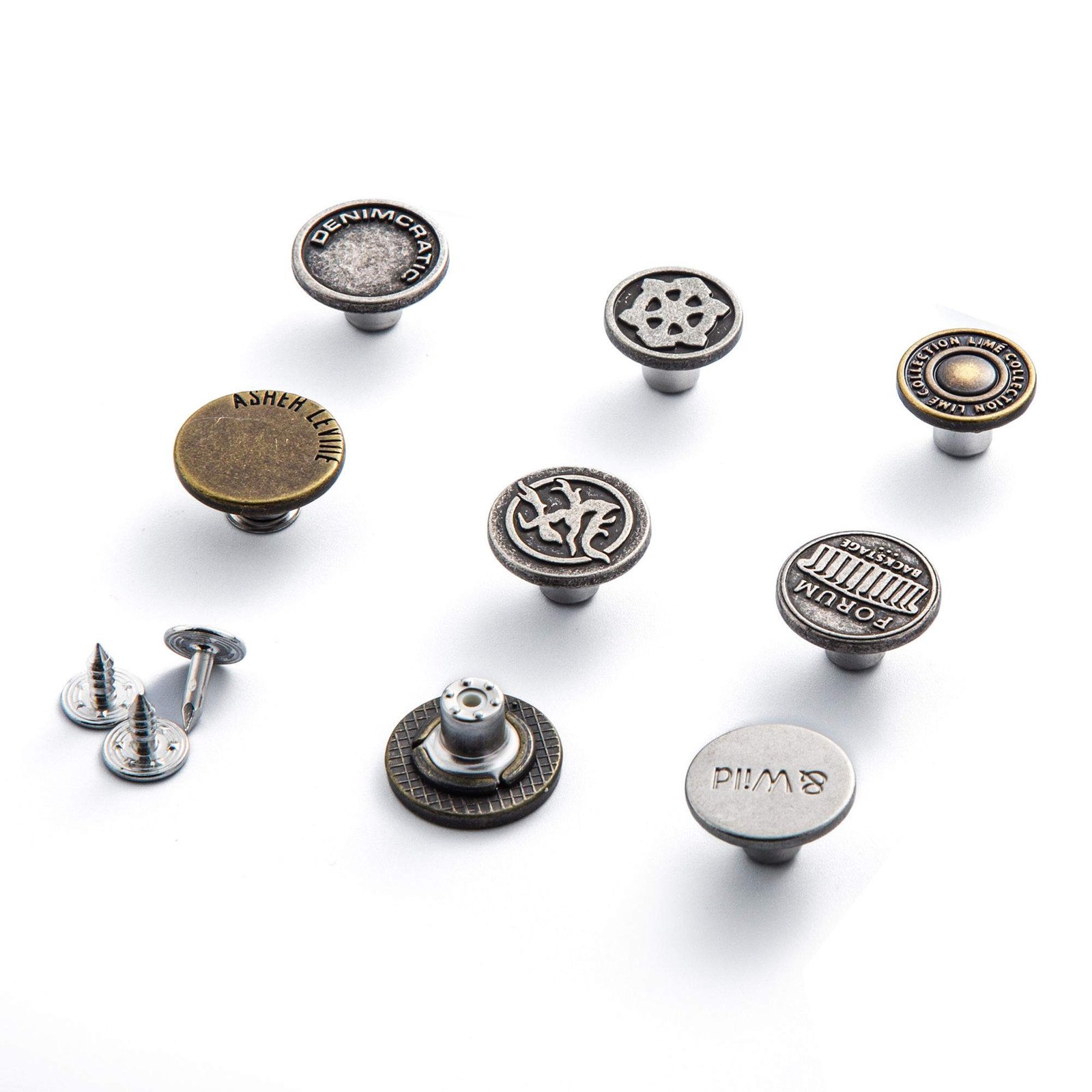
Custom Metal Buttons
Engraved or embossed metal buttons in brass, copper, nickel, and matte black finishes. Ideal for front plackets, cuffs, and chest pockets on wholesale denim jackets. Available with your logo or custom iconography to reinforce brand identity.
Leather Patches
Genuine or vegan leather patches for back waistbands, interior neck labels, or exterior branding. Debossed, embossed, or laser-engraved with your logo. A premium touch that transforms standard wholesale denim jackets into signature pieces for streetwear and designer brands.
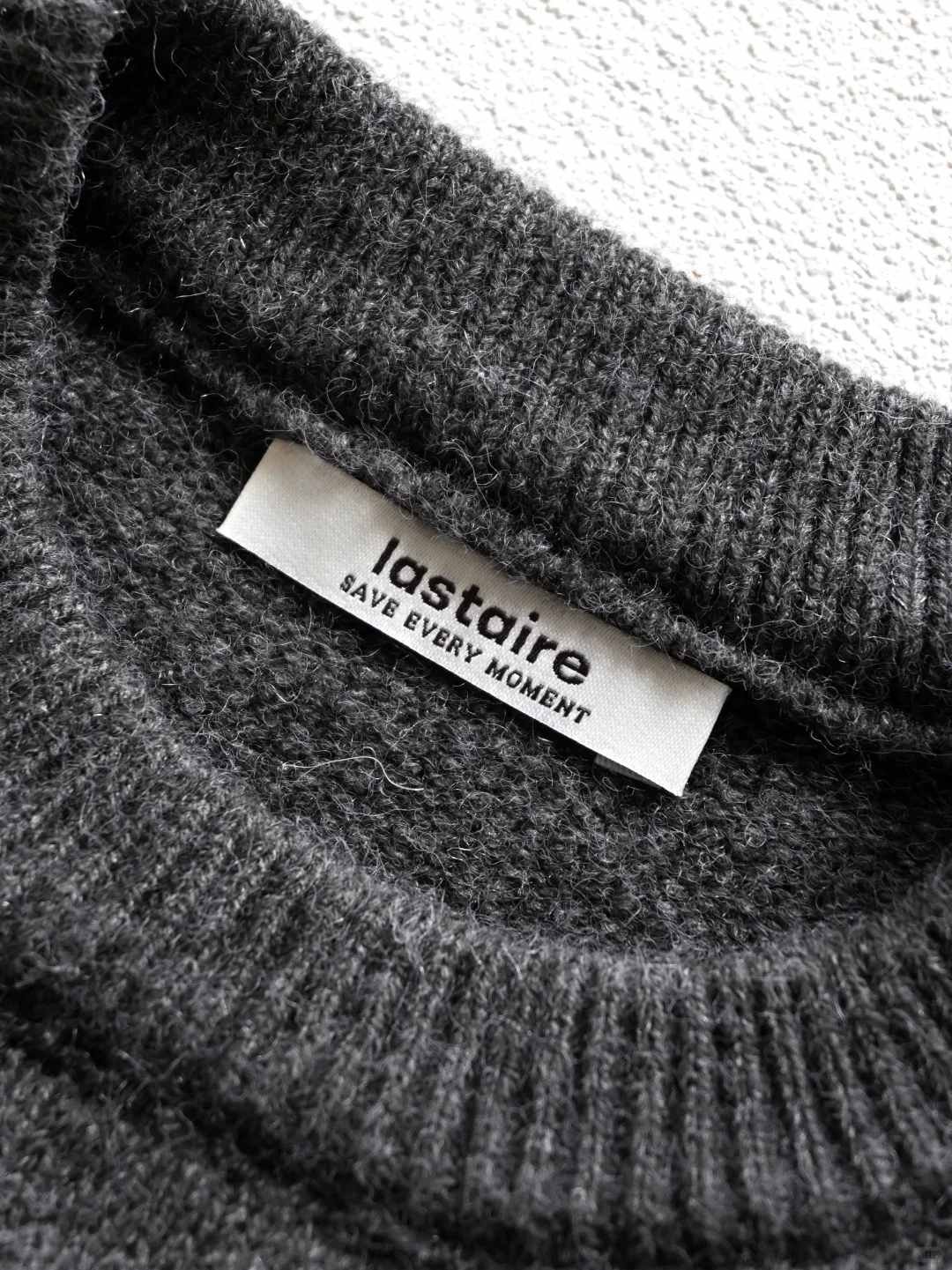
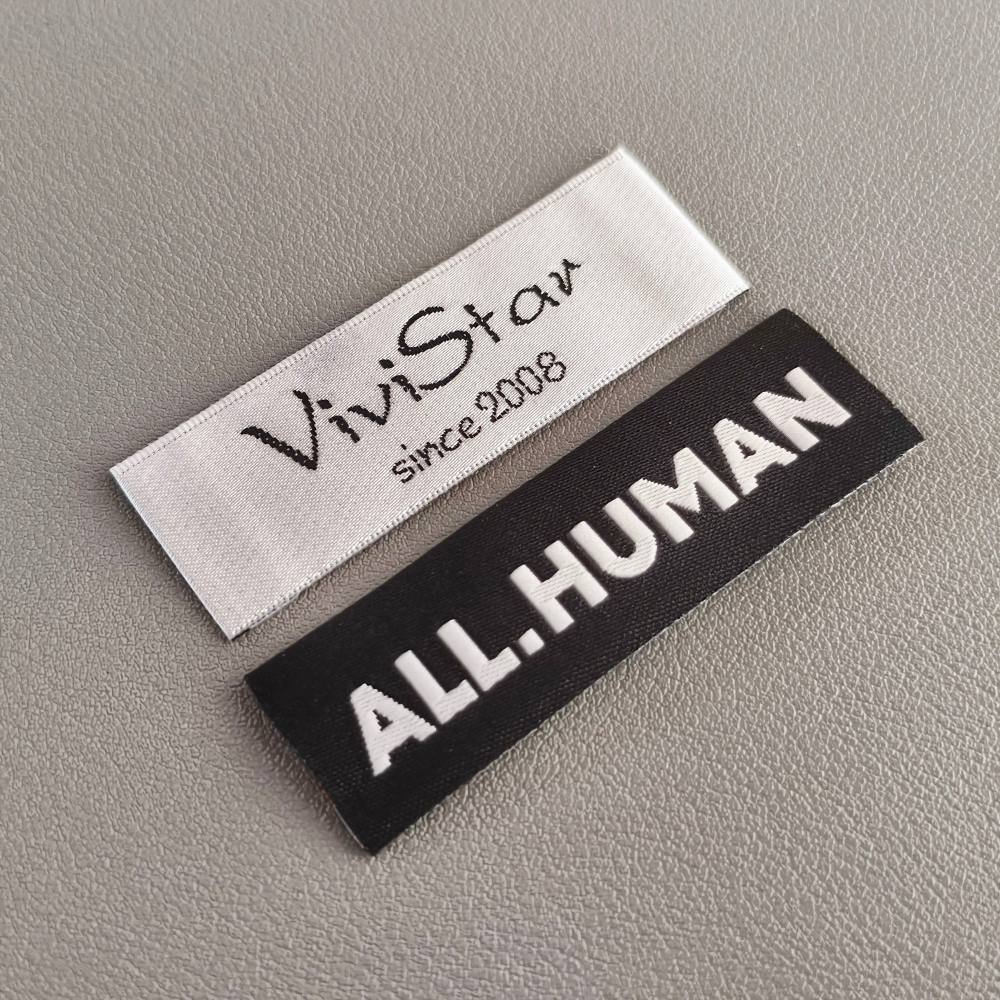
Woven Brand Labels
High-density woven labels in damask, taffeta, or satin for neck tags, side seams, and interior branding. Fade-resistant threads ensure your brand stays visible wash after wash. Essential for establishing authenticity in wholesale denim jacket collections.
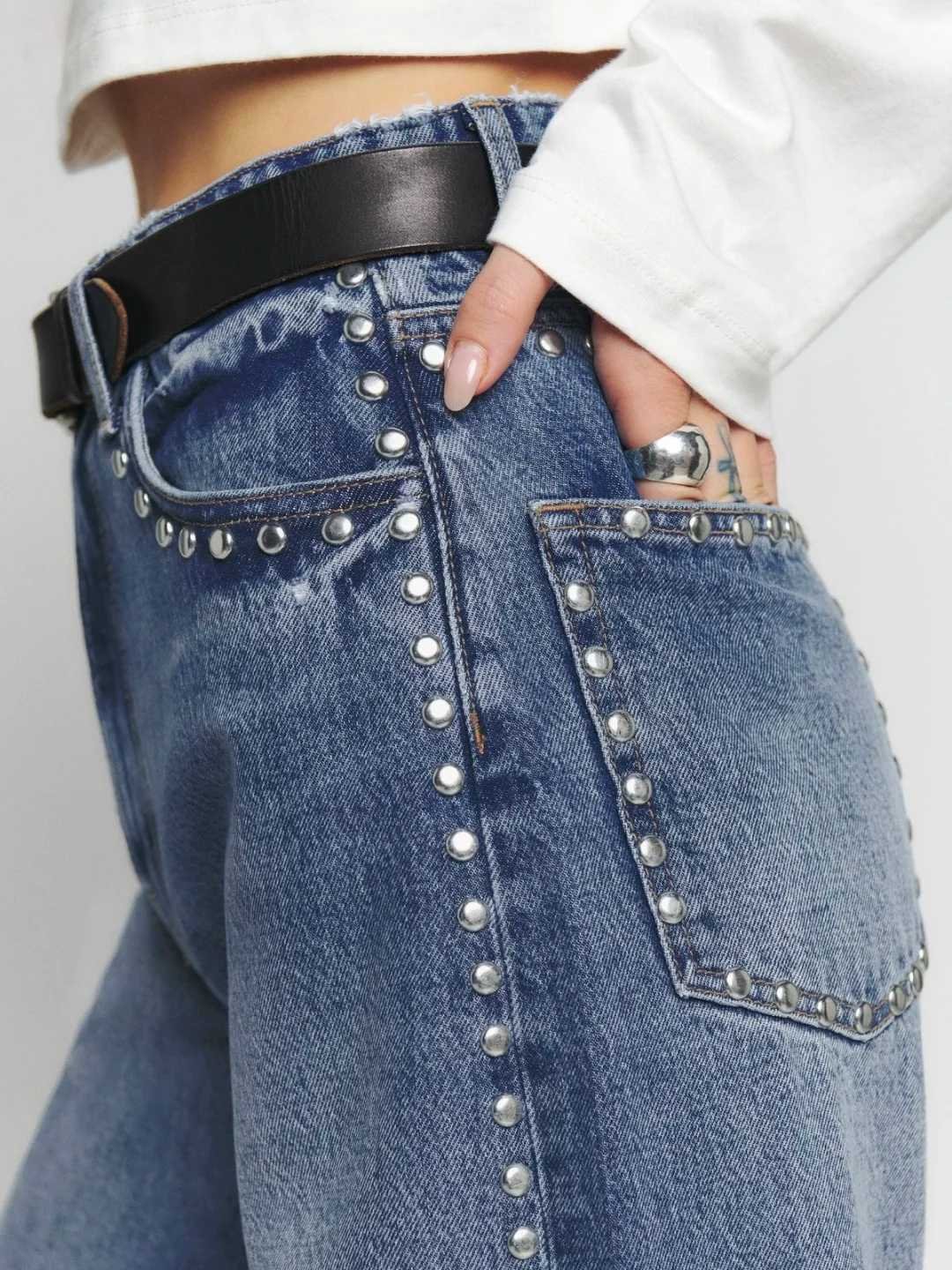
Adjustable Drawcords
Cotton or polyester drawcords with metal or plastic aglets for hood and waist adjustments on hybrid denim jacket styles. Available in contrast or tonal colors to match your design vision and enhance functionality for activewear-inspired streetwear lines.
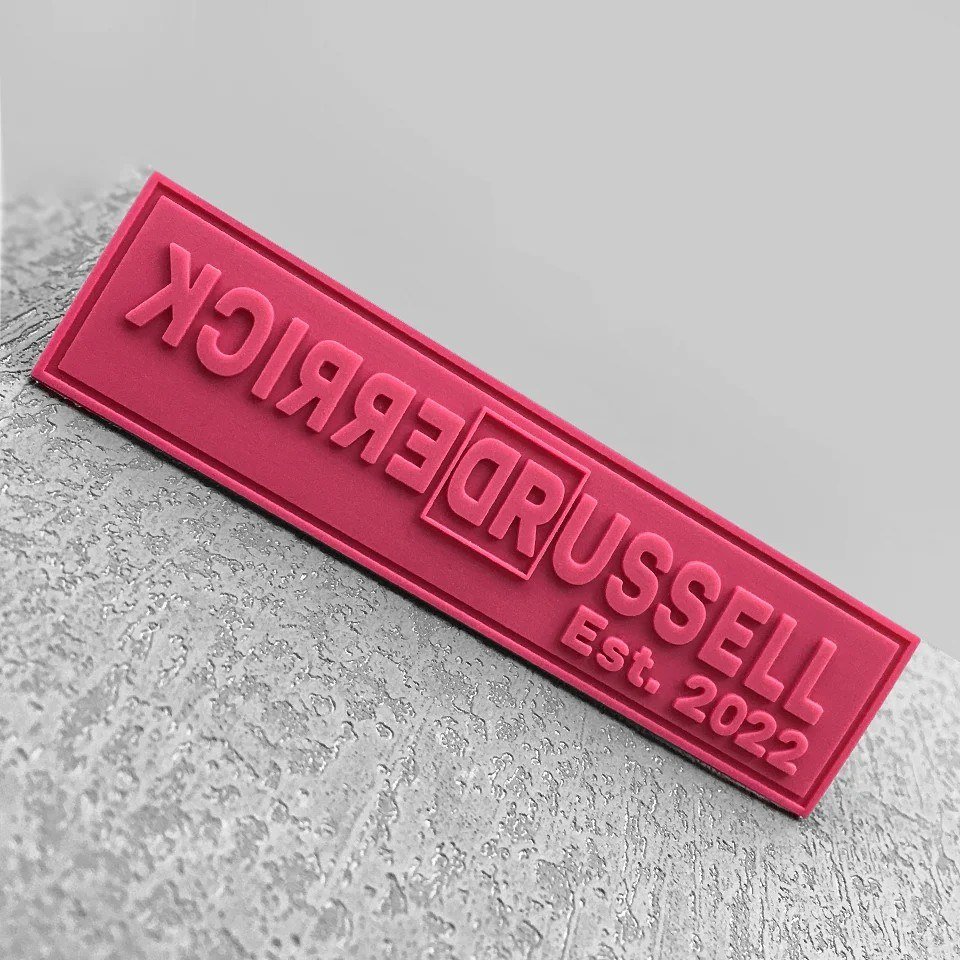
Custom Hangtags
Printed or embossed hangtags on premium cardstock, kraft paper, or specialty materials. Communicate your brand story, care instructions, and sustainability commitments. The first touchpoint customers see when your wholesale denim jackets hit retail or online stores.
About Clothing Manufacturer Ltd — Streetwear Specialists
Founded in 2024 by Tesla Luo, Clothing Manufacturer Ltd. brings over 10 years of apparel production expertise and 6 years of specialized streetwear experience to every wholesale denim jacket order. Raised in Dongguan’s garment district by parents who were senior factory leaders, Tesla learned every production role from cutting to quality control, building a foundation rooted in craftsmanship and accountability.
We established our company to restore trust in Chinese manufacturing through rigorous quality standards. Unlike suppliers who skip critical checks, we implement a proprietary 5-step QC process at every production stage—from fabric inspection to final garment testing. Our 15-member R&D team and 10 patents support brands across 100+ countries with wholesale denim jackets that meet global quality expectations.
Whether you’re a fashion startup launching your first collection or an established streetwear brand scaling production, we deliver premium wholesale denim jackets with low 50-piece MOQs, fast turnaround, and transparent communication. Our mission is simple: empower your brand with denim that performs, fits perfectly, and reflects the trend-driven aesthetic your customers demand.
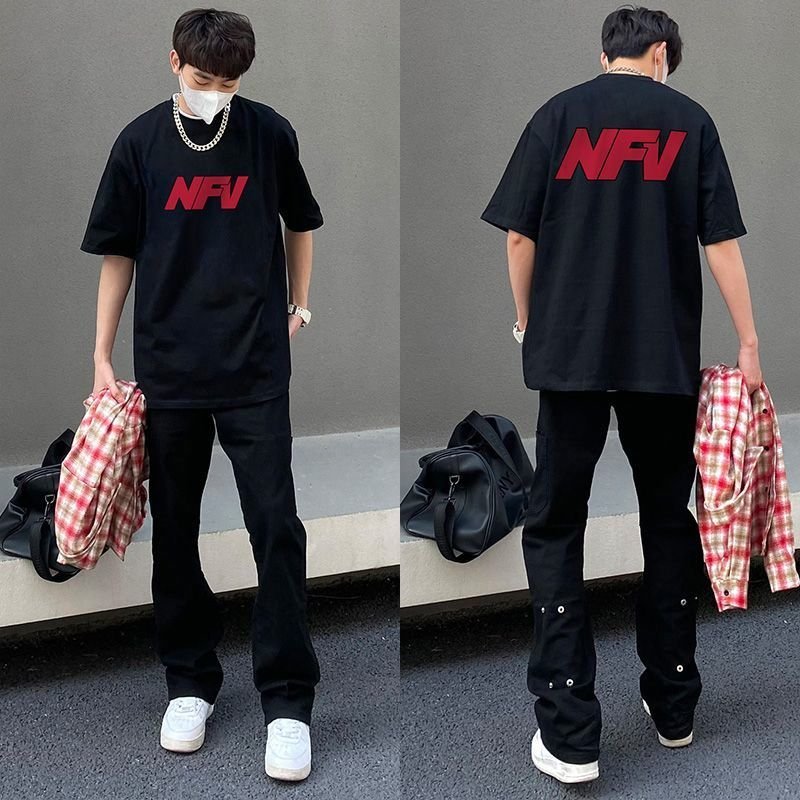
Our 5-Step Quality Control Process for Wholesale Denim Jackets
Materials QC Testing for Every Denim Roll
Before cutting begins, our team inspects every denim roll for weight consistency, colorfastness, shrinkage rates, and fabric defects. This first checkpoint ensures only premium-grade denim enters production, eliminating material flaws that compromise finished wholesale denim jackets.
- Fabric weight verification against order specifications
- Colorfastness testing to prevent fading and bleeding
- Pre-production shrinkage analysis for accurate sizing
- Surface inspection to identify and reject defective rolls
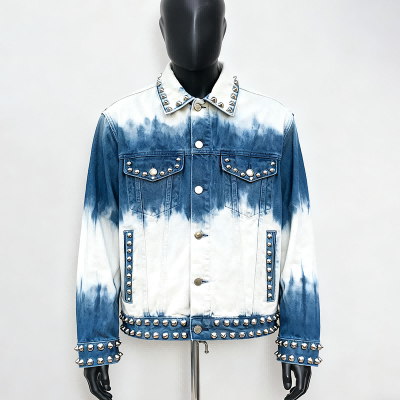
Cutting QC Testing for Precision Patterns
Our second quality checkpoint verifies that all denim pieces are cut to exact pattern specifications. Each cut component is measured and inspected for alignment, grain direction, and pattern matching to ensure consistent fit and professional finishing across your entire wholesale order.
- Pattern piece measurement against technical specifications
- Grain alignment verification for structural integrity
- Notch and marking accuracy checks for assembly
- Symmetry validation for paired jacket components
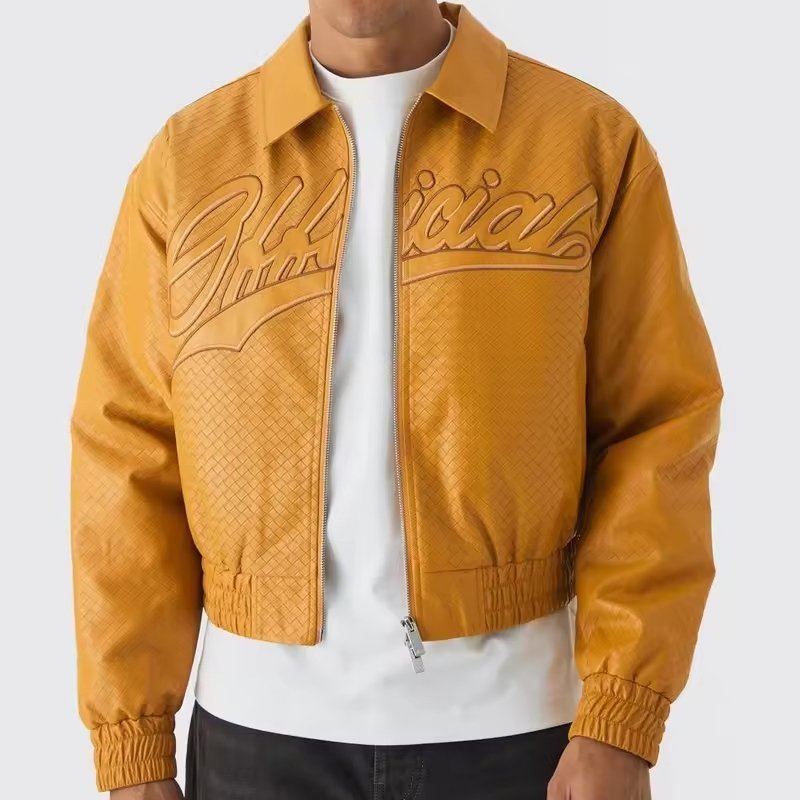
Clothing Craft QC Testing During Assembly
As denim jacket components move through assembly, our craft QC specialists inspect stitching techniques, seam allowances, topstitching placement, and construction methods. This mid-production checkpoint catches errors before they become costly defects, maintaining the streetwear quality standards your brand demands.
- Stitch density and tension consistency verification
- Seam allowance accuracy for durability and fit
- Topstitching alignment and contrast thread quality
- Pocket placement and reinforcement inspection
Final Finished Clothing Quality QC Inspection
Every completed denim jacket undergoes comprehensive final inspection covering fit, finishing, hardware functionality, and overall appearance. This rigorous checkpoint ensures only flawless wholesale denim jackets reach your customers, protecting your brand reputation and eliminating costly returns.
- Complete measurement verification across all size specs
- Hardware functionality testing for zippers, snaps, and buttons
- Finishing quality check including hems, labels, and trims
- Final appearance review for stains, marks, or defects
Wholesale Denim Jackets: Clothing Manufacturer vs. Typical Suppliers
We combine streetwear expertise, rigorous quality control, and flexible minimums to deliver wholesale denim jackets that help your brand stand out—without the compromises of conventional suppliers.
← 左右滑动查看 →
From Fabric to Finished Wholesale Denim Jackets
Our transparent 6-phase production process ensures your wholesale denim jackets meet deadlines and quality standards every time.
Fabric Sourcing & Testing
We select premium denim fabrics and conduct materials QC testing to verify weight, stretch, color fastness, and durability before production begins.
Pattern Development & Cutting
Our design team finalizes patterns and executes precision cutting with cutting QC testing to ensure accurate sizing and minimal fabric waste.
Sewing & Assembly
Skilled technicians assemble your denim jackets with clothing craft QC testing and sewing production QC testing at critical construction points throughout the process.
Hardware & Finishing
We attach zippers, buttons, rivets, and custom labels, then apply washing, distressing, or other finishes to achieve your desired aesthetic.
Final Quality Inspection
Every wholesale denim jacket undergoes finished clothing quality QC inspection, checking stitching, hardware, fit, and appearance against your specifications before approval.
Packing & Global Shipping
Jackets are carefully pressed, folded, and packaged to your requirements, then shipped worldwide with full logistics support and tracking documentation.
How to Order Wholesale Denim Jackets From Us
Our streamlined six-step process takes you from concept to delivery with full transparency, rigorous quality checks, and dedicated support at every stage.
Submit Your Tech Pack
Share your denim jacket designs, specifications, fabric preferences, and customization requirements. Our team reviews every detail to ensure technical feasibility and cost efficiency.
Receive Quote and Sampling
Within 24 hours, we provide a detailed quote and timeline. Approve the terms, and our in-house team produces physical samples in 7 days.
Approve Your Samples
Review fit, fabric, stitching, and hardware. Request revisions if needed. We iterate until your wholesale denim jackets meet your exact brand standards.
Begin Bulk Production
Once samples are approved, production starts immediately. Our 5-step QC process monitors materials, cutting, craftsmanship, sewing, and finishing throughout the manufacturing cycle.
Complete Final Quality Inspection
Every finished denim jacket undergoes rigorous inspection for stitching integrity, wash consistency, hardware function, and packaging before leaving our facility.
Ship to Your Destination
We coordinate global logistics, customs documentation, and tracking. Your wholesale denim jackets arrive on time, ready for your customers or retail channels.
Certifications & Quality Standards for Wholesale Denim Jackets
Customer Success Stories — Wholesale Denim Jackets
We launched our first denim collection with their 50-piece MOQ and grew from 500 units to 5,000-unit reorders in just 6 months. The 5-step QC process eliminated our quality issues completely.
Their wholesale denim jackets helped us scale from Instagram startup to stocked retailer. We’ve reordered 12 times in 18 months — zero defects, consistent sizing, and our customers love the fit and finish.
As a multi-brand retailer, we need reliable denim suppliers. Their turnaround is 30% faster than competitors, and the custom hardware options let us differentiate our private label. Increased our denim category sales by 40%.
Wholesale Denim Jackets — Frequently Asked Questions
What is the minimum order quantity for wholesale denim jackets?
How long does production take for wholesale denim jackets?
Do you charge for wholesale denim jacket samples?
What customization options are available for wholesale denim jackets?
What payment terms do you offer for bulk denim jacket orders?
Do you ship wholesale denim jackets internationally?
How do you protect my designs and intellectual property?
What quality control measures apply to wholesale denim jackets?
Can you produce different denim weights and washes in one order?
The Complete Buyer’s Guide to Wholesale Denim Jackets for Fashion Brands
Navigate sourcing decisions with confidence. This guide delivers a proven framework for evaluating suppliers, understanding fabric quality, customization options, and pricing tiers—plus the critical mistakes that cost emerging brands time and money.
1. What Are Wholesale Denim Jackets?
Wholesale denim jackets are bulk-ordered outerwear garments purchased directly from manufacturers or distributors at per-unit prices typically 40–70% below retail. Brands place orders in quantities ranging from 50 to 5,000 pieces per style, securing cost advantages that enable profitable resale or brand-building campaigns. Retail purchases involve single units at marked-up prices, while wholesale transactions require minimum order quantities (MOQs) — commonly 50–100 pieces for established factories, though some suppliers demand 300–500 units per colorway.
Streetwear brands, fashion startups, global apparel retailers, and influencer-led labels source wholesale denim jackets to control margins, customize branding, and maintain inventory for consistent product availability. A denim jacket retailing at $89 typically costs $25–35 wholesale, leaving room for marketing spend, fulfillment, and profit after platform fees. Small-batch or retail buying eliminates MOQ risk but sacrifices per-unit savings of $15–25, making scaling nearly impossible without venture funding or pre-orders.
Manufacturers like Clothing Manufacturer Ltd. implement five-step quality control processes — materials QC, cutting QC, craft QC, sewing QC, and finished-goods inspection — to ensure wholesale orders meet brand standards before shipment. This systematic approach addresses the industry-wide problem of factories skipping mid-production checks, a practice that has damaged the reputation of Chinese garment suppliers. For startups and independent designers, wholesale partnerships with QC-focused manufacturers provide both cost efficiency and quality assurance, enabling brands to compete on product integrity rather than price alone.
2. The Evolution of Denim Jackets in Fashion
Levi Strauss & Co. introduced the Type I denim jacket in 1905 as utilitarian workwear for miners, ranchers, and laborers, featuring a single chest pocket and a boxy cut designed for durability over style. The Type II arrived in 1953 with two chest pockets, and the iconic Type III ‘Trucker’ jacket launched in 1967 with pointed pocket flaps and a tapered fit that became the blueprint for every modern denim jacket. These three iterations established the core design language — heavyweight denim, riveted stress points, and functional detailing — that manufacturers still reference today.
Between 1960 and 1980, denim jackets transitioned from workwear to counterculture uniform as rock musicians, bikers, and youth movements adopted them for self-expression, often customizing with patches, pins, and paint. Grunge bands in the early 1990s paired oversized denim jackets with flannel and distressed jeans, while hip-hop artists layered them over hoodies and graphic tees, embedding denim jackets into streetwear culture. This cross-genre adoption proved the silhouette’s versatility across subcultures and demographics.
Since 2010, luxury houses including Balenciaga, Off-White, and Fear of God have released high-fashion denim jackets with oversized fits, distressed washes, and collaborative branding, elevating wholesale denim jackets from basics to statement pieces. Streetwear brands now integrate skeleton prints, graffiti elements, and mystery symbols — motifs rooted in hip-hop and skate culture — onto classic Type III silhouettes. This 120-year evolution from workwear to runway ensures denim jackets remain an evergreen, low-risk product for brands targeting both heritage-minded and trend-driven consumers.
3. Types of Wholesale Denim Jackets
Wholesale denim jackets span six core silhouettes, each targeting distinct customer demographics and seasonal windows. Understanding which styles align with streetwear, casual retail, or premium positioning ensures inventory matches brand identity and margin goals.
Classic Trucker Jackets
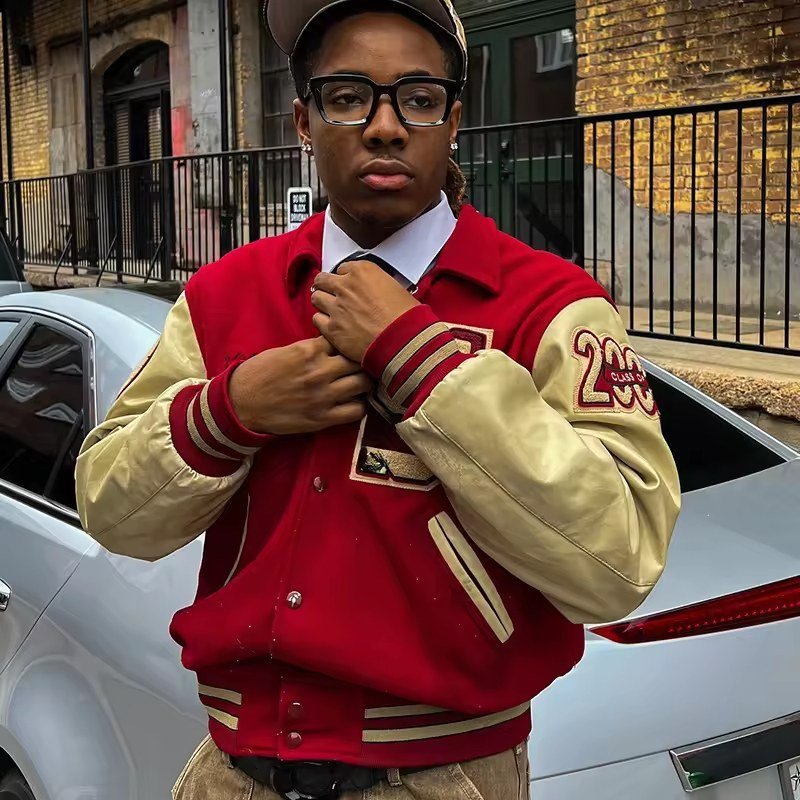
The trucker silhouette — fitted torso, pointed collar flaps, chest pockets — remains the foundation of denim jacket orders. Retailers stock this year-round staple for casual and workwear customers aged 18–45.
Mid-weight 10–12 oz denim suits spring and fall layering. Brands position classic truckers in casual retail and heritage streetwear lines, often applying embroidery or back patches for differentiation.
Oversized and Dropped-Shoulder Fits
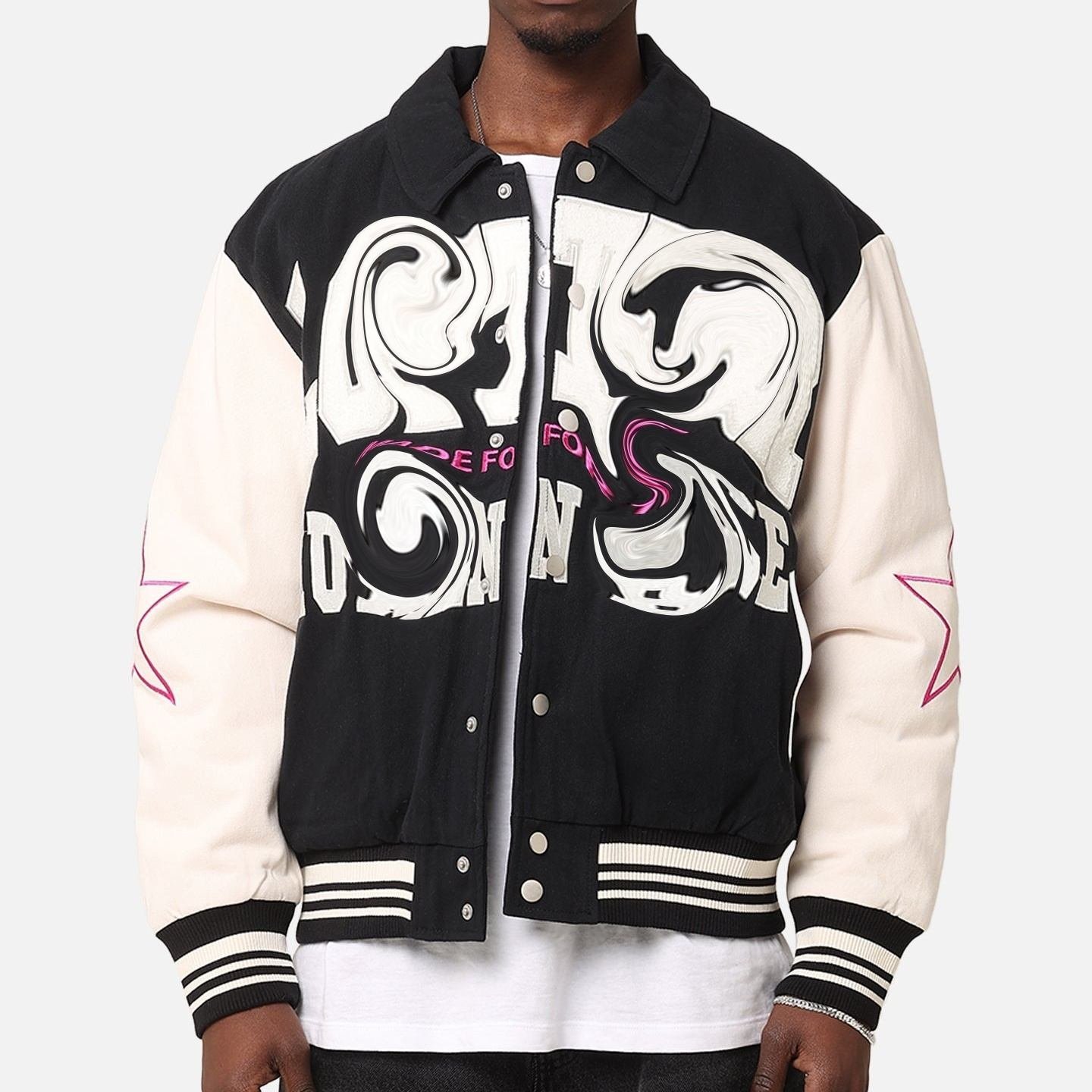
Oversized denim jackets feature extended shoulder seams and boxy cuts, appealing to Gen Z streetwear buyers and influencer brands. This silhouette dominates urban fashion from late summer through winter.
Pair oversized fits with distressed washes or bold graphics to maximize streetwear credibility. Independent designers often use this shape to signal trend-forward positioning.
Cropped Styles
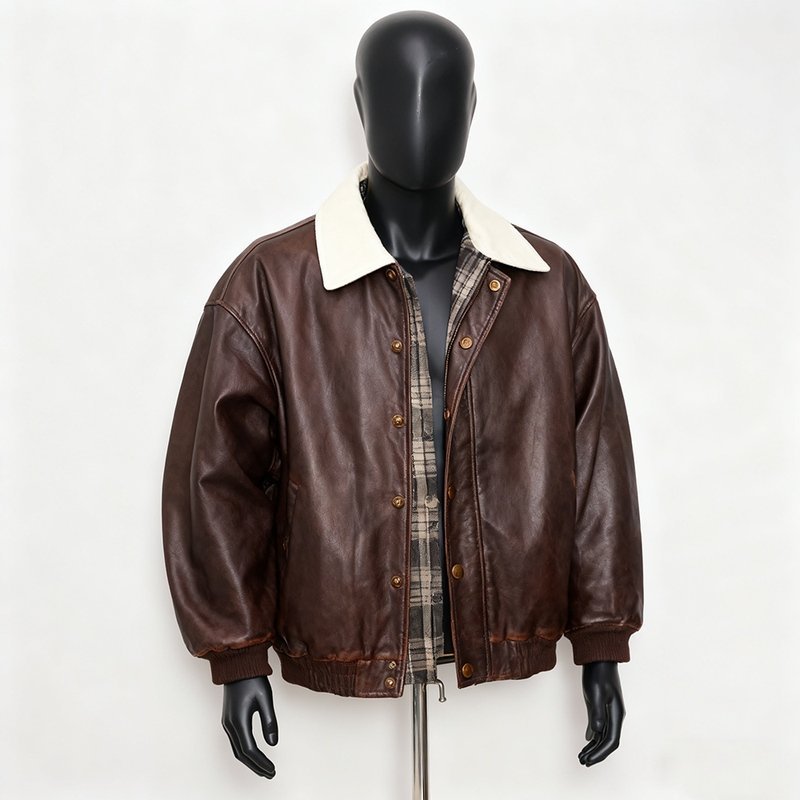
Cropped denim jackets end at or above the natural waist, targeting women’s fashion and gender-neutral streetwear. Peak demand runs March through September in North America and Europe.
Retailers pair cropped jackets with high-waisted bottoms for cohesive outfit displays. This style suits premium fashion and influencer collections seeking a modern, feminine edge.
Sherpa-Lined Jackets
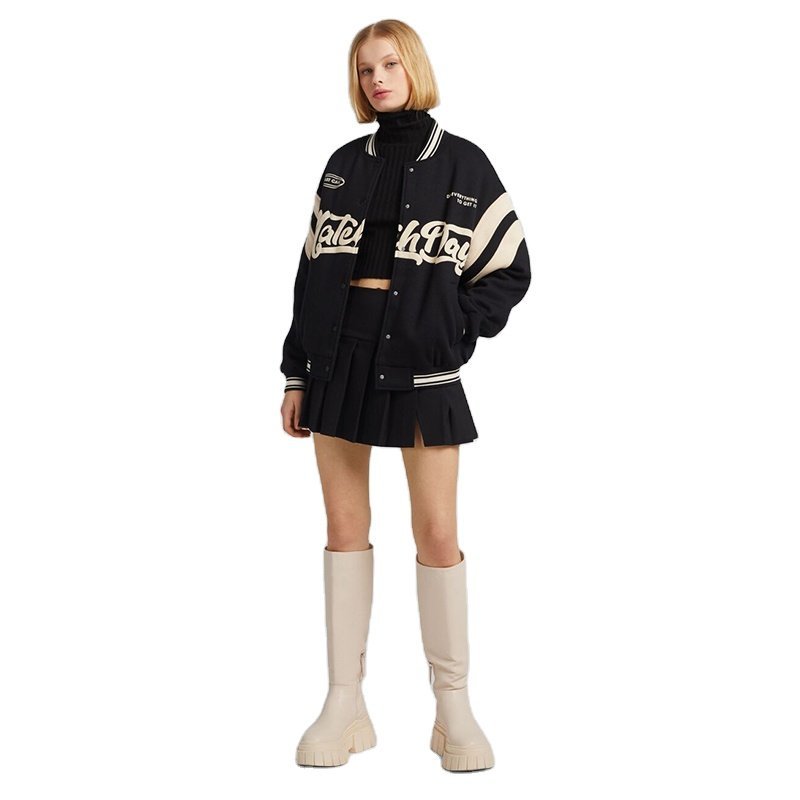
Sherpa-lined denim jackets add a polyester fleece interior, extending wearability into winter months. This variant appeals to casual retail and outdoor-lifestyle brands in cold-climate markets.
Production costs rise 15–25 percent due to lining materials and additional sewing steps. Brands position sherpa jackets as premium cold-weather essentials with higher retail price points.
Distressed and Vintage-Wash Designs
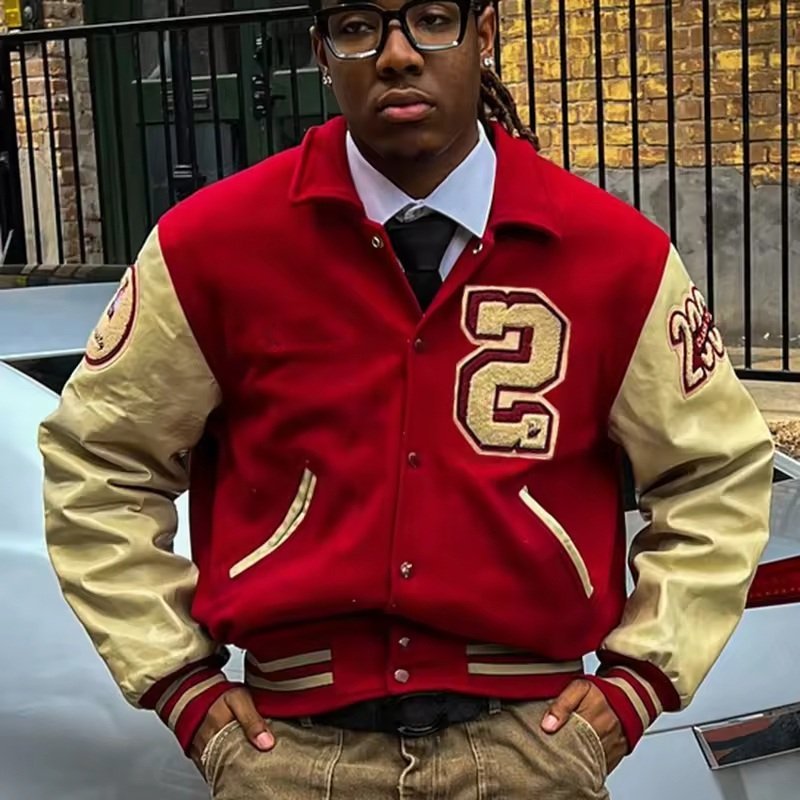
Distressed finishes — rips, fraying, stone-washing — deliver lived-in aesthetics favored by streetwear and vintage-inspired brands. These treatments require additional QC to prevent excessive weakening of fabric.
Vintage washes use enzyme or stone processing to achieve faded, broken-in color. Streetwear labels and independent designers rely on distressed denim to convey authenticity and counter-culture appeal.
Colorful and Black Denim Variants
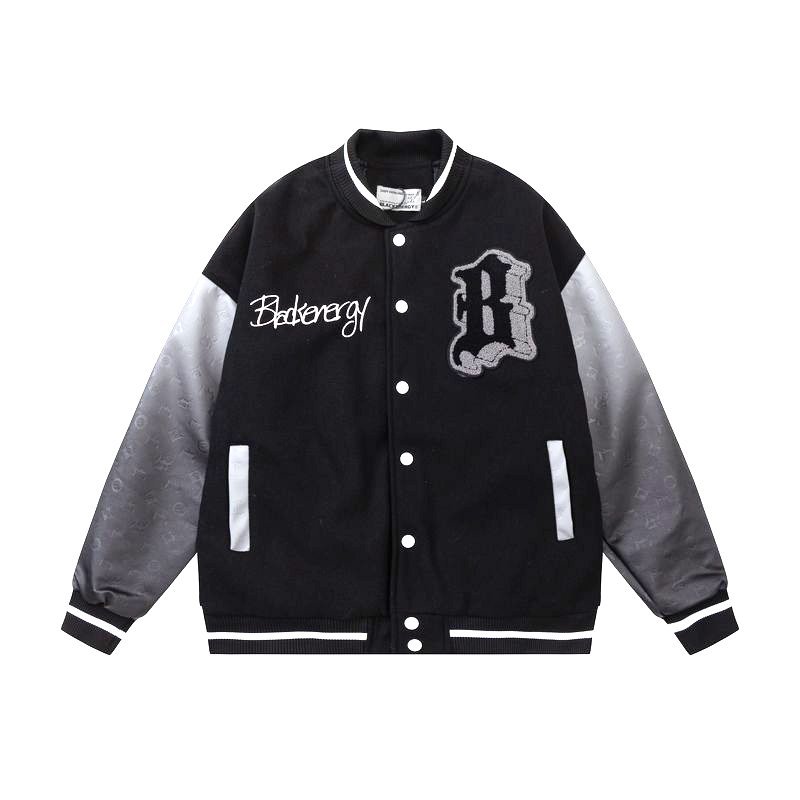
Non-indigo denim — black, gray, olive, or pastel — expands seasonal versatility and differentiates brand assortments. Black denim jackets serve as year-round staples in streetwear and minimalist fashion.
Colorful variants attract spring/summer buyers seeking novelty. Retailers use these to test trend cycles with lower initial order volumes before committing to larger restocks.
4. Denim Fabrics and Materials for Wholesale Denim Jackets
Fabric selection defines the durability, comfort, and brand positioning of wholesale denim jackets. Denim weight, measured in ounces per square yard, typically ranges from 10 to 14 oz for jackets, with heavier weights offering greater structure and longevity. Understanding weave types, cotton content, and sustainable alternatives ensures your product aligns with target market expectations and price points.
| Fabric Type | Weight Range (oz) | Durability | Comfort | Ideal Use Case |
|---|---|---|---|---|
| 100% Cotton | 12–14 | High | Medium | Heritage & workwear brands |
| Cotton-Poly Blend | 10–12 | Medium-High | High | Fast-fashion & retail lines |
| Stretch Denim | 10–13 | Medium | Very High | Fitted streetwear styles |
| Organic Cotton | 12–14 | High | Medium | Eco-conscious premium brands |
| Recycled Denim | 11–13 | Medium | Medium-High | Sustainable startup collections |
Denim Weight and Structure
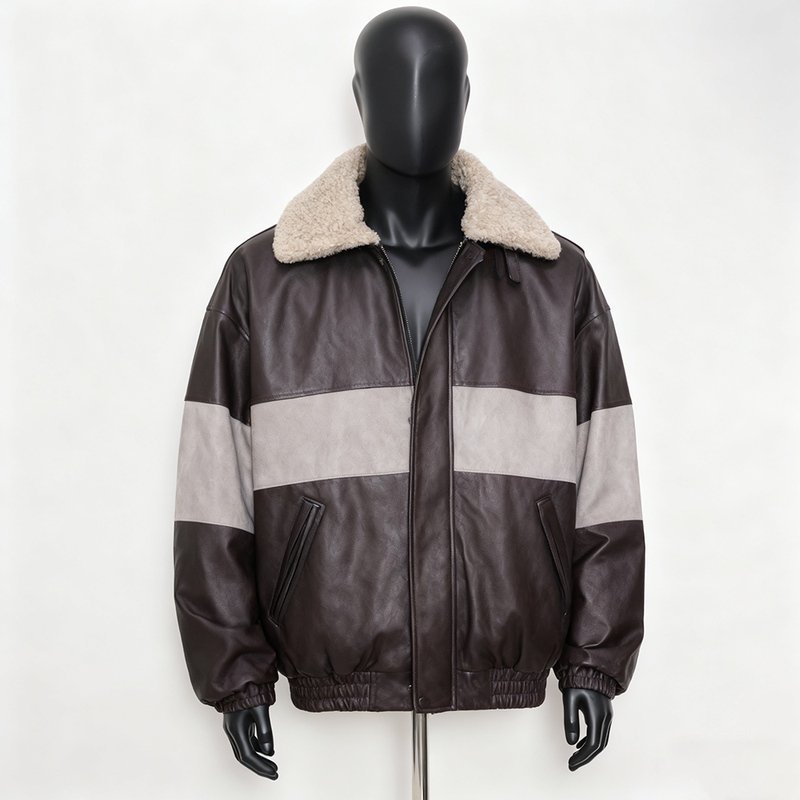
Lightweight denim (10–11 oz) provides breathability and drape, ideal for layering pieces and warmer climates. Medium-weight denim (12–13 oz) balances durability with comfort, serving as the industry standard for wholesale denim jackets. Heavyweight denim (14+ oz) delivers maximum durability and a rigid, heritage aesthetic favored by workwear-inspired streetwear brands.
Weight directly impacts production cost, with heavier fabrics requiring more robust sewing equipment and longer finishing times. Brands targeting premium positioning often specify 13–14 oz denim to communicate quality and longevity.
Weave Types and Texture
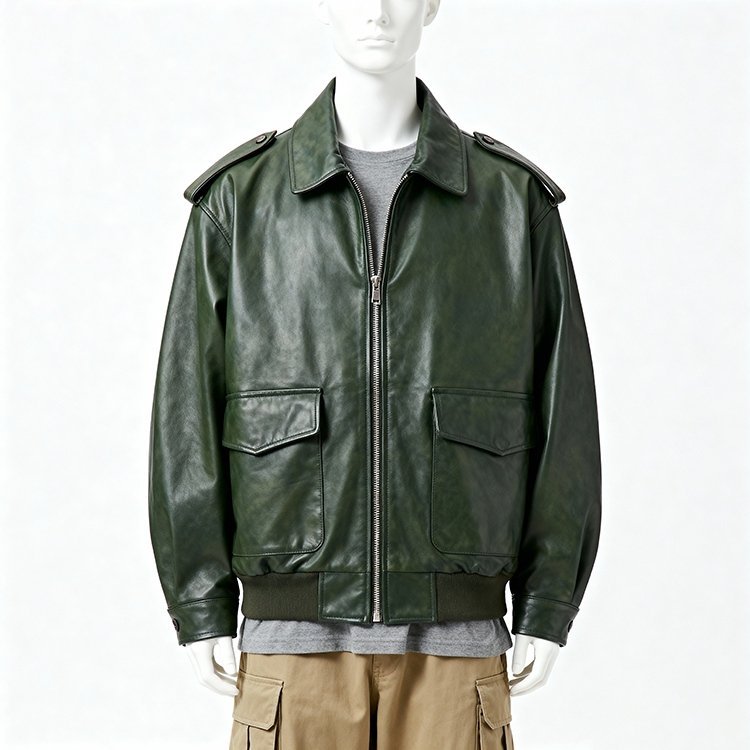
Twill weave, characterized by diagonal ribbing, forms the foundation of traditional denim and offers excellent tear resistance. Broken twill eliminates the diagonal line, reducing fabric torque and preventing leg twist in garments. Slub denim incorporates intentional irregularities in the yarn, creating texture and visual interest prized in contemporary streetwear.
Weave choice affects both aesthetics and production efficiency. Standard twill runs smoothly through cutting and sewing, while slub and textured weaves require careful handling to maintain pattern consistency across production runs.
Cotton Content and Blends
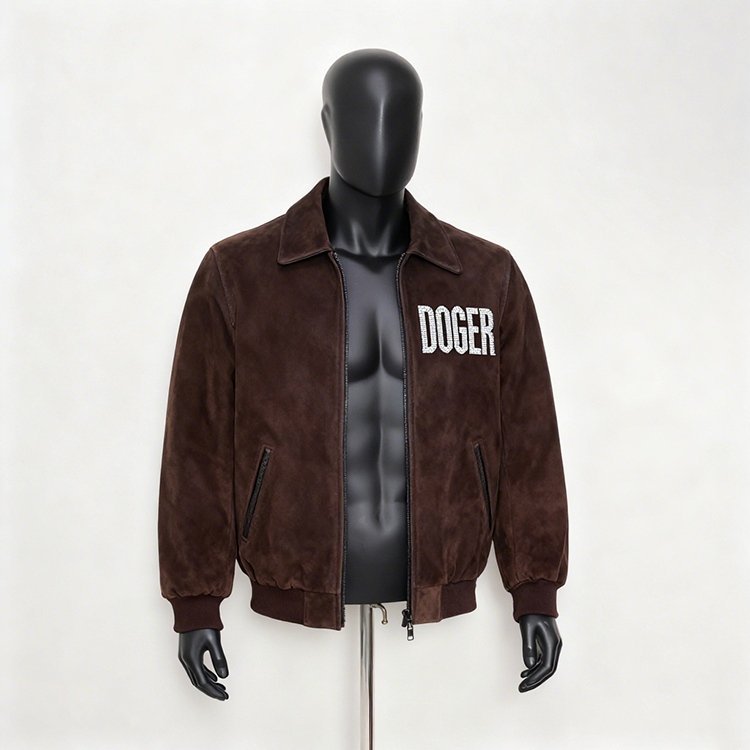
100% cotton denim delivers authentic texture, breathability, and the classic break-in experience sought by heritage and workwear brands. Cotton-polyester blends (typically 80/20 or 70/30) add wrinkle resistance and reduce production shrinkage, simplifying quality control. Stretch denim incorporates 1–3% elastane (spandex), providing mobility and comfort for fitted silhouettes popular in modern streetwear.
Blend selection impacts cost and care requirements. Pure cotton commands premium pricing and requires pre-washing protocols, while blends offer price advantages and simplified finishing processes that reduce lead times.
Sustainable Denim Options
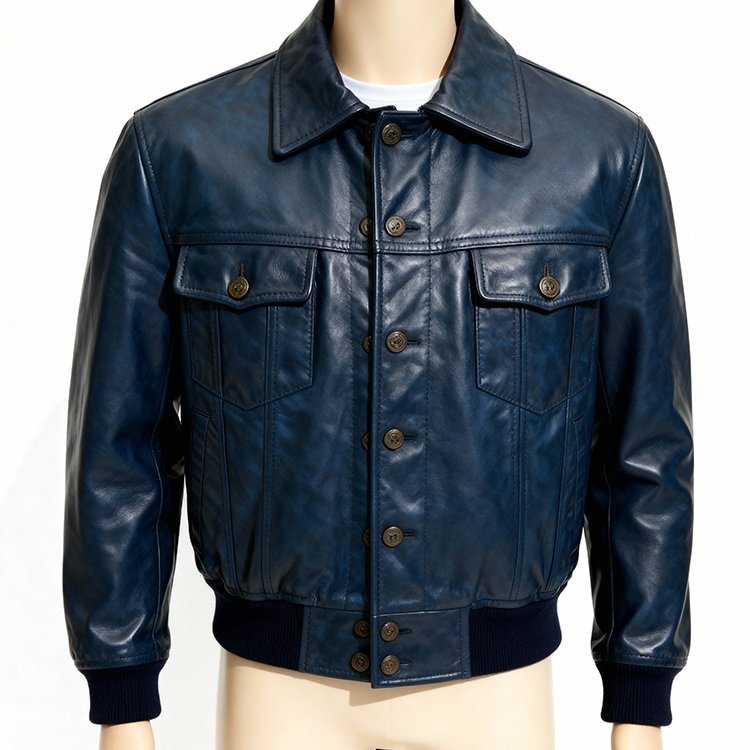
Organic cotton denim, certified under GOTS standards, eliminates synthetic pesticides and appeals to eco-conscious brands. Recycled denim uses post-consumer waste fibers, reducing water consumption by up to 60% compared to virgin cotton. Low-impact dyes and ozone washing minimize chemical discharge, meeting sustainability criteria for European and North American retailers.
Sustainable fabrics typically add 15–30% to base material costs but strengthen brand positioning for startups targeting environmentally aware consumers. Clothing Manufacturer Ltd. integrates materials QC testing as the first step of its five-step quality control process, verifying fabric certifications and specifications before cutting begins.
5. Customization and Branding Options for Wholesale Denim Jackets
Customization transforms wholesale denim jackets into branded statements that differentiate your label in crowded streetwear markets. Decoration methods vary widely in cost, durability, and minimum order requirements, so matching technique to brand positioning and budget is critical. Understanding setup fees, per-unit costs, and lead-time impact ensures you select the right branding approach for each collection.
| Technique | Setup Cost | Per-Unit Cost | MOQ | Durability |
|---|---|---|---|---|
| Embroidery (chest logo) | $30–$80 | $2–$4 | 50 pcs | Lifetime |
| Screen printing (1–3 colors) | $25–$50/color | $1.50–$4 | 100 pcs | 50+ washes |
| Heat transfer | $0 | $3–$6 | 10 pcs | 20–30 washes |
| Woven labels | $100–$200 | $0.15–$0.50 | 500 pcs | Lifetime |
| Custom metal hardware | $200–$500 | $0.30–$1.50 | 1,000 pcs | Lifetime |
| Wash treatments | $0 | $2–$5 | 50 pcs | Permanent |
Embroidery: Patches, Back Panels, and Chest Logos
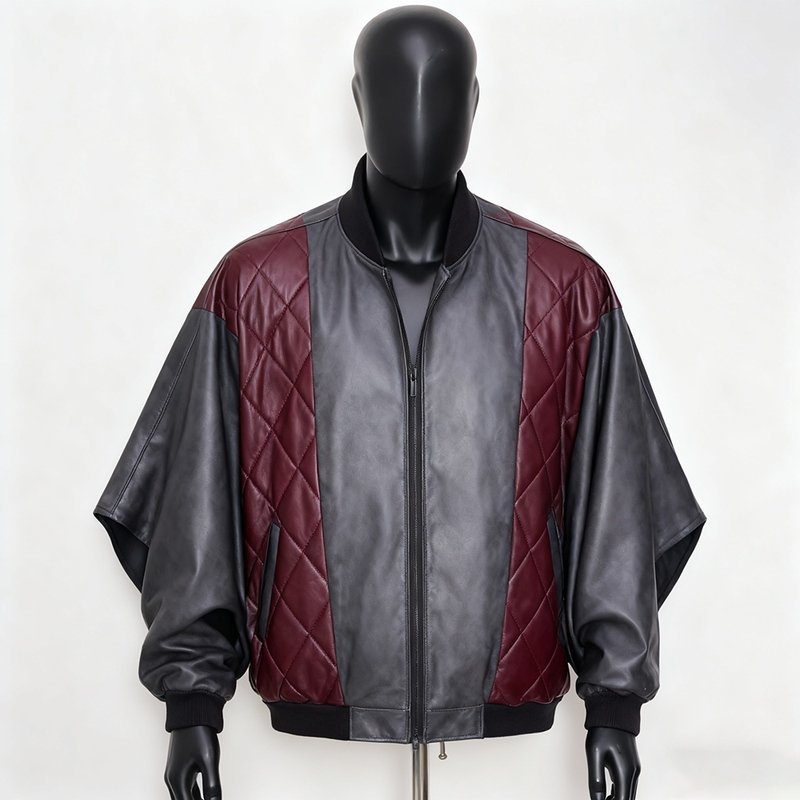
Embroidery delivers premium texture and exceptional wash durability, lasting the lifetime of the garment. Thread-count density (typically 5,000–15,000 stitches per design) determines richness and detail. Setup costs range from $30–$80 per design for digitizing, with per-unit costs of $2–$8 depending on stitch count and placement.
Chest logos under 4 inches run $2–$4 per jacket, while large back panels (8–12 inches) cost $6–$8. MOQs start at 50 pieces per colorway. Lead time adds 5–7 days to production. Patches sewn or heat-sealed onto sleeves, pockets, or back yokes offer modular branding and easy design changes between runs.
Screen Printing and Heat Transfer
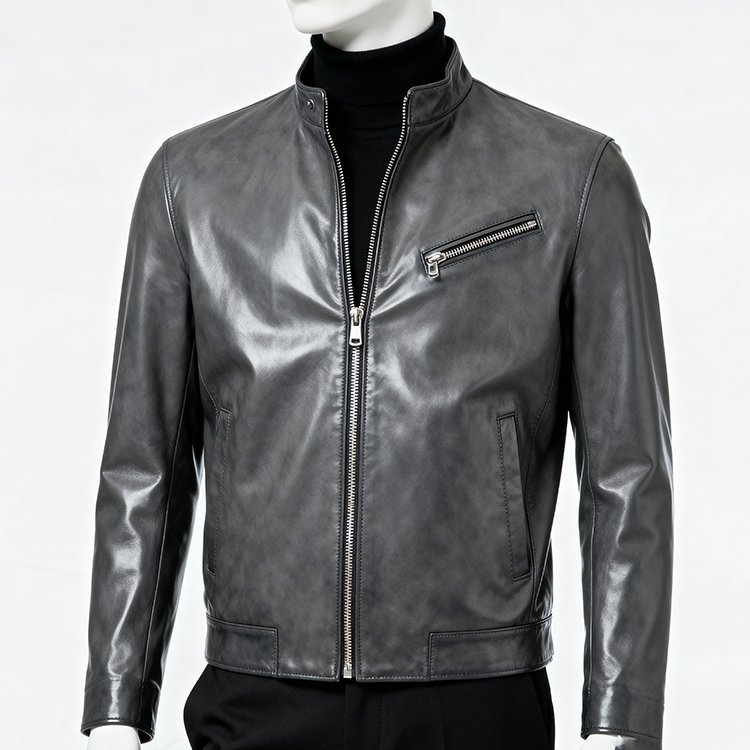
Screen printing suits bold graphics and text, with setup costs of $25–$50 per color screen and per-unit costs of $1.50–$4 for one- to three-color designs. Plastisol ink sits on the fabric surface and cracks over time; water-based ink penetrates fibers for a softer hand and longer life. MOQs typically start at 100 pieces per design.
Heat transfer (vinyl or digital) requires no screens, making it ideal for small runs or multicolor artwork. Per-unit costs run $3–$6, with no setup fees but lower wash durability—vinyl may peel after 20–30 washes. Lead time is 3–5 days for both methods.
Woven Labels and Metal Hardware Customization
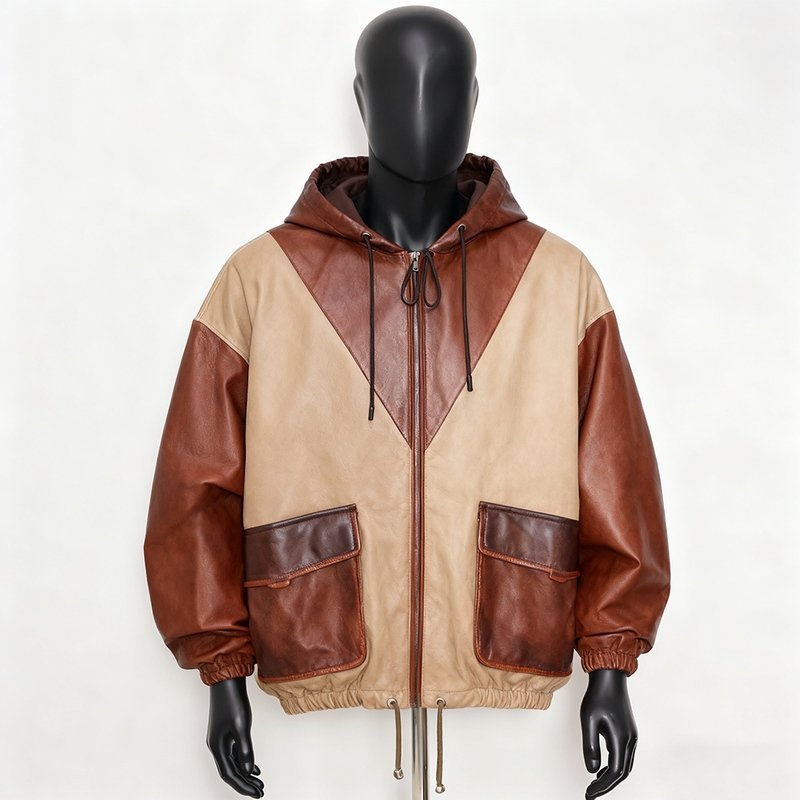
Woven labels sewn into neck seams, hems, or exterior patches cost $0.15–$0.50 per label with MOQs of 500–1,000 pieces and 10–14 day lead times. High-density weave (up to 500 threads per inch) ensures sharp logo detail and colorfastness through repeated laundering.
Custom metal hardware—branded buttons, rivets, and zipper pulls—reinforces premium positioning. YKK custom zipper pulls start at $0.80–$1.50 per unit with 1,000-piece MOQs. Engraved or embossed metal buttons cost $0.30–$0.70 each, adding 7–10 days to production. Antique brass, gunmetal, and matte black finishes align with streetwear aesthetics.
Wash Treatments and Distressing
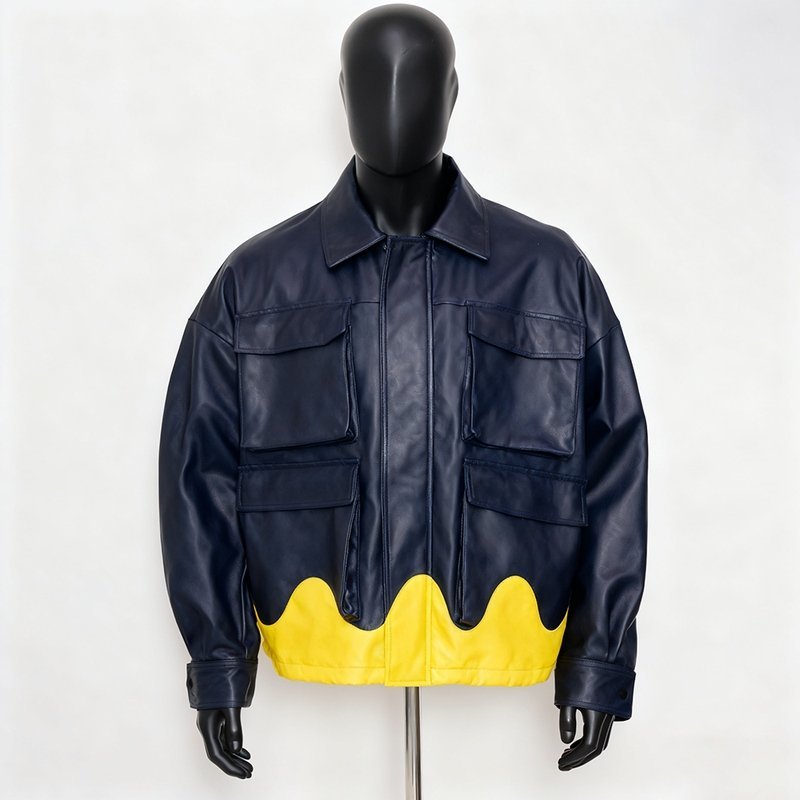
Stone wash, acid wash, and enzyme wash create signature color fades and texture. Stone wash uses pumice stones for 30–60 minutes, lightening indigo 2–4 shades and softening hand feel. Acid wash applies chlorine for high-contrast marbling. Enzyme wash uses cellulase enzymes for controlled, even fading with minimal fabric stress. Each treatment adds $2–$5 per jacket and 1–2 production days.
Distressing—hand-sanding, rips, patchwork—adds $3–$8 per jacket depending on complexity. Custom patchwork panels or embroidered repairs over distressed areas create unique streetwear signatures. No MOQ increase, but labor-intensive techniques require 3–5 extra days and skilled finishing teams.
6. Quality Control: What to Inspect in Wholesale Denim Jackets
Rigorous inspection at every production stage separates wholesale denim jackets that elevate your brand from those that damage it. A five-step quality control methodology—materials QC, cutting QC, craft QC, sewing QC, and finished-product inspection—catches defects early and ensures consistent output across every batch.
Stitching Integrity and Construction Checkpoints
Double-needle seams at shoulders, side panels, and sleeve attachments prevent unraveling under stress. Bar tacks—reinforced stitching clusters—must appear at pocket corners, button plackets, and belt-loop bases; their absence signals rushed production.
Stitch density should measure 10–12 stitches per inch for woven denim. Inspect seam allowances for consistent width (typically 1 cm) and verify that all stress points feature lockstitch or chain-stitch reinforcement to withstand repeated wear.
- Double-needle flat-felled seams at shoulders and sleeves
- Bar tacks at all pocket corners and button-hole ends
- 10–12 stitches per inch on main seams
- Consistent 1 cm seam allowances throughout
Hardware Quality and Fastener Testing
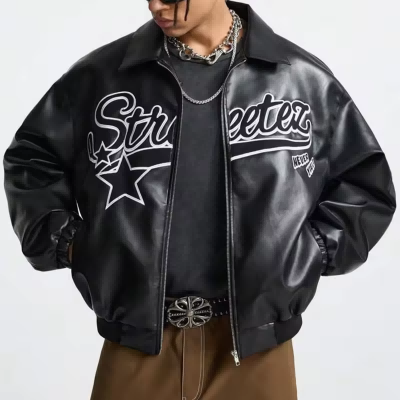
Rust-resistant metal hardware—nickel-free brass or stainless-steel buttons, YKK or equivalent zippers—prevents corrosion and maintains smooth operation. Test every zipper pull for snag-free travel and verify that button shanks are securely anchored with reinforcement stitching.
Red flag: lightweight stamped buttons that bend under pressure, or zippers with visible gaps between teeth. Quality hardware should withstand 50+ open-close cycles without degradation.
Fabric Consistency and Wash Fastness
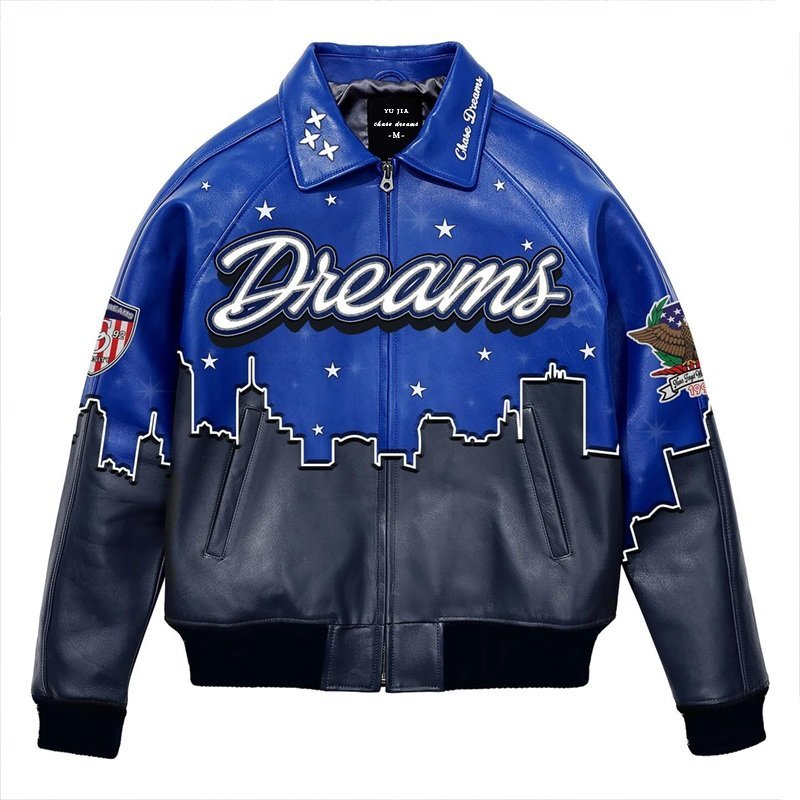
Inspect denim panels for uniform weight (typically 10–14 oz per square yard) and consistent weave density. Slubs or thin spots are acceptable only if specified in your tech pack as intentional design features; unplanned irregularities indicate substandard fabric.
Colorfastness testing—rubbing a white cloth across wet denim—reveals dye-bleed risk. ISO 105 or AATCC standards require grade 3–4 results (minimal transfer). Request lab reports for wash fastness before approving bulk production.
Pre-Production, Inline, and Final AQL Inspections
Pre-production samples validate fit accuracy against tech packs: measure chest, shoulder, sleeve, and length within ±1 cm tolerance. Inline inspections during sewing catch misaligned pockets, uneven hems, and skipped stitches before entire batches are compromised.
Final random inspections follow AQL 2.5 standards—sampling 80 pieces from a 1,000-unit order, accepting ≤5 minor defects and zero critical flaws. Factories skipping inline checks and proceeding straight from sewing to packing are immediate red flags for poor quality control.
7. How to Choose the Right Wholesale Denim Jackets Manufacturer
Selecting the right partner for wholesale denim jackets determines product consistency, lead-time reliability, and long-term scalability. Manufacturers differ widely in certification standards, production capacity, and quality processes, so a structured evaluation framework prevents costly mistakes.
Factory Certifications and Compliance
WRAP, BSCI, and ISO 9001 certifications signal adherence to ethical labor practices, environmental standards, and process consistency. Factories holding these credentials undergo third-party audits covering working conditions, wage transparency, and chemical management.
Brands targeting North American and European retailers often require WRAP or BSCI documentation to meet retail compliance requirements. Verify certificates are current and request audit reports if your brand prioritizes supply-chain transparency.
Production Capacity and Lead Times
Assess monthly output volume and typical lead times — most overseas manufacturers quote 30–45 days for bulk orders, while domestic factories may deliver in 15–25 days at higher per-unit costs. Confirm the factory can scale with your growth; a manufacturer producing 5,000 jackets monthly may struggle if your next season requires 15,000.
Request production schedules and ask how the factory manages peak-season demand. Transparent capacity planning prevents delays and stockouts during critical launch windows.
Sample Quality and Tech-Pack Adherence
Order pre-production samples to evaluate stitching accuracy, wash consistency, and hardware alignment against your tech pack. A manufacturer that delivers samples matching specifications demonstrates both technical skill and attention to detail.
Clothing Manufacturer Ltd. implements a five-step QC methodology — materials testing, cutting inspection, craft review, sewing checks, and finished-goods audit — ensuring every production stage meets standards before garments ship.
References and Communication Responsiveness
Request client references and review case studies or portfolios showing past denim jacket projects. Brands that have scaled from startup to established labels with the same manufacturer signal reliable partnership.
Test communication speed and clarity during initial inquiries. Factories responding within 24 hours with detailed answers to technical questions typically maintain that responsiveness throughout production, reducing miscommunication and rework costs.
8. Common Mistakes When Sourcing Wholesale Denim Jackets
Fashion startups and streetwear brands often lose thousands of dollars and months of time by repeating avoidable sourcing errors. Recognizing these pitfalls before placing your first wholesale denim jackets order protects both your budget and brand reputation.
Ignoring Fabric Weight and Denim Quality
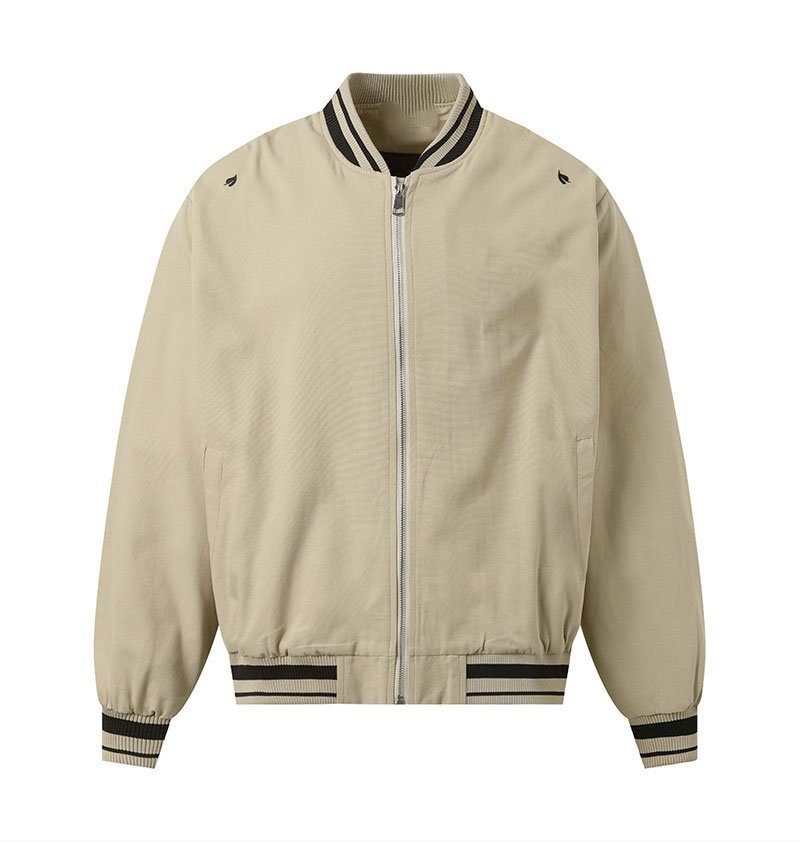
Many brands select 8–10 oz denim to save costs, only to receive jackets that feel flimsy and wear out after a few washes. Authentic denim jackets require 12–14 oz fabric for structure and durability.
Specify fabric weight, weave type (twill vs. plain), and ring-spun vs. open-end construction in your tech pack. Request fabric swatches before committing to production to verify hand-feel and weight match your brand positioning.
Skipping Pre-Production Samples
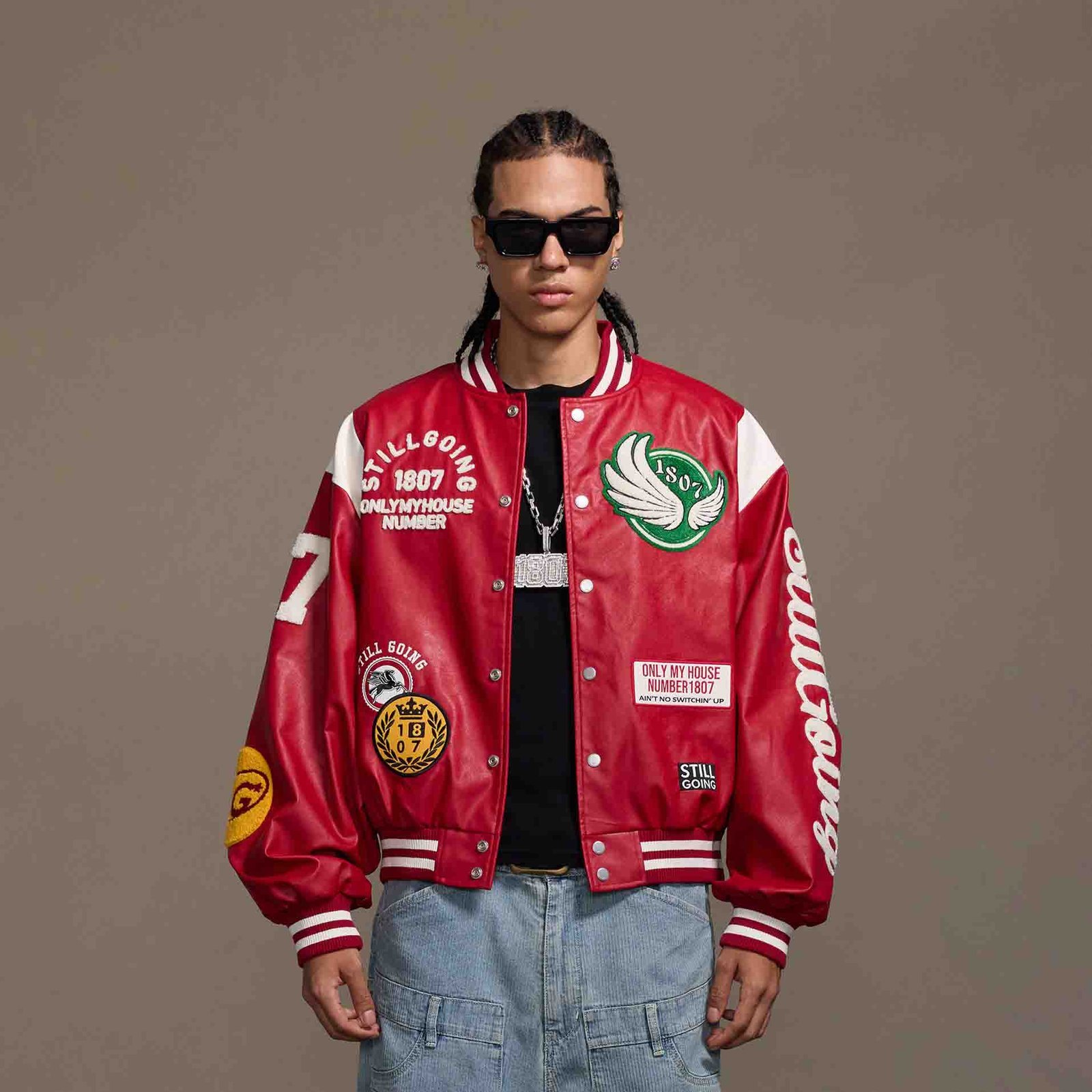
Ordering 500 units without a pre-production sample is the fastest way to receive unwearable inventory. Fit, wash tone, and hardware finish often differ significantly from digital mockups.
Always budget 15–20 days and $80–150 per style for a pre-production sample with your exact fabric, hardware, and custom washes. Clothing Manufacturer Ltd.’s five-step QC process includes sample approval before bulk cutting begins.
Underestimating Lead Times for Custom Details
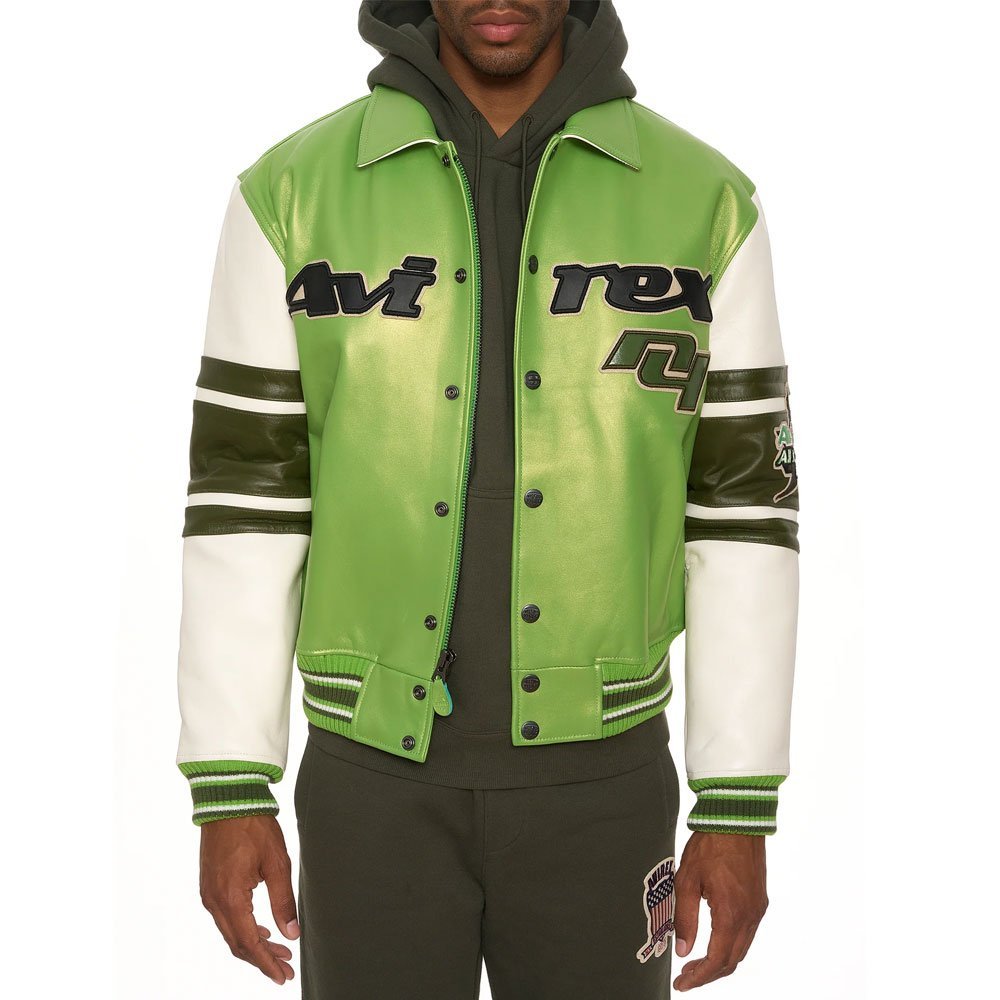
Standard wholesale denim jackets ship in 25–35 days, but custom acid washes, embroidery, or screen printing add 10–15 days. Brands launching seasonal drops miss their window by failing to account for these timelines.
Add a 20 percent time buffer for any customization. Confirm lead times in writing and request milestone updates at cutting, sewing, and QC stages to avoid last-minute surprises.
Neglecting Hardware and Trim Specifications
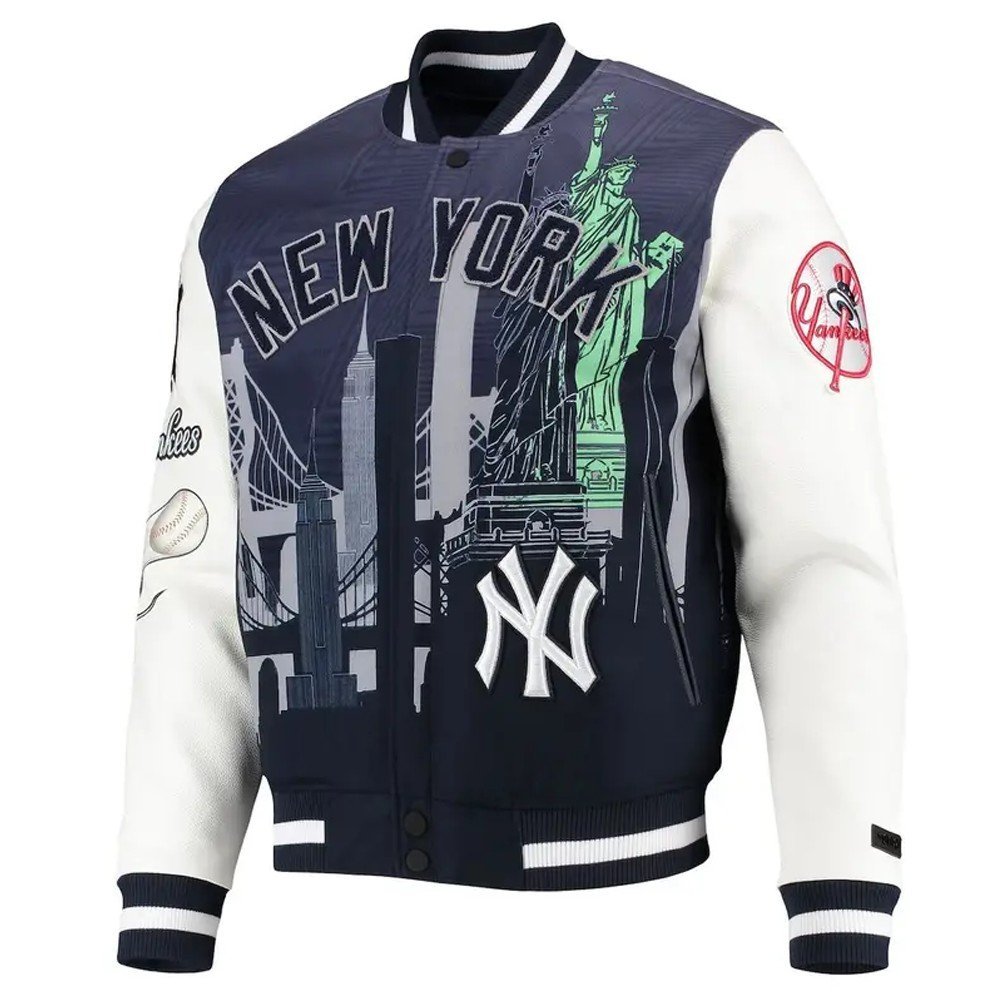
Unspecified hardware defaults to the cheapest zinc-alloy buttons and plastic zippers that tarnish or break within weeks. YKK metal zippers and branded snap buttons cost $1.20–2.50 more per jacket but define quality perception.
Specify hardware brand, finish (antique brass, gunmetal, matte black), and gauge in your purchase order. Request close-up photos of hardware samples and test snaps and zippers for smooth operation before approving bulk production.
9. Steps to Launch Your Brand with Wholesale Denim Jackets
Launching a brand with wholesale denim jackets requires a clear roadmap from concept to fulfillment. Breaking the process into discrete milestones—design, sampling, production, and go-to-market—ensures budget control and timeline predictability.
Define Brand Aesthetic and Target Customer
Begin by mapping your brand’s visual identity and the demographic profile of your ideal buyer. Streetwear brands targeting 18–30-year-olds prioritize oversized fits, distressed washes, and bold graphics, while heritage-inspired labels favor classic trucker silhouettes and raw indigo denim.
Document color palettes, wash preferences (stone, enzyme, acid), and hardware finishes in a brand style guide. This reference streamlines communication with manufacturers and ensures consistency across your product line.
Create Tech Packs and Request Samples
Prepare detailed tech packs specifying fabric weight (10–14 oz denim), wash codes, stitch types, and label placements. Request samples from two to three manufacturers to compare construction quality, wash accuracy, and lead times.
Evaluate samples against your QC checklist: seam strength, button durability, wash consistency, and fit on live models. Manufacturers with five-step QC processes catch defects at materials, cutting, craft, sewing, and finished-goods stages, reducing costly revisions.
Place a Pilot Order and Plan Marketing Assets
Finalize fabric, wash, and branding details, then place a pilot order of 50–200 units to test market demand without overcommitting inventory. Typical lead times range from 30 to 45 days for production plus 15–30 days for international shipping.
Schedule product photography and content creation during production to align launch assets with delivery. Allocate 20–30 percent of your pilot-order budget to marketing, including lookbook shoots, influencer seeding, and paid social campaigns. Set retail pricing at 2.5× to 3× your wholesale cost to cover fulfillment, returns, and margin.
10. Pricing and Cost Breakdown for Wholesale Denim Jackets
Wholesale denim jackets pricing follows a tiered structure based on order quantity, fabric specification, and customization complexity. At 50-piece minimum order quantities, unit costs typically range from $18 to $35 depending on fabric weight (8–14 oz denim), hardware quality (standard snaps versus YKK zippers), and wash treatments (stone wash, enzyme wash, or distressed finishes). Economies of scale become significant at 250 pieces and above, where per-unit costs drop 20–30 percent compared to smaller runs.
Fabric tier drives the base cost: standard cotton denim (8–10 oz) anchors the lower price range, while premium selvedge or organic cotton certified under GOTS standards adds $4–$8 per unit. Wash complexity — from simple rinse to multi-step distressing with hand-sanding — can add $2–$6 per jacket depending on labor intensity and chemical processes. Hardware upgrades such as custom metal buttons, branded rivets, or contrast stitching typically add $1–$3 per piece.
Customization costs layer on top of the base garment price. Single-location screen printing or heat transfer ranges from $1.50 to $3 per jacket with a $50–$150 setup fee, while full chest or back embroidery runs $4–$8 per unit with higher setup costs. Lead times extend from 18–25 days for blank stock orders to 30–40 days for fully customized runs including sampling, production, and quality inspection under a five-step QC protocol that tests materials, cutting, craft, sewing, and finished goods before shipment.
| Order Quantity | Standard Denim (8–10 oz) | Premium / Sustainable | Lead Time (Days) |
|---|---|---|---|
| 50–99 pcs | $28–$35 | $35–$42 | 25–30 |
| 100–249 pcs | $22–$28 | $28–$35 | 25–35 |
| 250–499 pcs | $18–$24 | $24–$30 | 30–35 |
| 500–999 pcs | $16–$22 | $22–$28 | 30–40 |
| 1,000+ pcs | $14–$20 | $20–$26 | 35–45 |
Start Your Wholesale Denim Jackets Order Today
Get a free quote in 24 hours. Share your tech pack or design brief and we’ll deliver samples within 7 days.