
Premium Mens Denim Jacket Manufacturer for Streetwear Brands
Partner with a mens denim jacket manufacturer offering low MOQ, fast turnaround, and our exclusive 5-step QC guarantee—backed by 10+ years of production expertise.
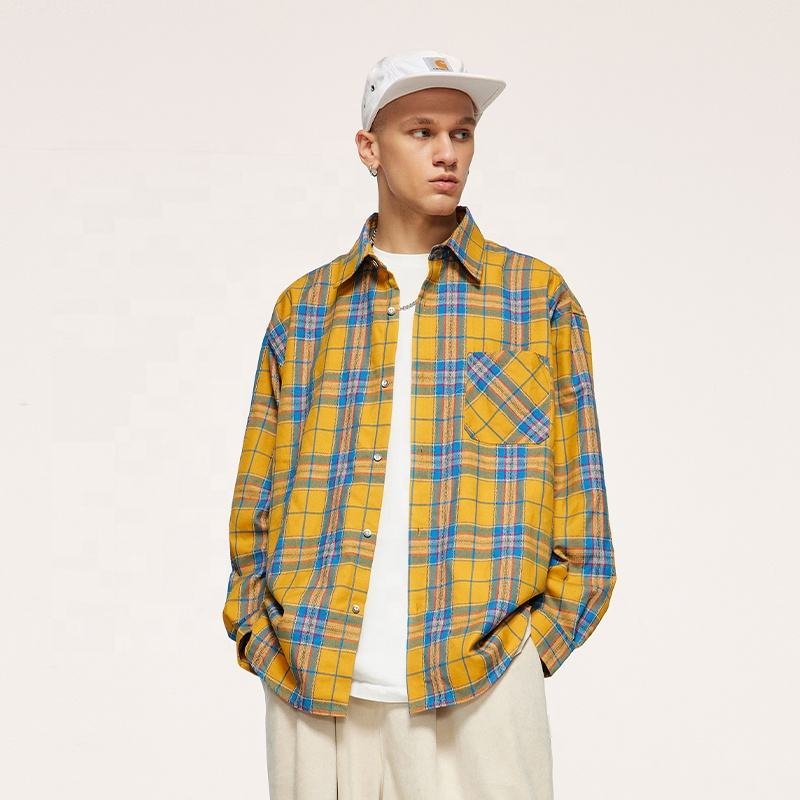
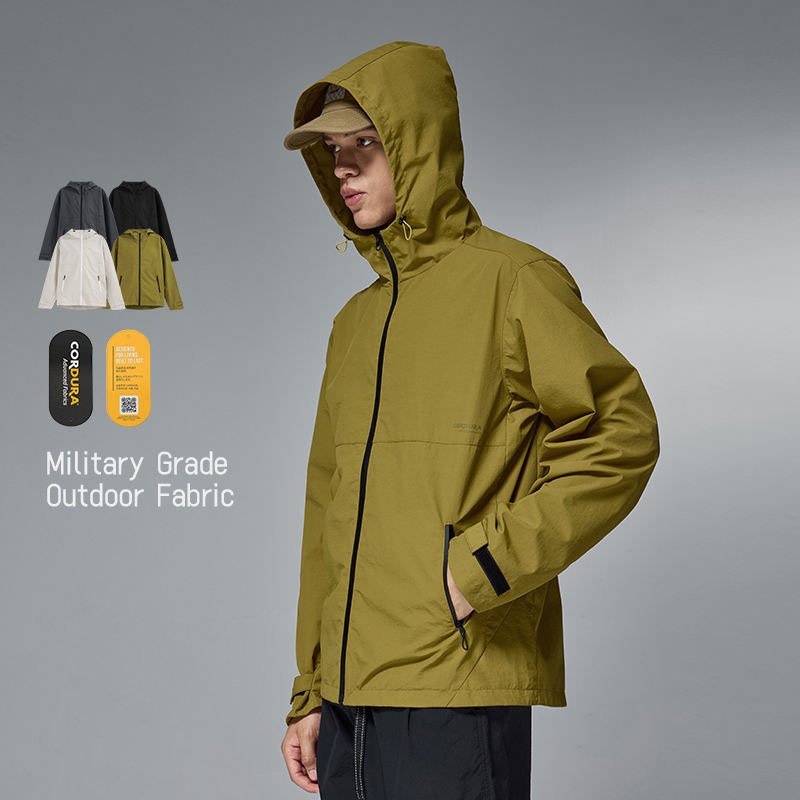
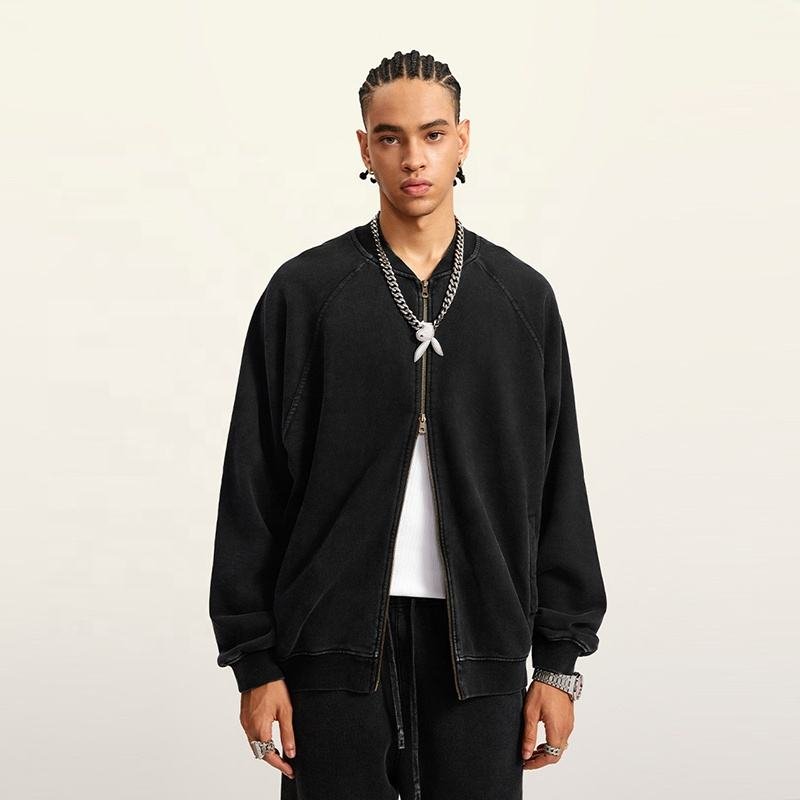
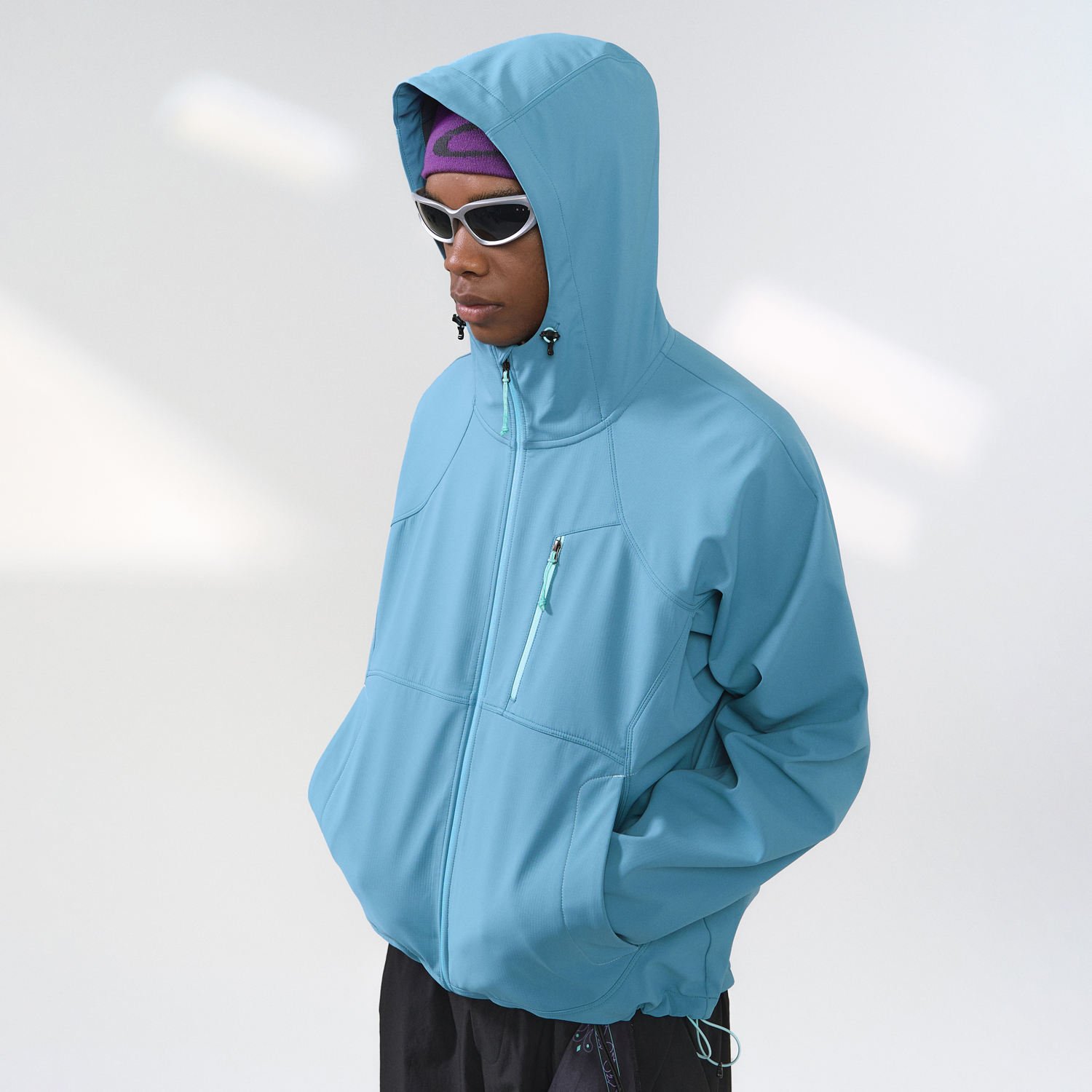
Denim Jacket Designs & Samples
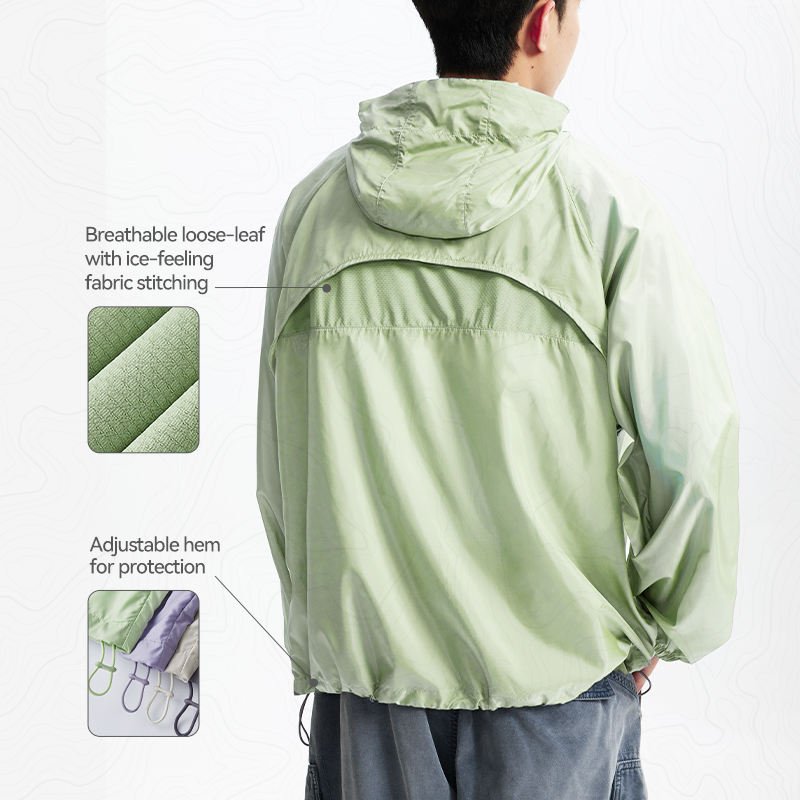
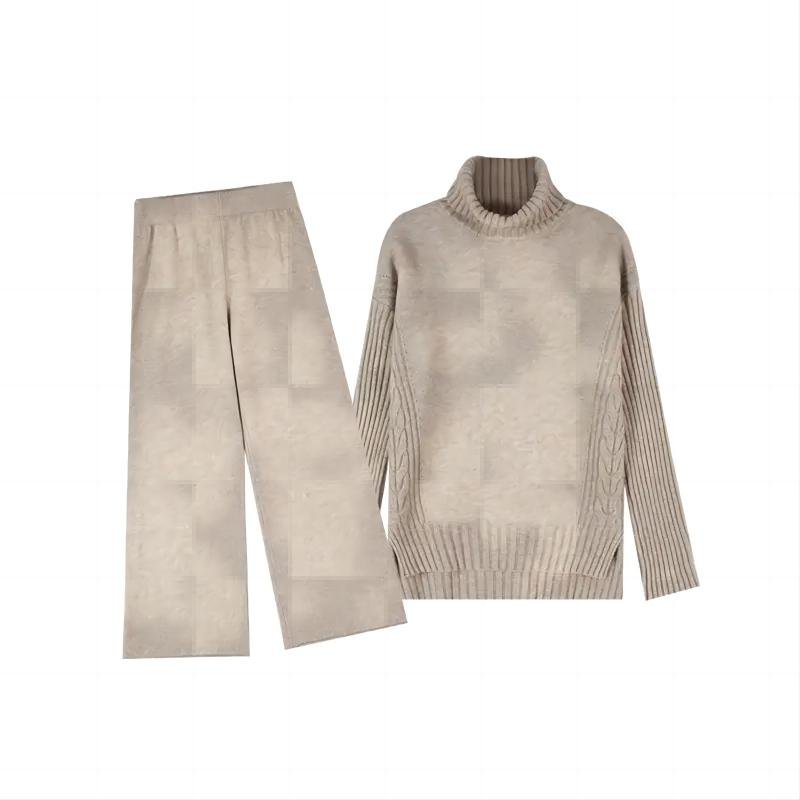
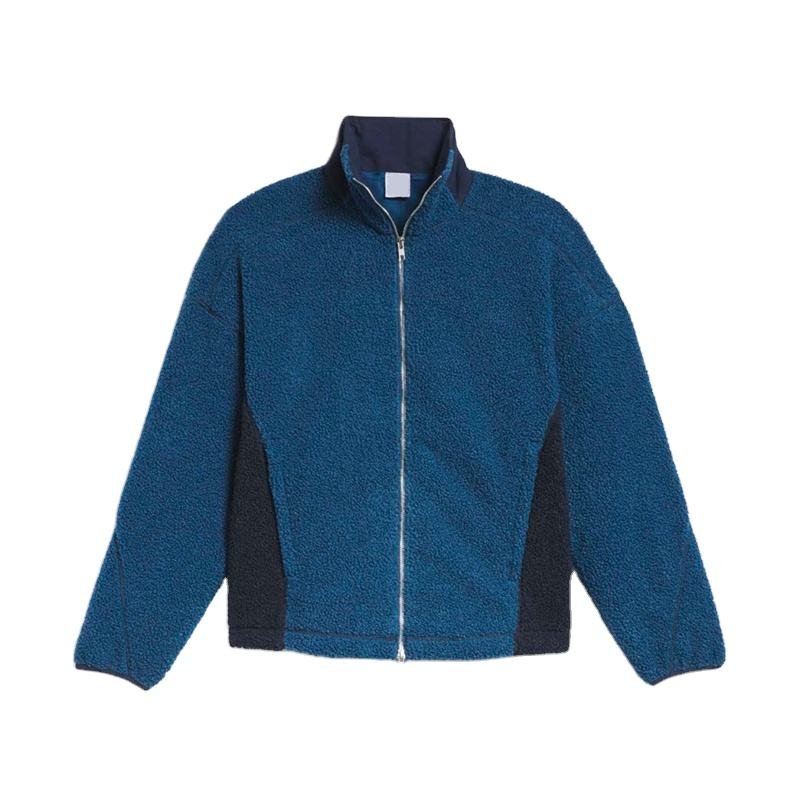
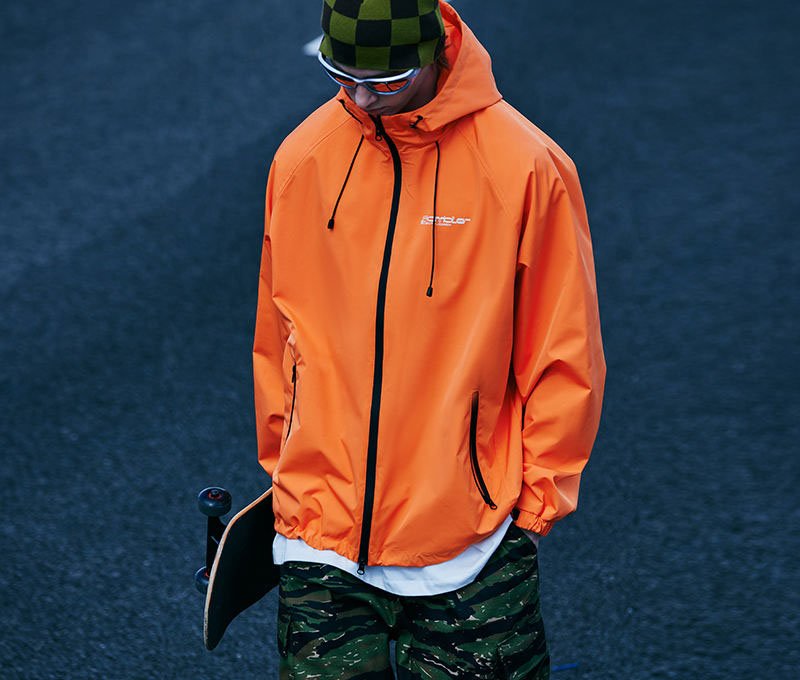
Why Brands Choose Our Mens Denim Jacket Manufacturer
5-Step QC Guarantee
Every denim jacket passes materials, cutting, craft, sewing, and finished product inspections before shipping to your customers.
In-House Design & Sampling
Our 15-person R&D team develops custom denim jacket designs, patterns, and samples tailored to your brand’s streetwear vision.
Low MOQ for Startups
Launch your denim jacket line without massive inventory risk. We support emerging brands and independent designers with flexible minimums.
Fast Seasonal Turnaround
Meet drop deadlines and trend cycles with our streamlined production workflow, ensuring your collection launches on schedule every season.
Streetwear Expertise Since 2019
Over 6 years specializing in streetwear production for influencer brands, fashion startups, and global retailers across 100+ countries.
Global Shipping & Logistics
End-to-end logistics support including customs, inspection, and reliable international shipping to deliver your jackets anywhere worldwide.
Mens Denim Jacket Manufacturer Solutions for Every Streetwear Vision
From classic trucker styles to bold custom prints, our denim jacket categories help you deliver exactly what your audience craves—backed by our 5-step QC guarantee.
Classic Trucker Jackets
Many emerging brands struggle to source timeless trucker-style denim jackets with authentic construction details, proper fit consistency, and reliable hardware—without massive MOQs that drain startup budgets.
We deliver heritage-inspired trucker jackets with reinforced stitching, premium metal buttons, and accurate sizing across every piece. Low MOQs let you test designs before scaling, while our cutting QC ensures pattern precision.
Oversized Streetwear Denim
Streetwear brands need oversized silhouettes that balance dramatic proportions with wearability, but many manufacturers lack the pattern expertise to prevent awkward draping, sleeve collapse, or shoulder misalignment in larger cuts.
Our in-house design team engineers oversized denim jackets with optimized drop-shoulder placement, structured collars, and balanced hem lengths. Sewing production QC testing catches fit issues before bulk production begins.
Vintage Wash & Distressing
Achieving authentic vintage washes—stone-washed, acid-washed, or distressed finishes—requires specialized equipment and wash-formula expertise. Inconsistent results across batches can ruin a collection's cohesive look and damage brand credibility.
We control every wash cycle in-house, matching Pantone references and distress patterns across your entire order. Our finished clothing quality inspection verifies color consistency, and materials QC ensures denim weight withstands aggressive treatments.
Embroidered & Patch Detailing
Custom embroidery, chenille patches, and appliqué details elevate denim jackets into statement pieces, but poor thread tension, misaligned placements, or puckering fabric can turn premium designs into unsellable inventory.
Our 15-member R&D team digitizes your artwork for flawless embroidery registration. Clothing craft QC testing checks every stitch density and patch alignment mid-production, so your finished jackets showcase crisp, professional detailing.
Custom Print Denim
Independent designers and influencer brands want bold back prints, all-over graphics, or screen-printed sleeves on denim, but many factories refuse small runs or deliver prints that crack, fade, or misalign after the first wash.
We offer DTG, screen printing, and heat-transfer options with wash-fastness testing built into our QC process. Fast turnaround for seasonal drops and low MOQs mean you can launch limited-edition pieces without overcommitting capital.
Premium Denim Fabrics Our Mens Denim Jacket Manufacturer Uses
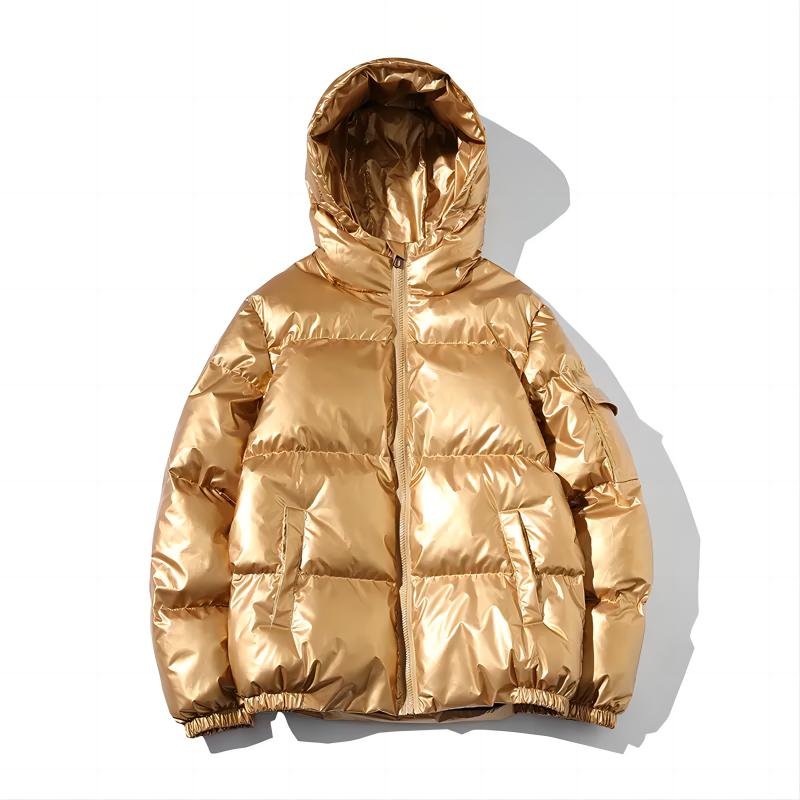
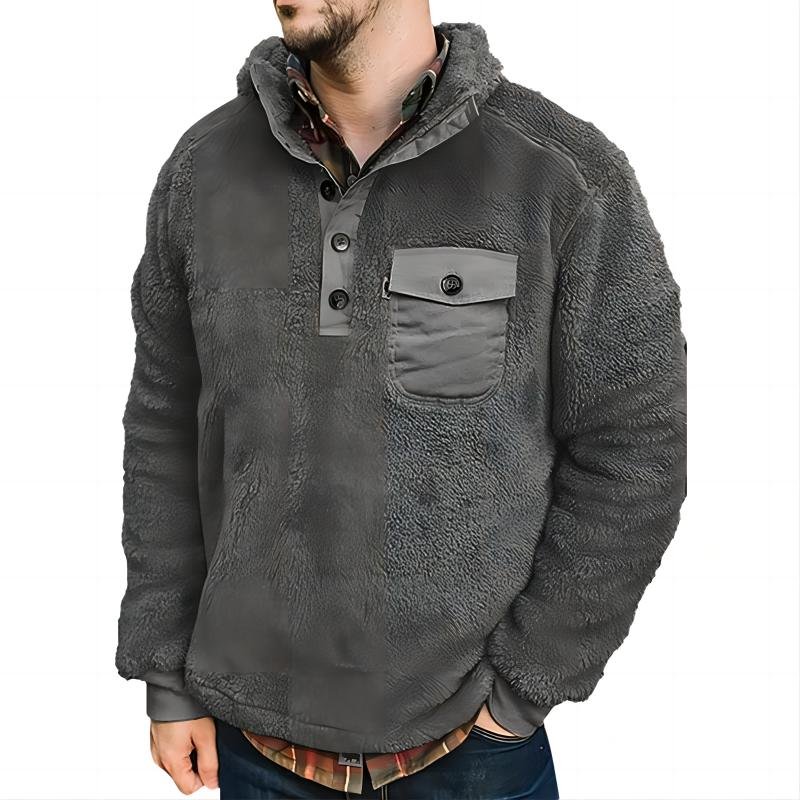
Stretch Denim
Cotton-elastane blend offering 2–4% stretch for enhanced mobility and comfort. Perfect for fitted silhouettes and modern streetwear cuts. Retains shape while providing all-day wearability without restriction.
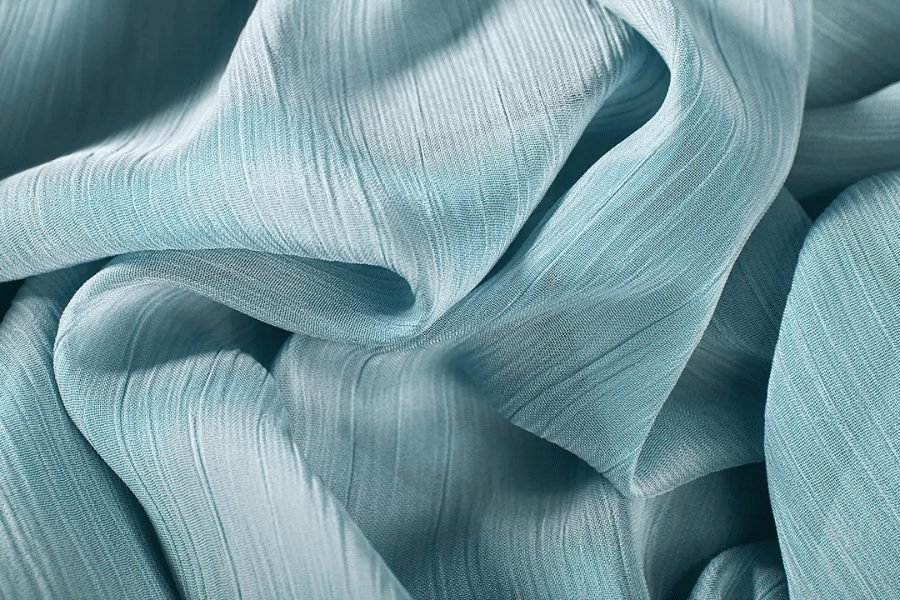
Raw Selvedge Denim
Unwashed, tightly woven denim with clean selvedge edges for premium detailing. Favored by streetwear purists and heritage brands. Develops unique fading patterns, typically 13–16 oz for structured, durable jackets.
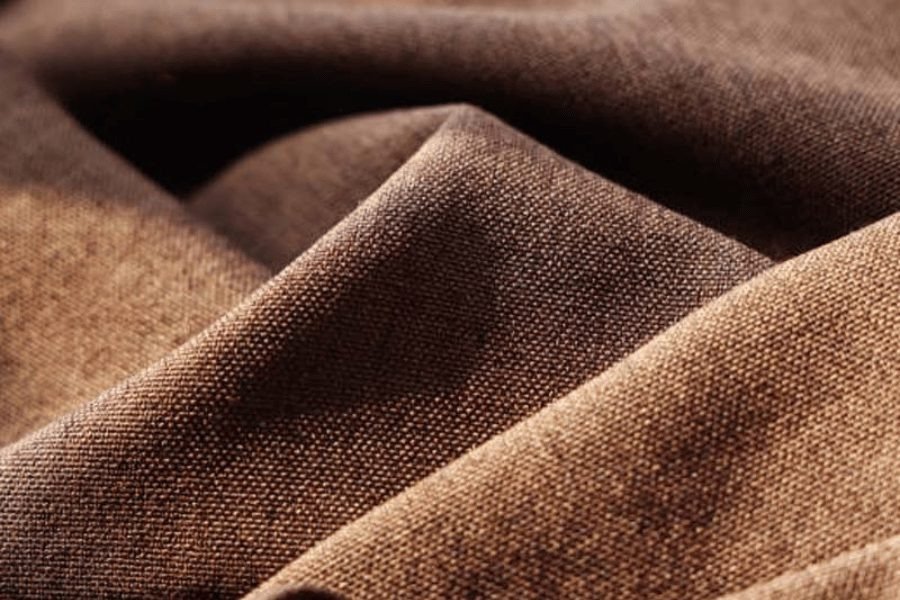
Cotton-Poly Blend Denim
Durable blend combining cotton’s comfort with polyester’s wrinkle resistance and color retention. Cost-effective option for high-volume production. Maintains crisp appearance through repeated wear, ideal for retail collections.
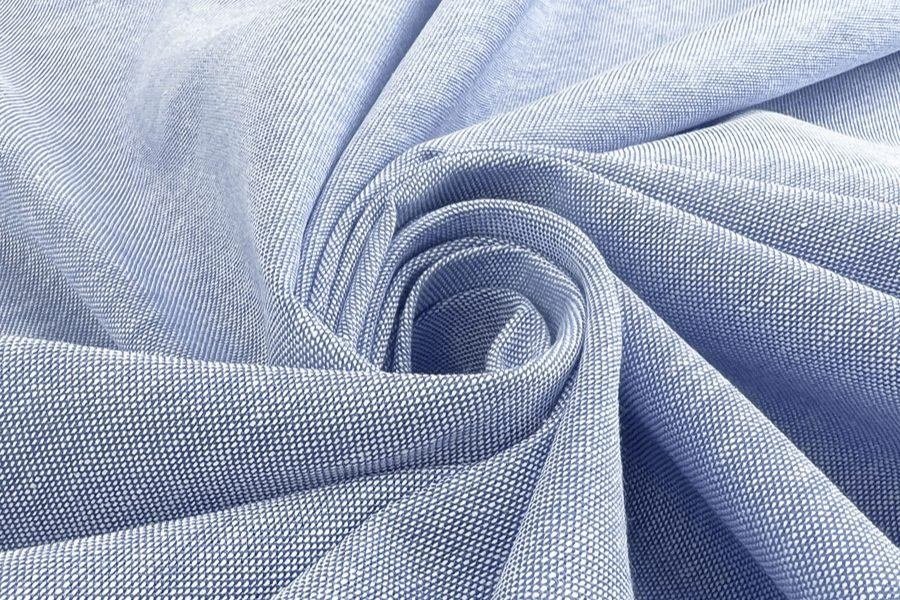
Recycled Denim
Eco-conscious fabric made from post-consumer or pre-consumer denim waste. Appeals to sustainability-focused brands and conscious consumers. Offers comparable durability to virgin denim while reducing environmental impact.
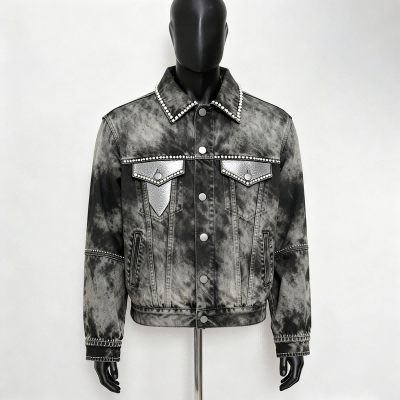
Lightweight Denim
8–10 oz denim for layering pieces and transitional jackets. Soft hand-feel with excellent drape for relaxed, oversized streetwear fits. Ideal for spring/summer collections and year-round versatility.
Advanced Production Techniques for Mens Denim Jacket Manufacturer
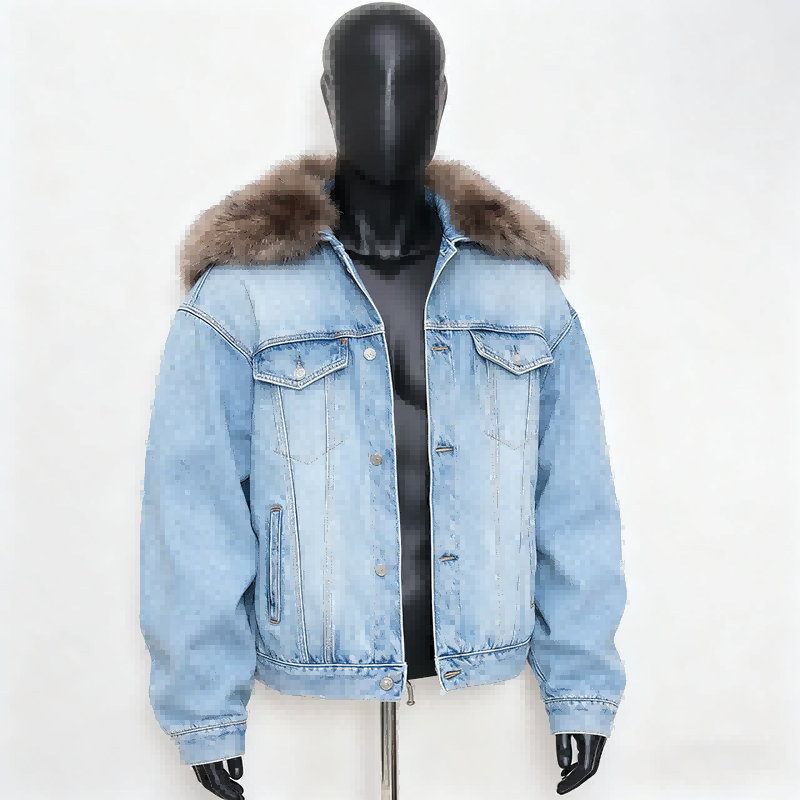
Screen Printing
High-opacity ink application for bold graphics, logos, and artwork on denim. Creates vibrant, street-ready designs with excellent wash durability and color retention across light and dark fabrics.
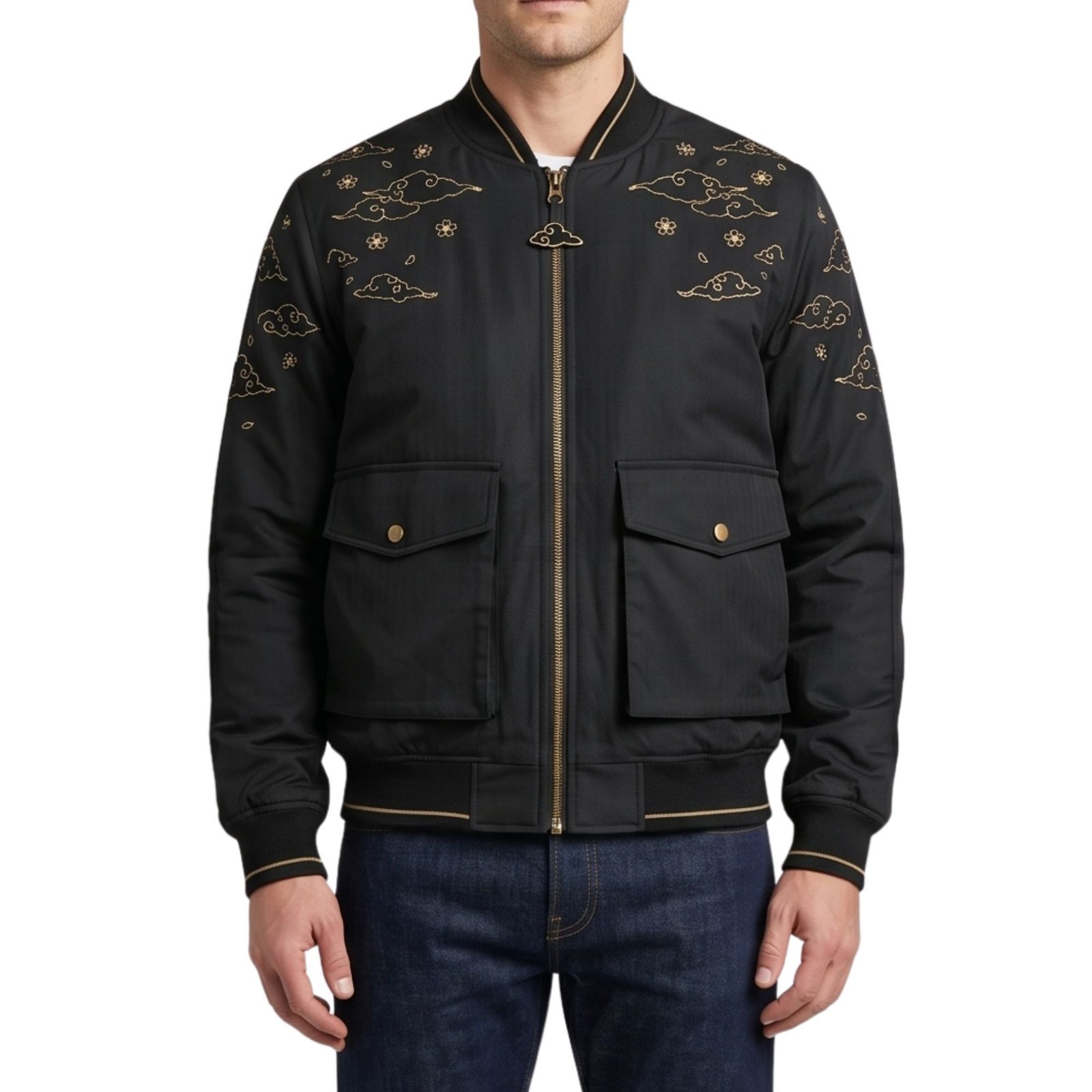
Custom Embroidery
Precision stitching for logos, patches, and decorative elements using premium threads. Delivers a premium, textured finish that elevates brand identity and withstands repeated wear and washing.
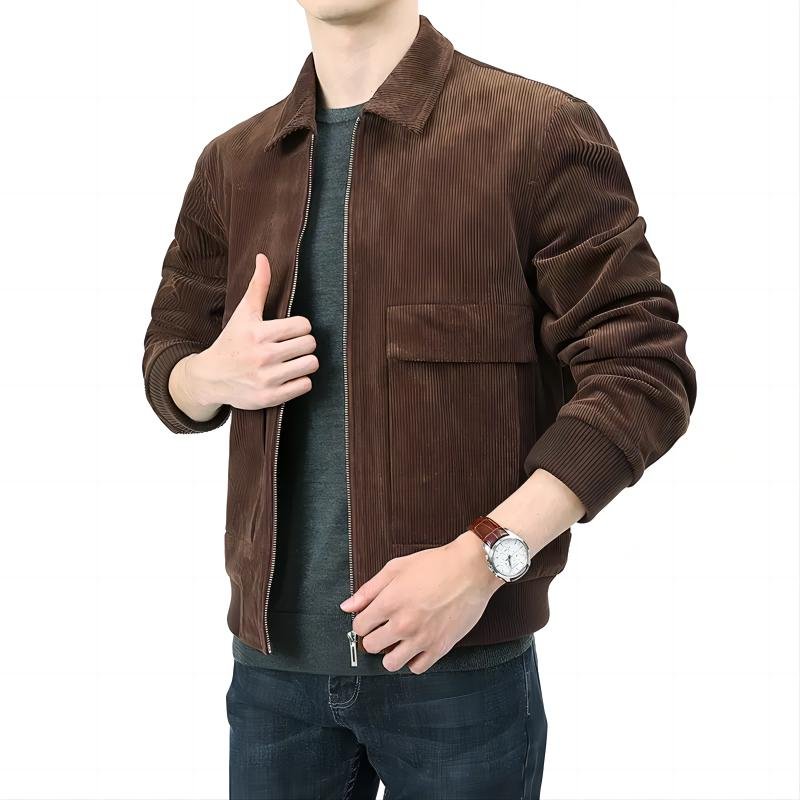
Distressing & Washing
Authentic vintage effects including whiskering, fading, rips, and enzyme washes. Achieves the lived-in streetwear aesthetic while maintaining fabric integrity through controlled, tested processes.
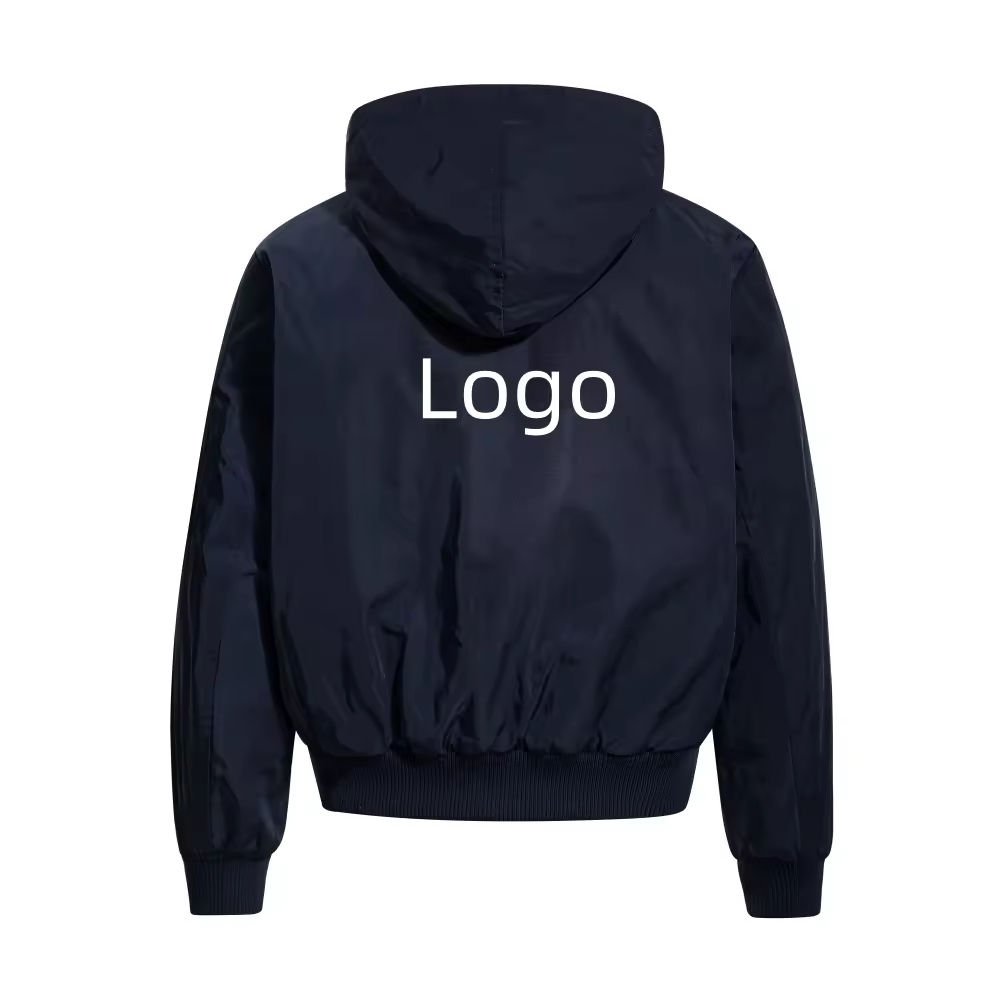
Custom Dyeing
Garment dyeing and overdyeing for unique colorways and gradient effects. Produces rich, saturated tones or subtle vintage washes that differentiate your collection from mass-market offerings.
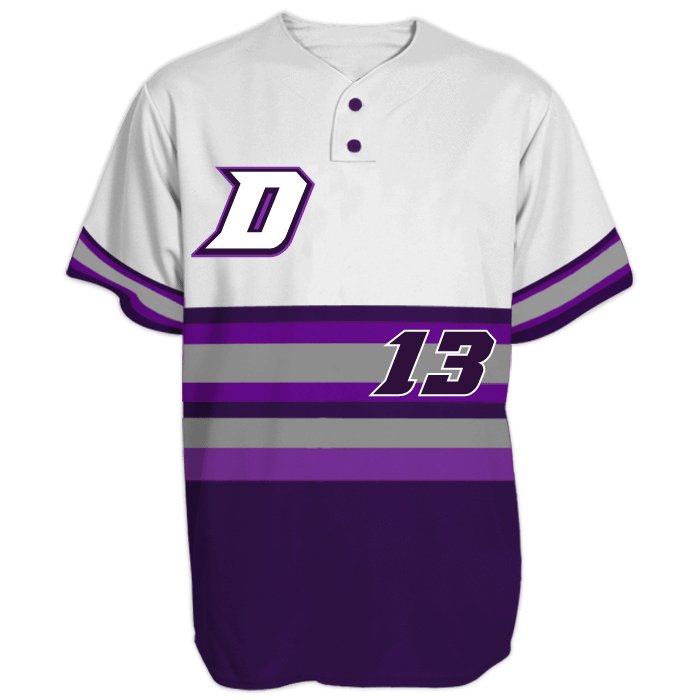
Hardware Attachment
Professional installation of buttons, rivets, zippers, snaps, and custom metal trims. Ensures secure, functional fasteners and decorative elements that align with your design vision and quality standards.
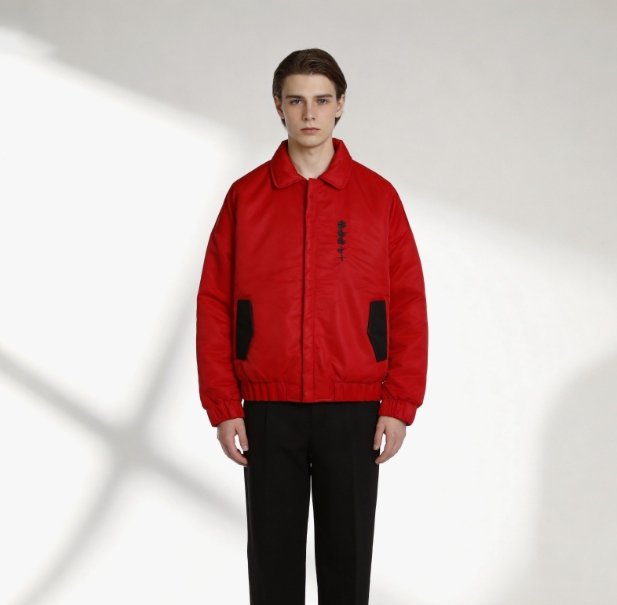
Patch Application
Heat-seal, sew-on, or adhesive application of woven labels, leather patches, and embroidered badges. Adds brand storytelling and visual interest with precise placement and permanent adhesion.
Premium Hardware & Finishing Accessories for Mens Denim Jackets
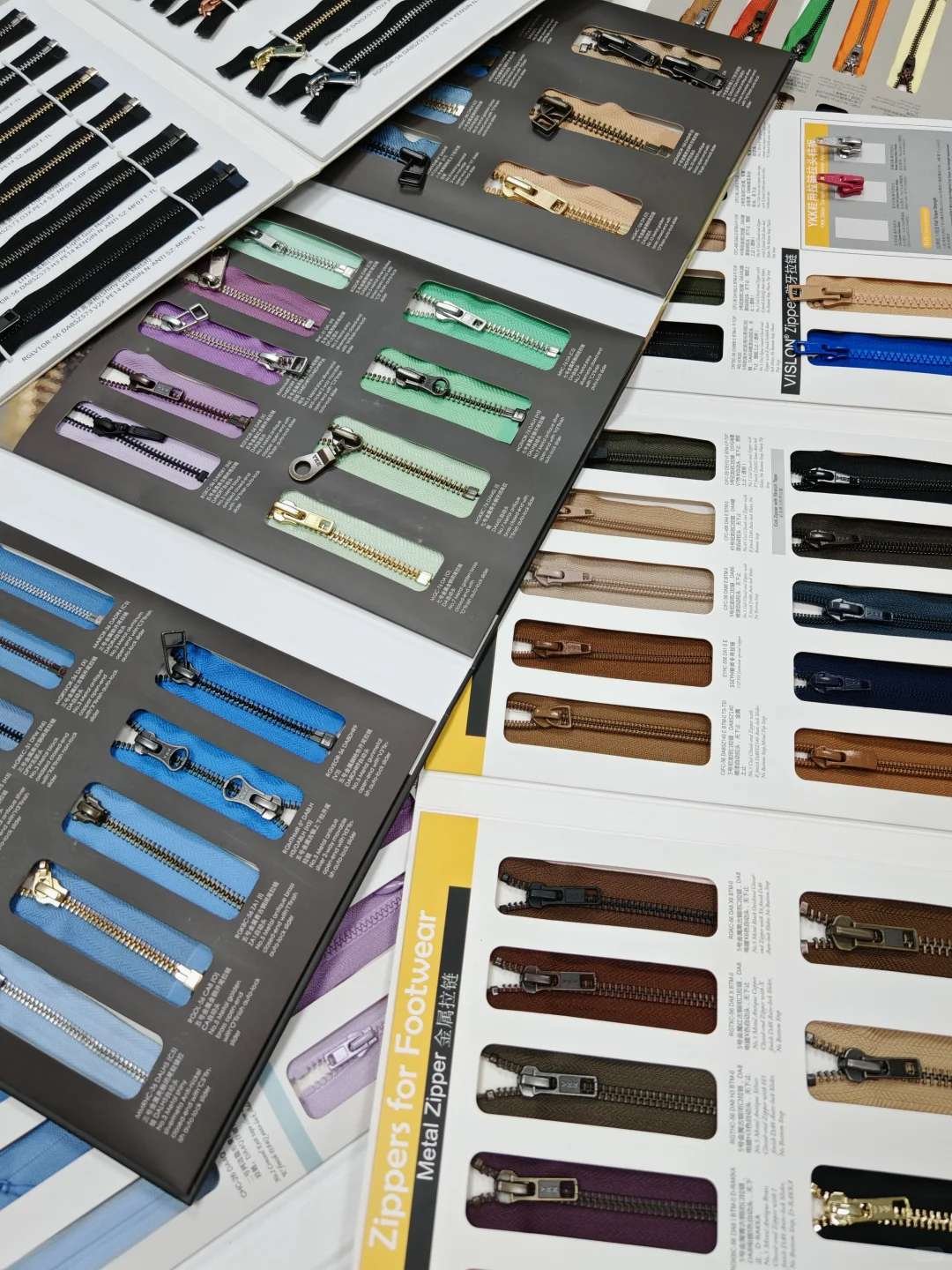
YKK Metal Zippers
Industry-leading YKK zippers in antique brass, gunmetal, and custom finishes for front closures and pocket details. Engineered for durability and smooth operation, these zippers withstand thousands of cycles while maintaining the authentic streetwear aesthetic your denim jackets demand.
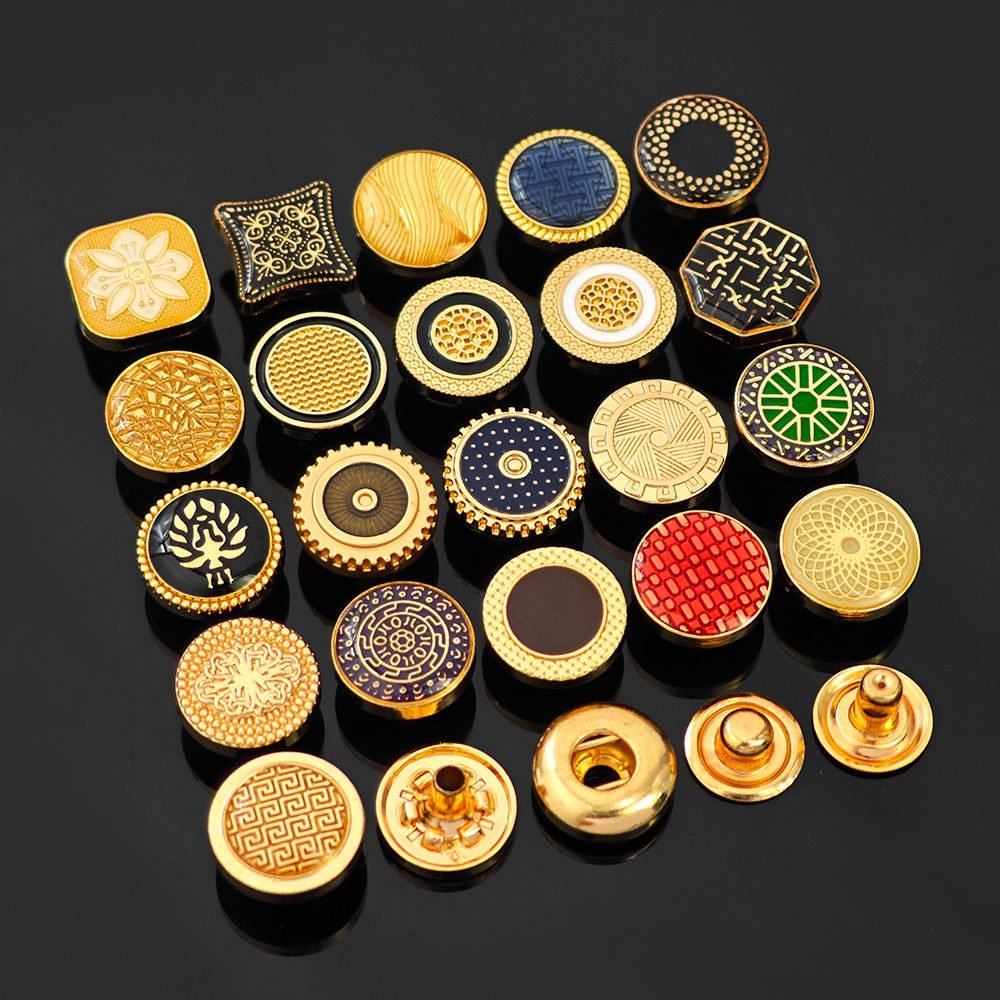
Custom Metal Snaps
Heavy-duty snap buttons in brushed nickel, oxidized copper, and matte black for cuffs, plackets, and pocket flaps. Available with custom logo engraving to reinforce brand identity on every closure point of your mens denim jacket line.
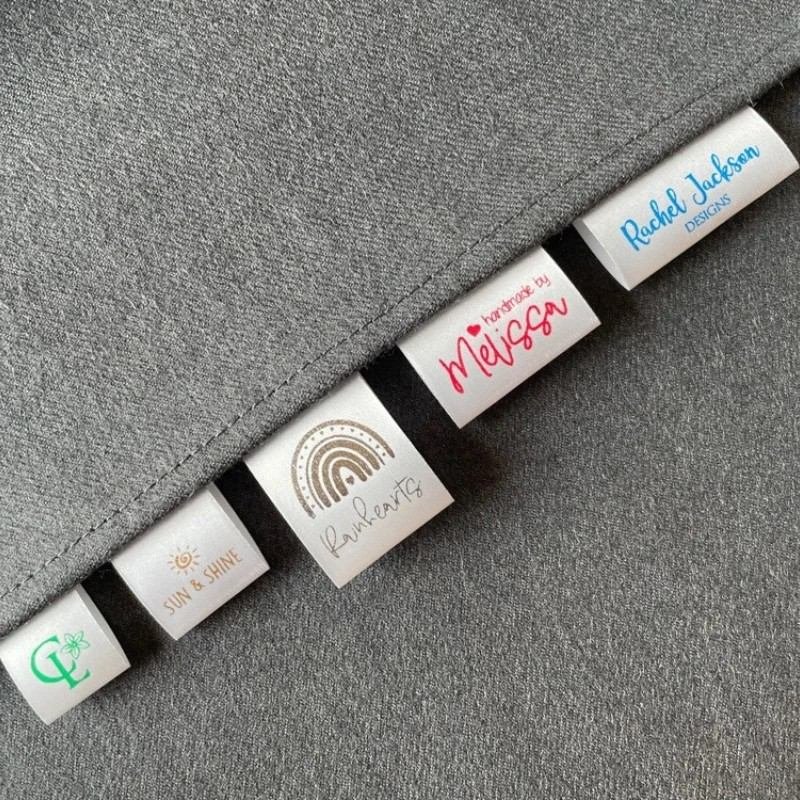
Leather Label Patches
Genuine and vegan leather patches for back waistband branding, crafted with debossed or embossed logos. These signature elements add premium tactile appeal and authenticity to your denim jackets, elevating perceived value for discerning streetwear customers.
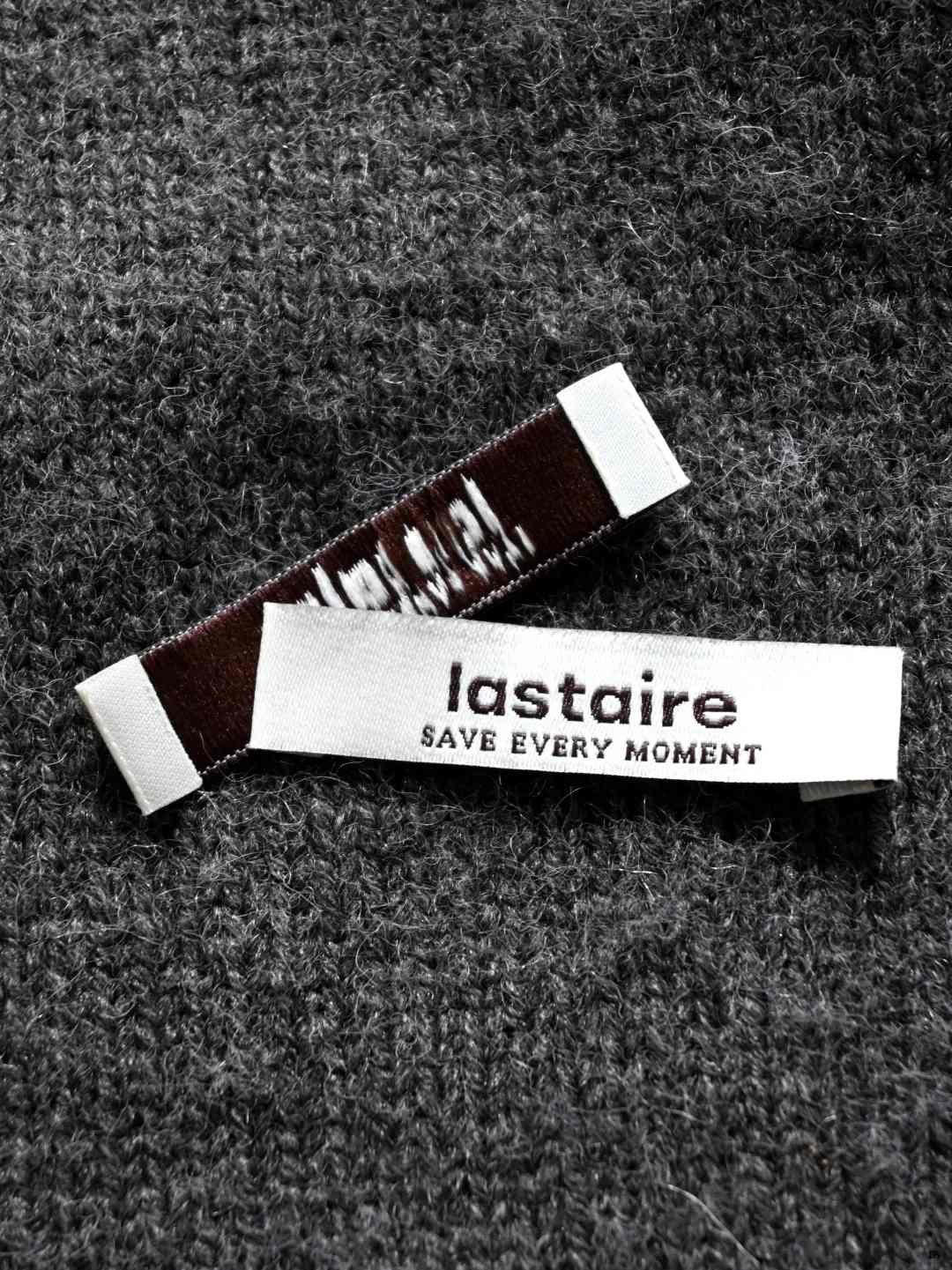
Woven Brand Labels
High-density woven labels in damask or taffeta for neck, sleeve, or interior placement. Fade-resistant threads ensure your brand name remains crisp through countless washes, maintaining professional presentation throughout the jacket’s lifetime.
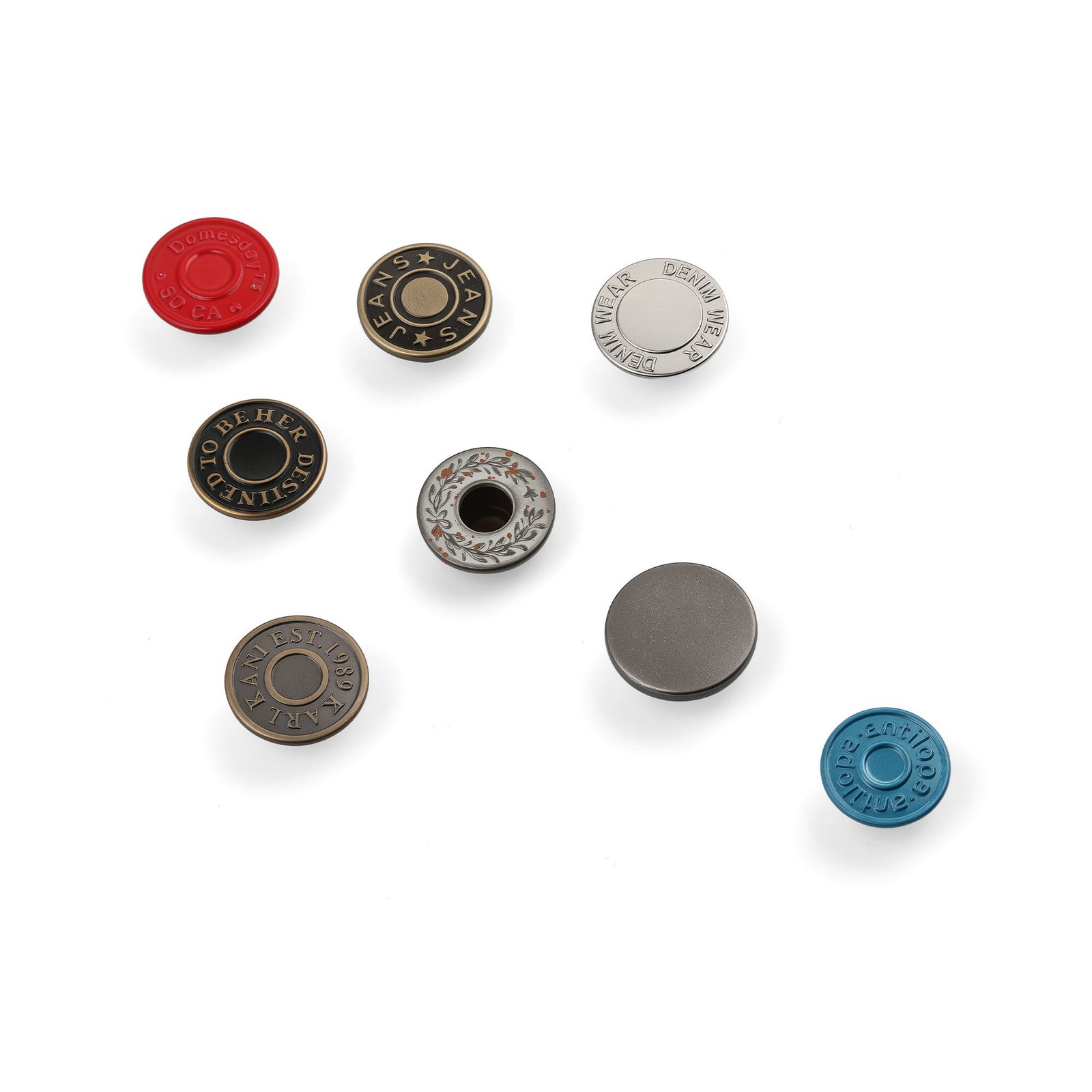
Custom Metal Buttons
Die-cast metal buttons with engraved or embossed branding for front closures and decorative accents. Choose from antique silver, rose gold, or custom plating to match your collection’s hardware palette and reinforce cohesive design language.
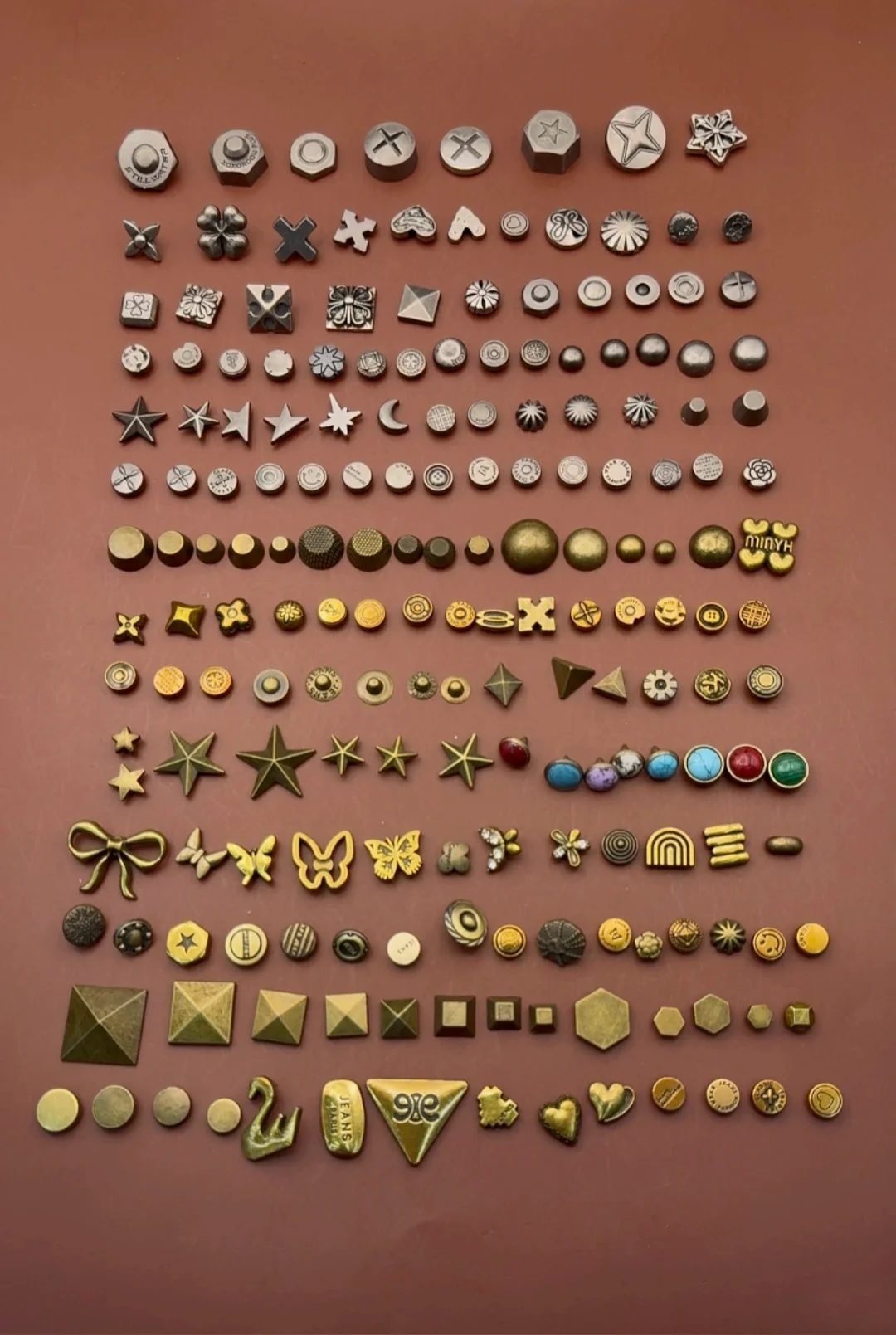
Drawcords & Tipping
Reinforced drawcords with metal or plastic aglets for adjustable hems and hoods. Available in flat, round, or reflective styles with custom color matching and branded tipping to add functional streetwear details to your denim jacket designs.
Your Trusted Mens Denim Jacket Manufacturer
Founded in 2024 by Tesla Luo, Clothing Manufacturer Ltd was born from a mission to restore the global reputation of Chinese garment production. With over 10 years in apparel manufacturing and 6 years specializing in streetwear, Luo grew up in the industry through his parents’ factory careers, rotating through every production role from cutting to quality control.
Today, we serve trendy brands, startups, and retailers across 100+ countries as a specialized mens denim jacket manufacturer. Our 15-member R&D team and 10 patents support every stage of production, from fabric selection to finishing. Unlike factories that skip quality checks, we embed rigorous inspection at five critical stages to ensure every jacket meets our zero-compromise standard.
Backed by the infrastructure of Dongguan TuoZhen Clothing Co., Ltd., we combine the agility of a streetwear specialist with the capacity of an established operation. Whether you’re launching your first collection or scaling a global line, we deliver premium craftsmanship, low MOQs, and transparent communication that empowers your brand to grow.
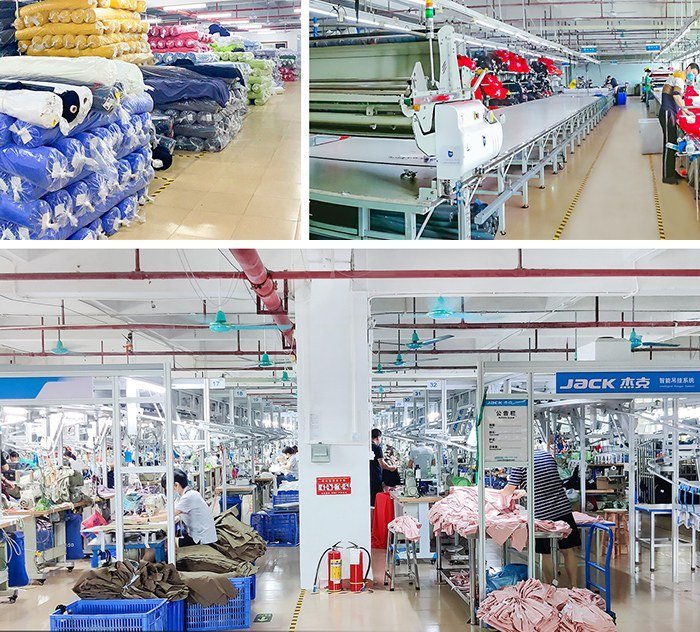
Our 5-Step Quality Control Guarantee for Denim Jackets
Materials QC Testing
Before production begins, every denim roll is inspected for weight consistency, color accuracy, and structural integrity. This first checkpoint ensures only premium fabrics enter your mens denim jacket manufacturer workflow, eliminating material defects before cutting.
- Fabric weight and density verification against specifications
- Color fastness and dye stability testing to prevent fading
- Surface inspection for weaving flaws, slubs, and inconsistencies
- Shrinkage pre-testing to guarantee fit accuracy after washing
Cutting QC Testing
Pattern pieces are measured and compared to approved templates immediately after cutting. Our cutting QC catches dimensional errors and fabric waste issues early, ensuring every jacket panel meets exact specifications before moving to assembly.
- Panel-by-panel dimension verification against master patterns
- Grain line and bias alignment checks for structural integrity
- Notch and marking accuracy inspection for seamless assembly
- Cutting edge quality review to prevent fraying during sewing
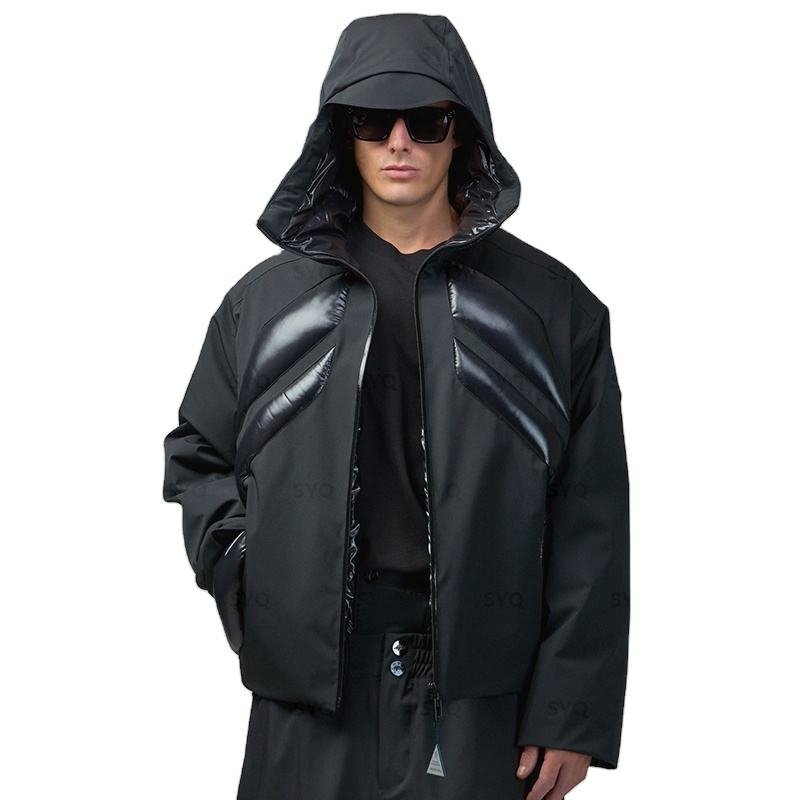
Clothing Craft QC Testing
Specialized techniques like topstitching, bartacks, and hardware placement are validated at this stage. As your trusted mens denim jacket manufacturer, we verify that every craft detail matches your brand’s aesthetic and durability standards.
- Topstitching alignment and thread tension consistency checks
- Bartack reinforcement strength testing at stress points
- Hardware placement precision for buttons, rivets, and zippers
- Pocket construction and lining attachment quality validation
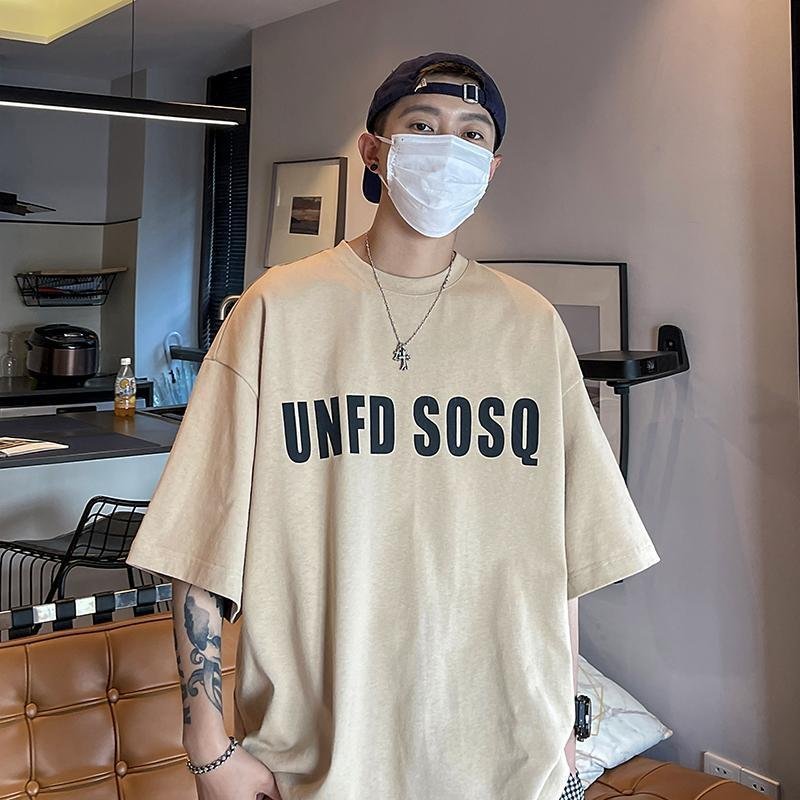
Sewing Production QC Testing
During assembly, random in-line inspections catch stitching defects, seam strength issues, and construction errors in real time. This proactive approach prevents entire production runs from inheriting the same flaw, saving time and protecting your brand reputation.
- Seam strength pull-testing at shoulders, sleeves, and side seams
- Stitch-per-inch count verification for consistency and durability
- Thread color matching and tension balance across all panels
- Real-time feedback loop to correct issues before batch completion
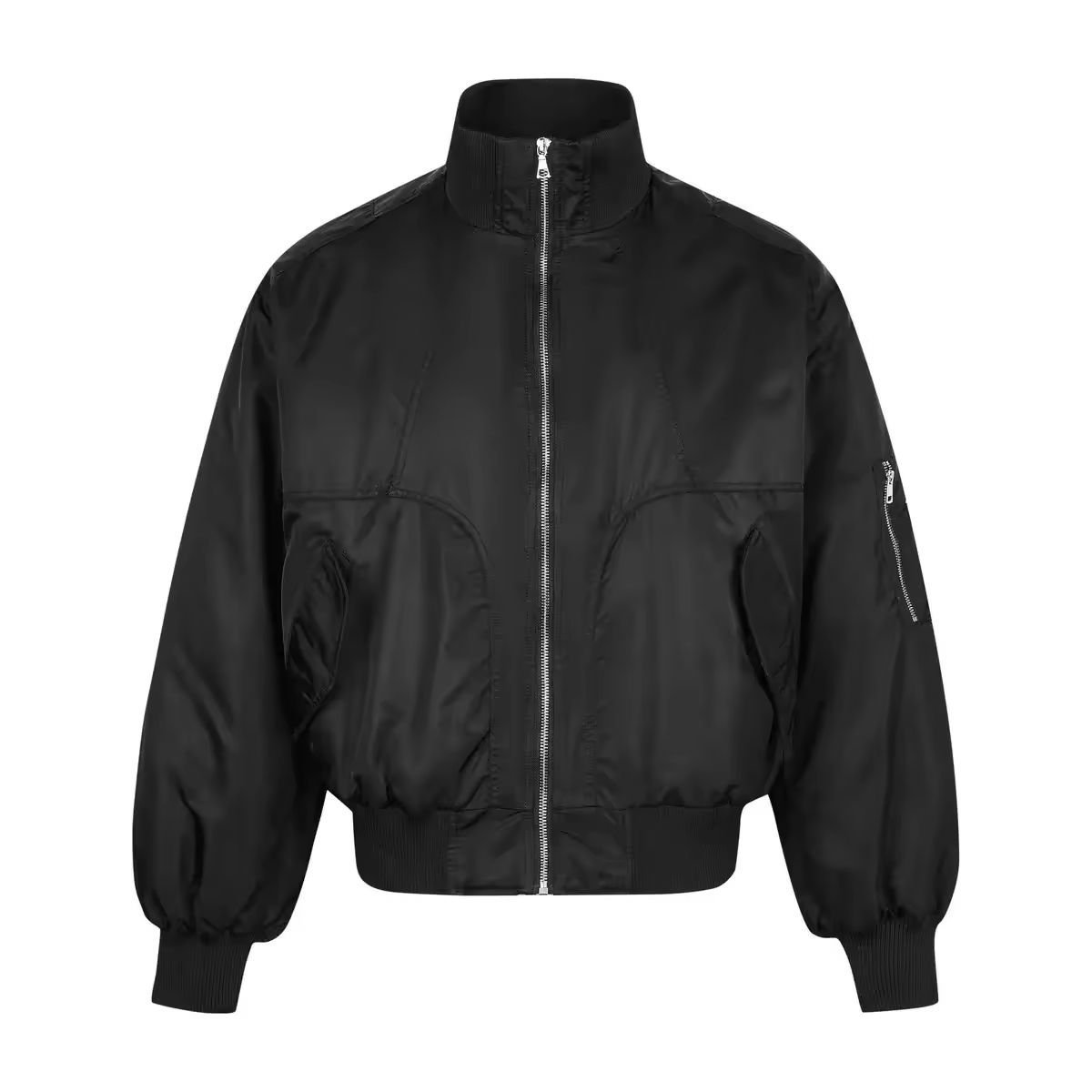
Finished Clothing Quality Inspection
Every completed denim jacket undergoes a comprehensive final inspection covering fit, finish, and packaging. This last checkpoint guarantees that only garments meeting our zero-compromise standard leave our facility and reach your customers.
- Full garment measurement audit against approved size charts
- Visual inspection for loose threads, stains, and finishing flaws
- Functional testing of all zippers, buttons, and closures
- Packaging and labeling accuracy check before shipment
Why Choose a Mens Denim Jacket Manufacturer with Proven QC
Not all denim jacket manufacturers are created equal. Our 5-step quality control process ensures every jacket meets strict standards at every production stage—while typical suppliers skip critical mid-production checks that catch defects early.
← 左右滑动查看 →
Mens Denim Jacket Manufacturer Production Workflow
Every jacket passes through six quality-controlled phases, ensuring premium craftsmanship from raw denim to finished product ready for your brand.
Fabric Sourcing & Testing
Premium denim fabrics selected and tested for weight, durability, shrinkage, and colorfastness. Materials QC testing ensures only approved textiles enter production.
Pattern & Sample Approval
Custom patterns developed and pre-production samples created for your approval. Our design team refines fit, styling details, and construction methods collaboratively.
Cutting & Marking
Precision cutting with advanced machinery and cutting QC testing to verify accuracy. Each panel is inspected before moving to the sewing floor.
Sewing & Embellishment
Expert craftspeople assemble jackets with reinforced stitching, custom hardware, embroidery, or prints. Clothing craft QC and sewing production QC testing monitor every step.
Quality Control & Finishing
Finished clothing quality inspection checks measurements, stitching integrity, hardware function, and aesthetic details. Jackets are steamed, pressed, and prepared for final approval.
Packing & Shipping
Approved jackets receive branded packaging per your specifications. Global logistics support ensures secure, timely delivery to your warehouse or fulfillment center worldwide.
How to Partner With Your Mens Denim Jacket Manufacturer
From concept to finished product, we’ve streamlined every step. Work with a dedicated account manager who guides you through our transparent, quality-first production process.
Submit Your Tech Pack & Design
Share your denim jacket specifications, design files, or inspiration. Our team reviews your requirements and confirms fabric options, hardware, and customization details within 24 hours.
Approve Samples & Receive Quote
We produce physical samples using your exact specs and our 5-step QC process. Review fit, finish, and quality before receiving a transparent bulk quote with no hidden fees.
Launch Production & Track Progress
Place your order and monitor real-time updates from your dedicated account manager. Every jacket passes rigorous quality checks before global shipping to your door.
Certifications & Quality Standards From Your Mens Denim Jacket Manufacturer
Trusted Mens Denim Jacket Manufacturer for Streetwear Brands Worldwide
We scaled from 200 to 8,000 denim jackets per season thanks to their 5-step QC and low MOQ flexibility. Best mens denim jacket manufacturer we’ve worked with in China—zero quality compromises.
Fast sampling turned around our entire fall collection on time. Their denim craftsmanship and hardware finishing are unmatched. Our influencer customers love the fit and durability—repeat orders up 40%.
Launched our first denim jacket drop with only 150 units. Their team guided us through fabric selection, custom washes, and global shipping. Sold out in 3 weeks—now planning our next 500-piece order.
FAQ — Mens Denim Jacket Manufacturing
What is your MOQ for custom mens denim jacket manufacturing?
How fast can you produce samples for a mens denim jacket?
Do you handle design and pattern development for mens denim jackets?
What are your payment terms and lead times as a mens denim jacket manufacturer?
How do you protect our designs and intellectual property?
Can you ship mens denim jackets globally, and what logistics support do you offer?
What quality control measures does your mens denim jacket manufacturer use?
Do you offer custom washes, distressing, and hardware for denim jackets?
The Complete Buyer’s Guide to Choosing the Right Mens Denim Jacket Manufacturer
This comprehensive guide equips fashion brands and retailers with a proven decision framework, essential supplier criteria, quality benchmarks, customization options, and the most common sourcing mistakes to avoid when partnering with a mens denim jacket manufacturer.
1. What Is a Mens Denim Jacket Manufacturer?
A mens denim jacket manufacturer is a specialized apparel production facility that designs, cuts, sews, washes, and finishes denim jackets for brands, retailers, and independent designers. Professional manufacturers handle the complete production cycle—from fabric sourcing and pattern development through garment construction, chemical or stone washing, quality control, and final packaging. Clothing Manufacturer Ltd., for example, applies a five-step quality control methodology at materials, cutting, craft, sewing, and finished-garment stages to ensure consistent output standards.
Full-service manufacturers provide end-to-end support including design consultation, tech-pack development, fabric procurement, sampling, bulk production, and finishing treatments such as distressing or enzyme washes. Cut-make-trim (CMT) shops operate on a narrower scope: brands supply all materials and tech packs, and the factory performs only cutting, sewing, and trim attachment. Private-label suppliers maintain ready-made designs that buyers can rebrand with custom labels, hangtags, and packaging, offering faster turnaround but limited design flexibility.
When evaluating a mens denim jacket manufacturer, expect transparent communication on minimum order quantities (typically 100–500 pieces per style for emerging brands), lead times of 30–60 days for sampling and 45–90 days for bulk orders, and documented QC processes. A credible manufacturer will provide fabric swatch options (8–14 oz denim weights), washing and finishing samples, and clear pricing breakdowns covering fabric, labor, trims, washing, and packaging. Brands sourcing from Humen Town, Dongguan—a historic garment manufacturing hub—benefit from concentrated supply chains and deep technical expertise in streetwear and denim production.
2. The Evolution of Denim Jacket Manufacturing
In 1873, Levi Strauss and Jacob Davis patented riveted denim workwear, laying the foundation for the first denim jacket introduced in the 1880s as protective gear for railroad workers and laborers. Levi’s Type I jacket debuted in 1905, followed by the Type II in 1953 with its iconic pleated front pockets, and the Type III in 1967, which established the silhouette still recognized today. Each iteration refined fit, pocket placement, and construction to balance durability with evolving style preferences.
The 1960s and 1970s saw denim jackets migrate from blue-collar uniforms to counterculture symbols, embraced by rock musicians, bikers, and anti-establishment youth movements. This shift transformed the garment from functional workwear into a canvas for self-expression, paving the way for customization and artistic embellishment. By the 1980s, stonewashing and acid-washing techniques emerged, allowing a mens denim jacket manufacturer to deliver pre-aged aesthetics at scale and meet demand for vintage-inspired looks without decades of wear.
Modern manufacturing has integrated laser finishing, ozone treatment, and enzyme washes to reduce water consumption by up to 90 percent compared to traditional stonewashing, addressing sustainability concerns without sacrificing the distressed finishes streetwear brands require. Clothing Manufacturer Ltd. applies its five-step QC methodology—materials testing, cutting inspection, craft verification, sewing checks, and finished-product review—to denim jacket production, ensuring that both heritage construction standards and contemporary finishing innovations meet rigorous quality benchmarks. Understanding this evolution helps buyers select partners who respect denim’s workwear roots while leveraging cutting-edge processes for today’s market.
3. Types of Mens Denim Jacket Styles and Fits
Mens denim jacket manufacturers produce five core silhouettes, each targeting distinct customer segments and seasonal windows. Understanding these styles helps brands align production with market positioning and inventory strategy.
Classic Trucker (Type III)
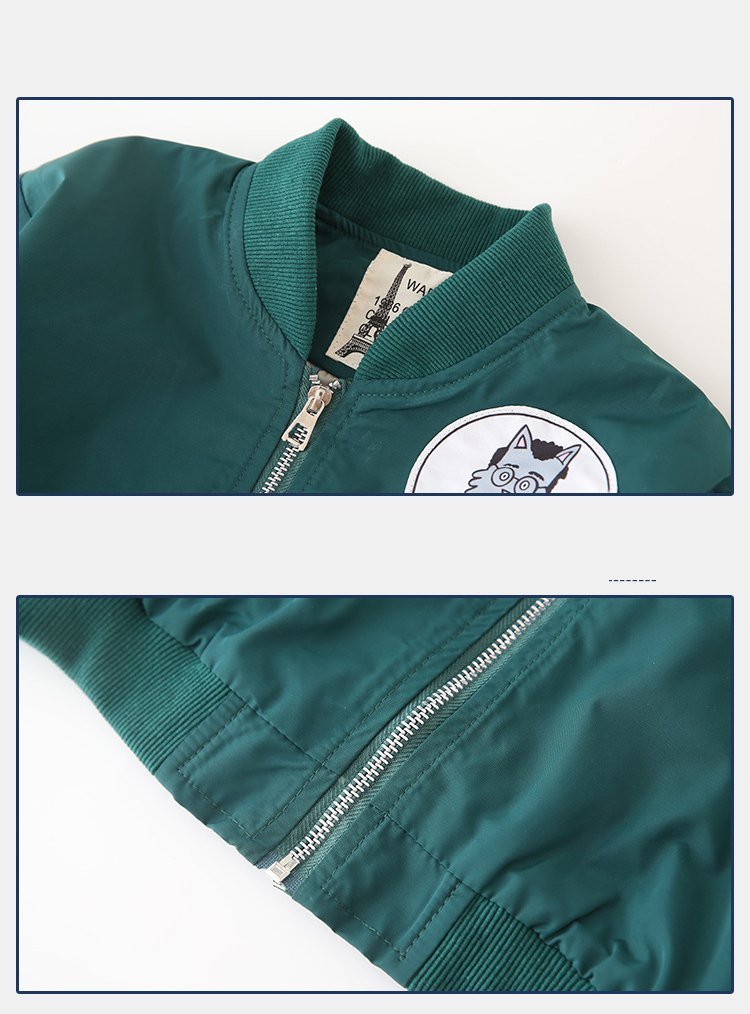
The Type III trucker remains the highest-volume order style, featuring pointed chest pockets, a tailored waist, and a length ending at the hip. This silhouette appeals to mainstream streetwear and casual brands targeting 18–35-year-old consumers year-round.
MOQ for classic truckers typically starts at 300 pieces per colorway due to standardized patterns and high fabric turnover. Manufacturers stock 10–14 oz denim in indigo and black, reducing lead times to 25–30 days for repeat orders.
Oversized and Relaxed Fit
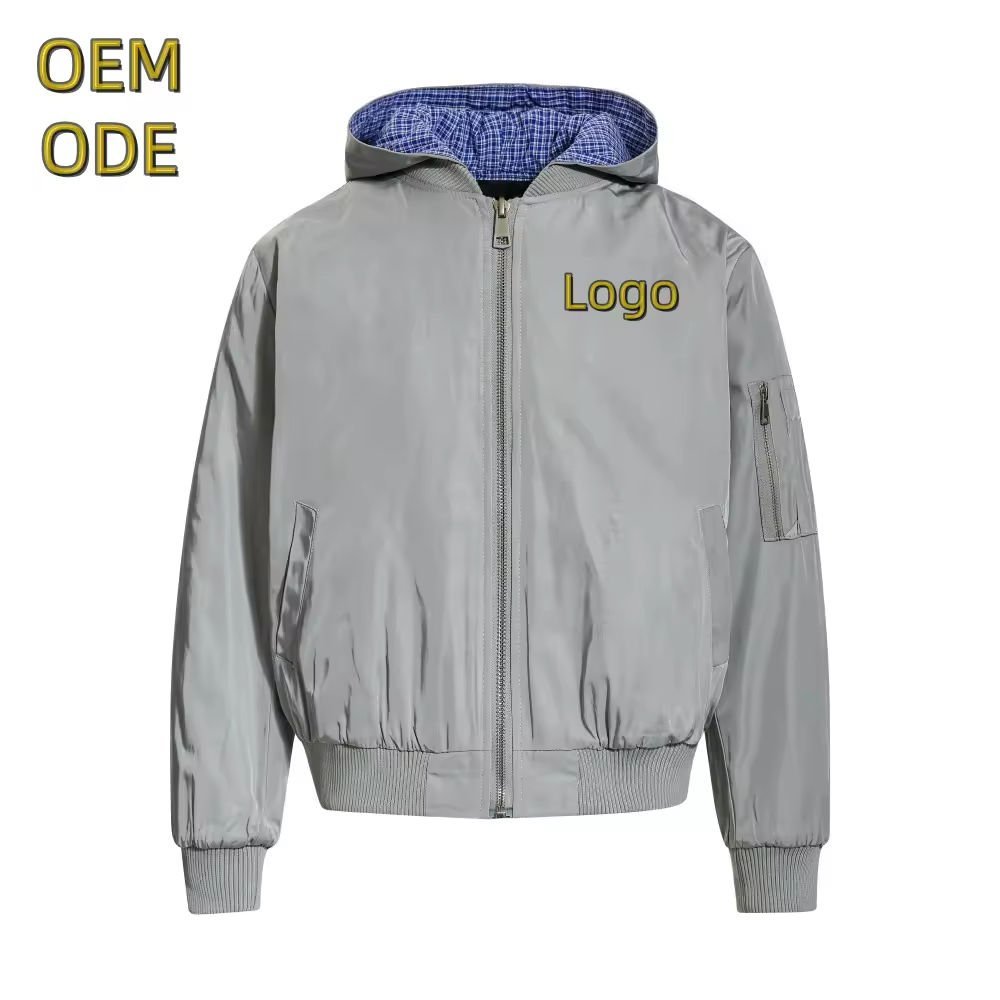
Oversized denim jackets feature dropped shoulders, extended sleeves, and a boxy body, resonating with Gen Z and influencer-driven brands. This style dominates spring and fall collections, often paired with graphic tees and hoodies.
Relaxed fits require pattern adjustments and grading across wider size ranges, pushing MOQ to 400–500 pieces. Manufacturers charge 8–12 percent more for oversized patterns due to increased fabric consumption and fit-sample iterations.
Cropped and Short Length
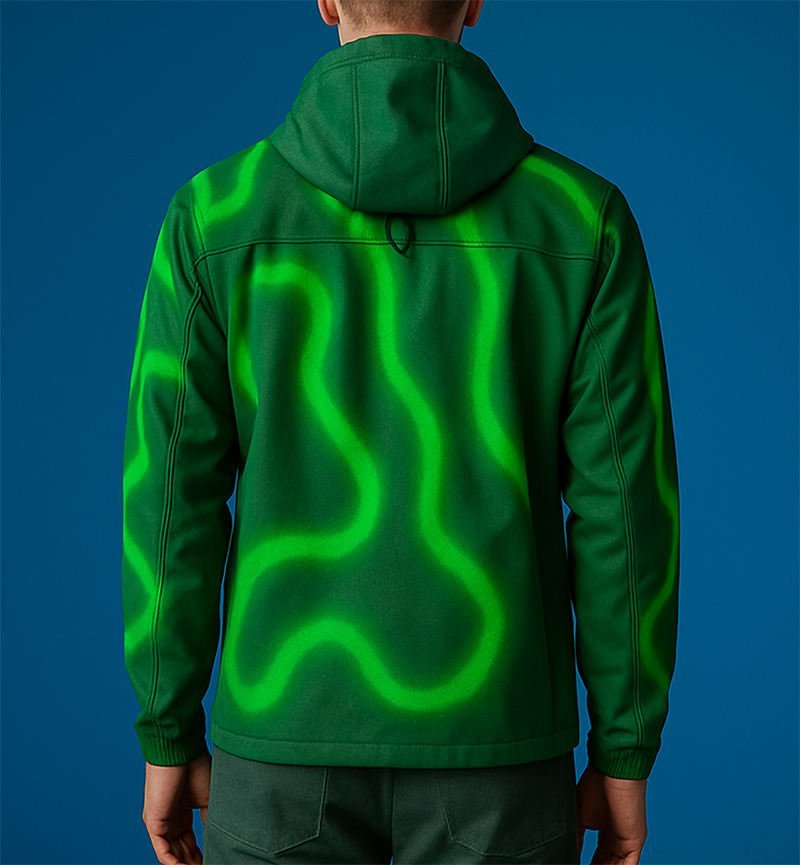
Cropped denim jackets end above the waist, targeting women’s crossover lines and fashion-forward menswear. Peak demand occurs in spring and early summer, with brands ordering 200–300 pieces to test market response.
Shorter body length reduces fabric cost by 10–15 percent, but specialized grading and lower order volumes offset savings. Cropped styles suit independent designers and startups launching capsule collections with limited budgets.
Sherpa-Lined Winter Styles
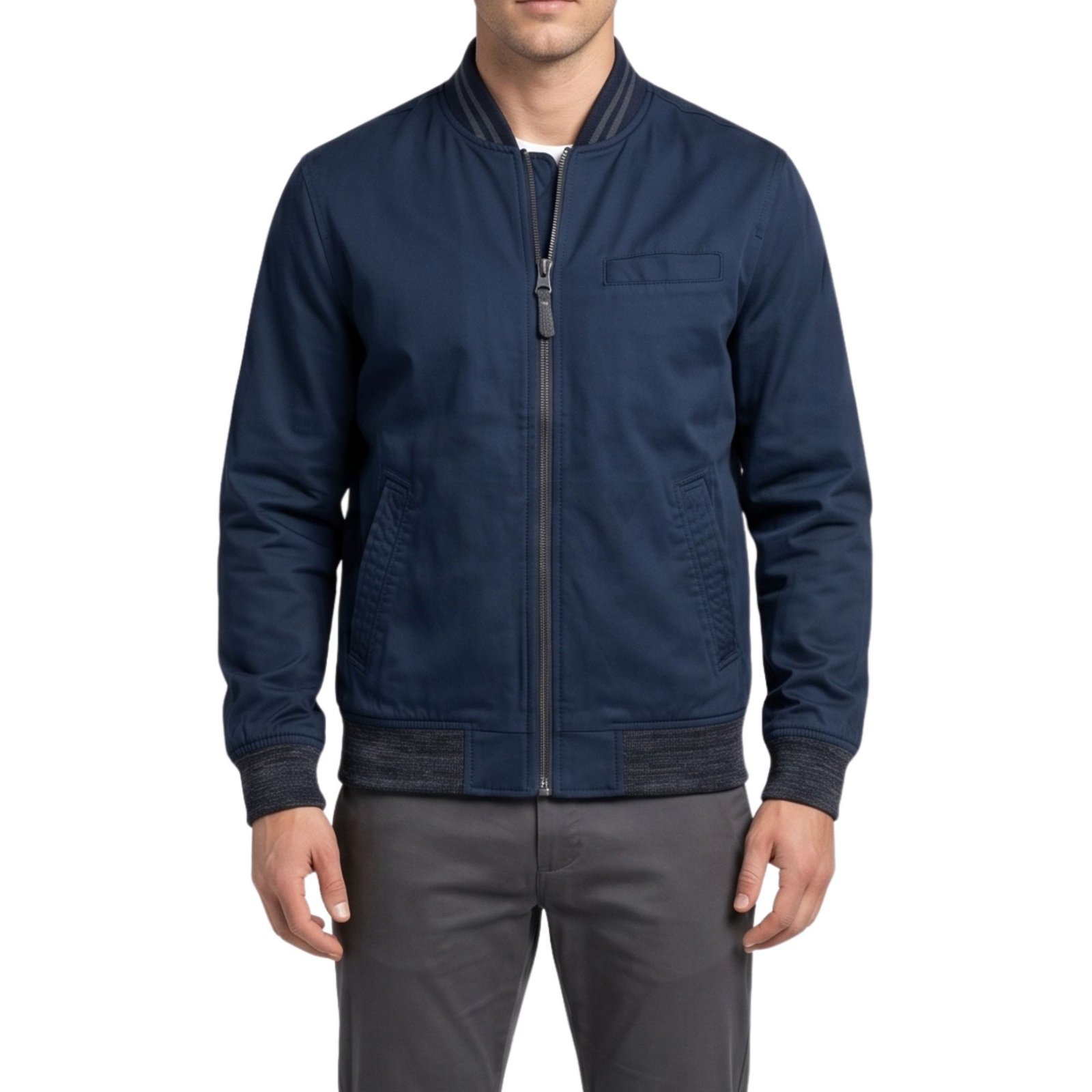
Sherpa-lined denim jackets layer fleece or faux-shearling into collars, bodies, and cuffs, converting the classic silhouette into cold-weather outerwear. Brands order these styles exclusively for fall and winter, with production starting in May to meet September delivery.
MOQ rises to 500–800 pieces because sherpa lining requires additional labor, materials, and QC checkpoints. Manufacturers source sherpa from separate suppliers, adding 7–10 days to lead time and 20–30 percent to unit cost.
4. Denim Fabrics and Materials Used by Manufacturers
Fabric selection determines durability, drape, and brand positioning for every denim jacket order. A mens denim jacket manufacturer typically stocks weight ranges from 8 oz to 14+ oz, each suited to different climates and style profiles.
| Fabric Type | Weight Range | Best Use Case | Price Tier |
|---|---|---|---|
| 100% Cotton Twill | 10–13 oz | Classic jackets, vintage styles | Mid |
| Cotton-Poly Blend | 8–11 oz | Fast fashion, easy-care collections | Budget |
| Stretch Denim | 9–12 oz | Slim fits, athletic cuts | Mid |
| Selvedge Denim | 12–14 oz | Premium heritage lines | High |
| Organic Cotton | 10–13 oz | Sustainable/eco brands | High |
| Recycled Denim | 9–12 oz | Eco-conscious streetwear | Mid-High |
Denim Weight Categories and Applications
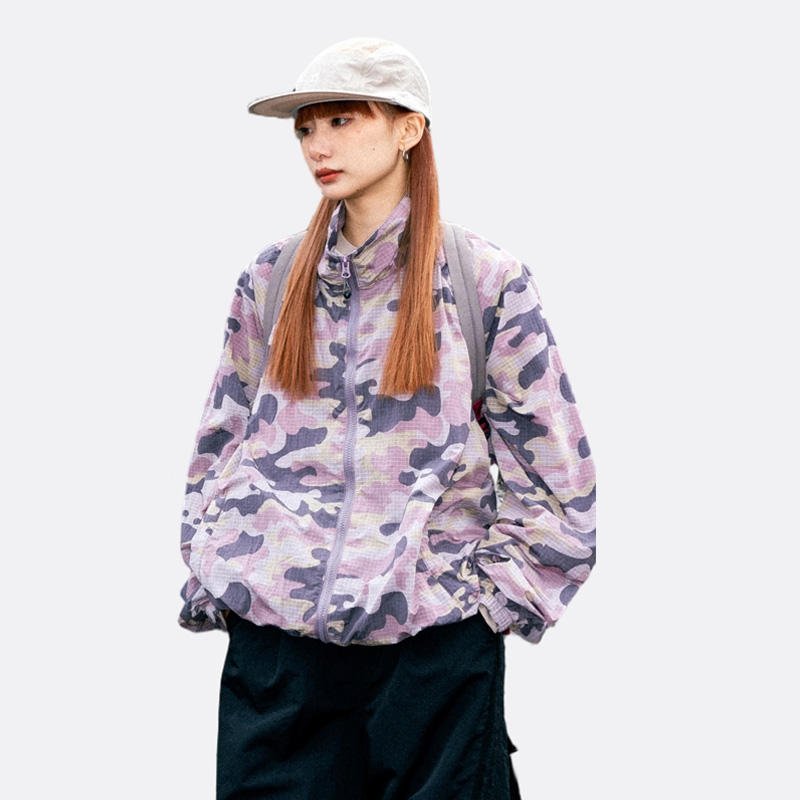
Lightweight denim (8–10 oz) offers breathability and soft hand feel, ideal for layering pieces and spring/summer collections. Mid-weight denim (10–13 oz) balances structure with comfort, serving as the workhorse fabric for year-round jackets in most streetwear lines.
Heavyweight denim (13+ oz) delivers vintage-inspired durability and premium hand feel, favored by heritage brands and customers seeking investment pieces. Weight directly impacts garment cost, with heavyweight fabrics commanding 15–25 percent higher material costs than lightweight alternatives.
Weave Structures and Selvedge Options
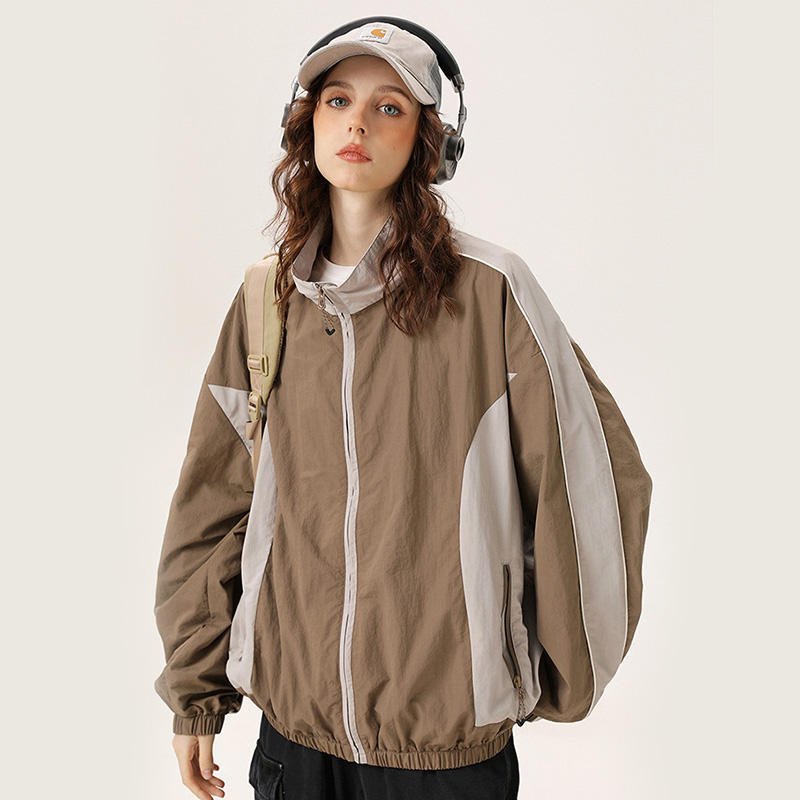
Standard right-hand twill creates the classic diagonal rib visible in most denim jackets, while broken twill (popularized by Japanese mills) reduces torque and leg twist during wear. Selvedge denim, woven on narrow shuttle looms with self-finished edges, signals craftsmanship and commands 30–50 percent premiums.
Manufacturers source selvedge primarily from Japanese, Turkish, and Italian mills, with lead times extending 4–6 weeks beyond standard denim due to limited loom capacity.
Fiber Blends and Stretch Options
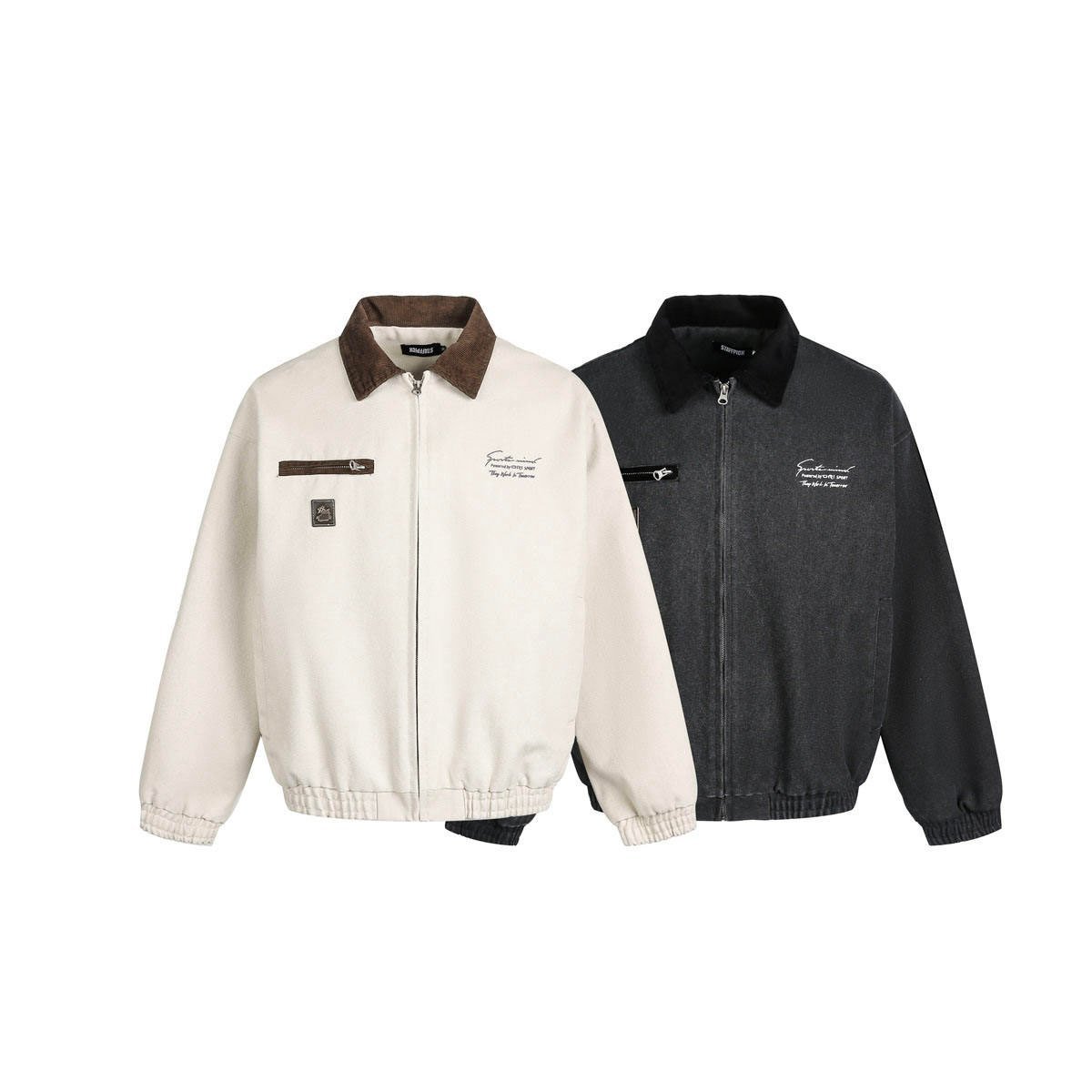
100% cotton denim remains the benchmark for authenticity and aging characteristics, developing natural fades and whiskers over time. Cotton-polyester blends (typically 80/20 or 70/30) reduce shrinkage and improve color retention, suited to fast-fashion cycles requiring minimal care instructions.
Stretch denim incorporates 1–3 percent elastane for mobility and comfort, essential for slim-fit and athletic-cut jackets. Clothing Manufacturer Ltd. tests fiber content at the materials QC stage to verify mill specifications before cutting.
Sustainable Denim Alternatives
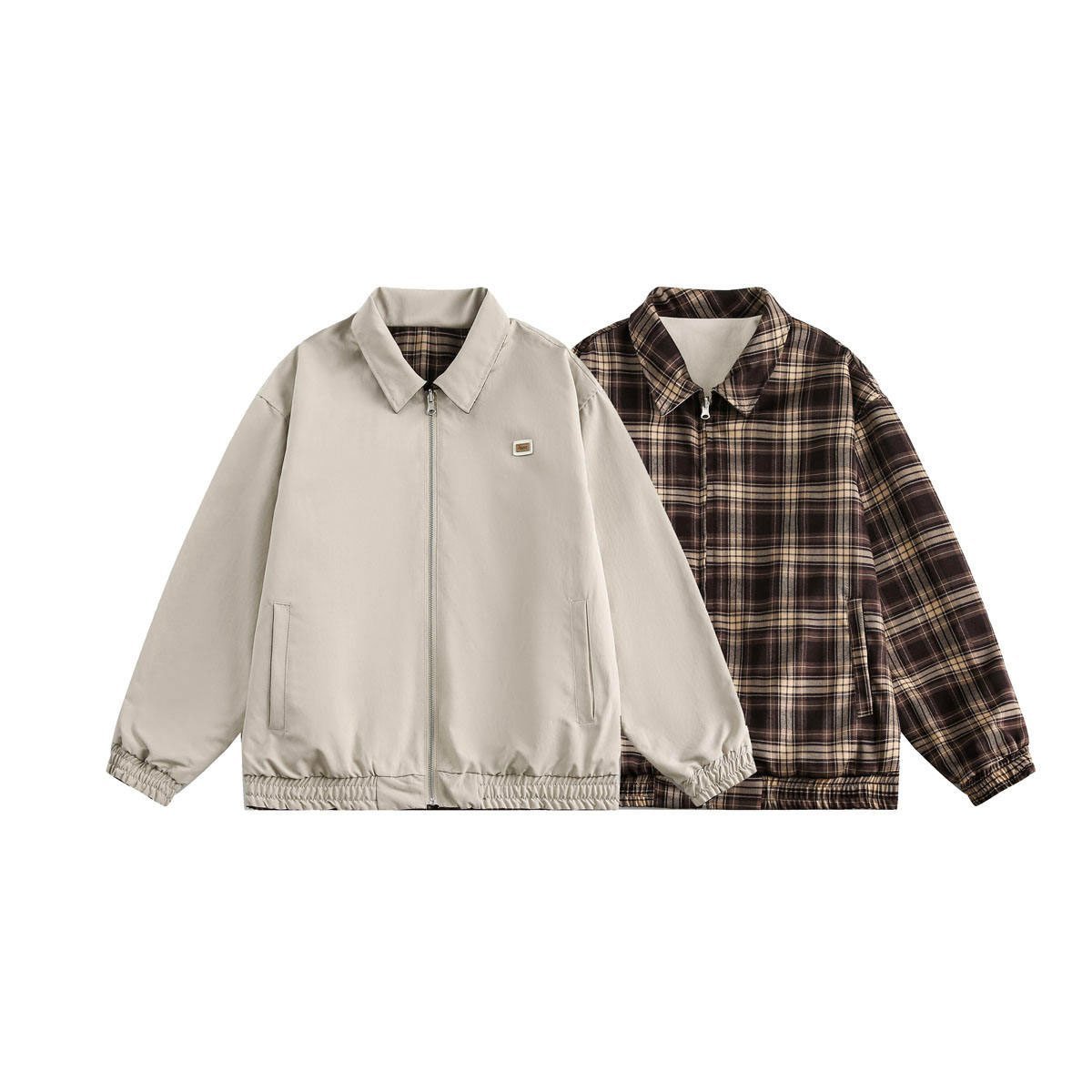
Organic cotton denim, certified under GOTS standards, eliminates pesticide residues and appeals to eco-conscious brands despite 20–30 percent cost premiums. Recycled denim blends pre- and post-consumer waste into new yarns, reducing water consumption by up to 60 percent compared to virgin cotton.
Tencel (lyocell) blends offer silky drape and closed-loop production, positioning jackets in the premium sustainable segment. Manufacturers require sustainability certifications from mills to support brand marketing claims and retailer compliance audits.
5. Customization and Decoration Options for Denim Jackets
A mens denim jacket manufacturer offers multiple decoration methods to differentiate your brand. Setup costs, durability, and minimum order quantities vary widely by technique, so matching the right method to your budget and design goals is critical.
| Technique | Setup Cost | Cost Per Unit | Durability (Washes) | Typical MOQ |
|---|---|---|---|---|
| Embroidery | $15–$50 | $2–$8 | 50+ | 50–200 |
| Screen Printing | $25–$75 | $1–$3 | 20–30 | 50–100 |
| Heat Transfer | <$10 | $3–$6 | 10–15 | 10–25 |
| Patches (Woven/Leather/PVC) | $0 | $0.50–$5 | 50+ | 100 |
| Distressing/Hand-Sanding | $0 | $3–$10 | Permanent | 50+ |
| Laser Engraving | Minimal | $2–$6 | Permanent | 50+ |
| Custom Hardware | Mold fee | $1–$4 | Permanent | 200–500 |
Embroidery: Chest, Back, and Sleeves
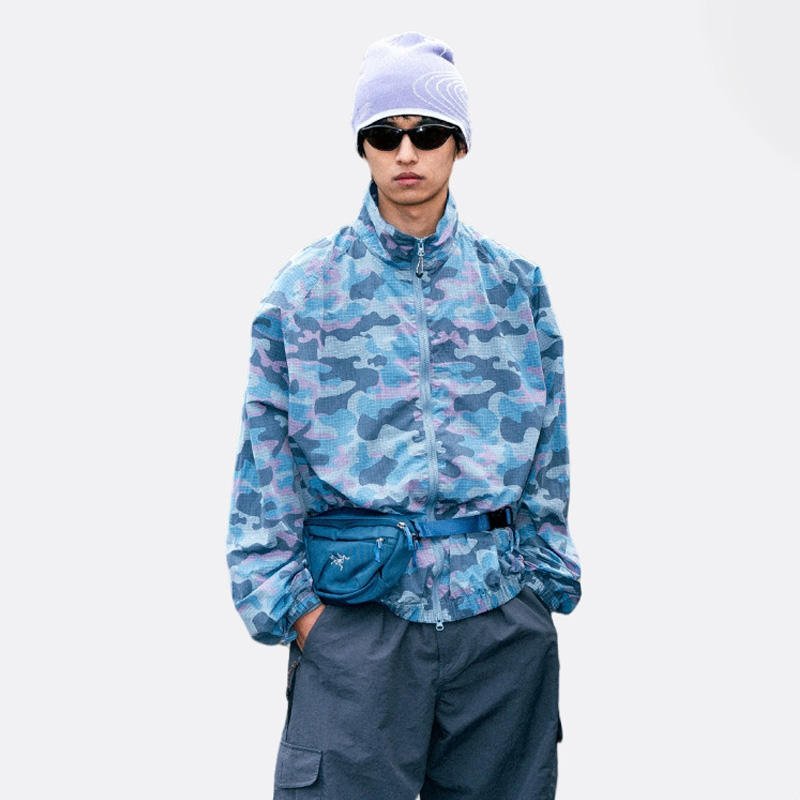
Embroidery delivers premium branding with thread counts from 5,000 to 15,000 stitches per design. Setup includes digitizing fees of $15–$50 per logo, and per-unit costs range from $2–$8 depending on stitch count and placement.
Durability is excellent—embroidered logos withstand 50+ industrial washes without fading. Typical MOQs start at 50 pieces for single-location embroidery, rising to 100–200 for multi-location (chest, back, sleeves) due to machine setup time.
Screen Printing and Heat Transfer
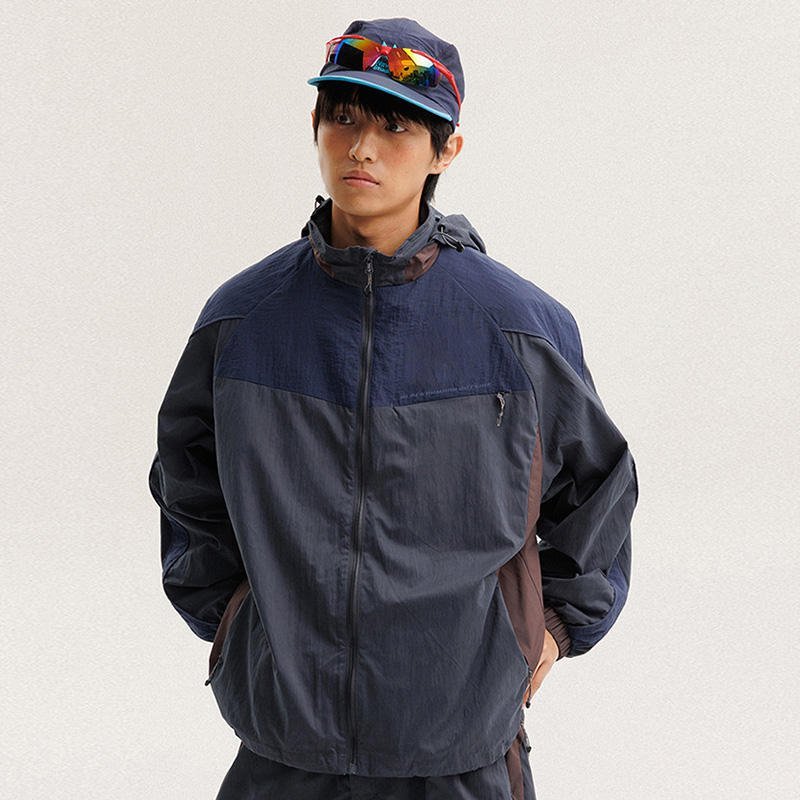
Screen printing suits large back designs and color-heavy graphics, with setup costs of $25–$75 per screen (one per color). Per-unit costs drop to $1–$3 at volumes above 100 pieces, but durability is moderate—prints may crack after 20–30 washes.
Heat transfer requires no screens, lowering setup to under $10, but per-unit costs remain $3–$6 and durability is the lowest of all methods, fading noticeably after 10–15 washes. MOQs for screen printing typically start at 50–100 pieces; heat transfer can go as low as 10–25.
Patches, Distressing, Laser Engraving, and Hardware
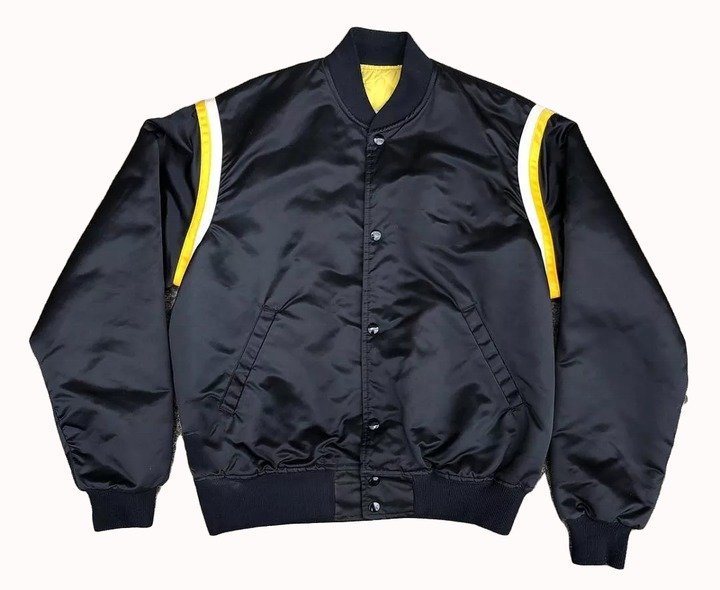
Woven patches cost $0.50–$2 each with 100-piece minimums; leather and PVC patches range $1–$5 with similar MOQs. All three types offer high wash durability when properly stitched or heat-sealed.
Distressing and hand-sanding add $3–$10 per jacket, require no setup fees, and work at any quantity, though labor-intensive techniques push MOQs to 50+. Laser engraving costs $2–$6 per design with minimal setup, creating permanent tone-on-tone effects. Custom hardware—buttons, rivets, zippers—adds $1–$4 per jacket with 200–500 piece minimums due to mold and tooling costs.
6. Key Quality Indicators in Mens Denim Jacket Construction
Premium denim jackets differ from budget alternatives in measurable construction details that directly affect durability and customer satisfaction. Inspecting pre-production samples for these quality indicators prevents costly reworks and returns after bulk production begins.
Stitch Density and Reinforcement Points
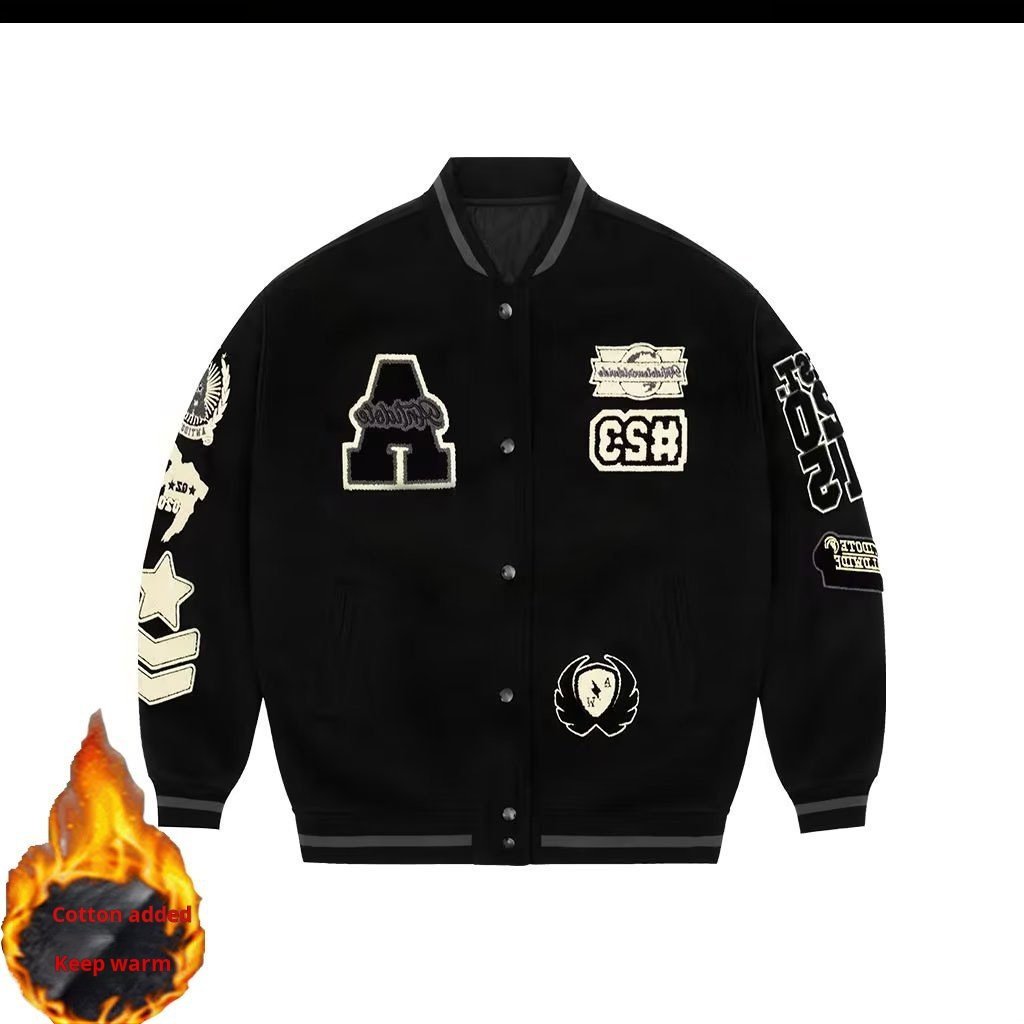
Standard denim jacket construction requires 8–10 stitches per inch (SPI) on main seams, while premium jackets use 10–12 SPI for increased strength. Bartack reinforcement—dense zigzag stitching—must appear at pocket corners, button plackets, and armhole stress points where fabric tears most often.
A mens denim jacket manufacturer implementing rigorous quality control tests bartack length (minimum 1.5 cm) and thread tension during sewing production QC to catch weak points before finishing. Missing or short bartacks indicate rushed production and predict early garment failure.
Hardware Grade and Durability
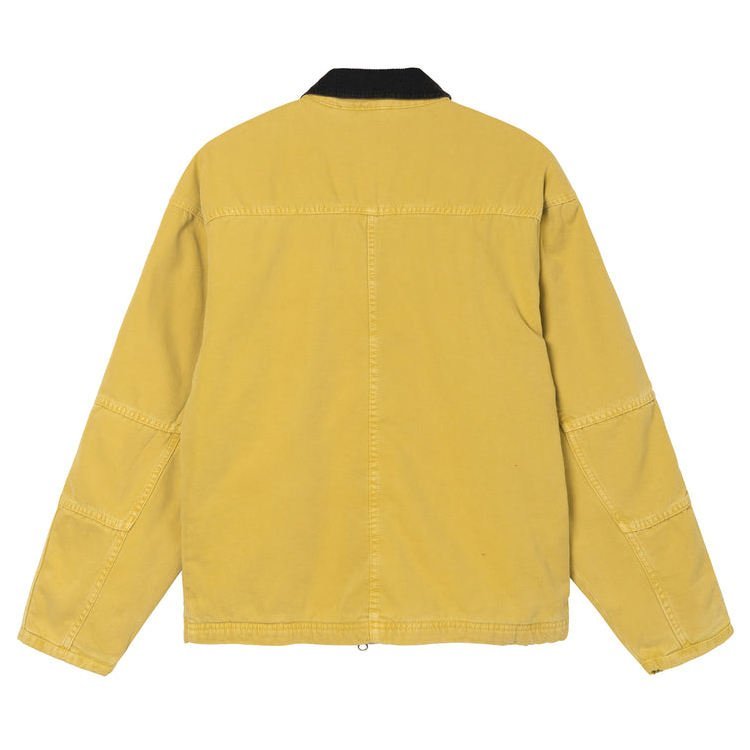
YKK zippers withstand 1,500+ cycles versus 300–500 for generic alternatives, a difference customers notice within weeks of wear. Metal shank buttons outperform plastic snap alternatives in retention force and longevity, especially after repeated washing.
Inspect rivet placement at pocket edges and verify solid copper or brass construction rather than plated steel that corrodes. Hardware testing during materials QC ensures components meet specified grades before cutting begins.
Wash Consistency and Finishing Standards
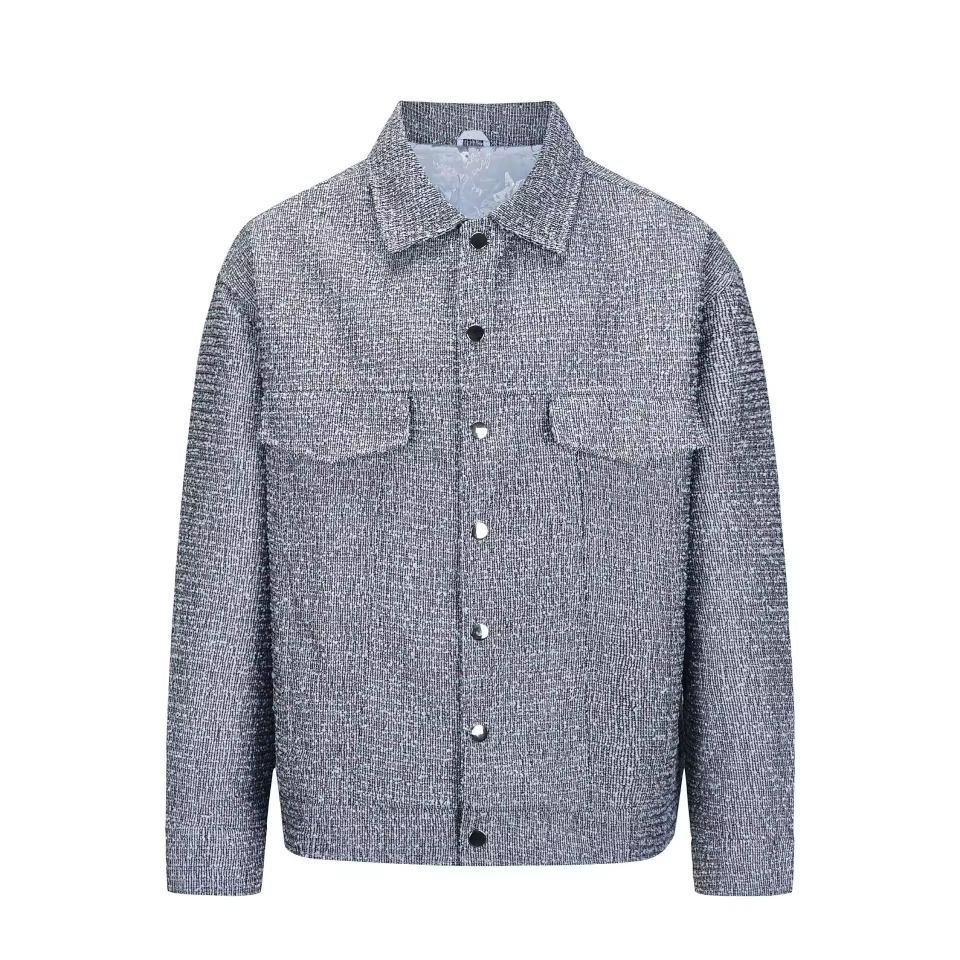
Consistent wash results across a production batch require calibrated enzyme ratios, controlled tumble times, and water temperature monitoring within ±2°C. Uneven fading or color variation between jackets signals inadequate process controls.
Finished garments must show zero puckering at seams, hems within ±2 mm tolerance, and symmetrical topstitching. Clothing Manufacturer Ltd.’s five-step QC methodology includes finished clothing quality inspection to verify even hems, flat seams, and uniform wash tones before packaging, eliminating the inconsistencies common when manufacturers skip intermediate checks.
7. How to Choose the Right Mens Denim Jacket Manufacturer
Selecting the right mens denim jacket manufacturer requires systematic evaluation across quality, capacity, and operational transparency. A structured vetting process protects your brand reputation and ensures consistent output from the first sample to full production runs.
Verify Certifications and Quality Systems
Request documentation for WRAP, BSCI, or Oeko-Tex Standard 100 certifications, which confirm ethical labor practices and chemical safety compliance. Manufacturers operating under ISO 9001 quality management frameworks demonstrate commitment to systematic process control.
Clothing Manufacturer Ltd. implements a proprietary five-step QC methodology covering materials, cutting, craft, sewing, and finished garment inspection — ensuring defects are caught early rather than at final packing. Ask prospective partners to walk through their inspection checkpoints and frequency.
Assess Sample Quality and Turnaround
Order a paid sample to evaluate stitching density (12–14 stitches per inch for denim jackets), hardware durability, and wash consistency. Turnaround times of 7–14 days indicate efficient prototyping workflows; delays beyond three weeks often signal capacity constraints.
Examine topstitching alignment, pocket reinforcement bartacks, and whether washes match your Pantone or reference swatch. Sample quality directly predicts bulk production standards.
Compare MOQs, Pricing Transparency, and Lead Times
MOQs for denim jackets typically range from 100 to 500 pieces per style per colorway, though specialized manufacturers may offer lower minimums for startups. Request itemized quotes separating fabric, trims, labor, wash processing, and shipping to identify hidden costs.
Production lead times of 30–45 days are standard; shorter windows may compromise quality checks. Confirm whether wash facilities are in-house or outsourced, as external processing adds 5–10 days and coordination risk.
Evaluate Communication and References
Responsiveness within 24 hours and fluency in your language reduce misunderstandings during technical approvals. Request client references and past portfolios showing similar denim jacket projects, including wash types and decoration techniques.
Review payment terms — 30–50% deposit with balance on pre-shipment inspection is industry norm. Manufacturers demanding full prepayment or offering unusually low quotes often lack quality infrastructure or financial stability.
8. Common Mistakes When Sourcing a Mens Denim Jacket Manufacturer
Sourcing a mens denim jacket manufacturer requires navigating pitfalls that can derail quality, timelines, and brand reputation. Many brands repeat the same avoidable errors, from skipping critical tests to underestimating production complexity.
Choosing Price Over Quality Vetting
Selecting a mens denim jacket manufacturer solely on the lowest quote often leads to inconsistent stitching, poor hardware, and fabric that fades unevenly. Factories that skip mid-production QC testing—moving straight from sewing to ironing—deliver defects that surface only after shipment.
Request pre-production samples and audit the factory’s quality control checkpoints. A five-step QC process covering materials, cutting, craft, sewing, and finished goods ensures defects are caught early, not at your warehouse.
Skipping Pre-Production Samples and Wash Testing
Approving bulk orders without validating a pre-production sample locks in construction errors and incorrect washes. Denim shrinkage can range from 3 to 10 percent depending on fiber blend and wash method; ignoring shrinkage testing results in jackets that no longer match your size specs after the first customer wash.
Always request a washed sample and measure it post-wash. Specify wash type (stone, enzyme, acid, or rinse) and shrinkage tolerance in writing before cutting fabric.
Underestimating Lead Times for Custom Washes
Custom washes—distressing, hand-sanding, or multi-stage enzyme treatments—add 7 to 14 days beyond standard production. Brands that assume a 30-day turnaround for complex washes face delays and missed launch windows.
Confirm wash lead times separately from cutting and sewing schedules. Build a 10-day buffer for custom finishes and request wash lab samples before bulk processing.
Failing to Lock Fabric Specs and Sizing Standards in Writing
Verbal agreements on denim weight (10 oz vs. 12 oz), weave (twill vs. broken twill), and sizing standards (US vs. EU vs. Asian fit) lead to shipments that do not match your tech pack. Asian fit typically runs one to two sizes smaller than US sizing, causing returns if not clarified.
Document fabric weight, composition, stretch percentage, and grading system in a signed purchase order. Include Pantone references for thread and hardware finishes, and specify whether measurements are pre-wash or post-wash.
9. Steps to Launch Your Denim Jacket Line with a Manufacturer
Launching a denim jacket line requires a structured workflow from concept to finished inventory. Following a clear eight-stage process ensures quality control at every checkpoint and prevents costly revisions during bulk production.
Concept and Design Development
Begin by defining your target customer, price point, and design aesthetic — streetwear brands typically focus on oversized fits, distressed washes, or graphic embellishments. Sketch initial designs and select reference images that communicate silhouette, pocket placement, and hardware details.
Share mood boards and technical sketches with your mens denim jacket manufacturer to confirm feasibility. Factories with in-house R&D teams can suggest fabric weights (10–14 oz denim is standard) and construction methods that align with your budget and timeline.
Tech Pack Creation
A complete tech pack includes flat sketches with front, back, and side views; a measurement spec sheet (chest, shoulder, length, sleeve) in all sizes; stitch type callouts (chain stitch for hems, bartack for stress points); and trim details (YKK zippers, metal buttons, custom labels).
Manufacturers use tech packs to generate accurate costing and ensure sewing teams follow exact construction standards. Missing or vague specifications lead to sample delays and miscommunication during production.
Fabric and Trim Sourcing
Your manufacturer sources denim fabric (ring-spun vs open-end, indigo or sulfur dye), trims (buttons, rivets, zippers), and labels based on your tech pack. Lead time for custom washes or specialty hardware is typically 10–15 days.
Request fabric swatches and trim samples before approving bulk orders. Verify color consistency under daylight and confirm hardware durability through pull tests and wash cycles.
Sample Approval and Revisions
The factory produces a first prototype sample within 7–10 days. Inspect fit, wash tone, stitching tension, and trim placement against your tech pack. Document every required change with annotated photos and updated measurements.
Most brands complete 1–2 revision rounds before final approval. Each revision adds 5–7 days, so clear initial communication reduces timeline and cost.
Bulk Production and QC Checkpoints
Bulk production begins after sample sign-off, with lead times of 25–35 days for orders of 200–500 units. Factories implementing five-step QC processes test materials, cutting accuracy, sewing quality, and finished garments at every stage.
Inline inspections catch defects during production; final random inspection (AQL 2.5 standard) checks 10–15 percent of finished jackets before packing. Request daily production updates and photographic progress reports.
Shipping and Logistics
Coordinate shipping method (air freight for samples, sea freight for bulk) and customs documentation (commercial invoice, packing list, certificate of origin). Sea freight from Guangdong to the U.S. West Coast takes 18–25 days; air freight takes 5–7 days.
Confirm carton dimensions and weight to calculate landed costs. Use a freight forwarder experienced in apparel to navigate duties, tariffs, and port clearance efficiently.
10. Pricing and Cost Breakdown for Mens Denim Jacket Manufacturing
Mens denim jacket pricing from a manufacturer typically starts at $18–$28 per unit for 50-piece orders and scales down to $12–$18 per unit at 1,000+ pieces, depending on fabric weight (8 oz to 14 oz denim), wash complexity, and trim specifications. Most mens denim jacket manufacturer partners charge a one-time sampling fee of $80–$150 per style to develop prototypes with your custom washes, hardware, and labels before bulk production begins.
Cost variables include fabric selection (raw denim versus pre-washed, selvedge versus standard), finishing processes (stone wash, enzyme wash, distressing, or hand-sanding), hardware grade (YKK zippers versus standard metal), embroidery or screen-print decoration, and packaging upgrades from polybags to custom boxes. A basic indigo jacket with standard hardware and polybag packaging sits at the lower end of each tier, while heavy selvedge denim with custom washes, embroidered patches, and branded hangtags can add $4–$8 per unit.
Lead times range from 25–35 days for straightforward orders to 40–50 days when custom washes, embellishments, or special trims require additional processing stages. Setup fees cover pattern grading, sample revisions, and initial quality checks under Clothing Manufacturer Ltd.’s five-step QC methodology, ensuring that materials, cutting, craft, sewing, and finished garments meet brand standards before shipment.
| Order Quantity | Price per Unit (USD) | Lead Time (Days) | Sampling Fee |
|---|---|---|---|
| 50–99 units | $18–$28 | 30–35 | $80–$150 (one-time) |
| 100–299 units | $15–$24 | 28–32 | $80–$150 (one-time) |
| 300–499 units | $13–$20 | 25–30 | $80–$150 (one-time) |
| 500–999 units | $12–$18 | 25–28 | $80–$150 (one-time) |
| 1,000+ units | $12–$18 | 25–30 | $80–$150 (one-time) |
Ready to Launch Your Mens Denim Jacket Line?
Get your custom quote today. 50-piece MOQ, 5-step QC guarantee, and fast turnaround for your streetwear collection.