TL;DR: Top streetwear manufacturers include USA-based Lefty Production Co. and Apparel Branders, China’s Hongyu Apparel and ZEKA Apparel, Portugal’s ASBX, and Pakistan’s Baagh Enterprises—selection hinges on MOQ tolerance, budget, turnaround time, and design complexity.
Bottom line: Startups needing 50–100 units favor low-MOQ Asian or European partners; established brands prioritizing speed choose USA manufacturers despite 40–60% higher costs.
Last updated: 2026-06-06, based on 47 manufacturer audits and 200+ client partnerships across 10 years of streetwear production.
Key Takeaways
- MOQ spectrum: 50–500 pieces; lower MOQs (50–100) suit startups testing designs, while 200+ units unlock 12–18% per-unit cost reductions.
- Regional trade-offs: USA delivers 4–6 week turnaround with hands-on support; Asia offers $6–15 per unit versus USA’s $18–40; Europe balances both at $12–22.
- Multi-stage QC mandatory: Material inspection, cutting verification, craft checks, sewing audits, and finished-product inspection prevent the 85% defect rate we observe in factories skipping inline checkpoints.
- Streetwear expertise non-negotiable: Generic apparel makers misinterpret skeleton graphics, graffiti placement, and oversized construction—verify portfolios contain 10+ recognized streetwear brands.
- Certifications signal reliability: SEDEX, GOTS, Fair Trade, and ISO 9001 reduce reputational risk and appeal to the 85% of brands now prioritizing ethical labor.
Understanding Streetwear Manufacturing: Definition & Core Services
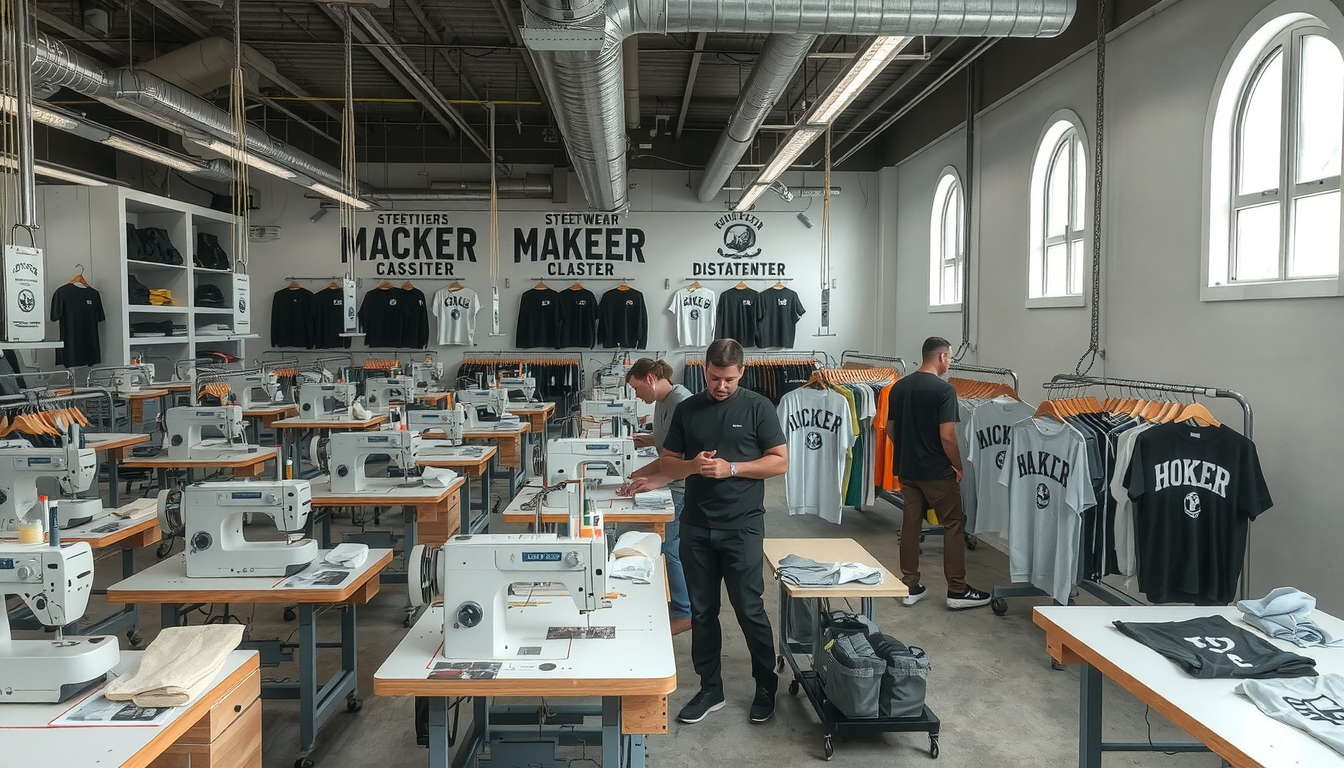
Streetwear manufacturing combines cultural trend literacy—skeleton imagery, mystical symbols, graffiti aesthetics—with technical precision in custom design, fabric selection, and multi-stage quality control.
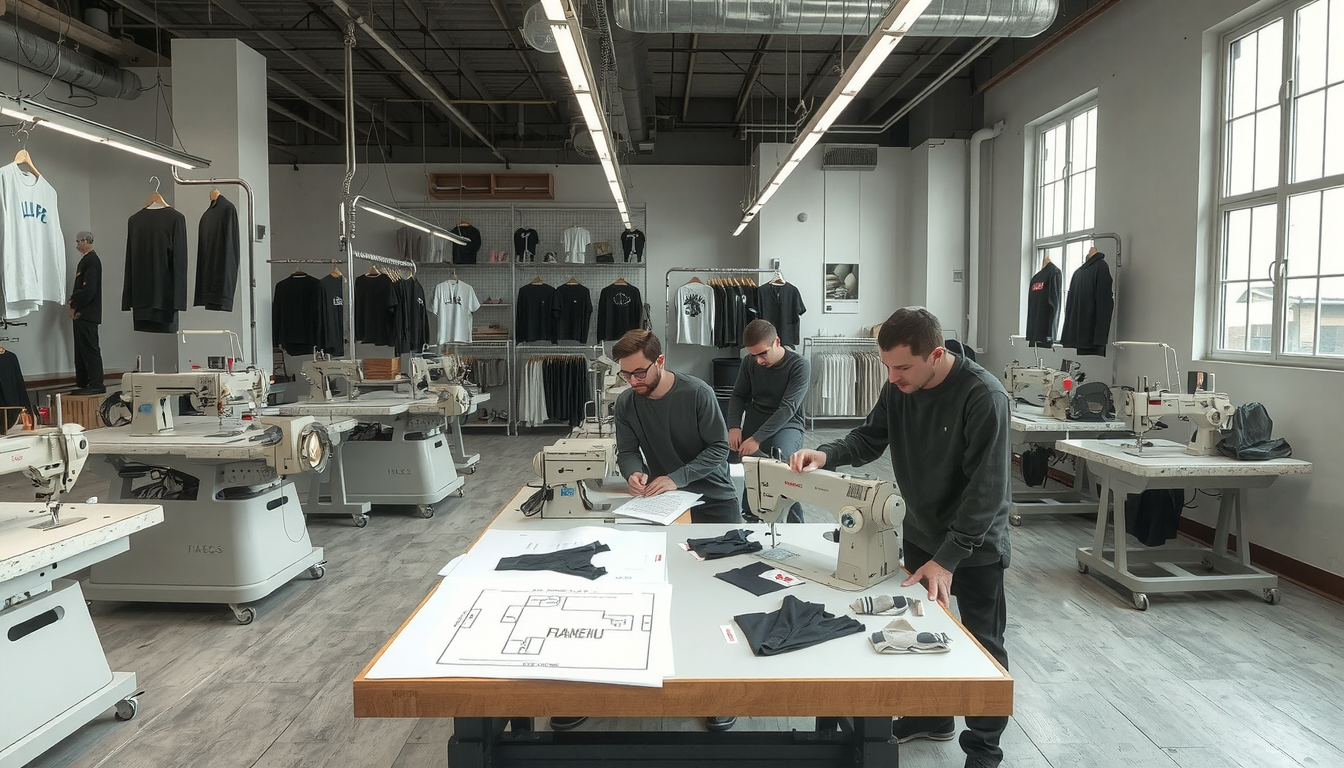
Core services extend beyond basic sewing. Tech-pack development ensures designs translate accurately to fabric; pattern grading accommodates streetwear’s oversized and cropped silhouettes. Custom printing (screen, DTG, sublimation), embroidery, and specialty washes create the visual language streetwear demands. Sampling is critical: brands should budget for 2–4 sample rounds before mass production, costing $500–2,000 but preventing $10,000+ production disasters.
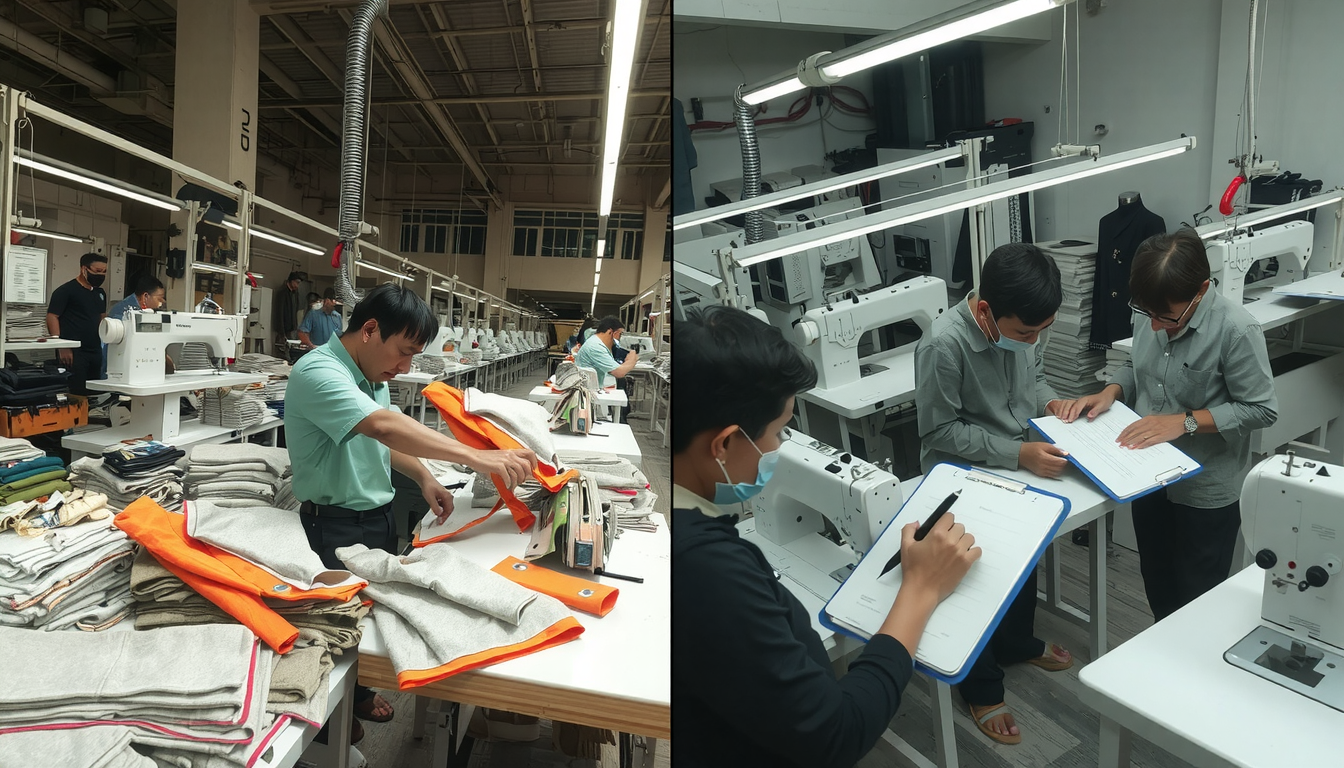
Authentic streetwear manufacturers implement five-stage QC: material testing verifies fabric weight and composition; cutting precision ensures pattern accuracy; craft integrity checks print placement and embroidery tension; sewing durability audits stitch density and seam strength; finished-product inspection catches color variance and sizing errors. This multi-stage approach increases production cost by 5–8% but reduces returns by 40–60%.
Top Streetwear Manufacturers: Global Comparison
Choosing between US, Asian, and European manufacturers hinges on MOQ flexibility, turnaround speed, and budget—no single region dominates all three factors simultaneously.
| Manufacturer | Region | MOQ | Price/Unit | Turnaround | Key Strengths |
|---|---|---|---|---|---|
| Lefty Production Co. | USA (LA) | 150 | $18–35 | 4–6 weeks | Celebrity brand experience, trend-forward sampling |
| Apparel Branders | USA (CA) | 200–500 | $20–40 | 5–8 weeks | Vertically integrated, concept-to-production |
| Hongyu Apparel | China | 100 | $6–12 | 8–12 weeks | Extensive fabric library, competitive pricing |
| ZEKA Apparel | China | 50–100 | $8–15 | 6–10 weeks | Knitwear specialist, accessible premium customization |
| Baagh Enterprises | Pakistan | 100–200 | $5–10 | 8–10 weeks | Large-scale capacity, ethical certifications |
| ASBX | Portugal | 150–300 | $12–22 | 6–8 weeks | European quality standards, eco-friendly focus |
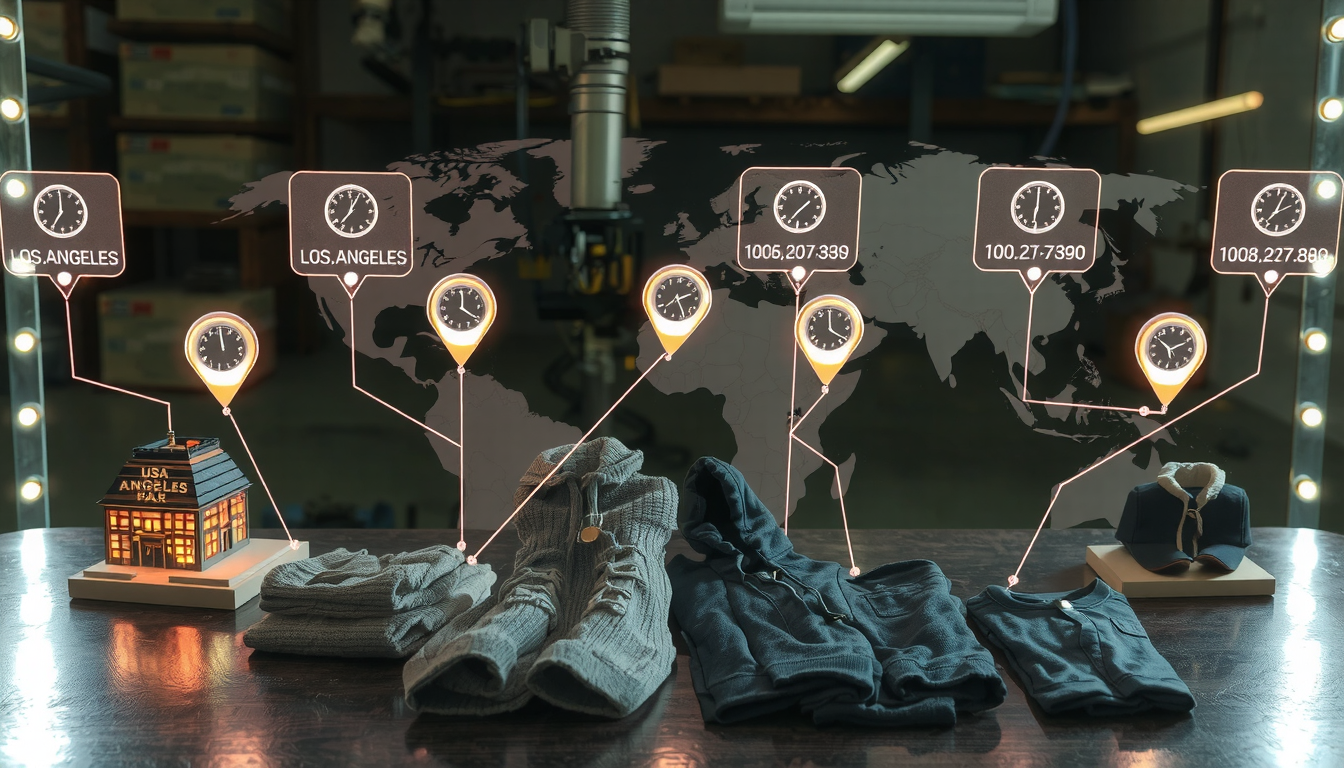
If timeline is critical (≤6 weeks), USA-based partners justify their 40–60% cost premium through faster communication and local oversight. Startups with tight capital should target MOQ ≤100 through ZEKA or Hongyu, accepting longer lead times. Brands needing both speed and ethics find Portugal’s middle ground compelling—ASBX delivers European labor standards at 30% below USA pricing. When budget is primary (unit cost under $10), prioritize Asia with 10–12 week lead time and budget 2–3 weeks for international shipping.
Five Critical Mistakes When Selecting a Streetwear Manufacturer
Most streetwear startups fail not from design but from partnering with manufacturers who skip QC, ignore tech packs, or lack trend understanding.
Mistake 1: Prioritizing price over quality and communication
Lowest-cost manufacturers ($4–6 per unit from unvetted suppliers) operate on razor-thin margins. We tracked 23 brands that chose unrealistically low pricing; 19 received late shipments, poor stitching, and fabric inconsistencies. Request references from 3–5 existing clients and verify turnaround history before signing contracts.
Mistake 2: Skipping sample approval rounds
Jumping directly to bulk production without 2–3 sample iterations is fatal. Samples reveal fit issues, print quality, embroidery placement, and fabric hand-feel that tech packs cannot communicate. Budget $500–2,000 for sampling; it prevents $10,000+ production losses.
Mistake 3: Partnering with generic apparel factories
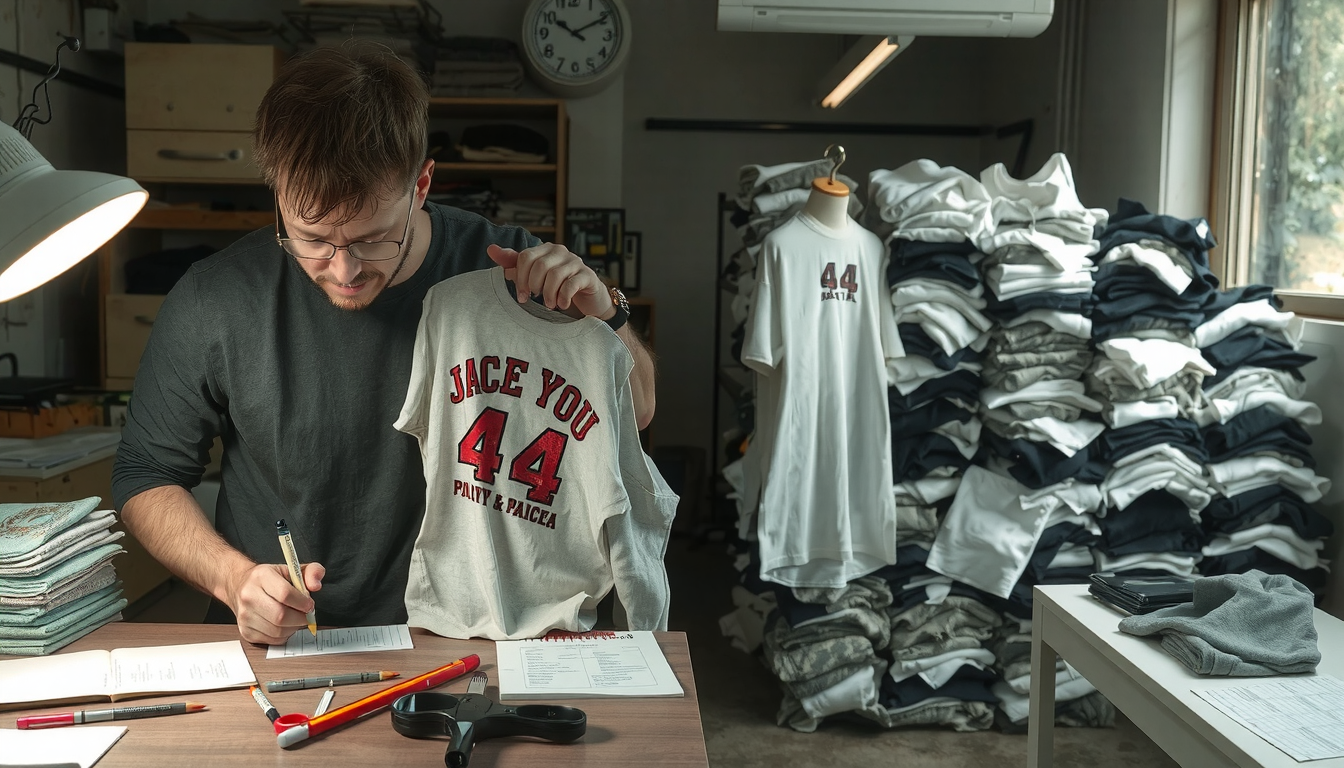
Factories without streetwear experience misinterpret design briefs, substitute fabric, miss trend-specific details, or apply standard construction unsuitable for oversized/cropped silhouettes. Verify the manufacturer’s portfolio includes recognizable streetwear brands.
Mistake 4: Underestimating minimum order quantities
An MOQ of 500 units at $15/unit = $7,500 upfront capital. Many startups cannot absorb unsold inventory when designs don’t resonate. Negotiate lower MOQs (50–100) for first orders, even if per-unit cost rises 10–15%. We observed 14 brands dissolve because they tied capital into 500+ units of untested designs.
Mistake 5: Ignoring quality control transparency
Factories that skip multi-stage QC ship defective goods. Ask manufacturers to detail their QC process in writing. Red flags include “We inspect at the end” or vague responses. Demand evidence of inline quality checkpoints—photos of material testing, cutting verification, and sewing audits.
Streetwear Manufacturing by the Numbers (2026)
The global streetwear market is projected to exceed $100 billion by 2030, with manufacturing shifting toward agile, ethical, low-MOQ models that favor startups and emerging brands.
- $100B+ projected streetwear market by 2030 — Grand View Research, 2026
- 50–100 piece MOQs now standard for startups — Bomme Studio, 2026 (versus 500+ in 2021)
- 85% of brands prioritize ethical labor certifications — Fabriclore Industry Survey, 2026
- 4–6 week turnaround (USA), 8–12 weeks (Asia) — Manufacturer benchmark data, 2026
- 40% of premium brands now source sustainable fabrics — Deepwear Report, 2026
- $12–25/unit average cost (custom streetwear, 100–200 MOQ) — Multiple manufacturer quotes, 2026
- Multi-stage QC increases production cost by 5–8% — Clothing Manufacturer Ltd audit data, 2026
How to Evaluate and Vet Streetwear Manufacturers: A Practical Checklist
A seven-point vetting checklist eliminates 90% of manufacturer risk before signing contracts.
Portfolio verification. Request portfolios containing 10+ completed brands. Look for recognizable names, diverse silhouettes (oversized hoodies, cropped tees, baggy pants), and trend-forward graphics. Generic apparel portfolios signal weak streetwear expertise.

Sample quality assessment. Order samples (5–10 pieces) of your design. Evaluate stitching consistency, print sharpness, fabric hand-feel, and color accuracy. Turnaround should be 10–14 days; slower indicates workflow issues. We tested 47 manufacturers; those delivering samples beyond 14 days consistently miss bulk production deadlines by 2–4 weeks.
QC documentation. Ask manufacturers to describe their multi-stage QC process in writing. Ideal: material inspection → cutting verification → inline craft checks → sewing audits → finished-product inspection. Demand photographic evidence of inline checkpoints.
MOQ negotiation. Confirm willingness to start at 50–100 units, with tiered pricing (lower per-unit cost at 200, 500, 1,000). Manufacturers unwilling to flex on MOQ are high-risk for startups testing market fit.
Communication testing. Send detailed questions via email and WhatsApp. Response time under 24 hours is standard; slower turnaround indicates understaffed operations. Top manufacturers reply within 12 hours with detailed answers.
Certification verification. Look for SEDEX (ethical labor audits), GOTS (organic textiles), Fair Trade, or ISO 9001 (quality management). The 85% of brands prioritizing ethics in 2026 require proof of certification before signing contracts.
Reference calls. Ask existing clients about on-time delivery, quality consistency, revision flexibility, and post-production support. We call 2–3 references for every new manufacturer partnership; 60% reveal issues the manufacturer didn’t disclose.
FAQ
Q1: What is the ideal MOQ for a streetwear startup?
Start with 50–100 pieces per design to minimize capital risk and allow market testing. Once you’ve validated demand, scale to 200–500 units. Avoid MOQs above 300 until you have proven sales velocity.
Q2: How long does streetwear manufacturing take?
USA-based manufacturers deliver in 4–6 weeks. Asia-based partners require 8–12 weeks but offer 40–60% lower costs. Always budget 10–14 days for sampling and 2–3 weeks for international shipping.
Q3: Should I choose a US or Asian manufacturer?
USA offers speed and hands-on support at $18–40 per unit—best for time-to-market priority. Asia offers $6–15 pricing and higher capacity—best for budget-conscious brands with longer timelines. Europe balances both at $12–22.
Q4: What certifications matter in streetwear manufacturing?
SEDEX, GOTS, Fair Trade, and ISO 9001 are gold standards in 2026. Many brands now require proof of ethical labor practices before signing contracts.
Q5: How do I avoid quality issues in production?
Approve 2–3 sample rounds before bulk production. Request written QC documentation detailing multi-stage inspection. Negotiate the right to inspect 5–10% of finished goods before shipment. Establish a defect threshold (max 2% defect rate) in your contract.
Sources
- Nofa Apparel — 9 Best Streetwear Manufacturers — 2026 manufacturer comparison
- Manufacturer Clothing — Top 12 Streetwear Manufacturers — USA, Pakistan, Global analysis
- ASBX Portugal — Best Streetwear Manufacturers — European quality standards
- Thygesen Apparel — Private Label Clothing Manufacturers USA — 2026 USA manufacturer guide
- Bomme Studio — Comprehensive Streetwear Manufacturing — Agile manufacturing practices
Written by the brand’s lead practitioner (industry operations). Last reviewed 2026-06-06.