
Work Jacket Manufacturer Empowering Global Streetwear Brands
Partner with a work jacket manufacturer built on a 5-step QC guarantee, low MOQ for emerging labels, and in-house design that ships your collections worldwide.
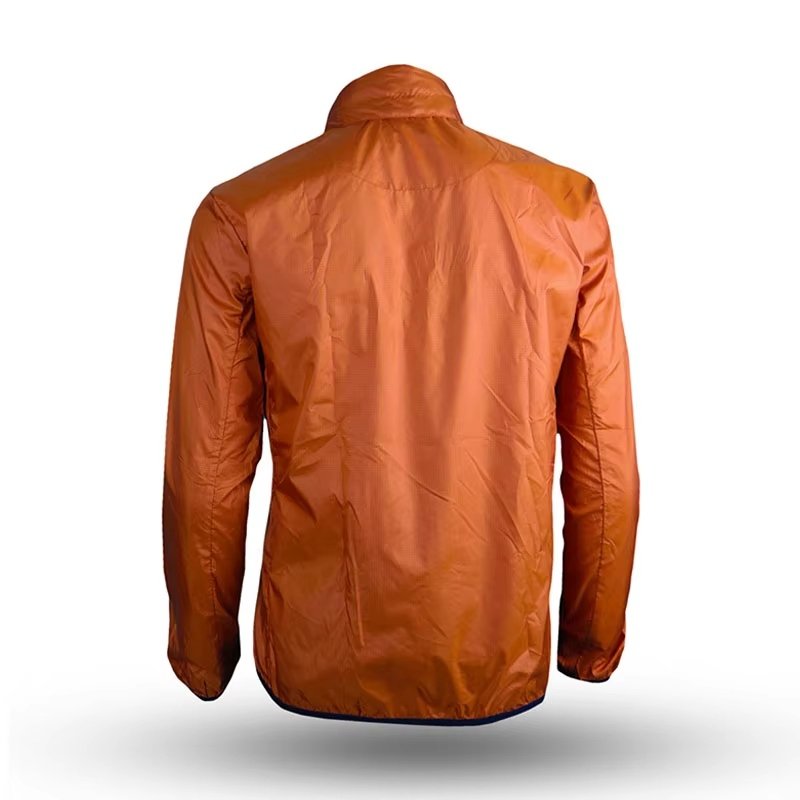
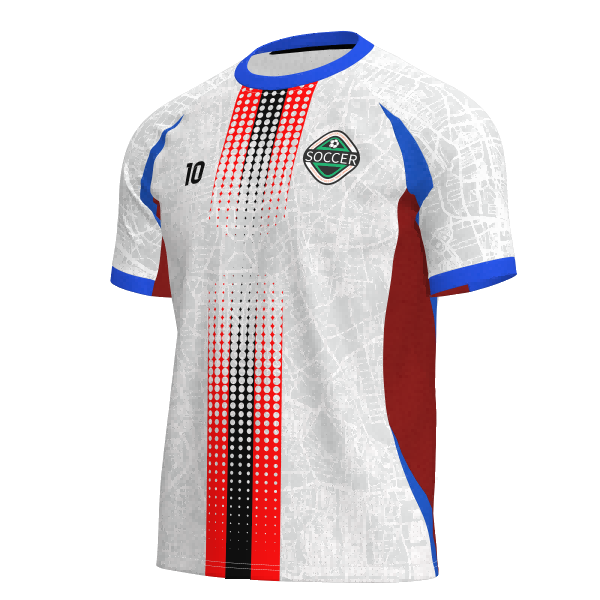
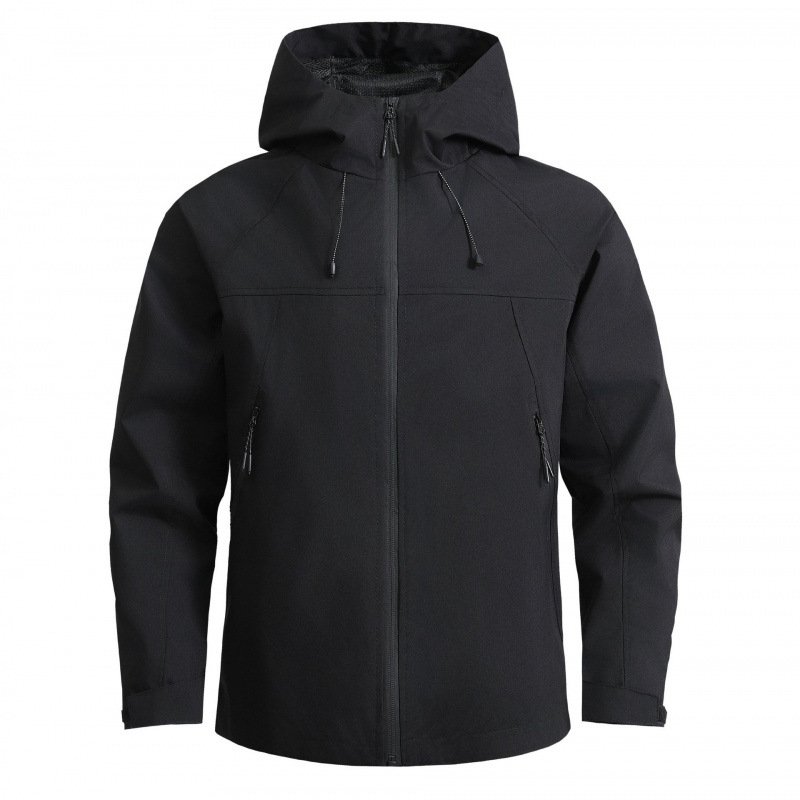
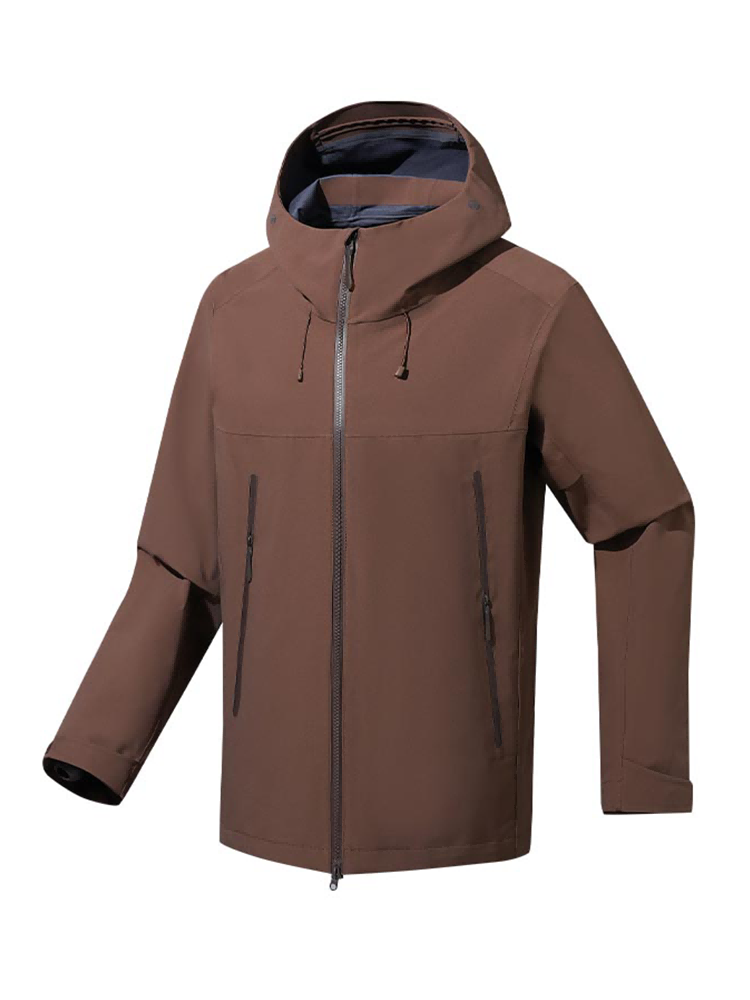
Our Work Jacket Collections
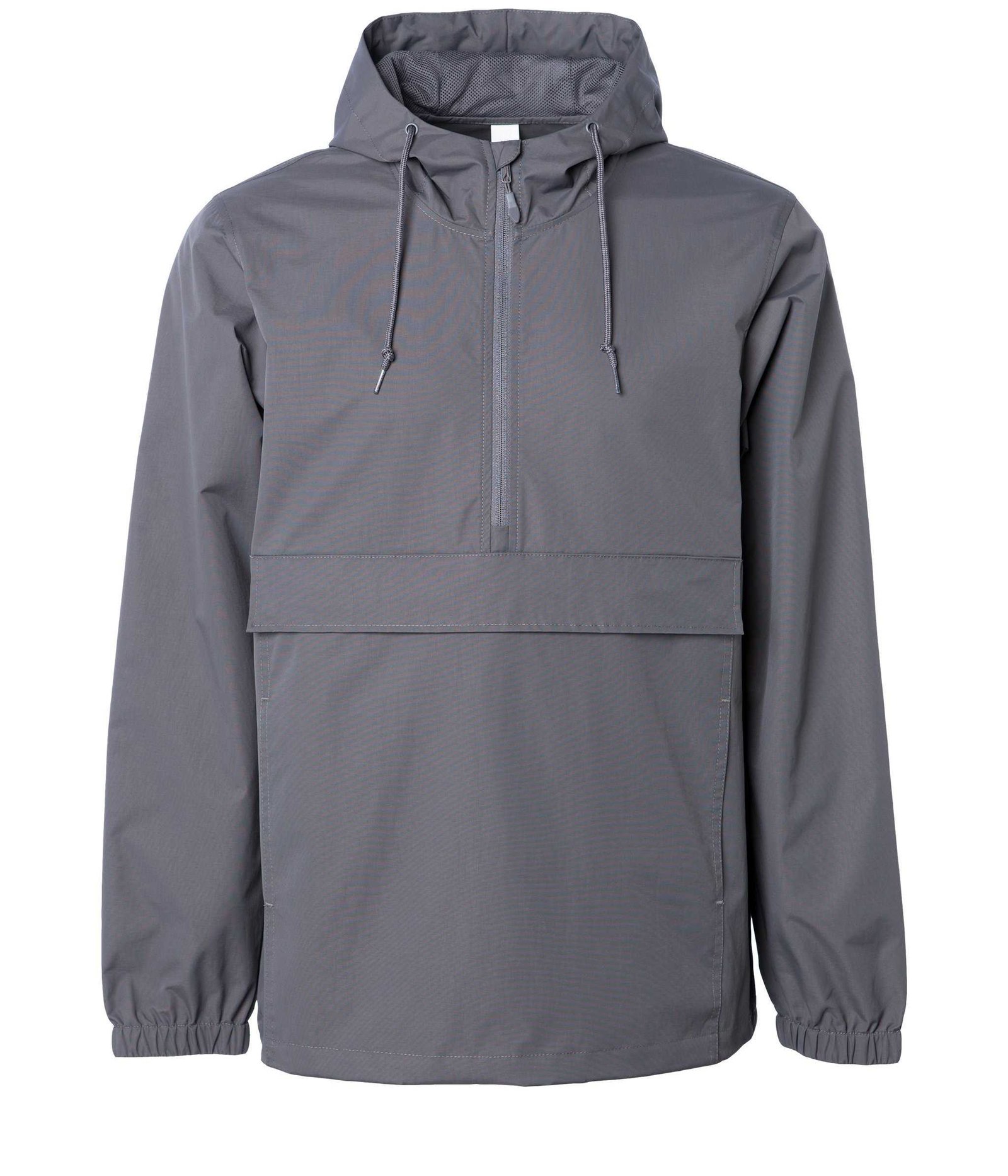
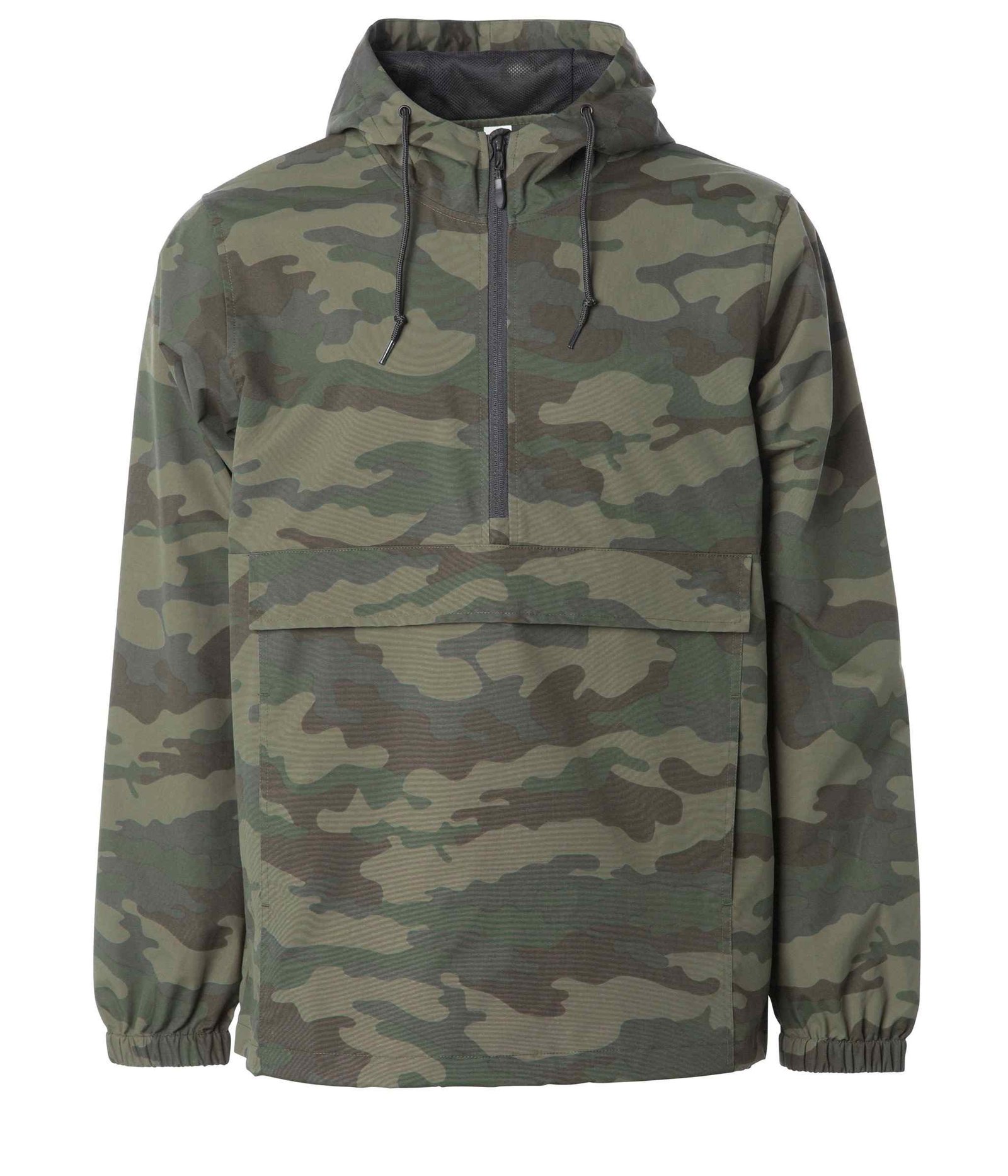
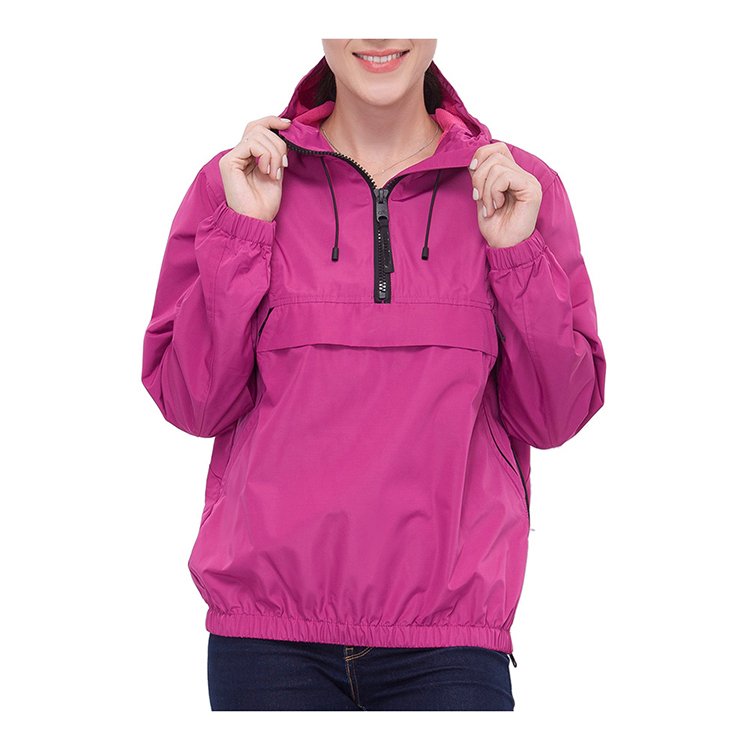
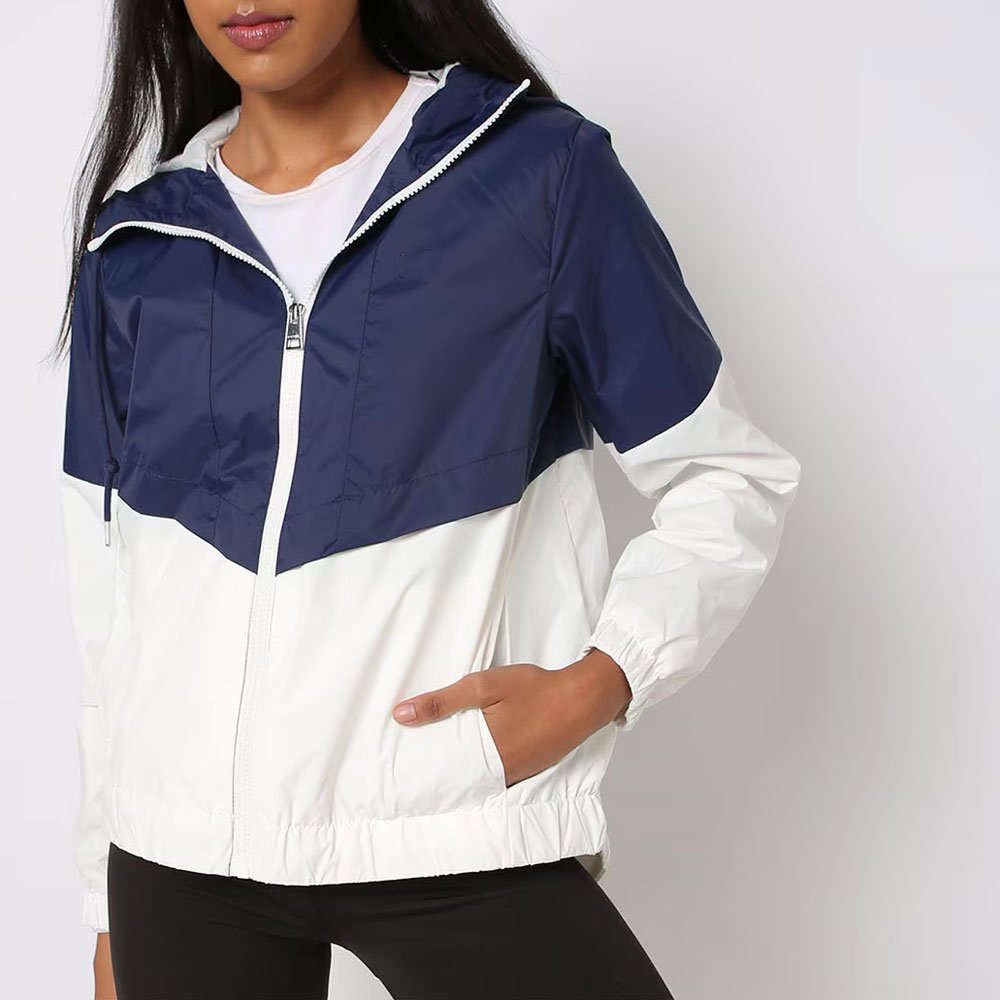
Why Choose Our Work Jacket Manufacturer
Five differentiators built to answer the procurement questions trendy brands, startups, and global retailers ask before placing an order.
5-Step Quality Control Guarantee
Our proprietary five-step QC checks materials, cutting, craft, sewing, and finished garments, so every work jacket ships defect-free and on-spec.
Low MOQ For Startups
Launch your first collection without overcommitting. We support emerging brands with accessible minimums that scale as your label grows.
Fast Seasonal Turnaround
Hit every drop on schedule. Our streamlined production keeps seasonal work jacket collections moving from sample to shipment quickly.
In-House Design And Sampling
Our 15-member R&D team handles design, pattern development, and sampling internally, refining your work jacket before full production begins.
Global Shipping Support
Serving brands in over 100 countries, we manage logistics, customs declaration, and inspection so your jackets reach customers worldwide.
Streetwear And Influencer Expertise
With six years of specialized streetwear experience, we craft bold, trend-driven work jackets for creator brands and independent designers.
Work Jacket Styles We Manufacture
Four core workwear jacket categories built for streetwear labels, retailers, and emerging designers, each backed by our in-house sampling team and 5-step quality control.
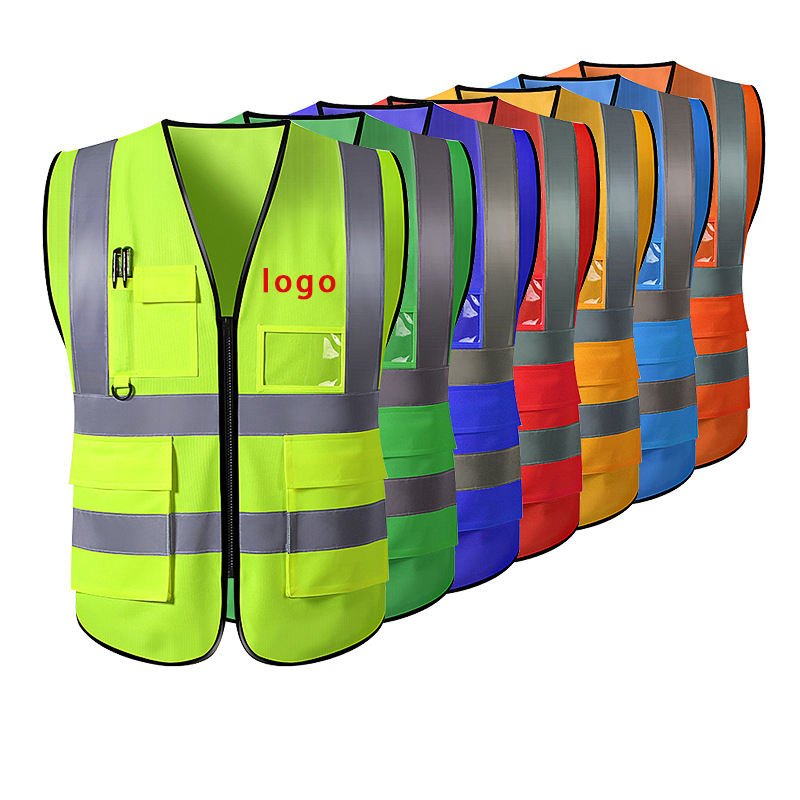
Chore Coat Manufacturer
Classic chore coats produced with durable woven fabrics, reinforced front patch pockets, and utility-driven detailing. Ideal for streetwear labels and independent designers launching everyday workwear staples, with low MOQs and in-house sampling to refine fit before full production runs.
Get a Quote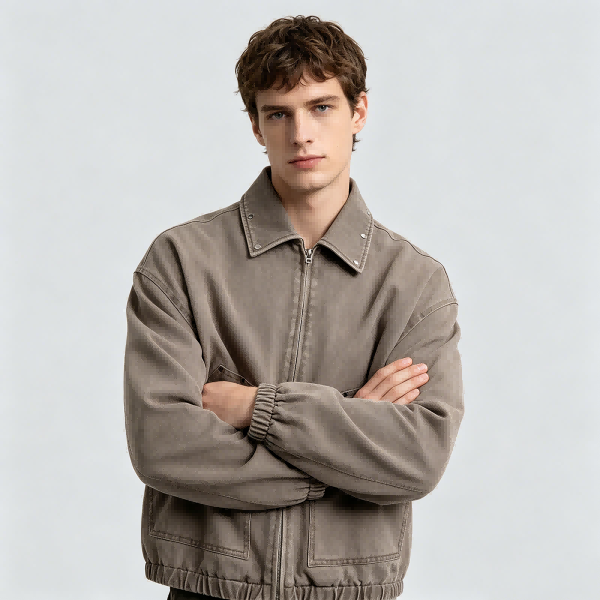
Canvas Work Jacket Manufacturer
Heavyweight canvas work jackets built for rugged wear, featuring abrasion-resistant cotton duck, triple-stitched seams, and structured collars. Suited to brands wanting authentic industrial silhouettes, each piece passes our 5-step QC covering materials, cutting, craft, sewing, and finished inspection.
Get a Quote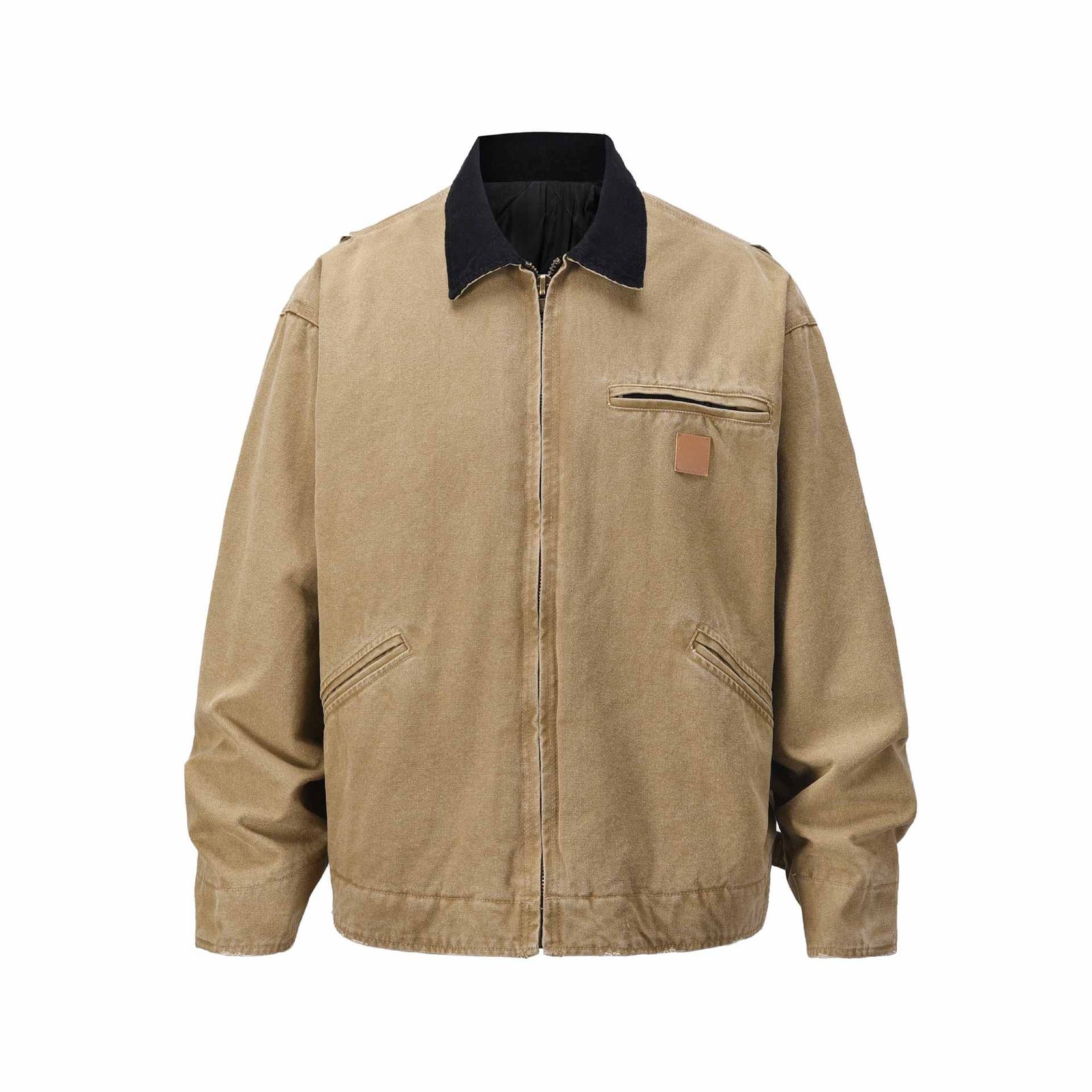
Flannel Lined Work Jacket Manufacturer
Insulated work jackets lined with soft brushed flannel for cold-weather seasonal collections. We pair durable shell fabrics with cozy plaid linings, manage fast turnaround for fall and winter drops, and verify warmth, stitching, and finish at every QC stage.
Get a Quote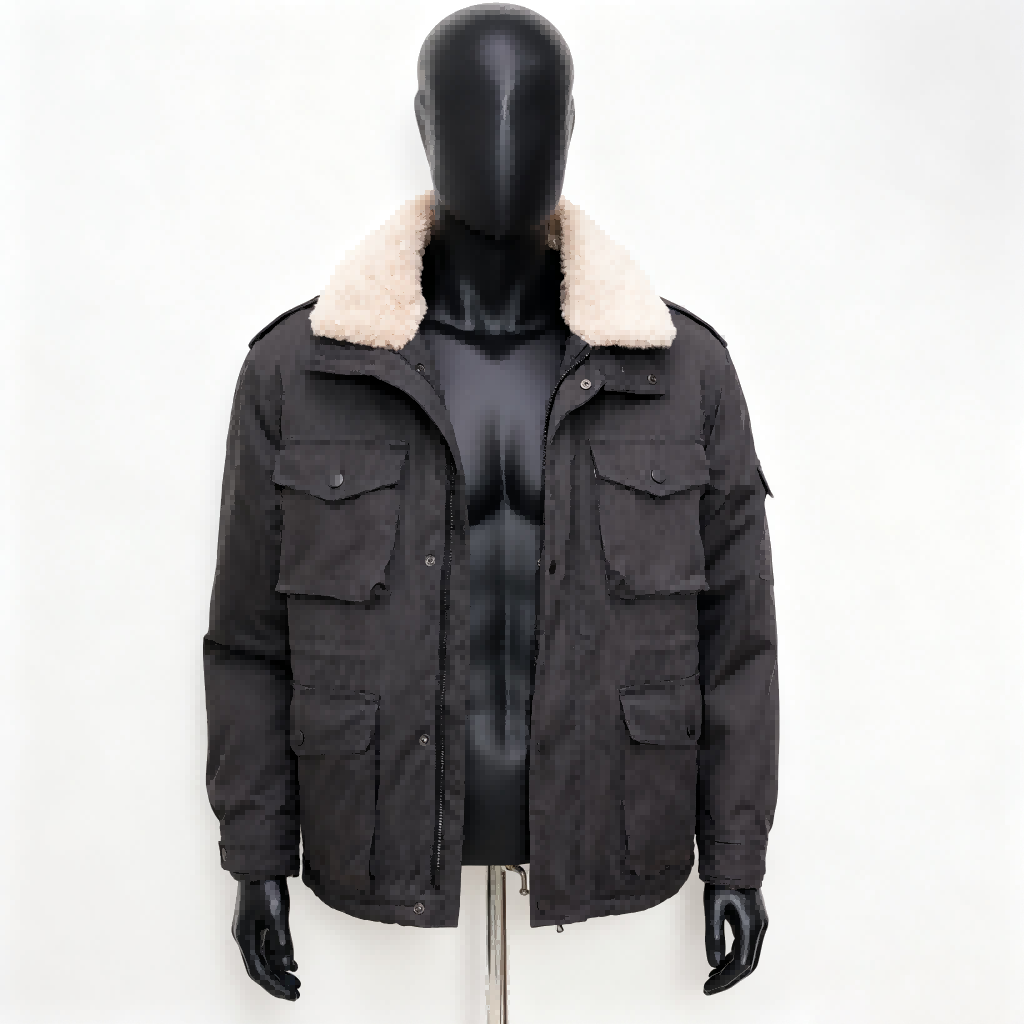
Custom Workwear Jackets
Fully custom workwear jackets developed from your tech packs or sketches, including custom embroidery, screen printing, woven labels, and hardware. Our 15-member R&D team supports influencer and creator brands building branded lines, from first sample through scalable, consistent production.
Get a Quote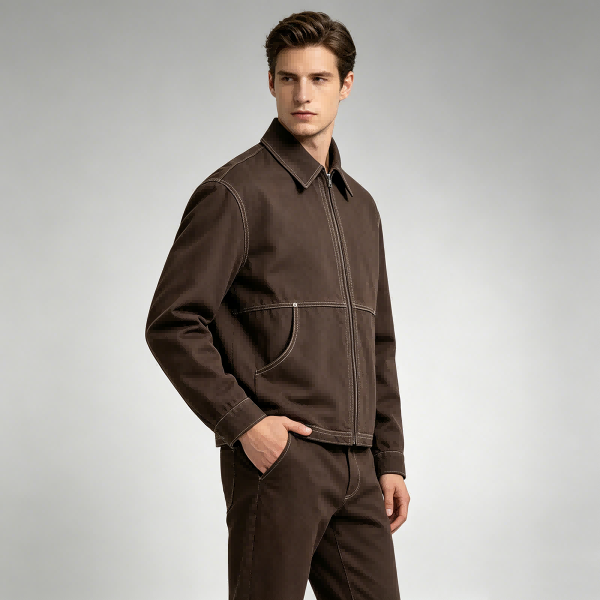
Wholesale Work Jackets
Wholesale work jackets produced at volume for global apparel retailers and established labels needing reliable, repeatable output. We support bulk orders, consistent sizing, and global shipping logistics, with every batch held to the same 5-step quality control standard.
Get a QuoteWork Jacket Fabrics Our Manufacturer Trusts
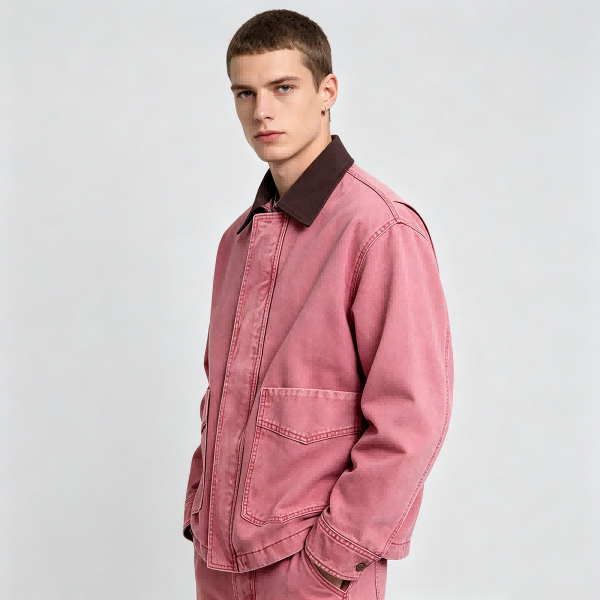
Stretch Cotton Twill
A mid-weight twill blended with 2–3% elastane for comfortable range of motion. Its smooth diagonal weave and subtle stretch suit tailored work jackets where mobility and a clean, modern silhouette both matter.
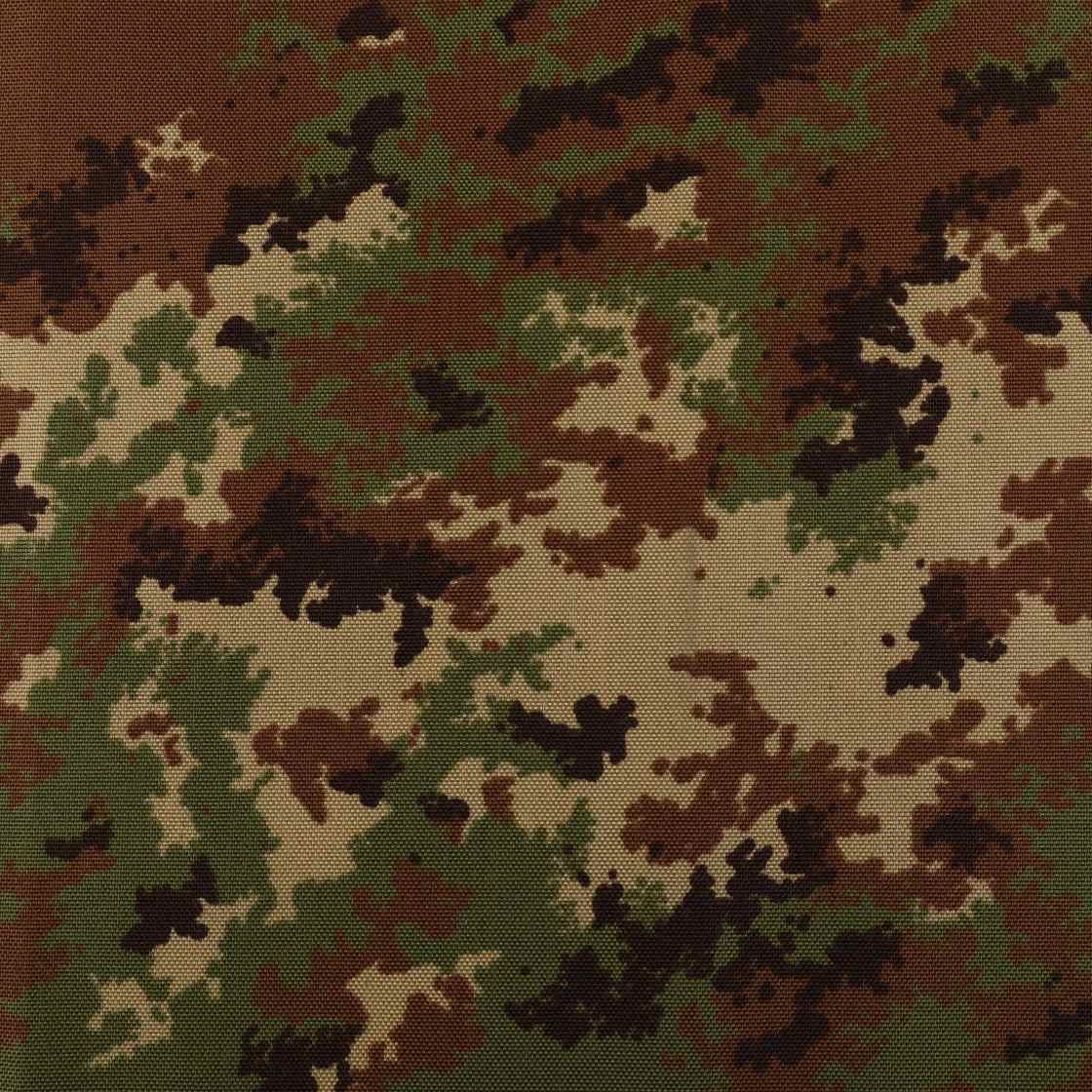
Technical Waxed Canvas
A water-resistant, tightly woven canvas finished with a protective wax coating. Around 10 oz, it offers weatherproof durability and a distinctive matte sheen, perfect for premium outerwear-style work jackets built for all seasons.
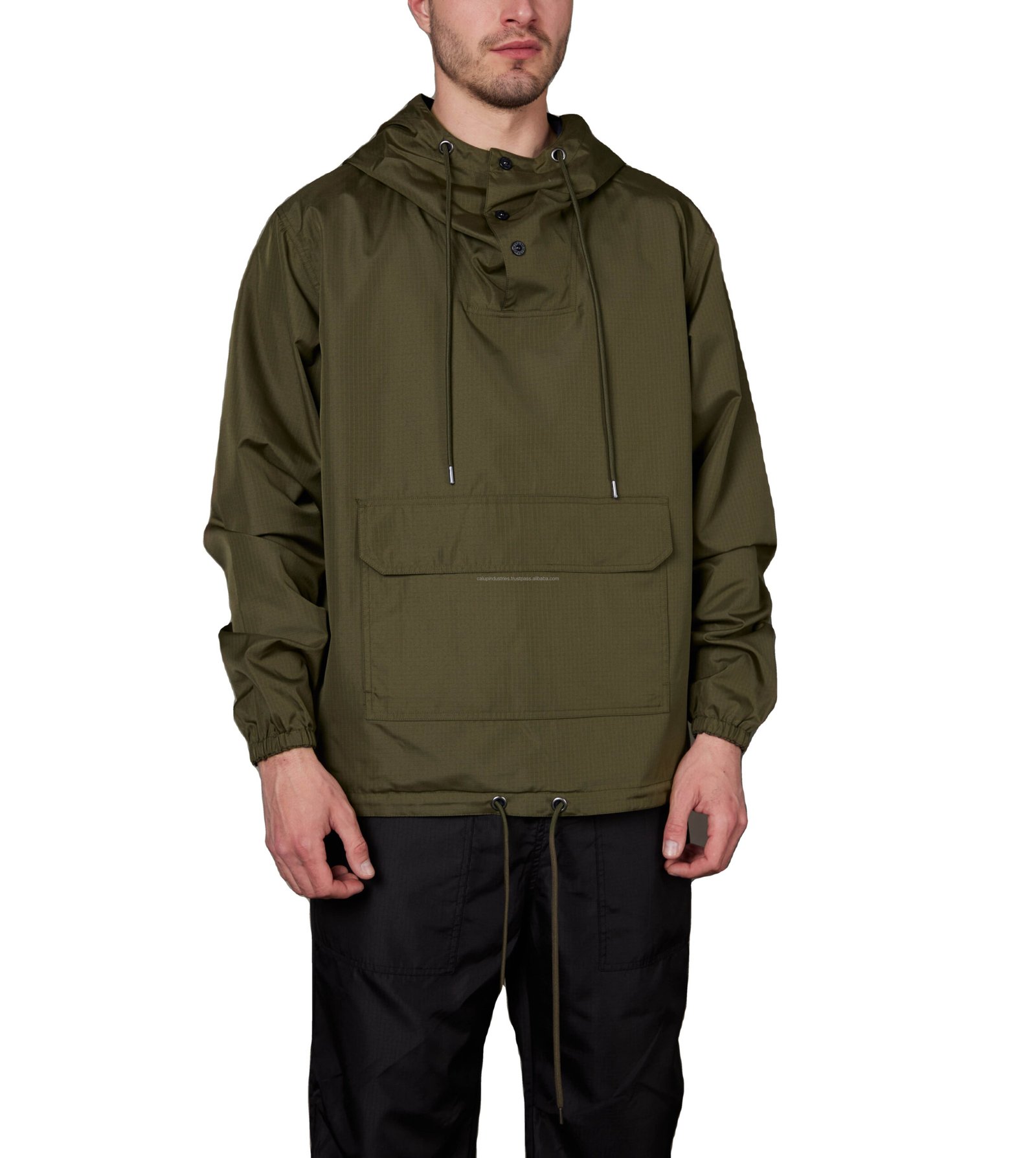
Recycled Polyester Shell
A lightweight, wind-resistant shell spun from recycled PET, roughly 150–200 gsm. Quick-drying with a smooth technical hand, it supports sustainability-focused brands wanting performance work jackets with a lower environmental footprint.
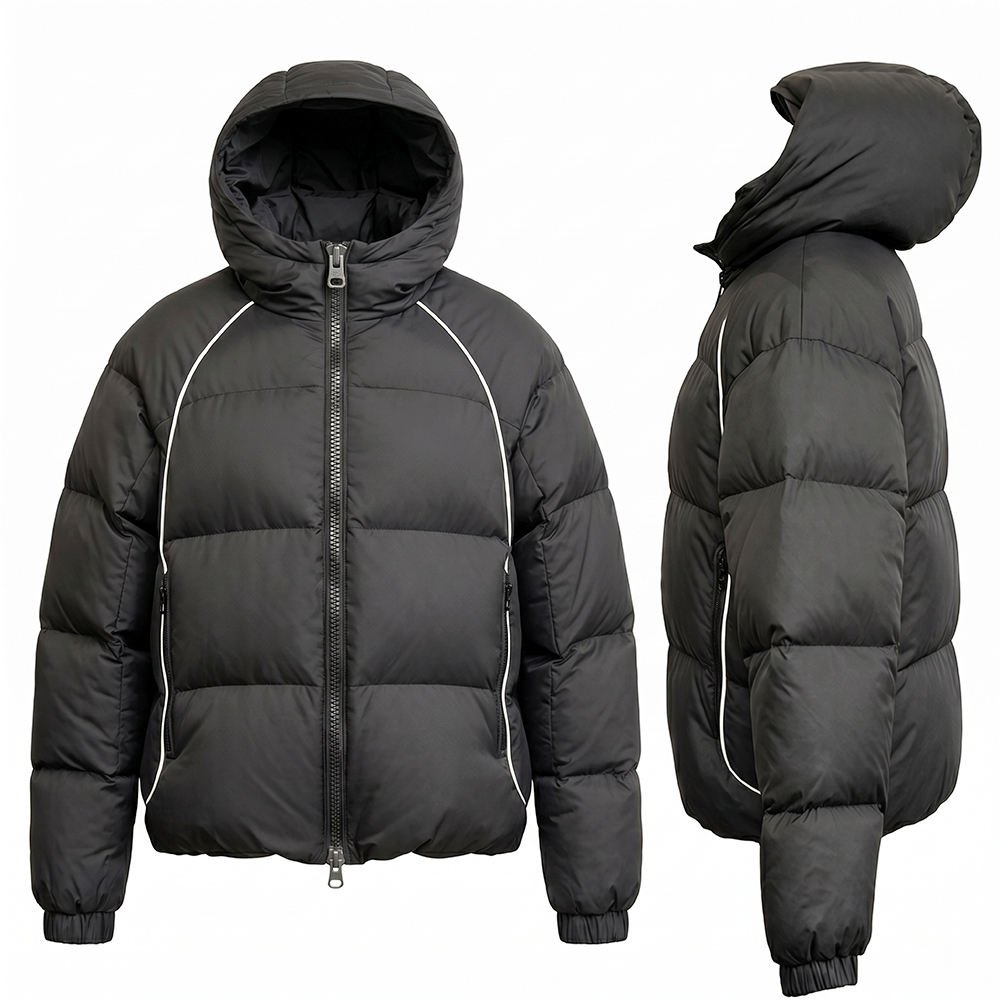
Cotton-Poly Blend Twill
A versatile 65/35 cotton-polyester twill near 8–10 oz that balances breathable comfort with wrinkle resistance and color retention. A cost-efficient choice for high-volume seasonal work jacket runs that still feel premium.
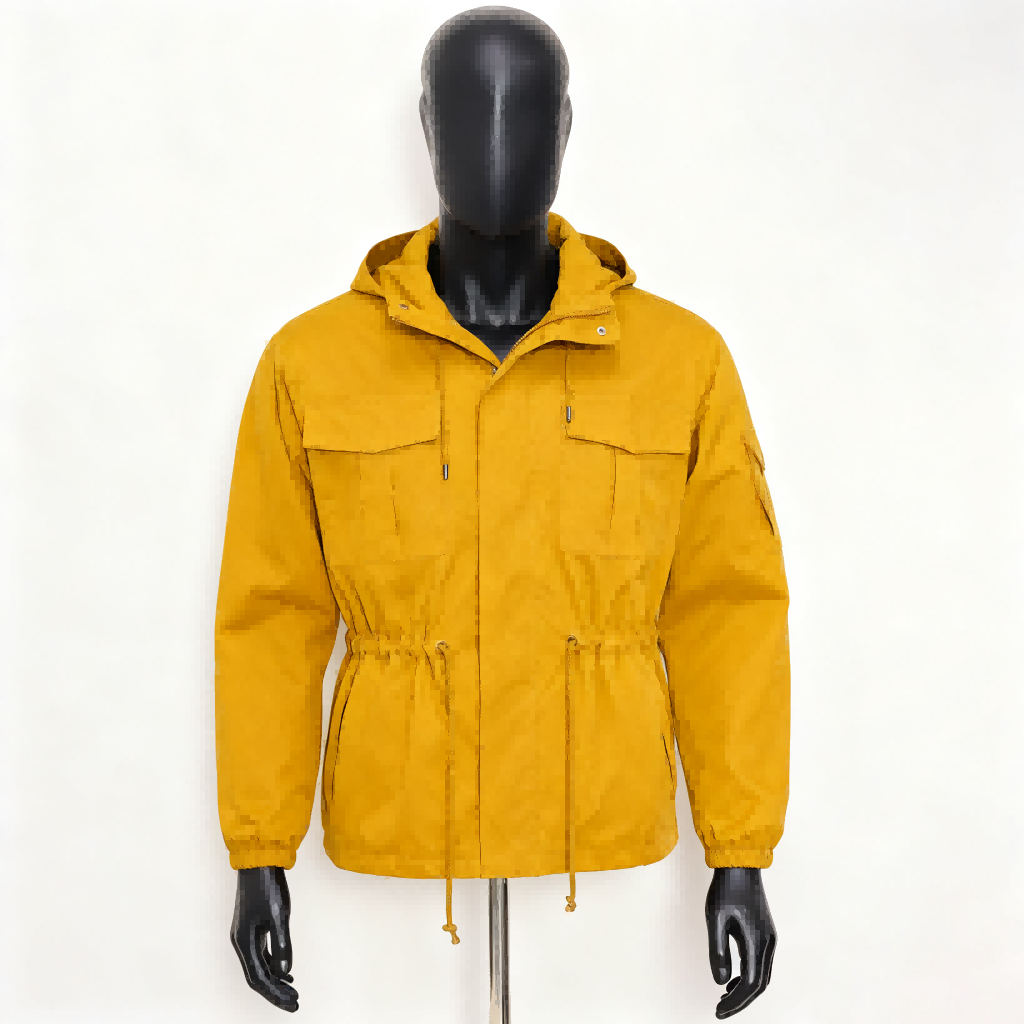
Brushed Fleece Lining
A soft, brushed polyester or cotton-blend fleece used as insulating lining, around 240–280 gsm. It adds warmth and a plush interior hand-feel to colder-weather work jackets without bulking up the outer shell.
Customization Techniques for Work Jackets
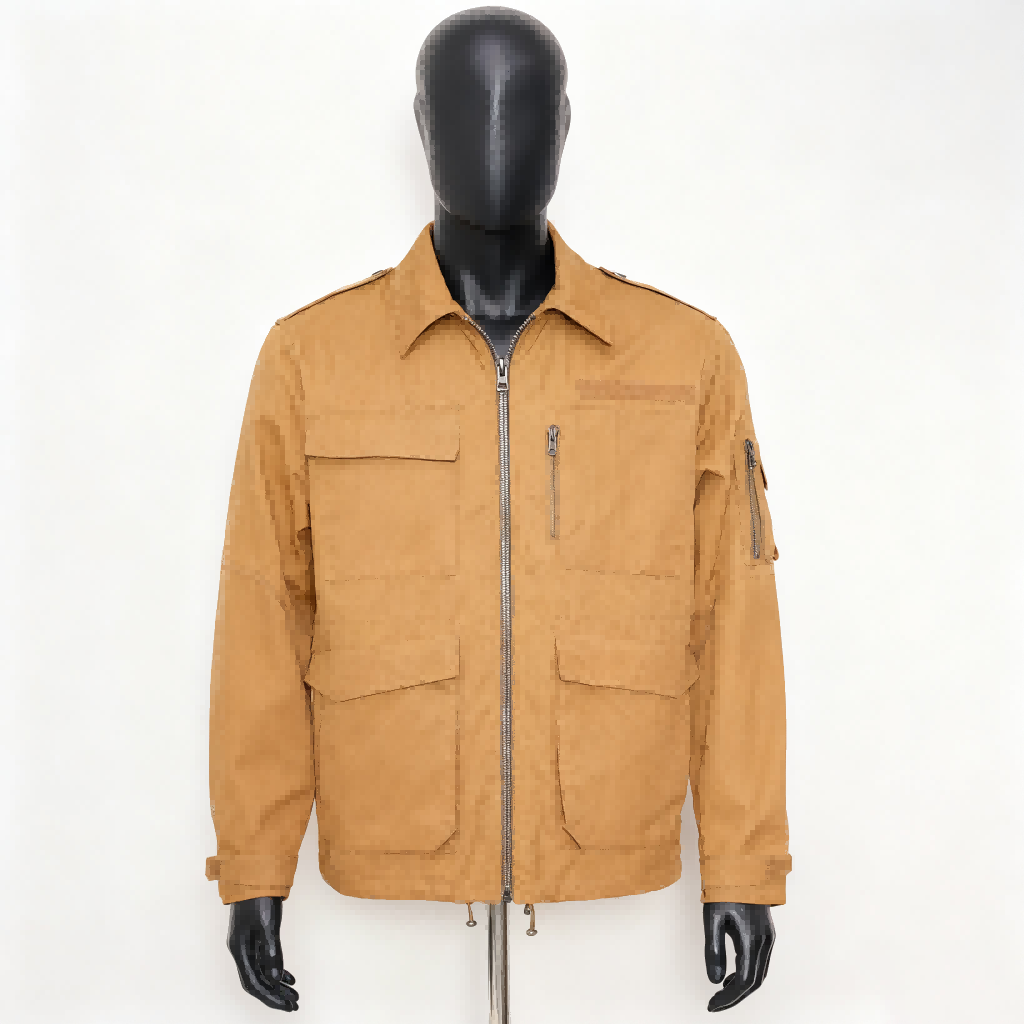
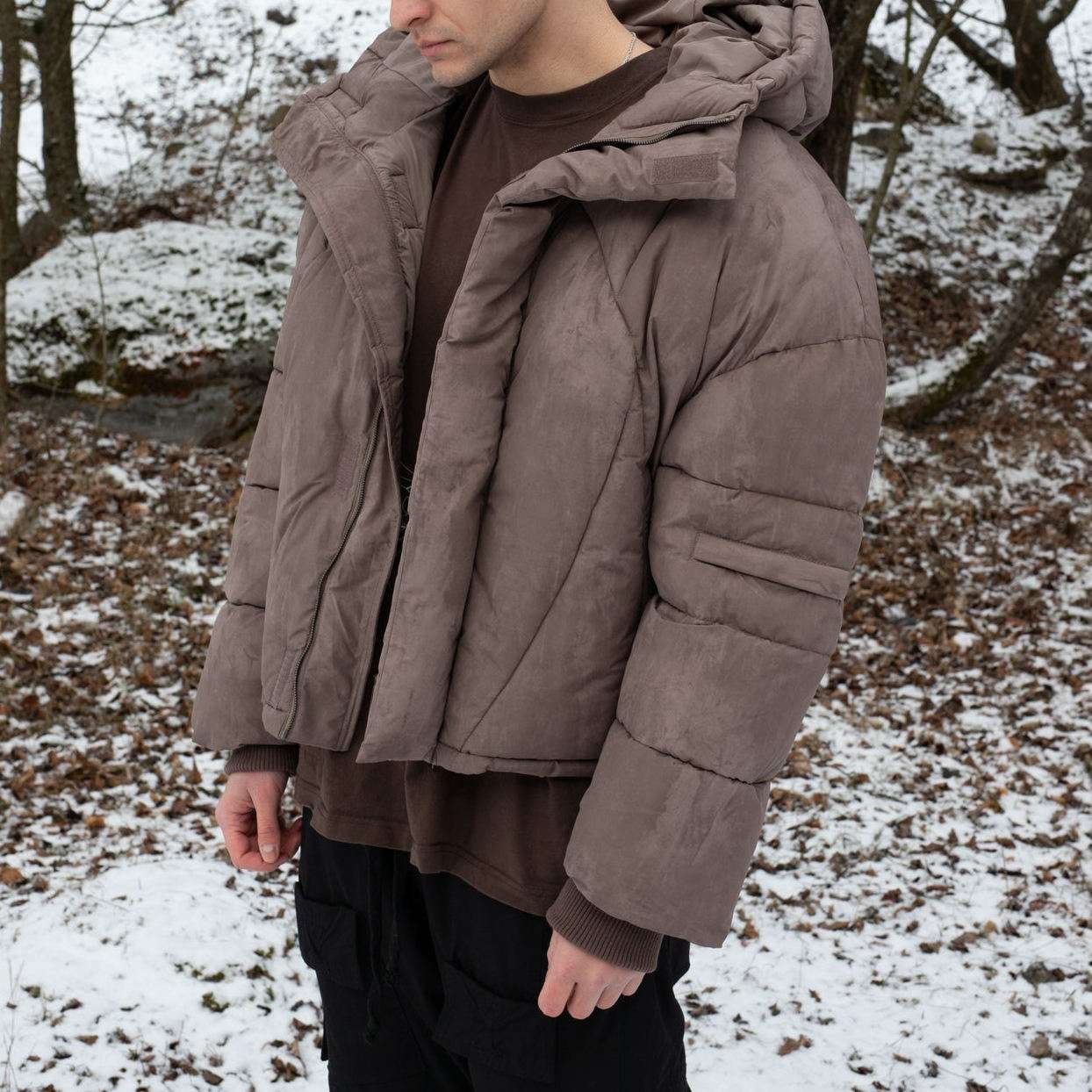
Screen Printing
Ink pressed through stencil screens for bold, opaque graphics and flat color blocks. Cost-effective at volume with crisp edges and strong color saturation, perfect for large streetwear prints across jacket backs and sleeves.
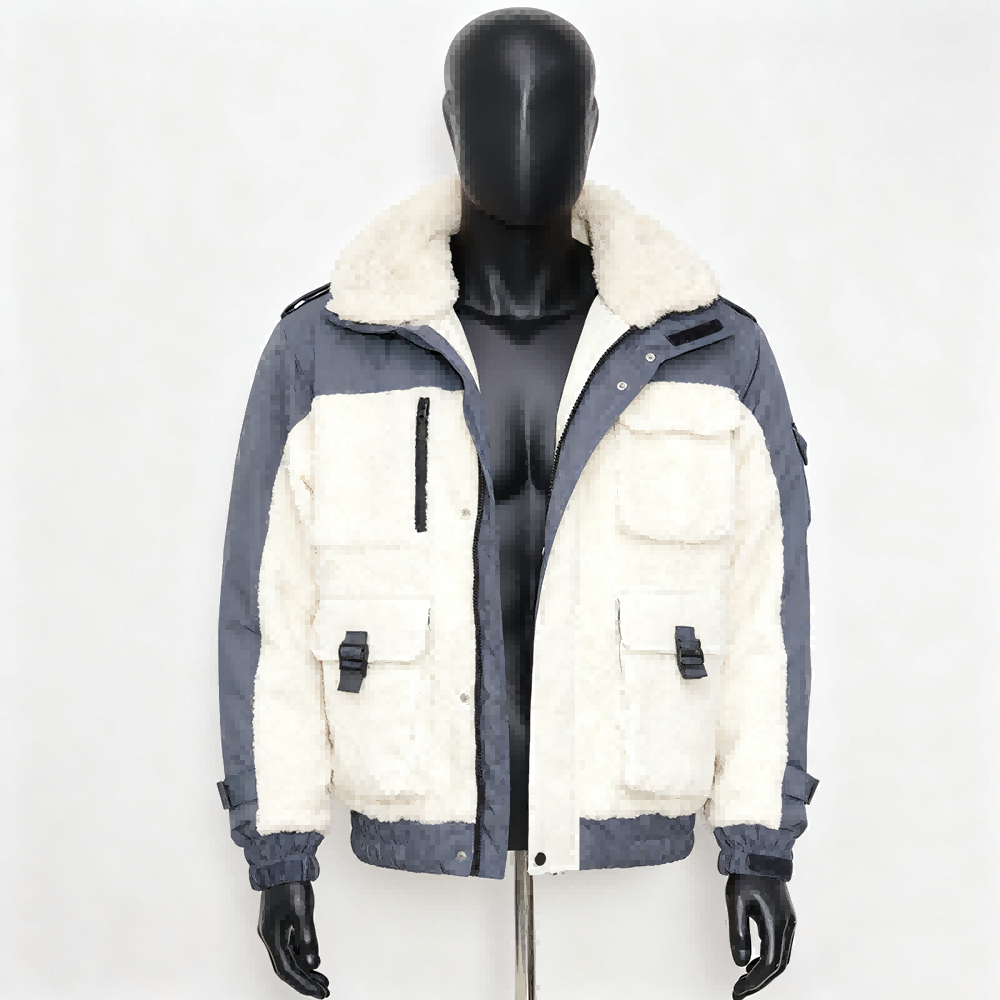
Custom Dyeing
Garment and fabric dyeing in fully bespoke colorways, including washes and faded effects. Delivers consistent, rich tones across every batch so your work jackets match your brand palette exactly, season after season.
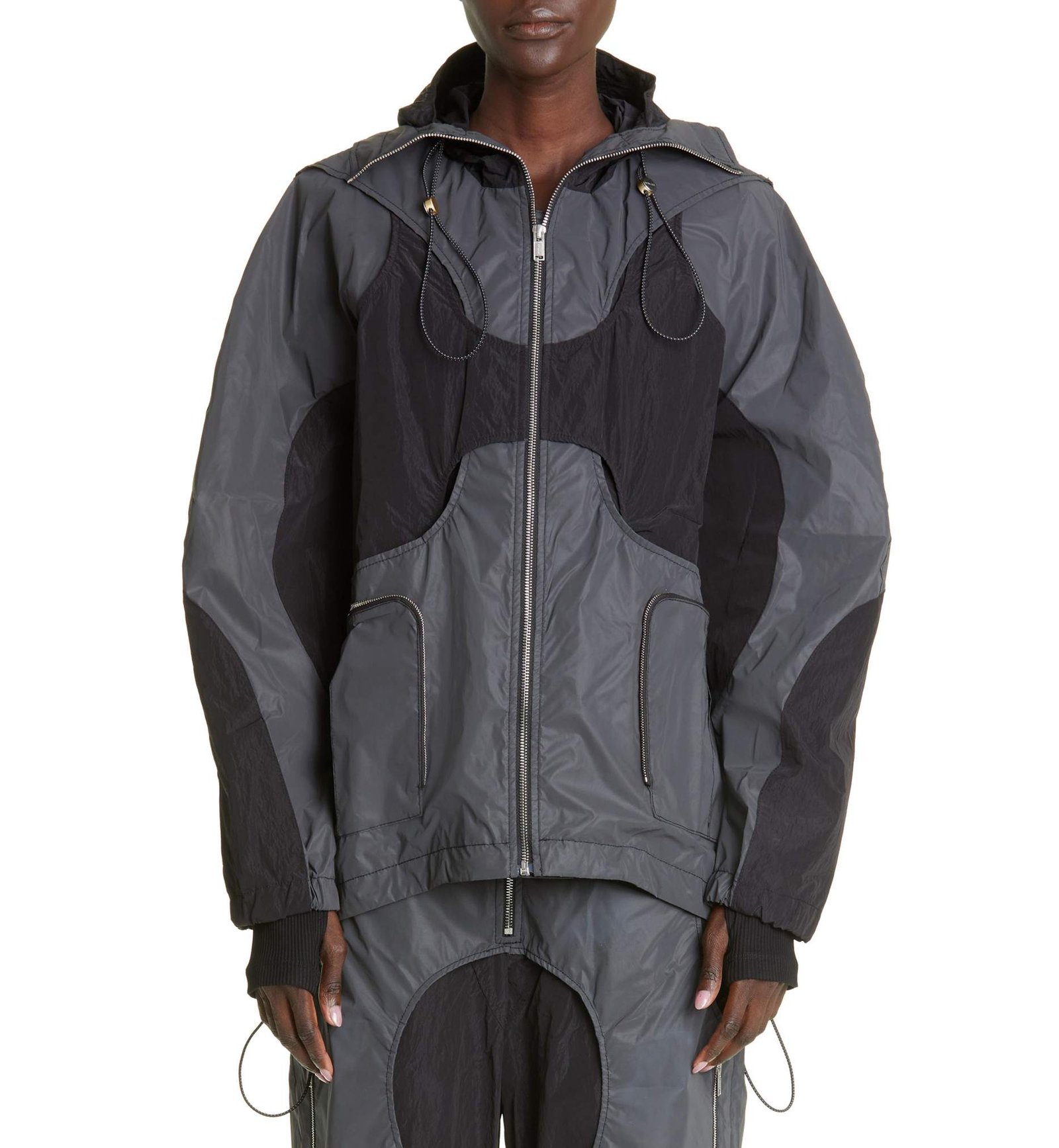
Heat Transfer
Designs heat-applied to the surface for smooth, detailed multi-color artwork and gradients. Lightweight and flexible with fine resolution, great for intricate logos and small-run customization on work jacket panels and pockets.
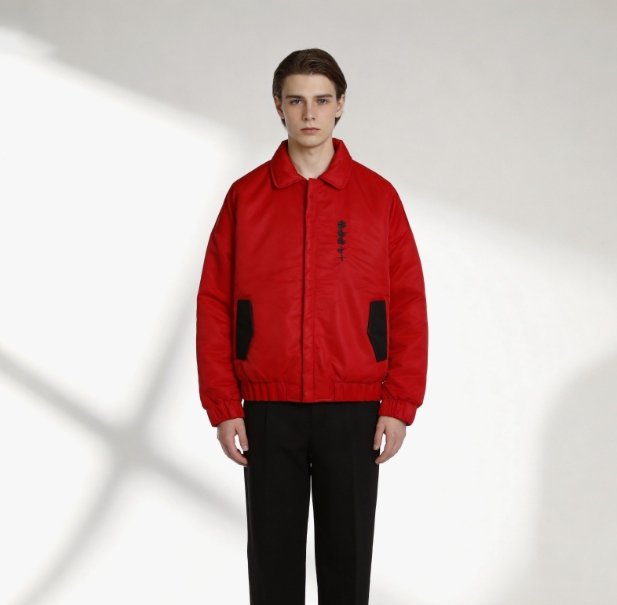
Woven Labels
Branded woven and leather-style labels stitched to necklines, hems, or cuffs. A refined finishing touch that signals quality craftsmanship and reinforces brand identity on every work jacket we produce for your line.
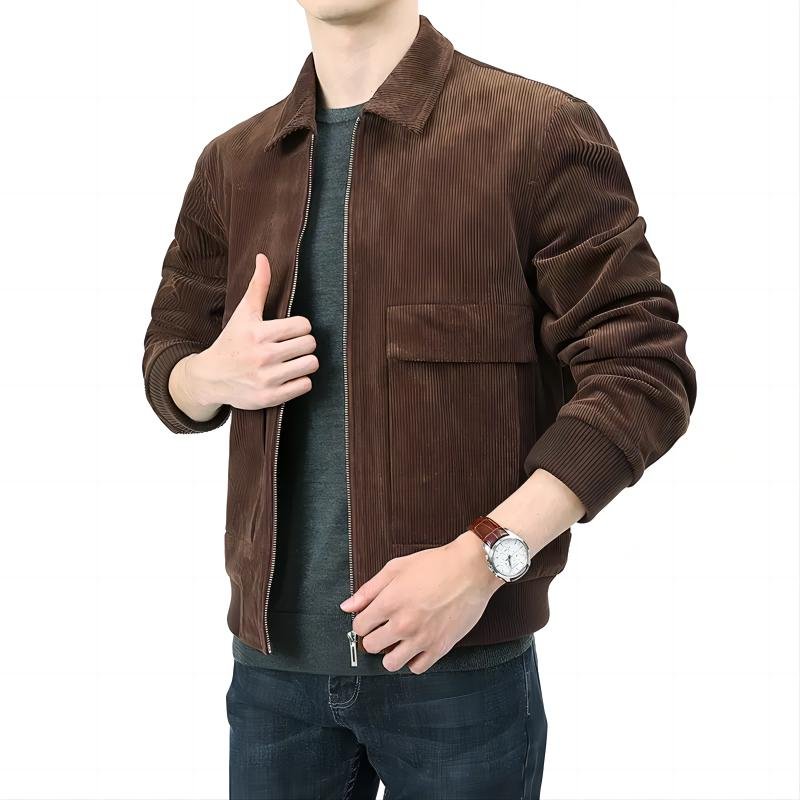
Sublimation Printing
Dye infused into the fabric for all-over, edge-to-edge prints that never crack or peel. Vibrant, permanent color built into the fibers, ideal for bold streetwear patterns covering entire work jacket surfaces.
Work Jacket Add-On Options From a Trusted Work Jacket Manufacturer
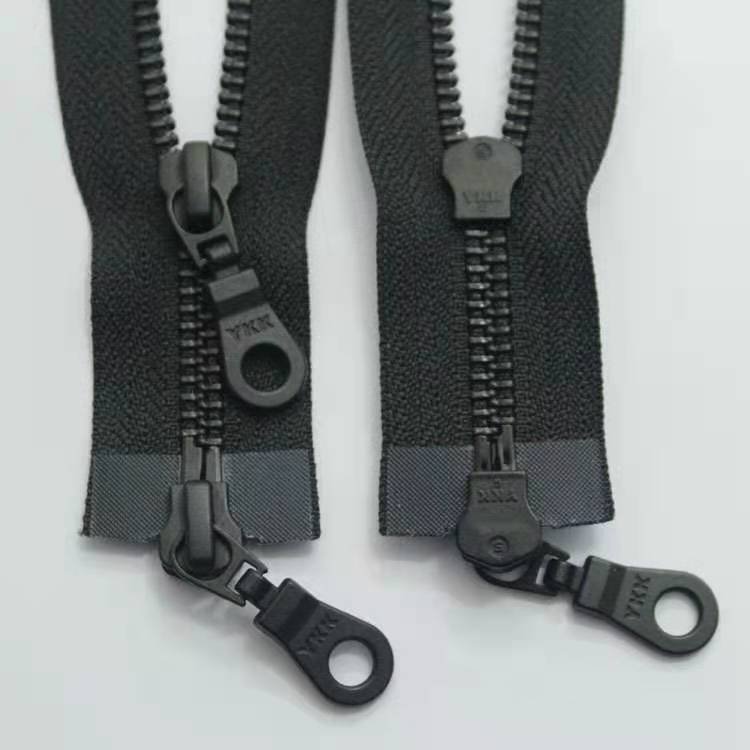
YKK Zippers
Industry-standard YKK zippers deliver smooth, durable closures for work jackets that endure daily wear. Available in metal or coil, custom colors, and branded pulls to match your label’s identity.
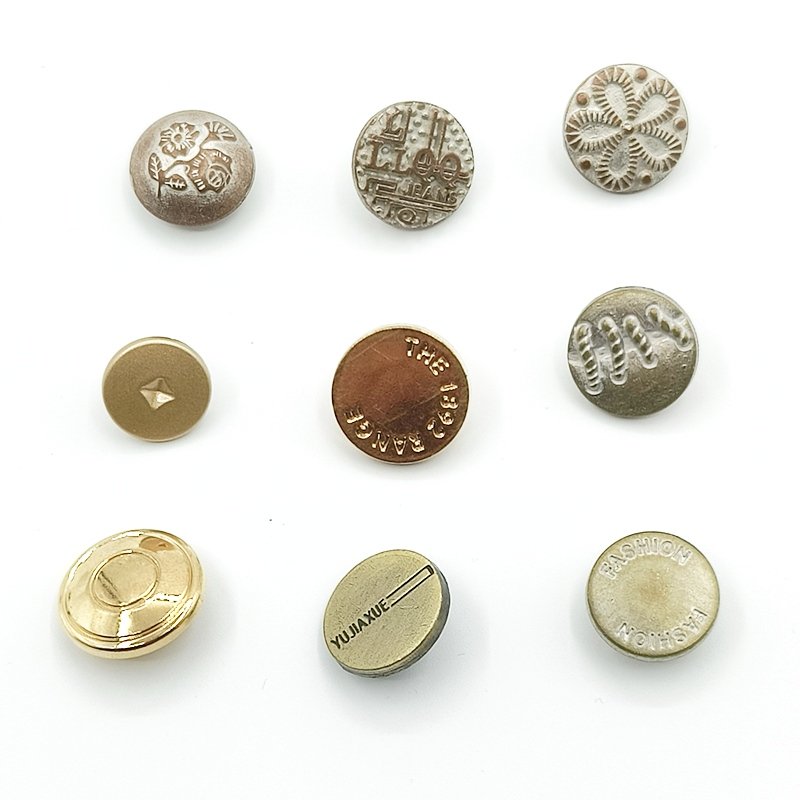
Branded Snap Buttons
Heavy-duty snap and metal buttons engraved or embossed with your logo. Ideal for storm flaps, cuffs, and chest pockets, adding rugged function and instant brand recognition to every jacket.
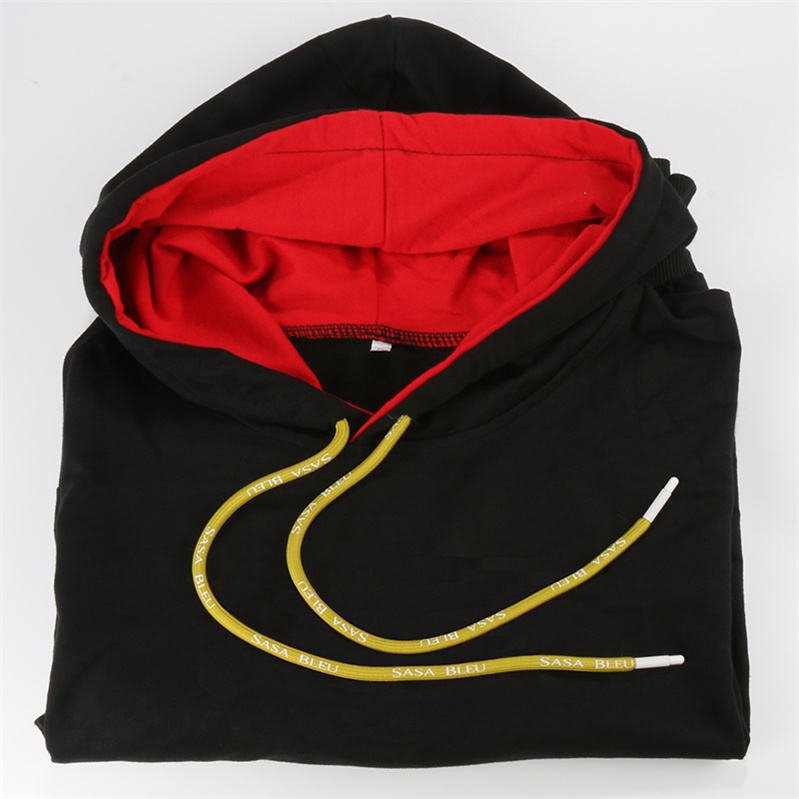
Custom Drawcords
Adjustable drawcords with custom tipping and stoppers let wearers tailor fit at the hem and hood. A practical streetwear detail that personalizes silhouette and reinforces your brand color story.
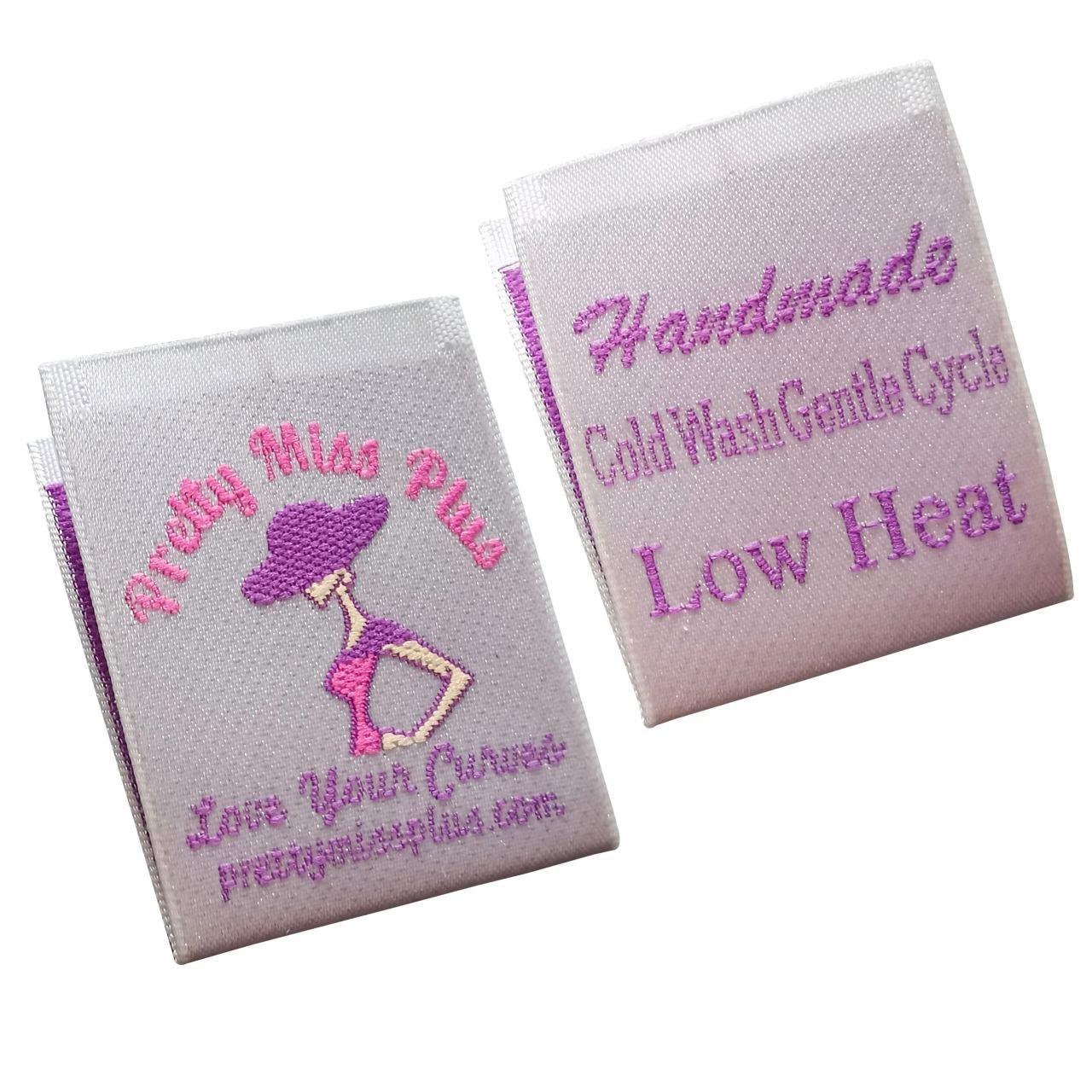
Woven Labels
Premium woven, printed, or leather labels for necklines, hems, and sleeves. Our in-house team produces main labels, care tags, and size labels that elevate the perceived quality of your collection.
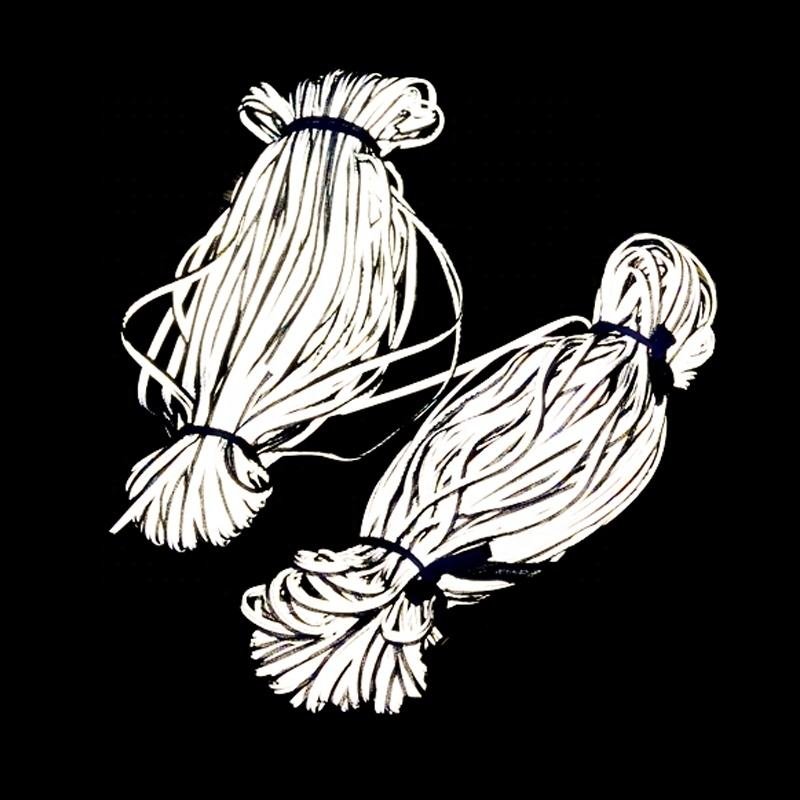
Reflective Elements
Reflective tape, trims, and heat-transfer prints boost low-light visibility and safety on work jackets. They double as a bold streetwear accent, blending utility with eye-catching, trend-driven design.
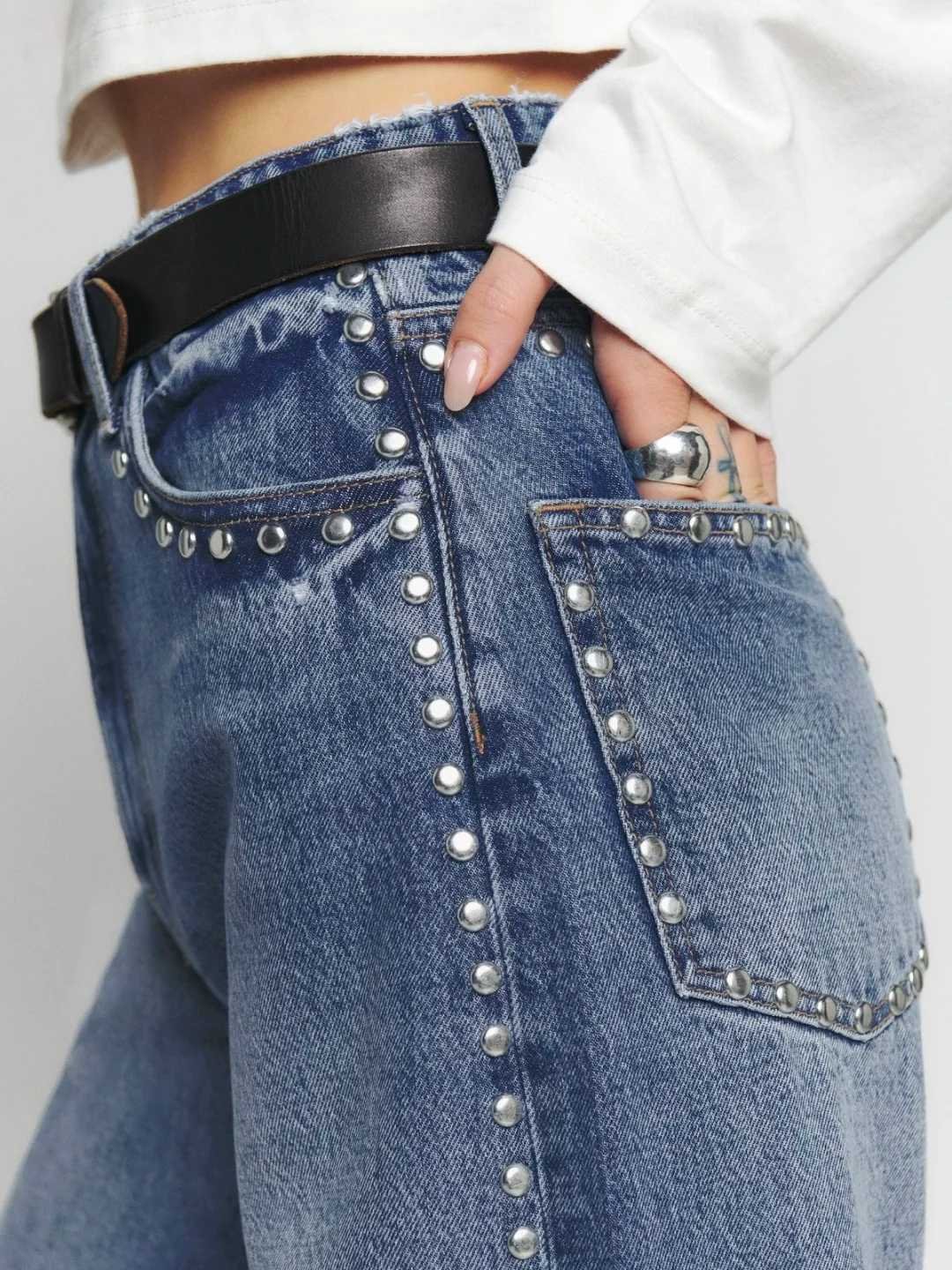
Metal Hardware
Custom rivets, eyelets, D-rings, and cord locks in finishes from antique brass to gunmetal. Durable hardware reinforces high-stress points while sharpening the utilitarian aesthetic your customers expect.
About Our Work Jacket Manufacturer
Founded in 2024 by Tesla Luo, our work jacket manufacturer grew from more than ten years of hands-on garment experience and six years specializing in streetwear. As a sub-brand of Dongguan TuoZhen Clothing Co., Ltd. in Humen Town, China, we set out with one mission: to eliminate low-quality production and restore the global reputation of Chinese garment makers.
Today this work jacket manufacturer serves trendy brands, startups, independent designers, and retailers across more than 100 countries. Backed by a 15-member R&D team, 10 production patents, in-house design and sampling, and our parent company’s manufacturing capacity, we combine the agility of a focused streetwear specialist with the scale of an established operation.
What sets us apart is our proprietary five-step quality control guarantee, with inspections on materials, cutting, craft, sewing, and finished goods. Rather than rushing from sewing to packaging, we embed checks at every stage, pair them with low MOQs and fast seasonal turnaround, and support global shipping so emerging and established brands alike can grow with confidence.
Core Capabilities of Our Work Jacket Manufacturer
Proprietary 5-Step QC Methodology
Our zero-compromise quality control checks every stage, not just the final piece. As a work jacket manufacturer built to eliminate low-quality output, we catch and correct defects early so every garment leaves our floor meeting your exact standards.
- Materials and cutting QC verified before sewing begins
- Clothing craft and sewing production tested mid-run
- Finished clothing inspection on every outgoing order
- Defects identified and corrected early, not at the end
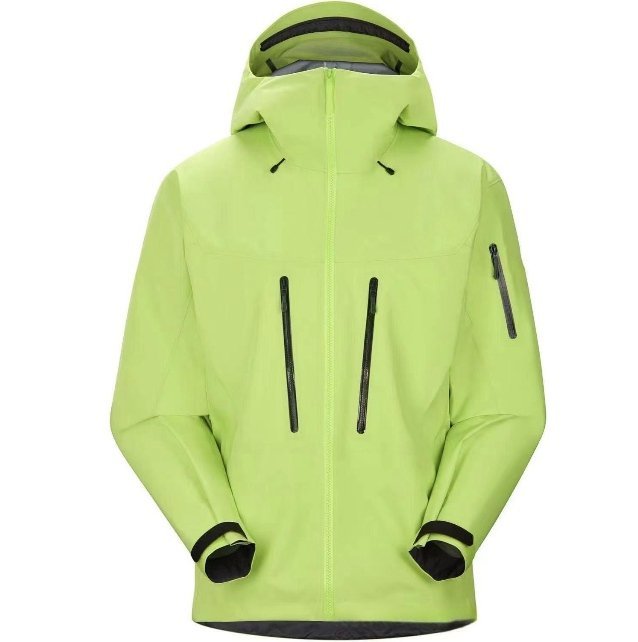
In-House R&D and Sampling
A 15-member R&D team and 10 production patents power our in-house design and sampling. We translate sketches, tech packs, or rough ideas into precise samples quickly, refining fit and construction before full production runs.
- 15-person R&D team backing every project
- 10 patents covering processes and innovations
- In-house sampling for fast fit and detail approval
- Transparent communication from concept to confirmation
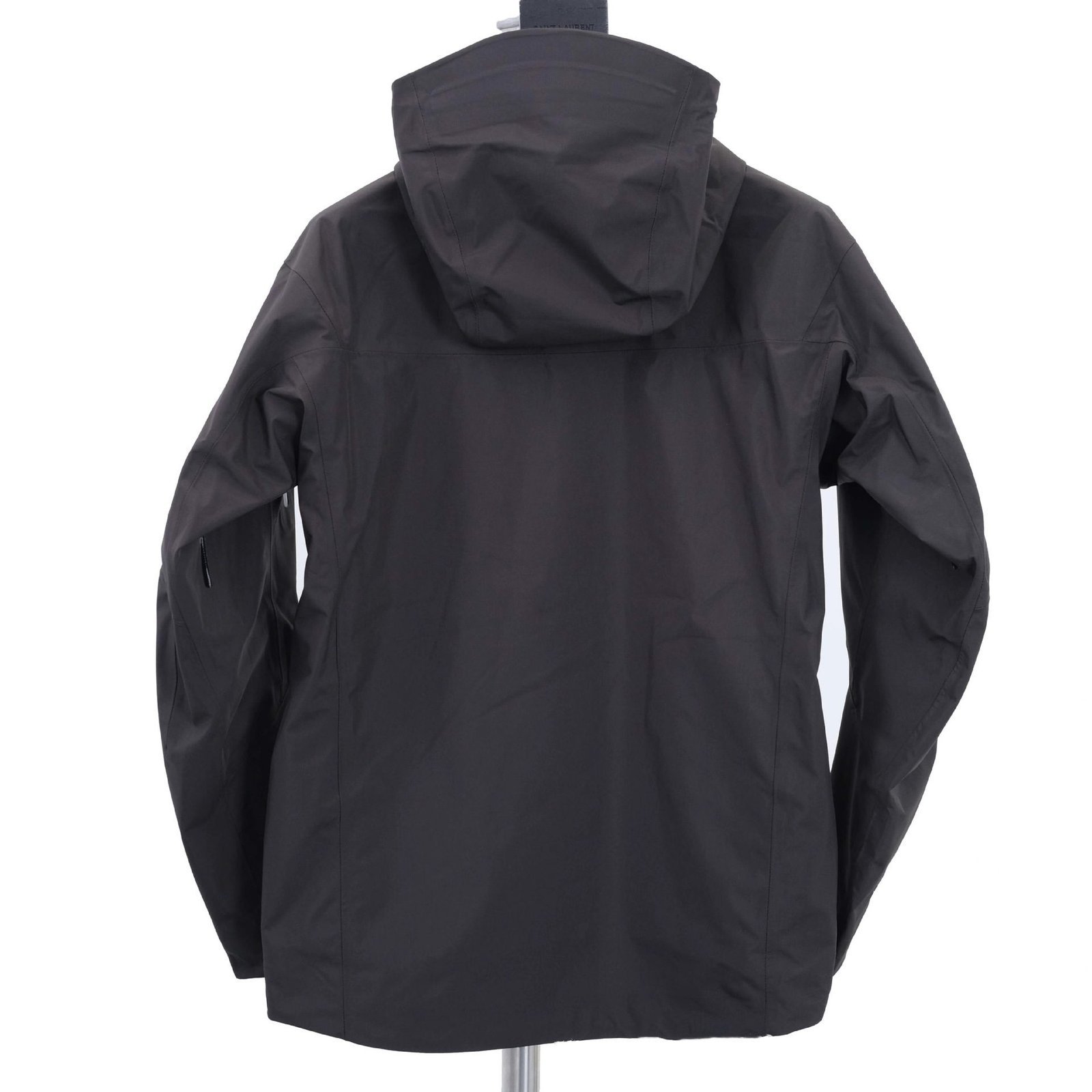
Trend-Driven Streetwear Expertise
Six years of dedicated streetwear focus shape our work jacket manufacturing. We speak the language of skeleton, sword, rose, and mystery-symbol motifs, helping influencer and creator brands launch bold, culturally fluent collections that resonate with young audiences.
- Deep fluency in streetwear and graphic motif design
- Experience scaling influencer and creator clothing lines
- Low MOQ welcoming emerging brands and startups
- Fast turnaround tuned to seasonal collection drops
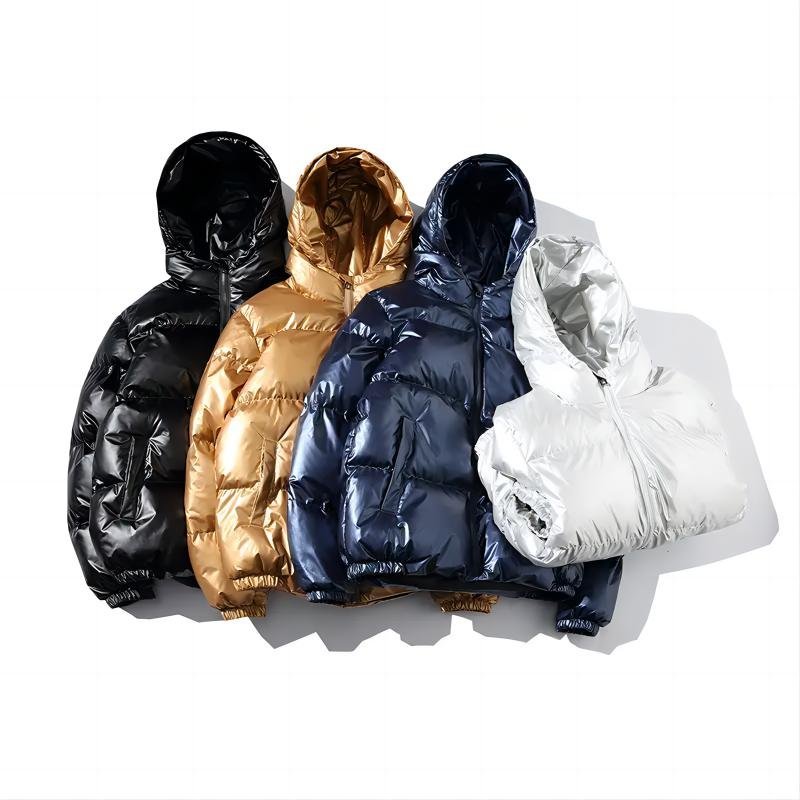
End-to-End Production Control
From fabric selection and pattern development through cutting, sewing, finishing, and packaging, we control the full production cycle. Backed by parent company Dongguan TuoZhen, we pair specialist agility with established capacity and global logistics.
- Full-spectrum production under one roof in Humen Town
- Established manufacturing capacity via our parent company
- Global shipping and logistics support to 100+ countries
- Scalable output for first collections and established names
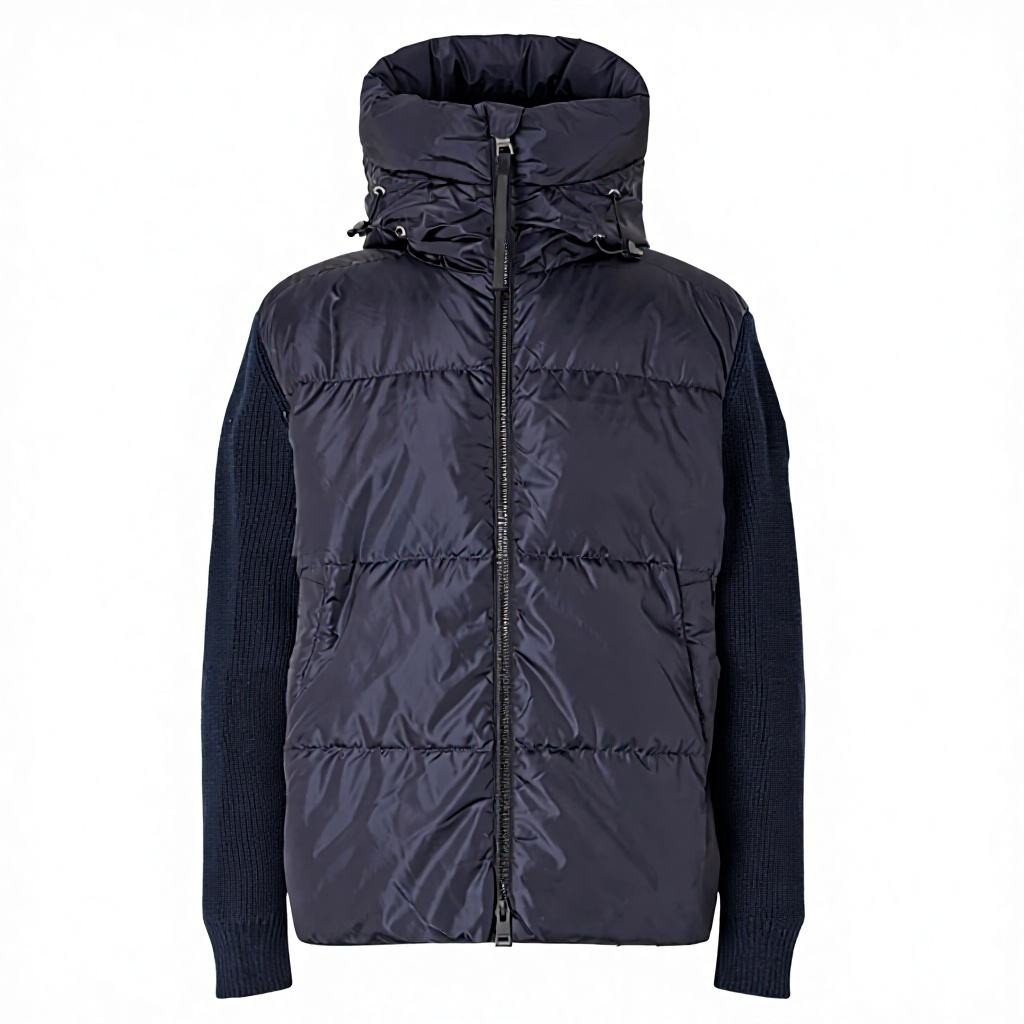
Why We’re a Different Work Jacket Manufacturer
See how Clothing Manufacturer Ltd compares to a typical work jacket manufacturer on the things that protect your brand and your margins.
← 左右滑动查看 →
The 5-Step QC Process Behind Our Work Jacket Manufacturing
As a work jacket manufacturer built on a zero-compromise philosophy, we embed quality checkpoints into every phase of production — not just the final inspection.
Materials QC Testing
Before cutting begins, we inspect every roll of fabric, hardware, and trim for color accuracy, weight, and durability, ensuring your work jackets start with premium, defect-free materials.
Cutting QC Testing
Our team verifies pattern alignment, grain direction, and panel dimensions during cutting, so each piece meets exact specifications and your collection maintains consistent, scalable fit.
Clothing Craft QC Testing
We review construction techniques, stitching density, and finishing details against the approved sample, confirming the craftsmanship matches the streetwear standard your brand demands.
Sewing Production QC Testing
Throughout the sewing line, inspectors check seams, reinforcements, and assembly in real time, catching and correcting defects early rather than discovering them after production ends.
Finished Garment QC Inspection
Every completed work jacket undergoes a final inspection for measurements, appearance, and overall quality before it is ironed, packed, and cleared for shipping worldwide.
Packing & Global Shipping
Approved jackets are carefully folded, tagged, and packaged, then dispatched with full logistics and customs support to deliver your branded collection to customers across 100+ countries.
How to Start Your Project With Our Work Jacket Manufacturer
Partnering with our work jacket manufacturer is transparent from day one — five clear steps take your concept from tech pack to delivered, quality-checked collection.
Submit Your Tech Pack
Send sketches, tech packs, or reference samples. Our in-house design and sampling team reviews your streetwear vision and confirms fabrics, fit, and customization details fast.
Receive Quote And Samples
We return a transparent quote with low MOQs for emerging brands, then craft pre-production samples so you approve construction, prints, and trims before committing.
Approve Bulk Production
Once samples meet your standards, we schedule bulk production with fast seasonal turnaround, keeping you updated through clear, ongoing communication at every milestone.
Pass 5-Step Quality Control
Every order moves through our proprietary five-step QC guarantee — materials, cutting, craft, sewing, and finished inspection — so defects are caught early, never shipped.
Ship Worldwide With Support
We pack, document, and dispatch your collection with global shipping and logistics support, handling customs and delivery to brands across more than 100 countries.
Quality Certifications That Back Our Work Jacket Manufacturing
What Global Brands Say About Our Work Jacket Manufacturer Team
We launched our first streetwear capsule with a 50-piece MOQ and zero defects out of the gate. Their 5-step QC caught issues other factories ignored, and we scaled from startup to 60k+ followers in eight months.
As an independent designer, I needed a work jacket manufacturer that respected small runs. Their in-house sampling team nailed my pattern on the second sample, and turnaround for my seasonal drop was just 18 days.
We’ve placed reorders across four collections now. Consistent quality, reliable global shipping, and a reject rate under 1% let us expand into three new retail markets without a single returned batch.
Frequently Asked Questions About Our Work Jacket Manufacturer Services
Straight answers on MOQs, lead times, samples, IP protection, and quality so you can source with confidence.
What is the minimum order quantity with your work jacket manufacturer?
How long does production take with your work jacket manufacturer?
Do you offer design and sampling support, or do I need finished tech packs?
What makes you different from other work jacket manufacturers?
How do you protect my designs and intellectual property?
What are your sample costs and payment terms?
Can you handle international shipping and logistics?
Do you have experience with streetwear and influencer brands?
The Complete Buyer’s Guide to Choosing a Work Jacket Manufacturer
A practical decision framework for sourcing a work jacket manufacturer — covering supplier criteria, materials, customization, construction, pricing tiers, and the costly mistakes brands must avoid before placing a first production order.
1. What Is a Work Jacket Manufacturer?
A work jacket manufacturer is the production partner that converts a tech pack into finished outerwear, sitting in the middle of the apparel supply chain between fabric mills and your end customer. Dongguan Clothing Manufacturer Co., Ltd., founded in 2024 and based in Humen Town, Guangdong, has served brands across more than 100 countries, handling fabric selection, pattern development, cutting, sewing, finishing, and packaging under one roof.
Three sourcing models exist, and knowing which you are hiring sets your cost and workload. Full-package (FOB/OEM) means the factory buys materials and ships finished goods to your spec; ODM (white-label) lets you rebrand an existing design; CMT (cut-make-trim) requires you to supply fabric and trims while the factory only assembles.
A factory owns the machines and labor — what we are. A trading company resells factory output without production control, and a sourcing agent brokers between you and unseen workshops for a commission. Each added layer raises price and lowers transparency, which is why a five-step QC framework run inside the actual plant matters.
Buyers fall into four groups: streetwear labels, fashion startups and independent designers, global apparel retailers, and influencer or creator brands. Startups typically want low-MOQ ODM runs to test demand, while established retailers need scalable FOB production with consistent standards, OEKO-TEX-grade materials, and reliable lead times.
- Full-package (FOB/OEM): factory sources fabric, trims, and ships finished, branded jackets
- ODM / white-label: rebrand an existing proven design with minimal development
- CMT: you supply fabric and YKK trims; factory only cuts, makes, trims
- Factory vs. trading company vs. agent: fewer middle layers means lower cost, clearer QC
2. Evolution of the Work Jacket & Its Manufacturing
Founded in the 1880s, the work jacket began as pure utility — French railway and factory workers wore moleskin or ‘bleu de travail’ chore coats, prized for triple-needle seams, three patch pockets, and 8-10 oz cotton drill that survived daily abuse. American denim brands later codified the trucker silhouette into Type I (1905), Type II (1953), and Type III (1962), each iteration refining yokes, pleats, and pocket placement still referenced by designers today.
Between the 1960s and 1990s, production migrated from heavy-duty domestic mills to global sourcing hubs across Asia, with Guangdong’s Humen Town emerging as a garment epicenter. This shift lowered costs but split the market: commodity factories skipped quality control, while specialists preserved heritage construction — chain-stitched hems, riveted stress points, and 12-14 oz selvedge denim.
By the 2010s, the work jacket crossed fully into streetwear and fashion, with chore coats and trucker jackets becoming seasonal staples for trend-driven labels. Heritage details — felled seams, copper rivets, YKK or branded hardware, and contrast bartacks — now signal premium quality and justify higher retail markups.
Today these construction signals separate a true work jacket manufacturer from a generic cut-and-sew shop. For streetwear brands and independent designers, choosing a partner that embeds quality checks throughout production — rather than only at final inspection — determines whether heritage credibility actually reaches the consumer.
3. Types of Work Jackets a Manufacturer Can Produce
Work jackets fall into roughly six core silhouettes, each carrying its own fabric weight, hardware demands, and construction complexity. Matching a work jacket manufacturer’s specialty to your range prevents costly retooling and protects margins.
| Style | Best Fit | Complexity |
|---|---|---|
| Chore coat | Startups, designers | Low–Medium |
| Trucker denim | Streetwear brands | Medium |
| Canvas jacket | Global retailers | Medium |
| Insulated/flannel | Seasonal, creators | High |
| Coveralls/shacket | Trend brands | High |
| Technical/hi-vis | Industrial buyers | Very High |
Chore & Utility Coat
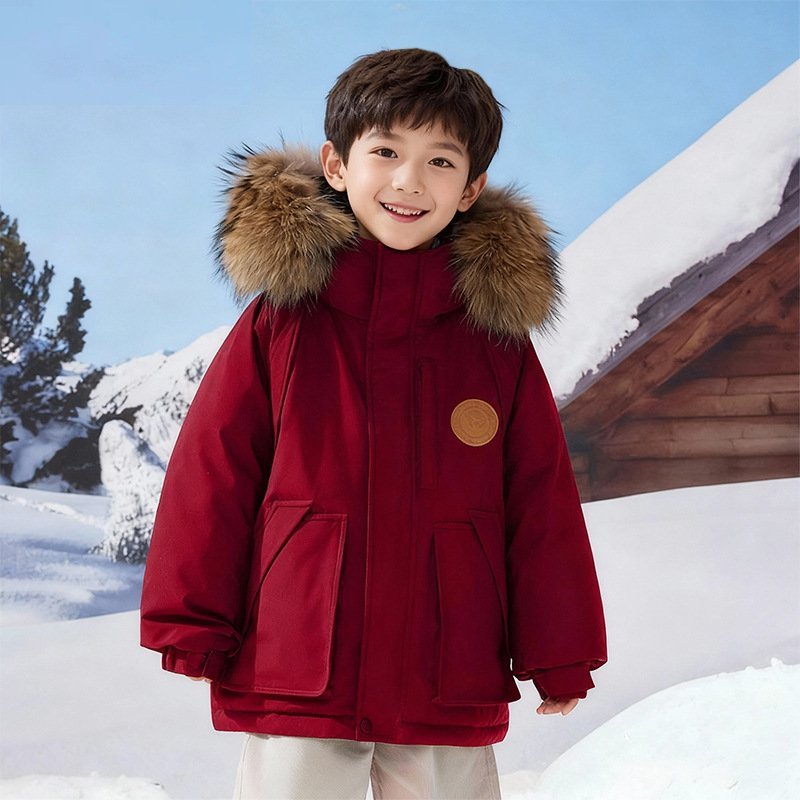
Originating from 1900s French workwear, chore coats use 8–12 oz cotton canvas or duck with three patch pockets. Low-to-medium complexity makes them ideal first products for fashion startups and independent designers.
Trucker & Denim Jacket
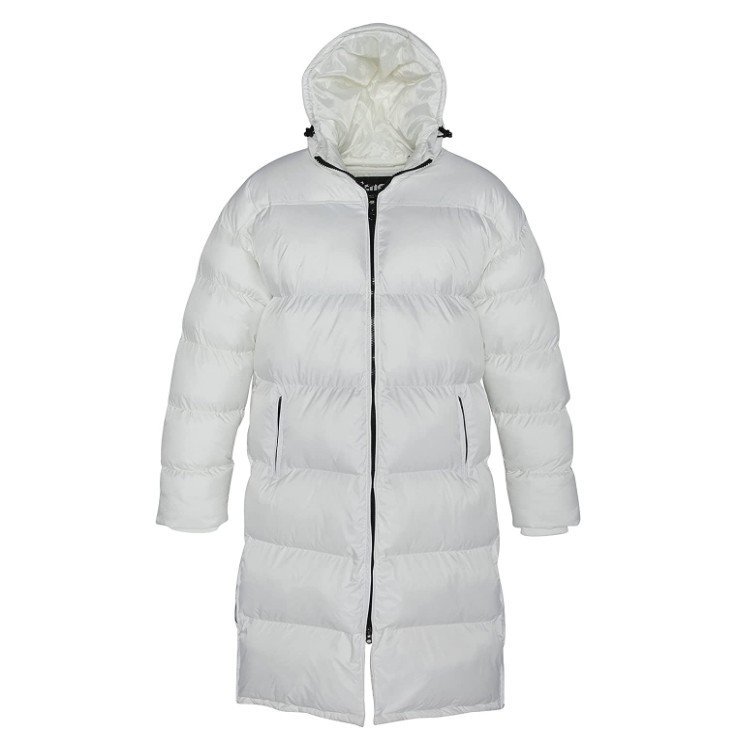
Built from 10–14 oz denim with felled seams and metal shank buttons, the trucker is a streetwear staple. Construction is medium complexity, demanding consistent indigo wash control across batches.
Canvas Work Jacket
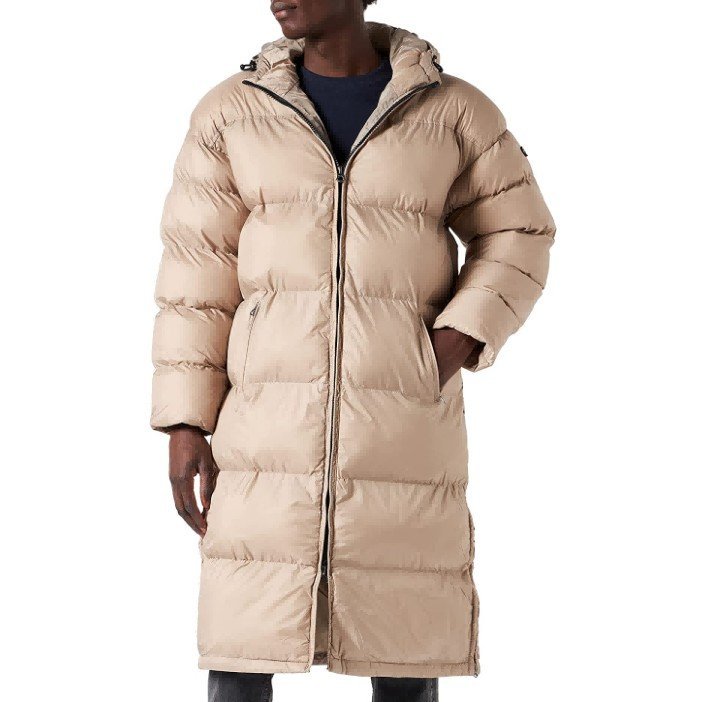
Heavyweight 12 oz+ duck canvas with triple-needle seams and YKK zips suits global retailers needing rugged durability. Medium complexity; reinforced stress points and bartacks are essential inspection items.
Insulated & Flannel-Lined Jacket
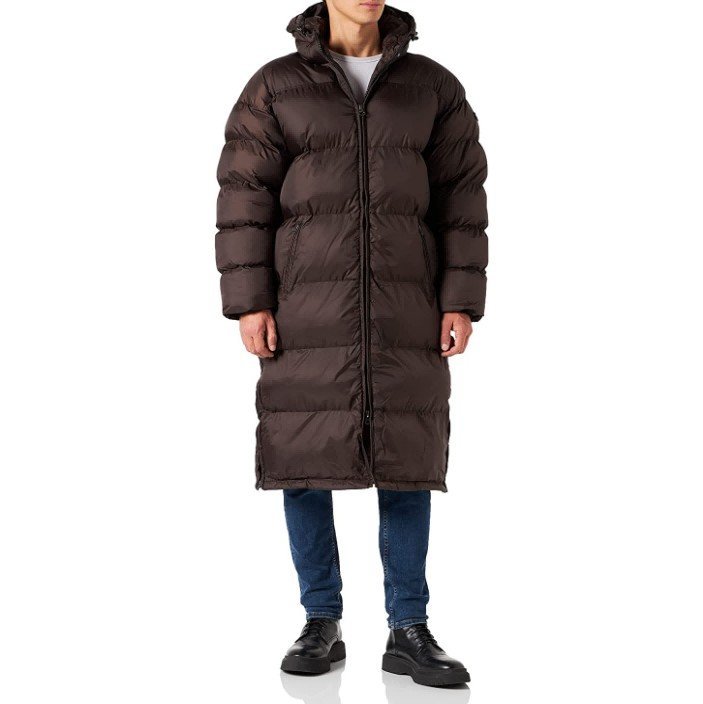
Adding quilted poly-fill or brushed flannel lining raises complexity significantly. These cold-weather pieces fit creator brands and retailers in seasonal markets, requiring careful loft and quilt-line control.
Coveralls & Shacket Hybrids
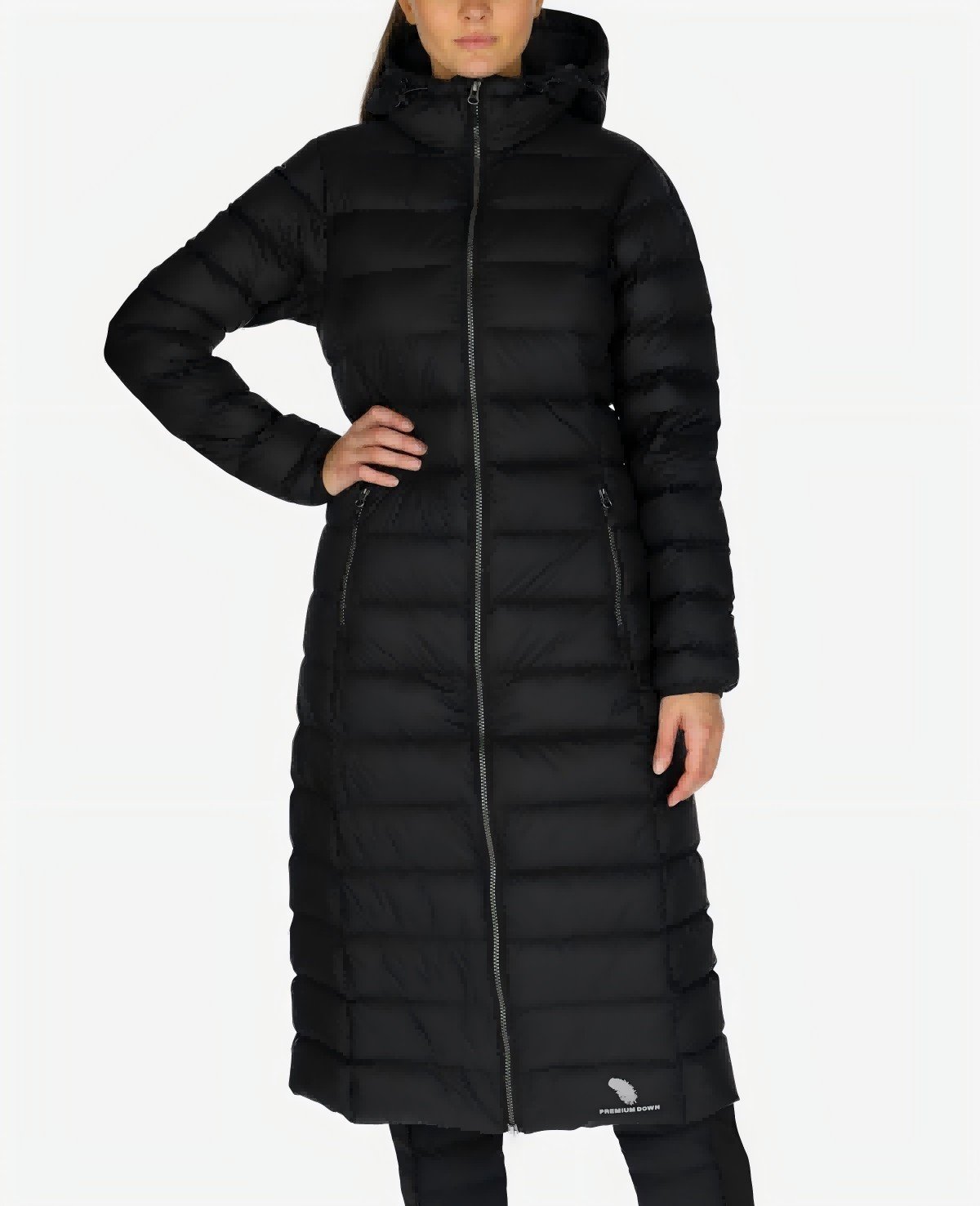
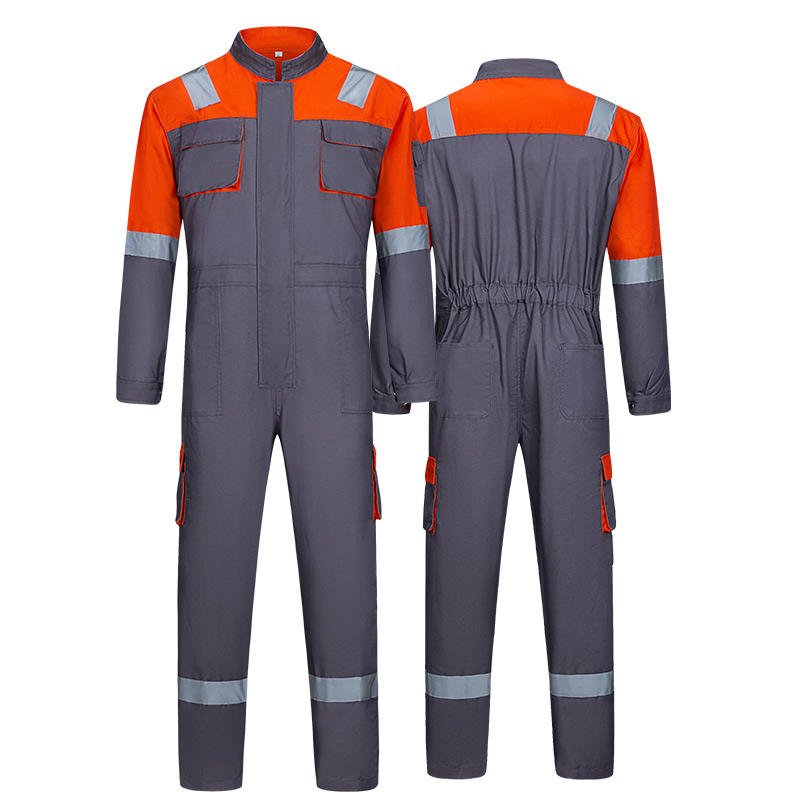
Coveralls demand full-body pattern grading and two-way zips, the highest complexity tier. Shackets sit between shirt and jacket, offering lighter 6–8 oz constructions popular with trend-driven brands.
Technical & Hi-Vis Workwear
Hi-vis garments require EN ISO 20471 fluorescent fabric and reflective tape, plus ANSI compliance. This is the most specialized category, demanding certified materials and precise reflective placement.
4. Materials & Fabrics Used by a Work Jacket Manufacturer
Work jacket fabrics span 7 to 14 oz weights, the trade’s durability backbone. Spec by GSM, weave, and finish to match season, price point, and brand positioning — workwear lives or dies on its shell.
| Fabric | GSM | Durability | Best Use |
|---|---|---|---|
| Cotton duck | 280-460 | Very high | Heritage chore coats |
| Denim | 300-420 | High | Trucker jackets |
| Twill | 240-320 | Medium-high | Lightweight spring shells |
| Ripstop | 180-260 | High (tear) | Technical, packable |
| Corduroy | 300-400 | Medium | Fall-winter, premium |
| Cotton-poly blend | 240-340 | High | Low-shrink, fast-dry |
Cotton Canvas, Duck & Twill
Cotton duck at 280-460 GSM (10-12 oz) is the classic chore-coat shell — stiff, abrasion-resistant, and breaking in over time. Ring-spun yarns feel softer than open-end at equal weight.
Twill at 240-320 GSM drapes smoother for lighter spring jackets, while 320+ GSM reads premium heritage.
Denim, Ripstop & Corduroy
Denim at 10-14 oz suits trucker-style jackets, with washes — rinse, stone, enzyme — set at sampling. Ripstop’s grid weave resists tearing for technical, lighter builds around 180-260 GSM.
Corduroy (8-21 wale) adds texture and warmth for fall-winter capsules and elevated positioning.
Blends & Recycled Options
Cotton-poly blends (often 65/35) cut shrinkage to under 3 percent and dry faster than 100 percent cotton, which can shrink 5-7 percent unless garment-washed.
Recycled cotton and rPET appeal to sustainability-led brands; request OEKO-TEX or GOTS documentation upfront.
5. Customization & Decoration Options
Decoration turns a blank work jacket into a brand. A reliable work jacket manufacturer offers six core methods, each with distinct MOQs, lead-time impact, and durability, so brands match technique to budget and aesthetic.
| Technique | Setup Cost | Per-Unit Cost | Durability |
|---|---|---|---|
| Embroidery | Medium | Medium-High | Excellent |
| Screen/Plastisol | Medium (per color) | Low | Good |
| Woven/Leather Patch | Medium | Medium | Excellent |
| Custom Hardware | High | Medium-High | Excellent |
| Labels/Hangtags | Low | Low | N/A |
| Wash/Dye/Distress | Low | Medium | Good |
Embroidery
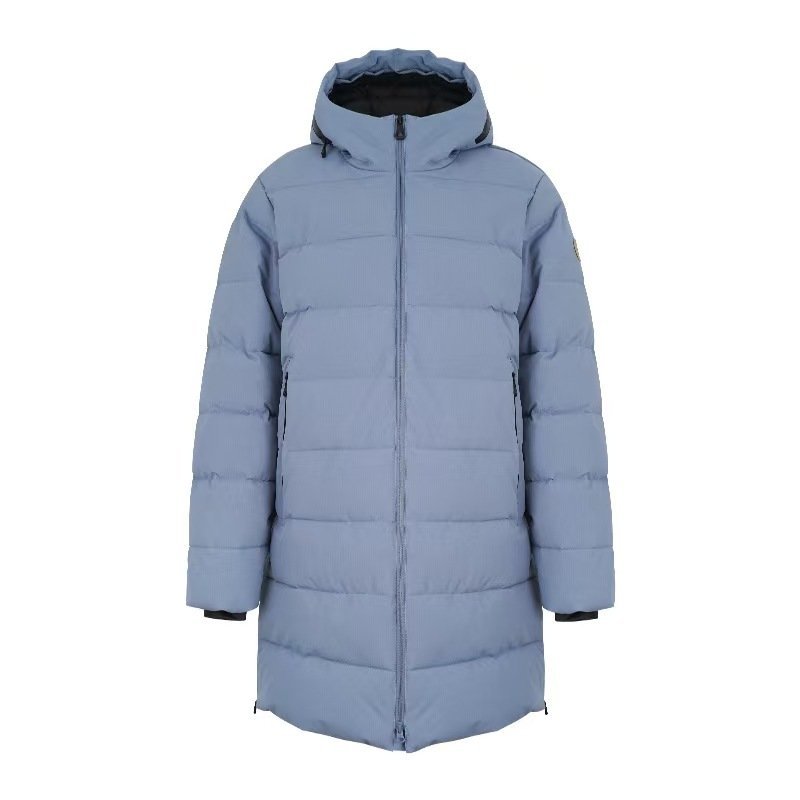
Embroidery suits logos and chest hits, typically 30,000+ stitches max per placement. Digitizing setup runs once per design; most factories require 50-100 pieces MOQ and add 3-5 days lead time.
Thread (polyester or rayon) survives industrial washing, making embroidery the most durable branding for workwear collars, cuffs, and back panels.
Screen & Plastisol Printing
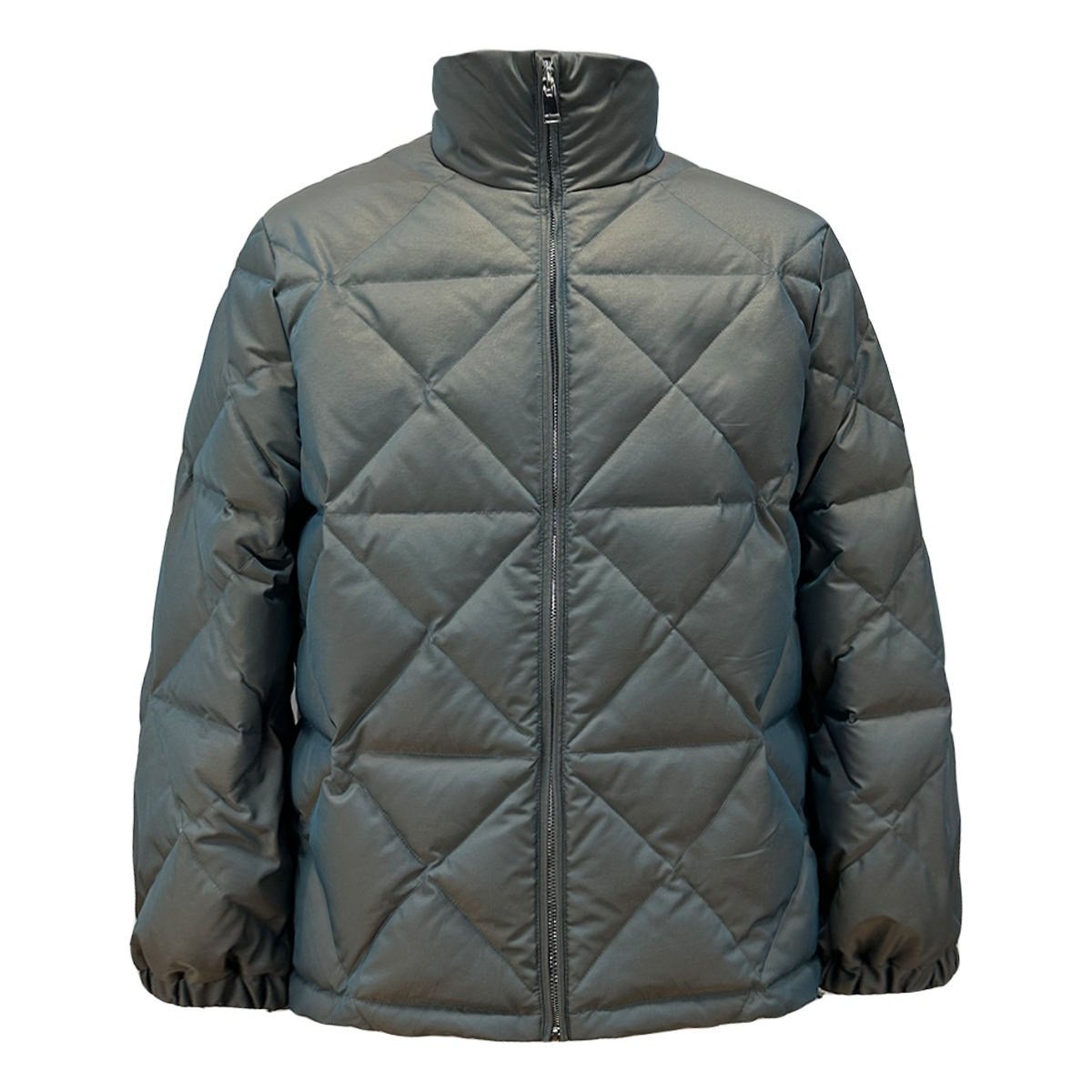
Plastisol screen printing is best for bold graphics, priced per color per placement — budget for separate screens at 6-12 colors. MOQ usually 50-100 pieces; Pantone matching ensures color accuracy.
Cured plastisol resists 40-50 washes; water-based inks feel softer but fade faster on heavy canvas.
Woven & Leather Patches
Woven, embroidered, or leather patches carry heritage branding. Setup covers the mold or loom; MOQ runs 100-300 patches, adding 7-10 days for outsourced production.
Leather patches debossed with logos are common on chore and trucker jackets, riveted or bartacked for durability.
Custom Hardware
Hardware personalizes function: engraved shank buttons, copper rivets, and branded YKK or custom zippers. Custom molds carry higher setup and 500-1,000 piece MOQs.
Stock hardware ships fast; bespoke pulls and rivets add 15-25 days but elevate perceived value.
Labels, Hangtags & Branding
Woven main labels, satin care labels, and hangtags complete the package. Most carry 500-1,000 unit MOQs from trim suppliers, with 7-14 day lead times.
OEKO-TEX-certified trims reassure global retailers; sustainable hangtags suit eco-positioned brands.
Washes, Dyes & Distressing
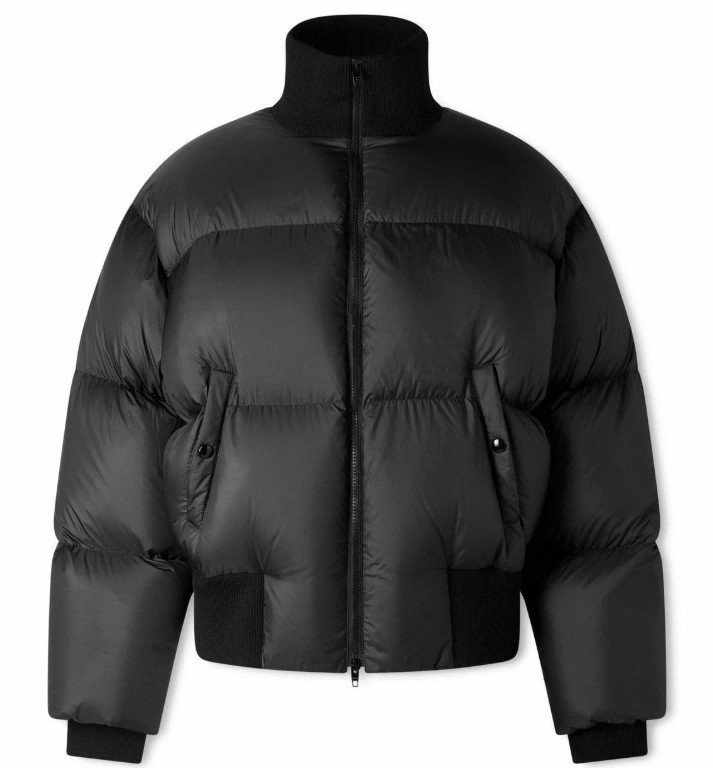
Garment washes, pigment or reactive dyeing, and hand distressing create vintage workwear character. Done in bulk, MOQ aligns with the order, adding 5-10 days.
Enzyme and stone washes soften canvas; over-distressing weakens seams, so balance look against longevity.
6. Key Construction & Quality Elements to Inspect
Durable, retail-ready work jackets reveal their quality in five inspectable details: stitch density, fabric consistency, hardware, internal structure, and final QC. Knowing what to measure lets you separate a serious work jacket manufacturer from a corner-cutting one.
Stitching, Seams & SPI
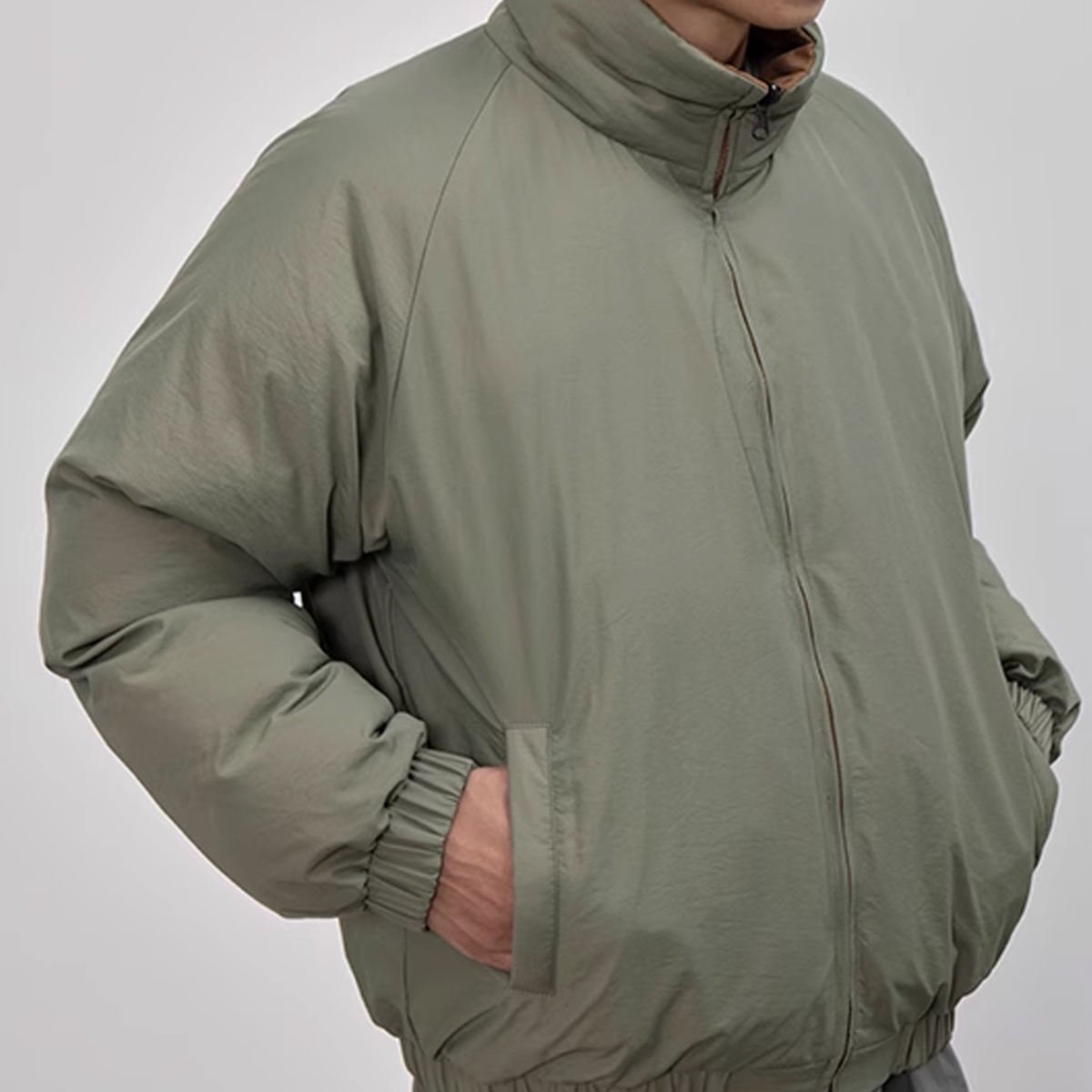
Premium work jackets run 8–10 stitches per inch (SPI); below 7 SPI seams loosen under stress. Stress points need bartacks, while flat-felled or double-needle seams resist fraying at shoulders and pockets.
Clothing Manufacturer Ltd. catches loose tension and skipped stitches during sewing-production QC, the fourth of its five testing stages introduced February 12, 2025.
- 8–10 SPI for heavy canvas and twill builds
- Bartacks at pocket corners, belt loops, cuffs
- Flat-felled or double-needle felled side seams
Fabric Weight & Consistency
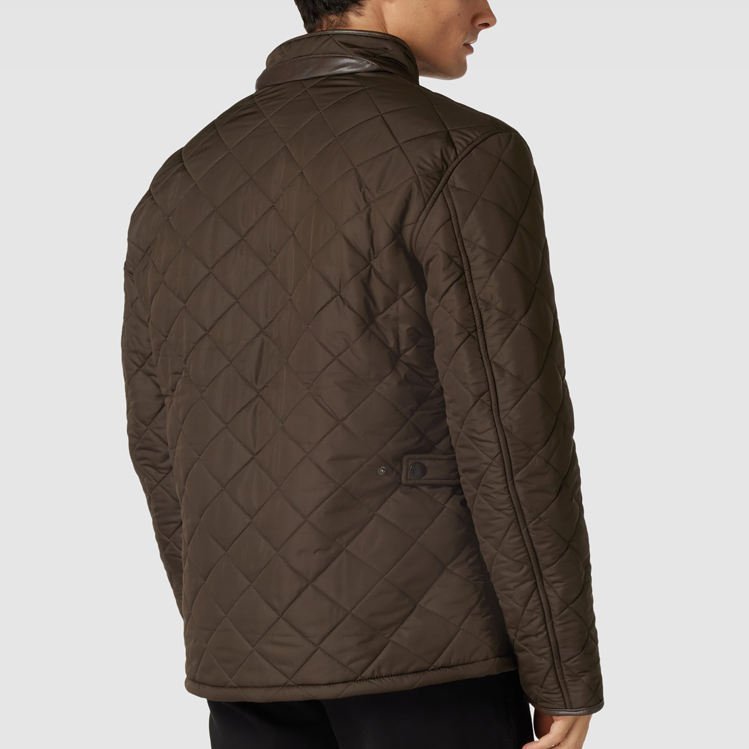
Work jacket fabrics typically range 8–14 oz (270–475 GSM); request the spec and weigh a swatch. Consistent GSM, square grain, and OEKO-TEX certification confirm the mill won’t substitute lighter cloth mid-run.
Materials QC testing, the first stage, verifies weight and shade before cutting begins.
Hardware, Lining & Interfacing
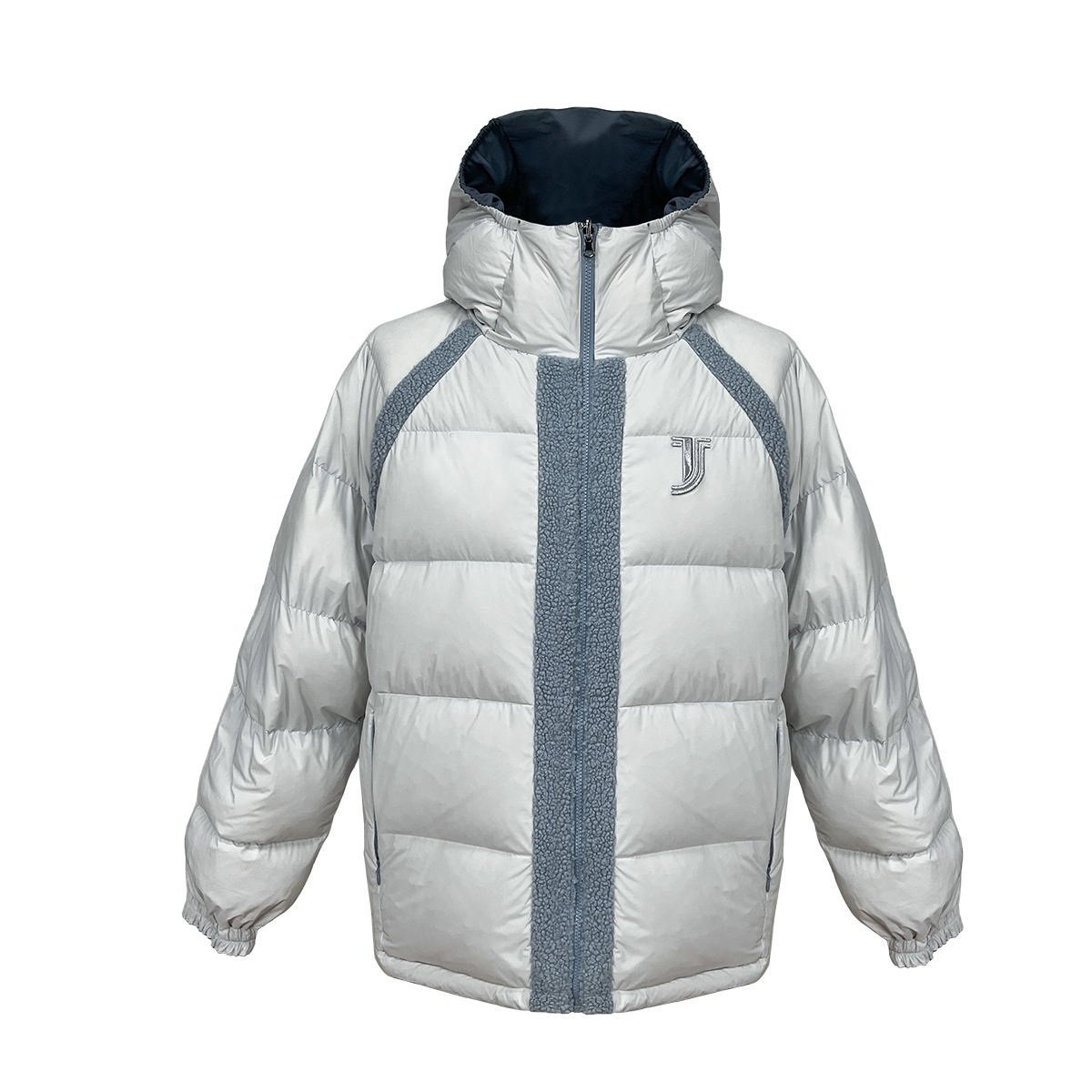
Specify YKK zippers, riveted stress points, and corrosion-tested snaps; cheap hardware fails before fabric does. Quilted or flannel linings and fused interfacing at collars and plackets keep structure after repeated washing.
- YKK zippers and tagged metal hardware
- Fused interfacing on collars, cuffs, plackets
- Bartacked or riveted pocket and seam junctions
Fit, Grading & Final AQL Inspection
AQL 2.5 means inspectors sample per ISO 2859 and reject lots exceeding allowed defects. Confirm grading accuracy across sizes against your tech pack’s measurement chart, with tolerances usually ±0.5 inch.
The finished-clothing QC stage validates fit, finishing, and presentation before WRAP- or BSCI-aligned shipment.
| Element | Benchmark | QC Stage |
|---|---|---|
| Stitch density | 8–10 SPI | Sewing QC |
| Fabric weight | 270–475 GSM | Materials QC |
| Defect sampling | AQL 2.5 | Finished QC |
7. How to Choose the Right Work Jacket Manufacturer
Choosing a work jacket manufacturer comes down to six checks: MOQ flexibility, audited compliance, sampling quality, communication, pricing transparency, and a verifiable portfolio. Weight each against your brand’s scale and values.
MOQ Flexibility for Your Scale
MOQs range from 30-50 units per style for startups to 500+ for retailers. Fashion startups and creator brands should prioritize low-MOQ partners; global retailers need tiered pricing that scales past 1,000 units without quality drift.
Clothing Manufacturer Ltd., serving 100+ countries, supports brands from first collections to scaled production via parent Dongguan TuoZhen’s infrastructure.
Verified Certifications and Ethical Audits
Request OEKO-TEX Standard 100 for fabric safety, plus WRAP or BSCI for labor compliance. Global retailers and value-driven creator brands should demand audit reports dated within 12 months.
Verify documents directly with issuing bodies, not screenshots, to confirm an ethical, compliant supply chain.
Sampling and Prototyping Process
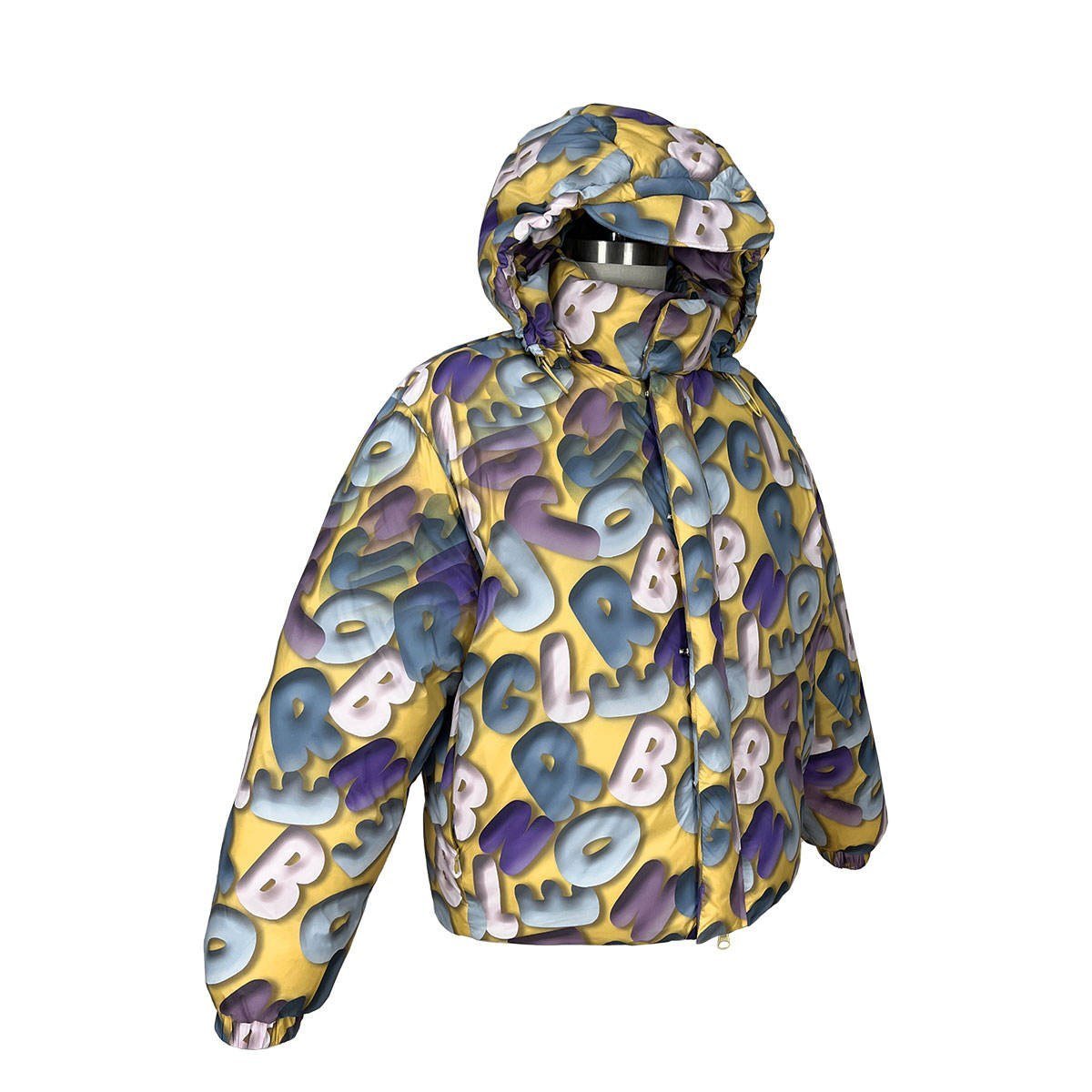
A reliable sampling cycle runs 7-14 days: tech-pack review, first proto, fit sample, then pre-production sample. Inspect ring-spun vs open-end yarn, YKK zippers, and flatlock seams before bulk approval.
Communication, Lead Times, and Pricing
Expect 30-60 day bulk lead times and a single English-speaking contact. Streetwear brands chasing trends need responsive, transparent partners.
Demand itemized quotes separating fabric, labor, trims, and decoration — opaque all-in pricing hides markups of 2-3x.
Portfolio and References
Ask for production samples in your category and references from comparable brands. Clothing Manufacturer Ltd., founded 2024 by Tesla Luo with 10+ years’ experience, has produced for labels including Mifland and Emline.
Run a small trial order before committing to full production.
8. Common Mistakes Buyers Make When Sourcing
Roughly 70% of first-order disputes trace back to avoidable errors. With a work jacket manufacturer, the costliest mistakes happen before bulk production—at the quoting, spec, and sampling stages.
Chasing the Lowest Price
A quote 30% below market usually hides thinner fabric (8oz canvas swapped for 6oz), open-end yarns, or skipped QC. The garment fails after five washes and the savings evaporate.
Compare total landed cost, not unit price, and confirm WRAP or BSCI compliance plus fabric GSM in writing.
Vague or Missing Tech Packs
Without a tech pack, factories guess on stitch counts, YKK zipper gauge, and Pantone colors—producing a jacket that misses your vision by inches.
Supply graded measurements, bill of materials, and tolerance ranges (±1cm) so nothing is left to interpretation.
Skipping Pre-Production Samples
Approving bulk off a photo invites disaster: wrong shrinkage, misaligned pockets, off-tone twill. Always sign off on a sealed PP sample first.
Budget 7–14 days for two sample rounds before committing to a full run.
Ignoring MOQ and Capacity Mismatch
Pairing a 5,000-unit order with a 200-piece workshop—or vice versa—causes delays and quality drift. Match volume to capacity.
Low-MOQ partners suit startups at 50–100 pieces; confirm monthly output before signing.
Underestimating Lead Times and Shipping
Buyers forget that work jackets run 30–45 days production plus 25–35 days sea freight. Air freight costs 4–6× more.
Place orders 90 days ahead of launch and lock Incoterms (FOB or DDP) upfront.
Weak QC and Contract Terms
End-line-only inspection lets defects slip through entire batches. Insist on in-process checks at materials, cutting, and sewing stages.
Write AQL 2.5 standards, defect-rate caps, and rework liability into the contract before deposit.
9. Steps to Launch Your Work Jacket Brand
Content for “9. Steps to Launch Your Work Jacket Brand” could not be generated. Please regenerate this section.
10. Pricing & Cost Breakdown
Work jacket unit cost is driven by five factors: fabric weight (12oz cotton canvas or 280-340 GSM twill costs more than lightweight poly blends), decoration method (embroidery, screen print, or custom hardware), construction complexity (lined versus unlined, pocket count, YKK zippers), order volume, and freight terms. At Clothing Manufacturer Ltd., low MOQs let startups validate designs before scaling.
The table below shows approximate per-unit pricing across quantity tiers, plus one-time sampling and setup costs and typical lead times. Sampling (pattern plus pre-production sample) is a fixed cost recovered as volume grows, so per-unit economics improve sharply above 300 units.
Budget extra for sea versus air freight, BSCI or OEKO-TEX compliance fabrics, and Pantone color matching. Our five-step QC process — covering materials, cutting, craft, sewing, and finished inspection — is included at every tier, not billed as an add-on.
| Quantity Tier | Approx. Unit Price | Setup / Sampling | Lead Time |
|---|---|---|---|
| 50-100 (MOQ) | $28-$42 | $120-$200 | 20-30 days |
| 100-300 | $22-$32 | $90-$150 | 25-35 days |
| 300-1,000 | $17-$25 | Sampling only | 30-40 days |
| 1,000-3,000 | $13-$19 | Waived at scale | 40-55 days |
| 3,000+ | $10-$15 | Waived | 55-70 days |
Partner With a Work Jacket Manufacturer Today
Launch your line with low MOQs, in-house design, fast seasonal turnaround, and our 5-step quality control guarantee trusted across 100+ countries.