
Premium Custom Workwear Jackets for Streetwear Brands
Launch your custom workwear jackets with just 50 pieces, backed by our 5-step QC guarantee, fast sampling, and trend-driven design expertise.
Custom Workwear Jacket Samples & Design Gallery
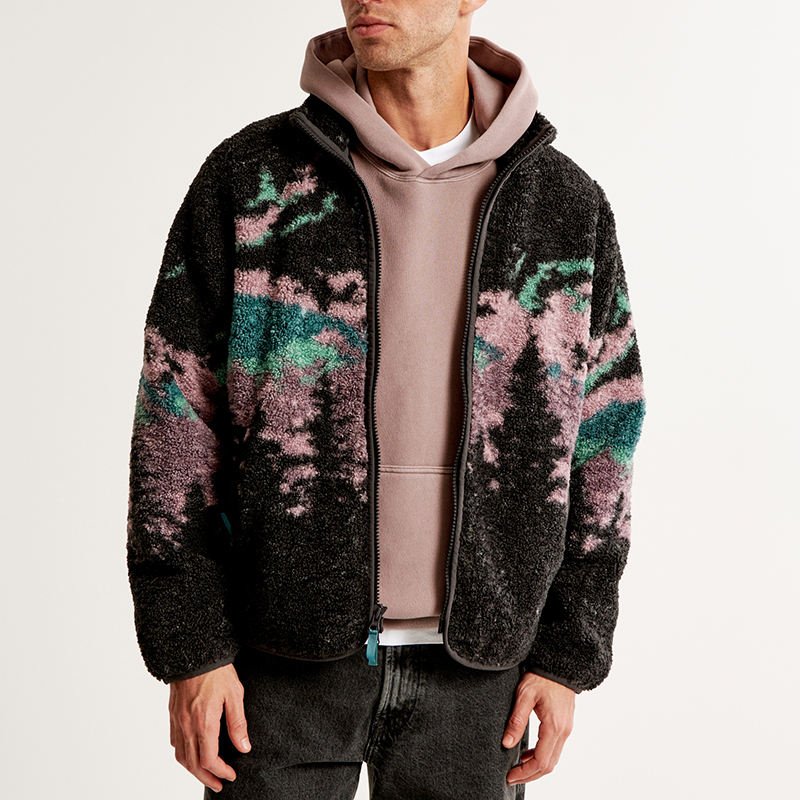
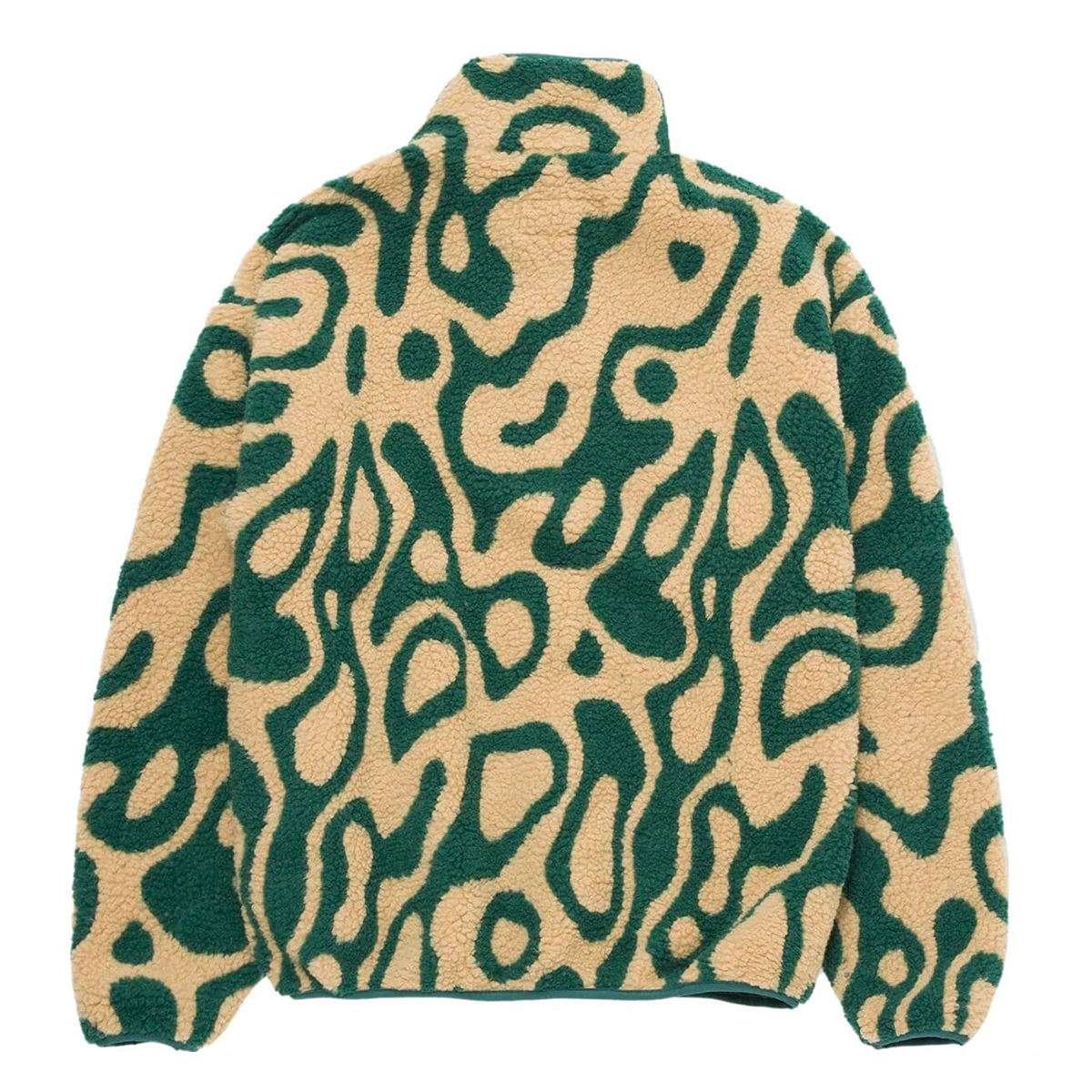
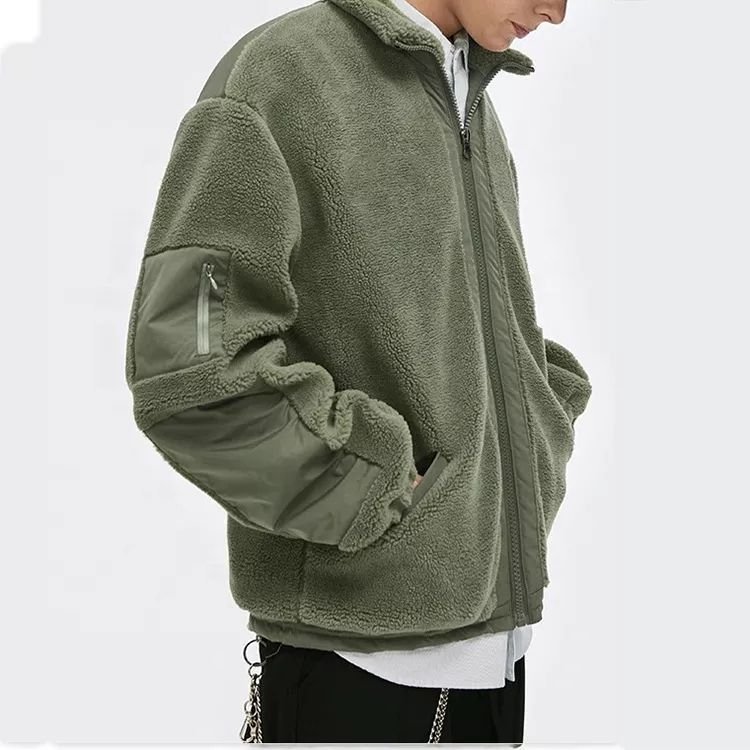
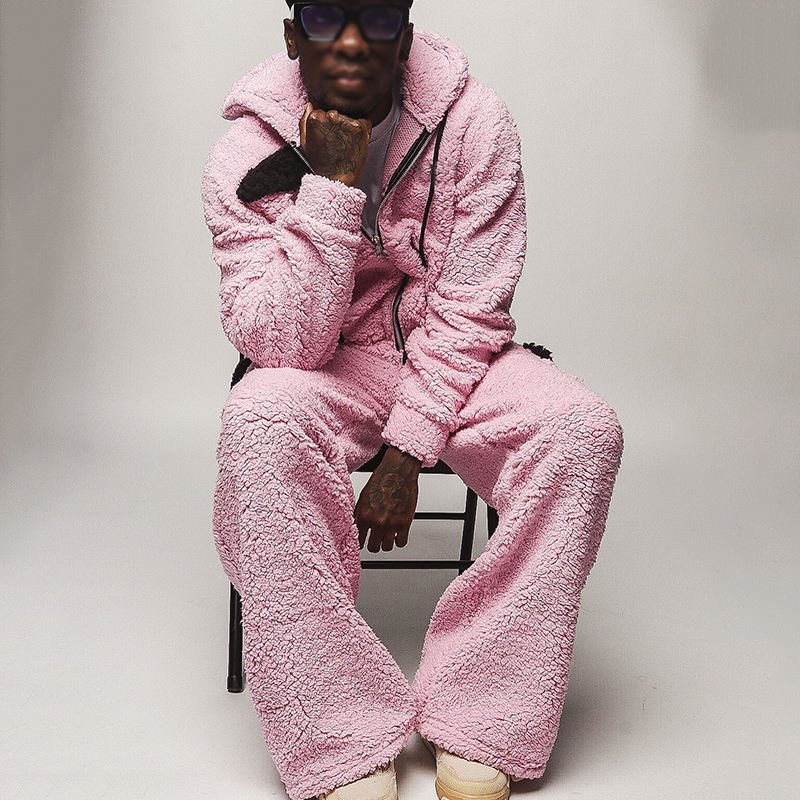
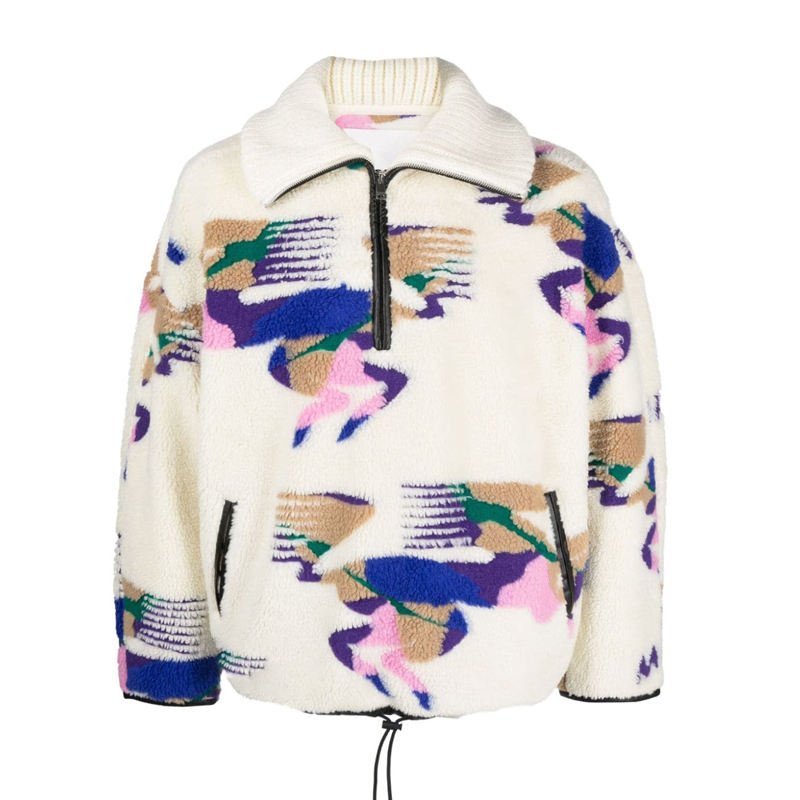
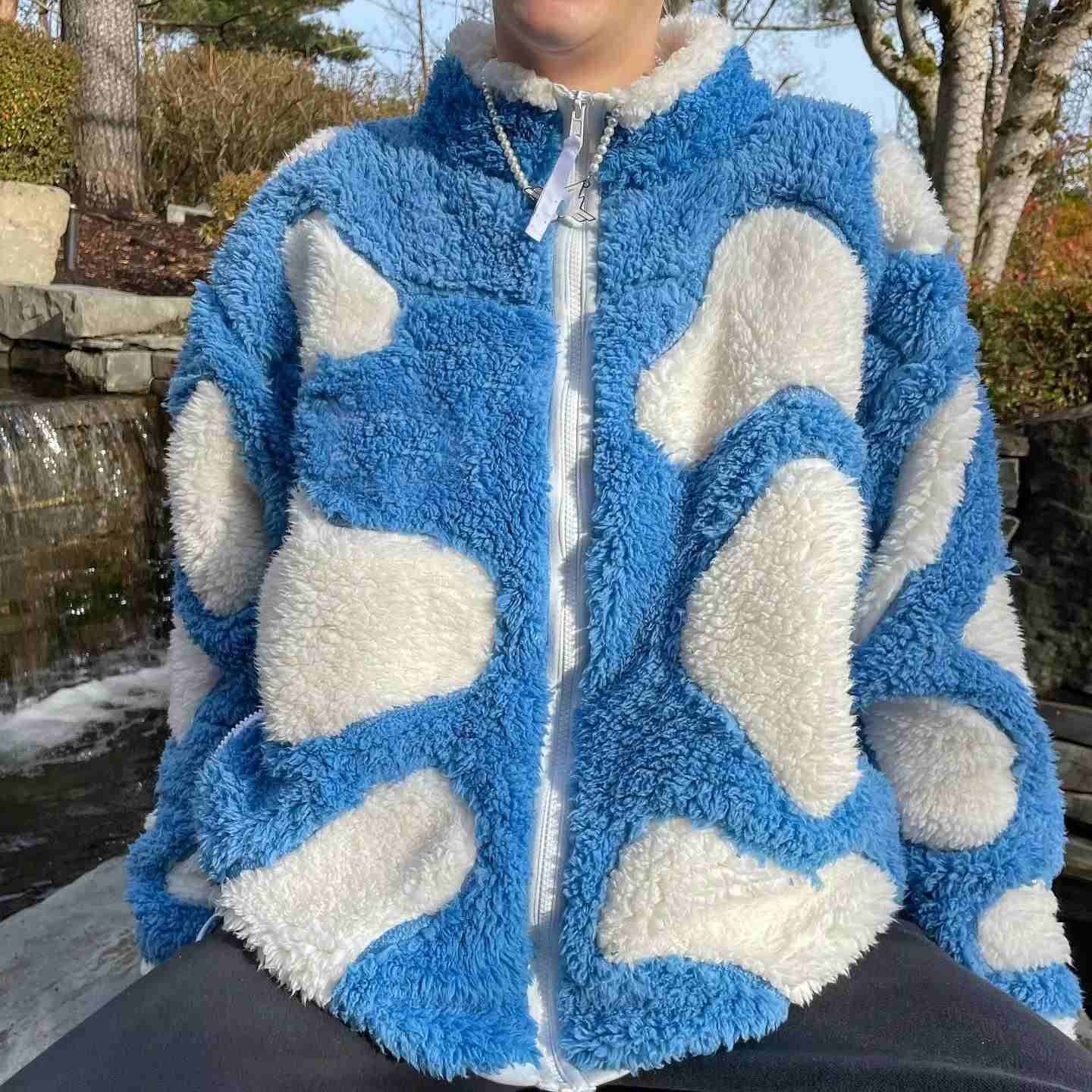
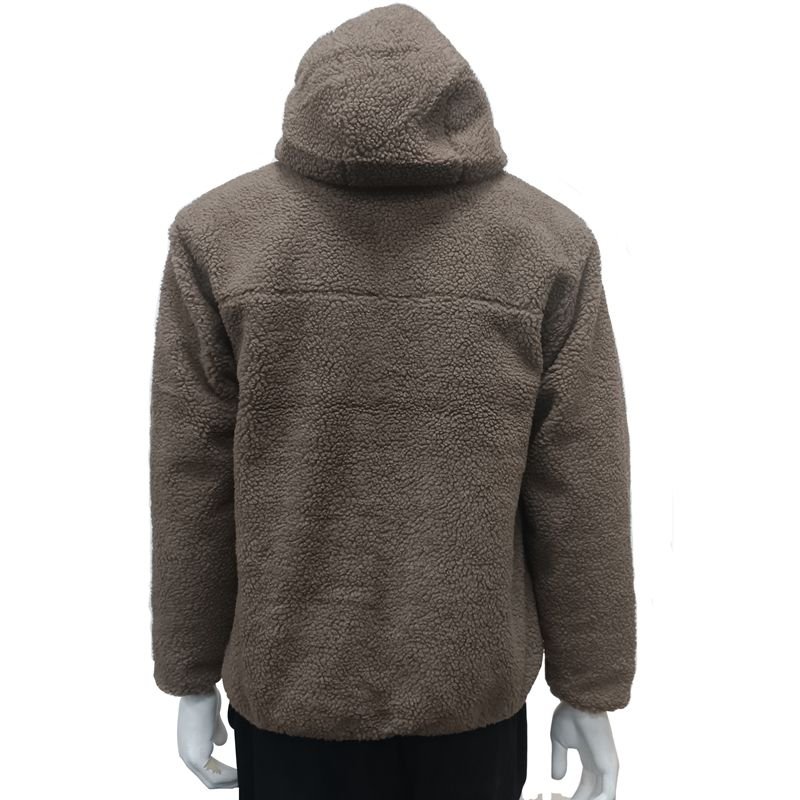
Why Our Custom Workwear Jackets Stand Out
5-Step QC at Every Stage
Materials, cutting, craft, sewing, and final inspection tested. Zero shortcuts, zero defects shipped to your customers.
50-Piece Minimum Order Quantity
Launch your custom workwear jacket line without massive upfront inventory. Perfect for startups and test collections.
7-Day Sample Turnaround
Fast prototyping for seasonal drops and trend-driven collections. See, touch, and approve before full production begins.
In-House Design Team
15-member R&D team with streetwear expertise. We translate your vision into production-ready custom workwear jacket patterns.
Streetwear & Influencer Expertise
Over 6 years crafting trend-driven jackets for global brands. We understand bold graphics, oversized fits, and cultural resonance.
Global Shipping & Logistics
Served customers in 100+ countries. Customs, freight, and delivery managed so your custom workwear jackets arrive on time.
Custom Workwear Jacket Categories & Applications
From embroidered workwear classics to oversized streetwear bombers, our custom workwear jackets deliver trend-driven designs and premium craftsmanship for every brand vision.
Embroidered Workwear Jackets
Fashion startups need premium embroidered branding on durable workwear jackets but struggle to find manufacturers who deliver clean, precise embroidery without fabric puckering or thread inconsistencies at low order volumes.
Our 5-step QC process catches embroidery defects at the craft stage, ensuring crisp logo placement and flawless stitching on every custom workwear jacket, with MOQs starting at just 50 pieces for emerging brands.
Printed Streetwear Work Jackets
Streetwear brands require bold, high-impact prints on workwear silhouettes but face color fading, misalignment, and print cracking from factories that skip materials and cutting QC testing before printing begins.
We validate fabric compatibility and pattern alignment before any printing starts, delivering vibrant, durable graphics on custom workwear jackets that maintain their edge through repeated wear and washing cycles.
Technical Work Jackets
Global retailers launching performance workwear lines need jackets with functional details like reinforced elbows, utility pockets, and weather-resistant finishes, but many manufacturers lack the technical expertise to execute complex constructions reliably.
Our team's decade-plus production experience and in-house R&D ensure every technical feature—from bartack reinforcements to waterproof zippers—passes rigorous sewing and finished garment QC inspections for dependable performance.
Oversized Streetwear Bombers
Influencer and creator brands want oversized, trend-forward bomber jackets with unique cuts and proportions, but struggle with manufacturers who can't adapt patterns or maintain fit consistency across small production runs.
Our 15-member design and sampling team develops custom patterns for oversized silhouettes and validates fit through cutting QC, delivering on-trend custom workwear jackets that scale seamlessly from first drop to restocks.
Vintage-Inspired Workwear Jackets
Independent designers creating heritage-inspired collections need authentic vintage detailing—distressed finishes, contrast stitching, metal hardware—but face inconsistent aging effects and poor hardware quality from suppliers rushing production without quality checks.
We source premium vintage-style hardware and control distressing techniques through materials and craft QC testing, producing custom workwear jackets with authentic, consistent vintage aesthetics that honor your brand's creative vision.
Premium Fabrics for Custom Workwear Jackets
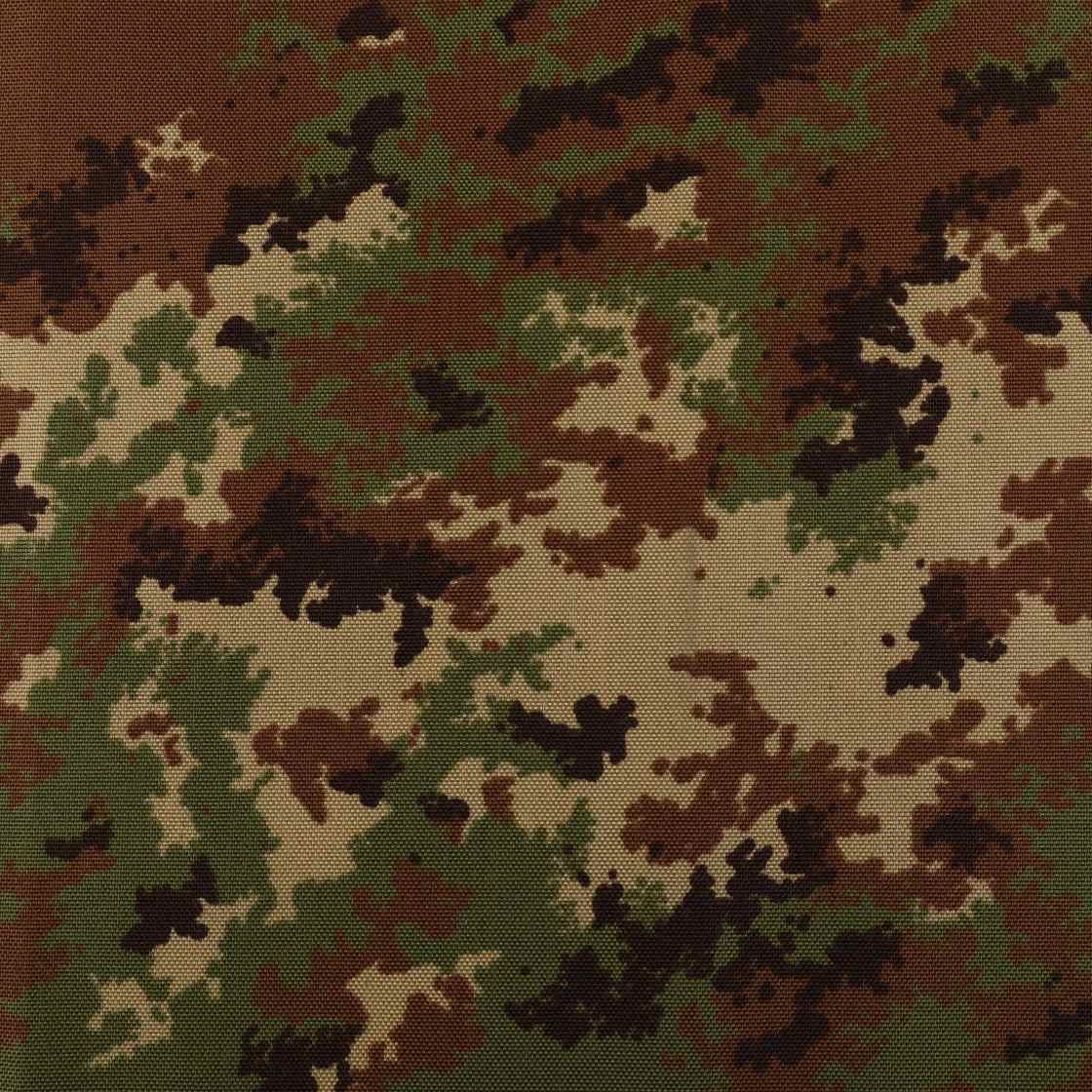
Heavy Cotton Twill
Dense, tightly woven fabric with a diagonal rib texture. Ideal for structured workwear jackets that hold shape over time. Weight typically 10-12 oz, offering excellent durability and a premium hand-feel that softens with wear while maintaining strength.
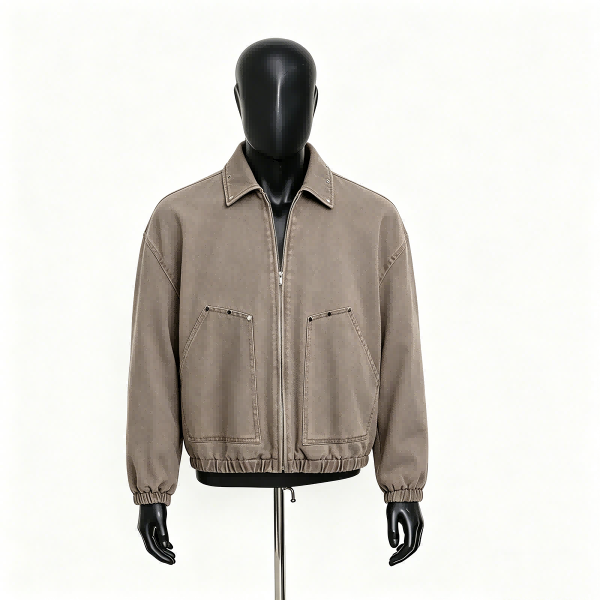
Washed Canvas
Rugged plain-weave cotton with a broken-in aesthetic straight from production. Perfect for vintage-inspired streetwear workwear styles. Medium-to-heavy weight construction resists abrasion while delivering the relaxed drape and lived-in texture today’s brands demand.
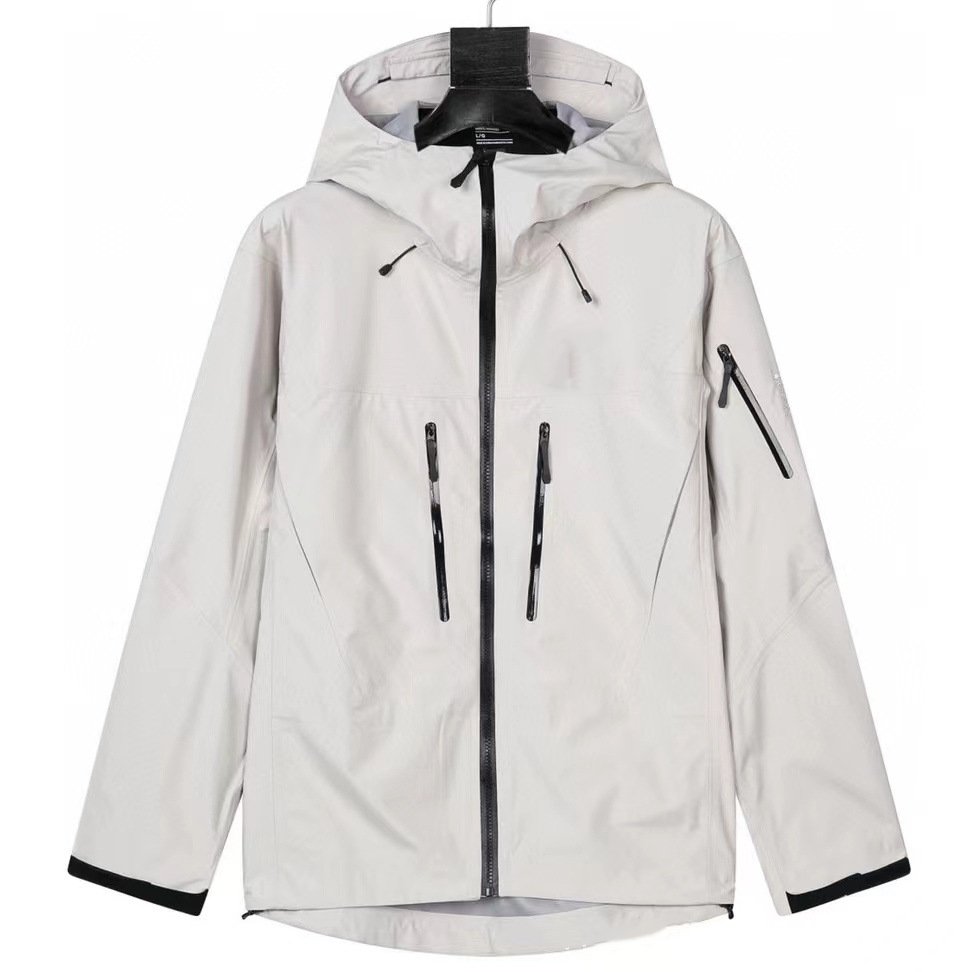
Technical Poly-Cotton Blend
Performance-engineered blend combining cotton comfort with polyester resilience. Offers superior wrinkle resistance and color retention for high-wear applications. Lightweight yet durable, this fabric excels in modern workwear jackets requiring easy care and consistent appearance.
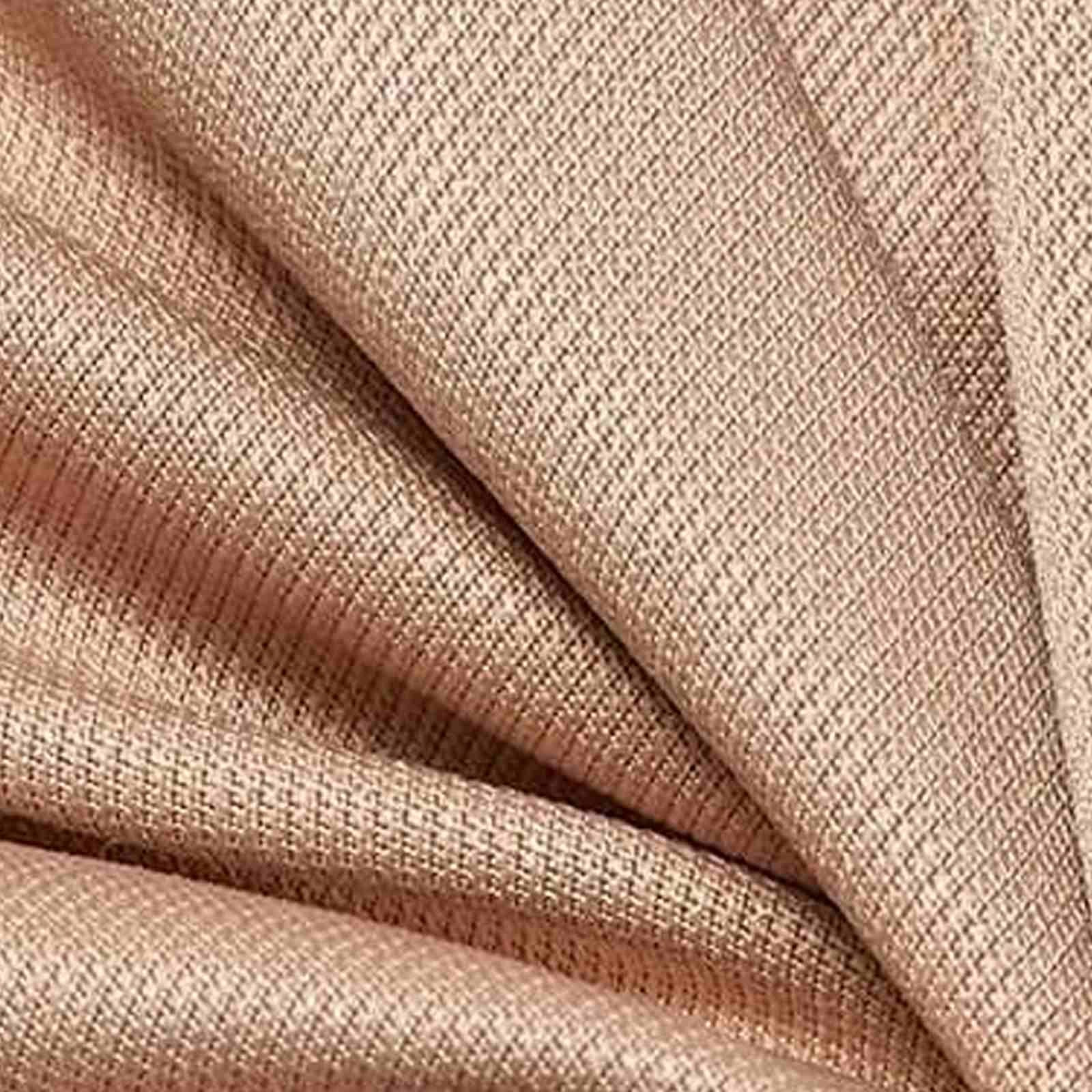
Stretch Denim
Classic denim construction enhanced with elastane for freedom of movement. Combines authentic workwear heritage with contemporary comfort. Available in weights from 10-14 oz, this fabric delivers the iconic denim look while accommodating active lifestyles and streetwear silhouettes.
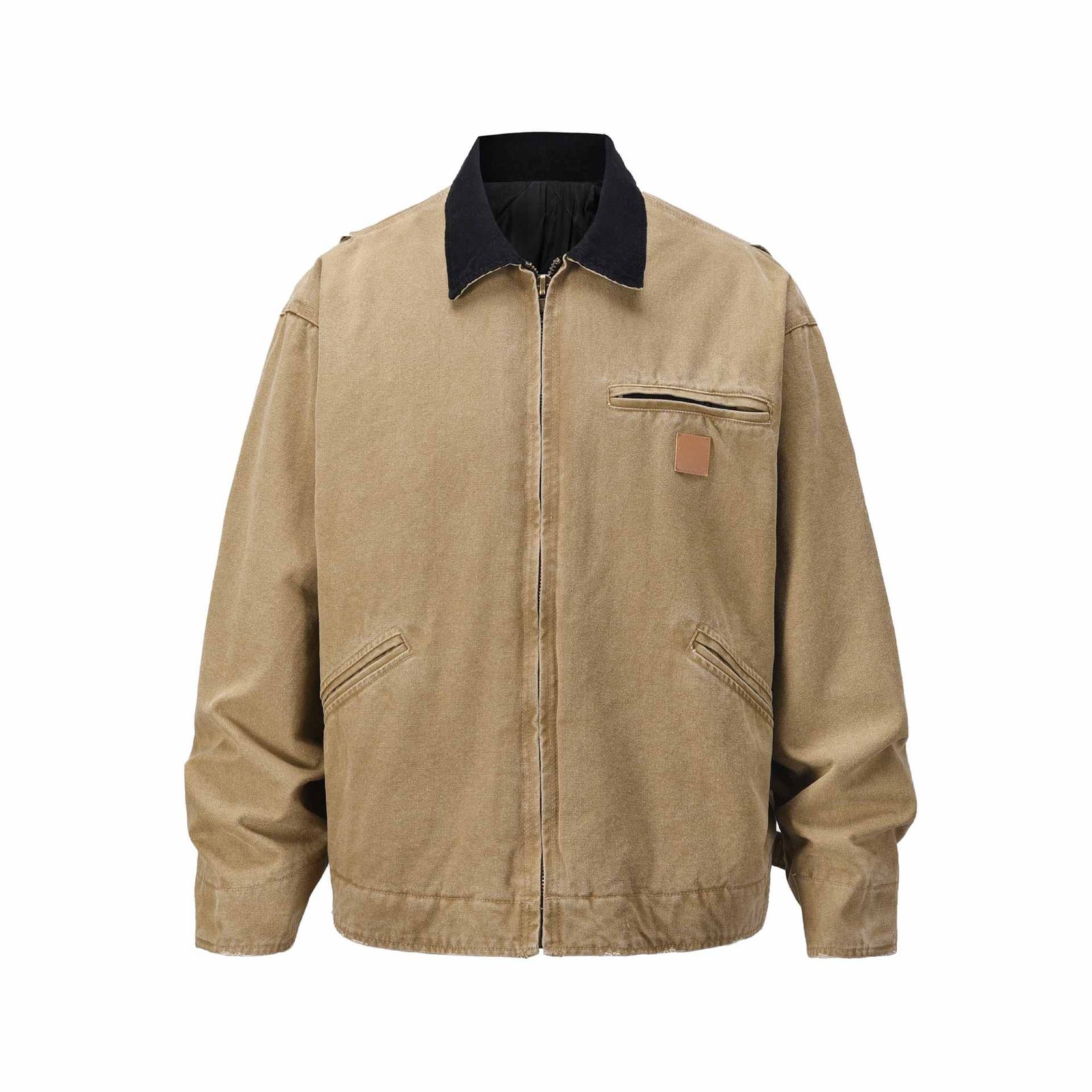
Fleece-Lined Twill
Heavyweight outer twill bonded to soft fleece interior for cold-weather protection. Creates structured workwear jackets with built-in insulation and luxurious comfort. The composite construction maintains clean lines while providing warmth without bulk, ideal for seasonal collections.
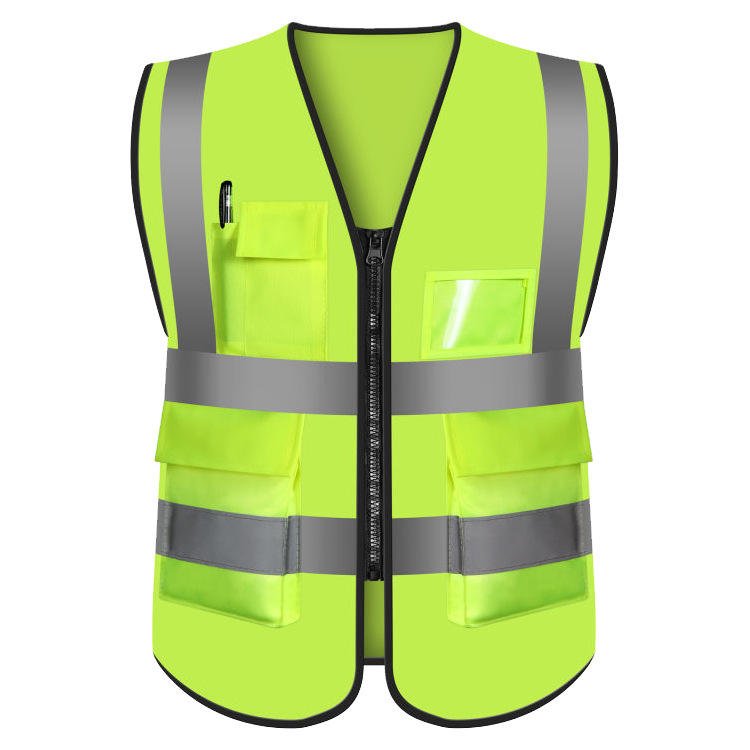
Ripstop Nylon Blend
Lightweight technical fabric with reinforced crosshatch weave preventing tear propagation. Perfect for utility-focused streetwear workwear requiring weather resistance. Water-repellent finish and minimal weight make this ideal for transitional jackets that prioritize packability and performance.
Production Techniques for Custom Workwear Jackets
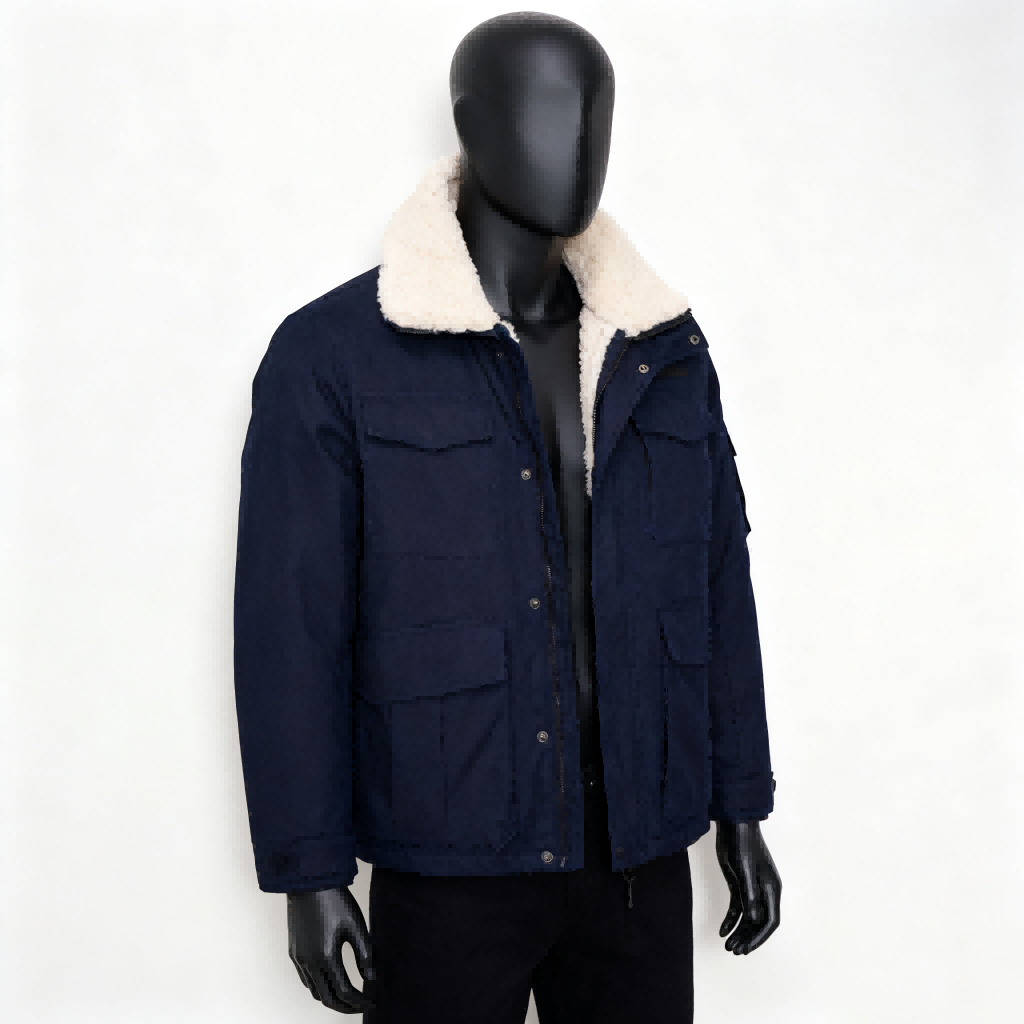
Custom Embroidery
High-density thread embroidery for logos, text, and intricate designs. Delivers a premium, textured finish with exceptional wash durability and professional appearance ideal for branded workwear jackets.
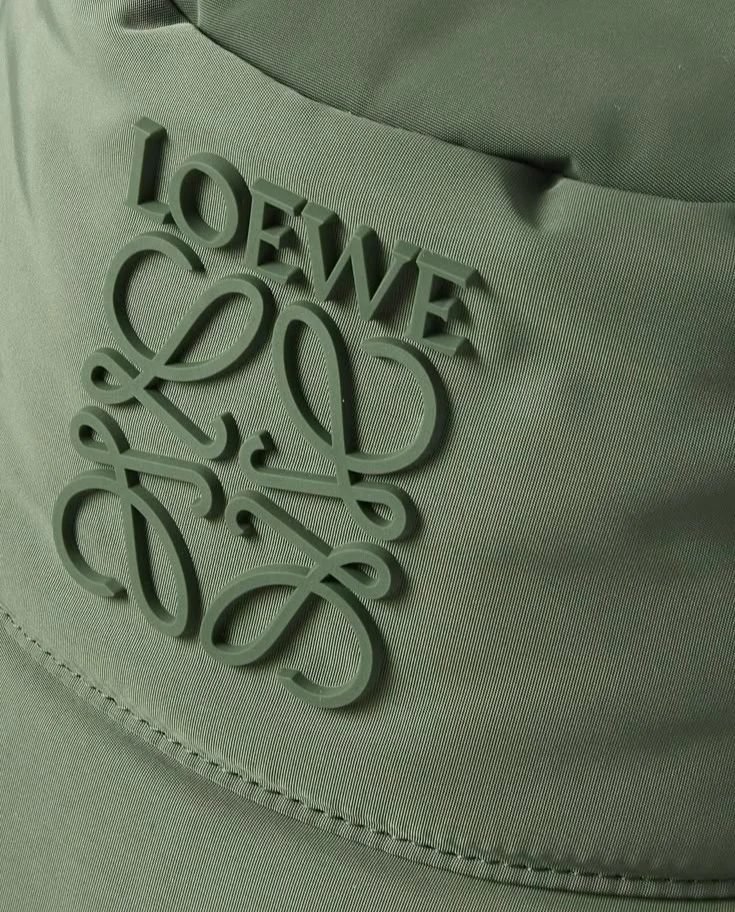
Screen Printing
Vibrant, bold graphics applied with precision ink layering. Perfect for large designs, back prints, and streetwear-inspired artwork on custom workwear jackets. Excellent color saturation and longevity.
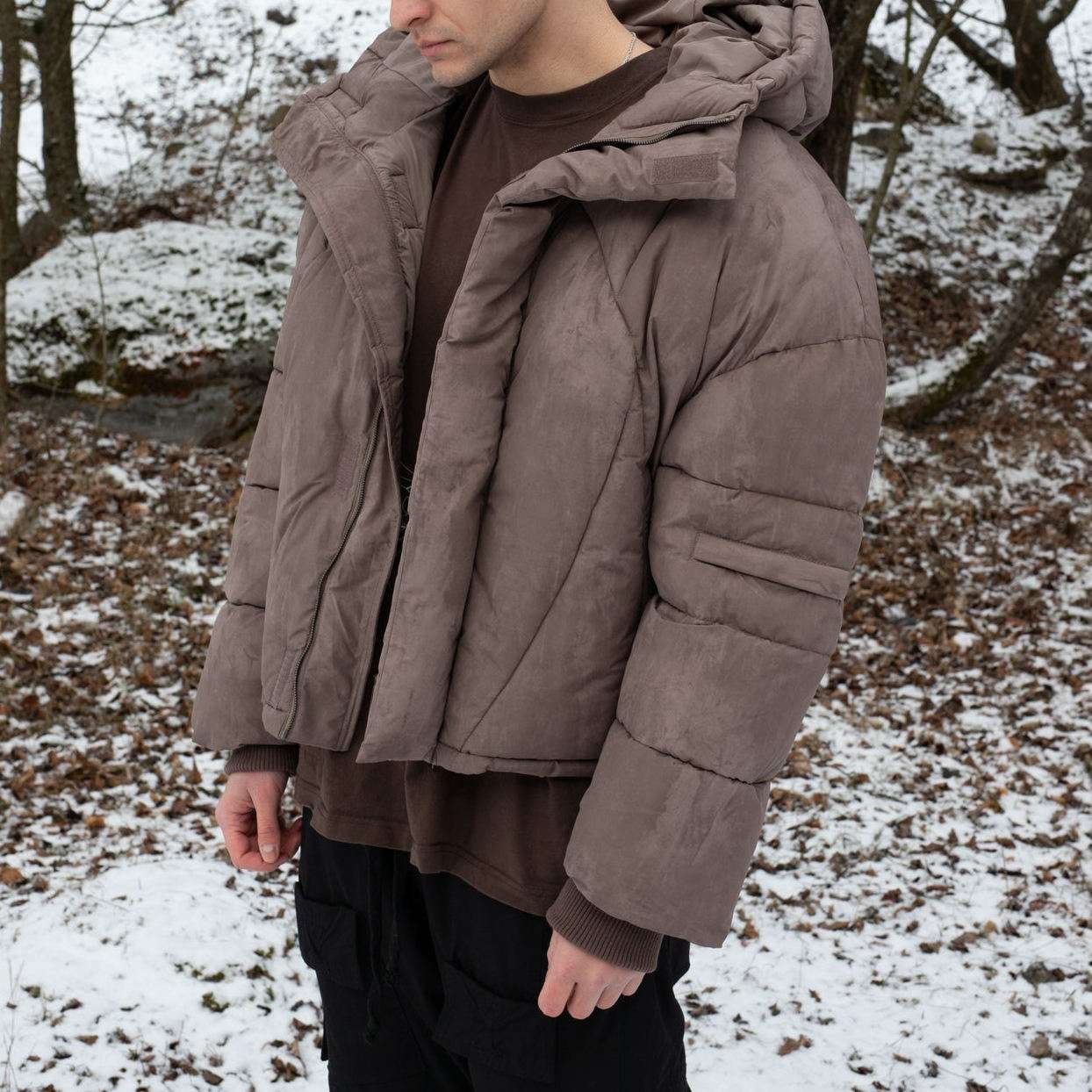
Heat Transfer
Detailed full-color graphics and photographic prints applied under controlled heat and pressure. Ideal for complex artwork, gradients, and small-batch custom workwear jacket runs with sharp detail.
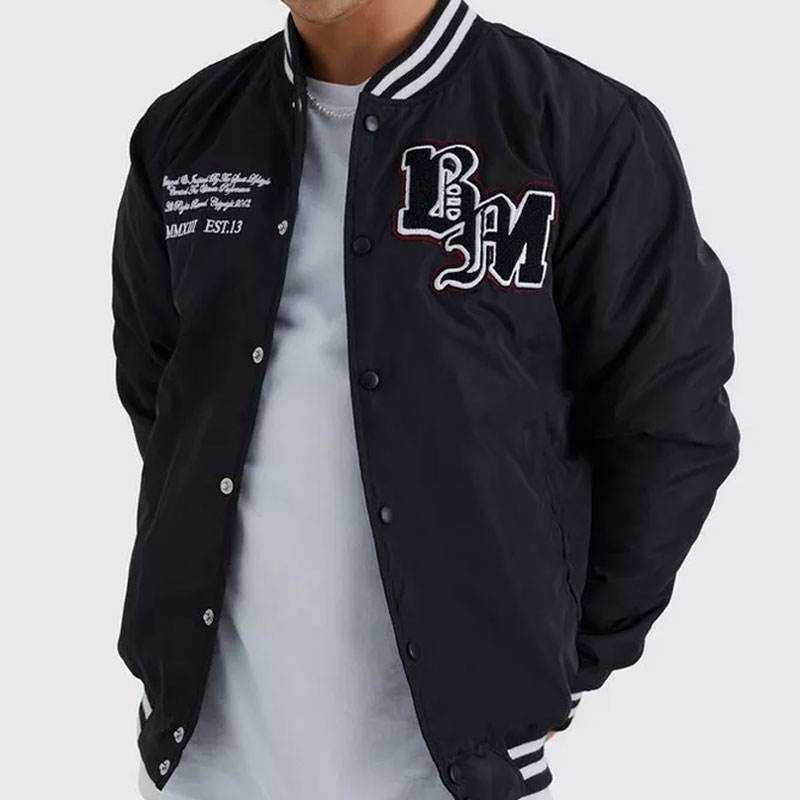
Woven Labels
Premium woven brand labels with intricate detail and soft hand-feel. Sewn into neck, sleeve, or pocket areas of custom workwear jackets for lasting brand identity and professional finishing.
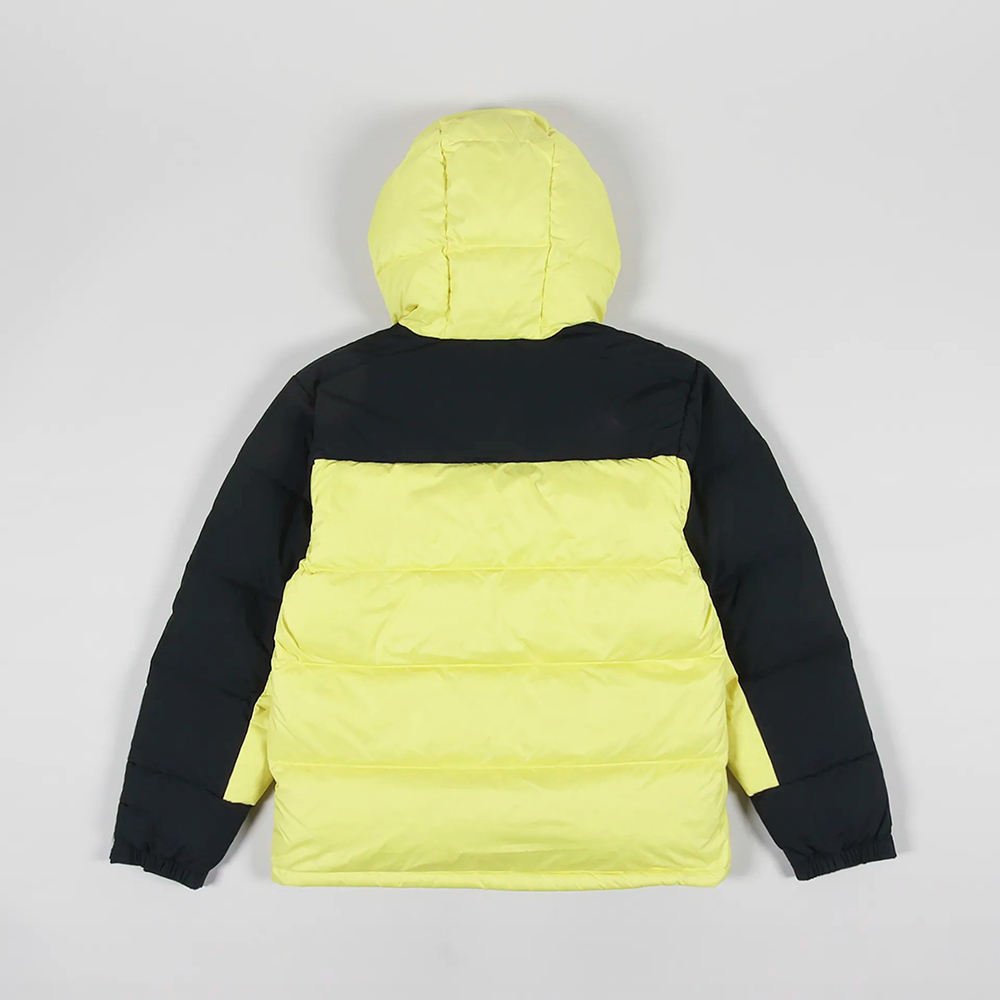
Custom Zippers
Branded metal or plastic zippers with custom pullers, engraved logos, and color-matched finishes. Adds functional branding and elevated hardware detail to your custom workwear jackets.
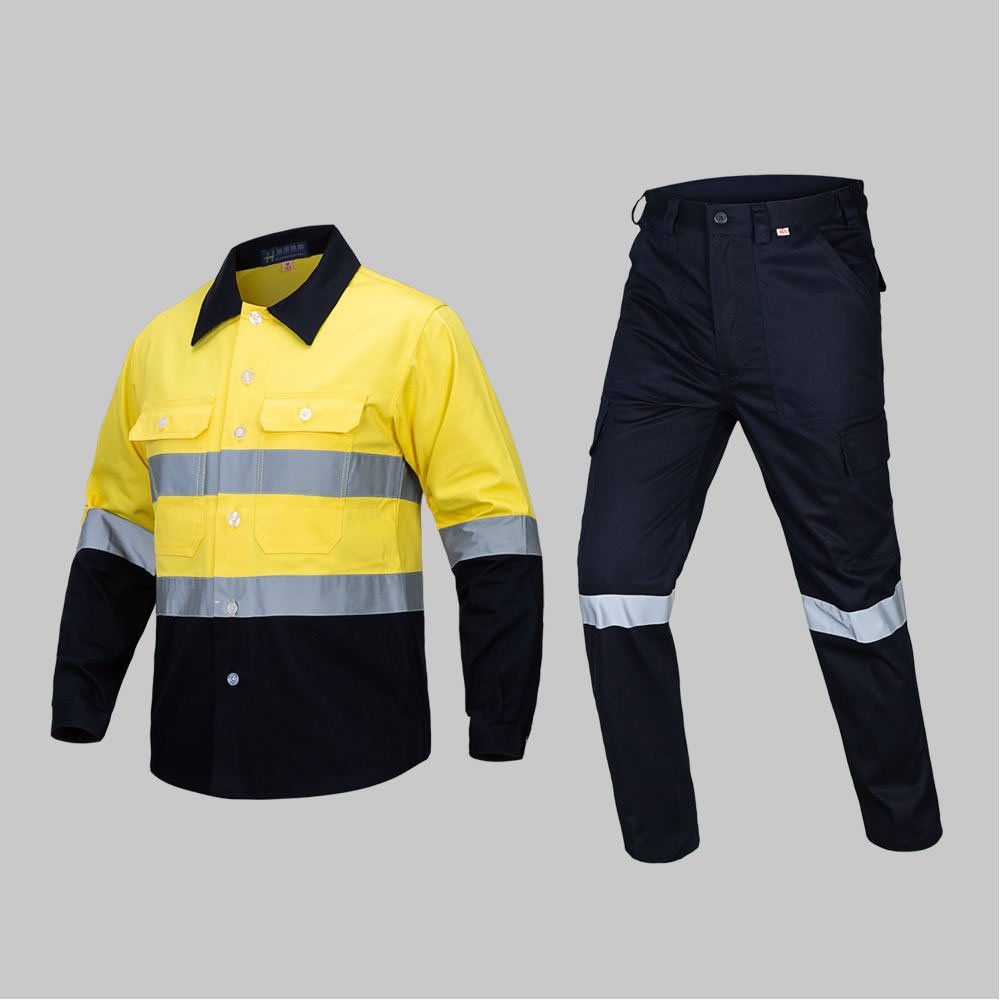
Sublimation Printing
Dye-sublimation process for all-over prints and seamless patterns on polyester fabrics. Creates vivid, fade-resistant designs that become part of the fabric for bold custom workwear jackets.
Hardware & Accessories for Custom Workwear Jackets
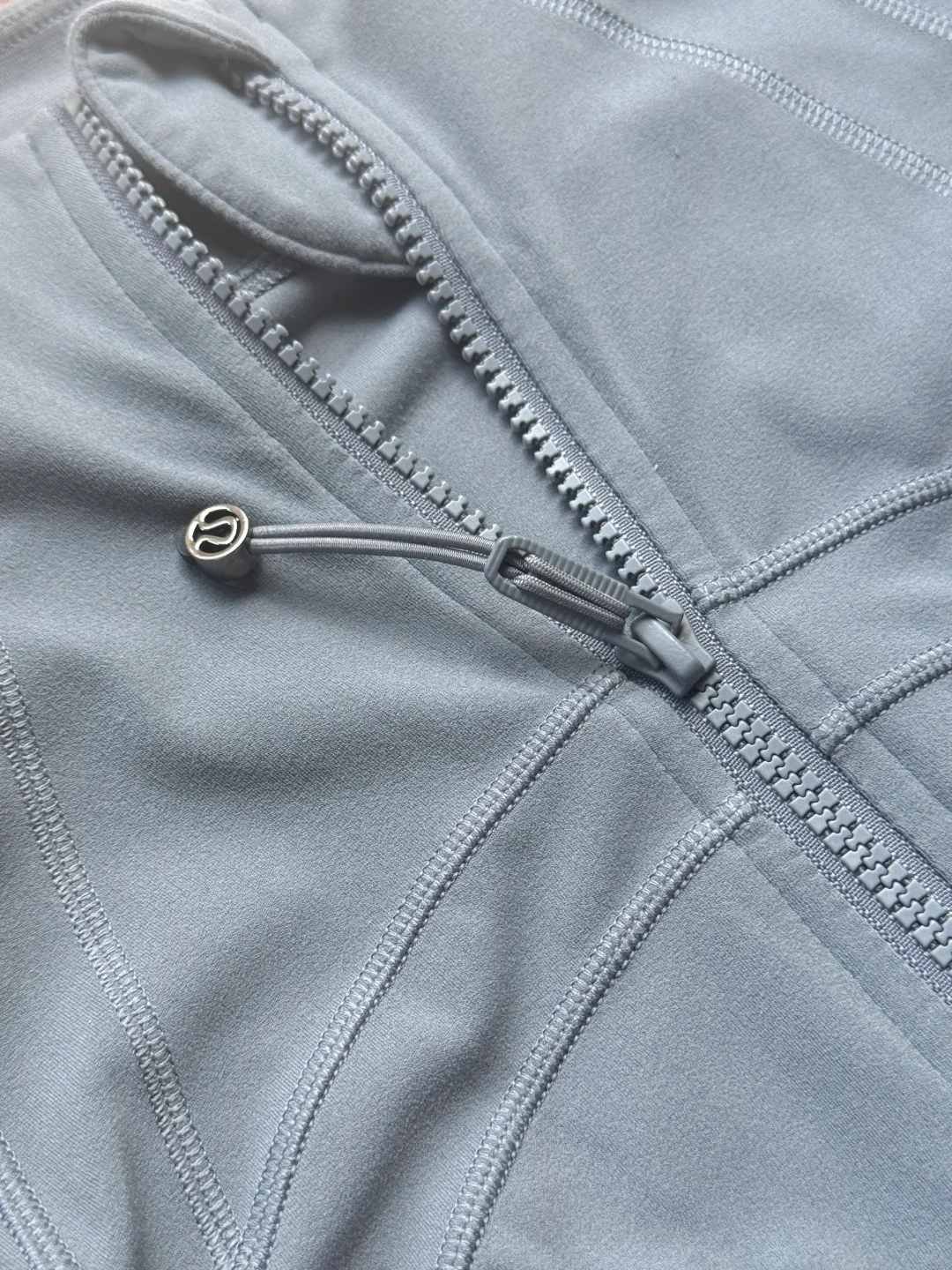
YKK Metal Zippers
Industry-leading zippers engineered for heavy-duty workwear applications. Available in antique brass, gunmetal, and custom finishes to match your brand aesthetic while delivering smooth, long-lasting performance on jacket fronts and pockets.
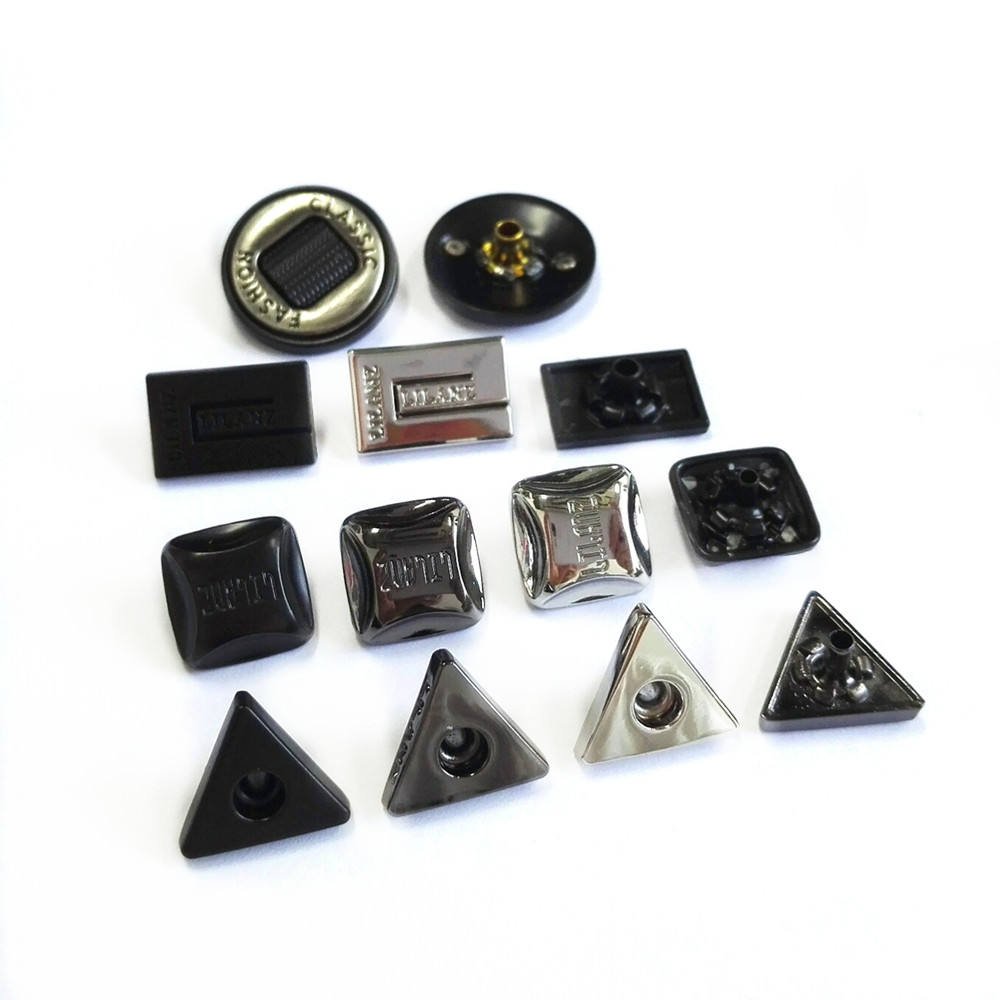
Snap Buttons
Durable metal snap closures in various finishes including matte black, polished nickel, and custom logo embossing. Perfect for cuffs, plackets, and storm flaps on workwear jackets requiring quick-release functionality and streetwear edge.
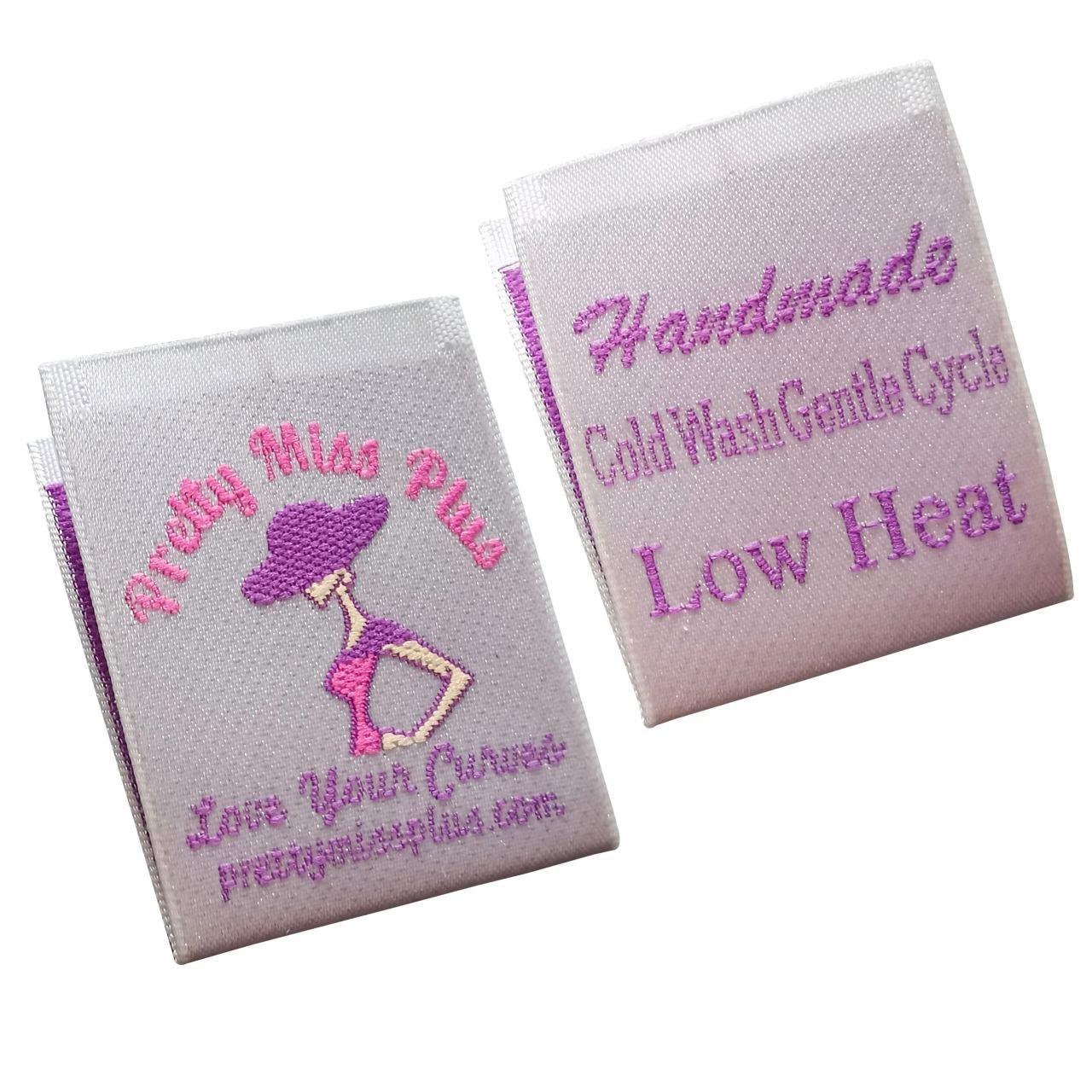
Woven Brand Labels
High-density woven labels with your brand name, logo, and care instructions. Designed for neck, hem, or pocket placement on custom workwear jackets. Available in damask, taffeta, and satin finishes with fold or straight-cut options.
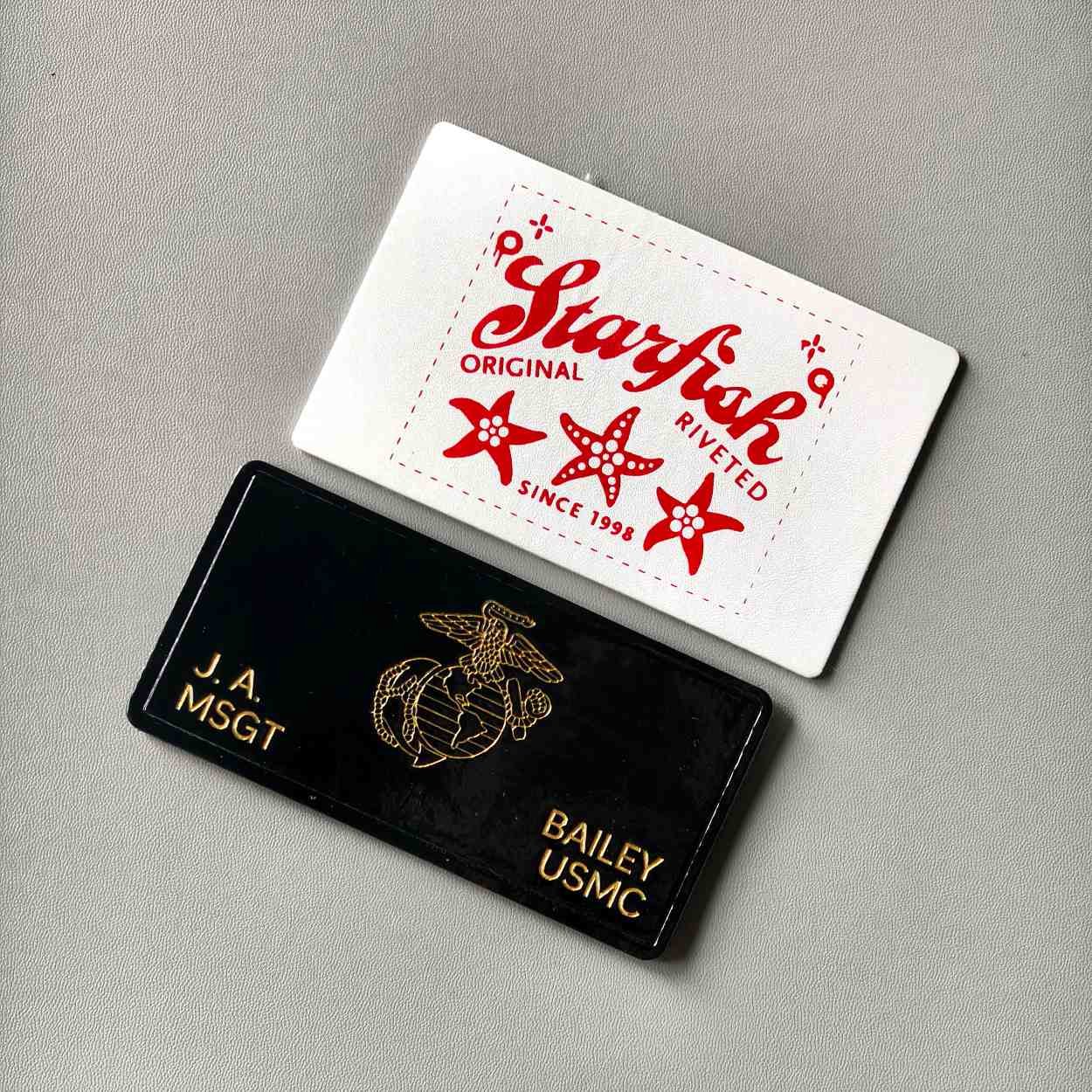
Custom Embroidered Patches
Premium embroidered patches with up to 100% thread coverage for bold brand statements. Heat-seal backing or sewn application available. Ideal for chest, sleeve, or back placement on workwear jackets to showcase logos and streetwear graphics.
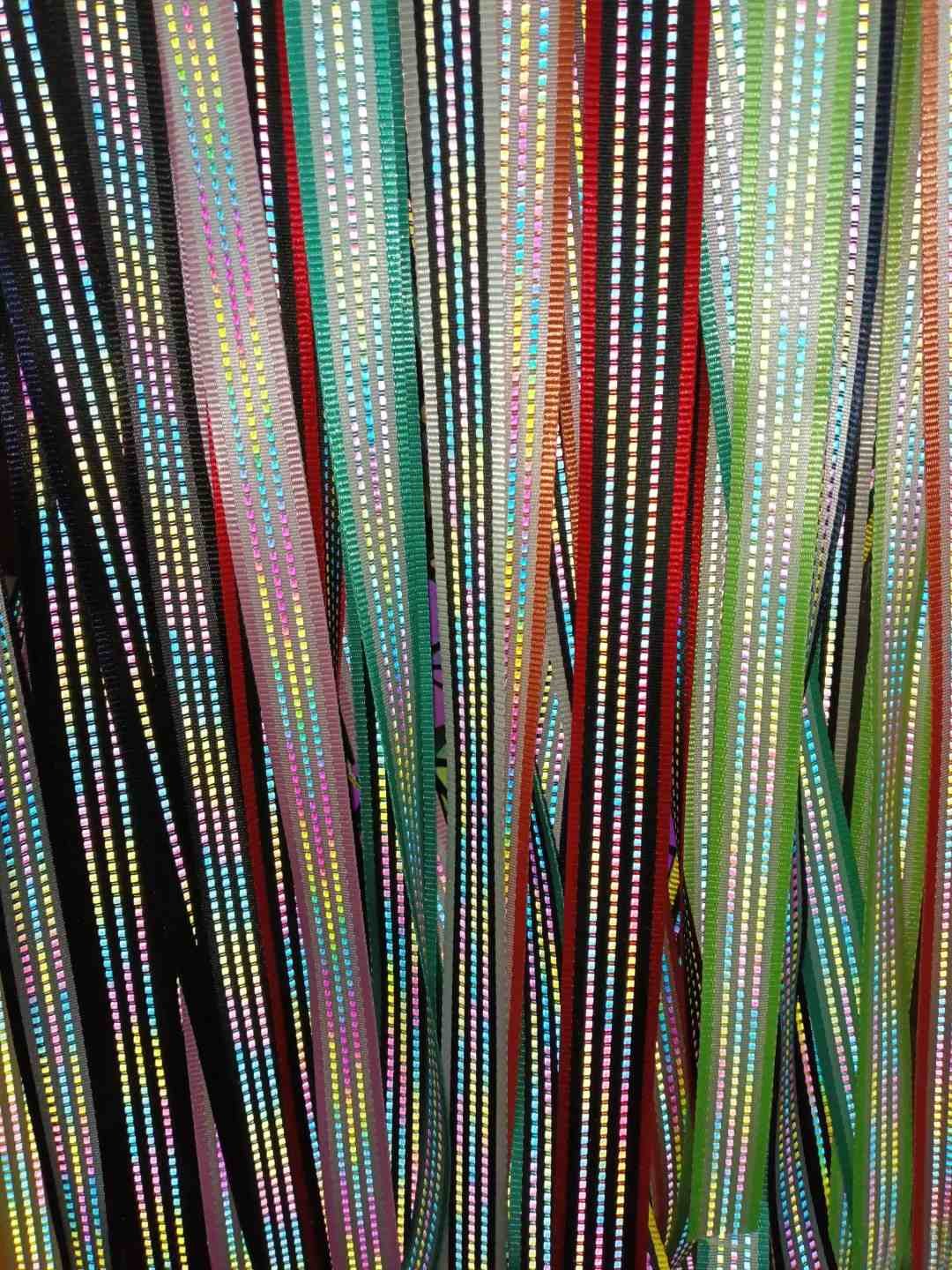
Reflective Trim
High-visibility reflective piping and tape for safety-focused workwear designs. Available in silver, neon, and custom colors. Strategically placed on seams, pockets, and hems to enhance visibility while adding contemporary streetwear styling details.
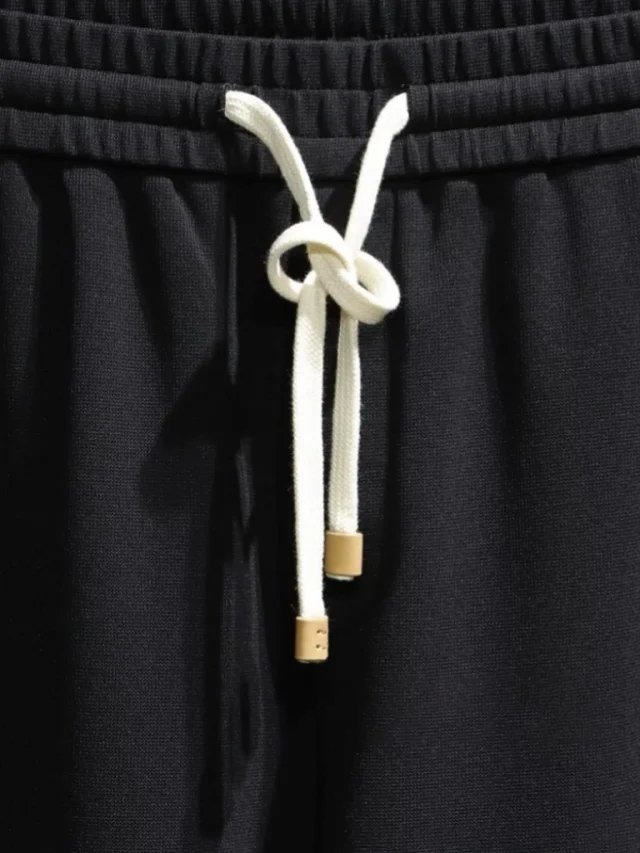
Drawcords & Tipping
Round or flat drawcords with metal, rubber, or branded plastic cord-locks and aglets. Functional for adjustable hems and hoods on custom workwear jackets. Choose from solid colors, reflective threads, or custom-printed tipping for distinctive branding.
Custom Workwear Jackets Built on Heritage
Founded in 2024 by Tesla Luo, Clothing Manufacturer Ltd. brings over 10 years of apparel production expertise and 6 years of specialized streetwear experience to every custom workwear jacket. Raised in a garment manufacturing family, Tesla worked every factory role from cutting to quality control, building comprehensive knowledge that now powers our mission: restoring Chinese manufacturing’s global reputation through uncompromising quality standards.
We serve trendy brands, fashion startups, independent designers, and global retailers across 100+ countries with a 15-member R&D team and 10 proprietary patents. Unlike competitors who skip critical checks, our 5-step quality control process tests materials, cutting, craftsmanship, sewing, and finished garments at every production stage, ensuring your custom workwear jackets meet the standards your brand deserves.
Whether you’re launching your first collection or scaling an influencer line, we combine low 50-piece MOQs, fast turnaround for seasonal drops, and deep streetwear design fluency with the production capacity and logistics support to grow alongside you. Your vision, our craftsmanship, zero compromise.
Our 5-Step Quality Control Process — Built Into Every Custom Workwear Jacket
Materials QC Testing — Before Production Begins
Every fabric roll, zipper, button, and trim undergoes rigorous inspection before cutting. We verify color accuracy, weight, stretch recovery, and durability against your approved samples. This first checkpoint eliminates 90% of potential defects before a single pattern piece is cut.
- Fabric weight, color matching, and shrinkage pre-testing
- Hardware strength and finish consistency verification
- Traceability documentation for every material batch
- Supplier certifications validated before acceptance
Cutting QC Testing — Precision Pattern Work
After materials pass inspection, our cutting team verifies every pattern piece for accuracy, grain alignment, and matching. Unlike factories that rush from cutting to sewing, we measure each cut against technical specs to ensure consistent sizing across your entire production run.
- Pattern piece dimensions checked against tech packs
- Fabric grain and pattern alignment verified on each cut
- Matching stripes, plaids, or prints quality-controlled
- Cut piece counts audited before moving to sewing floor
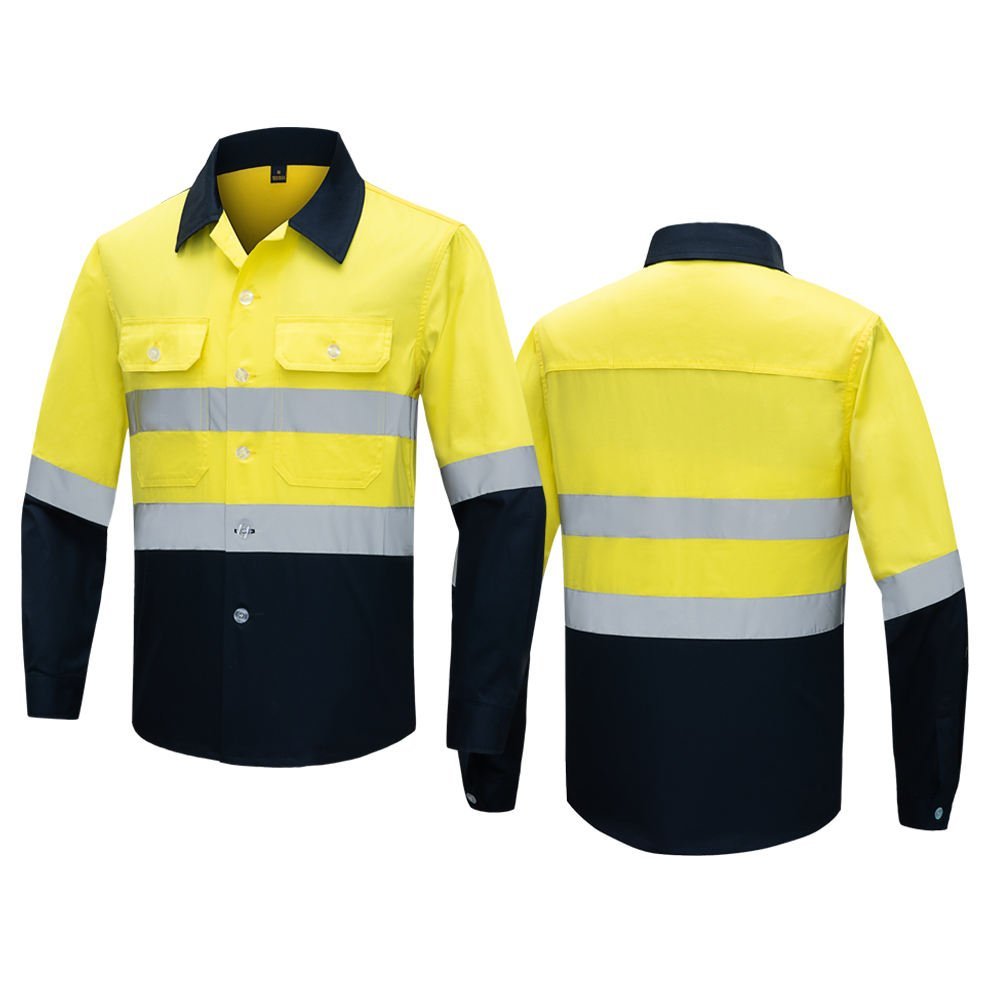
Clothing Craft & Sewing Production QC Testing
During construction, our QC team monitors stitch density, seam strength, and alignment at critical checkpoints. We catch and correct issues like uneven topstitching, misaligned pockets, or weak stress points while jackets are still in-process — when fixes take minutes, not hours.
- Real-time inspection of collar, cuff, and pocket construction
- Seam strength testing on high-stress areas during assembly
- Stitch-per-inch counts verified against streetwear standards
- In-line corrections before defects multiply across batches
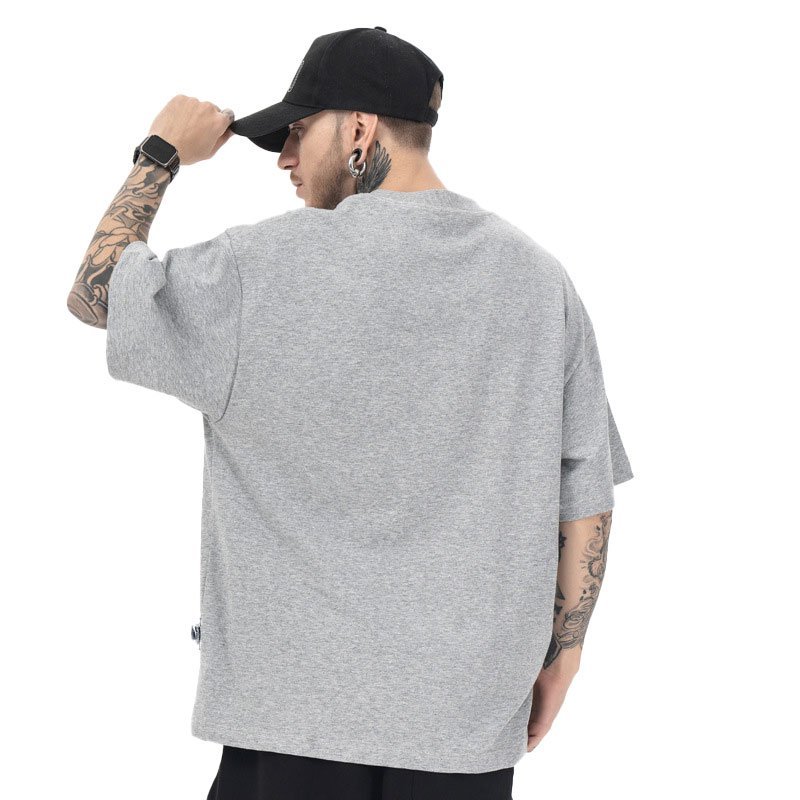
Finished Clothing Quality QC Inspection
Every completed custom workwear jacket receives a final, comprehensive inspection covering 47 quality checkpoints. We examine fit, finishing, hardware function, and appearance under controlled lighting. Only jackets that pass all criteria are approved for ironing, folding, and shipment to your customers.
- 47-point inspection covering fit, finish, and function
- Zipper, snap, and button operation tested on every garment
- Final measurements verified against approved size specs
- Photographic documentation available for your records
Clothing Manufacturer vs. Typical Workwear Suppliers
When sourcing custom workwear jackets, the manufacturing partner you choose determines quality, speed, and scalability. Here’s how our streetwear-focused approach compares to conventional workwear suppliers.
← 左右滑动查看 →
Our Custom Workwear Jackets Production Workflow — From Concept to Shipping
Six rigorous phases with quality gates at every step, ensuring your custom workwear jackets meet the highest standards before they reach your customers.
Design & Sampling
Our 15-member R&D team translates your vision into technical patterns and physical samples, refining fit, details, and construction before production begins.
Fabric & Material Sourcing
We source premium workwear fabrics and hardware, conducting materials QC testing to verify durability, colorfastness, and compliance with your specifications.
Cutting & Marking
Precision cutting with cutting QC testing ensures accurate pattern alignment, minimal waste, and consistency across every jacket in your order.
Sewing & Finishing
Skilled craftspeople assemble each jacket with clothing craft QC testing and sewing production QC testing at critical construction milestones to catch defects early.
Final QC Inspection
Every finished custom workwear jacket undergoes comprehensive finished clothing quality QC inspection, verifying stitching, hardware, fit, and overall appearance before approval.
Packing & Logistics
Approved jackets are professionally packed to your brand standards and shipped via our global logistics network, with full tracking and customs support.
How to Order Custom Workwear Jackets in 3 Simple Steps
From tech pack submission to bulk production, our streamlined process ensures transparent communication, fast turnaround, and quality assurance at every stage.
Submit Your Design Brief
Send your tech pack, reference images, or design concept. Our team reviews specifications within 24 hours and schedules a consultation to clarify fabric, hardware, and branding requirements.
Receive Quote and Free Sample
We provide a detailed quote with pricing, timeline, and MOQ options. Approve the sample jacket to validate fit, construction, and finishing before committing to bulk production.
Approve and Launch Production
Confirm your order and we begin our 5-step QC process. Track progress through regular updates, from cutting to final inspection, with global shipping arranged upon completion.
Certifications & Quality Standards for Custom Workwear Jackets
Custom Workwear Jackets: Real Results From Streetwear Brands That Scaled With Us
We launched our first custom workwear jacket collection with a 50-piece order and grew our Instagram from 2,000 to 47,000 followers in eight months. The 5-step QC meant zero returns.
As a startup designer, I needed low MOQ and fast turnaround. Clothing Manufacturer delivered three seasonal custom workwear jacket drops on time with consistent quality. My defect rate dropped from 12% to under 1%.
We’ve worked with five manufacturers before finding Clothing Manufacturer. Their custom workwear jackets helped us scale from 200 units per quarter to 1,500. The in-house design team understood our streetwear vision immediately.
FAQ — Custom Workwear Jacket Sourcing
What is the minimum order quantity for custom workwear jackets?
How long does production take for bulk custom workwear jacket orders?
Do you offer samples before I commit to a full production run of custom workwear jackets?
What payment terms do you offer for custom workwear jacket orders?
How do you protect my designs and intellectual property for custom workwear jackets?
What are the shipping timelines and logistics options for custom workwear jackets?
Can I request design revisions during the sampling phase?
What quality guarantees come with your custom workwear jackets?
Do you support small brands and influencer lines with limited budgets?
The Complete Buyer’s Guide to Custom Workwear Jackets for Your Brand
This guide walks you through everything you need to know about sourcing custom workwear jackets—from fabric selection and decoration methods to choosing the right manufacturer, avoiding costly mistakes, and building a decision framework that ensures quality, cost-efficiency, and on-time delivery.
1. What Are Custom Workwear Jackets?
Custom workwear jackets are durable, utility-inspired outerwear garments manufactured with client-specified branding, fabrics, fits, and colorways. Originally designed for industrial and trade professions requiring reinforced stitching, multiple pockets, and heavy-duty materials like canvas or twill (typically 280–400 GSM), these jackets crossed into mainstream streetwear beginning in the early 2010s when brands recognized their aesthetic overlap with skate, hip-hop, and graffiti culture. Minimum order quantities at reputable manufacturers start at 50 pieces, making them accessible to fashion startups, independent designers, and influencer-driven labels alongside corporate clients and global retailers.
Three buyer categories dominate custom workwear jacket orders: streetwear and trendy brands seeking utility-inspired silhouettes with bold graphics or embroidered logos, corporate clients requiring branded uniforms for retail staff or promotional giveaways, and influencer or creator brands launching limited-edition capsules. Customization matters because logo placement (chest, back yoke, sleeve), fabric selection (cotton drill, poly-cotton blends, or washed canvas), fit adjustments (oversized streetwear cuts versus tailored corporate fits), and colorway choices (Pantone-matched brand colors or seasonal palettes) directly influence brand recognition, perceived quality, and retail price points.
Since 2024, Clothing Manufacturer Ltd. has applied a five-step quality control process—materials QC, cutting QC, craft QC, sewing QC, and finished-garment inspection—to every custom workwear jacket order, addressing the industry-wide issue of manufacturers skipping mid-production testing. This approach ensures that each jacket meets the durability and finish standards expected by brands targeting quality-conscious consumers in over 100 countries and regions.
2. The Evolution of Workwear Jackets in Fashion
Workwear jackets originated in the late 1800s and early 1900s as functional garments for railroad workers, factory laborers, and tradespeople who needed durable, pocket-rich outerwear that could withstand abrasion and repeated washing. Brands like Carhartt (founded 1889) and Dickies (founded 1922) engineered chore coats and shop jackets with heavyweight cotton duck or denim, reinforced bar-tack stitching at stress points, and oversized patch pockets to hold tools and hardware. These design choices prioritized longevity and utility over aesthetics, creating silhouettes defined by boxy cuts, contrast topstitching, and minimal shaping.
By the 1990s, skate and hip-hop communities began adopting workwear for its affordability, durability, and anti-fashion authenticity. Carhartt WIP (Work In Progress), launched in 1989 as a European streetwear line, reinterpreted the brand’s classic Detroit jacket and chore coat with slimmer fits, premium fabrics, and limited colorways, bridging blue-collar heritage and urban style. Dickies followed suit, collaborating with streetwear labels and designers to release capsule collections that retained signature elements—triple-needle stitching, metal buttons, utility pockets—while introducing contemporary cuts and seasonal prints.
Today’s streetwear and independent designers prize custom workwear jackets for their cultural credibility and design versatility. The boxy silhouette accommodates oversized branding and embroidery, reinforced construction signals quality craftsmanship, and the utilitarian aesthetic aligns with streetwear’s roots in subcultures that value function and authenticity. High-fashion houses including Comme des Garçons and Vetements have released runway interpretations of chore coats, validating workwear as a permanent fixture in contemporary menswear and womenswear collections.
3. Types of Custom Workwear Jackets
Six core silhouettes dominate the custom workwear jackets market, each offering distinct styling cues and functional advantages. Understanding these archetypes helps brands align product design with target demographics and brand positioning.
Chore Coats
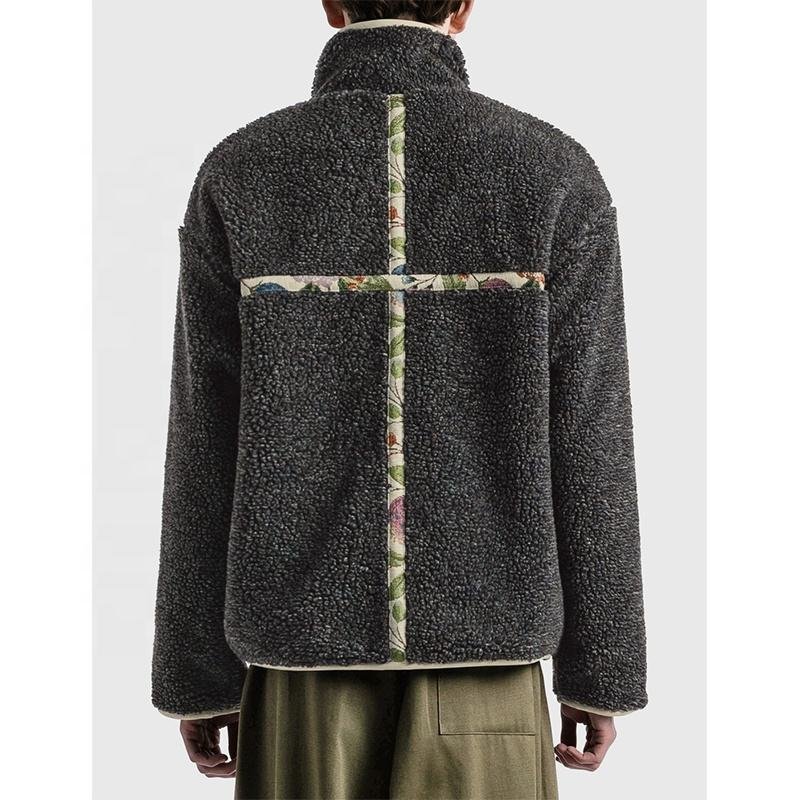
Chore coats feature a boxy, hip-length cut with three to four patch pockets and a straight hem. Canvas or twill in 8–12 oz weights are standard fabrics. Streetwear brands favor this silhouette for its vintage workwear aesthetic and layering versatility.
Shop Jackets
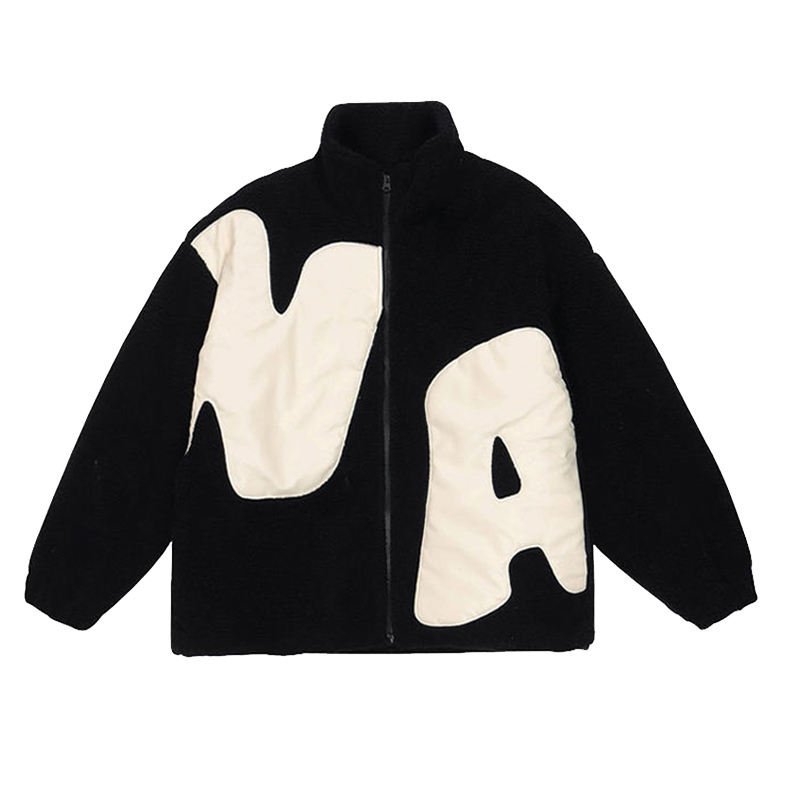
Shop jackets mirror chore coats but add snap closures and knit cuffs or collars for a cleaner finish. Typically cut slightly shorter, they suit both fashion drops and corporate uniform programs. Poly-cotton blends in 7–10 oz offer durability with easier care.
Trucker Jackets
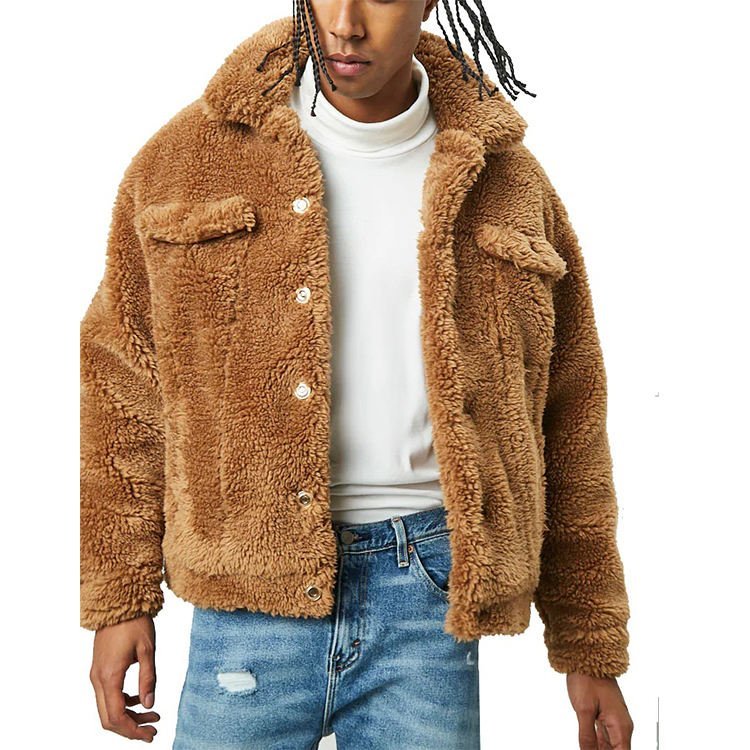
Trucker jackets are waist-length with pointed collar, chest pockets, and adjustable side tabs. Denim in 10–14 oz is traditional, though canvas and corduroy variants are popular. Influencer brands use truckers for bold embroidery and patches.
Quilted Work Jackets
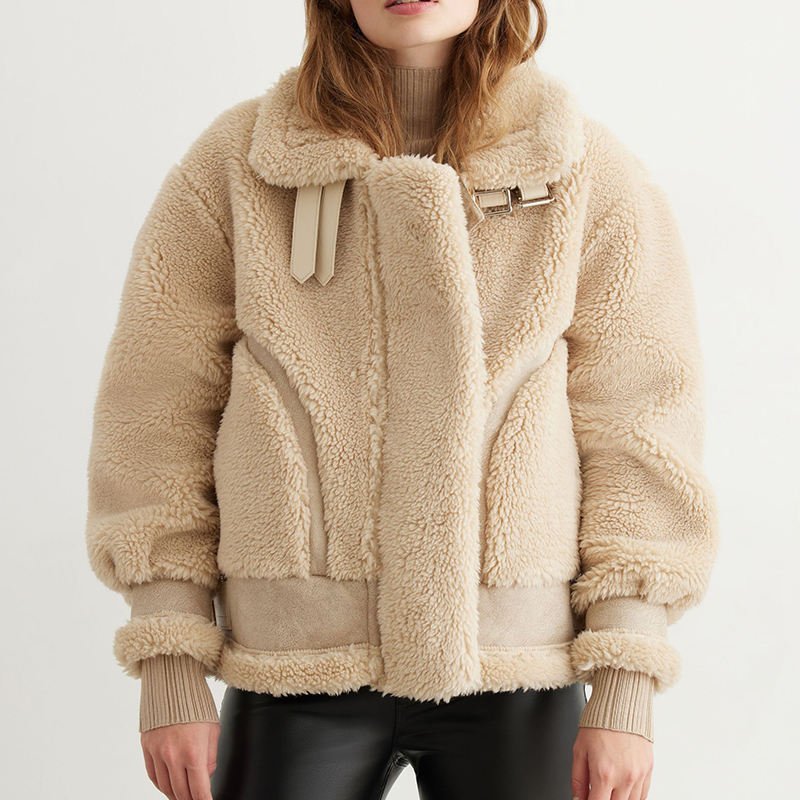
Quilted work jackets layer diamond or channel stitching over nylon or poly-cotton shells with synthetic insulation. Ideal for cold-weather workwear or outdoor-inspired streetwear collections. MOQs often start at 100 pieces due to quilting setup costs.
Coverall-Style Jackets
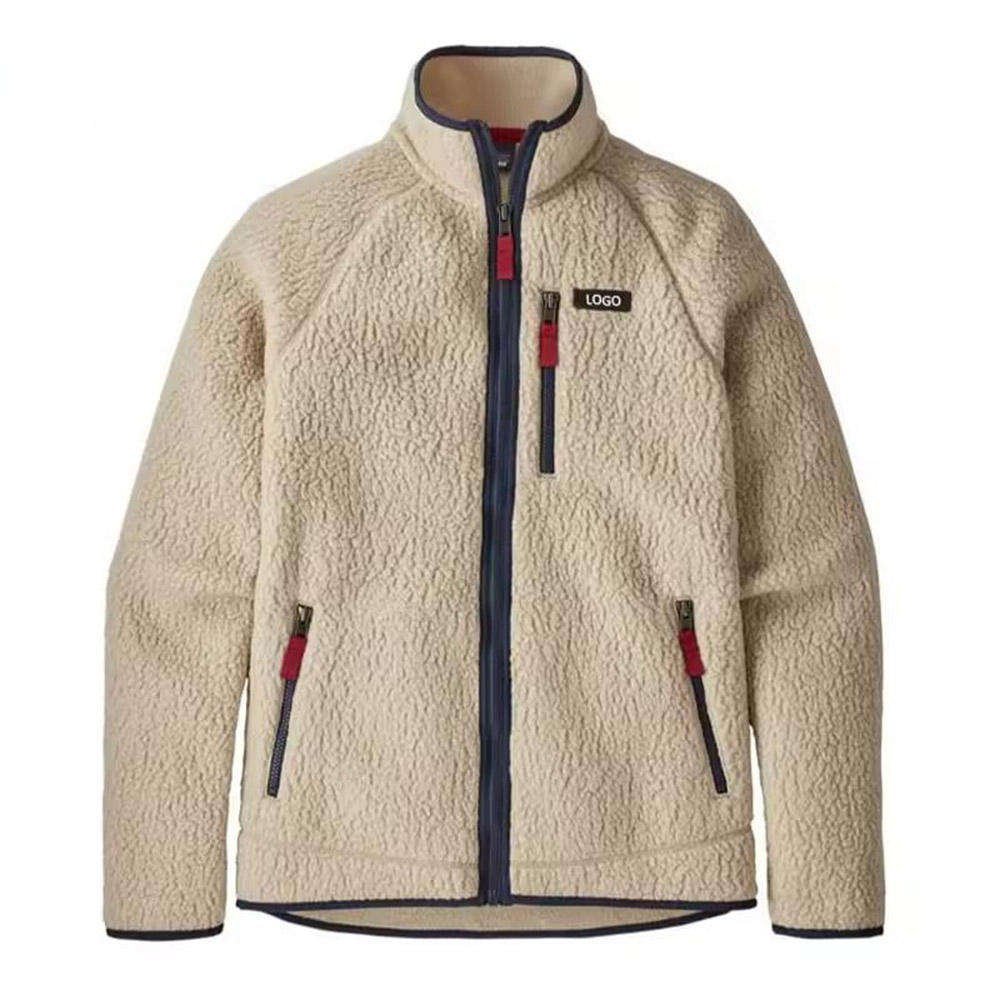
Coverall-style jackets extend to mid-thigh with full-front zip or button placket and multiple utility pockets. Heavy twill or duck canvas in 10–14 oz provides structure. Best for brands targeting utility fashion or gender-neutral workwear aesthetics.
4. Materials and Fabrics for Custom Workwear Jackets
Fabric choice dictates durability, drape, cost, and brand positioning for custom workwear jackets. Each material offers distinct weight ranges, seasonal suitability, and performance characteristics that align with specific use cases and price tiers.
| Fabric Type | GSM Range | Durability | Best Use Case | Price Tier |
|---|---|---|---|---|
| Cotton Canvas | 280–450 | High | Chore coats, utility jackets | Mid |
| Cotton Twill | 200–320 | Moderate-High | Fashion workwear, year-round | Mid |
| Denim | 340–475 | Very High | Heritage workwear, premium lines | Mid-High |
| Poly-Cotton Blend | 200–300 | Moderate | High-volume, active use | Low-Mid |
| Ripstop | 80–150 | Moderate | Lightweight technical jackets | Low-Mid |
| Quilted Lining | 60–100 | Low (insulation) | Cold-weather layering | Low |
Cotton Canvas and Cotton Twill
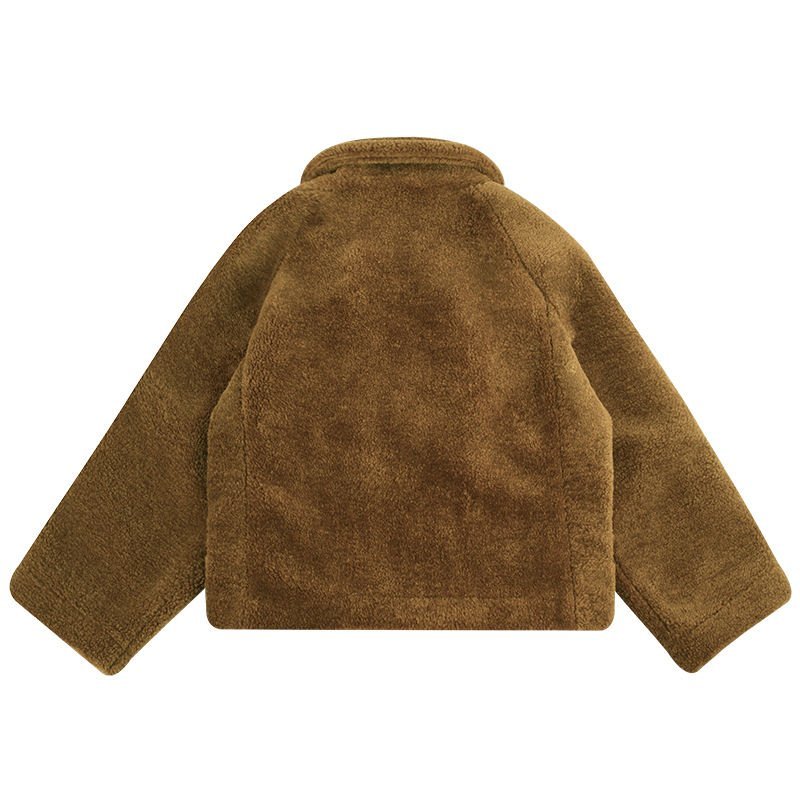
Cotton canvas ranges from 280–450 GSM, delivering heavyweight durability with a stiff, structured drape ideal for chore coats and utility jackets. Cotton twill sits lighter at 200–320 GSM, offering diagonal weave texture, moderate flexibility, and year-round wearability.
Both fabrics excel in workwear aesthetics and accept embroidery, screen printing, and patches cleanly. Canvas suits rugged, utilitarian brands; twill fits fashion-forward labels seeking softer hand feel. Mid-tier pricing makes both accessible for startups and established retailers.
Denim and Poly-Cotton Blends
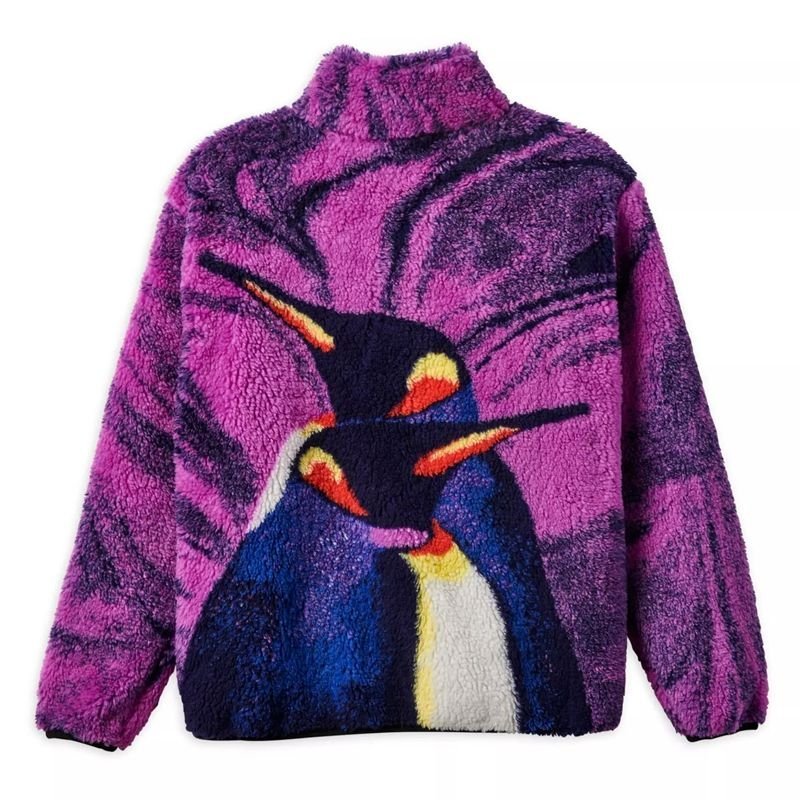
Denim (10–14 oz, roughly 340–475 GSM) provides iconic workwear heritage, high abrasion resistance, and a crisp drape that softens with wear. Poly-cotton blends (65/35 or 50/50, 200–300 GSM) combine cotton comfort with polyester wrinkle resistance and faster drying.
Denim commands premium positioning and longer lead times for washing treatments. Poly-cotton blends reduce costs by 15–25 percent versus pure cotton, suit high-volume orders, and perform well in humid climates or active-use scenarios.
Ripstop, Quilted Linings, and Sustainable Options
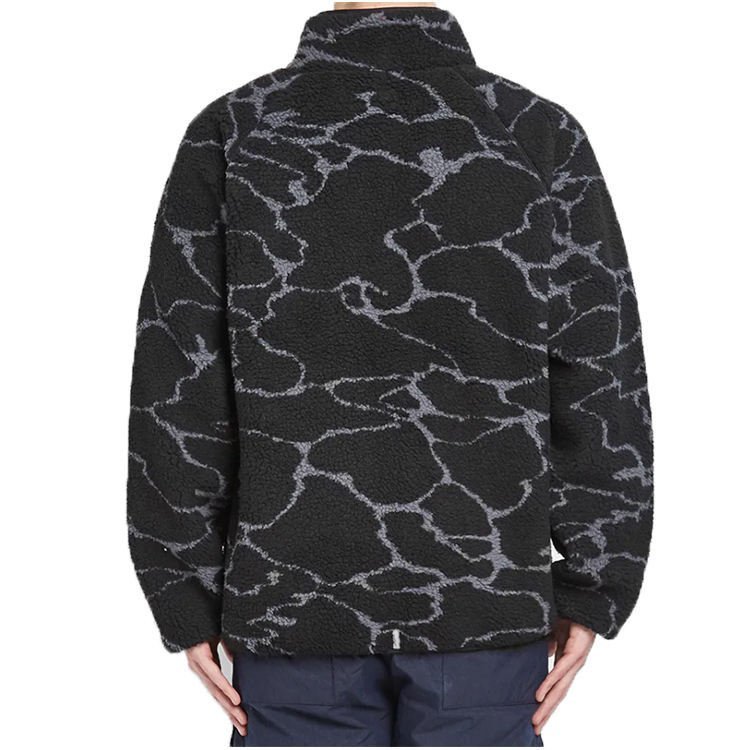
Ripstop nylon or polyester (80–150 GSM) features reinforced grid patterns that prevent tear propagation, ideal for lightweight technical jackets and windbreakers. Quilted linings (polyester fill, 60–100 GSM) add insulation without bulk, extending workwear jackets into fall and winter.
Organic cotton (GOTS-certified) and recycled polyester options meet growing sustainability demand, typically adding 10–20 percent to material costs. Clothing Manufacturer Ltd. sources OEKO-TEX certified fabrics and conducts materials QC testing as the first step in its five-step quality control process, ensuring every roll meets weight, colorfastness, and shrinkage specifications before cutting begins.
5. Customization and Decoration Options for Custom Workwear Jackets
Decoration transforms blank custom workwear jackets into branded assets that communicate identity and quality. Each technique carries distinct cost structures, durability profiles, and visual characteristics that influence both production economics and customer perception.
| Technique | Setup Cost | Per-Unit Cost | Durability (Washes) | Best For |
|---|---|---|---|---|
| Embroidery | $30–80 | $2–8 | 50+ | Small logos, chest/sleeve, premium feel |
| Screen Printing | $15–40/screen | $0.50–1.50 | 20–40 | Large graphics, back prints, multi-color |
| Heat Transfer | $0 | $1–3 | 15–25 | Test runs, photo-real images, <50 units |
| Woven Labels | $50–150 | $0.50–2 | 50+ | Hem tags, interior branding, subtle logos |
| Leather Patches | $0–50 | $1–4 | 100+ | Rugged aesthetic, heritage brands |
| Custom Hardware | $100–300 | $0.30–3+ | 1,000+ cycles | Zippers, buttons, snaps, tactile detail |
Embroidery and Woven Labels
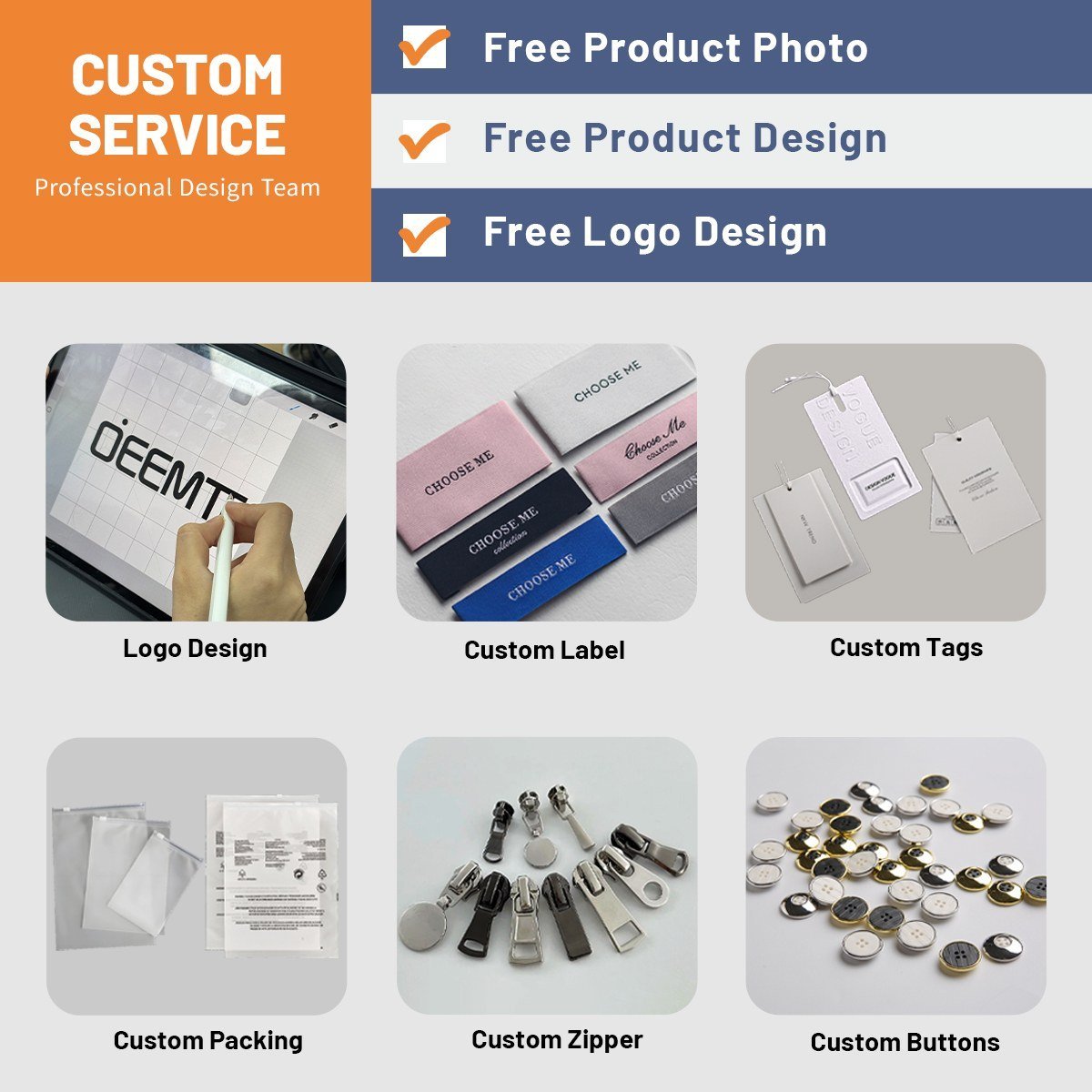
Embroidery delivers the highest durability and perceived value, withstanding 50+ industrial wash cycles without fading. Setup costs range from $30–80 per design, with per-unit costs of $2–8 depending on stitch count; most manufacturers require 50-piece minimums to justify digitizing fees.
Woven labels offer a premium alternative for chest or hem placements, with setup costs of $50–150 for custom looms and per-unit costs of $0.50–2. Both methods suit small logos (2–4 inches) and convey craftsmanship that aligns with heritage or workwear-inspired brand positioning.
Screen Printing and Heat Transfer
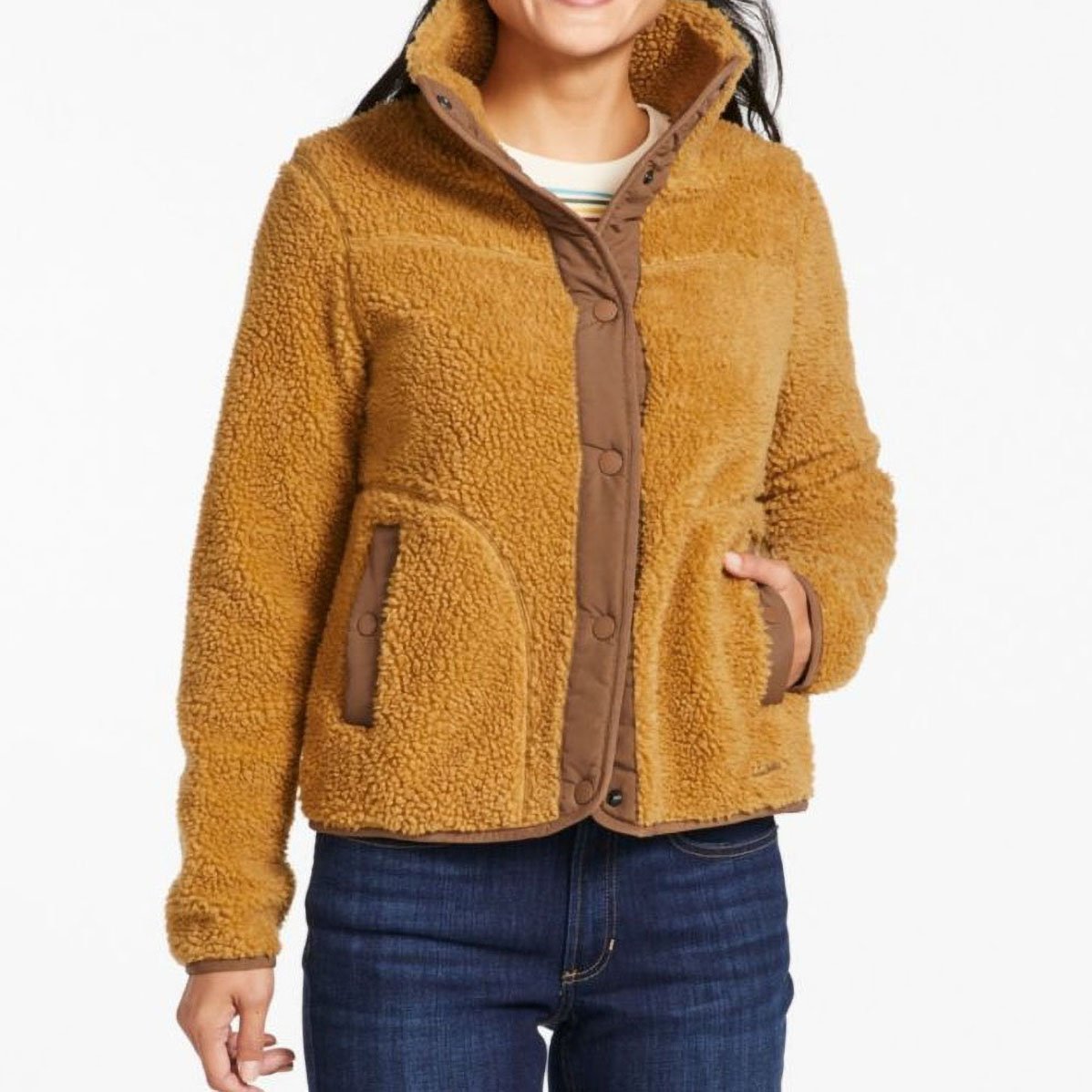
Screen printing excels for large back graphics (10–14 inches) and multi-color designs, with setup costs of $15–40 per screen and per-unit costs under $1 for single-location prints. Durability ranges from 20–40 washes for standard plastisol inks; water-based inks fade faster but offer softer hand feel.
Heat transfer (vinyl or digital) eliminates setup fees, making it ideal for test runs under 50 units, but durability drops to 15–25 washes. Visual impact suits bold streetwear graphics; budget-conscious startups often combine heat transfer for initial drops and transition to screen printing at scale.
Custom Hardware and Leather Patches
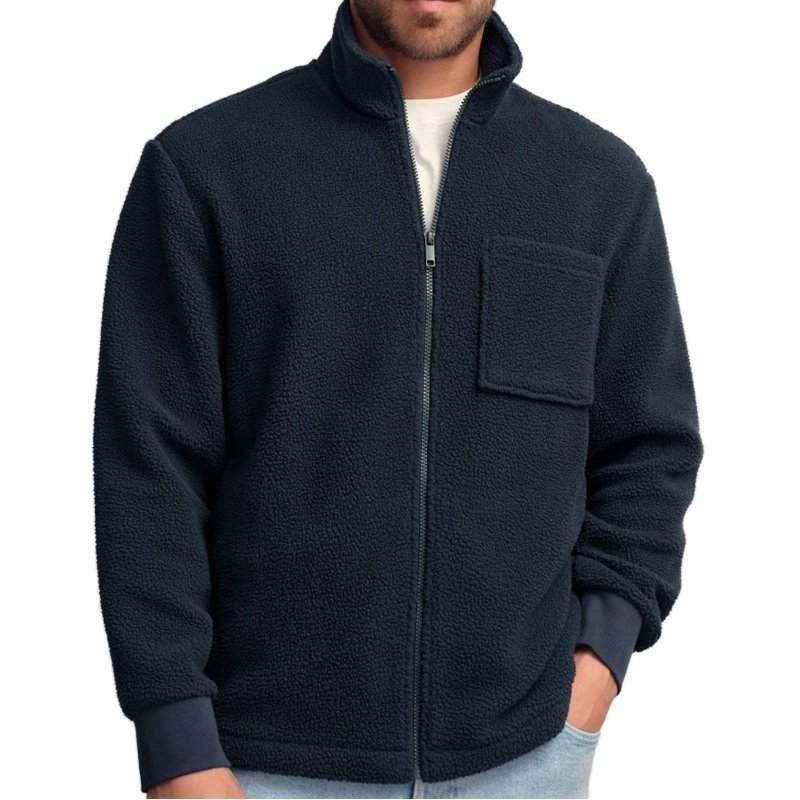
Custom metal buttons, YKK zippers with branded pullers, and snap closures add tactile differentiation; per-unit costs range from $0.30 for standard snaps to $3+ for engraved metal hardware. Minimum orders typically start at 500 pieces per hardware SKU.
Leather patches (debossed or laser-etched) cost $1–4 per unit with 100-piece minimums, offering a rugged, artisan aesthetic. Clothing Manufacturer Ltd.’s five-step QC process includes hardware attachment testing during sewing production QC, ensuring zippers withstand 1,000+ cycles and snaps maintain pull strength across production runs.
6. Key Quality and Construction Elements
High-quality custom workwear jackets differ from cheap imitations in measurable construction details that impact durability and brand reputation. Knowing which specifications to inspect in samples and factory QC reports protects your investment before bulk production begins.
Stitch Density and Reinforced Stress Points
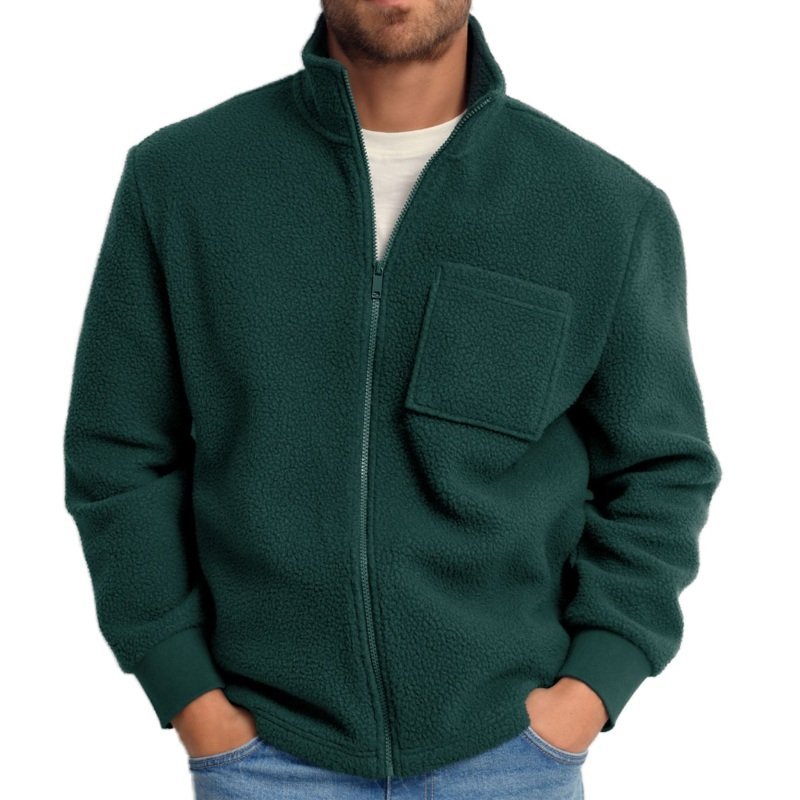
Premium custom workwear jackets use 10–12 stitches per inch (SPI) on main seams, compared to 6–8 SPI on budget garments. Higher stitch density prevents seam failure under tension and repeated washing.
Stress points at pockets, armholes, and shoulder seams require bar tacks or double-needle reinforcement. Factories skipping these steps produce jackets that tear within weeks of regular wear.
Zipper and Hardware Grade
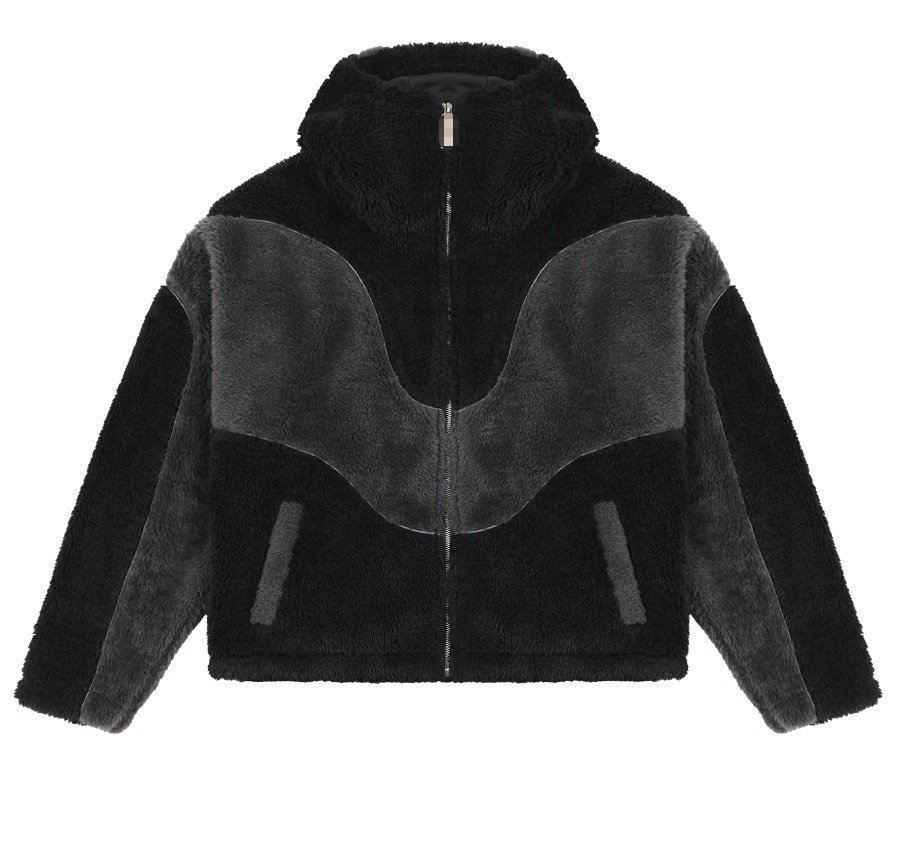
YKK zippers withstand 1,500+ open-close cycles, while generic alternatives fail below 500 cycles. Specifying YKK or equivalent (SBS, Ideal) in your tech pack ensures consistent performance across production runs.
Button attachment should use lock-stitch machines with reinforcement backing, not chain-stitch methods that unravel. Metal snaps and rivets must be rust-resistant nickel or brass alloy, tested for pull strength above 15 kg.
Seam Finishing and Lining Quality
Flat-felled seams enclose raw edges and prevent fraying, essential for workwear jackets marketed as durable. Overlock (serged) seams cost less but expose fabric edges to wear.
Lining fabric should be 190–210 GSM polyester taffeta or twill, not thin 80 GSM acetate that tears during donning. Request lining samples and check for even dyeing and no pilling after 5 wash cycles.
7. How to Choose the Right Manufacturer for Custom Workwear Jackets
Selecting a manufacturing partner for custom workwear jackets requires evaluating production capabilities, quality systems, and business alignment. Factories differ widely in MOQ thresholds (50–500 pieces), lead times (3–8 weeks), and in-house decoration versus outsourced embroidery or screen printing. A structured vetting process helps brands shortlist suppliers who match their scale, timeline, and quality expectations.
MOQ Flexibility and Lead Times
Minimum order quantities typically range from 50 pieces for boutique manufacturers to 500+ for high-volume operations. Startups and independent designers benefit from 50–100 piece MOQs that reduce upfront inventory risk.
Lead times vary by complexity: basic workwear jackets require 3–4 weeks, while multi-panel designs with embroidery may take 6–8 weeks. Confirm sampling timelines separately — 7–10 days for initial prototypes is standard before bulk production begins.
Quality Control Protocols
Rigorous QC separates reliable factories from those that skip testing until final inspection. A five-step quality control process — materials QC, cutting QC, craft QC, sewing QC, and finished garment inspection — catches defects at every production stage rather than at the end.
Ask manufacturers to detail their QC checkpoints, acceptable quality limits (AQL 2.5 or stricter), and whether third-party inspection is available. Factories that embed quality testing throughout production deliver lower defect rates and fewer costly rework cycles.
Fabric Sourcing and Decoration Capabilities
Transparent fabric sourcing ensures you know the origin, weight (GSM), and composition of materials. Request fabric swatch cards and supplier certifications (OEKO-TEX Standard 100 for chemical safety).
In-house decoration — screen printing, embroidery, heat transfer — offers faster turnaround and tighter quality control than outsourced services. Verify whether the factory owns equipment or subcontracts; outsourcing adds 3–5 days and coordination risk.
Certifications and Communication
ISO 9001, WRAP, and OEKO-TEX certifications signal adherence to quality management, ethical labor, and textile safety standards. Certifications are not mandatory but reduce compliance risk for brands entering regulated markets.
Communication responsiveness — reply times under 24 hours, English proficiency, and willingness to share production photos — indicates a factory’s customer focus. Test responsiveness during the inquiry phase; slow replies before an order predict delays during production.
8. Common Mistakes When Ordering Custom Workwear Jackets
Even experienced brands make costly errors when ordering custom workwear jackets. Understanding these pitfalls and how to avoid them protects your investment and ensures your collection launches smoothly.
Skipping Pre-Production Samples
One emerging streetwear brand ordered 500 custom workwear jackets without requesting a fit sample, only to discover the chest width was two inches narrower than expected. The result: 40% return rate and lost revenue.
Always request at least one pre-production sample in your most popular size. Test the fit on real bodies, wash it twice to check shrinkage and color fastness, and photograph it under different lighting before approving bulk production.
Ignoring Fabric Shrinkage Allowances
Cotton twill and canvas can shrink 3–5% in length and 2–4% in width after the first wash. Brands that skip shrinkage testing often receive jackets that fit perfectly off the line but become unwearable after one laundry cycle.
Specify pre-shrunk or sanforized fabrics in your tech pack. Request a wash test on your sample and measure dimensions before and after to confirm shrinkage stays within acceptable limits, typically under 3%.
Underestimating Lead Times
Custom workwear jackets typically require 25–45 days from approved sample to finished goods, plus shipping. Brands that assume two-week turnarounds miss launch windows and lose pre-order momentum.
Build a production calendar that accounts for fabric sourcing (7–10 days), sample rounds (5–7 days each), bulk production (15–25 days), and international shipping (10–20 days). Add a 10% time buffer for unforeseen delays.
Choosing Decoration Methods That Don’t Scale
A designer brand specified hand-embroidered patches for 1,000 jackets, then discovered the technique added $18 per unit and extended lead time by three weeks. The project became financially unviable.
For orders above 200 pieces, choose scalable decoration: screen printing, heat transfer, or machine embroidery. Reserve labor-intensive methods like hand-stitching or appliqué for small capsule drops or premium lines where higher costs are justified.
Failing to Lock Specs in Writing
Verbal agreements on stitch count, zipper brand, or lining weight often lead to disputes when the finished product doesn’t match expectations. Without a signed tech pack, you have no recourse.
Document every specification in a detailed tech pack: fabric weight in GSM, thread type, hardware brand (e.g., YKK zippers), stitch-per-inch count, and Pantone color codes. Both parties sign and date the document before production begins, creating a binding reference for quality inspection.
9. Steps to Launch Your Custom Workwear Jackets Brand
Launching a custom workwear jackets brand requires coordinated execution across design, production, and go-to-market activities. Most brands complete the full cycle from concept to first shipment in 12–16 weeks, though timelines vary by complexity and manufacturer responsiveness.
Define Your Design and Target Market
Identify your audience — streetwear enthusiasts, trade professionals, or corporate clients — and sketch initial designs that reflect their needs. Develop a mood board with fabric swatches, color palettes (Pantone references), and construction details such as pocket placement and closure types.
Allocate 1–2 weeks for this phase. Deliverables include design sketches, target retail price, and a list of must-have features (e.g., reinforced stitching, water-resistant coating).
Source and Vet Manufacturers
Request portfolios, certifications (WRAP, BSCI, OEKO-TEX), and references from at least three manufacturers. Verify their QC protocols — Clothing Manufacturer Ltd.’s five-step methodology (materials, cutting, craft, sewing, finished inspection) illustrates the rigor required.
Budget 2–3 weeks. Key deliverables: shortlist of two to three vetted partners, confirmed MOQ (typically 50–500 pieces per style/color), and unit cost estimates.
Request and Approve Samples
Submit tech packs with measurements, fabric specs (GSM, weight), and decoration artwork. Expect pre-production samples in 10–15 days. Inspect fit, stitching (flatlock vs. overlock), hardware (YKK zippers), and colorway accuracy against Pantone standards.
Approval typically takes 1–2 weeks. Iterate once if needed; excessive revisions signal misalignment with the manufacturer.
Finalize Tech Packs and MOQ
Lock all specifications: fabric composition, thread color, label placement, hangtags, and polybag packaging. Confirm MOQ splits across sizes (S/M/L/XL ratios) and colorways.
This step takes 3–5 days. Deliverables include signed tech packs, a production timeline, and a deposit invoice (usually 30–50 percent upfront).
Place Production Order and Monitor QC
Transfer the deposit and request milestone updates at cutting, mid-sewing, and pre-shipment inspection stages. Clothing Manufacturer Ltd. implements QC testing at each of these checkpoints, catching defects before they multiply.
Production spans 4–6 weeks for initial orders. Require photographic or video proof of inspections and request third-party audits for orders above 1,000 units.
Plan Logistics and Launch Marketing
Arrange freight (air for speed, sea for cost) and customs clearance 2–3 weeks before your target launch date. Simultaneously, build pre-launch buzz through social media teasers, influencer seeding, and email capture campaigns.
Allocate 2–3 weeks for logistics and 4–6 weeks for marketing ramp-up. Coordinate product photography and website updates to coincide with inventory arrival.
10. Pricing and Cost Breakdown
Most custom workwear jackets manufacturers set minimum order quantities between 50 and 100 pieces, with per-unit costs dropping 25–40% as volume scales from 50 to 500+ pieces. Fabric choice significantly impacts pricing: economy cotton canvas typically runs $12–18 per unit at 100 pieces, while premium organic cotton or heavyweight twill adds $6–10 per unit. Decoration method introduces both setup fees and per-unit costs that vary by complexity.
Embroidery setup fees range from $50 to $150 per design location, with per-unit costs of $3–8 depending on stitch count (5,000–15,000 stitches). Screen printing offers lower per-unit costs ($1.50–4.00) but higher setup fees ($75–200 per color), making it cost-effective for larger runs with bold graphics. Lead times extend from 18–25 days for economy canvas jackets with screen print to 28–35 days for organic cotton with multi-location embroidery.
Clothing Manufacturer Ltd. implements a five-step quality control process introduced February 12, 2025, covering materials QC, cutting QC, craft QC, sewing production QC, and finished garment inspection. This rigorous testing at every production stage ensures that defects are identified early, reducing rework costs and maintaining consistent output quality across all quantity tiers and fabric grades.
| Quantity Tier | Economy Canvas (per unit) | Premium Organic Cotton (per unit) | Embroidery Setup + Per Unit | Screen Print Setup + Per Unit | Lead Time (days) |
|---|---|---|---|---|---|
| 50 pieces | $16–22 | $24–32 | $100 + $6–8 | $150 + $3–4 | 25–30 |
| 100 pieces | $14–18 | $20–28 | $100 + $5–7 | $150 + $2.50–3.50 | 22–28 |
| 250 pieces | $11–15 | $17–24 | $75 + $4–6 | $100 + $2–3 | 20–25 |
| 500+ pieces | $9–13 | $14–20 | $50 + $3–5 | $75 + $1.50–2.50 | 18–22 |
Ready to Launch Your Custom Workwear Jackets?
Start with just 50 pieces, backed by our 5-step QC guarantee. Partner with a manufacturer who understands streetwear quality.