
Premium Chore Coat Manufacturer with Low MOQ & 5-Step QC
Partner with a trusted chore coat manufacturer delivering trend-driven designs, rigorous quality control, fast sampling, and flexible minimums for streetwear brands and startups worldwide.
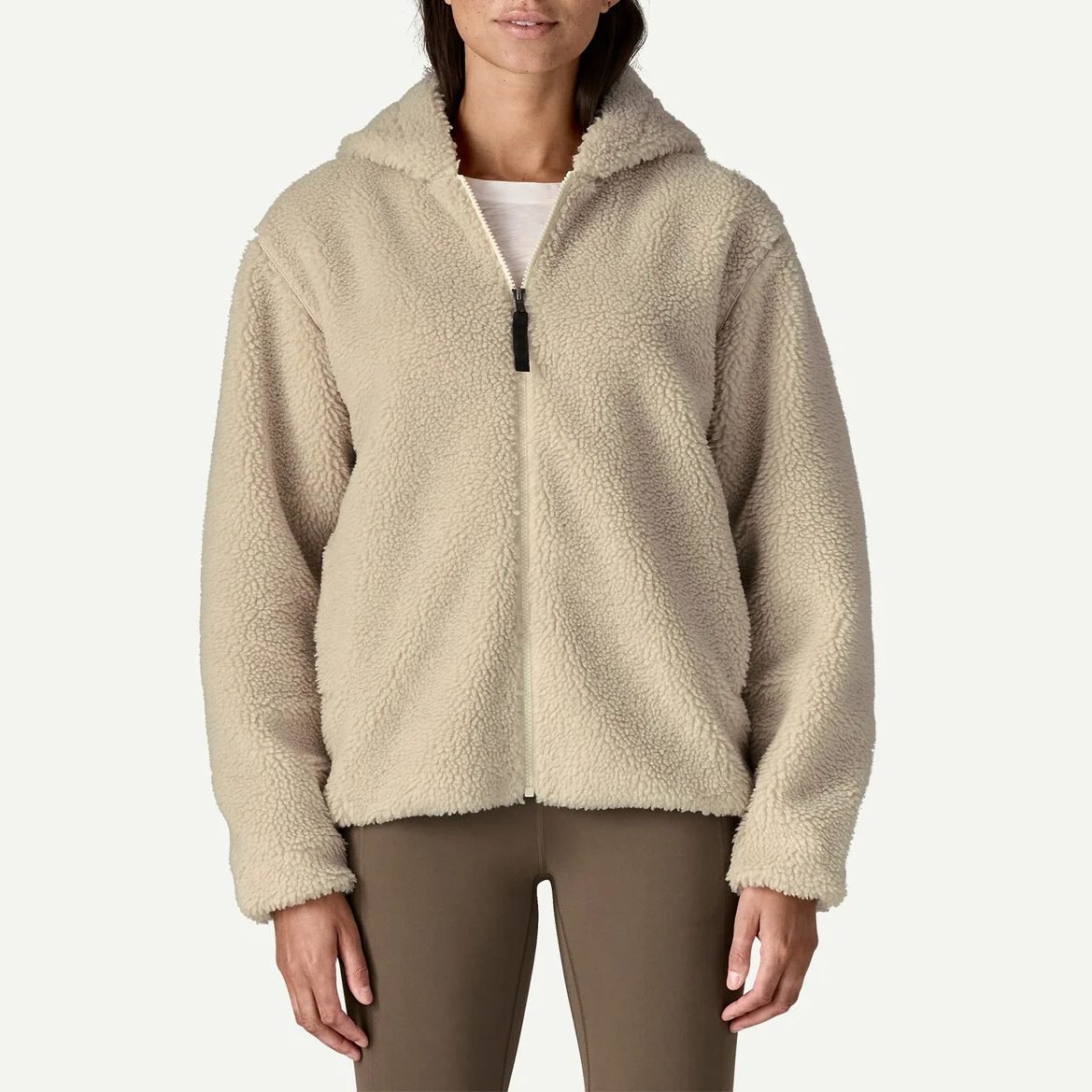
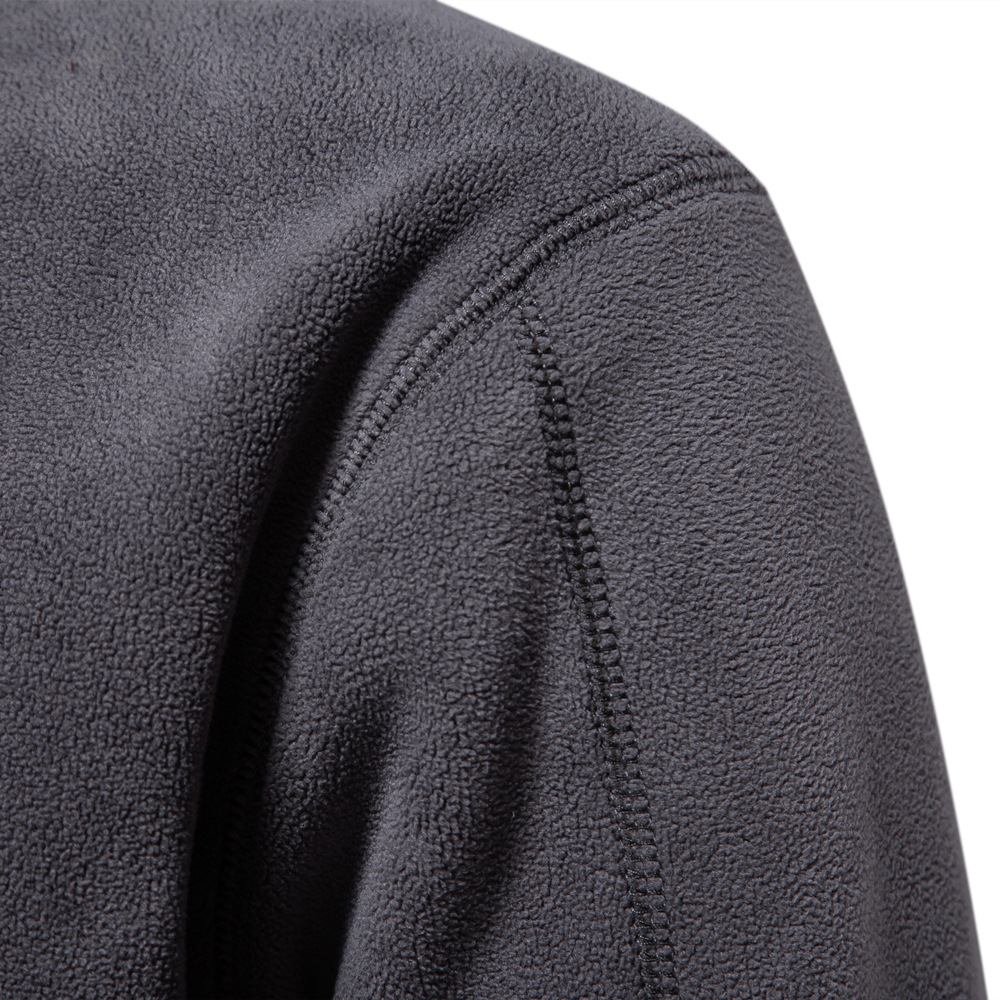
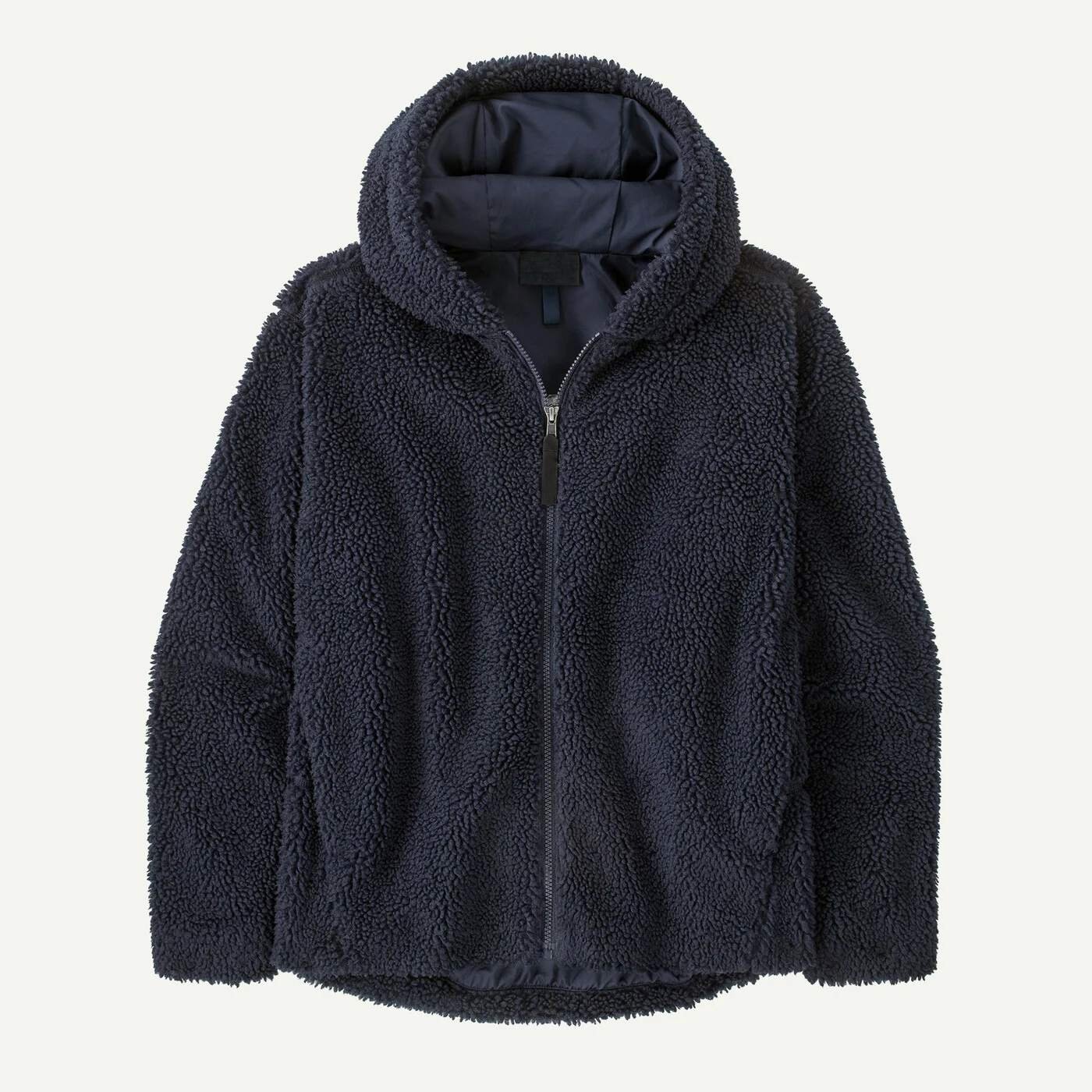
Chore Coat Designs & Samples
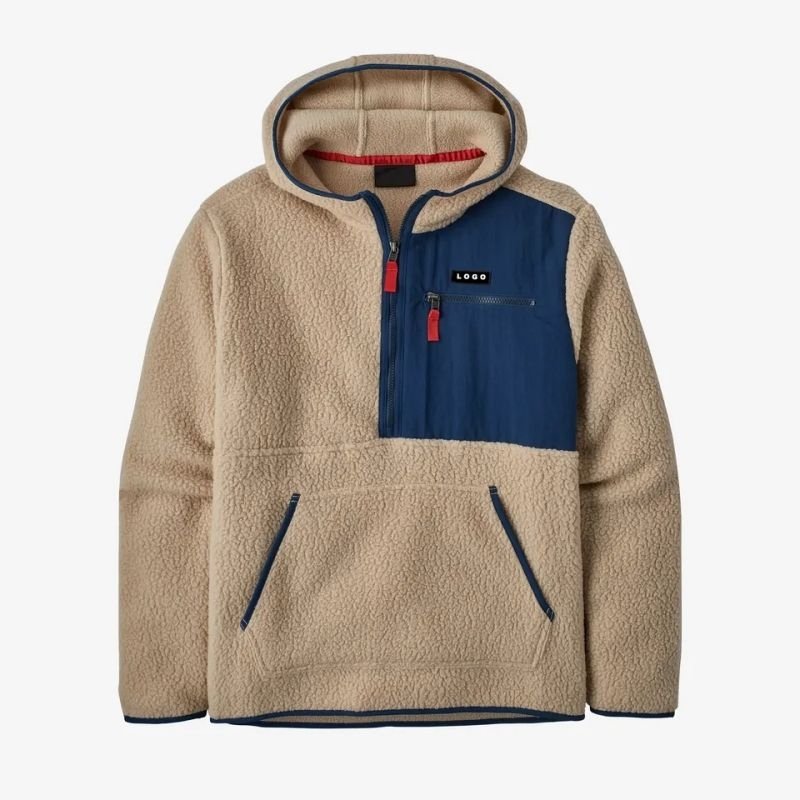
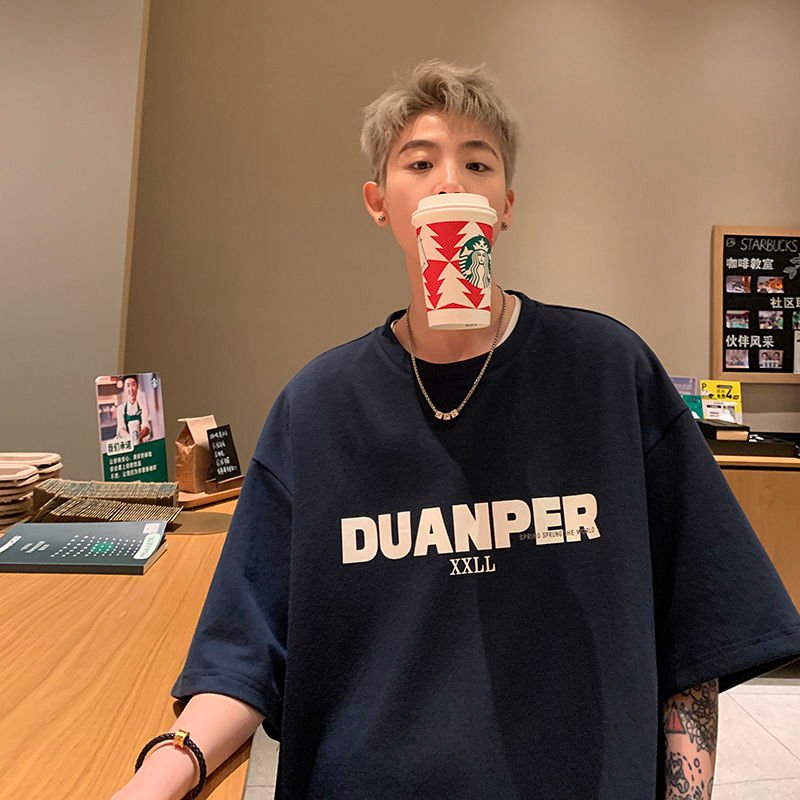
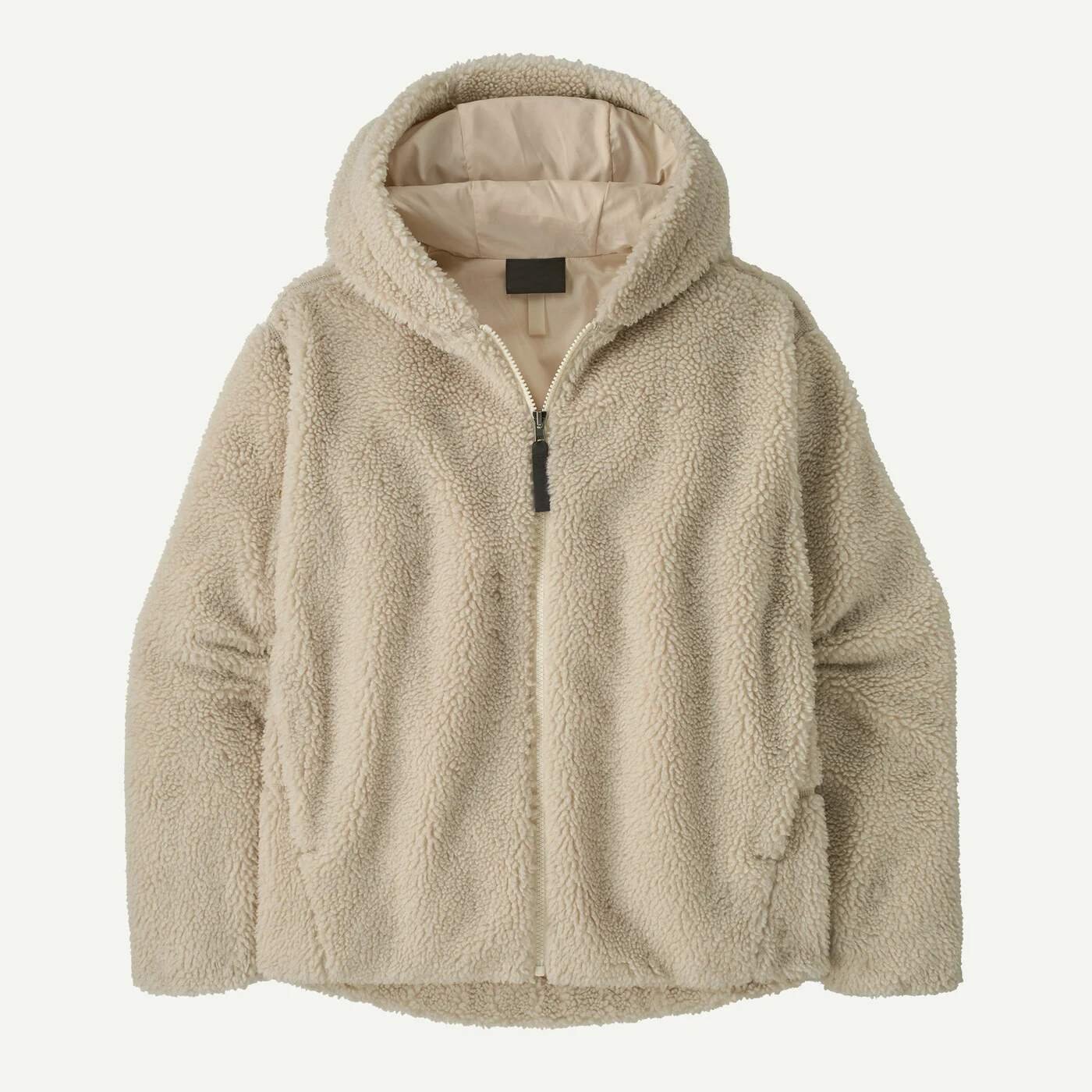

Why Choose Our Chore Coat Manufacturer
Premium craftsmanship, flexible minimums, and rigorous quality control for streetwear brands, startups, and global retailers.
5-Step QC Guarantee
Every chore coat passes materials, cutting, craft, sewing, and finished product quality inspections before shipment to ensure zero defects.
Low MOQ from 50 Pieces
Launch your chore coat line without massive inventory risk. Perfect for fashion startups and independent designers testing new collections.
7-Day Sample Turnaround
Fast sampling lets you validate designs and fabrics quickly, keeping your seasonal collections on schedule and ready for market.
In-House Design & Patternmaking
Our 15-member R&D team brings your vision to life with technical expertise in streetwear aesthetics and construction techniques.
Streetwear Production Expertise
Six years specializing in trend-driven styles for influencer brands and streetwear labels across 100+ countries and regions worldwide.
Global Shipping & Logistics
Seamless international fulfillment with customs support, reliable carriers, and transparent tracking from our Dongguan facility to your door.
Chore Coat Manufacturer Styles & Categories
From classic rigid denim to oversized streetwear silhouettes, we manufacture chore coats across every style category with our 5-step QC guarantee and low MOQ options for emerging brands.
Classic Rigid Denim Chore Coat
Heritage brands need authentic workwear construction with premium selvage denim, reinforced stitching, and vintage details that match archival references without compromise on durability or finish quality.
We deliver timeless chore coats with authentic triple-needle construction, brass hardware, and 12–14oz rigid denim that breaks in beautifully, backed by our cutting and sewing QC testing at every stage.
Stretch Twill Utility Chore Coat
Contemporary brands require modern comfort fabrics with movement and recovery while maintaining the structured silhouette and utilitarian pocket configurations that define the chore coat aesthetic.
Our in-house team engineers stretch cotton-blend twills with 2–5% elastane, delivering mobility and all-day comfort without sacrificing shape retention, tested through our materials and finished clothing QC inspections.
Oversized Streetwear Chore Coat
Streetwear and influencer brands need exaggerated proportions, dropped shoulders, and boxy fits that align with trend-driven aesthetics while ensuring consistent grading and pattern accuracy across size runs.
We specialize in oversized pattern development with precise grading for streetwear silhouettes, producing coats that nail the relaxed, layerable fit your audience expects, validated through our five-step quality control process.
Cropped & Boxy Chore Jacket
Fashion-forward designers seek cropped lengths and boxy cuts that challenge traditional chore coat proportions, requiring expert pattern adjustments and balance to maintain wearability and visual appeal.
Our 15-member R&D team translates cropped designs into production-ready patterns, ensuring proper hem placement, sleeve pitch, and body balance, with craft QC testing to guarantee every piece fits your vision.
Sashiko & Detailed Chore Coat
Premium brands demand intricate Japanese sashiko stitching, contrast topstitching, or decorative quilting that requires specialized equipment, skilled operators, and meticulous quality checks to avoid puckering or thread breaks.
We execute complex decorative stitching with dedicated machinery and trained artisans, inspecting every detail through our clothing craft QC and sewing production QC stages to deliver flawless, gallery-quality finishes.
Premium Fabrics for Chore Coat Manufacturer Projects
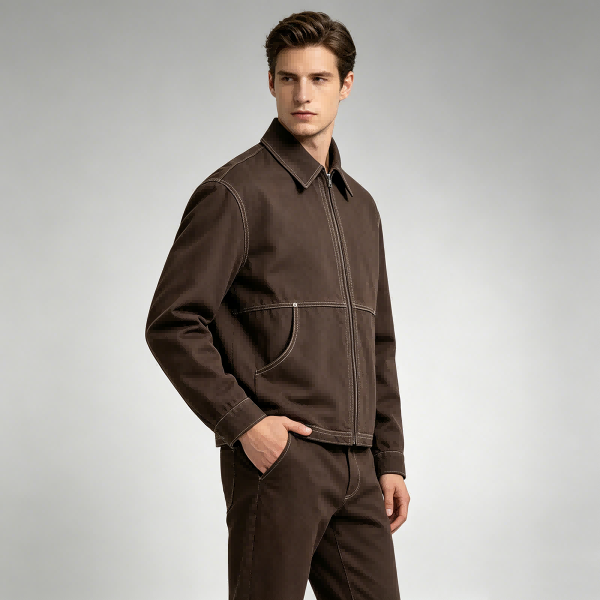
Rigid Indigo Denim
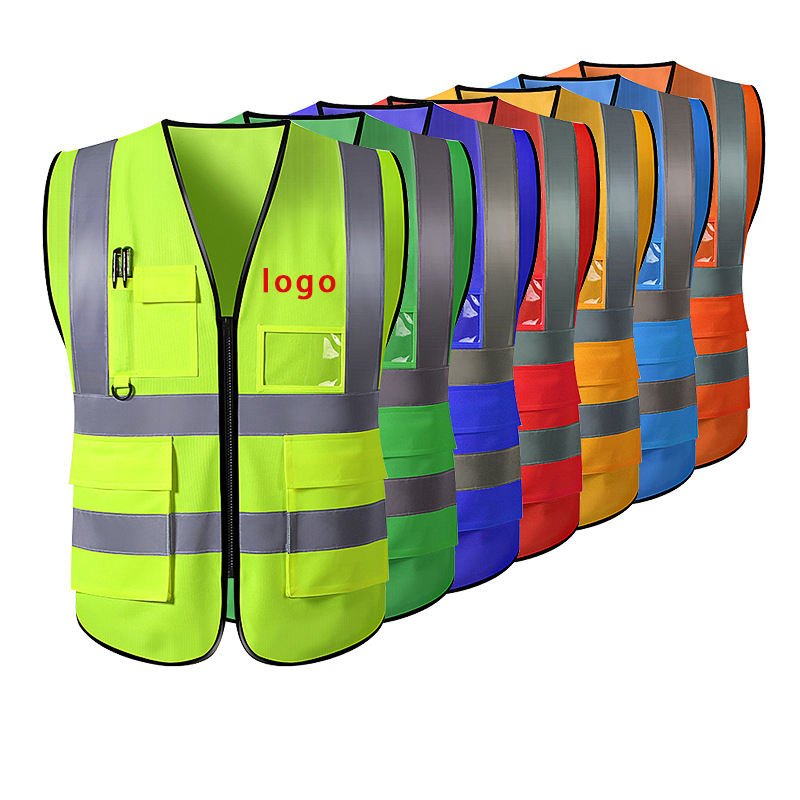
Classic unwashed denim with authentic selvage options. Heavyweight 12–14 oz construction delivers rugged durability and develops natural fades over time. Ideal for heritage-inspired chore coats with timeless workwear appeal.
Stretch Cotton Twill
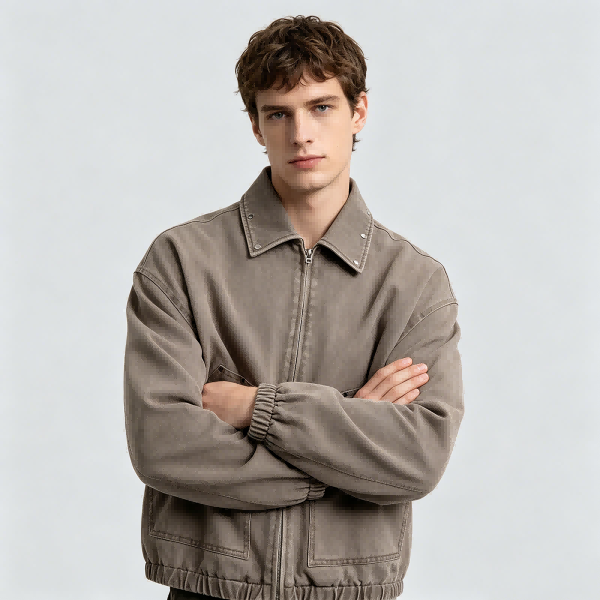
Blended with 2–5% elastane for enhanced mobility and comfort. Medium-weight fabric retains structure while allowing freedom of movement. Perfect for modern chore coats that balance classic silhouettes with functional flexibility.
Japanese Sashiko
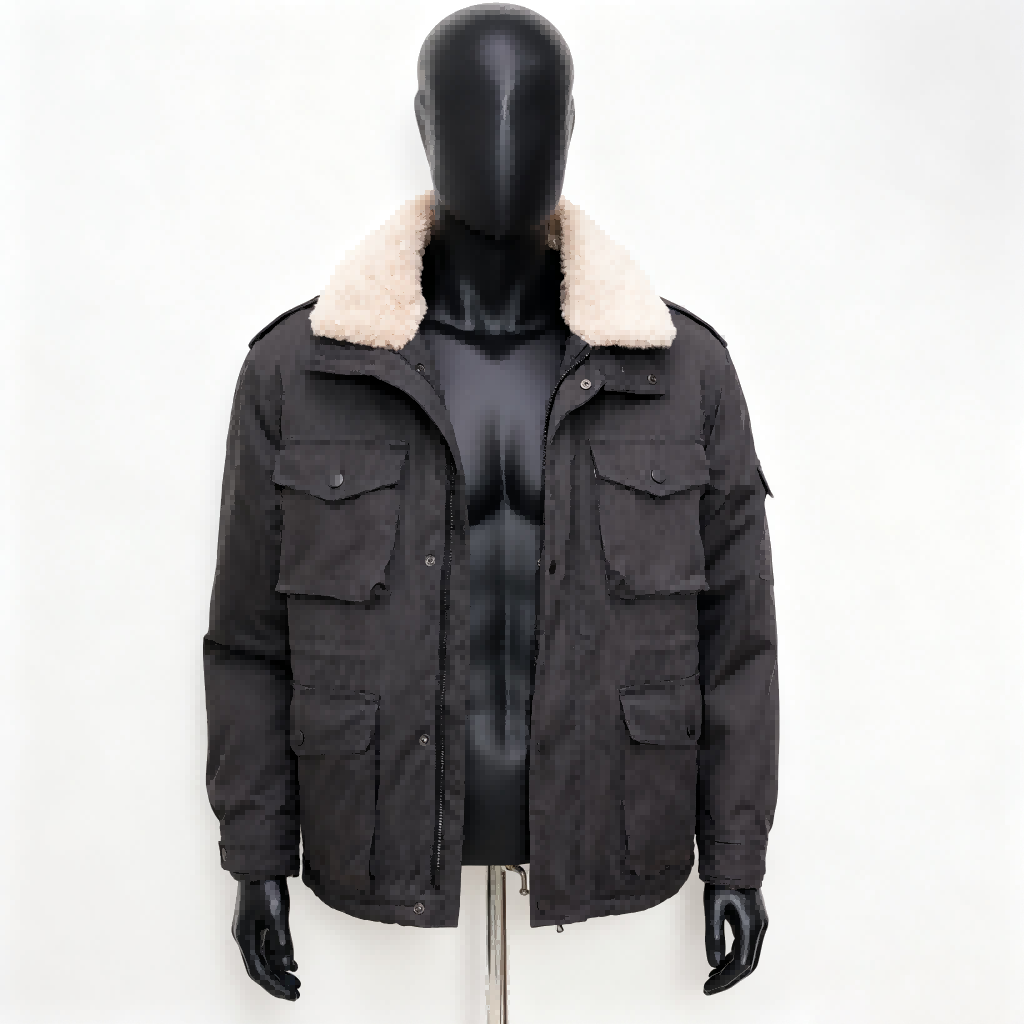
Traditional quilted cotton with distinctive geometric stitching patterns. Provides exceptional warmth and texture with artisanal craftsmanship. Elevates premium chore coats with authentic Japanese workwear heritage and visual depth.
Organic Cotton Canvas
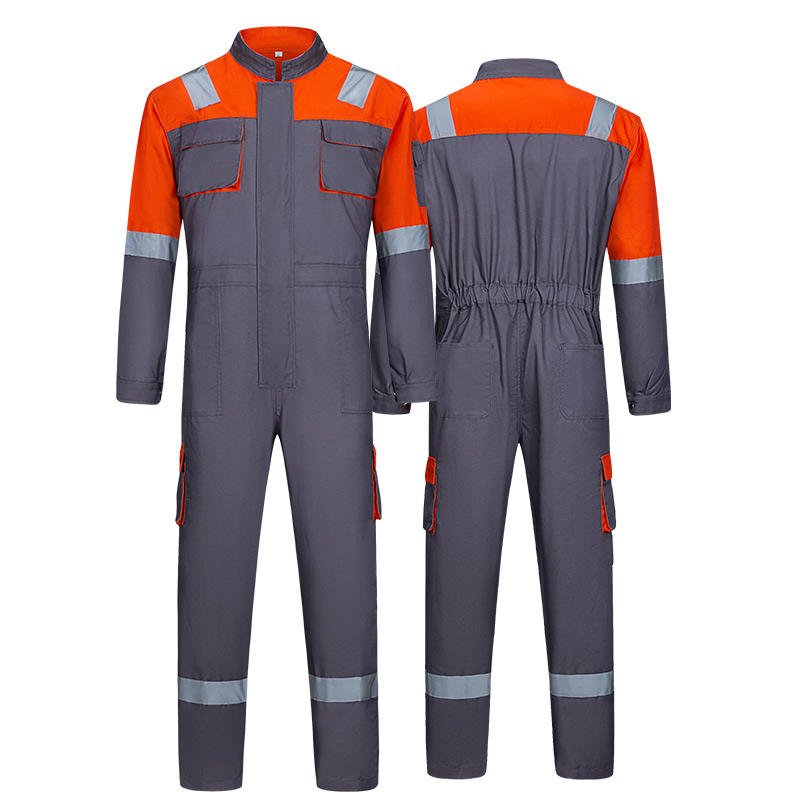
Sustainably grown cotton in heavyweight 10–12 oz canvas weave. Breathable yet durable with soft hand-feel that improves with wear. Appeals to eco-conscious brands seeking responsible chore coat materials without compromising quality.
Recycled Denim
Post-consumer denim fibers blended with virgin cotton for sustainability. Maintains authentic denim character while reducing environmental impact. Supports circular fashion initiatives for brands prioritizing eco-friendly chore coat production.
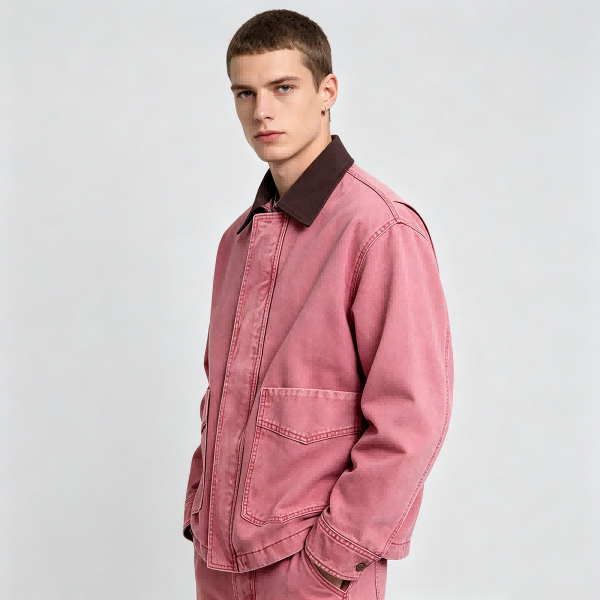
Cotton Moleskin
Dense, brushed cotton with sueded surface and exceptional softness. Heavyweight fabric offers superior warmth and wind resistance. Creates luxurious chore coats with refined texture for elevated streetwear and premium workwear lines.
Chore Coat Manufacturer Production Techniques & Finishes
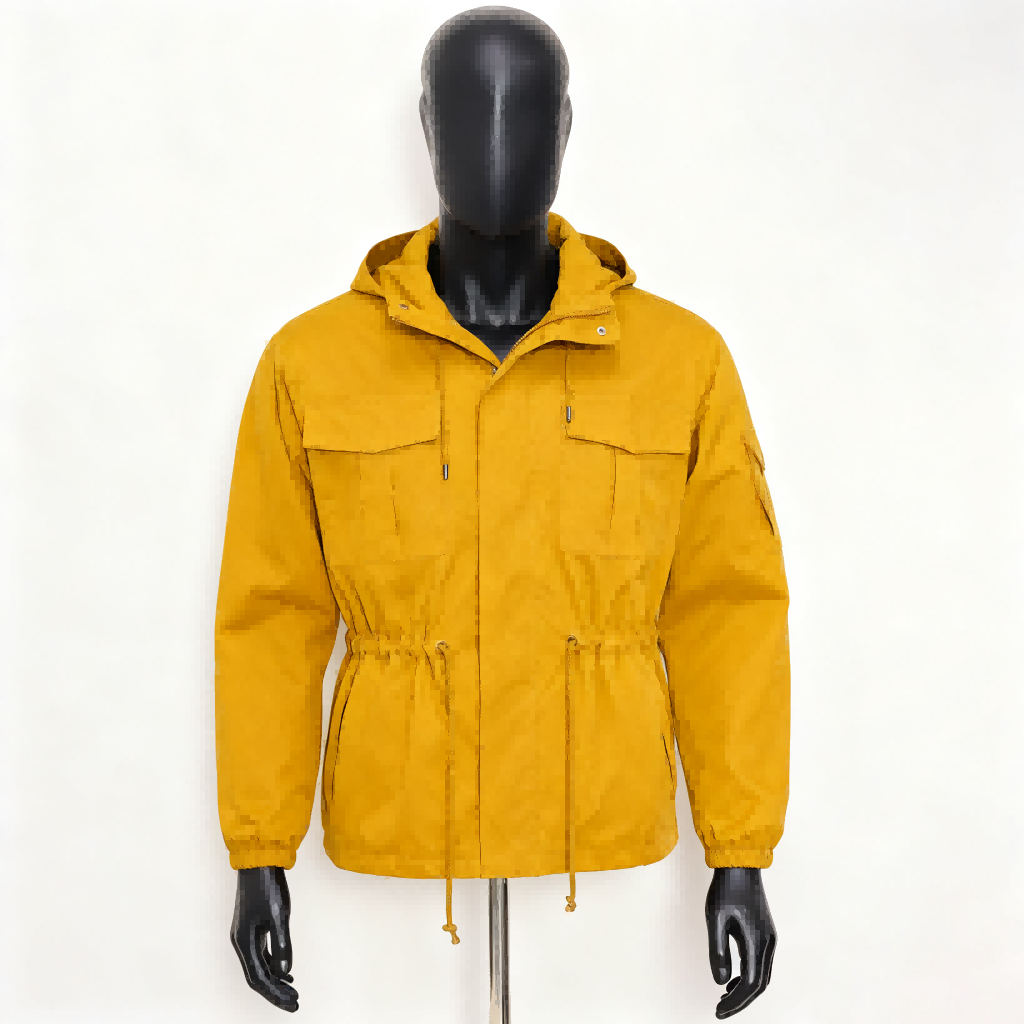
Raw-Denim Finishing
Specialized treatment for heavyweight denim and canvas that preserves the fabric’s natural character while ensuring clean edges and authentic workwear texture. Creates that coveted broken-in look with exceptional longevity.
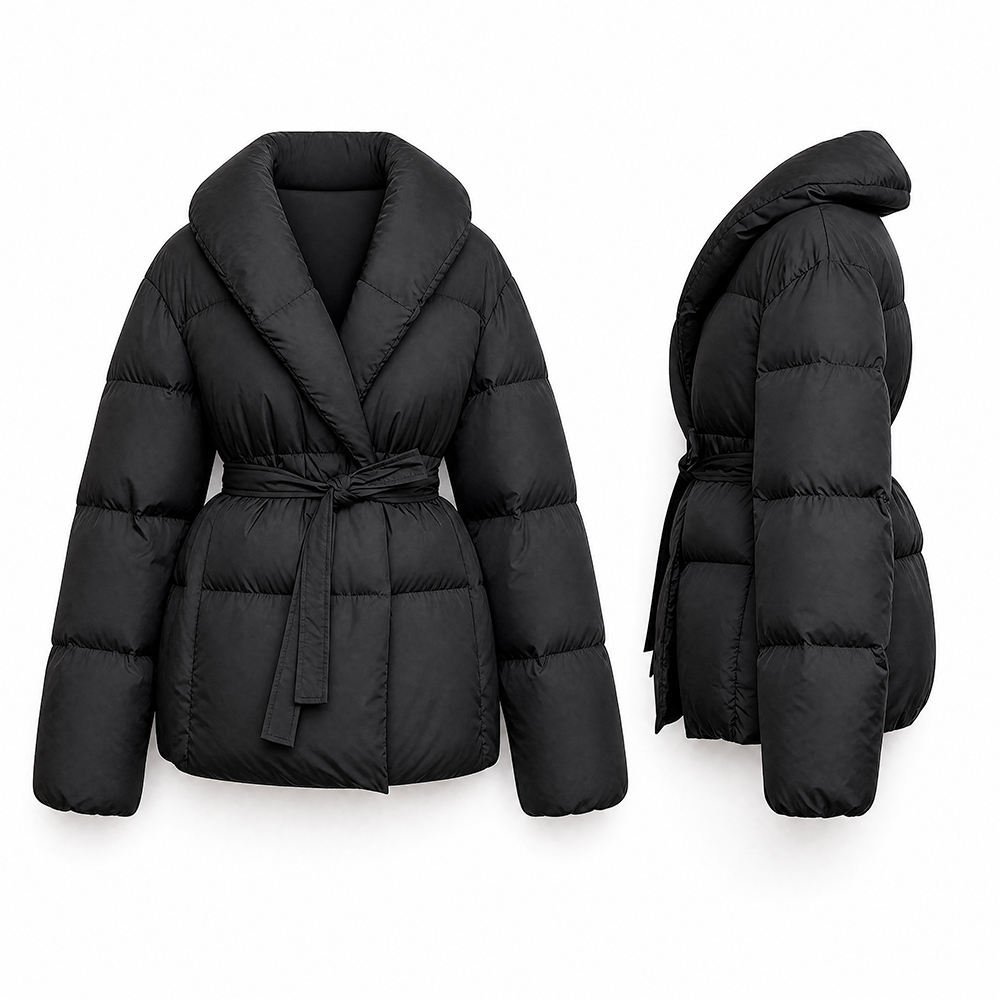
Contrast Stitching
Bold, reinforced topstitching in contrasting thread colors that highlights seams and construction details. Delivers the classic workwear aesthetic while adding structural strength to high-stress areas and pockets.
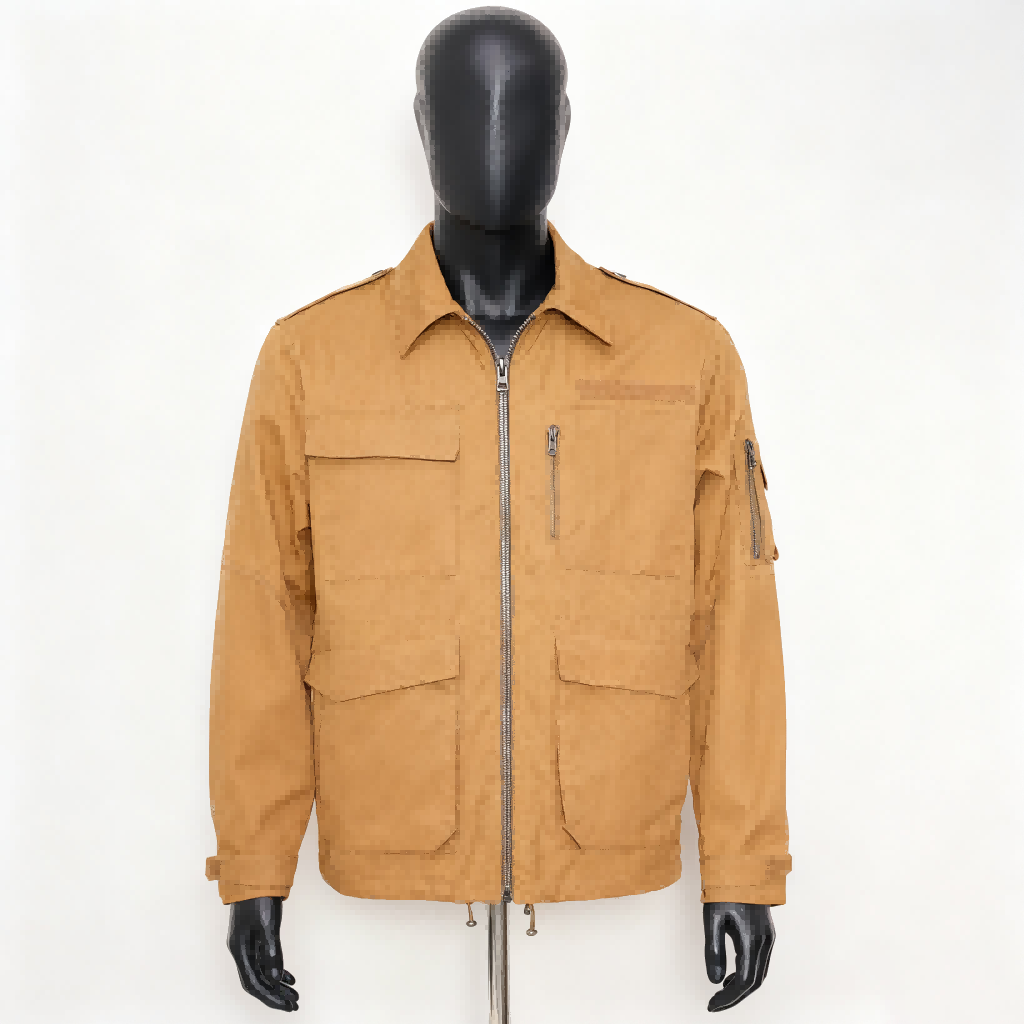
Sashiko Embroidery
Traditional Japanese hand-stitch embroidery technique applied by skilled artisans. Creates distinctive geometric patterns and reinforcement details that elevate chore coats with heritage craftsmanship and visual depth.
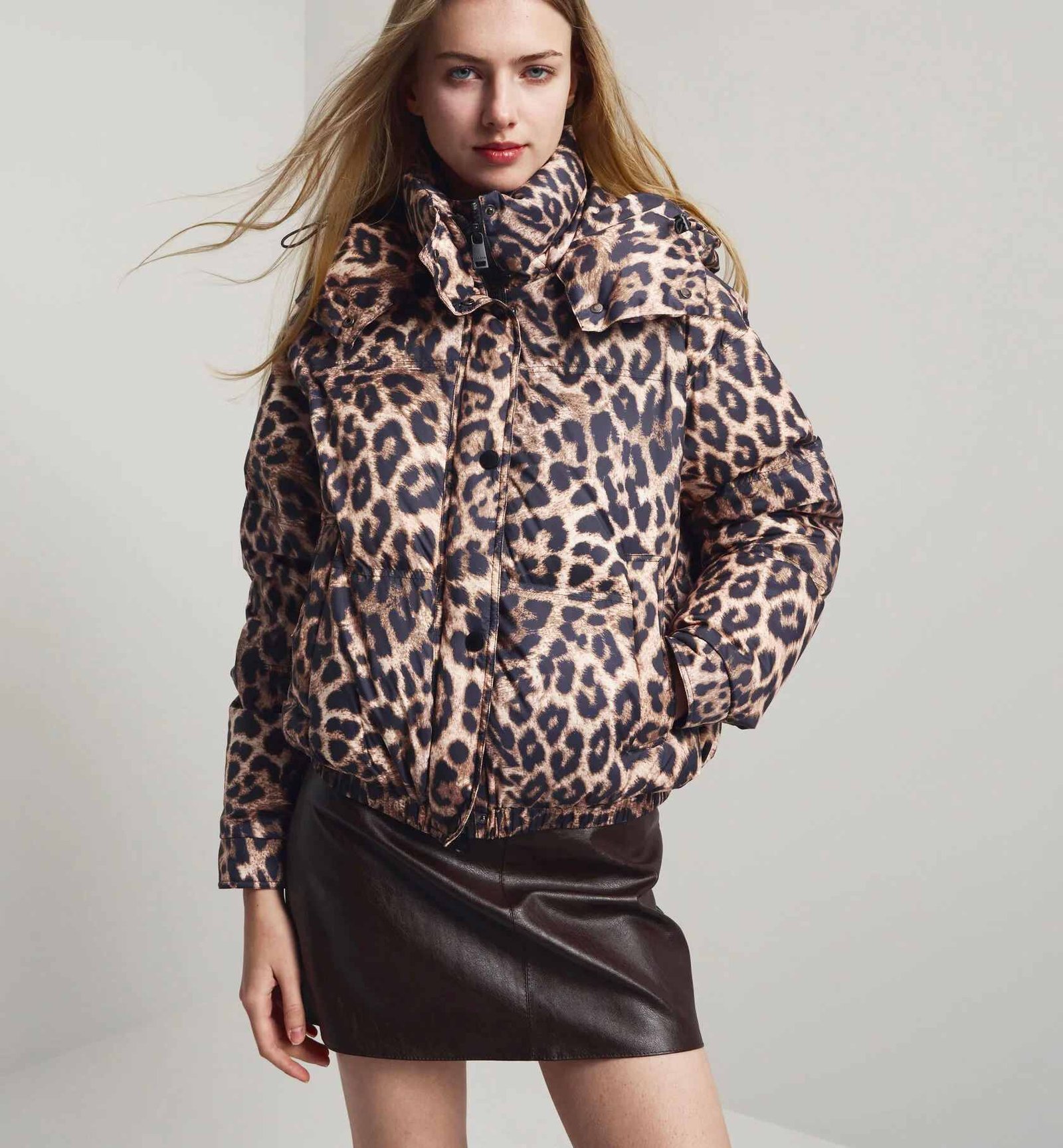
Vintage Washing
Controlled garment-dyeing and washing processes that produce authentic aged effects, soft hand-feel, and unique color variations. Each piece achieves a worn-in character while maintaining fabric integrity and colorfastness.
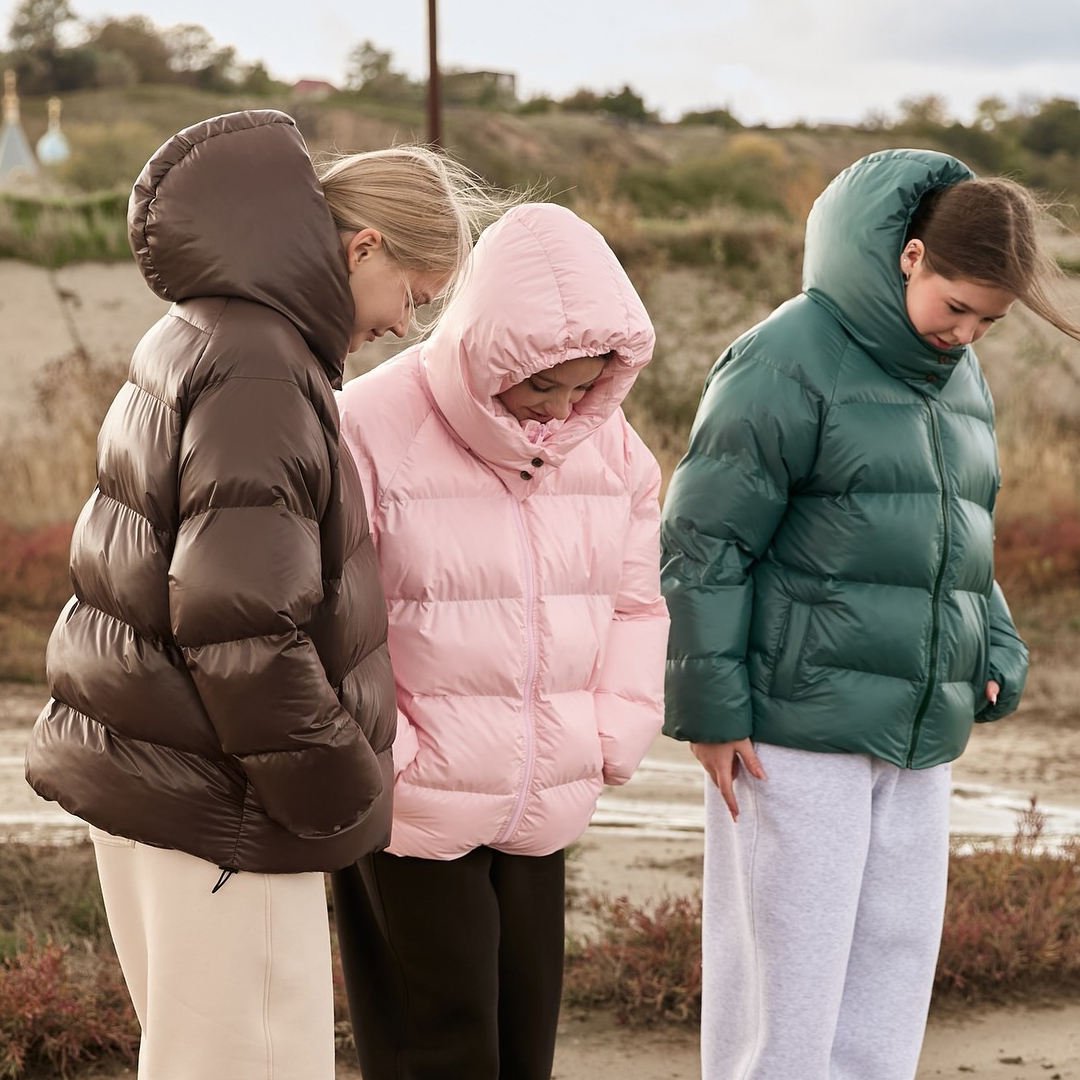
Custom Dyeing
Precision garment and fabric dyeing in custom Pantone colors or seasonal trend palettes. Achieves consistent, vibrant hues or subtle earth tones across batches, with rigorous testing for wash-fastness and durability.
Hardware Placement
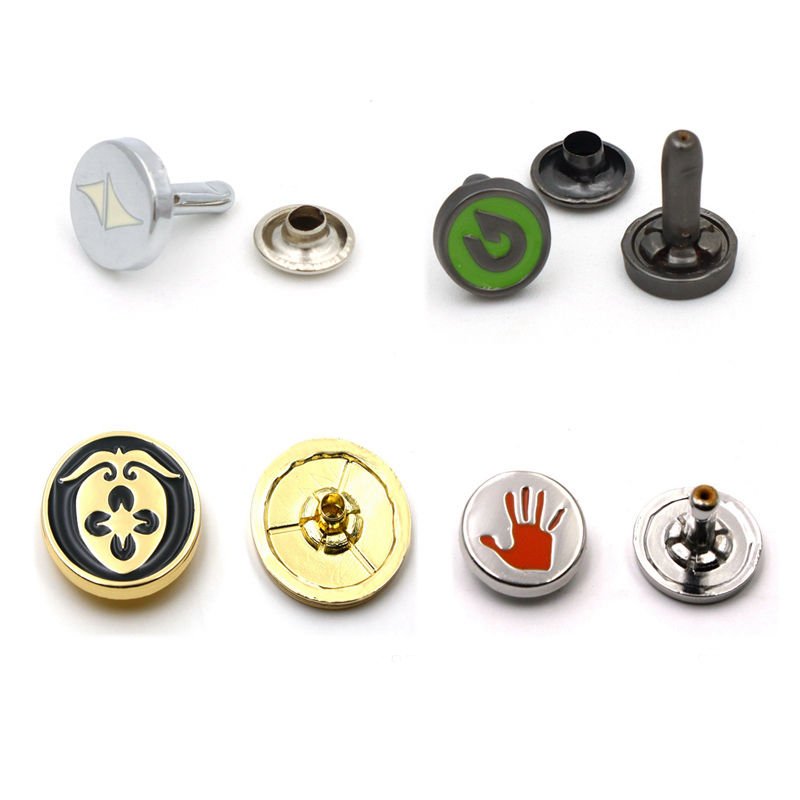
Expert installation of metal buttons, rivets, snaps, and reinforcement bars using industrial-grade equipment. Ensures secure attachment, perfect alignment, and polished finishing that withstands daily wear and washing cycles.
Hardware & Accessories for Chore Coats
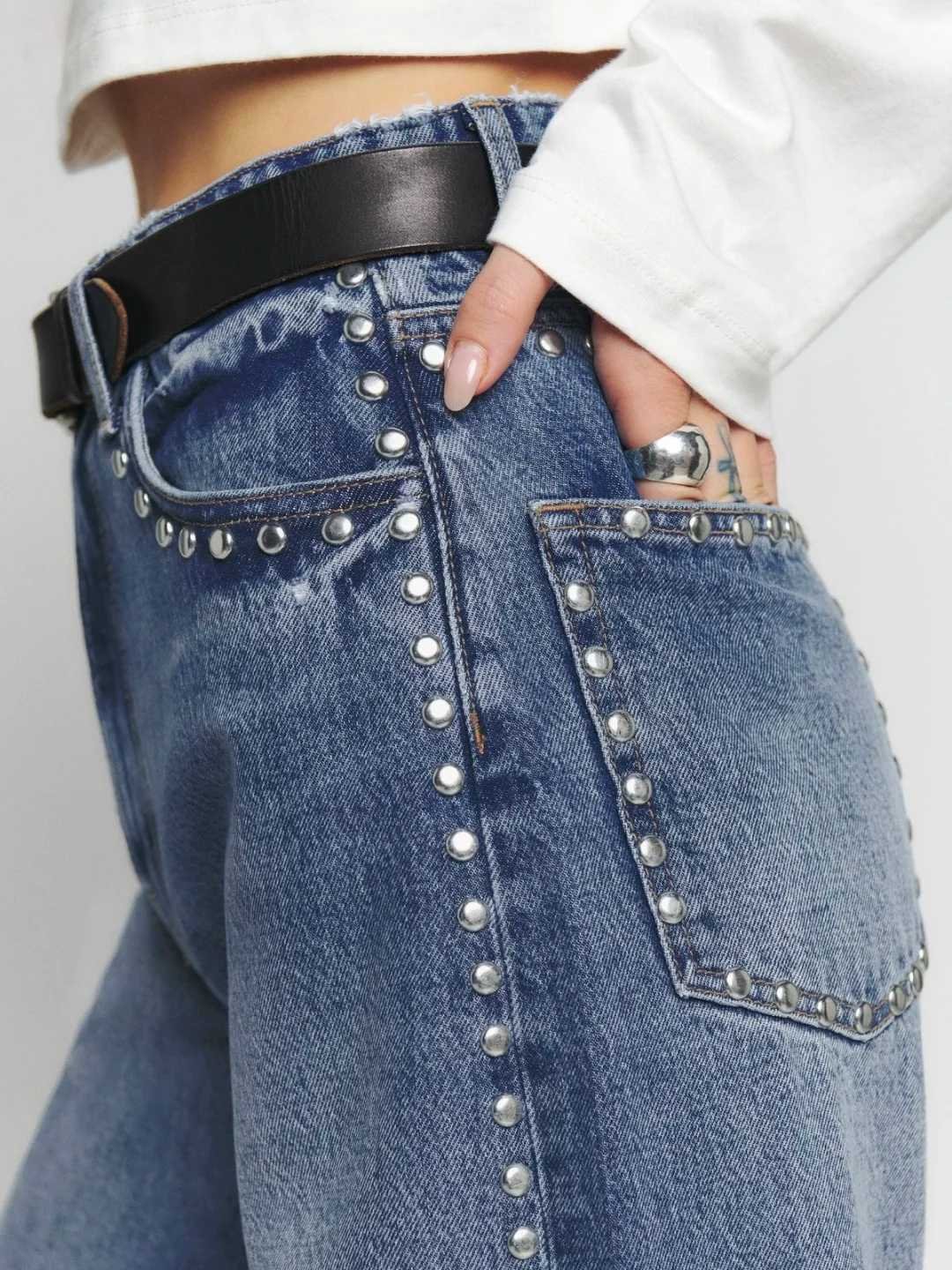
Metal Rivets
Heavy-duty copper or brass rivets reinforce stress points at pockets, seams, and buttonholes. Essential for workwear-inspired chore coats that demand authentic durability and vintage aesthetic appeal.
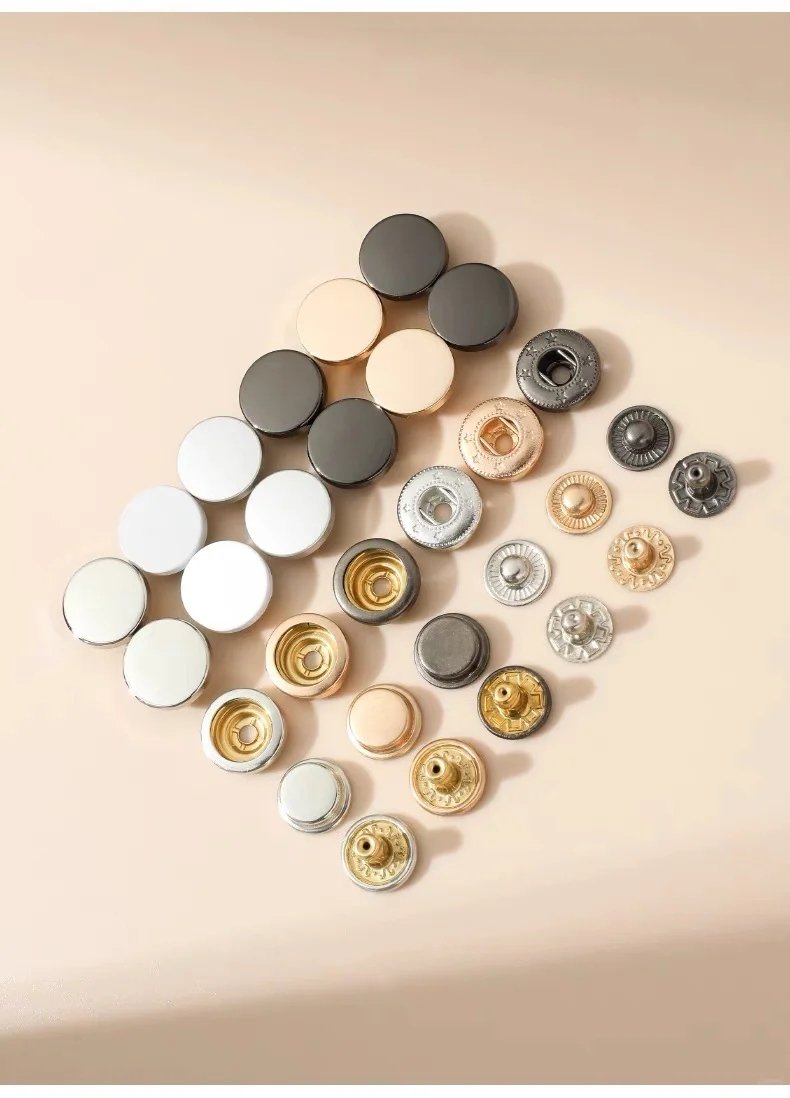
Snap Buttons
Corrosion-resistant metal snap closures in antique brass, gunmetal, or custom finishes. Ideal for front plackets and chest pockets, combining secure fastening with effortless wearability.
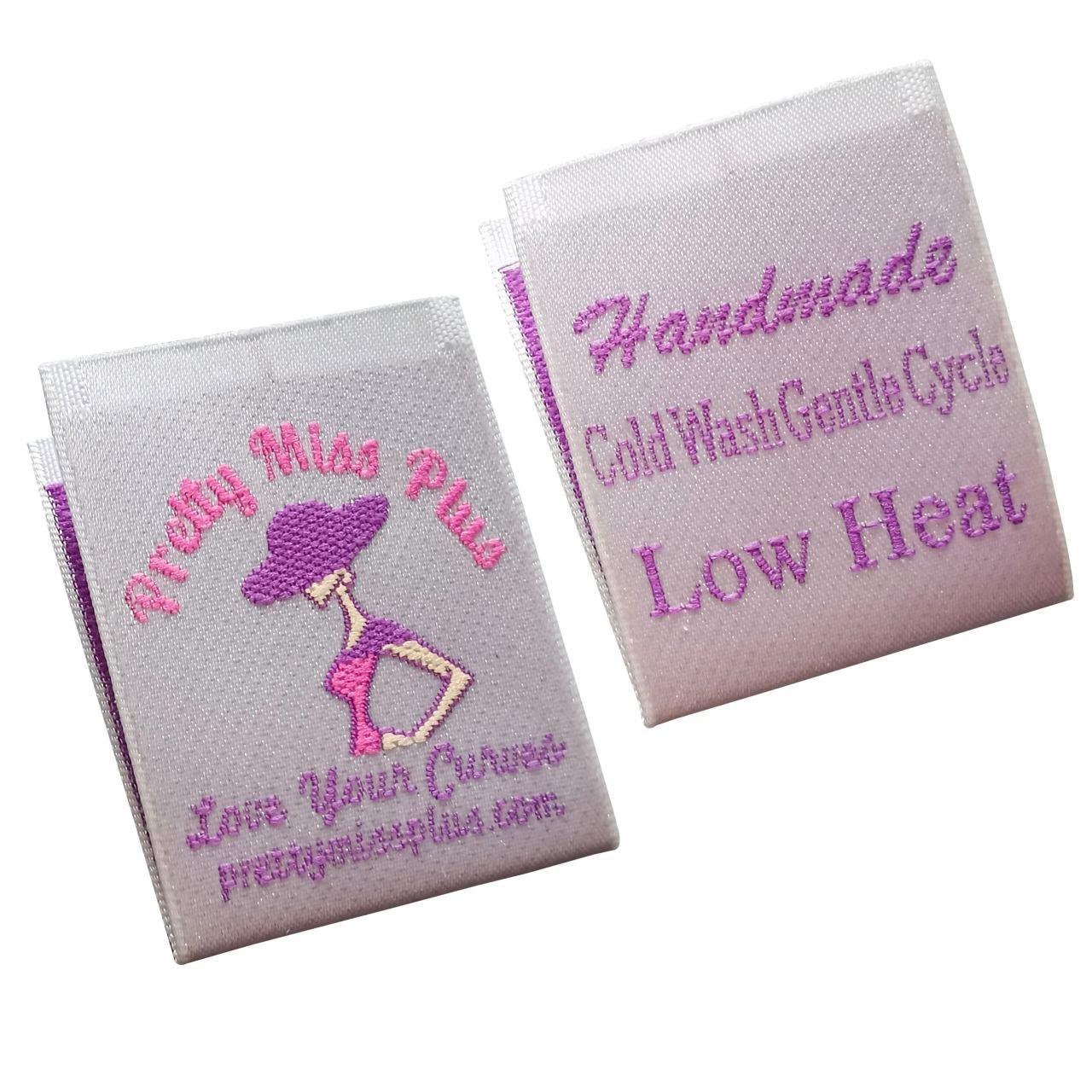
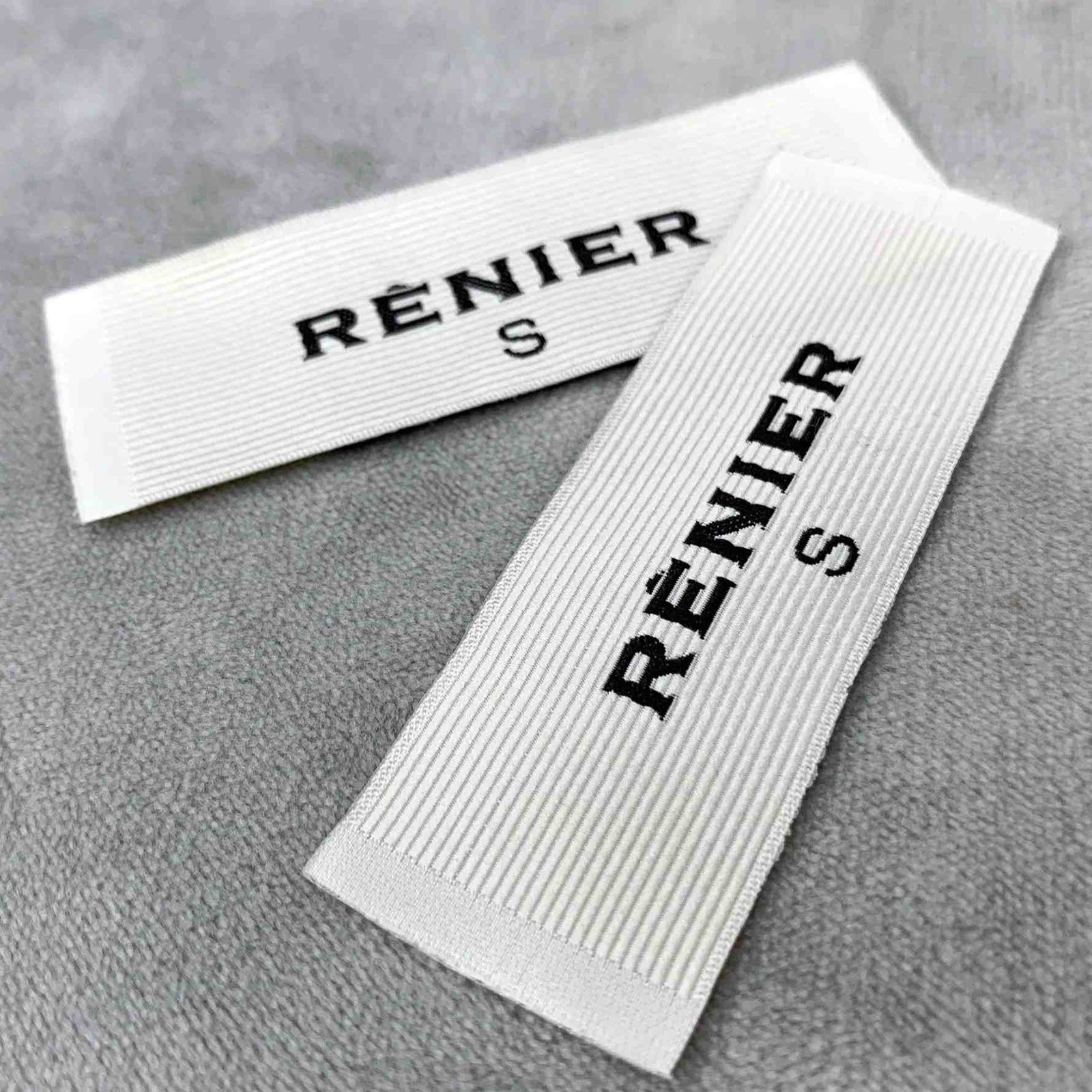
Woven Labels
High-definition woven brand labels in damask or taffeta, custom-designed with your logo and care instructions. Positioned at neck, hem, or pocket for premium brand recognition.
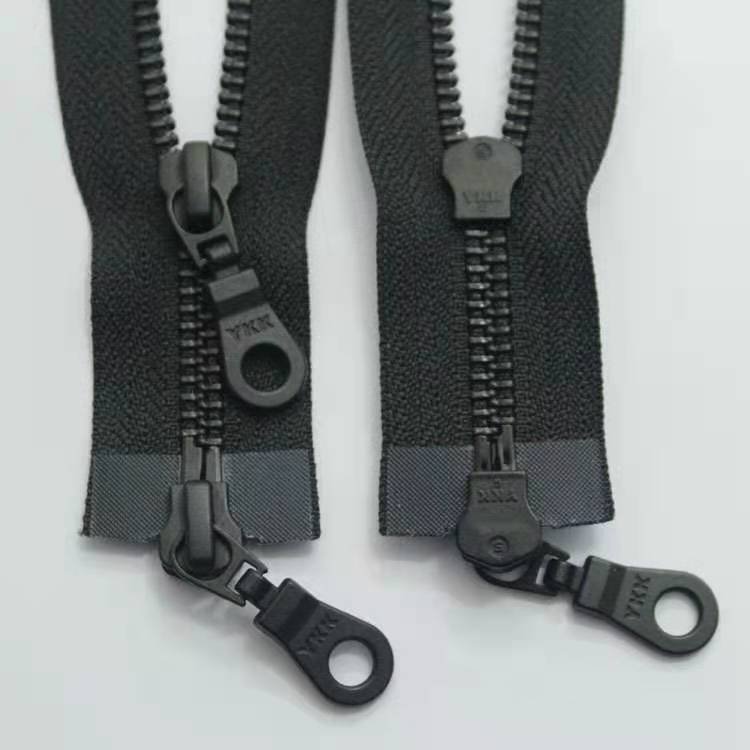
YKK Zippers
Industry-leading YKK metal or nylon zippers for interior pockets and closures. Smooth operation, superior longevity, and available in multiple finishes to match your chore coat aesthetic.
Leather Patches
Genuine or vegan leather patches debossed or embossed with your brand mark. Applied to waistband, chest, or sleeve for tactile, heritage-inspired branding that ages beautifully.
Custom Embroidery
Precision thread embroidery for logos, graphics, or text on chest, back, or sleeves. Durable, high-stitch-count detailing that adds dimension and craftsmanship to every chore coat.
Trusted Chore Coat Manufacturer Since 2024
Founded by Tesla Luo in August 2024, Clothing Manufacturer Ltd. was built on a mission to eliminate low-quality garments from the global market. With over 10 years in apparel production and 6 years specializing in streetwear, Tesla grew up in China’s garment industry through his parents’ senior manufacturing roles. His hands-on experience across every production stage—from cutting and sewing to quality control—shapes our zero-compromise approach to chore coat manufacturing.
Today, we serve fashion startups, independent designers, and global retailers across 100+ countries. Our 15-person R&D team and 10 patents support innovative chore coat production, while our proprietary 5-step quality control process ensures every garment meets rigorous standards. As a chore coat manufacturer, we combine low MOQs, fast sampling, and trend-driven craftsmanship to empower brands at every stage of growth.
We partner with Dongguan TuoZhen Clothing Co., Ltd. to deliver the scale and reliability of an established operation with the agility of a streetwear specialist. From fabric selection to final inspection, our quality-first philosophy and transparent communication help brands worldwide bring premium chore coats to market with confidence.
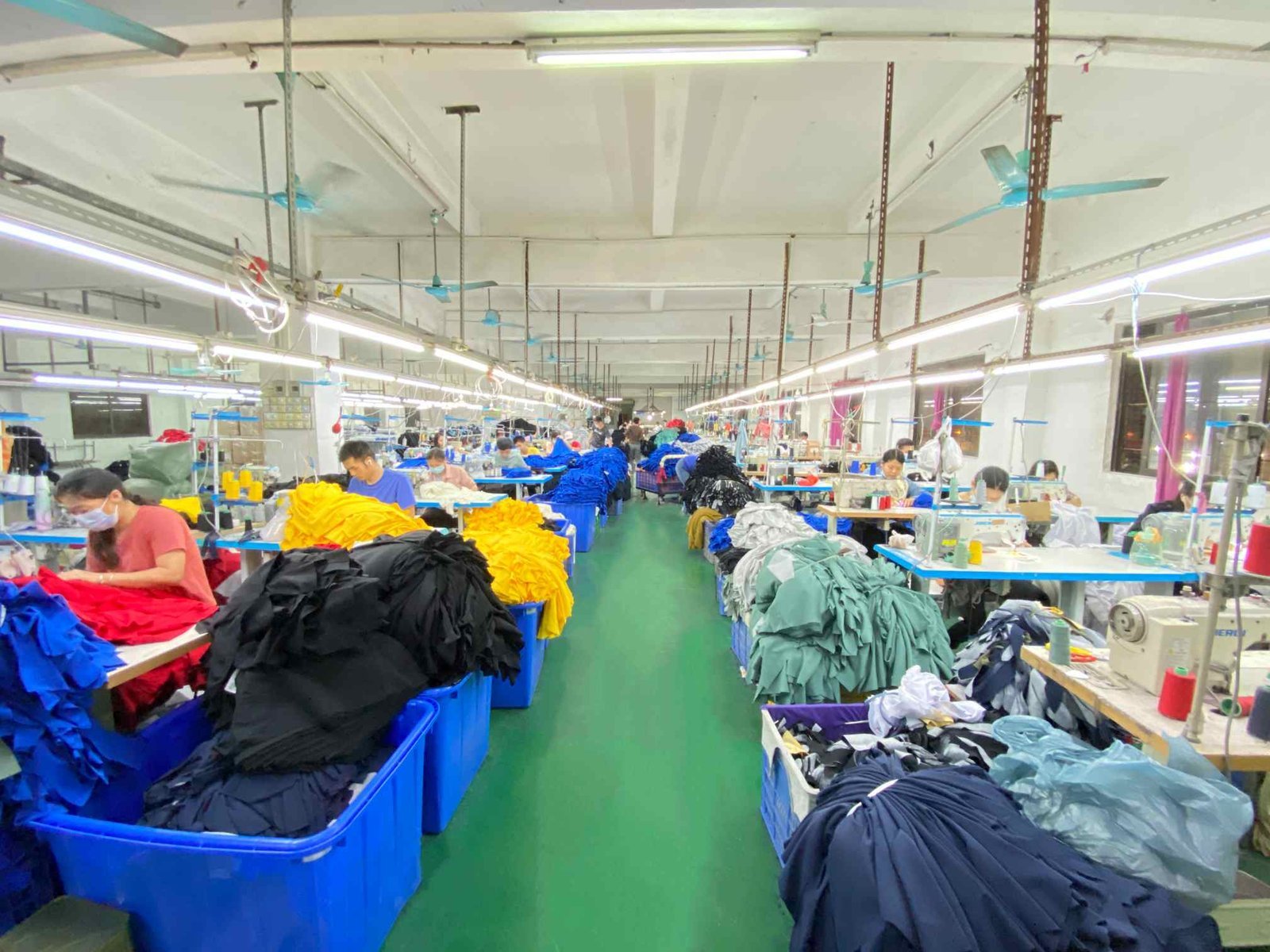
Our 5-Step Quality Control Process for Every Chore Coat
Materials QC Testing
Every fabric roll, thread spool, and trim component is inspected before production begins. We verify weight, color consistency, shrinkage rates, and durability to ensure your chore coat starts with premium-grade materials that meet your brand standards.
- Fabric weight and density verification against specifications
- Color fastness and dye consistency testing across batches
- Pre-production shrinkage and stretch analysis
- Hardware and trim quality inspection before cutting
Cutting QC Testing
Pattern accuracy determines fit and fabric efficiency. Our cutting QC catches alignment errors, grain-line deviations, and measurement discrepancies before panels reach the sewing floor, eliminating costly rework and ensuring consistent sizing across your chore coat production run.
- Pattern piece measurement verification against tech packs
- Grain alignment and fabric direction checks
- Notch and marking accuracy inspection
- Panel count and labeling validation for each size
Clothing Craft QC Testing
Construction details define a chore coat’s durability and aesthetic. We inspect stitch types, seam allowances, topstitching precision, and pocket placements mid-assembly, ensuring every technical detail aligns with your design intent before garments move to final production stages.
- Stitch density and seam strength evaluation
- Topstitching alignment and spacing checks
- Pocket placement and symmetry verification
- Button and hardware attachment quality review
Sewing Production QC Testing
Real-time line inspections catch defects as they occur. Our team monitors each sewing station for thread tension, seam puckering, and construction consistency, intervening immediately to correct issues rather than discovering them only after hundreds of chore coats are complete.
- In-line defect detection and immediate correction
- Thread tension and stitch quality monitoring
- Seam puckering and fabric handling checks
- Operator workmanship audits throughout production
Why Choose a Chore Coat Manufacturer with 5-Step QC
Most low-cost factories skip critical quality checks and ship defective products. We test at every stage—from raw materials to finished garments—so your chore coat line meets the standards your brand deserves.
← 左右滑动查看 →
Our Chore Coat Manufacturer Production Timeline
From tech pack to finished garment, our streamlined process delivers quality chore coats on schedule with full transparency at every stage.
Tech Pack Submission
Submit your design specifications, fabric preferences, and sizing requirements. Our team reviews and confirms all details within 24 hours for production readiness.
Sampling & Approval
We produce your chore coat sample with exact fabrics and construction methods. Typical turnaround is 7-10 days with revisions accommodated quickly.
Bulk Production Launch
Upon sample approval, we begin cutting and sewing your order. Our 15-member team ensures efficient workflow and consistent quality throughout production.
5-Step Quality Inspection
Every chore coat passes through materials QC, cutting QC, craft QC, sewing QC, and finished garment inspection before advancing to final packing.
Finishing & Packaging
Garments are professionally pressed, tagged, and packed to your specifications. Custom poly bags, hangtags, and branded packaging available upon request.
Global Shipping
We coordinate international logistics with trusted freight partners, providing full tracking and documentation. Delivery times vary by destination and shipping method selected.
How to Partner with a Chore Coat Manufacturer
From design concept to finished garments, our streamlined process makes chore coat production fast, transparent, and hassle-free for brands of every size.
Submit Your Design Brief
Send your tech pack, sketches, or reference images. Our team reviews specifications and confirms fabric, hardware, and construction details within 24 hours.
Receive Quote and Sample Timeline
Get a transparent quote with MOQ options and production schedule. We provide sampling timelines tailored to your launch date and budget requirements.
Approve Pre-Production Samples
Review physical samples crafted by our in-house team. Request adjustments to fit, fabric, or finishes before bulk production begins with confidence.
Place Your Bulk Order
Confirm quantities and delivery dates. Our 5-step QC process monitors every stage from cutting through final inspection to ensure zero-compromise quality.
Receive Your Finished Chore Coats
Garments are packed, shipped globally with full logistics support, and delivered on schedule. Track your order every step of the way.
Certified Chore Coat Manufacturer with Global Quality Standards
Chore Coat Manufacturer Success Stories from Our Partners
We launched our chore coat collection with Clothing Manufacturer Ltd and grew from 0 to 47,000 followers in 8 months. Their 5-step QC process kept our defect rate under 0.3% across 3,200 units.
Their team delivered 5,000 custom chore coats in just 42 days for our fall drop. The low MOQ let us test three colorways without huge risk, and every piece passed our internal inspection.
As a startup designer, I needed a chore coat manufacturer who understood streetwear aesthetics. Tesla’s team nailed our vintage workwear vibe with modern fits, and their sampling turnaround was under 10 days every time.
Chore Coat Manufacturer FAQs
What is the minimum order quantity for a chore coat manufacturer?
How long does it take to receive samples from a chore coat manufacturer?
What is the bulk production lead time when working with your chore coat manufacturer?
Does your chore coat manufacturer charge for sampling?
What are the payment terms for chore coat manufacturing orders?
How does a chore coat manufacturer protect my designs and intellectual property?
What shipping and logistics options does your chore coat manufacturer offer?
What customization options are available when partnering with a chore coat manufacturer?
Why should I choose your chore coat manufacturer over others in China?
The Complete Buyer’s Guide to Choosing the Right Chore Coat Manufacturer
Navigate supplier selection with confidence. This guide delivers a proven decision framework, essential quality criteria, material comparisons, customization options, and the most common mistakes fashion brands make when sourcing chore coats from manufacturers.
1. What Is a Chore Coat Manufacturer?
A chore coat manufacturer is a specialized apparel producer that designs, samples, and manufactures chore coats — the utilitarian work-jacket silhouette that has become a streetwear and fashion staple. These factories handle everything from fabric sourcing and pattern development through cutting, sewing, quality inspection, and logistics, serving trendy brands, independent designers, and global retailers who lack in-house production capabilities. Unlike general apparel factories that produce hundreds of garment categories, a dedicated chore coat manufacturer maintains expertise in the construction details that define the style: reinforced stitching at stress points, functional pocket configurations, durable topstitching, and the boxy, workwear-inspired fit.
Full-package producers manage the entire supply chain — fabric procurement, trims, labels, sampling, bulk production, quality control, and shipping — allowing brands to submit a design and receive finished goods ready for retail. Cut-make-trim (CMT) shops, by contrast, require the client to supply all materials and only perform cutting and sewing services, shifting sourcing responsibility and risk to the brand. Clothing Manufacturer Ltd. operates as a full-package chore coat manufacturer with a five-step quality control process covering materials QC, cutting QC, craft QC, sewing production QC, and finished garment inspection, ensuring defects are caught at every production stage rather than only at final inspection.
Brands partner with specialized chore coat manufacturers to access deep knowledge of workwear construction techniques, reliable quality standards, and streamlined communication. A focused producer understands the difference between drill cotton and canvas duck, knows how to reinforce bartacks on tool pockets, and can recommend hardware suppliers for functional closures — expertise that general contract factories rarely possess.
2. The Evolution of the Chore Coat in Fashion
The chore coat originated in late 19th-century France as a ‘bleu de travail’ workwear staple for farmers and laborers, then crossed to the United States where it became standard-issue for railroad workers, factory hands, and military supply chains by the 1920s. Its defining features—four front patch pockets, a boxy cut that allowed freedom of movement, and heavyweight cotton twill or denim in the 8–12 oz range—were purely functional, designed to withstand daily manual labor. By the 1940s, the U.S. military adopted similar silhouettes for utility uniforms, cementing the coat’s reputation for durability and utilitarian design.
In the 1990s and early 2000s, Japanese heritage brands and European workwear revivalists began reinterpreting the chore coat with premium selvedge denim, indigo-dyed canvas, and reinforced stitching, bridging the gap between workwear authenticity and contemporary fashion. Today’s streetwear labels and independent designers favor the chore coat because its boxy silhouette pairs naturally with oversized fits, its patch pockets offer canvas for embroidery or screen-printed graphics, and its workwear DNA aligns with the authenticity narratives that resonate on social media. A chore coat manufacturer working with fashion startups and influencer brands must balance heritage construction—bar-tack reinforcements, flat-felled seams, and durable 10–14 oz fabrics—with modern customization options like contrast stitching, branded hardware, and streetwear-inspired colorways that transform a century-old work uniform into a statement piece for today’s trend-driven market.
3. Types of Chore Coat Manufacturers
Chore coat manufacturers operate across distinct production models, each serving different brand needs and order volumes. Understanding these categories helps fashion startups, influencer brands, and global retailers match their requirements to the right manufacturing partner.
Full-Package Versus CMT Manufacturers
Full-package chore coat manufacturers handle design development, fabric sourcing, pattern making, sampling, production, and quality control from concept to finished garment. This model suits fashion startups and influencer brands lacking in-house technical teams, with typical MOQs ranging from 100 to 500 pieces per style.
CMT (cut-make-trim) manufacturers require clients to supply all fabrics and trims, focusing solely on cutting and sewing. Global retailers with established supply chains and design departments often prefer CMT to control material costs, with MOQs typically starting at 500 to 1,000 pieces.
Low-MOQ Versus High-Volume Producers
Low-MOQ specialists accommodate orders from 50 to 300 pieces, enabling independent designers and creator brands to test collections without inventory risk. These factories prioritize flexibility and faster sampling, though per-unit costs run 15 to 30 percent higher than bulk production.
High-volume producers target orders exceeding 1,000 pieces per style, offering economies of scale that reduce unit costs by 20 to 40 percent. Established streetwear brands and global retailers benefit from streamlined workflows and lower pricing, though lead times extend to 60 to 90 days.
Niche Specialists in Workwear and Technical Fabrics
Heritage workwear specialists focus on authentic construction methods, heavyweight canvas or denim (10 to 14 oz), and details like reinforced stitching and metal buttons. Brands emphasizing durability and vintage aesthetics partner with these manufacturers, typically at MOQs of 200 to 500 pieces.
Technical-fabric chore coat manufacturers work with performance materials such as ripstop nylon, water-resistant coatings, and stretch blends. Outdoor-inspired streetwear labels and activewear brands require this expertise, with MOQs ranging from 300 to 800 pieces depending on fabric complexity.
4. Materials and Fabrics for Chore Coats
Material selection drives durability, aesthetic, and production cost for every chore coat. A qualified chore coat manufacturer offers fabric expertise spanning traditional workwear textiles and modern technical blends, ensuring each choice aligns with brand positioning and seasonal demand.
| Fabric Type | GSM Range | Key Characteristics | Best Applications |
|---|---|---|---|
| Cotton Canvas | 340–540 | Heavy, durable, workwear heritage | Classic chore coats, heritage brands |
| Cotton Drill | 340–540 | Twill weave, softer drape | Premium workwear, tailored fits |
| Denim | 400–475 | Fade potential, streetwear appeal | Casual, trend-driven collections |
| Moleskin | 300–400 | Brushed, warm, suede-like | Fall/winter, premium lines |
| Cotton-Poly Blend | 200–280 | Wrinkle-resistant, fast-dry, lower cost | Budget-friendly, easy-care styles |
| Technical Synthetics | 150–250 | Water-resistant, lightweight, packable | Performance, outdoor, travel |
Heavyweight Cotton Canvas and Drill
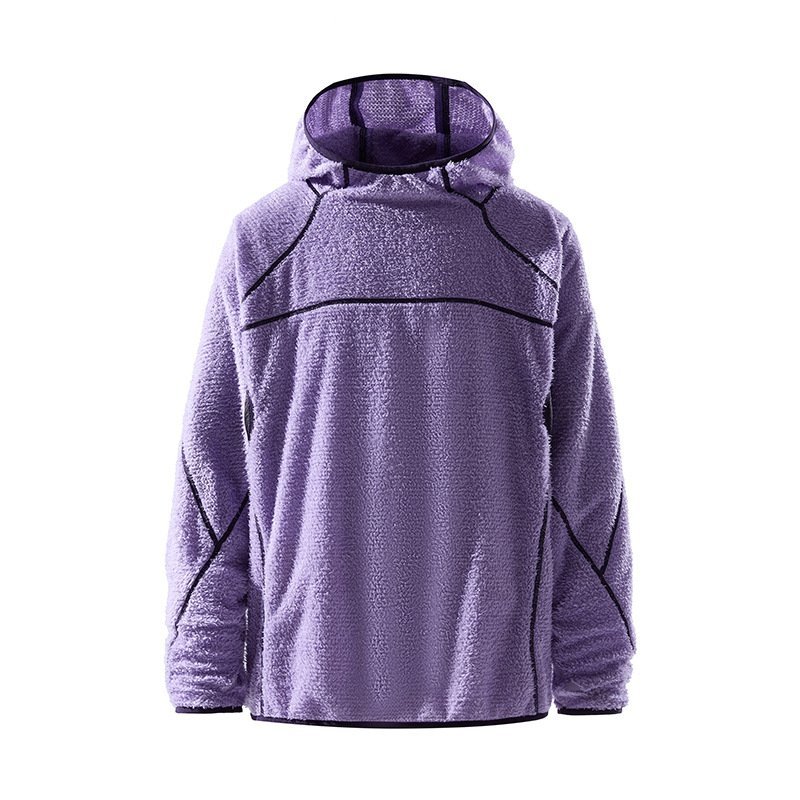
Cotton canvas (10–16 oz, 340–540 GSM) delivers the classic workwear hand and exceptional abrasion resistance that defines heritage chore coats. Cotton drill, woven in a diagonal twill, offers similar weight with improved drape and a softer break-in period.
Both fabrics require pre-shrinking and enzyme washes to stabilize dimensions before cutting. Lead times extend 2–3 days for washing cycles, and heavier weights increase sewing complexity, raising per-unit labor costs by 8–12 percent versus lighter alternatives.
Denim and Moleskin
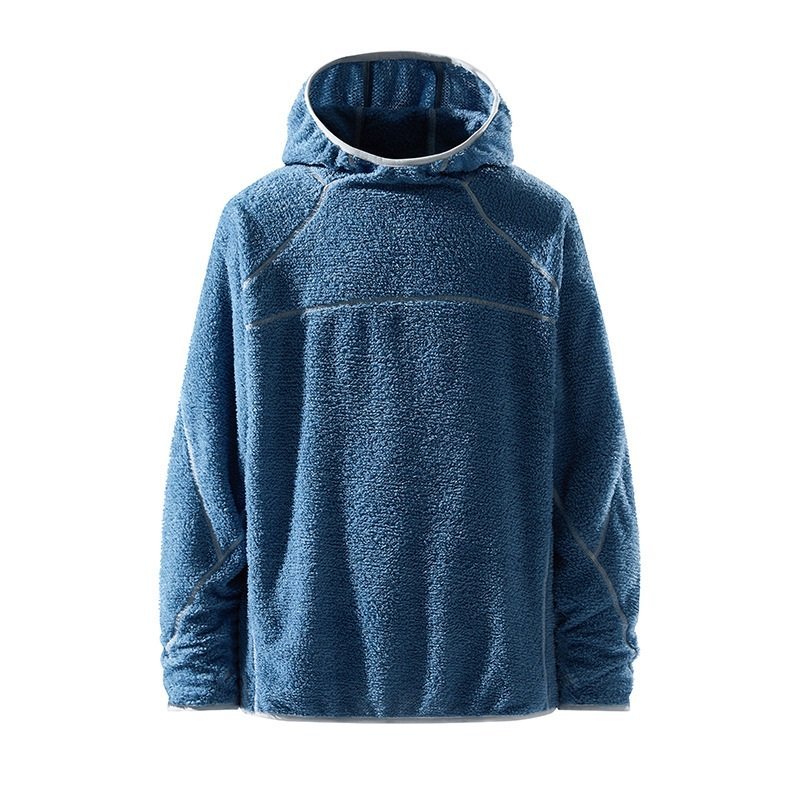
Denim (12–14 oz, 400–475 GSM) brings familiar texture and fade potential, ideal for brands targeting streetwear crossover. Moleskin, brushed on one side, provides warmth and a suede-like surface suited to fall and winter collections.
Moleskin’s nap requires directional cutting, increasing fabric waste by 5–8 percent and raising minimum order quantities to offset yield loss.
Cotton-Poly Blends and Technical Synthetics
Cotton-polyester blends (65/35 or 50/50, 200–280 GSM) reduce wrinkles, speed drying, and lower fabric cost by 15–20 percent. Technical synthetics—nylon ripstop, coated polyester—add water resistance and packability for performance-oriented lines.
Synthetic fabrics shorten lead times by eliminating pre-wash steps and allow lower MOQs due to consistent mill availability. Clothing Manufacturer Ltd.’s five-step QC process includes materials testing to verify GSM, colorfastness, and shrinkage across all fabric types before cutting begins.
5. Customization and Decoration Options
A capable chore coat manufacturer offers extensive customization beyond standard patterns, enabling brands to differentiate through silhouette, hardware, and decoration. Understanding setup costs, minimums, and durability of each technique ensures you select methods that align with your brand positioning and budget.
| Method | Setup Cost | Per-Unit Cost | Minimum Qty | Durability |
|---|---|---|---|---|
| Embroidery | $50–$150 | $3–$12 | 25–50 | Excellent (10,000+ washes) |
| Screen Printing | $75–$200 | $1.50–$4 | 50–100 | Very Good (50+ washes) |
| Woven Labels | $0 | $0.30–$1 | 200 | Excellent |
| Heat Transfer | $0–$30 | $0.80–$2.50 | 10–25 | Good (20–30 washes) |
| Patches (sewn) | $0 | $1.50–$5 | 50 | Excellent |
Pattern and Silhouette Customization
Custom pattern development allows brands to modify collar shapes, sleeve cuts, body lengths, and overall fit beyond stock templates. Most manufacturers charge $150–$500 for pattern grading and sample development, with lead times of 7–14 days.
Pocket configurations—chest patch pockets, lower slash pockets, interior pockets—define functionality and aesthetic. Lining options range from unlined for lightweight styles to full quilted or satin linings for warmth and structure, adding $3–$8 per unit depending on fabric choice.
Hardware and Button Selection
Button material—metal snaps, corozo, horn, custom-engraved brass—impacts both cost and brand perception. Metal snaps typically add $0.50–$2 per garment, while custom-engraved buttons start at $1.50 each with 500-piece minimums.
Zippers, rivets, and D-rings offer additional branding opportunities. YKK zippers remain the industry standard for reliability, adding $1.20–$3.50 per unit depending on gauge and finish.
Decoration Methods Compared
Embroidery delivers premium durability with 10,000+ stitch designs, setup costs of $50–$150, and per-piece costs of $3–$12 depending on stitch count. Screen printing offers vibrant graphics at $1.50–$4 per location after $75–$200 screen fees, ideal for runs above 50 units.
Woven labels and heat transfers provide cost-effective branding for smaller batches, with woven labels at $0.30–$1 each (200-piece minimums) and heat transfers at $0.80–$2.50 per piece with minimal setup.
6. Key Quality Indicators When Evaluating a Chore Coat Manufacturer
Quality control separates a reliable chore coat manufacturer from one that ships inconsistent or defective goods. Clothing Manufacturer Ltd.’s five-step QC methodology—materials testing, cutting testing, craft testing, sewing production testing, and finished inspection—ensures defects are caught at every stage rather than only at final inspection.
Stitch Density and Stress-Point Reinforcement
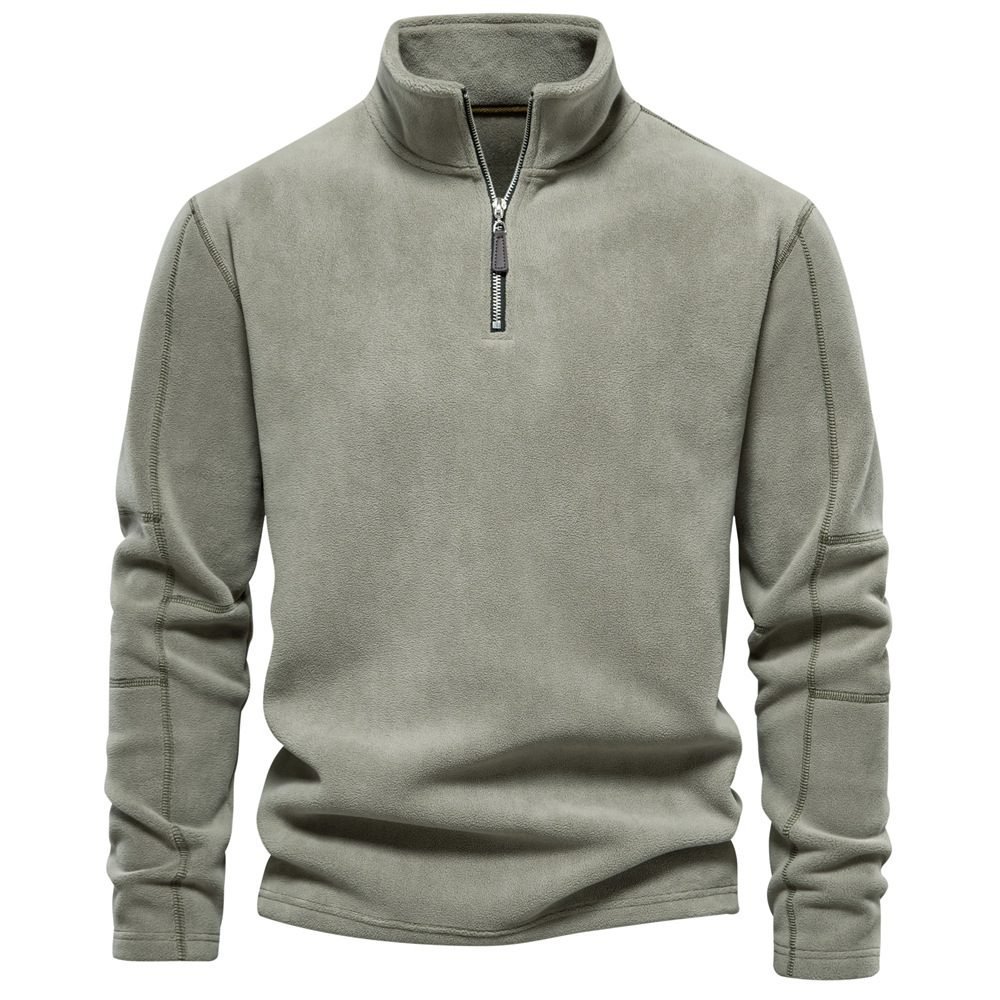
Professional chore coat construction requires 10–12 stitches per inch on main seams and 12–14 SPI at stress points including armholes, shoulder joins, and side vents. Bartack reinforcement at pocket corners and placket ends should measure at least 0.5 inches long with tight, overlapping stitches.
Request stitch-count documentation in your spec sheet and inspect samples under magnification. Skipped stitches, uneven tension, or missing bartacks indicate inadequate sewing-stage QC testing.
Pocket Attachment and Hardware Durability
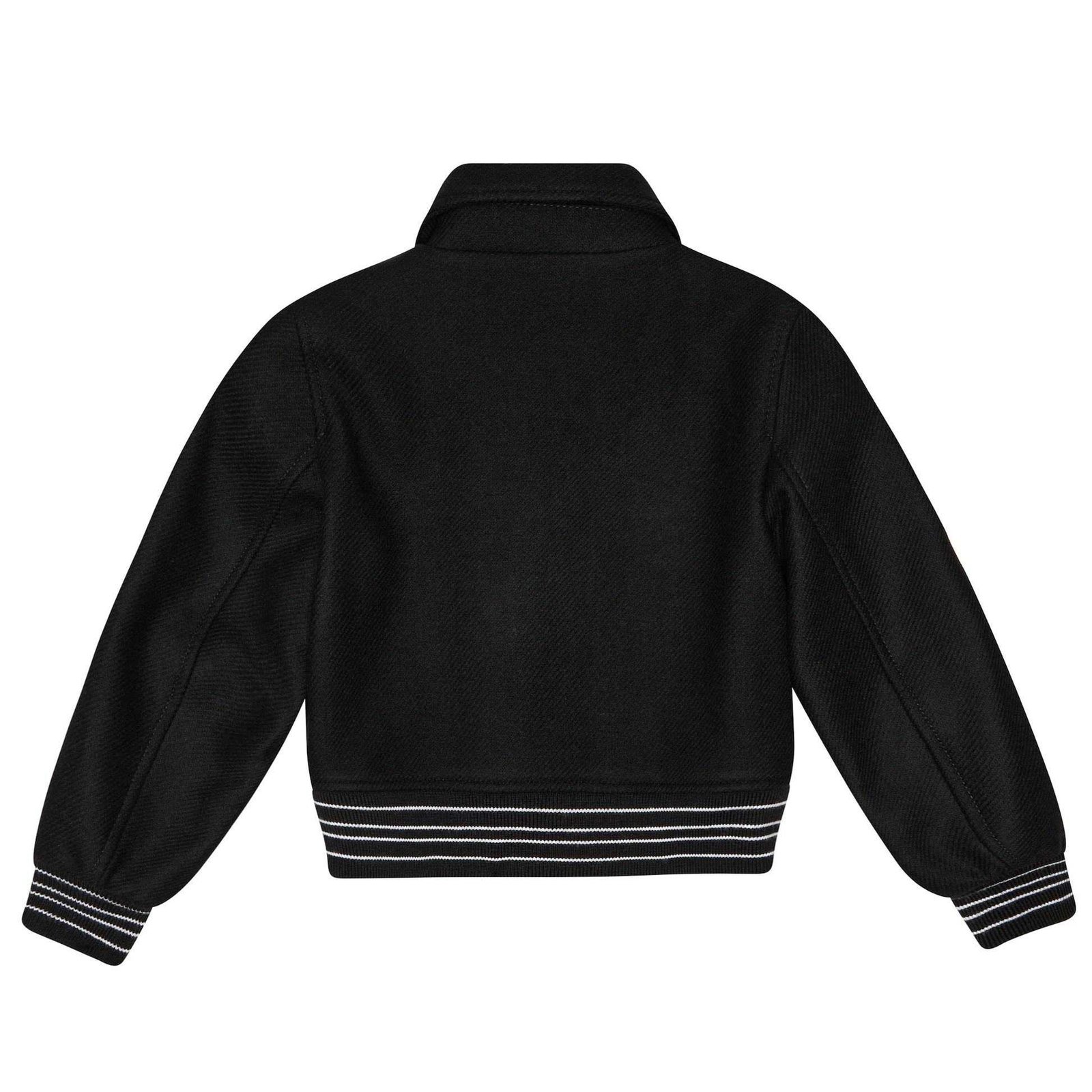
Patch pockets on chore coats must be double-stitched or felled at all edges, with corner bartacks rated for 15+ pounds of pull force. Button shanks should be reinforced with backing buttons or thread shanks; snap fasteners require cap-post construction in brass or stainless steel.
Test samples by loading pockets with weight and pulling buttons at 45-degree angles. Loose threads, puckering, or hardware that shifts under moderate force are red flags for insufficient craft QC testing.
Seam Finishing and Collar Construction
Flat-felled seams—common in workwear chore coats—enclose raw edges and provide 2x the strength of overlocked seams, though they add 15–20% to labor cost. Collars require interlining fused at 280–300°F to prevent bubbling, with topstitching 1/8 inch from the edge for clean definition.
Compare seam types in your pre-production sample and verify that collar points align within 2 mm across a 50-piece run. Inconsistent fusing or misaligned topstitching signals gaps in cutting and craft QC stages.
Fit Consistency Across Production Runs
Tolerance standards for chore coats should not exceed ±0.5 cm on chest, sleeve, and body length measurements within a single size across a production batch. Request a detailed graded spec sheet with tolerance bands for every measurement point.
Conduct random sampling of 5–10 pieces per 500-unit run and overlay patterns to check for cutting drift. Manufacturers who skip cutting QC testing often show variance exceeding 1 cm, leading to fit complaints and returns.
7. How to Choose the Right Chore Coat Manufacturer for Your Brand
Selecting the right chore coat manufacturer requires alignment between your brand’s volume, values, and timeline with a factory’s capabilities and processes. A structured evaluation across six criteria ensures you partner with a supplier who can deliver consistent quality, meet ethical standards, and scale with your growth.
Assess Order Volume and Budget
MOQs typically range from 50 pieces for boutique manufacturers to 500+ for large-scale factories. Startups and independent designers benefit from flexible MOQ partners who accommodate smaller runs without sacrificing per-unit quality.
Budget should account for fabric, labor, trims, and quality control; chore coats with heavy-duty canvas or specialty finishes command higher costs. Request itemized quotes to compare value rather than headline price alone.
Verify Certifications and Compliance
WRAP, BSCI, GOTS, and Oeko-Tex certifications confirm ethical labor practices, environmental stewardship, and chemical safety. Brands targeting sustainability-conscious consumers or retail partners with vendor codes of conduct require documented compliance.
Manufacturers implementing multi-stage QC—such as materials, cutting, craft, sewing, and finished-goods testing—reduce defect rates and ensure certification standards are upheld throughout production.
Evaluate Communication and Turnaround
Response time within 24 hours and fluency in your working language prevent costly misunderstandings. Typical lead times for custom chore coats span 30–45 days from approved samples to shipment; factories with in-house R&D teams often accelerate prototyping.
Confirm the manufacturer’s capacity to handle revisions and provide photo updates at key milestones—cutting, first article, and final inspection.
Review Portfolio and Client References
Request case studies or images of past chore coat projects that match your design complexity and fabric weight. Manufacturers with streetwear experience understand trend-driven details like oversized fits, contrast stitching, and graphic placements.
Ask for references from brands in similar size brackets; a factory serving 100+ countries demonstrates logistics fluency and cultural adaptability.
8. Common Mistakes Brands Make When Sourcing from a Chore Coat Manufacturer
Sourcing from a chore coat manufacturer involves multiple decision points where inexperienced brands frequently stumble. Fashion startups and influencer labels often repeat the same costly errors, from skipping critical approval stages to underestimating production timelines and overlooking fabric behavior.
Skipping Sample Approval Stages
Many startups rush from initial tech pack to bulk production without approving pre-production samples, hoping to save time and sample fees. This shortcut leads to receiving thousands of units that differ in fit, color, or construction from the designer’s vision, forcing costly rework or total loss.
Always request and approve a pre-production sample that uses final fabrics, trims, and construction methods. Document approval in writing with photos and measurements before authorizing full production runs.
Underestimating Lead Times
Influencer brands often expect chore coats within 2–3 weeks, but realistic timelines span 45–60 days from order confirmation to shipment, including fabric sourcing, cutting, sewing, and the five-step QC process. Underestimating lead times results in missed launch windows and disappointed customers.
Build production calendars that account for fabric mill lead times (10–15 days), sample rounds (7–10 days), bulk production (20–25 days), and international shipping (7–14 days by air, 30–40 days by sea).
Ignoring Fabric Shrinkage and Pre-Washing
Cotton twill and denim for chore coats can shrink 3–5% in length and 2–4% in width after the first wash. Brands that skip pre-washing or shrinkage testing deliver garments that no longer fit after customer laundering, triggering returns and negative reviews.
Specify pre-washed or sanforized fabrics in your tech pack, or request the chore coat manufacturer to pre-shrink yardage before cutting. Always wash and measure samples to verify final dimensions match your size chart.
Choosing Lowest Price Without Vetting Quality
Startups comparing quotes often select the cheapest chore coat manufacturer without inspecting quality protocols, resulting in poor stitching, misaligned pockets, or inconsistent dye lots. Low unit costs become expensive when defect rates exceed 10% and customers demand refunds.
Request factory audit reports, sample garments from previous runs, and detailed QC procedures before committing. A manufacturer with a documented five-step QC process may cost 8–12% more per unit but saves far more in returns and brand reputation.
9. Steps to Launch Your Chore Coat Collection
Launching a chore coat collection requires coordinating design, manufacturing, and logistics across 8–12 weeks. Each stage—from concept to inventory—demands clear timelines, documentation, and quality checkpoints to ensure your final product meets brand standards.
Concept, Tech Pack, and Manufacturer Vetting
Develop sketches, fabric swatches, and construction notes into a technical specification document listing measurements, stitching methods, and trims. Tech packs should include flat drawings, seam allowances, and Pantone color codes.
Outreach to 3–5 chore coat manufacturers with your tech pack, requesting quotations, MOQ details, and sample lead times. Vet each by reviewing quality certifications, previous chore coat samples, and communication responsiveness before shortlisting two finalists.
Sampling, Fit Sessions, and Revisions
Order pre-production samples in 2–3 sizes to assess fit, fabric hand, and construction accuracy. Budget 10–14 days for sample production and 7 days for shipping.
Conduct fit sessions on live models, measuring sleeve length, pocket placement, and hem drape. Document revisions with annotated photos and updated tech pack pages; most collections require 1–2 revision rounds before approval.
Production Order and Quality Inspections
Place your bulk order with 30–50% deposit, confirming fabric sourcing, trim delivery, and inline QC schedules. Manufacturers using five-step QC processes test materials, cutting, sewing, and finished garments at discrete checkpoints.
Schedule final inspections before shipment, verifying stitch density, colorway accuracy, and packaging standards. Third-party AQL inspections sample 10–20% of units; reject rates above 4% typically trigger rework or credit negotiations.
Logistics, Customs, and Inventory Management
Coordinate shipping method—air freight (5–7 days) or sea freight (25–35 days)—and prepare commercial invoices, packing lists, and certificates of origin for customs clearance.
Upon arrival, inspect cartons for damage, cross-check SKU counts against packing lists, and allocate inventory to warehouses or fulfillment centers. Maintain 15–20% safety stock for reorders and implement SKU-level tracking to monitor sell-through rates.
10. Pricing and Cost Breakdown
Chore coat pricing from a manufacturer varies primarily by order quantity, fabric weight, and decoration complexity. A 50-unit run of economy 8 oz cotton canvas chore coats typically costs $28–35 per unit, while 500-unit orders of the same specification drop to $18–22 per unit due to economies of scale in cutting and sewing. Premium 12 oz selvedge denim raises per-unit cost by $6–10, and hardware upgrades such as YKK metal zippers or custom buttons add $2–4 per garment.
Setup fees cover pattern grading, sample development, and screen or embroidery digitizing. A plain chore coat incurs a one-time setup of $150–300, whereas a design requiring chest embroidery (up to 10,000 stitches) adds $80–120 in digitizing and $3–5 per unit in decoration labor. Screen printing a back graphic costs $50–80 per screen setup plus $1.50–3 per print, depending on color count.
Lead time stretches from 25 days for 100-unit plain orders to 45 days for 1,000-unit runs with multi-position decoration. Clothing Manufacturer Ltd.’s five-step QC process—materials testing, cutting inspection, craft review, sewing checks, and finished-goods audit—adds 3–5 days but reduces defect rates below 2%, avoiding costly chargebacks.
Total landed cost must account for FOB price, international freight ($1.50–4 per unit for air or sea), import duties (typically 16.5% on woven outerwear entering the U.S.), and third-party inspection fees if required. Brands should budget 25–35% above ex-factory cost to cover logistics and compliance when calculating retail margins.
| Order Quantity | Fabric Type | Per-Unit Cost (Plain) | Decoration Add-On | Setup Fee | Lead Time (Days) |
|---|---|---|---|---|---|
| 50 units | 8 oz cotton canvas | $28–35 | +$3–5 (embroidery) | $150–300 | 25–30 |
| 100 units | 10 oz twill | $22–28 | +$1.50–3 (1-color print) | $150–300 | 25–30 |
| 500 units | 8 oz cotton canvas | $18–22 | +$3–5 (embroidery) | $150–300 | 35–40 |
| 500 units | 12 oz selvedge denim | $24–32 | +$3–5 (embroidery) | $150–300 | 35–40 |
| 1,000+ units | 10 oz twill | $15–20 | +$1.50–3 (multi-color print) | $150–300 | 40–45 |
Ready to Manufacture Your Chore Coat Line?
Partner with a trusted chore coat manufacturer offering low MOQ, 5-step QC guarantee, and fast turnaround for your brand.