
Wholesale Work Jackets With 5-Step QC Guarantee
Premium wholesale work jackets for streetwear brands and startups. Low MOQ, fast turnaround, and rigorous quality control at every production stage.
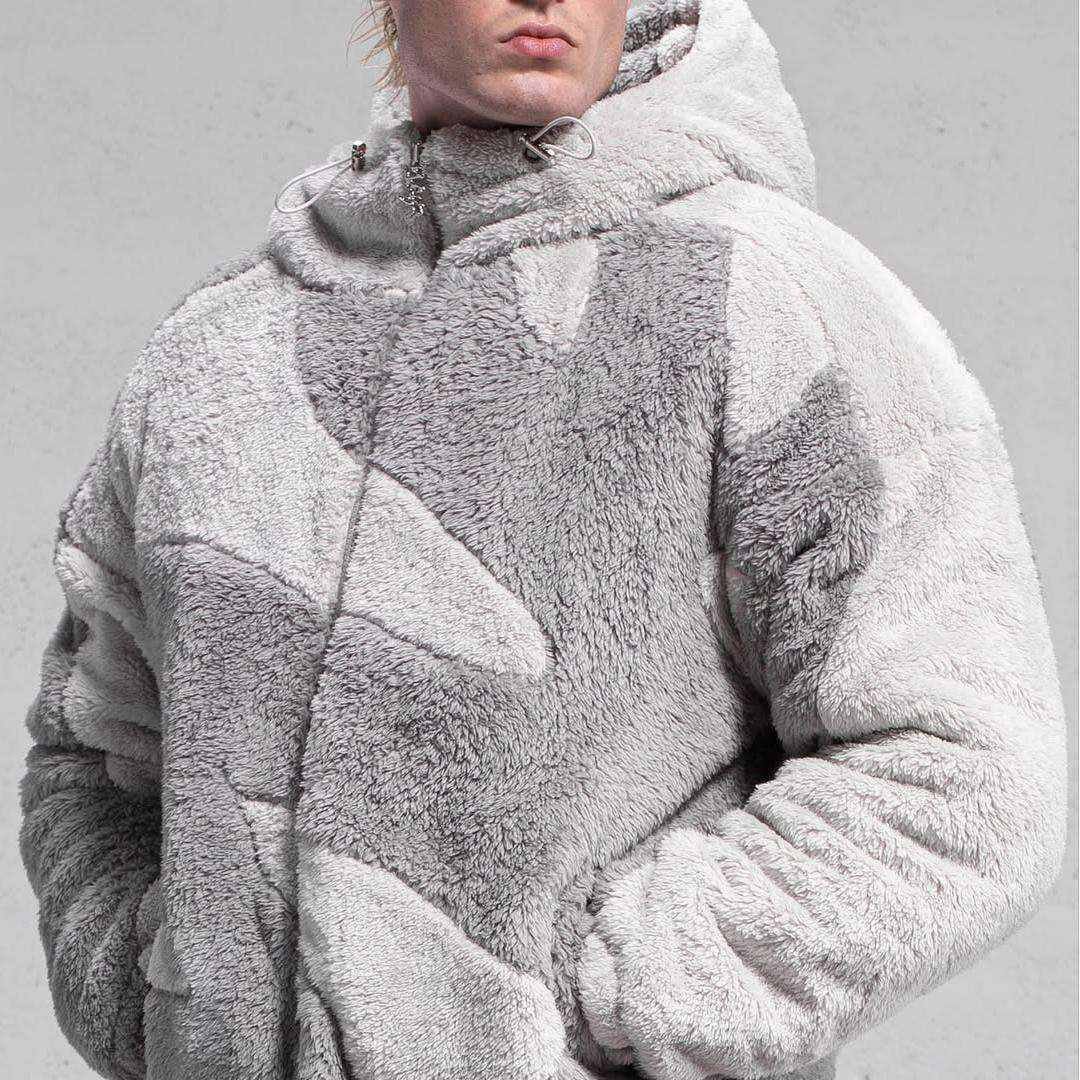
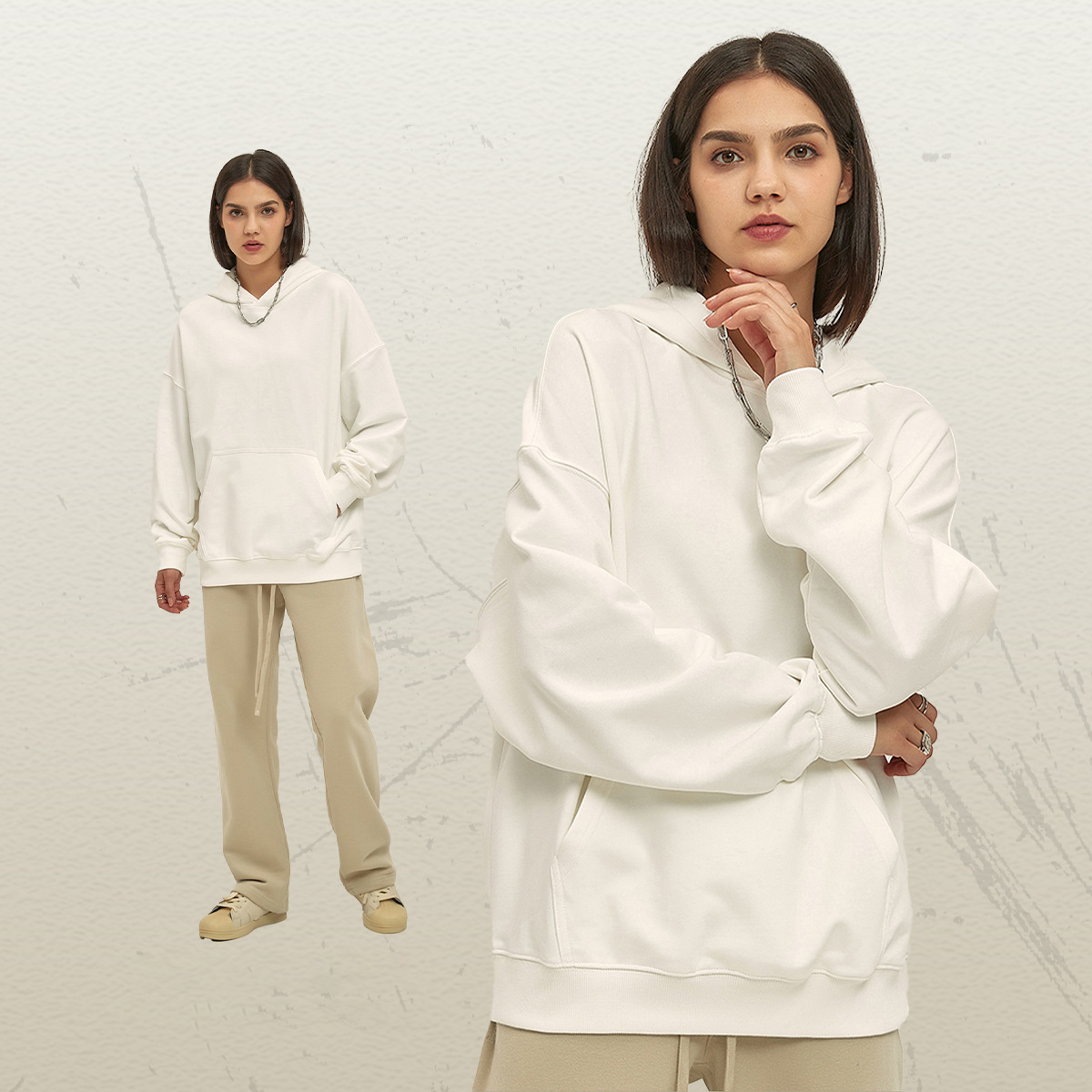
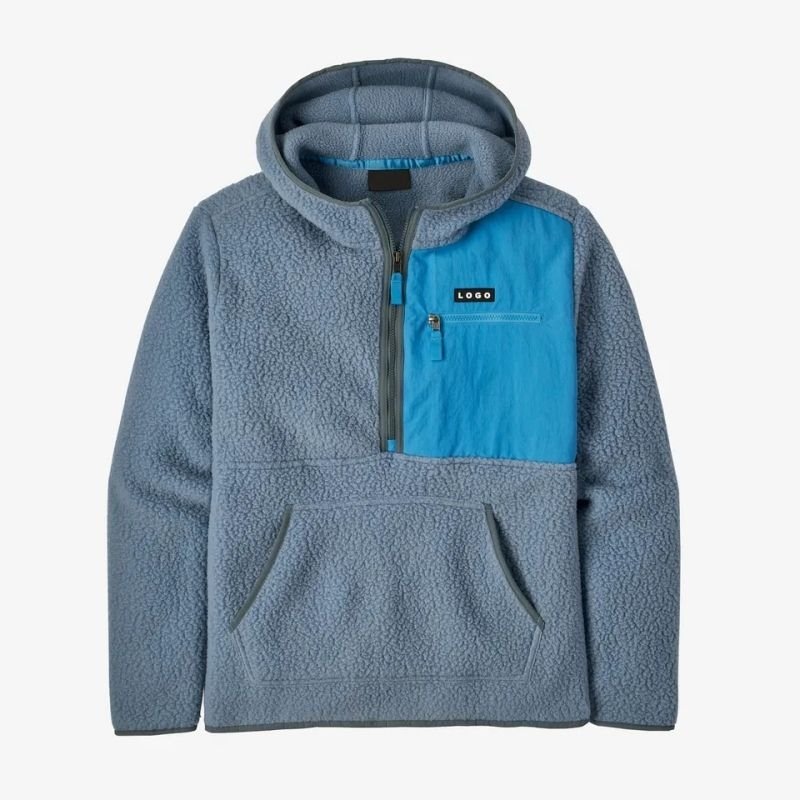
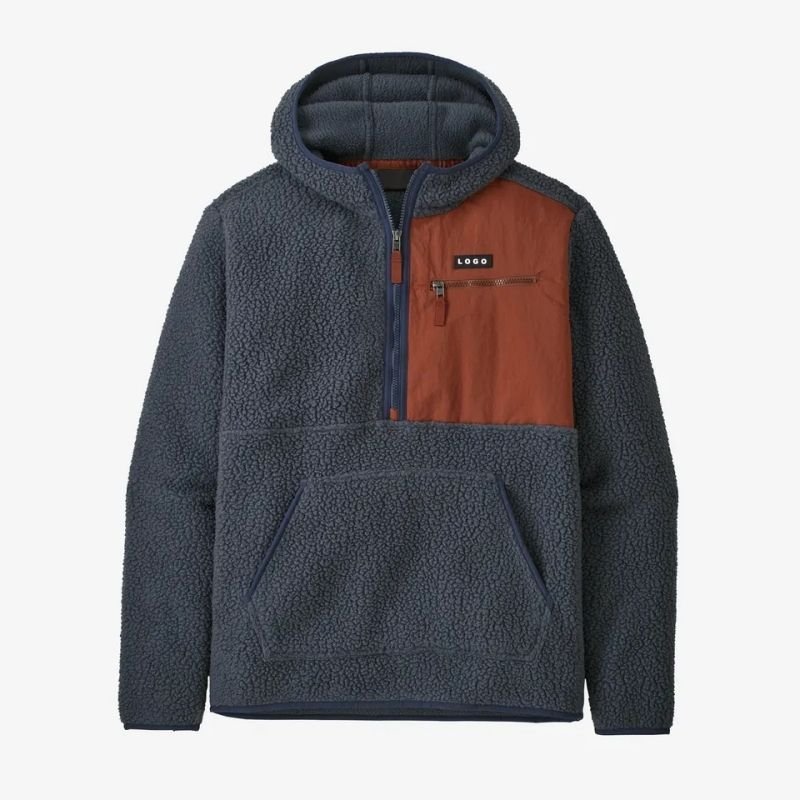
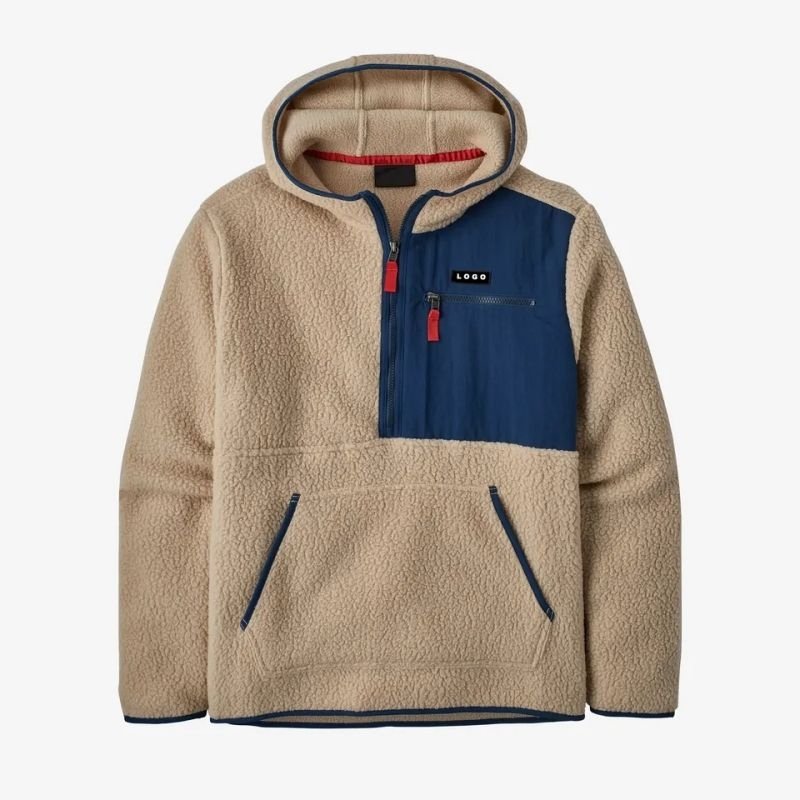
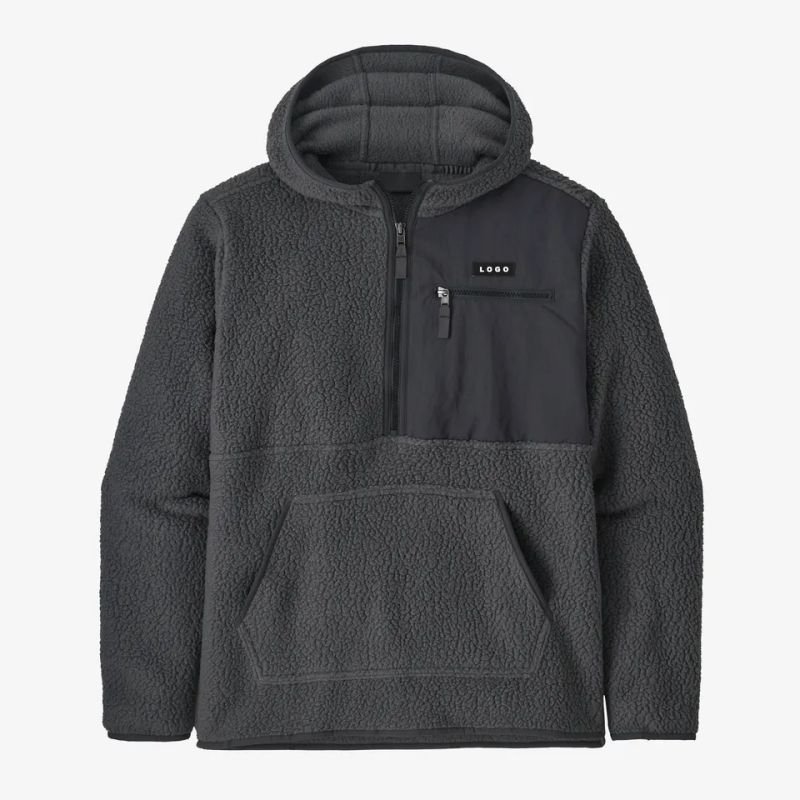
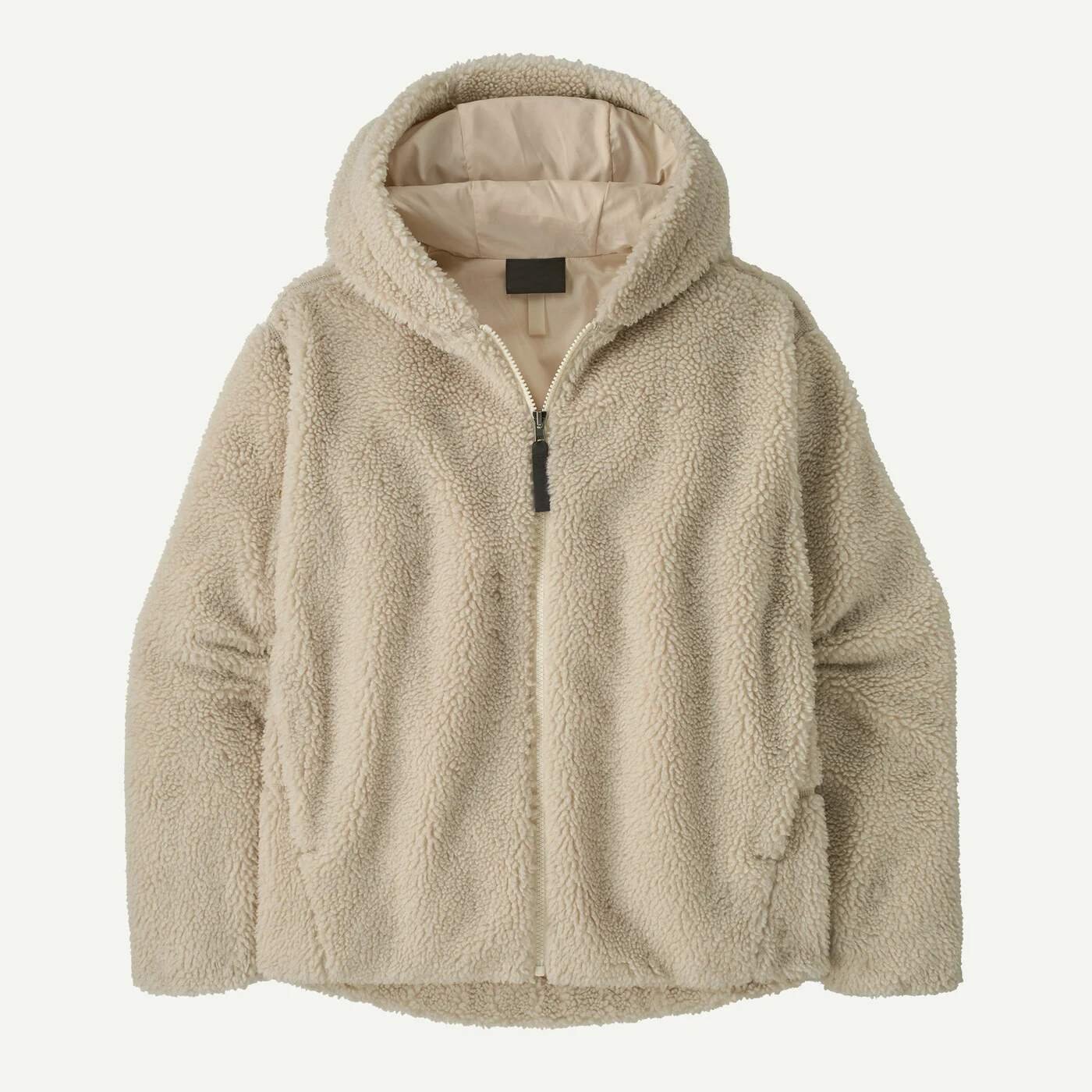
Wholesale Work Jackets in Action
Why Brands Choose Our Wholesale Work Jackets
5-Step Quality Control Guarantee
Every wholesale work jacket passes materials, cutting, craft, sewing, and finished garment QC testing before shipping to your brand.
Low MOQ from 50 Pieces
Launch your streetwear line or test new wholesale work jacket designs without massive inventory risk or upfront capital.
7-Day Sample Turnaround
Our in-house design and sampling team delivers production-ready wholesale work jacket prototypes in one week for faster approvals.
Streetwear Design Expertise
Six years specializing in trend-driven streetwear elements—graphics, oversized fits, and bold details—perfected for wholesale work jackets.
Global Shipping & Logistics
Trusted by brands in over 100 countries with seamless customs, tracking, and on-time delivery for wholesale work jacket orders.
Influencer-Line Production Experience
We’ve helped creators grow from zero to hundreds of thousands of followers with wholesale work jackets that sell and scale.
Wholesale Work Jacket Categories for Every Brand
From bomber jackets to embroidered crew styles, our wholesale work jackets deliver the craftsmanship, customization, and quality control your brand needs to stand out.
Bomber Jackets for Streetwear Brands
Streetwear labels need bomber-style wholesale work jackets with authentic vintage details, premium hardware, and custom embroidery—but most suppliers deliver generic cuts and cheap zippers that don't reflect brand identity.
Our team produces bomber jackets with reinforced stitching, metal hardware, and in-house embroidery capabilities. Low MOQ and 5-step QC ensure every piece matches your vision, from first sample to final shipment.
Windbreakers for Active Collections
Fashion startups launching active or outdoor lines struggle to find lightweight, water-resistant wholesale work jackets that balance performance fabric with trend-driven colorways and fast turnaround for seasonal drops.
We source technical ripstop and coated nylon fabrics, offer custom color-blocking and print placement, and deliver finished windbreakers in 25–35 days—so your collection launches on schedule with zero compromise on quality.
Insulated Work Jackets for Retailers
Global apparel retailers require insulated wholesale work jackets with consistent warmth ratings, durable outer shells, and reliable bulk pricing—yet many manufacturers skip mid-production QC, leading to uneven fill distribution and returns.
Our 5-step quality control tests insulation weight, shell integrity, and seam strength at every stage. Retailers receive jackets that meet spec every time, backed by transparent communication and scalable production capacity.
Soft-Shell Jackets for Influencer Brands
Influencer and creator brands need soft-shell wholesale work jackets with sleek, modern silhouettes and room for bold custom prints or logo embroidery—but traditional factories lack the design flexibility and low minimums required.
Our 15-member R&D team collaborates on pattern development, custom printing, and embroidered branding. Low MOQ options let emerging brands test designs, while fast sampling accelerates launch timelines and audience engagement.
Embroidered Crew Jackets for Independent Designers
Independent designers want varsity-inspired crew jackets with intricate embroidery, contrast sleeves, and premium wool-blend bodies—yet most suppliers demand high minimums or deliver inconsistent stitch quality that undermines the final product.
We offer in-house embroidery with up to 10-color capability, low MOQ for boutique runs, and cutting QC that ensures perfect pattern alignment. Designers receive wholesale work jackets that reflect their craftsmanship and brand story.
Premium Fabrics for Wholesale Work Jackets
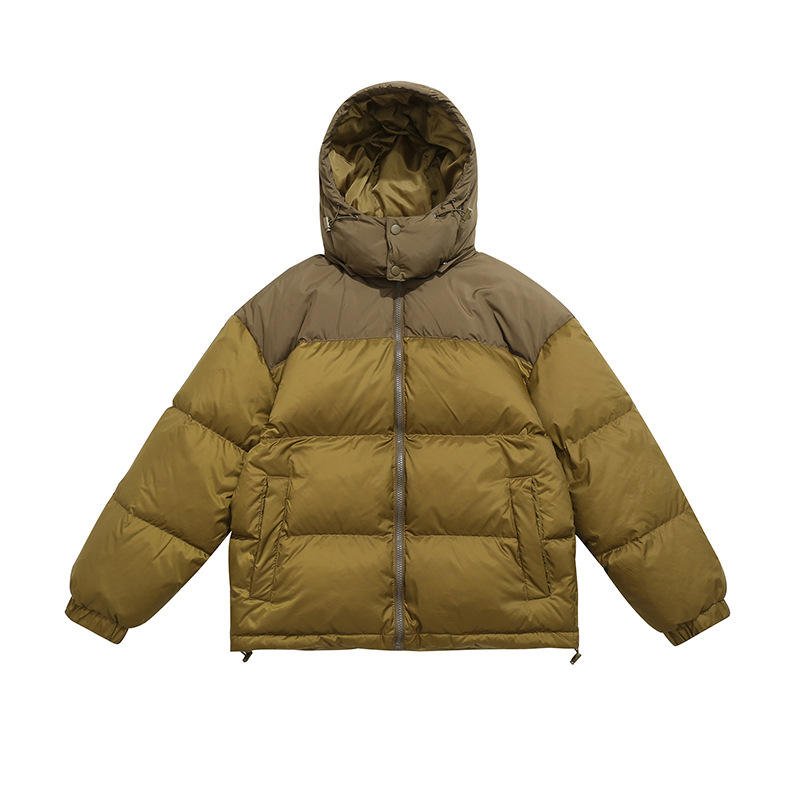
Cotton-Poly Blend
A versatile mid-weight fabric combining cotton breathability with polyester durability. Ideal for utility jackets and coach jackets with minimal shrinkage and excellent color retention. Weight range: 240–320 GSM.
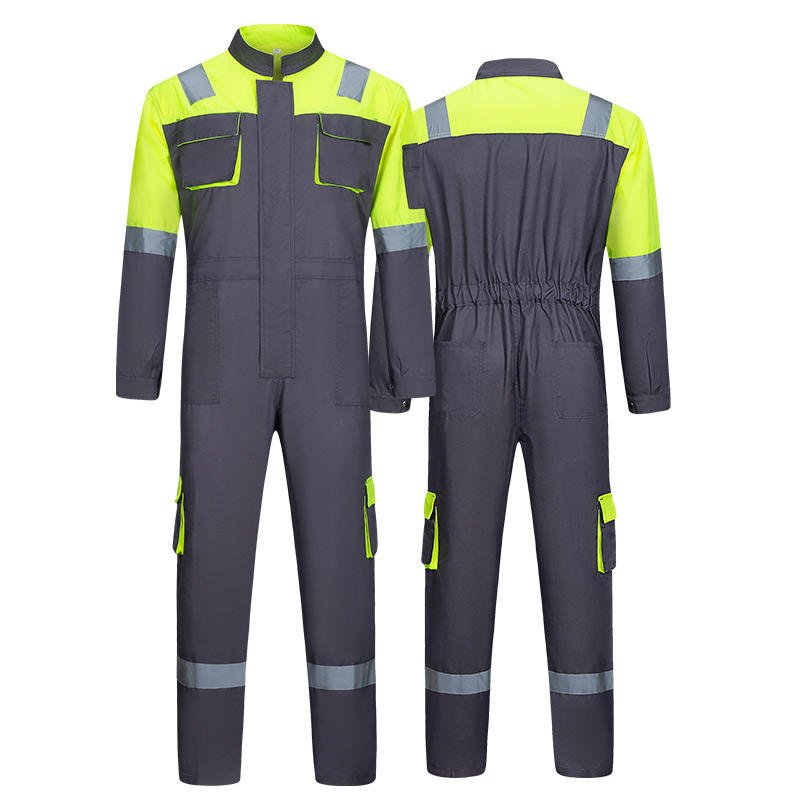
Heavy Duck Canvas
Rugged, tightly woven cotton canvas engineered for maximum abrasion resistance. Perfect for workwear-inspired streetwear jackets and chore coats. Dense hand-feel with natural weather resistance. Weight: 340–450 GSM.
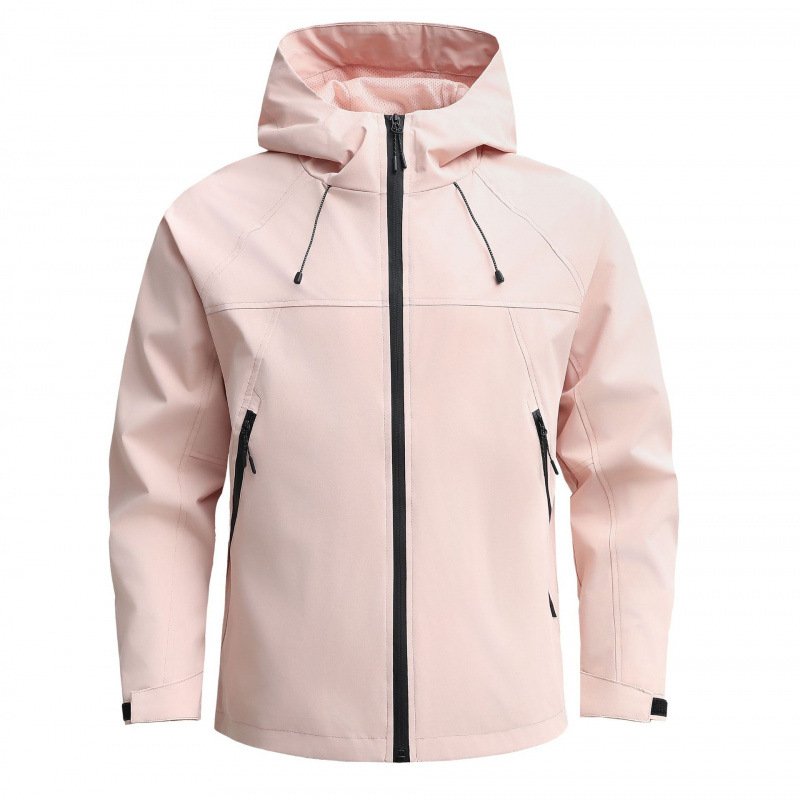
Waterproof Nylon Shell
Lightweight technical fabric with DWR coating for superior water repellency. Essential for outdoor work jackets and tactical styles. Windproof construction with breathable membrane options. Weight: 180–240 GSM.
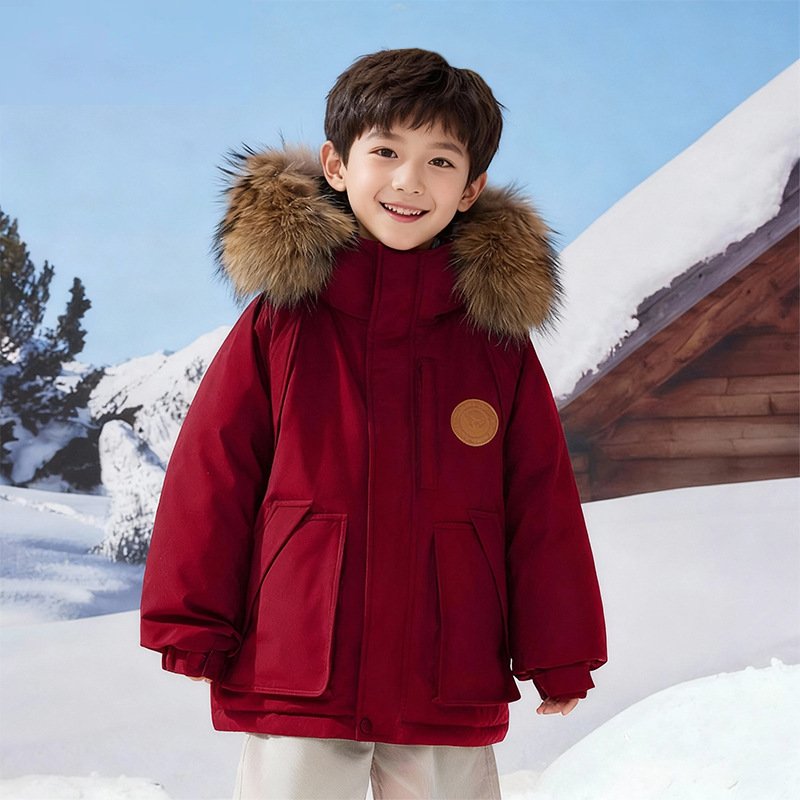
Fleece-Lined Twill
Durable outer twill bonded to soft fleece lining for cold-weather protection. Popular for insulated work jackets and winter streetwear. Excellent warmth-to-weight ratio with four-way stretch available. Combined weight: 380–480 GSM.
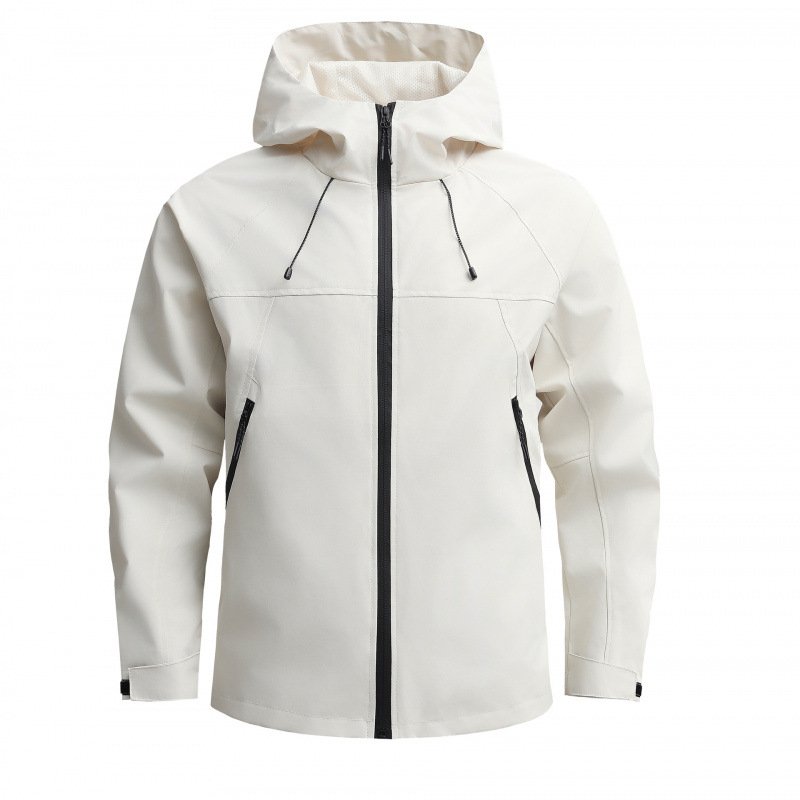
Ripstop Nylon
Reinforced grid-pattern fabric engineered to prevent tear propagation. Ideal for lightweight work shells and packable jackets. Superior strength at minimal weight with matte or technical finish. Weight: 120–180 GSM.
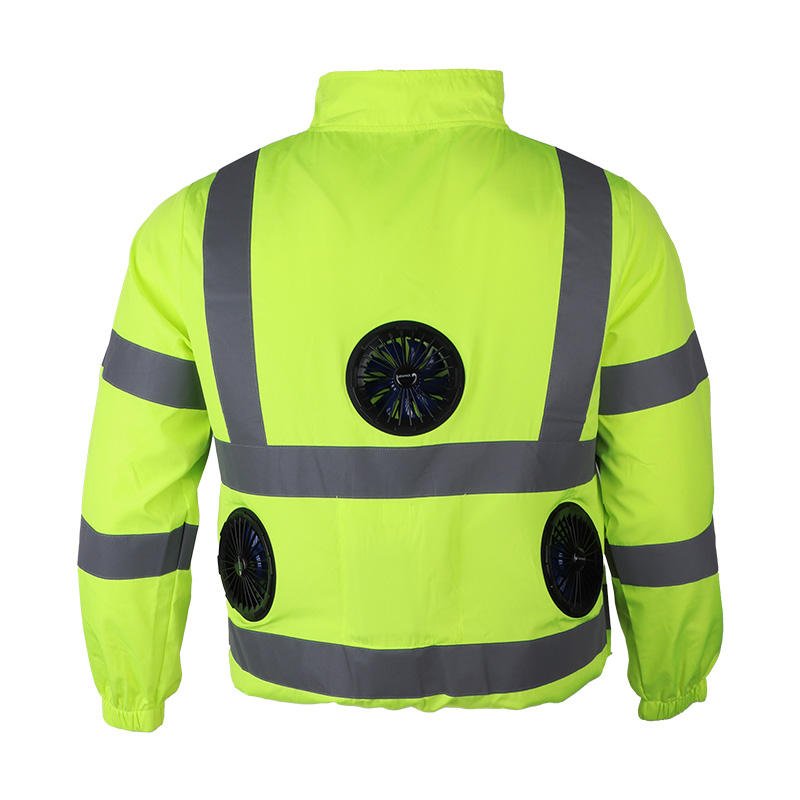
Breathable Mesh Liner
High-performance polyester mesh used for jacket linings and ventilation panels. Enhances airflow in warm-weather work jackets while reducing weight. Quick-dry properties with anti-microbial treatment options. Weight: 80–120 GSM.
Advanced Production Processes for Wholesale Work Jackets
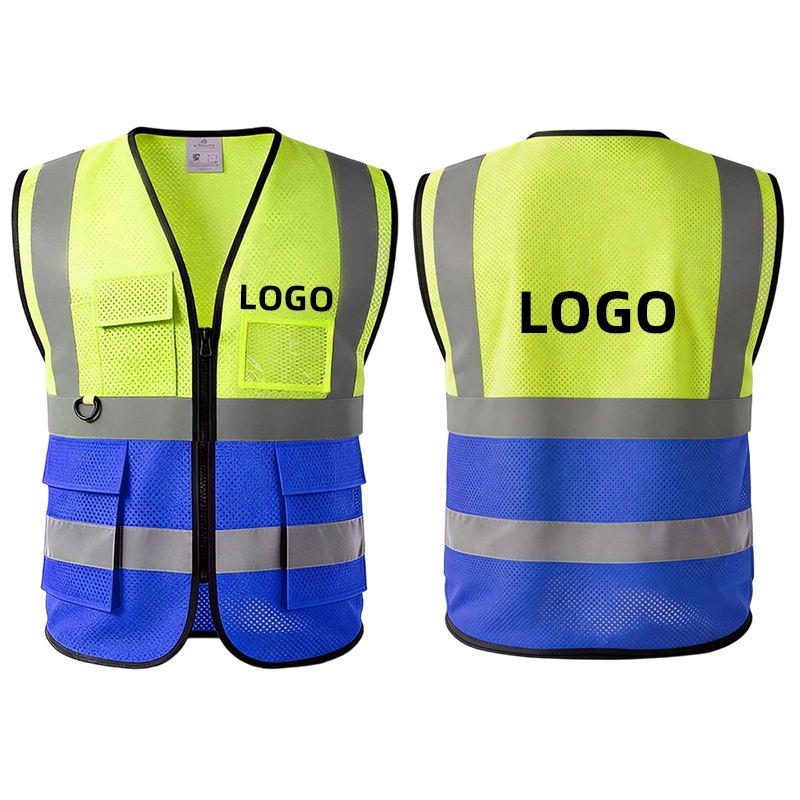
Precision Cutting
Computer-aided pattern cutting ensures every wholesale work jacket panel is cut to exact specifications, minimizing fabric waste and guaranteeing consistent sizing across your entire order. Each cut piece undergoes cutting QC testing before assembly.
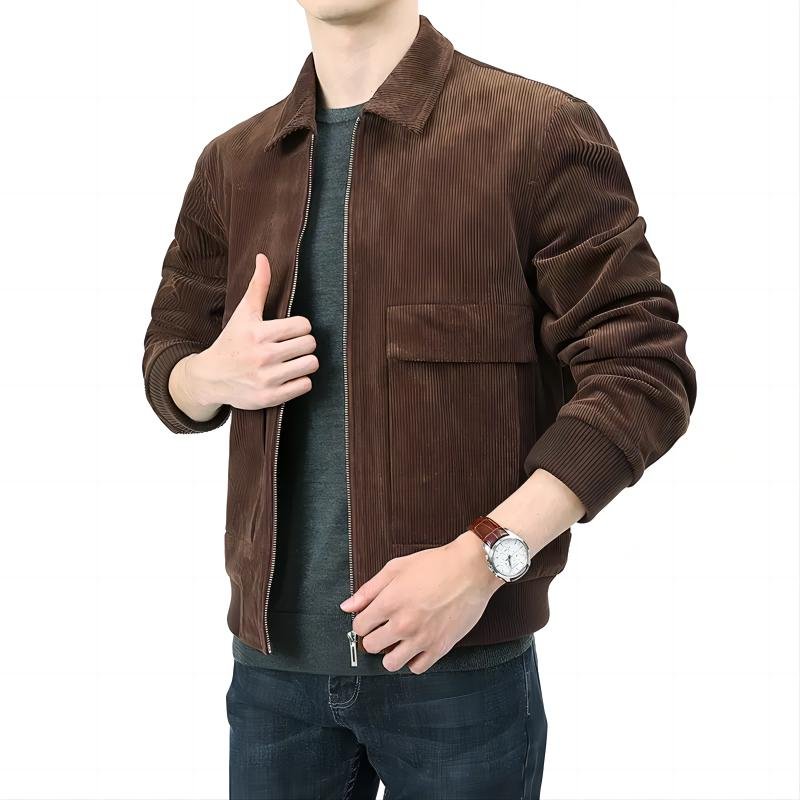
Custom Embroidery
High-density thread embroidery brings logos, streetwear motifs, and branding to life on wholesale work jackets with exceptional durability and a premium tactile finish. Ideal for bold graphics, brand patches, and intricate streetwear design elements.
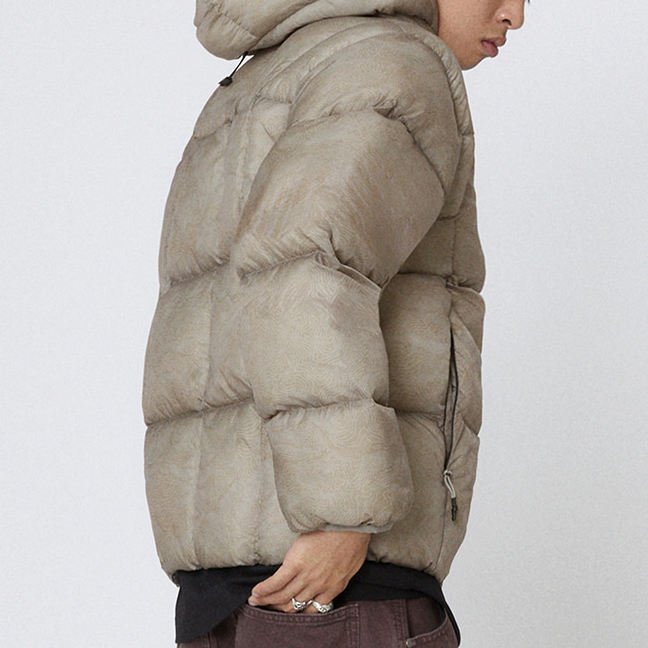
Screen Printing
Multi-color screen printing delivers vibrant, long-lasting graphics on wholesale work jackets, perfect for large runs and bold streetwear designs. Our process ensures color accuracy and wash-resistant finishes that maintain their impact over time.
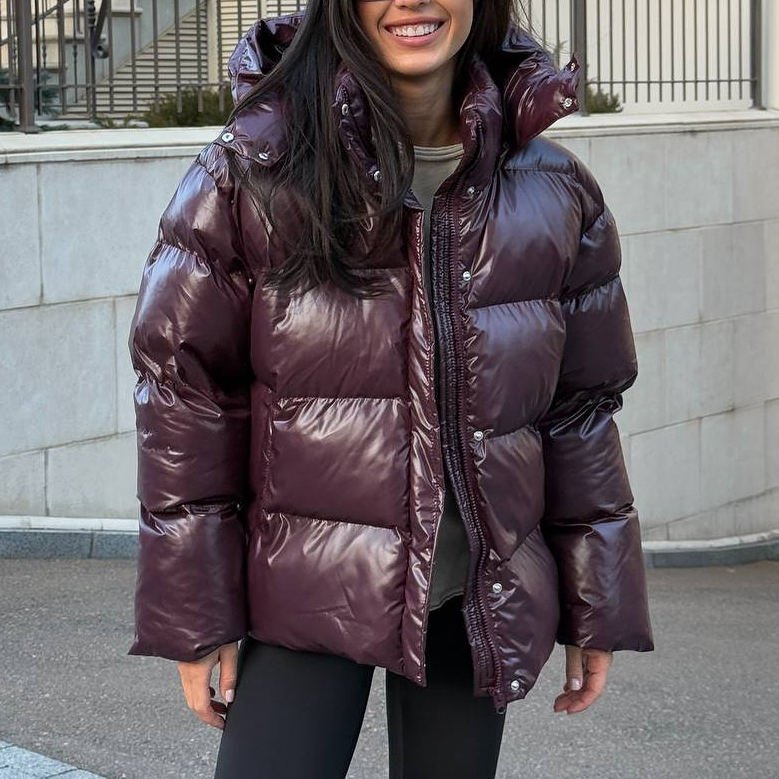
Heat Transfer
Precision heat-applied graphics and patches enable intricate, full-color designs on wholesale work jackets without the weight of embroidery. This process supports complex streetwear artwork, gradients, and photographic elements with excellent durability.
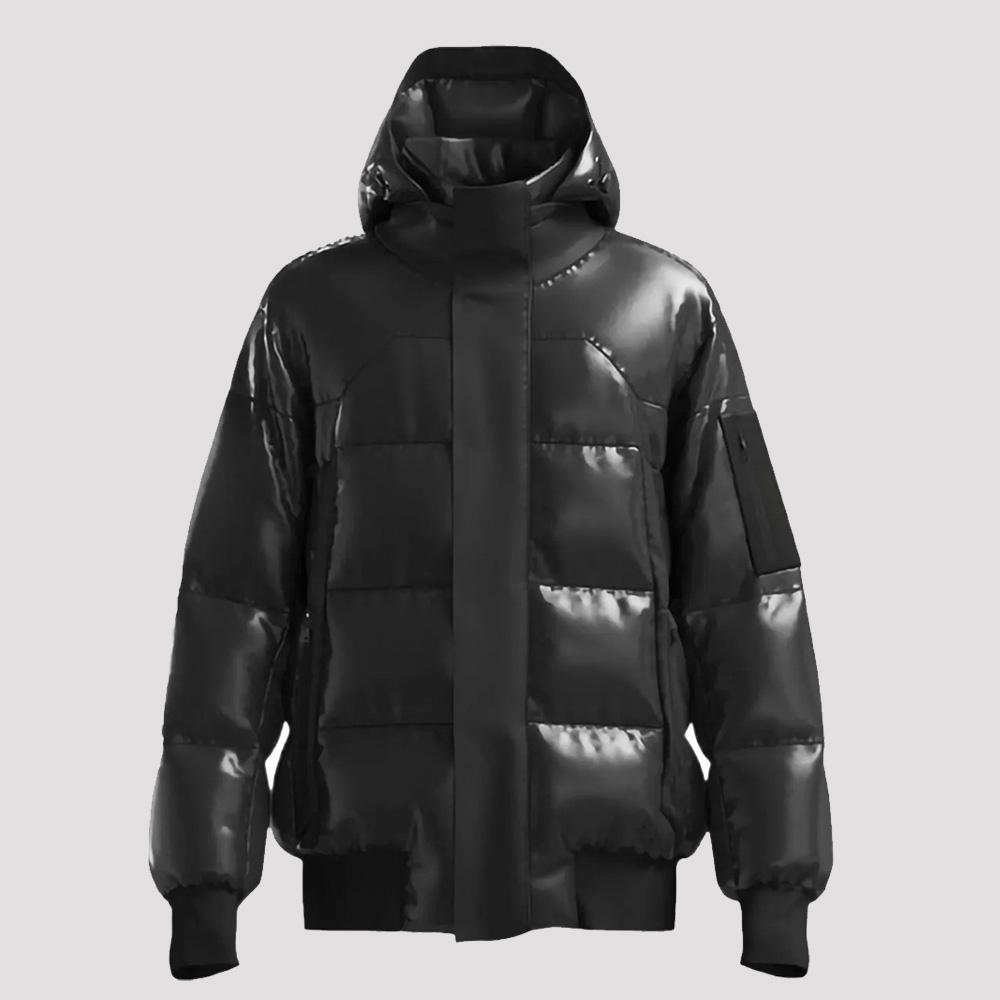
Heat-Seal Seams
Advanced heat-sealing technology creates waterproof, windproof seams in wholesale work jackets, essential for technical outerwear and performance-focused designs. Every sealed seam is tested during our sewing production QC phase for complete weather protection.
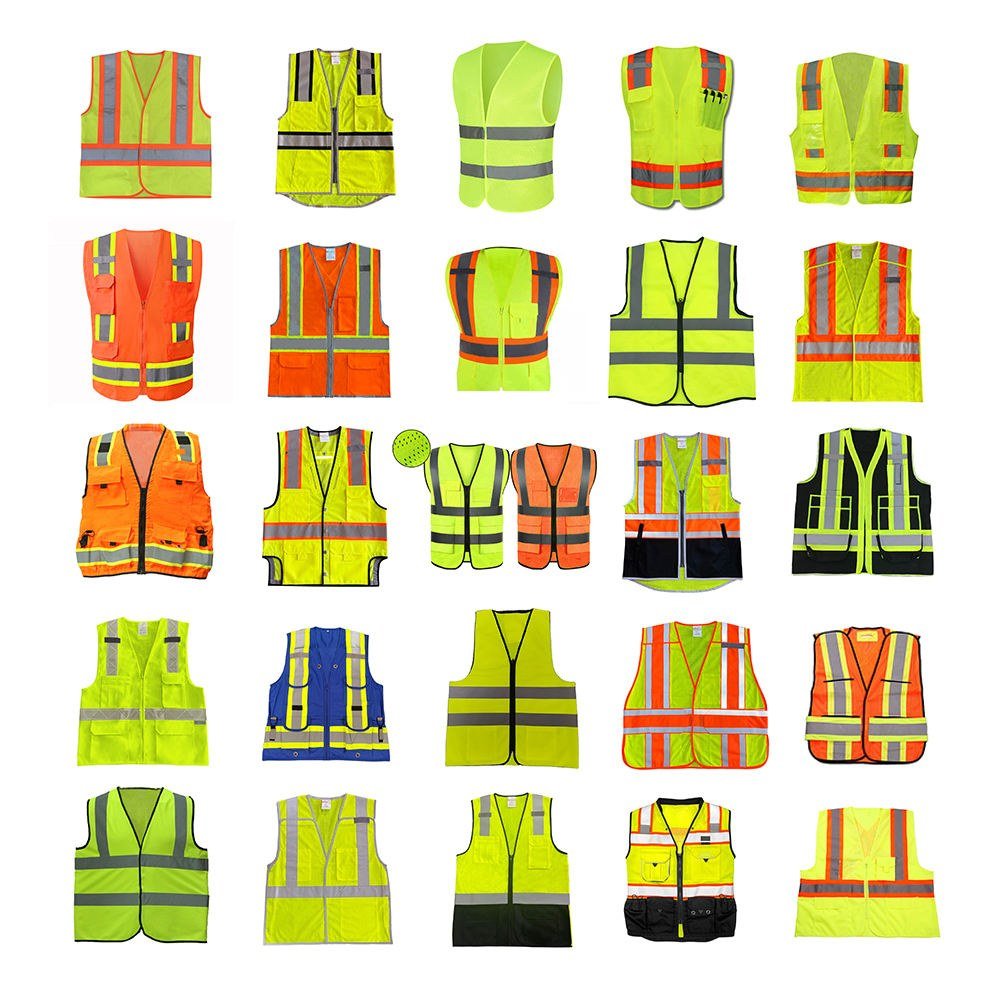
Custom Labeling
Woven labels, printed neck tags, and care labels are precisely applied to wholesale work jackets to reflect your brand identity. Our materials QC testing ensures all labels meet durability standards and comply with international garment regulations.
Premium Accessories for Wholesale Work Jackets
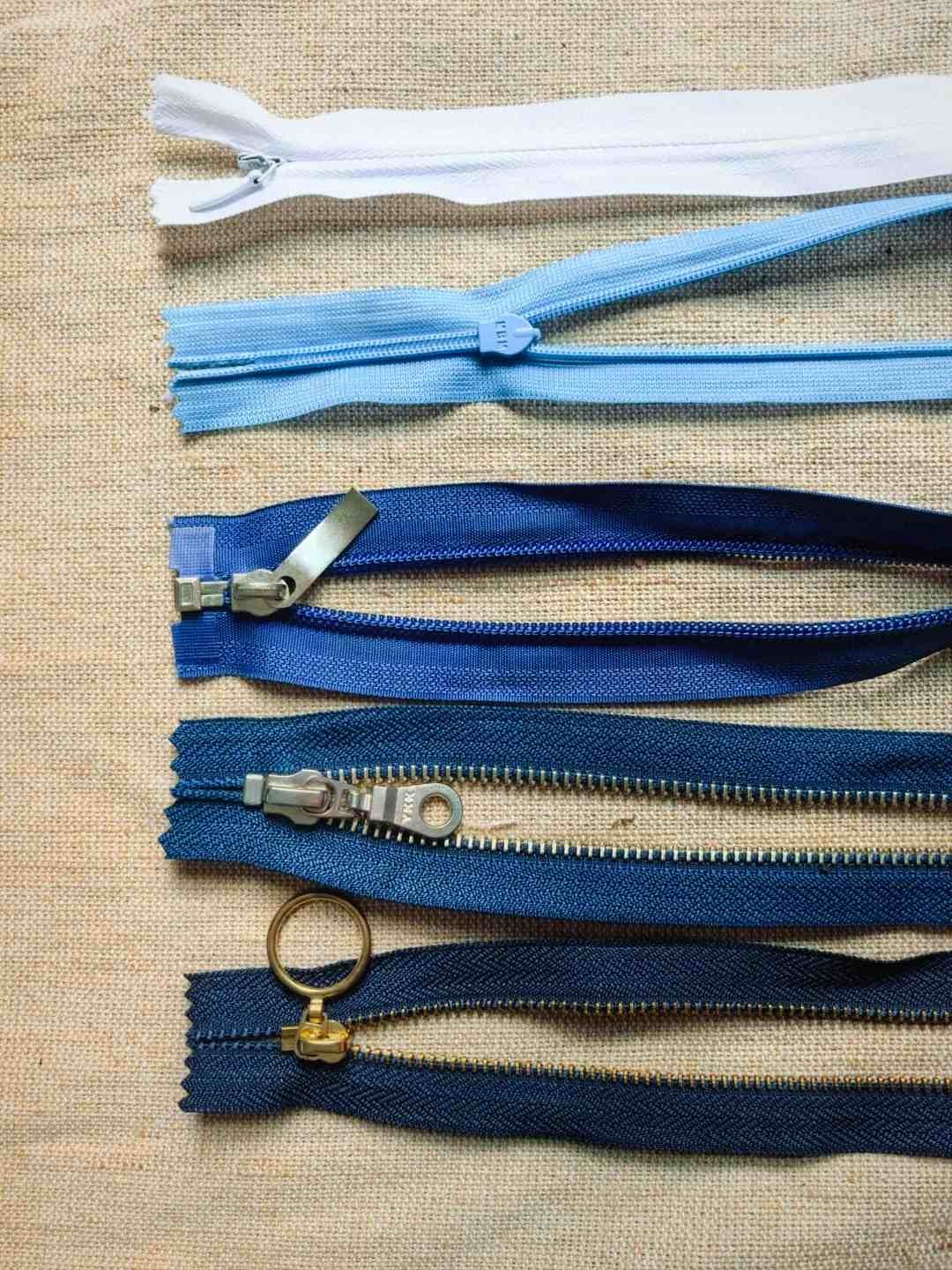
YKK Zippers
Industry-leading YKK zippers ensure reliable performance and durability in wholesale work jackets. Available in metal, nylon, and waterproof options to match your brand’s functional and aesthetic requirements.
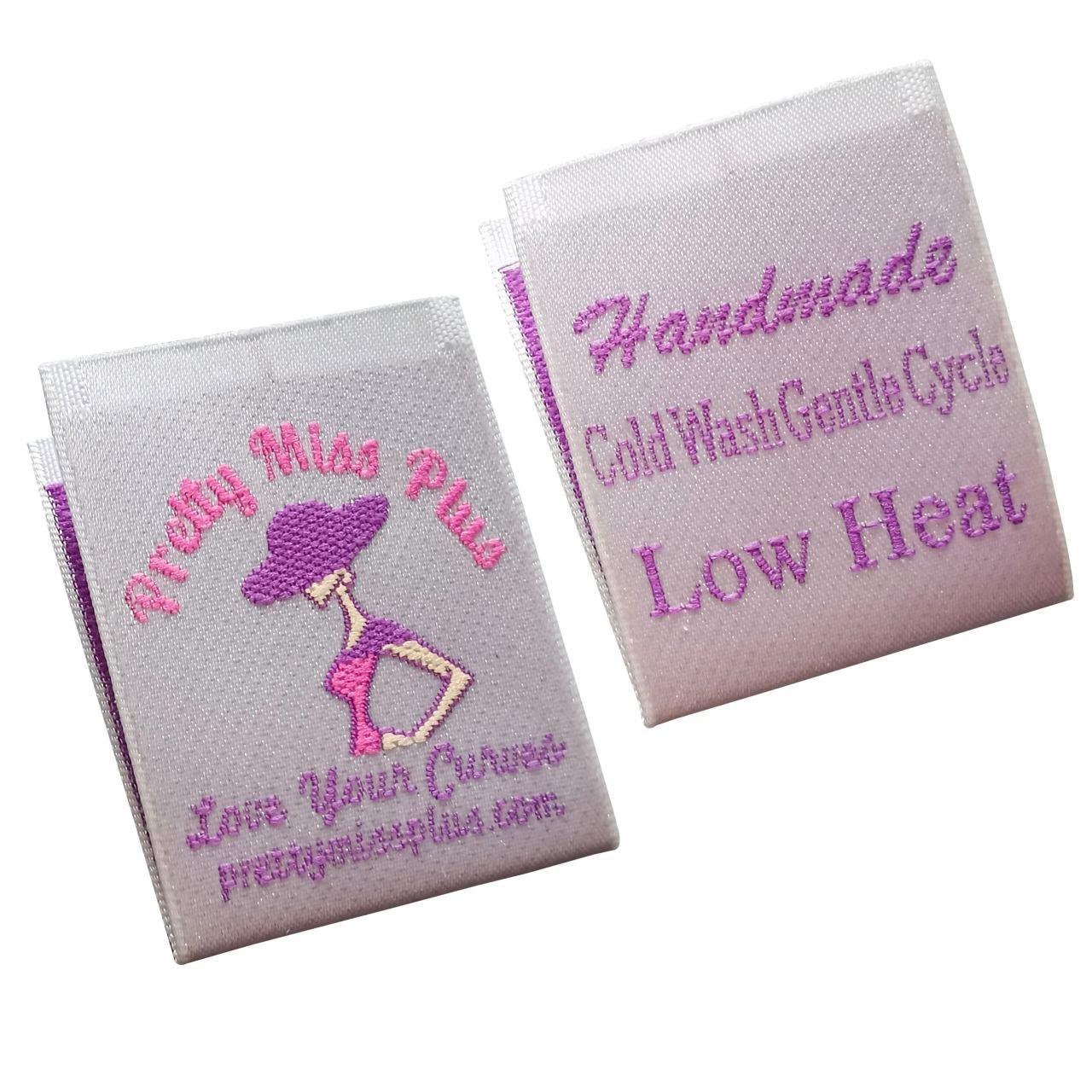
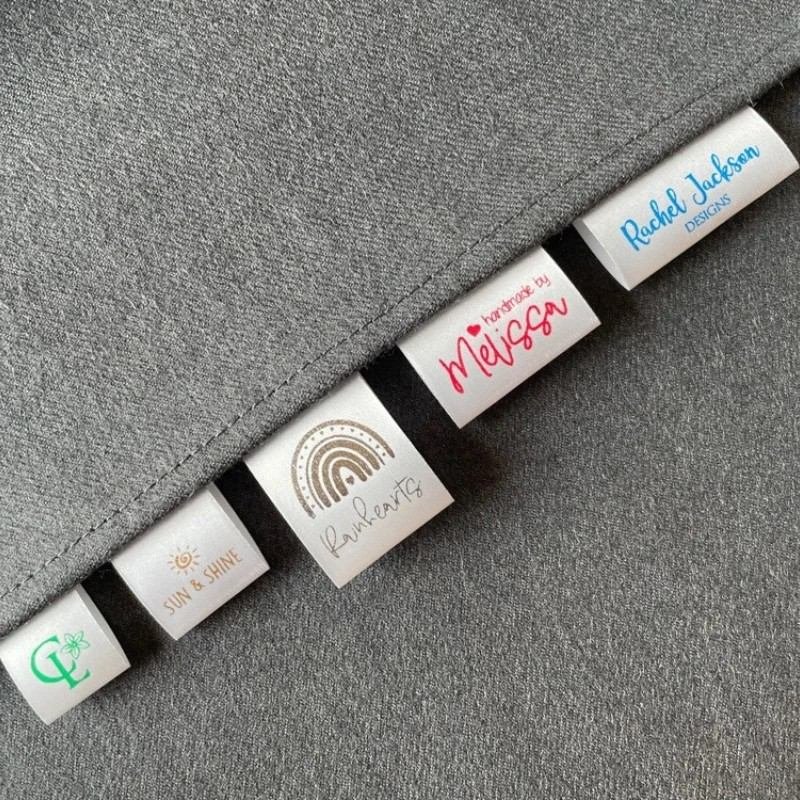
Woven Labels
Custom woven labels with your brand logo and care instructions add a professional finishing touch. High-density weaving ensures labels remain legible and intact through industrial washing and heavy use.
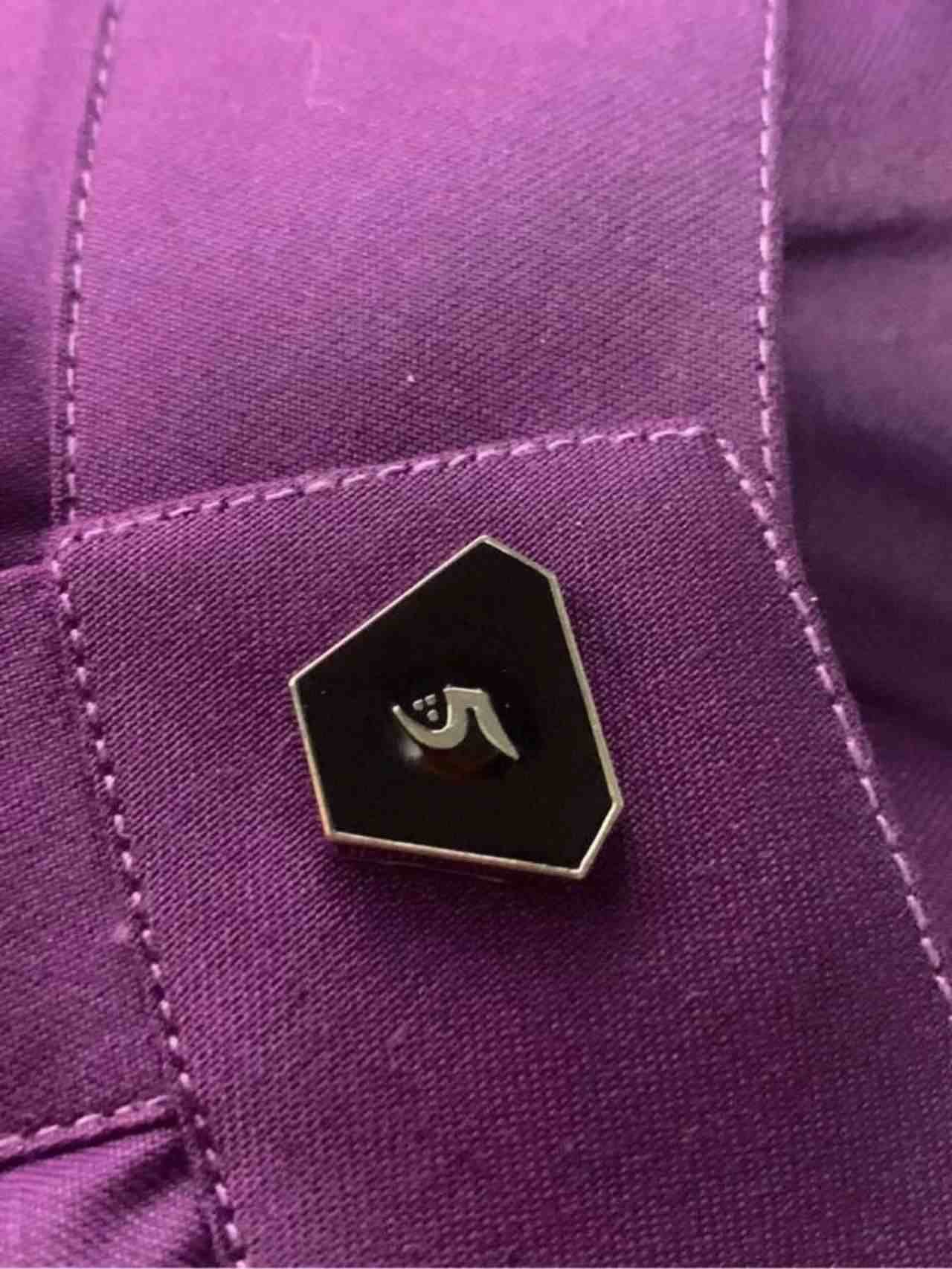
Snap Buttons
Heavy-duty snap buttons in metal or resin finishes provide secure closures for pockets, cuffs, and front plackets. Custom engraving available to embed your brand identity into every functional detail.
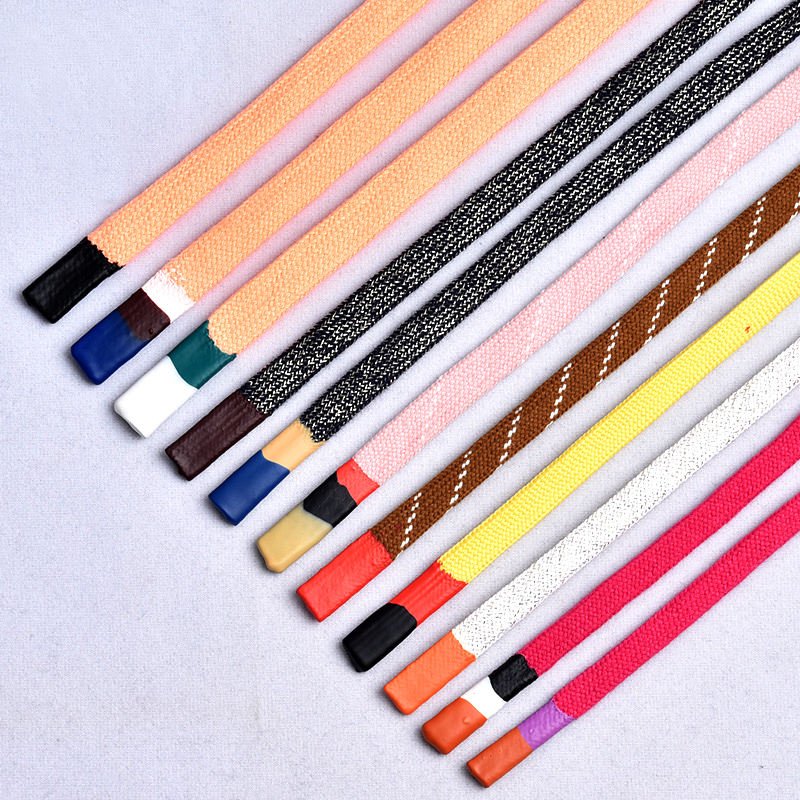
Custom Drawcords
Branded drawcords with metal or plastic tipping enhance hood and waist adjustability while reinforcing brand recognition. Choose from round, flat, or reflective cord styles to match your collection’s aesthetic.
Embroidered Patches
High-definition embroidered patches showcase logos, slogans, or streetwear graphics with exceptional detail and texture. Applied via heat-seal or stitching for permanent, premium branding on wholesale work jackets.
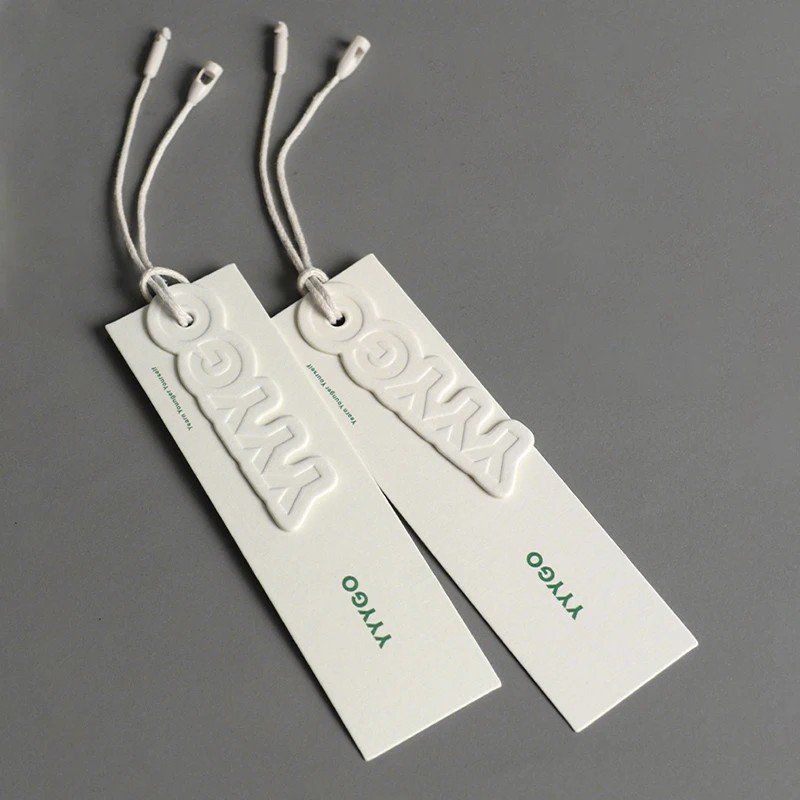
Branded Hang Tags
Custom-designed hang tags communicate your brand story, sizing, and care instructions at point of sale. Printed on premium cardstock with options for foil stamping, embossing, and QR codes.
About Clothing Manufacturer Ltd.
Founded in 2024 by Tesla Luo, Clothing Manufacturer Ltd. was born from a mission to restore trust in Chinese garment manufacturing. With over 10 years of production experience and 6 years specializing in streetwear, Luo witnessed too many factories skip quality checks and ship defective products. He built this company on a zero-compromise philosophy: rigorous testing at every production stage.
Today we serve trendy brands, fashion startups, independent designers, and global retailers across 100+ countries. Our 15-member R&D team and 10 patents power innovative wholesale work jackets that blend streetwear aesthetics with durable craftsmanship. From low-MOQ orders for emerging labels to scalable production for established names, we deliver premium quality backed by our proprietary 5-step QC guarantee.
We partner with brands at every growth stage, offering in-house design, fast turnaround for seasonal collections, and transparent global shipping. Whether you’re launching your first line or scaling an influencer brand, Clothing Manufacturer Ltd. ensures your wholesale work jackets meet the standards your customers demand and the quality your reputation deserves.
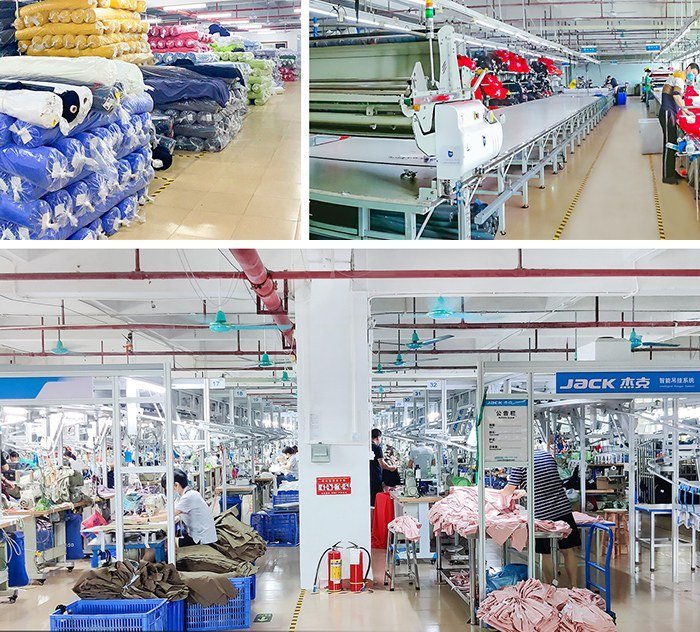
Our 5-Step Quality Control Process for Wholesale Work Jackets
Materials QC Testing Before Production
Every fabric roll and trim component is inspected before cutting begins. We verify color consistency, weight specifications, shrinkage rates, and durability standards to ensure your wholesale work jackets start with premium materials that meet your brand’s exact requirements.
- Fabric weight and density verification against approved samples
- Colorfastness testing to prevent fading and bleeding
- Pre-production shrinkage and stretch analysis
- Zipper, button, and hardware strength testing before assembly
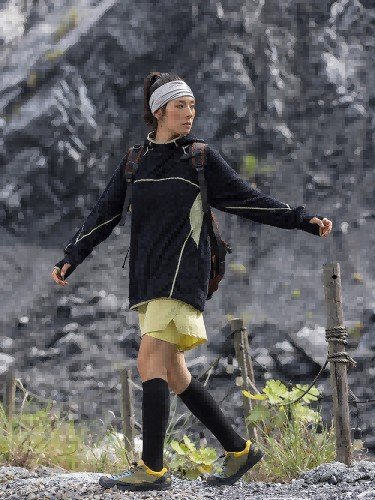
Cutting QC Testing for Precision
After materials pass inspection, our cutting QC ensures every pattern piece is accurate to the millimeter. This stage catches sizing errors and fabric defects early, eliminating costly mistakes that other manufacturers only discover after sewing is complete.
- Pattern piece measurement verification against tech packs
- Grain line and fabric direction consistency checks
- Identification and removal of flawed fabric sections
- Matching of prints and plaids across cut components
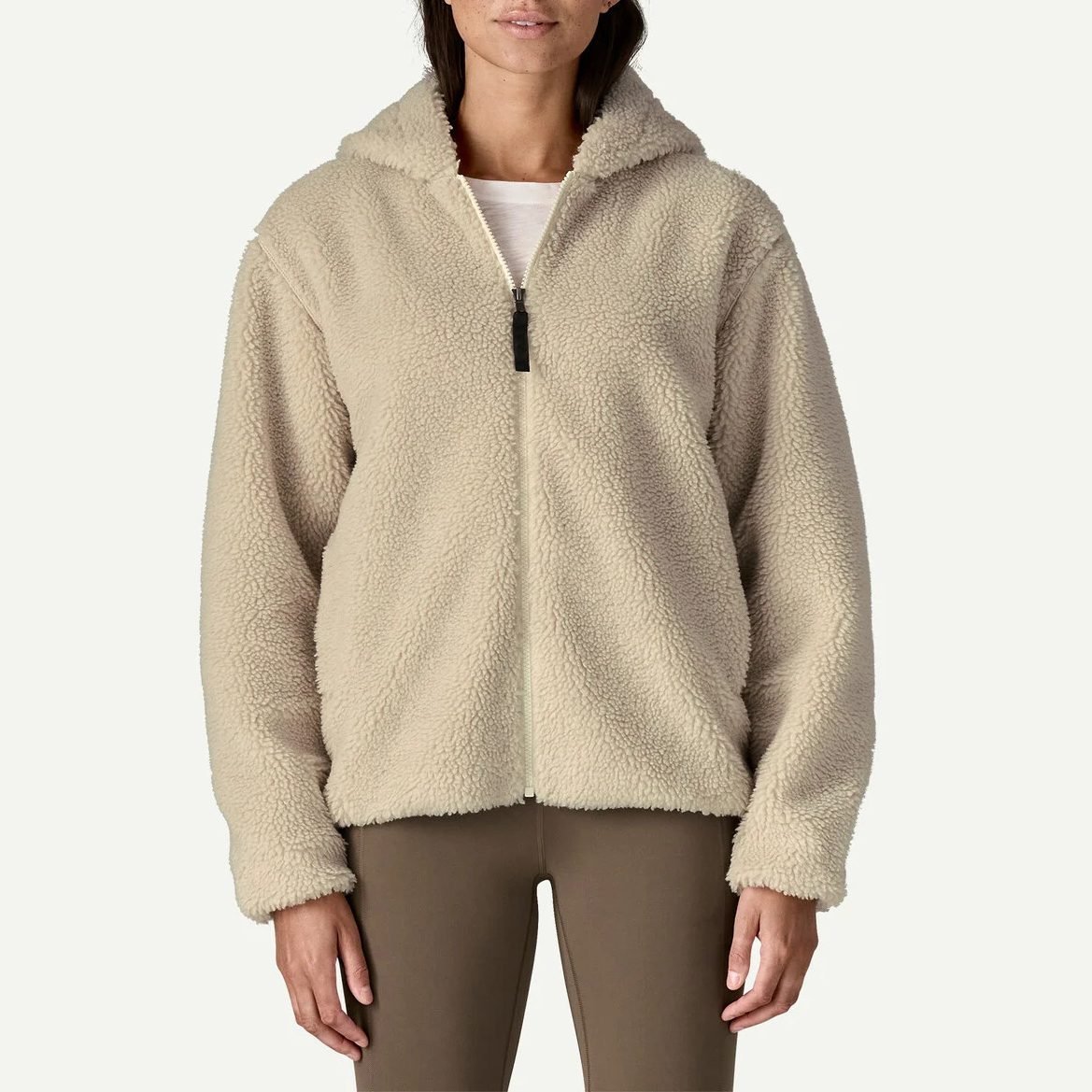
Clothing Craft QC During Assembly
As your wholesale work jackets move through production, our craft QC specialists monitor stitch quality, seam alignment, and construction techniques. This real-time oversight ensures every garment reflects the premium craftsmanship your brand demands, not the shortcuts common in bulk manufacturing.
- Stitch density and tension monitoring at every seam
- Pocket placement and symmetry verification
- Reinforcement checks at stress points and high-wear areas
- Lining attachment and interior finish inspection
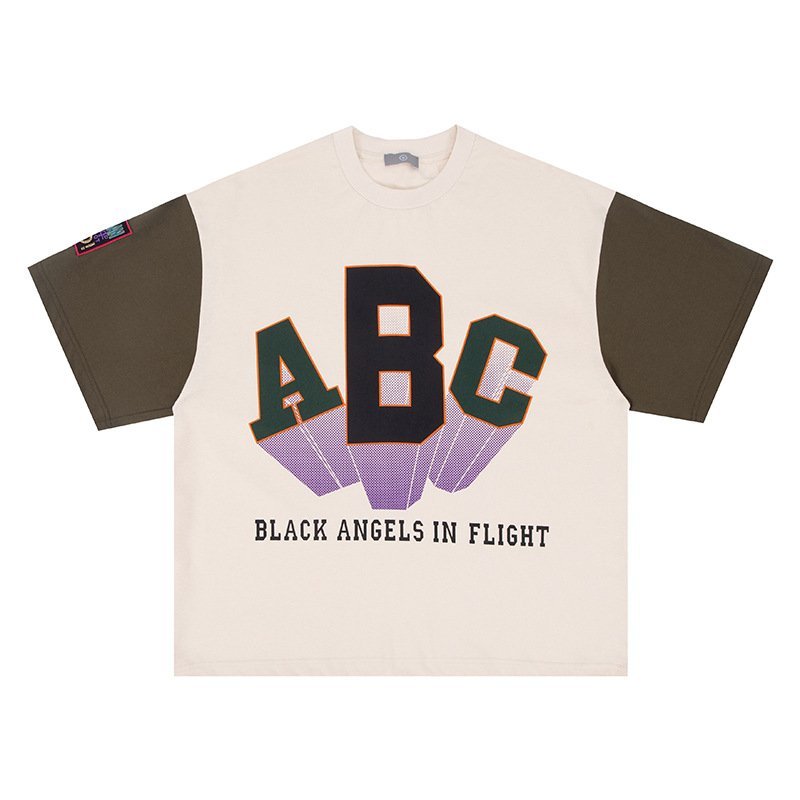
Final Finished Clothing Quality Inspection
Before packaging, every wholesale work jacket undergoes comprehensive final inspection. We check fit, finish, labeling, and packaging standards to guarantee that what reaches your customers upholds your brand reputation and eliminates the costly returns that plague low-QC manufacturers.
- Comprehensive fit testing across all size runs
- Thread trimming and loose end elimination
- Label placement, care instructions, and branding verification
- Steam pressing and presentation-ready finishing
How We Outperform Other Wholesale Work Jacket Suppliers
When you’re sourcing wholesale work jackets for your brand, quality control, flexibility, and transparency matter. Here’s how Clothing Manufacturer Ltd. delivers where typical suppliers fall short.
← 左右滑动查看 →
Wholesale Work Jackets Production Timeline
Our streamlined 6-phase process ensures your wholesale work jackets move from concept to shipment with precision, quality checks at every stage, and transparent lead times you can count on.
Tech Pack Review
Our team analyzes your specifications, confirms fabric selection, and validates all design details to ensure production-ready documentation. Timeline: 1-2 business days.
Sampling & Approval
We create pre-production samples with your chosen materials and construction methods, ship for your review, and refine until approved. Timeline: 7-10 days.
Bulk Cutting & Materials QC
Approved patterns are cut from inspected fabric rolls. Our first QC checkpoint verifies material quality and cutting accuracy before sewing begins. Timeline: 3-5 days.
Production & Multi-Stage QC
Sewing teams assemble your wholesale work jackets while our 5-step quality control process monitors craftsmanship, stitching, and construction at every phase. Timeline: 12-18 days.
Final Inspection & Packing
Finished garments undergo comprehensive quality inspection, are pressed, labeled, and packed to your specifications with full traceability documentation. Timeline: 2-3 days.
Global Shipment
Your order ships via your preferred logistics partner with complete customs documentation, tracking, and our dedicated support throughout delivery. Timeline: varies by destination.
How to Order Wholesale Work Jackets
From design concept to global delivery, our streamlined process ensures your wholesale work jackets meet every quality standard and deadline.
Submit Your Tech Pack or Design Brief
Share your wholesale work jacket specifications, fabric preferences, and branding requirements. Our team reviews MOQ, customization options, and provides technical guidance within 24 hours.
Receive Quote and Free Sample
Get transparent pricing with no hidden fees, lead time estimates, and payment terms. Approve your free sample to ensure fabric quality and construction meet your expectations.
Approve Bulk Production Specifications
Confirm final measurements, colorways, labels, and packaging. Our 15-member R&D team finalizes patterns and prepares production-ready files for your wholesale work jacket order.
Production with 5-Step QC Testing
Your order moves through materials QC, cutting QC, craft QC, sewing QC, and finished garment inspection. Every wholesale work jacket is tested at each stage, not just at completion.
Global Shipping and Delivery Confirmation
We handle customs documentation, logistics coordination, and tracking. Your wholesale work jackets arrive on schedule with full quality certification and transparent communication throughout transit.
Certifications & Quality Standards for Wholesale Work Jackets
What Global Brands Say About Our Wholesale Work Jackets
We launched our streetwear work jacket line with just 100 units and scaled to 50,000 Instagram followers in eight months. The 5-step QC process eliminated returns and our customers trust the quality every single time.
After switching to Clothing Manufacturer Ltd for our wholesale work jackets, our defect rate dropped from 12% to under 1%. Their cutting QC and sewing inspections catch issues before they become costly problems.
As a startup, the low MOQ was crucial. We ordered 200 custom work jackets to test our market, sold out in three weeks, and reordered 2,000 units. Their turnaround kept pace with our growth.
Frequently Asked Questions About Wholesale Work Jackets
What is the minimum order quantity for wholesale work jackets?
How long does production take for wholesale work jackets?
Do you charge for samples of wholesale work jackets?
What payment terms do you offer for wholesale work jacket orders?
How do you protect my designs when ordering wholesale work jackets?
What customization options are available for wholesale work jackets?
Do you handle international shipping for wholesale work jackets?
How does your 5-step quality control process work for wholesale work jackets?
Can you match specific Pantone colors for wholesale work jackets?
The Complete Buyer’s Guide to Wholesale Work Jackets for Your Brand
Navigate the wholesale work jackets market with confidence. This guide delivers a proven decision framework, essential supplier quality criteria, material comparisons, customization options, and the critical mistakes to avoid when sourcing durable workwear for your brand.
1. What Are Wholesale Work Jackets?
Wholesale work jackets are durable outerwear garments purchased in bulk quantities—typically starting at minimum order quantities (MOQs) of 50 to 500 units—designed specifically for labor-intensive environments where protection, mobility, and longevity are critical. Unlike retail purchasing, where individual consumers buy single pieces at marked-up prices, wholesale transactions involve brands, corporate buyers, and distributors acquiring large volumes at factory-direct pricing, often 40–60% below retail. This bulk model enables businesses to secure consistent inventory, apply custom branding, and maintain predictable cost structures across their supply chains.
Typical wholesale work jacket buyers include streetwear and trendy brands integrating workwear aesthetics into fashion collections, corporate procurement teams outfitting employees in construction, logistics, hospitality, and facilities management, and distributors serving regional markets with safety and uniform apparel. Fashion startups and independent designers increasingly source wholesale work jackets to capitalize on the enduring appeal of utilitarian design, while influencer and creator brands leverage the rugged, authentic styling to differentiate their offerings.
Work jackets remain essential across industries because they deliver functional protection against weather, abrasion, and workplace hazards while projecting professionalism and brand identity. In construction and outdoor services, reinforced stitching, ripstop fabrics, and high-visibility elements are non-negotiable; in hospitality and retail, branded work jackets unify teams and enhance customer-facing presentation. The global demand for wholesale work jackets continues to grow as businesses recognize that quality outerwear reduces replacement costs, improves worker safety, and strengthens brand perception in both B2B and consumer markets.
2. Evolution of Work Jackets in Apparel Manufacturing
In the early 1900s, canvas duck jackets emerged as the first standardized work jacket silhouette, engineered for railroad workers and factory laborers who needed abrasion-resistant outerwear that could withstand daily wear in harsh industrial environments. Brands introduced reinforced stitching, multiple pockets, and heavyweight cotton twill or duck canvas—fabrics weighing 10–16 oz per square yard—that became the blueprint for utilitarian workwear.
By the 1970s and 1980s, skate and punk subcultures adopted military surplus field jackets and chore coats, transforming wholesale work jackets from purely functional garments into symbols of rebellion and counterculture identity. This cross-pollination accelerated in the 1990s when streetwear labels began reinterpreting classic work jacket silhouettes with oversized fits, bold graphics, and premium detailing, bridging the gap between heritage workwear and contemporary fashion.
Today’s wholesale work jackets integrate technical fabrics—ripstop nylon, water-resistant coatings, breathable membranes—with design codes rooted in workwear heritage. Manufacturers now produce jackets that meet both OEKO-TEX Standard 100 for chemical safety and aesthetic expectations of trend-driven brands, allowing streetwear startups and independent designers to offer collections that honor utilitarian origins while delivering modern performance and brand differentiation.
This dual-purpose evolution means wholesale work jackets serve as both functional outerwear and core brand identity pieces, enabling fashion startups to tap into workwear’s authenticity while meeting consumer demand for garments that transition seamlessly from jobsite-inspired styling to everyday streetwear.
3. Types of Wholesale Work Jackets for Different Markets
Wholesale work jackets span six major categories, each engineered for distinct functional demands and brand positioning. Matching jacket type to your target audience ensures product-market fit and maximizes sell-through rates.
Classic Canvas Work Jackets
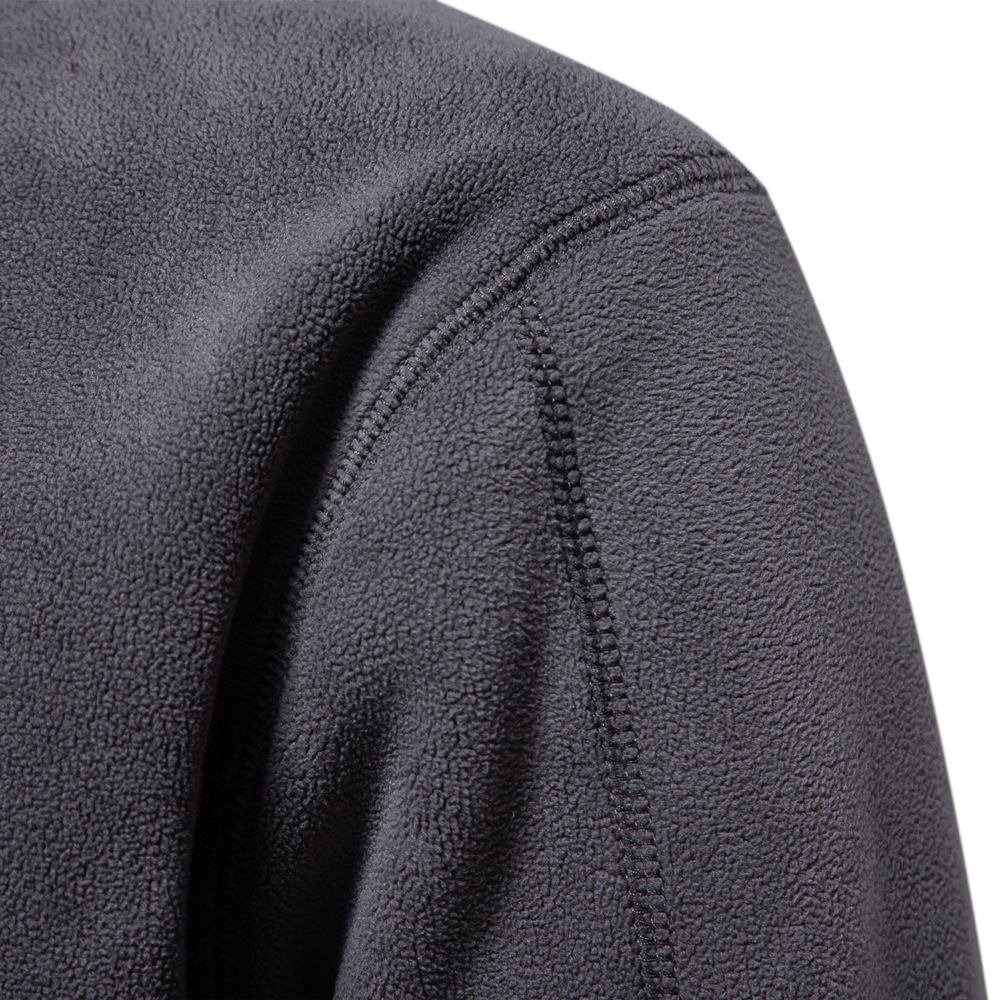
Canvas work jackets use 10-12 oz cotton duck or cotton-poly blends with reinforced stitching at stress points. Traditional construction includes corduroy collars, brass snap closures, and dual chest pockets.
Fashion startups and independent designers favor this style for its heritage aesthetic and blank-canvas customization potential. Streetwear brands layer oversized fits with embroidered patches or screen-printed graphics.
Insulated Quilted Work Jackets
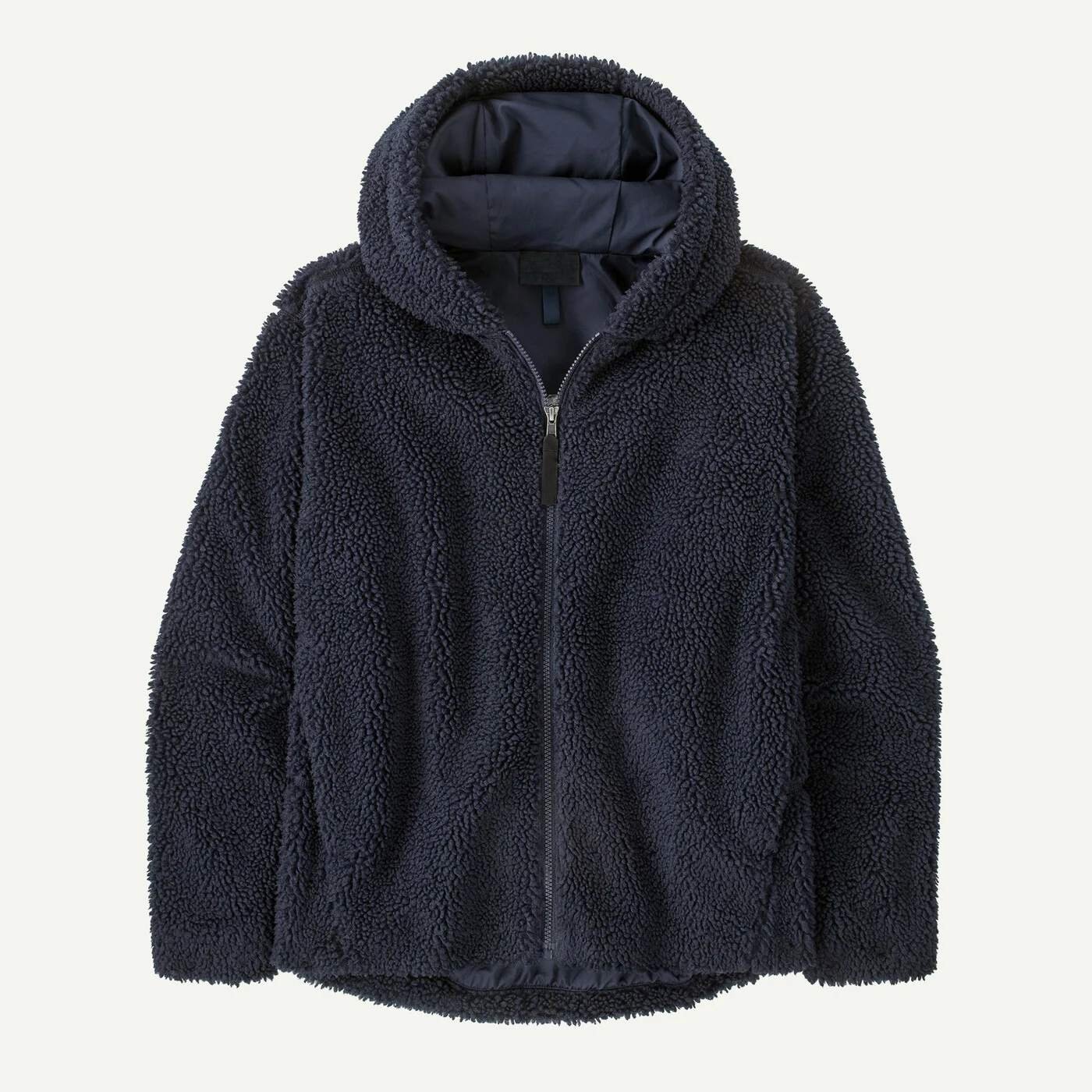
Quilted jackets feature polyester or down fill ranging from 60-120 GSM, sandwiched between nylon or poly-canvas shells. Diamond or channel quilting prevents fill migration and maintains thermal efficiency.
Global retailers stock these for cold-weather markets, while influencer brands use puffer silhouettes in bold colorways to merge utility with trend-driven design.
Denim Work Jackets
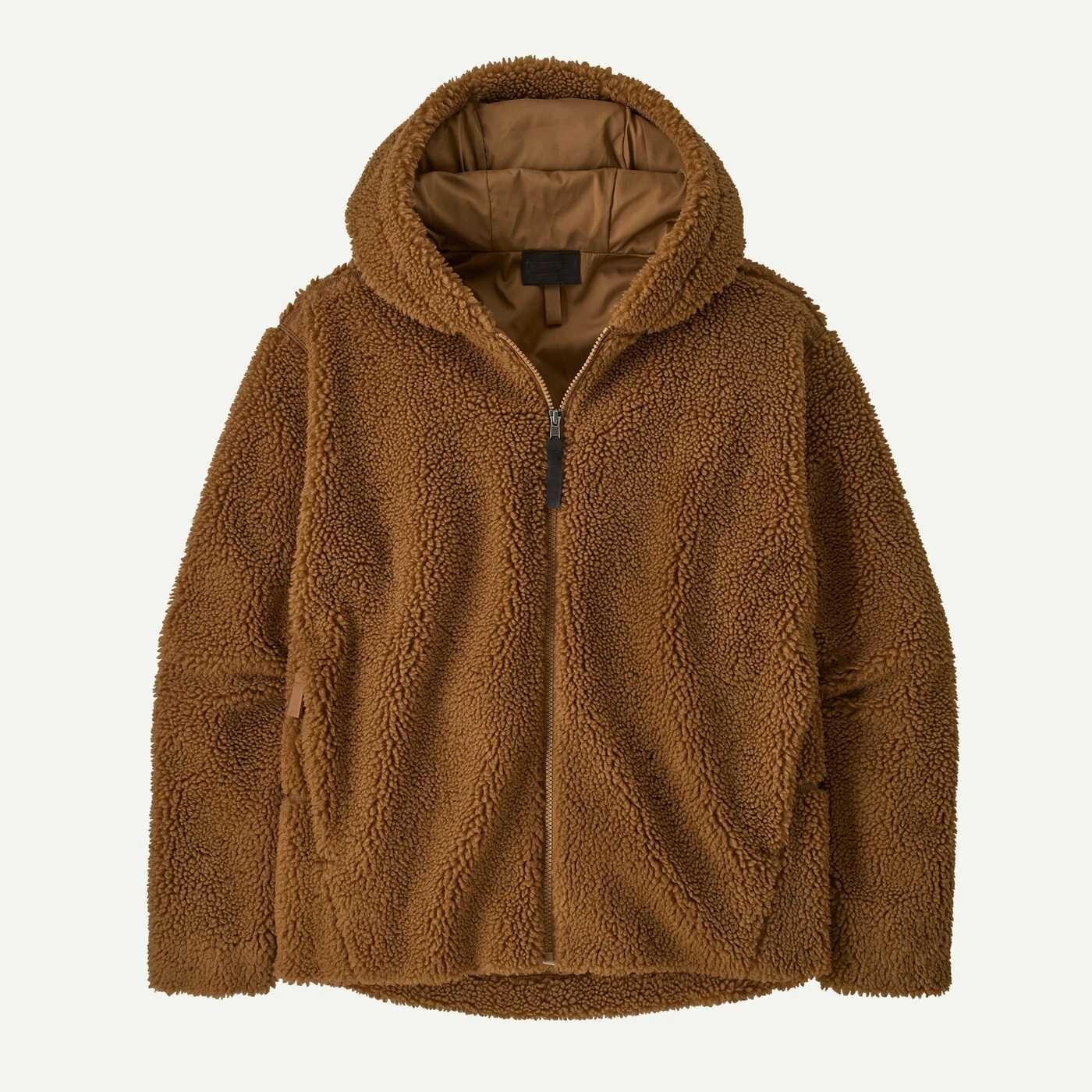
Denim work jackets use 10-14 oz denim with reinforced seams and metal button closures. Trucker-style cuts with adjustable waist tabs deliver classic workwear silhouettes.
Streetwear and trendy brands prefer raw, washed, or distressed finishes. Independent designers add embroidery, patches, or contrast stitching to differentiate collections.
Hybrid Streetwear-Workwear Styles
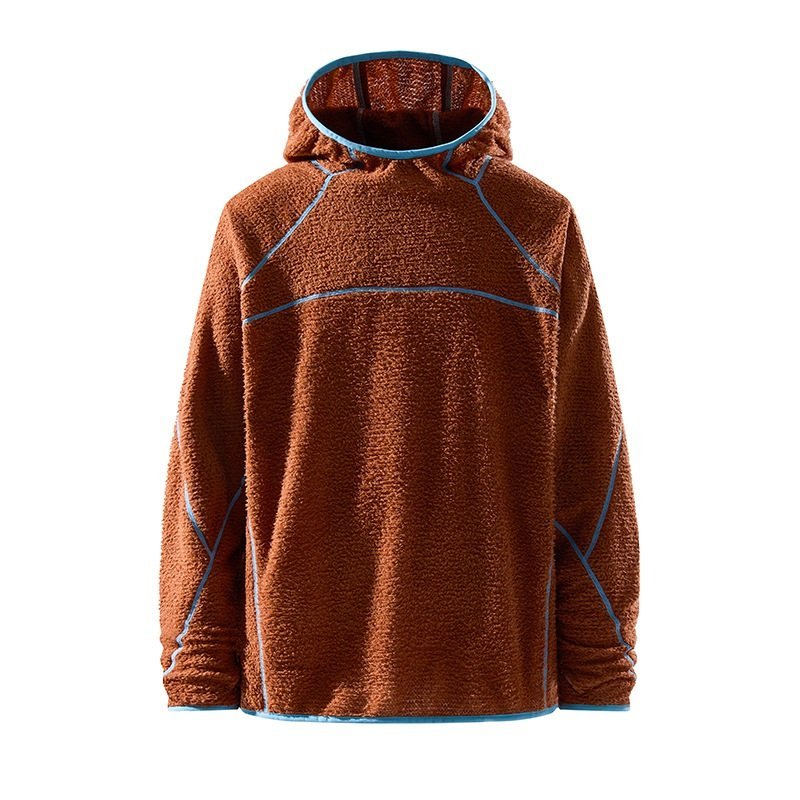
Hybrid jackets blend utility details — cargo pockets, D-rings, reflective tape — with streetwear cuts and graphics. Fabrics range from ripstop nylon to heavyweight cotton twill.
Influencer and creator brands drive demand for these styles, pairing functional hardware with bold prints, oversized fits, and limited-edition drops that appeal to youth culture.
4. Materials and Fabrics for Wholesale Work Jackets
Fabric selection determines the durability, comfort, and market positioning of wholesale work jackets. Understanding weight metrics (GSM for metric, ounces per square yard for canvas), durability ratings, and performance trade-offs ensures you specify materials that match your brand’s target use case and price point.
| Fabric Type | Typical Weight/GSM | Durability | Water Resistance | Best Use Case |
|---|---|---|---|---|
| Cotton Canvas | 10–16 oz/yd² | High abrasion resistance | Low (unless treated) | Heritage workwear, streetwear |
| Poly-Cotton Blend | 200–280 GSM | Moderate, low pilling | Moderate | Everyday work jackets, uniforms |
| Ripstop Nylon | 40–70 GSM | Tear-resistant | High with DWR | Lightweight, packable styles |
| Cordura Nylon | 200–500 denier | Exceptional (4× standard) | High with DWR | Heavy-duty, utility pockets |
Cotton Canvas and Weight Standards
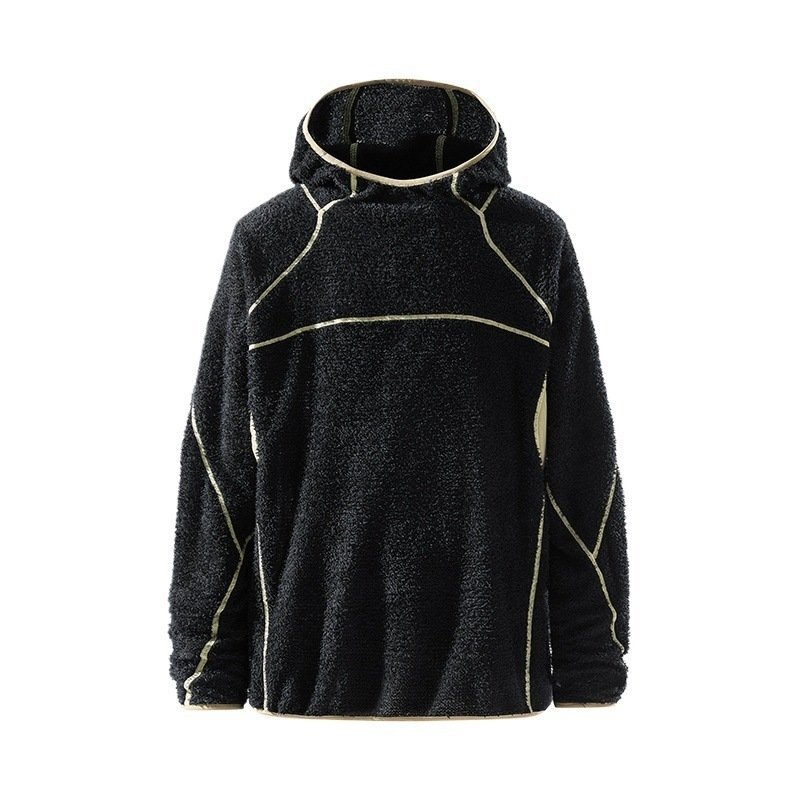
Cotton canvas for work jackets typically ranges from 10 oz to 16 oz per square yard, with heavier weights offering greater abrasion resistance. A 12 oz canvas balances durability and breathability for general workwear, while 14–16 oz constructions suit heavy-duty industrial applications.
Canvas accepts dye well and softens with wear, making it popular for heritage-inspired streetwear work jackets. However, untreated canvas offers minimal water resistance and requires chemical finishing or waxing for weather protection.
Poly-Cotton Blends and Performance Balance
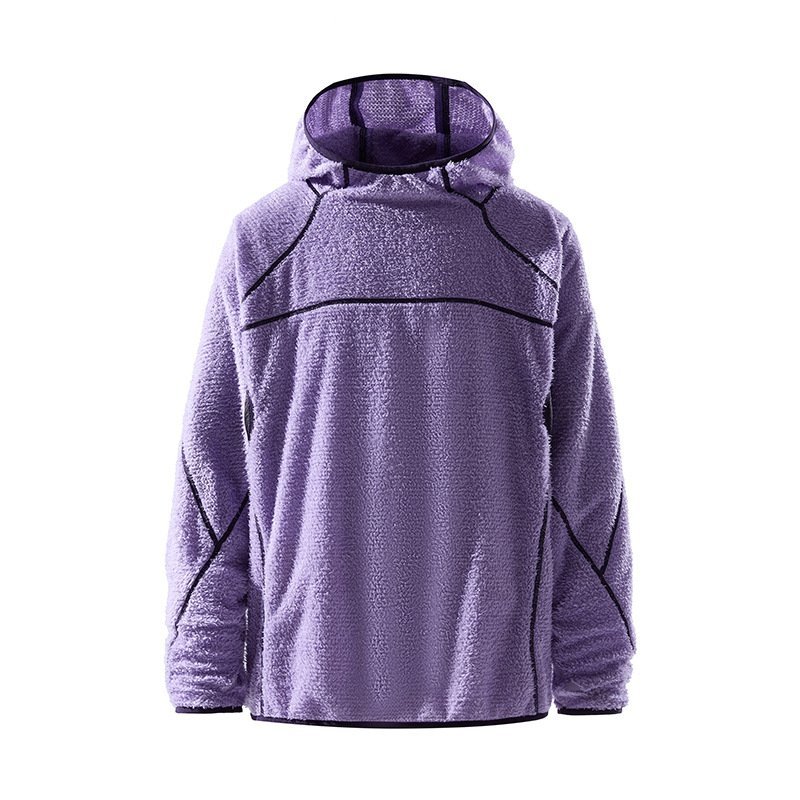
Poly-cotton blends—commonly 65/35 or 60/40 polyester to cotton—combine cotton’s breathability with polyester’s wrinkle resistance and faster drying time. These blends typically weigh 200–280 GSM and cost 15–25% less than pure cotton canvas.
Blends resist shrinkage better than 100% cotton, simplifying size consistency across production runs. The synthetic content also improves color retention and reduces pilling, extending garment lifespan in high-wash commercial and streetwear contexts.
Technical Fabrics: Ripstop, Cordura, and Nylon
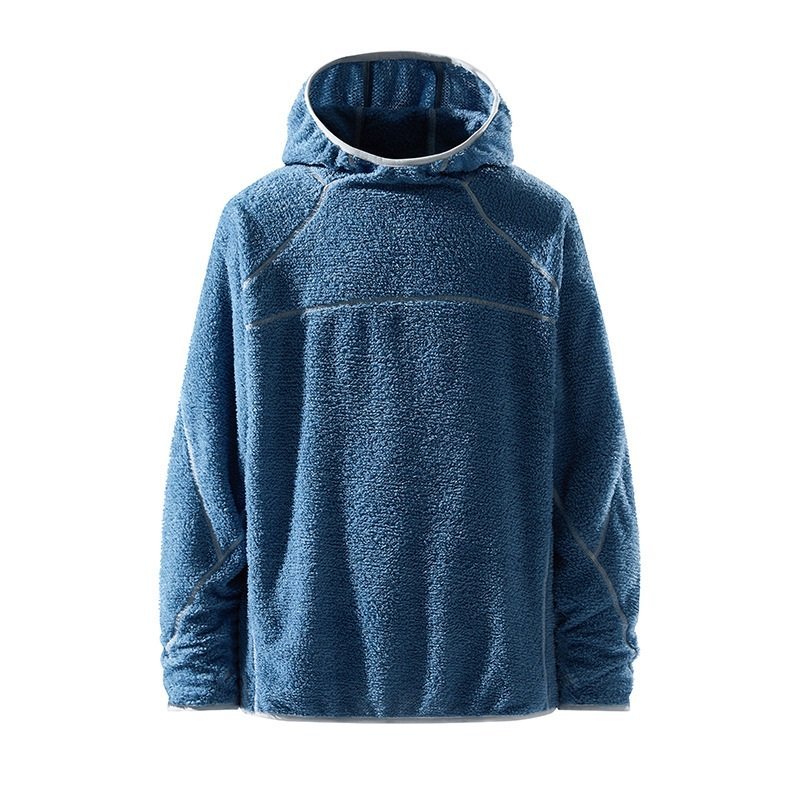
Ripstop nylon (40–70 GSM) features a crosshatch reinforcement pattern that prevents tear propagation, ideal for lightweight packable work jackets. Cordura nylon (200–500 denier) offers exceptional abrasion resistance—up to four times that of standard nylon—suited for utility pockets and high-wear zones.
These synthetics dry quickly and accept DWR (durable water repellent) coatings for weather resistance. Cordura adds 20–30% to material cost but significantly extends product life in rugged-use scenarios, a selling point for premium workwear and outdoor-inspired streetwear lines.
5. Customization and Branding Options for Wholesale Work Jackets
Wholesale work jackets offer multiple decoration methods to establish brand identity and meet market positioning goals. Each technique carries distinct setup costs, durability characteristics, minimum order quantities, and lead-time requirements that influence total project economics and launch timelines.
| Decoration Method | Setup Cost | Per-Unit Cost | Durability (Washes) | Best For |
|---|---|---|---|---|
| Embroidery | $25–$75 | $2–$8 | 50+ | Premium branding, long-term wear |
| Screen Printing | $15–$40/color | $0.50–$3 | 30–40 | High-volume bold graphics |
| Heat Transfer | $0 | $3–$7 | 15–25 | Low-MOQ tests, photo prints |
| Woven Labels | $0 (500 MOQ) | $0.15–$0.50 | 100+ | Subtle brand signature |
| Leather Patches | $50–$100 | $1–$3 | 50+ | Heritage, artisan positioning |
Embroidery for Premium Branding
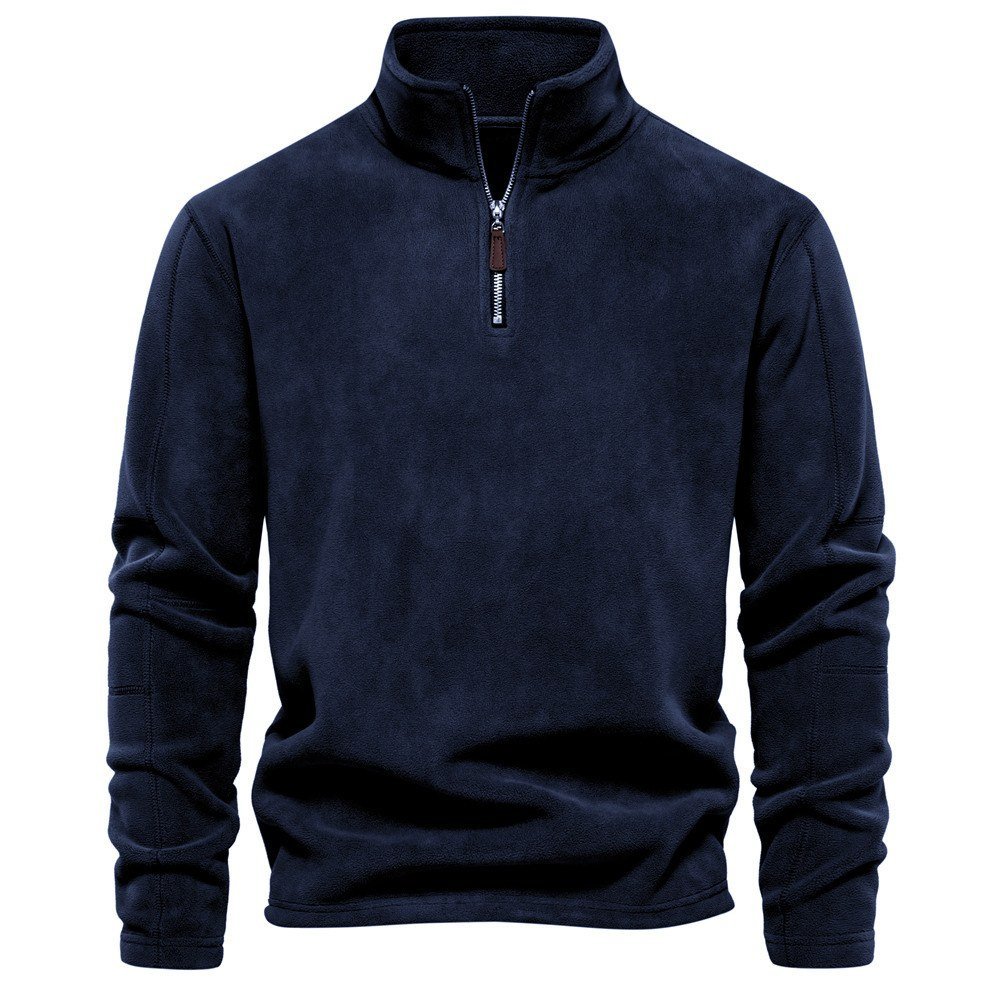
Embroidery delivers the highest perceived value and longest durability among decoration methods, withstanding 50+ industrial wash cycles without fading. Common placements include left chest (3–4 inch), full back (10–12 inch), and sleeves (2–3 inch). Setup costs range from $25–$75 per design depending on stitch count, with per-unit costs of $2–$8 based on size and thread count.
Minimum quantities typically start at 50 pieces per colorway. Lead time adds 5–7 days to production schedules. Embroidery works best on canvas, denim, and twill fabrics where needle penetration does not distort the weave.
Screen Printing and Heat Transfer
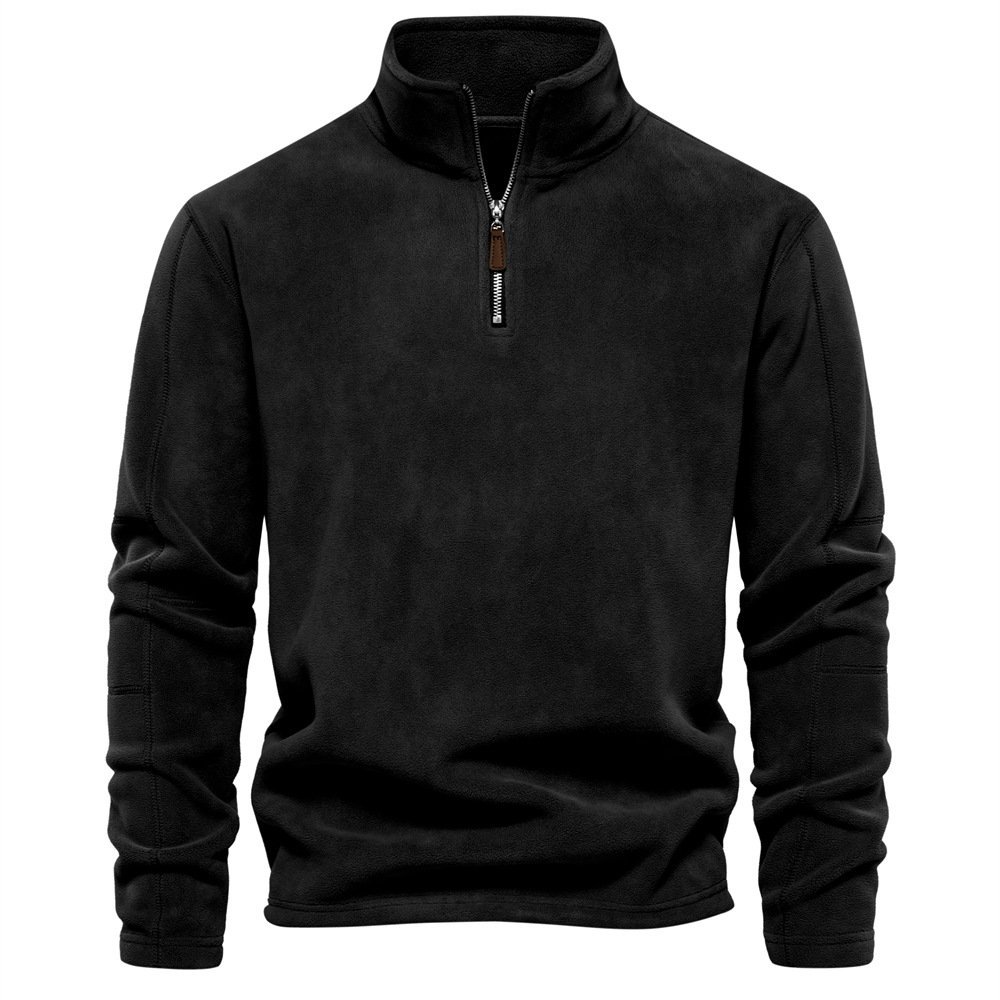
Screen printing suits large-volume orders with bold graphics, requiring separate screens per color at $15–$40 each but delivering per-unit costs as low as $0.50–$3 for simple designs. Durability reaches 30–40 washes before noticeable cracking on cotton blends.
Heat transfer eliminates setup fees and enables full-color photographic prints, ideal for test runs or influencer capsules under 25 units. Per-unit costs run $3–$7, but durability drops to 15–25 washes. Lead time for screen printing adds 7–10 days; heat transfer adds 3–5 days.
Woven Labels, Leather Patches, and Custom Hardware
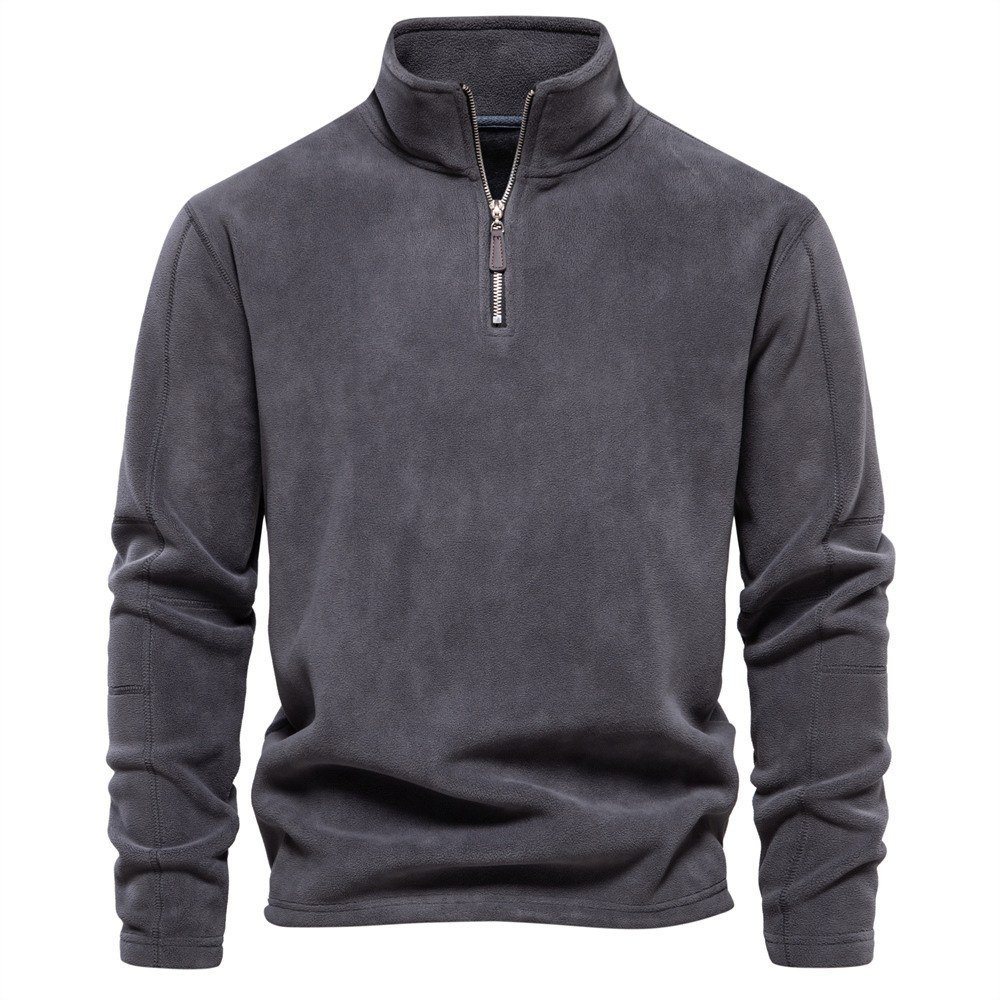
Woven damask labels sewn into neck seams or hem facings cost $0.15–$0.50 per piece with 500-unit minimums and 10–14 day lead times. Leather patches debossed or laser-etched range from $1–$3 each, requiring 100-piece minimums and adding 12–15 days.
Custom metal zippers, snap buttons, and rivets from suppliers like YKK start at 500–1,000 units per SKU, adding $0.80–$2.50 per jacket and 15–20 days to schedules. These elements elevate perceived quality and reinforce brand identity through tactile differentiation.
6. Key Quality Indicators in Work Jacket Construction
Quality checkpoints separate wholesale work jackets that survive years of wear from those returned within months. Inspecting stitch density, reinforcement, hardware, and finishing during sample reviews or factory audits ensures your brand delivers durability and minimizes costly warranty claims.
Stitch Density and Seam Finishing
Industrial work jackets require 10–12 stitches per inch on main seams; fewer than 8 SPI indicates rushed production that unravels under stress. Check flatlock or double-needle seams on shoulders and side panels, which distribute tension better than single-stitch construction.
Seam allowances should be cleanly serged or bound to prevent fraying. During factory audits, pull gently on seams — quality stitching shows no gaps or puckering, and thread tension remains even across the entire seam line.
- Main seams: 10–12 stitches per inch minimum for durability
- Flatlock or double-needle construction on high-stress zones
- Serged or bound seam allowances to prevent fraying
Reinforced Stress Points and Bartack Stitching
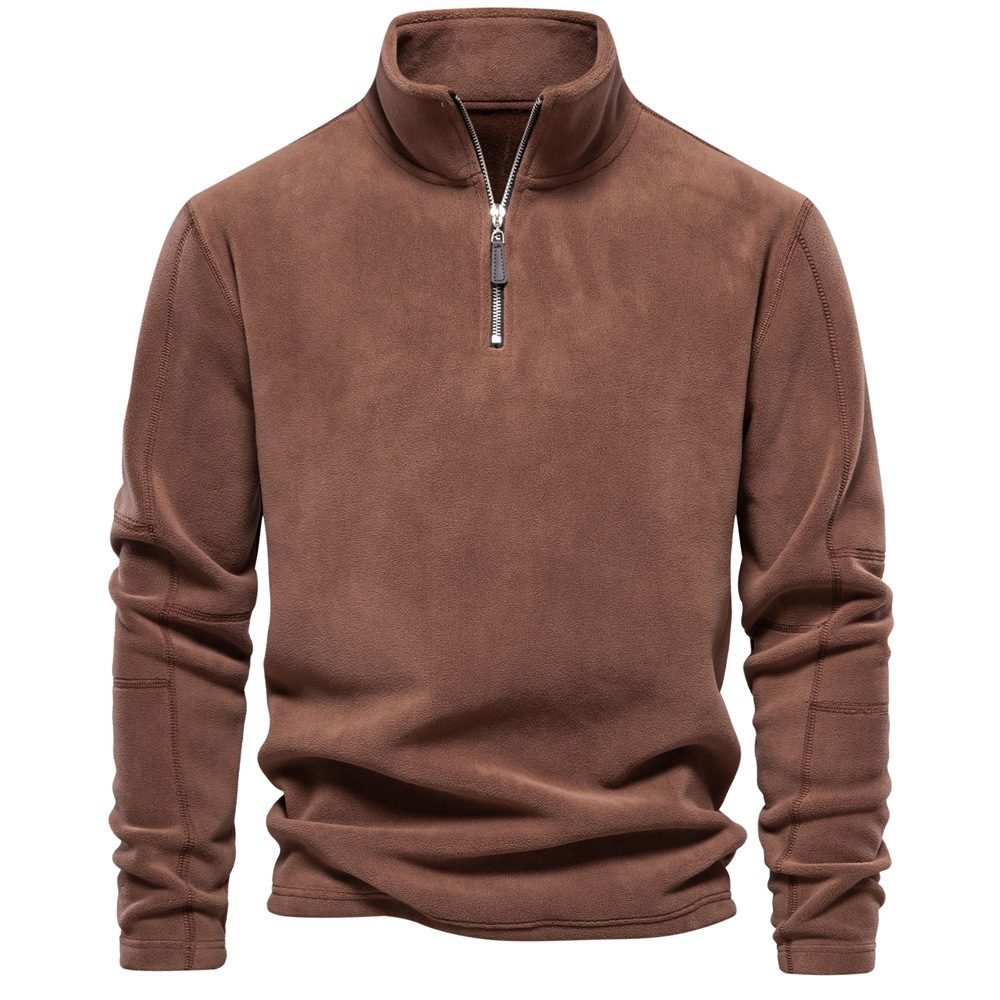
Elbows, pocket corners, and zipper ends bear the highest mechanical load in work jackets. Bartack reinforcement — dense zigzag stitching approximately 0.5 inches long — anchors these areas and prevents tearing.
Inspect every pocket opening and the base of zippers for bartacks. Quality manufacturers apply bartacks at a minimum of four points per pocket (top corners and bottom corners) and at both ends of every zipper tape.
- Bartacks at all pocket corners and zipper ends (minimum four per pocket)
- Elbow patches or double-layer fabric at high-abrasion zones
- Reinforcement stitching visible and evenly tensioned
Zipper Grade and Hardware Durability
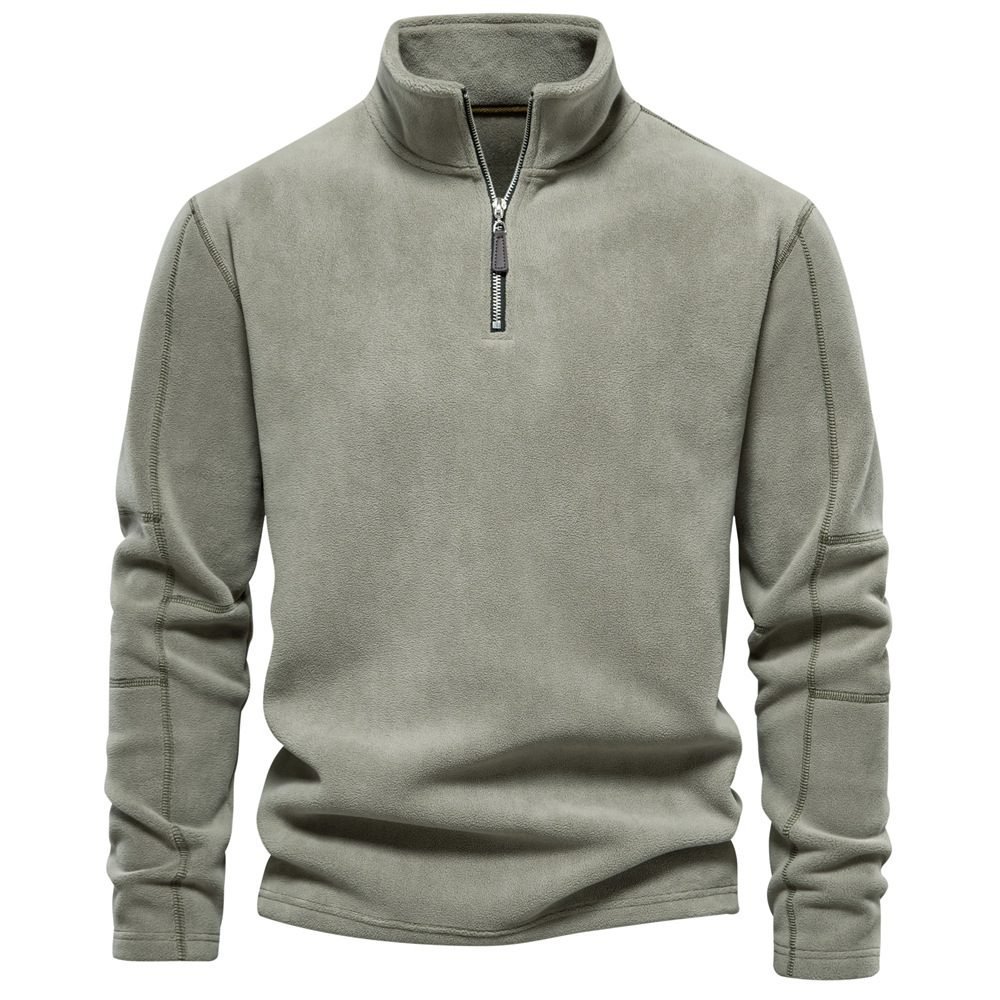
YKK zippers withstand 1,500+ cycles in standard testing; generic alternatives often fail below 500 cycles, leading to customer complaints and returns. Specify YKK or equivalent (SBS, Ideal) for front closures and pockets.
Test zippers by cycling them 20–30 times during sample review — smooth operation without snagging indicates proper tape alignment and slider quality. Metal pulls should be securely riveted, not glued, to the slider body.
- YKK or equivalent-grade zippers (SBS, Ideal) for longevity
- Cycle test 20–30 times during sample inspection
- Metal pulls riveted, not glued, to slider mechanisms
Lining Quality and Construction
Polyester taffeta or twill linings (190–210 GSM) resist tearing and moisture better than thin acetate alternatives. Check that lining seams align with shell seams to prevent bunching or stress concentration.
Quality linings extend 1–2 cm beyond the shell hem and cuffs, then fold back and are stitched invisibly. During inspection, turn the jacket inside out and verify that lining stitches do not penetrate the outer shell, maintaining a clean exterior finish.
- Polyester taffeta or twill, 190–210 GSM minimum
- Lining seams aligned with shell seams to prevent bunching
- Invisible hem stitching with no visible penetration on exterior
7. How to Choose the Right Wholesale Work Jackets Manufacturer
Selecting a manufacturing partner for wholesale work jackets requires systematic evaluation across certifications, capacity, and quality assurance frameworks. Brands that skip due diligence often encounter missed deadlines, inconsistent quality, and communication breakdowns that derail product launches.
Certifications and Compliance Standards
ISO 9001 certification confirms systematic quality management, while WRAP and BSCI audits verify ethical labor practices and social compliance. Factories holding these credentials demonstrate commitment to transparency and accountability.
Request copies of current certificates and verify expiration dates. Third-party audits provide independent validation that internal claims align with actual production conditions.
- ISO 9001: quality management systems
- WRAP: ethical manufacturing and labor standards
- BSCI: social compliance and workplace safety
- OEKO-TEX: fabric safety and chemical testing
Production Capacity and Lead Times
Manufacturers with 15+ R&D staff and established parent companies can scale from 500-piece startup runs to 10,000+ unit reorders without quality degradation. Ask for monthly output capacity and typical lead times: 25–35 days for standard orders, 45–60 days for complex customization.
Confirm whether the factory owns its production lines or subcontracts work. Direct ownership ensures consistent quality control and faster turnaround, while subcontracting introduces variables that can delay shipments.
MOQ Flexibility and Sampling Process
Emerging brands require low minimum order quantities—300 to 500 pieces per style—to test markets without excess inventory risk. Established manufacturers offer pre-production samples within 7–14 days, allowing design validation before bulk production.
Evaluate sample costs (typically $50–$150 per jacket) and whether fees are refundable against production orders. A transparent sampling process with photo updates signals reliable communication throughout the manufacturing cycle.
Factory Visits and Quality Audits
On-site inspections reveal whether manufacturers implement stage-by-stage QC testing—materials inspection, cutting checks, craft testing, sewing line QC, and finished garment inspection—or only final inspections that miss early defects. Factories in Humen Town, Dongguan offer direct access to China’s apparel manufacturing hub.
If travel is impractical, hire third-party inspection services to audit production facilities and verify that quality claims match actual workflows. Video factory tours showing each production stage provide interim verification before committing to large orders.
8. Common Mistakes When Sourcing Wholesale Work Jackets
Even experienced buyers make costly errors when sourcing wholesale work jackets. Recognizing these pitfalls early saves both time and money, ensuring your final product meets brand standards and customer expectations.
Ignoring Fabric Shrinkage and Pre-Washing
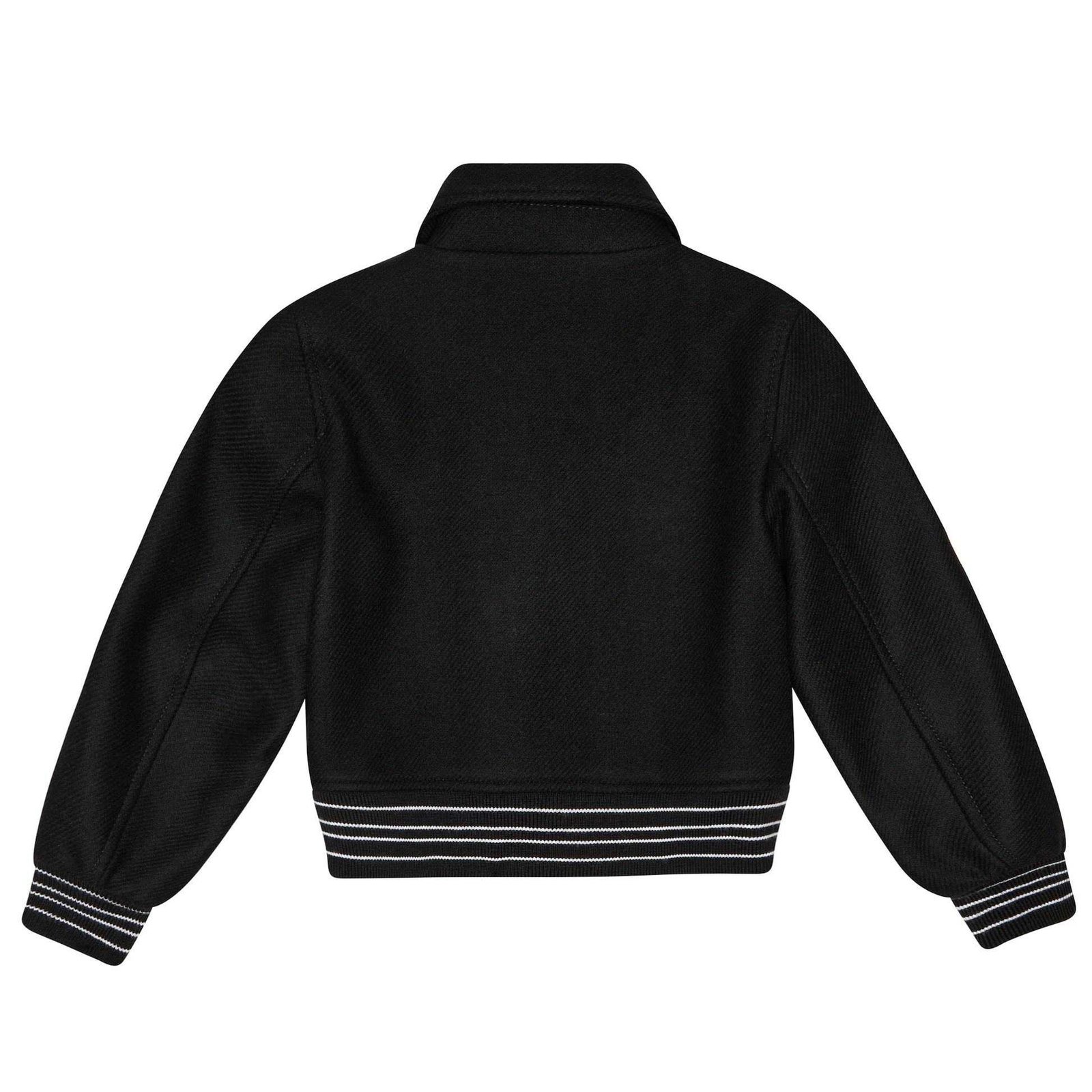
Many brands skip pre-wash testing, only to discover 3–5% shrinkage after the first customer wash. Cotton-canvas blends and heavy twills are particularly prone to dimensional change.
Request pre-washed samples or specify sanforized finishes in your tech pack. Clothing Manufacturer Ltd. conducts materials QC testing to verify fabric stability before cutting, preventing post-sale size complaints.
Underestimating Lead Times for Custom Hardware
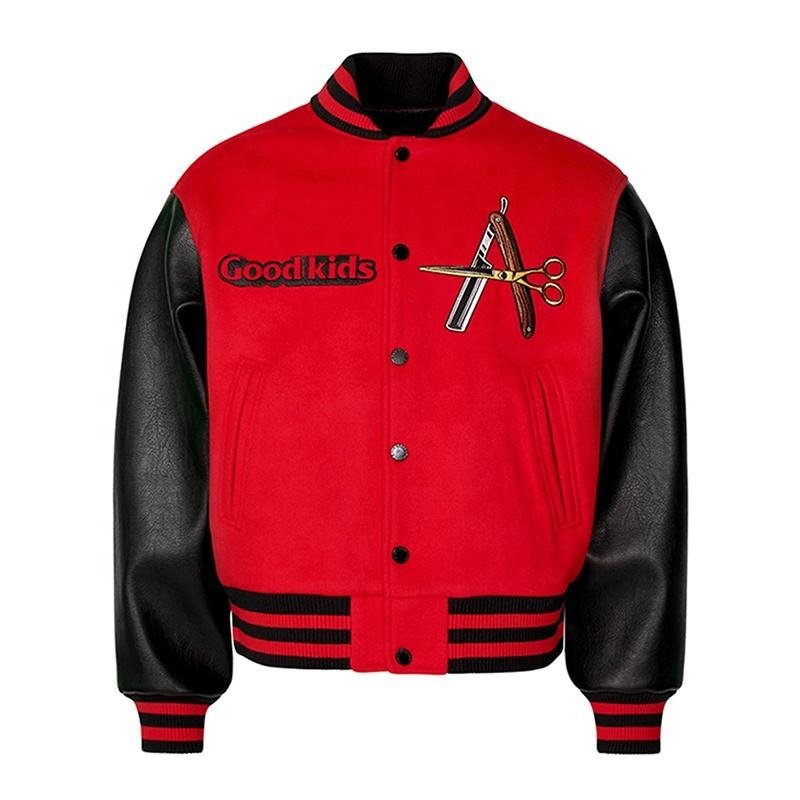
Custom metal zippers, branded snaps, and engraved buttons typically add 15–25 days to production schedules. Brands that assume standard lead times face delayed launches and missed seasonal windows.
Confirm hardware sourcing timelines during the sampling phase. If your supplier lacks in-house hardware procurement, factor in extra weeks for YKK custom pulls or logo-embossed rivets.
Skipping Sample Approval Stages
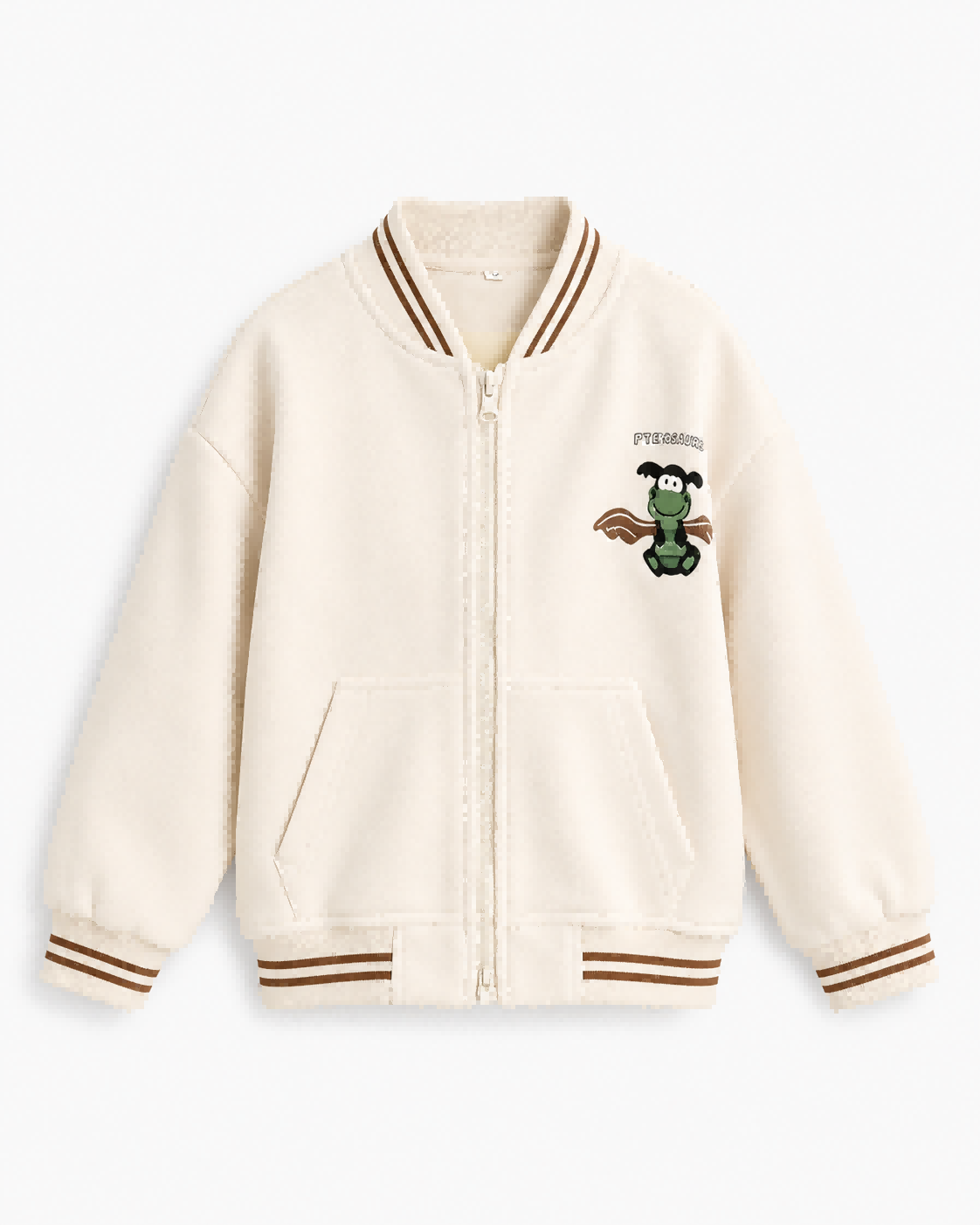
Rushing from tech pack to bulk production without a pre-production sample invites fit inconsistencies and construction errors. A single approval round catches pattern issues that cost thousands to fix in bulk.
Always approve a golden sample on-body, checking shoulder slope, sleeve length, and pocket placement. Clothing Manufacturer Ltd.’s five-step QC includes sewing production QC testing to ensure every unit mirrors the approved prototype.
Choosing Price Over Quality Assurance
Selecting the lowest quote without verifying QC protocols often results in high defect rates—loose stitching, misaligned panels, and weak seam strength. Brands then face return costs exceeding initial savings.
Request detailed QC documentation: cutting QC, in-line sewing checks, and finished garment inspections. Transparent quality processes signal a manufacturer’s commitment to eliminating low-quality output.
9. Steps to Launch Your Work Jacket Brand Successfully
Launching a work jacket brand requires a structured approach that balances creative vision with manufacturing realities. First-time buyers who follow a clear roadmap reduce risk, control costs, and reach market faster than those who skip critical planning stages.
Market Research and Audience Definition
Define your target customer by age, profession, geography, and style preference before committing budget. Streetwear-focused work jackets appeal to 18–34-year-old urban consumers, while traditional utility styles serve construction, logistics, and industrial sectors.
Allocate 2–4 weeks and $500–2,000 for competitor analysis, trend reports, and focus groups. Document fabric preferences, price sensitivity, and design must-haves to guide every downstream decision.
Design and Tech Pack Creation
Translate concepts into production-ready tech packs that specify fabric weight, colorways, hardware, stitching, and measurements. A complete tech pack includes front and back sketches, construction details, labeling placement, and tolerances.
Budget $300–1,500 per style for freelance designers or in-house development. Plan 3–6 weeks to finalize specs, ensuring your pack aligns with manufacturer capabilities and target retail price points.
Supplier Vetting and Sampling
Request samples from 3–5 shortlisted manufacturers to evaluate fabric hand-feel, stitching quality, and fit accuracy. Compare lead times, MOQ flexibility, and QC protocols—manufacturers using five-step quality control catch defects earlier than those inspecting only finished goods.
Sample rounds cost $50–200 per unit and take 2–4 weeks per iteration. Budget for two rounds to refine fit and finish before committing to bulk production.
Bulk Order, Quality Control, and Go-to-Market
Place your first bulk order at 100–500 units to test market demand without overcommitting capital. Confirm that your manufacturer conducts materials QC, cutting QC, craft QC, sewing QC, and finished-goods inspection at every stage.
Production and shipping require 6–10 weeks; budget $3,000–15,000 depending on order size. Launch through Shopify or WooCommerce for direct-to-consumer, approach boutique retailers for wholesale placement, or pitch influencer collaborations to build early traction.
10. Pricing and Cost Breakdown for Wholesale Work Jackets
Wholesale work jackets typically range from $12 to $45 per unit depending on order quantity, fabric weight, and customization complexity. Manufacturers in Dongguan’s Humen Town garment district quote 100-piece minimums at $28–$38 for mid-weight cotton-poly blends, dropping to $18–$25 at 500 pieces and $12–$18 at 1,000+ units for the same base style. Lead times extend from 18–25 days for blank stock to 30–40 days when embroidery, screen printing, or woven labels are added.
Customization drives the largest cost variance in wholesale work jackets orders. Blank garments ship fastest and cheapest, while single-color screen prints add $1.50–$3.00 per piece plus a one-time screen setup fee of $40–$80 per design. Full chest embroidery (up to 10,000 stitches) increases unit cost by $3.50–$6.00 and requires digitizing fees of $50–$120 for new artwork. Multi-position decoration — left chest logo plus back yoke graphic — can push per-unit premiums to $8–$12 depending on stitch count and thread changes.
Clothing Manufacturer Ltd. implements its five-step QC process across all order tiers without additional inspection fees, ensuring materials QC, cutting QC, craft QC, sewing QC, and finished-garment QC at every volume. Setup costs for custom hardware (metal zippers, branded snaps, or woven hem tags) range from $80 to $200 per component style, amortized across the production run. Buyers ordering 500+ units typically recover tooling expenses within the first batch when planning multi-season reorders.
| Order Quantity | Price per Unit (USD) | Lead Time (Days) | Setup / Tooling Fee |
|---|---|---|---|
| 100–299 units (Blank) | $28–$38 | 18–25 | $0 |
| 100–299 units (1-Color Print) | $30–$41 | 25–32 | $40–$80 (screen) |
| 100–299 units (Full Embroidery) | $32–$44 | 28–35 | $50–$120 (digitizing) |
| 500–999 units (Blank) | $18–$25 | 20–28 | $0 |
| 500–999 units (Multi-Position Decoration) | $26–$37 | 32–40 | $90–$200 (combined) |
| 1,000+ units (Blank) | $12–$18 | 22–30 | $0 |
| 1,000+ units (Full Customization) | $20–$30 | 35–45 | $150–$300 (hardware + decoration) |
Start Your Wholesale Work Jackets Order Today
Partner with a manufacturer that delivers premium quality, low MOQs, and our exclusive 5-step QC guarantee on every wholesale work jacket order.