
Premium Flannel Lined Work Jacket Manufacturer for Streetwear Brands
Partner with a flannel lined work jacket manufacturer offering 5-step QC, 50-piece MOQ, 7-day sampling, and proven expertise serving streetwear brands across 100+ countries.
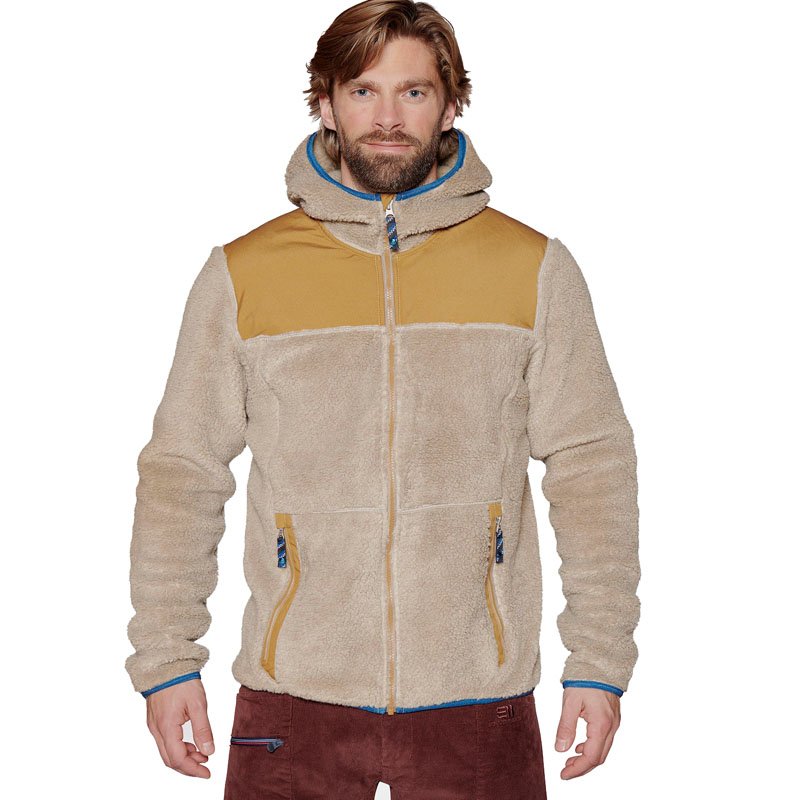
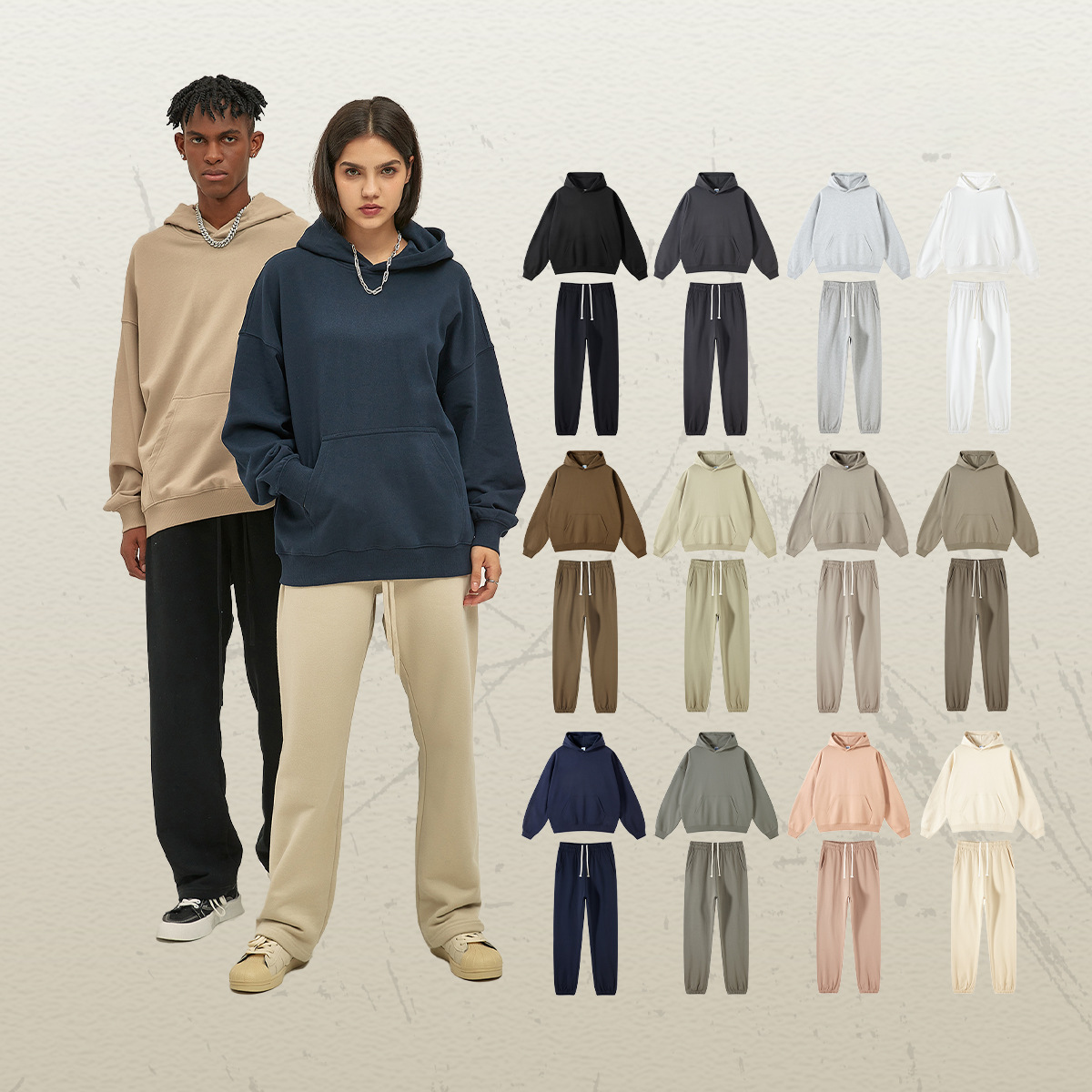
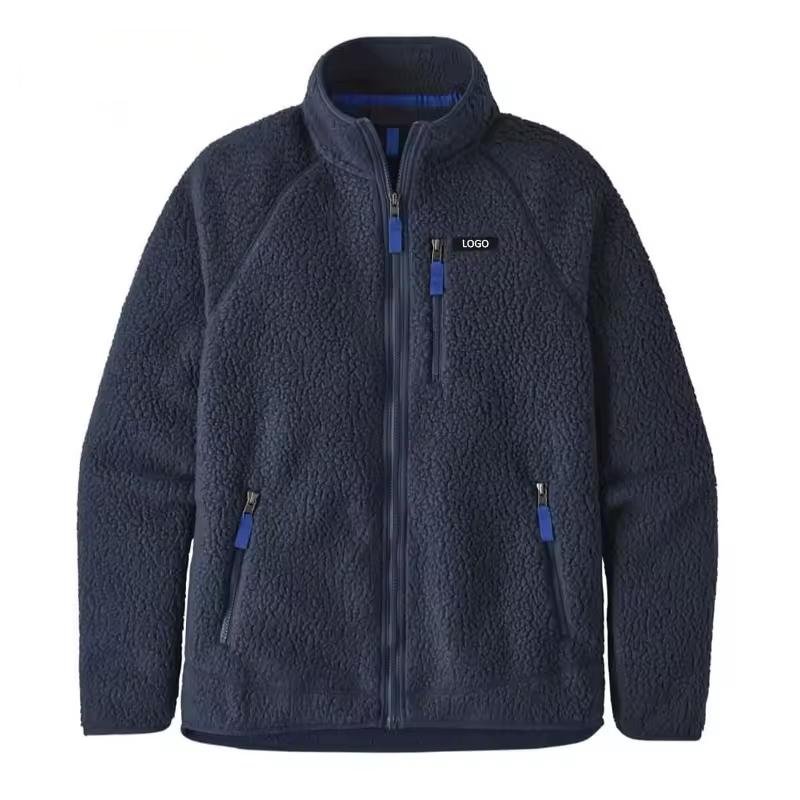
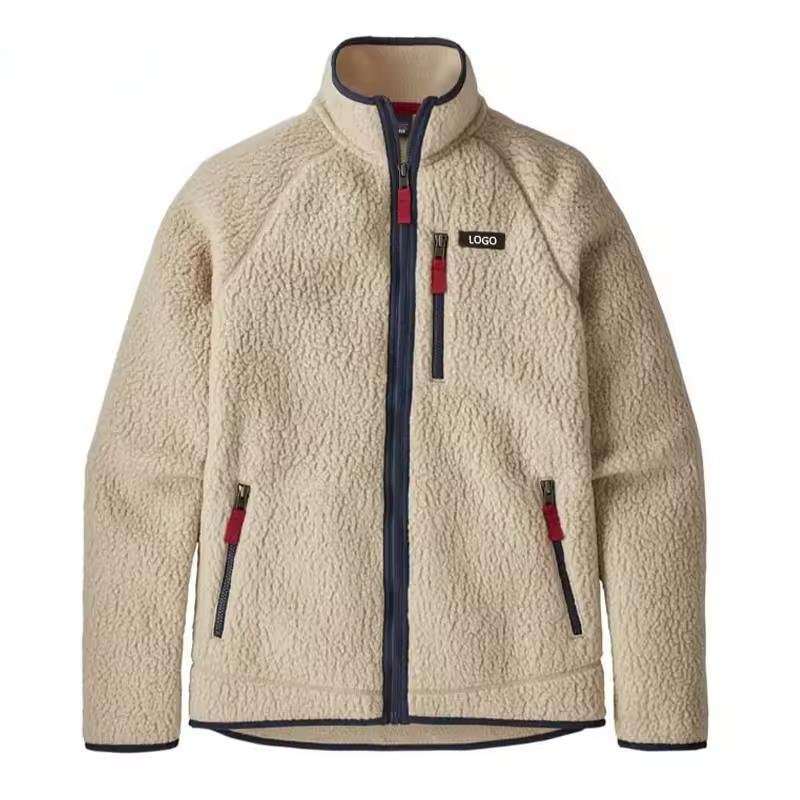
Flannel Lined Work Jacket Gallery
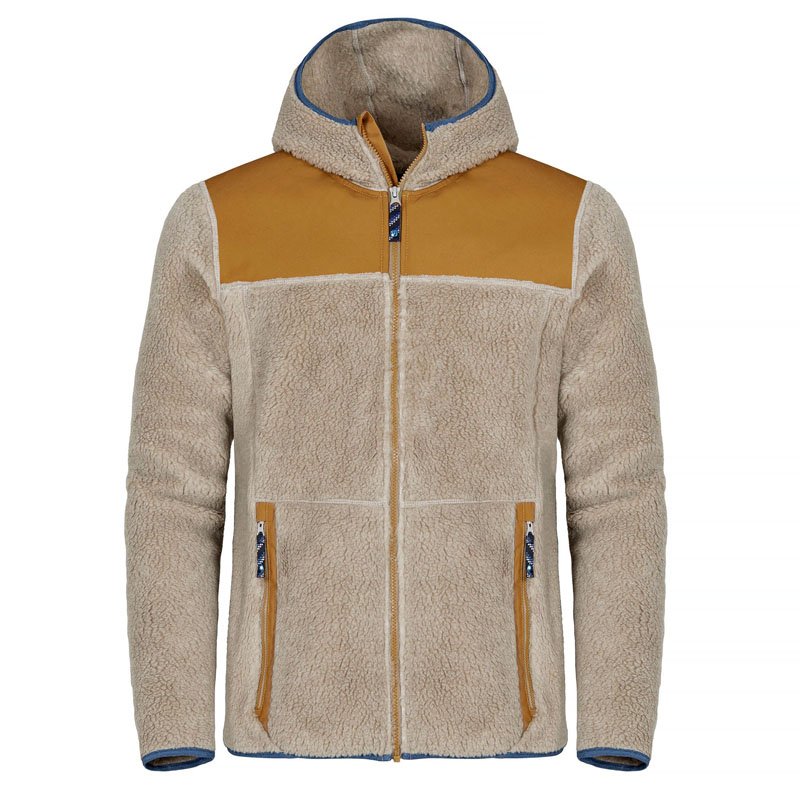
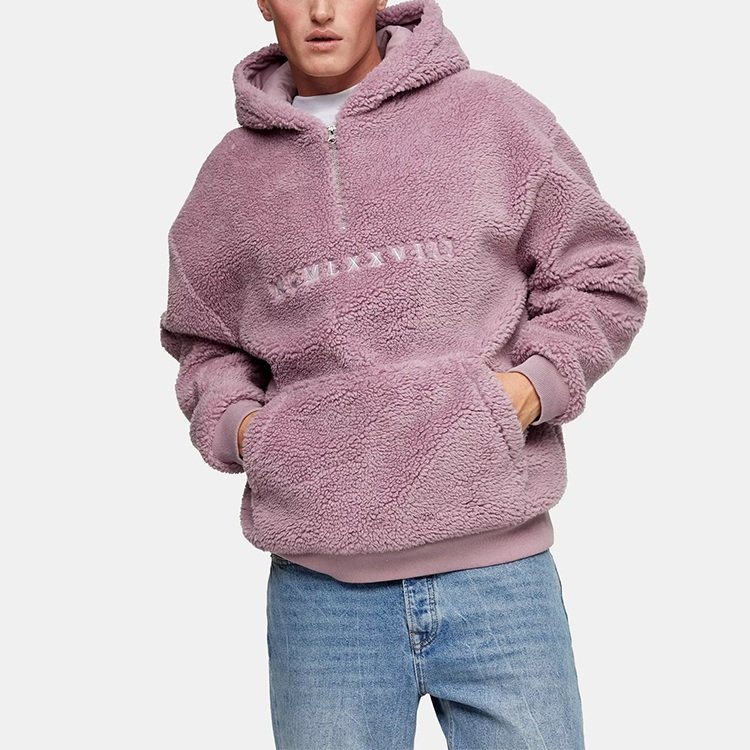
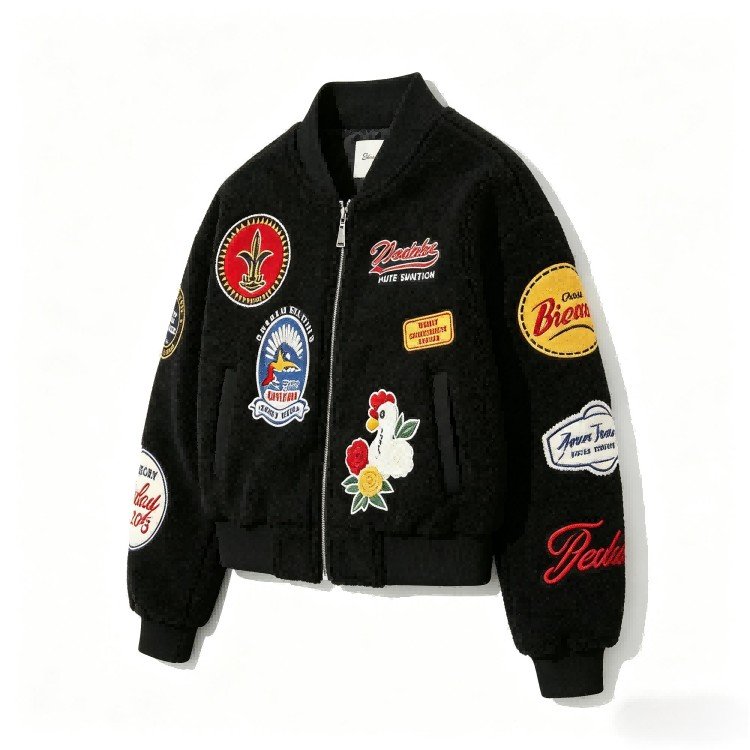
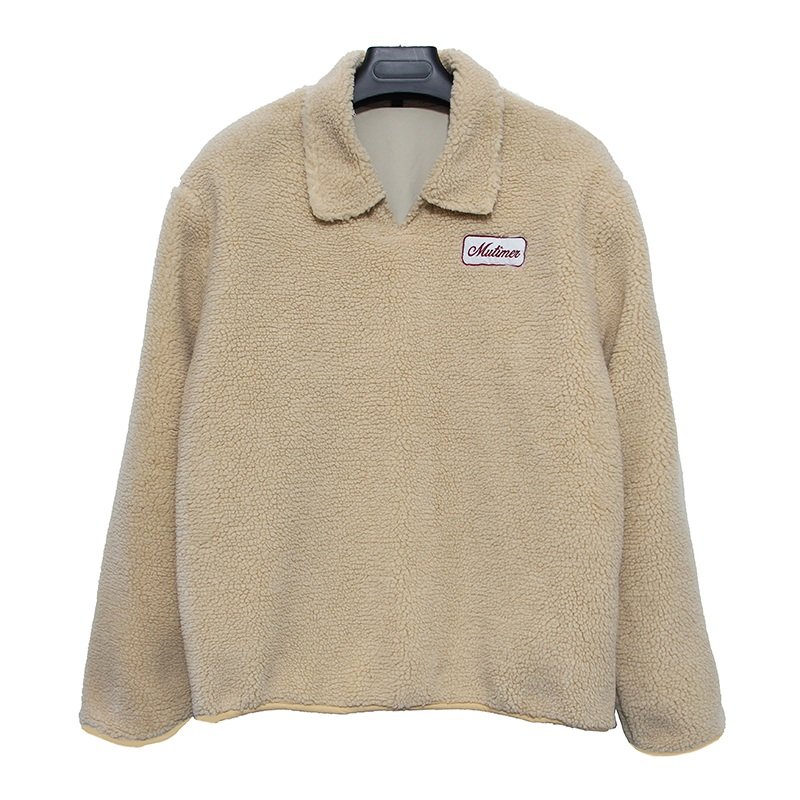
Why Choose Our Flannel Lined Work Jacket Manufacturer
5-Step Quality Control Guarantee
Every flannel lined work jacket undergoes rigorous QC testing at materials, cutting, craft, sewing, and final inspection stages for zero defects.
50-Piece Minimum Order Quantity
Launch your collection without inventory risk. Our low MOQ empowers fashion startups and independent designers to test new styles affordably.
7-Day Sample Turnaround
Fast-track your seasonal launches with production-ready samples delivered in one week, keeping you ahead of streetwear trends and market demand.
In-House Design & Sampling
Our 15-member R&D team translates your vision into premium flannel lined work jackets with streetwear-focused pattern development and tech packs.
Global Shipping & Logistics
Seamless delivery to over 100 countries with full customs support, transparent tracking, and reliable timelines for retailers and influencer brands worldwide.
Streetwear & Trend Expertise
Six years specializing in streetwear production means we understand bold graphics, oversized fits, and the cultural elements that resonate with your audience.
Flannel Lined Work Jacket Manufacturer Categories & Customization Options
From classic workwear to bold streetwear styles, we manufacture flannel lined work jackets tailored to your brand’s vision with flexible customization and low 50-piece MOQs.
Classic Workwear Style Jackets
Traditional workwear brands need durable flannel lined jackets with authentic construction details, reinforced stitching, and reliable warmth, but struggle to find manufacturers who understand heritage workwear standards without compromising on modern quality control.
We produce classic work jackets with authentic details—double-needle topstitching, bar-tack reinforcements, and premium flannel lining—backed by our 5-step QC process to ensure every piece meets workwear durability standards while maintaining the heritage aesthetic your customers expect.
Streetwear-Inspired Oversized Fits
Streetwear brands want oversized flannel lined work jackets with dropped shoulders and relaxed silhouettes, but many manufacturers lack the pattern-making expertise to achieve the right proportions while maintaining structure and preventing fabric distortion during production.
Our in-house design team specializes in streetwear proportions, creating oversized patterns with balanced drape and structure. We prototype samples within 7 days and refine fit until your vision is perfectly realized, then scale production with consistent sizing across every unit.
Custom Embroidered & Branded
Emerging brands and influencer lines need custom embroidery, screen printing, or woven labels on flannel lined jackets to build brand identity, but face high minimums and quality inconsistencies when working with multiple vendors for decoration services.
We handle all customization in-house—embroidery, screen prints, patches, and custom hardware—with 50-piece minimums. Your branding is integrated during production under our quality control system, ensuring perfect placement, color accuracy, and durability on every finished jacket.
Seasonal Collection Fast-Turnarounds
Fashion startups and independent designers launching seasonal drops need flannel lined work jackets produced quickly to capture market trends, but traditional manufacturers require long lead times that cause brands to miss critical selling windows and lose momentum.
Our streamlined production process delivers 7-day samples and completes full production runs in as little as 21 days. Combined with global shipping support and transparent communication, we help you launch on schedule and capitalize on peak seasonal demand without sacrificing quality.
Premium Fabrics for Flannel Lined Work Jackets
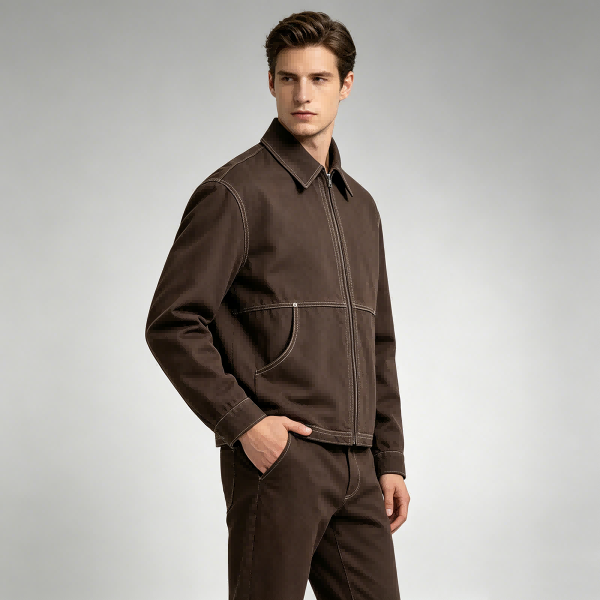
12-oz Duck Canvas
Heavyweight cotton canvas with a tight weave for exceptional durability and wind resistance. Ideal for heavy-duty work jackets and utility styles. Features natural breathability with a substantial 12-ounce weight that softens beautifully with wear.
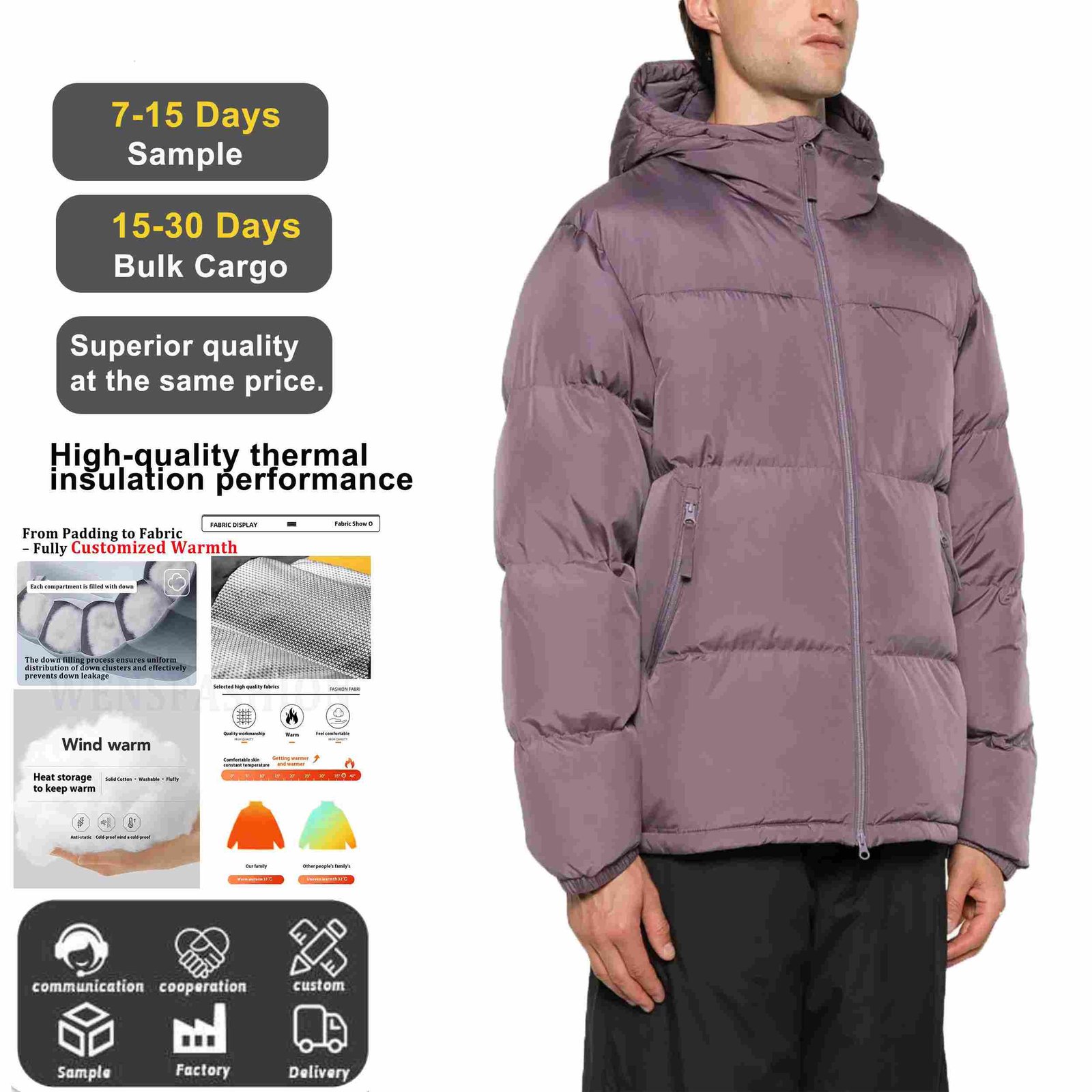
Cotton Twill Blend
Medium-weight twill combining cotton and polyester for superior color retention and reduced shrinkage. Perfect for streetwear-inspired work jackets requiring crisp structure. Offers excellent printability for custom branding and graphic applications.
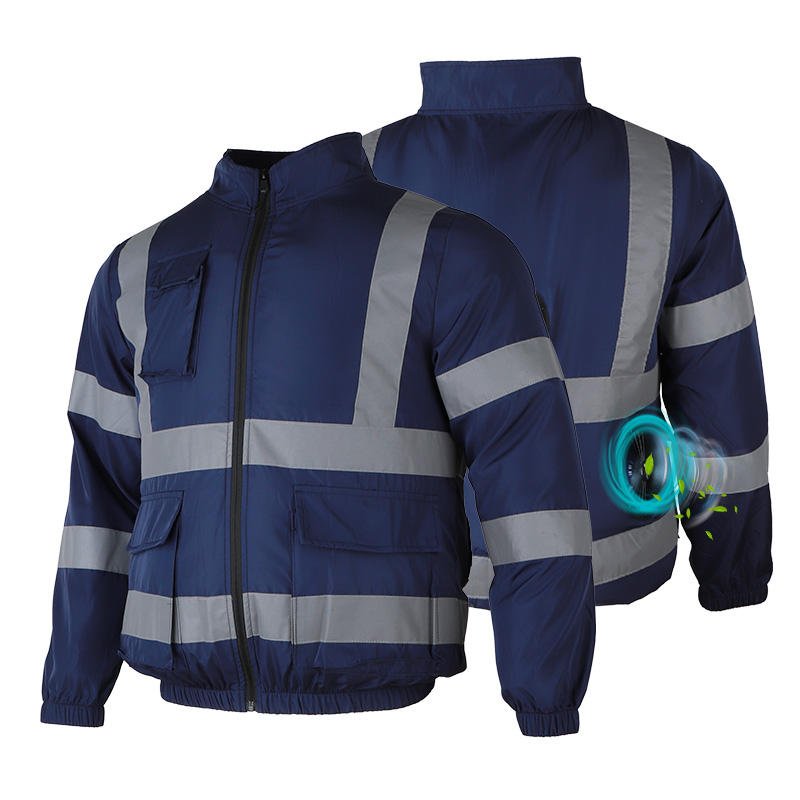
Organic Cotton Canvas
Certified organic cotton canvas with a robust hand-feel and eco-conscious appeal for sustainable brands. Maintains the rugged durability of traditional canvas while meeting environmental standards. Ideal for brands targeting conscious consumers seeking premium work jackets.
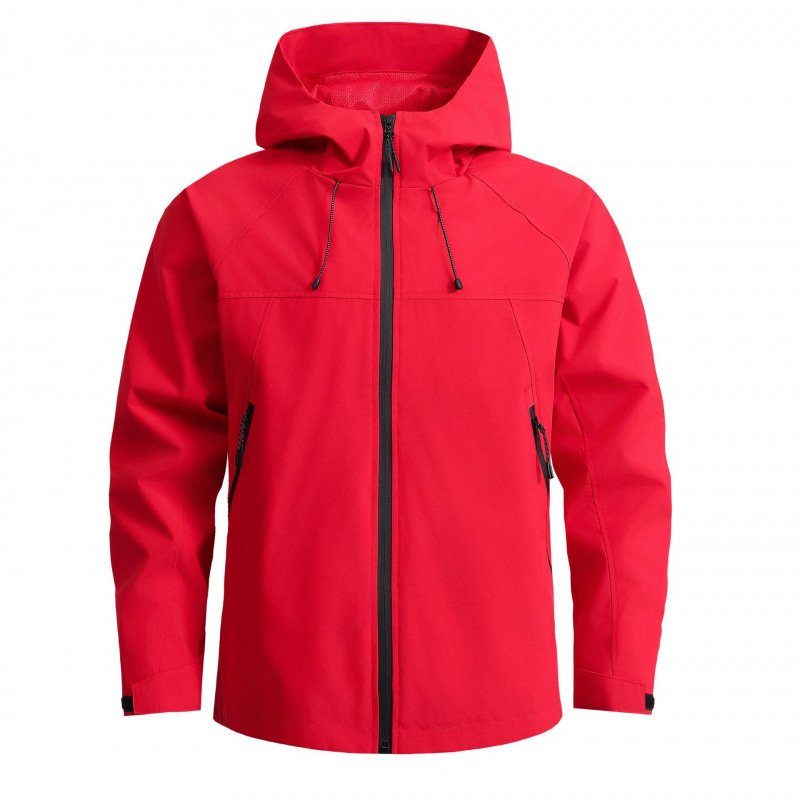
Recycled Polyester Shell
High-performance recycled polyester with water-resistant properties and excellent abrasion resistance. Lightweight yet durable, perfect for modern work jackets with technical features. Reduces environmental impact while delivering professional-grade performance and quick-dry functionality.
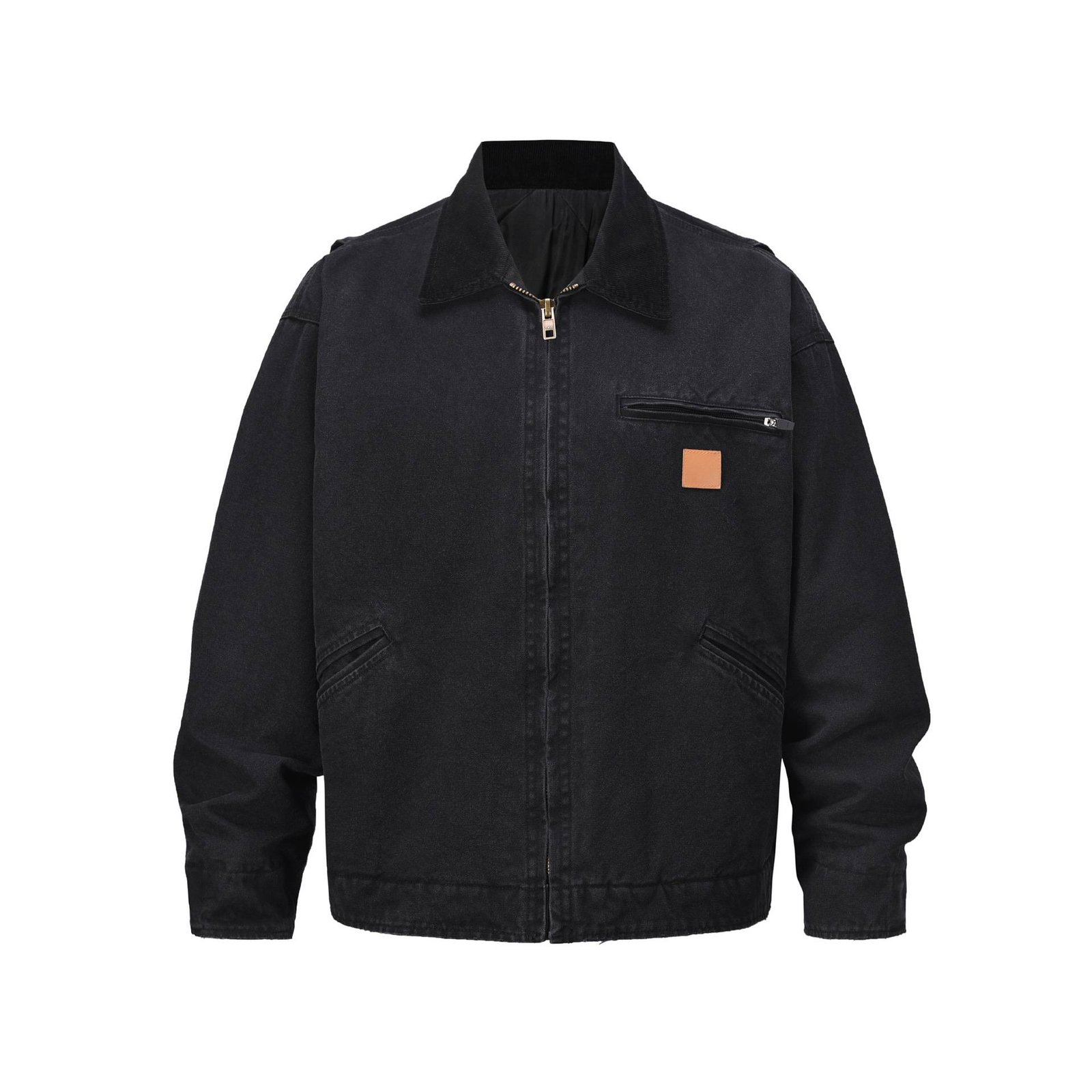
Brushed Flannel Lining
Soft-touch cotton flannel lining with superior warmth and comfort against skin. Available in multiple weights from lightweight to heavyweight for seasonal versatility. Features excellent moisture-wicking properties and a luxurious brushed finish that elevates any work jacket.
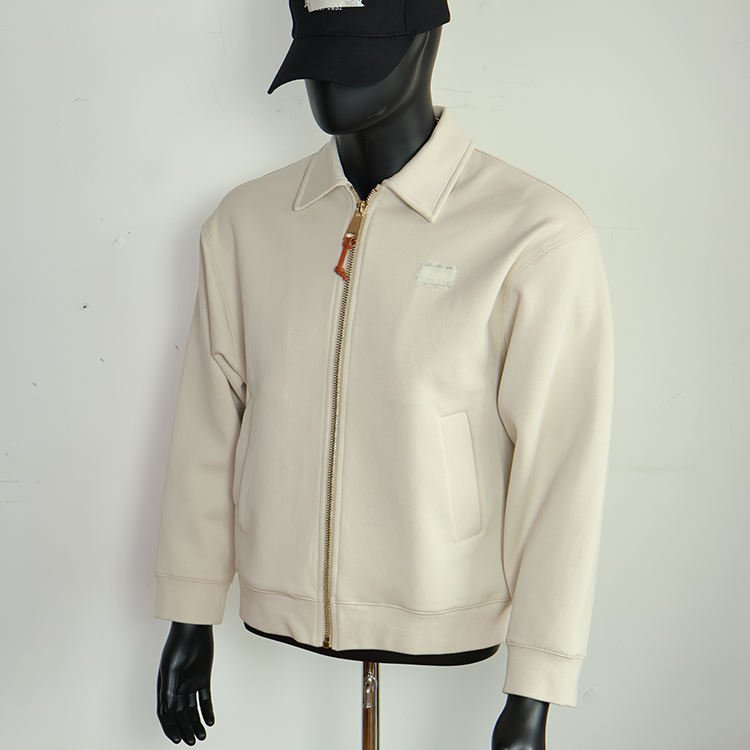
Waxed Canvas
Premium cotton canvas treated with natural wax for waterproof protection and vintage aesthetic appeal. Develops unique patina over time, adding character to work jackets. Combines traditional craftsmanship with modern durability for heritage-inspired streetwear collections.
Advanced Production Processes from Your Flannel Lined Work Jacket Manufacturer
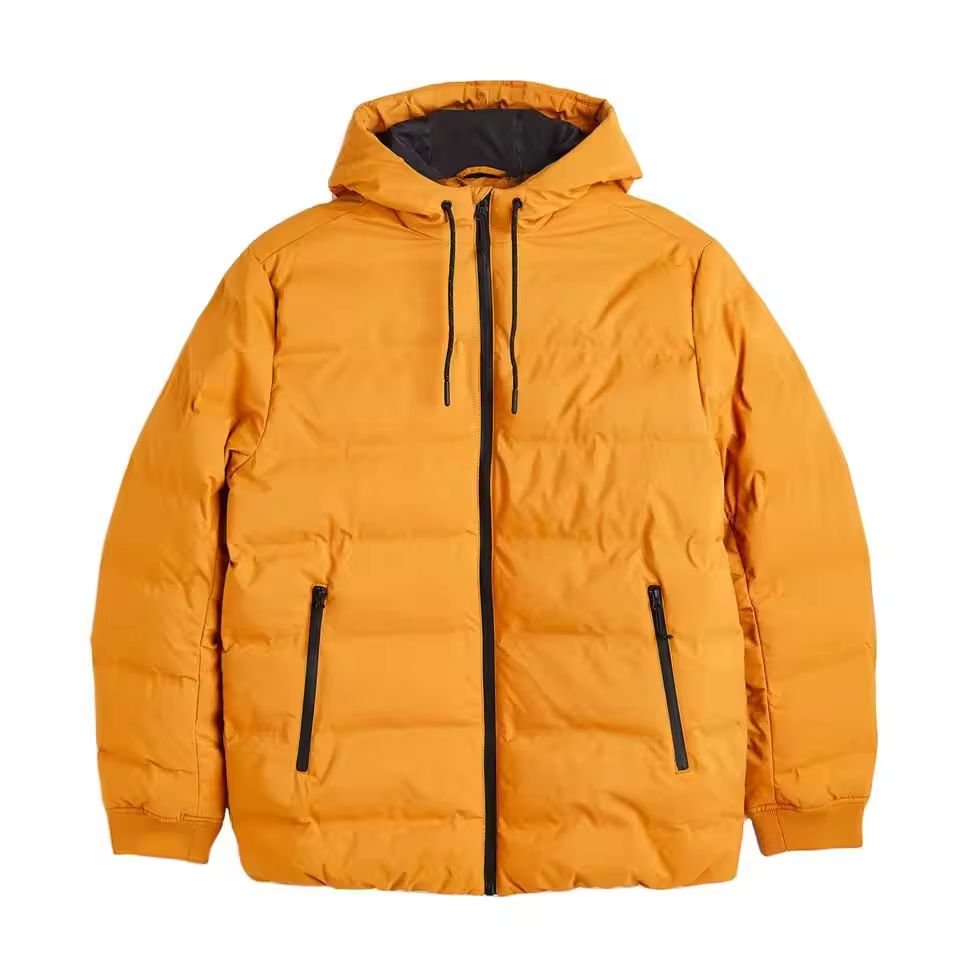
Enzyme Washing
Bio-polishing treatment that softens fabric hand-feel and creates vintage, worn-in aesthetics without compromising structural integrity. Ideal for achieving authentic workwear character while maintaining color fastness and durability across repeated wash cycles.
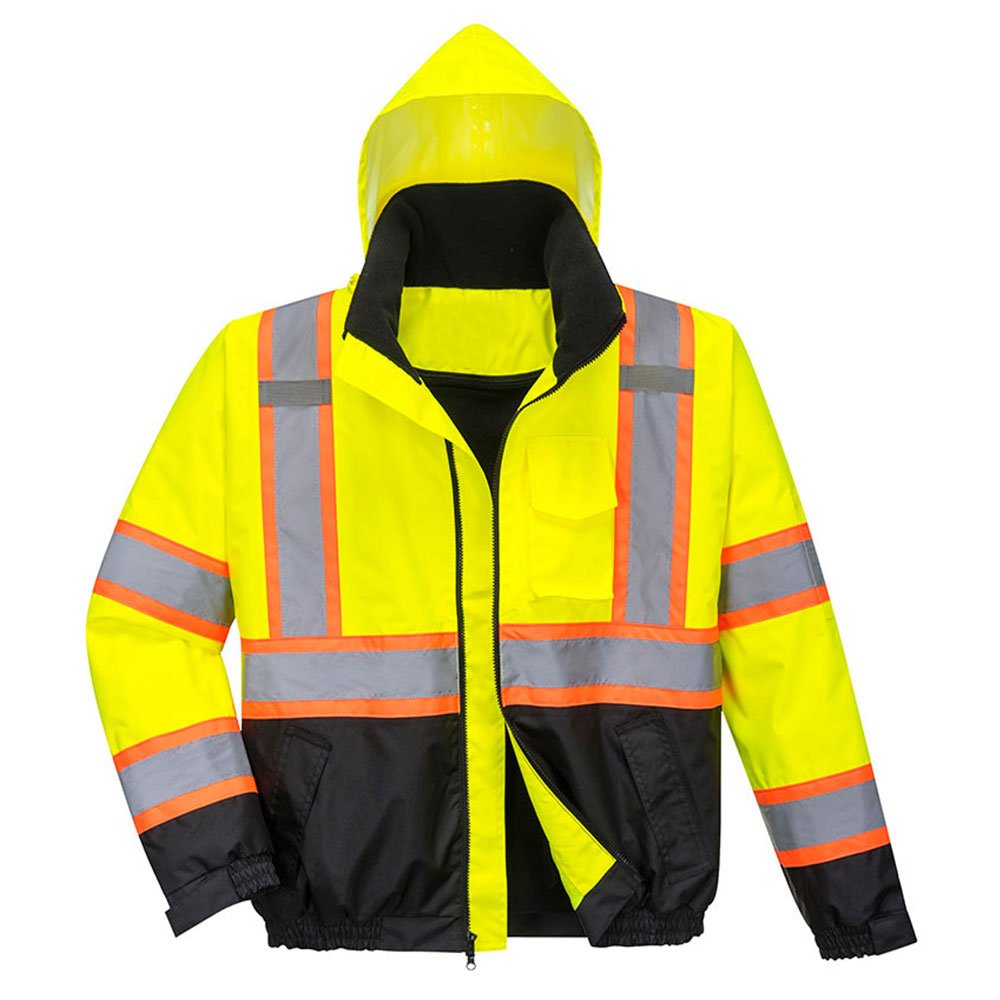
Custom Dyeing
Precision garment or fabric dyeing in any Pantone reference, enabling full color customization for shells, linings, and trim. Our dye processes ensure consistent batch matching and excellent colorfastness ratings for long-lasting, vibrant flannel lined work jackets.
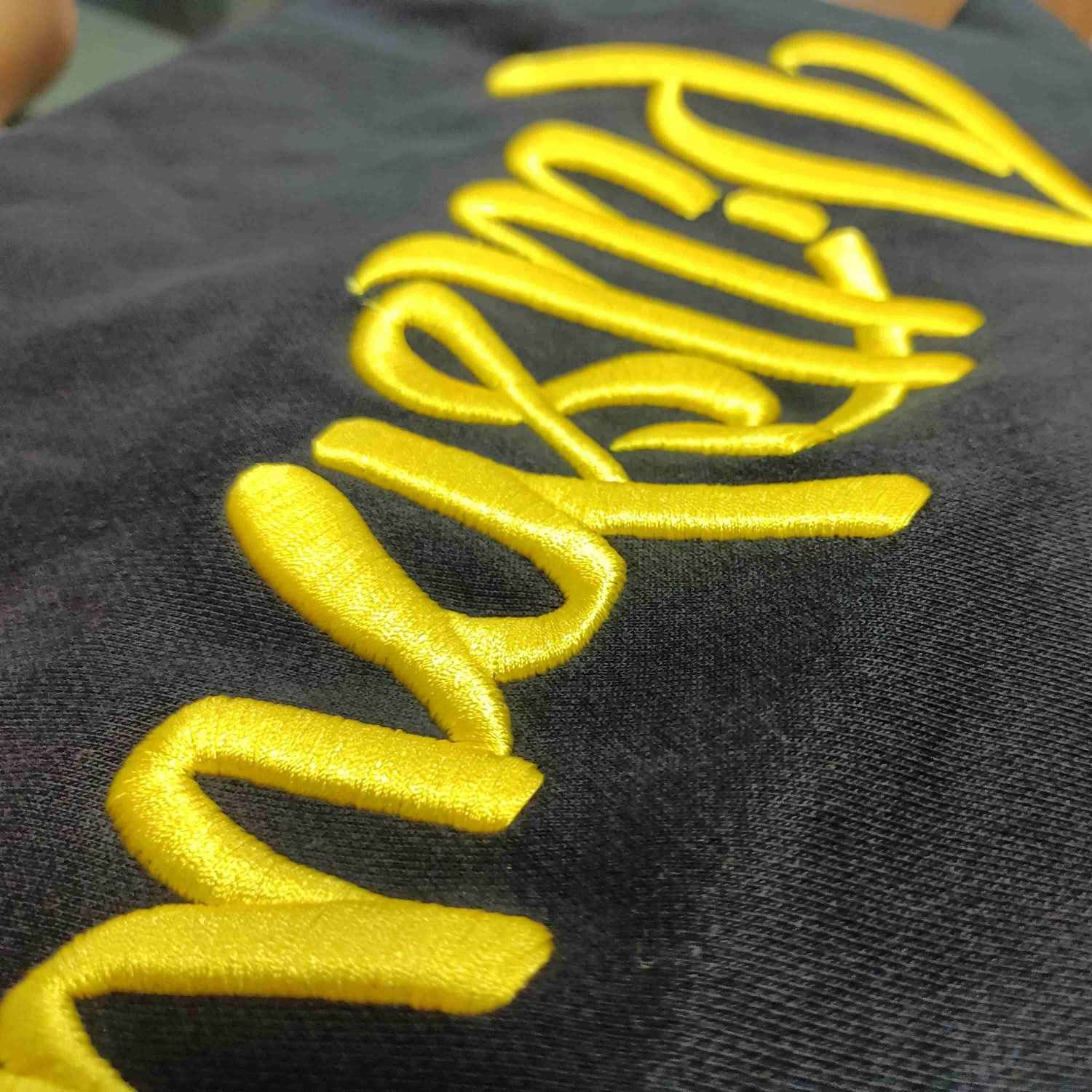
Embroidery Application
High-density thread embroidery for logos, patches, and custom graphics on chest, sleeves, or back panels. Delivers premium brand visibility with exceptional durability, resisting fading and fraying even under heavy workwear use and industrial laundering.
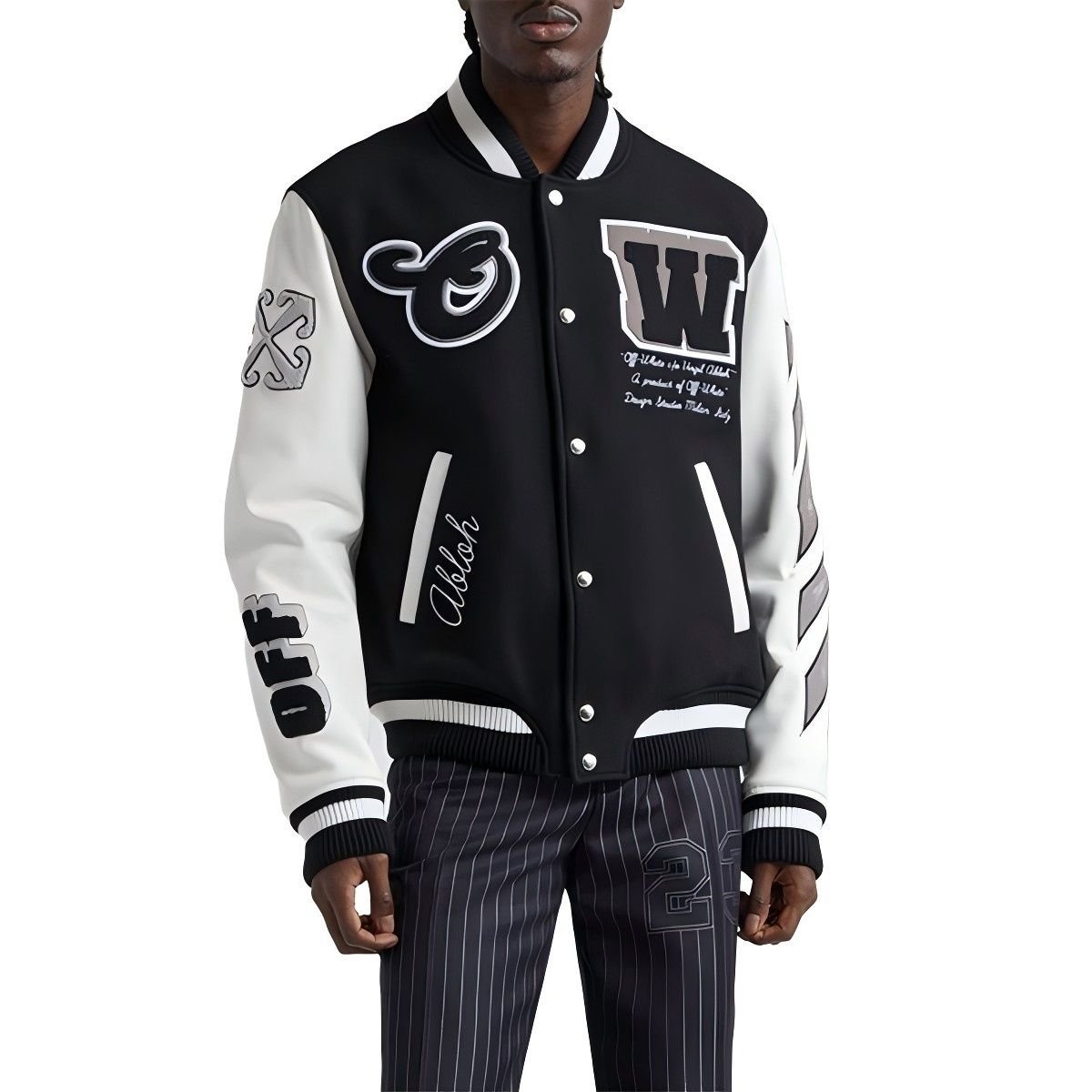
Screen Printing
Multi-color plastisol and water-based screen printing for bold graphics, slogans, and streetwear designs. Produces vivid, opaque prints with excellent wash resistance, perfect for back prints, sleeve art, and statement branding on work jackets.
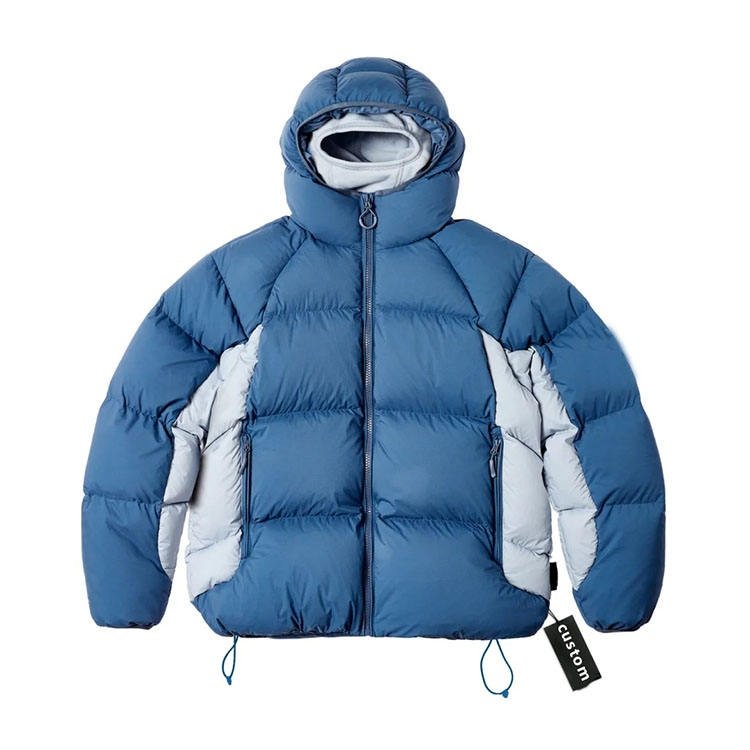
Heat Transfer
Vinyl and sublimation heat transfer for intricate multi-color designs, reflective elements, and photographic-quality graphics. Offers design flexibility for small-run custom work jackets without screen setup costs, ideal for influencer collaborations and limited editions.
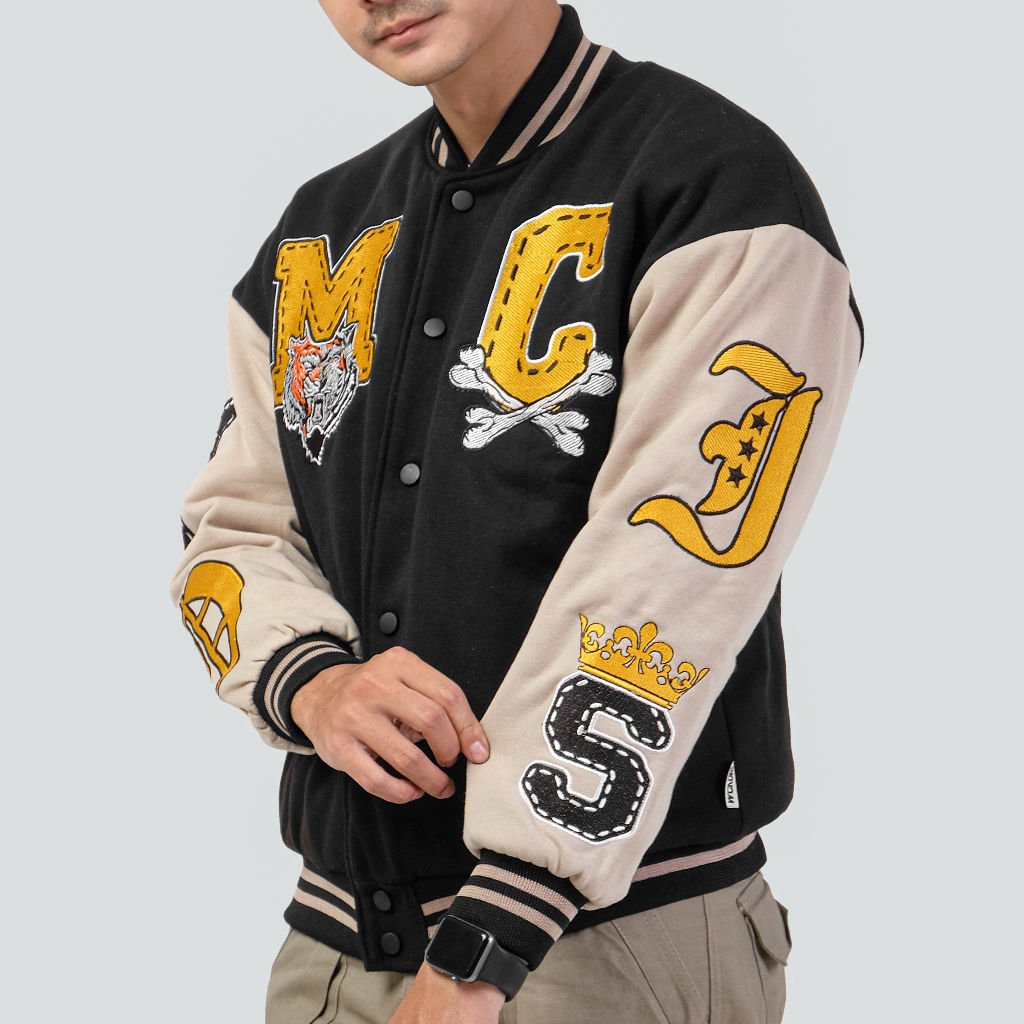
Custom Labeling
Woven labels, printed neck labels, hang tags, and care labels fully customized to your brand specifications. Reinforces brand identity and professionalism with high-quality finishing details that communicate quality from the moment customers receive your jackets.
Hardware & Accessories for Flannel Lined Work Jacket Manufacturer
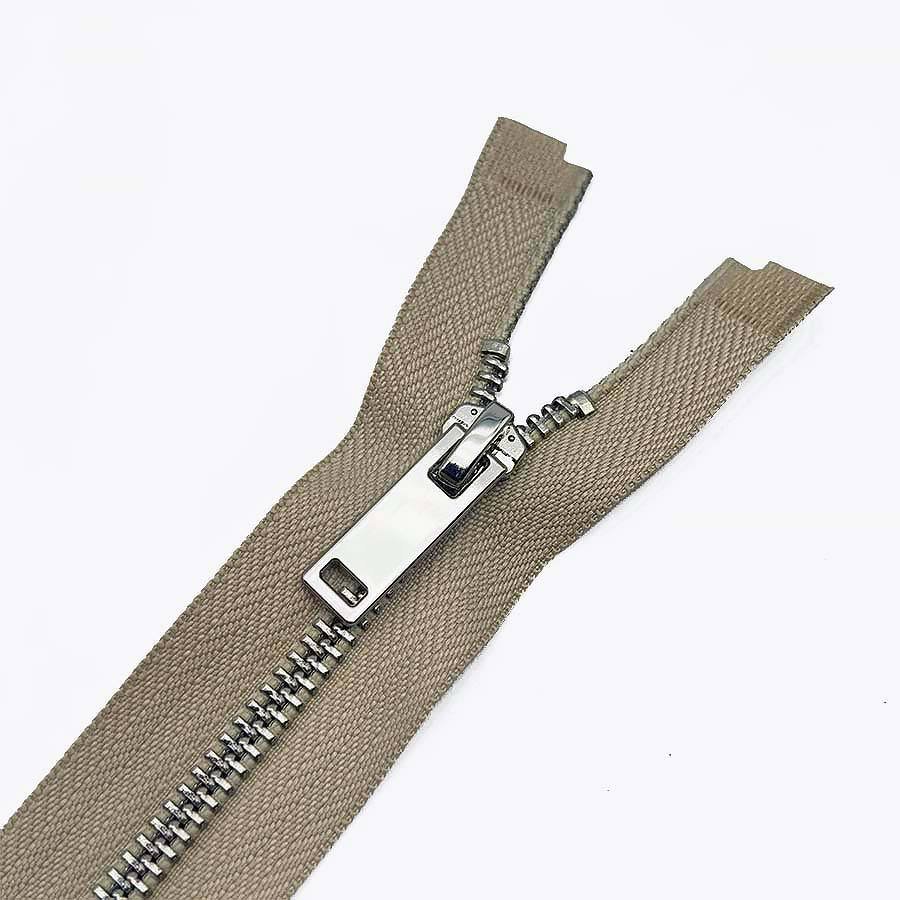
YKK Zippers
Industry-leading YKK metal or coil zippers for front closures and pockets. Available in antique brass, gunmetal, or custom finishes to match your brand aesthetic and ensure smooth, reliable operation through thousands of cycles.
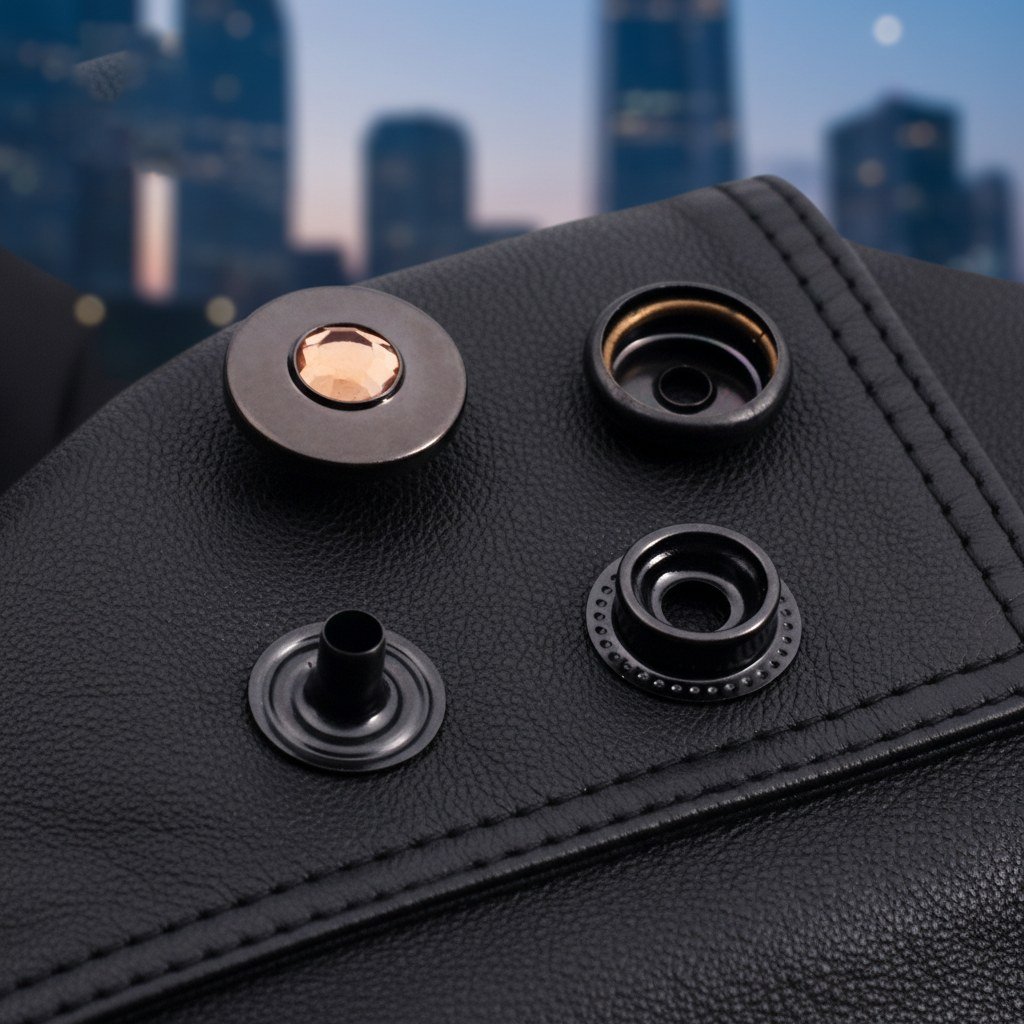
Metal Snap Buttons
Durable metal snap closures for front plackets, cuffs, and storm flaps. Choose from brass, nickel, or custom-engraved options that add functional style while withstanding heavy use in work and streetwear applications.
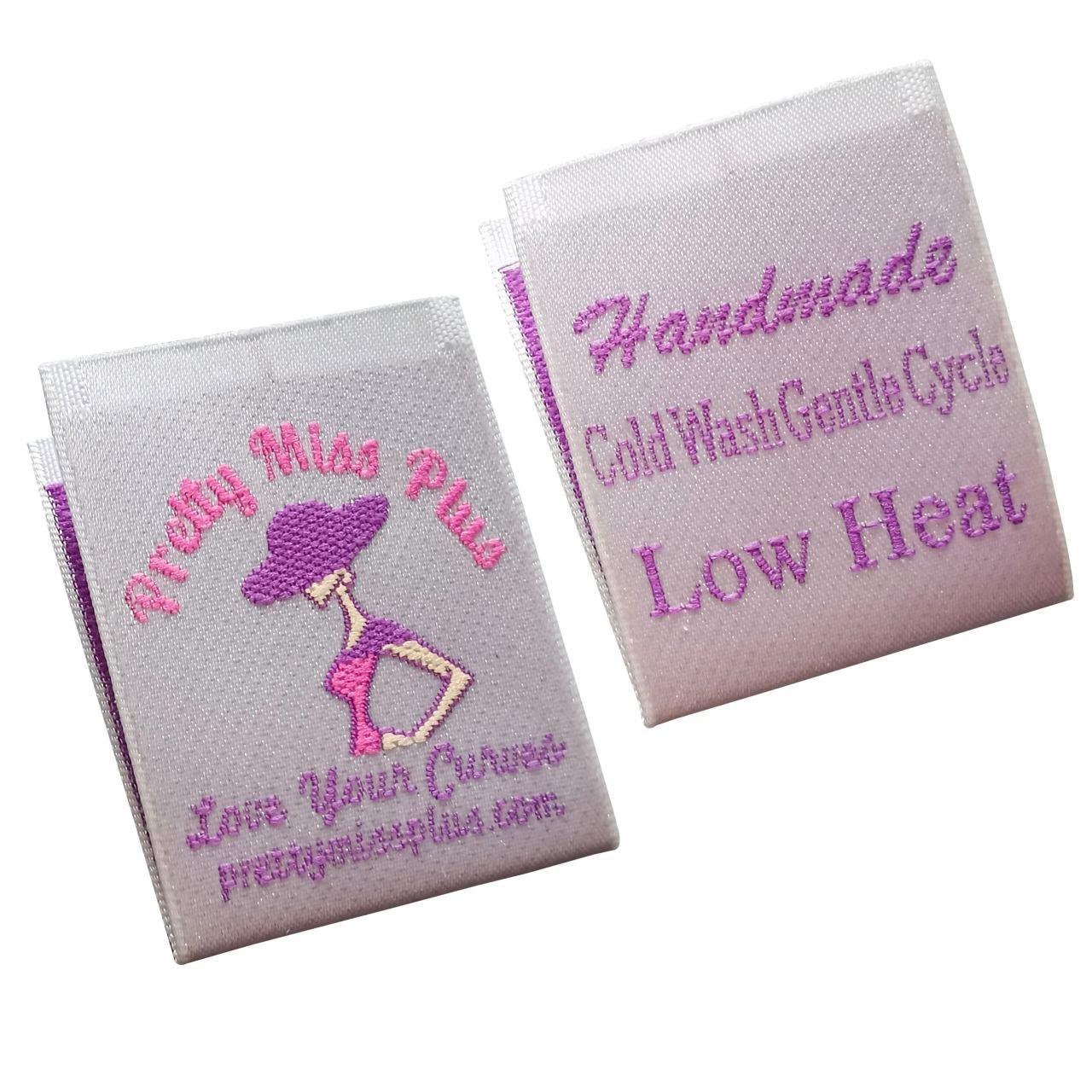
Custom Woven Labels
High-definition woven labels featuring your logo and branding for neck, sleeve, or interior placement. Soft-touch damask or satin weave options ensure comfort against skin while delivering premium brand presentation that elevates perceived value.

Embroidered Patches
Custom embroidered patches in any size or shape for chest, sleeve, or back placement. Our in-house embroidery team delivers intricate streetwear graphics, logos, and text with up to 12-color detail and secure stitching.
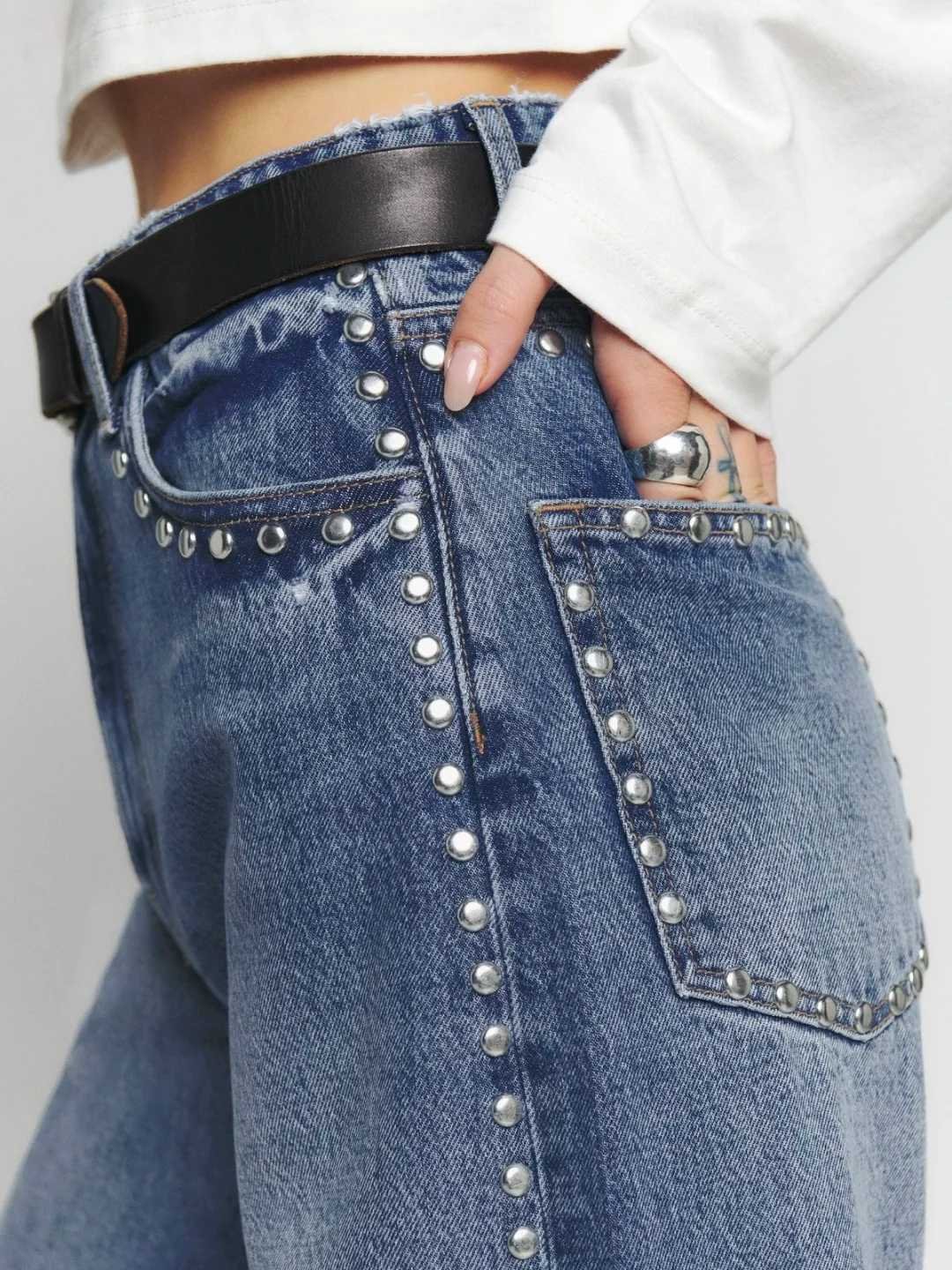
Drawcords & Tipping
Adjustable drawcords with metal or plastic tipping for hem and hood customization. Available in round or flat styles, solid or reflective finishes, and custom colors to add functional detail and enhance your jacket’s silhouette.
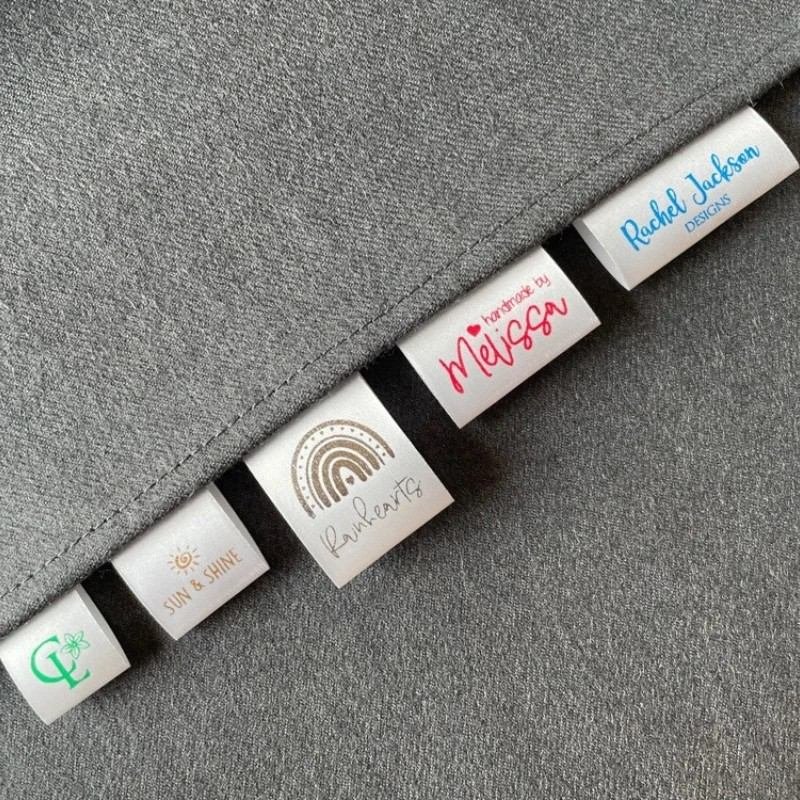
Custom Hangtags
Branded hangtags printed on premium cardstock or specialty materials with foil stamping, embossing, or die-cut shapes. Communicate your brand story and care instructions while creating a memorable unboxing experience for retail and online customers.
Your Trusted Flannel Lined Work Jacket Manufacturer
Founded in 2024 by Tesla Luo, Clothing Manufacturer Ltd. emerged from a mission to eliminate low-quality products and restore trust in Chinese apparel manufacturing. With over 10 years of production experience and 6 years specializing in streetwear, we bring deep technical expertise to every flannel lined work jacket we produce for global brands, startups, and designers.
Our five-step quality control guarantee ensures rigorous testing at every production stage, from materials inspection through finished garment review. This zero-compromise approach has earned the trust of customers across more than 100 countries, helping emerging brands and established retailers launch collections that meet the highest standards of craftsmanship and durability.
Backed by a 15-member R&D team and 10 production patents, we combine trend-driven design with manufacturing excellence. Whether you need 50-piece minimums for a test collection or scalable production for seasonal launches, our in-house sampling team and global logistics support deliver the quality and reliability your brand deserves.
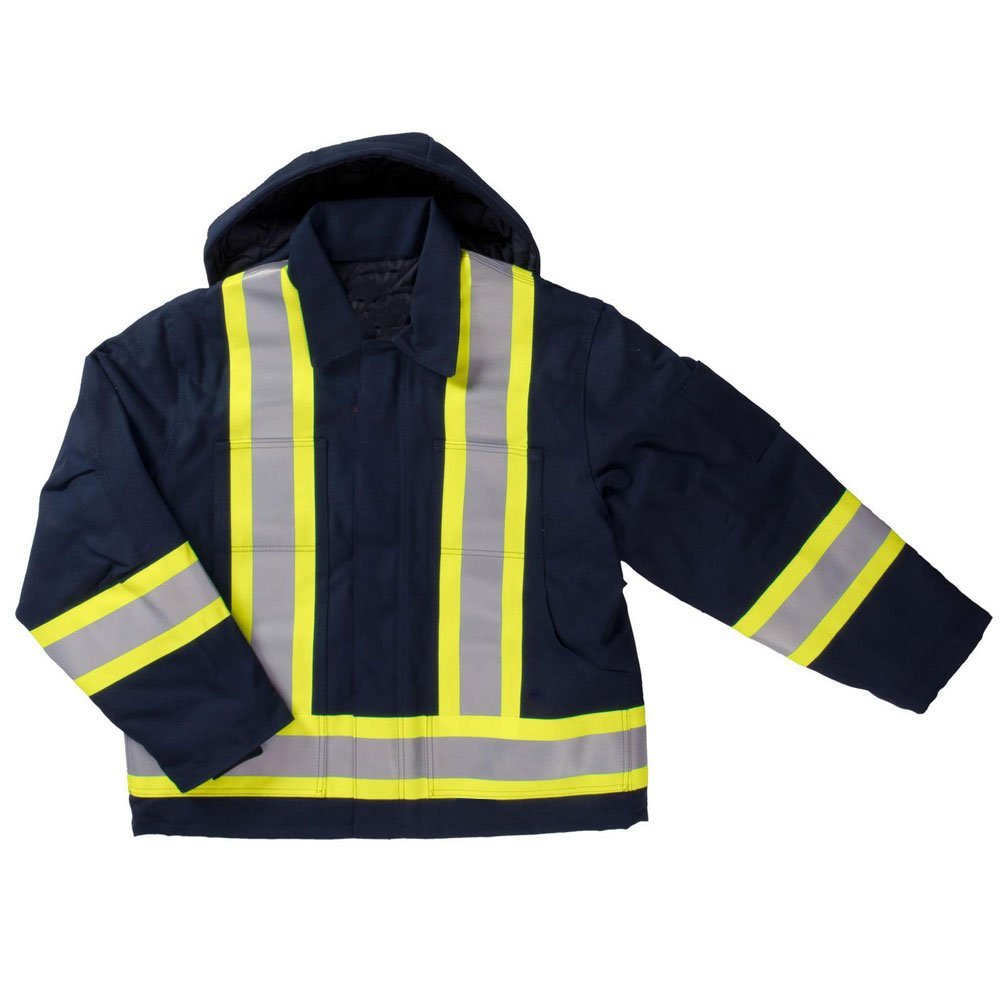
Our 5-Step Quality Control Guarantee for Every Flannel Lined Work Jacket
Materials QC Testing Before Production
Before cutting begins, our team inspects every roll of outer shell fabric, flannel lining, and reinforcement material. We verify weight, colorfastness, shrinkage tolerance, and thermal retention properties to ensure your flannel lined work jackets meet performance standards from the first stitch.
- Fabric weight and density verification against your specifications
- Colorfastness testing to prevent bleeding between outer shell and flannel lining
- Shrinkage and thermal retention testing for durability and warmth
- Material certification review for compliance with safety and quality standards
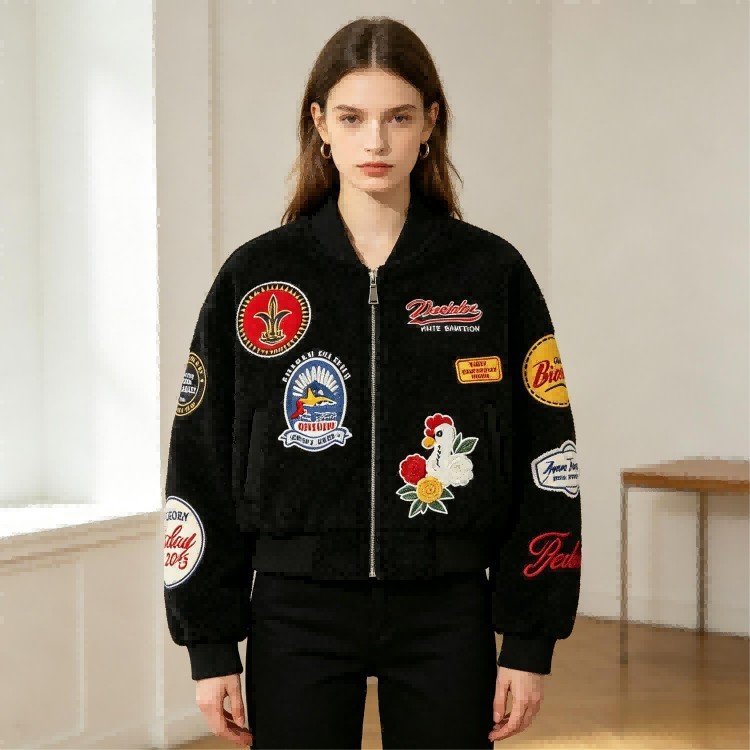
Cutting QC Testing for Pattern Accuracy
Our cutting QC stage ensures every panel, sleeve, and collar piece is precisely cut to pattern specifications. We check alignment, grain direction, and symmetry so your flannel lined work jackets fit consistently across every size and every production run.
- Pattern alignment verification to maintain design integrity across sizes
- Grain direction inspection for structural stability and drape
- Panel symmetry checks to eliminate fit inconsistencies
- Cut edge quality assessment to prevent fraying during assembly
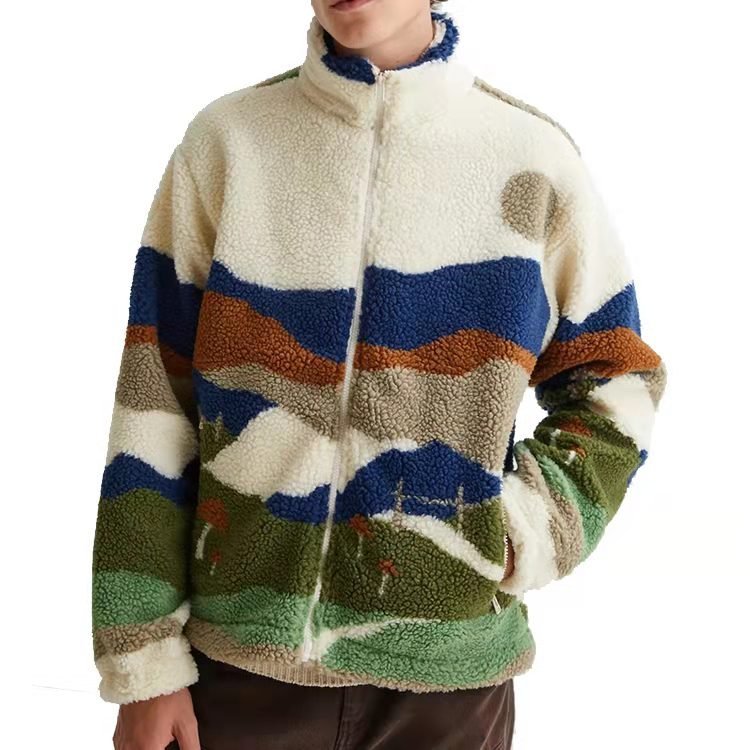
Clothing Craft QC During Assembly
Mid-production craft QC catches construction issues before they multiply. Our technicians inspect stitch density, seam strength, and lining attachment at critical assembly points, ensuring your flannel lined work jackets withstand heavy use without separation or puckering.
- Stitch density and tension verification for seam durability
- Lining-to-shell attachment inspection to prevent separation
- Reinforcement placement checks at stress points like shoulders and elbows
- Zipper and hardware installation quality assessment
Final Finished Clothing Quality Inspection
Every completed flannel lined work jacket undergoes comprehensive final inspection covering measurements, finish quality, and functional testing. We verify pocket alignment, zipper operation, button security, and overall appearance so only defect-free garments reach your customers.
- Full garment measurement verification against tech pack specifications
- Functional testing of zippers, buttons, snaps, and closures
- Visual inspection for loose threads, stains, and finish inconsistencies
- Packaging quality check to ensure safe transit and professional presentation
Flannel Lined Work Jacket Manufacturer vs. Standard Suppliers
See how our 5-step QC process, low MOQ flexibility, and streetwear expertise deliver superior value compared to typical manufacturers who cut corners on quality and service.
← 左右滑动查看 →
Flannel Lined Work Jacket Manufacturer Production Timeline: From Order to Delivery
Our streamlined 6-phase process ensures your flannel lined work jackets move from concept to finished product with complete quality control at every checkpoint.
Tech Pack Review
Our team reviews your design specifications, flannel lining materials, hardware requirements, and sizing details to confirm production feasibility and address any technical questions.
Sample Development
We produce pre-production samples within 7 days, allowing you to evaluate fit, flannel lining quality, stitching durability, and overall construction before committing to bulk orders.
Bulk Production Setup
After sample approval, we source premium materials, prepare cutting patterns, and schedule production runs with our experienced sewing teams to meet your delivery timeline.
5-Step QC Checkpoints
Your jackets undergo materials testing, cutting inspection, craft quality checks, sewing production review, and finished garment inspection—our proprietary quality control guarantee in action.
Final Finishing & Packing
Each flannel lined work jacket receives professional pressing, final inspection, branded labeling, polybag packaging, and carton packing according to your specifications and shipping requirements.
Global Shipping & Delivery
We coordinate international logistics, handle customs documentation, and provide tracking information so your order arrives on schedule to your warehouse or fulfillment center worldwide.
How to Partner With a Flannel Lined Work Jacket Manufacturer in 4 Simple Steps
From concept to delivery, our streamlined workflow ensures transparency, quality, and speed at every stage of your flannel lined work jacket production.
Submit Your Tech Pack or Design Brief
Share your specifications, design references, fabric preferences, and branding details. Our team reviews your requirements and provides initial feedback within 24 hours.
Receive Quote and Sample Approval
We deliver a detailed quote with material costs, production timeline, and MOQ options. Approve your sample within 7 days to lock in quality standards.
Begin Bulk Production with 5-Step QC
Your order enters our rigorous five-step quality control process, ensuring every flannel lined work jacket meets your specifications from cutting through final inspection.
Inspect and Receive Global Delivery
Final garments undergo comprehensive QC testing before secure packaging. We coordinate global shipping and customs documentation to ensure on-time arrival at your location.
Certified Flannel Lined Work Jacket Manufacturer You Can Trust
What Our Flannel Lined Work Jacket Manufacturer Partners Say
We launched our first flannel lined work jacket collection with just 50 pieces. Their 5-step QC process meant zero defects—our return rate dropped to 0.3%. We’ve since grown to 47,000 Instagram followers in eight months.
As a startup, we needed a flannel lined work jacket manufacturer who understood streetwear aesthetics and low MOQs. They delivered 7-day samples and helped us scale from 100 units to 1,200 per season with consistent quality every time.
After three failed attempts with other suppliers, we found a true partner. Their in-house team nailed our custom flannel lining specs on the first sample. We reduced our production timeline by 40% and our defect rate by 92%.
Flannel Lined Work Jacket Manufacturing — Frequently Asked Questions
What is the minimum order quantity for a flannel lined work jacket manufacturer?
How long does it take to receive samples from your flannel lined work jacket manufacturer?
Can a flannel lined work jacket manufacturer customize fabric weight, lining material, and hardware?
What are the payment terms when working with your company?
How does your flannel lined work jacket manufacturer protect my designs and intellectual property?
What quality control processes does your flannel lined work jacket manufacturer use?
Do you handle international shipping and customs for flannel lined work jacket orders?
Can you produce flannel lined work jackets for influencer brands with tight deadlines?
What is the typical bulk production lead time after sample approval?
The Complete Buyer’s Guide to Choosing a Flannel Lined Work Jacket Manufacturer
Navigate supplier selection with confidence. This guide delivers a proven decision framework, critical quality criteria, customization options, and the most common sourcing mistakes to avoid when partnering with a flannel lined work jacket manufacturer.
1. What Is a Flannel Lined Work Jacket Manufacturer?
A flannel lined work jacket manufacturer specializes in producing outerwear that combines a durable outer shell—typically canvas, denim, or twill—with an interior flannel lining for warmth and comfort. These factories handle every stage from fabric sourcing and pattern development through cutting, sewing, lining attachment, and finishing, ensuring the two-layer construction meets workwear durability standards and thermal performance requirements.
Specialist flannel lined work jacket manufacturers differ from general jacket makers in three critical areas: expertise in multi-layer assembly techniques, sourcing relationships with flannel mills that supply brushed cotton or cotton-blend linings in weights from 150 to 220 GSM, and quality control processes that verify seam strength, lining attachment integrity, and thermal consistency across production runs. General outerwear factories often subcontract lining work or lack the equipment for consistent quilting and bartack reinforcement at stress points.
Brands source from these specialists to access proven construction methods—flatfelled seams, reinforced pocket bars, and secure lining-to-shell attachment—that prevent delamination and ensure the jacket withstands repeated wear and washing. A dedicated flannel lined work jacket manufacturer maintains pattern libraries for classic silhouettes (chore coats, trucker styles, barn jackets) and offers customization in shell fabric weight (8–12 oz canvas or denim), lining patterns (solid, plaid, herringbone), hardware (YKK zippers, snap closures), and branding placements, enabling startups and established labels to deliver authentic workwear aesthetics with reliable warmth and durability.
2. Evolution and History of Flannel Lined Work Jackets
Flannel lined work jackets emerged in the early 1900s across North American lumber camps and construction sites, where workers needed affordable outerwear that combined wind-resistant canvas or denim shells with insulating flannel linings. By the 1920s, manufacturers standardized designs featuring corduroy collars, double-layer elbow patches, and reinforced pocket bars to withstand daily abrasion from tools and rough materials.
The 1970s marked the first shift toward casual adoption, as outdoor enthusiasts and blue-collar workers wore their jackets off-site, establishing the silhouette as a symbol of rugged authenticity. Brands began offering earth tones beyond traditional tan and brown, and retail chains stocked flannel lined jackets alongside fashion denim rather than exclusively in workwear aisles.
Streetwear adoption accelerated sharply after 2010, driven by hip-hop artists, skate culture, and Instagram influencers who layered oversized flannel lined work jackets over hoodies and graphic tees. This cultural crossover transformed buyer demand: orders for a flannel lined work jacket manufacturer now prioritize colorways, fit silhouettes, and branding real estate over pure durability metrics. Manufacturing evolved in parallel—factories introduced pre-washed finishes, contrast stitching, custom label placements, and lower MOQs (often 50–100 pieces) to serve independent designers and creator brands launching seasonal drops.
Today’s flannel lined work jacket manufacturer balances heritage construction techniques—bartack reinforcements, YKK zippers, quilted lining channels—with trend-responsive customization, serving both traditional workwear distributors and fashion-forward labels seeking authentic utility aesthetics for streetwear collections.
3. Types of Flannel Lined Work Jacket Manufacturers
Flannel lined work jacket manufacturers operate across distinct service models, production scales, and specialization levels. Understanding these categories helps buyers match factory capabilities to brand requirements, order volume, and speed-to-market goals.
Full-Package vs. CMT Manufacturers
Full-package manufacturers handle design, fabric sourcing, pattern development, sampling, production, and quality control under one roof. Typical MOQs range from 50 to 500 pieces per style, with lead times of 45 to 75 days. These factories suit startups and independent designers who lack in-house technical teams.
CMT (cut-make-trim) manufacturers require buyers to supply fabrics, trims, and tech packs. MOQs often start at 200 pieces, and lead times compress to 30 to 45 days. This model fits established brands with design resources and fabric relationships who need cost-efficient sewing capacity.
Workwear Specialists vs. Fashion-Focused Factories
Workwear specialists prioritize durability testing, heavy-duty hardware, and reinforced stitching for industrial and outdoor applications. Lead times average 50 to 60 days, and MOQs typically sit at 300 to 1,000 pieces. These factories serve safety distributors, corporate uniform programs, and outdoor retailers.
Fashion-focused factories emphasize trend-driven silhouettes, seasonal colorways, and streetwear detailing. MOQs can start as low as 50 pieces, with 7-day sampling and 35 to 50-day production cycles. Influencer brands, fashion startups, and trendy labels benefit from this agility and design fluency.
Small-Batch vs. High-Volume Producers
Small-batch producers accept orders from 50 to 500 pieces, offering flexible sampling and rapid iteration. Lead times range from 30 to 45 days, ideal for test launches, capsule collections, and direct-to-consumer brands managing inventory risk.
High-volume producers require MOQs of 1,000 to 10,000 pieces per style, delivering economies of scale and unit costs 20 to 40 percent lower. Lead times extend to 60 to 90 days. Global retailers, wholesale distributors, and established brands with predictable demand leverage this capacity.
4. Materials and Fabrics Used by Flannel Lined Work Jacket Manufacturers
Choosing the right materials for a flannel lined work jacket determines durability, warmth, and cost per unit. Outer shells and lining fabrics vary widely in weight, seasonal performance, and price point, so understanding GSM ranges and fiber blends is essential when specifying your order with a flannel lined work jacket manufacturer.
| Fabric Type | Weight (GSM) | Warmth | Durability | Typical Use Case |
|---|---|---|---|---|
| Canvas shell | 340–540 | Moderate | Excellent | Heavy-duty work, industrial |
| Denim shell | 270–475 | Moderate | Good | Streetwear, casual workwear |
| Twill shell | 200–400 | Light | Moderate | Transitional seasons, light duty |
| Nylon ripstop | 150–250 | Light | Good | Water-resistant, outdoor |
| Cotton flannel lining | 150–200 | High | Good | Premium comfort, breathability |
| Poly-cotton lining | 130–180 | Moderate | Excellent | Cost-effective, easy care |
| Brushed fleece lining | 200–280 | Very High | Good | Cold climates, maximum warmth |
Outer Shell Fabric Options
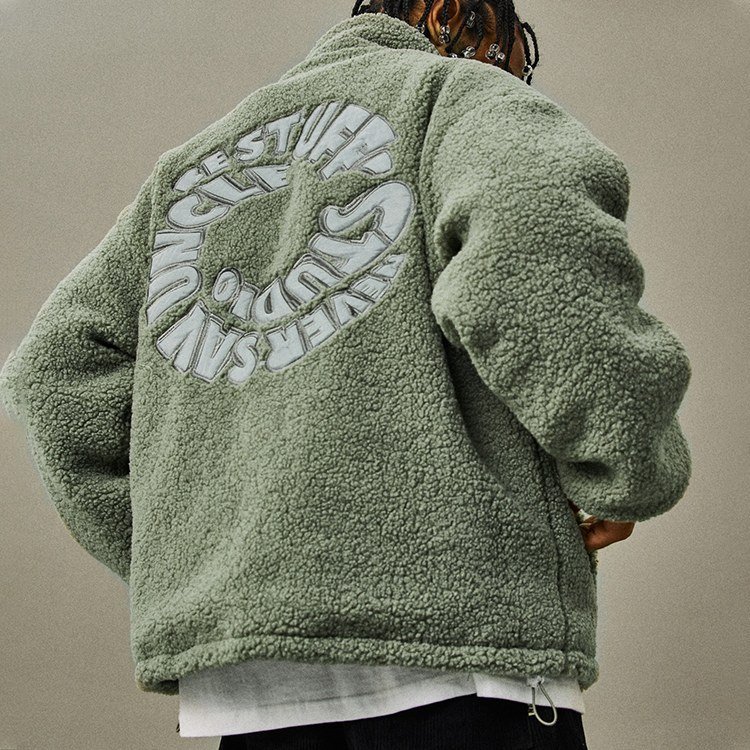
Canvas (typically 10–16 oz or 340–540 GSM) offers exceptional abrasion resistance and is the classic choice for heavy-duty workwear; it holds up to industrial washing and rough job sites. Denim (8–14 oz or 270–475 GSM) delivers a familiar streetwear aesthetic with moderate durability, making it popular for lifestyle brands blending function and fashion. Twill weaves (6–12 oz or 200–400 GSM) provide a softer hand feel and easier drape, suitable for lighter-duty jackets or transitional seasons. Nylon ripstop (150–250 GSM) adds water resistance and wind protection at lower weight, though it sacrifices the rugged texture of natural fibers.
Flannel Lining Types and Warmth
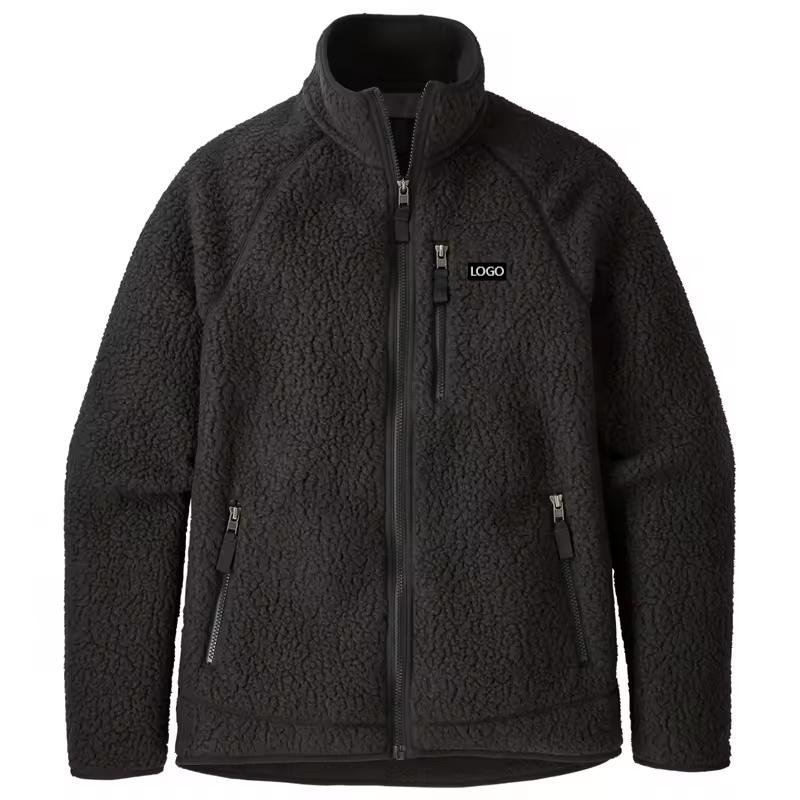
100% cotton flannel (150–200 GSM) offers natural breathability and softness but costs more and requires careful shrinkage control during production. Poly-cotton flannel blends (65/35 or 50/50, 130–180 GSM) reduce cost by 15–25%, improve dimensional stability, and speed drying time, making them the most common specification. Brushed fleece linings (200–280 GSM) deliver maximum warmth for cold-climate markets but add bulk and raise unit price by approximately 20–30% compared to standard flannel.
5. Customization and Branding Options for Flannel Lined Work Jackets
A flannel lined work jacket manufacturer offers multiple customization paths to differentiate your brand from competitors. Decoration methods, fabric choices, fit modifications, and hardware upgrades each carry distinct cost structures and minimum order requirements that shape your go-to-market strategy.
| Decoration Method | Setup Cost (USD) | Durability (Washes) | Minimum Quantity |
|---|---|---|---|
| Embroidery | $50–150 | 500+ | 50–100 pcs |
| Screen Print | $25–75/color | 50–100 | 100–300 pcs |
| Woven Label | $0.10–0.50/pc | 500+ | 500–1,000 pcs |
| Heat-Transfer Patch | $15–40 | 30–50 | 100–200 pcs |
| Custom Hardware | $0.30–1.20/pc | Permanent | 500+ pcs |
Decoration Techniques and Branding Methods
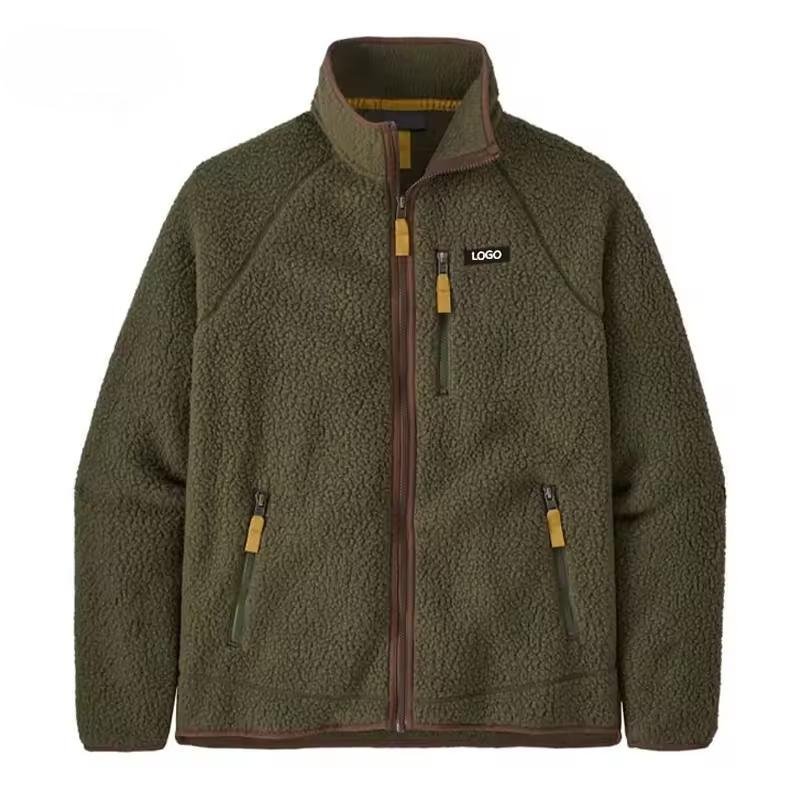
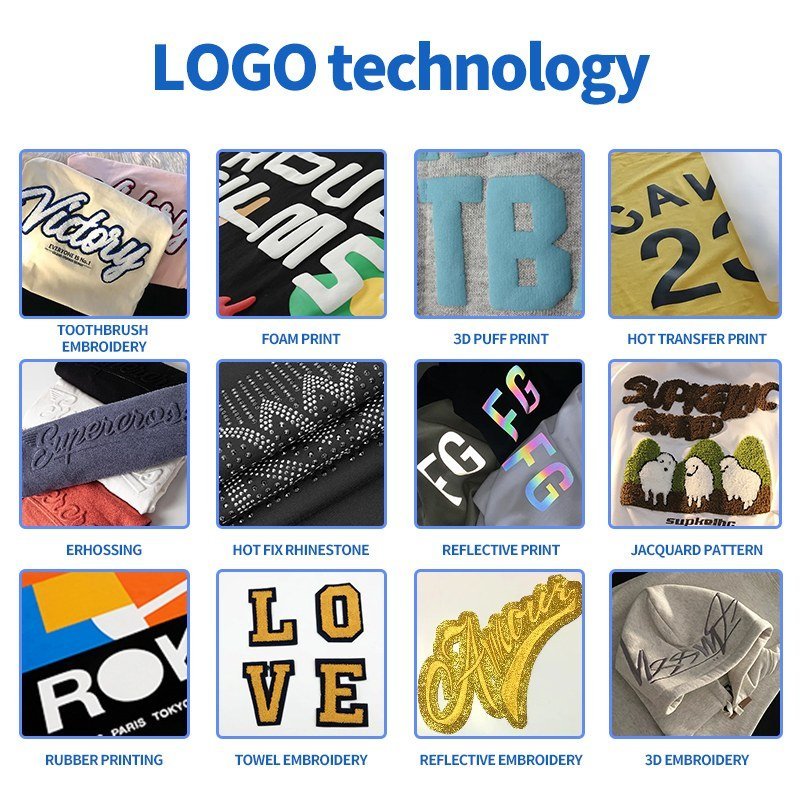
Embroidery delivers the highest durability for logos and text, with setup costs ranging from $50–150 per design and typical minimums of 50–100 pieces. Screen printing offers lower per-unit costs for large graphics but requires 100+ piece runs to justify screen fees of $25–75 per color. Woven labels sewn into seams or applied as patches cost $0.10–0.50 each with 500–1,000 piece minimums, while heat-transfer patches allow full-color designs at 100-piece MOQs.
Custom hardware — zipper pullers, snap buttons, rivets — can be debossed or laser-engraved with your logo at 500+ piece minimums, adding $0.30–1.20 per jacket. Manufacturers like Clothing Manufacturer Ltd. integrate branding decisions into their five-step QC process, testing decoration adhesion and thread tension during sewing production QC to prevent peeling or thread breakage in finished garments.
Shell and Lining Color and Pattern Options
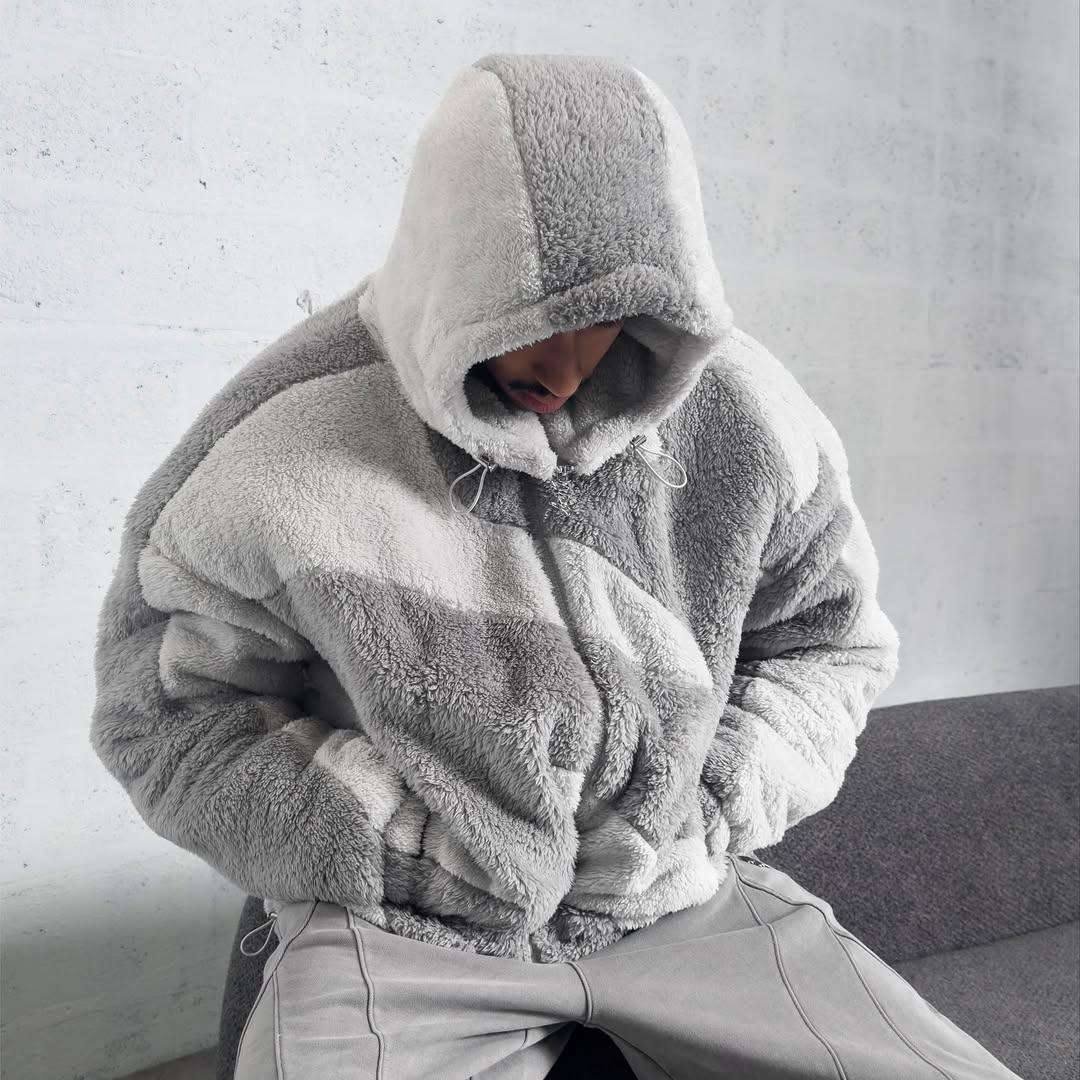
Most flannel lined work jacket manufacturers stock 8–15 shell colors in duck canvas or denim, with custom Pantone matching available at 300+ piece minimums and dye-lot fees of $150–400. Flannel linings typically offer plaid patterns in 5–10 colorways; custom plaids require 500+ pieces and pattern setup charges of $200–500.
Manufacturers source shell fabrics in weights from 10 oz to 14 oz per square yard, and buyers can specify contrast stitching, tonal thread, or bartack reinforcement colors to align with brand aesthetics. Lining weights range from 4 oz to 6 oz brushed cotton flannel, with heavier weights adding warmth and perceived quality.
Fit Adjustments and Feature Modifications
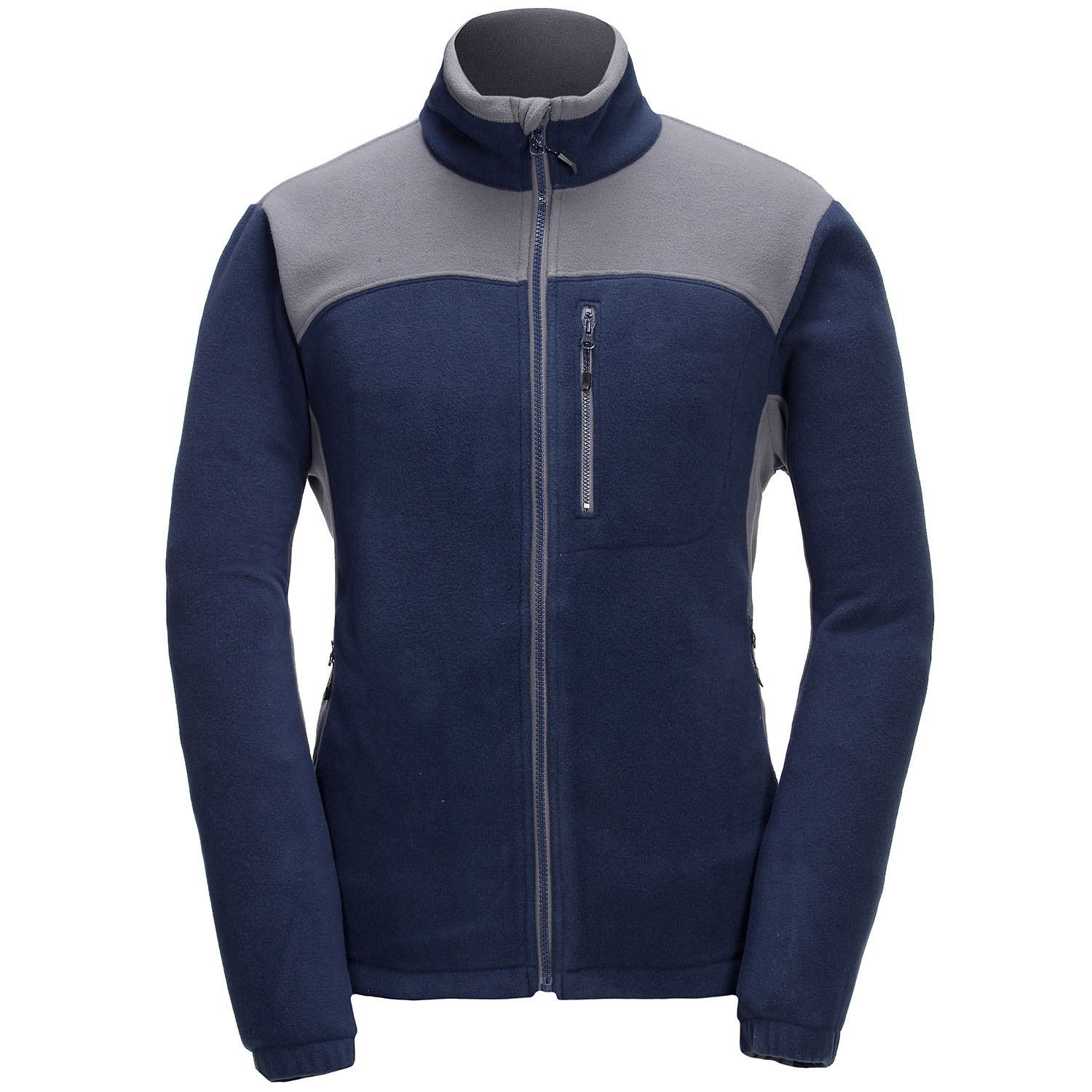
Pattern grading and fit customization — adjusting sleeve length, torso taper, shoulder drop, or hem curve — typically require 200+ piece minimums and $100–300 pattern-adjustment fees. Pocket modifications (adding interior chest pockets, changing flap shapes, or installing zipper closures) incur $0.50–2.00 per jacket in labor and materials.
Manufacturers with in-house R&D teams, such as Clothing Manufacturer Ltd.’s 15-member design group, can prototype fit changes within 7–10 days and iterate based on sample feedback. Feature additions like drawcord hems, snap cuffs, or reinforced elbow patches are quoted individually, with costs tied to component sourcing and sewing complexity.
6. Key Quality and Construction Elements in a Flannel Lined Work Jacket Manufacturer
A flannel lined work jacket manufacturer’s quality hinges on construction checkpoints that separate durable workwear from fast-fail products. The five-step QC methodology introduced by Clothing Manufacturer Ltd. in February 2025 ensures inspections at materials, cutting, craft, sewing, and finished-garment stages—catching defects before they reach production scale.
Stitching Standards and Reinforcement Points
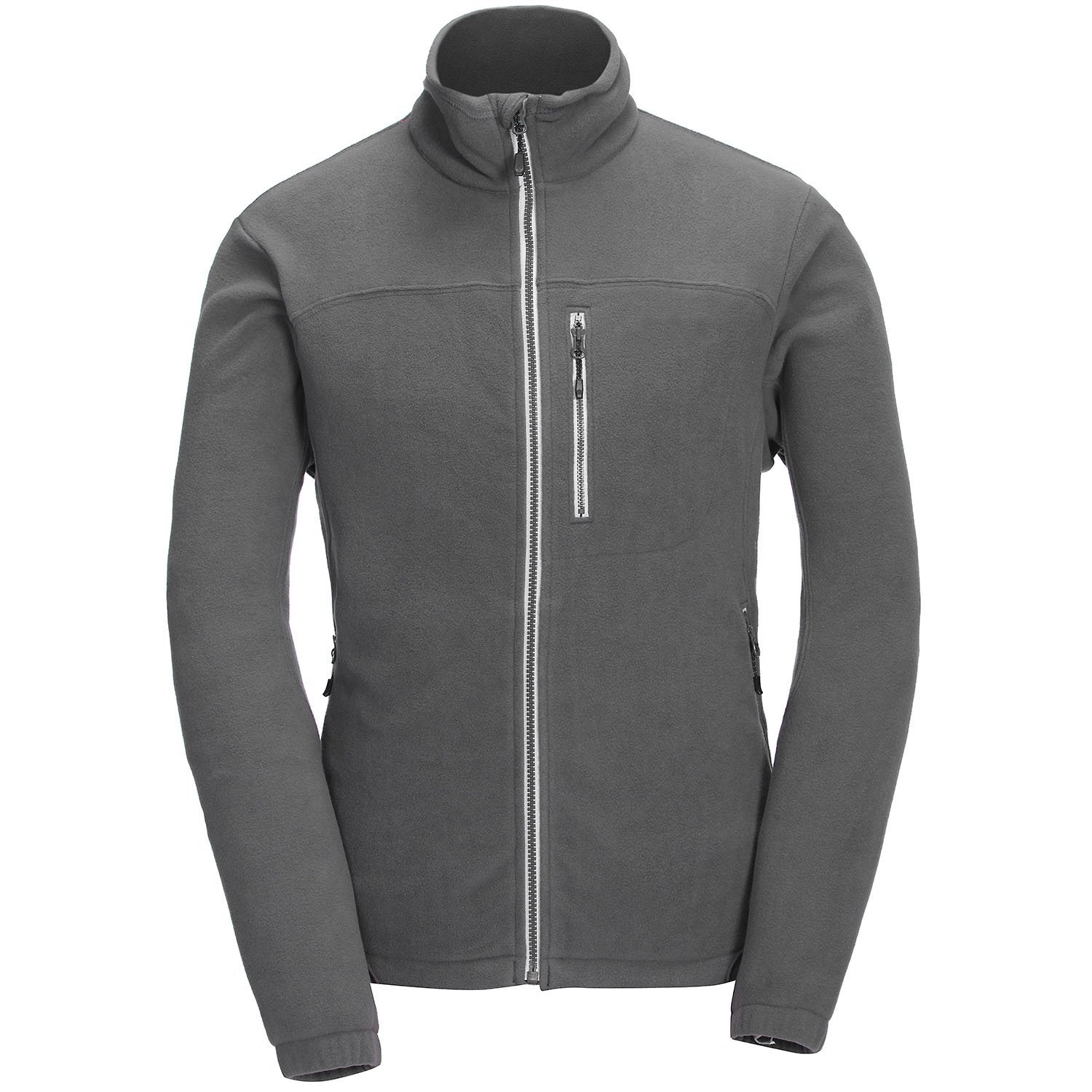
Double-needle stitching at side seams, shoulders, and hems provides tensile strength for work jackets subjected to repeated stress. Bar-tack reinforcement at pocket corners, zipper stress points, and sleeve openings prevents tear-out under load.
Stitch density of 10–12 stitches per inch balances durability and fabric integrity; too few stitches weaken seams, while excessive density perforates material. Thread weight should match fabric weight—polyester core-spun thread resists abrasion better than cotton alone.
Lining Attachment and Seam Allowances
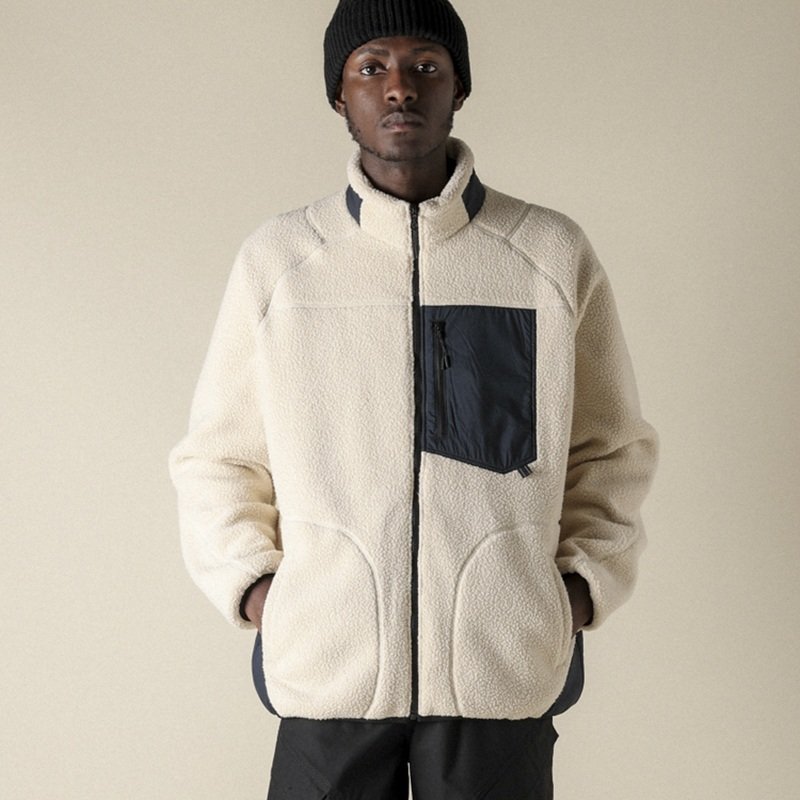
Flannel lining must attach via French seams or bias-bound edges to prevent raw-edge fraying and ensure clean interior finish. Seam allowances of 1.5–2 cm provide enough material for durable joins without bulk.
Floating linings—attached only at collar, cuffs, and hem—allow independent movement between shell and lining, reducing stress on attachment points. Fully quilted linings offer warmth but require precise stitch alignment to avoid puckering.
Zipper and Hardware Durability
YKK or equivalent metal zippers rated for 1,000+ cycles outlast plastic alternatives in work environments. Snap fasteners should use brass or stainless-steel posts with 8–10 mm cap diameter for secure closure under jacket weight.
Pre-production sampling reveals hardware failures early; test zippers under load and snaps through 50 open-close cycles. Verify that zipper tape width matches placket to prevent bunching or gapping.
Collar and Cuff Construction
Collars require interlining or fusible interfacing to maintain shape through washing and wear. Topstitching at 3–5 mm from edge locks layers and adds visual definition.
Ribbed or adjustable cuffs need elastic retention or snap-tab closures; elastic should recover to 90 percent of original width after 100 stretch cycles. Cuff seams bear frequent stress, so double-needle construction is non-negotiable.
7. How to Choose the Right Flannel Lined Work Jacket Manufacturer
Selecting a flannel lined work jacket manufacturer requires systematic evaluation across multiple decision criteria. The right partner balances certifications, production capacity, quality consistency, and transparent communication to ensure your brand launches on time and on budget.
Verify Certifications and Compliance Standards
ISO 9001 certification confirms systematic quality management, while WRAP and BSCI accreditation verify ethical labor practices. Ask manufacturers to provide current certificates and audit reports before discussing production.
Clothing Manufacturer Ltd. operates under the infrastructure of Dongguan TuoZhen Clothing Co., Ltd., which maintains compliance frameworks built over years of serving international clients. Certification transparency signals a manufacturer’s commitment to accountability and legal export standards.
Evaluate Sample Quality and Construction Details
Request pre-production samples to inspect stitching density, lining attachment, and hardware durability. Examine seam allowances (typically 1–1.5 cm), buttonhole reinforcement, and whether the flannel lining is securely tacked at stress points.
Clothing Manufacturer Ltd. offers 7-day sample turnaround, enabling rapid design iteration. Compare samples from multiple vendors side-by-side under identical conditions to identify inconsistencies in fabric weight, color matching, and finishing quality.
Check Production Capacity and Lead-Time Reliability
Confirm minimum order quantities, typical lead times (30–45 days for bulk orders is standard), and peak-season capacity. Ask how the manufacturer handles rush orders and whether they subcontract any processes.
With a 50-piece MOQ, Clothing Manufacturer Ltd. accommodates emerging brands and test runs. Verify the manufacturer’s R&D team size and patent portfolio; the company’s 15-member R&D team and 10 patents demonstrate technical depth beyond basic cut-and-sew operations.
Request Client References and Order History
Ask for references from brands in your category and order-volume range. Tesla Luo personally served over 200 clients and helped grow influencer brands from zero to six-figure followings, demonstrating hands-on partnership.
Inquire about repeat-order rates and average client tenure. Manufacturers serving customers across 100+ countries typically have proven logistics and communication workflows that reduce delays and misunderstandings.
8. Common Mistakes When Sourcing from a Flannel Lined Work Jacket Manufacturer
Sourcing from a flannel lined work jacket manufacturer requires careful attention to details that many first-time buyers overlook. Even experienced brands can fall into traps that lead to production delays, quality failures, and costly rework. Understanding these pitfalls before placing your first order protects your investment and brand reputation.
Ignoring Fabric Shrinkage Testing
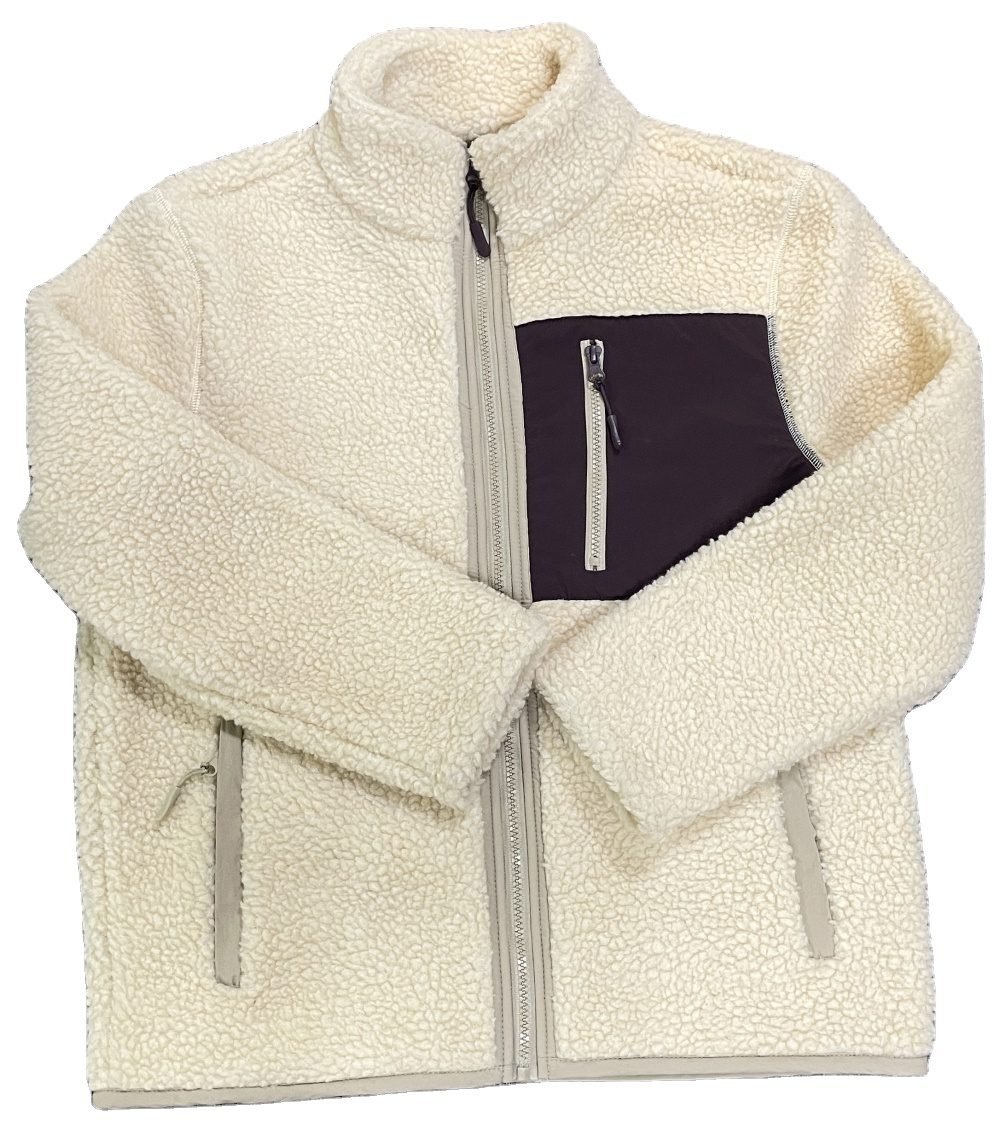
Cotton-based outer shells and flannel linings can shrink 3-5% after washing if not pre-treated or tested. Buyers who skip shrinkage testing before finalizing patterns often receive garments that fit perfectly off the production line but become unwearable after the first wash.
Request pre-production wash tests on both shell and lining fabrics. Reputable manufacturers adjust patterns to compensate for documented shrinkage rates, ensuring finished garments maintain size specifications through multiple laundry cycles.
Underestimating Lead Times
Flannel lined work jackets require 45-60 days from order confirmation to shipment, not the 30 days some buyers assume. Multi-layer construction, lining attachment, and quality control at five production stages all add time that single-layer garments do not require.
Plan inventory around realistic timelines and add 7-10 days buffer for shipping and customs. Rushing production to meet unrealistic deadlines forces manufacturers to skip QC steps, directly compromising the quality standards you expect.
Skipping Pre-Production Samples
Buyers who approve production based solely on tech packs or photos often discover fit, color, or construction issues only after receiving bulk orders. Pre-production samples reveal how fabrics drape, how lining attaches, and whether hardware meets expectations before committing to 500-piece runs.
Always request and physically inspect samples in your target size range. Test wash them, check seam strength, and verify that lining weight matches your specifications—corrections at this stage cost far less than post-production fixes.
Choosing Price Over Quality
The lowest quote often signals shortcuts in lining weight, skipped QC steps, or substituted materials. A flannel lined work jacket manufacturer offering prices 20-30% below market average typically reduces costs by using 120 GSM lining instead of 180 GSM or eliminating mid-production quality checks.
Evaluate total cost of ownership, including return rates and brand damage from poor quality. Clothing Manufacturer Ltd.’s five-step QC process adds modest per-unit cost but eliminates the expensive consequences of defective bulk shipments reaching customers.
9. Steps to Launch Your Brand with a Flannel Lined Work Jacket Manufacturer
Launching a flannel lined work jacket collection requires a structured, phase-by-phase approach from initial concept through final delivery. Each stage has specific deliverables and timelines that determine overall speed to market.
Concept and Design Development
Start by defining your target audience, price point, and design direction—workwear heritage, streetwear hybrid, or utility fashion. Prepare mood boards, sketch files, and reference samples to communicate your vision clearly.
Most flannel lined work jacket manufacturer teams require 3–5 business days to review concepts and provide fabric recommendations, construction feasibility feedback, and preliminary costing. Clothing Manufacturer Ltd. assigns a dedicated account manager at this stage to align on design intent and production constraints.
- Mood boards with color palette, silhouette references, and branding elements
- Target retail price and order volume to guide material selection
- Initial timeline from concept approval to in-store or online launch date
Tech Pack and Material Sourcing
A complete tech pack includes flat sketches with measurements, construction details (seam types, stitch counts), hardware specs (zipper brand, snap finish), and colorways with Pantone references. Manufacturers use this document to source shell fabrics (canvas, denim, twill), flannel lining (weight 150–200 GSM), and trims.
Material lead time ranges from 7–14 days for in-stock fabrics to 21–30 days for custom dyeing or printing. Confirm fabric swatches and strike-offs before approving the sample order to avoid costly revisions later.
Sample Approval and Production Order
First samples typically arrive within 7–10 days for standard constructions; complex designs with embroidery or custom hardware may require 14 days. Review fit, stitching quality, lining attachment, and pocket placement, then request revisions if needed.
Once the sample is approved, place your production order with a signed purchase order, 30–50 percent deposit, and confirmed delivery date. Bulk production for 50–500 pieces generally spans 21–35 days, depending on factory capacity and fabric availability.
Quality Control and Logistics
Reputable manufacturers implement multi-stage QC: materials inspection, mid-production checks, and final garment audits before packing. Clothing Manufacturer Ltd.’s five-step QC process—materials, cutting, craft, sewing, and finished garment—catches defects early and reduces rejection rates.
Arrange shipping once QC reports are approved. Air freight takes 5–7 days; sea freight 25–40 days depending on destination. Request commercial invoices, packing lists, and certificates of origin in advance to streamline customs clearance and meet your launch deadline.
10. Pricing and Cost Structures for Flannel Lined Work Jacket Manufacturing
Flannel lined work jacket pricing from a reputable manufacturer typically ranges from $12 to $45 per unit depending on order volume, fabric grade, and customization depth. Cost drivers include shell fabric weight (8–12 oz canvas or twill commands premium pricing), lining type (100% cotton flannel versus poly-cotton blends), hardware quality (YKK zippers add $0.80–$1.50 per jacket), and embroidery or screen-print complexity (setup fees from $45 to $150 per design).
Order volume creates the steepest price gradient: a 50-unit run may cost $38–$45 per jacket, while 1,000-unit orders drop to $12–$18 per piece as cutting efficiency, fabric roll utilization, and setup amortization improve. Lead times compress with volume because larger runs justify dedicated production lines and bulk fabric purchasing from mills in Dongguan and surrounding Guangdong hubs.
Customization level directly impacts both setup costs and per-unit pricing. Stock colorways with minimal branding require only thread changes and basic QC, while fully custom designs—unique washes, contrast stitching, proprietary label packages, and multi-position embroidery—add 15–35% to base costs and extend sampling cycles by 3–5 days. Factory location matters: Humen Town manufacturers benefit from vertical integration with local fabric suppliers, reducing logistics delays and material costs by 8–12% compared to facilities in secondary manufacturing regions.
| Quantity Tier | Price per Unit (USD) | Typical Lead Time |
|---|---|---|
| 50 units | $38–$45 | 18–22 days |
| 100 units | $28–$35 | 16–20 days |
| 500 units | $16–$22 | 20–25 days |
| 1,000 units | $12–$18 | 25–30 days |
Ready to Launch Your Flannel Lined Work Jacket Line?
Partner with a trusted flannel lined work jacket manufacturer. Get your free quote in 24 hours with zero obligation.