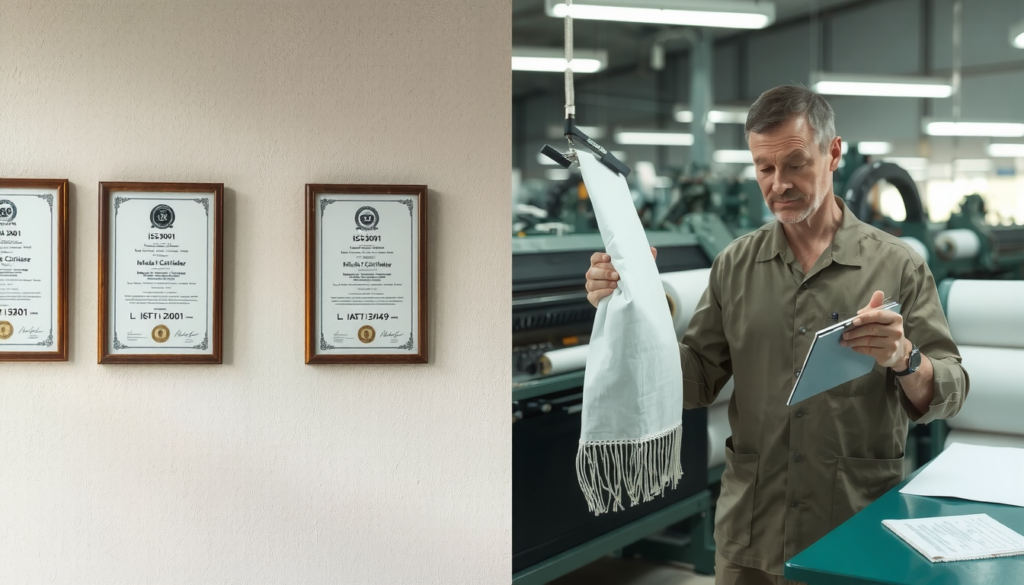
Before paying for a tank top sample, verify five things: the supplier’s legal and payment identity, evidence that it makes similar knit garments, a written sample scope, control of fabric and measurements, and a defined path from approved sample to bulk production. A polished website or low quote is not proof that the same team can repeat your product at production scale.
Treat the process as an RFQ checklist with documented criteria and red flags, not as an informal chat with a salesperson.
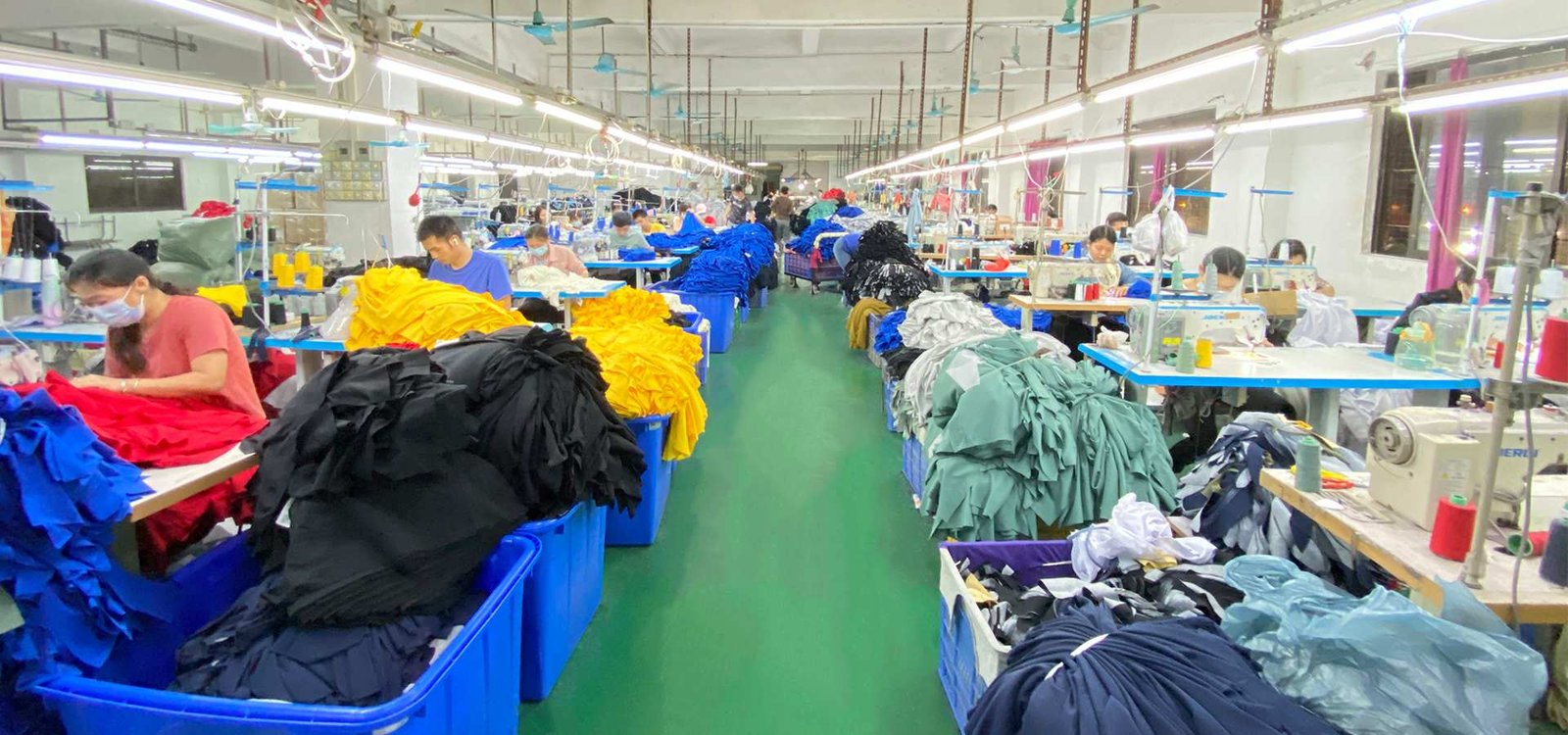
Factory evidence should connect the claimed capability to the machines, people and product category in your order.
Confirm who will receive your money
Ask for the registered company name, business address, invoice details, bank beneficiary and the name of the person responsible for the sample. Differences are not automatically fraudulent—a trading company may work with a factory—but they must be explained in writing. Do not send funds to an unrelated personal account because a chat contact says it is faster.
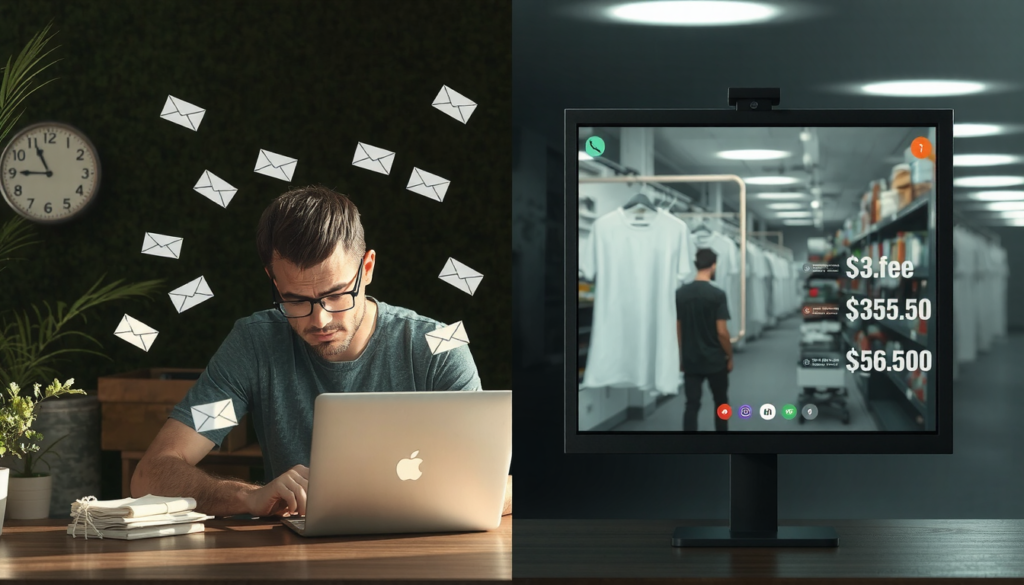
Check whether the email domain, quotation, invoice and payment instructions agree. Use a live video call to confirm the contact and facility. If payment instructions change, verify the change through a second known channel before acting. This is basic transaction control, not an accusation.
Request evidence for the exact garment type
A supplier that makes woven jackets may not be the right partner for stretch jersey tank tops. Ask for recent examples with a similar neckline, armhole finish, fabric weight, stretch behavior and decoration. Request close photos of inside seams, binding joins, hems, labels and the garment after washing—not only styled model images.
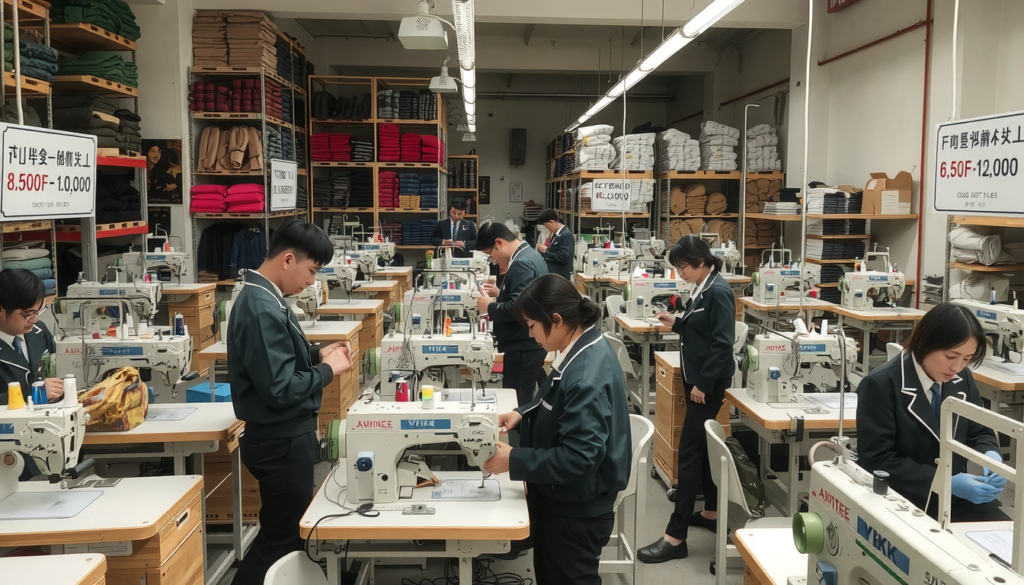
During a video walkthrough, ask the contact to show the cutting area, sewing operations relevant to knits, pressing, measurement station, needle-control process and packing area. Pre-recorded factory videos are useful context but do not prove who will make your order. A credible supplier can explain what is done in-house and what is subcontracted.
Define the sample as a written deliverable
Your purchase should state what the fee includes: pattern development, fabric sourcing, trims, artwork setup, one or more revisions, shipping and the expected completion window. Clarify whether the pattern and tech-pack changes will be released to you and how a second sample is priced.
Attach a version-controlled tech pack. It should identify the base size, finished garment measurements, tolerances, fabric composition and weight, color reference, seam and stitch expectations, binding width, label positions, artwork dimensions and packaging. Vague comments such as “make it more premium” force the sample room to guess.
Ask tank-top-specific construction questions
The armhole and neckline expose problems quickly. Ask how the factory will prevent stretching, twisting, puckering and uneven binding. Confirm whether the hem method suits the fabric’s stretch and whether seam allowances are defined. For rib or performance fabrics, discuss recovery after wear and washing.
Fabric approval should include more than a fiber label. Confirm the exact article or mill reference, usable width, weight test method, color approval method, shrinkage test conditions and whether the bulk lot can differ from sample yardage. If substitution is allowed, define who approves it and what evidence must accompany the request.
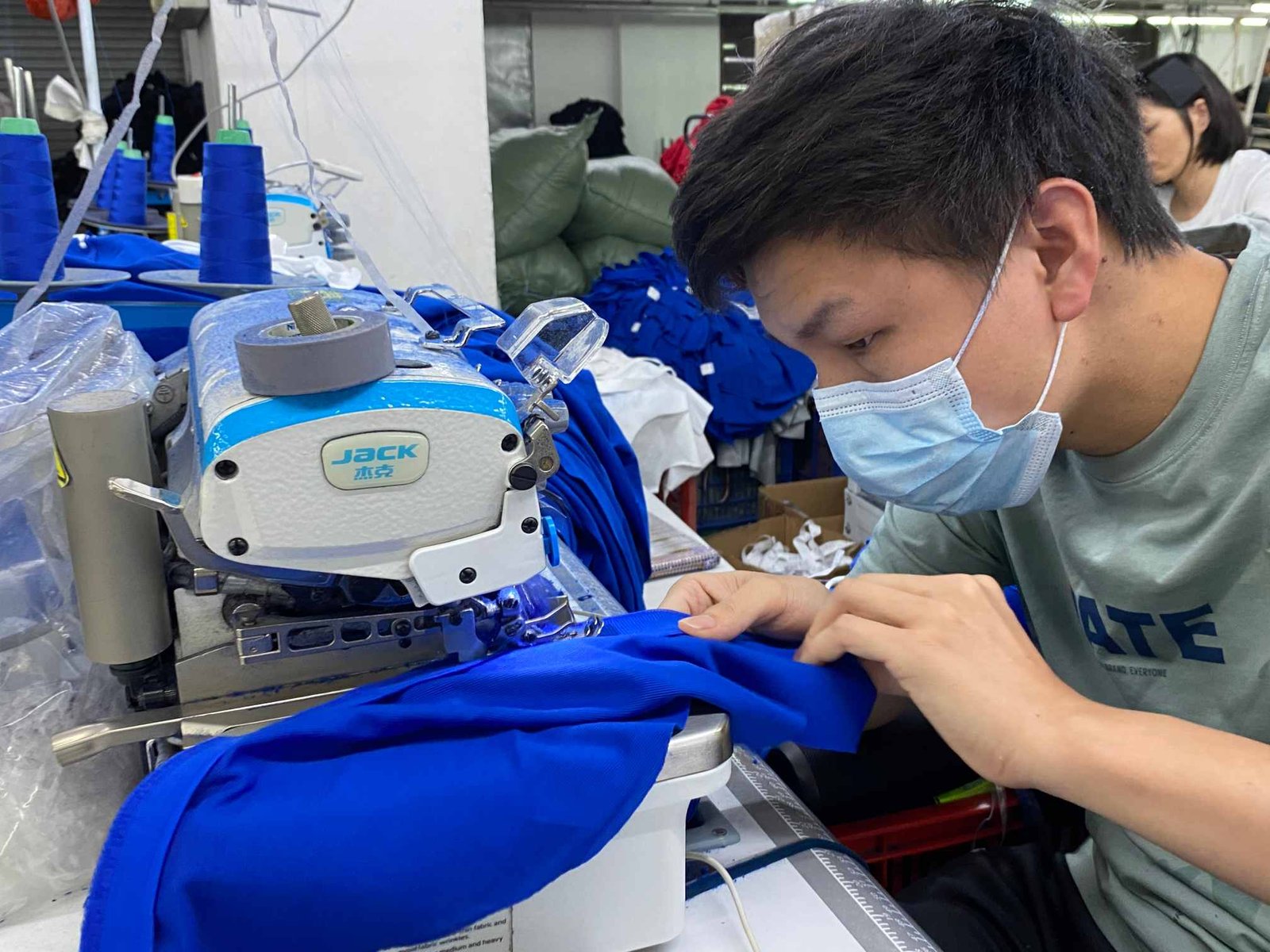
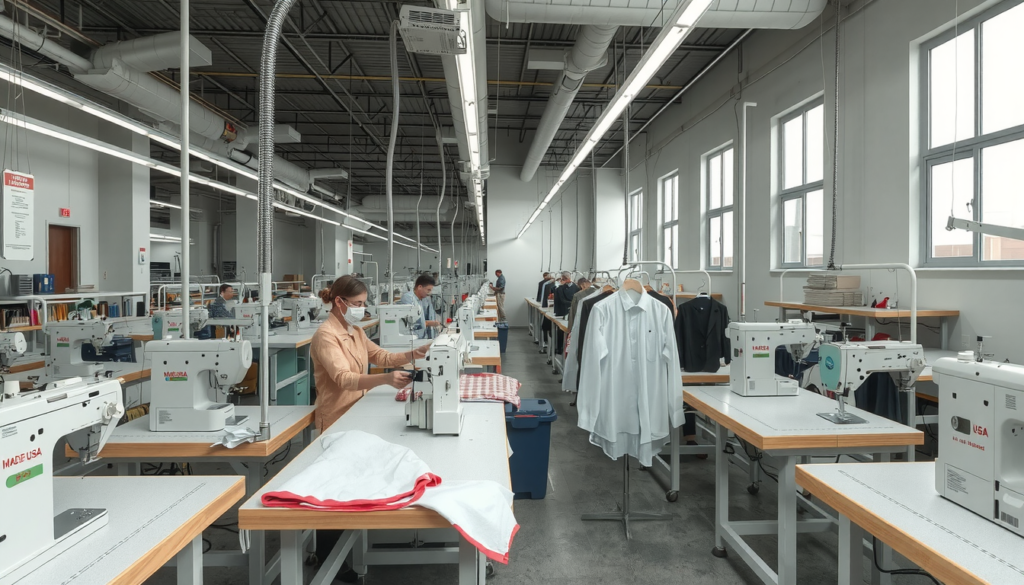
A useful factory review follows the product flow from incoming fabric through cutting, sewing, inspection and packing.
Understand the quality system without relying on logos
ISO describes ISO 9001 as a framework for establishing, maintaining and continually improving a quality management system. A certificate can be relevant, but it does not approve your particular tank top. Verify the certificate’s company name, site, scope and validity, then ask how the factory converts your specification into actual inspections.
Request a sample inspection form or a redacted report from a similar order. Ask who measures the first pieces, how defects are classified, how shade variation is controlled, what happens when measurements fall outside tolerance, and whether final inspection occurs before packing. The strongest answer describes records and escalation, not simply “our QC checks everything.”
Separate sample approval from bulk authorization
A good sample is a development milestone. Before bulk cutting, confirm the final tech-pack revision, approved sample identification, approved fabric or lab dip, artwork proof, graded measurement chart, size set when needed, packaging standard and production timeline. Changes made after approval should be recorded in a change log.
Also ask whether the bulk production line will use the same construction methods shown in the sample. If the sample room uses specialized operators or machines that the production line does not have, repeatability may suffer. The factory should be able to explain the handoff.
Use a staged payment and evidence checklist
Payment terms vary, but risk should decrease as evidence increases. Pay through a traceable method covered by a written invoice. Keep quotation versions, chat confirmations, artwork approvals and courier records in one project folder. For a new supplier, avoid combining a sample fee with a large unverified bulk deposit.
Before paying, you should be able to answer:
- Who is the legal counterparty and payment beneficiary?
- What exact sample will be delivered, in which material and size?
- Which revisions, tests and shipping charges are included?
- What evidence proves relevant knitwear capability?
- What must be approved before bulk fabric is cut?
- Who owns and controls the latest specification?
Use the answers to compare suppliers on controllability, not sales confidence. A qualified tank top manufacturer should make the development path visible before asking you to scale the order.
Compare quotations on the same scope
Create a bid sheet before contacting factories. Give every supplier the same tech-pack revision, material target, sample size, decoration, packaging, quantity assumptions and delivery destination. Ask each supplier to separate sample development, pattern or artwork setup, fabric minimums, trims, testing, packing and freight. A single total hides the reason one quotation differs from another.
Record exclusions. One factory may quote available stock fabric while another prices a custom-dyed material. One may include neck binding and branded labels while another assumes a blank garment. Normalize these differences before deciding that a supplier is expensive or cheap.
Ask how the bulk price will be recalculated after the sample. If material consumption, construction or artwork changes, require a revised quotation with the same version control used for the tech pack. The approved sample should never silently authorize an unknown price.
Verify capacity and subcontracting
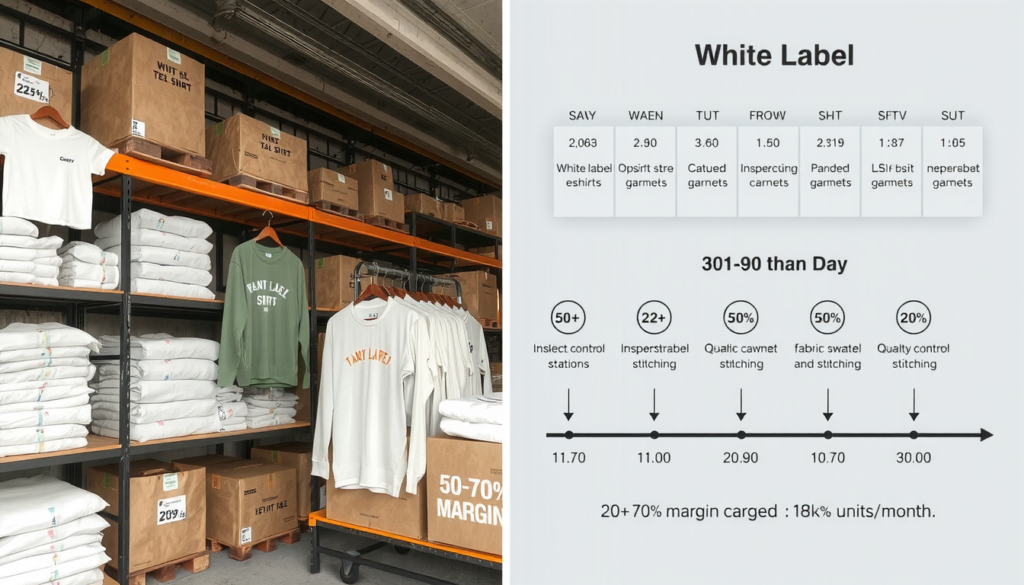
Capacity means the ability to make your category within your time window, not the factory’s total monthly output. Ask which sewing line or sample team would handle the tank top, what other orders share the period and which operations constrain the schedule. Fabric dyeing, printing, embroidery and washing may control lead time even when sewing capacity is open.
Request a subcontracting map. Identify who supplies fabric, dyes color, makes labels, applies decoration, performs special finishes and conducts testing. Subcontracting is normal in apparel, but responsibility must remain clear. The primary supplier should approve outside work against your specification and manage corrective action.
During video verification, ask to see a current product move from operation to operation. Do not demand disclosure of another client’s confidential design. You are looking for process evidence: machine suitability, operator handling, work-in-progress identification and inspection records.
Test fabric and color before the fit is frozen
Fit depends on material behavior. A pattern approved in one jersey may change when bulk fabric has different stretch, recovery, thickness or shrinkage. Secure an identified fabric cutting or sample yardage and document composition, construction, weight, width, color and finishing.
Agree on test methods and acceptance criteria appropriate to the market and product. Typical questions include dimensional change after care, colorfastness, pilling, spirality, stretch and recovery, seam performance and restricted substances. The exact program depends on claims, fiber, sales region and end use; a generic “passed test” statement is not enough.
For color, define the master reference and viewing conditions. Approve a lab dip or strike-off where applicable, and explain how shade bands will be controlled in bulk. If panels from different dye lots can be mixed in one garment, the supplier needs a bundling control to prevent visible mismatch.
Evaluate communication as part of manufacturing capability
The best technical factory can still be a poor partner if information is uncontrolled. Watch whether the contact answers each question, identifies uncertainty and returns updated documents. A reliable merchandiser should distinguish a confirmed fact from a proposal that still needs sample-room approval.
Use a weekly status format covering materials, sample operations, open questions, target dates and risks. Decisions should end in a revised document or written approval, not remain scattered across voice messages. When the supplier summarizes your comments accurately, it demonstrates project control.
Red flags include changing payment instructions without verification, refusing to identify the legal seller, avoiding live capability evidence, promising every material immediately, or pressuring the buyer to place bulk before the sample is approved. One red flag may have an explanation; several form a pattern.
What to inspect when the sample arrives
Photograph the unopened parcel and sample identification. Confirm style, size, color, fabric and artwork revision. Measure the garment after the agreed conditioning method. Then inspect neckline symmetry, armhole shape, binding joins, shoulder seams, side-seam torque, hem, thread trimming, labels and decoration.
Fit the sample on the intended body profile or approved form. Review ease, balance, mobility, opacity and recovery. Wash or test only after recording the original condition and measurements. If the sample fails, separate pattern, material, construction and workmanship issues; each needs a different correction.
Send a numbered comment sheet. Include one issue per line, photo, current condition, requested change and responsible party. Ask the factory to respond with its proposed action and whether the change affects price or schedule.
Frequently asked questions
Is a paid sample a guarantee of bulk quality?
No. It proves that one sample can be made. Bulk repeatability requires approved specifications, material controls, size-set or pre-production approval where needed, line instructions and inspection.
Should a buyer ask for customer references?
References can help, but confidentiality may limit them. Accept redacted production records, audit reports, test evidence and a live facility review as complementary proof. Verify any reference through an independent contact route.
Is a trading company automatically a poor choice?
No. A capable trading or development partner may coordinate specialized suppliers effectively. The risk is opacity. Require a clear role, factory disclosure appropriate to the order and one accountable quality process.
How many sample rounds are normal?
There is no universal number. Complexity, tech-pack quality and material development determine the need. The quotation should define included rounds and pricing for changes so neither party treats iteration as unlimited.
When is it safe to place the bulk deposit?
Place it only after the contractual counterparty, commercial terms, production specification, approval status, delivery plan and change-control process are documented. For a new supplier, use a staged structure that matches evidence and your available payment protections.