Introduction: Why Customize Your Hoodie Neckline?
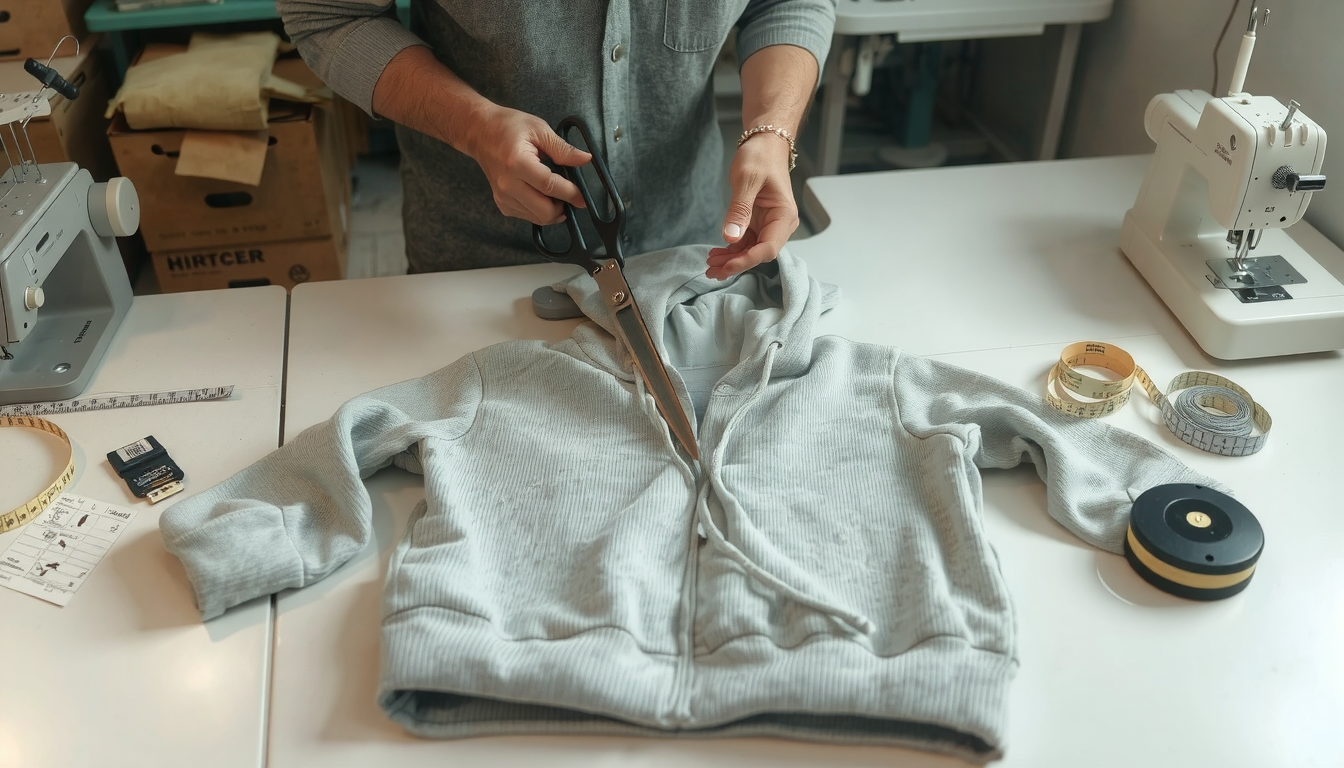
Hoodies have made it to every corner of the world as essential clothing. However, it happens that the size is not always perfect for you. The neckline, for example, is what's too tight for you. It literally can create a choking feeling. Or you think the style may have been too plain for it to be in the current streetwear trends in 2026. The fix for that is customizing your clothing. You will be, at the same time, making a new one, and learning how to cut the neckline of a hoodie. You can also personalize a completely new item that you will wear according to your mood. We generally focus on high-quality clothing manufacturing for our clients. However, we do realize that the final user usually wants to put a personal touch.
At Clothing Manufacturer Ltd, we are a well-established company with a team of professionals. Our company has existed for more than 10 years and we are controllers of the garment supply chain. We have teamed up with a lot more than 1000 fashion brands around the globe. We aided in launching above 500 successful brands, too. We mostly deliver only top quality garments due to our dedication to utopian durability. But we certainly know how to handle the textile engineering when it comes down to alterations. Our six years' experience only in the field of streetwear clothing endows us with the knowledge of what is currently fashionable, i.e. the worn-out and distressed look. Simple alterations such as making a slit or changing the whole style depend deeply on the material's grain and tension. These factors can give you a more finished and clean look.
Key Takeaways:
- Material Type: It is necessary to ascertain if your hoodie is made of French Terry or Fleece. This aspect will determine how the edges finish.
- Sharp Tools: Fabric shears should always be used. Forget about using standard paper scissors. This guarantees a smooth cut.
- Technique Use: The "Center Slit" is the easiest way to change. Hood removal is more technical and requires more measuring.
- Finishing Touches: A single stay stitch is enough to avoid undesirable unraveling. The raw look is kept by that.
- Quality Control: Measure twice before you cut once. That way you will have symmetrical shapes.
Preparation: The "5-Step QC" Approach to DIY Alterations
Before you start cutting, approach this project with a professional mindset. In our factory, we have a "5-step QC production method." This is the principle that makes sure that every garment is produced to high standards. You can also infuse this approach in your home DIY project. It helps you avoid ruining your clothing. The difference between a stylish custom piece and a ruined rag often comes down to preparation.
Step 1: Inspect the Fabric
The primary step will be the inspection of the material. In most cases, hoodies are made from cotton jersey, French Terry, or fleece fabric. If you are finding out how to cut the neckline of a hoodie, you must realize that knitted fabrics tend to roll on the cut. Jersey often rolls outward. Some heavy fleece items may start fraying a bit.
Step 2: Gather the Right Tools
Be very careful not to use the scissors you have in the kitchen drawer. Dull scissors only make fabric more agitated. This will create a jagged, unprofessional edge.
- Fabric Shears: These are weapon-grade sharp and let you make effortless cuts through several layers of cotton fabric.
- Tailor's Chalk or Washable Marker: For marking your cut lines clearly.
- Ruler or Measuring Tape: To find the exact center.
- Pins: To hold layers together if necessary.
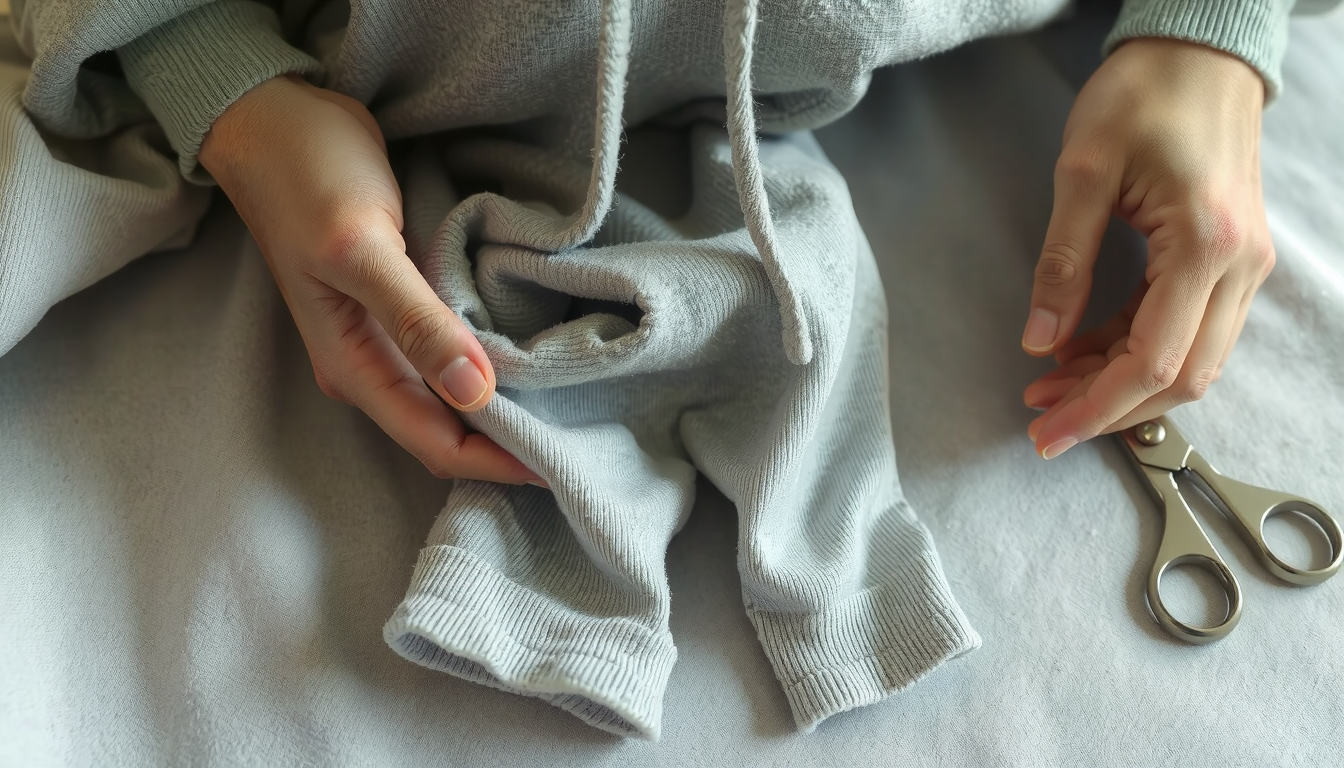
As a leading hoodie manufacturer, we know that whether you will be making a good cut or not depends largely on the condition of the tools you are using. Using the most appropriate tools makes sure that the fabric fibers make an exact clean cut rather than tearing.
Step 3: Prepare the Workspace
Spread out the hoodie over a large flat table. Never try to cut a hoodie while you are wearing it. That is a dangerous thing to do. It will almost always guarantee an uneven cut. Ensure that there are no wrinkles so the fabric sits naturally.
Method 1: The Center Slit (The "Streetwear" Look)
The center slit has been a popular modification for many years in the streetwear community. It relieves pressure on the neck and creates a relaxed V-neck vibe without changing the main structure of the hood. In this technique, the hood is preserved but the front is opened up for more airflow.
Step-by-Step Guide:
- Find the Center: Spread out the hoodie on the work table. Find the exact center of the front neckline. This can be done by overlapping shoulder seams and finding a point exactly in the middle.
- Mark the Depth: Determine how open you want your V-neck cut. 1 to 2 inches is a subtle look. If you want to make a deeper V-neck, you can go for 3 to 4 inches. Mark this line with your chalk.
- Secure the Fabric: Make sure the back layer of the hoodie is moved out of the way. You only want to cut the front layer.
- Make the Cut: Using your sharp shears, slice the marked line nice and straight down. Cut with confidence using long strokes.
For a visual guide on this specific technique, you can watch this helpful tutorial:
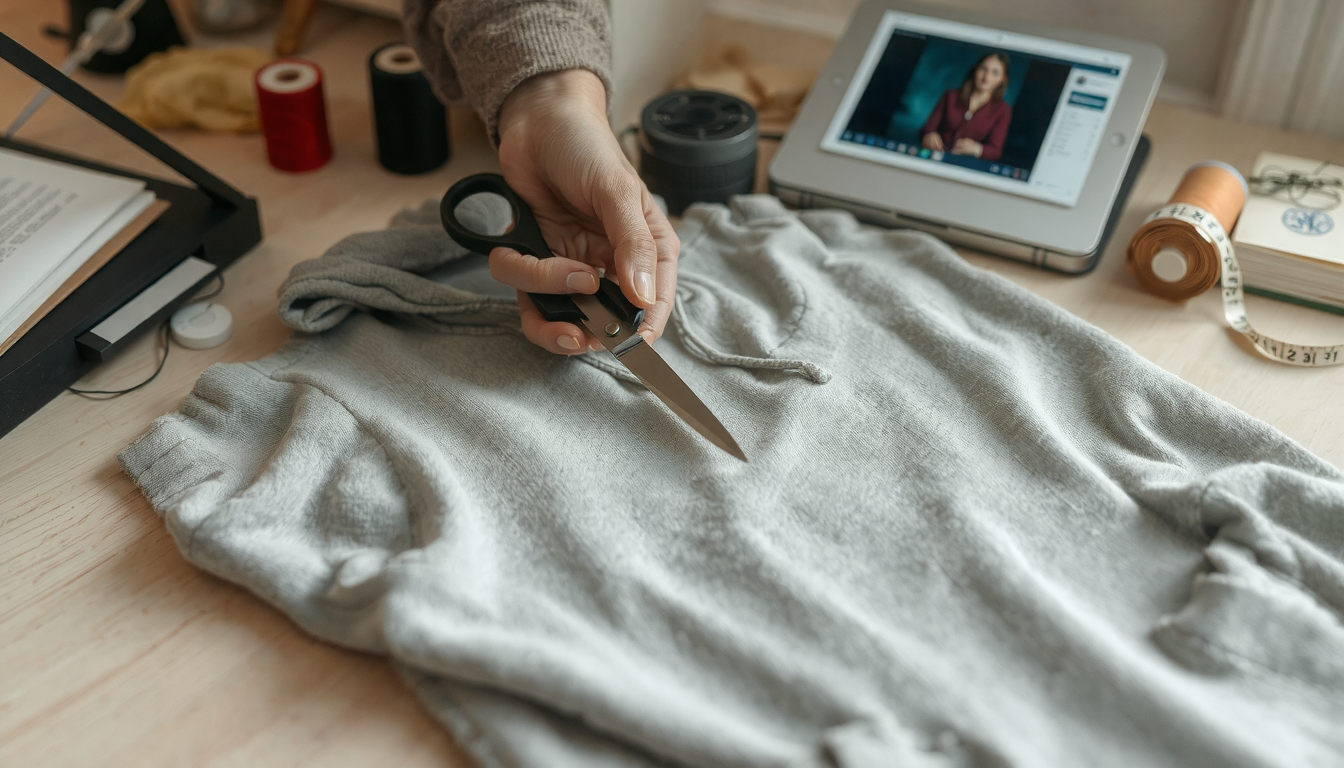
After cutting, gently pull on the two sides of the slit. This action will help the fabric to roll slightly, creating that finished streetwear look. If you wish to know more about different styles of cutting, you can read the article 3 Ways to Cut a Hoodie (wikihow.com) which describes similar methods. Learning how to cut the neckline of a hoodie using this method is a great starting point for beginners.
Method 2: The Full Hood Removal (Crewneck Conversion)
This method is for those who want to completely transform their garment. You will take off the hood completely. As a result, you will get a classic crew sweatshirt. This is a more advanced technique that requires a steady hand. In our 10+ years of production experience, we have witnessed the trend shift between hooded and crewneck styles.
Execution:
- Identify the Seam: Check where the hood is sewn into the body of the shirt. There is usually a seam line.
- Decide on the Cut Line: You have two options. You can cut above the seam, which will leave the collar band attached. Or you may cut below the seam and remove the collar for a raw neck.
- Cutting: Start from one shoulder. Carefully cut around the neck. If you are keeping the seam, cut comfortably above it. This way, you do not unravel the structural thread holding the shirt together.
- Handling Neck Tape: High-quality hoodies often feature "neck tape" along the back collar that covers the raw seam. Be exceedingly careful around this area. If you want to keep the structure, avoid cutting through the tape.
If you are looking for community advice on this specific alteration, the Removing Hoodies sewing discussion topic @ Patt… (sewing.patternreview.com) offers great insights from sewing fans.
When you learn how to cut the neckline of a hoodie this way, you are essentially remaking the garment. The neck opening will be broader if you go below the seam. Be mindful that without the ribbing or the hood to keep it, the neck hole will get bigger over time.
Method 3: The Off-Shoulder Cut (Feminine/Oversized Style)
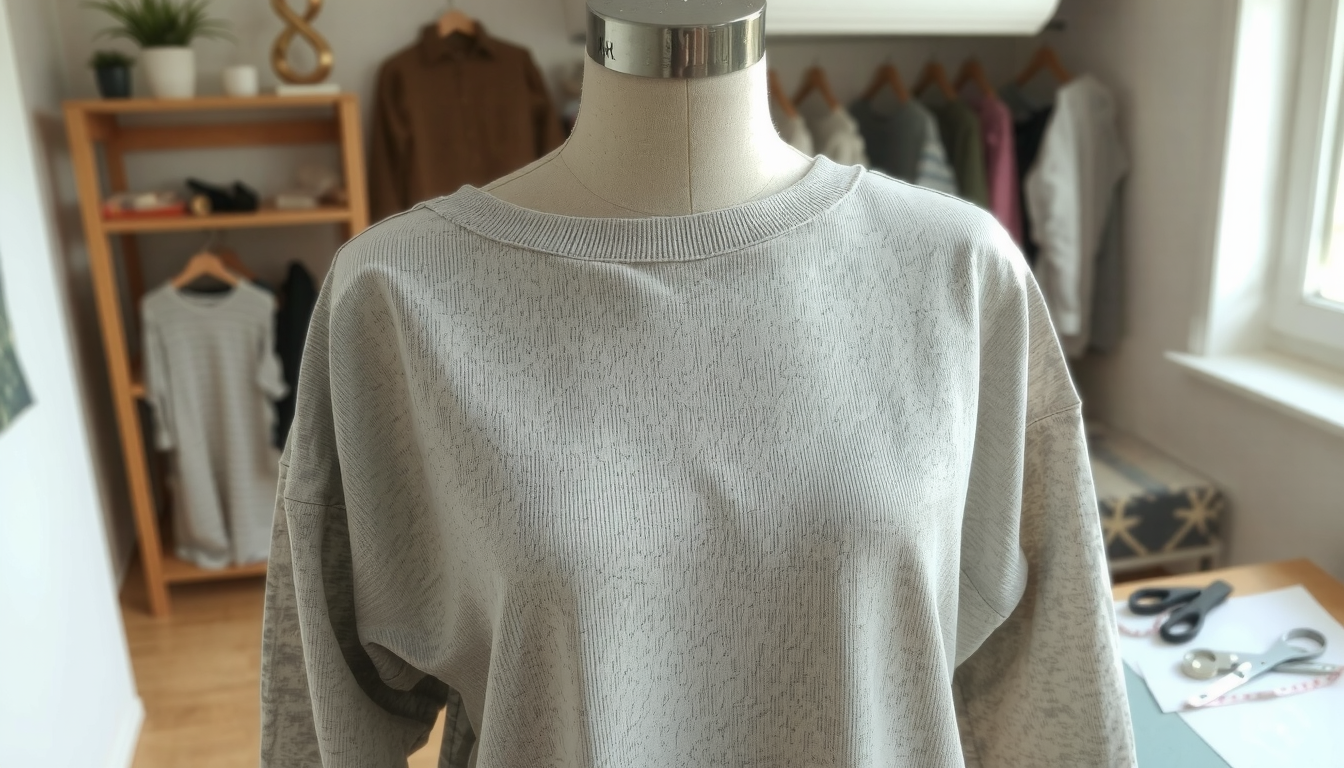
The off-shoulder look is popular for a relaxed, feminine aesthetic. This involves cutting the neckline much wider than the original opening. This style works best on oversized hoodies.
The QC Symmetry Check:
To ensure your cut is even, fold the hoodie in half vertically. Match the shoulders perfectly. This allows you to cut through both the left and right sides of the front at the same time. It ensures perfect symmetry.
Marking the Curve:
Instead of a straight line, you will want to mark a scoop or curve. Start from the center of the neck. Mark outwards towards the shoulders.
- Caution: Do not cut too far towards the arm seams. If you cut too wide, the hoodie will not stay on your shoulders at all.
When figuring out how to cut the neckline of a hoodie for this style, start with a smaller cut. Put the hoodie on. Check the fit. Then cut more if needed. You can always take more fabric off. But you cannot put it back on. This aligns with our manufacturing philosophy: precision reduces waste.
Professional Finishing Techniques: Stop the Fray
As a professional manufacturer, we know that raw edges can look cool. But uncontrolled unraveling looks sloppy. Once you have mastered how to cut the neckline of a hoodie, you need to manage the aftermath.
The "Stay Stitch"
If you have a sewing machine or a needle and thread, running a simple stitch about 1/4 inch away from the raw edge can save your garment. This acts as a barrier. The fabric will roll up to this stitch line and stop. This prevents the whole garment from unraveling in the wash.
Controlled Rolling
After cutting, the fabric edges will likely look flat and sharp. To get that natural rolled look immediately, pull the fabric taut along the cut edge. The tension will make the loops of the knit curl. This is one of the standard characteristics of the jersey and French Terry fabrics.
Washing Recommendations
For the first wash after cutting, use a gentle cycle with cold water. This helps set the fibers. If you cut a very loose weave fabric, consider washing it in a mesh laundry bag. This prevents it from getting snagged on other clothes.
FAQ: Common Questions About Cutting Hoodie Necklines
Q1: Will my hoodie unravel completely if I cut the neckline?
It depends on the fabric type. Most hoodies are made of knitted fabric. This tends to roll rather than fray too much. However, without a hem, some loose threads are inevitable. We recommend a stay stitch if you want to limit this.
Q2: How to cut the neckline of a hoodie without it looking jagged?
The secret is using long, continuous cuts with sharp fabric shears. This avoids the "staircase" effect caused by small, choppy snips. Laying the fabric perfectly flat is also crucial for a smooth line.
Q3: Can I use this method on a zip-up hoodie?
We do not recommend cutting the neckline of a zip-up hoodie unless you are an experienced sewer. Cutting the top of the zipper track removes the "zipper stop." This will cause the zipper slider to fly off the track. It ruins the functionality of the jacket.
Q4: How do I know if my hoodie is suitable for cutting?
Cotton-based hoodies (80% cotton / 20% polyester blends) are best for cutting. They roll nicely and hold their shape. 100% synthetic performance fabrics may not roll. They can fray in an unappealing way.
Q5: What if I cut the opening too big?
If you accidentally cut the opening too wide, you can wear a collared shirt or a contrasting t-shirt underneath. This fills the space. In manufacturing, we call this "salvaging." But in DIY fashion, it is just layering.