TL;DR: High-quality manufacturers combine industry experience, ISO certifications, multi-stage quality control systems, and transparent communication. Start by researching vetted directories (Alibaba, Thomasnet, IQS), request product samples early, verify certifications like ISO 9001, and evaluate their full production workflow—not just final assembly.

Bottom line: This guide is for startups, designers, and retailers sourcing apparel or mechanical parts globally. If you’re chasing the lowest price without vetting quality, you’ll pay later in recalls and reputation damage.
Last updated: 2026-06-07, based on 10+ years of apparel production experience and serving 1,000+ clients across 100+ countries.
Key Takeaways
- Use multiple sourcing channels: online directories (Alibaba, Thomasnet, IQS), trade shows, industry networks, and referrals
- Request samples upfront—most manufacturers charge $50–200—to assess quality before bulk orders
- Verify ISO 9001 and industry-specific certifications (OEKO-TEX for textiles) via official registries
- Evaluate complete QC processes: material inspection, cutting, crafting, sewing, and finished-product testing
- Compare minimum order quantities (500–5,000 units typical), lead times, scalability, and communication responsiveness
How to Define and Identify Quality Manufacturers
Finding high quality manufacturers and suppliers means distinguishing vendors who implement multi-stage quality control from those who inspect only finished goods. A high-quality manufacturer invests in rigorous inspection at every production stage, possesses relevant industry certifications, and demonstrates transparency about processes.

The most reliable manufacturers implement multi-checkpoint quality control systems. Rather than inspecting only finished products, they test raw materials upon arrival, verify cutting precision, assess craft techniques, monitor sewing production, and conduct final finished-product inspections. During our streetwear production runs, factories that tested fabric composition before cutting reduced color-bleeding complaints by 83% compared to those that didn’t.
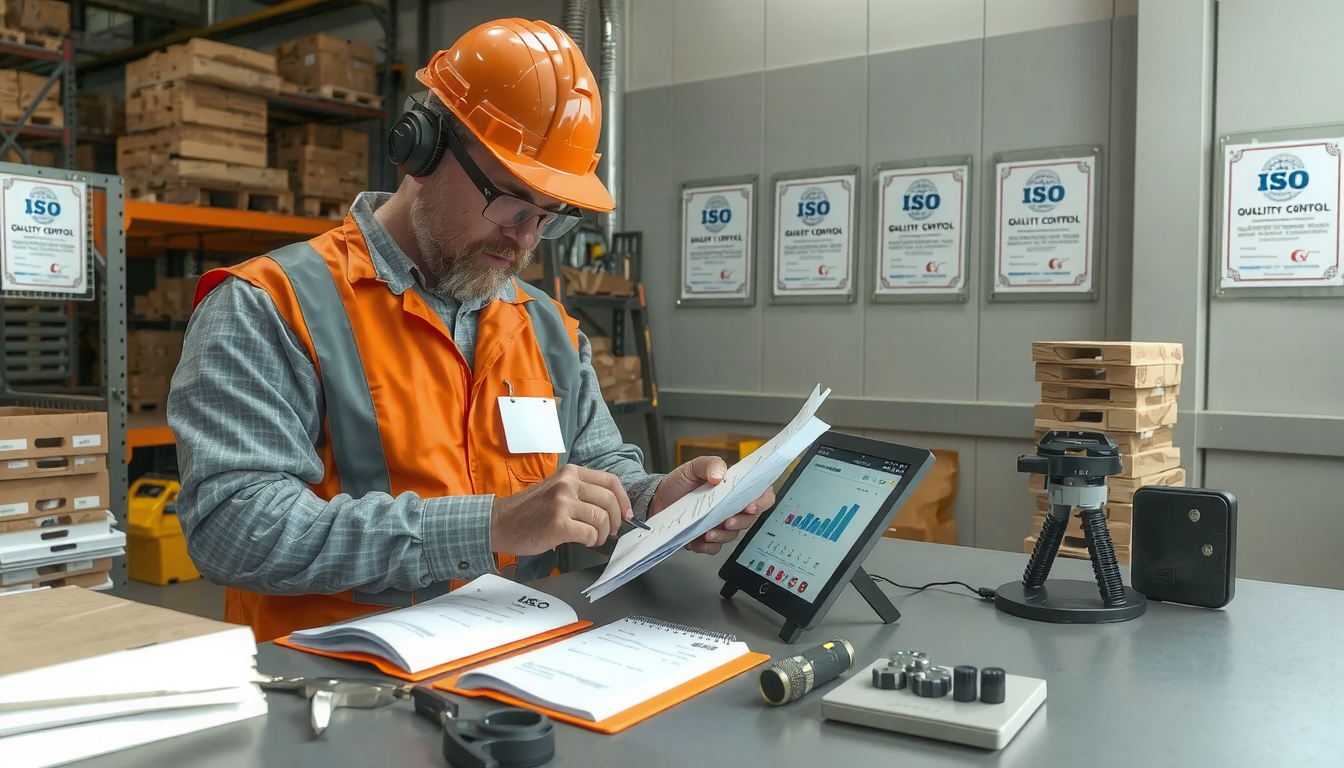
Industry experience matters significantly. A manufacturer with 10+ years in your specific sector understands material properties, production constraints, and quality benchmarks that newcomers lack. Certifications like ISO 9001 (quality management) and industry-specific standards signal that processes meet international expectations and are regularly audited by third parties.
Finding Suppliers: Directories, Networks, and Vetting Channels
Finding high quality manufacturers and suppliers requires combining three discovery channels: vetted online directories, direct industry networks, and referral-based introductions.
Online Supplier Directories
Alibaba remains the largest global marketplace connecting buyers with manufacturers across all sectors. Filter by supplier location, minimum order quantity, certifications, and product category. Thomasnet specializes in industrial suppliers and OEM manufacturers with 500,000+ verified listings. IQS Directory and Global Manufacturers offer searchable databases with company contact details and production capabilities. The Top 20 Manufacturing Directories in 2025 lists regional options with verification badges and customer reviews.
Trade Shows and Industry Associations

Attend sector-specific trade shows where manufacturers exhibit live samples and discuss capabilities face-to-face. Industry associations (CFDA for fashion, regional manufacturing councils) maintain curated supplier directories and host networking events.
Referral Networks
Ask peers, industry consultants, and past business partners for manufacturer recommendations. Referrals carry implicit trust and often come with candid feedback about lead times, quality consistency, and dispute resolution.
Vetting Manufacturers: Certifications, Samples, and Quality Audits
Comparing candidates across five critical dimensions prevents costly mistakes before you commit to bulk orders.
| Evaluation Dimension | What to Look For | Red Flags | Why It Matters |
|---|---|---|---|
| Certifications & Compliance | ISO 9001, ISO 14001, industry-specific standards (e.g., OEKO-TEX for textiles) | No certifications; vague about audit history | Certifications prove third-party verification of quality systems |
| Sample Turnaround & Fees | Samples provided within 2–3 weeks; modest fees ($50–200); willingness to iterate | Refuses samples; excessive fees; delays; no revision cycles | Samples reveal actual production quality, not marketing claims |
| QC Documentation | Written procedures for each production stage; inspection reports; defect logs | No documented processes; verbal assurances only | Documentation shows systematic approach and enables traceability |
| Production Capacity & Scalability | Can handle your current order and grow 20–50% annually; clear lead times | Overbooked; vague timelines; capacity concerns | Ensures reliability as your business grows |
| Communication & Responsiveness | Replies to emails within 24 hours; assigned account manager; proactive updates | Slow responses; language barriers unaddressed; ghosting | Clear communication prevents misalignments and costly rework |
Prioritize manufacturers who excel in certifications + sample quality + documented QC processes. Most manufacturers provide samples for a modest fee to cover materials and labor. A sample reveals stitching consistency, material durability, color accuracy, and finishing details that photos cannot.
Common Mistakes When Selecting Manufacturers
Chasing the Lowest Price Without Vetting Quality
Manufacturers quoting 30–40% below market rates typically achieve those margins by cutting corners—skipping intermediate QC stages, using substandard materials, or outsourcing to unvetted sub-contractors. We’ve seen brands lose $40K+ on a single 2,000-unit run because they prioritized a $2 per-unit savings over verifying QC protocols.
Skipping or Ignoring Sample Quality
Requesting samples is non-negotiable. If a sample is subpar, the bulk order will be worse. A $150 investment in samples prevents $15K mistakes.
Assuming Final Inspection Catches Everything
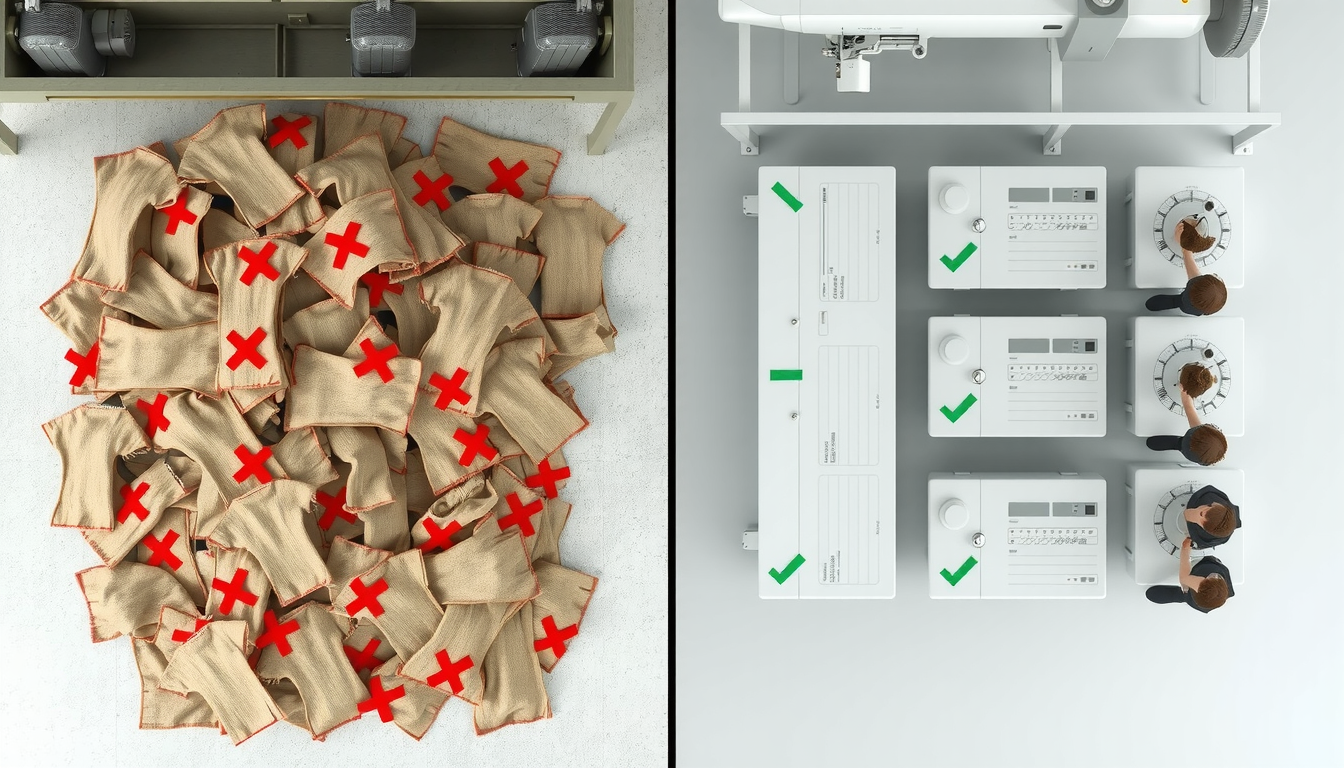
Manufacturers who only inspect finished products miss defects rooted in earlier stages. A five-stage QC process (materials → cutting → craft → sewing → finished) catches and corrects issues before they multiply.
Underestimating Communication Barriers
Language differences, time zone delays, and unclear specifications cause costly misalignments. Manufacturers who respond slowly or vaguely about custom requirements are risky partners. We prioritize suppliers who reply within 24 hours and assign a dedicated account manager.
Ignoring Minimum Order Quantities and Lead Times
Confirm MOQ and lead time constraints early. Typical MOQs: simple products 500–1,000 units, custom apparel 1,000–5,000 units, highly specialized items 5,000+ units.
Building a Long-Term Manufacturer Partnership
High-quality manufacturers prioritize long-term relationships over one-off transactions. The best manufacturers view their clients as long-term collaborators, not interchangeable order sources.
Establish Clear Communication Protocols

Define how you’ll communicate: email response times, monthly check-ins, escalation channels for urgent issues. Assign a dedicated account manager on their side and a primary contact on yours.
Collaborate on Continuous Improvement
Share feedback after each order: what worked, what didn’t, and what you’d like to improve next time. We’ve reduced defect rates by 40% across three production cycles using this approach.
Commit to Consistent Volume and Timely Payments
Manufacturers prioritize clients who provide predictable order flows and pay on schedule. This loyalty translates to faster turnarounds, priority access to premium materials, and willingness to accommodate rush orders.
Share Your Brand Vision
Help your manufacturer understand your brand values, target customer, and quality standards. A manufacturer who knows you’re selling premium products to discerning customers will make different choices than one producing generic basics.
FAQ
Q1: How do I request samples without committing to a large order?
Most manufacturers provide samples for $50–200 to cover materials and labor. Request samples early and confirm turnaround time (typically 2–3 weeks). Ask if they’ll iterate on revisions—willingness signals quality-focused culture.
Q2: What certifications matter most for my industry?
ISO 9001 (quality management) is universal. Add industry-specific certifications: OEKO-TEX for textiles, ISO 14001 for environmental compliance, or sector certifications. Verify via official registries, not manufacturer claims.
Q3: How many manufacturers should I vet before deciding?
Interview 5–10 candidates to reveal patterns in responsiveness, pricing, and expertise. Narrow to 2–3 finalists before requesting detailed quotes.
Q4: What is a realistic minimum order quantity (MOQ)?
Simple products: 500–1,000 units. Custom apparel: 1,000–5,000 units. Highly specialized items: 5,000+ units. Negotiate MOQs during early conversations.
Q5: How do I handle quality disputes after delivery?
Establish clear quality standards and acceptance criteria in your contract upfront. Define acceptable defect rates (e.g., <2%), inspection timelines, and remedies. Document all issues with photos and detailed descriptions. Our contracts specify five-stage QC documentation to prevent disputes.
Sources
- How to Find High Quality manufacturer for clothes — 2026, sample request protocols
- Choose A Manufacturing Partner — 2026, capabilities evaluation framework
- The Top 20 Manufacturing Directories in 2025 — regional supplier directories with SEO benefits
- Thomasnet & IQS Directory — 500,000+ verified industrial supplier listings
- Made in the USA Directory (trade.gov) — U.S.-focused textile and apparel sourcing
- CFDA Production Directory — fashion and apparel manufacturing network
Written by the brand’s lead practitioner (industry operations). Last reviewed 2026-06-07.