
Your Trusted Baseball Jersey Manufacturer for Streetwear Brands
Clothing Manufacturer Ltd is the baseball jersey manufacturer built for startups and streetwear labels — low MOQ, fast samples, and zero-compromise quality at every stitch.
Baseball Jersey Collections & Design Showcase
What Sets Our Baseball Jersey Manufacturer Apart
From a five-step QC guarantee to low MOQs and 7-day samples, here is every advantage you gain partnering with Clothing Manufacturer Ltd.
Proprietary 5-Step QC Guarantee
Our five-step process checks materials, cutting, crafting, sewing, and finished garments — zero defective pieces ever leave our factory.
Low MOQ From 50 Pieces
Start production with as few as 50 pieces — perfect for startups and independent designers launching new streetwear collections.
7-Day Sample Turnaround
Receive production-ready samples within 7 days so you can validate fit, fabric, and finish before committing to full runs.
In-House Design Expertise
Our 15-member R&D team translates your creative brief into technical specs, patterns, and streetwear-ready artwork with zero outsourcing.
Global Shipping & Logistics
Seamless export logistics covering 100-plus countries — customs, documentation, and last-mile delivery handled so every order arrives on time.
Streetwear Trend Knowledge
Deep expertise in hip-hop, skate, and bold graphic motifs keeps your baseball jersey designs trend-forward and commercially market-ready.
Full-Service Baseball Jersey Manufacturing, Built to Perform
From sublimation and pinstripes to bulk wholesale and full team kits, every baseball jersey category produced under one rigorous 5-step quality framework.
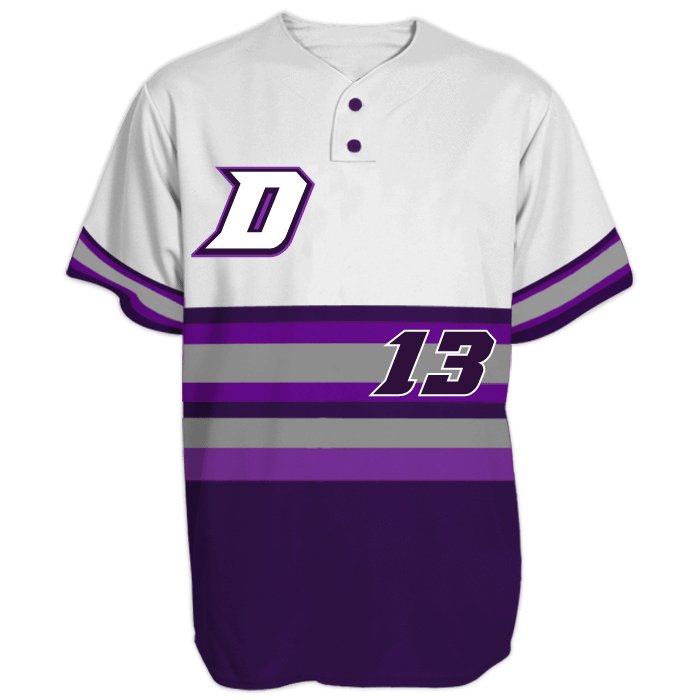
Custom Baseball Jerseys
From concept to finished garment, we produce fully customized baseball jerseys with your choice of fabric, cut, color, and branding details. Our 5-step QC process covers every unit, with low MOQ options for emerging brands and fast turnaround for seasonal collection drops.
Get a Quote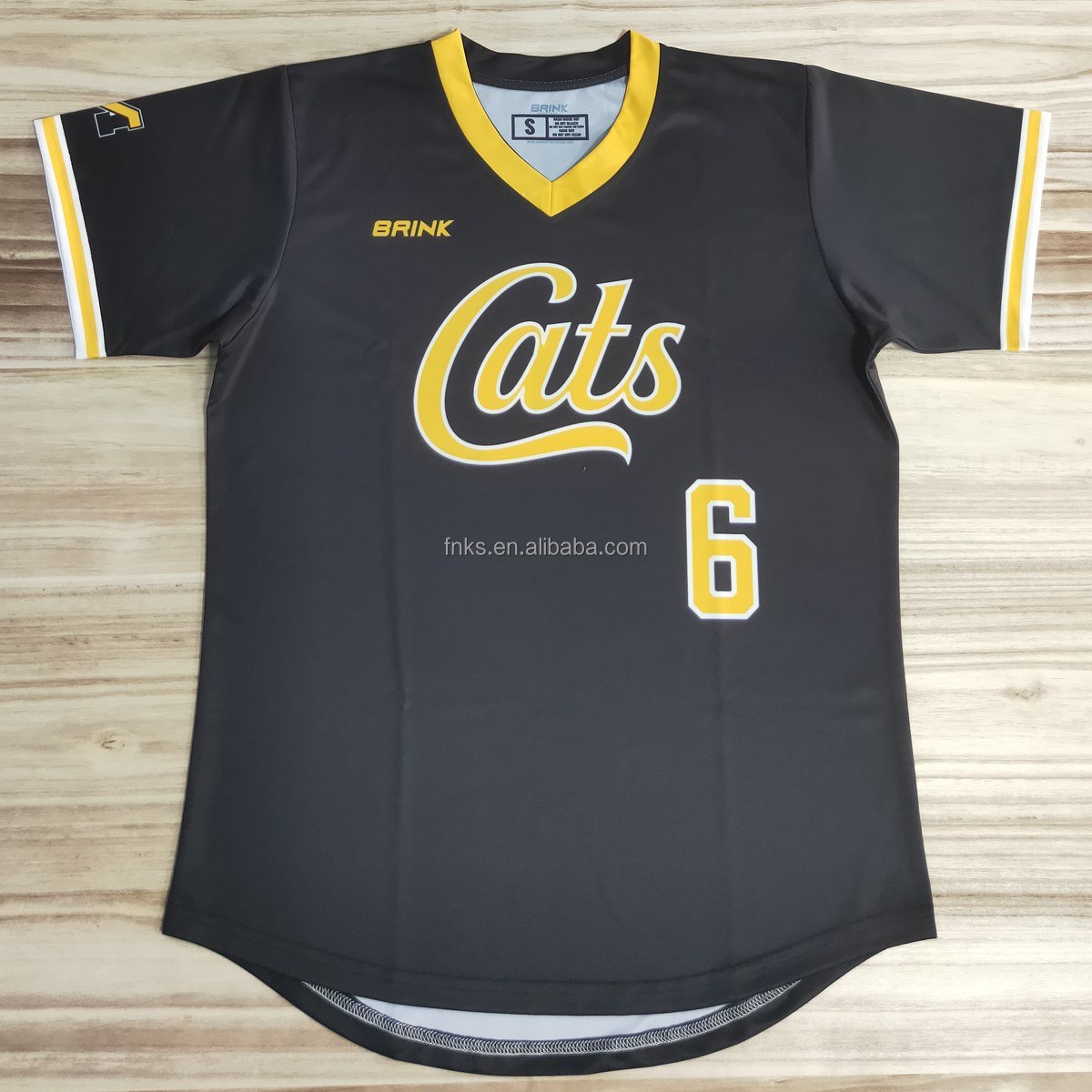
Sublimated Baseball Jersey Manufacturer
All-over sublimation printing delivers edge-to-edge color with no cracking, fading, or peeling over time. Our in-house design team handles artwork preparation, and each jersey passes five QC checkpoints from materials intake through finished goods to ensure print consistency across every unit in the run.
Get a Quote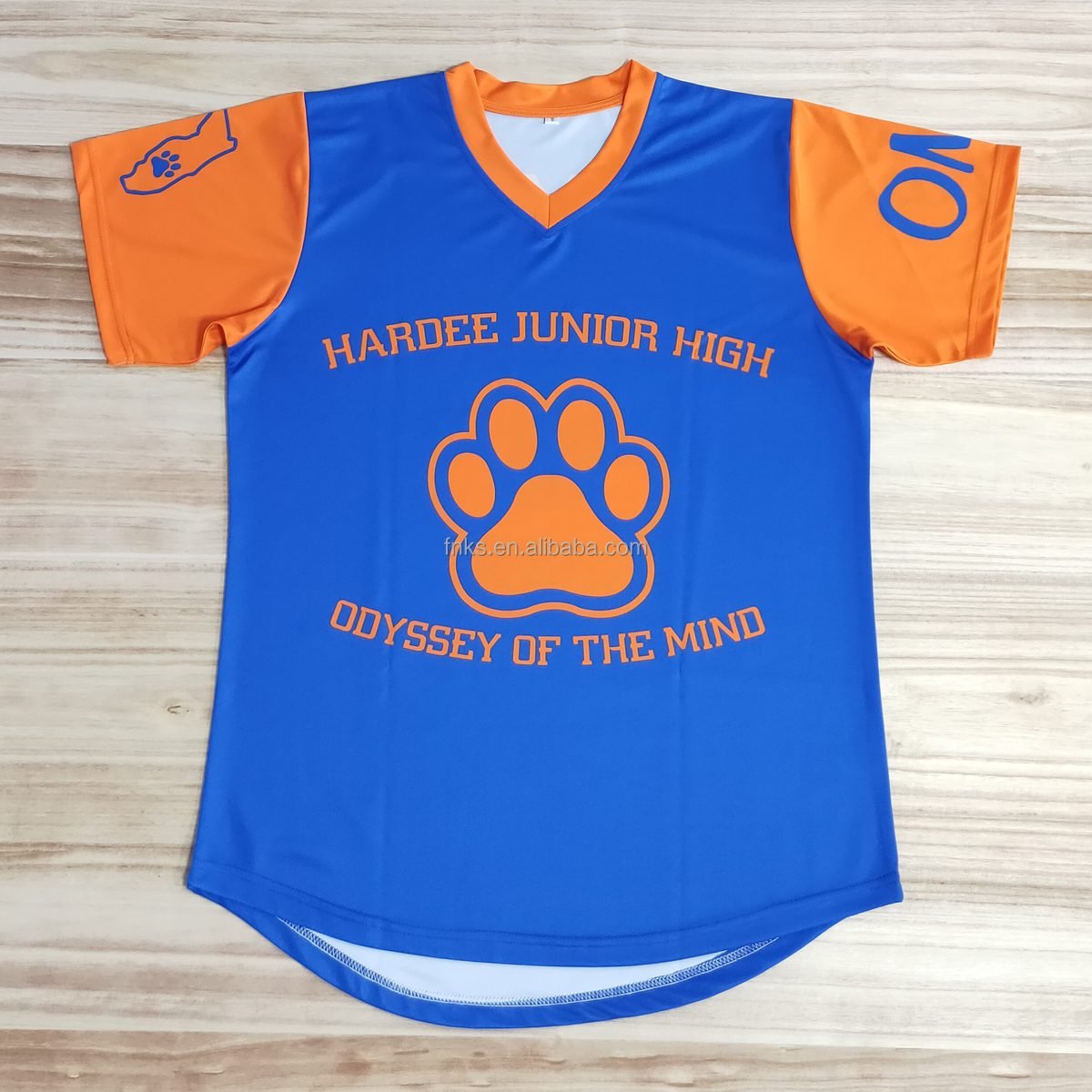
Pinstripe Baseball Jersey Manufacturer
Precision-woven or printed pinstripe construction demands exact stripe registration across seams and panels. We produce classic and contemporary pinstripe jerseys for team orders and retail lines, maintaining strict stitching and alignment standards through every production stage under our 5-step QC framework.
Get a Quote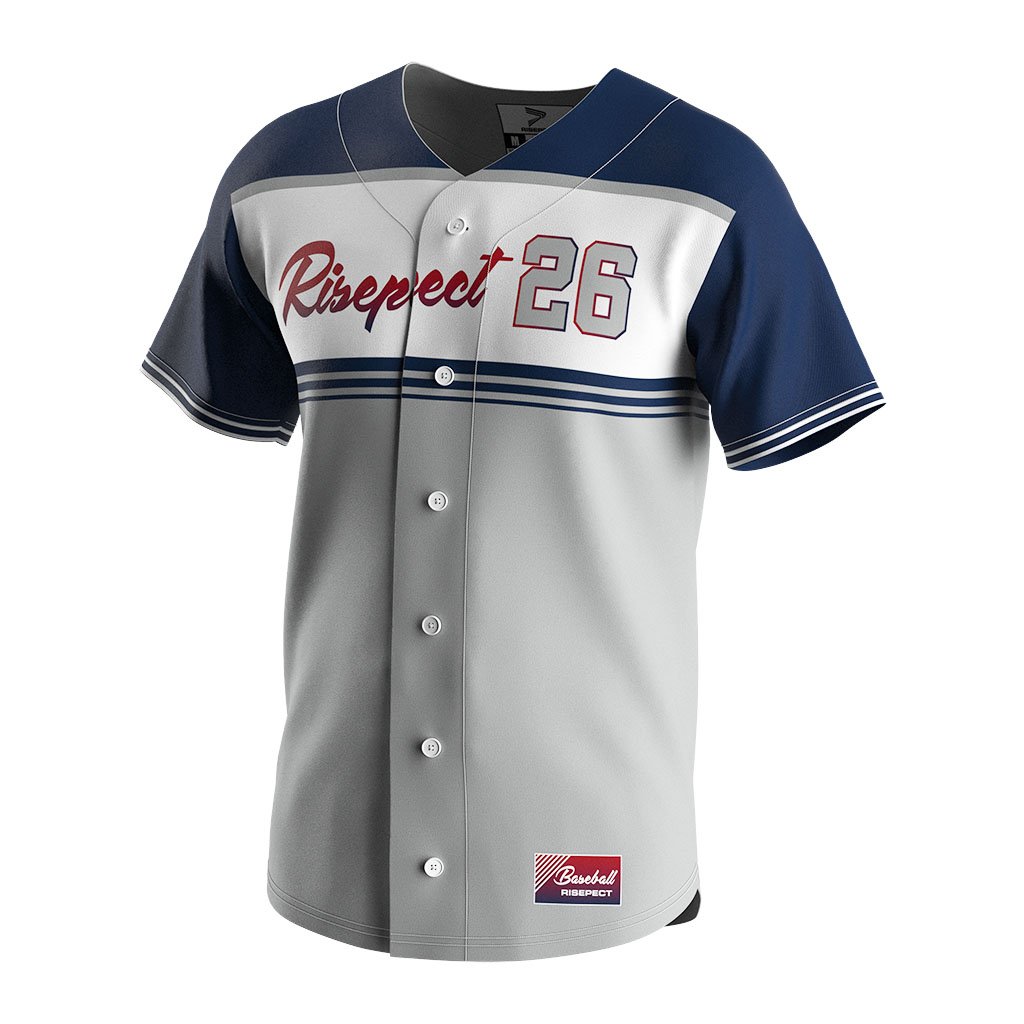
Mesh Baseball Jersey Manufacturer
Performance mesh jerseys require breathable, moisture-wicking fabrics that hold their shape through repeated wear and washing. We source and test mesh materials at the QC intake stage, then verify stitching durability and ventilation panel integrity before any unit leaves the production floor.
Get a Quote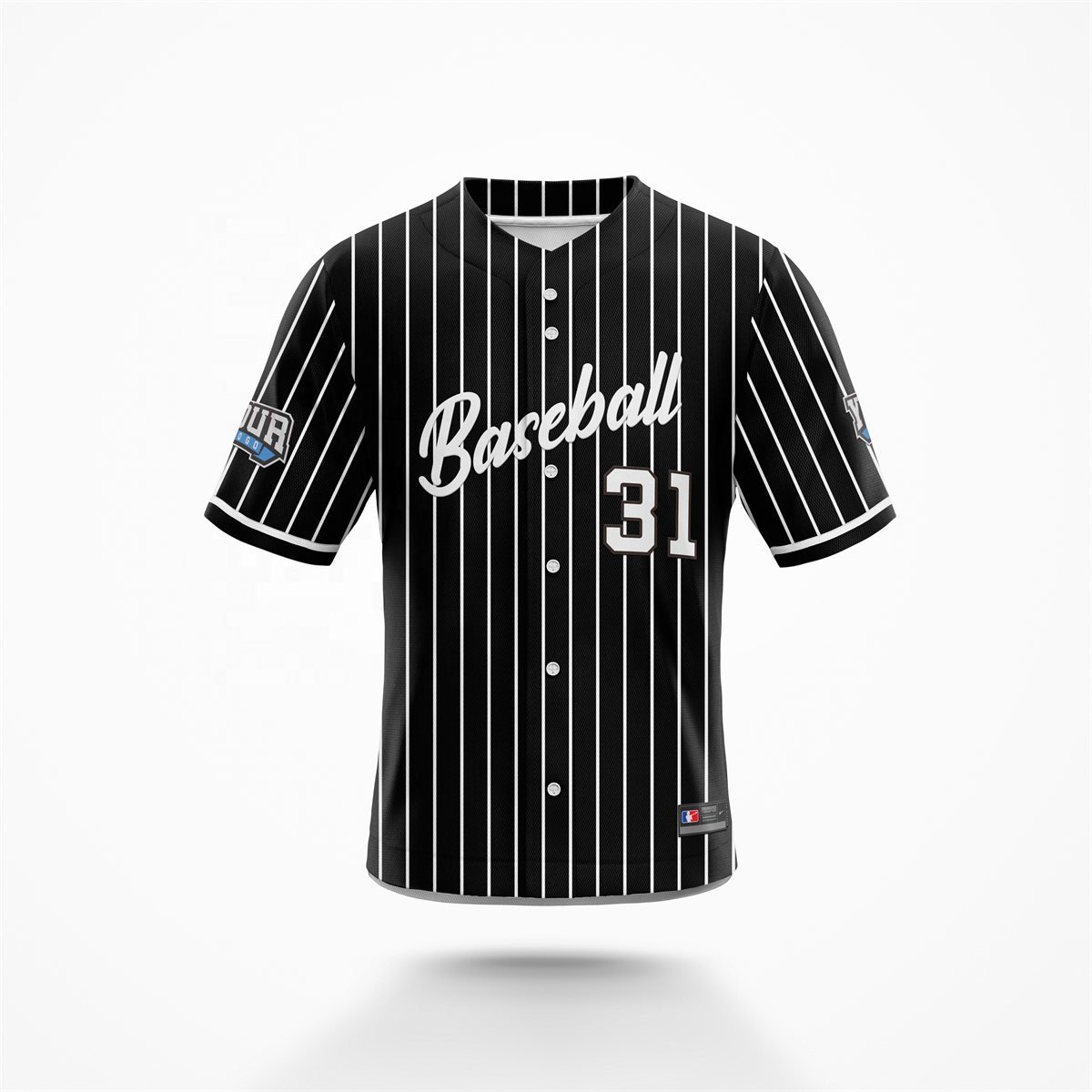
Button Down Baseball Jersey Manufacturer
Authentic button-front jerseys require reinforced plackets, precisely set buttons, and consistent button spacing that holds under game conditions. We produce full-button baseball jerseys in woven and knit constructions, with craft QC checks at the sewing stage to catch misalignment before it compounds.
Get a Quote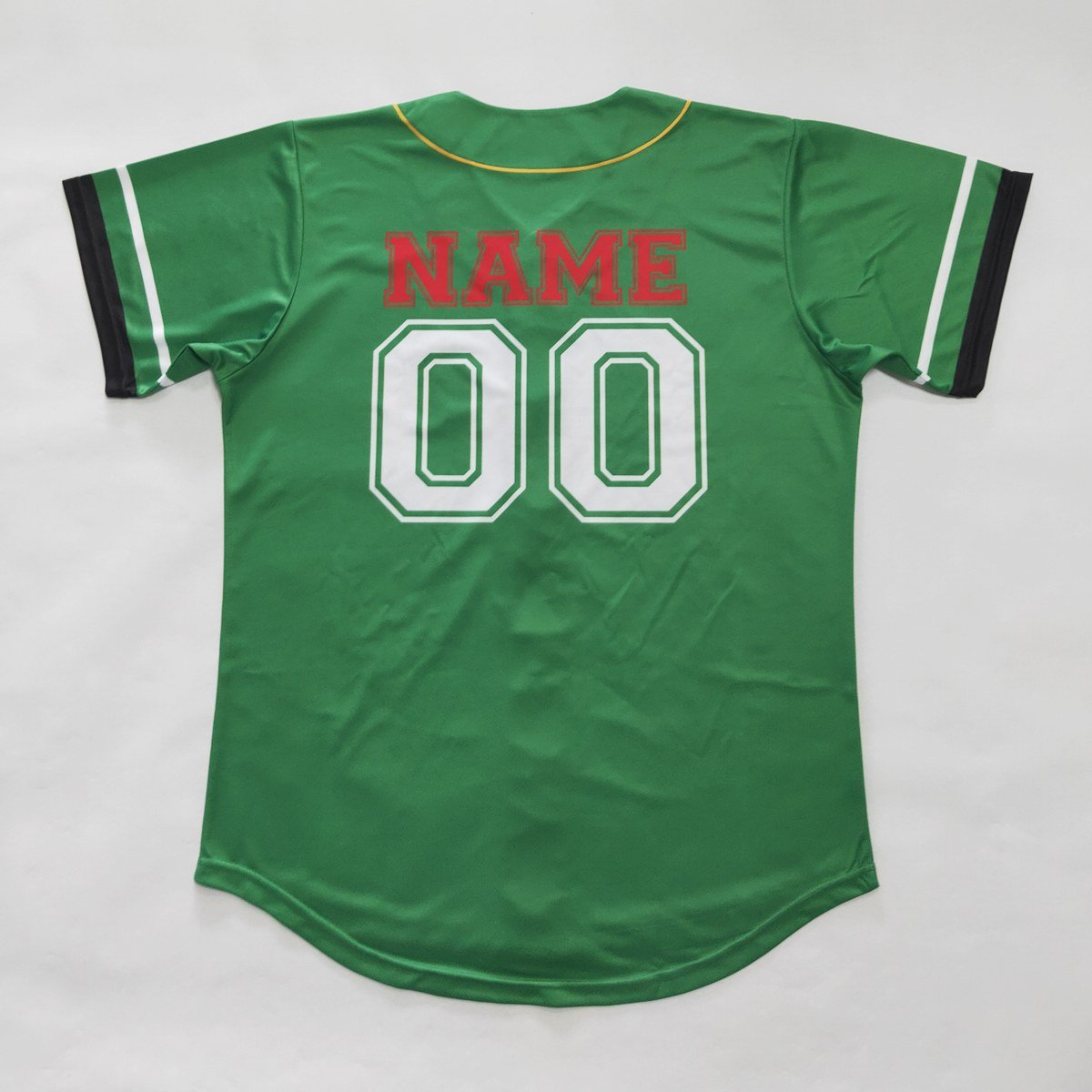
Blank Baseball Jerseys Wholesale
Consistent blank jerseys at wholesale volume require identical fabric lots, uniform construction, and reliable sizing across every SKU. We supply blanks for decorators, retailers, and private-label brands with low minimums per colorway, full materials QC on every incoming fabric roll, and batch inspection on finished goods.
Get a Quote
Youth Baseball Jersey Manufacturer
Youth jerseys demand accurate grading across small sizing ranges, durable construction that survives hard use, and materials that meet safety standards for younger athletes. We produce youth baseball jerseys in custom team colorways with reinforced stitching, low MOQ per size run, and full 5-step QC coverage.
Get a Quote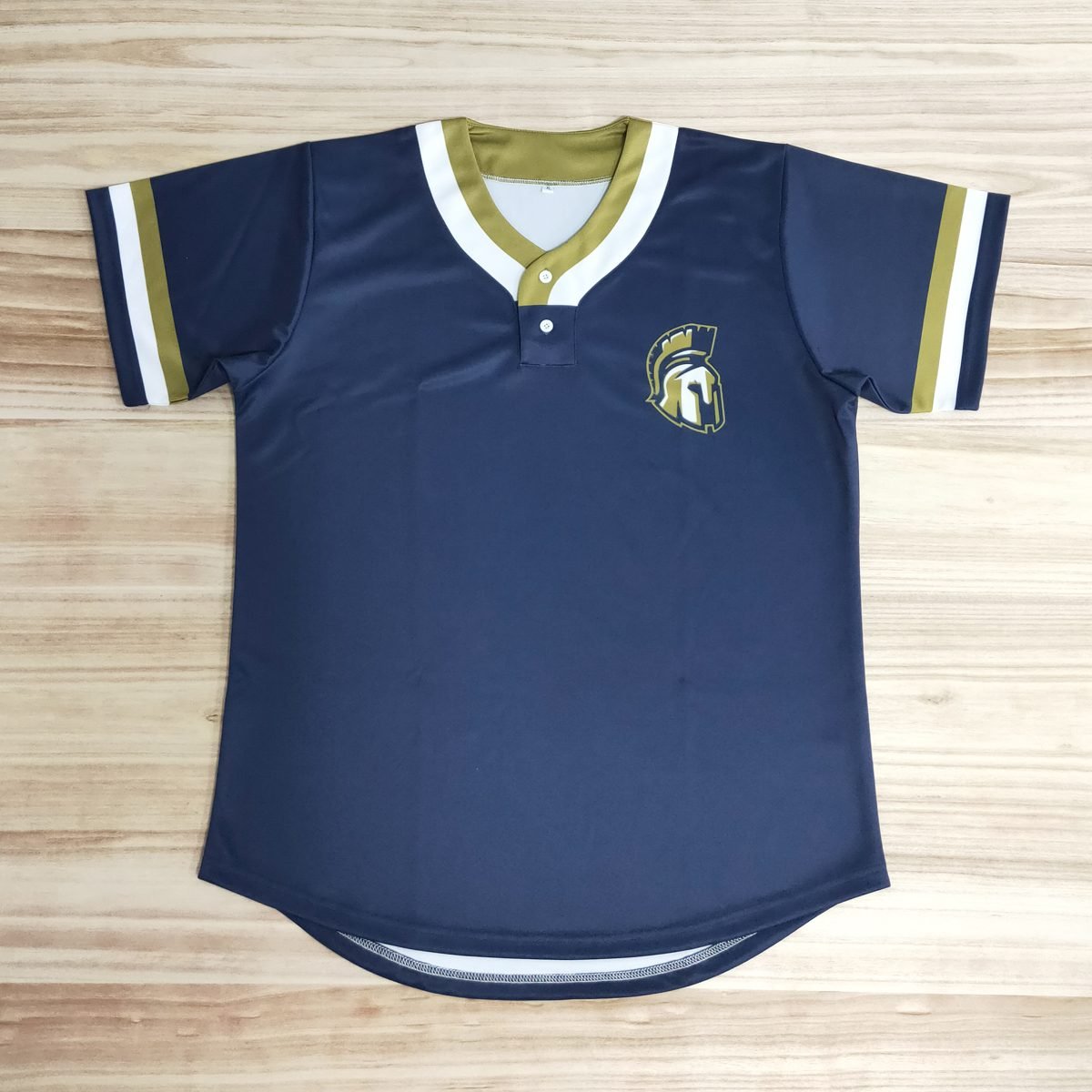
Custom Team Baseball Jerseys
Full team uniform packages require consistent sizing across a roster, matched colorways, and name and number application that holds through a full season. We manage custom team orders from design through delivery, including player customization, with sewing-stage and finished-goods QC on every jersey in the set.
Get a Quote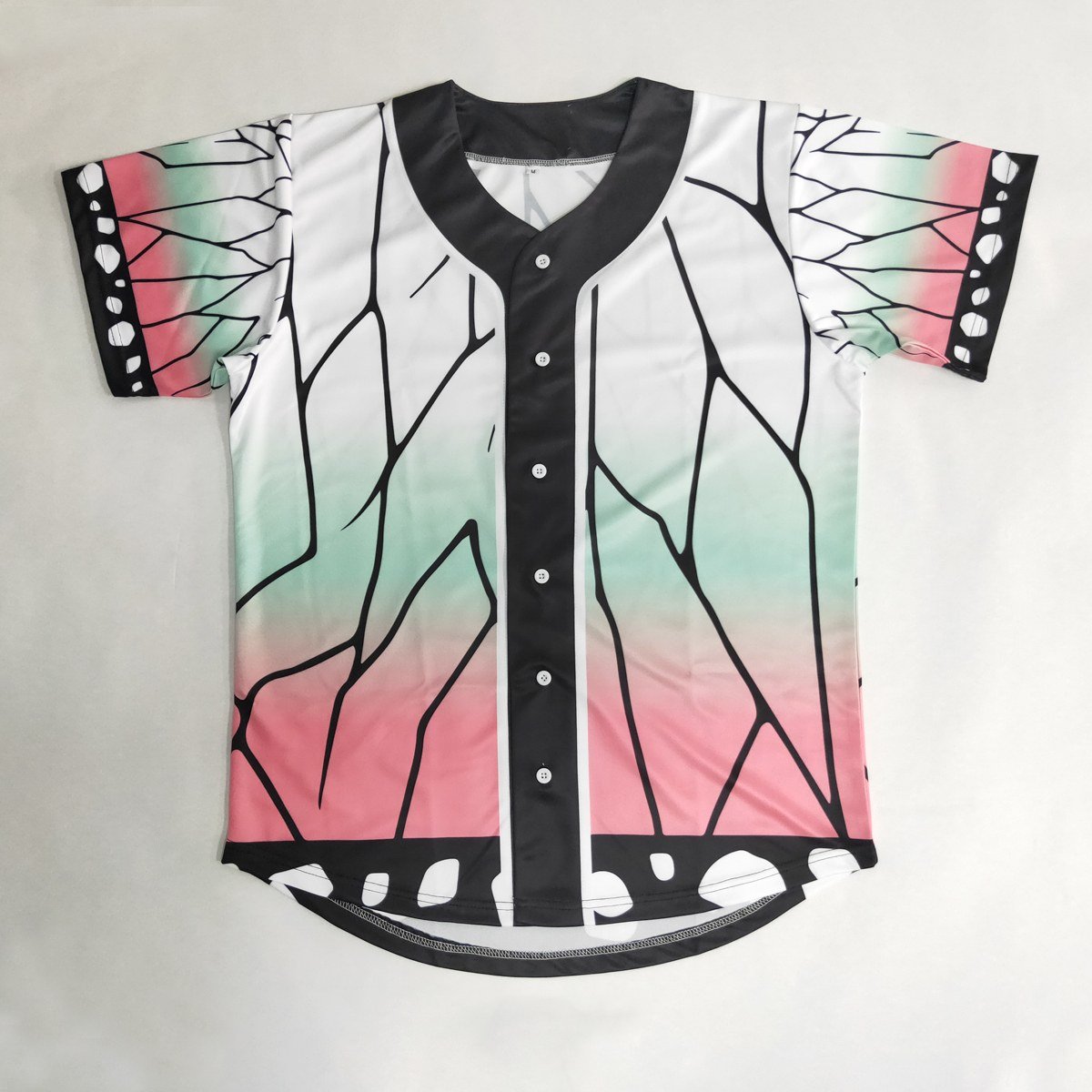
Wholesale Baseball Jerseys
Large-volume jersey orders demand consistent quality across every SKU and colorway without sacrificing lead times. We fulfill wholesale baseball jersey orders with standardized materials sourcing, production QC at cutting and sewing stages, and a final batch inspection, with global shipping and logistics support built into every order.
Get a QuotePremium Fabrics for Baseball Jersey Production
Moisture-Wicking Interlock
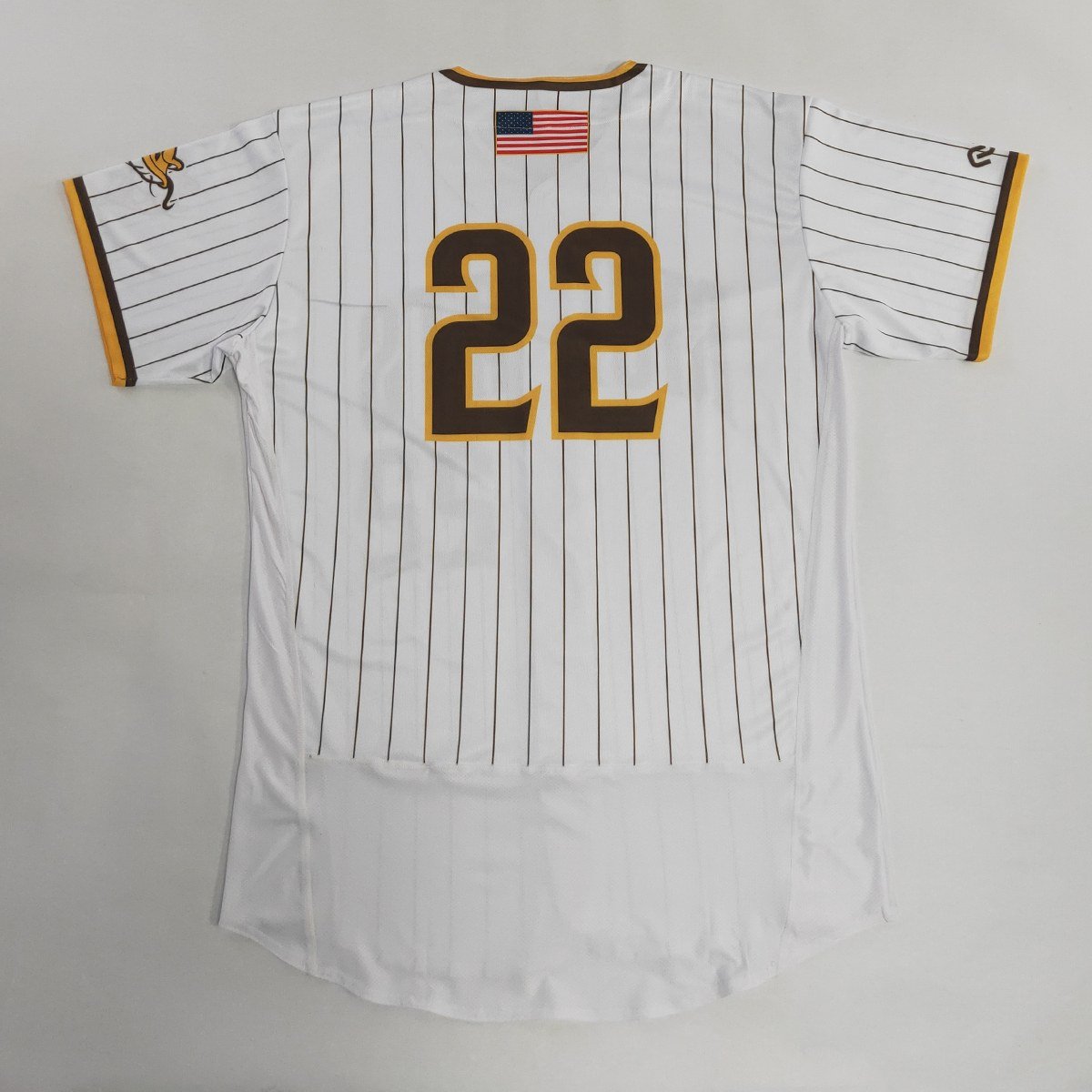
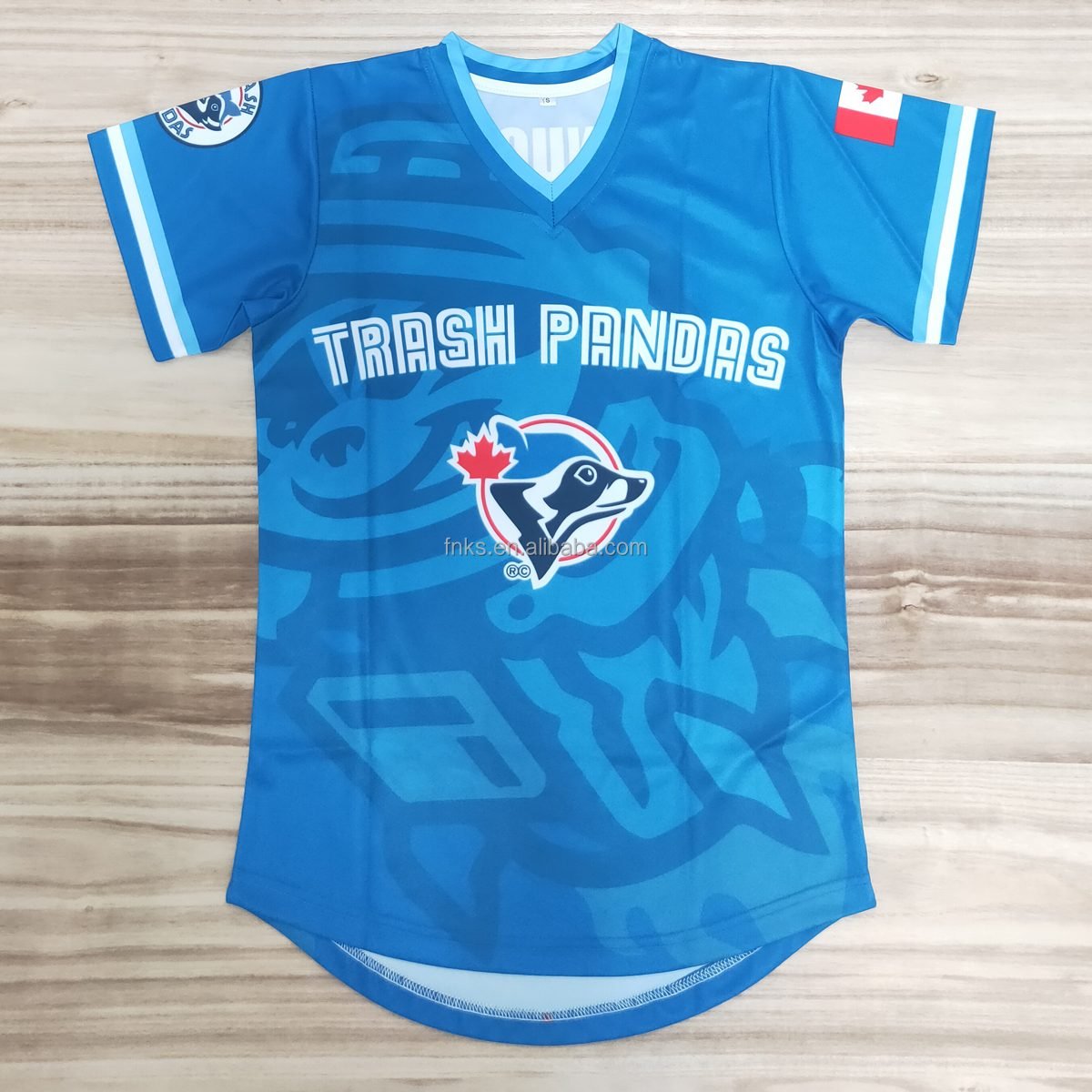
A tightly knit polyester-spandex blend that actively pulls sweat away from the skin. Offers 4-way stretch for athletic cuts, with a smooth hand-feel and excellent shape retention at 180–200 gsm.
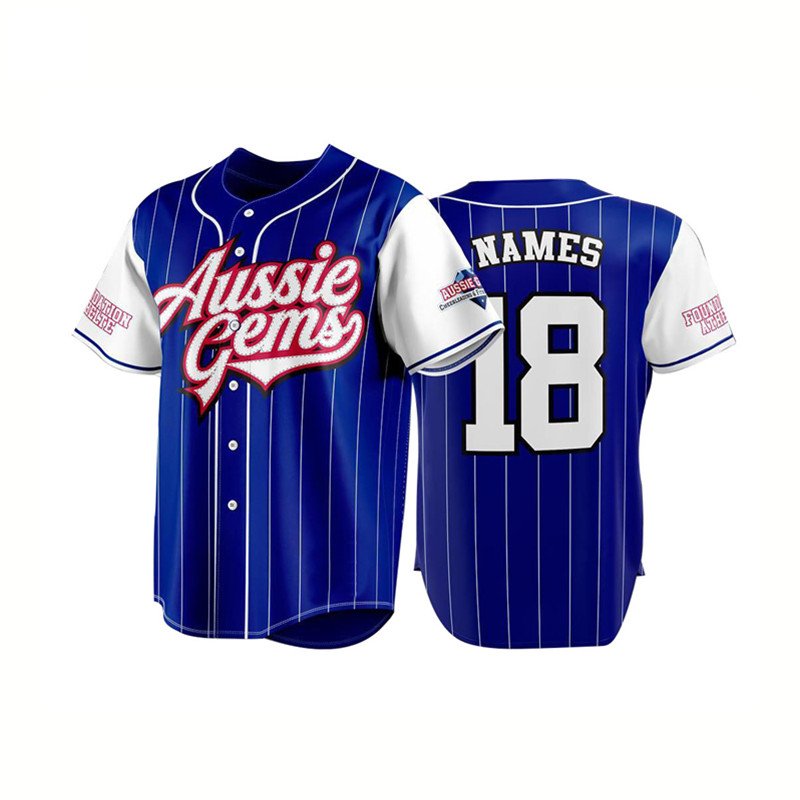
Cotton-Poly French Terry
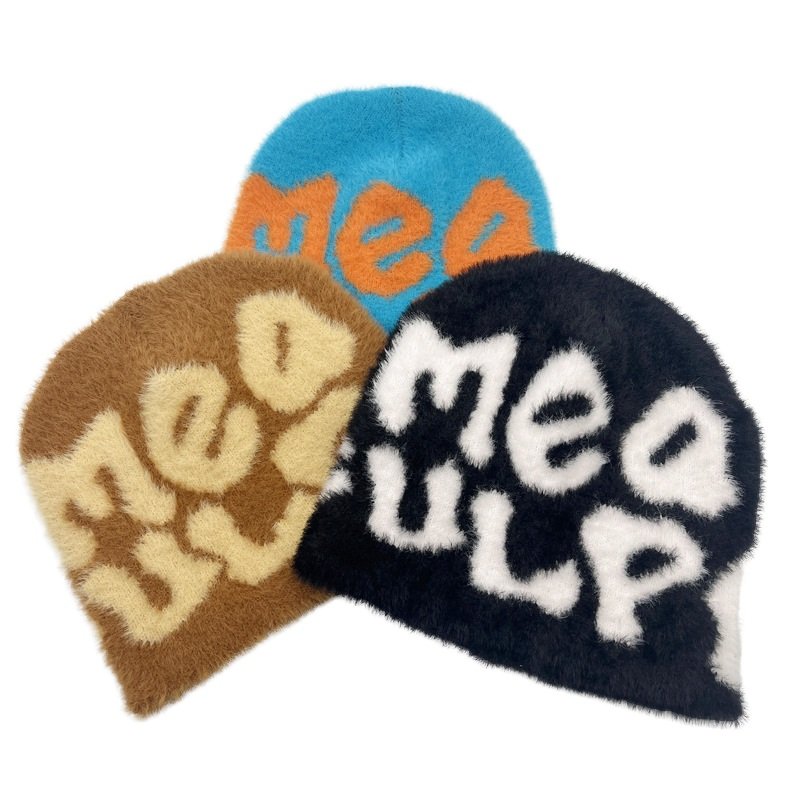
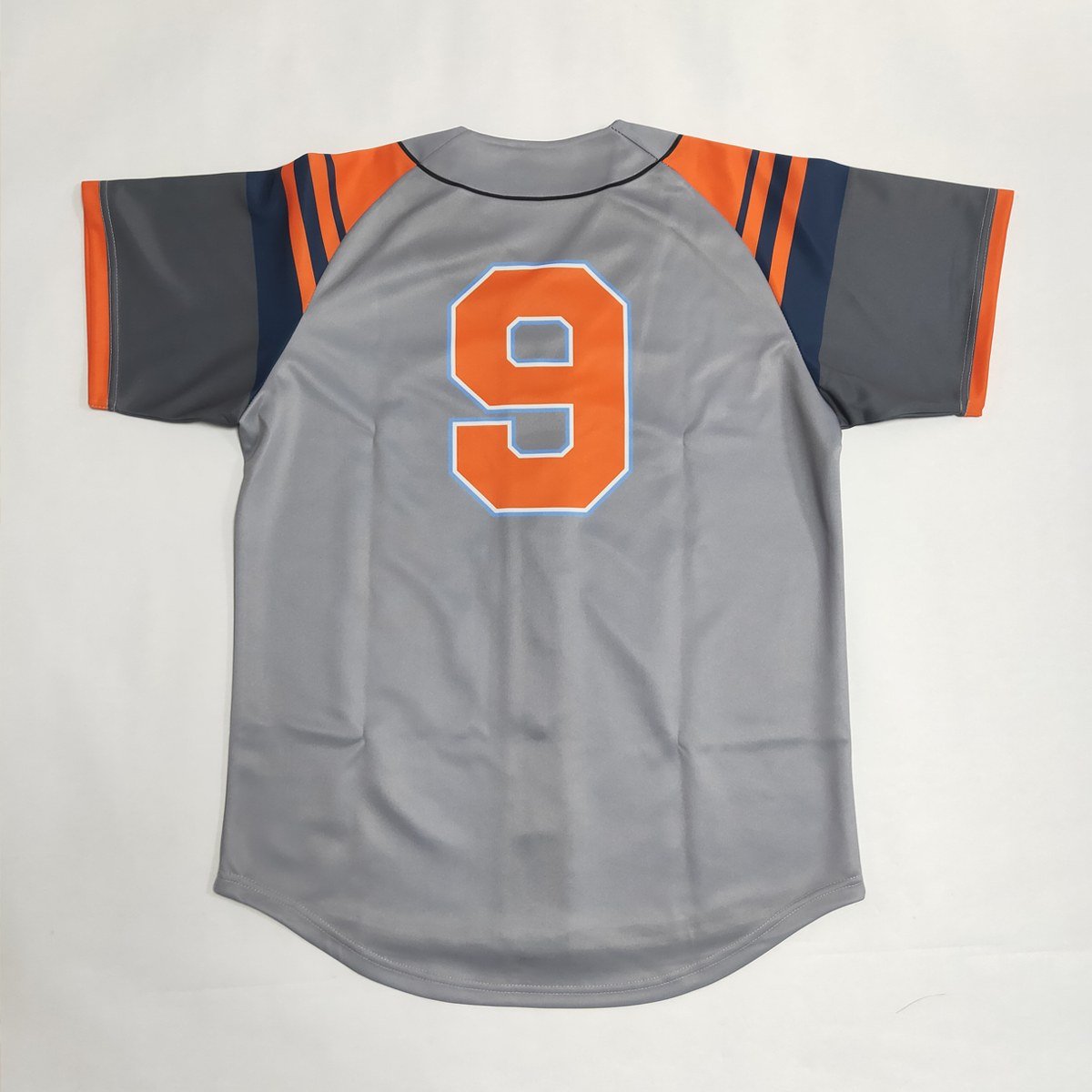
A 65/35 cotton-polyester loopback fabric offering comfort-weight structure at around 220 gsm. Combines the natural feel of cotton with polyester durability, making it a go-to for oversized, trend-driven jersey cuts.
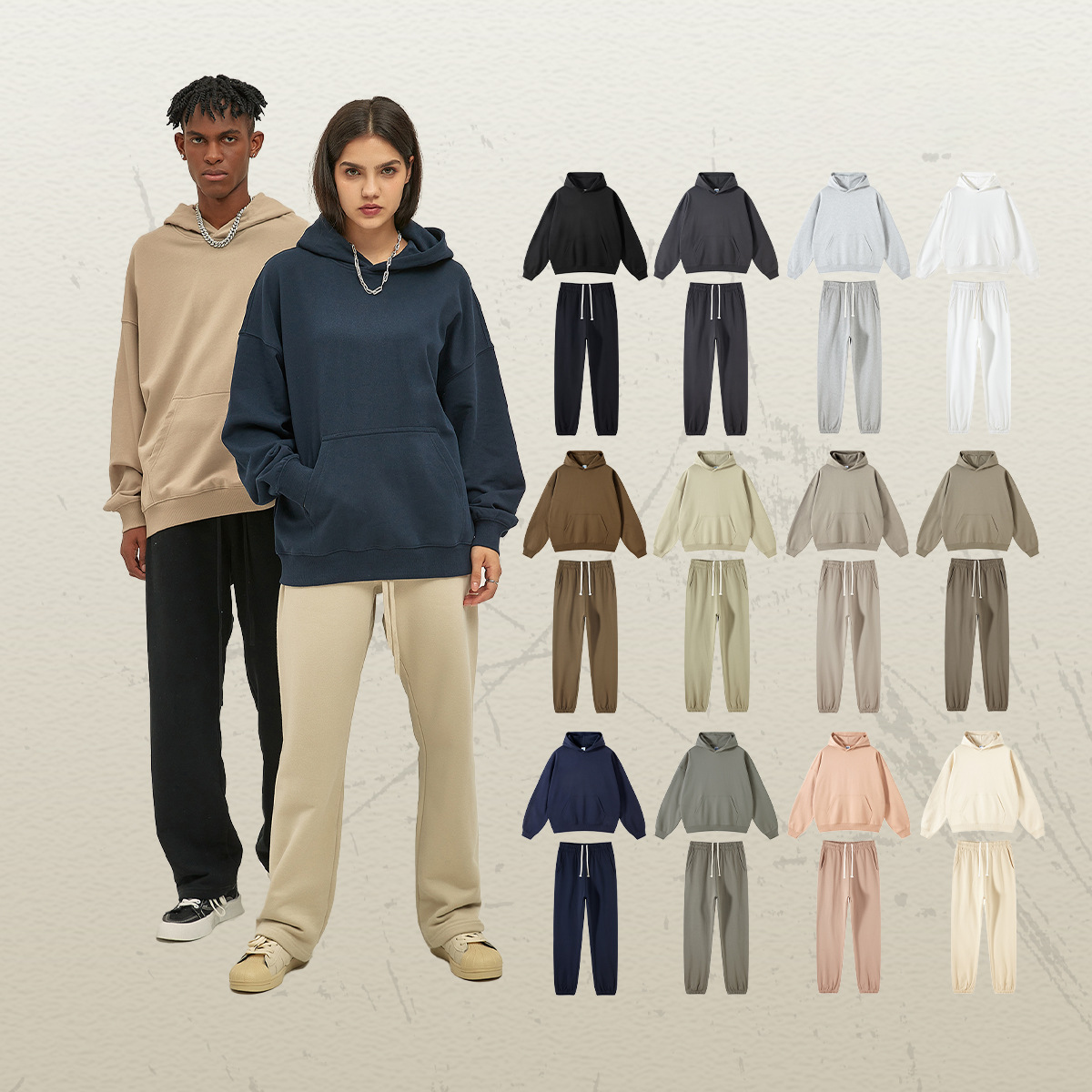
Recycled Poly Mesh
An eco-conscious open-knit fabric made from GRS-certified recycled polyester fibers. Delivers the same breathability and performance profile as virgin poly mesh at 150 gsm, ideal for sustainability-focused brand lines.
Sublimation-Ready Polyester
A high-grade 100% polyester woven-face fabric engineered specifically for all-over dye-sublimation printing. Crisp at 160–180 gsm with a semi-matte finish, it produces photographic-quality graphics with zero color bleed.
Production Techniques From a Trusted Baseball Jersey Manufacturer
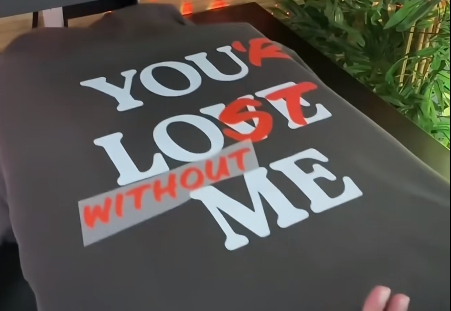
Sublimation Printing
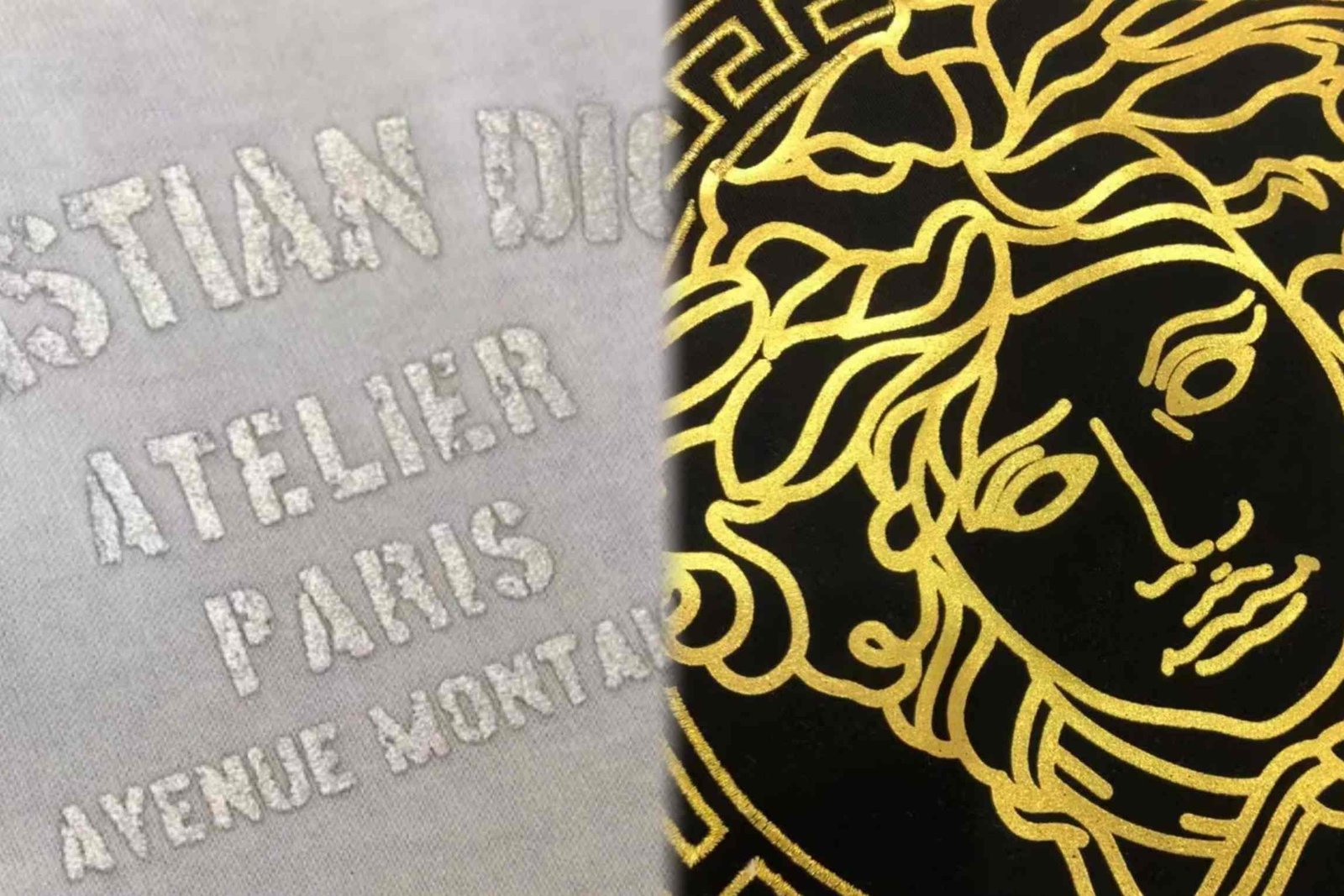
Full-color dye fused directly into polyester fibers for vibrant, edge-to-edge designs that resist fading, peeling, and cracking — ideal for bold, all-over graphic baseball jerseys with streetwear impact.
Screen Printing
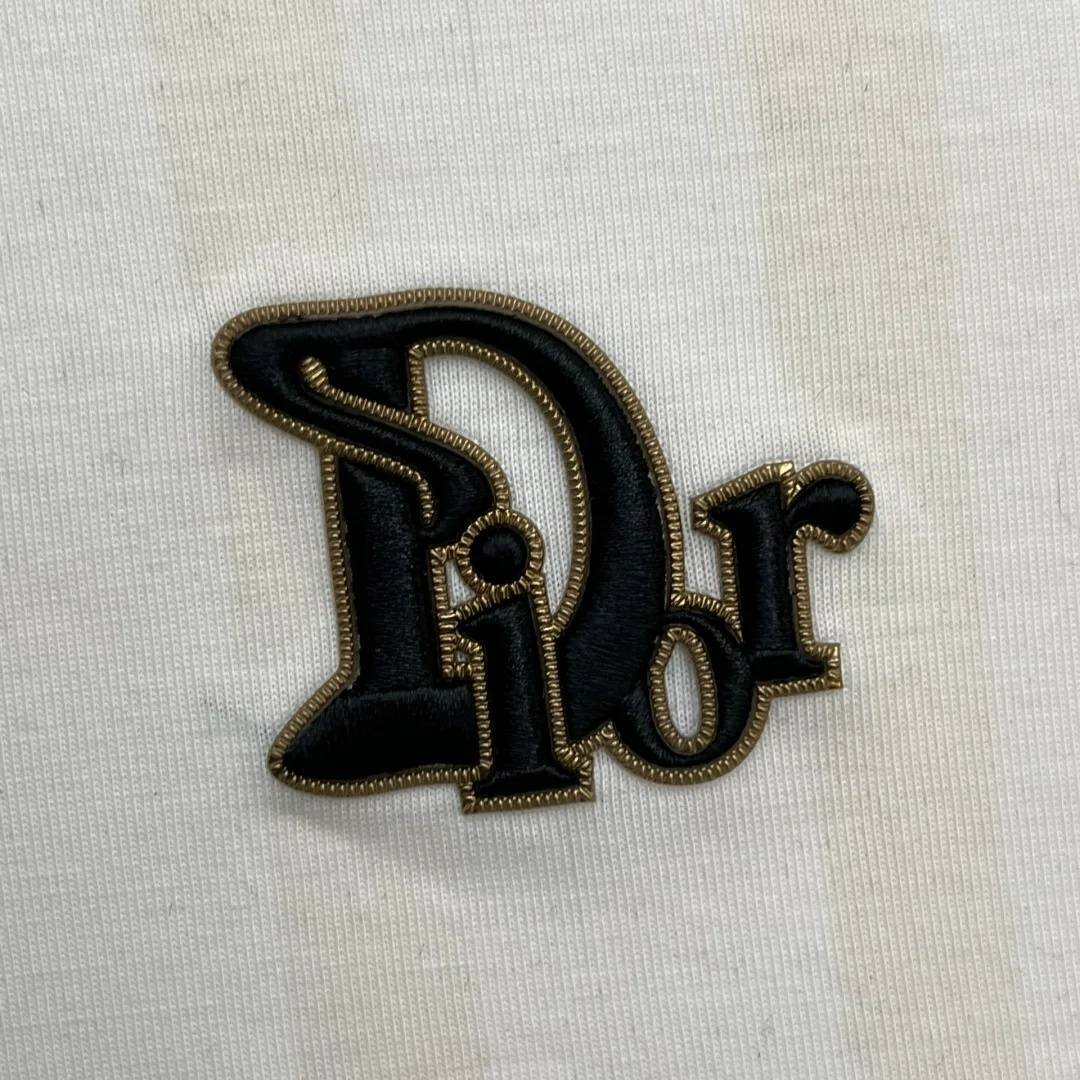
Ink pushed through precision mesh stencils onto fabric, delivering bold, opaque graphics with sharp color registration and exceptional durability — best for chest numbers, logos, and high-volume production runs.
Heat Transfer Print
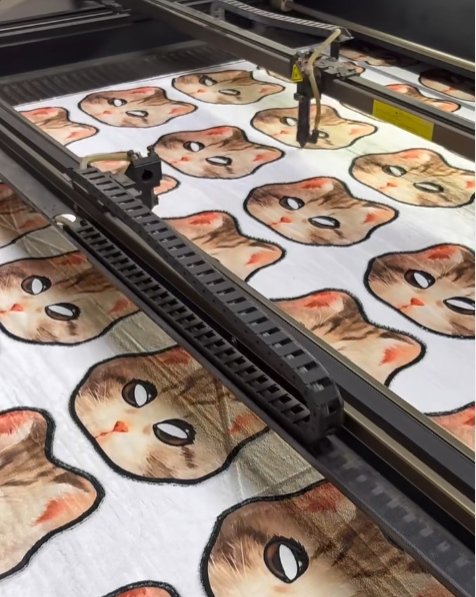
Pressure-bonded graphics applied via calibrated heat, enabling photographic detail, metallic finishes, and complex multi-color artwork with clean edges — perfect for intricate streetwear designs and influencer-edition jerseys.
Patch Application
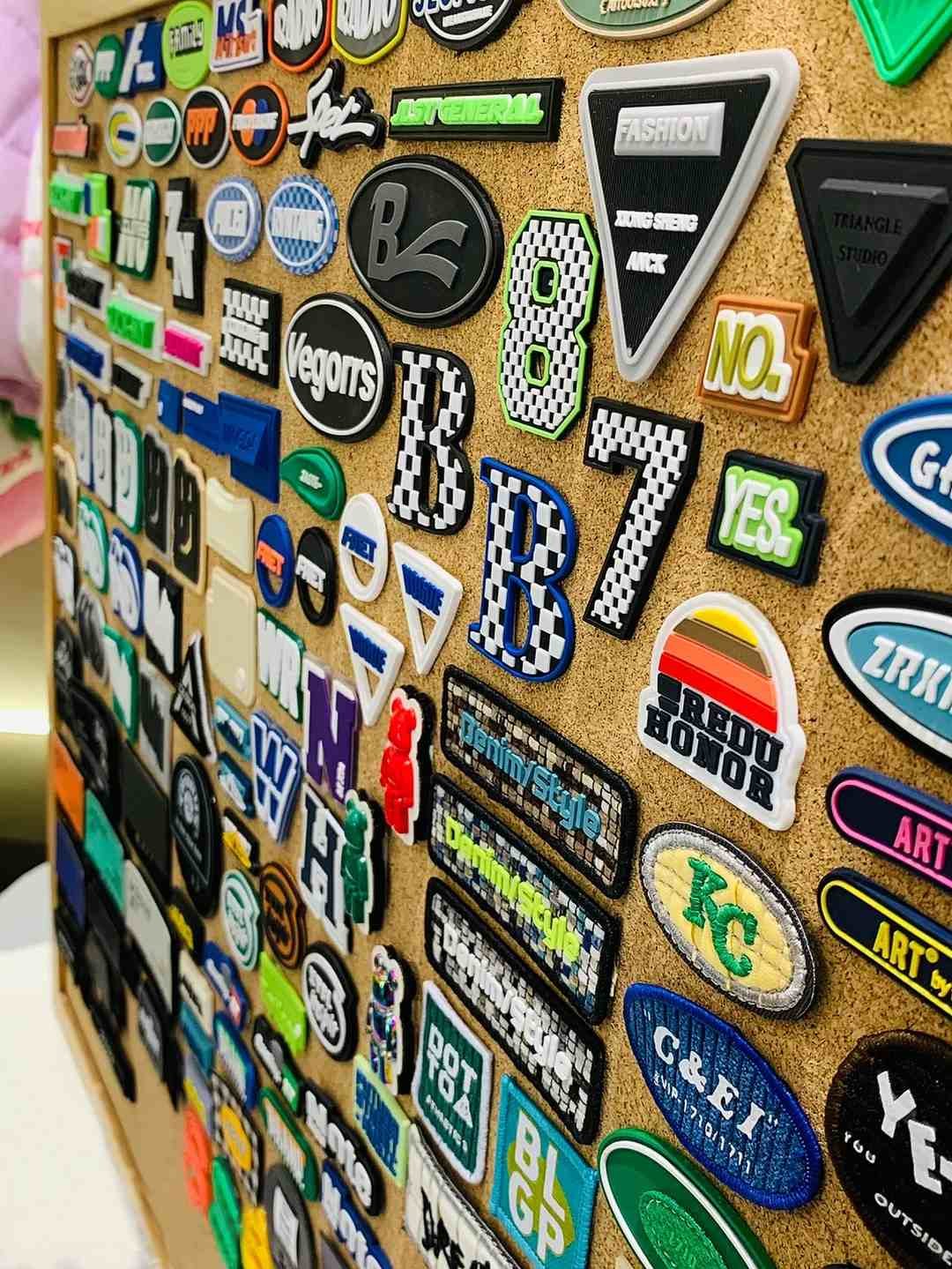
Woven or embroidered patches heat-sealed or hand-sewn onto jersey panels, adding tactile, collectible detail — from vintage team insignias to custom branding elements that elevate streetwear collector appeal.
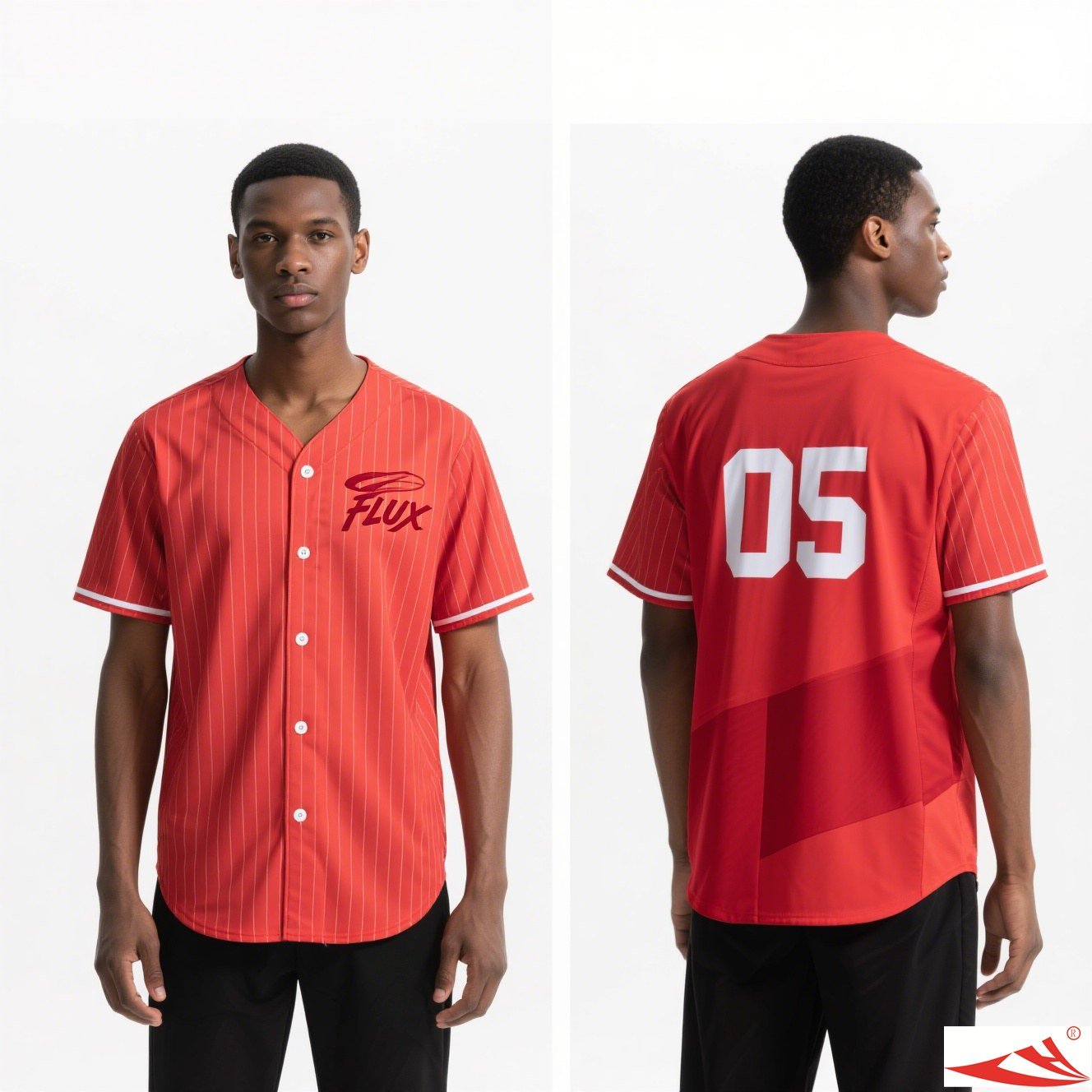
Custom Dyeing
Garment-level dye application including acid wash, pigment wash, and solid tone dyeing, producing exclusive colorways and vintage-inspired aesthetics that make each jersey collection uniquely ownable by your brand.
Custom Finishing Touches From Your Baseball Jersey Manufacturer
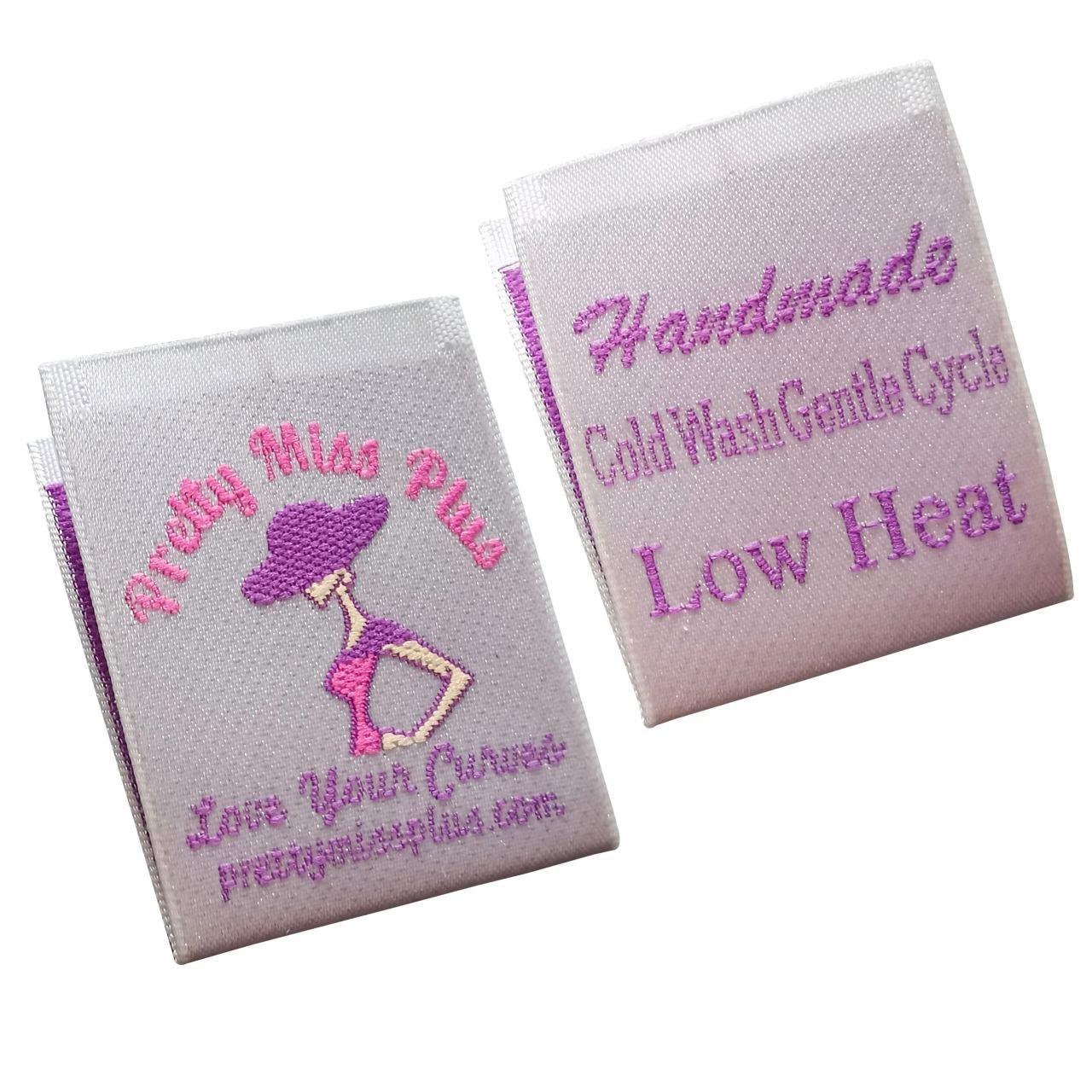
Woven Labels
Custom-woven neck and size labels featuring your logo, brand name, and colorway. Sewn cleanly at the collar or back neck, they deliver a premium in-garment identity that elevates every baseball jersey above generic alternatives.
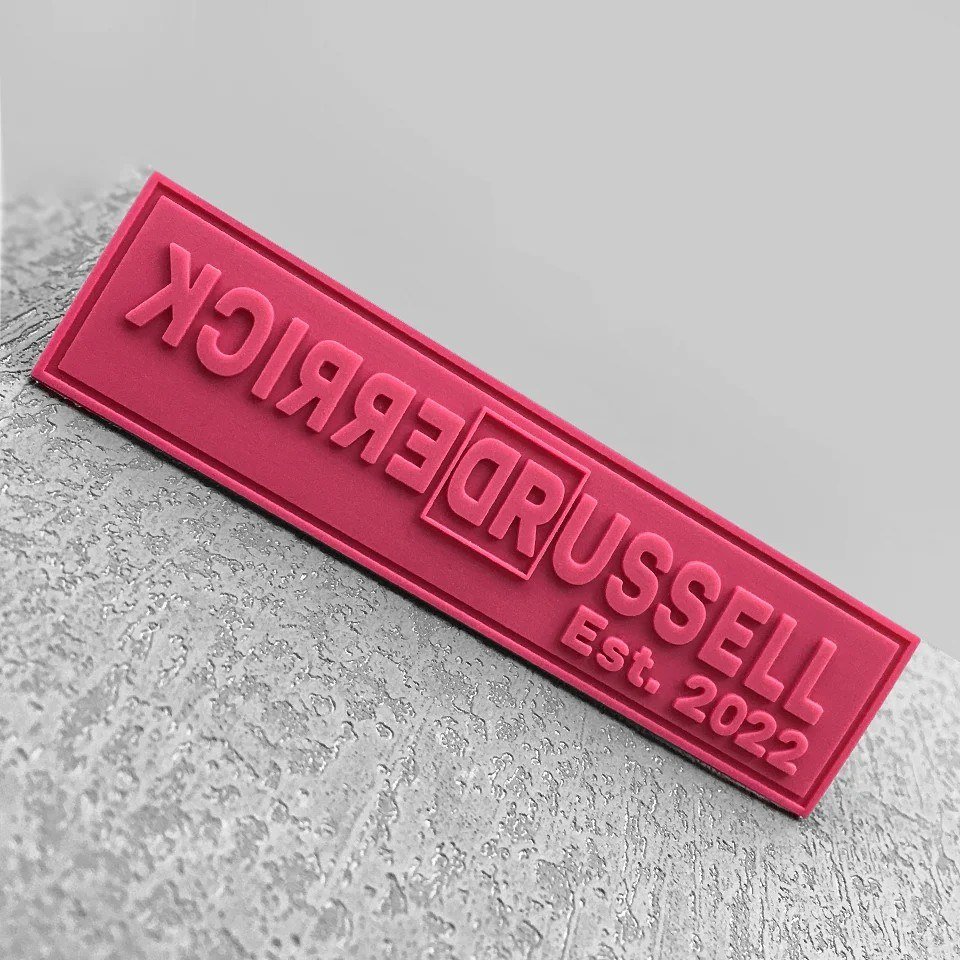
Custom Hang Tags
Branded hang tags in your chosen shape, size, and finish — matte, gloss, embossed, or kraft stock. Attached at the collar or hem via thread or safety pin, they sharpen your retail and D2C presentation instantly.
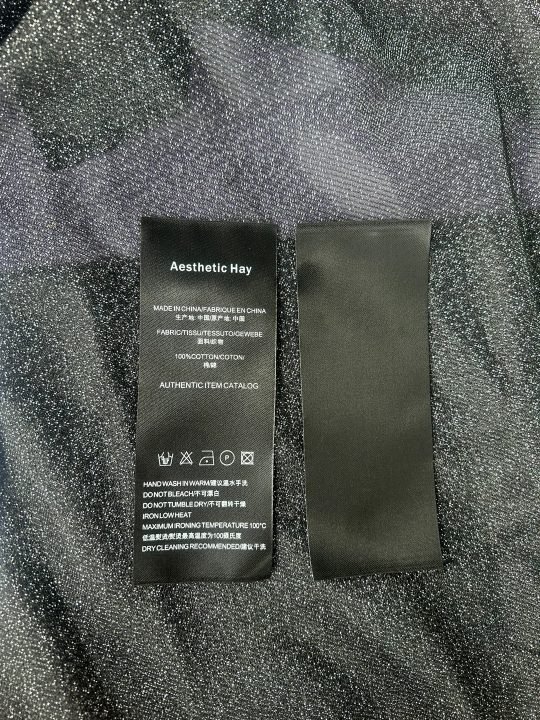
Care Labels
Printed or woven care and content labels covering fiber composition, wash instructions, and country of origin. Required for global customs clearance and retail compliance — we source, proof, and sew them into every finished garment.
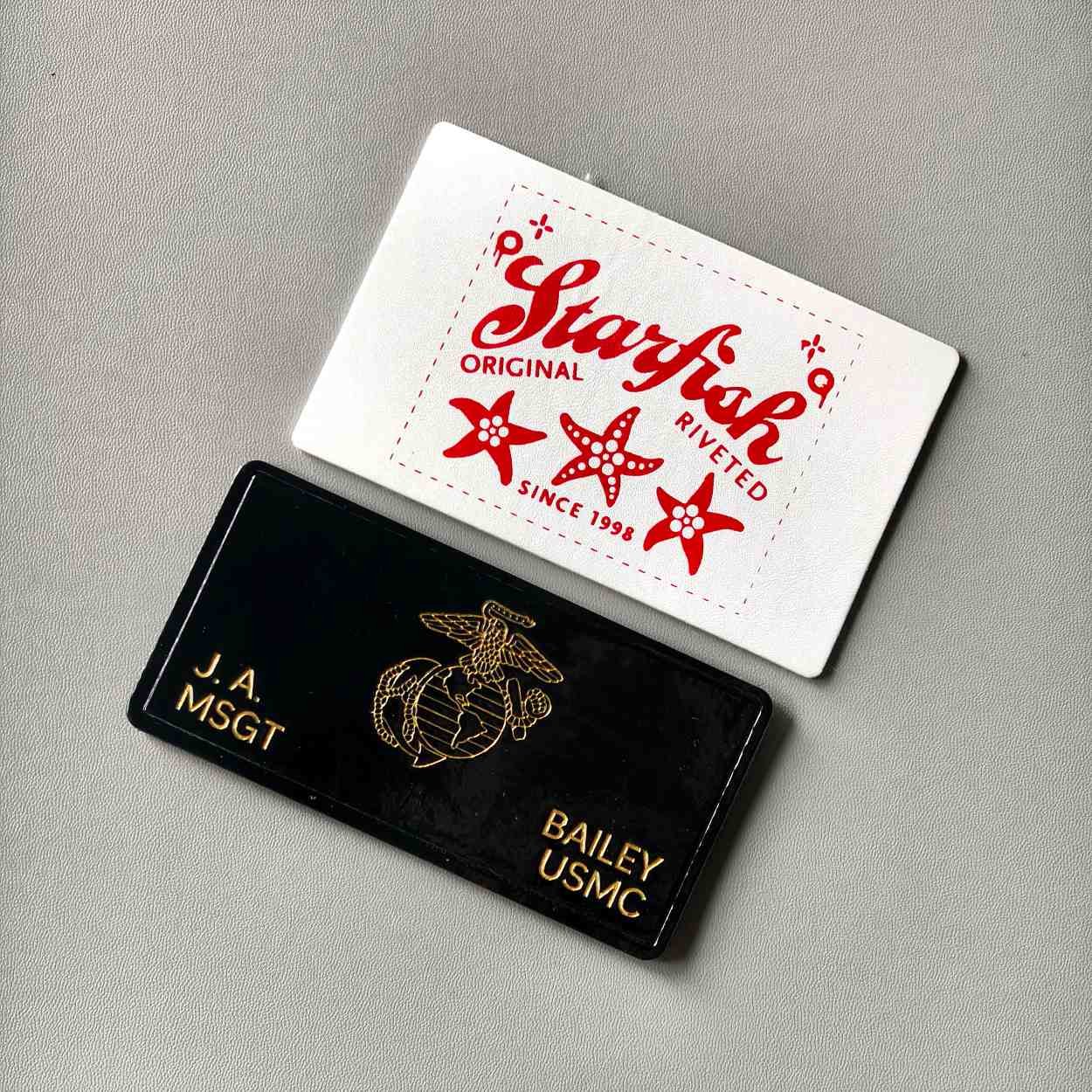
Embroidered Patches
Custom embroidered or woven patches applied to sleeves, chest panels, or back yokes. A signature streetwear accent that adds texture and collectible character to any baseball jersey collection, from limited drops to full-scale production runs.
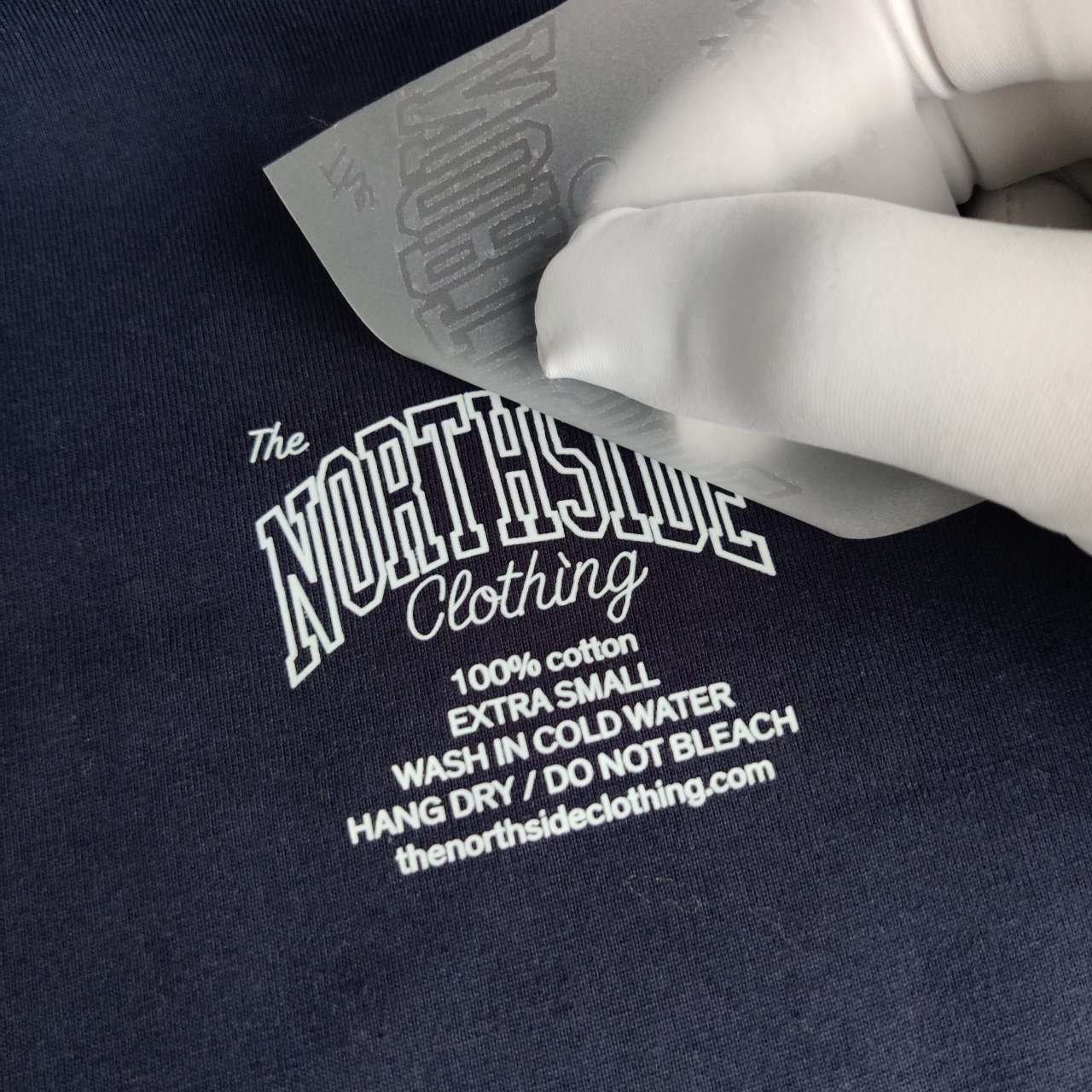
Heat Transfer Labels
Soft-feel heat-transfer labels replace traditional sewn collar labels for a clean, tag-free interior. Ideal for performance fabrics and skin-sensitive designs, they reproduce crisp brand details without added bulk or irritation during wear.
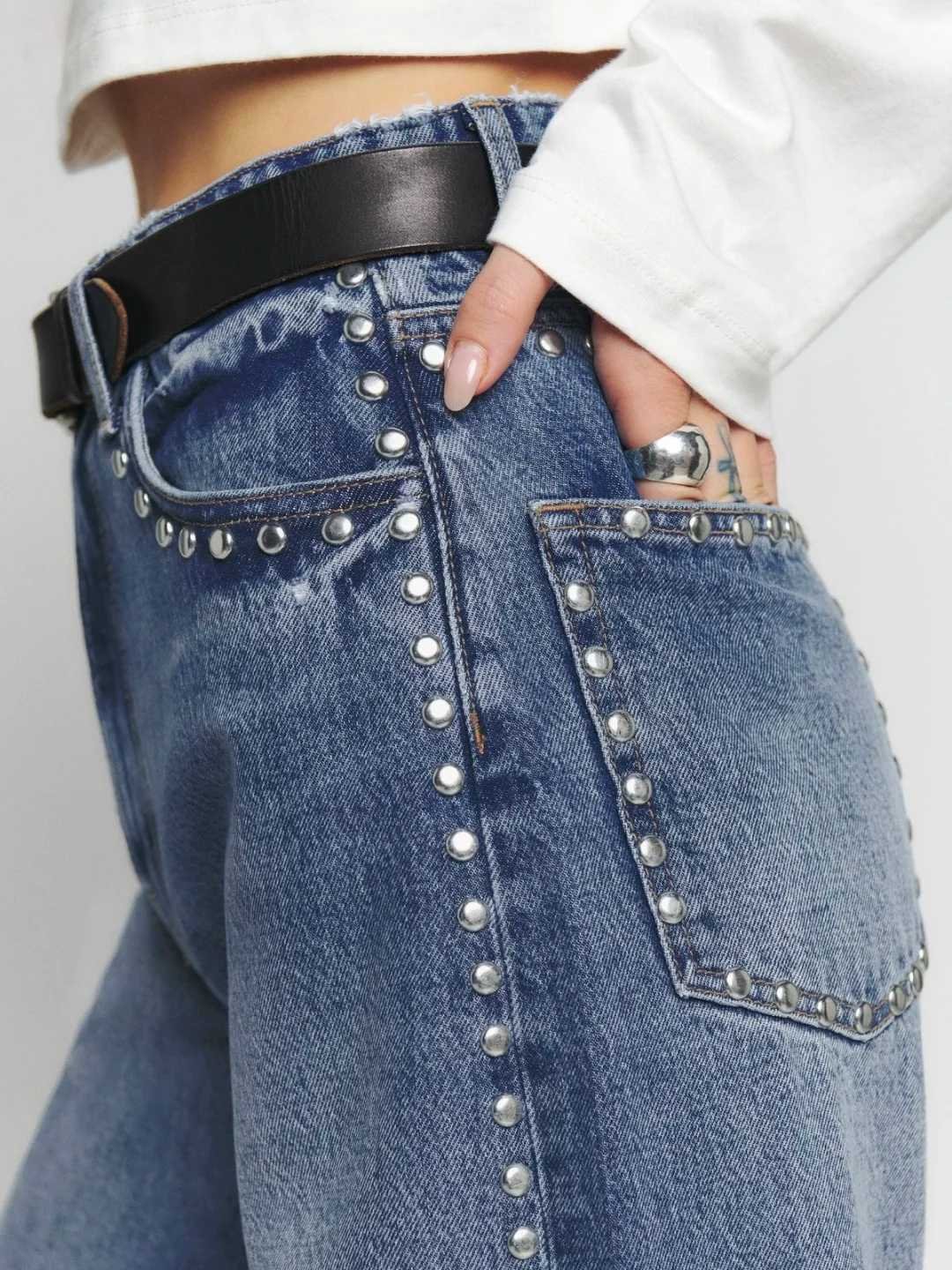
Custom Packaging
Branded polybags, tissue wraps, or rigid gift boxes matched to your aesthetic. We coordinate packaging sourcing and packing workflows so your jerseys arrive shelf-ready or D2C-ready with zero extra coordination required on your end.
Baseball Jersey Manufacturer Restoring Quality to Streetwear
Clothing Manufacturer Ltd was founded in 2024 by Tesla Luo, who grew up inside China’s garment industry, spending summers rotating through every production role in Dongguan’s factories. After watching suppliers ship orders without a single quality check, he built this company on one conviction: every garment must pass rigorous testing at every stage of production, not just at the end.
Today, our operations bring together a 15-member in-house R&D and design team, 10 production patents, and the full manufacturing infrastructure of our parent company, Dongguan TuoZhen Clothing Co., Ltd. Whether you are a startup launching your first baseball jersey line or a global retailer scaling seasonal production, we offer low MOQ flexibility, fast turnaround, and logistics support reaching more than 100 countries.
What sets us apart is our proprietary five-step quality control system, embedding QC checkpoints from materials inspection and cutting through sewing, craftsmanship, and final garment review. Unlike factories that inspect only at shipment, we catch and correct defects at every stage. Backed by Tesla Luo’s decade-plus of factory-floor experience and a team that has served over 200 brand clients worldwide, this is quality assurance you can build a brand on.
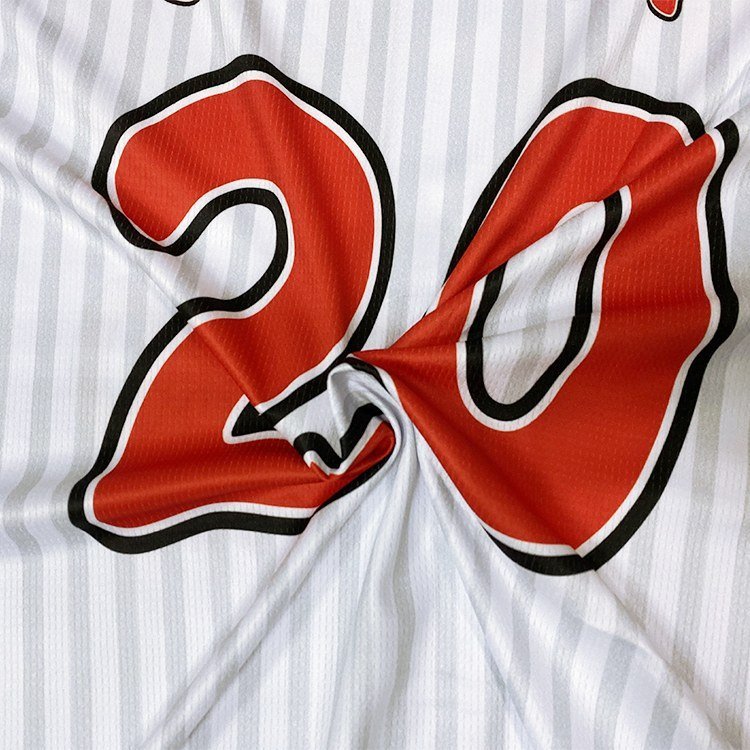
What Sets This Baseball Jersey Manufacturer Apart
5-Step Quality Control Embedded in Production
Our proprietary five-step QC methodology checks quality at every production stage — materials, cutting, craftsmanship, sewing, and final inspection — so defects never reach the packaging line. Every baseball jersey that ships has passed all five checkpoints.
- Materials QC: fabric tested for weight, color fastness, and stretch before cutting begins
- Cutting QC: panels inspected for precision and consistency prior to assembly
- Sewing production QC: stitch integrity and seam alignment verified mid-production
- Final finished-garment inspection against brand specifications before packing
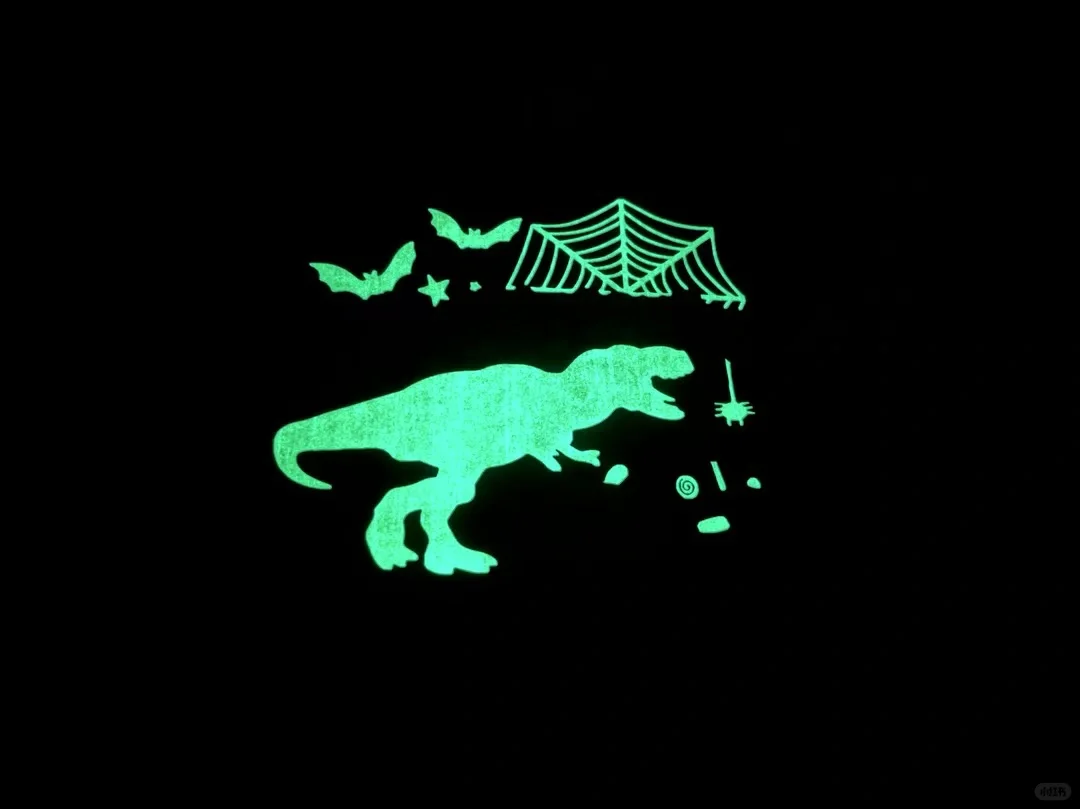
In-House Design Team Fluent in Streetwear
Our 15-member R&D team brings deep cultural literacy in streetwear aesthetics — from bold graphics and color blocking to skeleton motifs and heritage sport detailing — translating trend direction into production-ready baseball jersey samples that resonate with modern audiences.
- 10 proprietary patents driving unique design and production execution
- Trend research spanning hip-hop, skate, graffiti, and sport-culture influences
- Full sampling service from initial concept to pre-production approval
- Low MOQ sampling available for startups and independent designers
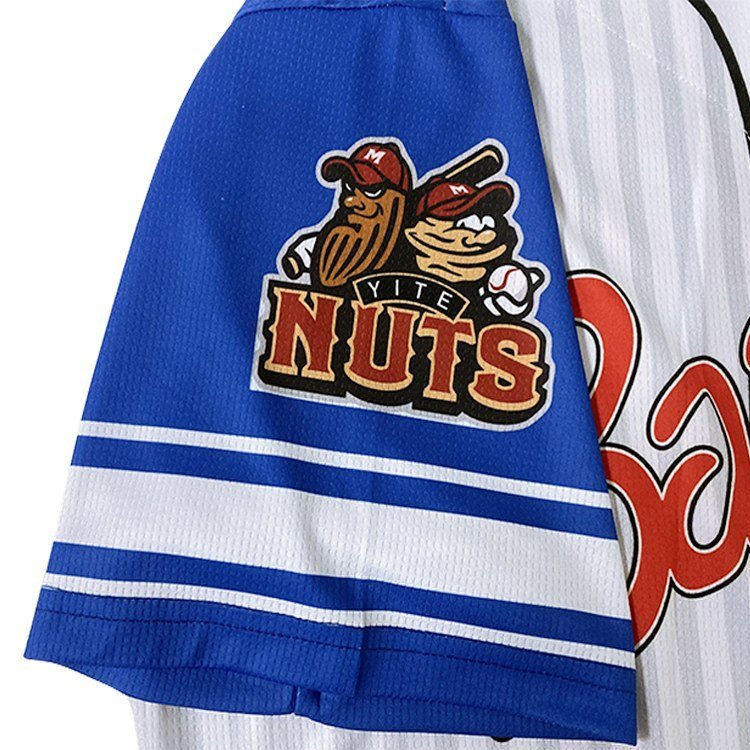
Fast Sampling and Short Production Lead Times
Speed is a competitive advantage. Our streamlined sampling pipeline and integrated production floor let us move from approved design to finished sample faster than most suppliers, keeping streetwear brands and seasonal collections on schedule without sacrificing a single quality checkpoint.
- Rapid prototyping from artwork file or tech pack submission
- Dedicated sampling team operating independently from bulk production runs
- Seasonal and limited-drop production schedules accommodated
- Transparent milestone updates at every stage of your order
Global Logistics Expertise Across 100-Plus Countries
From Humen Town, Dongguan — one of China’s premier garment hubs — we coordinate international shipping, customs documentation, and order tracking for clients across more than 100 countries, making cross-border baseball jersey production straightforward for brands at any scale.
- Export documentation, customs declaration, and inspection compliance handled in-house
- Partnerships with reliable international freight carriers for air and sea shipments
- English-language order management and communication for global clients
- Proven experience serving brands across North America, Southeast Asia, Europe, and beyond
Why Our Baseball Jersey Manufacturer Outperforms Typical Suppliers
Not all manufacturers are built the same. Here is how Clothing Manufacturer Ltd stacks up against the suppliers who skip steps, hide costs, and ship without checking.
← 左右滑动查看 →
Our Baseball Jersey Manufacturer Production Timeline
Every phase of your order is governed by our 5-step QC guarantee — no shortcuts, no surprises, just premium baseball jerseys delivered on time.
Order Confirmation & Tech Pack Review
We lock in your design specs, branding requirements, and MOQ. Our in-house team reviews your tech pack and flags any details before production begins.
Materials Sourcing & Fabric QC
Premium fabrics are selected and tested against your spec sheet. Every material batch passes our first QC checkpoint before cutting begins.
Pattern Cutting & Cutting QC
Panels are precision-cut and inspected for accuracy. Our cutting QC step eliminates dimensional errors early, protecting every downstream production stage.
Sewing, Print & Craft Production QC
Jerseys are sewn, printed, and embellished under active quality monitoring. Inline QC checks catch stitching, print alignment, and construction issues in real time.
Finished Goods Inspection & Packaging
Every completed jersey undergoes a full finished-goods QC audit before branded packaging. Only units that pass all five quality checkpoints are cleared for shipment.
Global Logistics & On-Time Delivery
Your order ships with full logistics support, customs documentation, and real-time tracking — ensuring smooth delivery to streetwear brands and retailers in 100-plus countries.
How to Order From a Trusted Baseball Jersey Manufacturer
From your first design brief to final delivery, our streamlined process keeps you informed and in control at every stage of production.
Share Your Design Brief
Submit your design brief, tech pack, or reference samples. Our in-house team reviews your vision and responds within 24 hours with clarifying questions and next steps.
Get Your Quote and Sample Plan
We deliver a detailed quote covering fabric, construction, and pricing tiers, plus a clear sampling timeline tailored to your launch schedule and minimum order requirements.
Approve Samples and Confirm Details
Review physical samples from our skilled production team. Request revisions until every stitch, color, and detail meets your brand standards before committing to bulk production.
Launch Bulk Production With QC Oversight
Confirm your order and schedule. Our five-step QC process runs continuously through cutting, sewing, and finishing so defects are identified and corrected before they reach you.
Receive Your Finished Jerseys
Take delivery of your completed order backed by our QC guarantee, shipped via our global logistics network — on time, on spec, and ready to sell.
Certified Baseball Jersey Manufacturer: Quality & Compliance You Can Trust
What Brands Are Saying About Our Baseball Jersey Manufacturer
We launched our first limited drop with Clothing Manufacturer Ltd. and sold out 300 baseball jerseys in 48 hours. Their 5-step QC caught a stitching issue mid-production before a single piece shipped — our return rate has been zero. We have since scaled to 1,200-piece runs.
As a startup, low MOQ was non-negotiable for us. Clothing Manufacturer Ltd. delivered 50-piece samples that matched our design files exactly. We went from concept to first sale in 9 weeks — three weeks faster than our previous supplier — and our pre-order sold out completely.
I was genuinely skeptical about overseas production, but the jersey quality silenced every doubt. We hit 80K followers within four months of the drop, with my comment section flooded with questions about the fabric and finish. I reordered 500 pieces the same week.
Baseball Jersey Manufacturer FAQ: Answers to Your Top Questions Before You Order
Everything you need to know about working with Clothing Manufacturer Ltd — from your first sample to final delivery.
What is the minimum order quantity for a baseball jersey manufacturer like yours?
How long does it take a baseball jersey manufacturer to produce and ship my order?
How much does it cost to get a sample from a baseball jersey manufacturer before committing to bulk production?
What payment terms do you accept, and how is my deposit protected?
How do you protect my designs and keep my ideas confidential?
What shipping options are available, and do you handle customs documentation?
How many revision rounds do I get before production is locked in?
Can you handle large-scale production if my brand grows quickly?
Do you offer custom packaging, hang tags, and branded labeling?
The Complete Buyer’s Guide to Baseball Jersey Manufacturer
Discover how to evaluate every baseball jersey manufacturer on quality benchmarks, fabric specs, and customization range — plus a clear decision framework, supplier vetting criteria, and the costliest sourcing mistakes brands make before placing their first order.
1. What Is a Baseball Jersey Manufacturer?
A baseball jersey manufacturer handles every production stage in-house — pattern-making, fabric sourcing, cut-and-sew assembly, finishing, and quality inspection. Unlike a wholesale supplier moving pre-made stock, a dedicated manufacturer builds garments to your exact specifications: private-label runs, OEM contracts for established brands, and fully original designs developed from a technical flat.
Streetwear labels, creator brands, and independent designers choose a baseball jersey manufacturer over blanks because customization depth is categorically different. Blanks lock you into a fixed silhouette and print-only decoration; a manufacturer adjusts fabric weight (typically 160–220 GSM mesh or interlock), restructures the pattern block, and combines tackle-twill lettering, sublimation printing, and embroidery in a single production run — with Pantone-matched colorways and OEKO-TEX certified fabrics available.
Three distinct supplier types serve this market, and identifying which one you are dealing with determines your pricing leverage, lead-time visibility, and who is accountable when a defective batch ships.
| Supplier Type | What They Control | Key Trade-off |
|---|---|---|
| Pure Factory | Owns cutting and sewing machinery | High MOQ (300–1,000 pcs); limited design support |
| Trading Company | No factory; brokers across third-party floors | 20–40% markup; no floor-level accountability |
| Full-Service Manufacturer | Factory + R&D + stage-by-stage QC in-house | Low MOQ (50–100 pcs); direct production access |
2. A Brief History of the Baseball Jersey
By 1849, the New York Knickerbockers were wearing wool flannel shirts that established the button-front silhouette still recognized today. Through the 1900s to 1960s, wool flannel dominated professional and amateur leagues alike, prized for warmth and structure but criticized for heavy weight — sometimes exceeding 400 GSM — and shrinkage after repeated washing.
The 1970s marked a pivotal shift when MLB teams adopted 100% polyester doubleknit jerseys, cutting garment weight dramatically and enabling bolder graphics and team color blocking. This decade proved that performance fabric engineering directly shapes the commercial identity of a jersey style, a lesson every serious baseball jersey manufacturer carries forward today.
From the 1990s into the 2000s, dye-sublimation printing unlocked full-bleed photographic graphics on moisture-wicking polyester meshes, and brands began sourcing jerseys for lifestyle wear rather than sport alone. Mesh weaves running 140–180 GSM became standard benchmarks, and performance-oriented buyers started evaluating suppliers on fabric certifications alongside construction quality.
Since 2010, the streetwear and fashion crossover has turned the baseball jersey into a cultural canvas, with oversized cuts, vintage washes, and motifs drawn from hip-hop, skateboarding, and graffiti commanding premium retail prices. Understanding this 175-year arc is essential when briefing a baseball jersey manufacturer: the silhouette carries historical weight, and modern buyers should demand suppliers who can execute authentic construction details — reinforced plackets, clean tackle-twill lettering, precise sleeve-set angles — alongside contemporary design innovation without compromising quality at any production stage.
3. Types of Baseball Jerseys Every Baseball Jersey Manufacturer Offers
A reputable baseball jersey manufacturer produces six distinct silhouettes, each serving a different end-use and buyer profile. Matching the correct cut to your brand identity is the first production decision to lock in before sampling.
Classic Button-Front Baseball Jersey
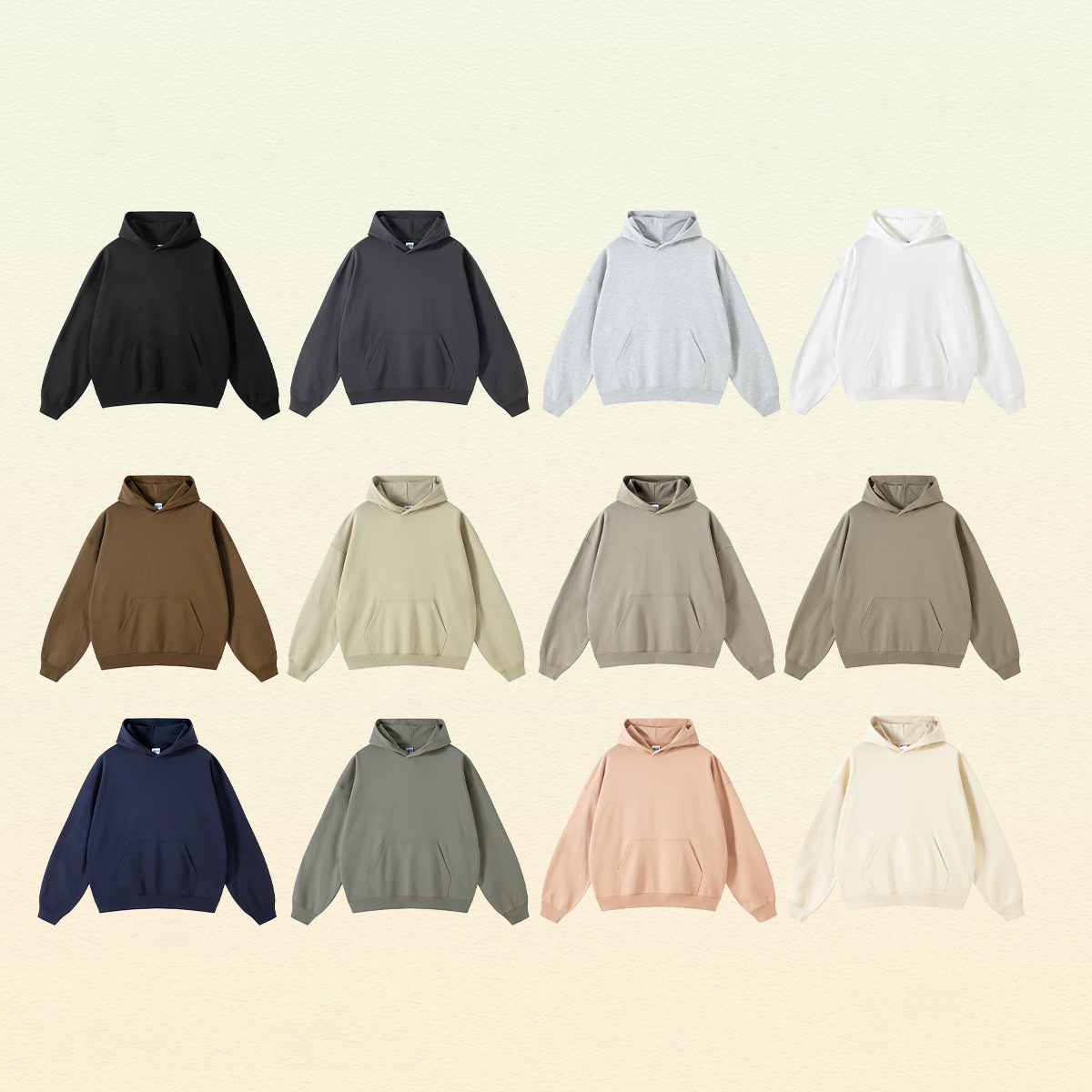
The button-front is the sport’s original silhouette, favored by amateur leagues and nostalgia-driven streetwear labels. Two-ply polyester or 160–180 GSM cotton poplin gives the front placket its structure and clean drape.
Pullover and Crew-Neck Style
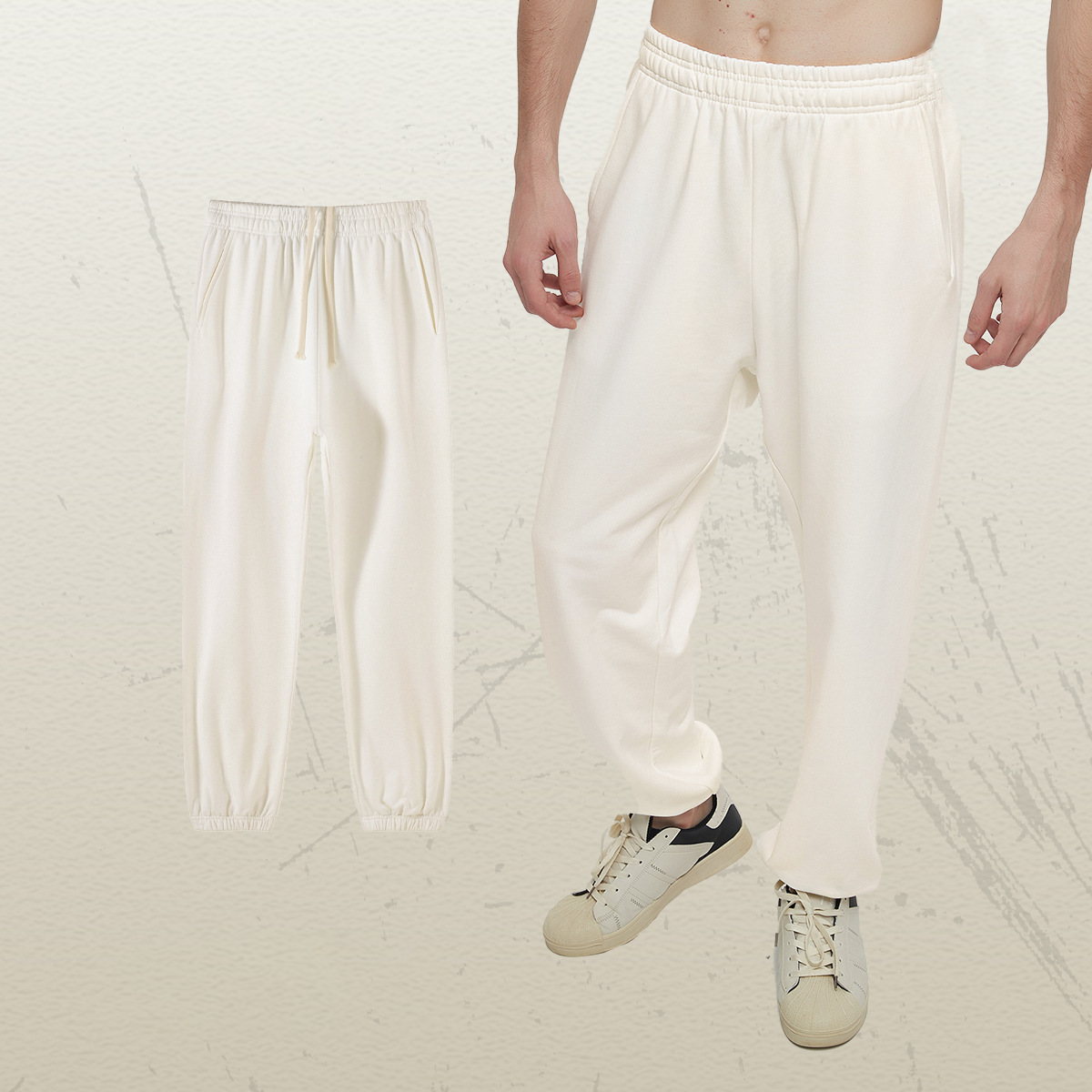
Pullovers eliminate placket hardware, reducing per-unit cost by roughly 8–12%. They suit youth leagues, school teams, and direct-to-consumer brands prioritizing a modern look with lower construction complexity.
Sleeveless Vest Cut
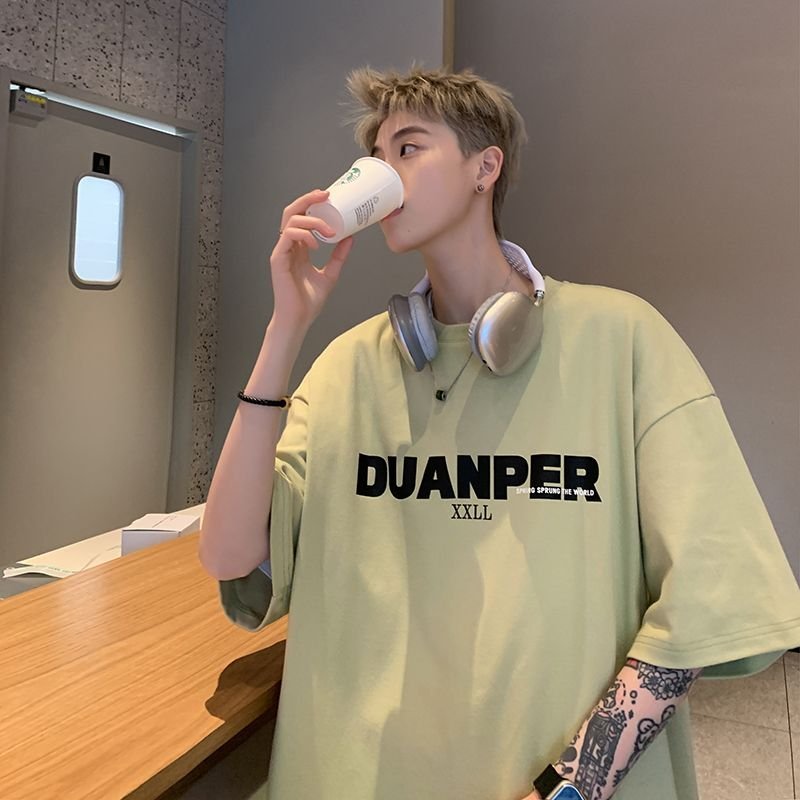
Vest-cut jerseys are popular in warm-weather leagues and summer streetwear drops, requiring armhole binding instead of sleeve setting. Creator brands layer them over long-sleeve tees for a street-ready layered aesthetic.
Sublimated All-Over-Print Jersey
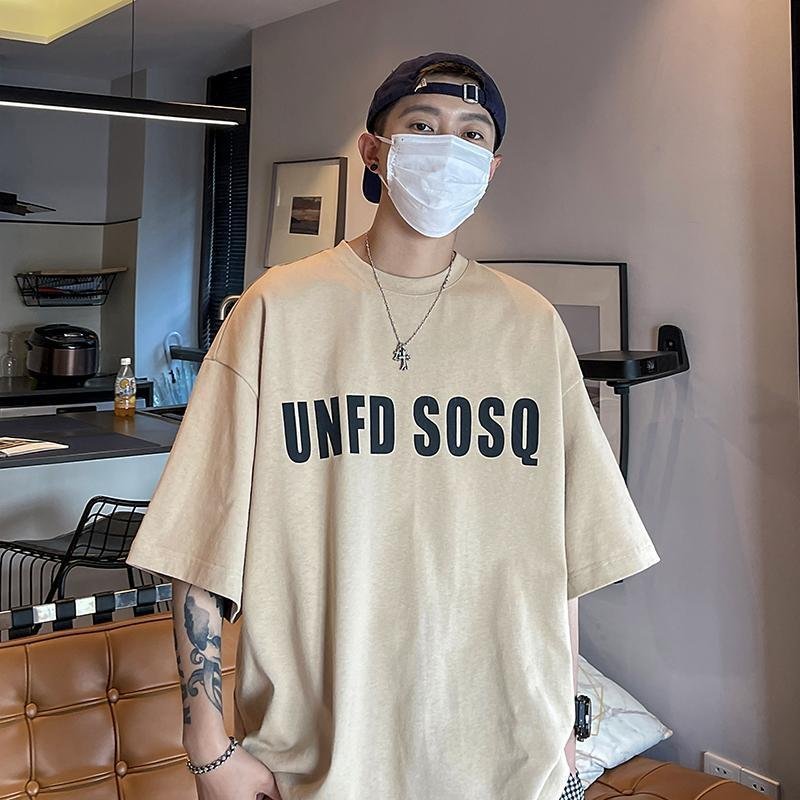
Sublimation prints onto 100% polyester at up to 16 million colors, making it the go-to for maximalist streetwear and e-sports brands. No minimum color surcharge applies — complex gradients cost the same as solid fills.
Mesh Performance Jersey
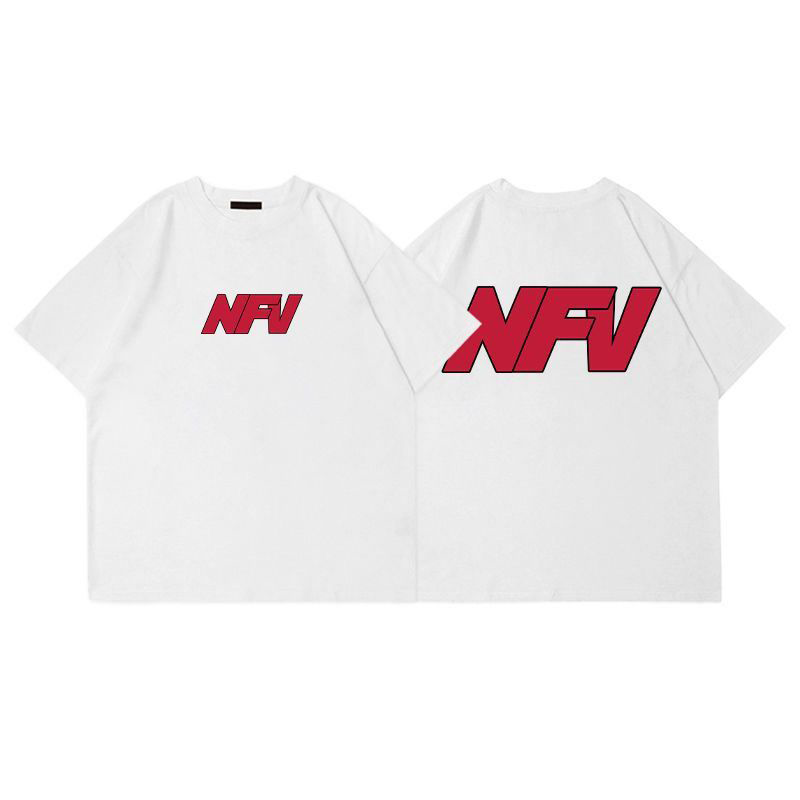
Open-weave polyester mesh at 100–130 GSM delivers moisture-wicking airflow suited to active use. Athletic leagues and performance-focused creator brands specify this construction; flatlock seams are the recognized quality benchmark.
Fashion Oversized Streetwear Cut
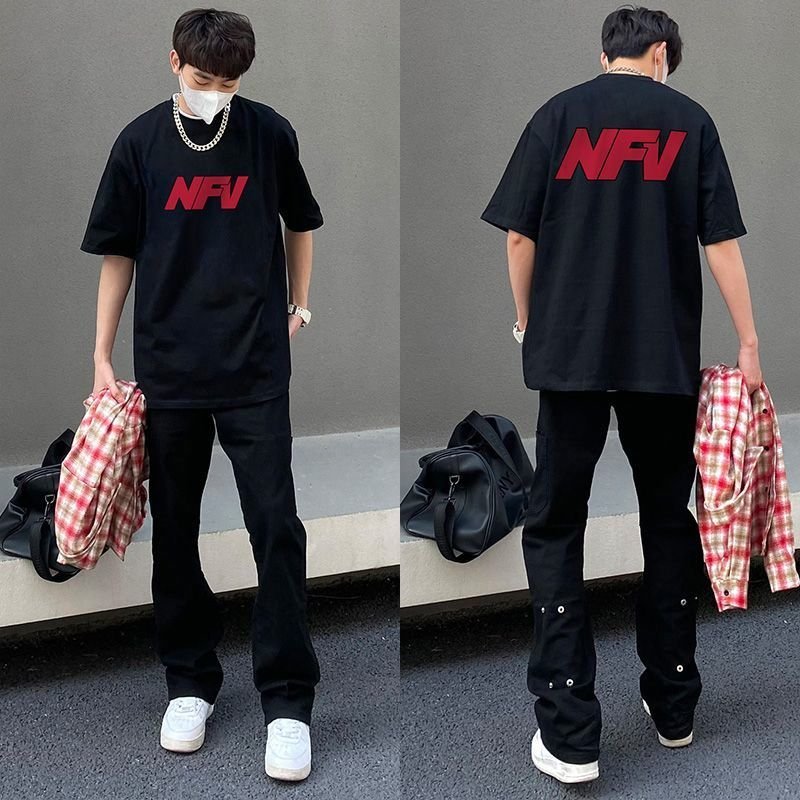
Oversized baseball jerseys — graded 2–3 sizes up from athletic patterns — are the fastest-growing streetwear segment. Independent designers and influencer brands drive demand for boxy silhouettes, dropped shoulders, and 220–240 GSM heavyweight cotton builds.
4. Materials & Fabrics Used by a Baseball Jersey Manufacturer
Fabric selection determines how a baseball jersey performs, looks, and holds decoration over time. A qualified baseball jersey manufacturer works across five core fabric categories, each with distinct GSM ranges, breathability ratings, and print compatibility profiles.
| Fabric | GSM Range | Breathability | Best Decoration | Typical Use |
|---|---|---|---|---|
| Polyester Mesh | 130–160 | High | Sublimation | Athletic performance |
| Moisture-Wicking Interlock | 160–200 | Medium-High | Sublimation, screen print | Performance / mid-tier |
| Cotton-Poly Blend | 180–240 | Medium | Screen print, embroidery | Streetwear, retail |
| Tricot Knit | 100–140 | High | Dye sublimation | Retro, fashion jerseys |
| Performance Stretch Woven | 200–260 | Medium | Heat transfer, embroidery | Premium athletic |
Core Fabric Options and Performance Specs
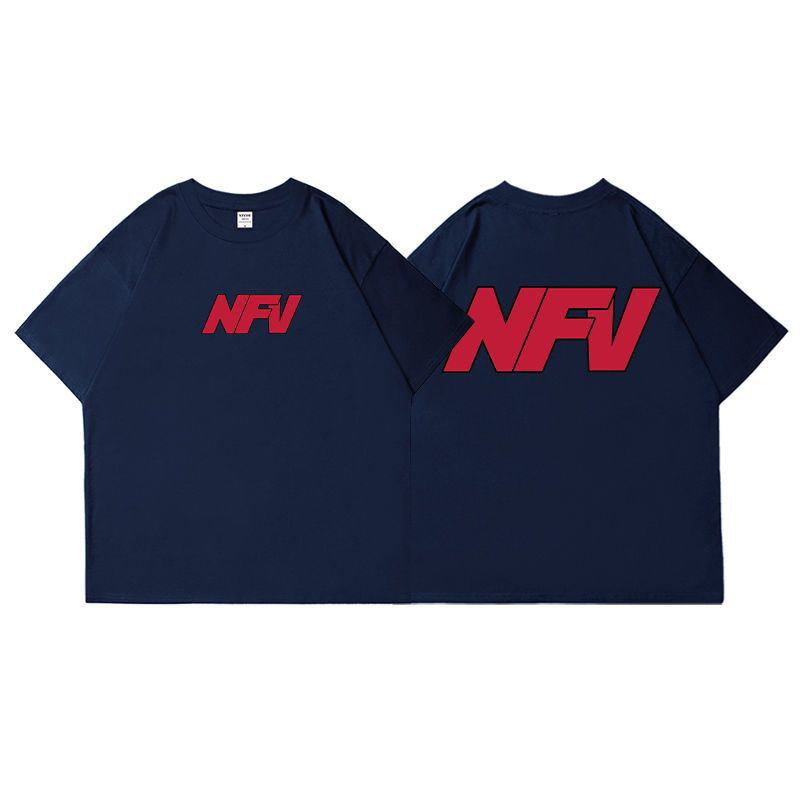
Polyester mesh (130–160 GSM) dominates athletic production for its open-knit breathability and sublimation compatibility. Moisture-wicking interlock (160–200 GSM) adds structure while pulling sweat away, making it a reliable mid-tier choice for performance brands.
Cotton-poly blends (180–240 GSM) suit retail and streetwear aesthetics, accepting screen print and embroidery well. Tricot knit (100–140 GSM) is lightweight with a silky hand feel, favored for retro-style jerseys needing sharp dye-sublimation output.
Matching Fabric to Your Brand Audience
Performance stretch wovens (200–260 GSM) offer four-way stretch and durability for premium athletic lines, though they carry higher per-unit costs. Streetwear labels typically favor cotton-poly blends for their weight and screen-print clarity.
Price-sensitive retail runs default to polyester mesh, where material cost stays under $1.50 per yard at volume. OEKO-TEX certification adds compliance value for brands entering European or U.S. regulated markets.
5. Customization & Decoration Options from Your Baseball Jersey Manufacturer
A full-service baseball jersey manufacturer should offer seven core decoration methods, from embroidery to custom hardware. Setup costs, durability, and MOQ sensitivity vary sharply between them — choosing wrong inflates cost or limits run size.
| Method | Setup Cost | Durability | MOQ Sensitivity | Best Brand Type |
|---|---|---|---|---|
| Embroidery | $50–$150/design | Excellent (10+ yrs) | Low — 12+ pcs | Established retailers |
| Tackle Twill | $80–$200/setup | Excellent (10+ yrs) | Medium — 24+ pcs | Streetwear & team brands |
| Sublimation | $0–$30/colorway | Good (5–8 yrs) | Very Low — 1+ pc | Startups, creator brands |
| Screen Print | $25–$50/color/screen | Good (5–7 yrs) | High — 24–48 pcs | Global retailers |
| Heat-Transfer Vinyl (HTV) | $0–$20/design | Moderate (3–5 yrs) | Very Low — 1+ pc | Influencer & creator brands |
| Woven Labels | $50–$100/mold | Excellent | Low — 50+ pcs | All brand types |
| Custom Hardware | $150–$500/mold | Excellent | High — 100+ pcs | Established brands |
Influencer-Favored Low-Run Techniques
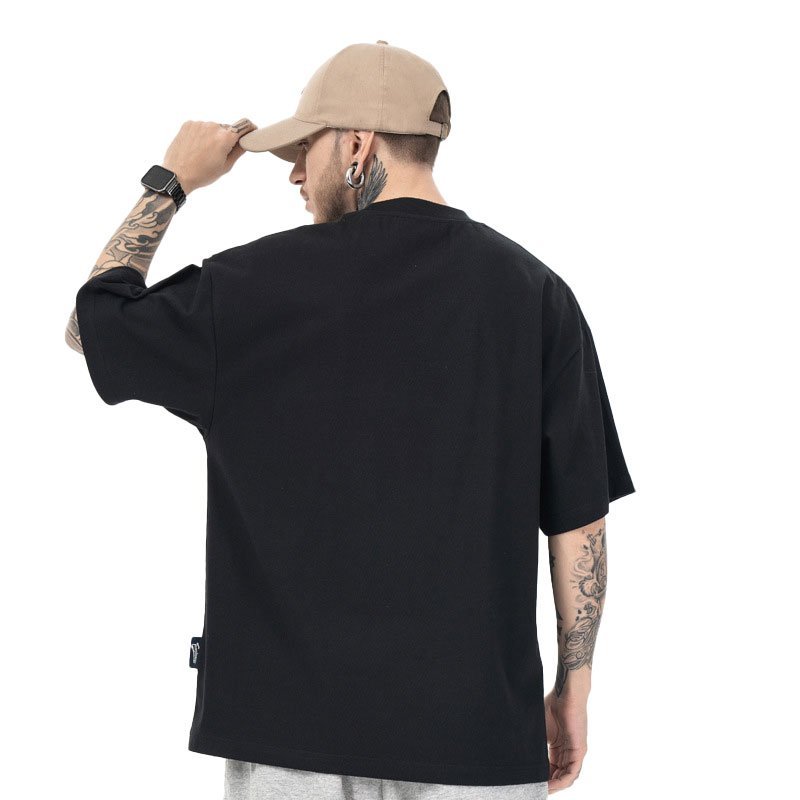
Sublimation and HTV both carry near-zero setup cost, making them first choices for influencer and creator brands running exclusives of 1–12 pieces. Sublimation bonds color into polyester fibers permanently, while HTV ships cut-ready artwork at under $20 per design.
Both methods let small-run labels release limited drops without minimum-order pressure — the defining advantage for creator brands building exclusivity at launch.
High-Durability Options for Scale
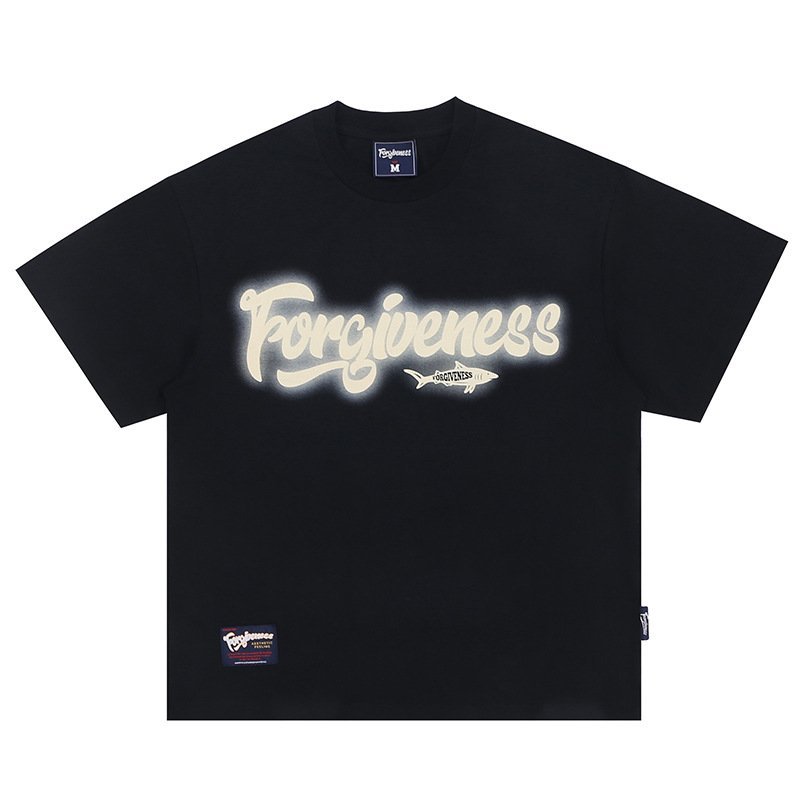
Embroidery and tackle twill justify their $50–$200 setup costs at runs above 24 pieces, delivering 10-plus-year lifespans that suit global retailers and established streetwear labels. Custom hardware molds ($150–$500) create brand signatures — unique buttons, rivets, or zipper pulls — that no print method can replicate.
6. Key Construction Quality Elements to Inspect
Before approving production, physically stress-test every sample against seven measurable criteria. A competent baseball jersey manufacturer builds quality into each construction stage — not just the finished look.
Stitch Density and Seam Type
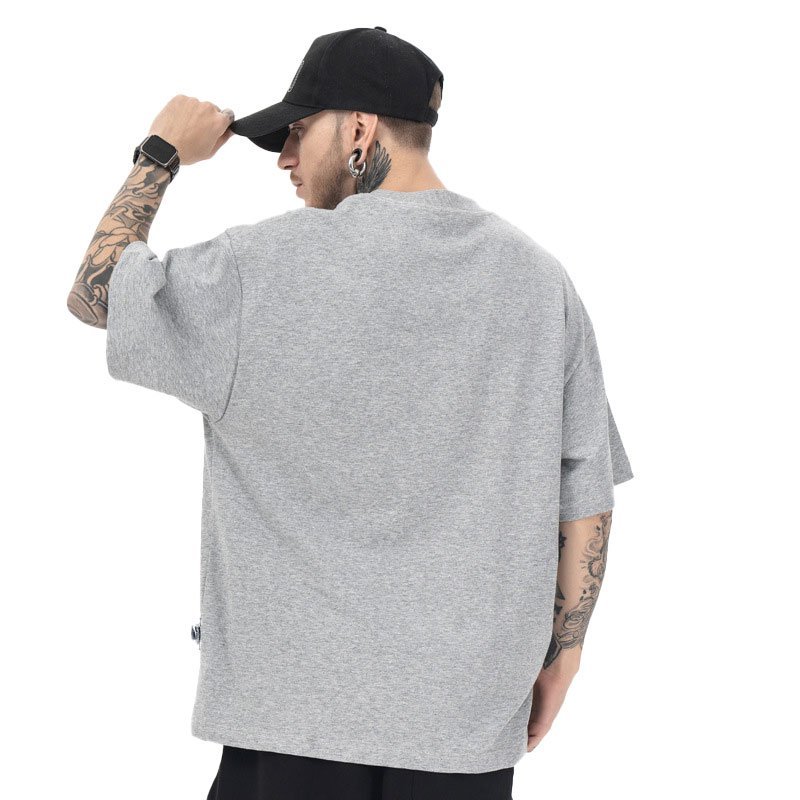
Stitch density should measure 8–12 SPI on main seams; anything below 8 creates weak points that split under stress.
Flatlock seams lie flat and resist fraying — ideal for athletic cuts. Serged seams suit casual styles; bound seams add durability on collar and armhole edges.
Collar and Placket Construction
Collar knit should feel firm with no rolling or warping after the garment is laid flat for 24 hours.
Plackets need 3–4 rows of topstitching to prevent buckling during repeated washing. Check collar-to-body join points for exposed raw edges.
Button Quality and Reinforced Stress Points
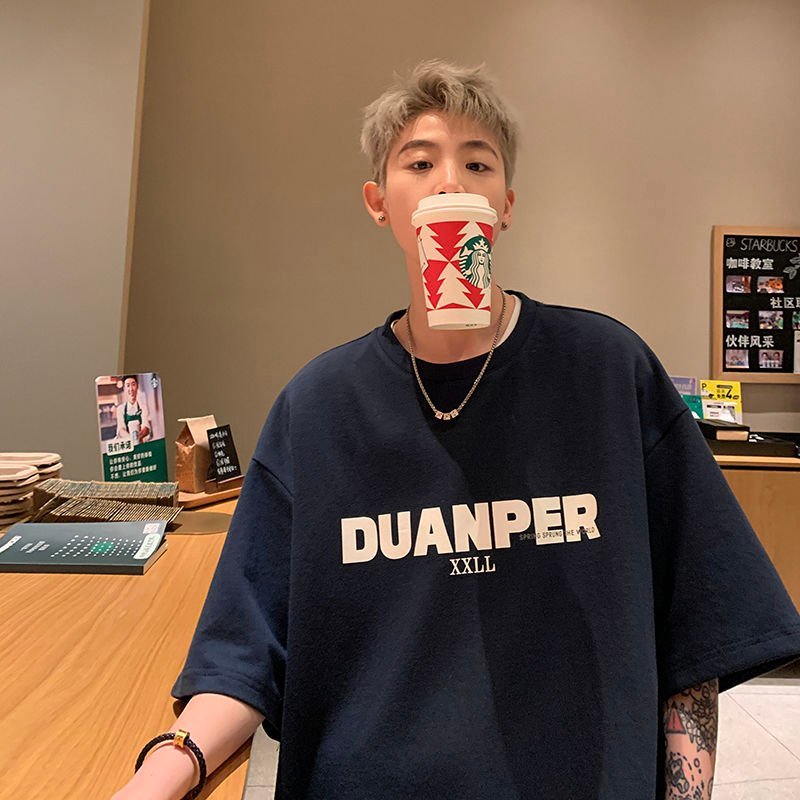
Resin or corozo buttons should withstand 200+ wash cycles without cracking or color fade.
Stress points at cuffs, underarm seams, and side slits require bar-tack reinforcement. Pull each button laterally — a properly sewn shank resists at least 15 lbs of tension before any thread yields.
Shrinkage Pre-Treatment and Colorfastness
Pre-shrunk fabric should show no more than 3–5% dimensional change after three washes — request the mill’s shrinkage test report.
Colorfastness must score 4–5 on the ISO 105 scale for wash and rub resistance; below 3 means visible fading within months. OEKO-TEX Standard 100 certification confirms safe dye chemistry.
Sample Inspection Checklist
Use this five-point checklist when reviewing samples from any baseball jersey manufacturer before committing to bulk production.
- Count SPI on three seam locations; reject anything below 8.
- Confirm flatlock or bound seams on armhole and side panels.
- Tug collar join for puckering; check placket topstitching rows.
- Verify bar-tack stitching at every stress point — cuffs, slits, gussets.
- Request ISO 105 colorfastness score and mill shrinkage test report.
7. How to Choose the Right Baseball Jersey Manufacturer for Your Brand
Vetting a baseball jersey manufacturer takes more than comparing price sheets — a supplier built for athletic-team uniforms runs on bulk-uniform logic that rarely suits fashion or streetwear brands needing flexible MOQs and trend-responsive cuts.
Match MOQ Tiers to Your Launch Volume
Most streetwear-focused manufacturers accept MOQs of 50–200 units per colorway; purely athletic suppliers often demand 500+. Confirm per-style and per-color minimums before sampling, since these determine your initial cash commitment and how many SKUs you can realistically launch.
Confirm Sample Turnaround and Fit Accuracy
Standard sample lead time runs 7–14 days; suppliers offering under 7 days often skip fit-checking. Request a fit sample in your target size range and a counter-sample after any revision — two rounds should be sufficient for a well-equipped factory.
Audit Certifications Before Committing
OEKO-TEX Standard 100 confirms fabric is free of harmful substances; ISO 9001 signals documented quality-management systems; WRAP covers ethical manufacturing practices. Request physical certificates with expiry dates — many lapse and are not renewed.
Assess Communication Speed and English Proficiency
Response within 24 hours is the baseline expectation; a manufacturer taking 3–5 days to reply will compound delays across sampling and production. Confirm your main contact can read and annotate English-language tech packs — ambiguous spec exchanges are a leading cause of rework.
Evaluate Tech-Pack Support and Pattern Services
A baseball jersey manufacturer with in-house pattern-making can translate a sketch or mood board into a graded tech pack. Suppliers without this capability push development cost and timeline risk back to the buyer, slowing launches by weeks.
Verify References from Similar Brand Types
Ask for two or three case studies from streetwear, influencer, or independent designer clients — not athletic-league references. Brands in those categories stress-test print alignment, drop-shoulder fits, and colorway consistency in ways that team-uniform buyers never do.
8. Common Mistakes Buyers Make When Sourcing a Baseball Jersey Manufacturer
Even seasoned buyers repeat the same six mistakes when partnering with a baseball jersey manufacturer — errors that compound into delayed launches, rejected bulk shipments, and eroded margins. Recognizing them early is the fastest way to protect your brand and your cash.
Skipping a Pre-Production Sample
Bypassing the sealed sample to save 2-4 weeks typically triggers bulk rejections that cost 10x the sample fee to correct. Always approve a pre-production sample with signed-off Pantone colors, GSM rating, and construction details before authorizing any cutting.
Ignoring MOQ Impact on Cash Flow
MOQs of 50-200 units per colorway can freeze capital across slow-moving SKUs. Map each colorway’s MOQ against 90-day sell-through projections before finalizing the order split to avoid dead stock.
Underspecifying the Tech Pack
A tech pack missing seam allowances, rib-knit collar specs, or Pantone references forces multiple revision rounds and delays production by 1-3 weeks. Include every measurement, fabric weight in GSM, stitch type, and care-label language in the initial brief.
Choosing Price Over Lead-Time Reliability
A $0.50 per-unit saving disappears when a factory misses a 45-day window and your seasonal drop ships after the trend peaks. Request documented on-time delivery rates for the past 12 months before committing to any supplier.
Neglecting Packaging and Labeling Requirements
Missing HS codes, hang-tag data, or country-of-origin markings can hold containers at customs for weeks and trigger retailer chargebacks. Specify poly-bag dimensions, care-label language, and compliance marks in writing before production begins.
Failing to Confirm IP and Exclusivity Terms
Without a signed exclusivity clause, a factory can produce your colorway or graphic for a competing label within the same season. Confirm design ownership, exclusivity period, and tooling rights in a written agreement before sampling begins.
9. Steps to Launch Your Brand with a Baseball Jersey Manufacturer
First-time orders with a baseball jersey manufacturer move faster when each step follows a clear sequence. A structured six-step roadmap protects your brand identity, controls costs, and prevents the rework that strains startup budgets.
Build Your Mood Board and Style Brief
Collect 10–20 reference images covering silhouette, colorway, and graphic motifs before approaching any factory. Define 2–3 Pantone codes and a target fabric weight (180–220 GSM). This brief anchors every factory conversation and prevents scope creep.
Develop a Detailed Tech Pack
A tech pack translates your brief into manufacturer-readable specs: flat sketches, graded measurements, stitch type, and label placement. Include vector logo files to protect brand identity during sampling. Factories that receive incomplete packs fill gaps with generic defaults.
Request and Evaluate Samples
Order a pre-production sample before committing to any bulk run; expect 7–14 days and a $30–$80 sample fee. Evaluate seam allowance, print registration, and Pantone colorway match under both daylight and artificial light before signing off.
Negotiate Pricing, MOQ, and Payment Terms
Most manufacturers set MOQs of 50–300 pieces per colorway; startups should negotiate a 30/30/40 payment split (deposit, mid-production, balance). Lock pricing in writing with a 30–60-day validity window to guard against fabric cost swings.
Place Order with Milestone Sign-Offs
Issue a purchase order only after receiving written confirmation listing cut-off dates and production milestones. Require a pre-production sample sign-off before cutting begins. Mid-production photo updates at the sewing stage catch defects before they multiply across the full run.
Plan QC Inspection and Freight
Book a third-party AQL 2.5 inspection 5–7 days before cargo loads; a failed check costs far less than a returned shipment. Choose FOB or DDP Incoterms based on your customs experience. Air freight suits first orders under 200 kg; sea freight cuts cost on runs above 500 kg.
10. Pricing & Cost Breakdown from a Baseball Jersey Manufacturer
Unit costs from a baseball jersey manufacturer range from $6 to $28 per piece depending on order volume, fabric weight (160–280 GSM polyester mesh vs. ring-spun cotton), and decoration complexity. A single Pantone-matched screen print adds minimal cost at scale, while 10,000-stitch embroidery can add $3 or more per piece at low quantities.
Four primary cost drivers move unit price most: fabric GSM and fiber content, stitch count on embroidered logos, number of Pantone colors in prints, and labeling complexity (printed neck label vs. woven label vs. hang tag set). Switching from a woven to a printed neck label or reducing one decoration color can cut per-unit cost by 8–15% without sacrificing perceived quality.
Samples typically run $80–$180 and are credited back against bulk orders of 300+ pieces at reputable factories. Request a proto sample before confirming bulk production — this single step catches fit, colorway, and construction issues before they multiply across hundreds of units.
- Screen print: no setup fee at volume; add $0.80–$1.50 per additional Pantone color per unit
- Embroidery: $25–$60 digitizing fee; +$1.20–$3.00 per 1,000 stitches at low MOQ
- All-over sublimation: $30–$80 artwork fee; no per-unit add-on above base fabric cost
- Heat transfer: $20–$50 setup fee; +$0.60–$1.20 per unit depending on print dimensions
- Woven label upgrade: $40–$80 die cost; +$0.30–$0.60 per label vs. printed neck label
| Quantity Tier | Unit Price Range | Decoration Included | Typical Lead Time | Sample Cost |
|---|---|---|---|---|
| 50–99 pcs | $18–$28 | Screen print, 1 color | 25–30 days | $140–$180 |
| 100–299 pcs | $13–$20 | Screen print, 2 colors | 20–25 days | $120–$160 |
| 300–499 pcs | $10–$16 | Embroidery or sublimation | 18–22 days | $90–$140 |
| 500–999 pcs | $8–$13 | Embroidery + woven label | 15–20 days | $70–$120 |
| 1,000+ pcs | $6–$10 | Full decoration package | 12–18 days | Credited to order |
Ready to Work With a Premium Baseball Jersey Manufacturer?
Get 7-day samples, 5-step QC assurance, and low MOQ options — built for streetwear brands and startups ready to scale.