
Youth Baseball Jersey Manufacturer — Custom Designs for Global Brands
Partner with a trusted youth baseball jersey manufacturer backed by 10+ years of experience, in-house design, low MOQ, and a proprietary 5-step quality control guarantee — shipping to 100+ countries.
Youth Baseball Jersey Designs & Collections
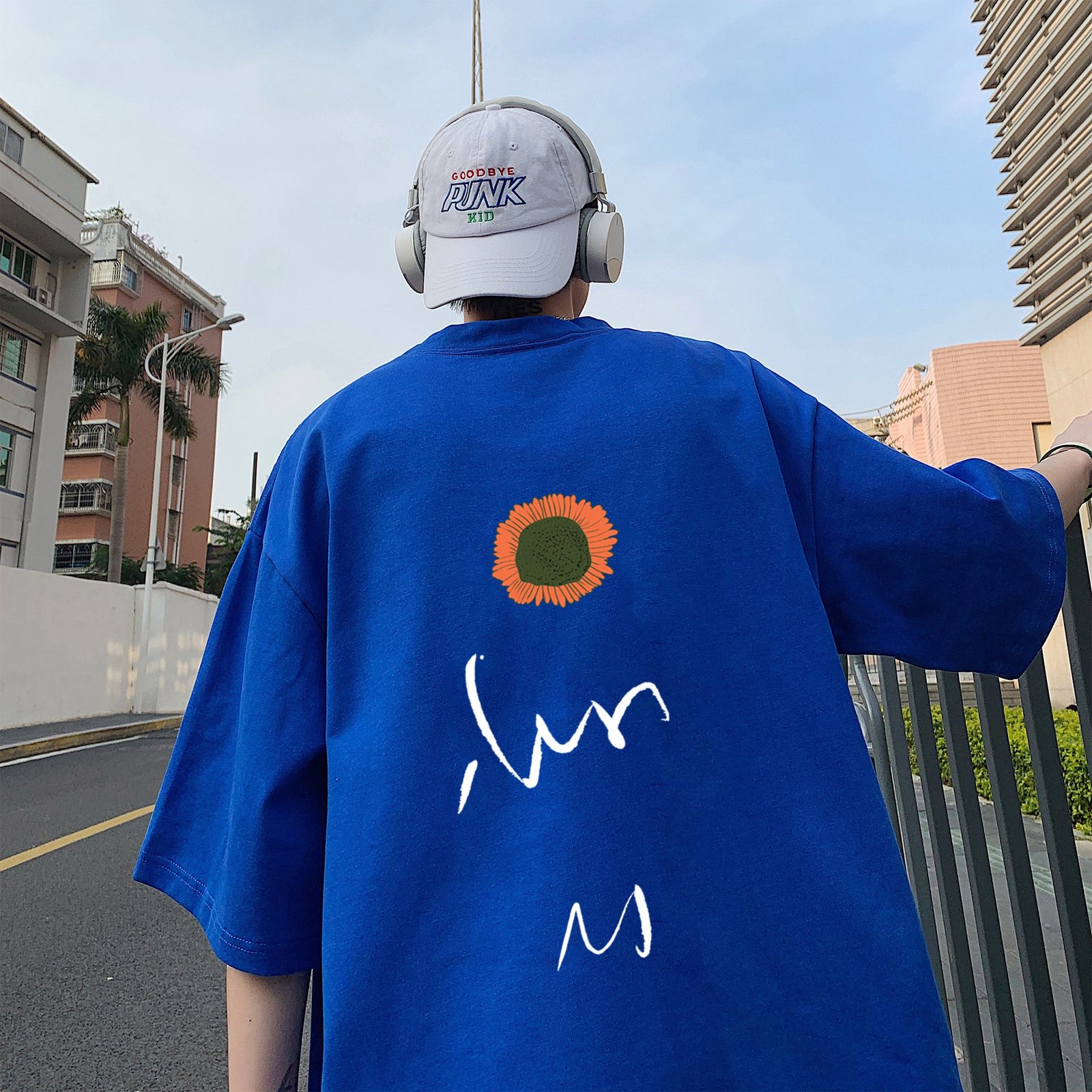
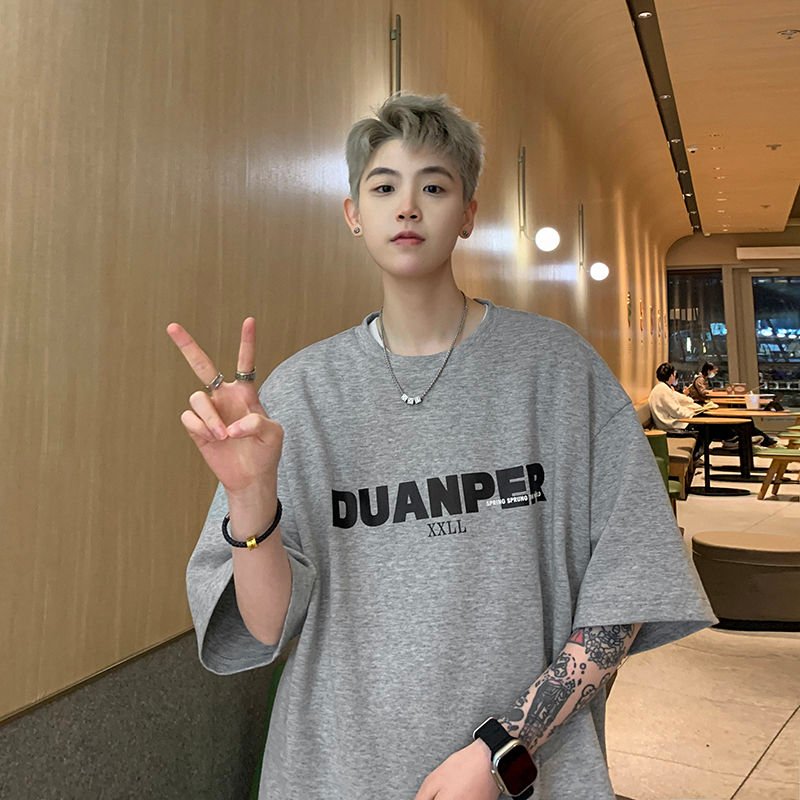
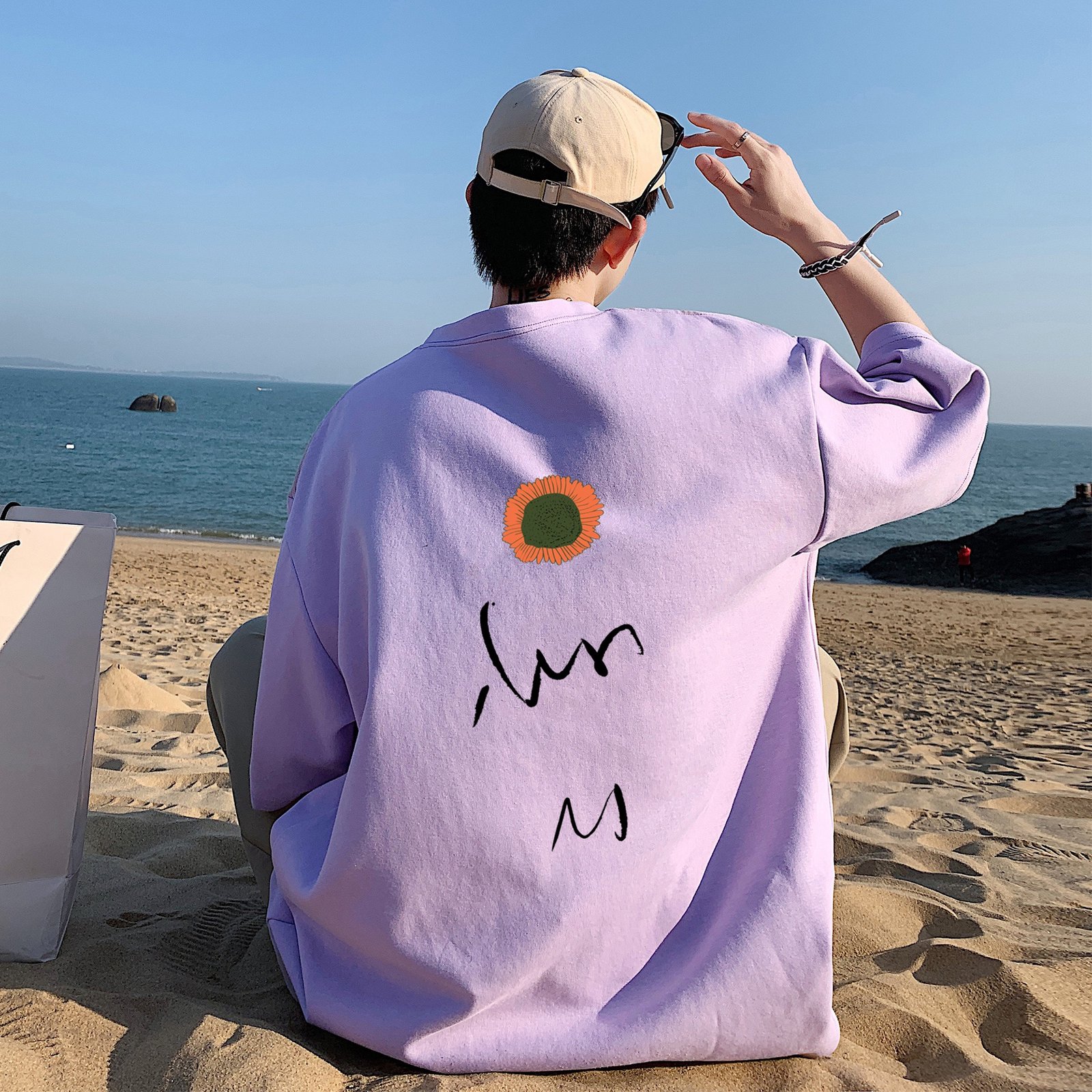
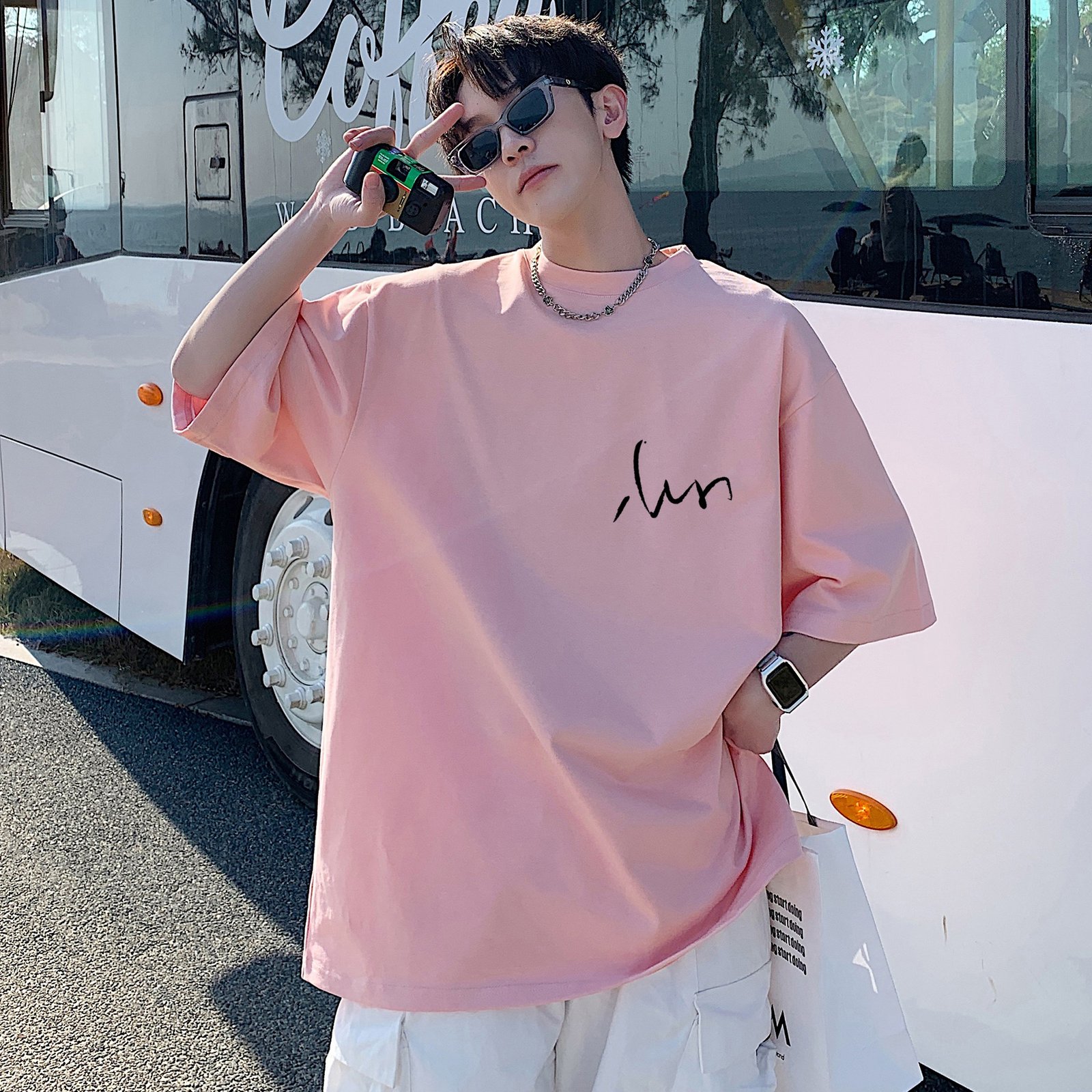
Why Choose Our Youth Baseball Jersey Manufacturer
From startup MOQs to global delivery, every advantage is built into our process.
5-Step QC Guarantee
Proprietary quality checks at every production stage — materials, cutting, craft, sewing, and finished garment — so zero defects ship.
Low MOQ for Startups
Emerging brands launch with confidence. Our flexible minimum order quantities let new labels test styles without overcommitting capital.
Fast Sampling Turnaround
In-house design and sampling team delivers prototypes quickly, keeping your seasonal collection timelines and product launches on schedule.
In-House Design Expertise
Our 15-member R&D team translates your vision into production-ready tech packs, supporting custom graphics, colorways, and branding details.
10+ Years Founder Experience
Founded by Tesla Luo, with a decade-plus in garment production and 6 years in streetwear, ensuring every jersey meets elite craftsmanship standards.
Global Logistics Support
Reliable international shipping, customs expertise, and end-to-end order management across 100+ countries keep your supply chain running smoothly.
Youth Baseball Jersey Manufacturer for Every Style and Brand
From high-performance game jerseys to streetwear collaborations, we produce every category your customers demand — with a 5-step QC guarantee behind every stitch.
High-Performance Game Jerseys
Athletic brands and team programs need moisture-wicking, durable jerseys that hold up through full competitive seasons, but most suppliers skip stress-point reinforcement and deliver inconsistent fabric quality.
Our 5-step QC process validates every seam, fabric panel, and finish before shipping, delivering performance jerseys that maintain shape, color, and durability across an entire competitive season.
Retro & Vintage Baseball Styles
Retailers chasing throwback aesthetics struggle to find a youth baseball jersey manufacturer capable of replicating vintage stitching, classic cuts, and authentic period-correct colorways consistently at production scale.
Our in-house design and sampling team reconstructs vintage silhouettes with precision, producing retro youth jerseys that capture authentic nostalgia while fully meeting modern sizing and quality standards.
Custom Team & League Jerseys
Youth leagues and sports organizations need fully custom jerseys with team names, numbers, and logos, but face prohibitively high MOQs, slow turnaround, and inconsistent quality across bulk orders.
Low MOQ options and fast seasonal turnaround make custom team jersey programs accessible, with our 5-step QC guarantee ensuring every piece in a bulk batch meets identical standards.
Streetwear Baseball Jersey Collabs
Influencer brands and streetwear labels want baseball jersey silhouettes remixed with bold graphics, oversized fits, and cultural motifs, but struggle finding a production partner fluent in both sport and street.
With deep streetwear expertise and an R&D team of 15, we produce culture-forward youth baseball jerseys built for influencer drops, limited-edition collabs, and trend-driven retail launches.
Startup Brands, First Collections
Independent designers launching a first youth jersey line face tight budgets, no production track record, and factories demanding high minimums before committing to sampling or any design development.
Low MOQ runs, guided in-house sampling, and global logistics support allow independent designers to launch professional-grade youth baseball jerseys from first concept to worldwide customer delivery.
Premium Fabrics for Youth Baseball Jerseys
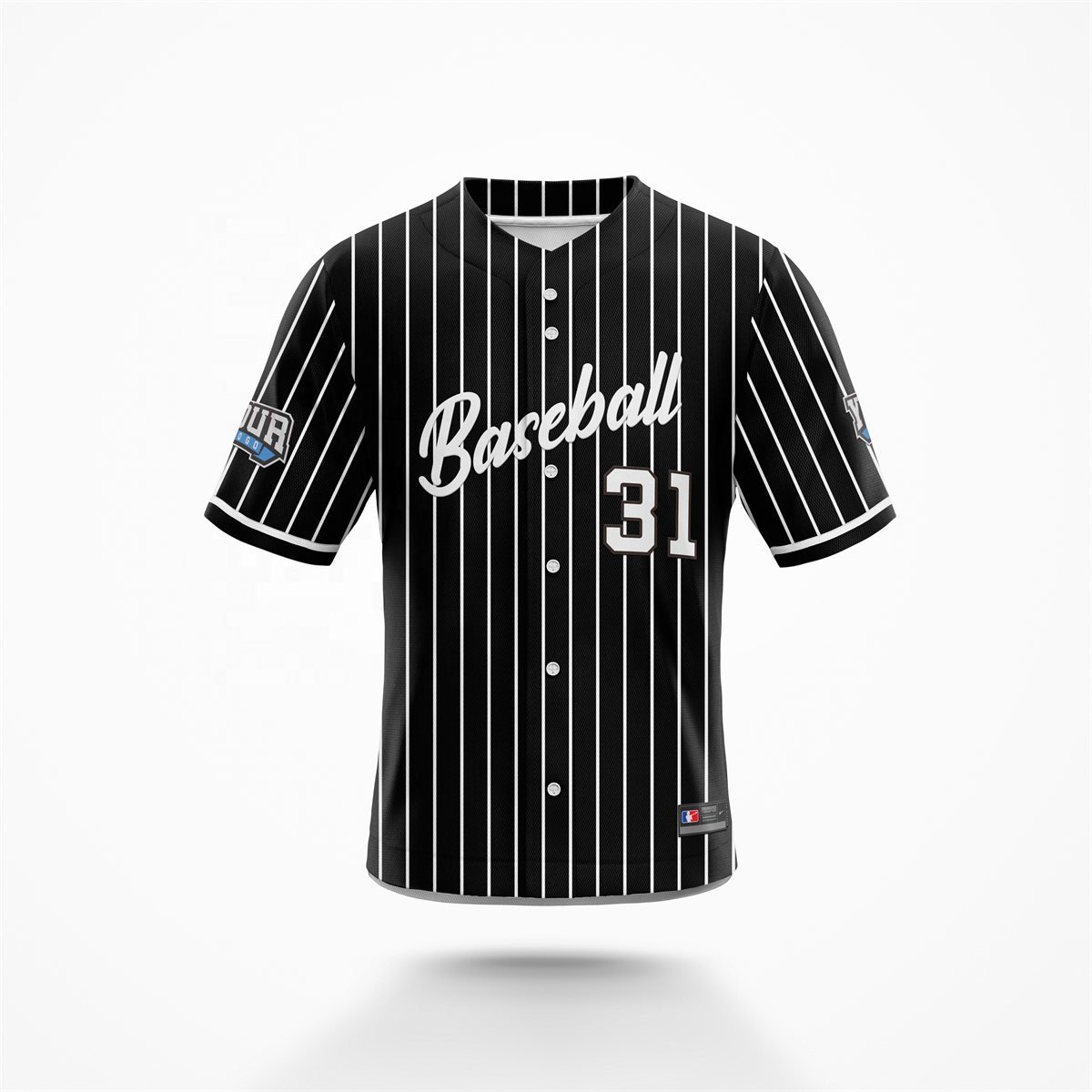
Polyester Mesh
Lightweight open-weave construction at 120–140 GSM keeps young players cool during high-intensity play. Superior moisture-wicking draws sweat away fast, making it the go-to choice for game-day youth baseball jerseys in warm climates.
Poly-Cotton Blend
A 65/35 polyester-cotton blend balances cotton’s soft hand-feel with polyester’s shape retention and wash durability. Resists shrinkage, accepts vibrant screen prints cleanly, and suits both practice and game-day youth jersey applications.
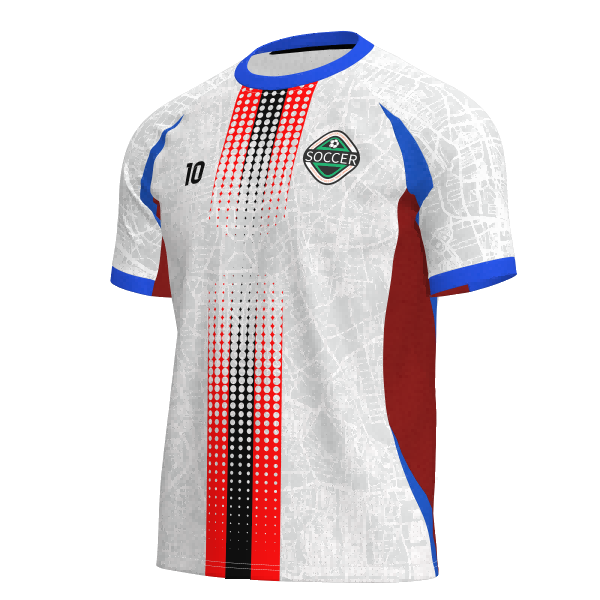
Sublimation Polyester
Smooth 100% polyester engineered for full-color sublimation printing locks team graphics permanently into the fiber. At 130 GSM, it stays lightweight and retains color intensity through hundreds of washes — ideal for branded youth uniforms.
Ring-Spun Cotton
Premium 200 GSM ring-spun cotton delivers a dense, ultra-soft feel favored for heritage and classic-style youth baseball jerseys. Highly breathable and gentle against young skin, it suits recreational leagues prioritizing all-day wearing comfort.
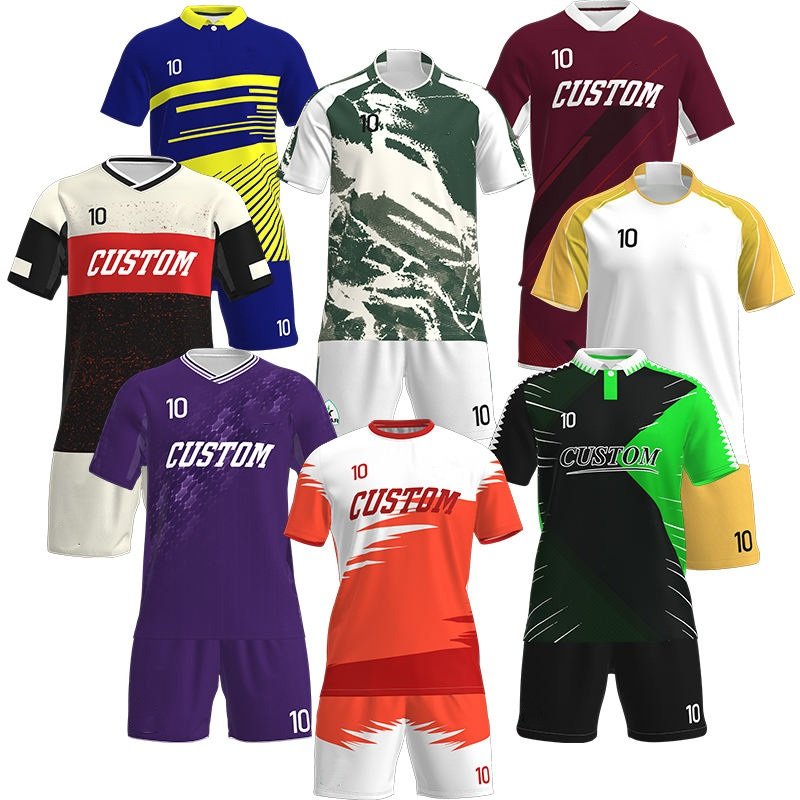
Performance Tricot
Fine-knit synthetic tricot with a silky hand-feel and four-way stretch supports unrestricted movement on the diamond. Excellent moisture management and quick-dry properties make it the top pick for competitive travel-team youth jersey programs.
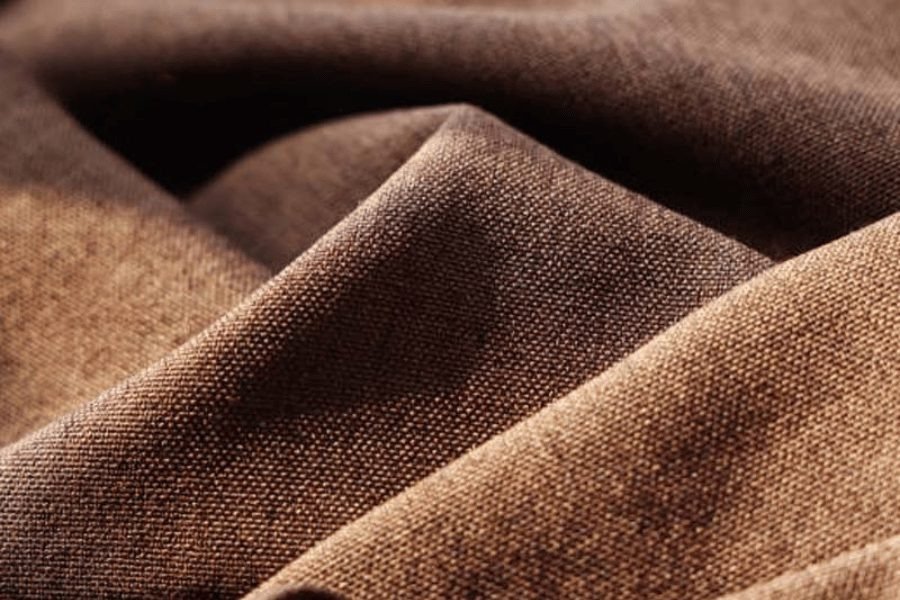
Stretch Interlock
Double-knit interlock at 180 GSM provides structured body and natural two-way stretch for fitted youth jersey silhouettes. Smooth face fabric prints sharply, holds its form after repeated laundering, and offers durable wear across full seasons.
Production Techniques From Your Youth Baseball Jersey Manufacturer
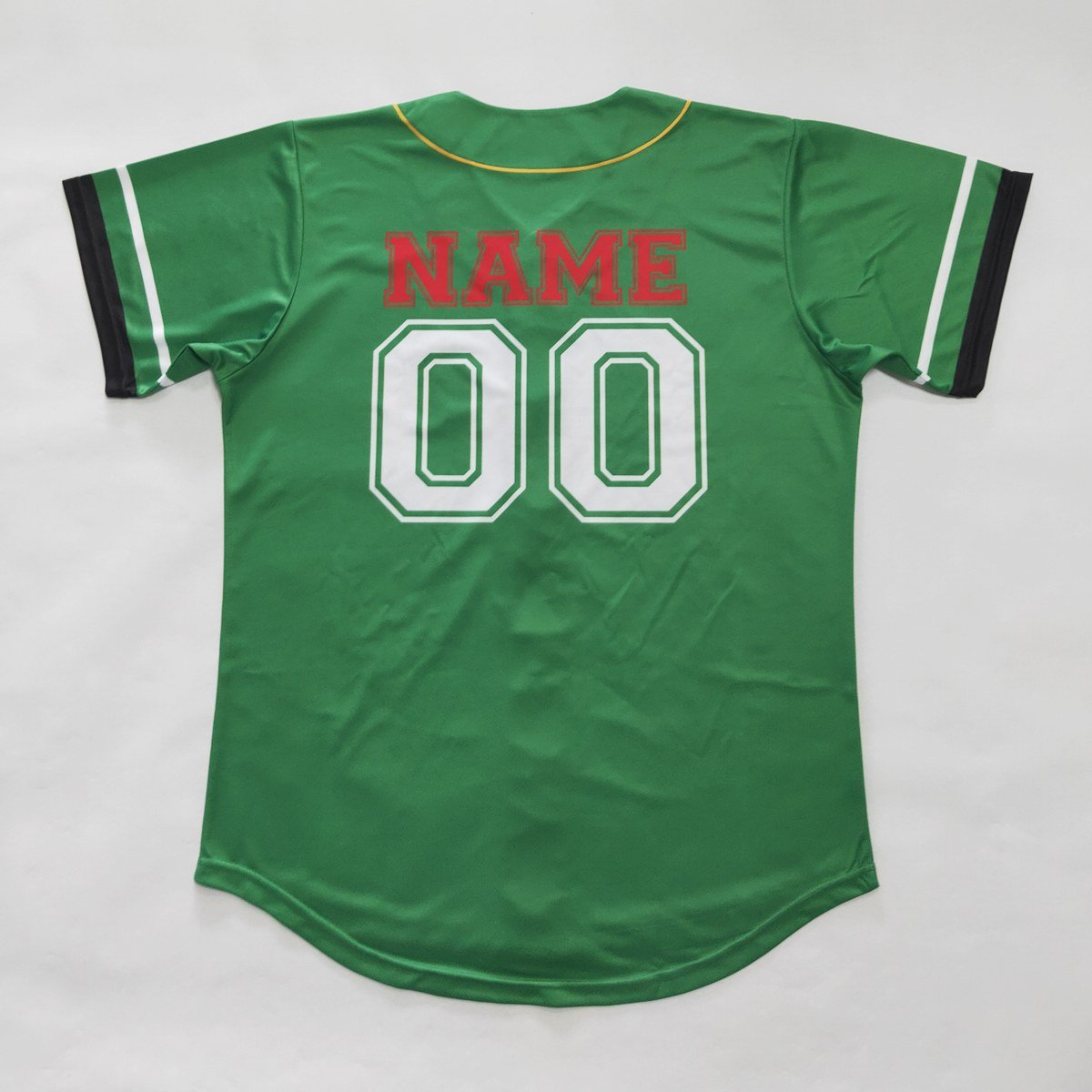
Screen Printing
The proven method for bold, multi-color team graphics on jersey fronts, backs, and sleeves. High-opacity inks deliver sharp, durable results verified at our clothing craft QC stage for consistent edge definition and color uniformity across every run.
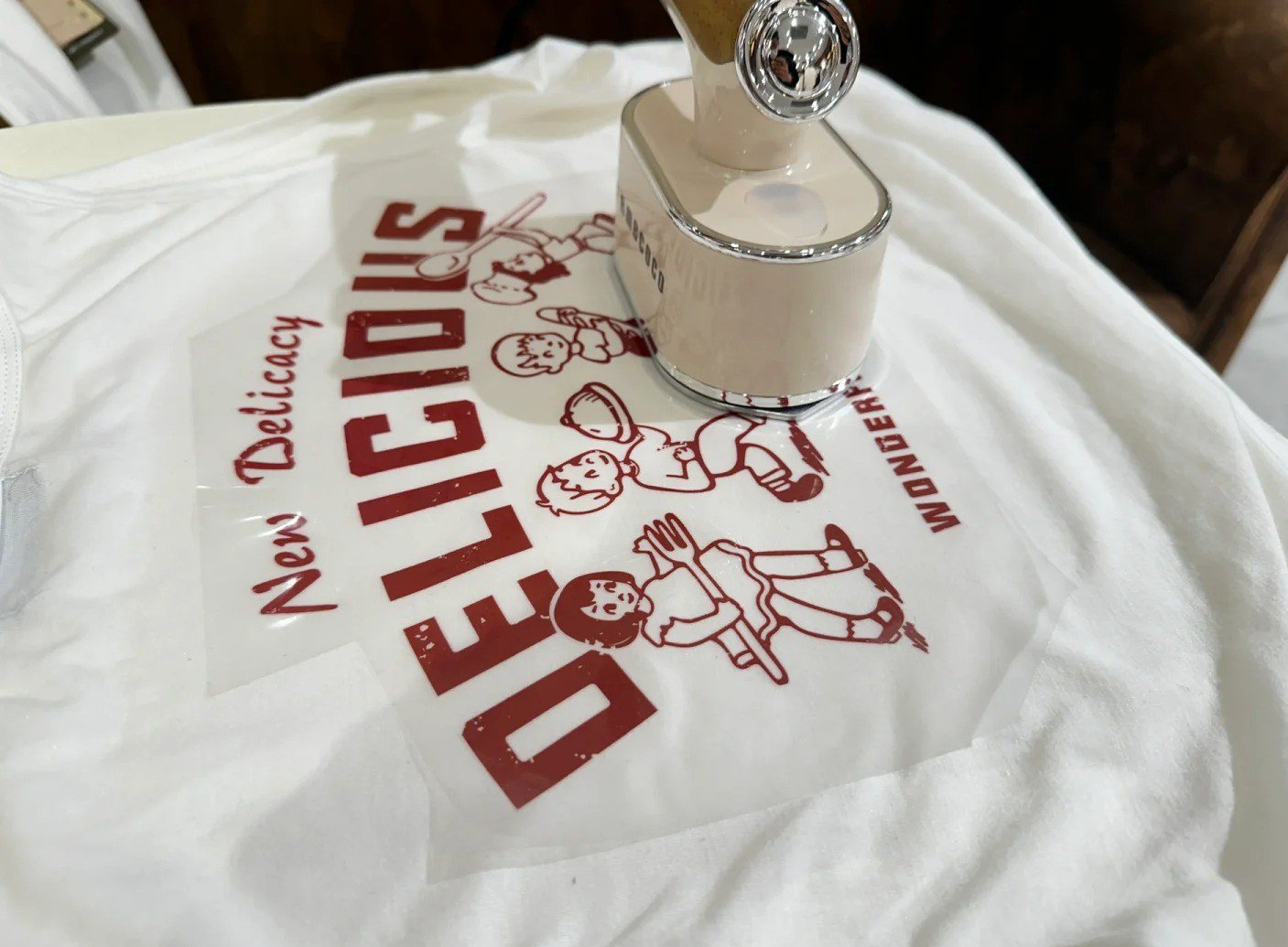
Sublimation Printing
Full-color dye infused directly into performance polyester fibers, producing vivid all-over designs that resist cracking, fading, and peeling. Dye saturation and seam alignment are confirmed at our materials and cutting QC checkpoints before construction begins.
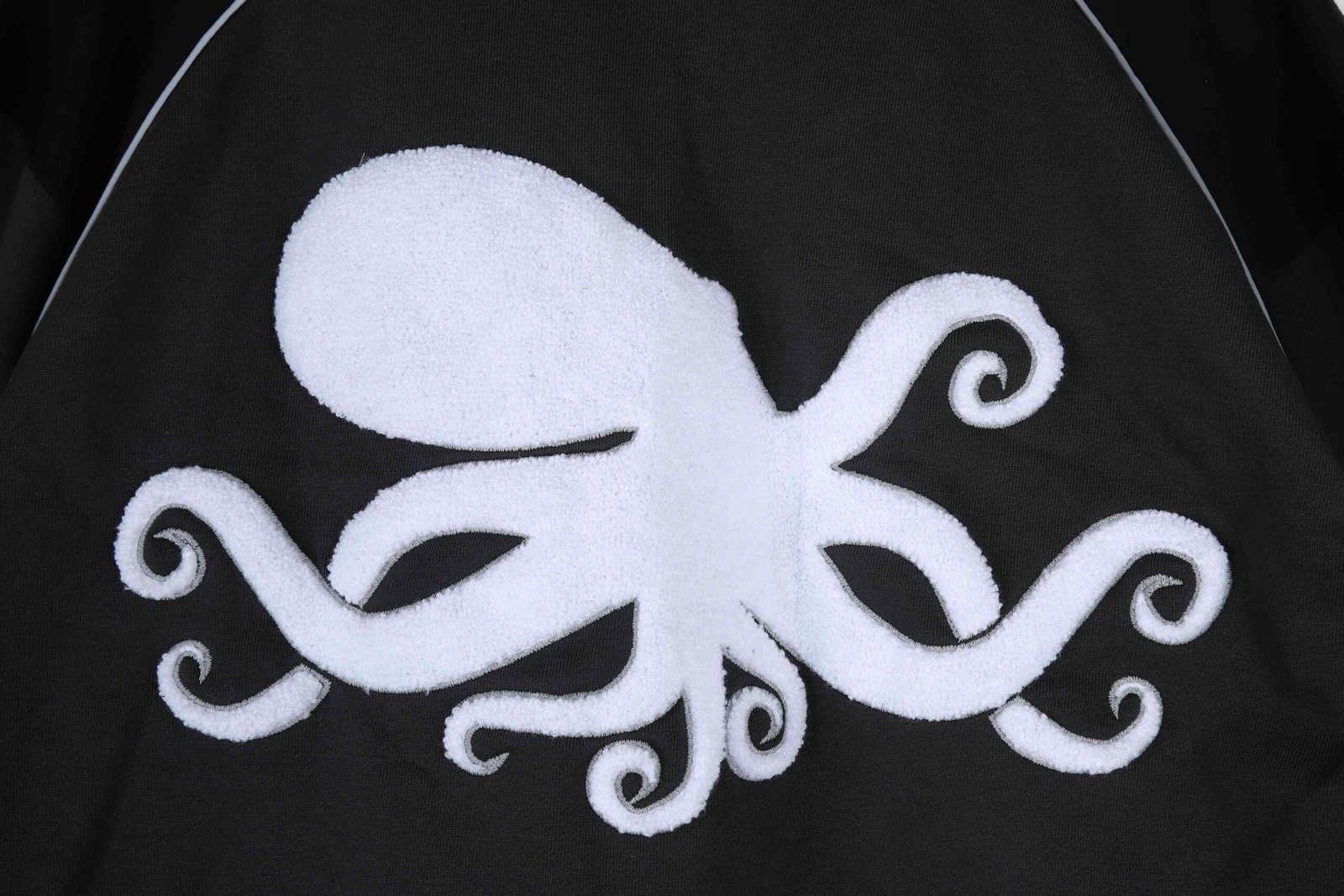
Tackle Twill
Precision-cut fabric letters and numbers heat-bonded and sewn onto jersey panels for the authentic raised look classic to baseball. Verified through sewing and finished-clothing QC inspections for lay-flat adhesion, stitch tension, and long-term wash durability.
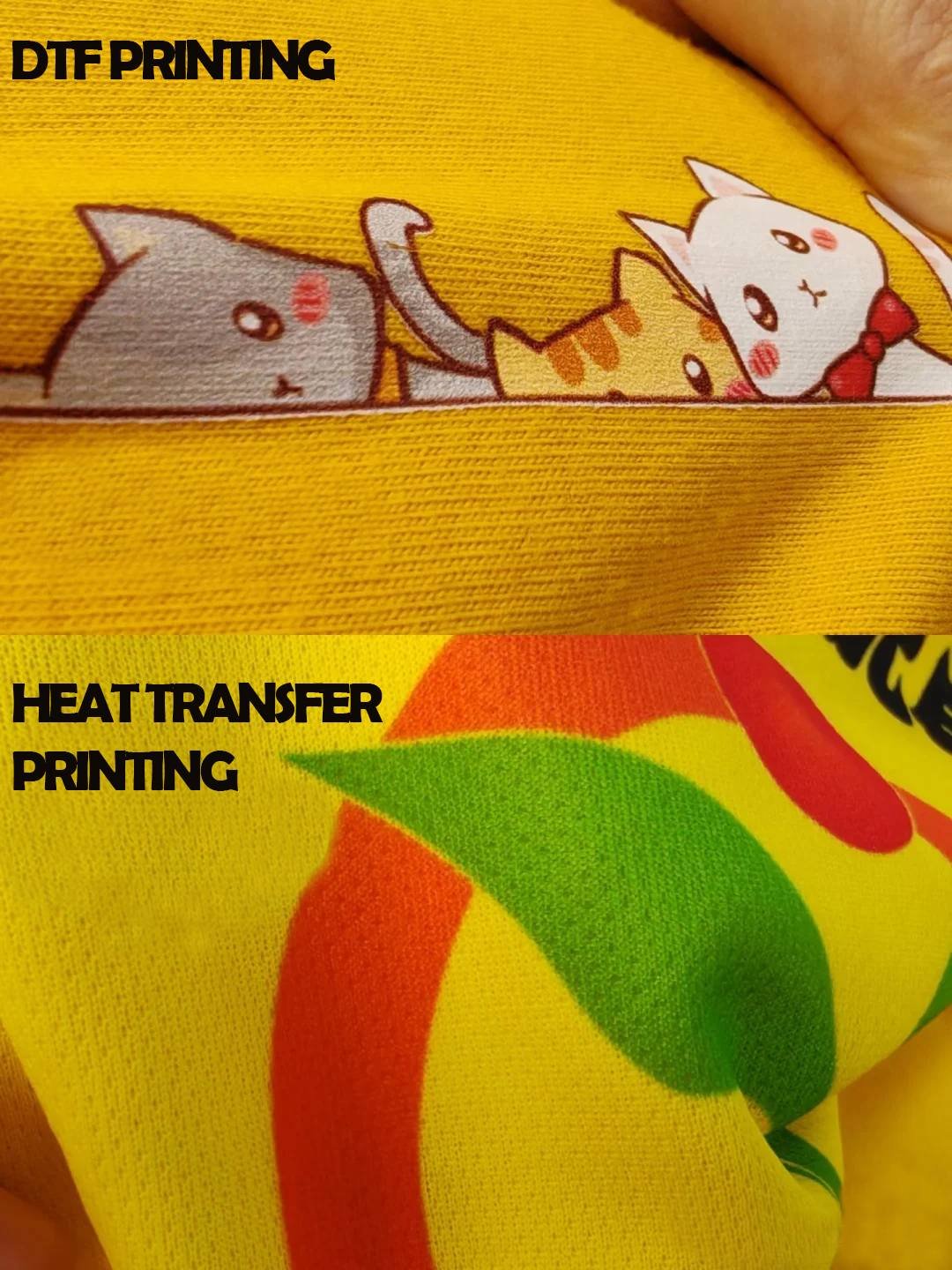
Heat Transfer Vinyl
Thermoplastic film cut to exact specifications and bonded under controlled heat and pressure, delivering crisp logos and player names. Our clothing craft and finished-clothing QC checkpoints confirm adhesion strength and wash durability across every jersey produced.
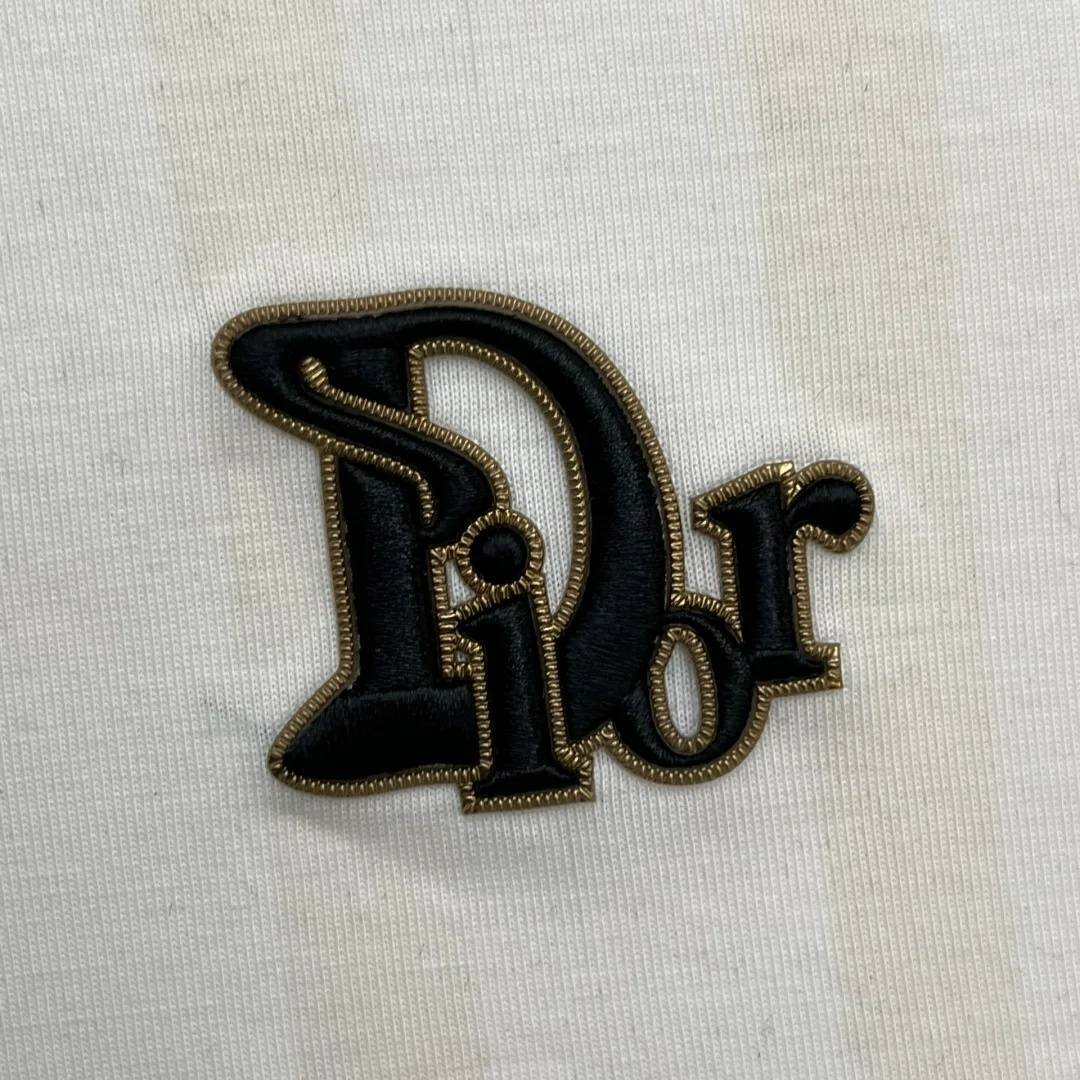
Machine Embroidery
Multi-thread precision embroidery builds team crests, logos, and branding details with a premium raised texture. Thread density and stitch tension are verified at our sewing production QC stage, ensuring consistent, high-quality results on every jersey in the run.
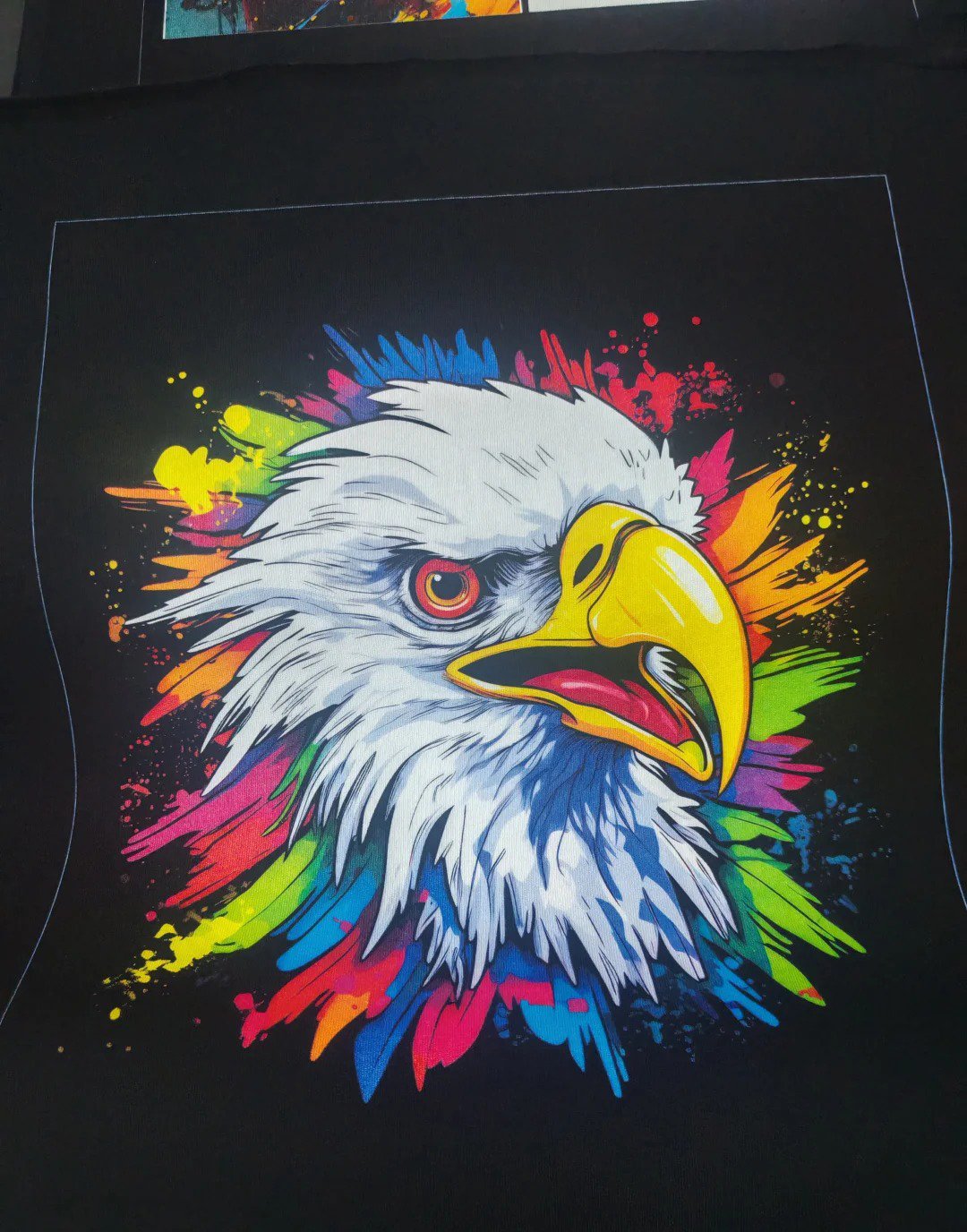
DTG Printing
Direct-to-garment inkjet technology reproduces complex artwork and fine photographic detail onto jersey panels without screens or transfers. Our materials QC confirms fabric readiness, and finished-clothing inspection checks ink penetration, color vibrancy, and wash resistance on every piece.
Accessories & Embellishments from Your Youth Baseball Jersey Manufacturer
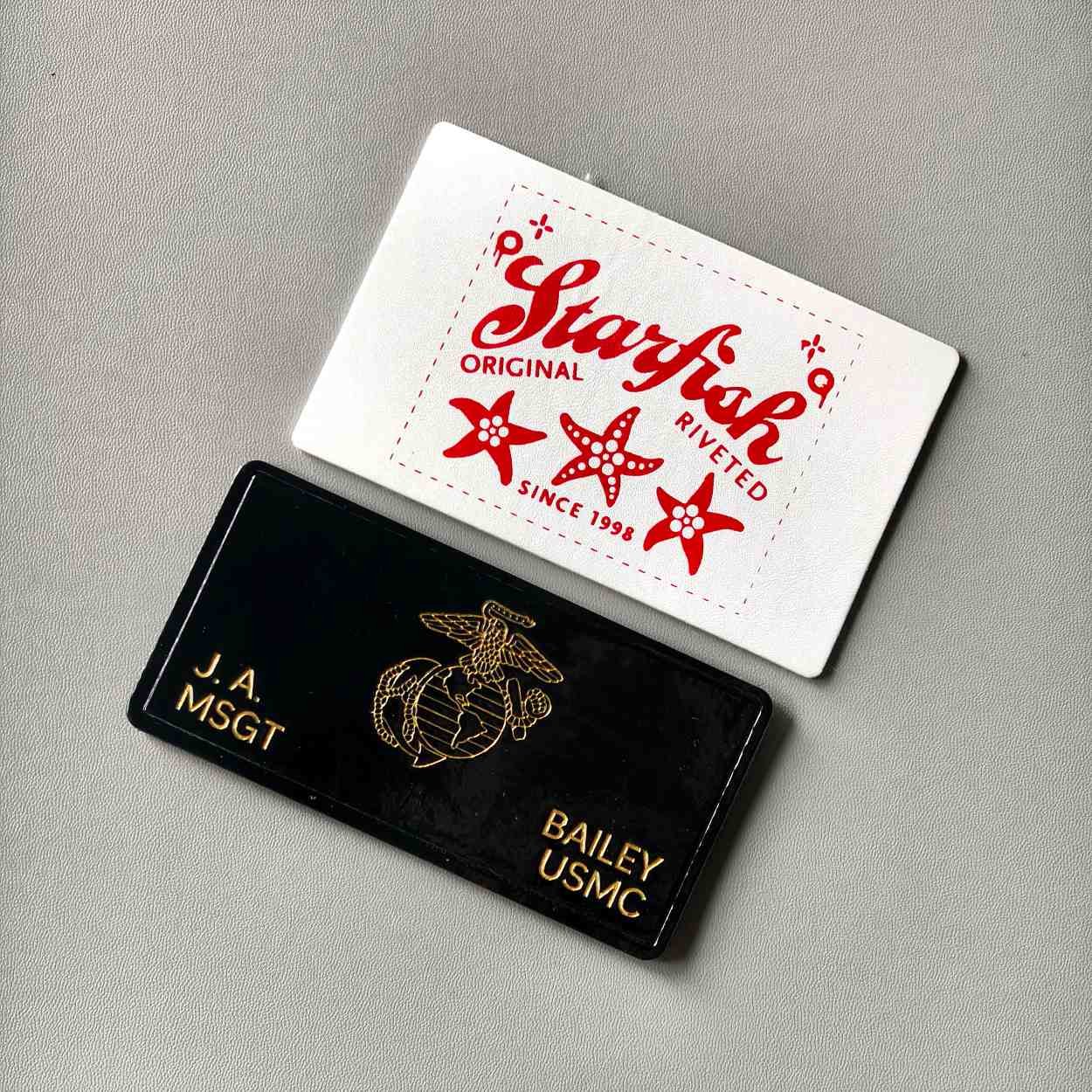
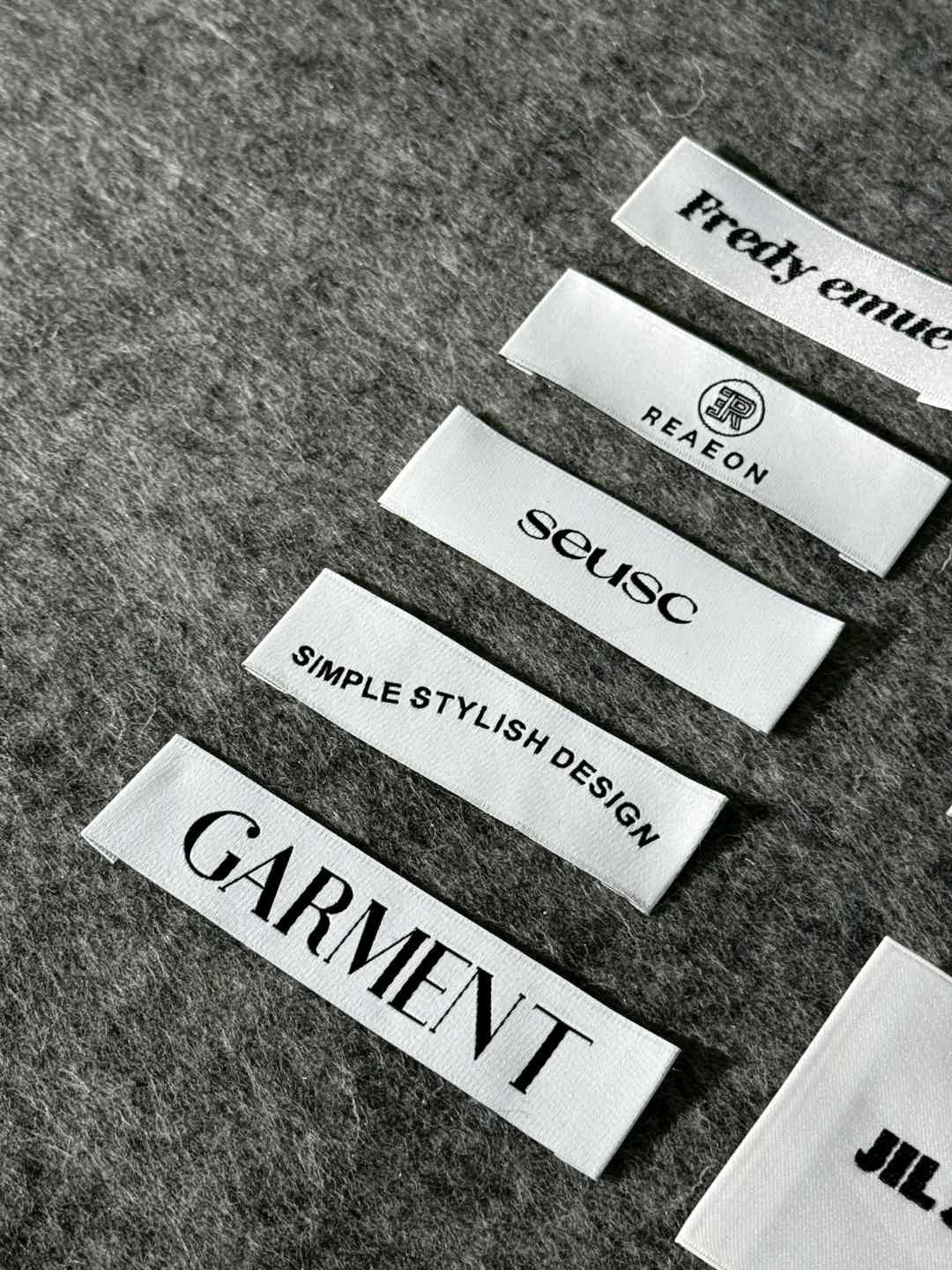
Woven Labels
Brand identity labels sewn inside the collar or hem deliver a premium, tactile finish that reinforces your brand recognition on every youth baseball jersey, wash after wash.
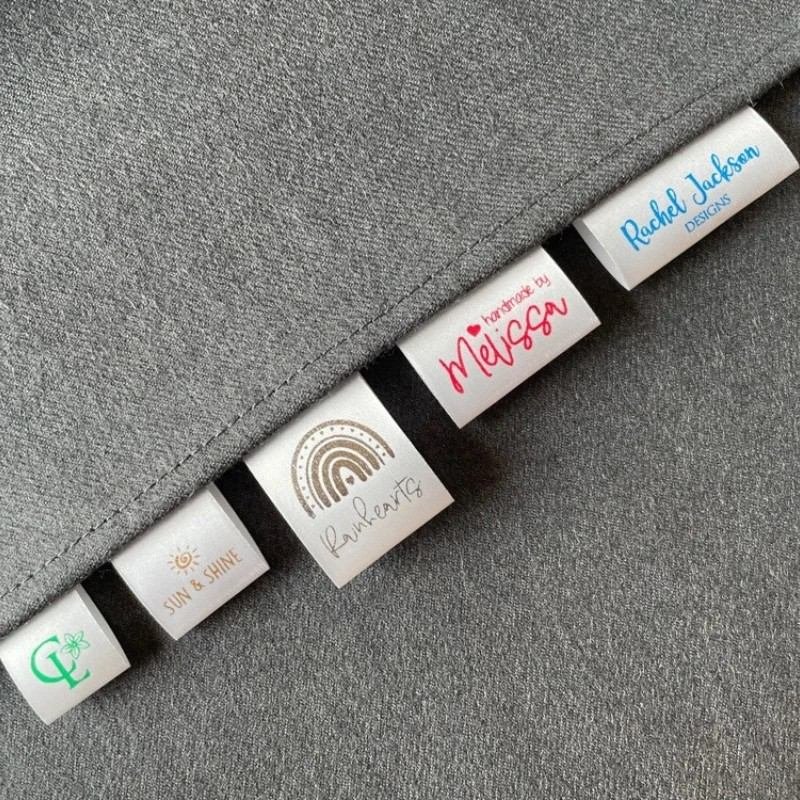
Printed Hang Tags
Custom-designed hang tags communicate your brand story, sizing, and care details at the point of sale, adding a polished, retail-ready presentation to every youth jersey shipped.
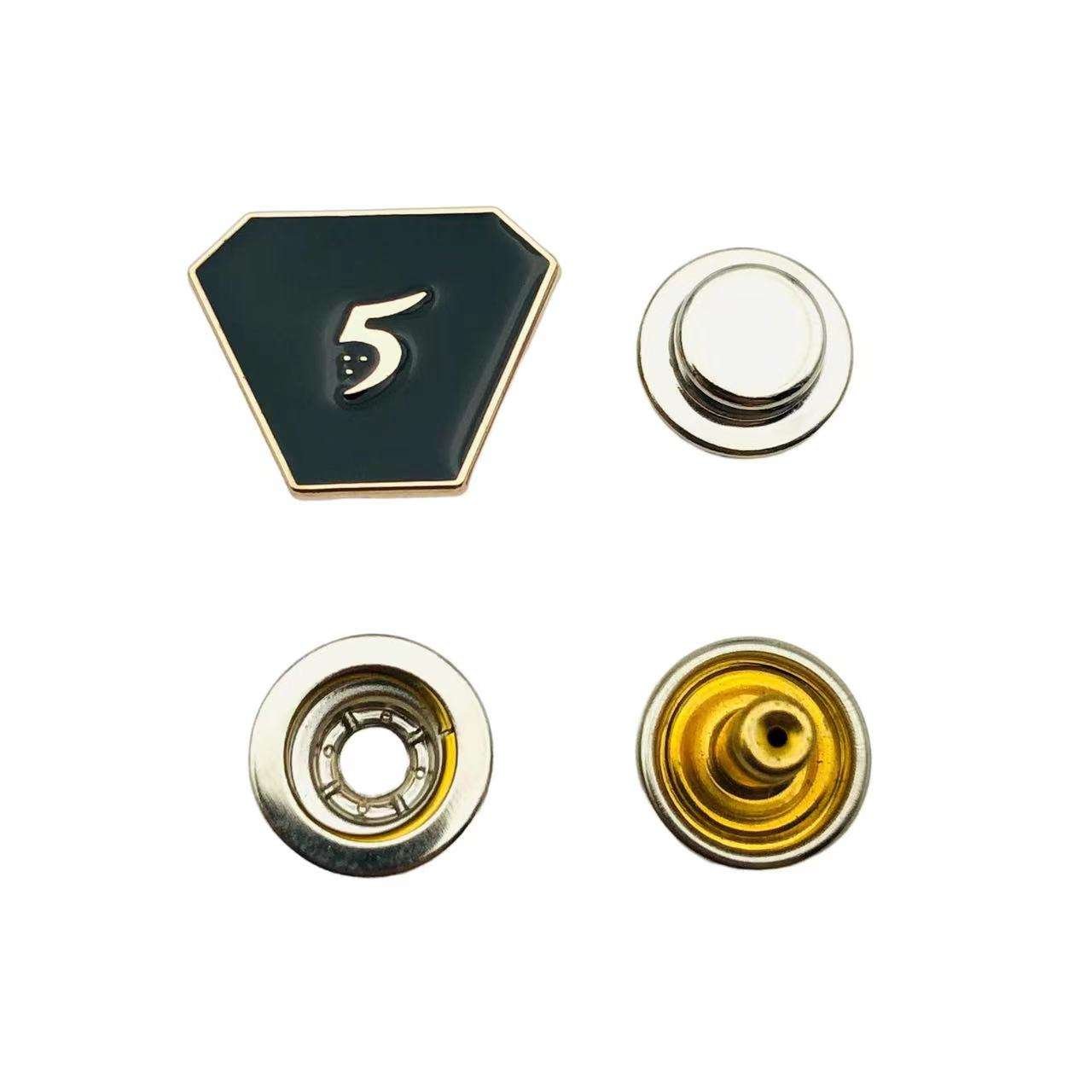
Snap Buttons
Heavy-duty metal or resin snap closures at the front placket offer easy on/off functionality and a classic baseball aesthetic, built to withstand the demands of active youth athletes.
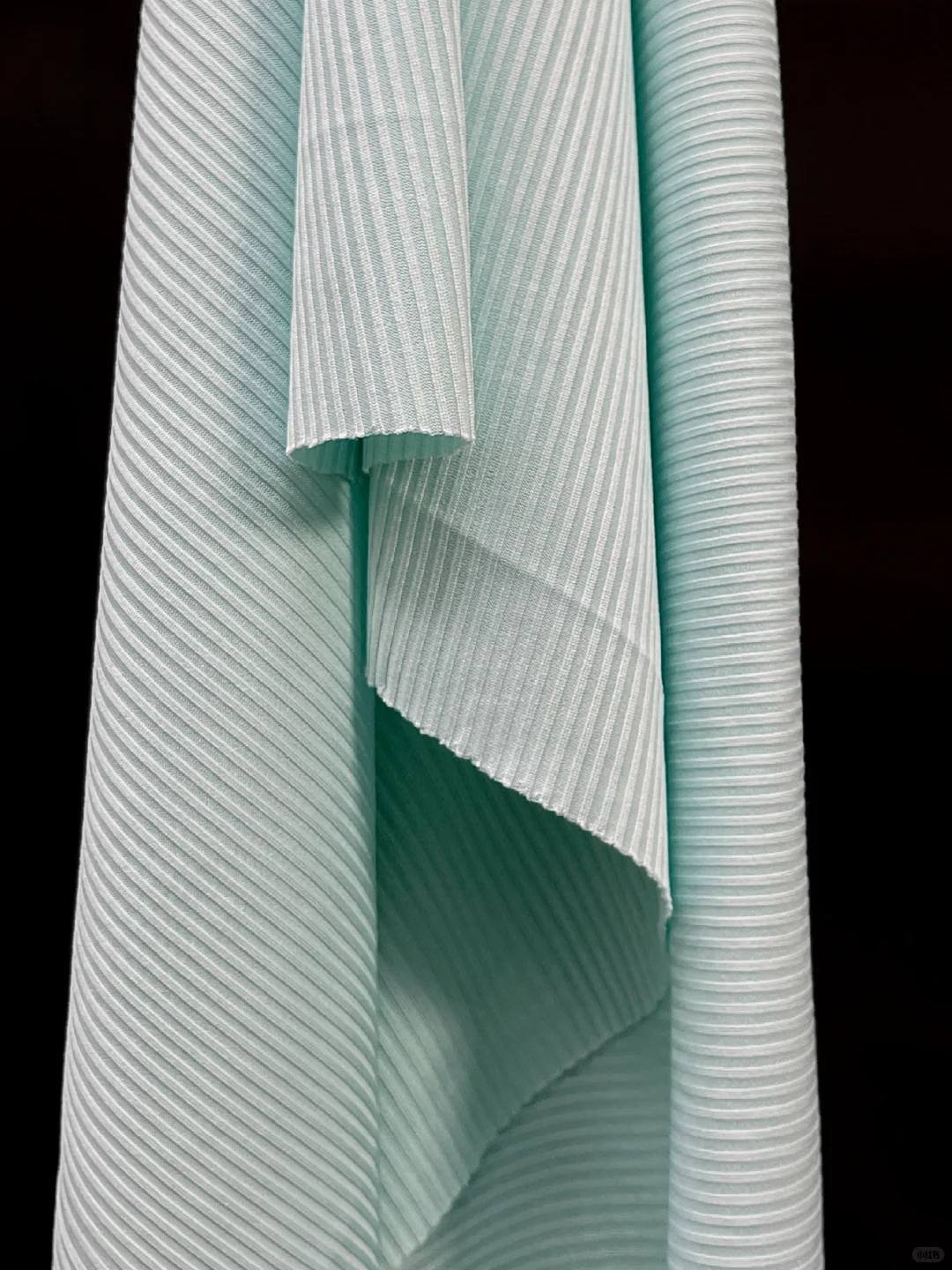
Collar Bindings
Ribbed or knit collar bindings in custom team colors reinforce neckline structure, add premium visual accents, and deliver lasting stretch recovery suited to high-movement youth athletic wear.
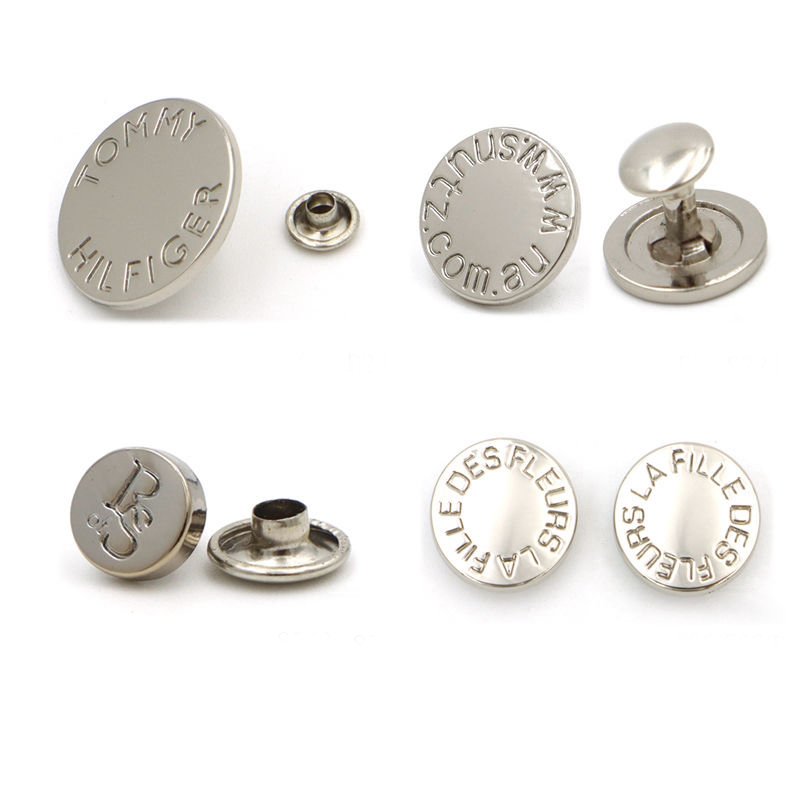
Drawcords & Tipping
Branded drawcords with custom metal or rubber tipping at the hem or waistband provide adjustable fit and an on-trend streetwear edge to every youth baseball jersey design.
Custom Patches
Embroidered or woven patches on sleeves, chest, or back panels let brands showcase logos, player numbers, and team icons with durable, textured detail that outlasts the season.
The Story Behind Our Youth Baseball Jersey Manufacturer
Clothing Manufacturer Ltd. was founded in 2024 by Tesla Luo, a second-generation garment industry professional who grew up rotating through every production role — sewing, cutting, QC, packing, and shipping — in Dongguan’s factories. Driven by a firsthand conviction that skipping quality control during production is the industry’s greatest failure, Tesla built this company on a zero-compromise, 5-step QC guarantee that checks materials, cutting, craft, sewing, and finished goods before a single item ships.
Today, as a trusted youth baseball jersey manufacturer and full-spectrum streetwear production partner, we serve brands, startups, independent designers, and global retailers across more than 100 countries. Our in-house R&D team of 15 specialists, 10 registered production patents, and the manufacturing infrastructure of our parent company, Dongguan TuoZhen Clothing Co., Ltd., give emerging labels and established names alike the scale, speed, and low MOQs they need to launch and grow with confidence.
What sets us apart is not just capability — it is character. After personally serving more than 1,000 clients and watching many grow from zero to influencer brands with hundreds of thousands of followers, Tesla Luo built Clothing Manufacturer Ltd. to be the partner he always wished existed: one that combines deep streetwear cultural fluency, rigorous quality standards at every production stage, fast seasonal turnarounds, and honest, transparent communication from the first sample to the final shipment.
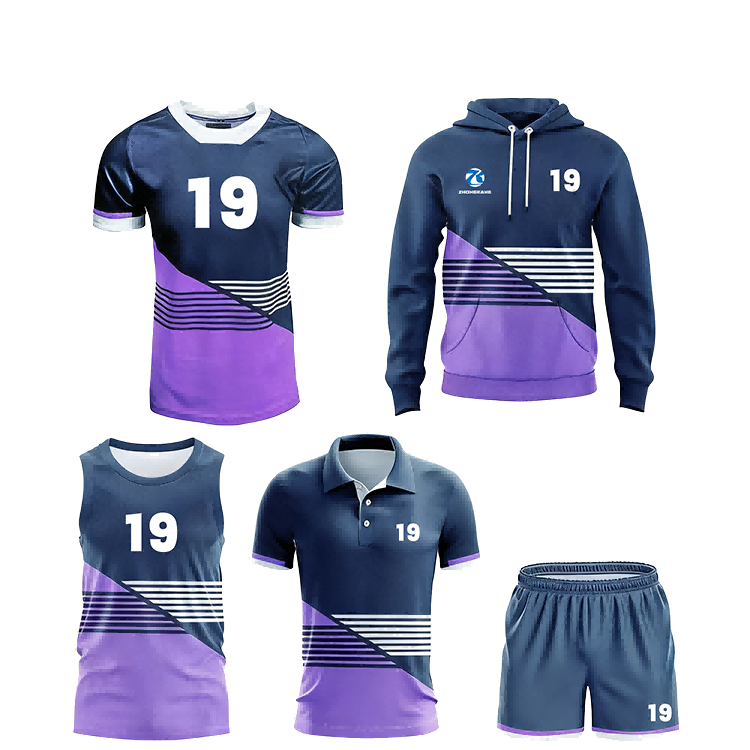
What Sets Our Youth Baseball Jersey Manufacturer Apart
Zero-Defect Production, Every Single Jersey
Our proprietary five-step QC protocol — from materials intake to finished garment inspection — catches defects before they compound, ensuring every youth baseball jersey meets the exacting standards your customers expect and deserve.
- Materials QC testing completed before a single cut is made
- Cutting and clothing craft checks verified at each mid-production stage
- Sewing production QC embedded at every critical stitch point
- Comprehensive finished-garment inspection conducted before packaging and dispatch
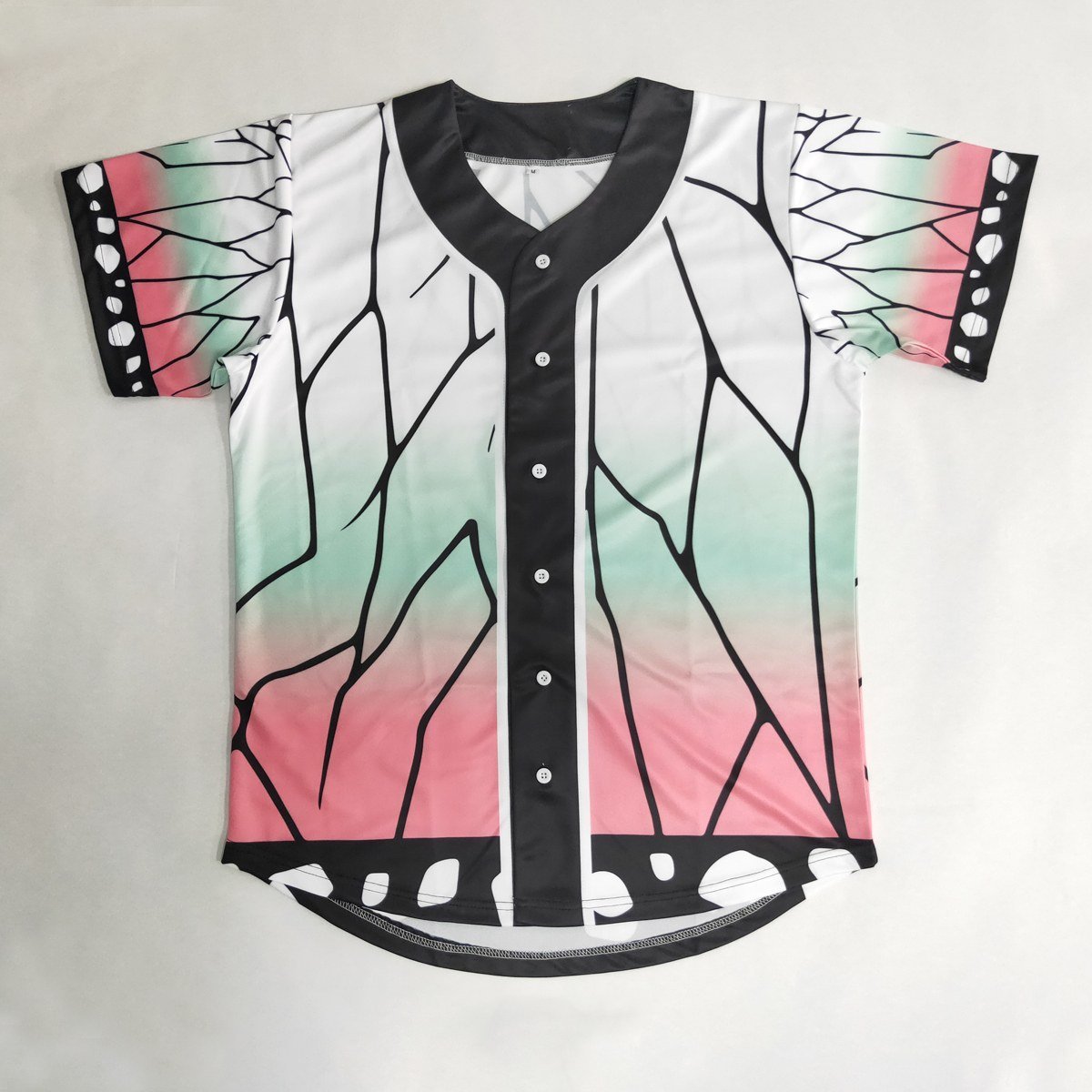
Rapid Sampling From a Dedicated Design Team
Our 15-member R&D team turns your concept into an approved sample fast. From first sketch to signed-off prototype, we compress timelines so your youth baseball jersey collection launches ahead of the competition.
- In-house pattern makers and technical designers on staff full-time
- Sample revisions completed in days, not weeks
- Low MOQ options purpose-built for emerging brands and startups
- Seasonal turnaround schedules aligned to retail and league calendars
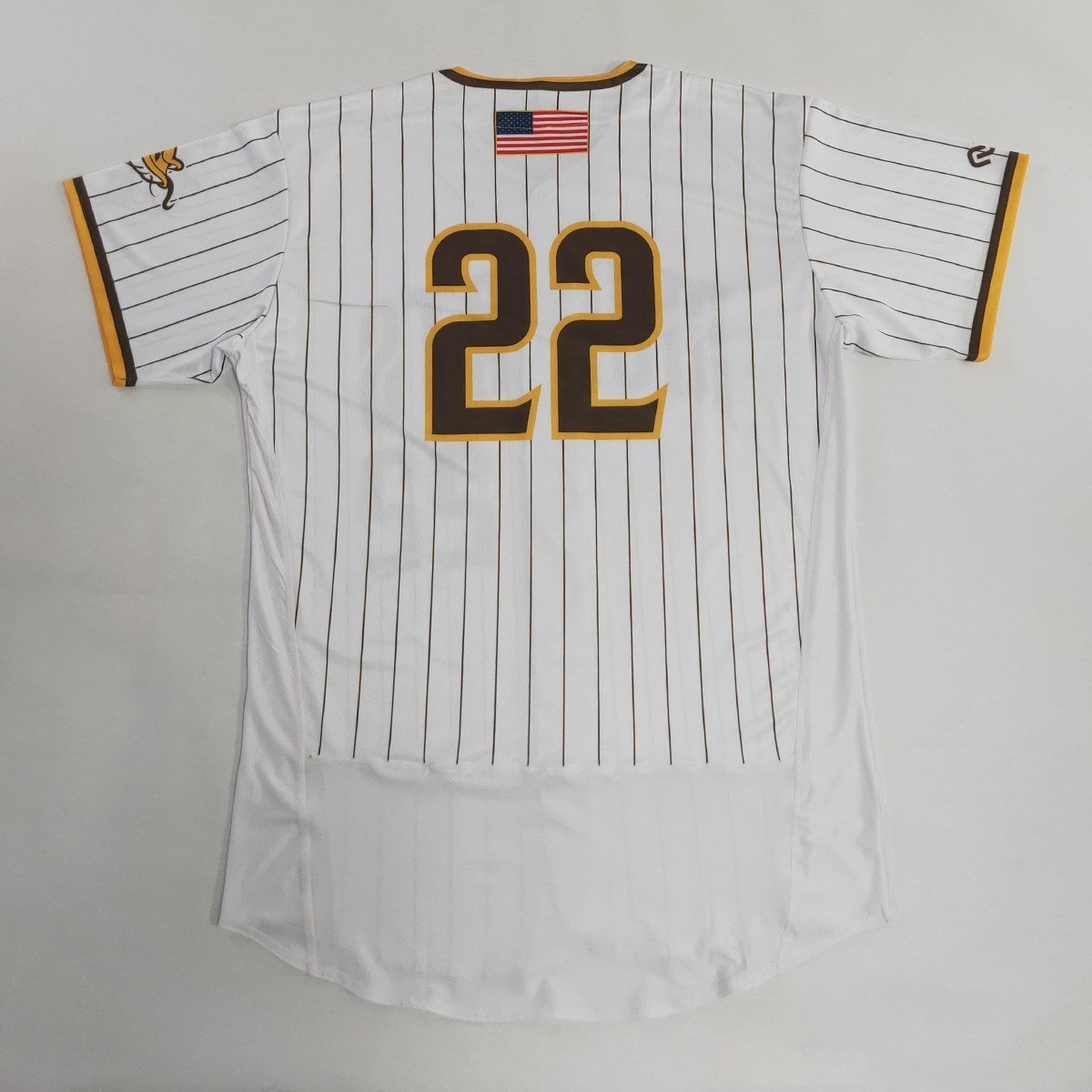
Trend-Driven Design Expertise Built for Youth
Drawing on streetwear culture, sports aesthetics, and our founder’s decade of hands-on experience, we craft bold, on-trend youth baseball jerseys that resonate with players, fans, and the social media feeds that drive brand growth.
- Custom sublimation prints, embroidery, and screen-print options available
- Graphic support for team logos, player numbers, and brand marks
- Streetwear-influenced silhouettes crafted for today's youth market
- 10 registered production and design patents powering every style
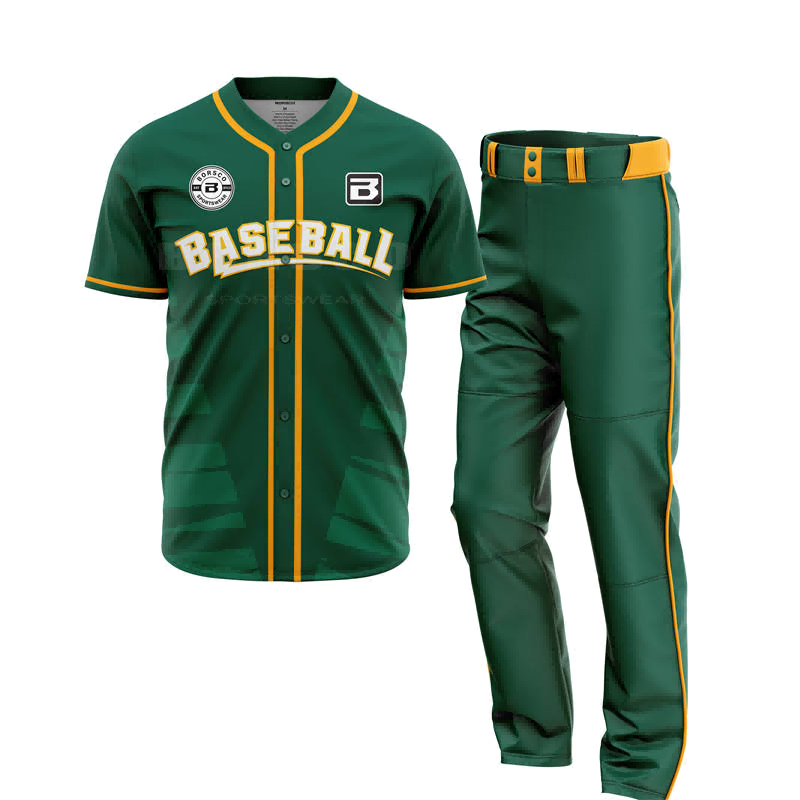
Global Logistics From Factory Floor to Door
Headquartered in Humen Town, Dongguan — China’s garment manufacturing heartland — we manage end-to-end shipping, customs documentation, and order tracking for clients across more than 100 countries, so deliveries arrive on time, every time.
- Full customs declaration and inspection guidance included with every order
- Reliable international freight options scaled to any order volume
- Active shipping coverage across 100-plus countries and regions
- Dedicated order management team supporting each job from kick-off to delivery
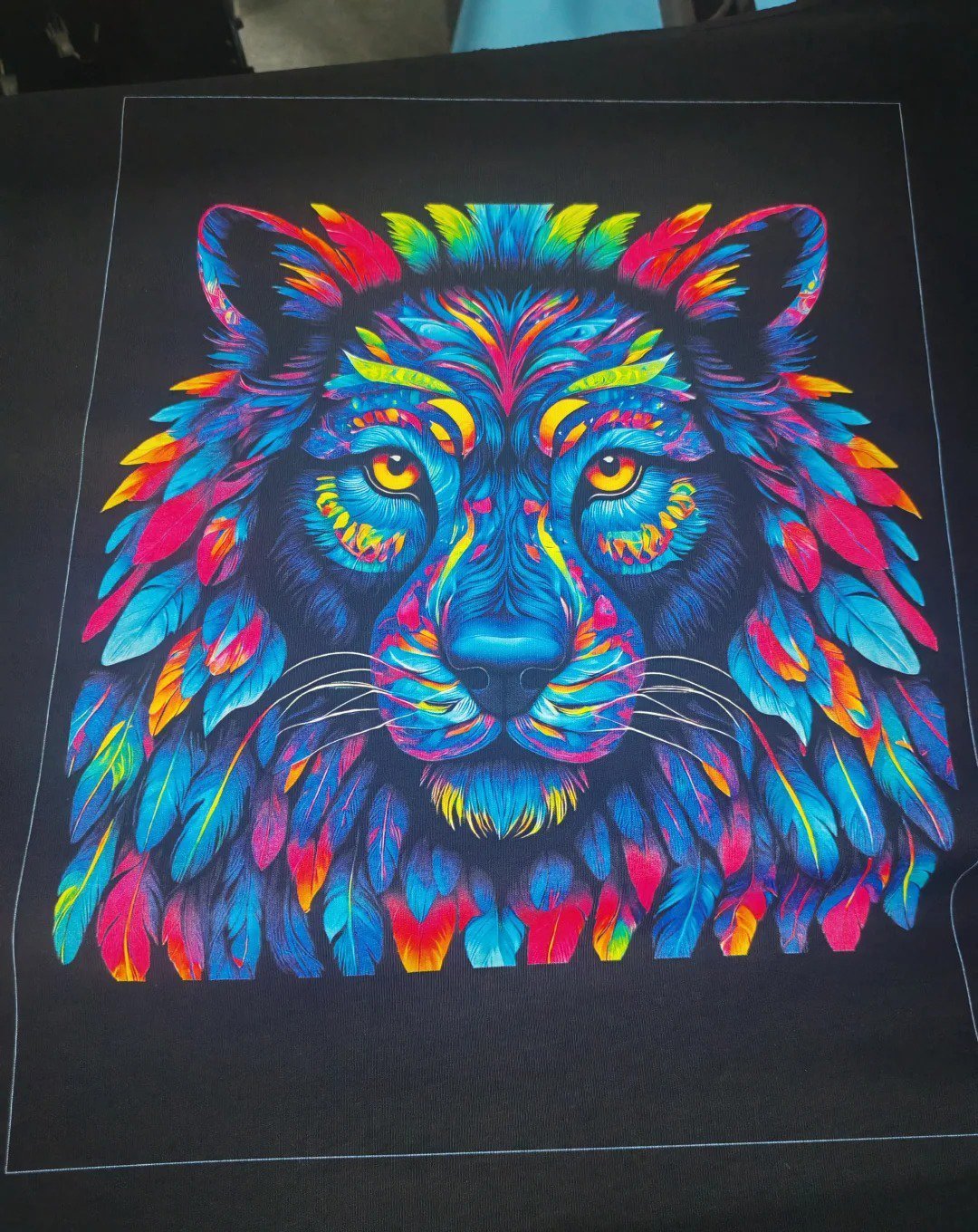
How We Outperform Every Other Youth Baseball Jersey Manufacturer
Not all suppliers are equal. Here is exactly how Clothing Manufacturer Ltd raises the bar on quality, speed, and service where typical factories fall short.
← 左右滑动查看 →
Our Youth Baseball Jersey Manufacturer’s 5-Step Production Process
Every jersey passes five embedded quality checkpoints — from raw fabric selection to final pack — so your brand receives zero-defect product on every order.
Materials Sourcing & QC
Premium fabrics are selected and rigorously tested before cutting begins, eliminating substandard inputs that could compromise finished youth baseball jersey quality.
Precision Cutting & QC Check
Every panel is cut to exact pattern specs, with a dedicated QC pass verifying dimensions, grain alignment, and edge quality before sewing starts.
Sewing & Clothing Craft QC
In-line quality checks run throughout the sewing floor, catching stitch defects, seam inconsistencies, and construction errors at the source rather than at completion.
Finishing & Detail Inspection
Embellishments, custom printing, and finishing treatments undergo a dedicated inspection pass ensuring every customization element meets brand specifications and withstands on-field wear.
Final QC & Secure Packing
A comprehensive final quality audit clears each jersey before export-ready packaging is applied, supporting reliable global shipping to your warehouse or fulfillment center.
How to Partner with Our Youth Baseball Jersey Manufacturer
From your first design file to doorstep delivery, every step is transparent, fast, and backed by our 5-step QC guarantee.
Submit Your Tech Pack
Share your design files, measurements, and branding requirements; our team reviews every detail and responds with a tailored production plan within 24 hours.
Consult and Refine Your Sample
Our in-house design team aligns on fabric selection, construction specs, and embellishments, then builds a pre-production sample for your review and approval.
Approve and Lock Production
Review your physical sample, request any adjustments, and give final sign-off; we confirm pricing, low MOQ options, and a firm production timeline together.
Monitor In-Process QC Milestones
Our 5-step quality control process checks materials, cutting, craftsmanship, and sewing at every stage, with progress updates keeping you informed throughout production.
Receive and Ship Your Order
Finished jerseys pass a final QC inspection before our global logistics team packages and dispatches your order, ensuring on-time delivery anywhere in the world.
Trusted Certifications Backing Our Youth Baseball Jersey Manufacturing
Trusted by Brands & Startups Worldwide
We chose Clothing Manufacturer Ltd. as our youth baseball jersey manufacturer for our spring streetwear drop, and their 5-step QC process delivered zero returns on 1,200 units. Turnaround was 18 days — faster than any supplier we had tried before.
As a fashion startup, low MOQ was non-negotiable. We launched our first youth baseball jersey line at just 50 units per colorway, sold out in under 3 weeks, and scaled to a 600-unit reorder. The in-house sampling team made every revision painless.
After switching to Clothing Manufacturer Ltd., our youth baseball jersey wholesale catalog grew 40% in one season. Their design team delivered retail-ready samples in 12 days, and global logistics support meant our EU and US retailers received stock simultaneously.
Youth Baseball Jersey Manufacturing FAQ
Everything B2B buyers need to know before placing an order — MOQs, lead times, sampling costs, payment terms, IP protection, and compliance.
What is the minimum order quantity (MOQ) at your youth baseball jersey manufacturer?
How long does it take to get a sample from a youth baseball jersey manufacturer?
What does sampling cost, and is it credited toward my bulk order?
What payment terms and structure do you offer for large youth baseball jersey orders?
How does your youth baseball jersey manufacturer protect my custom designs and intellectual property?
What customization options are available for youth baseball jerseys?
What compliance certifications and quality standards does your factory hold?
How does the 5-step QC guarantee work on a youth baseball jersey production run?
Do you handle international shipping and customs documentation for overseas buyers?
The Complete Buyer’s Guide to Youth Baseball Jersey Manufacturer
Discover a practical decision framework for sourcing the ideal youth baseball jersey manufacturer — covering supplier criteria, fabric specs, customization methods, pricing tiers, and the critical mistakes to avoid before placing your first bulk order.
1. What Is a Youth Baseball Jersey Manufacturer?
Three distinct factory models — OEM, ODM, and private-label — define how a youth baseball jersey manufacturer structures its relationship with buyers. An OEM (Original Equipment Manufacturer) produces jerseys to the client’s exact technical specifications and patterns, while an ODM (Original Design Manufacturer) develops its own designs that brands can adopt, modify, and relabel. Private-label production sits closest to ODM but transfers full branding rights to the buyer, letting a startup sell finished jerseys under its own identity without building patterns from scratch.
Youth sizing is where general apparel wholesalers routinely fall short — a child’s athletic sizing run typically spans 6 to 8 sizes (YXS through YXL or sizes 6 through 18), each requiring independently graded patterns, adjusted sleeve pitch, and proportional body tapers that differ fundamentally from adult grading. A specialist youth baseball jersey manufacturer maintains sport-specific graded blocks calibrated for active youth fits, directly reducing the return rates and customer complaints that brands experience when sourcing from general-purpose vendors.
Partnering directly with a specialist manufacturer rather than a middleman wholesaler typically cuts per-unit cost by 20–40%, opens direct access to fabric selection (performance mesh polyester at 140–180 GSM is the category standard), and allows real-time quality oversight at each production stage. The core question every new buyer should ask is straightforward: when you partner with a youth baseball jersey manufacturer, you are buying factory-direct pricing, sport-specific fit engineering, and a traceable supply chain you can audit as your brand scales.
2. Evolution of Youth Baseball Jersey Manufacturing
By the 1900s, baseball jerseys were hand-sewn from 12–14 oz wool flannel, a fabric that retained moisture and added significant weight during play. Youth leagues wore scaled-down adult patterns through the mid-20th century, with sizing built around broad adult templates rather than the proportional needs of growing players.
The 1970s introduced 100% polyester double-knit construction, cutting garment weight by roughly 40% compared to wool and enabling faster, lower-cost mass production. Youth-specific sizing grids — calibrated to chest circumference and torso-to-sleeve ratios for ages 6 through 14 — gained industry traction through the 1980s as organized youth leagues expanded globally and demand for lighter, breathable fabrics grew.
On-demand digital sublimation printing, commercially viable by the early 2010s, eliminated minimum dye-lot requirements and allowed full-color graphics to be bonded permanently into 100% polyester fabric at 130–160 GSM — without cracking or peeling. This breakthrough fueled the fast-fashion sportswear wave, compressing small-batch custom turnaround from the 8–12 weeks of traditional screen printing down to 7–14 days.
Since 2015, global supply-chain diversification has concentrated significant youth jersey production in Guangdong Province manufacturing hubs, where integrated sublimation, cutting, and sewing operations reduce per-unit costs on MOQs as low as 50 pieces. Today a youth baseball jersey manufacturer can pair OEKO-TEX–certified performance fabrics with multi-stage quality control, delivering consistent output at scales that serve both emerging labels and global apparel retailers.
3. Types of Youth Baseball Jersey a Manufacturer Can Produce
A youth baseball jersey manufacturer typically offers 6 distinct style categories, each carrying different fabrication costs, MOQ requirements, and branding potential — matching the right silhouette to your target customer directly affects sell-through.
Button-Front Full Jerseys
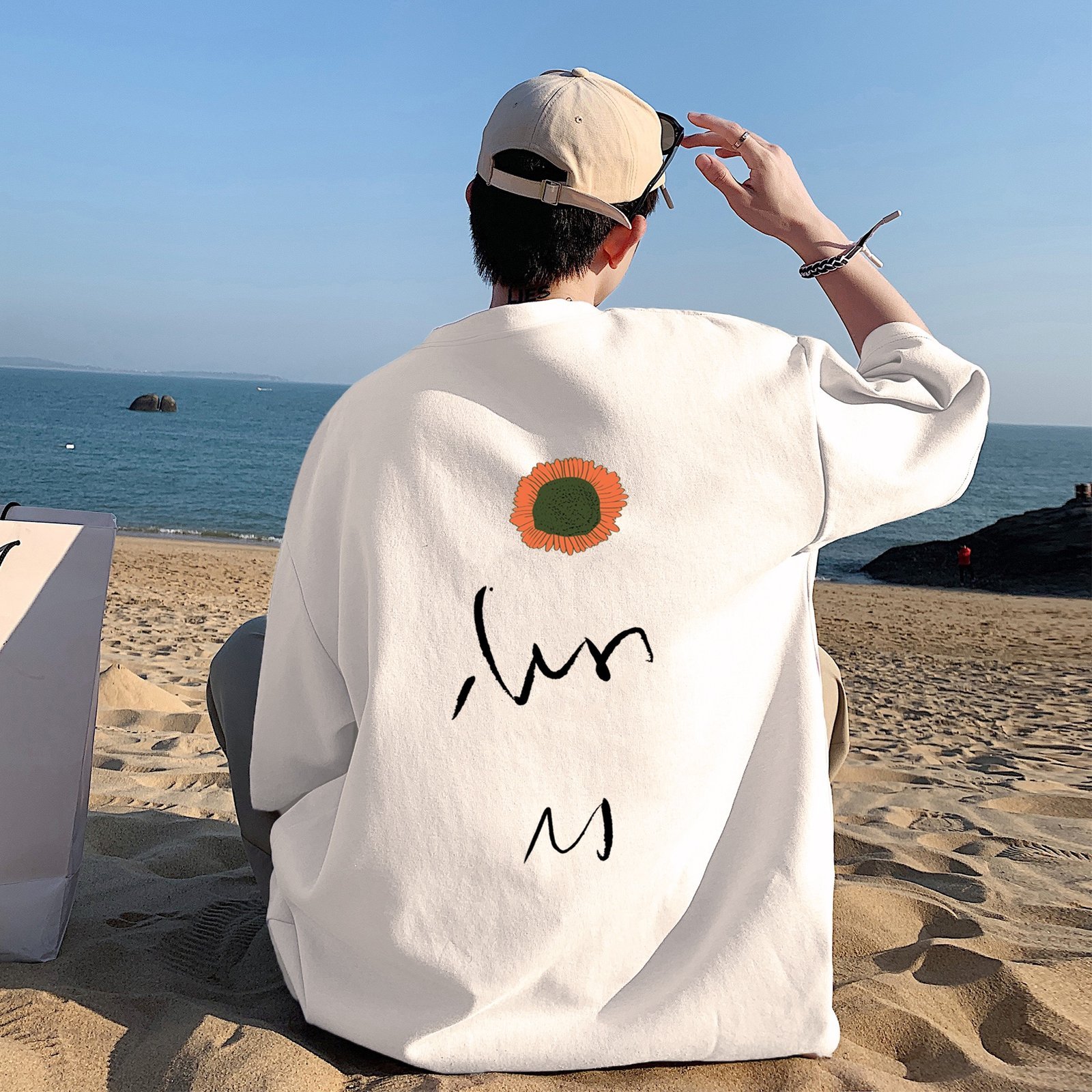
Best for rec leagues and team retailers. Woven polyester mesh at 140–160 GSM is standard; MOQs start around 50 pieces.
High branding surface for twill numbers and embroidered patches makes this style a reliable private-label workhorse.
V-Neck Pullover Jerseys
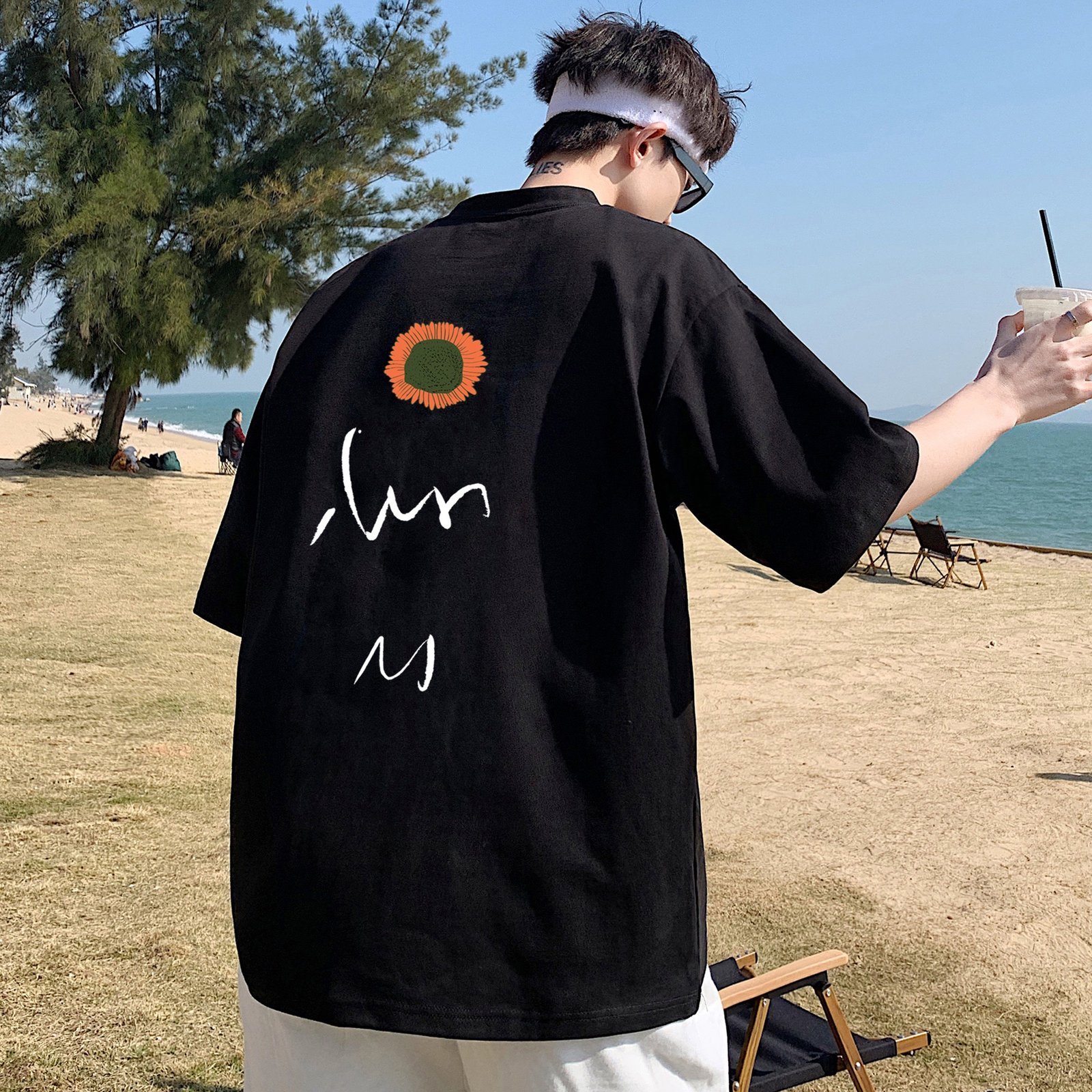
The highest-volume youth style globally. Moisture-wicking 100% polyester knit runs $4–$9 FOB; suits school teams and private-label retailers.
Screen-print or heat-transfer numbers keep decoration costs low, supporting margins at mid-tier retail price points.
Sleeveless and Vest Styles
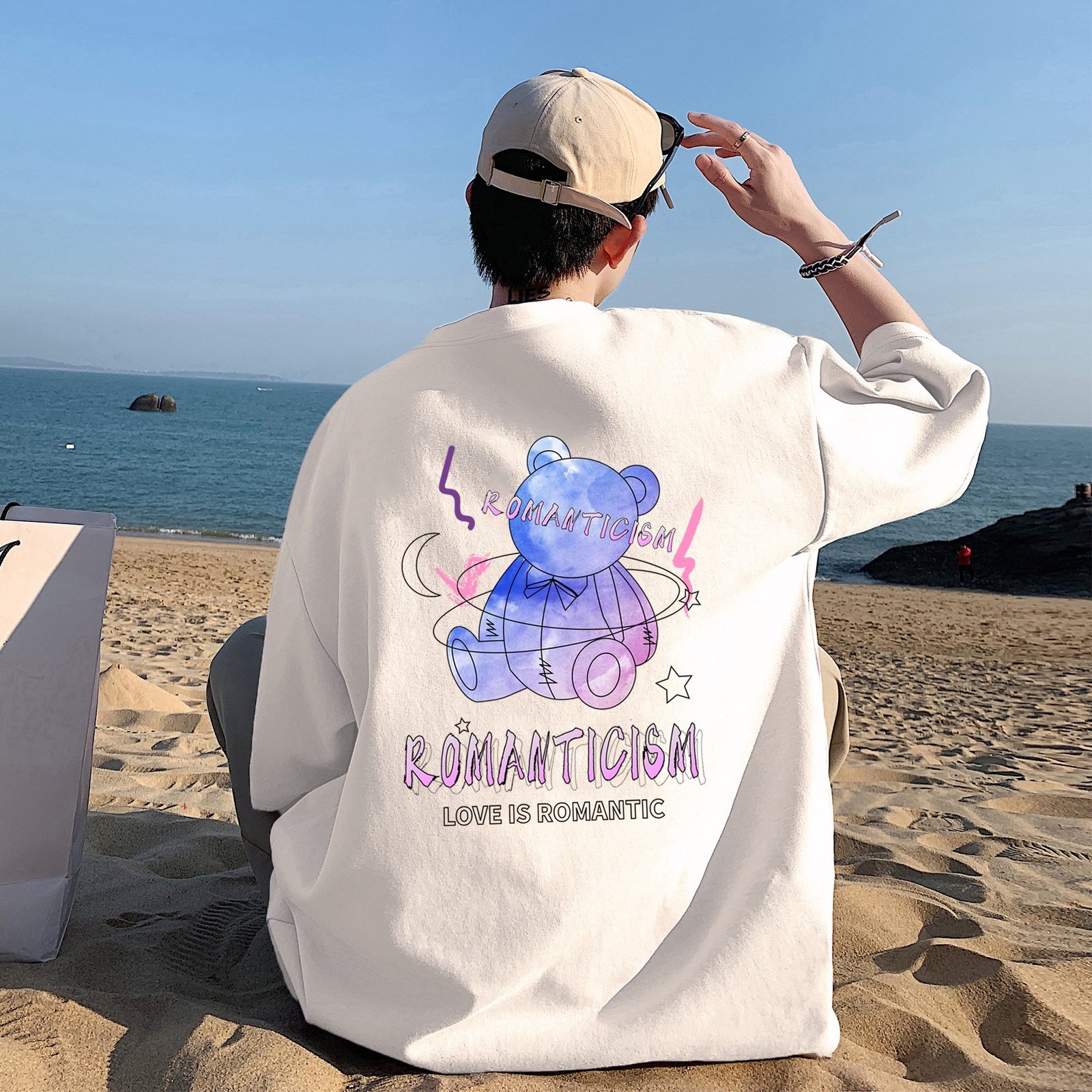
Ideal for warm-climate leagues and training programs. Lighter 120–140 GSM mesh cuts production cost 10–15% vs. full-sleeve versions.
Creator brands layer these over long-sleeve tees for streetwear looks, unlocking a dual-market use case.
Sublimation-Printed All-Over Jerseys
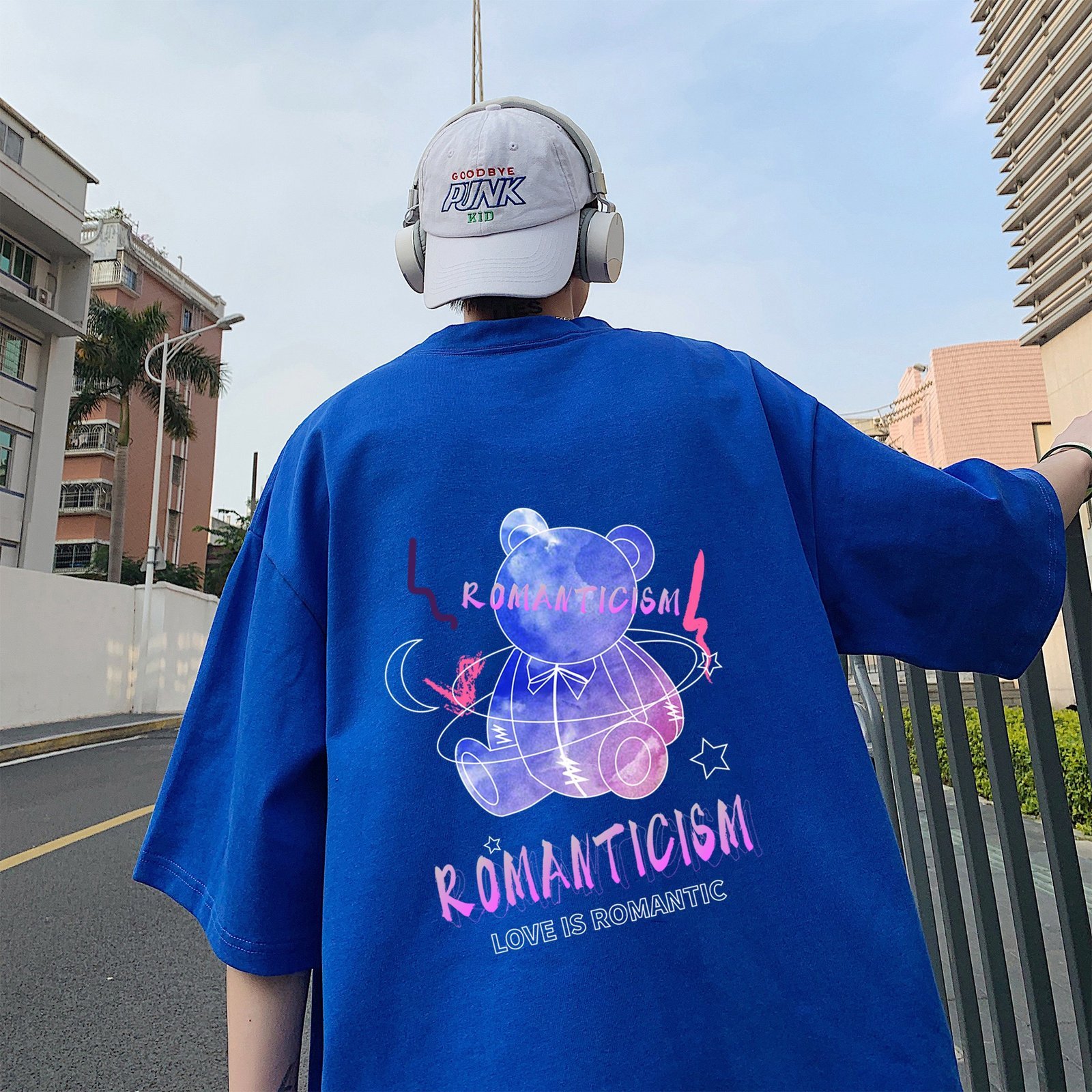
Dye-sublimation locks unlimited Pantone-matched color into 100% polyester at no per-color upcharge. MOQs can start at 12 pieces per design.
This makes the style accessible for influencer drops and limited-edition creator releases where uniqueness drives value.
Replica vs. Authentic-Grade Jerseys
Replica-grade uses single-layer polyester and printed graphics; authentic-grade features tackle twill lettering, double-knit body fabric, and reinforced seams.
The price gap is typically 2–3× — replica suits fan retail and gifting, while authentic targets on-field performance buyers.
Fashion and Streetwear-Crossover Jerseys
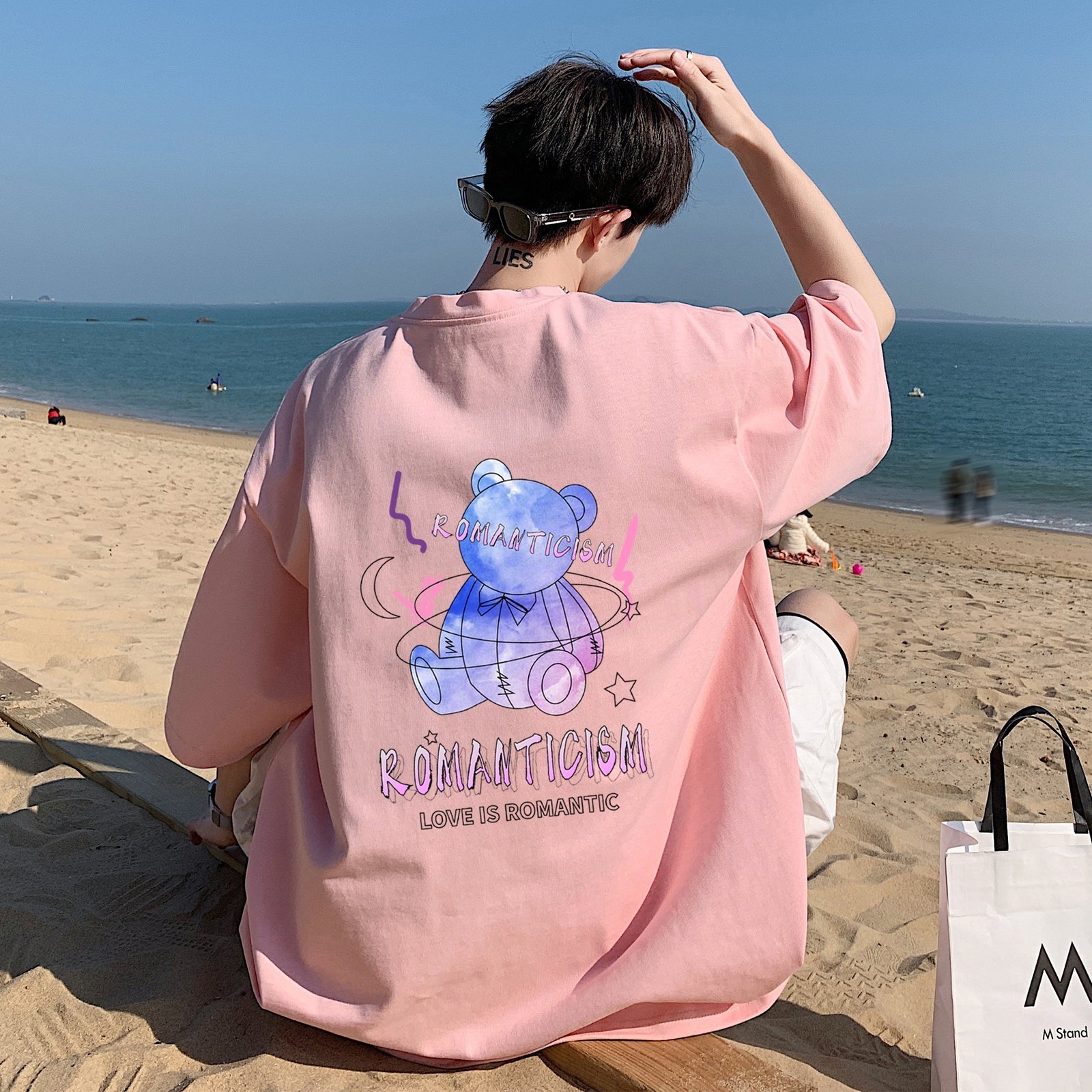
Oversized cuts, washed cotton-polyester blends, and embroidered motifs convert a classic silhouette into a streetwear drop. A youth baseball jersey manufacturer with streetwear expertise adds skeleton, rose, or graffiti design elements.
This tier commands the highest retail markup and is the primary target for influencer and creator brand customers.
4. Key Materials & Fabrics Used by Youth Baseball Jersey Manufacturers
Fabric choice directly determines a youth jersey’s on-field comfort, print quality, and wash longevity. A qualified youth baseball jersey manufacturer sources materials tested for skin safety, GSM-appropriate for child sizing, and certified for colorfastness before a single stitch is sewn.
| Fabric Type | GSM Range | Best For | Durability | Cost Index |
|---|---|---|---|---|
| 100% Polyester | 120–150 GSM | Sublimation printing | High | Low |
| Polyester-Mesh Blend | 110–140 GSM | Warm-weather play | Medium-High | Low-Medium |
| Performance Knit | 130–160 GSM | Moisture management | High | Medium |
| Recycled Polyester (rPET) | 140–155 GSM | Eco-conscious brands | High | Medium-High |
100% Polyester and Polyester-Mesh Blends
100% polyester warp-knit runs 120–150 GSM for youth cuts — light enough to prevent overheating during summer play. Polyester-mesh blends open the weave further, improving airflow by 20–30% versus solid-knit equivalents while maintaining tear resistance through double-knit construction.
Performance Knits and Child Skin-Safety Standards
Moisture-wicking performance knits, typically 130–160 GSM, use hydrophobic fiber treatments to move sweat away from skin within seconds. For child-sized garments, OEKO-TEX Standard 100 certification is non-negotiable — it screens for over 100 harmful substances including formaldehyde and heavy-metal dyes.
Recycled Fibers and Colorfastness Requirements
Recycled-polyester (rPET) jerseys, produced from post-consumer plastic bottles, run 140–155 GSM and match virgin polyester’s durability at a modest cost premium. Sublimation printing requires a minimum Grade 4 colorfastness rating on ISO 105-C06 wash tests; screen-print on blends demands fabric above 130 GSM to prevent ink bleed.
5. Customization & Decoration Options From a Youth Baseball Jersey Manufacturer
Decoration choice shapes durability, per-unit cost, and minimum order commitment more than almost any other sourcing decision. A reliable youth baseball jersey manufacturer should offer at least five proven techniques, each matched to different volume tiers and brand goals.
| Technique | MOQ | Setup Cost | Durability | Best Use Case |
|---|---|---|---|---|
| Sublimation | 12 pcs | None | 100+ washes | Small runs, full-color graphics |
| Screen Printing | 36 pcs | $25–$75/color | 80+ washes | Mid-volume, spot-color logos |
| Heat-Transfer Vinyl | 1 pc | Minimal | 50 washes | Samples, limited editions |
| Tackle Twill | 24 pcs | $50–$150 | 150+ washes | Retail numbering, bold lettering |
| Embroidery | 24 pcs | $50–$150 | 200+ washes | Premium logos, chest badges |
Sublimation Printing for Full-Color Designs
Full-color sublimation fuses dye into polyester fibers at roughly 400°F, producing prints that resist cracking past 100 wash cycles.
No per-color setup fees apply, and MOQs typically start at 12 pieces — the lowest entry point among all jersey decoration methods.
Screen Printing and Heat-Transfer Vinyl
Screen printing carries a per-screen setup fee of $25–$75 and performs best on orders of 36 or more jerseys with spot-color logos, lasting 80+ wash cycles.
Heat-transfer vinyl cuts MOQ to as low as 1 piece but fades after roughly 50 washes, making it practical only for samples or limited-edition drops.
Tackle Twill Numbering and Embroidery
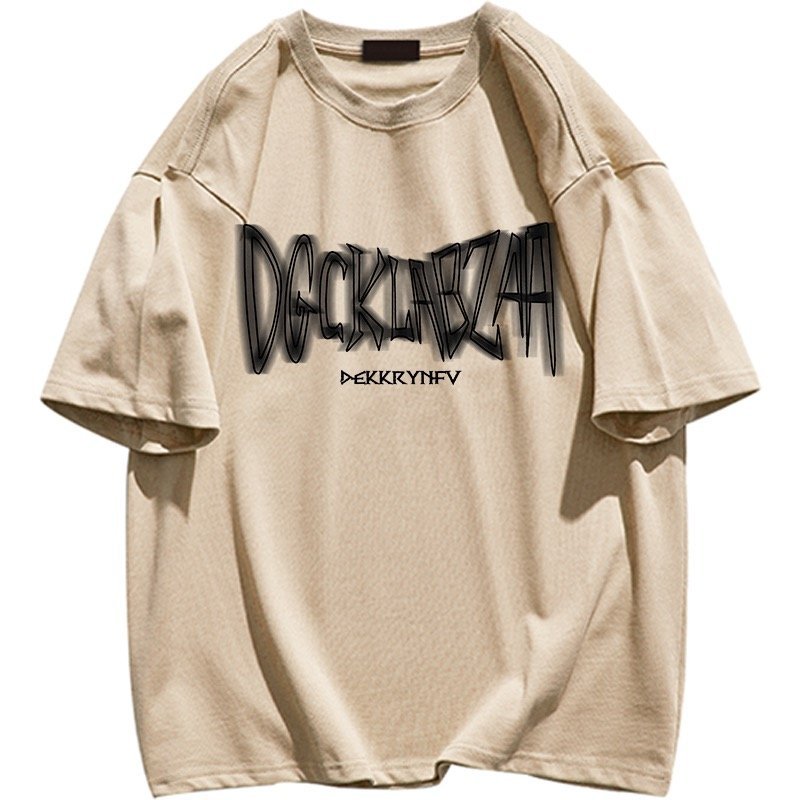
Tackle twill stitches layered fabric letters directly onto the jersey shell and survives 150+ wash cycles — the preferred standard for retail-grade numbering.
Embroidery digitizing fees run $50–$150 per design, with typical MOQs starting at 24 pieces, suited to mid-volume orders requiring premium brand marks.
6. Construction Quality Elements to Evaluate in a Youth Baseball Jersey Manufacturer
Price sheets and photos reveal nothing about construction integrity. A qualified youth baseball jersey manufacturer embeds quality at the seam, sizing, and compliance level — long before bulk shipment.
Double-Needle Stitching on Stress Seams
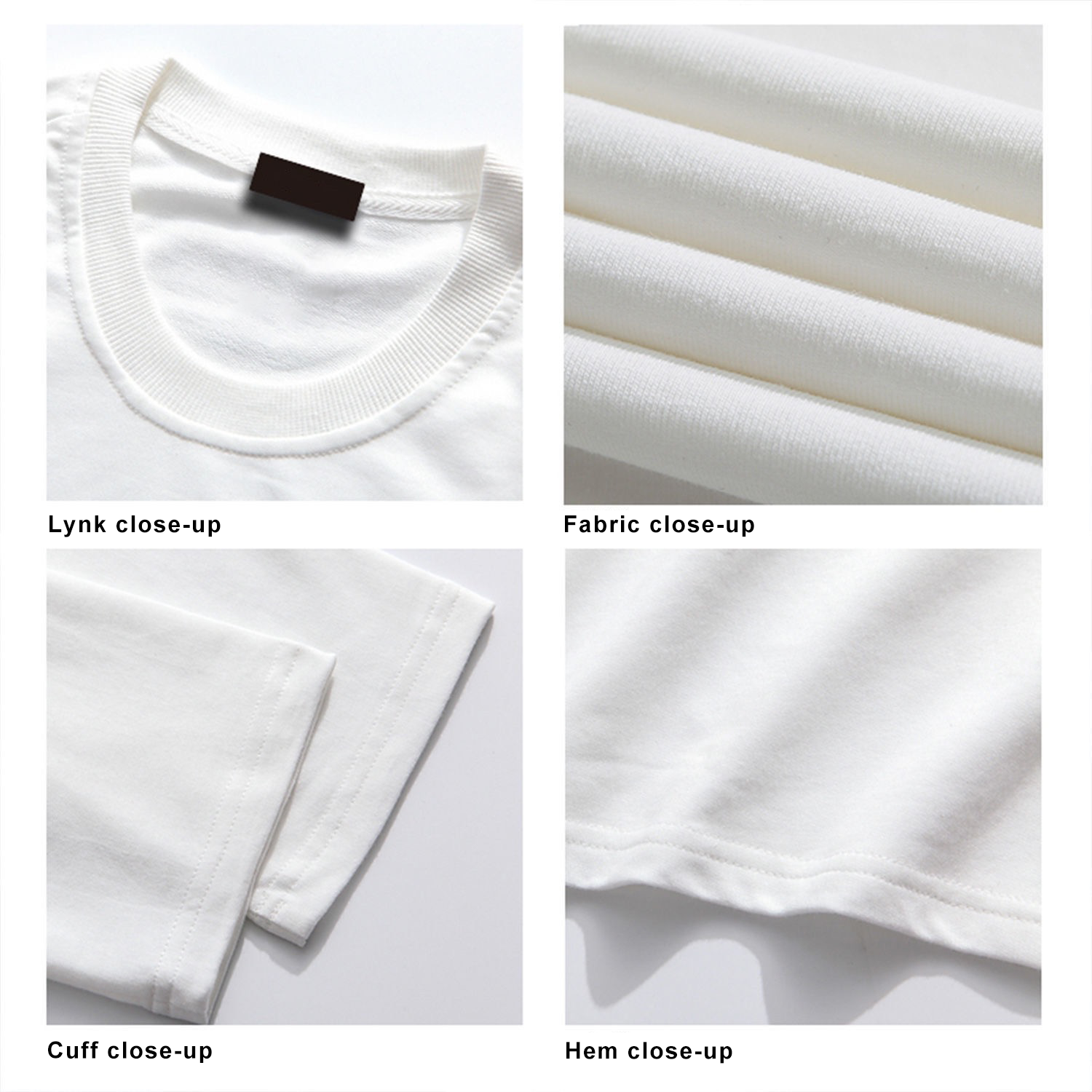
Underarm and side seams take repeated lateral stress during play. Double-needle stitching at 4–5 stitches per inch is the minimum standard for these zones.
Perform a hand tug test on any pre-production sample before approving bulk production.
Reinforced Button Placket Construction
Bartack stitching at each button attachment point prevents unraveling after 50-plus wash cycles. A fused placket backing is critical for long-term shape retention.
Loose plackets are the most common structural failure on budget youth jerseys — verify this detail on the physical sample.
Collarband Integrity
Collarband fabric cut off-grain curls within 5 washes. A 1×1 rib knit collar or twill-tape backing keeps the stand collar flat over time.
Request a documented 40°C wash test result from the manufacturer before approving collar construction.
Youth Sizing Grading vs. Adult Scaling
YS/YM/YL/YXL grades require separate grading blocks — not scaled-down adult specs. Chest, sleeve, and body length proportions differ significantly for ages 6–14.
Request the manufacturer’s grade rule sheet and cross-check against ASTM D6829 before approving any patterns.
CPSIA Label and Tag Compliance
US children’s apparel under size 14 must meet CPSIA lead-content limits and 16 CFR Part 1610 flammability standards. English fiber content and care labels are federally required on every unit.
Non-compliance risks US Customs holds, retailer chargebacks, and mandatory product recalls.
Shrinkage Tolerance Testing
Industry-standard shrinkage tolerance for jersey fabrics is ±3% after three wash cycles at 30°C. Polyester-mesh holds below 2%; cotton-blend styles require pre-shrunk fabric to meet spec.
Request a signed shrinkage test report — not a verbal assurance — from any candidate manufacturer.
7. How to Choose the Right Youth Baseball Jersey Manufacturer for Your Brand
Sourcing a youth baseball jersey manufacturer for the first time requires more than price comparison. A structured vetting process protects your brand, your timeline, and your customers — critical when youth apparel safety standards are non-negotiable.
Define Order Volume and MOQ Fit
Most manufacturers set MOQs between 50–300 pieces per style. Startups should confirm MOQ tiers before requesting samples — mismatched volume expectations waste weeks. Ask for a written MOQ schedule covering blanks, custom cuts, and sublimation runs separately.
Request and Evaluate Pre-Production Samples
Standard sample lead times run 7–14 days; anything beyond 21 days signals capacity issues. Request a physical pre-production sample before committing to bulk — evaluate seam tension, sublimation color accuracy against your Pantone reference, and mesh breathability under stretch.
Audit Safety and Quality Certifications
Youth jerseys sold in the US must comply with CPSIA lead and flammability limits. Request OEKO-TEX Standard 100 fabric certification and ISO 9001 QMS documentation, then verify certificate numbers on the issuing registry — any manufacturer unwilling to share these is a red flag.
Assess Communication and Lead Times
24-hour response time during sampling is the baseline for a reliable manufacturer. A quality partner provides a written production timeline upfront. Standard bulk lead times run 25–45 days after sample approval — get this figure in writing before signing.
Check References and Client Portfolios
Two to three reference contacts from comparable-stage brands is the minimum due diligence standard. Ask for portfolios showing completed youth jersey projects, not catalog renders. Repeat order history and client retention rates reveal operational consistency that marketing claims cannot.
Compare IP Protection and Exclusivity Policies
NDA and design exclusivity agreements must be signed before you share any artwork or cut files. Ask whether your custom colorways or cuts will be resold to other clients. Exclusivity policies vary — some manufacturers charge a premium for locked designs; others include it by default.
8. Common Mistakes Buyers Make When Sourcing a Youth Baseball Jersey Manufacturer
Even experienced buyers repeat the same sourcing errors when partnering with a youth baseball jersey manufacturer — errors that delay launches, inflate returns, and erode brand trust before a single jersey ships.
Ignoring Youth-Specific Sizing Grading
Youth jerseys require graded sizing from YXS through YXL, with chest increments of 1–2 inches per size step. Defaulting to adult-ratio scaling produces jerseys that fit poorly across age groups.
Fix: supply a complete youth size chart before sampling begins.
Prioritizing Price Over Certification Compliance
OEKO-TEX Standard 100 and CPSC children’s flammability compliance are non-negotiable for U.S. and EU retail channels. Sourcing from an uncertified manufacturer to save $0.50 per unit can trigger costly recalls.
Fix: verify certifications before placing any trial order.
Skipping Pre-Production Samples
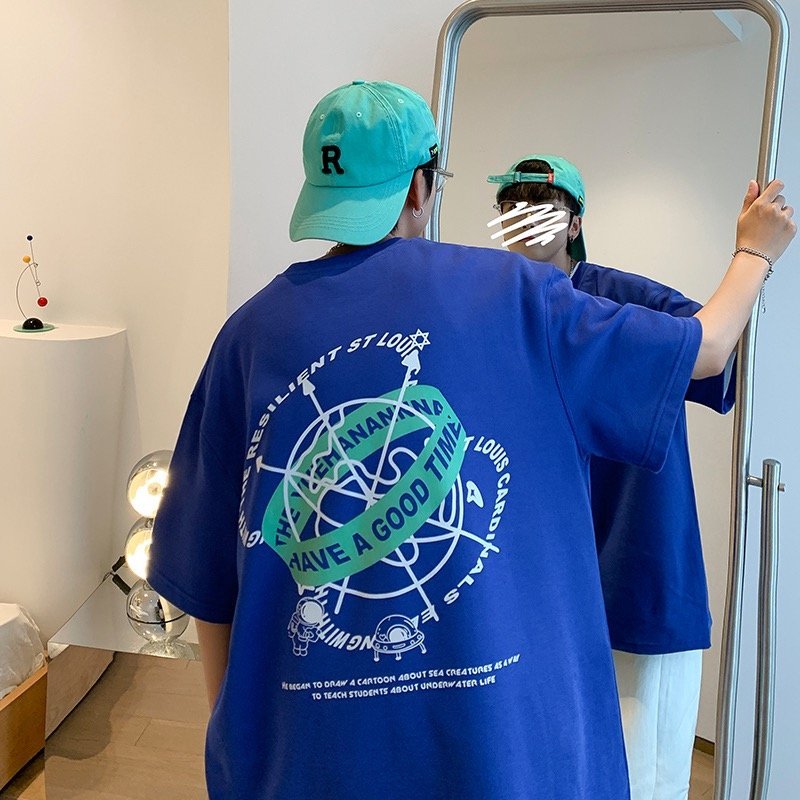
Pre-production samples expose fit, color accuracy, and stitch quality before full-run costs are committed. Waiving this step typically results in bulk orders requiring costly rework or outright rejection.
Fix: require a sealed pre-production sample and written sign-off.
Underestimating Sublimation Setup Lead Times
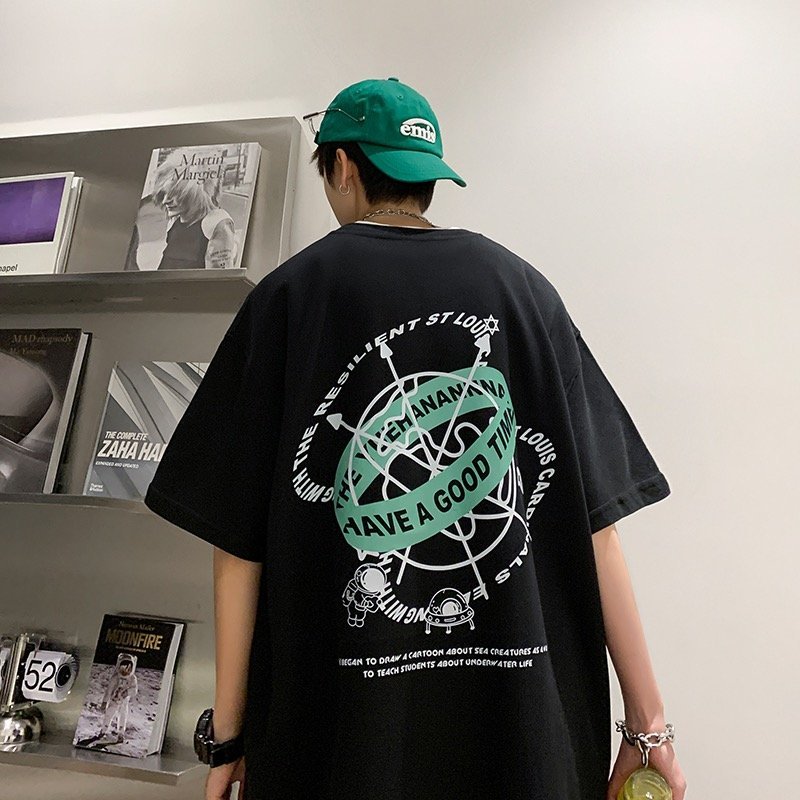
All-over sublimation printing requires 7–14 additional production days for film output, heat-press setup, and color-profile calibration. Buyers assuming standard cut-and-sew timelines routinely miss retail windows by 3–4 weeks.
Fix: add a sublimation buffer to the purchase order timeline upfront.
Omitting Pantone Color Codes
Specifying ‘royal blue’ instead of Pantone 286 C produces visible shade variation between production runs. Color drift of even 5–10 Delta-E units is noticeable in side-by-side retail sets.
Fix: include Pantone TCX or TPG codes on every tech pack.
Leaving Wash-Care Label Requirements Undefined
U.S. FTC rules, EU textile labeling directives, and Canadian regulations each mandate specific fiber content and care instructions for children’s apparel. Undefined specs default to factory-standard text that may not meet destination-market law.
Fix: supply a compliant care-label template with the initial order brief.
9. Steps to Launch Your Brand With a Youth Baseball Jersey Manufacturer
Launching a first run with a youth baseball jersey manufacturer takes six structured steps — from tech pack to final shipment. Getting each stage right compresses lead time and eliminates costly late-stage revisions.
Build Your Tech Pack First
A complete tech pack includes flat sketches, Pantone color codes, fabric spec (GSM, weave, content), and placement measurements for every graphic and label.
Sharing this upfront lets Clothing Manufacturer Ltd’s team quote accurately and move directly into pattern making, cutting at least 1–2 weeks off the typical 45-day sample timeline.
Sample Order and Revision Loop
Request one proto sample before committing to bulk. Most manufacturers allow 2–3 revision rounds; budget 10–15 days per round for overseas shipping.
Confirm fit, stitch density, and Pantone match under natural light before signing off on bulk quantities.
Branding Details: Labels and Hang Tags
Woven labels, neck tapes, and printed hang tags require separate artwork files and carry their own 15–20 day lead time. Submit label files in vector format (.AI or .EPS) alongside your tech pack so trim production runs concurrently with sampling.
Bulk Sign-Off and QC Inspection
Before bulk production begins, sign off on a sealed approval sample. Clothing Manufacturer Ltd’s five-step QC process — covering materials, cutting, craft, sewing, and finished-goods inspection — catches defects at each stage rather than only at the end.
Timeline: Prototype to Delivery
A realistic end-to-end timeline runs 60–90 days: 15 days for sampling, 30–45 days for bulk production, and 10–20 days for sea freight. Air freight cuts transit to 5–7 days but adds roughly 3–4× the per-unit shipping cost.
10. Pricing & Cost Guide for Youth Baseball Jersey Manufacturing
Every youth baseball jersey manufacturer quotes at a different tier structure, but the pattern is consistent: sampling runs $80–$150 per proto, and bulk unit cost drops significantly once orders clear 100 pieces — the typical break-even threshold for a new label launch.
Fabric spec is the largest single cost lever — a 160 GSM open-end polyester mesh runs roughly 30% cheaper than a 180 GSM ring-spun performance blend. Rush production under 7 days adds a 15–25% surcharge; increasing Pantone-matched color counts beyond 3 on a screen-print job raises per-unit cost linearly.
- Screen print (1–3 colors): +$1.50–$3.00 per unit
- Embroidery (4,000–8,000 stitches): +$2.00–$4.50 per unit
- Full sublimation all-over: included at 100+ pcs; +$4.00–$6.00 below 100 pcs
- Heat-transfer name/number set: +$1.00–$2.50 per unit
- Woven or printed neck label upgrade: +$0.30–$0.80 per unit
| Quantity Tier | Unit Price (USD) | Sample Cost | Lead Time | MOQ Notes |
|---|---|---|---|---|
| 12–49 | $18–$28 | $100–$150 | 18–22 days | Min. 12 pcs per colorway |
| 50–99 | $14–$22 | $80–$120 | 15–18 days | Mix sizes; 1 colorway minimum |
| 100–299 | $10–$16 | $60–$100 | 12–15 days | Sublimation included in base quote |
| 300–499 | $8–$13 | $50–$80 | 10–14 days | Free repeat sample on reorder |
| 500+ | $6–$10 | Waived | 7–12 days | Dedicated QC line; priority scheduling |
Partner With a Youth Baseball Jersey Manufacturer Today
Low MOQs, a 5-step QC guarantee, and global shipping — get your custom quote in 24 hours.