
Premium Mesh Baseball Jersey Manufacturer for Streetwear Brands
Partner with a trusted mesh baseball jersey manufacturer offering low MOQ, 7-day samples, and a proprietary 5-step QC guarantee built for streetwear labels and influencer lines worldwide.
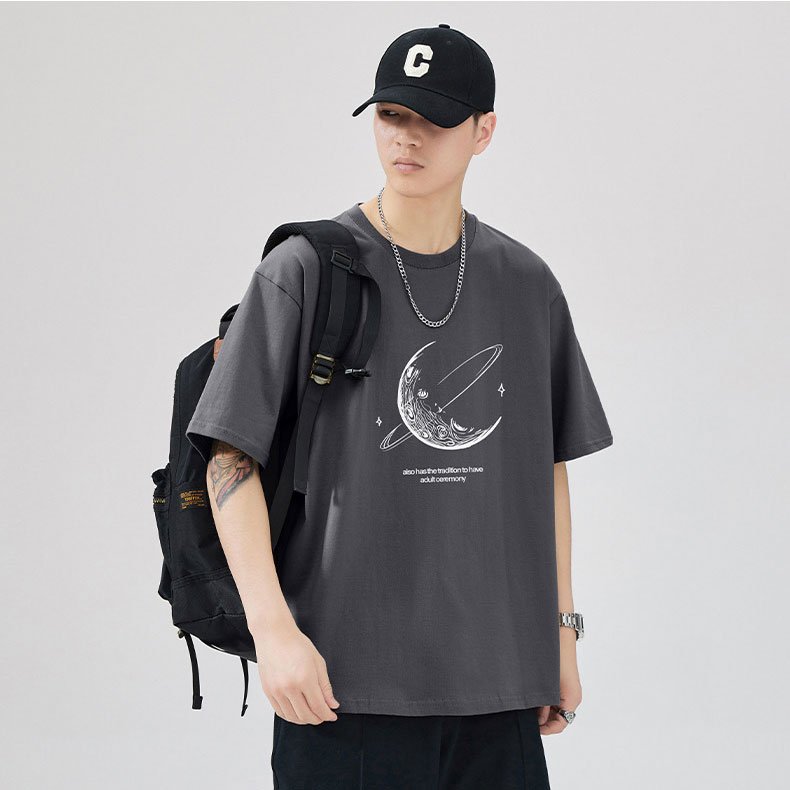
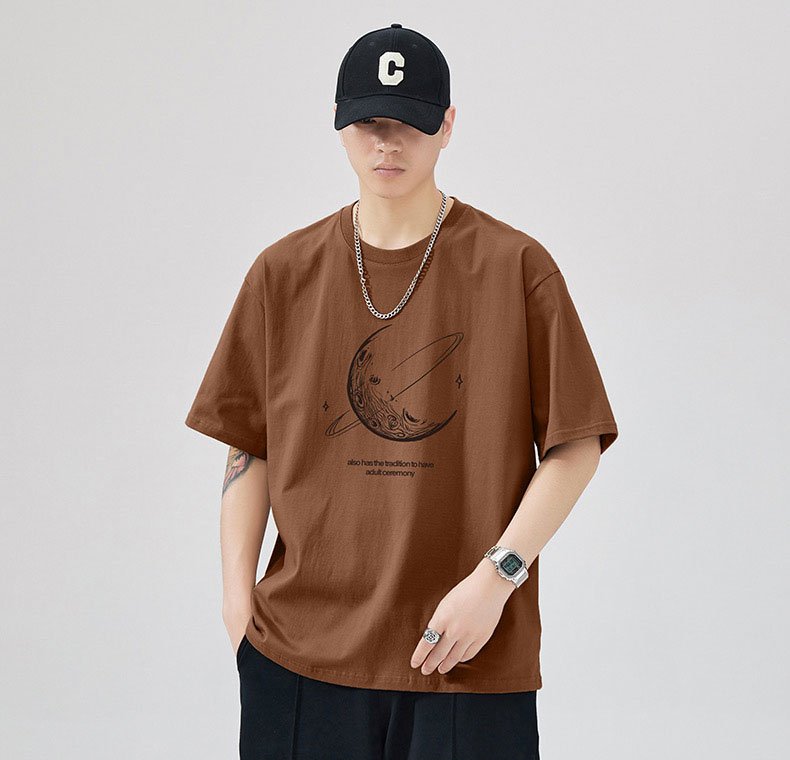
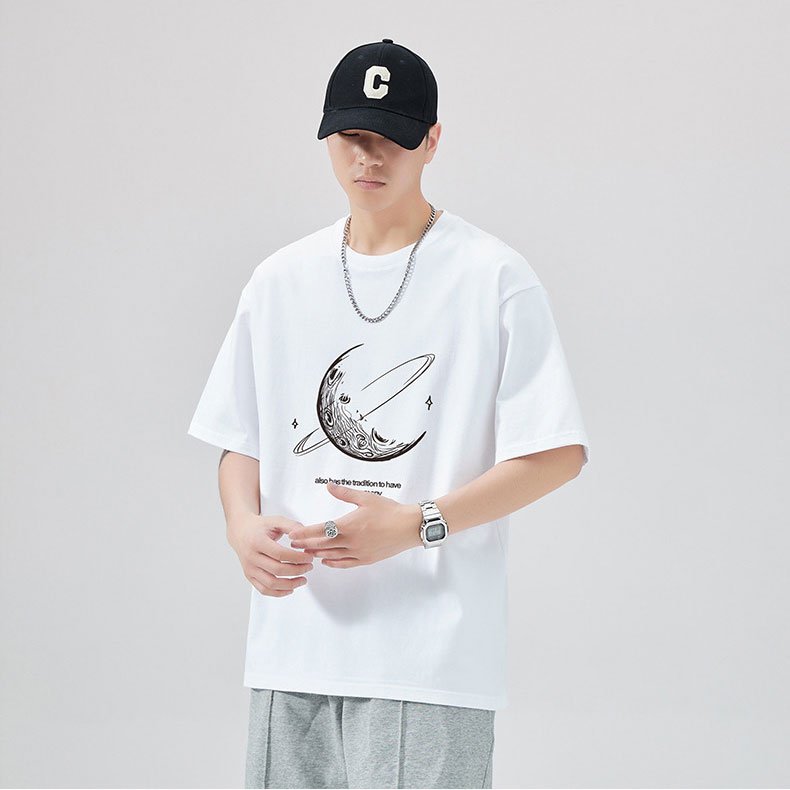
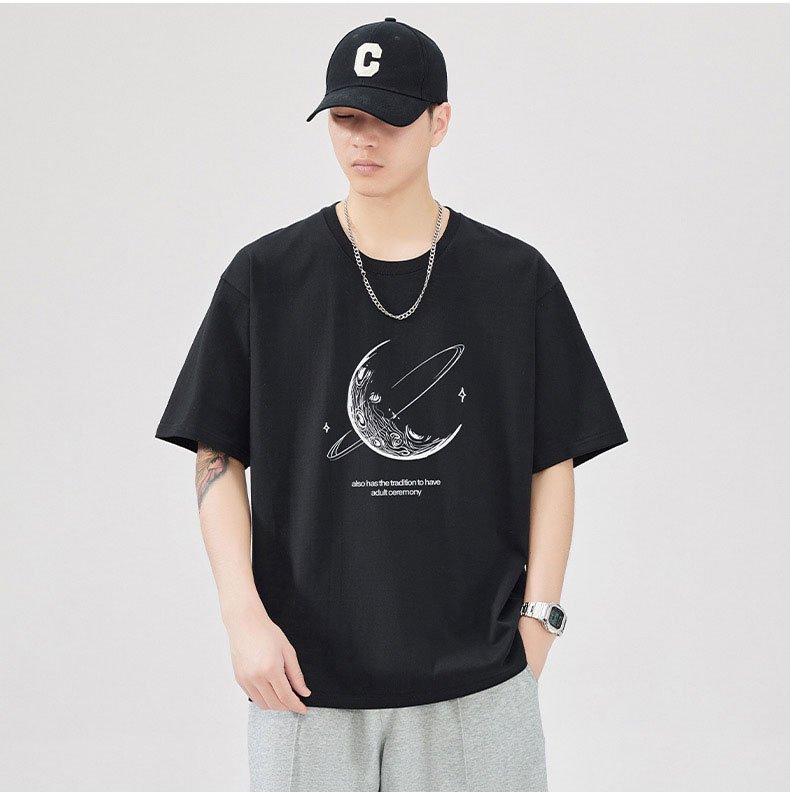
Our Mesh Baseball Jersey Collections
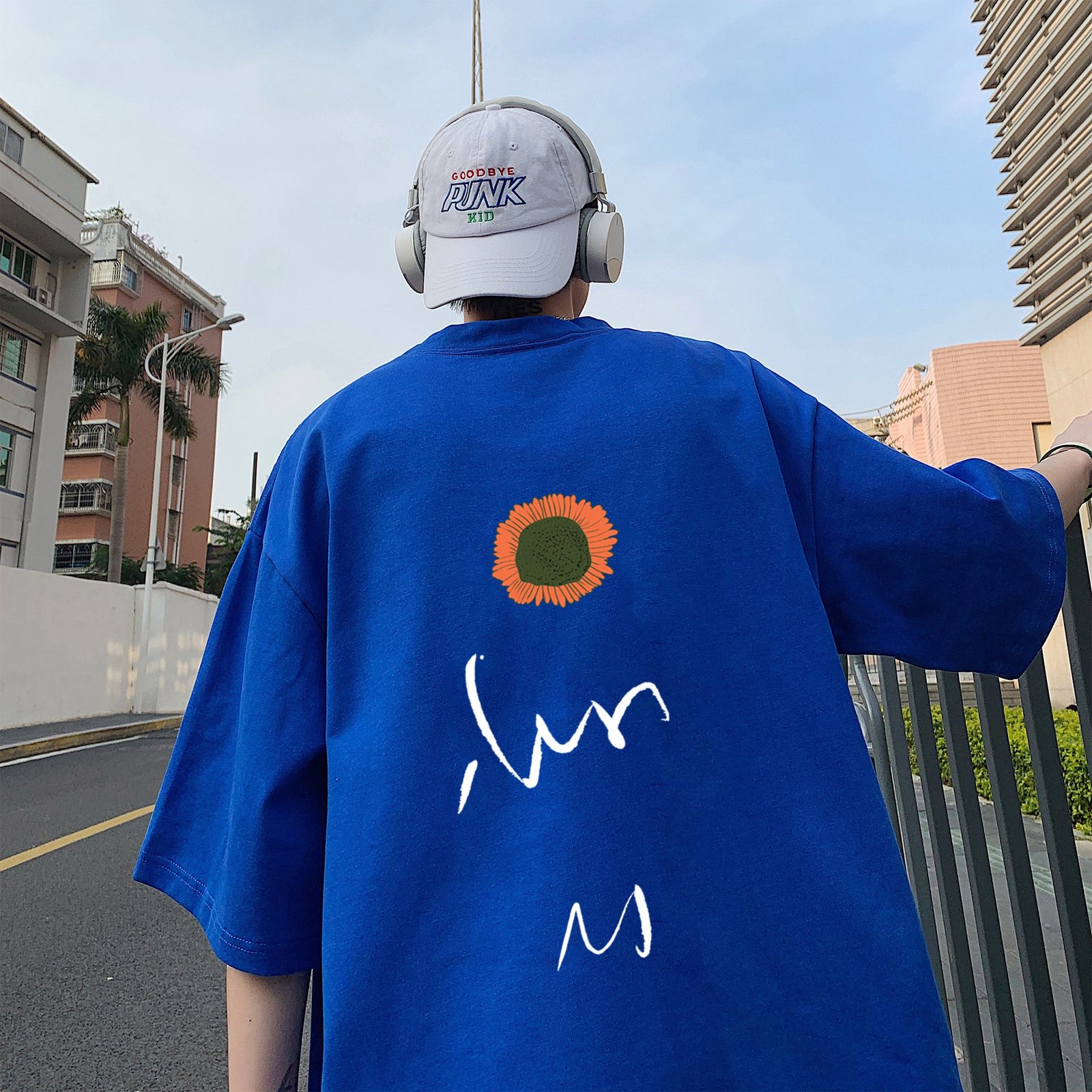
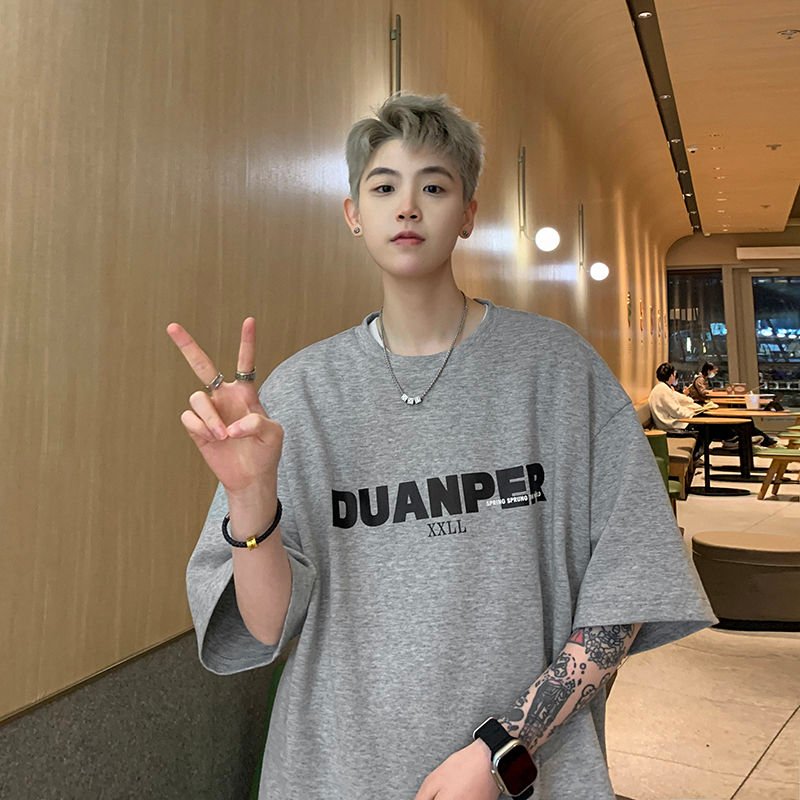
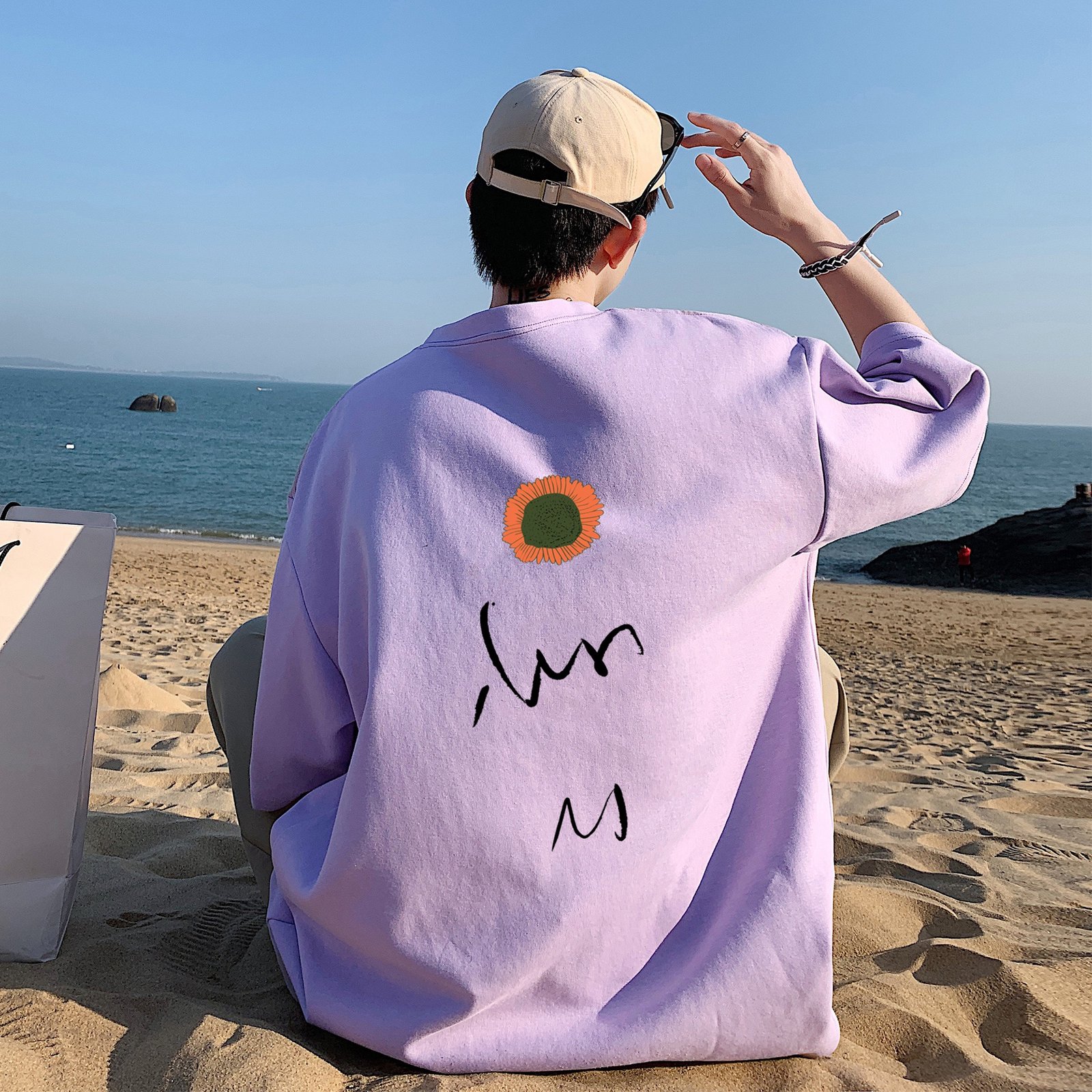
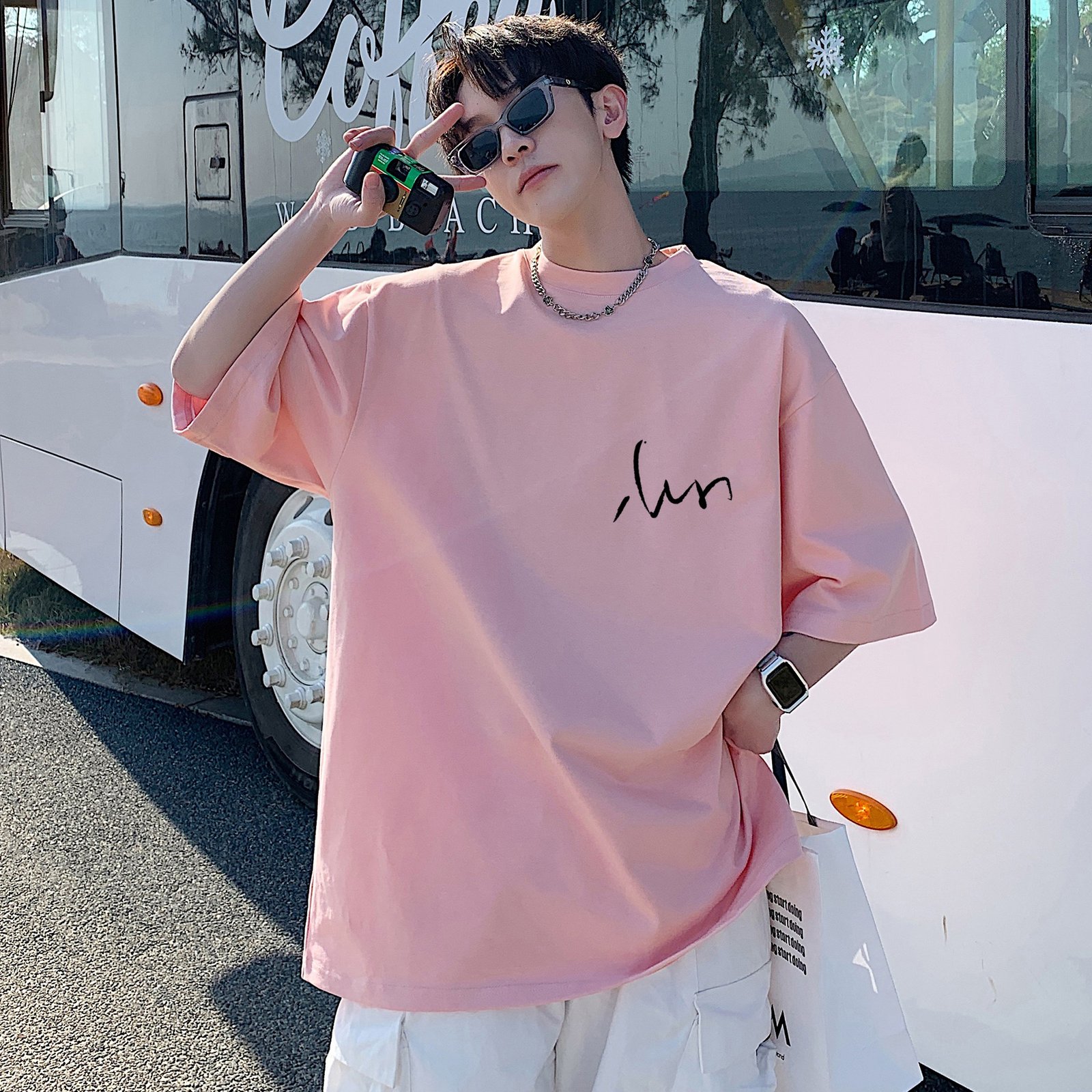
Why Choose Our Mesh Baseball Jerseys
Every jersey leaves our factory backed by a 5-step quality guarantee — no shortcuts, no skipped checks, no compromises.
5-Step QC Guarantee
Quality checks at every production stage — materials, cutting, crafting, sewing, and final inspection — so defects never reach your brand.
Low MOQ for Startups
Emerging streetwear labels and independent designers can launch their first mesh baseball jersey run without overcommitting on inventory.
7-Day Sample Turnaround
Our in-house design and sampling team moves fast so you can validate fits, colorways, and graphics before full production begins.
In-House Design Expertise
A 15-member R&D team fluent in streetwear culture — from skeleton motifs to graffiti graphics — brings your creative vision to life.
100+ Countries Served
Global shipping and logistics support means your mesh jerseys reach customers in North America, Europe, Asia, and beyond, on time.
Streetwear & Influencer Proven
We have scaled brands from zero to hundreds of thousands of followers, delivering consistent quality for seasonal drops and influencer lines.
Mesh Baseball Jersey Manufacturer for Every Brand Story
From classic mesh silhouettes to bold sublimation drops and influencer collabs, we produce the styles your brand demands — with 5-step QC and low MOQ built in at every tier.
Classic Mesh Baseball Jerseys
Streetwear labels need the authentic, breathable classic mesh look but struggle to find a manufacturer who truly understands cut, fabric weight, and vintage-authentic construction standards.
We deliver authentic classic mesh jerseys with premium breathable fabrics and 5-step QC at every production stage, plus a low MOQ so your brand launches strong without overcommitting on inventory.
Custom Sublimation Print Jerseys
Independent designers with bold all-over graphic concepts need a production partner who can reproduce complex artwork with color precision across full jersey panels, with zero bleeding or fading.
Our in-house design and sampling team ensures sublimation prints hit exact color specs, with fast turnaround samples and global shipping support so your collection reaches the market on schedule.
Streetwear Collab Drop Jerseys
Influencer and creator brands launching limited-edition collab jerseys face a brutal window — one delayed shipment or quality failure can tank a drop and erase hard-won audience trust overnight.
With our 5-step QC guarantee and rapid production timelines, creator brands hit drop dates with flawless jerseys that earn five-star reviews and build the community loyalty that sustains long-term growth.
Bulk Retail & Wholesale Supply
Global apparel retailers sourcing mesh jerseys at scale need consistent output across high unit counts and reliable logistics — quality variation across runs destroys buyer confidence and kills repeat orders.
Our scalable production delivers consistent, QC-verified mesh baseball jerseys across large wholesale runs, with global shipping support and transparent order management keeping your supply chain firmly on track.
Startup First-Run Collections
New fashion startups and solo designers cannot risk capital on large minimums, yet still need premium jersey quality that stands beside established streetwear names on any competitive retail floor.
Our low MOQ policy lets startups test their mesh baseball jersey designs with small, commitment-free runs, validate market demand, then scale production seamlessly as orders and brand recognition grow.
Fabric Options From a Trusted Mesh Baseball Jersey Manufacturer
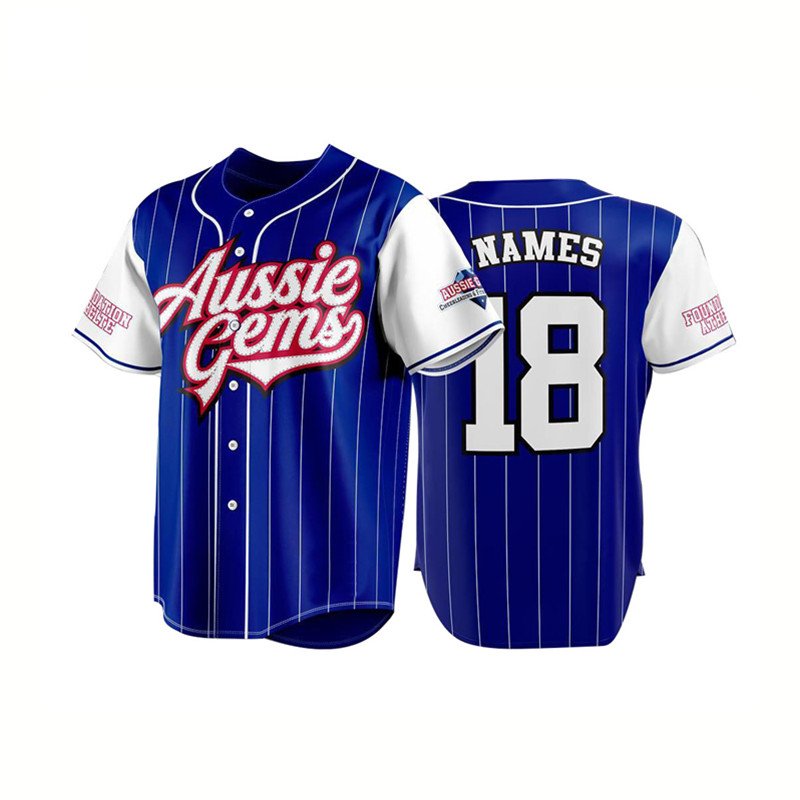
Polyester Bird's Eye Mesh
The standard open-knit construction for authentic mesh baseball jerseys. At 140–160 GSM, it delivers reliable airflow, resists pilling under repeat wash, and holds sublimation prints with sharp, fade-resistant color definition.
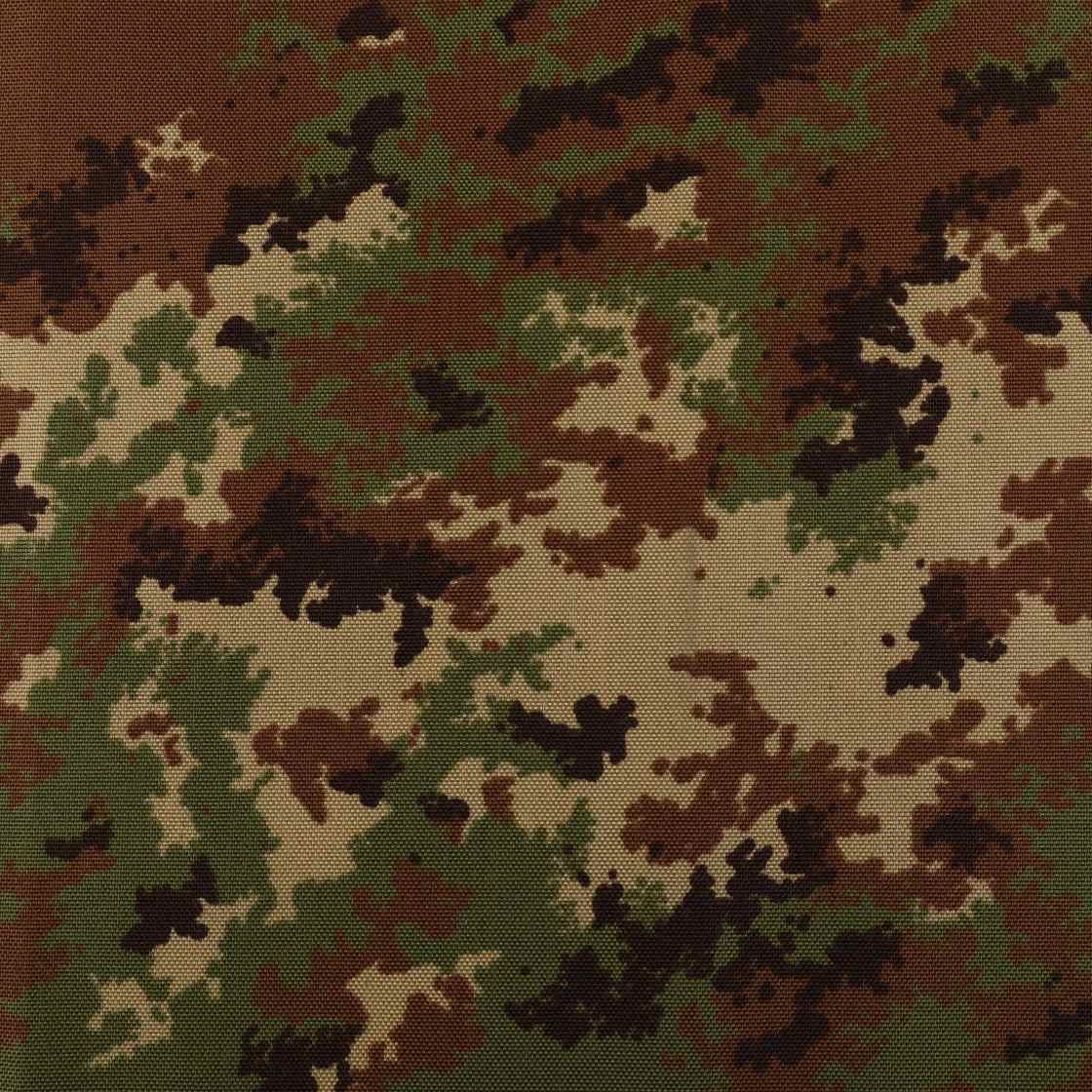
Moisture-Wicking Interlock
A dual-layer 170 GSM polyester interlock that moves sweat away from skin instantly. Four-way stretch allows unrestricted movement, making it ideal for performance-oriented streetwear jerseys and active influencer-line drops.
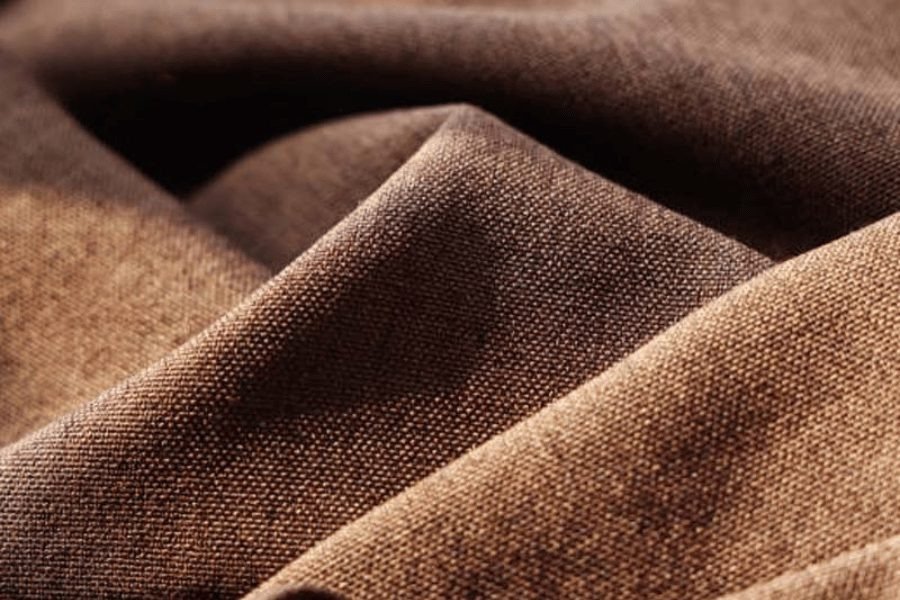
Hex Structure Mesh
Honeycomb-pattern open mesh at 130 GSM provides maximum ventilation and a bold visual texture straight off the roll. Lightweight yet durable, it elevates statement streetwear designs where airflow and visual impact are both priorities.
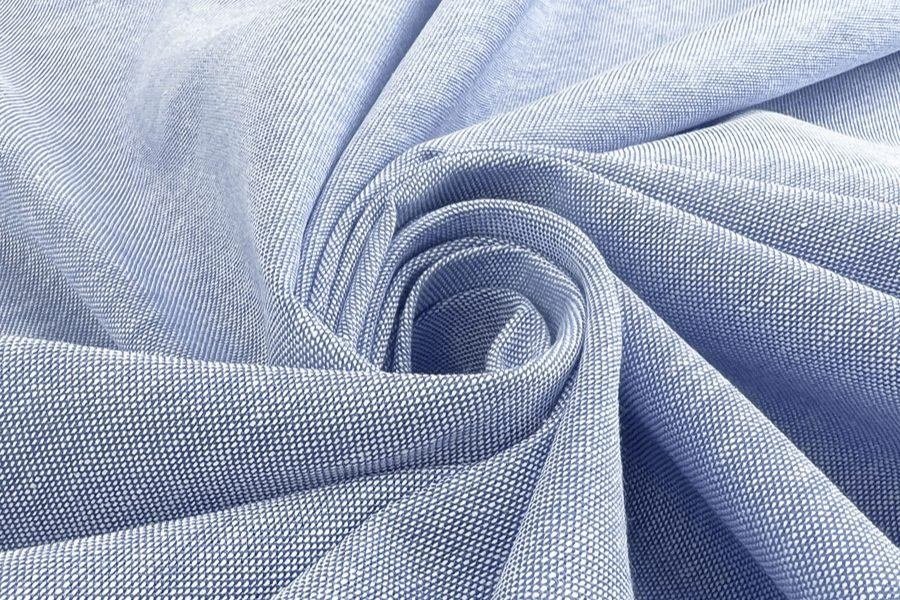
Performance Tricot Mesh
Ultra-lightweight 120 GSM warp-knit tricot with a silky hand-feel and excellent dimensional stability. Resists snags during sewing and holds screen-printed or heat-transfer graphics cleanly across front and back panels.
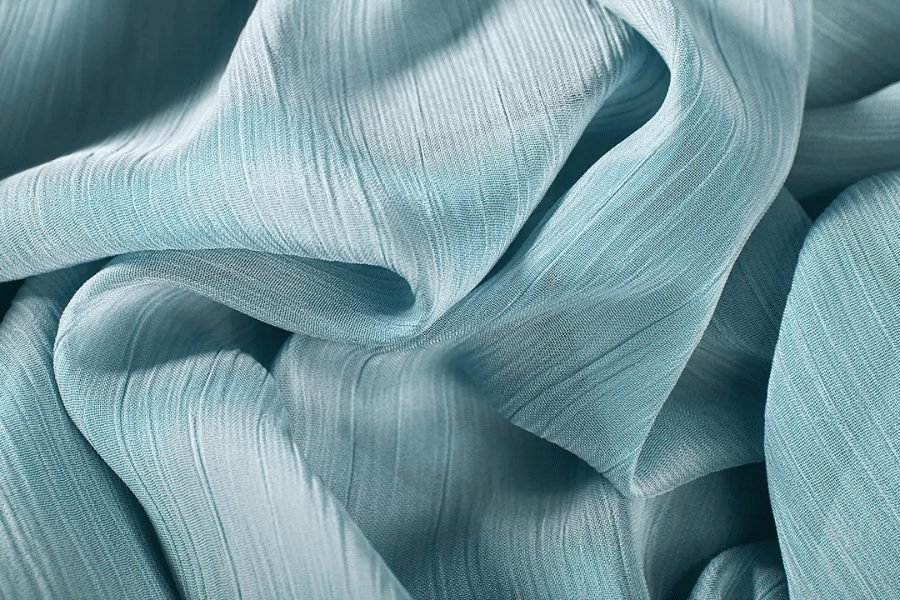
Recycled Poly Mesh
GRS-certified recycled polyester mesh at 150 GSM matches virgin-poly performance in breathability and print clarity. The go-to choice for sustainability-focused streetwear brands and global retailers targeting eco-conscious consumers.
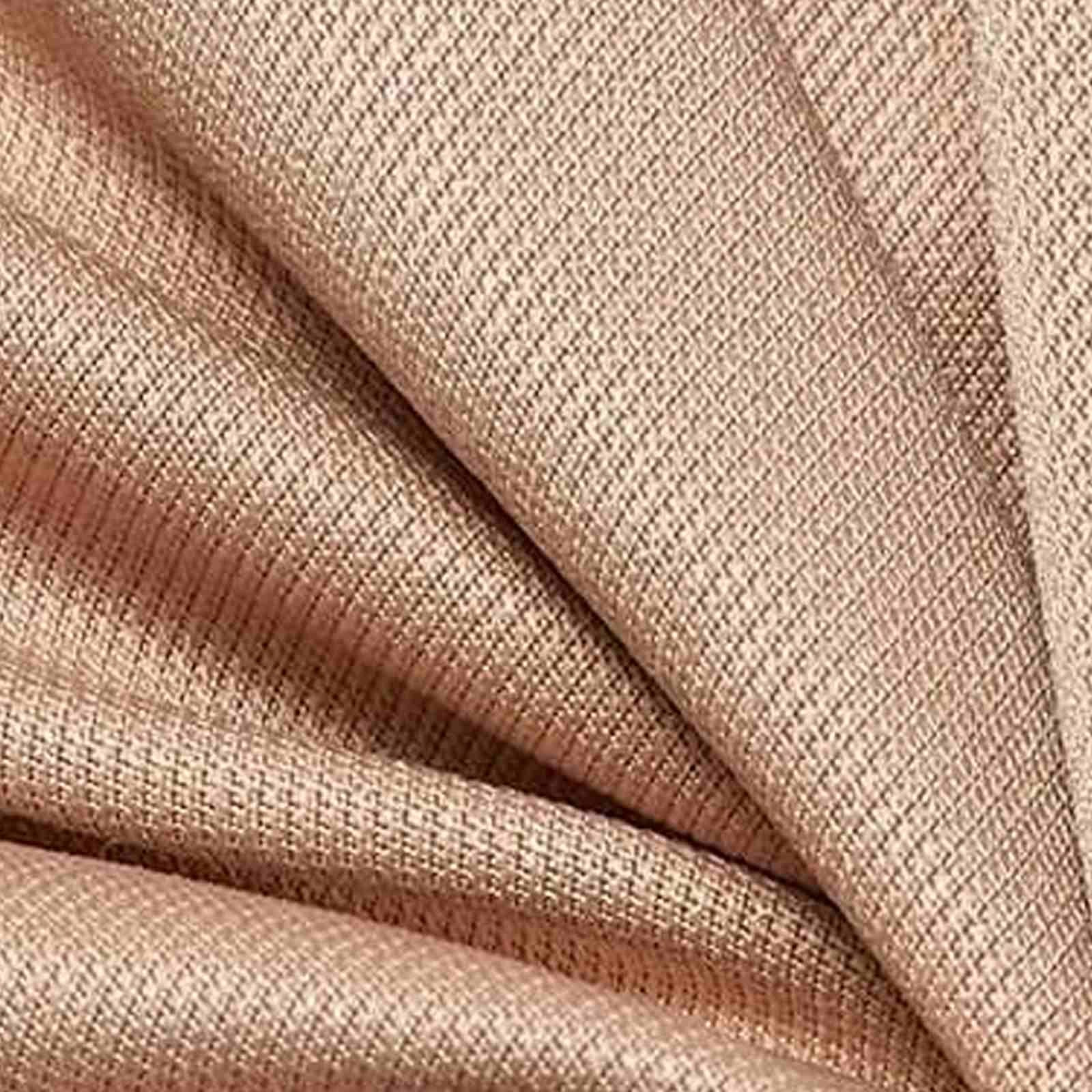
Double-Knit Mesh
A structured 200 GSM double-knit with a smooth outer face and open mesh interior for controlled drape and added body. Ideal for oversized silhouettes where premium hand-feel and airflow must coexist without compromise.
Decoration Techniques From Your Mesh Baseball Jersey Manufacturer
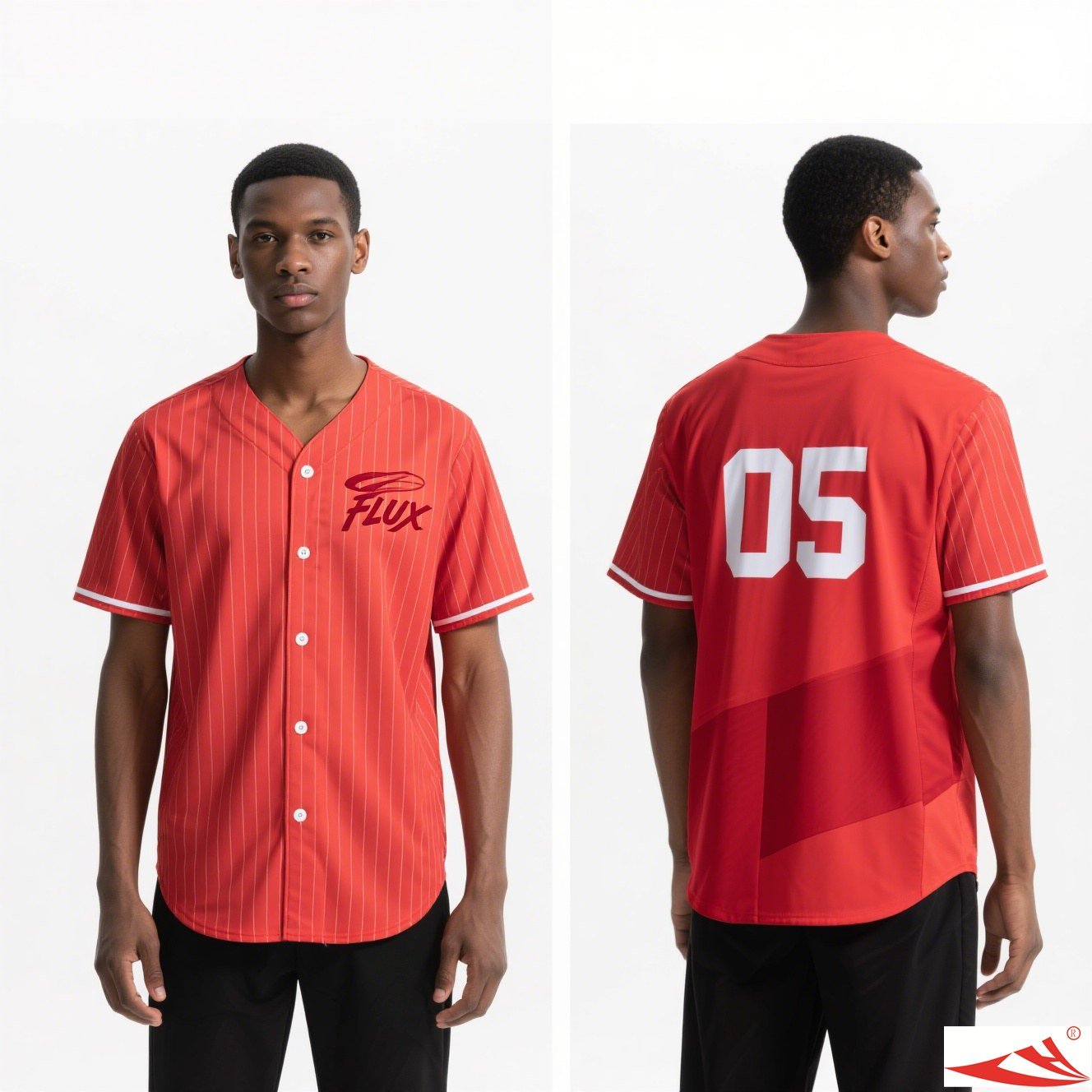
Screen Printing
Layered ink deposits onto mesh panels produce vibrant, wash-resistant graphics ideal for bold logos and streetwear placements. Consistent color fidelity across every run is verified through our 5-step production QC.
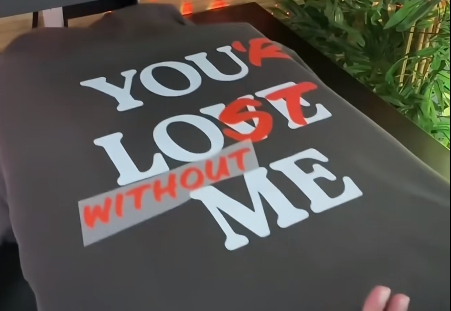
Sublimation Printing
Full-panel dye sublimation bonds vivid, photo-quality patterns directly into polyester mesh fibers, creating permanent, fade-resistant color with zero texture change — perfect for all-over designs and gradient colorways.
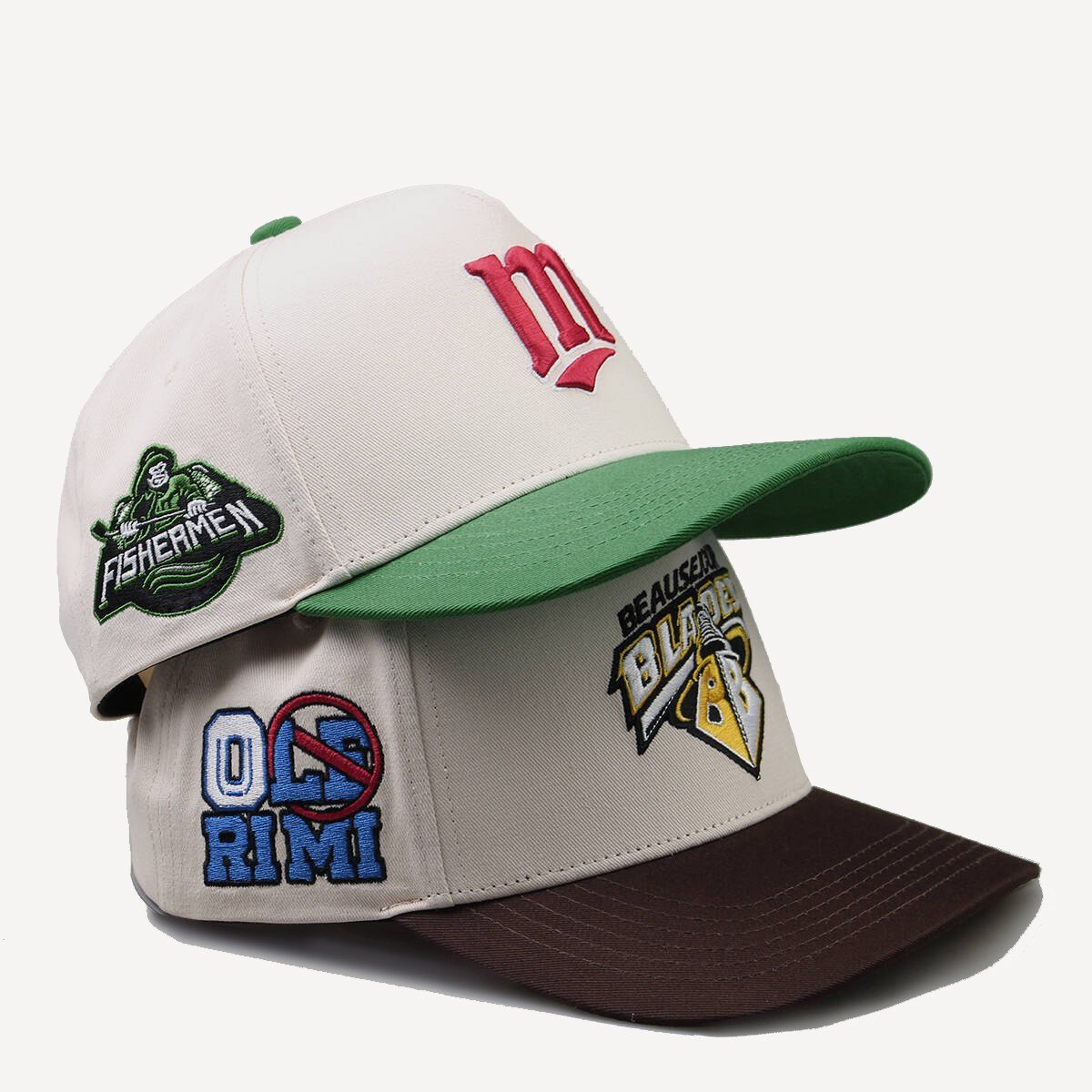
Precision Embroidery
Multi-thread stitching adds dimensional, textured branding to chest panels, sleeves, and collars, delivering a premium long-lasting finish that elevates streetwear aesthetics and withstands repeated heavy commercial washing cycles.
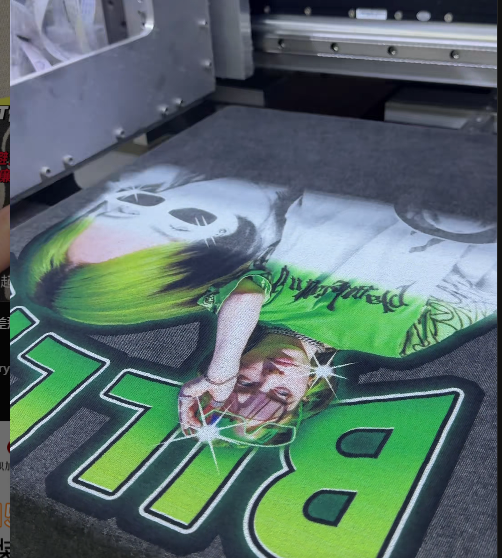
Direct-to-Garment
DTG inkjet technology reproduces photographic detail and complex multi-color artwork directly onto jersey fabric, enabling short-run custom designs with sharp resolution, soft hand feel, and minimal setup overhead.
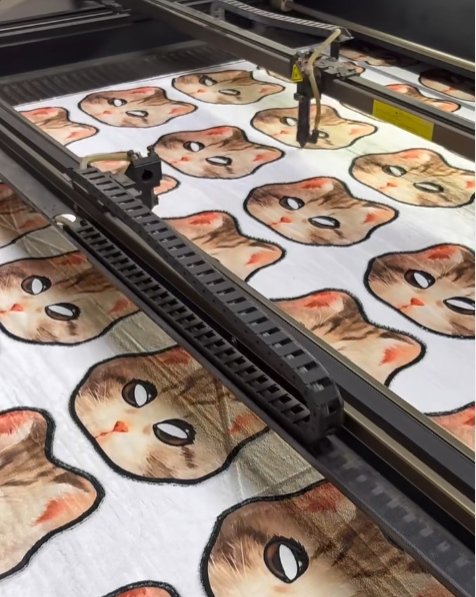
Heat Transfer
High-precision heat transfer applies crisp numbers, player names, and custom graphics onto mesh jersey panels with strong adhesion, supporting metallic, holographic, and matte finish options for premium streetwear appeal.
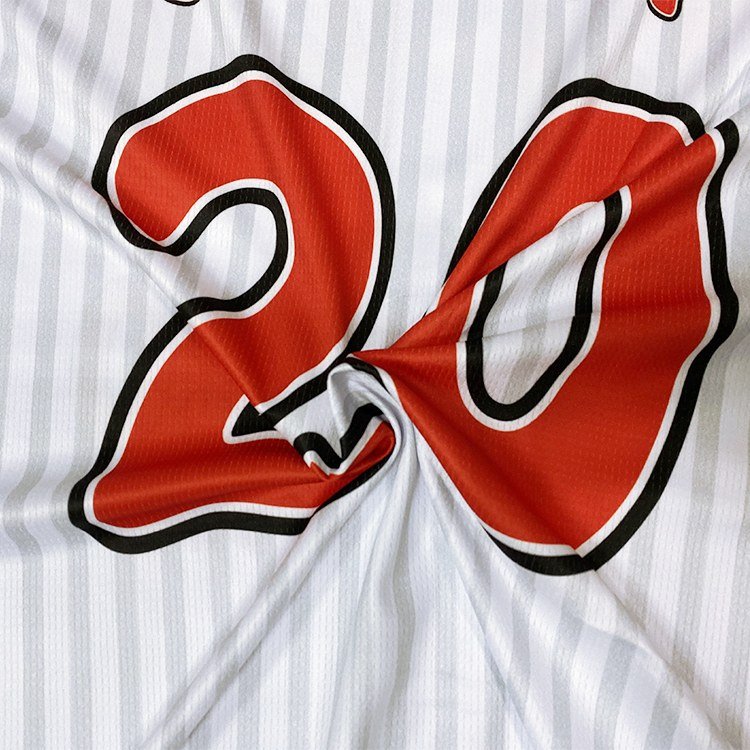
Woven Patch Application
Intricately woven fabric patches are heat-bonded or hand-sewn onto mesh jersey panels, delivering collector-grade tactile brand identity with a vintage sports premium feel beloved by independent streetwear labels worldwide.
Premium Accessories & Finishing Details
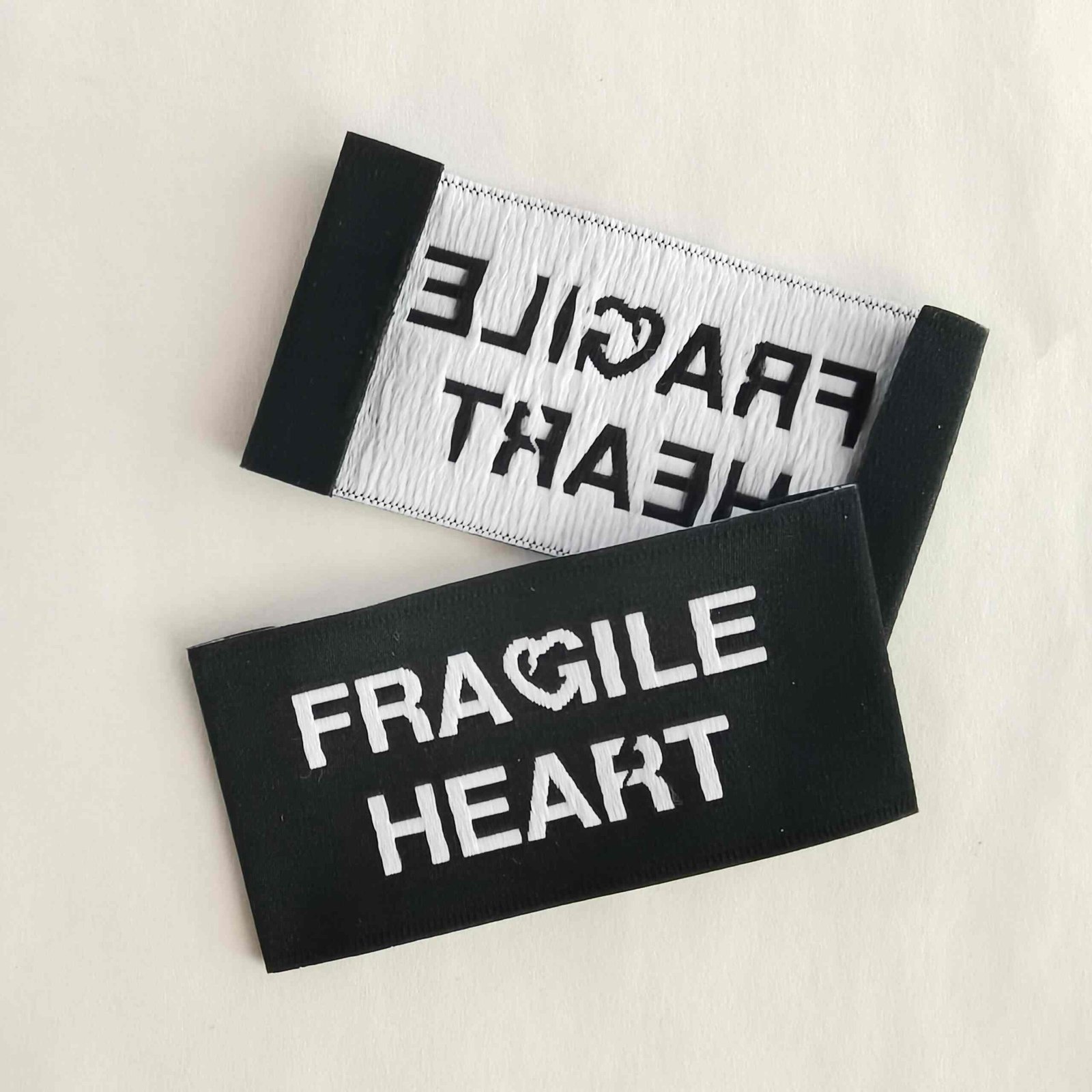
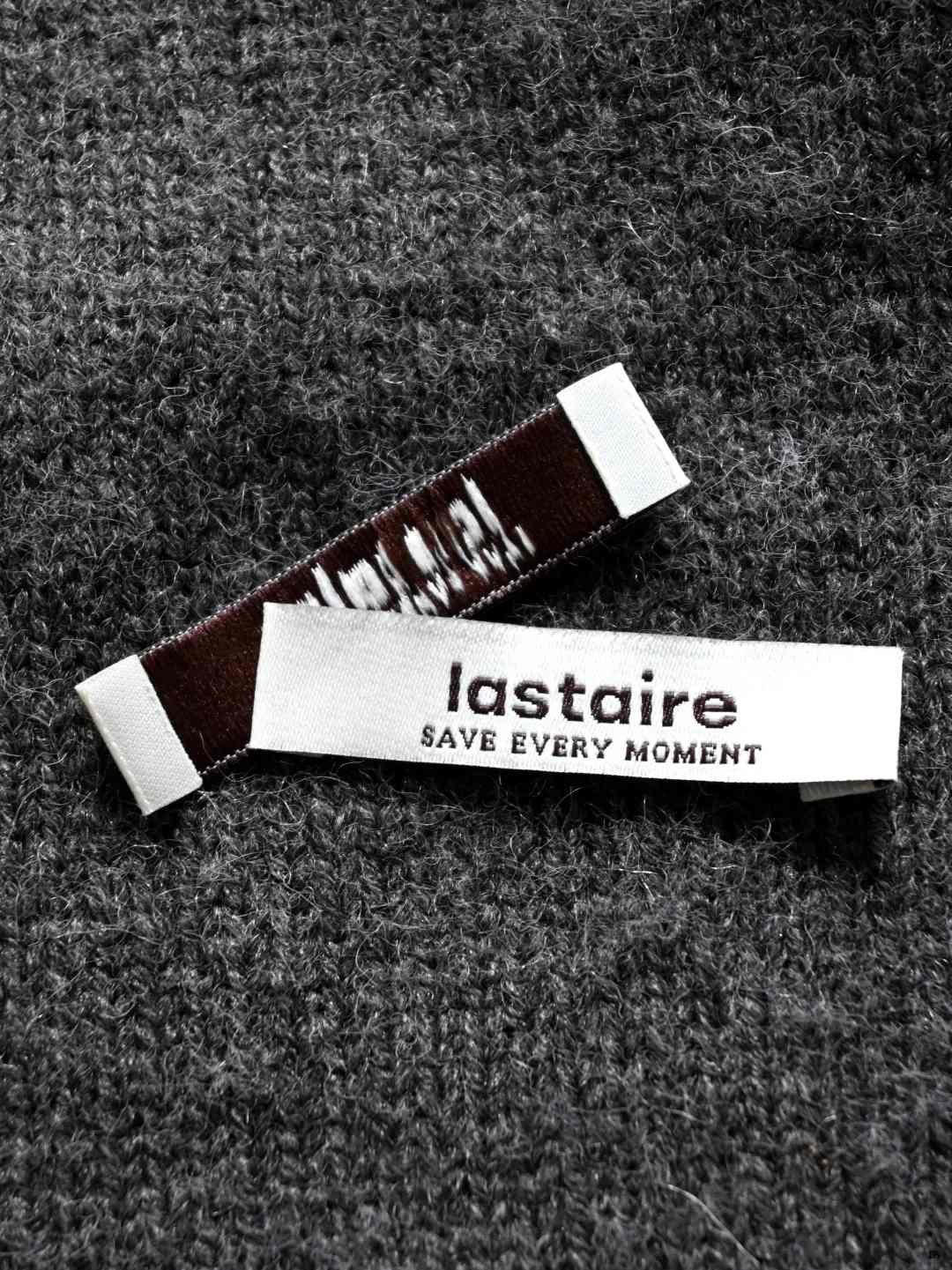
Woven Labels
Custom woven neck and hem labels carry your brand identity on every unit. Available in damask, satin, and taffeta weaves sized to your exact spec — a non-negotiable finishing touch for any serious streetwear collection.
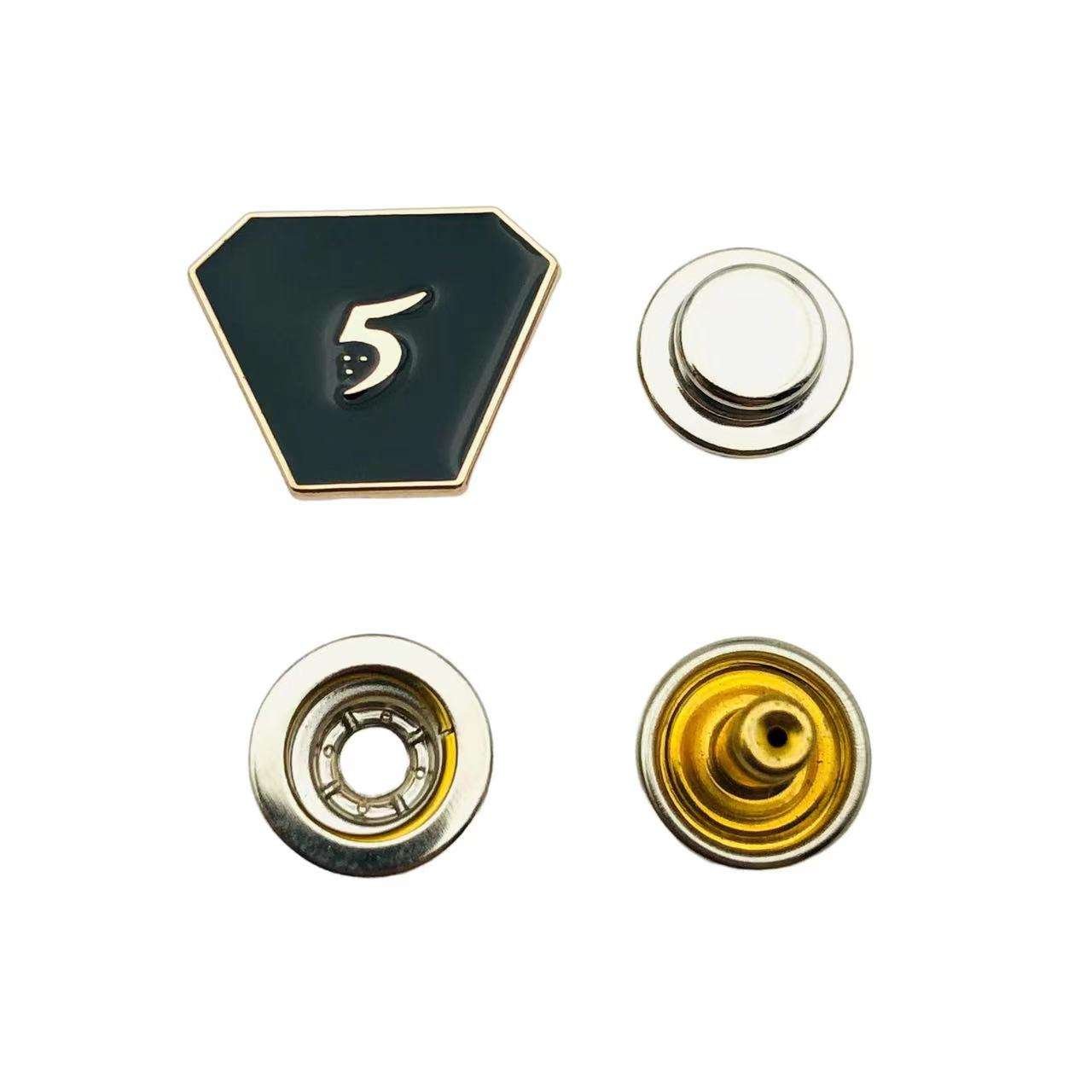
Snap Buttons
Classic metal or resin snap buttons applied to plackets and side panels of mesh jerseys. Durable, smooth-action closures that reinforce the authentic athletic aesthetic streetwear and influencer brands consistently demand.
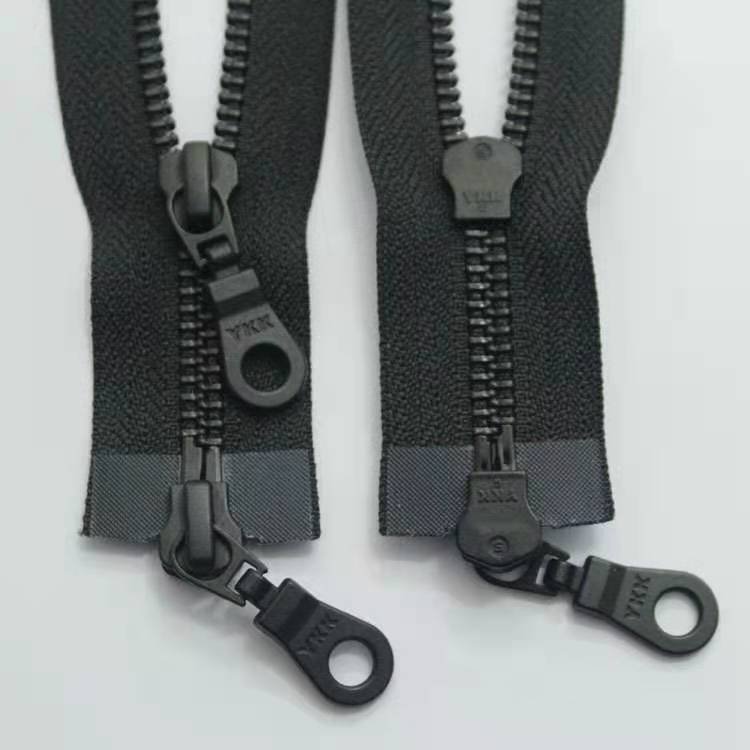
YKK Zippers
Industry-trusted YKK zippers for side seams, pockets, and zip-through plackets. Available in coil and molded styles with custom pulls and tape colors, precisely matched to your brand colorway for a unified look.
Custom Hangtags
Branded paper or card hangtags communicate sizing, care instructions, and brand story at point of sale. Printed to your artwork in any shape and strung with your chosen cord color for polished retail presentation.
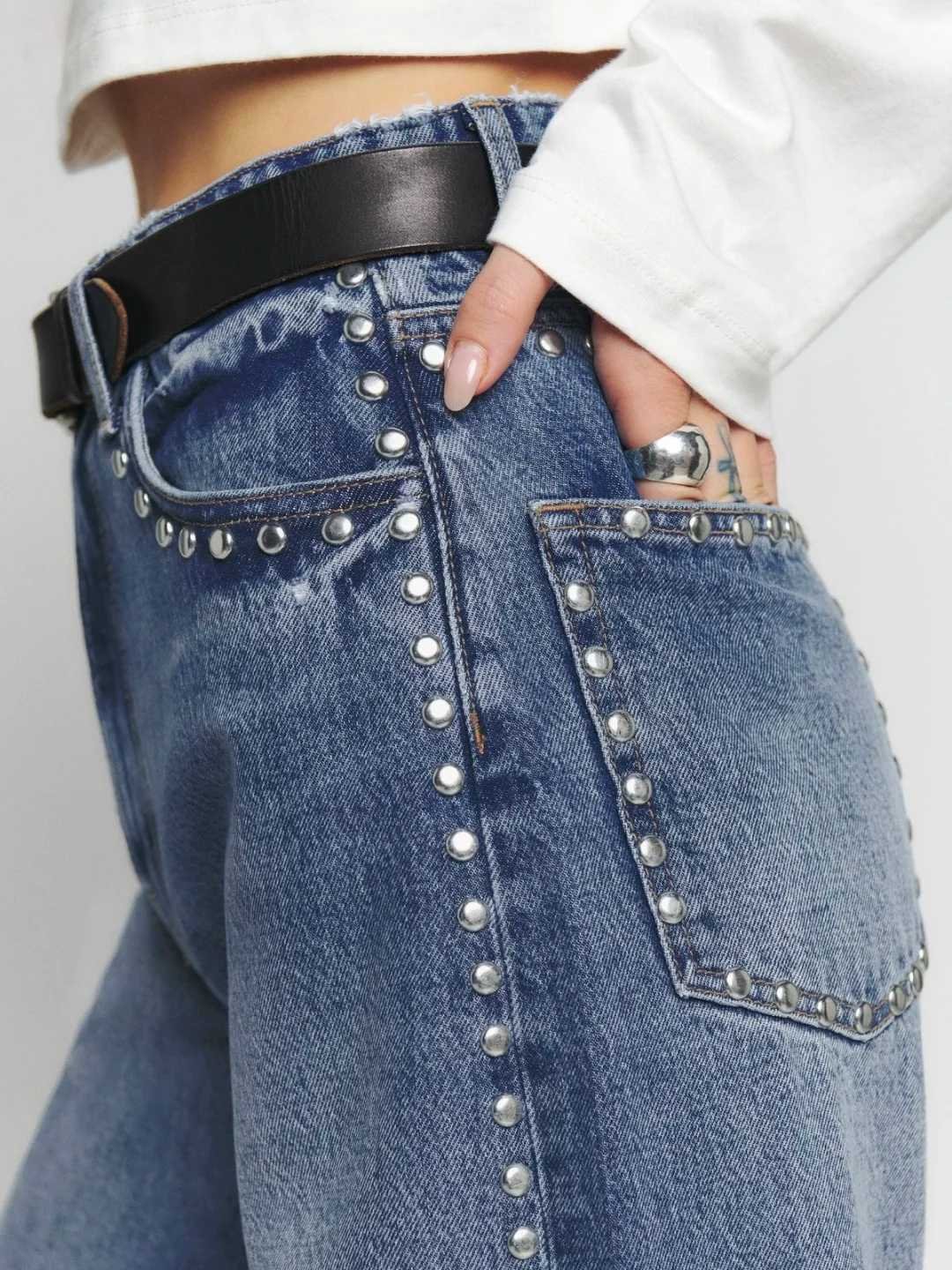
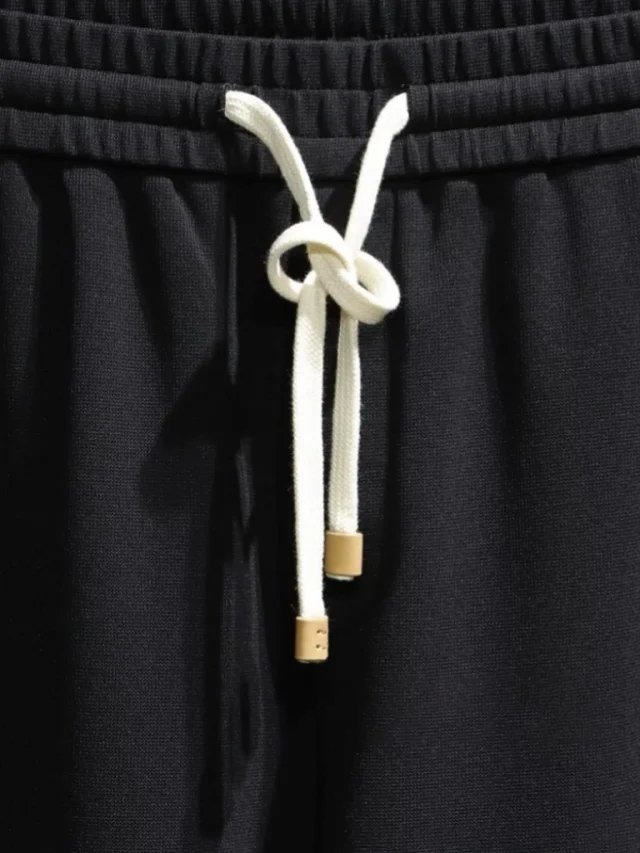
Drawcord & Tipping
Fabric or waxed drawcords with branded metal or silicone aglet tipping add functional style to hemlines and waistbands. A subtle yet high-impact detail that lifts perceived quality across any seasonal streetwear drop.
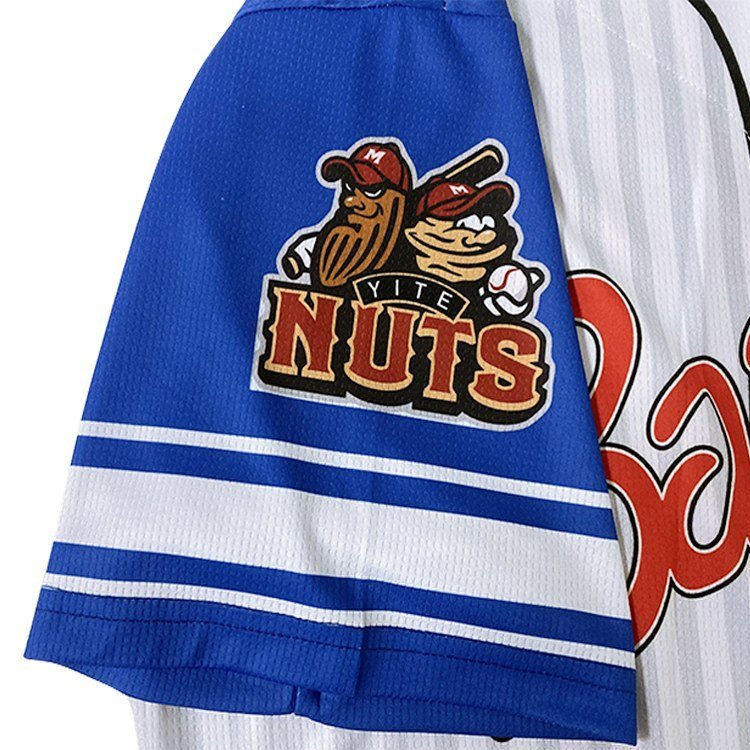
Custom Patches
Woven or embroidered patches applied to chest, sleeve, or back panels deliver bold, tactile brand markers. Heat-sealed or sewn-on options available, fully compatible with every mesh substrate in our production line.
About Your Trusted Mesh Baseball Jersey Manufacturer
Clothing Manufacturer Ltd. was founded in 2024 by Tesla Luo, a Dongguan-based industry veteran who grew up on factory floors and spent over a decade mastering every stage of garment production — from cutting and sewing to QC and shipping. His mission is straightforward: to prove that Chinese manufacturing can stand for uncompromising quality, and to give streetwear brands and fashion startups a production partner they can genuinely trust.
As a leading mesh baseball jersey manufacturer, we serve clients across more than 100 countries through a lean, experienced team backed by the infrastructure of our parent company, Dongguan TuoZhen Clothing Co., Ltd. Our in-house R&D team of 15 holds 10 production patents, supports low MOQs ideal for emerging brands, and delivers fast turnarounds to keep up with seasonal demands — giving startups the same production power as established global labels.
What sets us apart is our proprietary 5-step QC guarantee, introduced in 2025, which embeds quality checks at every stage — materials, cutting, craftsmanship, sewing, and final inspection — rather than treating quality as an afterthought. This philosophy, shaped by Tesla’s firsthand observation of industry-wide QC failures, means every jersey that leaves our facility meets the standard your brand and your customers deserve.
Our Expertise Across Mesh Baseball Jersey Manufacturing
Trend-Driven Design and Rapid In-House Sampling
Our 15-person R&D team and 10 held patents back every mesh baseball jersey we produce. From skeleton graphics to animal prints, our designers translate live streetwear culture into collection-ready samples fast enough to hit your seasonal window.
- 15-member in-house R&D team specialized in streetwear aesthetics and construction
- 10 patents covering production processes and design innovations
- Deep fluency in hip-hop, graffiti, skate, and street art motifs
- Rapid sample development that compresses your collection launch timeline
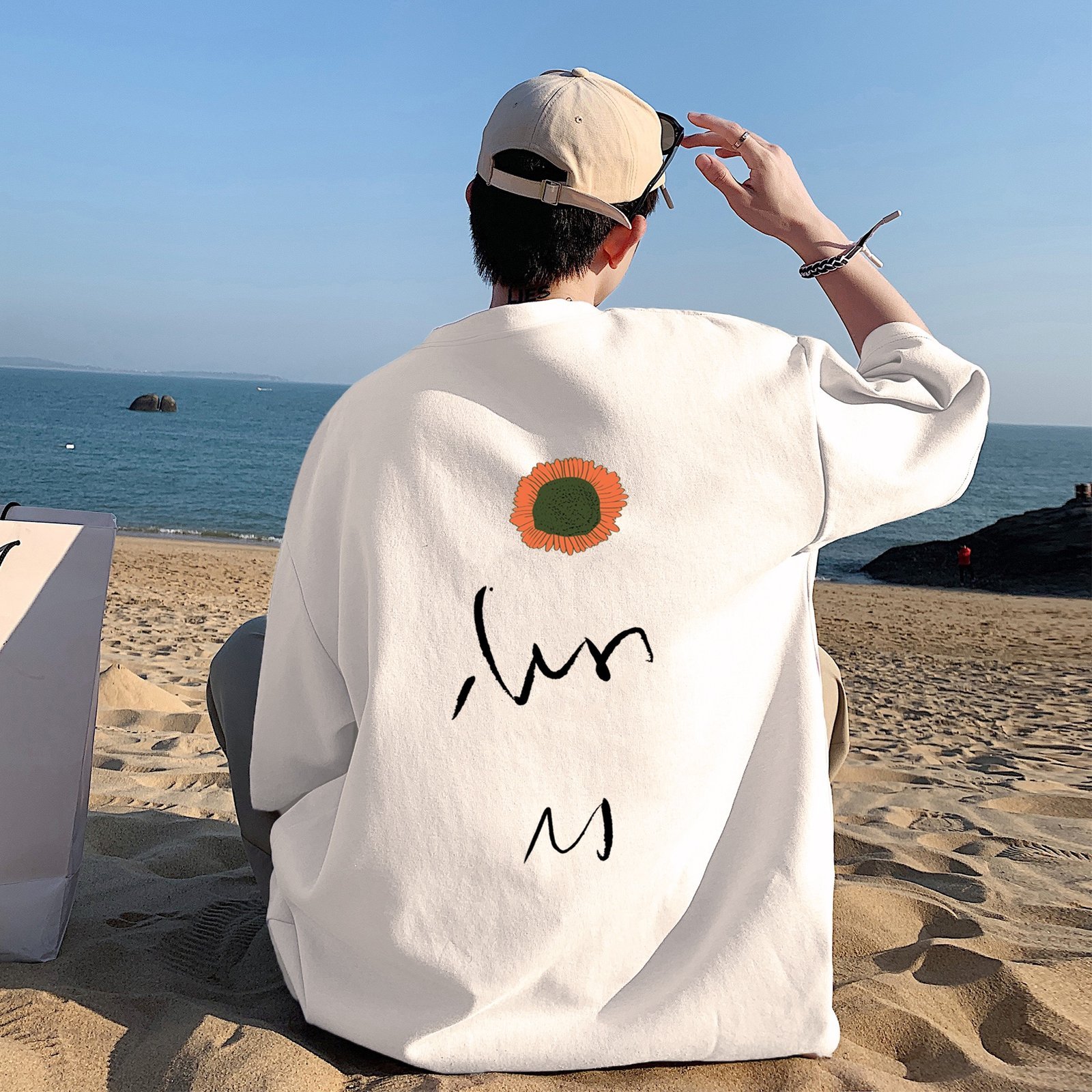
Five-Step QC Built Into Every Jersey We Make
We embed quality checks at every production stage, not just final inspection. Our proprietary five-step QC process covers materials, cutting, craft, sewing, and finished garment review — so defects are caught early and never reach your customers.
- Materials QC testing completed before a single cut is made
- In-line cutting, craft, and sewing quality checkpoints throughout production
- Comprehensive finished garment inspection before any item is packaged
- Zero-skip policy — no stage bypassed regardless of order volume or deadline
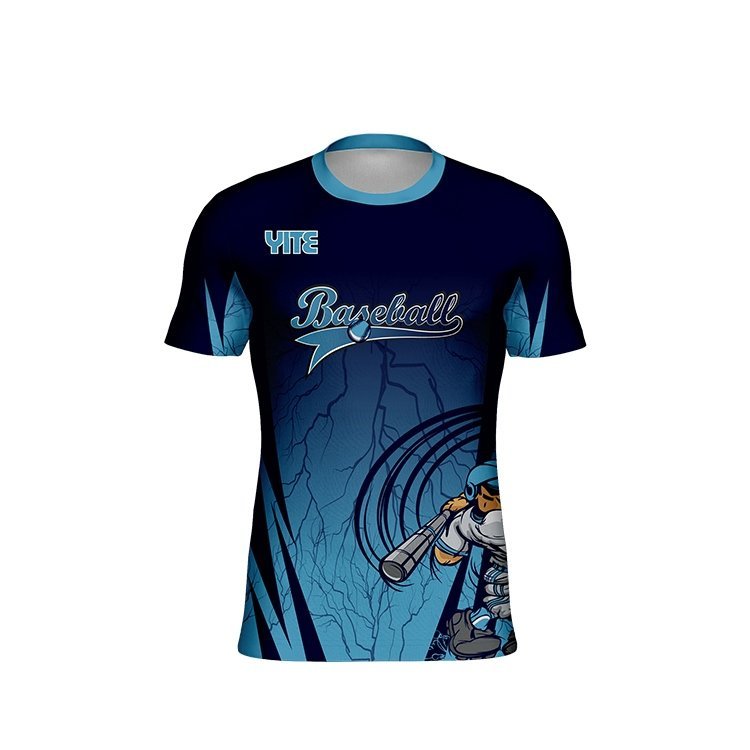
Low MOQ and 7-Day Turnaround for Growing Brands
Our production model is built for brands at every growth stage. Low minimum order quantities let emerging labels launch without risk, while a 7-day turnaround capability ensures you never miss a seasonal drop or influencer campaign window.
- Low MOQ entry points designed for startups and independent designers
- 7-day fast turnaround engineered for time-sensitive seasonal collections
- Scalable capacity backed by parent company Dongguan TuoZhen Clothing Co.
- Proven experience producing for influencer lines and creator-driven brands
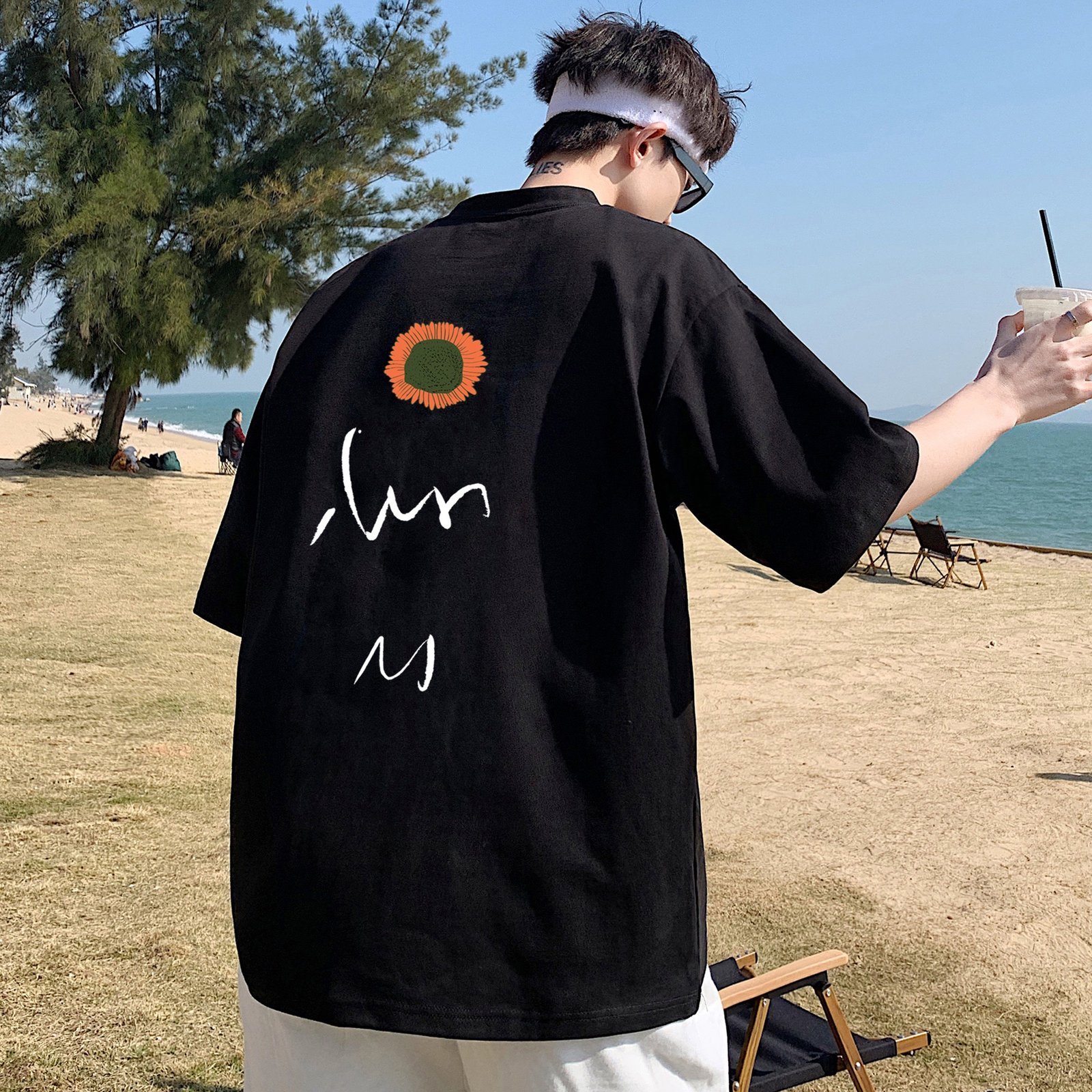
Global Shipping and Hands-On Customer Support
We have served customers across more than 100 countries and regions, managing customs declarations, logistics, and international freight end to end. Dedicated account management and transparent communication keep every order on track from first sample to final delivery.
- Active customers in 100-plus countries and regions worldwide
- Full customs, trade documentation, and international logistics handled in-house
- Dedicated account manager assigned from sampling through final shipment
- Transparent order updates at every production and logistics milestone
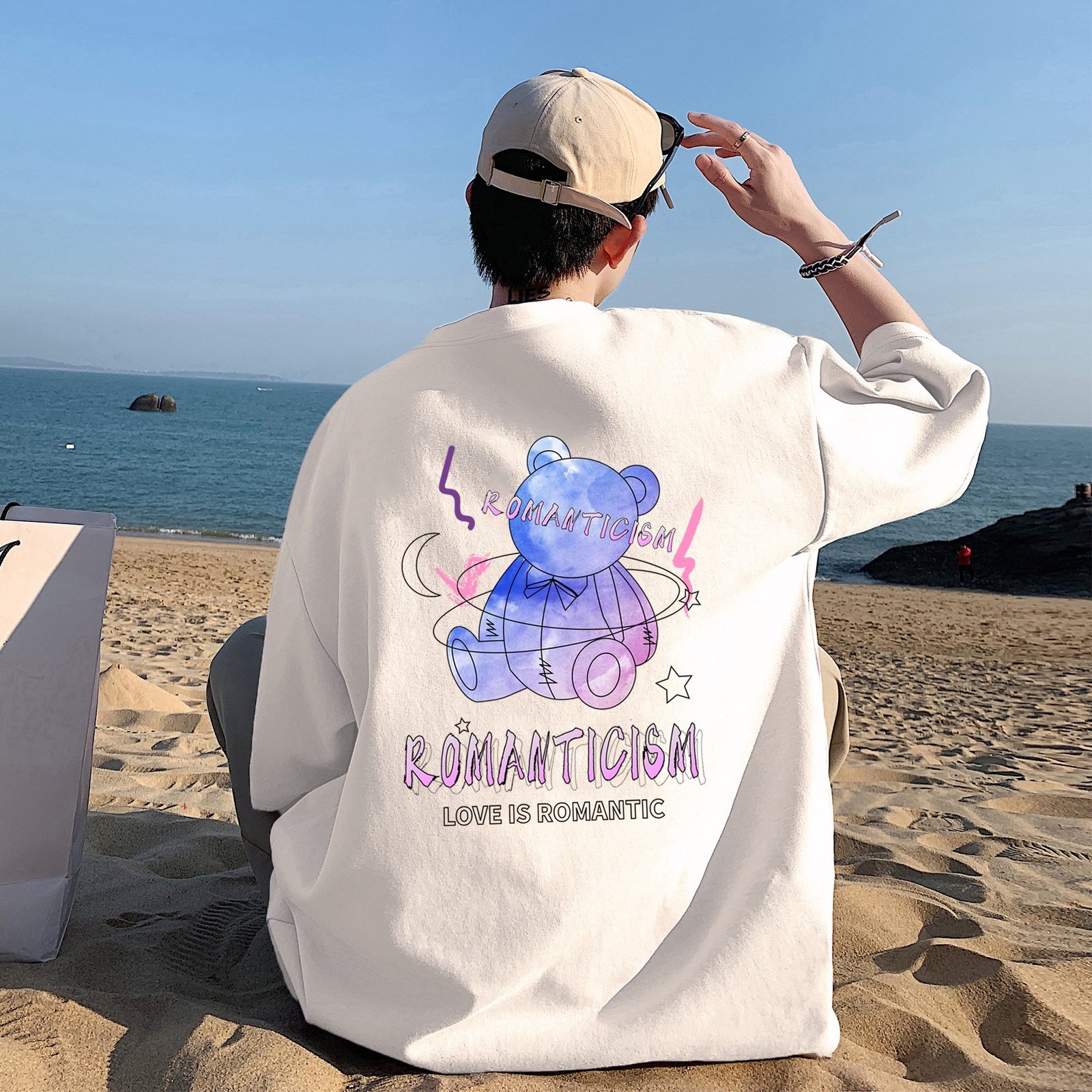
Why Clothing Manufacturer Ltd Outperforms Every Mesh Baseball Jersey Manufacturer
Not every mesh baseball jersey manufacturer runs the same playbook. Here is what sets our 5-step QC standard apart from suppliers who skip the checks that matter most.
← 左右滑动查看 →
Our Mesh Baseball Jersey Manufacturer Production Process
From your first design file to your doorstep, every phase at Clothing Manufacturer Ltd. is governed by a dedicated quality gate — so each jersey ships exactly as approved.
Design Review & Sampling
Our in-house design team reviews your artwork, tech packs, and specs, then builds a pre-production sample for your approval before any fabric is ordered.
Fabric Sourcing & Materials QC
Premium mesh fabrics are selected and put through rigorous materials QC testing — verifying weight, stretch, breathability, and colorfastness before a single panel is cut.
Precision Cutting & QC Gate
Panels are cut to exact pattern specs and inspected at our dedicated cutting QC checkpoint, catching grain errors or sizing deviations before they reach the sewing floor.
Sewing, Assembly & Inline QC
Skilled operators assemble each jersey under continuous sewing production QC monitoring, verifying seams, prints, and embroidery against your approved sample at every stage.
Finished Goods Full Inspection
Every completed jersey undergoes a comprehensive finished-goods QC inspection — measurements, colorways, and construction all verified against your approved standard before packing.
Packaging & Global Dispatch
Orders are packed to your brand specifications and shipped worldwide via our logistics network, with real-time tracking and full customs declaration support included.
How to Partner With Our Mesh Baseball Jersey Manufacturer
From your first design file to final delivery, every stage is engineered for speed, full transparency, and the 5-step quality guarantee that defines everything we produce.
Submit Your Tech Pack or Brief
Share design files, measurements, or concept sketches. Our in-house sampling team reviews every detail and responds with a full production feasibility assessment within 24 hours.
Receive Your Quote and Sample
Get a transparent price quote and a pre-production sample in your chosen mesh fabric. Review fit, print quality, and finish before committing to any bulk order.
Approve Specs and Lock Production
Confirm colorways, finalize sizing, and sign off on your approved sample. Low MOQ options let emerging brands and startups move forward without large upfront inventory commitments.
Manufacture With 5-Step QC Assurance
Full-scale production runs alongside our proprietary 5-step QC process covering materials, cutting, craft, sewing, and finished-goods inspection — defects caught at every stage, not just the end.
Ship Globally to Your Door
Completed jerseys are packed, documented, and dispatched via our global logistics network. Fast seasonal turnarounds and real-time shipment tracking keep your brand on schedule worldwide.
Certified Quality From Your Trusted Mesh Baseball Jersey Manufacturer
What Global Brands Say About Their Mesh Baseball Jersey Manufacturer
We ordered 120 custom mesh baseball jerseys for our spring drop and sold out in 11 days. Their 5-step QC caught a print misalignment before full production ran — that alone saved our launch. We will not source jerseys anywhere else.
As a startup, we needed low MOQ and reliable quality. Clothing Manufacturer Ltd. delivered 80 mesh baseball jerseys in just 9 days, every piece passing inspection. Our debut collection drove 4,200 Instagram saves in the first week alone.
We scaled from 200 to 1,500 units per drop in under six months. The in-house sampling team nailed our colorways on the first attempt, and our launch-day influencer posts hit 2.3 million impressions. A genuinely game-changing production partner.
Mesh Baseball Jersey Manufacturer FAQ
Everything B2B buyers need to know about MOQ, lead times, sampling, payment, international shipping, IP protection, and customization — answered directly.
What is the minimum order quantity at your mesh baseball jersey manufacturer?
How fast can a mesh baseball jersey manufacturer deliver finished production orders?
How much does sampling cost, and how long does it take?
Will your mesh baseball jersey manufacturer protect my designs and intellectual property?
What payment terms do you offer for bulk apparel orders?
Do you handle international shipping and customs documentation?
What customization options are available for mesh baseball jerseys?
How does your 5-step quality control process protect my order from defects?
Can startups and new brands order from your mesh baseball jersey manufacturer, or is this only for large retailers?
The Complete Buyer’s Guide to Finding a Mesh Baseball Jersey Manufacturer
Discover how to evaluate every mesh baseball jersey manufacturer against proven supplier criteria, avoid the costliest sourcing mistakes, and build a repeatable decision framework that gets your brand from sample to shelf faster.
1. What Is a Mesh Baseball Jersey Manufacturer?
A mesh baseball jersey manufacturer is a cut-and-sew facility that handles the full production chain — sourcing mesh fabric (typically 100–160 GSM polyester bird’s-eye or hex-mesh), grading patterns across size runs, cutting, sewing, finishing, and delivering branded finished goods ready for retail or direct-to-consumer fulfillment. Unlike a screen-print shop or decorator, this producer owns the means of construction, not just decoration.
Buying blanks from a wholesale distributor limits brands to 3–5 stock colorways, fixed silhouettes, and margins compressed by at least one middleman markup — often 40–60% above factory price. Partnering directly with a mesh baseball jersey manufacturer gives brands control over fabric weight, mesh hole pattern, collar construction, and private labeling from the first sample, typically at MOQs starting at 50–200 units per style.
Three supplier types dominate the sourcing landscape: a factory (owns sewing lines, cutting rooms, and in-house QC staff), a trading company (brokers orders to third-party factories, adding 15–30% overhead with limited production visibility), and a private-label supplier (holds pre-made blanks under a generic label, applying your branding post-production). Knowing which type you are actually engaging determines lead times, accountability when defects arise, and your ability to enforce OEKO-TEX or WRAP compliance audits at the production source.
2. A Brief History of Mesh Baseball Jersey Manufacturing
By 1849, organized baseball clubs were wearing heavy wool flannel uniforms that weighed upward of 14 oz per square yard, produced entirely by domestic East Coast mills. These garments prioritized durability over breathability, with hand-sewn numbers and reinforced seams. No engineered ventilation existed — athletes simply endured the heat.
In 1971, MLB clubs began transitioning to 100% double-knit polyester, and by the mid-1970s open-hole polyester mesh construction had debuted — cutting garment weight to roughly 4–6 oz per square yard while dramatically improving airflow. Manufacturers in Pennsylvania and the Midwest pioneered these synthetic knit techniques using industrial circular-knitting machines. That era established the structural template — raglan sleeves, mesh body panels, contrast tackle twill numbering — still referenced by every mesh baseball jersey manufacturer today.
From the 1990s onward, global supply-chain restructuring moved production from U.S. domestic mills to East Asian manufacturing hubs, particularly China’s Pearl River Delta, which includes Humen Town, Dongguan — now one of the world’s most concentrated apparel production centers. Lead times shortened, per-unit costs fell, and access to advanced warp-knit and weft-knit machinery expanded rapidly. By 2010, the majority of performance mesh jerseys reaching U.S. and European markets were manufactured in China.
Today’s streetwear crossover treats 1970s–1990s mesh construction as intentional source material — brands reference sand-knit polyester, tackle twill appliqué, and buttoned plackets as deliberate heritage signals. Authentic retro fabrications use 100% polyester open-mesh at 140–180 GSM, not lightweight fashion knits, a distinction that separates genuine throwback product from costume-quality imitations. Buyers sourcing retro-inspired pieces must specify these construction benchmarks clearly to a mesh baseball jersey manufacturer to achieve the correct hand, drape, and silhouette.
3. Types of Mesh Baseball Jerseys a Manufacturer Can Produce
A capable mesh baseball jersey manufacturer produces far more than one silhouette. Six distinct jersey categories serve different audiences, construction specs, and brand strategies — knowing each prevents costly sampling detours.
Authentic Replica and On-Field Jerseys
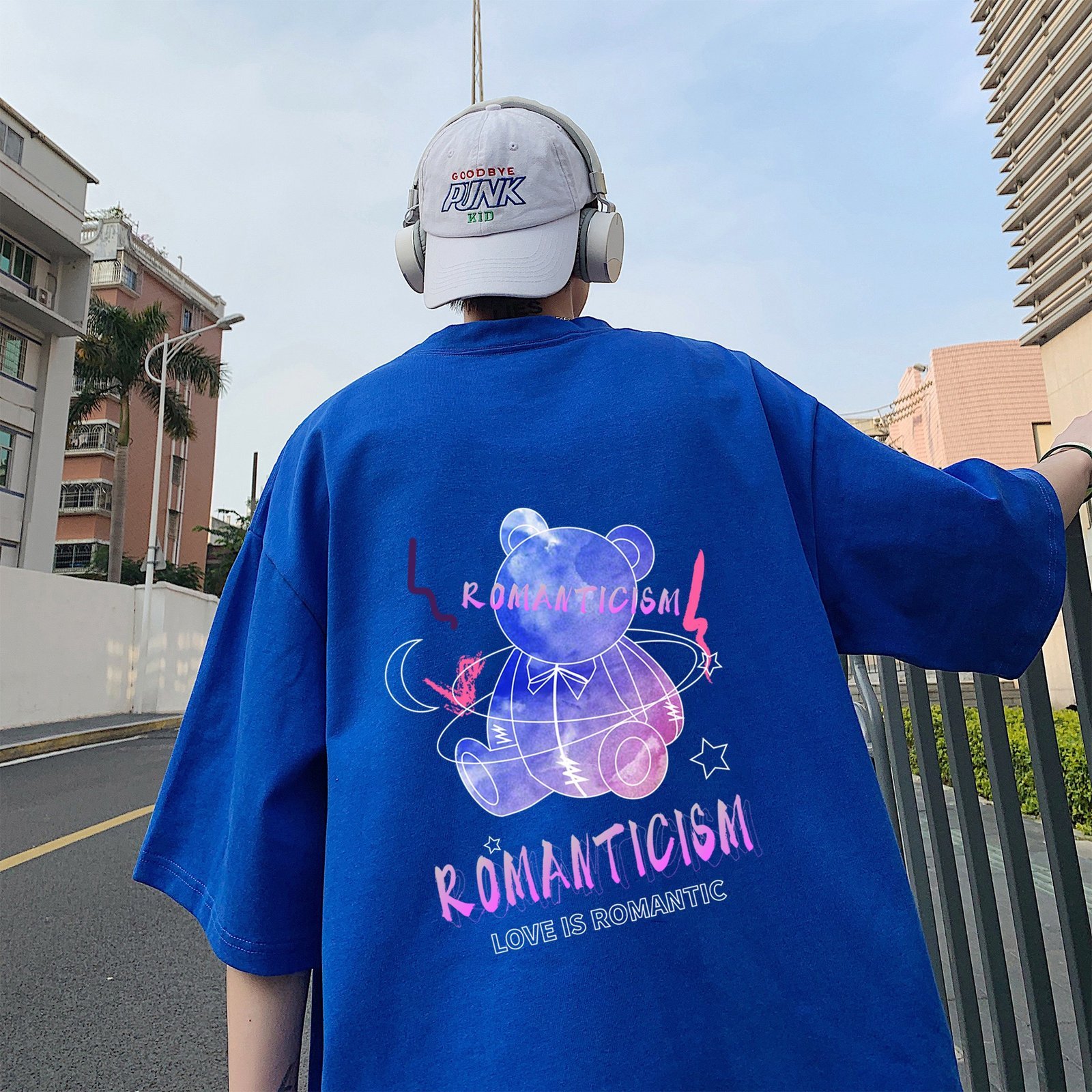
Traditional 2-button or full-button fronts in 100% polyester bird’s-eye mesh (140–160 GSM) replicate pro-league aesthetics. Tackle-twill numbering and heat-seal name bars are standard construction details. Sports retailers, league uniform buyers, and fan-merchandise brands order these most frequently.
Streetwear Oversized Fashion Jerseys
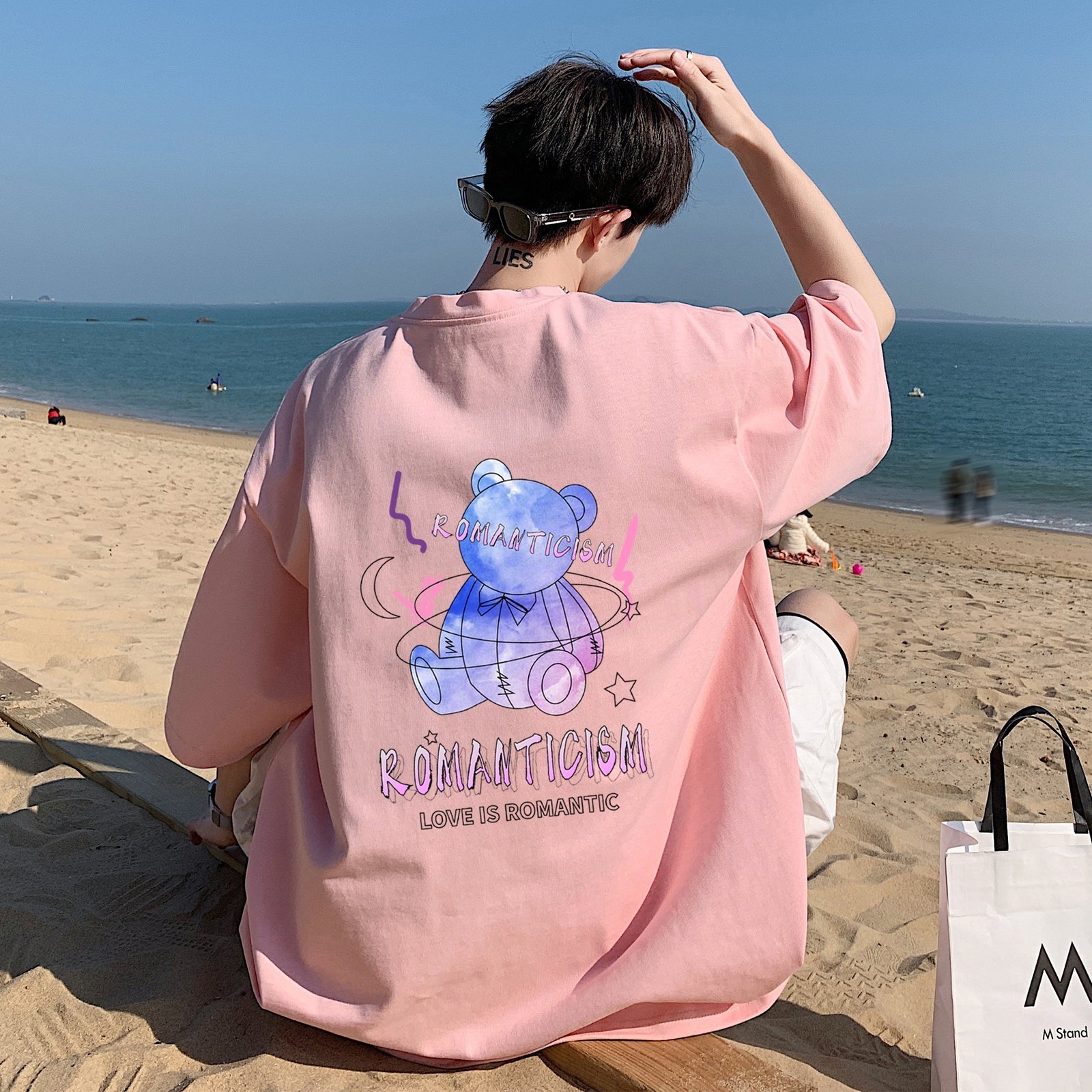
Dropped shoulders, extended hemlines, and chest widths 4–6 inches beyond standard athletic fit define this silhouette. Heavier 180–200 GSM mesh adds drape and structure suited to off-field wear. Trendy brands, independent designers, and influencer labels drive the majority of orders in this cut.
Sublimation-Ready Blanks
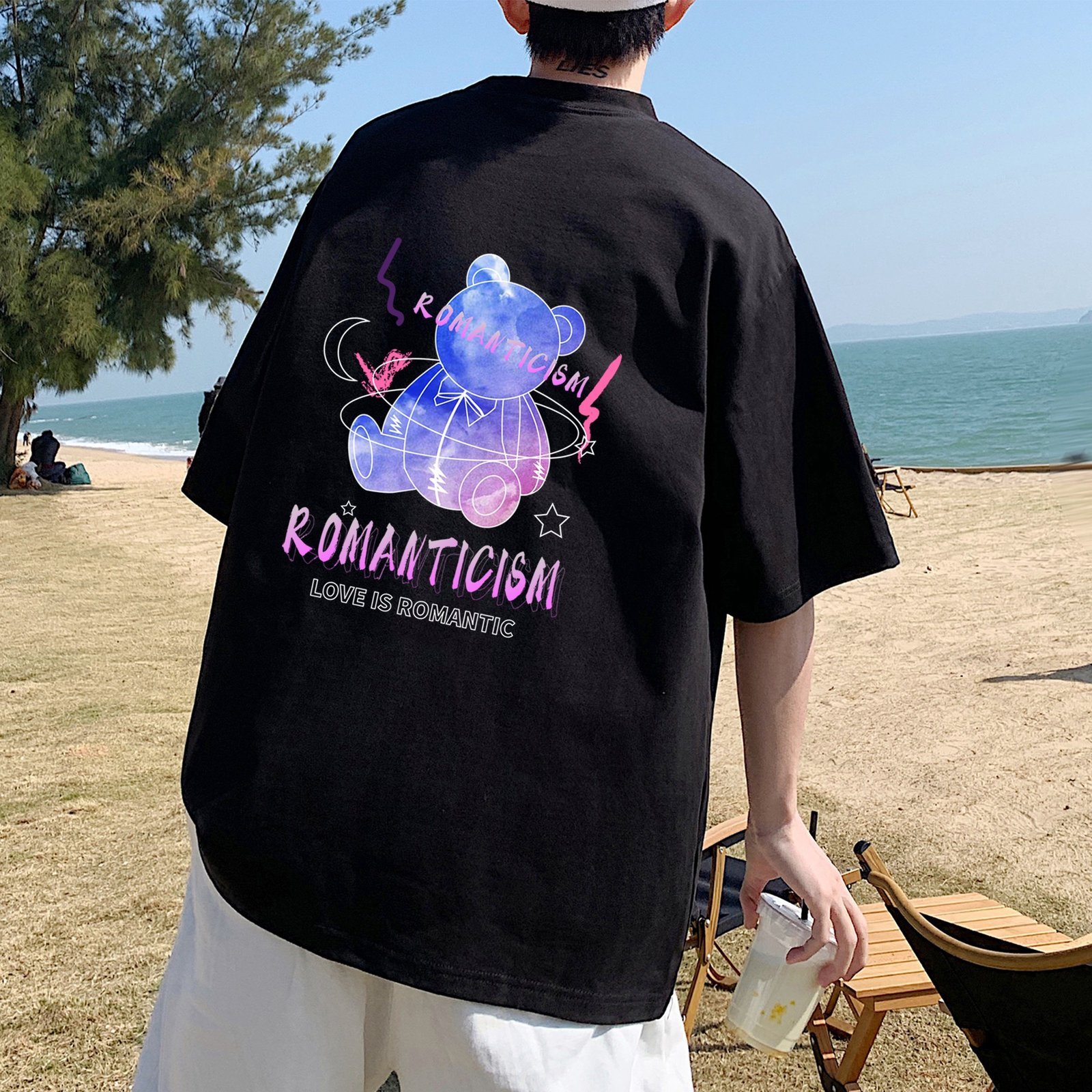
White or light-base 100% polyester blanks accept dye-sublimation printing across full garment panels with no color bleeding. MOQs often start at 12–24 pieces per colorway, making them ideal for startups testing new SKUs. Print-on-demand brands and dropshippers rely on this format most heavily.
Reversible Performance Jerseys
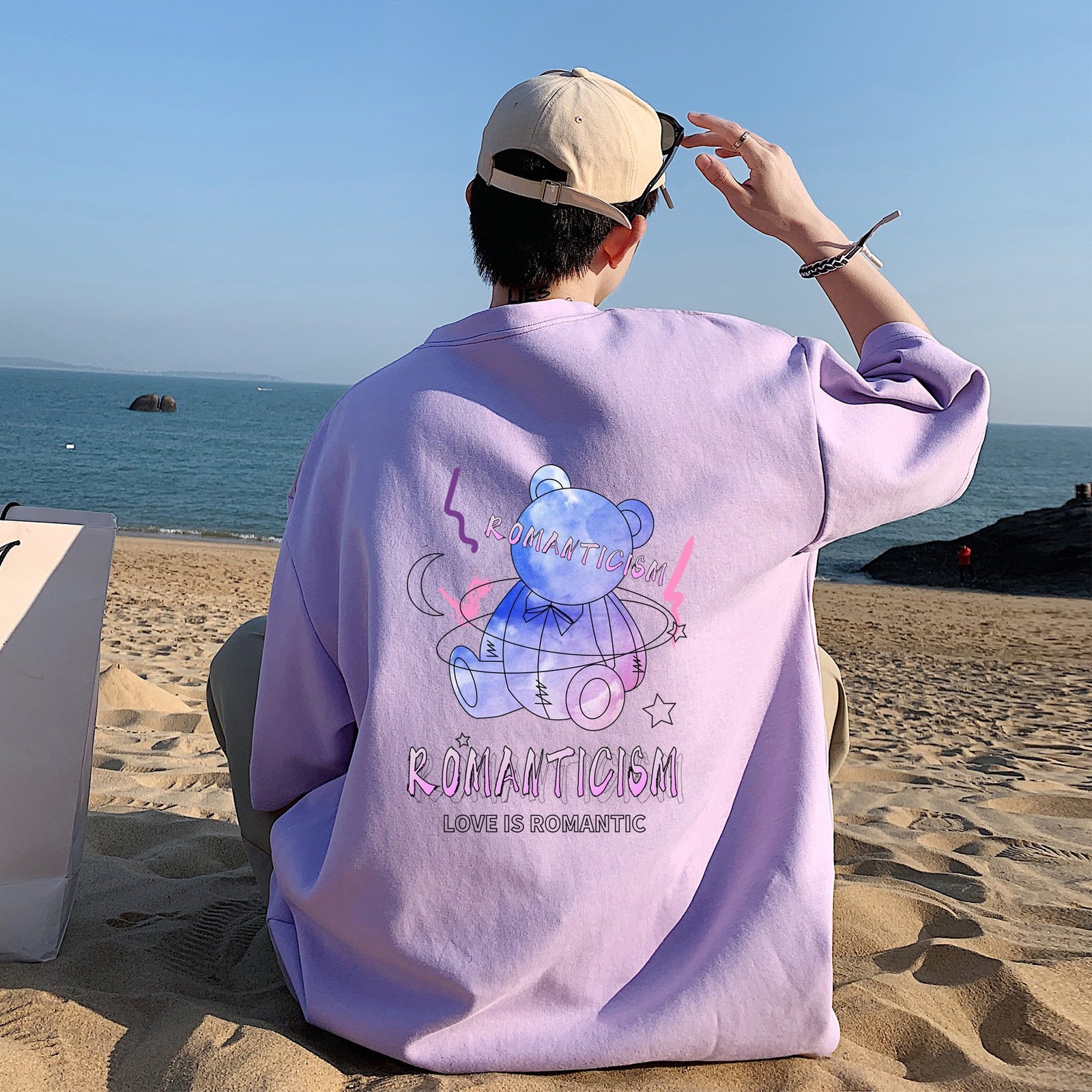
Dual-layer construction joins two mesh panels back-to-back, yielding two wearable colorways in one garment. Added sewing complexity typically pushes MOQs to 50–100 units. Youth sports clubs and dual-colorway retail collabs are the primary buyers of this style.
Youth and Women’s Fitted Styles
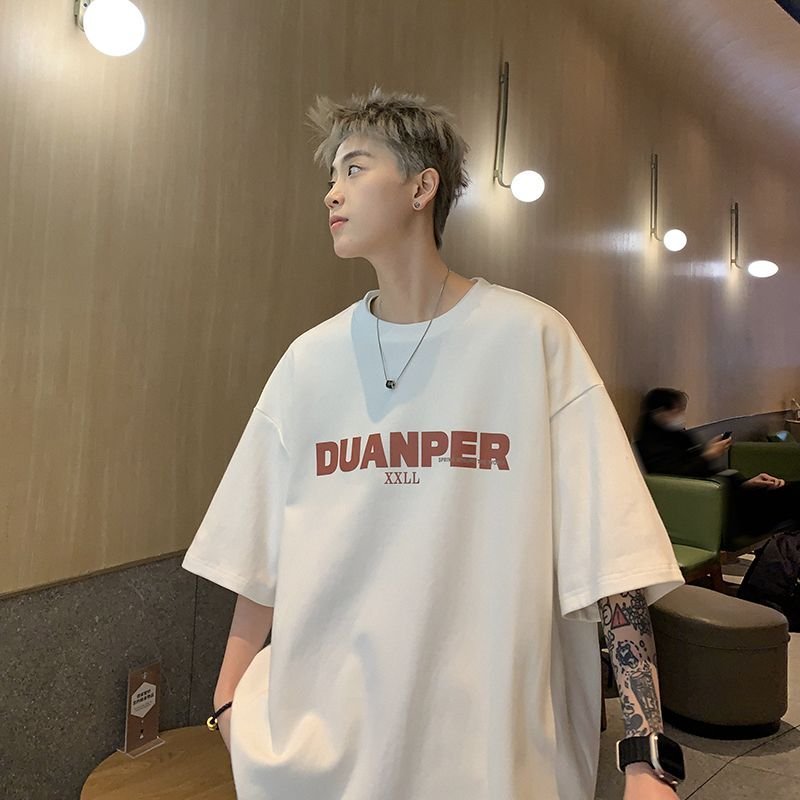
Narrower shoulder seams, darts, and shorter body lengths distinguish these from unisex patterns. Women’s cuts commonly use lighter 130–150 GSM mesh for improved comfort and drape. Growing fashion brands and school-program buyers order fitted styles to extend size-range coverage.
Collab and Limited-Edition Drop Styles
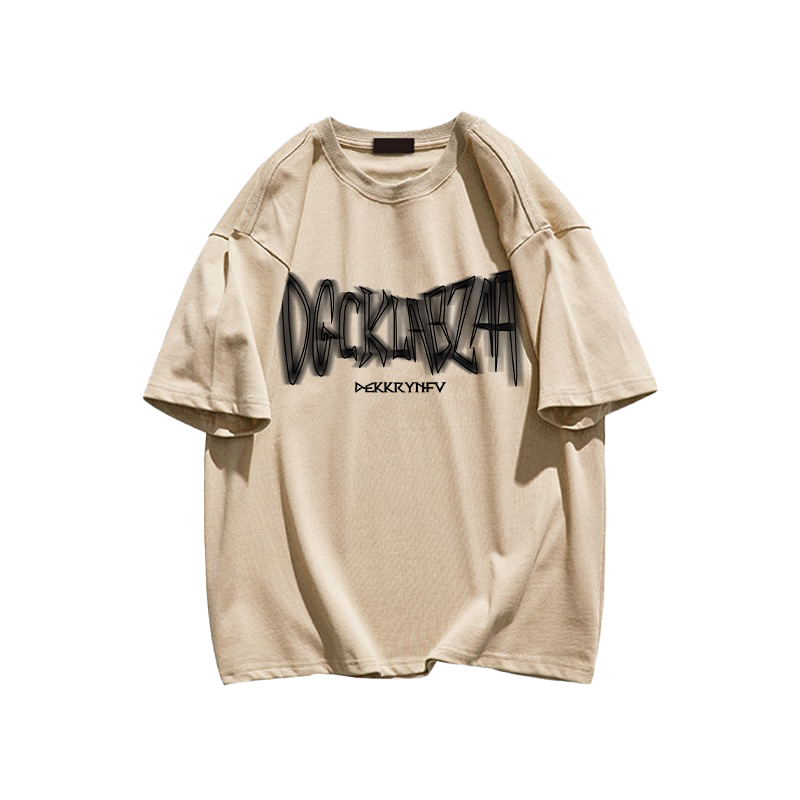
Drop-ready jerseys require small-batch flexibility — MOQs of 30–50 units with accelerated production windows. Woven inside labels, custom hangtags, and branded hardware elevate perceived value for limited runs. Creator-economy labels and brand collab accounts are the core buyers of this category.
4. Mesh Fabrics and Materials: What Every Buyer Must Know
Fabric selection is the single most consequential spec decision a buyer makes. A qualified mesh baseball jersey manufacturer stocks at least five mesh constructions, each with distinct GSM ranges, breathability ratings, and print compatibility — understanding them prevents costly re-orders.
Five Core Mesh Fabric Constructions
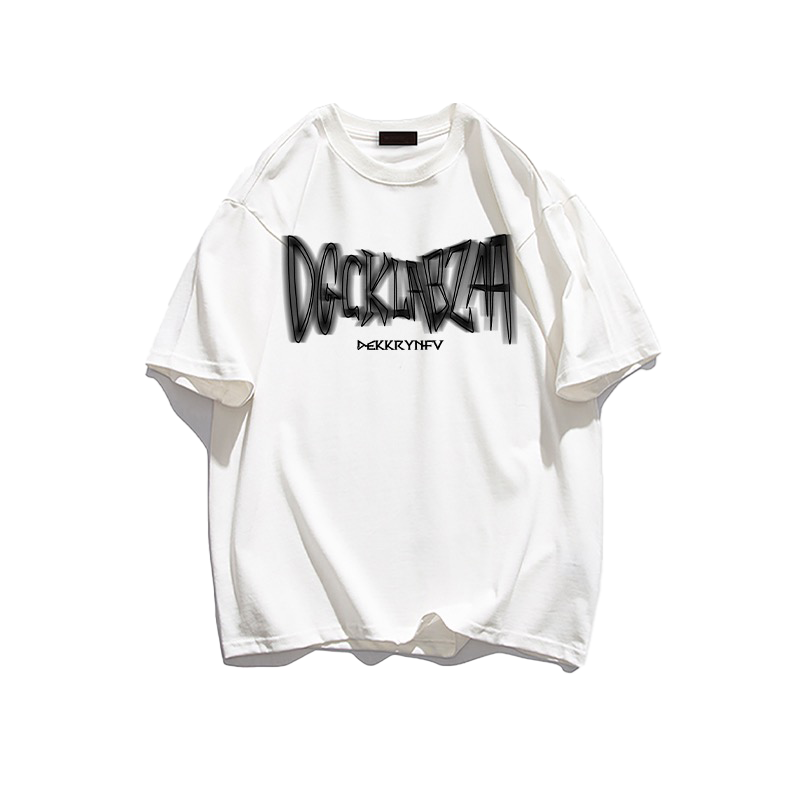
GSM (grams per square meter) is the first spec to nail: lighter meshes (100–140 GSM) maximize airflow; heavier builds (160–200 GSM) add structure and opacity for sublimation-heavy designs.
Each construction differs in how it accepts heat-transfer vinyl, sublimation dye, screen printing, and embroidery — mismatching print method to fabric causes bleed, cracking, or fiber damage.
| Fabric Type | GSM | Breathability | Print Method | Best Use |
|---|---|---|---|---|
| 100% Polyester Birdseye | 130–160 | High | Sublimation, HTV | Team uniforms, streetwear drops |
| Poly-Cotton Blend | 150–180 | Medium | Screen print, DTG | Vintage-style retail jerseys |
| Moisture-Wicking Performance | 120–150 | Very High | Sublimation | Athletic and activewear lines |
| Tricot Mesh | 160–200 | Medium | HTV, embroidery | Premium lifestyle, fashion jerseys |
| Recycled Polyester Mesh | 130–160 | High | Sublimation | Sustainable brand collections |
Which Fabric to Spec for Your Brand
Streetwear and influencer brands consistently default to 100% polyester birdseye (130–160 GSM) for its full-bleed sublimation compatibility and cost efficiency at volume.
Brands prioritizing sustainability should spec OEKO-TEX-certified recycled-polyester mesh — it delivers equivalent breathability and print fidelity to virgin poly at roughly a 10–15% unit cost premium.
- Budget streetwear or team drops: birdseye polyester, 130–150 GSM, sublimation.
- Vintage retail positioning: poly-cotton blend, screen print or DTG.
- Performance or athletic crossover: moisture-wicking mesh, 120–140 GSM.
- Fashion-forward or premium lines: tricot mesh with embroidery detailing.
- Eco-label brands: OEKO-TEX recycled poly, sublimation compatible.
5. Customization Options Every Mesh Baseball Jersey Manufacturer Offers
A capable mesh baseball jersey manufacturer offers at least six decoration methods — each with different setup costs, durability ratings, and MOQ thresholds. Matching the technique to your brand’s volume and visual goals prevents costly rework downstream.
| Technique | Setup Cost | Durability | MOQ Impact |
|---|---|---|---|
| Sublimation | $0–$50 | 5+ years | 12+ pieces |
| Screen Print | $30–$80/color | 3–5 years | 24+ pieces |
| Tackle Twill / Embroidery | $50–$150 | 7+ years | 12+ pieces |
| HTV | $10–$30 | 2–3 years | 1+ piece |
| Woven Labels | $80–$200 | 10+ years | 100+ labels |
| Custom-Dyed Panels | $200–$500 | 5+ years | 50+ pieces |
Print-Based Decoration: Sublimation and Screen Printing
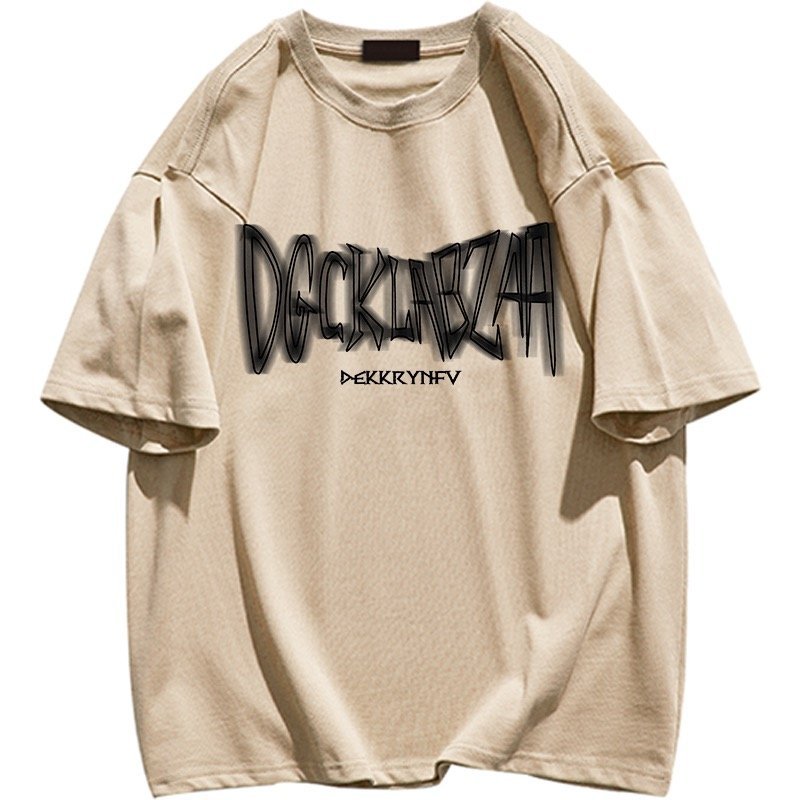
Sublimation printing fuses dye directly into polyester mesh fibers, producing all-over graphics with no hand-feel and virtually no fade over 5+ years. Setup runs $0–$50 per colorway, making it ideal for small runs of 12+ pieces.
Screen printing suits bold spot colors on lighter meshes, with setup at $30–$80 per color and a durability window of 3–5 years before cracking at stress points.
Dimensional Lettering: Tackle Twill, Embroidery, and HTV
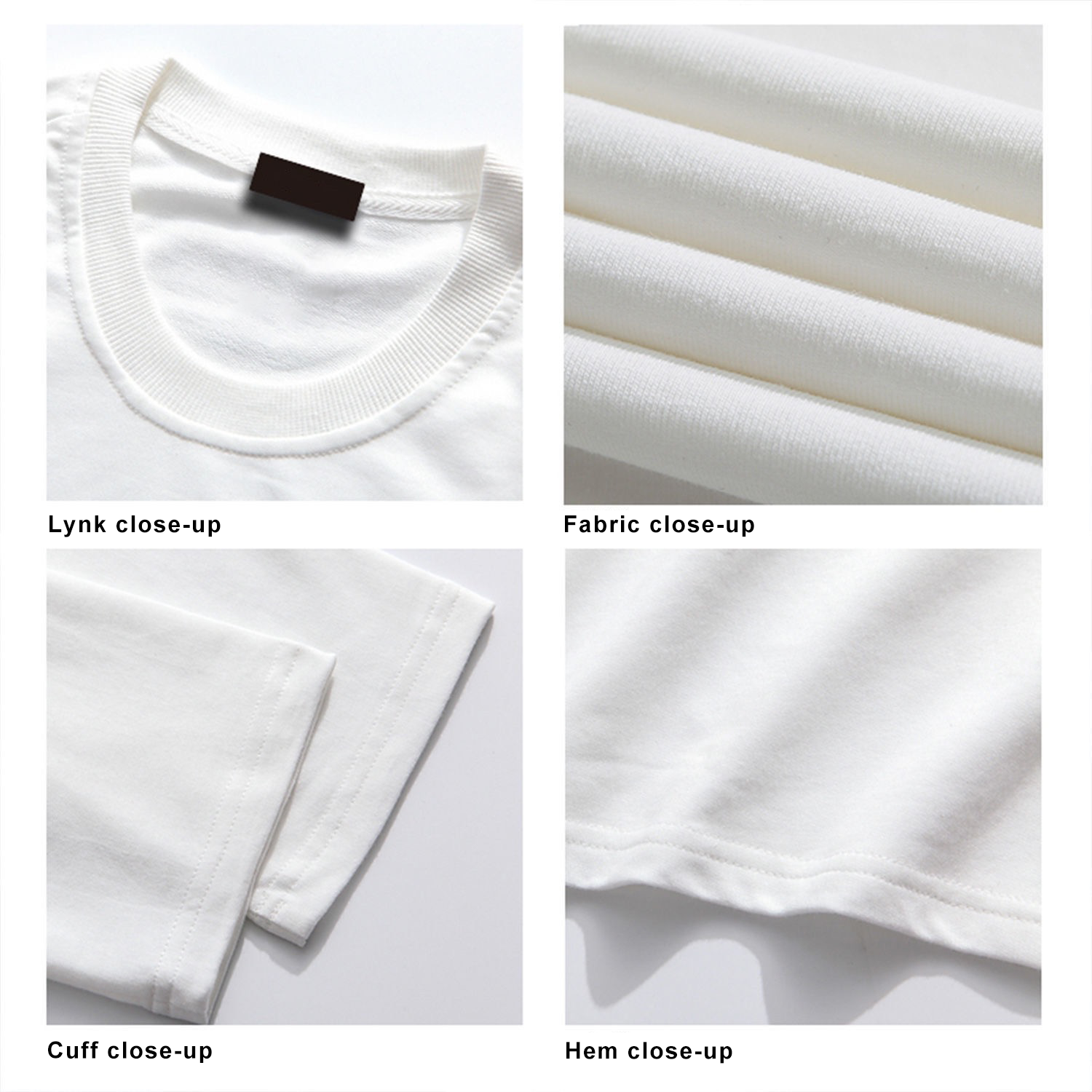
Tackle twill — layered fabric letters stitched onto the jersey — delivers a premium, textured look that lasts 7+ years. Embroidery digitization adds $50–$150 in setup but suits runs from 12 pieces upward.
Heat-transfer vinyl (HTV) costs just $10–$30 in setup, works on single-piece orders, but fades or peels within 2–3 years under heavy washing.
Branding Finishes: Woven Labels, Hang Tags, and Custom Dyeing
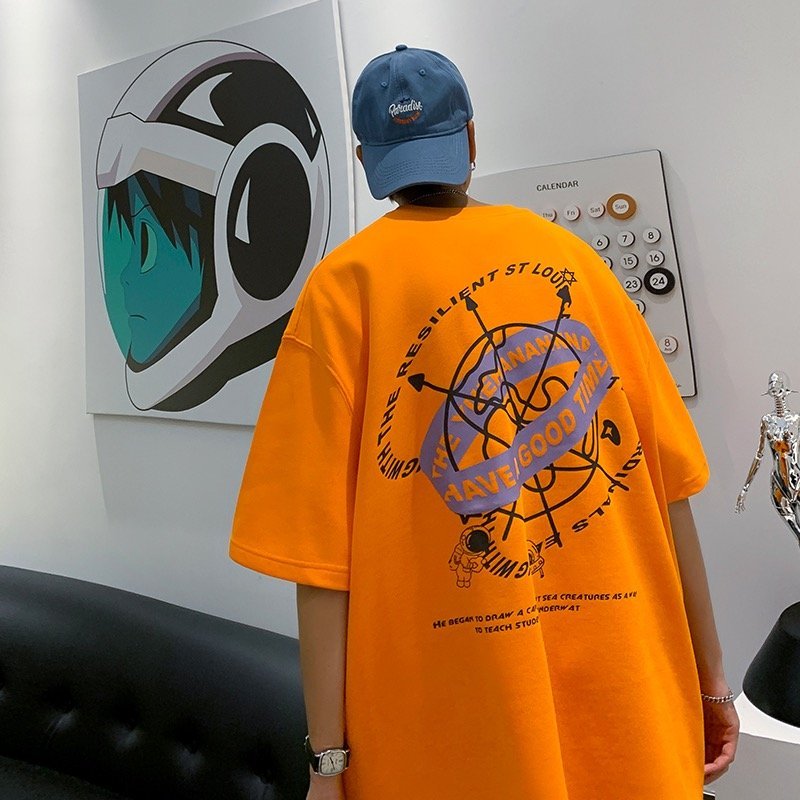
Woven labels and custom hang tags require a one-time setup of $80–$200 with 100-piece label minimums, but they signal brand maturity to retail buyers.
Custom-dyed body panels — yarn-dyed or piece-dyed before cutting — demand MOQs of 50+ jerseys and $200–$500 in dye setup costs, yet deliver colorways no competitor can copy off-the-shelf.
6. Key Construction Quality Elements to Inspect
Pre-production sample review is the single checkpoint where construction defects are cheapest to correct. Before approving any sample from a mesh baseball jersey manufacturer, apply these six concrete benchmarks to every unit you receive.
Seam Type and Stitch Density
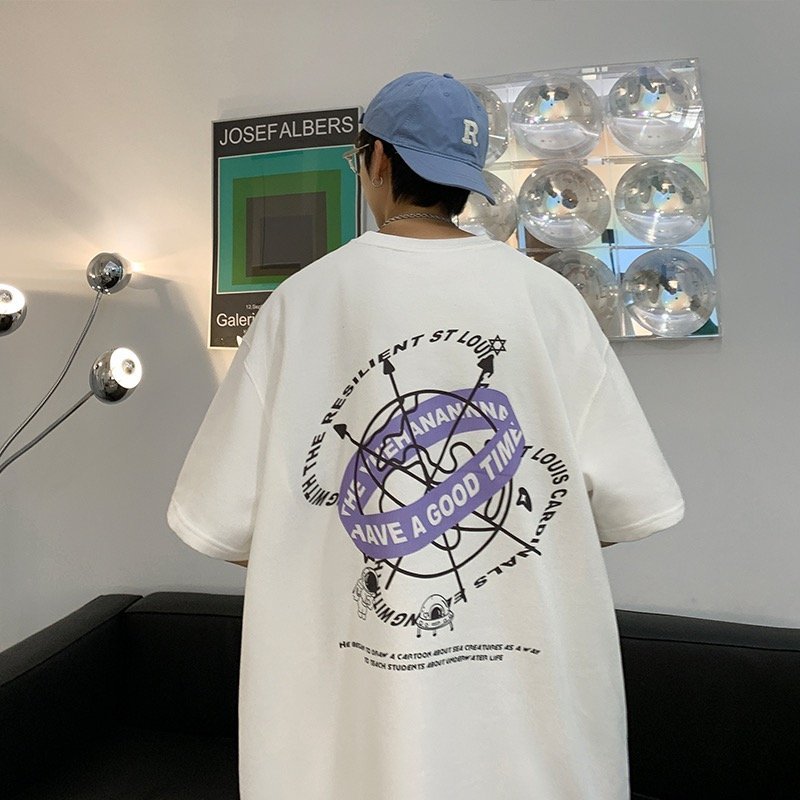
Flat-lock seams are the pass standard on mesh jerseys — they lie flush against the body and resist fraying under repeated stretch. Overlock-only seams on underarm or side panels are a fail indicator at any stress-point location.
Target 8–12 stitches per inch (SPI) on main seams; below 7 SPI signals underconstruction and raises blowout risk during athletic use.
Collar and Sleeve Hem Finishing
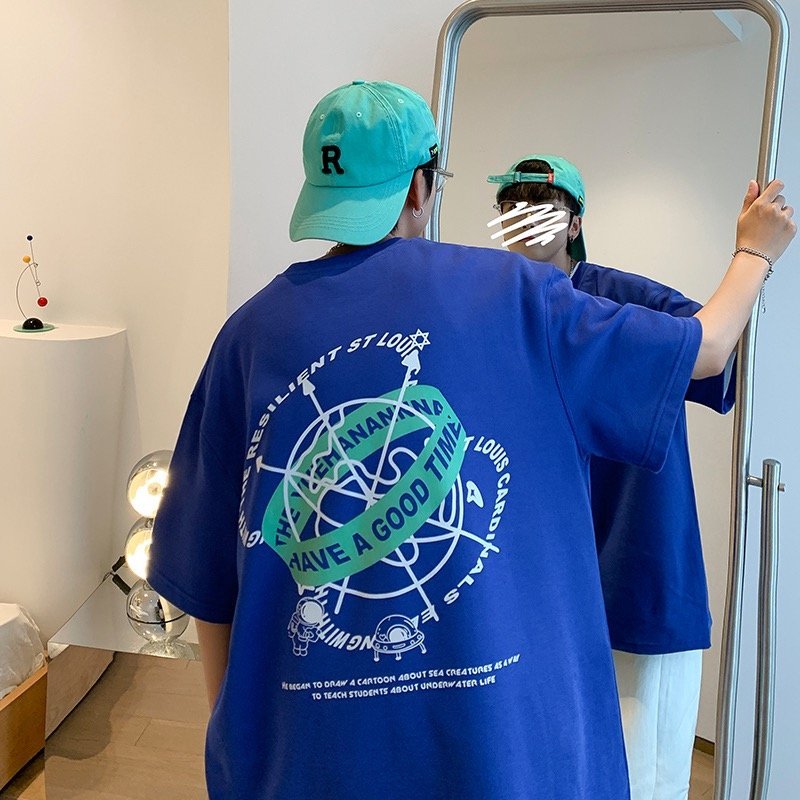
Ribbed or bound collar edges should show no visible gap at the join point; a 2 mm or greater gap is a reject condition. Sleeve hems must carry at least two rows of topstitching to prevent curl after repeated washing.
Button Placket Reinforcement
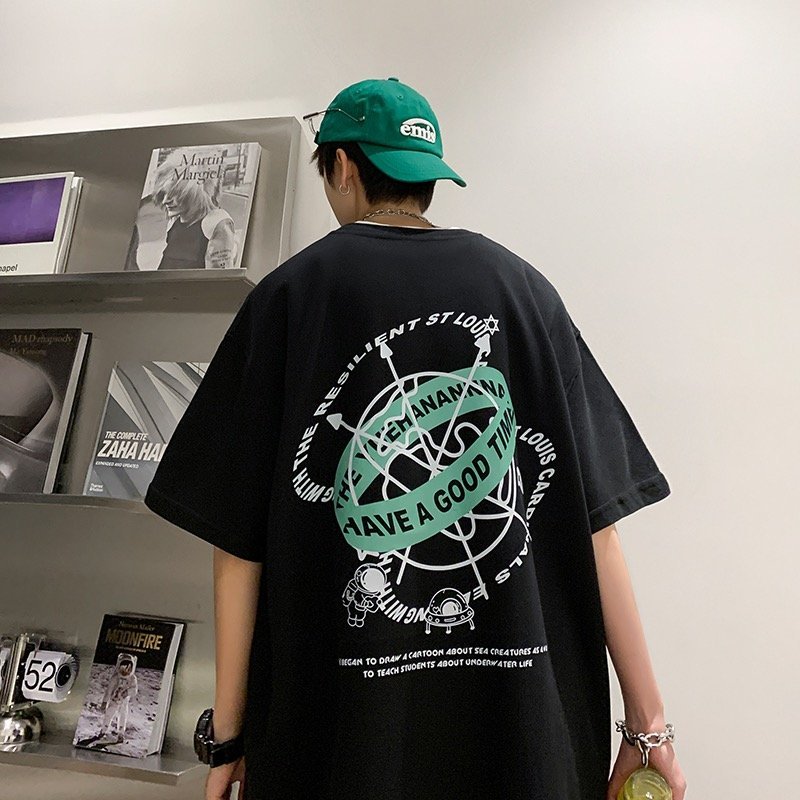
Bar-tack stitching at both ends of the button placket is a pass requirement — its absence causes placket separation within 20–30 wash cycles. Each button should withstand a 50 N pull-force test without detaching.
Colorfastness and Wash Testing
Request ISO 105-C06 or AATCC 61 wash-test results before approving any colorway. A pass is grade 4–5 on the grey scale for color change and staining; grade 3 or below requires dye reformulation.
Sublimation-printed mesh panels need separate 40 °C bleed testing — mesh weaves release dye differently than woven constructions.
Size Spec Consistency Across a Size Run
Measure chest width, body length, and sleeve length on every size in the pre-production set. Acceptable tolerance is ±0.5 cm on critical measurements; any single-point deviation above ±1 cm is a fail requiring pattern correction before bulk cutting.
7. How to Choose the Right Mesh Baseball Jersey Manufacturer
Seven criteria — MOQ, sampling policy, lead time, in-house decoration, certifications, communication, and client portfolio — separate a reliable mesh baseball jersey manufacturer from a costly gamble. Score each candidate on all seven before paying any deposit.
MOQ and Sampling Lead Time
Most factories set MOQ between 50–300 pieces per colorway; startups need a supplier who accepts 50 or fewer. Ask whether sample lead time is 7–14 days and whether a third revision triggers extra charges — unlimited revisions signal a manufacturer confident in its own processes.
Production Speed and Decoration Capability
Standard production runs 25–35 days; a reliable manufacturer offers a verified 7-day rush lane for reorders. Confirm that sublimation, screen printing, and embroidery are handled in-house — outsourced decoration adds 5–10 days and introduces a second quality-control gap.
Certifications That Carry Weight
OEKO-TEX Standard 100 confirms the finished fabric contains no harmful substances; WRAP and BSCI validate factory-level labor and social compliance. Request certificate numbers and expiry dates — any legitimate supplier provides both without hesitation.
- OEKO-TEX 100: fabric safety, tested against 100+ harmful substance limits
- WRAP: ethical production and fair labor standards at factory level
- BSCI: social compliance audit covering wages, hours, and worker conditions
Communication Quality and Client Portfolio
A dedicated account manager who responds within 24 hours measurably reduces revision cycles and shipping errors. Request a live portfolio showing at least 3 active streetwear or sports brands — real client references confirm a manufacturer delivers beyond the sample stage.
8. Common Mistakes Buyers Make When Sourcing a Mesh Baseball Jersey Manufacturer
Even experienced buyers lose margin or receive unusable bulk shipments by repeating the same sourcing errors. Six mistakes appear consistently when brands partner with a mesh baseball jersey manufacturer for the first time — and each has a concrete, immediate fix.
Skipping the Paid Pre-Production Sample
Ordering bulk without a verified sample locks you into unconfirmed tolerances and colorways. Request a paid pre-production sample — typically $30–$80 — before committing to any run above 50 units. That single step eliminates the most expensive rework scenarios.
Choosing on Unit Price, Ignoring Landed Cost
A $6 jersey carrying $4 in freight, import duties, and inspection fees lands at $10 — identical to an $8 jersey with $2 in logistics. Calculate total landed cost before comparing quotes, factoring in tariffs, freight class, and any third-party QC fees.
Under-Specifying the Tech Pack
A tech pack missing fabric GSM, Pantone references, seam allowances, or stitch type triggers revision loops adding 2–4 weeks to lead time. Specify thread color, label placement, and hem finish before submitting — every ambiguity becomes a billable delay.
Ignoring MOQ Flexibility for Test Drops
Suppliers with a fixed MOQ of 500 units per colorway leave no room for market validation. Prioritize manufacturers offering 50–100 units per style so you can verify sell-through rate before committing capital to a full production run.
Missing Turnaround Guarantees in the Contract
A verbal seven-day promise carries no legal weight. Add written milestone dates and delay-penalty clauses to every purchase order — specifying cut, sew, QC, and ship dates separately protects your launch window against unexpected hold-ups.
Not Requesting Colorfastness Test Reports
Mesh dyes degrade without proper fixation, causing bleed within 3–5 washes. Request AATCC 61 or ISO 105 wash-fastness reports before bulk shipment; ratings below 4.0 on a 1–5 scale signal unacceptable dye stability for any retail-grade product.
9. Steps to Launch Your Brand With a Mesh Baseball Jersey Manufacturer
Launching with a mesh baseball jersey manufacturer requires eight sequential steps — skipping any one inflates costs or delays your release date. Fashion startups that build this roadmap upfront avoid the most expensive sourcing mistakes.
Build Your Tech Pack and Get Quotes
A complete tech pack includes flat sketches, Pantone colorways, fabric GSM specs (typically 140–180 GSM for mesh), and a size spec sheet with ±0.5 cm tolerances. Contact at least 3 manufacturers simultaneously and compare MOQ tiers, lead times, and per-unit pricing at each volume break.
Sample, Revise, and Approve
Pre-production samples typically cost $30–$150 each and arrive within 7–14 days; evaluate stitching tension, mesh hole uniformity, and Pantone color accuracy against your tech pack. Mark all corrections as redline comments on printed flat sketches with exact measurements — avoid vague language like ‘a bit tighter.’
Approve in writing before placing the bulk order, confirm a 30–50% deposit structure, and get a written production timeline before signing off.
Inspection, Shipping, and Drop Launch
Arrange a third-party AQL 2.5 factory inspection before goods ship; a five-step in-process QC covering materials, cutting, craft, sewing, and finished goods catches defects before packing. For customs, request a commercial invoice, packing list, Bill of Lading, and confirm HS code 6105 classification.
Plan a limited-drop launch: tease 2–3 weeks out on social media, gate early access via your email list, and release in batches of 50–100 units to build scarcity.
10. Pricing and Cost Breakdown by Mesh Baseball Jersey Manufacturer Tier
Prices at a reputable mesh baseball jersey manufacturer fall 35–55% between the 12-piece and 500-piece thresholds; the table below maps each quantity bracket to realistic unit costs, sample fees, lead times, and decoration setup charges.
Decoration setup is the cost most first-time buyers overlook: screen-print and embroidery screens carry one-time fees that amortize quickly at scale, while sublimation and heat transfer carry no screen charge, making them more efficient below 100 units. The decoration reference below cross-maps method to per-unit add-on cost and a durability rating so buyers can weigh both variables before committing.
- Screen print: $1.20–$2.50/unit add-on; durability 8/10 — best value at 100+ pieces
- Embroidery: $2.00–$4.00/unit; durability 9/10 — premium texture, adds slight weight
- All-over sublimation: $0.80–$1.80/unit; durability 10/10 — no peel risk, full-color
- Heat transfer (DTF): $0.60–$1.50/unit; durability 6/10 — zero screen fee, low MOQ
- Tackle twill: $3.00–$5.00/unit; durability 9/10 — classic varsity letterman aesthetic
| Quantity Tier | Unit Price (USD) | Sample Fee | Lead Time | Decoration Setup |
|---|---|---|---|---|
| 12–49 | $18–$28 | $80–$150 | 15–20 days | $50–$120 |
| 50–99 | $14–$22 | $80–$120 | 12–18 days | $40–$100 |
| 100–299 | $10–$16 | $60–$100 | 10–15 days | $30–$80 |
| 300–499 | $8–$13 | $60–$80 | 10–14 days | $20–$60 |
| 500+ | $6–$10 | Waived/negotiable | 8–12 days | $0–$40 |
Partner With a Trusted Mesh Baseball Jersey Manufacturer
Low MOQ, 5-step QC, and 7-day turnaround — claim your free sample or request a custom quote now.