
Your Trusted Button Down Baseball Jersey Manufacturer — 5-Step QC
Clothing Manufacturer Ltd. is the button down baseball jersey manufacturer global streetwear brands and startups trust — low MOQ, in-house design, and a zero-compromise quality guarantee.
Our Button Down Baseball Jersey Collections
Why Brands Choose Our Button Down Baseball Jersey Manufacturer
From first sample to global delivery, every advantage is engineered into our process — not promised after the fact.
5-Step QC, Zero Compromise
Every order passes materials, cutting, craft, sewing, and finished-goods inspections before it ever ships to you.
In-House Design & Sampling
Our 15-member R&D team builds original tech packs and samples fast, so you launch collections with full confidence.
Low MOQ for Emerging Brands
Startups and independent designers can order small runs without sacrificing premium craftsmanship or streetwear-grade materials.
Fast Seasonal Turnarounds
Agile production cycles keep your seasonal drops on schedule, cutting time from design approval to finished jersey.
Global Shipping & Logistics Support
We manage end-to-end logistics, customs, and international delivery to brand partners across more than 100 countries.
Deep Streetwear Culture Expertise
From skeleton graphics to animal prints, our team knows the design language that resonates with streetwear audiences.
Button Down Baseball Jersey Manufacturer for Every Style & Brand
From vintage-inspired cuts to influencer collab drops — we produce the exact jersey your brand needs, backed by 5-step QC and low MOQ flexibility.
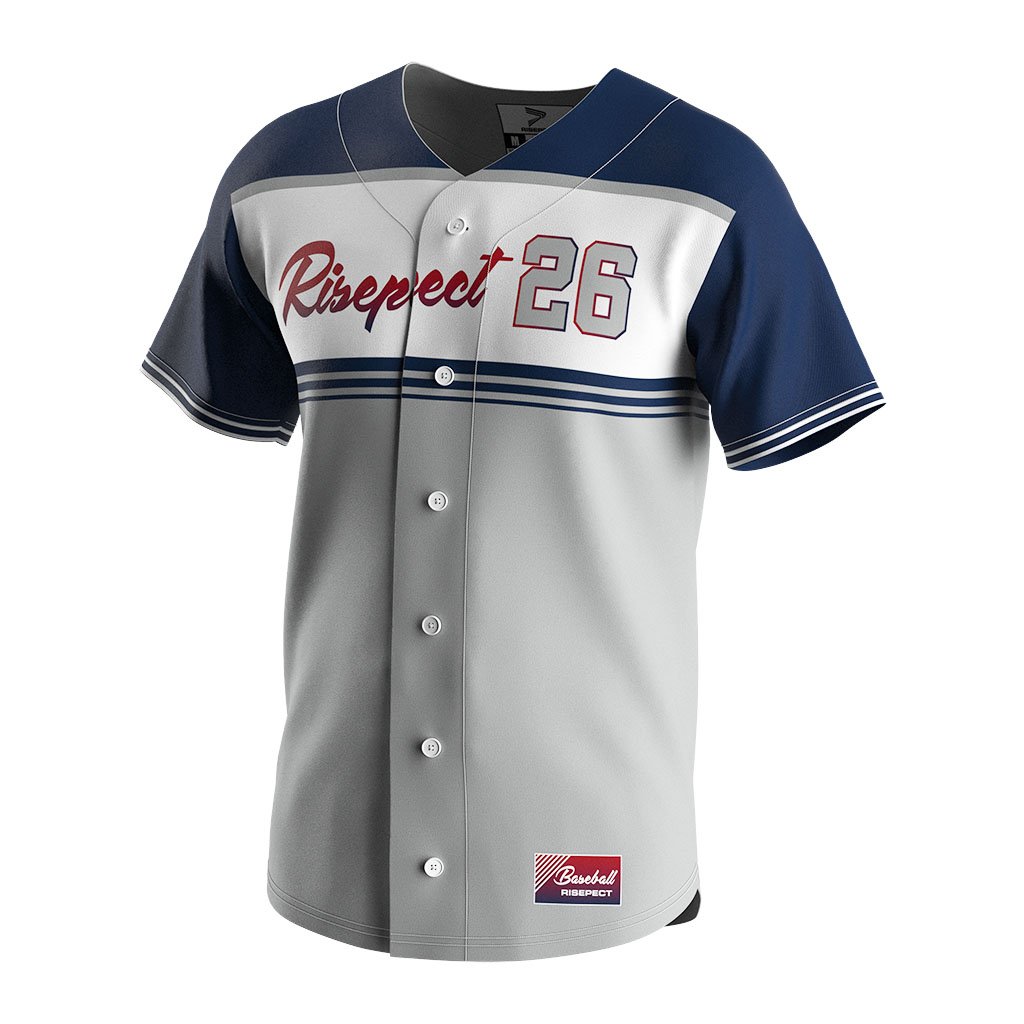
Vintage-Style Retro Baseball Jerseys
Streetwear brands searching for authentic vintage aesthetics struggle to find manufacturers who nail retro fabric weights, proper button plackets, and period-correct colorways without compromising modern fit expectations.
Our in-house design team engineers vintage-inspired button down baseball jerseys with period-accurate construction details, heavyweight fabrics, and custom colorways — backed by 5-step QC for consistent, retail-ready results.
Modern Oversized Streetwear Jerseys
Contemporary brands need oversized silhouettes, dropped shoulders, and trend-forward details that most traditional jersey manufacturers aren't equipped to execute at consistent quality across large or small production runs.
We deliver modern-cut button down baseball jerseys with oversized fits, custom trims, and on-trend details, supported by low MOQ options perfect for streetwear labels launching new seasonal drops.
Sublimation All-Over Print Jerseys
Brands pursuing bold all-over graphics face faded colors, inconsistent print registration, and fabric distortion when partnering with manufacturers who lack advanced sublimation printing capabilities and in-process quality checks.
Our sublimation-ready button down baseball jersey production delivers vibrant, wash-fast all-over prints with zero color bleeding, verified at every stage by our 5-step QC process for flawless results.
Embroidered Logo Premium Jerseys
Premium brands requiring raised embroidered logos and patches struggle with thread puckering, misaligned placement, and inconsistent stitch density that cheapens the look of otherwise high-quality jersey garments.
Our embroidery-equipped production line executes precise logo placement, dense stitch counts, and clean patch application on every button down baseball jersey, giving premium brands the refined finish their customers expect.
Influencer Collab Limited-Drop Jerseys
Creator-led brands launching limited-edition jersey drops need fast turnaround, low minimum orders, and a manufacturing partner who understands the unboxing experience and social moment that drives online sell-through.
With low MOQ production, rapid sampling, and global shipping support, we help influencer brands launch button down baseball jersey collaborations that arrive on time, photograph beautifully, and sell out fast.
Premium Fabrics for Your Button Down Baseball Jersey Collection
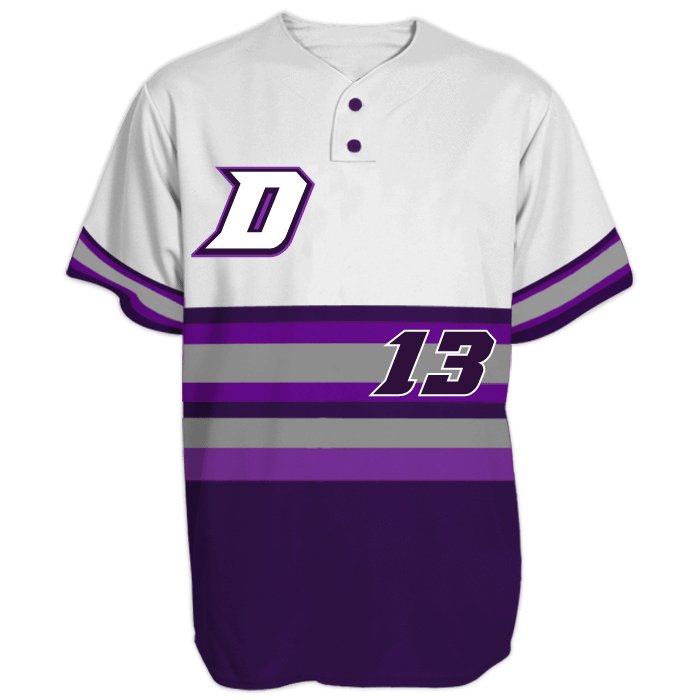
100% Polyester Tricot
Lightweight, smooth-faced tricot with superb moisture management and a clean drape. Weighs 120–150 gsm, holds vibrant sublimation and screen prints with zero color bleed, and is the go-to choice for performance-focused baseball jersey silhouettes.
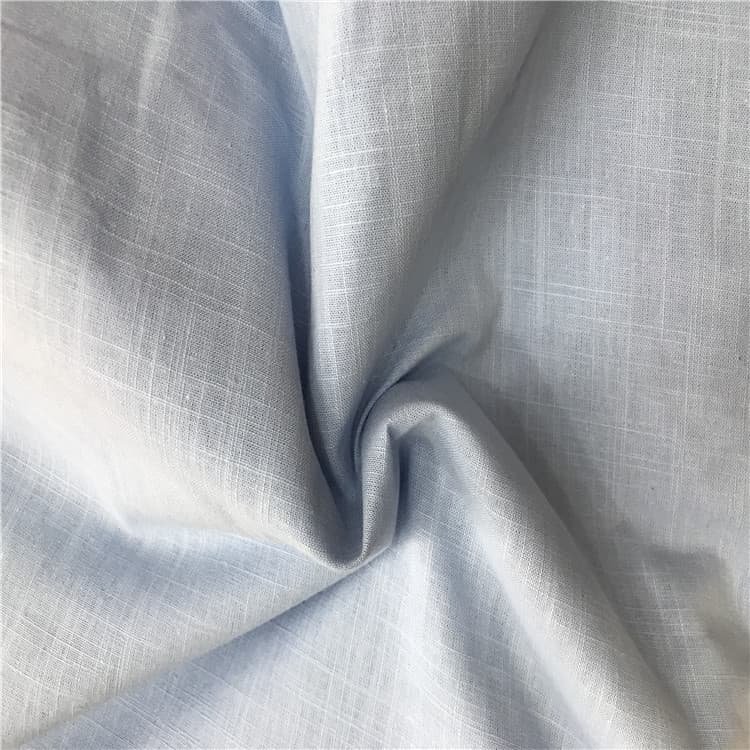
Cotton-Poly Blend
A 60/40 cotton-polyester blend combining cotton’s soft hand-feel with added shape retention and minimal shrinkage. Medium weight at 180–200 gsm, ideal for streetwear-influenced and lifestyle jersey styles demanding all-day wearability.
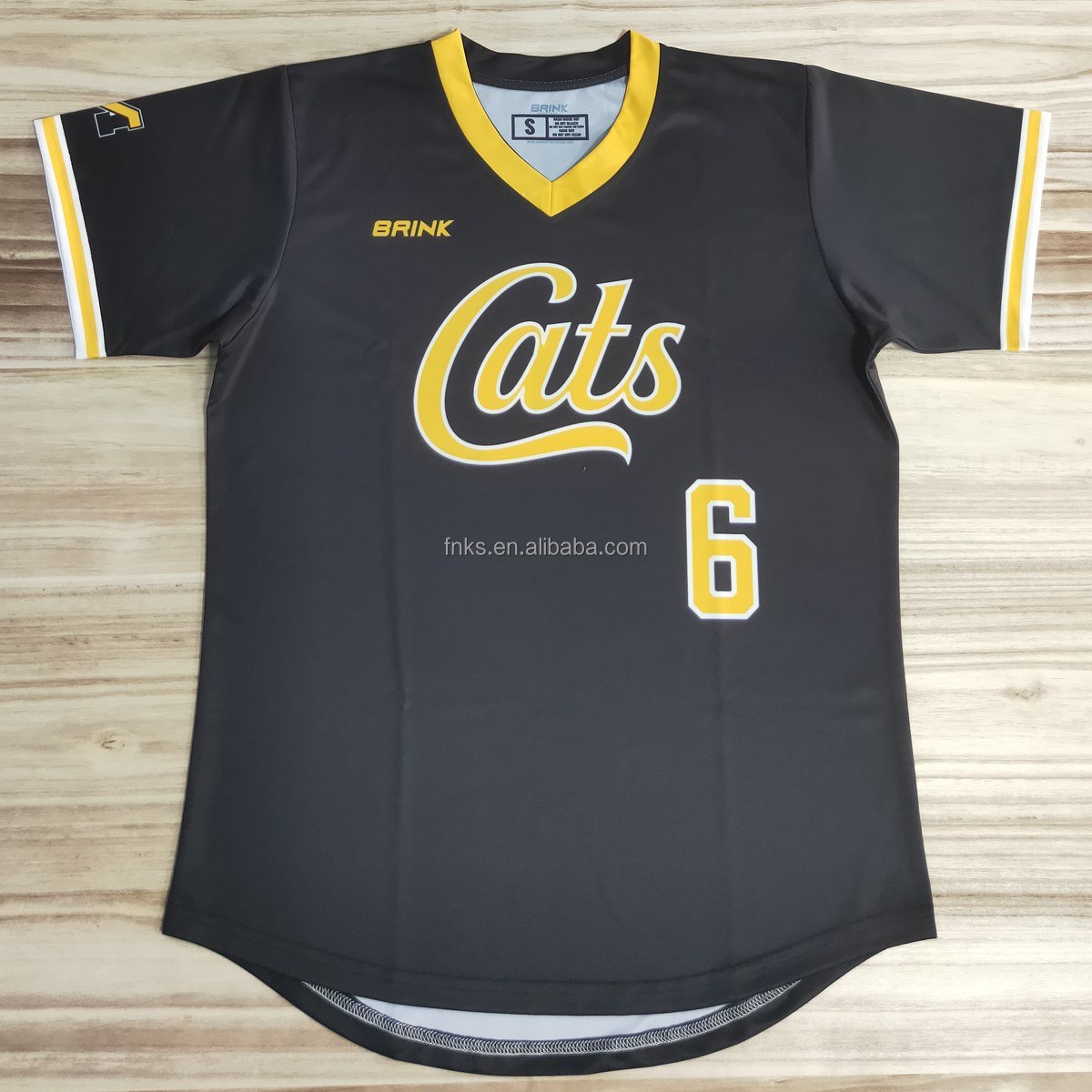
Performance Mesh
Open-knit polyester mesh engineered for maximum airflow and breathability. Ultra-lightweight at 90–110 gsm with a structured hand-feel, perfectly suited to athletic silhouettes and team jerseys where ventilation is non-negotiable.
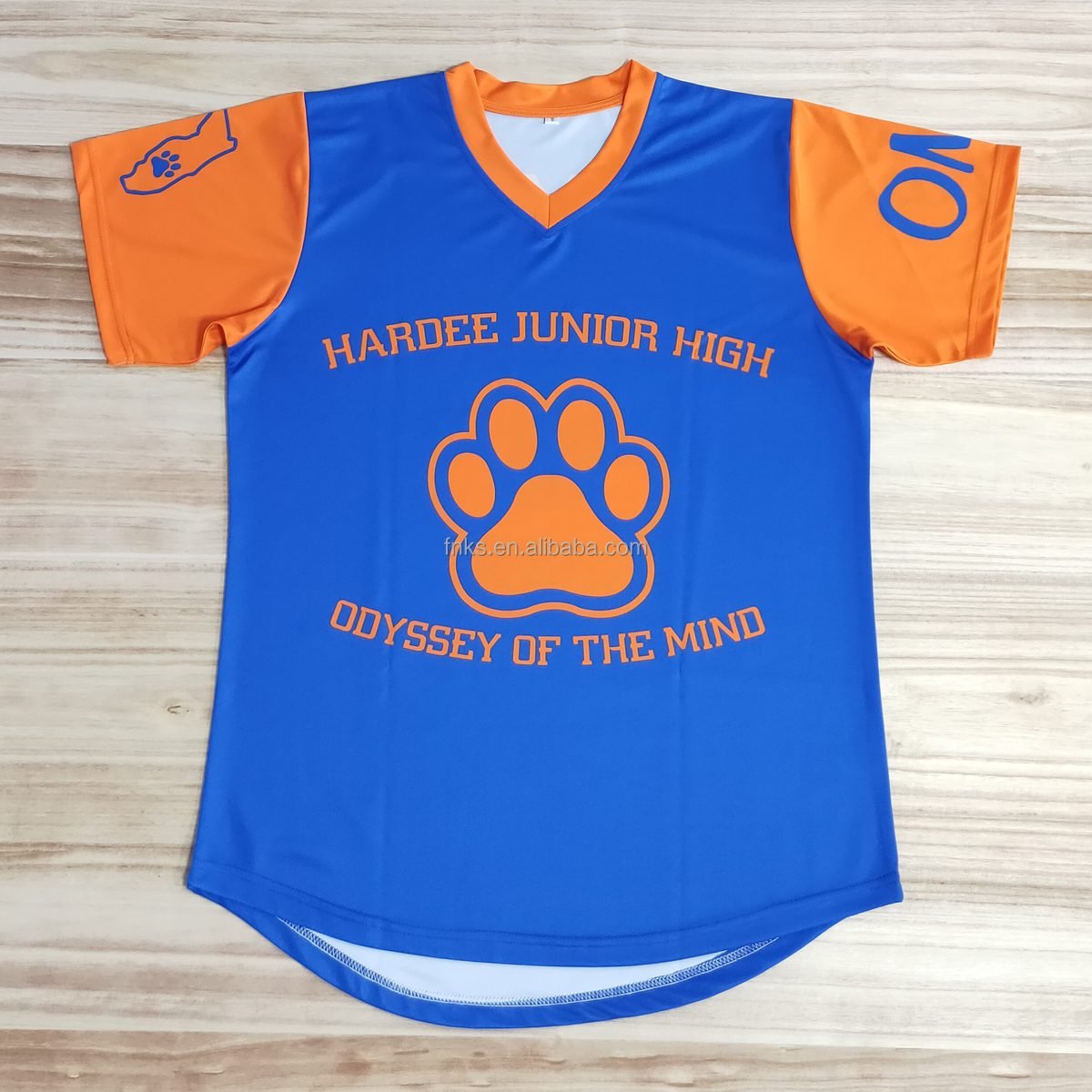
Heavyweight Twill
Tightly woven polyester-cotton twill with a firm, premium texture and exceptional durability. At 260–280 gsm, it provides the structured drape and long-term wear resistance required for upscale, tailored button-down jersey designs.
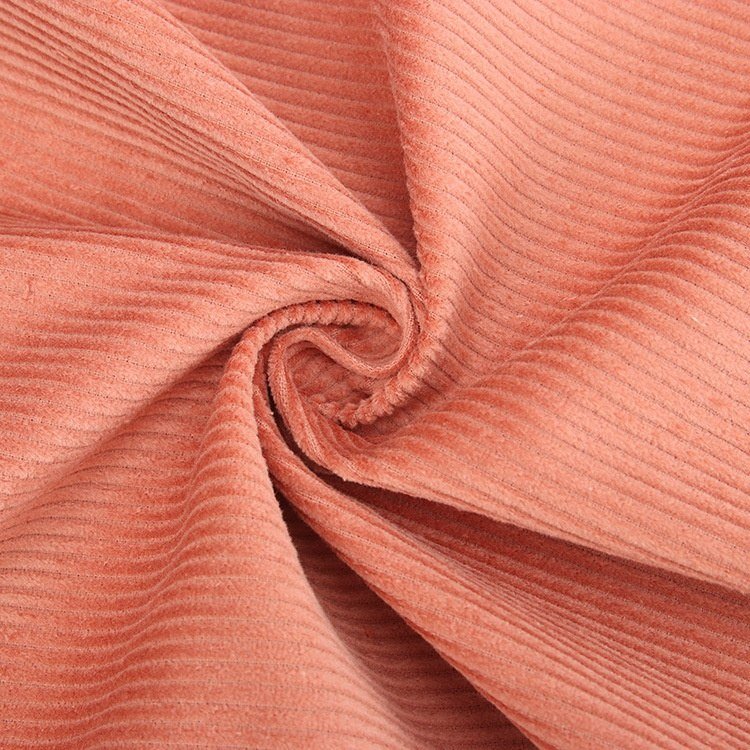
Interlock Knit
Double-knit interlock fabric delivering a polished face and reliable bi-directional stretch. Weighs 200–220 gsm; the preferred base for heritage and varsity baseball jersey styles where a refined, premium finish and comfortable fit are essential.
Advanced Production Techniques for Your Custom Button Down Baseball Jersey
Sublimation Printing
Full-fabric dye sublimation permanently bonds vivid, all-over graphics into the polyester fibers of your jersey. Colors never crack, peel, or fade — ideal for bold patterns, gradients, and photorealistic streetwear artwork.
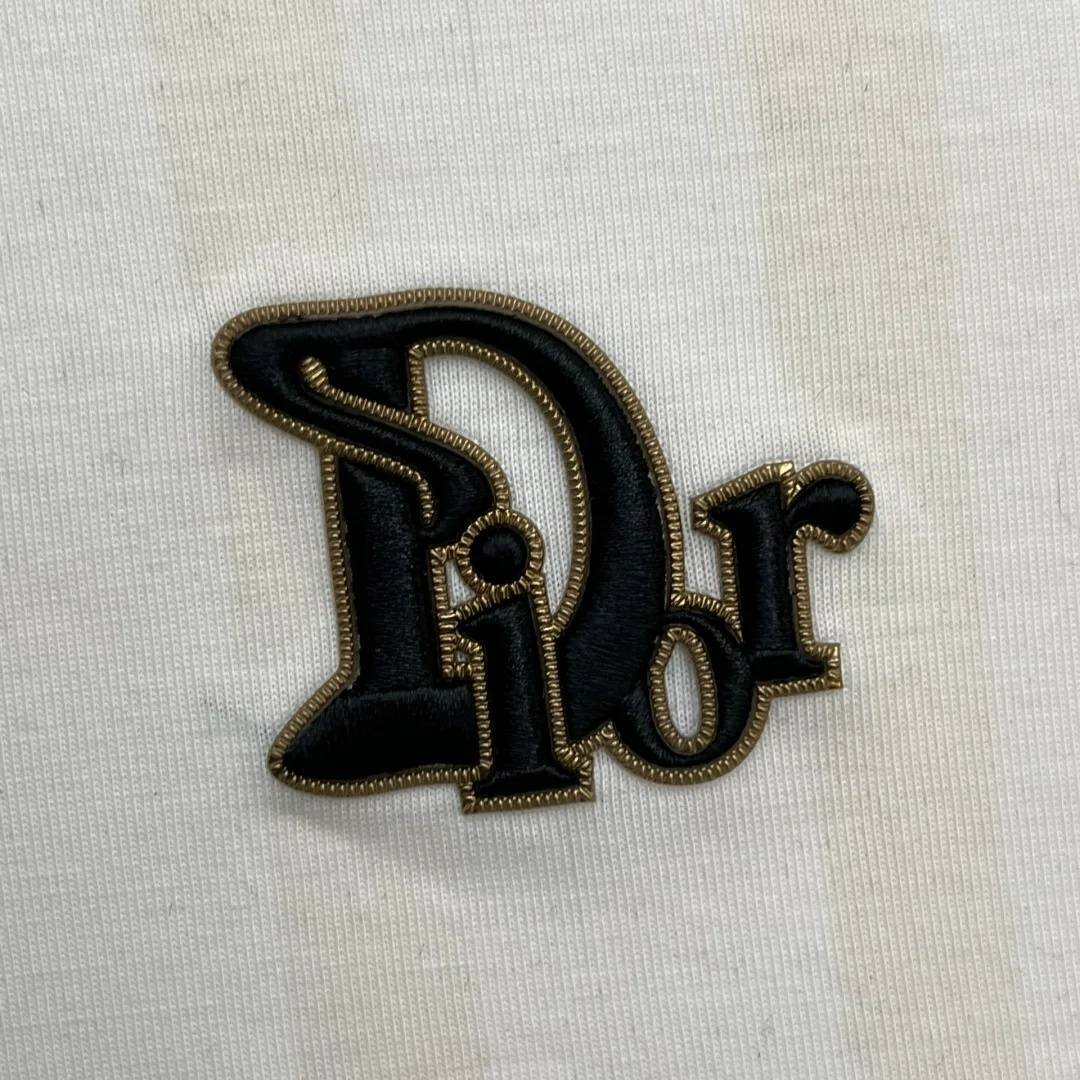
Machine Embroidery
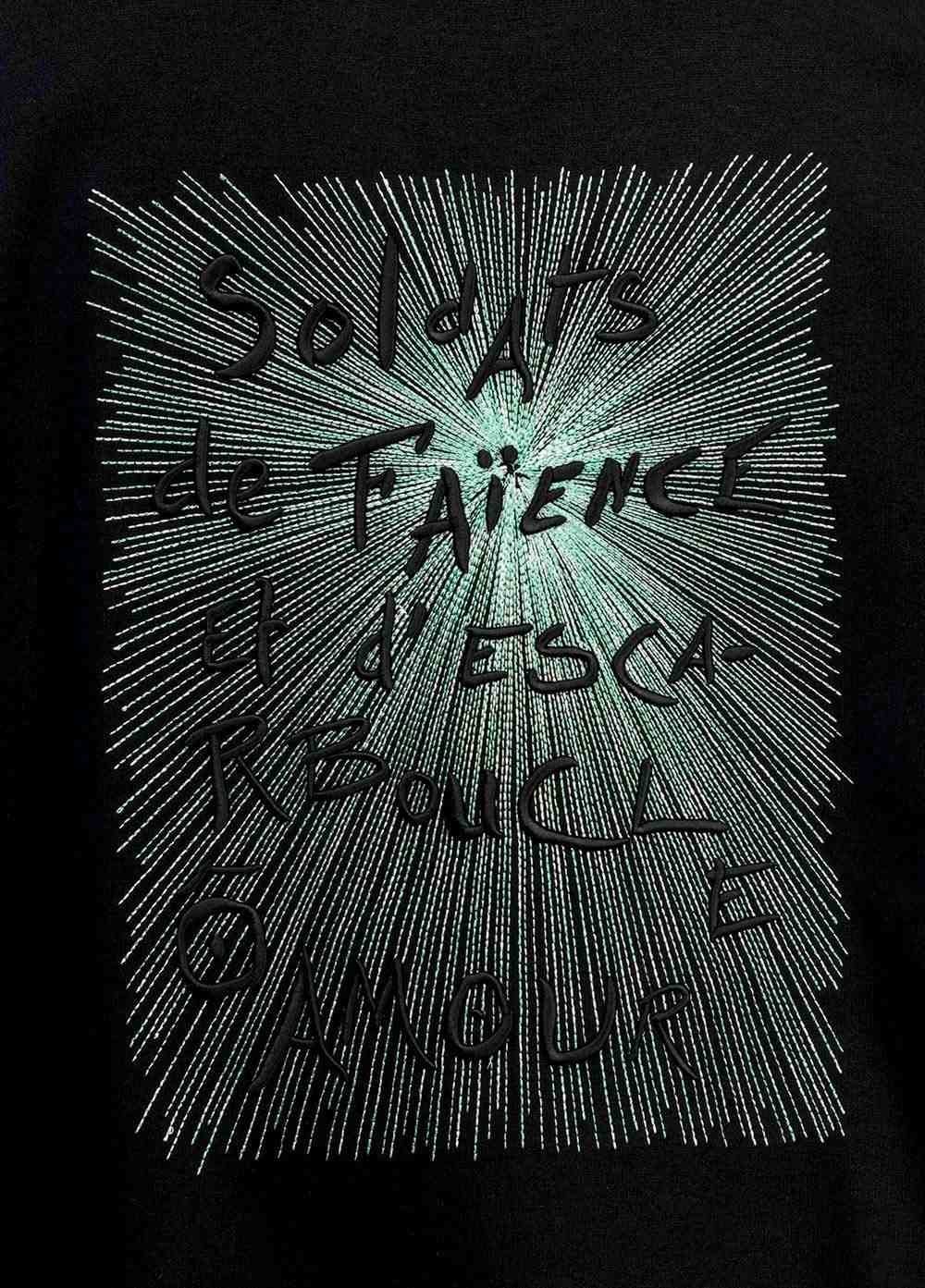
High-density thread stitching adds dimensional logos, numerals, and wordmarks directly onto jersey fabric. The raised texture signals premium craftsmanship and withstands hundreds of wash cycles without unraveling or distortion.
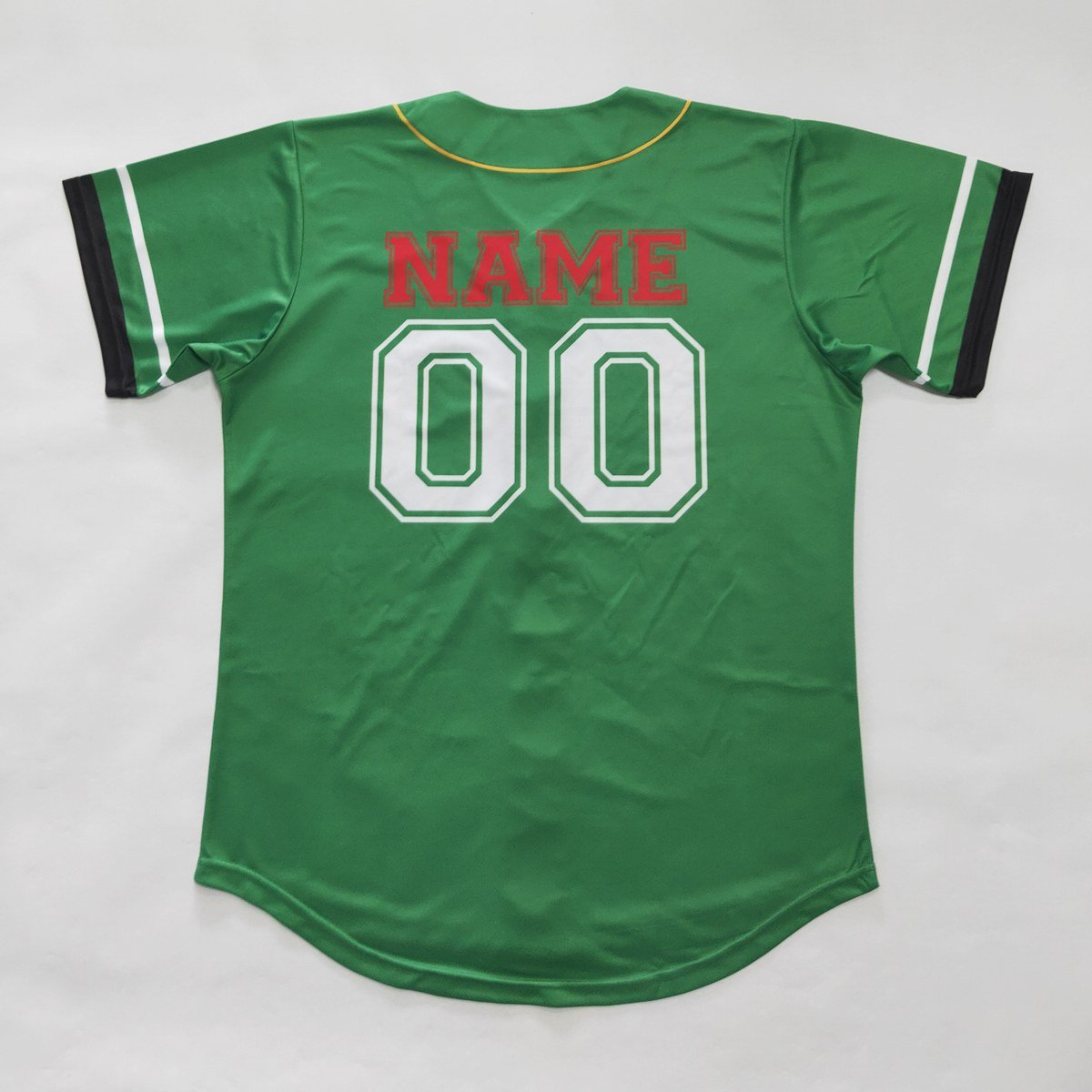
Screen Printing
Plastisol and water-based inks pressed through fine mesh screens deliver sharp, opaque graphics onto woven jersey bodies. Best for large production runs requiring bold, high-contrast artwork with consistent, repeatable color accuracy.
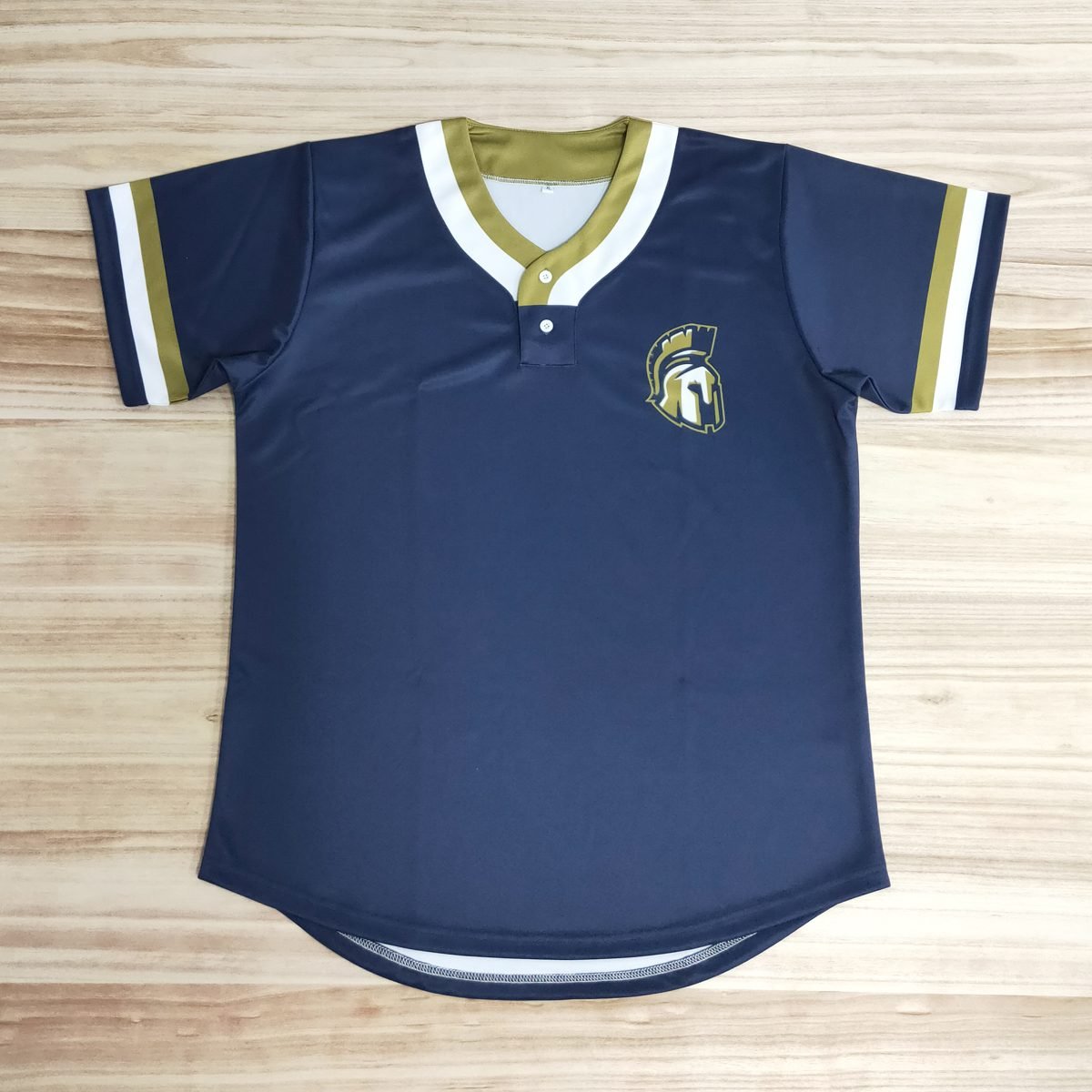
DTF Transfer
Direct-to-film prints are heat-bonded onto jersey panels, capturing fine details and unlimited colors in a single pass. A flexible, soft-hand result suits short runs and complex multi-color artwork without screen setup costs.
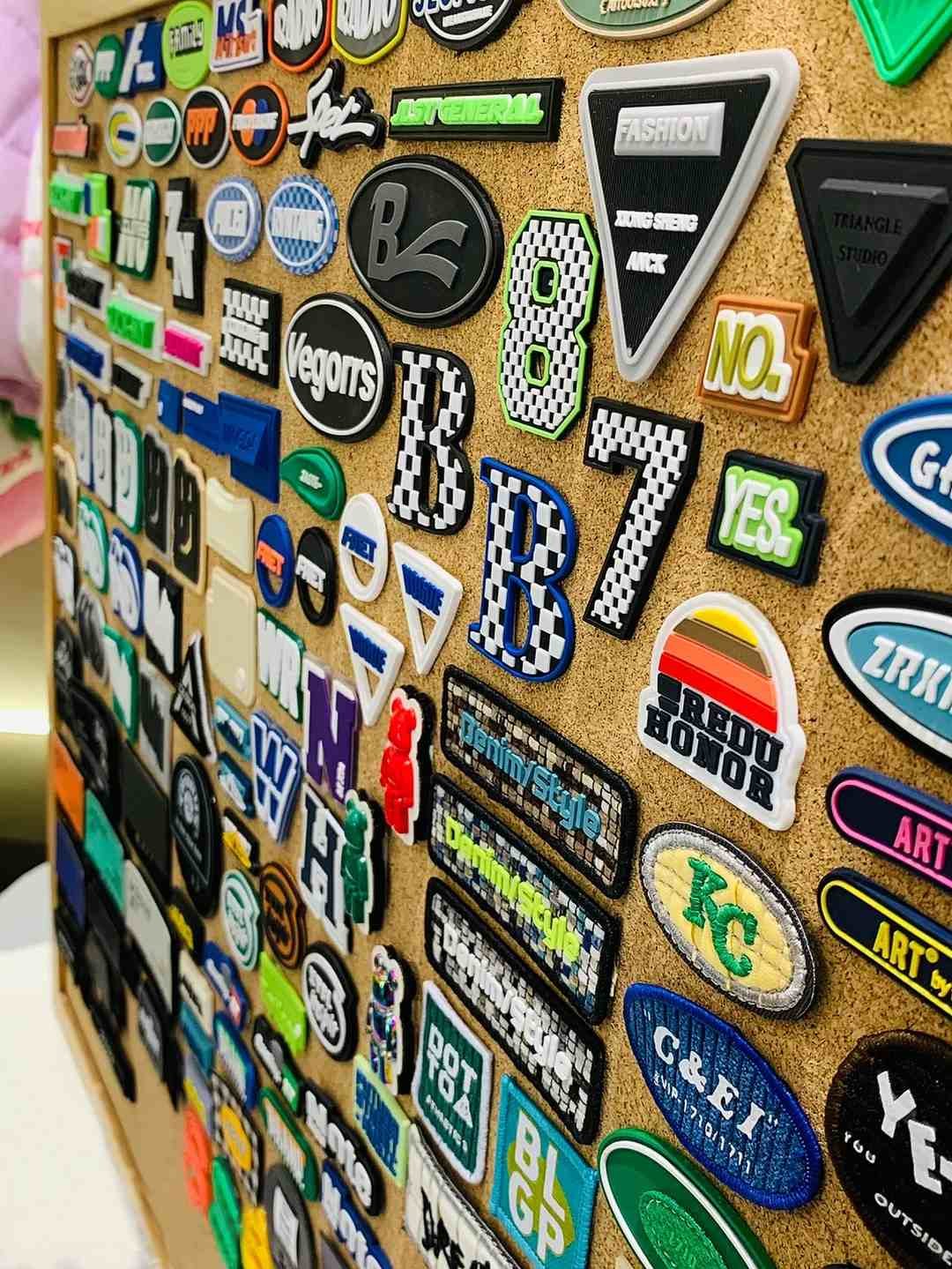
Heat Press Application
Precision heat and controlled pressure bond woven labels, printed patches, and foil accents securely onto jersey surfaces. Delivers clean edges, commercial-grade adhesion, and a polished finish suited for branded streetwear and limited editions.
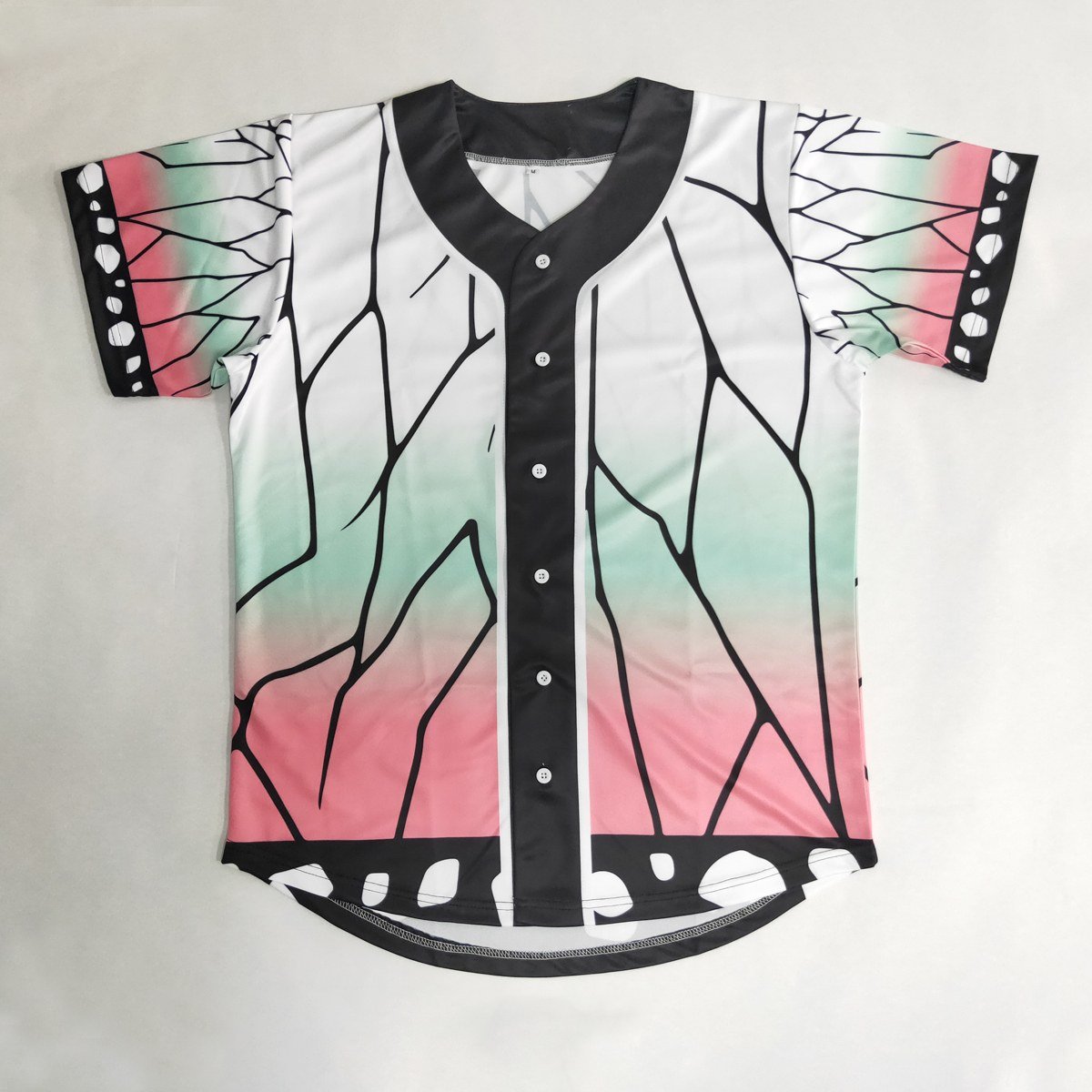
Vintage Wash Finish
Enzyme or garment-wash treatment softens jersey fabric and introduces authentic, worn-in character. Results include consistent color fading, a lived-in hand feel, and the retro aesthetic trending across heritage and streetwear baseball markets.
Custom Trims & Accessories for Your Button Down Baseball Jersey
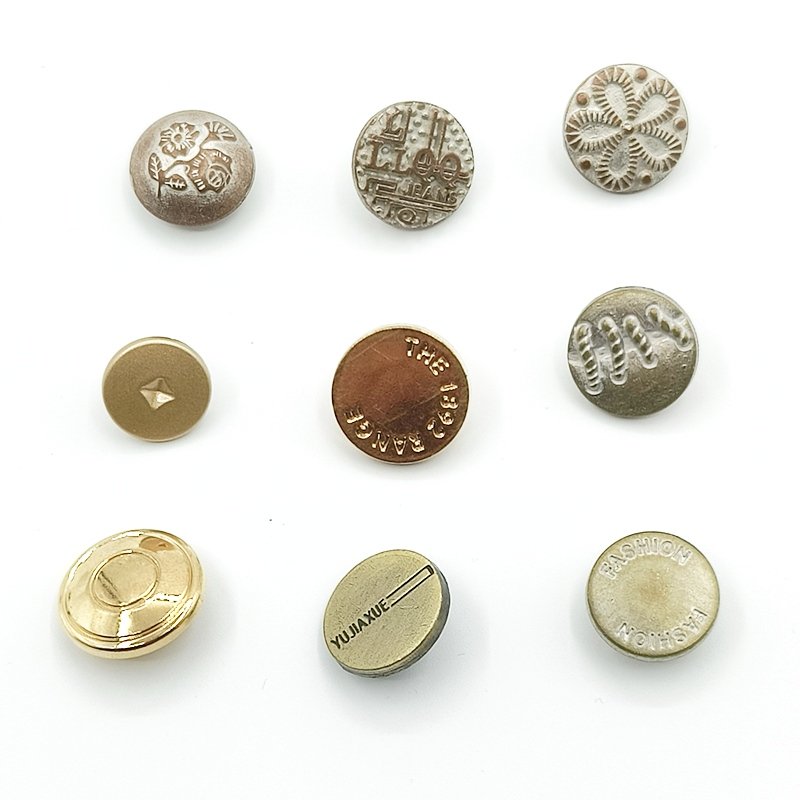
Snap Buttons
Metal or resin snap buttons are precision-set along the front placket of every button down baseball jersey, available in matte, gloss, and custom-color finishes to match your brand palette perfectly.
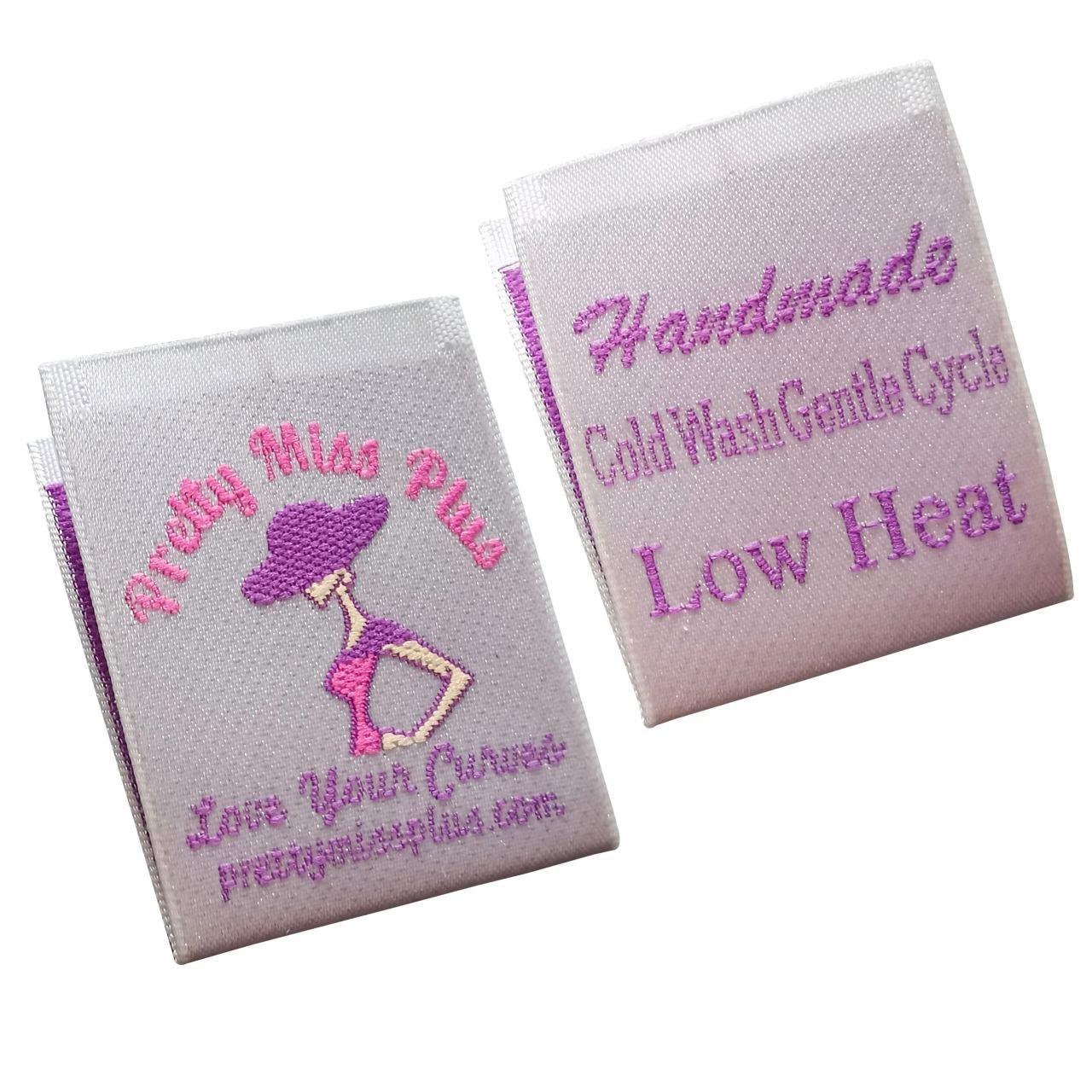
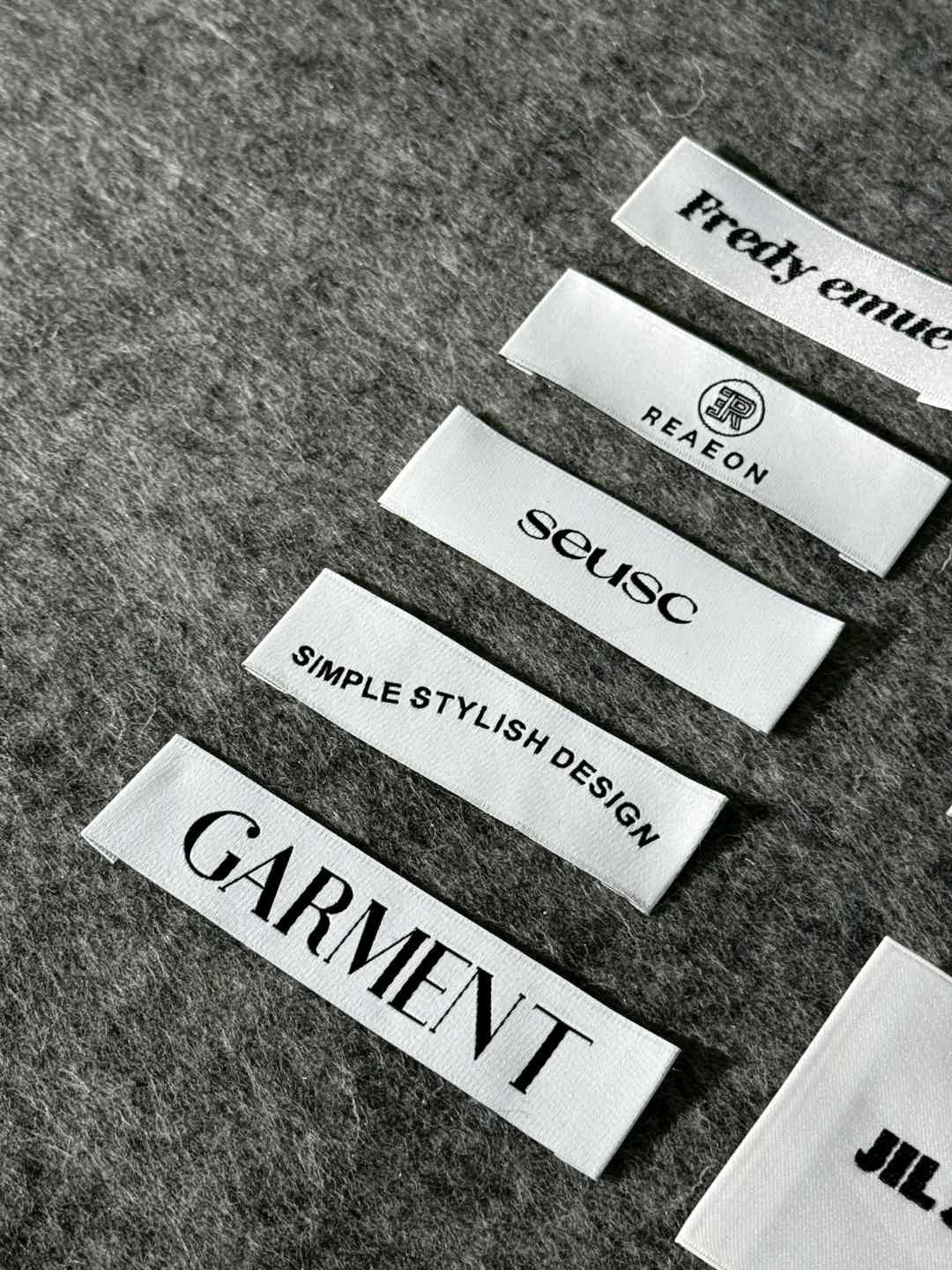
Woven Neck Labels
Custom woven labels are stitched into the collar seam to display your brand name, logo, and size. Fine thread counts and crisp detail keep your identity prominent and professional through repeated washing.
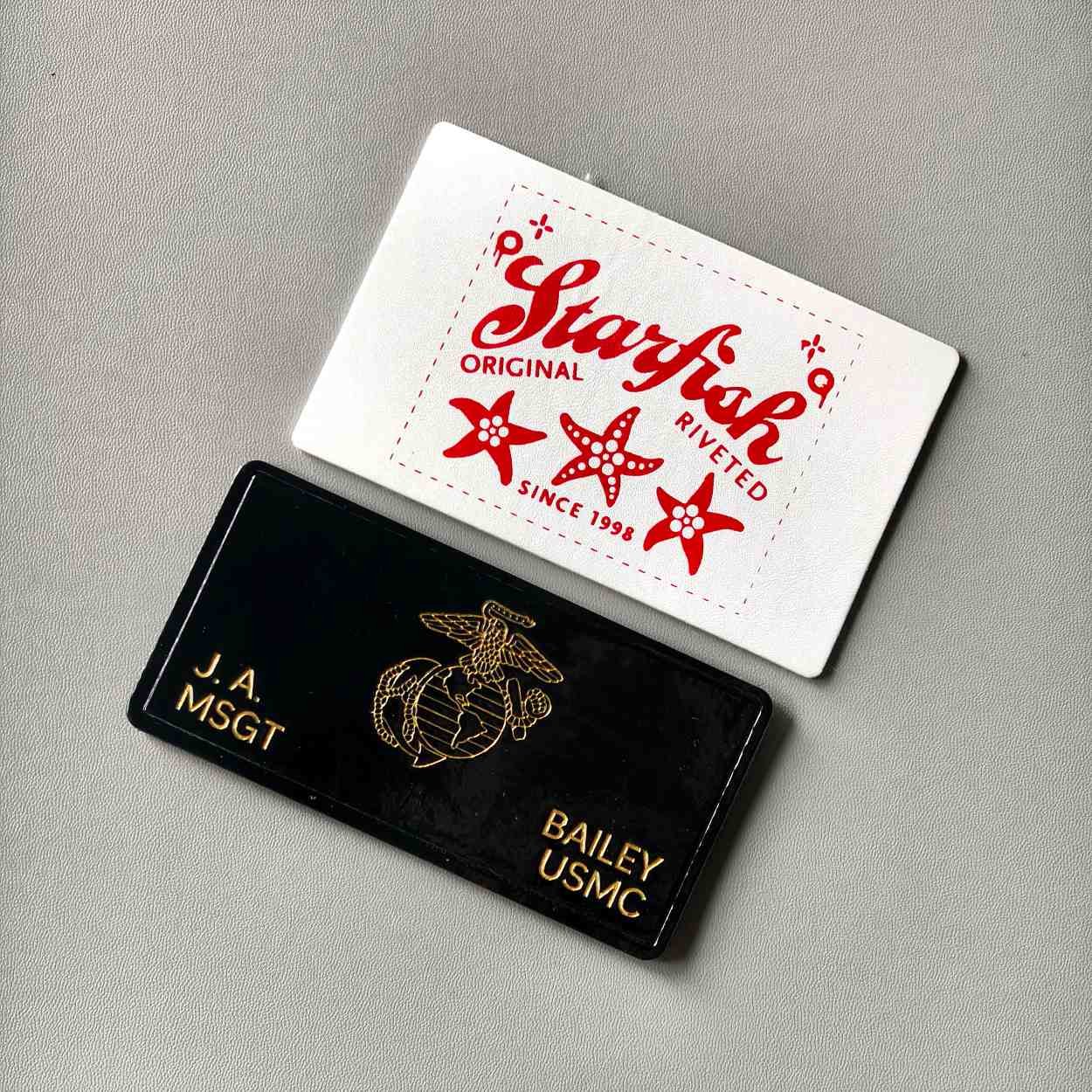
Custom Hangtags
Printed or embossed hangtags are attached before each jersey ships, reinforcing your brand story, sizing info, and care guidance. A polished retail-ready detail that elevates unboxing experience and shelf appeal.
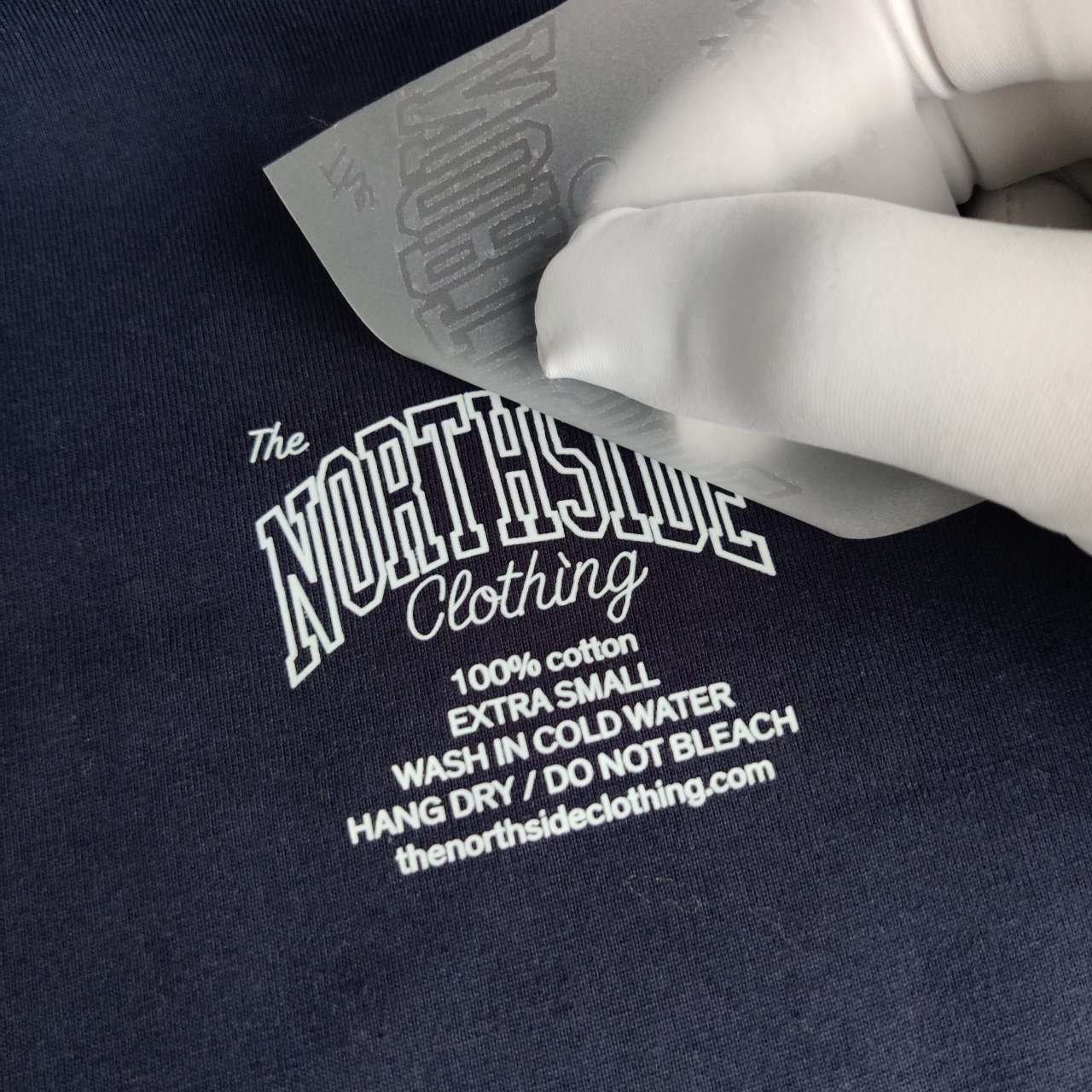
Care & Size Tags
Sewn-in care tags deliver washing instructions and sizing data in compliance with global labeling regulations. Available in woven, printed, or heat-transfer formats to suit your comfort preferences and compliance requirements.
Embroidered Patches
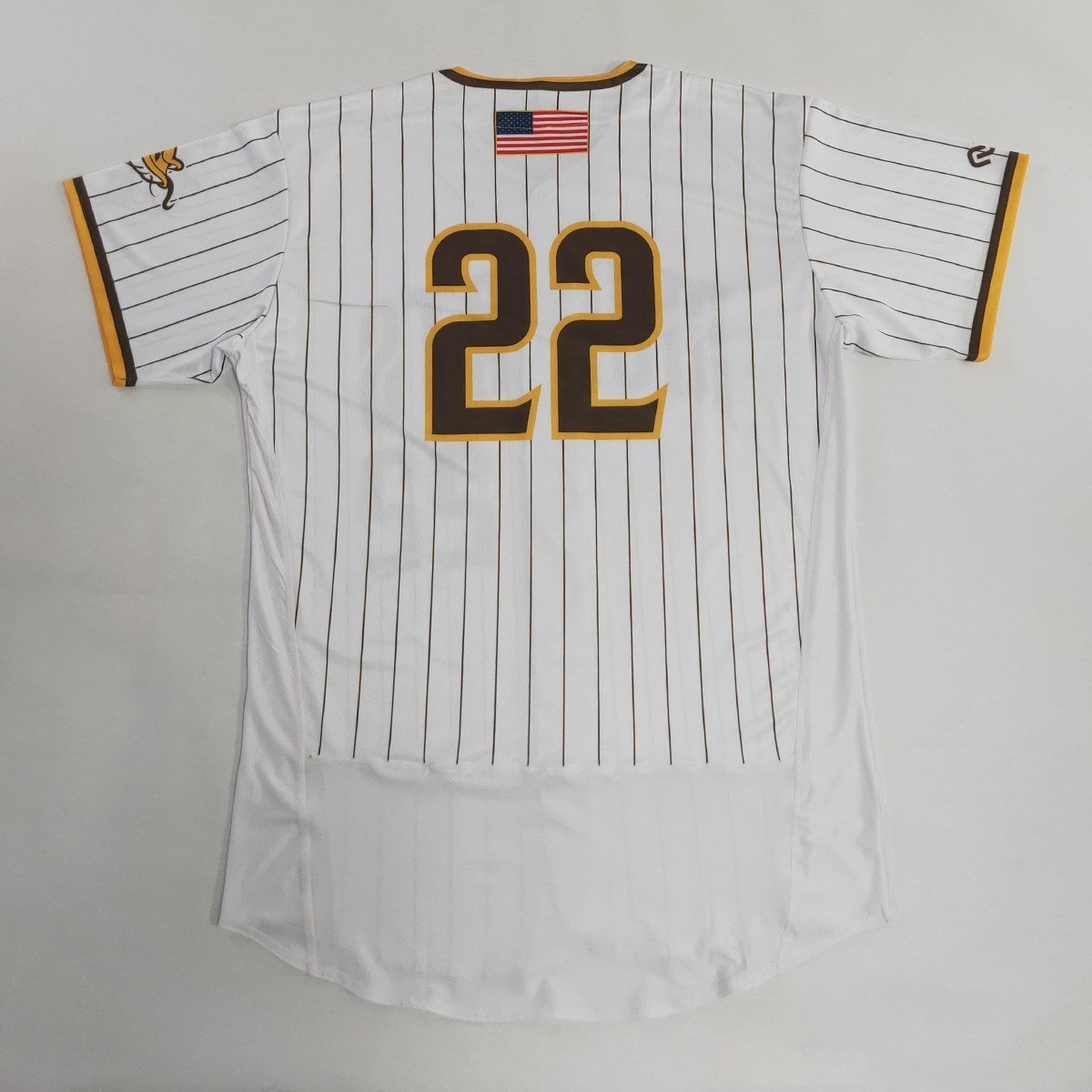
High-density embroidered patches for chest logos, sleeve numbers, or co-brand placements add tactile depth and streetwear character to jerseys. Available with heat-seal or sew-on backing for lasting, wash-resistant durability.
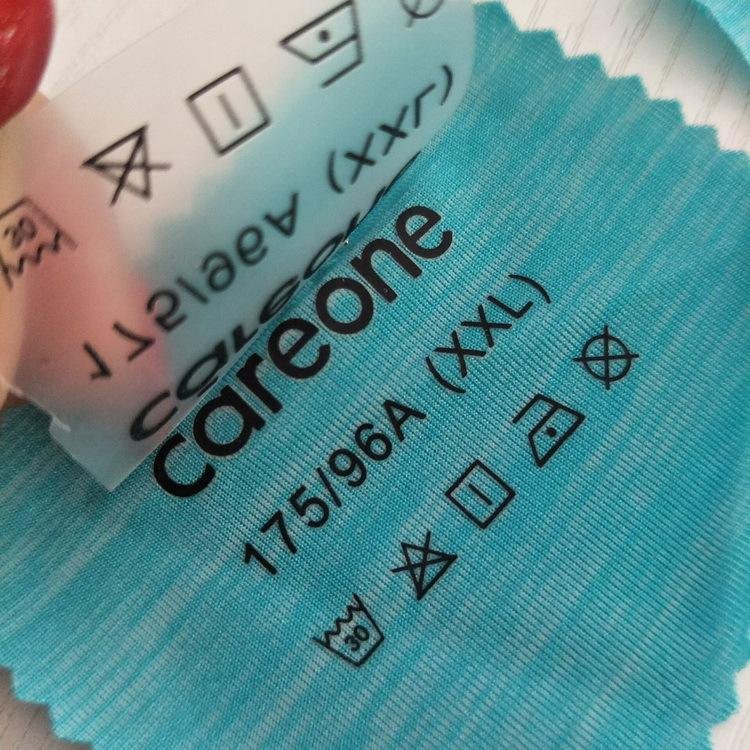
Heat Transfer Labels
Tagless heat transfer labels deliver a clean, itch-free interior finish favored by premium streetwear and influencer brands. Applied during our sewing QC stage to guarantee flawless adhesion, alignment, and long-term wear.
Who We Are: Button Down Baseball Jersey Manufacturer
Clothing Manufacturer Ltd. was founded in 2024 by Tesla Luo, a Dongguan native who grew up inside garment factories and spent 10+ years mastering every stage of apparel production — from cutting and sewing to quality control and global logistics. Witnessing firsthand how factories routinely skipped in-process QC and shipped substandard goods, Tesla launched this company with a single mission: to prove that Chinese manufacturing can be synonymous with trust, precision, and premium quality.
As a dedicated button down baseball jersey manufacturer, we operate from Humen Town — the historic heart of China’s apparel industry — backed by the infrastructure of parent company Dongguan TuoZhen Clothing Co., Ltd. Our 15-member R&D team, 10 registered production patents, and proprietary 5-step quality control process mean every jersey that leaves our facility has passed rigorous checks at materials, cutting, crafting, sewing, and finished-goods stages. We support low MOQs for emerging brands and fast turnarounds for seasonal drops.
Since 2024, we have served customers across more than 100 countries, partnering with streetwear labels, independent designers, influencer brands, and global retailers at every stage of their growth. We bring cultural fluency in streetwear design trends, an in-house design and sampling team, and end-to-end global shipping support — giving brands of all sizes the craftsmanship and reliability they deserve from a manufacturing partner.
Our 5-Step Quality Control Process
Raw Materials Tested Before a Stitch Begins
Before fabric reaches the cutting table, our team runs rigorous materials QC testing on every roll — evaluating tensile strength, colorfastness, shrinkage, and hand-feel against specification. This first checkpoint ensures only approved materials enter production for your button down baseball jersey order.
- Tensile strength, colorfastness, and shrinkage tests on all incoming fabric rolls
- Fabric hand-feel and weight verified against your approved specification sheet
- Non-conforming materials rejected and replaced before cutting begins
- Full material traceability maintained through supplier audit records
Cutting QC Eliminates Pattern Errors at Source
Precision cutting is where patterns live or die. Our cutting QC testing verifies every panel against approved templates, checking grain alignment, sizing accuracy, and edge quality before a single seam is sewn. Catching errors here eliminates costly rework at every downstream stage.
- Panel dimensions cross-checked against approved digital templates for every size
- Grain line and stretch direction verified to guarantee consistent fit
- Edge quality and cut accuracy inspected before production bundling
- Size curve compliance confirmed across the full offered size range
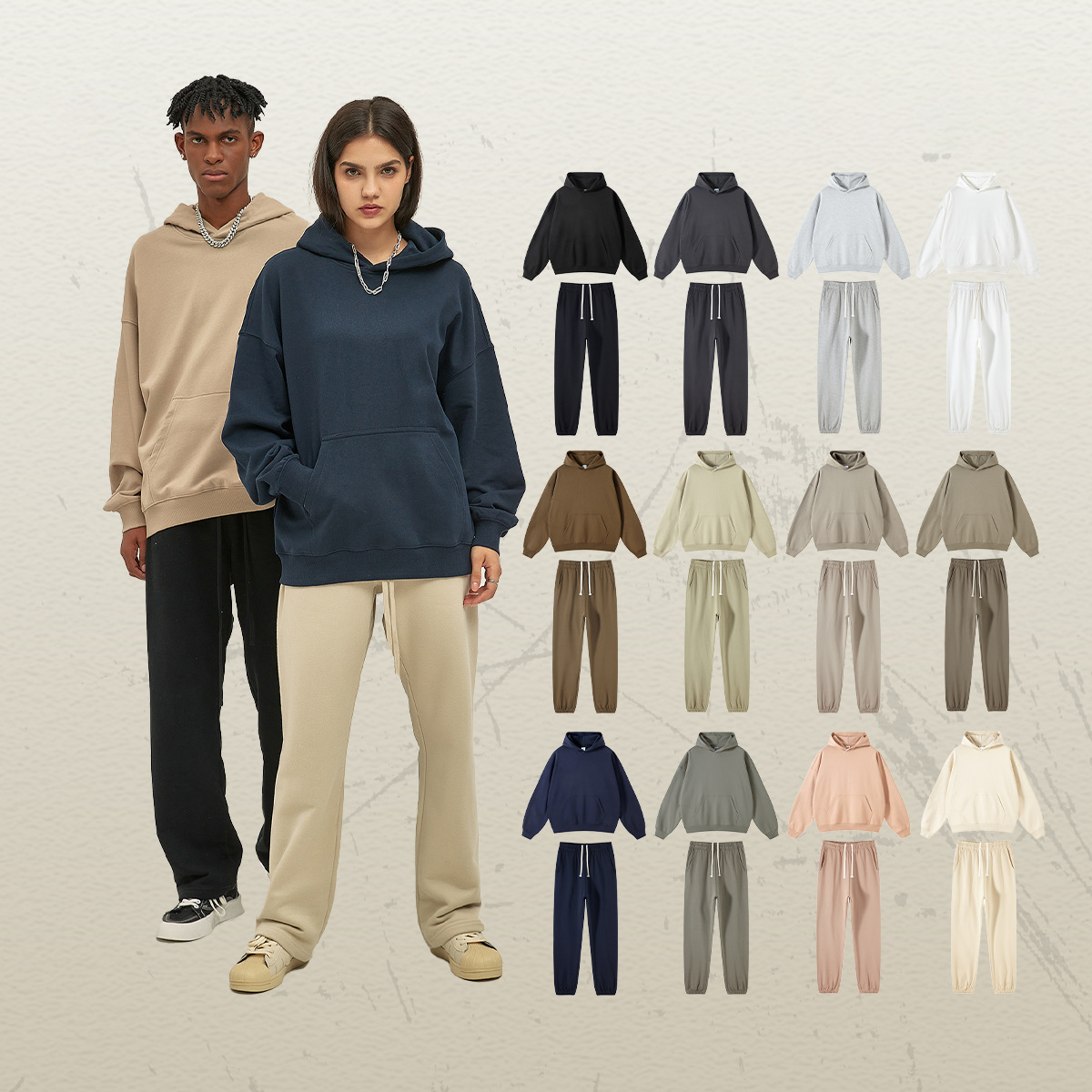
Craft and Sewing Checks Catch Defects Mid-Run
As garments take shape, our craft QC testing and sewing production QC testing run concurrently on the production floor. Inspectors evaluate stitch density, seam allowances, embellishment placement, and construction detail — stopping defects mid-cycle before they multiply across an entire batch.
- Stitch density and seam tension measured at regular production intervals
- Button placement, embroidery alignment, and graphic positioning verified inline
- Inline inspectors flag and correct defects before any piece advances to finishing
- Mid-production sign-off required before each batch moves to the next stage
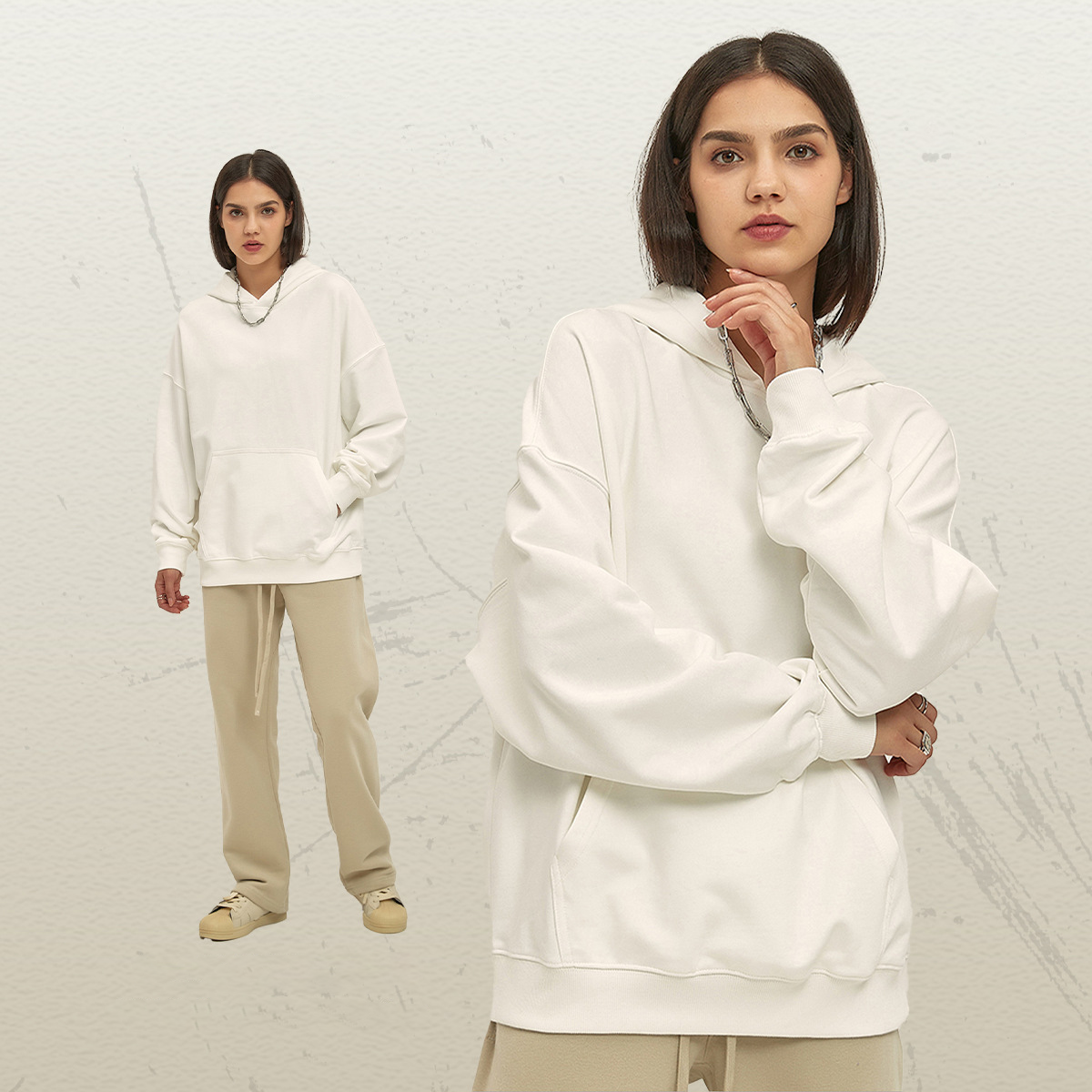
Finished Goods Inspection Certifies Every Jersey
Every finished button down baseball jersey passes a comprehensive final inspection covering measurements, print registration, button function, fabric integrity, and packaging standards. Only garments clearing every checkpoint receive sign-off — your order ships only when each unit fully qualifies.
- 50-plus point checklist applied to every finished jersey before packaging
- Measurements re-confirmed against your approved size specification sheet
- Button and buttonhole function, thread trims, and label placement individually reviewed
- Poly-bagging and carton counts verified for accurate, damage-free fulfillment
Why We Outperform Every Button Down Baseball Jersey Manufacturer
A side-by-side look at how Clothing Manufacturer Ltd stacks up against typical jersey suppliers on the dimensions procurement teams care about most.
← 左右滑动查看 →
From Design to Delivery: Your Button Down Baseball Jersey Manufacturer, Step by Step
Every phase of production is backed by our 5-step quality control guarantee — so your jerseys arrive on time, on spec, and completely defect-free.
Design & Sample Development
Share your concept with our in-house design team. We develop tech packs and production samples for your button down baseball jersey within 7 days.
Materials Selection & QC Check
Our sourcing team selects premium streetwear-grade fabrics for your jerseys. Every material batch passes Step 1 of our 5-step QC before cutting begins.
Precision Cutting & QC Testing
Panels are cut to exact pattern specifications. Cutting QC — Step 2 of our process — catches sizing and alignment errors before a single stitch is made.
Sewing & Craft QC Control
Skilled sewers assemble each jersey under continuous craft and sewing production QC checks — Steps 3 and 4 — ensuring consistent stitching and construction at every seam.
Finishing & Final QC Inspection
Completed garments undergo our Step 5 finished-clothing QC inspection. Pressing, packaging, and labeling are verified so every unit leaves our facility defect-free.
Global Shipping & Delivery
Your approved order ships worldwide with full logistics support. We manage customs documentation and coordinate fast turnaround to meet your seasonal collection launch deadlines.
How to Partner With a Button Down Baseball Jersey Manufacturer
Five friction-free steps take you from initial concept to door-delivered collection — with full transparency and quality assurance built in at every stage.
Submit Your Tech Pack or Brief
Share your design files, reference samples, or concept brief. Our in-house team translates your vision into production-ready specs within 48 hours.
Receive a Tailored Quote
Get a transparent, itemized quote covering fabric, trims, and labor, sized to your MOQ, timeline, and budget. No hidden fees, no surprises.
Approve Your Pre-Production Sample
Our sampling team crafts a physical prototype for your review. Request refinements until every stitch, colorway, and fit meets your exact standards.
Launch Bulk Production With 5-Step QC
Your approved design enters our 5-step QC pipeline — materials, cutting, craft, sewing, and final inspection — ensuring zero-defect output at every stage.
Receive Global Delivery on Schedule
We handle international logistics, customs documentation, and shipping, delivering your finished jerseys to any destination worldwide with full order tracking included.
Certified Button Down Baseball Jersey Manufacturer You Can Trust
Real Results From Brands Like Yours
We launched our first button down baseball jersey drop with Clothing Manufacturer Ltd. and sold out in 72 hours. Their 5-step QC meant zero returns. Low MOQ let us start at 50 units — we’ve since scaled to 600 per run as our Instagram grew past 85k followers.
As a fashion startup, I couldn’t afford high minimums or quality mishaps. Clothing Manufacturer Ltd. delivered 3 full collections in under 5 months — every piece on spec, every deadline met. Our repeat customer rate climbed to 64% within the first season.
I’d burned two manufacturers before this team. My influencer jersey line shipped in 19 days, and my audience of 130k immediately noticed the quality difference. We’ve placed 7 reorders since our first sample approval — zero QC complaints across all of them.
Button Down Baseball Jersey Manufacturer FAQs
Straight answers on MOQ, lead times, sampling, IP protection, and everything else you need to place your first order with confidence.
What is the minimum order quantity at your button down baseball jersey manufacturer?
How long does sampling and bulk production take?
How do I find a reliable button down baseball jersey manufacturer for my streetwear brand?
What customization options do you offer — graphics, embroidery, labels, and packaging?
Can a button down baseball jersey manufacturer protect my brand’s IP and proprietary designs?
What payment terms do you offer new customers?
How does your 5-step quality control process work for a button down baseball jersey manufacturer?
What international shipping and logistics support do you provide?
What fabrics are available for button down baseball jerseys?
The Complete Buyer’s Guide to Button Down Baseball Jersey Manufacturer
Discover how to evaluate every button down baseball jersey manufacturer on fabric quality, MOQ, customization depth, and lead times — plus a proven decision framework, supplier red flags, and the five mistakes that derail first-time brand launches.
1. What Is a Button Down Baseball Jersey Manufacturer?
Button placket construction involves at least three precision steps — facing attachment, buttonhole punching, and button-to-button spacing verification — that require dedicated fixtures and trained operators not found in most generalist CMT (cut, make, trim) factories. A true button down baseball jersey manufacturer maintains these tooling setups in-house, along with sport-jersey pattern libraries, so every silhouette from full-button to half-button produces consistent placket alignment across a full production run.
Five distinct product variants fall under this category, each requiring different fabric handling and tooling knowledge. Sourcing from a factory without demonstrated experience in the specific variant you need — for example, stripe-matched pinstripes or breathable open-mesh — is the leading cause of misaligned seams, gaping plackets, and rejected shipments on first orders.
For streetwear labels and independent designers placing initial runs at MOQs of 50–200 units per colorway, defect rates above 1–2% directly destroy margins and delay launch timelines. A confirmed button down baseball jersey manufacturer runs QC checkpoints at cutting and sewing stages — not only on finished goods — which is the structural difference that protects your brand from costly rework.
- Full-button jerseys: placket runs the full front length with evenly spaced, reinforced buttonholes
- Half-button pullovers: chest-height placket; same alignment discipline, fewer trim components
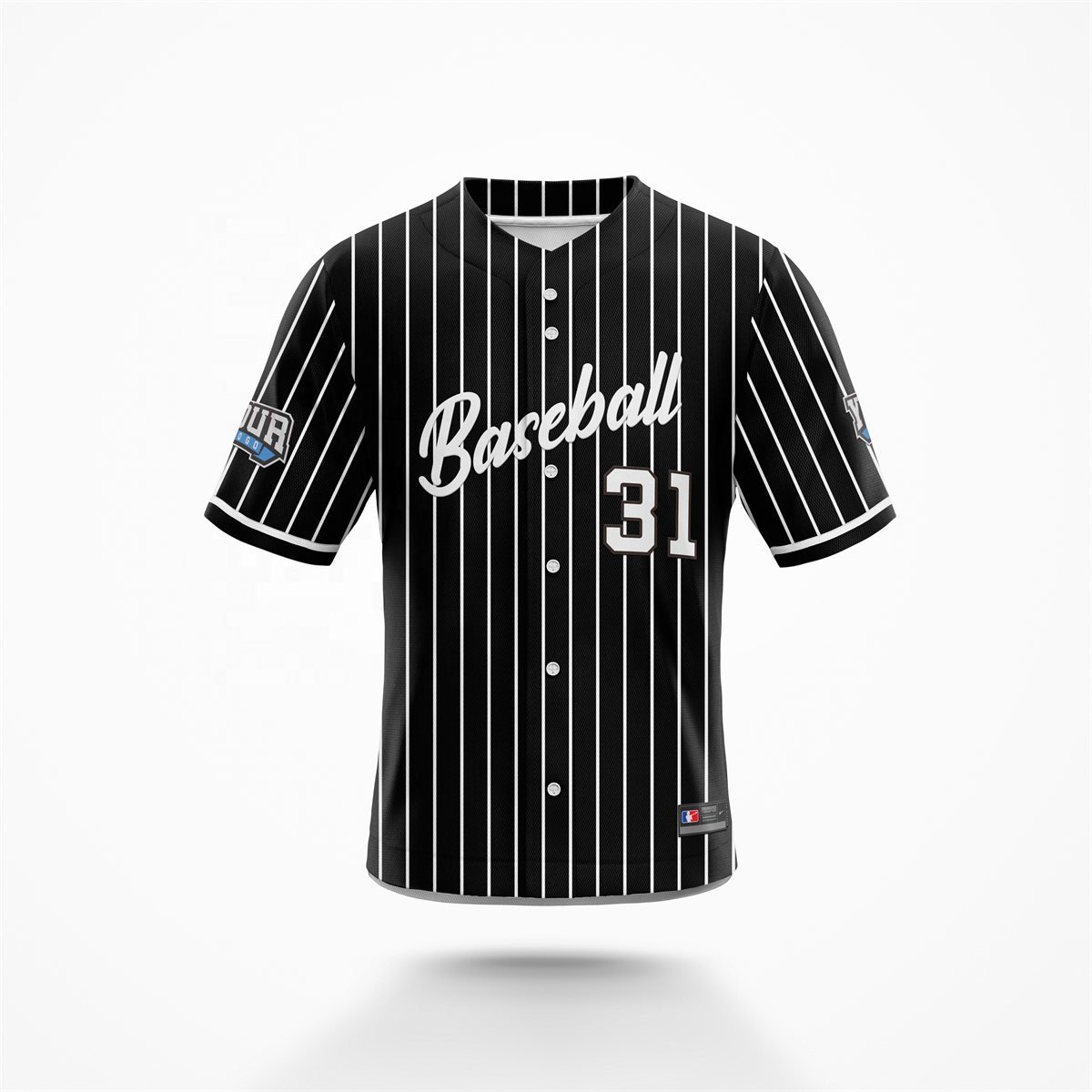
- Pinstripe wovens: stripe matching at every seam demands precision cutting and expert pattern grading
- Open-mesh polyester: breathable knit construction, typically finished with heat-transfer or embroidered graphics
- Twill constructions: heavier woven fabric favored in heritage-revival and vintage streetwear drops
2. A Brief History of the Baseball Jersey in Streetwear
Baseball jerseys trace their roots to the 1860s, when teams first standardized on heavy wool flannel shirts built for outdoor durability. The button-front closure was a practical necessity — no stretch fabrics existed, so front buttons allowed players to don and remove a structured garment without distorting it. That functional detail became the silhouette’s most enduring signature.
By the early 1970s, MLB franchises shifted to double-knit polyester, cutting jersey weight by roughly 40 percent and unlocking vibrant colorways that wool could not hold. Mesh panels and contrast raglan sleeves emerged during this era, cementing an aesthetic vocabulary that designers still borrow today. The decade’s bold graphics and two-tone construction set a template every button down baseball jersey manufacturer continues to reference.
The 1990s marked the garment’s cultural pivot: hip-hop artists and skate crews began styling game-worn and replica jerseys as everyday streetwear, pairing oversized button-fronts with baggy denim and work boots. Reissue labels turned vintage silhouettes into coveted lifestyle pieces, proving the category could command fashion-level retail prices well above standard sportswear. That street adoption transformed the jersey from a uniform into a canvas for identity and bold self-expression.
Today, limited-edition drop culture has elevated the button-down silhouette into a premium product tier, with branded releases routinely selling out within hours of launch. Tesla Luo of Clothing Manufacturer Ltd. — who studied streetwear motifs including hip-hop graphics, rose elements, and cross elements — positions the button-down style as a high-craft lifestyle item, not a commodity. That layered history justifies tighter QC standards, elevated fabric specifications, and the disciplined production philosophy that separates a serious manufacturer from generic suppliers.
3. Types of Button Down Baseball Jersey Manufacturer Styles
Style selection is the first decision when briefing a button down baseball jersey manufacturer. The six categories below map directly to customer demographics — matching silhouette and fabric weight to your audience prevents costly overstock.
Classic Full-Button Pinstripe
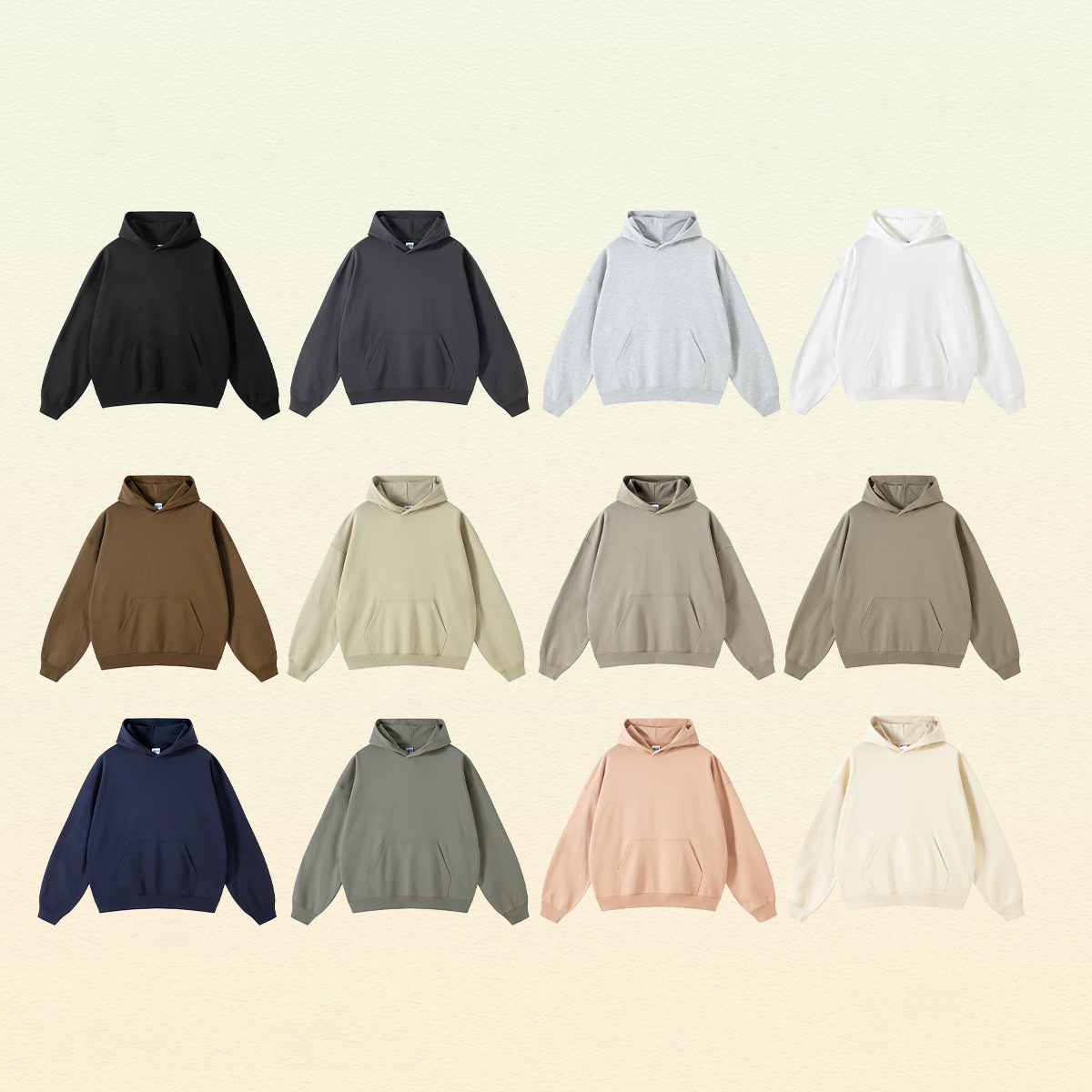
Traditional 180–200 GSM polyester-cotton twill with vertical stripes targets sports fans and retro-leaning labels. MOQs typically start at 50–100 pieces. Brand positioning: premium heritage streetwear or licensed team-adjacent aesthetics.
Mesh Performance Jerseys
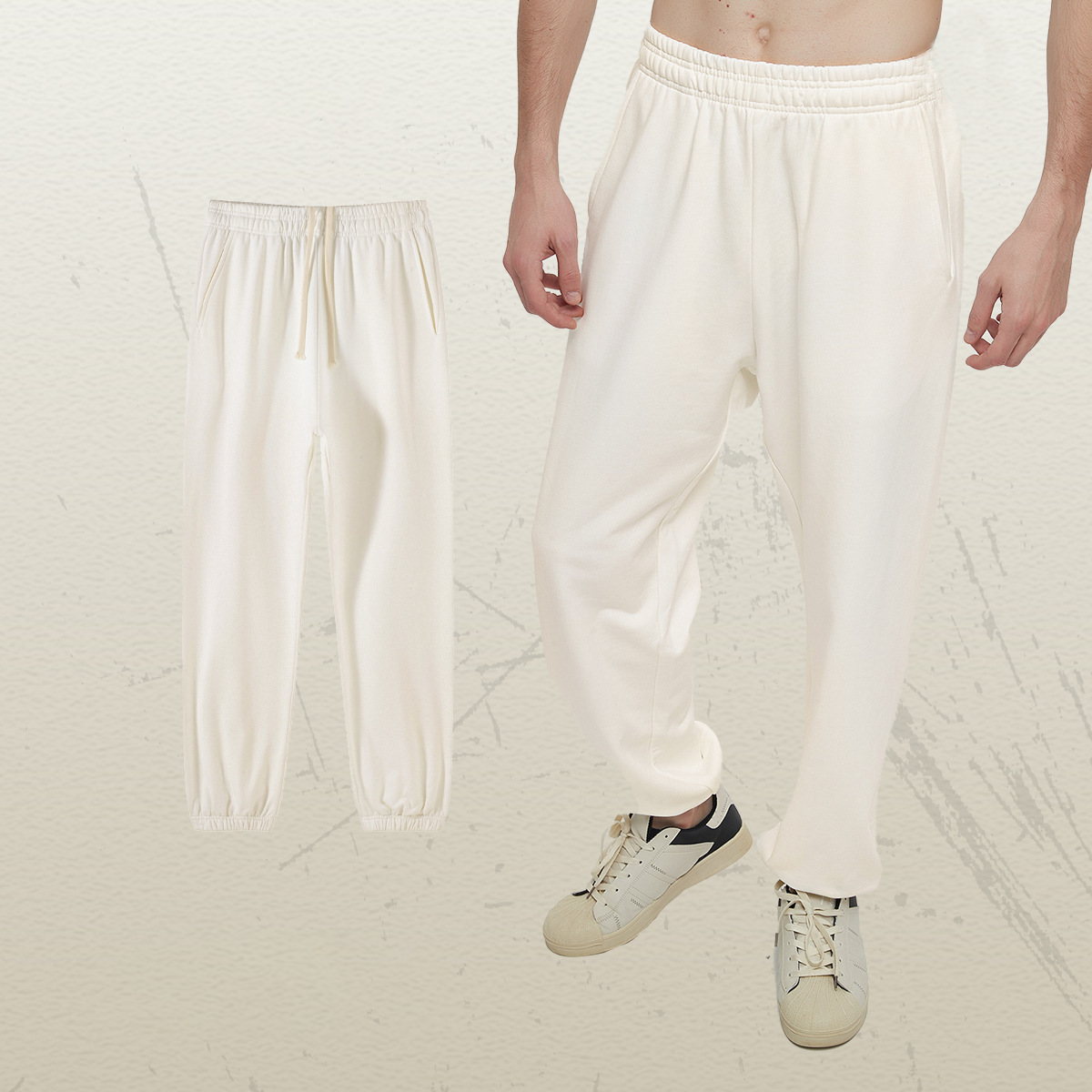
100% polyester mesh at 140–160 GSM keeps weight low for athletic and warm-weather demographics. Moisture-wicking finishes are standard. Best suited for activewear crossover brands and festival-season drops.
Twill and Flannel Heritage Styles
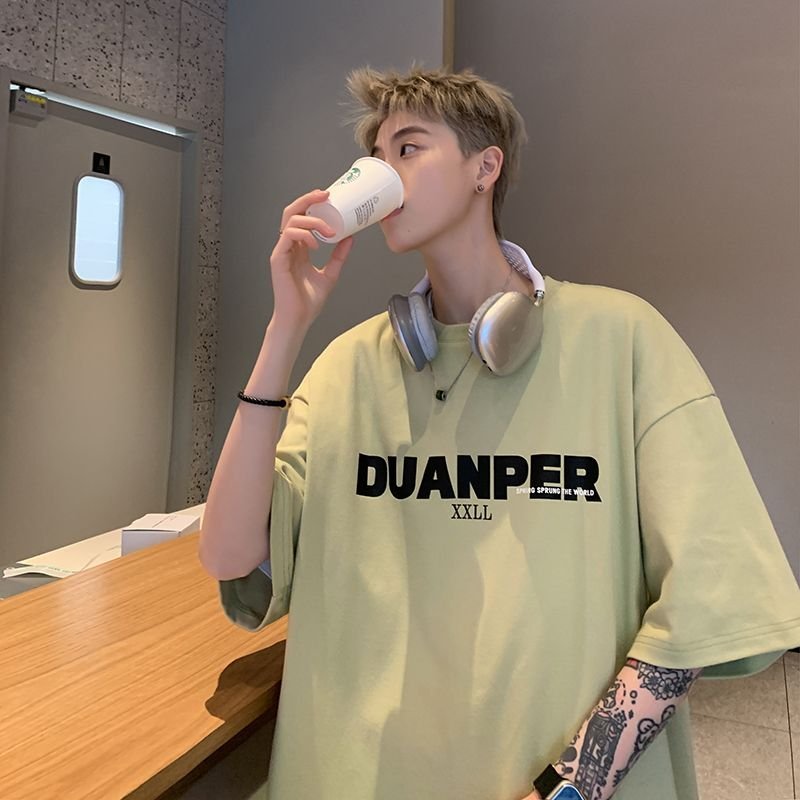
7–9 oz flannel or 200–240 GSM twill appeals to collectors and Americana-influenced labels. Heavier hand feel commands a higher retail price point. Ideal for fall and winter capsule collections.
Oversized Streetwear Cuts
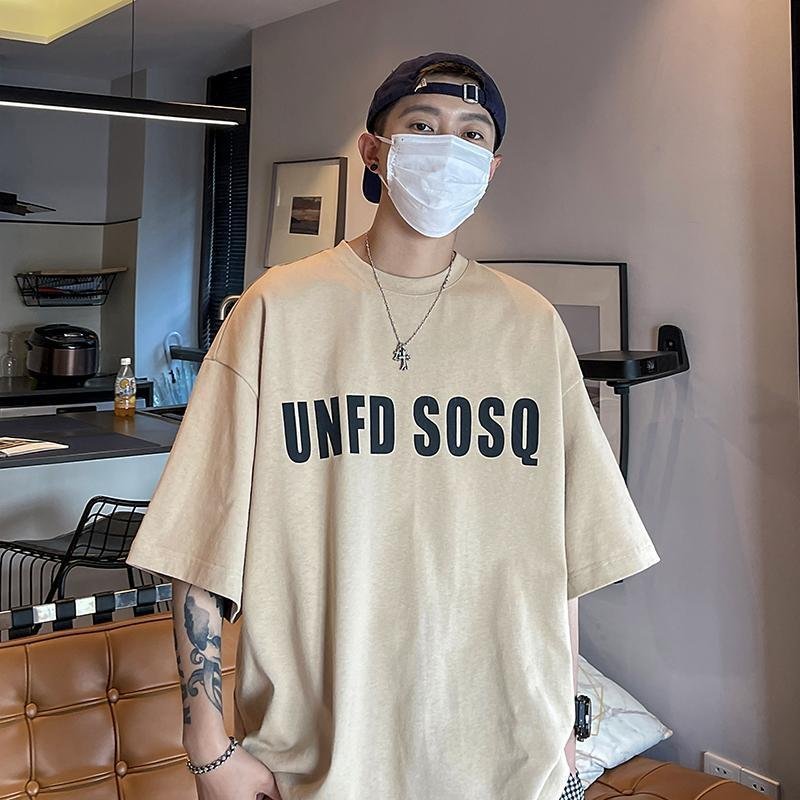
Drop-shoulder, boxy silhouettes in 180–220 GSM jersey or French terry dominate hip-hop and skateboard demographics. Sizing runs 1–2 sizes up from standard. This cut pairs naturally with bold chest graphics and streetwear motifs.
Sublimated All-Over-Print Jerseys
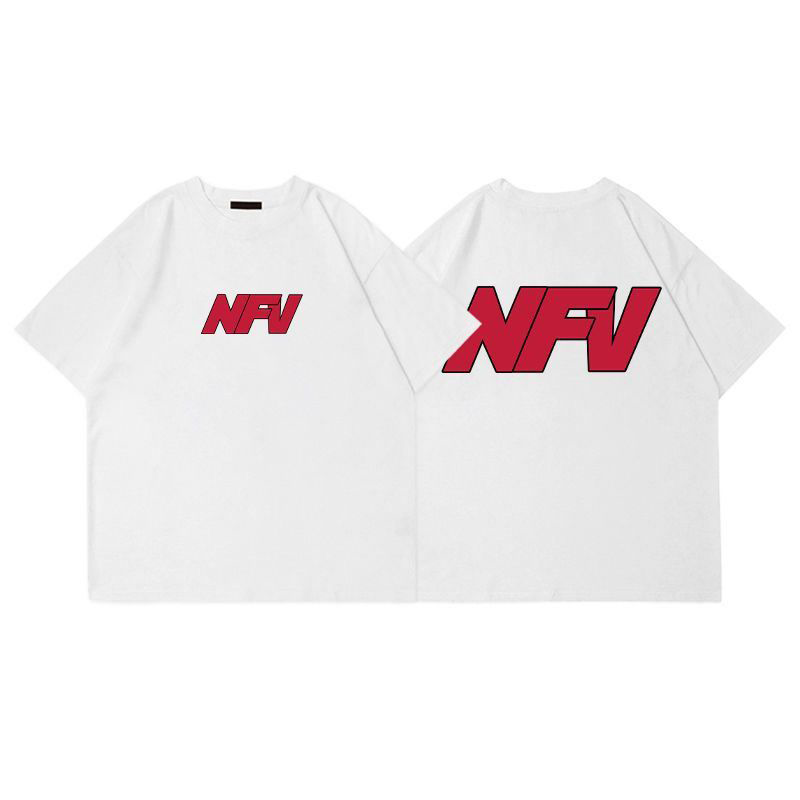
Dye-sublimation locks unlimited color into 100% polyester at no added per-color cost, effective for small runs with complex graphics. MOQs can start at 20–30 pieces per design. Targets creator brands needing high visual differentiation.
Collarless Crop Variants
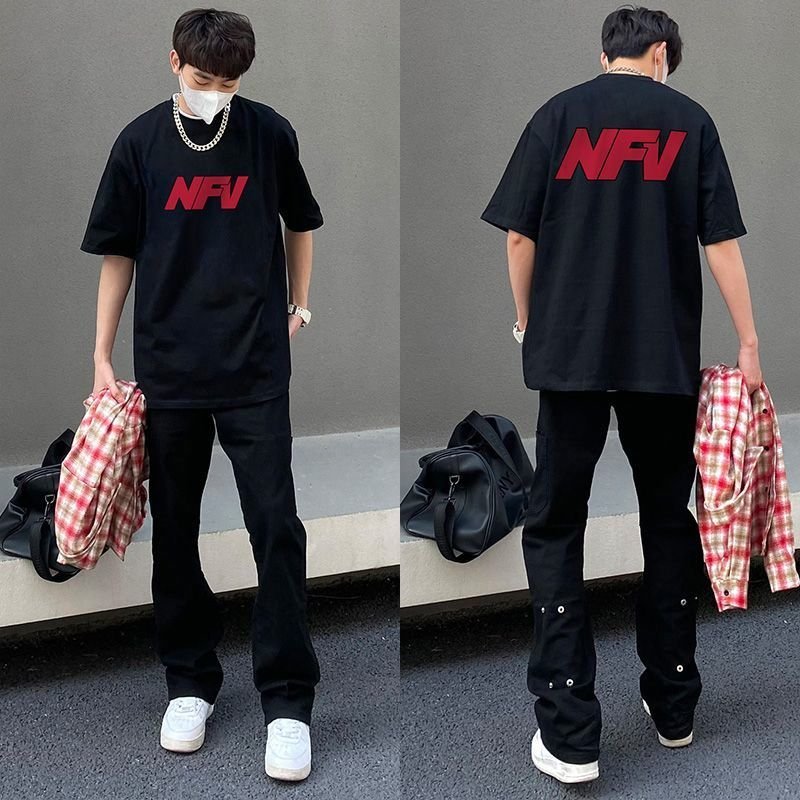
Collarless, cropped hems at mid-torso length suit Gen Z and women’s streetwear lines. Fabric weight typically runs 160–180 GSM. The silhouette photographs well for social content, fitting influencer-led drops.
4. Materials & Fabrics: What Every Button Down Baseball Jersey Manufacturer Uses
Fabric is the first spec a button down baseball jersey manufacturer locks in — it sets hand-feel, print outcome, and cost floor. Five constructions dominate production, each matching a distinct brand tier.
| Fabric | GSM Range | Best Use Case | Print Compatibility | Wash Durability | Price Tier |
|---|---|---|---|---|---|
| 100% Polyester Mesh | 100–140 | Athletic jerseys | Sublimation only | High | Low |
| Poly-Cotton Blend (60/40) | 160–200 | Streetwear, casual | Screen print, embroidery | Medium-High | Mid |
| Twill | 200–280 | Retro, premium retail | Embroidery, tackle twill | High | Mid–High |
| Moisture-Wicking Performance Knit | 120–160 | Performance streetwear | Sublimation, heat transfer | High | Mid |
| Recycled/Sustainable Fabric | 150–220 | Eco-conscious brands | Screen print, DTG | Medium-High | High |
Mesh and Performance Knit Options
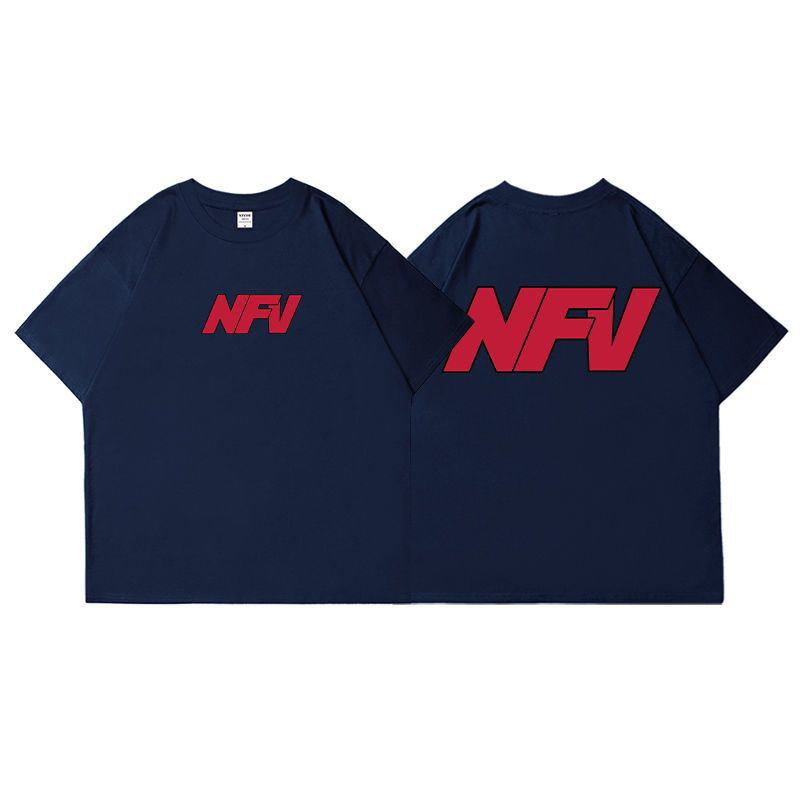
100% polyester mesh at 100–140 GSM is the heritage choice — lightweight, breathable, and fully compatible with all-over sublimation printing. At this weight, it suits authentic athletic silhouettes but needs a woven backing to accept embroidery cleanly.
Poly-Cotton Blends and Twill
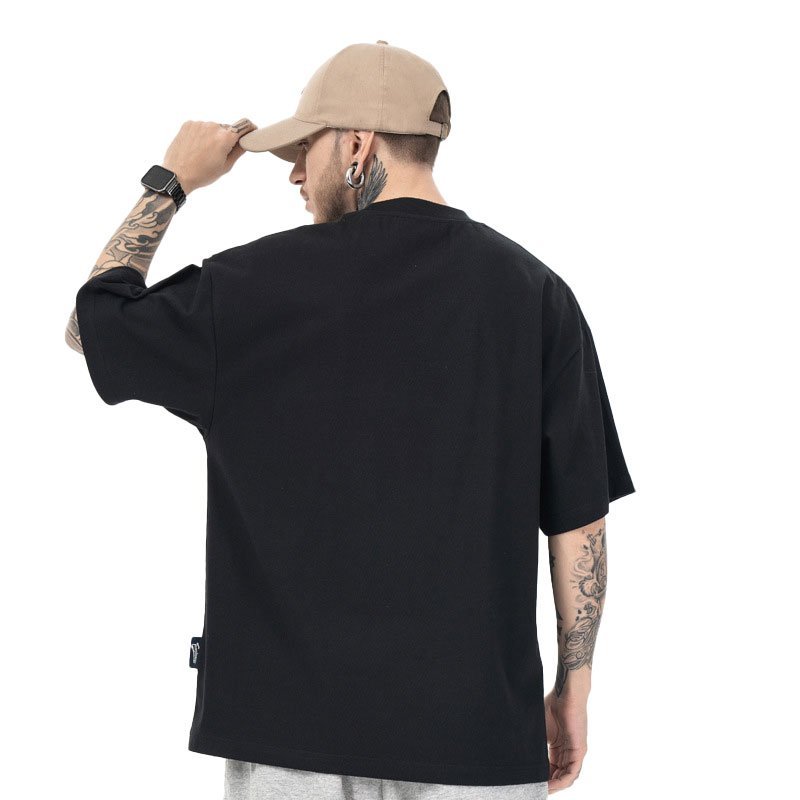
A 60/40 poly-cotton blend at 160–200 GSM balances softness with print versatility, accepting screen printing and embroidery without pilling. Twill constructions, typically 200–280 GSM, add structural weight ideal for tackle twill lettering and retro retail positioning.
Sustainable Fabrics and Brand Fit
Recycled polyester jerseys certified under OEKO-TEX Standard 100 or GRS run 150–220 GSM and carry a 15–25% unit cost premium — justified for eco-positioned brands targeting $50-plus retail. Sub-$30 retail price points favor polyester mesh; premium and sustainable tiers support twill or certified recycled constructions.
5. Customization & Decoration Options From Your Manufacturer
A quality button down baseball jersey manufacturer should offer at least 7 decoration methods — the right choice affects MOQ thresholds, setup costs, and wash durability. Match the technique to your fabric content, order volume, and branding permanence requirements.
| Technique | Setup Cost | Per-Unit Add | Durability |
|---|---|---|---|
| Embroidery | $25–$80 | $0.50–$2.00 | 50+ washes |
| Tackle Twill | $10–$30 | $2–$6/letter | 50+ washes |
| Sublimation | None | $0.80–$2.50 | 100+ washes |
| Screen Print | $15–$40/color | $0.30–$1.00 | 40–50 washes |
| HTV | None | $0.20–$0.80 | 30–40 washes |
| Woven Label | $50 setup | $0.10–$0.20 | Lifetime |
Embroidery and Tackle Twill
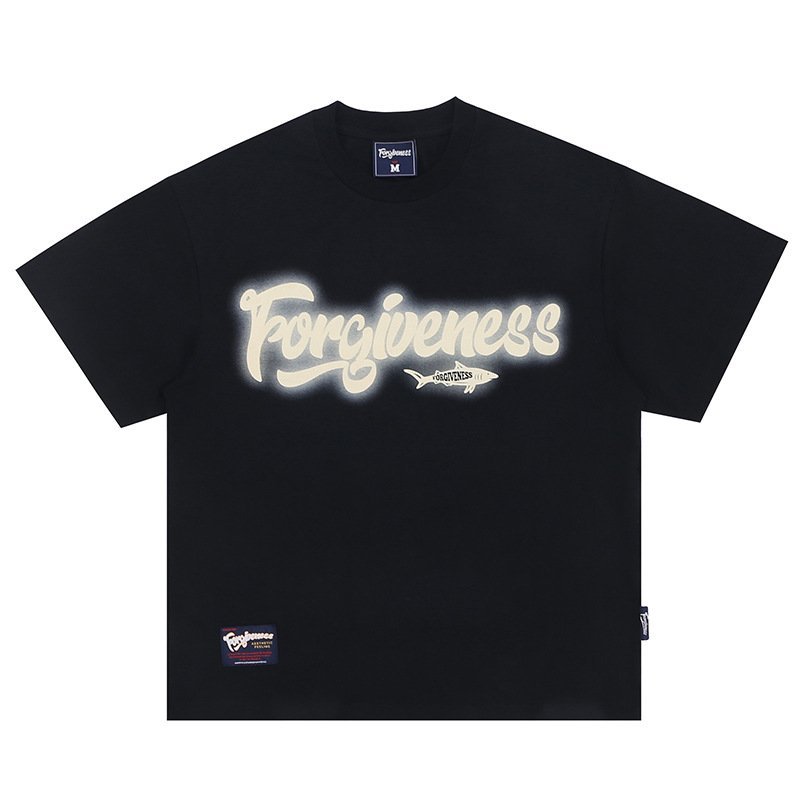
Embroidery suits chest logos and sleeve patches at MOQs as low as 24 pieces, with digitizing fees of $25–$80. Stitched thread survives 50+ industrial wash cycles — the highest durability tier available.
Tackle twill bonds cut polyester felt letters directly to the jersey body. Expect $2–$6 per character at 12-piece minimums.
Sublimation, Screen Print, and Heat Transfer Vinyl
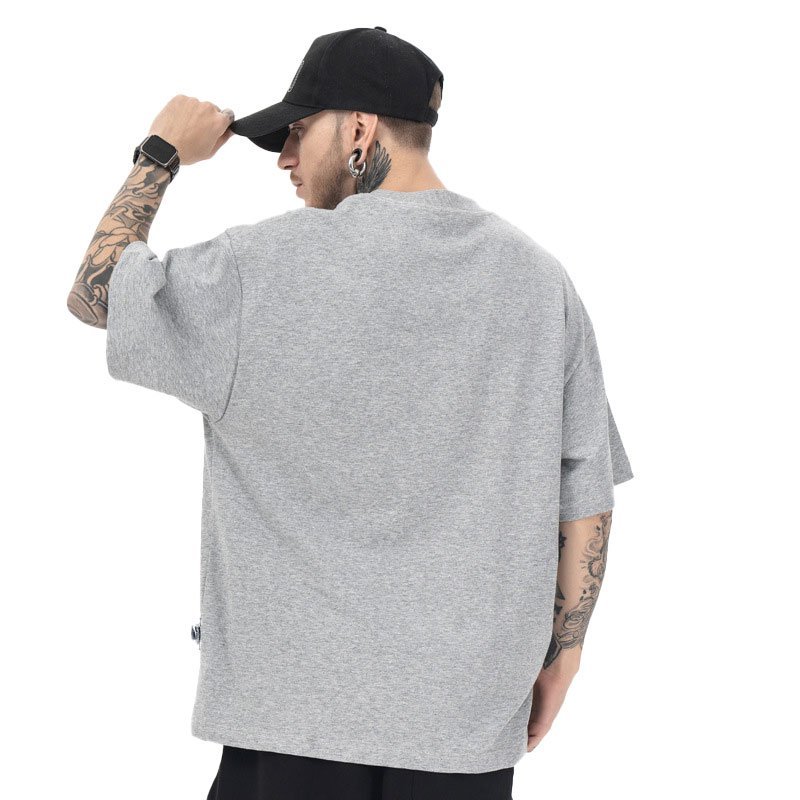
Dye sublimation bonds ink into 100% polyester fibers at 400°F, delivering full-bleed graphics with 100+ wash durability and zero hand feel. It requires light base fabrics and carries no per-color setup fees.
Screen printing fits 1–4 Pantone colors on cotton-blend jerseys at 12-piece MOQs with $15–$40 per-color setup. Heat transfer vinyl (HTV) skips setup costs entirely but fades after roughly 30–40 washes.
Woven Labels and Custom Hardware
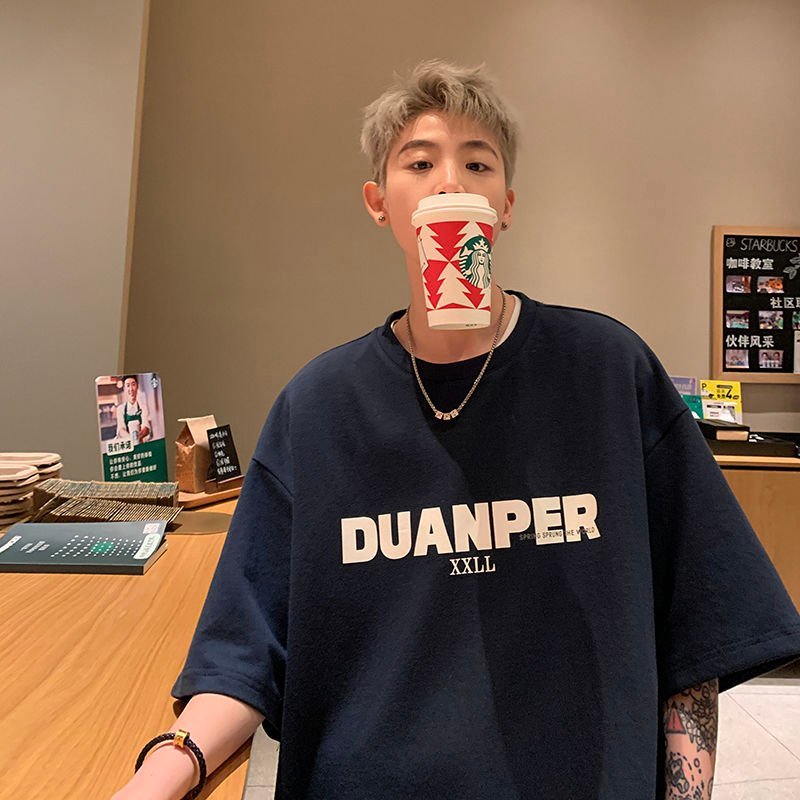
Woven neck labels start at 100-piece minimums under $0.15 per unit at scale. Custom resin or metal shank buttons and engraved zipper pulls require 500-piece mold tooling — budget 8–12 weeks for sampling approval.
6. Key Construction Quality Elements to Inspect
Construction quality separates a jersey lasting three seasons from one failing after three washes. A credible button down baseball jersey manufacturer supplies a verifiable QC checklist covering stitching, hardware, reinforcement, and colorfastness before units ship.
Stitching Type and Seam Allowance Benchmarks
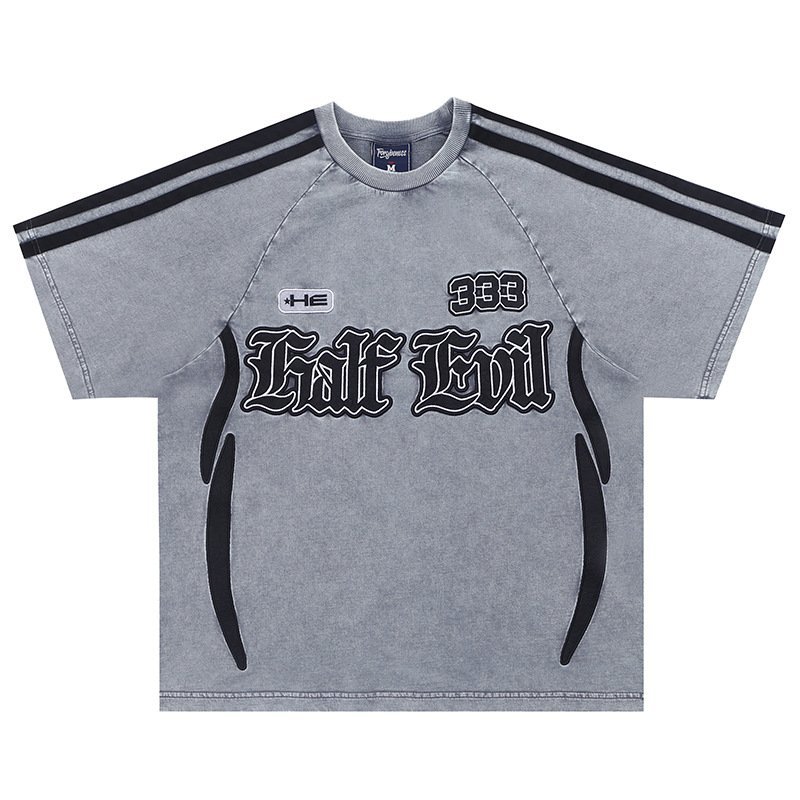
Flatlock stitching lays seams flat — ideal for athletic jerseys — while chainstitch adds elasticity for stretch panels. Double-needle hems reinforce cuffs and plackets.
Seam allowances should reach 1 cm minimum, with 1.5 cm at high-stress points like armholes and side seams. Your tech pack must specify stitch type by zone, not leave it to factory discretion.
Button Quality and Shank Attachment
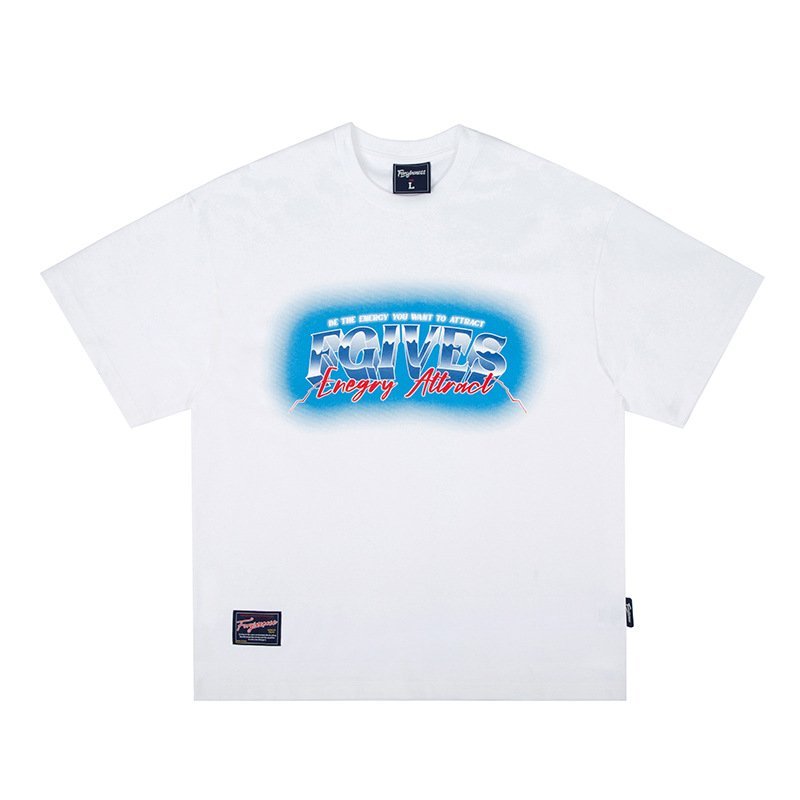
Buttons face repeated stress from buttoning cycles and laundering. Specify 4-hole or shank-style buttons with a thread bar tack sewn underneath; pull-test resistance should exceed 2 kg per button.
Resin or corozo buttons retain color better than low-grade plastic and hold up through repeated OEKO-TEX-compliant wash cycles. Button spacing and diameter — typically 18–20 mm for baseball jerseys — must be called out in the tech pack.
Collar Stand and Side-Panel Gusset Reinforcement
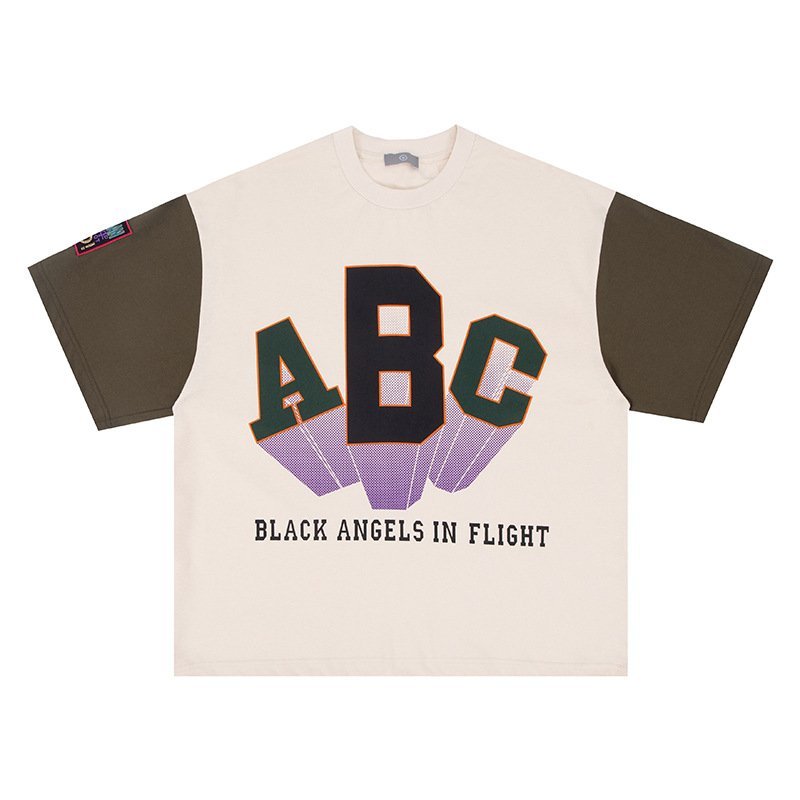
Collar stands cut on the bias or bonded with fusible interlining resist rolling and collapse after laundering. Side-panel gussets — typically 5–8 cm wide — allow full arm range without seam stress.
Both features must appear in the tech pack with material spec and stitch type noted. Factories that omit interlining specs are cutting corners that show after five washes.
Colorfastness Standards and In-Line QC Checklist
ISO 105-C06 rates colorfastness to washing on a 1–5 scale; Grade 4-plus is the accepted retail minimum. Rub-fastness per ISO 105-X12 should also reach Grade 4 on both dry and wet tests.
A factory QC checklist should record stitching density (stitches per inch), seam strength, and button pull-force at each production stage — not only on finished goods. Checking these metrics at materials, cutting, craft, sewing, and final inspection catches defects before they compound.
7. How to Choose the Right Button Down Baseball Jersey Manufacturer
Selecting a button down baseball jersey manufacturer on price alone exposes brands to quality failures at scale. Evaluating five operational criteria before committing to bulk separates reliable partners from opportunistic vendors.
MOQ Flexibility and Sample Policy
Credible factories quote MOQs of 50–200 pieces per colorway for cut-and-sew jerseys; below that, margin economics collapse. Insist on a paid sample policy — typically $30–$80 per sample — because factories that waive samples skip the fit-approval step that catches sizing errors before bulk production begins.
In-House vs. Outsourced Decoration
Embroidery, sublimation, screen printing, and tackle twill done in-house reduce lead time by 5–10 days versus outsourced decoration. Request a factory floor video confirming owned equipment — subcontracting decoration adds a quality handoff point that is difficult to audit remotely.
Certifications That Signal Compliance
OEKO-TEX Standard 100 certifies fabric is free from harmful substances; BSCI audits labor and social compliance; ISO 9001 governs production quality systems. Retailers selling into the EU or major U.S. chains typically require at least one certification before onboarding a new supplier.
Communication Speed and Sampling Turnaround
A 24-hour response window on sampling questions is a reliable benchmark — delays here consistently predict delays at bulk. Standard jersey sample turnaround runs 7–15 business days; manufacturers working from detailed tech packs routinely hit the low end of that range.
References, Audits, and Pilot Orders
Request references from brands in streetwear or sports-adjacent niches, not generic apparel clients. Run three sequential due-diligence steps: factory audit (virtual or in-person), sample order of 2–5 units, then a bulk pilot of 50–100 pieces.
Clothing Manufacturer Ltd. applies its five-step QC protocol — covering materials, cutting, craft, sewing, and finished-goods inspection — even on pilot runs, providing a concrete benchmark for what rigorous manufacturer vetting looks like in practice.
8. Common Mistakes Buyers Make When Sourcing a Button Down Baseball Jersey Manufacturer
Even experienced buyers repeat the same sourcing errors when working with a button down baseball jersey manufacturer. Five mistakes account for most product failures, cash-flow problems, and missed seasonal windows — each is preventable with one corrective action.
Skipping the Pre-Production Sample
Ordering bulk without an approved pre-production sample leaves sizing, stitching density, and colorway accuracy unverified. A defective run of 300-plus units can cost $1,500–$4,000 in wasted fabric and labor.
Always request a sealed pre-production sample, review it against your tech pack, and sign off before authorizing the bulk cut.
Ignoring MOQ Traps That Lock Cash Flow
Some factories quote attractive unit prices against 500-piece MOQs per colorway, tying up $8,000–$15,000 in unsold inventory before a single sale is made. Startups routinely exhaust working capital this way.
Negotiate per-style MOQs of 50–100 pieces, or consolidate colorways into fewer SKUs to protect liquidity during early runs.
Under-Specifying the Tech Pack
A tech pack missing graded measurements forces manufacturers to default to house sizing, which often diverges 1.5–2.5 cm from a brand’s target fit. Returns from inconsistent sizing can exceed 20% on a single drop.
Include a full graded spec sheet with point-of-measure tolerances and Pantone color callouts for every garment style.
Choosing Price Over Fabric Hand-Feel
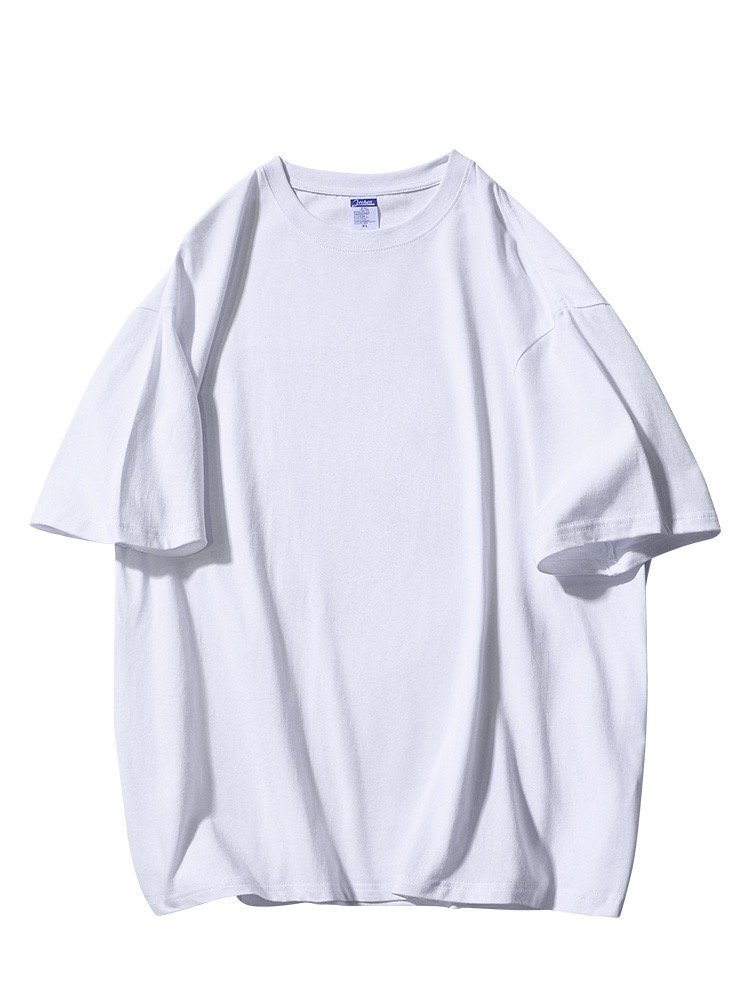
Open-end cotton at 160 GSM cuts per-unit cost roughly 15–20% compared to ring-spun 180 GSM, but its rougher hand-feel drives poor reviews and weak repeat-purchase rates. Lost customer lifetime value far outweighs the per-piece saving.
Always request a fabric swatch and evaluate hand-feel, weight, and drape before committing to any bulk order.
Neglecting Lead Time Buffers for Seasonal Drops
Standard production runs take 30–45 days; ocean freight adds another 15–25 days. Seasonal streetwear drops without a contingency buffer frequently arrive after the peak selling window has closed.
Build a minimum three-week buffer into every production calendar and confirm the factory’s public-holiday schedule at order placement.
9. Steps to Launch Your Brand With a Button Down Baseball Jersey Manufacturer
Most streetwear labels and creator brands reach their first bulk order within 8–12 weeks by following a disciplined five-step roadmap. Skipping any stage — especially the sampling round — is the fastest way to burn launch capital on unsellable inventory.
Define Your Collection Brief and Size Run
Pin down colorways (2–3 Pantone references), size run (XS–3XL is standard for streetwear), and target retail price before contacting any manufacturer.
A focused brief cuts revision cycles and lets factories quote accurately on fabric weight (220–280 GSM) and MOQ tiers — typically 50–100 pcs per style.
Build a Detailed Tech Pack
A tech pack must include flat sketches, construction specs, seam allowances, button type and placement, and all Pantone-coded decoration artwork.
Factories — including any button down baseball jersey manufacturer — need this document to price correctly and hit a 14–21 day sample turnaround.
Request Samples and Iterate on Fit
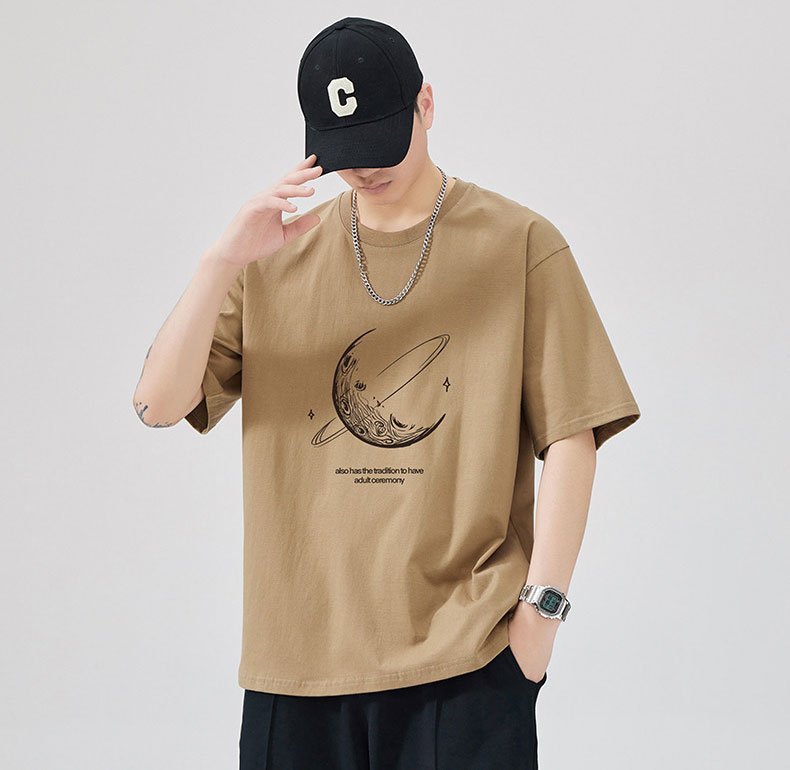
Budget 2–3 sample rounds (7–14 days each) to dial in fit, stitching, and print registration.
Creator brands commonly approve fit in round 1, then spend rounds 2–3 refining graphic placement and colorfastness under OEKO-TEX-compliant dye specs.
Place a Pilot Order and Seed the Market
A pilot run of 100–300 units lets you test demand before committing to full production.
Launch with a 72-hour pre-sale or seed 5–10 micro-influencers simultaneously; both tactics surface size-curve data that shapes your reorder before the first shipment lands.
Scale Reorders Using Sales Data
After 4–6 weeks of live sell-through data, expand colorway and size winners with confidence.
Reorder lead times at experienced manufacturers typically compress to 21–28 days once patterns, approved samples, and material sourcing are already locked from the pilot run.
10. Pricing & Cost Breakdown by Quantity Tier
At the 12–24 unit tier, a button down baseball jersey manufacturer typically prices 200 GSM ring-spun polyester-cotton blend jerseys at $28–$34 each; the same spec drops to $10–$14 at 300+ units with up to 5-color screen printing included.
$0.50–$1.00 per unit is the standard premium for OEKO-TEX certified fabric over base polyester-cotton at any tier. Pantone color matching and flatlock-seam finishing are included in all base prices shown.
- Embroidery: $150–$200 digitizing setup fee; adds $3–$5 per unit to base price
- All-over sublimation: no setup fee; adds $5–$8 per unit to base price
- Tackle twill: $50–$80 per letter or number setup; adds $4–$7 per unit
| Quantity Tier | Est. Unit Price | Decoration Included | Lead Time | Sample Cost |
|---|---|---|---|---|
| 12–24 units | $28–$34 | Screen print, 1 color | 20–25 days | $80–$120 |
| 25–49 units | $22–$28 | Screen print, 2 colors | 18–22 days | $80–$120 |
| 50–99 units | $18–$24 | Screen print, 3 colors | 15–20 days | $60–$100 |
| 100–299 units | $14–$18 | Screen print, up to 5 colors | 12–18 days | $60–$100 |
| 300+ units | $10–$14 | Screen print, up to 5 colors | 10–15 days | Credited to order |
Partner With a Button Down Baseball Jersey Manufacturer Today
Low MOQ, 5-step QC assurance, and fast global turnaround — request your free quote and get sampling started now.