
Premium Custom Baseball Jerseys for Streetwear & Trendy Brands
Design and manufacture custom baseball jerseys built for bold brands — trend-driven styles, 5-step quality control, and global shipping from as low as 50 pieces.
Our Custom Baseball Jersey Designs
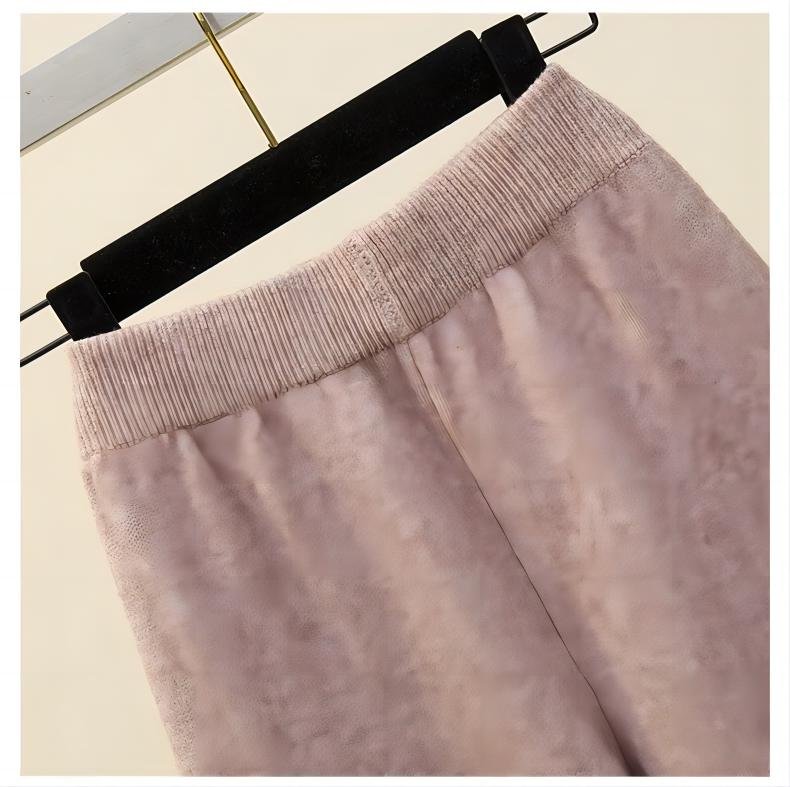
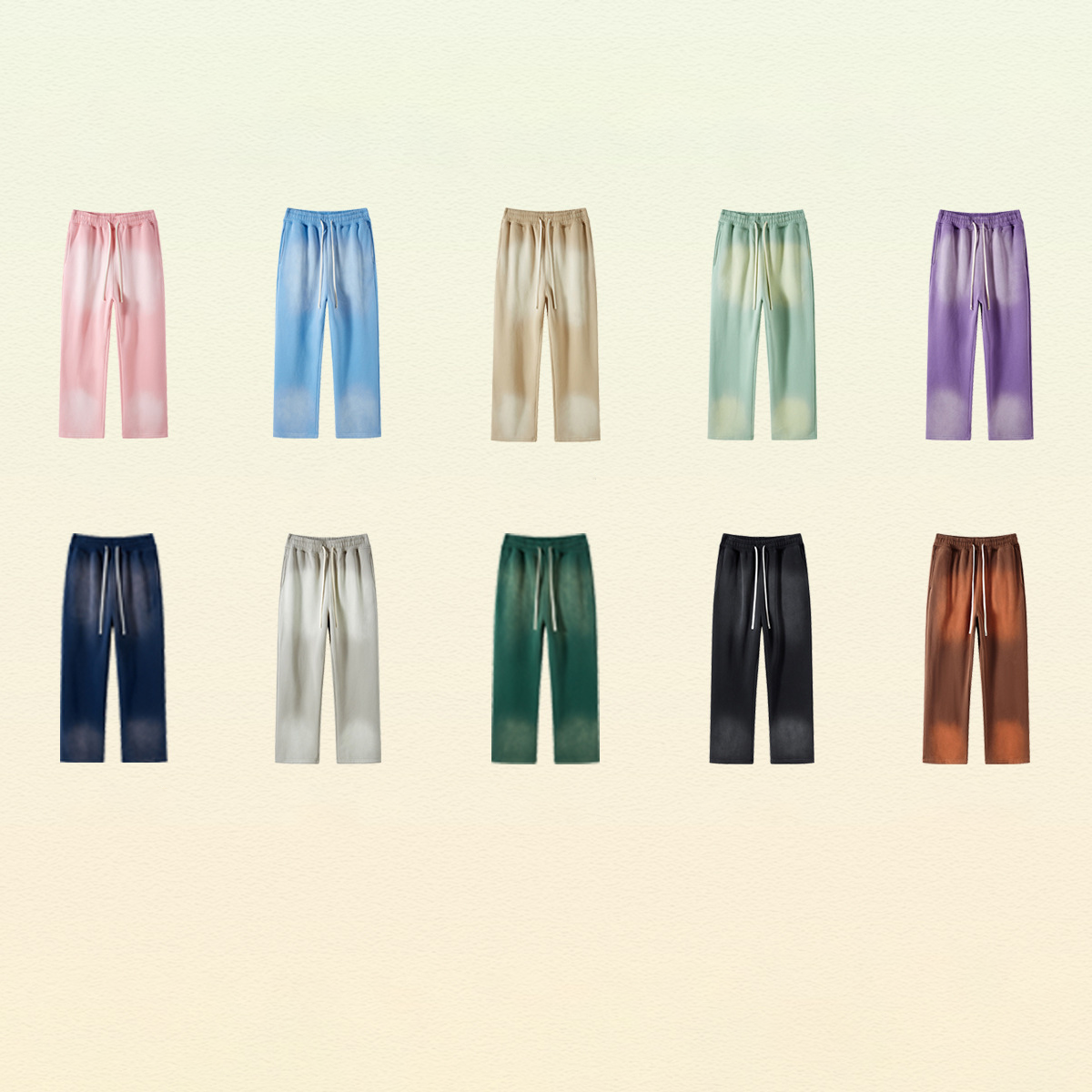
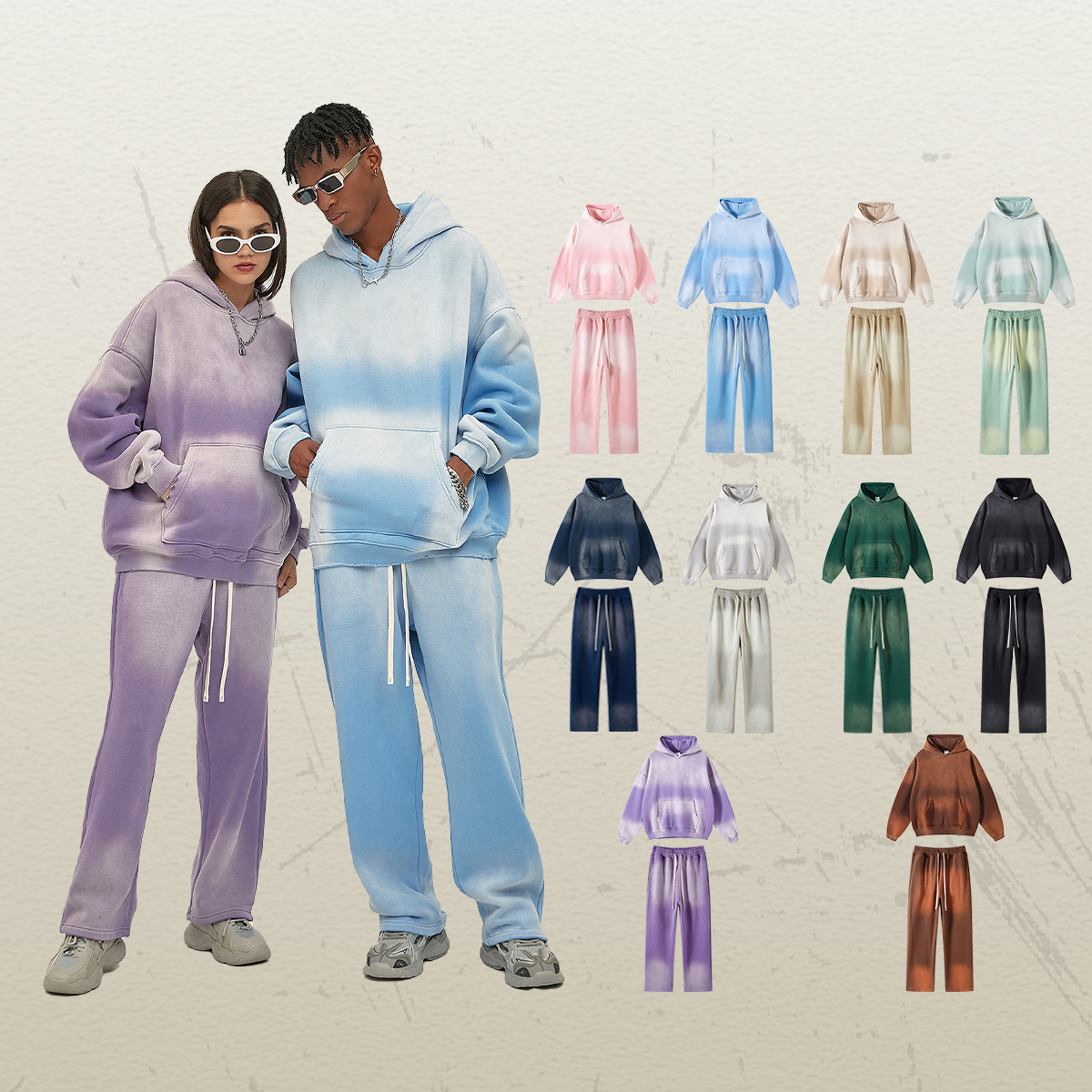
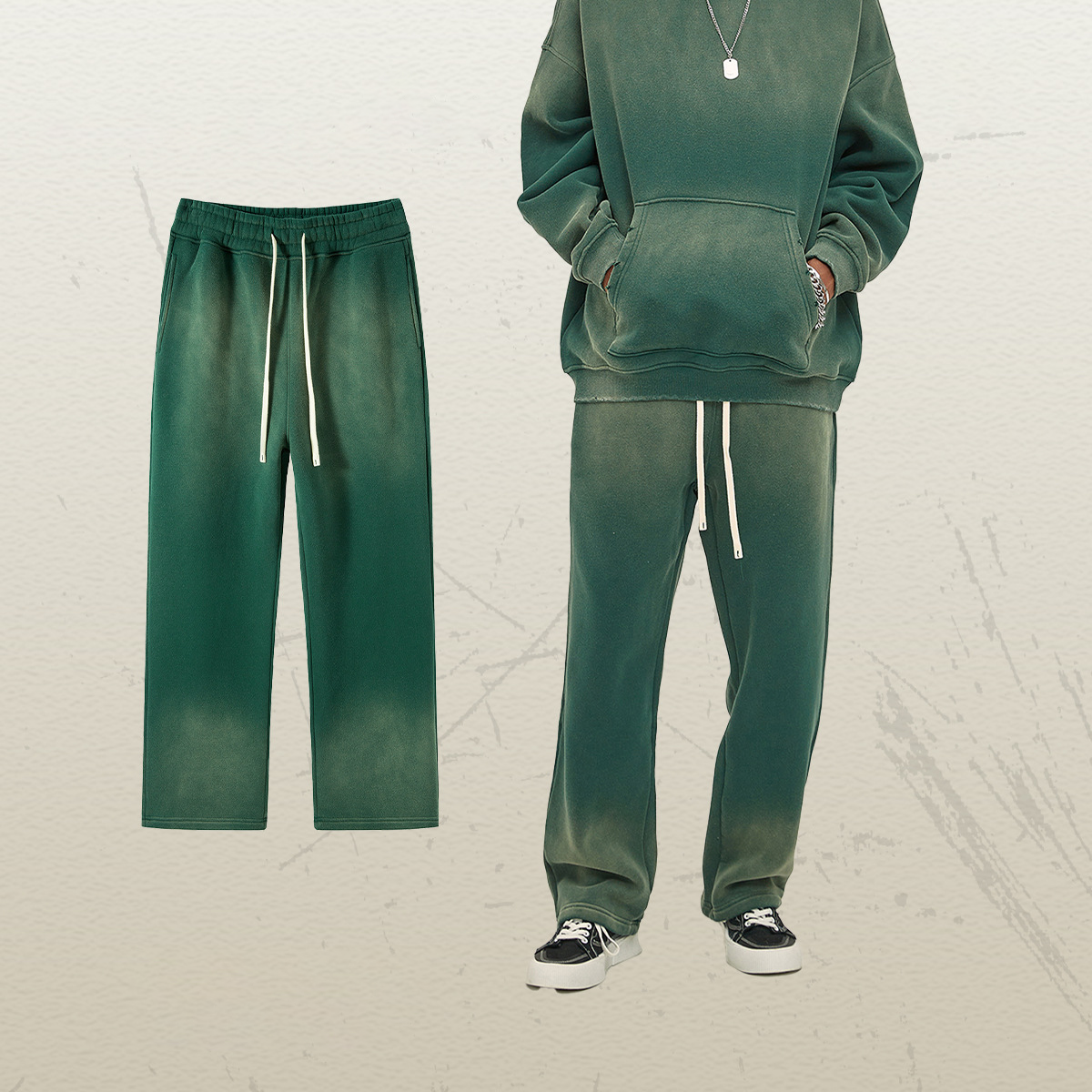
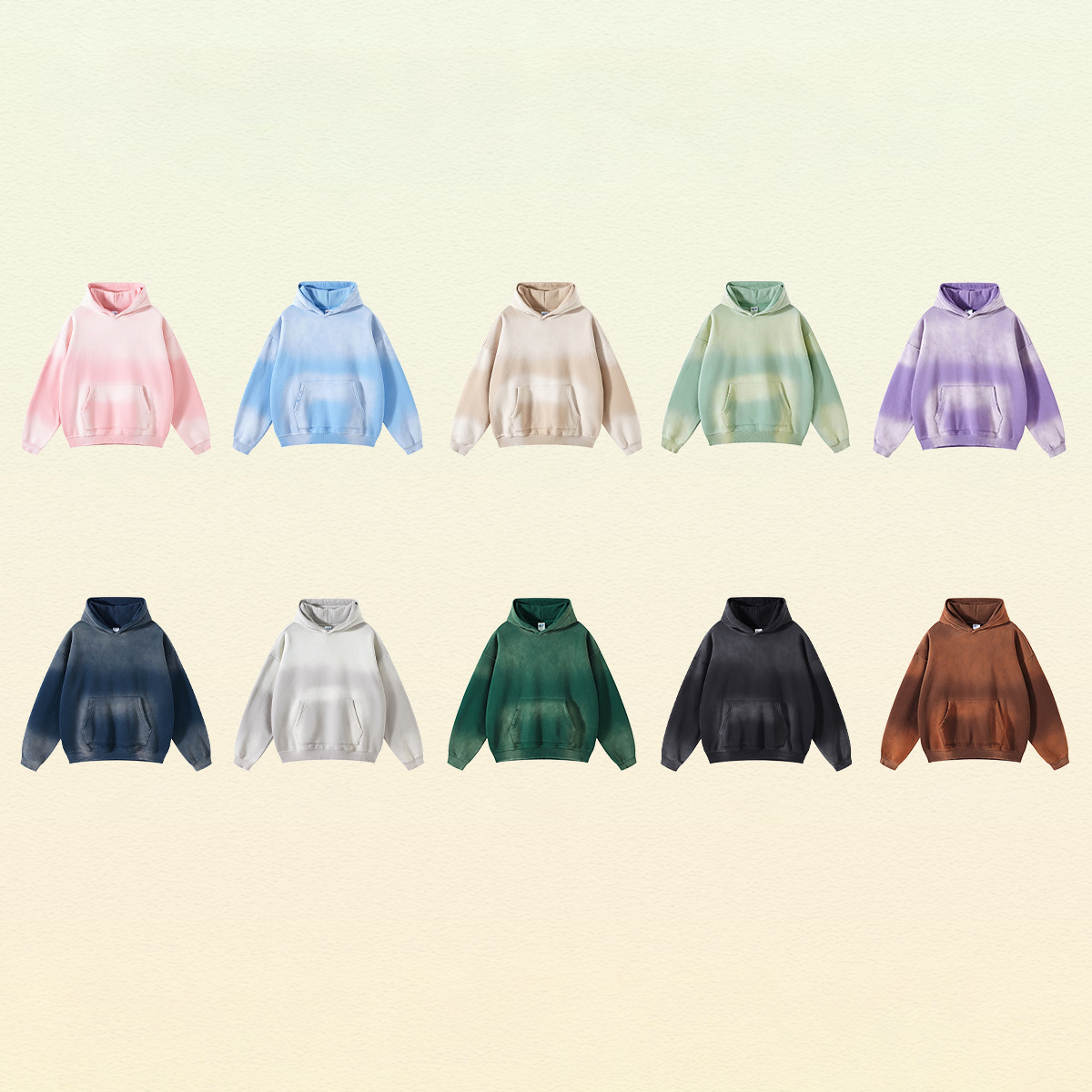
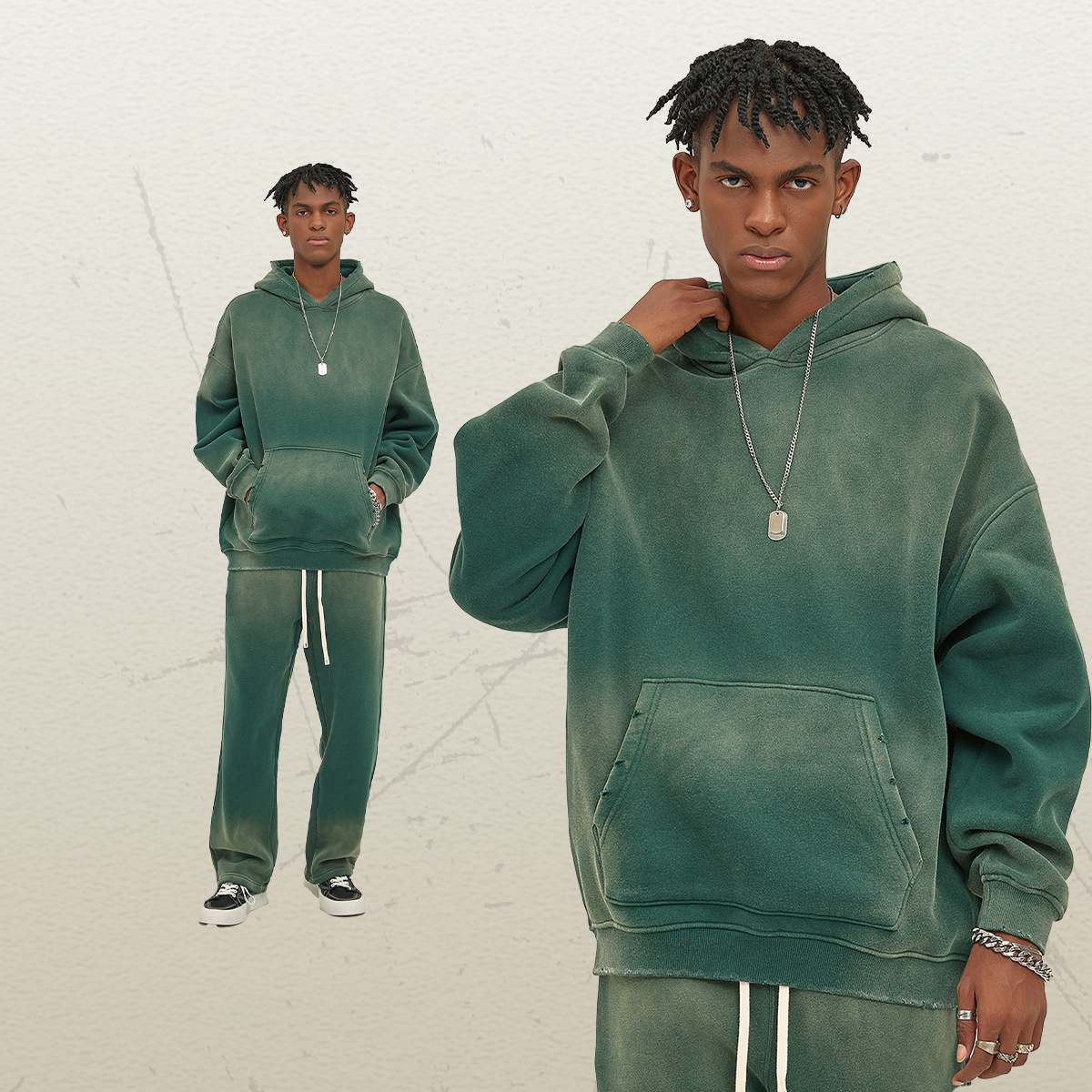
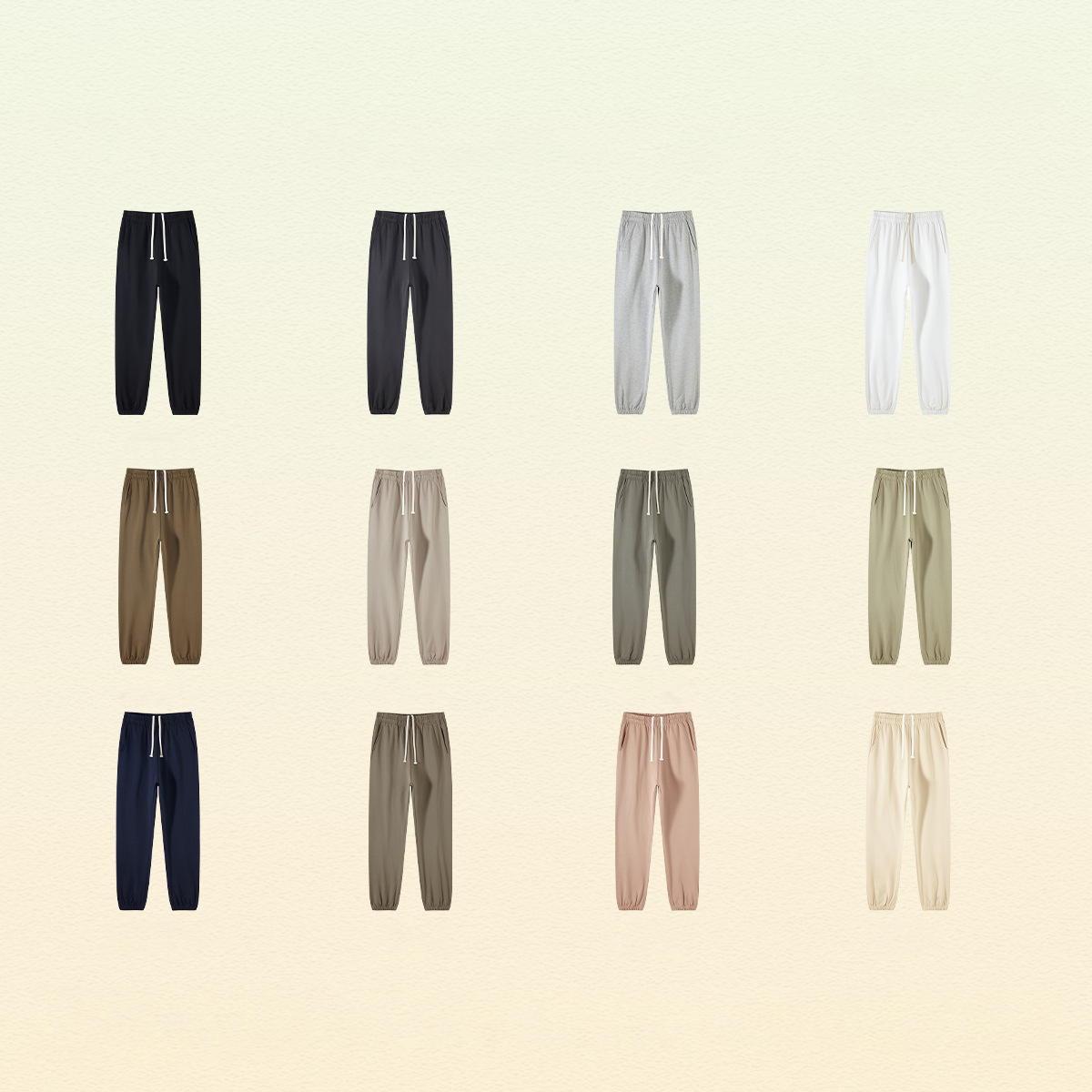
Why Our Custom Baseball Jerseys Stand Out
From a 5-step QC guarantee to 7-day samples and a 50-piece MOQ, every advantage is engineered for streetwear brands ready to grow.
5-Step QC Guarantee
Every custom baseball jersey clears five production-stage quality checks — from raw materials to finished goods — before shipment.
50-Piece MOQ, Zero Compromise
Start small without sacrificing quality. A 50-piece minimum lets emerging brands and independent designers launch confidently from day one.
7-Day Sample Turnaround
Receive production-ready samples in as few as 7 days, so you can validate fit, fabric, and design before committing to full runs.
In-House Streetwear Design Team
Our 15-member R&D team holds 10 patents and brings deep streetwear cultural fluency to every collaboration, from tech pack to final sample.
Global Logistics, 100+ Countries
We manage customs, freight, and international delivery across 100-plus countries so your jerseys land on time, every time.
10+ Years Manufacturing Heritage
Founder Tesla Luo’s decade-plus of hands-on garment experience — across every production role — backs every order with unmatched production depth.
Custom Baseball Jersey Categories We Specialize In
From timeless crew-neck classics to trend-driven streetwear silhouettes — every cut engineered to the standard your brand demands.
Crew-Neck Classic Cuts
Brands seeking the timeless crew-neck silhouette struggle to source factories that nail clean construction, precise rib-knit trims, and consistent sizing across every unit in a bulk production run.
Our in-house sampling team perfects the fit before bulk cutting begins. The 5-step QC process ensures every crew-neck jersey ships crisp, uniform, and fully label-ready.
Oversized Streetwear Silhouettes
Streetwear labels and influencer brands demand drop-shoulder, boxy custom baseball jerseys that move with culture — yet most factories default to standard athletic fits with zero street credibility.
We produce trend-driven oversized silhouettes at a low 50-piece MOQ, so emerging brands can launch limited drops without overcommitting to inventory they cannot move.
Performance-Engineered Jersey Builds
Sports and activewear brands need moisture-wicking, breathable fabrics with reinforced stitching that holds up to real play — not just looks sharp displayed on a retail rack.
Our 15-member R&D team engineers performance fabrics and stress-tests seam construction at the sewing QC stage, delivering jerseys that perform as hard as the brands wearing them.
Vintage Wash & Distressed Jerseys
Independent designers and retro-inspired labels struggle to find factories fluent in authentic garment washing, distressing, and fade effects that read as intentionally aged — not cheaply made.
We apply professional garment-washing and distressing treatments within our craftsmanship QC stage, producing vintage-look custom baseball jerseys with consistent, repeatable results across every production unit.
Premium Fabrics for Custom Baseball Jerseys
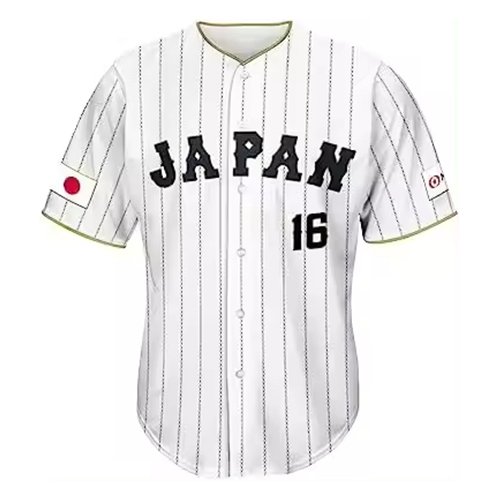
Cotton-Poly Blend
A 60/40 cotton-polyester weave that balances softness with shape retention. Ideal for classic baseball jerseys, it resists shrinkage, holds sublimation prints vividly, and delivers comfortable all-day wearability for streetwear drops and team collections.
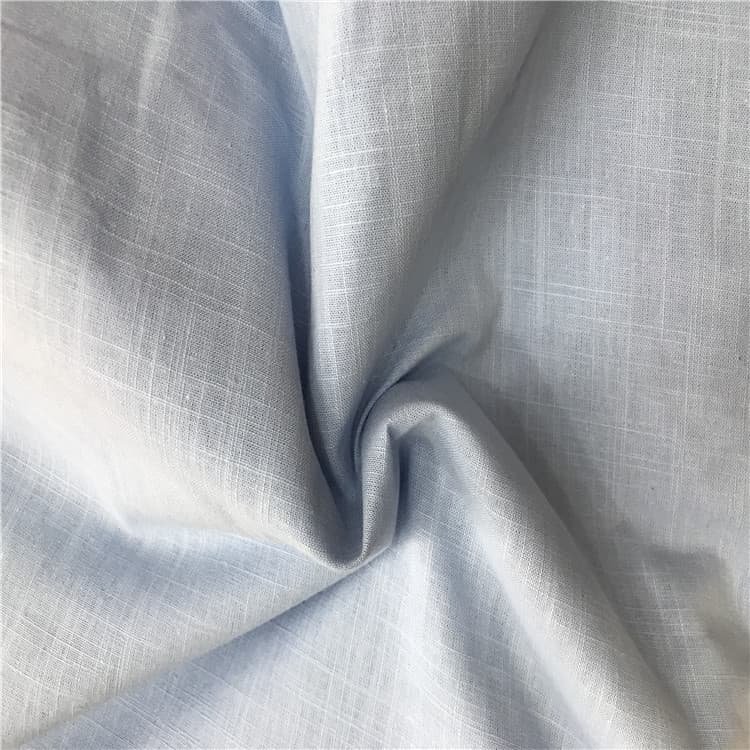
Heavyweight Ring-Spun Cotton
Dense, tightly twisted fibers produce an ultra-smooth hand-feel and premium drape. At 220–260 GSM, this fabric suits oversized streetwear baseball jerseys built for bold graphic applications and demanding long-term wear durability.
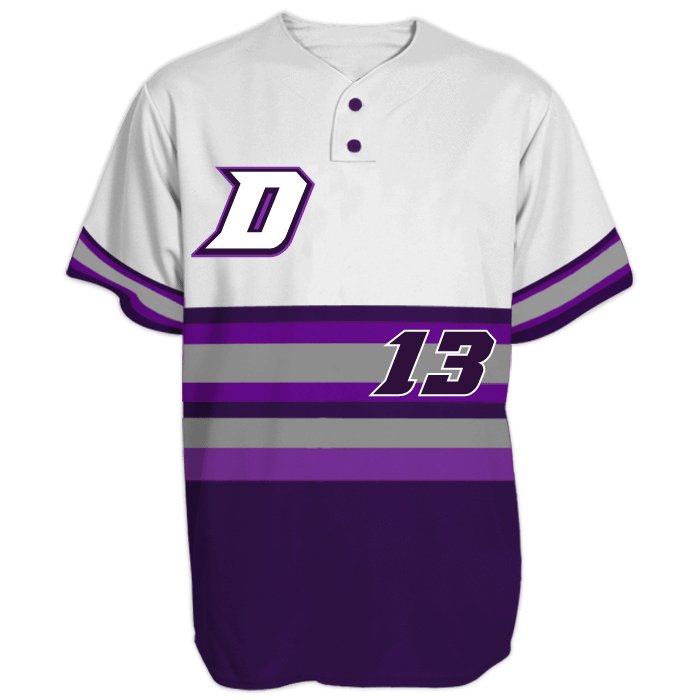
Performance Mesh
An open-weave 100% polyester mesh engineered for maximum airflow and moisture wicking. Lightweight at 120–150 GSM, it is the go-to choice for athletic-cut baseball jerseys and streetwear styles inspired by on-field silhouettes.
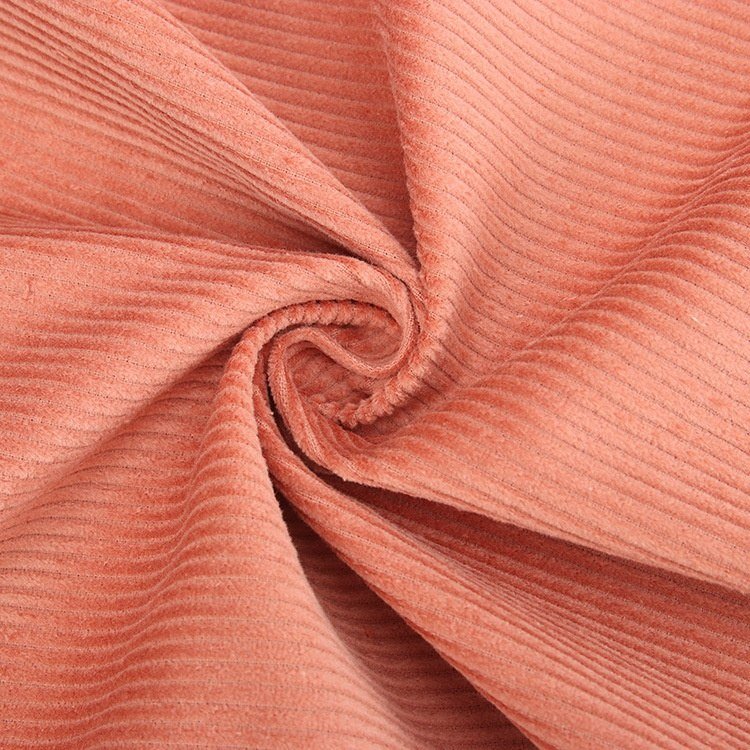
100% Polyester Knit
Smooth, durable, and inherently wrinkle-resistant, this double-knit polyester fabric excels at retaining vibrant dye-sublimation graphics. Weighing 160–180 GSM, it suits fast-turnaround seasonal baseball jersey collections demanding crisp, long-lasting color payoff.
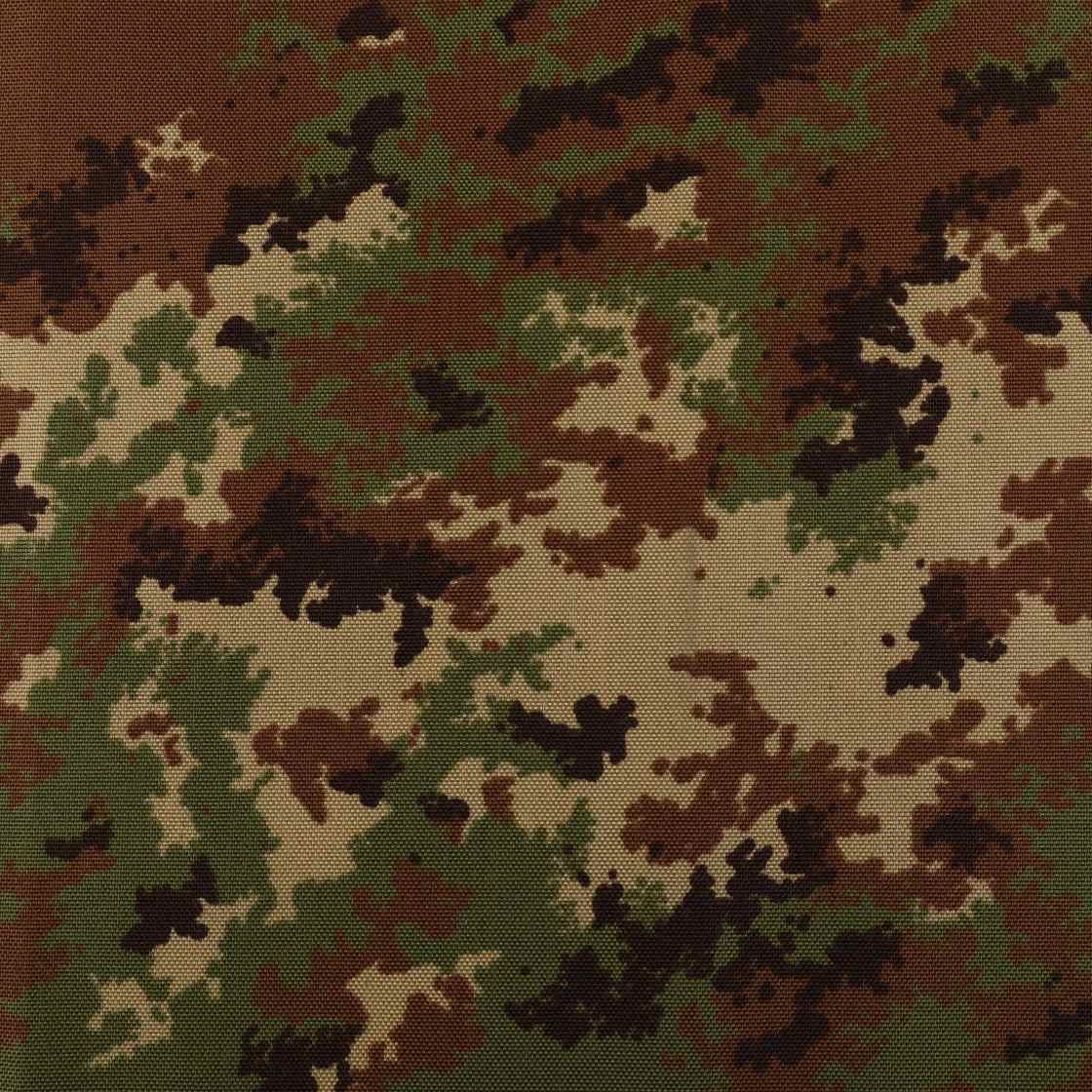
Interlock Cotton Knit
A fine double-knit construction with a soft, pill-resistant surface and 180–200 GSM weight. Excellent stretch recovery makes it perfect for fitted baseball jersey cuts targeting comfort-driven streetwear, creator merch, and influencer brand lines.
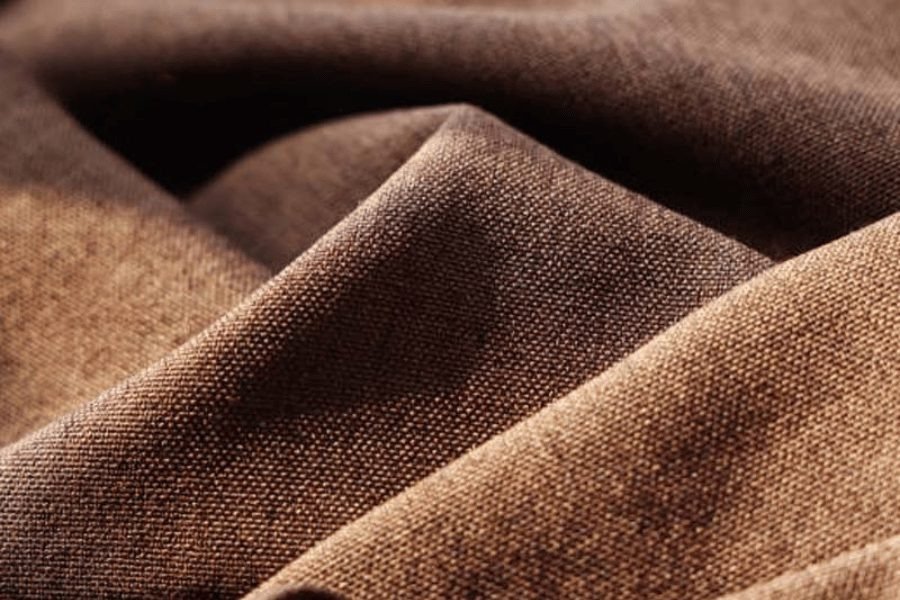
Stretch Woven Twill
A 97/3 cotton-spandex twill delivering 4-way stretch that moves freely with the wearer. Favored for fashion-forward, tailored baseball jersey silhouettes that combine structured drape with the flexibility active streetwear customers expect.
Craft Techniques for Custom Baseball Jerseys
Precision Embroidery
Raised-thread stitching builds premium texture and dimensional branding on logos, numbers, and wordmarks. Threads are rated for 1M+ wash cycles with zero fading or unraveling — built to outlast the garment.
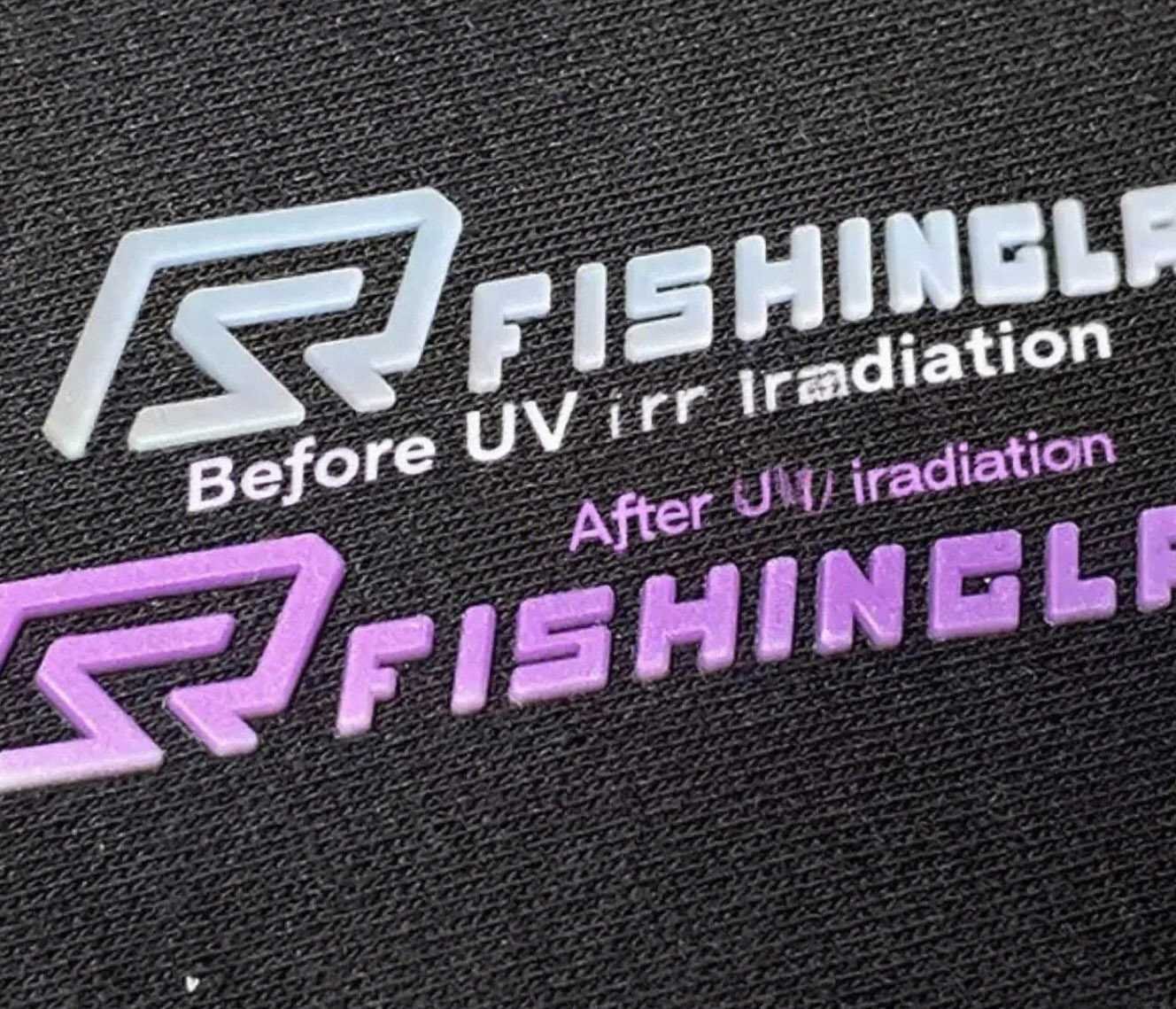
Screen Printing
High-opacity plastisol inks pressed through fine mesh screens deliver bold, razor-sharp graphics. Ideal for large chest or back prints on custom baseball jerseys with consistent Pantone-matched color across every unit in a bulk run.
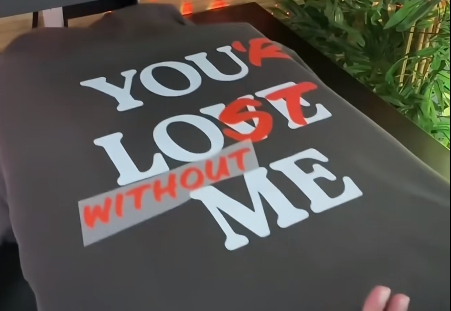
Sublimation Printing
Dye-sublimation fuses full-color artwork directly into polyester fibers for vivid, all-over prints that never crack or peel. Delivers photographic-quality detail and unlimited color options across every jersey panel.
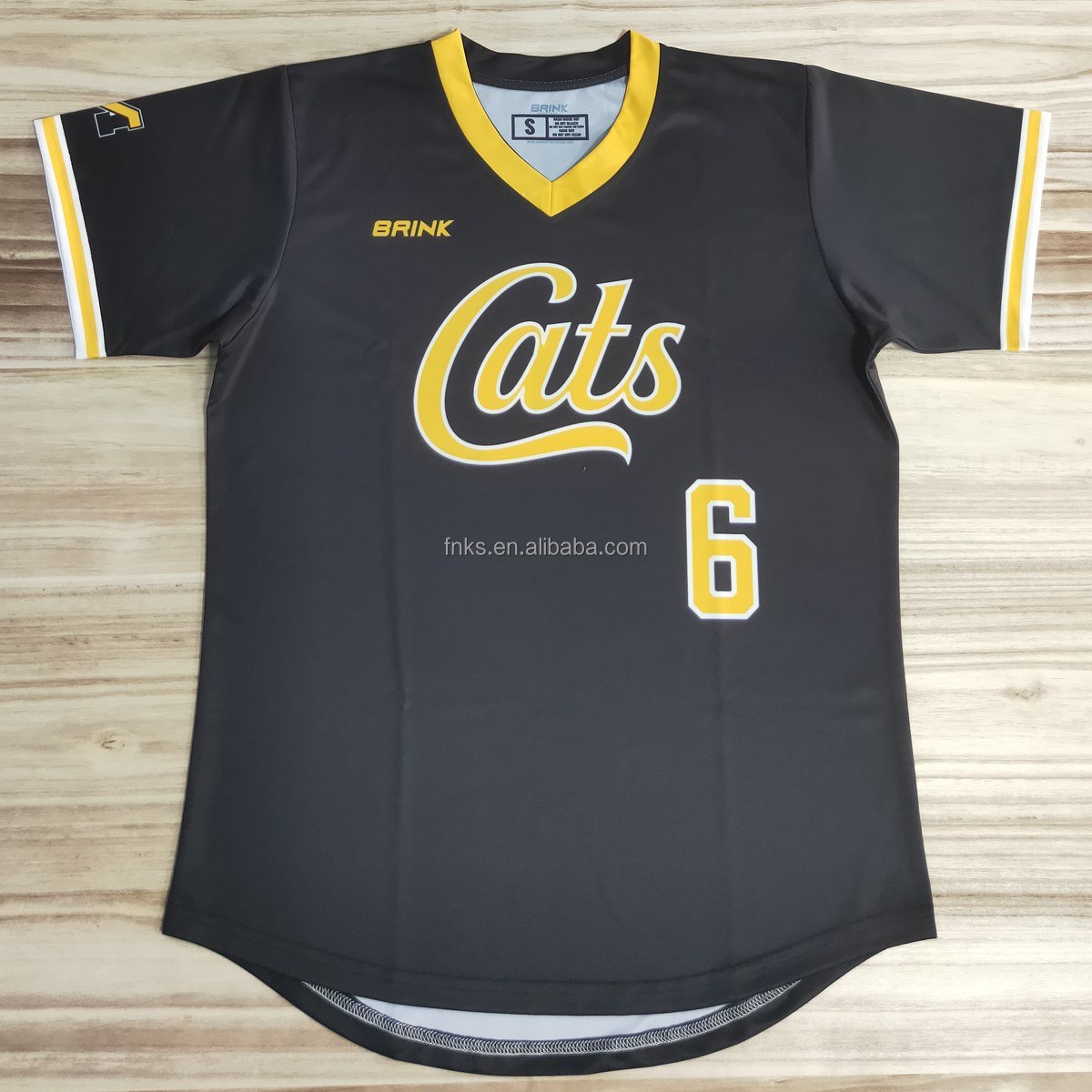
Applique and Patches
Fabric cut-outs stitched or heat-bonded onto jersey panels create tactile, layered branding with real visual depth. Popular for streetwear-inspired oversized numbers, chest logos, and team patches with a premium hand feel.
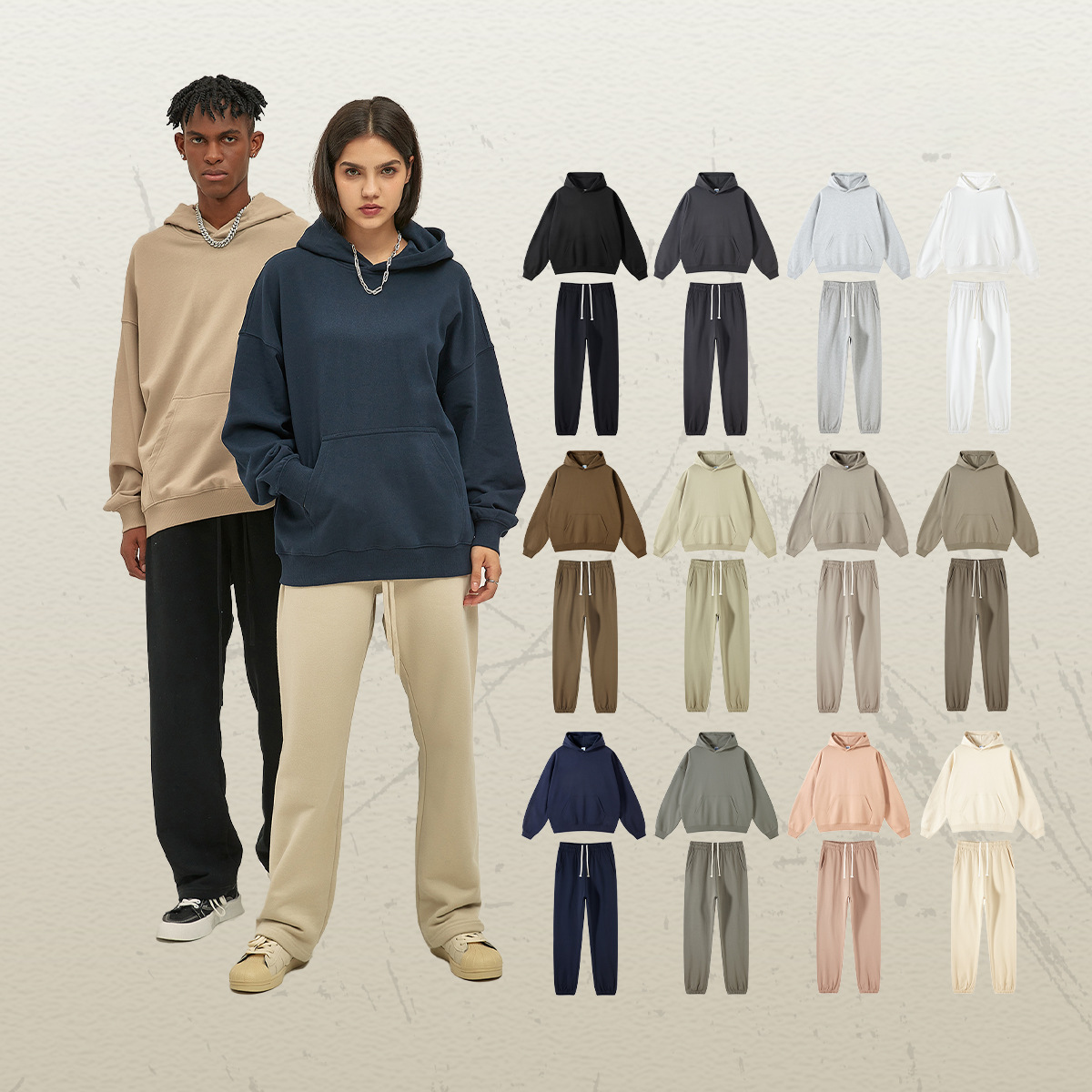
Vintage Wash Finish
Enzyme or stone-wash treatment gives jerseys an intentionally aged, worn-in aesthetic prized by streetwear collectors and trend-driven labels. Each piece develops subtle tonal variation, producing a unique heritage look that commands higher retail prices.
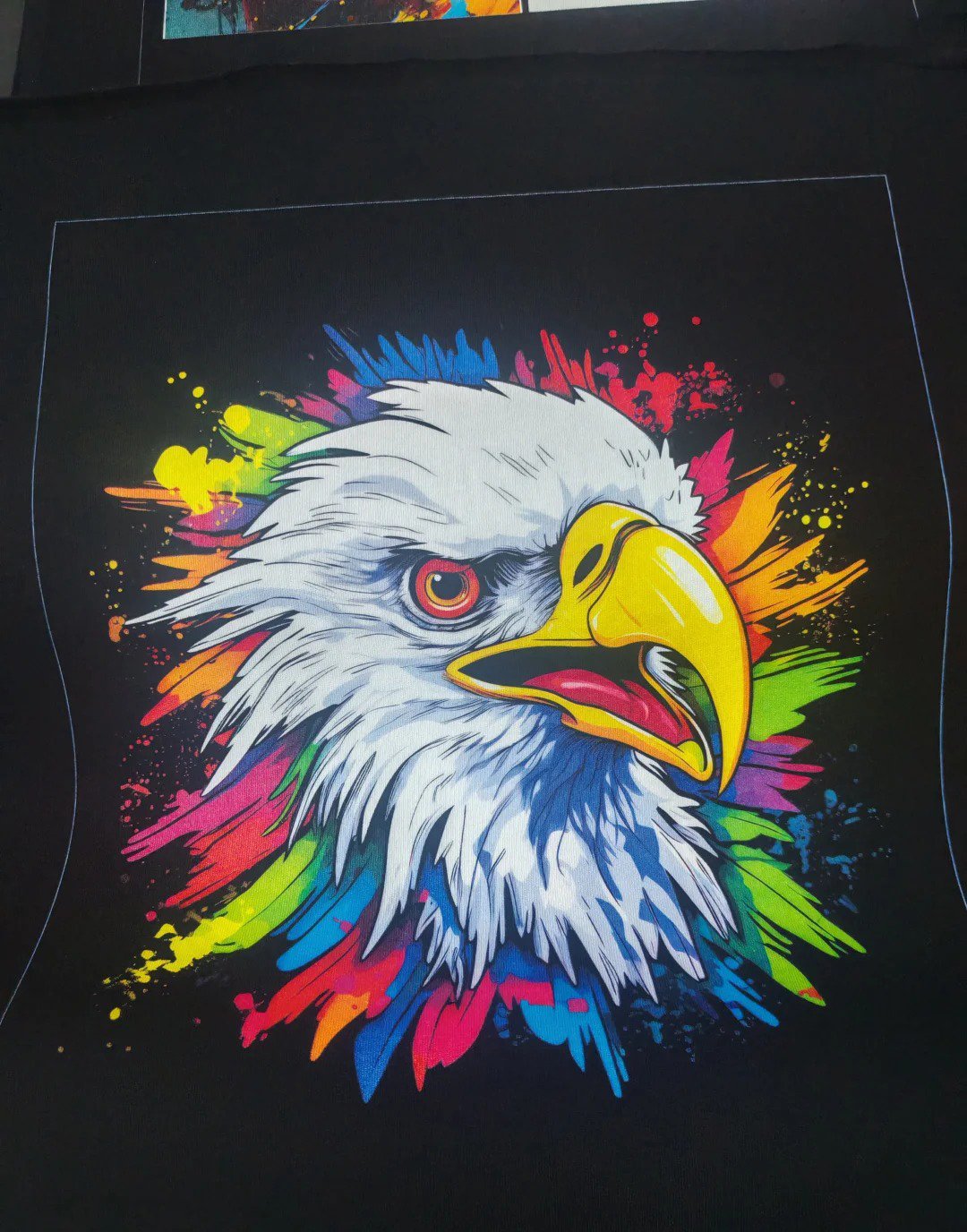
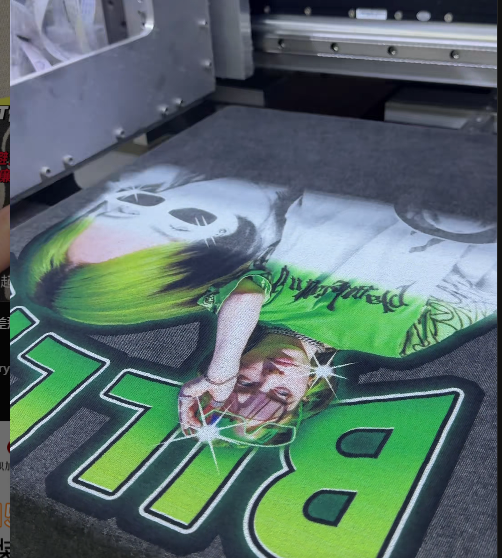
Direct-to-Garment
DTG inkjet technology prints photo-realistic, full-color artwork directly onto fabric with no screens or setup fees. Best for gradient-heavy designs and low-MOQ sampling before scaling to full custom jersey production runs.
Elevate Your Custom Baseball Jerseys With Premium Trims & Add-Ons
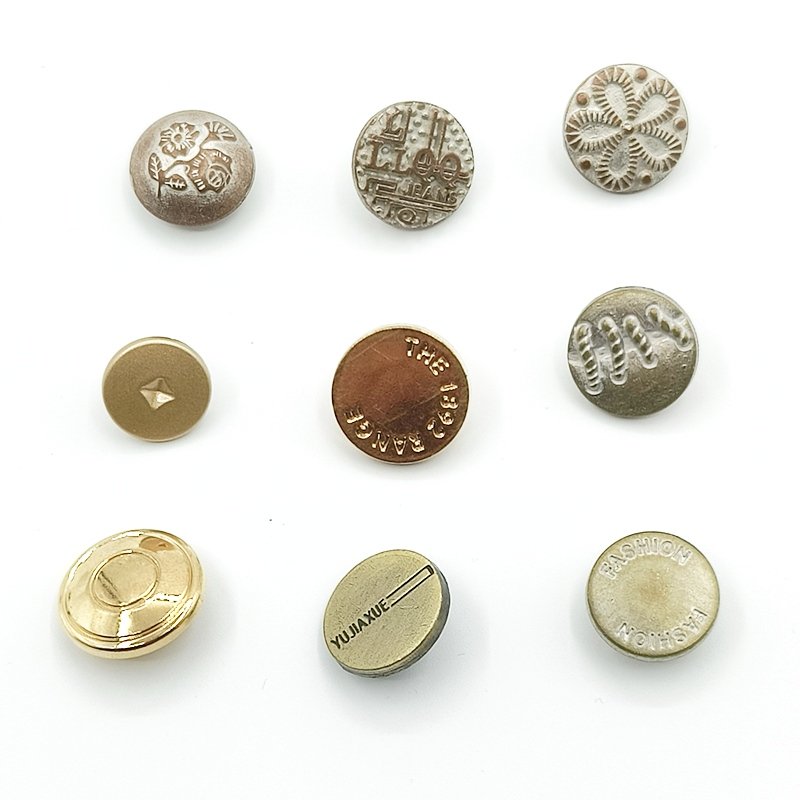
Snap Buttons
Metal or resin snap closures applied along the placket for an authentic baseball silhouette. Available in antique brass, matte black, and chrome finishes to complement any colorway or brand identity.
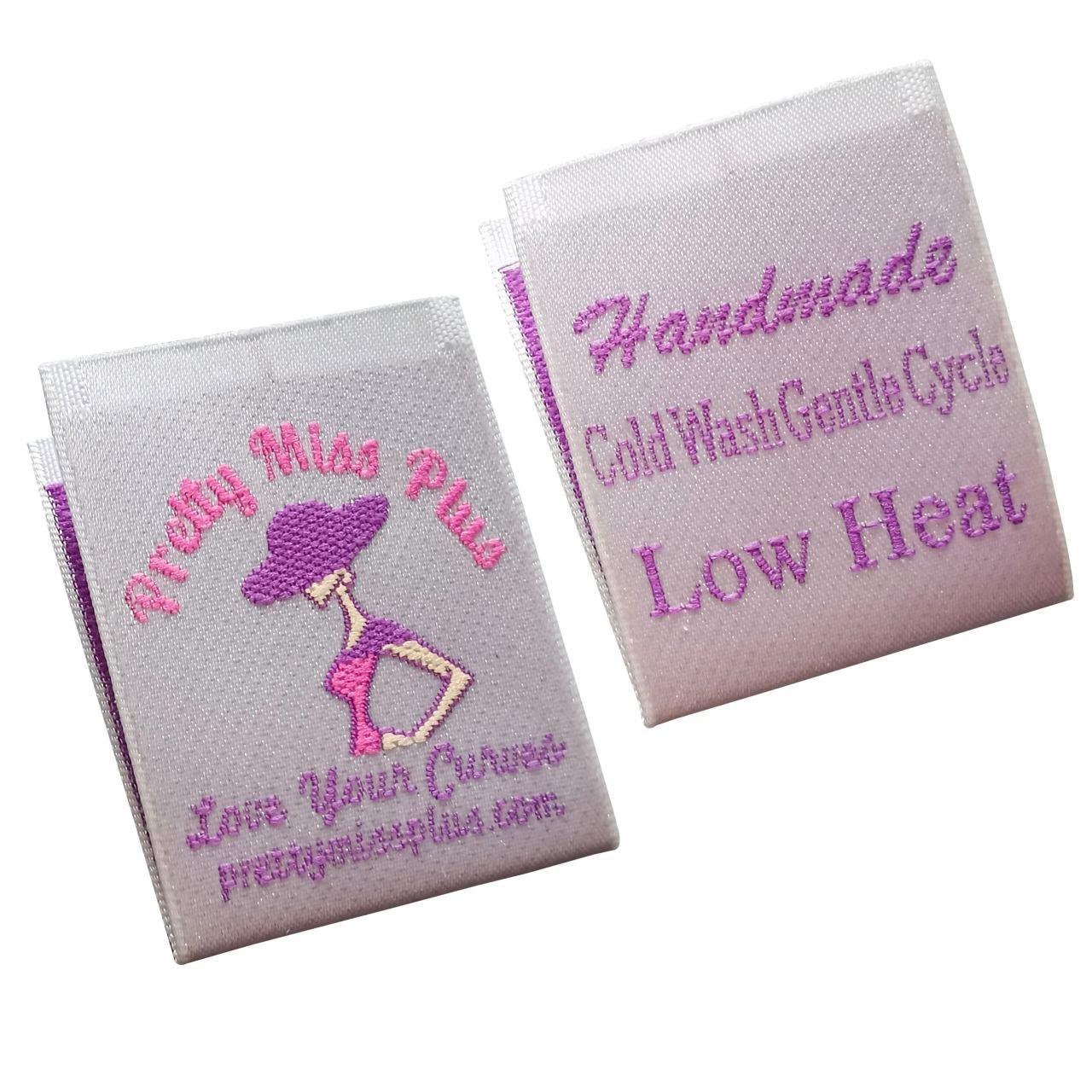
Woven Labels
Precision-woven neck and care labels in damask, satin, or taffeta. Custom sizing, folded or straight-cut edges, and full-color logo reproduction anchor your brand identity inside every finished jersey.
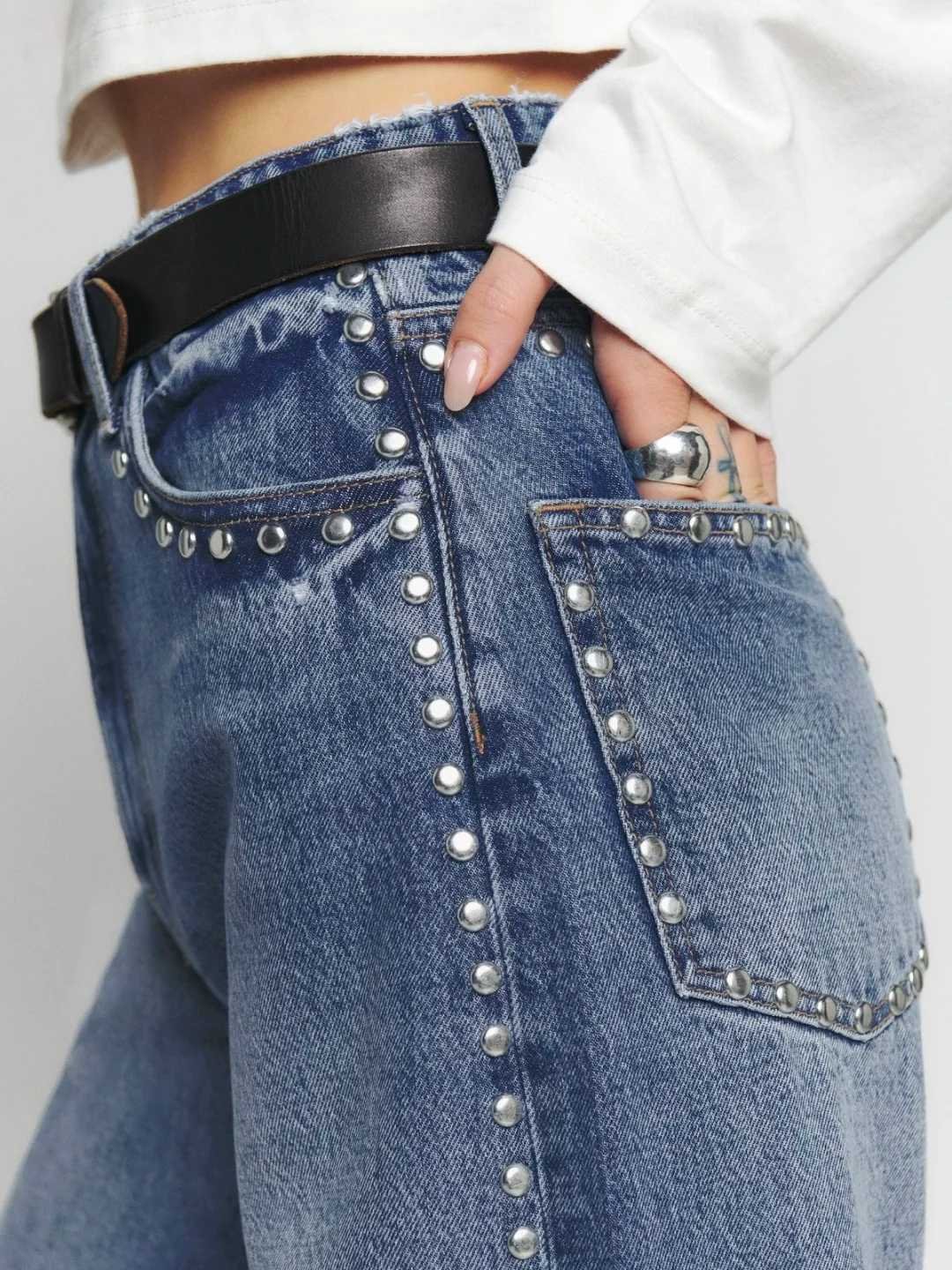
Embroidered Patches
Custom patches stitched directly onto sleeves, chest, or back panels. Heat-sealed or sewn-border options available — perfect for team crests, streetwear graphics, and limited-edition capsule collection branding.
Custom Hangtags
Full-color branded hangtags in cardstock or recycled paper, attached with custom cord or metal eyelet. A polished retail-ready finish that reinforces brand storytelling and perceived product value at point of sale.
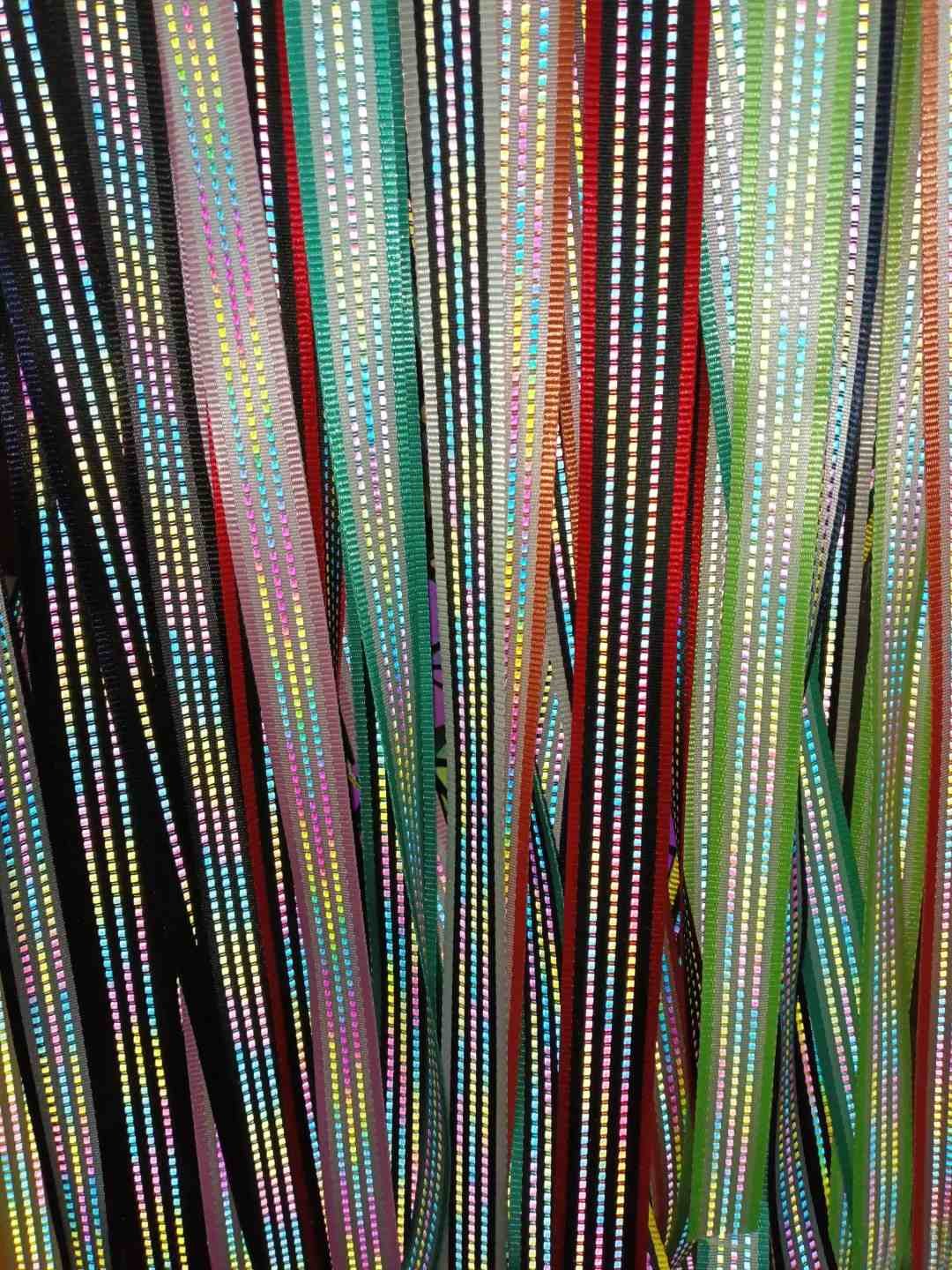
Contrast Sleeve Tape
Woven or twill tape sewn along sleeve seams to deliver a classic athletic stripe detail. Offered in unlimited colorways and widths, adding a premium street-ready edge to any jersey design.
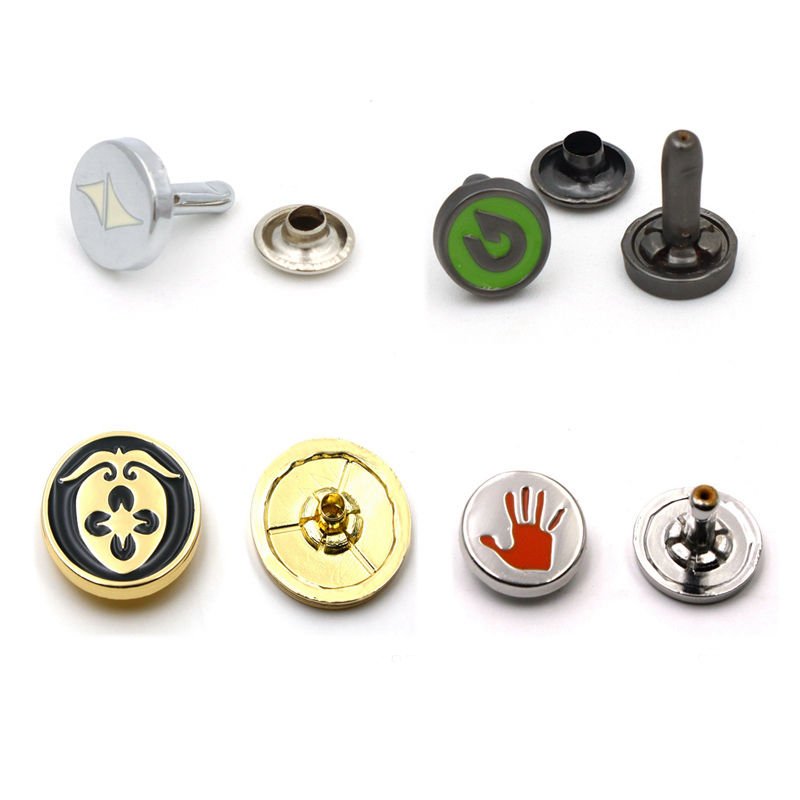
Drawcord & Tipping
Flat or round drawcords threaded through the hem channel, finished with branded metal or plastic tipping. Adds structural versatility and a street-culture aesthetic to relaxed and oversized baseball jersey silhouettes.
Custom Baseball Jerseys Crafted With a Decade of Expertise
Clothing Manufacturer Ltd. was founded in August 2024 by Tesla Luo, a Dongguan-based industry veteran with 10+ years of apparel production experience and 6+ years specializing in streetwear manufacturing. Raised in a family of garment professionals and personally trained across every production role — sewing, cutting, QC, packing, and shipping — Luo built this company with one clear mission: to eliminate low-quality clothing from global markets and restore the credibility of Chinese manufacturing.
Today, Clothing Manufacturer Ltd. serves customers across more than 100 countries, producing premium custom baseball jerseys and streetwear apparel for trendy brands, fashion startups, independent designers, and global retailers. Backed by an in-house R&D team of 15 specialists and 10 registered patents, we combine cultural fluency in streetwear design with rigorous production discipline — offering low MOQs, fast turnaround, and comprehensive global shipping support for brands at every stage of growth.
What truly sets us apart is our proprietary five-step QC guarantee, introduced in February 2025, which embeds quality checks at every stage of production — materials, cutting, craftsmanship, sewing, and final inspection. Unlike manufacturers who skip in-process testing, we identify and correct defects before they reach your customers. This zero-compromise approach, rooted in Tesla Luo’s firsthand observation of industry shortcomings, is why growing streetwear labels and established global retailers trust us with their most important collections.
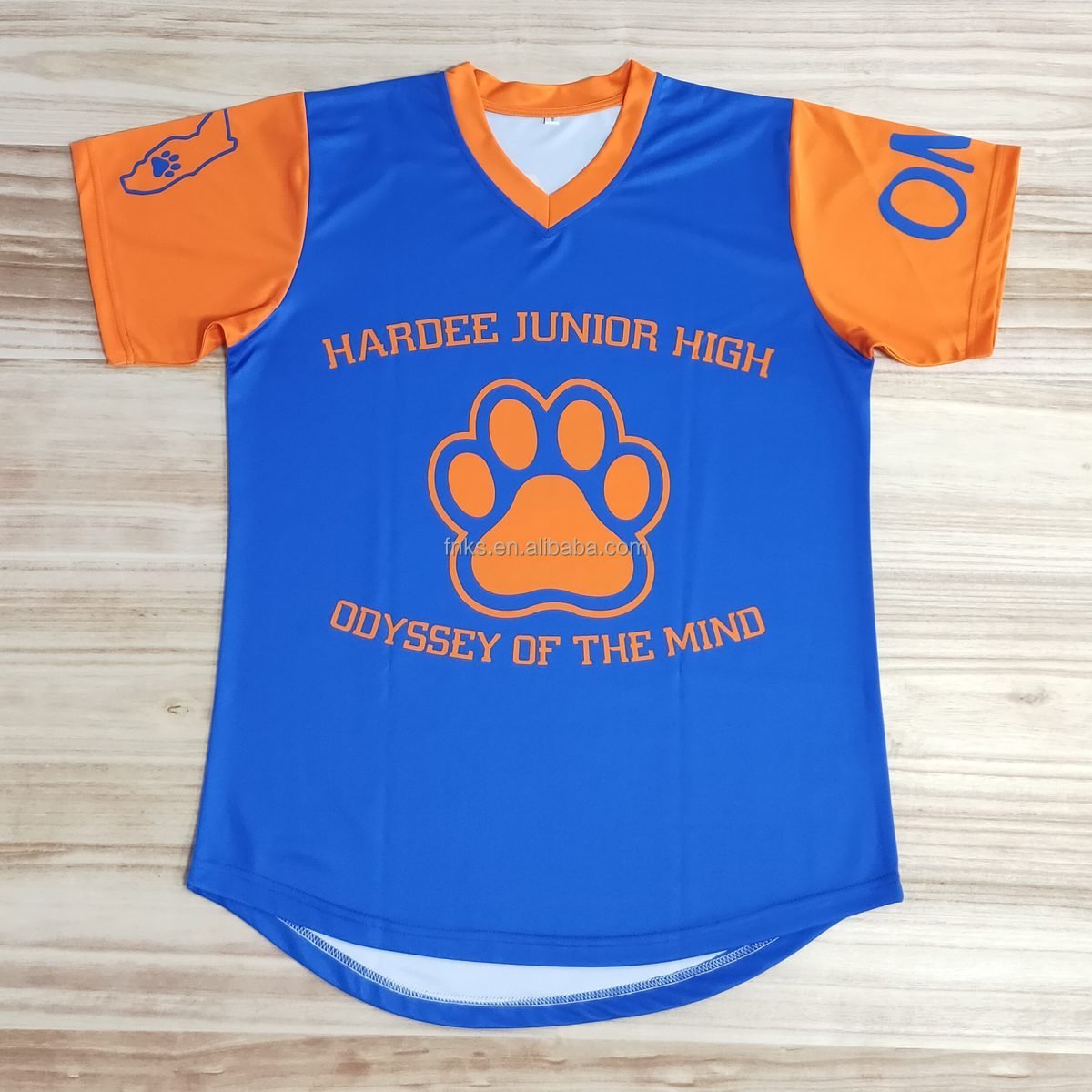
Core Capabilities Behind Every Custom Baseball Jersey
5-Step QC That Catches Defects Early
Most manufacturers inspect only at the end. Our proprietary five-step QC methodology tests materials, cutting, craft, sewing, and finished goods — catching defects at every stage so zero-defect custom baseball jerseys leave our facility.
- Materials QC tests fabric weight, colorfastness, and shrinkage before a single cut is made
- In-process sewing QC eliminates errors before they multiply across the full production run
- Finished-garment inspection is benchmarked against your approved tech pack and signed-off sample
- Documented QC reports delivered per order for complete production transparency
In-House Design Team and Streetwear Trend Forecasting
Our 15-member R&D team brings deep streetwear cultural fluency — from skeleton and rose motifs to graffiti and hip-hop graphics — translating current trends into production-ready artwork that resonates with your audience.
- Designers fluent in sports graphics, street art, bold typography, and culture-driven motifs
- Pattern development, colorway selection, and print placement included in every sampling brief
- Trend forecasting informed by hip-hop, skateboarding, and global street culture movements
- Custom tech packs and artwork reviews completed before any fabric is cut
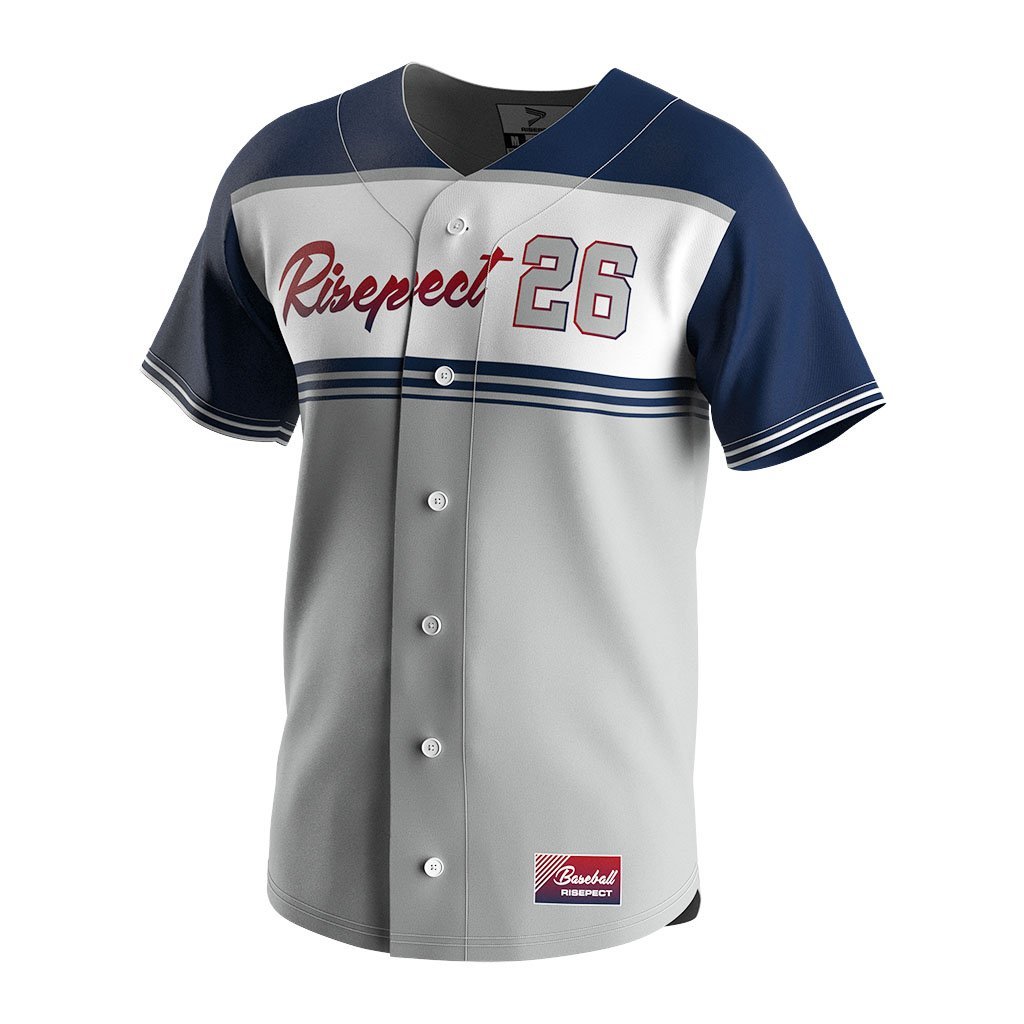
7-Day Samples to Validate Your Vision
Speed matters for seasonal drops and influencer launches. Our streamlined sample process delivers a physical garment within seven days, so you can approve materials, fit, and graphics before committing to full production runs.
- Low 50-piece MOQ lets emerging labels enter the market without outsized inventory risk
- Sample approval triggers a fast-tracked production schedule aligned to your seasonal window
- Fit, colorway, and artwork revisions handled within the same sample cycle — no restarts
- Dedicated account manager tracks every step from pattern cutting to sample shipment
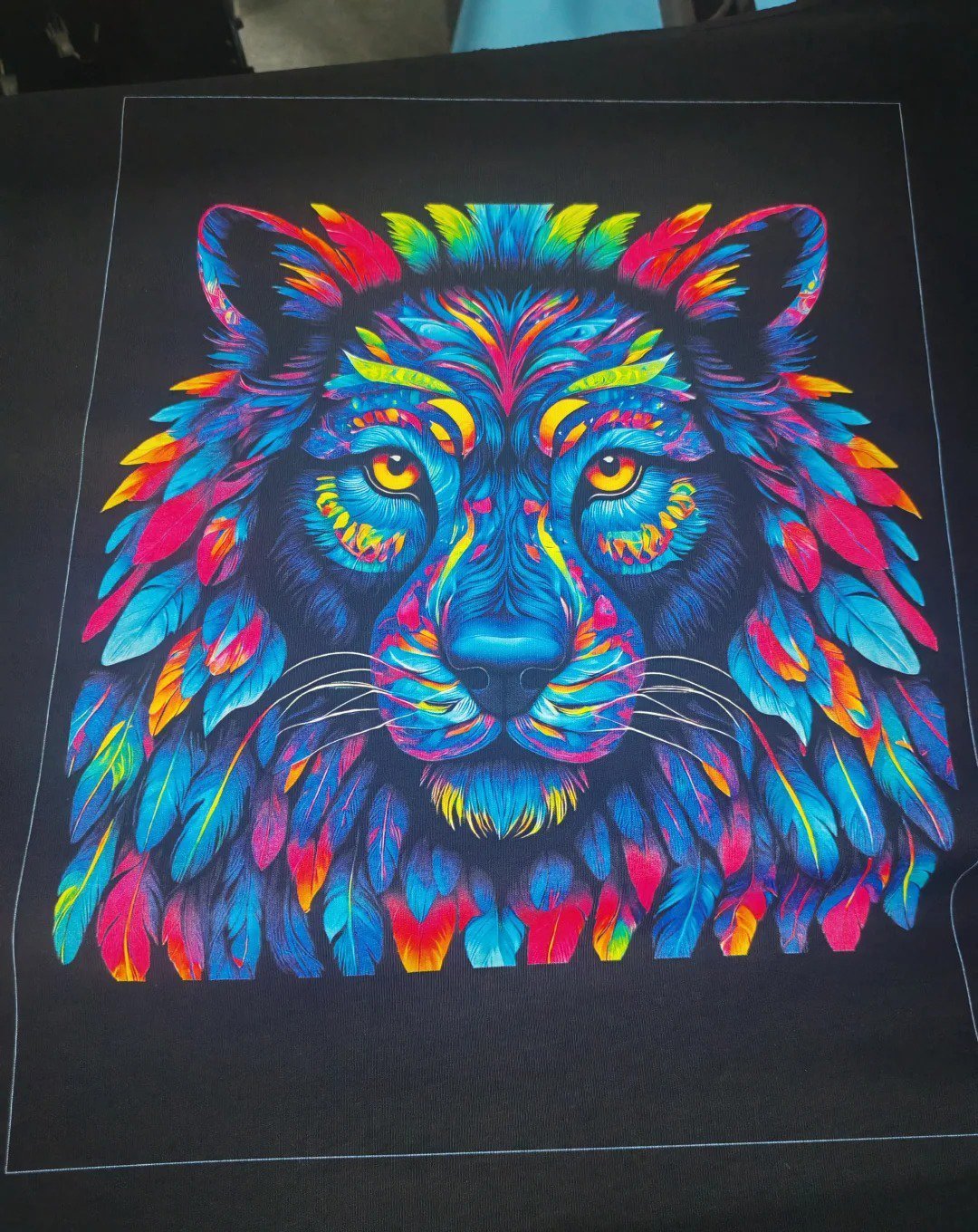
Global Logistics and End-to-End Order Support
From Dongguan to your warehouse, we manage customs declaration, inspection procedures, and international freight — delivering production-ready custom jerseys to brands across more than 100 countries with proactive updates at every milestone.
- Experienced in US, EU, and Asia-Pacific import regulations, documentation, and compliance
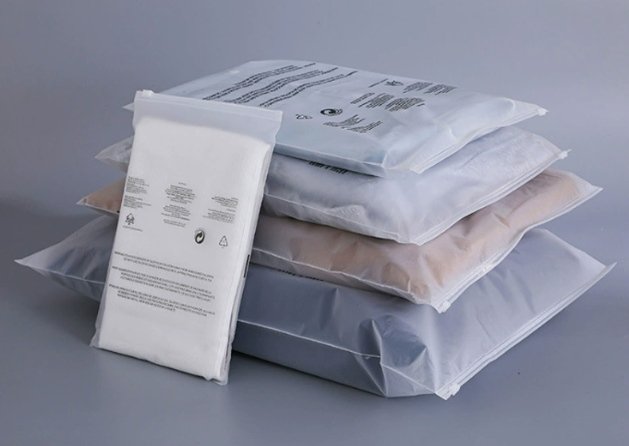
- Brand-customized packaging available: hangtags, poly bags, carton labeling, and retail-ready finishing
- Transparent order tracking with proactive communication at every production and logistics stage
- Scalable capacity supports both startup first-run launches and large retailer replenishment orders
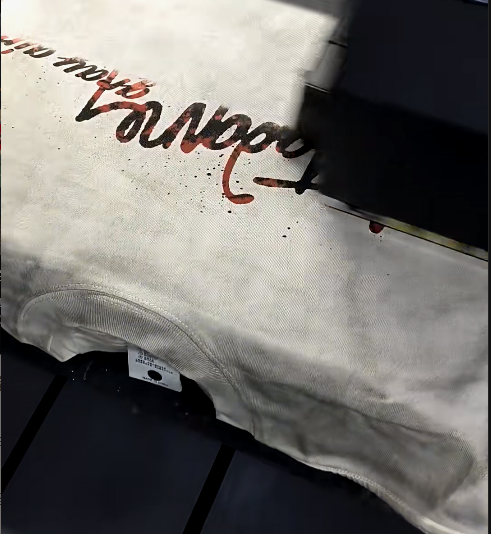
How We Compare on Custom Baseball Jerseys
See why global streetwear brands and fashion startups choose Clothing Manufacturer Ltd over typical contract manufacturers — across every dimension that matters.
← 左右滑动查看 →
How We Build Your Custom Baseball Jerseys: 6 Quality-Controlled Phases
Every order moves through a structured, transparent production pipeline — with our 5-step QC process embedded at every critical stage, not bolted on at the end.
Intake & Design Review
We audit your tech pack or brief, align on custom baseball jersey specs, colorways, and branding details, then issue a detailed production confirmation within 48 hours.
Fabric Sourcing & Materials QC
Fabrics are sourced and subjected to QC Step 1 — tensile strength, colorfastness, and GSM verification — before a single panel is cut or touched by a blade.
Precision Cutting & Cutting QC
Panels are precision-cut and checked at QC Step 2 for dimensional accuracy, ensuring every piece matches approved patterns exactly before moving into the sewing line.
Sewing, Craft & In-Line QC
QC Steps 3 and 4 monitor stitch tension, seam integrity, and garment construction in real time, catching and correcting defects before they multiply downstream.
Finished Goods Inspection
Every completed jersey clears QC Step 5 — a full finished-goods audit covering measurements, branding placement, thread trim, and overall presentation — before packing begins.
Packing & Global Dispatch
Jerseys are folded, tagged, and packed to your spec, then shipped via your preferred logistics channel with end-to-end tracking to customers across 100-plus countries worldwide.
Order Custom Baseball Jerseys in 5 Simple Steps
From your first design file to global delivery, our streamlined workflow keeps you informed and in control at every stage of production.
Submit Your Design and Tech Pack
Upload your artwork, measurements, and fabric specs. Our in-house sampling team reviews every detail and sends a competitive quote within 24 hours.
Receive Your Quote and Free Sample
We produce a complimentary pre-production sample of your custom baseball jerseys so you can verify fit, fabric weight, and print accuracy firsthand.
Approve Sample and Confirm Your Order
Happy with the sample? Lock in your bulk run, starting at just 50 pieces, and we immediately schedule your production slot and timeline.
Produce With 5-Step QC Oversight
Your custom baseball jerseys move through our five-stage quality control process, with dedicated checks on materials, cutting, craftsmanship, sewing, and finished garment inspection.
Ship Globally After Final Inspection
Completed jerseys pass a rigorous final audit before secure packing. We manage export documentation and ship worldwide with full tracking to your door.
Certified Quality Behind Every Custom Baseball Jersey
What Streetwear Brands Say About Our Custom Baseball Jerseys
We launched our first drop of custom baseball jerseys and sold out in 72 hours. Within 6 months our brand hit 50k followers on Instagram. The design accuracy and fast sampling gave us a real competitive edge.
As a new brand ordering just 60 pieces per style, I wasn’t sure anyone would take us seriously. Clothing Manufacturer Ltd. delivered all 3 of our seasonal collections on schedule with zero sewing defects. Incredible reliability.
We used to deal with constant returns from stitching and fabric problems. After switching to Clothing Manufacturer Ltd. and their 5-step QC process, customer quality complaints dropped 95% within two seasons. Our brand reputation completely turned around.
Frequently Asked Questions About Custom Baseball Jerseys
Everything B2B buyers need to know before placing an order — from minimum quantities and sampling to IP protection and global delivery.
What is the minimum order quantity for custom baseball jerseys?
How long does it take to receive a sample of my custom baseball jersey?
How do I protect my designs when ordering custom baseball jerseys from a manufacturer in China?
What payment terms do you offer for bulk orders?
Do you ship custom baseball jerseys internationally, and which countries do you serve?
How many design revision rounds are included before my order goes into production?
Where do you source the fabrics used in your baseball jerseys, and can I request specific materials?
What quality control process do you follow during production?
Can you handle both small startup launches and large-scale retailer production runs for custom baseball jerseys?
The Complete Buyer’s Guide to Custom Baseball Jerseys
Everything streetwear brands, fashion startups, and global retailers need to source custom baseball jerseys confidently — from fabric selection and decoration techniques to manufacturer criteria, hidden cost traps, and a step-by-step launch framework.
1. What Are Custom Baseball Jerseys?
3 construction methods separate a custom baseball jersey from a blank stock piece: full-cut-and-sew patterning, all-over sublimation printing, and bespoke colorway matching via Pantone references. Unlike off-the-shelf blanks that limit buyers to pre-set silhouettes and a handful of solid colors, custom versions are built from scratch — every seam, panel, and trim detail specified by the brand.
Full sublimation locks dye directly into the polyester fiber at 200°C, producing graphics that won’t crack, peel, or fade after repeated washing — a critical durability standard for retail and influencer drops alike. Cut-and-sew construction allows brands to dial in fit grading across XS–3XL, choose mesh panel placement for ventilation, and attach woven or heat-transfer labels that carry the brand’s own identity instead of a manufacturer’s generic tag.
Streetwear labels, influencer merch operations, and global apparel retailers have added custom baseball jerseys to their core SKU mix because the silhouette travels across contexts — from stadium sidelines to music festivals to everyday streetwear. Retail markup on a well-constructed custom jersey typically runs 3×–5× the landed cost, making it one of the stronger margin pieces in an apparel line. With minimum order quantities now available at 50 pieces from specialized manufacturers, emerging brands can test colorways and graphics without committing to warehouse-scale inventory.
2. Evolution & History of the Baseball Jersey in Fashion
The baseball jersey dates to roughly 1849, when the New York Knickerbockers standardized wool flannel uniforms for on-field play — a heavy, breathable construction built for durability, not style. The button-front, loose-fitting silhouette was locked in by the early 20th century, long before anyone imagined it leaving the diamond.
The defining cultural inflection point arrived in the early 1990s, when Starter and Mitchell & Ness turned licensed MLB jerseys into streetwear currency. Hip-hop artists wore oversized team jerseys on stage and in music videos, signaling regional pride and authenticity in ways that resonated far beyond baseball stadiums. That decade transformed the jersey from athletic uniform into a garment of identity.
By the 2010s, vintage-inspired baseball jerseys were appearing on high-fashion runways and in limited-edition drops from independent streetwear labels — a trajectory that brought custom baseball jerseys firmly into the premium apparel conversation. Designers borrowed the silhouette’s clean lines and broad back panel to layer in graphics, embroidery, and brand storytelling that would be impossible on a fitted tee.
Today the silhouette’s commercial staying power rests on three structural advantages: a relaxed, gender-neutral fit that photographs well for social content; a large back panel that functions as prime branding real estate; and decades of cultural coding that connects the wearer to sport, music, and street identity simultaneously. For emerging labels and established retailers alike, few garment templates deliver that combination off a single pattern block.
3. Types of Custom Baseball Jerseys to Know
Six silhouette categories define the custom baseball jerseys market today. Matching cut to brand identity — before selecting fabric or decoration method — prevents costly production restarts and misaligned customer expectations.
Button-Front Classic
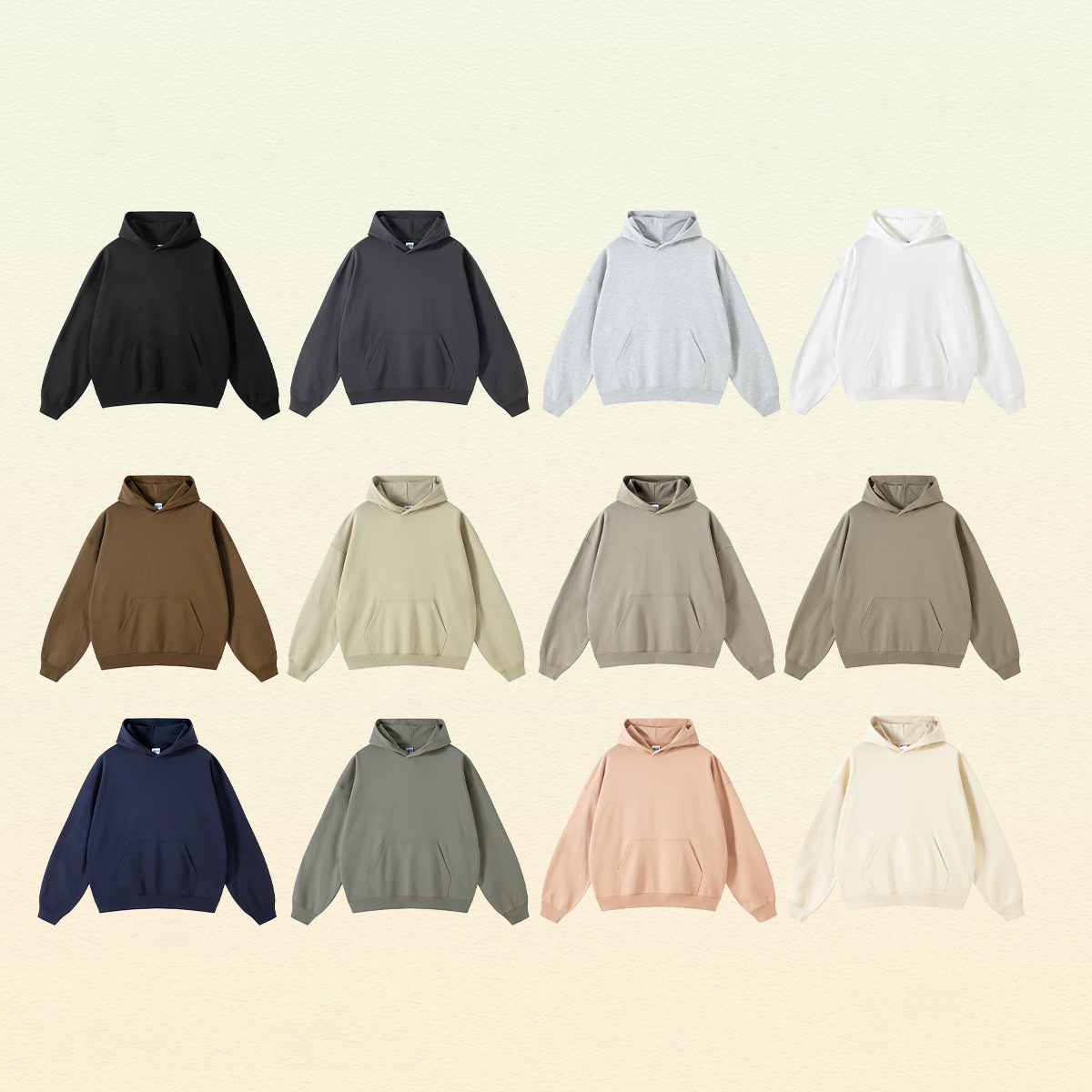
The traditional front-placket design with 5–7 buttons remains standard for licensed sports teams and collegiate programs. Screen printing and embroidered tackle twill work best; avoid all-over sublimation, which prints unevenly across the placket seam.
Pullover / V-Neck
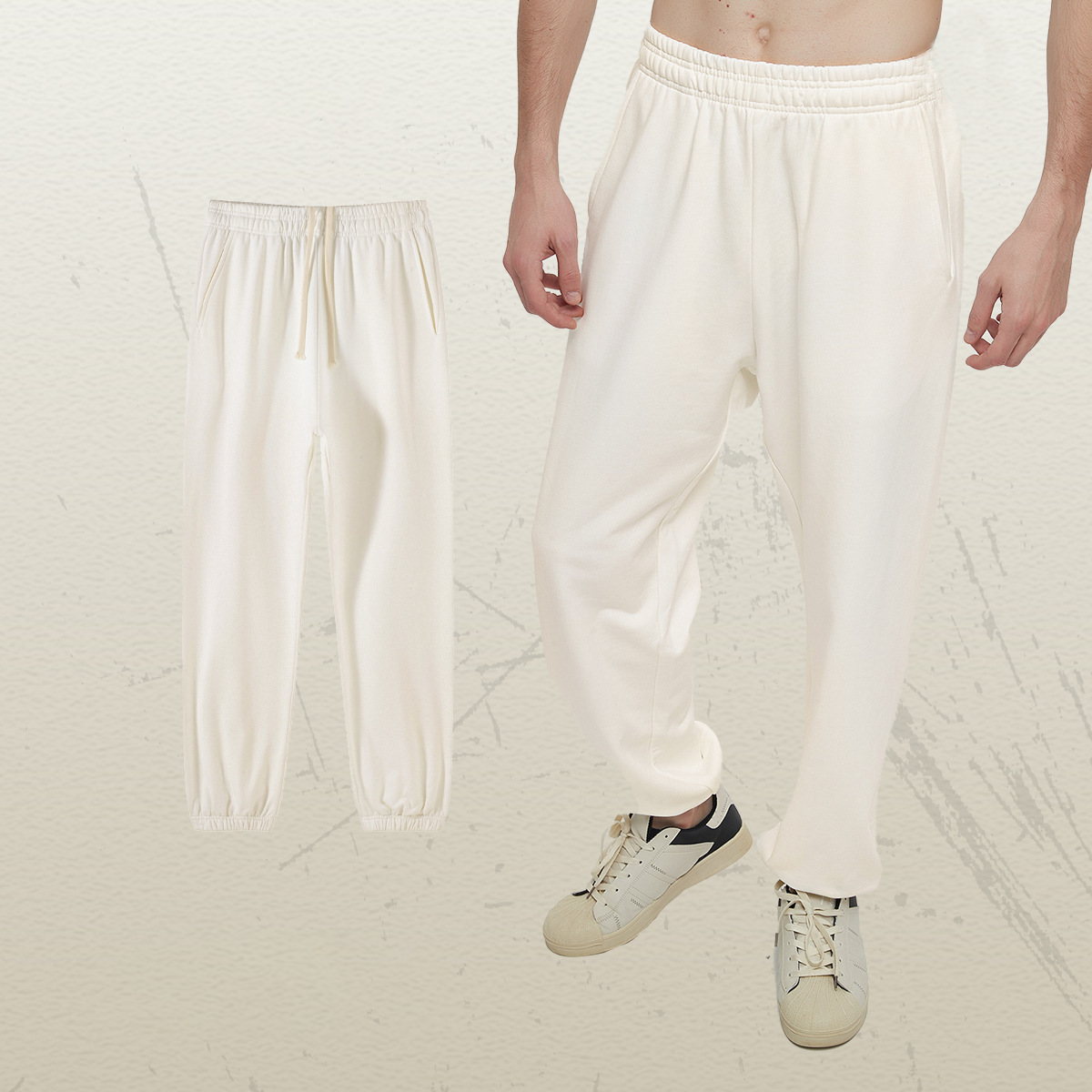
A clean V-neck with no placket reads as athletic and team-ready, favored by amateur leagues and corporate gifting programs. Tackle twill numbering and heat-transfer vinyl perform reliably; screen-printed chest graphics also land well on the unbroken front panel.
Sleeveless Vest
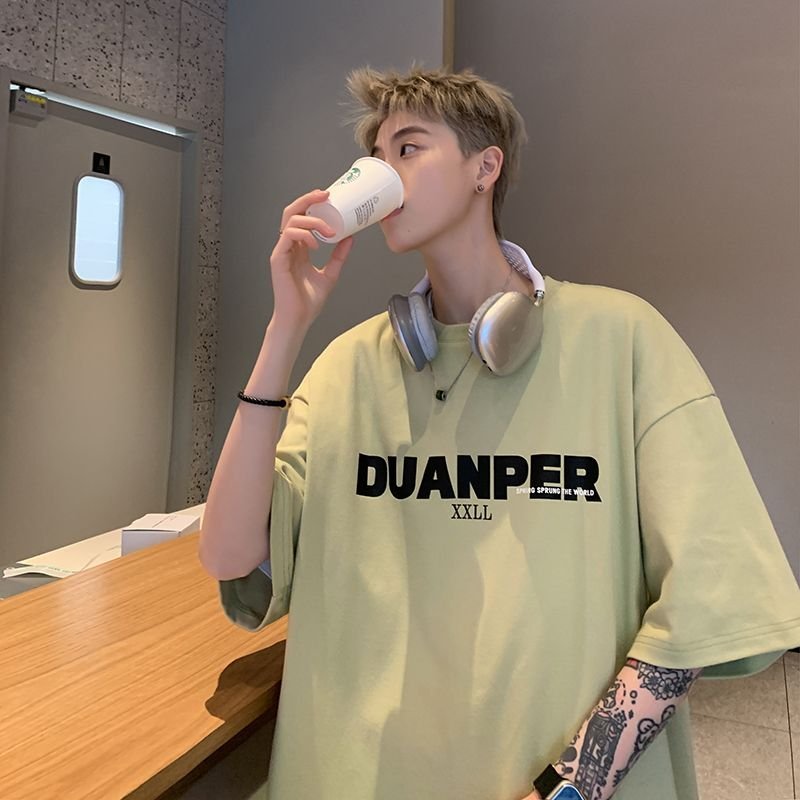
Sleeveless cuts — armhole edges finished with 1×1 rib or double-needle binding — appeal to warm-climate teams and streetwear layering looks. Fewer fabric panels reduce per-unit cost and push MOQ break points down to 50–100 units for smaller brands.
Full-Sublimation All-Over-Print
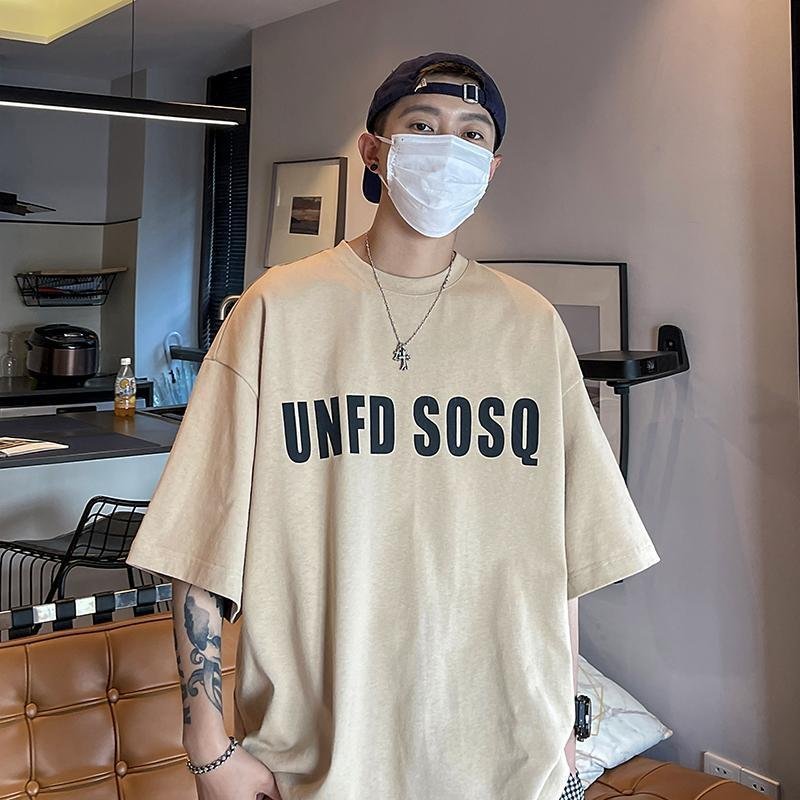
Dye-sublimation prints at 150–300 dpi directly into 100% polyester before cutting, enabling edge-to-edge graphics with unlimited color counts and no added hand feel. This method suits influencer drops and festival merch where visual impact outweighs fabric softness.
Mesh Performance
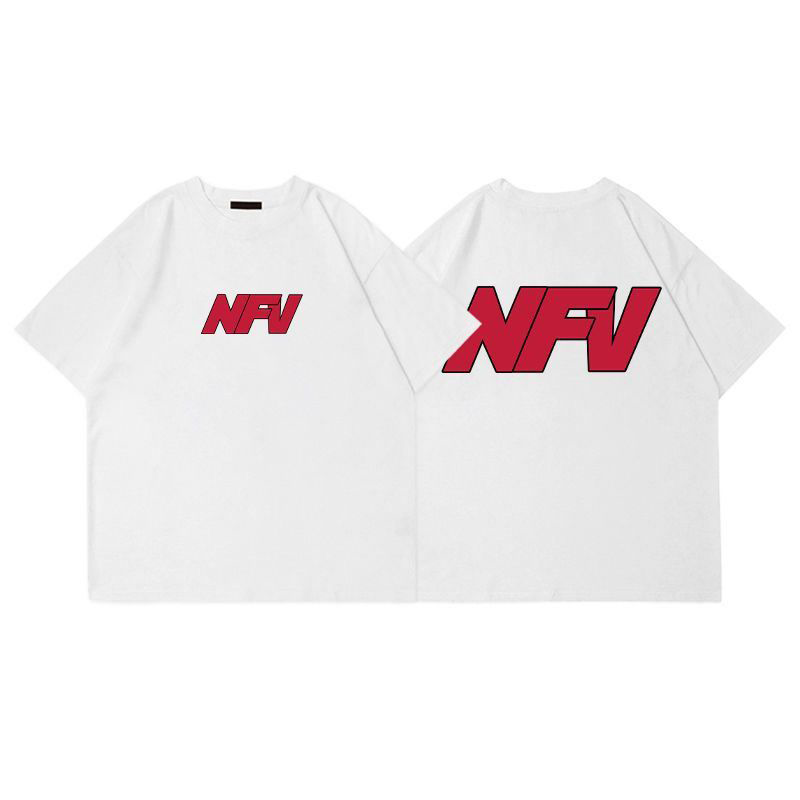
Open-weave mesh (80–120 GSM) maximizes airflow for active use and accepts sublimation or screen printing across large chest panels. Esports teams and sportswear labels favor mesh for athletic credibility; avoid fine-detail embroidery, which puckers on the open structure.
Fashion / Oversized Streetwear Cut
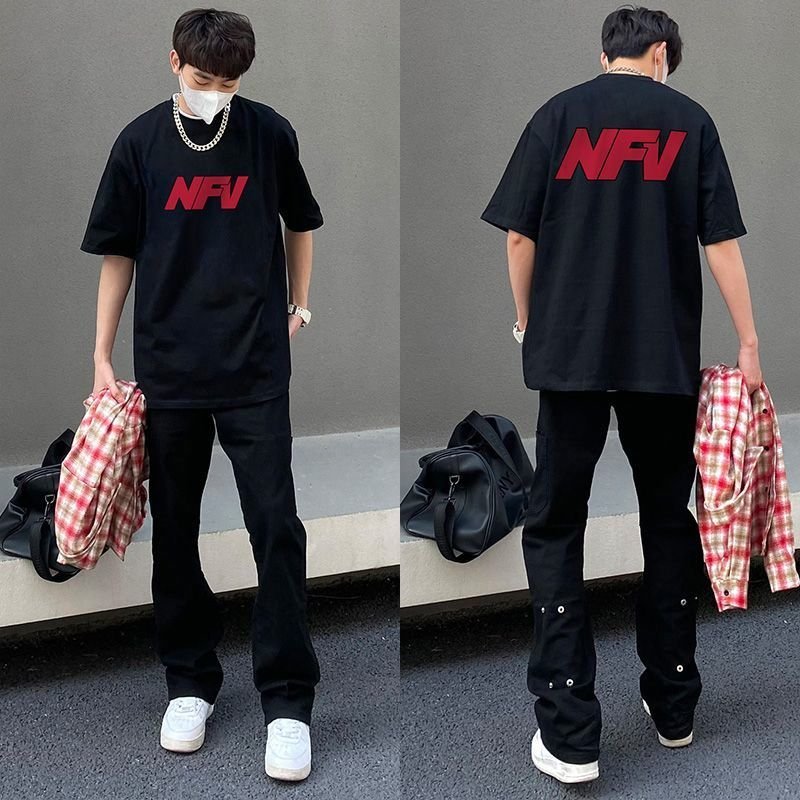
Extended back hems, dropped shoulders, and boxy silhouettes distinguish the streetwear jersey from its athletic origin. Custom baseball jerseys in this cut pair with 200+ GSM interlock or French terry; screen printing and direct-to-film (DTF) transfers handle the graphic-heavy aesthetics streetwear brands demand.
4. Materials & Fabrics for Custom Baseball Jerseys
Fabric selection determines breathability, print fidelity, and wash longevity for custom baseball jerseys — decisions made at the sourcing stage define how a jersey performs on the field and how it holds up across retail seasons.
| Fabric | GSM Range | Best Decoration | Durability Rating | Price Tier |
|---|---|---|---|---|
| Polyester Mesh | 100–140 gsm | Sublimation | High | Low |
| Polyester Twill | 160–200 gsm | Embroidery / Heat Transfer | High | Low–Mid |
| Poly-Cotton Blend | 160–220 gsm | Screen Print / Embroidery | Medium-High | Mid |
| Performance Knit | 120–160 gsm | Sublimation | High | Mid |
| Premium Cotton / Sustainable | 180–260 gsm | Screen Print / DTG | Medium | High |
On-Field Performance Fabrics
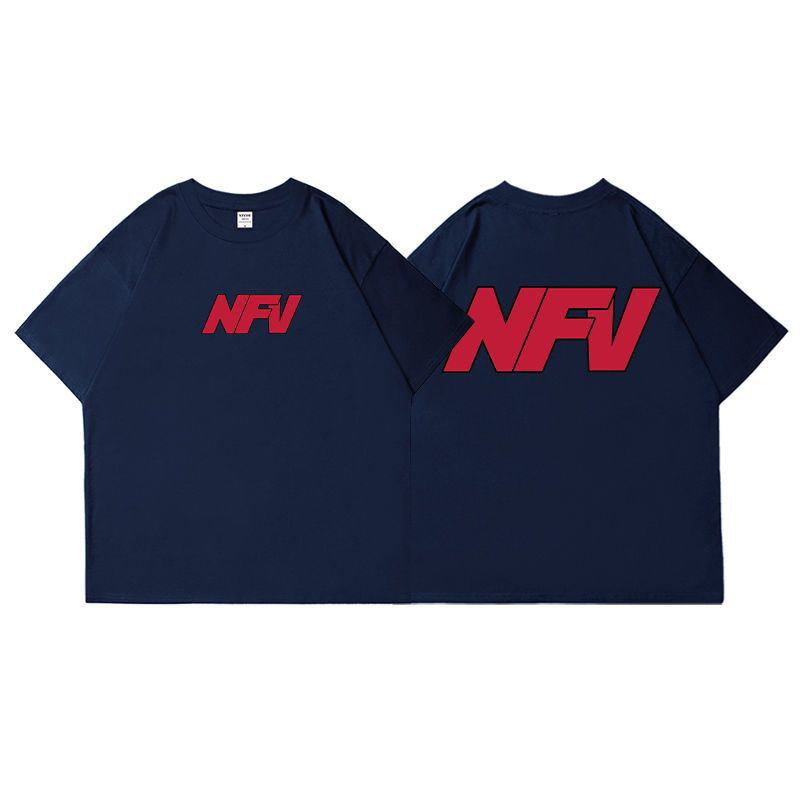
Polyester mesh (100–140 gsm) and moisture-wicking performance knit (120–160 gsm) dominate athletic builds. Both accept sublimation printing with unlimited color depth and hold structural integrity through 50+ industrial wash cycles without cracking or fading.
Streetwear Retail Fabrics
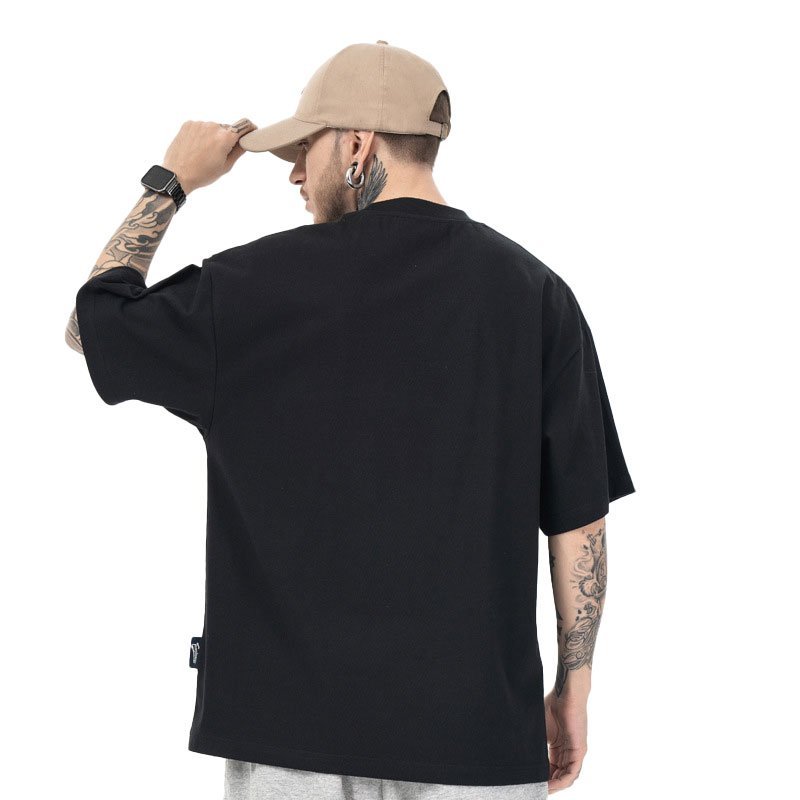
Polyester twill (160–200 gsm) and poly-cotton blends (160–220 gsm) suit retail-grade jerseys requiring body and clean drape. Twill’s tight weave supports embroidery and heat-transfer vinyl; poly-cotton’s natural hand-feel pairs well with screen printing at mid-tier price points.
Limited-Edition and Sustainable Drop Fabrics
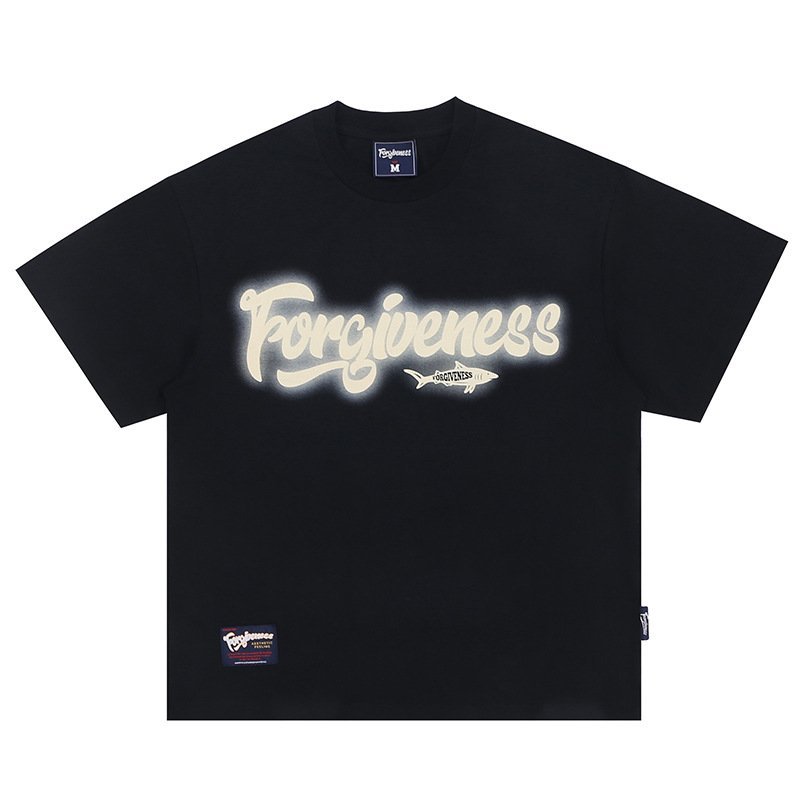
Ring-spun premium cotton (180–260 gsm) and OEKO-TEX-certified sustainable constructions — recycled polyester, organic cotton — anchor the highest price tier. DTG and screen printing perform best on these materials; pre-shrunk or enzyme-washed finishing is advisable given their moderate wash durability.
5. Customization & Decoration Options for Custom Baseball Jerseys
Decoration technique determines per-unit cost, wash durability, and compatible base fabric for any jersey order. Six proven methods cover every brand budget and aesthetic — from entry-level screen prints to premium woven patches on custom baseball jerseys.
| Technique | Setup Cost | Per-Unit Add | Wash Cycles | Best Fabric |
|---|---|---|---|---|
| Full Sublimation | $0–$50 | $1–$3 | 50+ | 100% polyester |
| Screen Printing | $30–$80/color | $0.50–$2 | 30–50 | Polyester, poly-cotton |
| Heat-Transfer Vinyl | $0–$20 | $1–$4 | 25–40 | Polyester, cotton |
| Embroidery | $50–$150 | $3–$8 | 50+ | Twill, mesh |
| Twill Lettering | $20–$60 | $4–$10 | 50+ | Twill, fleece |
| Woven Patches | $80–$200 | $2–$6 | 50+ | Any base |
Full Sublimation for All-Over Graphics
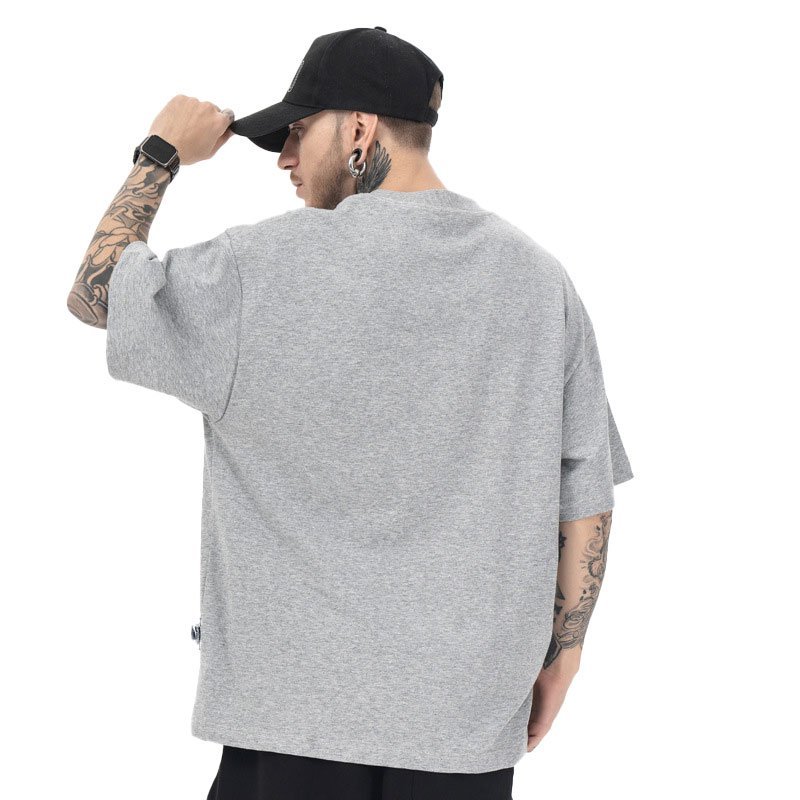
Sublimation dye-transfers ink into 100% polyester fibers — unlimited colors, zero crack risk, 50+ wash cycles. Setup runs $0–$50; MOQ starts at 1 unit for digital orders.
Edge-to-edge photographic artwork and gradient-heavy designs make sublimation the mandatory choice for complex custom baseball jerseys.
Screen Printing and Heat-Transfer Vinyl
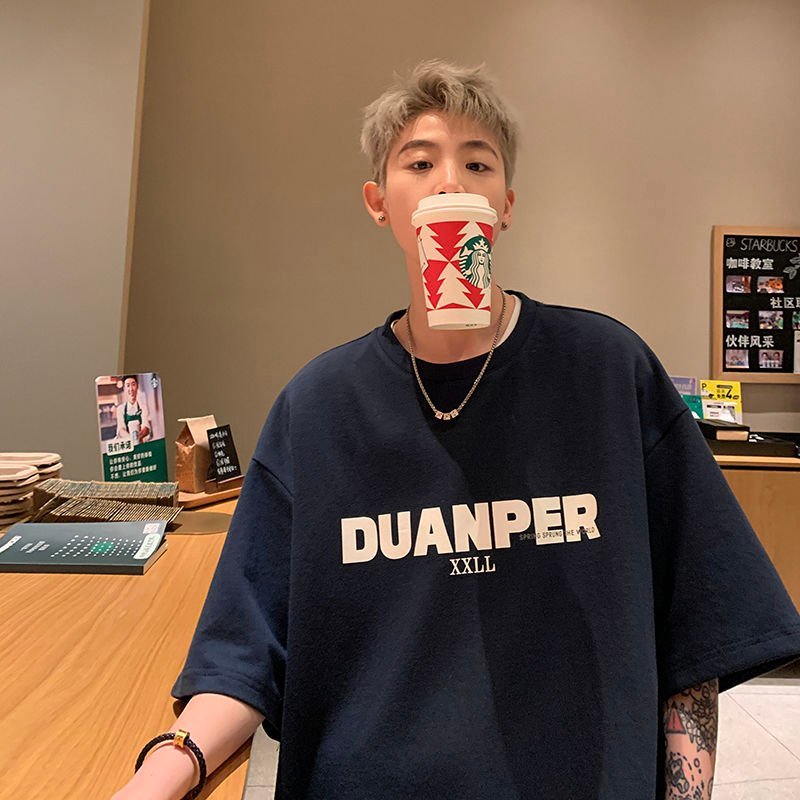
Screen printing charges $30–$80 per color in setup; per-unit cost drops sharply above 48 pieces. HTV skips screens entirely — setup under $20, optimal for runs under 24 units, averaging 25–40 wash cycles.
Poly-cotton and polyester blends suit both; choose screen printing above 48 units and HTV for faster small-batch turnarounds.
Embroidery, Twill Lettering, and Woven Patches
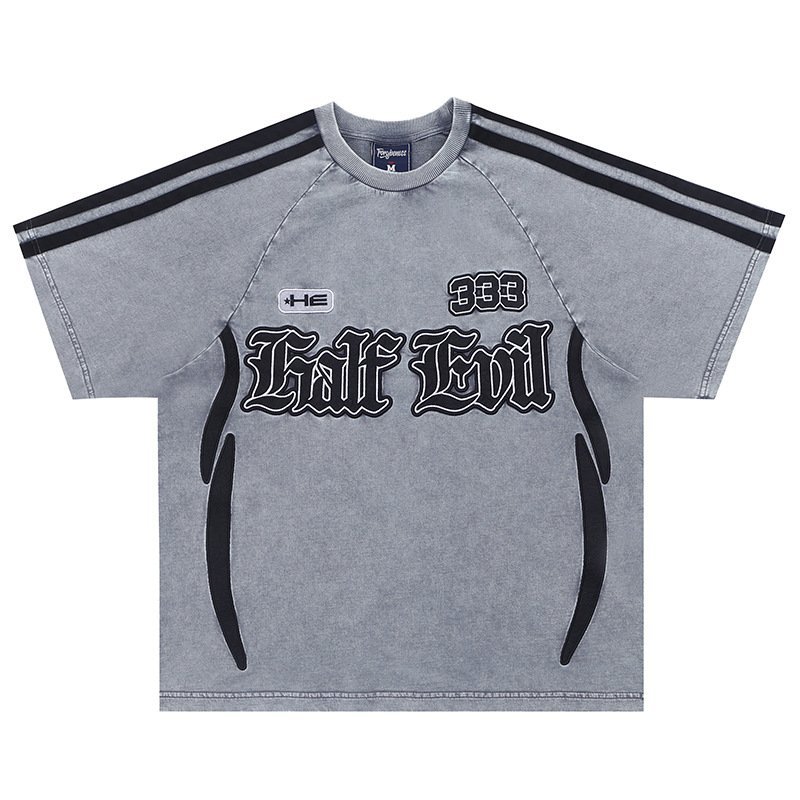
Embroidery digitizing runs $50–$150; per-unit add is $3–$8 with 50+ wash durability on twill or mesh bases. Tackle-twill lettering costs $4–$10 per name or number, sewn directly onto the jersey.
Woven patches need $80–$200 setup but mount on any fabric; per-unit drops below $3 above 200 units.
6. Key Construction Quality Elements to Inspect
A price-tag gap of $2–5 per unit often traces directly to skipped construction steps. Knowing which details to inspect before sampling custom baseball jerseys prevents costly production surprises at scale.
Stitching Standards: Double-Needle vs. Overlock
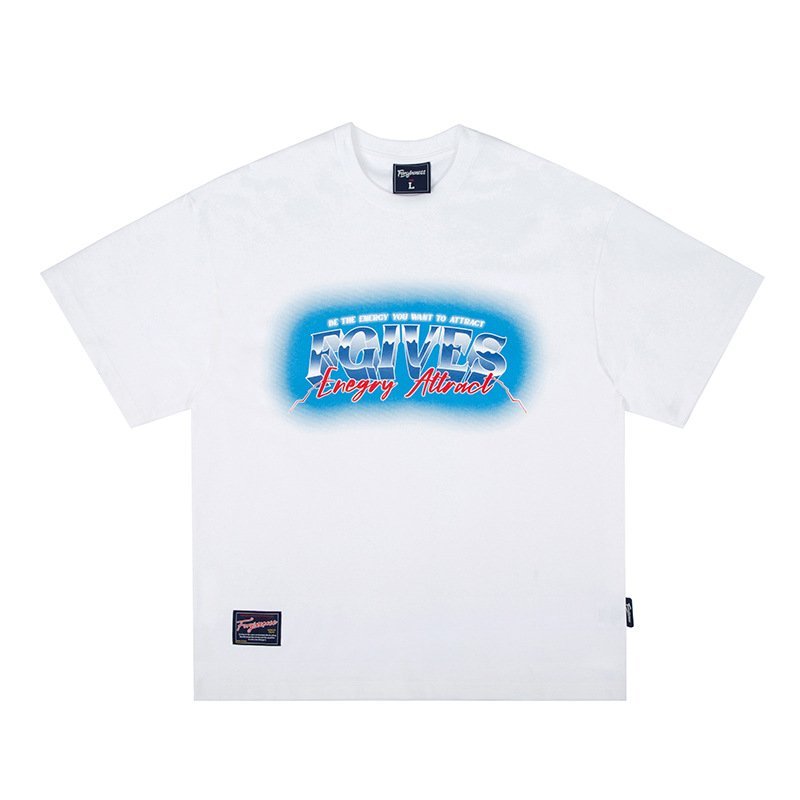
Double-needle stitching — two parallel rows spaced 1/16 in. apart — resists unraveling under repeated wash and stretch, critical for athletic silhouettes.
Overlock (serger) seams are faster and cheaper but fray after 30–50 washes without a lapped seam or binding to reinforce them.
Collar, Placket, and Button Quality
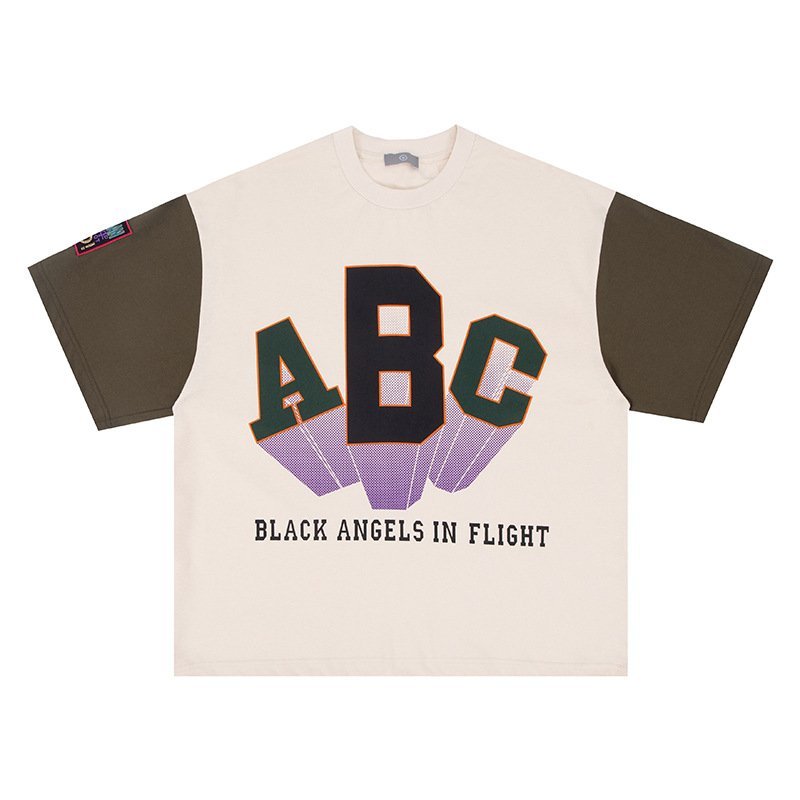
Ribbed collars should use 2×2 or 1×1 rib knit at minimum 220 GSM to hold shape after repeated laundering. Plackets need fused woven interlining to prevent rolling at the button line.
Corozo (tagua nut) buttons resist cracking and UV yellowing; commodity plastic buttons degrade visibly after 15–20 machine washes.
Side-Seam Tape and Label Standards
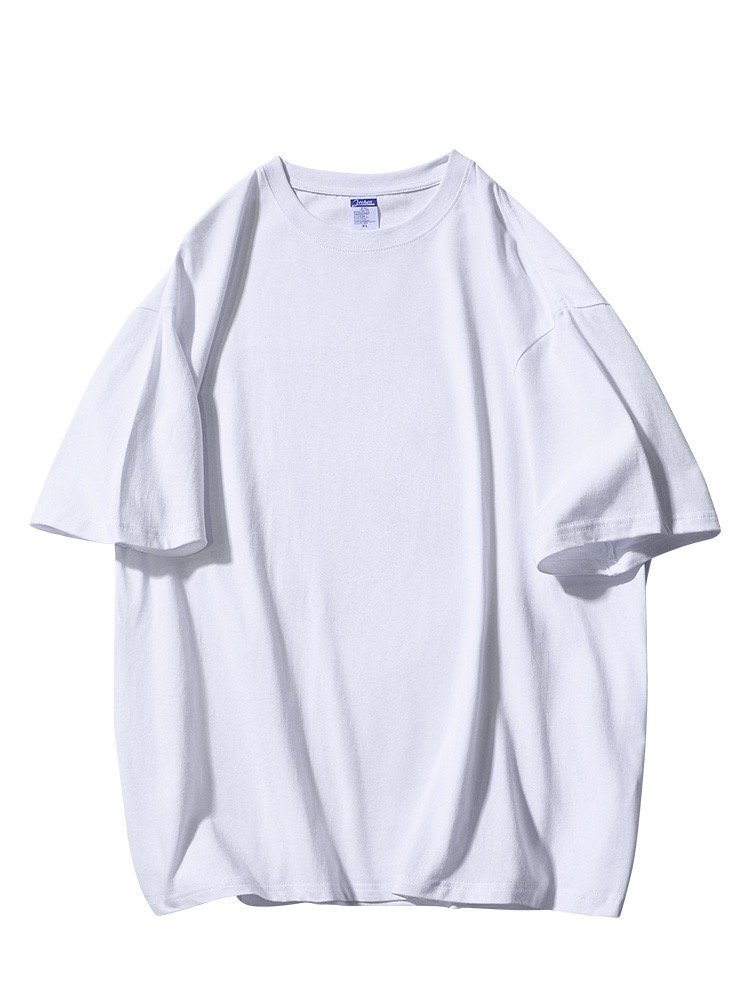
Twill side-seam tape, typically 3/8 in. wide, distributes stress along the seam and prevents stretch distortion on heavyweight jerseys over 280 GSM. Woven labels outlast printed heat-transfer labels by 100+ washes and are the accepted standard for premium streetwear.
Request a care-label compliance check against ASTM D5489 before finalizing any label spec.
Colorfastness Standards and Tech Pack Checklist
ISO 105 colorfastness standards rate dye stability on a 1–5 scale; Grade 4 or above is the retail minimum for wash, rubbing, and light fastness. Before approving a sample, request a written quality checklist covering stitch density (SPI), seam allowances, and all trim specs from your supplier.
7. How to Choose a Manufacturer for Custom Baseball Jerseys
Selecting the right supplier for custom baseball jerseys determines product quality, launch timelines, and long-term brand equity. Evaluate each candidate against concrete benchmarks — not promises — before committing to a production run.
Key Criteria for Evaluating Suppliers
A credible supplier offers a 50-piece MOQ and delivers samples within 7 days — treat these as baseline expectations, not perks. Certifications such as OEKO-TEX Standard 100 or GOTS confirm that fabrics meet chemical safety and sustainability thresholds demanded by global retailers.
Portfolio depth matters: request samples spanning at least three fabric weights and five decoration techniques before signing any agreement.
- MOQ of 50–100 pieces signals a production-ready operation willing to support growth-stage brands
- 7-day sample turnaround filters out suppliers with disorganized production workflows
- OEKO-TEX or GOTS certification proves third-party fabric compliance
- Communication response within 24 hours is a non-negotiable baseline
In-House vs. Outsourced Printing
Suppliers with in-house sublimation, screen printing, and embroidery eliminate the version-control risk of outsourced decoration, typically cutting turnaround by 3–5 days. Outsourced printing adds a hand-off point where Pantone color accuracy and stitch-count specs can drift without direct oversight.
Red Flags That Signal Risk
Five warning signs separate unreliable suppliers from trustworthy partners.
- No sample policy, or samples priced above $80 without credit toward production MOQ
- Lead times stated as ‘approximately’ with no written delivery commitment
- Decoration outsourced to unnamed third-party vendors
- No QC documentation or inspection reports available on request
- Refusal to provide references from existing brand clients
Domestic vs. Overseas Manufacturing Trade-Offs
The sourcing decision hinges on five factors where domestic and overseas suppliers diverge significantly.
| Factor | Domestic (U.S./EU) | Overseas (Dongguan) |
|---|---|---|
| MOQ | 200+ pieces typical | 50 pieces available |
| Unit price | 3–5× higher | Cost-efficient baseline |
| Sample lead time | 10–14 days | 7 days |
| Time-zone alignment | Easier | Requires async workflow |
| Streetwear fabric range | Limited | Broad and specialized |
8. Common Mistakes Buyers Make with Custom Baseball Jerseys
First-time buyers of custom baseball jerseys routinely repeat six errors that inflate costs and delay launches. Catching these mistakes before placing an order saves money, production cycles, and brand reputation.
Skipping Pre-Production Samples
Factories charge $50–$150 per sample, a cost buyers often skip to save money — then receive a full run with incorrect sizing or off-color prints. Always approve a physical sample before authorizing bulk production; it is the only reliable proof of fit, color, and construction.
Prioritizing Price Over Fabric Hand-Feel
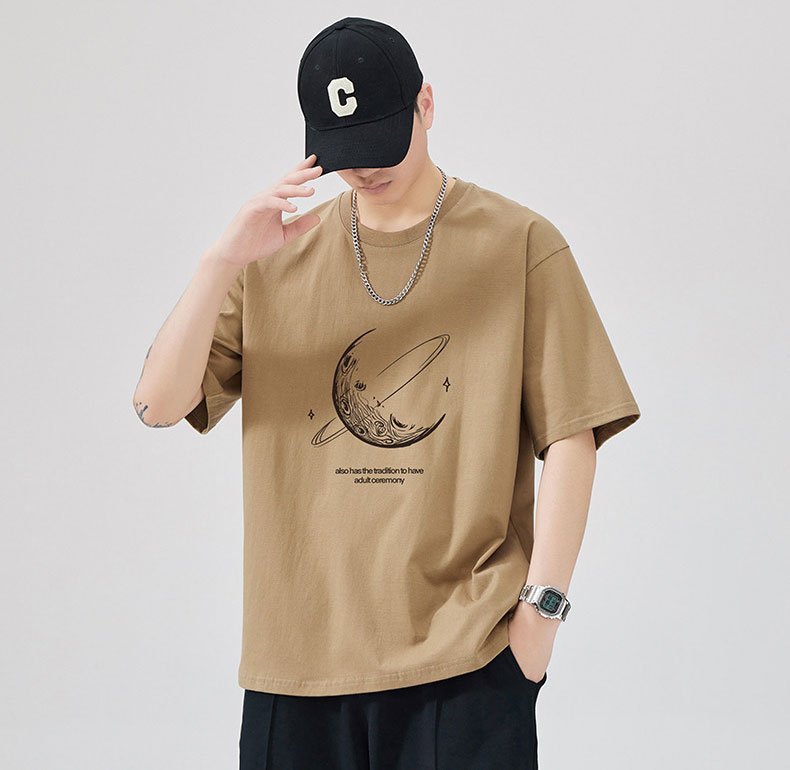
180 GSM polyester mesh at $1.80/yard feels stiff and pills quickly; 220 GSM bird’s-eye mesh at $2.40/yard performs and retains shape through 50-plus washes. Request fabric swatches and test hand-feel before committing — low price per yard rarely reflects low cost per returned unit.
Under-Ordering and Paying Re-Setup Fees
Screen printing and embroidery carry setup fees of $30–$80 per color per run. Ordering below your 3-month demand forces a second run with full setup charges — often exceeding the savings from the smaller first order. Size initial quantities to cover at least one full selling season.
Mismatched Decoration Technique and Fabric
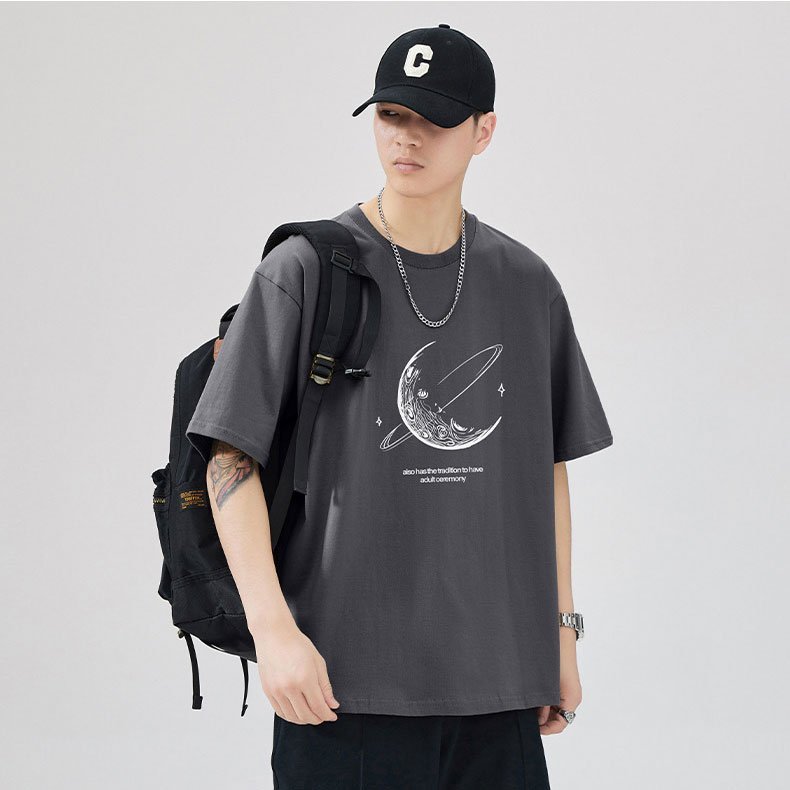
Sublimation printing requires 100% polyester; applying it to a 60/40 poly-cotton blend produces washed-out, uneven colors. Plastisol screen printing on lightweight open-mesh can crack after 20 washes. Confirm fabric fiber content before selecting any decoration method.
Neglecting Size-Run Grading
A flat size run — all medium and large — leaves XS and XL customers unserved and limits sell-through. Industry grading adds roughly 1 cm per size step at the chest seam; always request a full measurement spec sheet for every size before approving bulk production.
Overlooking Label and Hang-Tag Branding
Woven neck labels cost $0.08–$0.20 each and signal brand legitimacy at retail; buyers who omit them lose a key consumer touchpoint. Specify label placement, care instruction language (OEKO-TEX compliant wording where applicable), and hang-tag die-cut shape in the tech pack before sampling.
9. Steps to Launch Your Brand with Custom Baseball Jerseys
Launching a label around custom baseball jerseys follows a clear seven-step process. With a 50-piece MOQ and 7-day sample turnaround, fashion startups can move from concept to shelf without guesswork or factory confusion.
Define Concept and Target Customer
Pin down 3-5 design themes — streetwear motifs such as skeleton, rose, or animal print — before contacting any factory. Knowing your target customer’s age, price point, and retail channel prevents costly concept pivots mid-production.
Build a Mood Board and Tech Pack
A tech pack includes flat sketches, Pantone color codes, fabric GSM specs, and print placement measurements. Factories quote faster and sample more accurately when every construction detail is documented before the first message is sent.
Request Samples and Iterate
Order 1-3 pre-production samples; a 7-day turnaround is standard with an experienced manufacturer. Check stitching density, sublimation color accuracy, and seam flatness before approving — second-round corrections typically add 5-7 days.
Approve Bulk Production
Issue a purchase order only after a signed sample approval form is on file. Lock in fabric lot numbers to ensure color consistency across the full run, whether 50 or 500 pieces.
Arrange QC Inspection
A five-stage QC process — covering materials, cutting, craft, sewing, and finished-goods inspection — catches defects before shipment, not after. Embedding checks at each stage reduces rework costs and protects your brand’s reputation from day one.
Plan Logistics and Reorder Cadence
Book sea freight (25-35 days) or air (5-7 days) based on your launch date and margin targets. Set a reorder trigger at 6-8 weeks before projected sell-out, accounting for full production plus transit lead time.
10. Pricing & Cost Breakdown for Custom Baseball Jerseys
Fifty units is the standard MOQ entry point for custom baseball jerseys; unit pricing drops 30–45% between the 50-piece and 1,000-piece tiers. Three variables shift cost beyond the base garment: fabric choice (polyester mesh vs. ring-spun cotton), decoration color count, and label type (woven vs. heat-transfer printed).
$80–$150 per style is the typical sample fee for a 7-day prototype before bulk production; sample costs are quoted separately from the unit prices in the table below.
- Sublimation: $0–$50 setup; per-unit cost absorbed into fabric — best for all-over prints
- DTF (Direct-to-Film): $0–$30 setup; +$1.50–$3.50/unit; no minimum color count
- Screen print: $20–$50/screen per color; +$0.50–$2.00/unit per color layer
- Embroidery: $30–$80 one-time digitizing fee; +$2.00–$5.00/unit by stitch count
- Heat transfer: $0–$20 setup; +$1.00–$2.50/unit; best for short-run numbered jerseys
- Woven label upgrade vs. heat-transfer printed label: +$0.30–$0.80/unit per garment
- Pantone-matched color vs. standard CMYK: +$0.20–$0.50/unit for screen print accuracy
| Quantity Tier | Est. Unit Price (USD) | Lead Time | Recommended Decoration |
|---|---|---|---|
| 50 | $18–$28 | 15–20 days | Sublimation or DTF |
| 100 | $14–$22 | 15–18 days | Sublimation or screen print |
| 250 | $10–$16 | 12–15 days | Screen print or embroidery |
| 500 | $7–$12 | 10–14 days | Screen print or embroidery |
| 1,000+ | $5–$9 | 10–12 days | Screen print (multi-color) |
Ready to Manufacture Your Custom Baseball Jerseys?
Start with low MOQ, receive samples in 7 days, and ship with confidence backed by our 5-step QC guarantee.