Finding the perfect hoodie can be a bit challenging. Sometimes, it just doesn't fit you. Perhaps you bought one that was too big. Or you lost some weight. Oversized clothing can really be disappointing. We are the specialists in clothing. Our experience goes beyond ten years. We deal with more than 500 companies. Our purpose for now is to communicate our knowledge to you. The steps below will show you the simple way to make hoodies smaller in 2026.
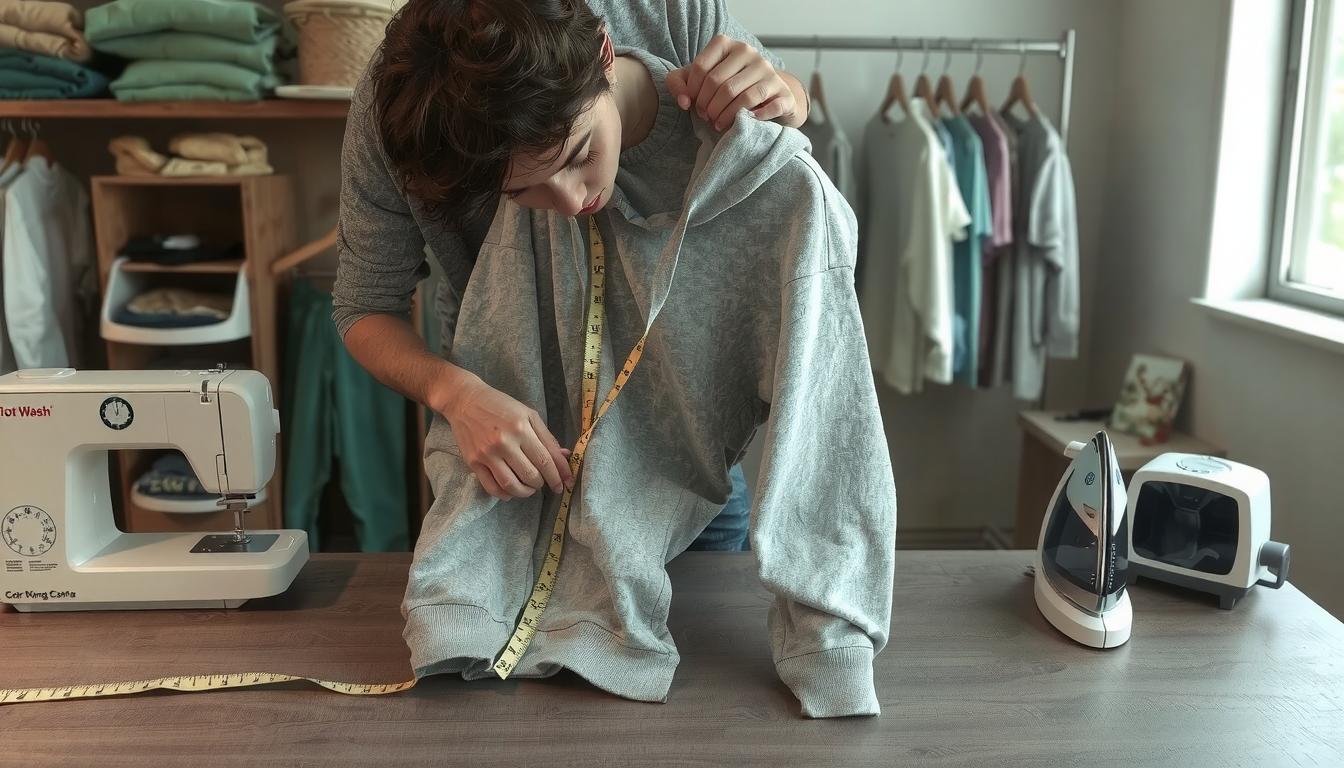
Key Points
- Discover the instructions: Cotton is easily shrunk with heat and polyester needs sewing.
- High Temperatures: Natural fabrics handle hot water and high heat the best.
- Synthetics Need Tailoring: Sewing provides a perfect fit and avoids damaging plastic-based fabrics.
- Protection: Always turn clothes inside out. This protects prints from damage.
- Fast Changes: Styling hacks like the "elastic tuck" are great for quick changes.
Introduction: The Importance of a Well-Fitting Hoodie
In streetwear and casual wear, the distinction is very thin. "Stylishly oversized" can easily become "poorly fitted." A loosely fitted hoodie can make you look disheveled. It won't even look like you meant it that way. Nowadays, oversized fits have been in vogue. However, a fitting look is timeless.
At Clothing Manufacturer Ltd, we are conscious that fit is everything. It results from the right material and the right construction. In our factories, we see this every day. If a piece of clothing does not fit, you can either shrink the fabric or change its shape by sewing. Acquiring the skill of how to make hoodies smaller will give you autonomy. You can fix a heavy cotton blend or tailor a synthetic piece. We will take you through the steps. We apply the same technical standards. This way, you avoid wasting your favorite hoodie.
Step 1: Know Your Fabric
Before you use heat and scissors, you need to know the composition of your hoodie. Not every fabric is the same. In our "5-step QC production method," we check materials first. You should do the same too.
Check the care label inside your hoodie. This small tag tells you which method to use.
Cotton:
Since cotton is a natural fiber, it is hollow. High heat and water make it untwist and will contract the fibers. If your hoodie is 100% cotton, heat will very likely work well.
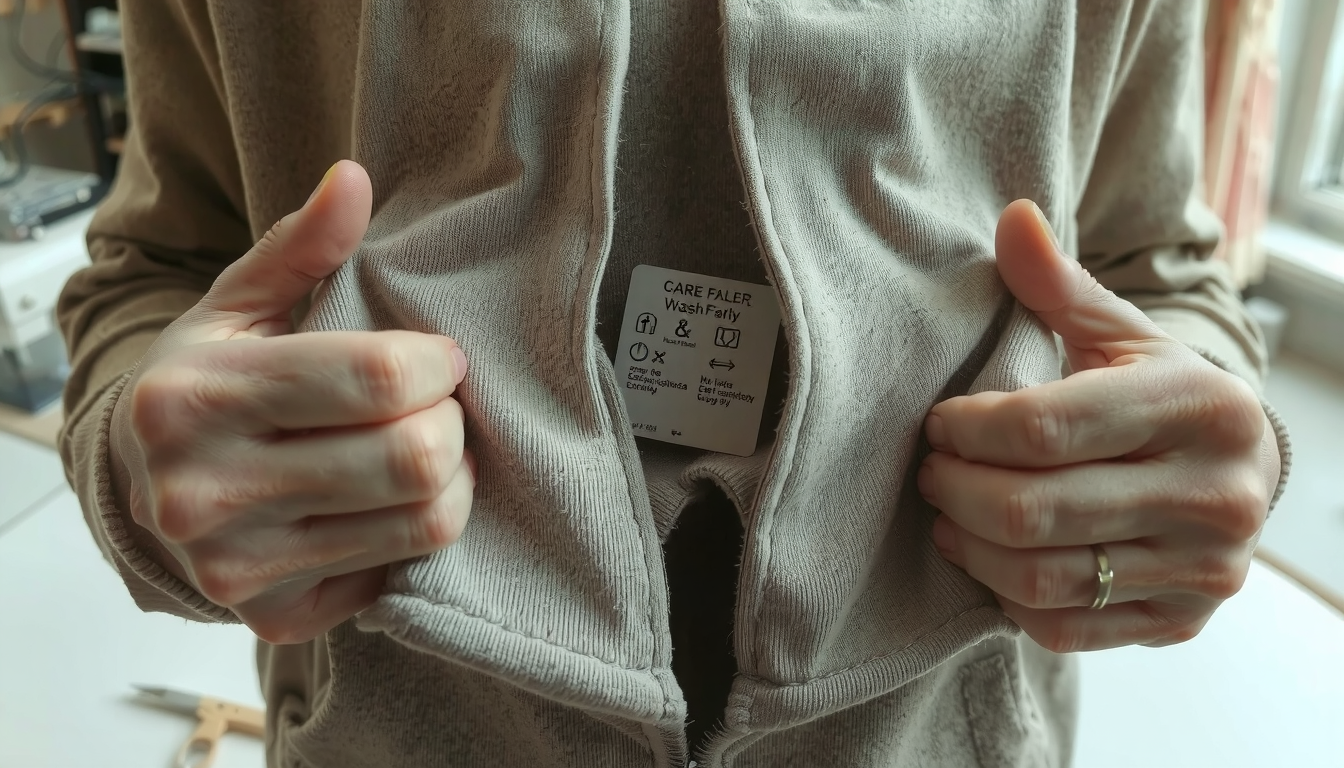
Polyester and Synthetics:
These are plastic fibers. They are specially made to be solid and act against heat. A 100% polyester hoodie may not even shrink if you boil it. Instead, you may cause melting or leave permanent creases on your clothes. For these items, sewing is the only option without any risk.
Mixed (ex: 80/20 Cotton-Poly):
This is the common streetwear standard. As a leading hoodie manufacturer, we often work with blends as well. Softness and durability are well balanced. These hoodies will shrink, but not to the same degree as 100% cotton. Expect the size to change slightly.
| Fabric Type | Shrinkage Potential | Recommended Method |
|---|---|---|
| 100% Cotton | High (up to 20%) | Washer/Dryer or Boiling |
| Cotton/Poly Blend | Medium (3-5%) | Washer/Dryer (Repeated) |
| 100% Polyester | None | Sewing/Tailoring Only |
| Wool | Very High | Caution (Felting risk) |
Method A: Shrink Hoodies by Using Heat
If your hoodie is cotton or a cotton blend, heat is the simplest way to reduce its size. This process is similar to the washing stages we use in production. We use it to stabilize fabrics. Here we use it as a forcing method to make the fabric smaller.
Technique 1: The Washer/Dryer Method
This is the standard way to shrink gradually. You can check the progress. This way you don't end up with a hoodie that's too small.
- Wash Hot: Alone or with similar colors, put the hoodie in the washing machine. Set the water temperature to the highest heat. Hot water and movement relax the fibers.
- Dry Hot: Right after washing, move the wet hoodie to the dryer. Set it to the highest heat. It is usually "Heavy Duty" or "Cotton."
- Monitor: Do not walk away completely. Instead, check the fit every 15 to 20 minutes.
- Finish: When it's the right size, switch the dryer to low heat. Or use air fluff to finish. This will prevent more shrinking.
Technique 2: The Boiling Water Method
For extreme cases, such as the material being stubborn or if maximum shrinkage is what you need, boiling water is the best option. It acts aggressively.
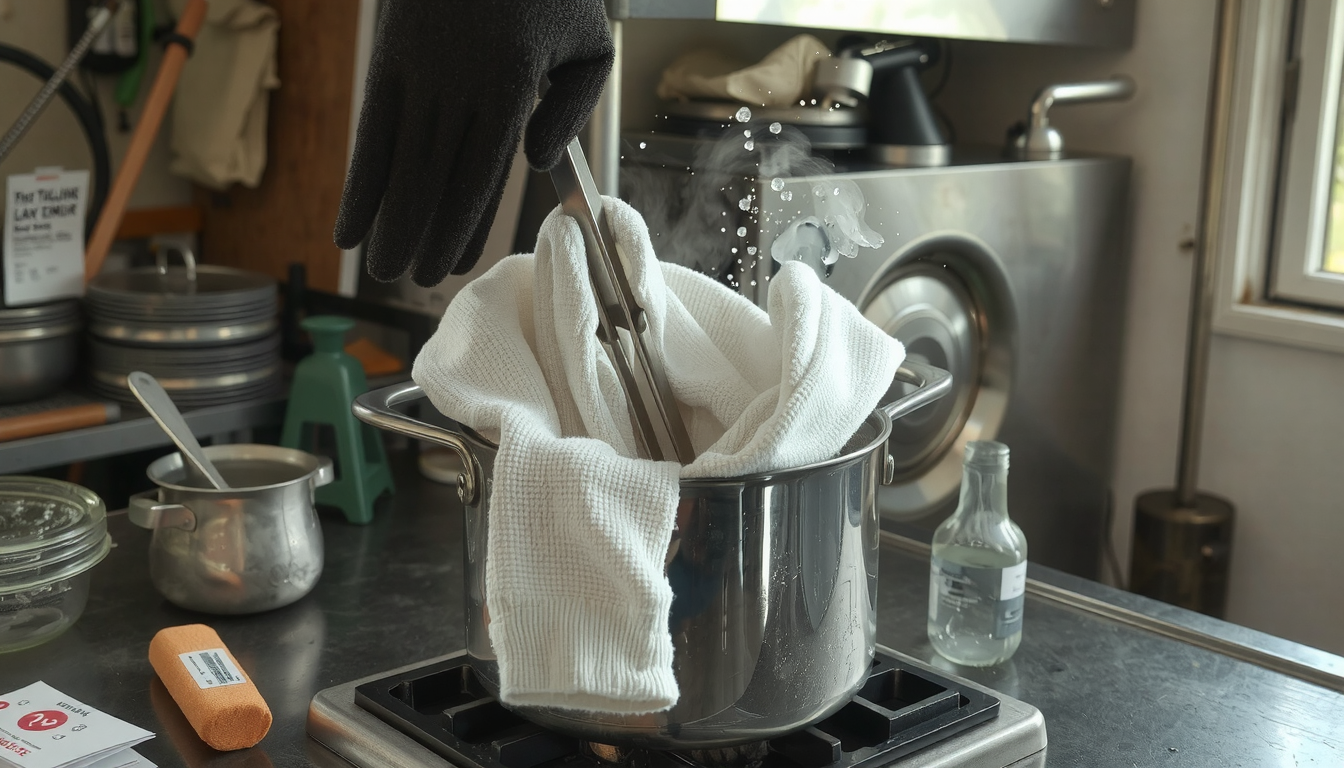
- Boil Water: Prepare a large pot filled with water then heat it to a rolling boil.
- Submerge: Turn off the heat, then immerse the hoodie into the water entirely.
- Time:
- For a light shrink, leave it for 5 minutes.
- For a normal shrink, leave it for 10-15 minutes.
- For the most shrinkage, leave for 20 minutes.
- Dry: Be careful as you take out the garment from the hot water. Squeeze the water out or use the spin cycle to get rid of excess water. Then, put it into the dryer at a high temperature.
Risk Management:
It should be noted that excess heat can lead to color fading. Also, it may cause prints to get damaged. The ink used for screen printing can crack. Embroidery can become puckered. Always turn the hoodie inside out to offer some protection to the design.
Method B: Making Hoodies Smaller by Sewing
In case the fabric is polyester or it does not work with heat, it is time to change its construction. This is known as "taking in" the garment. This procedure will achieve a professional look that heat cannot reach. We suggest using quality control logic. Measure twice, cut once.
Tools You Will Need
You will require a sewing machine, pins, fabric chalk, and scissors. In the absence of a machine, a needle and thread can serve the purpose, but it would be a lengthy and less strong process.
The "Inside-Out" Pinning Technique
- Invert: The hoodie should be turned inside out.
- Pin: Wear the hoodie and pinch the extra fabric at the side seams. This is on the underarm and down the torso. Do the same with the arms.
- Mark: Pin the fabric in position where you want the new seam. Use fabric chalk to draw a line to connect the pins and create your sewing guide.
The Sewing Method
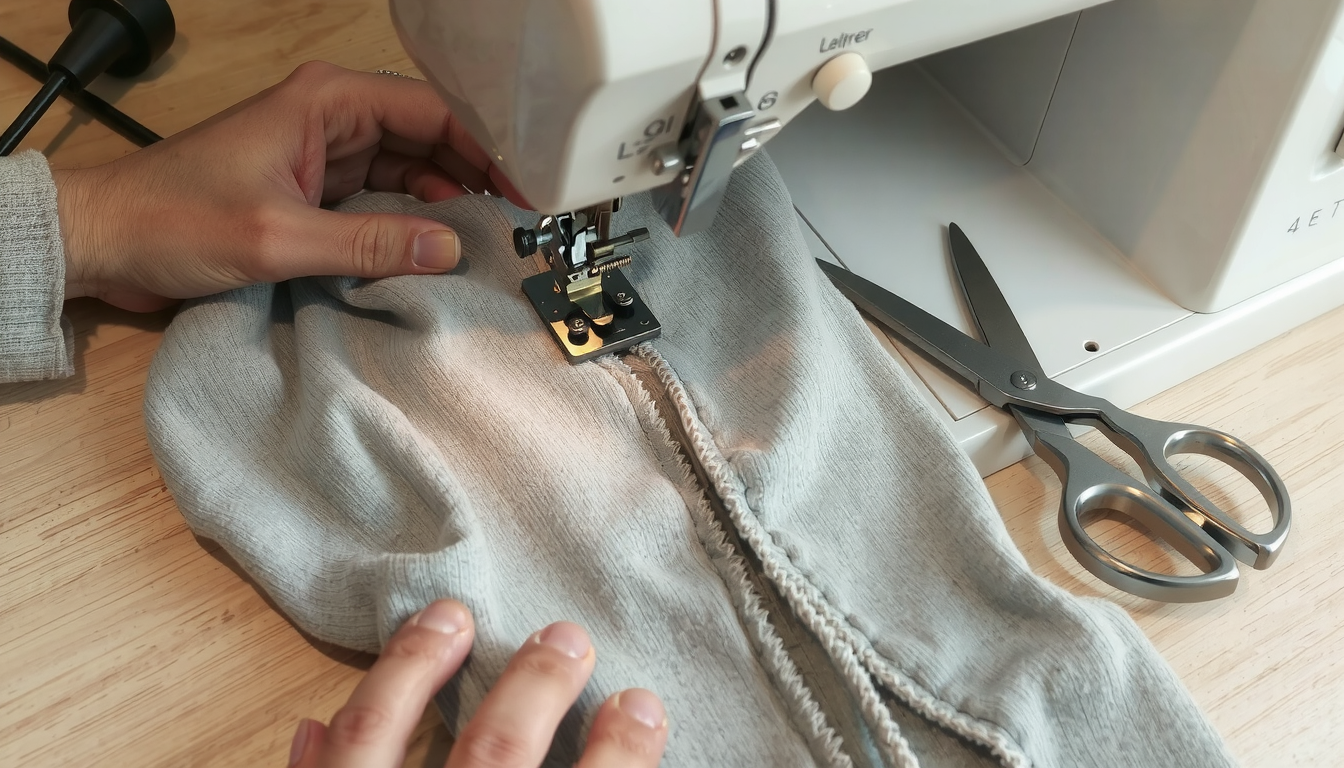
- Sew: Follow the chalk line you marked.
- Important Stitch Choice: Do not use a standard straight stitch. The fabric of the hoodie is knit. This implies that it stretches. When you move, a straight stitch will break. Use a zigzag stitch or a "stretch stitch" on your machine. This will let the thread move with the fabric.
- Cut: After you sew on both sides, try on the hoodie. Turn it the right way out to check if the fit is okay. If it is perfect, turn it back inside out. Cut off the excess fabric. Leave about half an inch of margin next to your new seam.
- Finish Edges: If possible, use a zigzag stitch on the raw edge you just cut. This stops it from unraveling in the wash.
This method helps you learn how to make hoodies smaller without using heating devices.
Alternative "No-Sew" Styling Hacks
When you need a rapid solution or you do not have a dryer or a sewing machine, there are styling tricks that can change the way a hoodie looks.
The Use of an Elastic Band:
A rubber band or hair tie will be good too. Gather the extra hem fabric at the side or back of your waist. Inside the hoodie, tie the band around the gathered fabric. Then flip the hem up and under. This way, the waist gets pulled in, and the extra length gets hidden. It creates a cropped or fitted look.
The Crop Tuck:
If you're wearing a sports bra or a tight undershirt, you can crop the bottom hem by tucking it inside the underlayer. This makes the hoodie shorter. It also reduces the bulk around the waist visually.
Layering:
Use the baggy nature to your advantage. A denim jacket or a structured vest over the hoodie will compress the fabric and hide the bagginess. This way a sizing error can be turned into a deliberate streetwear style.
Manufacturer's Tip: The Future Avoidance of "Baggy" Issue
As we are experts in the business, we think the best way to solve a sizing issue is to prevent it. Knowing garment details can really save you time and money.
Understanding GSM (Grams per Square Meter):
The fabric's weight is essential. Heavyweight hoodies are less likely to stretch out and hold their shape better. They have a high GSM value. Lightweight hoodies, on the other hand, are prone to distortion. When looking for quality, check the weight.
Pre-shrunk cotton:
Most leading brands use quality "pre-shrunk" cotton. This means the fabric was treated during the production process to prevent shrinking. If a pre-shrunk item is bought with the idea of shrinking it later, it will disappoint. We apply these stabilizing processes for our 500+ brand partners. This guarantees consistency.
Knowing the procedure of how to make hoodies smaller is a plus. Yet, the best way is to opt for an item that will fit you perfectly. Whether you choose to boil your garment or sew a new seam, the key is self-assurance. Your clothes should fit you, not the other way around.
Frequently Asked Questions (FAQ)
Is it possible to shrink a 100% polyester hoodie?
Generally, no. Polyester is an artificial fiber that is intended to withstand heat. Trying to shrink it with high temperature often causes damage or may melt it before it shrinks. Sewing is the only good option for polyester.
What is the presumed amount of shrinkage in the dryer?
This is substantially dependent on the fabric. A 100% cotton hoodie can shrink up to 20%, which is about one full size. Typically, cotton-poly blends shrink much less, around 3-5%. If the label says "pre-shrunk," very little change will occur no matter how much heat is used.
Will shrinking a hoodie ruin the design or logo?
It is a real risk. High heat makes fibers contract. But screen print inks don't shrink. This can cause prints to crack or peel. Embroidered logos may become puckered. This happens if the fabric beneath them shrinks but the thread doesn't. Always turn the hoodie inside out. This offers some protection to the design.
How do I make a hoodie smaller without sewing or cutting?
The most effective methods without cutting are the hot water wash and dryer cycle. This works for cotton items. If you can't use heat, you can use styling hacks. Try the "elastic band tuck." Or wear a belt over the hoodie to pull in the waist. This adjusts the length visually.
Does boiling water work better than the dryer for shrinking?
Boiling water is more aggressive and faster than a standard dryer cycle. The temperature is higher (212°F or 100°C), and the fibers are fully soaked instantly. It is the best method for maximum shrinkage. But it has a higher risk of color fading compared to a standard wash cycle.