Understanding Terry Cloth: The Go-To Fabric for Comfort and Absorbency
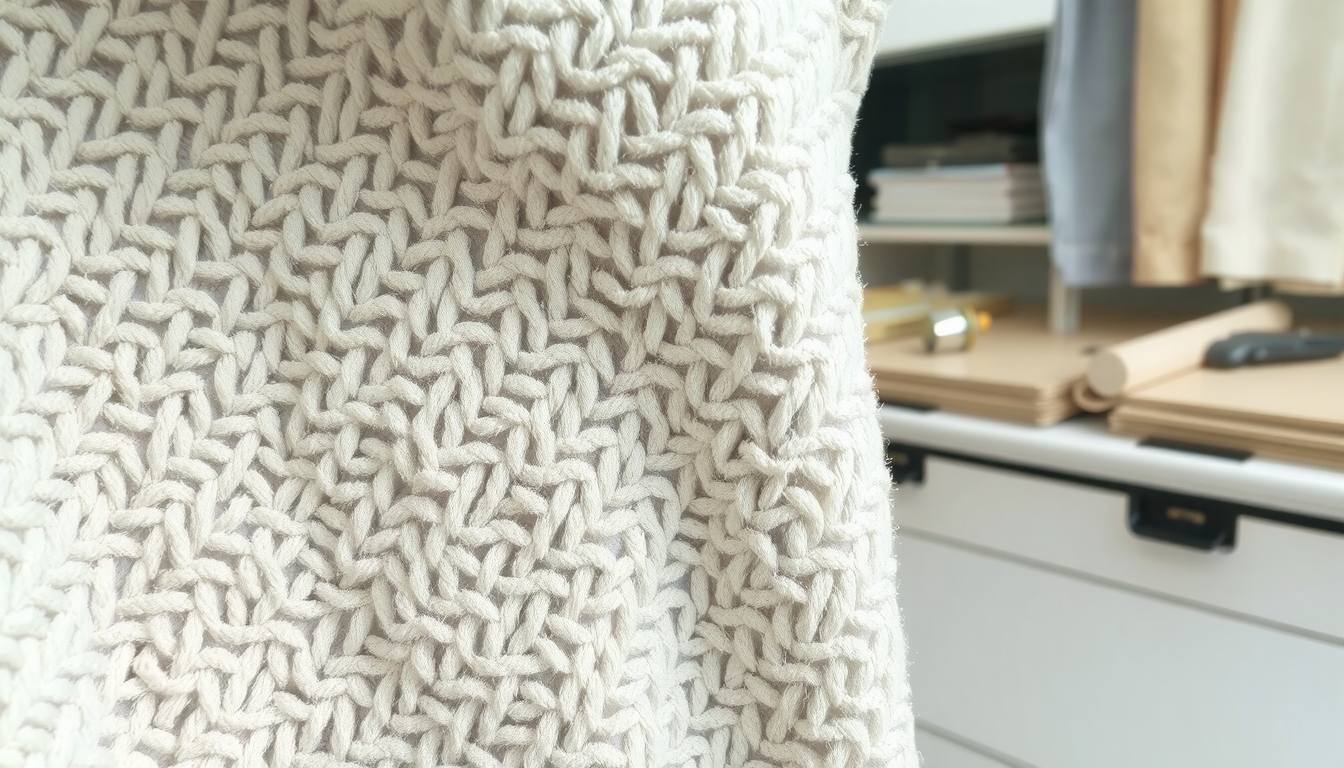
Terry cloth is a special fabric known for its soft feel and ability to soak up water. It's made with countless tiny loops of thread. You might know it from bath towels and robes. But this material has become very popular in fashion too. It's especially big in modern streetwear and loungewear. In 2026, knowing what is terry cloth fabric is key for any clothing brand. This is true if you want to make comfortable, high-quality clothes. This guide covers everything you need to know. We'll talk about how it's made and how to pick the best quality for your brand.
Key Takeaways
- Definition: Terry cloth is a woven or knit fabric with long, uncut loops. These loops make it very absorbent and soft to touch.
- Main Types: The most common types are standard terry (towel terry), French terry (clothing), and terry velour (luxury loungewear).
- Quality Signs: You can judge terry cloth quality by its weight (GSM), fiber content (cotton is best), and loop density.
- Modern Use: French terry is a key fabric in streetwear for hoodies, joggers, and shorts. This is because of its comfort, drape, and versatility.
- Making It: Choosing a partner with strict quality control is crucial. This helps you make premium terry cloth clothes.
What is Terry Cloth at its Core?
At its heart, terry cloth is a fabric defined by its uncut loops. These loops can be on one or both sides. They create a soft, plush surface that is great at soaking up moisture.
Usually, this material is made from 100% cotton. But modern versions can include blends with polyester or other fibers. This adds durability or changes the texture. Terrycloth is woven on special looms that use two warp beams at once. This creates its signature looped pile.
The Anatomy of Terry Cloth: How It's Made and Key Features
To really understand what terry cloth fabric is, you need to look at how it's built. The unique way it's made is what gives the fabric its famous properties.
The Weaving and Knitting Process
Woven terry cloth is made using a special technique with two sets of warp threads. One set is the ground warp. It creates the base fabric. The second set is the pile warp. It's left loose to form the loops that make terry cloth so absorbent.
There is also knit terry. This is more commonly known as French terry. This version is created on a knitting machine. It results in loops on one side and a smooth, flat surface on the other. This construction gives it more stretch and a better drape for clothing.
Key Features of Terry Cloth Fabric
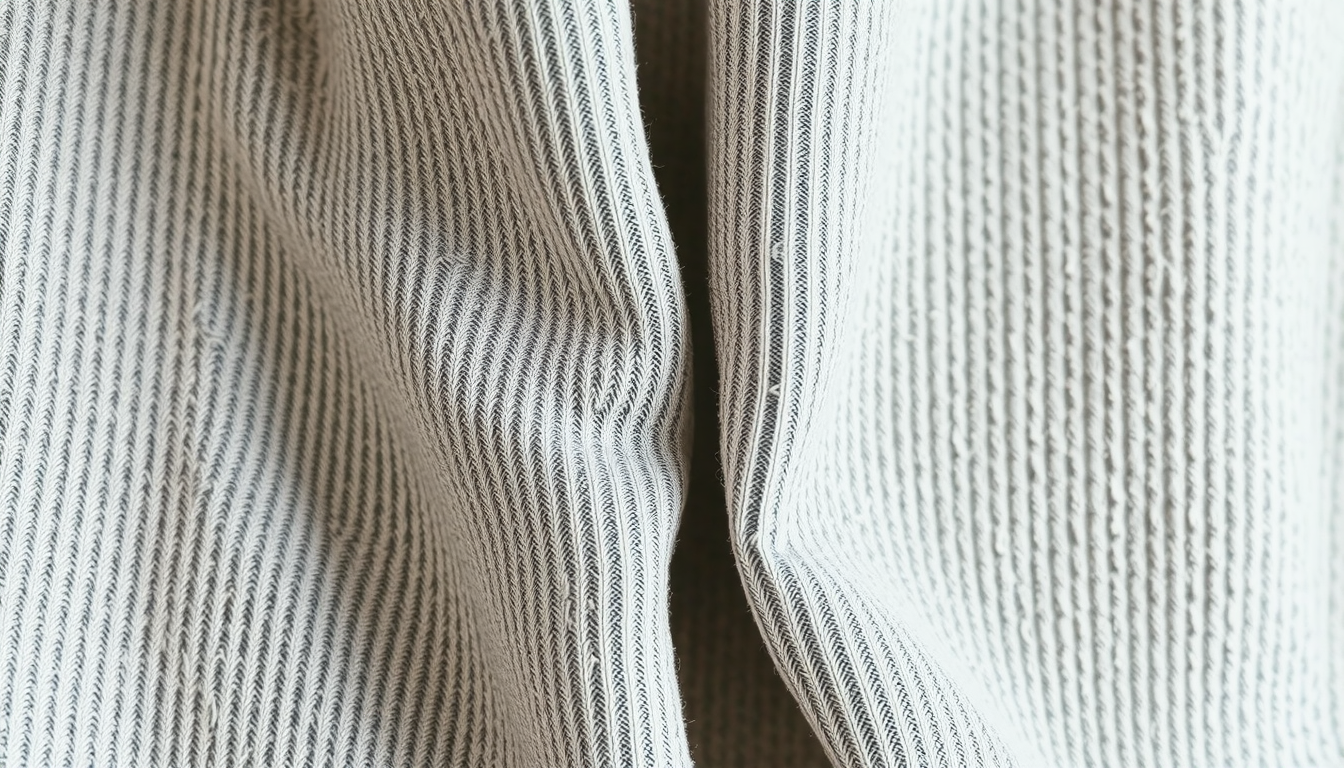
The way terry cloth is made gives it several key features. These are important for clothing brands to understand.
- High Water Absorption: The loops greatly increase the fabric's surface area. This allows it to absorb and hold large amounts of water. This makes it perfect for items used after a shower or swim.
- Softness & Texture: The uncut pile creates a plush, soft feel against the skin. This texture adds a level of comfort that customers love.
- Strength: When made with high-quality cotton and a tight weave, terry cloth is a very strong fabric. It can handle many washes without losing its shape or softness.
- Air Flow: The looped structure allows air to move through. This helps the fabric dry faster and feel comfortable in various temperatures.
- Easy Care: Most terry cloth items are machine washable and simple to care for. This is a major benefit for everyday clothing.
The Terry Family: Standard Terry vs. French Terry vs. Terry Velour
Not all terry cloth is the same. For clothing brands, knowing the difference between the main types is crucial. This helps you choose the right material for your product. The difference often comes down to texture, weight, and intended use.
A Comparison Table
This table offers a clear comparison to help you decide. It shows which terry fabric is best for your next collection.
| Fabric Type | Key Features | Common Uses |
|---|---|---|
| Standard Terry Cloth | Loops on both sides; very plush and highly absorbent. | Bath towels, robes, washcloths, beach cover-ups. |
| French Terry | Loops on one side, smooth flat face on the other; lighter weight with good drape and stretch. | Hoodies, sweatshirts, joggers, shorts, casual dresses. |
| Terry Velour | Loops on one side are sheared off, creating a smooth, velvet-like surface; the other side remains looped. | High-end loungewear, luxury bathrobes, premium clothing. |
Standard terry cloth is the most absorbent. Because of its structure, the terry cloth is preferred for products where drying is the main goal. French terry, however, is the go-to for modern clothing.
A Maker's Guide to Picking Quality Terry Cloth
As a clothing maker with over 10 years of production experience, we know that not all terry cloth is created equal. The quality of your raw material directly impacts the final product. Here are the key factors we check when sourcing fabric. We've helped build 500+ successful brands.
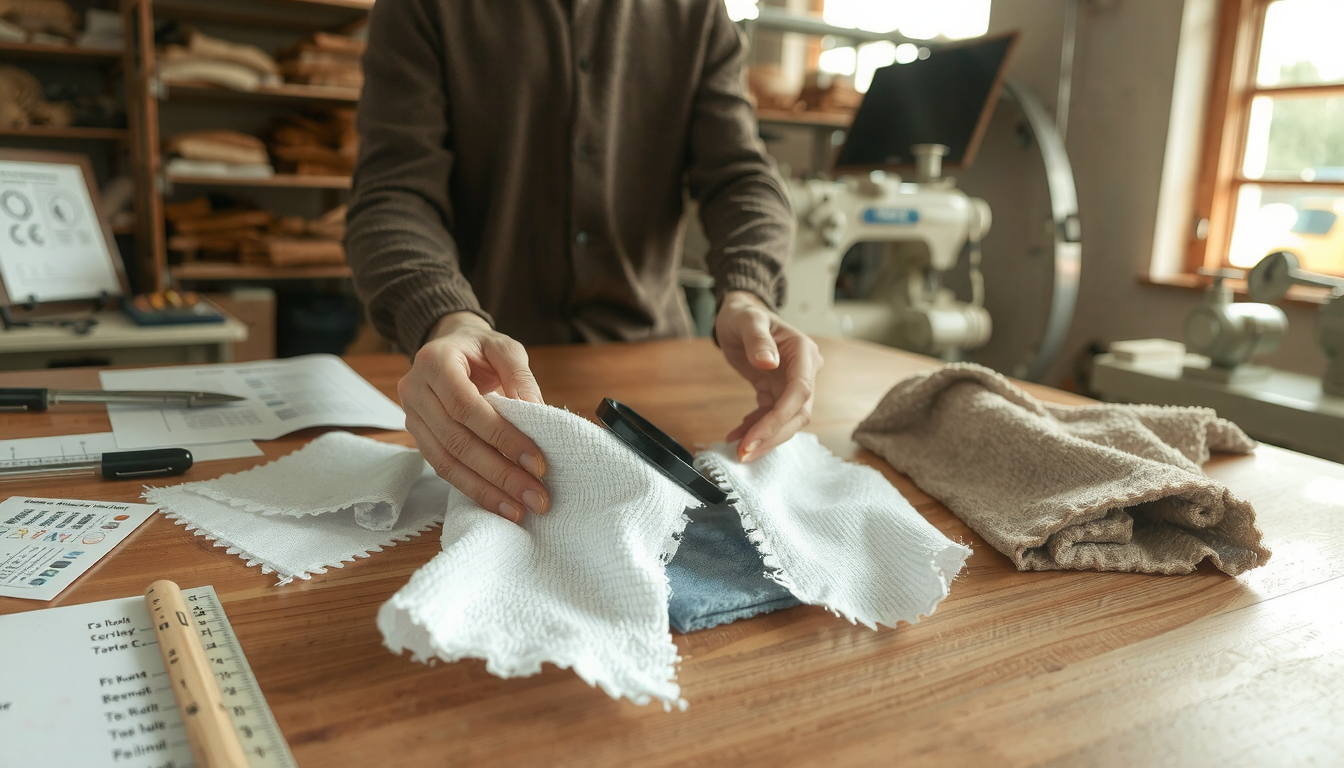
It's All About the Weight (GSM)
GSM stands for Grams per Square Meter. It is the most important measure of a fabric's density and quality. A higher GSM means a thicker, plusher, and more durable fabric.
- Light Weight (<300 GSM): Good for summer-weight t-shirts, light layers, or baby clothes.
- Medium Weight (300-400 GSM): The ideal range for standard hoodies, joggers, and high-quality sweatshirts. This is the sweet spot for most streetwear.
- Heavy Weight (400+ GSM): Used for premium, oversized streetwear and luxury robes. This weight offers a substantial, high-end feel.
Fiber Content and Certifications
The fiber content affects the fabric's feel, performance, and cost. 100% cotton is the gold standard for its softness, breathability, and water absorption. Cotton-polyester blends can add durability and reduce cost. But they may not feel as luxurious.
Certifications are a mark of trust and quality. We are an ISO 9001 and BSCI certified maker. We can support brands in sourcing materials with key certifications. This includes OEKO-TEX for chemical safety, GOTS for organic standards, and GRS for recycled content. This ensures your product is both premium and responsibly made.
Loop Density and Pile Height
From our 10+ years of production experience, we've learned a critical lesson. While tall loops can feel nice, high loop density is more important. This gives a plush feel and superior water absorption. Densely packed loops create a richer texture. They are less likely to snag, leading to a more durable garment.
Terry Cloth in Modern Streetwear: The New Must-Have
In 2026, French terry is no longer just for athletic wear. It's a cornerstone of modern streetwear. Its unique properties make it the perfect canvas for creating stylish and comfortable collections. These resonate with today's consumers.
Why Streetwear Brands Choose French Terry
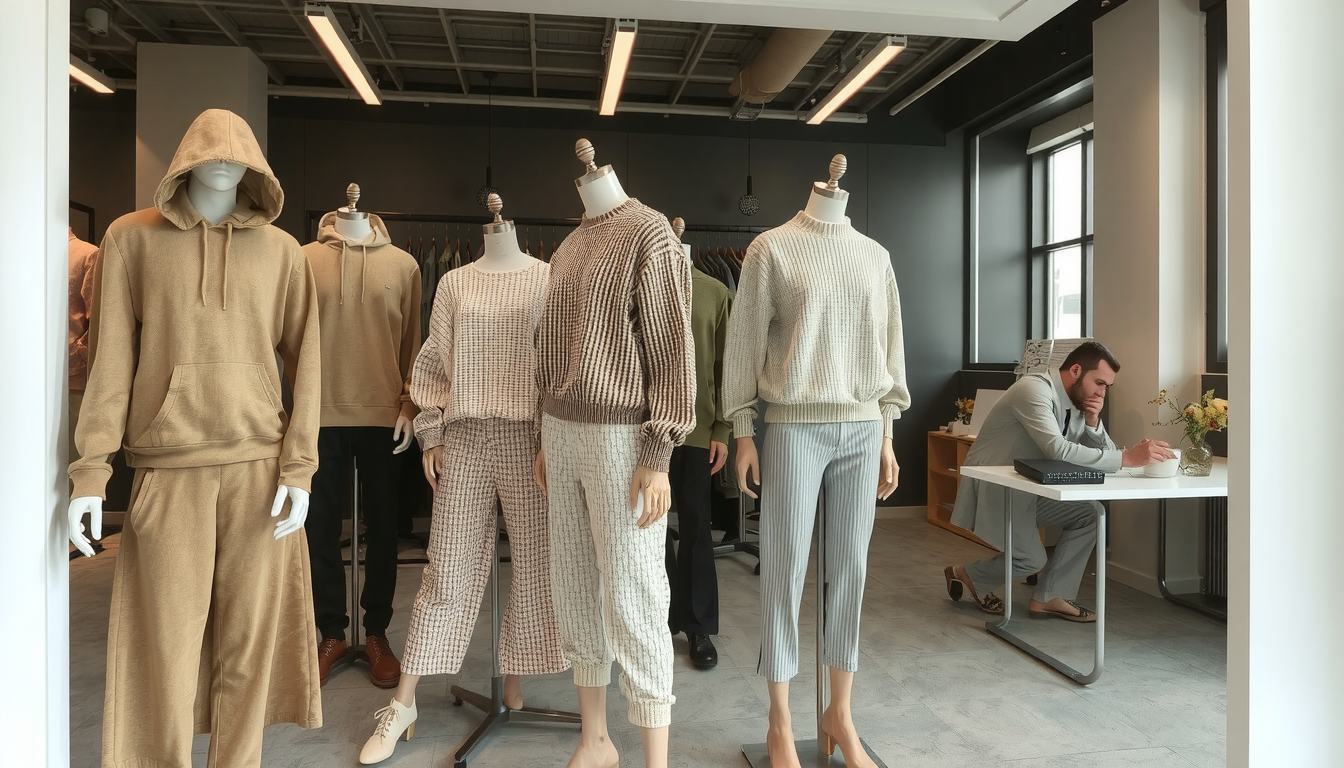
With over six years of focused experience in streetwear making, we've seen firsthand why this fabric is so popular.
The Perfect Drape: French terry's smooth outer face and looped interior give it a unique structure. It hangs beautifully. It creates the perfect shape for oversized hoodies, relaxed-fit joggers, and structured shorts.
All-Season Comfort: It is warmer than a basic jersey but lighter and more breathable than heavy fleece. This makes it a versatile, year-round fabric. It works for layering in cooler months and as a standalone piece in warmer weather.
A Premium Feel: As a maker that has partnered with over 1000+ international fashion brands, we see a consistent trend. Brands aiming for a "casual luxury" look almost always choose French terry. It communicates quality and comfort instantly.
Sourcing and Making with Terry Cloth Fabric
Once you understand what is terry cloth fabric and have chosen the right type for your designs, the next step is production. Turning raw fabric into a finished garment requires expertise and a reliable partner.
Partnering with the Right Maker
Finding a maker who understands the details of terry cloth is crucial for quality and consistency. A good partner will guide you through fabric sourcing, pattern making, and the production process. This helps avoid common mistakes like shrinkage or poor seam work.
For brands looking to produce high-quality terry cloth clothing, working with an experienced partner is key. You can explore your making options with us at Clothing Manufacturer Ltd..
Ensuring Quality: Our "5-Step QC Production Method"
A structured quality control process is non-negotiable for creating a premium product. We use our proprietary "5-step QC production method" at every stage. This framework covers everything from initial fabric inspection to the final garment check. It ensures every piece meets the highest standards. This is especially important with textured fabrics like terry.
FAQ: Your Questions About Terry Cloth Fabric Answered
Here are quick answers to some of the most common questions we get from clothing brand owners about terry cloth.
1. Is terry cloth a good material for summer?
Yes, especially lighter-weight French terry. Its looped structure allows air to flow. Its cotton content helps wick away moisture. This makes it a great choice for summer shorts, light hoodies, and beach cover-ups. Heavier standard terry is generally better for cooler weather.
2. Does terry cloth shrink?
Like most fabrics made from cotton, terry cloth can shrink. It often shrinks between 5-10% during the first wash. As a best practice, we recommend that brands use pre-shrunk fabric. A quality maker will handle this step. This ensures all garments have consistent and reliable sizing.
3. What is the difference between terry cloth and fleece?
The main difference is in how they're built. Terry cloth is defined by its loops, which are designed for water absorption. Fleece is a knit fabric that is brushed to create a dense, fuzzy, and very soft pile. Fleece is typically warmer and less absorbent than terry cloth. This makes it better for cold-weather insulation.
4. How do you stop terry cloth from snagging?
To prevent the loops from snagging, it is best to wash terry cloth items separately. Keep them away from clothing that has zippers, hooks, or velcro. Using a gentle wash cycle helps too. Avoid harsh detergents and don't over-dry the fabric. This can help preserve the loops and extend the garment's life.
5. Can you print on terry cloth fabric?
Printing on standard looped terry is difficult because of the uneven, highly textured surface. However, the smooth outer face of French terry is an excellent canvas for both screen printing and embroidery. This is a major reason why it's so popular for branded streetwear and custom clothing. Terry cloth fabric can be used for a variety of applications. With the right partner, customization is straightforward. For brands exploring custom designs, you can discuss your project needs with an expert maker at https://clothingmanufacturerltd.com/.