Finding the right supplier is tough for new clothing brands. The search for where to buy high-quality fabric for clothing can feel overwhelming. The best source depends on your brand's stage. This includes initial sampling to full-scale production. Your sourcing strategy must change as your business grows. This guide covers three main channels: online retailers, wholesale suppliers, and direct manufacturing partners.

Key Takeaways for 2026
- Choose Your Channel Wisely: Your ideal fabric source depends on your order size. Use online retailers for samples. Use wholesalers for medium batches. Use a direct manufacturer for large-scale production.
- Quality is More Than Touch: To evaluate high-quality fabric, check its material composition. Look for certifications like GOTS or OEKO-TEX. Check weight (GSM). Test for shrinkage and colorfastness.
- Manufacturing Partners Unlock Scale: Working directly with a manufacturer offers the best pricing. You get full customization options and integrated quality control. These are essential for building a professional brand.
- Certifications Signal Trust: Fabric certifications are not just for marketing. They show safety, sustainability, and superior material quality. They protect your customers and your brand's reputation.
Choosing Your Sourcing Channel: A Framework for Brands
Sourcing fabric is a major business decision. The right choice affects your costs, quality, and ability to scale. New brands often start small. They move up the supply chain as their order volume increases. Understanding the pros and cons of each channel is key to making a smart investment.
This framework helps you decide where to buy high-quality fabric for clothing based on your current needs.
| Sourcing Channel | Best For | Minimum Order Quantity (MOQ) | Price per Yard | Customization Options |
|---|---|---|---|---|
| Online Retailers | Sampling, prototyping, very small batches | 1 Yard | Highest | None (stock fabric only) |
| Wholesale Suppliers | Growing brands, medium production runs | 1-2 Rolls (50-200 yards) | Medium | Limited to stock colors |
| Direct-to-Manufacturer | Scaling and established brands | High (1000+ yards) | Lowest | Full (custom color, weight, finish) |
Online Retailers (For Sampling and Small Batches)
When you are just starting out, online retailers are your best friend. They let you buy small amounts of fabric. You can create initial prototypes and test designs. This is a crucial step before committing to a larger investment.
Websites like Mood offer a wide range of premium apparel fabric online. They are perfect for finding inspiration. Other retailers provide quality fabrics by the yard to get your first samples made. This approach gives you flexibility without a large upfront cost.

Wholesale Suppliers (For Growing Brands)
Once your brand gains traction, you need to produce more units. Wholesale suppliers are the next logical step. These companies buy fabric in massive quantities from mills. They sell it in smaller bulk amounts to brands like yours.
You will face higher minimum order quantities (MOQs) than at retail. But the price per yard is much lower. This helps improve your profit margins as you grow. However, your customization options are usually limited. You can only choose the colors and materials the wholesaler has in stock.
Direct-to-Manufacturer (For Scale and Customization)
For brands serious about scaling, sourcing fabric directly through a manufacturing partner is the ultimate goal. This channel offers the best pricing. You get complete control over your product and integrated quality assurance.
The benefits are huge. You get the lowest possible price per yard. This is because you source closer to the source. More importantly, you can fully customize your fabric. This includes Pantone-matched colors to specific fabric weights and compositions. We have partnered with over 1000+ brands. We find that those who transition to direct manufacturing at the right time achieve greater consistency and profitability.
How to Evaluate High-Quality Fabric: A Manufacturer's Checklist
Knowing where to buy high-quality fabric for clothing is only half the battle. You also need to know how to identify it. A cheap fabric can ruin a great design. It can damage your brand's reputation.
We use a detailed quality control process. This ensures every garment we produce meets high standards. You can use a simplified version of our internal checklist. This helps you evaluate fabric samples and make sure you get what you pay for.
Step 1: Material Composition & Sourcing
Always start by checking the fabric's content. Is it 100% cotton, a polyester blend, or something else? The composition directly impacts the garment's feel, performance, and care instructions.
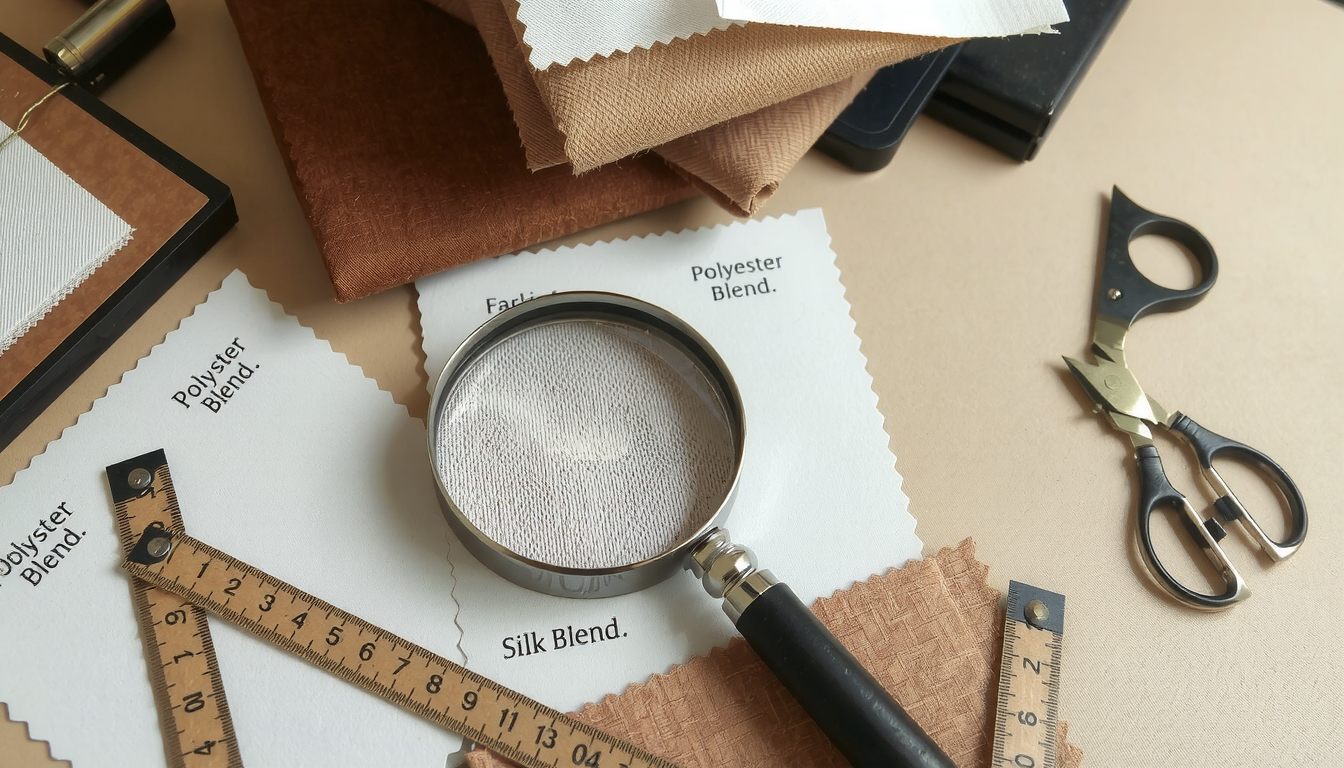
Beyond the fiber itself, look for certifications. Certifications like OEKO-TEX, GOTS, and GRS are powerful indicators of quality. For example, GOTS-certified organic cotton ensures the fabric is produced without harmful pesticides. It is made under strict environmental standards. Our 10+ years of production experience show a direct link. Certified materials (like those with OEKO-TEX or GOTS support) have better long-term garment durability.
Step 2: Physical & Sensory Checks (The "Hand Feel")
How the fabric feels and behaves is a major quality signal. Here is what to check when you have a sample in your hands:
- Weight (GSM): GSM stands for Grams per Square Meter. It tells you the fabric's density. For streetwear, a premium T-shirt is typically 180-220 GSM. A heavyweight hoodie might be 350-500 GSM.
- Drape: Hold the fabric up and see how it hangs. Does it flow nicely, or is it stiff and awkward? The drape affects how the final garment will fit and look.
- Hand Feel: Is the fabric soft and smooth, or is it scratchy and rough? The surface texture is a key part of the customer's experience.
- Weave/Knit Density: Look closely at the fabric's construction. A high-quality material will have a tight, even weave or knit. There should be no visible gaps or flaws.
Step 3: Colorfastness and Shrinkage Tests
A beautiful color is useless if it fades after one wash. A perfect fit means nothing if the garment shrinks. You can perform simple tests on a fabric swatch to avoid these problems.
For colorfastness, take a damp piece of white cloth. Rub it firmly against your fabric sample. If any color transfers to the white cloth, the dye is not stable.
To test for shrinkage, cut a precise square from your sample (e.g., 10cm x 10cm). Wash and dry it according to the care instructions you plan to use. Then, re-measure it. A high-quality fabric should have minimal shrinkage.
Step 4: Pilling and Abrasion Resistance
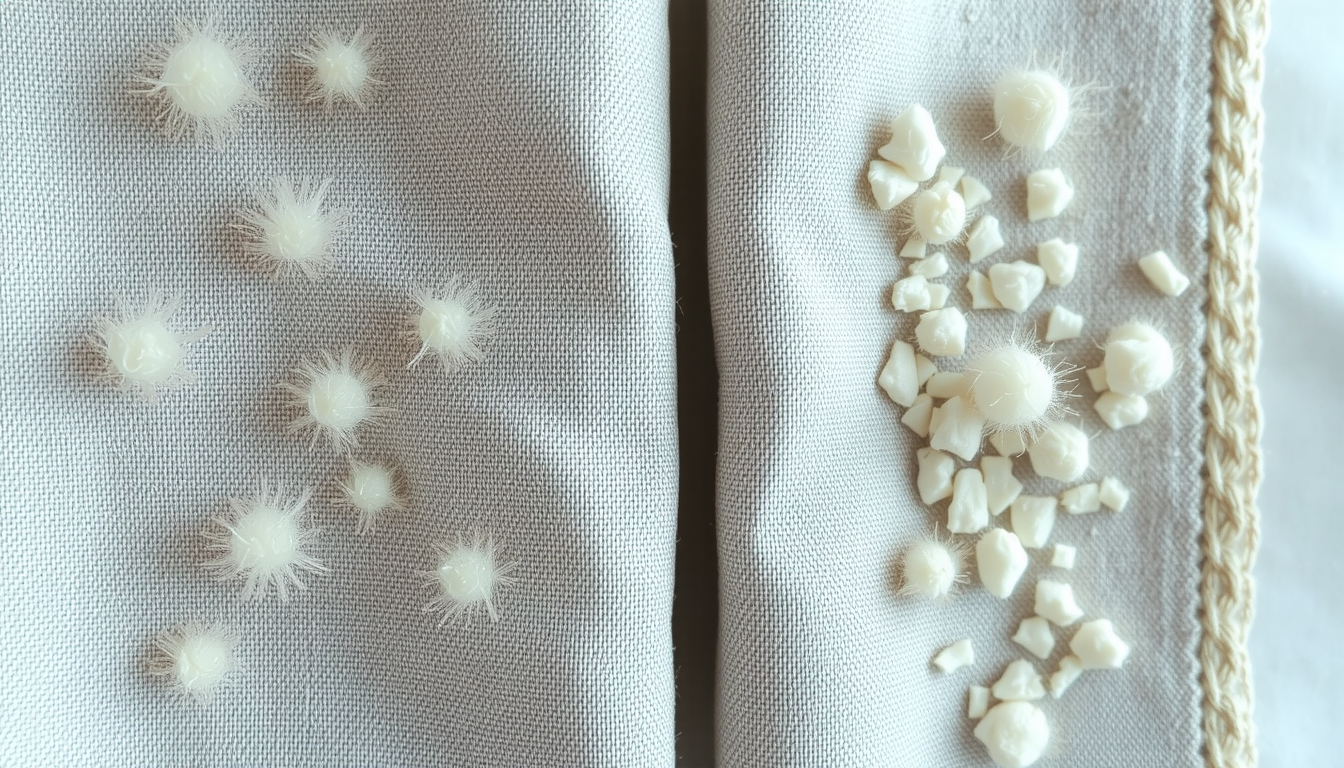
Pilling occurs when fibers on the surface of a fabric break and tangle. This forms tiny balls. It is often a sign of short, weak fibers. It makes a garment look old and cheap very quickly.
You can test for this by rubbing the fabric against itself vigorously for about 30 seconds. If you start to see small balls forming, the fabric has poor pilling resistance. This is especially important for items like hoodies and sweatshirts that see a lot of wear.
Step 5: Consistency Across the Bolt/Batch
This step is critical when you move to wholesale or manufacturing. You must ensure the quality is consistent across the entire fabric roll or dye lot. Check that the color and texture at the beginning of a roll match the end.
Inconsistencies can lead to finished garments that do not match. This creates a major production headache. This is where a professional partner becomes invaluable. A process like our 5-step QC production method includes checks at every stage. This guarantees consistency from start to finish.
Scaling Up: The Benefits of Sourcing Through a Manufacturing Partner
Once your brand has outgrown sourcing from wholesalers, partnering with a full-service manufacturer is the most effective way to scale. This move streamlines your entire operation and elevates your product quality. It is the path taken by most of the 500+ successful brands we have helped build.
Here are the key benefits of this approach:
- Cost-Effectiveness at Scale: By sourcing directly from mills in large volumes, you get the lowest possible per-unit cost on fabric. This significantly increases your profit margins.
- Integrated Quality Control: A partner like us implements a rigorous process, such as our 5-step QC production method. This goes from the fabric sourcing stage through to final garment inspection. This ensures every piece is perfect.
- Complete Customization: Move beyond stock fabrics. You can create completely unique materials for your brand. You can specify the exact fiber blend, weight, texture, and Pantone color.
- Streamlined Supply Chain: You have one expert point of contact for everything. This includes fabric sourcing, cutting, sewing, printing, labeling, and finishing. This saves you immense time and effort.
- Expert Guidance: With our experience helping 500+ brands become successful, we provide guidance. We help you choose which fabric works best for specific applications, like streetwear hoodies or T-shirts. This expertise helps you avoid costly mistakes.
For brands ready to explore the efficiency and quality of a dedicated manufacturing partner, understanding the process is the first step. We offer comprehensive solutions that cover everything from fabric sourcing to finished product delivery. Learn more about our manufacturing capabilities at https://clothingmanufacturerltd.com/.
Conclusion: Making the Right Fabric Choice for Your Brand's Future
Your journey to find where to buy high-quality fabric for clothing will change as your brand grows. It starts with understanding the different sourcing channels. It graduates to a deep knowledge of what defines true quality. This includes technical specs to real-world performance.
The right fabric is the foundation of a great product and a successful brand. Choosing your sourcing strategy with care is one of the most important decisions you will make. As a manufacturer with ISO 9001 and BSCI certifications, we've built our reputation on an unwavering commitment to quality. Whether you're sourcing your first samples in 2026 or producing your thousandth unit, these principles of quality evaluation will serve you well.
If you have questions about scaling your production, contact the experts at https://clothingmanufacturerltd.com/.
Frequently Asked Questions (FAQ)
1. What is a good GSM for a high-quality T-shirt?
For a premium, durable T-shirt, look for a GSM (Grams per Square Meter) between 180 and 220. Lighter shirts can be high quality but are often more transparent. Anything above 220 can feel too heavy for a standard tee.
2. Where can I buy small quantities of high-quality fabric for sampling?
Online retailers are your best option for samples. Sites like Mood Fabrics and Harts Fabric offer a vast selection by the yard. This allows you to test different materials before committing to a larger order for production.
3. What's the difference between buying from a wholesaler and a manufacturer?
A wholesaler sells pre-made fabric in bulk from various mills. A manufacturer can not only source fabric directly from mills at a better price. They can also work with them to create custom fabrics to your exact specifications (color, weight, finish) as part of the garment production process.
4. How can I ensure fabric color is consistent across a large order?
Lab dips are essential. Before bulk production, your manufacturing partner should provide you with small dyed swatches (lab dips) for approval. Once you approve a color, it becomes the standard that the entire dye lot must match. This is verified through a robust quality control process.
5. Are certifications like GOTS or OEKO-TEX really important for fabric quality?
Yes, they are crucial indicators of both quality and safety. OEKO-TEX certifies that the fabric is free from harmful levels of over 100 substances. GOTS ensures the material is organically produced and processed under strict environmental and social criteria. For a brand, these certifications are a powerful signal of premium quality and responsible sourcing.