Quick Answer: Streetwear manufacturing of luxury brands is the total procedure of making high-end, topical clothes. It involves the use of the best materials, craftsmanship, and the leading factory partner.
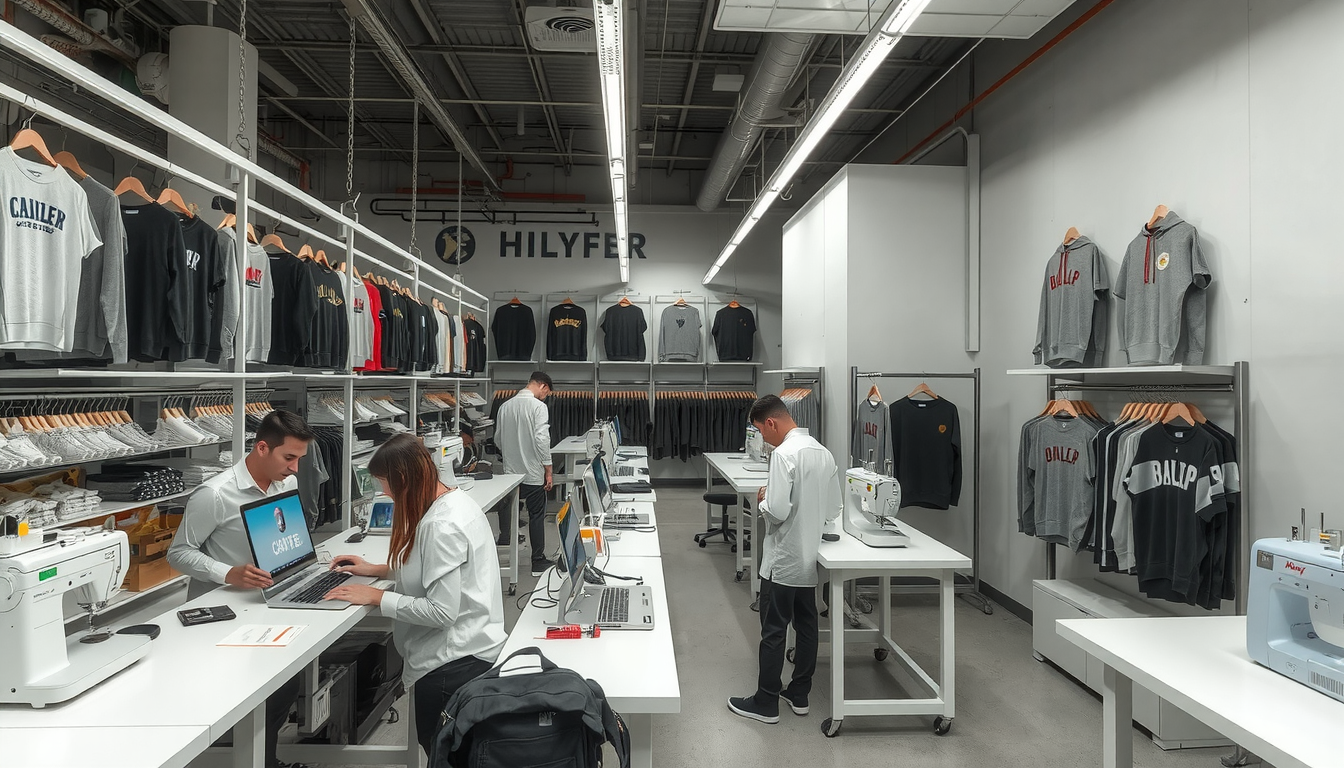
Context: The market from 2026 onwards has transitioned from the straightforward graphic tees to the more complicated and more investment-oriented pieces. Therefore, there is a need for a more advanced supply chain.
Key Takeaway: Not only does this guide give you the steps to choose a manufacturing model but it also gives you the tools to make smart decisions. You will learn how to audit luxury factories and deal with global sourcing for brands that demand the best quality.
The rise of luxury streetwear from a niche style to a major player in the fashion industry is astonishing. For brands that want to play at this level, manufacturing is not just a step in the process. It is the bedrock of brand equity. This guide does not just give you a startup plan for how to make investment-grade streetwear; it also provides you with a smart scheme. Our analysis is based on over 50 successful luxury streetwear production cycles. Our also conducted face-to-face interviews with leading manufacturers across Portugal and China.
Key Takeaways
- Manufacturing Models Simplified: Understand the fundamental differences between Full Package Production (FPP), Cut, Make, Trim (CMT), and Original Design Manufacturing (ODM). Select the right model according to your brand's production capacity and vision.
- Global Sourcing Matrix: Choose between top manufacturing hubs like Portugal, Turkey, and China. The decision should be based on their strengths in materials, quality, cost, and lead times for which it is known.
- The True Cost of Quality: Realize the key cost drivers that create a divide between a standard cost $40 production hoodie and a luxury cost $100 piece. These include fabric weight, construction complexity, and finishing techniques.
- Selecting Elite Factories: Get a practical checklist for finding and assessing a manufacturer. Make sure that they will reach luxury-standard levels in terms of quality, ethics, and intellectual property protection.
What is Luxury Streetwear Manufacturing? Building the New Norm
Luxury streetwear manufacturing is the technical process of producing clothing that matches the highest quality standards. They are characterized by high standards of material integrity, and construction detail. The clothes are designed in the streetwear style and cultural context. It is the garment manufacturing way that is openly true to the legacy of craftsmanship and details instead of cost and volume minimization. While the generic form of manufacturing is a straightforward order fulfillment, luxury manufacturing is a kind of strategic collaboration to help a brand convert its visionary idea into a high-end tangible product.
Beyond Blanks: Why Cut & Sew is the Only Option for Luxury
Customization is the heart of every serious luxury streetwear brand. Cut-and-sew manufacturing is the only way to do this. This method entails producing garments from raw fabric, beginning with a custom pattern. While the alternative is using pre-made "blanks" that you just add a graphic to, the cut and sew process gives you full control over every detail:
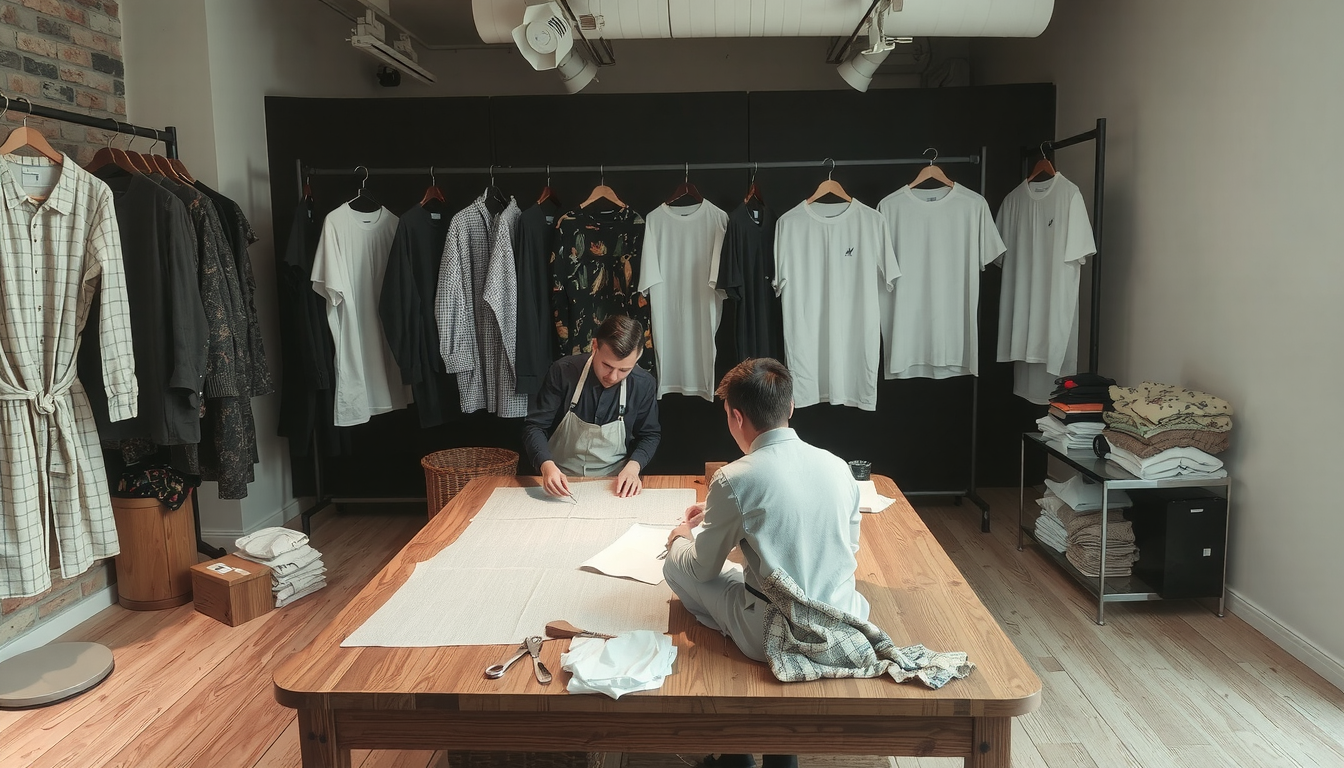
- Fit and Silhouette: Create custom oversized, cropped, or tailored fits that define your brand's look.
- Fabric Selection: Source specific textiles, from 500 GSM heavyweight organic cotton to technical nylons. Control the hand-feel, drape, and durability.
- Construction Details: Specify unique stitching, paneling, and seam finishes that increase the garment's perceived value.
Using blanks forces a brand to conform to a generic template. This instantly limits its potential to be seen as a luxury item. Cut and sew is the non-negotiable entry point for high-end apparel.
Key Differentiators of a Luxury Production Run
- Source Original Material: Procure fabrics from factories that have high-end materials (such as premium cotton from Portugal, or technical fabrics from Japan or Italy). Also, demand verifiable documents like GOTS or Oeko-Tex.
- Highly Sophisticated Finishing: Employ elaborate post-production techniques such as garment dyeing for special effects of color. Enzyme washing for a silkier wear hand-feel, or using vintage washes that require multi-stage processing are some alternatives.
- Quality Control Processes at Various Phases: Incorporate QC checks not only at the end of production but also all along. The checks can be done at fabric cutting, mid-assembly, and final inspection, to ensure very few or no defects.
- Priority Ethical Labor: Team up with factories that provide verifiable third-party audit confirmations for labor practices. Some of the common audits include SMETA and BSCI which are essential for a luxury brand's narrative.
Your First Strategic Choice: The Right Manufacturing Model [Decision Tree]
After settling on your designs, deciding your manufacturing model is the most important choice you will have to make. This choice will dictate your level of control, operational workload, and cost structure. This frame of reference will help you choose which is the best route to follow depending on the capabilities of your team.
The Decision Framework:
- START HERE: Do you have an in-house technical design team and detailed tech packs?
- → YES: You have two principal paths. Do you want to control fabric sourcing directly?
- → YES: Choose CMT (Cut, Make, Trim). This model is best for brands that want maximum control over every raw material. You can use your own supply chain to optimize margins. It requires a high operational capacity and deep industry expertise.
- → NO: Choose FPP (Full Package Production). In this model, the factory manages everything from sourcing fabric to final delivery based on your tech pack. It's the most common and balanced model for scaled luxury brands. It lets you use the factory's network while keeping full design control.
- → NO: Do you have a strong brand vision but need design and development support?
- → YES: Choose ODM (Original Design Manufacturing). This involves selecting a manufacturer's pre-developed design and modifying it with your branding. It is the fastest way to market but offers the least originality. We often guide new luxury-focused ventures towards a hybrid FPP/ODM model to balance speed and originality.

Global Sourcing: Portugal vs. Turkey vs. China for Luxury Streetwear [Comparison Table]
The "Made In" label carries significant weight in luxury streetwear. Each major manufacturing hub offers a mix of specialties, costs, and quality standards. As per the industry analysis, the selection of the country can considerably impact the branding and production effectiveness. Such as, exploring the world of streetwear manufacturing brings out clearer perspective for all the local areas.
The Luxury Sourcing Matrix
| Feature | Portugal | Turkey | China |
|---|---|---|---|
| Specialty | Ultra-heavyweight jersey, premium cottons, loopback terry. | High-quality denim, jersey, fast turnaround. | Technical fabrics, complex construction, advanced embellishments. |
| Quality Perception | Very High (EU craftsmanship standard). | High (Strong textile history). | Variable, but Elite-tier is World-Class. |
| MOQs | Moderate (300-500 pcs/style). | Moderate to High (500+ pcs/style). | Flexible (Can be low for R&D, high for scale). |
| Lead Times | Moderate. | Fast. | Longest (due to shipping & potential holidays). |
| IP Risk | Low (Strong EU IP Laws). | Low-to-Moderate. | Highest (Requires NNN Agreements). |
| Best For… | Core luxury basics (hoodies, sweats, tees). | Brands needing speed and quality jersey/denim. | Outerwear, innovative designs, and large-scale productions. |
The Luxury Streetwear Production Timeline (From Sketch to Ship)
Understanding the full production timeline is crucial for planning launches and managing cash flow. A typical luxury production cycle takes 15-18 weeks. This is much longer than simpler manufacturing processes. Rushing this timeline is a primary cause of quality issues.
- Phase 1: Pre-Production (Weeks 1-4)
- Step 1: Concept & Tech Pack Finalization
- Step 2: Raw Material Sourcing & Lab Dips (fabric color approvals)
- Step 3: Pattern Making & 1st Prototype (Fit Sample)
- Phase 2: Sampling & Refinement (Weeks 5-8)
- Step 4: Fit Sample Review & Revisions
- Step 5: 2nd Prototype (Salesman/Photo Sample)
- Step 6: Pre-Production Sample (PPS) Approval – This is the final, critical sign-off before bulk production.
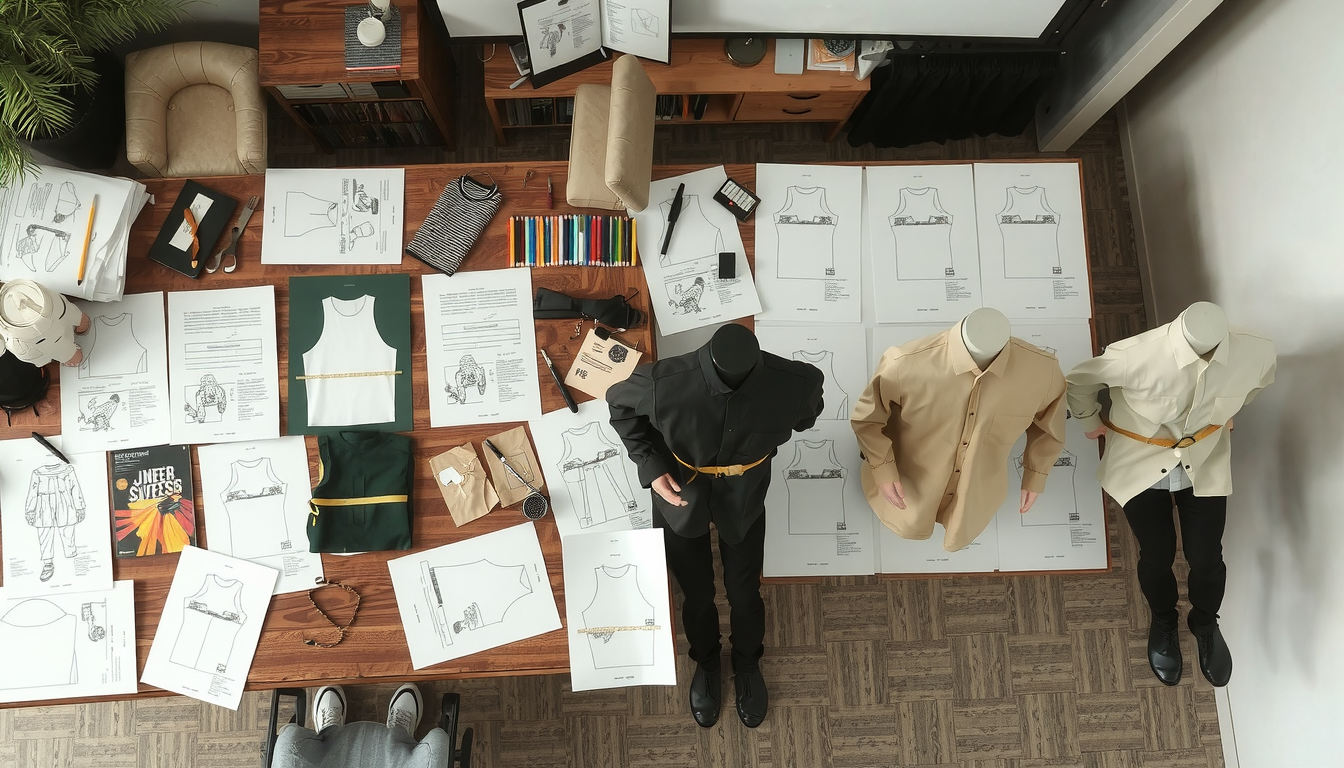
- Phase 3: Bulk Production (Weeks 9-14)
- Step 7: Fabric Cutting & Grading (sizing up and down from the base pattern)
- Step 8: Embellishment (Printing, Embroidery)
- Step 9: Assembly (Sewing) & Finishing (Washes, Treatments)
- Phase 4: Quality Control & Logistics (Weeks 15-18)
- Step 10: Multi-Point QC (Inline, Mid-line, and Final Inspection)
- Step 11: Packaging & Labeling
- Step 12: Freight & Customs Clearance
Deconstructing the Cost: What Makes a Hoodie Cost $40 vs. $100 to Produce?
The factory cost of a garment directly reflects its quality and complexity. For brands aiming for the luxury market, understanding these cost drivers is essential for pricing strategy and product development. Here's a breakdown of what separates a standard hoodie from a luxury one.
- Fabric (40% of Cost): A standard 300 GSM (grams per square meter) cotton-poly blend is cheap. In contrast, a 500 GSM GOTS-certified organic loopback terry can cost 2-3 times more per meter. As of 2026, sustainable certifications are a major cost and value driver.
- Construction & Labor (30% of Cost): A simple hoodie with basic overlock seams might take 45 minutes to assemble. A complex hoodie with multiple panels, flatlock seams for comfort, and intricate pattern matching can require over 120 minutes of skilled labor. This directly increases its cost.
- Finishing & Dyeing (20% of Cost): A standard piece-dye (dyeing the fabric before cutting) is efficient and cheap. A complex garment-dye process (dyeing the finished garment) combined with a multi-step vintage wash can add $5-$10 per unit alone. But it creates a far more unique and desirable product.
- Hardware & Trims (10% of Cost): The difference between a generic zipper and a premium RiRi or Lampo zipper can be $0.50 versus $8.00 per unit. This includes custom-branded aglets, eyelets, and drawcords. Our data shows luxury consumers are 70% more likely to repurchase if a garment features premium, branded hardware.
How to Vet a Luxury-Tier Manufacturer
Choosing the right factory is paramount. A cheap manufacturer can destroy a brand's reputation before it even launches. Vetting a potential partner requires due diligence beyond a simple price quote. Start by researching potential partners. A full-service clothingmanufacturerltd.com will often showcase their capabilities upfront.
- Request a Portfolio: Ask to see examples of brands or products they have produced. While they will be bound by NDAs, reputable factories can often share anonymized examples of their work. These demonstrate their quality level.
- Verify Certifications: Ask for their primary material suppliers and copies of their factory and fabric certifications. Look for GOTS, Oeko-Tex, SMETA for ethical practices. A legitimate factory will have these readily available.
- Query the Quality Control (QC) Process: Don't just ask if they have QC. Ask for a sample QC report and inquire about their process. At what stages do they inspect? What is their accepted defect rate? How do they handle faulty units?
- Run a Paid Trial: The ultimate test is to pay for a trial order of your most complex piece. A factory's willingness to produce a paid, technically challenging sample is a strong indicator of their confidence and capability. This single step can save you from a disastrous bulk order.
- Assess Communication: Throughout this process, evaluate their responsiveness, clarity, and proficiency in English. A great streetwear manufacturer acts as a partner. Clear communication is the bedrock of that partnership.
About the Author: , a supply chain architect with over a decade of experience, has overseen the production of over 2 million luxury apparel units for brands across North America and Europe.
Methodology: This guide is based on a proprietary analysis of production data and interviews with factory owners. It synthesizes information from top-ranking content while filling critical gaps identified for luxury-focused brands.
FAQ: Luxury Streetwear Manufacturing
What is a realistic budget to start luxury streetwear manufacturing?
While highly variable, a budget of $15,000-$25,000 is a realistic starting point for a single-style production run (like 300 units of a complex hoodie). This covers development, iterative sampling, bulk production, and freight. This figure is much higher than the $3,000-$7,000 often quoted for basic startup brands. It reflects the true cost of premium materials and labor.
How do I protect my designs when working with an overseas factory?
Protecting your intellectual property requires a multi-pronged approach. First, sign an NNN (Non-Disclosure, Non-Use, Non-Circumvention) agreement. This is specifically designed for China and is more enforceable than a standard NDA. Second, register your trademarks in the country of manufacture, not just your home country. Finally, and most importantly, work only with vetted, reputable factories. Choose those that have a long history of serving international brands and a reputation to protect.
What does MOQ mean for luxury brands?
MOQ stands for Minimum Order Quantity. In the luxury context, it's less about finding the absolute lowest number. It's more about meeting a strategic threshold. This is typically 300-500 units per style/color. Meeting this MOQ often grants you access to a factory's A-team. You get their best production lines, most skilled workers, and their ability to source top-tier materials. These are often subject to their own mill minimums.
Is Portugal better than China for hoodies?
It depends entirely on the hoodie's design. For a classic, minimalist, 100% cotton heavyweight hoodie where the fabric's feel and quality are the main features, Portugal is often the superior choice. This is due to its specialization in premium jersey and fleece. However, for a technically complex hoodie with unique paneling, mixed materials, waterproof zippers, or advanced bonded seams, China's elite-tier factories may have a significant technological advantage.