The Complete Handbook of Panty Materials: Types from Cotton to Something Else
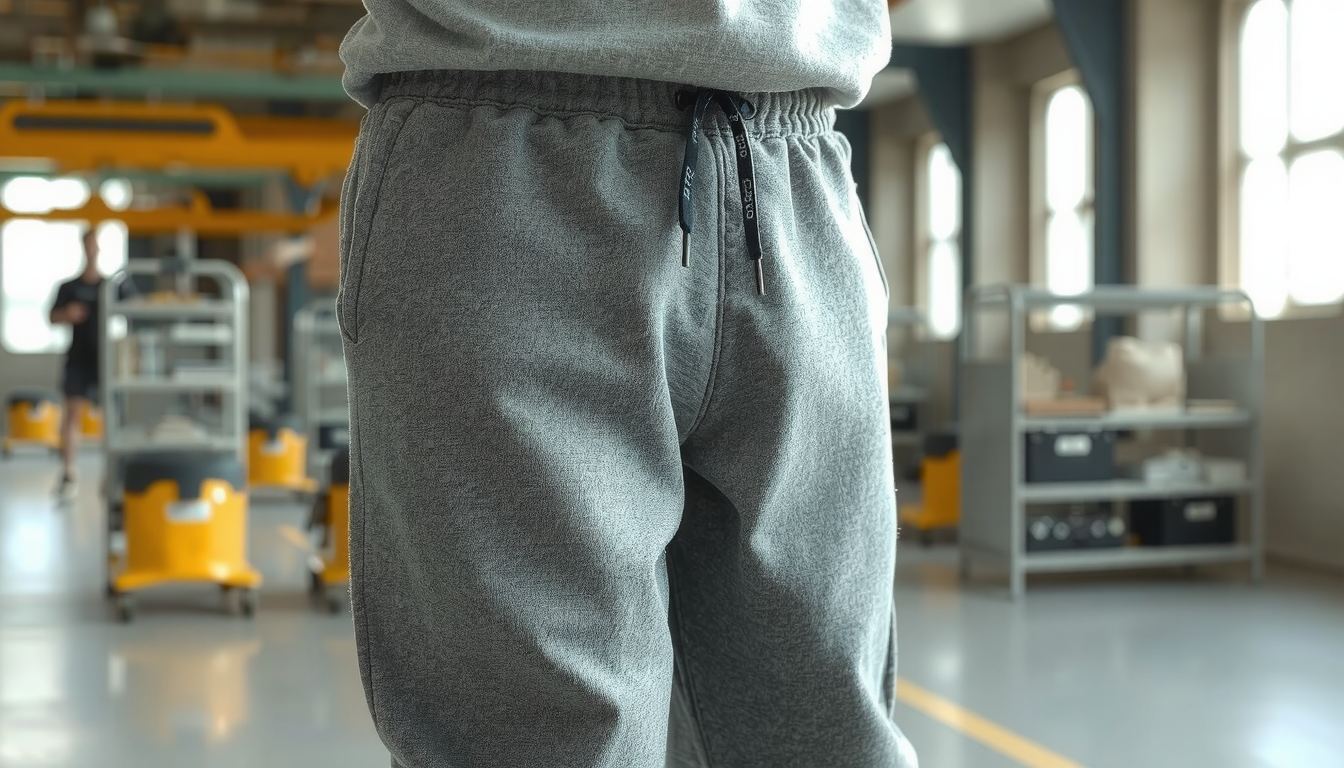
The right pair of sweatpants is yours to find with material type as the starting point. Cotton, Polyester, and Fleece are typical sweatpants materials, with blends also common. They are all different in the way they feel and their functional properties.
The well-chosen sweatpants material cannot be the same for everyone. It strictly relies on how you want to use them. What is your priority? Comfort in your home, at the gym, or all day?
The following material overview will be helpful for you in purchasing the right pair of sweatpants. Alongside the guidance is an introduction of what materials denote high quality. When it comes to the choice of the right sweatpant material, the guiding principle is simply that of learning to make the right choice. We will help you find the suitable option according to your preferences.
A Quick Guide to Common Sweatpant Materials
Before diving deep into the details, here’s a short look at the most common fabrics. This will deliver a speedy overview of the main material types.
Cotton
Cotton is a tried-and-true choice that it never leaves the fashion hemisphere. It is soft, comfortable, and breathable. The natural fiber makes it a skin-friendly option as it is soft to touch. For this reason, it is an excellent choice for those with sensitive skin. However, it absorbs moisture and takes a long time to dry out.
Polyester
Polyester is a true performance machine. This human-made fabric is so tough. It fights wrinkles, and moves moisture the other way. Moisture-wicking means it pulls sweat away from your skin. Thus, it is low on breathable ability as compared to cotton, but the cost-effective, color-ownership is long-term without any worries.
Fleece
Fleece is a synonym for warmth and coziness. Usually, it is a type of polyester that has undergone a special brushing process, which creates a thick, soft surface. The brushing process traps the air, which makes fleece an excellent material for warmth. For this reason, it’s the best sweatpant fabric for winter.
French Terry
French Terry is an all-purpose fabric. You can easily recognize it thanks to its soft, looped yarn inside and a smooth surface outside. It is lighter than most kinds of fleece but heavier than a regular t-shirt. It is a fabric that absorbs moisture and is also soft to wear.
Blends (e.g., Cotton/Poly)
Blends are created to be “the best of both worlds” for you. For example, a cotton/polyester blend combines cotton’s excellent feel and breathability with polyester’s strength and durability. It is a frequent choice and very practical for a sweatpants fabric.
Picking the Sweatpant Material That Suits Your Lifestyle
Let’s move on to more detailed discussions. The right fabric largely idepends on what you do daily. Let’s work it out by picking the sweatpant material that fits your lifestyle.
For Maximum lounging & Couch Time
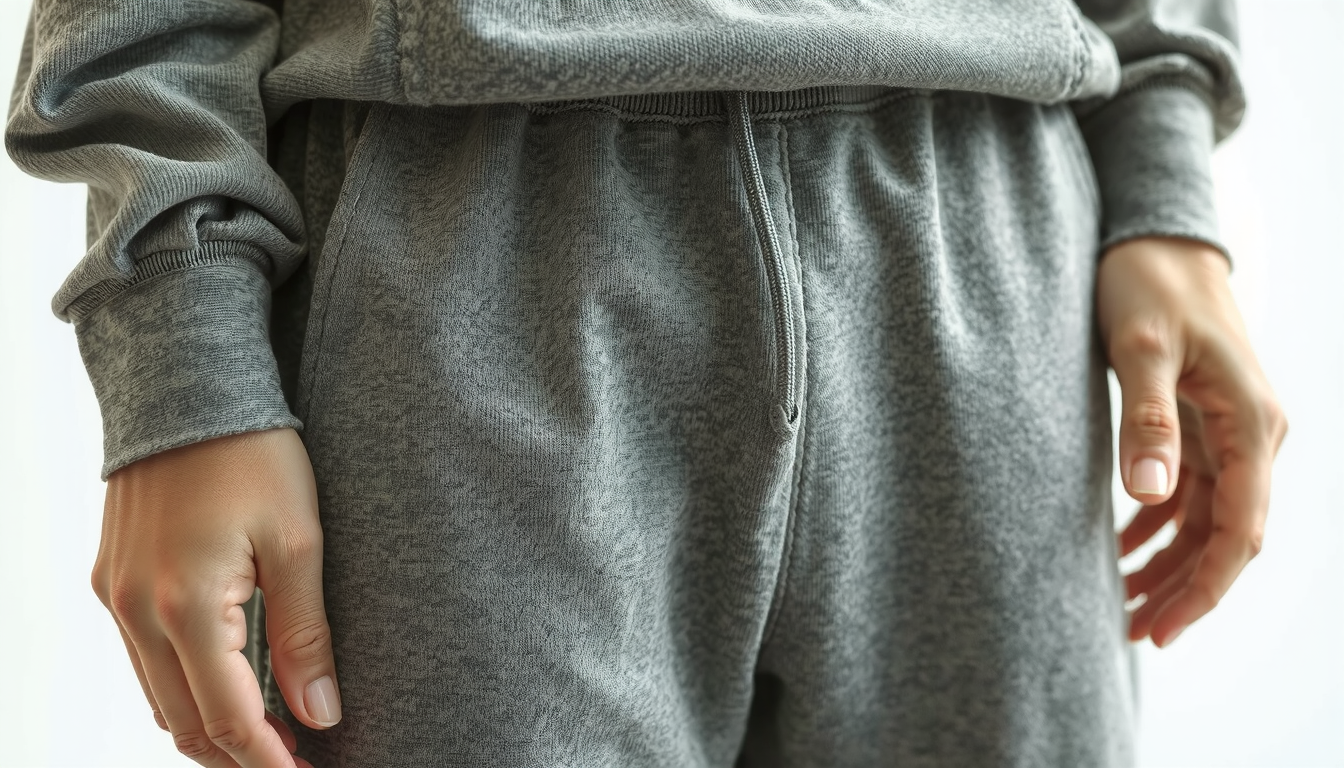
As relaxation is your focus, softness is your top priority. You want a fabric that is soft and warm to your skin.
If maximum comfort is the thing, then check out 100% best quality cotton, soft French Terry, or a cotton-rich blend. All kinds of these materials are more breathable, consequently, you won’t get too warm when you are relaxing.
In our view, the best choice to have on a lazy Sunday is the soft, breathable, 100% French Terry cotton. It’s cozy without overheating you. Hence, it is suitable for lounging throughout the year.
For the Gym & Athletic Performance
Your workout sweatpants must “perform”. The right fabric will keep you dry, comfortable, and enable you to move freely.
Look out for technical fabrics like Polyester, Nylon, or blends containing Spandex. These materials are the main players in “moisture-wicking” which means they pull sweat away from the body in order to keep you dry. They also provide 4-way stretch for ultimate freedom of movement.
Avoid 100% cotton when you are doing intense workouts. When cotton absorbs humidity due to sweat it becomes heavy and cold. Also, it has a lengthened drying process.
For All-Day Wearing, Running Errands, & Style
No longer do we need only home wear for sweatpants. To be able to wear them outside, you need a mix of comfort and formality.
Mid-weight French Terry, high-quality Cotton/Poly blends, and Ponte knits are your best choices. These materials are heavy enough to swing nicely and to hold their shape. They ensure a more structured look that is not pajama-lookalike. The material selection has a significant impact on the appearance of different styles of pants, like tapered joggers and trendy wide-leg fits.
For Cold Weather & Maximum Warmth
As temperatures go down, your sweatpants should be alike acting as a warm enveloping shield from the wind. You want to be the one who traps the heat.
Heavyweight Fleece is your best bet for the warmest fabric. Hoodie sherpa-lined fleece offers superior insulation. It has a plush, woolly feeling inside and the thermal-knit fabrics do their job of keeping you warm too by trapping heat.
These are both great fabrics for the coldest days.
What Constitutes a High-Quality Sweatpant Material: is Their Beyond-the-Label Story?
The fabric name that is printed on the tag is just a small part of the full story. In order to surf for truly fabulous pants, you need to recognize the details that indicate good quality. This knowledge will upgrade you in not only being a smart shopper but also a good squire.
Is it Fabric Weight (GSM) That Matters?
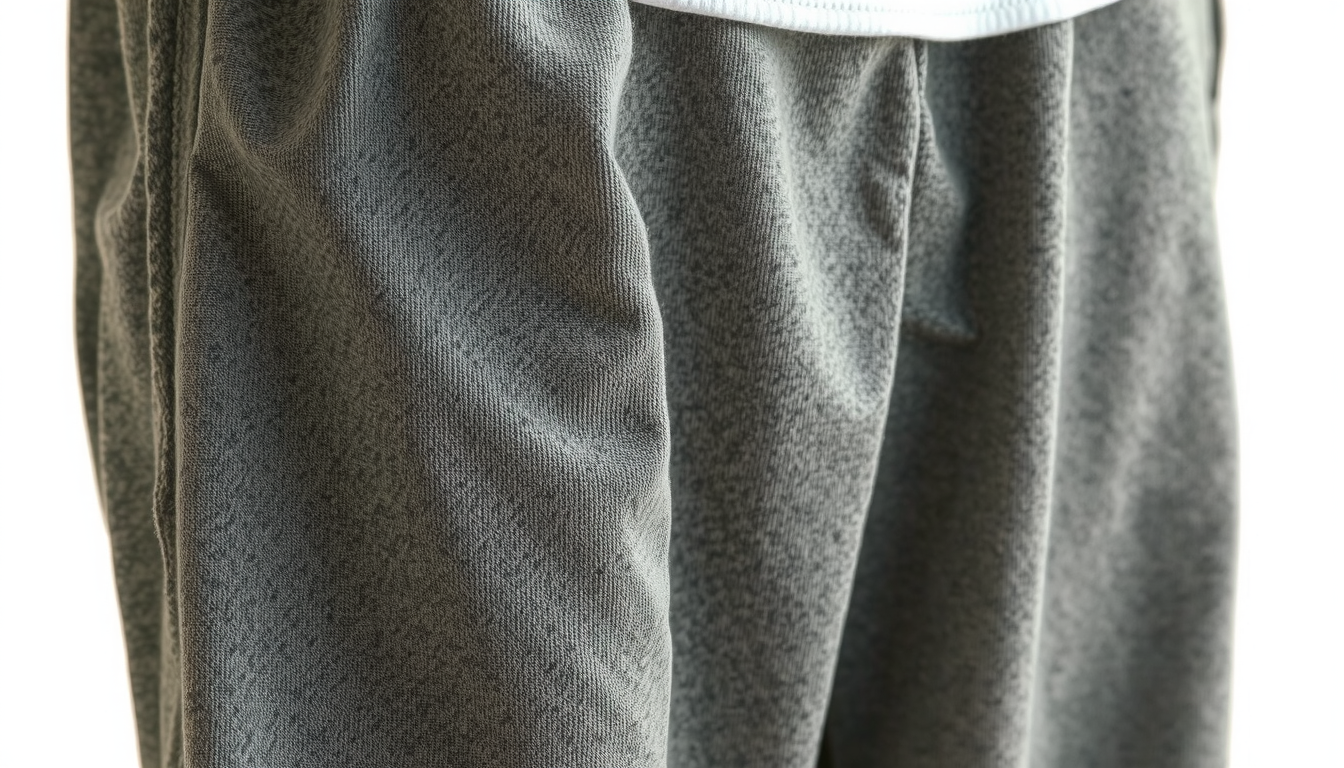
Fabric weight is probably the first characteristic to look at when considering fabric quality. It is measured in Grams per Square Meter (GSM). Basic logic says a high GSM is typically a denser, more durable, and warmer fabric.
- Lightweight (<250 GSM): This one is the best candidate for your summer wardrobe, sleep time, or hard workouts. The fabric is thin and very breathable.
- Mid-weight (250-350 GSM): This is the most broadly applied and versatile weight. It is a great choice for all-season wear. It gives you an excellent combination of comfort and durability. Most well-manufactured daily sweatpants are in this weight range.
- Heavyweight (>350 GSM): This benchmark standard is for top-of-the-line, thick, and warm fabric. Heavyweight sweatpants are for the long haul and for cold conditions.
A Deeper Investigation Into The Cottos: Not All Cotton Is Created Equal
Different cotton varieties make the user experience vastly different. Regular quality cotton is fine but the premium ones are much softer and stronger.
Ring-Spun Cotton consists of twists and thinned cotton strands. This makes a rope of fibers, a very fine, strong, and soft one. The process of creating such fabrics, makes them be much softer and more durable than their regular counterparts.
Pima and Supima Cotton represent the pinnacle. They are all about extra-long fibers. This means you get a super soft, super strong fabric that is also resistant to pilling.
The Power of Blends: Perfecting Mode of Fabric
Blends are all about the fusion of different fibers. A typical example is 80% of Cotton and 20% of Polyester which are commonly found together in such blends. You luxuriate in most of the cotton’s comfort and the durability and shape retention of the polyester. This blend is used by many top brands as you can see in brand reviews on quality sweatpants.
| Feature | Standard Cotton | French Terry | Polyester Fleece | Cotton/Poly Blend |
|---|---|---|---|---|
| Softness | Good | Very Good | Excellent (when new) | Very Good |
| Breathability | Excellent | Very Good | Low | Good |
| Warmth | Low-Medium | Medium | High | Medium-High |
| Durability | Medium | Good | Very Good | Excellent |
| Best For | Lounging, Warm Weather | All-Season Wear | Cold Weather | Everyday, Durability |
The Pilling Problem: Selecting the Right Sweatpant Material That Will Not Pill
Nothing destroys the perfect look of a pair of sweatpants quickly than the enroll. These annoying small fiber balls bring your brand-new dresses to a complete state look. But, the good piece of news is that some materials are naturally resistant to the pilling process as well as the way you apply their care.
The Real Reason Why Sweatpants Pill?
Pilling is the result of fibers that exist in the fabric breaking doing so and then tangling and creating small little knots. This process is the friction that we mentioned before. For instance, denim stress against a chair, a seat belt, or even the wash can create pills. Excessive heat via a dryer may destroy fibers also. Thus, it will make them more prone to the pill.
The Best Anti-Pilling Sweatpant Materials
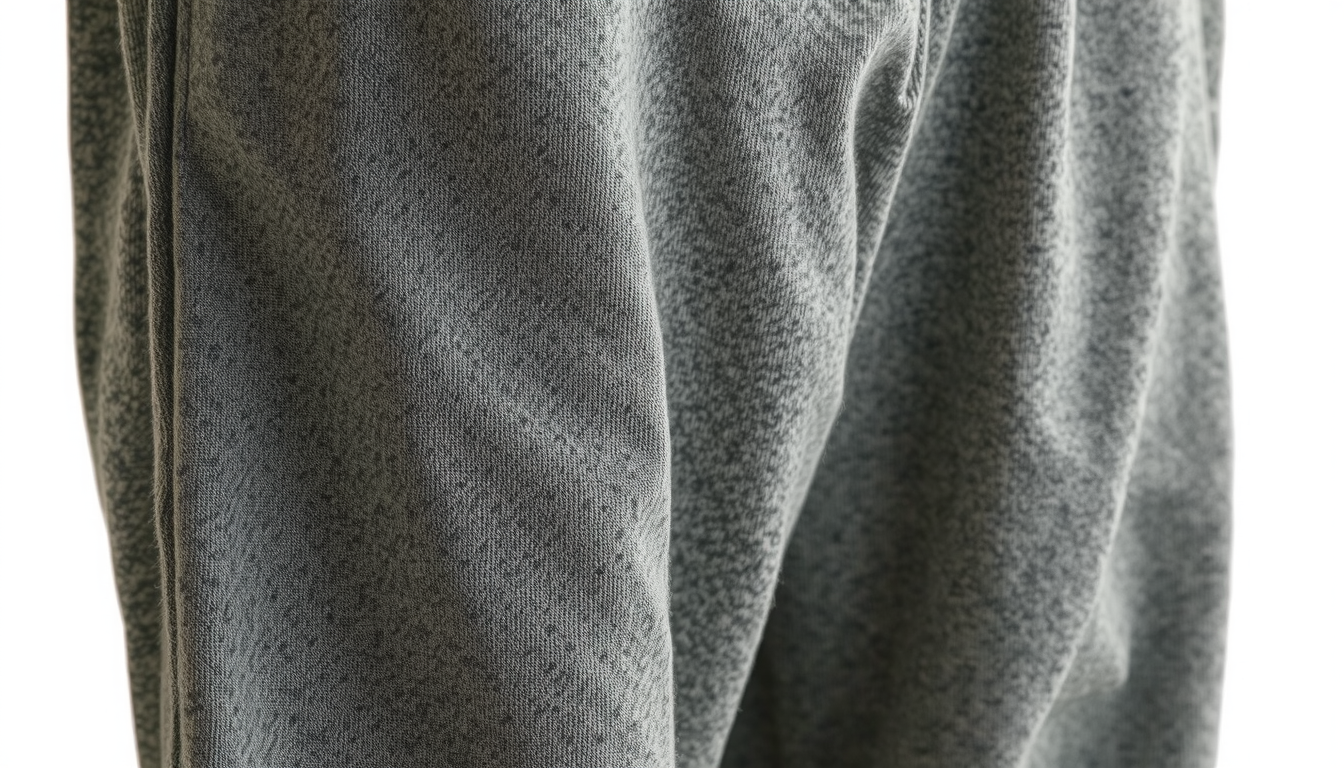
Fabrics made from long, strong, and tightly woven resistant pilling more. If you’re not a fan of pilling this is the type of sweatpant material you should search for.
Your best options are tight-knit polyester blends, ring-spun cotton, and “anti-pill” fleece that is specially treated. These options resist friction better than fabrics with short and loose fibers. This is a question shoppers are pondering when they ask what type of sweatpant material will not pill.
Our Attested Care Tips To Eliminate Pilling
The procedure you use for washing your sweatpants is as crucial as the material irrespective of that. We have come up with some effective strategies that can help you a lot in keeping your fabric smooth.
- Wash Inside-Out: This protects the outer surface of the sweatpants from rubbing against other clothes and the washing machine drum.
- Use a Cold, Gentle Cycle: Less agitation and heat reduce stress on the fabric fibers. This helps them stay intact.
- Wash with Similar Fabrics: Avoid washing your sweatpants with heavy or rough items like denim jeans or towels.
- Air Dry When Possible: The high heat of a tumble dryer is a major cause of pilling. Hanging your sweatpants to dry is the best option. If you must use a dryer, choose the lowest heat setting.
From Fabric to Fashion: The Manufacturing Angle
Selecting the right sweatpant material is the first step. However, the mere act of constructing clothing from this material is as important in the aspects of quality and longevity.
The Journey from Fiber to Garment
The journey to a pair of sweatpants made from a roll of fabric is long and labor-intensive. The desired material is cut into appropriate patterns, sewn together, and added with details as waistbands and cuffs. Each of the steps will alter the final product to some degree.
Why Quality Construction is as Important as the Material
A superior fabric can be wasted with poor construction. Weak seams, wrong sizing, and low-quality drawstrings can all ruin a pair of sweatpants. That’s why brands work with a reputable clothing manufacturer to ensure every detail is handled correctly. This partnership guarantees that the garment’s potential is maximized and it is built to last.
Creating a Cohesive Look: Matching Sweatpants and Hoodies
Matching sweatpant and hoodie sets are highly popular. The key to the success is a perfect matching achieved through the effort of both the brands and production. They are often in partnership with the hoodie manufacturer to make sure the fabric, color dye, and weight is the same for each piece. Also in this section, brands can go extra by adding custom options like puff print hoodies to build a united look.
FAQ: Your Sweatpant Material Questions Answered
Here are quick answers to some of the most common questions we hear regarding sweatpant fabrics.
1. What is the softest sweatpant material?
If you are only interested in the most soft fabric then try the high-end cotton options such as Pima or Supima, or Modal, or a high-quality fleece brushed. The final feel also depends on the fabric’s finish. So, feeling it in person is always the best test.
2. Is 100% cotton good for sweatpants?
Definitely, 100% cotton is the best in terms of comfort and breathable capabilities. This implies that it is a suitable pant material for relaxing sleeping and casual daily wear. However, it is not recommended for vigorous exercise as it gets sweated and becomes heavy, cold, and slow-drying.
3. What’s the difference between Fleece and French Terry?
The primary difference is the texture of the fabric’s inside where the abrasion effect is less. French Terry has soft loops of yarn that make it breathable and absorbent. On the other hand, Fleece has a “brushed” or fuzzy interior. This kind traps more air thus making it much warmer than French Terry.
4. What sweatpant material is best for all seasons?
A mid-weight French Terry and a balanced cotton-poly blend are your best choices for all-season wear. They are warm enough for the chilly days but breathable enough for your comfort in spring and fall.
5. How can I tell if a sweatpant material is high quality online?
Find specific specifications in the product description. Quality brands will list the fabric weight (GSM), the type of cotton, and the exact