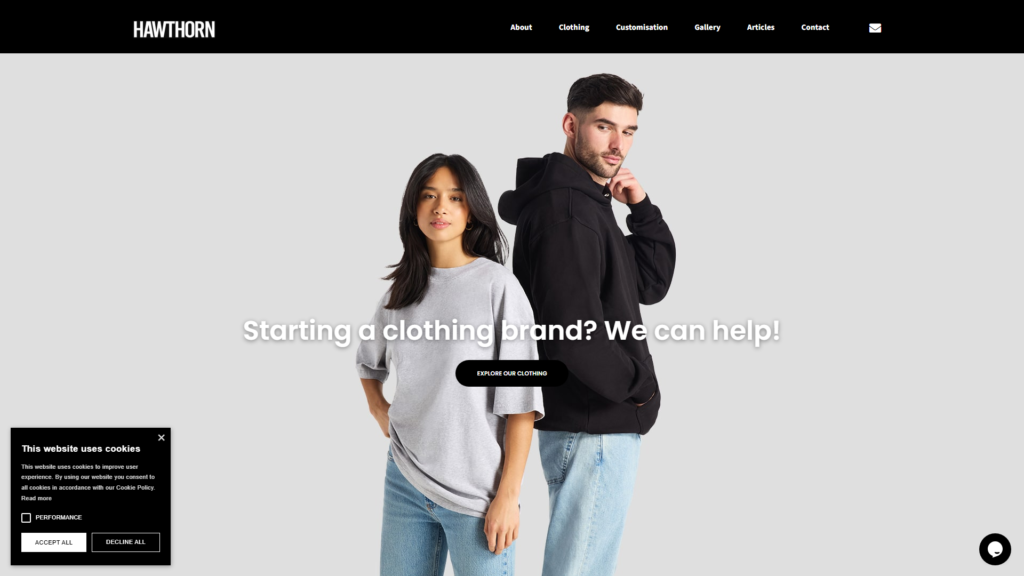
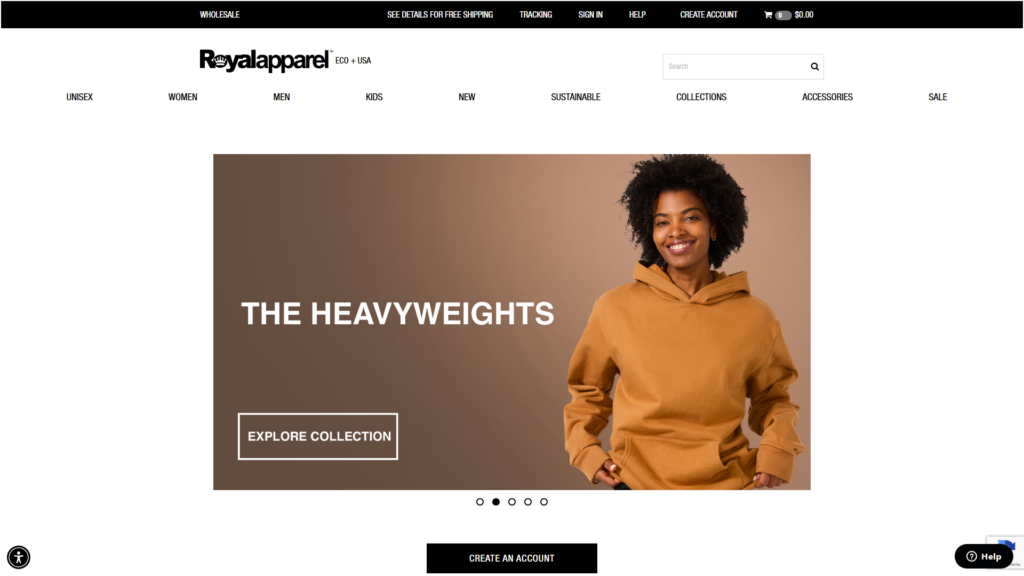
Does starting your own fashion brand sound exciting to you? Indeed, it is a fantastic goal. The international clothing sector is enormous. The forecast suggests it will reach more than $2 trillion in sales. Thus, it is a valid opportunity for fresh perspectives and styles.

However, it is a very competitive market as well. For the success of your start-up, you need more than just a unique t-shirt concept; you need a comprehensive plan. Relying on a clothing manufacturer that you can trust will make the process much more accessible, just like we always read about inspiring stories of young entrepreneurs that are based on these people.
This guide will teach you to plan how you will be setting up a clothing company using the 10 straightforward steps. Begin creating your brand from the ground up.
Section 1: Atomizing the Basics of Your Clothing Company
You need to establish a strategic plan before you even start printing shirts. This initial stage is strategic planning. Executing this well would save your time and money. It is the key element of setting up a clothing company.
Step 1: Niche Down and Identify Your Audience
You cannot be selling your clothes to everybody. You will be lost in a sea of fashion signals. You must search for a certain type of customers. This is your niche.
Your niche can be eco-friendly wear for the gym. It can be them outlandish yet fashionable clothes for tall people. Or it can be grunge-style vintage. A tiny scope of interest promotes you better.
When you do find a niche, next, you should establish who your ideal customer is. Reflect on the following questions:
* What is their age?
* What do they enjoy doing in their spare time?
* What issues do they care about?
* Where do they shop?
Visualize or even draw this person. All the choices that you make should go through this filter.
Step 2: Cultivate a Strong Brand Identity
A brand is more than just a name or a logo. It is the story you tell. It is the feeling you create. Your brand identity is what connects customers to your clothing.
Be sure to think about your company’s mission. What is the reason for your company’s existence? What is your stand on these issues? Your identity will be in the designs that you will produce. It will also be in the color schemes, the layout of your website, and your posts on social media. A clear sense of identity makes your brand unforgettable.
Step 3: Put Together a Comprehensive Business Plan

Think of a business plan as your guidebook. It need not be a long one. A plan of a single page will remind you to stay focused and help you make the right decisions. It is an indispensable tool for anyone who learns how to set up a clothing company.
Your plan must include:
* Executive Summary: A brief description of your brand.
* Company Description: A comprehensive explanation of what your company does uniquely.
* Market Analysis: Who are your competitors? What is their strong side?
* Products & Services: What will you sell?
* Marketing & Sales Strategy: How will you manage to reach customers?
* Financial Projections: A rough estimate of your expenditure and profit.
Phase 2: Financial and Legal Setup
The money and legal requirements can be terrifying. However, handling these things correctly will ensure the safety of you and your company. Let’s break them into bite-sized jobs.
Step 4: Organize Your Finances and Develop a Budget
The figure you will look for would be the total investment cost. You won’t be able to avoid the costs if you are not sincere about them. This is a necessary step on the way to successful planning and finding help when financing is required.
Typical startup expenses might be:
* Legal & Registration Fees
* Website & Branding Costs
* Sample Production
* Initial Inventory (if you buy stock upfront)
* Marketing & Photography
* Software/Subscriptions
How are you going to procure these? Your personal savings are one way to do this. This is self-funding. You can apply for a small business loan. Or, you can do crowdfunding. In this case, people will pre-order some of your products to enable you to produce them.
Step 5: Decide on a Business Structure & Register Your Company
You need to pick a legal structure for your company. The most common options for new brands are Sole Proprietorship and LLC.
A Sole Proprietorship is the simplest. You are one with the business. An LLC establishes a separate entity that protects your personal assets such as your house and car in case of business troubles.
We recommend learning more about how to register your clothing business for a more detailed explanation. We suggest that you also consult a lawyer who may provide you with relevant advice depending on your condition. In addition, you will need to register your business name. Think about trademarking your brand to protect it.
Phase 3: From Design to Production

This is the stage where your ideas will be transformed into physical products. We will talk you through the process of creating your designs and getting a factory to make them. This will be the centerpiece of this training program on how to run a clothing company.
Step 6: Design Your First Collection
Start with something small. Do not even think about launching 50 different items at once. Instead, come up with a short, strong collection of some pieces that fit together perfectly.
To partner with a factory, a “tech pack” is essential. A technical pack is a map of your clothing brand. It contains all the specifics that the manufacturer will require. These details include the sketches, measurements, fabrics, colors, and stitching techniques. A good tech pack will avoid mistakes. It will give you the product according to your design.
Step 7: Choose Your Production & Business Model
You have two options in the production of clothing: Print-on-Demand or traditional manufacturing. Each has pros and cons. Many successful start-ups employ Print on Demand business models to start up with less risk.
The following comparison will help you make a decision:
| Feature | Print-on-Demand (POD) | Traditional Manufacturing |
|---|---|---|
| Upfront Cost | Low to none | High (requires inventory purchase) |
| Profit Margin | Lower per item | Higher per item |
| Control | Limited to existing blank items | Full control over materials, cut, labels |
| Scalability | Easy to scale | Requires warehouse and shipping management |
| Best For | Testing ideas, niche merchandise | Building a unique, high-quality brand |
Step 8: The Path to Finding the Right Clothing Manufacturer
Selecting a partner to produce your clothes is very important. The right manufacturer can be the difference between a high-quality and low-quality product and a reliable versus an unreliable source.
We learned through experience of what you should look for when checking out a factory:
* Make sure to always demand samples. Before taking on bulk orders you need to evaluate quality.
* Check their Minimum Order Quantities. This is the lowest order level they will accept. Be sure it fits your monetary expectations.
* Discuss lead times. What is the timeline from the order to receiving the products?
* Verify their experience. Have they made products like yours before?
You can work with factories either at home or overseas. Overseas production is often cheaper but it may be complicated due to communication and shipping. If you are looking for partners, we have provided lists of the best 15 garment manufacturers in the world and the best 15 clothing manufacturers in China.
Phase 4: Building Your Brand and Online Presence

You have a plan and a product. Now, it is time to build a home for your brand online. Getting people to be excited about it is paramount. This is where your marketing strategy starts.
Step 9: Construct Your Online Store
The website will act as your digital storefront. Improve the usability and make it your brand identity. Storefronts like Shopify or WooCommerce allow quick and easy buildouts of professional-looking stores. You do not need coding skills.
Besides the website, the strong commitment to high-quality product images is key to the success of an online store. Customers cannot feel your clothes. Thus, images should be detailed and show the fit. Interesting product descriptions are also a must-have for your online store. You have to create a story and say why this item is special to give the customer that little extra.
Step 10: The Pre-Launch Playbook: Get People Hyped About Before You Sell
This is a golden insider tip that can make a very big difference. Don’t wait for the day of launch to start your marketing. Build an audience before you have anything for sale. A successful launch comes after thorough pre-launch work.
Here is a simple playbook:
* Create your social media accounts 1-2 months before the launch date.
* Publish the behind-the-scenes content. Share your design sketches, fabric choices, and sample fittings. Accomplish some unity.
* Run a simple giveaway to collect email addresses.
* Connect with small influencers who fit your niche.
* Set up a “coming soon” page on your website. Ask for emails in exchange for a special discount on the launch day.
Your Journey to Launching a Clothing Company
Your roadmap is in your hands now. Building a clothing company is really a journey made up of small steps. It requires dedication, planning, and perseverance. Commence with this guide. One step at a time. You will see your ideas becoming a reality and your brand blossoming.
Questions You’re Likely to Ask
What is the realistic amount necessary to set up a clothing company?
The ascertained costs are highly variable. A print-on-demand type of business can be started with below $500 for design and a web page. A classical business, which must buy initial stock, may need to invest an amount ranging from $5,000 to $25,000 or even larger. The price is influenced by the intricate character and quantity of your first collection.
Is it necessary to be a fashion designer in order to start a clothing line?
Not necessarily, but a strong concept is a must. You may hire freelance designers to develop the products based on your ideas. As the founder, your principal duty is to dictate the brand image. You also outline marketing and the general business strategy.
What do new clothing businesses generally forget to do?
Often the largest blunder is choosing not to have a particular niche in mind. Like the saying goes, if you try to be for all people, then, you actually will be for none. Another difficulty new owners face is ordering too much inventory before they know if people are interested in purchasing the product.
What is the correct method to setting the price for clothing items?
A good starting point could be a simple equation: . Then, . This is just a proposed starting point and you will also have to consider the perceived value of your brand. You must look into the competitors’ prices as well as the price the customers are willing to pay.
What is the time frame involved in starting a clothing company and getting it up and running?
The time frame can be anything between 3 and 12 months. This wholly depends on your business structure. A print-on-demand business might be operational in a matter of weeks. The brand that uses custom production takes longer as it needs to go through the design, sampling, and production phases. Normally this takes about 6 months and sometimes more.