Is your warehouse filled with last season’s styles? Did your reselling business expand? You have to clear out many clothes. Well, whatever the situation is, it is smart to learn how to sell clothes in bulk. This will also be the fastest way to fill your cash flow and make room for sale of the new arrivals.
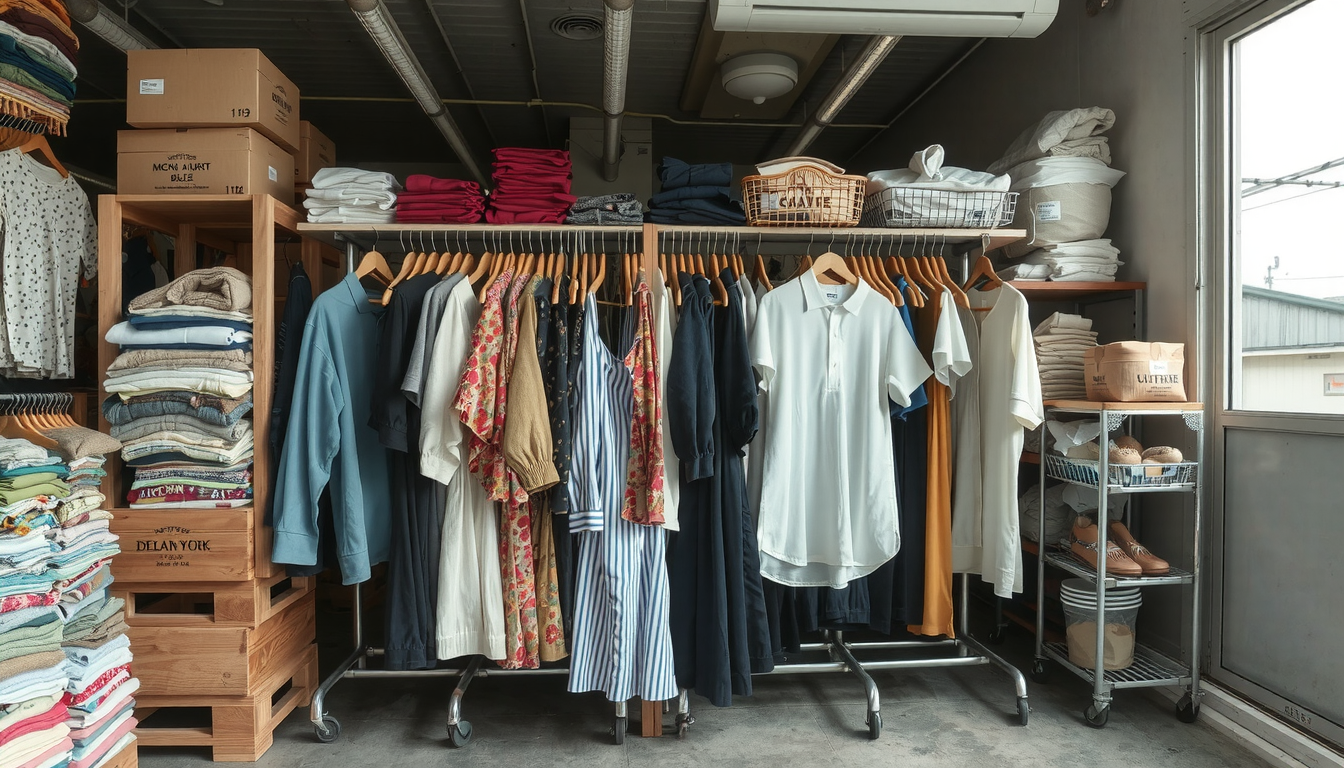
The techniques for selling bulks are not the same as selling one item at a time. It requires a special scheme. This manual will assist you in organizing your stock. Additionally, it will help you to locate the ideal clients. Besides, you will learn how to set the prices for your clothing to achieve a profit. We will talk about all of the required information for a successful bulk sale. As a fashion person, you should realize that the entire supply chain is a crucial factor from making the clothes to selling them. You can also delve into the topic by visiting Clothing Manufacturer Ltd.
Before You Sell: Prepare Your Inventory
Getting your clothing ready for a bulk sale is the most important step. Good preparation helps you get the best price. It also makes you look professional to buyers. Do not skip these steps.
Step 1: Sort and Categorize Your Stock
First, you need to organize all your clothing. This helps buyers understand exactly what you are offering.
Sort your items into clear groups:
* By Item Type: Put all the t-shirts together. Put all the jeans together. Do this for each type.
* By Season: Keep winter coats away from summer dresses.
* By Condition: Use clear labels like New With Tags (NWT), New Without Tags (NWOT), or Grade A Used.
* By Brand Level: Group designer, mid-range, and unbranded items separately.
Step 2: Create a Detailed Inventory Manifest
A manifest is a list of everything you are selling. It is usually a spreadsheet. This is a key tool for selling clothes in bulk.
Your manifest should include columns for:
* SKU or a unique ID number
* Item Description (e.g., “Men’s Blue Cotton T-Shirt”)
* Category (T-Shirt, Jeans, etc.)
* Brand
* Size
* Condition
* Quantity of each item
* Original Retail Price (MSRP), if you know it
A detailed manifest is your best friend during talks with buyers. It answers questions before they are asked. It also prevents problems about what was included in the deal after the sale is done.
Step 3: Professional Presentation
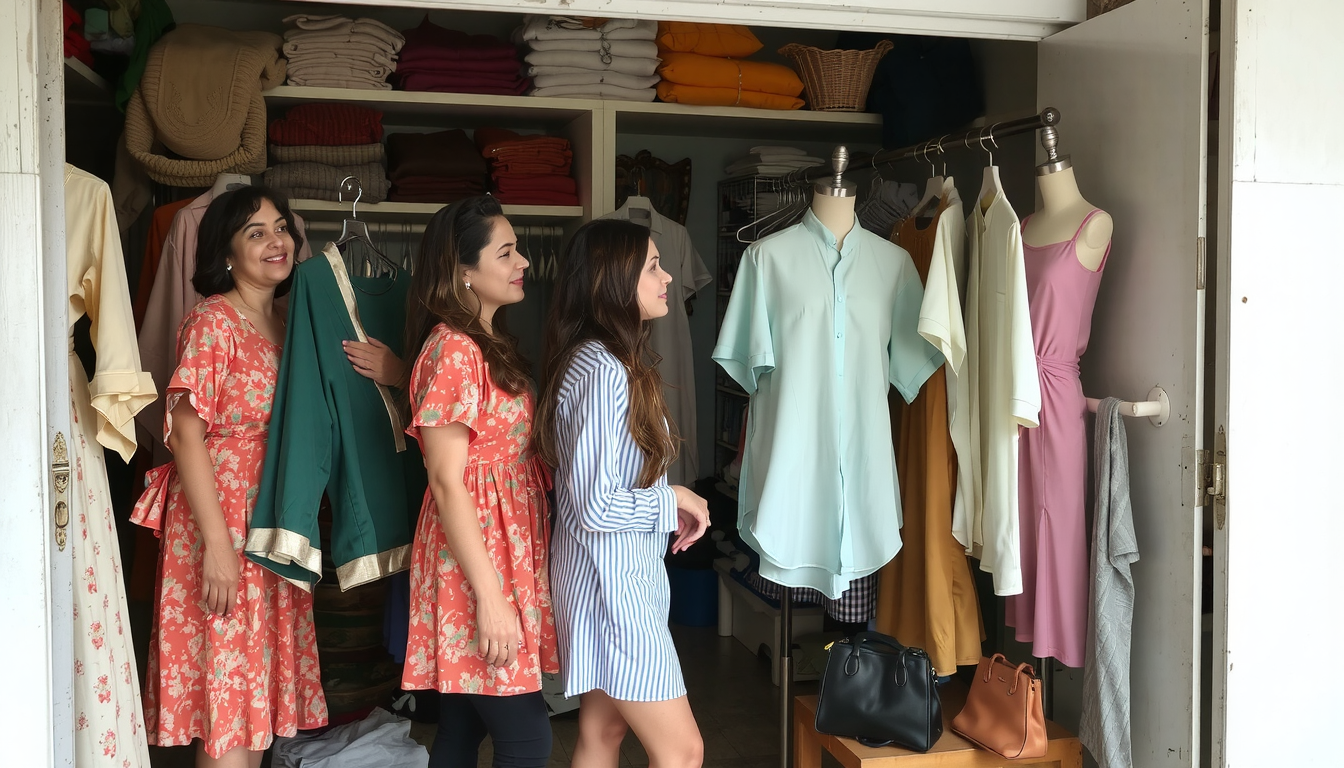
How your clothing looks matters. Make sure all items are clean and neatly folded. Store them properly. You do not need to photograph every single piece of clothing.
Instead, take high-quality “lot photos.” These are pictures of the entire collection or large parts of it. Use good lighting. This shows the overall quality and size of the inventory you want to sell.
Choosing Your Path: Where to Sell Clothes in Bulk
The best place to sell your bulk clothing depends on what you have. It also depends on your goal. Do you need cash fast? Do you want to protect your brand’s image? Different sales channels work for different needs.
Matching your inventory type to the right sales channel is key to a profitable sale.
Comparison of Bulk Selling Channels
| Channel | Best For | Pros | Cons | Typical Payout |
|---|---|---|---|---|
| B2B Wholesale Marketplaces | Brands & boutiques with new, current items. | Higher prices, brand control. | Slower sales, platform fees. | High |
| Liquidation Companies | Large volumes of old or excess stock. | Very fast sales, quick cash. | Lowest price per item. | Very Low |
| Direct to Off-Price Retailers | Established brands with huge volumes. | Large orders, stable partners. | Hard to get in, tough terms. | Low to Medium |
| Consignment/Resale Platforms | Mixed lots of used, quality clothing. | Easy process for certain items. | Only take specific brands/styles. | Medium |
| Peer-to-Peer Sales | Smaller bulk lots, hands-on sellers. | More control, potentially higher profit. | A lot of work, finding buyers is on you. | Varies |
When selling on B2B platforms, it helps to know your market. For brands looking to sell wholesale, knowing the top garment manufacturers in the world can help. This gives context for quality and pricing talks with buyers.
Crafting an Irresistible Bulk Offer
How you price and present your clothing lot will determine your success. This is where you can maximize your profit. A good offer attracts serious buyers who are ready to make a deal. Learning how to sell clothes in bulk means learning how to price them right.
Bulk Pricing Strategies
Pricing a bulk lot is not just about the cost of one item. There are a few common ways to set your price.
- Price-per-pound: This is common for used clothing and large liquidations. Buyers pay a set price for each pound of clothing. For example, $1 per pound.
- Price-per-piece (Tiered): You set a price for each item. Often, you can offer a lower price per piece if someone buys more.
- Lot Price: You set one single price for the entire collection of clothes. This is simple and works well for curated lots.
It’s important to be realistic. Wholesale prices are often 40-60% less than the retail price (MSRP). Liquidation prices are even lower. They can be just 10-20% of the original wholesale cost.
Creating a Professional Line Sheet
A line sheet or catalog is a must-have when selling to other businesses. It is your professional sales tool.
Your line sheet should include:
* Clear, high-quality photos of the products.
* Detailed descriptions. Include style name, fabric, and available sizes.
* Wholesale price per item and the suggested retail price (MSRP).
* Your Minimum Order Quantity (MOQ). This is the smallest order a buyer can place.
* Your contact details and how to place an order.
Creating a polished presentation is crucial. Every buyer appointment starts with careful preparation. Your line sheet is your primary tool. This is detailed in a comprehensive guide to wholesale fashion success. Understanding the source of your garments can also be a selling point. This is especially true if you work with reputable clothing manufacturers in China. They are known for their vast capabilities.
Finding and Attracting Bulk Buyers
You cannot just wait for buyers to find you. You need to actively look for them. A good sales plan involves reaching out in several ways. This helps you find people interested in buying clothes in bulk.
Leverage Industry Events
Trade shows are a great place to meet buyers in person. You can show them your products and build relationships. Networking at these events can lead to long-term sales partners.
Digital Outreach and Social Media
Use online tools to find buyers. LinkedIn is perfect for connecting with retail buyers and store owners. You can also join Facebook groups for resellers and boutique owners. This helps you find people looking for stock.
Build an Email List
Create a simple way for interested buyers to join your email list. You can send them updates when you have new lots available. This builds a direct line to people who want to buy from you.
Your digital presence is a critical part of your outreach. Effective wholesale marketing strategies blend visual appeal with practical information. This helps buyers envision your products in their stores. Success requires a multi-faceted approach. Implementing a mix of strategies to increase wholesale clothing sales will set you apart. This includes digital marketing and building strong customer relationships.
Sealing the Deal: Logistics and Payments
The final steps are just as important as the first. A smooth transaction protects you and the buyer. It ensures you get paid and the clothing gets delivered correctly.
Finalizing the Sale
Follow this checklist for a secure closing:
* Sales Agreement: Always use a written contract or a detailed invoice. It should list the items, price, payment terms, and who handles shipping. This often includes terms like FOB (Free on Board). This defines when ownership of goods transfers from seller to buyer.
* Payment Methods: For large sales, use secure payment options. Wire transfers or escrow services are best. Avoid methods that do not offer protection.
* Shipping Logistics: For very large orders, you will need freight shipping. This means putting your boxes on pallets. Get quotes from freight companies. Your sales agreement should clearly state who pays for shipping.
Frequently Asked Questions (FAQ) on How to Sell Clothes in Bulk
Q1: What is a fair price to sell bulk clothing for?
A: It varies greatly. New, in-season stock from a known brand can sell for 40-60% of its retail price to wholesalers. Used clothing is often sold by the pound ($0.50 – $2.00/lb). Liquidation lots might only get 5-20% of their original wholesale cost. Your price depends on condition, brand, style, and volume.
Q2: Do I need a business license to sell clothes in bulk?
A: If you are selling to another business (like a retailer or a B2B platform), they will almost certainly require you to have a business license. You will also need a resale certificate or Employer Identification Number (EIN). For informal peer-to-peer sales, it may not be required. It is always best to check your local regulations.
Q3: How do I handle shipping for a large bulk order?
A: For orders over 150 lbs, freight shipping is usually the most cost-effective option. This involves putting your items on pallets. You’ll need to get quotes from LTL (Less-Than-Truckload) freight carriers. Clearly define in your sales agreement who handles and pays for shipping (FOB shipping point vs. FOB destination).
Q4: What’s the difference between a jobber and a liquidator?
A: They are similar but have a key difference. A liquidator typically buys inventory from businesses that are closing down or bankrupt. A jobber buys excess inventory (overstock, out-of-season items) from ongoing businesses. Both sell to off-price retailers and other resellers.
Q5: Can I sell a mix of new and used clothing in one bulk lot?
A: You can, but it’s often better to separate them. Buyers for new merchandise (boutiques, retailers) have different expectations than buyers for used clothing (thrift stores, flea market vendors). Creating separate, clearly defined lots for each type will attract the right buyers. This will likely yield a better overall price.