Customizing clothes is a big trend in streetwear in 2026. Many people own hoodies that fit well but have hoods that feel bulky or unwanted. Learning how to cut a hood off a hoodie is a useful skill. It turns an old item into a fresh crewneck sweatshirt. This process involves marking a new neckline, cutting the fabric carefully, and securing the edge.
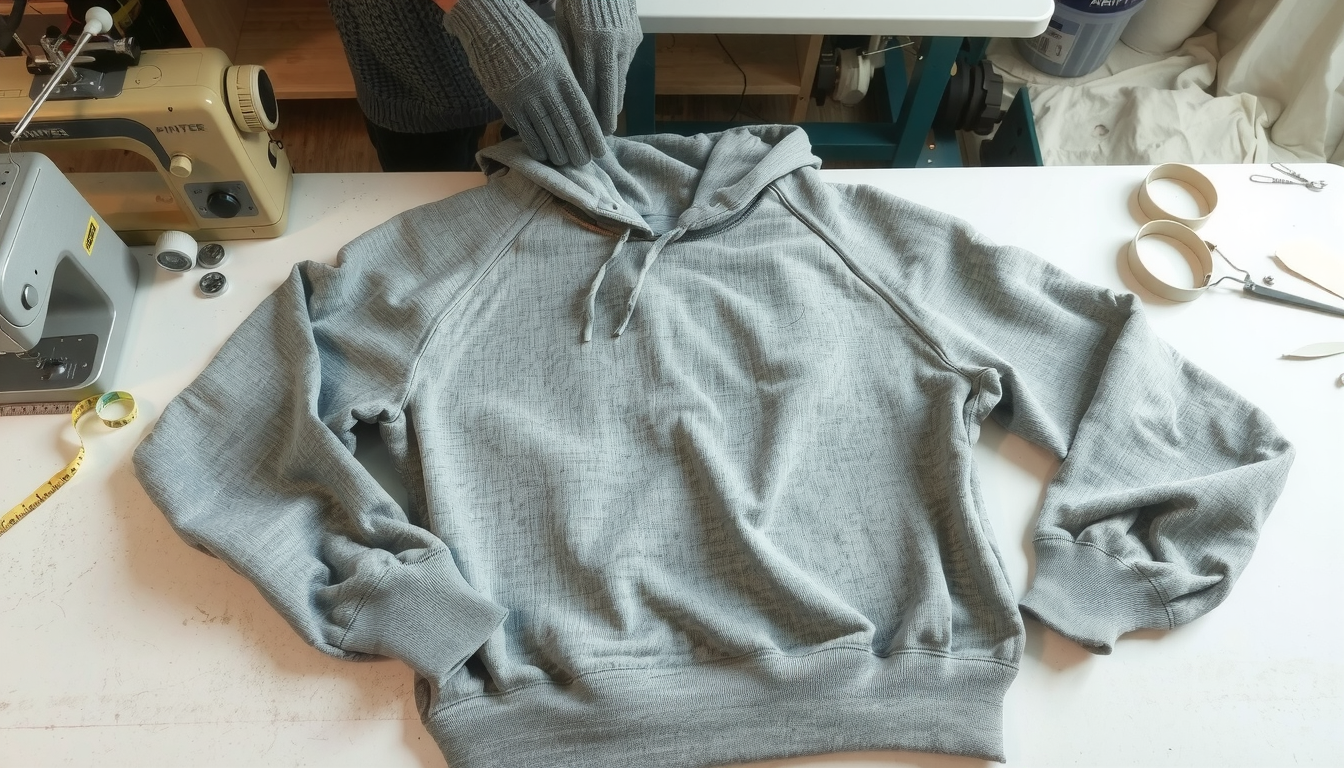
As a Clothing Manufacturer Ltd. with over 10 years of production experience, we understand how garments are made. We have worked with more than 1000 international fashion brands. Today we use that knowledge to help you modify your garment without ruining it. A pair of scissors can do the job. But you need to understand "neck tape" and seam allowance. This stops the shirt from falling apart. Many basic tutorials miss this detail. We will guide you through this process with the same care we use in our factories.
Key Takeaways
- Check your fabric type before cutting. This tells you if the edge will roll or fray.
- Use sharp fabric shears, not regular paper scissors, for a clean line.
- The "Raw Edge" method creates a rolled, worn look that is common in streetwear.
- The "Clean Seam" method uses a seam ripper to keep the original neck ribbing.
- Always secure the cut points with a simple stitch. This prevents unraveling over time.
Pre-Modification Assessment: The "5-Step QC" Approach
Before you make any cuts, inspect the garment. In our factory, we use a "5-step QC production method" to ensure quality. You should use a simpler version for your project. Cutting blindly can ruin the structure of the sweatshirt.
Step 1: Fabric Inspection
Check if the hoodie is French Terry or Fleece. Fleece fabric is thicker and has a fuzzy interior. It holds a raw cut very well without unraveling too much. French Terry has loops on the inside. It is more likely to have loose threads. Knowing this helps you decide how much extra fabric to leave for the neckline.
Step 2: Seam Analysis
Look closely at where the hood meets the body. When acting as a hoodie manufacturer, we pay strict attention to neckline construction. You must identify if your hoodie has a separate neckband. Or check if the hood is built into the collar. If there is a separate ribbed collar, you can save it. If the hood is sewn directly to the body, a raw edge cut is your best option.
We created a guide to help you choose the right method based on your fabric:
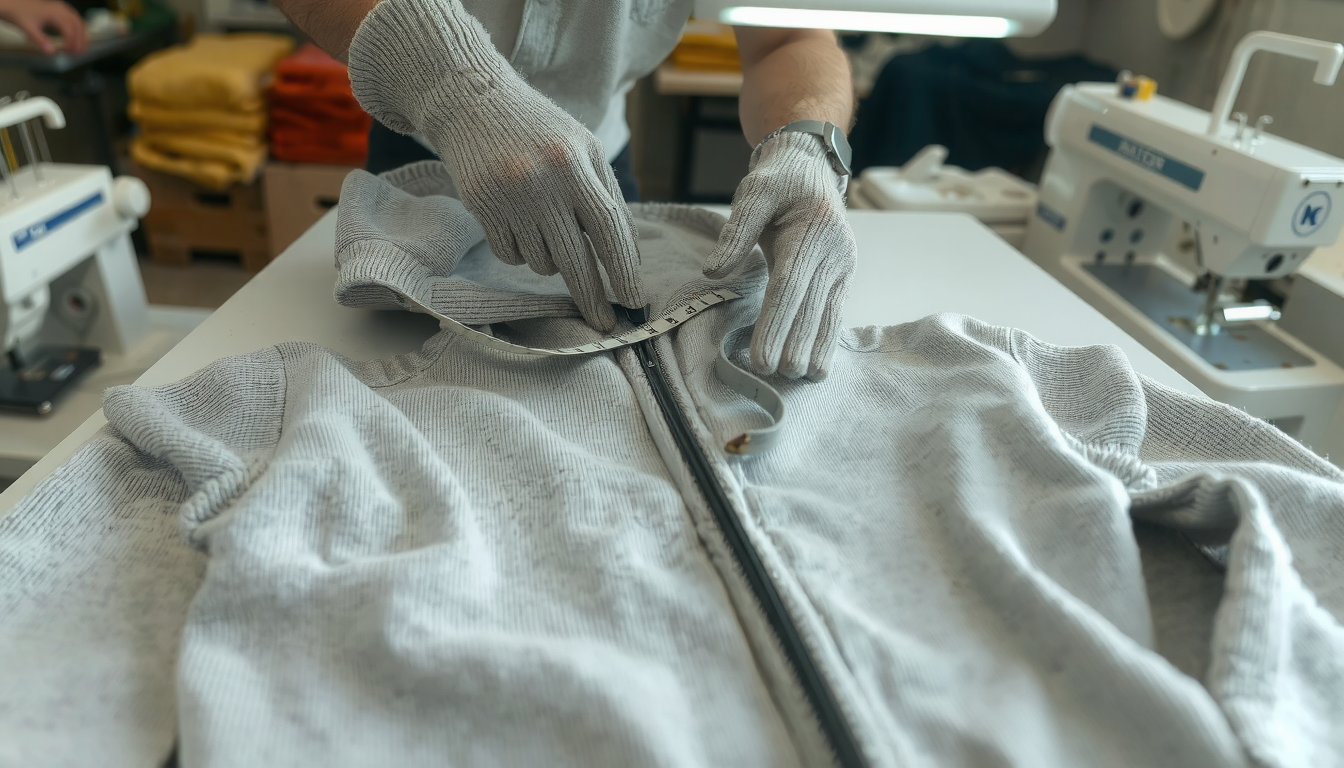
| Fabric Type | Recommended Method | Expected Result |
|---|---|---|
| Heavyweight Fleece | Raw Edge Cut | Clean, rolled edge (Streetwear style) |
| French Terry | Clean Seam Removal | Structured finish, minimal fraying |
| Poly-Blend | Fold & Stitch | Prevents synthetic unraveling |
| Lightweight Jersey | Ribbing Attach | Prevents the neck from stretching out |
Essential Tools for a Factory-Grade Cut
You cannot get a professional result with dull tools. In our 10 years of production experience, we have seen dull household scissors cause fraying in 90% of DIY attempts. The fabric gets chewed rather than sliced. To learn how to cut a hood off a hoodie effectively, gather these specific items.
- Fabric Shears: These must be sharp and able to cut through multiple layers of thick cotton.
- Tailor's Chalk or Washable Marker: You need this to draw your guide line. Do not eyeball the cut.
- Pins or Clips: These hold the layers together so they do not shift while you cut.
- Seam Ripper: This is optional but highly recommended if you want to remove the hood without cutting the fabric.
- Ruler or Measuring Tape: This ensures your neckline is symmetrical.
Method 1: The Raw Edge Cut (The Streetwear Look)
This is the most popular method in 2026. It creates a relaxed, vintage vibe. The edge of the fabric naturally curls outward. This creates a "rolled" finish. This works very well for heavy cotton hoodies.
Step 1: Flatten and Align
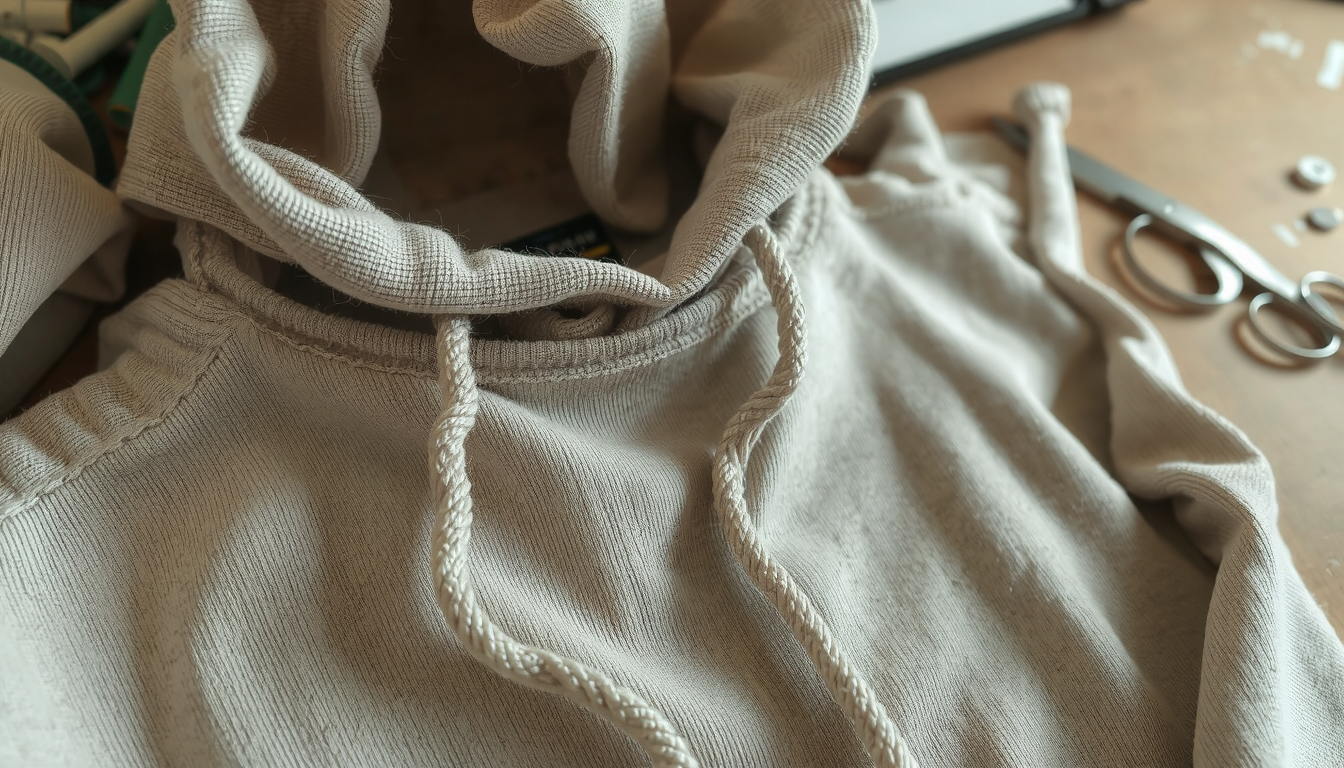
Lay the hoodie on a large, flat surface like a table or clean floor. Smooth out all wrinkles. Line up the shoulder seams so they are perfectly on top of each other. If the hoodie is twisted, your cut will be crooked.
Step 2: Marking the Line
Decide where you want the new neck to sit. A standard crewneck hits right above the collarbone. Use your chalk to draw a curve. We recommend drawing this line about 0.5 to 1 inch above the actual seam where the hood attaches. This gives you room for error. It is easier to cut more later than to fix a hole that is too big. The front of the neck should dip slightly lower than the back.
Step 3: The Incision
Take your sharp shears. Start at one shoulder and cut smoothly along your marked line. Do not close the scissors completely with each snip. Use long, gliding cuts. This prevents jagged edges. For a detailed visual on the cutting motion, you can refer to guides on How to Remove the Hood from a Hoodie – wikiHow. We advise cutting through the front layer first, then the back layer. Do not try to cut both at once. This ensures accuracy.
Step 4: The Stretch Test
Once the hood is removed, pick up the garment by the shoulders. Gently pull the new neckline outwards. This simulates the wear and tear the garment will face. More importantly, it encourages the raw edge to curl. In our streetwear manufacturing process, we often steam the edge while stretching it to lock in that roll. You can do this with a home iron on a steam setting. This step hides any minor imperfections in your cutting line.
Method 2: The Clean Seam Removal (Advanced & Professional)
If you want the garment to look like it was bought from a store as a crewneck, this is the method for you. This technique requires more patience. It works best if the hoodie has a ribbed collar that the hood is sewn into.
Scenario Assessment
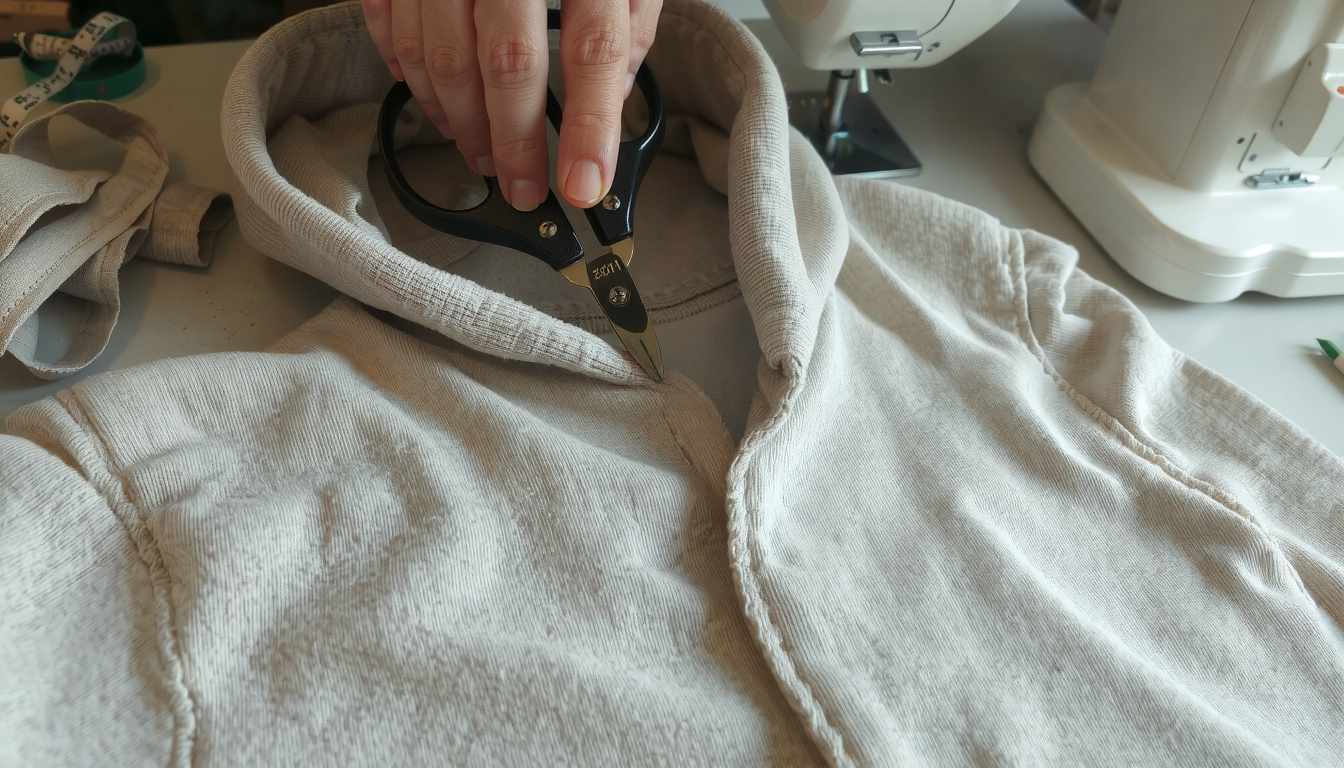
Check if the hood is sewn under a separate piece of neck tape or ribbing. If it is, you can remove the hood without cutting the ribbing. This preserves the tight fit of the neck.
Technique
Use a seam ripper to carefully pick out the threads holding the hood to the neckband. Work from the inside of the collar. Be very gentle. Do not pull too hard, or you might rip the neckband itself. This process can take 20 to 30 minutes. Once the hood is detached, you will likely have an open seam on the neckband.
The "Sandwich" Method
If there is no separate ribbing, you can create a clean edge by folding. After you cut the hood off (leaving about 1 inch of extra fabric), fold that raw edge inward toward the inside of the shirt. Pin it down all the way around. Use a sewing machine or hand stitch to sew this fold down. This creates a hem similar to the bottom of a t-shirt. Based on our 6 years of streetwear clothing experience, this reinforcement is vital. Without it, a wide neck can stretch out and become misshapen after a few wash cycles.
Preventing Unraveling: The Industry Secret
The biggest concern when learning how to cut a hood off a hoodie is durability. You do not want the collar to fall apart in the washing machine. As a manufacturer, we treat raw edges to ensure they last.
Stay Stitching
Even if you want the raw look, we recommend a "stay stitch." This is a simple straight stitch run about 1/8th of an inch from the cut edge. It acts as a barrier. The fabric will fray up to the stitch line and then stop. This keeps the worn look controlled.
Fray Check
For hoodies with high synthetic content (like polyester blends), liquid sealants can help. Products like Fray Check glue the fibers together at the microscopic level. Apply a thin line along the raw edge and let it dry. It will be invisible but effective.
Washing Advice
For the first three wash cycles, turn the crewneck inside out. Wash it on a cold, gentle cycle. This reduces friction against the new raw edge. It allows the fibers to settle naturally into their rolled state. They will not be pulled apart aggressively by the machine agitator.
FAQ: Common Questions About Cutting Hoodies
Will cutting the hood off ruin the pocket?
No, cutting the hood will not affect the kangaroo pocket. The pocket is attached separately from the neckline. However, you must check for drawstrings. Sometimes, the drawstring for the hood runs through a channel that connects near the neck. Make sure you pull the drawstring out completely before you start cutting to avoid snagging your scissors.
Can I cut a hood off a zipper hoodie?
Yes, you can cut a hood off a zipper hoodie, but it requires more precision. You must stop exactly at the zipper tape. Do not cut through the zipper teeth. Once the hood is removed, you must secure the top stops of the zipper. You can do this by sewing a thick loop of thread over the top teeth. This prevents the zipper slider from flying off the track when you zip it up.
How do I stop the neck from curling too much?
Curling is natural for jersey knits and fleece. If you dislike the look, you have two options. First, you can use a twin-needle stitch to hem the edge, which provides structure. Second, you can use iron-on hem tape. Place the tape inside the edge, fold the fabric over, and iron it flat. This creates a stiff, clean edge that will not roll.
What can I do with the leftover hood fabric?
As a sustainable manufacturer supporting GRS recyclable product certification, we suggest upcycling. Do not throw the hood away. The fabric is high quality. You can cut it into squares to make patch pockets for other clothes. You can also use it to make a matching face mask or a small drawstring pouch.
Does cutting the hood change the fit of the hoodie?
It can make the neck feel looser. The hood adds weight and structure to the garment. It often pulls the neckline back against your shoulders. When you remove that weight, the sweatshirt may sit differently. It usually feels lighter and more open. If the neck feels too wide after cutting, you can run a targeted elastic thread through the hem to tighten it slightly.