Having a lot of clothing to sell is a good opportunity to earn money. But it can be quite a daunting task. You could have new items from a wholesaler or used clothes from a store closing. This guide will help you sell bulk clothing and make the most profit.
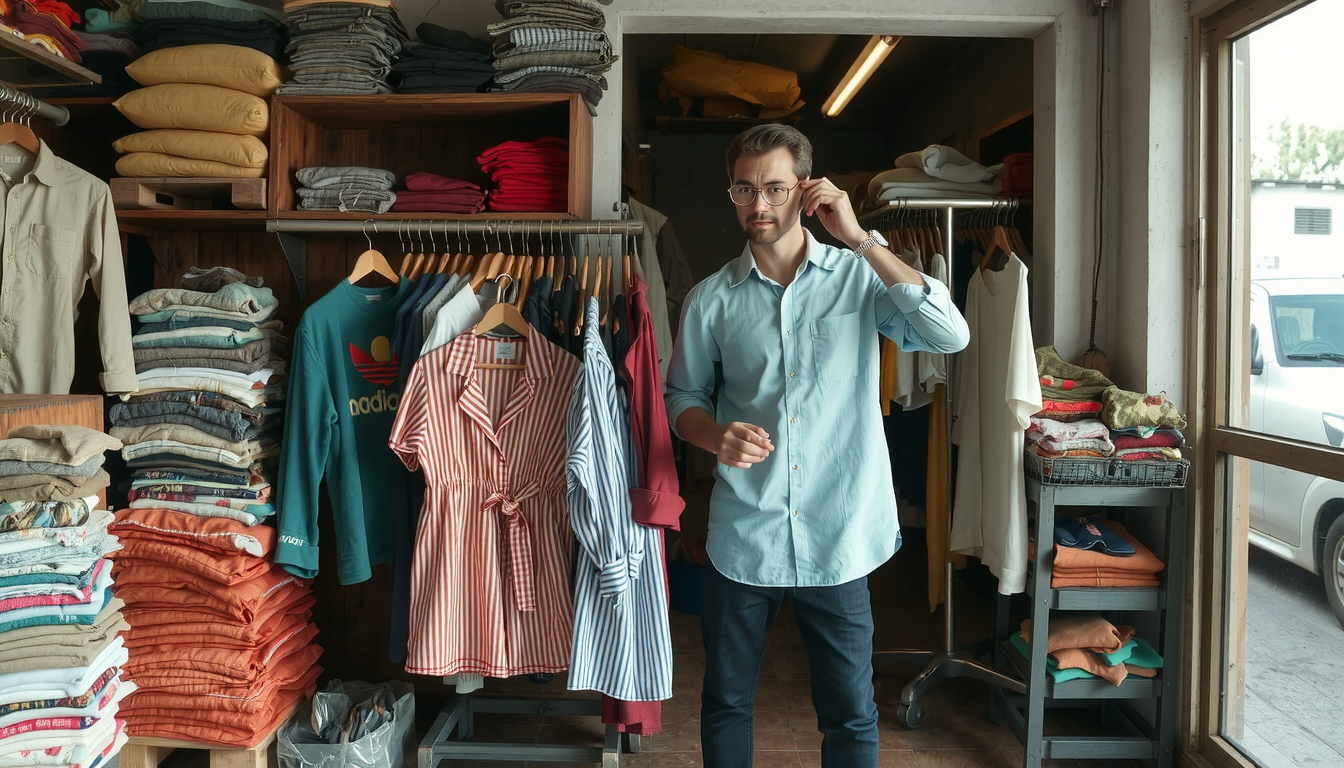
We will walk you through the entire process. This entails getting your clothes ready and picking where you sell them. We will also discuss pricing, shipping, and growing your business. This is your roadmap to success.
Before You Sell: Essential Stock Preparation
Good preparation is the secret to a fast and profitable sale. If you fail to follow these steps, you risk getting lower offers and wasting time. Follow this list to make your clothes more valuable to buyers.
Step 1: Sorting, Grading, and Quality Control
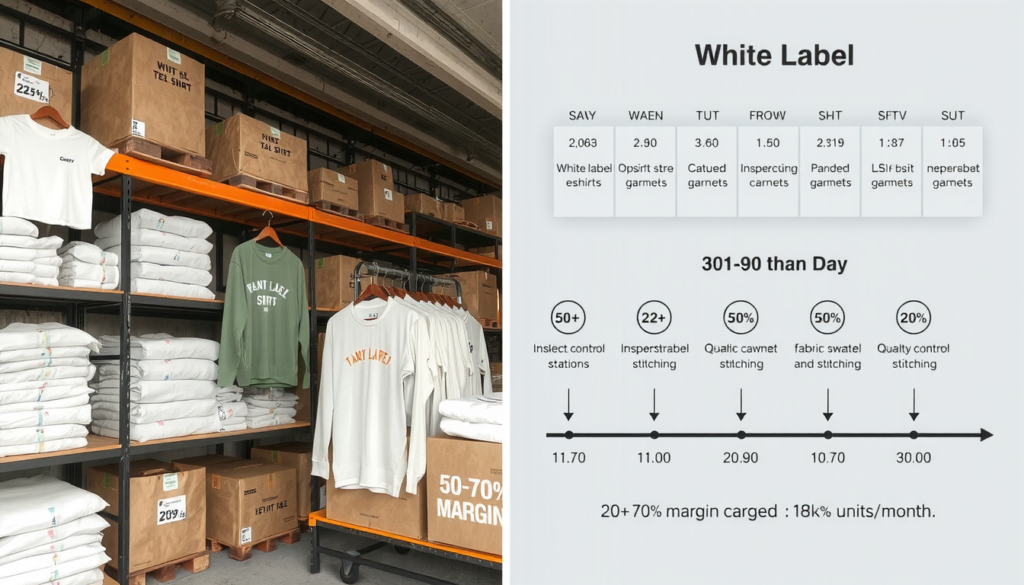
Initially, you need to arrange your clothing items. Place them in categories like tops, pants, and dresses. Also, separately them by seasonal items. This will assist buyers in locating the items they want faster.
Then, you will inspect the quality of each item. This is very significant in deciding the right price. Identify each piece shortly for damages, stains, or heavy wear. Having a clear grading system for quality will increase the confidence of buyers.
| Grade | Description | Examples |
|---|---|---|
| Grade A | New or like-new condition. | New with tags (NWT), no flaws, no signs of wear. |
| Grade B | Excellent used condition. | Gently used, no stains or holes, minor signs of wash/wear. |
| Grade C | Good used condition with minor flaws. | Small, fixable issues like a missing button, tiny stain, or slight fading. |
Step 2: Creating a Detailed Inventory Manifest
A manifest is a detailed list of your clothes. Serious buyers will always ask for one. This is a certificate of your professionalism as a seller. The manifest should be listing key details for your bulk clothing lot.
Essential details for your manifest include:
* Item Count (e.g., 500 total pieces)
* Brand Names (list key brands)
* Category (e.g., 200 tops, 150 pants, 100 dresses, 50 jackets)
* Size Range (e.g., XS-XL)
* Condition Breakdown (e.g., 10% Grade A, 70% Grade B, 20% Grade C)
* Estimated MSRP (Manufacturer’s Suggested Retail Price)
Pro tip: Use a simple spreadsheet like Google Sheets or Excel to make your manifest. This will help you easily share with buyers and quickly add up your total value.
Step 3: Photography and Presentation for Bulk Lots
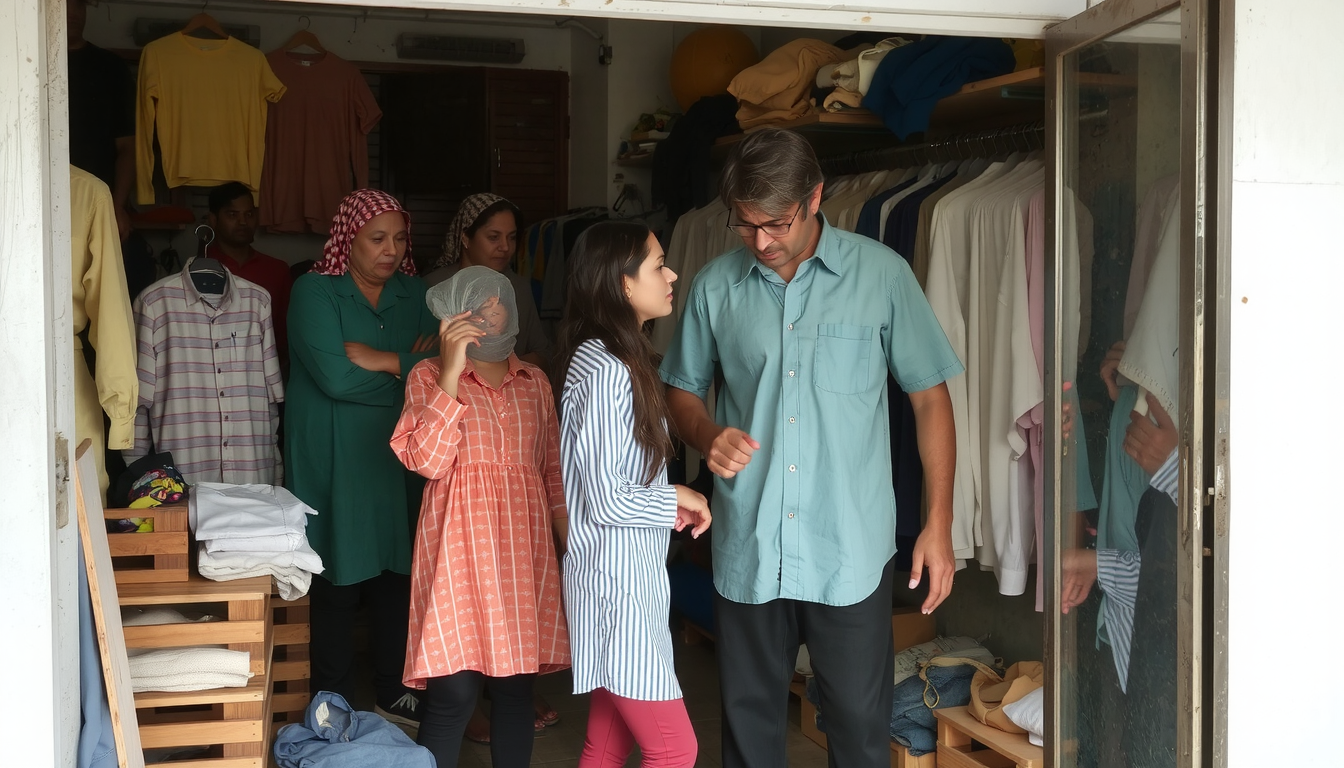
You do not need to snap a photo of every single piece. That would take too much time. Instead, emphasis on showing the quality and quantity of the entire lot.
Be sure to take clear, bright shots of a few good illustrations. Show your finest items or “hero pieces.” And finally, shoot pictures of the packed boxes or pallets. This will help the buyers appreciate your stock volume. Use a neat, uncluttered background for your photos.
Step 4: Understanding the Legal Requirements
Usually, dealing in goods comes with legal requirements. If you sell new wholesale clothing, you are possibly expected to have a business license or seller’s permit. These laws differ from one city to another and between the states.
For verification of business rules, always check your local government website. Complying with the law makes a great impression showing you are honest and serious. It is part of learning how to sell bulk clothing proficiently.
Choosing Your Sales Channel: Where to Sell
Where you decide to sell your clothes it depends on what items you have as well as your goals. The right pick of the place is imperative in selling bulk clothing. In the table down are the pros and cons of the various options.
| Sales Channel | Best For | Pros | Cons |
|---|---|---|---|
| B2B Marketplaces | New wholesale, sorted overstock, NWT lots | Access to a large pool of verified business buyers. | Fees or commissions, high competition. |
| Direct to Retailers | Curated, high-quality, or unique lots | Higher profit margins, build direct relationships. | Takes time to find buyers, more negotiation. |
| Liquidation Buyers | Unsorted lots, business closures, large volumes | Fast sales, will take almost any condition. | Lowest price per item, less control over the deal. |
| Online Reseller Groups | Smaller bulk lots (25-100 pieces), specific brands | Direct access to eager resellers, easy to list. | Lots of low offers, risk of non-payment. |
B2B Wholesale Marketplaces
These are online platforms meant for business-to-business sales. They mostly connect the sellers with thousands of retailers in search of their stock. Looking at various online wholesale clothing marketplaces is one of the best ways to identify the most suitable location for your clothing line. Usually, they have resources to facilitate your ads and payments securely.
Direct to Retailers and Boutiques
You can also turn to stores directly by visiting them. Look for boutiques in your area through social media as well as business directories. Email them a professional manifest and the photos. A lot of retailers are on the lookout for trendy wholesale clothing vendors who can supply unique items for their inventory. A perfectly sorted lot of clothing would be a good deal for them.
Liquidation and Overstock Buyers
Liquidation firms usually buy items in bulk. You can eliminate this option if you have leftovers from a business that just shut down or are stacking up a potential amount. They buy everything from overstock items to the ones returned by customers. The process is mostly fast, though they pay less per item.
Online Reseller Platforms & Communities
It’s also possible to dispose of smaller lots on platforms like eBay or in Groups on Facebook. Through these channels, you come into contact with other resellers. Numerous platforms exist for the marketing of single clothing items, selling in bulk necessitates a different approach. Your approach should be focusing on the overall value of the whole lot rather than on the individual pieces.
The Art of the Deal: Pricing, Shipping, and Negotiation
The ability to price correctly and negotiate profit feeds are seeders’ skills at the business level. This part gives suggestions like insider tips on the money and shipping management side of bulk clothing sales.
How to Price Your Bulk Clothing for Profit
Three methods are there for pricing a bulk clothing lot.
- Pricing by the Piece: This method is ideal for the smaller, sorted lots that include valuable brands. You will find one price for every item, and then sum it up. For instance, 50 dresses at $8 each total $400.
- Pricing by Weight: This method usually applies to huge amounts of random, used clothing. Buyers will pay according to weight. The usual market rate fluctuates between $0.50-$2.50 per lb. depending on quality and brand sense.
- Pricing by the Pallet/Lot: Here, you simply sell the entire lot for one price. The way to reach this is to think of how much a reseller would gain from the lot and then use a pricing method that ensures the same profit to them.
Crafting a Compelling Sales Pitch & Listing
Your sales listing must be clear and attractive. One should always start with your manifest. It is your most powerful sales tool. In your description, highlight the best parts of your lot. Mention the popular brand names, the percentage of new-with-tags items, and the potential profit for the buyer.
Negotiation and Payment Terms
Negotiation is a necessary part of the deal. Here are some takeaways obtained from reality:
- Always know your floor price. This is the lowest price you will accept. Do not go below it.
- Offer a small discount for a fast all-cash payment. This can help you close a deal quickly.
- If they are high-value sales, use secure payment methods. Bank transfers or escrow services can protect you and the buyer. Avoid using payment apps that don’t provide seller protection.
Mastering Bulk Shipping and Logistics
Shipping a bulk pallet of clothes is different from shipping a small package. You will most probably go for LTL (Less-than-Truckload) shipments. This is for deliveries that are too big for the normal mail but need not fill the whole truck.
Be sure to compare different freight companies and always choose the best priced. While packing your pallet tightly place all boxes and wrap them with shrink. This will protect them while sparing you costs of shipping.
Scaling Up: From One-Time Sale to a Sustainable Business
After you experience how to sell bulk clothing effectively, it is possible for you to make it a real business. This means you will have to maintain constant supplies by seeking and nurturing good relations.
Finding Reliable Sources for Bulk Clothing
A successful business relies on having a reliable source. You can get clothing from several places:
- Direct from Manufacturers: For new, in-season goods. Good relations play a significant part. For those who want to branch out, it helps to check out the top 15 garment manufacturers in the world for worldwide options or focus on regional strategies like the top 15 clothing manufacturers in China.
- Liquidation Agents: These companies sell overstock and customer returns from major retailers.
- Building a Network: Connect with others in the industry. Networking leads to good deals.
The Importance of a Trusted Partner
It is built easier by surrounding oneself with good partners. A seasoned partner would be of help in searching for items, checking quality, and managing shipping. The strength of a partnership is crucial for far-sighted entrepreneurs. Therefore working with an expert partner such as Clothing Manufacturer Ltd. could give you a serious edge.
Conclusion: Your Path to Profit
You are now equipped with all the true experts’ knowledge to achieve success. The process is quite simple if you follow the steps. First, prepare your items well. Second, choose the right sales place for your specific lot. Third, master the art of pricing, negotiation, and shipping. The market of bulk clothing is large and your path to profit is clear.
Frequently Asked Questions (FAQ) about Selling Bulk Clothing
Do I need a business license to sell bulk clothing?
This depends on the area you are living in and the kind of clothing you are selling. Mostly, a license or seller’s permit is required for selling new wholesale goods to other businesses, nearly all of the time. For a single instance of selling used clothing, you may not need it, but it is important to check local and state business rules to ensure that you follow them correctly.
How do I calculate shipping costs for a large clothing shipment?
LTL (Less-Than-Truckload) freight will probably be the method you consider for shipments over 150 lbs. The costs will depend on the shipping weight, size, freight class, and distance. The top choice is to obtain multiple quotes from various freight carriers or use a freight brokerage service. Always make sure that your clothing is tightly packed on a standard pallet to minimize size and costs.
What’s the difference between selling by the pound vs. by the pallet?
Selling “by the pound” is common for unsorted used clothing where each individual item value is low. The buyer pays a set price per pound. Selling “by the pallet” means you reset a single price for the entire pallet of goods. This is better for sorted categorized lots that you can figure out to sell at a higher resale value for the buyer.
How can I find legitimate buyers for my bulk clothing lots?
B2B wholesale marketplaces, liquidation platforms, and the direct approach to local boutiques and thrift stores are the best places to find actual buyers. An addition to that, you may also join online reseller communities in sites such as Facebook that will connect you to small-scale buyers. Always check the potential buyers by looking at their business credentials or past sales.
Is it profitable to sell used clothing in bulk?
Yes, it can be extremely profitable if the price is right. The secret is to buy the used clothing at a very low cost (e.g., from textile recyclers, thrift store outlets, or by the pound) and then sort it into graded lots. Higher-grade lots with popular brands can be sold at a big margin to resellers.