An Essential hoodie, the Fear of God is a modern streetwear classic that looks and feels great, but maybe the oversized fit is not for you. Now you are asking a question that so many people have asked before: How do you shrink an Essentials hoodie without ruining it? We are a well-respected clothing company with more than 10 years of experience in the fashion industry. Through our expertise, you can follow this guide to the letter, step by step, and it will help you change the size of your hoodies safely.
Essential Points
- Shrinking is Risky but Technically Possible: Essentials hoodies are generally composed of cotton and polyester. You can indeed shrink them through heat exposure. However, there's a possibility of uneven shrinking, damaging the fabric or even the logo.
- Initial Approach of Low Heat: The first step is always to start with the most gentle way first. Wash in warm water then use a low-heat dry cycle. You will obtain a little, controlled shrink.
- High Heat for Maximum Shrink Reduction: If you are looking for more than just a little bit of size reduction, a hot wash and medium-to-high heat dry cycle are what you need. Just remember to check the hoodie often. There is no way to fix it if you over-shrink it.
- Fabric Mix is Important: Cotton is the component that shrinks but the polyester does not. Thus, this makes it difficult to gauge how much the fabric will change.
- Keep the Logo Safe: High heat can damage printed or rubber logos. Always inside-out wash and dry the hoodie to prevent direct heat on the logo.
Shrink or Not to Shrink: That's the Question!
Before you proceed you should first examine the whole procedure and the impacts that might occur. Changing a high-end item of clothing is a permanent decision.
The Simplest Answer: Yes, But Caution First
You can indeed shrink an Essentials hoodie. With the proper care of the damp and heated cotton thread making shrinkage occur.
However, this method is not without its risks. You could make the hoodie shrink in an unbalanced way. You may ruin the velvety feeling of the fleece. You could even misshape the logo. So, be careful!
Oversized Hoodies are by Design
Fear of God Essentials apparel often comes in relaxed and oversized styles, an intentional design choice that is a vital part of the brand's image.
As you change the size of your hoodie, you are altering the original design. You want a custom fit because that is your style. You are not correcting a mistake.
Information about Fabric: What your hoodie is made of
It is necessary that you first learn the substances if you want to shrink the hoodie successfully. For many years, we have been clothing makers and we have made garments for more than 1000 nations. We are very well aware that knowledge of fabrics makes all the difference.
Analysis of Cotton/Polyester Blending
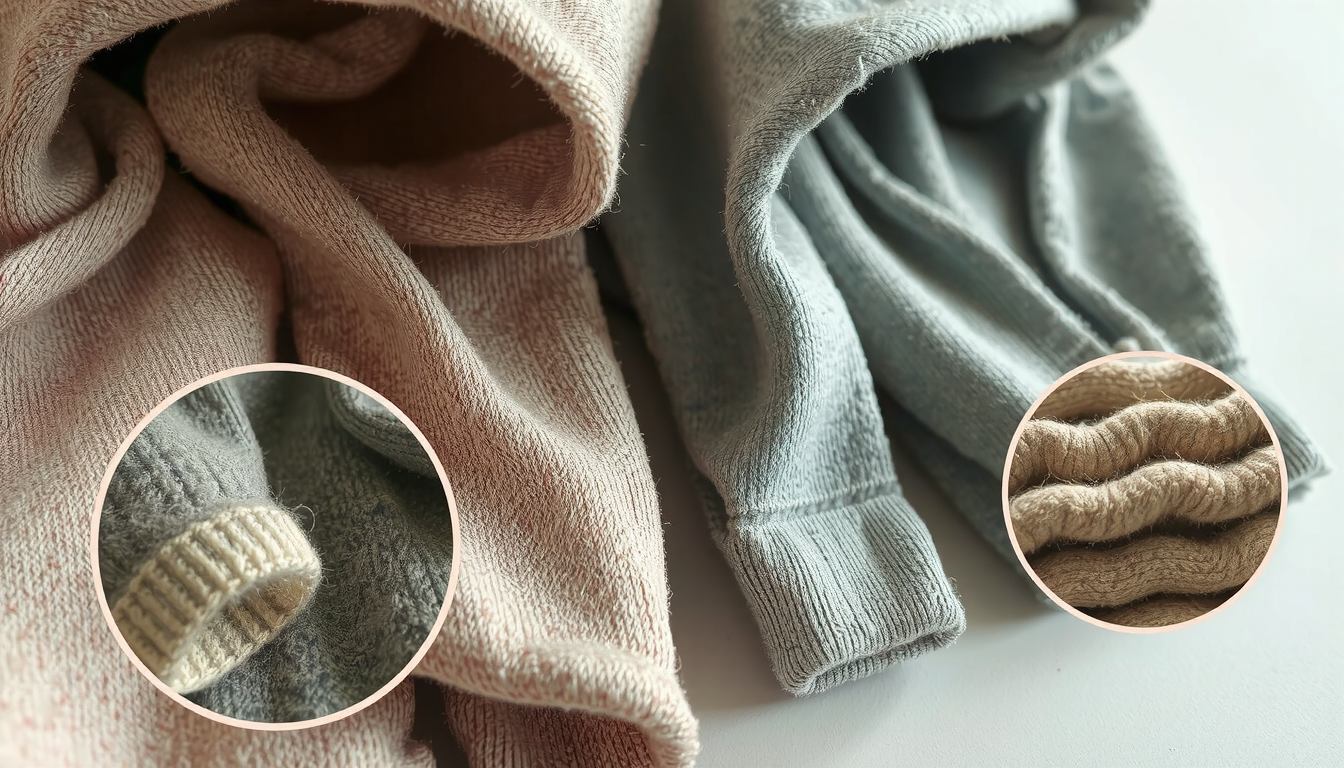
The most common Essentials hoodies are made from a blend of fabrics. Typically, it's 80% cotton and 20% polyester. These two fibers behave very differently when subjected to heat.
Cotton is a natural fiber. When you add heat and some washing action it will shrink. On the other hand, polyester is synthetic. It resists shrinking and is prone to melting or warping when the temperature is high. Learning the different cotton and polyester fiber characteristics will be advantageous. The cotton will for sure shrink. In return, the polyester will set the structure and limit the amount of clothing that can shrink.
The Significance of "Pre-Shrunk" Fabric
High-quality producers initially pretreat fabrics before they fabricate garments. This process will improve the stability of the material. Therefore, the fit that you initially buy is actually the same fit that you are going to keep, even after several washes.
As a clothing maker with a decade of experience, we know that good pre-shrinking is a crucial quality step. When you try to shrink a fabric with pre-shrunk characteristics you are forcing the fibers to become smaller than their stable state. This is what leads to a higher risk of unexpected outcomes.
The Steps: Shrinking the Hoodie
Here are two methods for how to shrink an Essentials hoodie. They range from low-risk to high-impact. You always opt for Method 1 before moving on to Method 2.
Method 1: The Low-Risk, Controlled Shrink
We recommend this as the first try to achieve a slightly smaller size. It gives you maximum control while utterly minimizing the risk of damage.
- Step 1: Warm Water Wash. First, you put the hoodie in the washing machine with a warm water wash setting, instead of hot. This gentle setting will make the cotton fibers begin to constrict.
- Step 2: Partial Dry on Low Heat. After that, you would transfer the hoodie to the dryer on the lowest heat setting. Tumble dry and check the fit every 10 to 15 minutes.
- Step 3: Check the Fit. While the hoodie is still slightly damp, take it out and wear it. This is the best way to see the new size.
- Step 4: Air Dry. If the fit is okay, lay it flat or hang it to air dry after that. This will stop the shrinking process.
Method 2: The High-Heat, Maximum Shrink
You can only use this method when you are trying to control the shrinkage. The risks are way higher.
Warning: This process could lead to both bigger and maybe, uneven shrinking, and it poses a greater risk to the fabric's feel and logos.
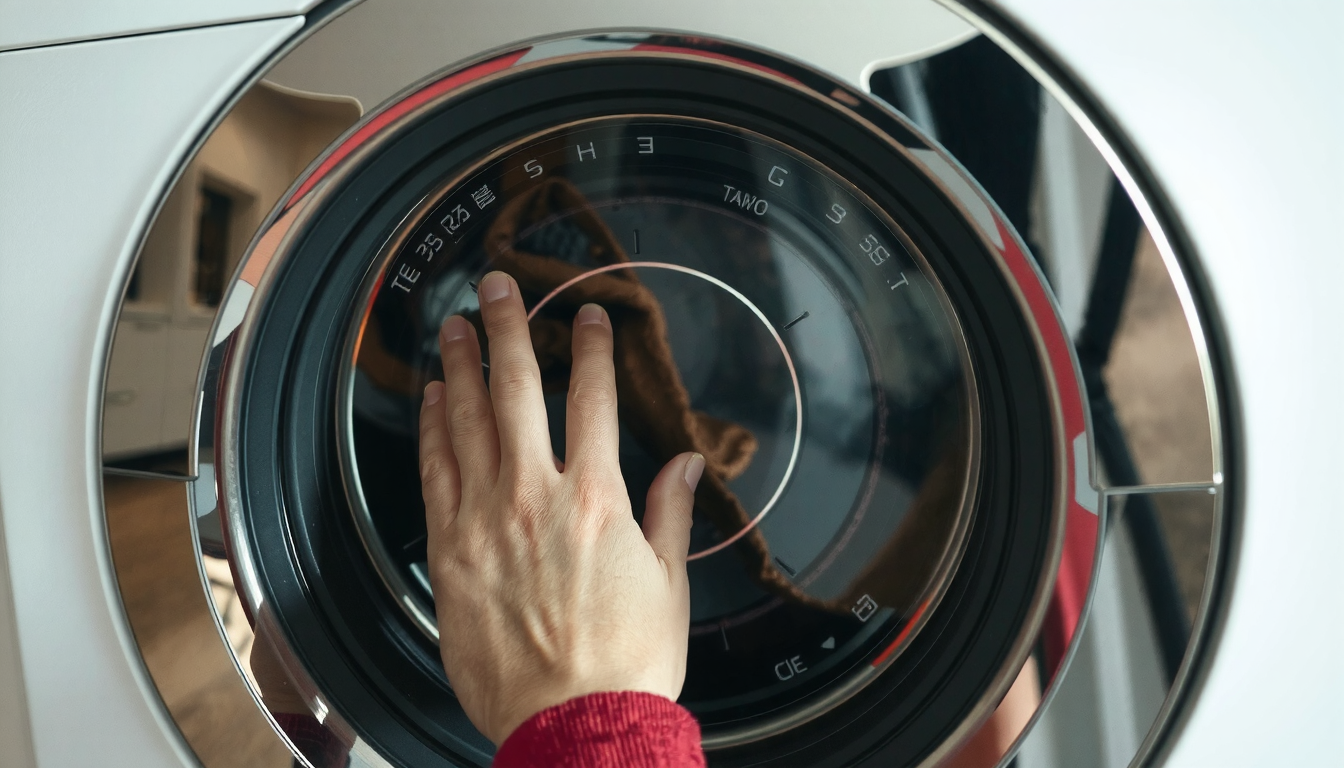
- Step 1: Hot Water Wash. Select the hottest water setting on your washing machine and use it. The high heat and movement will make the cotton fibers contract a lot.
- Step 2: High Heat Dry. Right away, move the hoodie to the dryer and use a medium or high heat setting for maximum shrinkage.
- Step 3: Frequently Check. This is the most important step. Shrinking can happen very fast at high heat. Pull the hoodie out every 10 minutes to check its size. You can't undo the over-shrinking.
- Step 4: Remove and Cool. Once the hoodie reaches the size you want, take it out of the dryer. Let it cool completely. This will help the fibers to settle in their new, smaller state.
The video below is a visual guide of these methods in action and gives you more helpful ideas.
A Maker's Perspective: Risks and Ways to Avoid Them
Shrinking clothes at home isn't an exact science. In our professional view, the main problems are the most common issues we come across and how we can address them.
Common Shrinking Errors
- Uneven Shrinking: The body of the hoodie can shrink more than the ribbed cuffs, waistband, and seams. The reason for this is the different fabric tensions and mixes associated with different parts of the garment.
- Logos and Graphics Damage: The rubber Essentials logo is quite sensitive to heat. High temperatures in the washer or dryer may lead to a cracked, peeled, or warped logo. Turning the hoodie inside out will protect it.
- Fabric Feel Issues: The soft, plush interior of your fleece hoodie can become matted or rough, under high heat, which can lead to pilling on the surface of the fabric.
Importance of Quality Control for Sizing
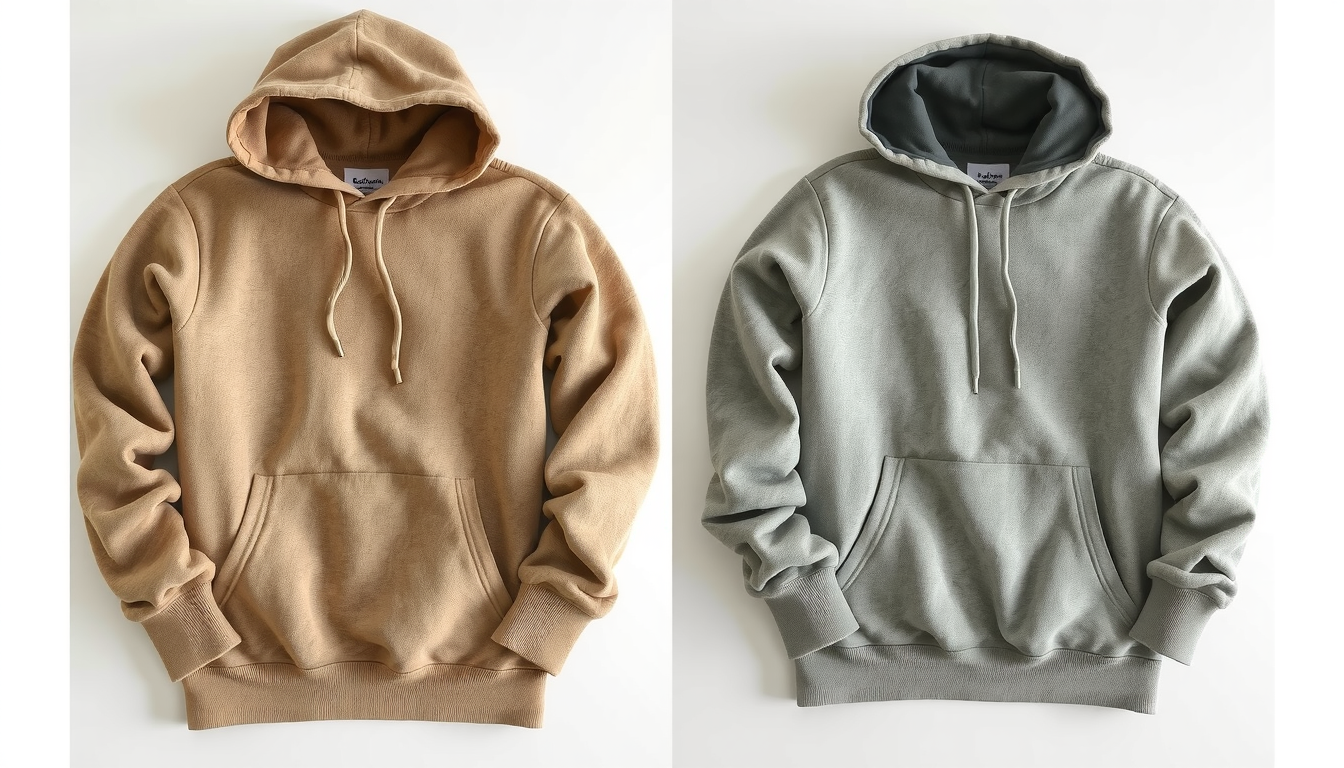
The best way to achieve the perfect fit is to start with one that fits perfectly. Our "5-step QC production method" mainly focuses on fabric quality which leads to the fit you buy and the fit that you will keep.
Starting with the right size is always better than trying to change it later. We are an experienced hoodie manufacturer. We have been working with over 1000 brands to help them perfect their sizes from the first sample. The result is that the customer no longer has to guess.
How to Take Care of Your Newly Sized Hoodie and Troubleshooting
After you have revised your fit, it is essential to maintain the proper care for your hoodie.
Keeping the New Size of Your Hoodie
If you want to stop your hoodie from further shrinkage, you have to modify your wash routine. To begin with, wash it only in cold water.
You can dry by either lying it flat to air dry or by tumble drying with no heat setting. This new method of care is a core point that is just as important as learning garment care symbols on clothing.
In Case You've Shrunk It Too Much!
Repairing shrinkage is very hard. One option is to stretch the fibers out.
Soak the hoodie in a bowl of warm water mixed with a small amount of hair conditioner. The fabric conditioner can help to relax the cotton fibers. After about 30 minutes, gently press the water out. Don't wring it. Lay the hoodie on a flat towel and carefully stretch it back to your wanted shape as it air dries.
For Brands: Ensure Proper Fit From the Very Beginning
For fashion brands, the best way to avoid this problem is to work with a production expert. They should be the ones to get the sizing right in the development phase. With 10+ years in the industry and having helped launch 500+ successful brands, Clothing Manufacturer Ltd. specializes in creating clothes that meet exact fit specs. Our expertise, backed by ISO 9001 and BSCI certifications, ensures quality from day one.
FAQ: How to Shrink an Essentials Hoodie
Will it damage the logo if I shrink an Essentials hoodie?
Yes, it is a significant risk. High heat can indeed cause printed or rubber logos to crack, warp, or peel. To minimize this risk, you should always turn the hoodie inside out during washing and drying, using the lowest effective heat.
What is the ideal limit on how much I can shrink an Essentials hoodie?
A one full-size down (e.g., from a Large to a Medium) is usually achievable. This is typically 5-10% shrinkage in the cotton fibers. The polyester content will limit the total possible shrinkage.
Is it possible to only shrink the sleeves of my hoodie?
It's tough to do that evenly. You can try applying hot water or steam to the sleeves and then using a hairdryer, but the results may not be as good as expected and may show an obvious difference from the rest of the garment.
Does the color of the Essentials hoodie make any impact on the shrinking?
The color itself does not affect how much the hoodie shrinks. However, high-heat washing and drying may cause some darker dyes to fade over time. Washing the item inside out may help prevent this.
What is the best method for shrinking without a dryer?
The boiling water method. Bring a large pot of clean water to a boil, remove it from the heat, and submerge the hoodie for 5-10 minutes. Carefully remove it (it will be very hot), let it cool enough to handle, and then gently squeeze out the extra water. Lay it flat to dry. This method is high-risk and can lead to uneven results.