The joy of finding a hoodie is one of the great moments in life. Being able to wear a perfectly fitted one is even better. Who hasn't been in the situation where they wear a big-size hoodie? It could be that you have ordered the wrong size online. Or maybe a factor is that you lost a bit of your weight. But, the result is the same: You don't want to walk around in a clothing piece that really looks like a tent. We have been in the fashion industry for more than 10 years. This means we have the experience that allows us to know how fabrics respond to heat, tension, and stitching. You can trust us with the alteration of that worn-out garment.
Summary of the Main Ideas
- Check the fabric content label prior to any heat application.
- Cotton fibers shrink easily when washed with hot water and dried by high heat.
- Polyester and synthetic blends do not withstand heat and often need sewing.
- By turning the garment inside out, you can protect your prints and logos.
- The elastic band method, which is a trick of styling clothes, is just one simple and quick way to conceal the problem.
Introduction: Evaluating Your Hoodie That Is too Big
An oversized hoodie can be beneficial when relaxing at home. But mostly, it looks sloppy when worn outside. Many people would think all sweatshirts are identical. They are not. The technique that must be used to turn a garment into a smaller size is determined wholly (100%) by the material it is made of. For example, if you shrink materials in the wrong way, you might be stuck with permanent bad texture or shape.
Our experience is a great reminder that over 1000 fashion brands in partnership with us. We understand that sizing standards are quite diverse. A medium-sized shirt in one brand could be a large in another. As one of the biggest clothing manufacturers, we often have cases of such fit issues. Instead of it just being a popular problem, we have the scientific solution. In this article, we will present you with two well-tried methods for gear resizing. The first one is thermal shrinking for natural fibers, and the second one is structural alteration for synthetic materials.
Step 1: Consider the Type of Fabric
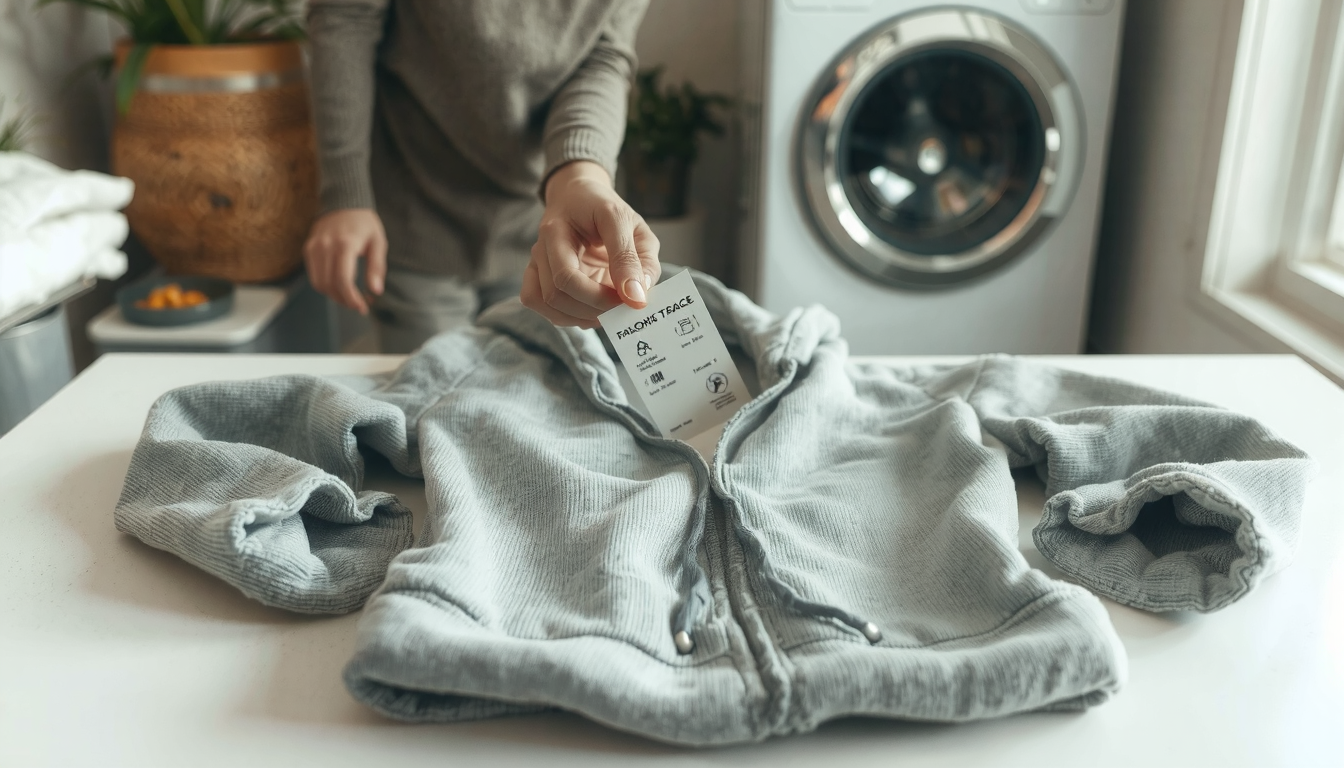
The first step is to check the care label before operating the washing machine or cutting with scissors. This tiny tag has the information you need about fiber composition. This is the step you have to complete before you can learn how to make your hoodie smaller without ruining it. Cotton, which is a natural fiber, has empty spaces and it soaks up water. So, when heat is applied, they fold. Polyester, which is a synthetic fiber, is more like plastic. It is made to stay unaffected by the process of contraction.
Here is a brief guideline of the potential shrinkage of different materials:
| Fabric Type | Shrinking Potential | Recommended Method |
|---|---|---|
| 100% Cotton | High | Hot Wash & Dry |
| 80/20 Cotton Blend | Moderate | Boiling Water |
| 50/50 Blend | Low | High Heat or Sewing |
| 100% Polyester | None | Sewing Only |
High-quality clothing is often forced into strict production terms before being put on retail. For example, we use a 5-step QC production method that is dedicated to ensuring stability. If your hoodie is tagged as preshrunk, applying thermal methods is hardly effective. A good hoodie manufacturer uses particular GSM weights and tight knits to keep the fit stable. This implies that, in the case of high-value items, you may need to go on and use the tailoring method indeed.
Method A: How to Make a Hoodie Smaller Without the Need for Sewing
In case your hoodie is made of at least 70% cotton, then the best choice for you is thermal shrinking which involves no shaking. It is a process that utilizes heat to tighten the fibers. You do not require any special tools whatsoever. You just need your household appliances.
The Washer and Dryer Method
Make your setting for the washing machine to the hottest water possible then toss your hoodie inside. The heat loosens the tension in the cotton fibers. When the washing machine is done, do not wait a second before immediately putting it into the dryer. You have to set your dryer to its highest temperature so the process will run until the garment is totally dried out. Do not air dry at all. It will allow for the fibers to go back to the elongated state.
The Boiling Water Method
Some leftover cotton blends that are stuborn not to shrink in the washing machine can be put in boiling water. Get a big pot of water and boil it until bubbles form. Then switch the fire off and put the hoodie in the water very carefully. Let it stay for about 5 minutes. Be careful using tongs to take it out. Squeeze most of the water. Immediately, put it into the dryer on high heat.
Safety Warning
Heat can cause the color of the material to fade off and can also spoil the design. Always wear your hoodie inside out before you wash or boil it. This is a preventative measure for screen prints and embroidery. For more safety issues, you can check a guide on how to shrink a hoodie safely, so you do not melt any plastic elements like zippers or aglets.
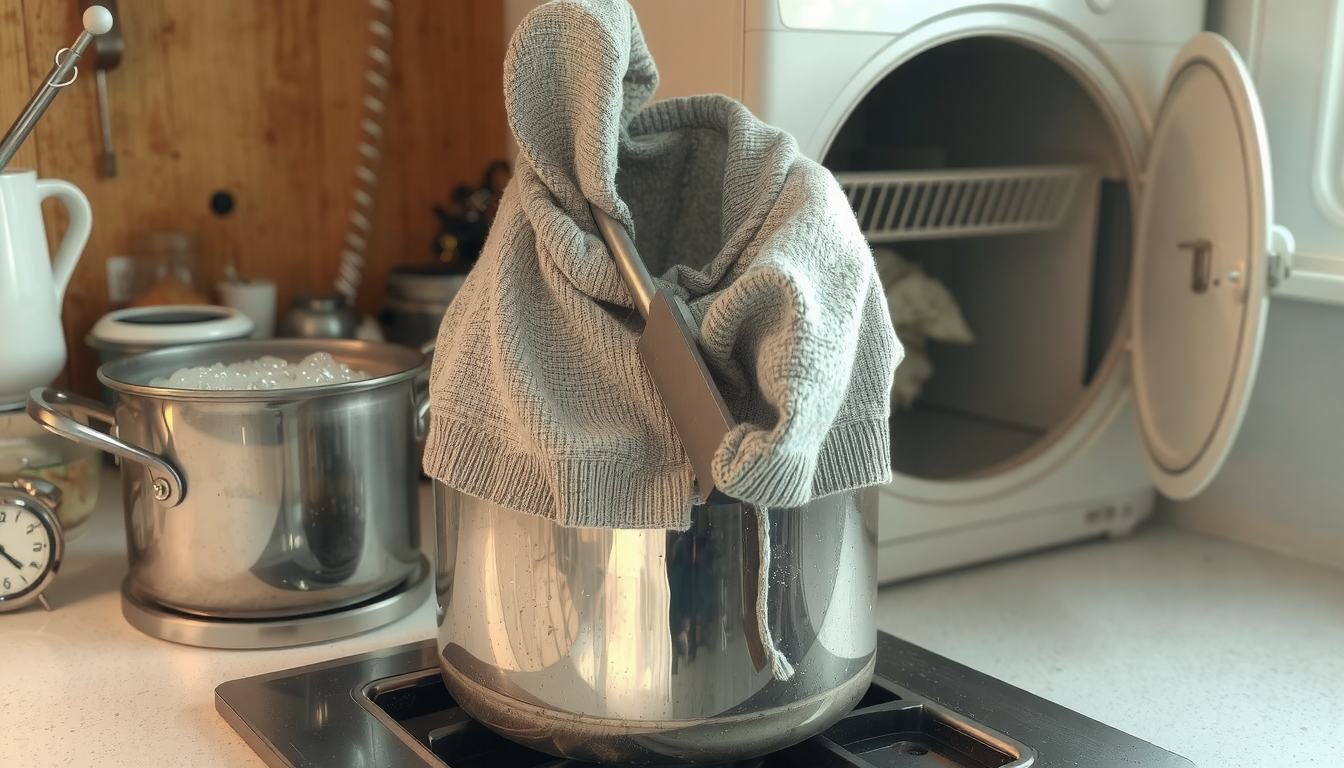
It is from our production floor experience that we have learned that thermal shock is essential. By switching the fabric from hot water to air that is not so hot, the fibers are forced to return to the state of the utmost tightness. Just be careful not to over-do it by making it impossible to go back.
Method B: The Tailoring Style
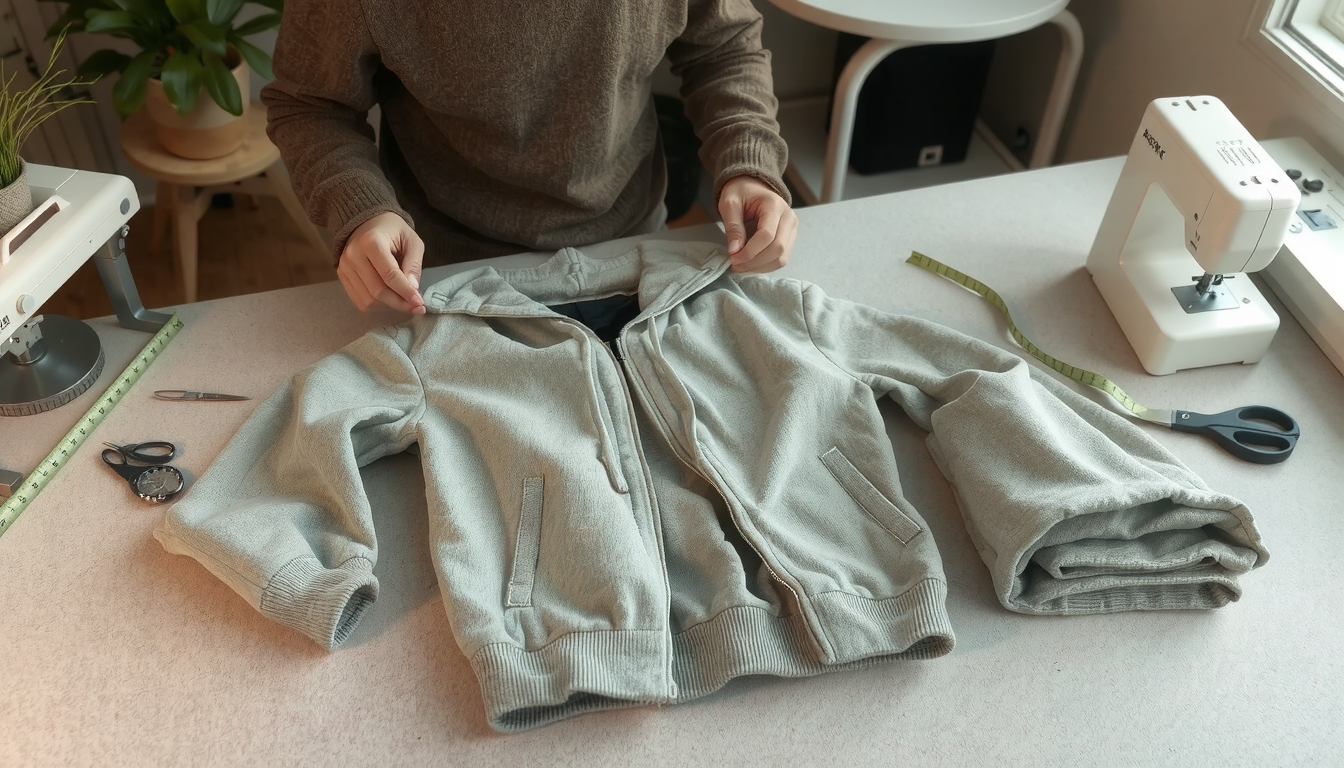
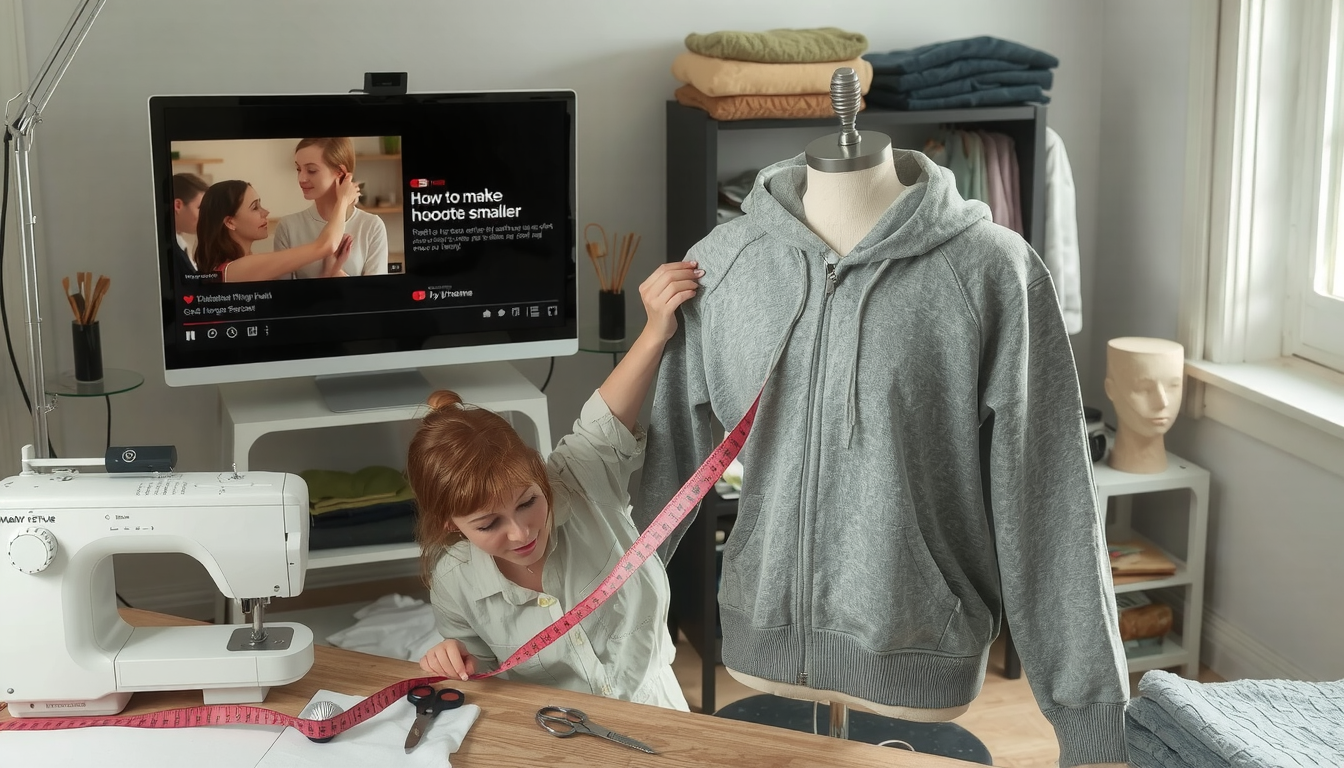
If your hoodie is made of polyester or you want a precise fit, sewing is the gold standard. Thermal shrinking is a guess game that will not be as precise as sewing. But, by applying the tailoring method you are making sure you will have the effect of shrinking a hoodie for good. This is done by taking in the side seams and arms which will in turn decrease the overall width.
Step 1: The Pinch and Pin
The very first step is to put the hoodie inside out and wear it. After that stand before the mirror. Pinch the fabric on the side of the waist and above the arms wherever you see some extra fabric until it fits as you like it. Apply safety pins or sewing pins to this new line. Make sure you have a little room to breathe and to move around.
Step 2: Sewing the Side Seams
Be careful when you take off the hoodie. Use a sewing machine or a needle and thread to sew along the line you pinned. As hooded fabric a zigzag stitch would be the best choice to use. This is because it will allow the seam to stretch freely with your body without breaking the thread.
Step 3: Resizing the Arms
Continue your sewing from the armpit all the way down to the wrist by the sleeve. Narrow the seam so that it merges with the cuff. From our 6 years of streetwear clothing experience, we use a standard seam allowance of about 1cm for durable seams. When you are satisfied with the size, you can cut away excess fabric inside. But leave a little just in case you might need to make a change.
Quick Styling Hacks: Temporary Fixes
There are times when you do not have time to wash, dry, or sew. What you need to do is make the hoodie look better right away. There are styling tricks that can alter the silhouette without making permanent changes.
The Elastic Band Trick
Take two rubber bands or hair ties. Bunch the bottom hem's extra fabric in on both left and right waists. Flip the inside out fabric up and under the base of the band. This pleats the fabric and thus it creates the ponytail of fabric and hides the bands. So this is how to make your hoodie look cropped and fitted at the waist.
The Tuck Method
Another easy suggestion for you is if you're wearing high-waist pants just tuck in the bottom part of the hoodie in to the waistband. It will gather a little bit to create a blouson effect. This is good because it visually reduces the garment's overall length.
These are the various options that you can use to keep the resale value up of a brand item. Cutting or shrinking can lower the resale value. But styling does not. For more tips on handling oversized clothes, you can read a guide on shrinking hoodies which goes into greater detail on fabric care.
Conclusion: Finding the Right Method for Your Hoodie
The choice of what method to apply on making the hoodie smaller relies significantly on the type of fabric and your patience. If you have a cotton basic, just use the washer and dryer. It is blazing fast and it is effective too. If you have a synthetic blend or a high-value item, take the time to sew it or visit a professional.
We have supported over 500 successful brands in creating high-quality garments. We know that a good fit starts with manufacturing. These tips can help you to salvage a piece that is just a bit too big. You can choose to either shrink it with heat or tailor it for a custom fit, but in both cases, you should always be cautious to keep your gear in a good modification.
FAQ: Questions Frequently Asked About Resizing Hoodies
Is it possible to shrink a 100% polyester hoodie?
Generally, no. Polyester is a synthetic fiber that is resistant to heat. Instead of shrinking the fabric, high heat may just end up melting it. For polyester, the sewing method detailed above is the only helpful way to know how to make your hoodie smaller.
Will the screen print or logo be damaged by shrinking a hoodie?
Yes, it can. High heat makes the fabric contract, but the print (made by plastisol or vinyl) does not shrink. So the result is cracking or warping of the design. Turn the hoodie outside in always. You can think of the tailoring method for the very highly printed items to safeguard them.
What is the expected shrinkage percentage for a cotton hoodie?
A regular 100% cotton hoodie can decrease in size by as much as 20% in its first hot wash and dry. But, many contemporary designs come with blends of preshrunk cotton material. They can decrease by just 3% to 5% which may not be enough to have a tangible size change.
Are professionals better at resizing hoodies?
If the hoodie is expensive, has a complex lining, or features thick metal zippers, a professional tailor is recommended. From our 10+ years of production experience, we know that heavy-weight fabrics require industrial machines that standard home sewing kits often cannot handle effectively.
How do I make the hood part smaller?
It's trickier to make the hood smaller using heat as you can't isolate it from the rest of the garment. You have to take the center seam of the hood open, remove fabric, and restitch. This is a job for intermediate sewers or it would be better done by the professionals.