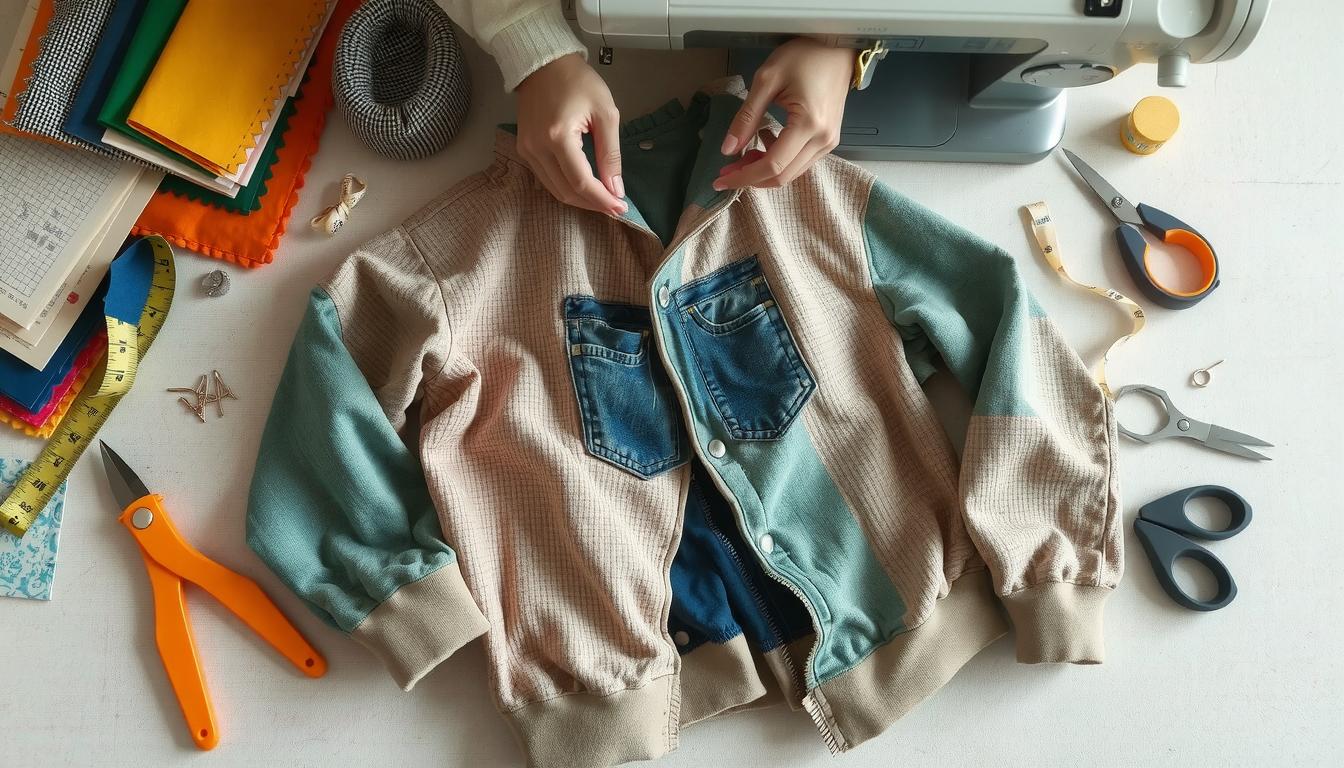
The patchwork hoodie is a top trend in streetwear for 2026. It mixes unique style with eco-friendly fashion. It's a bold piece that turns fabric scraps into wearable art. We are a clothing maker with over 10 years of experience. We've watched this trend grow and know that making a high-quality version at home is a fun project for any DIY designer.
Key Takeaways
- Plan First: A good patchwork hoodie starts with a solid design. Pick colors that work well together and sketch your patch placement before you cut any fabric.
- Match Your Fabrics: Use fabrics of similar weight and stretch. Cotton fleece or French terry work well. This stops the final piece from bunching or warping.
- Master the Technique: The building process involves preparing your base. Cut patches with a seam allowance. Pin them carefully. Use the right stitch like a zigzag stitch for stretch fabrics.
- Finish Like a Pro: Make your DIY project better by finishing your seams to stop fraying. Press them flat for a crisp look. Do a final quality check for any flaws.
Phase 1: Designing Your Patchwork Hoodie
Before you touch a single piece of fabric, you need a good design plan. This is what makes the difference between a random craft project and a polished piece. We've helped over 500 brands succeed. We know that planning is the foundation of quality.
Gathering Inspiration and Defining Your Style
First, decide on the overall look. Do you want a wild, colorful design made from small scraps? Or a more structured look with large, geometric blocks? You can also reuse old clothes. Use their graphics and textures to create a unique story. Look at current streetwear trends for ideas on placement and style.
Choosing a Cohesive Color Palette
A planned color palette makes your design look intentional. You can use a color wheel to find combinations that work well together. Try complementary colors (opposite colors) or analogous colors (colors next to each other). We often tell brands to include neutral tones like black, grey, or beige. These colors can ground a busy design. They make the brighter patches stand out.
Selecting Compatible Fabrics for a Quality Finish
This is one of the most important steps. Mixing fabrics with different weights and stretch levels will cause bunching. It creates an uneven finish. For a professional result, stick to materials that act the same way.
We support certifications like OEKO-TEX and GOTS. We always recommend quality materials. For hoodies, fabrics in the 280-380 GSM range are ideal. GSM means Grams per Square Meter. Consider eco-friendly options like GRS-certified recycled fleece. This makes your project better for the environment.
| Fabric Type | Weight (GSM) | Stretch | Best Use for Patchwork | Care Instructions |
|---|---|---|---|---|
| Cotton Fleece | 300-400 | Low to Medium | Great for beginners. Stable and warm. | Machine wash cold, tumble dry low. |
| French Terry | 250-350 | Medium | Good for a lighter hoodie. Loops inside are comfortable. | Machine wash cold, hang dry or tumble low. |
| Polyester Blends | 280-380 | Medium to High | Durable and holds color well. Can be slippery to sew. | Machine wash cold, tumble dry low. |
Sketching Your Design
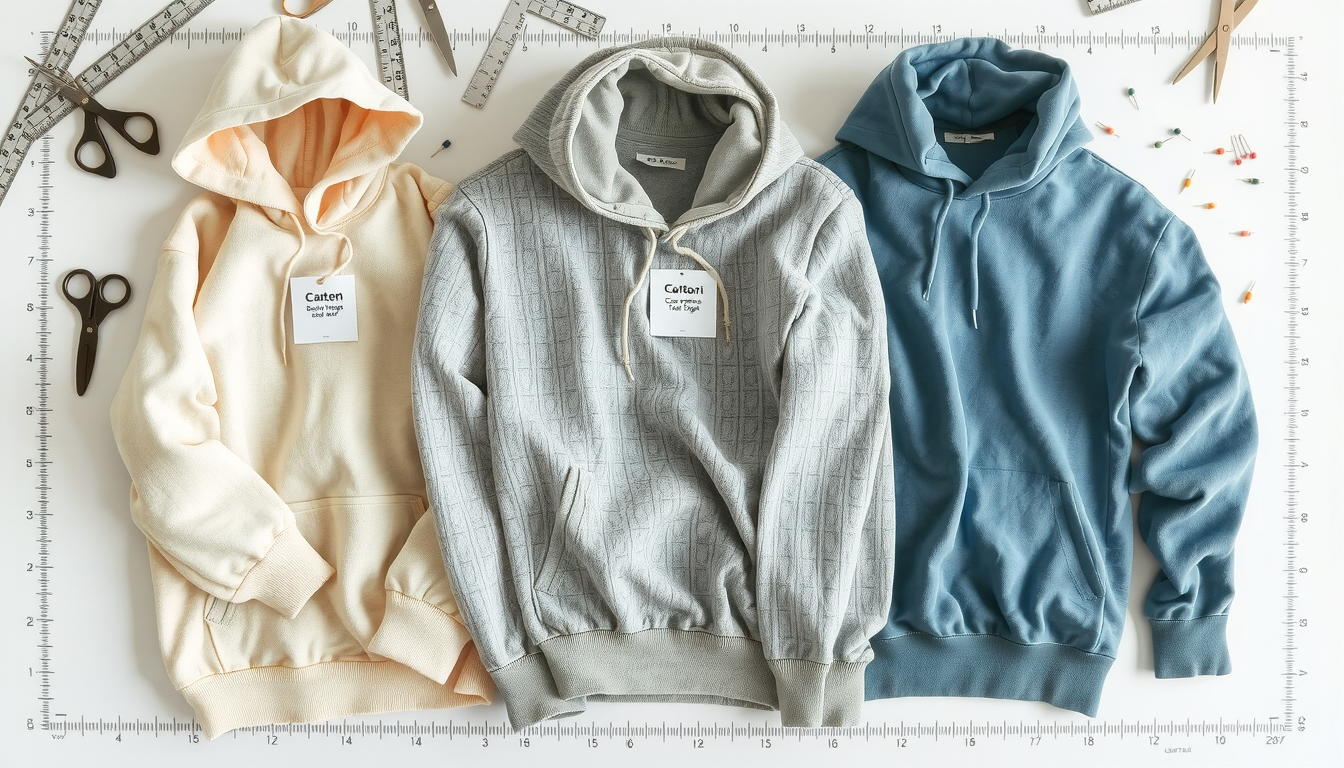
Never skip this step. Find a simple hoodie outline online or draw one yourself. Use this template to sketch where you want each patch to go. This visual plan helps you figure out the size and shape of each piece before you make your first cut. It saves you from wasting valuable fabric.
Phase 2: Gathering Your Tools & Materials
Having everything ready before you start makes the process smooth and fun. Here is a checklist of what you'll need to make your own patchwork hoodie.
Essential Equipment
- Sewing Machine: A standard machine is fine. Make sure you have a jersey or ballpoint needle. These needles are made to push between the knit fibers of sweatshirt fabric instead of cutting them. This prevents holes.
- Fabric Scissors or a Rotary Cutter & Mat: Sharp scissors are a must for clean cuts. A rotary cutter can make cutting straight lines faster and more precise.
- Measuring Tape & Ruler: For accurate measurements of your patches.
- Pins or Sewing Clips: To hold your patches in place while you sew. Clips are often better for thick fleece.
- Iron and Ironing Board: Important for pressing seams and getting a professional finish.
Necessary Materials
- Base Hoodie(s): You can use a new blank hoodie or reuse one or more old ones.
- Fabric Scraps/Patches: Make sure to pre-wash all fabrics. This step is vital to prevent them from shrinking or bleeding colors after your hoodie is complete.
- All-Purpose Thread: Choose a color that matches your fabrics or a contrasting color to make your stitches a design feature.
- Optional: A seam ripper for fixing mistakes. Fabric chalk or a disappearing ink marker to draw cutting lines.
Phase 3: The Step-by-Step Construction Process
This is where your vision comes to life. The sound of the sewing machine and the feeling of the fabric coming together is satisfying. Follow these steps carefully to build your hoodie.
Step 1: Prepare Your Base and Patches
If you are reusing old hoodies, you'll need to take them apart first. Carefully cut along the seams to separate the front, back, and sleeve panels. Some helpful techniques for deconstructing garments can be found in quilting forums. The principle is similar.
Next, use your design sketch to cut your patches. Remember to add a seam allowance of about 1/2 inch to every side of each patch. This extra fabric is what you will use to sew the pieces together.
Step 2: Arrange and Pin Your Patches
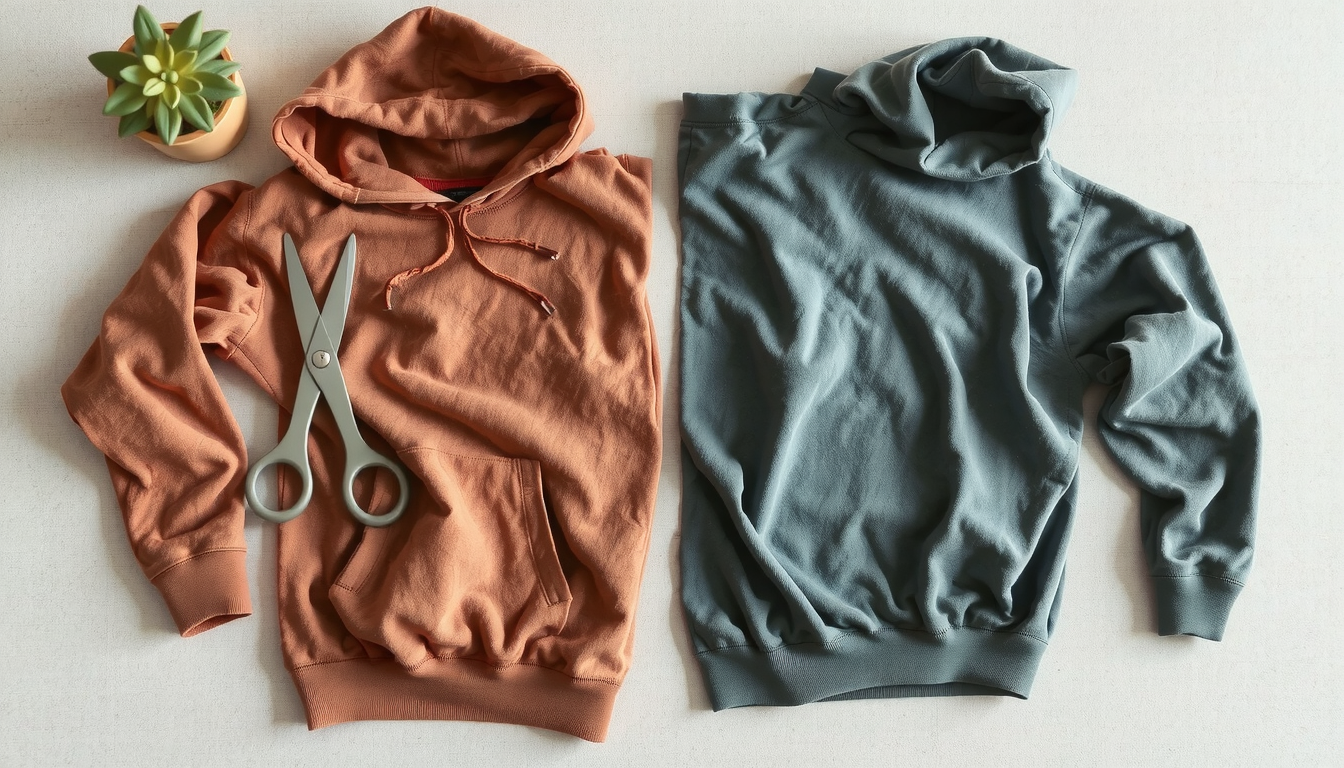
Lay your base hoodie or main fabric panel flat on a large surface. Arrange your cut patches on top of it according to your sketch.
Once you are happy with the layout, carefully pin each patch in place. Make sure the fabric is not stretched or pulled while you pin. This will cause bunching after sewing.
Step 3: Sewing the Patches
Now it's time to sew. For stretchy fabrics like fleece or French terry, a zigzag stitch is your best choice. It has built-in stretch. Your seams won't snap when the fabric moves. A straight stitch can also work but is less forgiving.
Start sewing the patches that are in the center of your design. Work your way outwards. This helps keep the fabric flat and prevents it from shifting. Sew slowly and carefully. Remove pins as you go. For a simple overview, This basic DIY guide offers a good starting point for complete beginners.
Step 4: Assembling the Hoodie (If building from scratch)
If you are not using a pre-made hoodie as your base, this is the final assembly step. If you created large patchwork panels, you will now treat them as regular fabric.
With the "right" sides of the fabric facing each other, sew your front and back panels together at the shoulders. Then, attach the sleeves and sew up the side seams. Finally, attach the waistband, cuffs, and hood.
Phase 4: Professional Finishing & Quality Control
The small details separate a homemade craft from a brand-quality piece. After working with over 1000 international fashion brands, we know that finishing is just as important as the initial design.
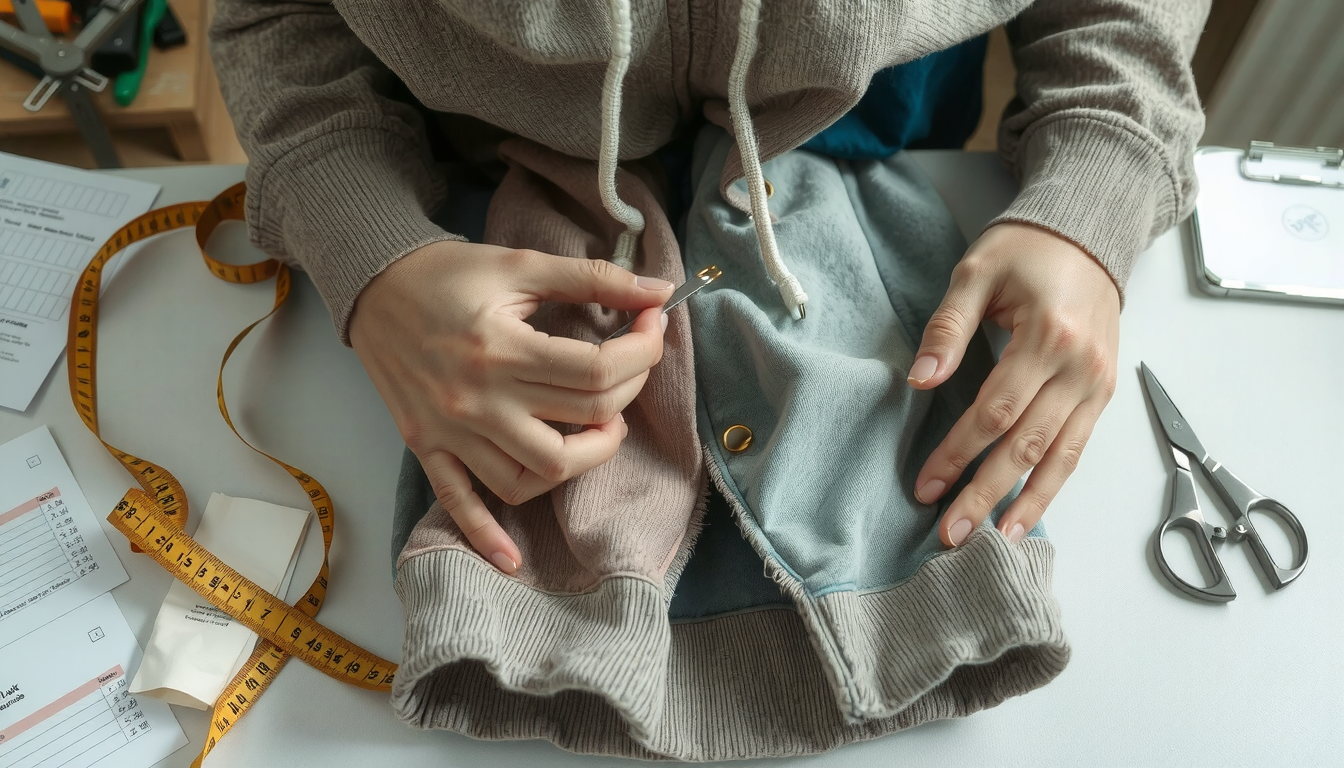
The Importance of Seam Finishing
Look inside any professionally made hoodie. You will see that the raw fabric edges are finished to prevent them from unraveling. You can achieve this with a serger or overlocker. If you don't have one, use the zigzag stitch on your sewing machine along all raw seam allowances. This simple step greatly increases how long your patchwork hoodie will last.
Pressing Your Seams
An iron is one of your most powerful tools. After sewing a seam, press it with an iron. You can either press the seam allowance open or to one side. This makes the seam lie flat. It gives your hoodie a crisp, clean, and professional look from the outside.
A Note on Quality Control
Before you call it done, do a final inspection. We apply our special "5-step QC production method" to every piece we make. You can use the same principle. Check your hoodie for any loose threads and trim them. Look for any bunched areas or stitches you might have missed. Strengthen any weak spots. Quality is in the details.
Final Wash and Care
Once your hoodie passes inspection, give it a final wash. Turn it inside out. Wash on a gentle cycle with cold water. Tumble dry on low or hang it to dry. This will set the stitches and give it a soft, worn-in feel. Give these care instructions if you ever give the hoodie as a gift.
Beyond DIY: Taking Your Design to the Next Level
After you learn how to make a patchwork hoodie and perfect your technique, you might wonder what's next. Many designers start with a single piece and dream of creating a full collection.
From Hobby to Brand
Turning your hobby into a small brand requires consistency and scale. If you're ready to produce your designs in larger amounts but want to keep high quality, a production partner can be invaluable.
When you're ready to scale your vision, partnering with an experienced hoodie manufacturer ensures every piece meets your standards without the headache of home production. We have ISO 9001 and BSCI certifications. We provide a reliable path to growth. With over a decade of experience, we at Clothing Manufacturer Ltd. have helped over 500 successful brands make the leap from a great idea to a market-ready product.
FAQ: Your Patchwork Hoodie Questions Answered
Here are answers to some common questions we hear about how to make a patchwork hoodie.
1. Can I make a patchwork hoodie without a sewing machine?
Answer: Yes, it is possible to hand-sew a patchwork hoodie using a strong stitch like the backstitch. However, this method takes a very long time. For a durable piece, especially one made from stretch fabrics, a sewing machine is highly recommended. It ensures the seams can handle wear and tear.
2. What's the best fabric for a beginner?
Answer: We recommend starting with 100% cotton fleece or a cotton-poly blend. These fabrics are stable. This means they don't stretch or move much while you sew. They are also easy to cut and don't fray as easily as other materials. This makes the learning process much smoother.
3. How do I stop the patches from fraying after washing?
Answer: The best way to prevent fraying is to finish your seams. Use a serger or an overlock stitch on all raw edges inside the piece. If you don't have a serger, a simple zigzag stitch along the edge of each seam allowance on a standard sewing machine will also work well. This locks the fibers in place.
4. Should I use an old hoodie or start with a new one?
Answer: Both are great choices with different benefits. Reusing an old hoodie is eco-friendly and budget-friendly. It adds character. Starting with a new, blank hoodie gives you a clean and consistent canvas. This can be easier for a beginner to work with. It ensures a uniform base color and fabric quality.
5. How do I wash my finished patchwork hoodie?
Answer: To ensure your creation lasts, proper care is key. Turn the hoodie inside out before washing. Use a cold water setting on a gentle cycle. To dry, you can either tumble dry on a low heat setting or, for best results, hang it to dry. This gentle process reduces stress on your stitches. It helps preserve the colors of your patches.