You can restore bright white to your favorite clothes using bleach. It’s one of the best ways to get amazing results without damaging your clothes. The whole process is simple: check the label, pick the right bleach, and add it correctly to your wash.
We will show you how to do this with your washing machine or by hand soaking. Most of all, we’ll teach you important safety rules that protect your clothes, washing machine, and yourself.
Before You Begin: The Golden Rules of Bleaching

before afford any whitener , you must come theese regulation . they can implly hte remainder between undimmed whie washing And a costly error . Think of this as your guardd stlppage before go .
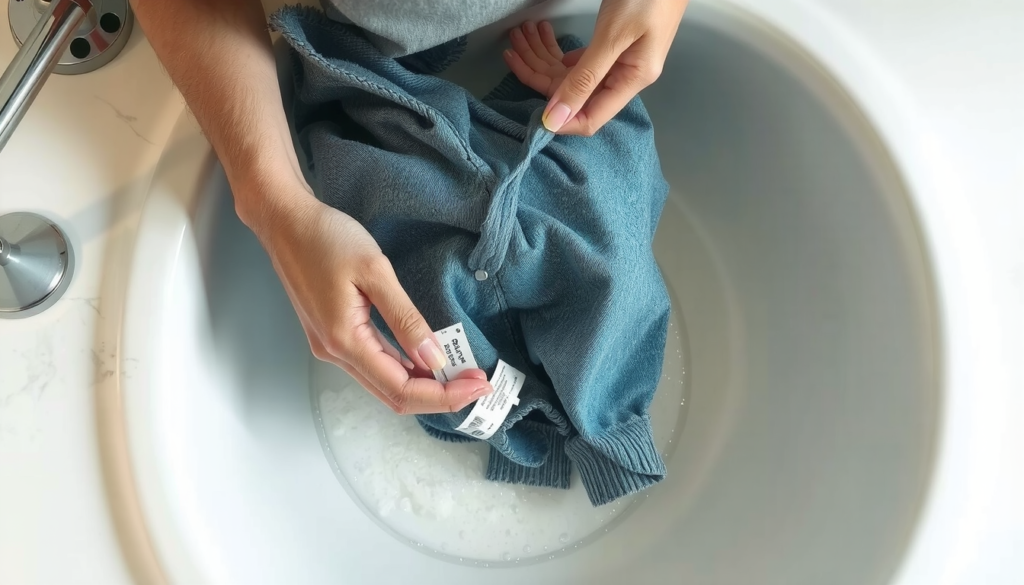
Rule #1: Always Check the Garment Care Label
The care label tells you what your clothes need. It will clearly show if the fabric can handle bleach.
Look for a triangle symbol that tells you what to do:
- An empty triangle (△): Any type of bleach is safe, including regular chlorine bleach.
- A triangle with two diagonal lines inside (▵): Use only non-chlorine, oxygen-based bleach.
- A solid black triangle with an ‘X’ over it (▲ with X): Do not use any bleach on this fabric.
Never use chlorine bleach on wool, silk, leather, mohair, or spandex. The bleach can destroy these fibers completely.
Rule #2: Work in a Well-Ventilated Area
Bleach gives off strong fumes that can irritate you. The sharp smell can quickly become too much in small spaces like a bathroom with no windows, and may cause coughing or dizziness.
Always Afford a windowpane or becomee on a fan beforre you commence swarm whitener . Good aiir strdam maintain you safe and comfy .
Rule #3: Protect Yourself and Your Surfaces
Even tiny drops of bleach can permanently remove color from clothes or countertops. Wear old clothes you don’t mind getting damaged.
Protecting your skin matters just as much. Always use rubber gloves to prevent skin burns and irritation.
Rule #4: Never Mix Bleach with Other Cleaners
This is the most important safety rule of all. Mixing chlorine bleach with other household chemicals can create dangerous gas that can harm you.
CRITICAL WARNING: Never mix chlorine bleach with ammonia, rubbing alcohol, or acids like toilet bowl cleaner or vinegar. This can release toxic gas that can seriously hurt you.
This isn’t just a suggestion but a vital safety rule, according to safety guidelines from the American Cleaning Institute. Only use bleach with water and detergent.
Choosing Your Weapon: Chlorine Bleach vs. Oxygen Bleach

All bleach is not the same. The two main types are traditional chlorine bleach and the newer oxygen bleach. Your choice depends on your fabric type and what you want to achieve.
Understanding the Key Differences
Here’s a simple comparison to help you decide. Chlorine bleach powerfully disinfects and whitens strong fabrics, while oxygen bleach works more gently on more types of materials, including some colored items.
| Feature | Chlorine Bleach (Sodium Hypochlorite) | Oxygen Bleach (Sodium Percarbonate/Peroxide) |
|---|---|---|
| Best For | Disinfecting & powerful whitening of sturdy white cottons. | Brightening, stain removal, whitening delicate fabrics. |
| Fabric Safety | Not safe for wool, silk, spandex, leather. Can damage fibers over time. | Generally safe for most washable fabrics, including colors. |
| Whitening Power | Very High | Moderate to High |
| Water Temp | Effective in hot, warm, or cold water. | Most effective in warm to hot water to activate. |
| How it Works | Chemical reaction breaks down stains and color molecules. | Releases oxygen bubbles to lift away dirt and stains. |
Step-by-Step Guide: How to Bleach White Clothes in a Washing Machine

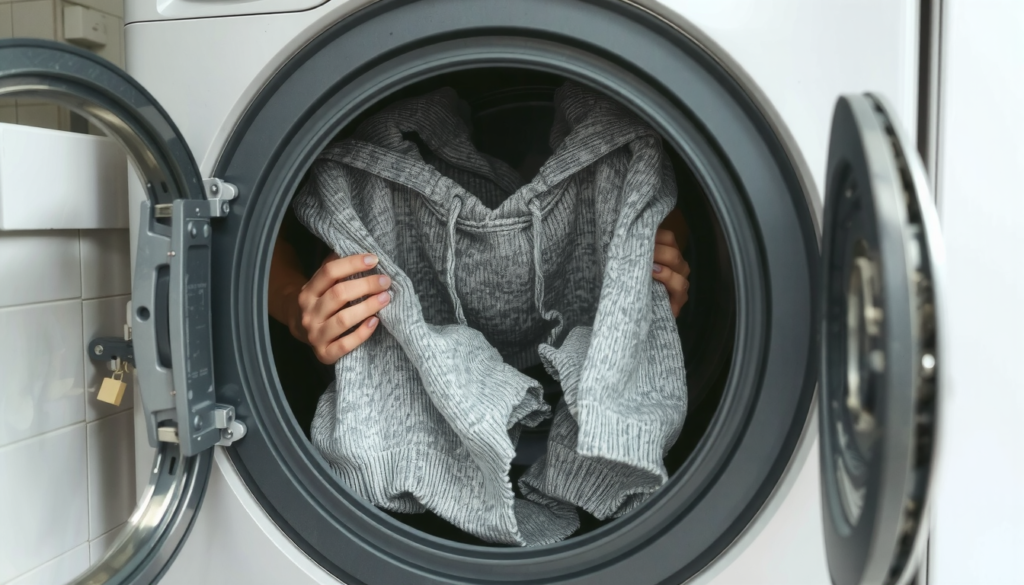
This is how most people whiten sheets, towels, and cotton clothing. Following these steps in order makes sure the bleach works well and spreads evenly, preventing spots and damage.
Step 1: Set Up Your Washer
Start by choosing the right settings on your machine. Select the “Whites” or “Heavy Duty” cycle if you have one.
Use the hottest water that’s safe for your fabric, as shown on the care label. For most cleaning jobs with chlorine bleach, water should be at least 120-140°F (50-60°C) to work best.
Step 2: Add Detergent
Put your normal laundry soap in the machine drum or soap dispenser as you usually would. The detergent works together with bleach to clean and lift dirt.
Step 3: The Right Way to Add Chlorine Bleach
How you add bleach matters most of all. Never pour bleach directly onto dry clothes, as this will cause permanent spots and weaken the fabric.
- Method A (For machines with a bleach dispenser): This is the easiest and safest way. Simply measure the right amount of bleach—usually 1/2 to 3/4 cup for a normal load, but check the bottle—and pour it into the special bleach cup. The machine will release it at the right time, after the tub fills with water.
- Method B (For machines without a dispenser): If your machine doesn’t have a bleach cup, you must mix the bleach with water first. Start the wash cycle and let the tub fill and mix for about 5 minutes. This lets the detergent fully dissolve. Then, mix 1/2 cup of bleach in 1 quart of warm water. Slowly pour this mixture into the moving water, not directly onto the clothes.
Mixing bleach with water before it touches your clothes is very important, as many laundry experts recommend.
Step 4: Add Clothes and Run the Cycle
Put your white clothes in the washer, spreading them out evenly. Don’t overfill the machine, as this prevents proper cleaning and rinsing. Let the full wash cycle run.
Step 5: Dry as Usual
When the cycle ends, check your clothes for any stains that remain. If you see any, treat them again before drying. The heat of a dryer can set stains permanently into fabric. If everything looks good, dry according to the care label.
The Soaking Method: How to Bleach Whites by Hand

For specific stains, delicate items, or if you don’t have a washer, hand-soaking gives you more control. This method works great for brightening just one dingy shirt or pair of socks.
Step 1: Prepare Your Soaking Solution
In a plastic or porcelain tub (never metal), mix your bleach solution before adding any clothing. This ensures the bleach is properly diluted to prevent damage.
A good starting mix is 4 tablespoons of chlorine bleach per 1 gallon of cool water. Following expert cleaning guides, always add bleach to water, not water to bleach, to prevent splashing.
Step 2: Submerge and Soak
Place your white garment into the solution and push it down until fully covered by the water.
Let the item soak for 5 to 10 minutes. Use a timer for this step. Soaking too long often causes fabric damage and yellowing.
Step 3: Rinse Thoroughly
After time is up, carefully remove the garment while wearing your gloves. Pour out the bleach solution and rinse the item completely under cool running water until all the slippery bleach feeling is gone. This rinsing stops the chemical action.
Step 4: Wash as Normal
To remove any bleach that remains, wash the item. You can wash by hand with a small amount of regular detergent or put it through a normal cycle in your washing machine.
Troubleshooting: How to Fix Common Bleaching Mistakes
Over time, we’ve seen several common problems when people first learn to bleach white clothes. Don’t worry—most have simple explanations and solutions.
Problem: My whites turned yellow after bleaching.
- Cause: This surprising result usually isn’t from the bleach itself. It often happens when chlorine bleach reacts with iron in your water supply or minerals from body lotions and sunscreens left on the fabric.
- Solution: To fix yellowing, wash the items again using an iron-out or rust remover product, following package directions carefully. To prevent this problem in the future, use oxygen bleach for your whites, as it doesn’t react with iron.
Problem: I have yellow or uneven bleach spots on my clothes.
- Cause: This almost always happens when undiluted chlorine bleach touches fabric directly. The strong chemical removes color and permanently damages fibers in that spot.
- Solution: Sadly, this damage usually can’t be fixed. You might try using color remover on the whole garment to even out the color, but it might not work. This shows why the dilution steps we covered earlier are so important.
Problem: My clothes feel weak or have holes.
- Cause: This means the fibers are breaking down. It happens when you use too much bleach, soak items too long, or use bleach in every single wash. Chlorine bleach is powerful and can weaken cotton fibers over time.
- Solution: Once holes appear, the damage can’t be fixed. The best approach is prevention. Use less bleach, stick to the 5-10 minute soak time, and use bleach wisely. We suggest using it only every 3-4 washes to boost brightness, not for every load. Following good laundry practices will help your whites last much longer.
Conclusion: Keeping Your Whites Bright for the Long Haul
Mastering how to bleach white clothes comes down to a simple routine: check the label, choose the right bleach, and put safety first. Whether using a machine or soaking by hand, proper dilution and timing are key to success.
By following these guidelines, you’ve moved beyond guesswork. You now have expert knowledge to handle dingy fabrics and tough stains with confidence. With these techniques to whiten clothes effectively, you can keep all your whites looking brilliantly new for years to come.
FAQ
- What’s the difference between chlorine bleach and oxygen bleach?
Chlorine bleach (sodium hypochlorite) provides powerful whitening for sturdy cottons but damages delicate fabrics. Oxygen bleach is gentler, works on more fabrics, and is safer for colors. - How much bleach should I use in my washing machine?
Use 1/2 to 3/4 cup of chlorine bleach for a regular load. Always add it to the bleach dispenser or dilute it in water before adding to the wash. - Can I bleach all white clothes?
No. Always check care labels first. Never bleach wool, silk, leather, mohair, or spandex. Look for triangle symbols on labels to determine bleach compatibility. - Why did my whites turn yellow after bleaching?
Yellowing typically occurs when chlorine bleach reacts with iron in water or minerals from body products. Try using oxygen bleach instead or a rust remover product. - How often should I bleach my white clothes?
For longevity, bleach whites every 3-4 washes rather than every load. Excessive bleaching weakens fibers and can cause holes over time.