
Premium Pullover Hoodie Manufacturer for Global Streetwear Brands
As your dedicated pullover hoodie manufacturer, we deliver trend-driven designs, low MOQ, and a 5-step QC guarantee to streetwear brands and startups in 100+ countries.
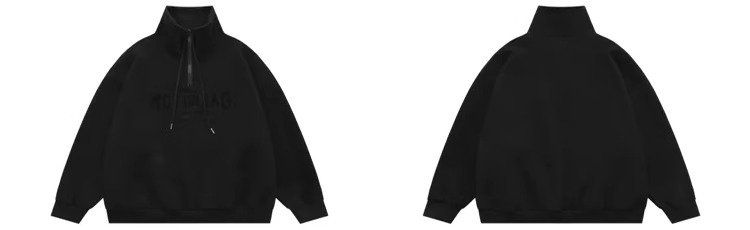
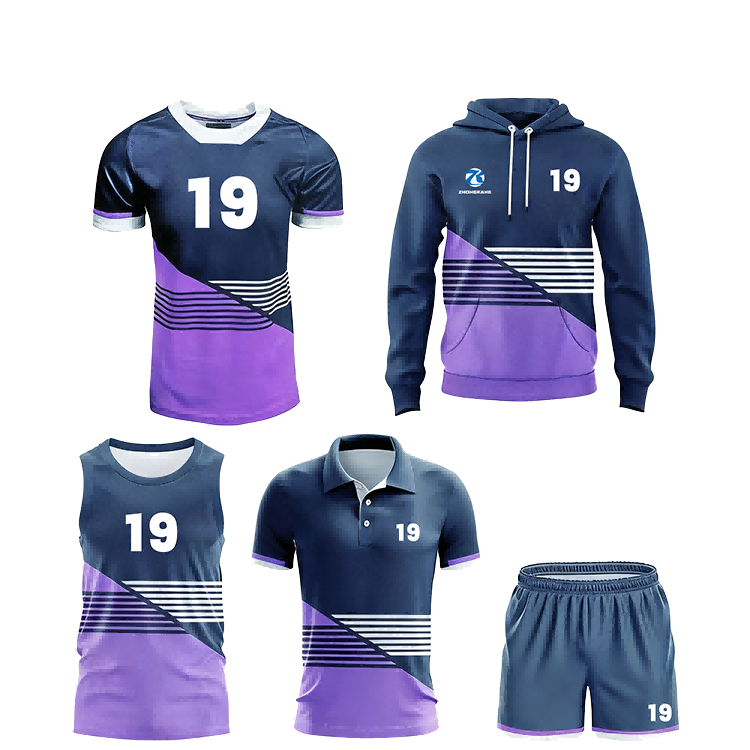
Featured Hoodie Collections
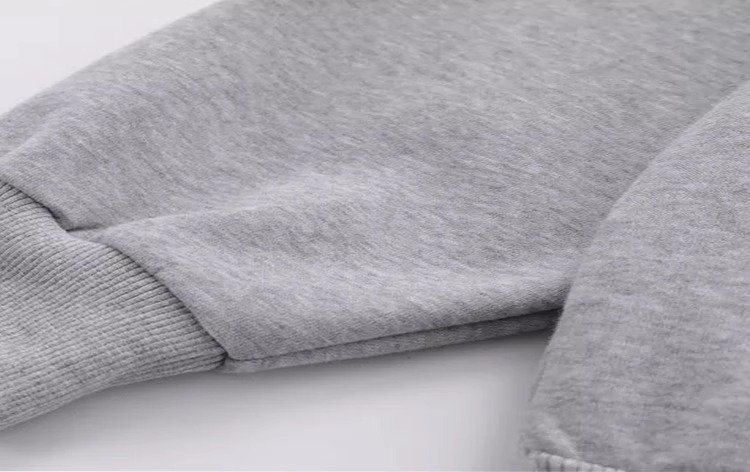
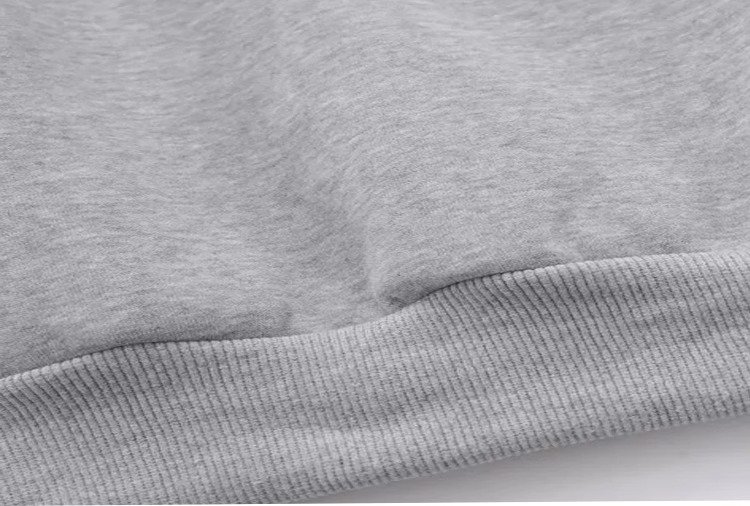


Why Streetwear Brands Choose Our Pullover Hoodie Manufacturer
From zero-compromise quality control to global delivery, every advantage is built to help your brand launch faster, grow smarter, and never settle.
Zero-Compromise 5-Step QC
Quality checks at every production stage — materials to finished garment — so defects never reach your customers.
Low MOQ for Emerging Brands
Streetwear startups and indie designers can launch their first hoodie run without intimidating minimum order requirements.
In-House Design & Sampling Team
Our 15-member R&D team builds custom patterns, graphics, and samples tailored precisely to your brand’s streetwear vision.
Fast Sampling & Seasonal Turnarounds
We deliver rapid prototypes and on-time production runs so your brand never misses a seasonal drop or trend window.
Deep Streetwear Culture Expertise
With 6-plus years in streetwear production, we craft hoodies rooted in hip-hop, skate, and street art aesthetics.
Global Shipping & Logistics Support
We manage customs, freight, and international delivery to 100-plus countries so your hoodies arrive anywhere, on time.
The Pullover Hoodie Manufacturer for Every Style, Fit & Finish
From oversized streetwear silhouettes to embroidered branding, we produce the hoodie styles your customers demand — every category backed by our 5-step QC guarantee.
Oversized Streetwear Hoodies
Streetwear brands struggle to find manufacturers who consistently execute oversized silhouettes with correct drop shoulders, extended sleeves, and boxy fits — without size inconsistencies creeping in across large production runs.
Our pattern engineers nail every oversized spec with precision grading, delivering drop-shoulder hoodies with consistent measurements, impeccable seam alignment, and on-point silhouettes — every unit, every run.
Authentic Vintage-Wash Hoodies
Achieving authentic vintage wash effects is notoriously inconsistent — many manufacturers skip post-wash QC, leaving brands with uneven color, pilling, or unexpected shrinkage that disappoints customers at unboxing.
Our in-house wash and dye specialists apply controlled garment-washing techniques with dedicated post-wash quality checks, delivering that worn-in character your market craves — uniform across every piece in your order.
Premium Fleece Retail Hoodies
Global retailers sourcing premium fleece hoodies frequently encounter quality variance between samples and bulk production, triggering returns, customer complaints, and brand erosion that takes seasons to recover from.
Our 5-step QC process tests materials before cutting and inspects every finished garment, ensuring the plush weight and softness your sample promised is exactly what lands inside every retail-ready carton.
Graphic & All-Over Printed Hoodies
Influencer brands launching graphic or all-over printed hoodies need bold, color-fast prints that survive repeated washes — but speed-first factories routinely deliver faded merch that kills re-orders and review scores.
We lock in premium print technologies with wash-fastness testing built into our 5-step QC process, so your graphics stay vibrant wash after wash — keeping your audience loyal and reviews glowing.
Embroidered Logo Hoodies
Embroidered logo hoodies demand precise thread tension, stitch count, and placement consistency — errors discovered after a full production run are expensive to correct and often force a costly full remake.
Our embroidery specialists and sewing-stage QC checks catch tension and alignment issues early in production, protecting your budget and delivering crisp, premium-feel branded hoodies that make your label look polished instantly.
Premium Fabrics Curated by Your Pullover Hoodie Manufacturer
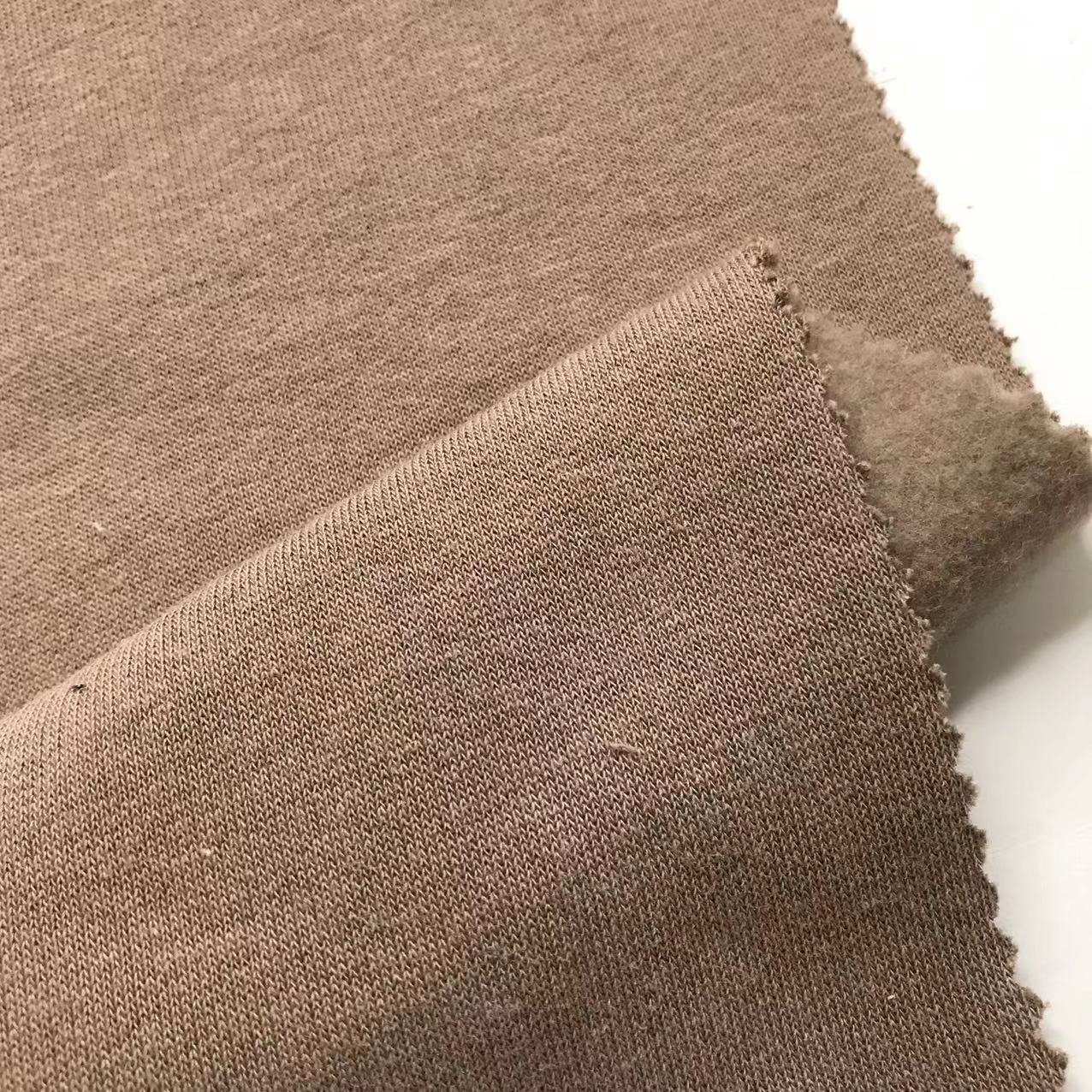
Heavyweight Cotton Fleece
A 380 GSM brushed-back cotton fleece delivering the thick, substantial hand-feel streetwear hoodies demand. Ideal for oversized silhouettes and drop-shoulder cuts, with excellent ink-hold for bold screen prints and embroidery.
French Terry Knit
A 280 GSM mid-weight knit with a smooth face and looped interior, offering breathable comfort for year-round wear. Perfect for lightweight pullover hoodies targeting warmer climates or active streetwear collections.
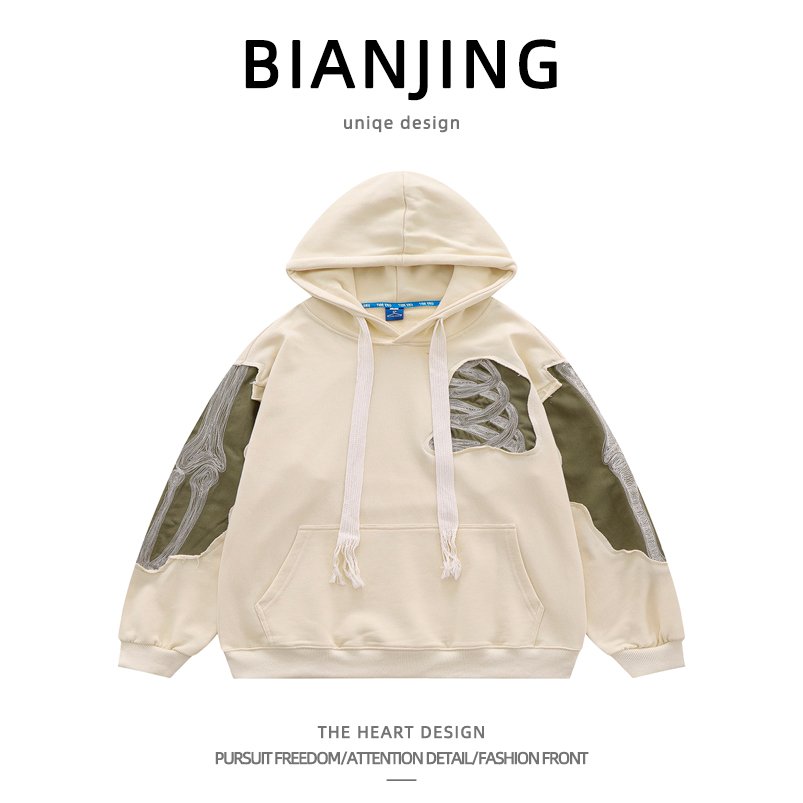
Polar Fleece
A 250 GSM recycled polyester fleece with an exceptional warmth-to-weight ratio and anti-pilling finish. Best suited for cozy pullover hoodies requiring insulation without bulk, popular in influencer and creator seasonal drops.
Organic Cotton Fleece
A 320 GSM GOTS-certified organic cotton fleece with a soft, natural hand-feel and low environmental impact. Ideal for sustainability-focused streetwear startups and independent designers building eco-conscious pullover hoodie lines.
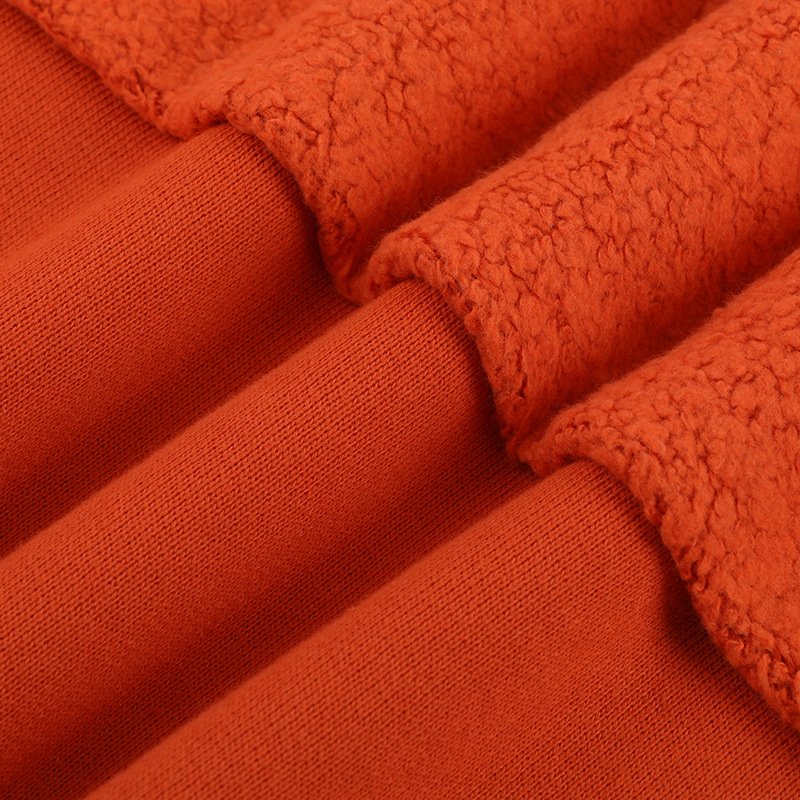
Sherpa Fleece
A plush 400 GSM double-faced fabric with a smooth outer layer and ultra-soft sherpa interior, delivering premium warmth. A standout choice for limited-edition winter drops and high-perceived-value streetwear collections.
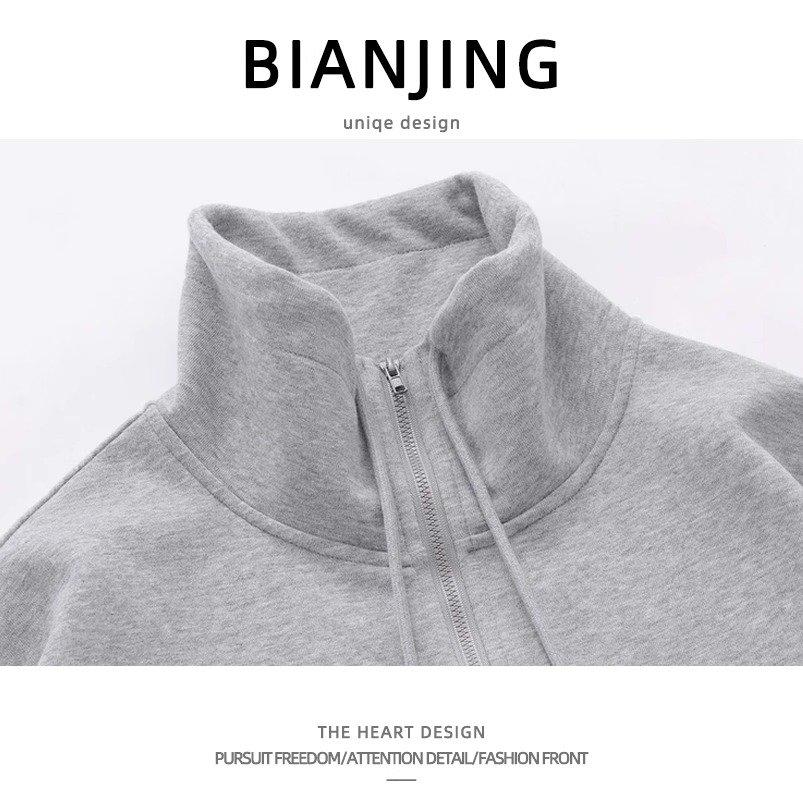
Cotton Poly Blend
A versatile 300 GSM 80/20 cotton-polyester fleece combining natural breathability with enhanced durability and shape retention. The go-to fabric for high-volume pullover hoodie production requiring consistent color fidelity across large runs.
Specialized Techniques From Your Pullover Hoodie Manufacturer
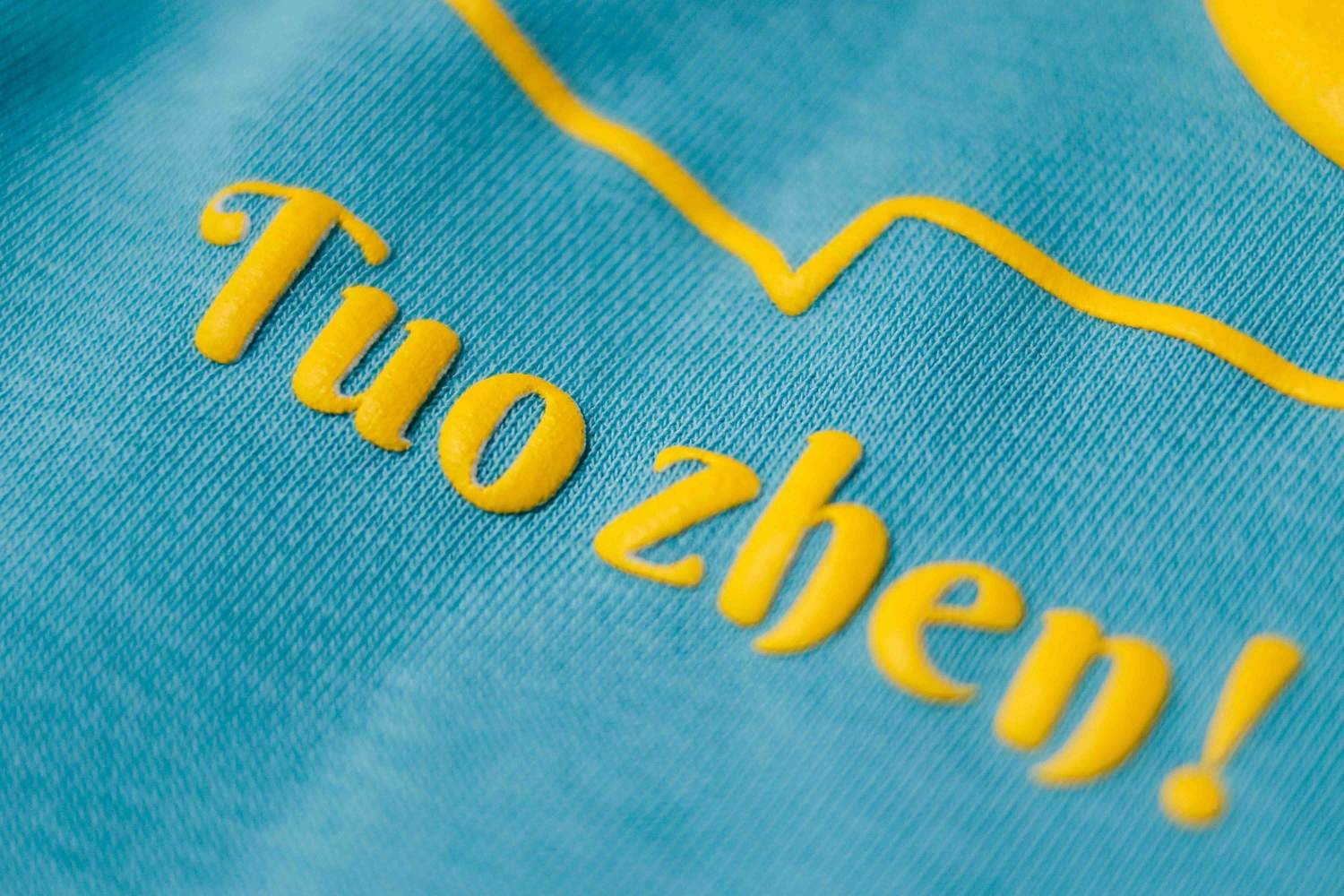
Premium Embroidery
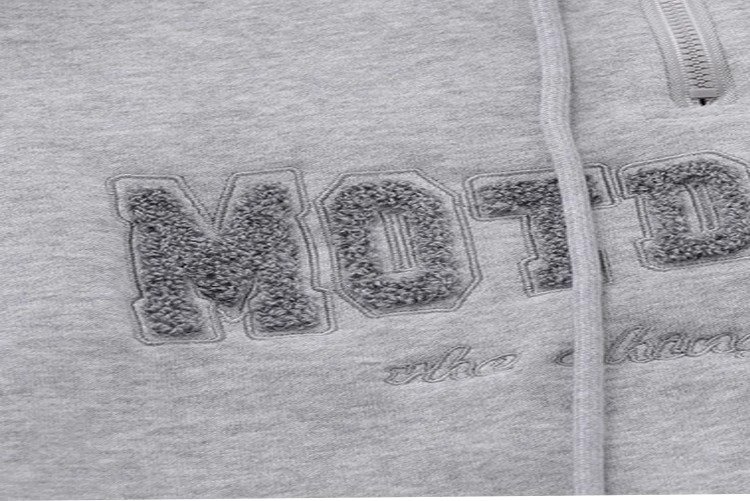
Raised, textured thread-work applied to chest panels, sleeves, or back yokes. Ideal for logos and intricate motifs, delivering a premium tactile finish that retains color vibrancy through repeated washes and heavy wear.
Screen Printing
Bold, flat ink graphics applied via mesh stencils directly onto fabric. Best for large-run streetwear artwork, delivering sharp edges, vivid opaque colors, and lasting durability on cotton and cotton-blend hoodie bodies.
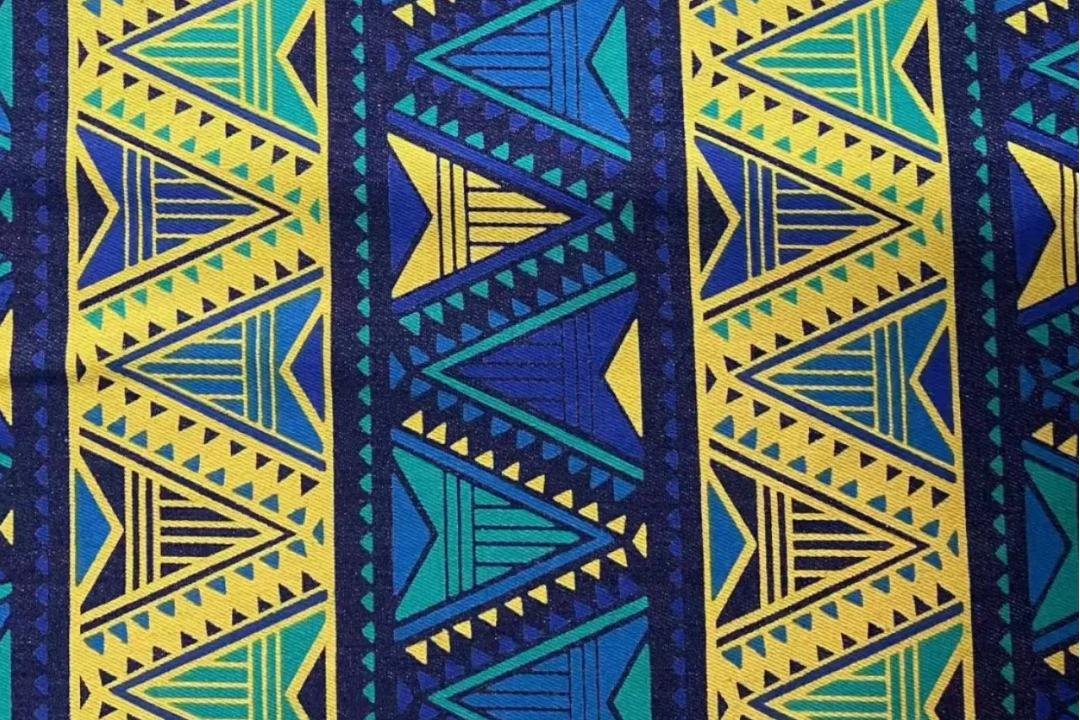
Dye Sublimation
Heat-fused dye technique enabling photographic, all-over prints on polyester-rich fabrics. Colors become part of the fiber for a soft hand-feel, zero cracking, and seamless edge-to-edge design coverage across the full garment.

Heat Transfer
Precision vinyl or digital-printed film bonded under heat and pressure for complex multicolor graphics, fine gradients, and intricate detail — without the plate setup cost and minimums of traditional screen printing.
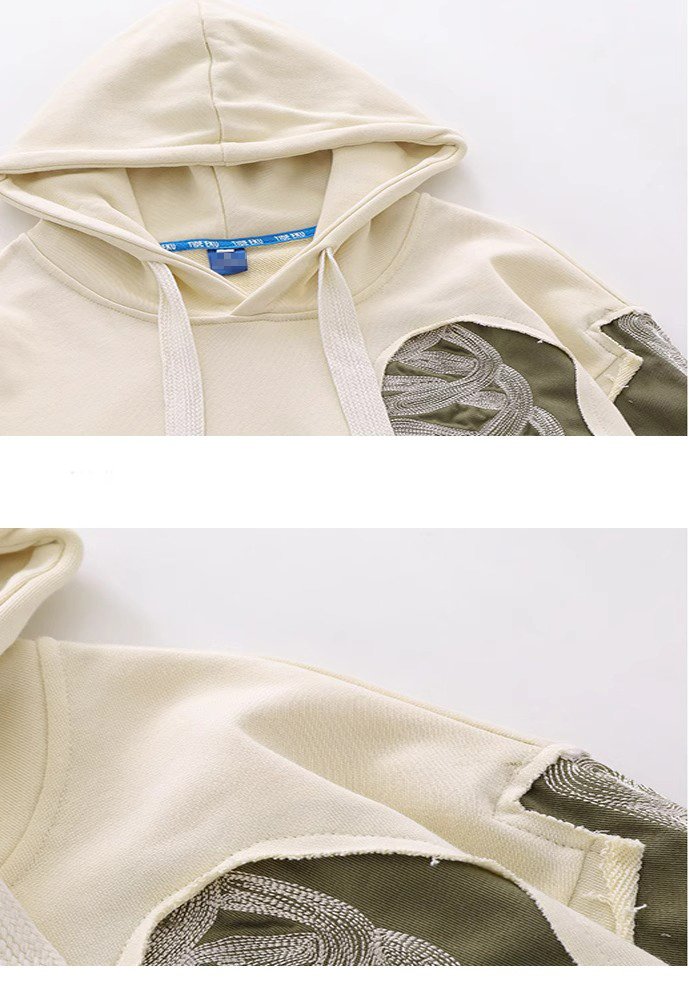
Garment Overdye
Completed hoodies submerged in dye baths post-construction for rich, saturated tones with natural color variation. Creates sought-after vintage and tonal effects that give every piece a distinct, one-of-a-kind streetwear character.
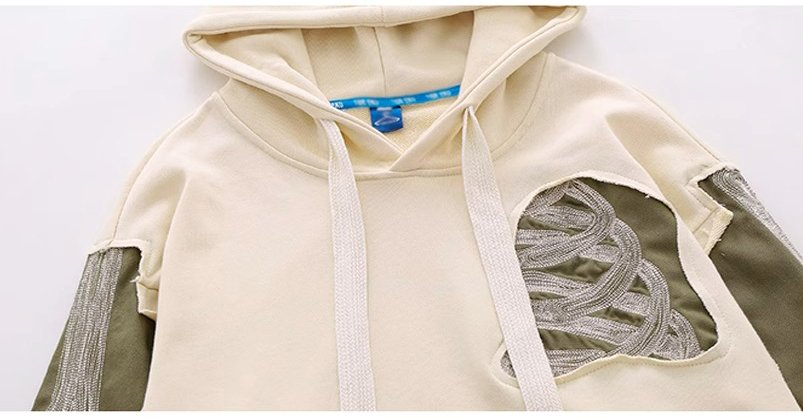
Acid Wash
Chemical bleaching applied after construction to selectively lighten fabric, producing high-contrast marbled or distressed patterns. Delivers a raw, rebellious streetwear aesthetic with distinctive uneven texture and striking visual impact.
Premium Hardware & Finishing Details
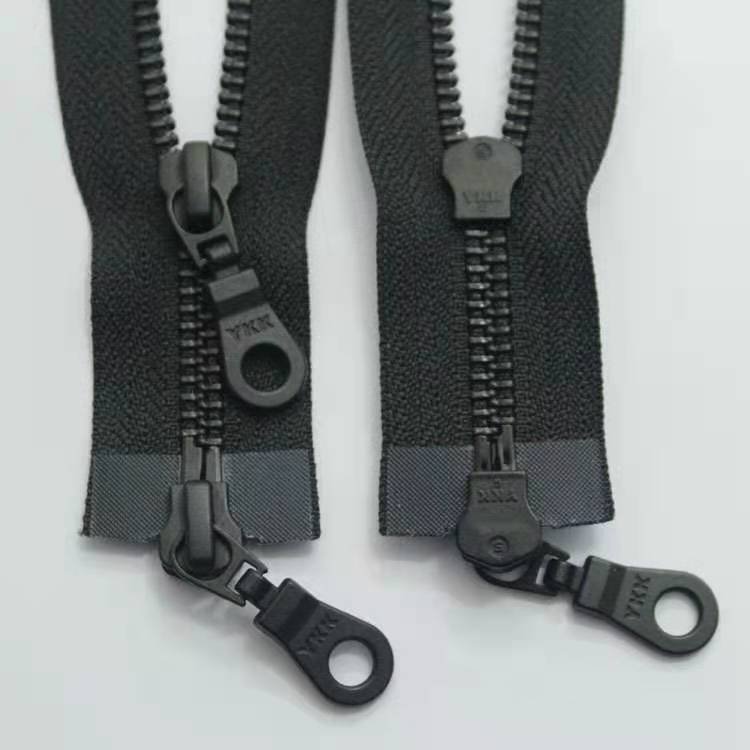
YKK Zippers
Industry-trusted YKK zippers bring smooth, durable performance to kangaroo pockets and half-zip panels. Chosen by premium streetwear brands worldwide, they signal quality the moment a customer touches your pullover hoodie.
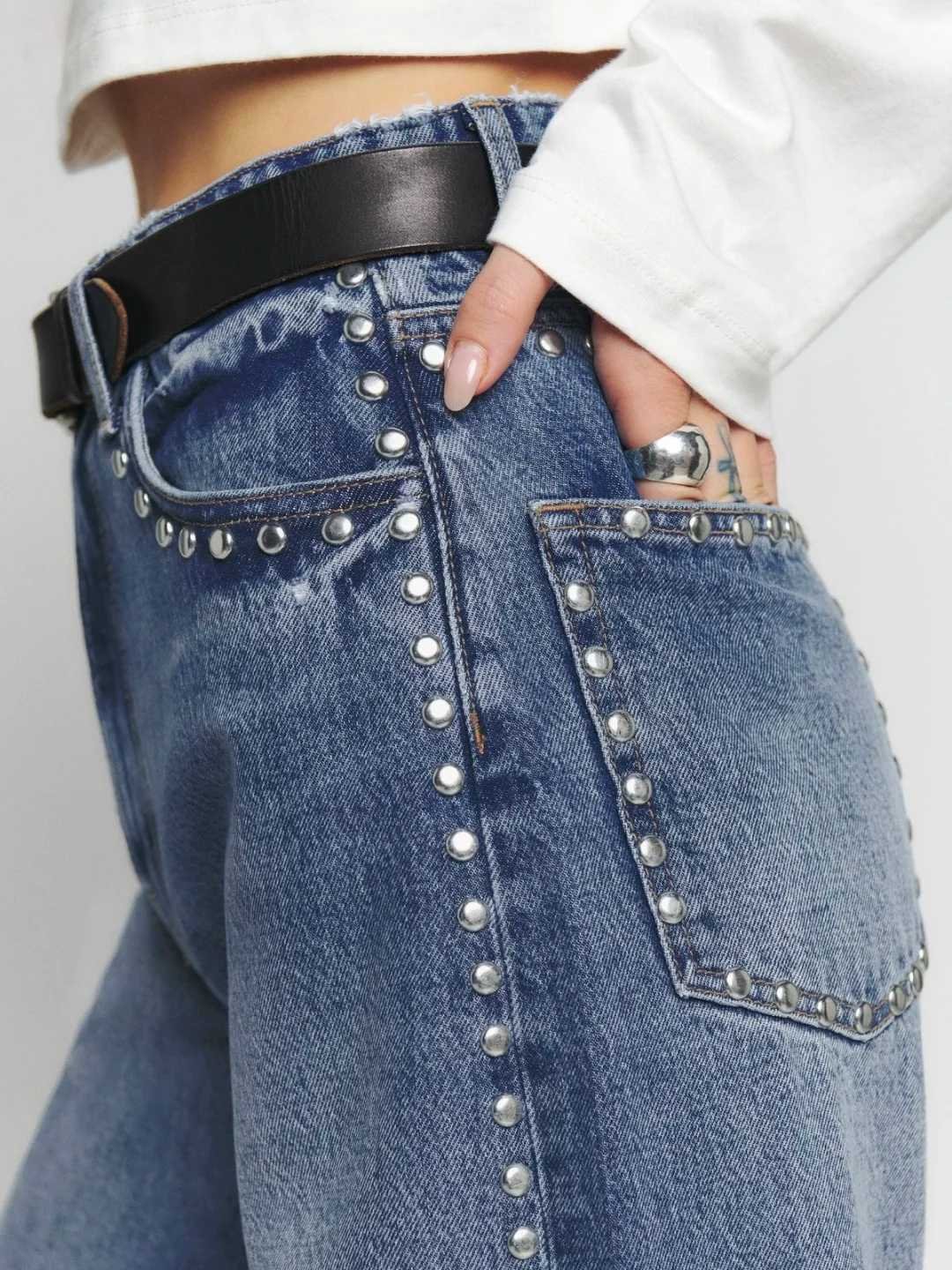
Tipped Drawcords
Metal or custom-molded aglets finish flat or round drawcords in any color, adding a polished accent to the hood channel that elevates perceived value and reinforces your brand identity on every piece.
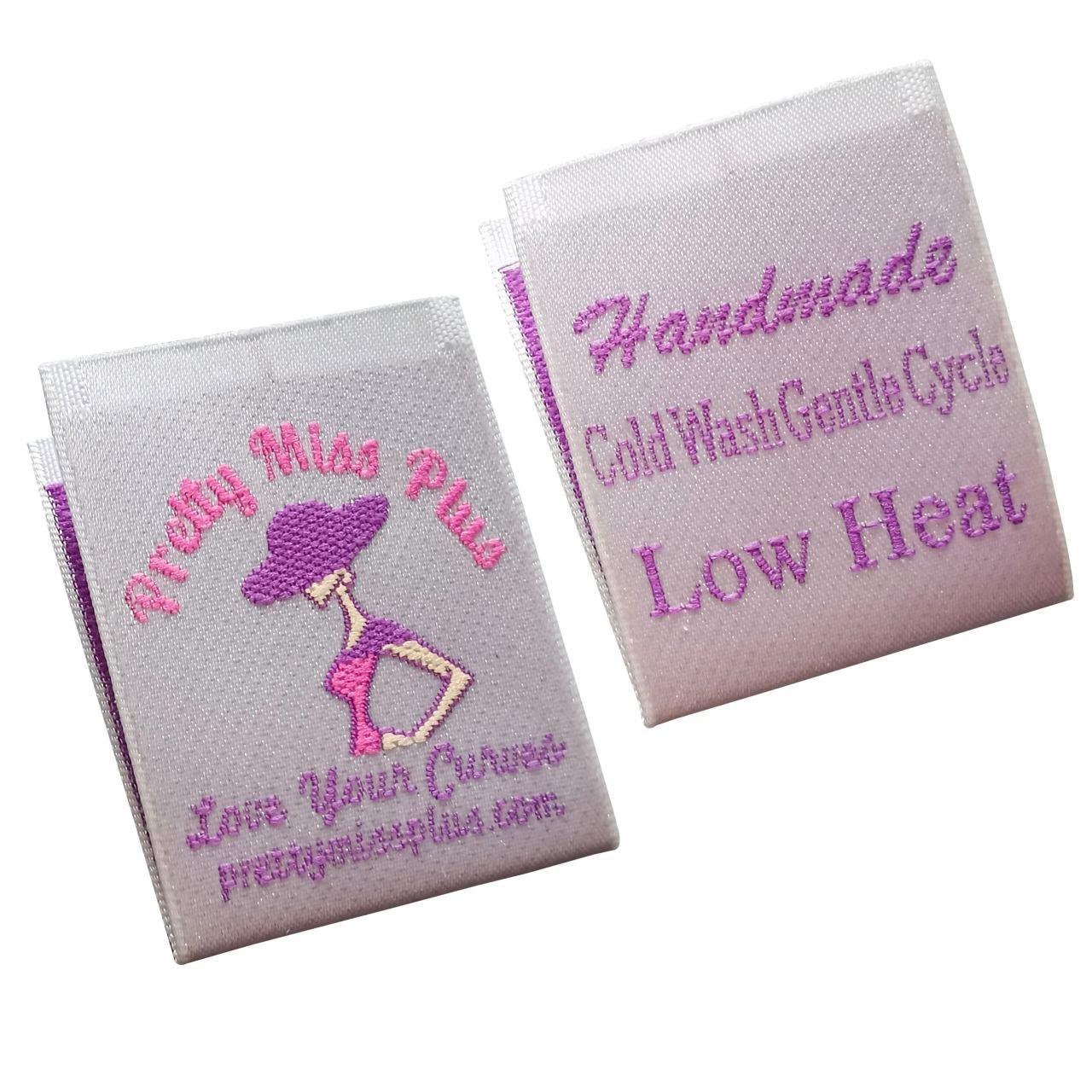
Woven Labels
Soft, high-definition woven labels stitched at the neckline or hem communicate brand heritage. Custom sizing, thread counts, and fold styles ensure your label looks as premium as the hoodie it adorns.
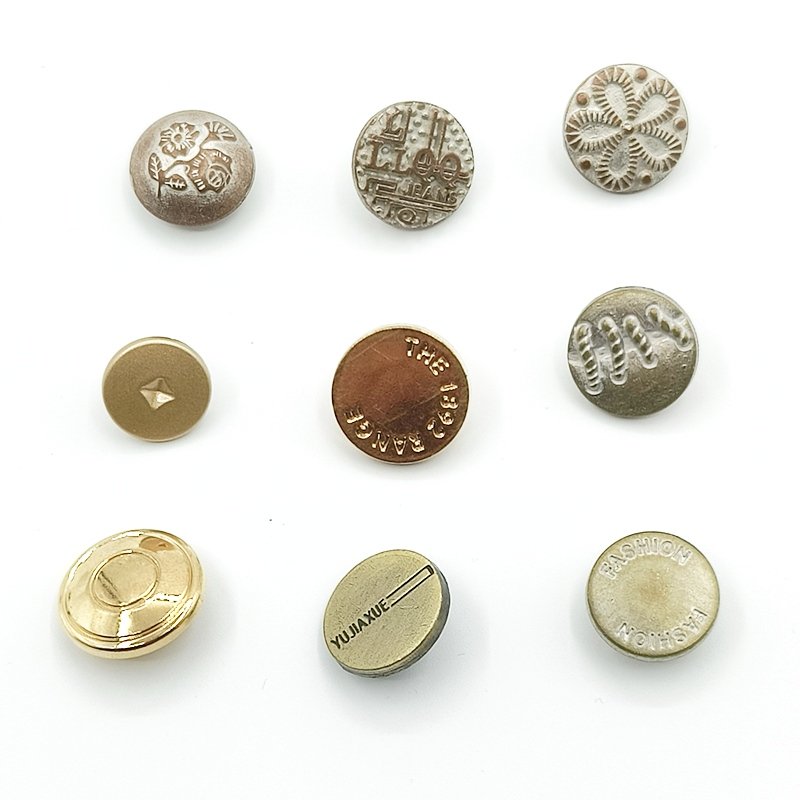
Snap Buttons
Heavy-duty metal snap buttons add a tactile, premium closure option to side vents, plackets, or cuffs. Available in matte, polished, or custom-plated finishes to align with any streetwear aesthetic.
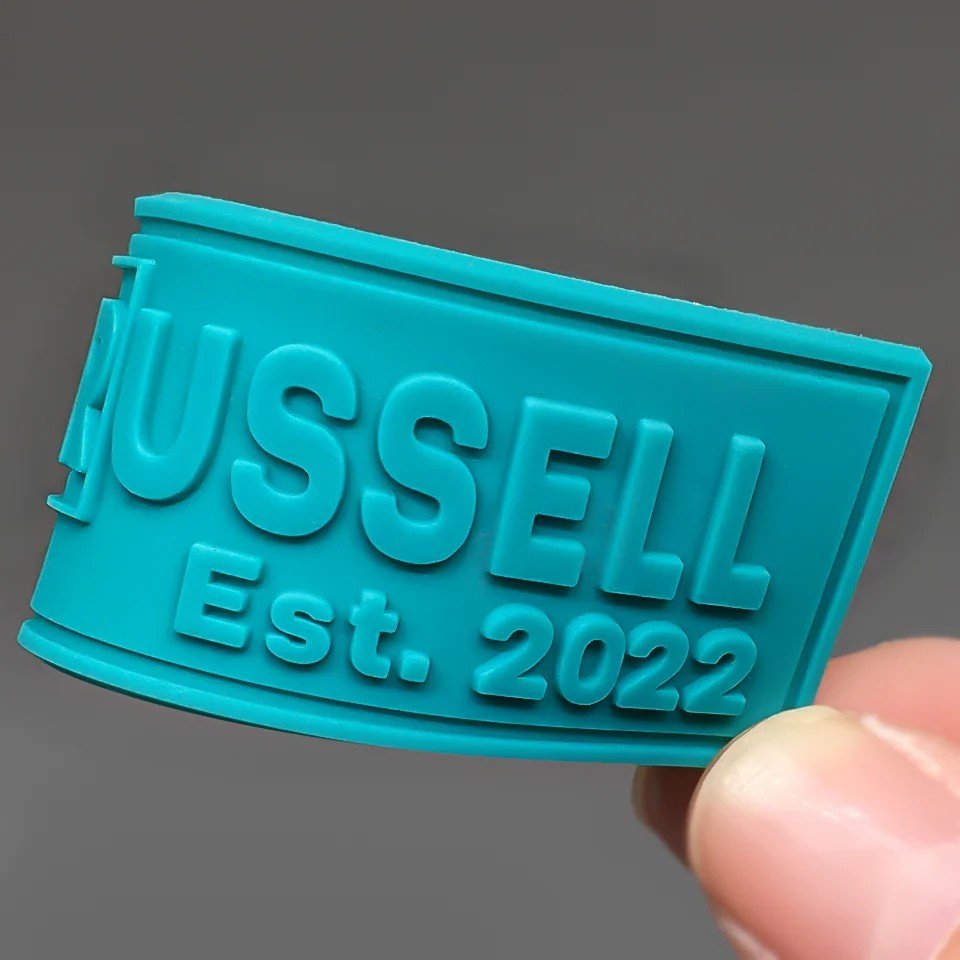
Branded Hangtags
Custom die-cut or specialty paper hangtags with your logo, sizing info, and care instructions complete a retail-ready presentation, helping your pullover hoodie command higher price points at point of sale.
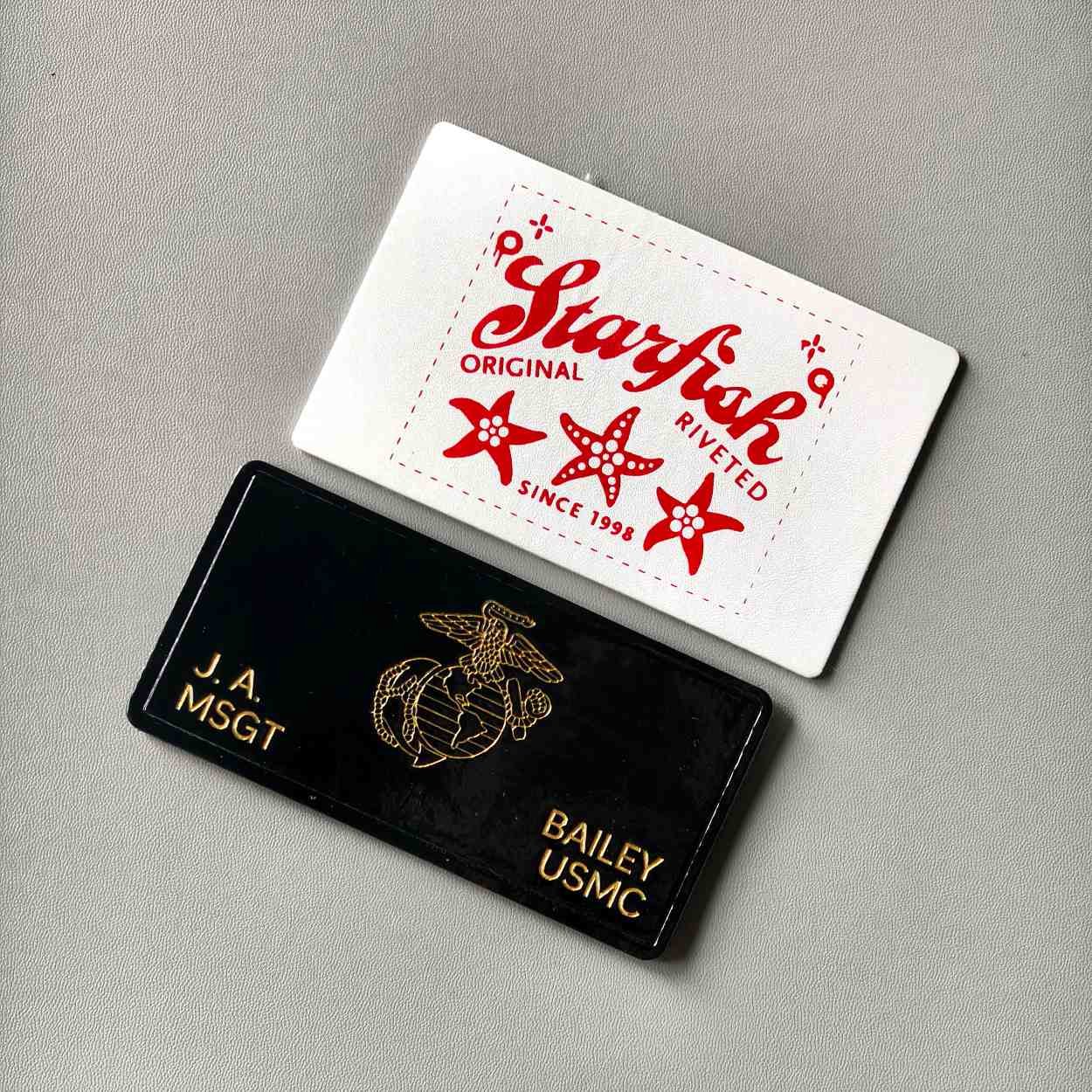
Custom Patches
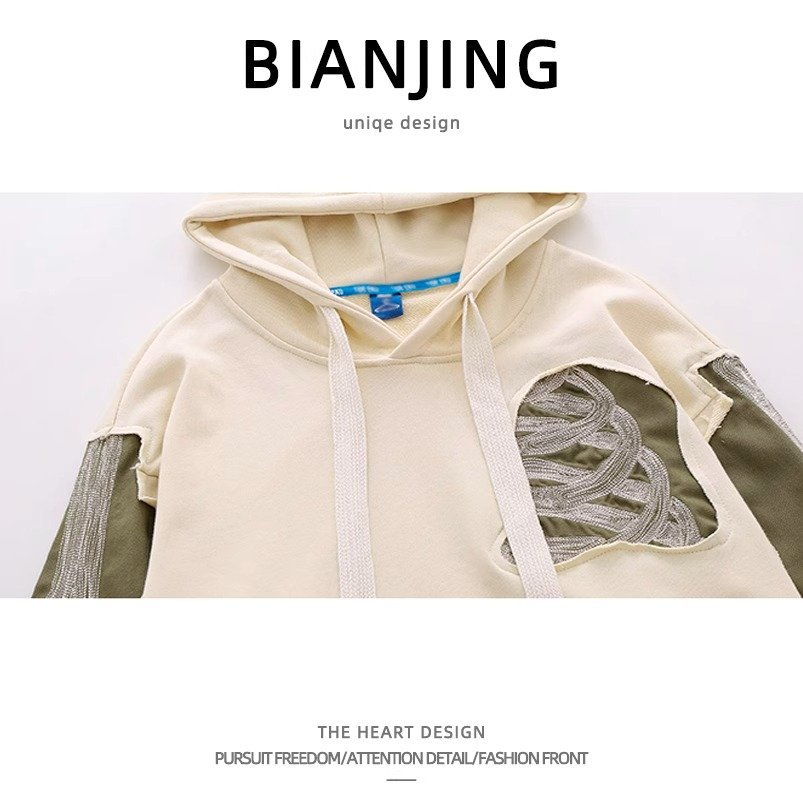
Embroidered or woven patches deliver bold brand marks and streetwear motifs — skulls, roses, and mystery symbols — stitched or heat-applied to the chest, sleeve, or back panel for a signature standout look.
Your Trusted Pullover Hoodie Manufacturer Since 2024
Clothing Manufacturer Ltd. was founded in 2024 by Tesla Luo, a Dongguan-based industry veteran whose entire life has been shaped by garment production. Raised by parents who held senior manufacturing roles, Luo spent his summers rotating through every factory floor position — sewing, cutting, QC, packing, and shipping. That ground-level fluency, combined with 10-plus years of professional experience and 6 years focused exclusively on streetwear, led him to build a pullover hoodie manufacturer that refuses to cut corners.
After personally serving more than 200 brand clients — including American labels Mifland and Emline — and leading a foreign-trade team that scaled to over 1,000 customers across 100-plus countries, Luo identified a critical industry failure: most factories skip quality control during production entirely. His answer was a proprietary 5-step QC process that checks materials, cutting, craft, sewing, and finished garments at every stage — not just at the end. Clothing Manufacturer Ltd. also supports low MOQ orders, making premium production accessible to emerging brands and independent designers.
Operating from Humen Town — the historic heart of China’s garment industry — and backed by the infrastructure of parent company Dongguan TuoZhen Clothing Co., Ltd., we combine the agility of a focused streetwear specialist with serious production capacity. Our 15-member R&D team, 10 registered patents, in-house design and sampling capabilities, and deep cultural fluency in streetwear aesthetics mean your collection launches on time, on brand, and to a standard your customers will feel from the first wear.
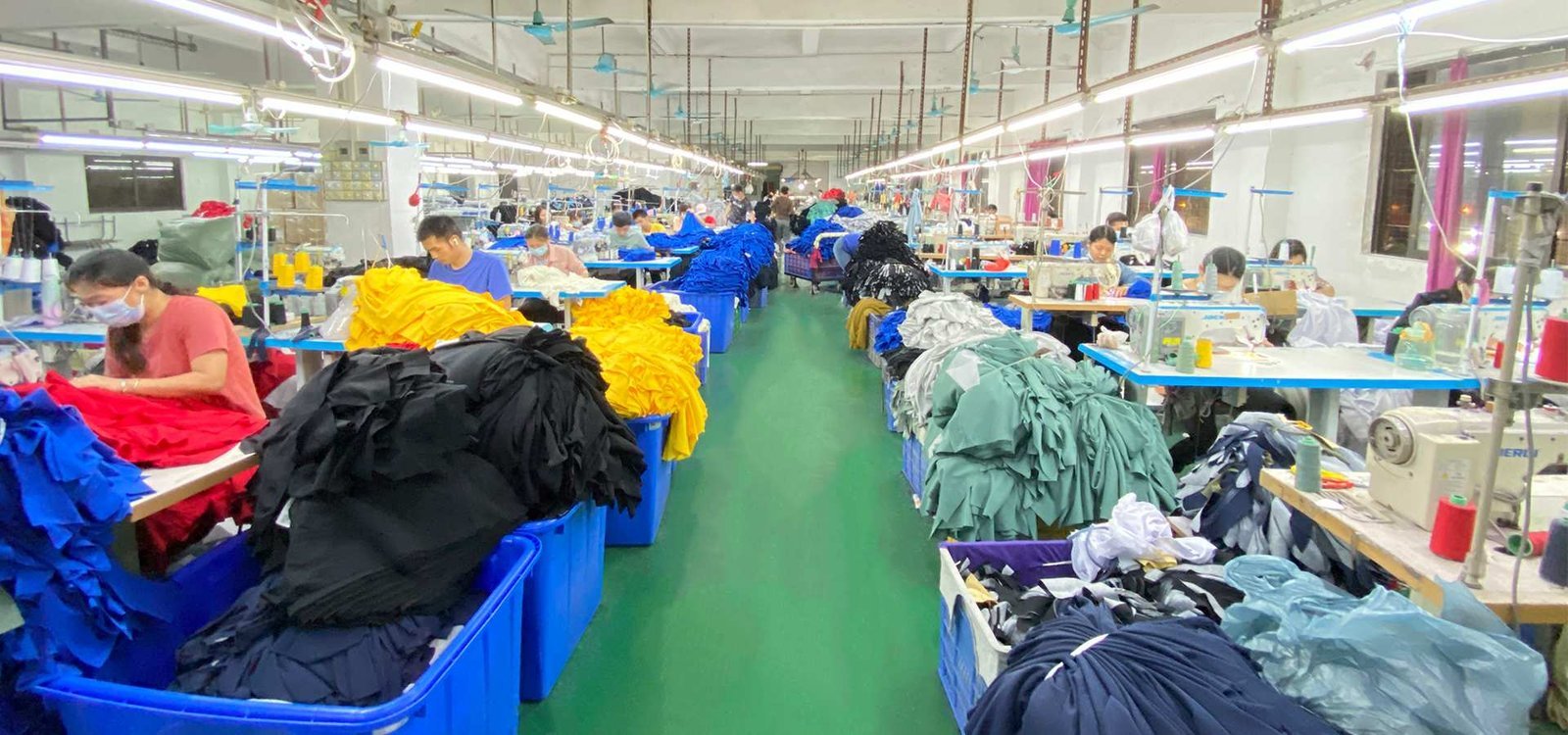
The Pullover Hoodie Manufacturer Five-Step QC Advantage
Materials Inspection Before a Single Stitch
Every pullover hoodie begins with a rigorous materials audit. Our QC team evaluates fabric weight, colorfastness, shrinkage tolerance, and component integrity before cutting begins — ensuring only approved inputs ever enter the production line.
- Fabric weight and GSM verified against approved spec sheets
- Colorfastness and wash-resistance tested on every incoming dye lot
- Zippers, drawcords, and hardware assessed for strength and finish
- Non-conforming materials flagged and replaced before production advances
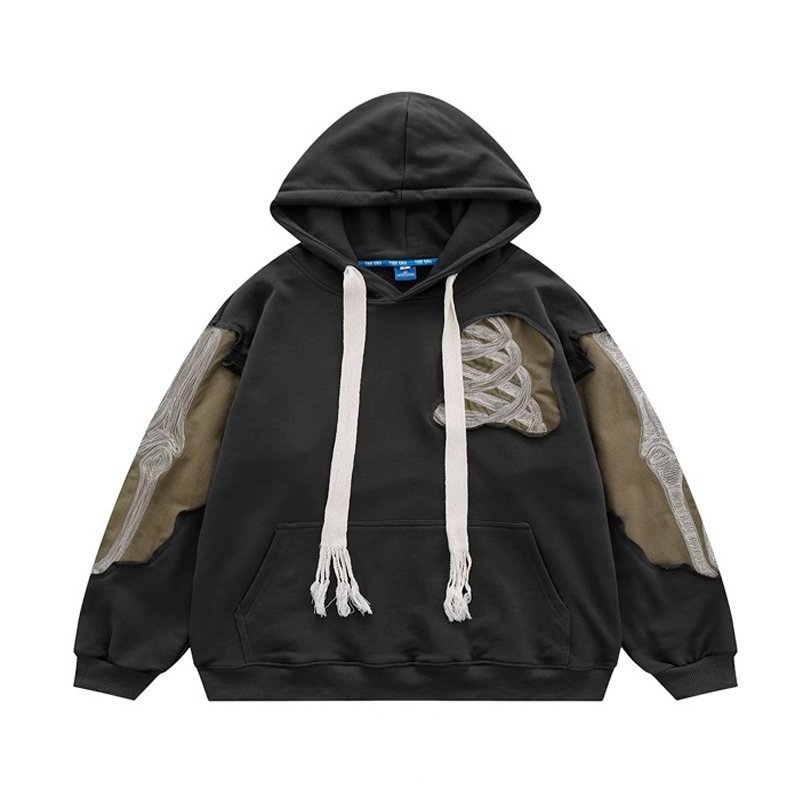
Cutting QC: Accuracy Built Into Every Panel
Imprecise cutting creates fit failures no amount of sewing skill can correct. Our cutting QC stage validates pattern alignment, layer tolerances, and size-grading accuracy across every marker before a single panel reaches the sewing floor.
- Pattern alignment checked against approved tech packs for each size
- Layer count and cutting tolerance audited per production run
- Grain-line and fabric-direction verified on every ply before cutting
- Defective panels removed and re-cut immediately — never passed forward
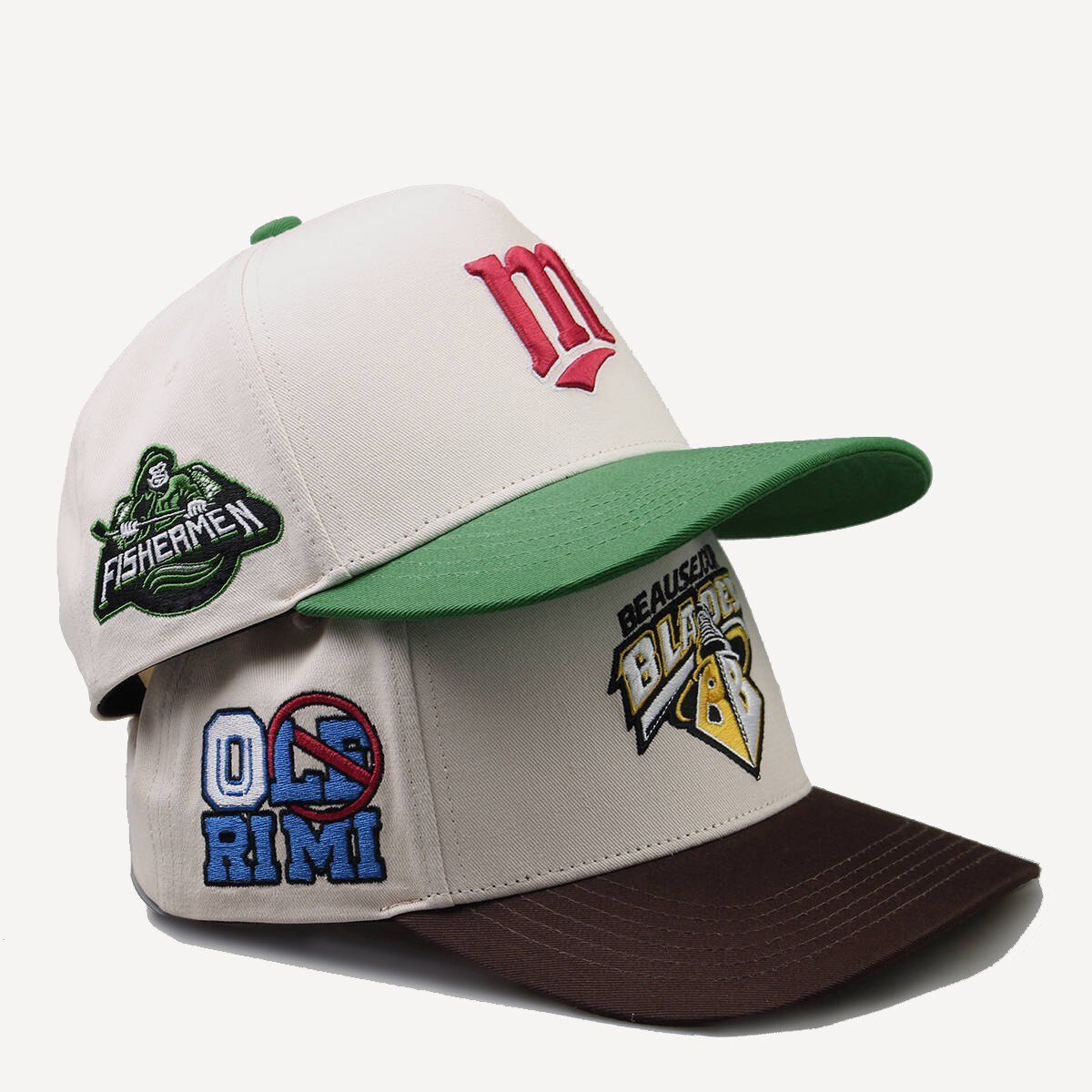
Craft QC Locks In Construction Standards
Streetwear details demand expert execution. Our craft QC stage inspects pocket placement, seam finishing, embroidery registration, print adhesion, and specialty stitching — locking in the construction standards that define your hoodie’s quality signature before mass sewing begins.
- Pocket and panel placement measured against approved pre-production samples
- Embroidery registration and screen-print adhesion tested before full-run approval
- Seam type, stitch density, and thread tension audited per spec
- Specialty techniques — overdyeing, distressing, patchwork — reviewed by senior QC staff
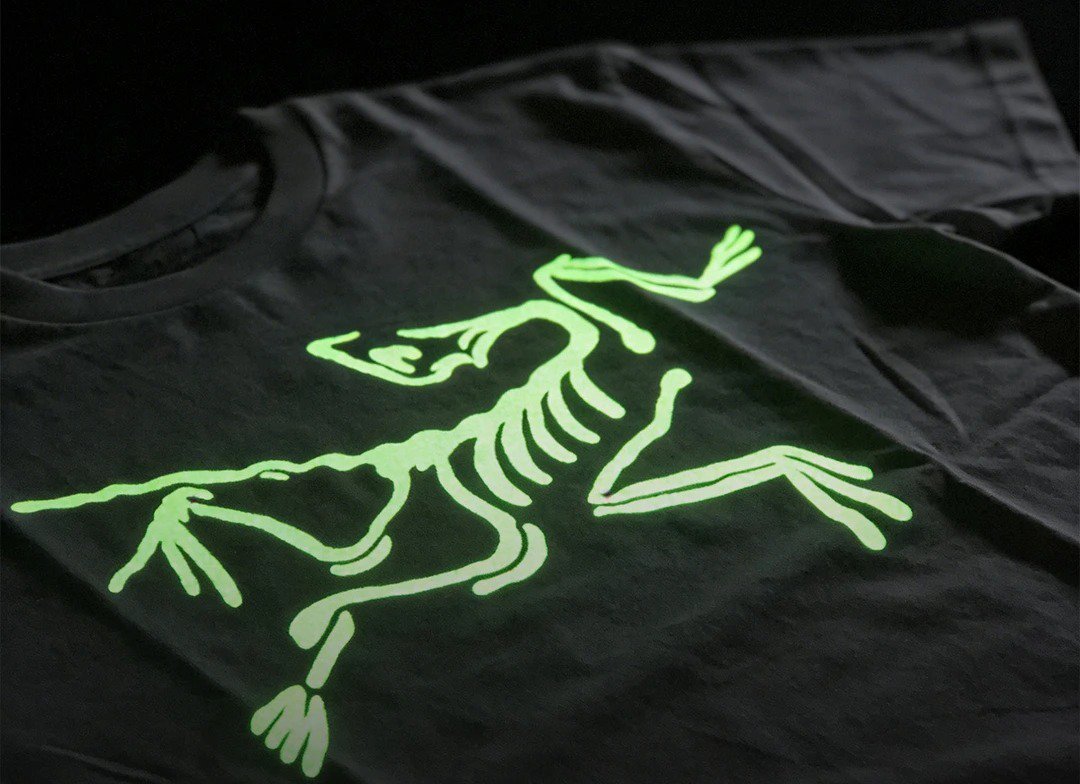
Final Finished-Goods Inspection on Every Order
No garment ships without clearing our finished-goods QC gate. Each completed piece undergoes a comprehensive visual and dimensional audit — catching any defect that slipped through earlier stages before it ever reaches your customers or retail floor.
- Dimensional audits on chest width, body length, sleeve, and hem measurements
- Visual sweep for loose threads, skipped stitches, and print consistency
- AQL-standard sampling protocol applied across every production batch
- Detailed QC inspection report issued alongside every completed order shipment
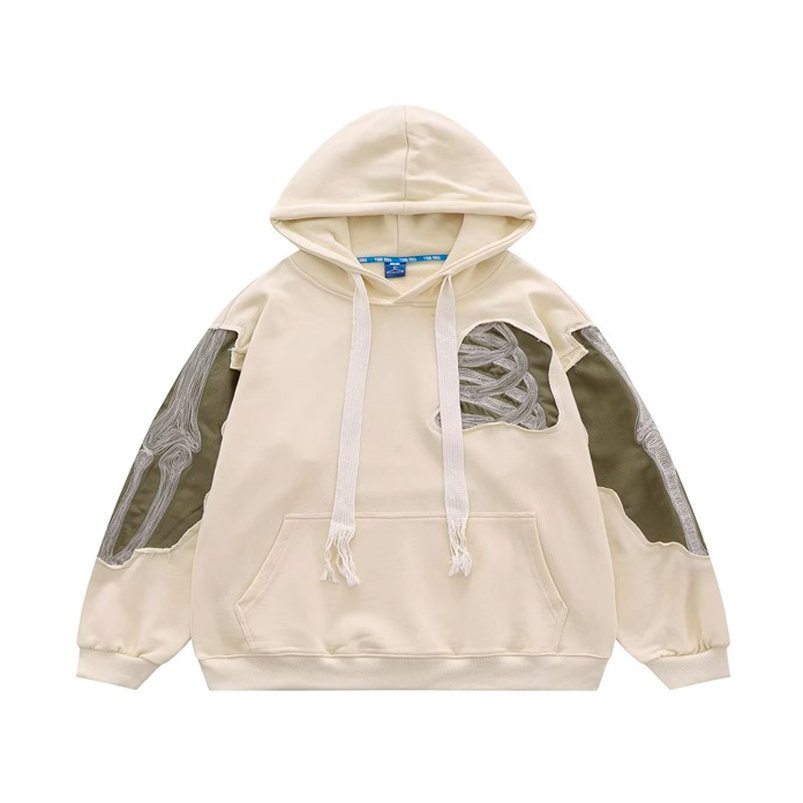
The Pullover Hoodie Manufacturer Difference
Not all manufacturers are built the same. See how Clothing Manufacturer Ltd. compares to typical low-cost suppliers across every dimension that matters to your brand’s growth.
← 左右滑动查看 →
From Concept to Doorstep: Our Pullover Hoodie Manufacturer’s Production Flow
Six tightly managed phases, five built-in QC checkpoints, and one mission — delivering flawless hoodies to your door, on schedule.
Materials Sourcing & QC
Our team handpicks premium streetwear fabrics and runs our first QC checkpoint, verifying weight, shrinkage, and color consistency before a single cut is made.
Pattern & Sample Development
Your tech pack becomes a physical sample. Our 15-member R&D team refines fit, construction details, and design elements until you approve every last specification.
Precision Cutting & Print QC
Approved patterns move to the cutting floor, where a dedicated QC pass inspects every panel for accuracy before printing, embroidery, or screen work is applied.
Sewing & Craft Inspection
Each hoodie advances through our sewing lines under continuous QC monitoring — stitch density, seam alignment, and craft execution are verified at every production station.
Finishing & Final Inspection
Completed pieces undergo our fifth QC stage: trimming, ironing, and a point-by-point inspection against your approved sample before any unit advances to packing.
Pack & Ship Worldwide
Orders are professionally packed to your exact specs and handed to our global logistics partners for fast, tracked delivery across more than 100 countries.
How to Launch Your Collection With Our Pullover Hoodie Manufacturer
From your first design idea to global delivery, our streamlined process gives emerging streetwear brands a clear, low-risk path to premium production with a guaranteed 5-day response.
Share Your Tech Pack or Idea
Submit your design brief, tech pack, or concept and receive a tailored production plan and material recommendation from our in-house team within 5 days.
Approve Your Pre-Production Sample
We craft a physical sample to your exact specs so you can review fit, fabric, and finish before committing to any bulk production run.
Lock In Your Quote and MOQ
Receive a transparent, itemized quote with low MOQ options built specifically to give streetwear startups and independent designers an affordable, confident path to launch.
Greenlight Bulk Production With QC
Our proprietary five-step QC process — covering materials, cutting, craftsmanship, sewing, and final inspection — safeguards every unit before it leaves our Dongguan facility.
Receive Your Global Delivery
We manage logistics, customs, and international shipping so your finished collection reaches customers anywhere in the world on schedule and floor-ready to sell.
Certified Quality From a Pullover Hoodie Manufacturer You Can Trust
What Leading Brands Say About Our Pullover Hoodie Manufacturer
We started at 100 units a month with our first hoodie drop. Within 8 months, Clothing Manufacturer Ltd. helped us scale to 5,000 units monthly without a single quality complaint. Their 5-step QC process is the real deal.
Our previous supplier took 4 weeks just to get samples back. Clothing Manufacturer Ltd. turned around our pullover hoodie samples in 10 days, and the fit was perfect on the first try. We launched our debut collection on schedule.
Managing 22 SKUs across hoodies, crewnecks, and joggers is complex. Clothing Manufacturer Ltd. delivered consistent quality across every single SKU for three consecutive seasons. Their detailed QC reports gave our buying team complete confidence.
Your Pullover Hoodie Manufacturer Questions, Answered
Everything procurement teams, startup founders, and brand managers need to know before placing an order — straight answers, no fluff.
What is the minimum order quantity for a pullover hoodie manufacturer like Clothing Manufacturer Ltd.?
How long does it take to get samples from your pullover hoodie manufacturer?
What customization options does your pullover hoodie manufacturer offer?
How does your 5-step quality control process protect my hoodie order?
What are the payment terms for bulk pullover hoodie orders?
Can you ship pullover hoodie orders directly to customers worldwide?
How do you protect my hoodie designs and intellectual property?
Are bulk pricing discounts available for larger hoodie production runs?
What makes Clothing Manufacturer Ltd. different from other pullover hoodie manufacturers in China?
The Complete Buyer’s Guide to Pullover Hoodie Manufacturer
Discover a proven decision framework for selecting the right pullover hoodie manufacturer — covering supplier criteria, fabric standards, customization options, quality benchmarks, and the most costly sourcing mistakes brands must avoid before placing their first order.
1. What Is a Pullover Hoodie Manufacturer?
A pullover hoodie manufacturer is a production facility — or a vertically integrated team with factory access — that cuts, sews, and finishes hoodies from raw fabric to finished garment. Unlike a distributor or wholesaler, a manufacturer controls the actual production line: fabric sourcing, pattern grading, sewing sequences, and quality checkpoints all happen under one roof or one managed workflow.
Wholesalers buy finished blanks in bulk and resell them; print-on-demand platforms apply graphics to pre-made garments with no input over construction. A dedicated pullover hoodie manufacturer, by contrast, lets brands specify GSM weight (typically 280–400 gsm for streetwear), ring-spun versus open-end cotton, fleece versus French terry backing, and hardware details down to YKK zipper alternatives or custom drawcord aglets — choices that define how a product looks, feels, and holds up after 50 washes.
This direct relationship changes three things for a growing brand: brand control (every spec belongs to you, not a generic blank supplier), MOQ flexibility (focused manufacturers often negotiate runs from 30–100 units per colorway instead of the 500-plus wholesalers demand), and scalability (the same factory that produced your first 50 pieces holds your technical pack and can ramp to 5,000 without re-sampling). For fashion startups and creator brands building an identity from the ground up, selecting the right pullover hoodie manufacturer is the single sourcing decision that most determines whether a product feels original or indistinguishable from every other brand on the shelf.
2. Brief History and Evolution of Hoodie Manufacturing
In 1934, Champion Products introduced the first hooded sweatshirt to shield New York warehouse workers from sub-zero cold — a purely utilitarian garment cut from loopback fleece with no fashion intent. That original cut-and-sew construction — panel cutting, set-in sleeves, a kangaroo pocket — remains the structural blueprint every pullover hoodie manufacturer still follows today.
By the mid-1970s, the hoodie crossed into collegiate athletics, and then hip-hop and skateboarding culture absorbed it through the 1980s and 1990s, driving demand far beyond workwear volumes. Manufacturers responded by scaling 280–320 GSM cotton-polyester fleece blends — typically 80/20 or 50/50 ratios — that balanced softness, durability, and printability at mass quantities.
The 2000s introduced French terry and ring-spun cotton constructions into premium tiers, raising fabric costs but tightening hand-feel standards that brands now treat as baseline. Sustainable fibers — GOTS-certified organic cotton and OEKO-TEX 100-compliant recycled polyester — entered mainstream production after 2015, reshaping sourcing criteria across every price point.
Buyers who understand this 90-year arc can read trend cycles accurately: each streetwear revival traces back to a specific decade’s silhouette and weight class. That pattern awareness lets a brand brief a pullover hoodie manufacturer with precise GSM targets, construction specs, and fiber certifications rather than vague style references — reducing sampling rounds and protecting margins.
3. Types of Pullover Hoodie Manufacturer to Know
Not every pullover hoodie manufacturer operates the same way — four core factory models define the market, and geography adds another layer. Matching your model to your buyer profile prevents costly MOQ traps and missed lead-time expectations.
OEM Factories
OEM factories produce to your exact technical pack — patterns, materials, and trims you specify. MOQs typically start at 300–500 units per style; lead times run 45–75 days.
300–500 unit minimums make OEM best suited to established retailers and brands that own their designs and need scalable, repeatable production with full specification control.
ODM Manufacturers
ODM suppliers carry existing patterns you select and brand as your own. MOQs drop to 50–150 units because sampling costs are shared across clients; lead times compress to 25–40 days.
50–150 unit entry points make ODM ideal for influencer brands and startups needing speed-to-market without a full in-house design team.
CMT Factories
CMT factories handle cutting, sewing, and trimming only — you supply all fabric and trims. MOQs range from 100–300 units; lead times run 20–35 days.
100–300 unit MOQs are accessible, but total landed cost rises once you source and ship raw materials separately — best for independent designers who already control their own supply chain.
Private-Label Specialists
Private-label producers ship finished, pre-designed hoodies with your label sewn in. MOQs start as low as 30–100 units; customization is shallow — colorways and woven labels only.
30–100 unit runs make this the fastest, lowest-risk entry for influencer drops and pop-up collections testing demand before committing to deeper custom production.
Geography: Domestic, Nearshore, Overseas
Domestic US factories charge $25–$60 per unit with 2–3 week lead times and zero import duty — the premium option for made-in-USA brand positioning. Nearshore options in Mexico and Honduras deliver $8–$18 per unit on 20–30 day cycles.
Overseas pullover hoodie manufacturer hubs — primarily Guangdong, Bangladesh, and Pakistan — offer $3–$9 unit costs, MOQs from 50 units with experienced partners, and 35–60 day lead times including sea freight.
4. Fabrics and Materials Used by Every Pullover Hoodie Manufacturer
Fabric selection shapes how a hoodie wears, prints, and holds up wash after wash. Every serious pullover hoodie manufacturer stocks multiple constructions — each optimized for a different end-use, weight class, and decoration method.
| Fabric Type | GSM Range | Best Use | Relative Cost |
|---|---|---|---|
| French Terry | 240–320 GSM | Streetwear, athleisure | Mid |
| Polar Fleece | 280–400 GSM | Basics, corporate merch | Low |
| Sherpa Fleece | 350–500 GSM | Premium retail, lifestyle | Mid–High |
| Cotton-Poly Blend (80/20) | 280–350 GSM | Merch, everyday wear | Low |
| Organic Cotton | 300–380 GSM | Eco retail, DTC brands | High |
| Recycled Polyester | 260–320 GSM | Athleisure, eco labels | Mid |
| Performance Tech | 180–260 GSM | Activewear, athleisure | High |
Core Fleece and Terry Constructions
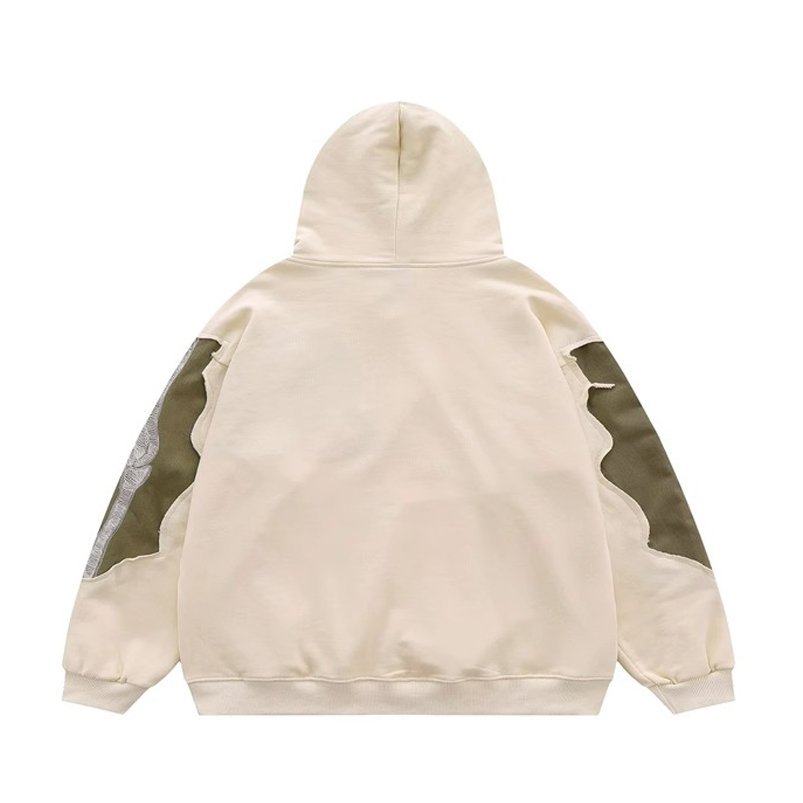
French terry (240–320 GSM) presents a smooth face with a looped reverse — light enough for DTG and screen printing without ink cracking at flex points. Polar fleece starts at 280 GSM and keeps cost low for basics; sherpa fleece at 350–500 GSM delivers premium loft suited to retail outerwear.
Sustainable and Performance Options
GOTS-certified organic cotton (300–380 GSM) and GRS-certified recycled polyester (260–320 GSM) carry 15–30% cost premiums but satisfy ESG-driven buyers and unlock sustainability retail channels. Performance tech blends — typically 88% polyester / 12% spandex at 180–260 GSM — add four-way stretch and moisture-wicking for athleisure lines.
Matching Fabric to Your End-Use
Streetwear drops favor 300–350 GSM French terry or ring-spun cotton-poly — structure holds fine print detail without cracking. Corporate merch defaults to 80/20 cotton-poly at 280 GSM for predictable shrinkage rates and consistent Pantone-matched color across large runs.
5. Customization Options Offered by a Pullover Hoodie Manufacturer
A capable pullover hoodie manufacturer offers far more than blank garments — every structural element and decoration technique shapes brand identity, unit cost, and long-term durability. Understanding each option before sampling prevents expensive revision rounds.
| Technique | Cost Tier | Wash Durability | Detail Quality | Min MOQ |
|---|---|---|---|---|
| Screen Print | Low–Mid | Excellent (50+ washes) | Medium | 24 pcs |
| Embroidery | Mid–High | Excellent | High | 50 pcs |
| DTG | Mid | Moderate (30–40 washes) | Very High | 1 pc |
| Heat Transfer | Low–Mid | Moderate | Medium | 1 pc |
| Puff Print | Mid | Good (40+ washes) | Medium–High | 48 pcs |
| Woven Label | Low | Permanent | High | 100 pcs |
Silhouette and Structural Customization
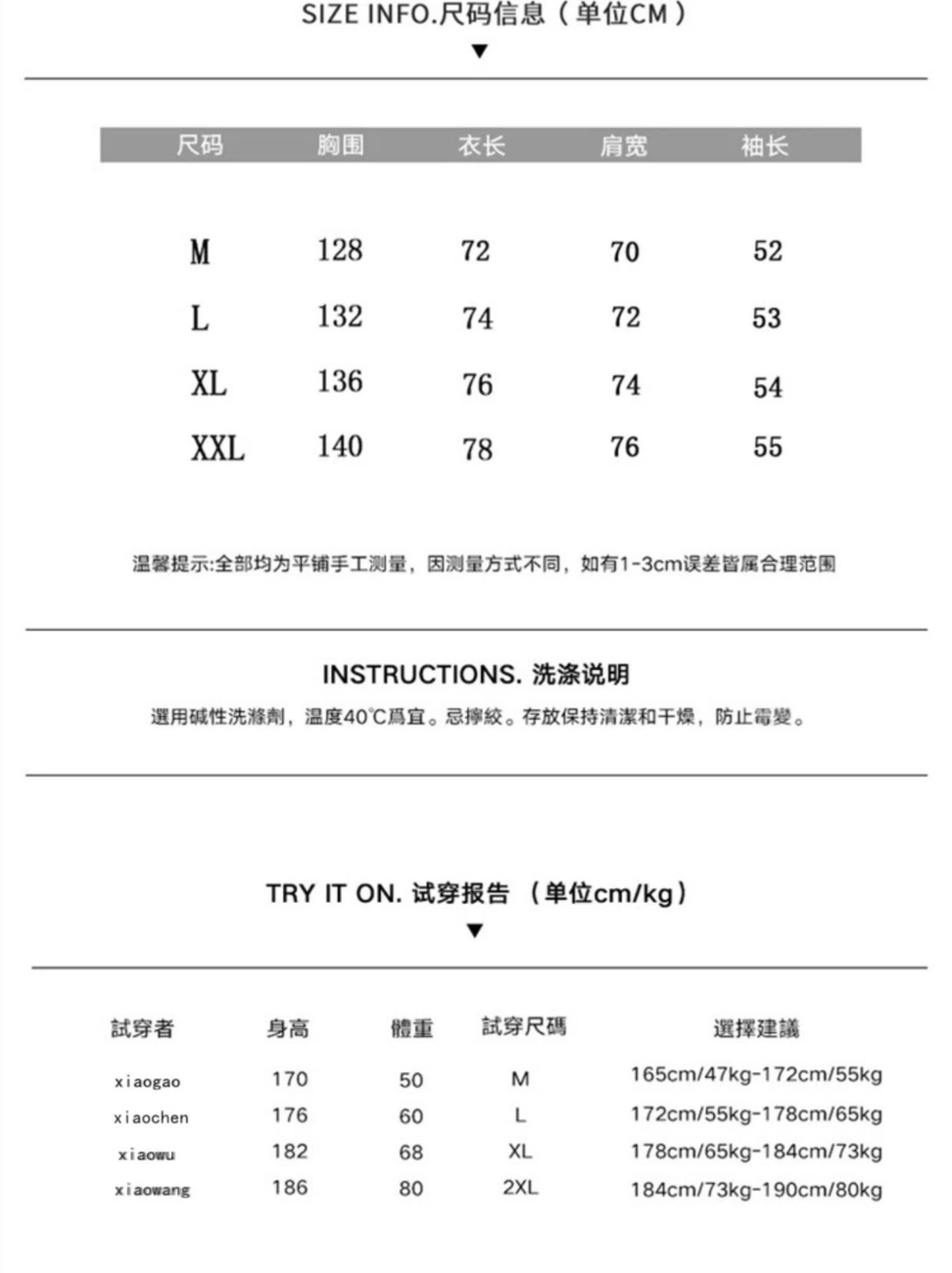
Oversized boxy, slim, and dropped-shoulder silhouettes each target different customer profiles and carry different pattern costs. Ribbing gauge — 1×1 for stretch, 2×2 for structure — at cuffs, hem, and hood face directly affects fit retention after repeated washing.
Pocket, Drawstring, and Lining Details
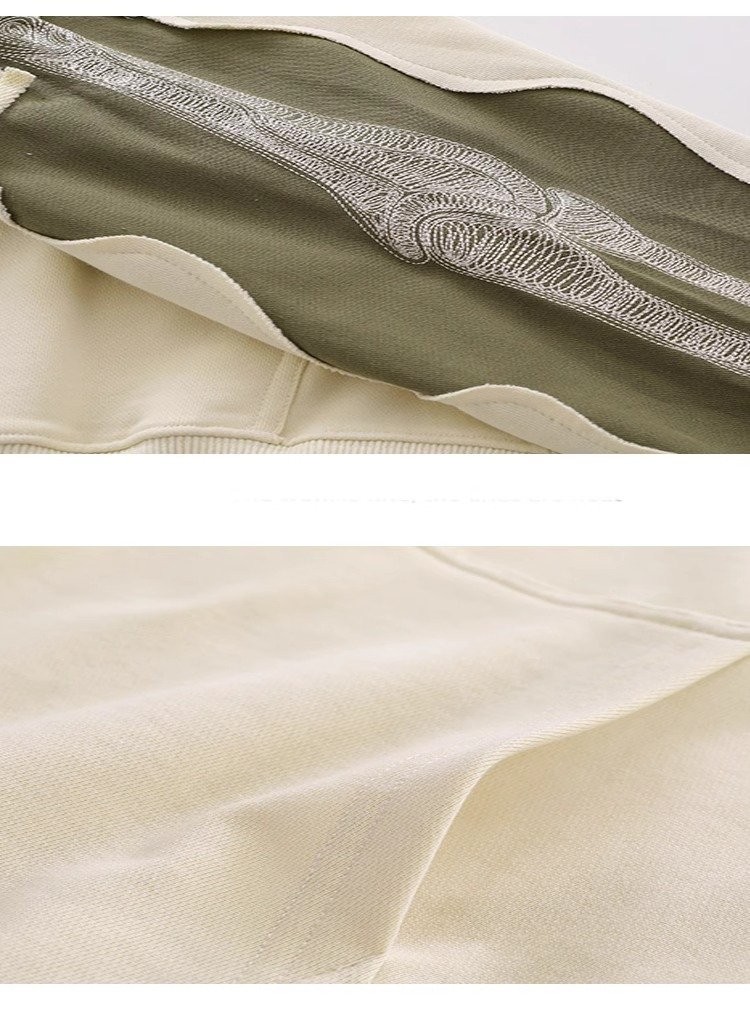
Kangaroo, split kangaroo, and welt pocket styles alter pattern complexity and per-unit labor minutes. Drawstring material — flat woven poly cord vs. round cotton rope with rubber or metal aglets — signals price tier and tactile quality.
Fleece or sherpa lining adds 80–120 GSM of warmth; brushed French terry inner faces deliver softness without excess bulk.
Decoration Techniques and MOQ Considerations
Screen printing suits 1–6 Pantone-matched colors at MOQs as low as 24 pieces. Embroidery requires a digitizing setup fee and typically 50+ pieces minimum. DTG and heat transfer accept single-piece runs but rate lower on wash durability than plastisol or discharge screen print.
6. Key Construction Quality Elements to Inspect
A reliable pullover hoodie manufacturer proves quality through measurable construction benchmarks, not promises. Knowing which specs to inspect — seam type, stitch density, finishing protocols — lets buyers evaluate samples objectively before committing to bulk production.
Stitch Count and Seam Reinforcement
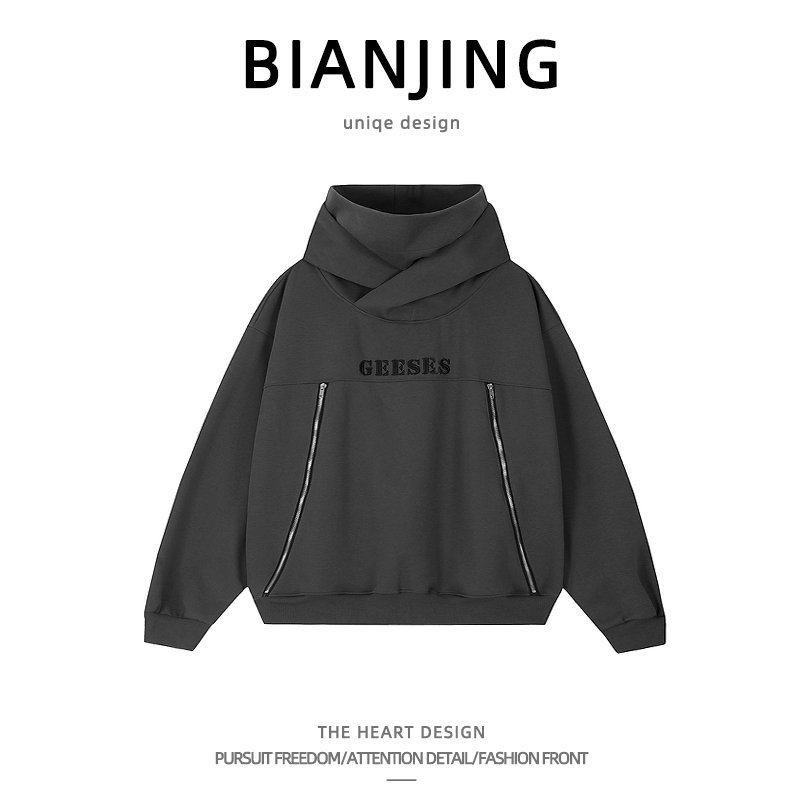
Premium hoodies run 8–10 stitches per inch (SPI); below 7 SPI, seams fail under repeated stress. Flatlock seams stitch two fabric edges flat, eliminating internal ridges — the standard for streetwear durability at underarm and side-panel zones.
Overlock seams cost less but concentrate stress at the edge, making them inadequate for high-movement garments. Request the SPI spec on your tech pack and verify it with a stitch counter on the pre-production sample.
Hood Lining Attachment and Pocket Construction
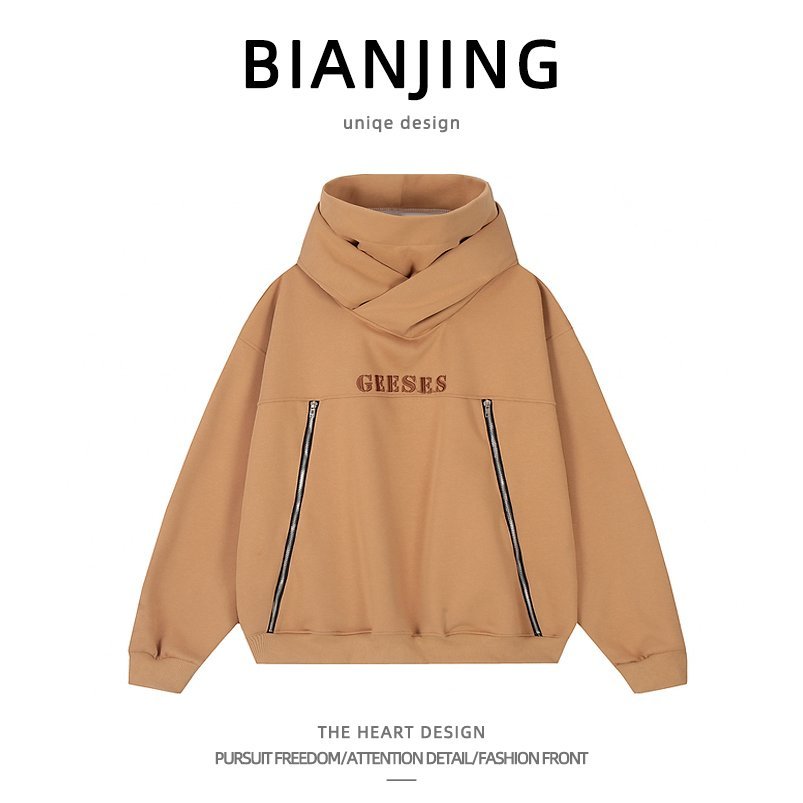
Hood lining must be topstitched at 1/4-inch with no visible puckering; loose attachment causes the hood to sag after 10–15 washes. Kangaroo pockets require a minimum 6-inch depth and bar-tacks at both upper corners — missing bar-tacks cause opening tears within 20–30 wash cycles.
Drawstring Tunnel Width and Pre-Shrunk Finishing
Drawstring tunnels should measure at least 3/4-inch wide to house a 5/8-inch cord without bunching. Pre-shrunk finishing — either yarn-pre-shrunk or garment-washed — is non-negotiable for retail; untreated fleece can shrink 5–8% after the first wash, destroying size consistency.
Using a Tech Pack and Sample Checklist
A hoodie tech pack must specify SPI by seam zone, pocket depth in millimeters, tunnel width, cord diameter, and shrinkage tolerance (target ≤3%). Before approving bulk, cross-check every dimension on your pre-production sample against these specs.
- SPI 8–10 per zone, confirmed with a stitch counter on the physical sample
- Flatlock vs. overlock called out per seam location on the tech pack
- Pocket depth ≥6 inches and bar-tack presence at both upper corners verified
- Drawstring tunnel ≥3/4-inch wide, pre-shrink method and shrinkage tolerance stated
7. How to Choose the Right Pullover Hoodie Manufacturer for Your Brand
Selecting a pullover hoodie manufacturer requires more than comparing price sheets — it demands a structured vetting process across five decision stages. Rushing any stage increases the risk of missed deadlines, failed QC, and wasted capital.
Define Your MOQ and Budget Floor
Most streetwear-focused factories set MOQs between 50–200 pieces per colorway; offshore cut-and-sew operations often require 300+. Know your unit economics before outreach: a $12–18 ex-factory cost on 300-gsm fleece hoodies typically triples at retail, so margin is locked at the sourcing stage.
Verify Factory Certifications
Request copies of OEKO-TEX Standard 100, GOTS, WRAP, or BSCI certificates — not just logos. Valid certificates carry an issue date, expiration date, and declared scope. GOTS covers organic fiber traceability; OEKO-TEX confirms harmful-substance limits; WRAP audits labor and safety practices.
Assess Sampling Speed and Accuracy
A reliable pullover hoodie manufacturer delivers a pre-production sample within 7–14 days of approved tech packs. Factories quoting 30+ days signal capacity problems. Budget for two rounds: a fit sample and a production-match sample before bulk approval.
Review Client References
Ask for three references in your product category — preferably brands at a similar scale. Verify they are active clients, not one-time orders from years ago. Ask specifically about QC consistency across reorders and on-time delivery rates.
Red Flags in Factory Communication
Slow email response — over 48 hours during the inquiry stage — reliably predicts worse communication once bulk production starts. Three patterns consistently signal a high-risk partnership:
- No itemized cost breakdown in the first price quote
- Vague or verbal-only answers when certifications are requested
- Refusal to share past audit reports or live client references
8. Common Mistakes Brands Make When Selecting a Pullover Hoodie Manufacturer
Even experienced buyers repeat the same sourcing errors when evaluating a pullover hoodie manufacturer. Knowing these pitfalls in advance protects your margin, your launch calendar, and your brand credibility — each mistake has a straightforward fix.
Choosing on Price Alone
Factory quotes vary 30–50% based on fabric GSM, construction method, and QC rigor — not raw efficiency. Request identical tech packs from at least three vendors and compare landed cost, not ex-factory unit price, before deciding.
Skipping Pre-Production Samples
A pre-production sample exposes fit issues, fabric hand-feel discrepancies, and Pantone color drift before you commit to a full run. Budget 10–14 days and a modest sample fee — rejecting a flawed bulk order costs 10× more.
Confusing FOB With DDP Pricing
FOB excludes freight, import duties, and last-mile delivery; DDP covers all of them. Comparing an FOB quote against a DDP quote inflates apparent savings — normalize every vendor to one Incoterm before negotiating final price.
Underestimating Seasonal Lead Times
Standard cut-and-sew production runs 30–60 days after sample approval; ocean freight adds 20–30 days on top. Issue purchase orders at least 90 days before your retail floor date to avoid landing inventory after peak season.
Failing to Lock In Reorder Terms
First-order pricing rarely holds for reorders without a written agreement specifying MOQ tiers, price brackets, and lead times. Negotiate reorder clauses — including fabric-hold commitments — before signing the initial production contract.
Neglecting Compliance Documentation
Major retailers and e-commerce platforms increasingly require OEKO-TEX, GOTS, WRAP, or BSCI certification from suppliers. Request factory audit reports and material test reports upfront; compliance gaps can block a product from going live at retail.
9. Step-by-Step Process to Launch Your Line With a Manufacturer
Launching a streetwear line requires a structured workflow. Six steps take a concept from sketch to delivered cartons, and mastering each checkpoint prevents costly restarts and missed drop windows.
Define Your Brand Brief and Tech Pack
A tech pack specifies fabric weight (280–320 GSM), Pantone colorways, stitch density, and trim details. Without it, supplier quotes are impossible to compare accurately.
Include a flat sketch and two reference garments so factories understand your streetwear aesthetic — skeleton graphics, oversized silhouettes, or tonal embroidery — from day one.
Shortlist and Send RFQs
RFQ 3–5 pullover hoodie manufacturer candidates simultaneously to compare MOQ, lead time, and sample fees side by side. Request OEKO-TEX or BSCI certifications upfront.
Ask each supplier for photos of live production runs — not lookbook images — to verify real output quality before committing time to samples.
Order and Evaluate Samples
Sample fees typically run $50–$150 per style and credit against bulk orders. Inspect flatlock stitching consistency, YKK drawcord hardware, and kangaroo pocket alignment carefully.
For streetwear graphics, run samples through five home-wash cycles to confirm screen-print wash-fastness before signing off on bulk production.
Negotiate Pricing and Terms
FOB unit costs for 300 GSM hoodies at 100-piece MOQ typically range $12–$22 depending on decoration complexity. Lock in quoted prices for at least 90 days in writing.
Negotiate a 30% deposit with 70% balance against the bill of lading — standard terms that protect startup cash flow without alarming reputable factories.
Confirm Timeline and QC Checkpoints
Production lead times run 25–45 days after sample approval. Request written milestone dates covering materials, cutting, craft, sewing, and finished-goods QC stages.
Schedule a mid-production video inspection at the sewing stage — the phase where most defects originate — so issues are corrected before they compound across thousands of units.
Arrange Shipping and Import Duties
Sea freight from Guangdong to the US East Coast averages 25–30 transit days; air freight costs 4–6× more but suits urgent seasonal drops. Classify hoodies under HTS 6110.20 and confirm applicable duty rates before placing orders.
Use a licensed customs broker on your first shipment to avoid port detention and unexpected demurrage fees.
10. Pricing and Cost Breakdown by Pullover Hoodie Manufacturer Tier
Unit pricing from a qualified pullover hoodie manufacturer drops at three critical thresholds — 100, 500, and 1,000 units — making order quantity the single biggest lever on your landed cost per piece.
Sampling fees typically run $60–$150 per style and are commonly credited against bulk orders exceeding 200 units; expect one to two revision rounds before sample approval. A five-step QC protocol covering materials, cutting, craft, sewing, and finished goods inspections adds minimal per-unit overhead while catching defects before they compound into costly bulk rejections.
Decoration method is the steepest per-unit variable after fabric weight. Screen printing costs $1.50–$4.00 per piece but drops sharply above 500 units; DTG requires no screen fee yet runs $4–$9 per piece regardless of volume.
| Quantity Tier | Unit Price (USD) | Sample Fee (USD) | Lead Time | Recommended For |
|---|---|---|---|---|
| 50 units | $18–$28 | $80–$150 | 20–25 days | Startups, first drops |
| 100 units | $14–$22 | $60–$120 | 18–22 days | Independent designers, creator brands |
| 500 units | $10–$16 | $40–$80 | 15–20 days | Growing streetwear labels |
| 1,000+ units | $7–$12 | Waived or $0–$50 | 12–18 days | Established retailers, global brands |
Launch With a Pullover Hoodie Manufacturer Built for Your Brand
Request a free sample with zero risk — we respond within 5 business days and scale with brands at every stage of growth.