
Premium Kids Hoodie Manufacturer for Streetwear & Trendy Brands
Partner with a dedicated kids hoodie manufacturer backed by a 5-step QC guarantee, low MOQ, and trend-driven designs built for global streetwear brands and startups.
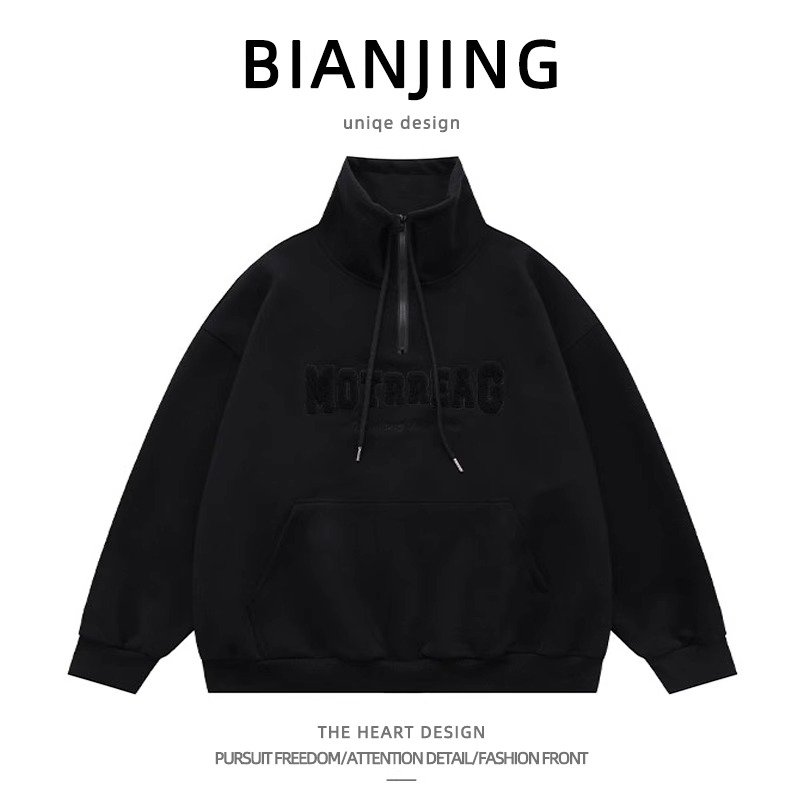
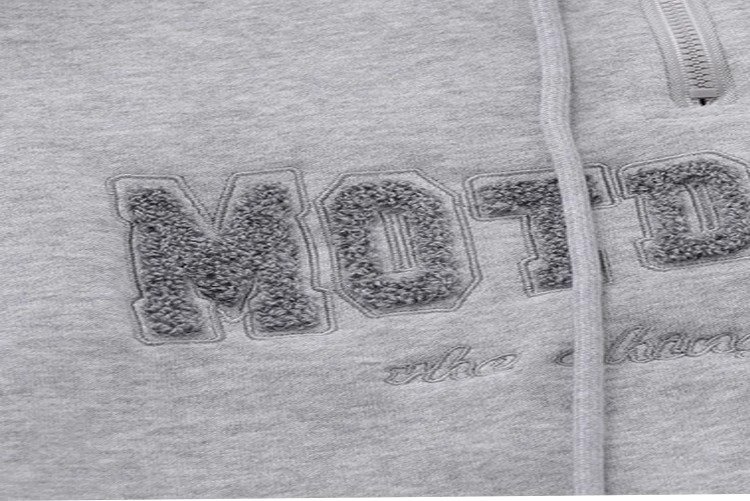
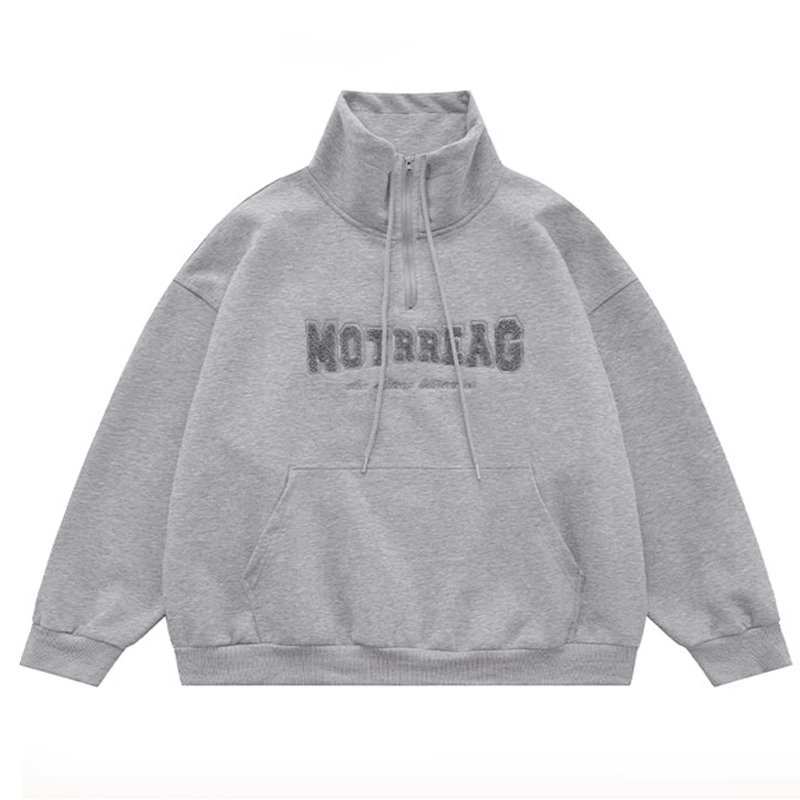
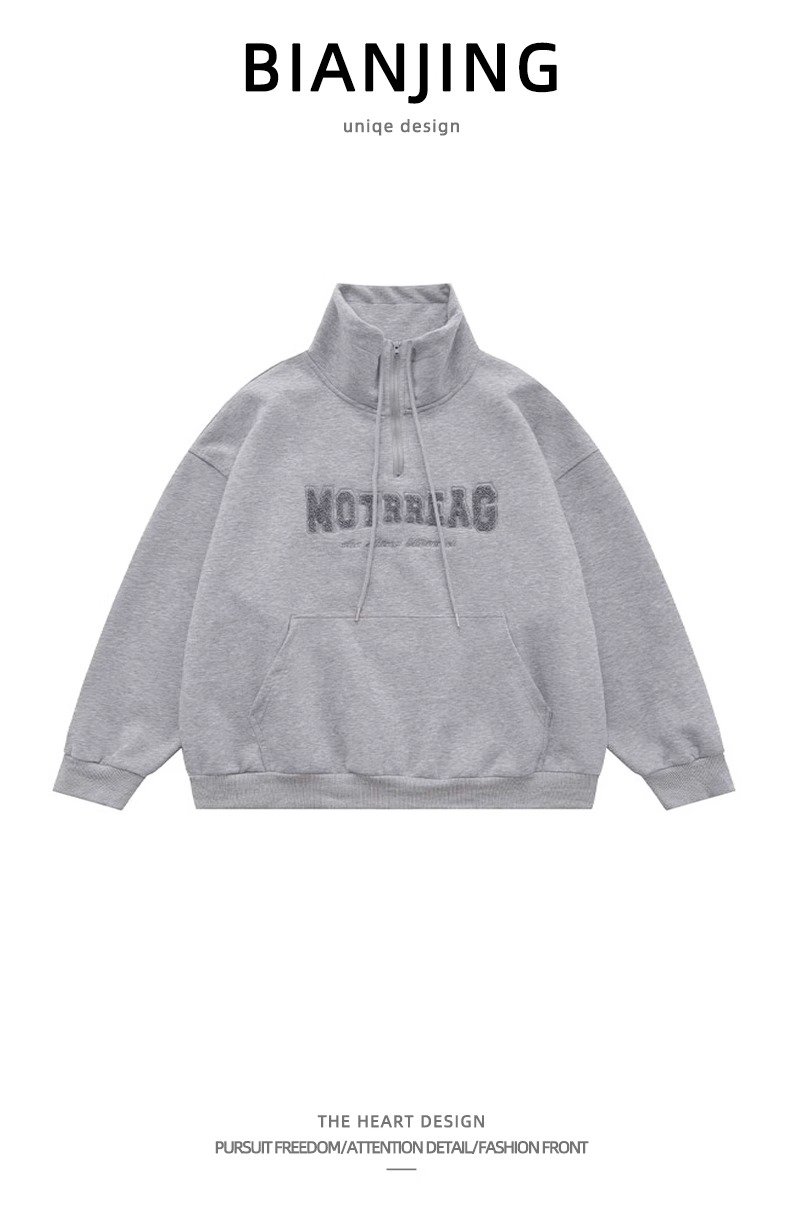
Featured Kids Hoodie Designs & Collections
Why Partner with Our Kids Hoodie Manufacturer
From rigorous quality control to global delivery, every advantage we offer is purpose-built for brands that refuse to compromise.
Proprietary 5-Step QC Guarantee
Quality checks run at every production stage — materials, cutting, craft, sewing, and final inspection — so zero defective hoodies ship.
Low MOQ for Emerging Brands
Start small and scale confidently. Our low minimum order quantities let startups and indie designers launch kids hoodie lines without risk.
Fast Turnaround, Every Season
Rapid production cycles are built for trend-driven drops, ensuring your kids hoodie collection hits retail windows on time, every time.
In-House Design & Sampling Team
Our 15-member R&D team, backed by 10 patents, takes your concept from sketch to approved sample with speed and precision.
Global Shipping & Logistics Support
We manage customs, freight, and last-mile delivery to ship finished kids hoodies reliably across more than 100 countries worldwide.
Streetwear Expertise at Kids Scale
Over 6 years of specialized streetwear production experience means bold graphics and trend-forward silhouettes crafted specifically for kids apparel.
Kids Hoodie Manufacturer for Every Style and Brand
From oversized streetwear drops to eco-conscious lines, we produce the full spectrum of kids hoodie styles — with low MOQs, fast sampling, and 5-step QC on every run.
Oversized Streetwear Kids Hoodies
Streetwear brands need oversized silhouettes for kids that capture the bold feel of adult lines without compromising safety standards, fabric weight, or the proportions that matter for children's sizing.
Our team engineers premium oversized drops with heavyweight fleece and reinforced hems, delivering the streetwear look your brand demands while passing every stage of our 5-step QC process.
Classic Fit for Global Retailers
Global retailers sourcing classic-fit kids hoodies need consistent sizing, reliable color matching across large production runs, and a factory that can scale without sacrificing stitch quality or delivery timelines.
Scalable production backed by our parent factory and rigorous 5-step QC delivers color-accurate, true-to-size classic kids hoodies across bulk orders, shipped on schedule to warehouses around the world.
Zip-Up and Cropped Kids Styles
Independent designers launching cropped or zip-up kids hoodie styles face high MOQ barriers, limited sampling flexibility, and factories unwilling to invest time in trend-forward silhouettes for smaller initial orders.
Our low MOQ policy and in-house sampling team make prototyping cropped and zip-up styles straightforward, with fast turnaround so your seasonal collection hits market while the trend is still hot.
Influencer and Creator Kids Lines
Creator brands dropping limited-run kids hoodie collections need a manufacturing partner who moves fast, handles small quantities, and produces quality their audience will immediately recognize and want to buy.
We have helped creators grow from zero to hundreds of thousands of followers by producing influencer kids hoodies with sharp graphics, premium hand-feel, and tight delivery windows for viral drops.
Eco-Conscious Kids Hoodie Line
Sustainability-focused brands struggle to find a kids hoodie manufacturer offering certified organic or recycled fabrics without inflating MOQs, extending lead times, or sacrificing the quality that conscious consumers expect.
We source organic cotton and recycled fleece options, applying the same 5-step QC standard to every eco-conscious kids hoodie so your sustainable line delivers on both brand values and product quality.
Premium Fabrics From a Trusted Kids Hoodie Manufacturer
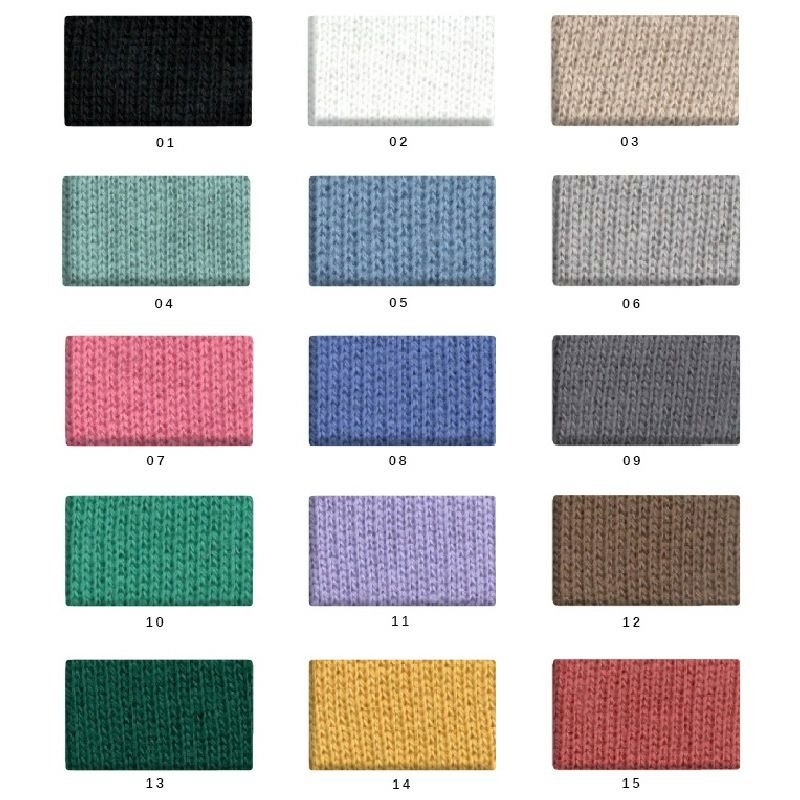
French Terry
Loop-back construction with a smooth face and soft terry interior. Ideal for everyday kids hoodies, offering breathability, shape retention, and a premium hand-feel that holds prints and embroidery with exceptional clarity.
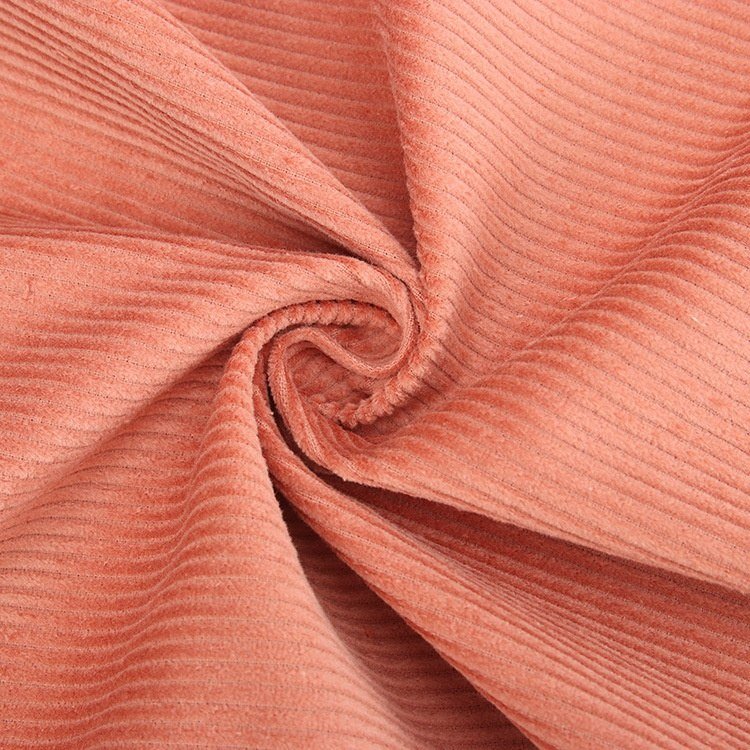
Polar Fleece
Lightweight synthetic pile fabric engineered for warmth without bulk. Perfect for outerwear kids hoodies, delivering fast-drying performance, pill resistance, and a plush, cozy feel that stands up to repeated wash cycles.
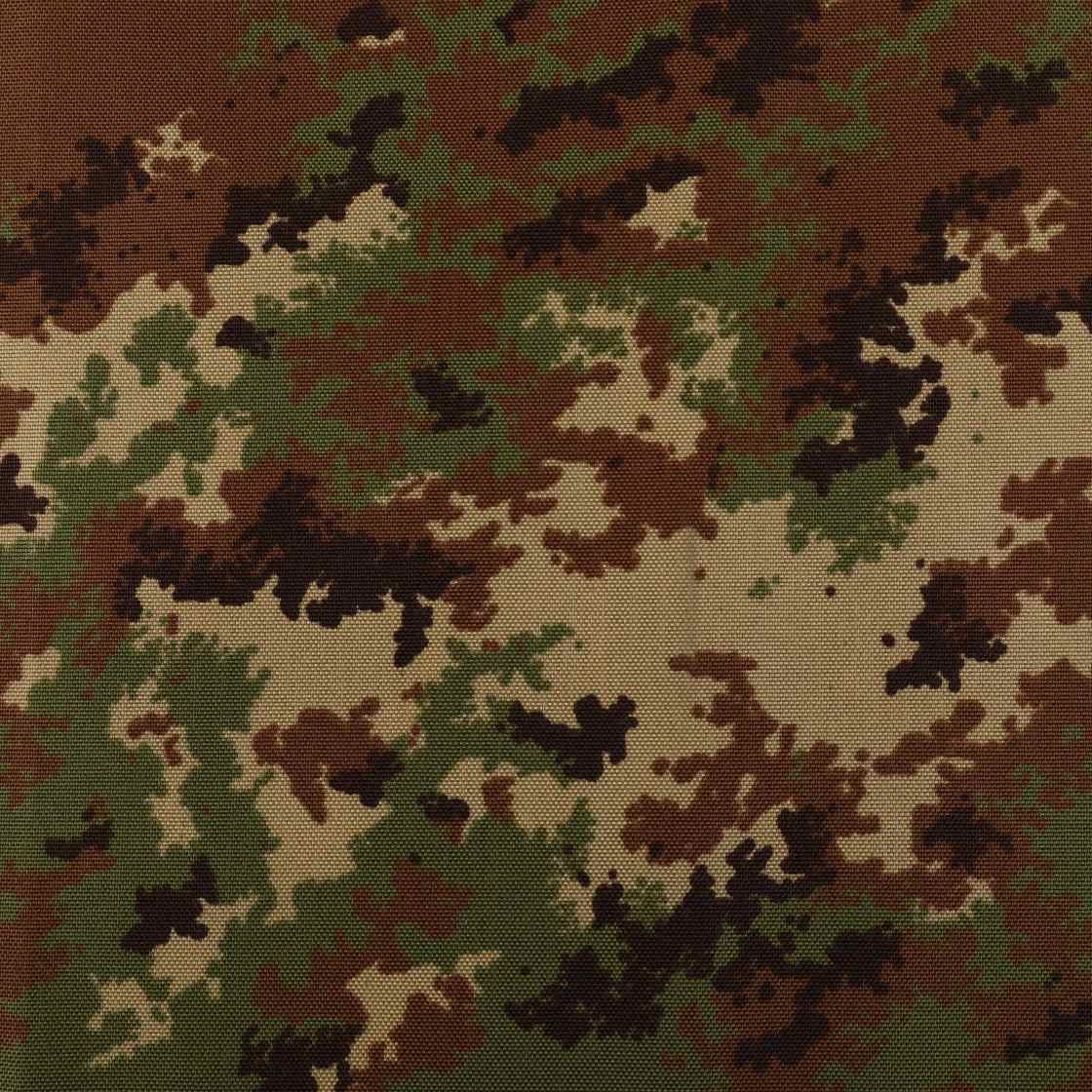
Organic Cotton
GOTS-certified naturally grown cotton free from harsh chemicals. Delivers an ultra-soft, hypoallergenic hand-feel ideal for sensitive kids’ skin, with a mid-weight 240-280 gsm construction suited to year-round hoodies.
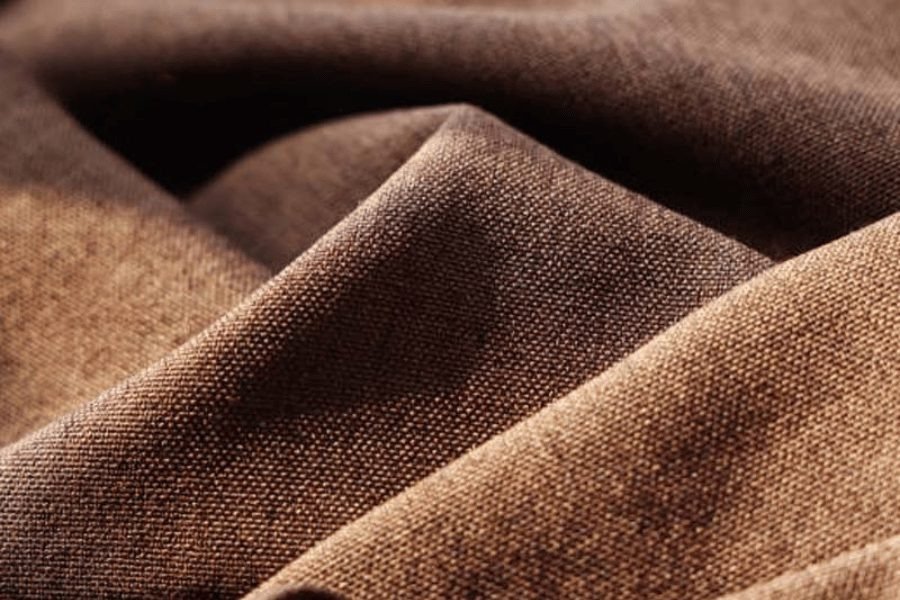
Performance Blend
Poly-cotton or poly-spandex construction designed for active wear. Provides four-way stretch, moisture-wicking properties, and quick-dry performance — the go-to choice for athleisure and sport-inspired kids hoodie styles.
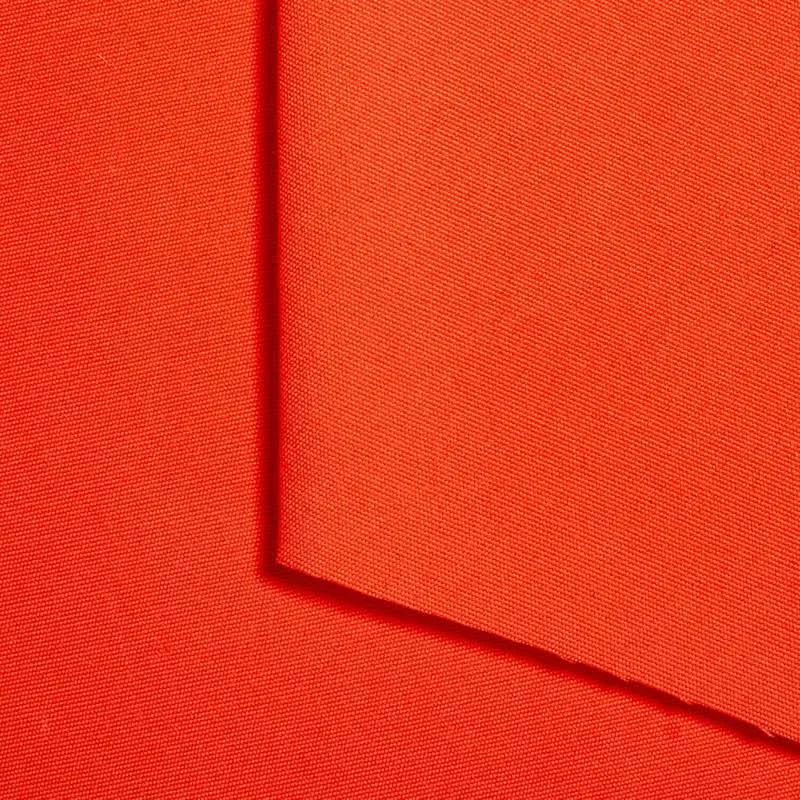
Heavyweight Fleece
Dense brushed fleece at 400-500 gsm delivering premium warmth and substantial drape. Popular for oversized streetwear-style kids hoodies where a weighty, structured silhouette and bold embroidered branding are the priority.
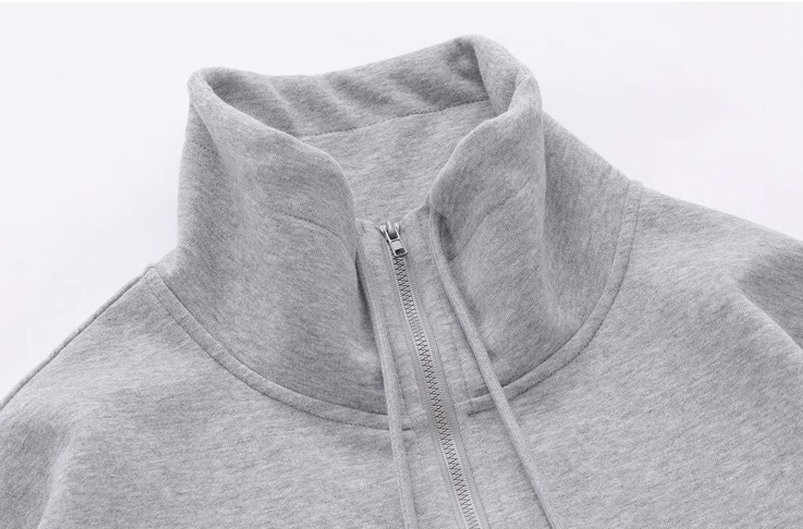
Bamboo Cotton Blend
Eco-conscious blend of bamboo viscose and combed cotton offering exceptional softness and natural thermoregulation. At 200-260 gsm, ideal for lightweight, breathable kids hoodies targeting sustainability-driven streetwear and trendy brands.
Print, Embroidery & Dyeing Techniques for Custom Kids Hoodies
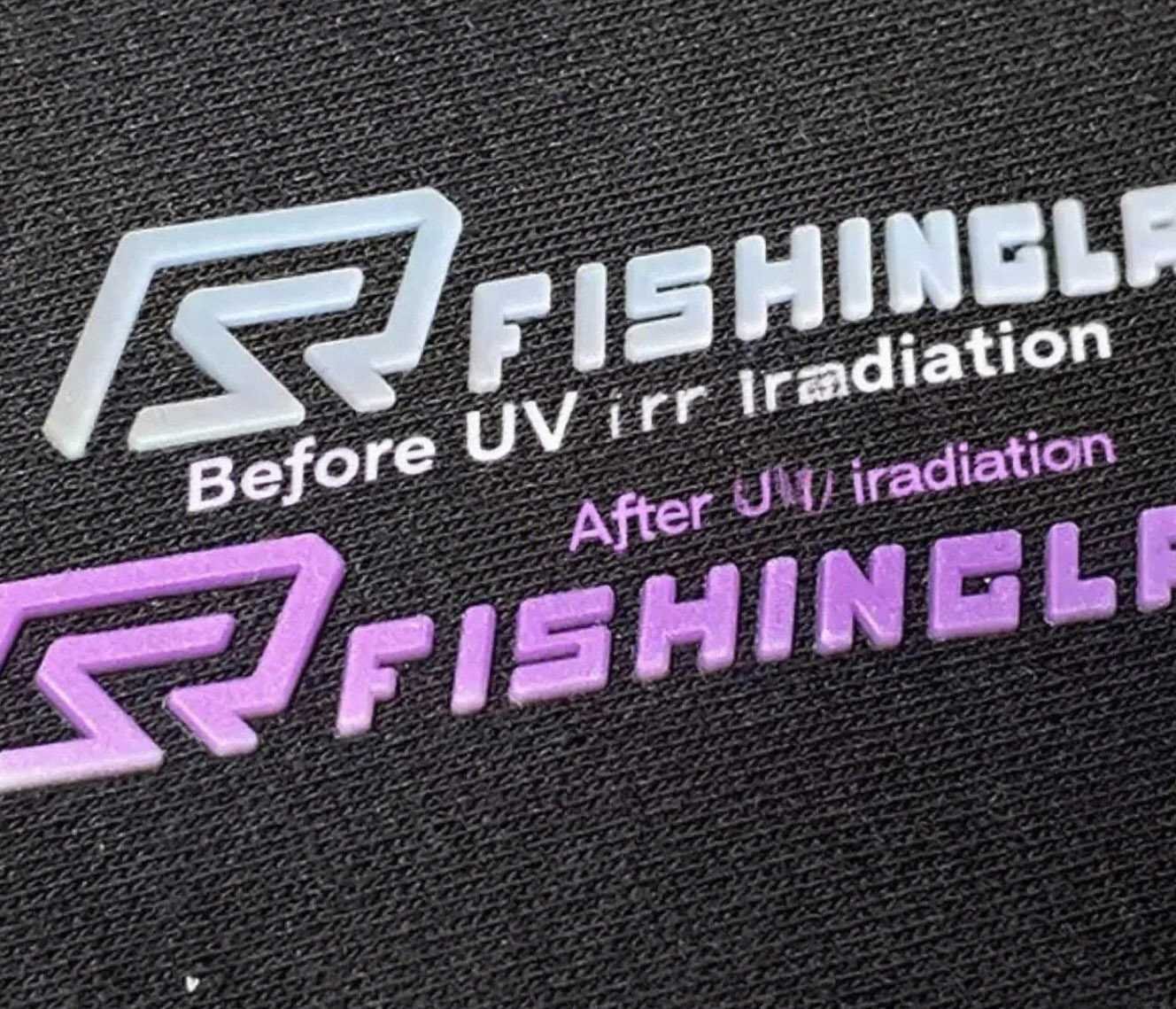
Screen Printing
Delivers sharp, high-opacity graphics using plastisol or water-based inks pressed through precision mesh screens. Ideal for bold streetwear logos and multi-color artwork on kids hoodies, with excellent wash durability at scale.
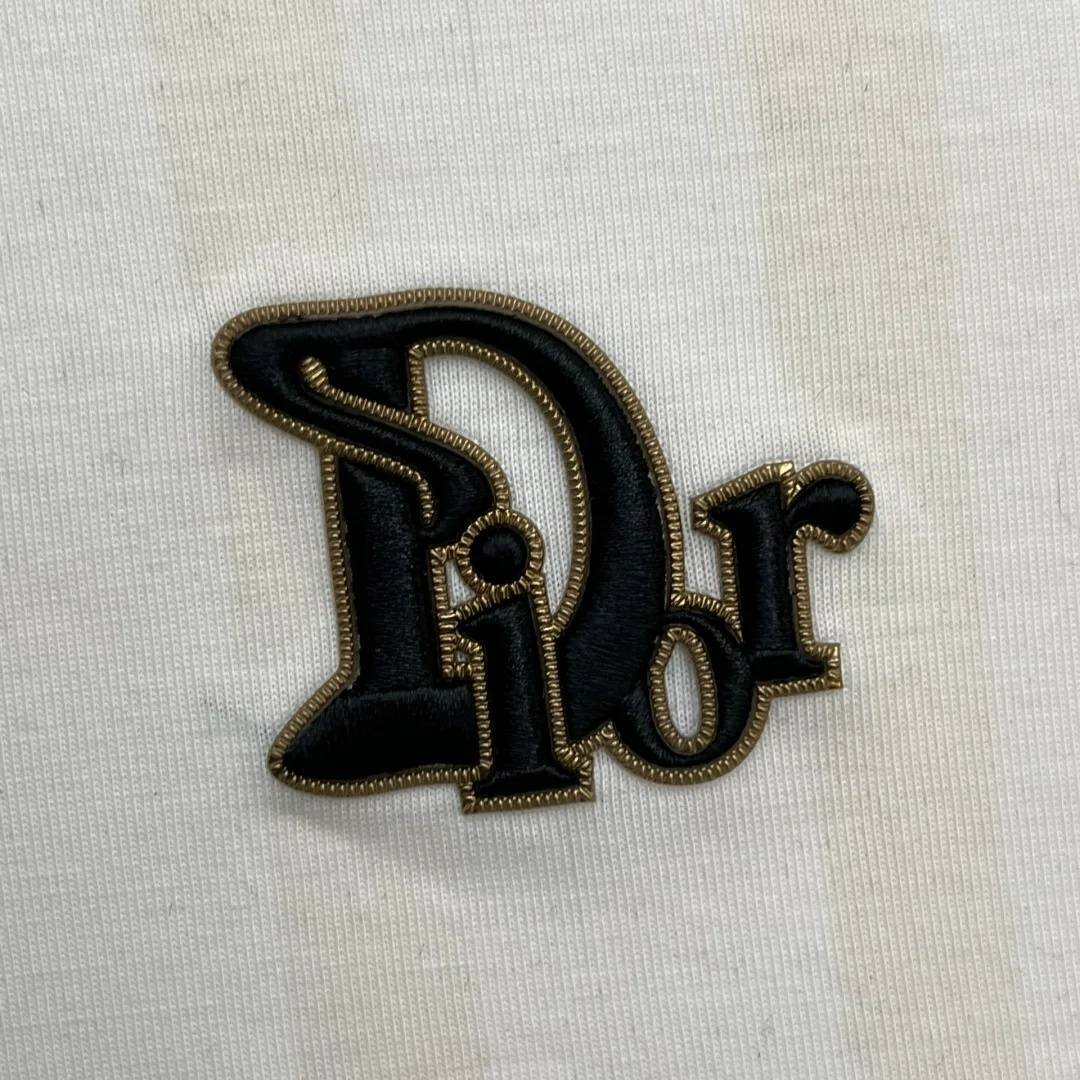
Custom Embroidery
Threads are stitched directly into hoodie fabric via computer-controlled machines, creating a raised, tactile finish. Perfect for branded chest logos, sleeve badges, and premium detailing that holds up through repeated washes and active wear.
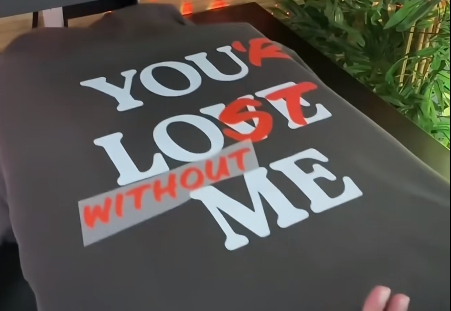
Sublimation Printing
Heat and pressure bond dye directly into polyester-blend fabrics for vivid, all-over prints with zero cracking or peeling. Perfect for full-coverage streetwear graphics and bold repeat patterns across the entire kids hoodie surface.
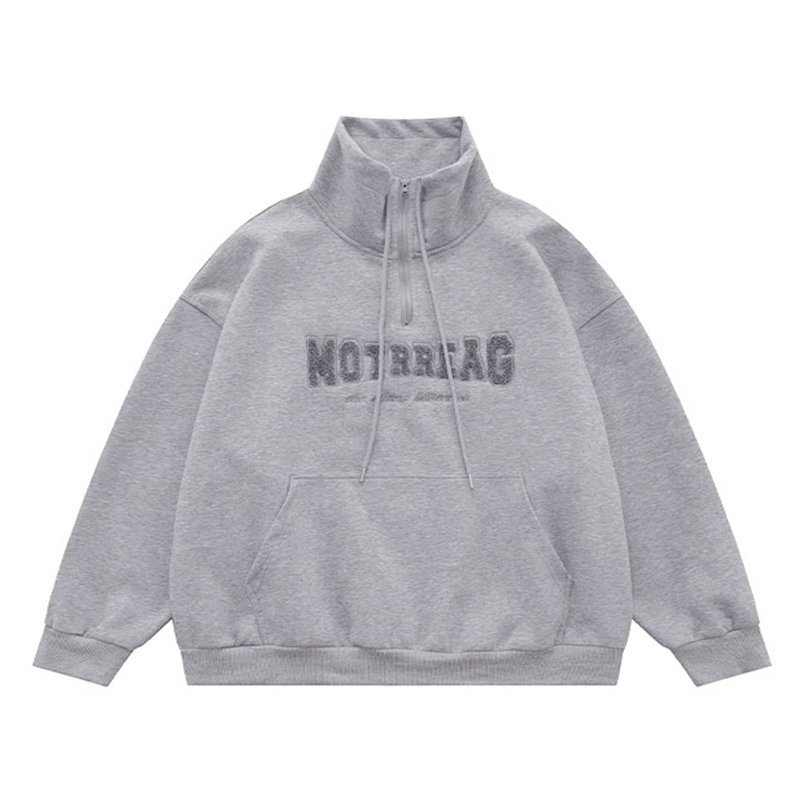
Custom Dyeing
Garments are immersed in controlled dye baths for acid-wash, tie-dye, or solid-color effects. Produces distinctive, one-of-a-kind colorways that give kids hoodies a sought-after vintage or urban streetwear aesthetic.
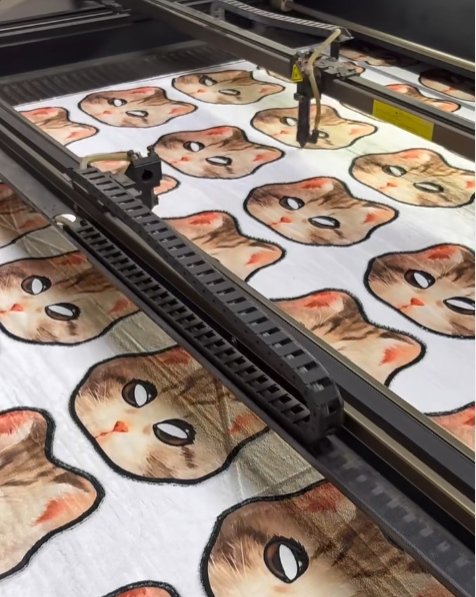
Heat Transfer
Digitally printed transfer films are heat-pressed onto hoodie fabric, enabling photorealistic details, gradients, and fine line art. Delivers excellent color accuracy with short-run flexibility, making it ideal for low MOQ influencer and creator drops.
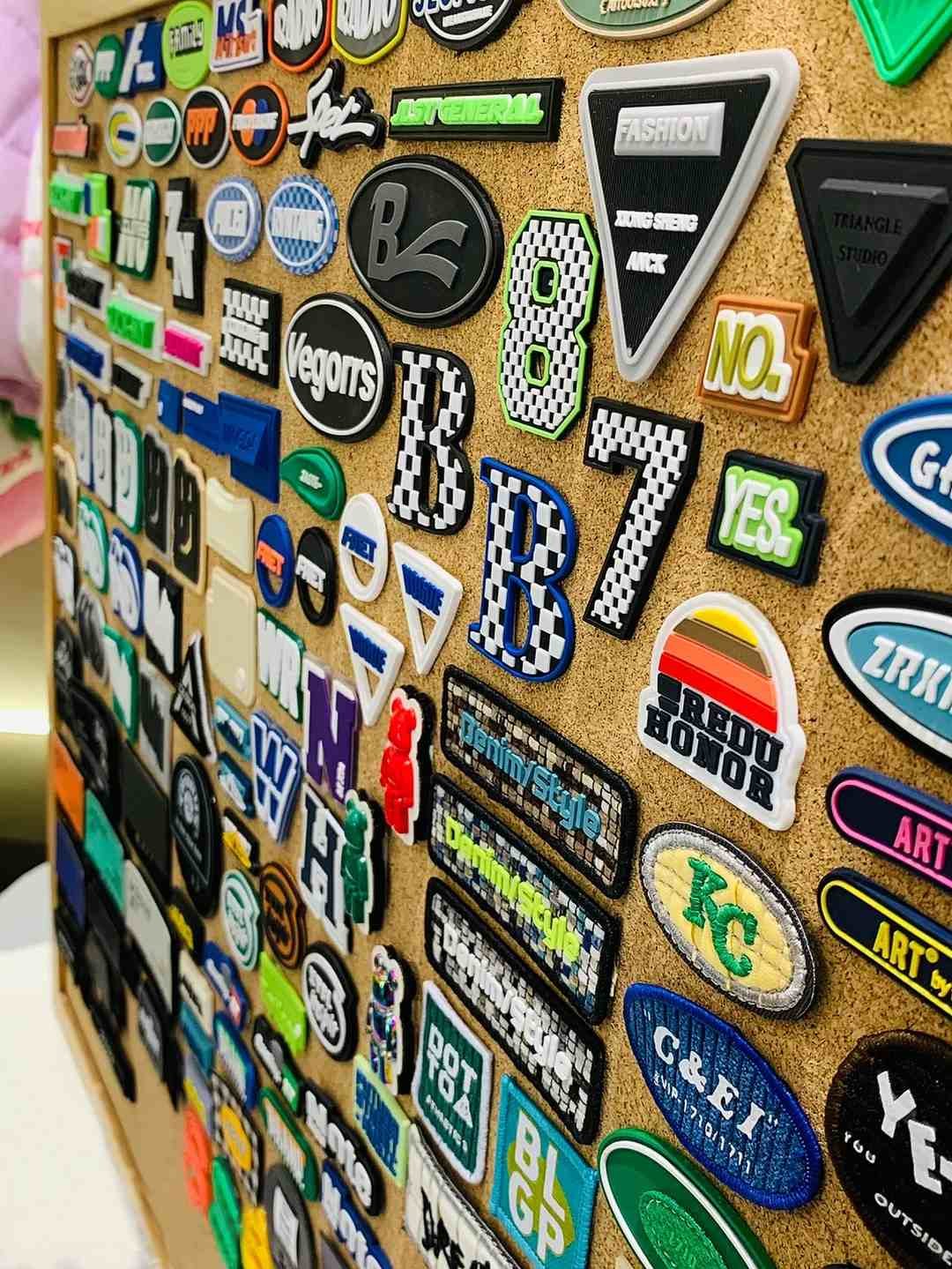
Patch Application
Woven or embroidered patches are sewn or heat-sealed onto hoodies for a collectible, layered aesthetic. Adds dimensional texture and strong brand identity with durable adhesion designed to withstand kids’ active daily routines.
Premium Accessory Options for Every Kids Hoodie
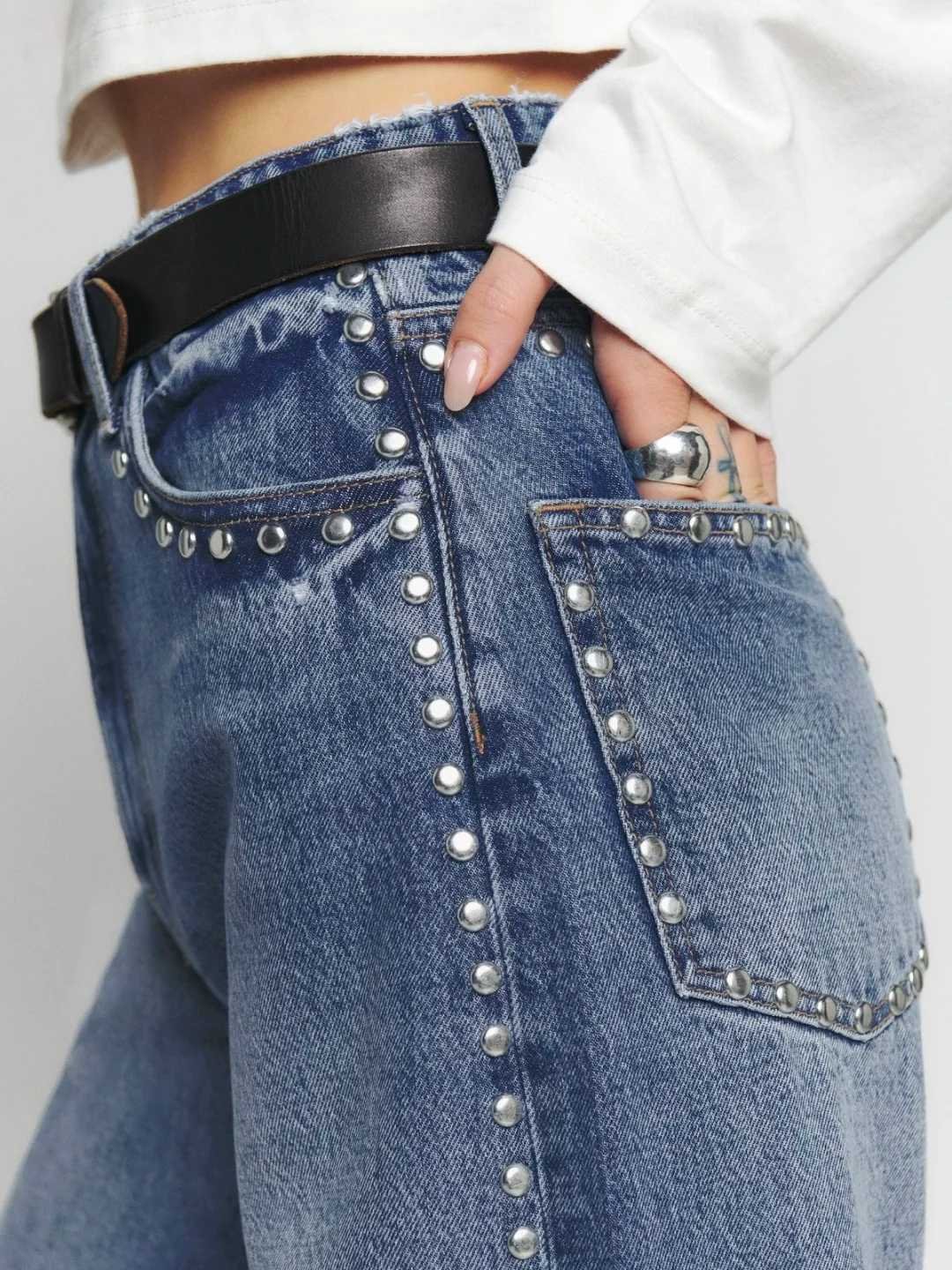
Custom Drawcords
Flat, round, or braided drawcords in brand-matched colors with metal or plastic tipping. Ideal for hoodie hoods and waist channels, delivering a polished, streetwear-ready finish on every kids hoodie.
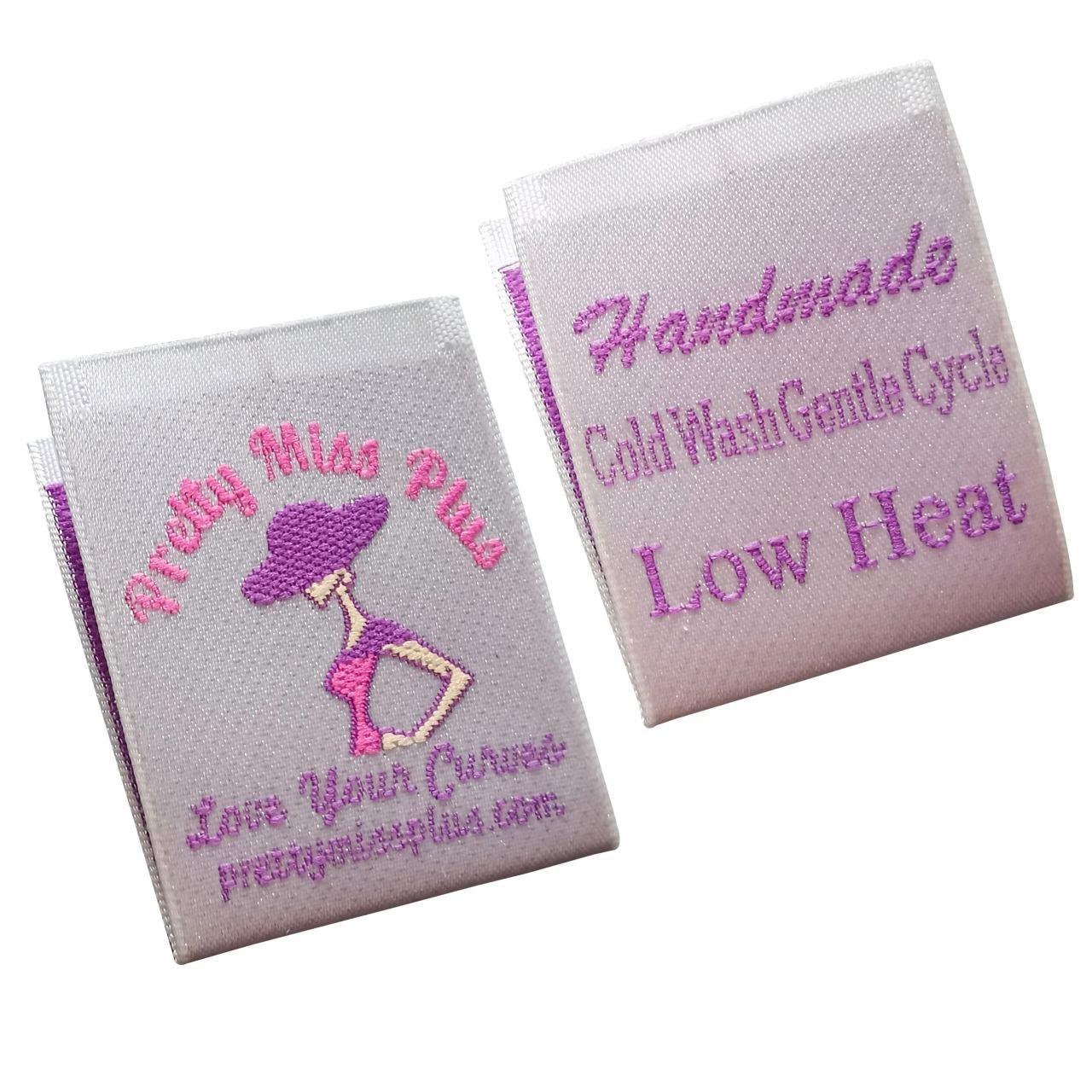
Woven Neck Labels
High-definition woven labels sewn into the neck seam carry your logo, sizing, and brand details. Durable, soft against kids’ skin, and fully compliant with international labeling standards for retail-ready delivery.
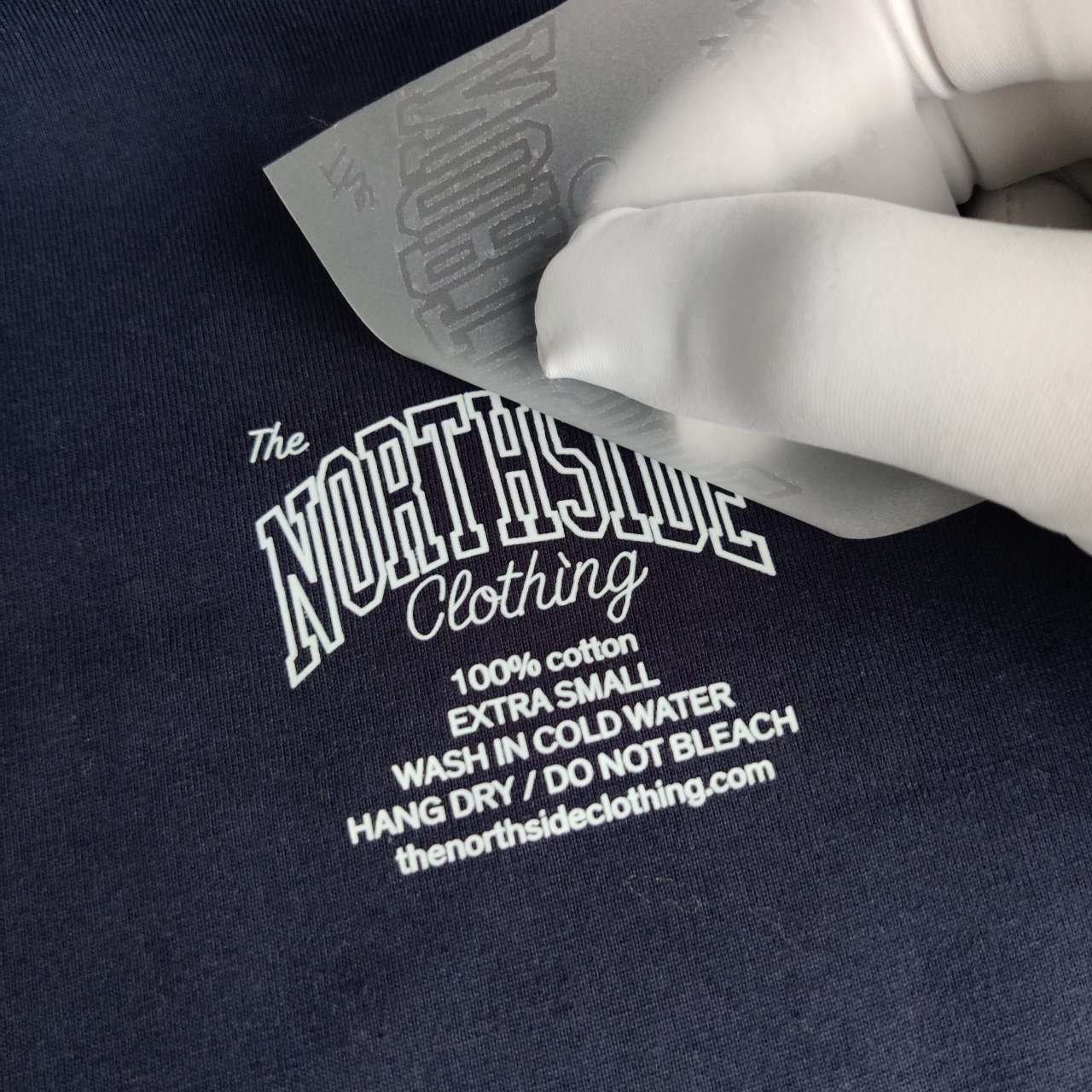
Printed Care Labels
Replace generic care tags with fully branded printed labels featuring your logo, wash instructions, and country-of-origin. Heat-transfer or woven options keep kids comfortable while projecting a consistently professional brand image.
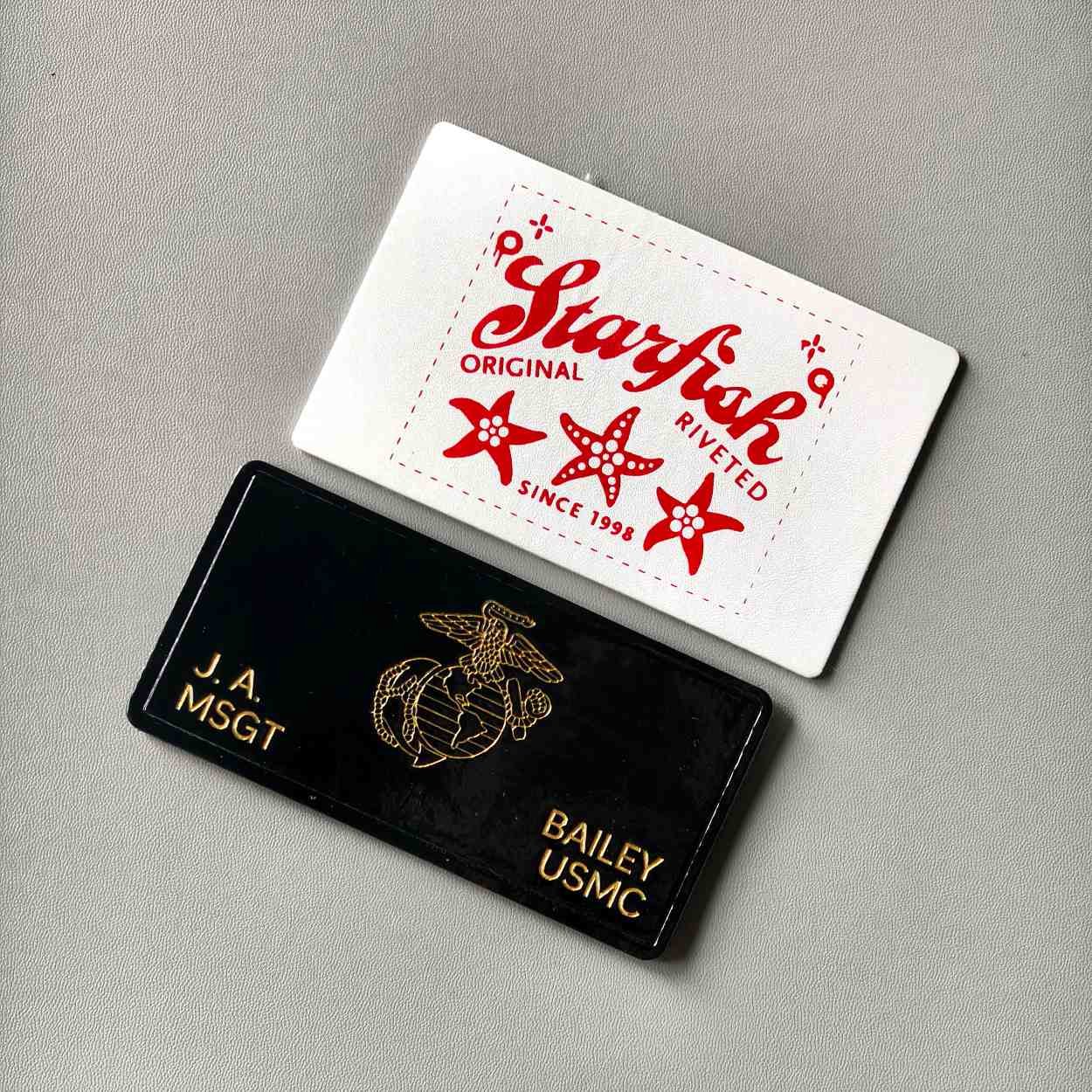
Embroidered Patches
Custom embroidered or woven patches applied to chest panels, sleeves, or back yoke. Perfect for streetwear logos and mascots, giving your kids hoodie collection a premium, collectible character that stands out at retail.
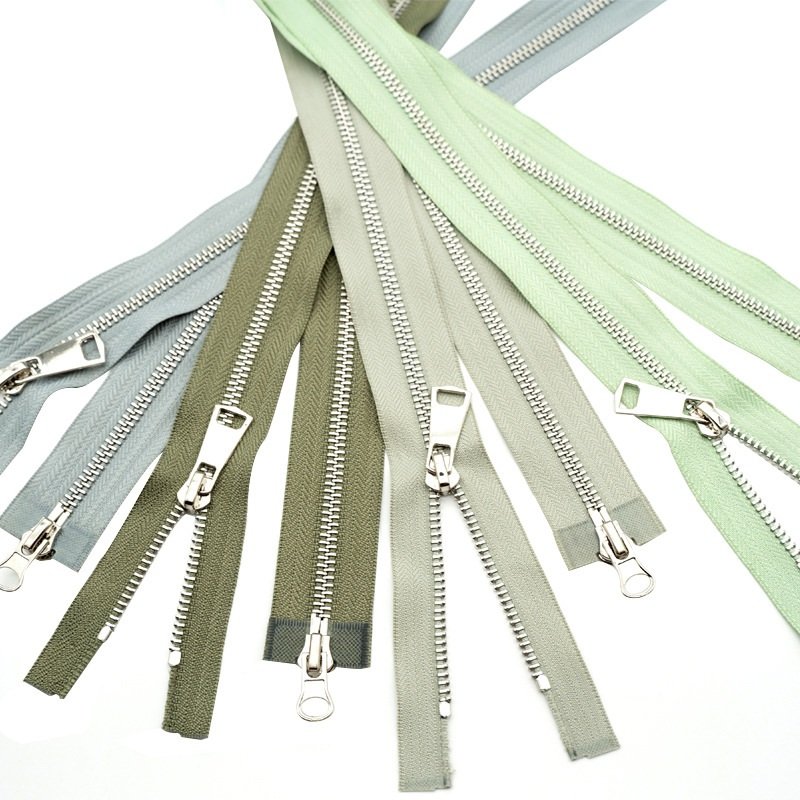
YKK Zippers
Premium YKK zippers in custom pull shapes, colors, and finishes for zip-up kids hoodies. Every zipper passes our 5-step QC stress test to guarantee smooth operation and long-term durability through heavy daily use.
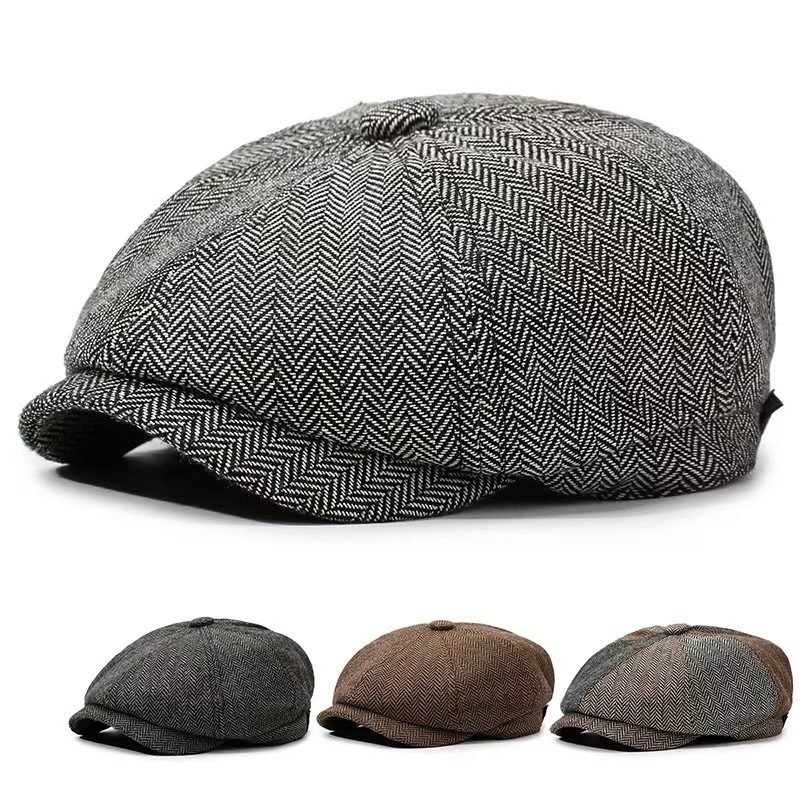
Branded Hangtags
Custom-printed or foil-stamped hangtags attached by branded cord or safety pin. Elevate the retail presentation of your kids hoodie line with size callouts, QR codes, and on-brand storytelling design.
Trusted Kids Hoodie Manufacturer Rooted in Real Expertise
Tesla Luo founded Clothing Manufacturer Ltd. in 2024 after more than 10 years in garment production, including 6 years specializing in streetwear. Raised in a family of senior apparel professionals and trained across every factory role — from cutting and sewing to QC and shipping — he built an unmatched understanding of where manufacturers cut corners, and a clear mission to do things differently.
Headquartered in Humen Town, Dongguan — China’s historic garment hub — we combine the agility of a focused streetwear specialist with the production depth of our parent company, Dongguan TuoZhen Clothing Co., Ltd. Our 15-member R&D team holds 10 patents, and our low MOQ policy makes us the go-to kids hoodie manufacturer for fashion startups, independent designers, and global retailers seeking consistent, scalable output.
Tesla witnessed firsthand that most factories skip quality checks entirely, shipping direct from sewing to packaging — a practice he considers both irresponsible and damaging to the reputation of Chinese manufacturers worldwide. His answer is a proprietary 5-step QC process covering materials, cutting, craftsmanship, sewing, and finished goods. Since launching, we have served brands across more than 100 countries, helping influencer labels and streetwear startups grow from their very first drop to tens of thousands of loyal followers.
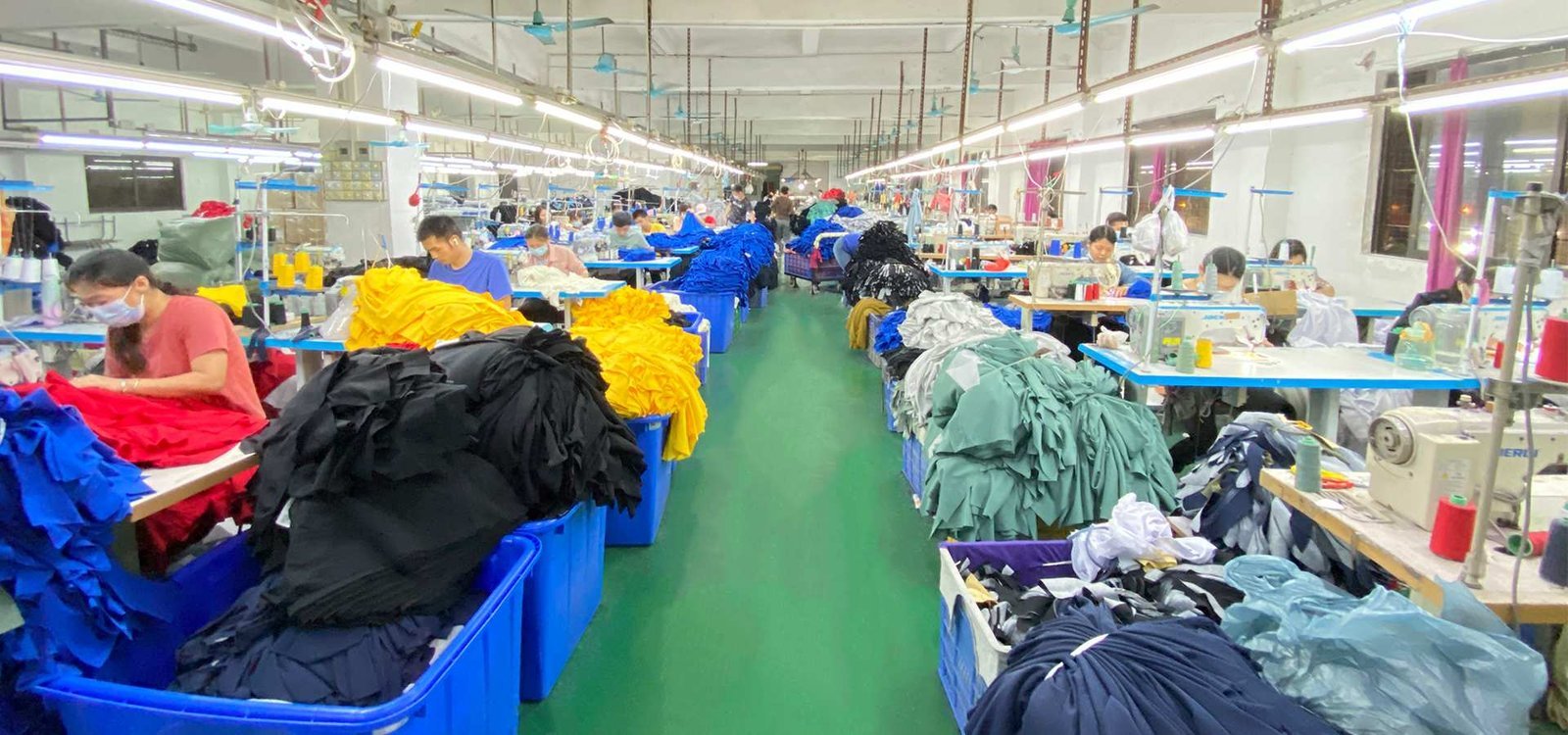
5-Step QC: What Sets Our Kids Hoodie Manufacturer Apart
Step 1: Zero Defects Start at the Source
Before a single thread is sewn, our team inspects every fabric shipment for weight, colorfastness, shrinkage, and composition. Only materials that pass our strict standards move forward — defective inputs never reach your kids hoodies.
- Fabric weight and GSM verified against your approved specifications
- Colorfastness and wash-shrinkage tested on every incoming batch
- Fiber composition confirmed before materials enter the production floor
- Defective materials quarantined and rejected before cutting begins
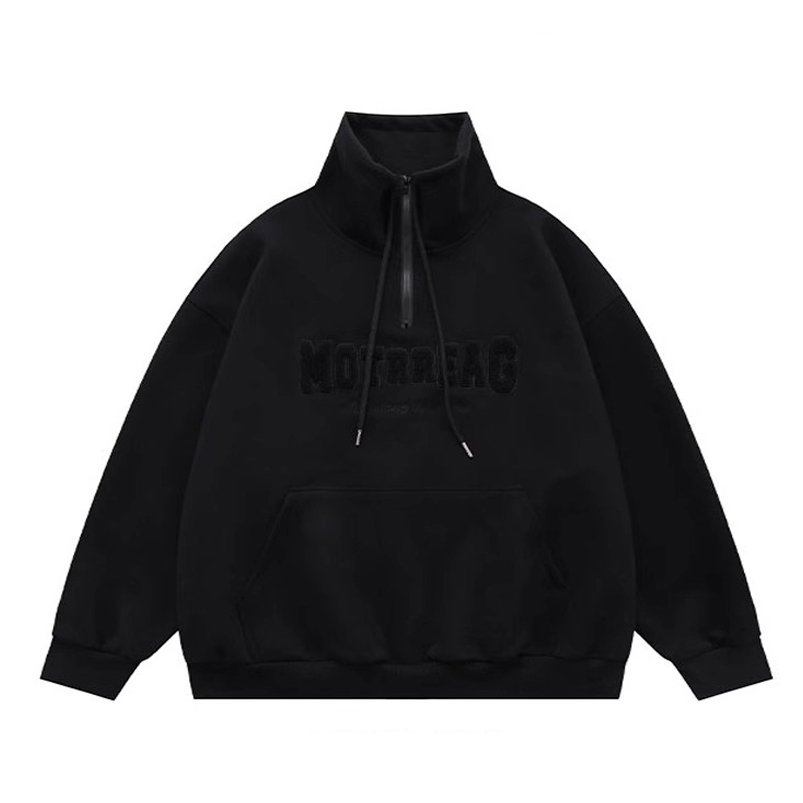
Steps 2–3: Precision Cutting and Craft QC
Every pattern piece is inspected for accuracy before cutting, and garment craftsmanship standards are validated before sewing begins. This two-stage checkpoint eliminates compounding errors downstream, protecting your brand’s product consistency across every run.
- Pattern accuracy and grain alignment checked before cutting starts
- Lining, interlining, and accessory placements confirmed at the craft stage
- Defective panels removed before they enter the sewing line
- Early-stage corrections prevent costly rework on finished kids hoodies
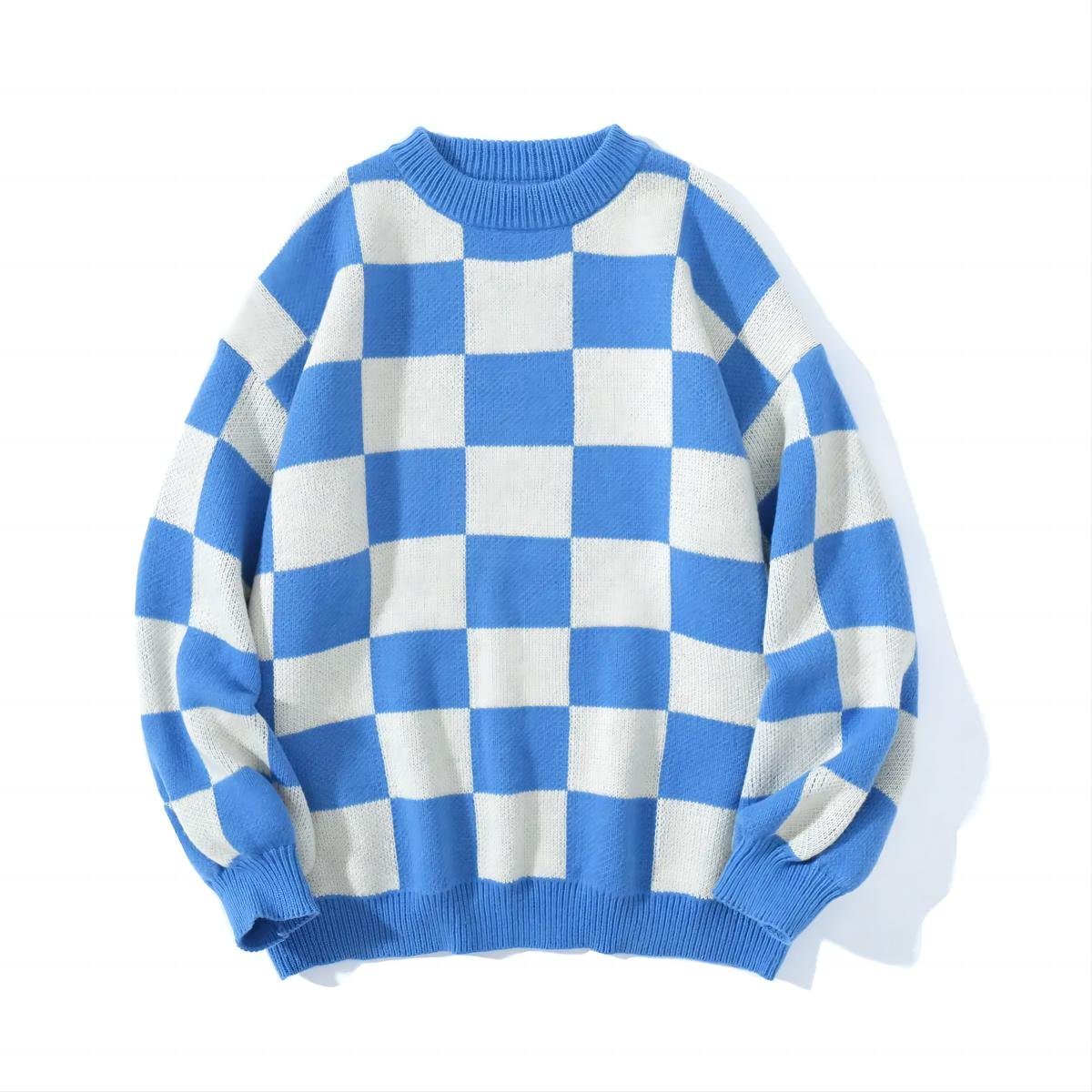
Step 4: In-Line Sewing QC at Every Station
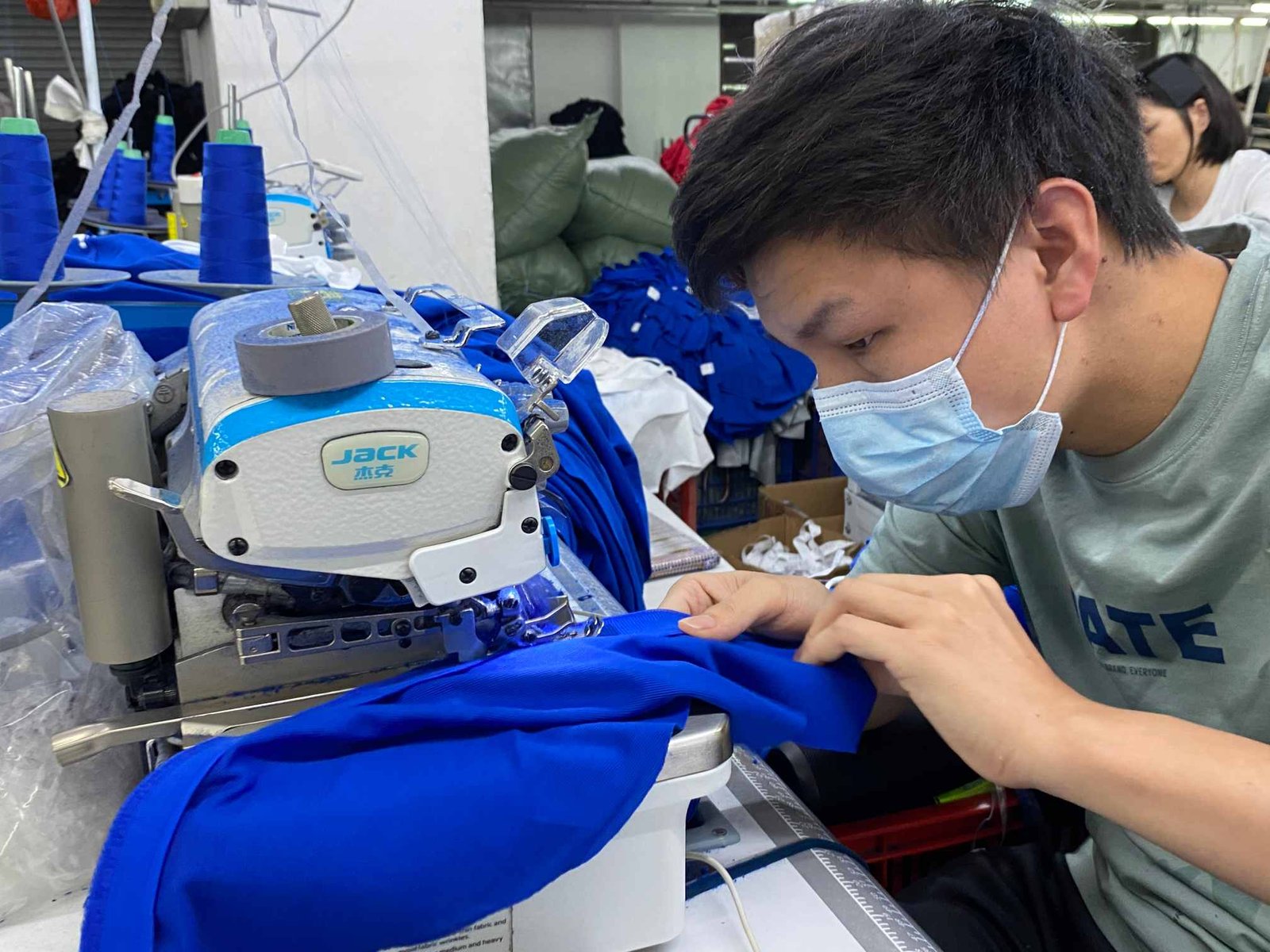
Our QC team monitors every sewing station throughout production, catching stitch inconsistencies, misaligned seams, and construction flaws in real time. Problems identified during sewing cost a fraction of what they cost on a finished garment.
- Stitch density and tension checked at each sewing machine station
- Seam alignment and construction sequence monitored throughout the line
- Inline defect tags trigger immediate correction, not end-of-line sorting
- Real-time logs maintain consistent output quality across the full production run
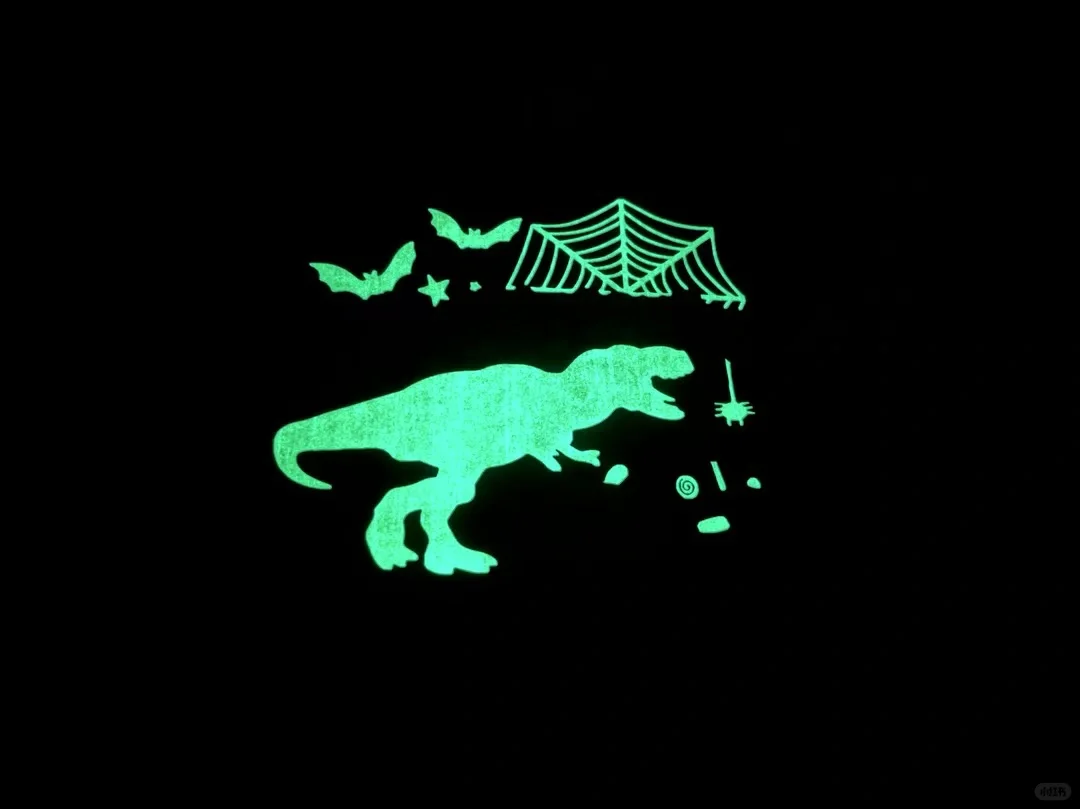
Step 5: Final Gate Before Your Order Ships
Every finished kids hoodie undergoes a comprehensive final inspection before packing. Measurements, print registration, hardware function, and overall appearance are verified against your approved samples, ensuring every piece ships exactly as you approved.
- Full measurement audit conducted against tech pack specifications
- Print, embroidery, and decoration registration verified on each individual piece
- Zipper, drawstring, and hardware function tested before packing
- Packing and labeling accuracy confirmed before cartons are sealed
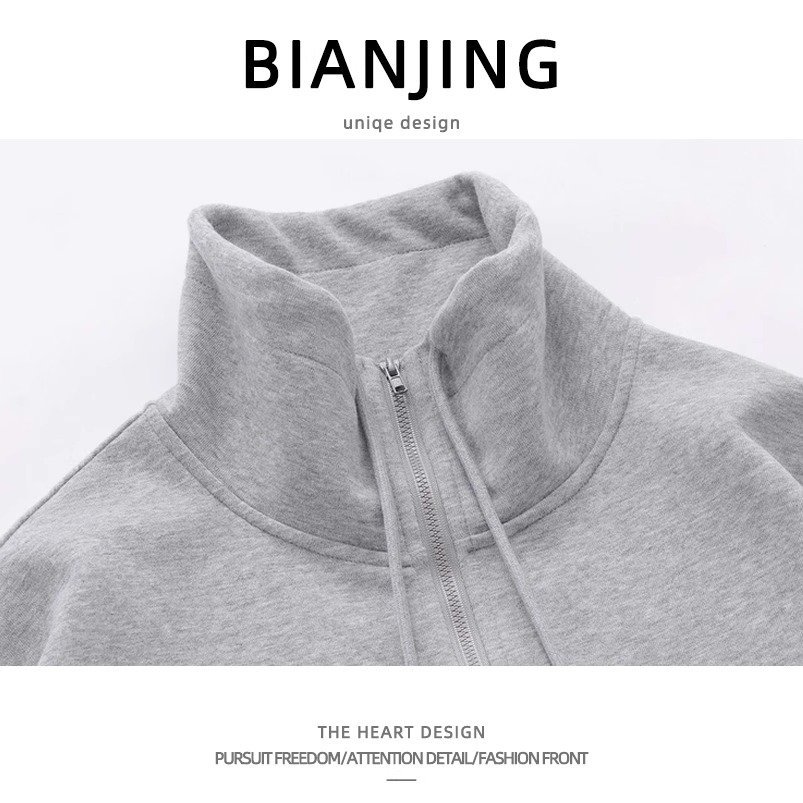
How We Outperform Typical Kids Hoodie Manufacturers
From full-cycle quality control to low MOQs and streetwear-native design, here is why global brands choose Clothing Manufacturer Ltd over generic factories.
← 左右滑动查看 →
From Fabric to Doorstep: Our Kids Hoodie Manufacturer Workflow
Every phase is quality-checked, on schedule, and built to your brand spec — from raw fabric selection through final global dispatch.
Fabric Sourcing & QC Testing
We select and test premium streetwear-grade fabrics, verifying weight, shrinkage, colorfastness, and durability before a single yard enters the kids hoodie production line.
Pattern Development & Cutting
Our in-house team builds precise, size-graded patterns for kids fits, then runs cutting QC checks to confirm accuracy and eliminate material waste at the source.
Embroidery & Print Application
Skilled technicians execute screen printing, DTF, and embroidery using approved artwork, with craft QC verification at every step to lock in sharp, lasting results.
Sewing & Assembly
Expert sewers assemble each hoodie to exact specifications; inline sewing QC catches stitch defects, seam inconsistencies, and construction errors before they can compound downstream.
Final Quality Inspection
Every finished piece passes our 5-step QC final review — measuring dimensions, auditing details, and stress-testing zippers, drawstrings, and seams against zero-defect standards.
Packing & Global Shipment
Hoodies are folded, tagged, and packed to your brand spec, then dispatched via reliable logistics partners to warehouses or end customers across 100-plus countries worldwide.
How to Work with Our Kids Hoodie Manufacturer
From your first design file to final delivery, our streamlined five-stage process keeps every order on spec, on schedule, and backed by our 5-step QC guarantee.
Submit Your Tech Pack
Share your design files, sketches, or concept brief. Our in-house sampling team reviews every specification, asks the right questions, and clarifies all details before quoting.
Receive Your Quote and Sample
We return a transparent, itemized quote within 24 hours and craft a pre-production sample for you to evaluate fit, fabric quality, and print accuracy firsthand.
Approve Samples, Confirm Details
Review your sample and request any revisions. Once signed off, lock in colorways, branding, labels, and packaging so bulk production can begin without delay.
Launch Bulk Production with QC
Your order enters our factory with our 5-step QC process running at every stage — materials, cutting, craft, sewing, and assembly — eliminating defects before they compound.
Pass Final QC and Ship
Every finished kids hoodie clears a rigorous final quality inspection before packing. We then coordinate global shipping and logistics, keeping you updated until delivery is confirmed.
Certified Standards From a Kids Hoodie Manufacturer You Can Trust
What Brands Say About Our Kids Hoodie Manufacturer
We scaled from 300 to 2,500 kids hoodies per month in under a year. The 5-step QC process meant zero returns from our retail partners — something we never achieved with any previous manufacturer. Clothing Manufacturer Ltd. is simply in a different league.
As a startup, low MOQ was non-negotiable. We launched our first kids streetwear line with 100 pieces per style and sold out in 18 days. The in-house sampling team nailed our graphic details on the first round — saved us weeks of back-and-forth.
Our influencer brand grew from 40k to 180k followers in one season, and the quality of our kids hoodies was a huge part of that buzz. Six-style seasonal drop delivered in 22 days, zero defects. We will never source anywhere else.
Kids Hoodie Manufacturer FAQ: Your Top Questions Answered
Everything streetwear brands, startups, and global retailers need to know before placing their first order with Clothing Manufacturer Ltd.
What is the minimum order quantity (MOQ) at your kids hoodie manufacturer?
How long does sample production take?
What quality control process does your kids hoodie manufacturer use?
What are your payment terms for new clients?
Can you ship kids hoodies to my country?
How do you protect my designs and intellectual property?
What is the production lead time for bulk kids hoodie orders?
How do I get started with your kids hoodie manufacturer?
The Complete Buyer’s Guide to Kids Hoodie Manufacturer Sourcing
Discover a proven decision framework for vetting a kids hoodie manufacturer — covering supplier criteria, fabric standards, customization options, quality checkpoints, and the most costly sourcing mistakes brands must avoid before placing their first order.
1. What Is a Kids Hoodie Manufacturer?
A kids hoodie manufacturer is a factory or production facility that cuts, sews, and finishes children’s hooded sweatshirts from raw fabric — not a middleman who resells existing stock. Three distinct supplier types operate under this label: cut-and-sew factories, which build garments from scratch using your patterns; private-label suppliers, which apply your branding to pre-made blanks; and OEM/ODM producers, which either follow your tech packs or develop original designs on your behalf.
Trading companies and wholesalers typically mark up finished goods by 30–60% over factory price before passing them to brands, compressing your margin before a single unit ships. A direct kids hoodie manufacturer eliminates that layer, giving you cost transparency on fabric GSM, thread counts, and construction labor — and the leverage to negotiate MOQs as low as 50–100 pieces per colorway rather than the 300–500-piece minimums common at wholesaler-tier sourcing.
OEM (Original Equipment Manufacturing) means the factory produces to your exact specifications — your patterns, your tech packs, your approved fabrics. ODM (Original Design Manufacturing) means the manufacturer develops the design and you license or modify it, which suits startups launching a first collection without an in-house design team. Both models give you direct access to production-stage quality control rather than relying on a trading company’s end-of-line inspection.
Specialists in children’s apparel maintain age-band sizing libraries calibrated from newborn through 14Y, source OEKO-TEX- or GOTS-certified fabrics for child-safety compliance, and catch construction risks — such as drawstring hazards governed by EN 14682 — before a single sample is cut. That upstream expertise is simply unavailable through a general wholesaler.
2. A Brief History of Kids Hoodie Manufacturing
Champion introduced the hooded sweatshirt in 1934, originally engineered as utilitarian cold-weather gear for laborers and college athletes. Children’s adaptations followed through the 1950s–60s, mass-produced in domestic US mills using 280–320 GSM fleece, prized for durability rather than aesthetics.
The 1980s triggered a structural shift in kids apparel manufacturing: brands moved production offshore to Hong Kong, Taiwan, then mainland China, Bangladesh, and Vietnam to reduce labor costs. By the mid-1990s, the Pearl River Delta — including Humen Town in Dongguan — had emerged as the world’s leading hub for knit and fleece garment production, with factories capable of handling MOQs from a few hundred pieces per colorway.
Post-2020 supply chain fractures — COVID-19 port shutdowns, elevated trans-Pacific freight rates, and geopolitical tariff pressure — accelerated nearshoring toward Mexico, Turkey, and Portugal. Simultaneously, GOTS-certified organic cotton and OEKO-TEX Standard 100-compliant fabrics shifted from premium niche to baseline expectation in kids’ apparel, driven by retailer safety mandates and parent-consumer demand.
Today, a kids hoodie manufacturer must navigate cost-per-unit, lead time windows, sustainability credentials (GOTS, OEKO-TEX, BSCI, WRAP), and fast-changing streetwear trend cycles simultaneously. Sourcing decisions that once hinged on price alone now require auditing QC infrastructure, ethical compliance, and a manufacturer’s design fluency — making partner selection far more consequential than it was 30 years ago.
3. Types of Kids Hoodies a Manufacturer Can Produce
Every reputable kids hoodie manufacturer produces at least six core silhouettes, each with distinct construction specs and retail applications. Matching style to audience reduces returns and builds repeat orders.
Pullover Hoodies
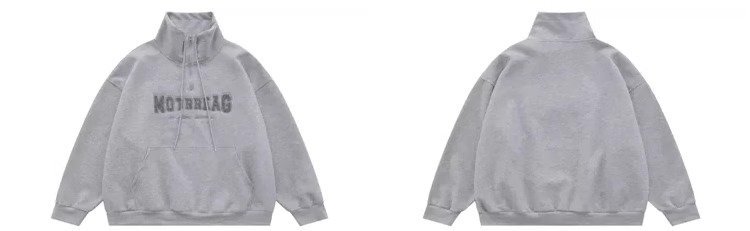
Classic one-piece construction with a kangaroo pocket and fixed hem serves ages 2–14 across the widest range of brand categories. Standard weight runs 280–320 GSM in French terry or fleece.
School-uniform buyers and gifting brands order this style most frequently, though entry-level streetwear labels also rely on it as a foundational SKU.
Zip-Up Hoodies
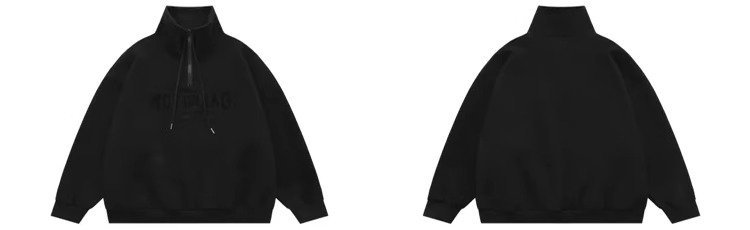
A full-length center-front zipper — typically YKK #5 or #3 — adds layering versatility for ages 4–14. The hardware adds $1–$2 per unit to bill of materials versus a pullover equivalent.
Activewear labels and school-uniform programs prefer this silhouette for easy on/off functionality.
Oversized and Drop-Shoulder Hoodies
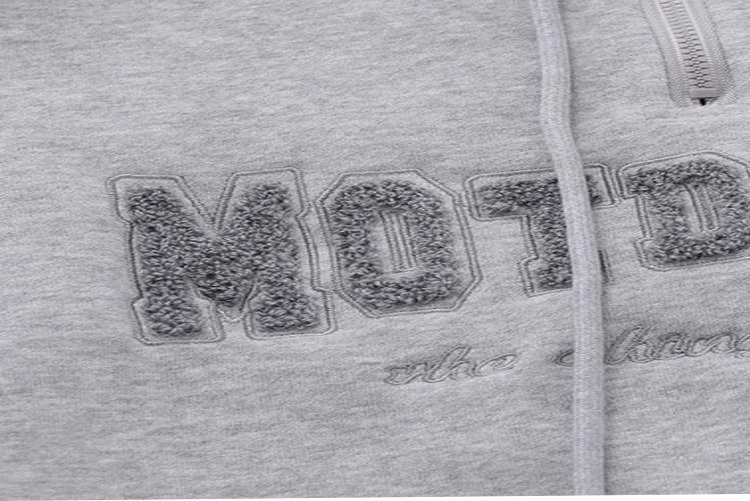
The shoulder seam drops 2–4 cm below the natural shoulder point, creating a boxy silhouette that reads unmistakably streetwear. Ages 6–14 are the primary target, particularly tweens and early teens.
Influencer and creator brands rank this among their highest-volume kids SKUs, often pairing it with bold graphic prints.
Fleece-Lined Hoodies
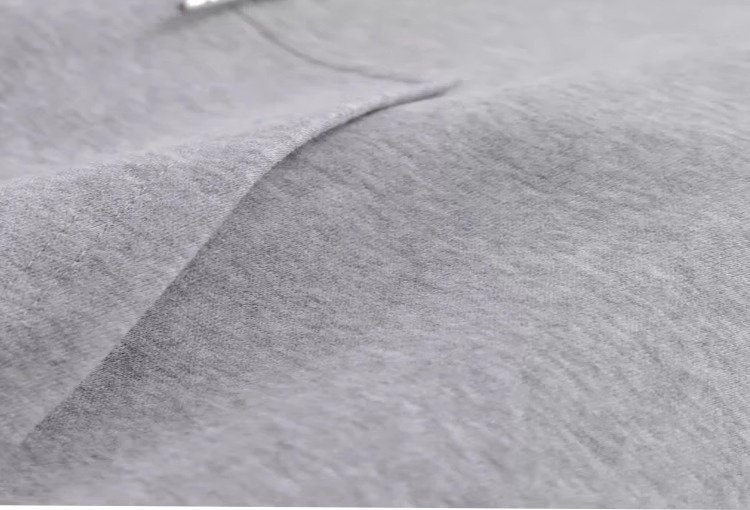
A brushed interior at 300–380 GSM traps heat while keeping the outer face smooth and printable. Ages 2–12 are the core demographic, with gifting brands and cold-climate retailers driving the most volume.
EU and North American buyers frequently require OEKO-TEX Standard 100 certification on fleece-lined kids styles.
Performance and Athletic Hoodies
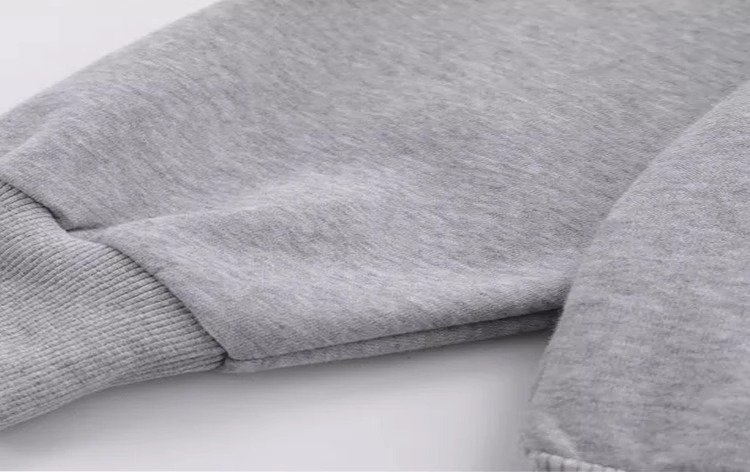
Construction relies on 88/12 polyester-spandex or 4-way stretch woven fabric with flatlock seams to eliminate chafe points. Ages 4–14 cover the full range, from toddler activewear to competitive youth sports programs.
Moisture-wicking finish and UPF 30+ are standard specs; activewear brands and sports-team outfitters drive the majority of orders in this category.
4. Materials & Fabrics Used by Kids Hoodie Manufacturers
Fabric choice defines every kids hoodie’s feel, durability, and safety profile. A reputable kids hoodie manufacturer works across five primary blends, each suited to different GSM ranges, end uses, and certification pathways.
| Fabric | GSM Range | Best Use Case | Print Compatibility |
|---|---|---|---|
| Cotton Fleece | 300–340 GSM | Year-round casual hoodies | Excellent — screen + DTG |
| Poly-Cotton Fleece | 280–360 GSM | Budget retail, school uniforms | Good — screen print |
| French Terry | 280–310 GSM | Lightweight layering, spring styles | Good — DTG |
| Organic Cotton | 300–340 GSM | Eco and premium retail lines | Excellent — water-based ink |
| Recycled Polyester Blend | 300–350 GSM | Sustainable activewear labels | Moderate — sublimation |
Common Fabric Blends at a Glance
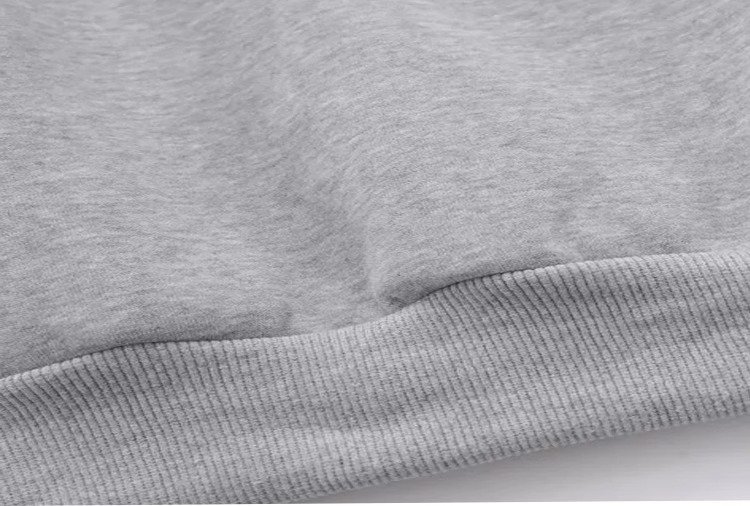
Cotton fleece (80/20 cotton-polyester) dominates mid-range hoodies at 300–340 GSM, offering soft hand-feel and strong print adhesion. French terry runs lighter at 280–310 GSM, ideal for layering pieces where drape matters more than insulation.
Organic cotton and recycled polyester blends serve eco-positioned labels; both qualify for GOTS or GRS certification, adding documented supply-chain transparency that resonates with retail buyers.
GSM Weight Ranges and Performance Impact
280–300 GSM suits spring-weight and indoor hoodies; 320–350 GSM hits the mainstream sweet spot for year-round wear. Above 360 GSM, the fabric resists pilling but requires longer drying cycles and may reduce DTG print sharpness.
Heavier GSM also improves seam durability — a key concern in kidswear where stress points at cuffs and pockets fail faster than in adult sizes.
Key Certifications for Childrenswear Safety
OEKO-TEX STANDARD 100 certifies that every component — fabric, thread, zipper tape — is free from harmful substances at levels safe for children’s skin. GOTS (Global Organic Textile Standard) adds organic fiber traceability from farm through cut-and-sew.
CPSC compliance (U.S. Consumer Product Safety Commission) is mandatory for hoodies entering the American market; drawstrings on children’s upper-body garments are strictly regulated under ASTM F1816.
5. Customization & Decoration Options for Kids Hoodies
A capable kids hoodie manufacturer offers at least six decoration methods, each with distinct setup costs and MOQ tiers. Child-safe inks, OEKO-TEX-certified substrates, and placement constraints on small garments are non-negotiable factors your sourcing checklist must address.
| Method | MOQ | Setup Cost | Safety Standard |
|---|---|---|---|
| Screen Printing | 12–24 pcs | $15–$40/screen | Phthalate-free, OEKO-TEX |
| DTG | 1 pc | $0–$5 | Water-based inks, OEKO-TEX |
| Embroidery | 12 pcs | $20–$50 digitizing | Thread certification |
| Heat Transfer | 12 pcs | $10–$30/die | REACH-compliant films |
| Woven Labels | 100 pcs | $30–$80 setup | OEKO-TEX threads |
| All-Over Sublimation | 12 pcs | $0–$20 | Polyester base; dye-migration check |
Placement Limits on Small Garments

Children’s sizes 2T–14 compress chest width to 10–14 inches, limiting screen frames to a 9×9-inch maximum.
Left-chest logos should not exceed 3×3 inches on toddler cuts. DTG platens need child-specific fixtures to prevent misprints on curved seams.
Child-Safety Ink and Film Standards
CPSC-regulated inks must be phthalate-free and comply with ASTM F963 for children’s products sold in the U.S.
European markets require EN 71-3 migration limits and REACH restrictions on azo dyes. Confirm your manufacturer tests inks at accredited labs such as SGS or Bureau Veritas.
Branding Touchpoints Beyond Print
Custom drawcords must meet ASTM F1816 or EN 14682, restricting loop length on children’s outerwear.
YKK zipper pulls, interior taping in branded Pantone colors, and hang tags with CPSC compliance info complete the brand story without adding print area.
6. Key Construction Quality Elements to Inspect
Auditing a kids hoodie manufacturer on construction details — not aesthetics alone — separates reliable suppliers from risky ones. These six checkpoints tell you exactly what to probe during a factory visit or pre-shipment sample review.
Seam Type: Flatlock vs. Overlocked

Flatlock seams lay completely flat, reducing skin irritation — critical for children’s activewear. Overlocked (serged) seams are faster to produce but leave an interior ridge that causes chafing during extended wear.
Request both seam types on a test sample and flex the seam 50 times; flatlock should show zero thread separation at 40 N pull force.
Rib Cuff Tensile Strength and Recovery
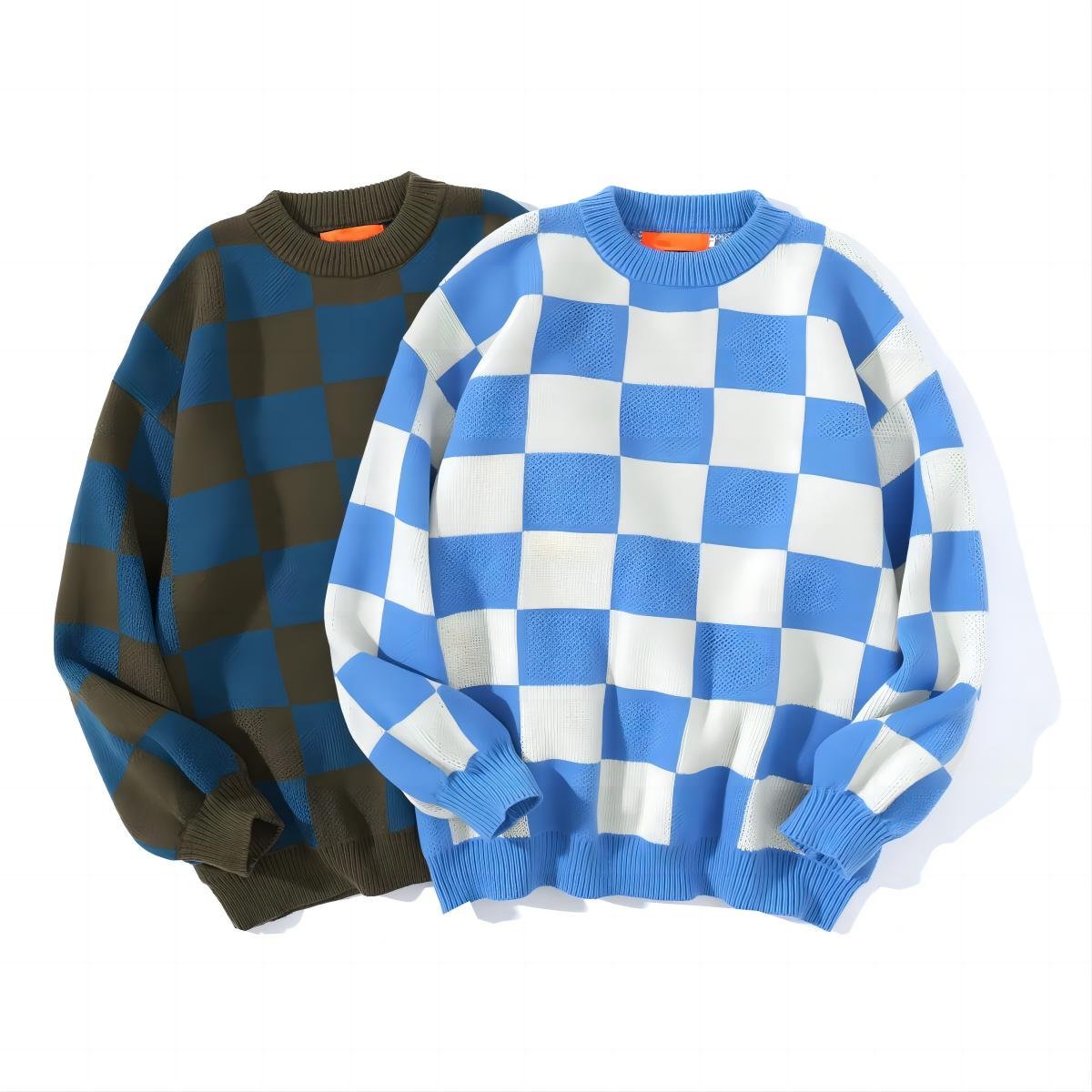
1×1 and 2×2 rib knit cuffs must recover to original width after 100% stretch or they lose shape after the first wash. Ask the factory for rib fabric elongation recovery data — reputable mills supply this at 200–300% elongation.
A cuff that bags after 5 wash cycles signals low-grade rib stock, typically below 200 GSM.
Drawcord Safety Compliance
EN 14682 (Europe) and ASTM F1816 (USA) both prohibit functional drawcords in hood channels for children under age 7, and restrict cord protrusion length for older kids. Non-compliance triggers import bans and product recalls.
Verify that the factory’s cut tickets and material specs explicitly reference whichever standard applies to your target market.
Kangaroo Pocket Reinforcement
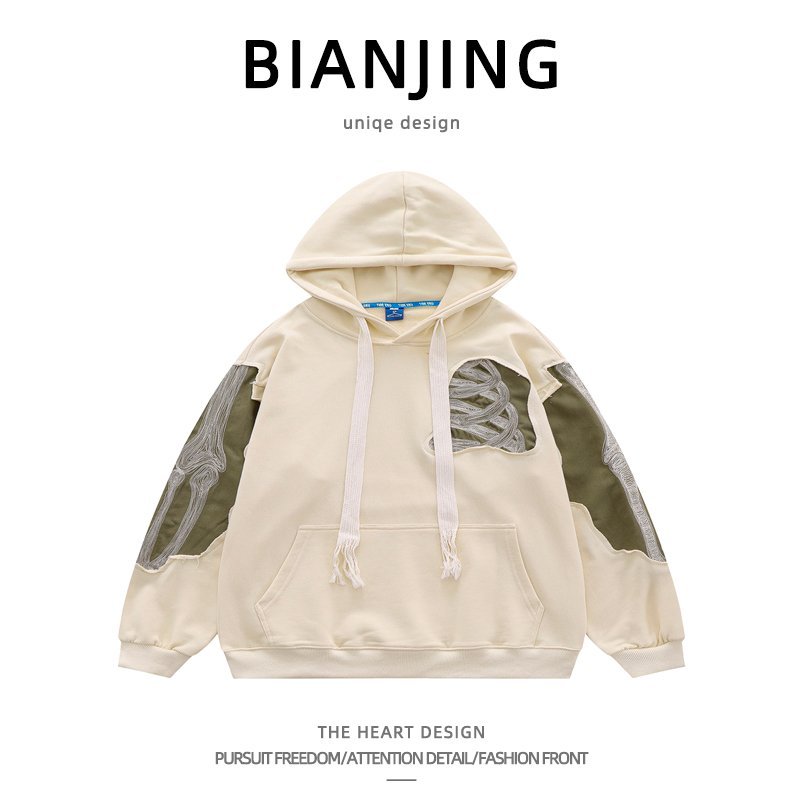
Bartack stitching — typically 42 stitches per bartack — must anchor both top corners of kangaroo pockets; without it, pockets tear away under normal load-bearing use. Check for double-needle topstitching along the pocket mouth at 6–7 SPI (stitches per inch).
Hood Panel Symmetry and Wash Shrinkage
Hood panels cut off-grain by even 3 mm cause visible asymmetry after the first wash. Verify panel alignment against a graded pattern block during the cutting QC stage.
Wash-shrinkage tolerance for kids hoodies should not exceed 3% in length and 3% in width after 3 AATCC 135 wash cycles at 40°C.
7. How to Choose the Right Kids Hoodie Manufacturer
Vetting a kids hoodie manufacturer requires more than comparing price sheets. A structured checklist covering certifications, sampling, MOQ tiers, lead times, and communication practices separates reliable partners from high-risk vendors before you commit capital.
| Sourcing Option | Typical MOQ | Lead Time | Unit Cost vs. Overseas |
|---|---|---|---|
| Overseas (e.g. China) | 50–200 pcs | 30–45 days | Baseline |
| Domestic (US/EU) | 100–500 pcs | 10–20 days | +30–60% |
Verify Certifications and Compliance First
Look for OEKO-TEX Standard 100, GOTS, WRAP, or BSCI audits — children’s apparel faces stricter chemical and safety thresholds than adult lines. A credible kids hoodie manufacturer should supply current certificates without hesitation.
Always Request a Pre-Production Sample
A physical sample — typically costing $50–$150 plus shipping — reveals construction quality, fabric hand-feel, GSM accuracy, and print registration before bulk investment. Reject any factory that discourages or delays sampling; that hesitation signals quality uncertainty.
Assess MOQ Flexibility for Your Stage
Startups and independent designers need MOQs of 50–200 pieces per style per color to validate demand without overcommitting cash. Factories anchored at 500+ MOQ per colorway are rarely the right fit for early-stage brand growth.
Evaluate Lead Times and Production Capacity
Standard overseas lead times run 30–45 days after sample approval; domestic production may compress to 10–20 days but at 30–60% higher unit cost. Confirm the factory’s monthly output capacity — a shop producing 5,000 units per month cannot reliably scale with a 50,000-unit seasonal order.
Check Communication Responsiveness
A vendor that replies within 24 hours, provides a dedicated contact, and shares production photos proactively is signaling operational maturity. Language fluency, time-zone overlap, and willingness to use shared project-tracking tools are concrete indicators — not soft preferences.
8. Common Mistakes Buyers Make With a Kids Hoodie Manufacturer
Most sourcing errors cluster in the first bulk order. Startups and influencer brands working with a kids hoodie manufacturer for the first time routinely repeat six costly mistakes that delay launches or force expensive recalls.
Skipping Pre-Production Sample Approval
Approving bulk production without a confirmed pre-production sample locks in every defect at scale. A single unreviewed seam or mismatched zipper pull can render 500 units unsellable. Always sign off on a sealed sample before cutting begins.
Ignoring Children’s Safety Compliance
Kids’ apparel sold in the U.S. must meet CPSC flammability and drawcord regulations; EU products require EN 14682 compliance. Sourcing non-compliant hoodies risks import seizure and retailer rejection. Request OEKO-TEX or GOTS certification before placing any order.
Choosing a Manufacturer on Price Alone
The lowest quoted price per unit typically reflects skipped quality control stages. A manufacturer cutting costs usually omits mid-production QC checks, producing high defect rates. Calculate total landed cost — including rework and reshipping — not just the FOB price.
Underestimating Production Lead Times
Standard production lead times for kids hoodies run 30 to 60 days after sample approval, excluding ocean freight. Influencer brands planning seasonal drops routinely order three weeks too late. Confirm the production calendar in writing at order placement.
Omitting Pantone Color References
Describing a color as ‘dark green’ lets every floor supervisor interpret it differently. Without a Pantone TPX or TCX reference, color consistency across a 300-unit run is impossible to enforce. Include the exact Pantone code in every purchase order.
Starting Without a Finalized Tech Pack
Entering production without a tech pack — graded measurements, construction details, and trim specs — guarantees miscommunication. Factories fill specification gaps with their own defaults, which rarely match a brand’s intent. Lock in the tech pack before approving any sample cut.
9. Steps to Launch Your Kids Hoodie Brand With a Manufacturer
Launching a kids hoodie brand is manageable when broken into clear sequential steps. With the right kids hoodie manufacturer handling production workflows, startup founders and independent designers can focus on brand-building rather than factory logistics.
Concept, Mood Board & Tech Pack
A detailed tech pack — specifying Pantone colors, GSM weight, fabric construction, and print placements — is the single most important document you bring to a factory. It compresses sampling rounds from 3-4 iterations to 1-2, saving weeks of back-and-forth revision.
Supplier Shortlisting & Sample Iteration
Shortlist 3-5 suppliers verified for OEKO-TEX or GOTS certification with documented in-line QC processes. Request a proto sample first, then a size-set fit sample before committing to bulk.
Clothing Manufacturer Ltd’s five-step QC methodology — covering materials, cutting, craft, sewing, and finished goods — flags defects at every production stage rather than only at shipment.
Compliance Testing Before Bulk
Kids apparel must meet CPSC flammability and drawcord standards in the US, EN 71 in the EU, or equivalent regional regulations. Submit pre-production samples to an accredited third-party lab before fabric is cut for bulk orders.
Bulk Production, QC Inspection & Delivery
Approve a final pre-production sample, lock colorways and trims, then confirm the production schedule in writing. In-line sewing QC checks run at defined intervals reduce end-of-line rejection rates versus batch-only inspection.
Factor 30-60 days production lead time plus 15-30 days for sea freight, or 5-7 days via air for urgent replenishment runs.
10. Pricing & Cost Breakdown From a Kids Hoodie Manufacturer
Sampling fees at a kids hoodie manufacturer typically run $80–$150 per style, often credited back on orders of 300+ units. Unit prices compress sharply between the 100- and 300-unit thresholds, making that jump the highest-leverage MOQ decision for startup brands.
Four cost drivers move the final landed price more than quantity tier alone: fabric GSM, decoration method, custom labeling, and freight mode. Upgrading from 260 GSM open-end fleece to 320 GSM ring-spun French terry, for example, adds $1.50–$3.00 per piece before a single decoration is applied.
- Fabric GSM upgrade (260 → 320 GSM ring-spun fleece): adds $1.50–$3.00 per piece
- Embroidery vs. screen print: +$1.00–$2.50/pc; 300-unit minimum recommended for embroidery
- Custom woven labels, inside-neck heat transfers, and hang tags: +$0.40–$0.90 per piece
- OEKO-TEX or GOTS certified fabric: 10–15% material cost premium over standard fleece
- Express air freight from Dongguan vs. sea freight: +$3–$6 per unit on sub-300-piece orders
| Quantity Tier | Unit Price (USD) | Sample / Setup Fee | Min. Decoration Cost | Lead Time |
|---|---|---|---|---|
| 50 units | $18–$24 | $120 (not credited) | $2.50/pc — screen print, 1 color | 25–30 days |
| 100 units | $14–$18 | $100 (not credited) | $2.00/pc | 22–28 days |
| 300 units | $10–$13 | $80 (credited back) | $1.50/pc | 20–25 days |
| 500 units | $8–$11 | Waived | $1.20/pc | 18–22 days |
| 1,000+ units | $6–$9 | Waived | $0.90/pc | 15–20 days |
Get Started with Your Kids Hoodie Manufacturer Today
Request a free sample kit and experience our 5-step QC guarantee, low MOQ, and premium streetwear craftsmanship firsthand.